Pyramid of the Moon at the ancient city of Teotihuacan
Overview: One week in Mexico City during Easter Week of 2023, visiting our daughter, Anna, who decided it would be a cool place to “work remotely” for a couple months.
Bottom Line: Mexico City is a huge, sprawling city with a population of more than 21 million people, making it the sixth largest city in the world. It also has an incredible cultural history, founded by the Aztecs in 1325 who, in turn, were conquered by the Spanish between 1519-21, when the Aztecs killed their own emperor, Montezuma, who they believed to be in league with the Spanish conquistador Cortez. Mexico City remained the capital of New Spain from then until Mexico’s independence from Spain in 1821 and has remained Mexico’s capital ever since.
While Mexico City has a reputation with some as a dangerous place, this is true of most large cities if you find yourself in the wrong place and aren’t careful. On the other hand, if you know where you’re going and are reasonably careful, it’s as safe as any other bustling metropolis. Mexico City’s “Centro” district is worth exploring by day with its great museums and ancient Mesoamerican ruins, and its upscale, leafy neighborhoods Roma Norte and La Condesa are easily walkable and feature beautiful architecture, sidewalk cafes, and a vibrant food, drink and nightlife scene. One week was just right for a first visit and provides plenty of time for taking in the food and art scene, seeing the major sights, and soaking in the atmosphere.
Both places we stayed were fantastic and I’d recommend either highly. Casa Goliana is a fairly luxurious B&B, with beautiful furnishings and lovely staff. We moved to Oscar’s Airbnb so we could share a larger space with our daughter. Both were great bases for exploring the Roma and Condesa neighborhoods by foot or Uber. Be sure to hit Panaderia Rosetta for the best coffee and pastries in the neighborhood.
Roma Norte street
Roma Norte
Best pastries in town
La Condesa street
La Condesa’s Park Mexico
Park Mexico
Park Mexico soccer
Our guided, 3-hour walking tour of the Centro district was very cool, with highlights including the ancient ruins of Templo Mayor, magnificent Metropolitan Cathedral, Plaza de Santo Domingo and its Portal de Evangelistas, and Palacio de Bellas Artes. Having a local guide explaining the historical and cultural significance of what you’re seeing, not to mention the most efficient route to see them, is well worth the $20 tip.
National Cathedral
Templo Mayor’s stone serpents
Plaza de Santo Domingo
Casa de los Azulejos
Outside Palacio de Bellas Artes
Exploring the Palacio de Bellas Artes requires a separate visit, as the walking tour doesn’t take you inside and it’s worth an hour or two. The artwork was unlike anything you see in Europe or the U.S. and it was really captivating. We loved it.
A visit to Casa Gilardi, an architectural masterpiece of a home designed by Luis Barragán, is well worth a visit. Reservations for the free, self-guided tour must be made in advance with the owners who still live in the house.
Entrance hall
Rooftop patio
Indoor pool
Casa Azul (the Blue House), once the home of legendary artists Frida Kahlo and Diego Rivera and now home to the Frida Kahlo Museum, is a must-see experience. Even if you are not crazy about Frida’s art, her life story as told throughout the house and its gardens are undeniably fascinating. Lots of Rivera’s art throughout as well.
Lunch at the San Angel Inn is a luxurious treat. Right across the street is the former art studio of Diego Rivera, now a small museum also worth a visit.
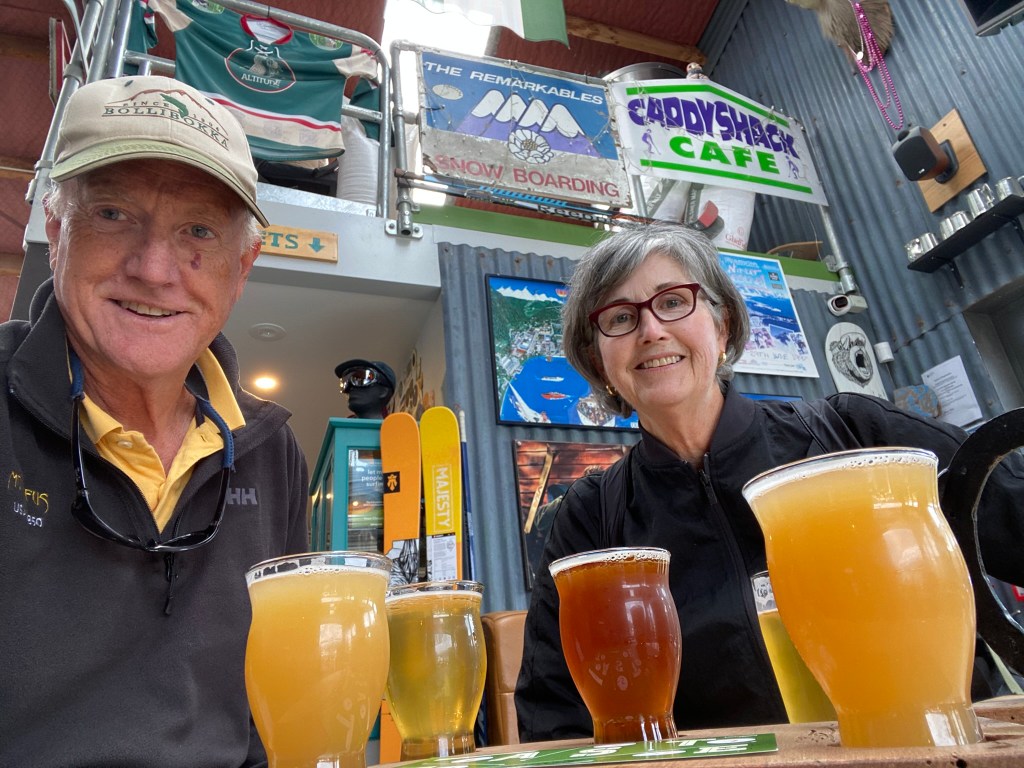
On Saturdays, the Plaza San Jacinto, a leafy green park surrounded by colorful buildings, is filled with stalls featuring artists and craftspeople displaying and selling their wares. Next to the park is El Bazar Sabado, an indoor mini-mall filled with more art stalls, jewelers and even a pop-up craft beer bar.
A side trip to the ancient city of Teotihuacan, home to the largest and most significant pyramids in Central America, is certainly worth half a day. Hiring a local guide can reveal interesting details you might otherwise miss, not to mention getting the history lesson in proper context. Wear sunscreen and a hat and be ready for the heat!
Pyramid del SolCalzada de los MuertosRecent excavations
The Museo Nacional de Antropologia is the largest and most visited museum in Mexico, filled with archeological and anthropological artifacts from Mexico’s pre-Columbian heritage.
If you want to experience a different kind of Mexico City cultural institution, something completely off the wall, head out to the Lucha Libre wrestling matches at Arena Mexico. Even on a weeknight, the place was packed with families (tickets are less than $2) and the street outside is filled with vendor stalls selling replicas of the wrestlers’ famous masks. We only stayed 45 minutes as that was plenty, but it was a fun spectacle. Stop for a post-wrestling beer at Fonda Buenavista, a casual sidewalk bodega just a couple blocks away.
Great food: Contramar may be the best seafood restaurant in Mexico City; get the whole fish with red and green sauce! Nosferatu has outstanding, creative pizzas (and El Grifo mezcal bar next door). Marmota is a very cool spot with a Pacific Northwest style in the middle of Mexico, with a huge, communal dining table facing the open kitchen with wood-fired oven. La Bodeguita del Media, a Cuban restaurant/bar and Hemingway hangout, has good food and drink and a fun vibe, including if you’re lucky like we were, Cuban troubadours to entertain you!
Great cocktails: Mexico City is home to four of the World’s Top 50 Cocktail Bars (as of 2023), and Anna made reservations for us at them all. Handshake (#11) and Hanky Panky (#) were our favorites, but Baltra (#32) and Limantour (#4) were also great. Other watering holes I can recommend include La Clandestina in Condesa and The Trappist (excellent beers) right next door, El Grifo (artisan Mezcal and beers, next door to Nosferatu), and Monstruo de Agua, another outstanding craft beer joint.
Handshake
Handshake
Hanky Panky
Limantour
Baltra
Marmota
Baltra
Montstruo de Agua
Monstruo de Agua
Monstruo de Agua
La Clandestina
El Grifo mezcal
Music: Casa Franca has incredible live jazz, very high energy the night I went. Get there early to get a good seat, otherwise it’s standing room with obstructed views. But the music is incredible. Midnight Monkey in La Condesa is an old school kind of lounge bar with solid jazz, more chill and soulful than Casa Franca, but it could be different on other nights.
Tearing it up at Casa Franca
Random thoughts and tips:
Contrary to popular belief, drinking water — or ice in your drinks — at any bar or restaurant is completely safe, as all such establishments have for years been using bottled or safely filtered water. This is by law, in fact, and even locals born and raised in Mexico City won’t drink tap water at home — it’s not safe for anyone.
For getting around town, Uber is extremely reliable and extremely inexpensive — pennies on the dollar compared to the U.S. Avoid taxis, as these are known to be a risky proposition for tourists, including the possibility of robbery or kidnapping.
For the fancy cocktail bars, it’s essential to get a seat at the bar to chat up the bartenders and watch “the show”. It makes all the difference, and reservations may be necessary. Otherwise, they can feel like little more than an overrated lounge with curiously built, very expensive drinks.
Be warned: With an elevation over 7,000′, notorious air pollution, and generally hot climate during the day, Mexico City can be a bit uncomfortable for some (like me), and the often-broken concrete sidewalks — unmissable remnants of the city’s disastrous 1985 earthquake — make the act of simply walking around that much more of a challenge.
Bottom Line: We had visited Edinburgh, Scotland’s capital and most popular tourist city, for three days in 2019. That was enough to fire our imaginations and inspire us to see the rest of Scotland — the real Scotland — where we could chase some clan history, mix it up with the locals in the highlands and islands, try a few wee drams of uisge beatha (whisky), track down some druids, fairies and standing stone circles, and hike the bens and glens of this mystical country. You haven’t been to Scotland if you haven’t spent time in the Highlands!
Much like New Zealand, Scotland is the perfect country to explore by car as you can see virtually all of it, getting to beautiful, rugged places you just can’t reach any other way, and do it at your own pace. Now, after 1,316 miles driving, including the entire North Coast 500, 26 nights in 14 towns, 7 distilleries, 4 ferries, 62 different single malt whiskies, and 36 holes of golf, I can say Scotland truly is a magical country worth every bit of time you can spend there. If I had more time, I’d add Islay and more days in Glencoe, Wester Ross and Speyside. If I had to cut out a week, I’d probably sacrifice Orkney and St. Andrews, simply because of geographical distance, and a day or two in Inverness. And, of course, if you’ve never seen Edinburgh you would have to include it. For us, once was enough.
Starting and ending our trip in Glasgow was an easy call, given we had been to Edinburgh and it is, as Scotland’s largest city, a major hub for flying. Our expectations weren’t very high given its past reputation for being gritty and rundown, a once vital ship-building city in decline. Well, let me tell you, Glasgow is fantastic! It has a vibrant food and bar scene, a world class university, impressive museums, and lush, green parks. We could definitely have spent more than 3 days here (given more time) and ending our trip with a 4th night here felt strangely like “coming home”. It helped having daughter Emily and SIL Alex come join us for the start of our trip here. Highlights:
Our lodging in the more upscale West End, on the edge of huge Kelvingrove Park, was impeccable, a historic building filled with art and lavish touches. Here’s my review.
The Kelvingrove Art Gallery and Museum, named after Lord Kelvin, the thermodynamic scientist who created the Absolute Temperature Scale. Salvadore Dali’s controversial Saint John of the Cross was a highlight.
Free “Dark and Secret Past of Glasgow” walking tour of Glasgow’s central and Merchant City districts was fun; a great way to get oriented to the city’s layout, culture and fascinating history. Our guide, Marty, was terrific.
Hiking the Necropolis, the hilltop cemetery and permanent home to the wealthy merchants of Glasgow who built its shipbuilding empire.
Scotland’s cathedral, just below the Necropolis, is one of the few Catholic religious sites that was never destroyed during the Protestant reformation. Be sure to check out its massive interior arches and wooden ceiling!
While downtown, pairing a stop at Tennent’s Brewery (we skipped the pricy tour and went straight to the bar for a tasting and free history lesson from the barman) with lunch at Drygate Brewing next door was a hit.
Ashton Lane in the Hillhead neighborhood, a 20-minute walk from our flat, is the most fun street in Glasgow filled with great bars and one of the best restaurants in town, The Ubiquitous Chip.
Outstanding dinners at Crabshakk, Hanoi Bike Shop, Eighty-Eight, and the aforementioned Ubiquitous Chip.
Several excellent pubs worth checking out, including neighborhood faves Islay Inn, Park Bar, Ben Nevis and, further afield, Oran Mor (a former church, great outdoor people watching), Jinty McGinty’s, Brel, The Wee Pub (all three on Ashton Lane), Deep Inn, and The Scotia (Glasgow’s oldest pub).
For whisky lovers, a stop at The Pot Still is a must. 800 whiskies in the house!
With Alex departing for home, we grabbed our rental car at the airport and headed off to start our Highlands adventure. Our first destination, Oban, is “the gateway to the highlands and islands” and the eponymous home to one of my favorite whiskies, so I was looking forward to this first leg of our journey. To get there, you have a lovely drive past the Trossachs National Park and along the shore of Loch Lomond before turning left and crossing in the Highlands. The geological boundary is fairly striking. The 3-hour drive took us past three more lochs, with worthwhile stops along the way at Loch Fyne Oyster Company and Inverary Castle. Two nights was fine, though a third would have allowed us to spend a day touring the Isles of Mull, Iona and Skappa, which we missed. Highlights:
A stop and tour at Inverary Castle along the way to Oban is a must do. The castle and its gardens are among the most impressive in Scotland, and its history with Clan Campbell, the Duke of Argyll is vitally important to understanding the region you are entering.
Loch Fyne Oyster Company makes a perfect lunch stop driving to Oban, but advance reservations essential if you want to eat indoors. We didn’t have them, but outdoors was just fine and the oysters were great. They supply oysters to restaurants around the world, but this place is the original.
The Oban Distillery tour was an excellent, behind the scenes introduction to the whisky making process, not to mention tasting a few of their excellent drams, including their Distiller’s Edition that is not sold outside the distillery.
If you don’t have time for the full day tour of Mull and Iona islands, the two-hour cruise around the Isle of Kerrera is definitely worthwhile. Good sightings of local bird and marine life and three castles.
Don’t miss an outdoor lunch at the Oban Seafood Hut, where all their food is fresh off the boat. Just watch out for poaching seagulls.
Hike to McCaig’s Tower on Battery Hill for fantastic views over the town and Inner Hebrides and to see the Romanesque structure modeled after the Colosseum, built (but never completed) in 1897.
Several good pubs, including Auley’s and Tartan Tavern (both local hangouts), Oban Inn (most atmospheric with a mix of tourists and locals), and Markie Dans, where they sometimes get live trad music.
Grave overlooking the Three Sisters and Glencoe Valley
Glencoe, or the “Weeping Glen”, so called both for its waterfalls and tragic history — the Glencoe Massacre of 1692, when members of the Campbell clan, at the orders of the English king and Duke of Argyll, murdered 38 men, women and children of Clan MacDonald as they slept, after the MacDonald’s had hosted and fed the Campbells for 13 days. Another 40 MacDonalds who escaped froze or starved to death in the ensuing weeks. Glencoe is also renowned for its natural beauty and incredible hiking, among the best in Scotland. One hour’s drive north of Oban, we spent the better part of a day and one night here. If you like hiking, Glencoe is easily worth several days. Be warned though: this is where you will find huge hordes of the Scotland’s famous midges; have your bug spray ready! Highlights:
The Glencoe Visitors Center & National Trust for Scotland is well worth a visit, with wonderfully done displays telling the history of the region, trail maps, and a thatched roof hut, a meticulously executed reproduction of original clan dwellings in the region that are now long gone.
Driving the A82 — The Glencoe Highway — is a must do here. It runs the length of the valley with several great lookouts and access to numerous trailheads. Driving a few miles further toward Glen Etive puts you on the famous “James Bond Skyfall Road”.
We hiked The Study, a fairly short and easy hike with dramatic views of the valley and the Three Sisters, its most famous peaks, and the Hidden Valley Trail, a steep and more challenging trek up a side canyon between two of the three Sisters. Spectacular!
The Clachaig Inn is a popular inn, tavern and restaurant near the entrance to the valley and a 10-minute stroll from our Airbnb. Roughly half tourists and half locals, the place gets packed every evening, so make reservations for dinner. You may even have to stay there to be guaranteed dinner. Eat and drink in the Boots Bar at the Inn.
Breakfast at Crafts & Things in the small village of Glencoe was excellent. Not many options in town, we ate there twice. They also have a very nice gift shop and art gallery. I bought the owner’s memoire of traveling the world there.
Visitors Center Hut
Glencoe view from The Study
Hidden Valley Trail
Top of Hidden Valley Trail
Clachaig Inn
This must be the place
Boots Bar
Haggis, neeps and tatties
What’s on Saturday night
The next morning, we dropped Emily at the bus stop for her trip back to Glasgow and drove north through Fort Willaim to the “Road to the Isles”, stopping for lunch and more history at Glenfinnan. Glenfinnan was the landing spot for Bonnie Prince Charlie when he returned to Scotland from France in 1745 to lead the Jakobite Rebellion. There is a cool museum that tells this story, a monument to the Bonnie Prince and the memory of all who died in the rebellion, and an impressive railway viaduct made more famous as the route of the Hogwarts Express from Harry Potter movie fame. From here we continued to Mallaig, where we caught the ferry to the Isle of Skye. There are faster routes to Skye, but this was better.
Overlooking Loch Portree and the Cuillin Hills from The Lump
Arriving on Skye, we made our way to the harbor town of Portree, the largest town on the island. We spent three nights here, the perfect base for exploring the rest of the island. I’d heard great things about Skye, but there’s nothing like firsthand experience. Spectacular, wild scenery, great food and whisky, and those narrow, mountainside, single track roads sure are fun to drive! Highlights:
Drive the Trotternish Peninsula Loop, a magnificent drive through rugged country, mostly on single track roads (lots of passing places) with several great stops for hiking and sightseeing. This took us about 6 hours including stops.
One such stop is The Quiraing, an otherworldly landscape of escarpments and landslips. We made a two-hour hike along the main escarpment to the base of the Needle and back. Incredible views!
The Old Man of Storr is another famous geologic landmark along the route; actually, the first you’ll see leaving Portree. Great hiking here as well, though we settled for a short stop and look.
I’d read great things about the Skye Museum of Island Life, built to recreate an original croft settlement further along the route, but it was closed unfortunately. Still, we got to see the exteriors of the many rebuilt croft houses on the site, and it didn’t take us out of our way.
Other cool stops on this route include Lealt Falls, Flora MacDonald’s grave (she is the heroine who saved Bonnie Prince Charlie), and the Fairy Glen.
Day 2 started with a drive from Portree to Dunvegan Castle, home of Clan MacLeod. It’s a huge and impressive castle and the self-guided tour was well worth it. From there, a one-hour drive took us to…
Talisker Distillery, for many years the only distillery on Skye, and whose 18-year whisky was named Best Whisky in the World at the 2007 World Whiskies Awards. Their tour was very good, as was the tasting, but if you’ve done one distillery tour, you’ll find them all very similar.
Right around the corner from the distillery lies The Oyster Shed, the perfect spot for lunch. Everything is freshly caught off Skye and the outdoor setting is perfect if the weather is fair. It was for us!
Time permitting, drive 20 minutes to the trailhead for the Fairy Pools. This is a very popular day trip for locals and tourists alike and we found a lot of people out on the trail and in the pools on a hot day. It’s not all I expected it to be, but its location at the base of the Cuillin Hills made it very worthwhile.
On the way back to Portree, be sure to stop in Sligachan to visit the statue of Scotland’s famous mountain men and Munro baggers, Professor Norman Collie and John MacKenzie, gazing back at the Cuillins. If you’re thirsty, stop for a beer at Seumas’ Bar next to the Sligachan Hotel.
For a splurge, dinner at the Cuillin Hills Hotel was really fantastic. It’s a short and scenic walk from town.
A few decent pubs in town, including Merchant Bar, 1820 and Tongadale Hotel, but our favorite by far was the Isles Inn, where we finished up every night, enjoyed a good dinner once, and caught some excellent live music by a couple local islanders.
Loch Portree
The Isles Inn
Music night at Isles Inn
Old Man of Storr
The Quiraing
Our trail
Hiking the Quiraing
Hairy Coos
Museum of Island Life
Dunvegan Castle
Dunvegan Castle
Dunvegan cellars
Talisker Malt
Talisker Distillery
The Pot Stills
The Oyster Shed
Mmm, whisky!
Fairy Pools Trail
Fairy Pools
Taking in the Cuillin Hills
Fine dining at Cuillin Hills Hotel
Loch Portree waterfront
Cuillin Hills Hotel lawn
Days 10-13
Wester Ross
See lodging details below
The golden hour at the Shieldaig Lodge on Loch Gairloch
Things get wilder, more beautiful, and more remote as we leave Skye and begin our tour of the North Coast 500, by all accounts the greatest road trip in the UK. This first segment took us through gorgeous Wester Ross, with two nights on Loch Gairloch and one night in the coastal village of Ullapool, through Assynt in the far northwestern corner of Scotland, to the north coast where we finally landed for a night in Tongue. Once again, outside of a few hours of heavy rain, we enjoyed mostly very mild weather, wild and unspoiled scenery, and more super fun roads with more sheep than cars.
While one could take this route in less time, you wouldn’t want to. We passed through rustic villages and seaside towns that made us say “wow, I wish we had a few more nights to immerse ourselves here”. We didn’t feel too rushed with four nights, but this is where you’ll want to slow down.
Our first day leaving Skye, we headed across the Skye Bridge to Eilean Donan Castle on the mainland before continuing on to the Shieldaig Lodge, a few miles outside Gairloch, via the Applecross Peninsula. This route takes just over four hours not counting stops. With more time, overnight stays in the charming town of Plockton on the shores of Loch Carron, which we missed on our route, or the village of Applecross look appealing. Other worthwhile stops along the way include Beinn Eighe Nature Reserve and Victoria Falls. While you can shave 60-90 minutes off the drive by skipping Applecross, you shouldn’t. Highlights:
Eilean Donan Castle is one of the more picturesque castles in Scotland and is worth a stop even if you don’t go inside.
Driving the Bealach na Ba Pass, the highest mountain pass in the UK, to the Applecross Peninsula was a real thrill. Much of the road is single track and involves some serious hairpins, but the views from the top of the pass are spectacular.
Lunch at the Applecross Inn was a treat. The Inn is iconic in this region and would be a fine place to stay. It also features prominently in an audiobook called His Bloody Project we listened to on our journey, about a 19th century triple-murder among the local crofter community. Perfect for getting in the mood.
The Shieldaig Lodge, our most decadent stay in Scotland, is a refurbished 19th century Victorian hunting lodge on a 26,000 acre estate in the West Highlands. Our dinner there one night was excellent, as was their very well-stocked whisky bar. I had hoped to fly fish here on Father’s Day, but alas fishing is prohibited on Sundays in Scotland. We settled for some nice hikes, watching the falconry show on the front lawn, and just relaxing. Highly recommend this place!
We also had dinner one night at the Badachro Inn just a few miles up the road on the water. Good food, drink and local scene. Eat at the communal dining table and get to know some strangers!
Bealach na Ba Pass
Bealach na Ba Pass facing Skye
Coal Shed gift shop in Applecross
My idea of fun!
Applecross Inn
Nice wine selection at Badachro Inn
Shieldaid Lodge
Lodge’s gardens and falcon yard
Snooker, anyone?
The Falconer
Steppe Eagle and Harris Hawk
Fishing boats in Gairloch
Gairloch Harbor
Hillbilly’s Bookstore
Gairloch to Ullapool
Our next stop was Ullapool, a quaint commercial fishing town known as the gateway to the Outer Hebrides, with daily ferry service to Stornoway on the Isle of Harris. It’s a 90-minute drive to get there through mostly wild, open landscape, though we happened to run into traffic in the form of the CELTMAN! Extreme Scottish Triathlon, with runners and their support teams all over the road for miles. One night is plenty in Ullapool. Highlights:
The drive itself is great, with beautiful views of Loch Maree early on and passing close by Corrieshalloch Gorge National Park further up the road. Both nice places to stop and stretch your legs.
Inverewe Gardens, a massive botanical garden complex created in a gorgeous setting in 1862 by Osgood MacKenzie, son of the Laird of Gairloch, makes another excellent stop. The lush gardens have exotic flowers and trees from around the world that thrive here because it’s directly in the path of the Gulf Stream.
The Seafood Shack is a great, open air lunch spot in Ullapool. It’s run by five young women, including one at the pop-up gin bar in the garden. Get the fresh haddock! If you prefer a beer with lunch instead of gin, grab a bottle to go at the bottle shop just down the street.
Very nice dinner at the large and popular Ceilidh Place, reputedly the best in town.
Best pub in town is the Ferry Boat Inn overlooking the waterfront.
Several small art galleries and a tiny museum in town get the nod from Rick Steves, but they weren’t much if you ask me.
Loch Maree
Inverewe Gardens
Ullapool in the distance
Frying up fresh haddock for lunch
Ullapool fishing boats
Ullapool waterfront park
Ullapool to Tongue
It’s another 3-4 hour drive from Ullapool to the north coast town of Tongue, our staging point before heading to the Orkney Islands. But this northwest corner of Wester Ross is just magnificent for its beauty, a land seemingly lost in time, with several nice stops along the way, including Ardvreck Castle, Kylesku and a couple sights just outside the north coast town of Durness.
We accidentally took a wrong turn just past Ardvreck but this proved a stroke of good fortune, as the 45 minutes it added took us on a spectacular, one lane loop through the Assynt peninsula, a stunning landscape, alternately lush and desolate, with the tiny villages of Lochinver, Stoer, Clachnessie and Drumbeg dotting the countryside. This is another area we would have loved to spend a night or two. Other highlights on this route:
Everyone driving the route stops at Ardvreck Castle and for good reason. Perched on a promintory overlooking pretty Loch Assynt, it has the classic ruined Scottish castle look. The 15th century fortification was the bastion of Clan MacLeod until Clan MacKenzie captured if following a 14-day siege in 1672.
Lunch at the Kylesku Hotel, on the shores of beautiful Loch Glendhu (and otherwise in the middle of nowhere) — fresh oysters, mussels and langoustines from the loch — made a superb mid-day feast.
The Old Ferry Craft Shop sits next to the boat launch fronting the the Kylseku Hotel was filled with very cute, nice handmade crafts and gifts. Normally, I don’t care for stores or shopping, and I thought the place was great for its charm and one-of-a-kind gifts . Yep, we stocked up.
Further up the road we hit the north coast town of Durness, where John Lennon used to vacation as a boy. The John Lennon Memorial Garden, just outside town, was created by Lennon’s cousin and boyhood pal who was often there with him. Small, but worth a visit if you’re a Beatles fan. It’s free.
Smoo Cave is another interesting site just another couple miles up the road. A massive cavern with an underground river and waterfall that can be toured by boat (for a fee); we checked out the cave but skipped the tour.
The Tongue Hotel was the perfect layover after a long drive, which ended in the rain, and before another big day to come. Great dinner on site and a nice bar, too, followed by a beautiful sunset over the North Atlantic with Varick Castle looming in the distance.
Having reached the northernmost shores of the Scottish mainland, where do you go next? For us, it meant hopping a two-hour ferry north from Scrabster to the Orkney Islands, a wild but completely different landscape notable for its ancient Neolithic ruins and historic WWII sites. More Norwegian than Scottish culturally, it’s a world unto itself. Three days was perfect for exploring the main island, ironically called Mainland. If you want to explore more of the islands, you’ll need more time. Highlights:
Sailing to Okrney from Scrabster, you pass the rugged cliffs of the Isle of Hoy and its famous landmark the Old Man of Hoy, a 450′ high sea stack framed by the dramatic cliffs. Very cool.
Saint Magnus Cathedral in Kirkwall, founded by the Vikings in 1137, is the northernmost cathedral in the UK. The interior has massive, vaulted ceilings; its walls are lined with intricately carved stone tombs; and 14 color panels opposite the rear altar depict the life of Saint Magnus, including one panel showing his martyrdom with an axe blow to the head.
5,000-year-old neolithic sites clustered around the island, including the Ring of Brodgar, Standing Stones of Stenness, Maeshowe (a 5,000-year-old chambered tomb) and Skara Brae are the most dramatic and best preserved in all of northern Europe.
The Neolithic village of Skara Brae was inhabited for 650 years until it’s residents suddenly left around 2500BC. It then lay hidden under sand dunes until a huge storm in 1850 revealed it to the world. Very sophisticated living quarters, chambers, communal spaces, tools, crockery and jewelry all remained as they were left. The inhabitants of Skara Brae apparently lived like rabbits underground, with all the dwellings originally having roofs of earth and stone.
Scapa Flow, a massive natural bay with several relatively small entrances, was the primary home to the UK’s and allies’ naval armada in both WWI and WWII. The Churchill Barriers, constructed of huge concrete blocks, were installed to prevent German u-boats from getting from the North Sea into Scapa Flow after one such u-boat sank a British ship there.
The Italian Chapel was built by Italian POW’s in WWII out of two Nissen huts so they would have a place to worship. It’s truly a work art considering the limited materials they had to use.
Our full-day tour with our intrepid guide Kinlay Francis of Orkney Uncovered, which covered the aforementioned sites, was terrific. Kinlay was an amazing guide with encyclopedic knowledge of Orkney’s prehistoric and military history.
A two-hour out and back hike along Marwick Head on the North Atlantic coast leads to the Kitchener Memorial, built and dedicated to UK’s Secretary of War, who along with over 700 men went down en route to a secret meeting with Russia when their ship hit a German mine in June of 1916. The rugged cliffs are beautiful and filled with seabirds – mostly Kittiwakes, Razorbills, Guillemots and a number of Puffins.
Orkney’s two distilleries, Scapa and Highland Park, produce excellent whisky. The 27-year old Highland Park from the Gordon & McPhail Collection was particularly outstanding.
Excellent dinners at the Storehouse Restaurant (where we stayed as well) and Twenty-One. Our big splurge dinner at the Lynnfield Hotel was a bit underwhelming, though the place was beautiful.
Several decent bars in the old town center, but the best was the Bothy Bar, a wood timber and stone filled cave-like tavern that featured a terrific, 15-person trad music session the night we were there.
With two days and three nights in Orkney under our belts, we caught another ferry — this time from St. Margaret’s Hope to Gills Bay — where we completed our circuit of the North Coast 500 with a quick drive down Scotland’s east coast to Inverness, the Highland’s largest town, stopping briefly at John o’Groats, Dunrobin Castle and Glenmorangie Distillery along the way. It felt strange to be back in a “big city” with noisy crowds, traffic and streets filled with stores — in fact, it felt like we’d left the Highlands behind — but a day trip to Culloden Moor, where the Jacobite rebellion was finally crushed – and more than a few Outlander references popped up – helped keep things in perspective.
A lot of people only make it as far as Inverness when visiting the Highlands. Personally, I wouldn’t spend much time here; rather use it as a transit point to or from other more remote Highland locations. Note the massive Inverness Castle is undergoing renovations and won’t reopen until 2025. Highlights:
Like most European towns we’ve visited, taking a guided walking tour is a great way to get oriented and learn some interesting history, fun facts and local tips on food, drink and entertainment. Thas was certainly true in Inverness.
Another great walk is along the River Ness from Ness Bridge to the lush, green Ness Islands a mile upstream and back. The islands have nice walking paths with beautifully sculpted wooden benches, tables, etc. and make a great place to hang out in nature. Return via the Generals Well Bridge and Bught Park if there is a rugby or shinty match going on.
Day trip to Culloden battlefield is a must-do; both the visitor center and guided tour are well worth it. Take a side trip to Cawdor Castle and Gardens, just a few miles down the road. We skipped the Clava Cairns neolithic site as we’d gotten our fill in Orkney.
Whisky tasting at The Malt Room in the Victorian Market, by far the best whisky bar in town. I heard great things about the Wee Bar as well from our innkeeper, but it was closed when we stopped by.
Leakey’s Bookstore is a local institution and worth a visit. Once overrun by tour groups, they no longer allow groups of more than five inside.
Live trad music at Hootananny and MacGregor’s Bar was good, and we enjoyed dinner and drinks at both spots as well. The Gellions, the oldest bar in town, wasn’t as much fun in my opinion.
I’ve heard the Sunday Roast at the Waterfront restaurant is excellent, and the Mustard Seed is reputedly the best restaurant in town, advance reservations absolutely required. We didn’t get in to either.
Pizza lunch at Black Isles, along with their own craft beer selection, was good. We also liked the Castle Tavern for lunch, terrific atmosphere and outdoor seating with good views.
Speycaster on River Ness
Walk to Ness Islands
Old High Church
Faith, Hope & Charity
Leakey’s Bookstore
Malt at McGregor’s
The Castle Tavern
Alley to the Victorian Market
The Malt Room
Cawdor Castle
Cawdor Castle
Tapestries
Castle gardens
Castle gardens
Culloden Moor is where 1600 clansmen fighting for Bonnie Prince Charlie were wiped out by the better organized and equipped government army in 40 minutes. Several tactical errors, including choosing to fight on wide open ground instead of attacking from high ground under cover of trees, as was their custom, led to this outcome. Contrary to common belief, the Jacobite rebellion was not Scotland vs England but a civil war.
Culloden BattlefieldClansmen mass grave
Days 20-21
Speyside
See lodging details below
Original Whisky Hipsters — Mural Inside the Mash Tun
Speyside was almost an afterthought when we first started planning this trip, a place to layover for a day or two between Inverness and St. Andrews. What were we thinking!? Speyside is home to the densest population of whisky distilleries in all of Scotland — possibly the world — and the famous Malt Whisky Trail, linking eight distilleries and the country’s only cooperage. The countryside is also lush and green, filled with rivers and forests that provide said distilleries with the clean water they need, all surrounding the wild Cairngorns National Park. Speyside is also renowned for salmon fishing on the fly, though I hear it’s really suffering with the changing climate and river conditions. I didn’t get the chance to try.
We spent our first night in the tiny village of Craigellachie, just over an hour from Inverness, and a second night in Ballater another hour south. With the benefit of hindsight, I can say this region is worth more than the two days we gave it, starting with at least two to three days in or around Craigellachie (or nearby Dufftown or Aberlour) to more fully and comfortably explore the distilleries — you need a driver, which requires some planning (don’t count on Uber), as no distillery will serve you if you have the car keys — and maybe do a little fishing or hiking.
Leaving Inverness in the morning, we made our way to Craigellachie, taking the A9 south until a cutoff routed us to the A95 eastbound. While there are a few different routes to our destination, I like this one as it parallels the River Spey and goes past several top distilleries, including Tomatin, Glenfarclas, Cardhu, Knockando, and Aberlour.
We stopped briefly at Glenfarclas, one of the few, if not the best, remaining independent, family-run distilleries and one of my favorites. Because I was driving and did not have a reservation, neither a tour nor tasting was possible. Our next stop in Aberlour was a more productive diversion before we finally reached our destination. Once there, and with only a one-night stay, we quickly realized our best bet was to explore what we could within walking distance. This, in turns out, worked out just fine. Highlights:
The Aberlour Distillery is small but charming, and the gentleman at the welcome desk was both welcoming and super helpful. While he made it clear a proper tasting wasn’t possible unless I surrendered the keys, he did offer enough of a mini-tasting to get a sense of their excellent whiskies.
Next to the distillery is a trailhead for the Linn Falls Walk, a nice one-hour return along a creek through mixed forest to pretty Linn Falls.
Lunch at the Mash Tun in Aberlour, a short walk from the distillery and trailhead, was great fun, with a terrific atmosphere, some fun art on the walls, and good food. Highly recommended.
The Artist’s Studio Gallery in Aberlour was filled with whisky-themed art. We got to meet the owner/artist, a charming fellow, and walked out with three of his pieces.
The Craigellachie Lodge was fantastic. Our lovely hosts, Scott and Jodi, have completely renovated their Victorian mansion with large, gorgeous, comfortable rooms, a splendid dining room (dinner was excellent) and a terrific whisky bar on premises where, with nowhere to go, I enjoyed several excellent drams with our host. When we said goodbye in the morning, we left with a bottle of their own custom bottled whisky, a precocious, cask strength, 9-year old Speyside called Lady Marmalade.
Across the road from the Lodge sits the Craigellachie Inn, a large 4-star place whose best features are the Quaich Bar, boasting the largest selection of malts anywhere – 800 bottles!!
The locally famous Craigellachie Bridge, one of many designed by celebrated civil engineer Thomas Telford, crosses the River Spey a short walk from our lodge.
Glenfarclas Distillery
Where Glenfarclas happens
Aberlour Distillery
Lunch stop
Linn Falls
The Quaich Bar
Craigellachie Bridge
An important milestone
GlenAllachie family
View from the bridge
PRO TIP: With some advance planning, you can book a 3-4 hour guided walking tour or driving tour of several distilleries in the area, starting in late afternoon. Meaning you can get a good taste of as many whiskies as you’d like with a single night’s stay, though your head may not be in the best shape when it’s time to leave in the morning!
Dufftown to Ballater
With our next destination just over an hour away, we spent the day exploring the region along our route to see where fortune may take us, starting in Dufftown, the heart of Speyside, just a few minutes down the road before arriving in Ballater later that afternoon. With the former Queen’s beloved Balmoral Castle just up the road, Ballater is the heart of royalist Scotland. I talked to a few older locals who said they’d known Charles (the king) since he was a boy. Yeah, that old. Highlights:
A two mile walk from the center of Dufftown to the Giants Cradle, an unusual rock feature along a stream in the country outside town, was a nice way to start the day.
A quick stop at Balvenie, another picturesque distillery where we were warmly welcomed and shown around without a reservation. (We purposely skipped the famous Glenfiddich and Glenlivet distilleries (too popular) and Macallan, which I was sad to hear has gone very corporate and does not welcome drop-ins at all.
Lunch at the Clockhouse in the village of Tomintoul was good and broke up our drive nicely.
Visiting the Highland Games Center in Braemar, home to the Highland Gathering, 150 years of tradition, and one of the greatest sports ever invented: caber tossing! Their small museum is really fun and interesting, filled with Highland sporting gear and photos of past champions and royal visitors alike.
The small village of Braemer, straddling the River Dee, was pretty and walkable. Good coffee at the Bothy Braemer, and be sure to drop into the Fife Arms — supposedly the most luxurious hotel in Scotland — and check out their visually impressive Flying Stag bar.
A few miles past Braemer and just inside Cairngorns National Park is the Linn of Dee, reportedly one of Queen Victoria’s favorite picnic spots back in the day. With its network of trails, stone bridge and twisting, rocky gorge, it’s easy to see why.
Dinner at the Clachan Grill was outstanding. Advanced reservations strongly recommended.
Once again, we really liked our B&B, beautiful and comfortable and a short walk from the town center.
The iconic Swilcan Bridge on the Old Course’s 18th hole
Our time in Scotland is growing ever shorter as we make our way south through the Cairngorms National Park out of the highlands and down to St. Andrews, the birthplace of golf, home to arguably the top university in the UK, and some chilling religious history. Michelle found the shopping meh; my single round at St Andrews was epic.
There are a couple way routes you can take from Ballater to St. Andrews, though they will all take you through the port town of Dundee. Glamis Castle is a well-known detour for some, though we skipped this in order to divert through Pitlochry, a postcard-pretty town popular among tourists. Our objective was to visit the town’s two distilleries: Edradour, Scotland’s smallest distillery renowned for an outstanding tour (it was closed, unfortunately), and Blair Athol, which I had heard great things about from locals in Inverness.
Highlights:
The scenic drive through the Royal Deeside, passing Balmoral Castle and along the River Dee and the Cairngorns and down to Pitlochry is an impressive combination of lush, green forestland and stark, bald mountains on a very lightly trafficked, two-lane road.
The ivy-covered Blair Athol Distillery is conveniently located right in the center of Pitlochry. We didn’t take a tour but the small samples we were offered of a couple of their whiskies was enough to convince me to buy a couple bottles of their 12-year old — one a gift and one for me.
Our guided walking tour of S. Andrews was really good, with key historical sites including the Martyrs Monument (in memory of four Catholics burned at the stake during the 16th century Protestant Reformation), University of St. Andrews, ruins of the old Catholic Cathedral, and of course the 18th green of the Old Course.
An interesting bit of trivia learned on our tour: Greenwich Mean Time was formally established in 1884 as the basis for modern time zones and navigation by latitude and longitude. But James Gregory laid the original Meridian line marking zero latitude in St Andrews 200 years earlier in 1673. Ahead of his time?
Playing golf on the Jubilee Course was a real thrill. Advanced reservations aren’t taken for single golfers, but I was able to get a tee time calling the day before, and I ended up playing alone with my caddie, Nelson. Proof of a 36-or-better handicap is required to play the Old Course, and I no longer carry a card.
Michelle is not a golfer, but we had a ton of fun playing the 18-hole putting course, The Himalayas (officially the St. Andrews Ladies’ Putting Club), together.
Delicious seafood dinner and fish ‘n chips lunch at Tailend, and an even better dinner at the atmospheric Little Italy, a local favorite. Our last dinner at the Bridge Restaurant in the Rusacks Hotel was also good (and pricy), but the window table overlooking the approach to the Old Course’s 18th green made it fun.
Being a college town, there are lots of bars in St. Andrews. Our favorites were The Keys, a local hangout, the Jigger Inn next to the Old Course’s 17th fairway, and Aikman’s, which featured rip roaring Chicago blues and American rock ‘n roll our last night in town.
Jubilee Course
The Scores & Martyrs Monument
18th tee on the Old Course
Martyrs Monument
University of St. Andrews main quad
Bishop’s House ruins
Cathedral ruins
Keys bar
The 19th Hole
Hanging with locals at the Keys
Rusacks Hotel drawing room
Aikman’s Pub
The Full Scottish breakfast
St. Andrews street at dusk
Sunset over St. Andrews Old Course
Days 25-26
Stirling & Glasgow
See lodging details below
The final leg of our Scottish Highland adventure took us from St. Andrew’s through the coastal village of Anstruther to a day of castle hopping in Stirling, before one last night back in Glasgow where our trip began. The main attraction in Stirling, of course, is Stirling Castle, perhaps the most important castle historically and architecturally in Scotland, having been home to Scottish royalty for several hundred years. That said, there are many other interesting sights in and around Stirling and the road back to Glasgow, especially if you take the scenic route.
Stopping in the seaside town of Anstruther, we had a wonderfully unexpected but brief reunion with old fraternity brother, RJ MacDonald. I knew Rich worked for the Royal National Lifeboat Institute and to our amazement we stumbled upon their base in Anstruther. After a brief inquiry, we are suddenly standing face to face for the first time in 36 years! Rich is now a senior member of the lifeboat crew. Just the day before he and his team saved a woman from certain death two miles offshore. How cool is that!!? Anstruther is a lovely town, by the way, but we didn’t stop anywhere else.
Anstruther waterfrontThe lifeboat man
The 50-minute guided tour of Stirling Castle was a sold investment. The castle is architecturally magnificent, with some spectacular rooms and displays, and our guide was a font of extremely interesting history about the castle and its past royal residents. Well worth it!
The Old Town Cemetery, high on a hill next to the castle, make a great self-guided walk and affords great views of the Stirling Castle.
The Curly Coo was an unexpected find, a small but well-stocked whisky bar — the only one in Stirling. When we stopped by, there was nobody there except us and the owner, Mandy, who had some fascinating tales to tell of her history in the whisky business.
Good lunch and beers at Nicky-Tams Bar & Bothy, a cool little hole in the wall.
Very nice dinner at Brea, just down the street from Nicky-Tams.
Our good fortune with lodging continued with Victoria Square, a lovely and sumptuous guest house in a leafy neighborhood filled with large, classic homes.
Robert the Bruce greets us
Old Town Cemetery
Stirling Castle gardens
Stirling Castle bedchamber
Stirling Castle docent in costume
Stirling street
William Wallace Monument
Malt Heaven
Stirling makes gin, too!
With Mandy at the Curly Coo
Steak & ale pie at Nicky-Tam’s Fresh salmon at Brea
Nicky-Tam’s
Just a couple miles outside Stirling are two very worthwhile stops: Doune Castle, also known as Castle Anthrax from Monty Python & the Holy Grail fame and Castle Leoch from Outlander, and the William Wallace Monument. Be sure to get the audio guide, narrated by Monty Python’s Terry Jones, for your self-guided tour of Doune Castle. There is a nice hike up through the forest from the parking lot to the Wallace Monument; don’t bother paying £10 for a bus ride up.
If you have time, as we did, take the scenic route back to Glasgow via the Queen Elizabeth Park and passing by The Trossachs National Park. It only adds 30 minutes but it’s a much prettier drive.
Doune Castle, aka Castle Anthrax
Returning to Glasgow for our final evening, we celebrated our successful trip with a final dram and a very nice trad session at the Islay Pub.
Tearing it up at the Islay Bar
Random notes and tips:
Getting to Glasgow: Connecting flights from London Heathrow is easy enough, but if you have lots of time you might consider taking the train from London.
Cars: We rented from Sixt as they had the best deal for a car in the class we wanted, and I’ve always been happy with Sixt. 4-wheel drive is nice to have but not necessary; a smaller car with some power is ideal for driving the narrow, single track mountain roads in the Highlands. Normally, you can save money by picking up and dropping at a non-airport facility, but inventory outside Glasgow airport didn’t cut it so the airport it was. You don’t need a car while in Glasgow, so wait until you are ready to leave before getting your car. And if you are uncomfortable driving on the left side of the road, get an automatic. That said, I had no trouble with the stick shift.
Thanks to heavy promotion of the North Coast 500, the Highlands gets more tourism than it used to, and it remains popular with vacationing Scots, especially in summer. It may see counter-intuitive, but unless you really don’t care what sort of lodging you get, be sure to book reservations for lodging — and dinner at nicer restaurants — well in advance. The same goes for ferries and distillery tours!
If you are a whisky drinker, I recommend drinking regionally, that is enjoying the local malts based on where you are. There is certainly a local, hometown distillery — or several — within a few miles of wherever you are staying.
Whiskies I tasted by region:
Islay
Highland
Island
Speyside
Campbeltown
Lowland
Lagavulin 16
Glengoyne Cask Strength
Raasay
Cardhu 12
Glen Scotia 15
Auchentoshan12
Bowmore 15
Glengoyne Legacy Chapter 2
Talisker 10
Dalmore 15
Glen Scotia Double Cask
Glenkinchie 12
Brunnahabhain 12
Oban 14
Talisker Distiller’s Edition
Tomatin 14
Springbank 15
Kingsbarns Balcomie 2014
Kilchoman 12
Oban 18
Talisker Wilder Seas
Tomatin 12
Kilchoman European Tour
Oban Little Bay
Talisker Port Ruighe
Aberlour 17 Distillers Edition Single Cask
Kilchoman 100% Islay
Oban Young Teddy
Tobermory 12
Aberlour 16
Dalwhinnie 12
Scapa Orcadian Skiran
Craigellachie 13
Dalwhinnie 15
Scapa Orcadian Glansa
Benrinnes 13 Local Hero (by Uncharted Whisky for Craigellachie Lodge)
Bottom Line: From the land of Kiwis to the land of Aussies. As much as we loved New Zealand, our time was up. But having come this far, why not hit the nearest new continent when it’s only three hours away but a 14-hour flight from home? Just like NZ the month prior, this was our first visit to Australia. My first bit of advice: if it’s your first time Down Under and you have time, it would be a shame to visit one country and not the other.
The first and most obvious difference between Australia and New Zealand is their sheer size. It was easy to see almost all of NZ by car. Australia? Impossible! However big it looks on the map, it is much bigger for all practical purposes. With a fairly limited duration of 18 days, we stuck to south and southeast regions because it is home to some of Australia’s best cities, beaches and wildlife, and the weather in other highly desirable locales like Cairns and The Great Barrier Reef, Darwin in the north, and Uluru/Ayers Rock have a reputation for being uncomfortably hot during summer. Even at that, the distance between major destinations in the southeastern corner of Australia is great enough that we chose to fly between them to squeeze the most out of our limited time.
Nothing we regretted about this itinerary at all, although renting a car just to drive from Gold Coast Airport to Byron Bay and back probably wasn’t necessary; Uber would have been cheaper. There is no need for a car in Melbourne or Sydney, but if you go to Kangaroo Island, a vehicle is essential. If we’d had 2-3 more days, we would have driven the Great Ocean Road and Southern Ocean Road from Melbourne to Kangaroo Island instead of flying.
Overlooking the Yarra River with the CBD behind us
We began our tour of Australia in Melbourne, as it was an easy 3-hour flight from Queenstown, NZ and a natural starting point given our itinerary. Being the first big city we’d seen in a month, we opted for, well, Big City adventures. You know, street art, rooftop bars, basement bars, live music and Uber. Oh yeah, we went to a museum, too. The bars were better.
Melbourne and Sydney have a strong, possibly friendly rivalry. The locals swear they have far superior coffee and sports teams (it’s Australian Rules Football, or “footie” here, not rugby) and nicer people, of course. I won’t disagree. Three days was good; one could certainly spend more time here, but less would be a waste. Highlights:
Our apartment hotel, built in an old bank, was centrally located and easy walking to everything in and around the CBD, including many of the top sites that appeal to locals and tourists alike. While many hotels can make the same claim, the price was very good here as was the complimentary happy hour next to the snooker table on the mezzanine.
I’m Free walking tours are an outstanding way to get an informative and fun introduction to the city’s architectural and cultural highlights. I recommend them highly. While technically free, they work for tips, and it was well worth the $40 for two of us.
Street art, mostly wild murals covering entire walls in the famous lanes and back alleys, is quite impressive. AC/DC lane was my favorite, but there were several other well-known lanes worth checking out, too.
The Queen Vic market, a huge open-air market, is a big deal during the day, but it didn’t work out with our timing. Instead, we dropped in for the Night Market next door, only running Wednesday nights, to check out the many art and food stalls. Very family friendly. It was fine for an hour.
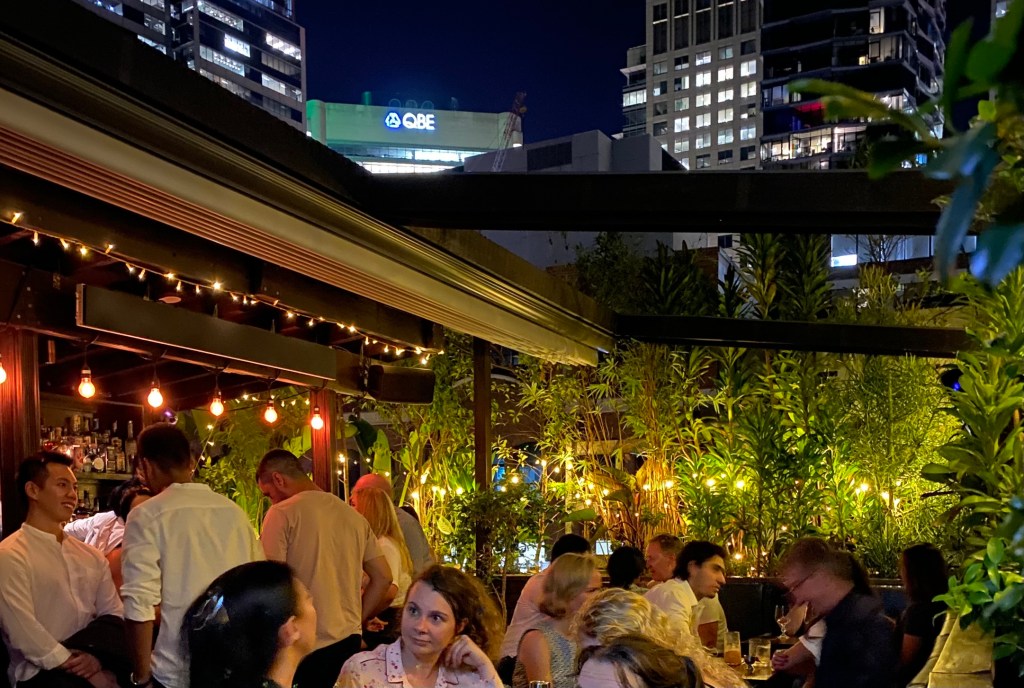
Some great bars in the CBD we really liked: Berlin (featuring two themed sides, East and West), Beneath Driver Lane (underground blues bar), Union Electric Bar & Rooftop Gin Garden, Section 8, Ferdydurk’s, and Goldilocks Rooftop Bar.
Fitzroy is the funky, cool, hip neighborhood to hang out in and definitely a great spot for a pub crawl. We started at Naked for Satan (there’s a story and it’s not what you think) where you can have a drink with a killer view over the city skyline. The bartender there gave us her inside scoop on her favorite local bars, and we liked both The Rooks Return and Blackcat Fitzroy. Finally, we hit The Old Bar, a true dirty, late night dive she did not recommend… but it worked for us.
Back to the Rooks Return…a tiny bar with an amazing house band, the Rookies, that tears the place up with incredible horn-driven jazz every Wednesday. Think Coltrane and Miles Davis, seriously. We were lucky to get the last standing room only spots in the bar.
One of Melbourne’s most famous street artists is someone named Rone, who had an exhibition at Flinders Station with the hardest to get tickets in town. A free sample, an installation at the train station called “The Newsagency”, with an entire room transformed in a 50’s centric tableau, was very cool.
Looking over Snellings Beach from the back deck of our Wander Pod
After fun in the big city, it was time to go remote again and KI definitely fit the bill. Flying from Melbourne to Adelaide, we picked up our rental car at the airport and made tracks for the Port Jervis ferry terminal, a two-hour drive. Our ferry took us to Kangaroo Island, where another two-hour drive across desolate roads and wild countryside brought us to our Wander Pod, high on a hillside overlooking Snellings Beach on the island’s wild north coast.
Australia’s 3rd largest island, KI is treasured for its natural beauty and famously Aussie wildlife, including kangaroos, wallabies, koala, echidnas, platypus, fur seals, sea lions and exotic birds and reptiles. There are few people and very few paved roads. Sadly, Kangaroo Island suffered devastating bushfires in 2019-20, with almost half the island burned, but is well into recovering its lost flora and fauna. It was a remarkable place to visit. Highlights:
Our one-day guided Island Life tour with Exceptional KI was exceptional. We got up close and personal with sea lions on the largest rookery in the southern hemisphere, encountered groups of kangaroo, wallaby and koala, and enjoyed an excellent grilled seafood lunch in the bush. These animals are shy and don’t like the heat of the day, so having a guide who knows where to find them is a huge bonus
Cape Gantheaume Wilderness Area
Cape Gantheaume
Seal Beach
Well fed koala
Got this one’s attention!
Kangaroos in the wild
Australian Pelican at Kingscote Jetty
Our guide, Lee, at the bush grill
Visiting Flinders Chase National Park was a great way to spend a day. You don’t need a guide for this. While much of the forested park is still closed due to bushfire recovery, it is easy to find two major landmarks, both worth visiting: Admirals Arch and the Remarkable Rocks.
An hour or two at not-so-secret Stokes Beach, with its powdery white sand and accessible only after navigating a maze of boulders, was a nice way to kill time in the afternoon.
The long road to Flinders Chase
Where the Southern and Indian Oceans collide
Admirals Arch
Cape Couedic Lighthouse
Remarkable Rocks
Remarkable Rocks
Bushfire recovery in progress
The route to Stokes Beach
Stokes Beach
Our Wander Pod, Carina, was one of the coolest places we have ever stayed. One of four tiny homes on top of a mountain, it was luxuriously appointed, perfectly tranquil, and afforded the most amazing views, including gorgeous sunsets and wild kangaroos hopping around outside. Magical!
We splurged for a one-of-a-kind dinner at the Enchanted Fig Tree, ironically the only out-of-home dining opportunity within an hour’s drive and it was only five minutes from our pod. You come all this way, you might as well go for the best!
KI is also known for its excellent, locally-produced gin. Thus, gin and tonics on our deck for sunset — before, during or after soaking in the outdoor tub overlooking the beach below — became a daily ritual.
The Enchanted Fig Tree
Fig Tree dining room
Back yard visitor
The evening ritual
A good omen
Goodnight Kangaroo Island
Some important Kangaroo Island tips:
The best lodging comes at a premium and inventory is limited except the more crowded small towns like Ecu Bay and Kingscote. Best to book early.
Driving at dawn or dusk is a dicey proposition and not recommended as that’s when the wildlife is out in force, and because there is generally nothing else on the road the tendency is to drive fast. Dead kangaroo carcasses litter the roadsides close to towns. For that reason, try to get a ferry that will leave you plenty of daylight for driving.
If you are staying someplace remote with no nearby stores or restaurants, like we did, be sure to stock up on food and provisions while you are still in Penneshaw (the IGA is good) or before you catch your ferry (Romeo’s Foodland Supermarket and the Normanville Seafood & Meat Butcher in Normanville were good).
Leaving Kangaroo Island behind, we change it up again with a one-night layover in Adelaide before flying to Byron Bay the next morning. Adelaide seemed like a neat town, worth a few days, but we had to settle for dinner and a few bars. Highlights:
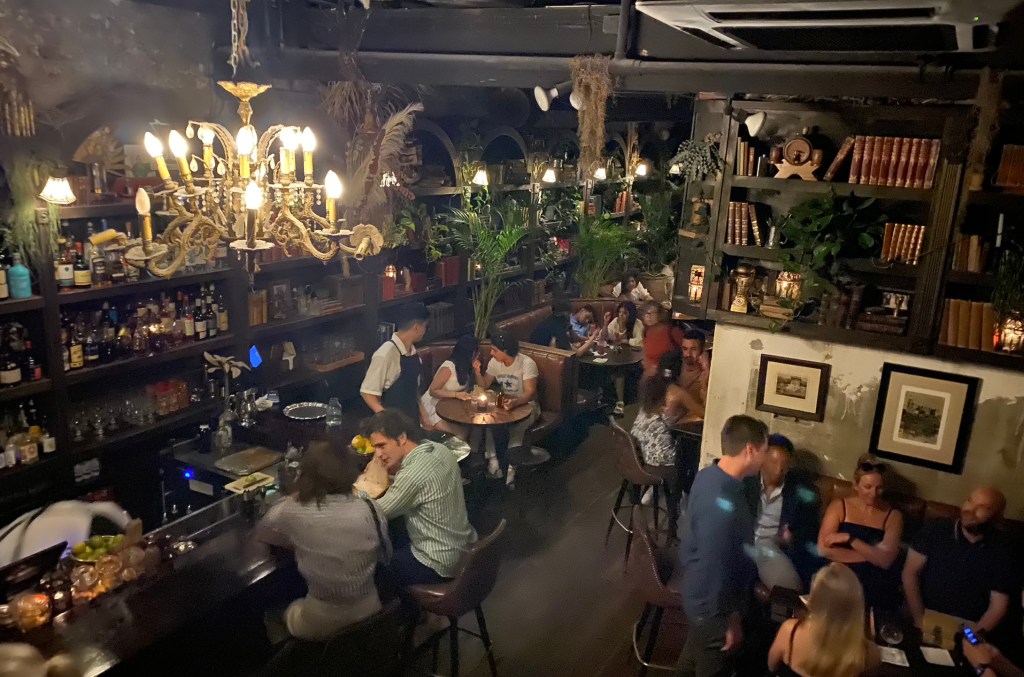
Peel Street in the CBD is a one-block long, narrow lane filled with good looking restaurants and a few bars, including Maybe Mae, a fun speakeasy style bar hidden behind a nondescript, black wall inside Bread & Bone Grill.
A couple good bars just around the corner include Hains & Co (nautical themed gin/cocktail bar), Blues Bar and Shotgun Willies (the latter two are connected upstairs/downstairs and were quiet when we were there on Tuesday but have live music and are likely lively on the weekend).
Some decent street art around town.
Our hotel was centrally located in CBD, comfortable and reasonably priced, and has a saloon downstairs. Hard to beat that combo.
Adelaide street artOld Man & the SeaMaybe MaeA slow night at Shotgun Willie’s
After our one night in Adelaide, we caught a morning flight to Byron Bay, a hippie chic beach town at the north end of New South Wales.
Three days in Byron was perfect for exploring excellent dining, a nice lighthouse/coastal hike, quality beach time, and live music everywhere in the bars and on the street.
The highlight for me was scuba diving Julian Rocks Marine Preserve where I got up close with rays, turtles, tropical fish and large grouper. Alas, no sharks and no pics from that adventure.
What we liked:
Byron Bay is chock full of hotels and lowrise beach rental properties. We chose our place because it was a pretty quiet oasis a short walk from the town center, super comfortable, and supposedly had easy access to the beach. The first two points proved true, and we were quite happy with our accommodations, though we never did find that beach access.
Nice walk from town up to the Cape Byron Lighthouse delivered great views of Wategos Beach to the north, Byron Bay Beach to the east, and Tallow Beach to the south, not to mention a very cool lighthouse.
Three really outstanding dinners at Bang Bang, Ember and the Mez Club.
Late afternoon beers and live music on the big outdoor patio at the Beach Hotel.
Wategos Beach, tucked under the tree-covered cliffs, was our favorite in the area for hanging out and watching the surfers.
Great beer selection, fun crowd and an incredible electric blues trio tearing it up on the dobro slide guitar at Railway Friendly Bar.
Julian Rocks Marine Reserve is a great dive location, with lots of interesting underwater features and marine life. Known for leopard sharks, which we didn’t see unfortunately, it was still a cool dive to 60 feet and we did see some Wobbegong sharks in a section called “The Nursery”. Sundive Byron Bay did a nice job with a good divemaster, equipment and boat and their own pool for my recommended pre-dive refresher.
Cape Byron vista
Cape Byron lighthouse
Masked Lapwings on Wategos Beach
Wategos Beach and Julian Rocks
Beach Hotel patio bar
Railway Friendly Bar
Railway Friendly Bar
Days 12-18
Sydney
Lodging details below
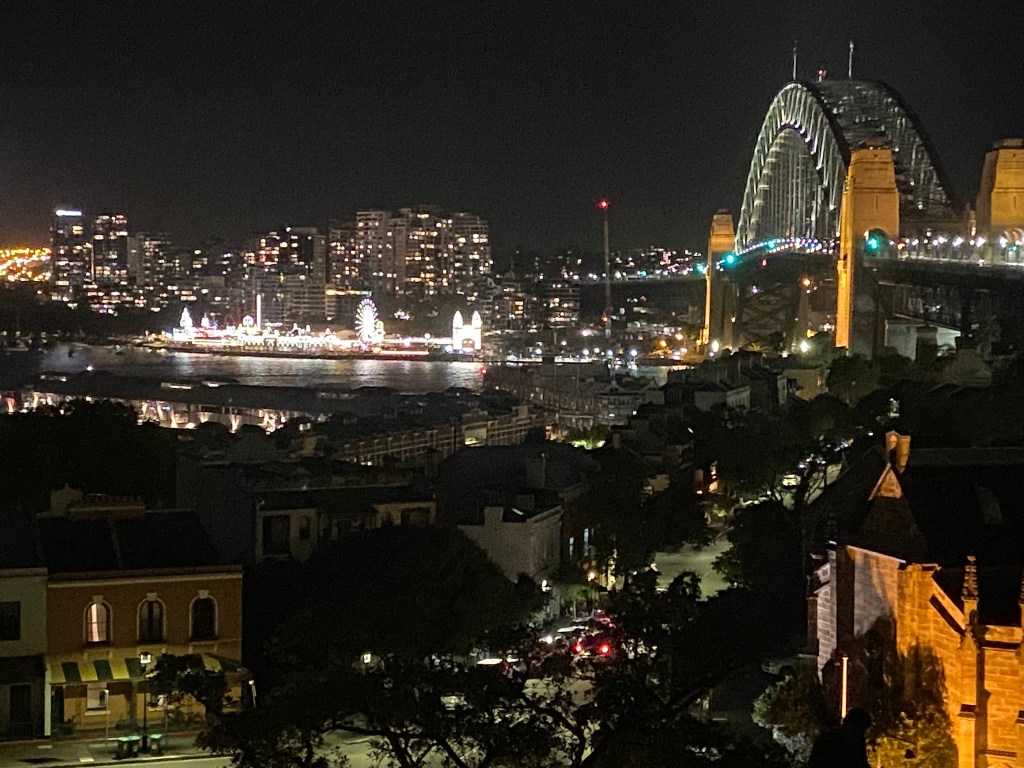
Sydney Harbour Bridge, Luna Park and Lavender Bay from Observation Hill
After driving back to Gold Coast airport, dropping our rental car, and another short flight south, our long walkabout in the southern hemisphere finally landed us in the magical city of Sydney, where we met up again with good friends Susan and Joe Krauss (who just kept popping up everywhere we went ).
From the historic Rocks District to the Blue Mountains, Bondi to Coogee Beach, the Harbour Bridge to the Opera House, ferries, treks and more beaches around Watson Bay and Manly, hidden bars in the CBD, and finishing up with a rather calm St. Patrick’s Day in Surry Hills, we packed a lot into seven days – a big finish to a pretty great trip.
Like Melbourne, the I’m Free Sydney Sights walking tour was both fun and informative, the perfect way to get a good overview of Sydney geographically, historically, architecturally, and culturally.
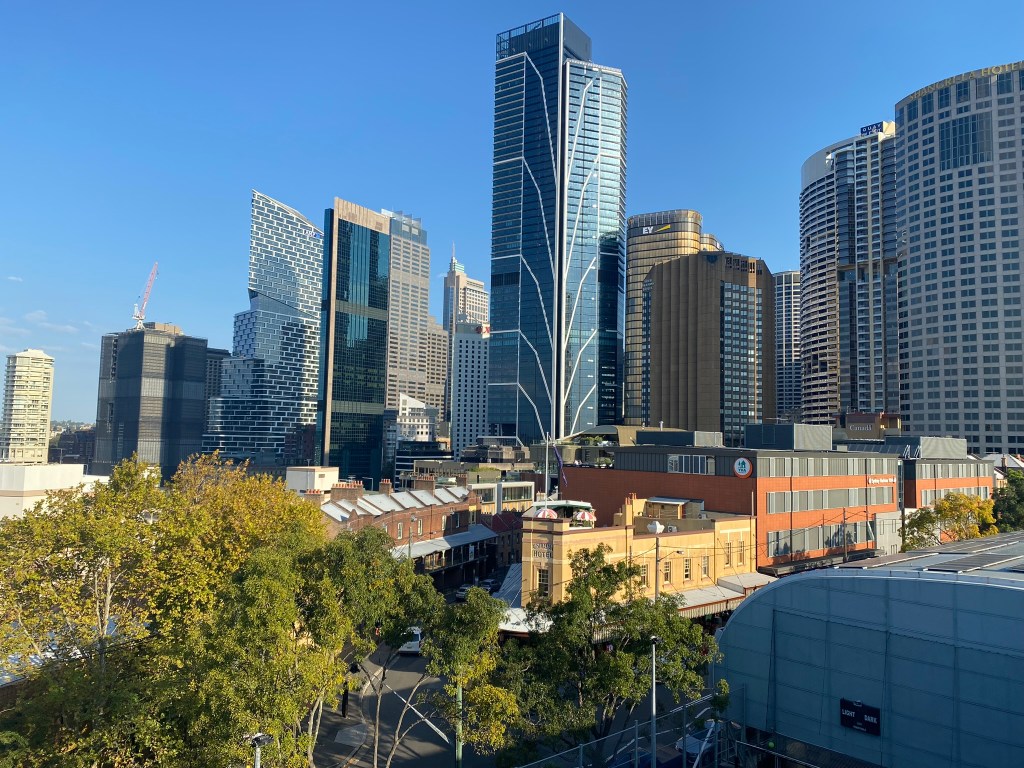
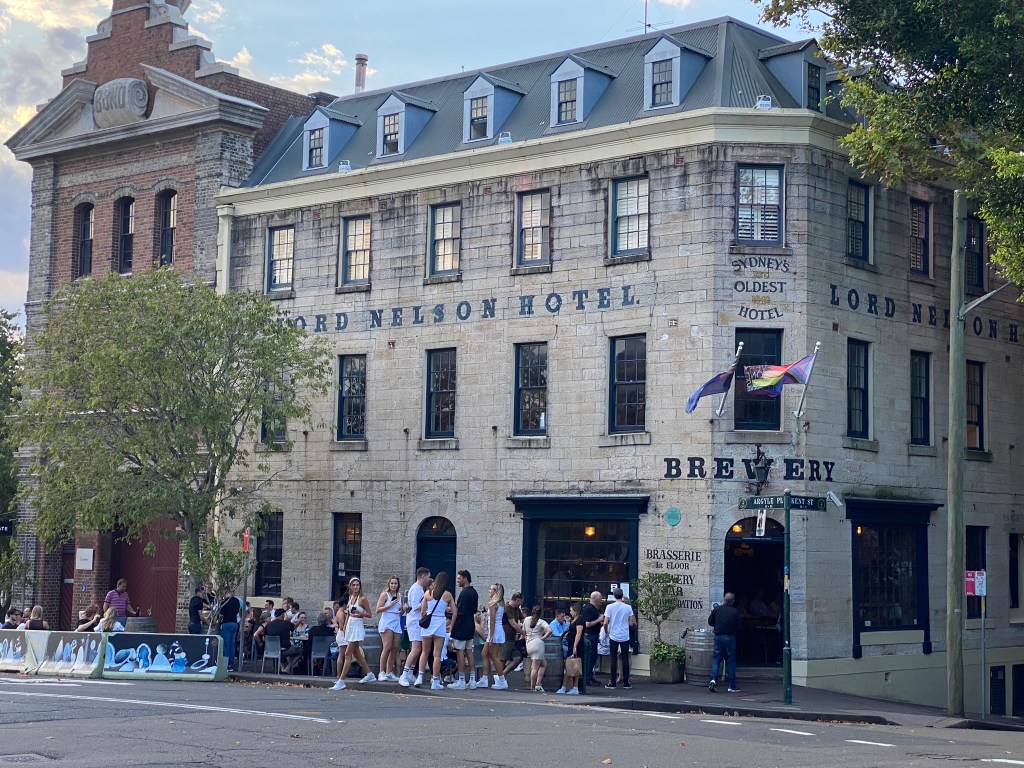
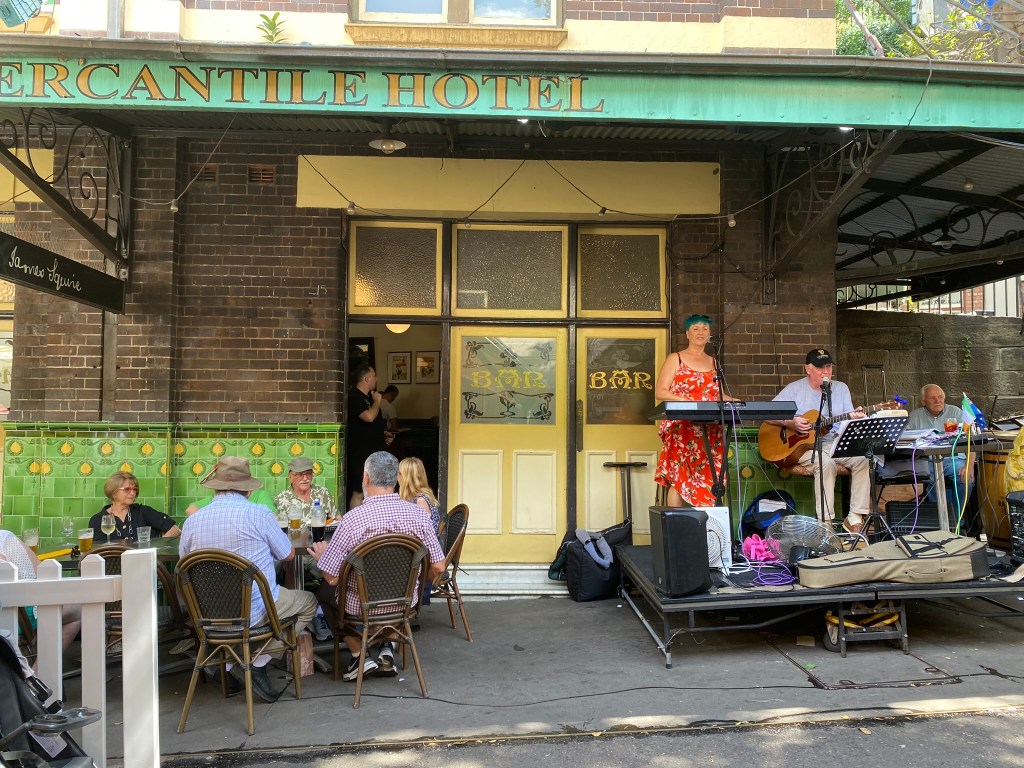
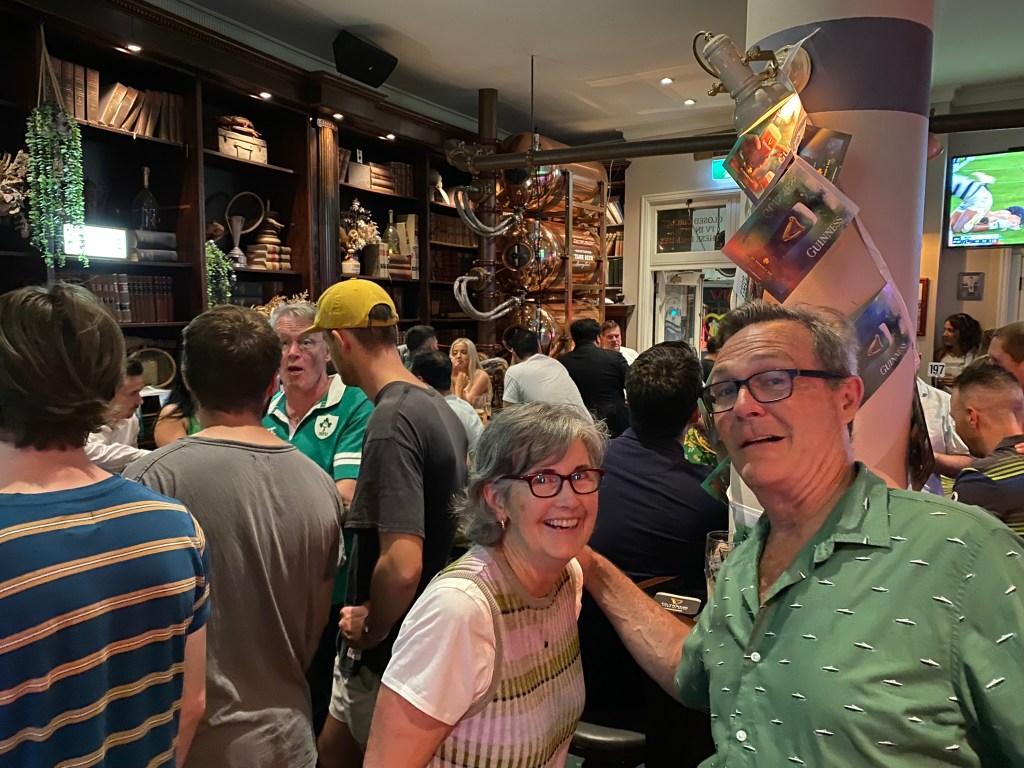
Spending a few days in and around the Rock’s District and Circular Quay was a great way to start the week. Be sure to take in the view of Sydney Harbour from Observation Hill, sample the fare at the historic Lord Nelson Brewery, and stop by The Mercantile Hotel (hotel = code for bar) for excellent Guinness and Irish trad music, especially if there’s an open-air market outside on George Street.
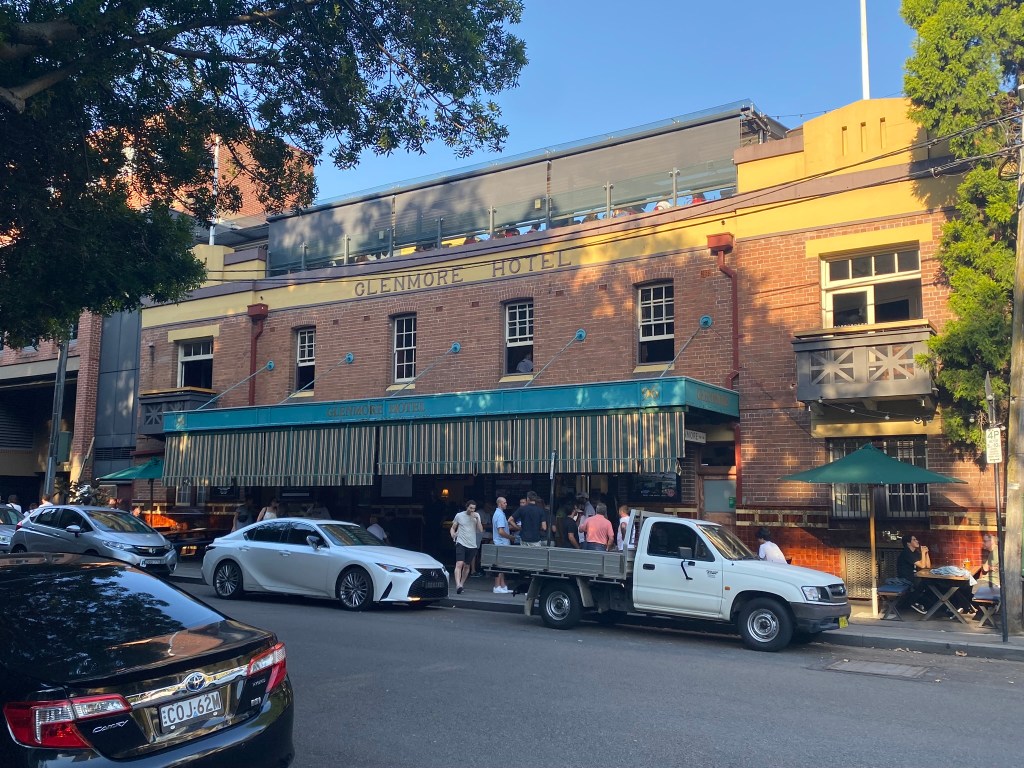
Other decent bars in the Rocks included Frank Mac’s and Doss House on George Street. Glenmore Hotel’s rooftop bar reputedly has the best view of the Opera House in town… but, be forewarned: it gets very crowded early and cruise ships stop here virtually every day, so timing where and when to go is essential. When the ship is docked that view is completely blocked and mobs of tourists descend on George Street. For that reason, I cannot recommend Sydney’s oldest bar, Fortune of War, as it was a shit show whenever I walked by.
Glenmore Hotel in the Rocks
CBD from the Glenmore rooftop bar
Lord Nelson Brewery
Archibald Memorial Fountain in Hyde Park
ANZAC War Memorial
A bit of Sydney maritime history
Trad music at the Mercantile
Harbour Bridge and Luna Park
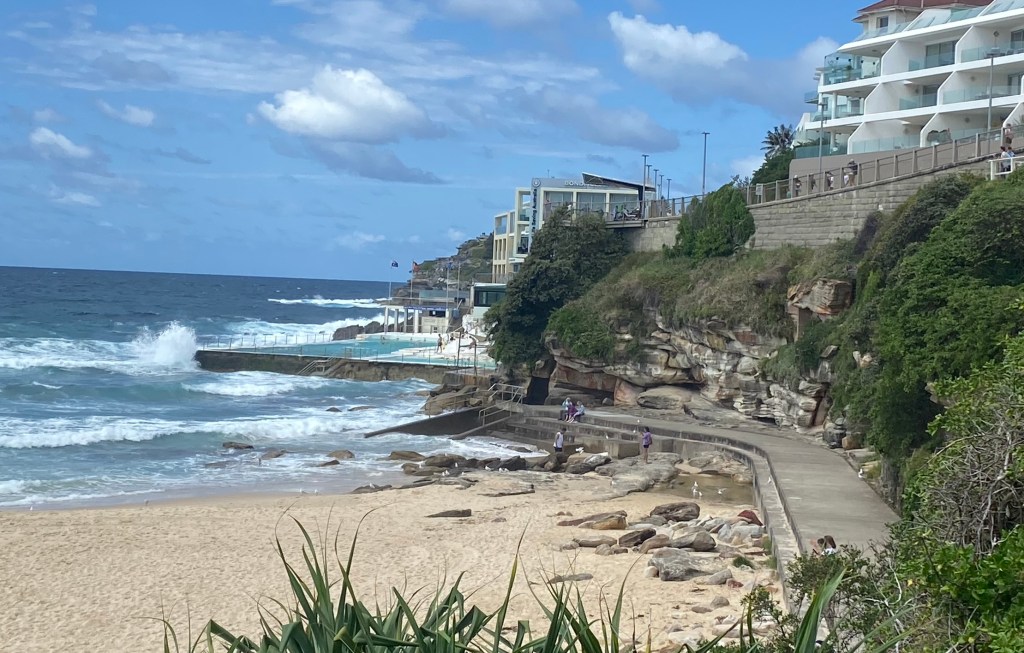
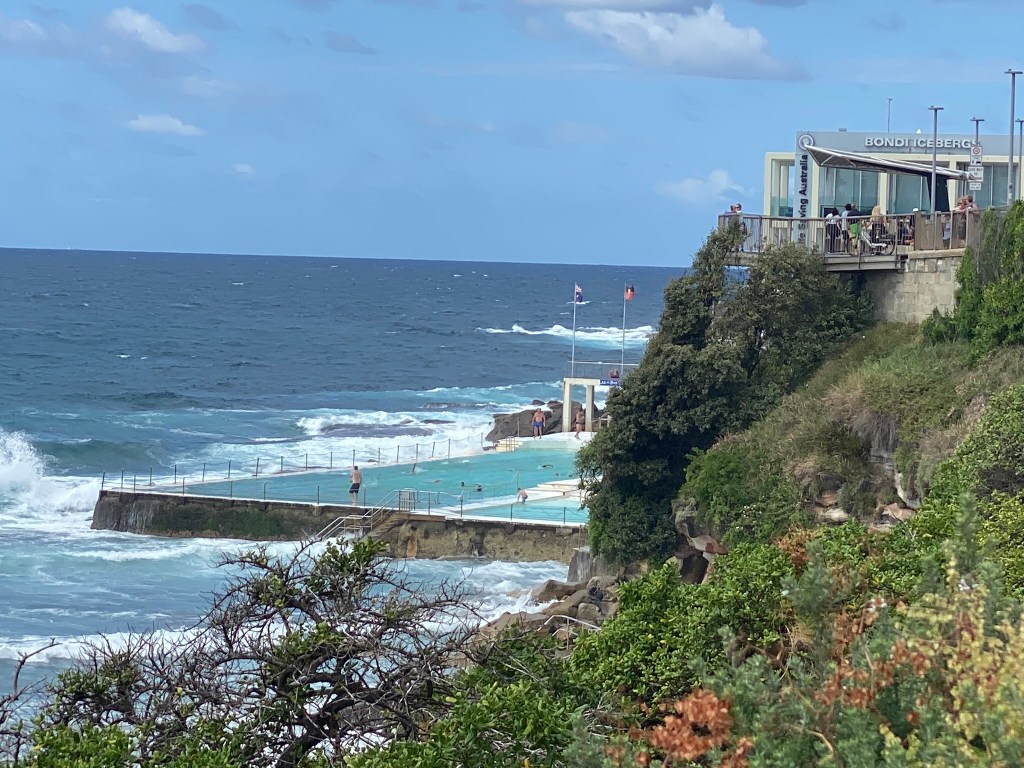
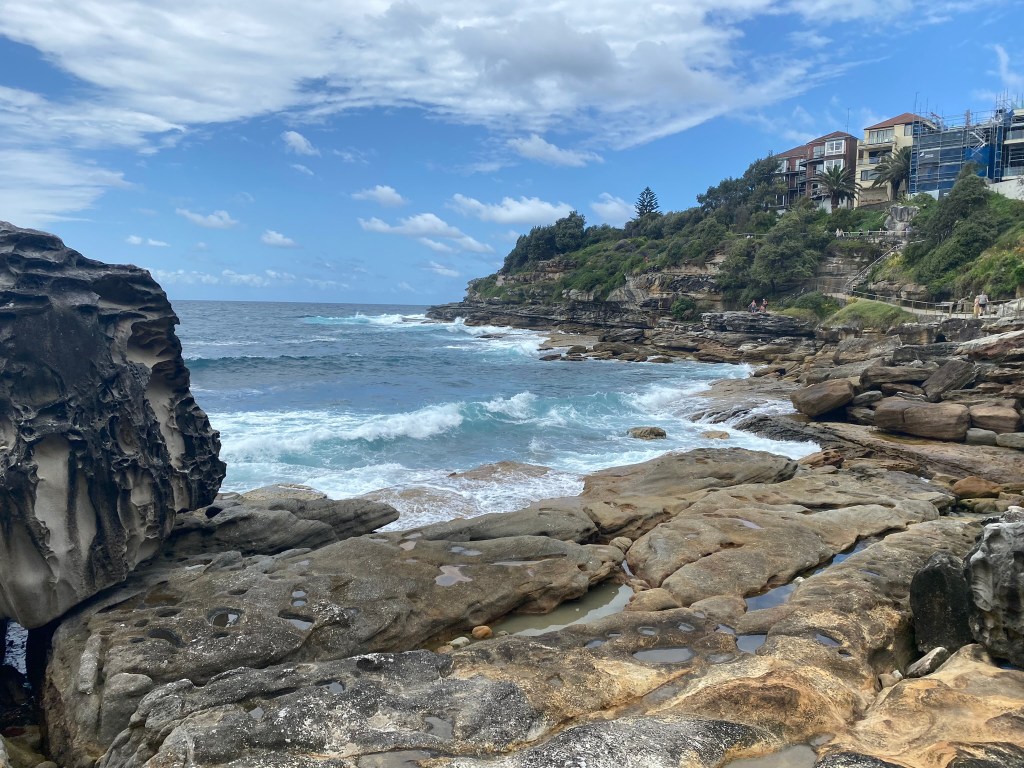
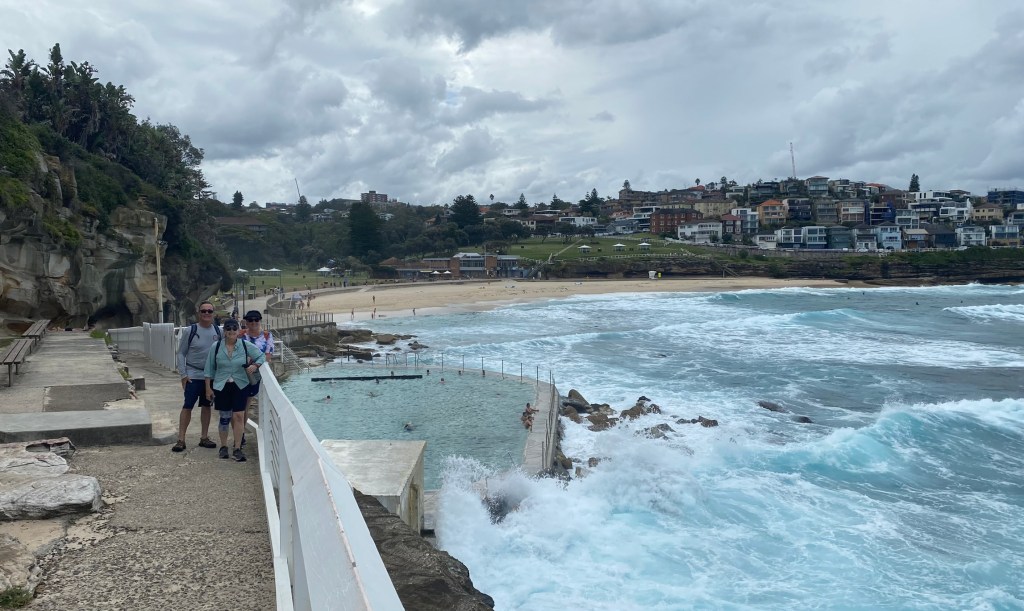
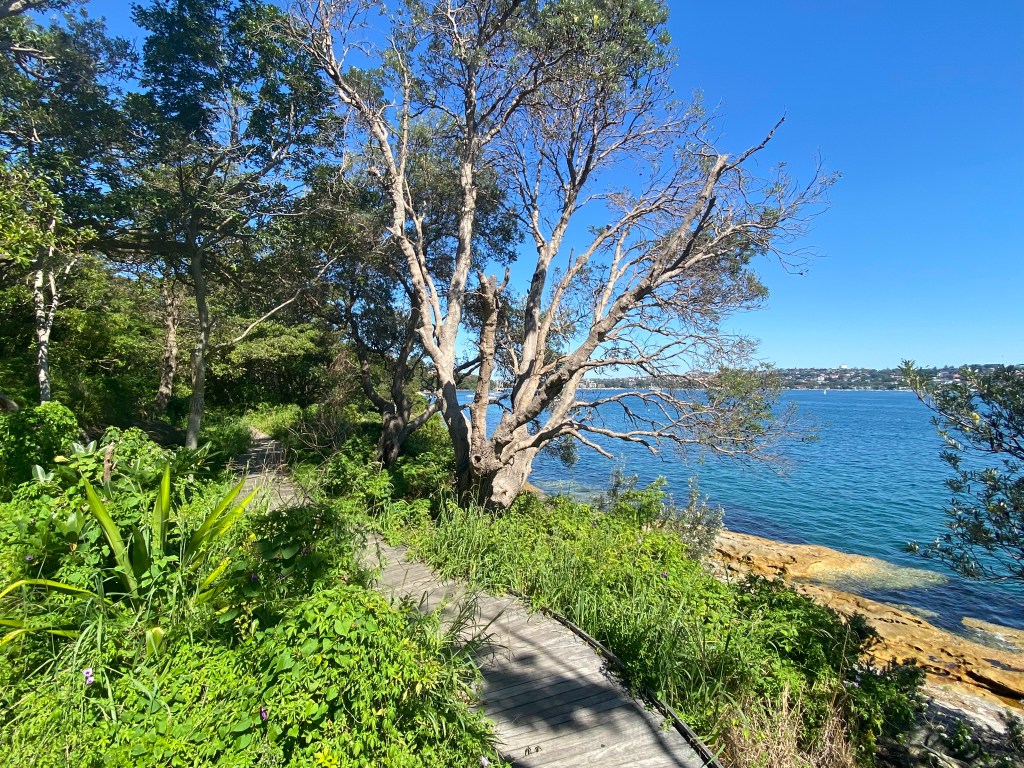
Outstanding beaches and spectacular beach/coast walks are an easy bus or ferry ride away and should not be missed. Our favorite was the Bondi Beach to Coogee Beach, a 6km track on good trails and boardwalks that take you along rugged cliffs, no less than five beaches, a cool cemetery, and four public, salt-water swimming pools built into the cliffs, where ocean waves crash into the pool. (I didn’t try the most famous of these, Bondi Icebergs, but enjoyed Bronte Baths at Bronte Beach and Ross Jones Rockpool at Coogee Beach quite a bit.) If you have only one day in Sydney, some say this should be it; I’m not sure about that, but if you have 3 days, this should definitely be one of them.
Our walk starts at Bondi Beach
Bondi Icebergs Swim Club
Tamarama Point
Tamarama Beach
Waverly Cemetery on the bluff
Overlooking Bronte Baths
Tropical colors
Urban parrots on the track
Ross Jones Rockpool
Gordon Bay
Coogee Beach
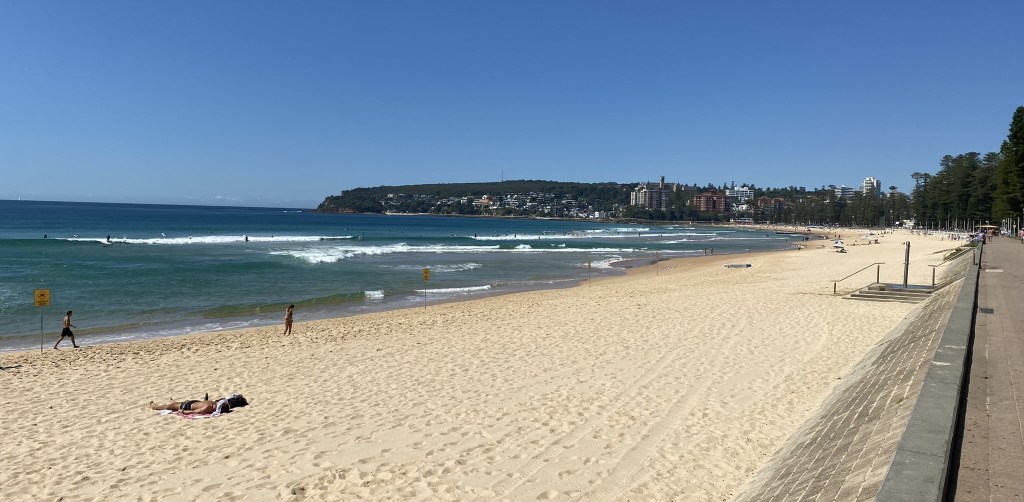
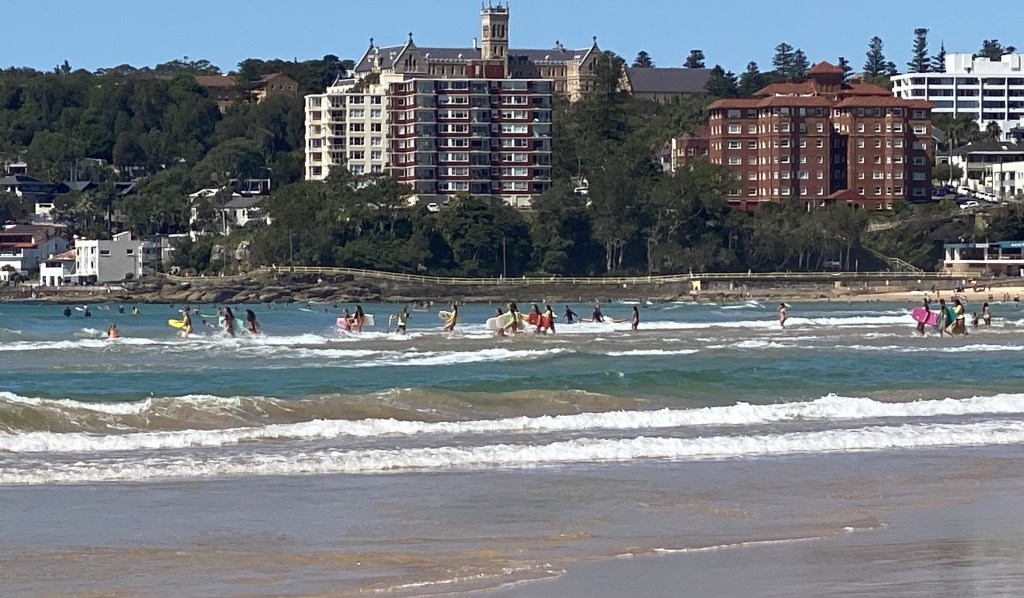
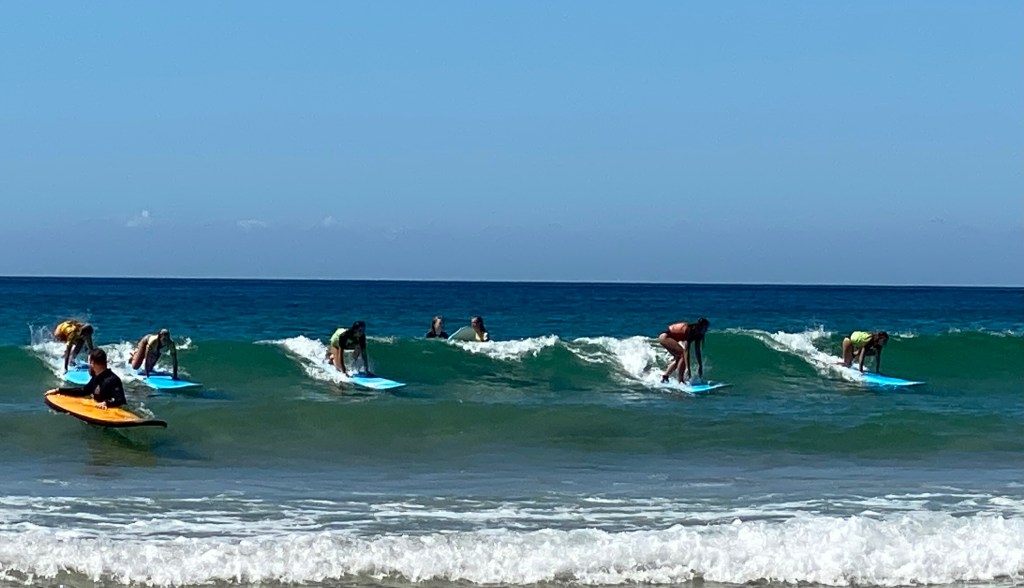
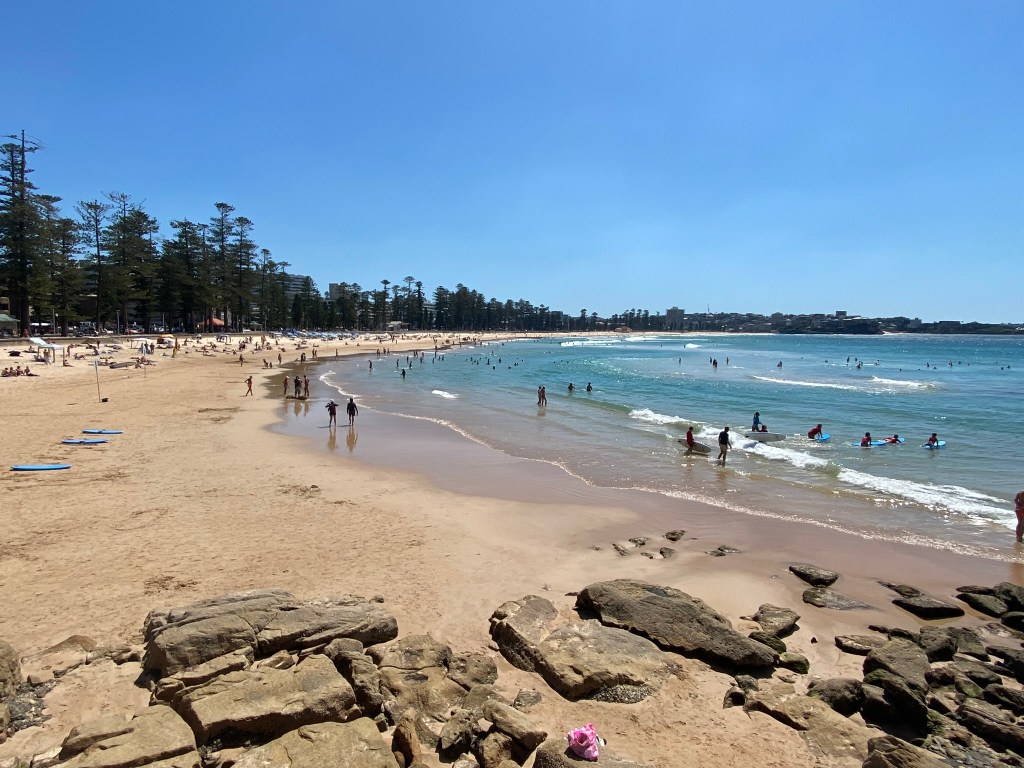
Manly Beach, just north of the entrance to Sydney Harbour, was my favorite beach — long, great sand, perfect beginner surf break (and we saw lots of very popular surf schools having a ball), and great body surfing. It’s easy to reach from Sydney: take the Manly ferry from Circular Quay and a 10-minute walk from the wharf along The Corso, a shop-and-restaurant-lined pedestrian zone, to the beach.
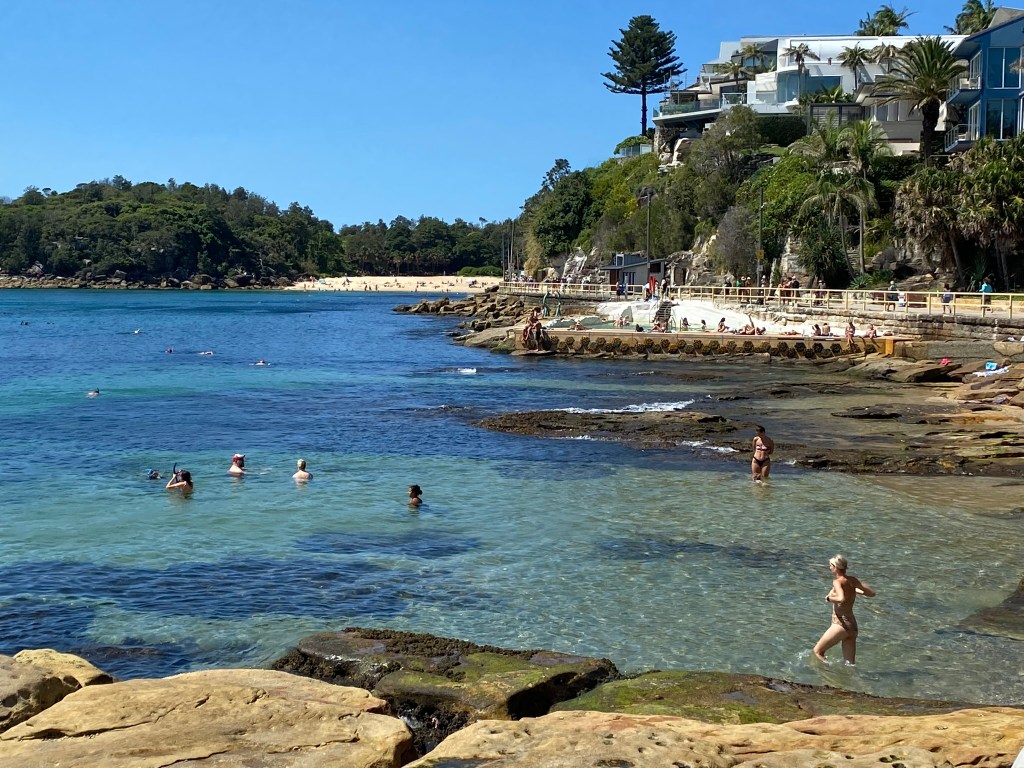
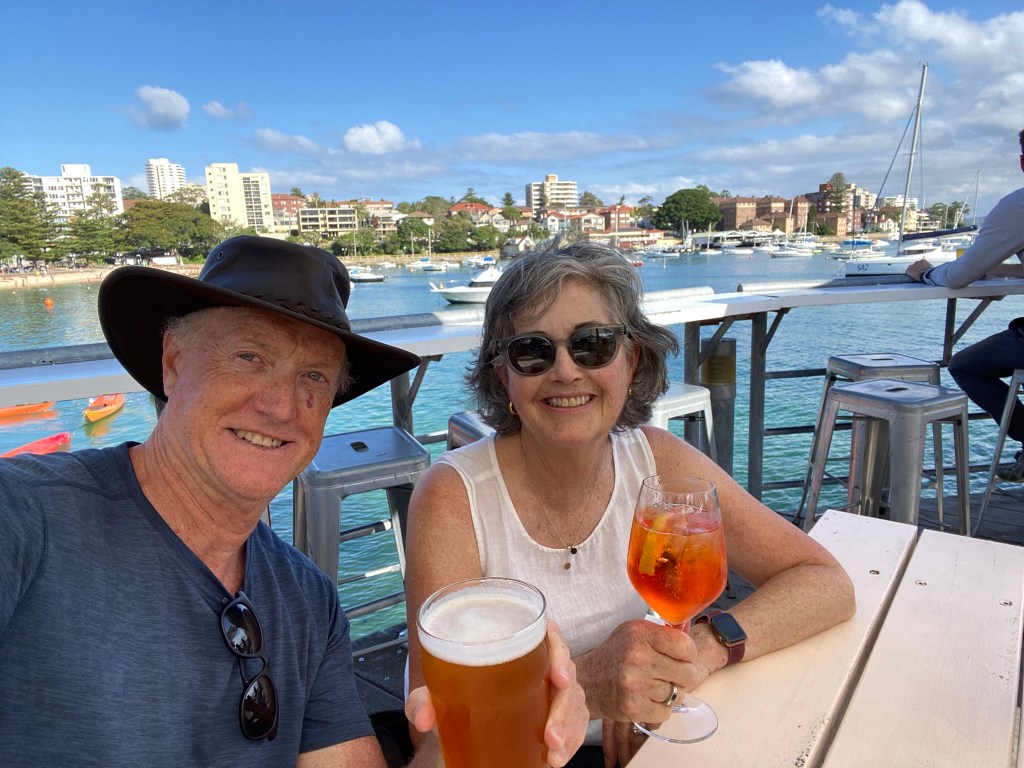
When you’ve had enough of Manly Beach, walk 15 minutes south along the water to tiny Shelly Beach, tucked into a cove that’s perfect for swimming and people watching. Stop along the way at the Bower for lunch and a beer. Then hike back to the ferry terminal via a cool bush walk through the north headlands, with optional stops at Collins Beach or Little Manly Beach and a mandatory stop at the Wharf Bar before boarding your ferry.
Manly Beach
Manly Beach surf school
And they’re off!
Manly Beach, the other end
Shelly Beach
Fairy Bower Beach
Wharf Bar at Manly Cove
Local resident
On the trail to North Head
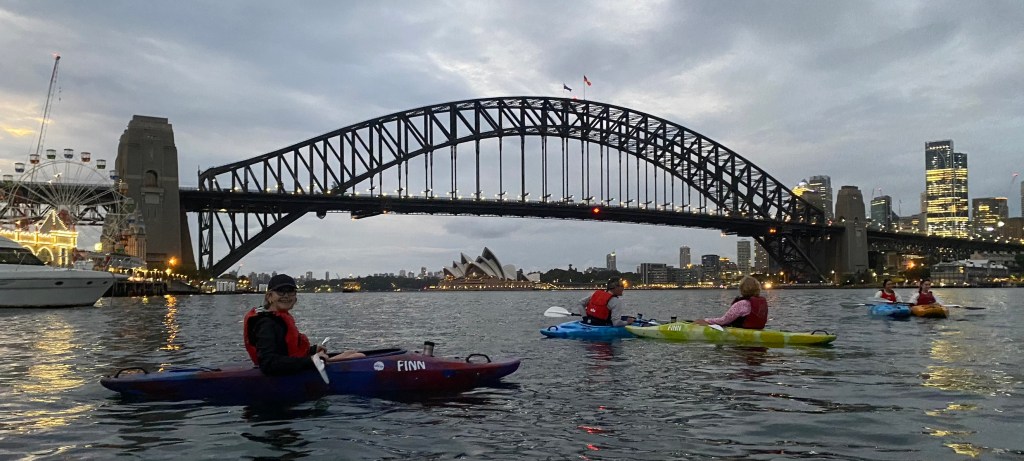
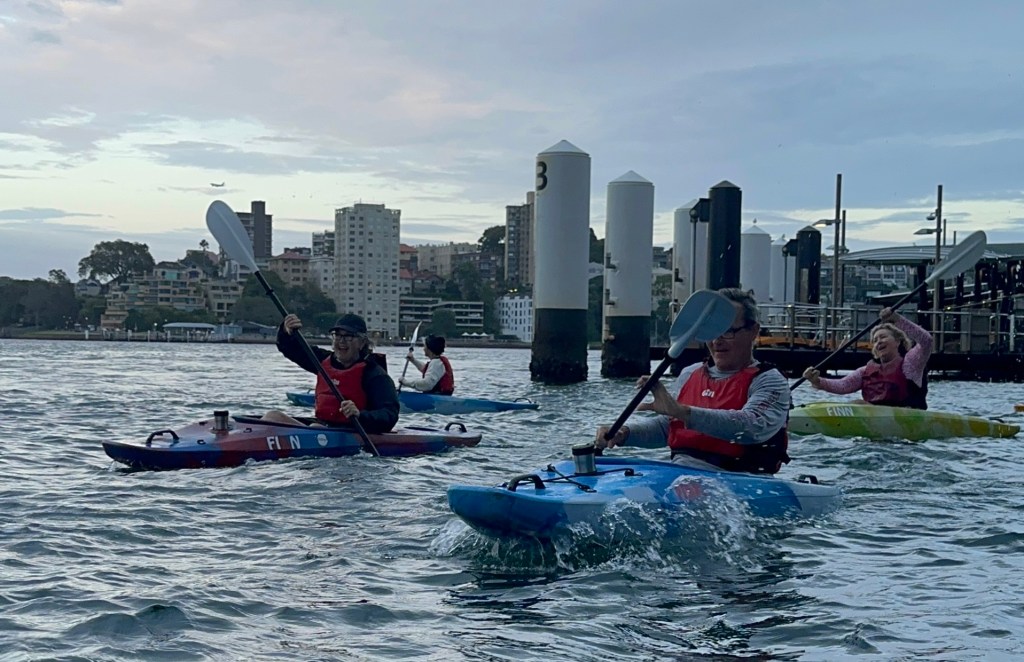
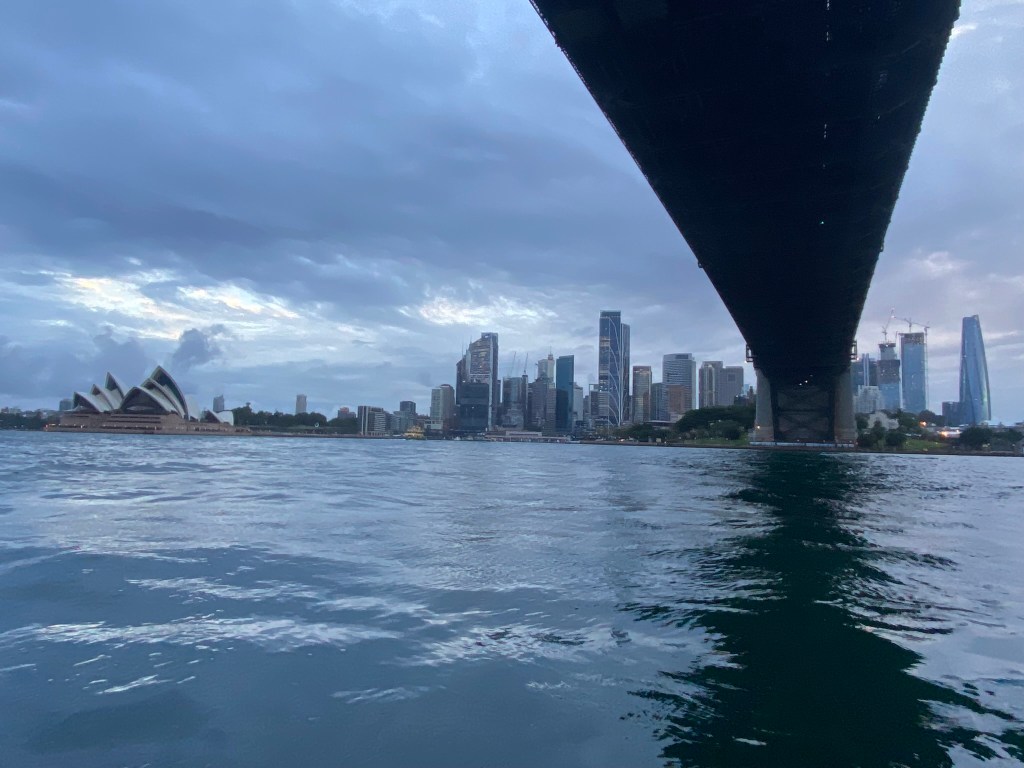
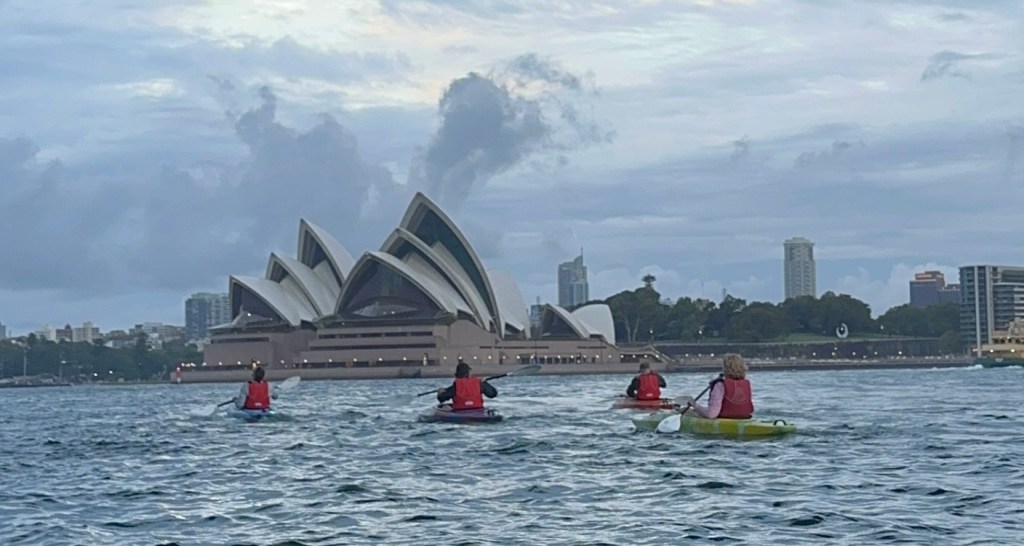
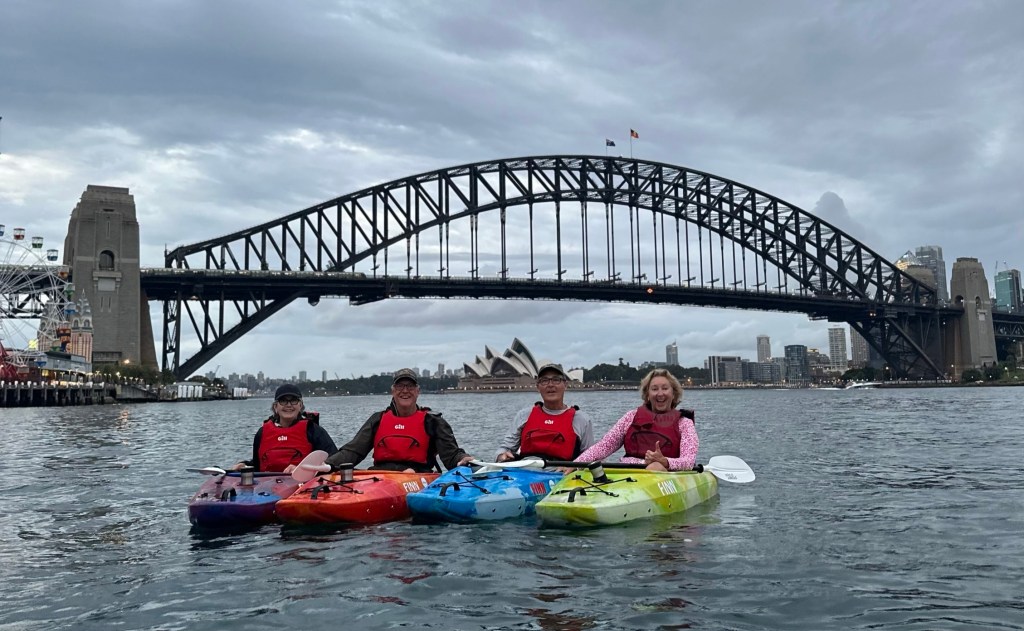
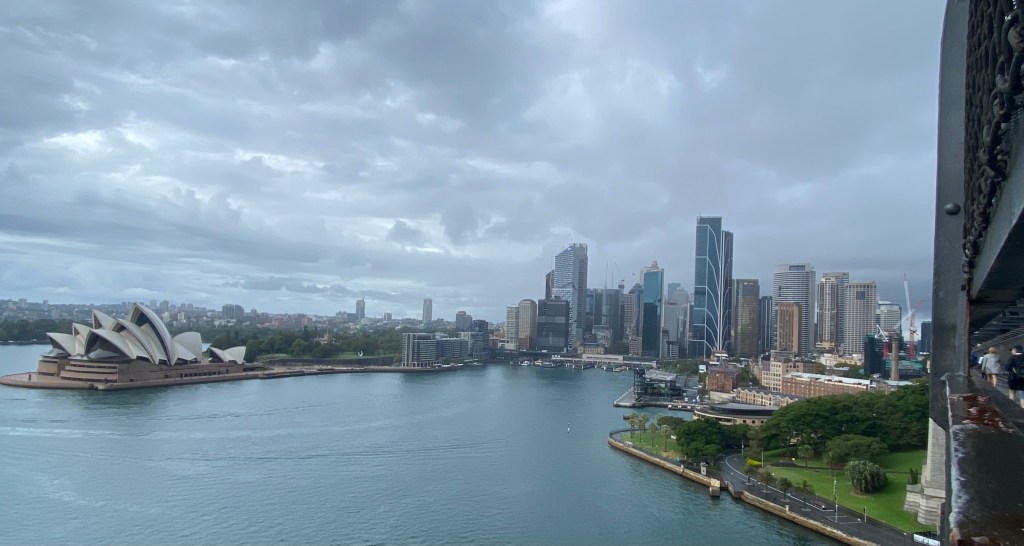
The Sunrise Kayak & Coffee experience with Sydney by Kayak was really spectacular. Sure, you have to get up early, but even with the overcast morning we had, being on the water and paddling under the Harbour Bridge when the sun came up was very cool. I highly recommend it. To top it off, walk back to the Rocks across the Harbour Bridge (you can also climb to the top of the bridge, which sounds incredible, but the $200 USD per person price tag was a bridge too far for me).
Pre-dawn safety talk at the put-in
Getting started at break of dawn
The race is on!
Under Sydney Harbour Bridge
Not a bad view from the water
The gang of four
Walking the bridge back to CBD
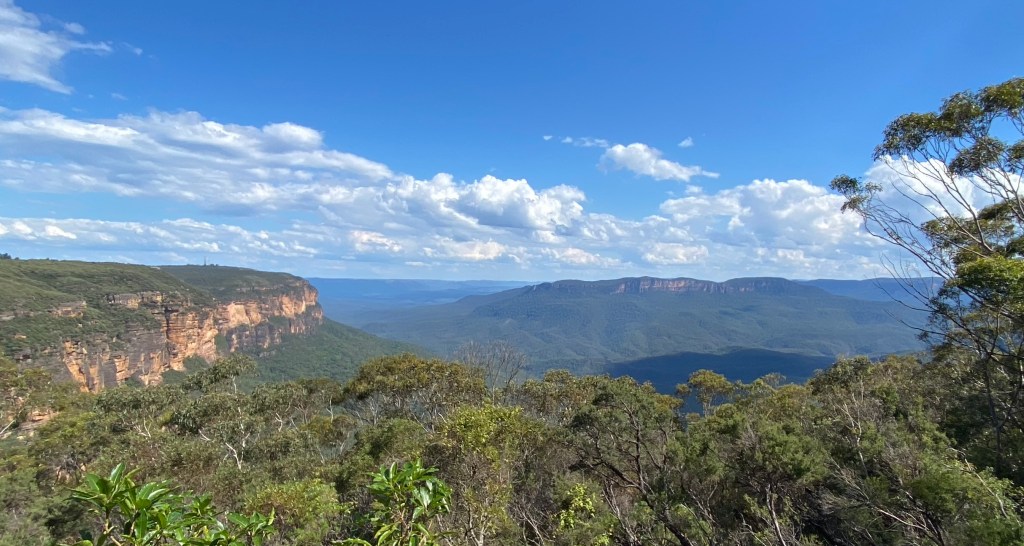
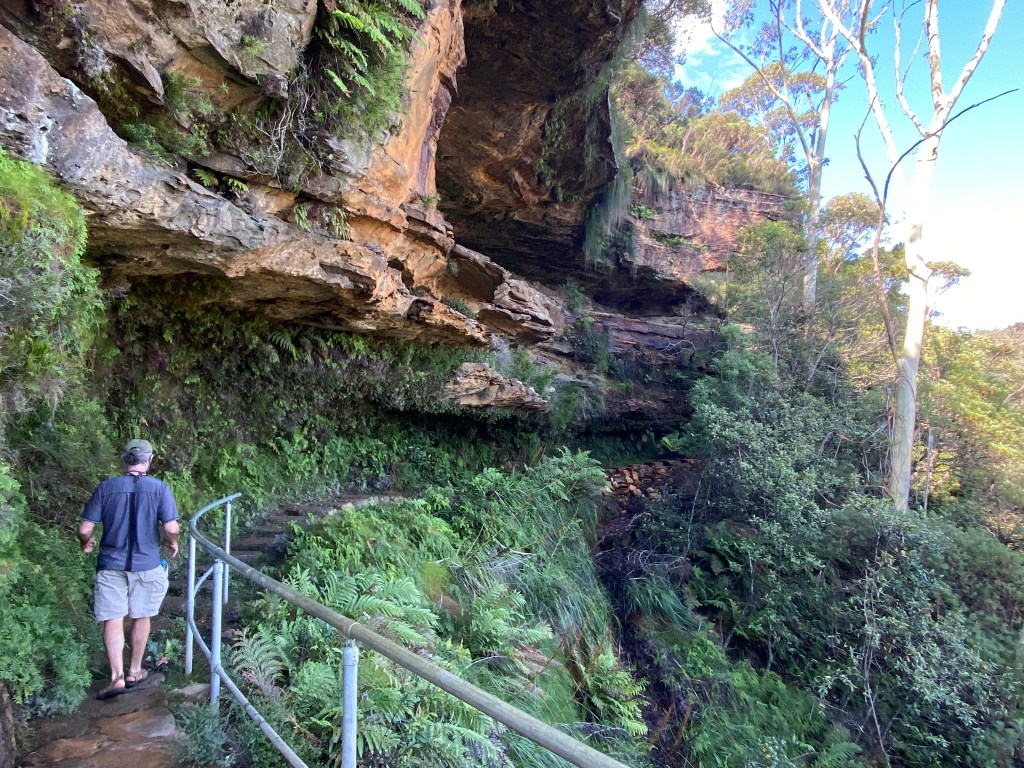
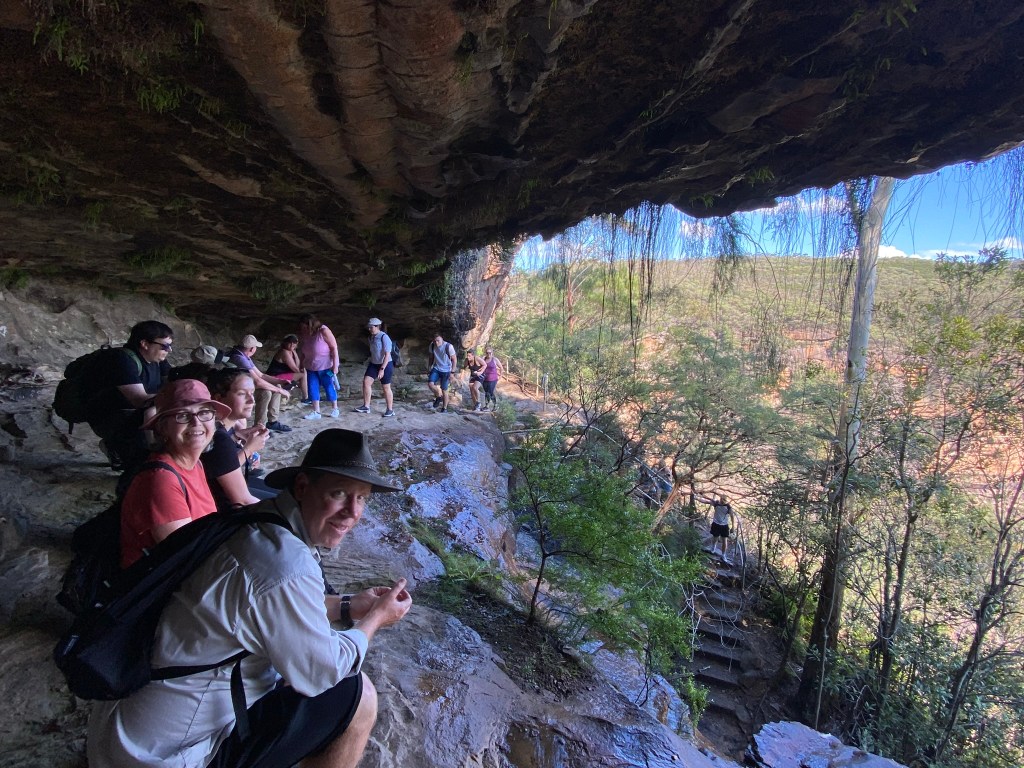
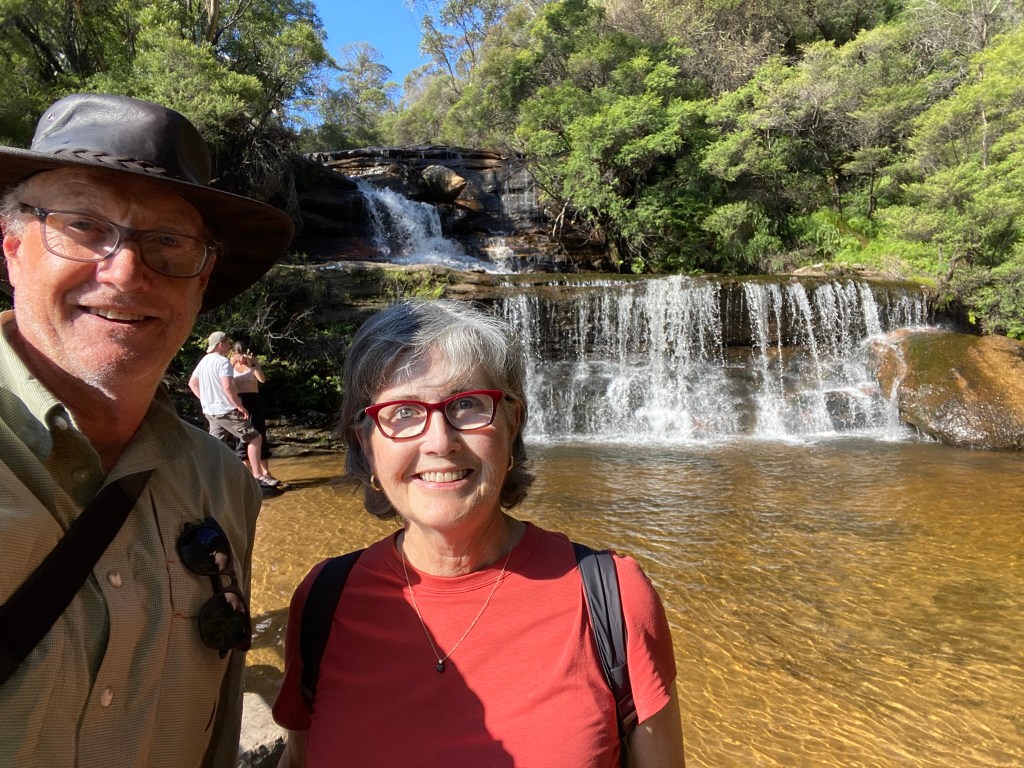
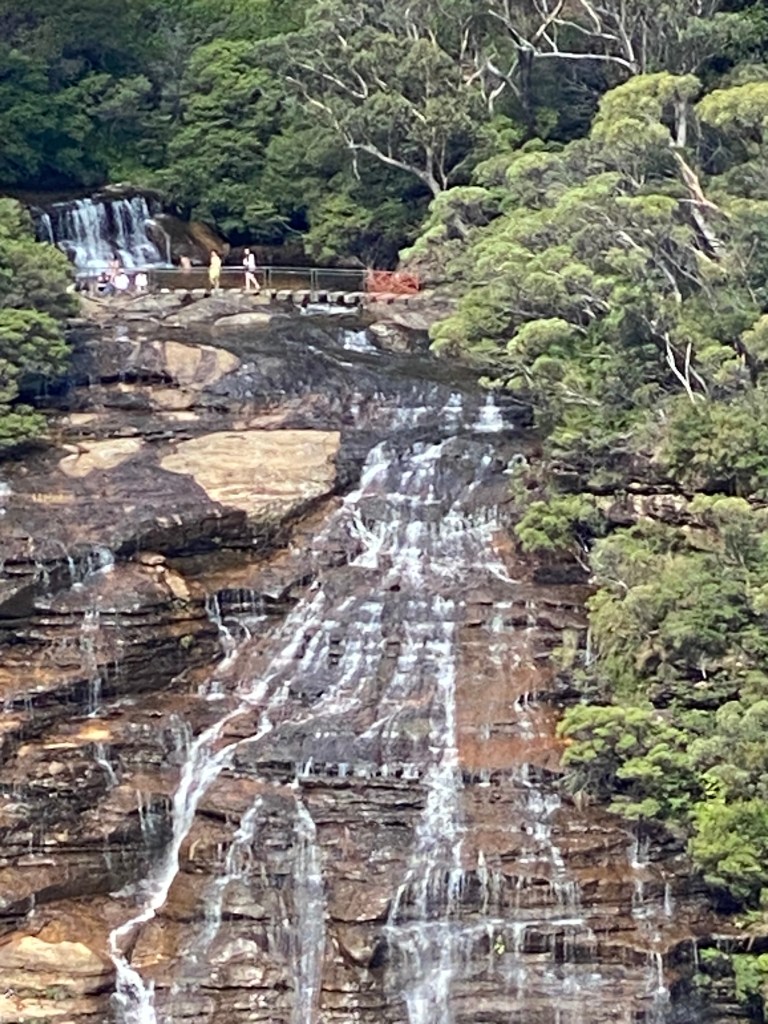
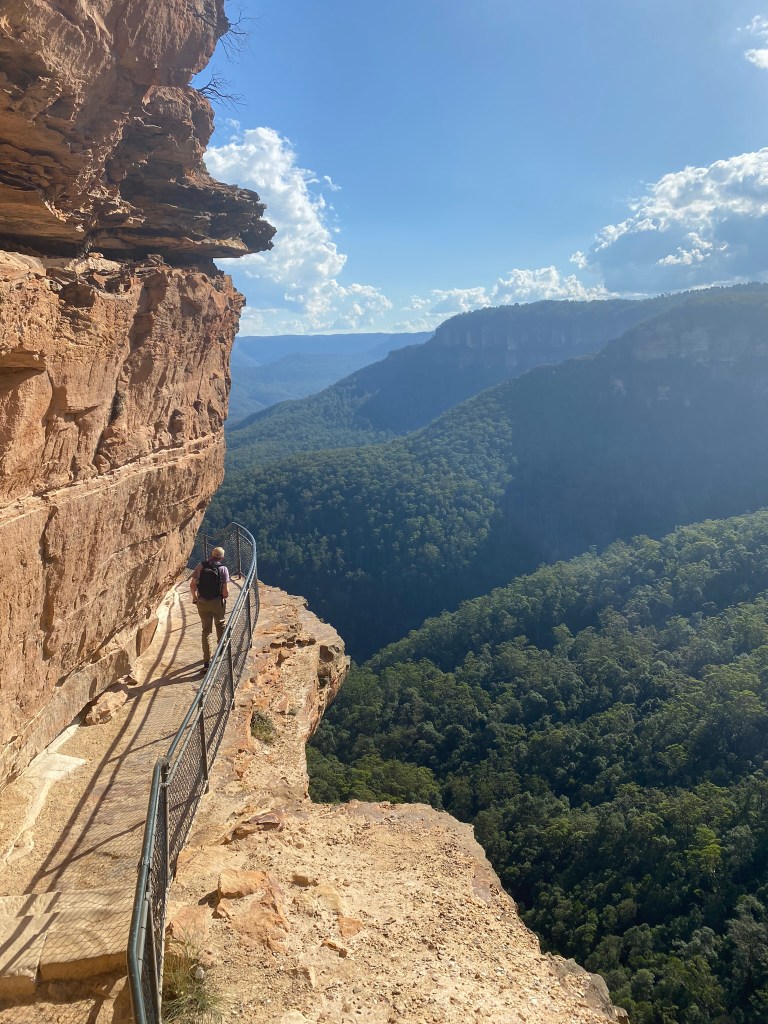
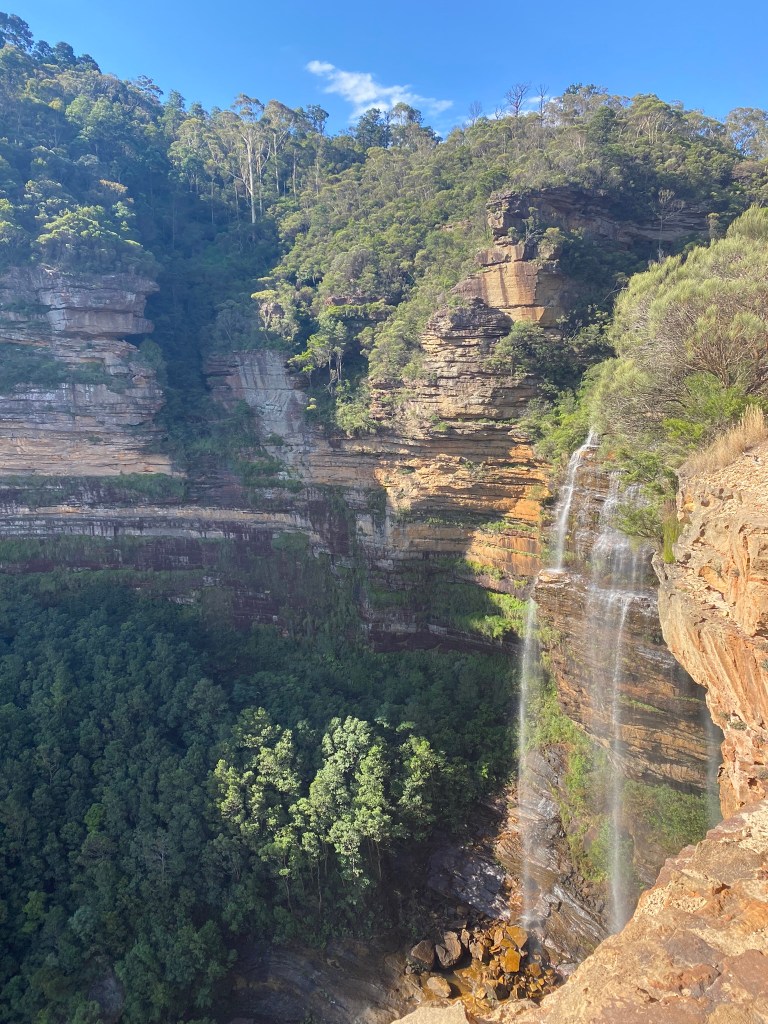
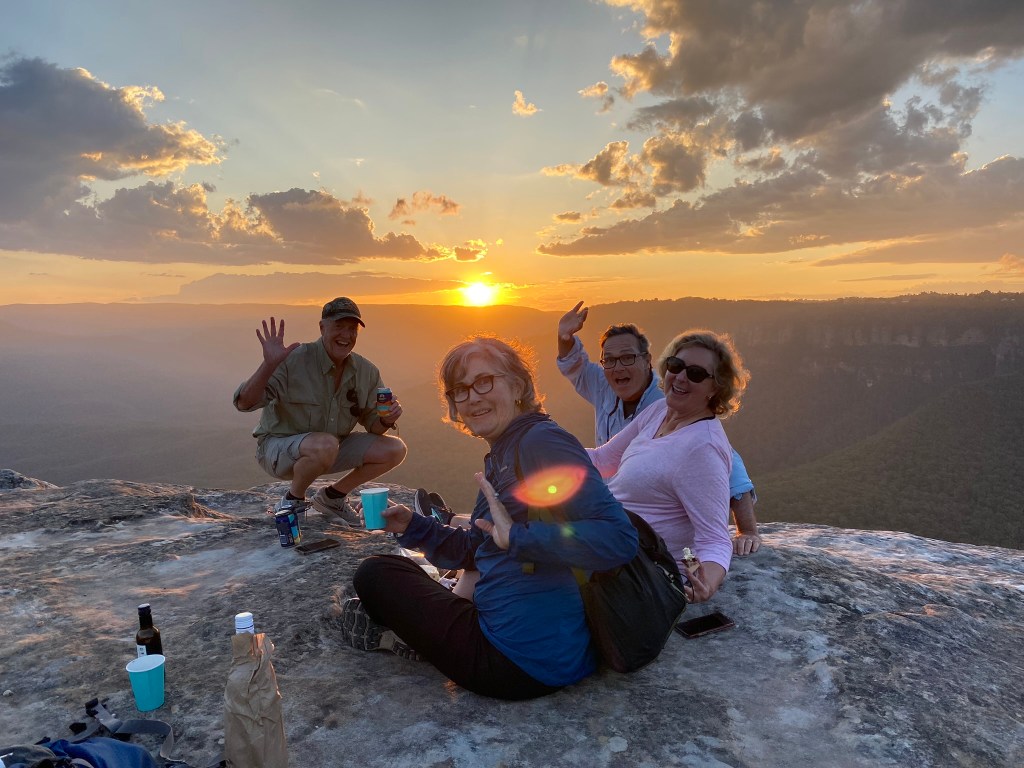
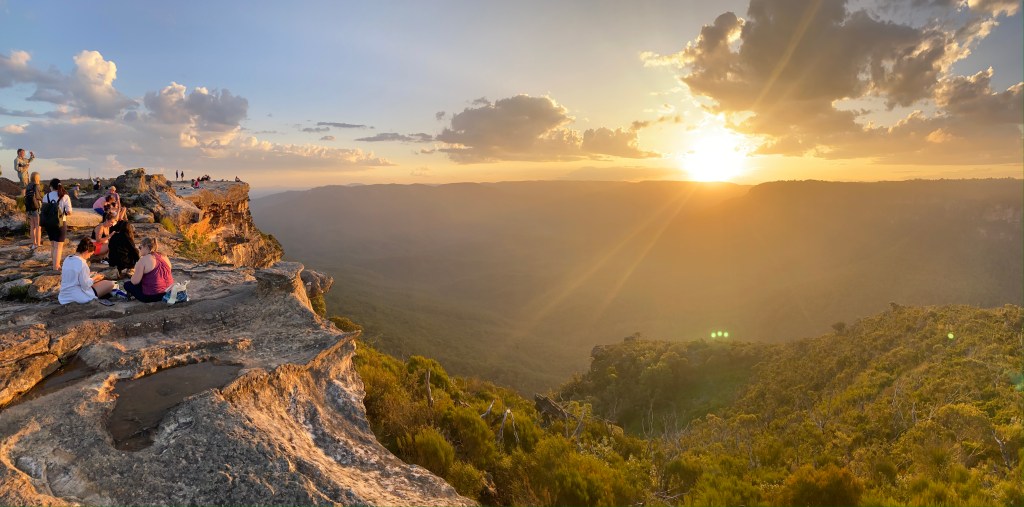
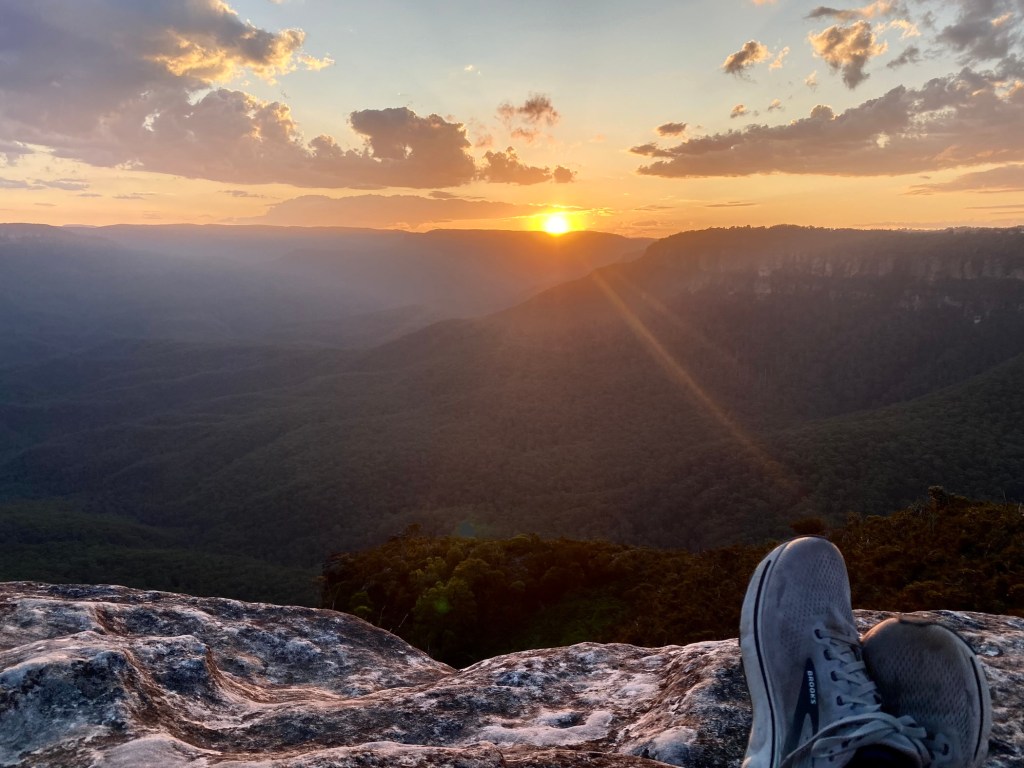
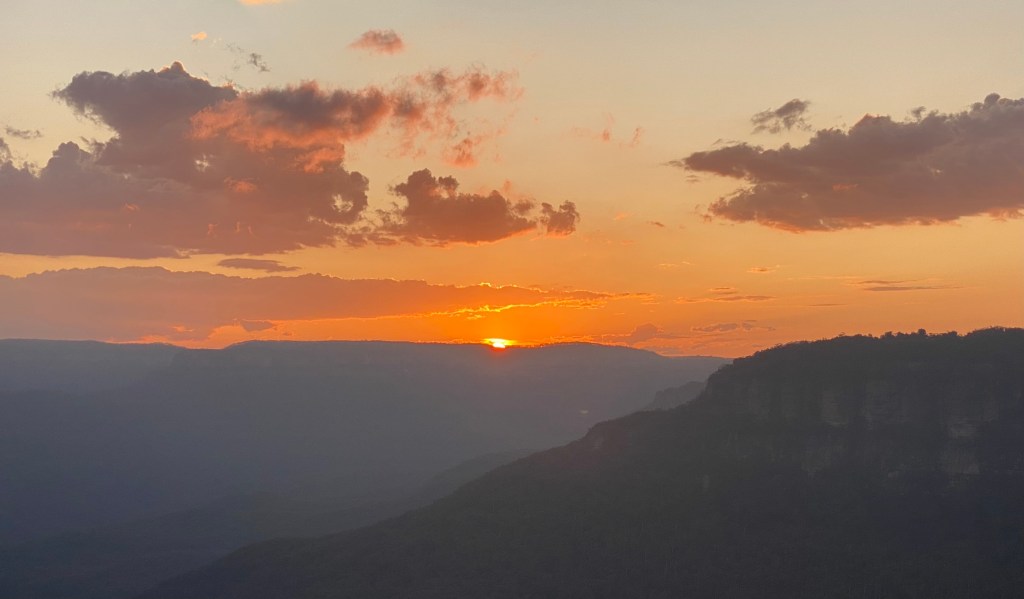
For a great day trip and a dramatic change of scenery, head out to the Blue Mountains National Park a couple hours west of Sydney. There are many ways to do this, including driving and taking self-guided walks to any number of worthwhile sights. We opted for the guided Afternoon & Sunset Tour with Wildlife Tours Australia and loved it. Our guide was equally knowledgeable and passionate, and this tour is best for beating the crowds and getting some jaw-dropping vistas, including great hikes at Wentworth Falls, the Three Sisters, and sunset cocktails on Lincoln’s Rock.
Blue Mountains overlook
Undercliff track to Wentworth Falls
Taking a break in aboriginal cave
Weeping Rock above the falls
Wentworth Falls
Cliff walk past Wentworth Falls
Wentworth Falls
Three Sisters
Happy campers and cocktails
Sunset at Lincoln Rock
…Bliss
Ahhhh….
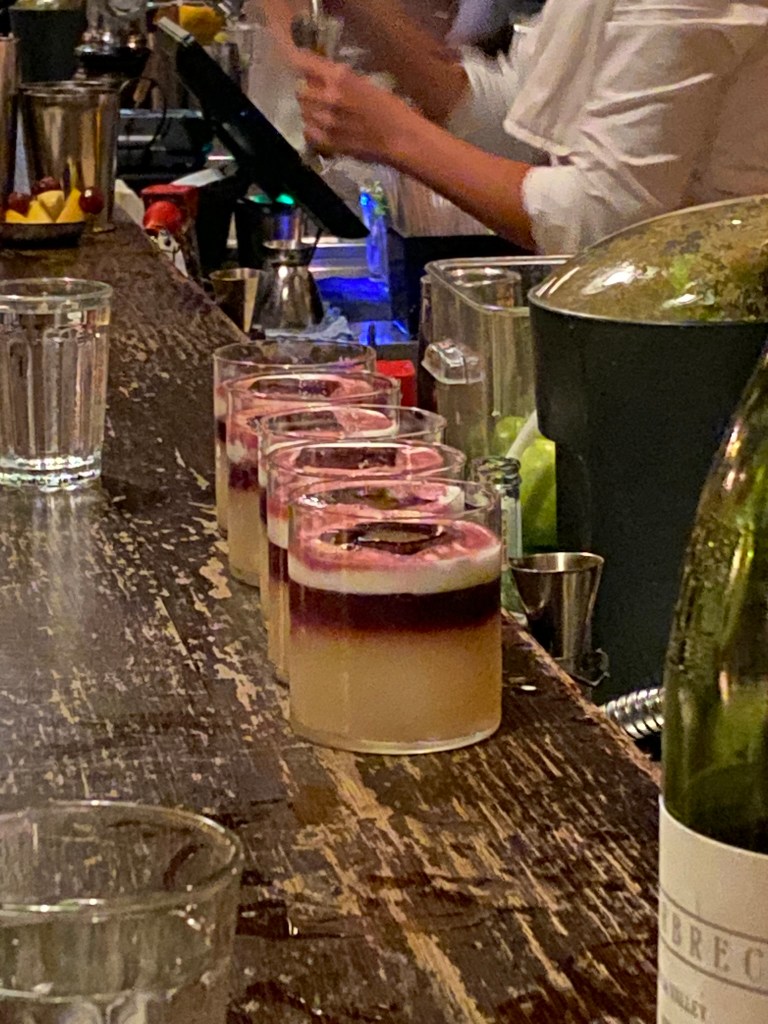
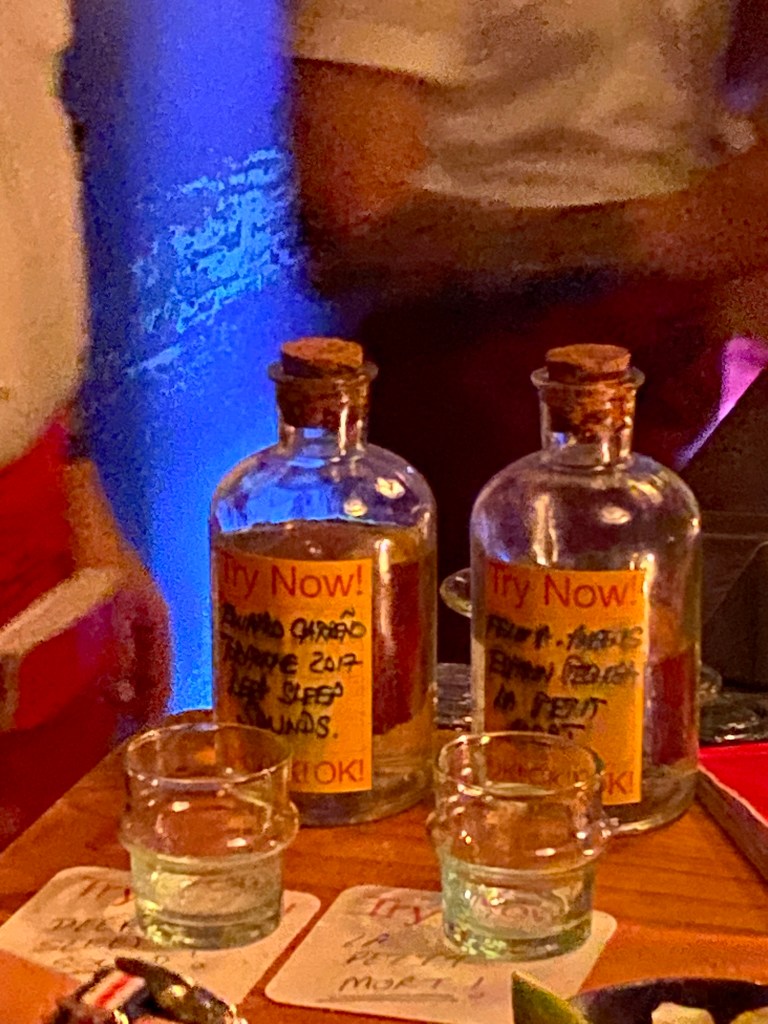
Sydney has some outstanding speakeasy bars renowned for top-notch cocktails. Some we hit and liked a lot included Palmer & Co, Old Mates Place, and the Baxter Inn, all clustered along Clarence Street between CBD and Darling Harbor. Our favorite bar in this neighborhood, though, was Cantina OK!, a tiny pop-up that holds no more than 15-20 patrons and specializes in mezcal and tequila. Buy the bartender a shot, you won’t regret it! (While Cantina OK! made #41 on the 2022 50 Best Bars in the World List, Maybe Sammy was #29; we didn’t get there but I wish we had.)
Palmer & Co
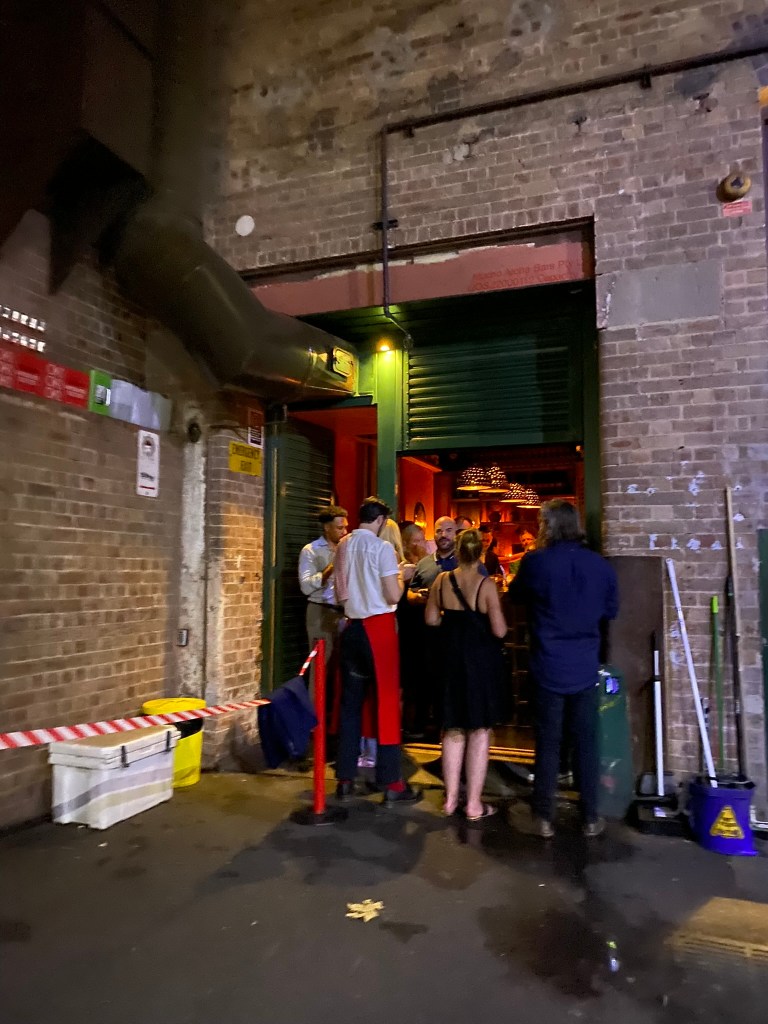
Cantina OK!
Inside Cantina OK!
Cocktails at Baxter Inn
Cantina OK! specials
Entrance to Old Mates Place
Old Mates downstairs
Old Mates rooftop
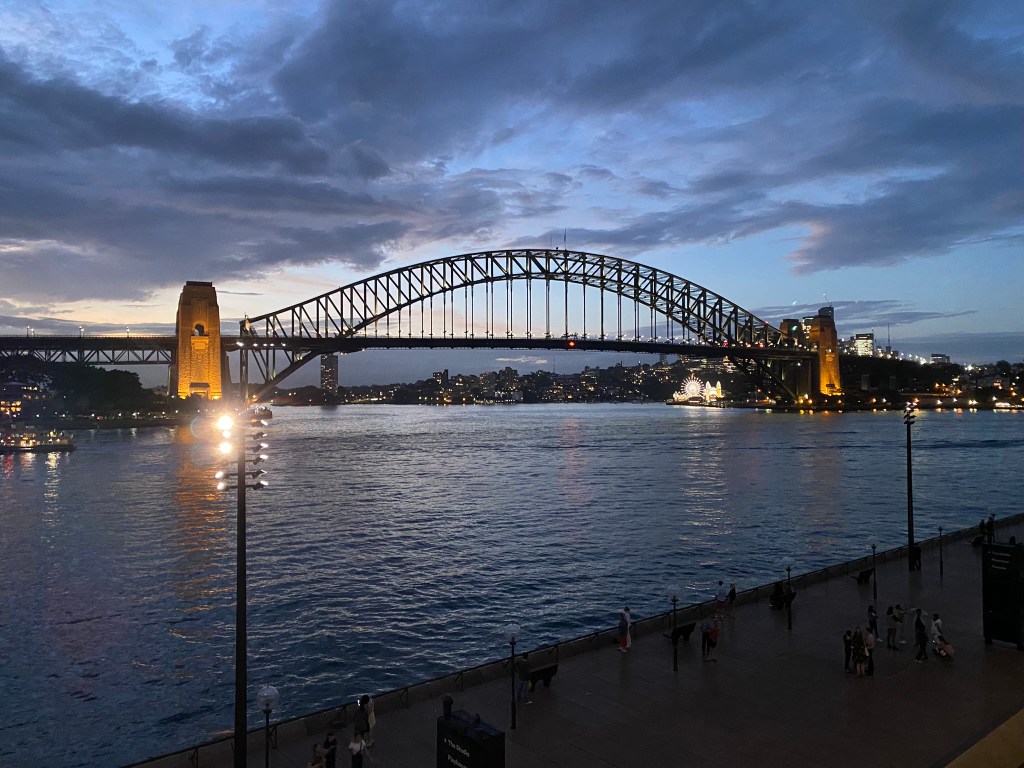
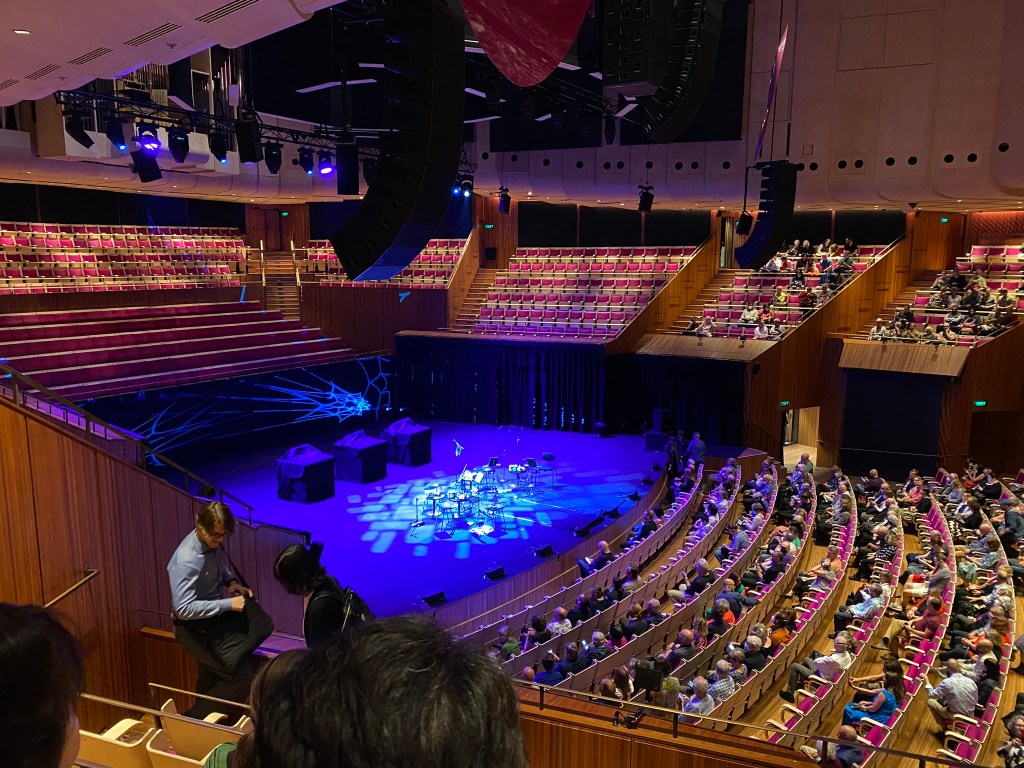
Of course, you can’t go to Sydney without checking out the iconic Sydney Opera House. Designed by a Dutch architect who never saw it finished, we took an interesting tour of the interior and then caught a performance by Kronos Quartet, whose Five Decades Tour coincided with the Opera House’s 50th anniversary.
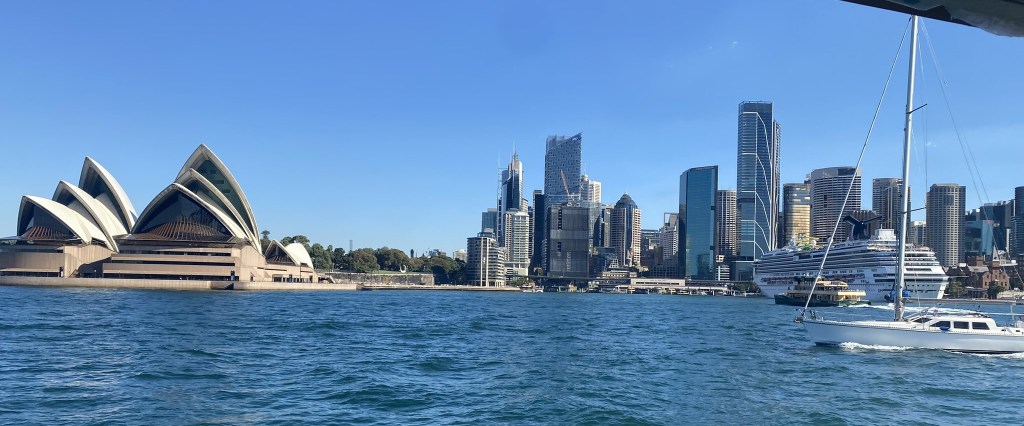
Opera House and CBD from the ferry
Touring inside the Opera House
Arrival for the performance
Opera House is half the height of Harbour Bridge
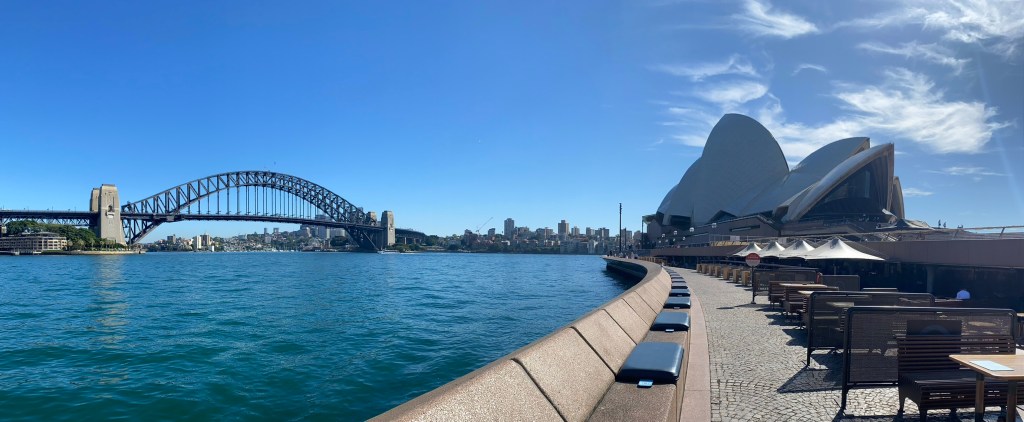
Harbour Bridge from the promenade
Performance hall
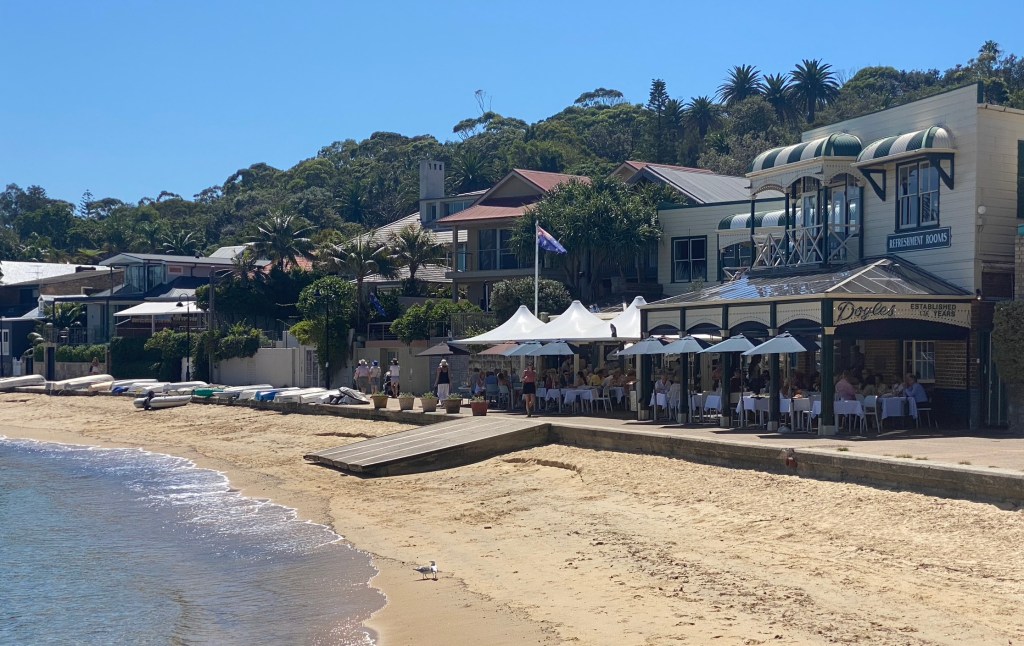
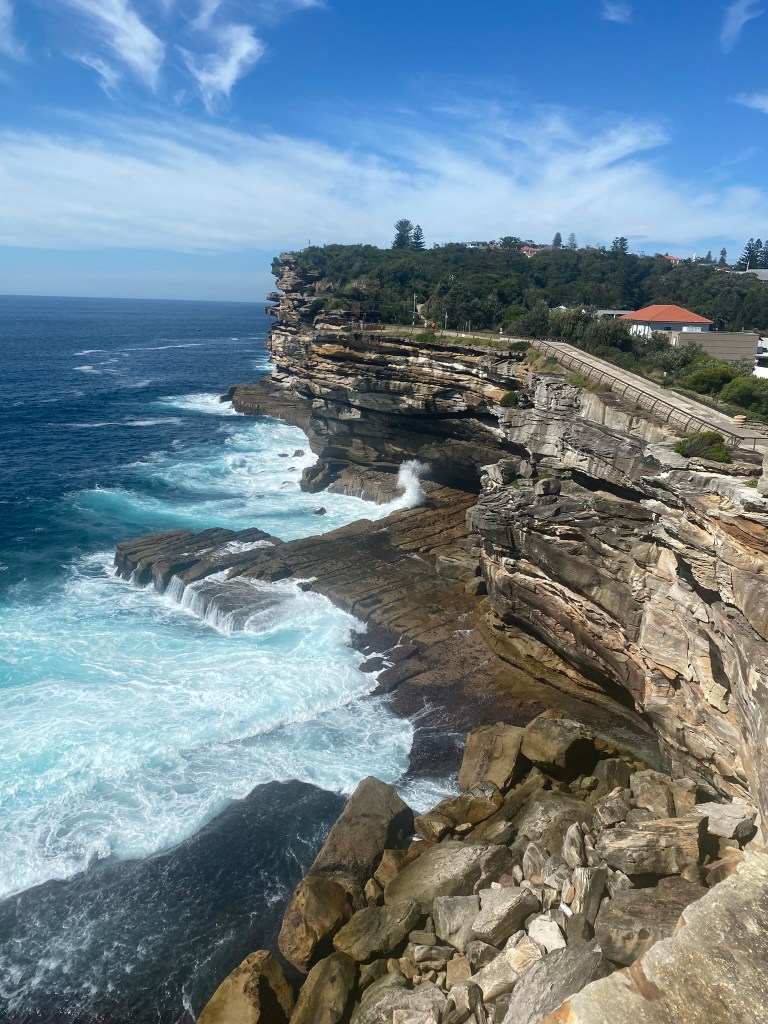
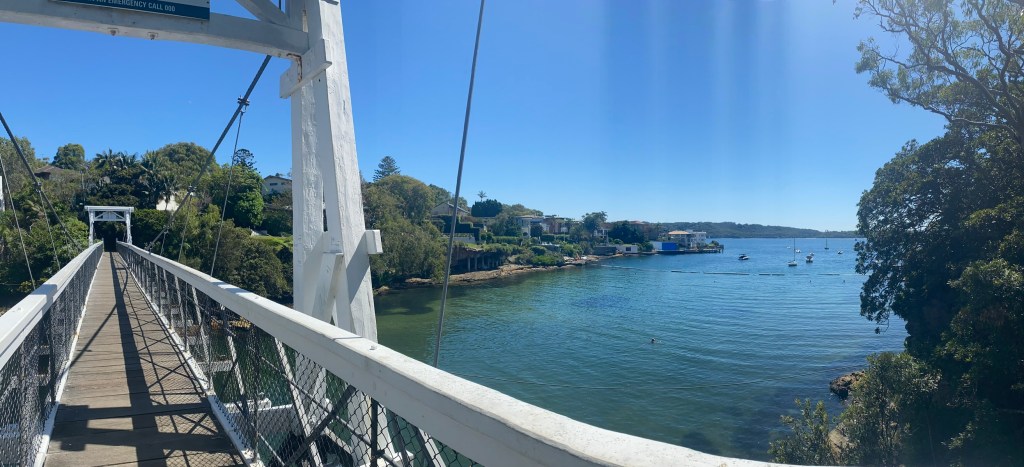
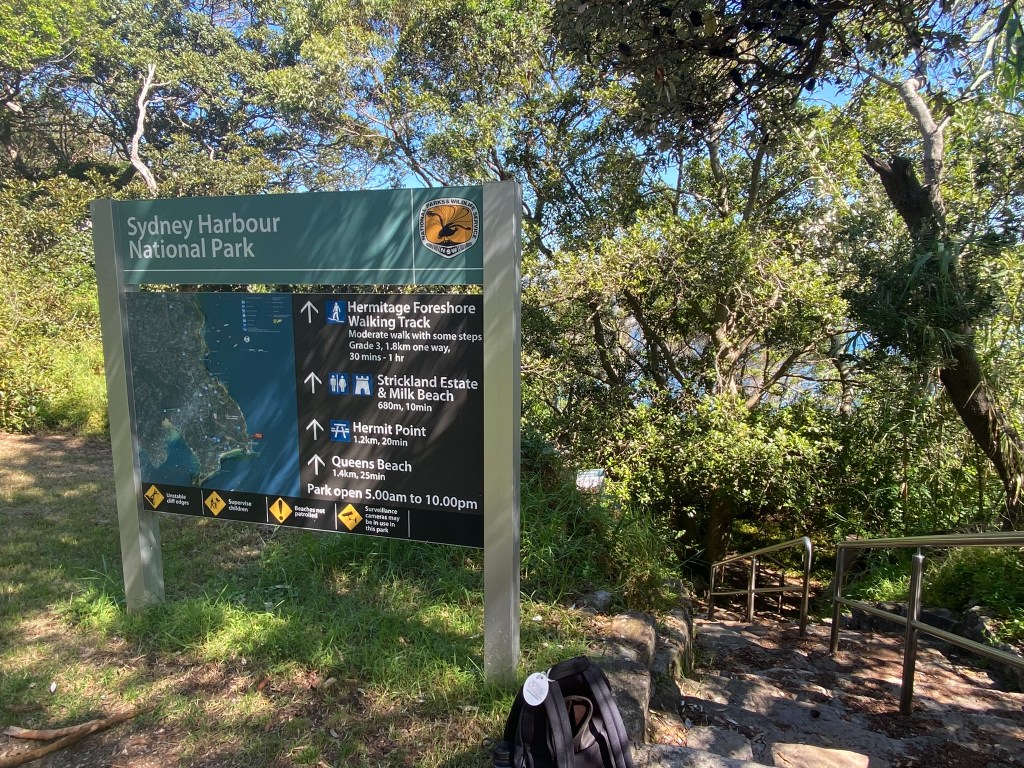
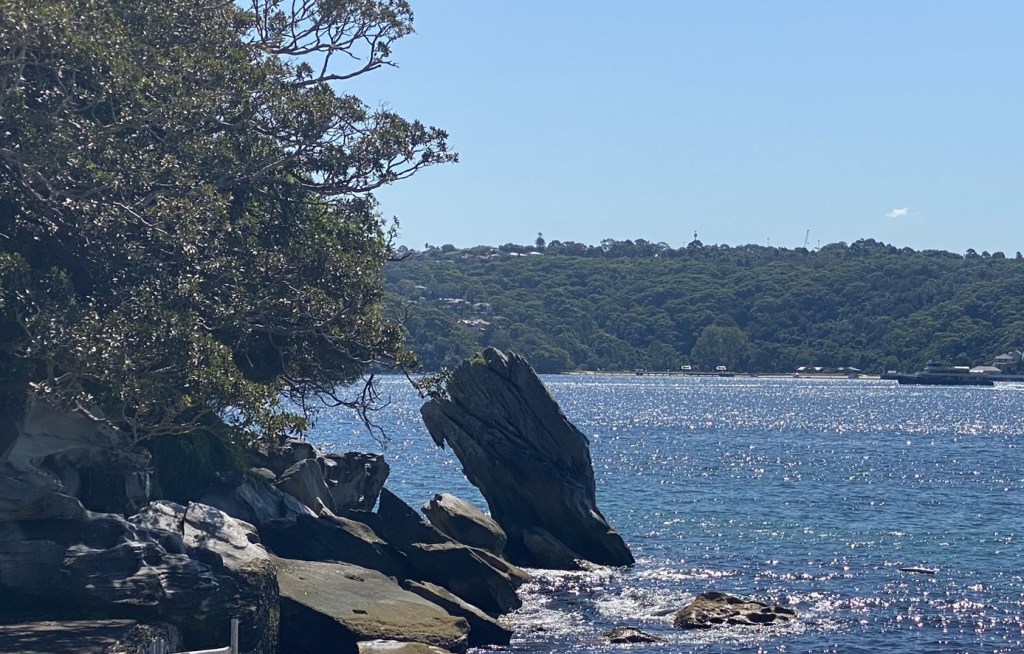
Another fun day trip: Take the ferry to Watson’s Bay for lunch at Doyle’s. After lunch, walk across Roosevelt Park and up the hill to the Gap Lookout National Park for a great view of the rugged coastline just outside the mouth of Sydney Harbour. From there, you can either walk up to beautiful, secluded Lady Bay Beach or Camp Cove Beach or do what I did — walk four miles down to Rose Bay via the Parsley Bay Bridge (and beach) and the Hermitage Foreshore Track, an urban bush and beach track that runs along Nielsen Park and several other small, secluded, mostly local beaches. Another ferry takes you from Rose Bay back to your starting point at Circular Quay.
Great seafood at Doyle’s
The Gap Lookout
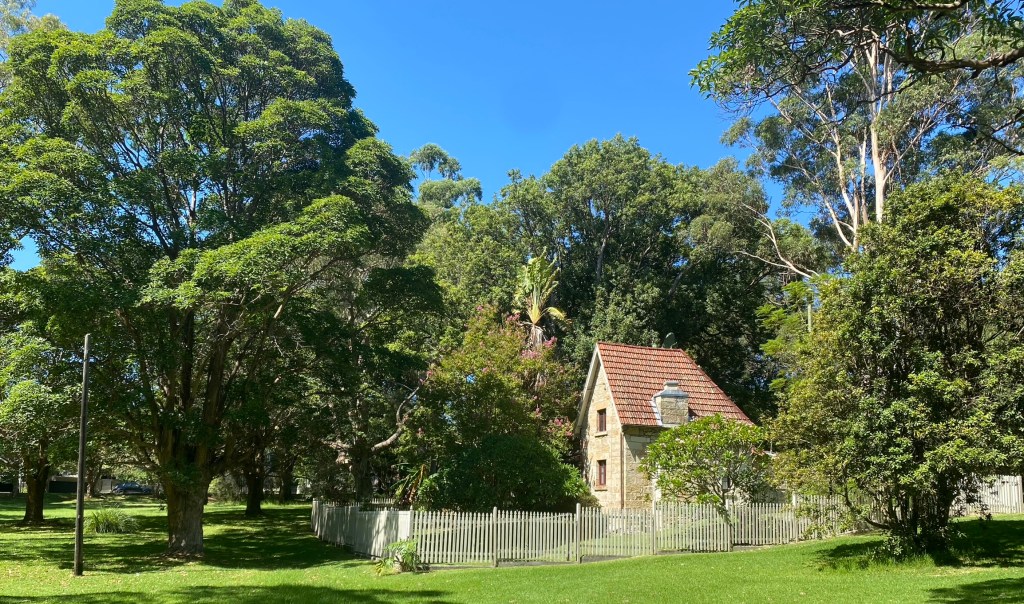
Gardner’s Cottage in Nielsen Park
Greycliff House in Nielsen Park
Parsley Bay Bridge
Foreshore Track Trailhead
Whale Rock
Foreshore Track
Sydney View from the Foreshore Track
Our second lodging accommodation in the more modern and less touristy neighborhood of Surry Hills was a great find. A converted former convent, Crystalbrook Albion is a boutique hotel with very comfortable suites, a sketchy cool vibe, and a friendly and engaging front-of-house staff. Also, it’s an easy walk to Crown Street’s many restaurants, bars and shops and gives you a very different feel for Sydney.
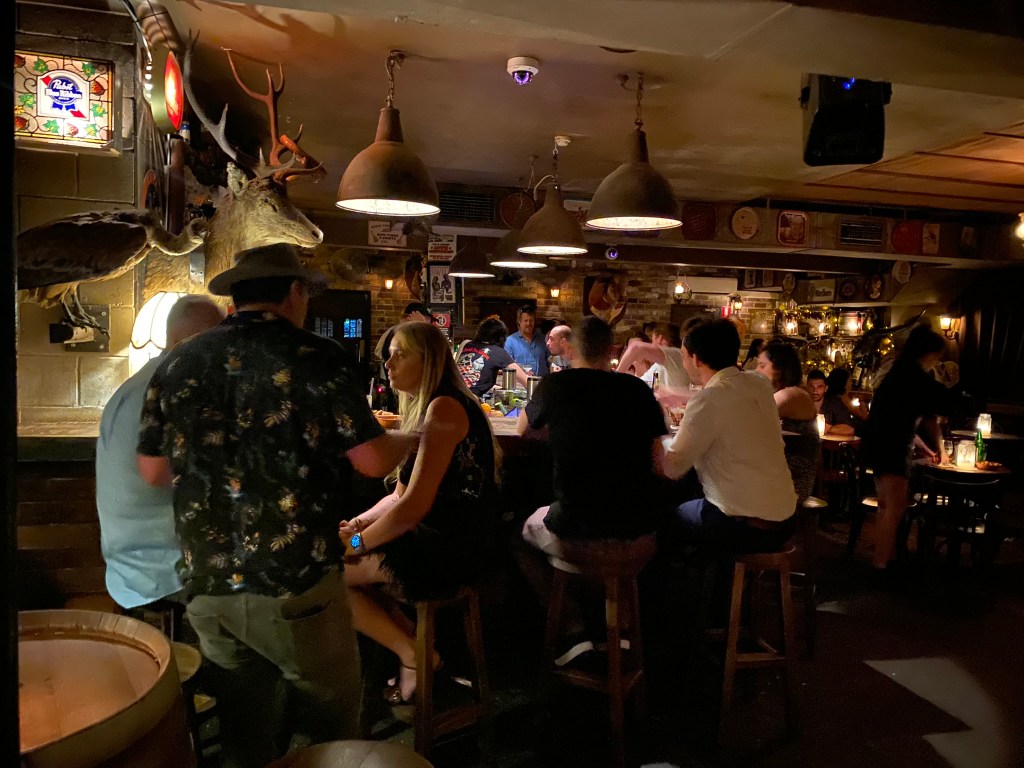
Shady Pines Saloon, another half-hidden, back alley, underground dive bar in nearby Darlinghurst was a kick, filled with stuffed big game heads and outstanding USA rock ‘n roll and Johnny Cash country. The band was terrific, and the small crowd was definitely having a good time.
Favorite bars in Surry Hills were The Clock and Roosevelt, the latter with very good Guinness and chips (french fries). We ended up celebrating St. Patrick’s Day at Trinity, a proper Irish pub just down the street, but honestly it wasn’t anything special. Bad Mama and Four Pillars Gin Lab, both on Crown Street, looked pretty interesting but we didn’t make it by. Next time!
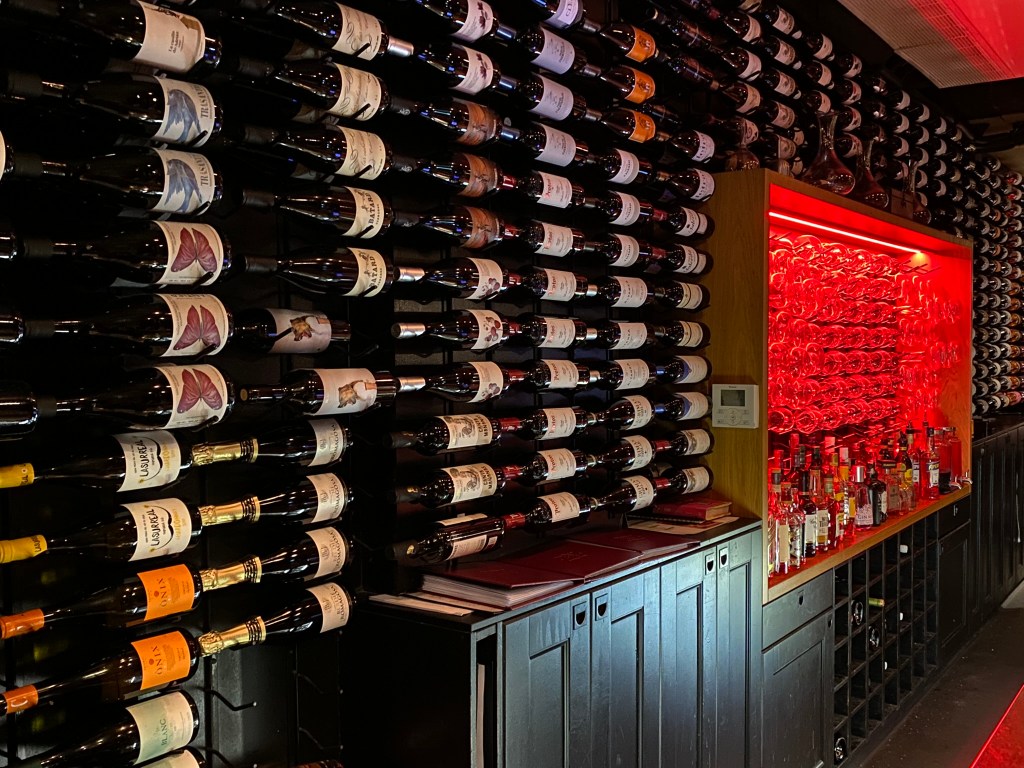
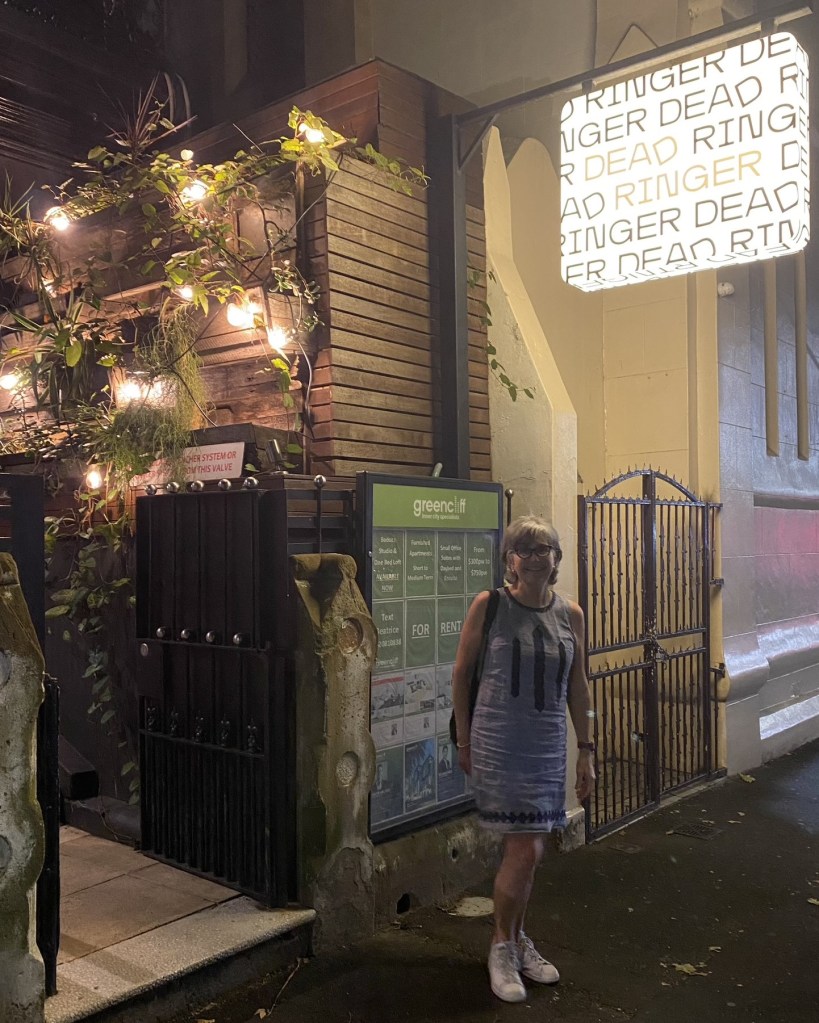
Excellent dinners at Tapavino (Spanish tapas and great wine selection in CBD), Dead Ringer (higher end dining in Surry Hills), and Henrietta Charcoal Chicken (middle eastern BBQ in Surry Hills with their own beers) and Tago-An (good, well-priced sushi with no crowd in Rocks/Millers Point).
Best breakfast in town by far was bill’s in Surry Hills. Expect to wait, but worth it!
Shady Pines Saloon
Shady Pines Saloon
Tapavino
Dead Ringer
Roosevelt Pub
The Trinity Pub
Red lights are legal in Syndey!
And so, after 18 days in Australia and 7 weeks in all Down Under including our first course in New Zealand, it was time to head home. Without a doubt, Sydney would be an easy place to live for an extended period given its vibrant culture, friendly people, limitless food and drink options, great weather, and easy access to wilderness and dozens of beaches.
With another week, it would be a tossup between a second week in Sydney (Michelle’s choice) or flying up to the Whitsundays or Great Barrier Reef for a week on the water (my choice). The latter would be a much easier choice in winter or the shoulder seasons, when prices for everything would be more affordable as well. Either way, Australia is fantastic and surely has something for everyone!
Which brings me to my favorite one-liner I heard from a local the entire trip, from the front man of the band at Shady Pines, and a good clue to the Aussie sense of humor: “Of course she’s not your girlfriend. You’ve got the head of a wombat.”
Overview: Our first visit to New Zealand was a four-week road trip by car, with 8 days in the North Island and 18 days in the South Island. After our last night in Queenstown, we flew to Melbourne, Australia to continue our trip Down Under another three weeks before heading home.
Bottom Line: New Zealand was high on our wish list for a long time, but being so far from home we put it off until we could manage to spend at least four weeks covering both islands. That was the right decision! Most everyone has heard of the South Island’s spectacular, rugged scenery and it certainly did not disappoint. But the North Island was much better than I anticipated and should not be missed. The food was often incredible, though not always in the smaller outposts, and the local Kiwis were uniformly warm, friendly and engaging everywhere we went. We could easily have spent 6-8 weeks here, as there were several spots we wanted to see but couldn’t given our time budget.
That said, four weeks certainly allows time to cover a lot of ground on both islands. Anything less than that and I would recommend focusing on one island (start with the South), saving the other island for another trip. We intentionally spent little time in the bigger cities, opting for more time exploring the wildly diverse and more remote locales. We were extremely happy with our itinerary, though if I could change one thing it would be this: go to Fiordland before Queenstown, instead of the reverse, and cut two days out of Queenstown (3 days in plenty) in order to spend two days in Dunedin.
Driving is the best way to see New Zealand because you can enjoy the freedom and flexibility of traveling at your own pace. The country is famous for the “nomad lifestyle”, traveling via RV, with “freedom camping” spots all across both islands. We booked too late for a high season trip to take advantage of that, but our little SUV worked out just fine — and Michelle got a comfortable bed indoors every night. Also, the best places to visit are pretty remote, including all of NZ’s famous Great Walks, and you need a car to have any kind of flexibility getting there. You can get much better prices, not to mention the chance to catch some All Blacks rugby matches, by traveling in the shoulder season.
Our adventure Down Under began in Auckland, New Zealand’s largest city and home to 25% of NZ’s residents. For international travelers, it is the easiest airport to fly into and a perfect spot to start a north to south road trip covering both islands. We flew from SFO on Fiji Airways with a 3-hour layover in Fiji to save a ton of money, arriving early Friday afternoon, then caught a taxi to our hotel in town. We only had one night in Auckland, and we chose the Ponsonby neighborhood because of positive reviews I’d read on a few travel blogs. Highlights:
Michelle loved the boutique Hotel Fitzroy (TripAdvisor review here), which felt more like an upscale B&B with a few very well-appointed rooms and an excellent breakfast served on the patio.
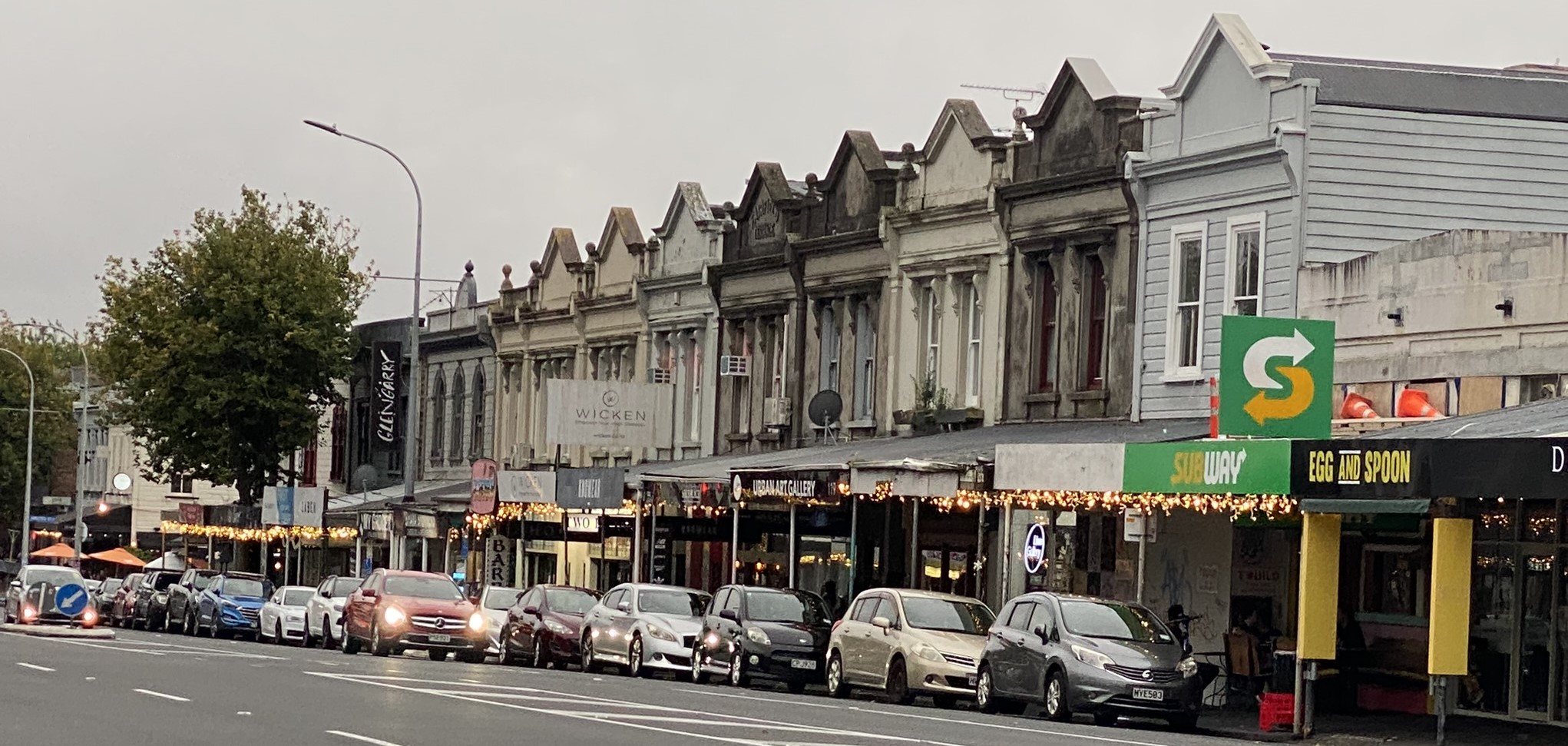
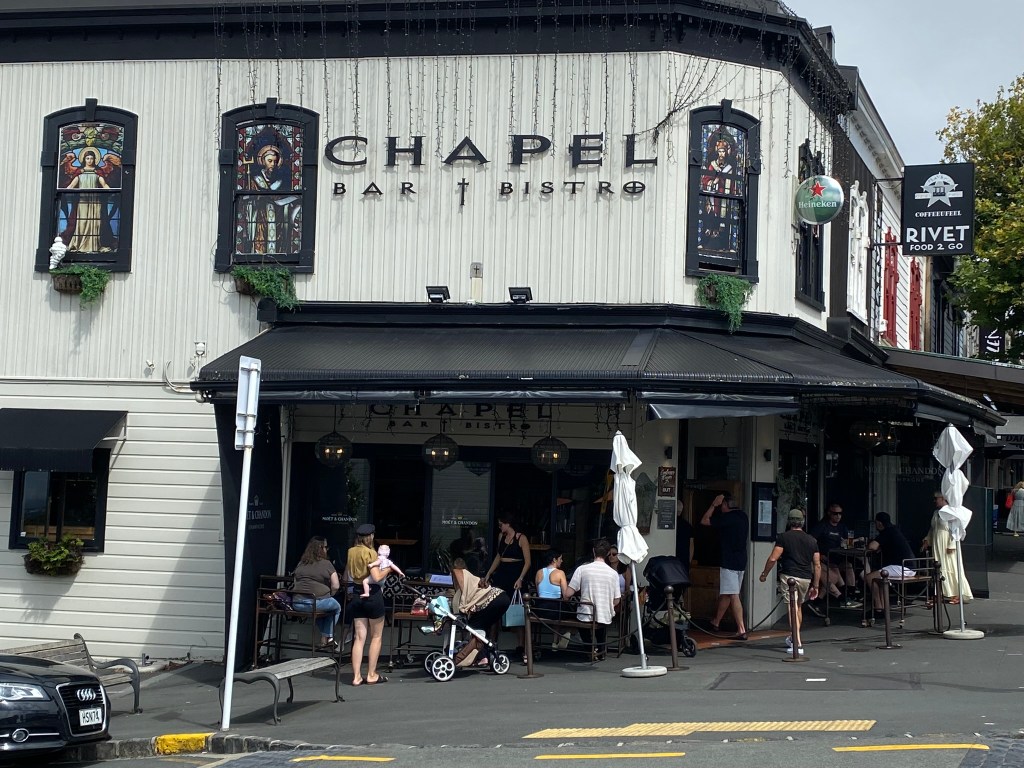
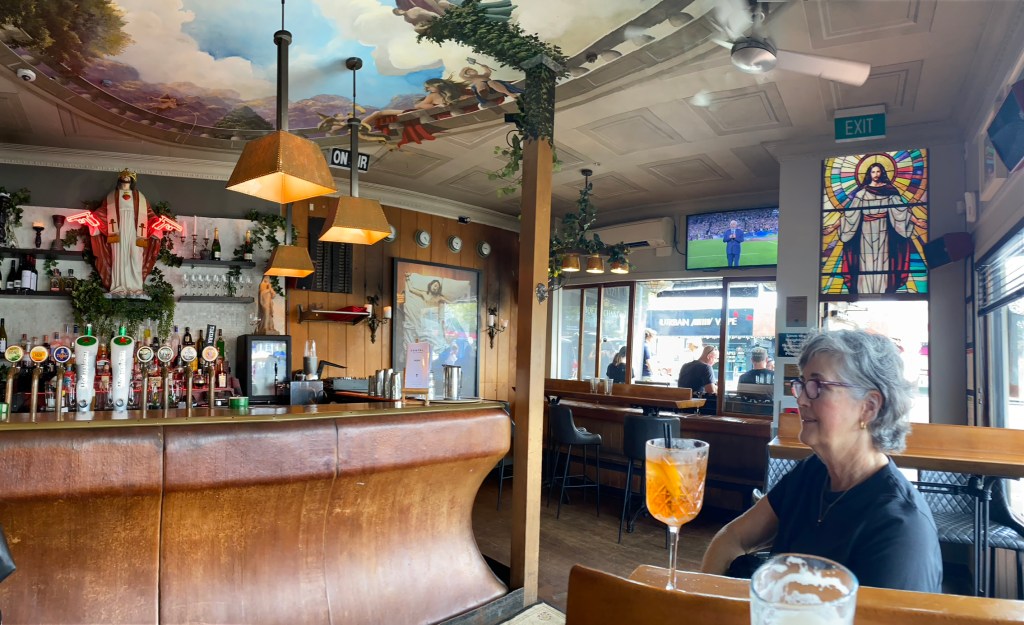
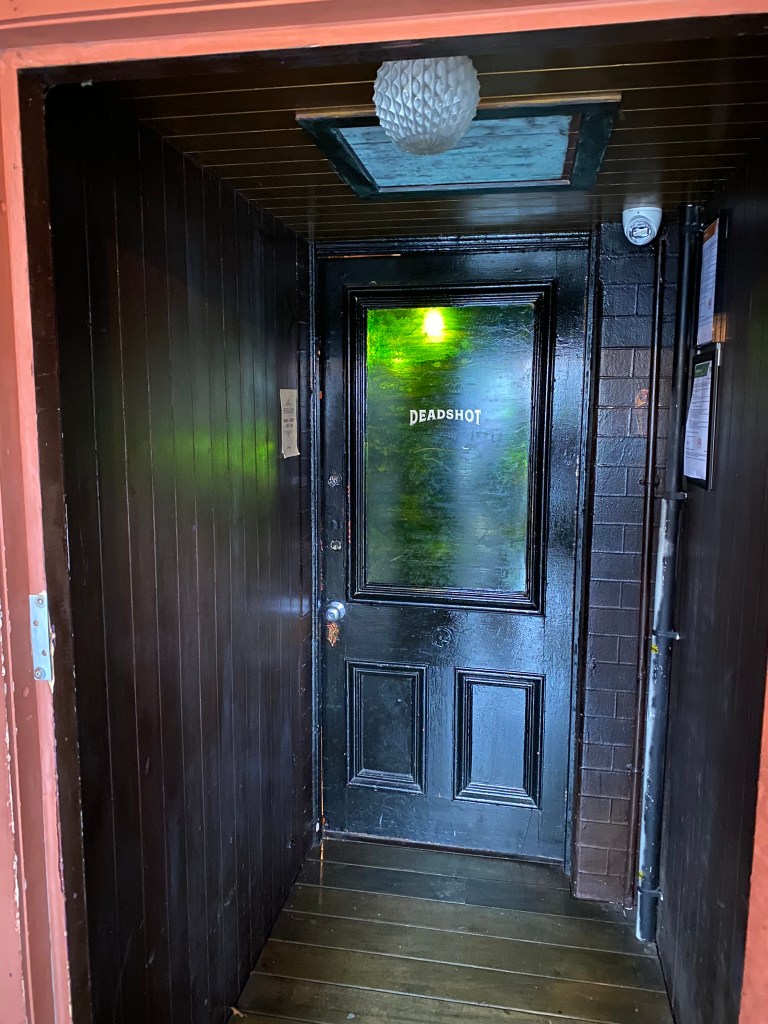
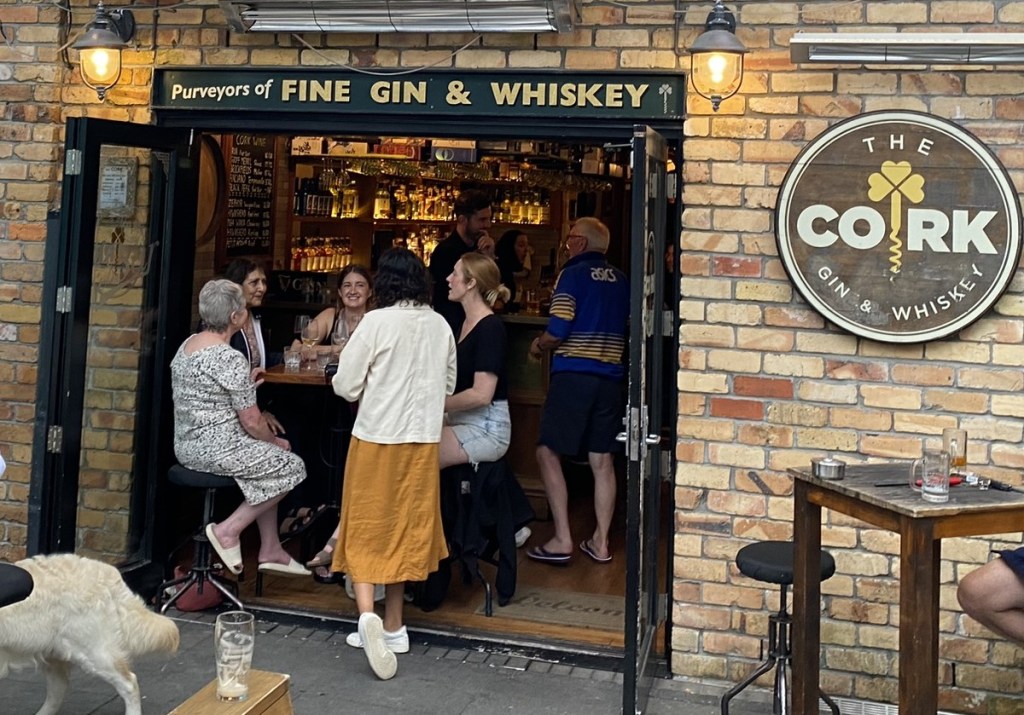
Ponsonby Road, just a two block walk away from Fitzroy, is the heart of the neighborhood’s shopping, dining and bar scene, and that is where we spent our time after settling into our hotel. Bars I can recommend include The Chapel Bar (fun and highly irreverent “religious” decor and good beer), The Cork (excellent Guinness and a fine selection of whisky and gin), and Deadshot (classic, dark wood-paneled speakeasy with terrific craft cocktails and no menu).
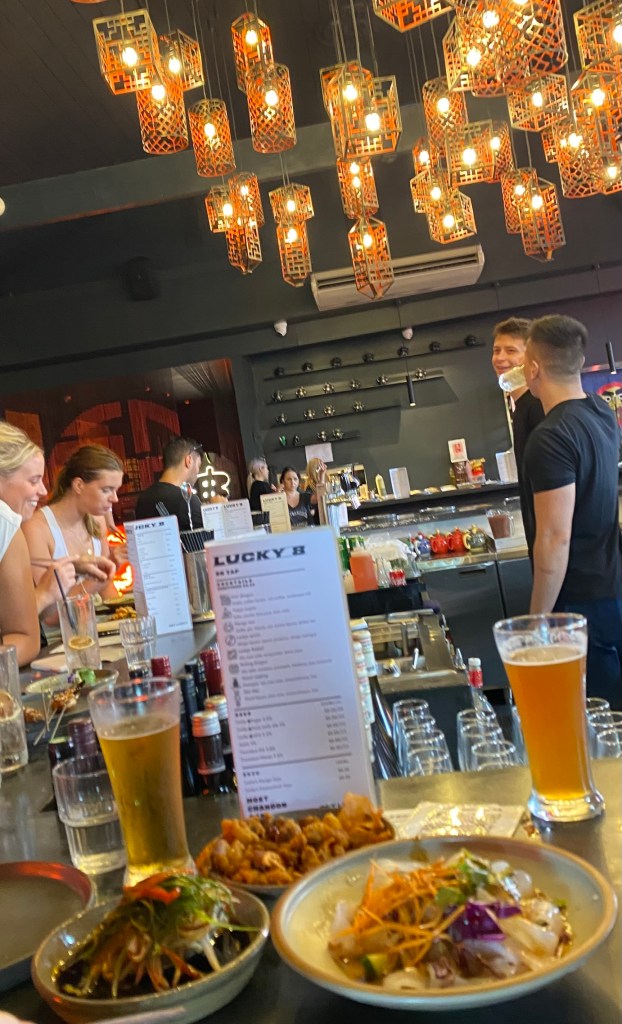
Dinner at Lucky 8, recommended by our bartender at Chapel Bar, was mouth wateringly good. Tucked into a hard-to-find upstairs room with small plates of Asian fusion cuisine. For some unknown reason, the clientele during our visit had at least a 10:1 ratio of women to men.
After getting a much needed good night’s sleep, we were ready to hit the road! After breakfast, we picked up our rental car from Omega Rental Car’s downtown location as it was much less expensive than the airport and in the direction we wanted to go. We then headed south on Route 1 for the north island’s rugged Coromandel Peninsula, known for its rugged interior, misty rainforests and golden sand beaches.
Normally, this would be a two-hour drive, but the primary route 25A was closed due to extensive landslides, so our journey took us further south along the twisty, mountainous route through the stunning Karangahake Gorge before turning north again along the coast. 3 hours later, we arrived at Hot Water Beach, a few minutes south of our ultimate destination of Hahei Beach. Given its distance to other north island destinations, 3 days would have been ideal here, but 2 days worked out well for us. Highlights:
Lunch at Hotties Eatery and Bar at Hot Water Beach. The best New Zealand’s famous green-lipped mussels I had this entire trip — and I ate a lot of mussels! Read my review for the details.
Our rustic cottage at Purangi Garden Accommodation was absolutely sublime. Most accommodations in Hahei were already booked when we started planning and we found this almost by accident on Airbnb. We were lucky! Sunset cocktails on our front deck overlooking the acres of rolling hills, trees and gardens, all by ourselves, with the non-stop symphony of a billion crickets and birds was magical. Here is my review.
We had booked a half day guided sea kayak tour from Hahei Beach to Cathedral Cove, but a big ocean swell that day led the outfitter to cancel. Instead, we found a trailhead not far from Purangi Garden that made for a wonderful, 5-mile round trip hike through rustic farmland to Cathedral Cove. Gorgeous beaches on both sides of the famous arched rock. Whether kayaking or hiking, this is the must-see destination in the area.
Our host at Purangi Gardens is also caretaker for the local forest preserve and she lent us her kayaks to take our own self-guided tour out the Purangi River to the ocean by Cook’s Beach. Sweet! The nearby hidden beach where we landed is fringed with 700-year old Kuari trees. Commercial kayak rentals are also available at Cook’s Beach.
The one mile out and back hike from Hahei Beach to the Cathedral Cove Lookout was pretty and offers great views of the coastline.
Dinners at Kaizen at Go Vino (Cook’s Beach) and the Church Bistro (Hahei) were very good. The Vessel is a fun place to get a beer a couple doors down from Kaizen, and their pizza looked good. The Pour House in Hahei has excellent beers, though the food is not recommended.
Having wrapped up our two days on the Coromandel, it was time to head south toward Wellington. We considered several options for our next layover, including the popular Bay of Plenty, Rotorua and Lake Taupo. The latter two are renowned for geothermal activity, hot springs, extreme adventure sports, even redwood forests. Since we get plenty of those at home, we opted to make tracks for Tongariro National Park by way of Waitomo, famous for its glowworm caves, and a short detour to Hobbiton, from Lord of the Rings (LOTR) fame.
Hobbiton
During our 3-hour drive south, we passed through rugged coastal mountain scenery with occasional glimpses of the Pacific Ocean (we passed at least three beach towns) before motoring for miles through alternately flat and rolling hills farmland on our way to the Hobbiton Movie Set Tours headquarters, a few miles past the small town of Matamata. Peter Jackson “discovered” the nearby Alexander family sheep farm while searching for sites to re-create Middle Earth for his LOTR and Hobbit films. This site became The Shire, and after the second LOTR film, the entire village set was preserved as a tourist attraction.
The only way to see this impressive set, which comprises 12 acres of gorgeous scenery, 39 “Hobbit holes”, the Mill, and the famous Green Dragon Inn, is on a guided tour that departs by bus from tour headquarters. Advanced reservations are essential, and while very well organized with precisely timed logistics, you are going to see lots and lots of tourists! Still, we very much enjoyed it, and I’ve heard that even those who are not LOTR fans find it very entertaining and worthwhile. You’ll even get a free beer (or NA beverage) at the Green Dragon.
We had booked an 11:40am tour, which worked out perfectly given departure from Coromandel around 8am. The tour runs exactly two hours, so we were back on the road in plenty of time to arrive in Waitomo, just over an hour’s drive, by 3pm.
Waitomo
Waitomo is a one-horse town in the middle of nowhere, and the only reason to go is to visit one or more of the glowworm caves. This region actually has hundreds if not thousands of such caves and underground caverns — and, in fact, there are glowworms all over NZ — but since they were first explored here in 1887 and subsequently commercialized, Waitomo is known for having the biggest and most impressive cave tours. Beyond that, there are not many lodging choices, fewer dining options, and virtually no bars or nightlife. What we liked:
The Abseil Inn a small, quirky, moderately priced but nice lodge at the top of a long, narrow and extremely steep driveway. Be warned! But the bed was comfortable, the communal breakfast was excellent, and our hosts cordial and friendly. They even tracked me down after we left as I had left my prescription meds behind, which they shipped ahead for me. That’s great service!
We booked the Sunset Glowworm tour at Footwhistle Cave, a one-man operation with the cave located on his farm. It starts at 8pm, which was perfect as we had time to unwind at the Inn and enjoy dinner in town before the tour, and then get on the road in the morning. Best of all, this was a very small, intimate tour, unlike the much larger hordes piled into daytime tours at other caves. My review here.
Dinner at HuHu Cafe is reputedly the best in town and it was very good. Because of that reputation and the lack of other options, it tends to book up fast so advance reservations highly recommended.
The Twelve Tables Bar & Eatery, attached to the Waitomo General Store, perfectly met our needs for a “pub” stop before dinner. (The nearby Tomo Bar & Eatery was closed during our visit and we had been told it was a COVID casualty. It may be open now, so worth checking.)
Tongariro River winds its way to Lake Taupo, site of Earth’s largest volcanic eruption in the last 5,000 years
After our 4-hour drive, two-tour day and single night layover, we were ready to get someplace we could linger for a few days. Again, we briefly considered heading southwest to the lush Whanganui National Park, but instead chose to make our next base in the small town of Turangi, situated along the Tongariro River between Lake Taupo and Tongariro National Park.
The Tongariro River is a well-known fly-fishing mecca, while the National Park is a wild, desolate, semi-active volcanic landscape known as a popular ski destination in winter, with two of the three highest peaks (all volcanoes) on the North Island. It is also famously the location of Mordor for the filming of Lord of the Rings trilogy and home to the Tongariro Crossing, one of NZ’s famous Great Walks, and one of the best one-day hikes in the world. If you are looking for outstanding outdoors recreation, you really need two days and three nights here, which is just what we did. Highlights:
Fly-fishing the Tongariro River is a fisherman’s dream, though on this trip the river was running high and muddy given tons of recent rain. Our guide, Louise, who we hired out of The Creel fly shop, just a short walk from the Olive Rabbit, was terrific working with Michelle, who was brand new to fly fishing.
High water makes tough fishing
With our guide, Louise
Nice catch!
Trout heaven
Hiking the Tongariro Crossing, a 19-kilometer trek with over 5,000 feet of elevation change through the heart of the volcanoes. Trekking poles (and lots of water) are essential, especially if you have any kind of knee issues. In a cruel twist of fate, the poles I had pre-arranged were missing on arrival, so I bailed in the parking lot rather than risk a torturous 3,000 foot descent. (Our friends, the Hills, made the Crossing a few days later and swore I made the right call.)
Fortunately, there are several alternative hikes in and around Tongariro NP, and we managed a few terrific ones I highly recommend, including Taranaki Falls (6km loop) and Tawhai Falls (easy, 0.5km out and back to Gollum’s Pool). Lots of easy hiking along the Tongariro River as well.
The National Trout Centre, on the outskirts of Turangi, had terrific displays covering the history of fly fishing in NZ, which started in the late 1800’s with California native rainbow trout being transplanted into the Tongariro and other streams.
Opotaka Pa, a sacred historical Māori spot on the north shore of Lake Rotoaira, between Tongariro NP and Turangi, is where the Ka Mate Haka was born. It was a cool spot to visit, with a beautiful landscape and a single sign telling its most famous story.
Mount Ruapehu, tallest peak on the North Island, last erupted in 2007
Taranaki Falls
Looking back from top of Taranaki Falls
Tawhai Falls
Gollum’s Pool
The Back Bar inside Ruapehu crater
Opotaka Pa
National Trout Center fly tying diorama
Dinner at Hare & Copper was easily the best dinner in Turangi. (The Tongariro Lodge is well known for attracting famous guests for years, though it’s understaffed and getting mixed reviews during our trip. Worse yet, there is no bar to drop in for a drink and check out all the history on its walls.)
The Olive Rabbit is quite simply one of the best B&B’s we have stayed at, and it is perfectly situated a short walk from the Tongariro River and an easy drive to all other local destinations. Hosts Tim and Mary are just the best. Read my review here.
Neighborhood fly shop & cafeNice spot to relax after a big dayOur Olive Rabbit hosts
The Desert Highway with Mounts Ruapehu and Ngaurahoe in the distance
After our last sumptuous breakfast with Tim and Mary at the Olive Rabbit, we headed down the Desert Road passing Tongariro National Park on our way to Wellington, a 4-hour drive. With a few more days, we might have stayed, even camped, a couple days on the way in Ruahine Forest Park, known for its natural beauty and good whitewater rafting. As it was, we stopped in the small, frontier town of Taihape to shop for an inexpensive cooler and grab lunch at the Brown Sugar Cafe. Tim and Mary had also told us to keep an eye out for The Wool Company, a great place to buy merino and possum wool socks just down the highway from Taihape. And so we did, and a hat for Michelle.
Wellington
Finally, after another couple hours driving along the Kapiti Coast, we dropped into the bustling capital city of Wellington. We checked into our hotel and headed straight for the waterfront to grab lunch.
Wellington waterfront and Dockside restaurant
We had planned to stay for a couple days in Wellington, meeting up with good friends Kathy and Bob Hill, who had just finished the South Island and were heading north. Michelle and I hit a couple bars on the much-hyped Cuba Street, which we found to be overrated in general, before meeting the Hills at Ortega’s Fish Shack, where we enjoyed an incredible dinner, good wine and lots of laughs.
The next day, our plans suddenly changed. The ferry from Wellington to Picton (gateway to the South Island) we had booked after our second night cancelled without warning. Because we did not want to be delayed another day, we scrambled to find another ferry and were very lucky to get the last car spot on the last ferry heading out later the same day. We still managed to get a couple sightseeing excursions in before the ferry. Highlights from our shorter than expected stay include:
Riding the Wellington Cable Car to the top of Botanic Gardens for view of city and harbor, then walking back to town through the botanical gardens and town cemetery.
Visiting the Te Papa national museum, with permanent exhibitions on the natural world and the history of New Zealand and the Pacific, as well as an extensive collection of New Zealand art.
In addition to Ortega’s Fish Shack, we enjoyed good seafood lunches (mussels, chowder and beer) at Dockside and Shed 5 on the waterfront.
Outside Shed 5 on the waterfron
“There is no religion higher than truth.”
Street art
With the Hills overlooking the harbor
Botanical gardens
Maori canoe for interisland travel
Other hot spots we had hoped to hit but couldn’t with our shortened stay; I’ve heard these are all great:
Zealandia is a one-of-a-kind bird sanctuary with more than 40 species, many of which can be found only in New Zealand.
While this was not on our short list, I heard from many people that the Weta Workshop tours of the production company behind the movies “Avatar” and “The Lord of the Rings” is quite good.
Other restaurant recommendations from locals: Prefab (a must for breakfast or lunch), El Matador, Dragonfly, and Boulcott Street Bistro.
Cook Strait Crossing
Suddenly, it was time to catch our ferry for the 3-hour Cook Strait crossing to Picton. We had nice weather for the crossing, though the Strait, which connects the Tasman Sea and Pacific Ocean, is known to be pretty rough at times. Entering the Queen Charlotte Sound and passing by its islands and many bays was quite beautiful.
Crossing the Cook Straight from Wellington to PictonQueen Charlotte SoundArriving in Picton
Little did we know when we made our last minute ferry schedule change that lodging on the other side without advance reservations would be a challenge. Everything in Picton was fully booked, as were towns on the way to Kaiteriteri, our next planned destination and a 3-hour drive from Picton. With our ferry arriving an hour before dark, we very much wanted to stay somewhere close. We got lucky once again, scoring the last room at the only available (and most expensive) hotel in Blenheim, just 30 minutes away.
Blenheim
Blenheim is a charming town situated in the heart of Marlborough wine country. This region is famous for its white wines, notably Sauvignon Blanc (“Savvy B” to the local Kiwis) and Pinot Gris. We learned on arrival that the next day marked the start of the annual Wine & Food Festival that attracts thousands of visitors from around the world! This explained the shortage of hotel rooms and Airbnb’s. Amazingly, we got lucky again as we walked into town and managed to get the last open table at Frank’s Oyster Bar & Eatery. Soon there was a line out the door with people being turned away. Great food, great wines and outstanding service!
If you visit, be sure to stroll through Seymour Square with its beautiful flower beds and get a close look at the War Memorial Clock tower, which commemorates NZ’s fallen soldiers from four different wars.
Having made it safely to the South Island, we made our way from Blenheim across the north coast of the island via New Zealand State Highway 6, which winds through several miles of pretty mountain scenery before dropping into Nelson, the largest city in the region. Many travelers use Nelson as their base for exploring Abel Tasman National Park, where the 18th century Dutch explorer (Tasmania is also named for him) first landed bringing the first Europeans to NZ. Not so good for the Māori, perhaps. But that means an hour each way by bus or car to the park, so we opted to make our base in Kaiteriteri for reasons I’ll explain.
The Abel Tasman Coast Track is known as the easiest of NZ’s Great Walks. If you don’t hike the 30 miles straight through, a 3-day tramp, the only access is via sea shuttle. Kaiteriteri is just a few minutes’ drive to the park entrance for through-hikers. It’s also where the sea shuttle picks up and drops off passengers heading into the park for day trips, which was our plan exactly. Highlights from our two days and three nights:
The Abel Tasman Coast Track itself, naturally, was the reason for being here and the only way to spend a couple days. You can do short hikes and extended beach time or the opposite. We did 20km over two days, starting and ending at different beaches each day, and the lush terrain, pristine beaches, exotic birdlife and spectacular vistas were fantastic. Buying a 3-day pass with Abel Tasman Sea Shuttles is cheaper than two 1-day passes and provides ultimate flexibility.
Our lodging was great, directly across the street from Kaiteriteri Beach, a 5-minute walk to the Sea Shuttle, and about the same to the best pizza pub in the tiny town. My TripAdvisor review.
While there are not many dining options in Kaiteriteri, we enjoyed good dinners at Hooked on Marahau (in Marahau) and Lanna Thai (in Motueka), both a short drive away. The Beached Whale, a short walk from our lodge, had mediocre food but perfectly good beer and a nice patio on which to enjoy it, and occasionally live music, which would make it a stronger draw for the likes of me.
View from our deck
Split Apple Rock
Landing at Anchorage Beach
Trailhead at Awaroa
Torrent Bay
One of many beaches
Fantail bird
Torrent Bay
Jungle beauty
Anchorage Bay
Maori king at Medlands Beach
11,040km from home
Kaiteriteri Retreat
Post-hike refresher
Days 13-15
South Island West Coast
See lodging details below
The Southern Alps from the Westwood Lodge in Franz Josef/Waiau
Kaiteriteri to Punakaiki
Leaving Abel Tasman, we headed south to the wild west coast of NZ’s South Island, a 4-hour drive through the remote and scenic Buller Gorge with short stops in St. Arnaud in Nelson Lakes National Park and the Buller Gorge Swing Bridge. Our ultimate destination is the Franz Josef and Fox Glacier region, the only place in the world where massive glaciers inch down jagged alpine mountains through coastal rainforest to the sea.
The glaciers would make a very long day driving, so we needed a one-night layover around halfway along the coast. We considered Greymouth and Hokitika but finally settled on Punakaiki, a blink-and-you-miss-it beach town known mostly for the Pancake Rocks & Blowholes, something of a geological marvel. We had low expectations for the latter – just a one-night stop on our way south – but it surprised us in unexpected ways.
Many tourists heading for the west coast and, ultimately, south to Queenstown and Fiordland, start in Christchurch and head over the mountains at Arthur’s Pass, skipping Abel Tasman altogether. We had little interest in Christchurch though, so unless that is high on your list of priorities, the route we took was perfect. With more time, a couple days in Nelson Lakes National Park would be an attractive destination along the way.
A short detour into the Nelson Lakes NP region took us past the Tophouse Mountain Inn, a historically significant landmark (where overnight lodging is possible) on the backroad into St. Arnaud, on the shore of Lake Rotoiti.
Lake Rotoiti itself is beautiful and has many outstanding hiking opportunities, everything from an hour to several days. We settled for a walk on the lake’s jetty that graces the cover of just about every Nelson Lakes NP brochure known to man.
Buller Gorge Swing Bridge, far more of a tourist attraction than we imagined, is the longest swing bridge in all New Zealand. It cost us $10NZD to cross it and it had a short but unspectacular hike through the bush on the other side. We passed on the optional zipline back across the gorge.
We picked up a hitchhiker on the road — something we would never do back home — but an easy decision in this very safe country. He was a friendly, young German fellow backpacking his way around NZ. Great opportunity for swapping stories and getting a different cultural take on the region, and it was nice to help him get a couple hours closer to his destination.
Tophouse Mountain Inn
St. Arnaud lunch stop
The jetty on Lake Rotoiti
Ducks enjoying the lakefront
Bullard Gorge Swing Bridge
Arrival at Punakaiki Motel
Punakaiki
We arrived in Punakaiki early in the afternoon, plenty of time to check into our motel room and then visit the biggest attraction in the area and the sole driver of this town’s economy: Pancake Rocks & Blowholes. Highlights:
The Pancake Rocks & Blowholes were, in fact, a geological marvel and a wonder to behold. Perfectly maintained wooden walkways guide you around the rocks, which would otherwise be a safety nightmare. Good signage, too, explain what you’re looking at. We did the whole thing in under an hour and loved it.
Our “motel” was much more than that (my TA review), not much to look at on the outside but extremely spacious and comfortable for a budget accommodation. Best yet was the proximity to the seawall overlooking the beach and rugged coastline, where we were treated to the sunset of a lifetime as we enjoyed our evening cocktails on the wall.
Did I mention that sunset!!??
Dinner at the hotel and bar next door wasn’t anything to shout about, but it was essentially the only game in town. However, the bar was just fine — classic western style with nice outdoor gardens in which to relax.
Pete’s Patties is a pop-up trailer in the adjacent campground serving one thing: fried whitebait patties, a Kiwi delicacy, I’m told. The first one was amazing. The second a lesson in the Law of Diminishing Returns.
The Pororari River Track is a great riverside tramp into the Paparoa National Park, with a trailhead a mere 500 yards from our lodging. We hiked a couple miles of this in the morning before we hit the road. I would have loved to have hiked much further, if only there was time!
Punakaiki Rocks
Rules are rules!
Pete’s Patties
Punakaiki coastline
Pororari trailhead
Ready for showtime
Ahhhh…
Pororari River Track
Punakaiki to Franz Josef
And then it was on to Glacier Country! After a terrific night’s sleep and our short Pororari River track walk, we headed south again toward the village of Franz Josef/Waiau, a 3-hour drive along the coast.
Along the way we stopped in Greymouth, an old coal mining town that also serves as the rail termination from Christchurch. We had lunch at the DP1 Cafe — I cannot recommend the food despite its great reviews on Google but the artwork on the walls was pretty cool.
The better stop in town was Monteith’s Brewery, home of one of several of NZ’s best craft beers. Two thumbs up!
After our obligatory sample, we continued south as the landscape became increasingly dramatic, the Southern Alps rising on our left and evidence of glacier moraine everywhere, gravel pouring down rivers to the beaches.
Franz Josef
Two hours later we arrived at the Westwood Lodge just outside the center of Franz Josef/Waiau, the larger of the two towns in the region (the other being Fox Glacier) and our base for the next two days. World famous for the Franz Josef Glacier, one of the largest, easily accessible glaciers that ends in rainforest, our primary objective is neighboring Fox Glacier, 30 minutes down the road, where we had already booked a heli-hike adventure the next day. We opted to stay in Franz Josef for its much better range of services, restaurants, bars and the lodge itself. Highlights:
Our 3-hour heli-hike on Fox Glacier with Flying Fox Glacier Guiding was a rush, an experience unlike anything we had done before. Fox doesn’t have the name recognition as Franz Josef but is widely regarded locally as the better glacier hike. The chopper ride up the face of the glacier and landing on the ice was exhilarating. Strapping on crampons and hiking on the ice, through crevasses and ice tunnels was spectacular.
We managed some nice, short hikes, too; the 3-mile track along the ridge above Franz Josef to Callery Gorge, with views of the outwash from FJ Glacier, and the rainforest loop around Lake Matheson were both terrific. Cloud cover dampened the famous mirror image of the Alps you get with blue skies over Lake Matheson but did not detract from its beauty. Lunch at the Matheson Cafe near the trailhead is the best in town.
Westwood Lodge was pretty nice, with a nice great room/bar area and beautiful grounds with nice mountain views, though post-COVID staffing shortages left the bar closed and the typical lodge buzz fairly muted. Fully staffed with everything working, this would be a great place. Here’s my review.
Dinner at Alice May in FJ was outstanding — I recommend the lamb shank — but this place is the most popular in town so reservations a good idea. We got a good table outside with only a short wait and no reservation. Blue Ice was pretty good, too, and came recommended by Westwood Lodge.
Cook Saddle Saloon in Fox Glacier was a fun spot to grab a beer after hiking the glacier or Lake Matheson. I mean, heck, you have to drive right by it!
As much as we liked the wild west coast, we continued our journey south and over Haast Pass inland, stopping for lunch at the Hard Antler, the final outpost just before the pass, then stopping again to hike the Blue Pools Track just over the pass. The dramatic change in scenery along the way was remarkable, as we rolled past gravelly rivers, coast marshes and sandy beaches, climbed through rainforest into the rugged, waterfall-lined alpine mountains, and eventually into the much drier but still mountainous interior.
Dropping down the mountains, we passed Lake Hawea and finally rolled into the lakeside town of Wanaka. For our California friends, Wanaka is somewhat analogous to Tahoe, and though the lake is a little more than 1/3 Tahoe’s size and a lower base elevation, the mountains rise more dramatically around it, backed by UNESCO World Heritage listed Mount Aspiring National Park. Popular for both summer and winter wilderness sports, it also boasts good local wines, good food and great people living a relaxed lifestyle. We spent two days here, but Wanaka definitely is worthy of a longer stay. Highlights:
Haast Pass itself is a gorgeous mountain drive, climbing along the Haast River up the towering mountains past Thunder Falls, Depot Creek Falls, Fantail Falls and Roaring Billy Falls before dropping down the other side with Mount Aspiring NP to the south and Aoraki/Mount Cook to the north.
The Blue Pools are a popular day trip from Wanaka and involve an easy, one-hour round trip track through alpine forest and over a couple swing bridges to the deep, blue swimming hole and beach on the Makarora River.
Ship Creek beach
The Hard Antler
Haast River
Thunder Falls
Swing bridge to Blue Pools
Makarara River
Blue Pools
Blue Pools swing bridge
“The Neck”
Wanaka Homestead is a very nice timber and stone lodge with separate cottages that are rich in fine touches and comfort. Our host, Allan, is a wealth of information with excellent advice on where to eat, drink and explore all around Wanaka. Here is my review.
The small, very walkable downtown is pretty and chock full of restaurants and shops and plenty of tourists and vacationers, including a good many Kiwis. Getting to town from the Wanaka Homestead takes a 20-minute walk through a lovely park filled with huge trees and flowers and along the Lake Wanaka shore, passing by the famous Wanaka Tree.
Outstanding dinners at Kika (one of the world’s Top 50, according to one list) and Francesca’s Italian Kitchen were among the best we enjoyed on this entire trip, and the latter was basically pizza and antipasto. Both highly recommended, and both require advance reservations.
If you can’t get a dinner reservation, consider just noshing on a couple cheese and charcuterie boards with beer, wine or cocktails at Pembroke Wine & Spirits. Even if you dine elsewhere, stopping here for a drink or two and maybe a luscious bite is still a must! We enjoyed flights of wine and beer with the duck pate board that was to die for. Extensive selection of quality wines, gin and whiskey, and the proprietors, Nadia and Troy, are both knowledgeable and charming.
Glendhu Bay, a few miles outside town, was a great place to swim in Lake Wanaka without the crowds along the beach in town.
Hike to the summit of Mount Iron in town. It’s fairly exposed but only two hours up and back with an elevation gain of about 800′. But the view over the town, Lake Wanaka and the surrounding mountains can’t be beat.
Three excellent microbreweries in town, including Rhyme and Reason, Ground Up Brewing, and Wanaka Beerworks. We only got to the first one and really liked it — both the beer and the vibe.
Pembroke Patisserie on the outskirts of town offers the best coffee and fresh baked croissants in town.
Other interesting attractions, if you have time and inclination, include several wineries (get inside tips on the best from Pembroke Wine & Spirits), Hook Wanaka (we had a look but didn’t stay; great for kids but not my thing), hike the Clutha River track and nearby Albert Town Lagoon bird sanctuary (we enjoyed this), and of course tons of hiking everywhere, including the Roy’s Peak Track for the very best views. Hiking the Jones Creek Track along Lake Hawea and checking out the Hawea Hotel bar also good choices.
The Remarkables at sunset from the Queenstown waterfront
Wishing we could have had another day in Wanaka, it was nonetheless time to move on to Queenstown. Heading south through the small mountain outpost of Cardrona, we made two worthwhile stops: first, the Cardrona Distillery, a fairly new gin and whiskey distillery we had heard about from our hosts at the Olive Rabbit, followed by the historic Cardrona Hotel for lunch.
NZ Falcon stands watch
Cardrona Distillery
Sampling Cardona’s gin
Cardrona Hotel
Inside the hotel bar
Cardrona Hotel
Back yard Cardrona Hotel
After our lunch stop in the Cardrona Hotel’s pretty back yard, we continued our drive south and, cresting the summit of the Crown Range, caught our first glimpse of Queenstown and massive Lake Wakatipu in the distance ahead. As our home base for the next four days was actually in Arthur’s Point, overlooking the Shotover River five miles outside Queenstown, we took the back roads to get there.
When I first started thinking of a trip to New Zealand, Queenstown – the “adventure capital of New Zealand” – was the big draw. I imagined spending a couple months here alone. Having finally arrived, I’ve decided that four days was plenty and staying where we did in Arthur’s Point was the best decision possible. Queenstown itself is clearly struggling to keep up with the vast influx of tourists, as the town’s original design clearly was not set up for the population boom. It was certainly the most crowded and touristy places we experienced on this trip. Traffic was a problem, road construction adding to it, and the hills around town were cluttered with low-rise hotels and short term rentals. Having our cliffside oasis overlooking the Shotover River just outside town made it easy to pop in and out of the action while having a quiet and beautiful retreat to which we could escape.
We arrived without much of a plan for a change, but we knew that unlike many tourists drawn to this area it wasn’t going to involve many of the thrill-seeker activities like skydiving, hang gliding, bungee jumping (invented here), jet boating or whitewater rafting… though the latter was tempting. Here are the things we really liked:
Our little “honeymoon cottage” overlooking the river in Arthur’s Point was one of our favorite stays in NZ. Here’s my review.
A beautiful one-hour drive around Lake Wakatipu past the small village of Glenorchy, is widely regarded the most beautiful drive in the region. Continuing past the confluence of the braided, glacial Dart and Rees rivers and another few miles of unpaved gravel road and a few “is this really the right way?” moments takes you to the Routeburn Track, one of the three Great Walks in and around Fiordland. Here we enjoyed a stunning tramp the first few miles out and back through river canyon, past waterfalls, to a gorgeous riverside lunch spot.
Glenorchy also provides access to other remote parts of Mount Aspiring National Park, including the “Road to Paradise” and more LOTR filming locations (notably Lothlorien and Isengard).
Day tripping into quaint, historic Arrowtown, once the South Island’s gold mining boomtown from the 1800’s and now a sort of food, art and, well, historic landmark mecca locally, is just a few miles from Arthur’s Point. We enjoyed an outstanding breakfast at the Chop House and stumbling upon the art studio of Graham Brinsley, where we found him at work on a new painting. Several of the well-preserved historic buildings were also fun to see. The Winery, on the main drag, also serves up a nice meat and cheese board lunch and excellent local wine selection.
While downtown Queenstown’s mostly pedestrian zone is jammed with tourists and a mix of tacky and nicer shops and restaurants, the waterfront is undeniably pretty and fun to stroll. We enjoyed an excellent dinner at FINZ Seafood Grill, one of the better rated restaurants on the water.
Atlas Beer Cafe, a tiny joint tucked around the corner, was the best place to grab a beer right in town, with an excellent selection of beers, a cool vibe and great peoplewatching. They also offer a limited food menu, but they are famous for their steaks, and I can tell you they really are good!
Speaking of beer, if you like that kind of thing, be sure to check out Altitude Brewing, a hip, ski-themed shed on the water with good beer flights, and Searchlight Brewery‘s funky taproom, both very worthwhile stops just outside town.
Canyon Brewing, in the shadow of the historic Edith Cavill Bridge on the Shotover River in Arthur’s Point, was another good spot for a casual dinner and good, local beer brewed on site. The bridge, by the way, was named by an old miner to honor a non-Kiwi — a nurse who was captured and executed in the first World War for helping wounded Allied soldiers escape from occupied Belgium.
Harbor Fish, just a couple miles down the road near the airport, is a great place to get extremely fresh fish and, in our case, green lipped mussels. Perfect for dining in.
Lake Te Anau and Fiordland National Park from our back porch
Finally, heading into Week 4 of our New Zealand adventure and saving the best for last, we head off from Queenstown for Te Anau, the “capitol” of the Fiordland region, the southernmost end of the Southern Alps and home to Fiordland National Park. Larger than Yellowstone and Yosemite combined, Fiordland is mostly untouched wilderness created by tremendous seismic and glacial forces. Spectacular wilderness beauty was a given and did not disappoint.
The 2.5 hour drive took us along another arm of Lake Wakatipu and through the tiny town of Athol, gateway to the best fly-fishing on the South Island, where we stopped at the Athol Gallery on the roadside in the middle of nowhere. Liked it so much we bought a modest souvenir for the wall at home. Athol is also home to Stu Tripney, NZ’s most famous fly tier (one who ties flies), whose wares were sold at the local cafe. He’s also written a handful of books on “the inappropriate adventures of a fly fisherman”. Naturally, I now own one of those.
A short while later we arrived at the Prospect Lodge B&B, our base for the next four days perched on a hillside overlooking Lake Te Anau. The lodge is situated all by itself at the end of a long, private drive and a ten-minute drive from town, the perfect place to relax and unwind in between our primary points of interest; exploring Milford and Doubtful Sounds. Highlights include:
We booked an all-day tour of Doubtful Sound for our first full day. You travel by boat across Lake Manapouri, beautiful in itself, then cross Wilmot Pass by bus before hopping aboard another boat for a 3-hour cruise of the sound. Named by then Lt. James Cook in 1770 as he assessed his ability to catch enough wind to escape if he dared sail into, it is the largest of the famous sounds and truly spectacular.
On our third day, we took another all-day tour, this time seeing Milford Sound with Trips & Tramps, one of the top local tour operators. Our guide drove our small group the length of the Milford Highway, with several scenic and informative stops, before embarking on a 2-hour cruise on the sound, this time all the way into the Tasman Sea at the entrance to Milford Sound, dubbed by Rudyard Kipling as the 8th wonder of the world. Waterfalls, fur seals, dolphins and towering cliffs were incredible.
The Kepler and Milford Tracks are two of the most famous and demanding of NZ’s Great Walks, each usually taking 3-4 days to complete as they route through Fiordland National Park’s most rugged scenery. We didn’t have that kind of time, but we managed to get a 3-hour out and back tramp on the Kepler Track along Lake Te Anau’s shoreline, before it starts its climb into the mountains. Still beautiful, and we didn’t see another soul.
The 32-minute documentary, Ata Whenua – Shadowland, showing at the Te Anau cinema was recommended by our Milford Sound guide and it was really great. Just watch the YouTube trailer to get a sense of the amazing photography. By the way, the cinema has a bar, so you can have a drink with your movie!
We managed to catch up with our good friends, Susan and Joe Krauss, for cocktails at our place (they were a little jealous of the view) and an excellent dinner at Redcliff Cafe, run by a woman and her twin daughters and arguably the best in town. Order the venison, their specialty!
We also enjoyed good dinners at the Fat Duck, a very good gastropub, and Ditto, a casual Asian fusion joint. Lunch at the Sandfly Cafe was quite good, as well.
Finally, I can’t say enough about Prospect Lodge B&B and its lovely proprietors, Joan and Ross. Retired sheep ranchers who lived here forever, the “lodge” is actually the home they built on this hill overlooking the lake with two lovely and super comfortable rooms for guests. Joan’s breakfasts were delicious. Relaxing on the back deck gazing at that incredible scenery was sublime. The stars and planets (Jupiter, Mars and Venus clearly visible) at night were as good as they get. And the surprise to top it off was learning that Joan and Ross were close friends with Bo Schembechler, legendary head football coach from Michelle’s alma mater, the University of Michigan, and Bo’s wife. That made for some very fun and fascinating stories.
Back porch view of Te Anau
Heading across Lake Matapouri
Doubtful Sound from Wilmot Pass
Departure point in Doubtful Sound
Doubtful Sound
Tasman Sea entrance to Doubtful Sound
Kepler Track trailhead
Kepler Track winds through forest…
…before meeting the lakeshore
Along the Milford Highway
Our taxi for Milford Sound
Fur seals in Milford Sound
Milford Sound’s towering cliffs
Milford Sound waterfall
Hector’s Dolphins and seals
Having fun getting wet
Side hike to Marion Falls
Yes, this is relaxation.
Fine way to end the day
Day 26
Queenstown
Sofitel Hotel & Spa
As our plans had us flying to Australia from Queenstown at the end of our NZ adventure, we made our way back for one last day and night in Queenstown, returning the way we came. We dropped our car at the airport and caught an Uber back to town, where we booked into a nice hotel a short walk from all the action.
Joe and Susan joined us again, so we rode the gondola to Ben Lomond to take in the drop-dead views over the town and lake — something we had missed earlier and an absolute must for anyone visiting Queenstown. This is also a very popular (but strenuous) day hike from town, and equally popular with mountain bikers for the ride down. We passed on those, opting instead for some fun, low-risk racing the Queenstown Luge, wheeled sleds that negotiate a couple tracks around the hillside. After all that excitement, all that remained was a final stop at the Atlas Beer Cafe on the waterfront for a nice steak dinner and locals suds. Being a Monday, the town was fairly quiet at night and many bars were closed, so a proper pub crawl had to wait for another time and place.
We caught our flight to Australia the next morning. Australia and New Zealand were once connected as part of the ancient super-continent, Gondwana. Kiwis say when the land split, all the good stuff went to New Zealand and all the bad stuff — everything that will kill you — stayed in Australia. Read on to find out what we discovered there.
Devil’s Staircase on the road to Queenstown
The Remarkable Range
Ben Lomond overlooking Queenstown
The luge track
Ready to luge!
And they’re off!
Celebrating at Atlas Beer Cafe
Ladies of the lake
Goodnight New Zealand!
Random thoughts and tips:
If you are able to travel New Zealand by campervan or RV, as many people do, you can get by just fine without making a lot of advance bookings. If you travel like we did and need places to stay, I strongly recommend making reservations well in advance.
That is especially true for the most popular tours, like Milford and Doubtful Sound, Hobbiton, glacier heli-hikes, and the ferry crossing (either direction) between Wellington and Picton.
For the ferry, we booked through DirectFerries, a broker, which was easy enough at first. But when the actual carrier cancelled, they were worthless in resolving the issue or finding us a fallback option. You might be better off booking directly with Interislander or Bluebridge, the actual ferry services.
If you drive, they use the left side of the road, just like the UK. Because many roads are narrow, a smaller car is easier than a big one. The most important thing to know is a yellow line across the lane is a hard stop. Don’t roll through it; check right, then left, then right again before going.
If I could only pick one place to stay for a couple weeks, it would probably be Queenstown because it’s got everything you need if you need anything — groceries, stores, restaurants, bars, wineries, breweries, a beautiful lake, three Great Walks — and would be convenient for day trips or short overnighters to Fiordland, Wanaka, Mount Aspiring National Park, Aoraki/Mount Cook, Dunedin and the west coast glaciers.
If and when we return, I would make the effort to visit a few destinations we would have loved to see and have heard great things about. Top of this list include:
Bay of Islands (North Island), at least 3-4 days for Maori history, island hopping, and scuba diving.
Whanganui (North Island) for its spectacular national park and possibly a multi-day canoe trip on the Whanganui River.
Thanksgiving Week 2022 Itinerary & Trip Notes (and highlights from past trips)
Overview: This was a seven-day bareboat sailing adventure on a 45′ Nautitech Fly catamaran we chartered out of Nanny Cay, Tortola, with Horizon Yacht Charters. I skippered the boat and our crew of eight shared responsibilities for cooking and entertaining each other.
Bottom Line: This was Michelle and my fifth bareboat sailing vacation in the Virgin Islands dating back to 1987, with subsequent trips in 1988 (our honeymoon), 2013 and 2016. Even though the islands were devastated by Hurricanes Maria and Irma in 2017, virtually everything has been rebuilt, the waters and beaches as beautiful as ever, and it was wonderful to be back. By now, we know the islands well enough that we have our favorite spots we return to every time, as well as other favorites we missed this trip given the relatively short duration. Seven days is enough time to really unwind and enjoy a few islands, but every additional day you can manage opens up your options significantly; 10 days is the perfect duration, in my experience.
For this trip, we were joined by daughter Katie and son-in law Josh, Michelle’s sister Lisa and husband Mike, and our great friends and life-long sailors Jim and Deb. As Jim has said many times, having sailed most of the world over many years, the BVI is arguably the best cruising grounds in the world, with fair winds, warm seas, and easy, line-of-sight sailing to numerous islands and beaches!
With our first day sailing set for Sunday and knowing it takes a while to get checked out, it was imperative we arrive the day before and stay as close to the marina as possible. Getting to Tortola from California is a verrrrry looong day, with several connections that, if missed, could spell disaster. Despite this and leaving home on a red-eye on Friday night, we barely made it! Weather delayed our connection in Houston, and upon landing in St. Thomas USVI (the closest major airport), we barely made our connecting ferry from St. Thomas to Road Town.
Fortunately, Nanny Cay is a self-contained marina and resort community with our boat charter company, hotel, grocery store, dive shop, coffee shop, bar and restaurant, so once we arrived Saturday evening, we were set, starting with dinner in Road Town at Pusser’s (famous for their rum, and across the street from the ferry terminal) and ending with cold beers at Peg Legs Beach Bar attached to the marina.
Welcome Painkillers at Pusser’sDessert beers at Peg Legs
Sunday morning was all about making all final arrangements to board our yacht and set sail on time. This meant grocery shopping and stocking the bar (planned in advance), renting snorkeling gear, paying the final bill, picking up our cruising license, and getting checked out on the boat. Getting started by 9am allowed us to get this all done by 1pm, and then we set sail heading south past the Indians — a great diving and snorkeling spot if you have time — for our first overnight stop at Normal Island!
En route to Norman IslandApproaching Pelican Rock and The Indians
Norman Island, the westernmost of five major islands south of the Sir Francis Drake Channel, is famous for three things:
The “Willy T” — a floating restaurant and bar meant to resemble an old pirate ship named after William Thornton, a BVI native and architect of the U.S. Capitol building, that can get quite wild when the bar fills up.
We grabbed a mooring ball in the Bight, made our obligatory dinghy ride to the Willy T for late afternoon cocktails, and returned to our boat for our first on-board dinner and rum-assisted banter about the next day’s sailing opportunities.
North cove of the BightThe Willy THappy crew on the Willy TPopular anchorage in the Bight
Days 2-3
North Sound, Virgin Gorda
Moored off Saba Rock
Monday. First morning waking on board, and resumption of a longtime morning ritual for me: get up, hurl self into the sea, swim around the boat, get out, shower off, get coffee, and prepare to set sail. World’s best wake up call!
While Katie and Josh cooked breakfast, our foredeck crew of Deb, Lisa and Mike cast off our mooring lines and we headed back out into the Sir Francis Drake Channel. After checking wind, tides and current, we opted to sail north between St. John (USVI) and Tortola’s West End (BVI), split Little Thatch Cay and Frenchman’s Cay, leaving Soper’s Hole to starboard, and then head east along Tortola towards Virgin Gorda, our destination at the eastern end of the BVI. We figured it would be smoother sailing than heading due east from Norman through the Drake channel.* But with winds gusting to 25 knots, the ride was still a bit choppier than I’ve usually seen once we cleared Tortola and were exposed to the open sea. Four hours after departing Norman Island, we entered Virgin Gorda’s North Sound, passing between Prickly Pear and Eustacia Islands, and heading up to Saba Rock where we picked up a mooring at close to the island. Of course, that meant our next round of “welcome cocktails”!
As North Sound is one of our favorite spots in the BVI, we spent two nights here. Highlights:
Saba Rock has always had a great bar with great views of the Sound, but since it’s post-hurricane rebuild, it has a few very nice looking lodge rooms as well. Not to mention one of the fancier restaurants in the islands, friendly staff, fun shops for the shopaholics, and the all-important ice for sale.
Checking out the rebuilt Bitter End Yacht Club just across the water. Michelle and I spent a few days of our honeymoon here in 1988, and while it is much smaller now than before it was completely flattened by the hurricanes, they’ve done a very nice job. Nice beach, bars, a few high end bungalows, and spectacular views past the bigger yachts visiting the BVI.
Dinghy ride out to Sandbox Beach on Prickly Pear Island for sunset cocktails. Watching Jim kitesurf into the beach for his painkiller was particularly fun.
In fact, this anchorage is Jim’s favorite kitesurfing spot and he’s very good – so cheap entertainment for the rest of us!
One disappointment, to be honest, was the quality of snorkeling. Years ago, this area was rich in corals, tropical fish and interesting marine life. Now, between overuse, climate change, and the hurricanes, most of that is gone. The snorkeling we did was middling at best here.
Our mooring at Saba RockSaba Rock welcome drinksSunset over North SoundSaba Rock welcome drinksBack to the Bitter EndBEYC attracts the big yachtsBitter End has Painkillers, too!No crowds at the Sandbox!Jim kiting in for cocktail hourSandbox sunsetMorning double rainbow and Pots of Gold!
Days 4-6
Jost Van Dyke
Long Bay, Great Harbour and White Bay
Wednesday. After the morning sea-swim-coffee ritual and our double rainbow greeting, we made an early departure from Virgin Gorda, heading back out to sea and westward, sailing above the Dogs and Great Camino Island before turning south and crossing below Monkey Point between Guana Island and Tortola.
Monkey Point is another beautiful, small beach tucked behind a large rocky point that Michelle and I had stopped at for lunch on our honeymoon many years ago. We thought it might be a nice lunch and snorkel stop on our way to Jost Van Dyke. Unfortunately, there were a fair number of boats already there occupying a pretty small anchorage, so we pulled anchor after a short stop and continued on to Jost. We had originally thought about two days at JVD, as it has the largest concentration of white sand and beach bars in the BVI, but we ended up staying three nights at three different anchorages — two spots we knew well from past trips — and one new location. No regrets at all.
Downwind sailing to Jost Van Dyle
On arriving, we tucked into the small Long Bay between Little Jost Van Dyke and JVD, grabbing a mooring ball just between the two. This was a well-protected spot and equidistant between two spots we wanted to explore: the B-Line beach bar on Little JVD (see below), which we had never seen, and Foxy’s Taboo for dinner, where we had eaten once before and enjoyed very much. And that’s exactly what we did. (There is also a much advertised “bubbly pool”, but we skipped this as we heard it’s an overrated tourist attraction and a general waste of time.)
Josh greets the dinghy crew……and gets them ashoreView from the B-LineThey have Painkillers!The thrill of competitionThe crew at the B-LineFoxy’s TabooPre-dinner drinks at Foxy’s Taboo
Thursday, Thanksgiving Day. After a quiet night at Long Bay, we set sail early the next morning around the point to Great Harbour for a lazy day of paddleboarding, swimming and, eventually, Thanksgiving dinner of famous island turkey (aka grilled Anegada spiny lobster), more Painkillers, and live entertainment at Foxy’s Tamarind Bar. My only disappointment here was that one of my all-time favorite BVI bars, Corsairs, was closed!
Boats anchored off Sandy Spit, as we sail past toward Great Harbour
After five separate cruising holidays in the BVI, Foxy’s has always been a highlight and never disappoints. When we first started coming down here in 1987-88, Foxy used to sit outside his little beach bar — long before he became a huge operation with two restaurants and a big retail gift shop — and sing songs while playing guitar for bar patrons and passers-by strolling the beach.
This is me and Foxy in 2016.
Okay, Day 6 arrives — it’s Friday, and we are heading just around the corner from Great Harbour to White Bay, the most notorious and long-awaited of our destinations. White Bay has long been well known for its gorgeous turquoise water and long, beautiful, palm-tree lined, white sand beach practically lined with funky beach bars from one end to the other. It has wide, shallow anchorage just inside large reef with two channels admitting entrance and egress. Mooring balls tend to go fast and it gets crowded, especially on the weekend, when day trippers from St Thomas often come ashore. So, getting there early is key.
The mooring field in White Bay from our boat.Michelle paddles by Ivan’s Stress Free Bar
We managed to do just that and snagged a mooring comfortably off the main beach. That left plenty of time for a nice lunch, some more stand up paddleboarding, and then, with energy reserves replenished, we hopped into our dinghy to ferry our crew ashore to start our obligatory bar crawl down the beach.
The shore break is pretty tricky and bringing the dinghy all the way in is not advised; fortunately, we got our crappy little dinghy anchor to hold in about 10 feet of water off the beach and then swam in. From there, we hit a our three favorite bars, starting with Seddy’s One Love, then on to Gertrude’s, and finally the famous Soggy Dollar, comparing Painkillers, Bushwhackers, Dark ‘n Stormys, and other island specialties along the way. Not for the faint of heart, but it sure is fun!
In past years, we always seem to stagger back to our boat after finishing up at the Soggy Dollar — to the extent our veteran sailor, Jim, swears they must “put something” in their Painkillers (I think it’s just called rum) — but this year we managed to keep our wits about us.
Stepping up our beach bar game at White Bay — what’s not to like???
Day 7
Cane Garden Bay
Moored off the beach
Saturday. Our morning routine of “wake up, hurl self into the sea, grab coffee” completed, we cast off for our penultimate day of sailing and island hopping. Our destination is Cane Garden Bay on Tortola’s north shore, another anchorage we have visited every prior trip to the BVI. But it’s a beautiful day and we are in no rush, so our first stop is Sandy Cay, a pretty, small and uninhabited island just off JVD. Sandy Cay has been a VI National Park since 2008 thanks to a large donation by Laurence Rockefeller. It’s a great spot to swim to the beach, walk some of the lush trails on the island’s interior, and enjoy a relaxing lunch back on board.
Approaching Sandy CayOur anchorage
After lunch, we made our one-hour sail to Cane Garden Bay where we caught our mooring and dinghied ashore for arrival cocktails at Myett’s Bar & Grill. Cane Garden Bay is considerably more developed than it was years ago, and we got our first glimpse of roads, cars, and multi-story hotels since we left Road Town. We skipped our old favorite bars, Quito’s and Rhymer’s, as they are lively at night but not as inviting mid-day. But Cane Garden Bay does boast one of the best sunsets in the BVI when caught from the stern lounge of your boat, and since we planned to have our last dinner aboard, we made sure to get back in plenty of time.
Sunday. All good things must come to an end, but one of the other nice things about Cane Garden Bay is it makes for a nice, two-hour sail back to Nanny Cay Marina — plenty of time to enjoy the morning ritual and breakfast and still get back well before noon. Interestingly, despite Horizon’s instructions, they did not respond to our radio hails on our return, but we had no trouble getting onto the fuel dock for refueling and our final boat check out.
With a few hours to kill before our scheduled ferry back to St. Thomas, we stopped at Pusser’s in Road Town for lunch. Many hours later — after our ferry was delayed by a breakdown and having to clear customs in St. John — we arrived at our final night lodging in Charlotte Amalie’s Frenchtown district. Olga’s proved to be a perfect spot to overnight, given its close proximity to the airport (early morning flight home the next day) and a short walk to the French Quarter Bistro, a good restaurant with even better service. Highly recommended.
Our eight day, seven night sailing route
Essential Tips for Bareboating the BVI:
Book your flights to and from St. Thomas (there are no direct flights to the BVI) well in advance and make sure you have plenty of room for possibly missing connections; the airport is small and there are only a handful of daily flights. I’d rather arrive two days early than half a day late! You want every possible minute on the boat you’ve paid for.
Shop carefully for bareboat charter companies and their locations. Road Town, Nanny Cay, and the West End, all on Tortola, have many options and are ideal departure/return points for your sailing adventure. West End is a little more convenient for the ferry to and from St. Thomas. I’ve always liked Sunsail, but our experience with Horizon was just as good and a little less expensive.
Shop carefully, too, for the boat you want and can afford. You can save money by getting a slightly older (>3 years) boat, but new boats are less likely to encounter problems and have all the latest tech, which. For a group of eight, we have found going with a 45′ catamaran with four staterooms and four heads is the only way to go.
If you seek convenience over price and, possibly, selection, consider paying for provisioning with your yacht charter. All done online and your groceries on waiting for you when you board. We now prefer to do our own grocery shopping when we arrive. If you do your own shopping, decide in advance how many meals you will cook and eat on board vs. dining out, then make your shopping list in advance. With several people, an online spreadsheet makes this easy. And it saves lots of time in the store. For seven days, we chose to splurge for dinner out three nights and split the other meals on board, one for each couple.
Buy your inter-island ferry tickets in advance, too. One last thing to hassle with after you arrive and time is of the essence. This can be done easily online via Native Son, Smith’s, or Road Town Fast Ferry, all departing St. Thomas about 10 minutes from the airport.
Make sure you have your passport — while St. Thomas (USVI) is part of the United States, the BVI is not, and you will have to clear customs coming and going.
Despite that fact, everywhere you go in the BVI will happily take your U.S. dollars (and several places will take plastic), so no need to change currency.
If You Have More Time:
As I said at the beginning of this post, seven days is really a minimum sailing trip and enough to enjoy yourself immensely. That said, more is better… and here are some of our favorite places from past trips we would absolutely have returned to, had we had more time, in priority order:
Anegada — This large, coral archipelago, a solid two-hour sail north of Virgin Gorda and the only BVI destination outside the main “loop” around Tortola, has spectacular beaches, one of our favorite beach bar/resorts — Big Bamboo at Loblolly Bay — a large population of pink flamingos, and very, very few people. It is more “off the beaten track” than any other BVI destination. Most charter companies did not allow bareboaters to approach Anegada 20 years ago because the massive coral reefs surrounding the island have sunk a great many boats — there is only one, narrow channel to the only safe anchorage, but it is well marked. We went there in 2013 and 2016. Only suboptimal weather and sailing conditions and a game-day decision prevented us from going there this trip, and with optimal conditions we would gladly have traded that third day at JVD for one night at Anegada.
“The Sunken Island”Big Bamboo Beach BarLoblolly Beach in 2013A Rainy Day in 2016Turned out just fineYour bartenders
Cooper Island — Halfway between Norman Island and Virgin Gorda in the Sir Francis Drake Channel, Cooper Island is home of the Cooper Island Beach Club on Manchioneel Bay. This is a great place to make a last night before returning to Road Town, as it has a very nice, palm-tree lined beach, fantastic restaurant and rum bar. (It also has a hotel, but who needs that when you have your own floating hotel.) It also has excellent snorkeling — at least it did in the past — where I saw more barracuda than anywhere else. We stopped here in 1988 and 2016.
The Baths — Another VI national park located on the southwest end of Virgin Gorda, this huge collection of massive boulders at the water’s edge is very popular attraction for day-trippers. Overnight anchoring is not permitted, but day-trippers anchor out and either swim in to the beach or get dropped off by dinghy outside the roped off swimming area. A maze of tunnels snake through the boulders with some spots requiring swimming through. Lots of fun, especially for first timers.
After swimming inBeach at the BathsNavigating the mazeAnchored off the Baths in 2016
Here’s a great 10-day BVI sailing itinerary from another blogger with whom I have no affiliation. Go do it, the islands are calling, mon!
Family vacation bareboating the BVI in 2016. Saba Rock fuel dock.
Bottom Line: This was our first trip to Alaska, the 49th State, and we needed to keep the total duration under three weeks. The Kenai Peninsula and Denali were at the top of our list and did not disappoint. We also opted to “go big” with top shelf, remote wilderness lodges in both national parks, which came with significant scheduling constraints. After booking those, we had a week to kill in between the two, thus the circuitous road trip across the Prince William Sound to one night stops that gave us a different glimpse of off-the-beaten-track Alaska.
With our time constraints, this itinerary worked great — though another alternative (and likely saving some money on rental car, which are hard to find and very expensive) would be to fly in or out of Fairbanks on one end and Anchorage on the other and make the whole trip by train — the Alaskan Railroad has a great reputation.
We took the 4-hour, nonstop afternoon flight from SFO to Anchorage and caught a taxi into downtown through light rain. Gray skies and rain are not unusual in July — I heard May and June tend to be drier. Anchorage is home to 40% of Alaskan residents and isn’t much to look at, a drab version of Reno minus the casinos, but this was just a place to hunker down for the evening before heading off on the real adventure. There are a few very large, casino-like brewpubs that attract a fair amount of visitors, with packed tables and factory-like service, but we skipped those and opted for what was surely the best dive bar in town, Darwin’s Theory, and a pretty nice (if not pricey) dinner at the Haute Quarter Grille.
Our innkeeper thanked us for patronizing a small, woman-owned boutique business instead of the big chain hotels. I’m glad we did.
After a good night’s sleep, we got up, got our rental car (Enterprise via Expedia was the only thing I could find after a long search!), and got out of town. We headed south on Route 1, the Seward Highway, en route to the Kenai Peninsula. With the Chugach Mountains rising dramatically on our left and the Turnagain Arm of the Cook Inlet appearing ahead to the right, the awesome natural beauty of Alaska began to reveal itself quickly as we left Anchorage behind.
We stopped for lunch at the Girdwood Brewery (excellent beer and decent Japanese food truck), near the popular Alyeska Resort, and a 2-mile, out and back hike on the Winner Creek Trail. This is an easily accessible and relatively easy, short hike, well-known to locals for its lush beauty. If you do this, be sure to access the trailhead from the Alyeska Resort, not the other end like we did. That way, you get to cross the footbridge over the roaring Glacier Creek gorge on the way to the famous hand tram. (Unfortunately, the hand tram was out of service when we arrived, so starting at the other end meant a shorter hike and no gorge.)
Seward
Back on the road, we crossed over to Kenai and in 90 minutes of easy mountain highway driving we arrived in Seward, gateway to the Kenai Fjords National Park. Highlights:
Exit Glacier is a must-see if you are in Seward, the only drive-to glacier in the Kenai Fjords National Park. It has receded tremendously in the past 15 years and that trend is only going to continue. It’s about an hour round trip hike to the closest point to the glacier.
The Salmon Bake, right next door to our lodge, was an excellent dinner and drinks spot.
Exit Glacier Lodge was a funky, very rustic, but inexpensive place to stay and super convenient both to the harbor and Exit Glacier. There were nicer looking places just up Exit Glacier Road, but I didn’t check them out.
Local dive bars in Seward that we enjoyed included the Pit Bar, near Exit Glacier Road, and the Yukon Bar in town.
Winner Creek TrailheadThe Hand TramGirdwood BreweryExit Glacier OutwashExit GlacierIt’s receded this much since 2005!Our LodgeSalmon Bake: “Cheap Beer & Lousy Food”The Pit BarYukon Bar in SewardExit Glacier Trailhead
Kenai Fjords National Park
Pederson Glacier and Lagoon from the Kenai Fjords Glacier Lodge deck
Now we get to what we came for: Wild Alaska! At 9:15am, we met our boat in Seward (after grabbing coffee and breakfast to go from the Porthole) for the journey into the heart of the Kenai Fjords National Park, where we were treated to 4 days and 3 nights of huge and sublime, remote natural beauty, memorable and fun excursions on water and land, and stellar wildlife viewing. And that was with rain and overcast 3 out of 4 days! While the price tag ain’t cheap, if you can swing this it’s absolutely worth the price — bucket list for sure! Highlights:
The four hour boat trip from Seward through Resurrection Bay and into Aialik Bay was a marine wildlife extravaganza. We saw mountain goats, puffins, bald eagles, seals, sea lions and a humpback whale heading out; on the return trip, we saw three pods of humpbacks, including breeching and tail waving, and a pod of six orcas!
Route from Seward to the lodge in Aialik Bay
Puffin nesting grounds in Resurrection Bay
Humpback whale in Resurrection Bay
Orcas in Aialik Bay
Sea lions in Resurrection Bay
Holgate Glacier
Holgate Glacier
Arrival at Pederson Point
The Kenai Fjords Glacier Lodge, one of three wilderness lodges operated by Alaskan Wildland Adventures, consists of a main lodge and fewer than 20 private cabins nestled in the trees along the shore of Pederson Lagoon, tucked deep in Aialik Bay. Accessible only by boat, it’s the only wilderness lodge in the park. The staff and all amenities were outstanding. Highly recommend!
Arrival at the Lodge, facing Pederson LagoonLower Pederson Lagoon with glacier backdropOur cabin in the woodsBack deck of our cabinThe Cedar SaunaA Perfect AfternoonPederson Lagoon Panorama at 9:00pm
Guided canoe & hike trips from the lodge to nearby lakes and Pederson Glacier were fun and educational, and also produced more sightings of sea otters, black bear, salmon and numerous birds.
Self-guided, two mile nature walk around Pederson Point through forest, tundra and shoreline was peaceful and beautiful. Don’t forget the bear spray!
Our six hour, guided sea kayak trip up Aialik Bay to Aialik Glacier and back was a big highlight. We paddled to within a half mile of the glacier’s 400′ foot and watched a half dozen calving events with huge chunks of ice breaking off into the sea.
Ready for canoe & hike expedition
On the trail to Upper Pederson Lagoon
Upper Pederson Lagoon & Glacier
Welcome Rainbow
Swan family on Addison Lake
Black bear fishing on Addison Lake
Walking the lodge’s surrounding coast
Beach walk on Pederson Point
Bear tracks in the sand
Shoving off for our Aialik Bay kayak tour
Landing break on Slate Island
Cave exploring on Slate Island
Friendly neighborhood iceberg
Aialik Glacier from a half mile away
Return stop on Slate Island from Aialik Glacier
Slate Island flora
Sea Otter – our farewell committee of one
Summit Lake Lodge was a great overnight just an hour out of Seward, after returning by boat from the Kenai right around dinner time. While the bar was already closing when we finished dinner, they stayed open longer just for us.
Days 7-11
Kenai to Denali Road Trip
See lodging details below
Matanuska Glacier viewed from the Glenn Highway near Glacier View
With a week to kill between Kenai and Denali, we did a little road tripping from Seward to Whitter, across the Prince William Sound (by car ferry) to Valdez, Glacier View, Talkeetna and finally two nights just outside Denali National Park. The ferry requires advance reservations and carefully timing your arrival to the one-way tunnel through the mountains at Portage Pass to Whittier. The less traveled interior is massive and beautiful, and we continue to be amazed by the sights and sounds we’ve encountered.
Another alternative to this itinerary would be cut the last four days of this journey to one day and substitute a few days in Wrangell-St. Elias National Park, the largest in the U.S. and directly on the route (more or less) between Valdez and Glacier View. While that almost-Grand Slam on national parks is romantically appealing, it would have meant some very long driving days, and with this route — which was perfectly enjoyable — we had no more than three hours driving between stops. Here’s a more detailed, chronological breakdown of each place we stayed and visited and highlights along the route:
It’s about an hour drive from Moose Pass to the Anton Anderson Memorial Tunnel, gateway to Prince William Sound. Leaving after breakfast, we arrived in Whittier in time for lunch before boarding the car ferry. Notes on our first couple days on our route from here to Talkeetna:
The port town of Whittier, gateway to the Prince William Sound, was originally established as a hidden military base in WWII, tucked in a remote corner between high mountains and the Sound.
While we had a mostly overcast and rainy day for our six-hour ferry ride across Prince William Sound, we still enjoyed incredible views of countless waterfalls seemingly plummeting straight from glaciers a thousand feet high or more straight into the sea, and the seiners (salmon fishing boats) working the Valdez Arm of the sound were a cool sight as well.
Valdez is a working fishing town and had an interesting waterfront scene but is mostly a place to enter or exit Prince William Sound on the way to… anywhere else. Arriving on Monday, most restaurants closed early — we couldn’t get into Valdez Brewing or the Fat Mermaid — so we settled for decent Thai food at Fu Kung (massive servings – two people can easily split one dish and still not finish) and drinks at the Boardroom, a classic dive bar popular with the locals.
The bar at Summit Lake Lodge
Lunch spot in Whittier
Whittier from the ferry deck
Seiners at work
Waterfalls in Valdez Arm
Arriving in Valdez
The Boardroom
Arriving in Valdez
Before leaving Valdez, we stopped at the Solomon Gulch fish hatchery across the inlet, where we watched sea lions feasting on some of the millions of salmon returning to spawn. That was quite a spectacle. Later in the evening, brown bears (Grizzlies) come down to feed.
Solomon Gulch Hatchery
Bull sea lion coming in to feast
Local fisherman’s catch
Salmon fishermen outside the hatchery
And feast he does!
Driving north from Valdez on the Richardson Highway takes you through Keystone Canyon, a steep, narrow and lush gorge with several impressive roadside waterfalls. Great hiking here, too. I’m told.
Sheep Mountain Lodge, in the middle of nowhere on the Glenn Highway, was the perfect stop between Valdez and Talkeetna. No real town there, just this wonderful collection of rustic but comfortable cabins with killer views, a good restaurant and bar, nice hiking trails, opportunities to see Dall sheep (we didn’t), and its own helicopter for glacier tours. Be sure to visit the moose in the greenhouse.
The entire Glenn Highway drive from Glenallen to Palmer was gorgeous — massive, unspoiled wilderness as far as the eye can see, popping with mountains, forests, and wildflowers. Never saw a moose though! (It has a rich history in Alaska as well that you can learn about in the fascinating Prince William Sound Museum in Whittier while waiting for the ferry.)
Keystone Canyon
Glenn Highway Panorama
Chugach Mountains from the Glenn Hwy
Sheep Mountain Lodge cabin
Sheep Mountain Lodge
Resident Moose
View from trail above Sheep Mountain Lodge
Talkeetna and Denali Front Country
Arriving in Talkeetna after our long, overland drive from Valdez, brought a subtle but distinct change in scenery. Distinct in that the town of Talkeetna actually has lots of people and a fairly lively downtown (we only got a taste of that now, with more to come after our return from the Denali backcountry), and we got our first views of Denali herself. Subtle in that the last couple days showed us such beautiful backcountry, it would be easy to miss the difference if you weren’t paying attention. Highlights over the next couple days:
The Denali Overlook Inn was a fantastic layover just outside the town of Talkeetna. The innkeeper, Tim, was a terrific host and the views of Denali — when the sky is clear, as it was for us — are spectacular. Cocktails and s’mores at sunset (11:45pm) by the campfire overlooking the Alaska range were the perfect end to the day. Highly recommend this place. We spent our last two nights in Talkeetna at the end of this trip, so I’ll save highlights on the town for later.
Heading up the Parks Highway, about an hour north of Talkeetna, we stopped to hike the Curry Ridge Trail at the recommendation of our hosts at the Denali Overlook Inn. This was a fantastic hike – 1000′ of elevation gain (and descent) over 6.5 miles (long, moderate switchbacks, not very difficult) with the most spectacular views of Denali and the Alaska Range we had the entire trip.
First view of Denali from Talkeetna
Alaska Range from Denali Overlook Inn
Denali and Ruth Glacier from Curry Ridge
Sunset over the Alaska Range
Curry Ridge Summit
Heading down Curry Ridge Trail
Denali Cabins, just nine miles short of the Denali National Park entrance, was a very nice place to chill for a couple days after all the driving and one-night stops. On site restaurant and bar, a nice firepit, hot tubs and comfortable cabins were all good. Being next door to Denali Air’s airstrip — our eventual transportation into the park — was a bonus.
The Perch restaurant at mile 224 on the George Parks Highway, very close to our cabin, was nothing short of outstanding. Great deck for outdoor dining on a nice day (like ours). Get the salmon tartare hors d’oervres.
Denali Cabins Flora
Busy local at the Perch
Salmon Tartare at the Perch
Reindeer meatloaf
Bliss
Denali Cabins firepit
We spent a day driving into Denali NP to see what we would not during our extended stay coming up. That included the very worthwhile Vistor Center, a visit to the dog kennels to meet the famous mushing huskies that park rangers still use to this day to patrol the park in winter, and a drive to the end of the road for private vehicles (Mile 16 of 92), where we hiked the two mile, out-and-back Savage River loop trail. It was a great day. You can take the bus as far as Mile 43 for best opportunity to see wildlife, but plan on a six-hour roundtrip.
“Trudging across the tundra, mile after mile”… to McKinley Bar, with the Alaska Range in background
The home stretch of our 2+ week road trip across the 49th State included 4 days and 3 nights in the Denali National Park backcountry, accessible only by bush plane – which was a thrilling experience in itself – and two more nights in Talkeetna. Kantishna Roadhouse is one of three all-inclusive backcountry lodges in the entire park, all in this neighborhood, and we chose it for its unique history, riverside location, attractive pricing, and in-cabin plumbing (yes, that mattered).
While the wildlife sightings weren’t all we hoped for (no moose or caribou, one beaver) in Denali, we did get one, unforgettable alone-in-the-wilderness-with-on-very-large-Grizzly-bear experience — exhilarating for sure — and the views of The Great One and pristine, massive and unspoiled wilderness we experienced were off the charts. Making it extra special was the fact that, for whatever reason, we had the lodge and wilderness pretty much to ourselves, save two other couples and our five hosts/guides. This was a fairly pricey destination, but as a once in a lifetime bucket-list adventure, it was worth it! Highlights:
Our 5-seater, bush plane flights in and out of the backcountry — required because the lone park road is closed for repair — got us up close and personal with Denali and her surrounding peaks, passes and glaciers, including the Muldrow Glacier that began a massive surge in 2021. Incredible experience! (Even with the $500/pp price tag.)
Our ride into the back country
Polychrome Mountains from 5000′
12,000′ Mount Mather. Yeah, I’d ski that!
Denali north face from 11,000′
Denali ahead, glacier to the right
Blue glacial lakes in the ice
Muldrow Glacier
Hard to beat those views
Flying over McKinley River
Kantishna Roadhouse below
Kantishna Roadhouse is a special place with very cool history. It was the center of activity during the 1905 gold rush and has some historic buildings on the property, including the cabin of Fannie Quigley, a noteworthy pioneer woman, gold miner, hunter and reputed barroom brawler.
With only six guests at our lodge that normally accommodates 60-80, most of the cabins were empty and the main lodge and dining room were closed… but that meant we had a more intimate “saloon” set up in the cozy “Musher’s Hall”, and we enjoyed intimate meals with, essentially, our own personal chef in a privately owned cabin next door.
The food was nothing short of outstanding, as Billy, our New Orleans trained, Alaska-transplant chef served up fresh baked salmon with homemade Hollandaise, eggs Florentine, pan-seared scallops in an amazing sauce, fresh halibut in another sauce, and incredible desserts. Billy was quite the storyteller as well, so every meal was truly amazing.
Our naturalist and guide, Kingsley, led us on great hikes to spectacular backcountry destinations. Blueberries (which we picked for pancakes) were everywhere, cranberries were emerging, and he had encyclopedic knowledge of the native flora and fauna. He also got us our up-close-and-personal grizzly encounter (and got us out alive!). No pictures of the Griz, unfortunately, we were too busy make noise and gathering our stuff.
Good fly fishing for grayling on Moose Creek, a mere 50 yards from our cabin. Michelle even got her first fly-casting lesson from Kingsley (no charge, it’s included) and next thing you know, she’s in the river fishing!
No TV, phone or internet for 4 days!!
Short trail to Moose Creek
Kantishna Roadhouse
Cabins at Kantishna Roadhouse
Original Recorder’s office, circa 1905
Michelle gets a fly casting lesson
And she’s fishing like a pro in minutes!
Graylings were biting in Moose Creek
Wonder Lake
Beaver lodge
Beaver at Wonder Lake
Blueberry seaon
Denali enshrouded behind Wonder Lake
Cranberries,too
Tundra en route to McKinley Bar
On the trail to McKinley Bar, beyond the stream and boreal forest ahead
Fireweed signaling an early end of summer
McKinley Bar… where we saw the Grizzley
Our naturalist, Kingsley, in a teaching moment
This plant, on detecting an insect burrowing into a leaf, rapidly forms a “rosebud” of leaves to trap the parasite inside. It then emits a fragrance that attracts wasps that burrow into the bud to lay its eggs, only for the larvae to eat the offending insect! Isn’t nature great!?
After flying back from Denali, we returned to Talkeetna, the halfway point between Denali and the Anchorage airport. for our last two nights in Alaska. We didn’t want to spend another night in Anchorage and we really enjoyed Talkeetna, so this worked perfectly. Denali Overlook Inn wasn’t available this time, so we stayed at the Susitna River Lodge and it was also top notch — much closer to town, in fact, and right on the beautiful Susitna River. Three days total is definitely more than one needs in Talkeetna, but breaking into two shorter stays and getting to know a couple spots made it fun for us. Highlights:
Talkeetna is “adventure central” for the Denali Park area, other than visiting the National Park itself. The town is awash in outfitters and services for flightseeing, climbing, rafting, and offroad ATV tours. We skipped these but enjoyed a nice self-guided, 3-mile hike around the Talkeetna Lakes.
Talkeetna Riverfront Park is a nice casual place to hang out for a bit, or have a picnic lunch like we did (Spinach Bread and a beer), with spectacular views of Denali (when she’s out) and the river.
Spinach Bread — Wherever we had traveled earlier, when people heard we were heading to Talkeetna, they invariably said we must go to Spinach Bread. They were right, it was delicious! We had it twice.
We had dinner at several spots — Denali Brewpub was had good BBQ, Kahiltna Bistro was decent but not great — but our favorite spot by far was Mighty High Pizza Pie. Really good pizza, greats beers, live local musicians on the outdoor stage, and a really cool, laidback vibe. We went at least three times. Highly recommend.
Fairview Inn is the “real” old school bar, where people go to drink. Walls covered in old newspaper stories, photos and old mining and climbing schlock. We enjoyed an outdoor show by Whey Jennings, Waylon’s grandson, along with the hardcore country music fans.
Sunsets across the Susitna River and Alaska Range from the lawn in front of our cabins were awesome. Just as good as the Denali Overlook Inn.
Mts Foraker, Hunter & Denali over the Susitna River from Talkeetna’s river park
Seems like a nice fishing spot
Main Street Talkeetna
Good eats at Spinach Bread
What’s on tap at Mountain High Pizza Pie
Even the dogs dance at Mountain High Pizza Pie
Friendly vibe at Mountain High Pizza Pie
Whey Jennings at the Fairview Inn
View from our porch at Susitna River Lodge
Susitna River Lodge
Evening colors outside our cabin
Sunset over Alaska Range and Susitna River
Random thoughts:
As noted earlier, this itinerary was dictated in large part because we had a car the entire trip. If we hadn’t gotten the car, a great alternate involving both of the major attractions — Kenai Fjords and Denali — would be to fly into Fairbanks and make it a train journey on the Alaska Railroad, with stops in Denali, Talkeetna, Girdwood/Whittier, and Kenai Fjords (Seward) before returning to Anchorage on the train.
Speaking of rental cars, that proved to be an time-consuming, difficult and expensive proposition. No rental locations outside Anchorage and Seward with our destination, and turning in a car in Seward and then renting another 4 days later was not possible. I did learn that Enterprise allows one way pickup and drops between Anchorage and Fairbanks, as long as winter hasn’t set in at the latter.
If you plan to hike anywhere in the wilderness, or even established trails off the main roads, carrying bear spray is essential. While a grizzly encounter may not be likely, you would not want that without that safeguard. Fortunately, the bigger lodges have plenty to loan you while hiking their locales. Otherwise, it’s easy to find in stores. Better to buy locally than have to check a bag at the airport to bring your own.
Alaska, of course, is huge. We considered adding some other destinations during this trip, but as the top destinations (at least ours) are quite expensive, we opted to save those for another trip. Top of the list of places we want to visit another time include:
Southeast Alaska — I am not a cruise ship person, but taking a 7-10 day, small-boat journey like those offered by Pacific Catalyst or Lady of the Sea, between Glacier Bay, Sitka, Juneau, Ketichan, and possibly all the way to Vancouver via the Inside Passage — is at the very top of the list.
Katmai Peninsula and Brooks Falls, ground zero for watching grizzlies feeding on salmon leaping up the falls on their journey to spawn.
The rest of the Kenai Peninsula — especially a visit to Homer (possibly for the Salmonfest music festival) and some of the interior for bush plane fly-in fly fishing. It’s going to happen, only a matter of time.
Bottom Line: We had been to France twice before, first for five days in Paris over 30 years ago and then for three days in Strasbourg just before Christmas 2019. So my perspective of France was fairly limited and not altogether great. I had the stereotypical impression that the French didn’t like Americans and weren’t particularly welcoming or friendly. This trip completely changed all that, entirely for the better. France is truly “a moveable feast”, as Hemingway called it, filled with magnificent history, architecture, art, castles, natural wonders, culture, and yes, incredible food and wine — all of which are very different from one region to the next — and the French people were exceedingly warm, charming, and downright wonderful everywhere we went. We can’t wait to return!
Our itinerary was strongly influenced by my friend, Martin, an American expat living in France, who convinced me that we shouldn’t limit ourselves to Paris and Provence (my original plan) if we had 4 weeks and really hadn’t experienced more of France before. He was absolutely right. If you do have that much time, this was near perfect. With a week less, I’d cut out Bordeaux to start; then it gets hard. The next time we go, now that we’ve done the full tour, we’ll likely spend the entire time settled in Provence with a high speed train into Paris for a few days.
We began our aventure française in Paris, arriving CDG airport from SFO at 10:00am on Friday morning. Took taxi to Paris just to avoid dealing with trains and bags at the outset; train would have been fine, especially with the traffic we encountered. Emily joined us the entire week, Alex the first two days. While we had originally considered spending two weeks here, we cut it back to one so we’d have more time elsewhere. That was a good call, as a week is plenty to do it all. Arriving in late March, we saw the weather go from sunny 70’s F to rainy 50’s to snowy 30’s (for a day) in that one week. Highlights:
Rick Steves Historic Paris walk around Ile de la Cite and Latin Quarter. Despite Notre Dame cathedral still closed for renovation and covered with scaffolding, it was a good way to get oriented and start our trip.
Biking everywhere around Paris. Get the Velib app and rent bikes for 5 Euros a day. It’s easy to bike left and right banks, across the bridges, along the Seine riverfront, all around town. Dodging traffic can be a bit nerve-wracking at first, but you get the hang of it quickly. Then it’s pure fun. Take the Metro up to Montmartre (unless you like hill climbing) and bike back down.
Museums: Louvre, Orsay, Orangerie and Rodin were all very worthwhile. We hit these, as well as St. Chappelle and Napolean’s Tomb at Les Invalides in two days using the two day Museum Pass. This was perfect, and all the museums we needed.
Pere Lachaise Cemetery: Free, guided walking tour of the graves of Jim Morrison, Gertrude Stein & Alice Toklas, Oscar Wilde, Edith Piaf and Isadora Duncan, among others. A good mid-day stop en route to Montmartre.
Montmartre: Favorite neighborhood for bars, especially Probido Paris Bleue and Bar Basque (both local hangouts, not fancy but good beer, bartenders and music). Lots of good dinner options as well off the main drag and away from Moulin Rouge, which we did not visit. Sacre Coeur is worthwhile.
Catacombsself-guided tour was fun and historically fascinating. Audio guide a must. Do this early in the morning, then hit nearby Luxembourg Gardens for lunch and stroll.
Night walk/bike from Le Cler neighborhood to the Eiffel Tower and across the Pont d’lena bridge to the Trocadero to watch the tower lights do their magic at the top of the hour. Then head to the Arc de Triomphe and stroll the Champs Elysee at night.
The Marais was a great neighborhood to use as a base. Lively, culturally diverse, good shopping for Michelle. The open air market, Marche des Enfants Rouges, was great for food shopping and casual dining (in a crowd). Cafe Berry on Rue Chapon was our favorite, local morning cafe & breakfast place.
Places to hang out, relax and people watch any time of day: Tuileries Gardens (near Louvre), Luxembourg Gardens (left bank), Place des Vosges (Marais).
The “secret” cocktail bar (too noisy to call a speakeasy) hidden behind La Candelaria taco shop in the Marais was fun. Similarly, “No Entry” bar hidden behind the downstairs meat locker at Pink Mamma restaurant in Montmartre.
Our daughter, Anna, told us about this great “record store and a bar” called Ruptered Records. We poked our heads in late and it turned out to be just a record store with a small, private party going on. We were welcomed nicely and given beers, so we bought the Rolling Stones’ Beggars Banquet album for Emily. The best things are always unexpected!
Other restaurants we liked: Mary Celeste (Marais), Marcello and Le Mastino (both Montmartre Italian restaurants), Mon Square (between Latin Quarter and Le Cler), and any cafe along Rue Reaumer near the Square du Temple Elie Wiesel.
In the Marais
Hotel de Ville
Saint-Chappelle
Rodin Museum
Rodin’s “The Kiss”
Church in the Latin Quarter
Luxembourg Gardens
The Catacombs
Great Hall in the Louvre
Napolean’s Apartment in the Louvre
Van Gogh
Renoir
Arc de Triomphe at sunset
Night biking
Le Tour Eiffel
Montmartre restaurant
Dates
Destination
Days 9-12
Normandy & Brittany
Lodging details below
Leaving Paris after eight days, we began our circuit around France with four days traveling through Normandy, with our first day exploring Giverny and Rouen and then on to Bayeux, our base for visiting Normandy’s D-Day sites. Finally, we continued on to Mont-St-Michel before arriving in the walled city of Saint Malo on the coast of Brittany.
We caught the train from Paris’ Gare Nord to Giverny to visit Monet’s Gardens, a very nice 3 hour diversion. Then on to Rouen via train for a one night layover on the way to Normandy. Rouen is 1,000 years old, the original Norman capital, and where Joan of Arc was burned at the stake for heresy by the English at age 19, after inspiring the French people to fight back against English invaders. France, of course, won that war and Joan was credited, as the king had been weak and ready to be subjugated. This was an excellent stopover en route to Normandy. Highlights:
Walk the Rue du Gros Horloge from the Cathedral to Place du Vieux Marche and St. Joan of Arc Church. The market is terrific for every kind of fresh food imaginable, and the church, at the site of Joan’s death, is entirely unique — shaped like a Norman ship. La Couronne, the oldest auberge in France and site of Julia Child’s first French dinner (and very expensive!), is also right there.
The massive Cathedral in Rouen, as big as Notre Dame in Paris, was one of Monet’s favorite subjects. He painted it over 30 times from the same location but in different weather and times of day, letting the changing light and mist “hang from the structure” to lend different impressions. Thus, Impressionism.
Dinner at Bistro Nova was good, French country fare. Be careful ordering beef, as they deliver huge cuts (don’t be thinking NY strip steaks) and more rare than you’d get stateside. If you like medium rare, order it medium.
Monet’s Garden, where water lilies inspire
Light and images reflected on water
Monet’s house and flower gardens
Rouen’s main street and Gros Horloge
Rouen Cathedral
Rouen side street
Park next to the Cathedral
Saint Joan of Arc’s Church
La Couronne
Side note: We also picked up rental car here, much better rate than Paris. Small cars are the best for small villages; our Mini Cooper was perfect for two people. We used Sixt, although EuropCar is a good company as well; we’ve had good luck with both.
Bayeux
American CemeteryPont-du-HocEasy Company
We had been looking forward to touring the coast of Normandy’s D-Day sites for the first time, and Bayeux was perfectly situated as our home base and a great little town. It was also the first liberated by the Allies after D-Day. While every place we have visited so far has been beautiful, our guided tours of the D-Day sites, and hearing just a fraction of the heroic stories from those crucial days, will always be a highlight of this trip. Everyone should do it, given the chance. Two days was just the right amount of time. Highlights:
Highly recommend our lodging, and our host Frank Brunel was superb (TripAdvisor review here). His English is about the same as our French, but we both had a marvelous time trying our best.
Our first two truly outstanding dinners in France. La Rapiere, reputedly the best in the region, was incredible and our hostess (and proprietor) was super friendly and fun. Advance reservations required. Le Pommier was excellent as well and we were able to go spur of the moment.
The Bayeux Tapestry Museum is home to a 1000 year old, 70 meter long tapestry retelling the entire history of the Battle of Hastings, in which William the Bastard reclaims the throne from the usurper Harold in 1066, after which he is forever known as William the Conqueror. The tapestry is incredible! Audio guide essential.
Full day, guided tour of D-Day landing zones, including Sainte-Mere-Eglise (see photo below with replica of Pvt. John Steele hanging by his parachute from the church steeple), Utah Beach, Omaha Beach, Pont-du-Hoc, and Longue-sur-Mer Gun Battery. We had booked Edward Robinson (https://www.battleofnormandytours.com/) at my sisters’ and BIL’s recommendation, but he got COVID the day before and referred us to another excellent guide, Bertrand. There are cheaper tours, but I thought it was very well worth the price (600 Euros). To fully prepare, watch the 1962 movie “The Longest Day” before visiting.
The American Cemetery at Colleville-sur-Mer was very powerful, a must-visit. Free, one hour guided tour centered on visits to the graves of three particular fallen soldiers, where we heard their life stories told and the promises they’d made to their loved ones. Very special way of honoring those who might otherwise not be remembered.
Bayeux Tapestry
Manoir-Ste-Victoire
Bayeux Cathedral
Cathedral at Night
Colleville-sur-Mer
Ste-Mere-Eglise
Ste-Mere-Eglise
Panzer Tank
Utah Beach
Longue-sur-Mer
Longue-sur-Mer gun
American Cemetery
American Cemetery
Mont-St-Michel and Saint Malo
We hit the road from Bayeux early to get to Mont-St-Michel by 9am, trying to time our arrival to coincide with optimal tide for best access and views of Mont-St-Michel (check the tide tables in advance). Wished we had walked the 35 minutes from the parking lot to the entrance instead of waiting for the bus. It was a great place to see and visit, but we were advised not to overnight there – it’s like Disneyland overrun by tourists. Instead, we drove 30 minutes and spent the night in the walled, oceanfront city of Saint Malo, setting for the book “All the Light We Cannot See” (great book, btw). This was a great call and I highly recommend both the town and our hotel – small, but inexpensive, very comfortable, and awesome owners Edward and Aurélie (TripAdvisor review here). Highlights:
Mont-Saint-Michel is well worth it, a hugely important religious pilgrimage destination and an astonishing monument. Take Rick Steves’ recommended back route to the top to avoid the crush of tourists.
Walk the ramparts of old town Saint-Malo’s city walls, preferably twice – once at low tide and once at high tide. The difference is mind-blowing (see photos below, abt six hours apart).
Le Fabrique was a cool bar just inside the walls, a great stop after a long walk. Try the Calvados!
Dinner at L’Entracte was amazing, both the food and service were outstanding. Highly recommend!
We began our two days in the heart of the Loire Valley, famous for its huge chateaus and white wines, with a 3-hour drive from St. Malo to the spectacular Chateau Azay-le-Rideau (another Rick Steves recommendation that did not disappoint), just west of Tours. Then onward to our home base in Amboise, an excellent base for a day and a half of chateau-hopping and fine dining. Two days was just about right. Highlights:
Dinner at Chateau de Pray, a Michelin-star dining experience that could not be topped. Seriously, the food was amazing and we had no less than five specialists waiting on us, always on time – never intrusive, but our wine glasses never ran dry.
Chateaus Chenonceau, Cheverny and Chambord in a day. They just have to be seen to be believed. The last was the biggest, but the first two were the best. Truly awesome.
Dinner at Les Arpents, a short walk from our manor house. Not nearly as decadent (and pricy) as Chateau de Pray, but another excellent Michelin restaurant nonetheless.
Our base at Manoir les Menimes was attractive, comfortable and ideally situated; a little stuffy for my liking, but some would just call it classy. Well stocked, but un-tended bar required you to ask the front desk for service. Location and parking were perfect.
Bordeaux’s Pont-de-Pierre from the Quai Louis XVIII riverfront
We drove south to Bordeaux for three days of better weather, more great food and wine country, including a day trip to Saint-Emilion. We had originally planned a day trip to Cap Ferret on the coast for oysters as well, but decided we needed a leisurely down day instead. Turns out the oysters in Bordeaux were perfectly excellent! While I did not have particularly high expectations for Bordeaux, we were pleasantly surprised by our lively neighborhood and excellent dining, drinking and people-watching scene. Highlights:
Dinner at Blisss. A complete unique, Michelin-starred dining experience with NO menu, just a 10-small-course, 3 hour dining experience where the chef prepares what inspires him based on fresh products in season. With riddles to guess the magic ingredients in each dish. Very good, very fun, but location is not particularly convenient to the center. 30 minute bus ride to get there and $50 taxi to get home.
Dinners at Brasserie Bordelaise (French regional, the penne with fois gras, morels and bacon was out of this world) and Le Petit Commerce (seafood) were also both excellent, especially the former. Better than Blisss for a big, sumptuous meal in the old city center.
Day trip to St. Emilion was well worth it. Easy to reach by train or car. Guided tour of the Monolithic Church (in French) booked with the TI was very interesting. Largest church carved out of a single rock in Europe. Walk the stone streets of town from there up to the King’s Keep for great views. We only stopped at one winery and a wine shop; I definitely recommend more, as this is why one comes to St. Emilion.
Late breakfast of oysters and chilled white wine at the Marché du Capucins (the “Belly of Bordeaux”) was a high point. The entire covered market is lively and full of great food. Combine with the outdoor market day and you’ve got a real winner.
Stroll the riverfront promenade along the Quai St. Louis if the sun is shining. Good view of the bridges and good people watching.
Our apartment location at Porte Caillou / Place du Palais was perfect. Porte Caillau is a beautiful landmark, easy to find, and good cafes and bars in the immediate vicinity.
We left Bordeaux early for our 3-hour drive to the Perigord Noir in the Dordogne River Valley, famous for riverside castles, truffles and fois gras. The small villages along the river proved to be one of the unexpected highlights of our trip, and our base just outside La Roque-Gageac was exquisite. The drive there was beautiful, too, as we passed through one of the most famous regions in the world for prehistoric cave art. The main town in the region is Sarlat-la-Canéda, which made a very nice day trip to explore, especially on market day. In warm weather, kayaking the river from Betrac to Beynac is the ideal way to spend half a day. Highlights:
Our base for two days was Manoir de la Malartrie and it was our favorite place on the entire trip. Just spectacular. Here’s my review on TripAdvisor. Easy walk into La Roque. Enjoy a bottle of local wine high on the garden terraces. Stay there, you will love it.
Fois gras. OK, this is controversial to some and we can’t even get it at home, but this is ground zero and it is soooooo good. Unbelievably good. I ate it every chance I got, and je ne regrette rien. (Truffles were out of season, so I didn’t see them.)
Explore the small villages of La Roque-Gageac, Beynac-et-Cezenac, and Domme. Le Belvédère is a nice lunch spot in Domme with a fabulous view overlooking the entire river valley.
Chateau Beynac, a massive castle built high on the edge of the cliff overlooking the Dordogne River, was a very cool experience (audio guide very helpful). After defeating the French, Richard the Lionhearted lived here for 10 years.
Dinner at La Belle Etoile in La Roque was outstanding, another Michelin star treat. La Petite Tonnelle in Beynac was also good, more of a local place for families and couples, with super friendly service and a dining room built into a rock cliff face.
Driving the country roads linking Sarlat-la-Canéda and the Dordogne River towns. It’s just a beautiful drive and the loop only takes an hour.
Given the chance, explore some of the prehistoric sites north of the river valley. Lascaux caves are most famous, but now you can only visit a replica. We hit Grotte Font-de-Gaume, with the best, multi-color cave paintings (25,000 years old), including bison, horses an reindeer, still open to the public. Admission is strictly limited, so you must get there very early during high season. Remarkably, we got in late with a near-private tour because COVID continues to keep travelers away. Also visited Le Roque-St-Christophe, a huge troglodyte cave “city” dating back to Neanderthal man (50,000 years). Both unique-in-the-world stops and well worth it.
Madam Carcas guards the gate to the City that she saved by throwing a pig over the wall at invading Romans
Another 3-hour drive south to Carcassonne, 13th century medieval citadel, a good halfway stop en route to Provence. We went principally for its famous Cassoulet at the recommendation of a friend who lives in the south of France. The walled city itself — a UNECSCO World Heritage site — has a fun history and was impressive, if not a little packed with tourists and souvenir shops. If you have time, it’s worth a day. If we had to cut anything out, it would be this. Highlights:
The gothic church, Basilisque Saint Nazaire, is very cool, with beautiful 13th century stained glass and a stone carved Pieta.
Dinner at Le Chaudron, according to some the best cassoulet in town. It was very good.
The apartment bills itself as “luxury”, and that’s a serious overstatement, but it was perfectly located, inexpensive, and came with free parking close to the city walls. So that’s something.
Carcassonne city walls
Chateau Comtal inside the walled city
Saint Nazaire altar
Basilisque Saint Nazaire
Le Chaudron
Mmmm… cassoulet!
Hotel de la Cite Library Bar
Day 21-27
Provence – Luberon & Côtes du Rhône
See lodging details below
The Golden Hour overlooking the Luberon Valley from Menerbes
Finally off to Provence! For various reasons, we spent two nights each in St. Remy-de-Provence, Menerbes, and Aix-en-Provence, three very different towns, working our way from west (Carcassonne) to east (toward Nice airport), with a day in Gigondas along the way. We visited the Pont du Gard, a must-see, on the drive to St. Remy. Gigondas is north of the Luberon in the Côtes du Rhône wine country, and we planned to spend our anniversary there with a full day guided wine tour. It was a fantastic experience and well worth the diversion.
This itinerary, while busy, actually worked out very well with this being our first visit to Provence. If I could change anything in hindsight, it would have been to skip Aix-en-Provence and spend two more days in the Luberon, possibly Lourmarin (which we loved during our lunch stop on the way to Aix) or more time in any of the first three stops. Menerbes, by the way, is the central hilltop village from Peter Mayle’s book “A Year in Provence” and movie “A Good Year”.
When we return, it will be at least a week in one spot in the Luberon, probably two, making day trips from a single base residence. Among those side trips we will be sure to hit some of the places we wanted to see but just didn’t have time, notably Avignon, Arles, and Uzes. Here’s a more detailed, chronological breakdown of each place we stayed and visited:
En route to St. Remy, we stopped at Pont du Gard, one of the world’s largest Roman aqueducts. Built in approximately 50 AD, the main arch is the largest surviving Roman arch in the world and the bridge is the second tallest Roman structure anywhere, just 6 feet shorter than the Colosseum. No mortar used in the construction at all! It was truly amazing and the riverbank below made a great picnic lunch spot.
Dinner at Les Cocottes in Saint-Remy was a lovely find and our best dinner of our two nights here. Great food, wine and service, and a wonderful extended chat with a German couple at the table next to ours who had been coming there for years. Highly recommend.
Les Baux de Provence: Ruined 10th century, hilltop castle/fortress, a short, pretty drive from St. Remy. You can climb the highest towers for incredible views, just be careful!
A short walk below the castle at Les Baux, deep in an old stone quarry in the mountain, is an amazing art installation called Les Carrières de Lumières. Huge projections of multi-layer images, some in motion projecting remarkable depth, covered every surface. Accompanied by classical music, the show on the history of Venice, literally immersed in the dynamic art, was mind-blowing. One of the coolest things I’ve ever seen. We will hit this again for their latest installation when we return.
Our villa in Menerbes was the best Airbnb I’ve ever seen. Perched high on a bluff overlooking the Luberon valley, huge, beautifully appointed, built into a rock cliff face, hot tub in a private courtyard with high rock walls, and a short walk to the cafes in Menerbes. Short drive to all the other Luberon towns you’d want to see, including Bonnieux (nice lunch, beautiful town), Gordes (post-card view) and Roussillon.
Lunch at Le Comptoir in Lourmarin was a favorite stop, mostly because a) Peter Mayle raved about the carpaccio lunch in his book “My 25 Years in Provence” (he was right, it was great) and our chance meeting with an American expat who’d been living in Provence for the past 10 years with his artist wife who owns a gallery in town.
Our hotel in Aix, Le Pigonnet, was a lavish luxury to finish our trip. Not as nice as Manoir de la Malartie in the Perigord (and 3x the price), but it was still very plush, beautiful gardens, a spa/hamman (that I used quite happily), and an excellent restaurant.
The Cathedrale Sainte-Savoire in Aix was very impressive, and unique inside. Surrounding the large, full-immersion baptismal font are huge paintings depicting each of the seven sacraments.
While there are hundreds of restaurants, cafes and bars in Aix’s pedestrian-friendly city center to choose from, we enjoyed excellent casual dining at Di Micheli Trattoria (pizza) and Le Forum (pasta, burgers, etc.).
Pont-du-Gard
Pont-du-Gard over the River Gardon
Les Baux-en-Provence
Carrières de Lumières
Bar Tabac in St. Remy – Michelle’s favorite stop
St. Remy at night
Hilltop village of Gordes
Bonnieux overlooking the Luberon
Locals playing Petanque, the national sport
Roussillon’s Ochre Cliffs Trail
Colors of Roussillon
Menerbes vista
Our street on clifftop Menerbes
When in France…
Carpaccio at Lourmarin’s Le Comptoir
Lourmarin’s pedestrian center
Côtes du Rhône Highlights
The Dontelles looming over the hillside vines of Gigondas
Our guided/chauffeured Côtes du Rhône and Châteauneuf-du-Pape wine tour with Olivier Hickman’s Wine Uncovered was a terrific introduction to French wine, with an emphasis on terroir and the differences between the local subregions. Generous tastings of 4-5 wines at each stop. Hickman was extremely knowledgeable and very funny. A great day.
Hotel Les Florets, high in the hills above Gigondas, was a fantastic spot to spend a night and enjoy our anniversary dinner. The chef surprised us with a special candlelit dessert and lovely Beaumes-de-Venise Muscat to celebrate. Here is my TripAdvisor review. The easy hike from the hotel up into the Dontelles was spectacular as well.
Rick Steves’ Côtes du Rhône wine country drive. We did the loop from Gigondas > Vaison-la-Romain > Crestet > Suzette > Beaumes-de-Venise, with a stop for Easter Mass in the little town of Rasteau (100% locals, all French), before driving back to the Luberon. A beautiful one-hour drive and the mountain pass by Suzette was particularly stunning. Miles of vineyards and rugged mountains.
With Olivier Hickman at Châteauneuf-du-Pape
Chateauneuf de Pape’s rocky terroir
Dontelles and Gigondas vines
Aperitifs at Hotel Les Florets
Les Florets dinner as incredible
Village of Suzette on Côtes du Rhône wine road
Thus ended our incredible four week journey exploring the various regions of France. With another week or two, we would have loved to also visited Burgundy — especially the town of Beaune, which my sisters raved about — and the mountain region of Chamonix and Mount Blanc. Lastly, while the famous Côte d’Azur (French Riviera) has never been a big draw for me, especially the glitzy tourist meccas like Nice, Cannes and St. Tropez, I would like to spend a few days in the smaller seaside towns of Antibes and Villefranche-sur-Mer, which was our originally planned finale to this trip before we re-routed to…
Swiss Surprise Ending
Our original plan to spend our last two days/nights in Villefranche-sur-Mer on the Cote d’Azur before flying home from Nice was altered by daughter Emily’s and fiancé Alex’s surprise wedding announcement. Instead, we flew from Nice to Zurich, where we met up with the entire family, before heading on to Heiden for the wedding the following day, then took the train to Ticino for three days on Lake Maggiore with the girls and sons-in-law before flying home from Zurich. If France was a seven course meal, this was dessert — the the centerpiece being Emily and Alex’s wedding cake, of course!
Dates
Destination
Where We Stayed
Day 28
Zurich Old Town
Hotel Rossli
Days 29-30
Heiden
Zur Fernsicht
Days 31-33
Locarno (Lake Maggiore)
Villa Ginia
Highlights:
The WEDDING, of course!
Dining after the wedding at Zur Fernsicht, where the wedding was held and we all stayed, was also fantastic. Two Michelin stars.
Pre-wedding dinner at Oepfelchammer in Zurich Old Town, my favorite restaurant in town.
Long hikes in the hills around Heiden, with views across Switzerland, Germany and Austria.
Our apartment, Villa Ginia, in Locarno was spacious, comfortable, and perfectly located a short walk to the lakefront and the heart of Locarno.
Valle Verzasca. Took the bus up the valley and hiked down the beautiful riverside trail from the town of Brione to Lavertezzo. The valley is stunningly beautiful, deep and lush with a vibrant, bright green river. At the bottom of the valley sits the Verzasca Dam, famous as the site of James Bond’s bungee jump at the opening of “Goldeneye”. Lunch at Osteria Paradiso (“the Grotto”) in Lavertezzo was excellent.
Boat ride from Locarno to nearby Ascona (scenic waterfront cafes) by way of the tiny island Isole di Brissago and its botanical gardens was a very nice way to spend a day on the water.
The Bottom Line: Belize is all about being on the water, where snorkeling and diving the world’s second largest barrier reef with its spectacular marine life is out of this world, and the wonderful Belizean people who are proud but extremely friendly, welcoming and eager to share their love of the sea. Skip Belize City, hire a local skipper, and spend at least a week on the water.
We flew into Belize City for two days, meeting up with the Chiappettas, thinking it would be an ideal place to start before heading south. While our lodging was fine, we learned there is very little to do or see here. Worse, poverty is quite bad, panhandling and offers of “$5 shoe shines and massages” is pretty aggressive, and roaming off the main drags is a risky proposition. I would not recommend visiting here.
We flew 50 minutes south to Placencia where we met up with our friends and sailing companions, Arthur and Jody Hoffman, at the house they had rented on the beach in Placencia. This place was sweeeeet! But aside from a couple nice dinners in the small, very laid-back beach town and waiting for our boat to be ready, the big highlight was two days of open water dives to complete my SCUBA certification! Highlights:
Our VRBO rental house was fantastic, large and comfortable, right on the beach, and super convenient to both the airport and town. Golf carts, which can be rented, are the best mode of transportation. Best yet, we sprang for a chef to prepare and serve an incredible dinner with the best local flavors (unfortunately, I don’t have his contact info). Bug spray is essential in the back yard, especially near the beach.
Getting my SCUBA certification with Seahorse Dive Shop. My instructor, Max, was terrific and our dives at Silk Cayes and Laughing Bird Caye were out of this world – swimming with nurse sharks, loggerhead turtles, moray eels, manta rays and tons of fish among the corals at 40-60 feet under. Unfortunately, no pics from those dives.
Great local beers and decent food at Hobbs Brewery, built on an old decommissioned barge.
Dinner at Rumfish y vino was pretty good, and the upstairs dining deck offers views of the street below. For a higher end splurge, we also enjoyed Mare at Francis Ford Coppola’s Turtle Inn, just down the road from our house.
The centerpiece for this trip, and the reason we went, was this 7-day chartered sailing adventure along the incredible Belize Barrier Reef. Having our local skipper and seafaring soul, Dwayne Young, and cook, Miss Malou, made the journey extra special – and a licensed skipper is required to sail Belize. While we motored most places, given prevailing wind and prevalence of shallow reefs, we actually had good sailing a couple days. Overnight anchorages included King Lewey’s Caye, Glover’s Atoll, Tobacco Caye, Southwater Caye, Hideaway Caye, and Lark Caye. Highlights:
Our yacht, a Sunsail 454 catamaran, was perfect for our three couples plus skipper and cook. Plenty of room, air conditioned staterooms, large lounge areas fore, aft and up top, and all the amenities one could want. We never felt crowded. If you sail, a catamaran is essential for navigating the reef due to its much lower draft than a monohull.
Our skipper, Dwayne, was beyond incredible. A true man of the sea, he knew the waters like the back of his hand and took us places that we never would have thought of while steering us away from the overrated places. He was also a terrific fisherman, and we ate fresh amberjack and lobster that he caught daily.
Snorkeling virtually everywhere was fantastic, as the reef is alive with colorful corals, fish, turtles and lobsters in crystal clear, warm water. Far superior to the BVI or anywhere else I’ve seen.
King Lewey’s Island, our first night anchorage and only on-shore dinner, was kitchy but fun with its over-the-top pirate theme. Drinks and food were both great and it made for a great first night, before sailing on in the morning to…
2 days and 3 nights spent inside Glover’s Reef Atoll, a two hour sail outside the barrier reef with a huge anchorage protected from the ocean swell. There is a local dive shop, but the dive master was gone so we had to settle for awesome snorkeling and lobster diving among the patch corals on the interior. Virtually no other boats to be seen, we had this marine sanctuary to ourselves. The beach bar at the Manta Island Resort was a nice diversion with a beautiful white sand beach, completely deserted.
Cocktails on the stern or upper decks watching mind-boggling sunsets every night to the strains of Jerry Jeff Walker, Jimmy Buffet and Bob Marley. Never gets old. Here is my playlist.
With a couple days to kill after sailing and not wanting to return to Belize City, we called an audible, flying back to Belize and heading into the jungle 30 minutes drive from the Belize airport. Billing itself as an eco-resort, this place was small, rustic, family owned and operated (with no other staff), and we were the only ones there. Our hosts were friendly, though the vibe was a bit weird. Food was okay and beers were self-serve on the honor system. No bar. And never saw or heard a howler monkey. I’d recommend looking for a different place. Highlights:
Boardwalk to the riverside cabins through semi-jungle and moderately kept gardens felt very authentic, and lots of pretty tropical flowers.
Took a boat tour with our host and his son up the river looking for wildlife. While the boat was nothing to shout about, we did see dozens of iguanas in the bush, a couple monkeys, and decent exotic birdlife.
It wasn’t Belize City.
Random Notes:
We chose Placencia as our base for sailing because that’s where Sunsail is based, and we like them as an outfitter from past experience in the BVI. Consequently, we did not get to experience San Pedro and Ambergris Caye, the most popular destination in Belize with reputedly the best nightlife and dining ashore. Because of that and its proximity to Caye Caulker and hundreds of small islands inside the reef, we will probably go there next time.
Plan on drinking lots of Belikin beer. It’s what you do.
The exchange rate for the Belizean dollar is almost exactly 2:1 to the U.S. dollar.
While we don’t have first hand knowledge, our friends the Hoffmans spent a couple days at an eco-lodge in the mountains called Gaia River Lodge, and they raved about it. “Face the waterfall” they say.
Bottom Line: What started out as a weeklong family sailing vacation in Croatia, planned before COVID altered everyone’s plans in 2020, morphed into a monthlong adventure across Croatia and neighboring Slovenia built around that week of sailing, winding up in Emily’s adopted home of Switzerland by way of the Italian Alps. All of these regions are absolutely stunning. So… 4 countries, 5 islands, 11 towns for lodging, many others visited en route, 130 nautical miles sailing, 965 miles driving, and 100 miles or so of mountain hiking later, this may have been the best trip yet. Very little I would do differently. (Though if you are into sailing, you could cut out that week and, time permitting, spend more time in the Soca River Valley or possibly visit Zagrab — Croatia’s capital I’ve heard is great — or Zadar further up the coast.)
Overlooking the Old City and Lokrum Island from the top of Mount Srd, just before sunset.
Michelle and I began our long overdue, COVID delayed-long Eastern European holiday — in the historic city of Dubrovnik. For centuries, Dubrovnik rivaled Venice for maritime domination of the known world. It’s wall Old City is a UNESCO World Heritage site and more recently known as the locale for “King’s Landing” of Game of Thrones fame. It was the perfect place to start our exploration of Croatia. Highlights:
Great apartment at ground zero outside city walls, and our host Niko was fantastic, even picking us up at the airport.
Walk the old town city walls on your own, start early to beat crowds and sun.
Guided historical tour of old town and surrounds with Game of Thrones accent was fun. Lots of tour guides available on Airbnb.
Boat to Lokrum Island made a great day trip in a beautiful setting, with a cool 600-year old monastery, a beautiful and easy hike around the island through unspoiled nature and occasional ancient ruins and terrific views back to Dubrovnik — and the topper, swimming in the crystal blue Adriatic Sea from a massive volcanic “beach” (water shoes are helpful) very popular with the locals.
Take the gondola to the top of Mount Srd for an amazing sunset overlooking the walled city. Dinner at the summit is possible but pricey. Have to get there early to get a table with a view. Or bring your own bottle of wine and sit on the cliff drinking it all in like the locals do.
Dinners at Lady Pi Pi, Kopun and Azul were all excellent, highly recommended.
Plavac Mali wine from the Peljesac peninsula.
Buza Bar on the cliffs abutting the city wall – great place to relax with a drink or two in the late afternoon – and once again, diving into the sea and climbing back out for your drink is all the rage here.
Departing Dubrovnik, we rented a car and drove to Split via the coastal road for maximum beauty and good lunch stop in the seaside town of Makarska (5 hour drive with stop). While a longer drive than the direct inland route, it was well worth the extra time to get the beautiful views and glimpse the small, seaside towns, much like California’s Highway 1 (but older).
Arriving in Split, we met up with our girls, Josh and Alex, nephew Dan, and Anna’s college roommate, Sarah. Our apartment atop Diocletian’s Palace, ground zero for Split, was good for a large group like ours, otherwise I wouldn’t recommend it as it’s pretty spartan and not particularly comfortable for Michelle’s taste. My least favorite place on the entire trip, but the palace is fascinating and it served well as a point to meet up ahead of our sailing trip. Highlights:
A guided historical tour is very worthwhile for uncovering the history and hidden niches of the Diocletian’s Palace, and our guide — a young woman who had actually worked on some of the restoration — was very funny and entertaining
Gin is popular in Split, so gin & tonics at KaKantun Specialty Coffee and Gin Bar was a big hit with the group.
“If it’s gonna happen, it’s gonna happen out there.” — Captain Ron
The centerpiece of our trip was a seven-day, bareboat cruising adventure along the Adriatic coast out of Marina Kastela, near Split, with a hired local skipper. Chartered our 45’ Lagoon 450 catamaran from Nautilus Sailing, who provided outstanding service as we booked, had to cancel during Covid, and then rebooked the next year.
Overnighted at islands Šolta, Brač (once heading out and again coming back), Pakleni Otoci (across from Hvar), and Vis (one night each at Vis Town and Komiza). Two very special treats were lavish dinners high in the mountains at local ranches arranged by our skipper, Martin. Bucket list adventure for sure; one non-stop highlight, though in hindsight, I would consider a one way sailing trip from Dubrovnik to Split or the reverse in order to get to Korcula, Lastova and Mljet, too.
Highlights from each day, starting with our first — sailing from Marina Kastela to Masalinka, then another more picturesque, unnamed bay for our first night anchorage at Šolta…
Masalinka
Beach Školjić
Šolta Bay Školjić
Lunch on Šolta
…before heading out the next morning for a day of cruising and swimming along the east coast of Hvar. We docked for the night in Stari Grad (yet another UNESCO World Heritage site) and headed up high in the hills for cocktails, a little bocce ball, and the most incredible dinner at Konoba Rugonj — octopus baked peka style with seemingly endless local wine. Definitely a highlight that will be hard to beat!
East side of Hvar
Bombay Sapphire Gin clear water
Arrival at Mychal’s Konoba Rogonj
The Peka
Mmmmm… octopus!
Bocce champs
Sunset dinner at Konoba Rugonj overlooking Hvar
Next morning, we made our way around the point for Pakleni Otoci, a chain of small islands directly across from Hvar Town, the crowded and glitzy tourist hot spot we opted to peek at before moving on. Lots of good anchorages, low key beach bars, and amazingly beautiful water.
Hvar Town
Hvar Town
Pakleni Otoci
Pakleni Otoci
Next stop — Two days on the island of Vis, once a military base when Croatia was part of Yugoslavia, both beautiful and off limits to tourists, including Yugoslav civilians. We got lucky with fair weather and mild swell from the southwest so we could anchor comfortably at Komiža for a night, with second night tucked in at Vis town harbor. Had fun exploring both towns by foot with some nice sailing (motoring), great swimming stops, including the cool hole-in-the-wall beach at Stiniva, and magical sunsets along the way.
Entering Vis harbor
Vis town square
Coffee on Vis’ backstreets
Swimming and lunch at Stončica Bay
Dinghy ride into Stiniva beach
And it has a tavern!
Hole in the wall
Sunset en route to Komiza
Komiza at night from our boat
Morning over Komiza harbor
Typical old Komiza street
Back to Viz for night 2
This fed 7 people!
Vis dockside at night
Our penultimate sailing day took us back to the island of Brač, anchoring in Milna and heading back into the hills for another fantastic local gourmet experience, country style. The next morning, we finished up our Dalmatian coast cruising trip with a final day swimming and relaxing on Solta.
After returning to our yacht base, we said goodbye to most of our crew before Emily and Alex, Anna, and Michelle and I picked up a new rental car and drove three hours north along the coast and then inland to the mountain home of Plitvice Lakes National Park, yet another UNESCO World Heritage site (our 4th in Croatia) and one of the most striking natural wonders in all of Europe.
After an afternoon relaxing at our lodge, we spent a day exploring the 12 kilometers of boardwalks and stone staircases around 16 lakes and dozens of waterfalls and caves formed by natural travertine and tufa barriers created by calcium carbonate in the water and limestone rock interacting for eons.
The boardwalks at Plitvice Lakes
One of so many waterfalls
If only swimming was permitted!
In search of the wise monk of the cave
Plitvica Lodge
The Lodge’s communal outdoor dining room
I highly recommend staying at B&B Plitvica Lodge, a beautiful retreat where our host Karlo and his niece Martina served up authentic home cooking — Croatian goulash one night and peka style baked chicken and mushroom pasta the next, with good local wines — and kept the Rakija flowing! Incredible hospitality. Read my review on TripAdvisor.
The famous Triple Bridge leading to Prešeren Square
After two spectacular weeks in Croatia, we head north for three days in Ljubljana, the small and very charming capital of Slovenia. Light on “must see” tourist attractions, it’s just a great city to hang out in, explore the river walk and backstreets, and relax. The border crossing by car was interesting, as you must first go through a Croatian checkpoint and then, 30 yards ahead, a Slovenian checkpoint — with identical document handling requirements. Highlights:
Our hotel was a very nice, comfortable splurge, just a block off the riverwalk – though the price wasn’t terribly high. I recommend it, if it works for your budget.
The free walking tour (tips expected) from the TI office was very worthwhile. Emphasized both the architecture of local hero, as well as France Prešeren, Ljubljana’s favorite poet, and Yugoslav/Slovenian history, which was centered here, including revolution and the evolution from communism to democracy.
One hour boat tour on the Ljubljanska River that winds through the heart of the city, with a beautiful view of the castle framed by the river. Well worth the 10 Euro price.
Day hike through the large and leafy Tivoli Park was nice. The outdoor tavern in the shade at the top of the hill was a welcome break from the sun, too.
Evening mini-opera performed in a square under the floodlit castle, sitting on folding chairs with cocktails in hand, was a cool treat.
Kolibri Cocktail Bar, the best speakeasy in town and only 50 meters from our hotel.
Only four of our original 10 travelers remaining, we head to Lake Bled, barely an hour north of Ljubljana and a place everyone we’ve met and all I’ve read says is fairly magical. Definitely has the fairytale look, though it’s pretty commercial and finely tuned to take tourist $$ at every opportunity. That said, we packed a lot into two days and even got to take in the 2021 International Rowing Regatta up close and personal. Highlights:
3 hour hike around the lake was beautiful and a great way to take it in from every angle. We took a detour up to Bled Castle on the cliff overlooking the lake with its terrific views, and stopped for a cocktail at the famous Vila Bled on the home stretch.
Take the famous Pletna boat to visit the tiny church on the lake’s picturesque island. If you like, you can pay 13 Euros to go inside the Church of the Assumption, make a wish, and ring the tower bell (picture the Hunchback of Notre Dame tugging that giant rope!)
Day trip hiking Vintgar Gorge was a highlight. The gorge and its river are stunning, and the vantage point from the boardwalks along the river can’t be beat.
Day trip to Lake Bohinj, at the base of the Julian Alps, is very worthwhile if you have a third day. Or, you can do as we did and hit it on the way to the Soca River valley.
After leaving Bled, we made our way to the Soča River Valley in the Julian Alps, with a short visit to Lake Bohinj en route to our new home base at Pristava Lepena. The mountains and Soča River drainage are spectacular and left little doubt we’ve left “the city” behind. Great hiking and good food amidst stunning natural beauty make for a very good night’s sleep! Highlights:
Lake Bohinj is beautiful, tucked into the base of the Julian Alps in Triglav National Park. Great hiking around the lake and the small villages are charming. With more time, it would be good for a night or two, and it is well known as a starting point for extended hikes into the Alps.
Car train from Bohinjska Bistrica to Most Na Soči was unique and fun, including a ride through a tunnel in the mountains over 6 kilometers long.
Pristava Lepena is a rustic ranch style lodge with Lippizaner Stallions and great access to hikes in the Alps (including trails along the famous WWI Soča Front, site of brutal battles between Italian and Austro-Hungarian armies) and along the beautiful, green Soča River. Great fly fishing and easy rafting/kayaking optional.
While we did not get a chance to do this, the nearby Vršič Pass between Trenta and Kranjska Gora is supposed to be a spectacular, if not thrilling, drive.
Lago di Braies (aka Pragser Wildsee) from our lodge window
Leaving Slovenia, we drove from Slovenia into Italy via a mountain pass near Učja, a spectacular drive that included a 15km, one way, white-knuckle cliffside road that that Emily called the most terrifying road she’s ever traveled, including the infamous Death Road in Bolivia! After the pass, lunch in any small mountain village will do just fine.
Leaving SloveniaLunch stop in ItalyBest ravioli ever? Yes!
After 3 hours of driving the Tyrolean Alps, we made our destination of Lago di Braies — a very popular resort destination, we learned on arrival, even for local day trippers — in the middle of the Dolomites (yet another UNESCO World Heritage site). Also callled Pragser Wildsee, depending on whether you speak Italian or German, the region was originally Austrian but was given to Italy after WWI, thus it retains heritage from both. These two days of some of the most spectacular mountain scenery I’ve ever seen. If we had more time, I’d spend a week in the Dolomites. Highlights:
Staying at the Hotel Pragser Wildsee is a must, both because it’s wonderful and it’s really the only option other than rustic Airbnb’s. If you do, get the half-board, as the food is outstanding and you get a better deal on price.
Great, easy hike around the lake covers about 3 miles of spectacular geology and scenery tucked into a mountain bowl.
Take a romantic rowboat on the lake because, well, you just can’t come here and not do it.
There are many bigger day hikes all around the Dolomites; we did the hike to the summit of Monte Specie and back — a short drive from Lago di Braies — and it was great, both for the uniquely stunning beauty and the historical WWI sites along the route. Be sure to stop at the Strudelkopf alpine hut stop for lunch.
On leaving Lago di Braies, we took a gorgeous drive along the Alpine highway, ultimately climbing Stelvio Pass (another incredibly scenic but white-knuckle drive) into Switzerland’s Graubunden region, through CH’s only national park, to the small, charming Swiss mountain village of Guarda with no plan and no reservations. Romantika is affiliated with the Hotel Meisser, a very nice resort hotel overlooking the mountains and valley below. Great place for a day or two, and more endless hiking options. Highlights:
A general lack of foreign tourists and no big attractions: just a sleepy alpine town for beautiful views and relaxing strolls (or ambitious mountain hikes, had we more time).
Sunset cocktails from the spacious garden at Hotel Meisser.
Dinner at Restaurant Dalet, affiliated with the Meisser Lodge, was outstanding. Highly recommend.
Climbing Stelvio Pass
Stelvio Pass from the summit
Typical Guarda street
Santa’s sleigh?
Guarda house
Stroll from Guarda to Bos-Cha
Tiny village of Bos-Cha
Evening cocktails at Hotel Meisser
Alpenglow
Orange on Orange
Guarda sunset
After leaving Guarda, we had a lovely drive to Zurich for a one day layover, staying at Hotel Krone Unterstrasse, a comfortable but unremarkable business class hotel near Emily’s neighborhood. The Altstadt (old town) would be much better for first-timers exploring Zurich.
The Big 3 — Eiger, Mönch and Jungfrau from the Valley View trail
After a recharge day in Zurich, we reunited with Alex and headed off to the Berner Oberland, taking the train from Zurich to Lauterbrunnen, then gondola up to Grutschalp, followed by gorgeous 6km backpack across the Valley View trail to Murren, and finally a short gondola ride to the tiny village of Gimmelwald, perched high on the mountain overlooking the valley.
We spent two days in Gimmelwald and a third night and two days in Grindelwald. More spectacular mountain scenery dominated by the iconic Eiger, Mönch and Jungfrau peaks, mind blowing hikes up and down steep river canyons, and general lack of crowds – at least in Gimmelwald. Great way to finish our mountain adventures this trip. Highlights:
This region is what Switzerland and the Alps are all about. The absolute pinnacle, and the spectacular vistas, fresh air, and glorious mountain vibe just don’t stop.
The journey by train to Lauterbrunnen and gondola to Grutschalp (and down from Gimmelwald) were a highlight themselves. The gondola is quite a thrill.
Our lodge in Gimmelwald was fantastic – true Swiss mountain lodging, with drop-dead views, lovely people, good food, and their very own, delicious beer Schwarz Monch!
Fantastic day hikes to Chilchbalm (17km round trip from Gimmelwald) and Trachsellauenen (15km out and back from Stechelberg). The former led to a gorgeous canyon head with caves, waterfalls and wildflowers; the latter led to a rustic mountain hut serving hot lunch and schnapps.
Day hike to Bachalpsee from First (12km round trip, after a long, scenic gondola ride from Grindelwald), one of several hiking options in the region. Bachalpsee was a pretty, lakeside destination with great alpine views, and the “thrill walk” along the cliffs at First was truly thrilling.
So after 4 countries, 5 islands, 11 towns for lodging, many others visited en route, 130 nautical miles sailing, 965 miles driving, and 100 miles or so of mountain hiking, we finally returned to the “big city” of Zurich for the last couple days of our trip. We splurged on very nice hotel in Zurich’s Old Town. Fun dinner at traditional Zeughauskeller and very nice dinner at Oepfelchammer restaurant.
Oepfelchammer Restaurant in Zurich Old Town. Can you guess what Emily is doing?
This is the first of what I hope will be many future posts on fun, exciting and educational trips we’ve taken that help answer the frequent questions that usually accompany returning home. Like: Where’d you go? Where’d you stay? What did you like? What would you do differently? And so forth. So here you go, let me know what you think. Meanwhile, back to planning the next adventure!
Cheers from the Porcupine
Overview: London (4 days) > York (2 days) > Edinburgh (3 days), following two days in Zurich and three days in Strasburg, France.
The Bottom Line: Christmas and New Years in the UK is a special time to visit, as nothing quite warms you up from the winter cold like a nice warm pub, especially all lit up for the holidays like the Churchill Arms, and Hogmany in Edinburgh is a world-renowned New Years Eve party, even if you choose to avoid ground zero and enjoy the festivities from a distance.
We had a brilliant time in merry old London, arriving Christmas Eve with Emily & Alex, Anna, and nephew Chris. Though 4 days is really not enough to do London justice, we still managed our fair share of incredible culture, history, and historic pubs. Highlights:
Our 3BR Airbnb apartment in the neighborhood of Kensington was a perfect base. Right by Hyde Park, easy food shopping nearby, the Elephant & Castle pub literally outside our doorstep, and three other great pubs – Churchill Arms, Windsor Castle and Prince of Wales – a short walk away.
If you go during Christmas, popping in to the Churchill Arms (just up the street from our place) for drinks is mandatory. They do Christmas decorations right!
Christmas dinner at the Park Terrace Restaurant at the Royal Garden Hotel, right on the edge of Hyde Park, was a very nice splurge.
Exploring the neighborhoods of Soho, Whitechapel and Shoreditch, the latter two once downtrodden but now quite lively and a bit less touristy. Plenty of good restaurants and pubs, including the Duke of Argyll, with its small upstairs dining room and fireplace.
Daytime tours of the Churchill War Rooms and HMS Belfast are both outstanding, especially the former. Buy an inexpensive Imperial War Museums annual membership and save a ton of time skipping to the front of the line.
The Borough Market, a huge open air market, was a big hit for the entire family.
Walking the city at night, especially when the Tower of London, Westminster Abbey and Tower Bridge are all lit up. Of course, frequent pub stops are a must as it’s very thirsty work.
Other favorite pubs we hit included the Old Bank, Lamb & Flag, the Tipperary (oldest Irish pub in London), Blackfriar’s, Cheshire Cheese, Round House, Porcupine, Crown & Shuttle, and the Toucan (best Guinness in town).
Took the train from London to York for our two-night stay. 48 hours was just about right. 1900-year old, small and completely walkable walled old town center with fascinating Roman, Viking and English history. Oh, and great food and pubs. Highlights:
York Minster is the largest gothic cathedral north of the Alps. Headless statues inside are called the “semaphore saints”, as they are signaling “Christ is here” as a response to Henry VIII who had decapitated Catholic statues so their haloes would not be seen.
Walking the city walls for great history and terrific views.
House of Trembling Madness was our favorite pub in town, both for the beers and the ambience. Walls are covered with animal heads and the old timbered ceiling is very cool.
In addition to being a hotel and restaurant, the Guy Fawkes Inn, named for one of the principals involved in the Gunpowder Conspiracy of 1605, which planned to blow up the House of Lords in London, also has a cool bar and, on some nights, live blues music. We caught a local duo doing a blistering set of American blues.
The traditional Sunday Roast with Yorkshire Pudding at the Ye Olde Starre Inne.
Took the morning train to Edinburgh, arriving in time for lunch on New Year’s Eve. Our stay at Old Town Chambers, just off the Royal Mile, was recommended by our friends Paul and Deb and was perfect. Highlights:
Walking the Royal Mile end to end is a must, despite being ground zero for touristy Old Edinburgh. There’s a reason for it. Enjoyed our stop at the World’s End pub, but skipped Deacon Brodie’s, inspiration for the tale of Dr. Jekyll and Mr. Hyde.
Edinburgh Castle, at the top of the Royal Mile, is massive, quite spectacular, and a very worthwhile visit. Tons of history and incredible sights.
Celebrate Hogmanay from the top of Calton Hill, overlooking the fireworks and the spectacle of all the revelers “down there’ in the town center.
Grassmarket neighborhood behind Edinburgh Castle is a good stroll, with lots of decent restaurants and bars away from all the crowds.
Day hike up to Arthur’s Seat, a very popular hike with spectacular views. Fairly chilly and the wind was howling, all the more the closer we got to the top. Afterward, hike down the back side for a hot lunch and beers (or the excellent blackberry and thistle cider) at the Sheep Heid Inn, one of two pubs we found claiming to be the oldest in Edinburgh.
Kay’s Bar, a tiny Victorian bar in a quiet residential neighborhood between the Old Town and New Town, was a real treat. 100% locals – who will quickly chat you up, recognizing you immediately as a stranger – with a tiny coal fireplace and excellent whisky selection.
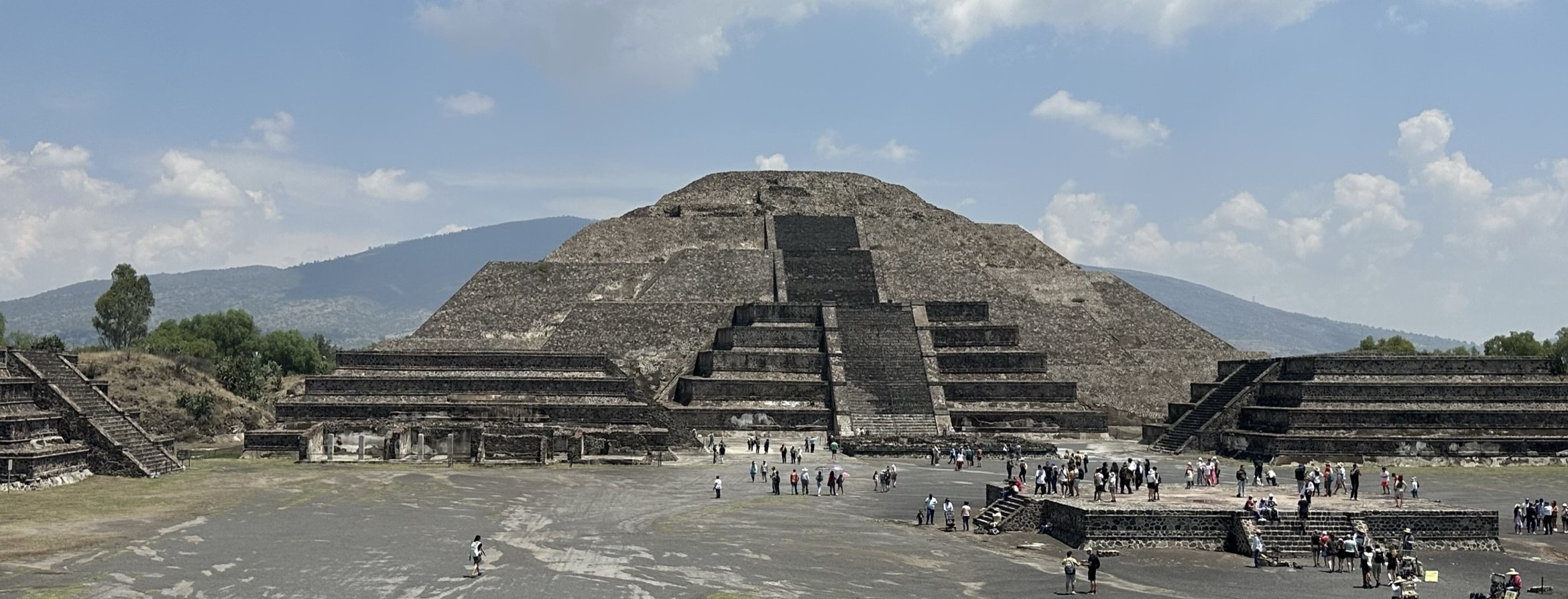
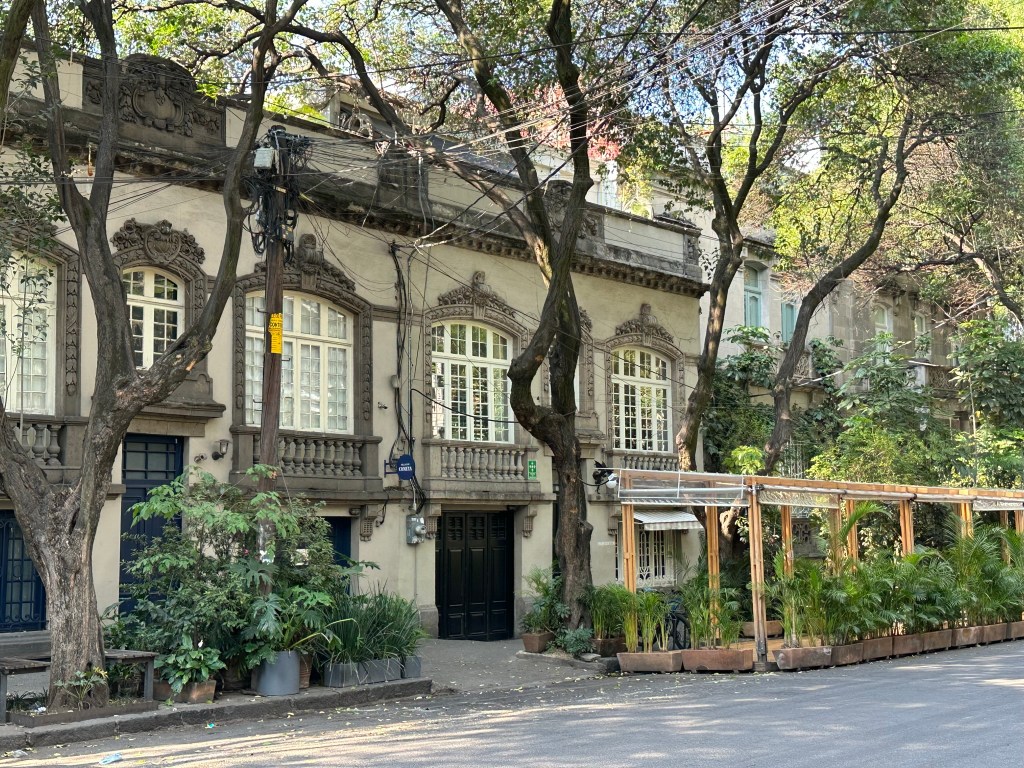

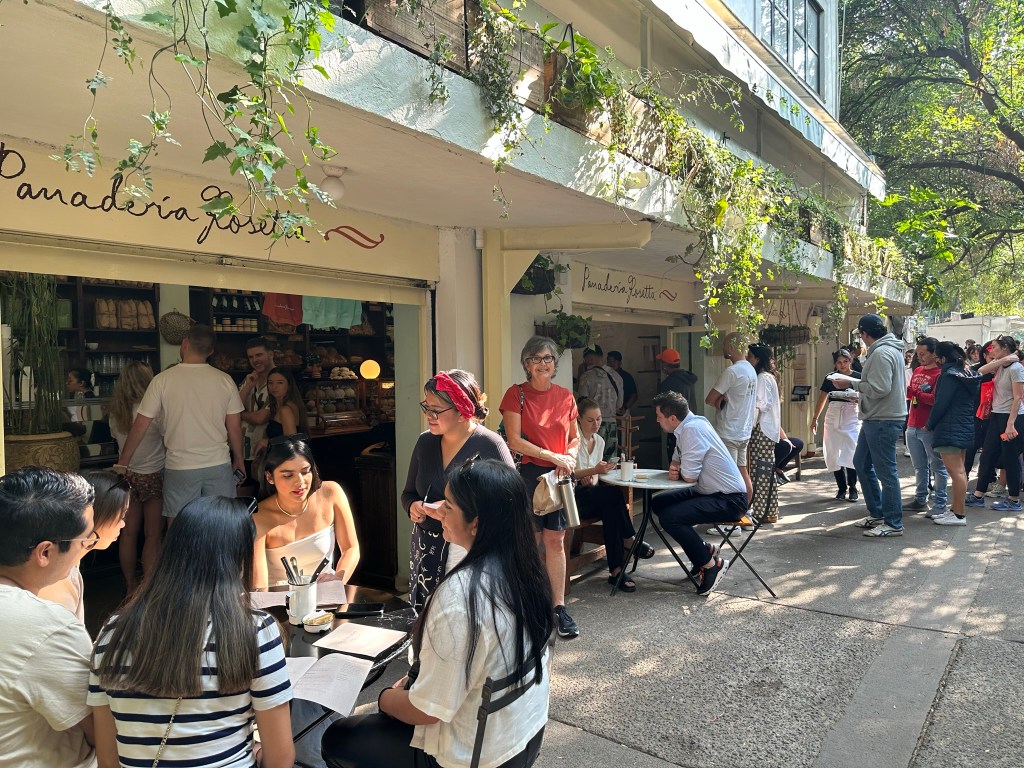
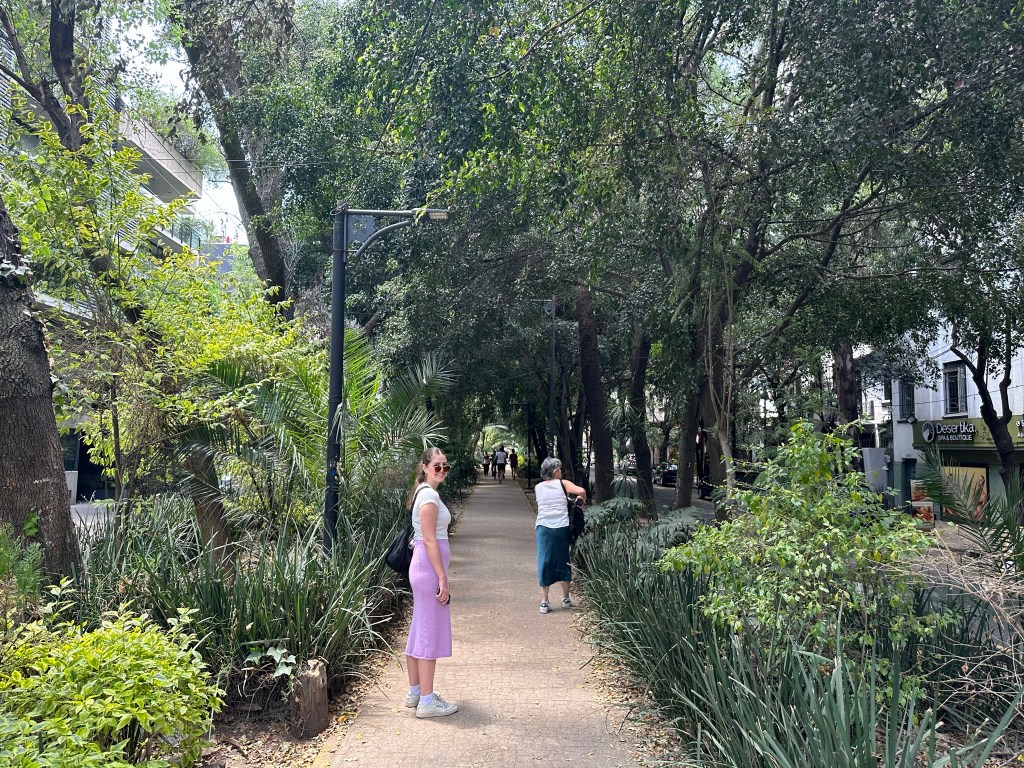
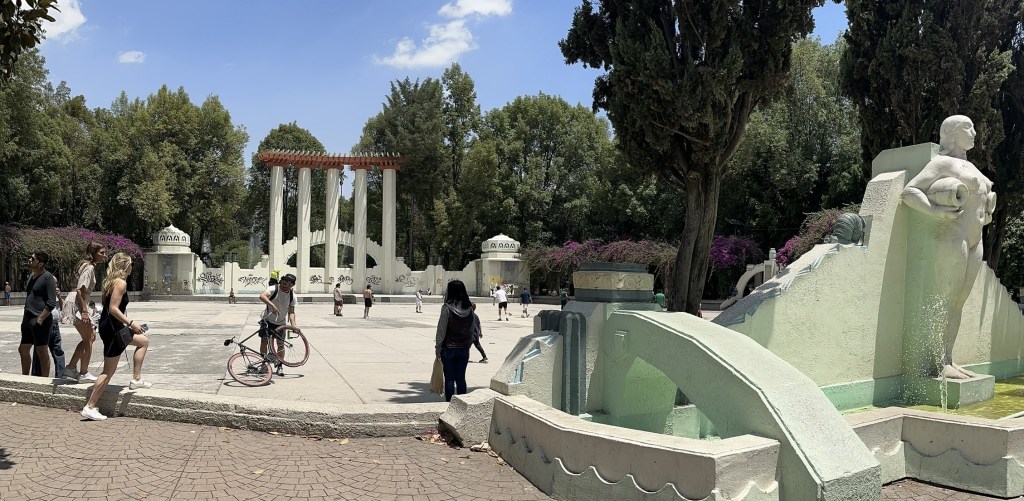
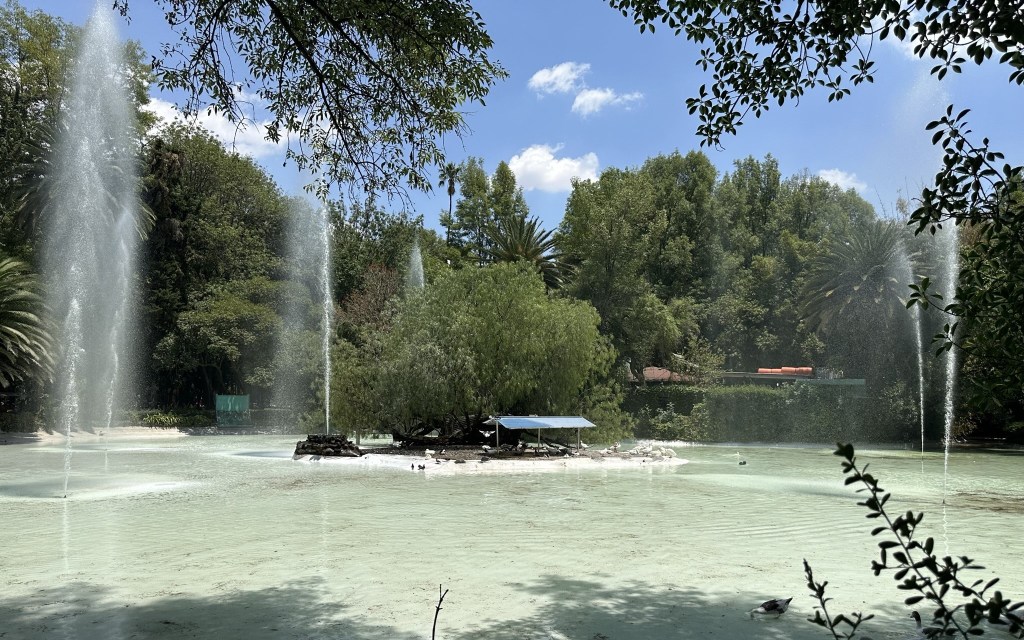
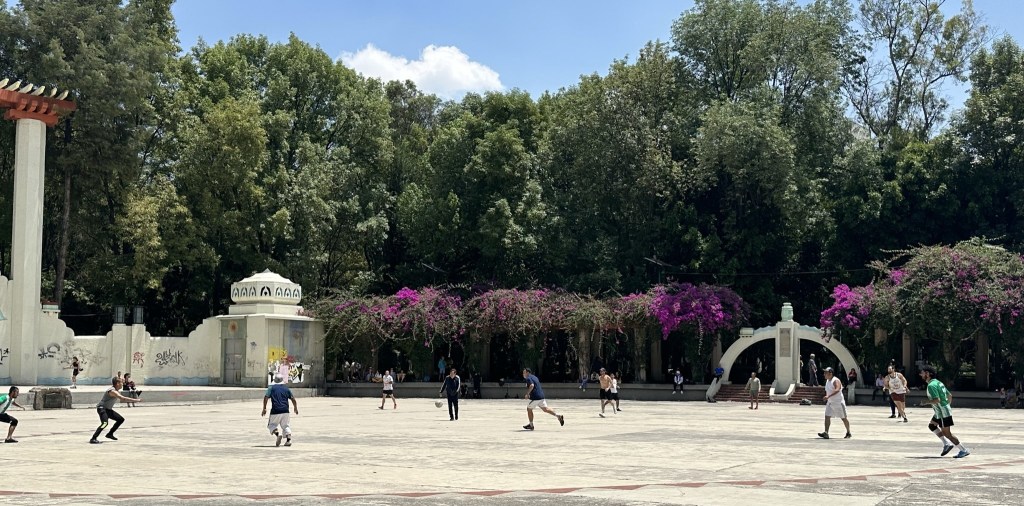
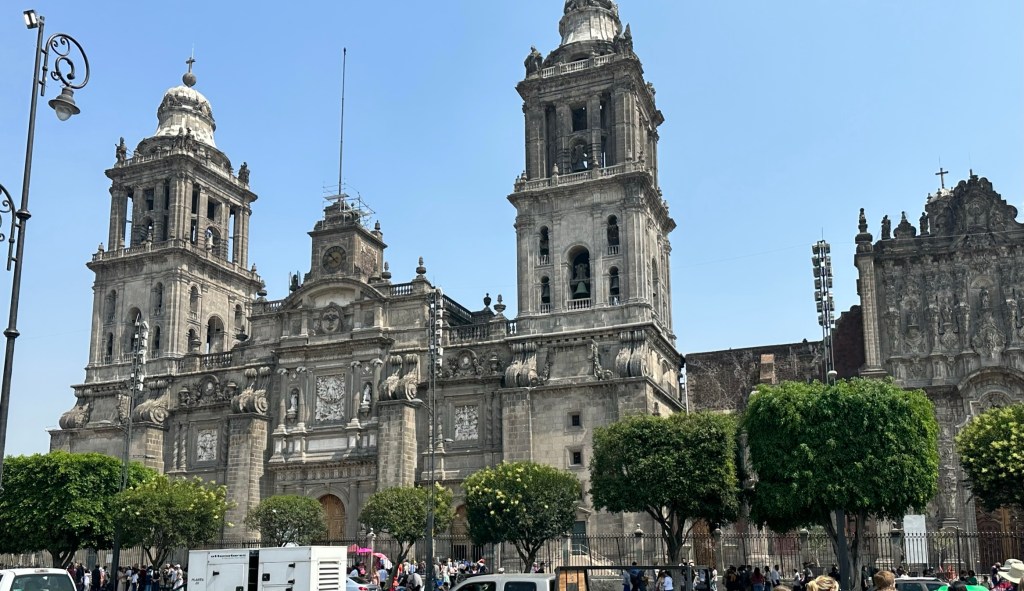
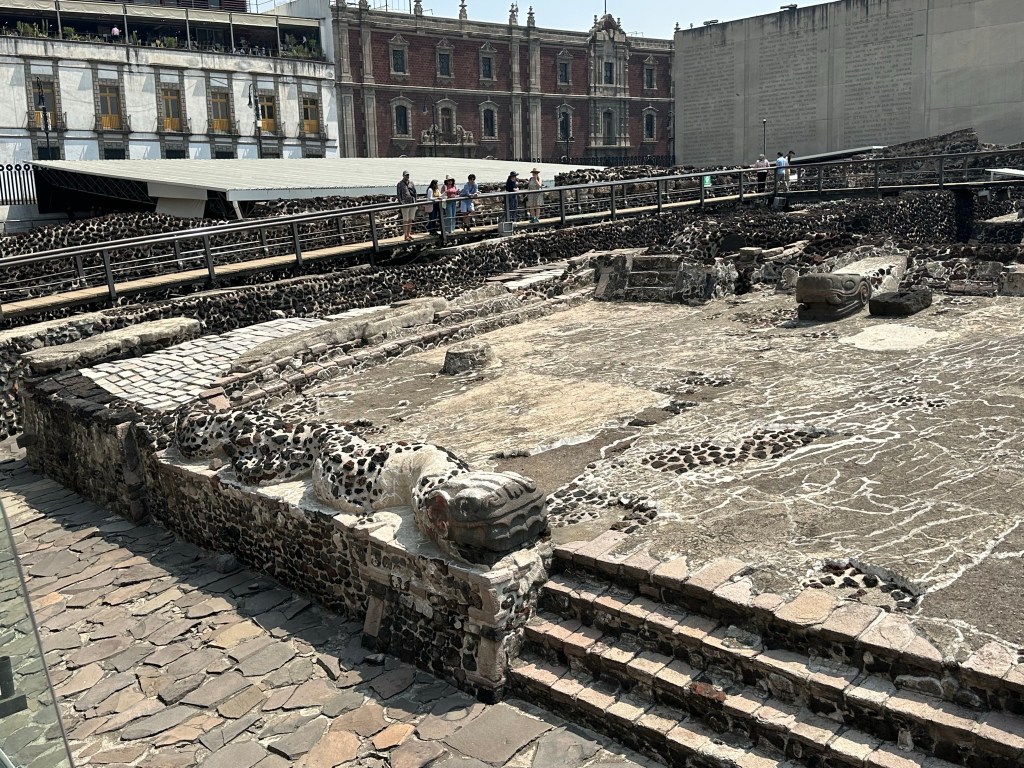
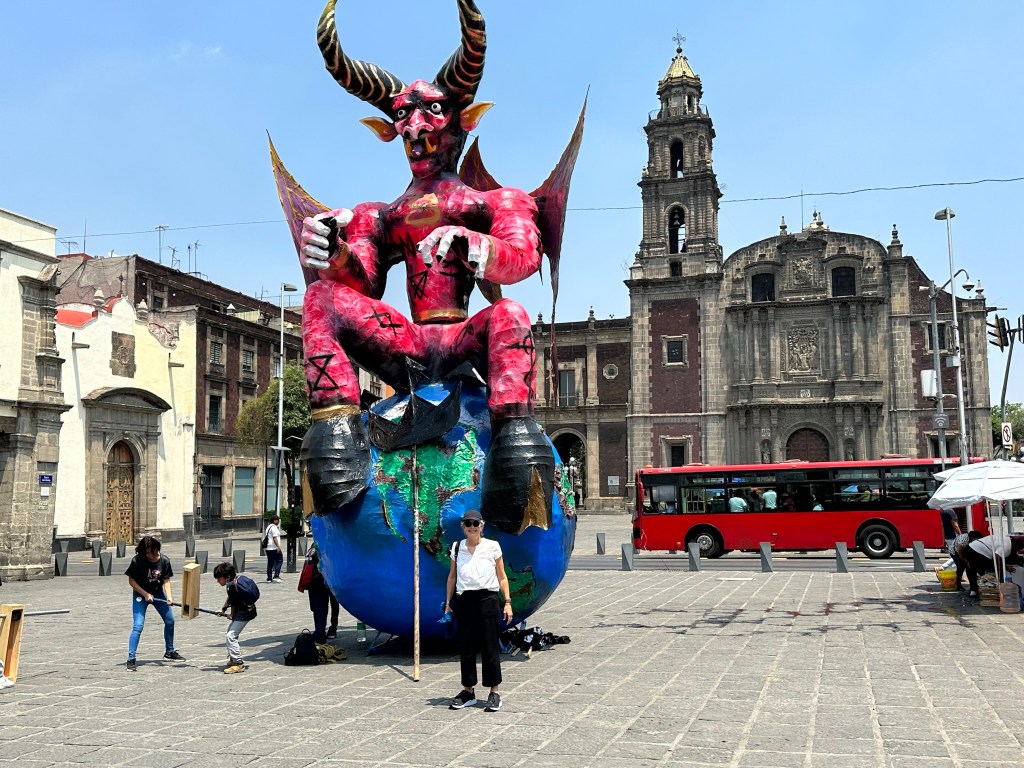


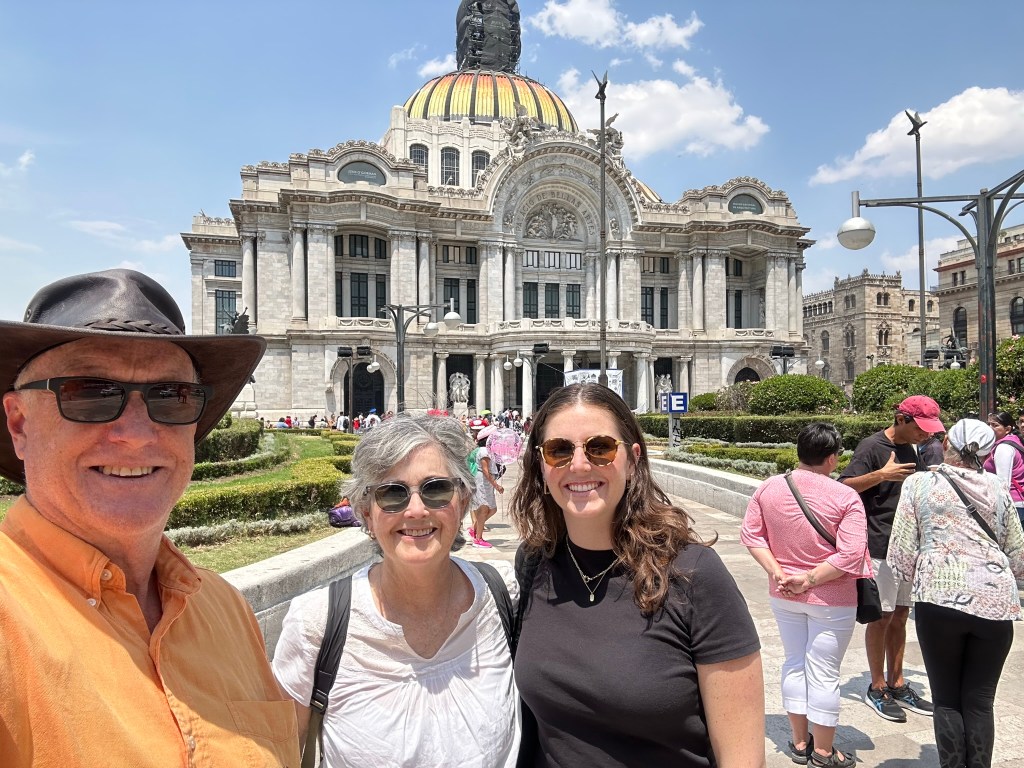
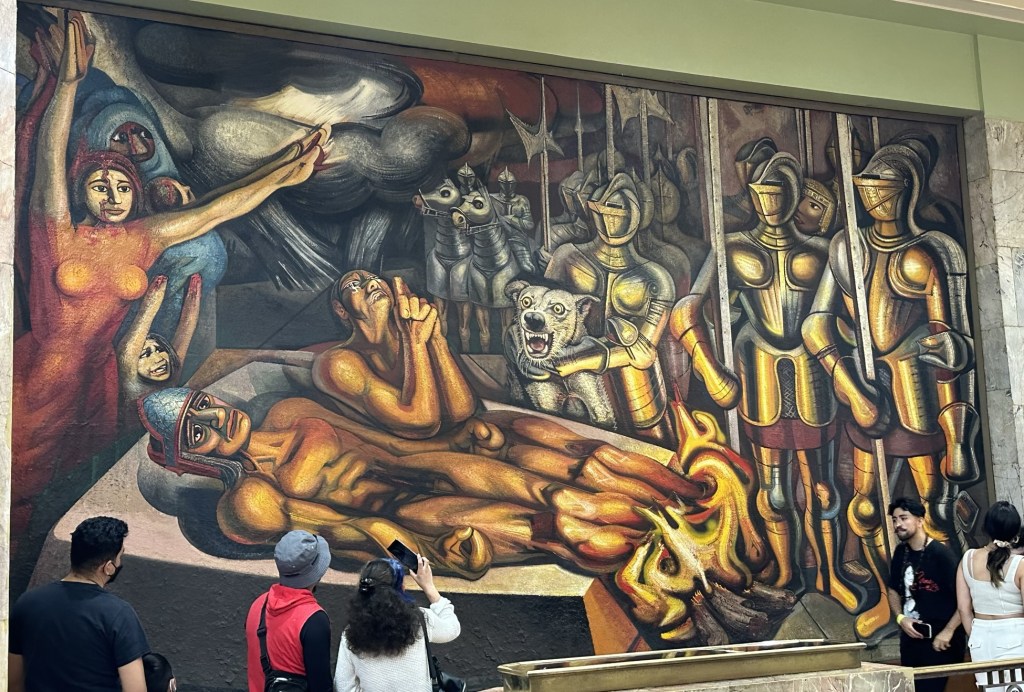


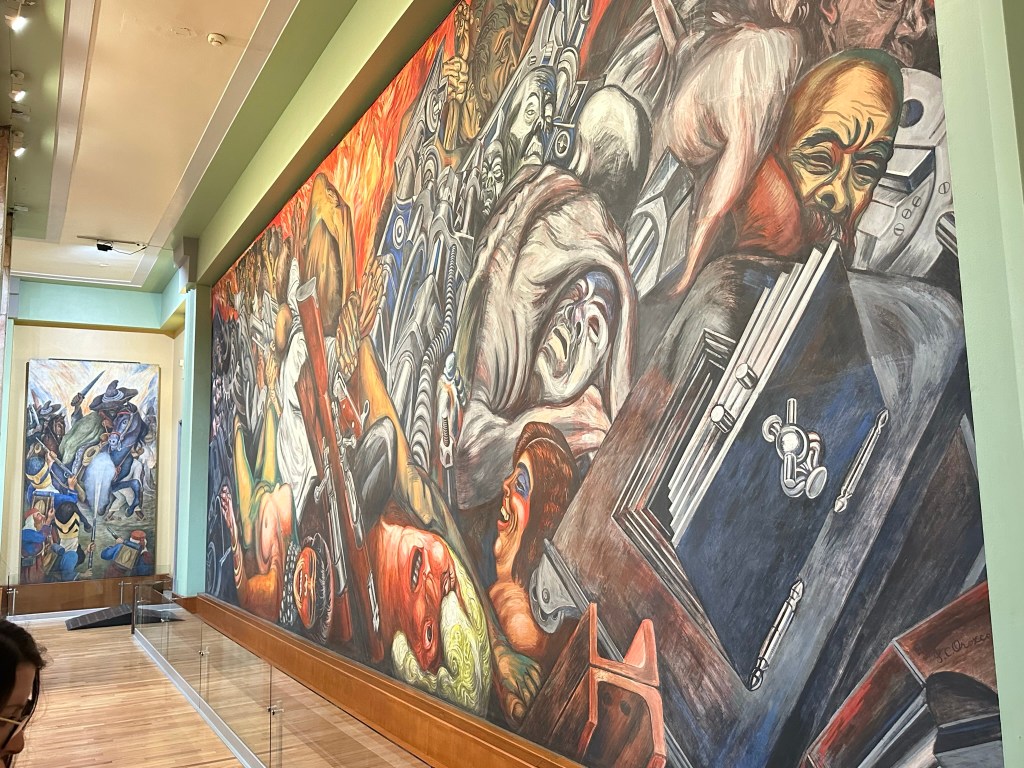
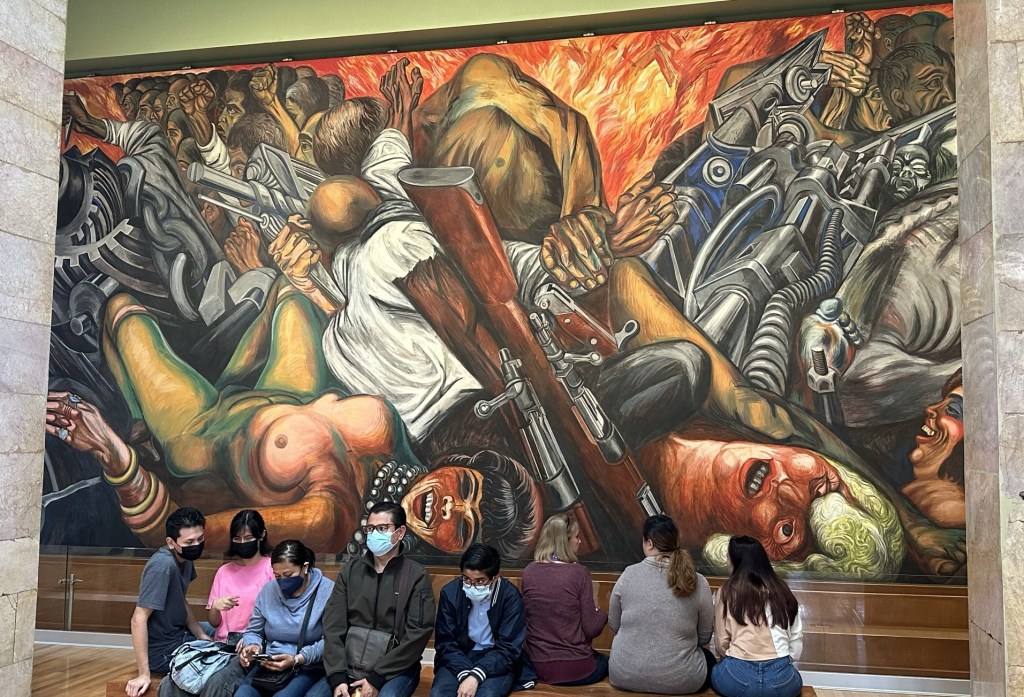
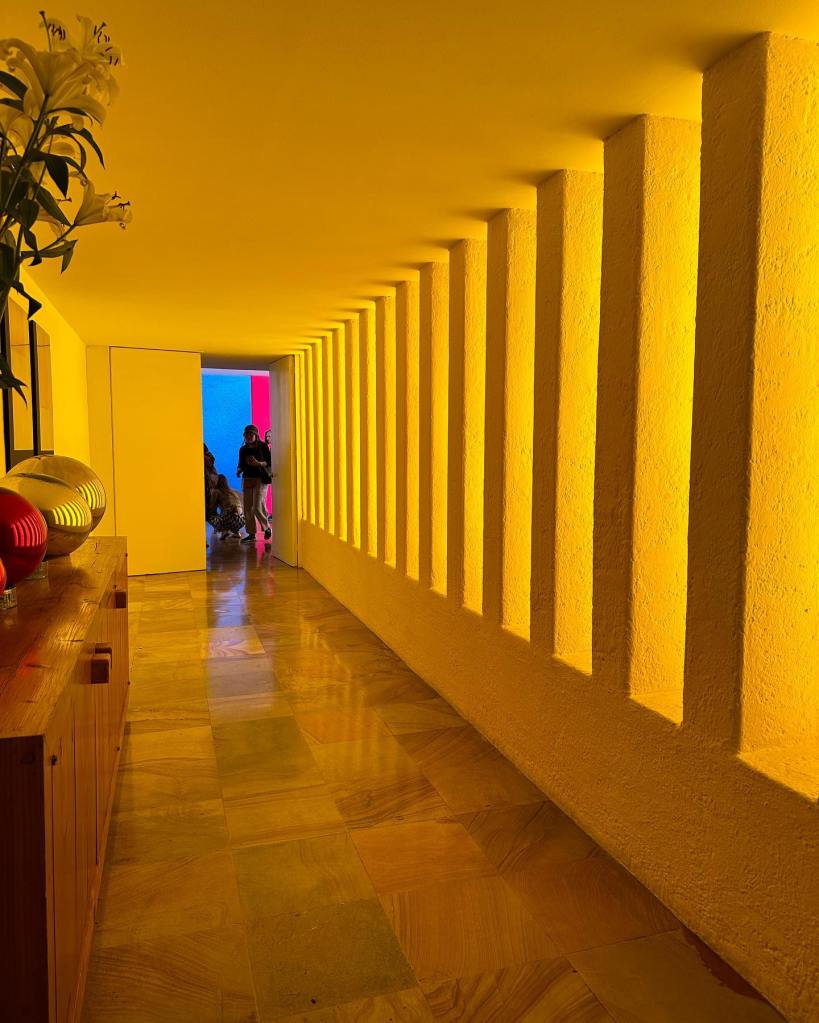
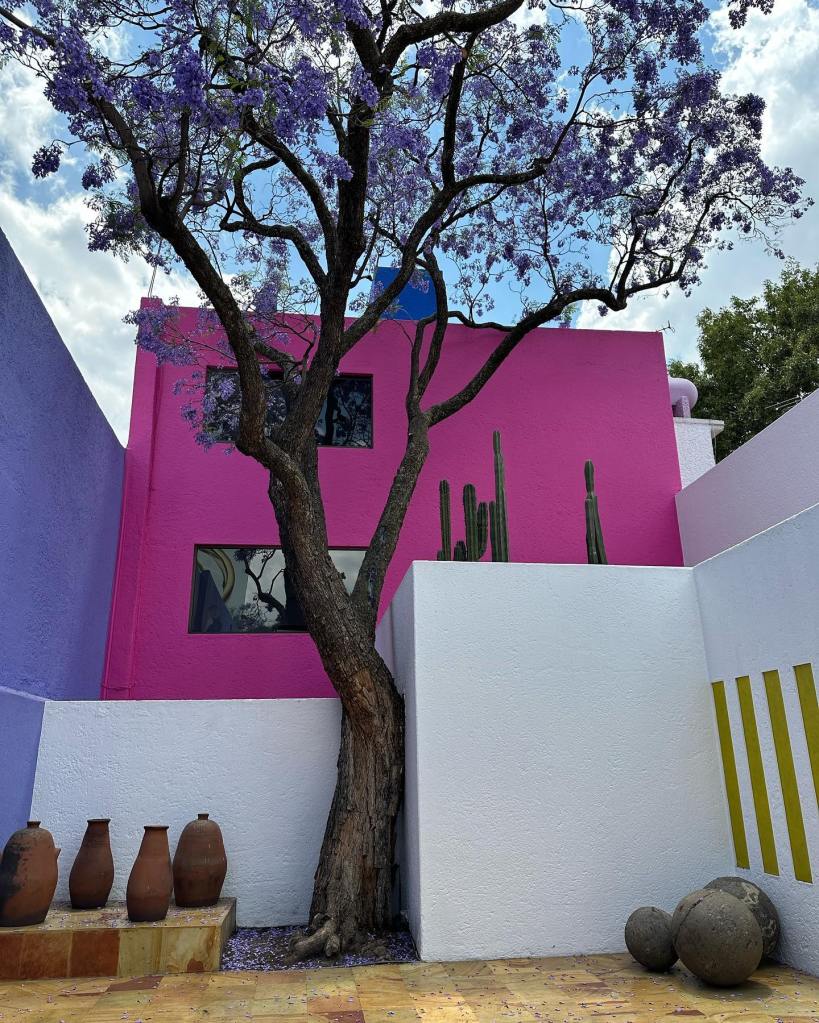
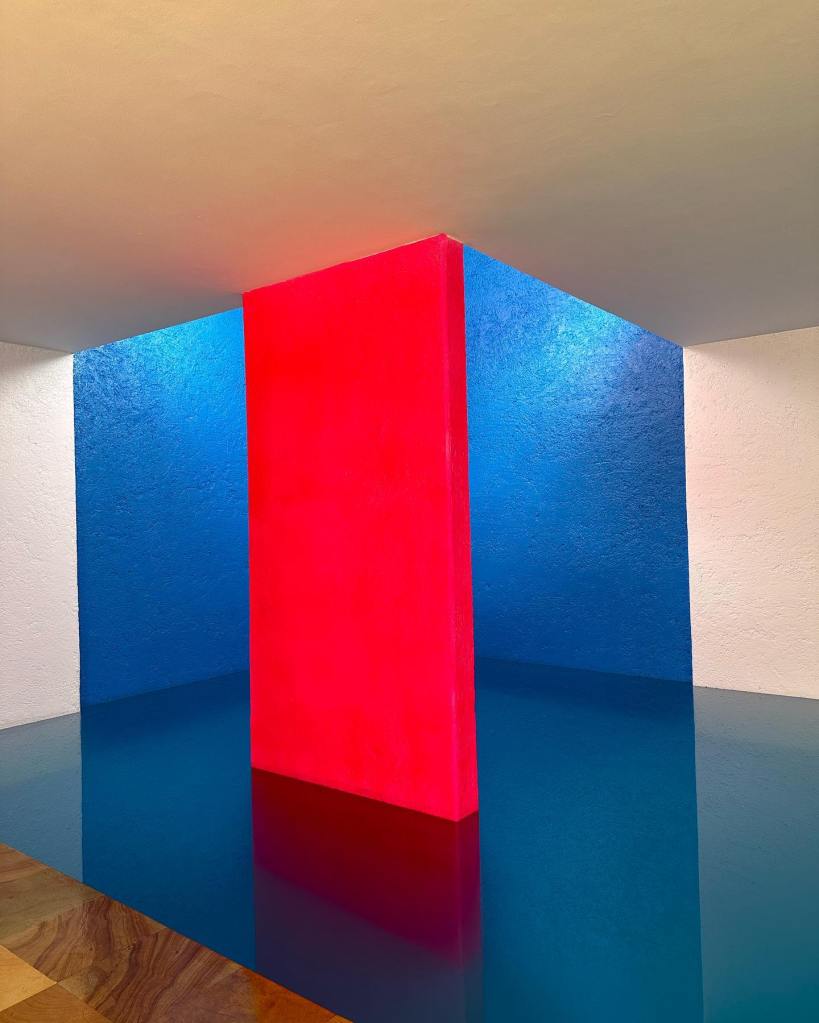
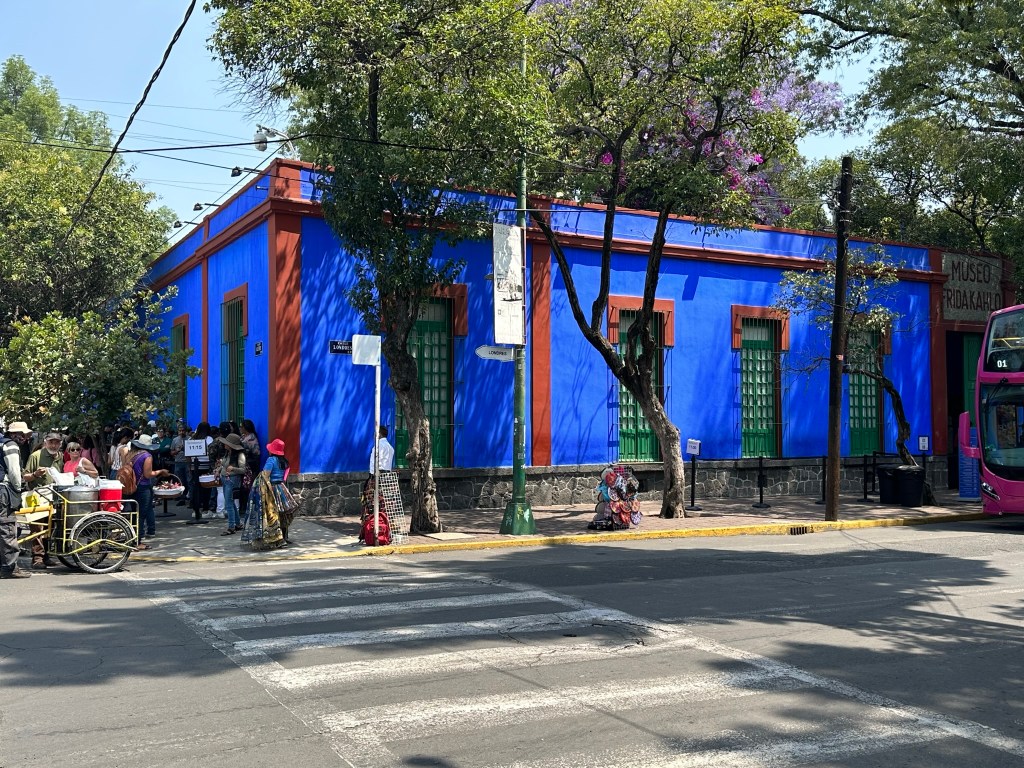
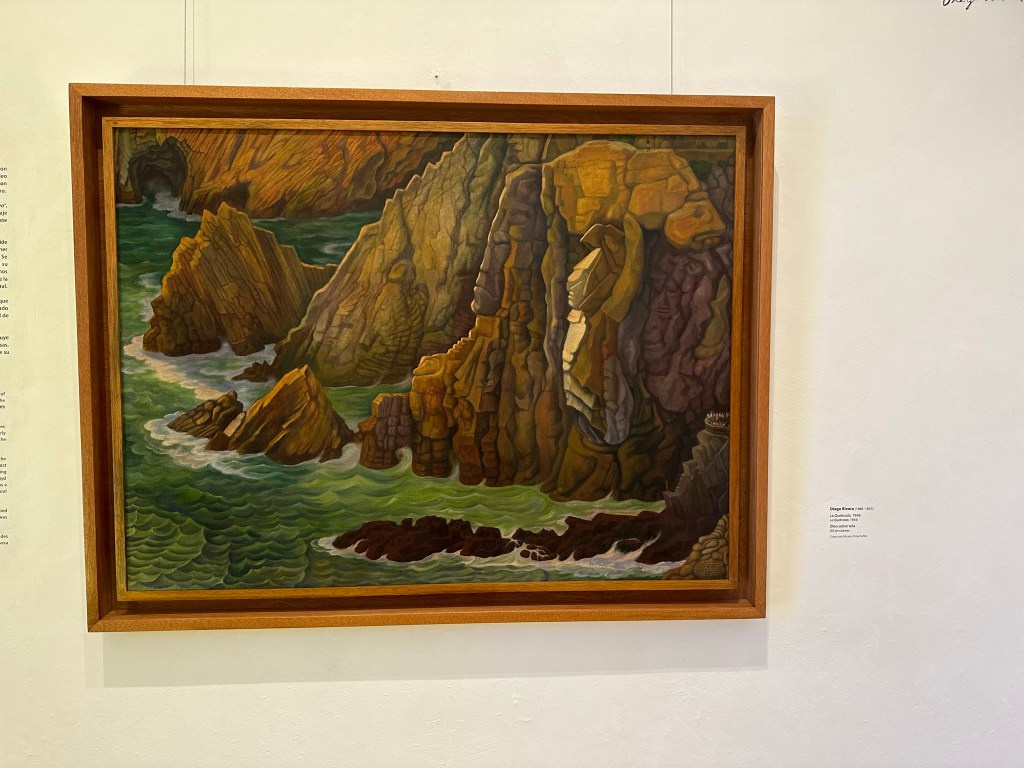
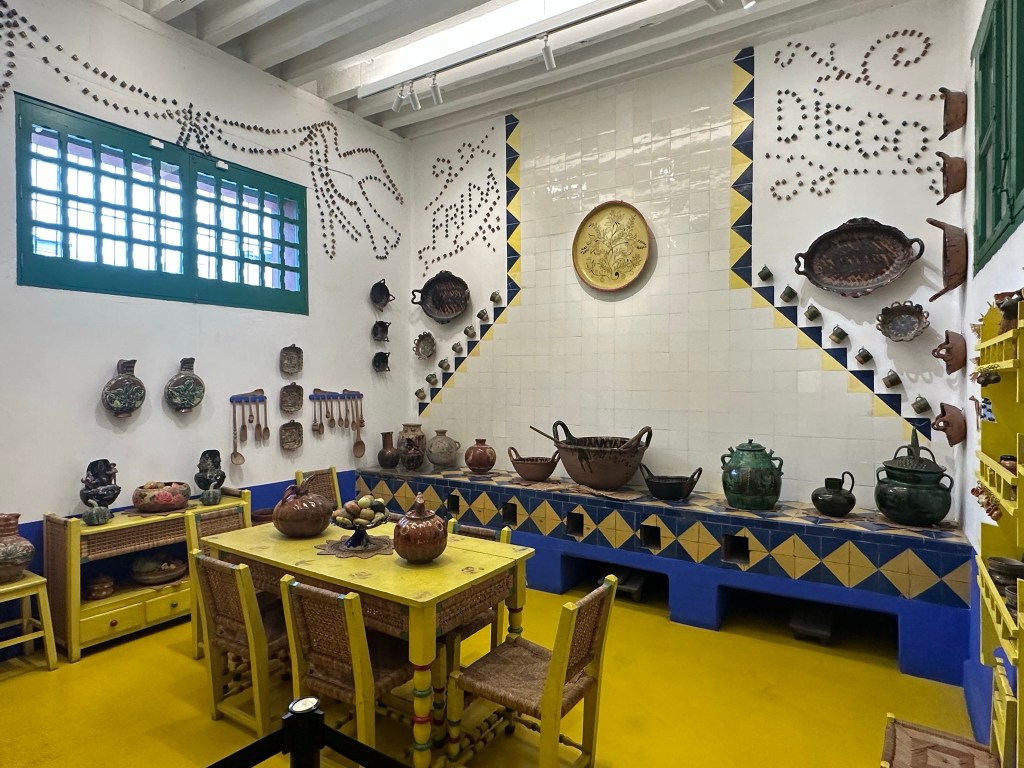

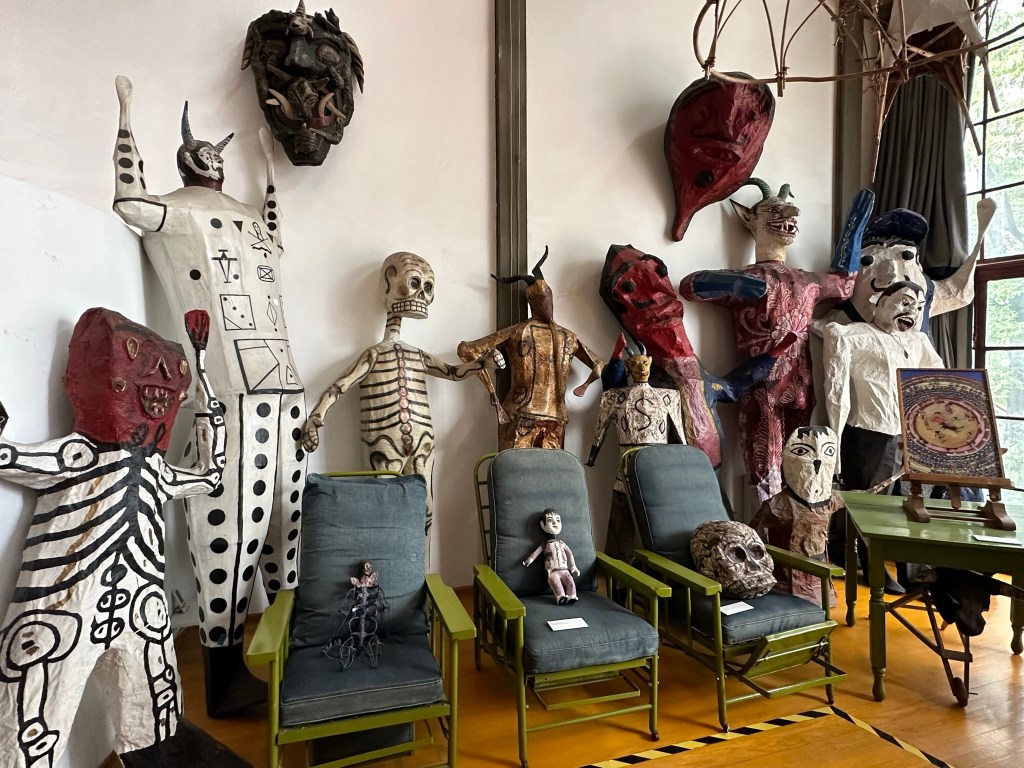
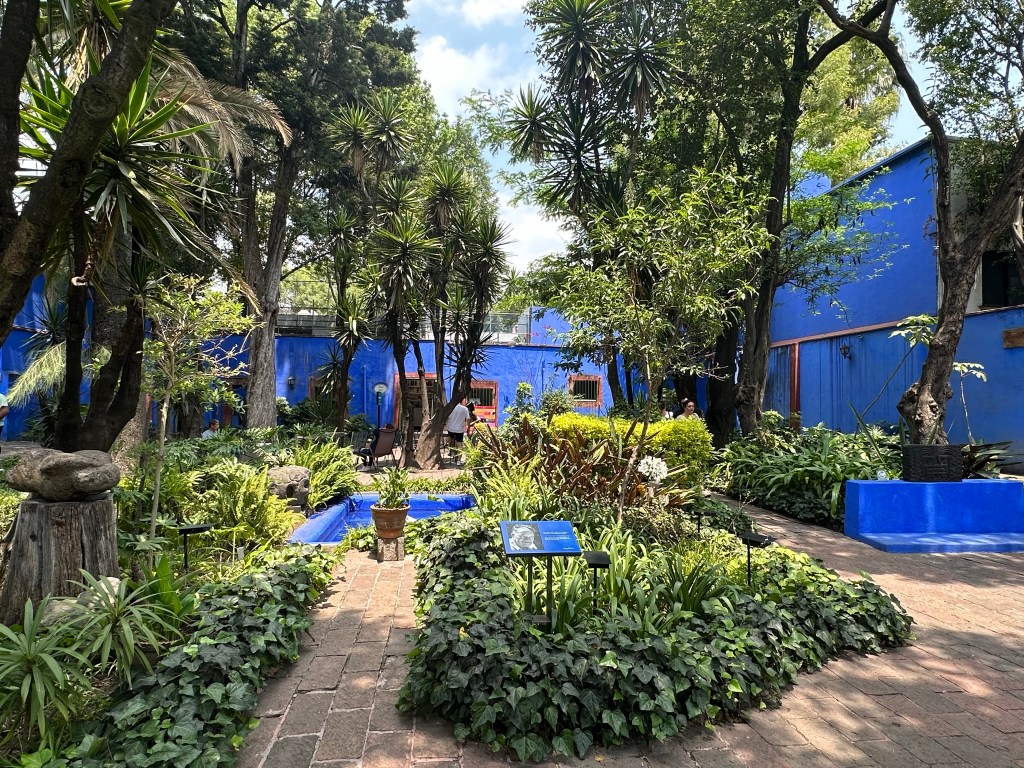
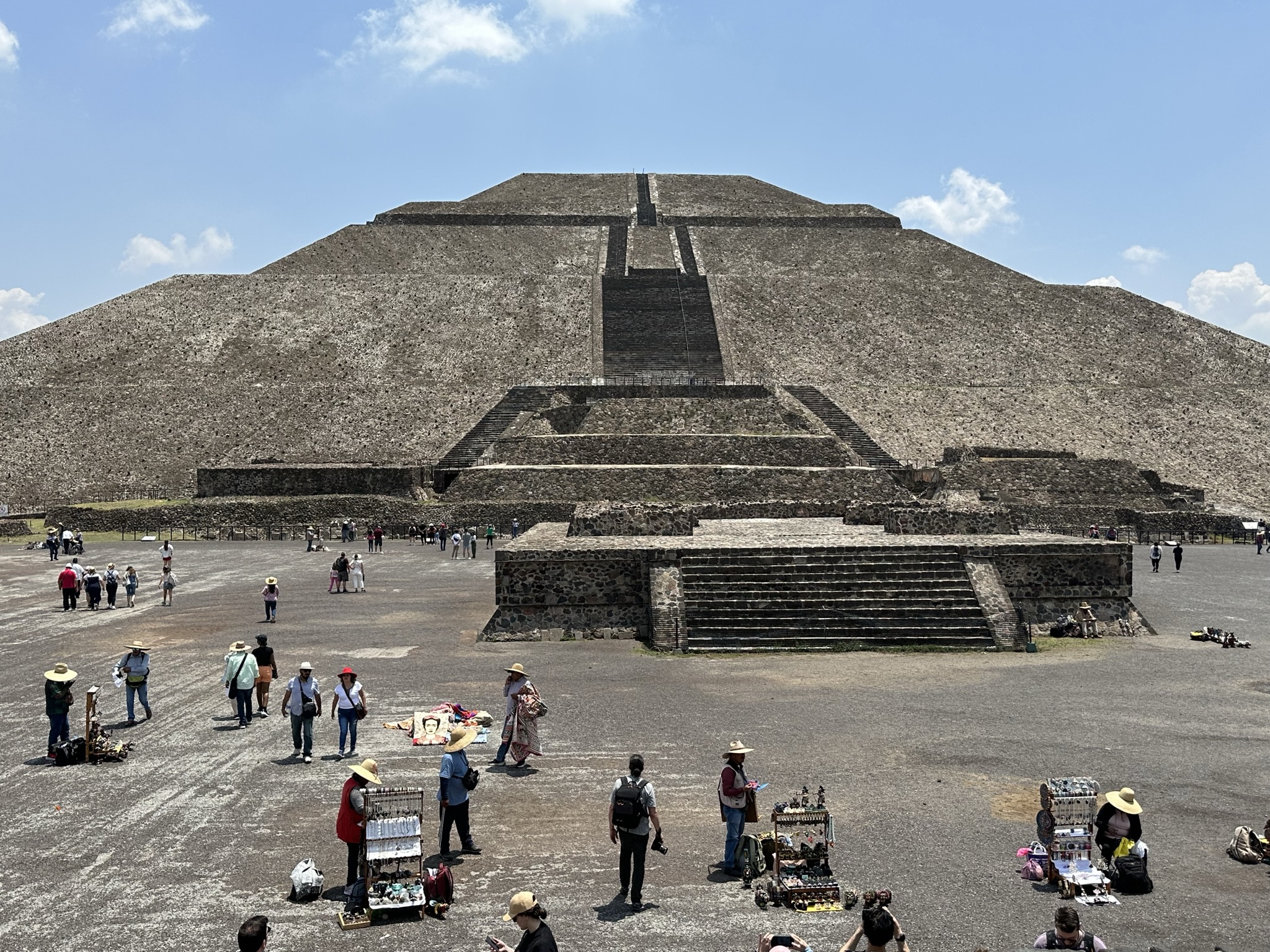
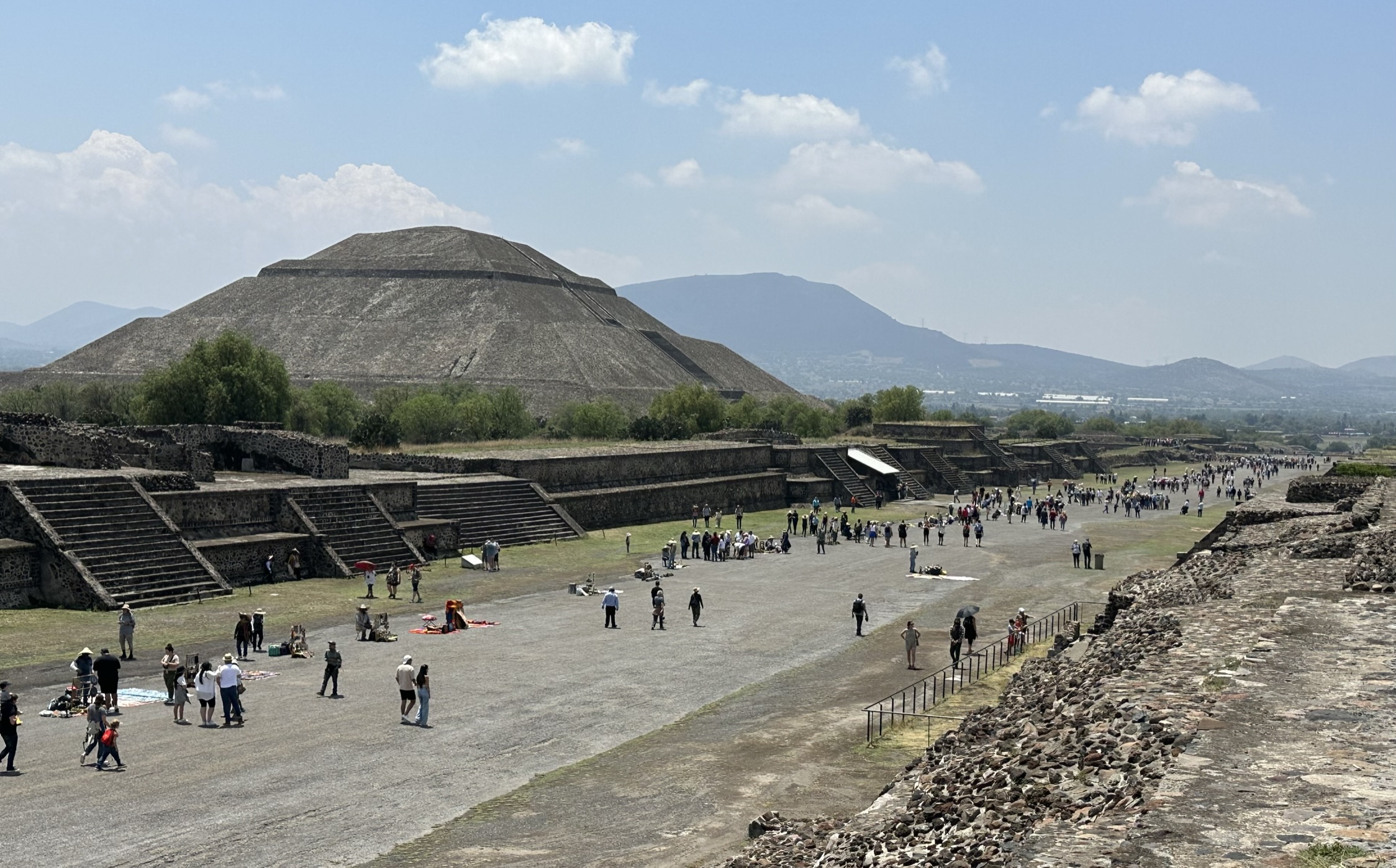
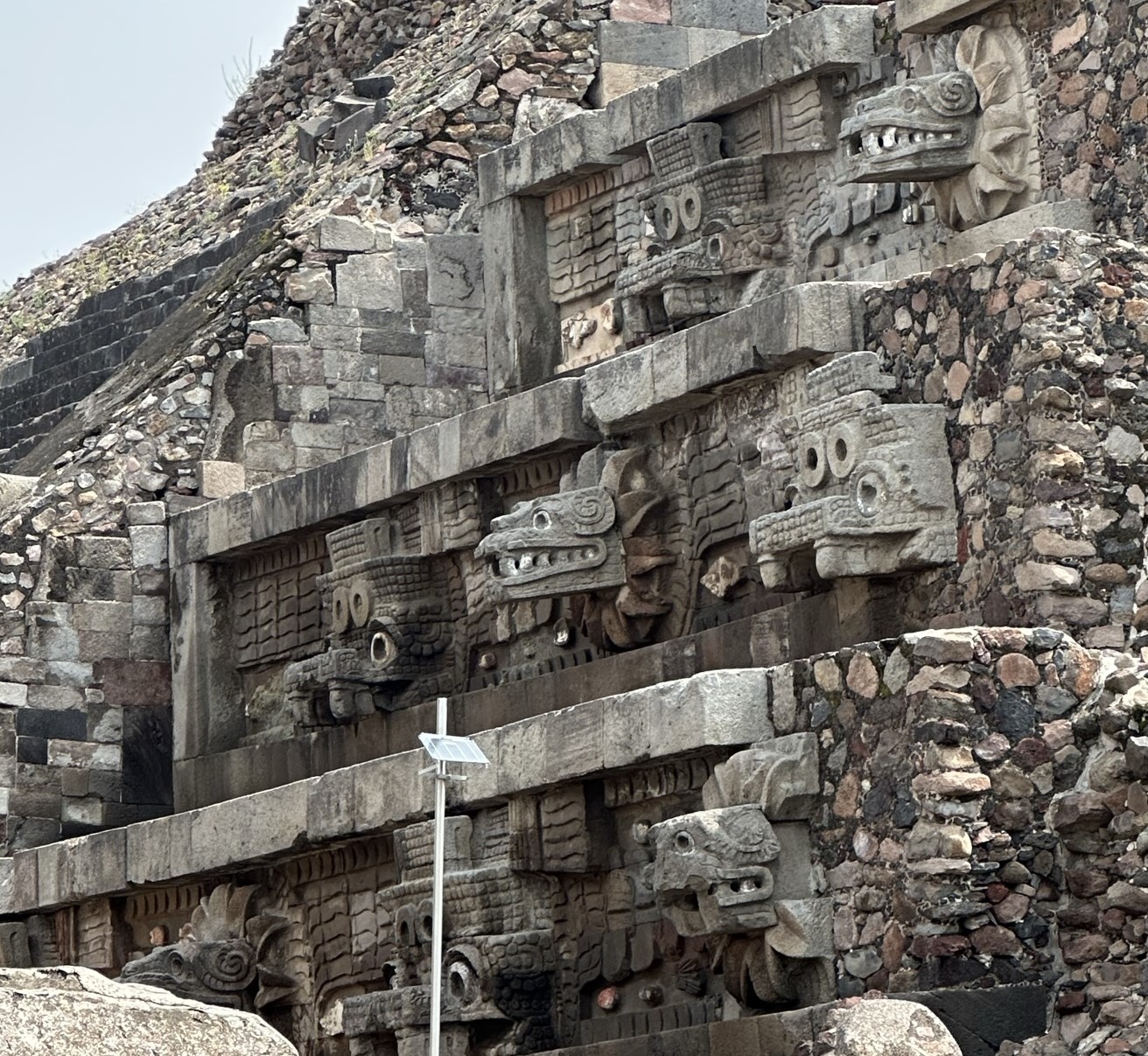
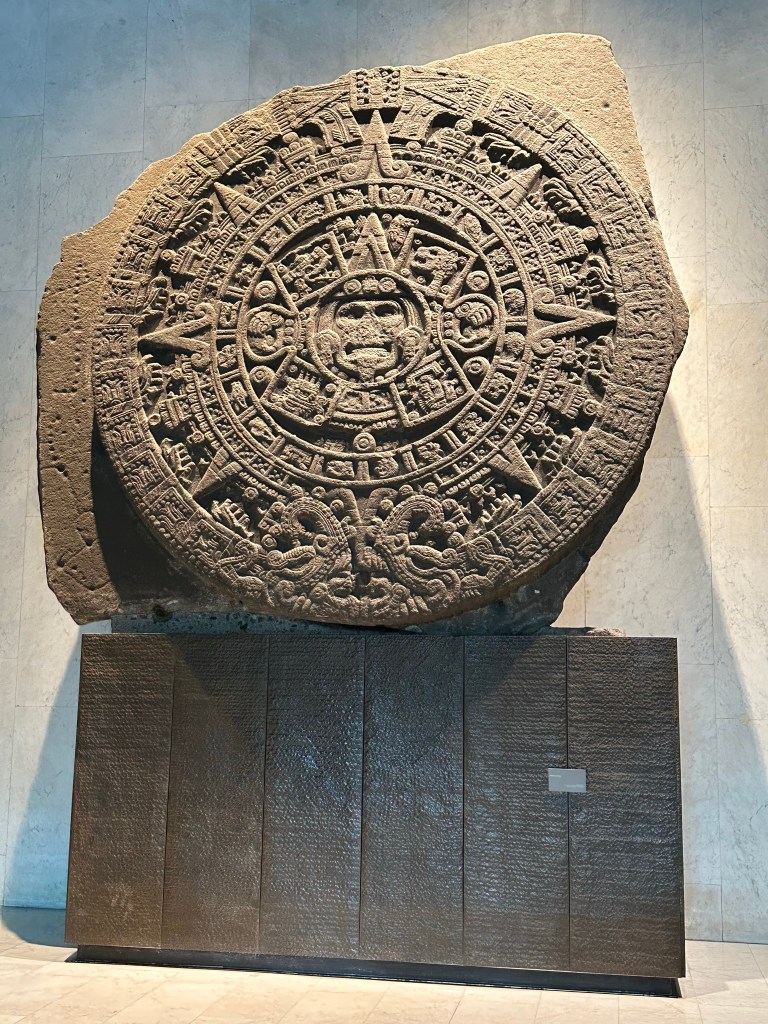
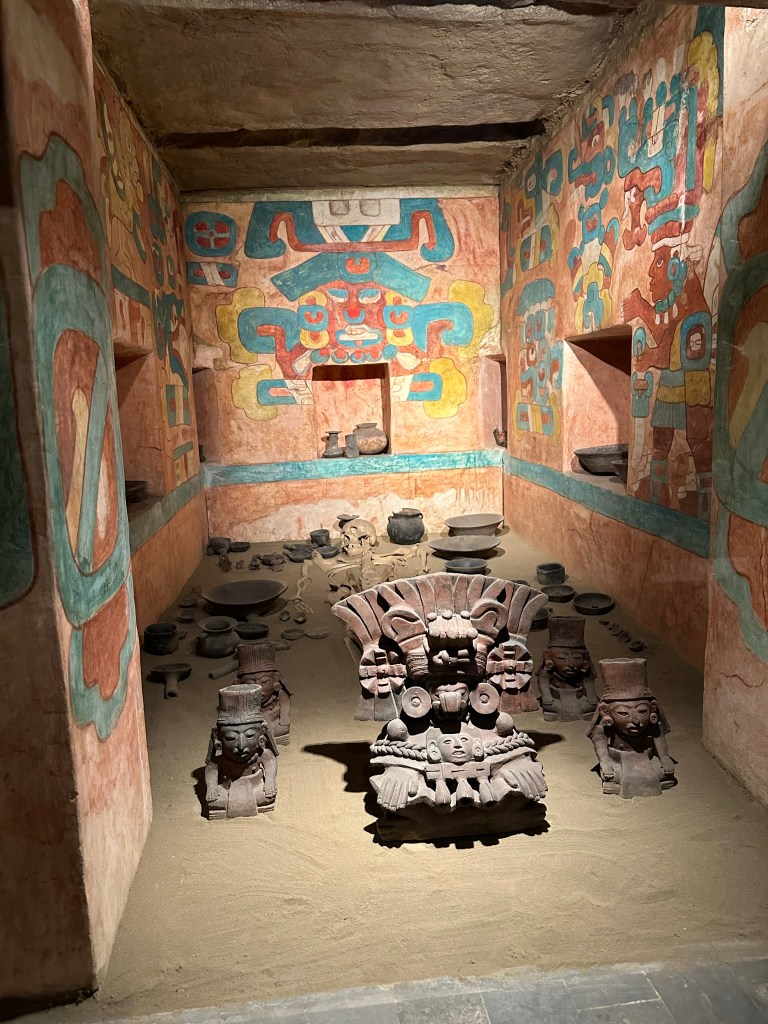
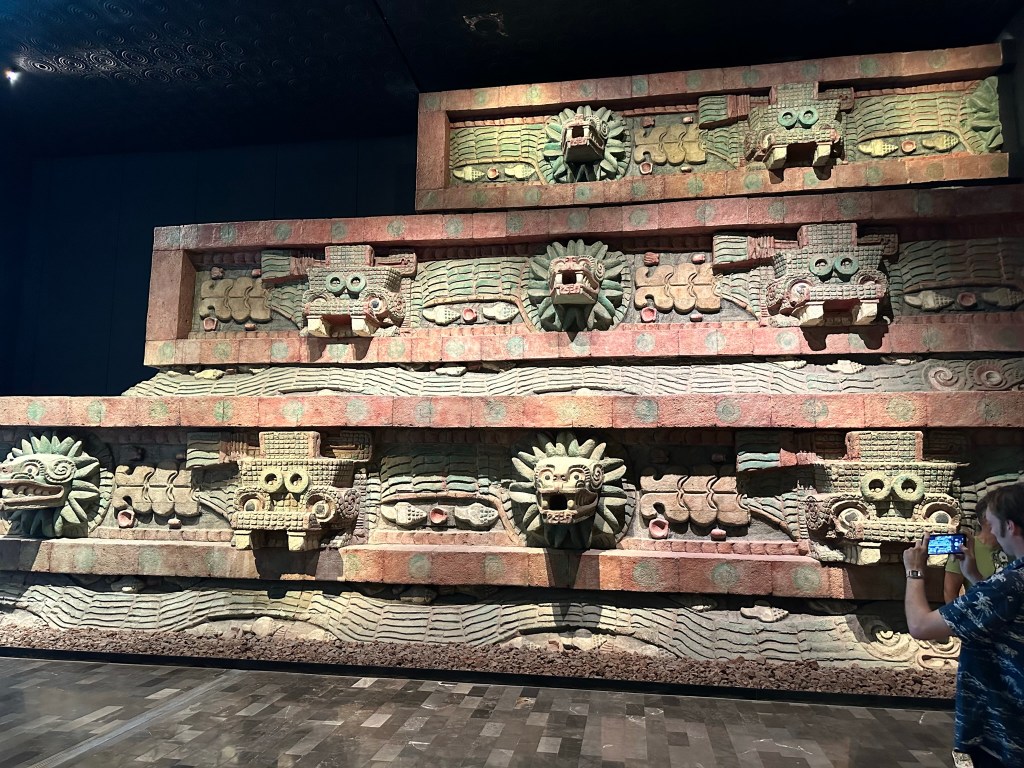
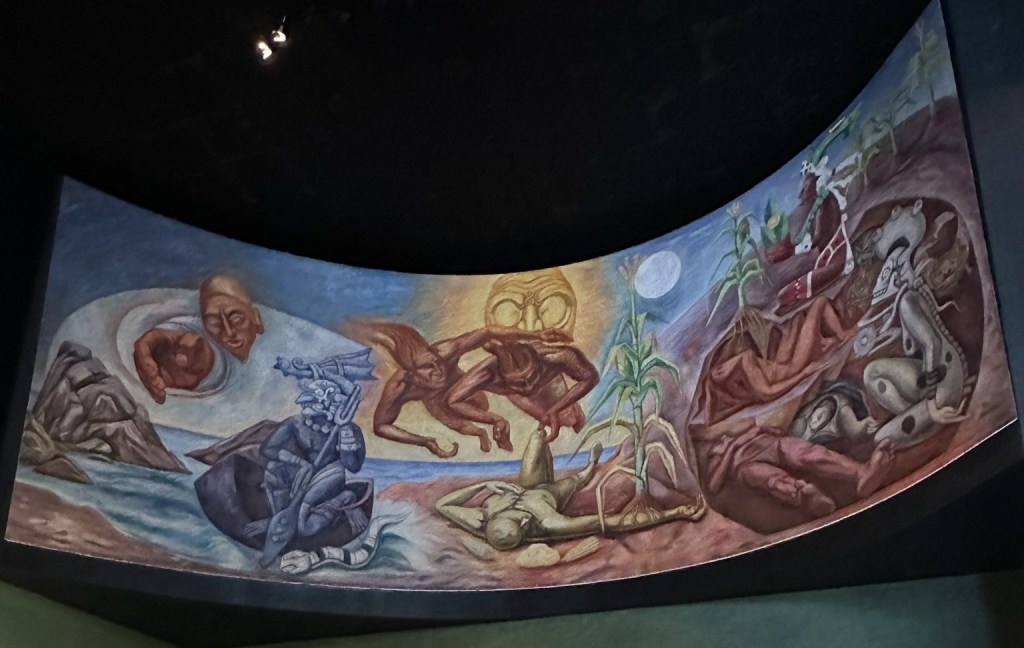
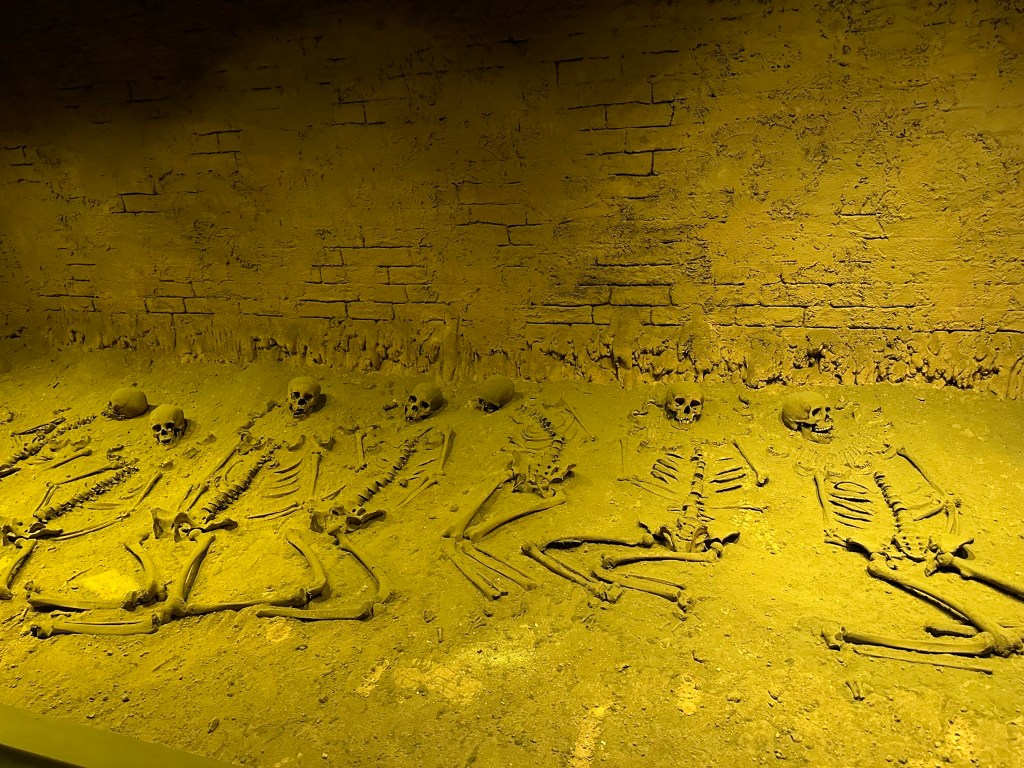
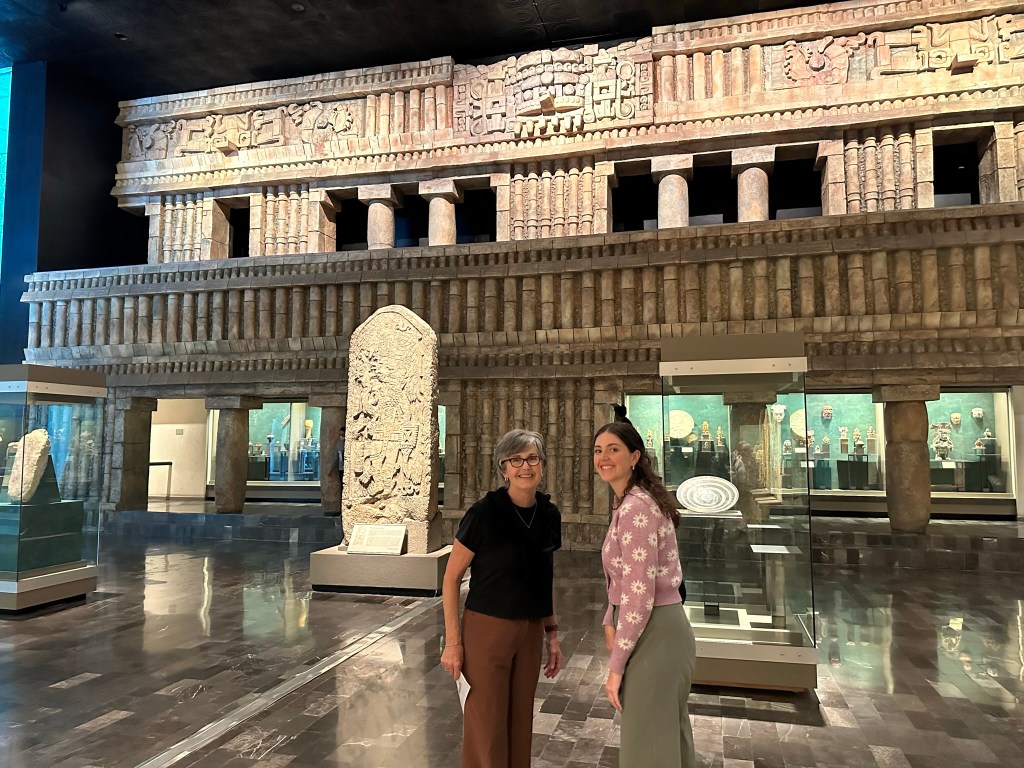
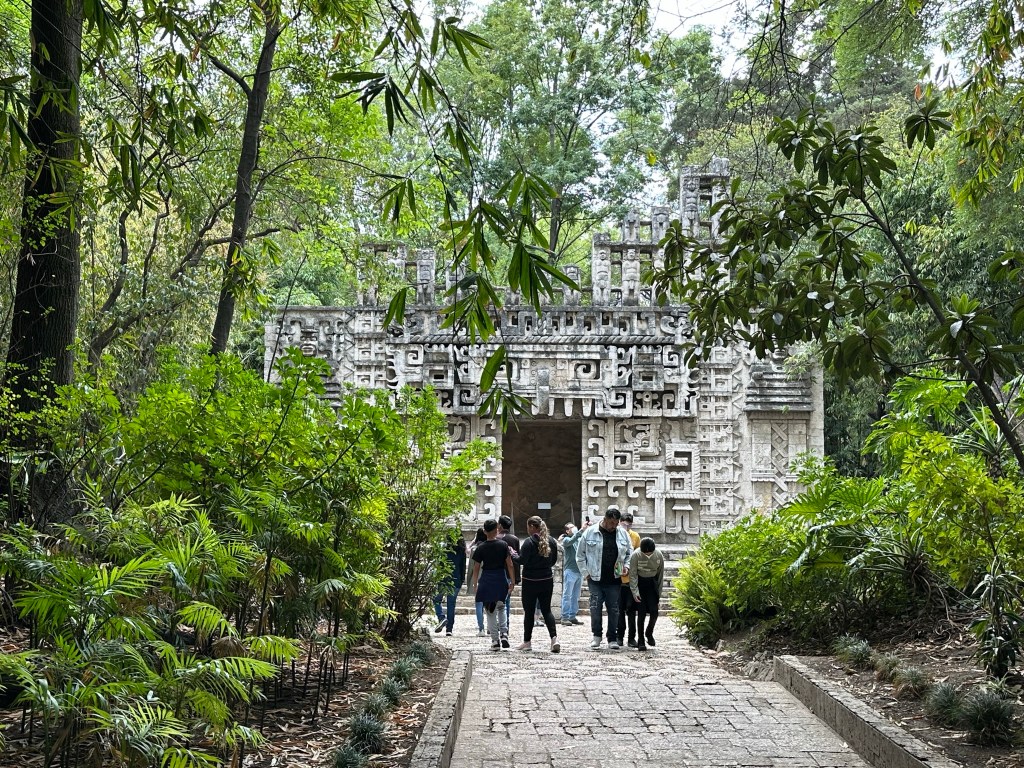
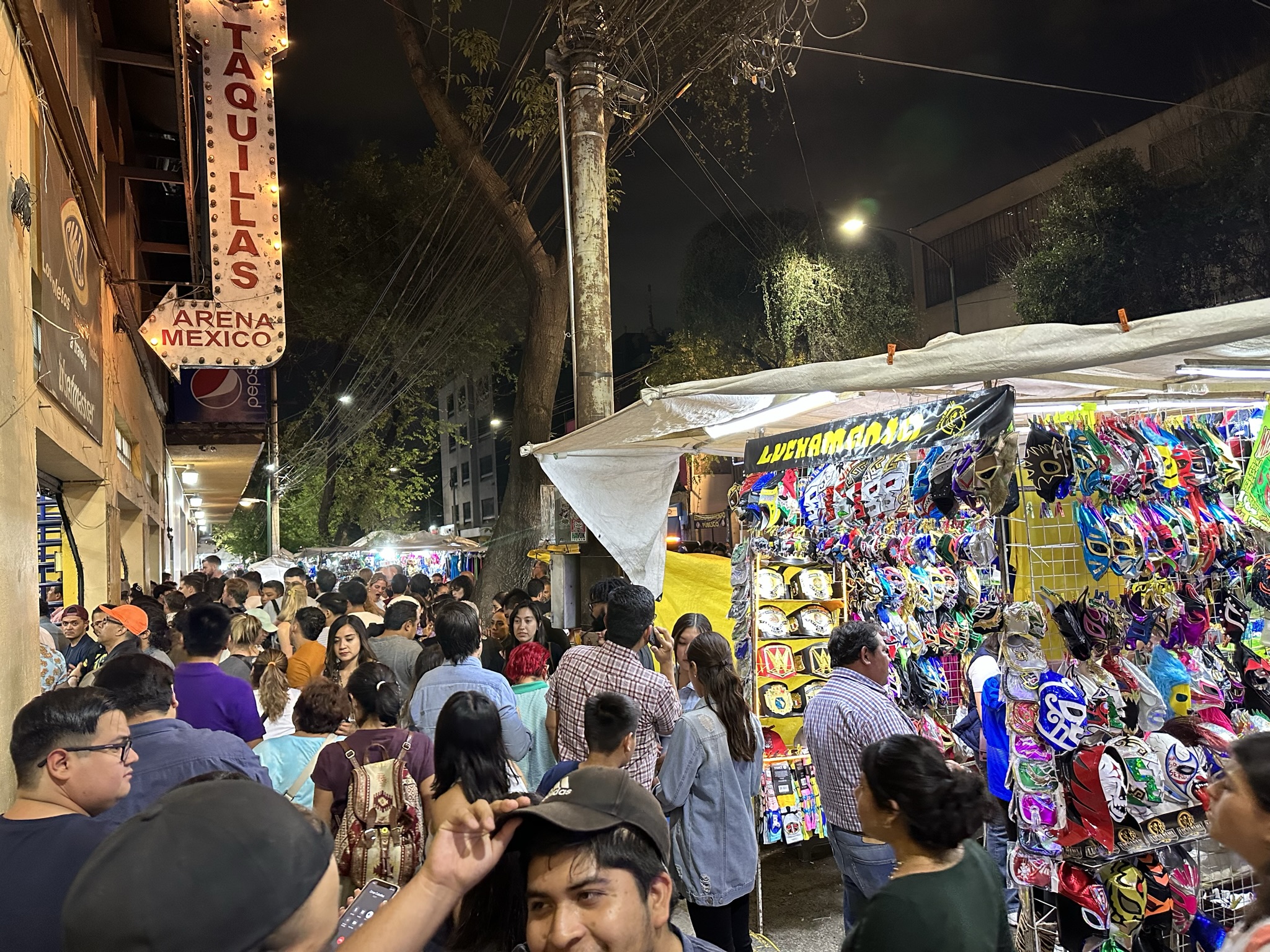

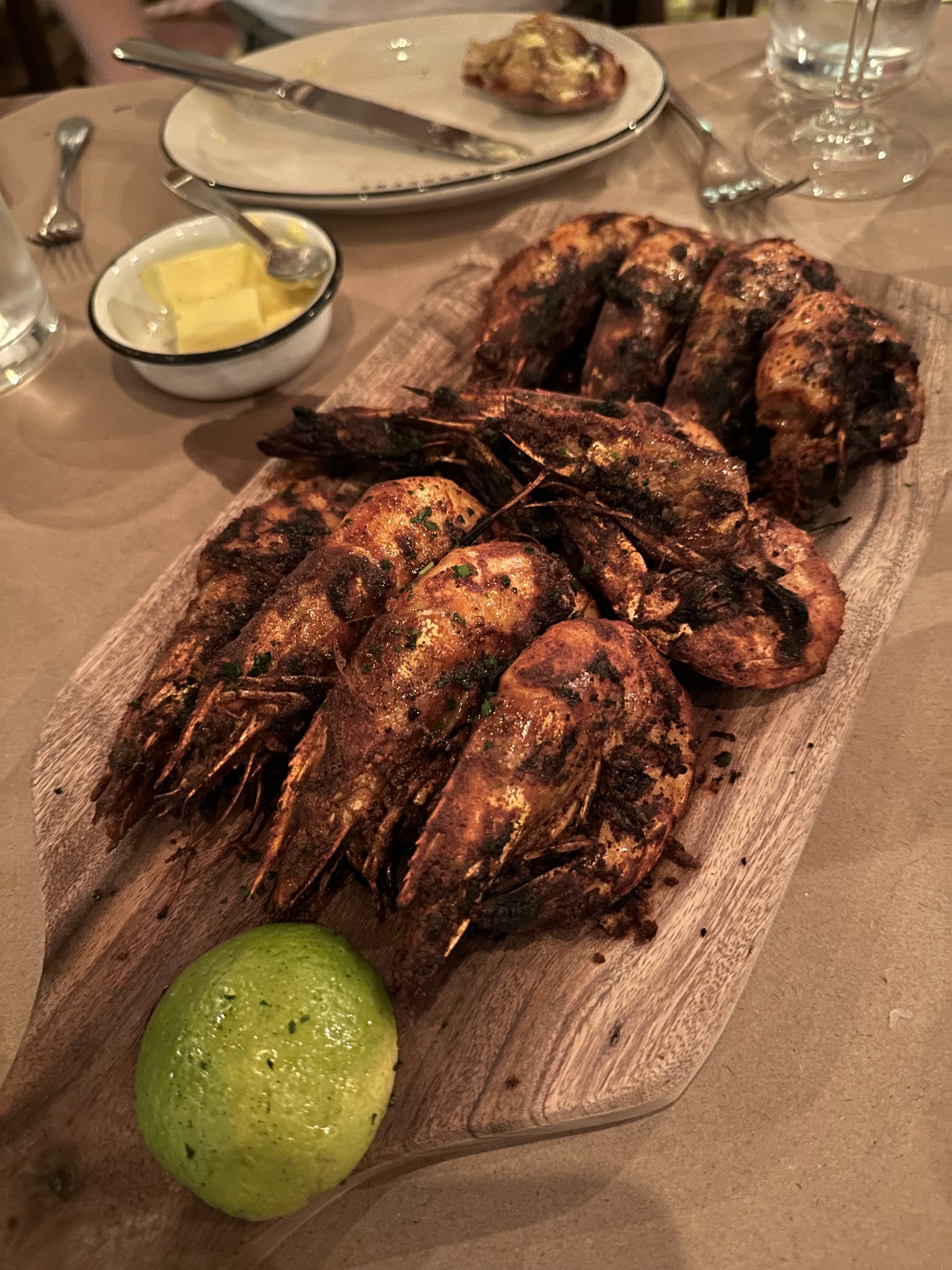
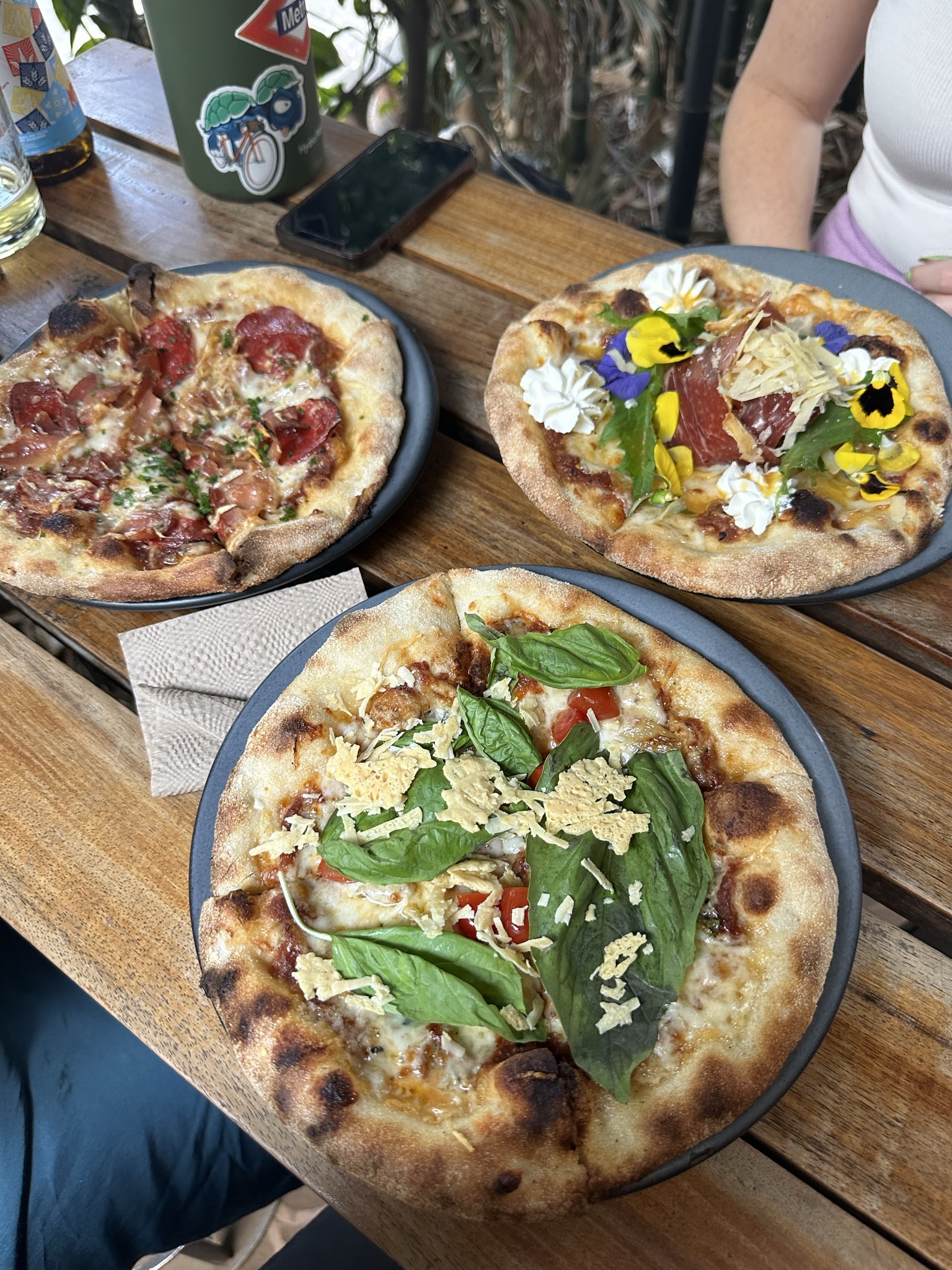
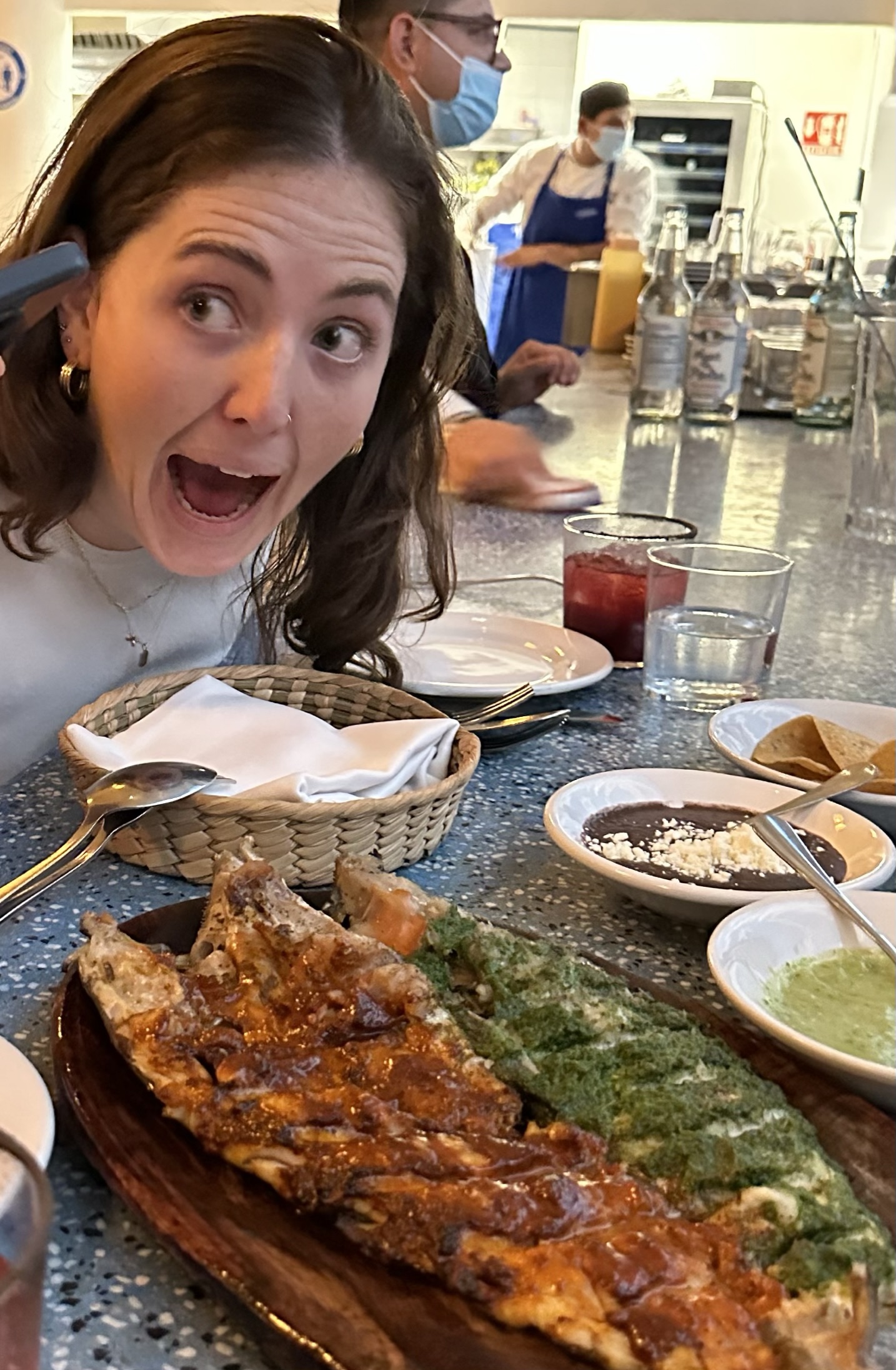
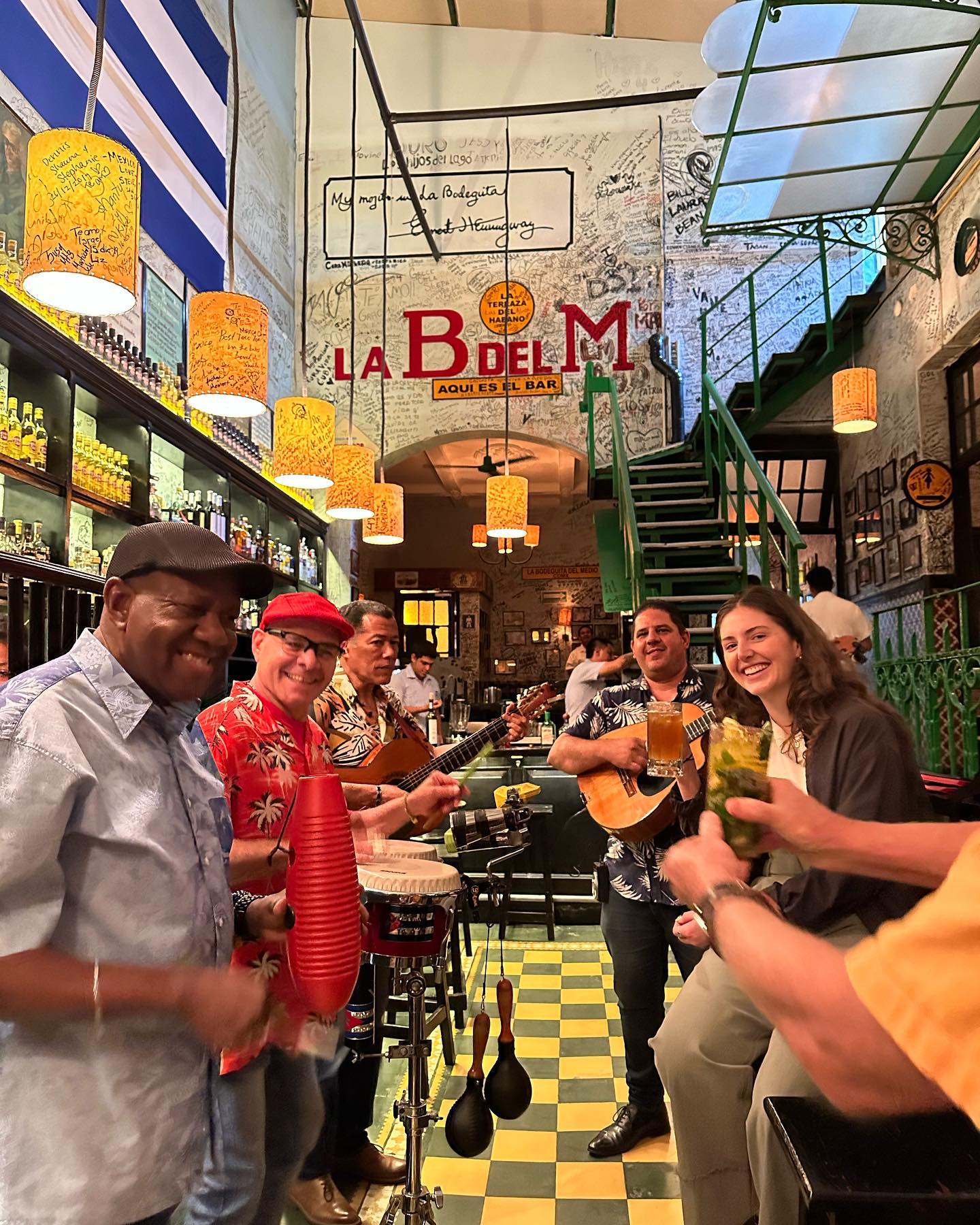

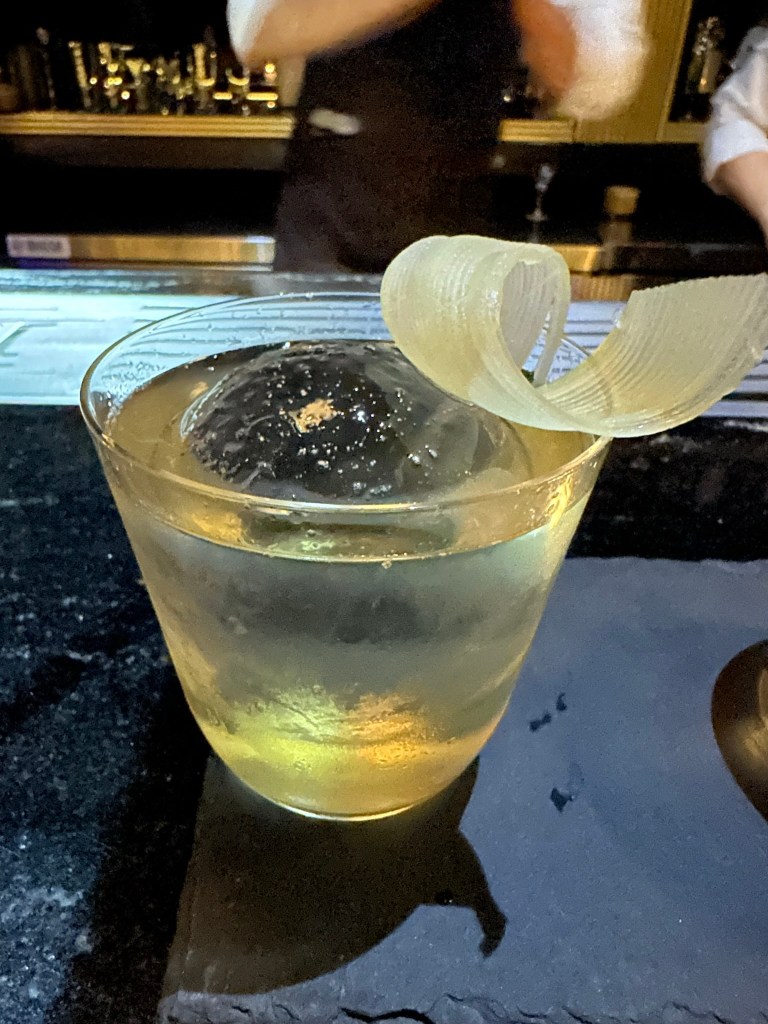
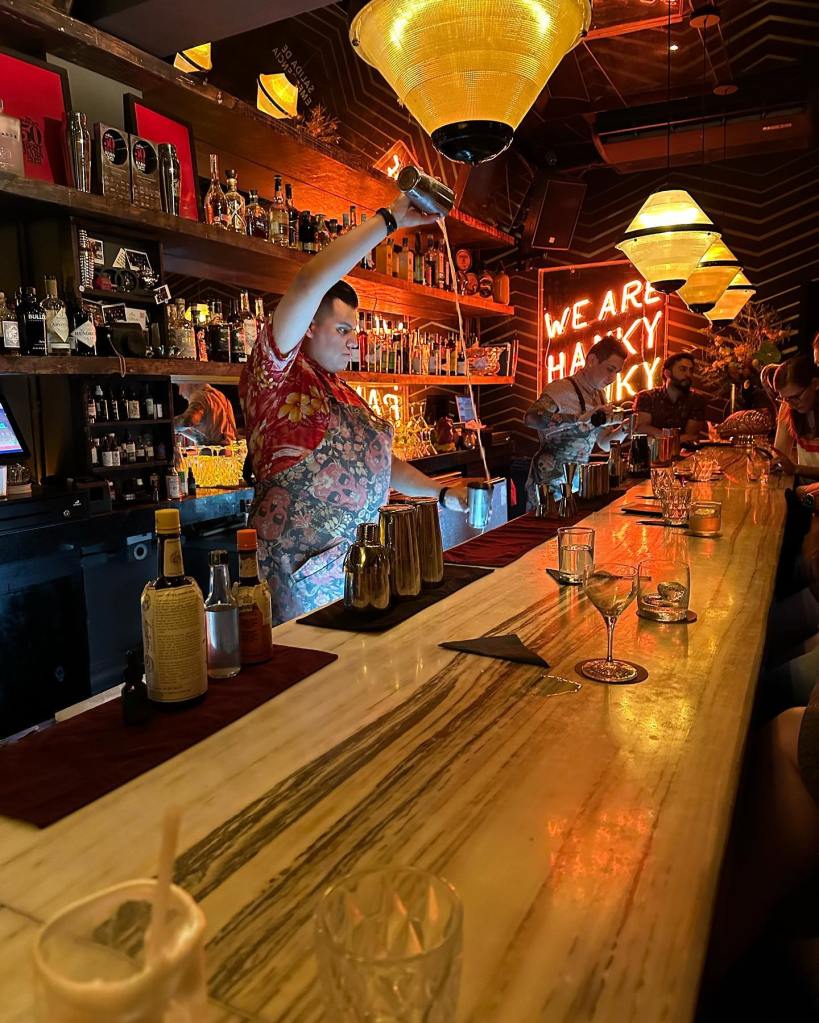
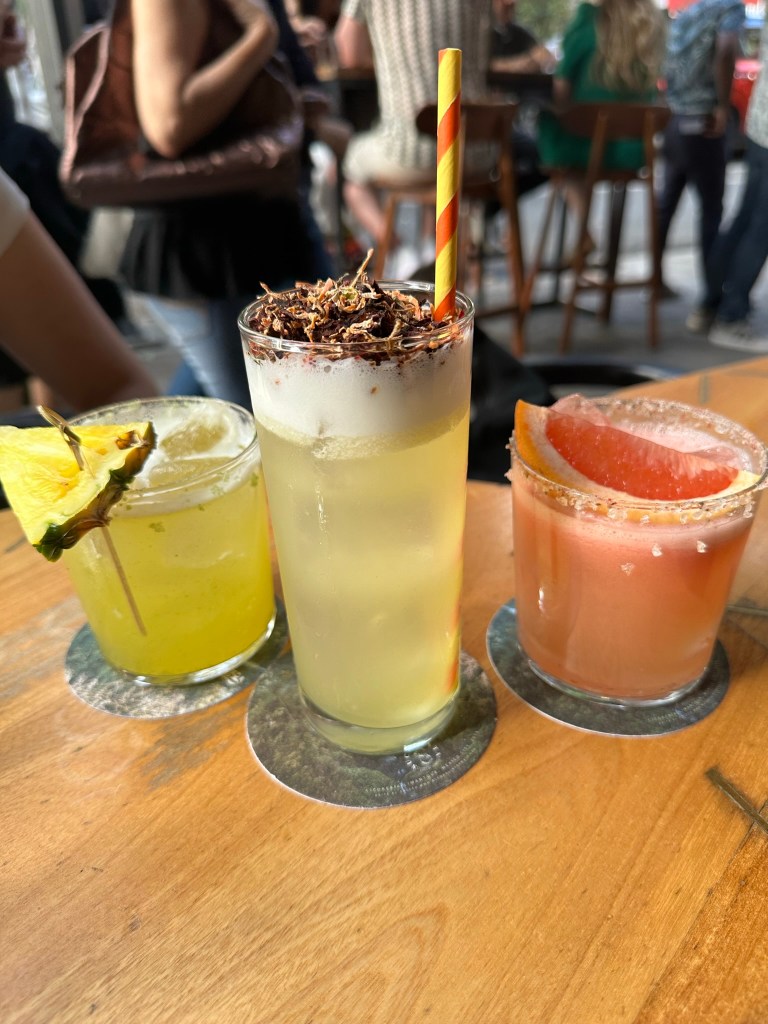
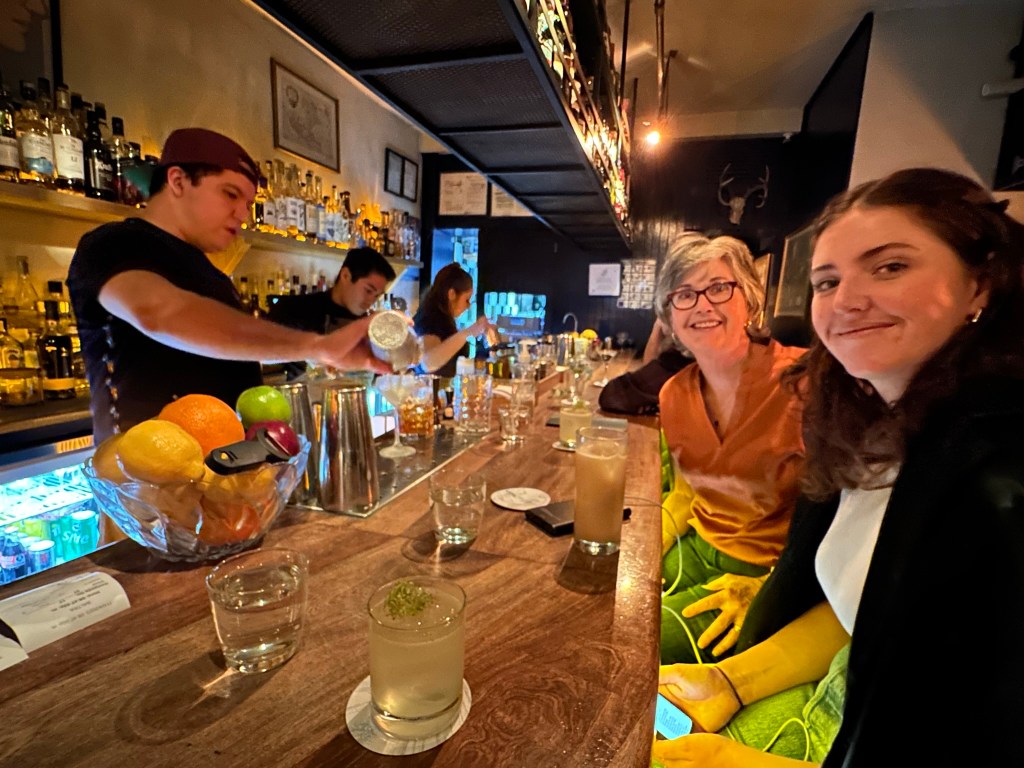
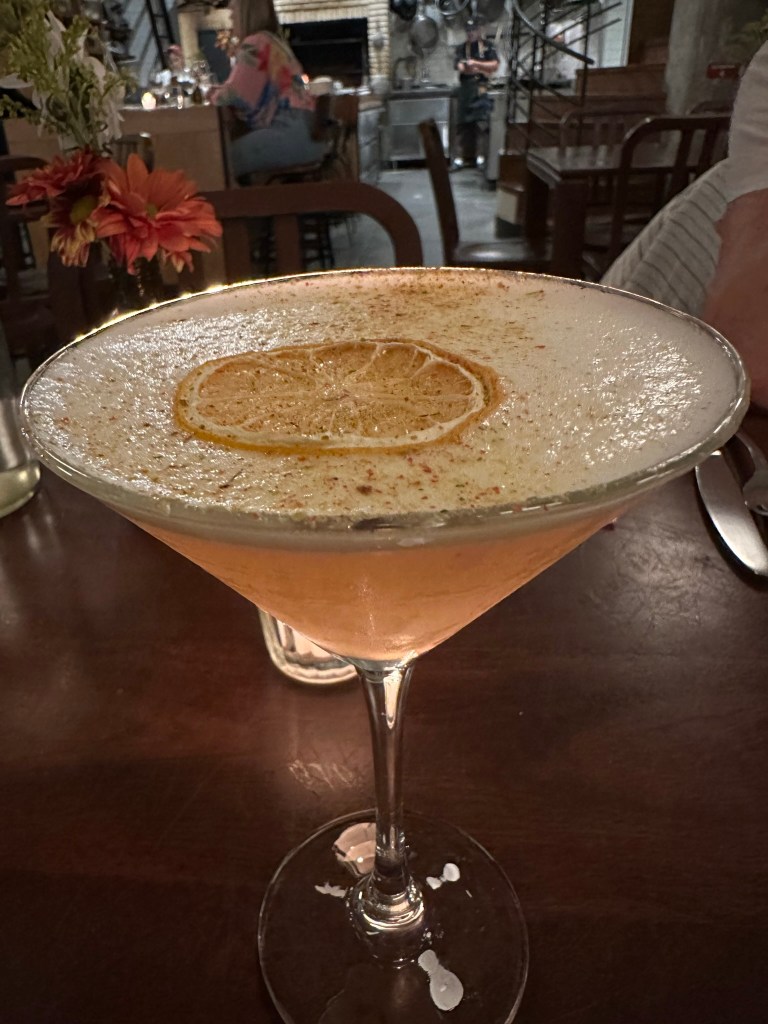
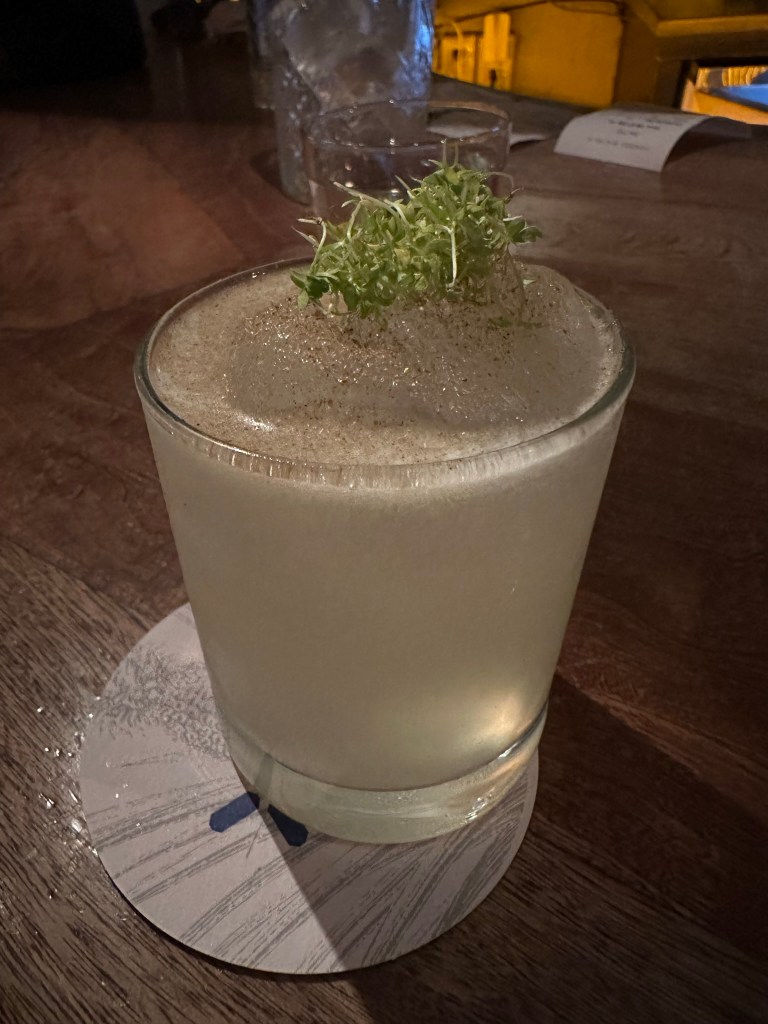
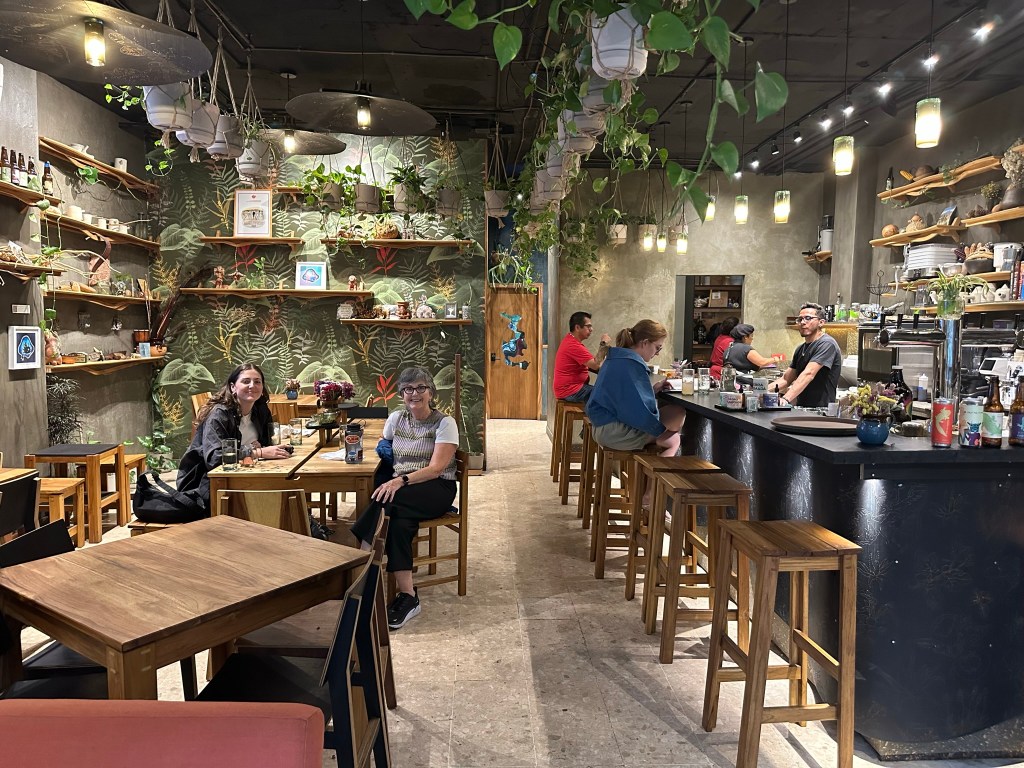
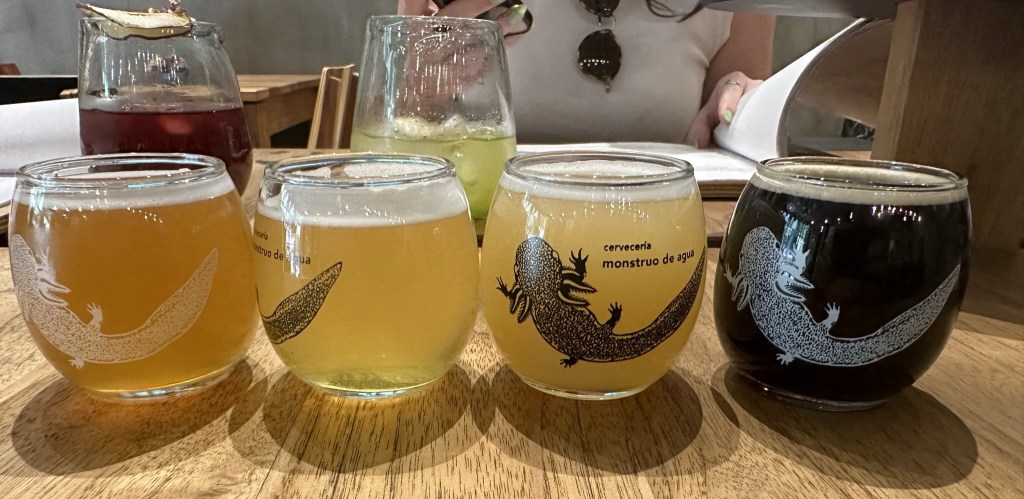
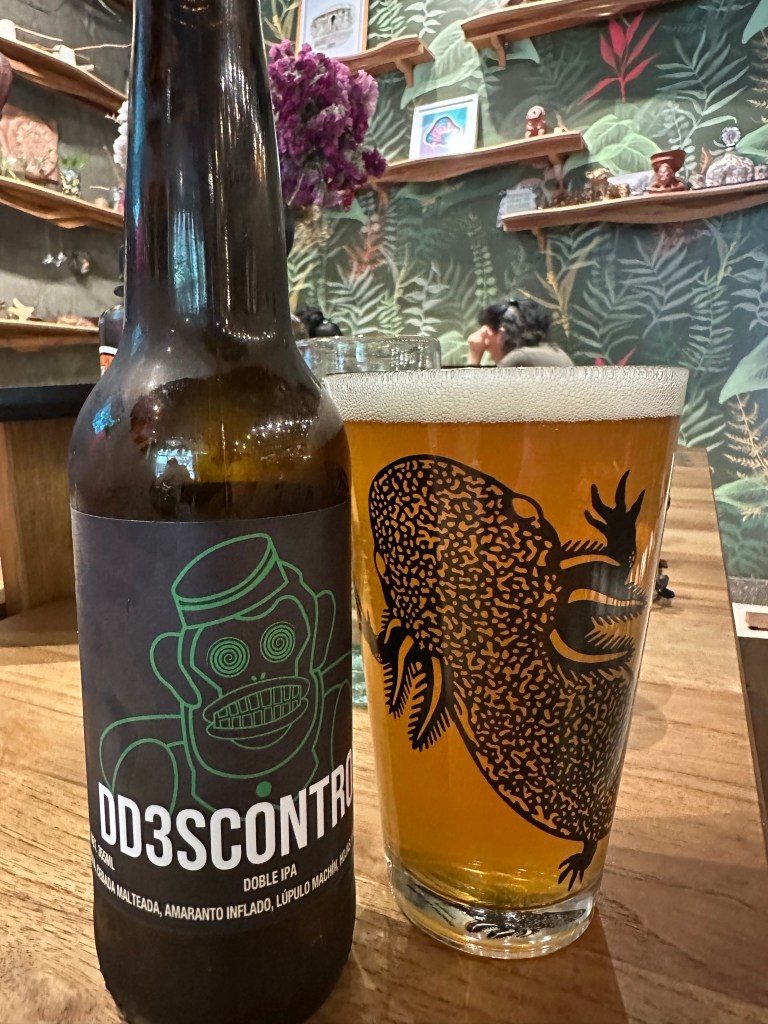
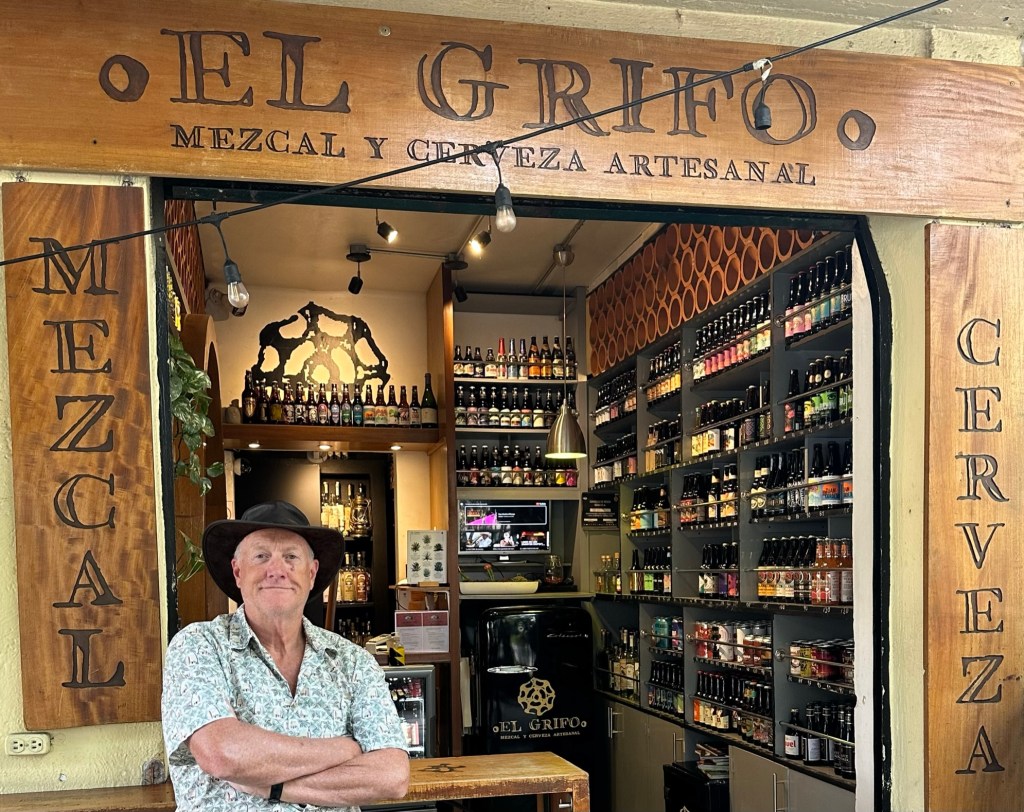
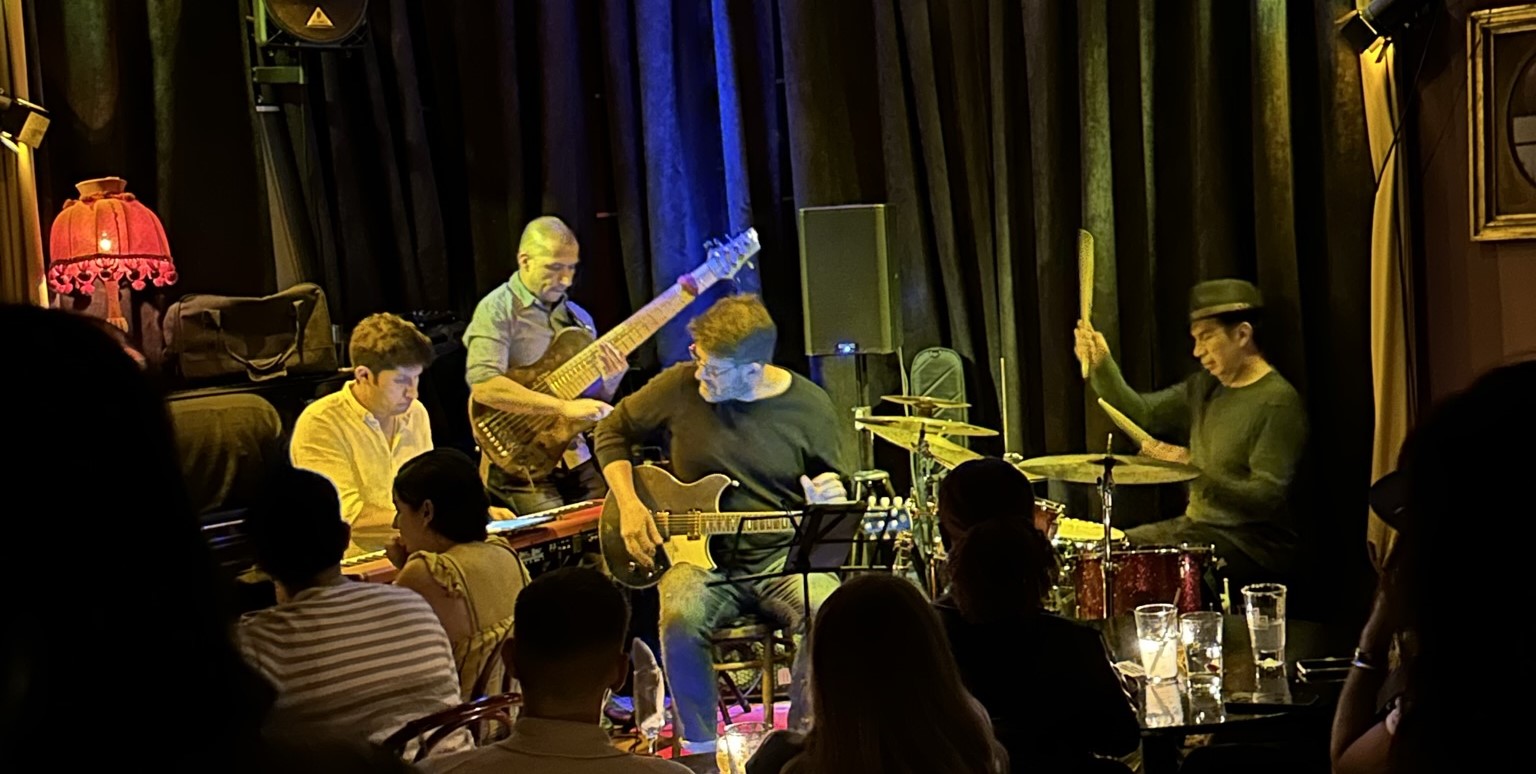
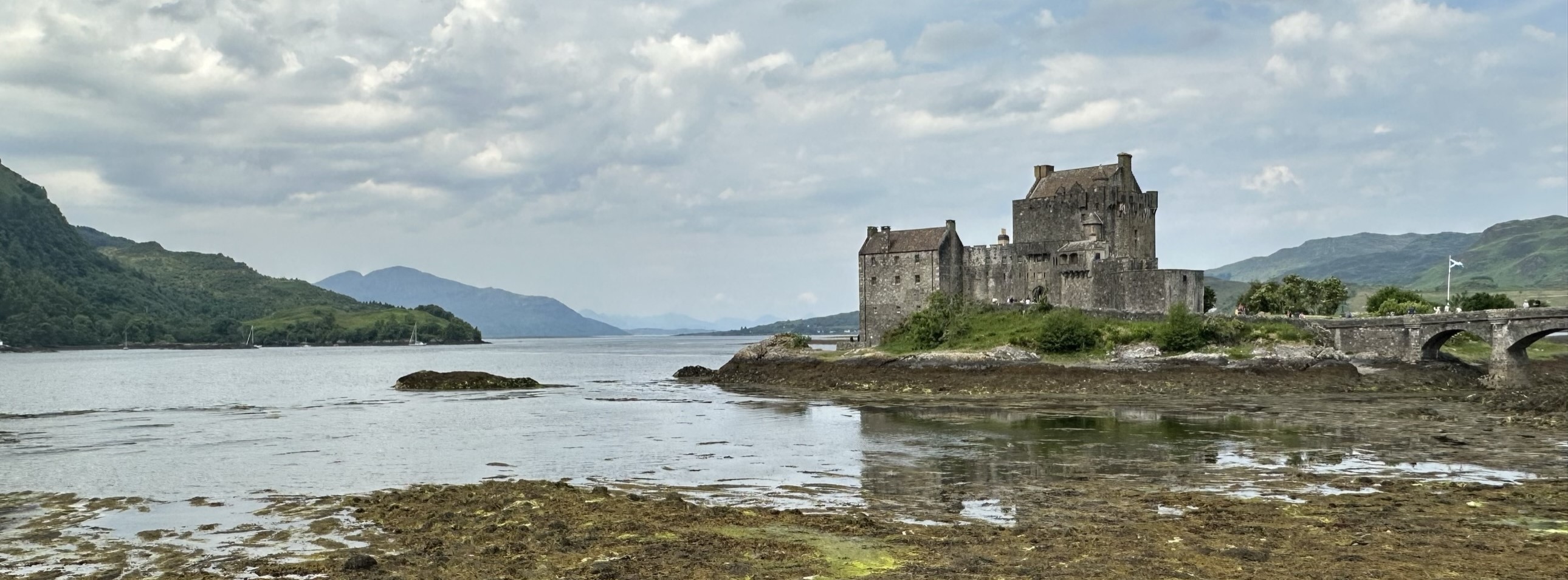
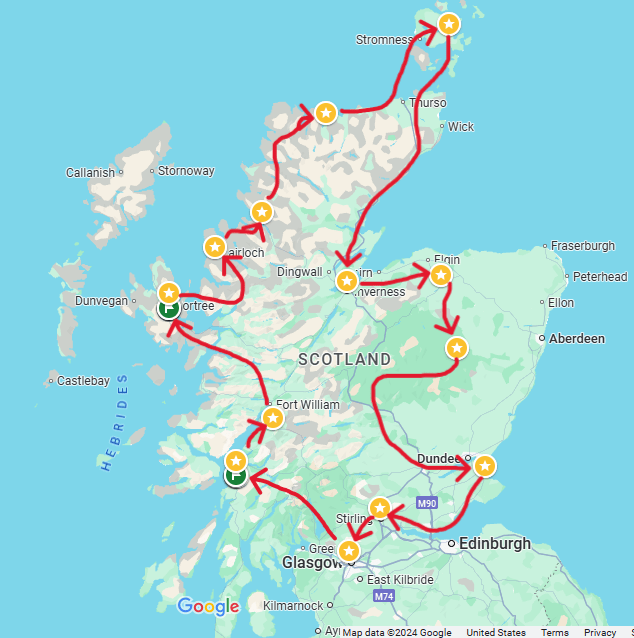
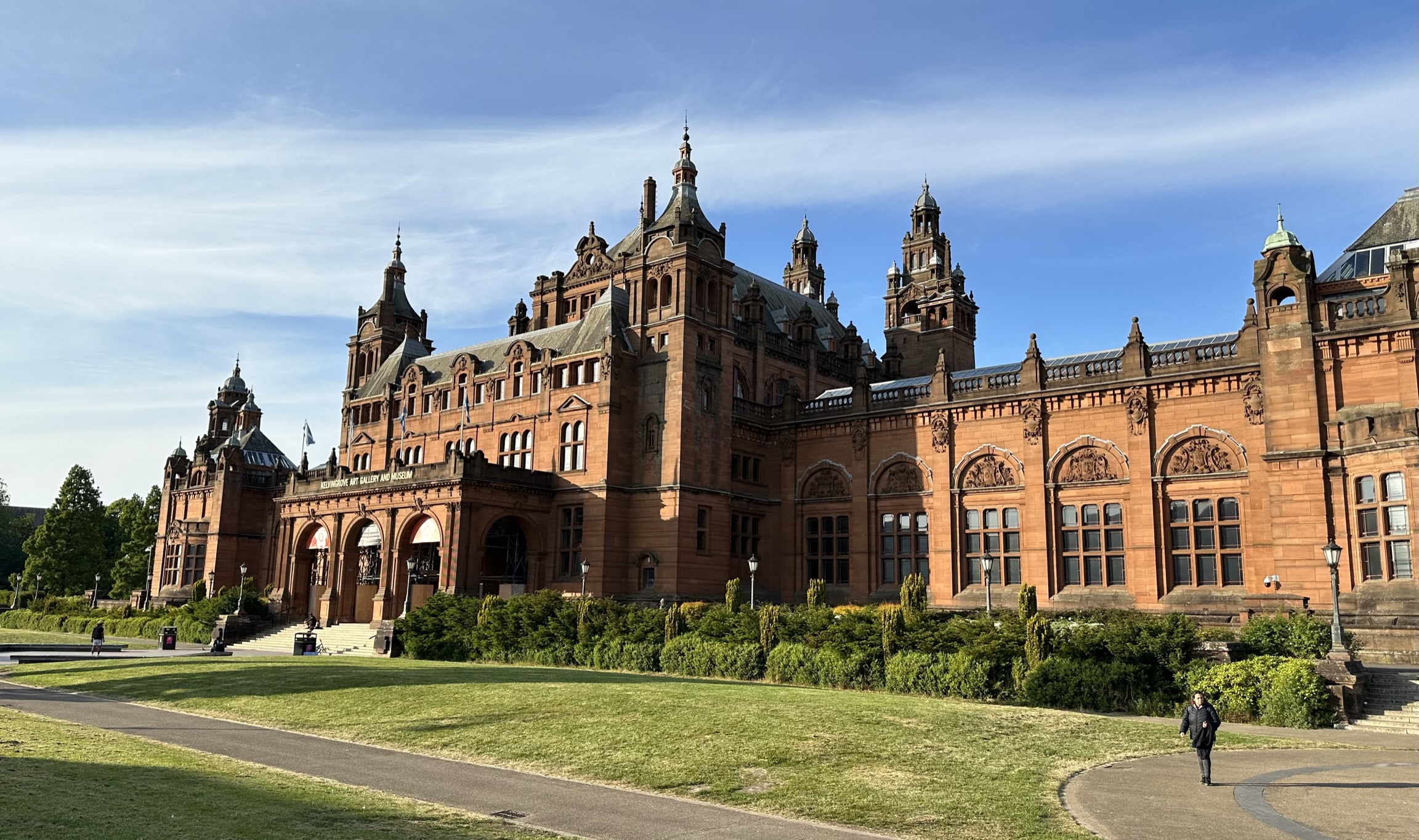
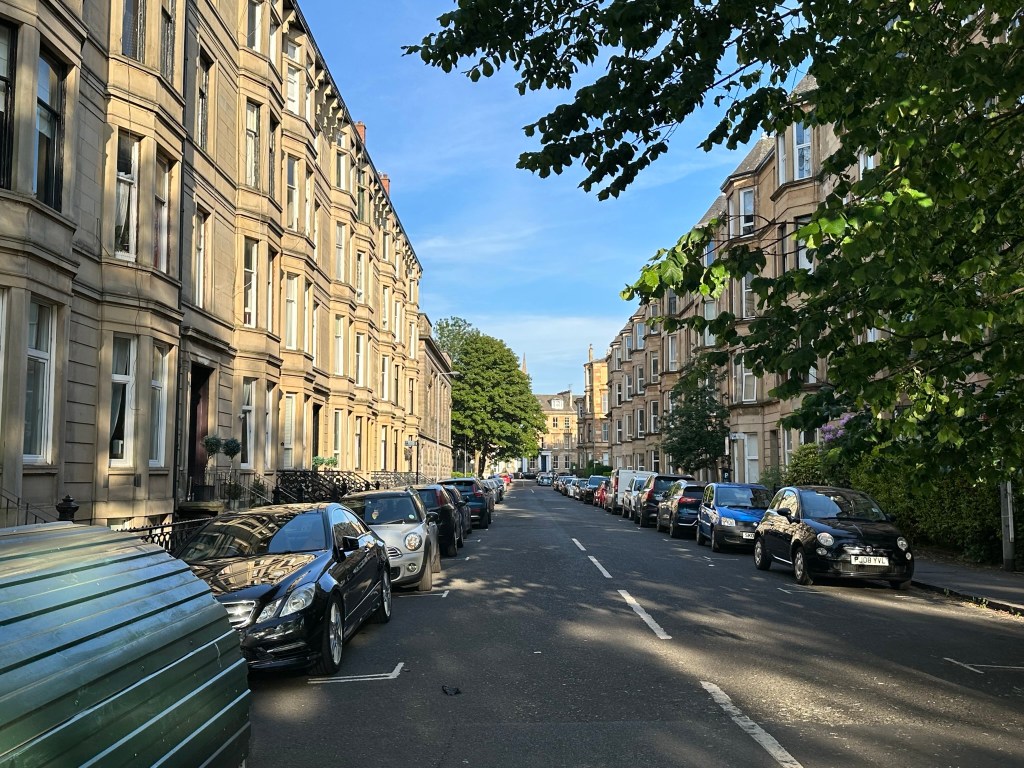
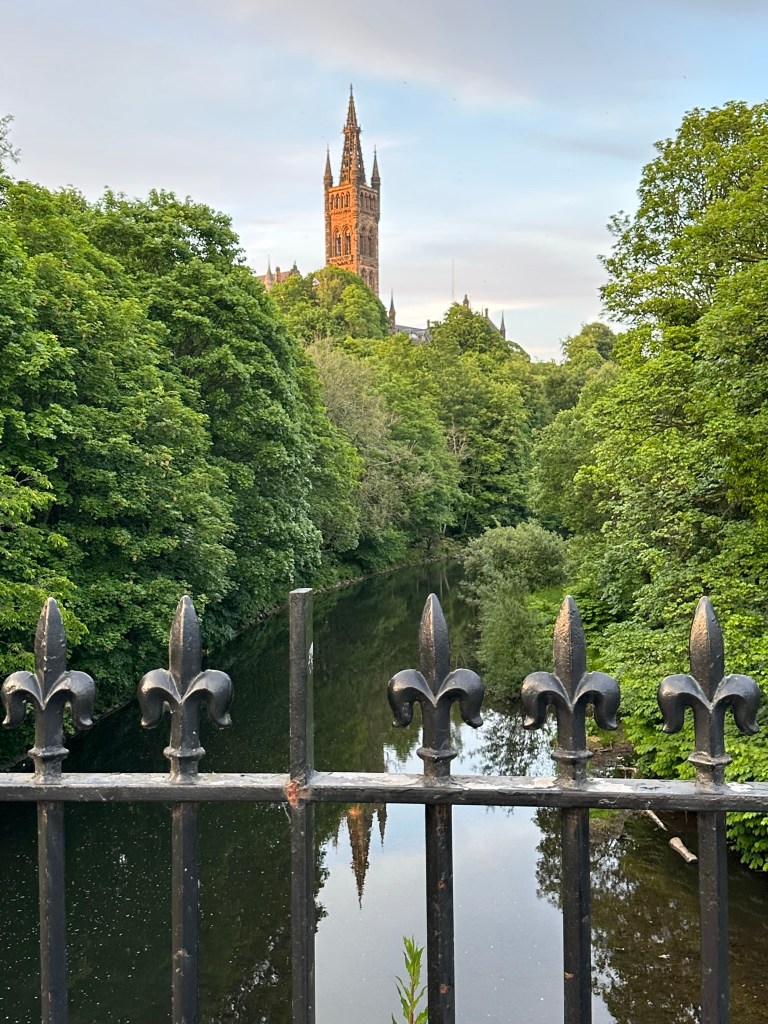
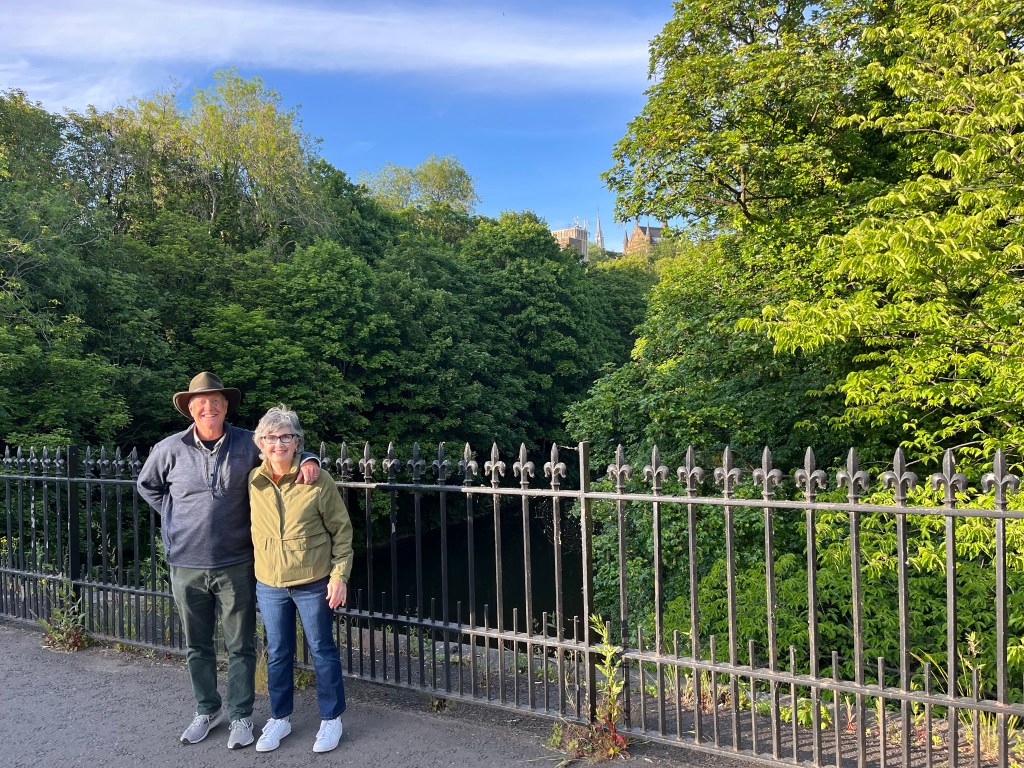
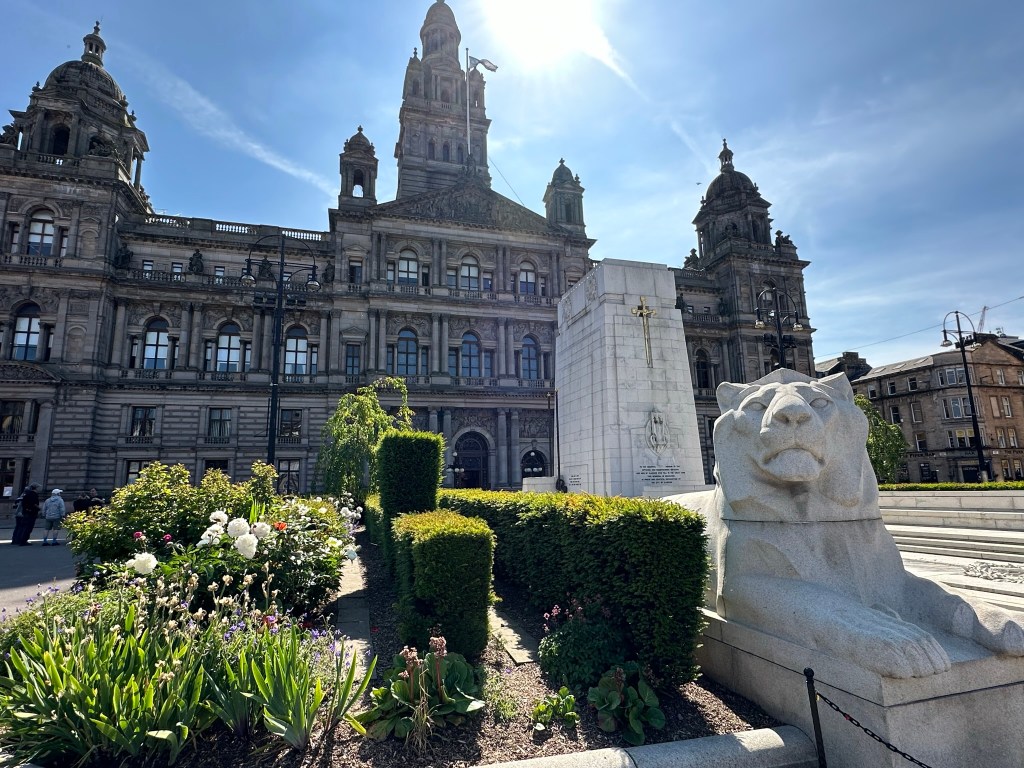

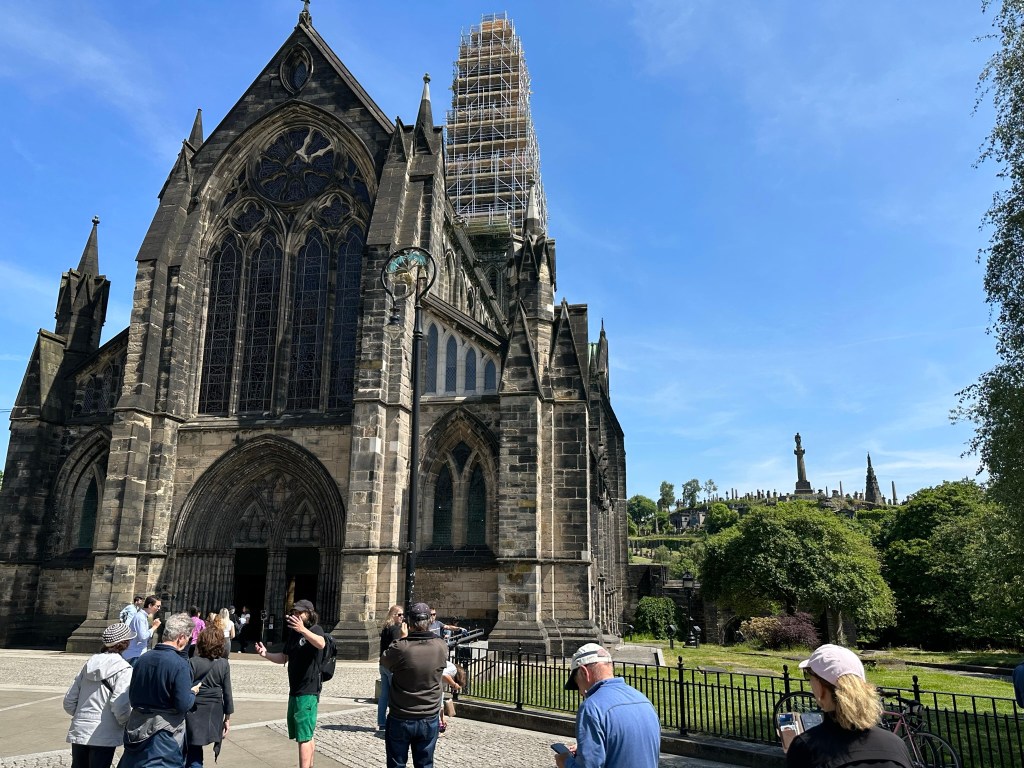
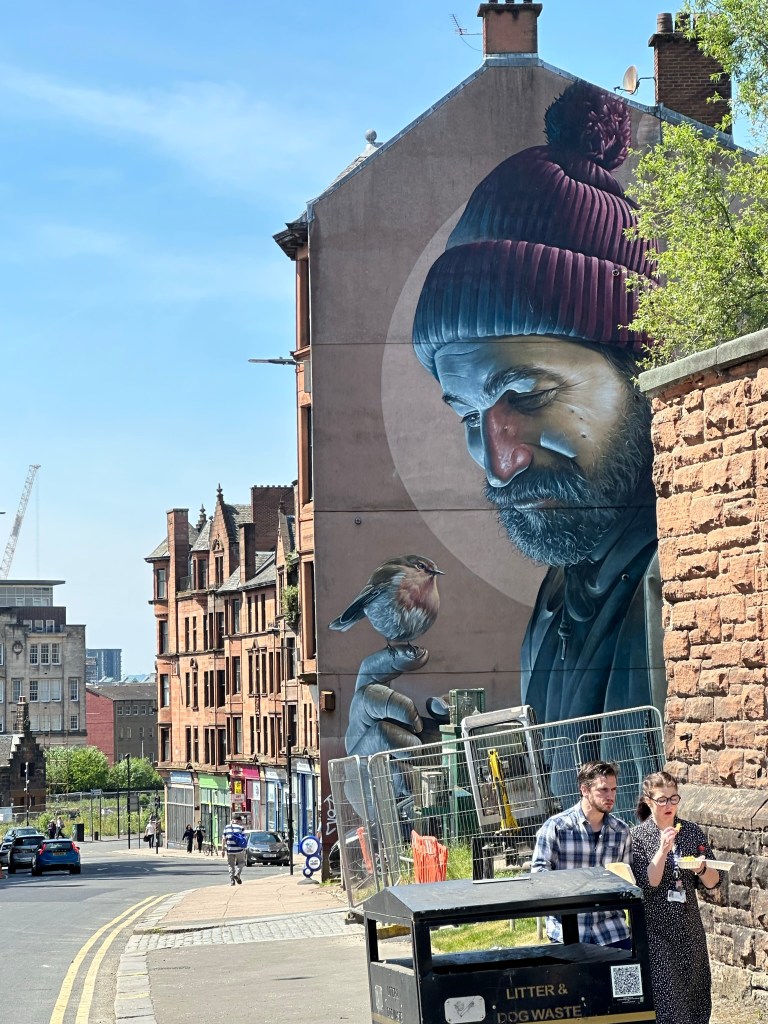

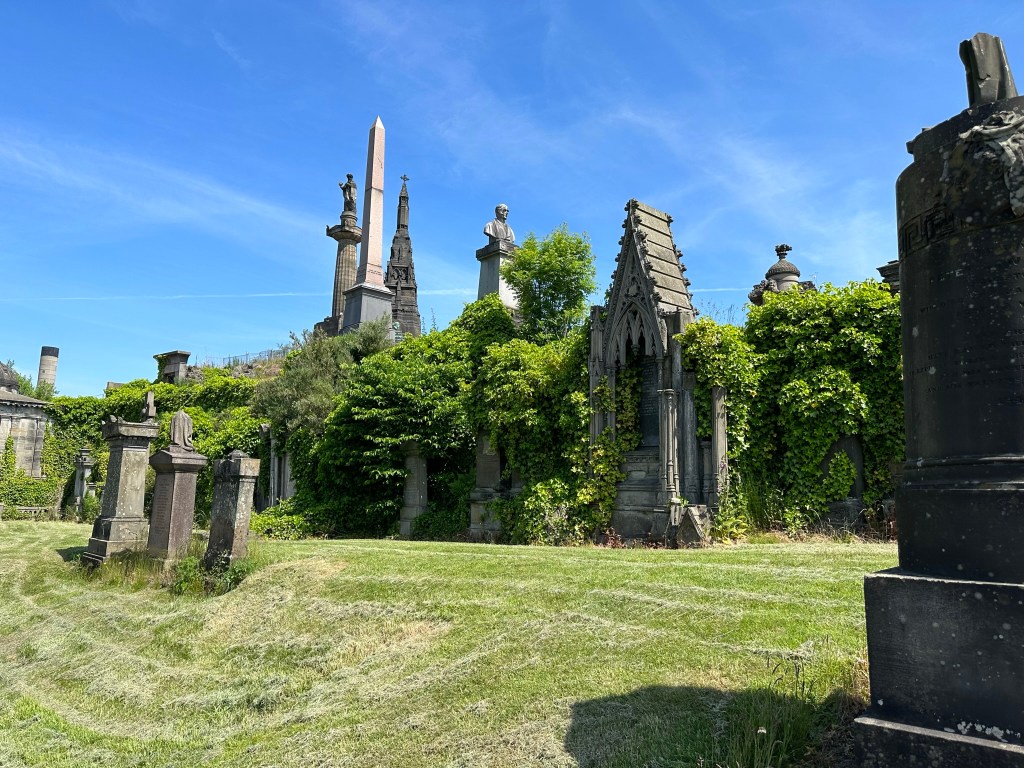


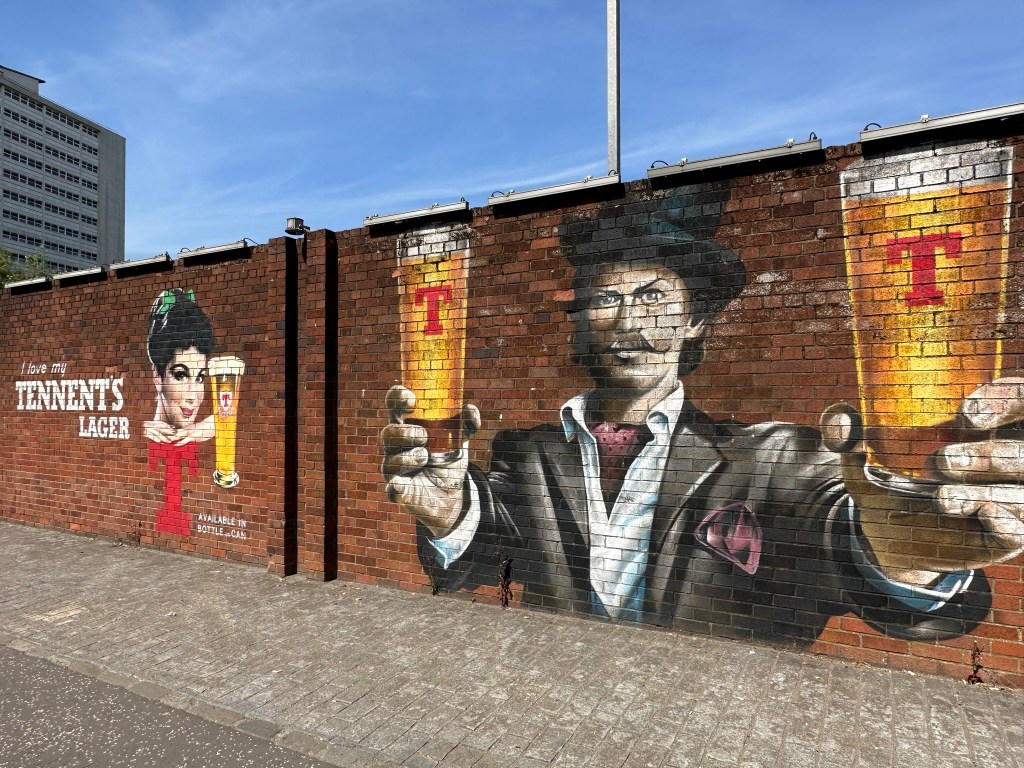

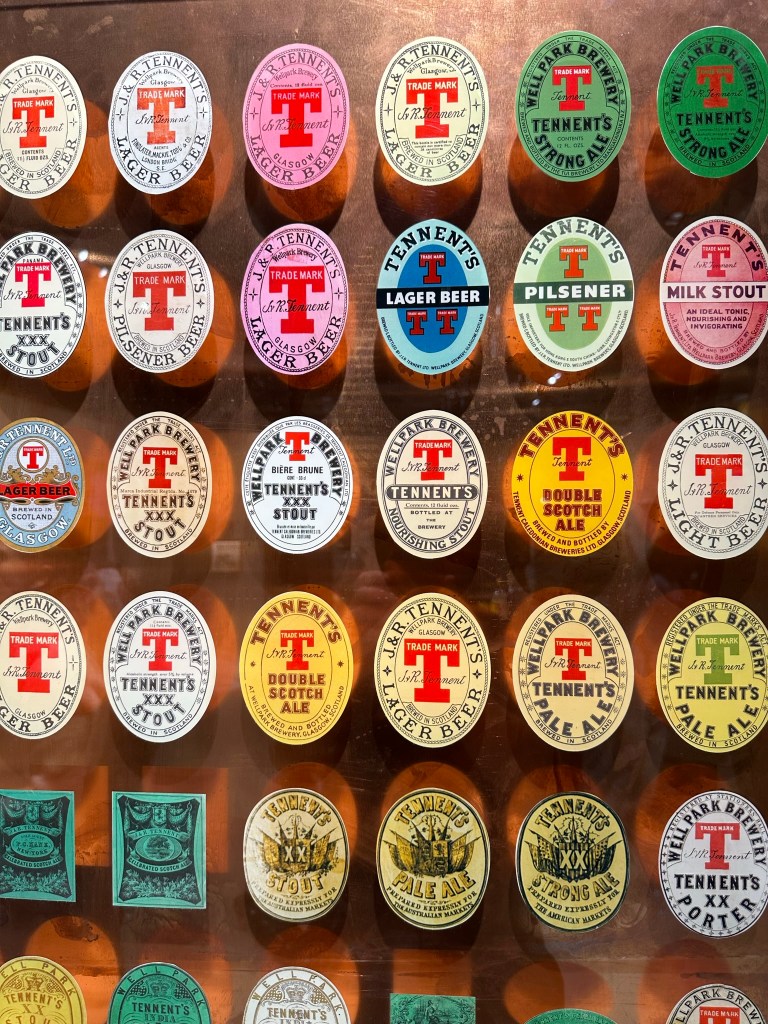
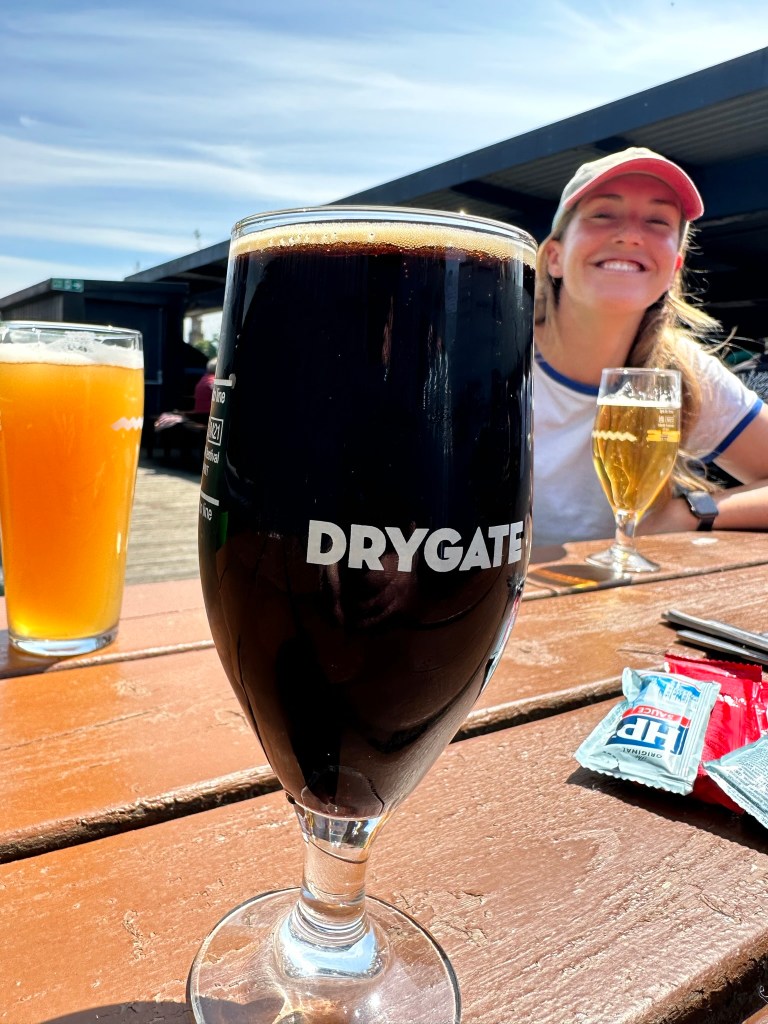
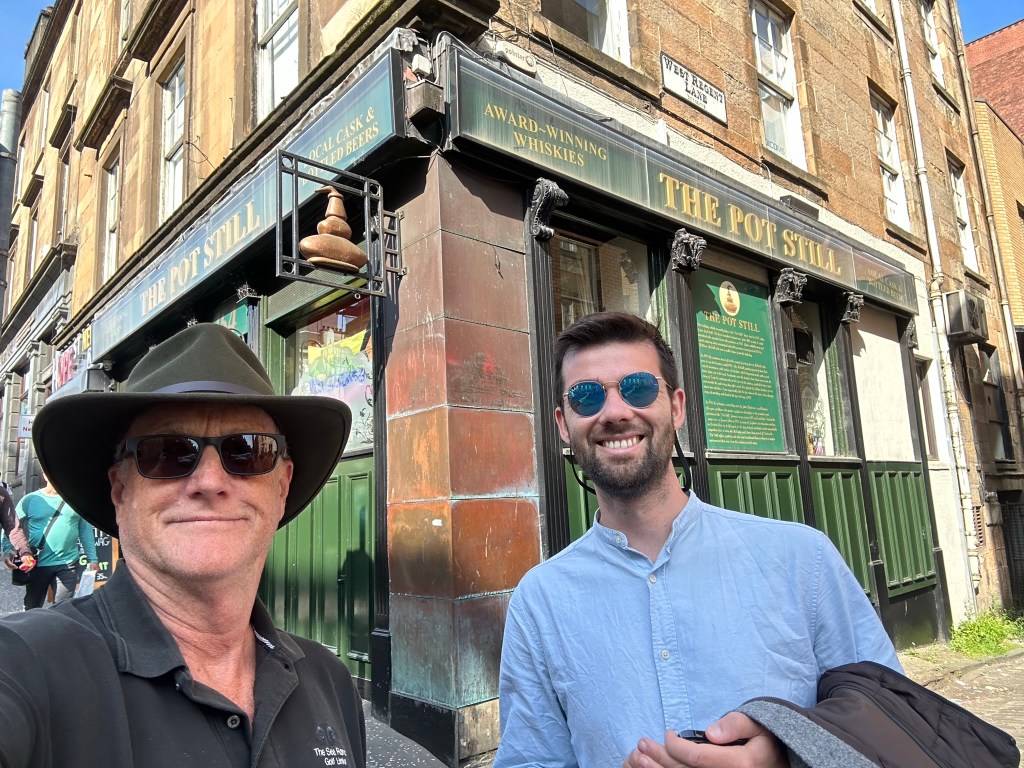
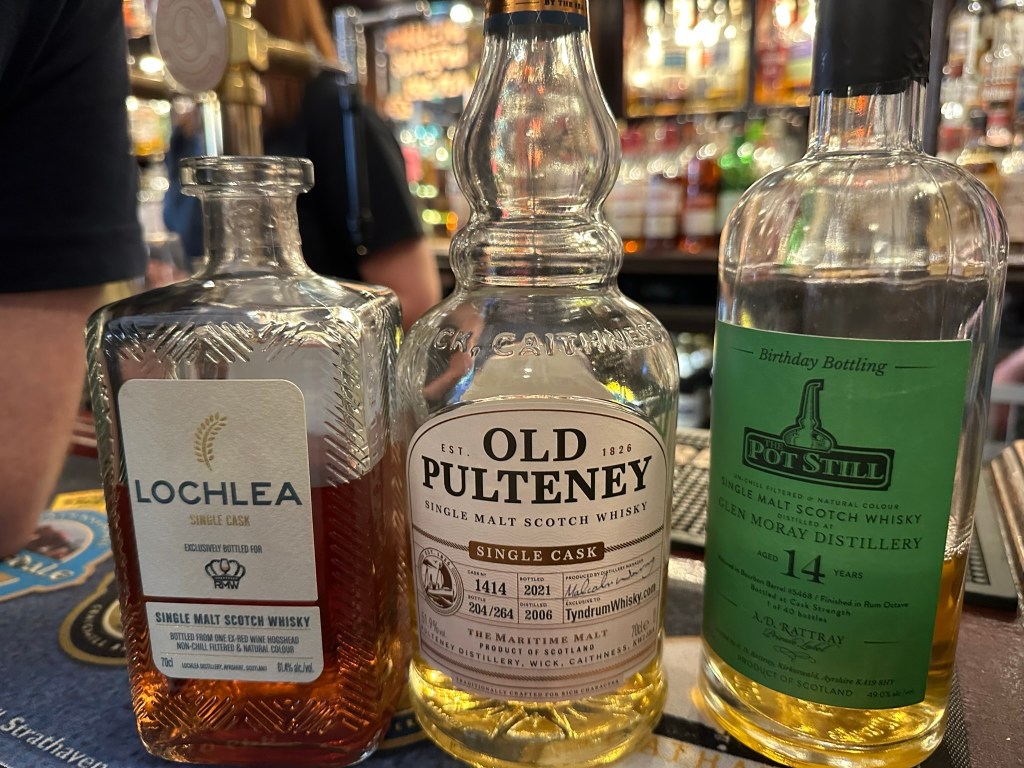
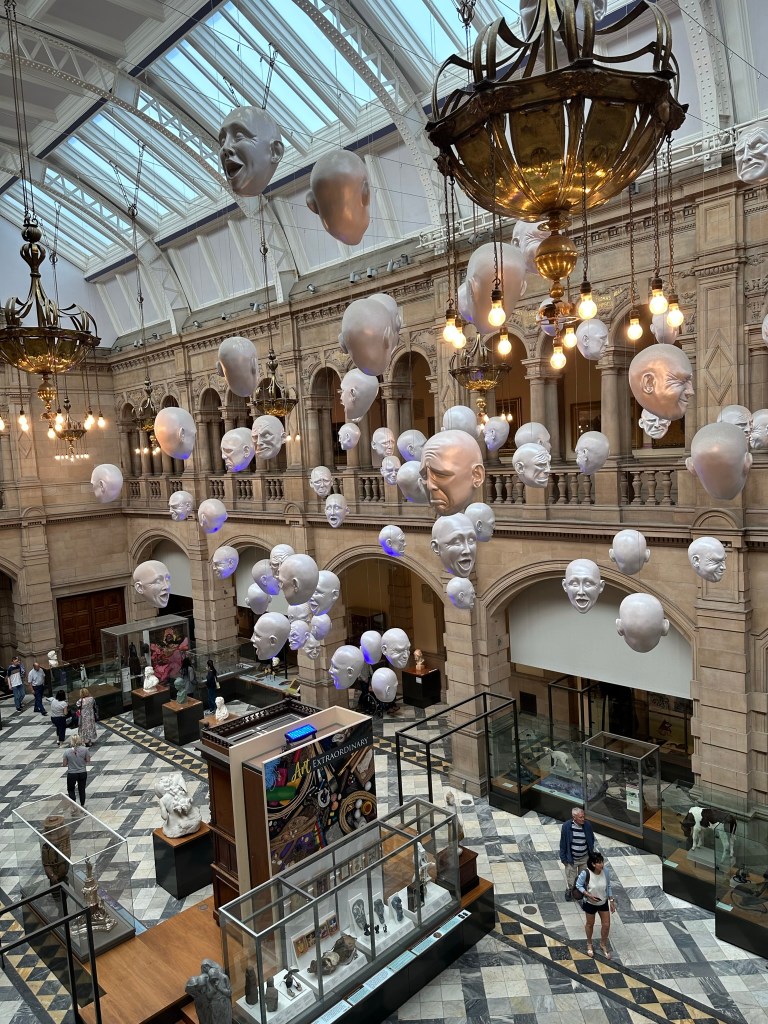


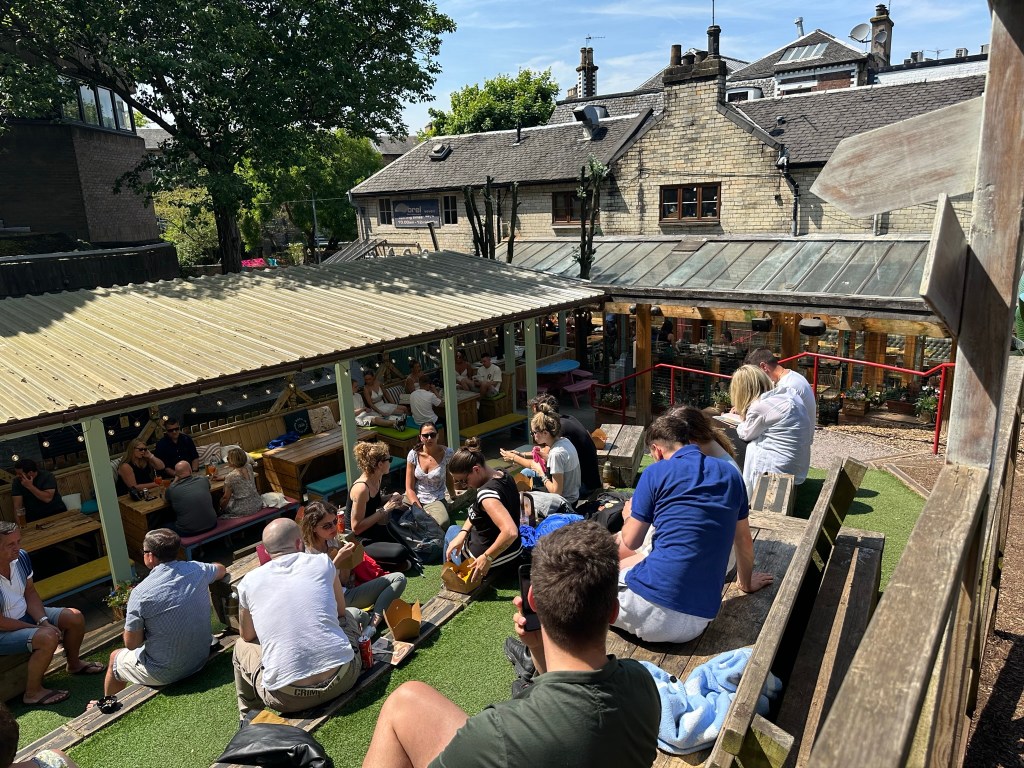
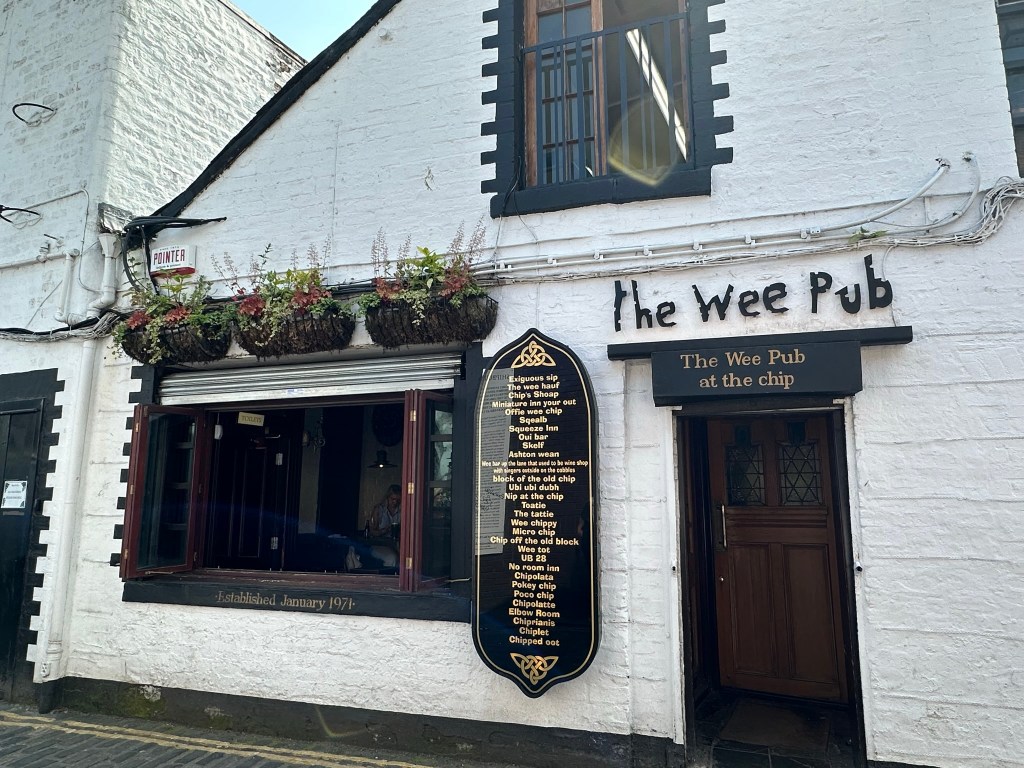
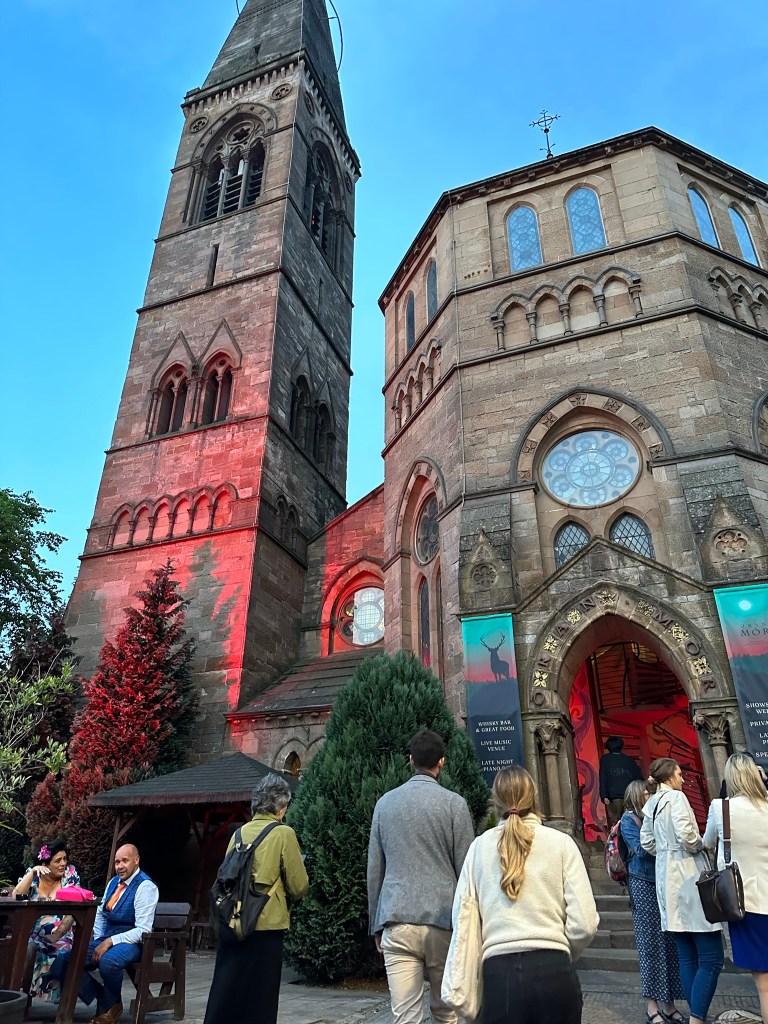
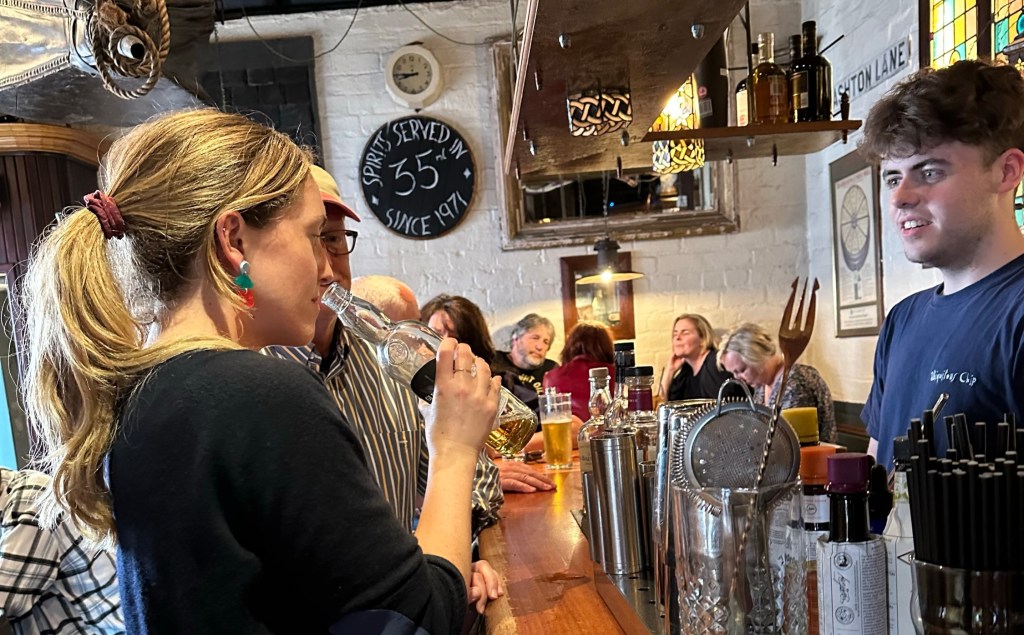
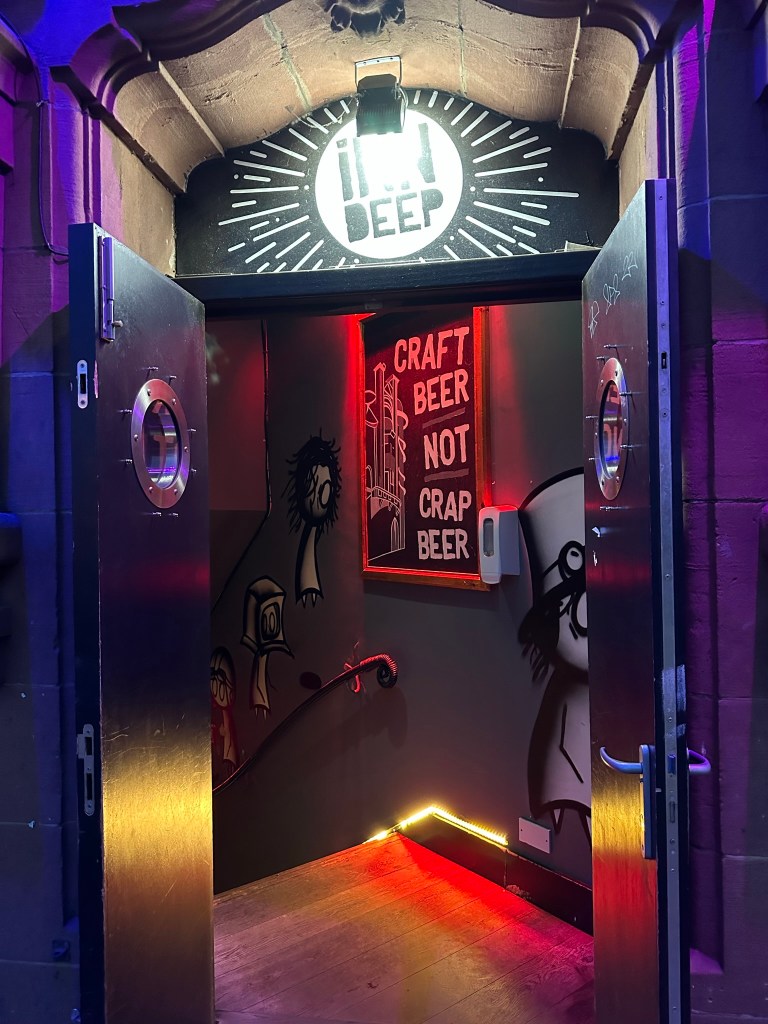
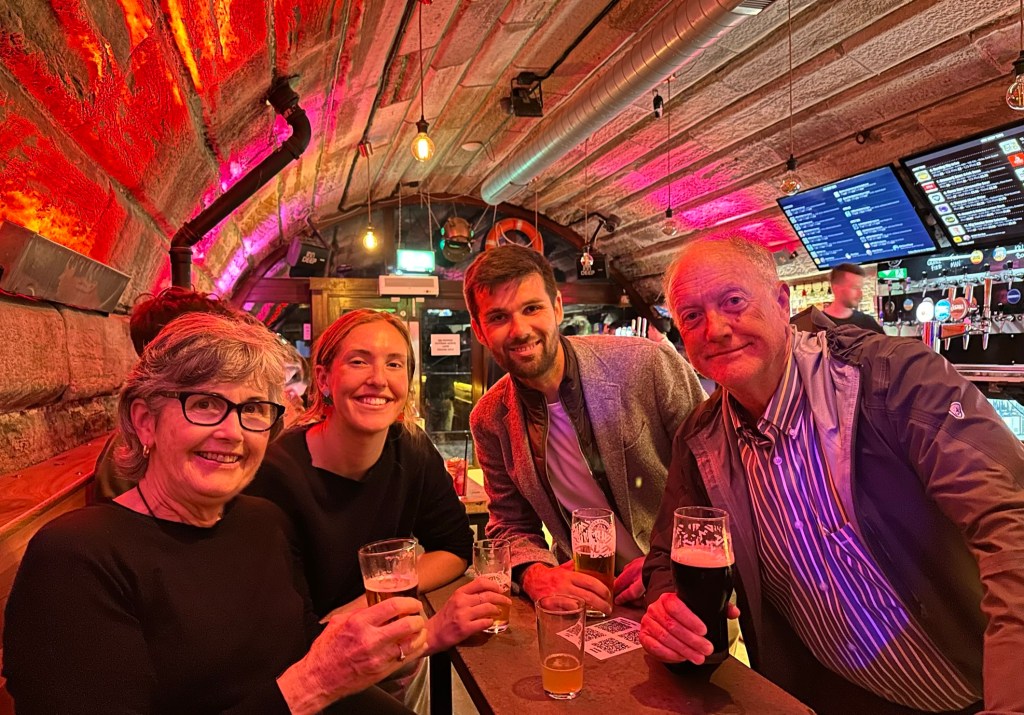
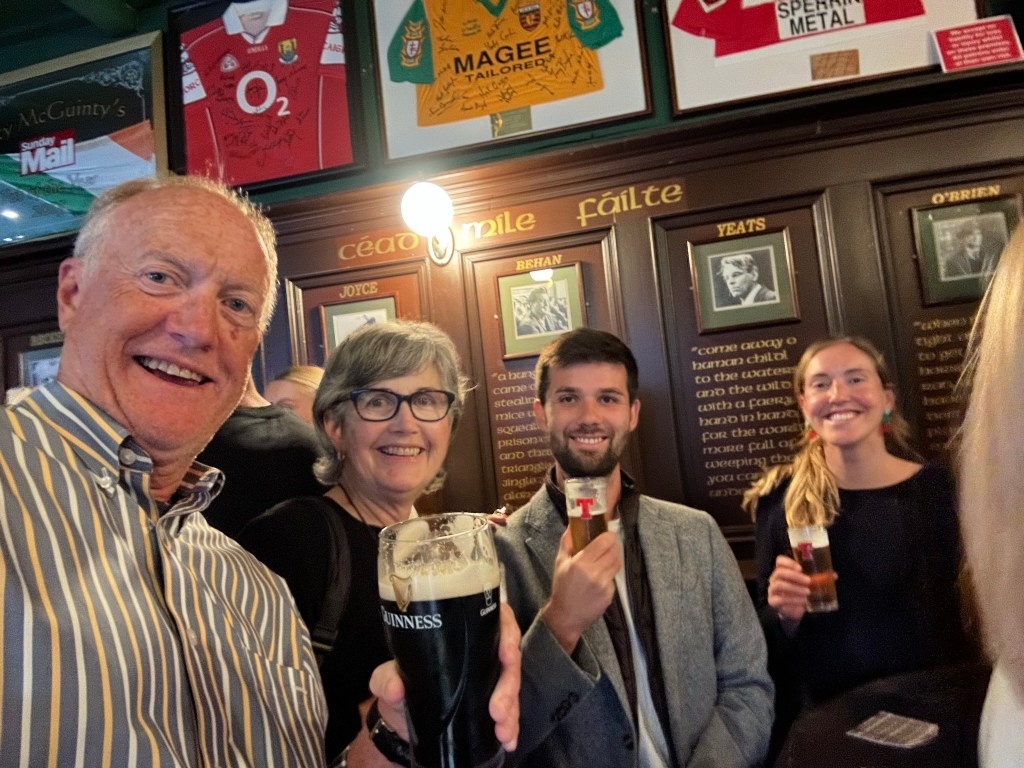
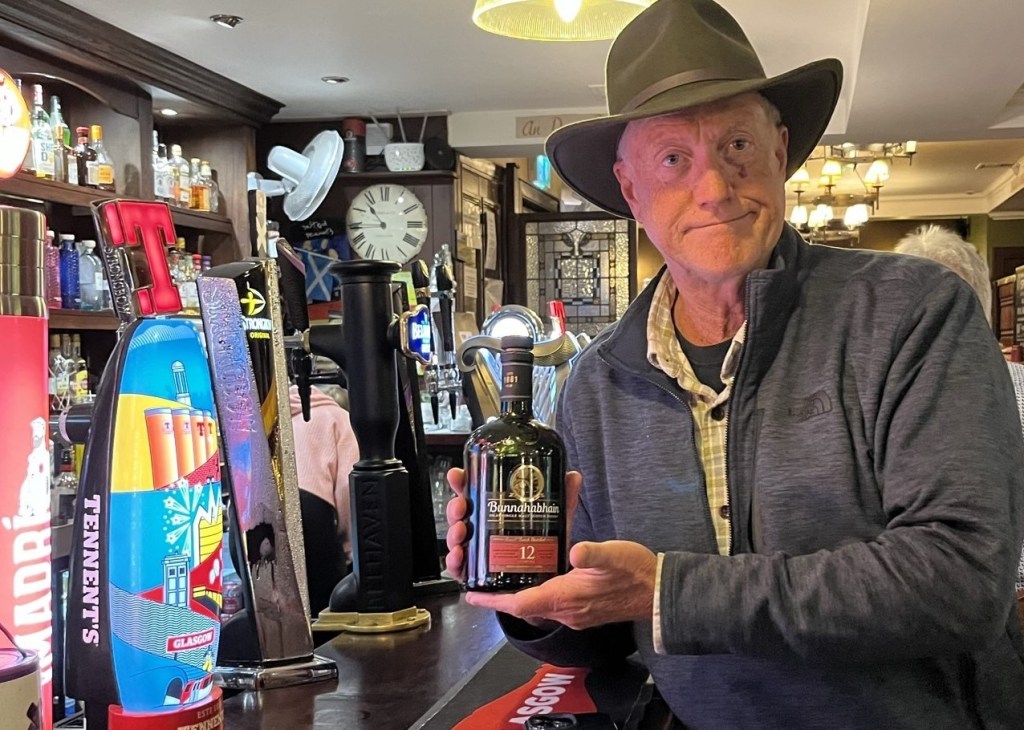
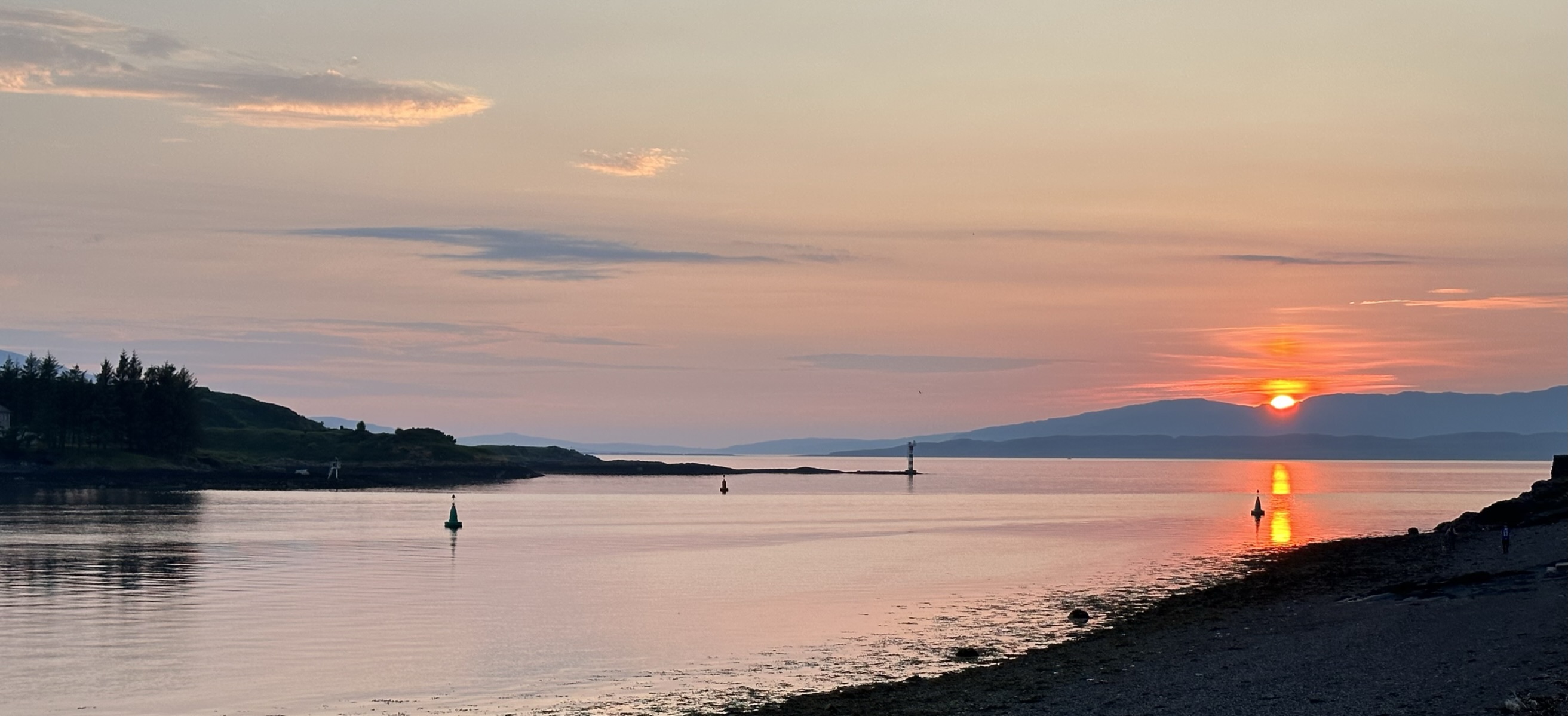
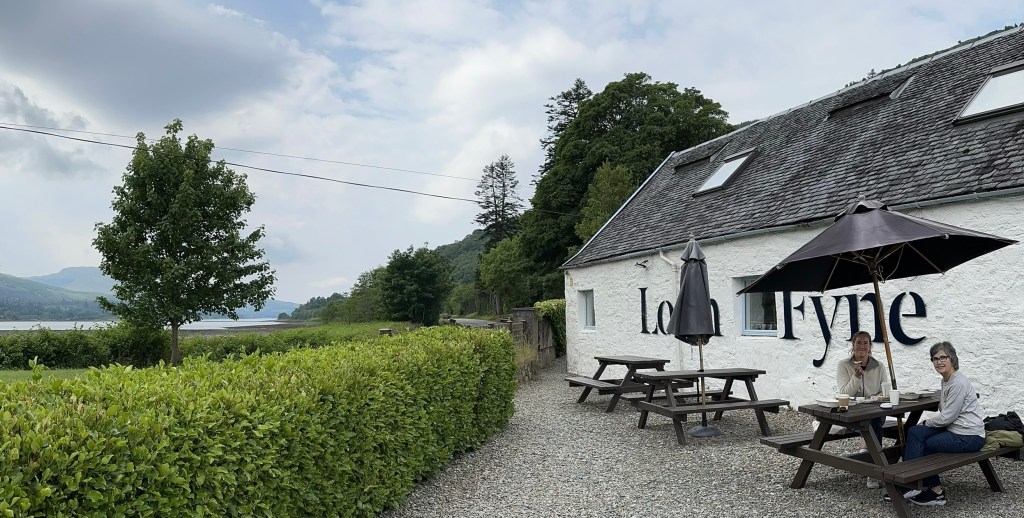
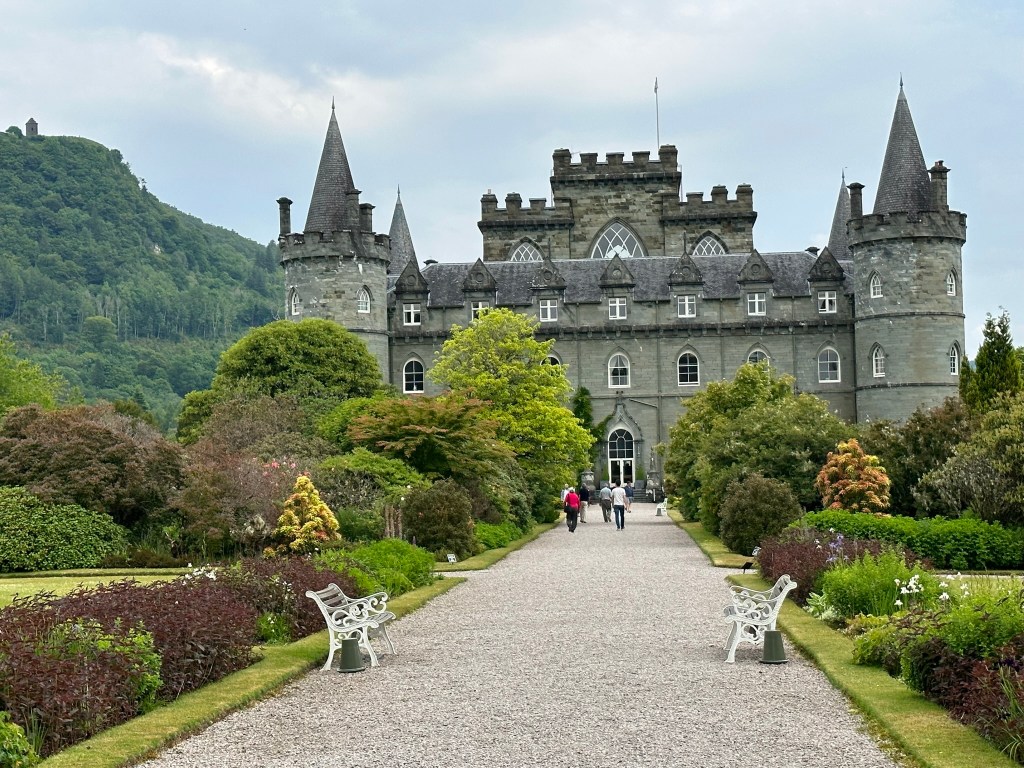
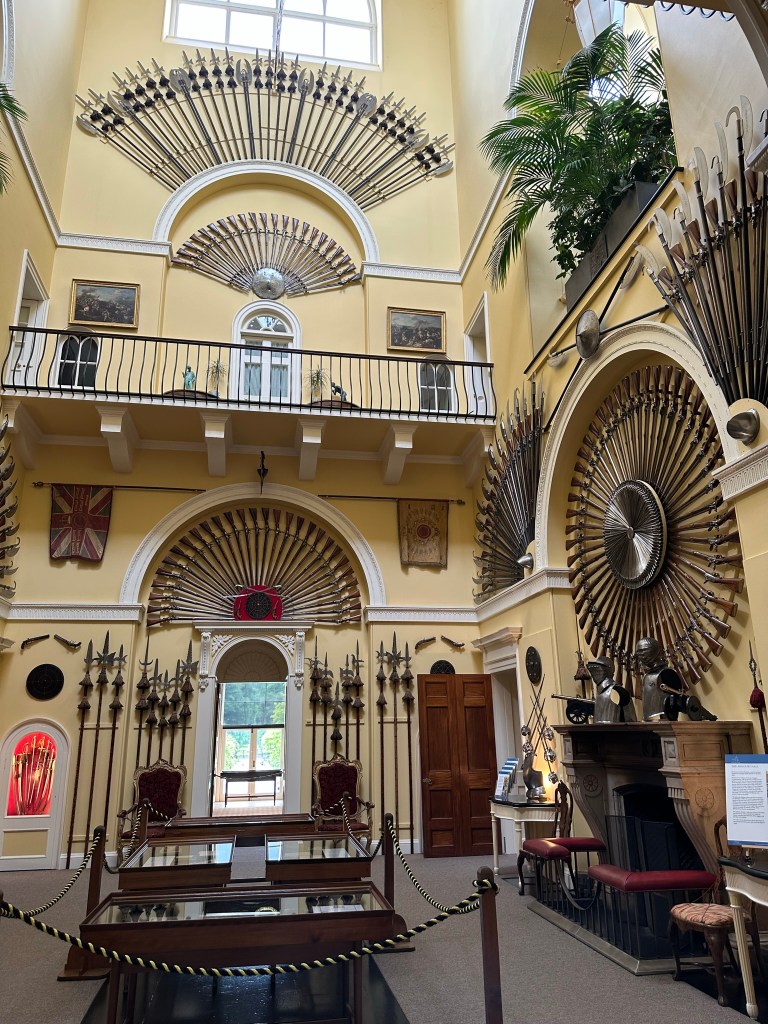
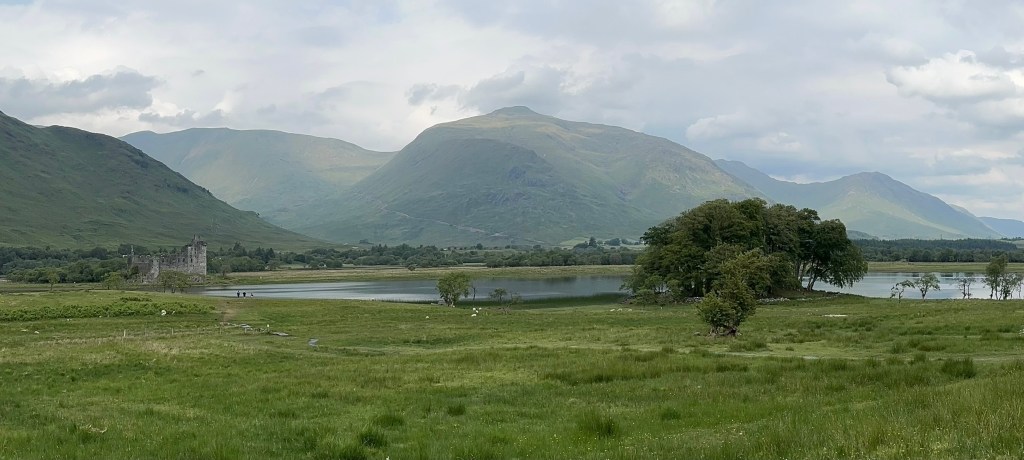
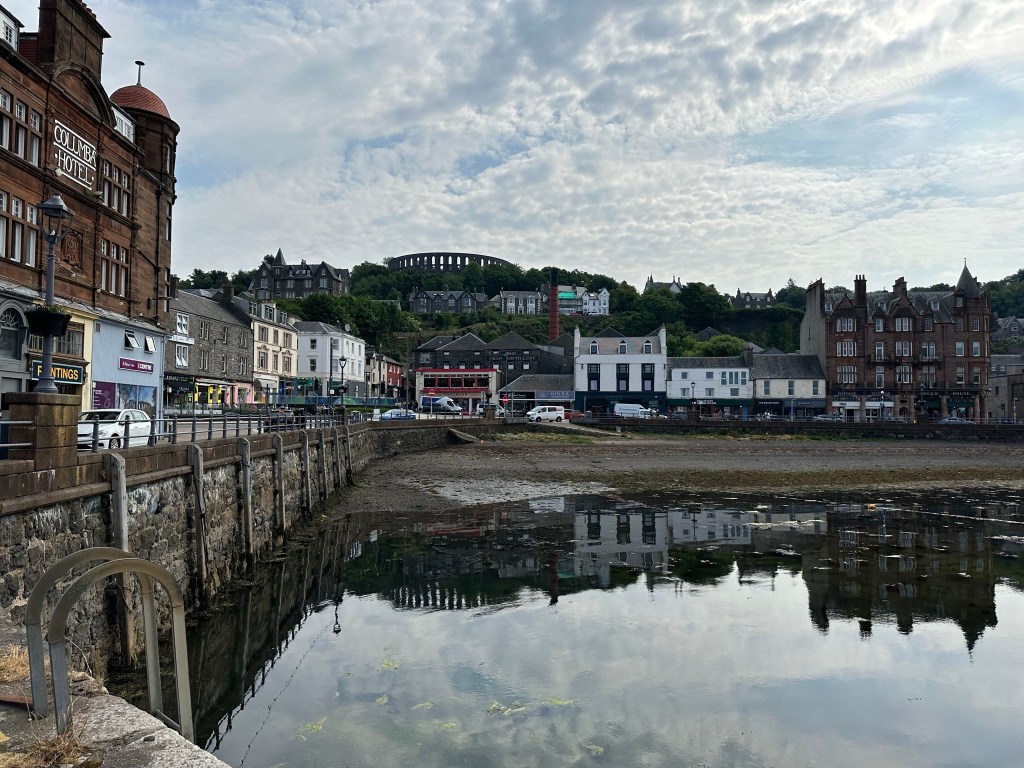

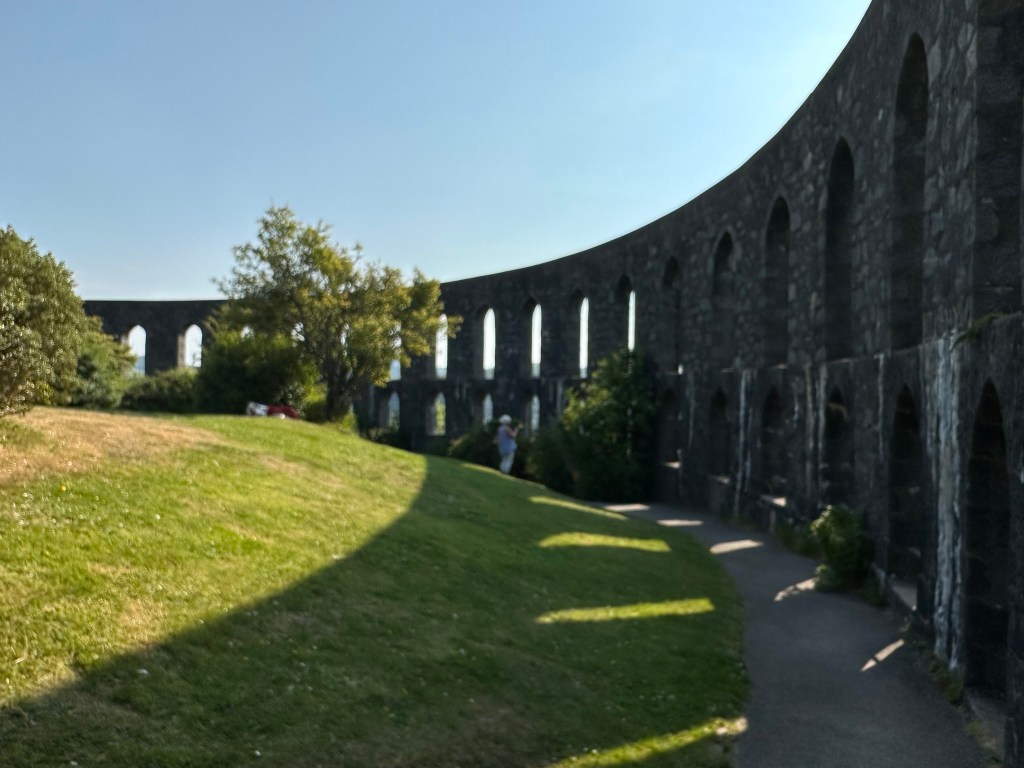
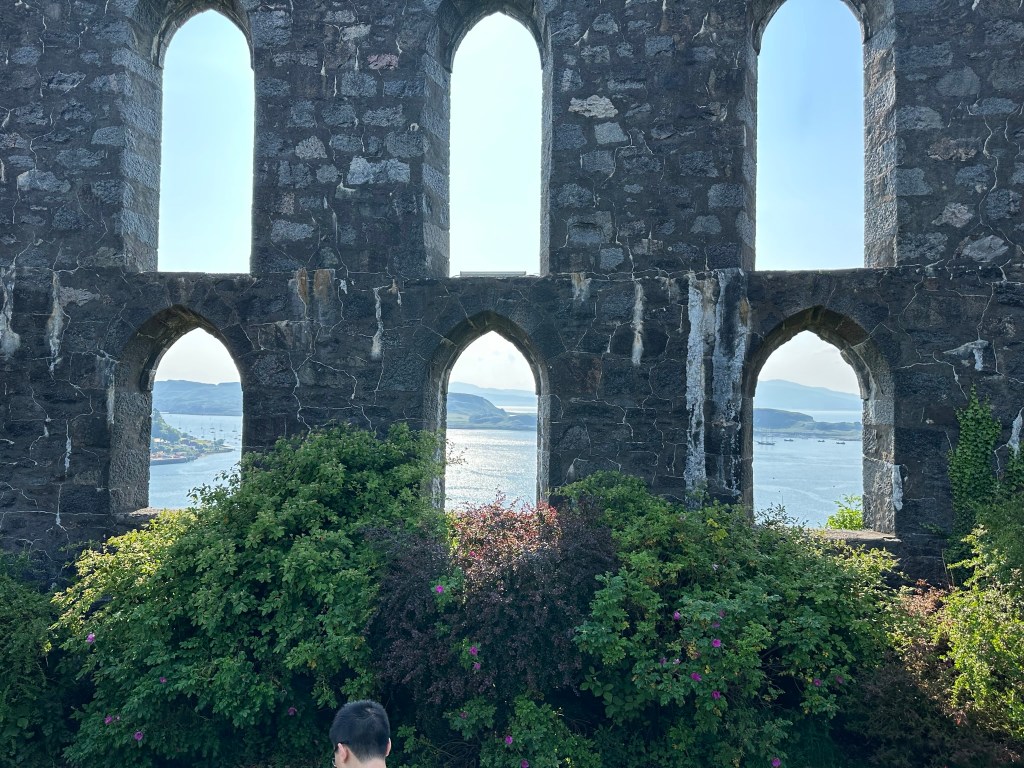

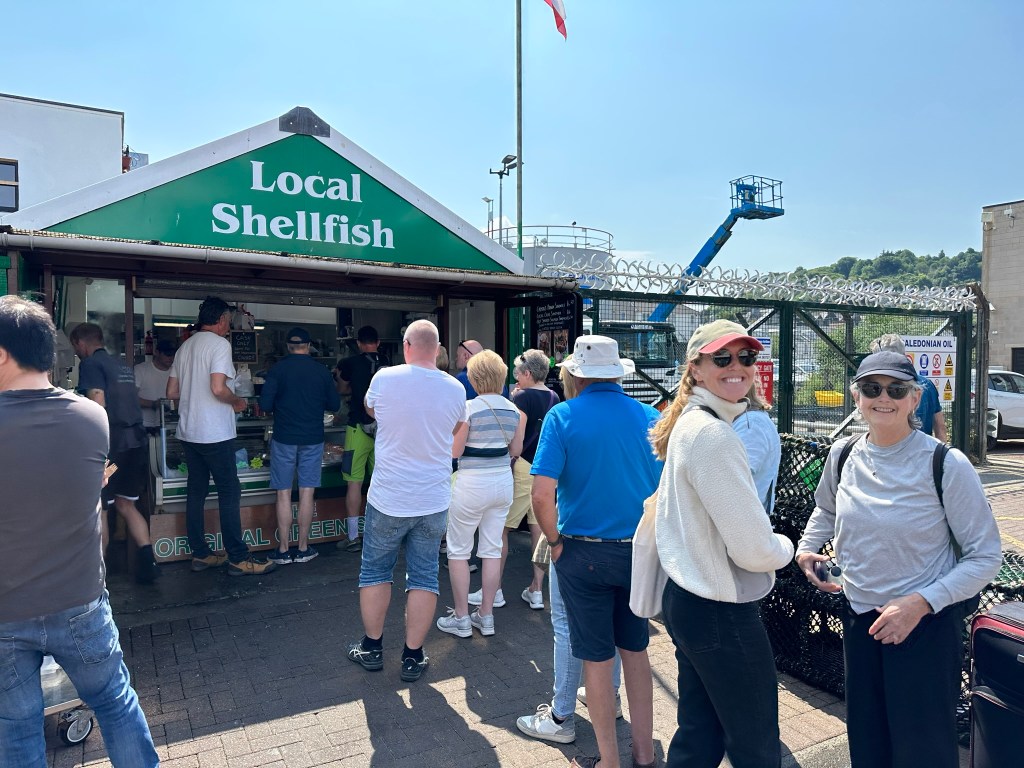

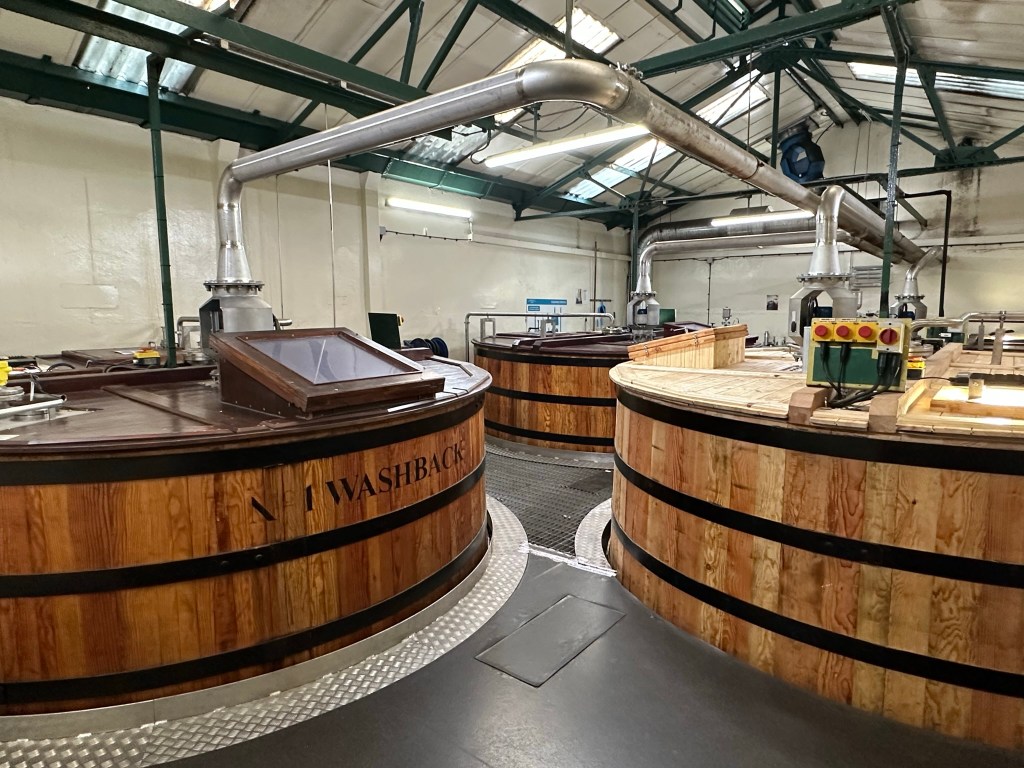
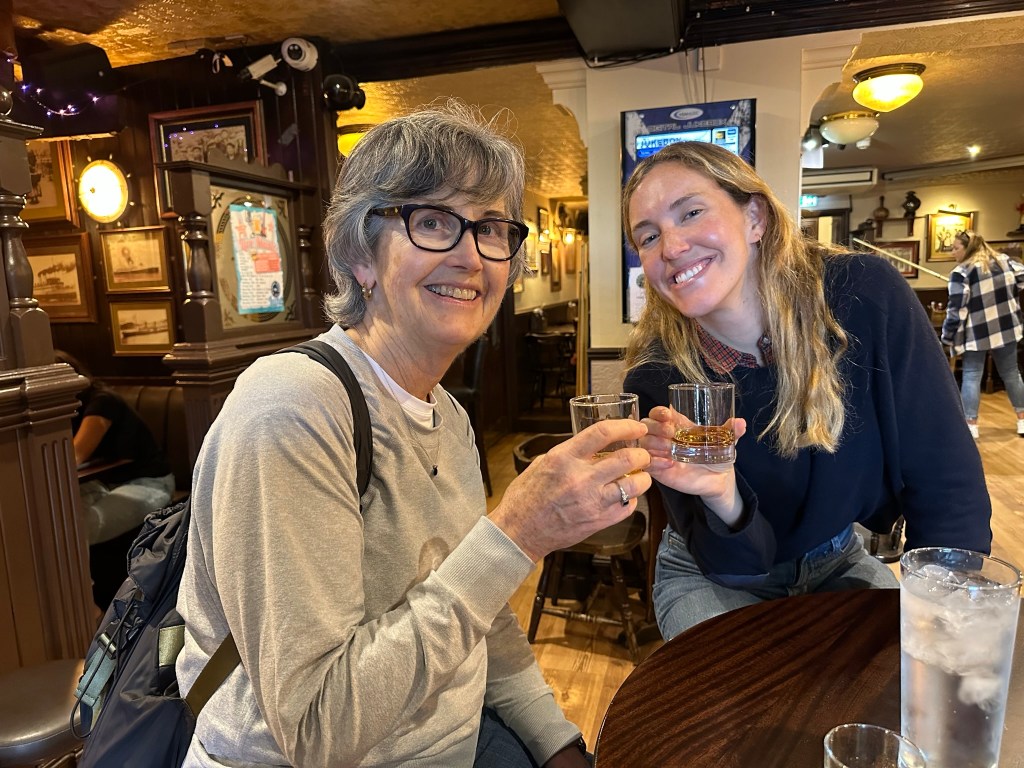
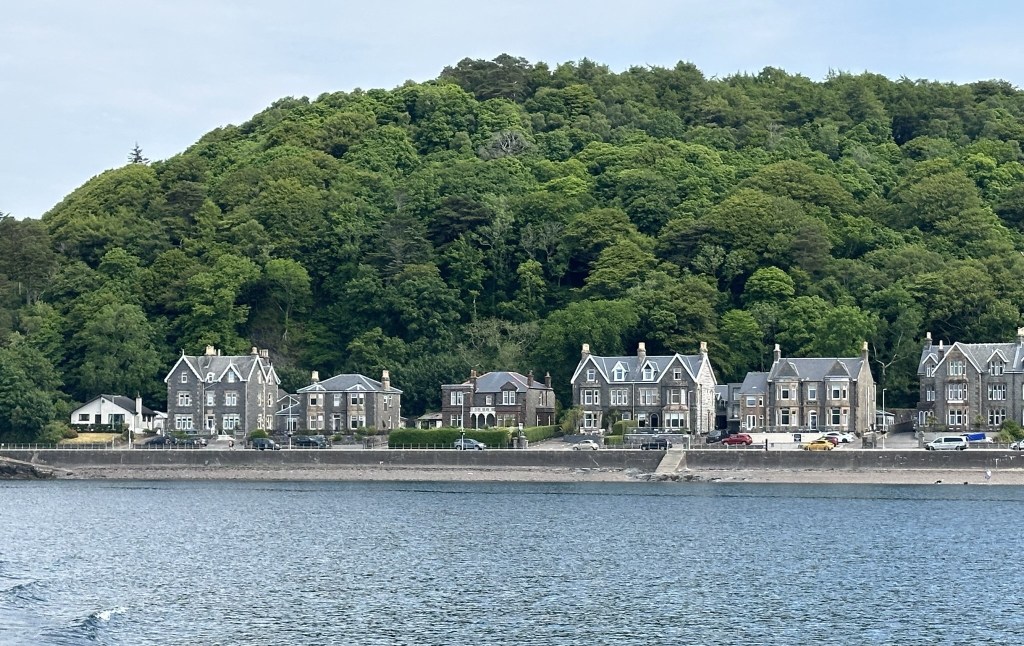

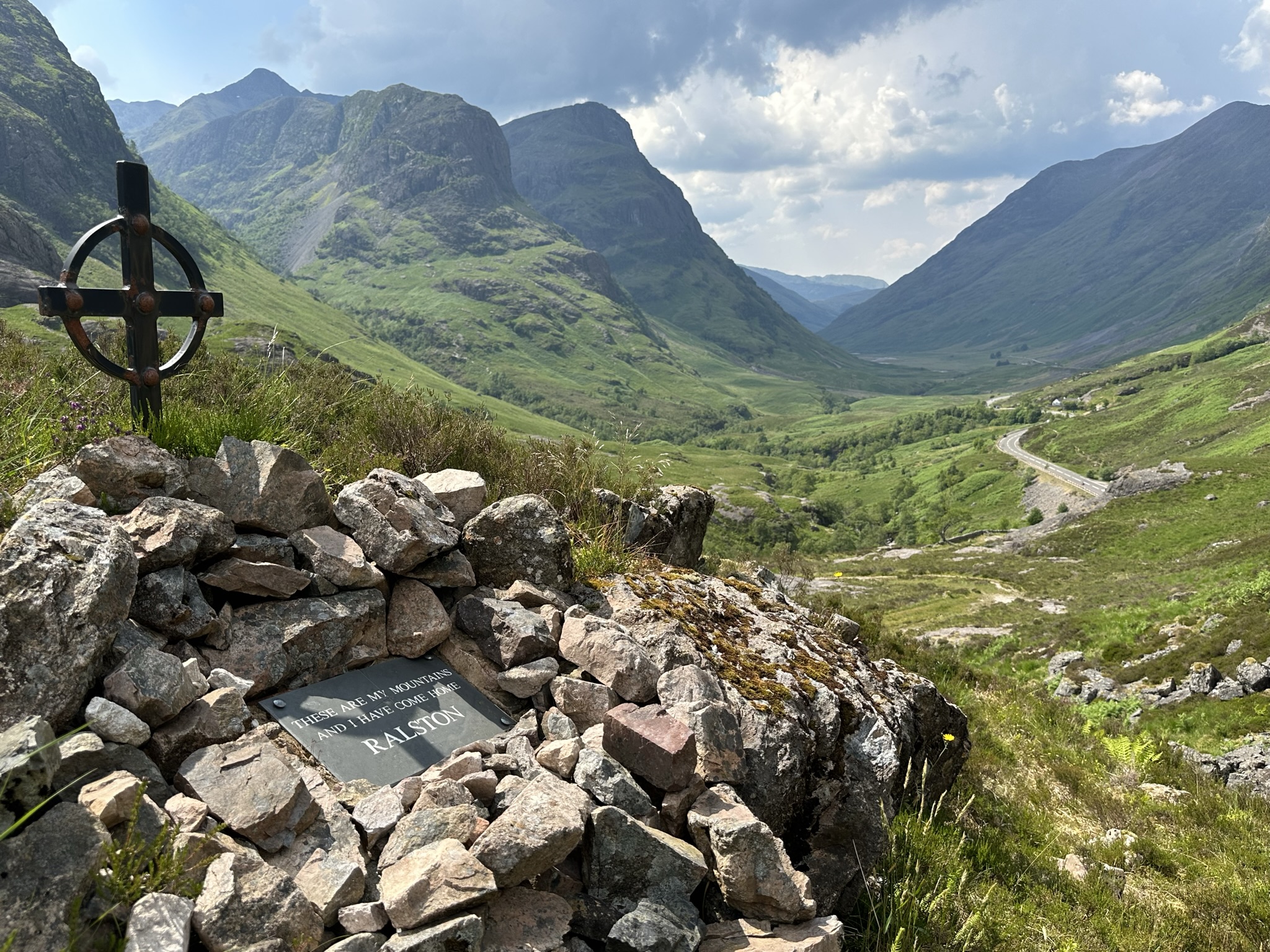
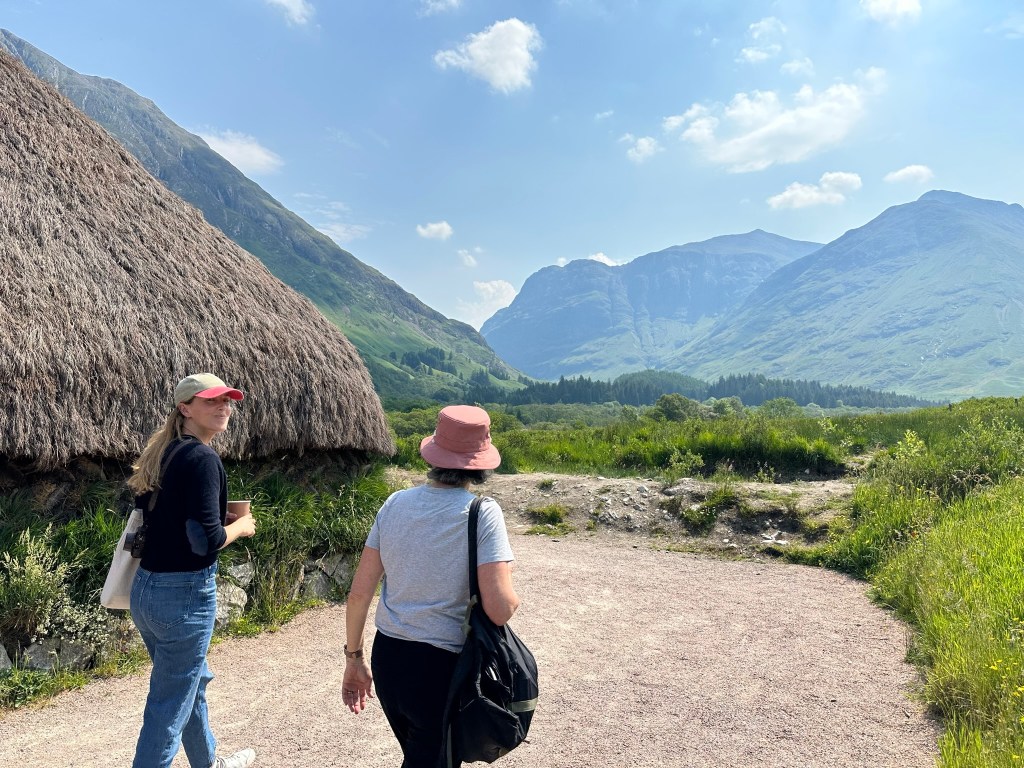
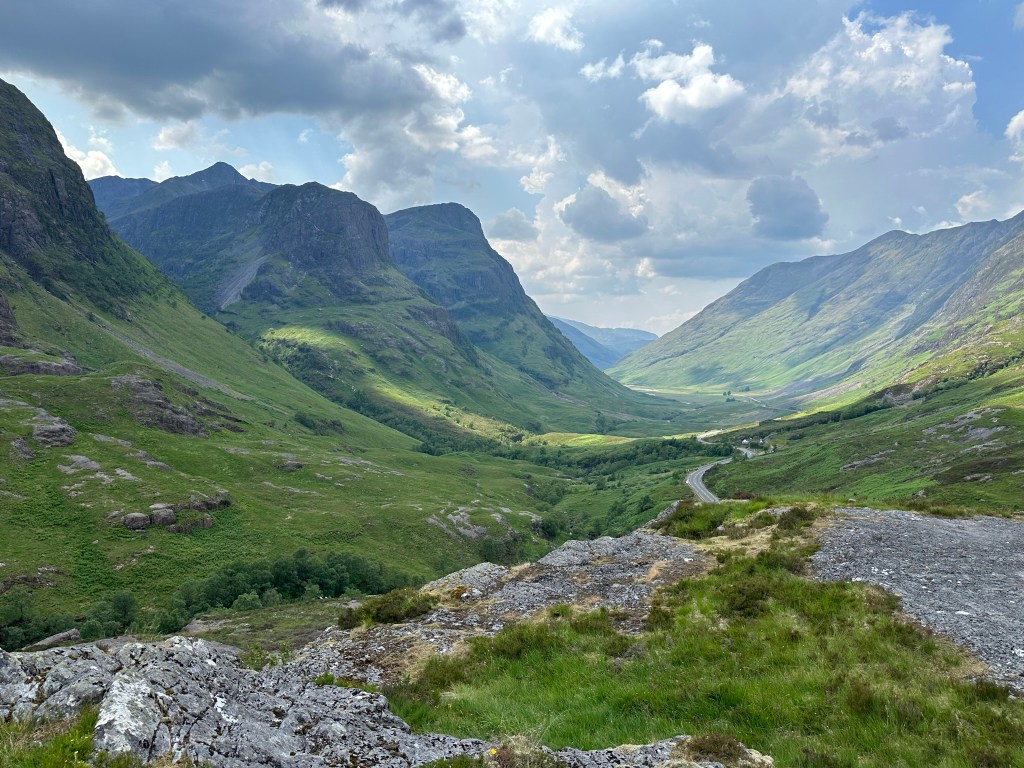
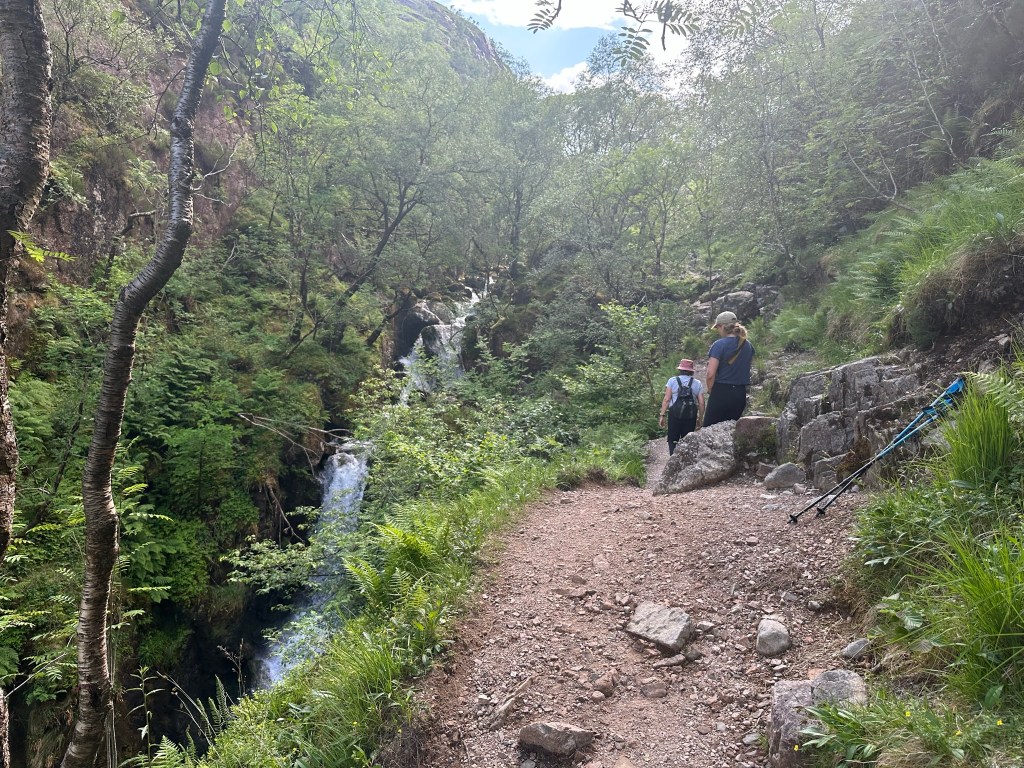

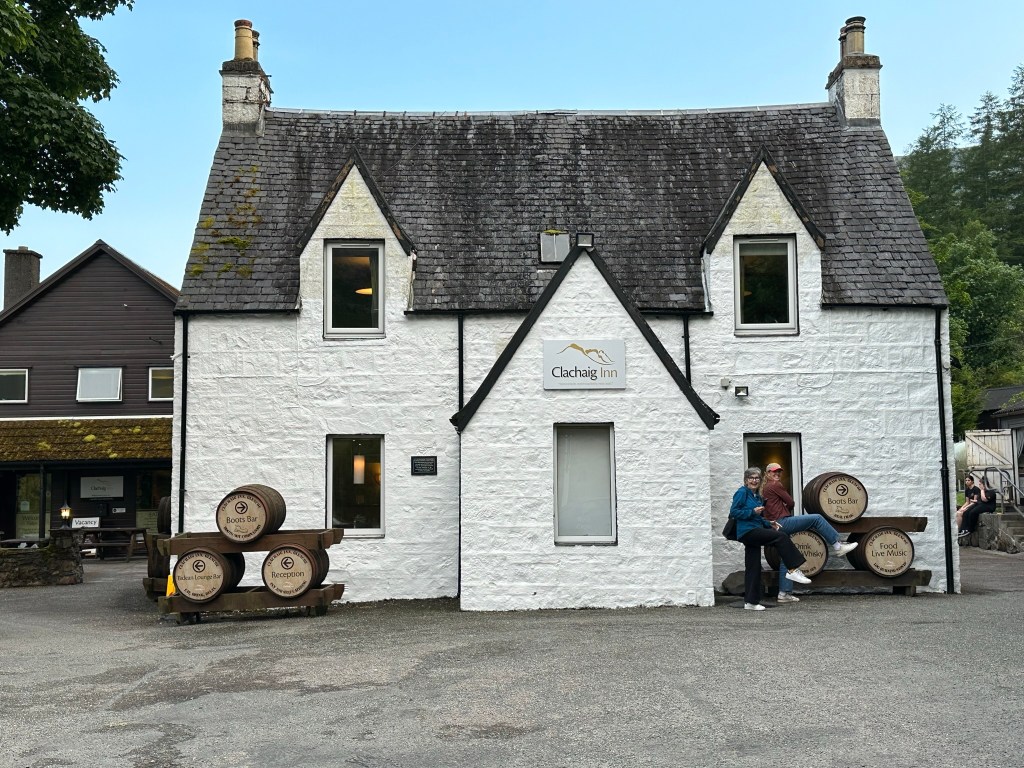
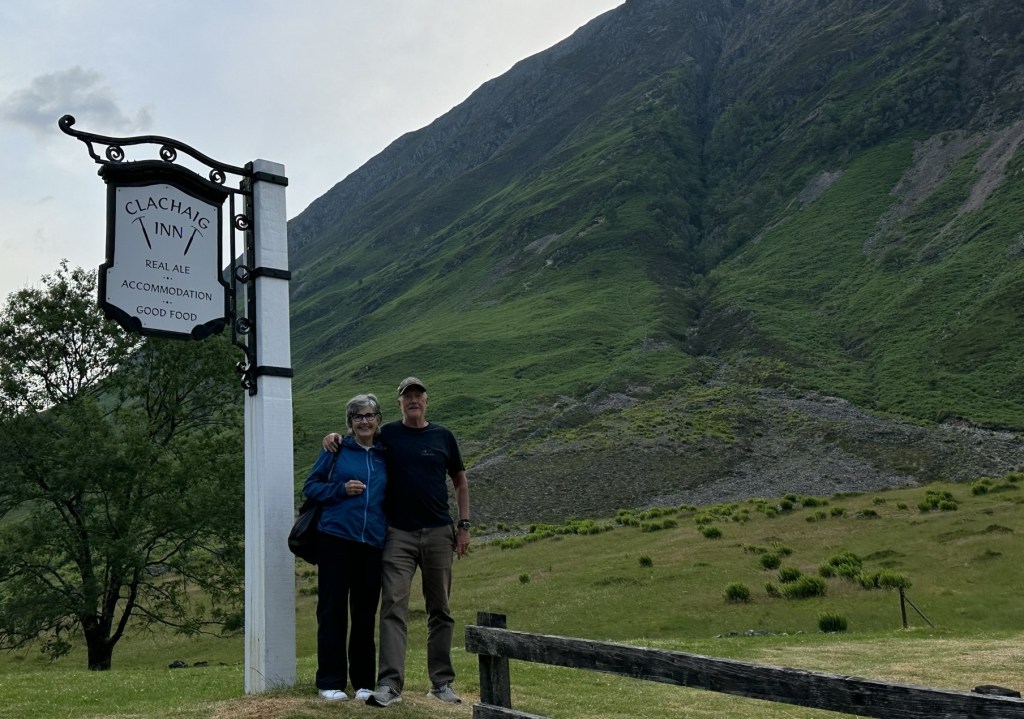
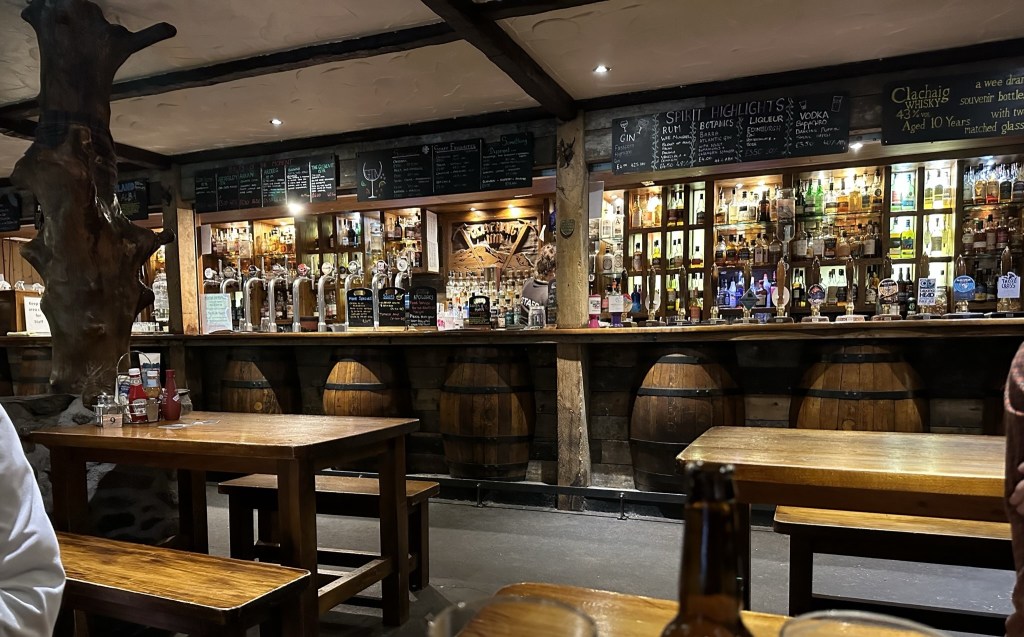
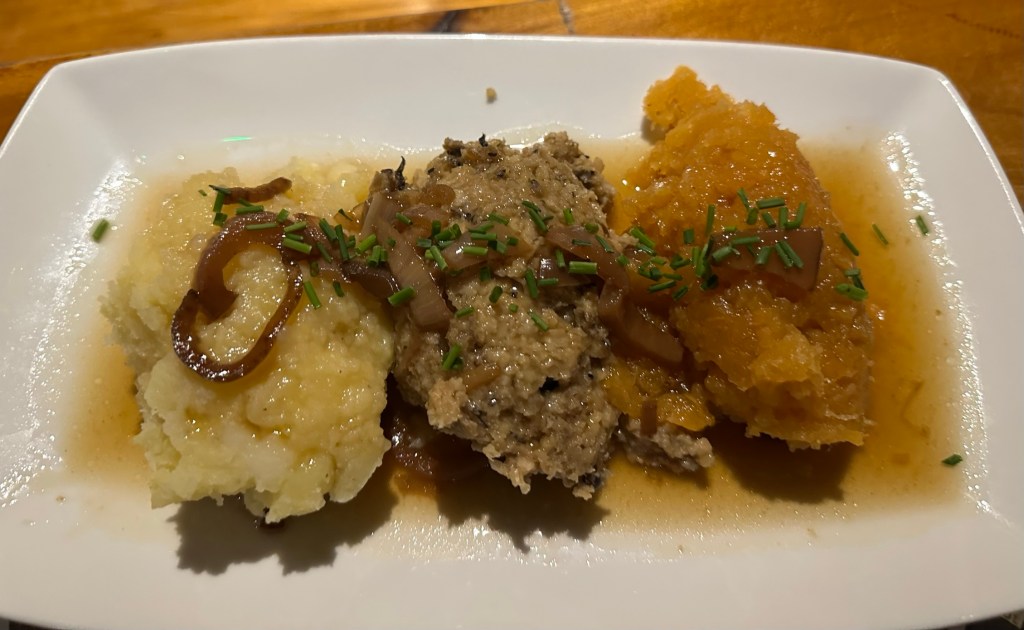
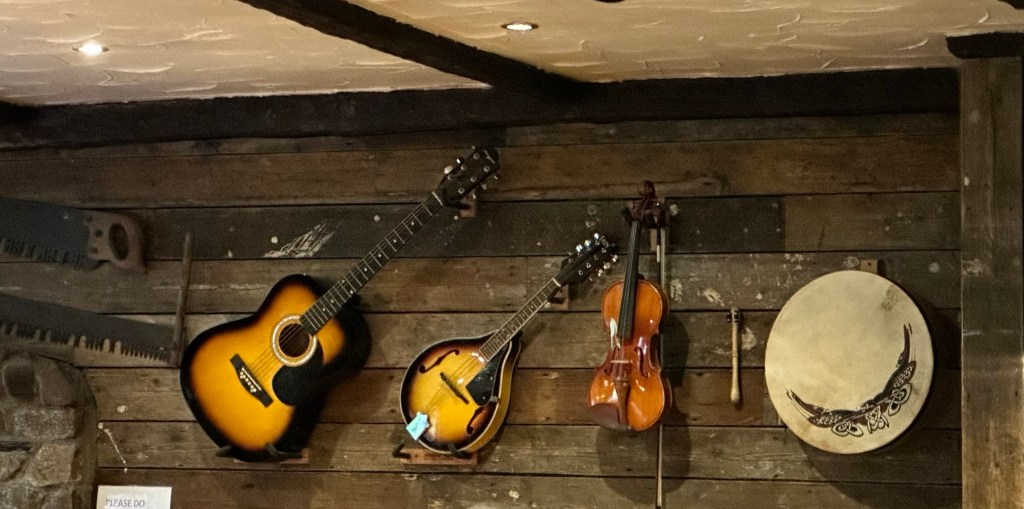
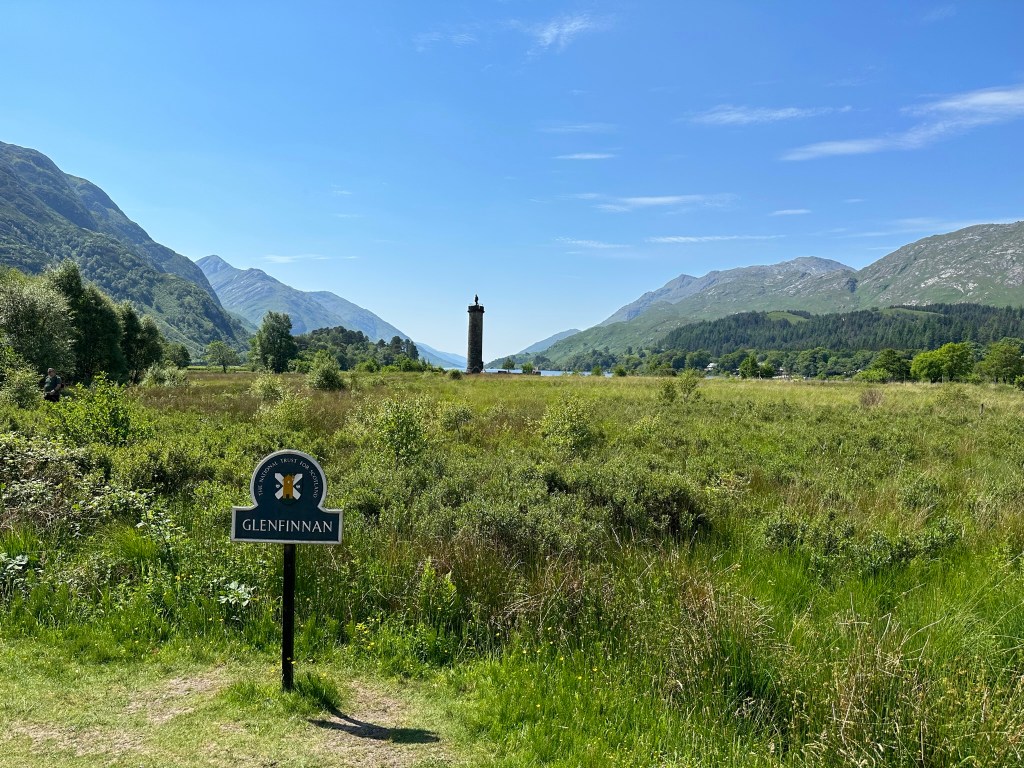

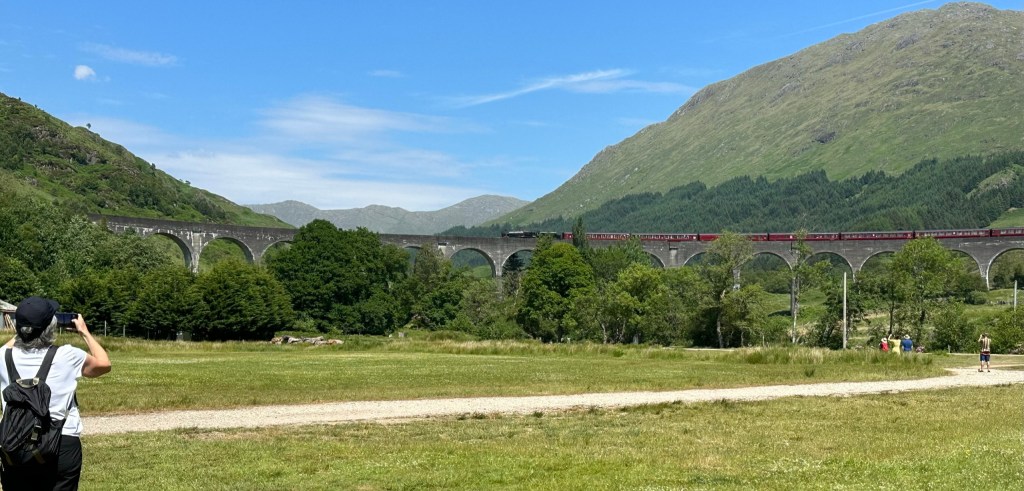
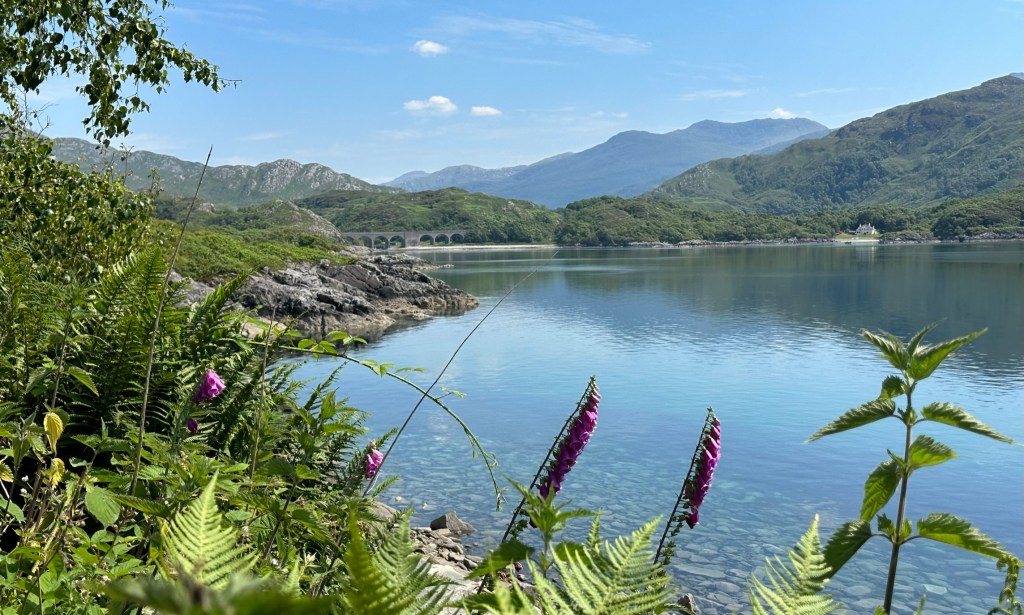
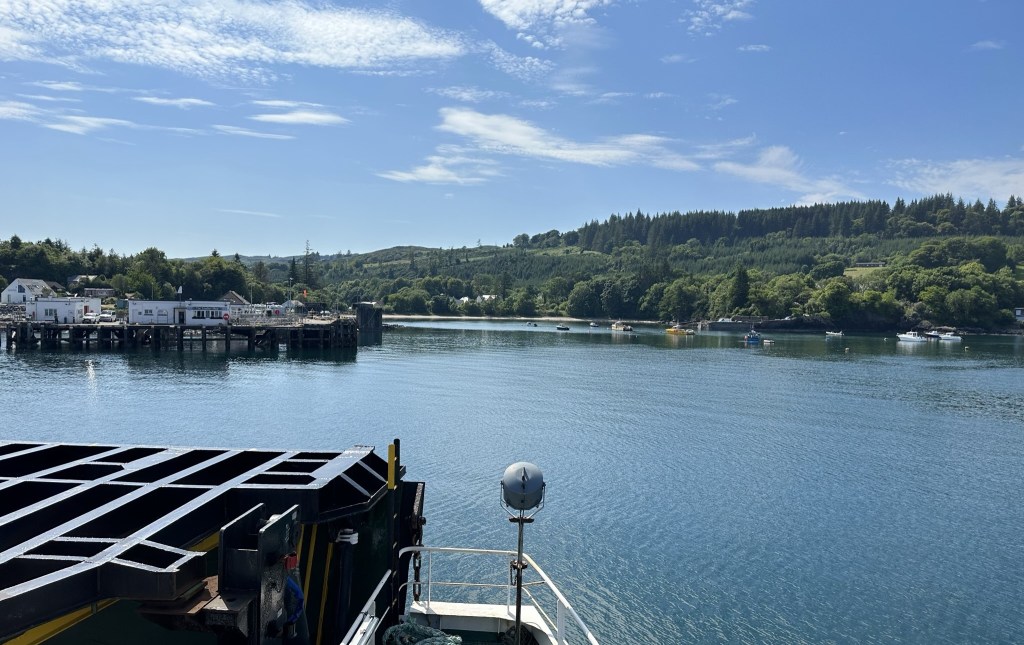

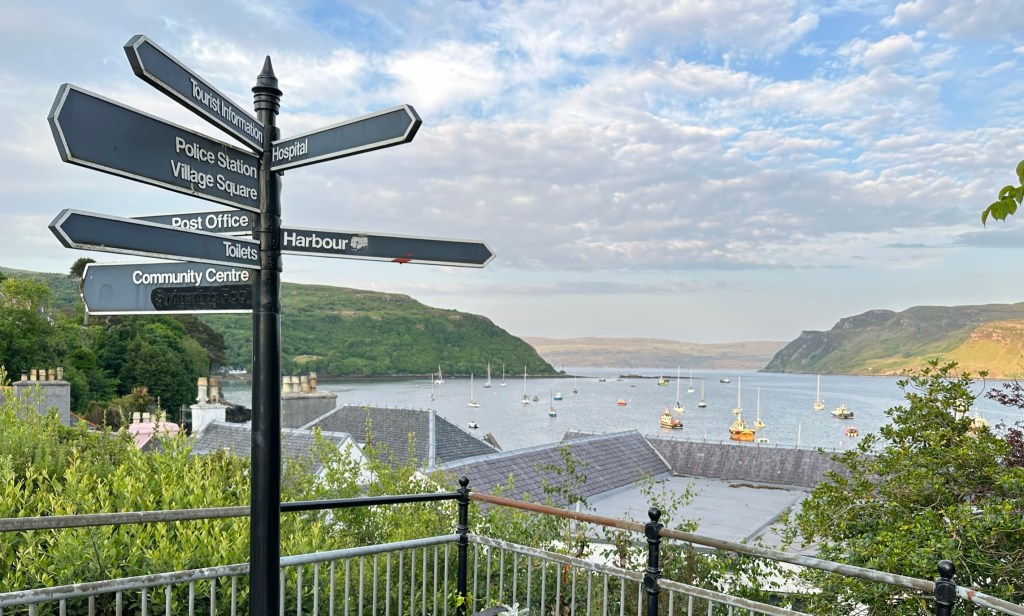
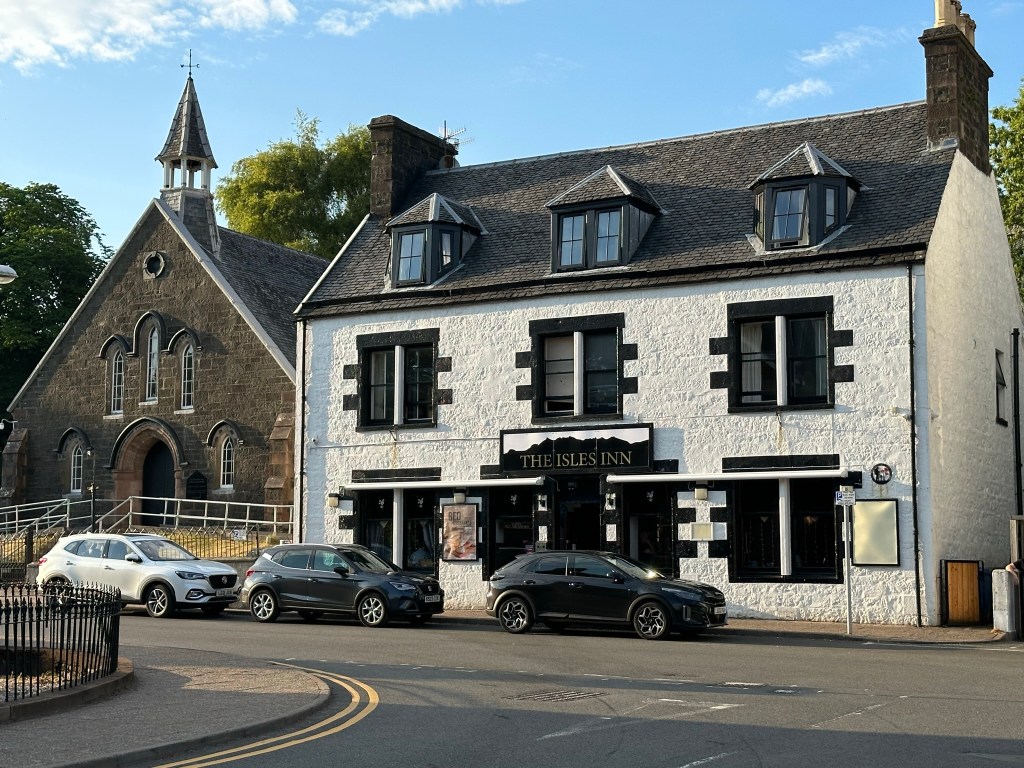
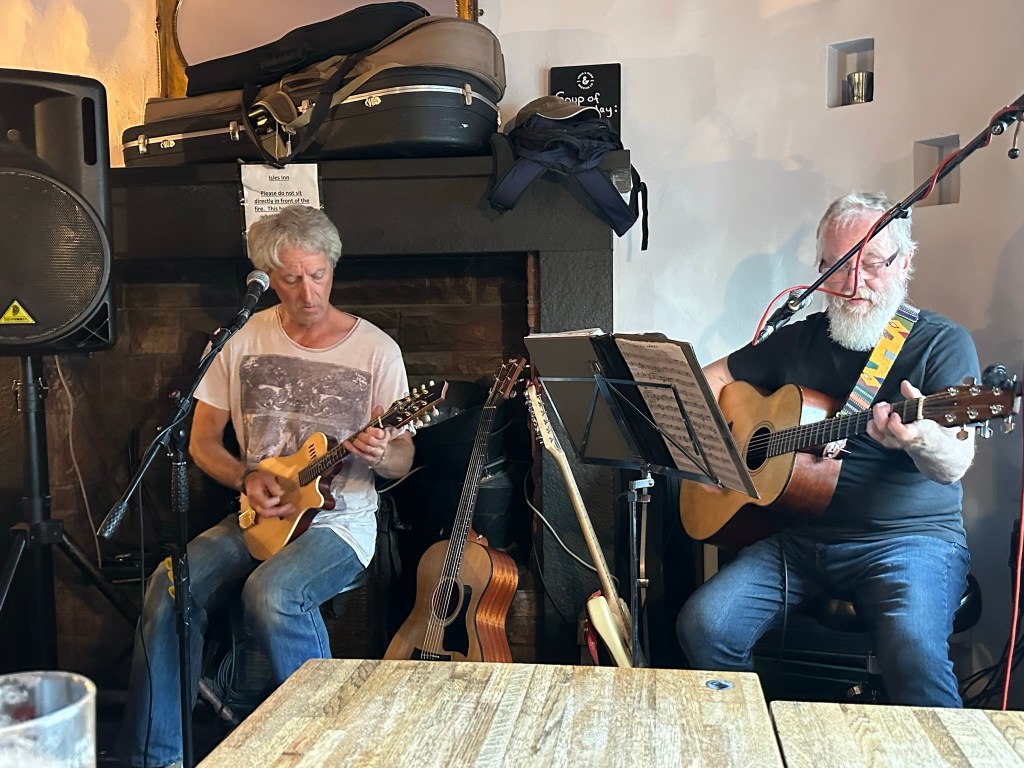
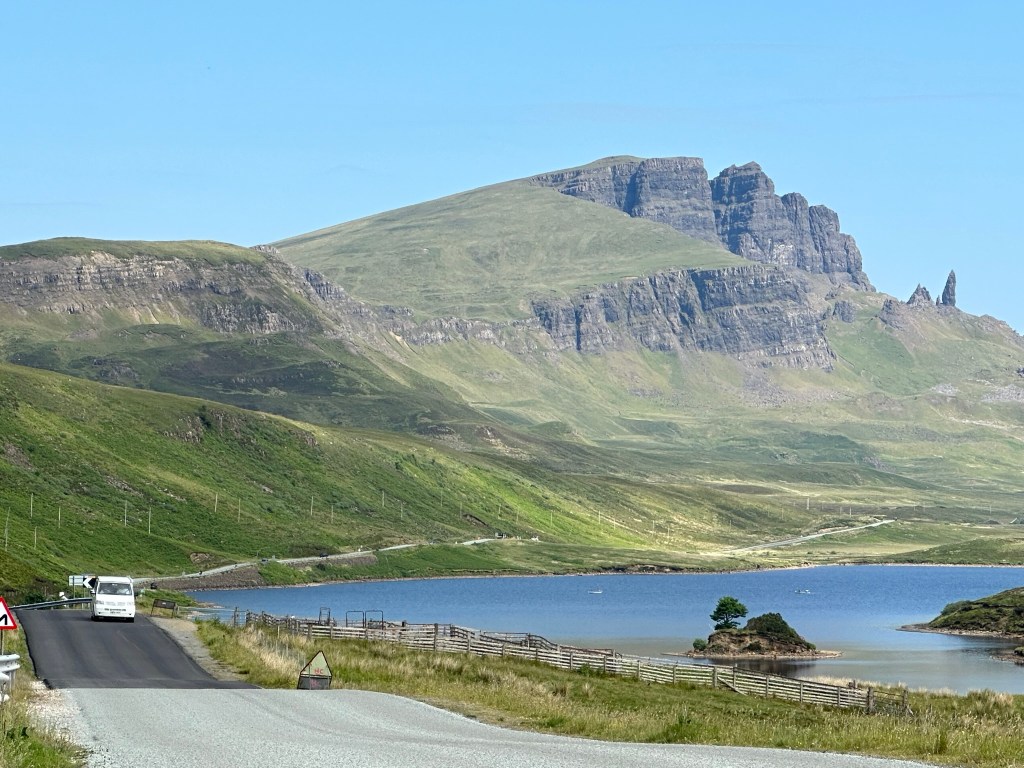
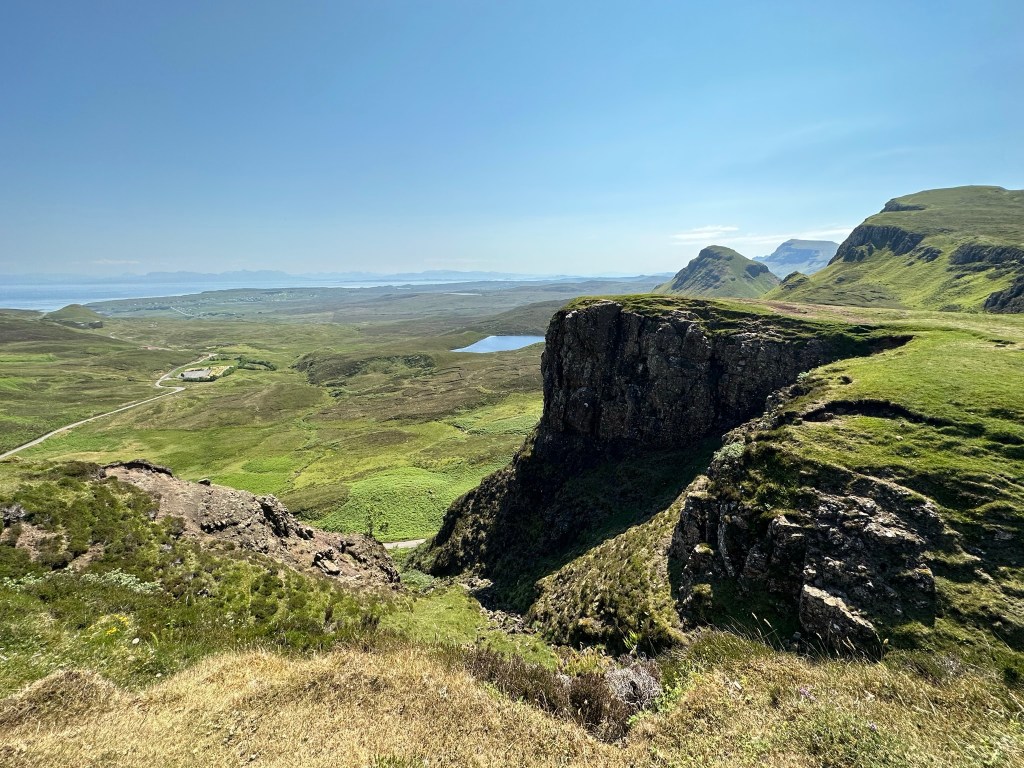
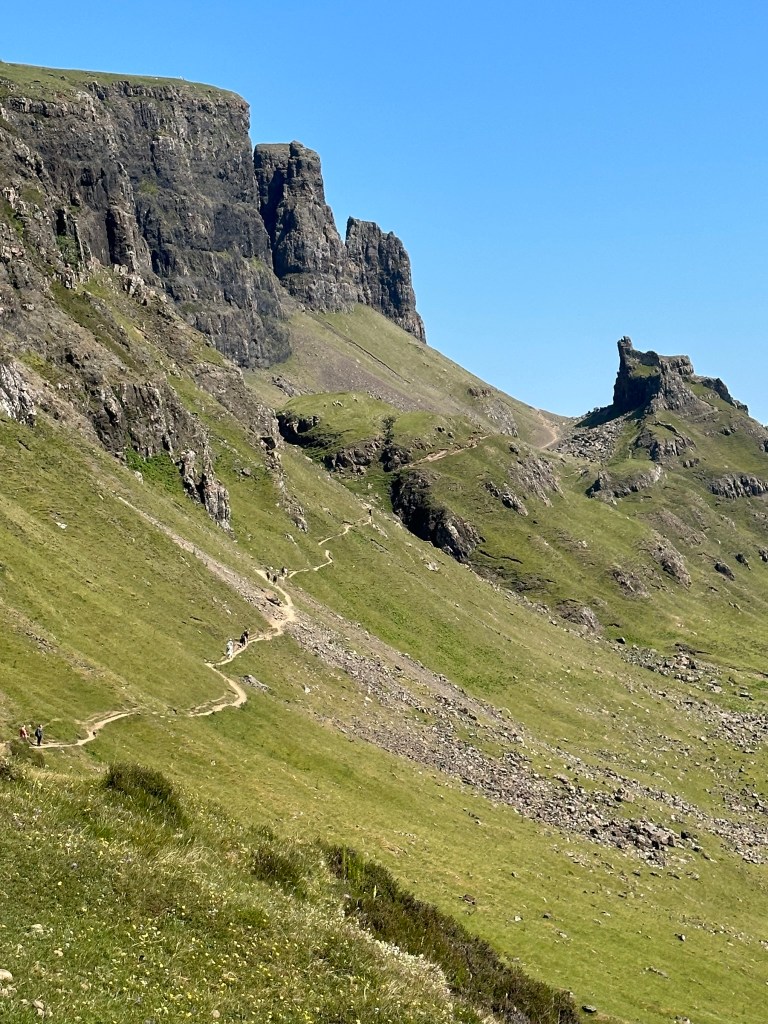
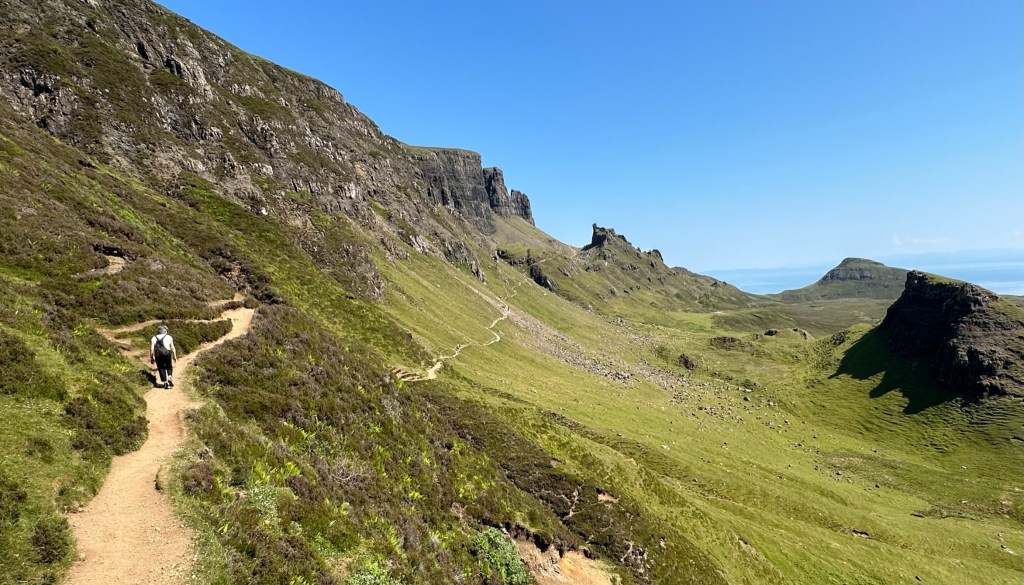
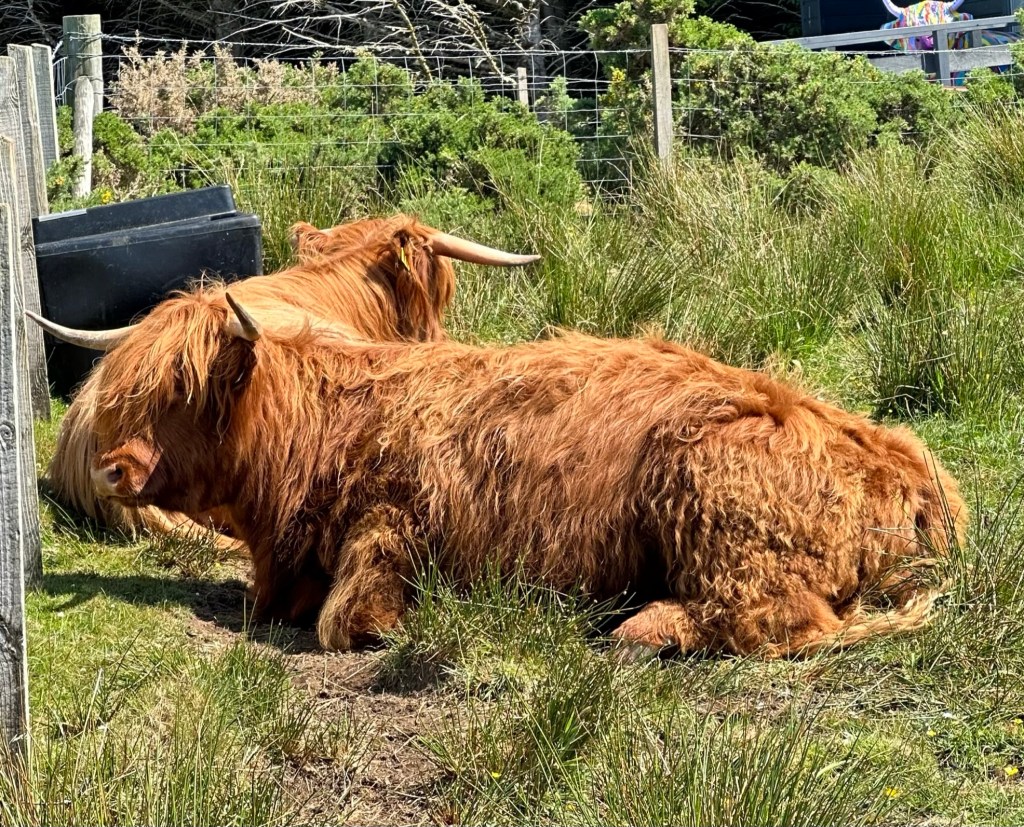
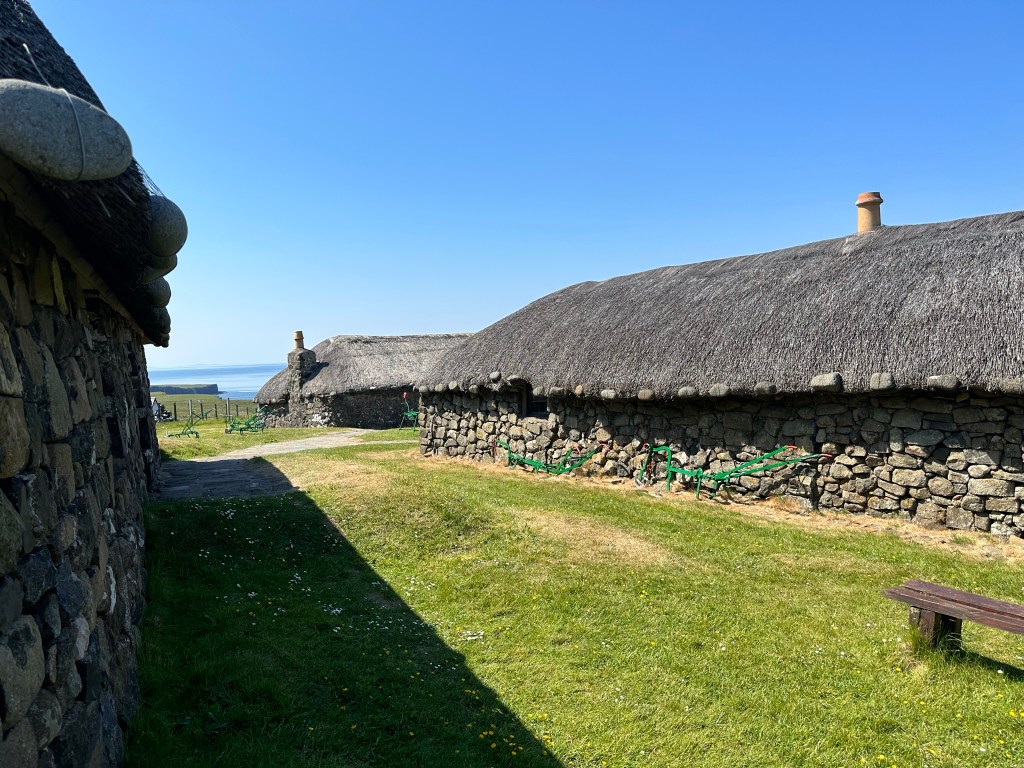
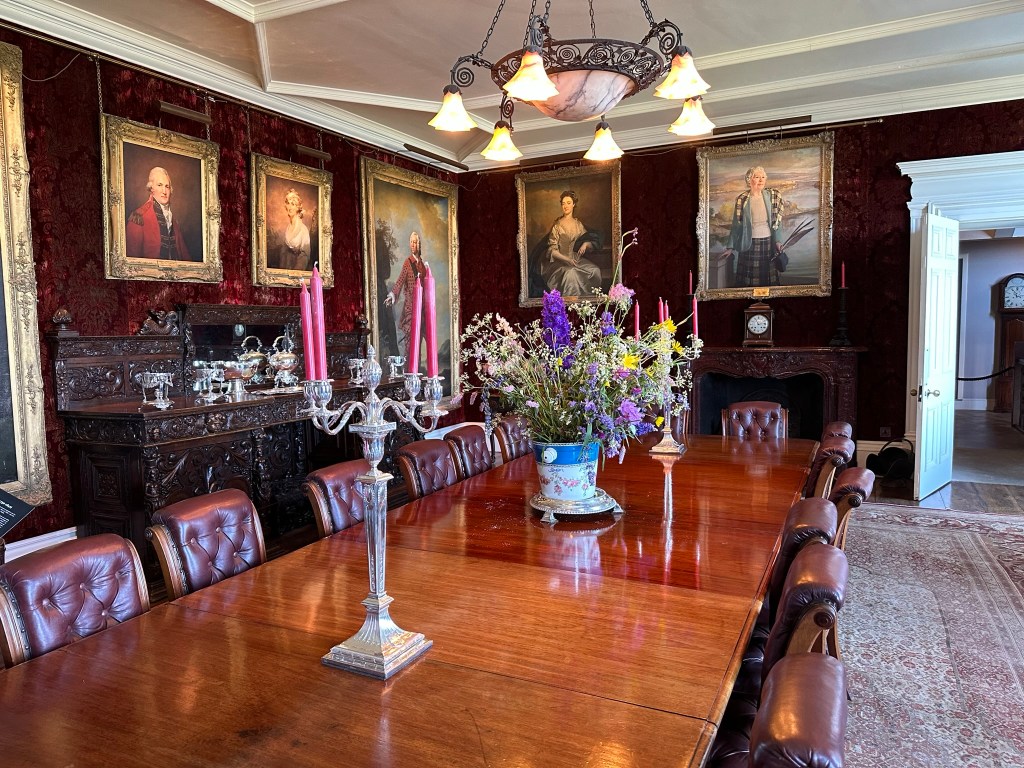

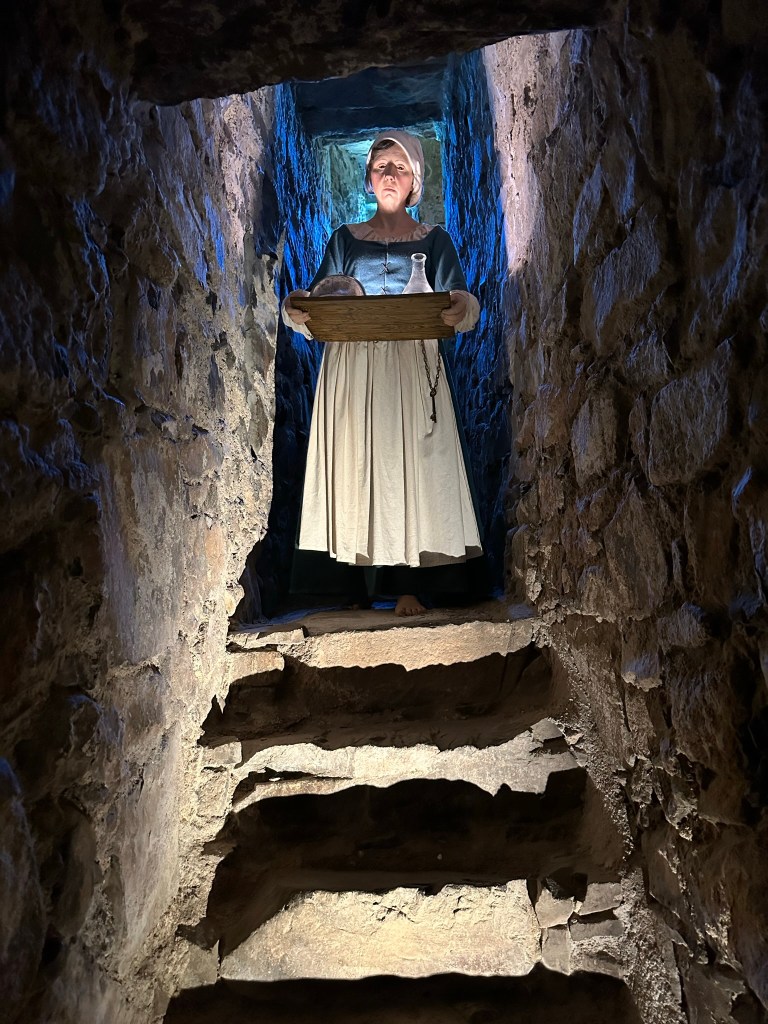
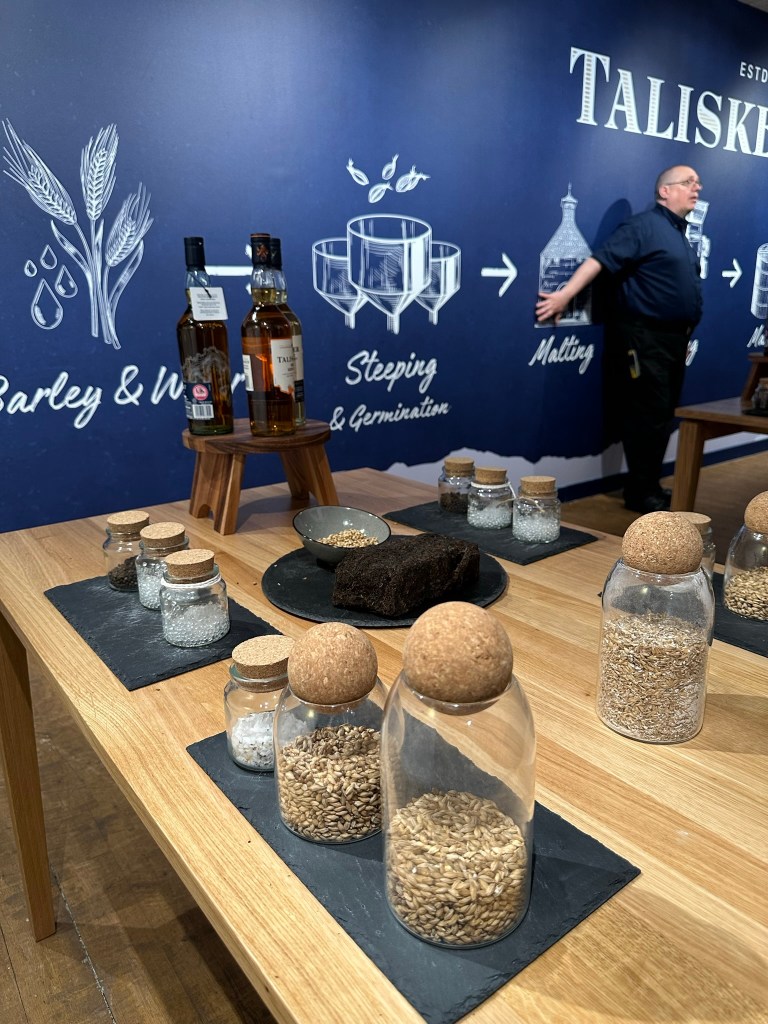
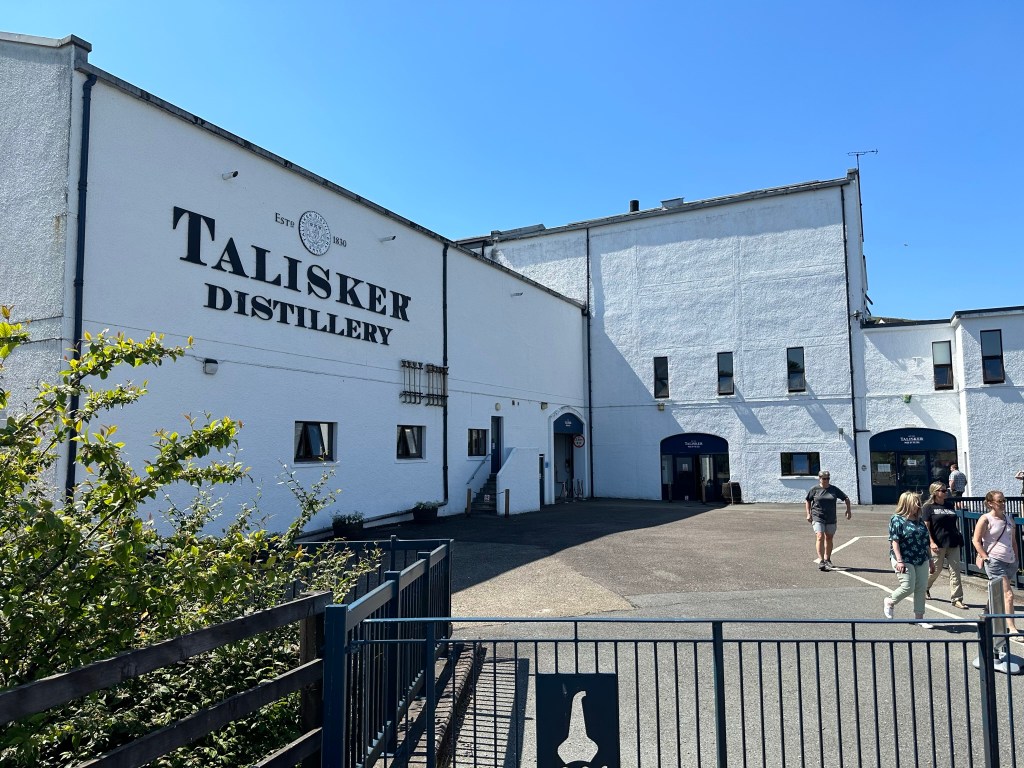
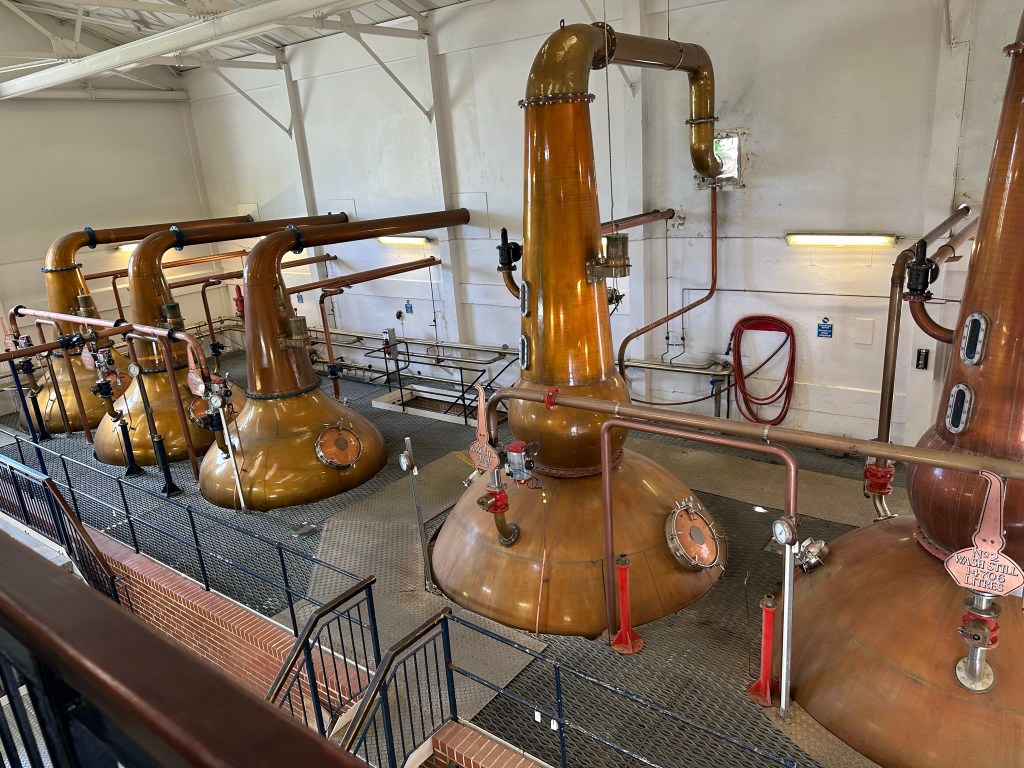
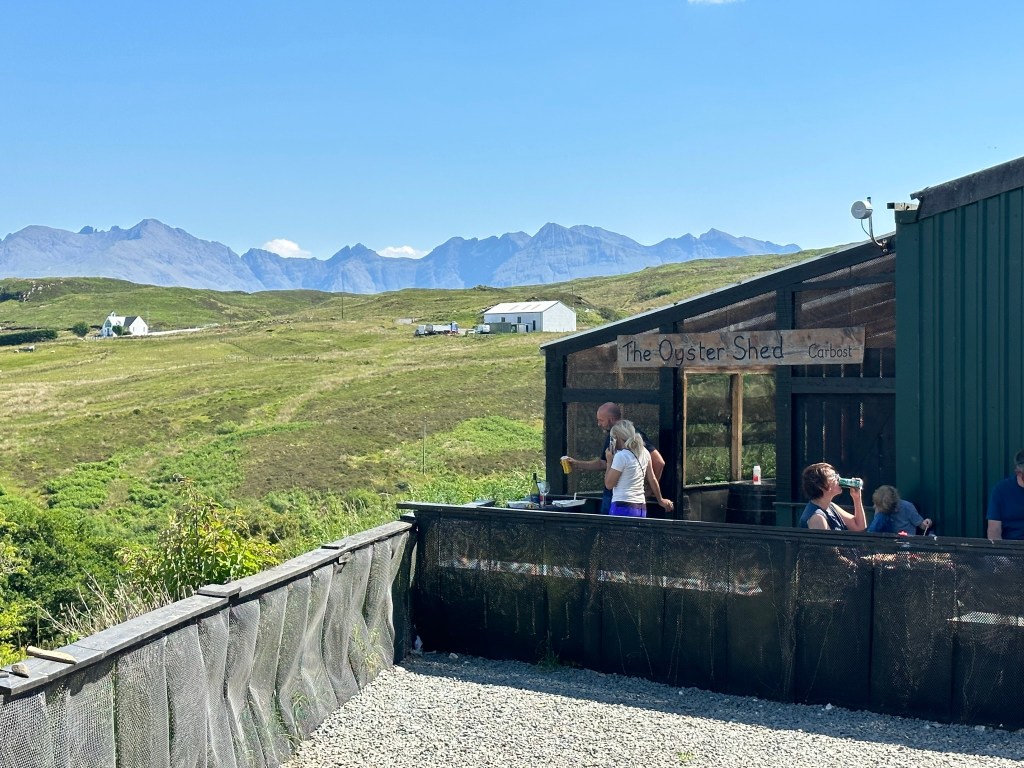

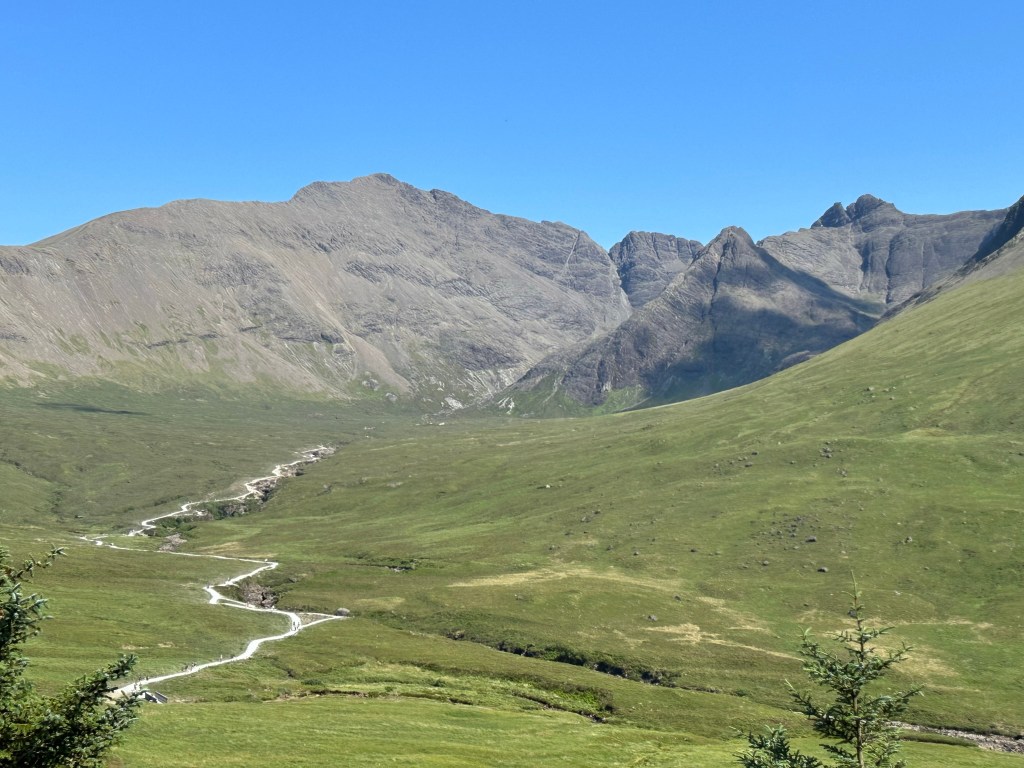
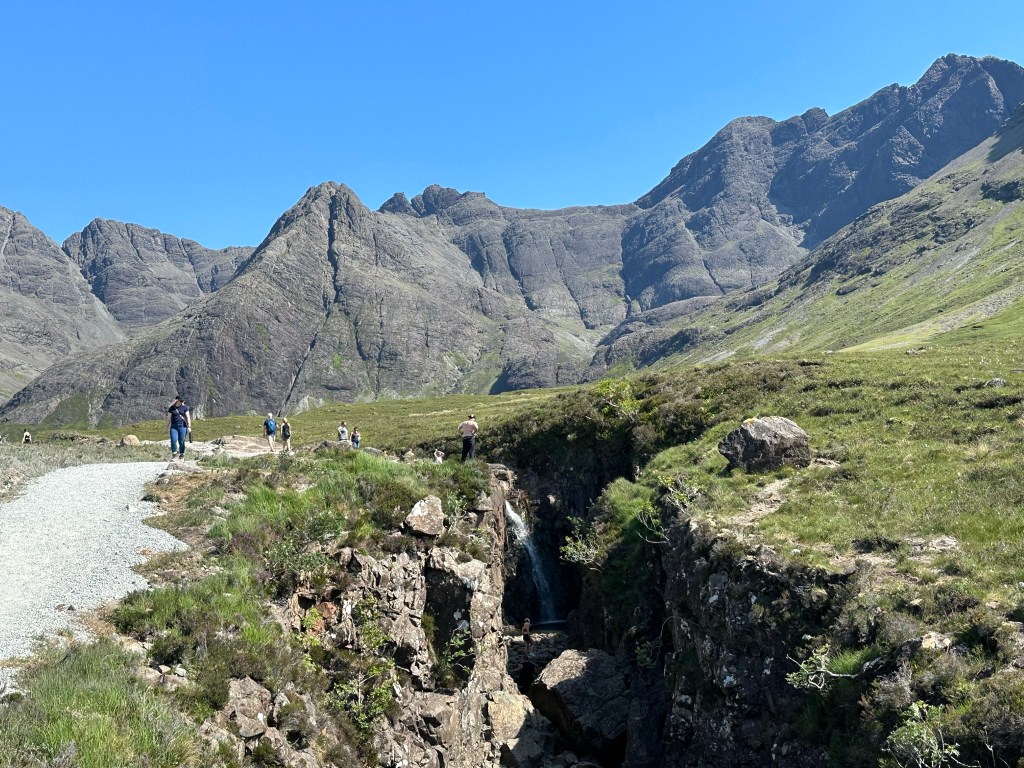
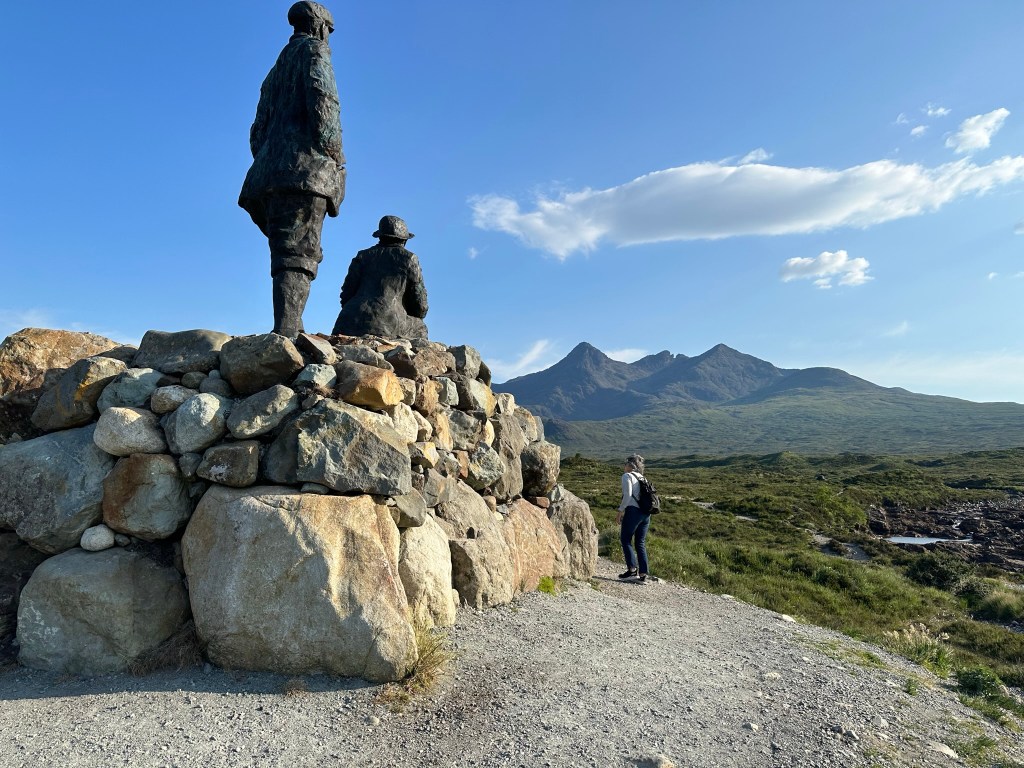

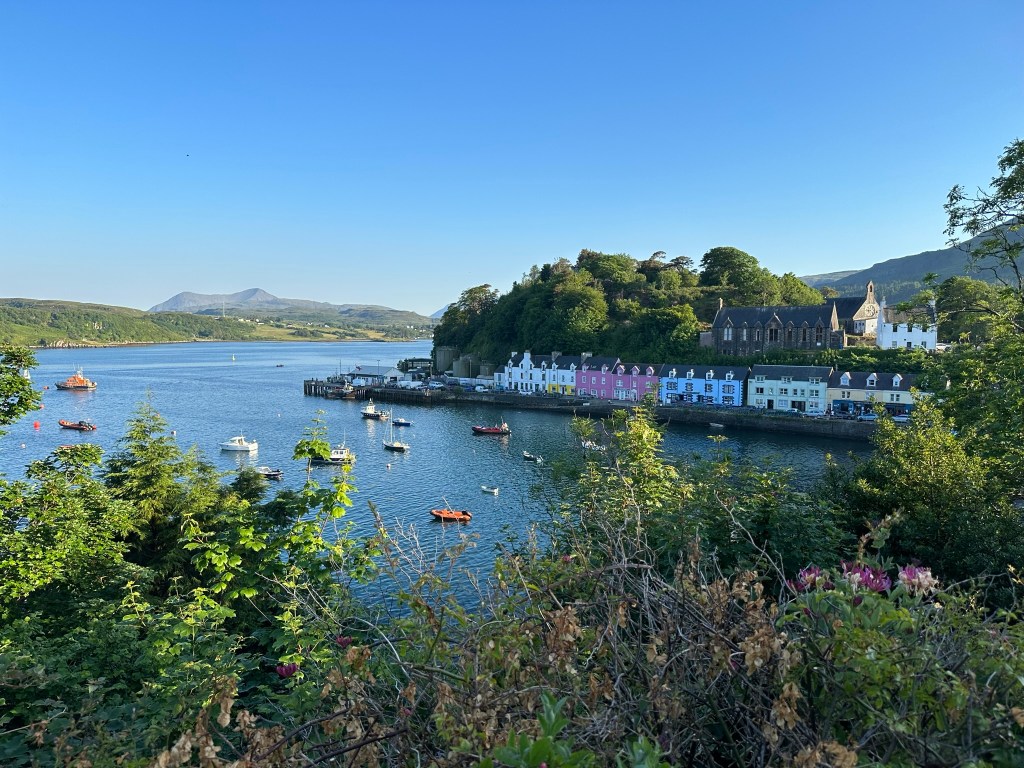
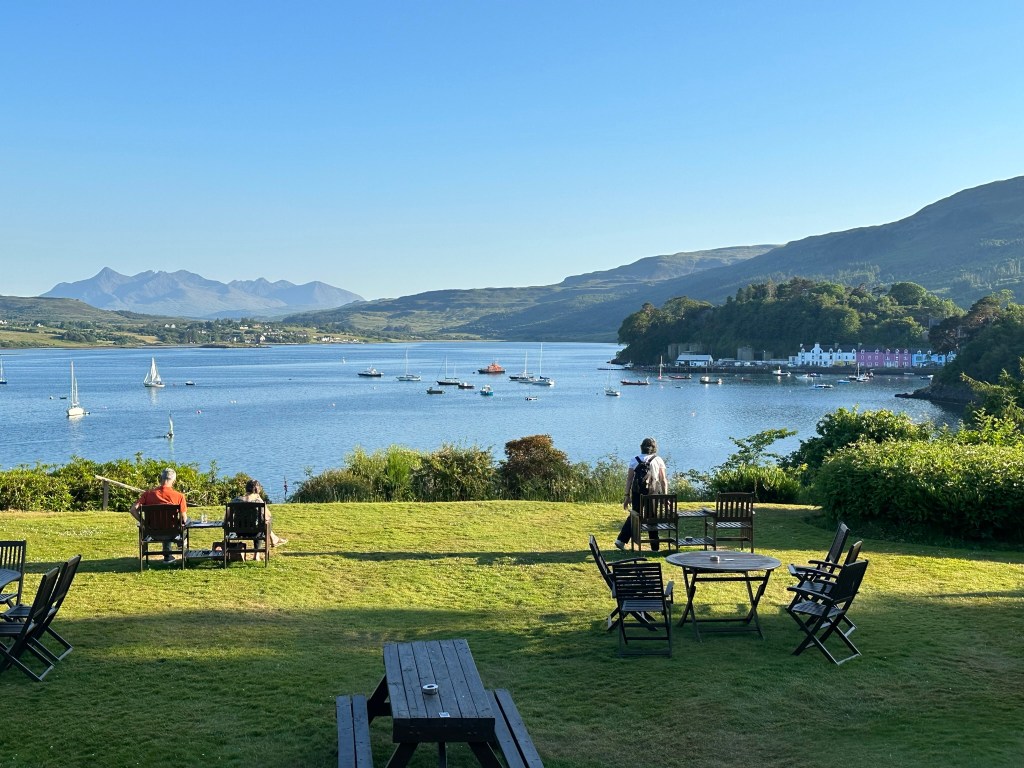

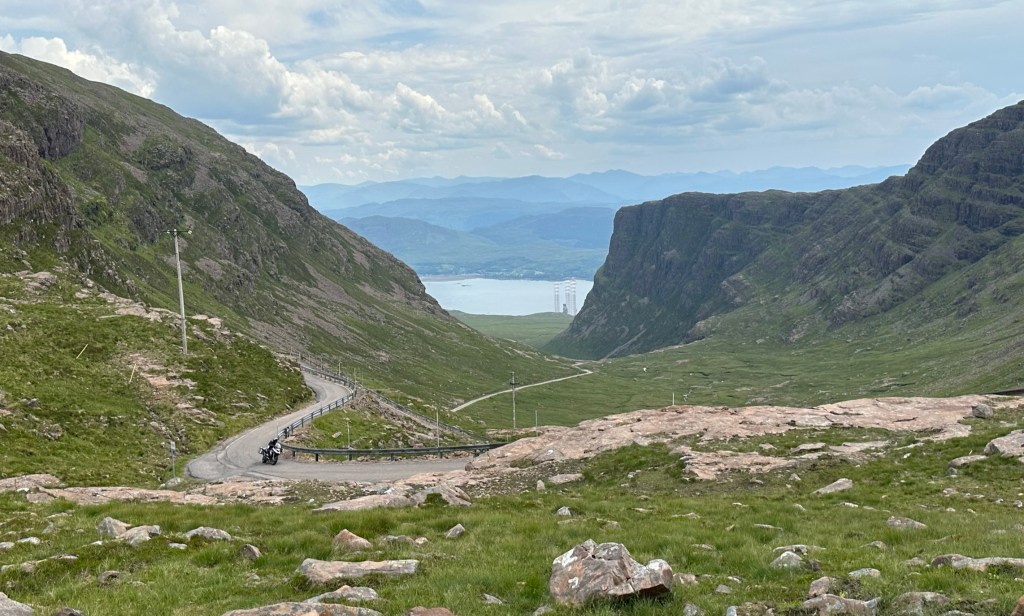
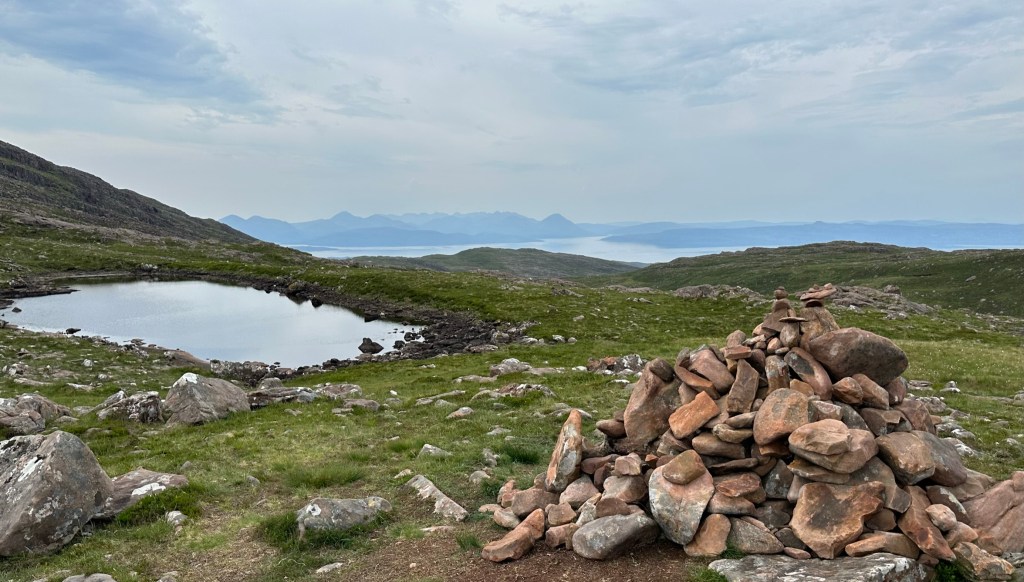
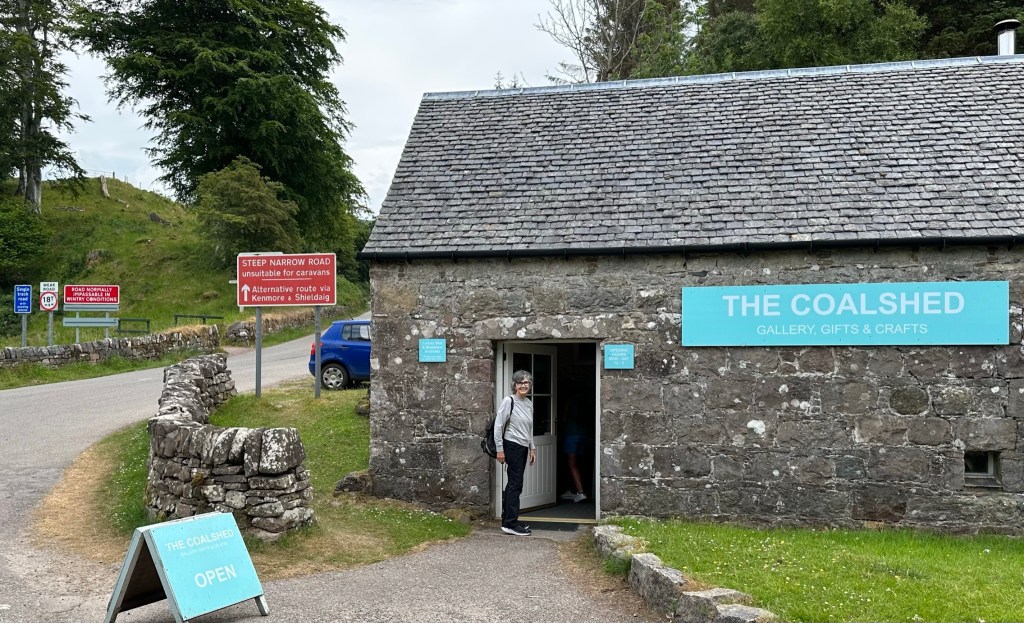
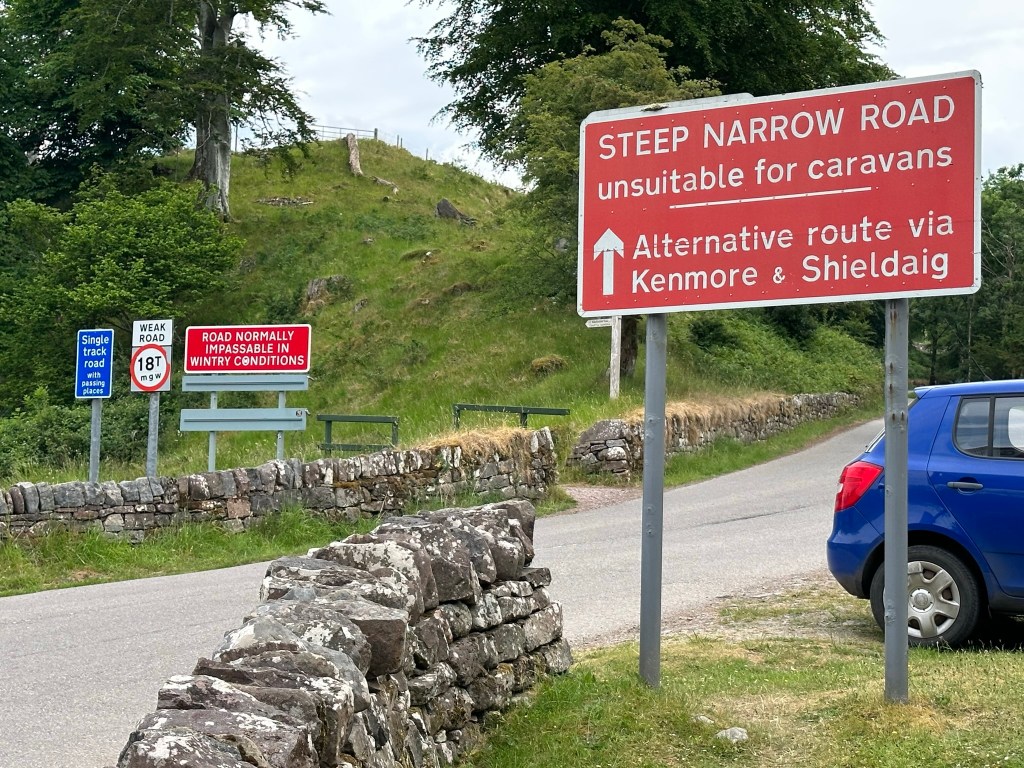
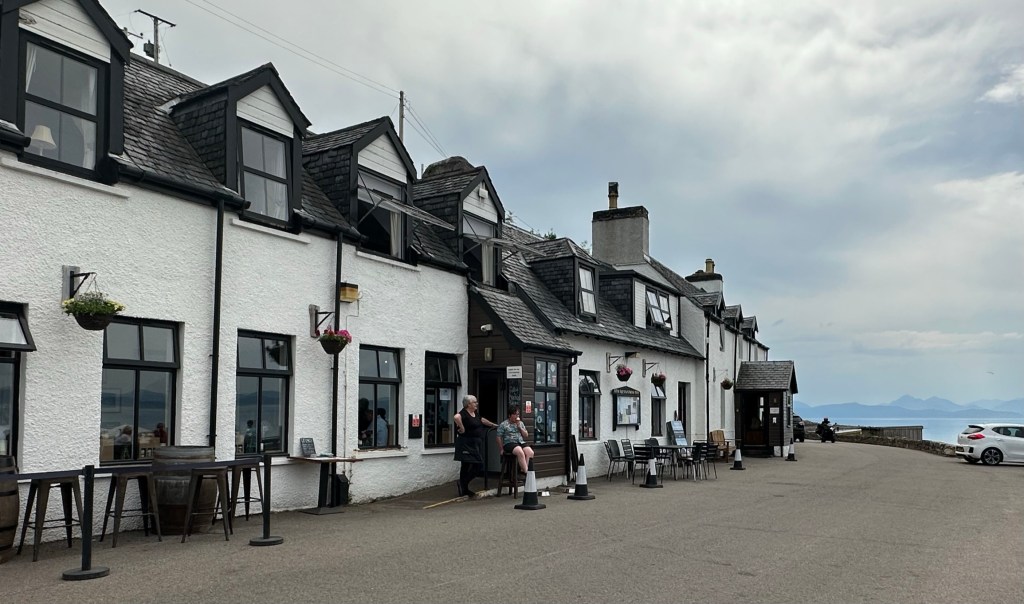

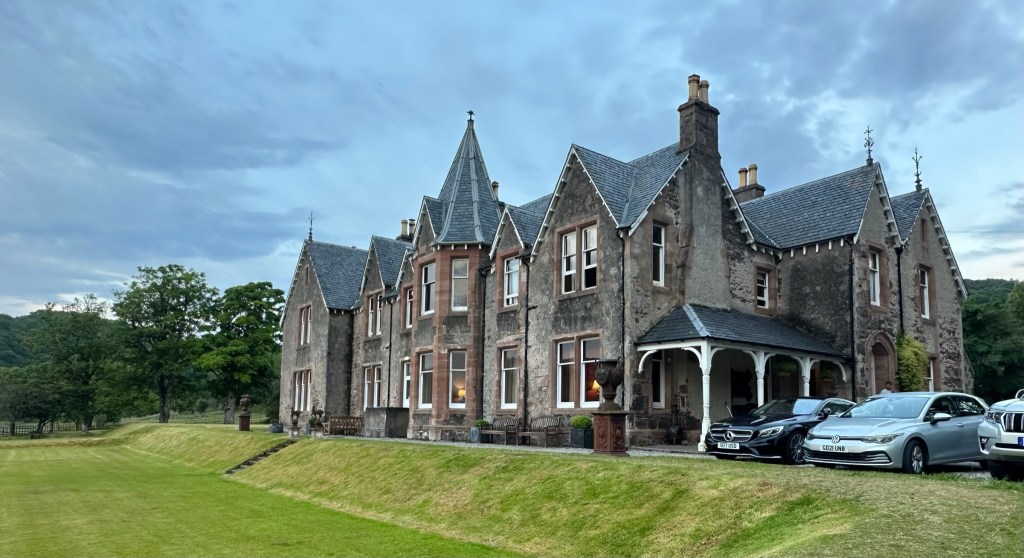
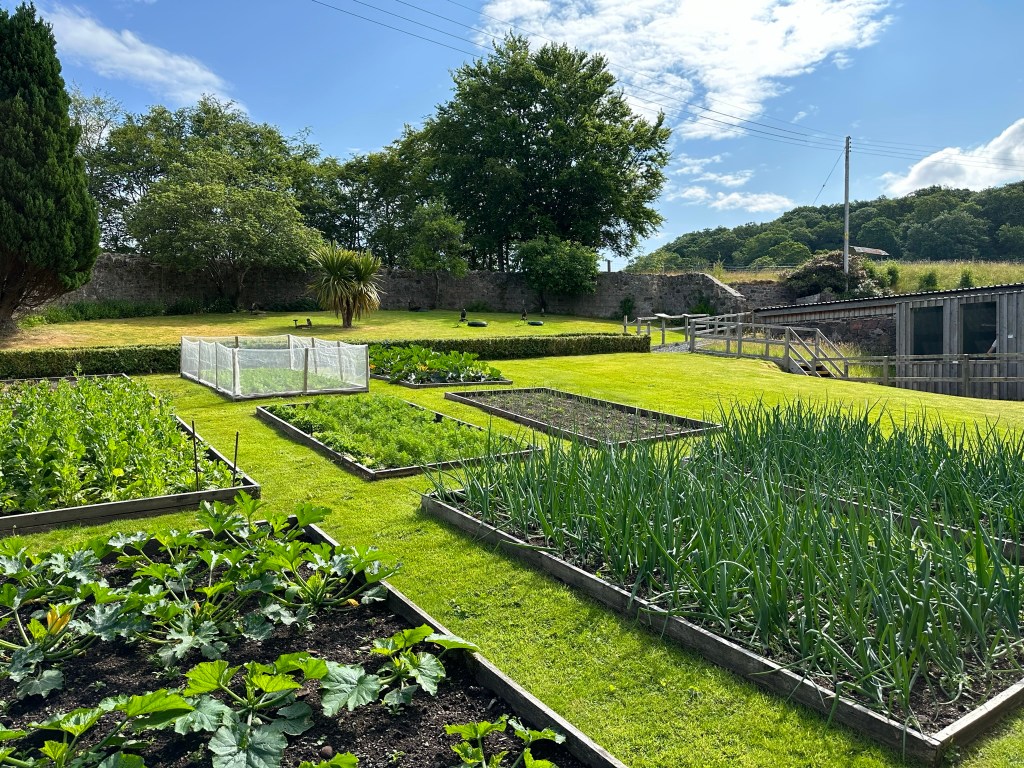
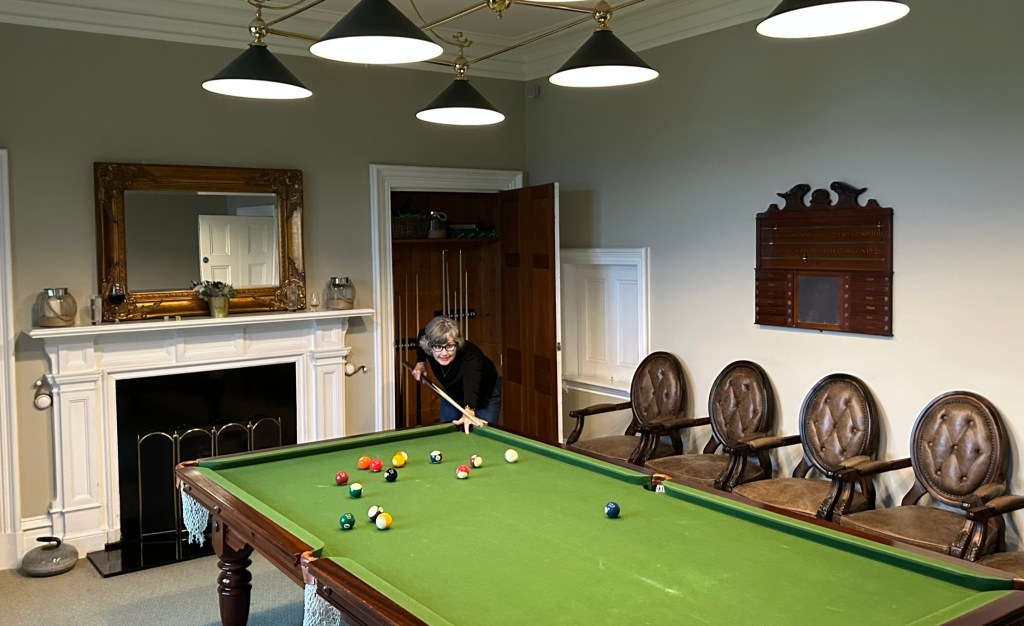
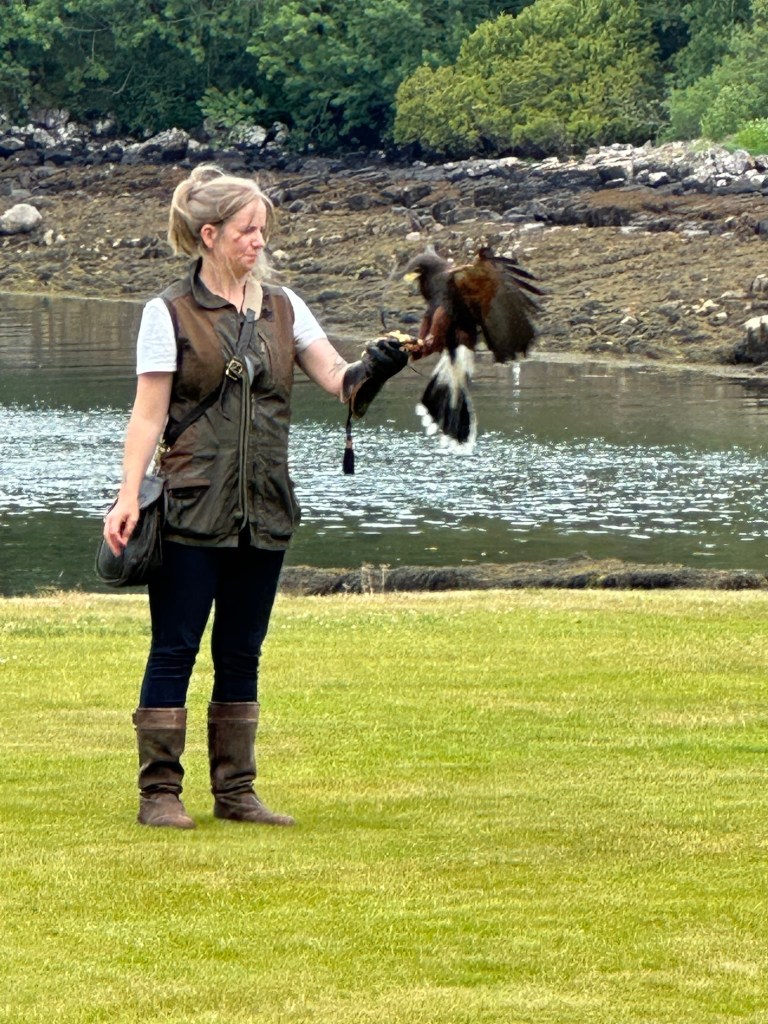
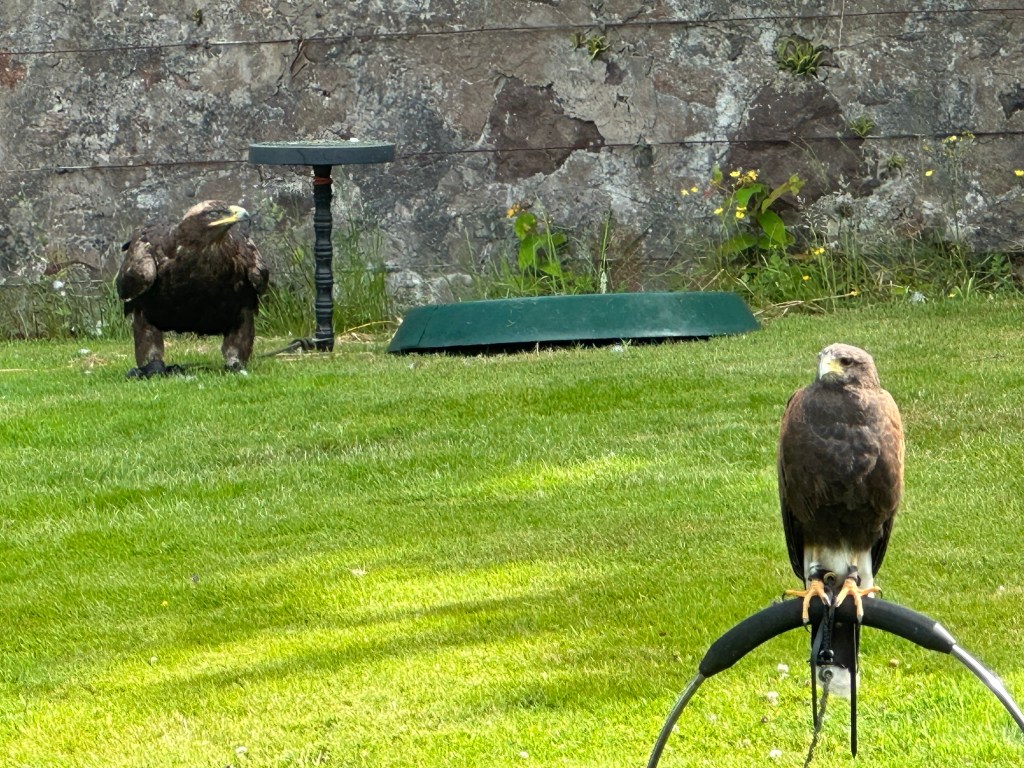
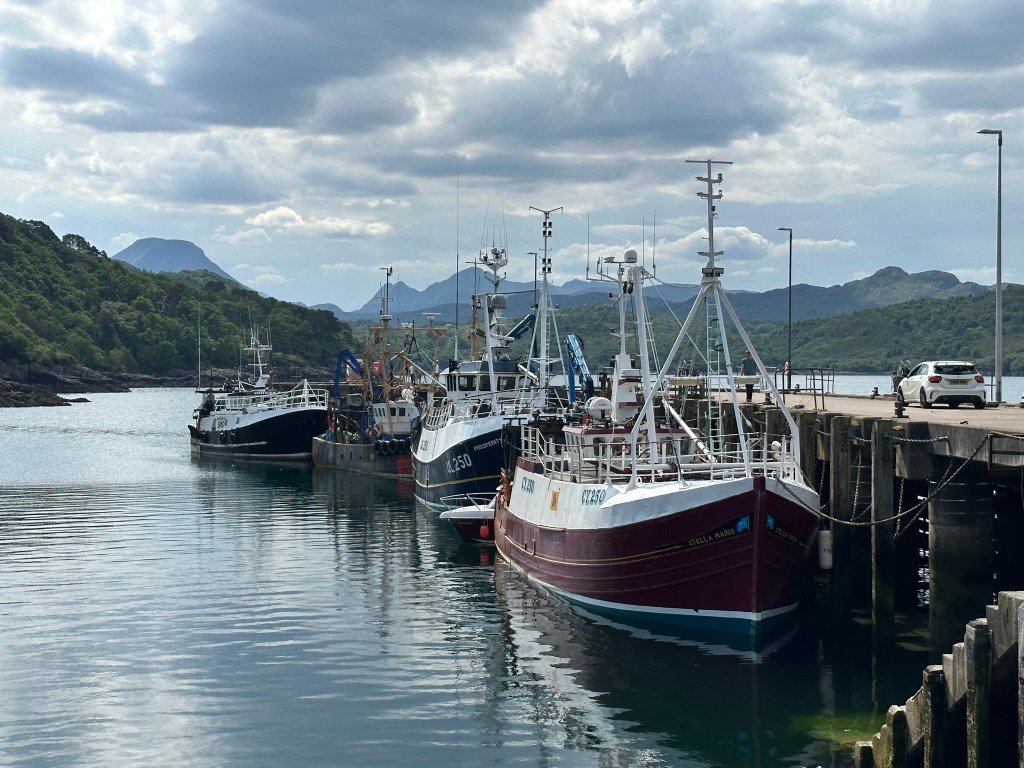

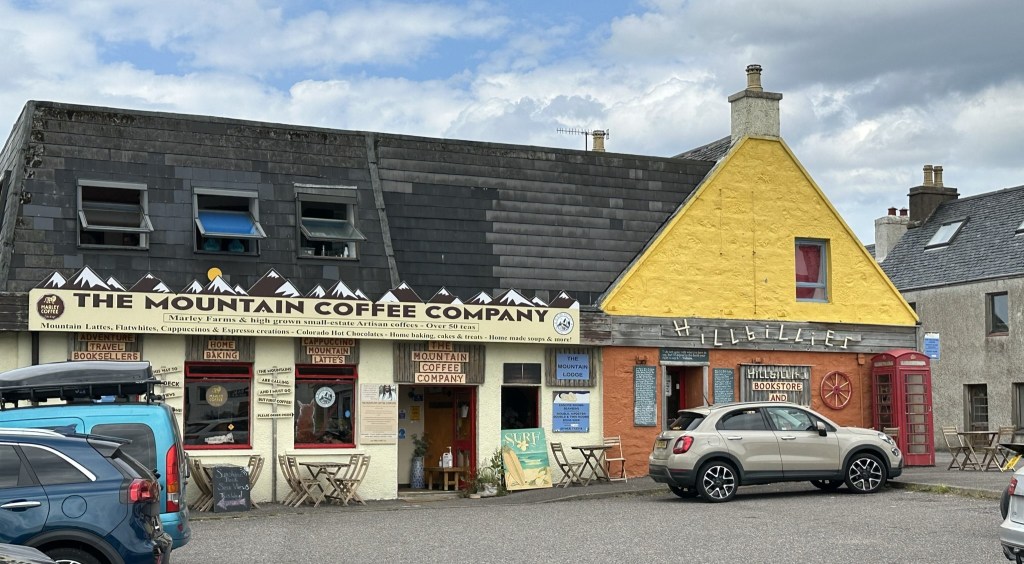
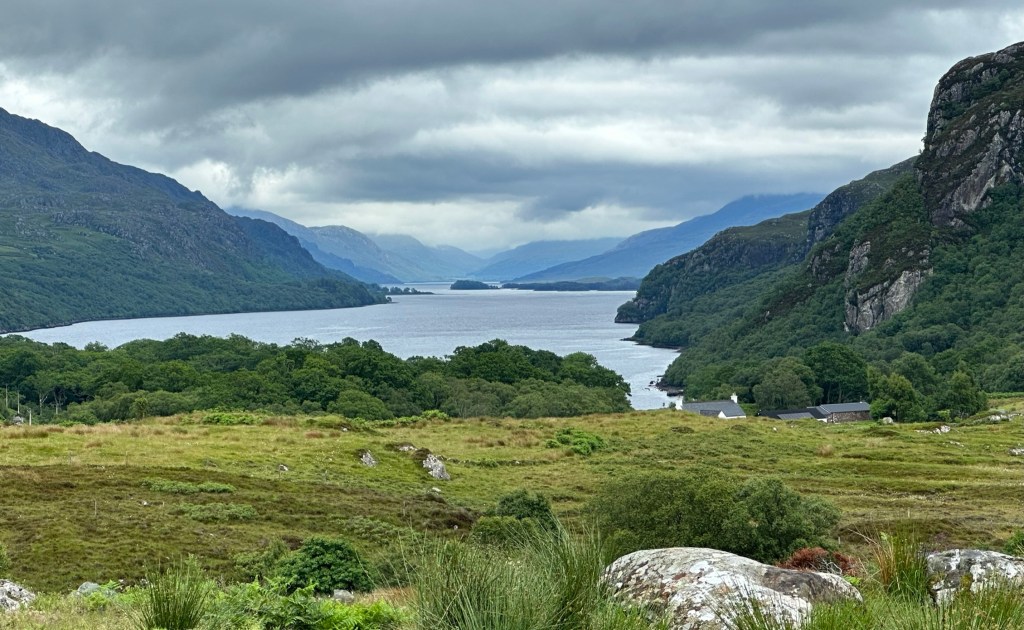
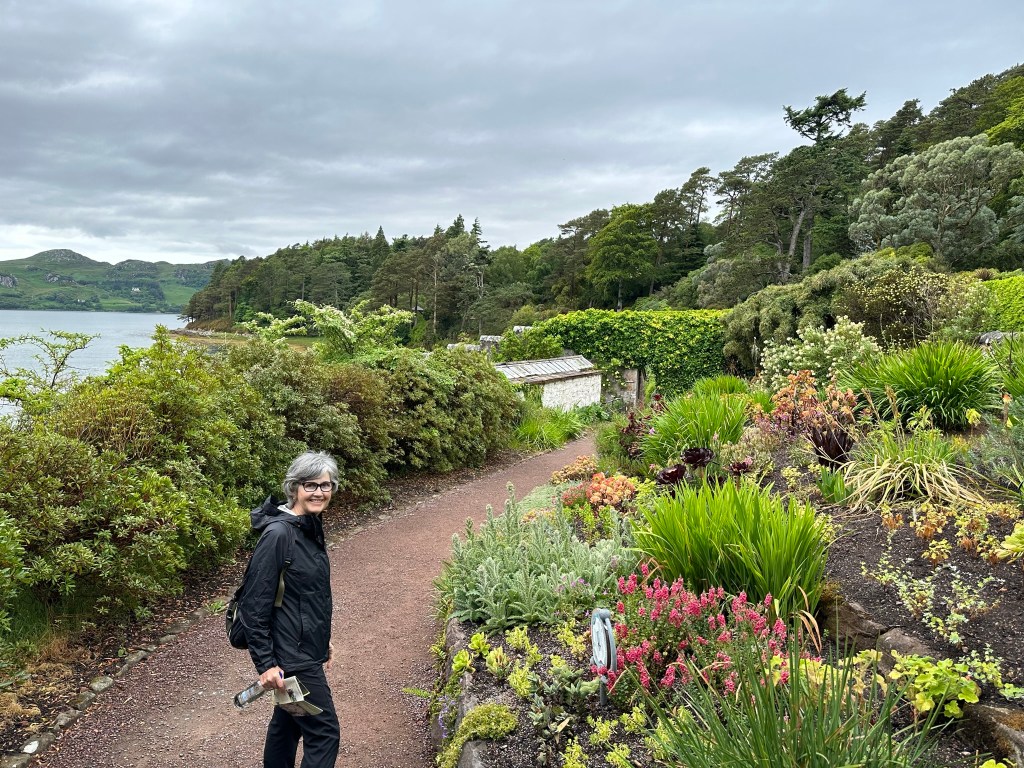
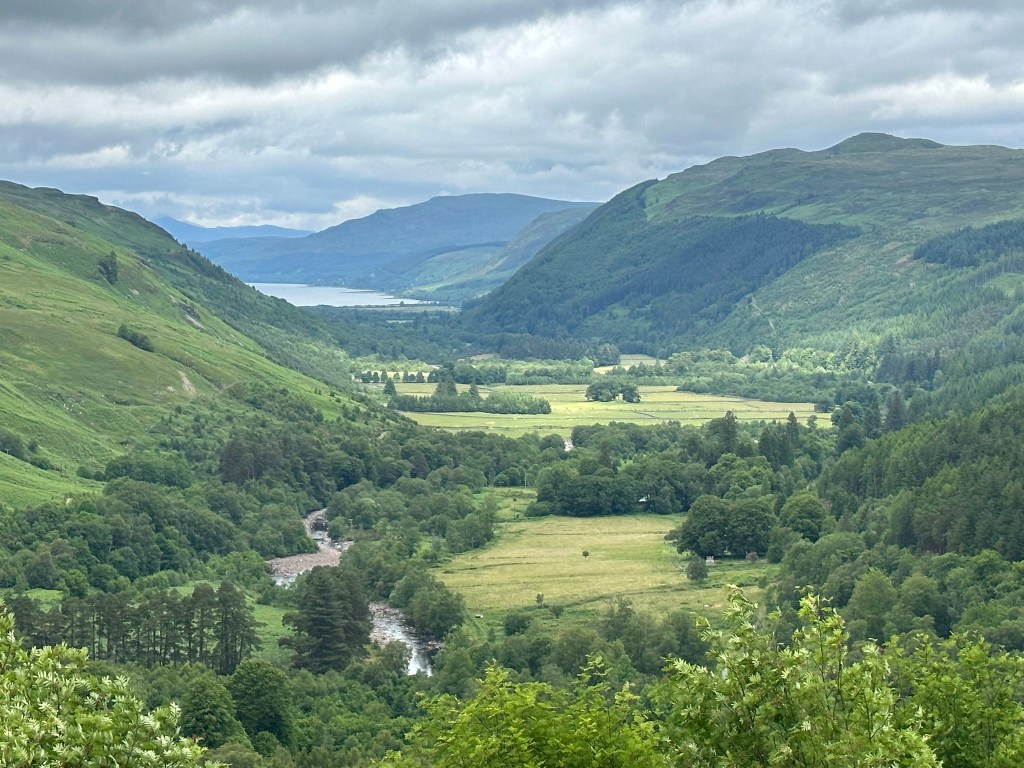
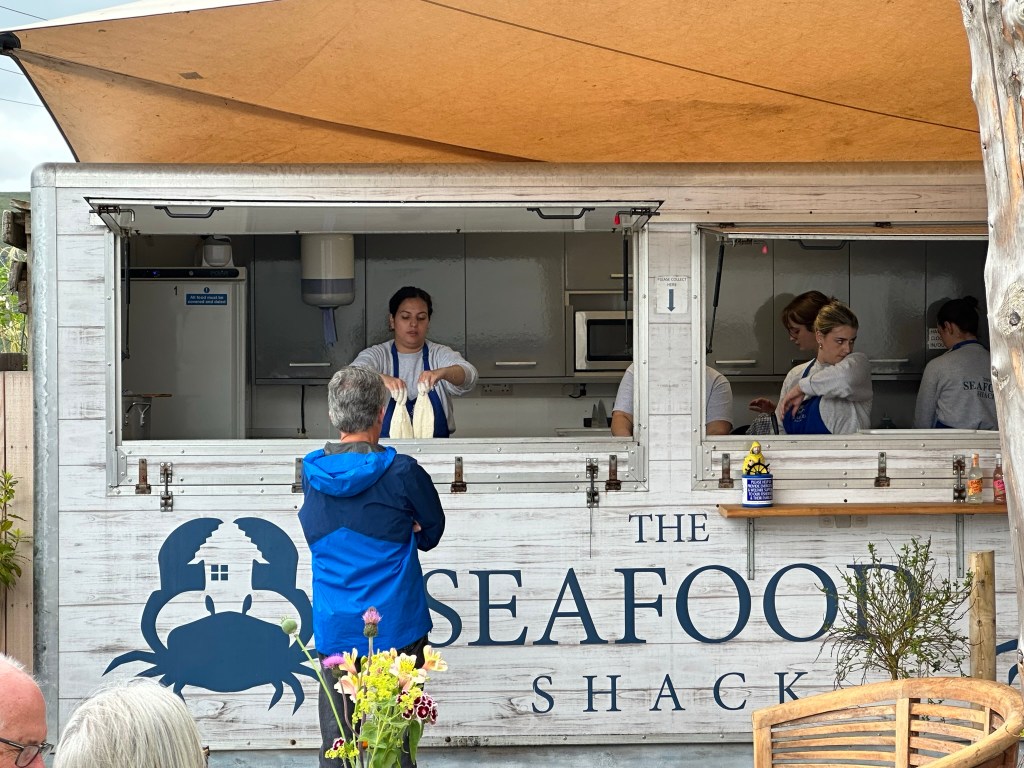
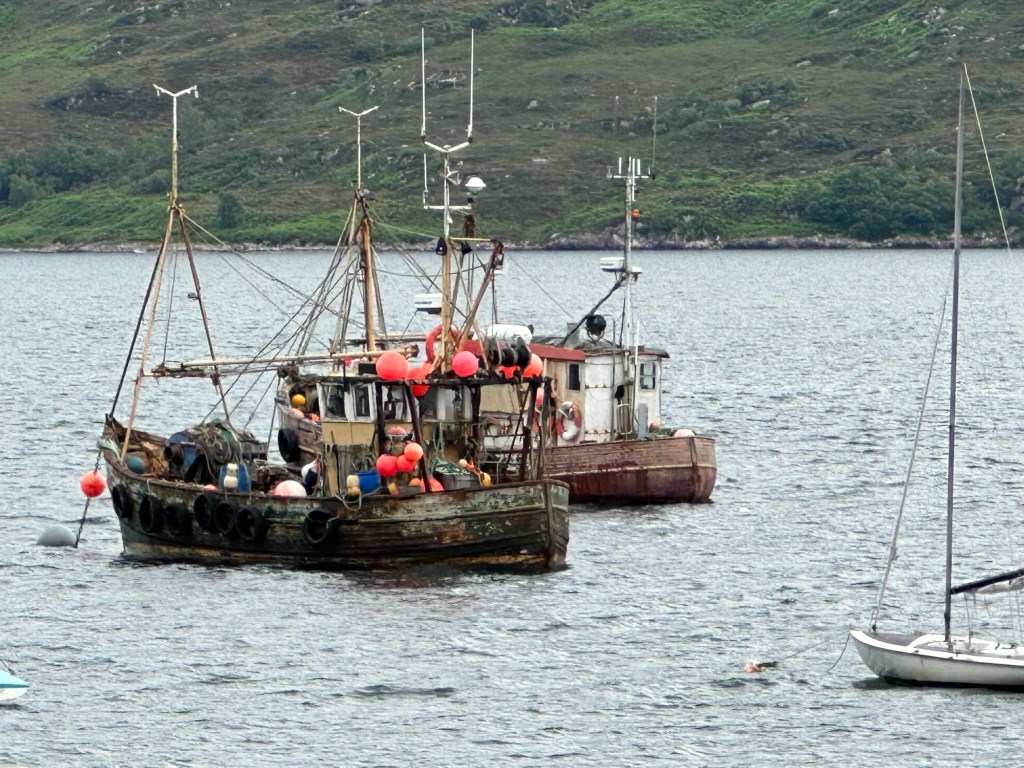
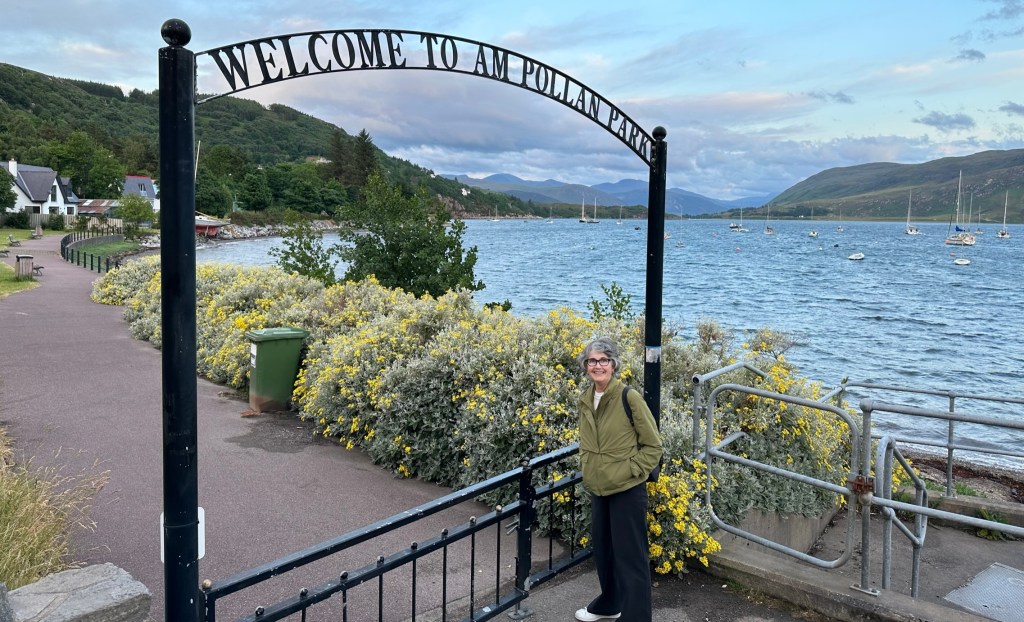
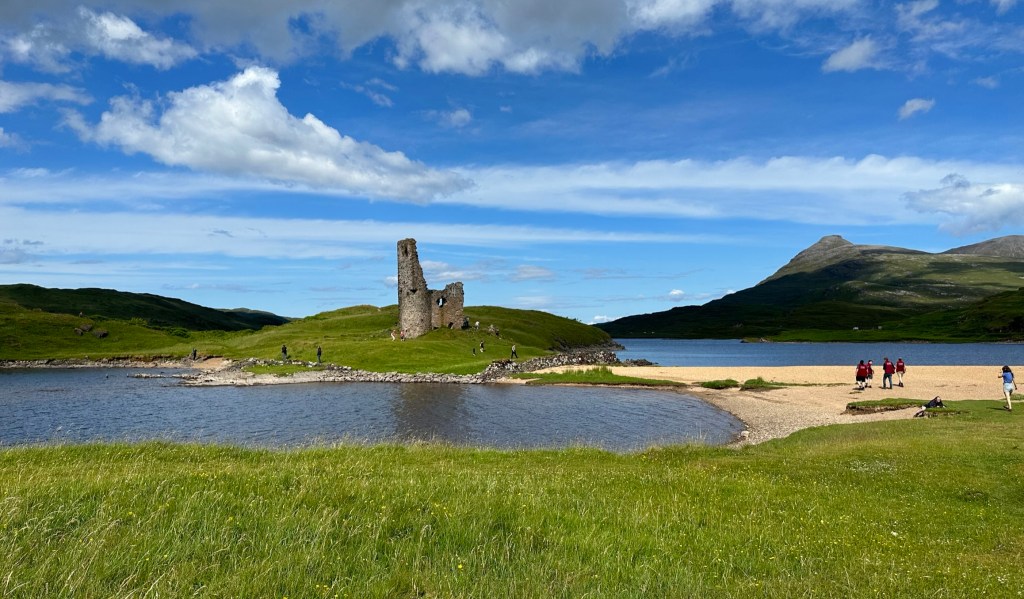
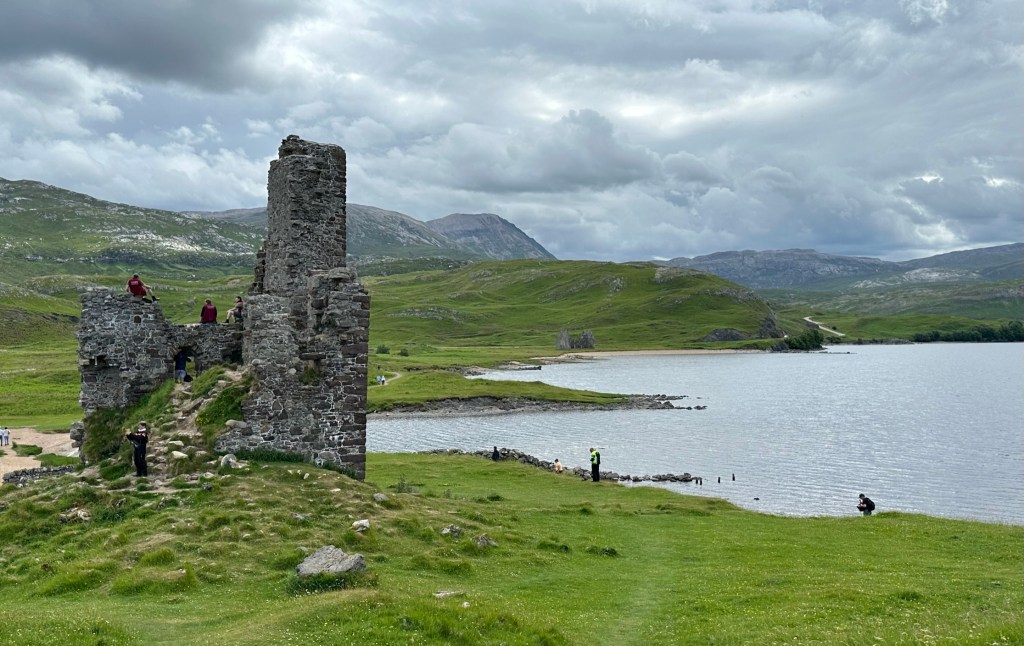

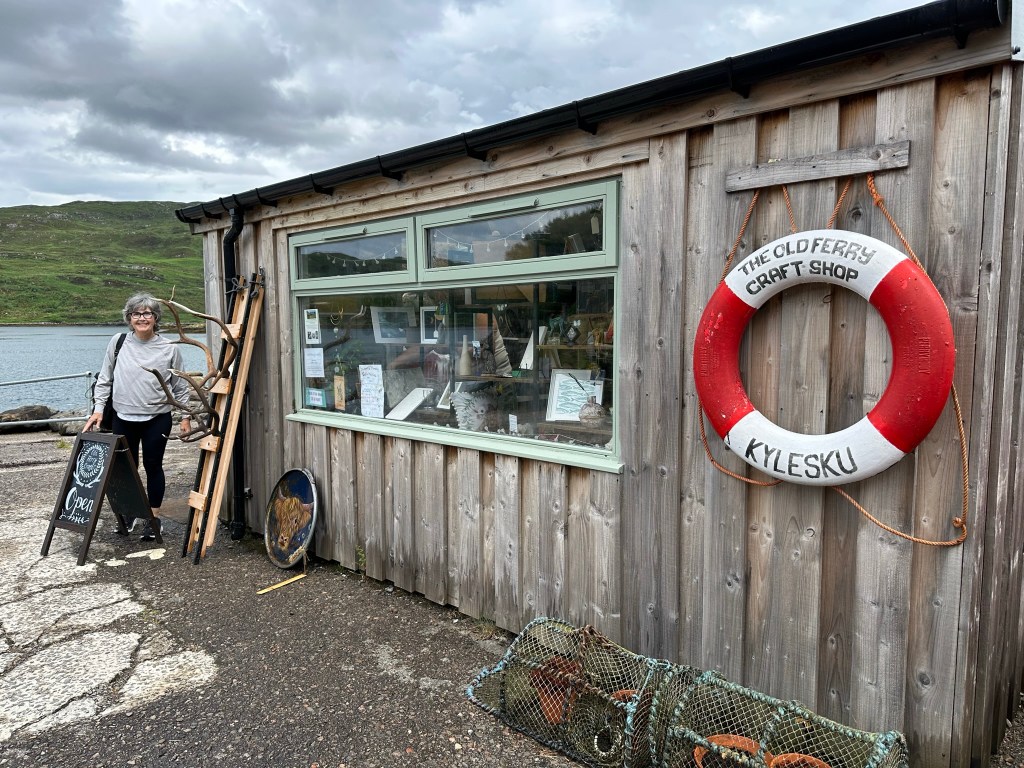
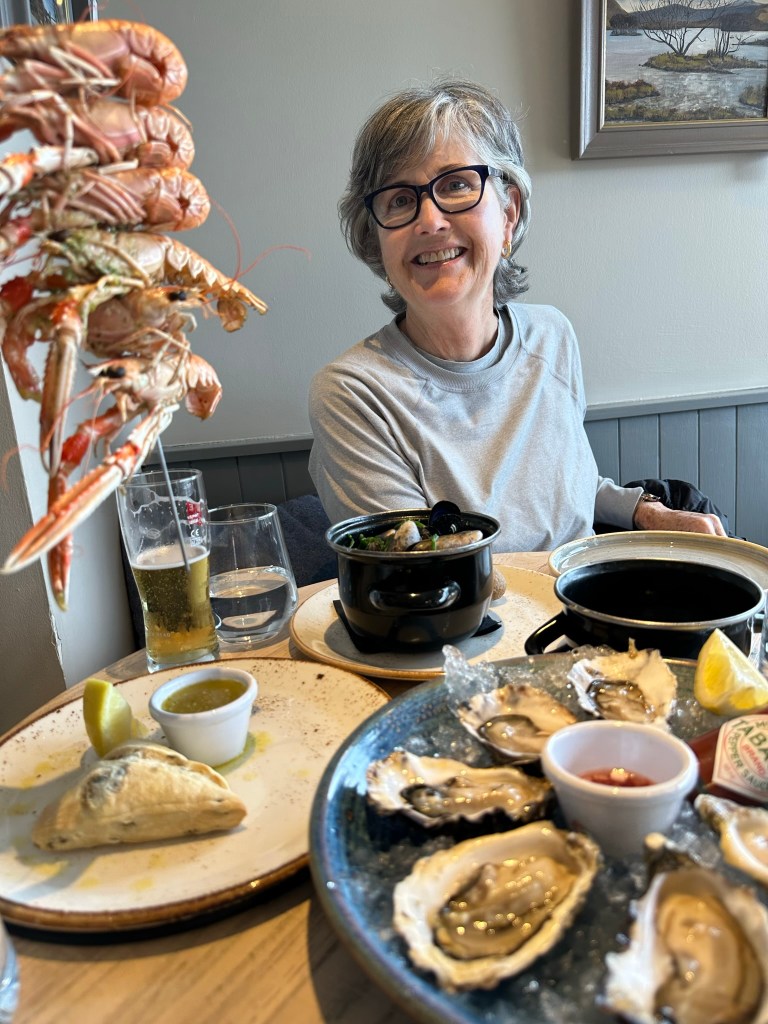
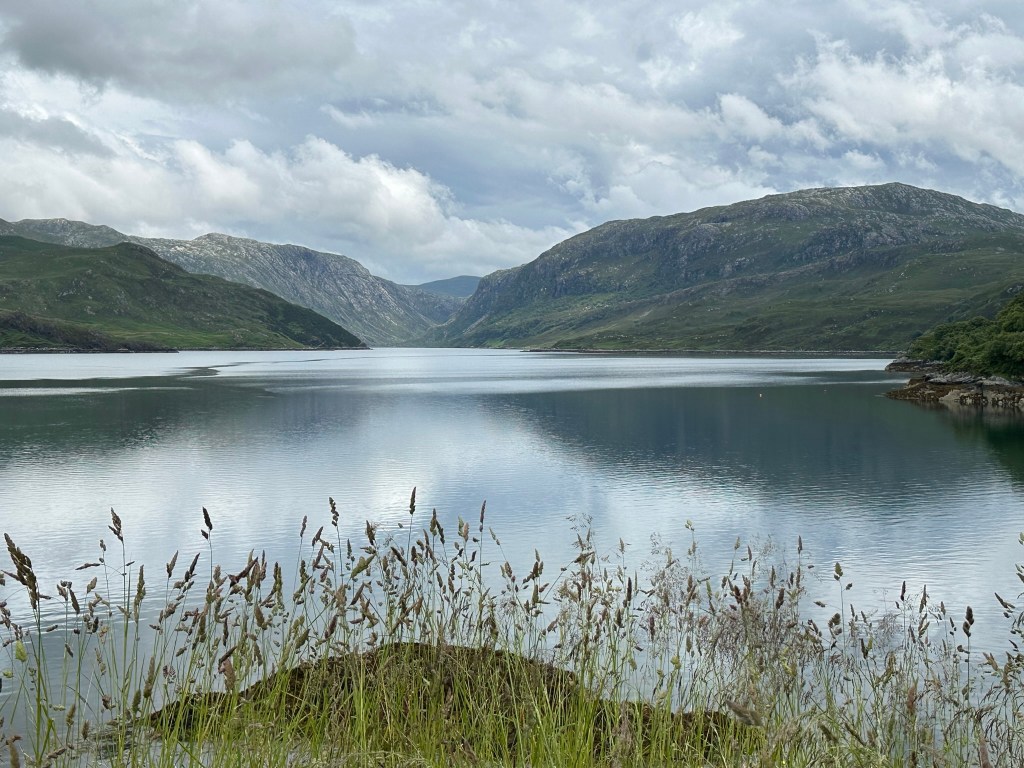

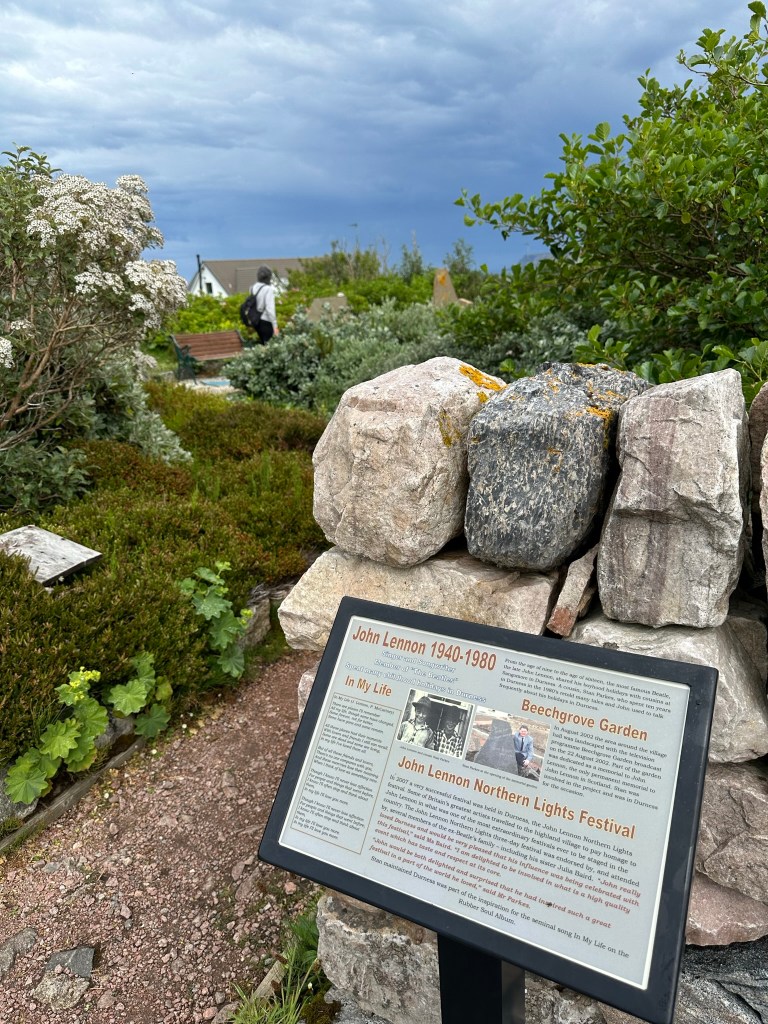
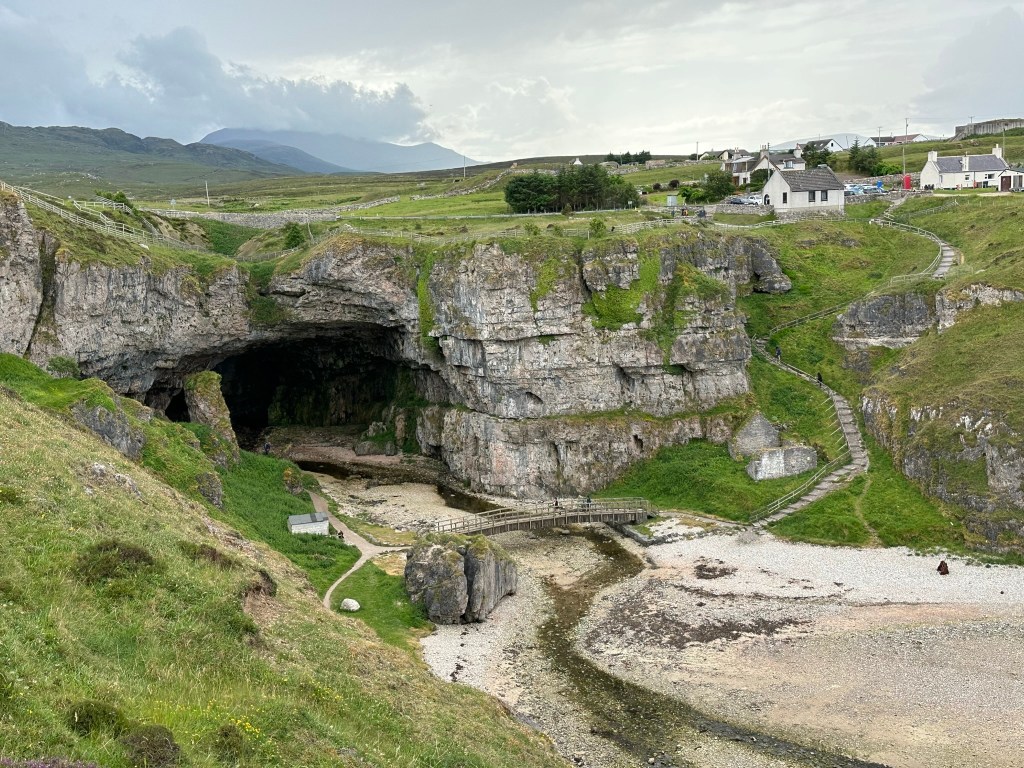
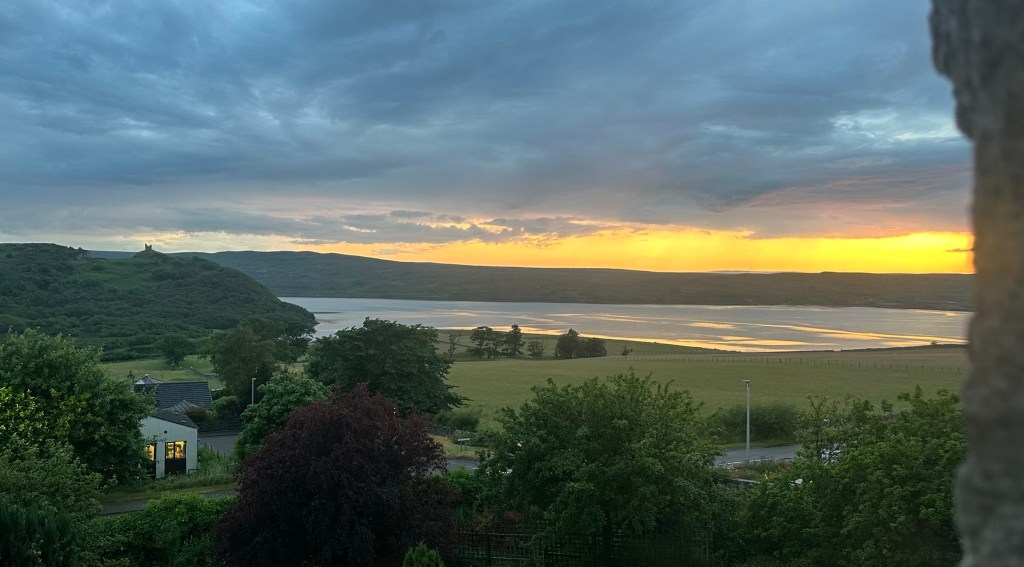
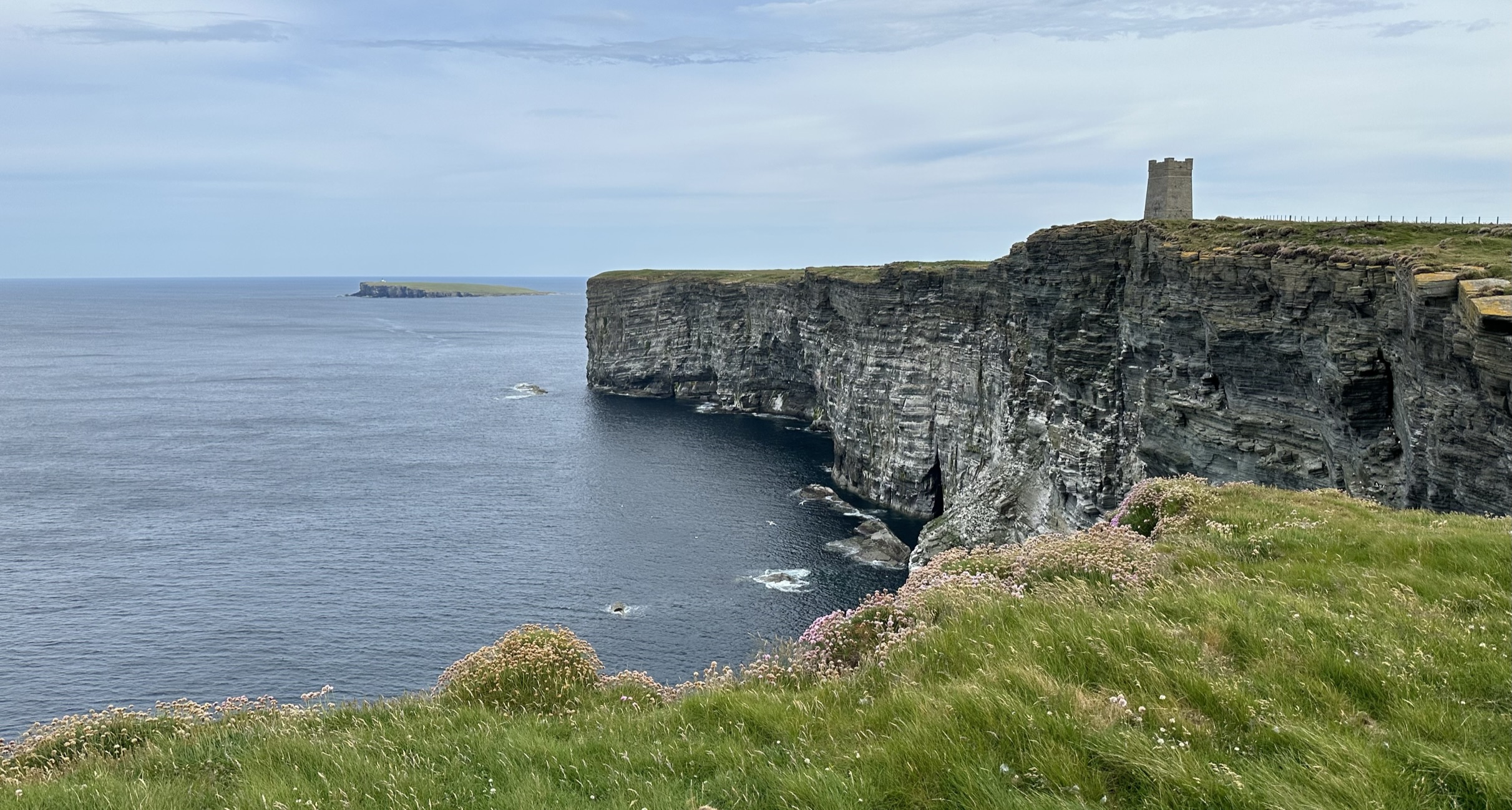
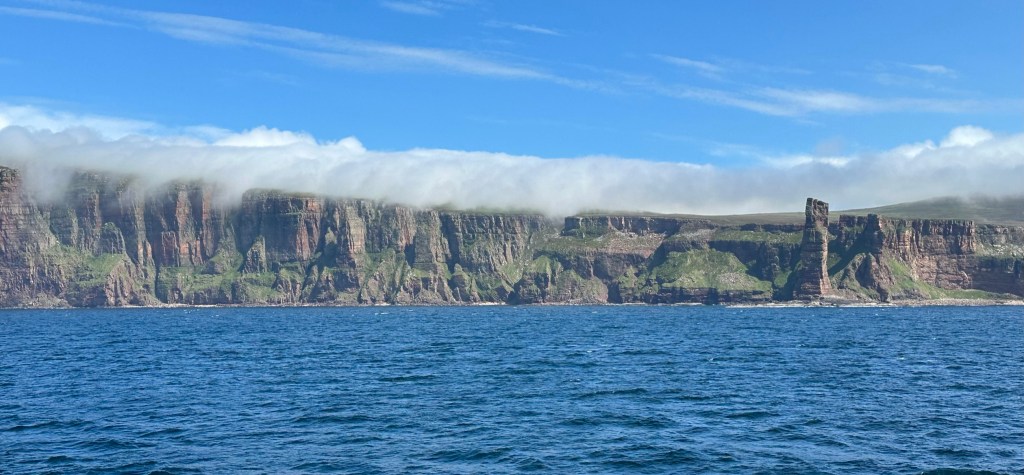

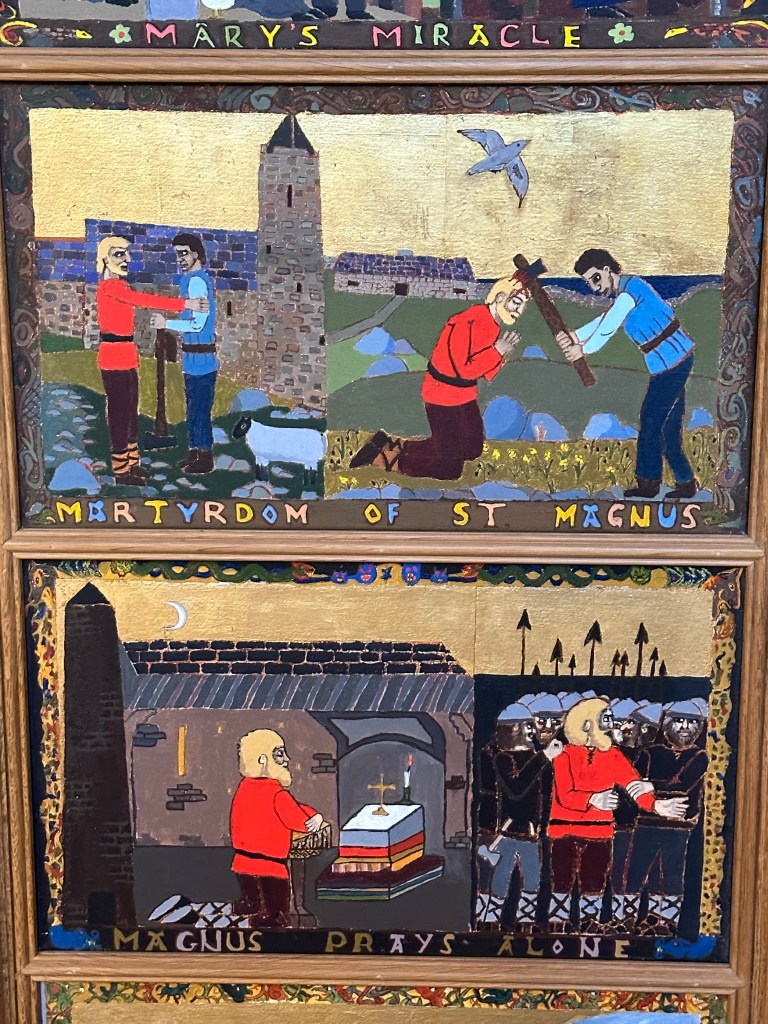

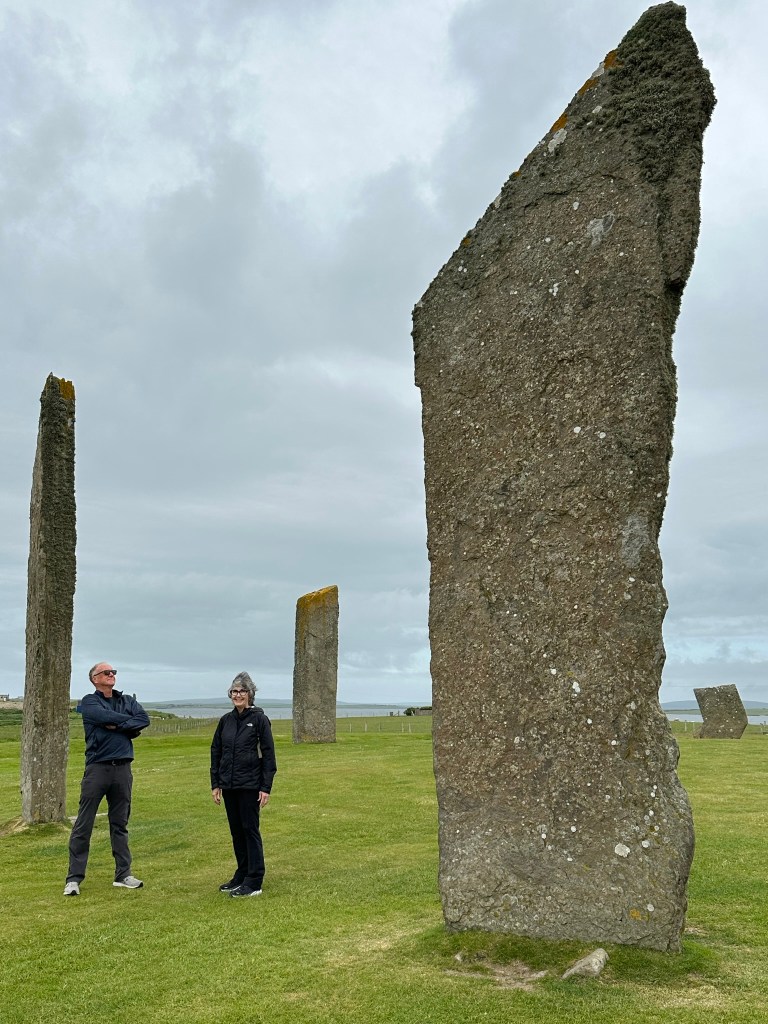

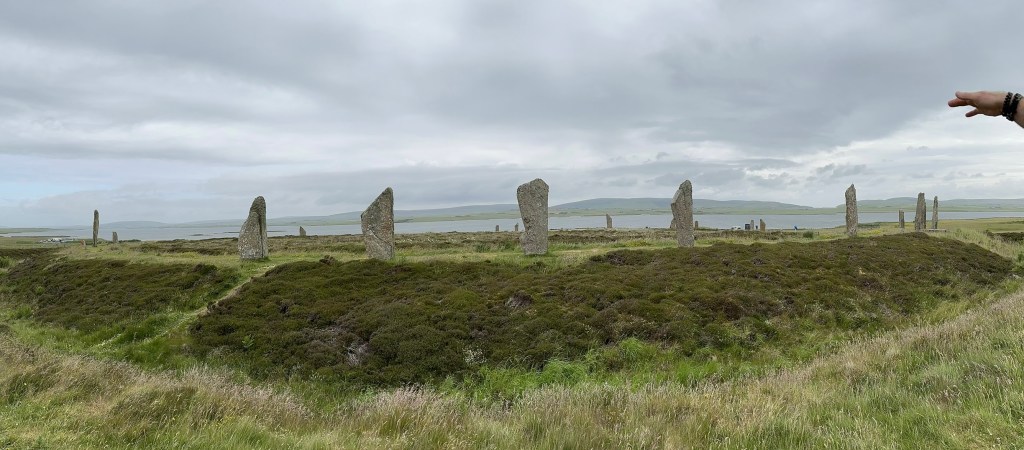
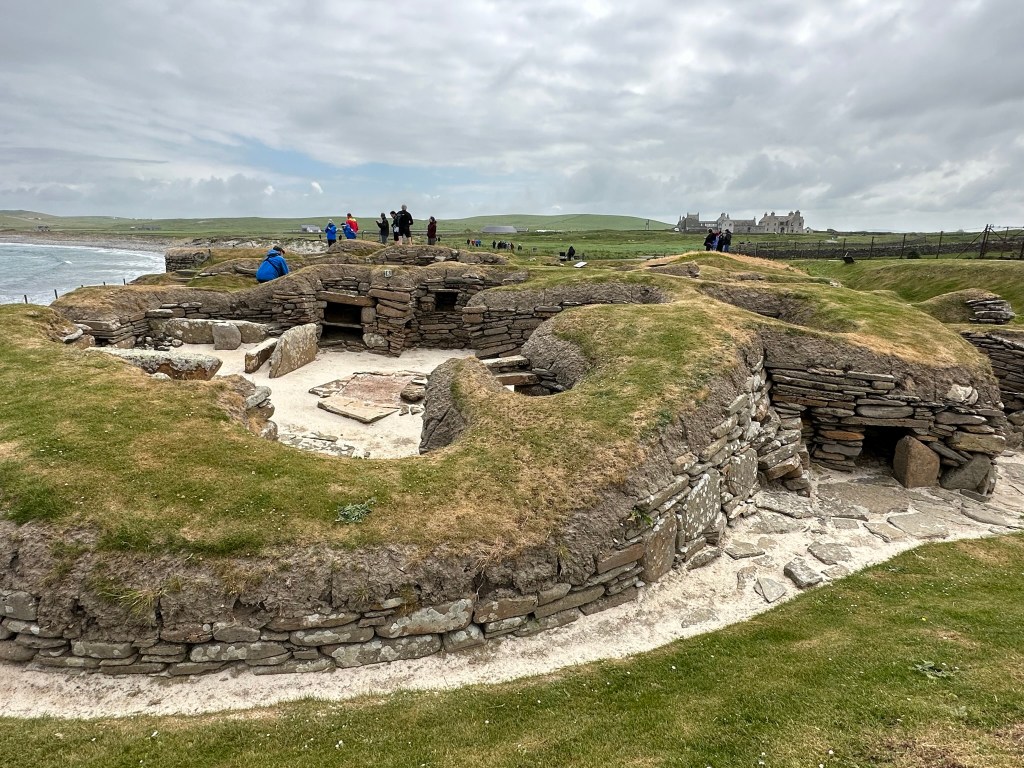

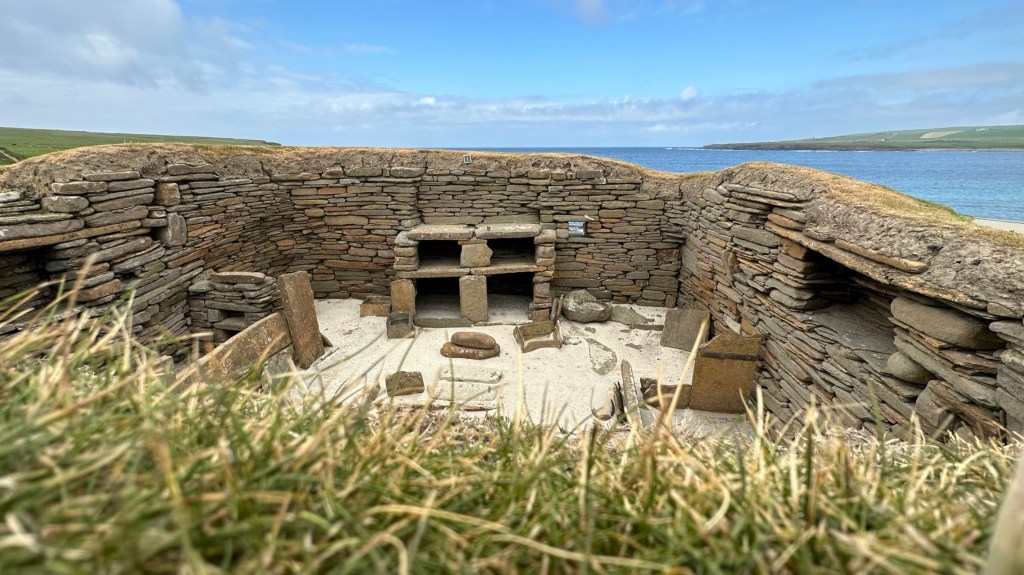
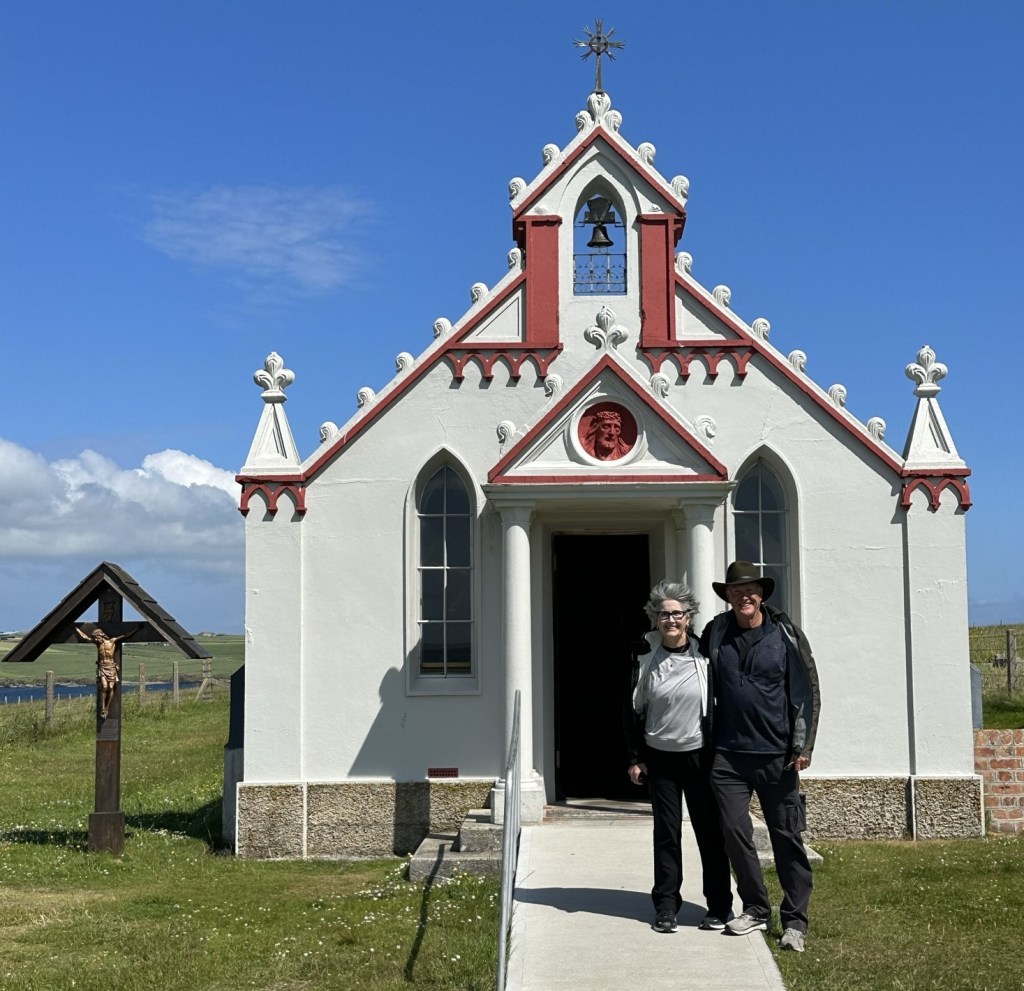
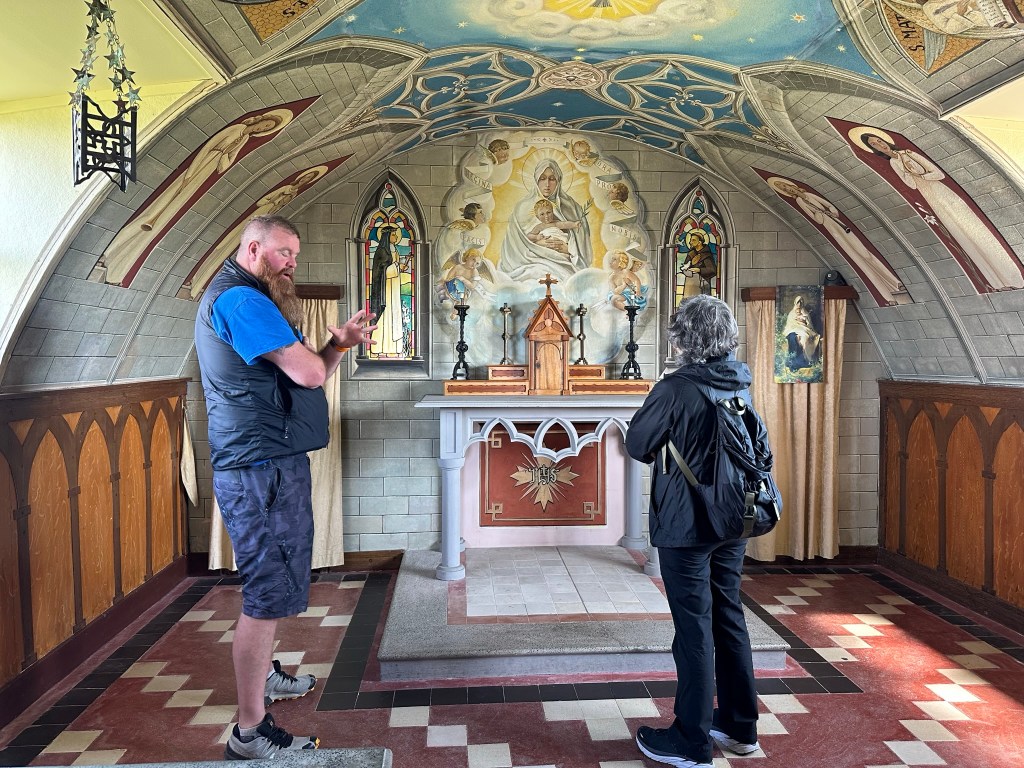
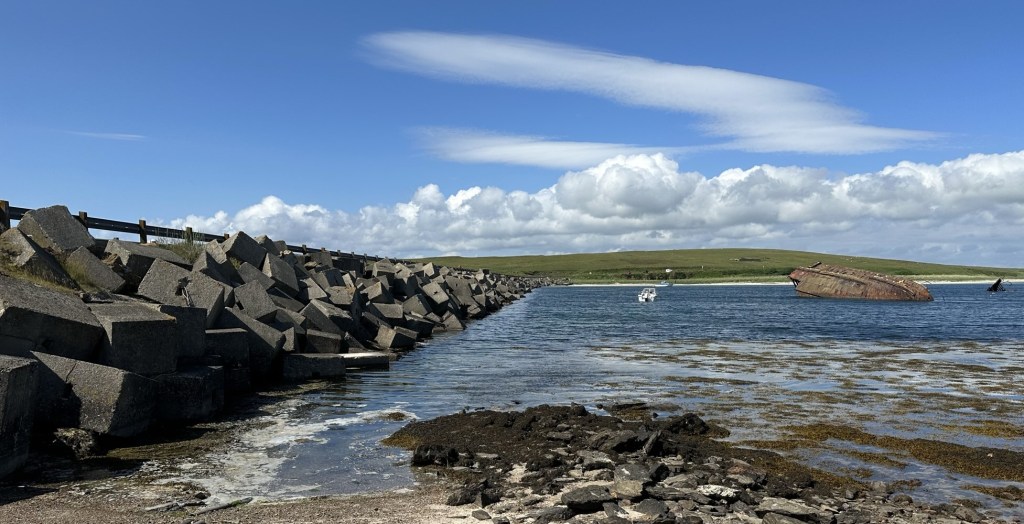
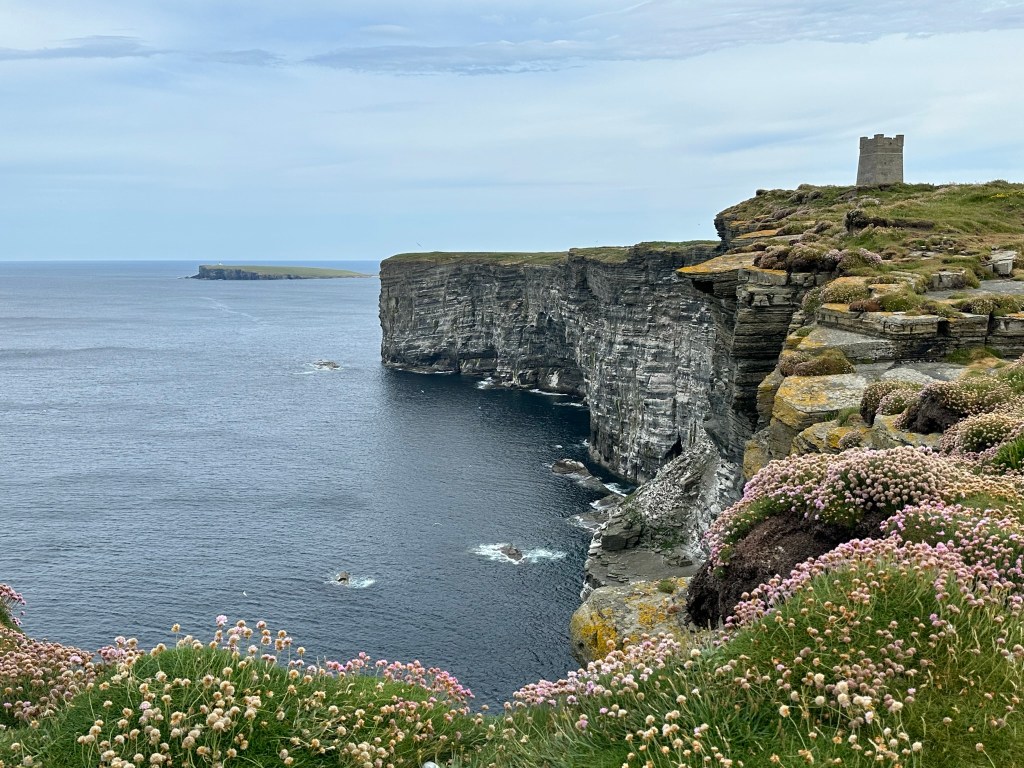

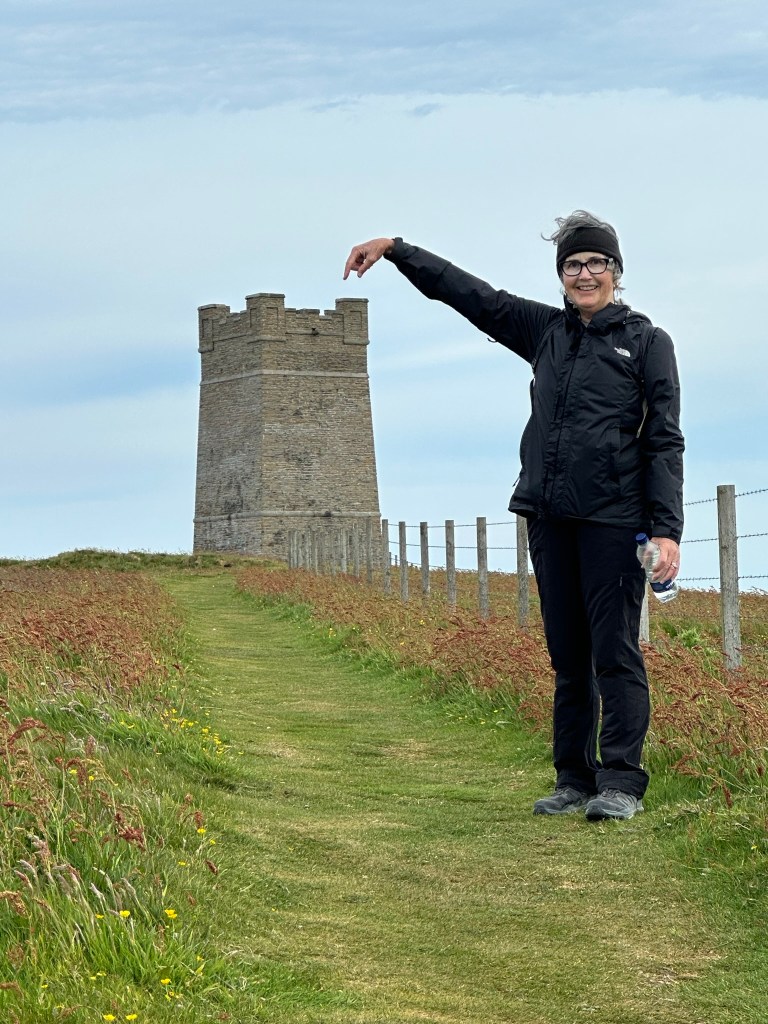
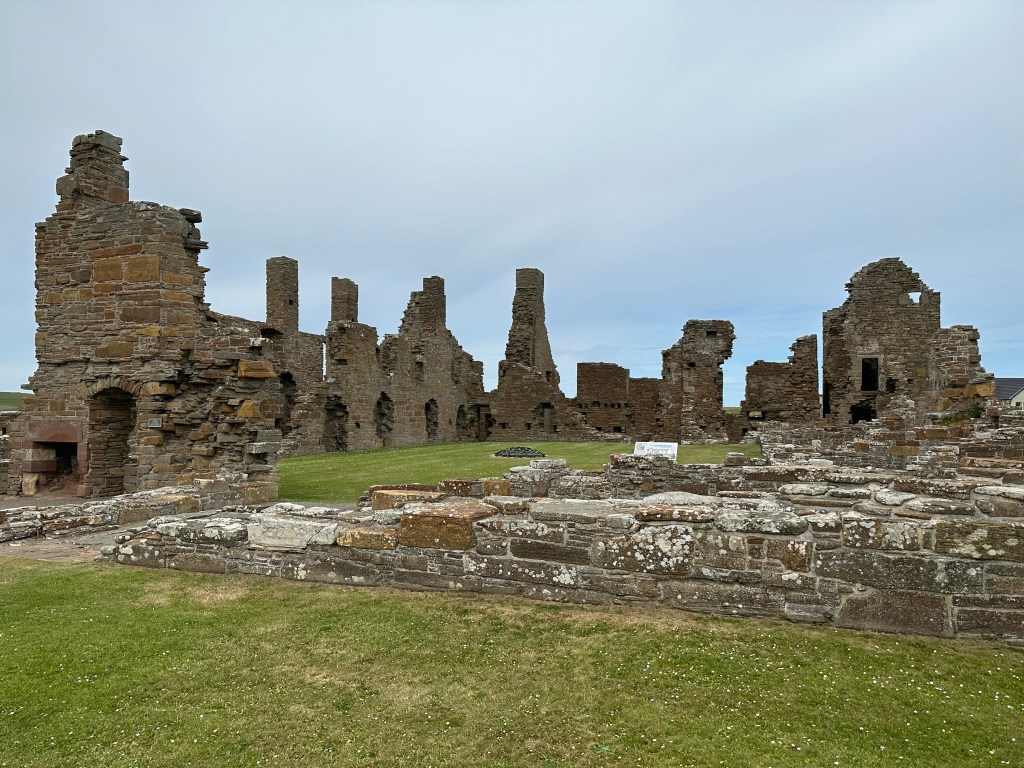


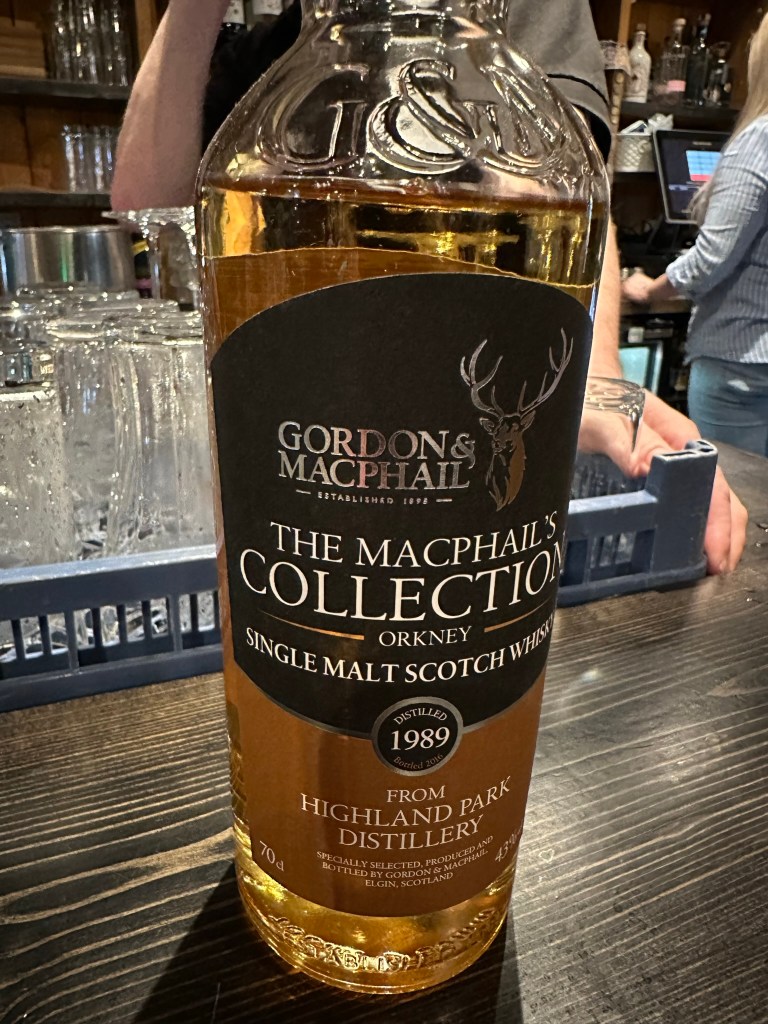
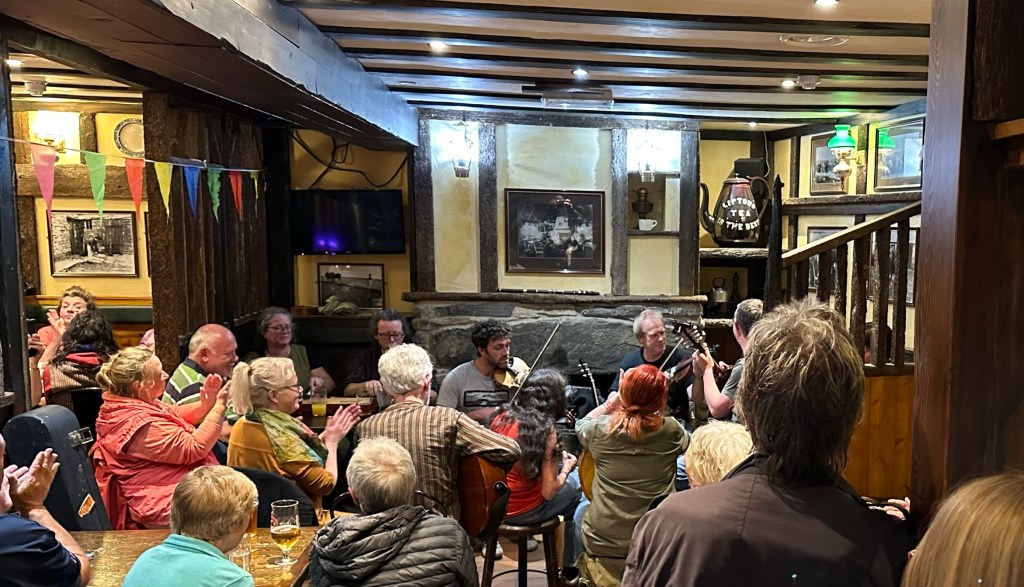
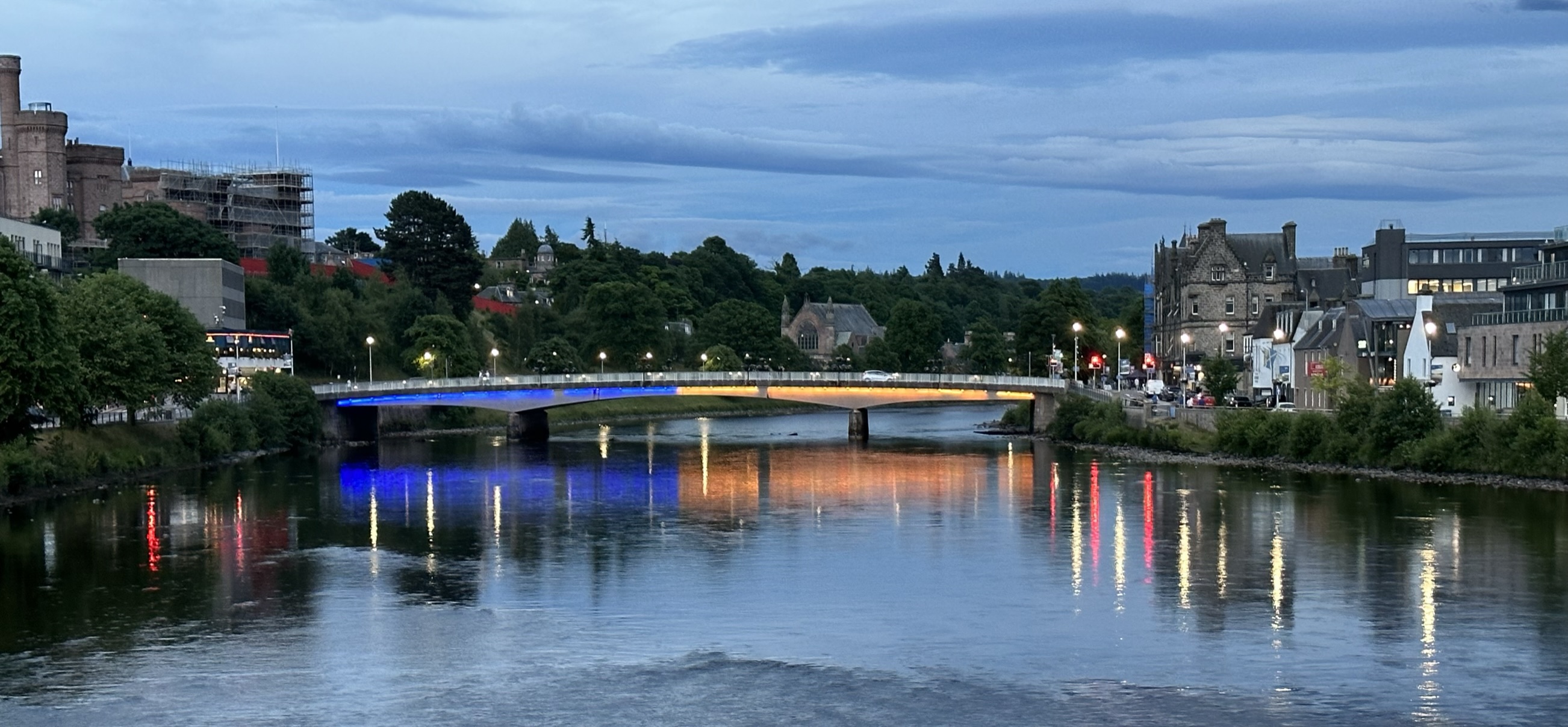

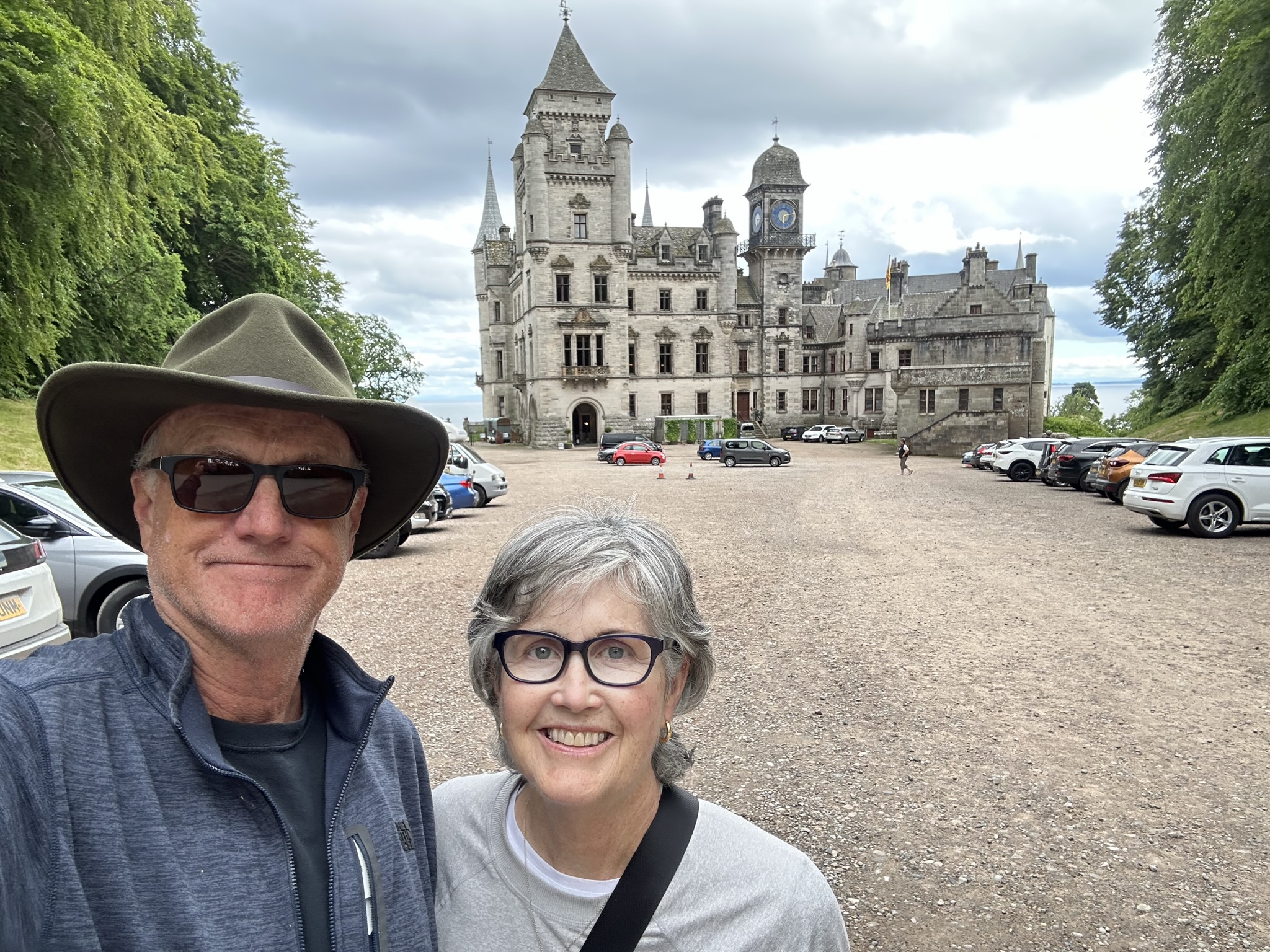
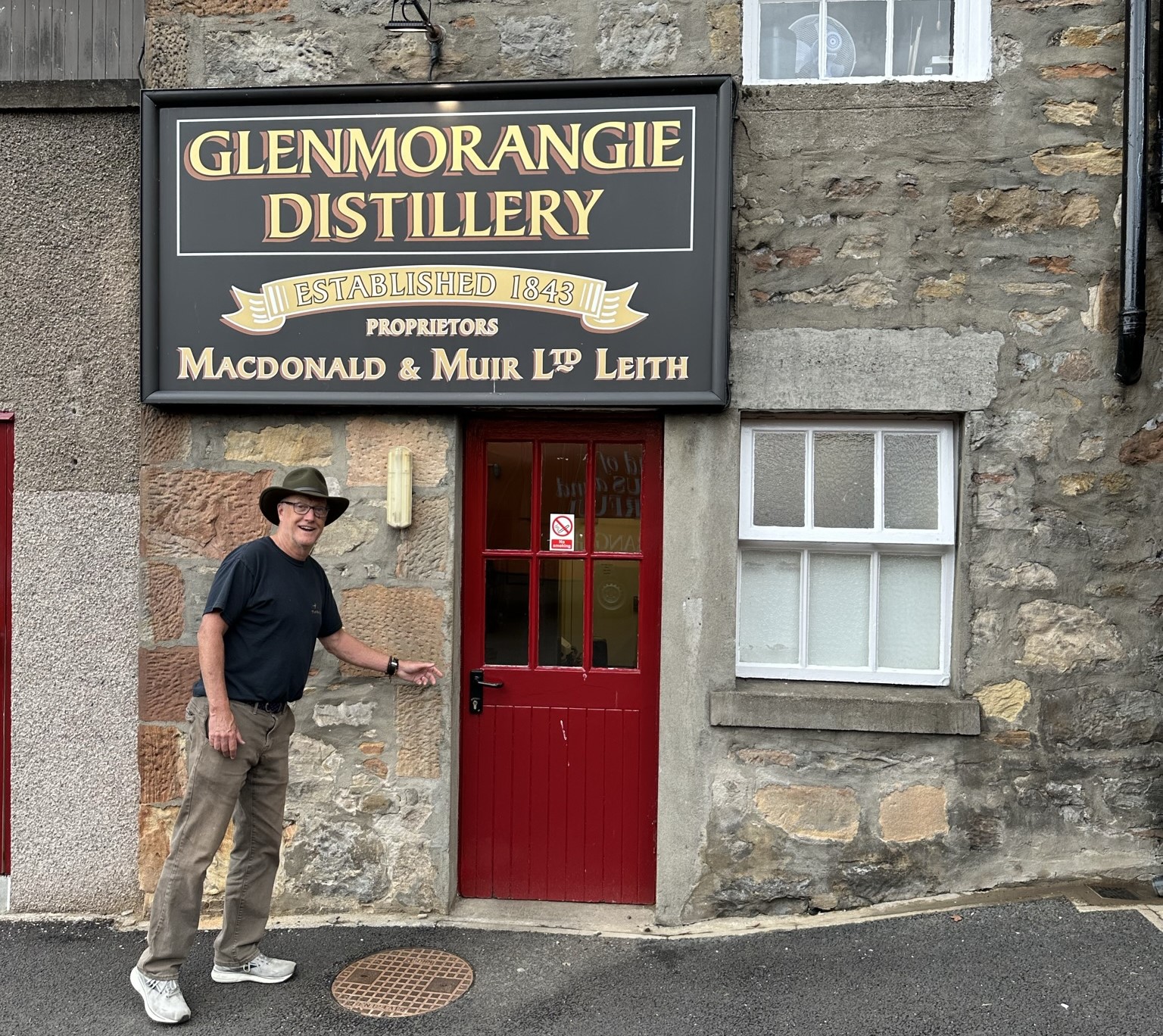
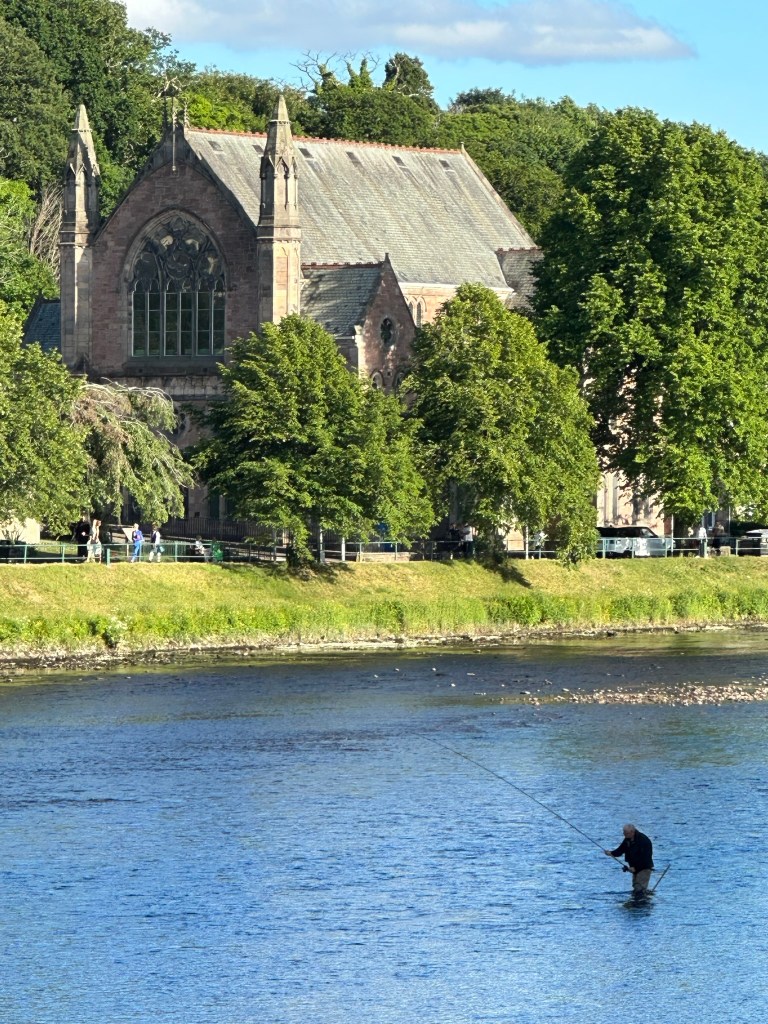

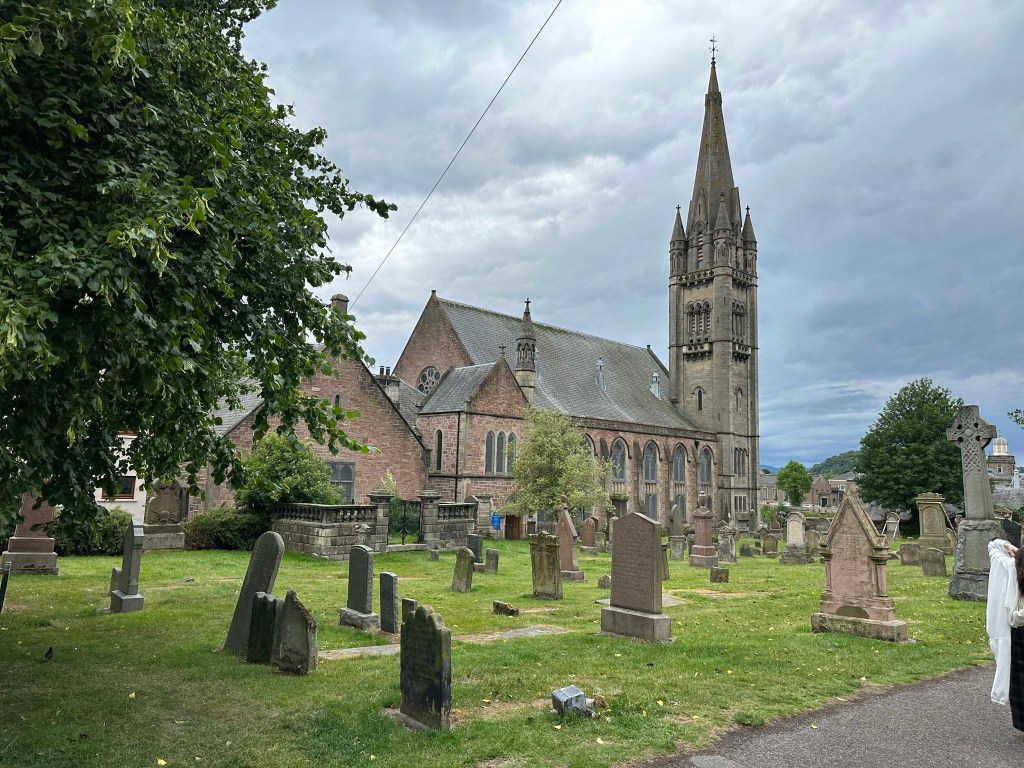
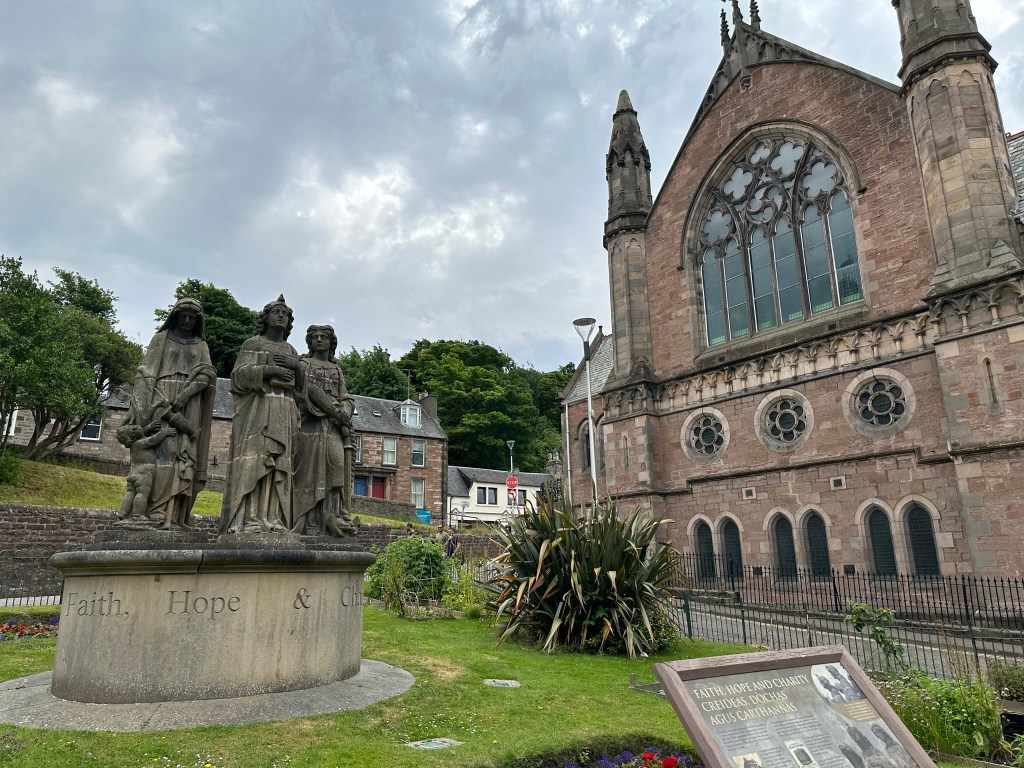
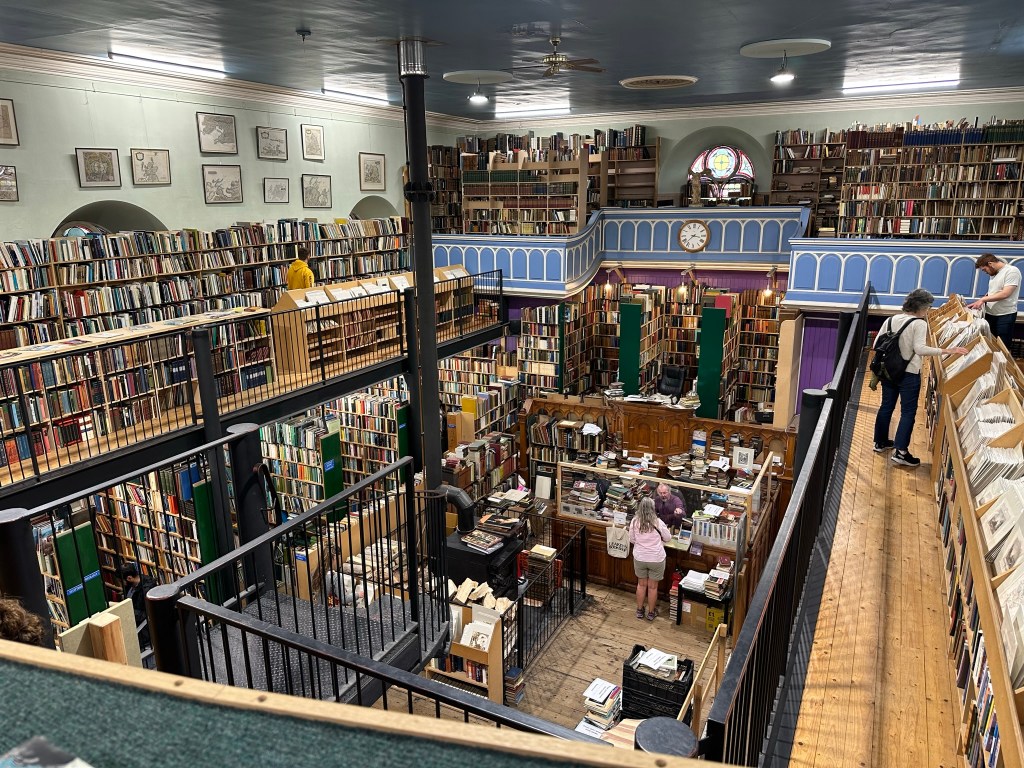
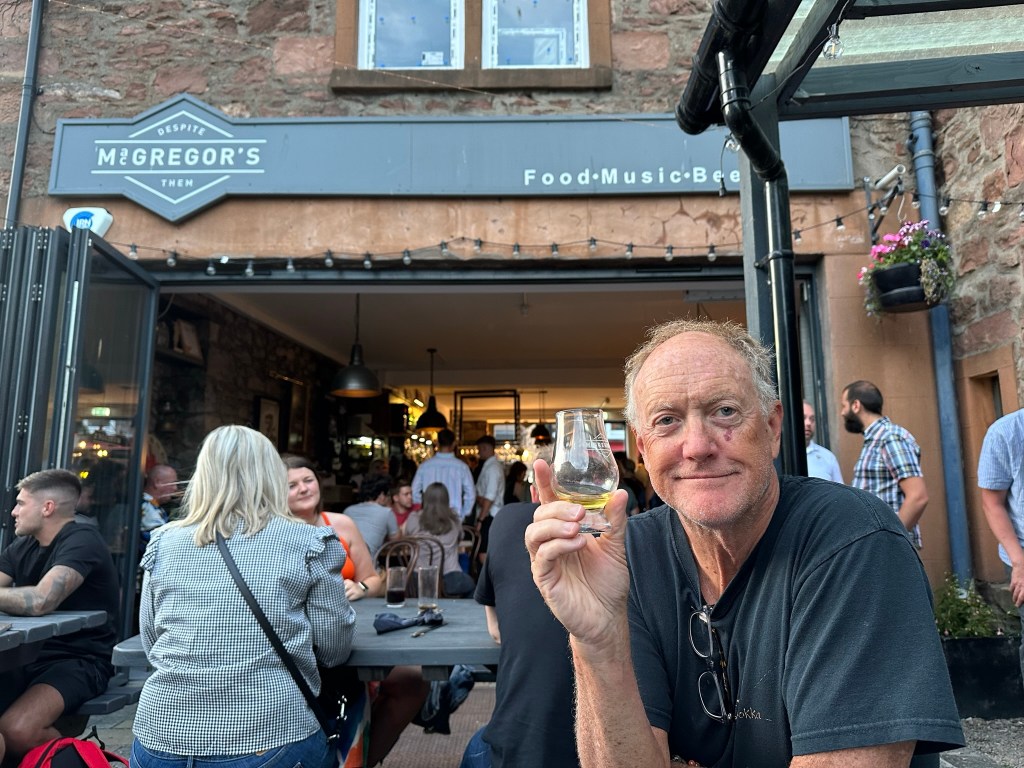
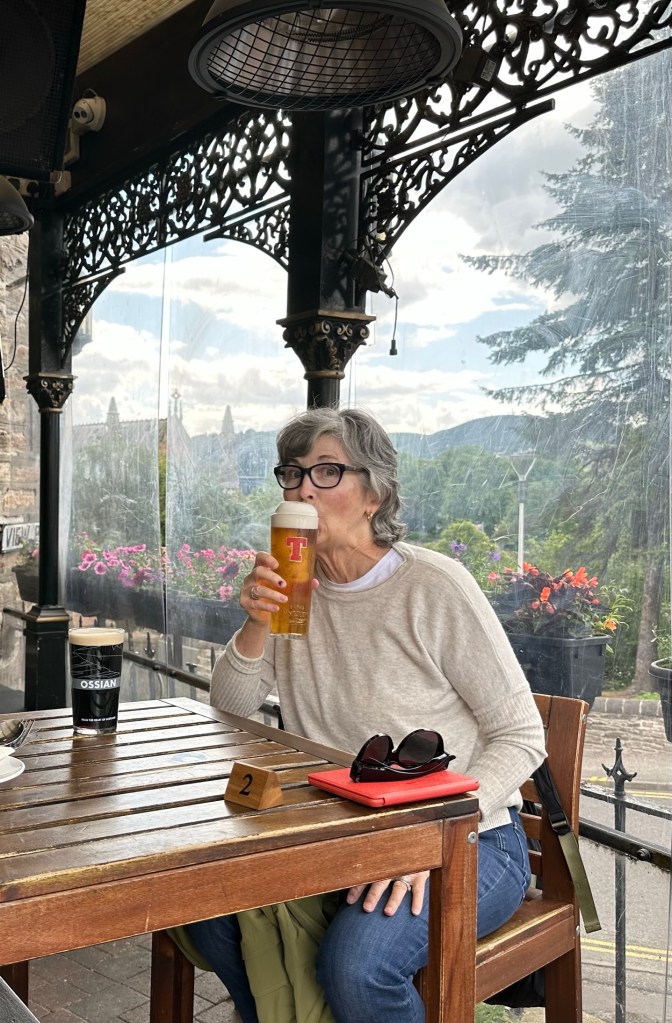
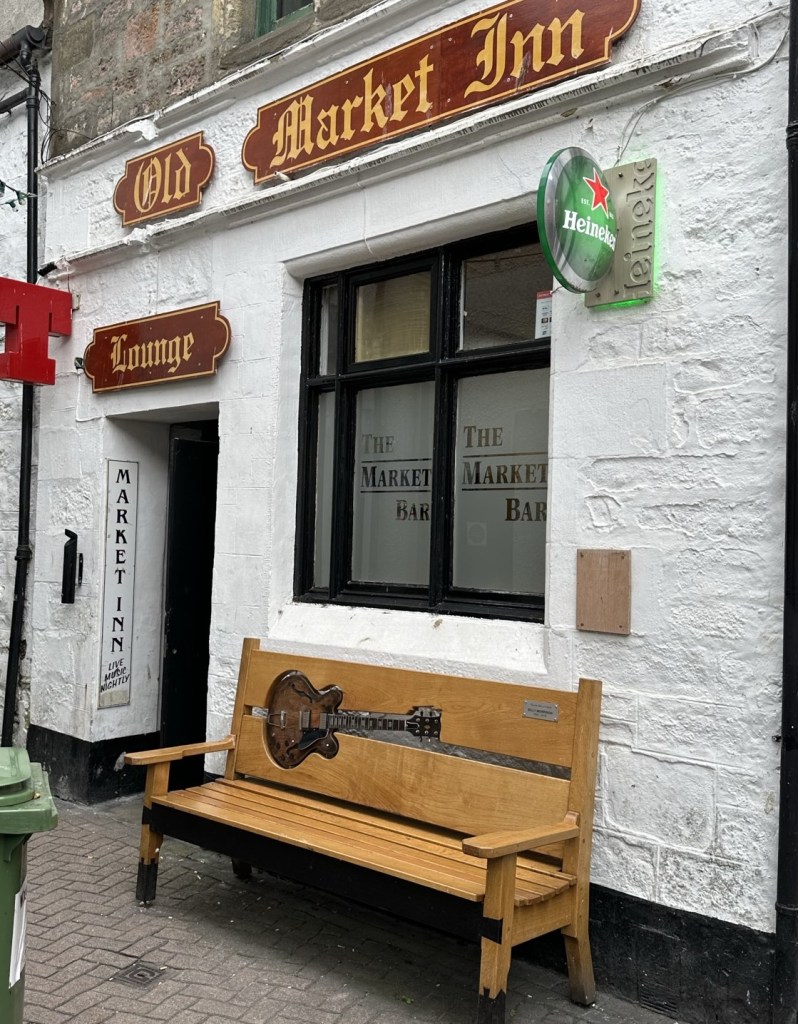
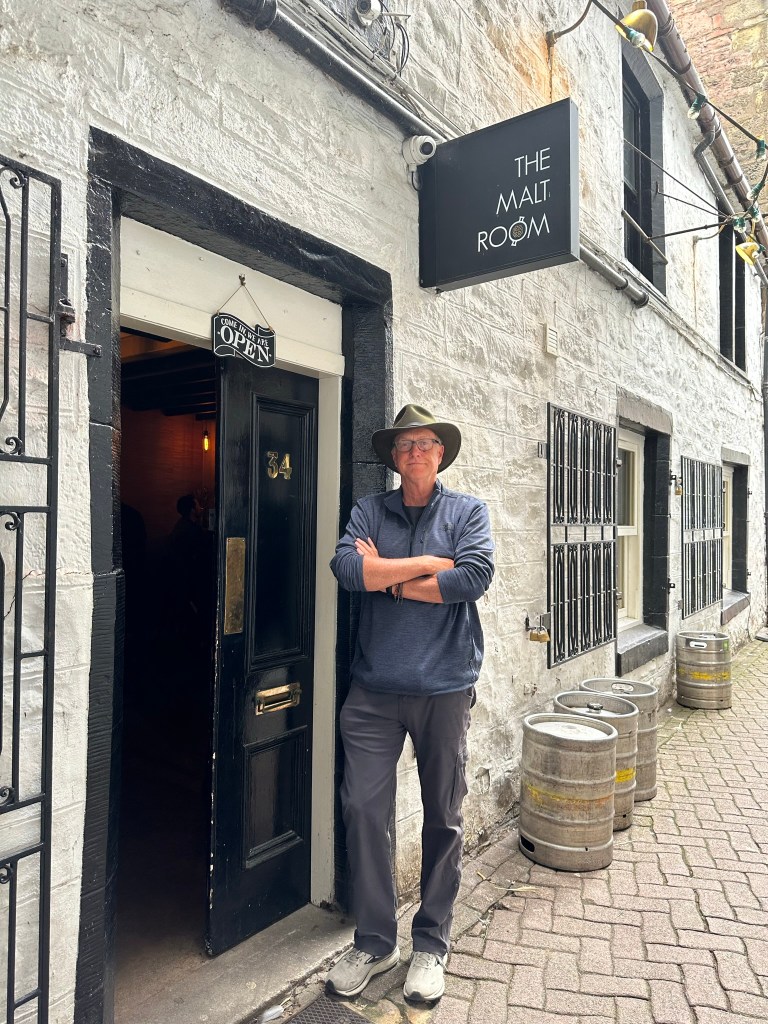

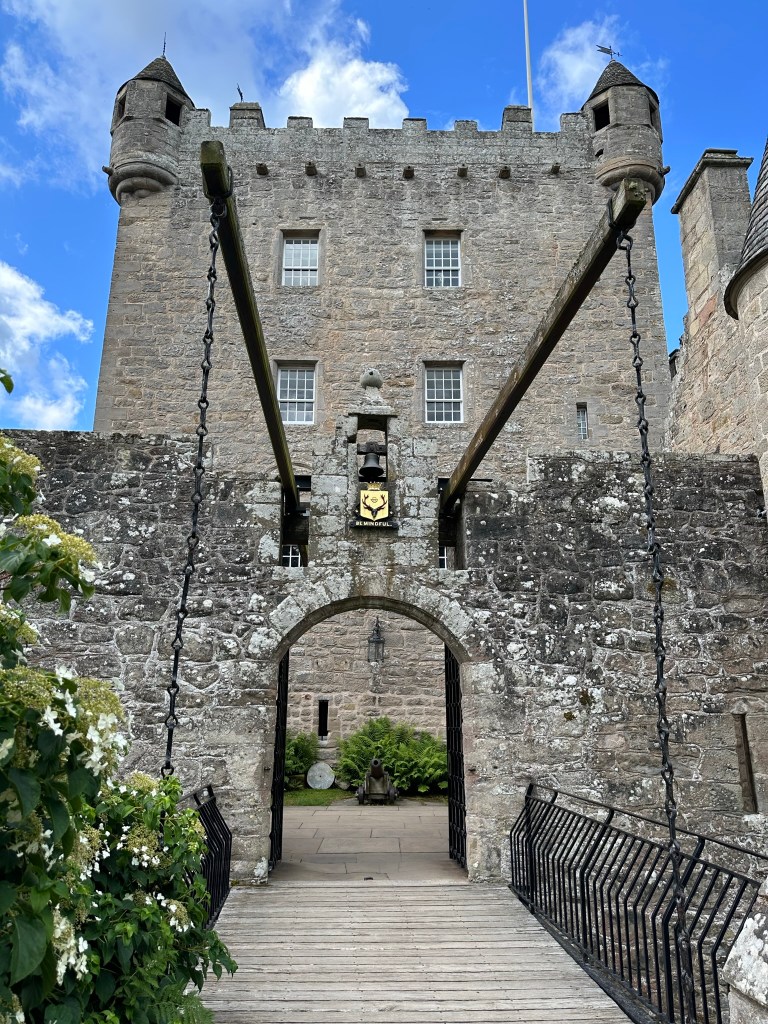
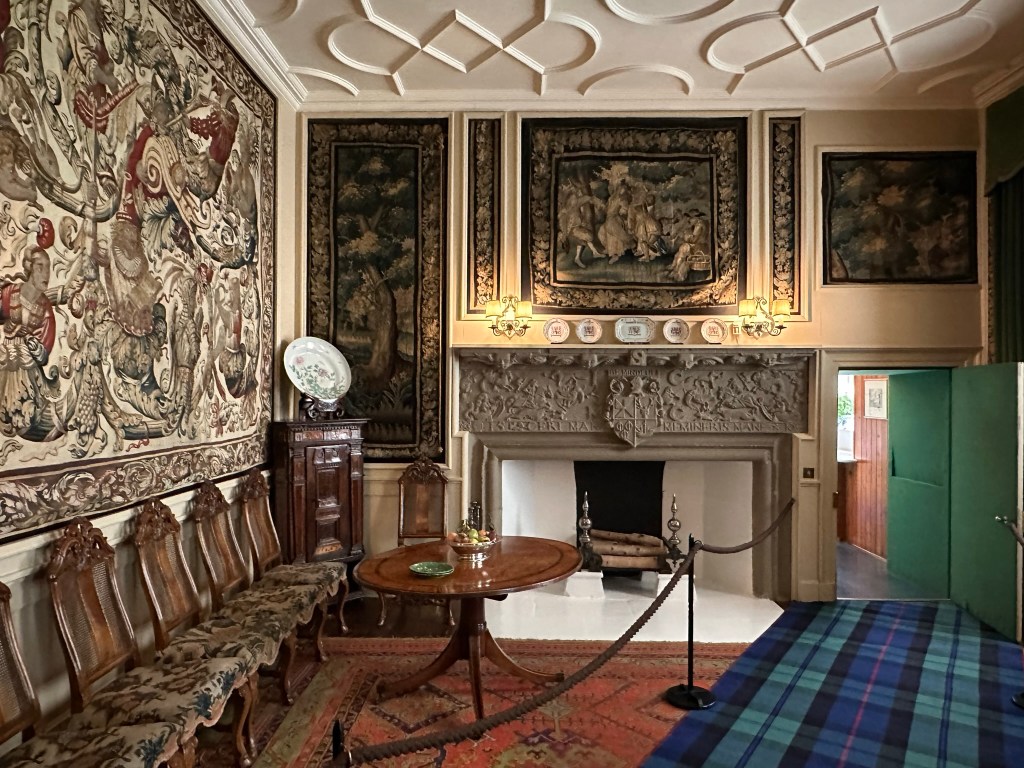
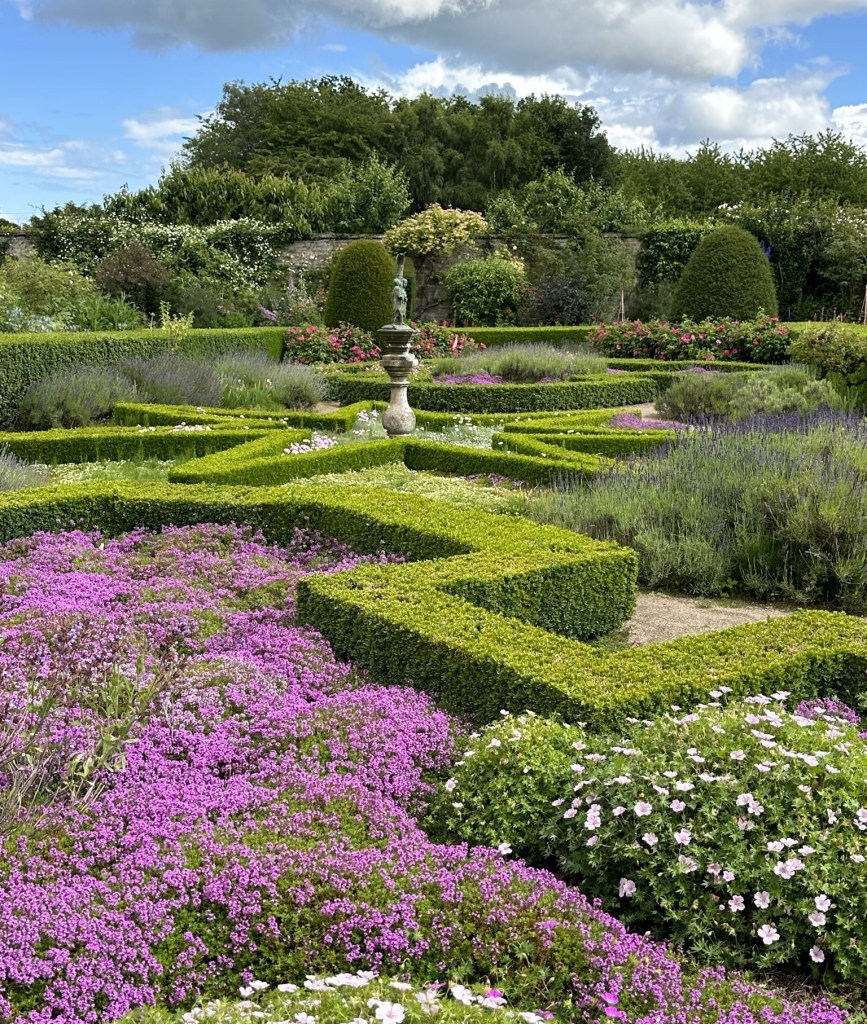
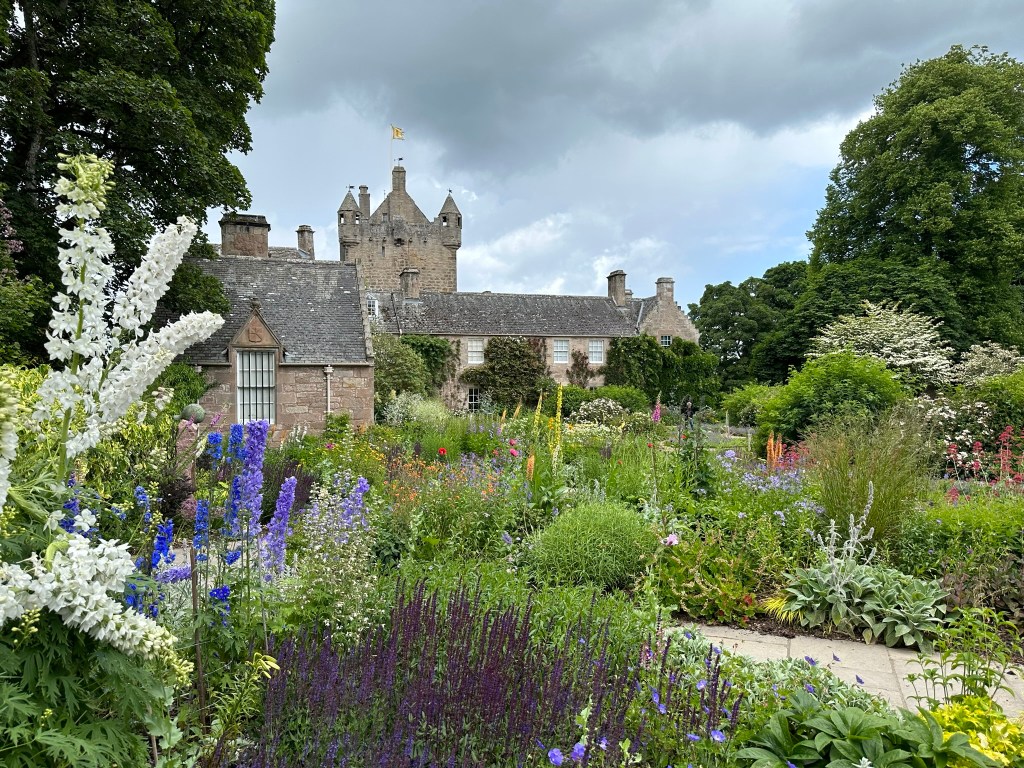
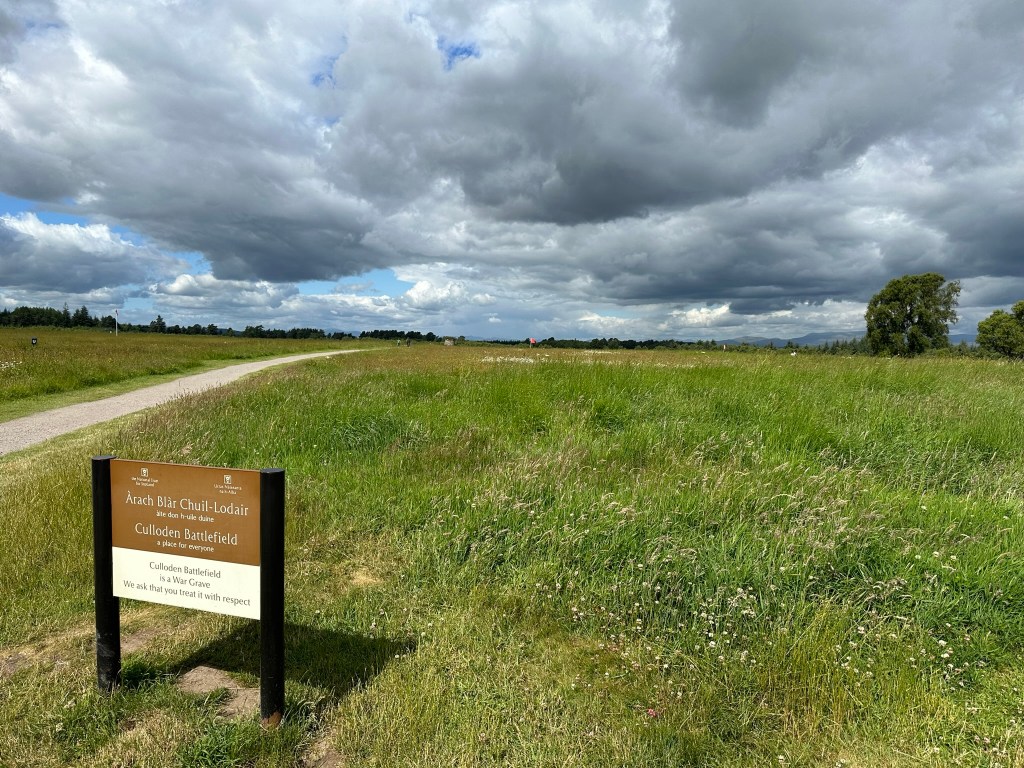

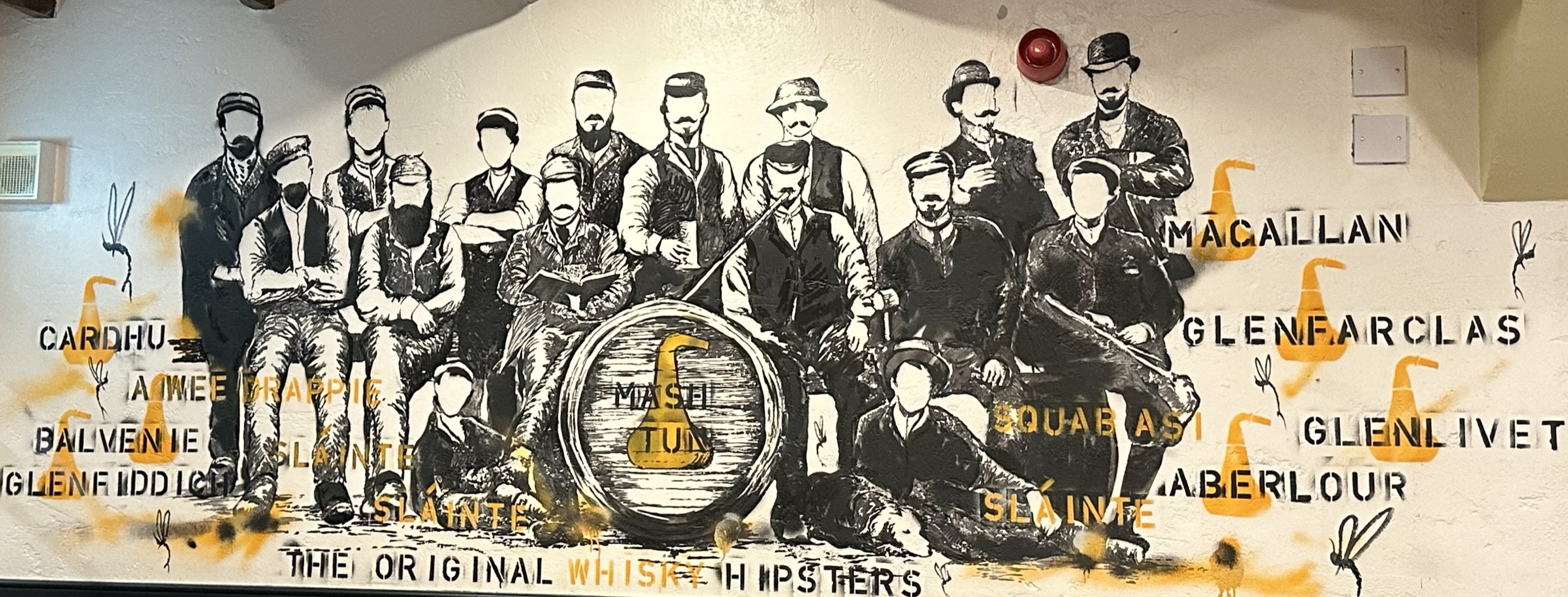


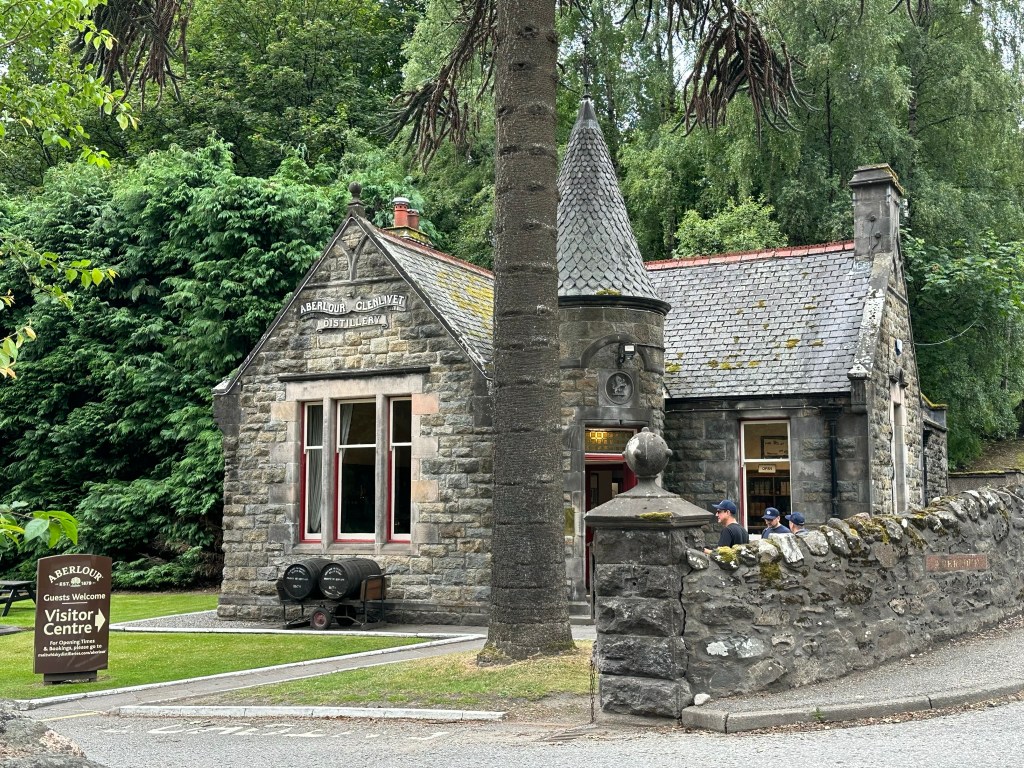

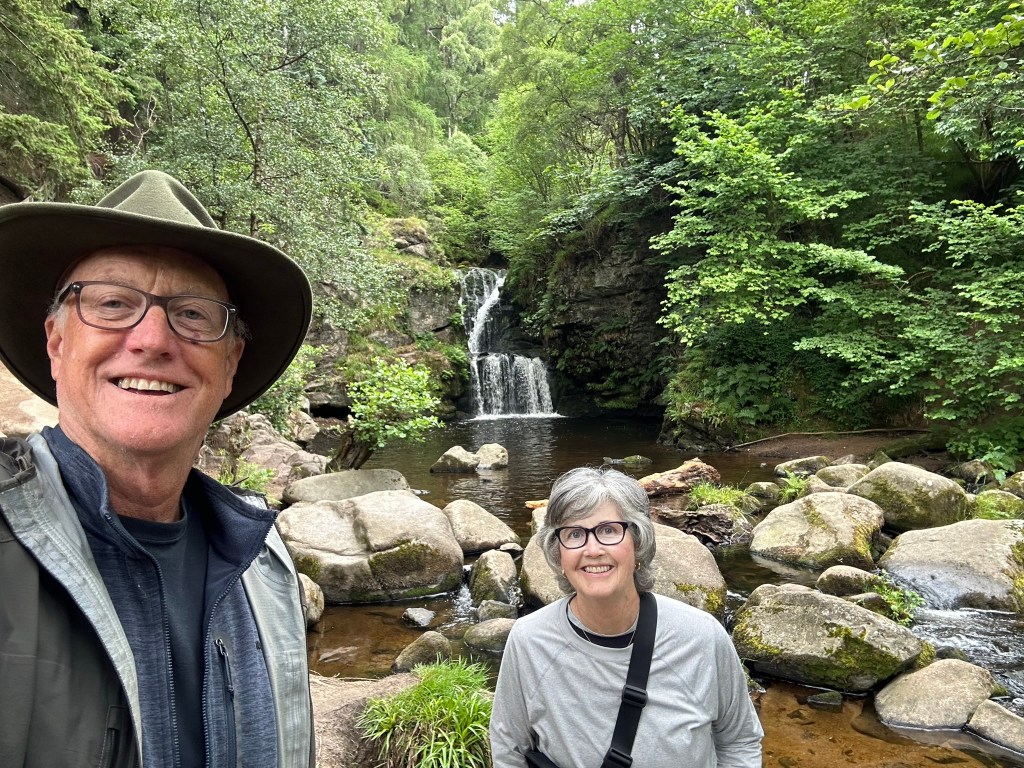
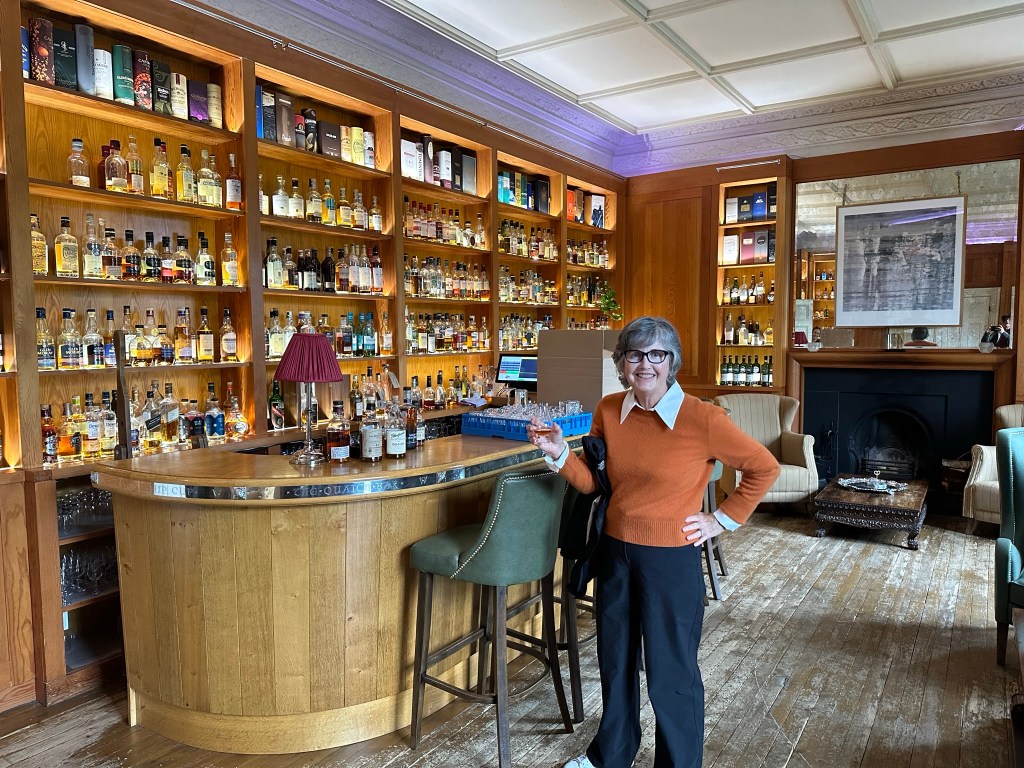
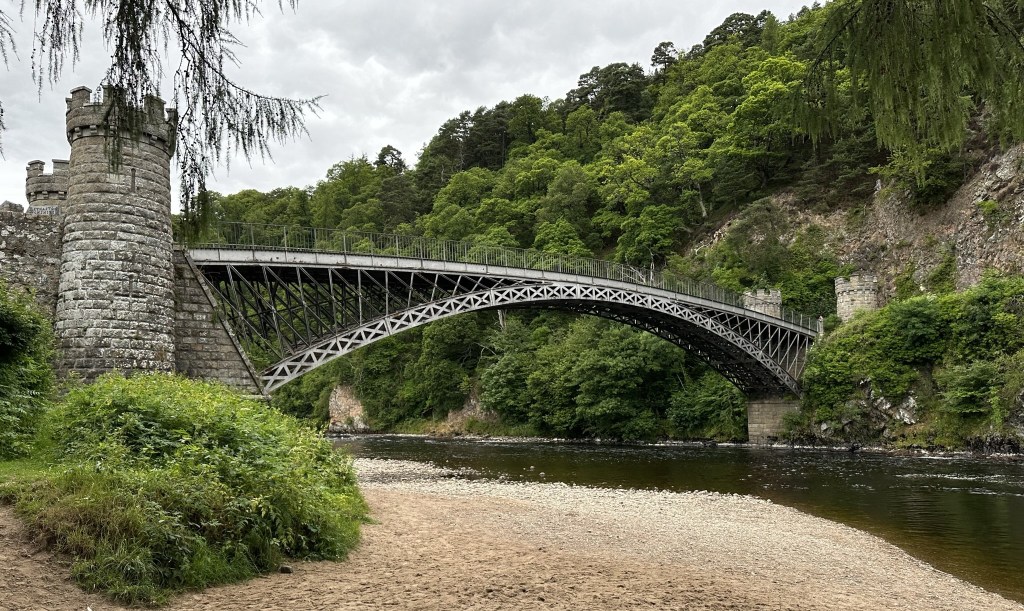
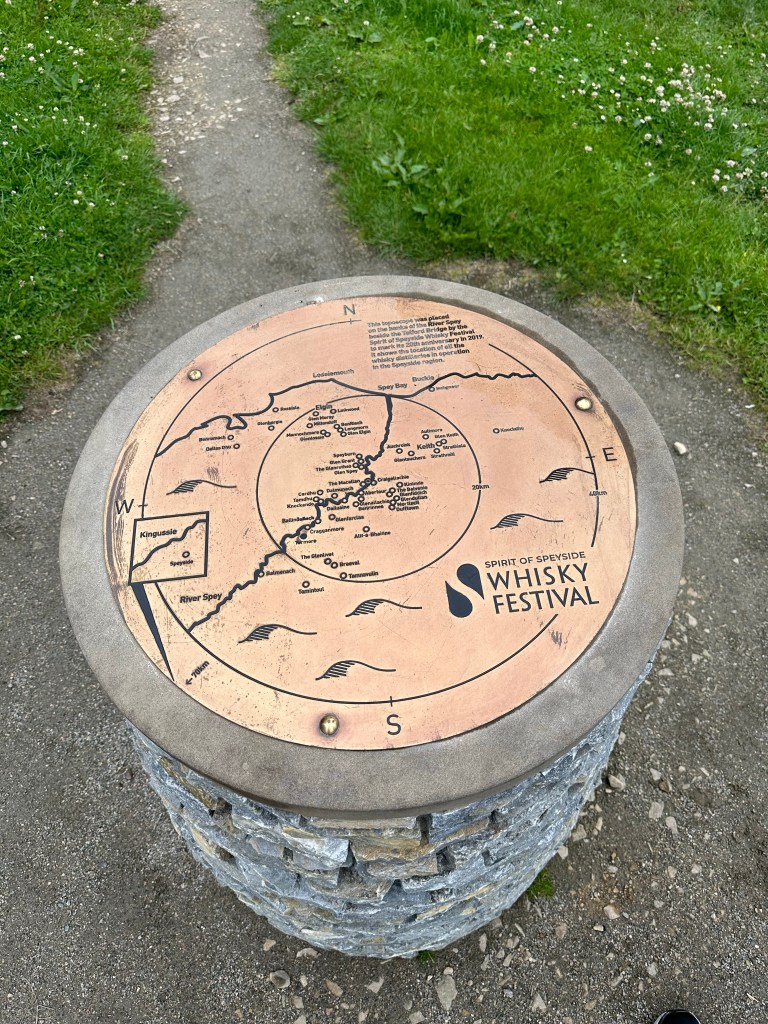
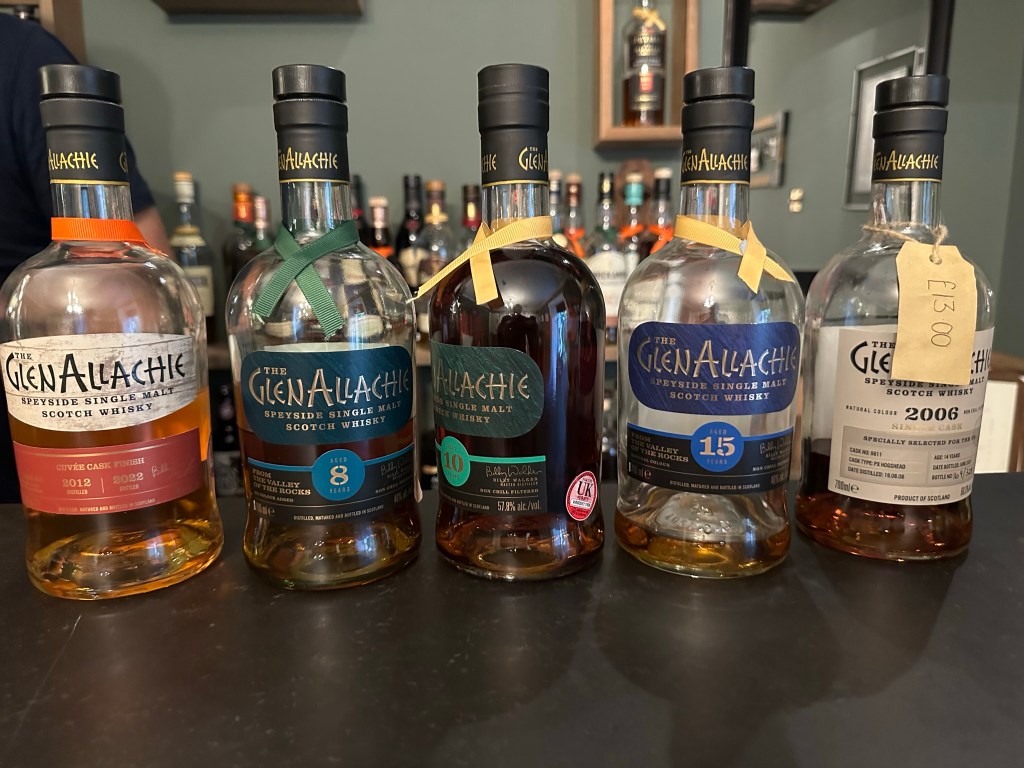

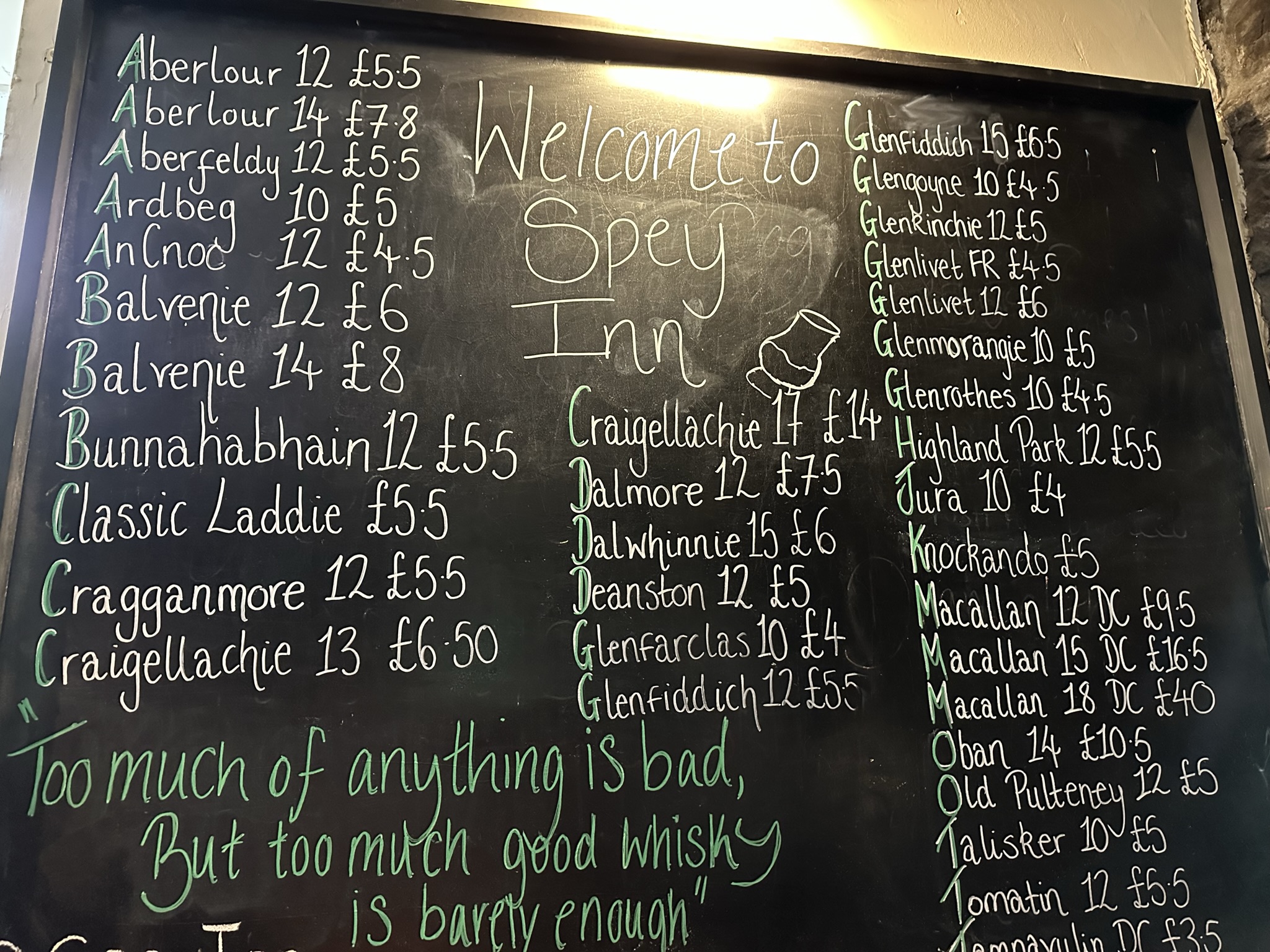
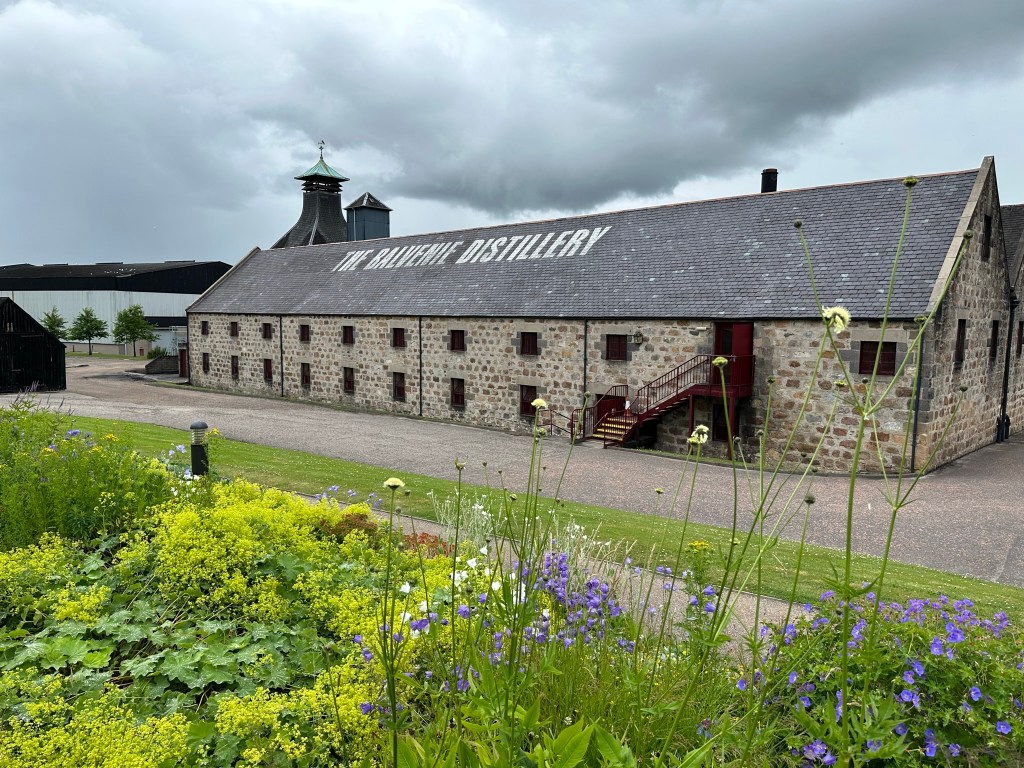
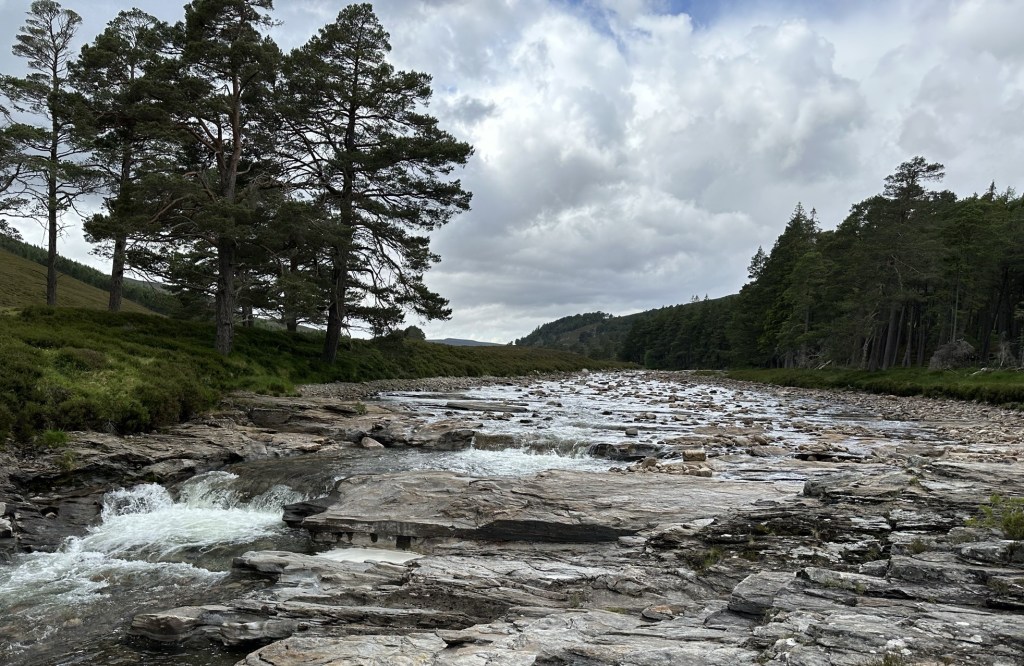
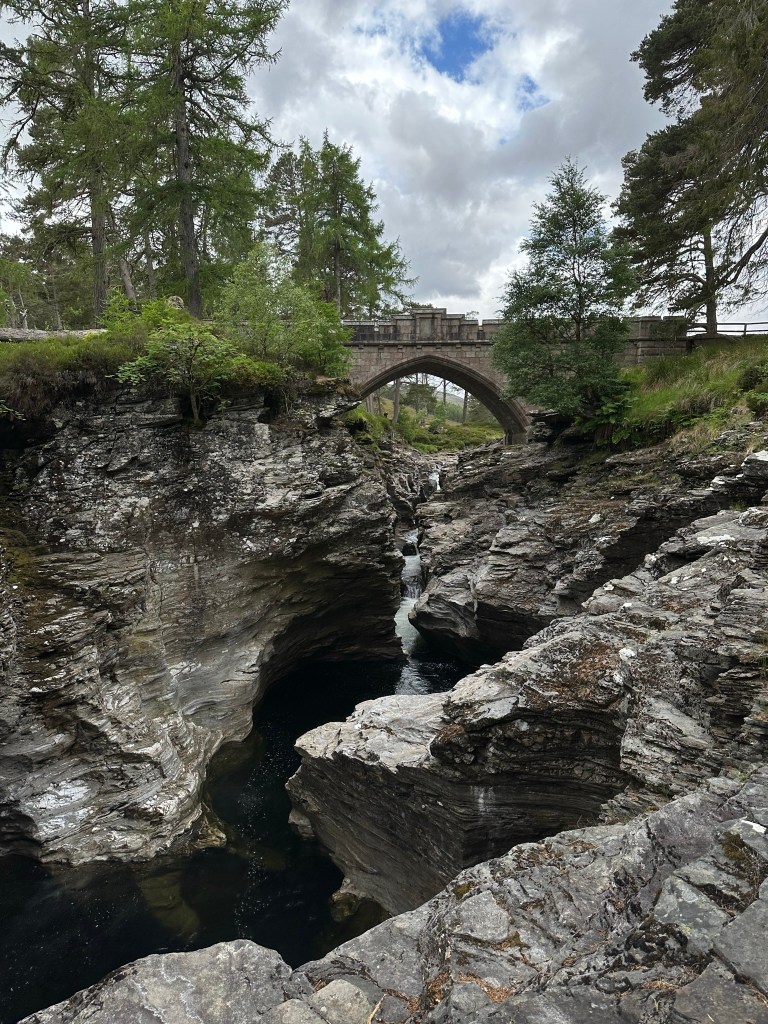
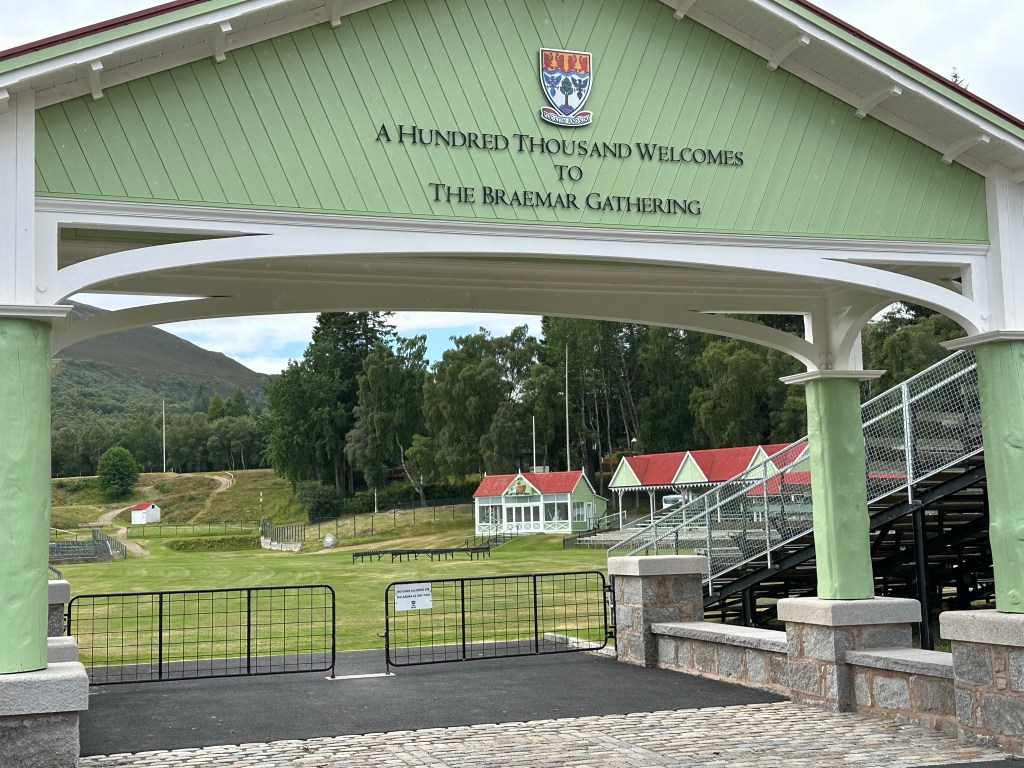
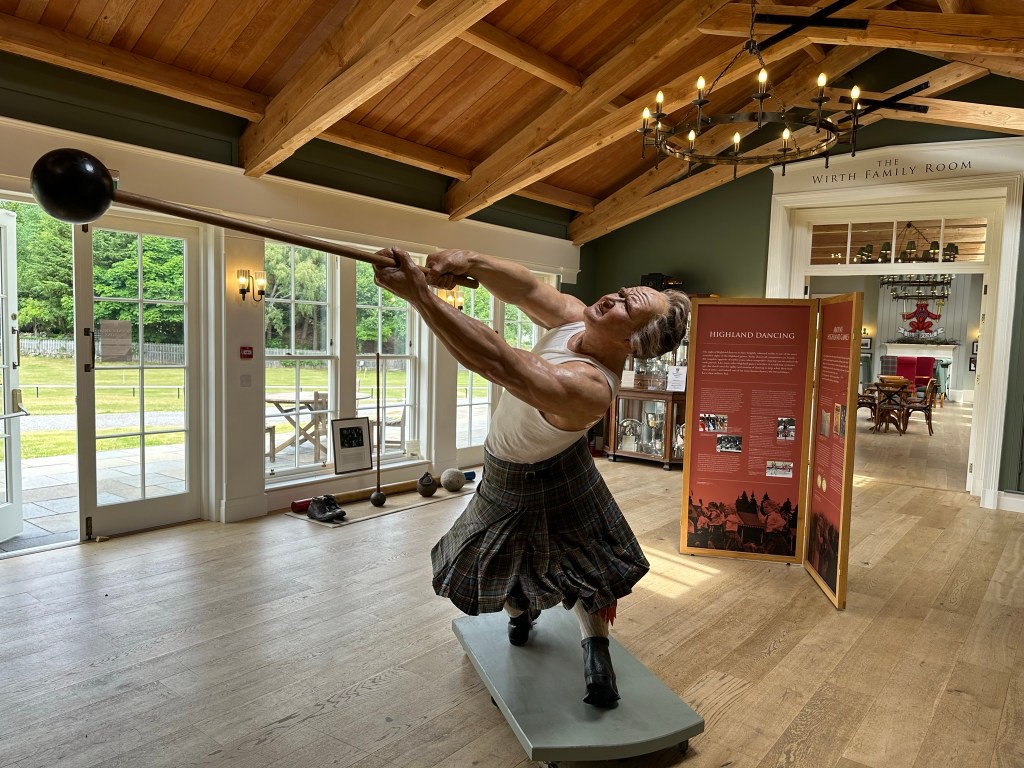
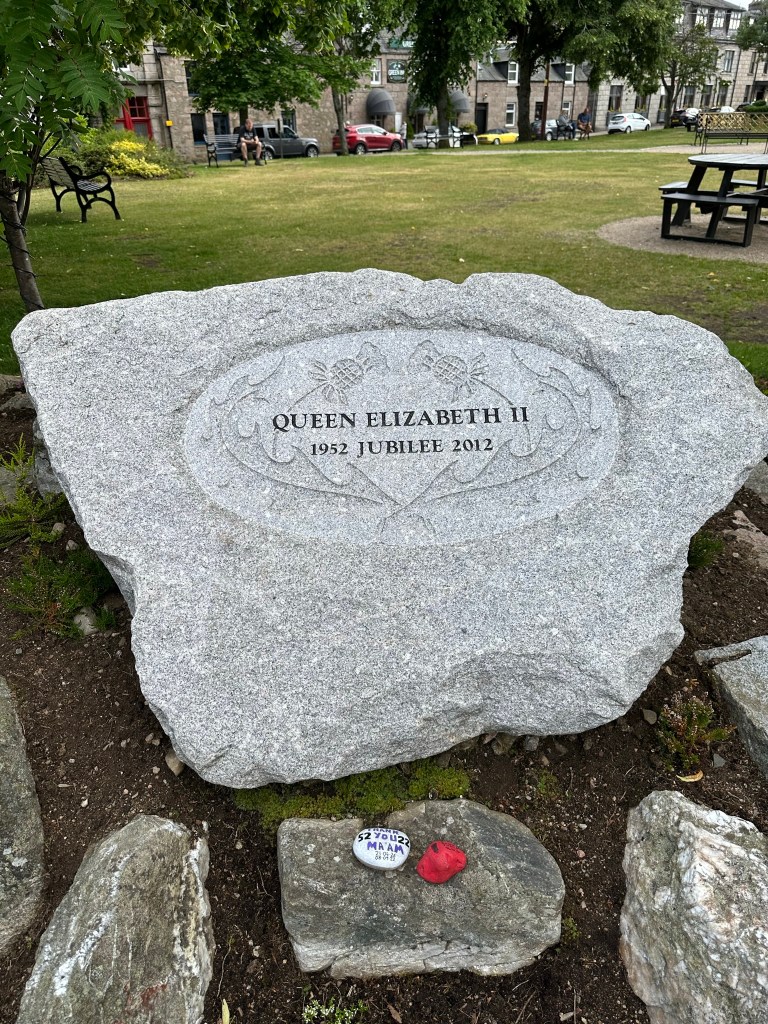

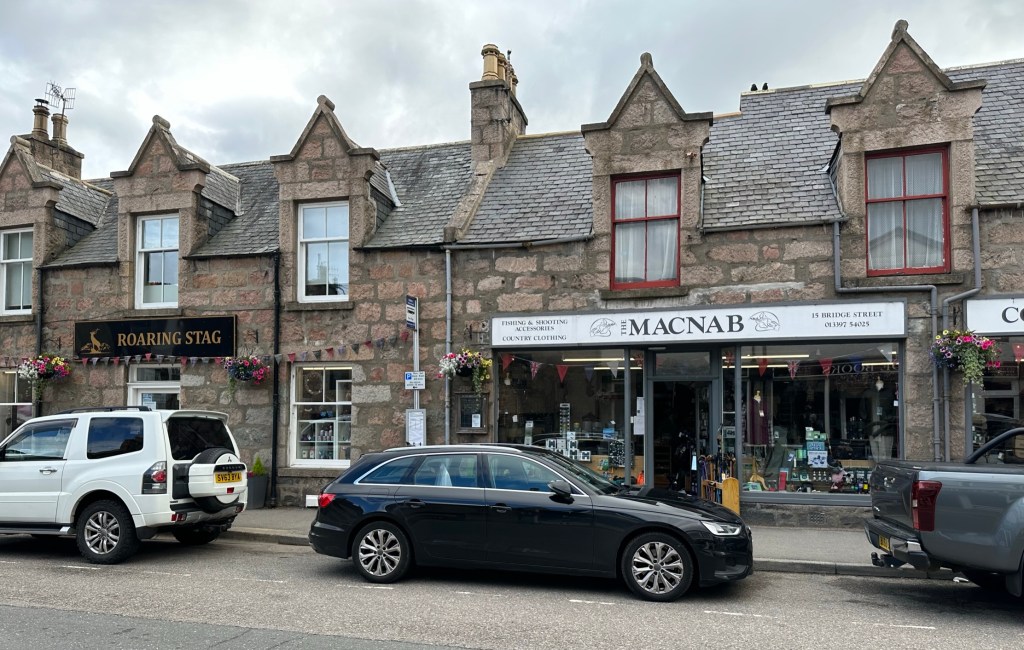
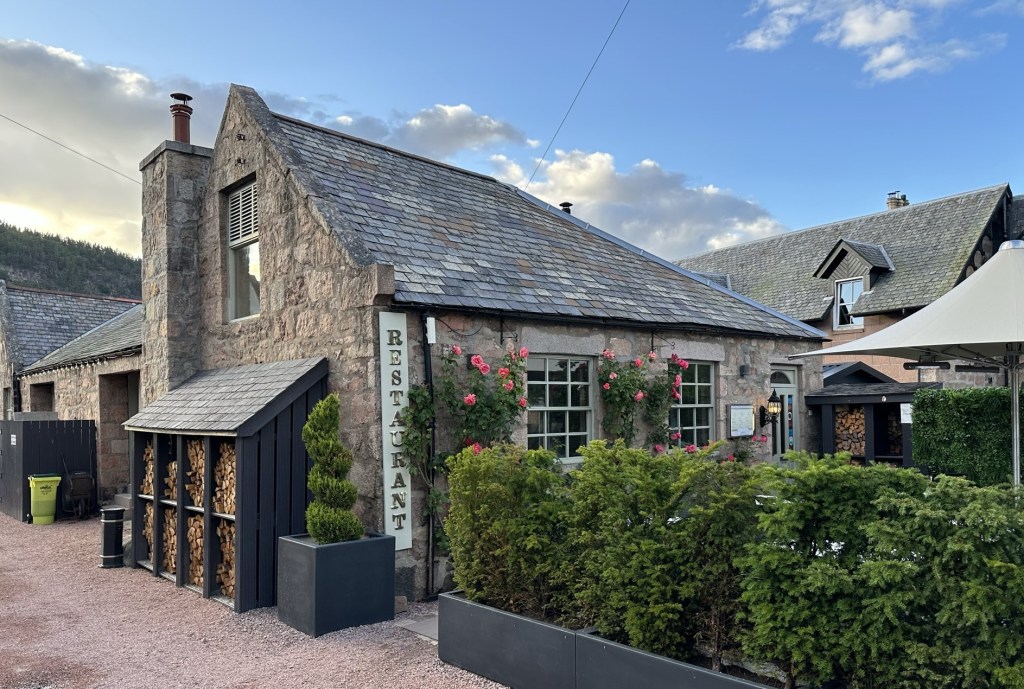

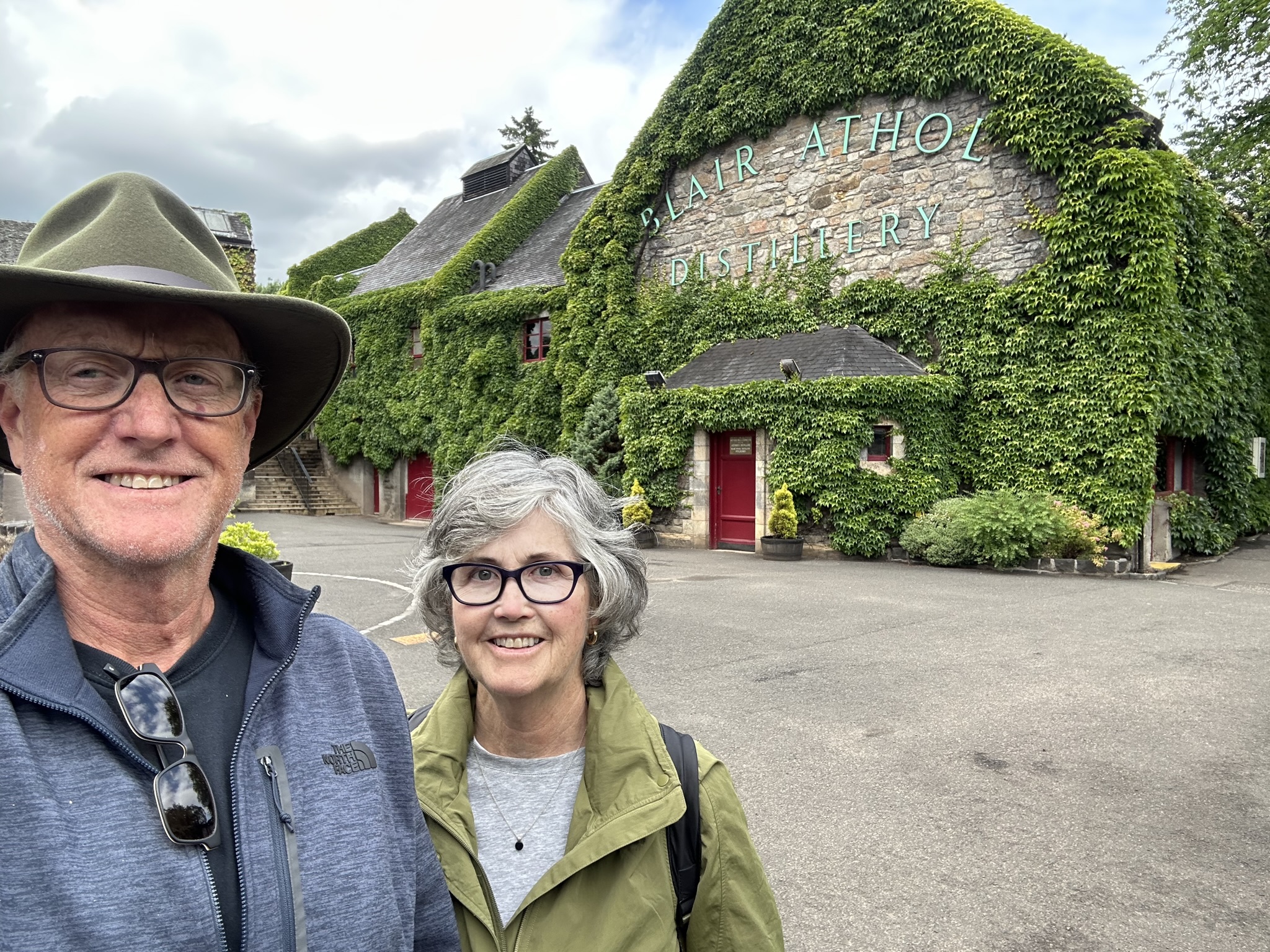
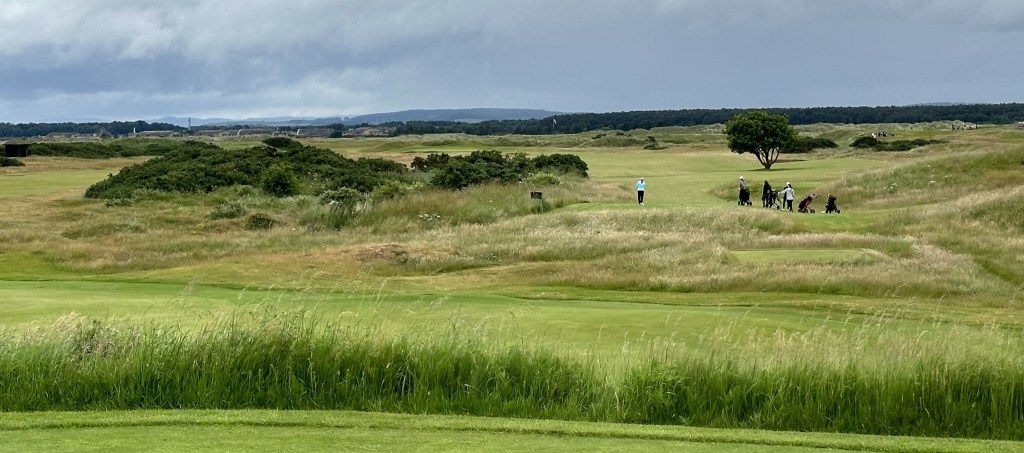
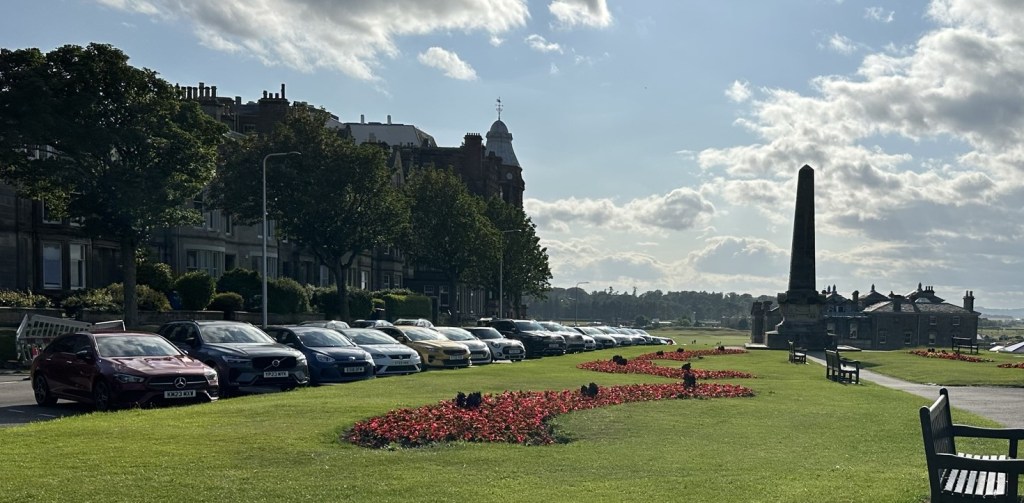
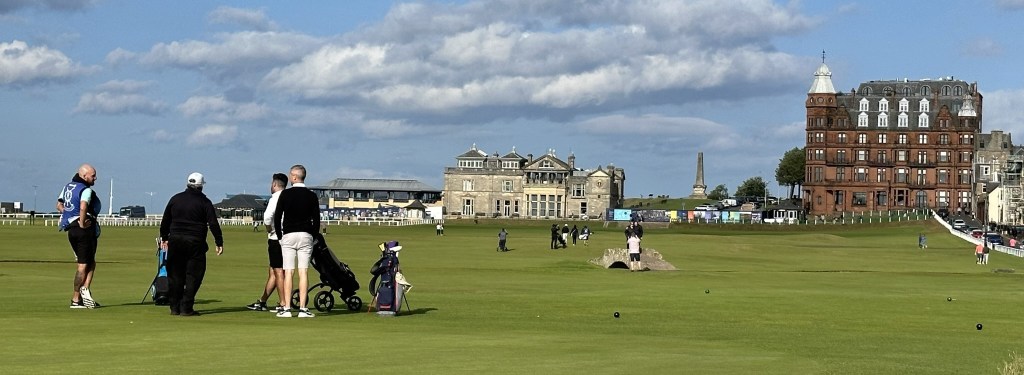
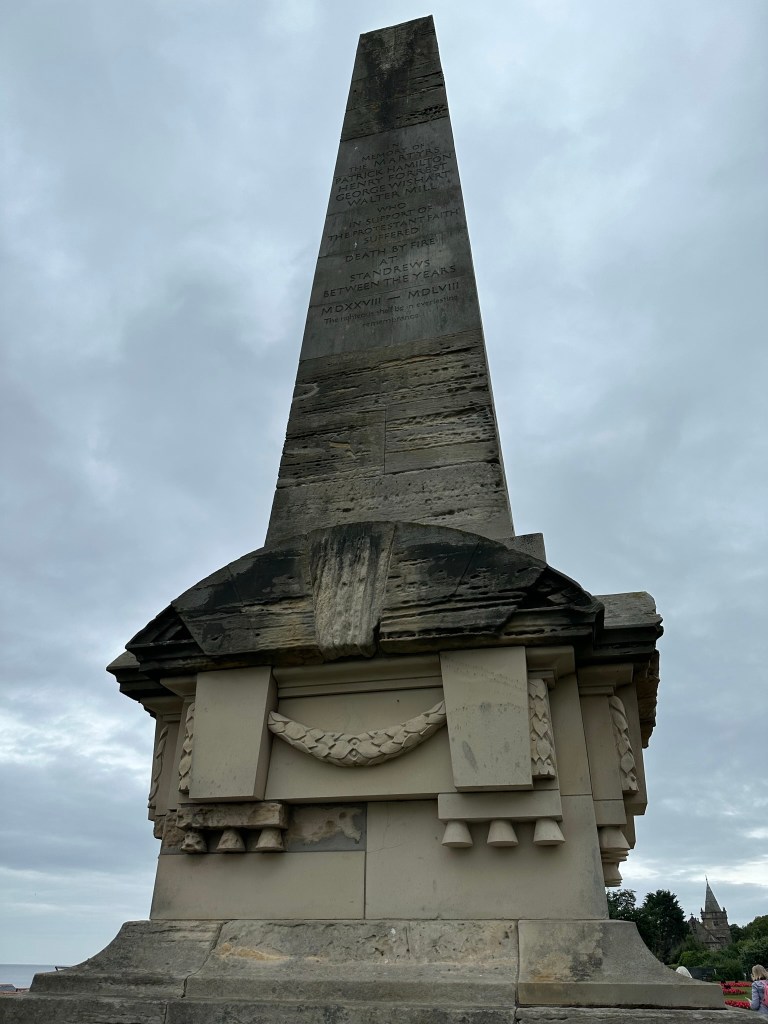
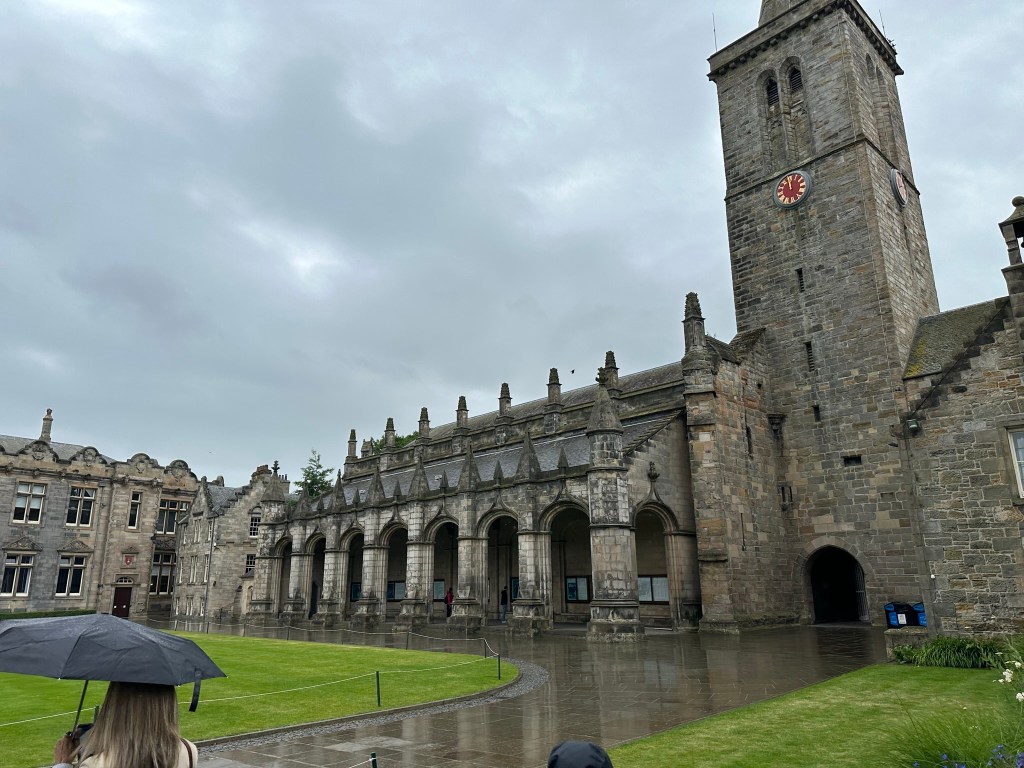
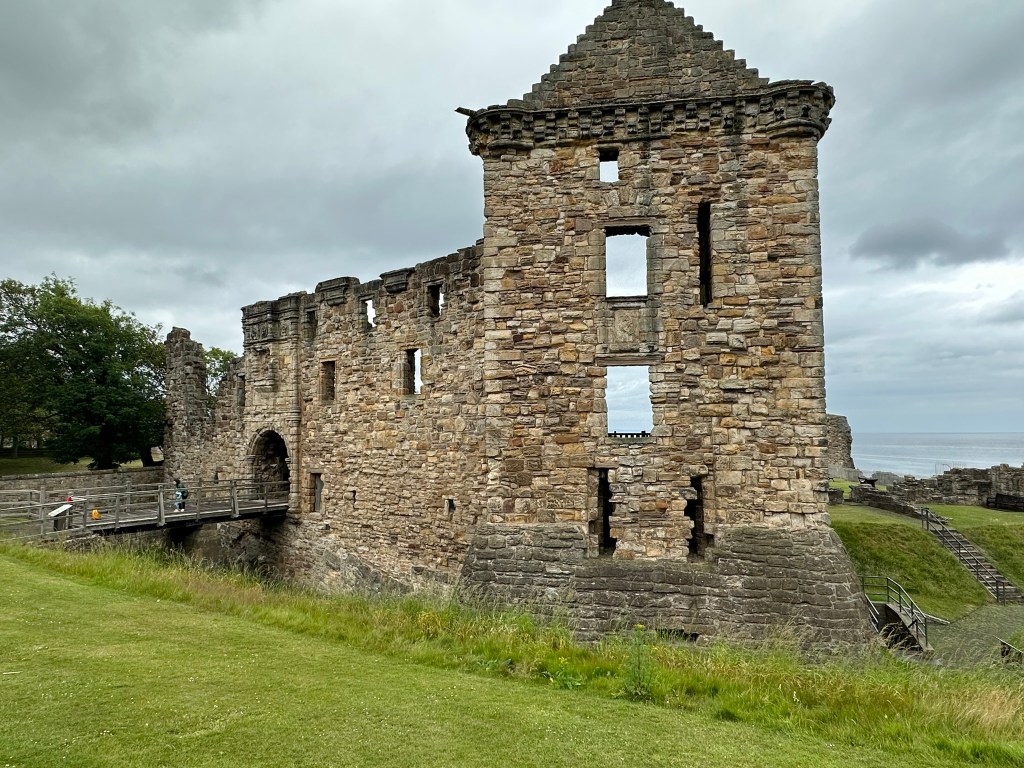
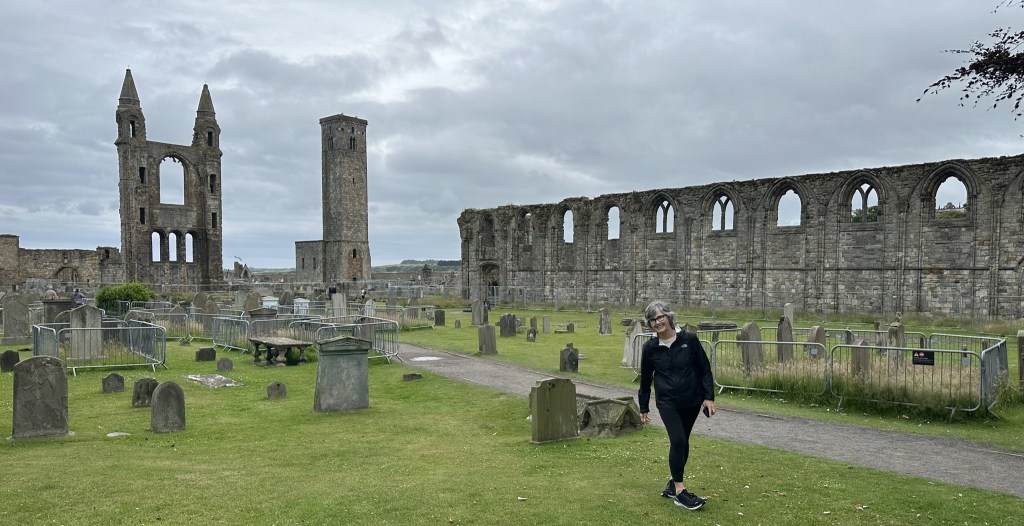
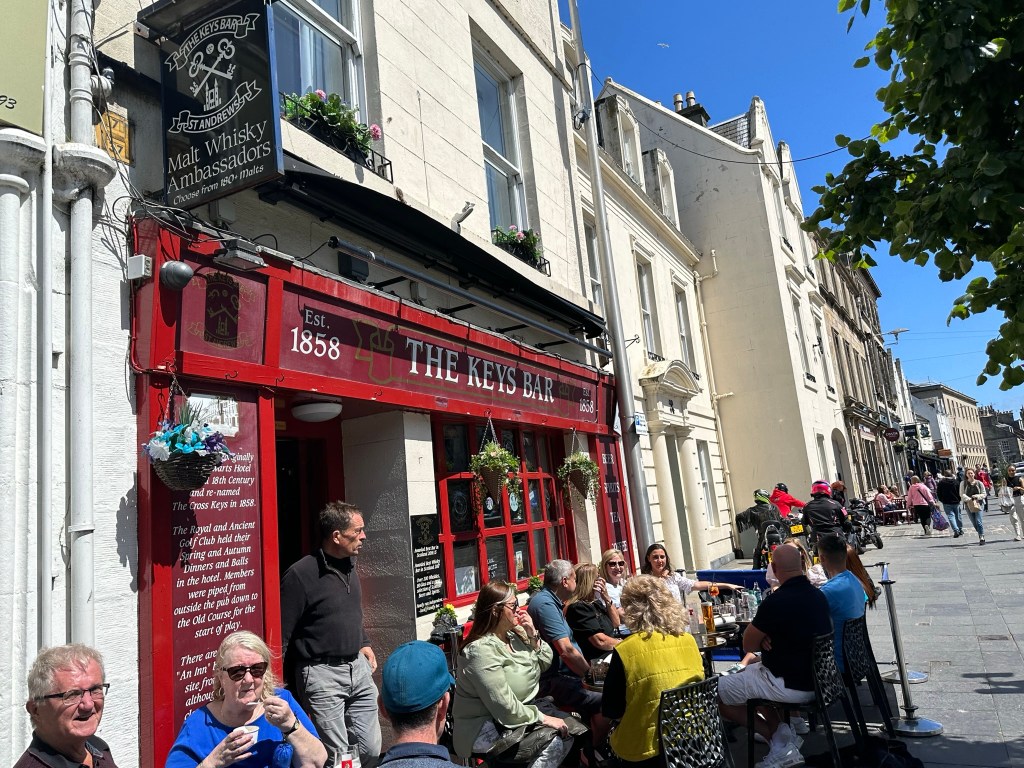
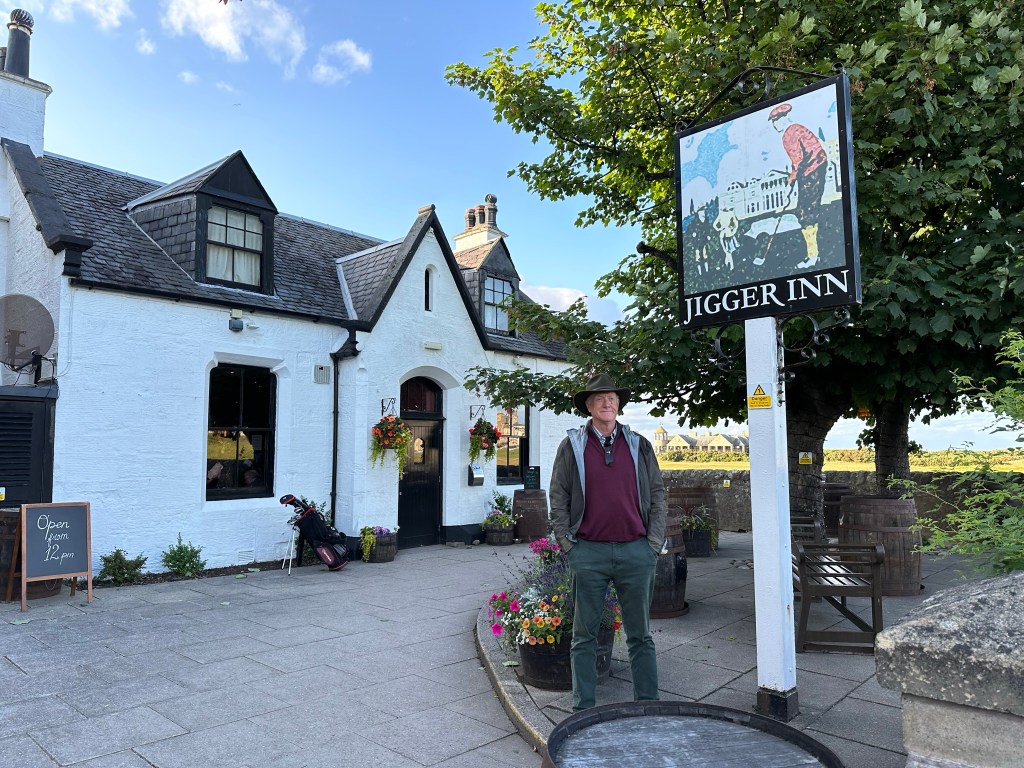
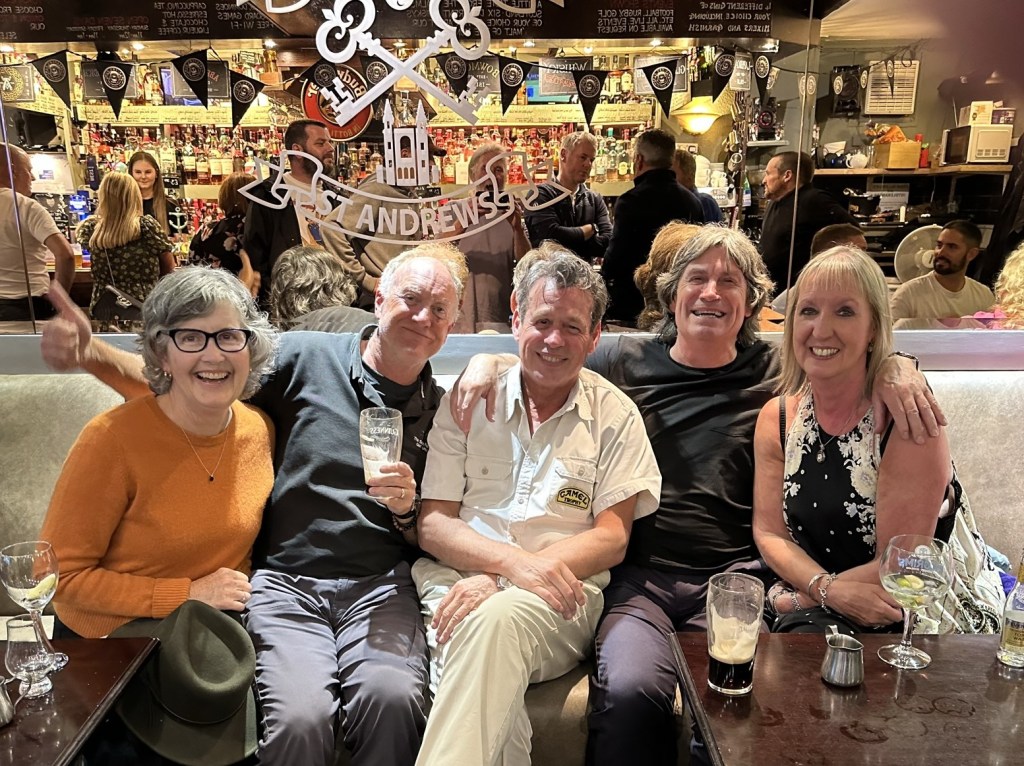
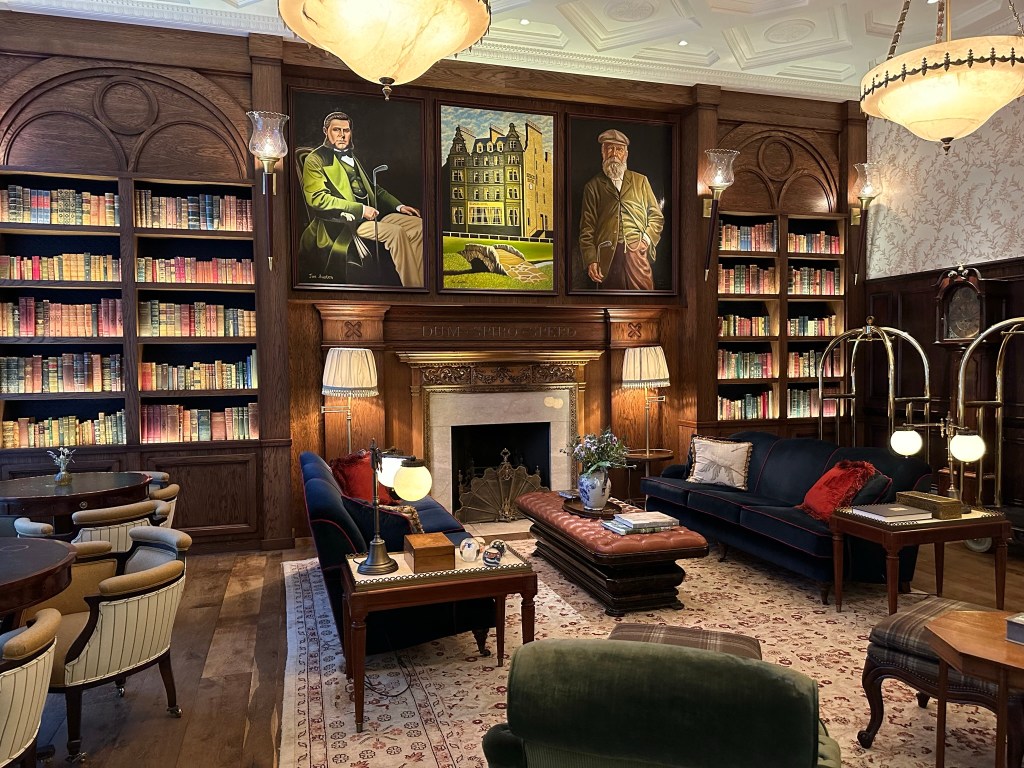
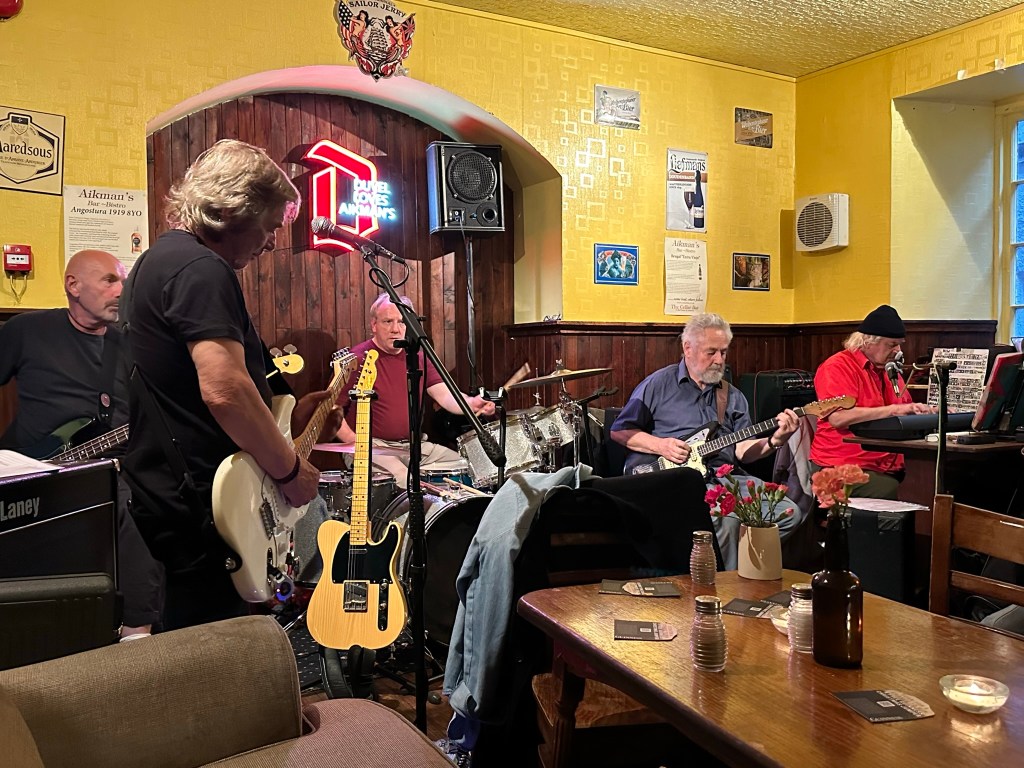

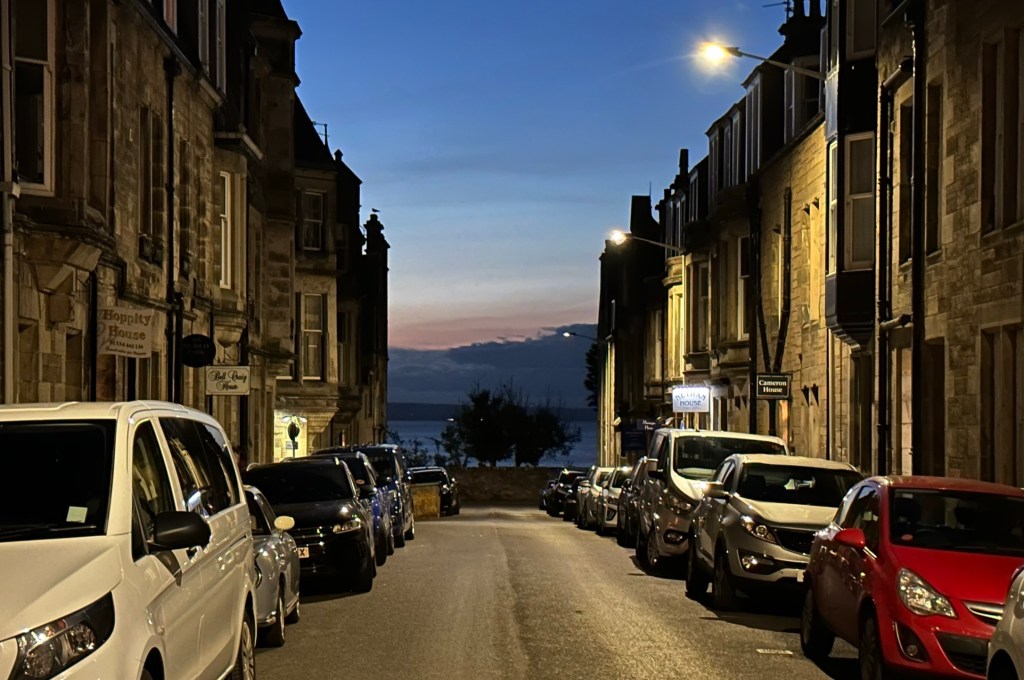
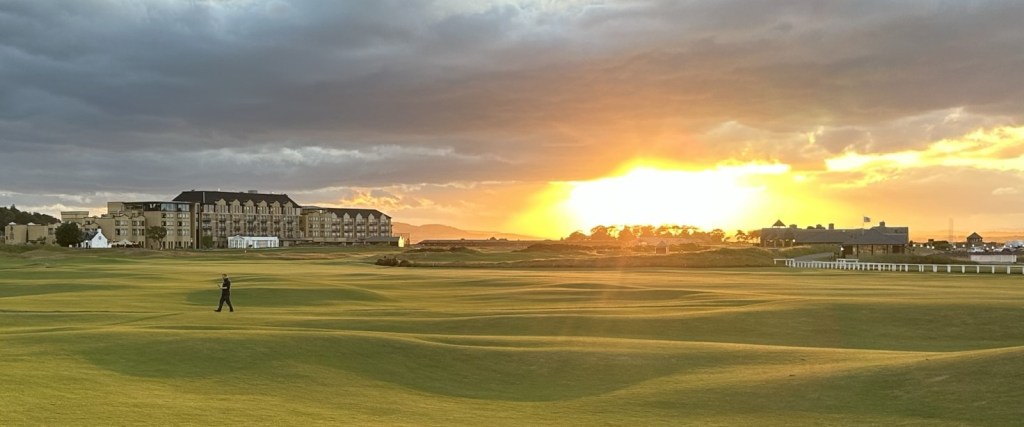
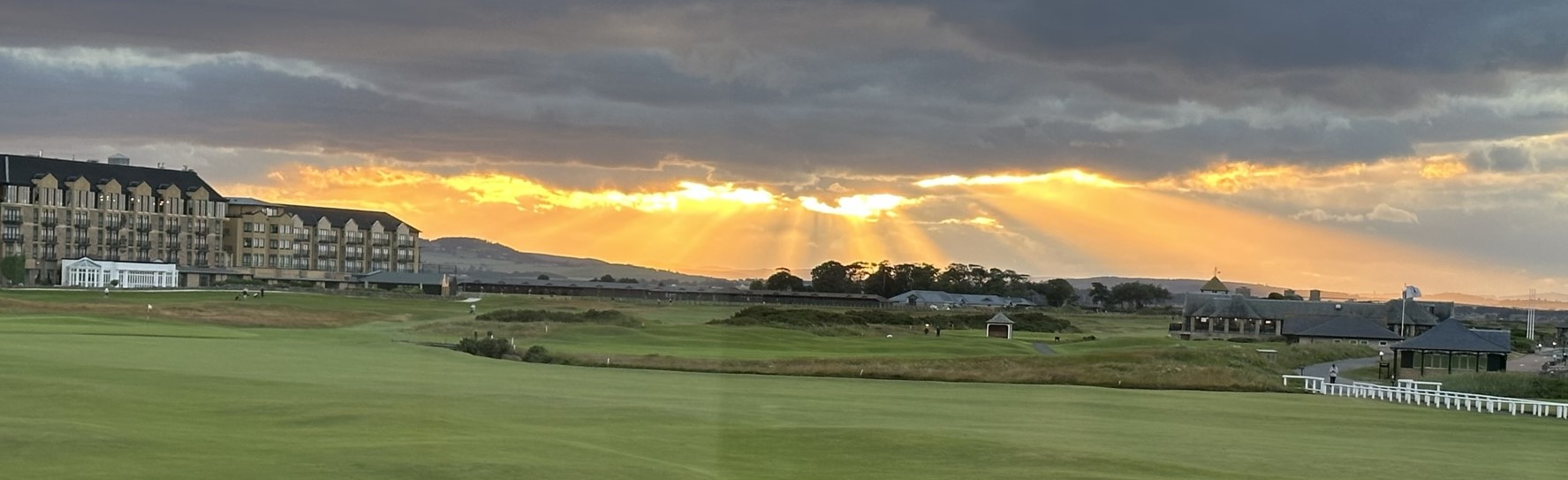


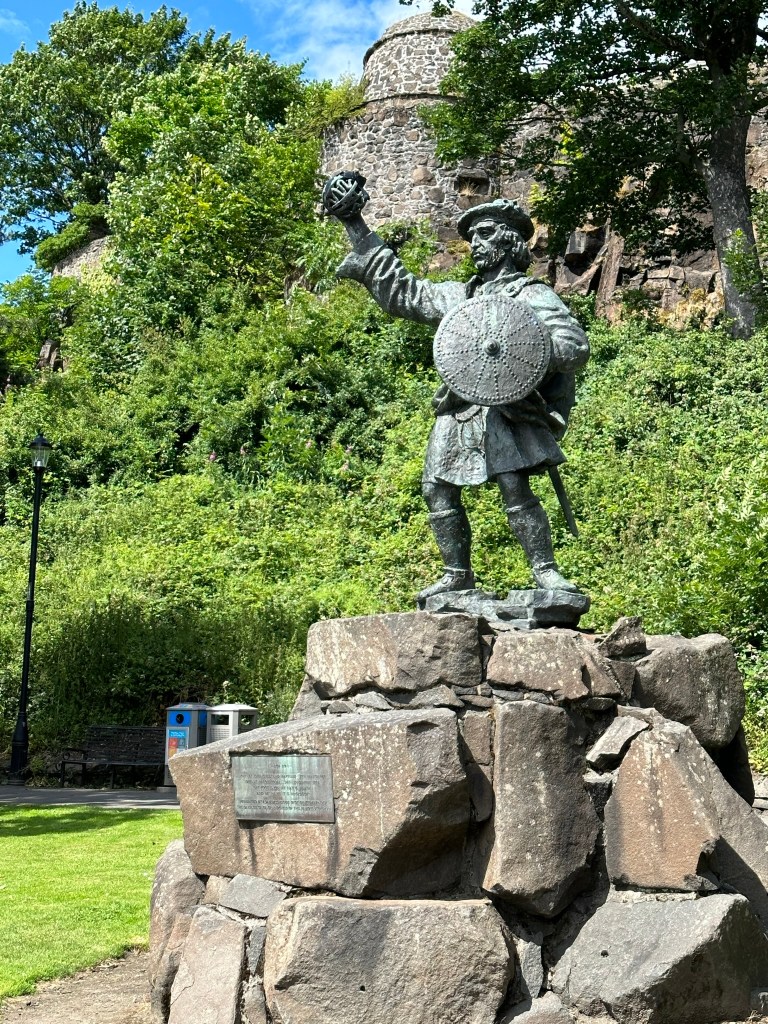

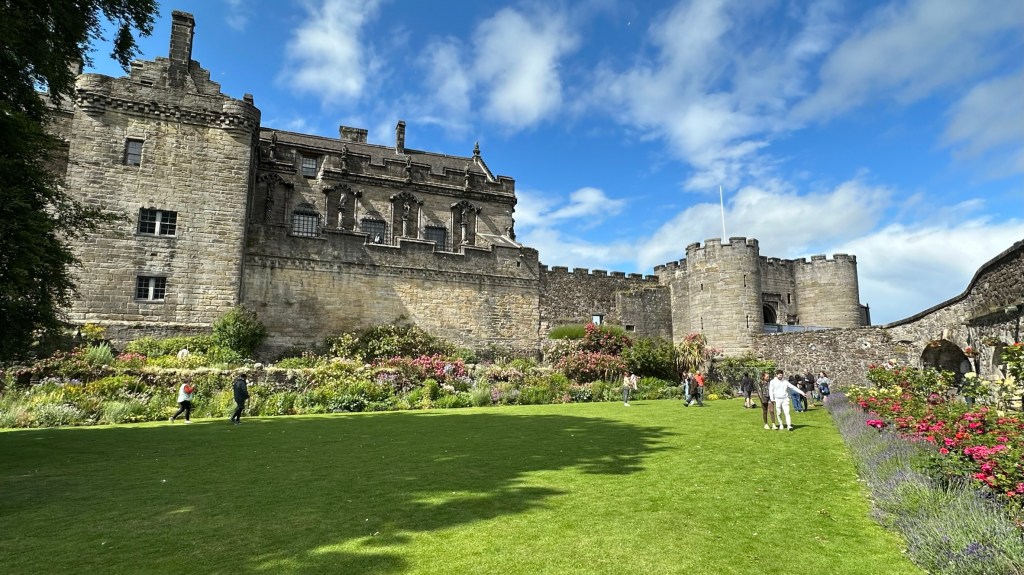


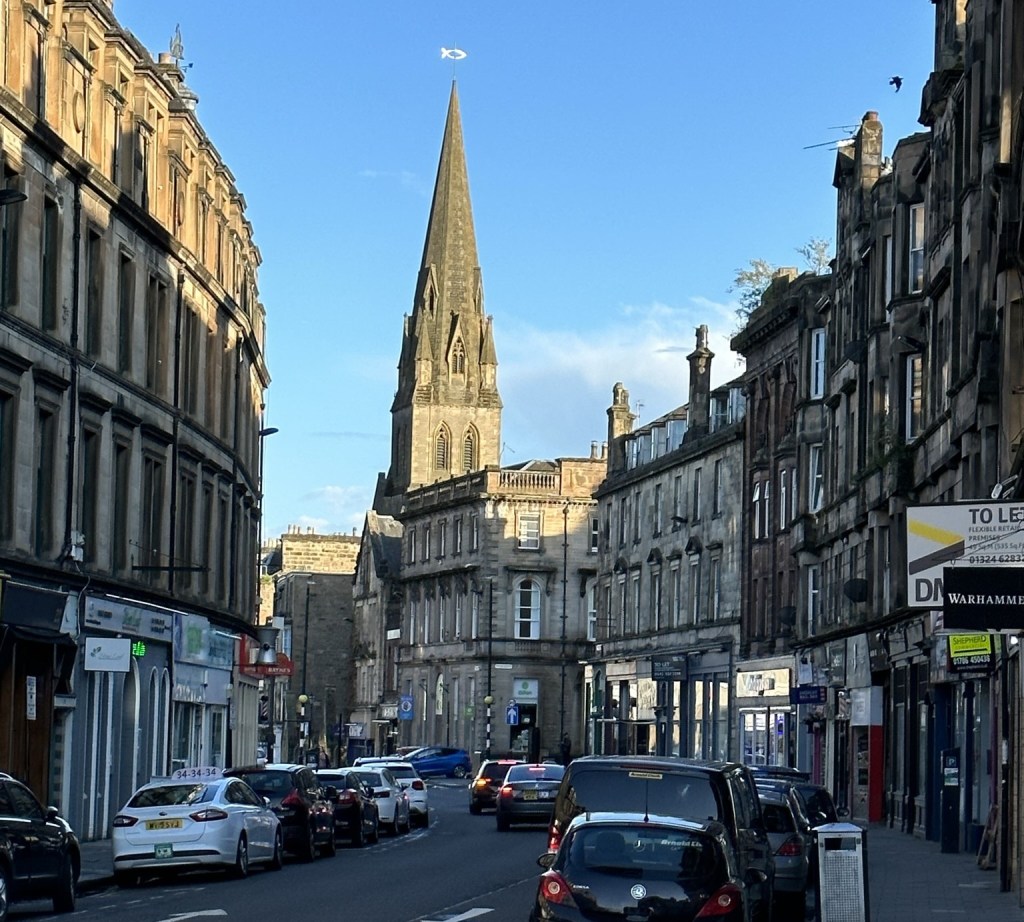
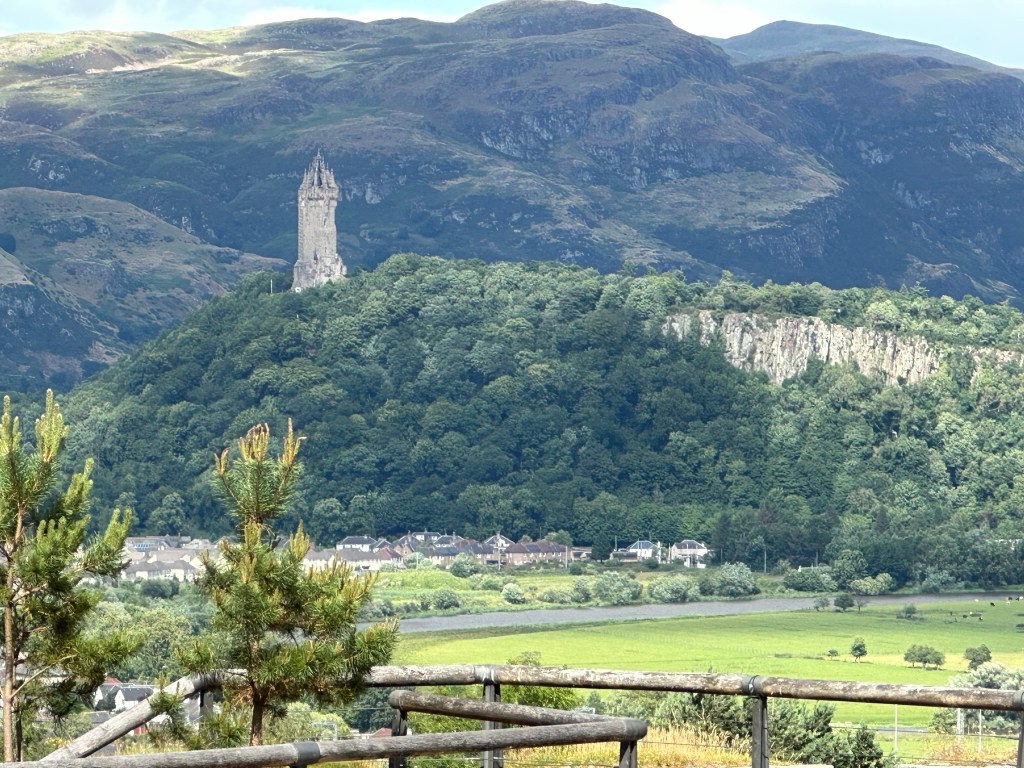
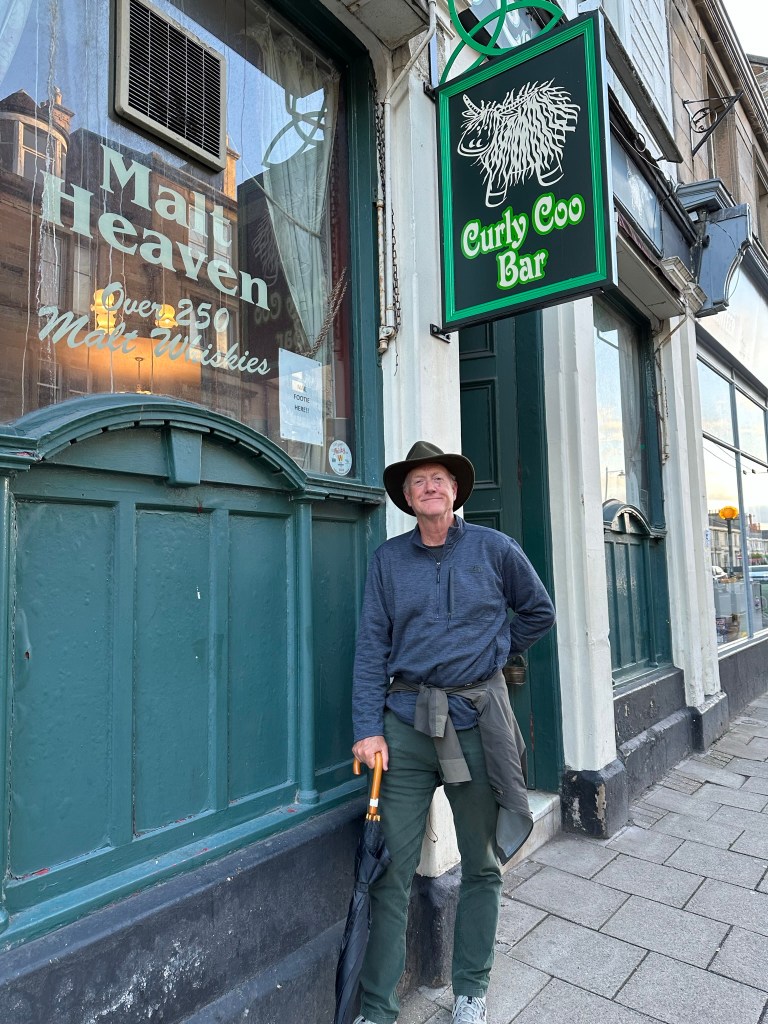
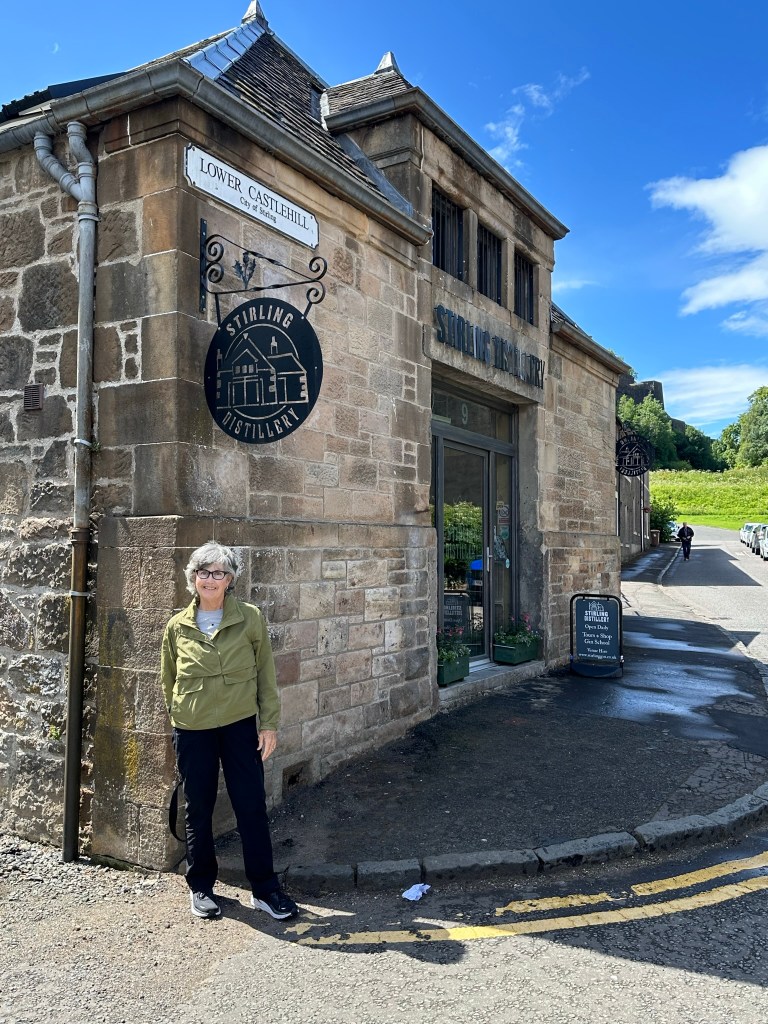
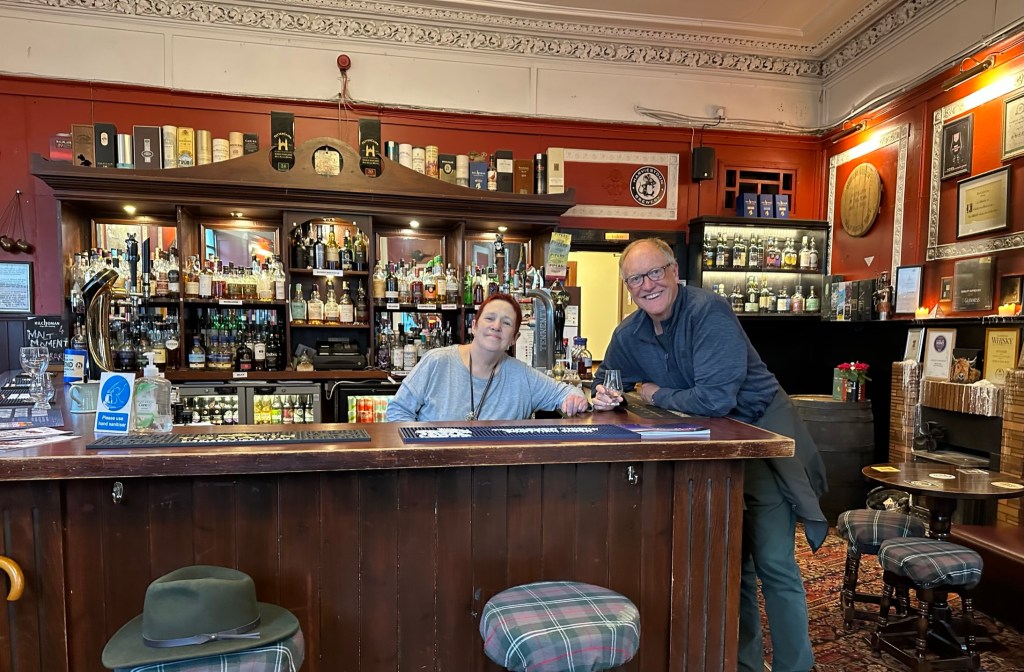
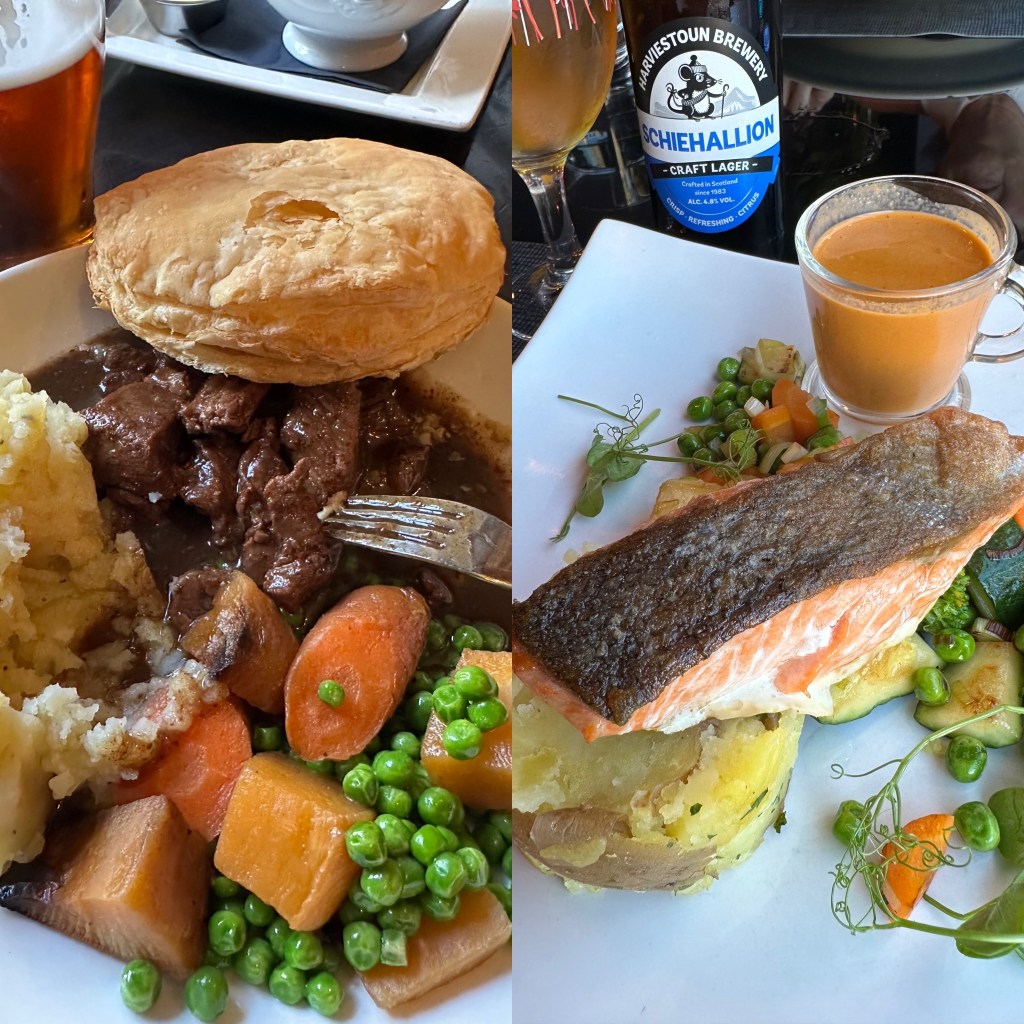
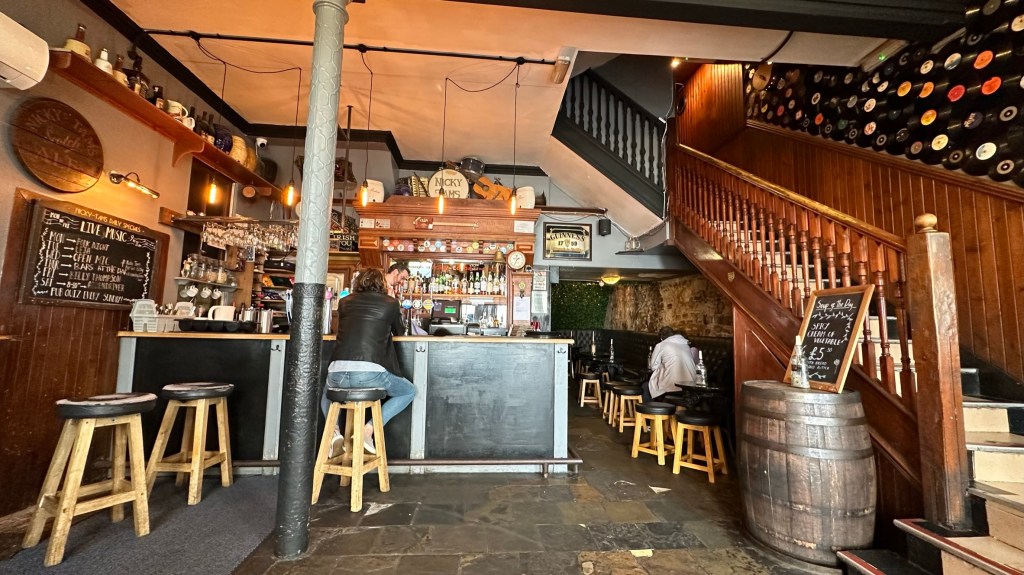

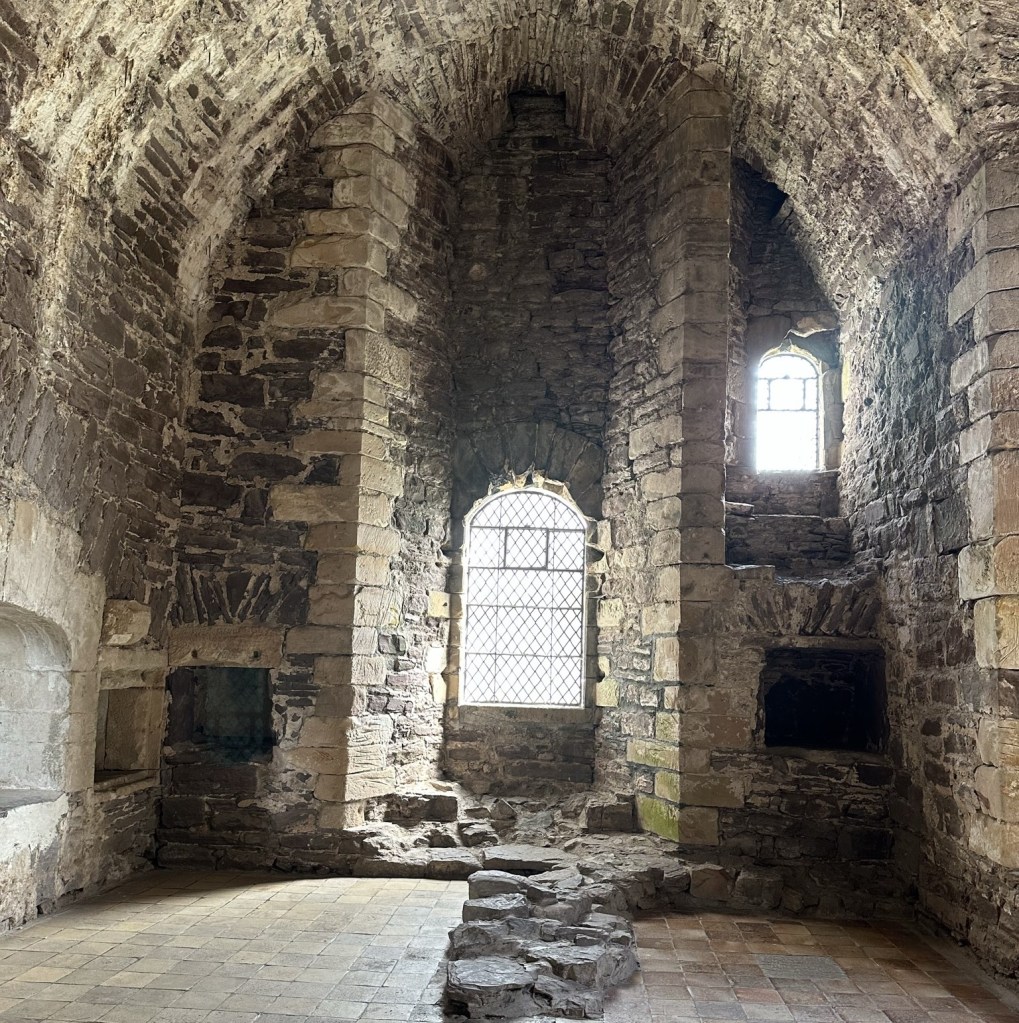
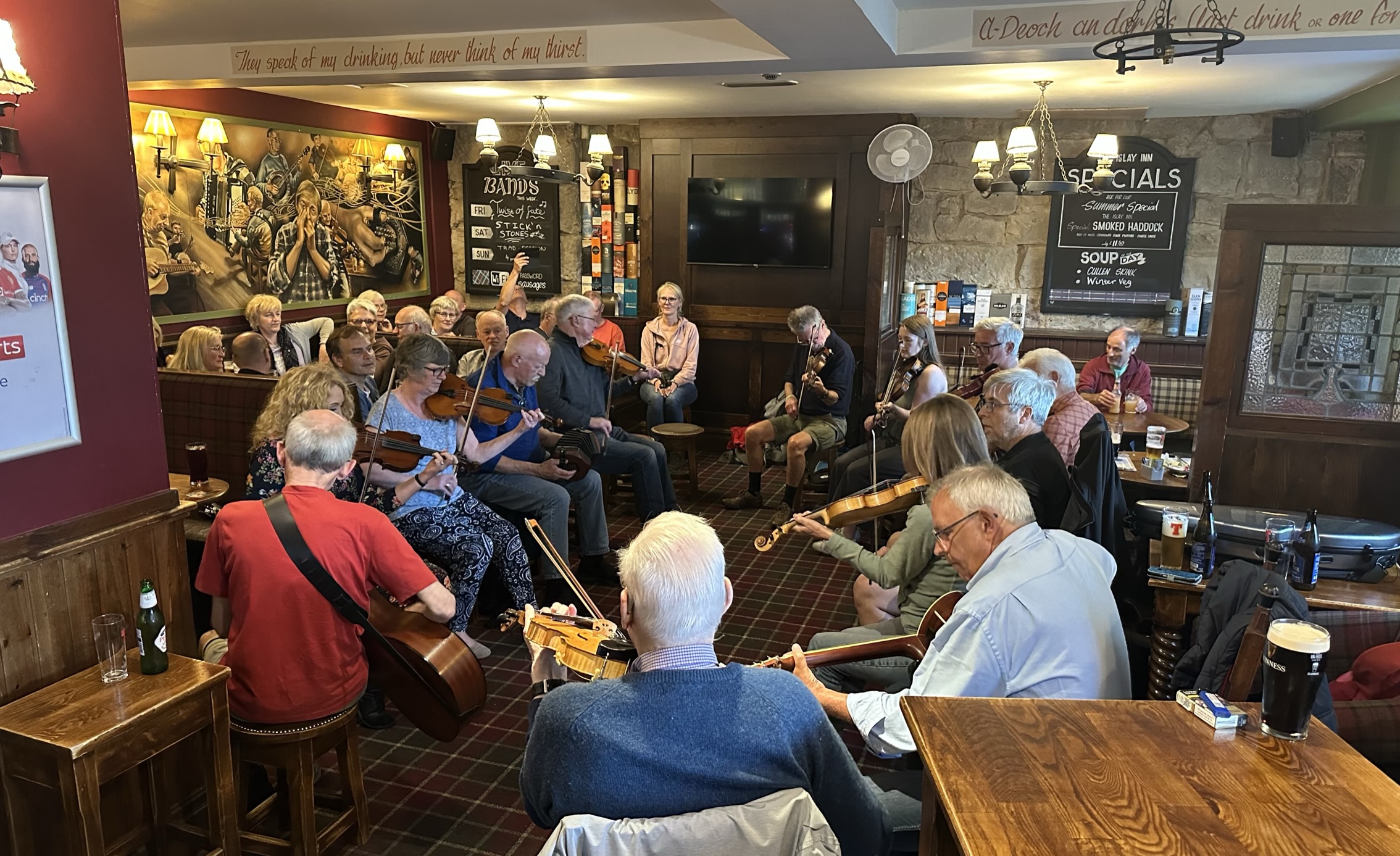
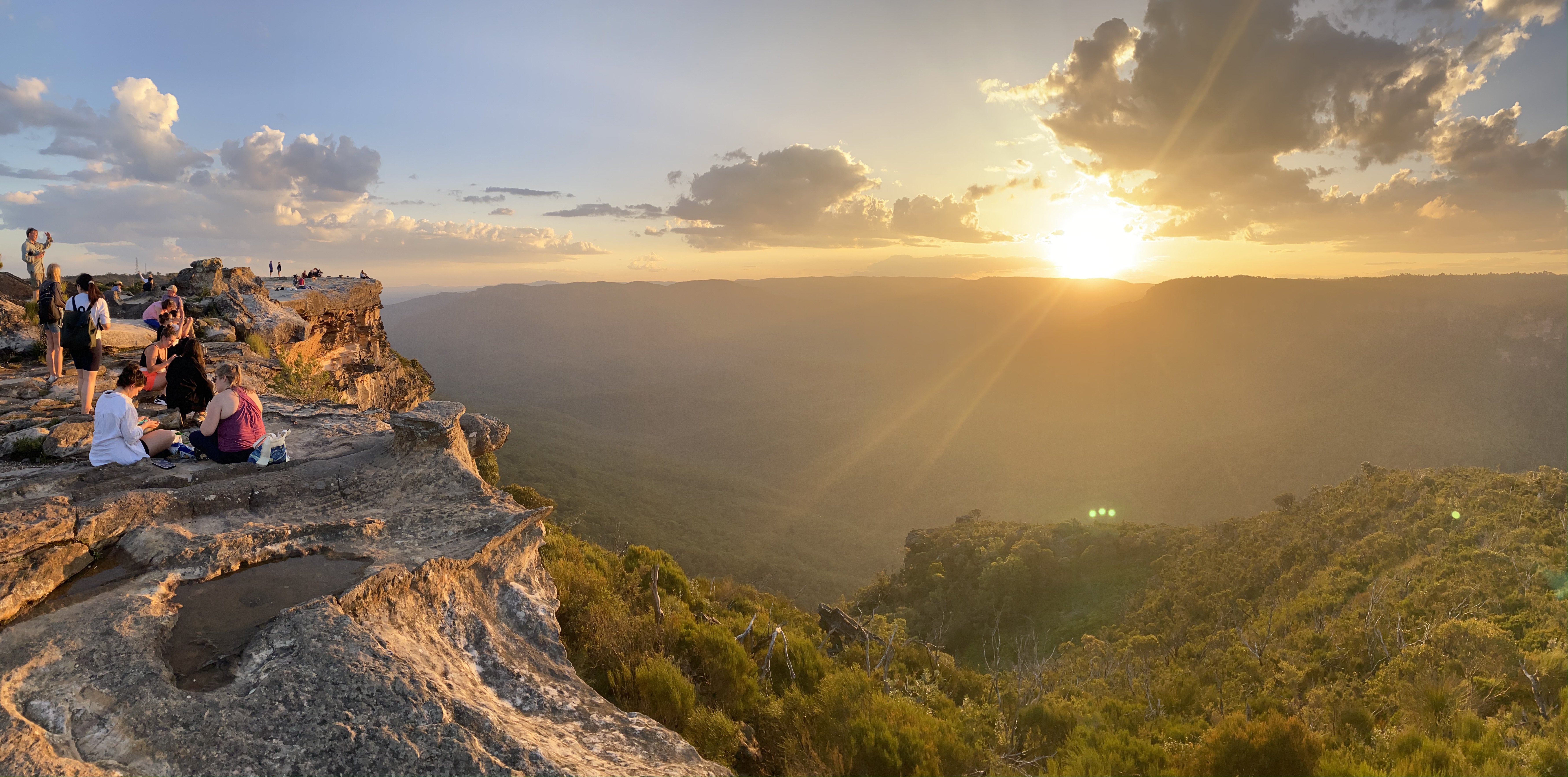
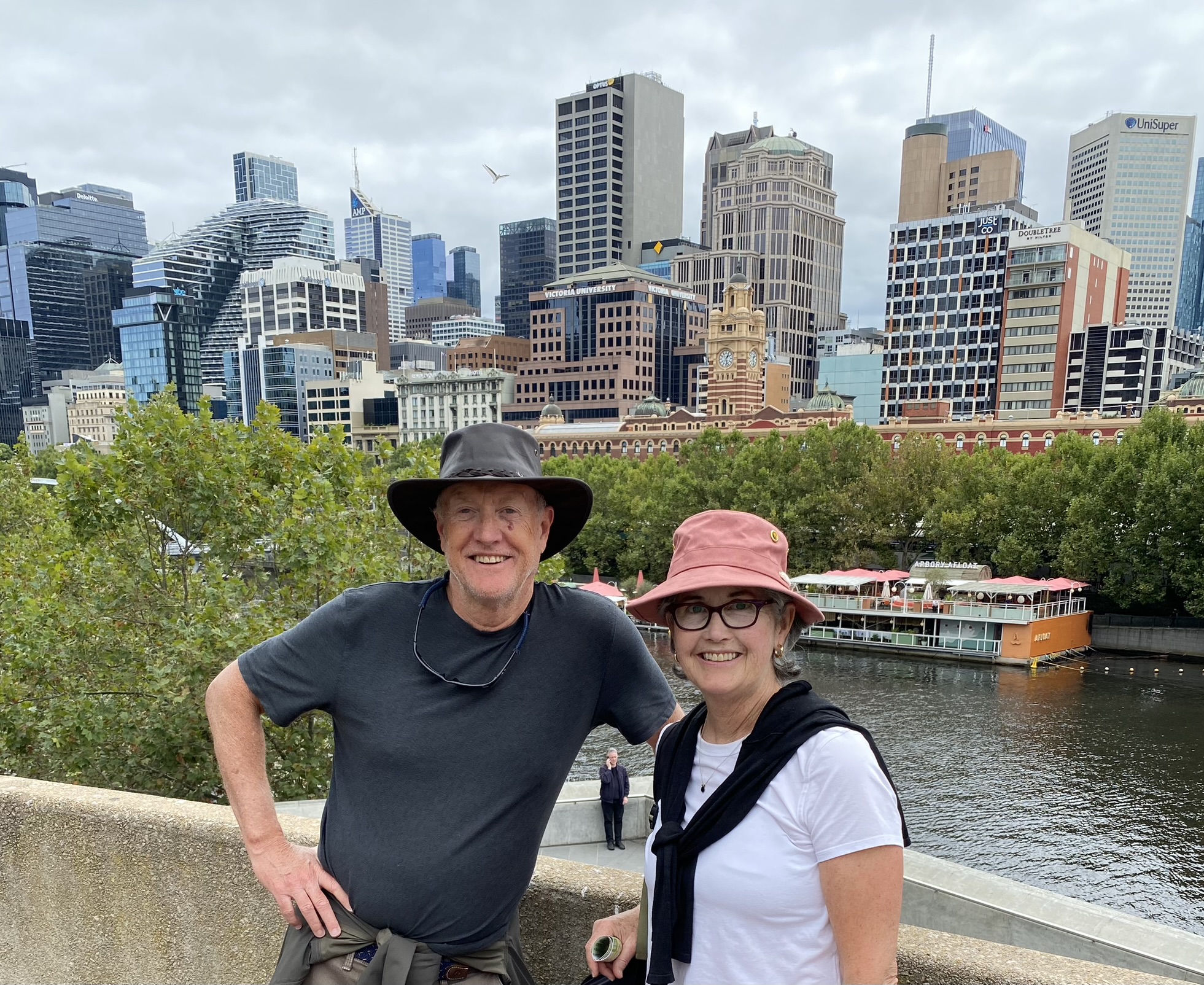
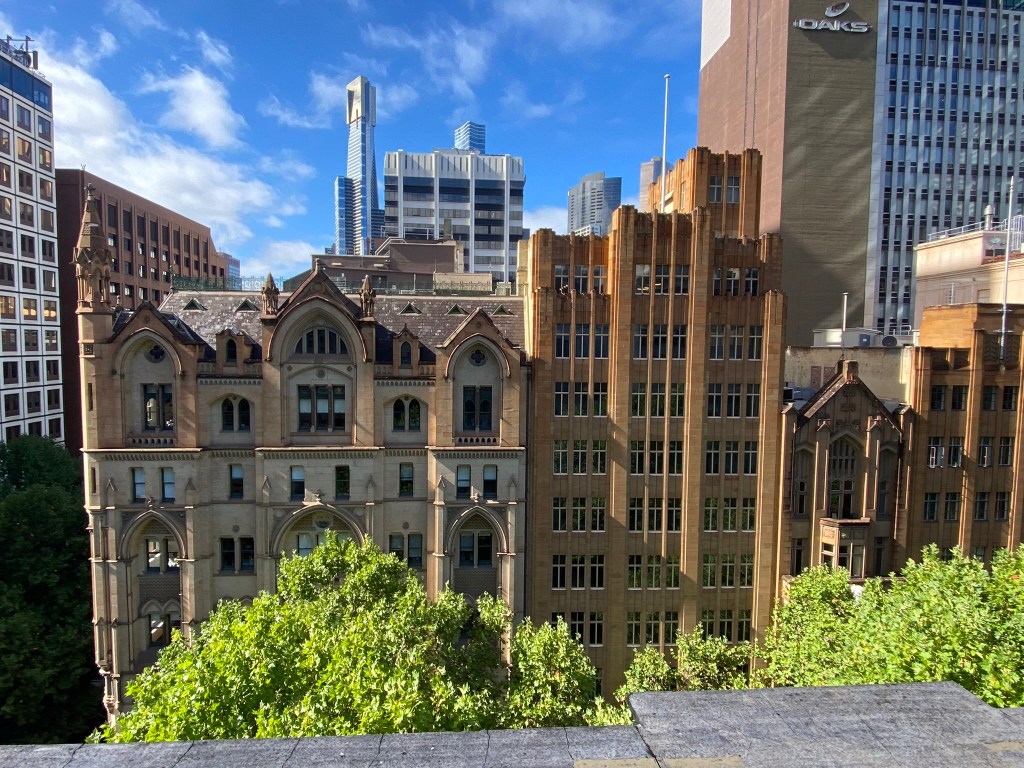
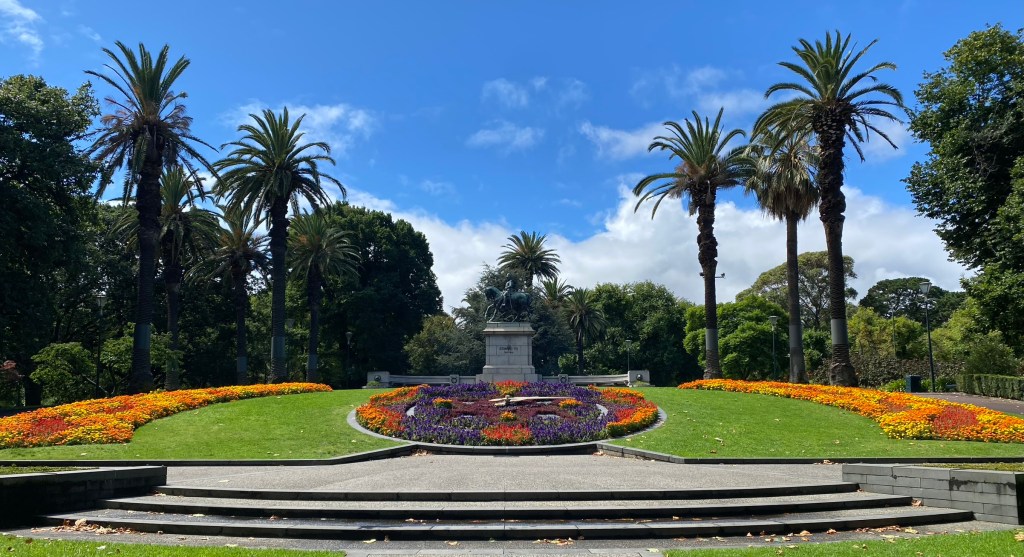
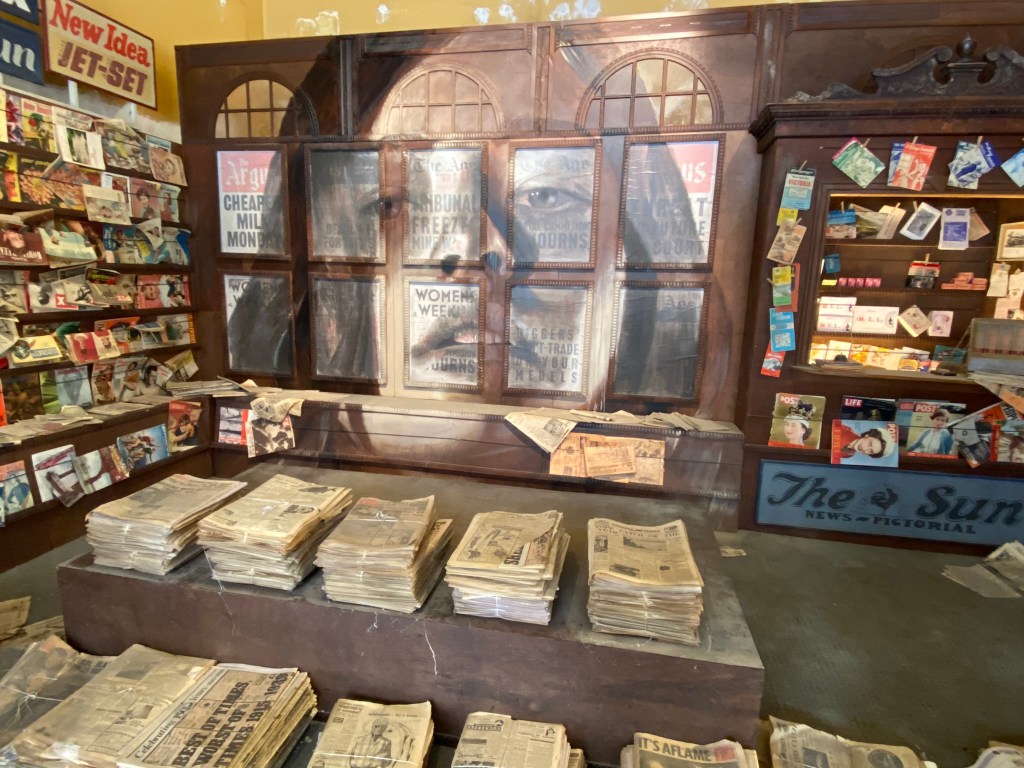
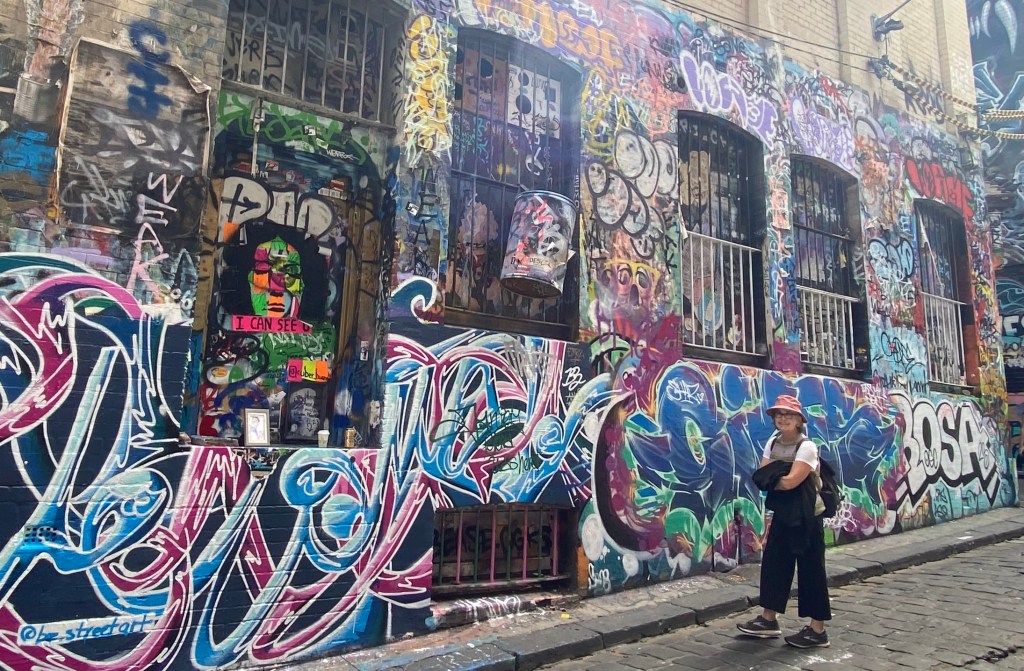
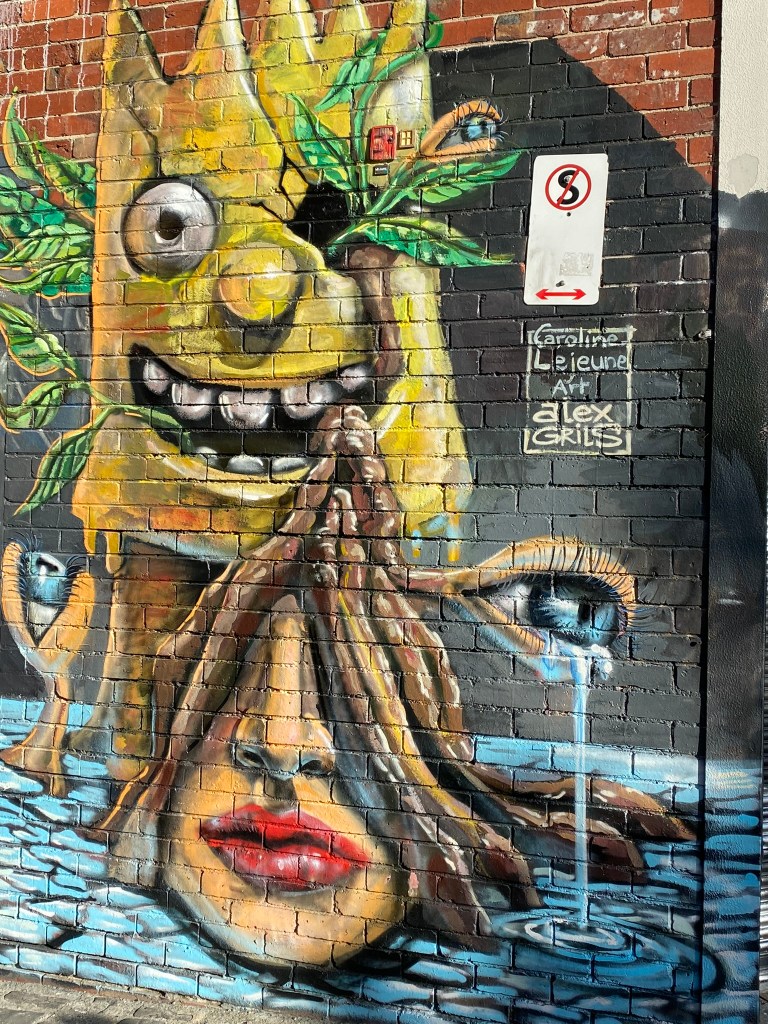
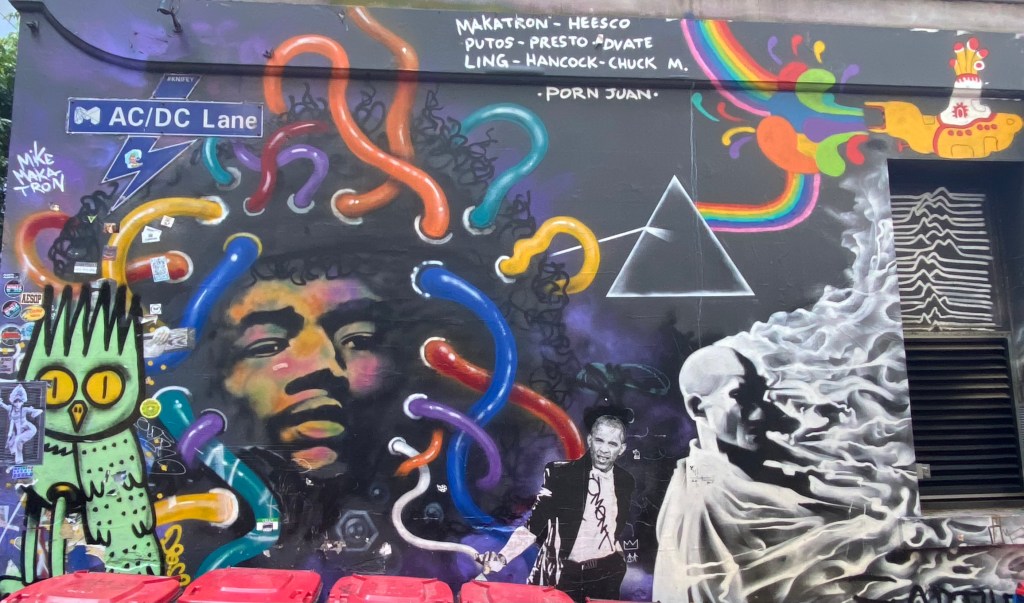
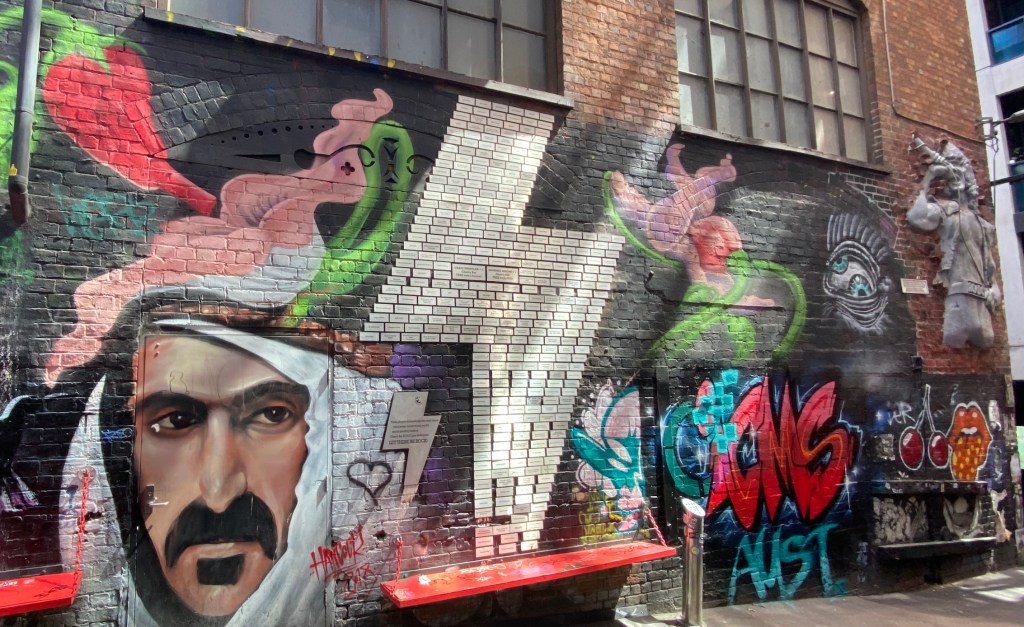
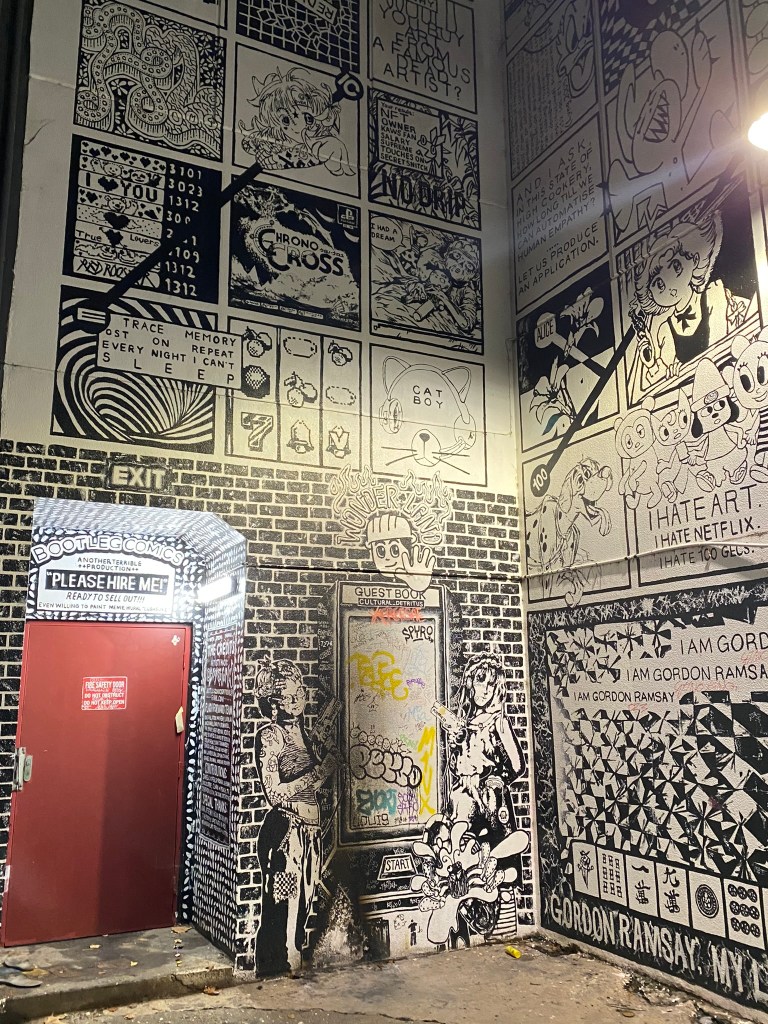
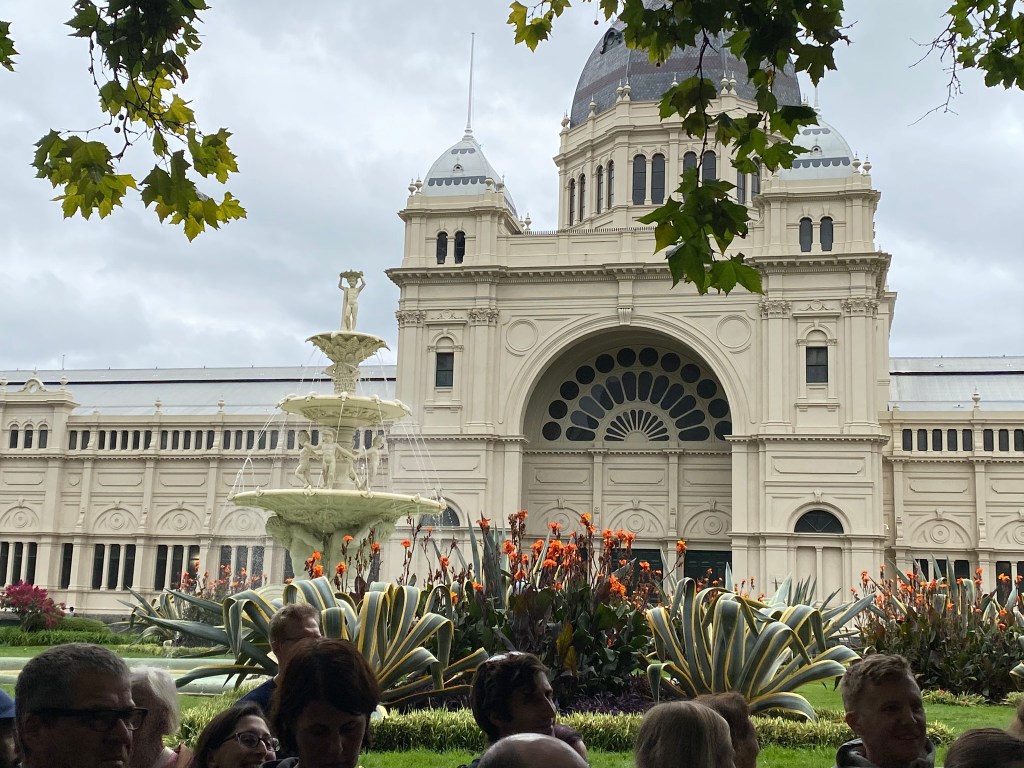
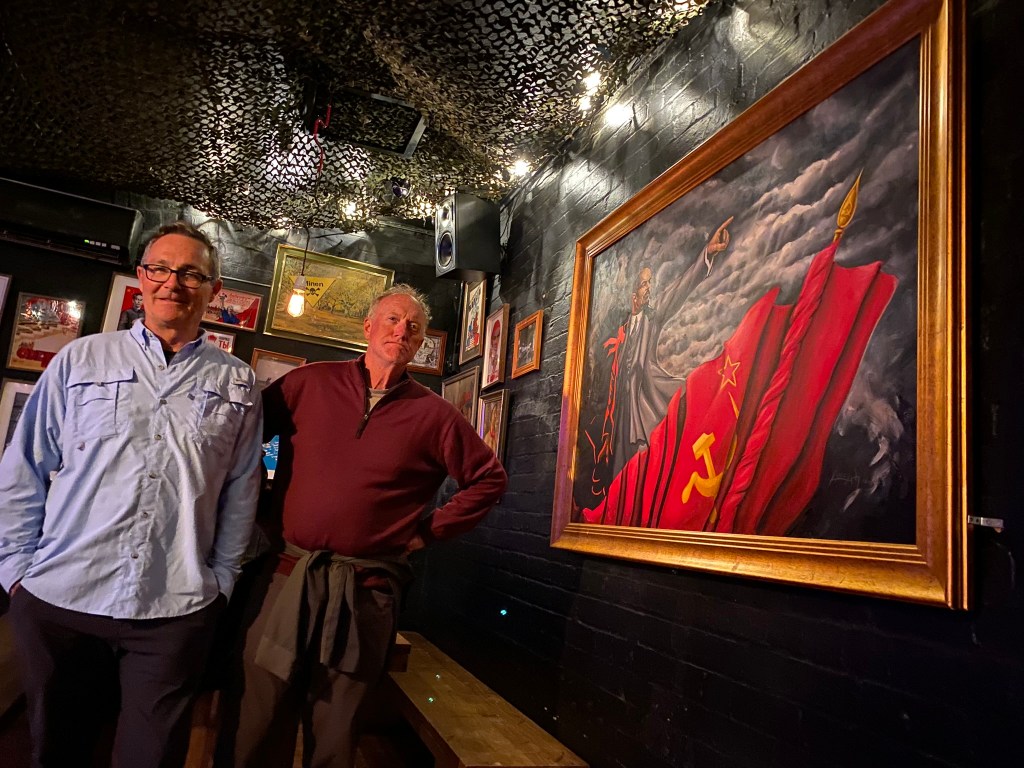
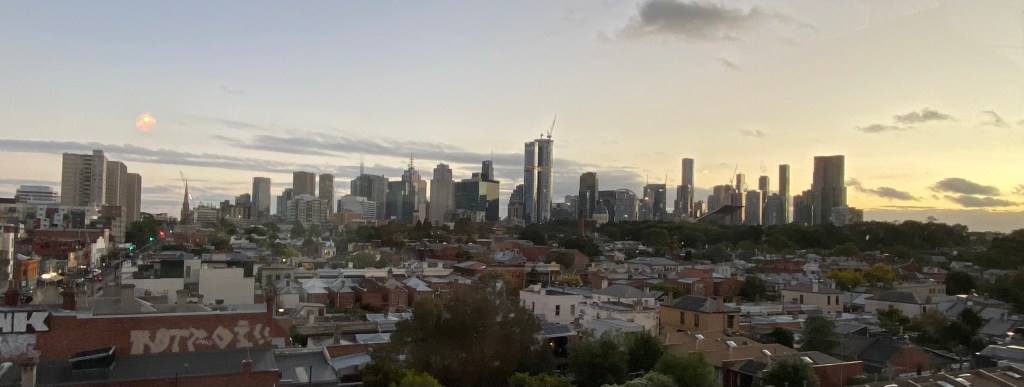
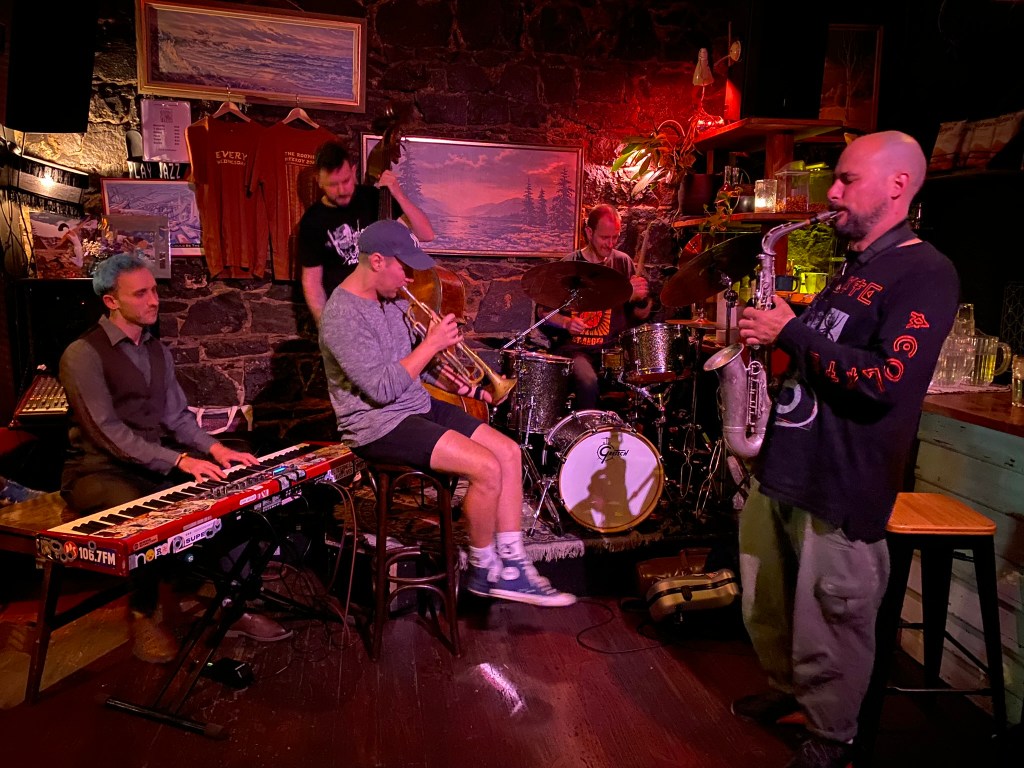

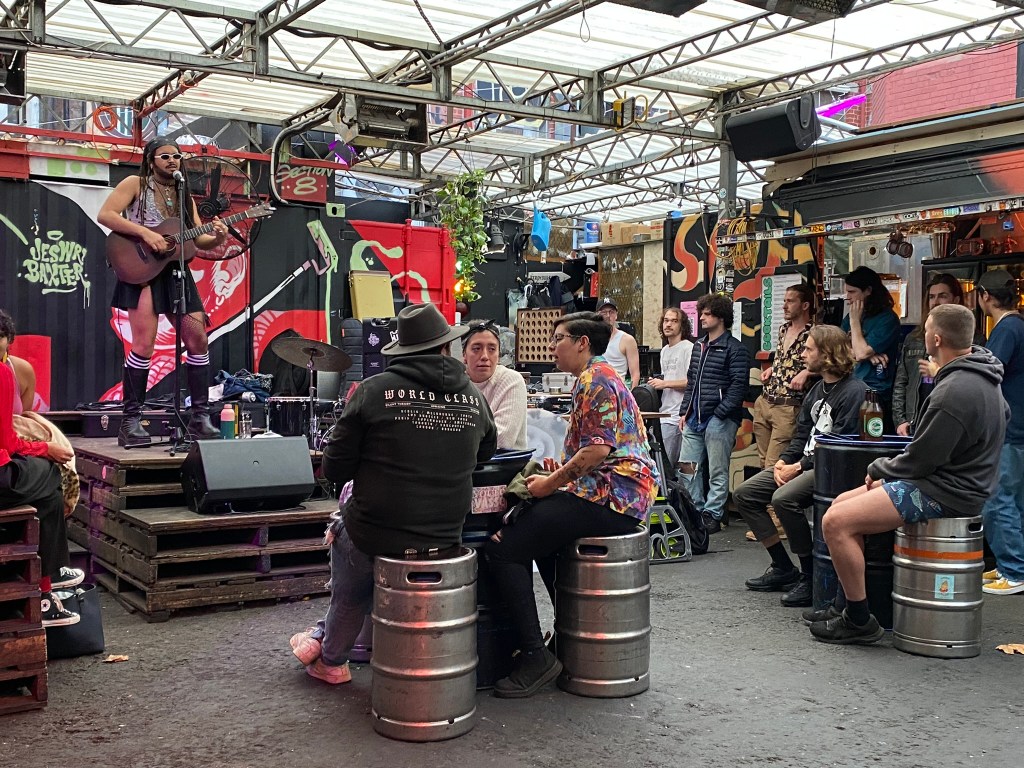
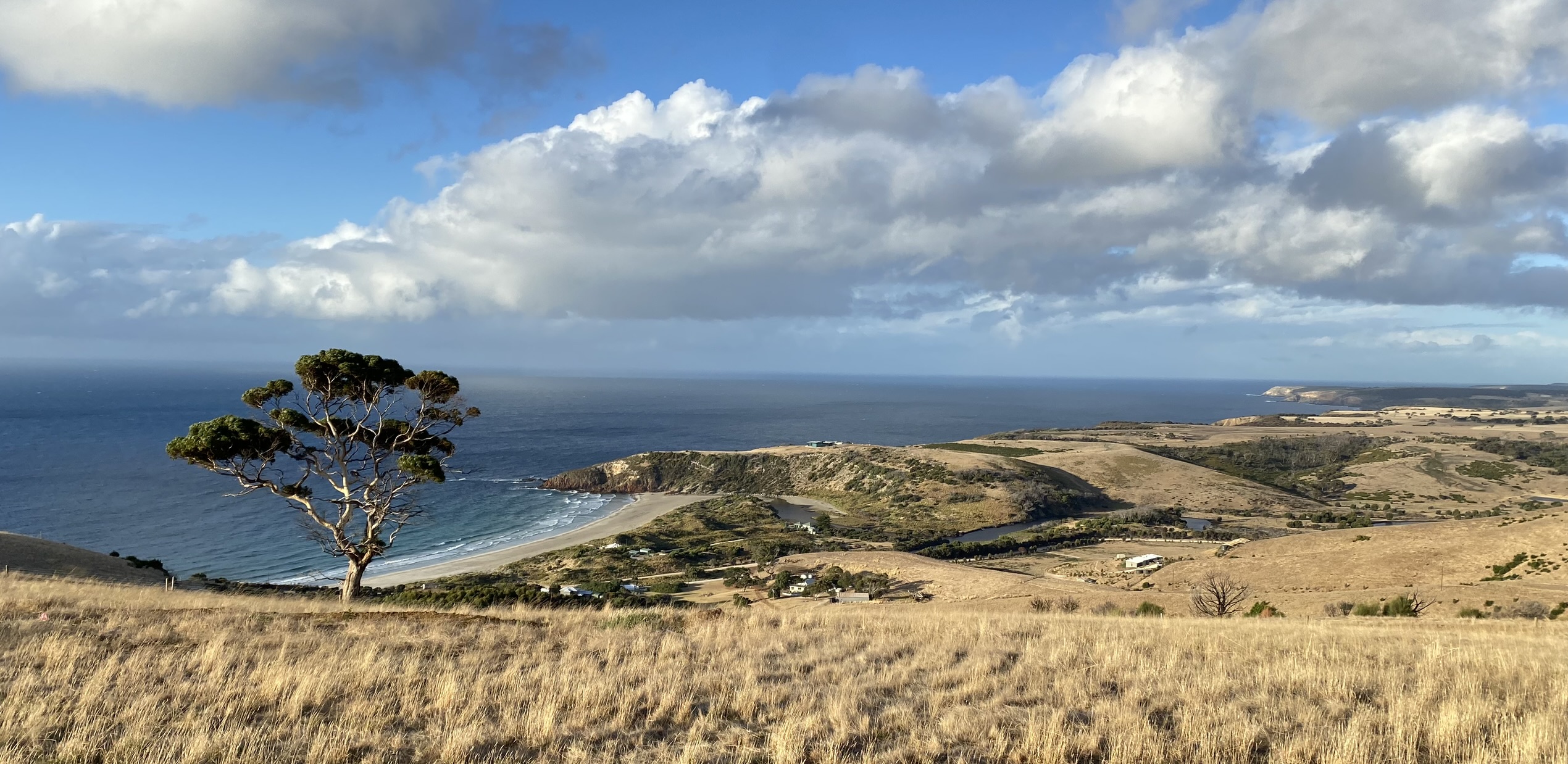
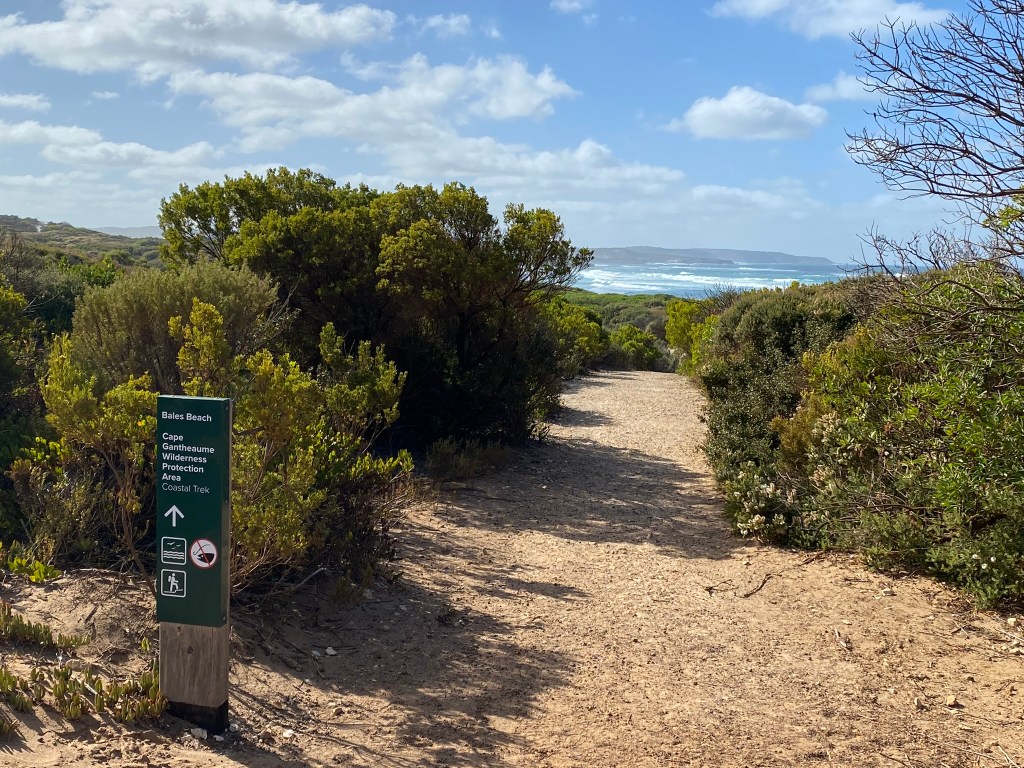
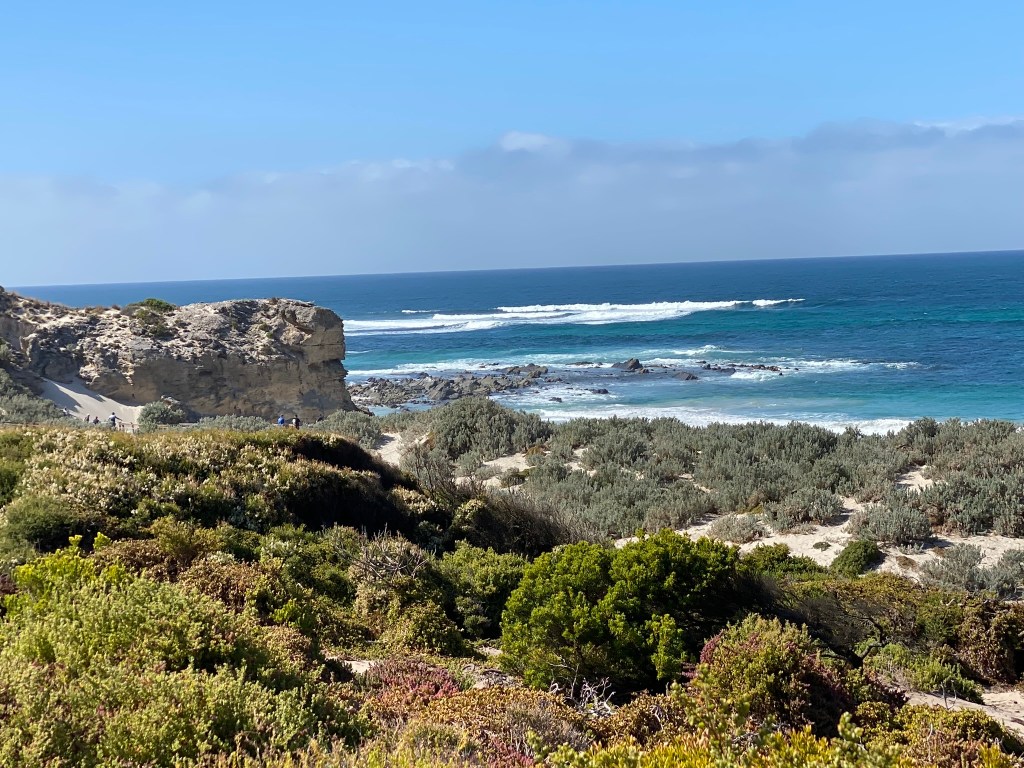
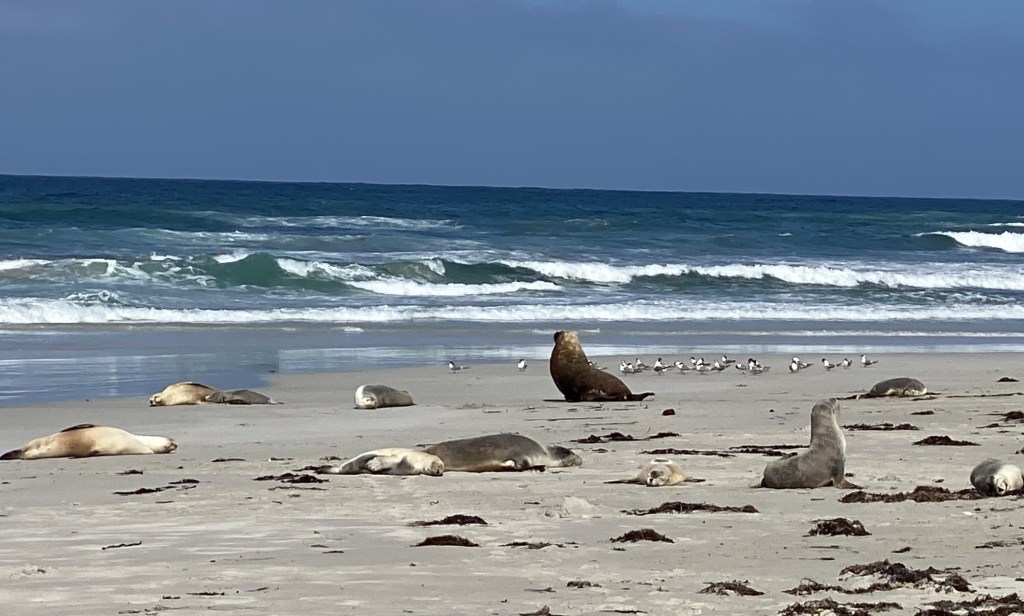
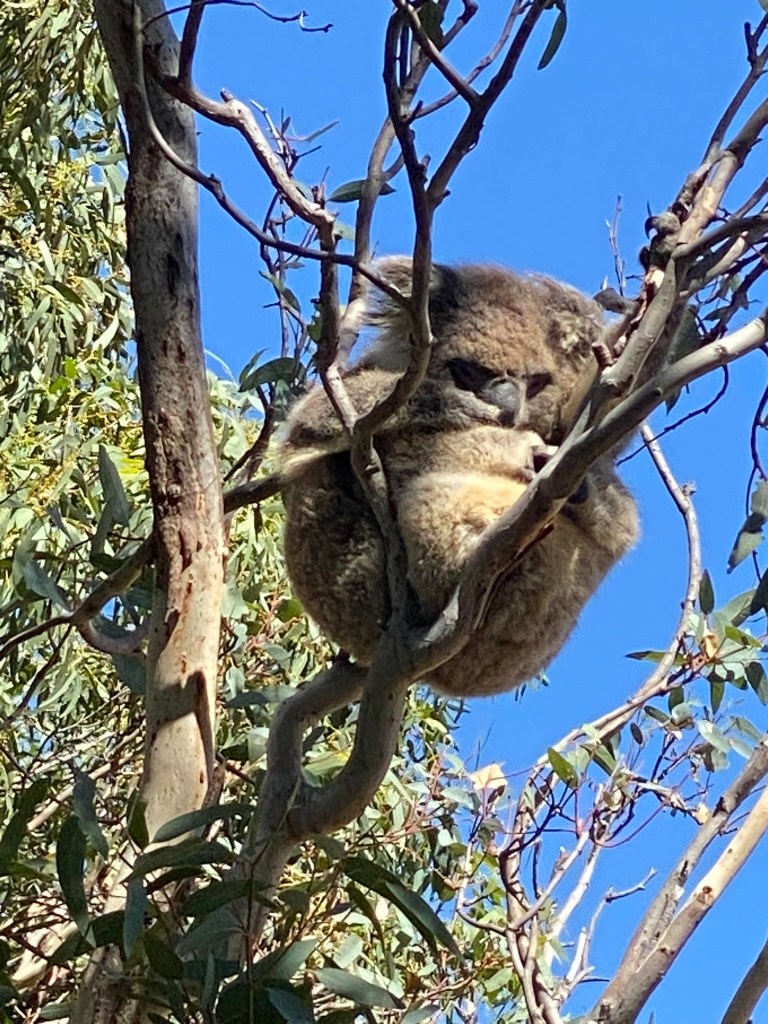
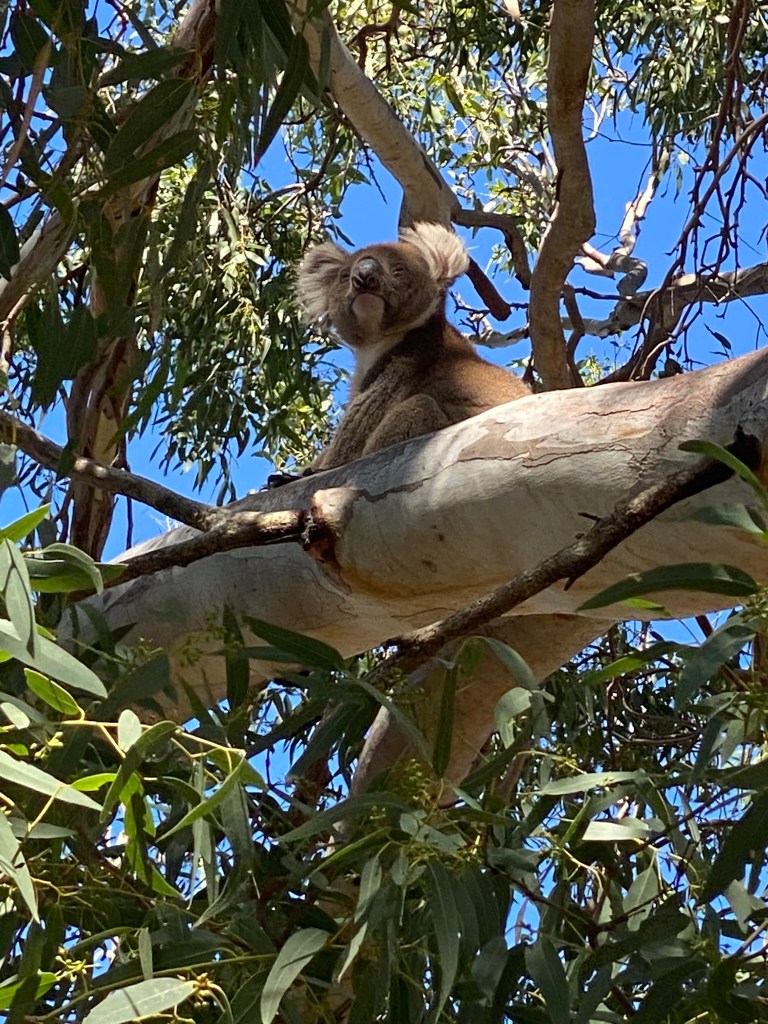
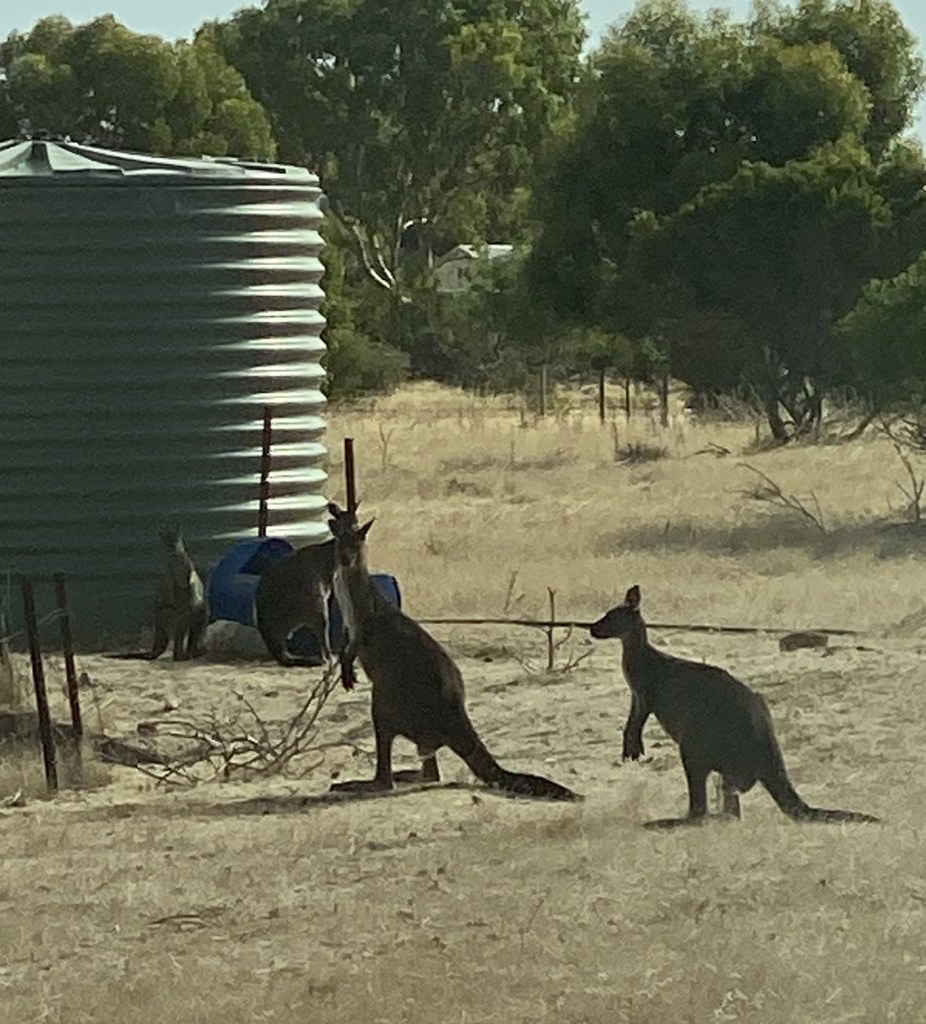
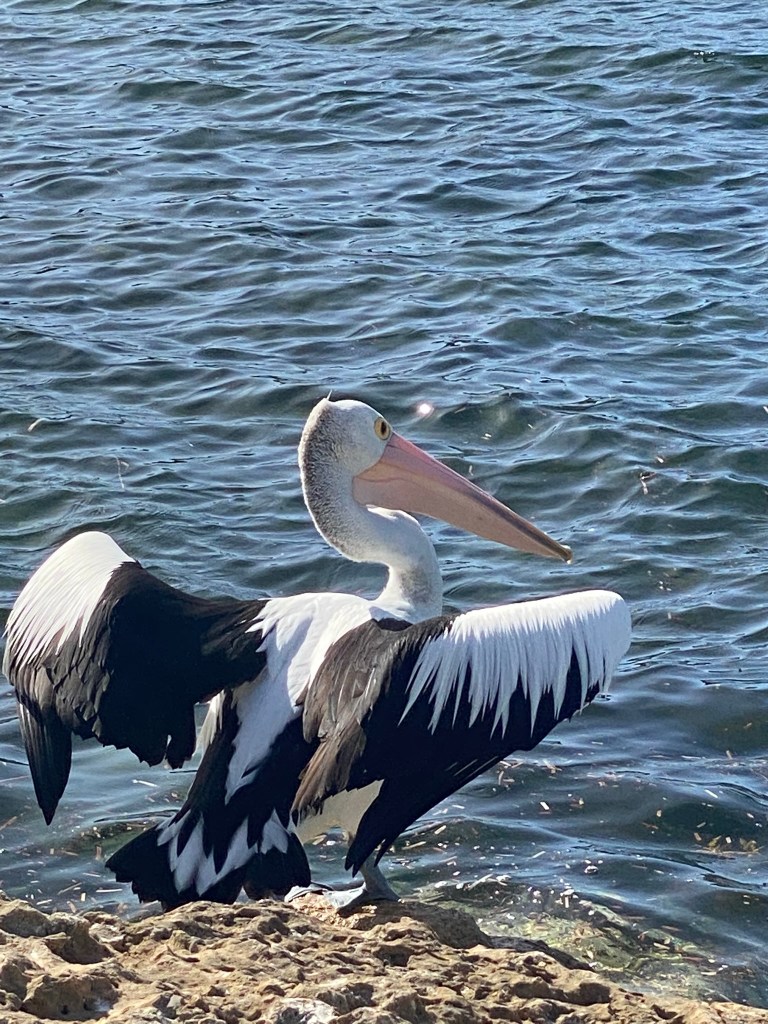
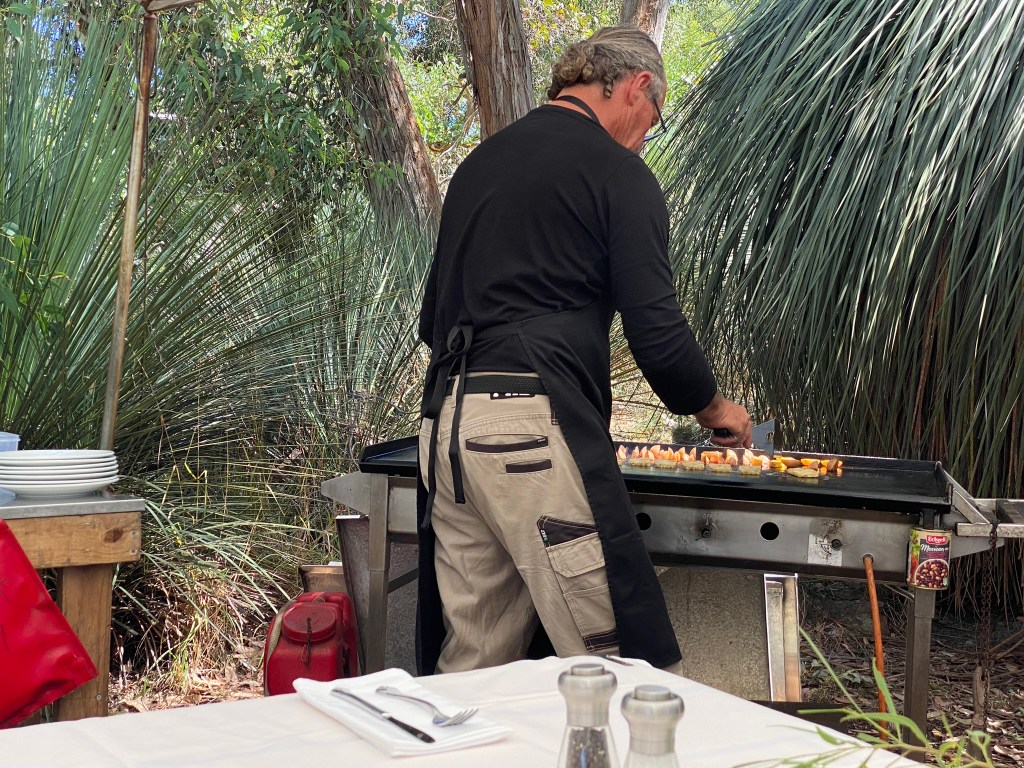

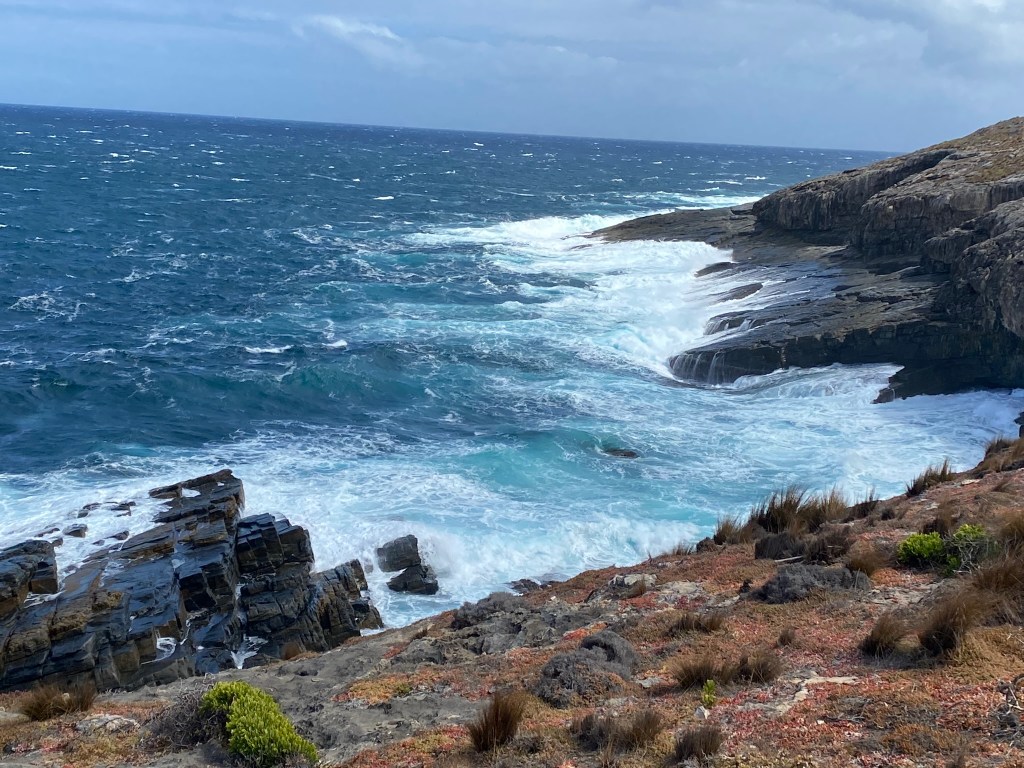
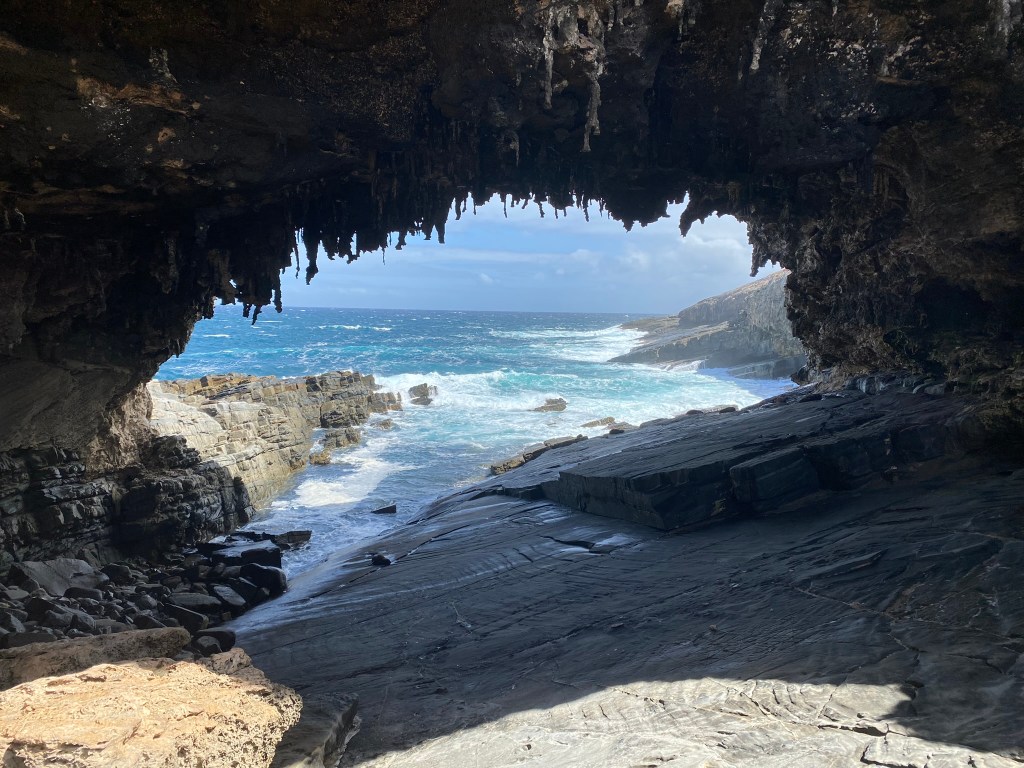

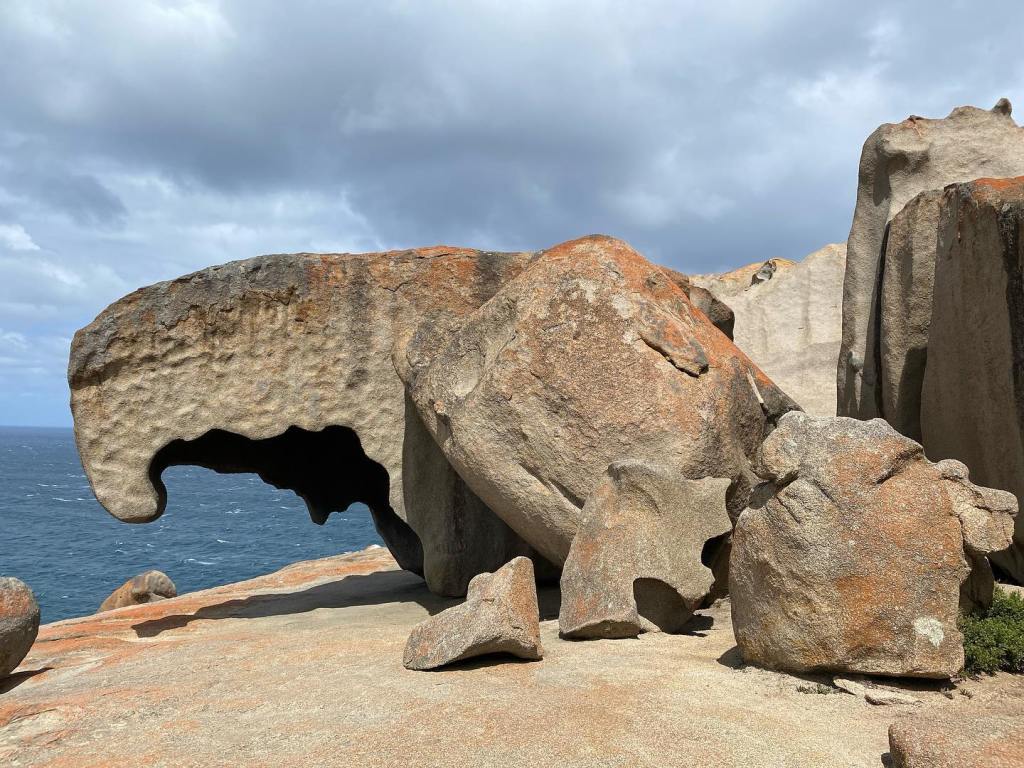
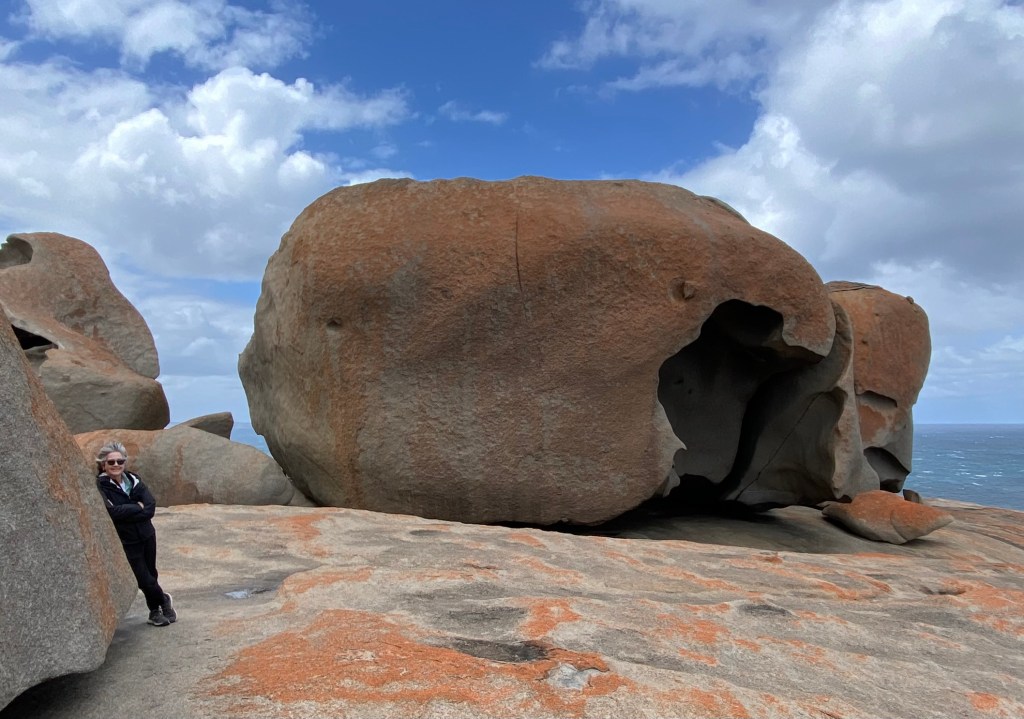
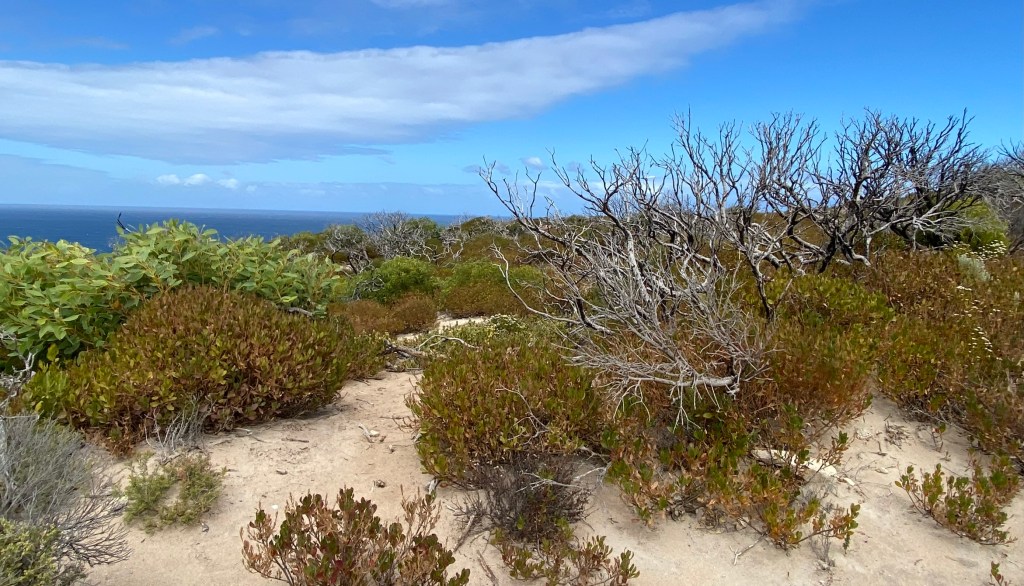
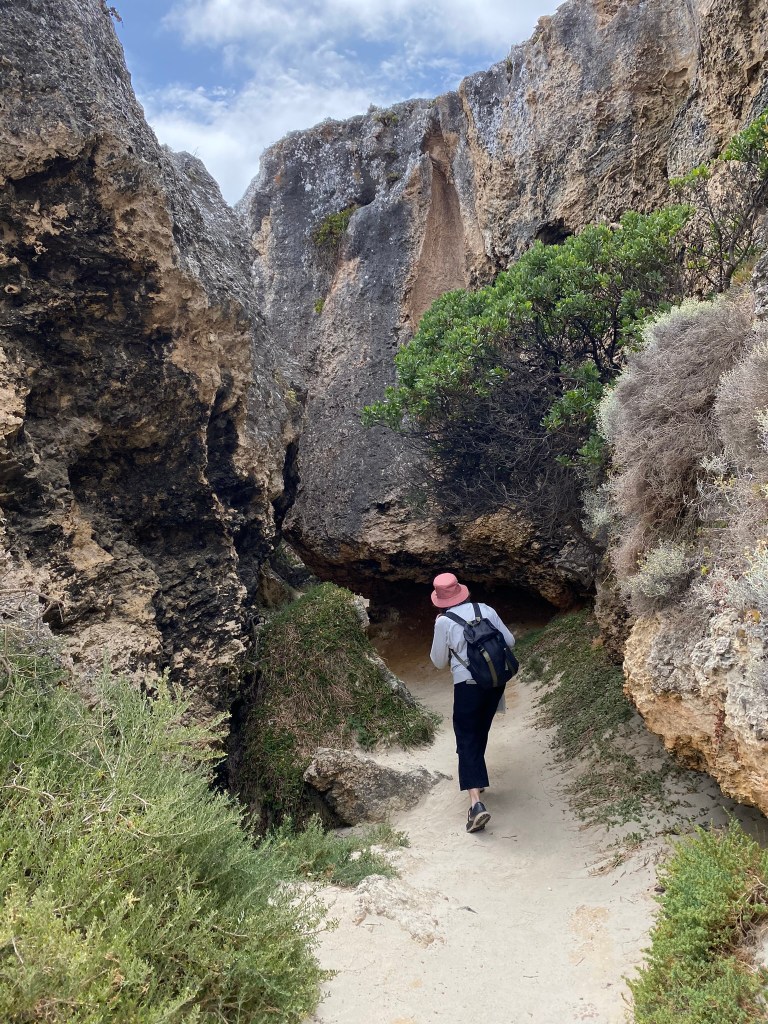
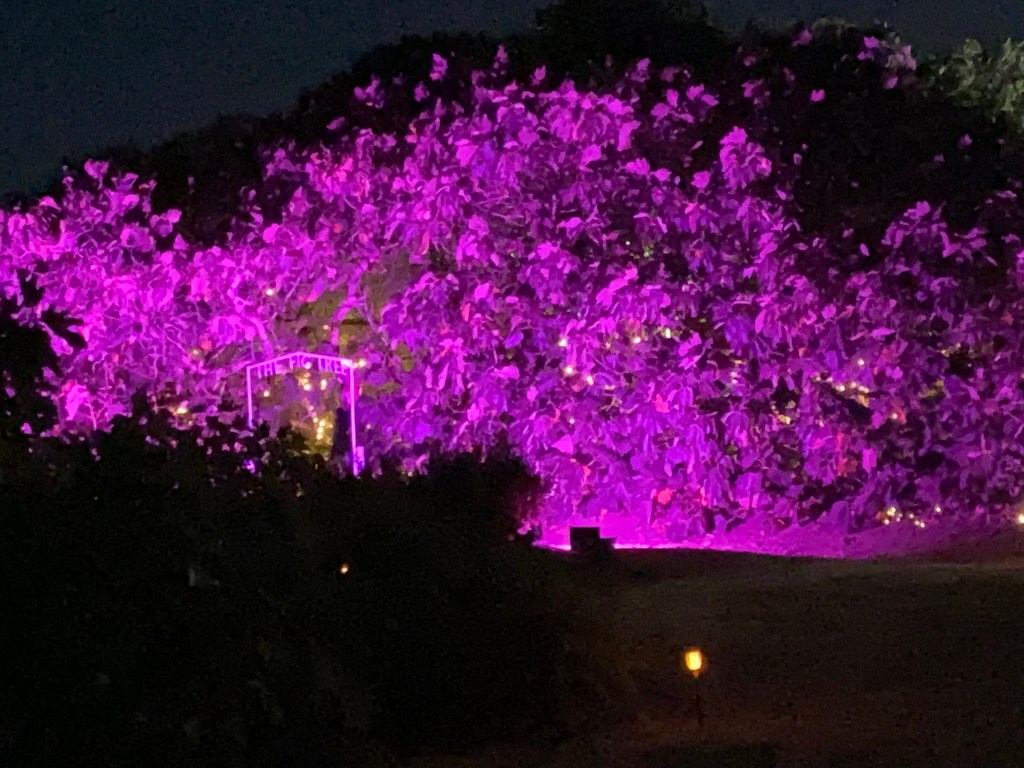
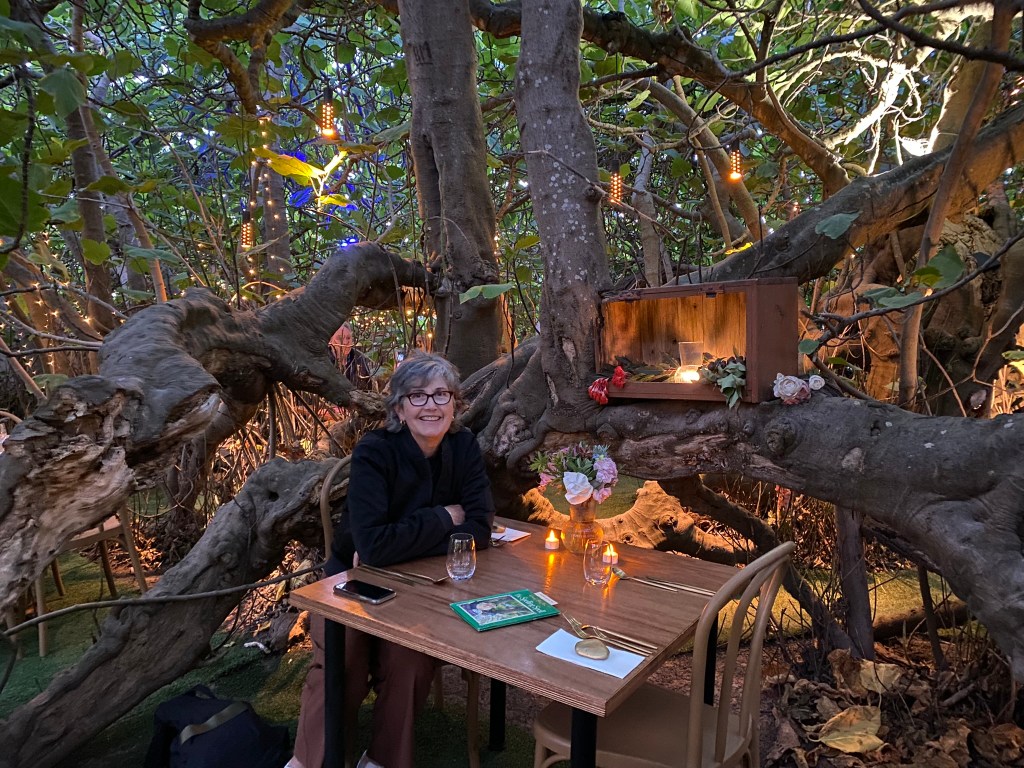
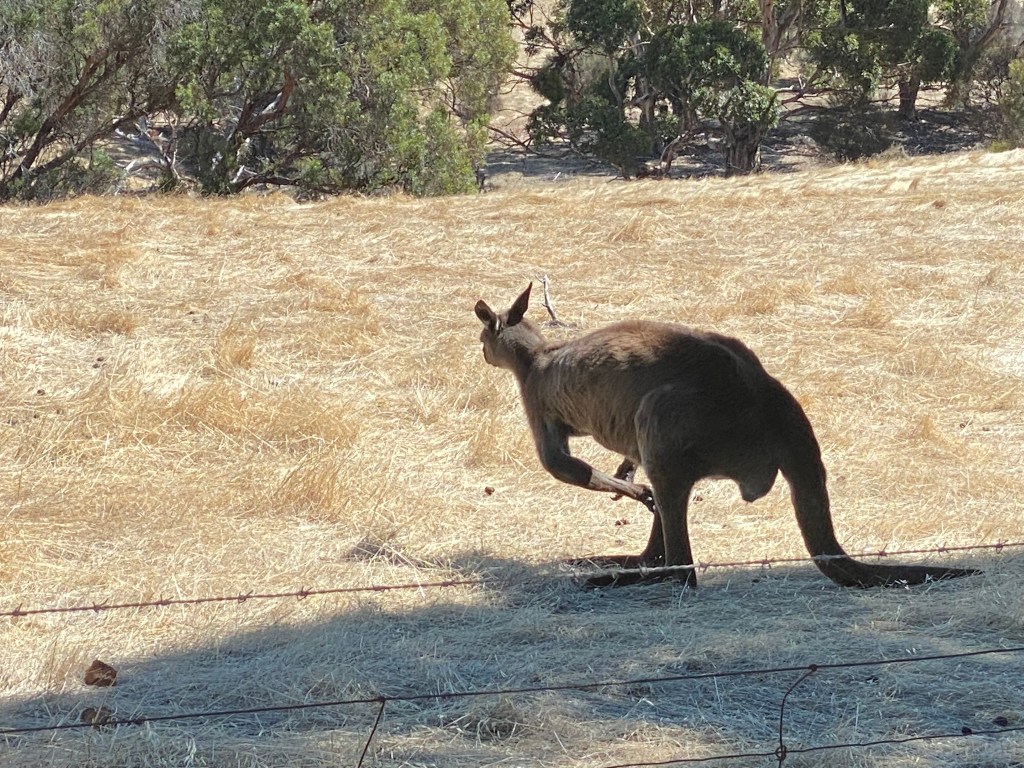
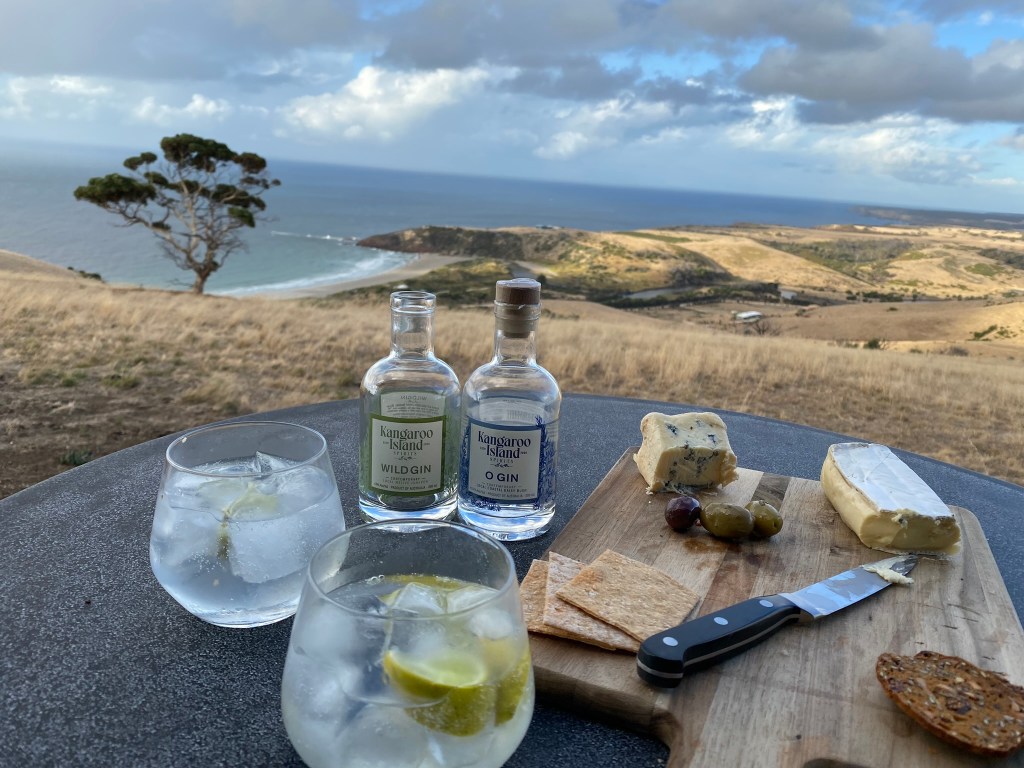



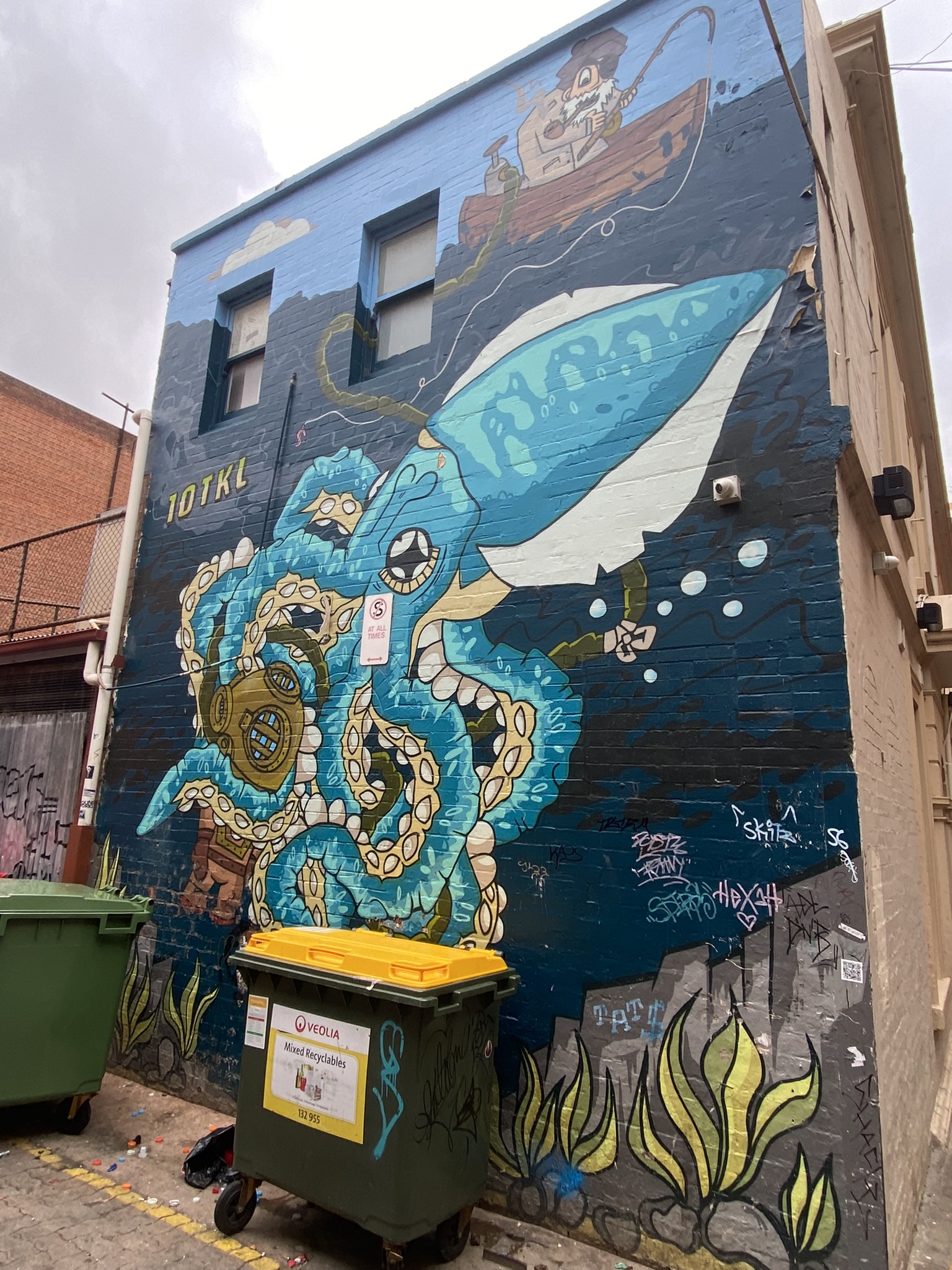
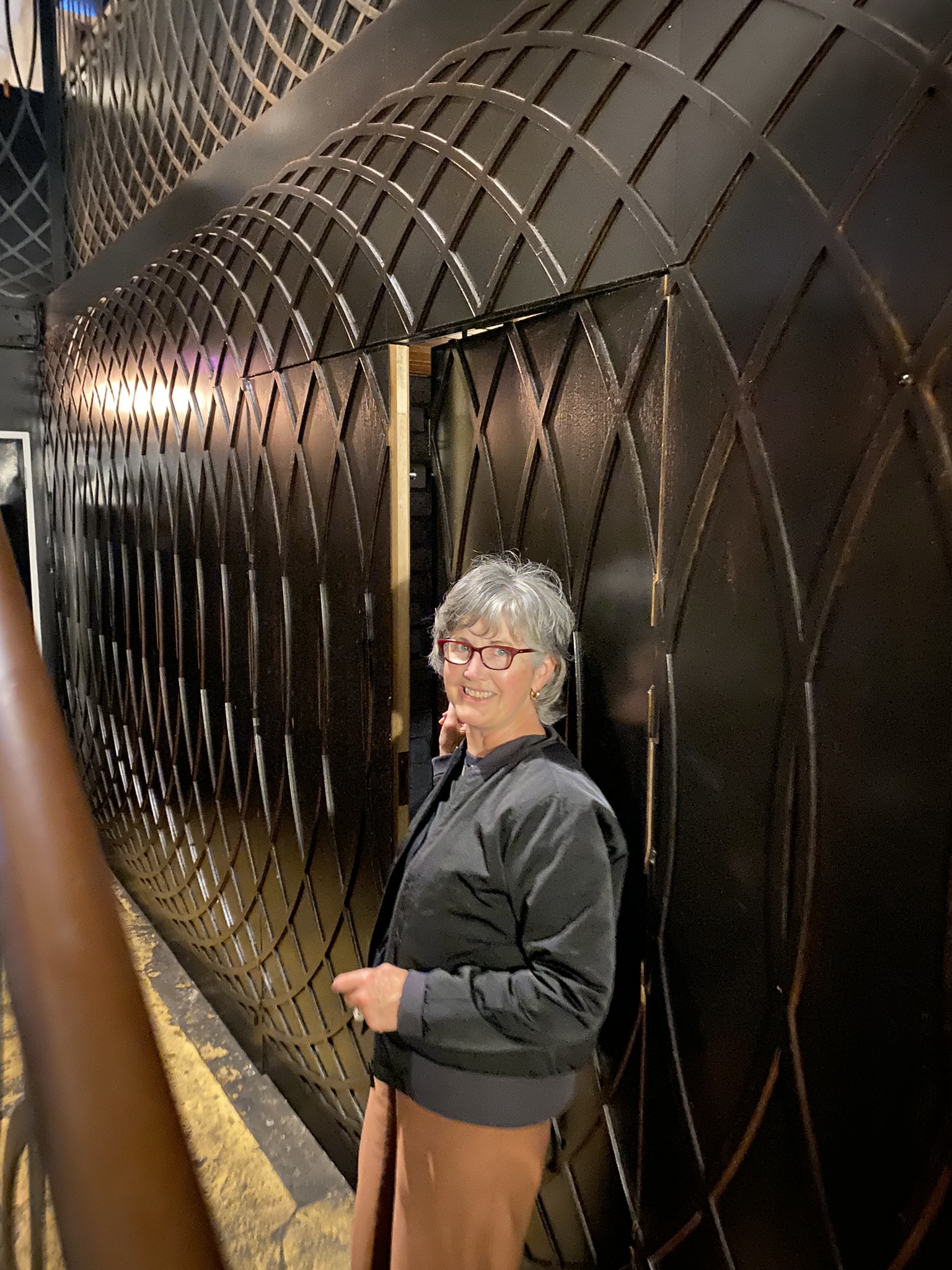

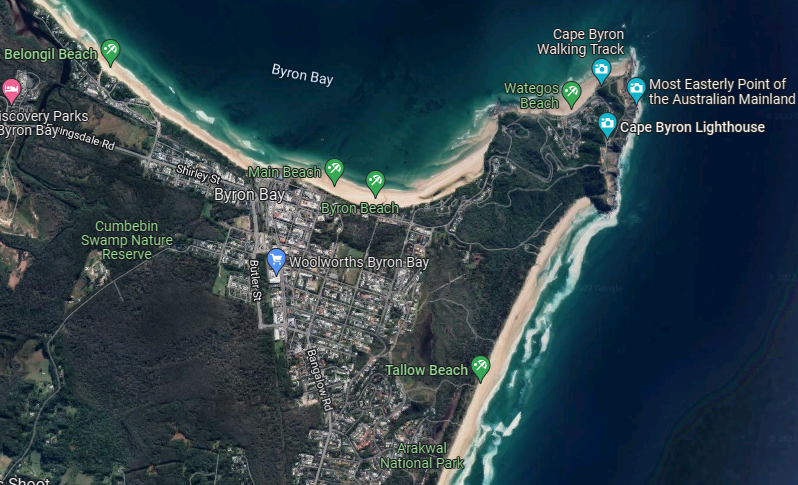
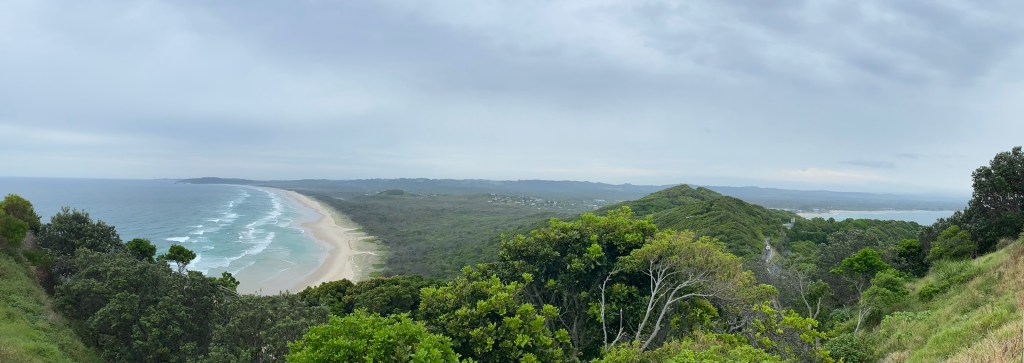
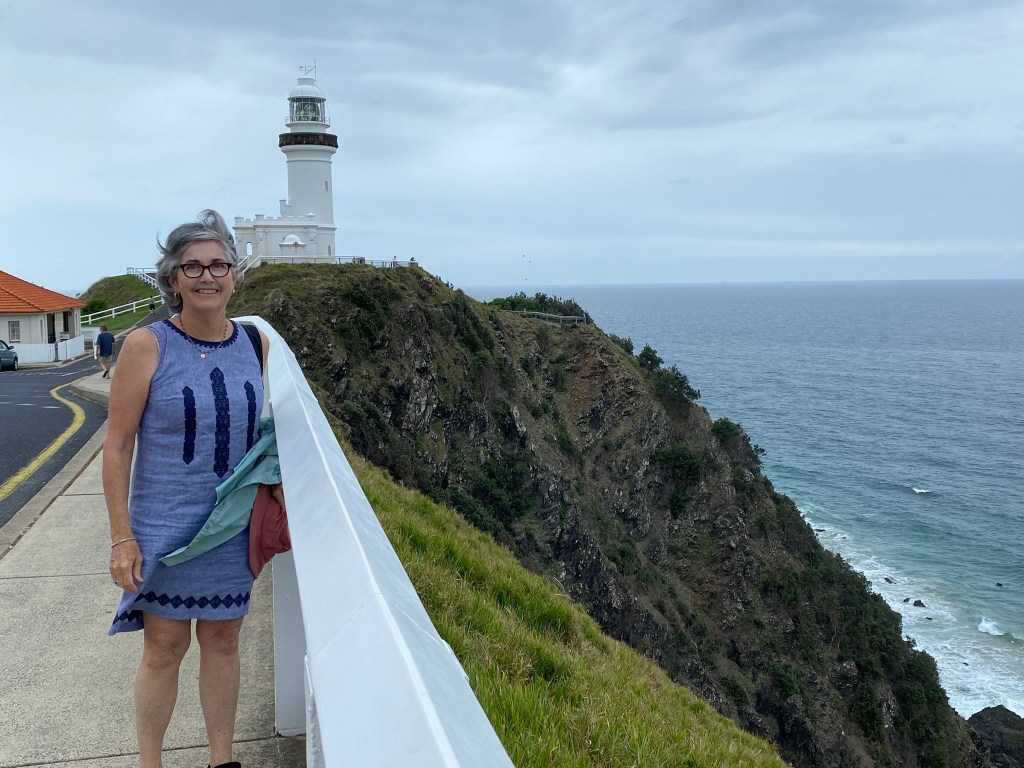
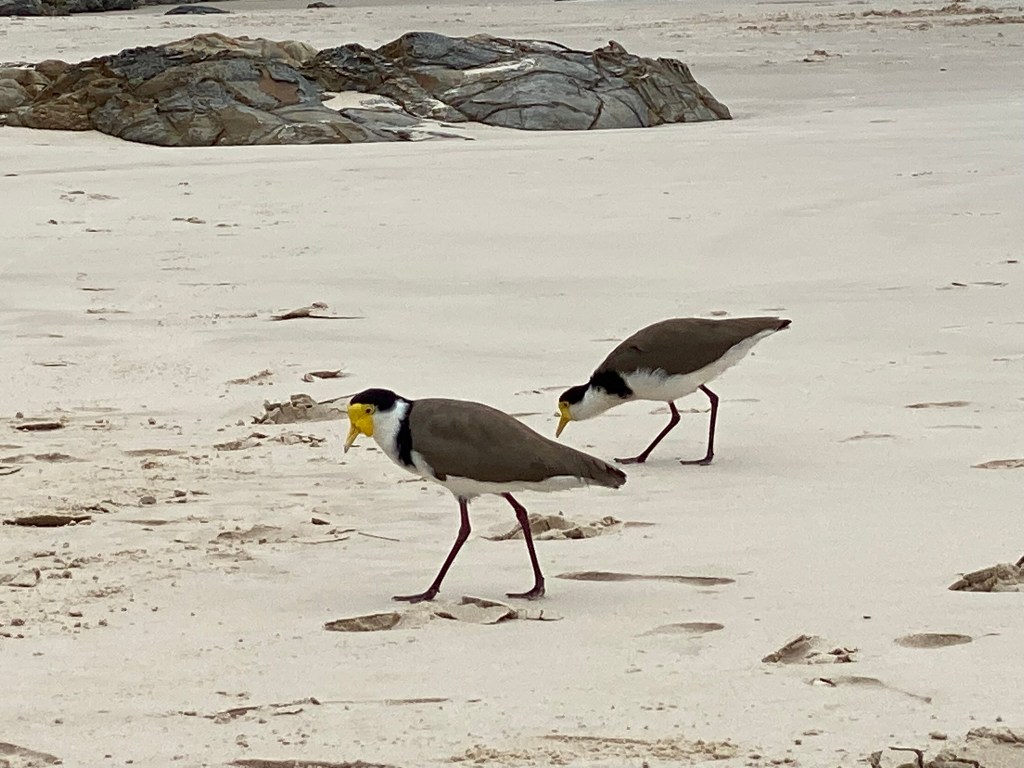
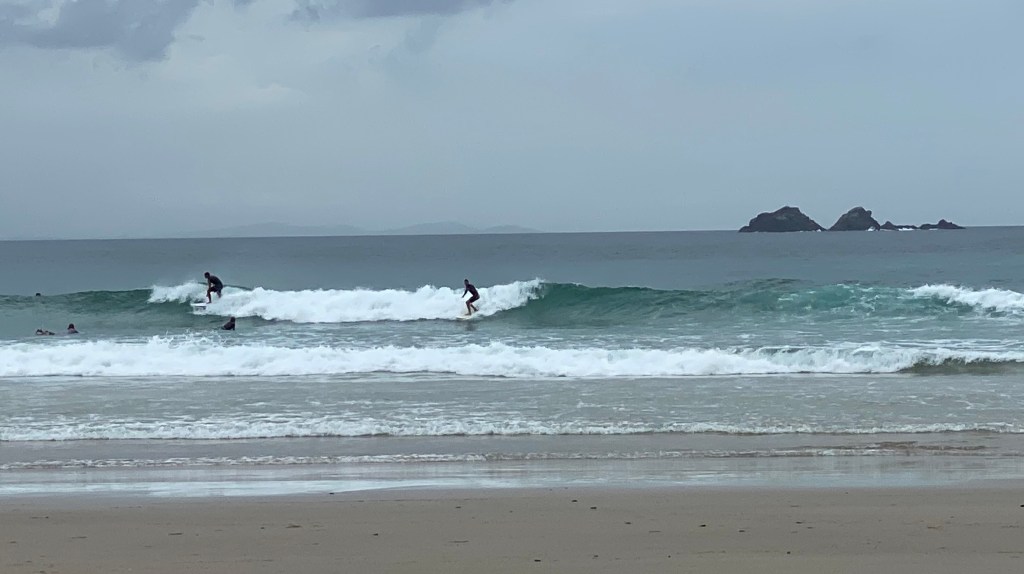

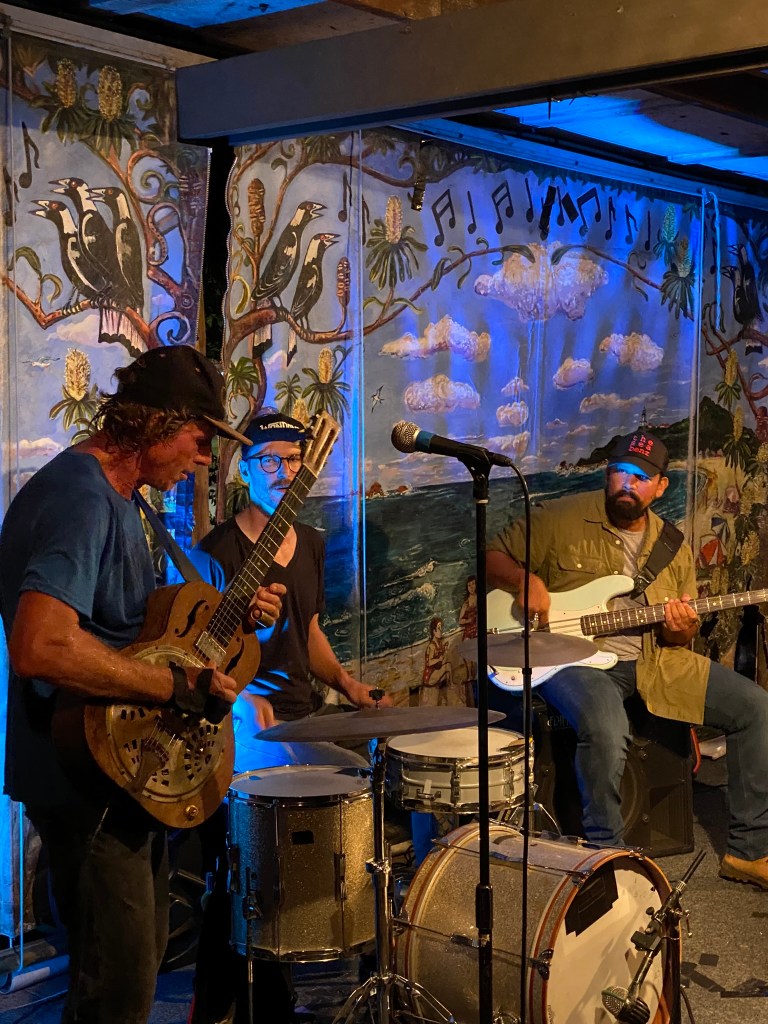
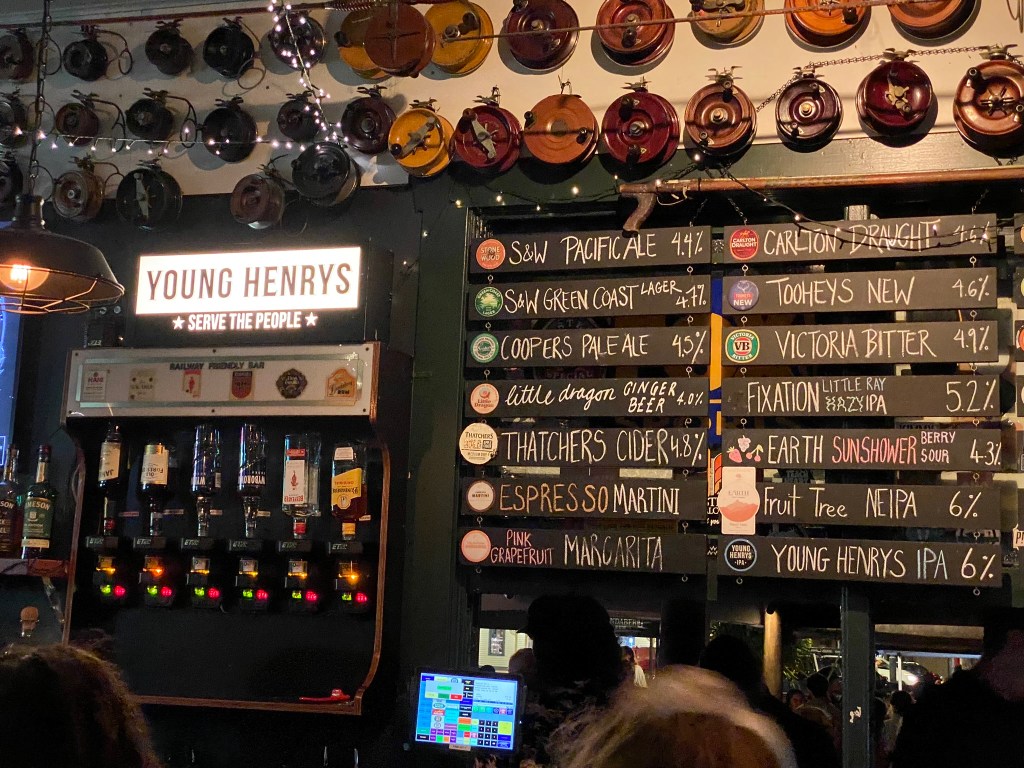
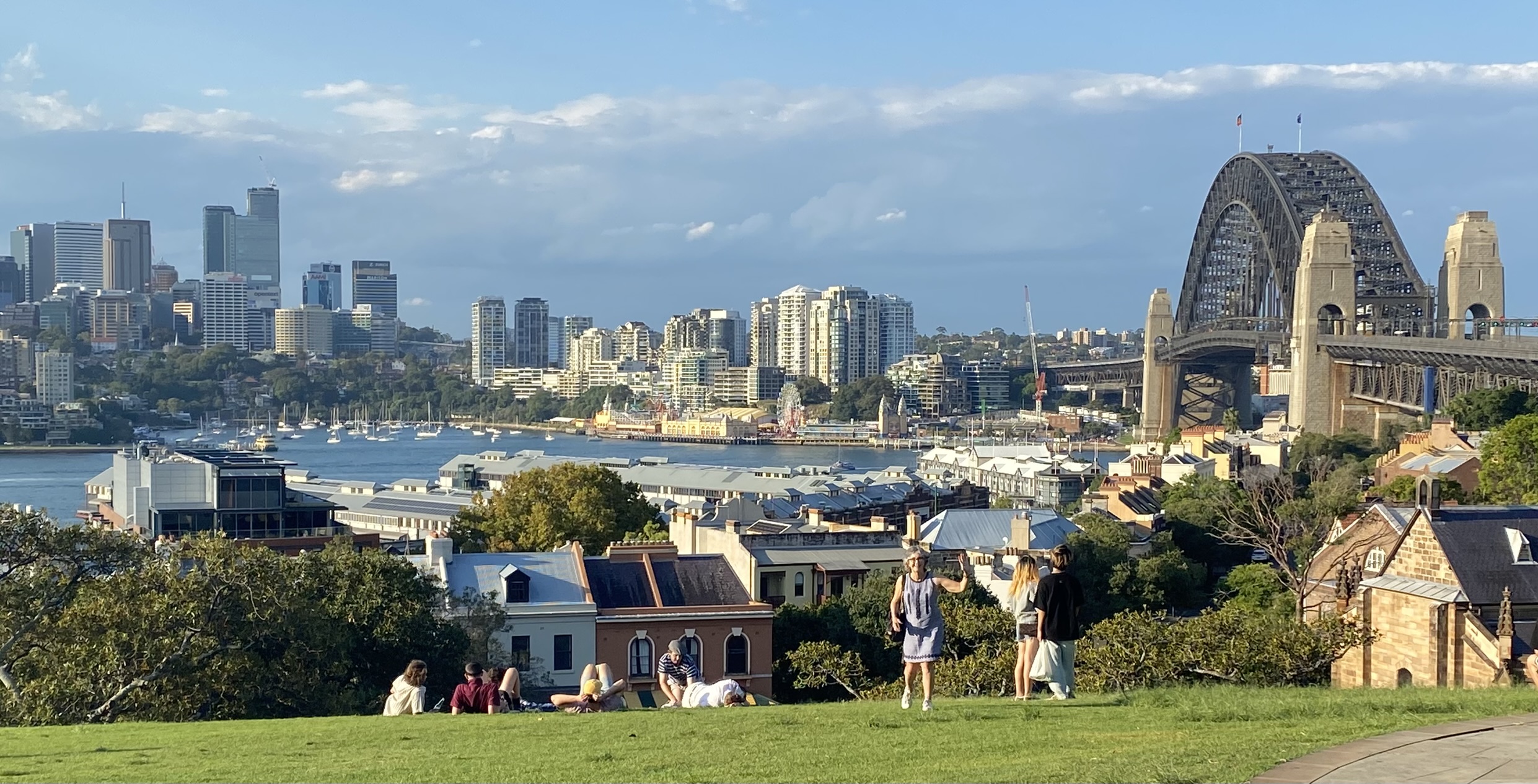
 ).
).