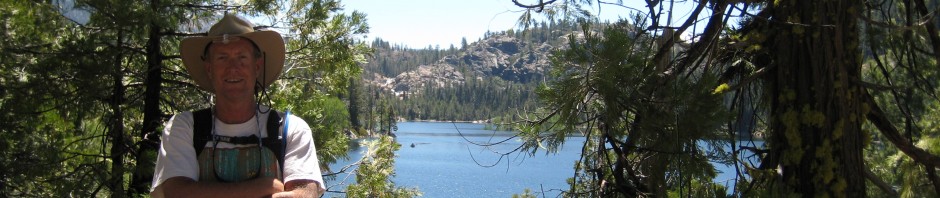
January 2026 Trip Notes & Itinerary
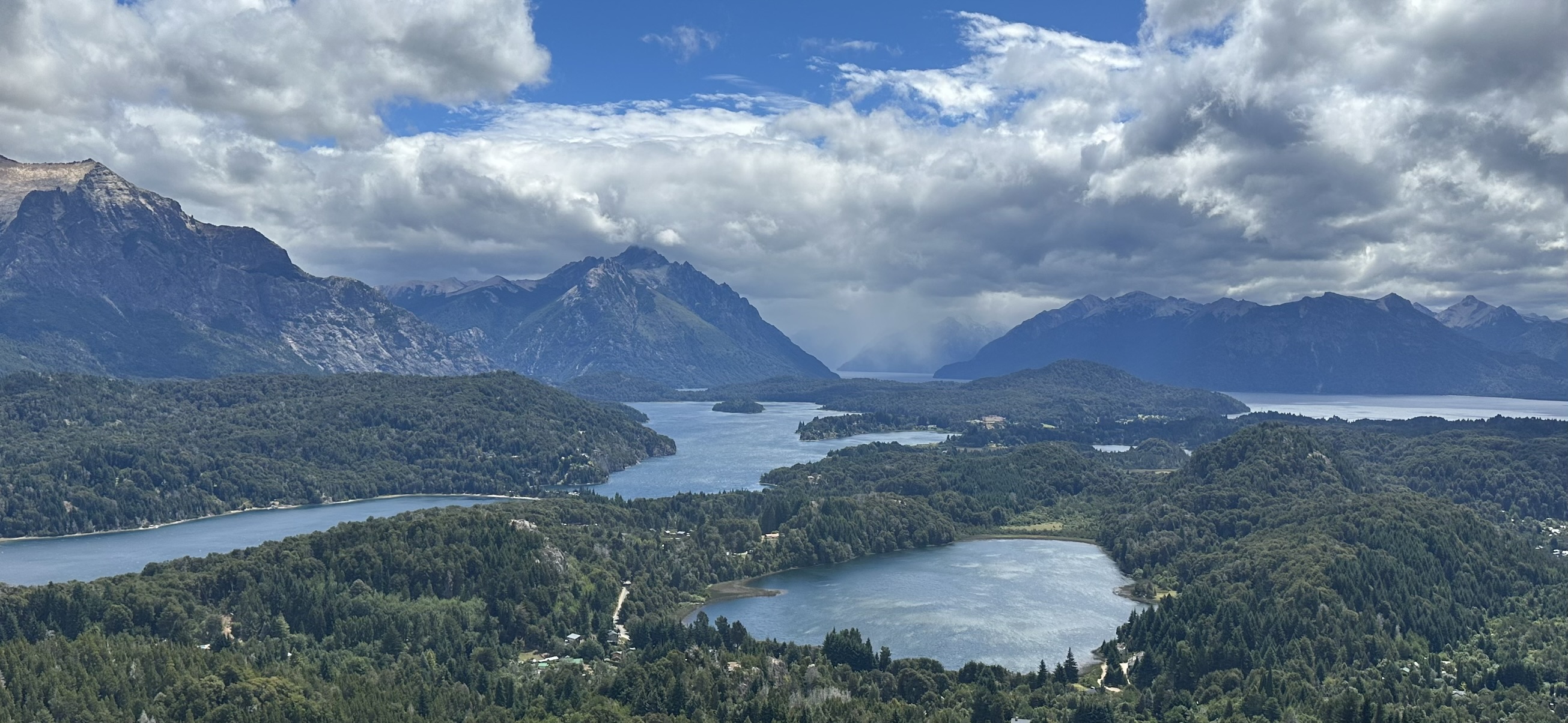
Overview: A month-long journey to the “end of the world”, from Argentina’s biggest city, Malbec wine country, and the mountains and lakes of Patagonia, to the rugged interior of southern Chile, an extended fly/cruise of the Antarctic Peninsula, finishing in the northern Chile, home of the dryest desert in the world.
Itinerary: Buenos Aires (4 days) > Mendoza (3 days) > San Carlos de Bariloche (3 days) > Villa de Angostura (3 days) > Puerto Varas, Chile (1 day) > Torres del Paine (3 days) > Punta Arenas (1 day) >Antarctica (8+ days) > Santiago (1 day) > San Pedro de Atacama (4 days).
Bottom Line: Argentina is a massive country of wildly diverse geography, climate and people; the 8th largest country in the world. Chile is equally diverse and is the longest country in the world north to south at 2,653 miles. Those two countries share a border nearly 3,300 miles long. Antarctica is the coldest, dryest, windiest place on earth; the only continent with no indigenous people, ever. So how did we come up with this?
We visited Argentina for two weeks in 2016, our “excuse” being the need to check on our daughter, Emily, who was six months into backpacking her way across South America. We knew we would return someday the minute we left. Having spent that trip in the far north (more on that later), our original plan this time was to spend a couple of weeks visiting two areas we longed to explore: the wine country of Mendoza and the Patagonian lakes region of Bariloche. But when we learned that two of our good friends, Jim and Vicky, were thinking of a trip to Antarctica around the same time, our plans quickly expanded to become yet another trip of a lifetime — a magical adventure of epic proportions, with Antarctica as the centerpiece.
Sure enough, after 10 destinations covering 2 countries and 2 continents, 5 wineries, 13 lakes, 600 nautical miles, 1,204 road miles, 13,708 air miles, countless volcanoes, glaciers and icebergs, and the two driest deserts on earth — one made of ice and other of dirt — I can say it was a truly epic adventure. (It was also our most expensive; Antarctica will do that.)
| Dates | Destination | Where We Stayed |
|---|---|---|
| Days 1-4 | Buenos Aires, Argentina | Anselmo Buenos Aires |
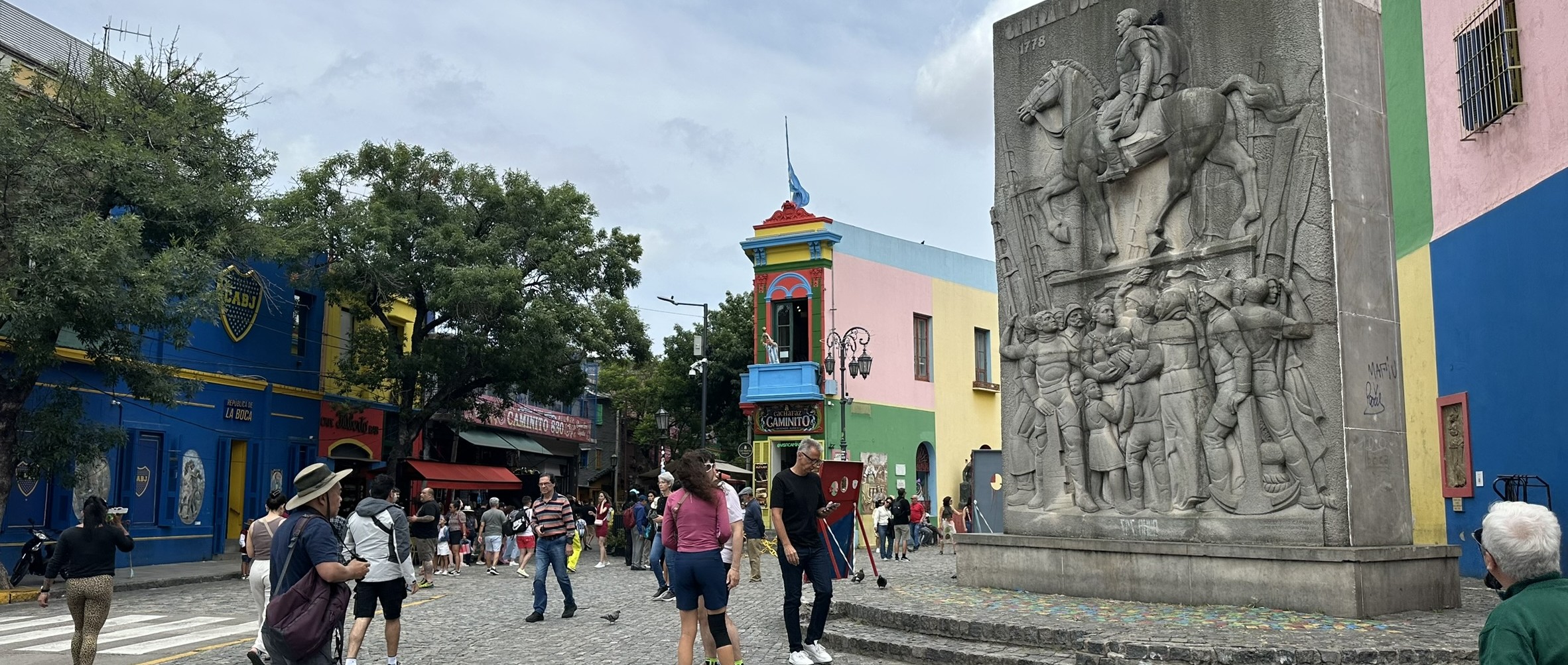
Buenos Aires is a world class city by any measure with amazing food, culture and colorful eye candy. It retains a much more European feel than most other big cities in South America, with most of its 16th century settlers having come from Spain and Italy. It also has some difficult political history, a passion for futbol (soccer), and of course tango. We tried a bit of everything – que sabor!
Highlights:
- Having stayed in the upscale Recoleta neighborhood on our last trip, we opted for the more colorful, slightly grittier San Telmo this time. San Telmo is the birthplace of tango, and our hotel overlooking Plaza Dorrego meant amateur tango all day long — that is, if we had spent the day there. But the neighborhood also boasts the huge, indoor San Telmo Mercado filled with produce, fish, meat, spices, food stalls, wine bar and the smell of fresh empanadas everywhere. Calle Bolivar turns into a pedestrian zone at night, where we enjoyed a fantastic al fresco dinner at PES Gastrobar after drinks at the graffiti-and-underground-cartoon covered Chin Bar.
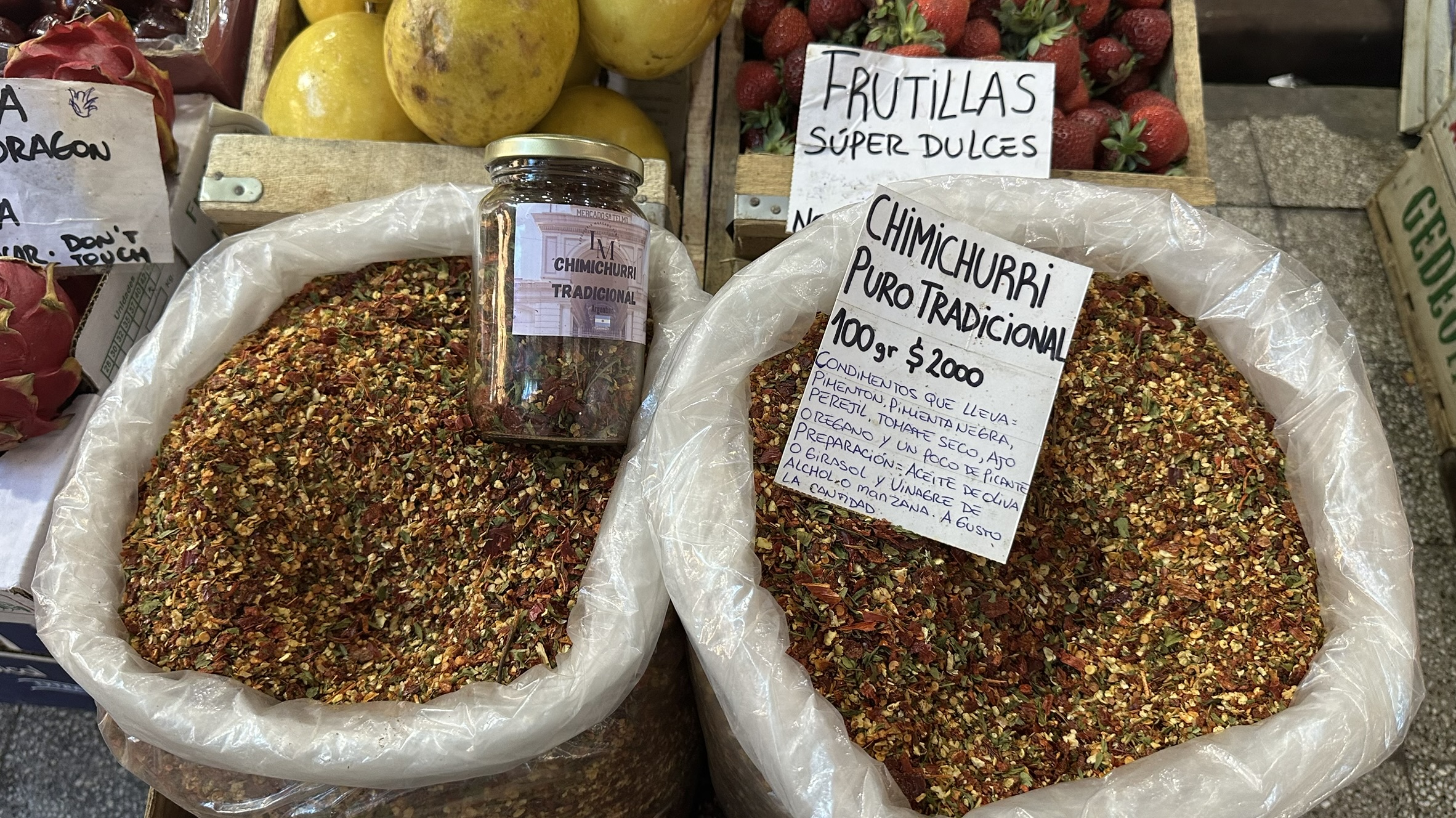
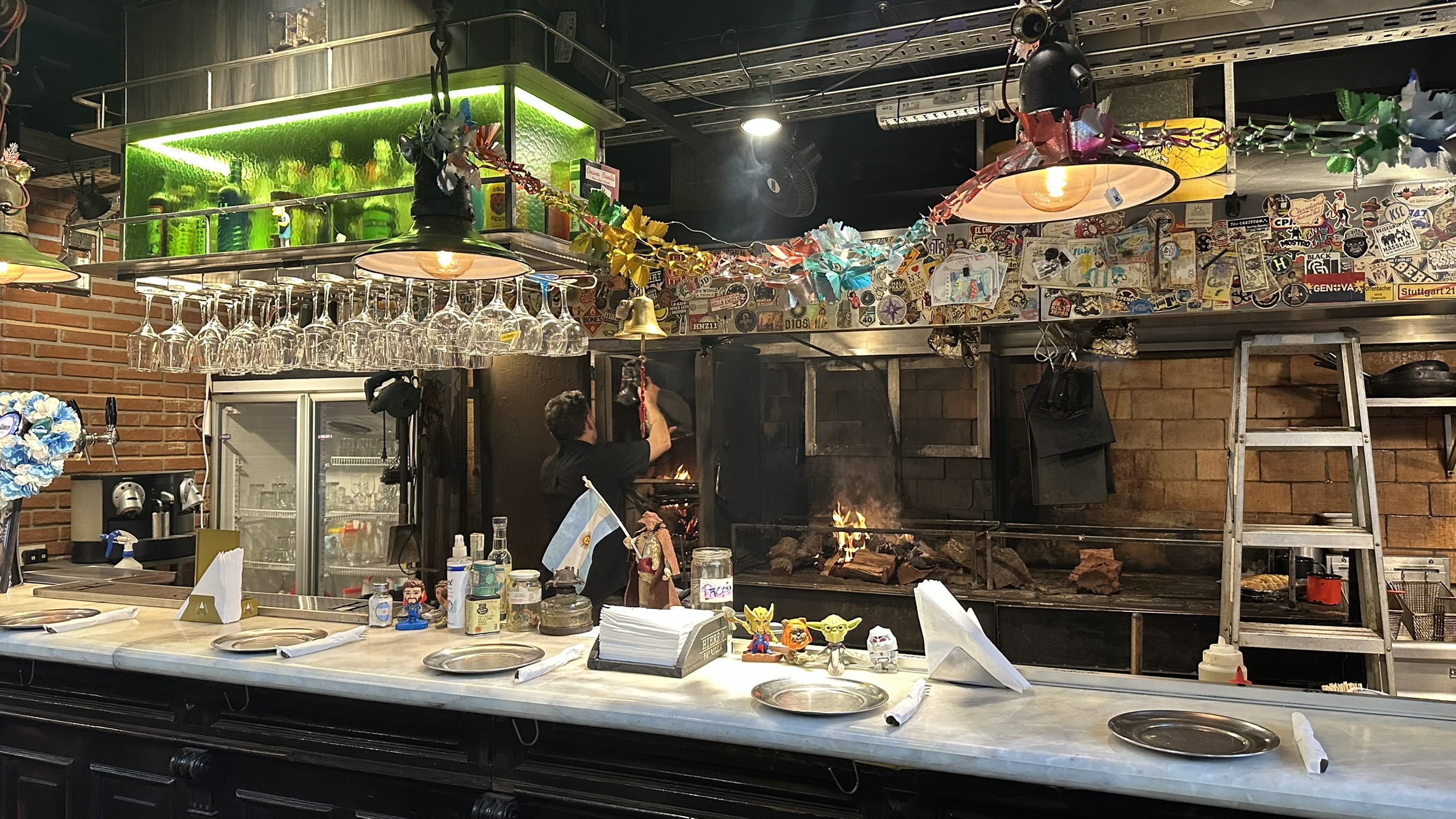
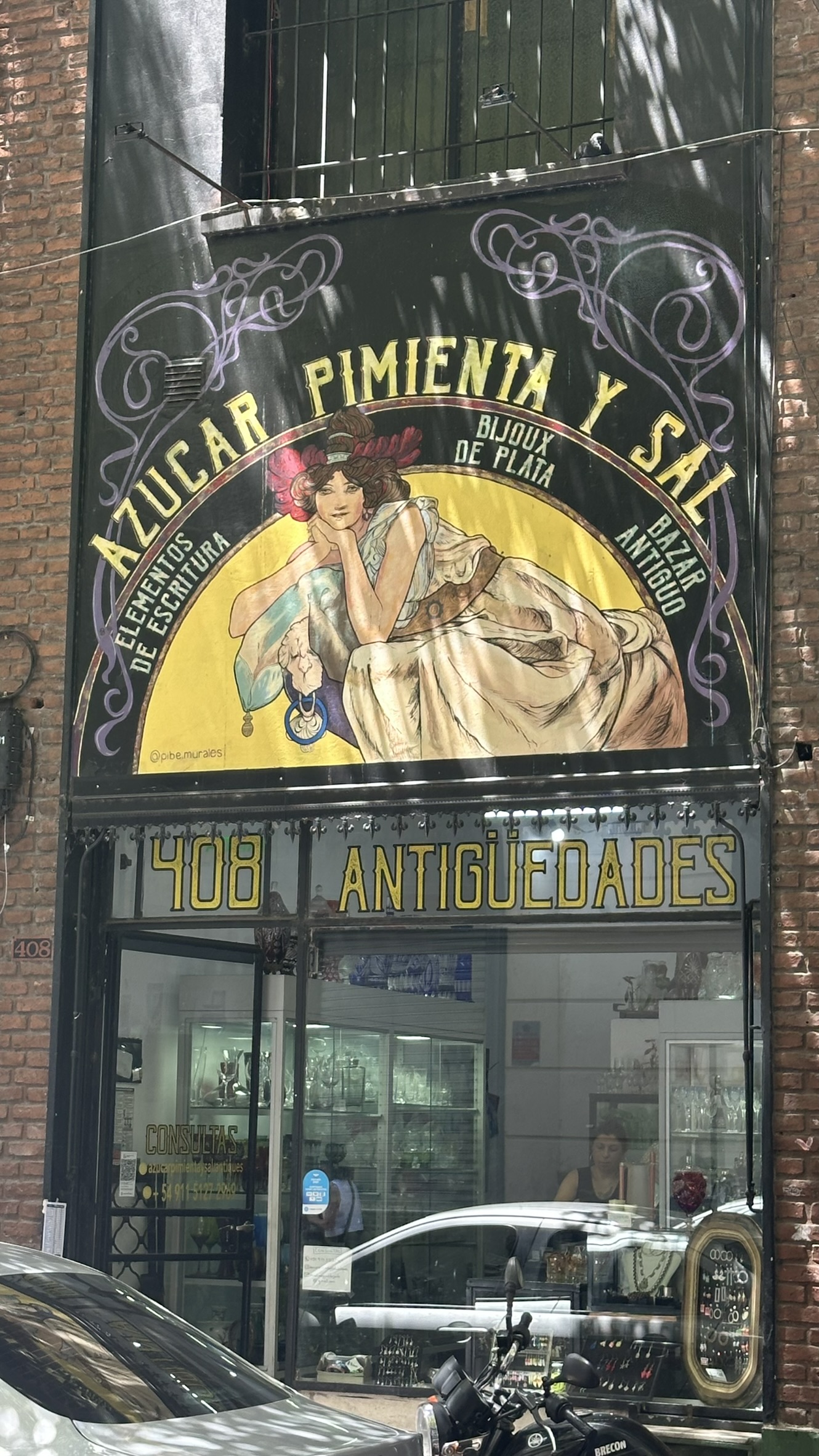
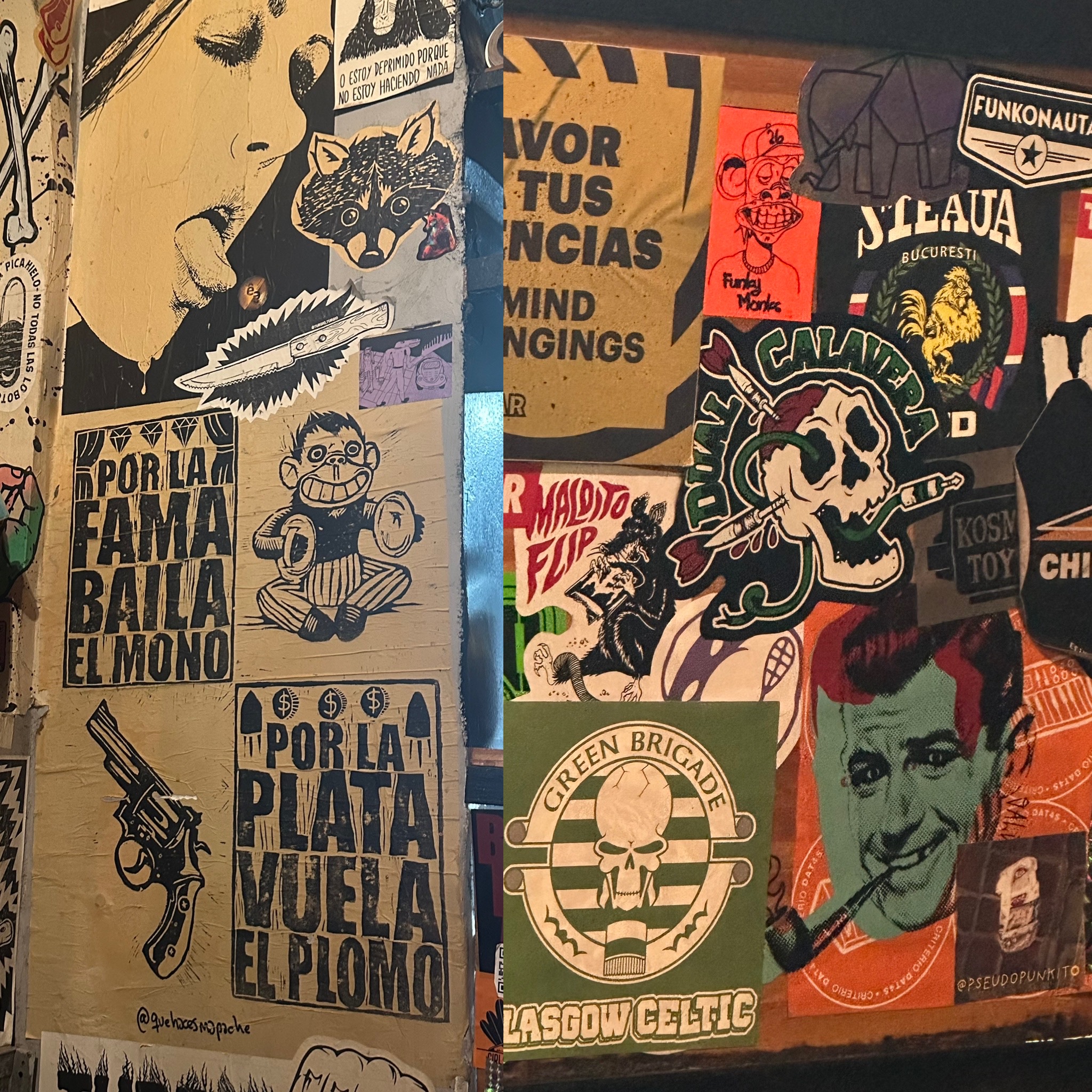
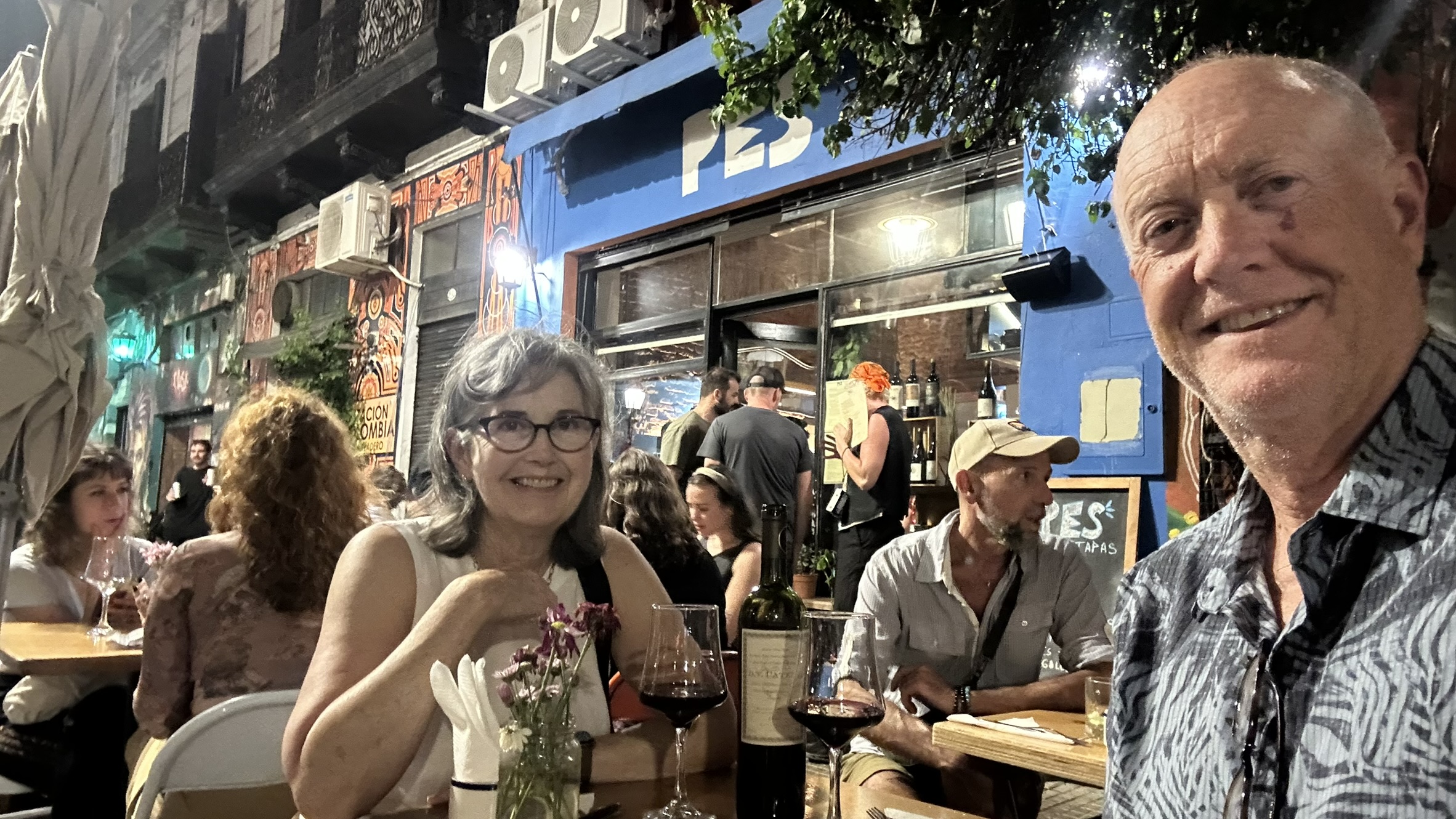
- Palermo Soho is the hippest neighborhood these days, with leafy streets, a lively bar and restaurant scene, and a couple narrow streets famous for street murals and art-covered buildings. An afternoon stroll checking out these side streets (Pasaje Russel, if you only hit one) is a must.
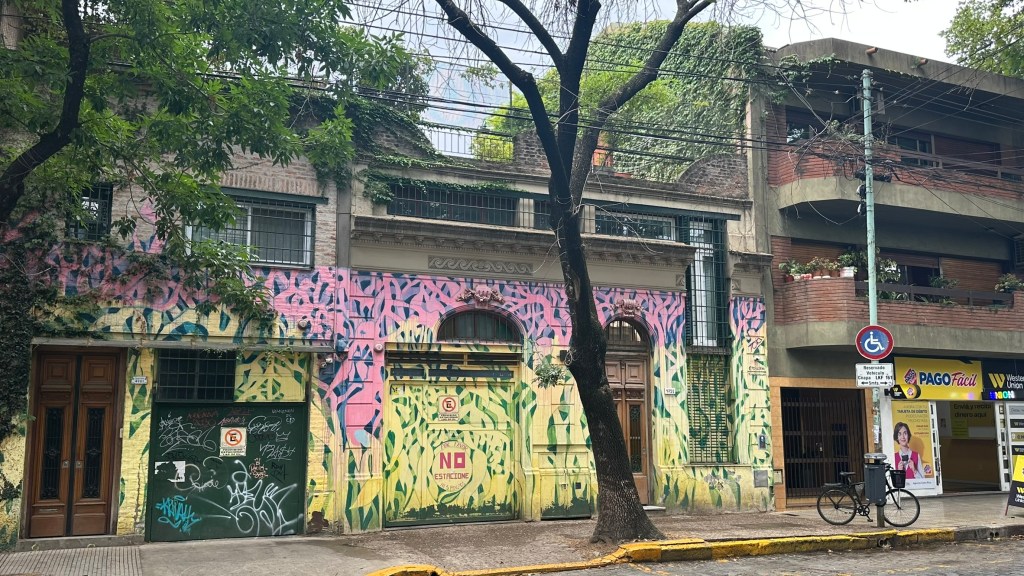
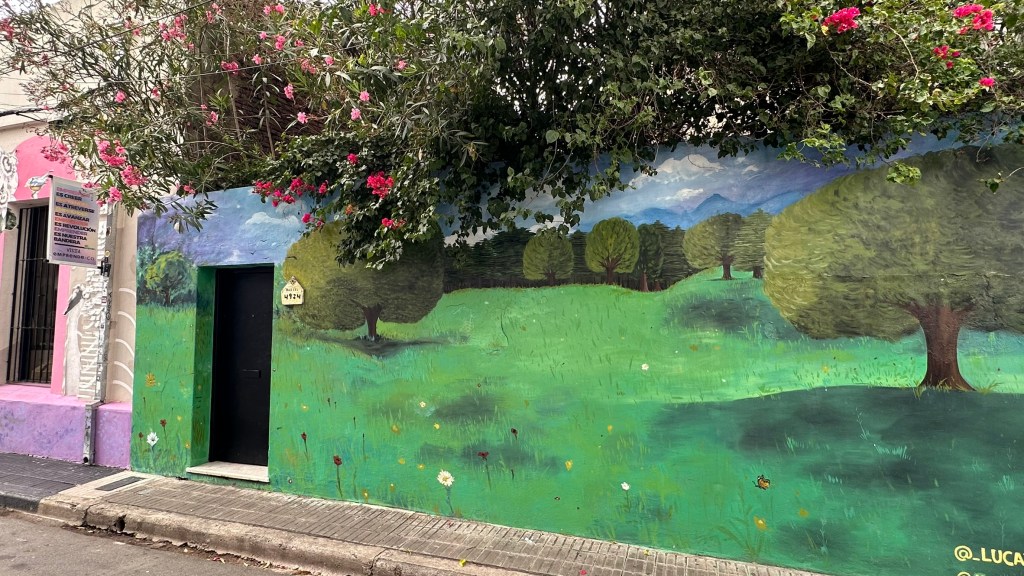
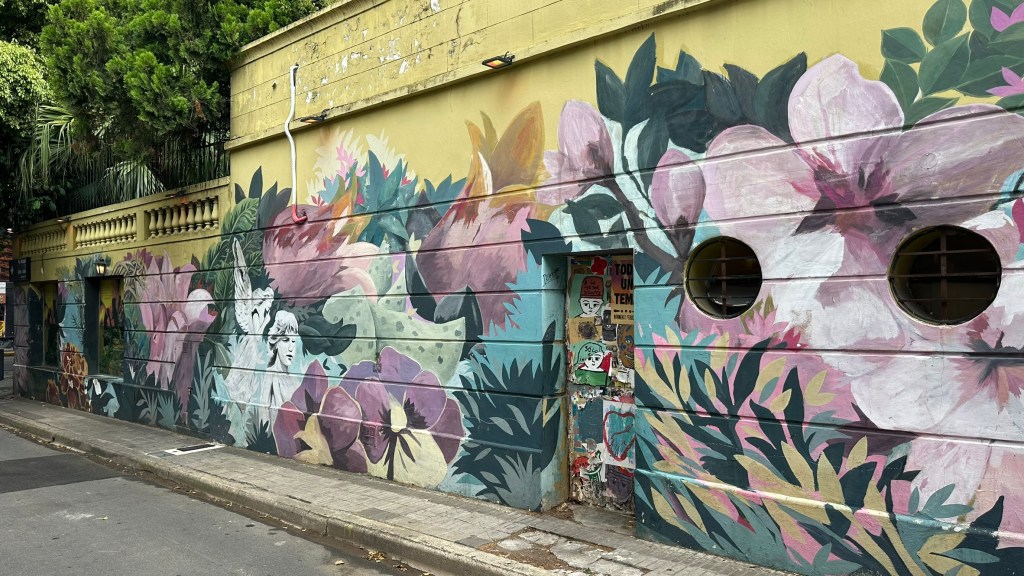
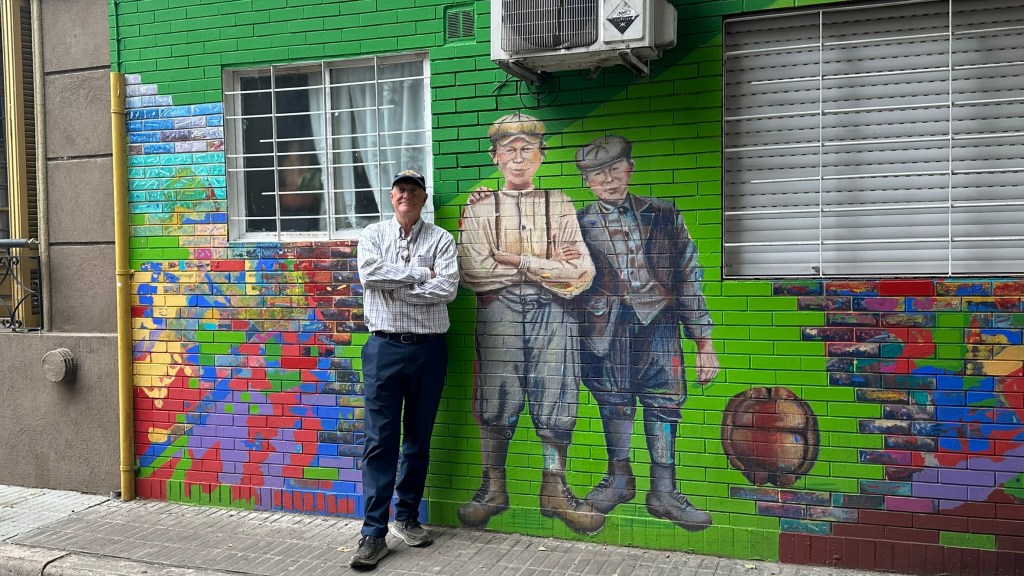
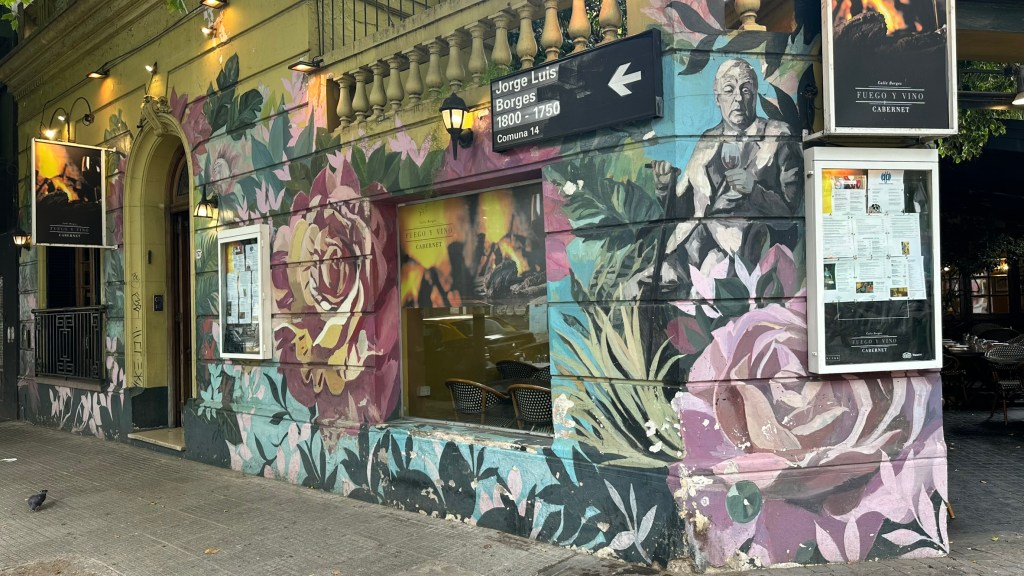
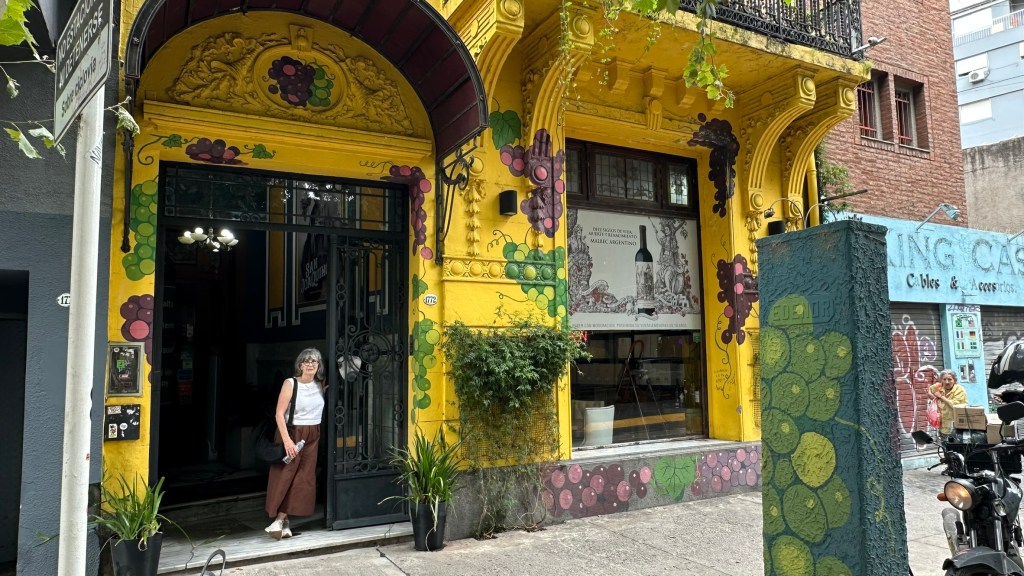
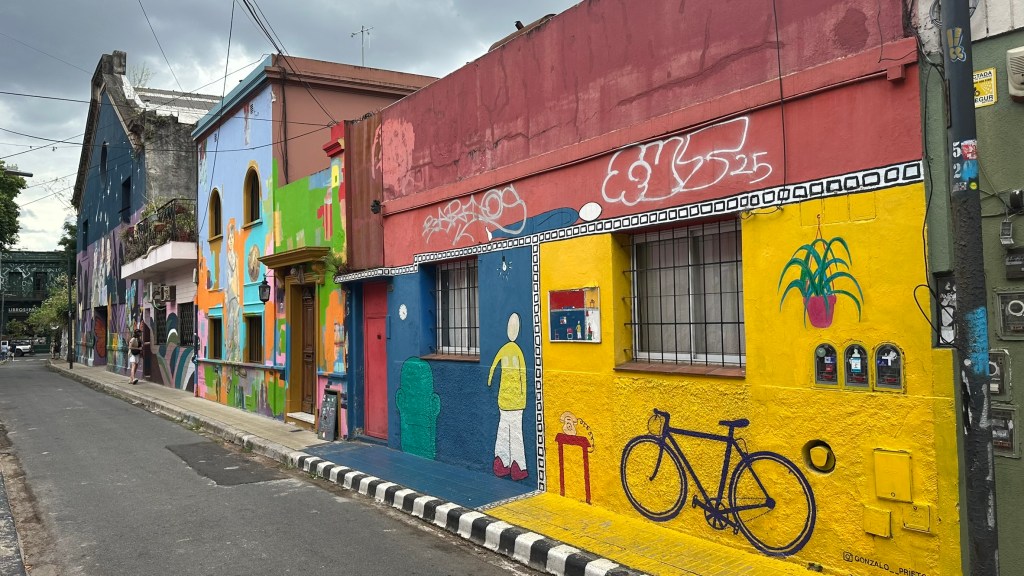
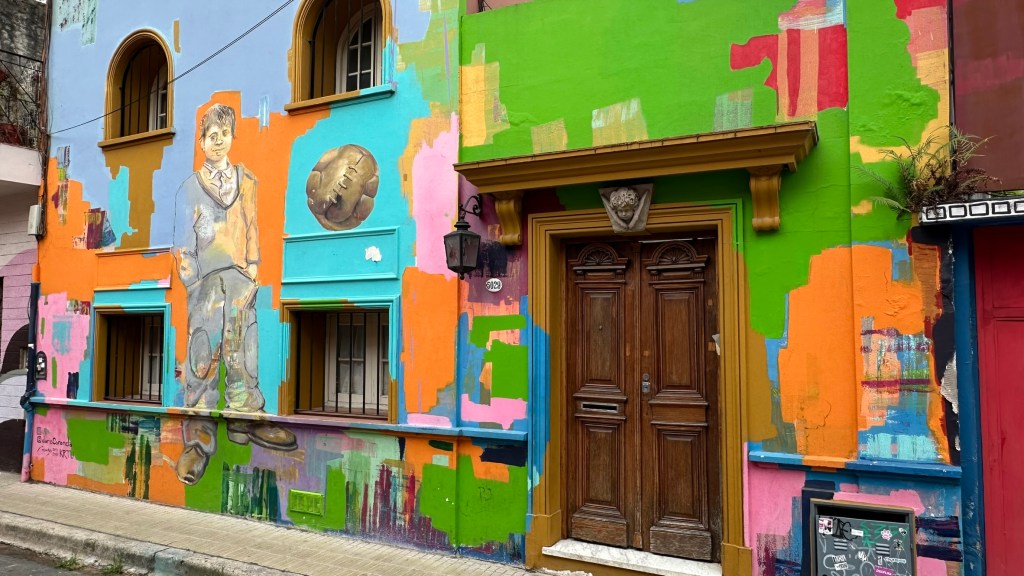
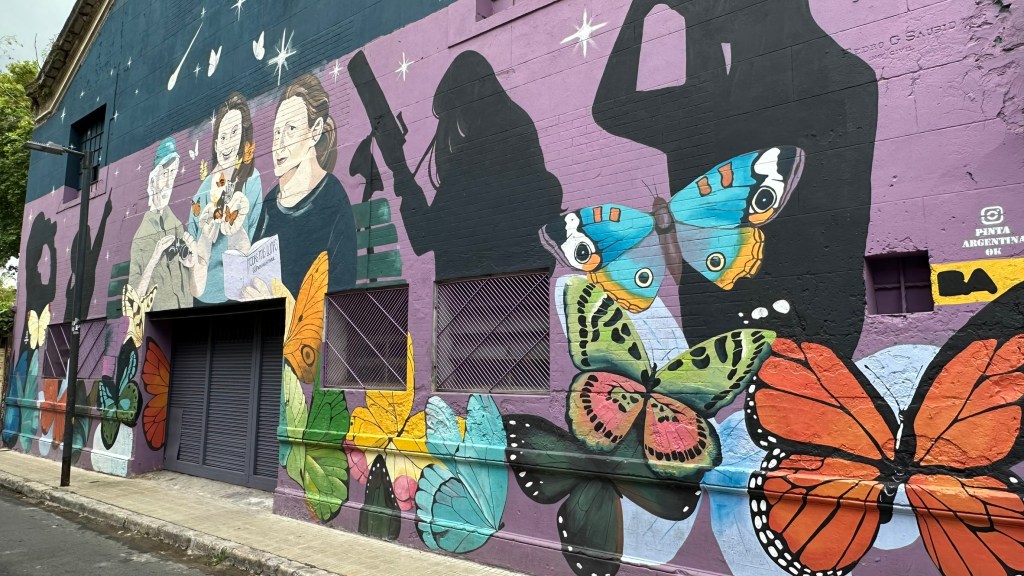
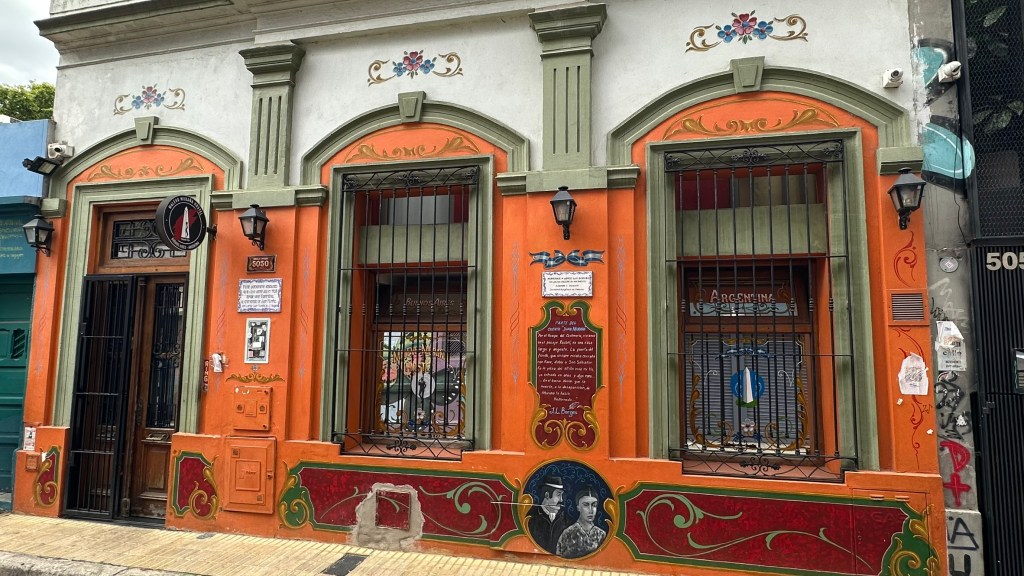
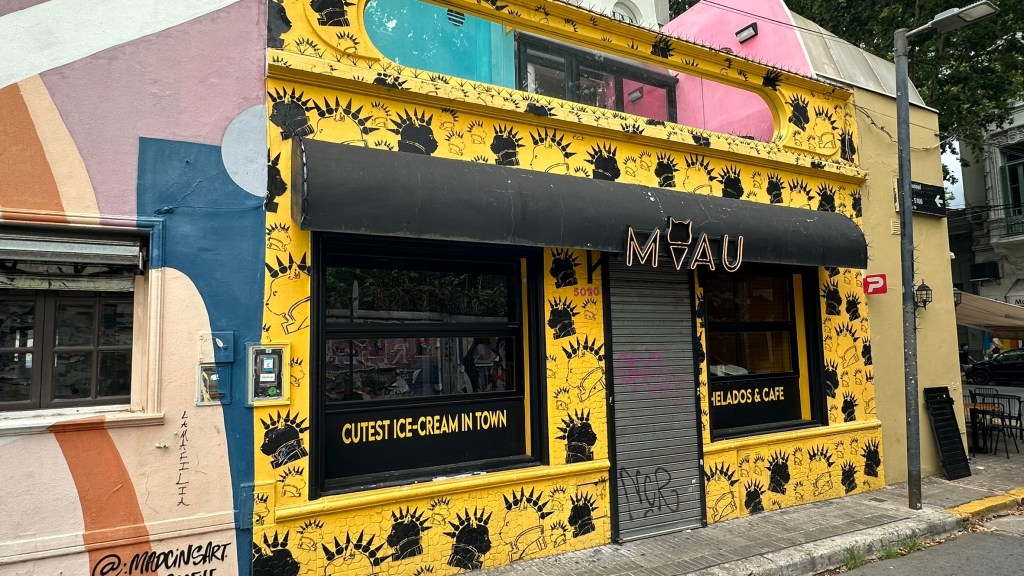
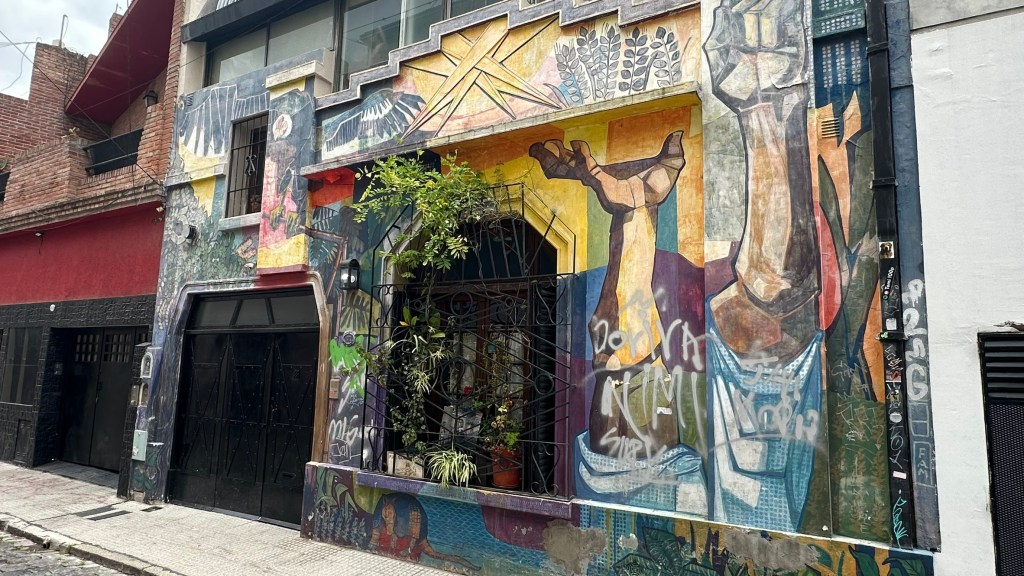
- If you are intrigued by local history, architecture, and things underground, touring El Zanjón de Granados, an historic mansion turned tenement house with a labyrinth of underground tunnels, is worth a visit.
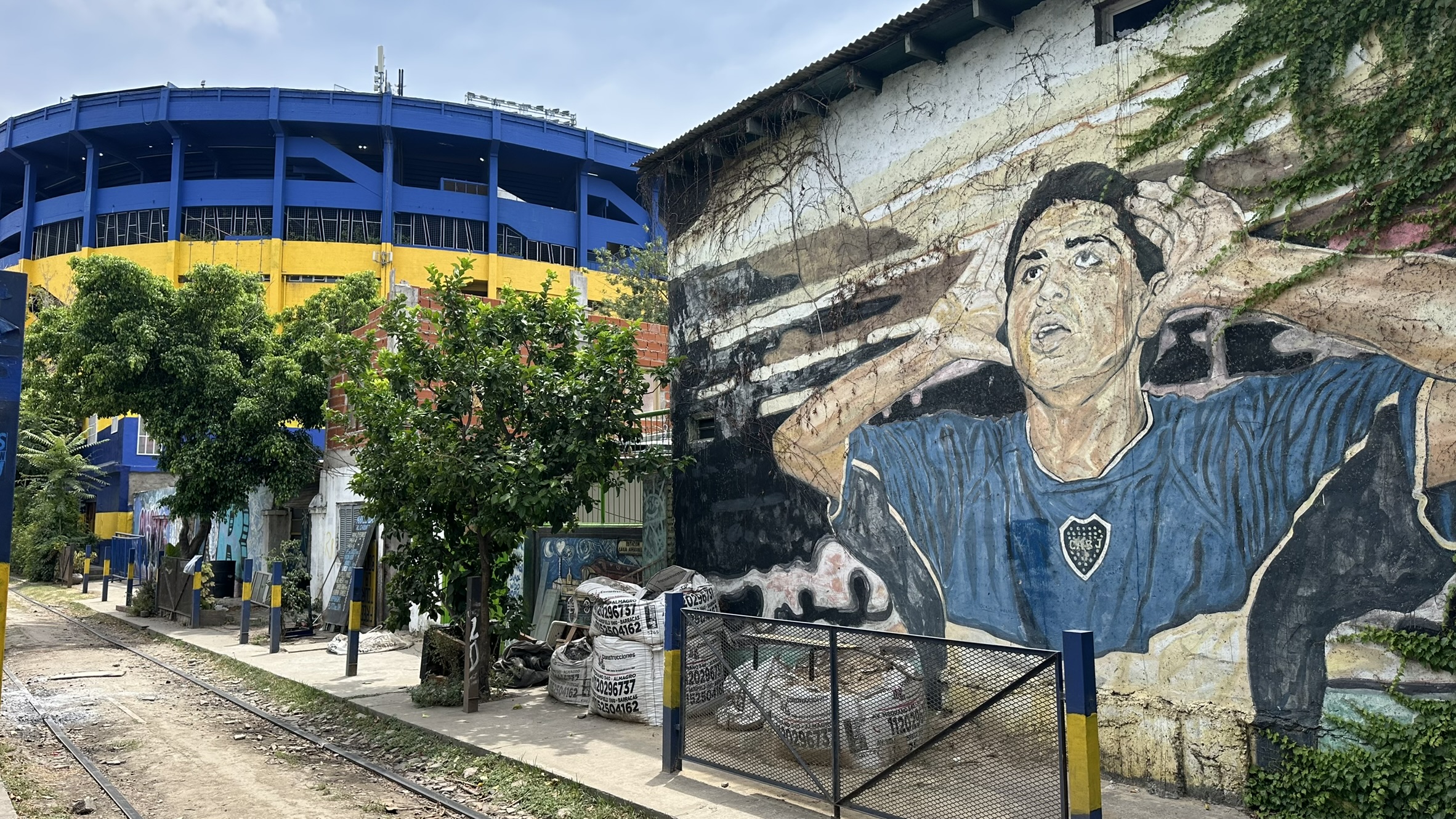
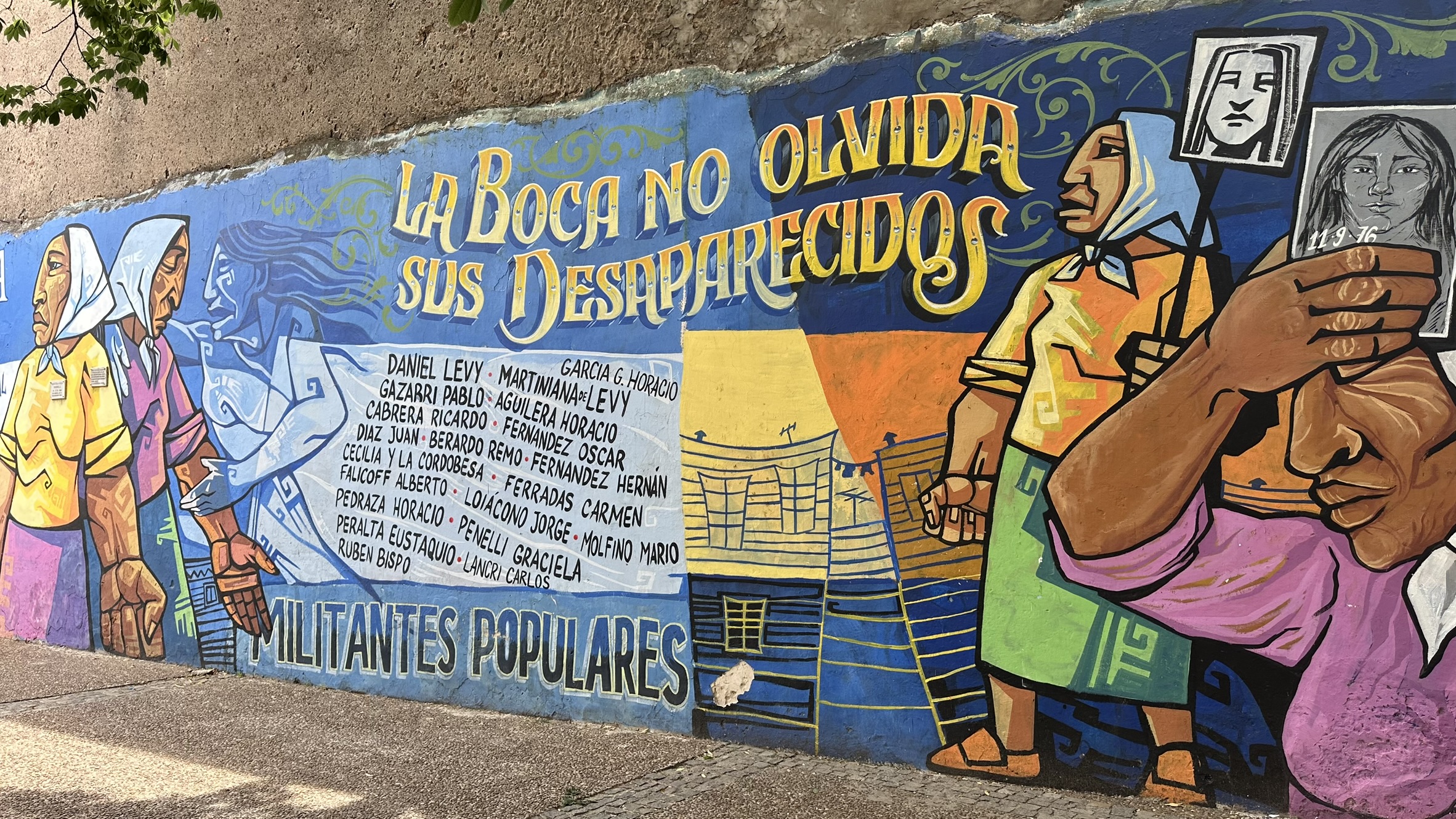
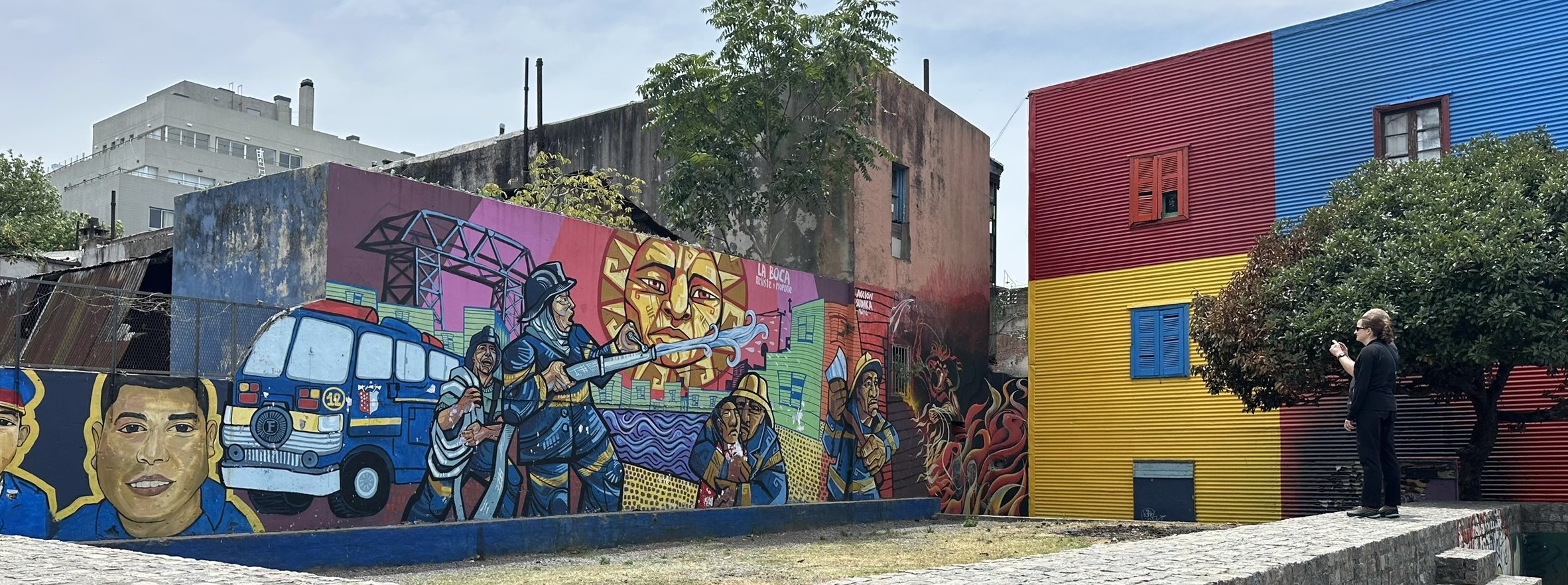
- Spend a couple hours wandering the colorful and historic La Boca neighborhood. The top attractions here both get a lot of tourists, but for good reason: El Caminito has more eye candy than any place in BA with its brightly painted tin shacks and La Bombonera, home soccer stadium of the Boca Juniors where local heroes and international soccer legends Maradona and Lionel Messi once played. There is also a large mural commemorating “Los Desaparecidos”, the 30,000 people said to have been kidnapped and “disappeared” by the ruling military junta in the 1970’s.
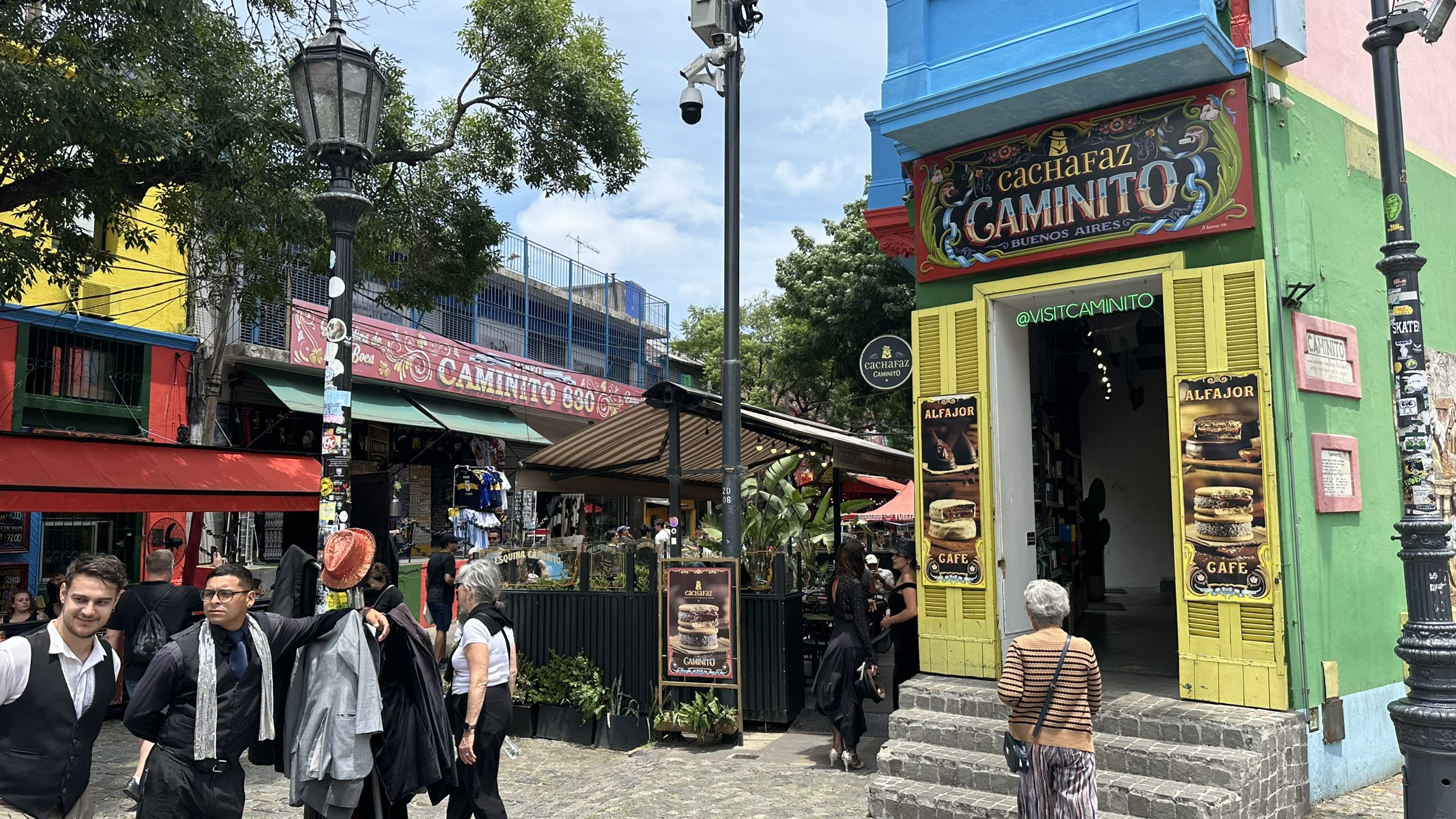
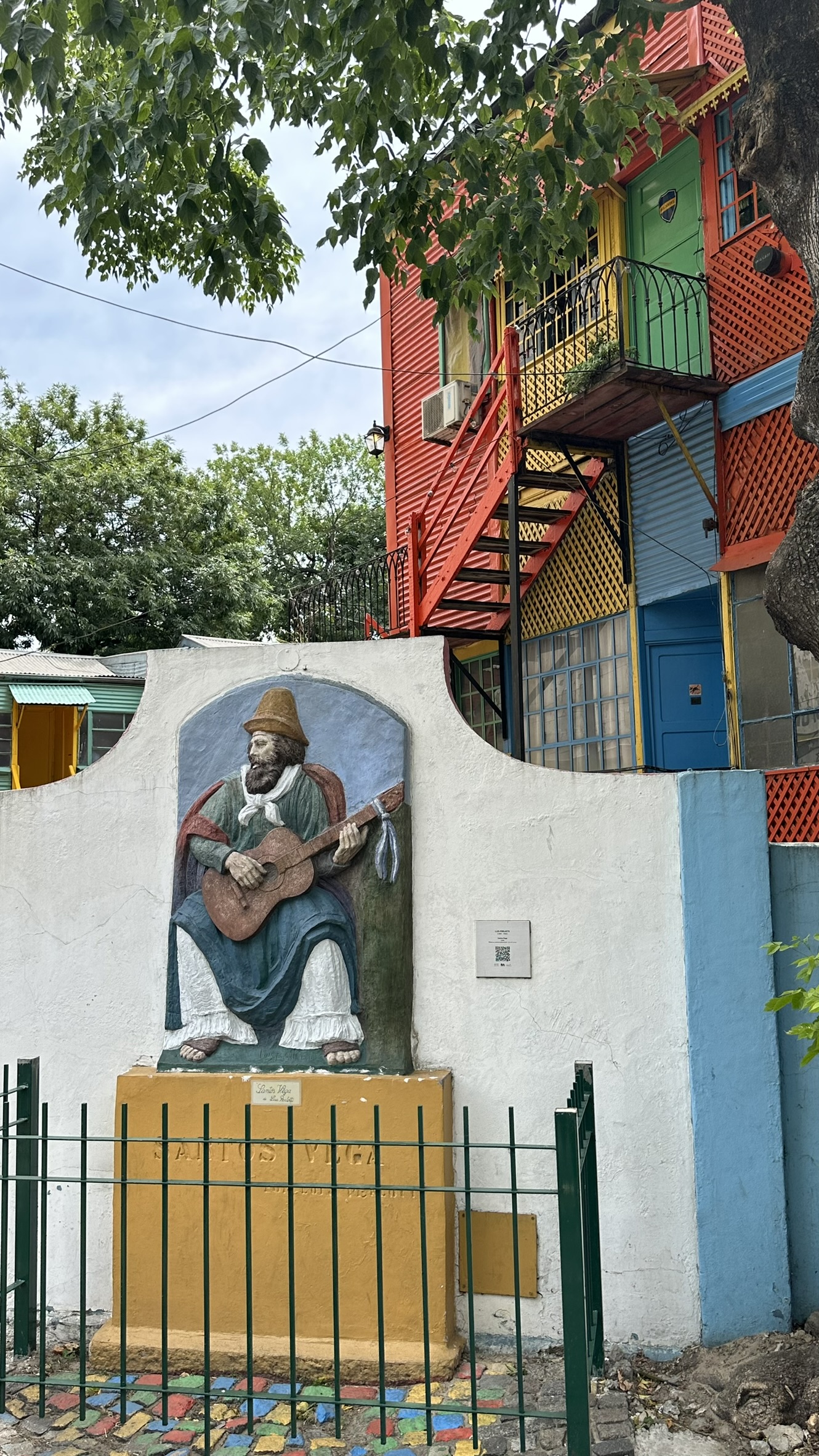
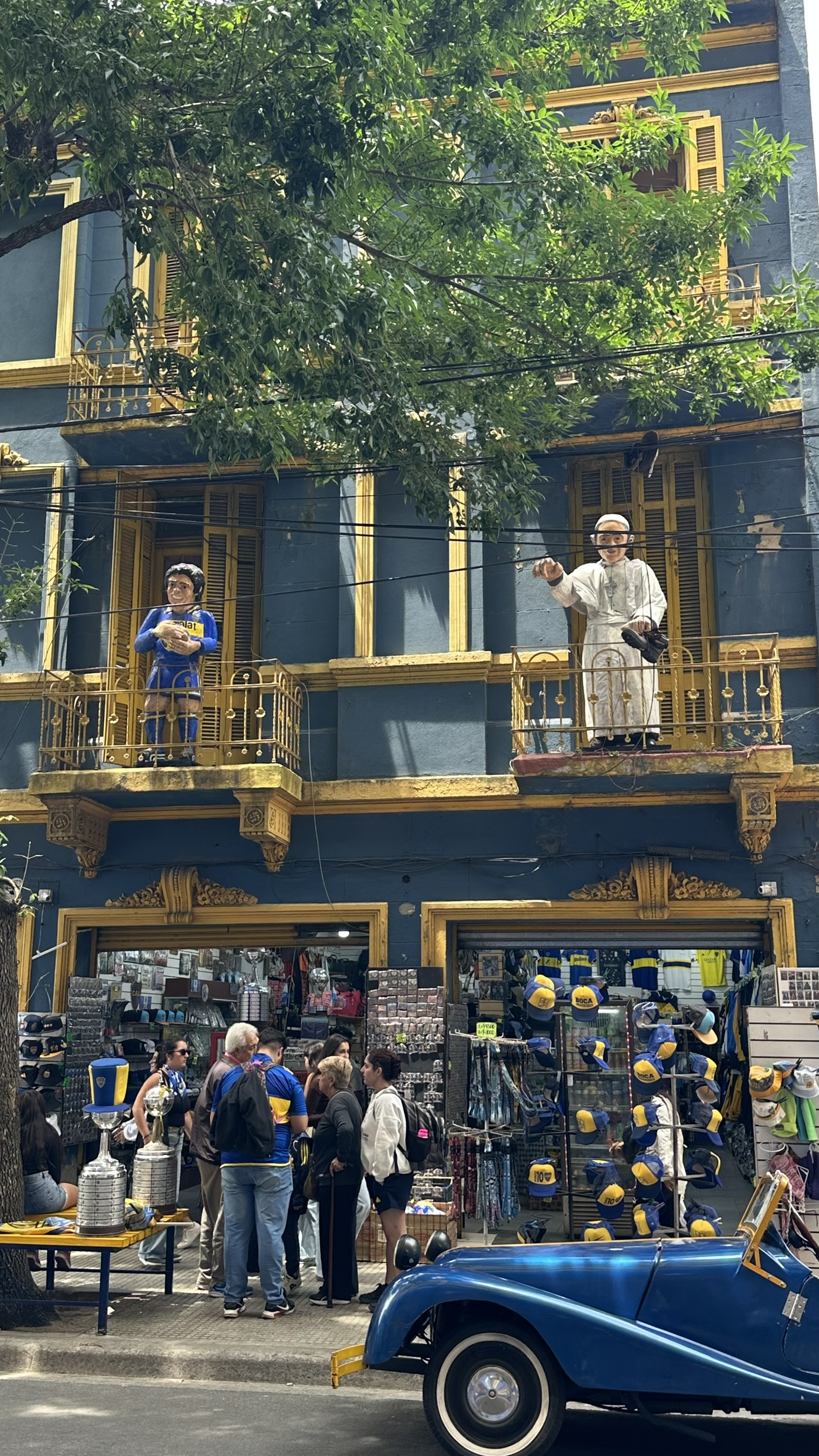
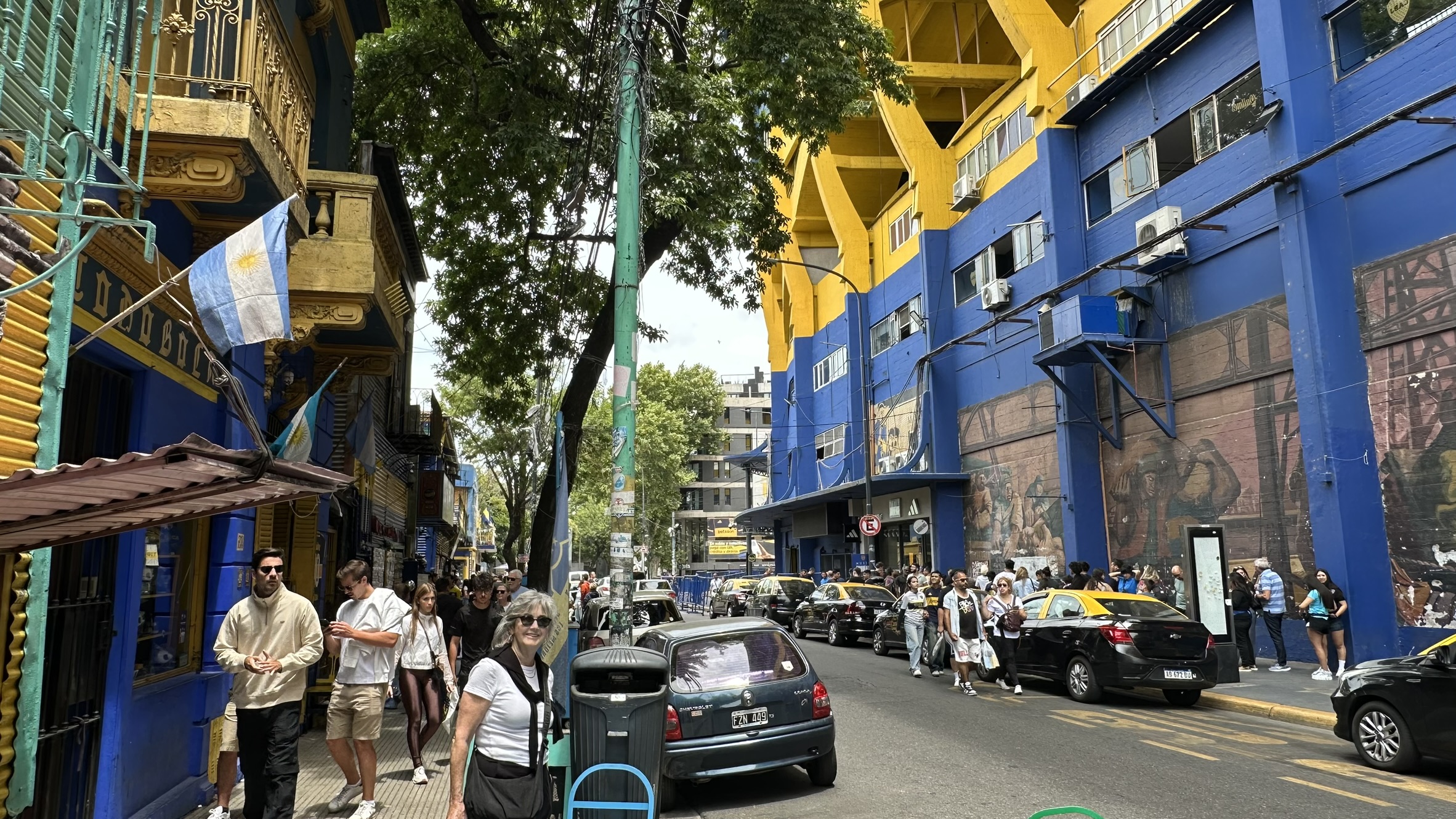
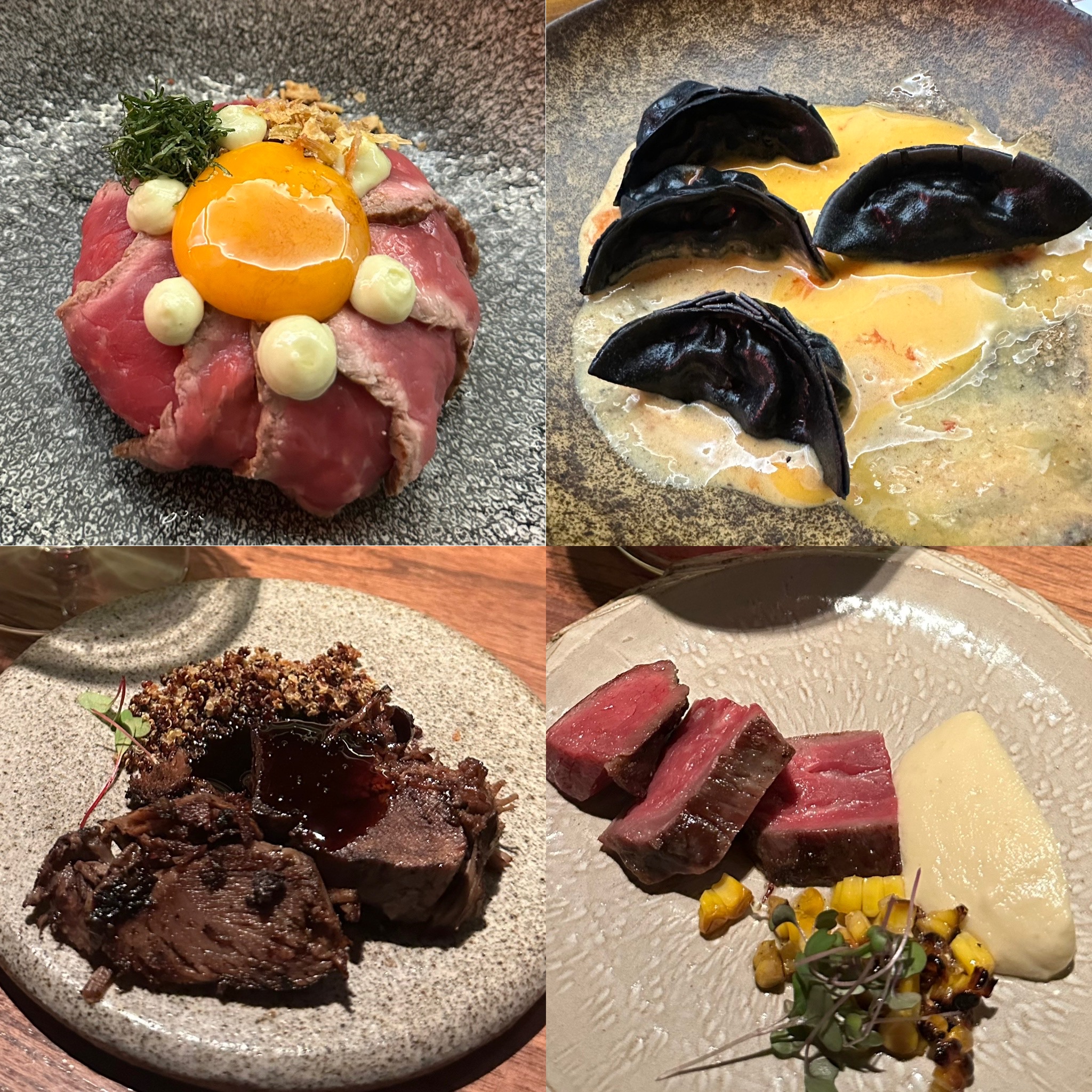
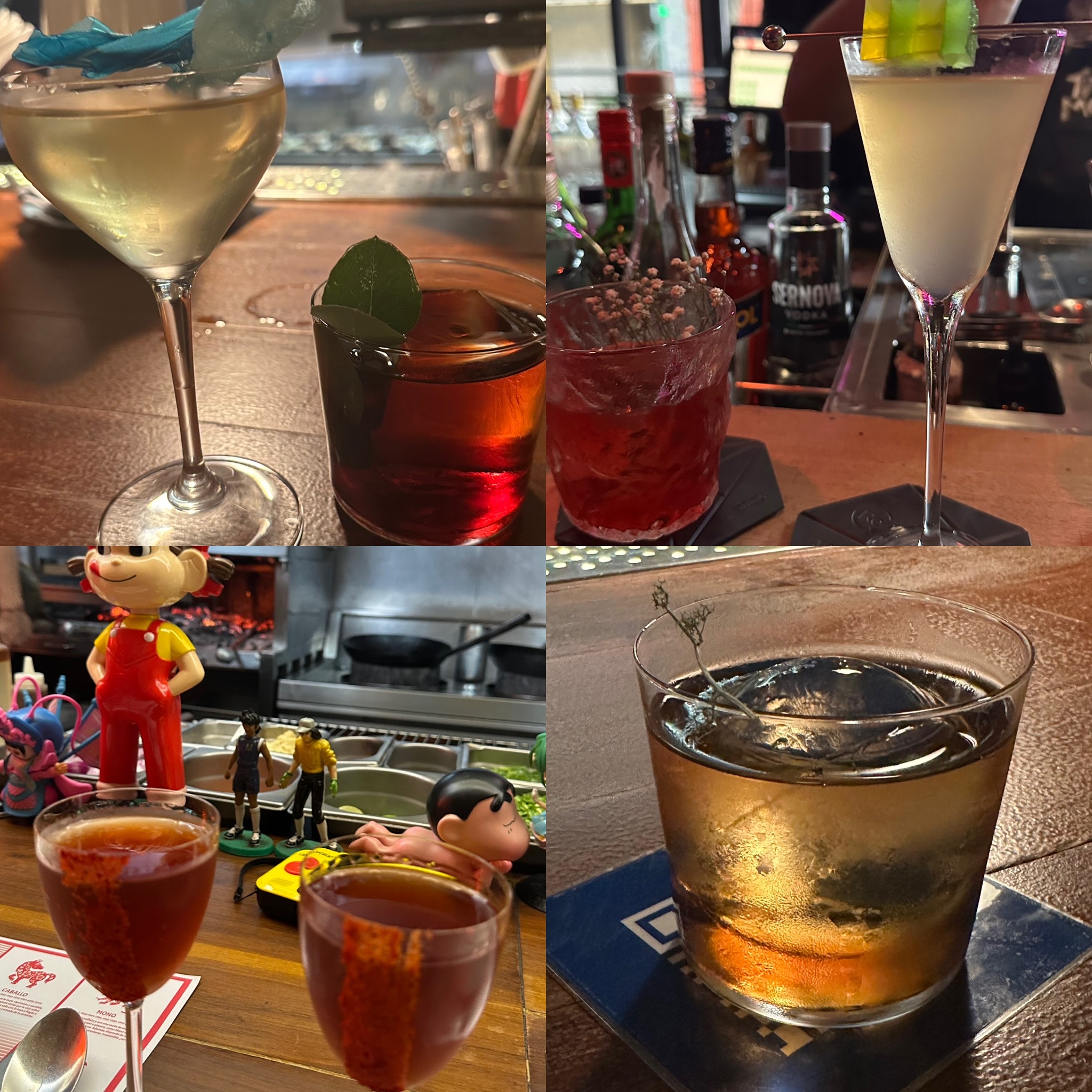
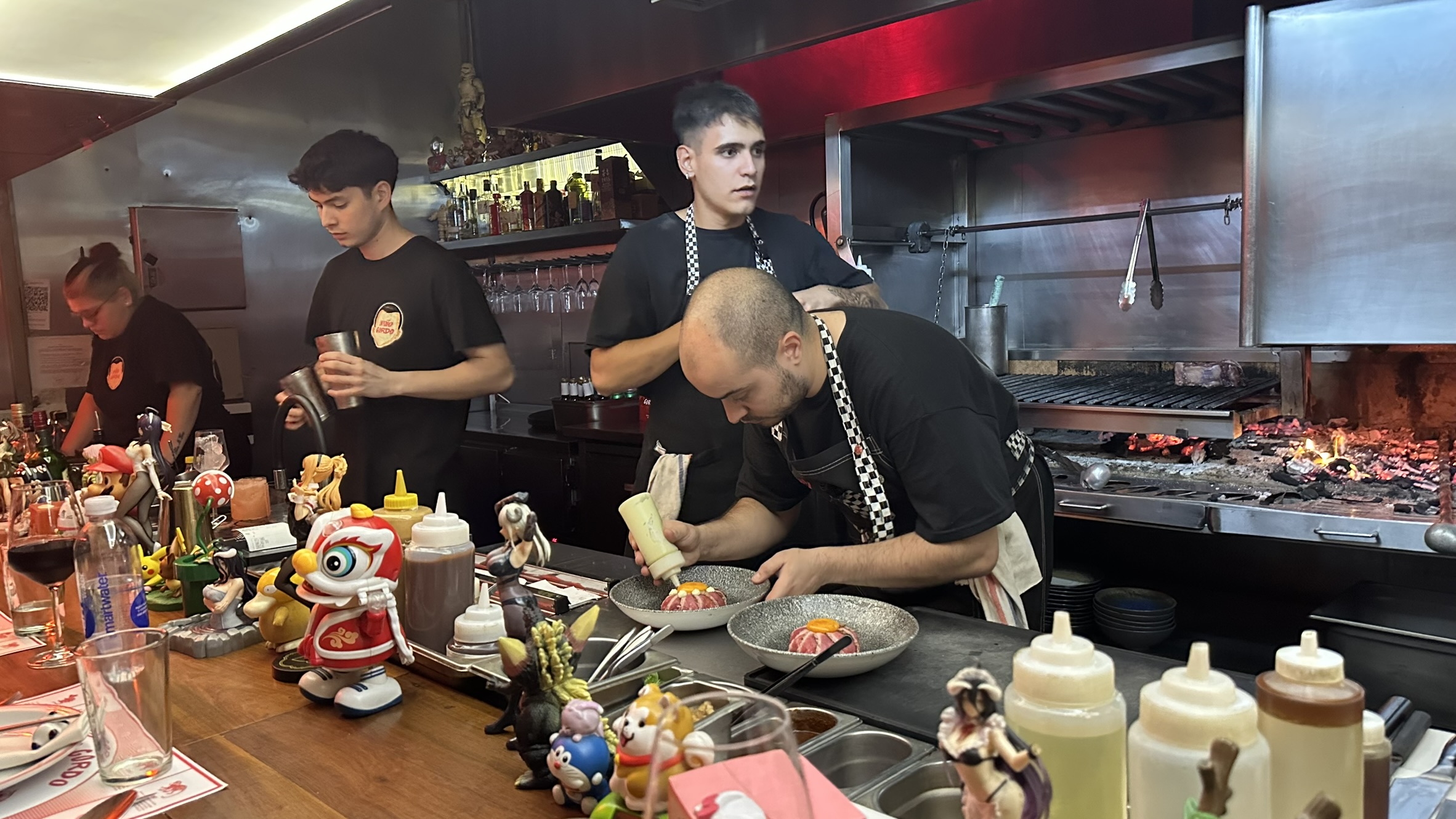
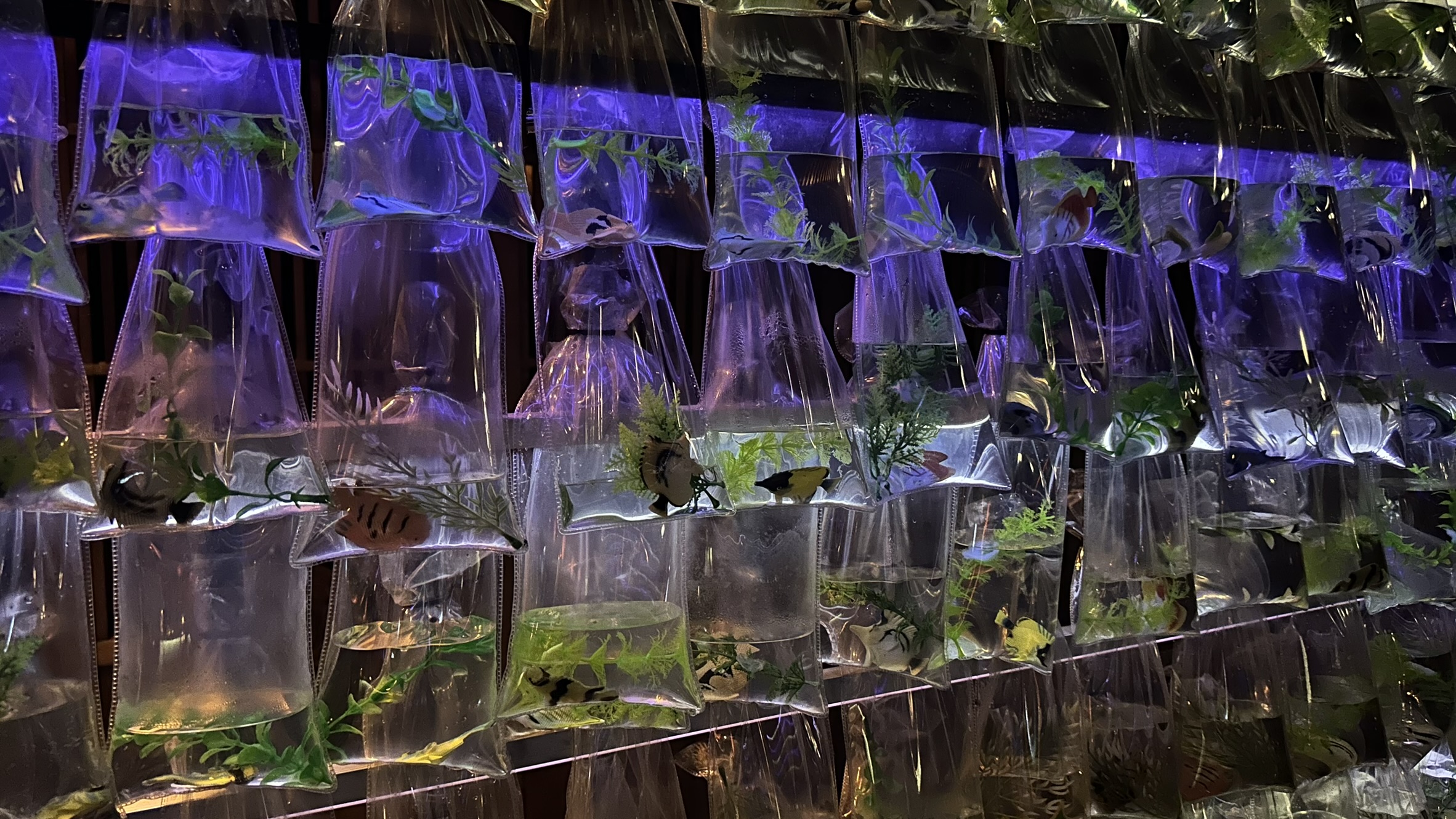
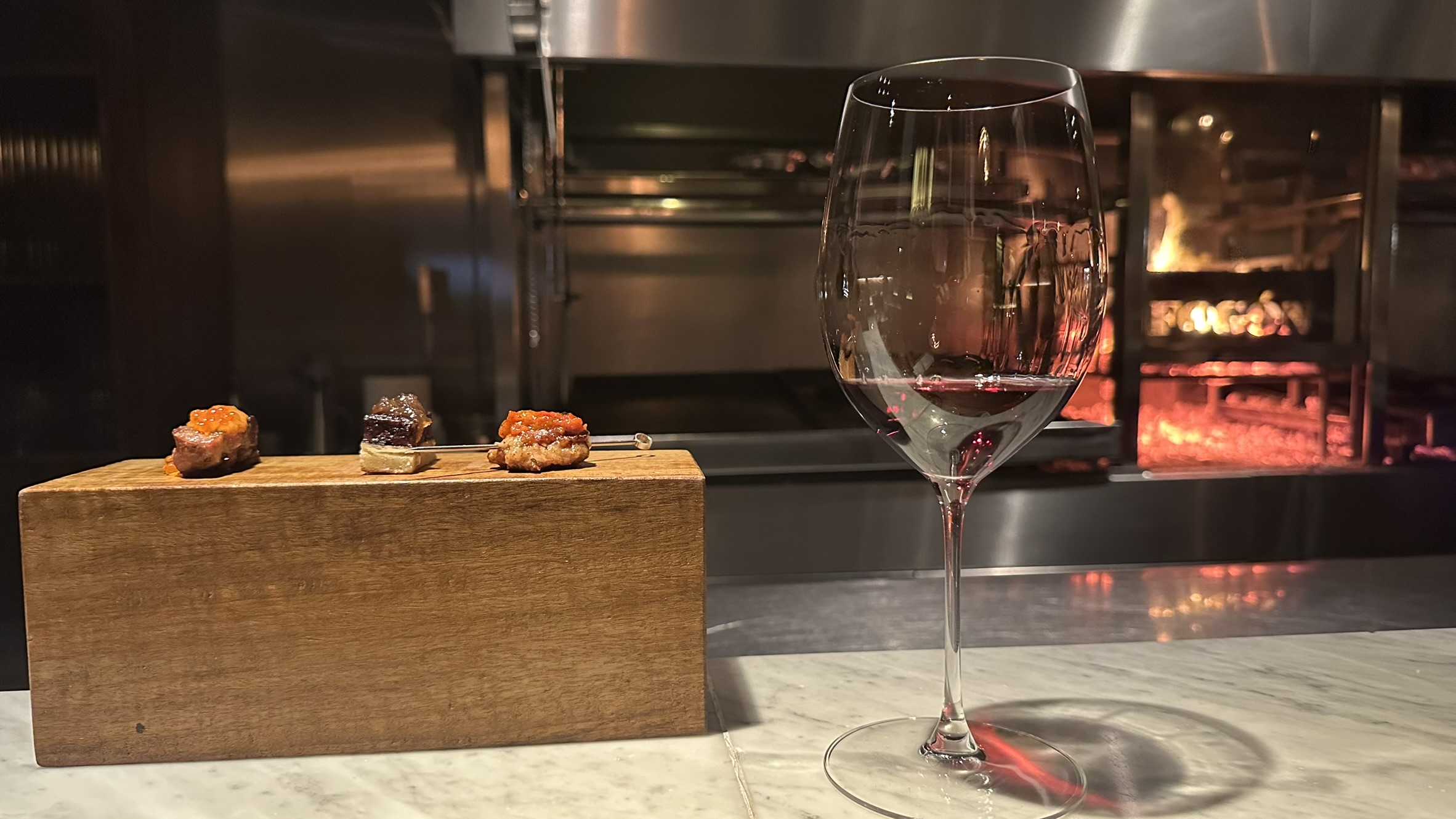
- As usual, we managed to find some great cocktail bars, including these from the World’s Top 50 list: Floreria Atlántico (hidden behind a flower shop), Tres Monos (dark and divey rock bar), CoChinChina (a cavernous place with a wall full of plastic fish in bags), and Niño Gordo, which doubles as an excellent Asian fusion restaurant — get a counter seat facing the open kitchen! And speaking of food, Argentina is world famous for beef — and while Don Julio gets all the glory as “world’s best steakhouse” in some books (and a very difficult reservation), we found the chef’s table at Fogon Asado in Palermo to be both decadent and excellent.
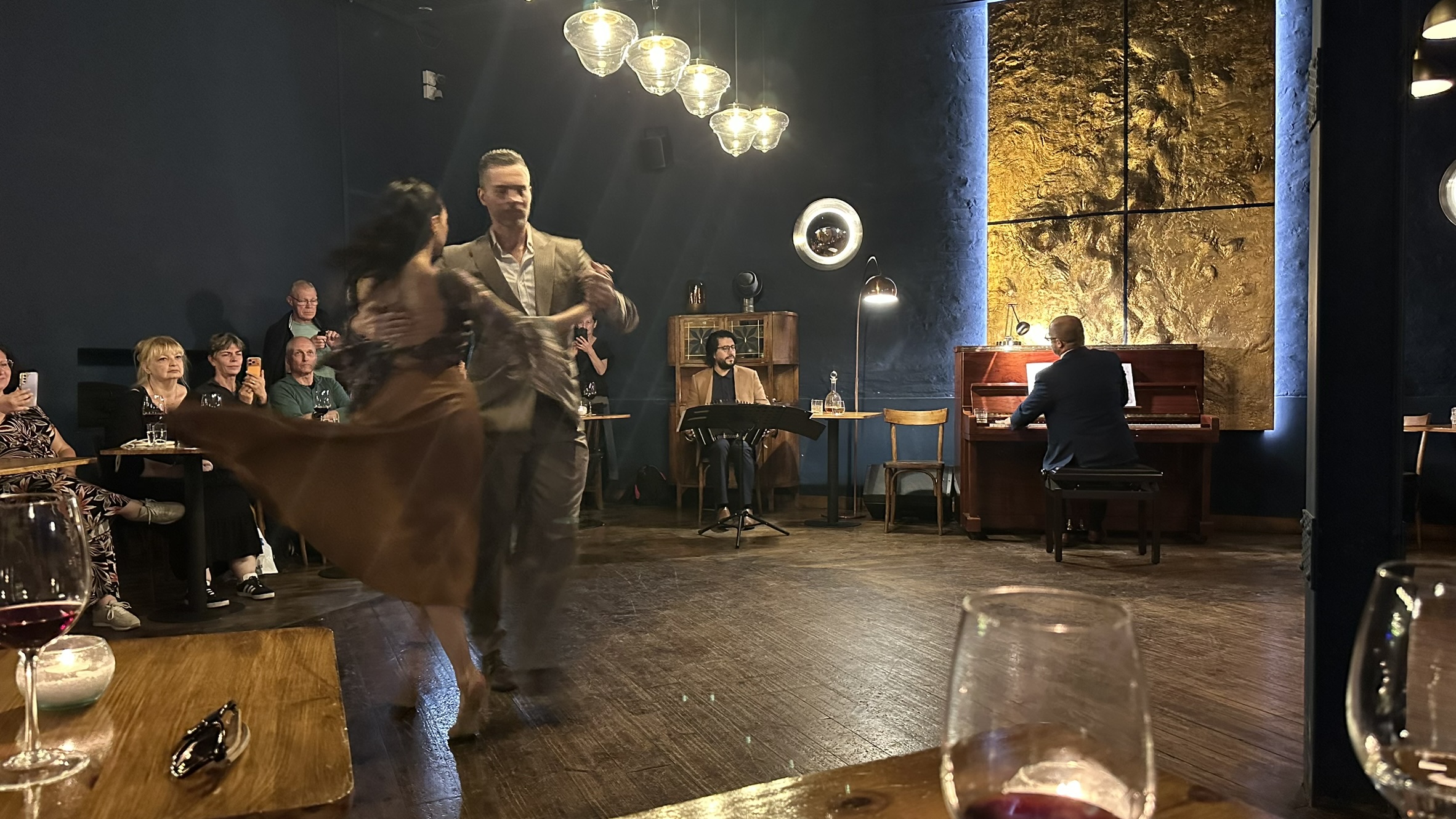
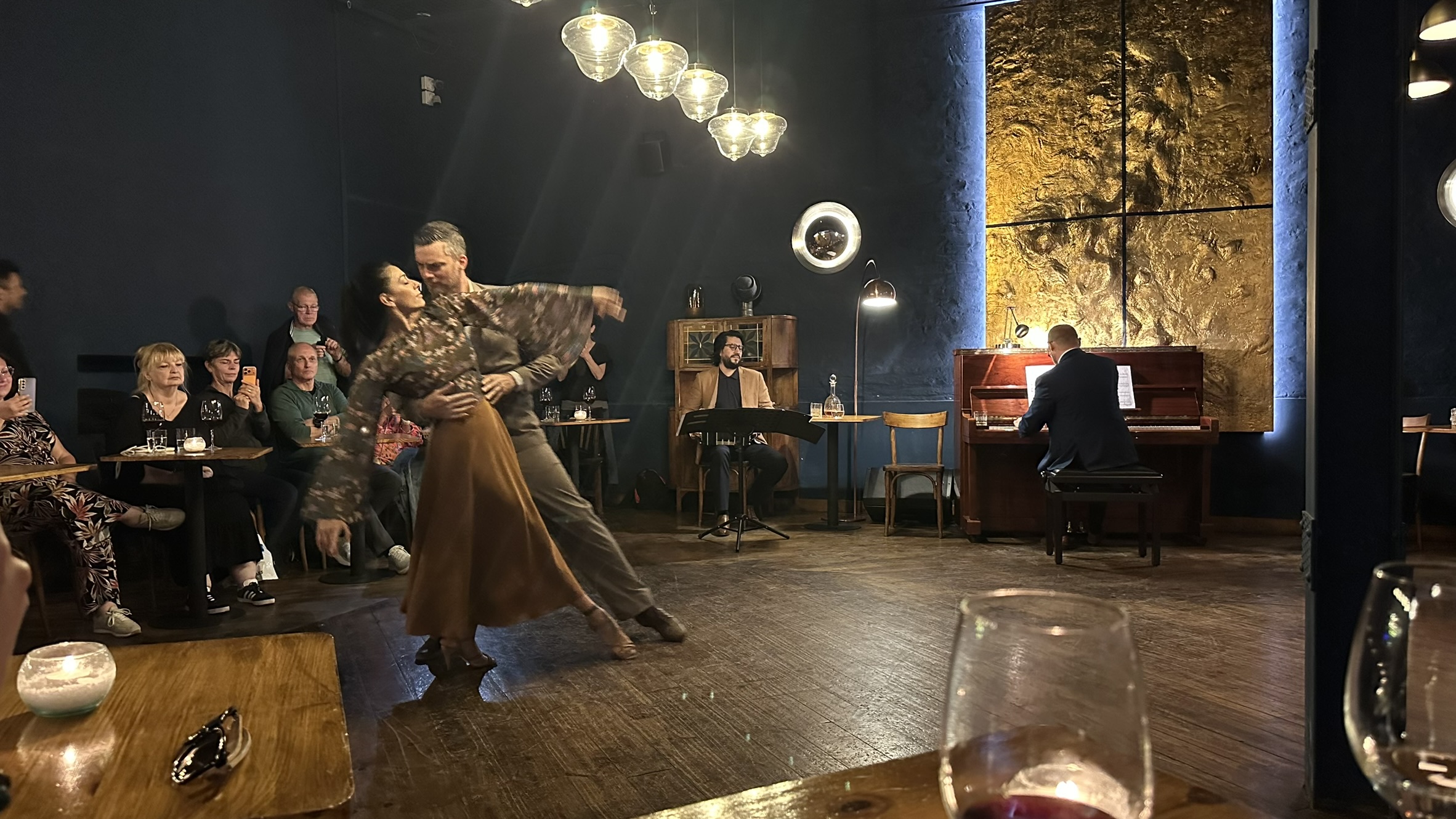
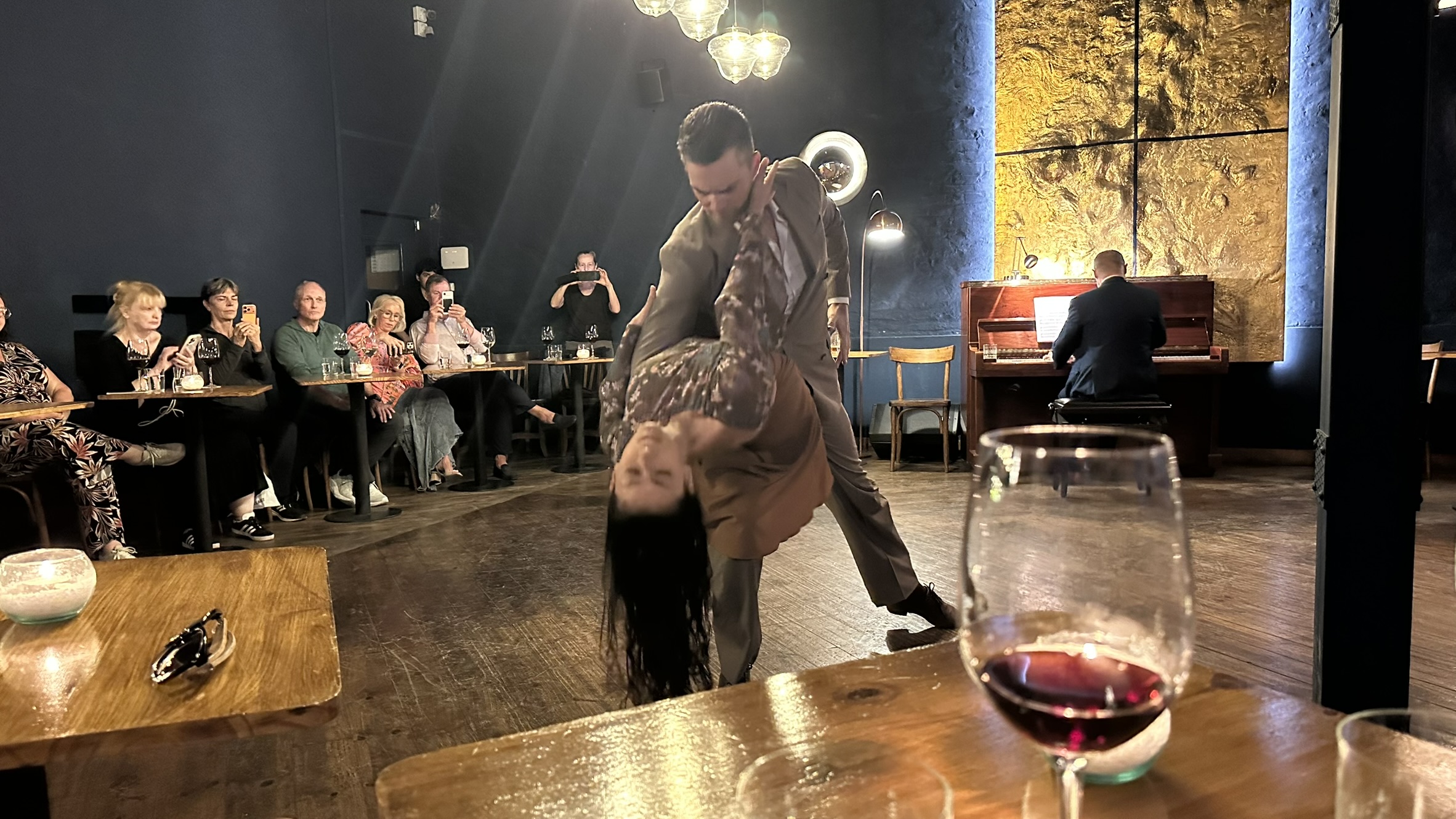
- Lastly, what about tango? There are many heavily advertised tango shows throughout town, mostly in San Telmo, and these tend to be in large venues with a raised stage and several dozen (or more) guests seated far from the stage. This did not interest us, BUT we did find an “experimental”, much more intimate format, the Secret Tango Society in Palermo, with only 15 small tables ringing the dance floor. With a single pair of dancers, one singer and two musicians (and complimentary wine), it was a tour-de-force, just fantastic. Go to the afternoon show and then straight to drinks and dinner in Palermo Soho! Click here for short videos; here’s my TripAdvisor review.
Note: If you are heading to Buenos Aires for the first time, I strongly recommend a few things we missed this time because we had seen them before. In no particular order, they include:
- Recoleta Cemetery, with its many impressive crypts and monuments including that of Eva Peron — almost as famous as Jim Morrison’s grave in Paris’ Père Lachaise Cemetery.
- The most beautiful bookstore in the world? A 20-minute walk from the cemetery of Recoleta to El Ateneo Bookstore (“Grand Splendid“), you will see the beautiful European architecture style buildings in the wealthy neighborhood of Recoleta on the way.
- Museum of Bellas Artes. Extensive collection of fine Argentine and international art from various periods. With works by renowned artists such as Rembrandt, Goya, Van Gogh, and local luminaries like Xul Solar and Antonio Bern.
- Many people and websites tell you to exchange dollars (or Euros) for pesos at the “blue market” money exchange on Calle Florida. It’s all very cloak and dagger, but I found it easier just to use the Western Union, which have offices everywhere, for about the same exchange rate. Do not use ATM’s — they rip you off with exorbitant fees.
| Days 5-7 | Mendoza, Argentina | Casa Glebinias |
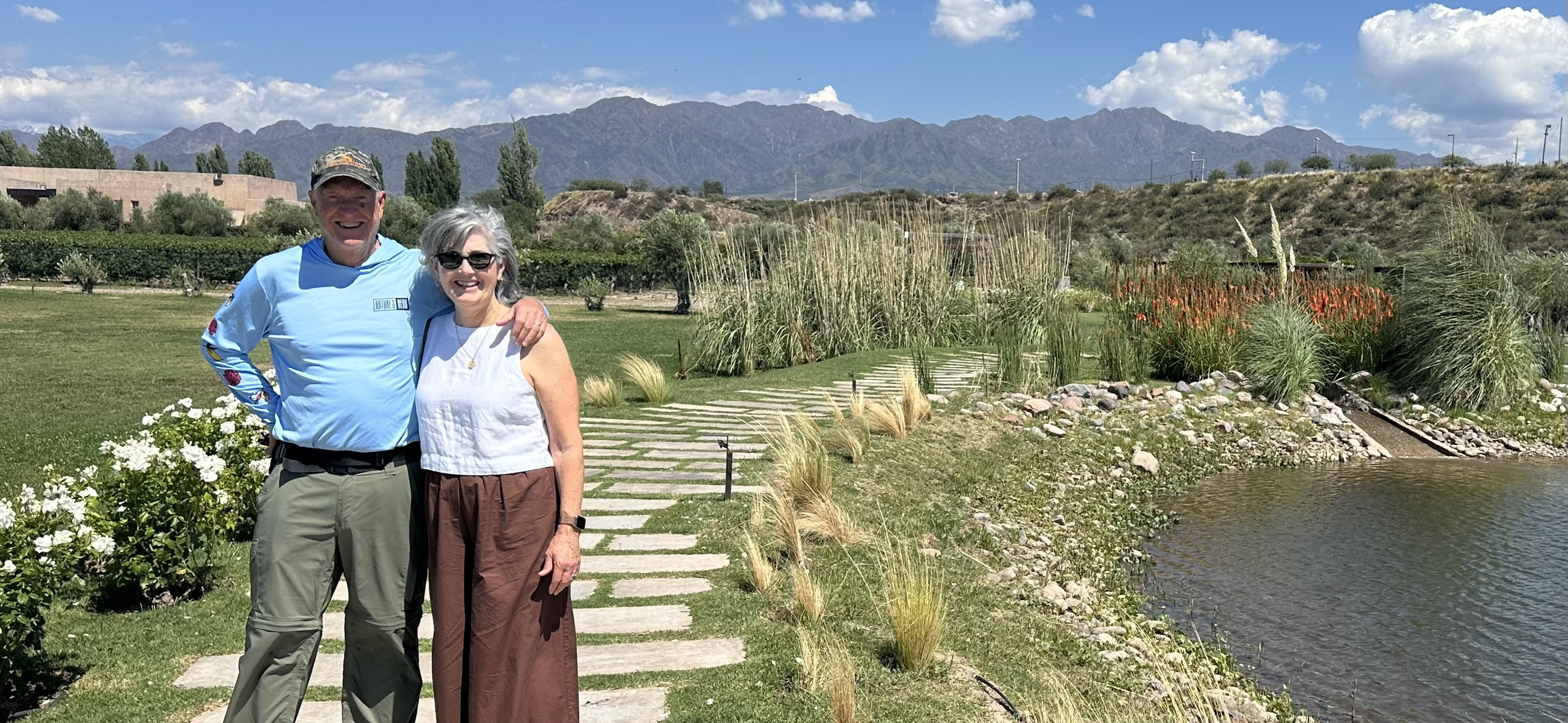
After four nights in Buenos Aires, we headed for the hills and a more relaxing pace, hopping a two-hour flight to Mendoza, Argentina’s wine capital home to its world-famous Malbec. In fact, many wine aficionados now consider Mendoza the world’s top wine region — besting the likes of those in France, Italy and, yes, our own Napa Valley.
Mendoza is both a massive province and its capital city. Mendoza Province has three major wine regions: Lujan de Cuyo and Maipu, 30 minutes south of the city, and Valle de Uco, another 90 minutes south and the newest of the regions. And while it is most famous for Malbec, with 75% of the world’s production, Mendoza also produces excellent Cabernet Sauvignon, Cabernet Franc and Chardonnay. The city itself is the 4th largest in Argentina and has wide, leafy streets and a downtown built around its central Plaza de Independencia. Rather than stay in the city, we opted for a beautiful guest house in Lujan de Cuyo, a tranquil suburb closer to the wine. Highlights of our three days included:
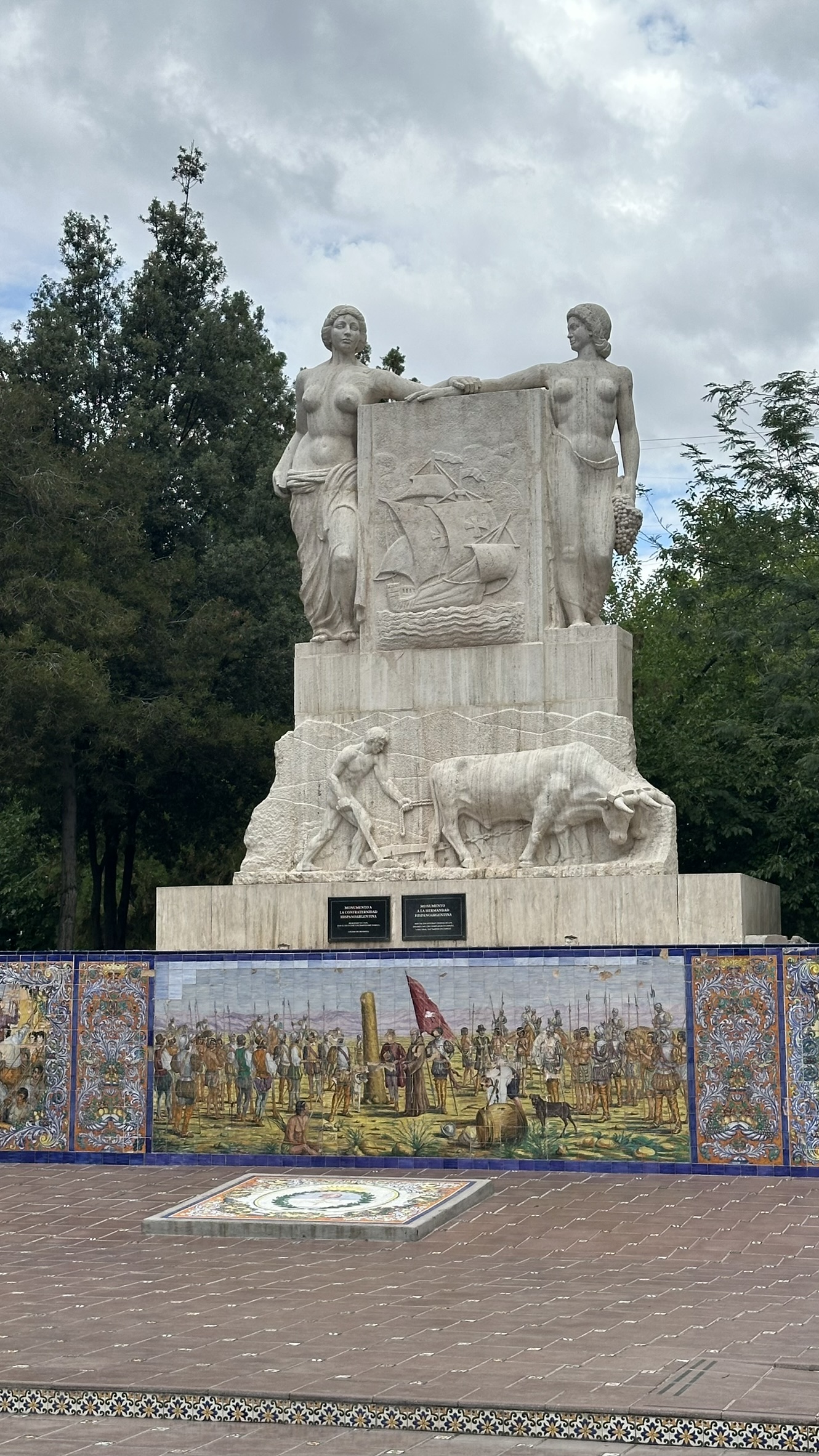
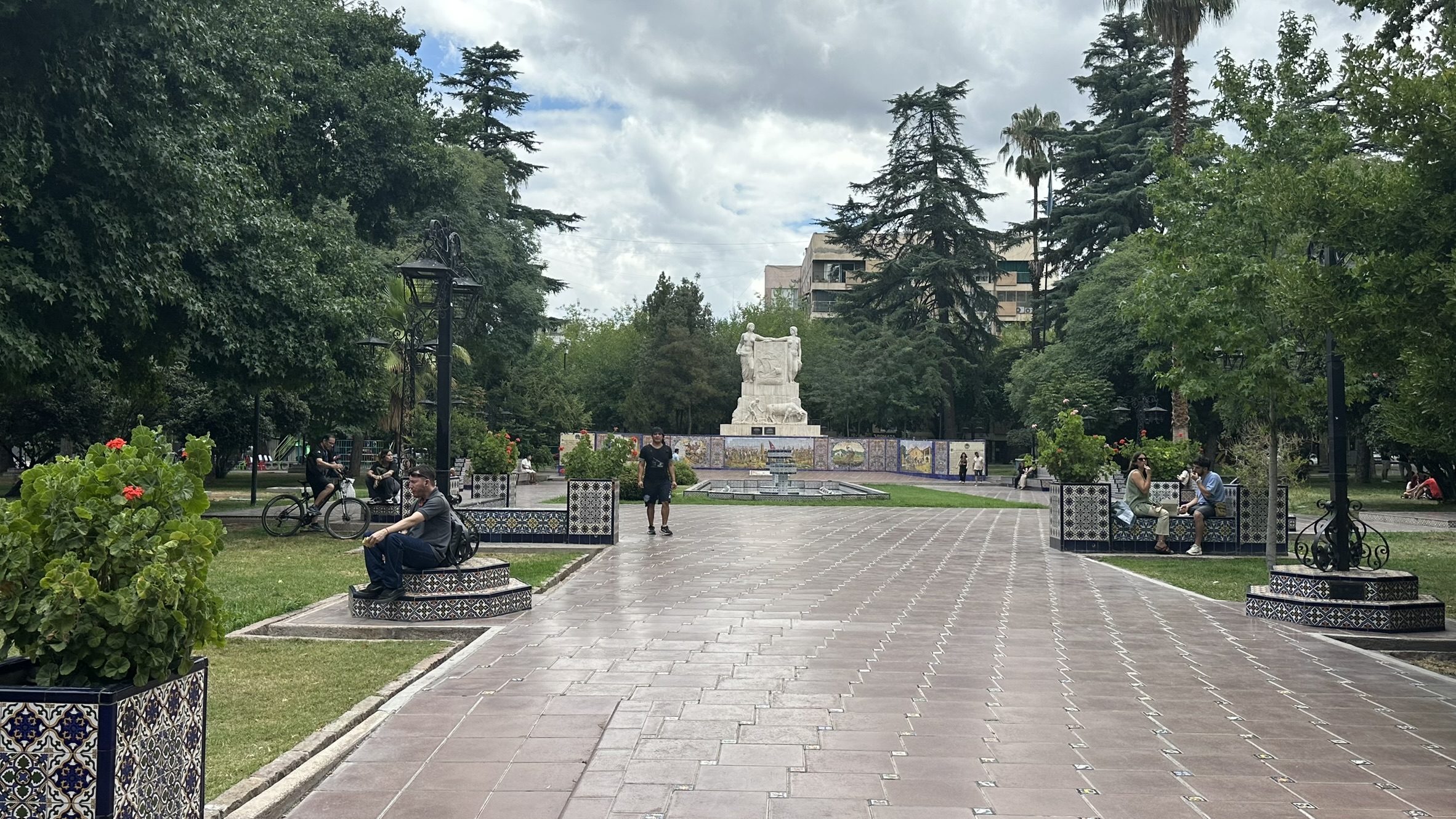
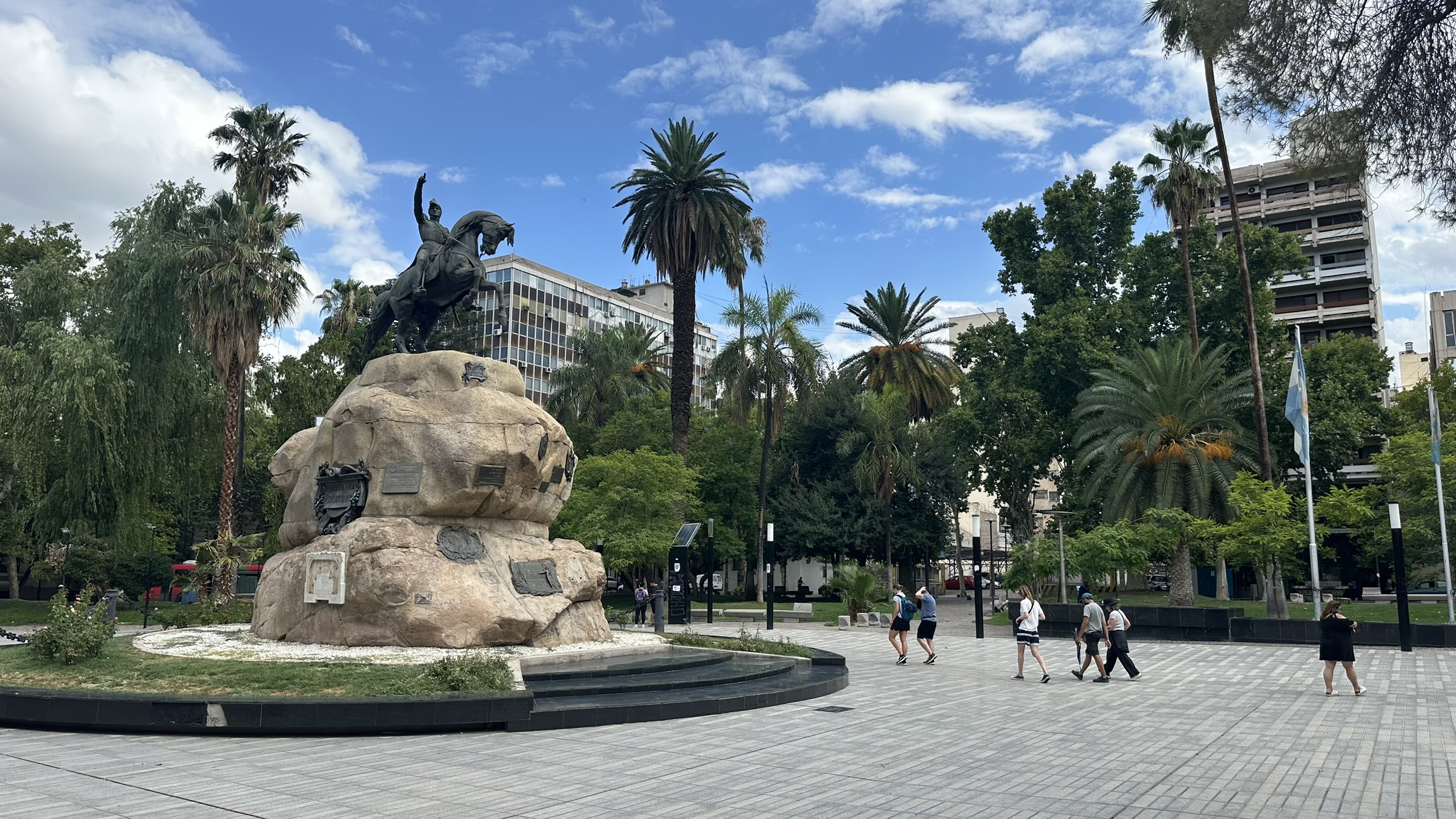
- A two-hour walking tour of Mendoza city was a great way to start the trip; exploring the town’s historical sights, learning its cultural history, and then getting out of town. The tour was centered around Plaza Independencia and two of the four smaller, green plazas that surround it: Plaza Espana and Plaza San Martin, the latter named for the man who liberated Argentina, Chile and Peru from their Spanish conquerors. After the tour, we headed for the restaurant and bar-lined Avenida Aristides, but not liking the vibe particularly we found a nice, casual place for pizza — Lobopollito — a couple blocks off the main drag.
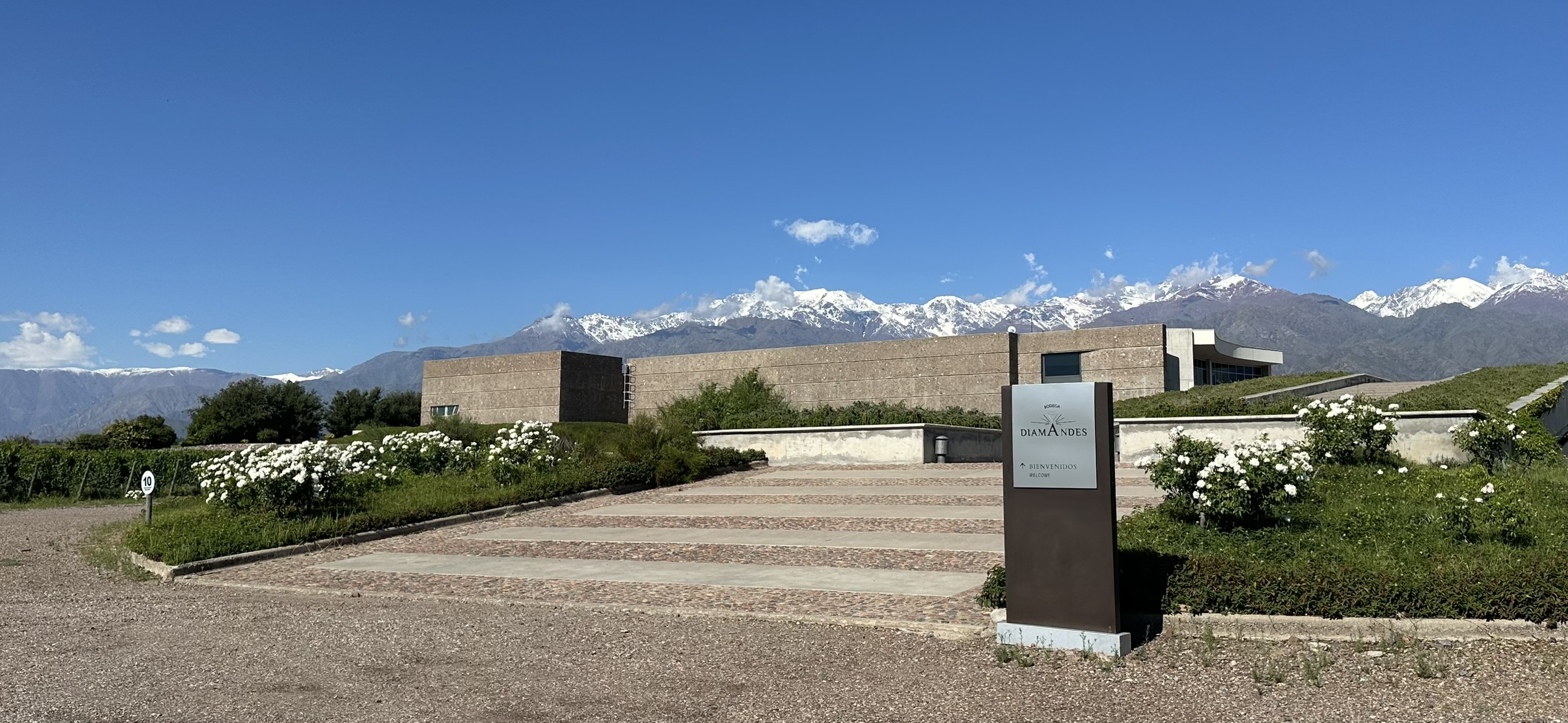
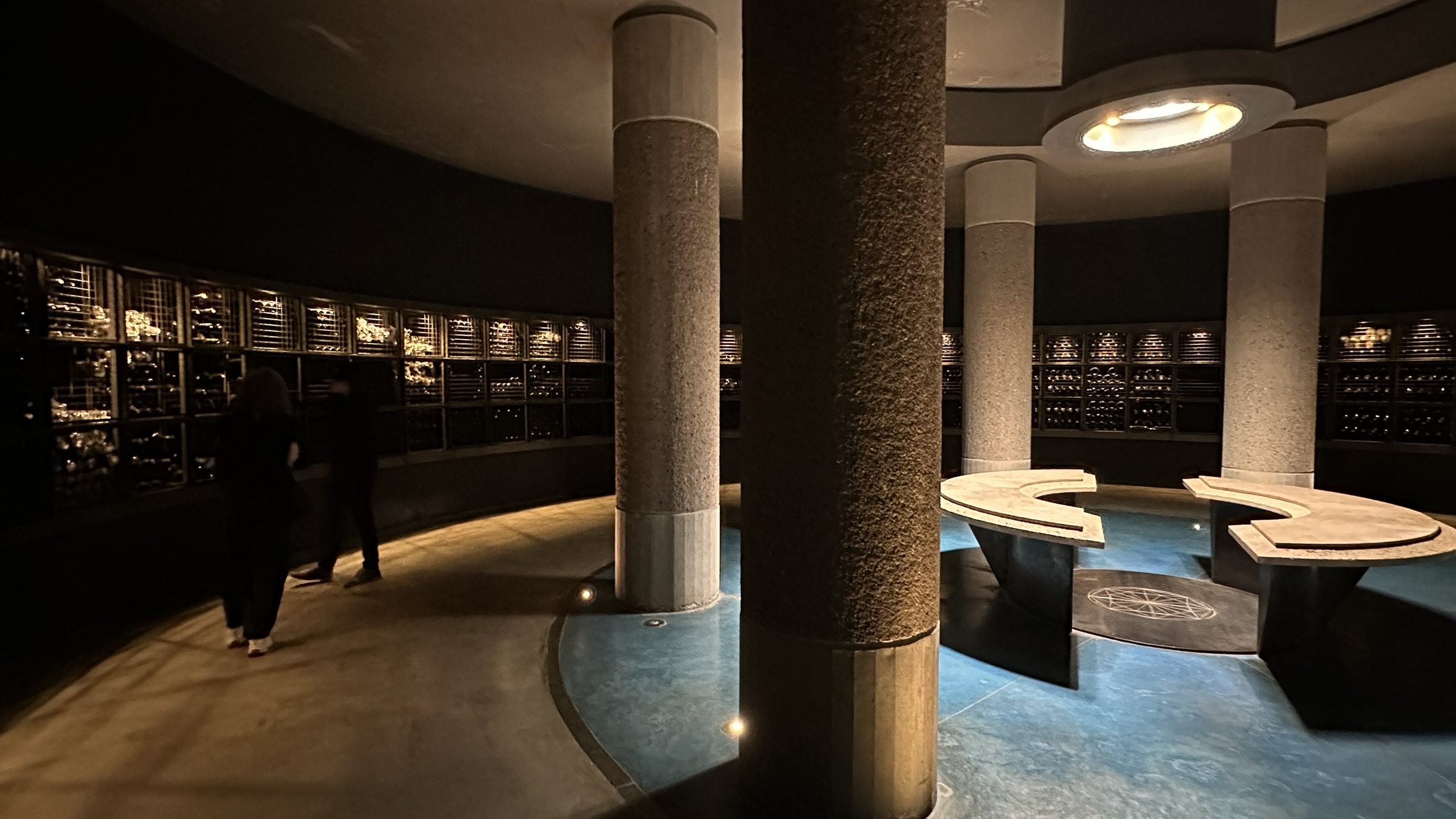
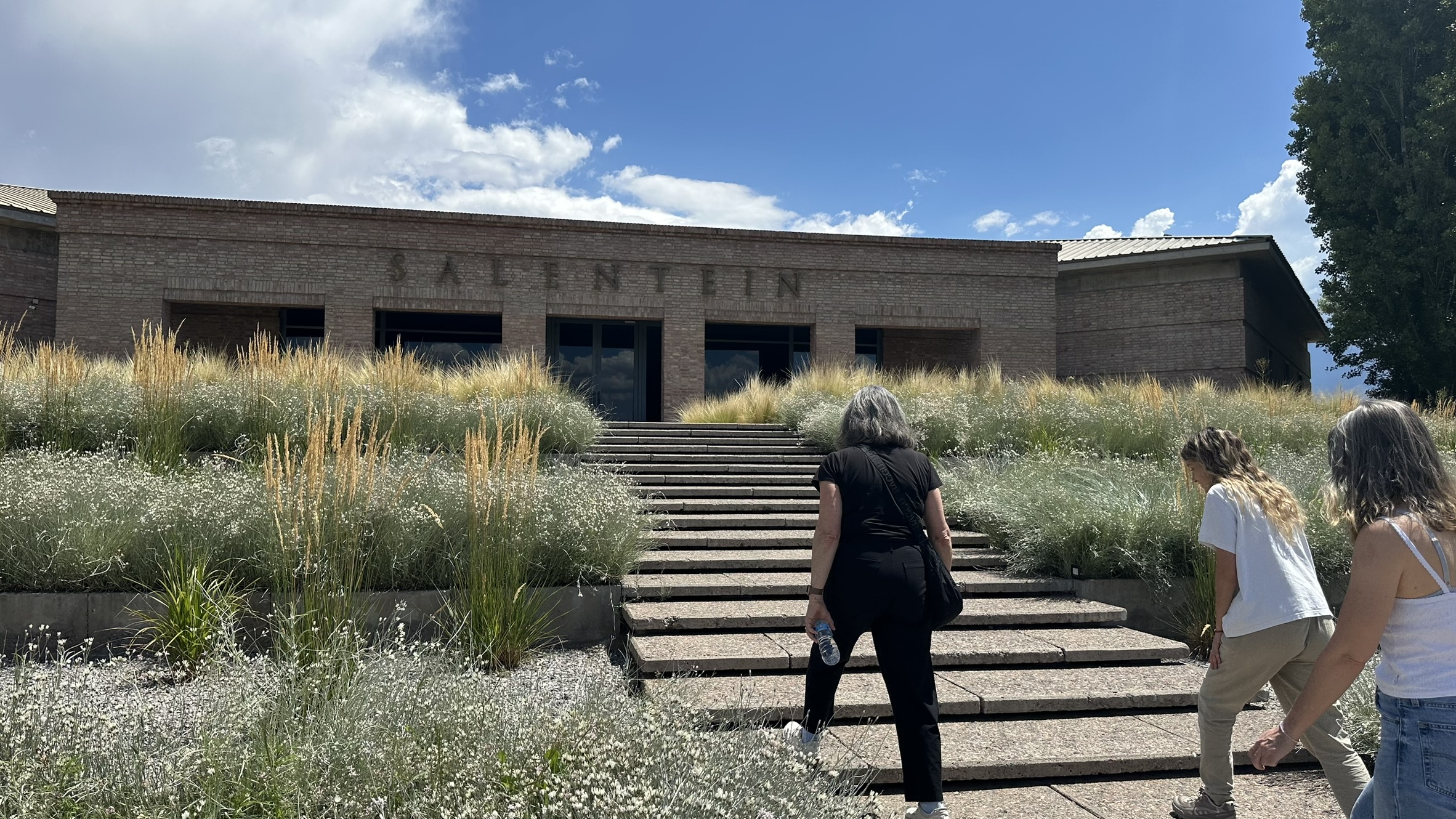
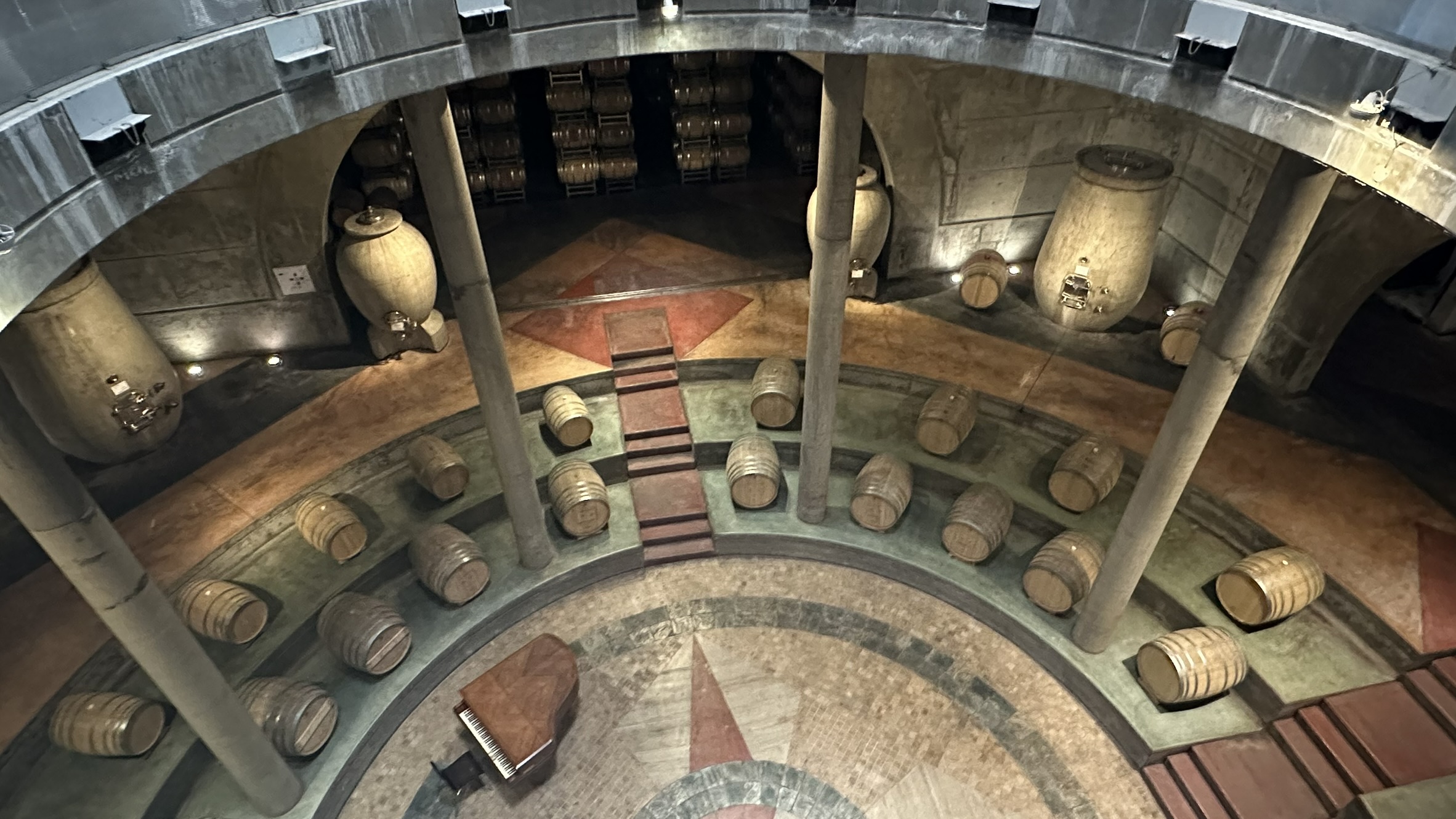
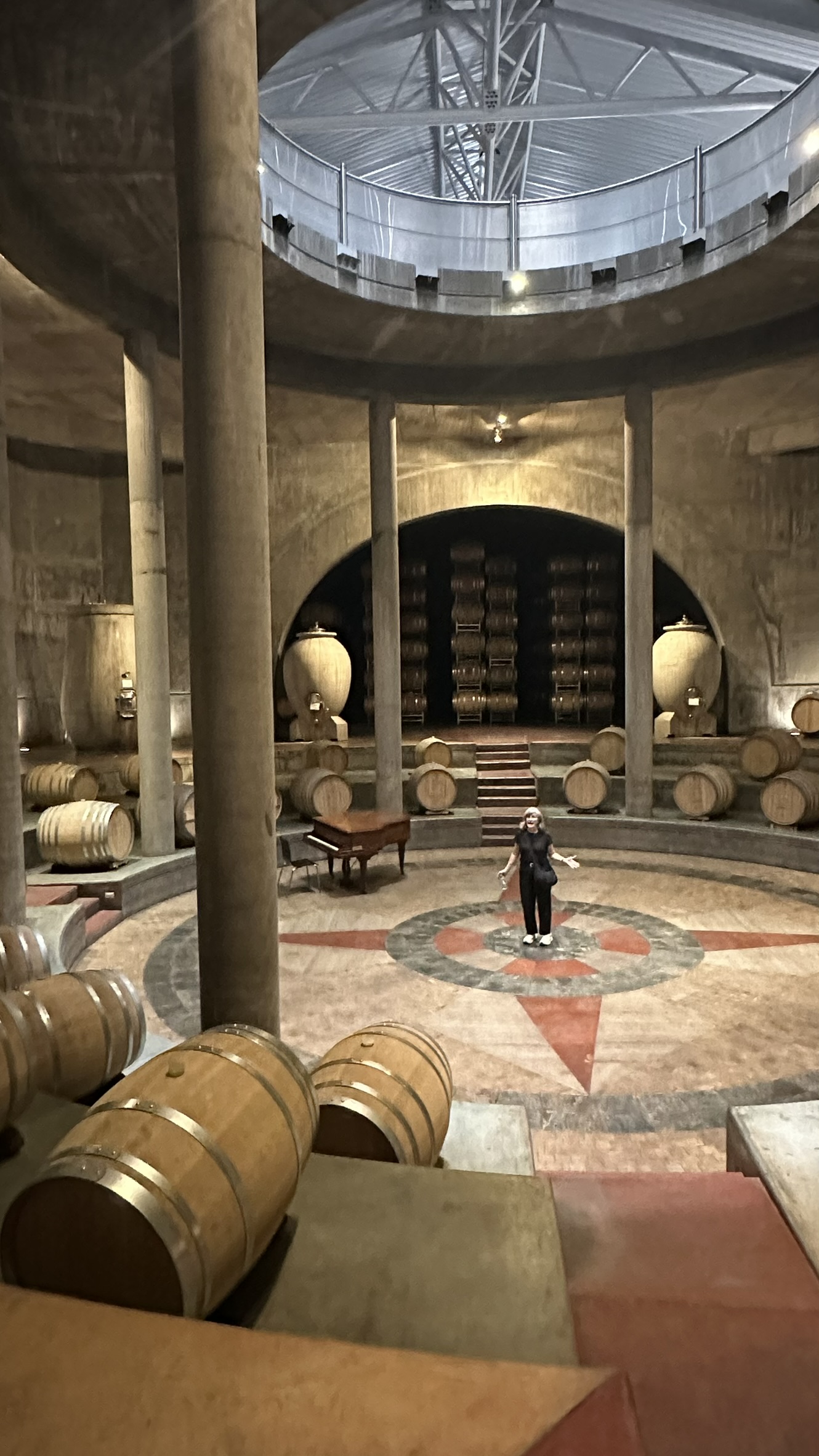
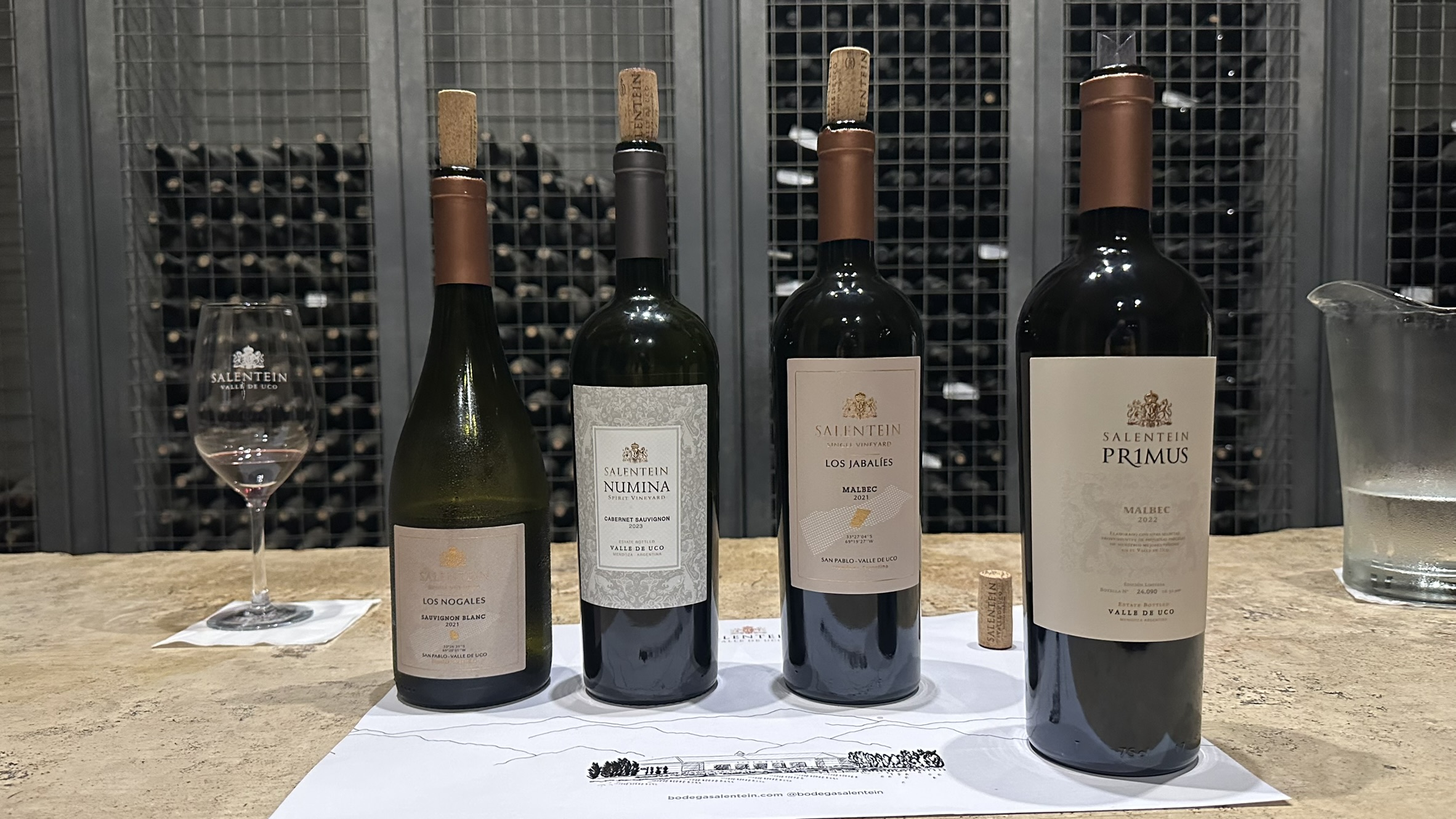
- Uco Valley wine: For our first full day, we hired a driver ($184 USD in cash) — essential given the 3-hour round trip and its purpose — and visited two wineries; DiamAndes (10am) and Salentein (2:30pm) with lunch at a third, Bodega La Azul, in between. Salentein is the oldest and largest and is known for its art gallery, but the experience and wine at DiamAndes was far superior. The timing worked well, but in hindsight I’d rather have visited Finca Sophenia, a highly regarded upstart over Salentein. Interesting footnote: Salentein and DiamAndes were designed by the same architect and feature large, round cellars with a central point from which you can hear your voice resound perfectly from all around with no echo — perfect acoustics, quite remarkable. He claimed to have perfected that at DiamAndes.
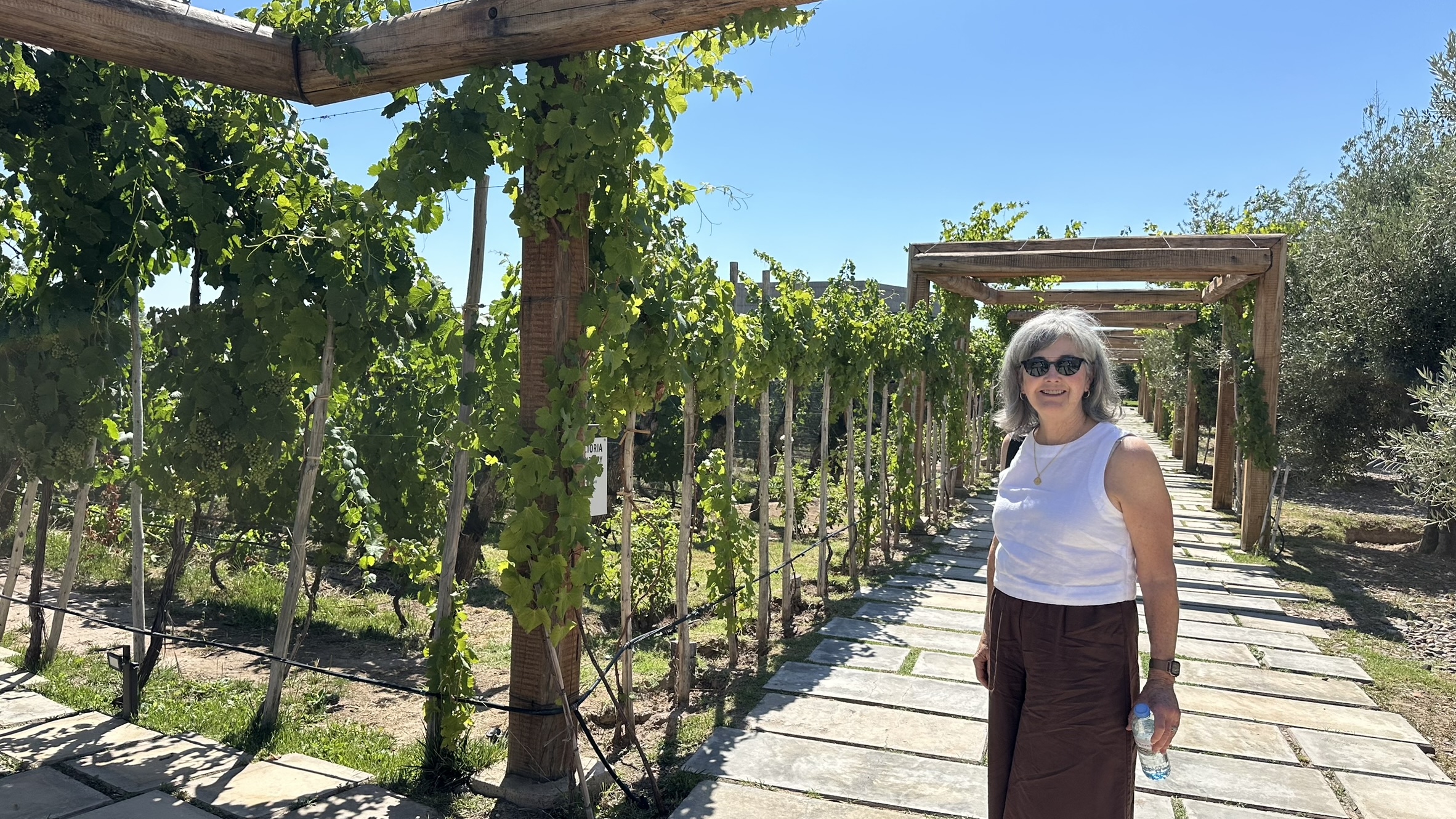
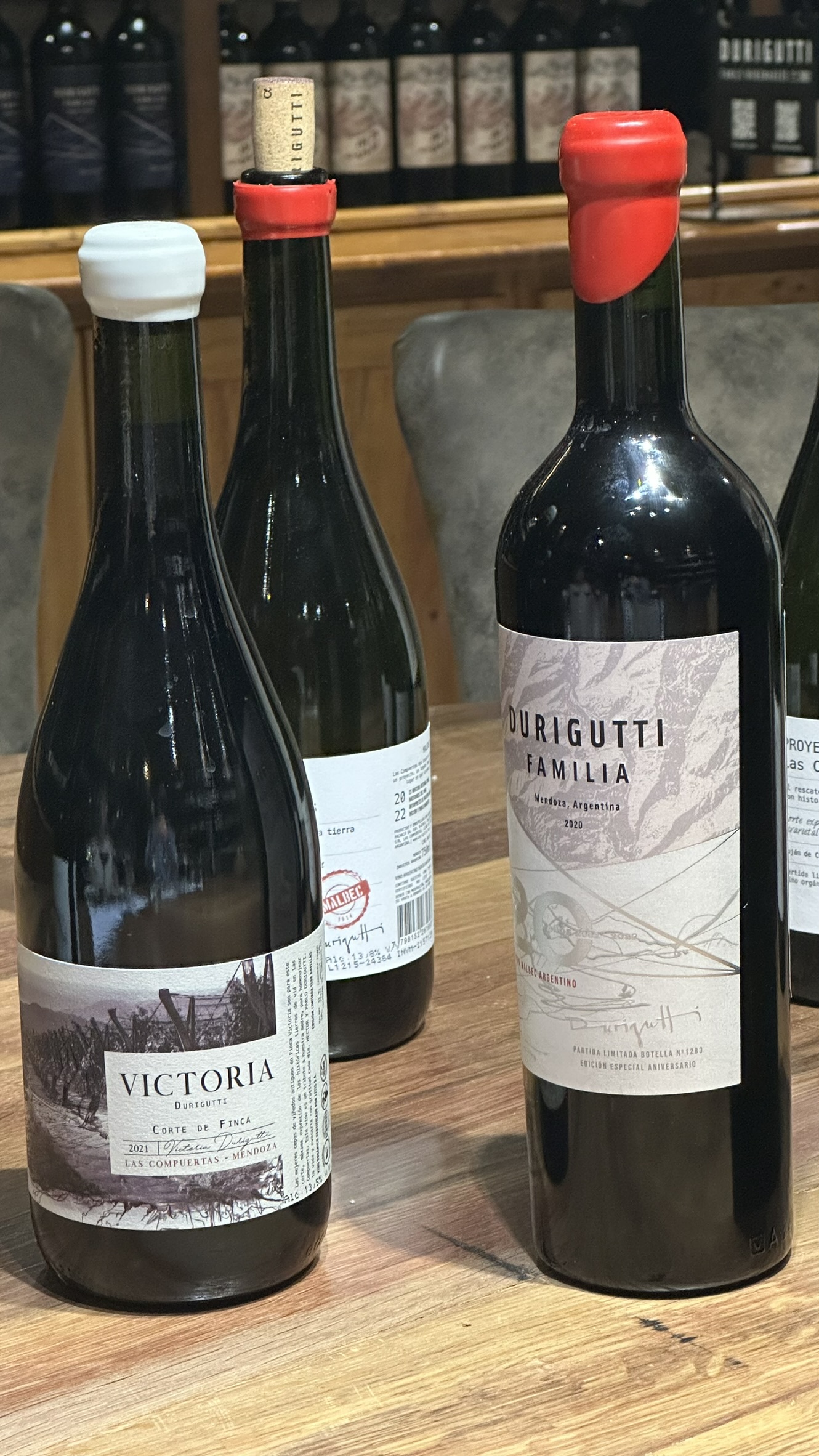
- Lujan de Cuyo wine: We had originally planned to rent e-bikes to tour bodegas close to Casa Glebinias, but the 90+ degree heat put the kibosh on that. Uber worked just fine. We only visited one bodega in the morning — Dirigutti Family Winery at Finca Victoria — followed by a late lunch among the vines at Bodega Kaiken. At the time, Dirigutti was ranked as Argentina’s #1 winery, and they have a Michelin-listed restaurant on site as well. The tour was fantastic, the wines delicious. That said, Kaiken was a beautiful lunch stop.
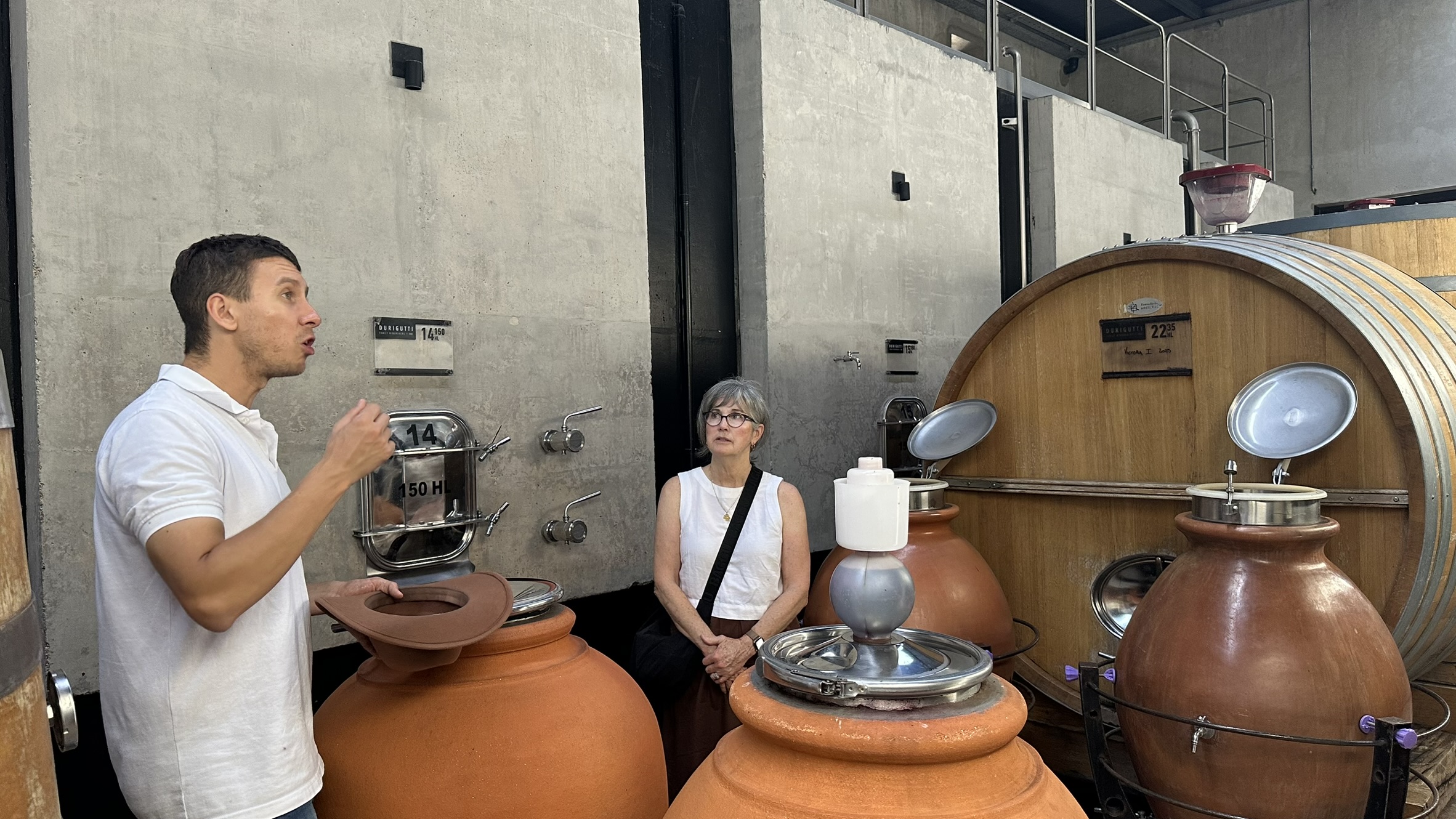
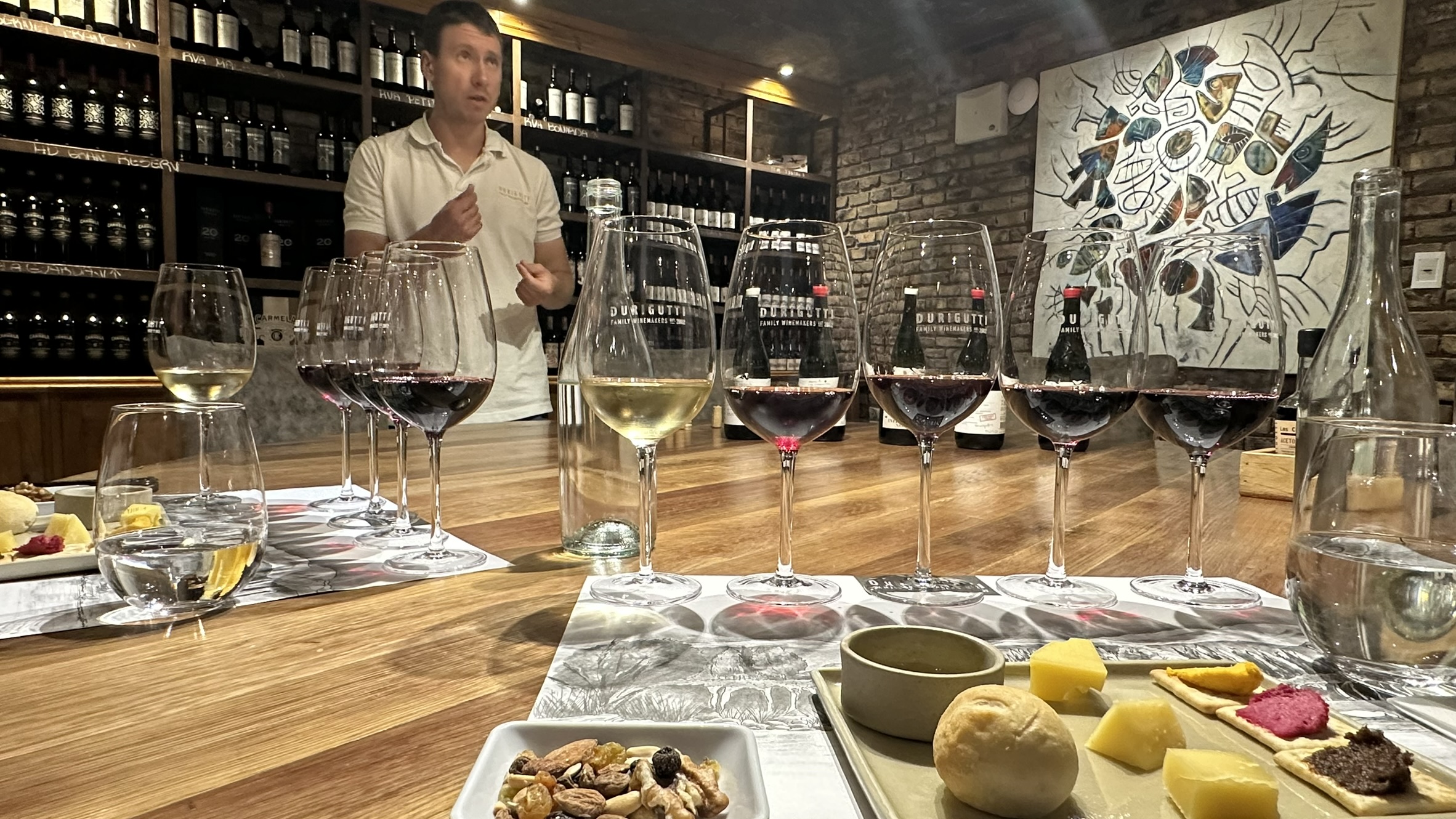
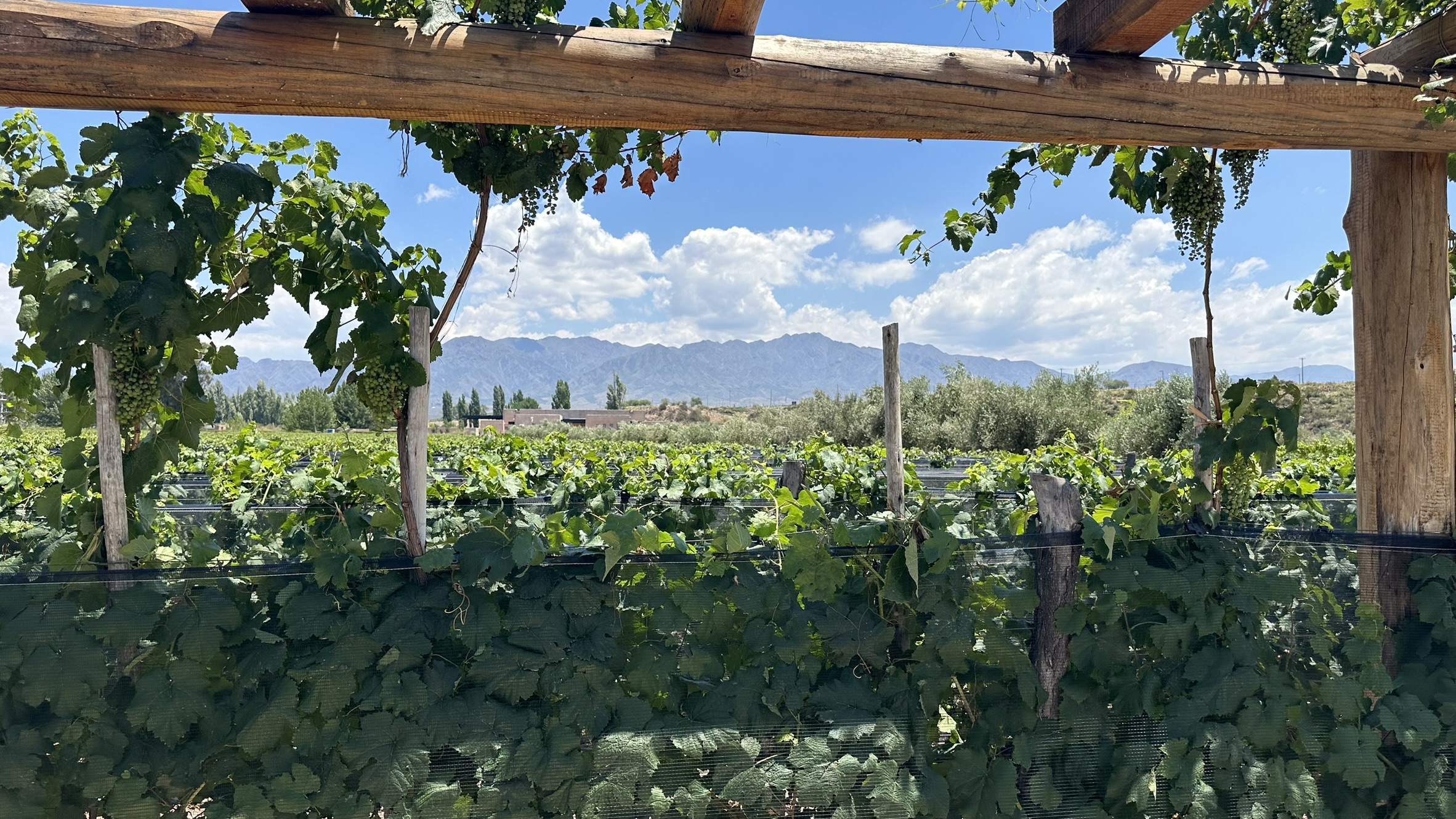
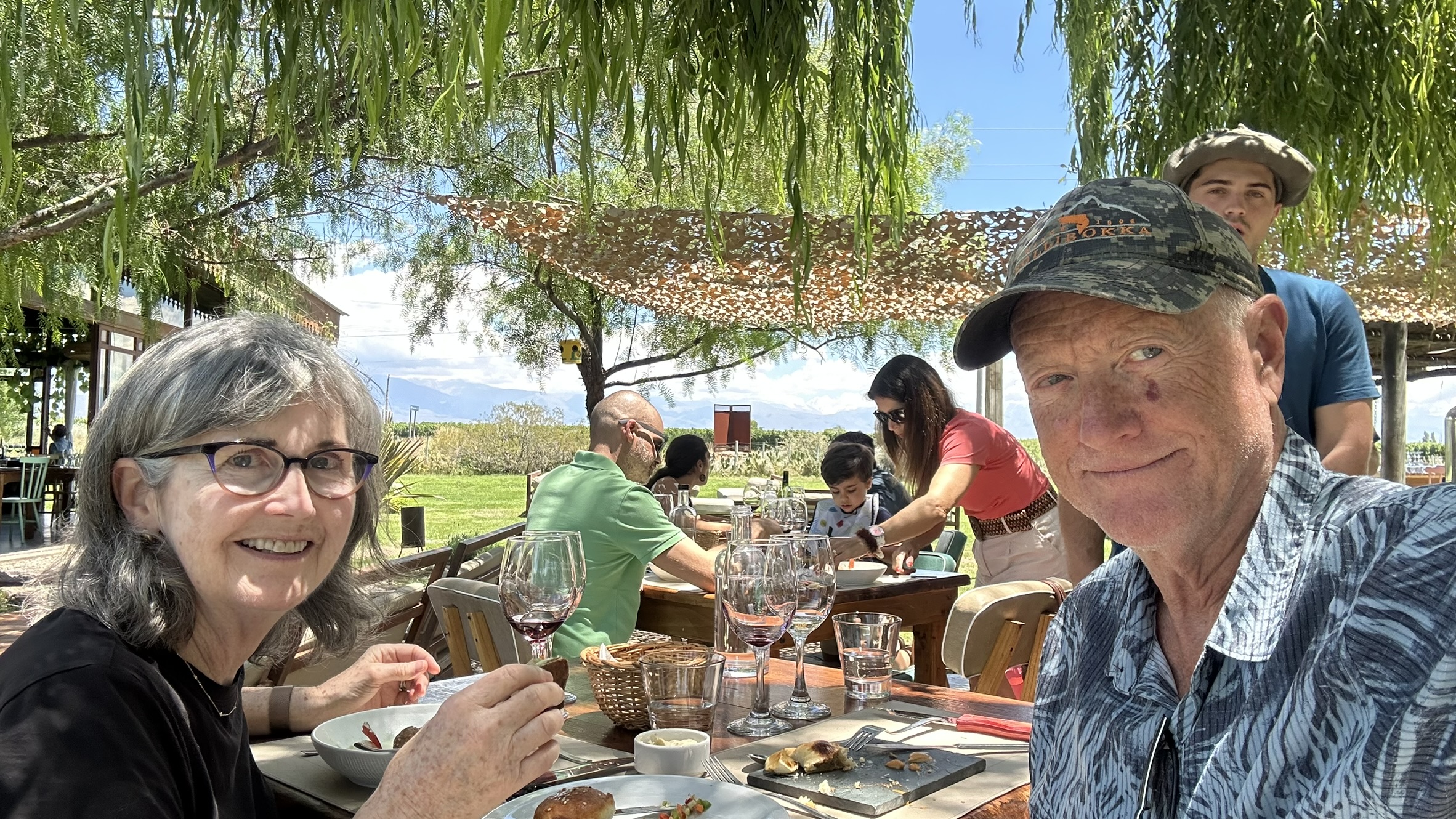
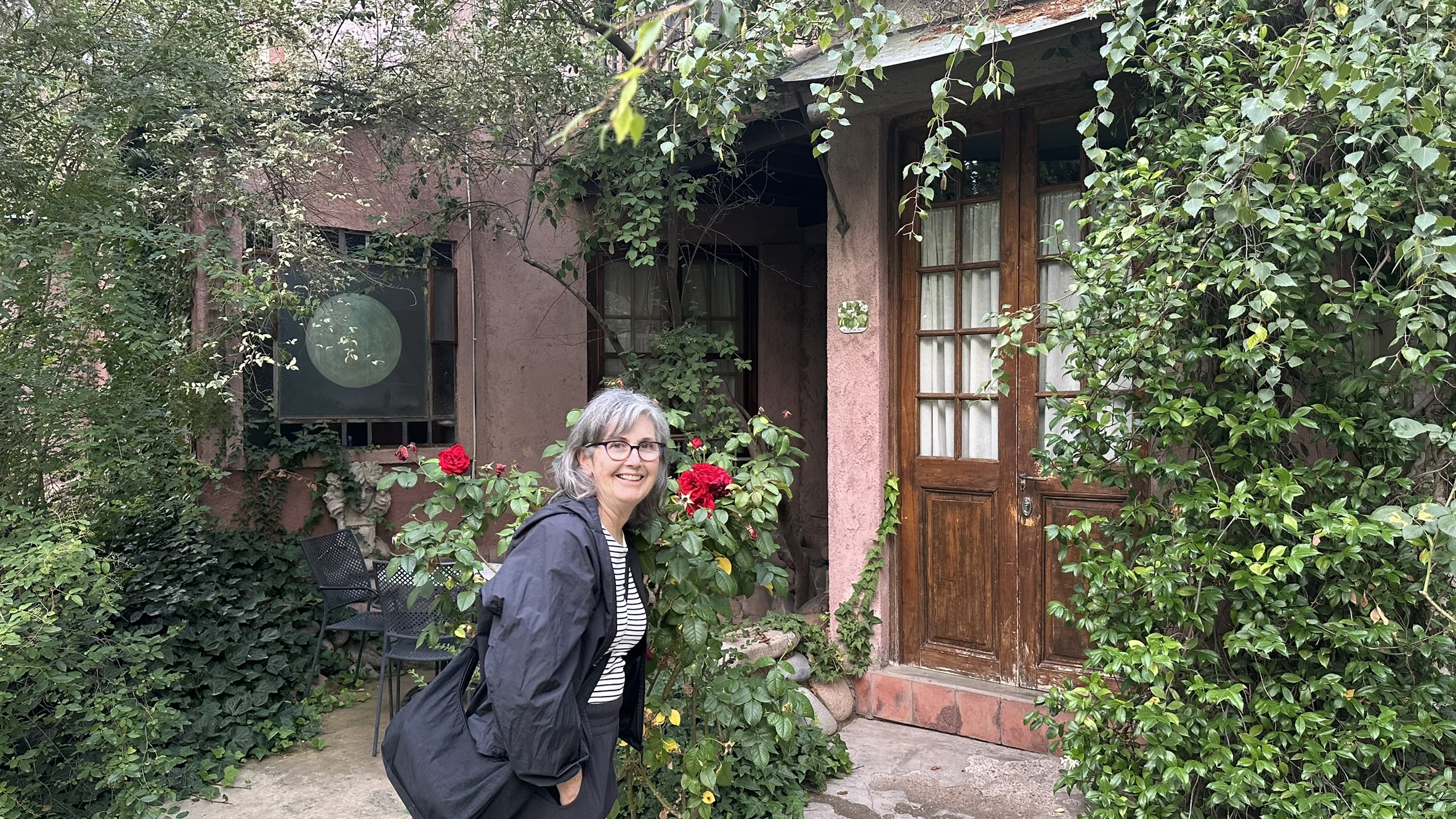
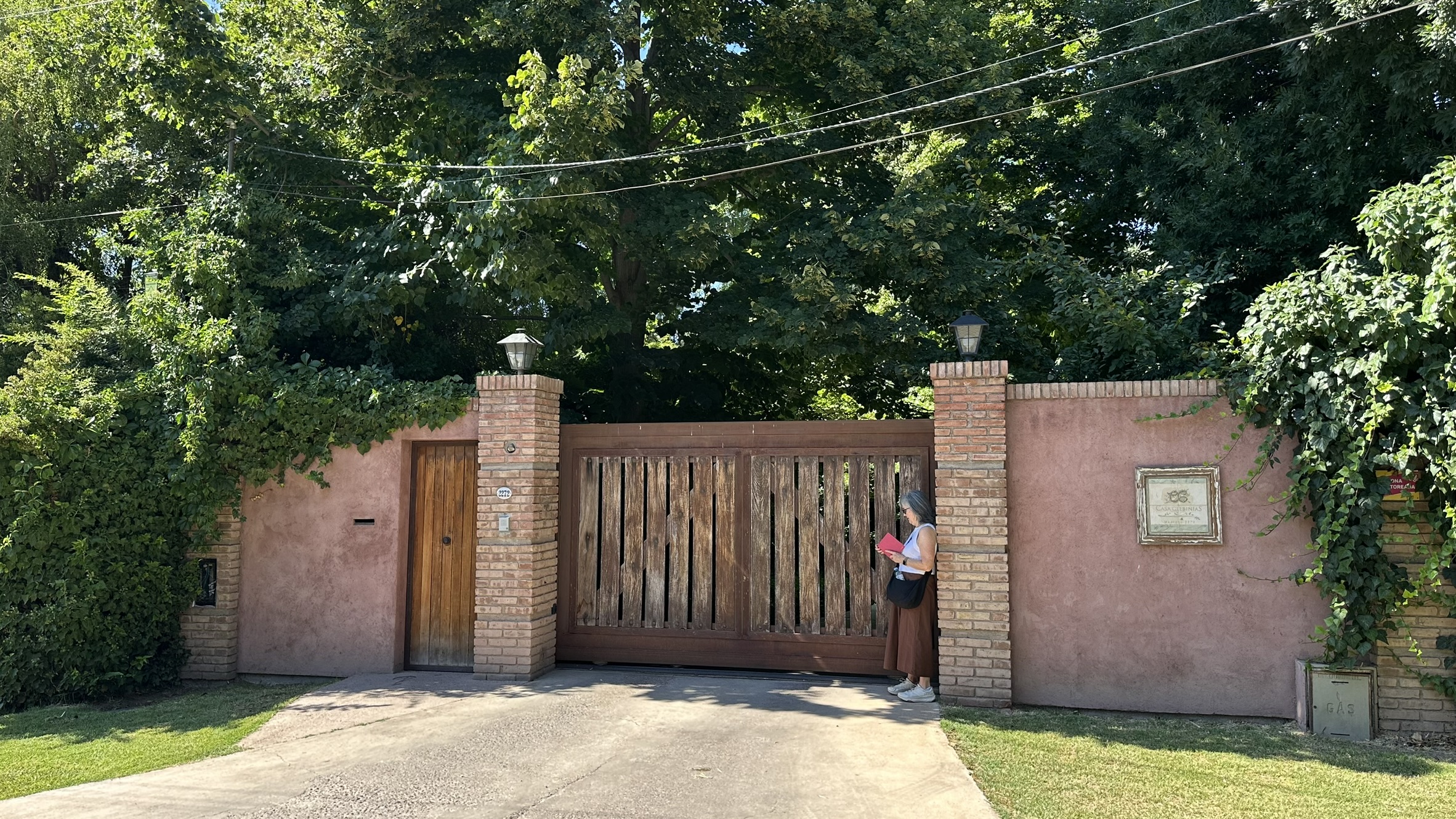
- Casa Glebinias, our lovely garden guest house in the town of Chacras de Coria, was a perfect base in Mendoza. Beautiful grounds and apartment-style lodging, a lovely dining room, underground wine cellar, and a swimming pool made it a great place to unwind after a day of, well, you know what. Read my TripAdvisor review here.
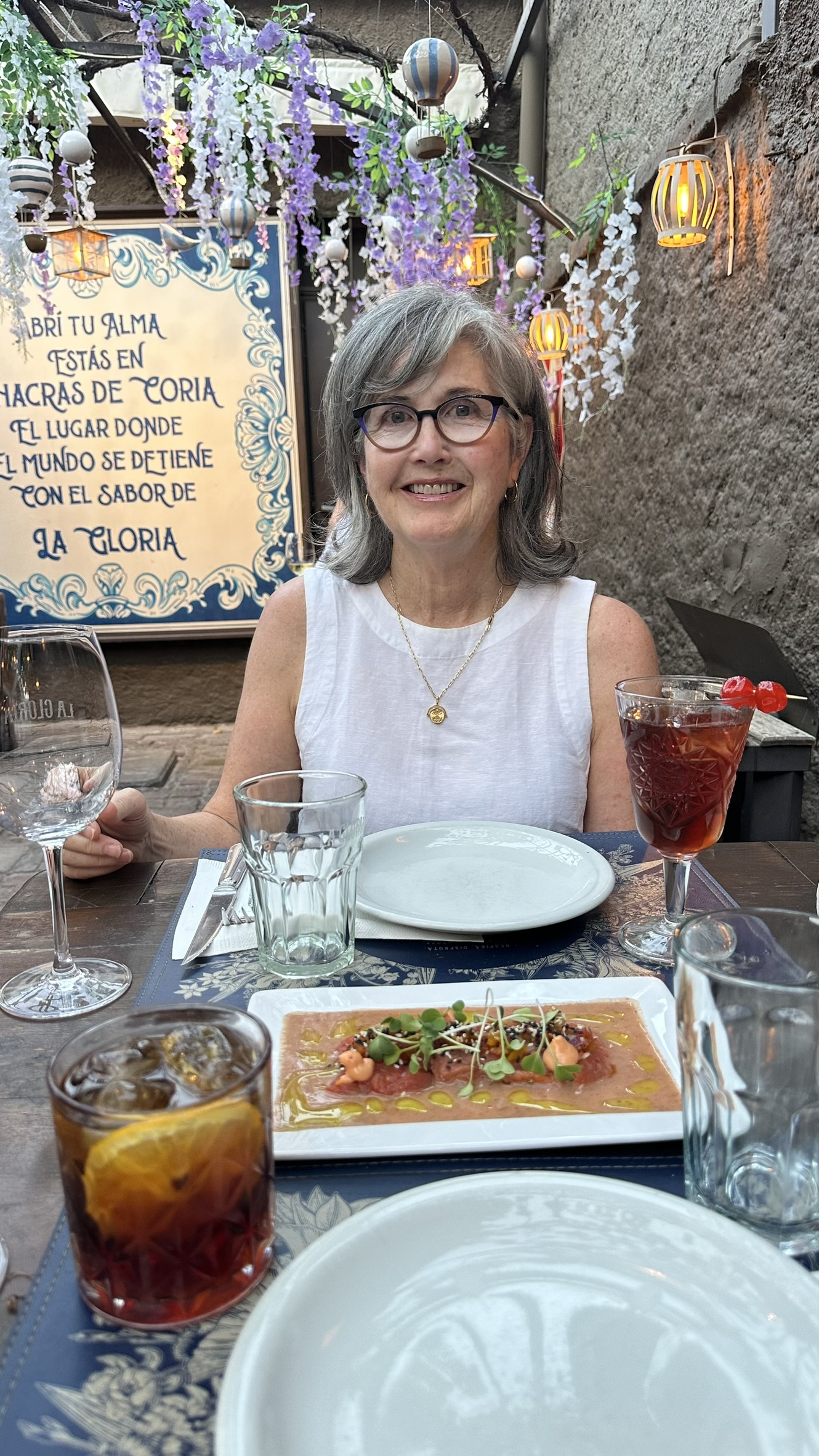
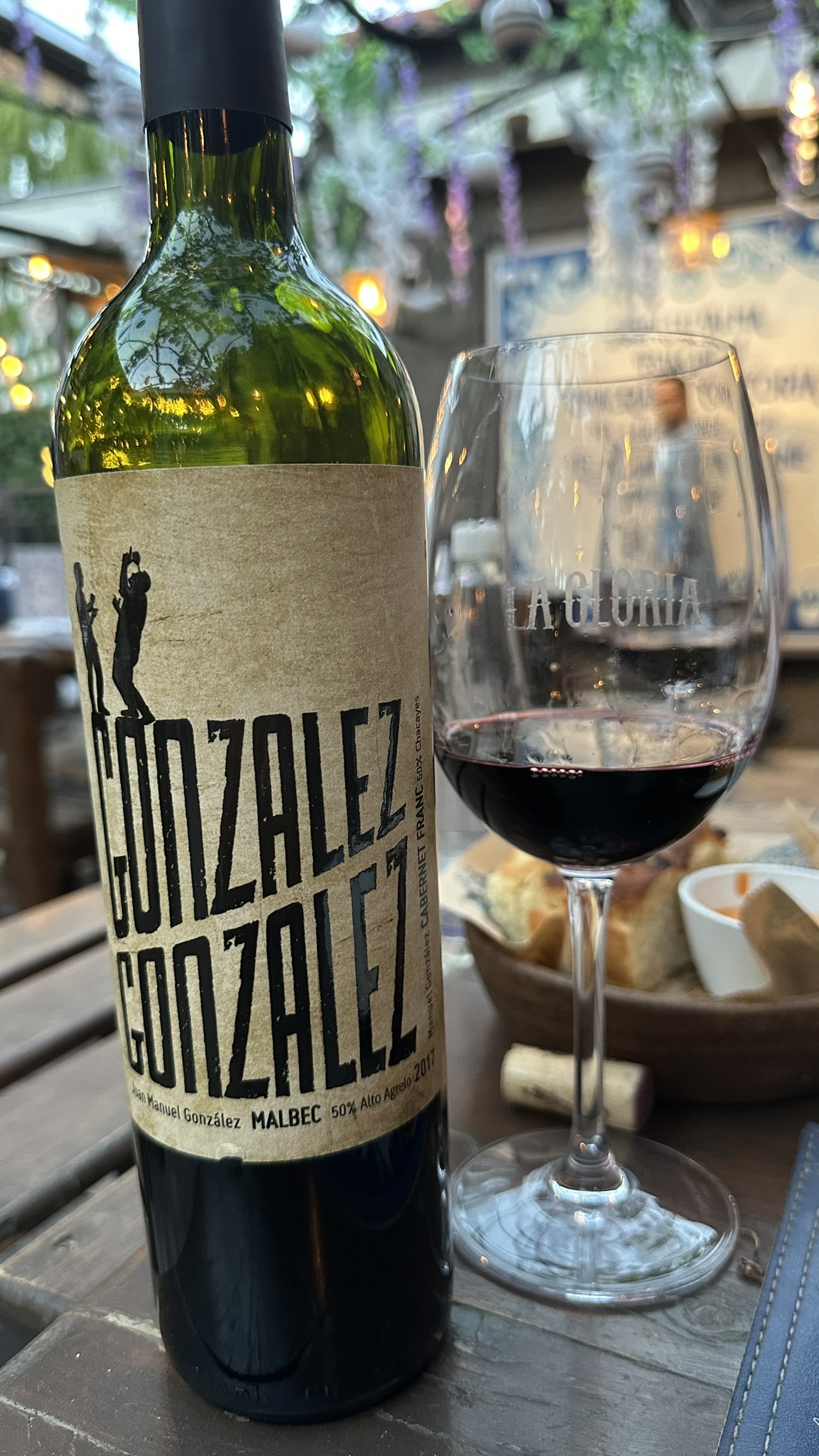
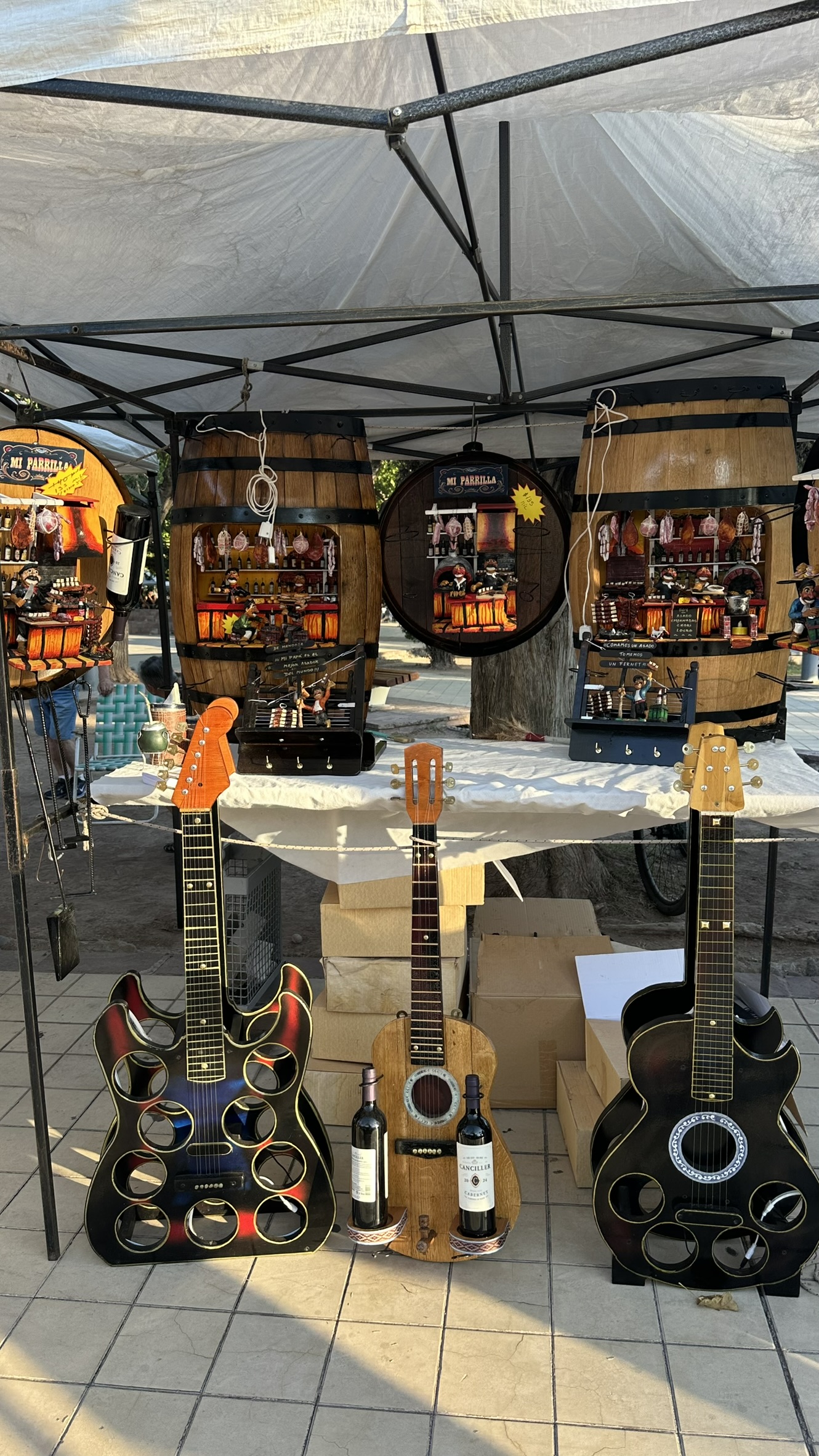
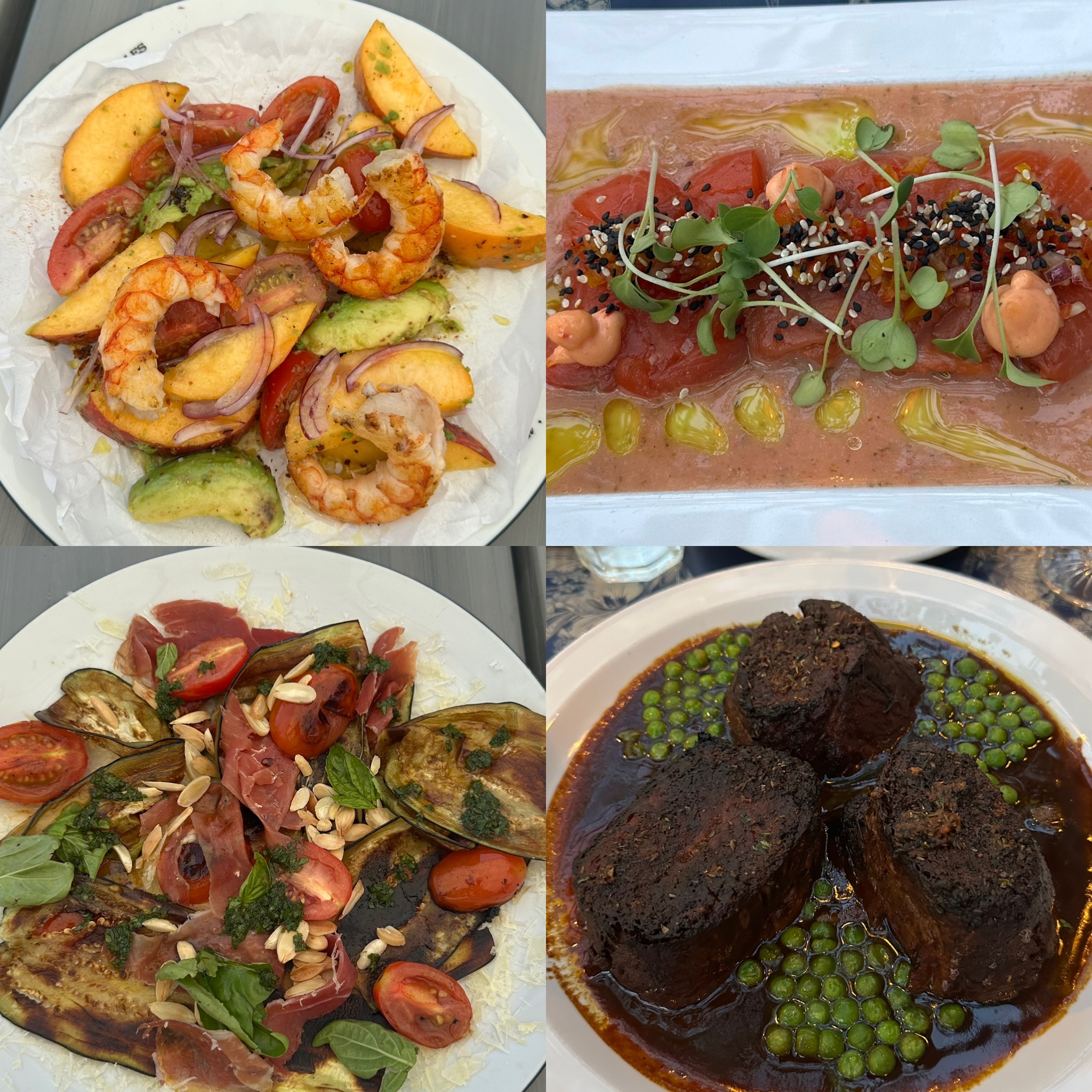
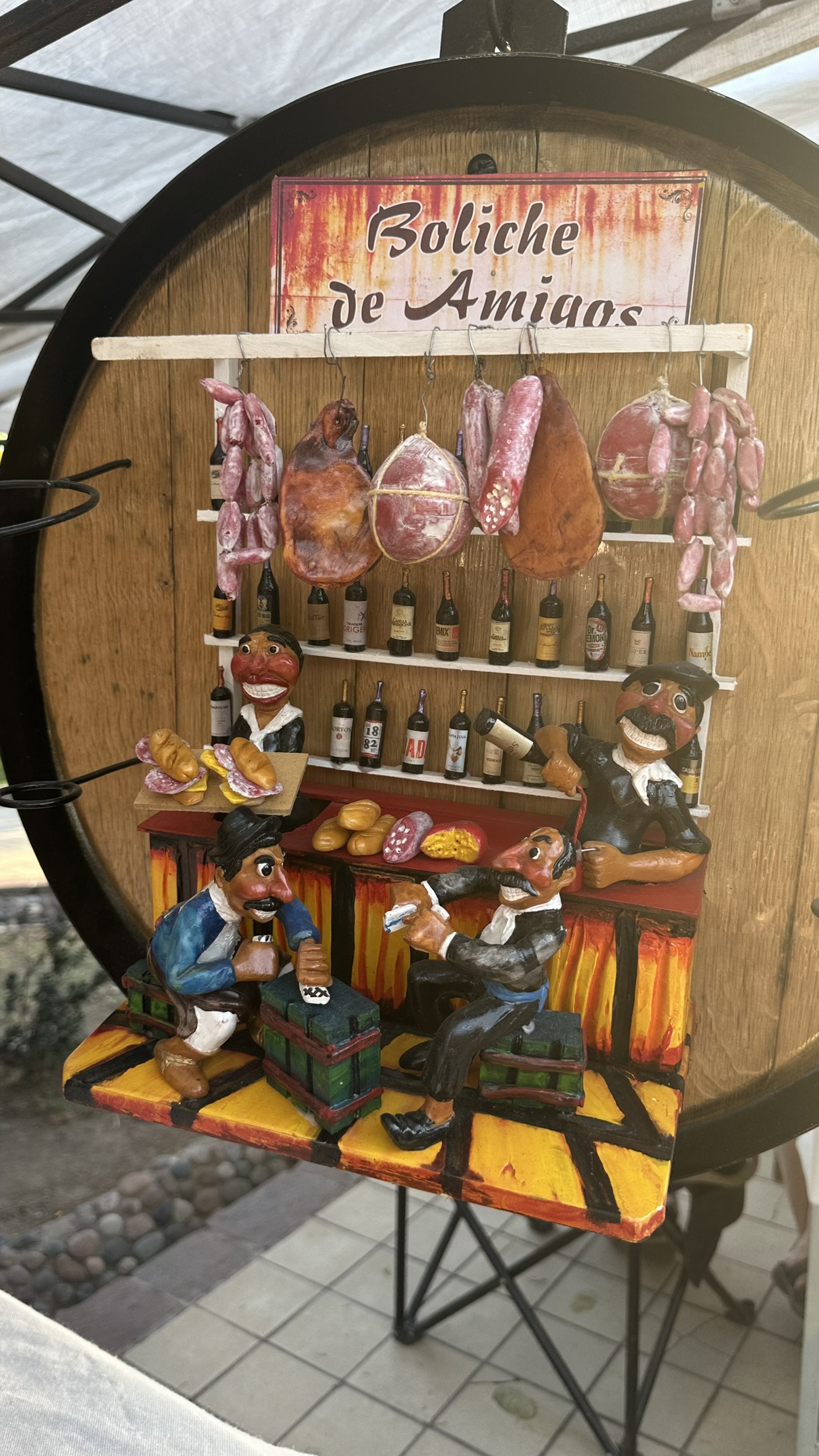
- While Lujan de Cuyo has dozens of wineries to choose from, its tiny downtown is an easy stroll or bike ride from Casa Glebinias and featured two things we really enjoyed: a wonderful, al fresco dinner at Cantina La Gloria, where you pick your wine from their extensive, in-house wine library (great food, too!) and the local arts and crafts market in nearby Plaza General Espero.
While Mendoza made a great three days, with a less ambitious itinerary overall one could spend a few more days here. Among the top choices of activities I would choose if we had more time:
- Delve deeper into the Mendoza wineries, especially the Maipu region we missed. Top choices for wineries include Luigi Bosca Finca El Paraiso, El Enemigo, Flichman, Tempus Alba, and Benegas. El Enemigo is red hot right now, and they also boast a top-rated restaurant, Casa Vigil.
- Other highly regarded wineries in Lujan de Cuyo I would have loved to visit include Catena Zapata, Carmelo Patti, and Alta Vista.
- For an active day, you can hike or take a scenic drive on Ruta 7 into the Andes Mountains (6h round trip to Cerro Aconcagua (highest in Americas at 22,838′), 10mi round trip to base camp). Along the way, stop at breathtaking mountain sights like Puente del Inca, a natural rock bridge and historic site, and admire the views at Aconcagua Provincial Park.
- Whitewater rafting on the Mendoza River, horseback riding, kayaking, flyfishing, or zip-lining are also readily available with a short drive into the mountains.
| Dates | Destination | Where We Stayed |
|---|---|---|
| Days 8-10 | San Carlos de Bariloche | El Casco Art Hotel |
| Days 11-13 | Villa de Angostura | Las Balsas Relais & Chateaux |
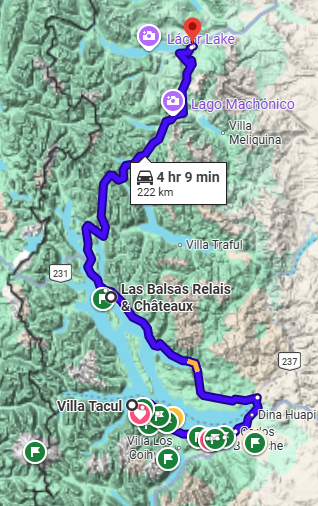
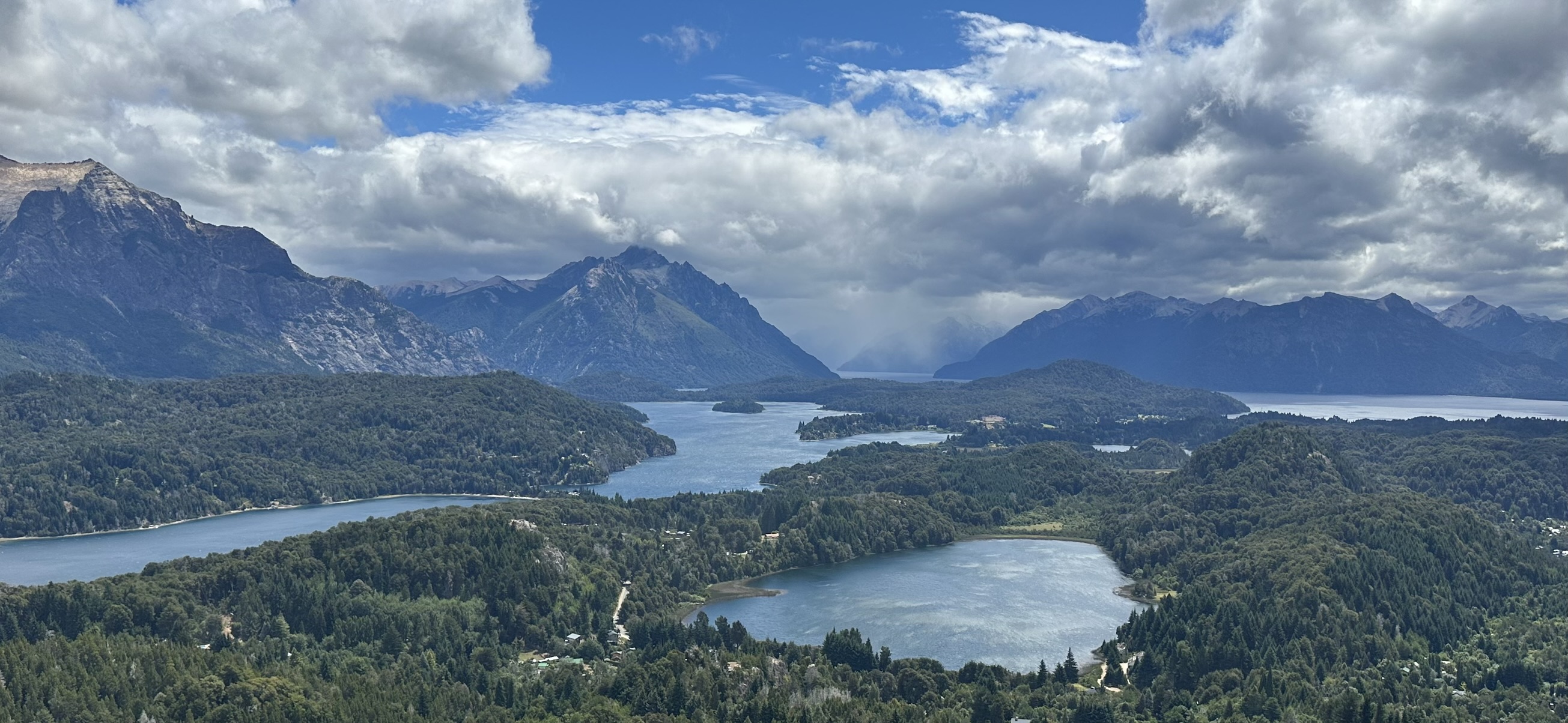
Ahh, Patagonia! Having come to Patagonian Chile many years ago for a week of whitewater rafting on the Futaleufu River, not far across the border from our next destination, I had been dying to come back. For many people, “Bariloche” is synonymous with the Patagonian lakes region of Argentina, famed not only for its namesake town of San Carlos de Bariloche, but for world class skiing in winter, endless trekking, climbing, biking, fly fishing and water sports in summer and fall, and the fabled Seven Lakes Route. We spent six fabulous days here, splitting our time between two resort hotels on either side of Lake Nahuel Huapi, the largest lake in the region. One could easily stay longer. You will want to rent a car here.
San Carlos de Bariloche
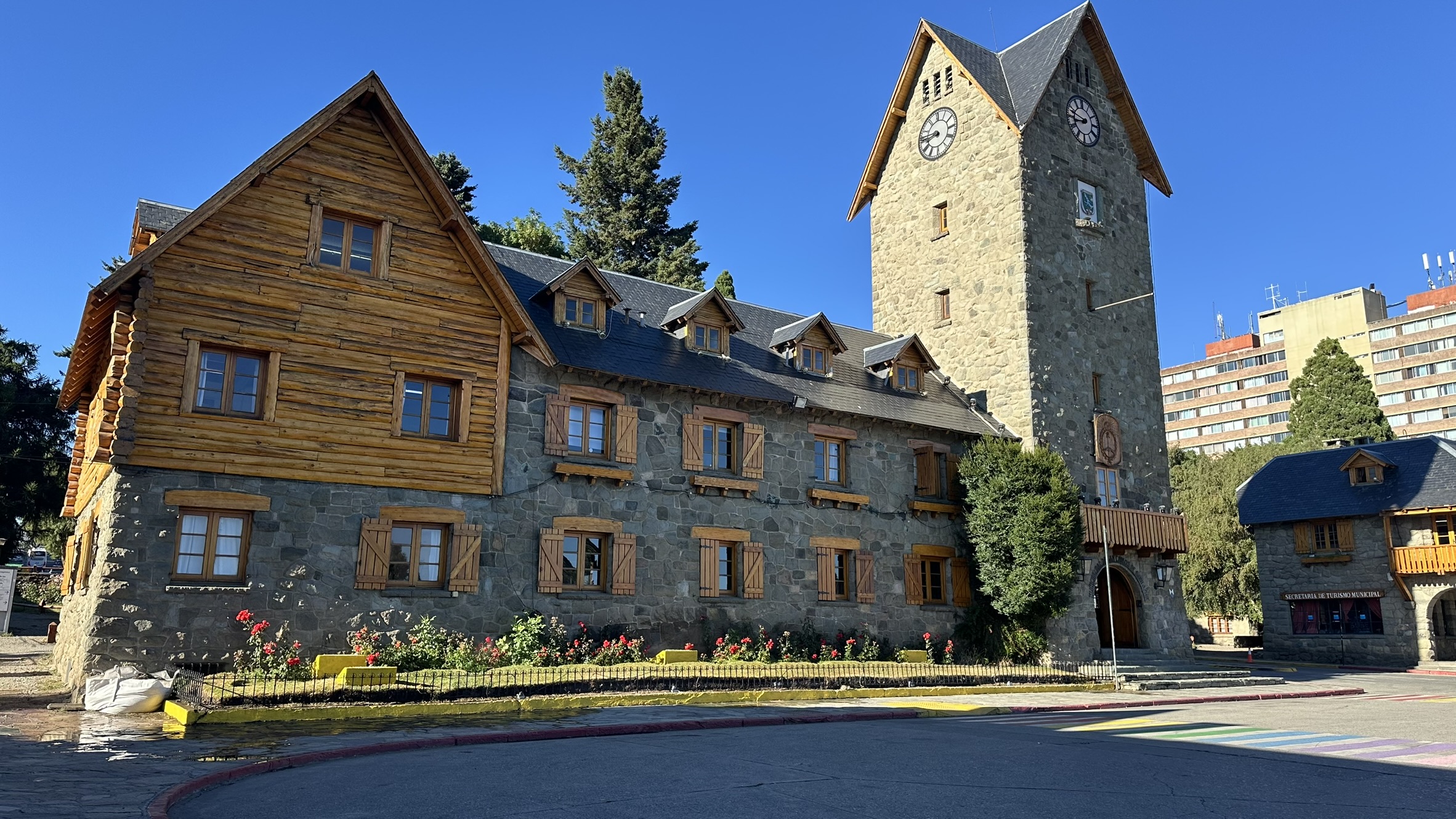
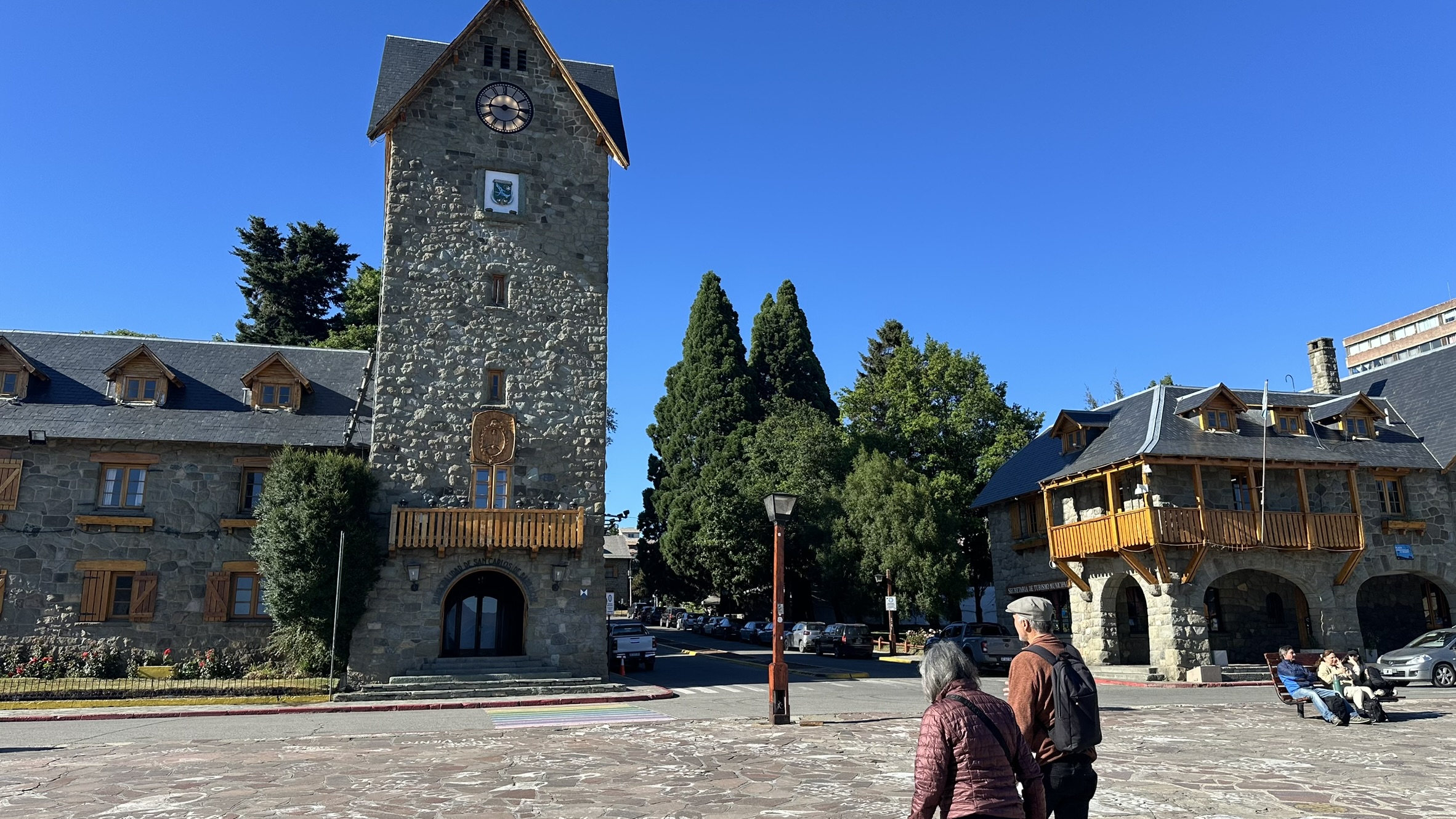
San Carlos de Bariloche, the region’s capital, has a distinctly Swiss/German vibe, and not just because of the wood and stone alpine style buildings in the town center. While 16th and 17th century European settlers came from Spain, Bariloche received a large influx of German immigrants from southern Chile starting in the 1840s. Rumors abound about Nazi war criminals setting up shop here in the 1940’s, some of them true. Chocolate, beer, stunning scenery, good food, adventure sports galore, and many lakeside lodging options… it’s no wonder this place is so popular. The “Adventure Tourism Capital” of Argentina. Highlights:
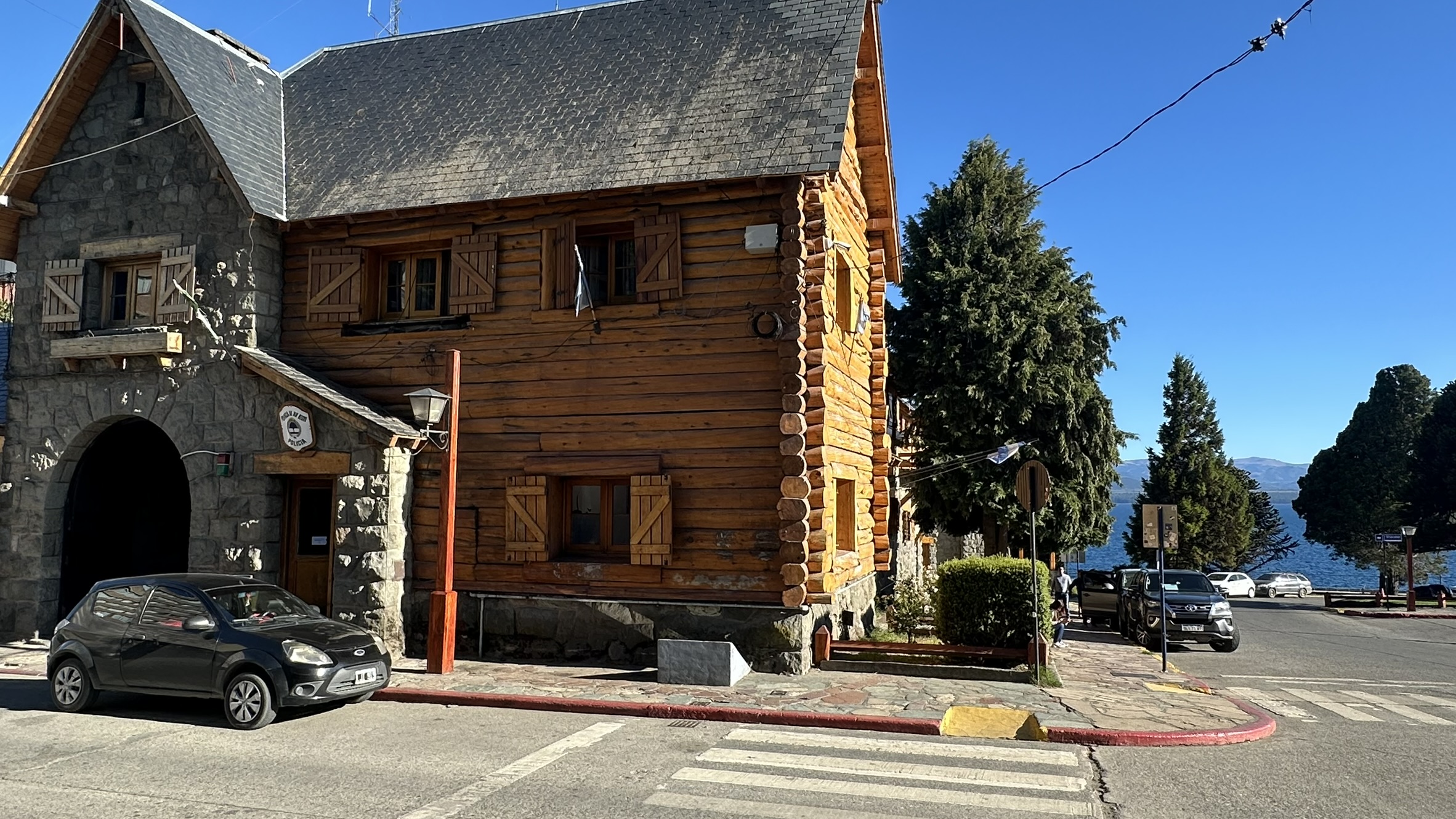
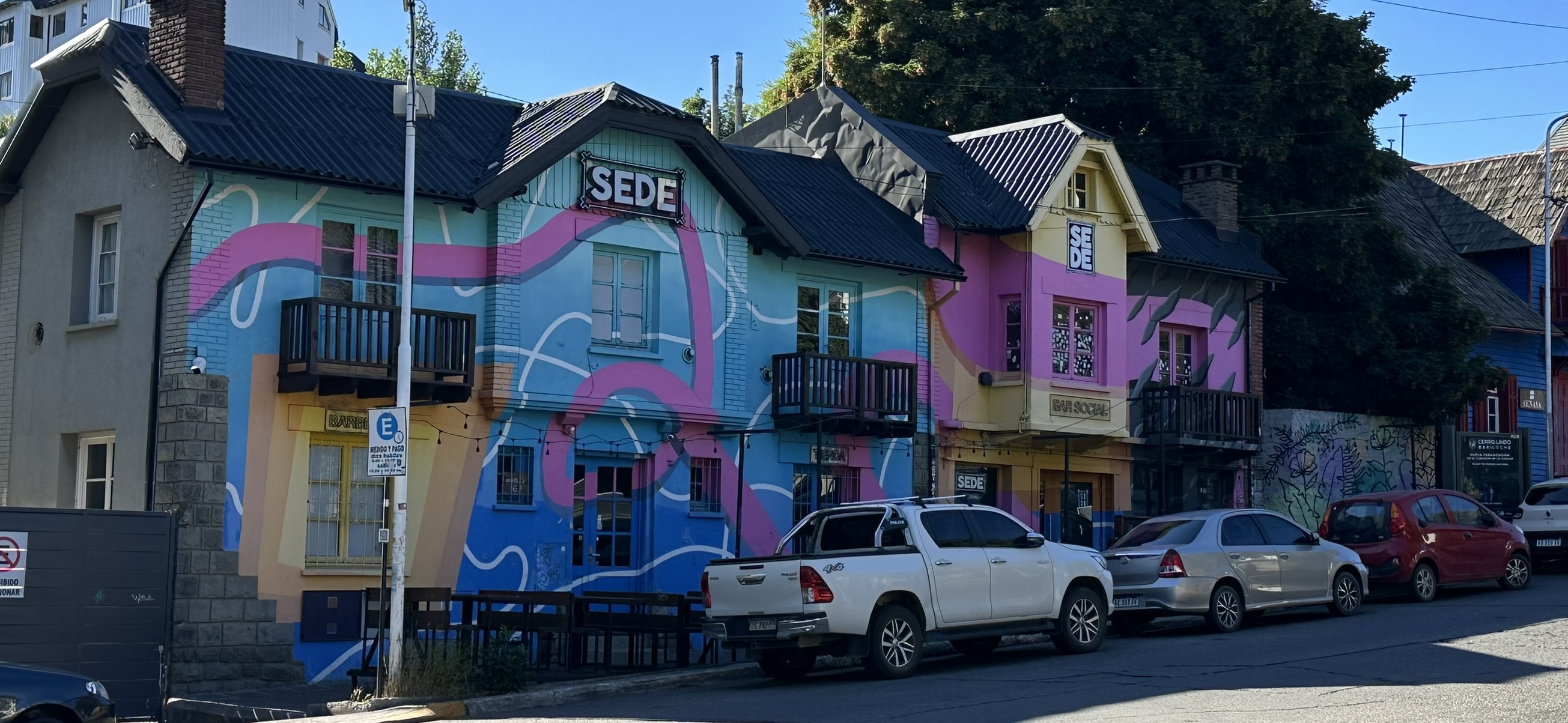
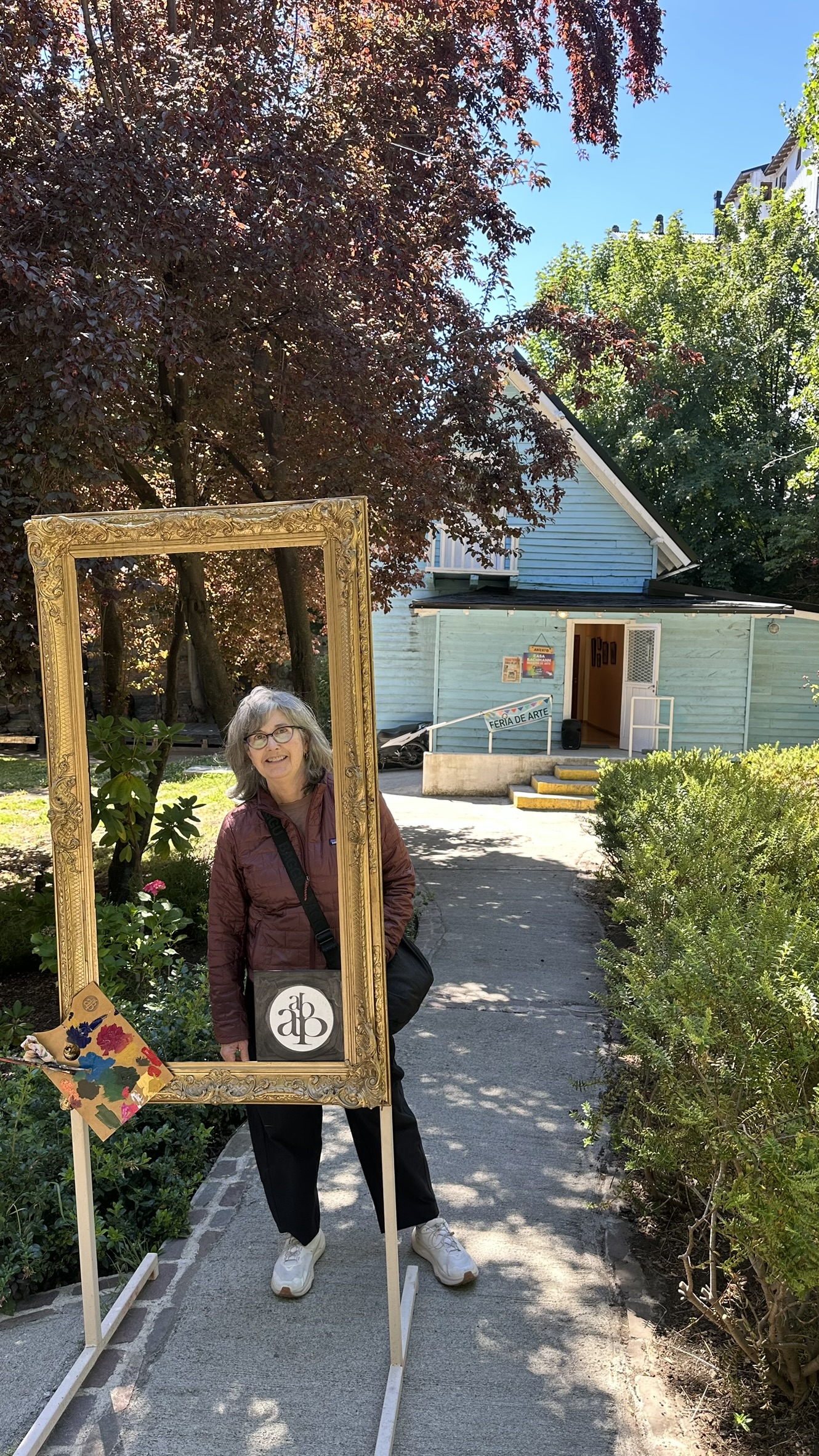
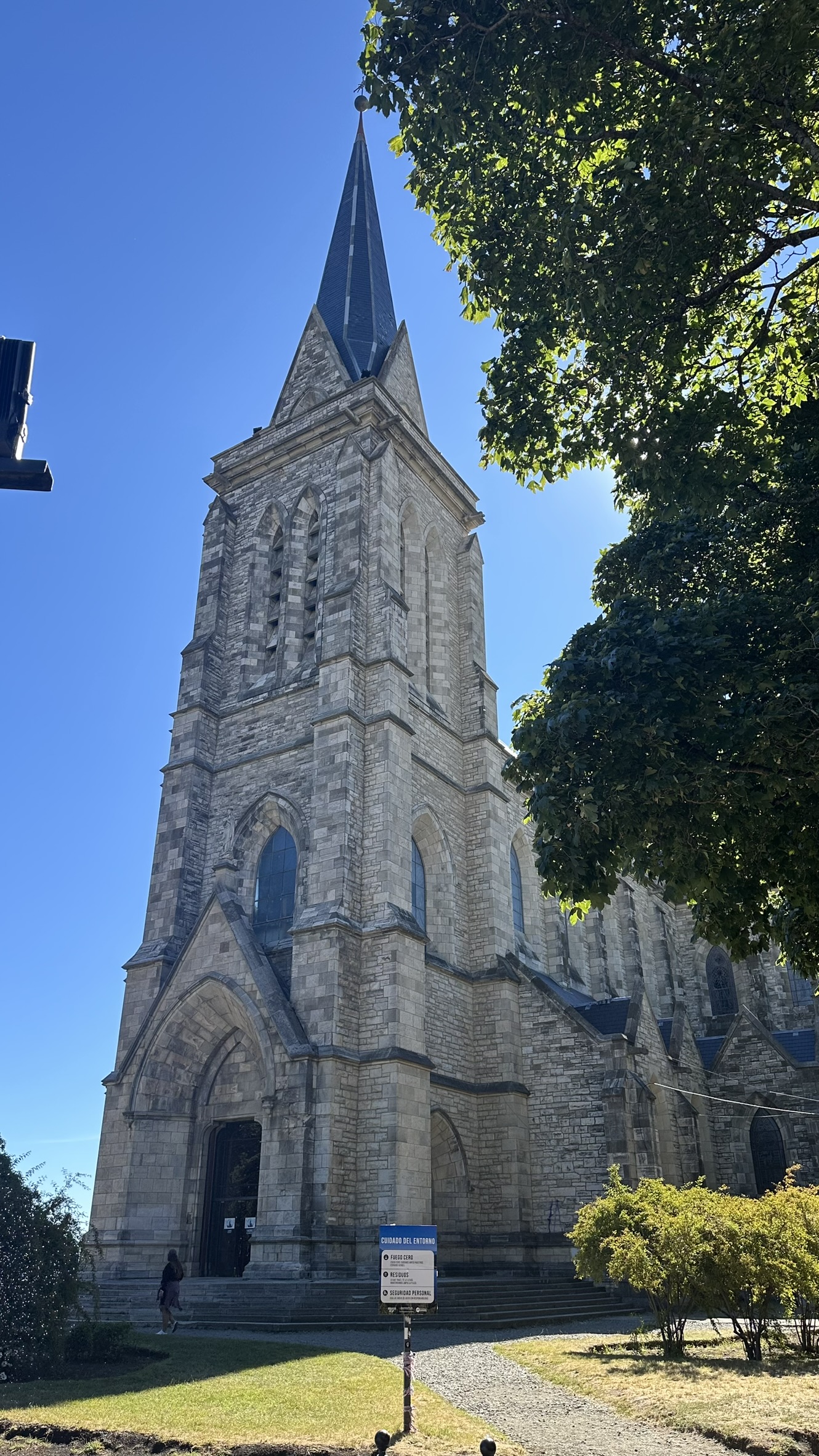
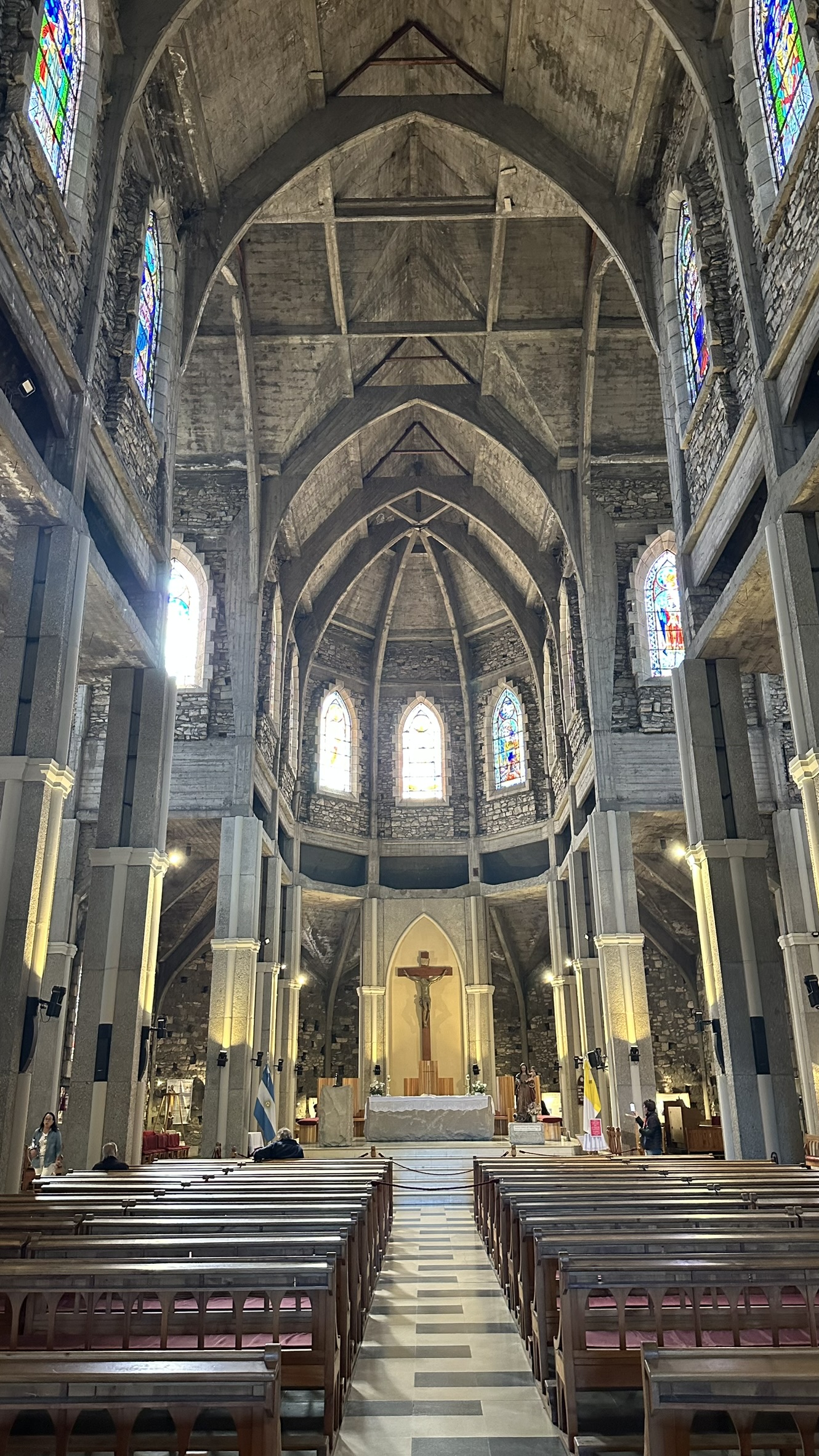
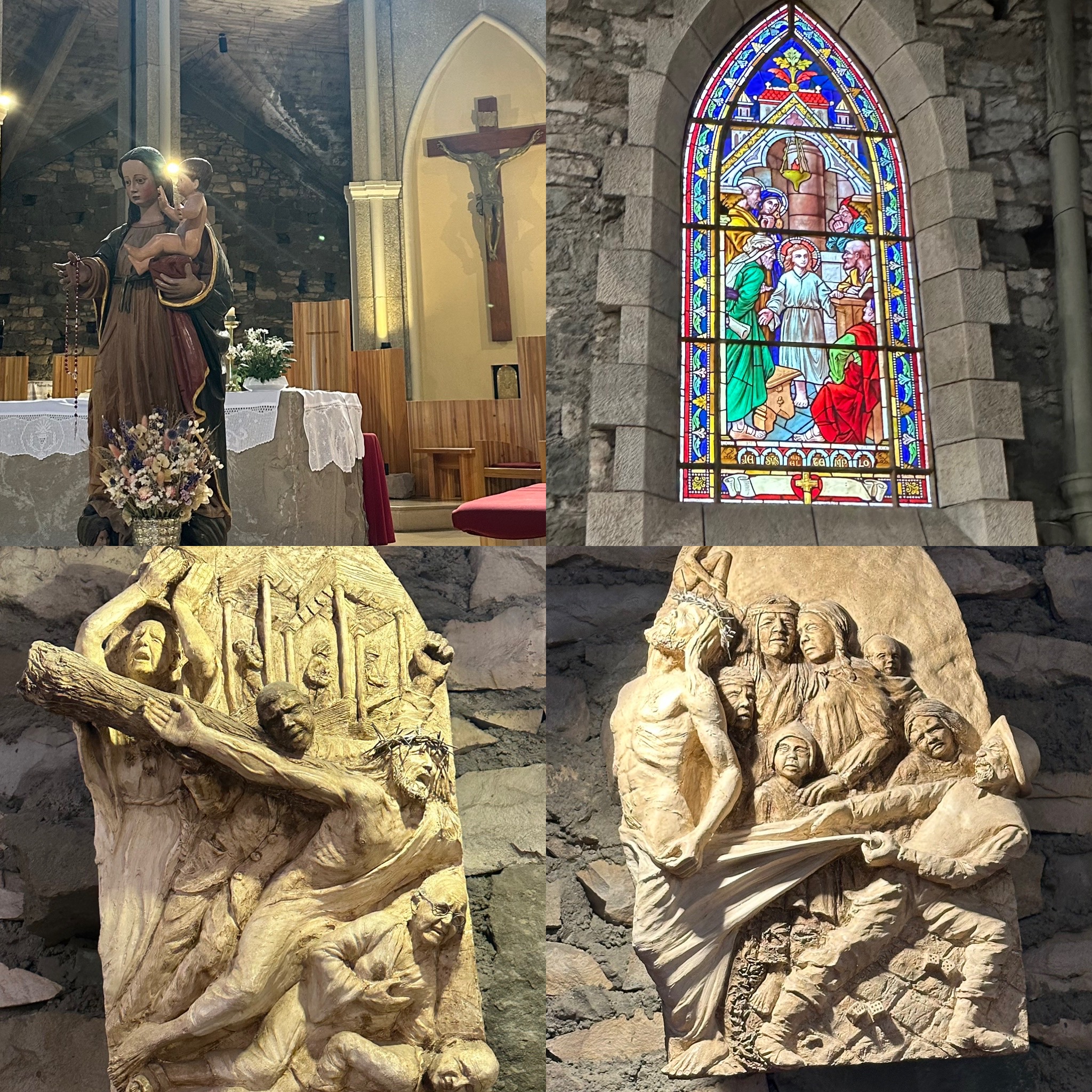
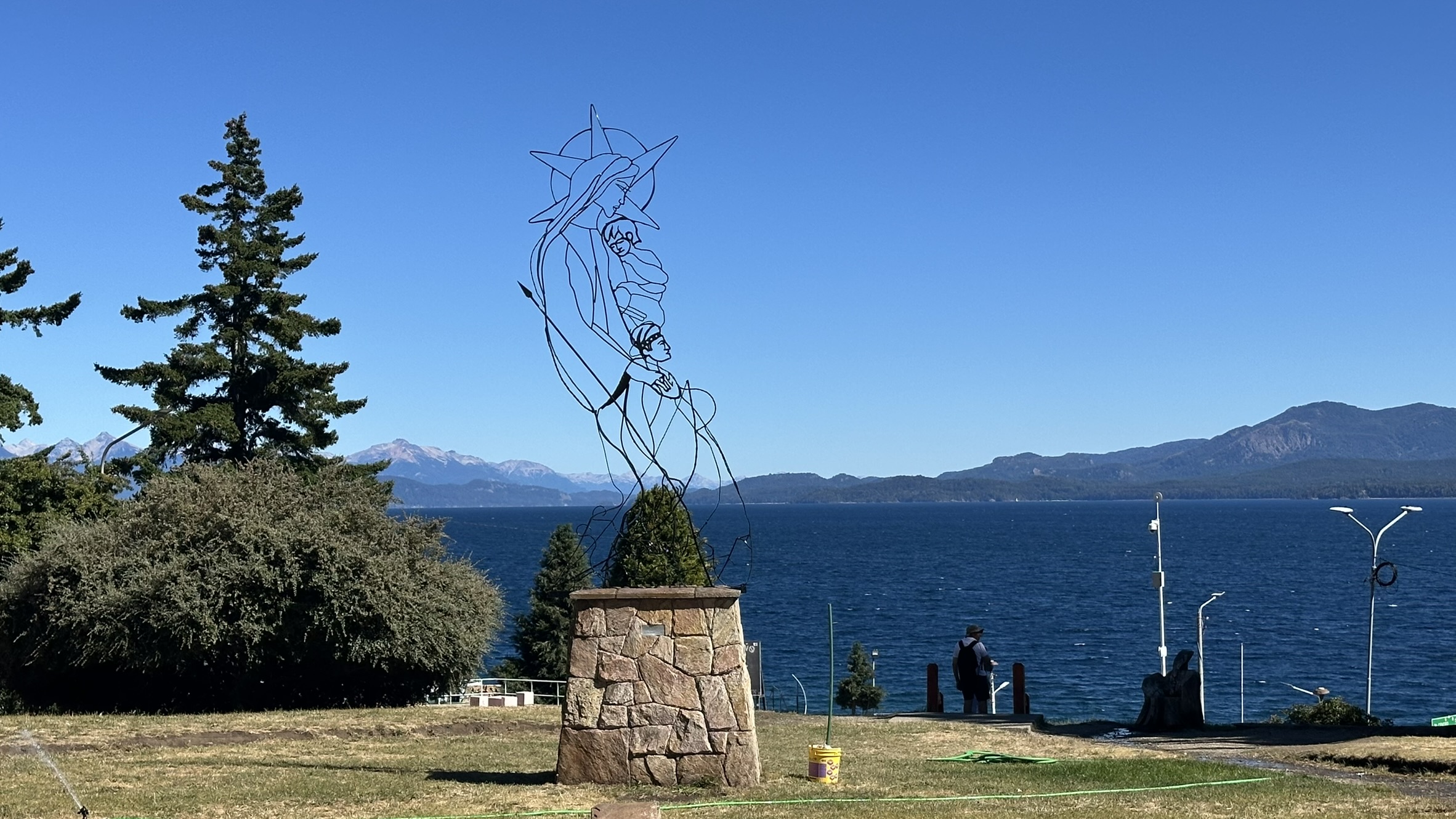
- We started off with a walking tour of the city, as we often do, to get a crash course on the area’s history, architecture and culture. It was a bit overpriced, but options were few and we did learn some interesting things that otherwise would have escaped us. Highlights of the tour included the neogothic Cathedral de Nuestra Virgin de Nahuel Huapi, founded by a missionary who was eventually killed by the indigenous people he worked to convert, and a small art collective tucked behind the main streets where Michelle bought a painting she liked from a local artist.
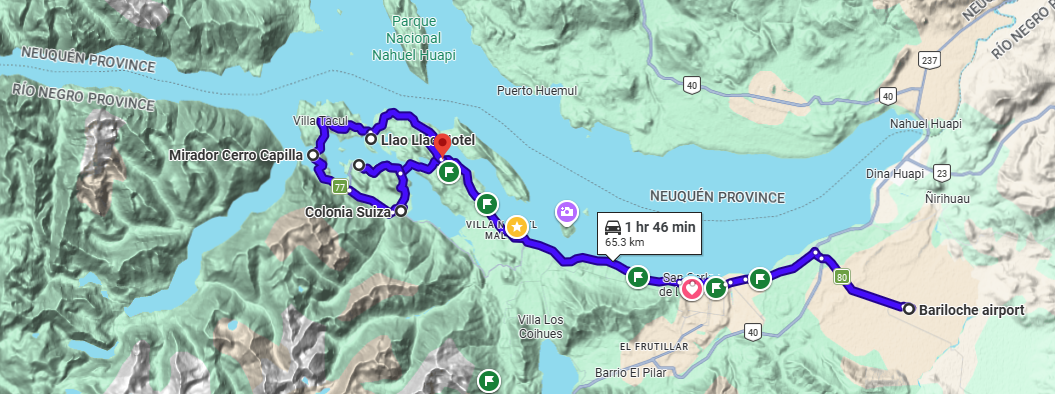
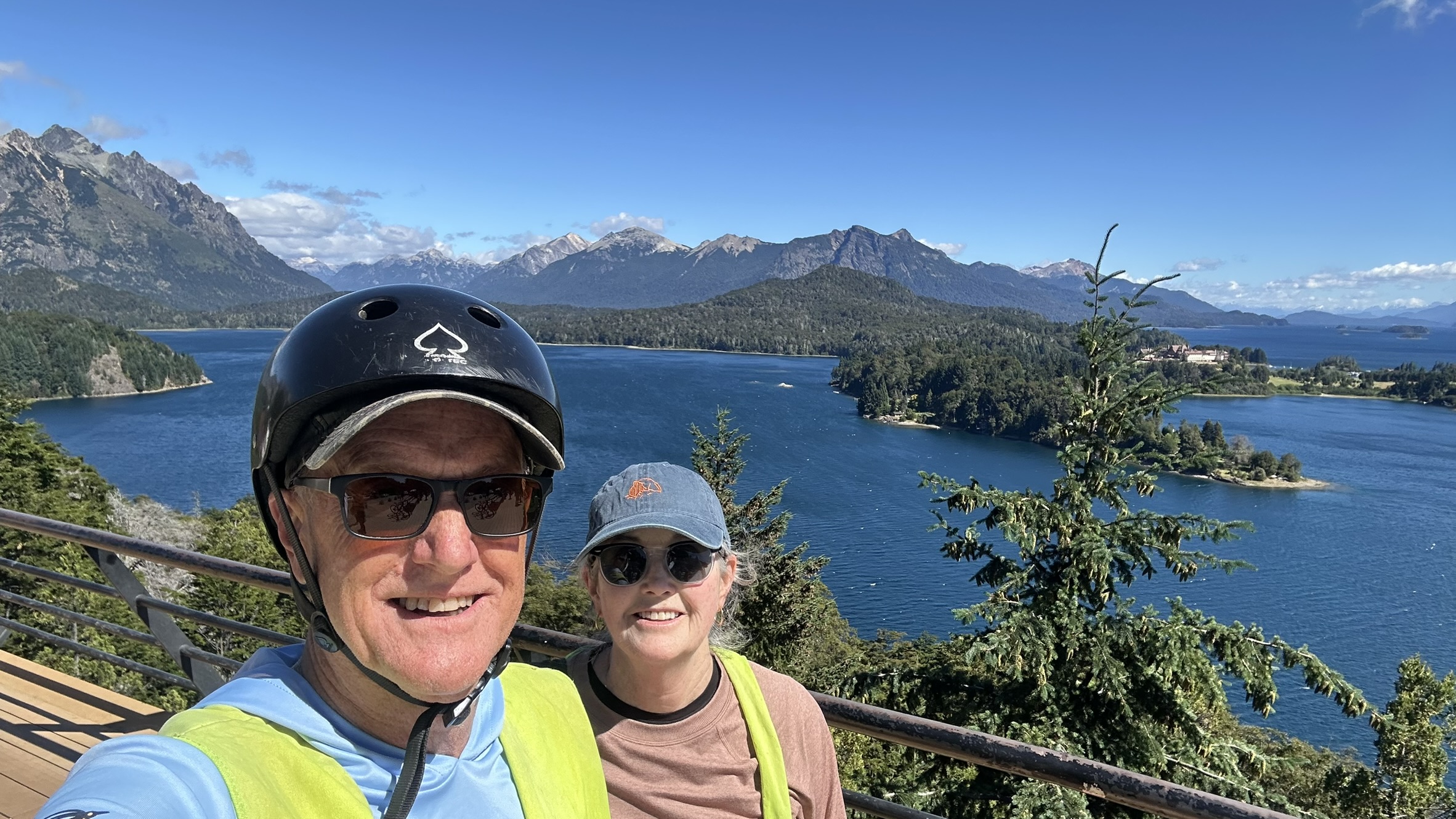
- Cycling the Circuito Chico, a 35km scenic route along the shore of the Nahuel Huapi lake with panoramic views of the lakes and mountains was fantastic, a must-do. We rented e-bikes at the start of the route, heading off just after 10am and completed the loop in four hours. That included stops at the village of Colonia Suiza (a tourist trap worth skipping, if you ask me) and the luxury hotel Llao Llao with its finely decorated interior). There is a lot of up and down, so we found the e-bikes essential. The only downside was missing a stop at the Cervecería Patagonia, which Colonia Suiza diverts you away from. In hindsight, I’d take the Cervecería!
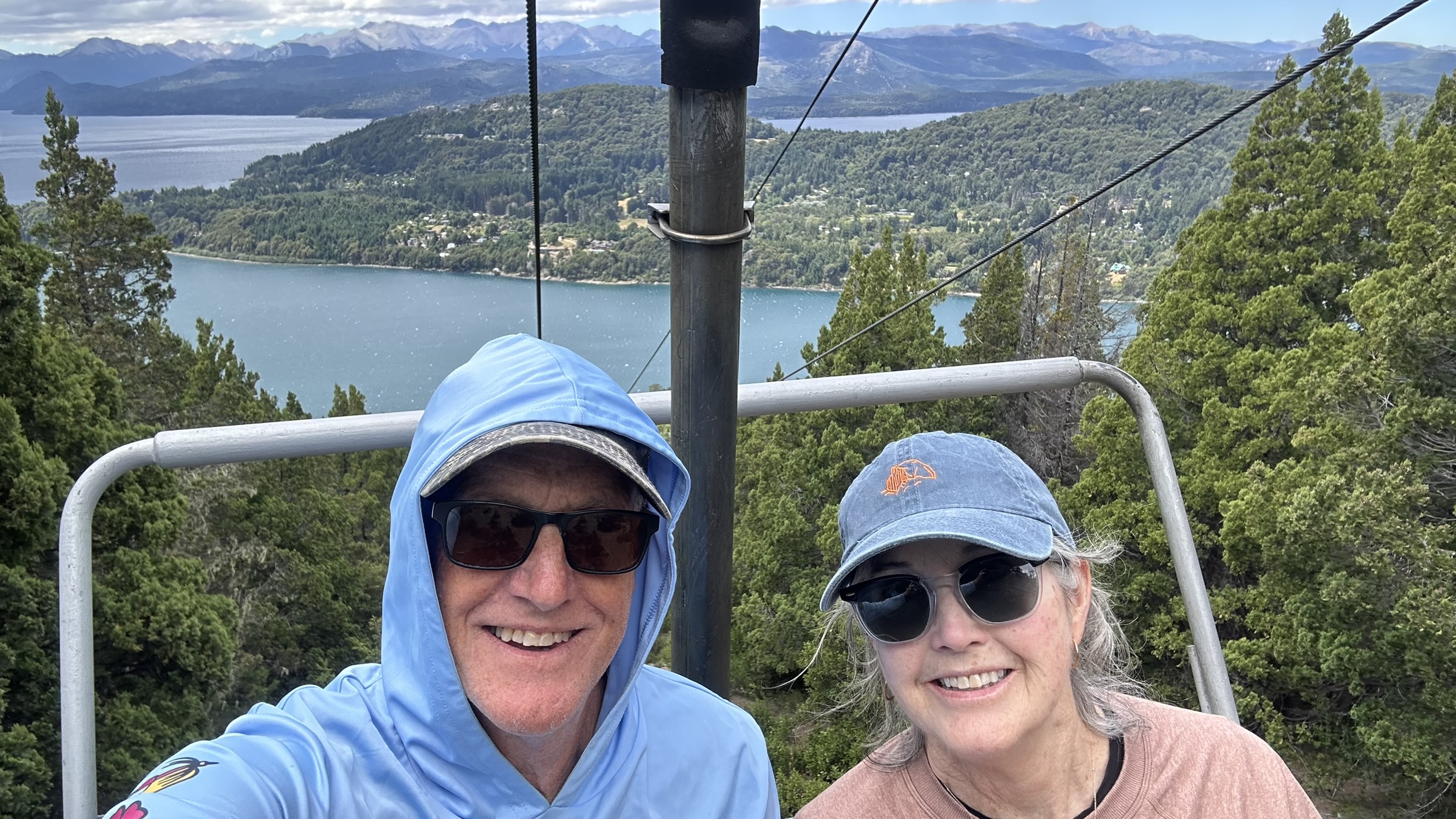
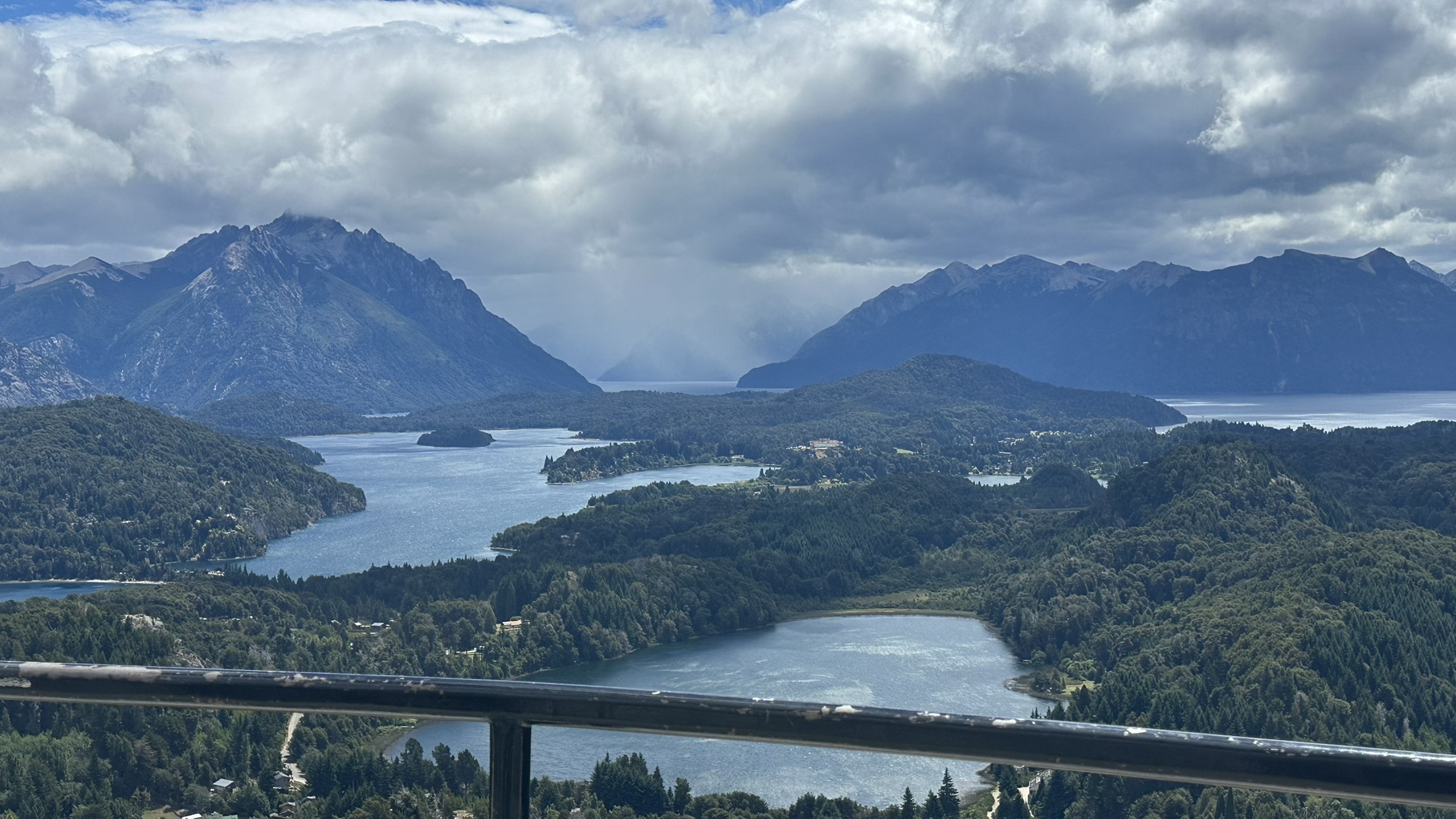
- For a stunning view of the lakes and mountains, take the chairlift to the top of Cerro Campanario, an easy 10-minute walk from dropping off the Circuito Chico e-bikes.
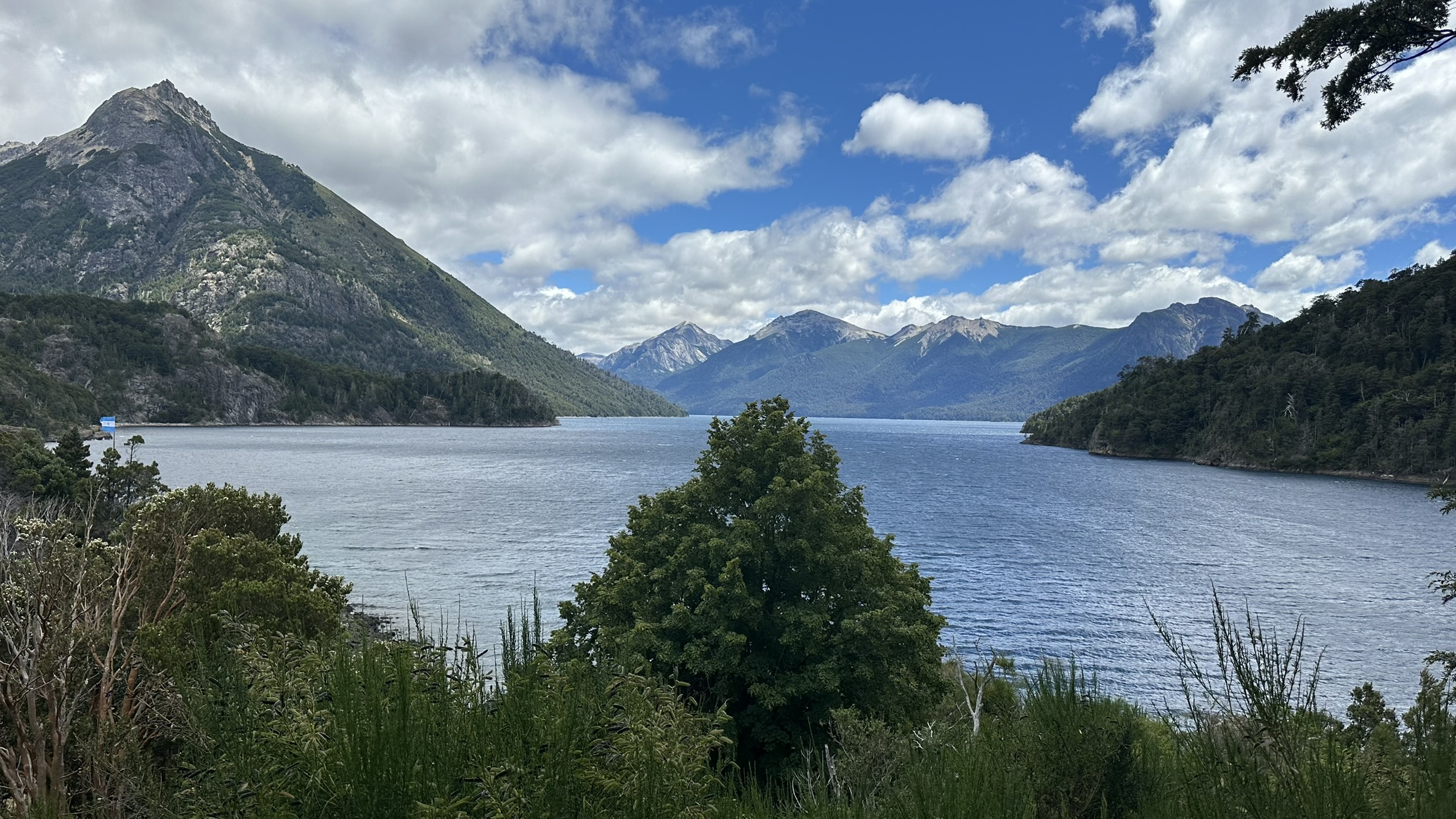
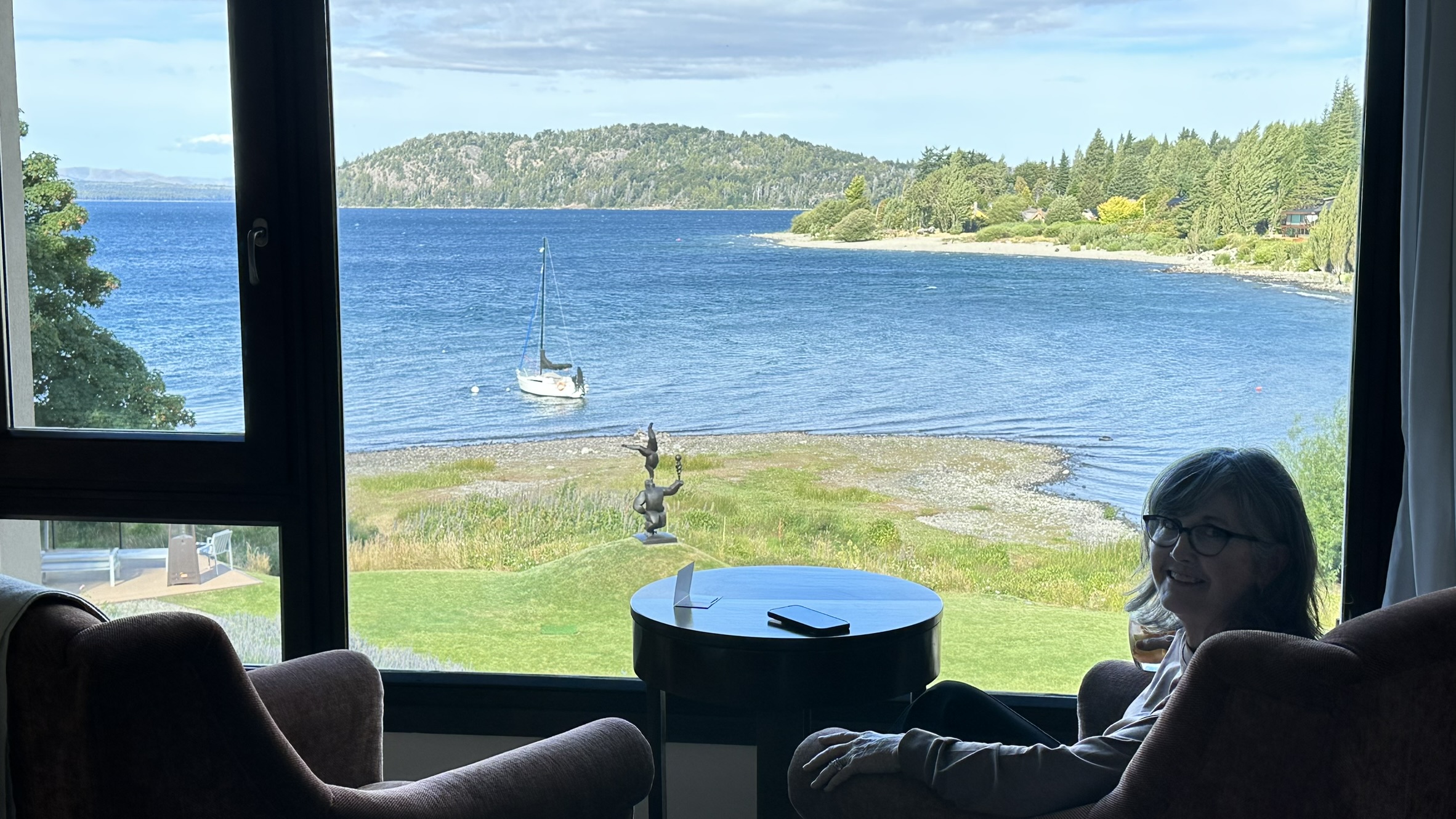
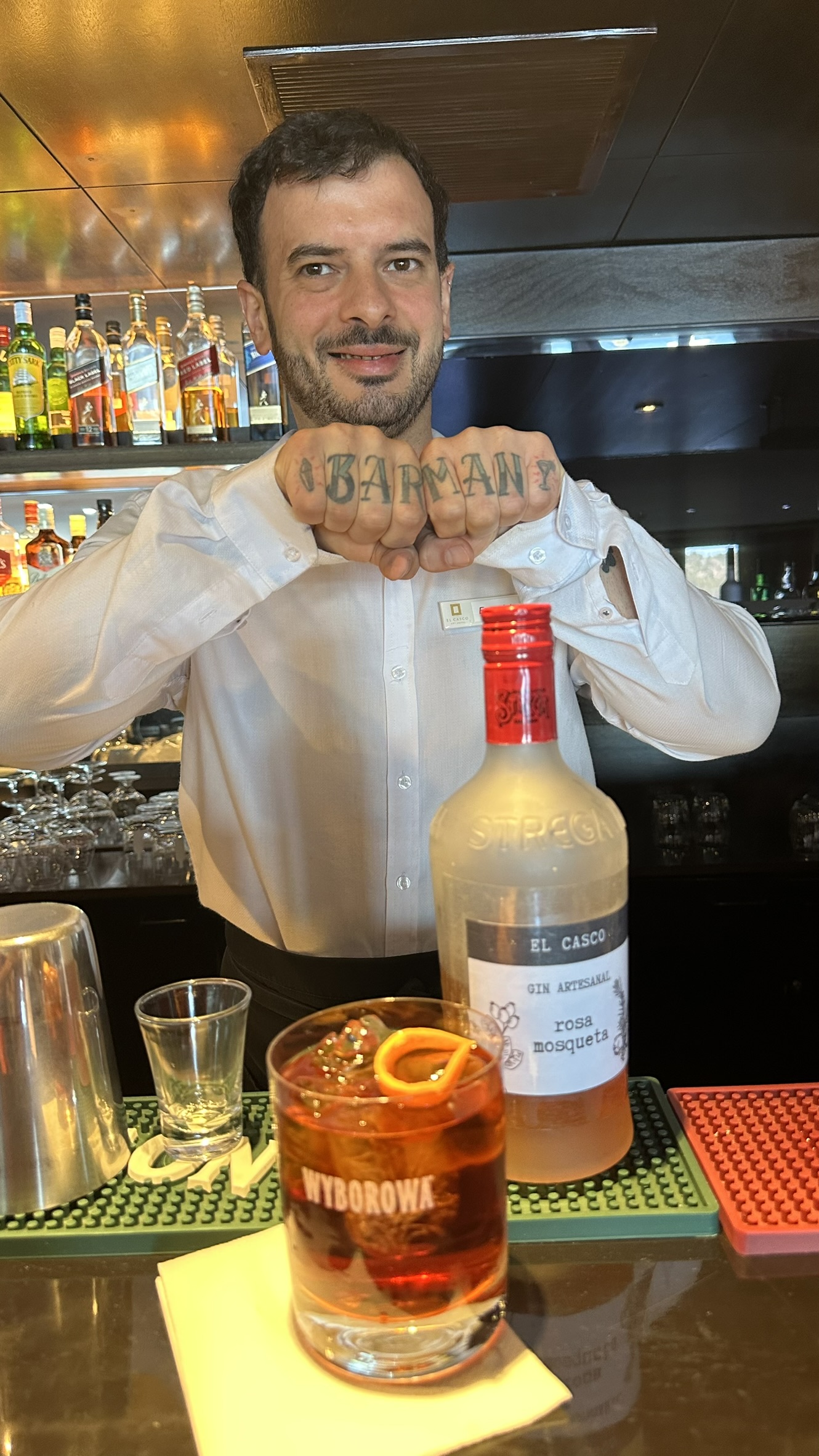
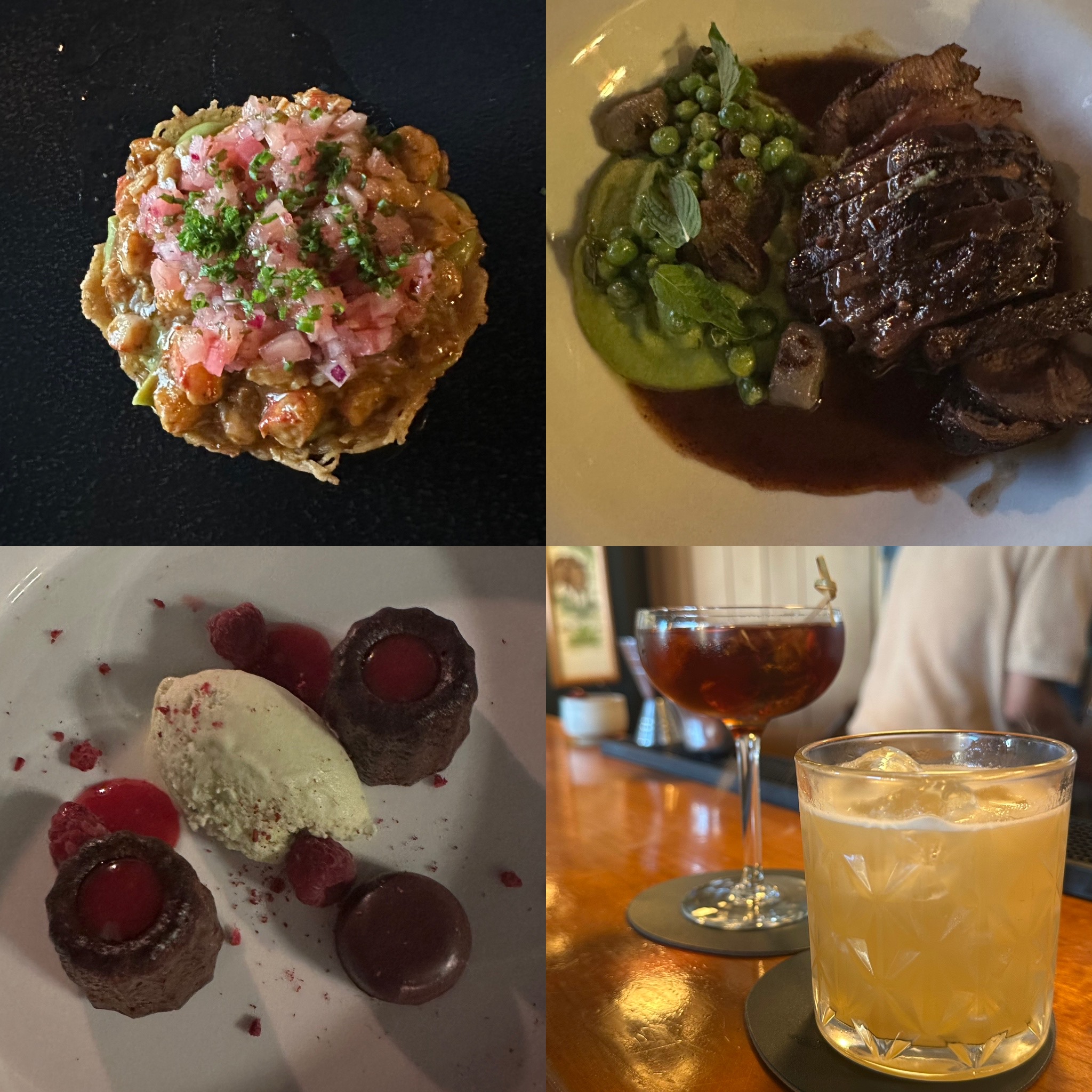
- We really liked our hotel for its gorgeous lakeside location, massive suite with a killer view, and proximity to Circuito Chico. The hotel bar staff was great, too — especially Eziquel, who whipped up a terrific Negroni variant using his house made Rosa Mosqueta gin. Read my review here. There are so many good lodging options, this comes down to location, budget and personal taste — because it is 12 kilometers from the town center and traffic on the two-lane road is always jammed, we did not venture into town at night.
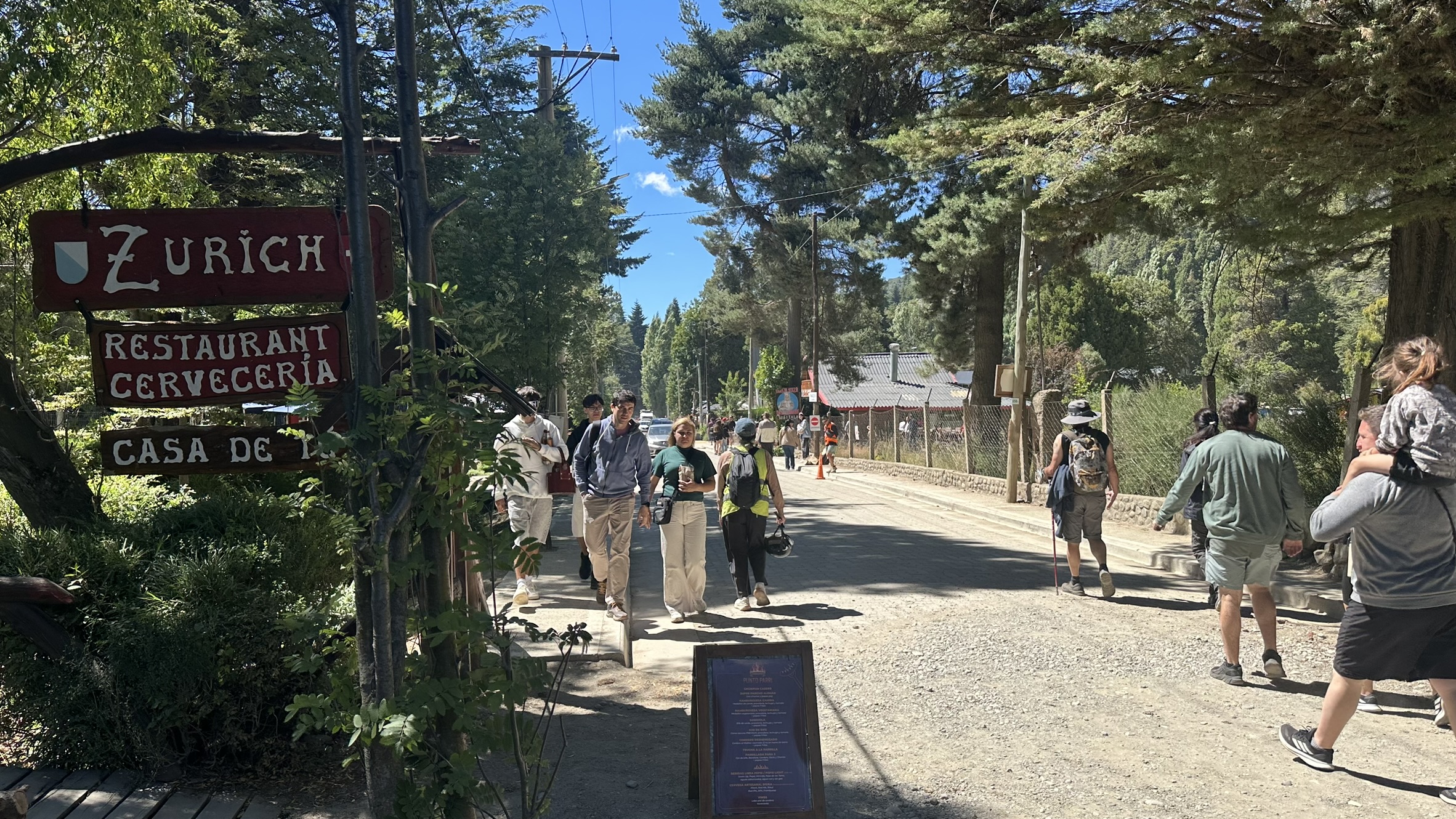
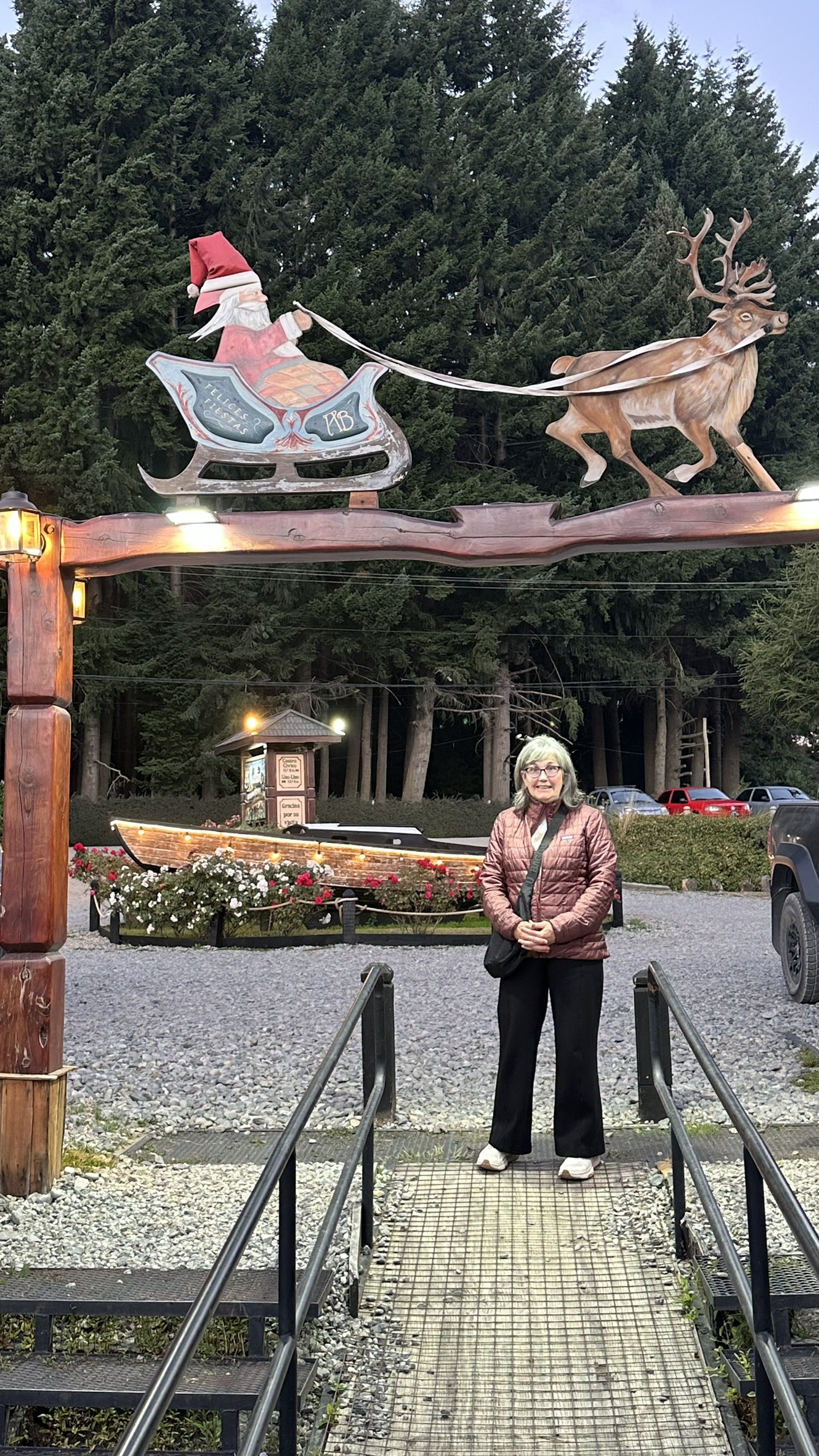
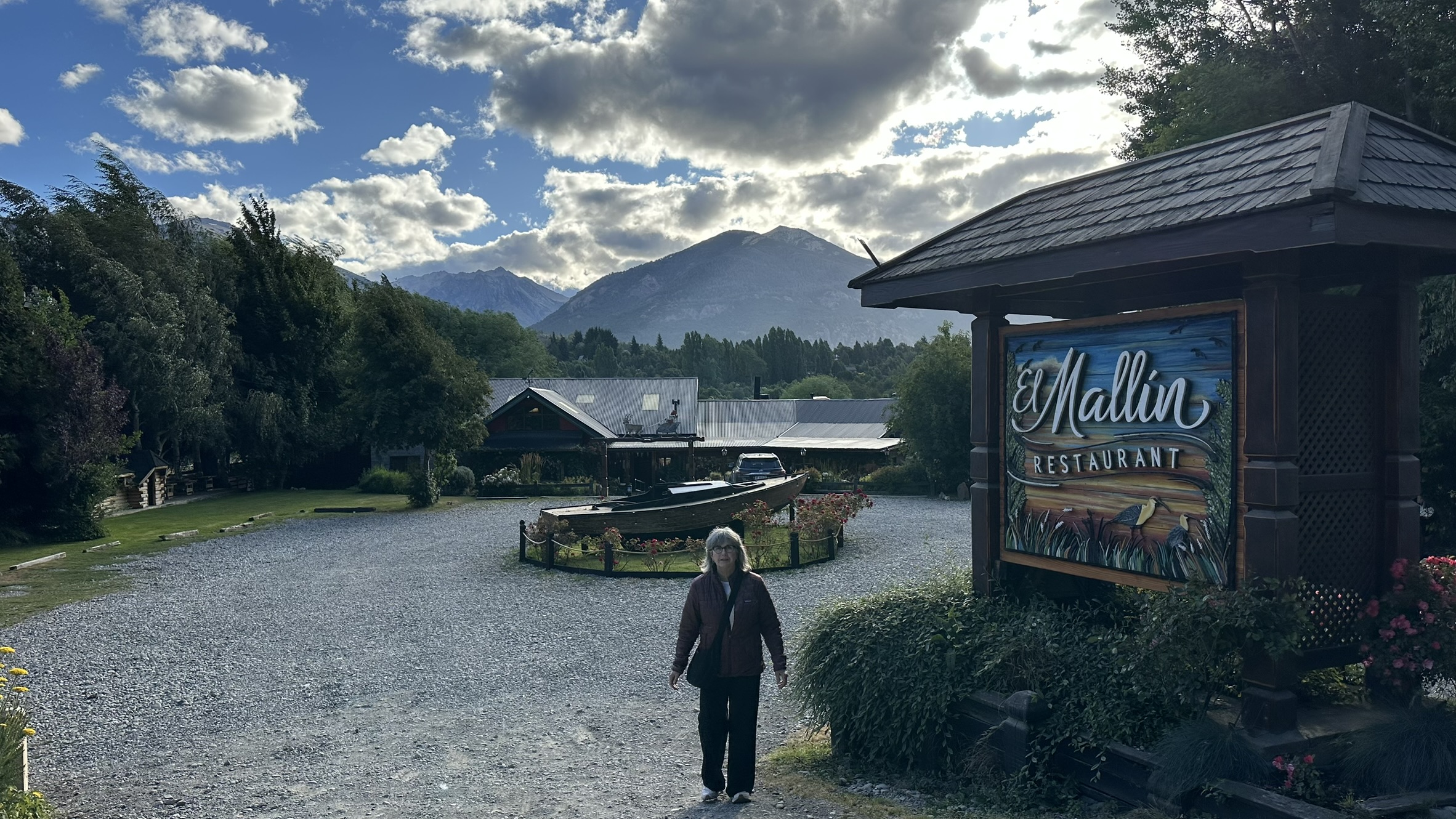
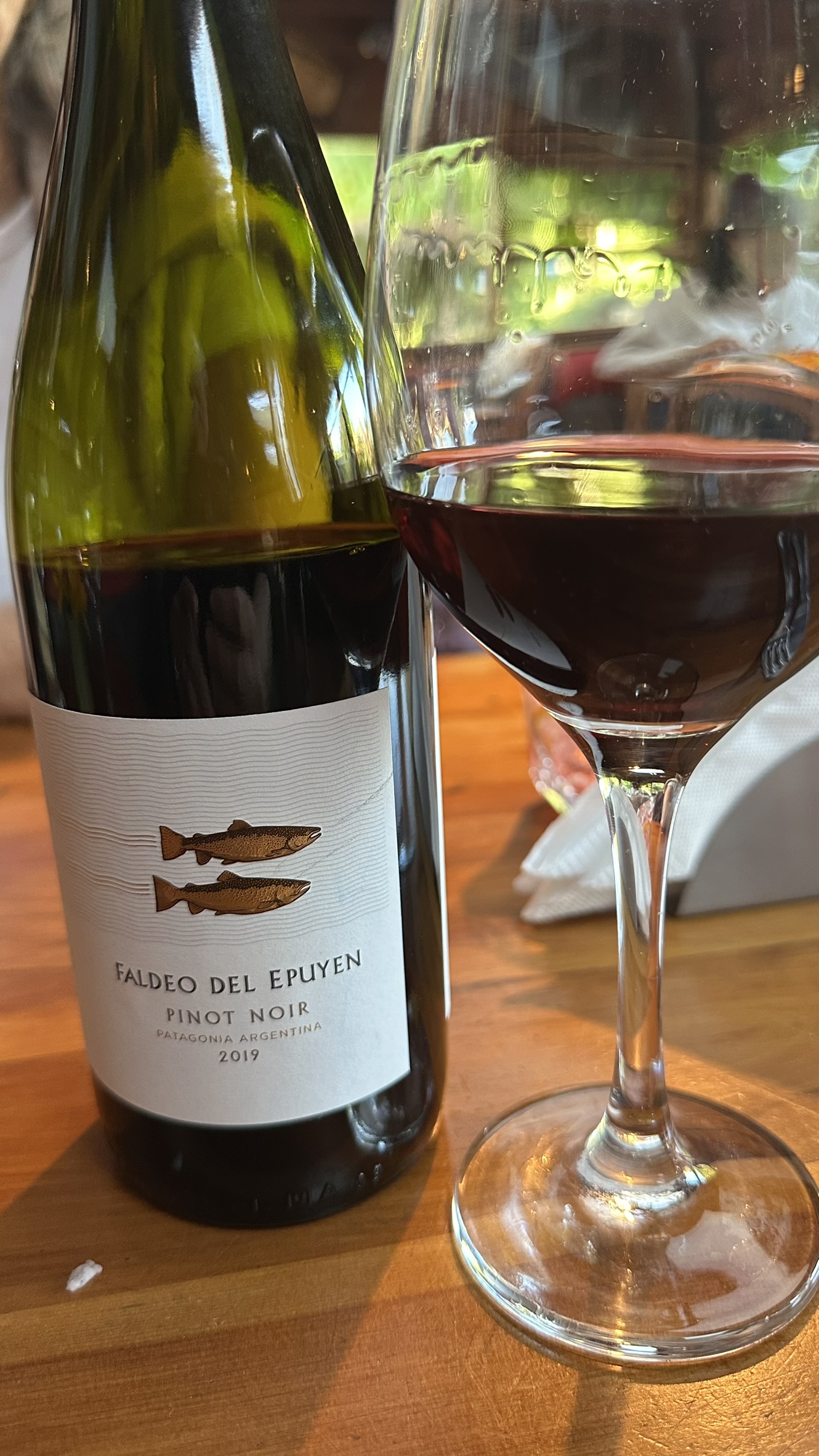
- Fortunately, we fell in love with El Mallin, a cozy restaurant just up the road — we had dinner their twice. (I highly recommend the Faldeo del Epuyen Pinot Noir; apparently Bariloche is known for its Pinots almost as much as Mendoza is for Malbec.)
Villa la Angostura
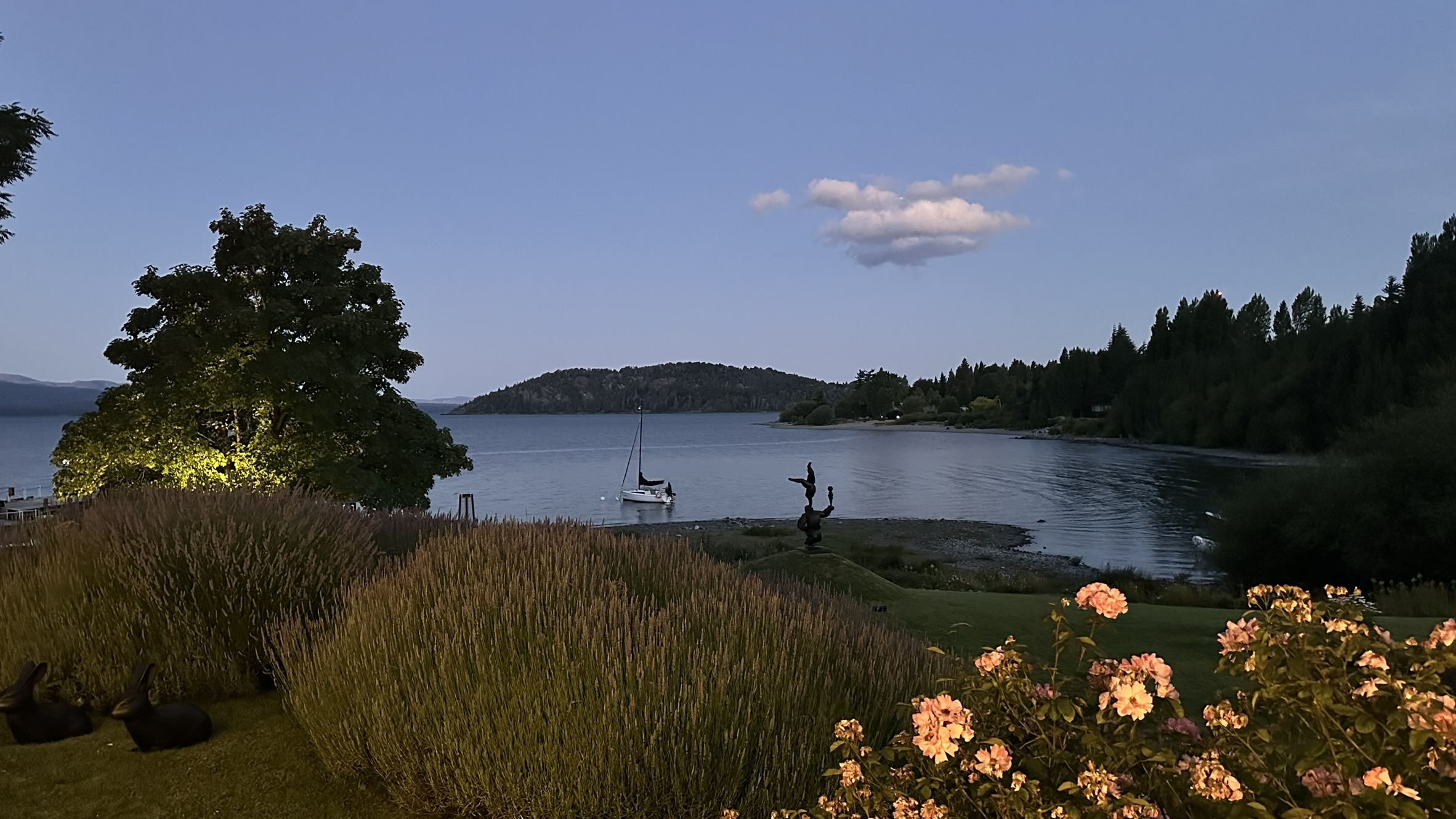
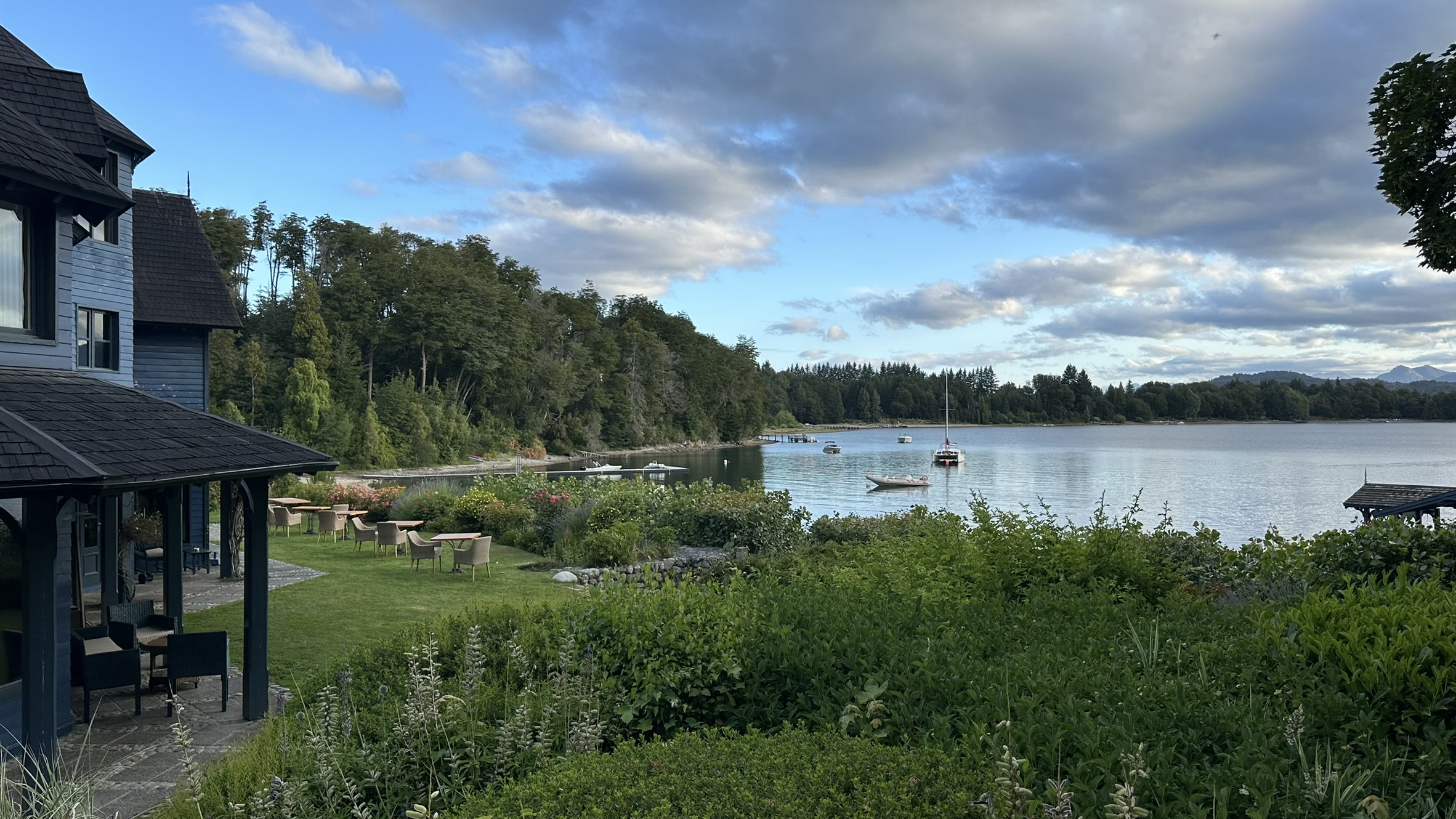
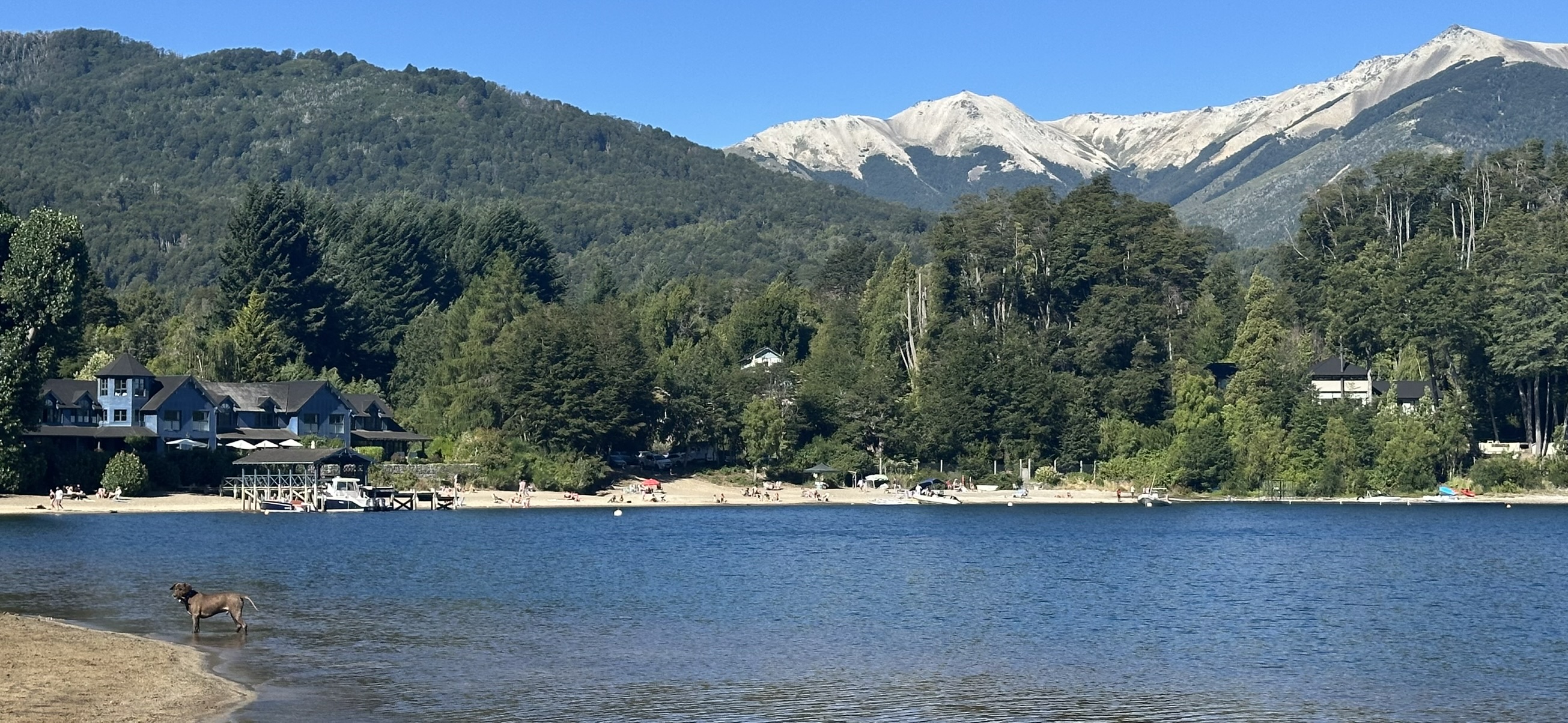
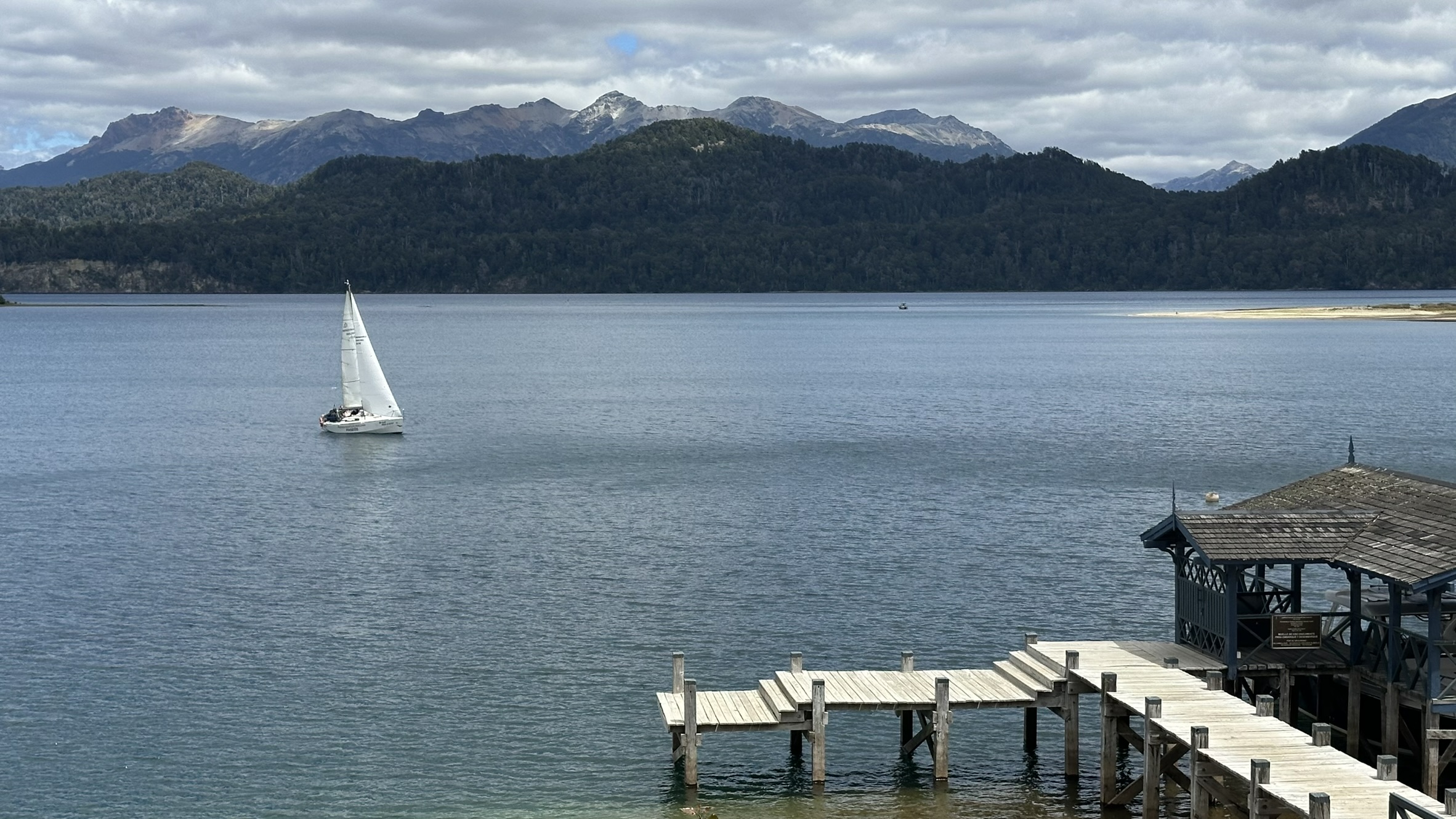
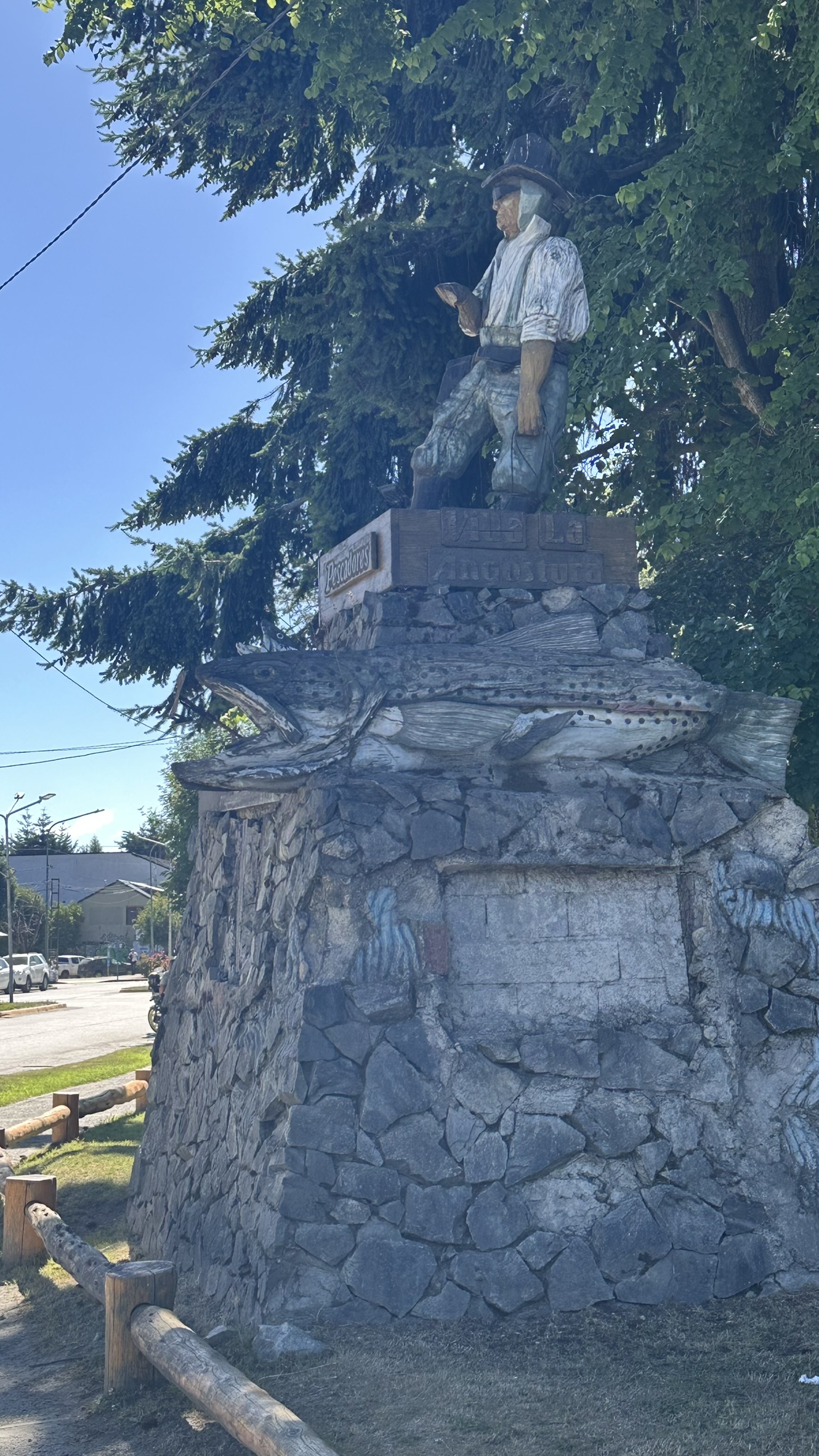
As much as we liked Bariloche (and there was much more to do there), we were looking forward to getting deeper into the mountains. So, saying adios to Bariloche, we rented a car at the airport and drove 90 minutes to the tiny village of Villa la Angostura on the far end of Lake Nahuel Huapi, surrounded by national parkland. Sitting at 2,590 feet above sea level and just a few miles from the Chilean border, the town is nicknamed the Garden of Patagonia. It’s rustic and charming and is perfectly situated for land or water-based exploration, though the food and drink scene in town is nothing special. Fortunately, our lakefront lodging — a reclusive getaway with beautiful grounds and nice beach, spectacular views, and first-class service — more than made up for that.
This marked the beginning of our mini-road trip by car, our final stop in Argentina before driving across the Andes into Chile and the adventure ahead. Highlights included:
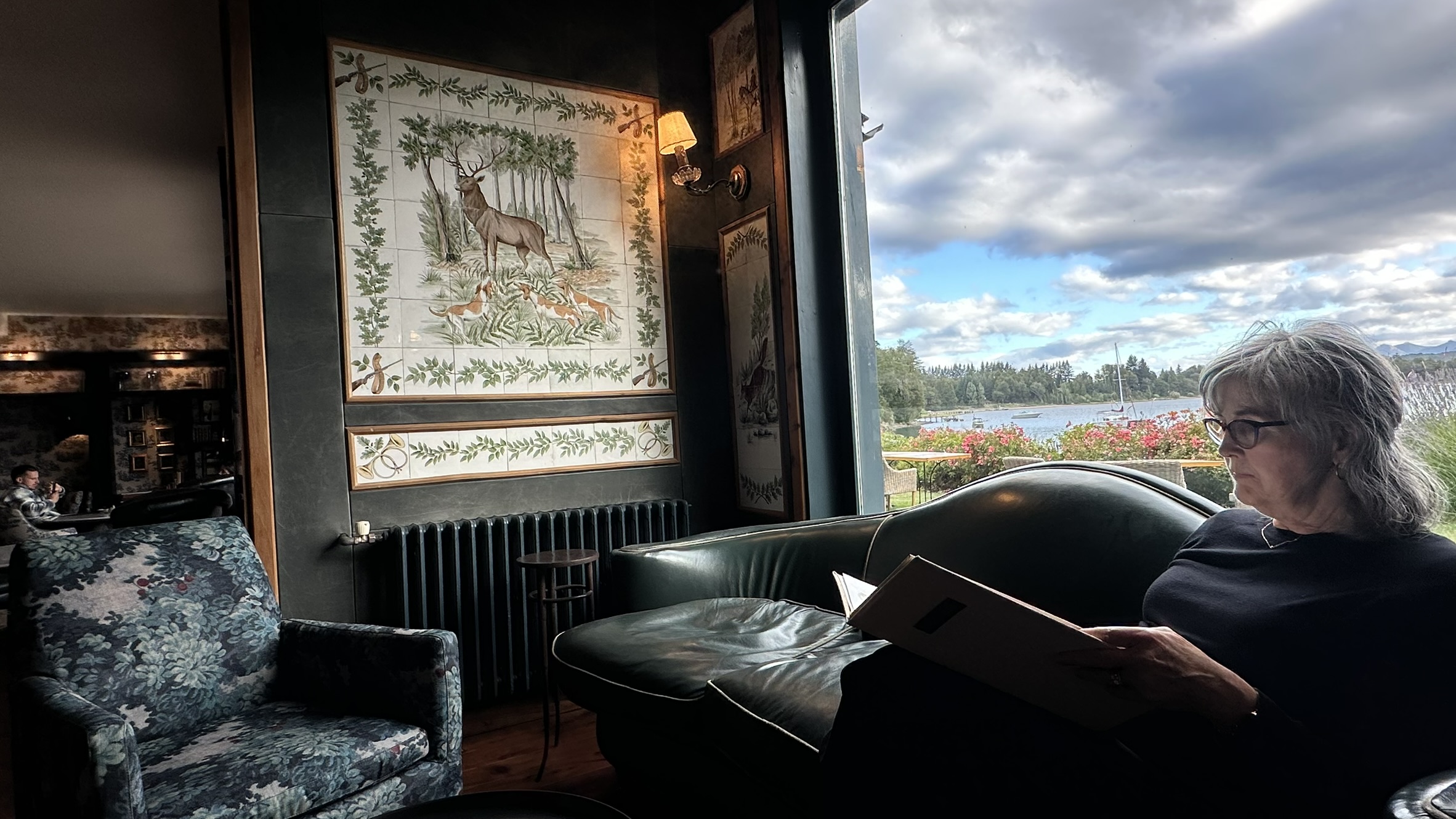
- Las Balsas came highly recommended by a friend of friends and native Argentinian. It’s a splurge to be sure, but if you’re looking a little “rustic luxury” in an idyllic location, you can’t do better. It was a great place to kill time lounging by the lake after a big day outside. Read my review here.
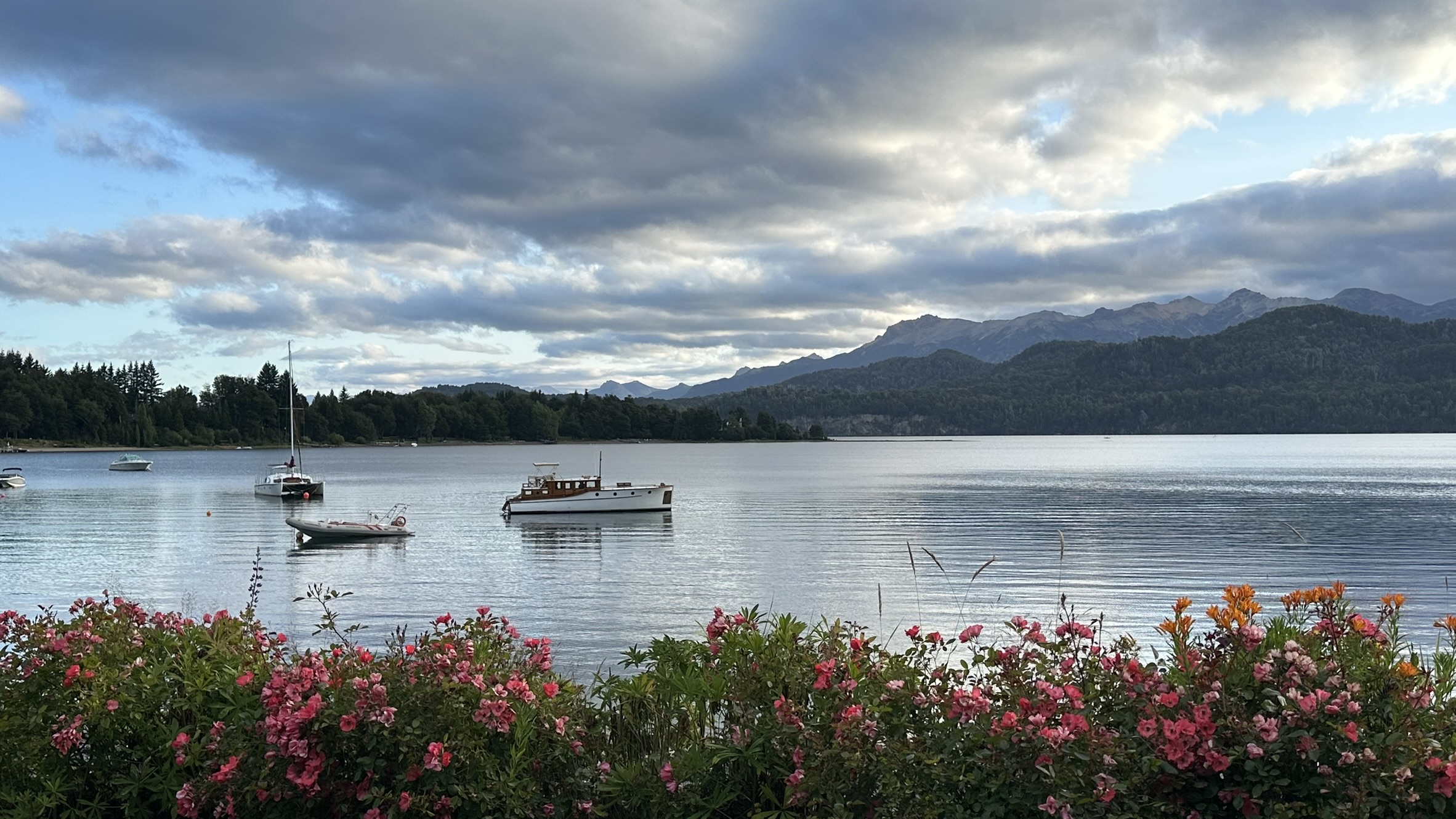
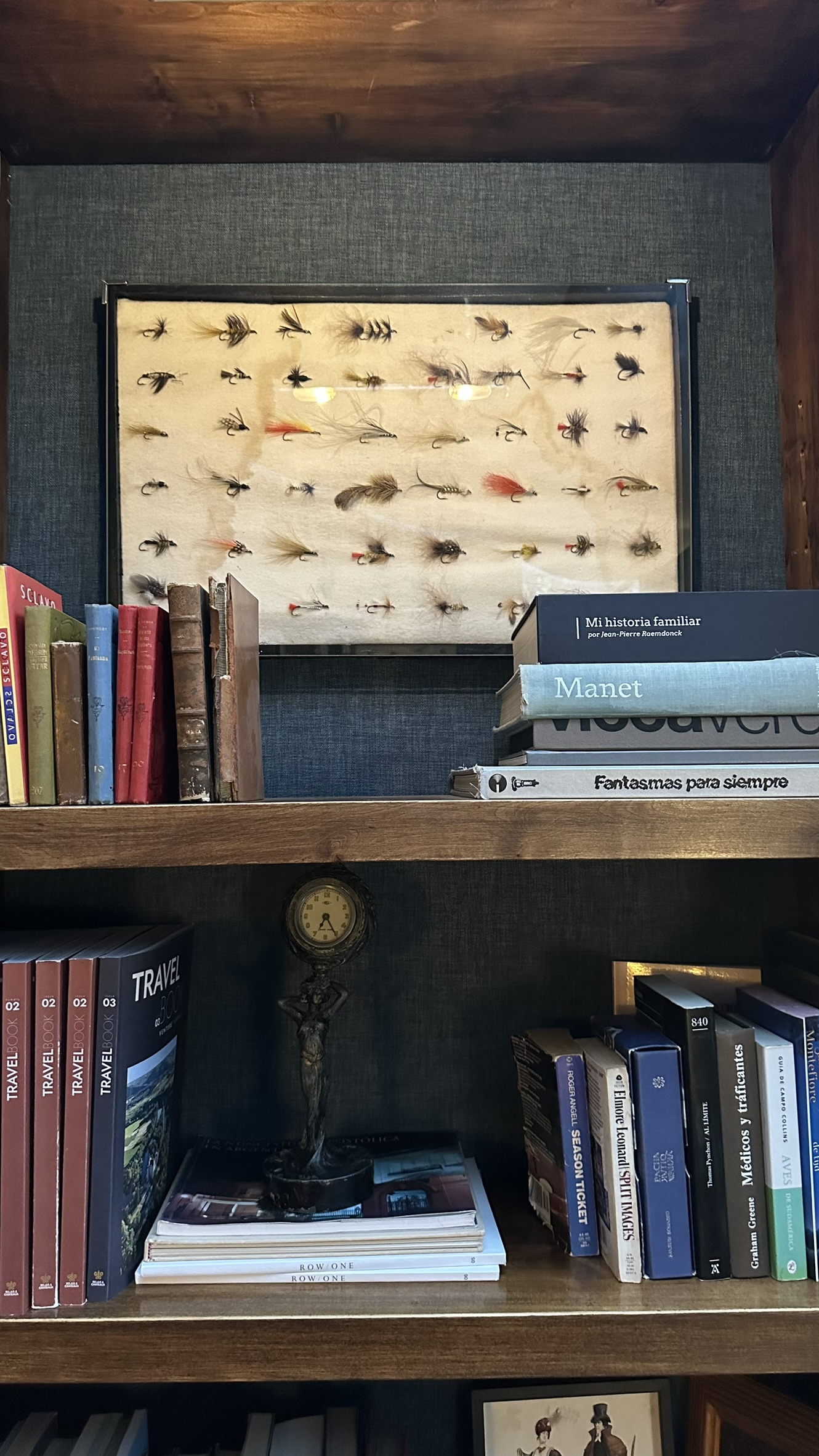
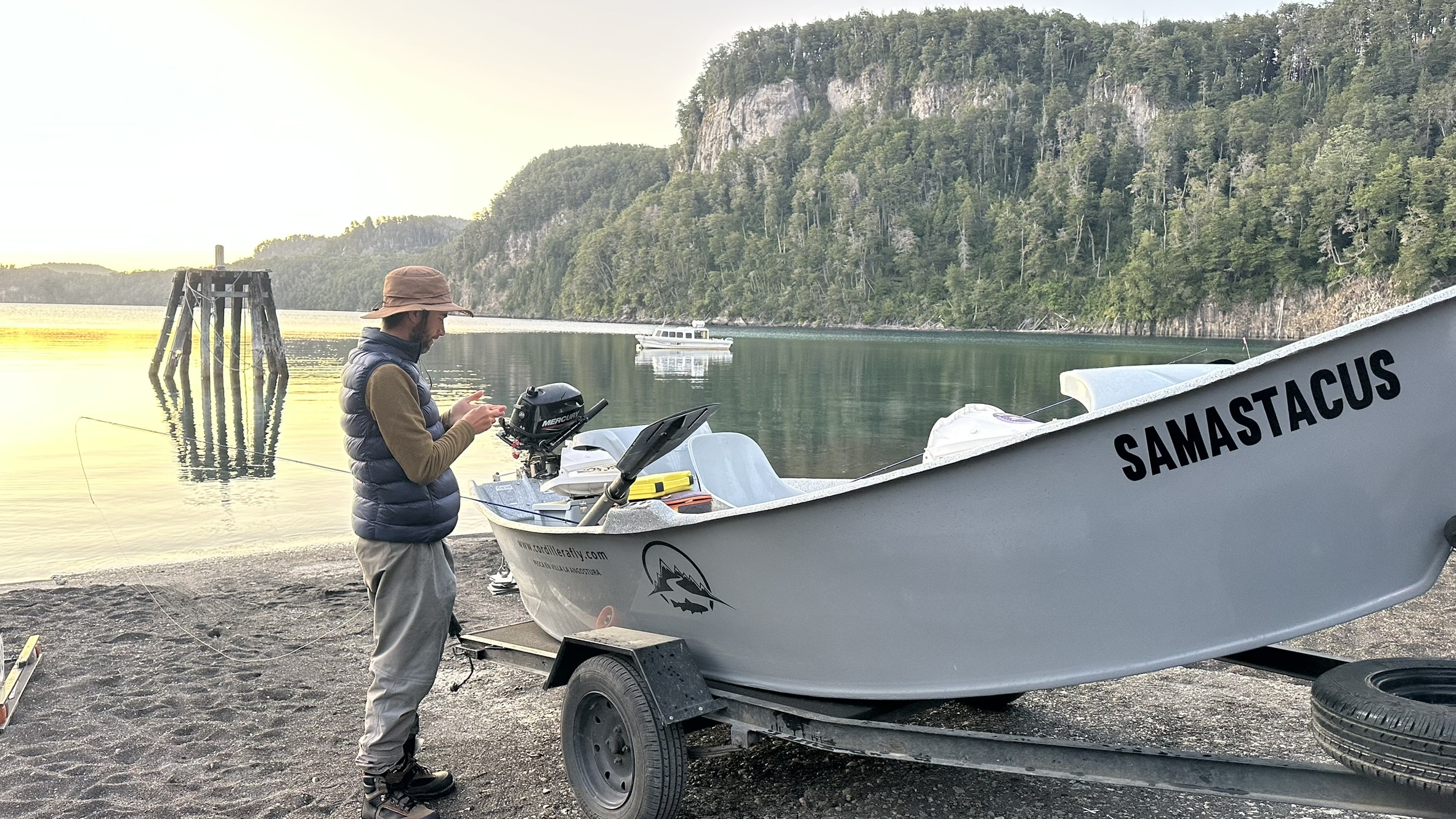
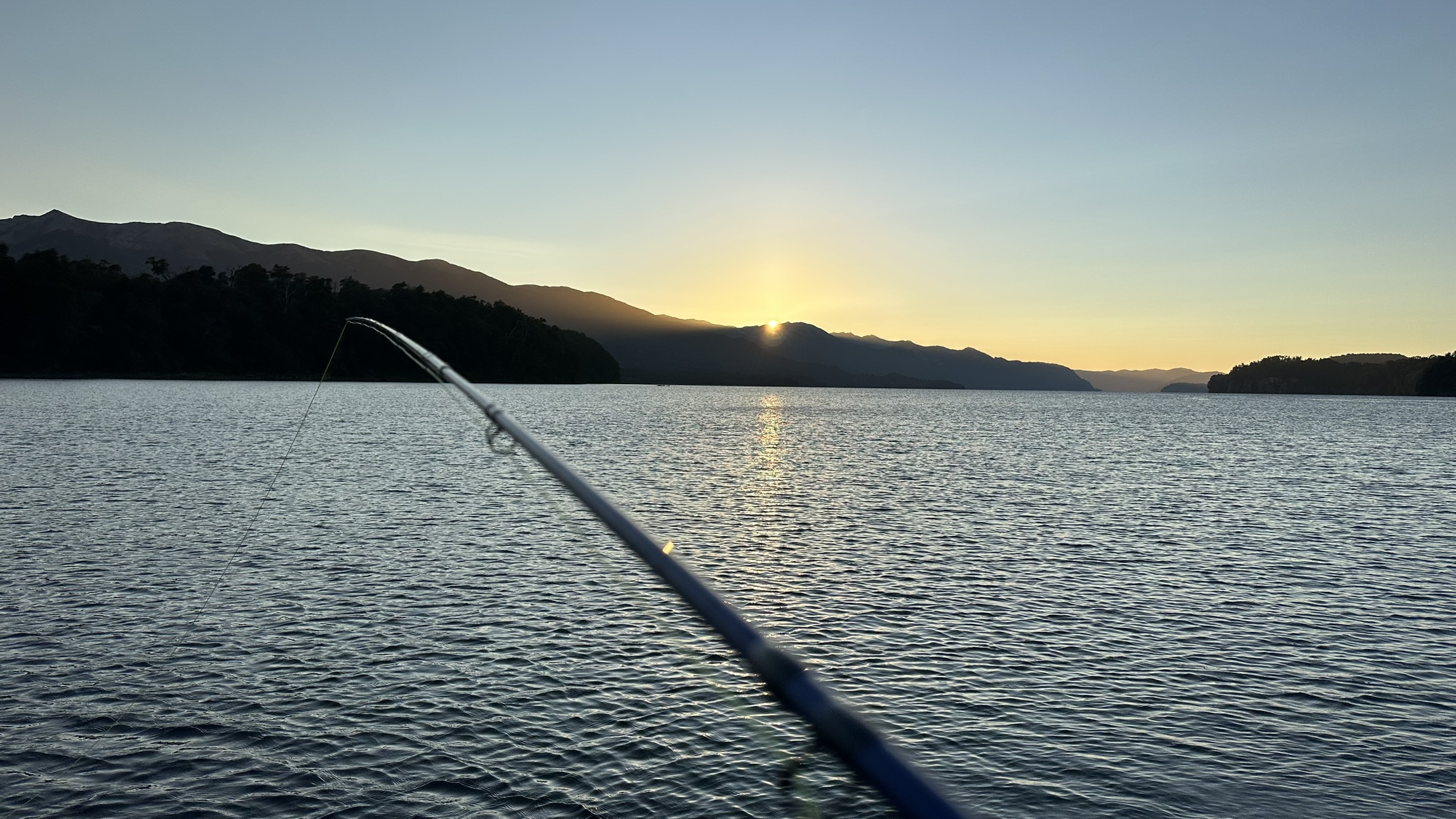
- I had hoped to do some fly fishing for the legendary “Jurassic trout” in one of Pategonia’s nearby rivers, but water levels were sufficiently low to make that a non-starter. Instead, I hired Martin at Cordillera Fly for a half-day fishing excursion by drift boat on the lake, starting just before sunrise. Sunrise on the lake was amazing, and the crystal-clear water made for great sight fishing. Despite hooking into one big rainbow trout — my guide estimated 5-6 pounds — the fish proved smarter than me and did not take my fly. Here’s my review for Martin.
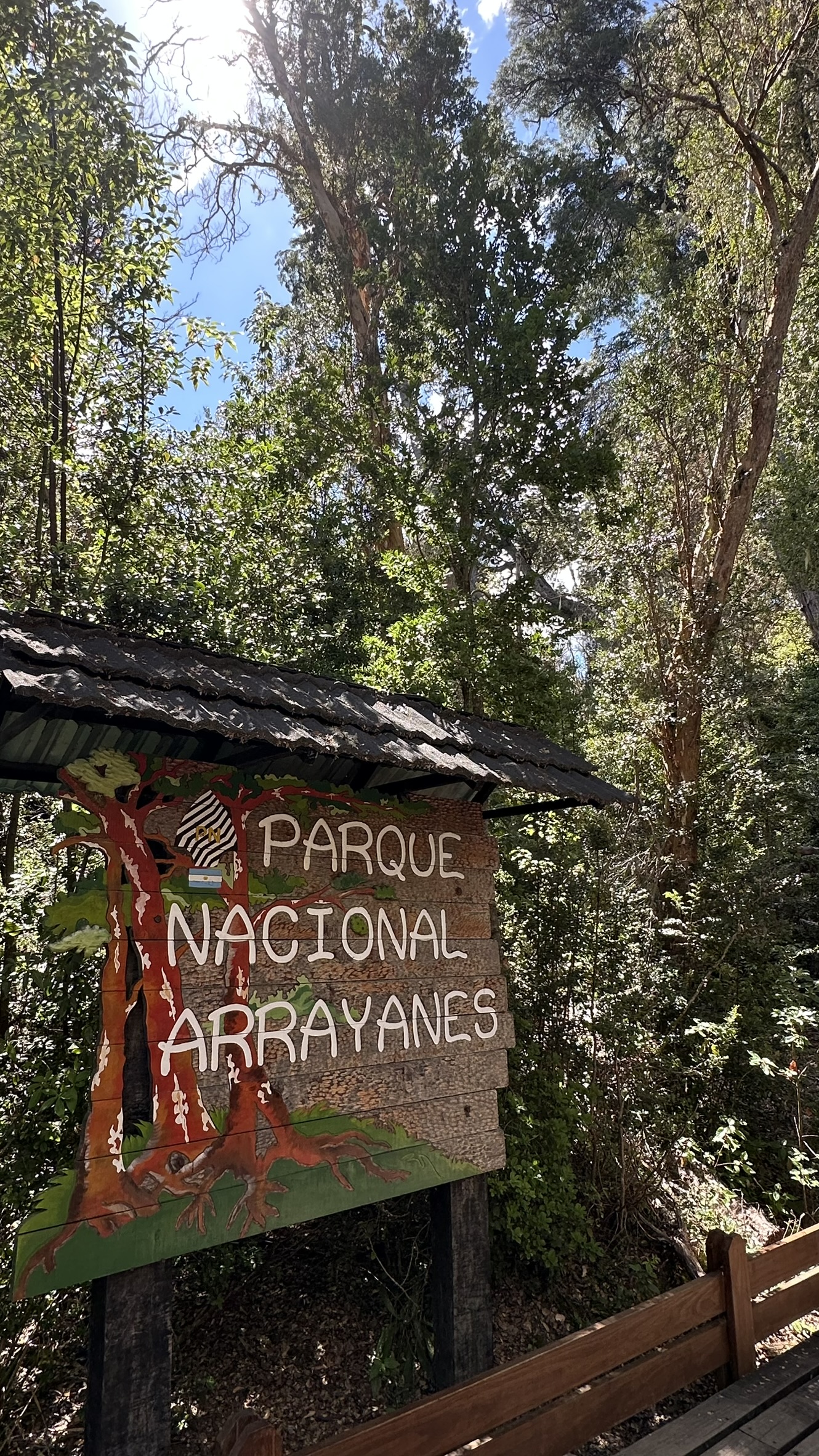
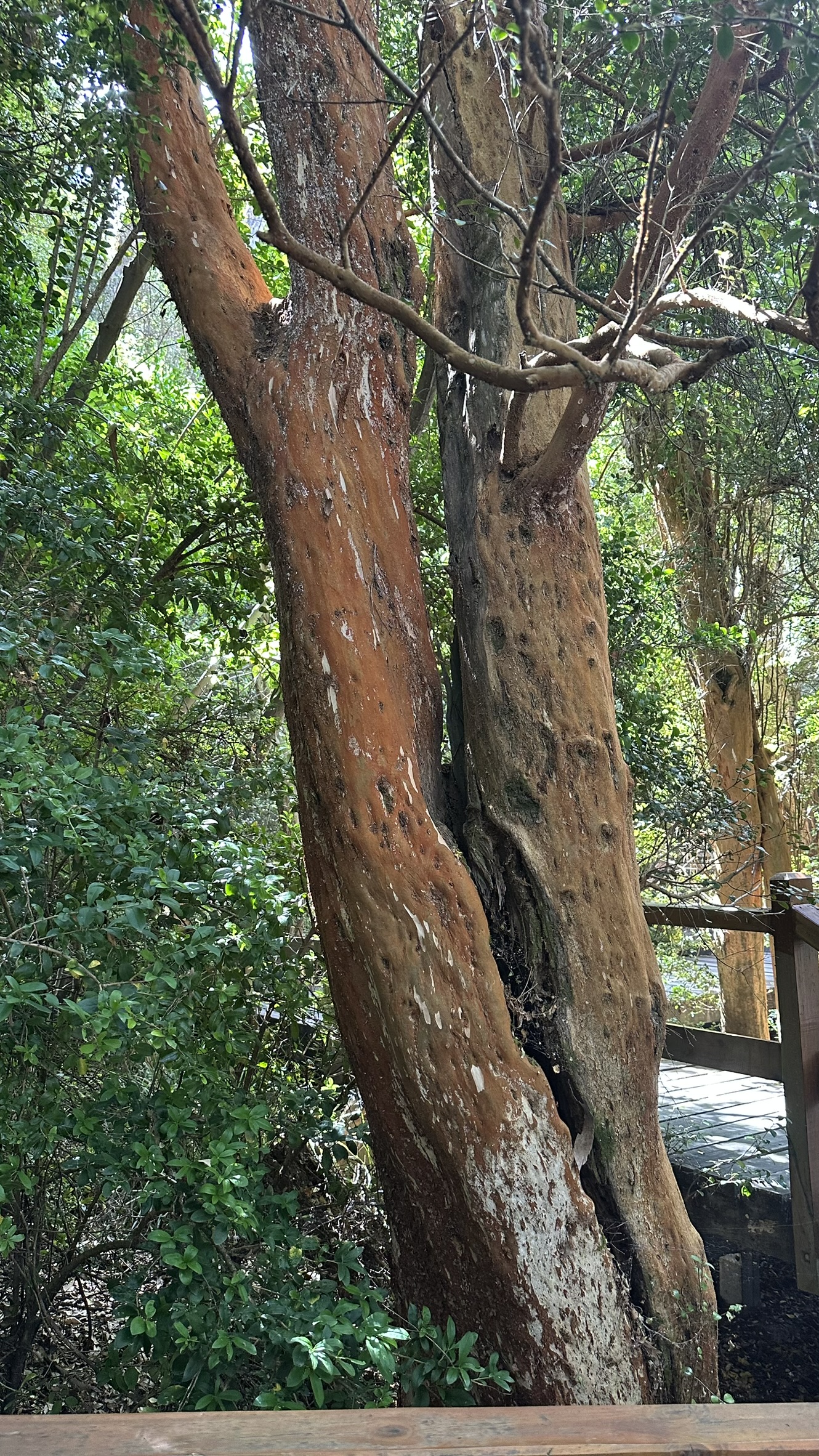
- A popular day trip from Bariloche involves boarding a 300-person yacht to cruise around Lake Nahuel Huapi, with stops on Isla Victoria and Bosque de Arrayanes at the tip of the Quetrihué Peninsula. While I’m sure its lovely, we liked our alternate route: catching a ferry from Bahia la Brava just outside town to Bosque de Arrayanes and then hiking the length of the peninsula back to Bahia Brava. The hike was great, taking us through mixed forest with some great views of the lake and mountains. Bosque de Arrayanes is a park within the park, featuring a forest of 300-year-old Myrtle trees, so rare they are, in fact, found only here.
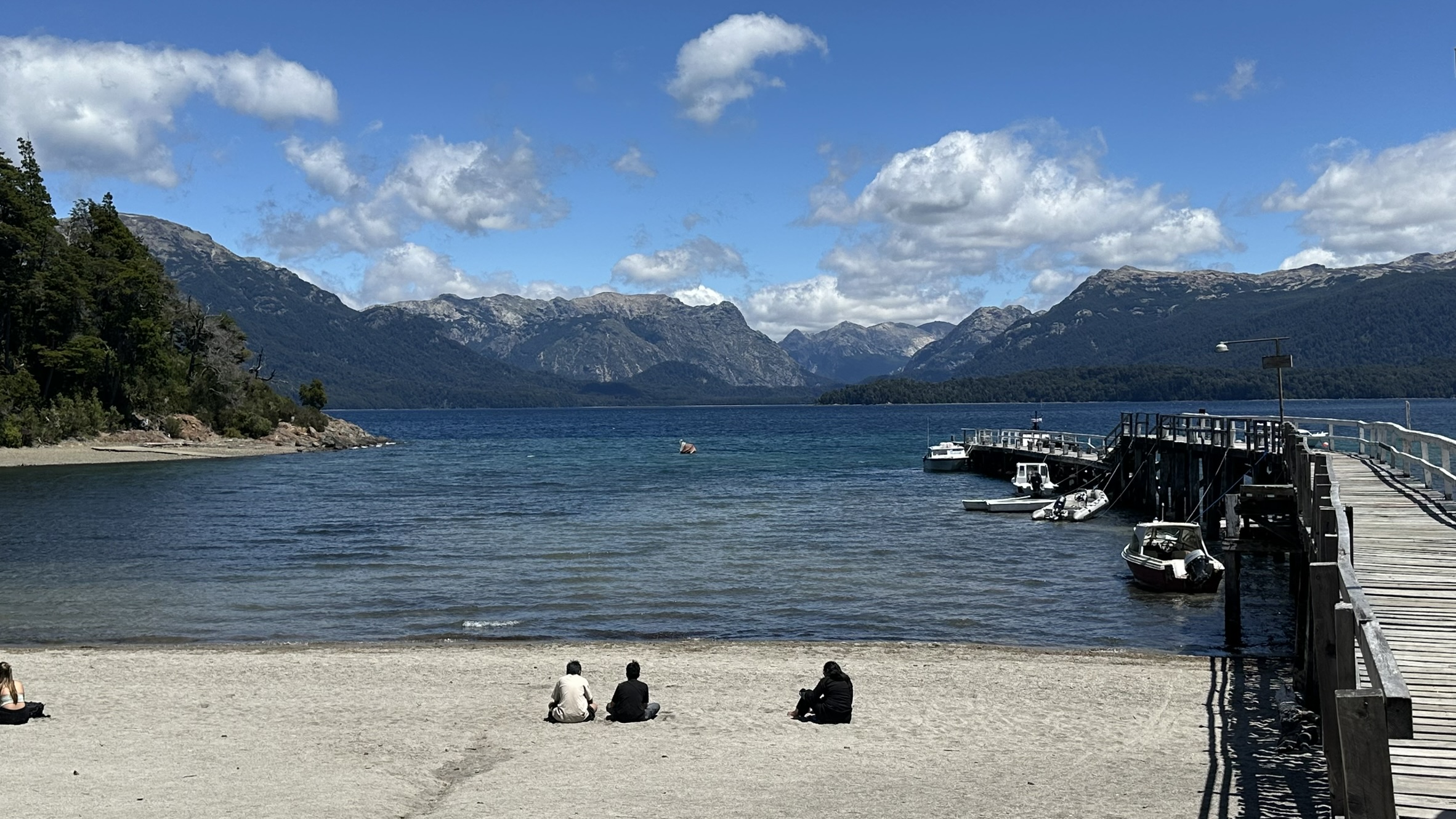
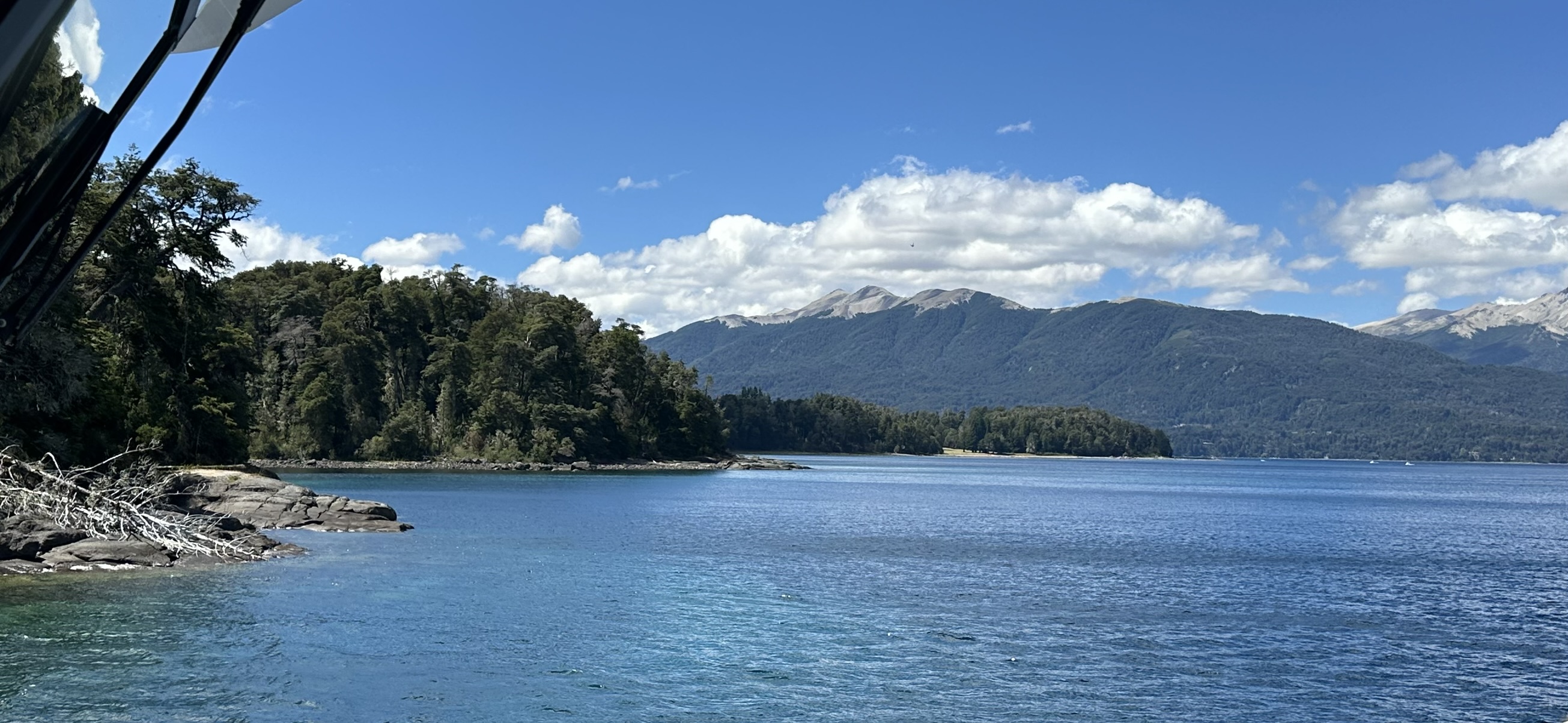
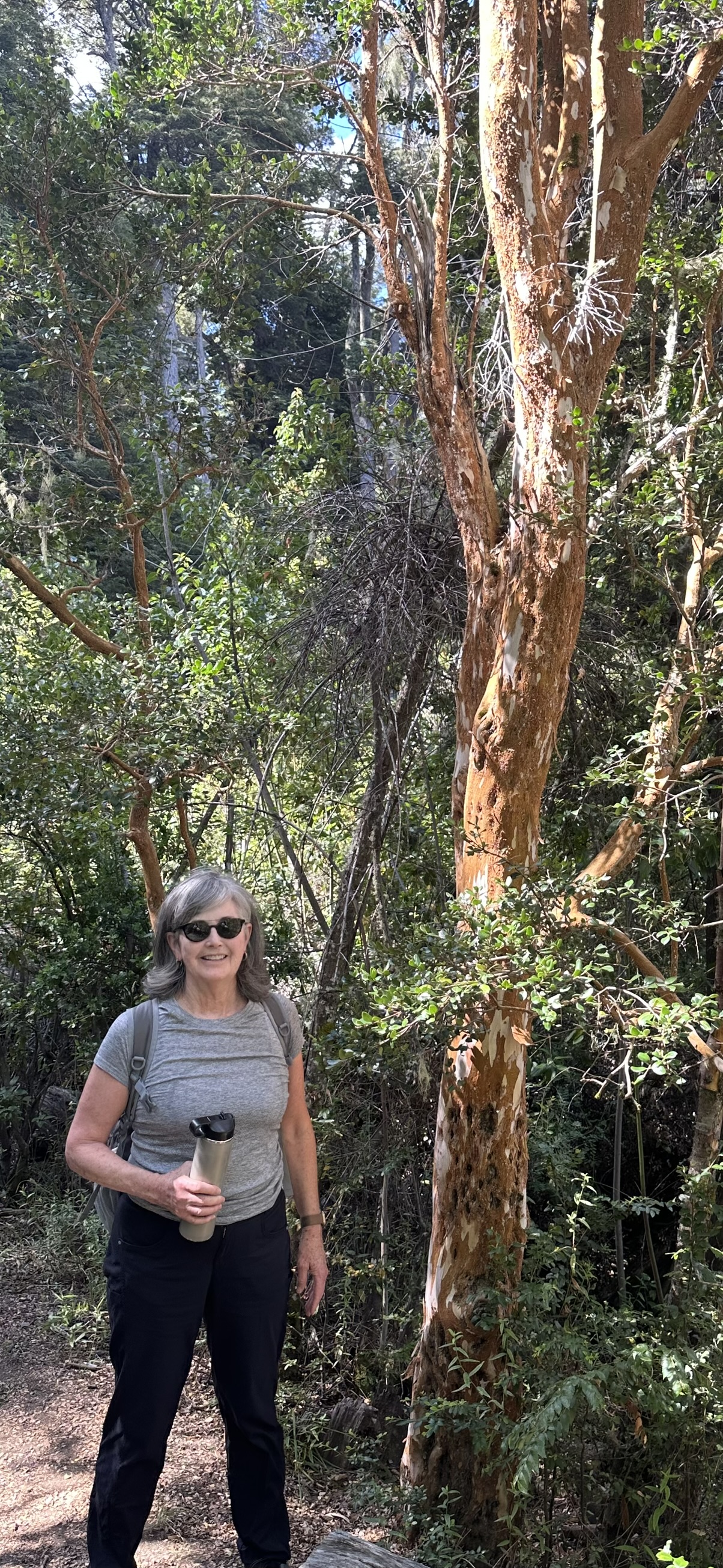
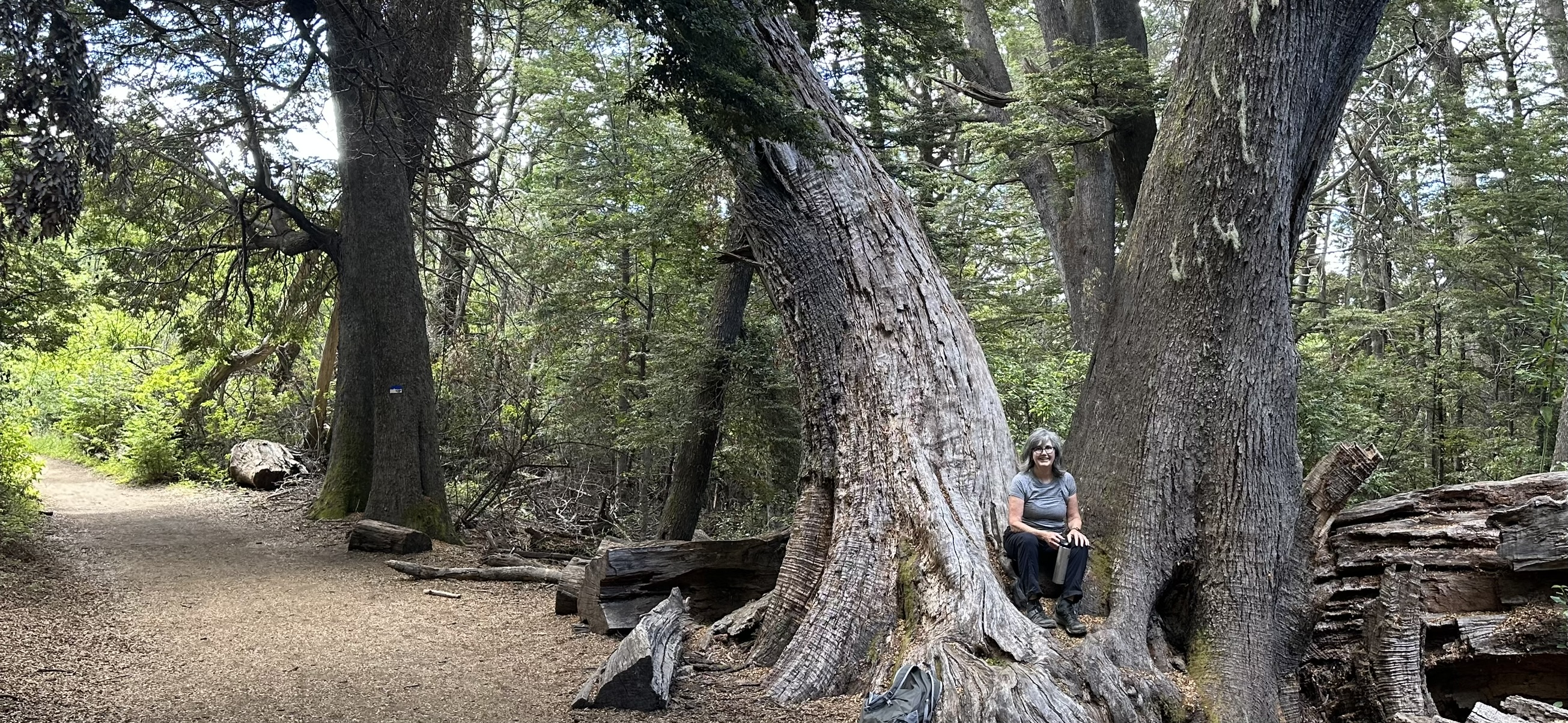
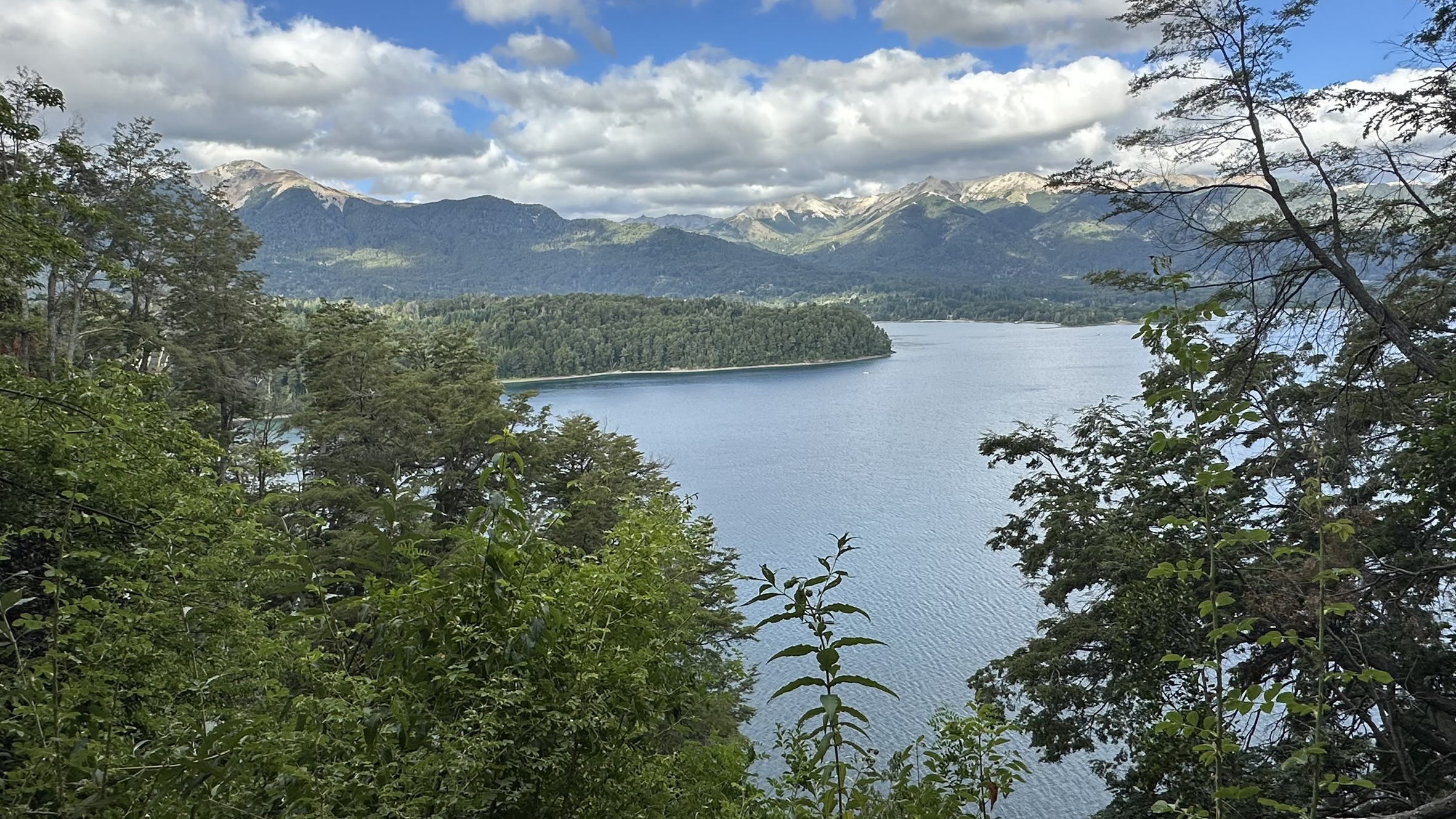
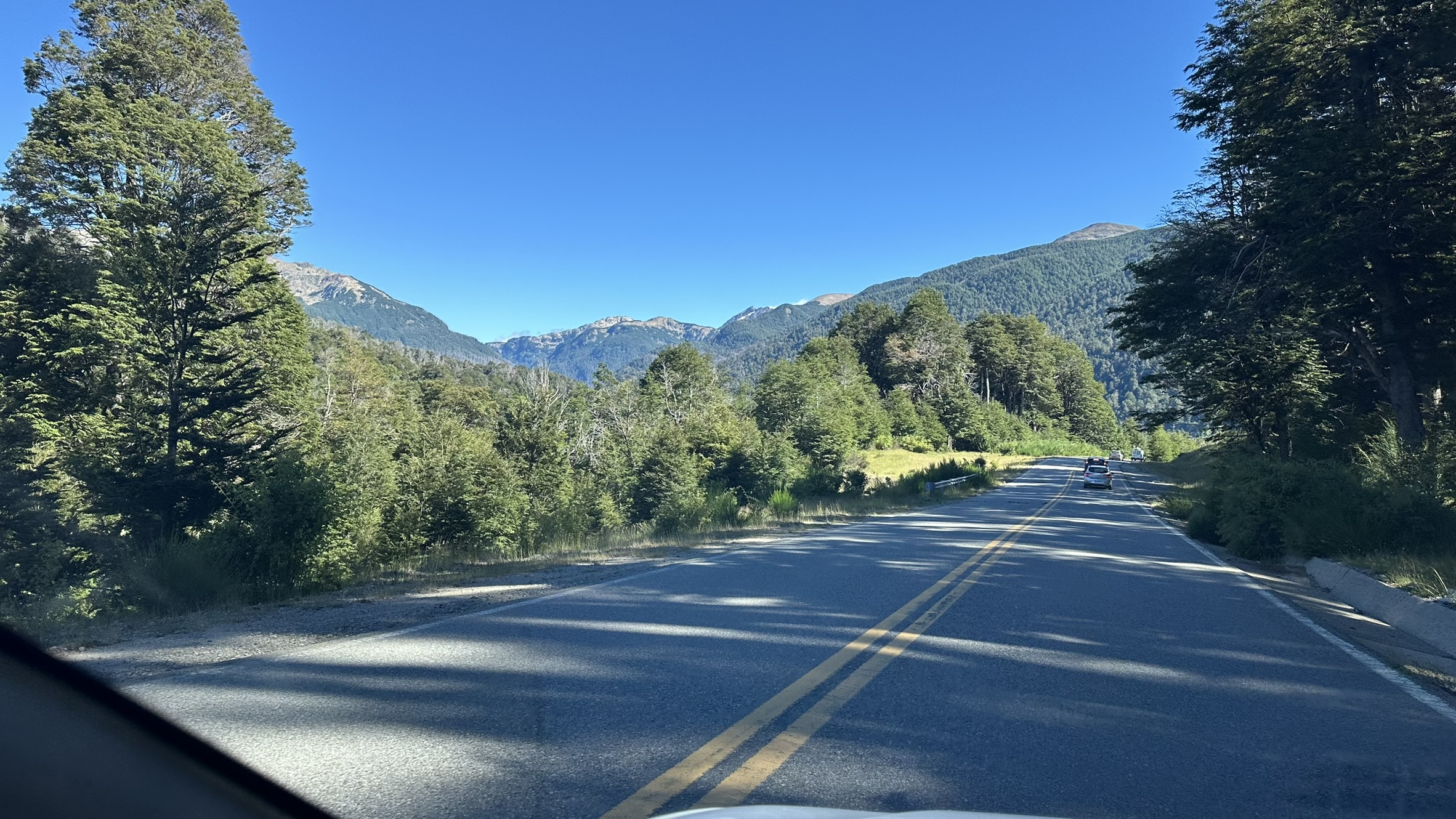
- We spent our last full day driving the famed Seven Lakes Route through the Andes past not seven but nine lakes and a couple volcanoes to the charming town of San Martin de Los Andes and back. San Martin was a pretty mountain town with a nice waterfront and lots of backpackers, vacationers, restaurants, bars and hostels. The road itself is a world-class drive, a stunning 108km section of the Ruta 40 that runs the length of Argentina.
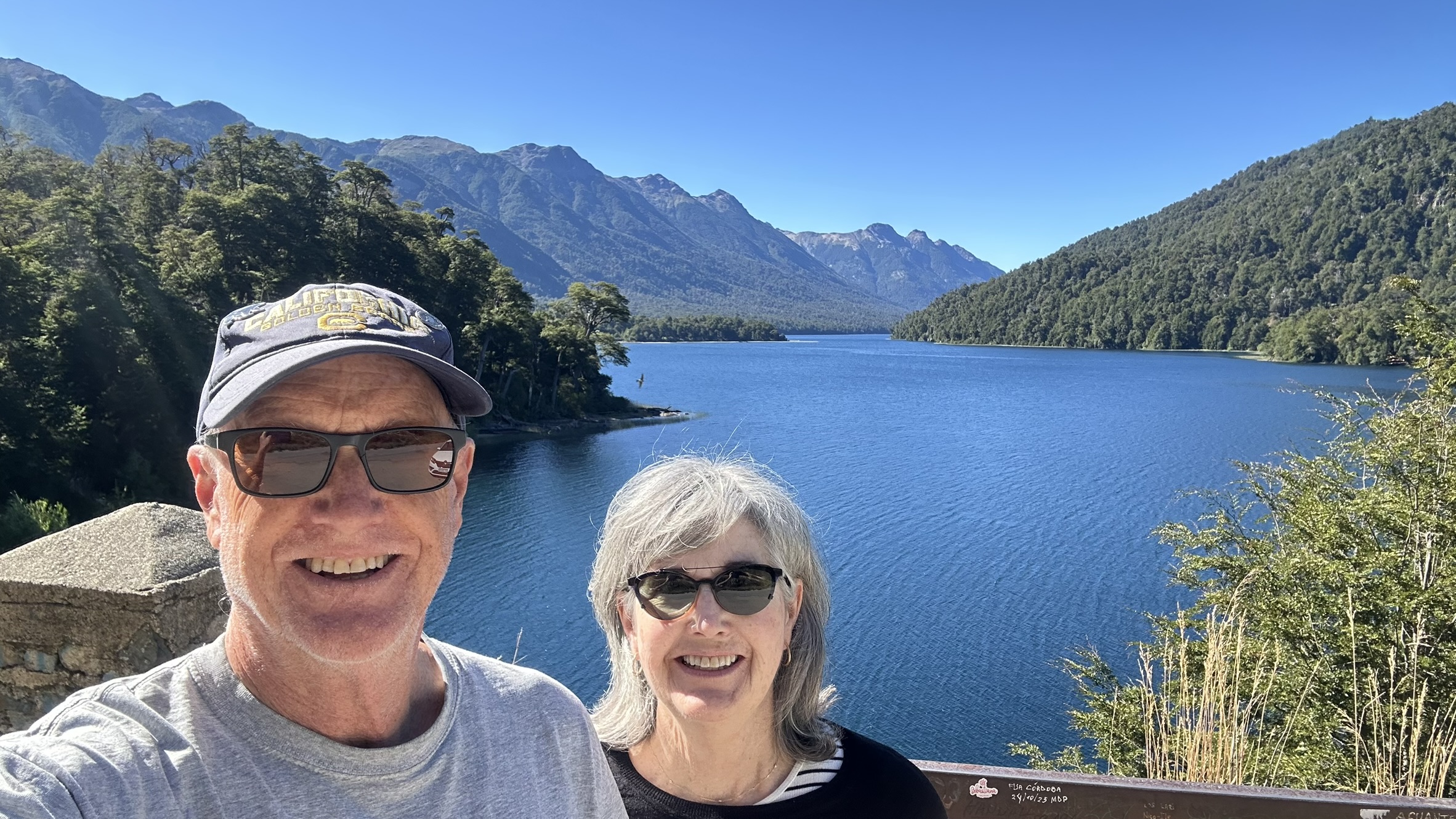
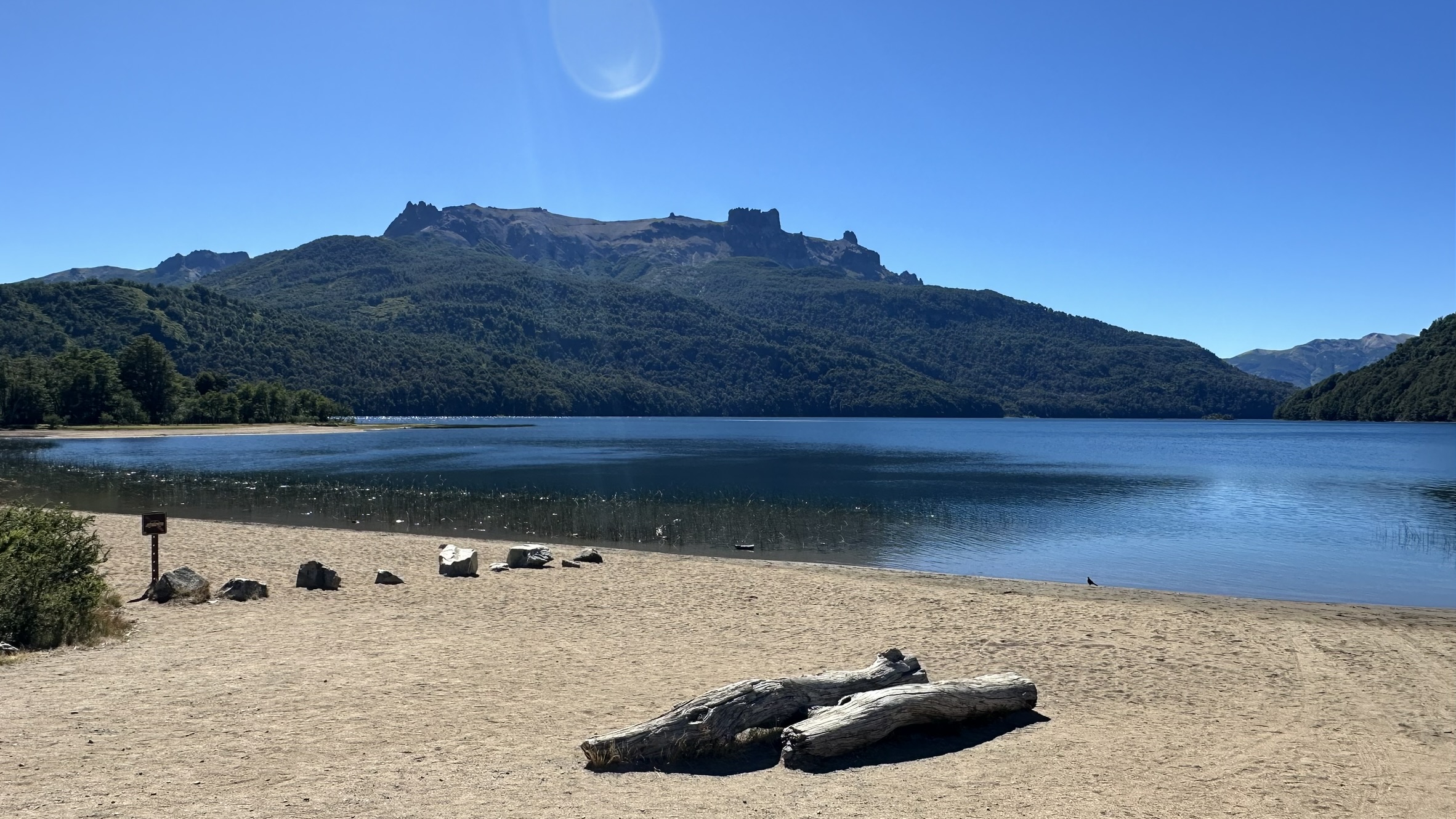
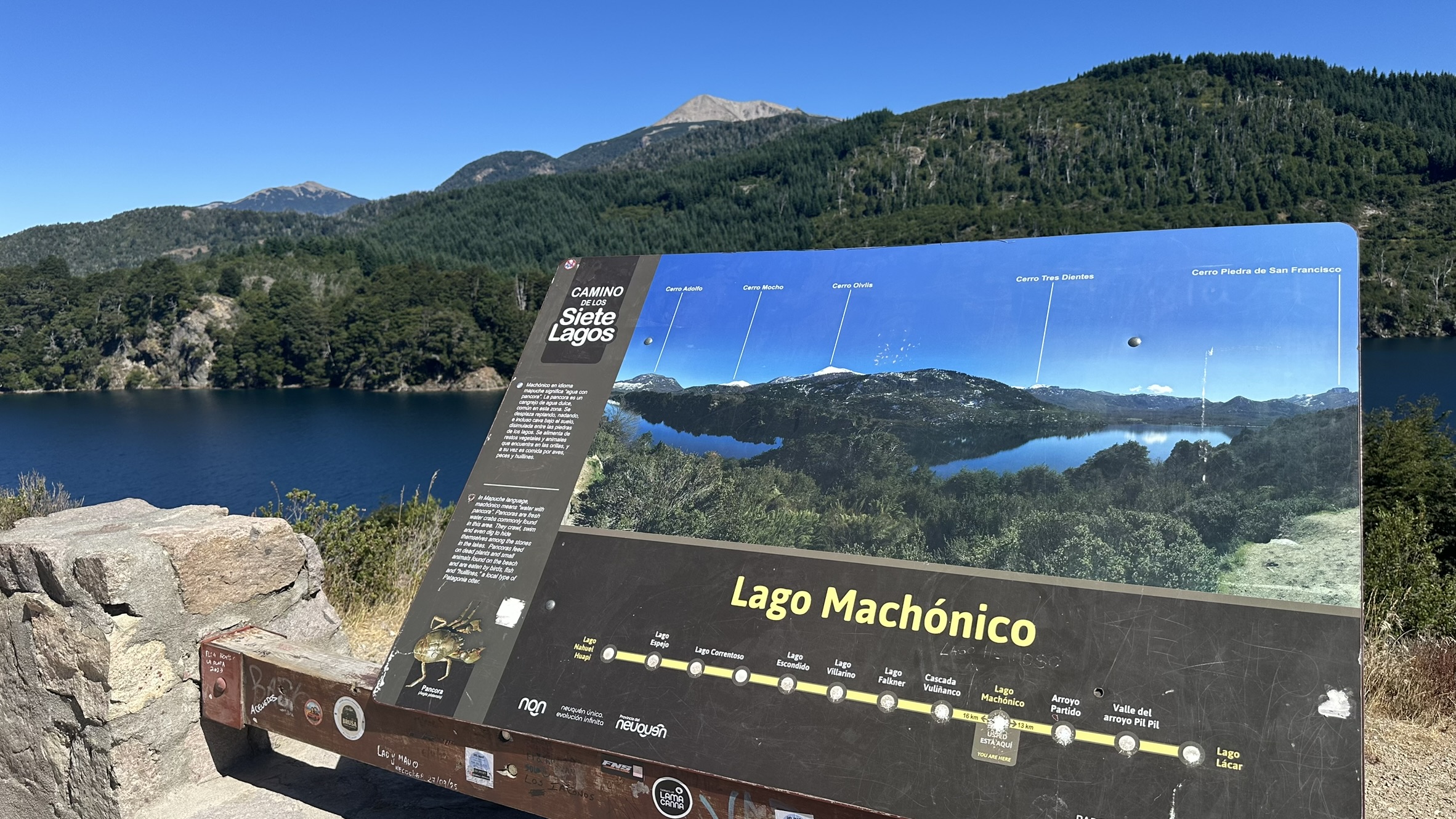
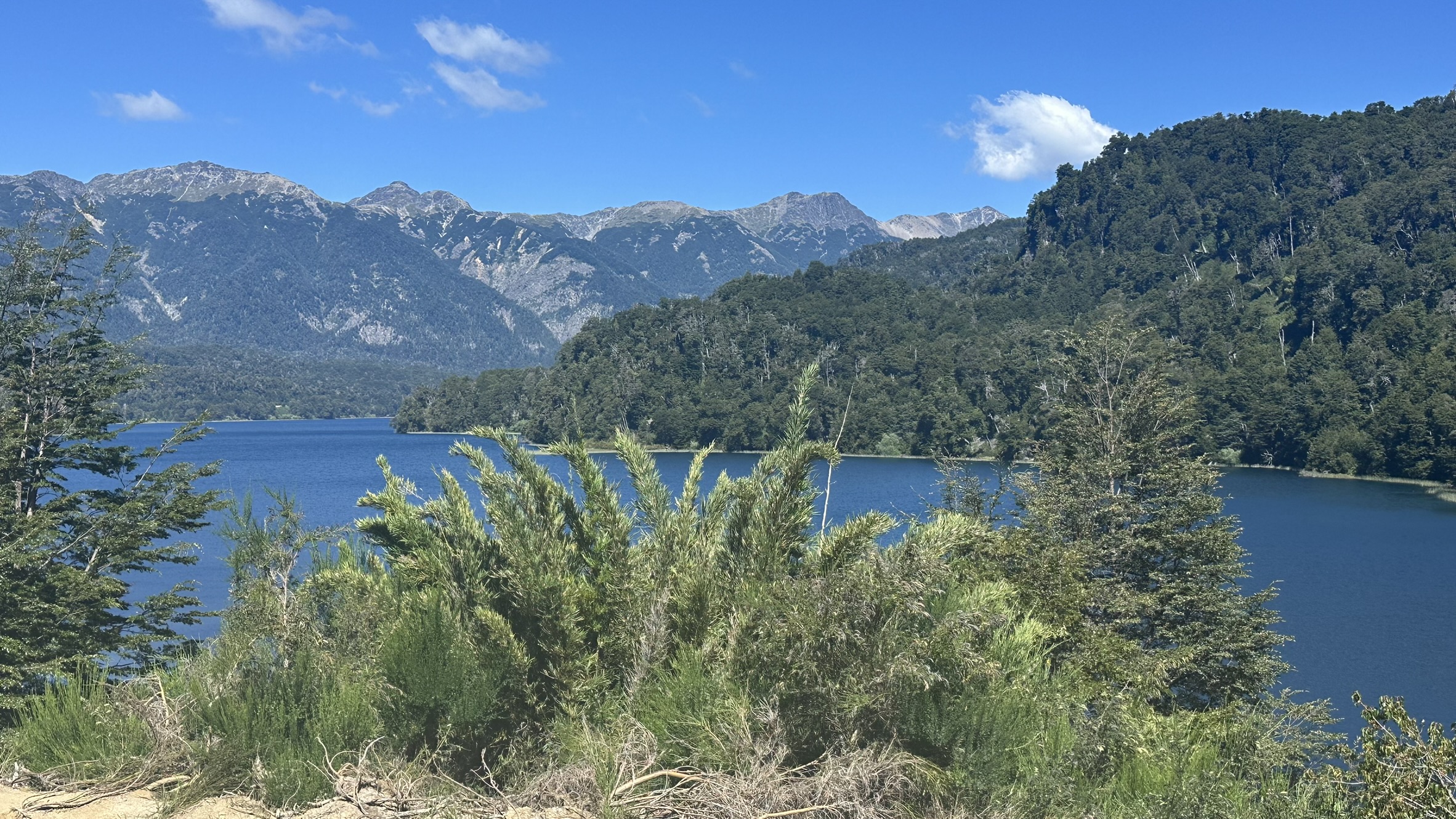
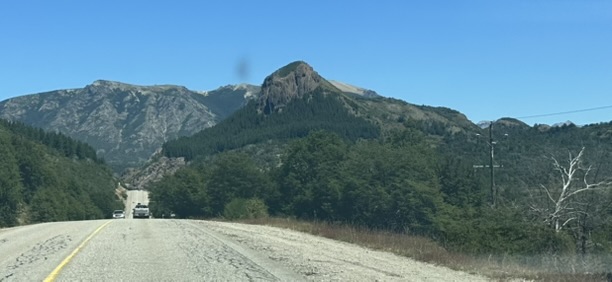
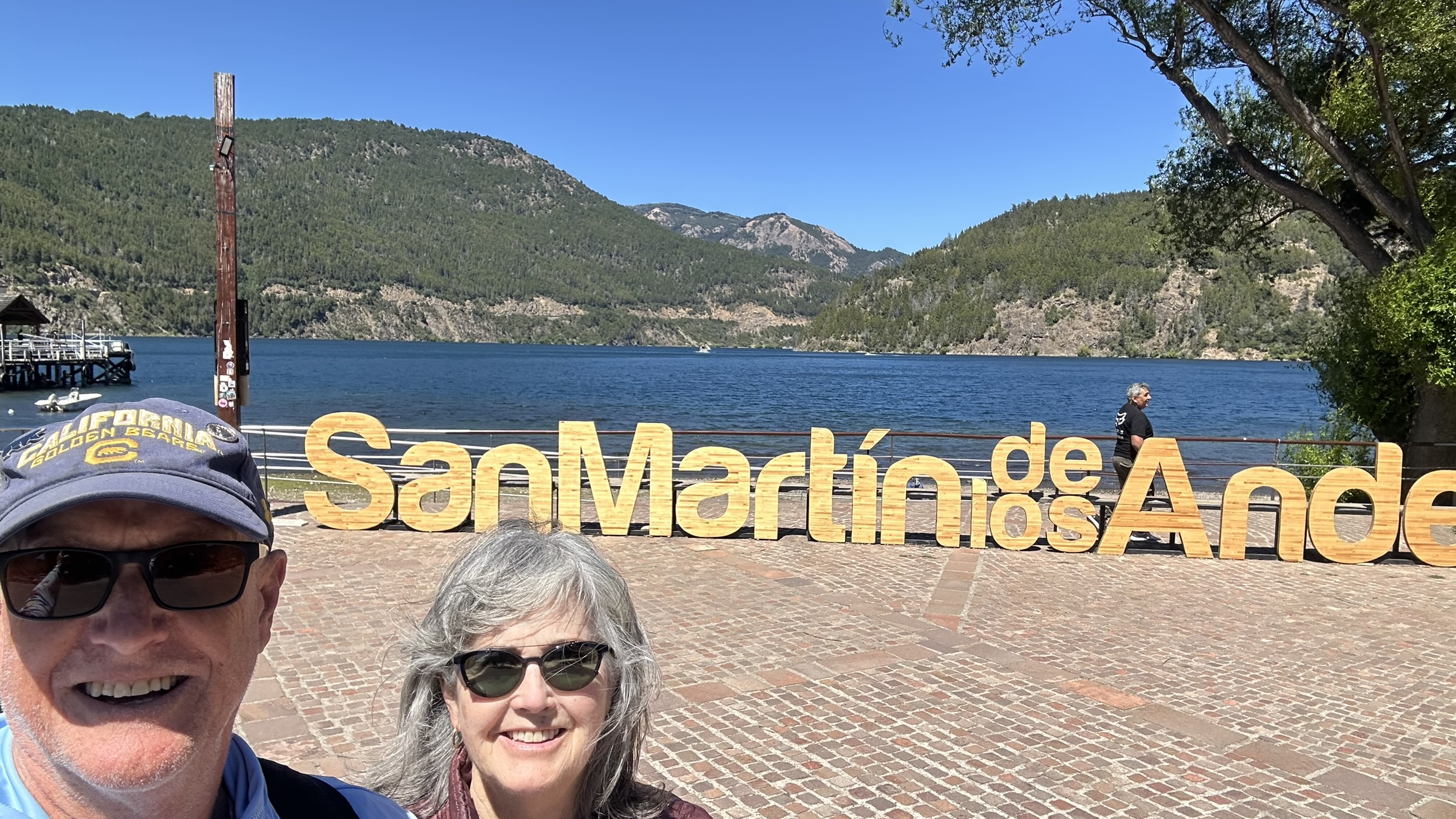
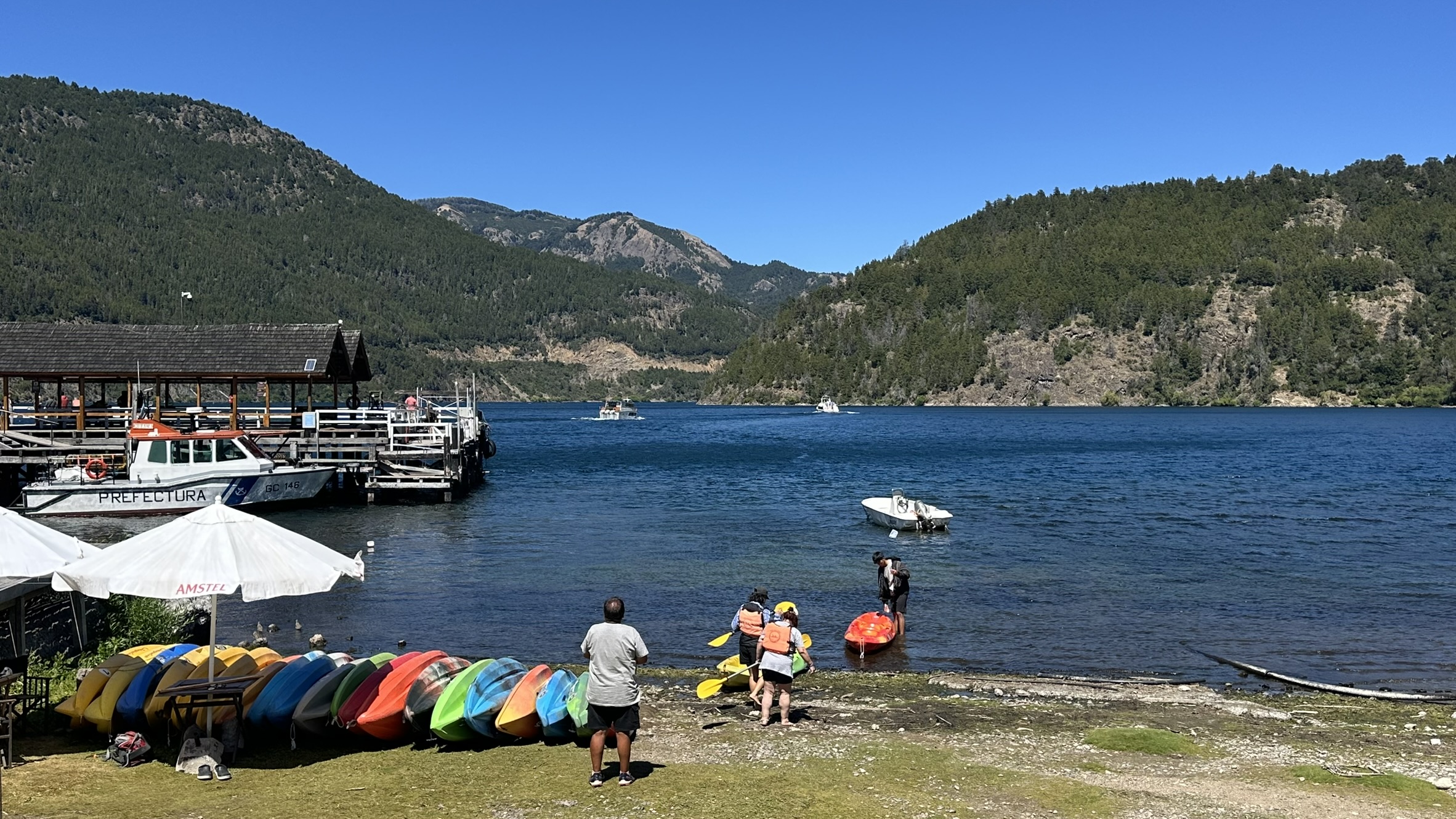
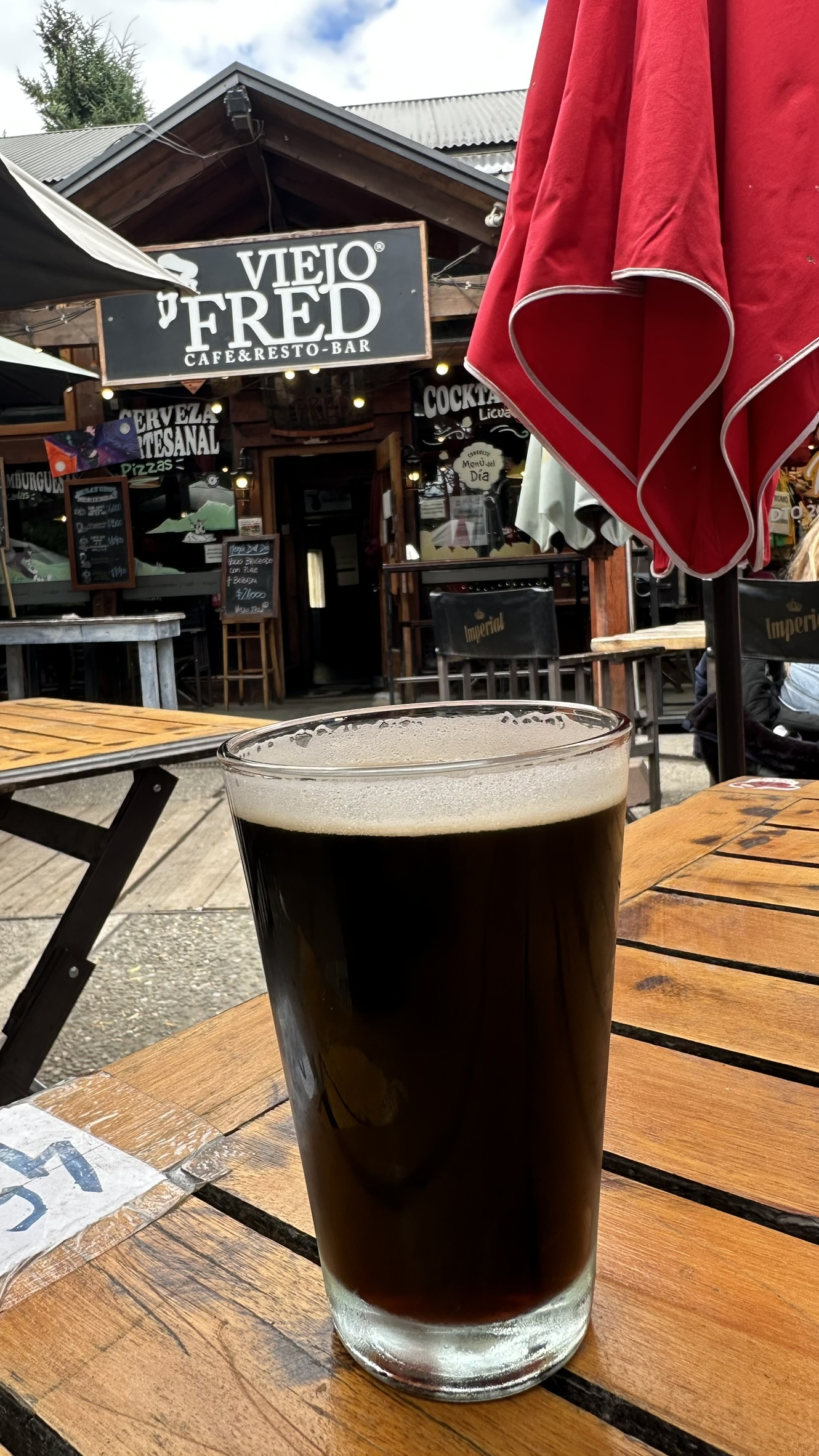
- Naturally, one does have to explore the village itself. The town definitely caters to outdoor adventure tourists, the main drag seemingly one outdoor clothing store or tour company after another. The one exception I’d make to the meh food and drink scene is Viejo Fred, a funky bar with big outdoor patio and occasionally live music, though we didn’t get the latter. The beer was good and the people friendly.
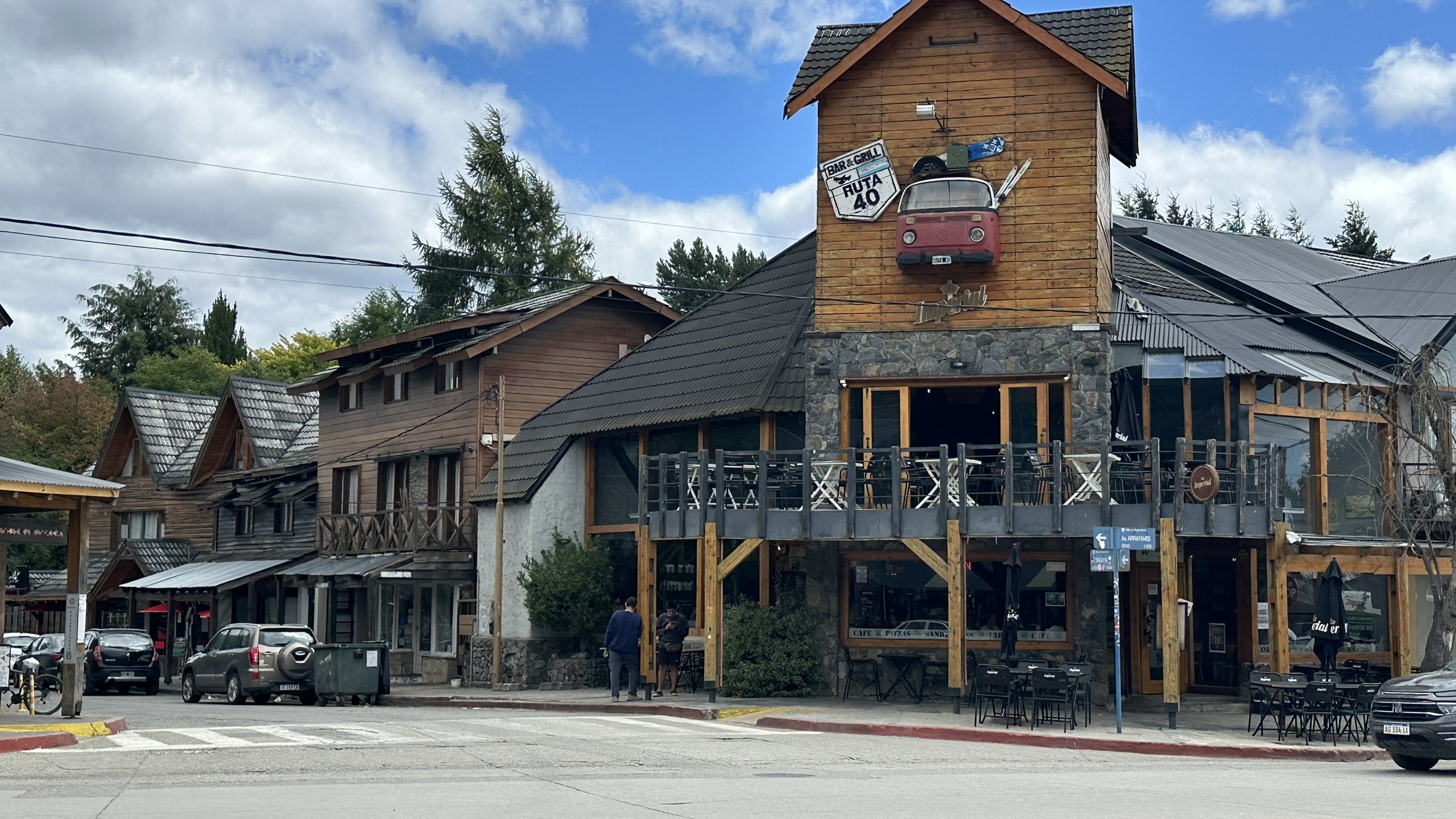
Note: We spent six days overall in this region, and the split between Bariloche and Villa la Angostura was just right. But seriously, there are SO many things we would have loved doing and seeing here that we did not have time for, one could make a case for spending two weeks — or more — here alone. Seriously. In which case, I would make the same 50/50 split on either side of Lake Nahuel Huapi. With more time (or different priorities), these would be my top choices:
- Hike Cerro Catedral, the major ski and hiking area just 30 minutes south of Bariloche, or any of the other amazing peaks a little further afield like Cerro Crystal or Tronador. Even consider multi-day trekking between refugios (mountain lodges). Endless awesome hiking throughout the region.
- Take an all-day boat excursion to Puerto Blest, one of the most beautiful excursions to the Chilean border, sailing along one of the branches of the Nahuel Huapi Lake. Small glacial ice floes dot the lake. The mix of colours at Puerto Blest is amazing: the turquoise water of the lake, the thick green of the Valdivian forest and the snow-capped mountains in the background. Take the short walk through the jungle to the waterfall of Los Cántaros.
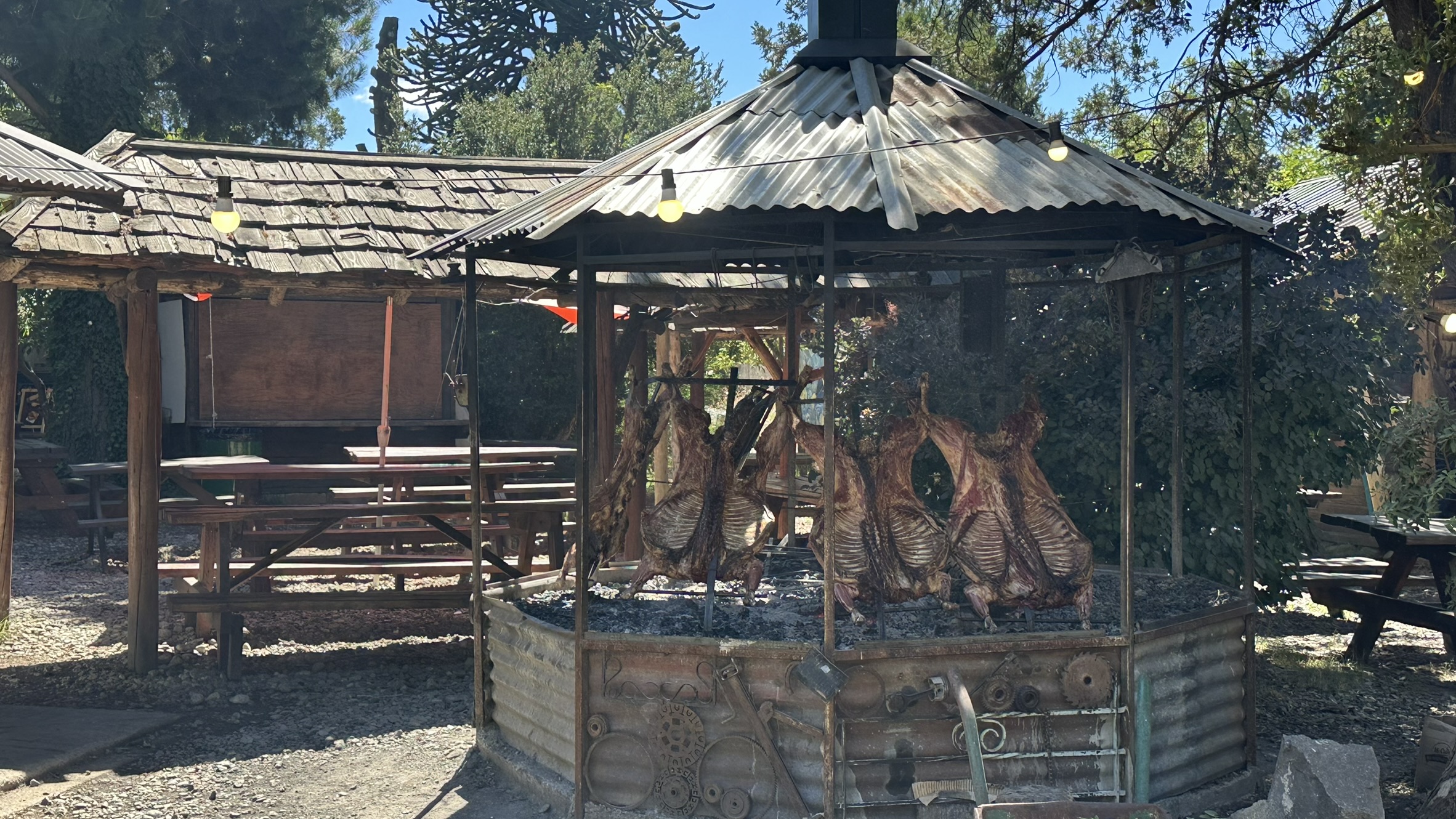
- Several highly regarded Bariloche restaurants include Manush (lunch, very picturesque place stands out for craft beer), Alto El Fuego, one of the best parrillas in Bariloche (fantastic roast lamb), and La Fonda del Tio (famous for its giant milanesas a la napolitana, a very Argentinian plan).
- More time just relaxing lakeside or in the forests and mountains.
- If you would rather not do the 12km hike we did from Bosque de Arrayanes along the Quetrihué Peninsula, you can take a boat tour with Cau Cau or Turisur on Lake Nahuel Huapi to Victoria Island (ancient rock paintings) and Bosque de Arrayanes. The latter only covers the myrtle forest, and I’m sure Victoria Island is beautiful. As long as you don’t mind being herded with 250+ other tourists.
| Day 14 | Puerto Varas, Chile | Casa Molino |
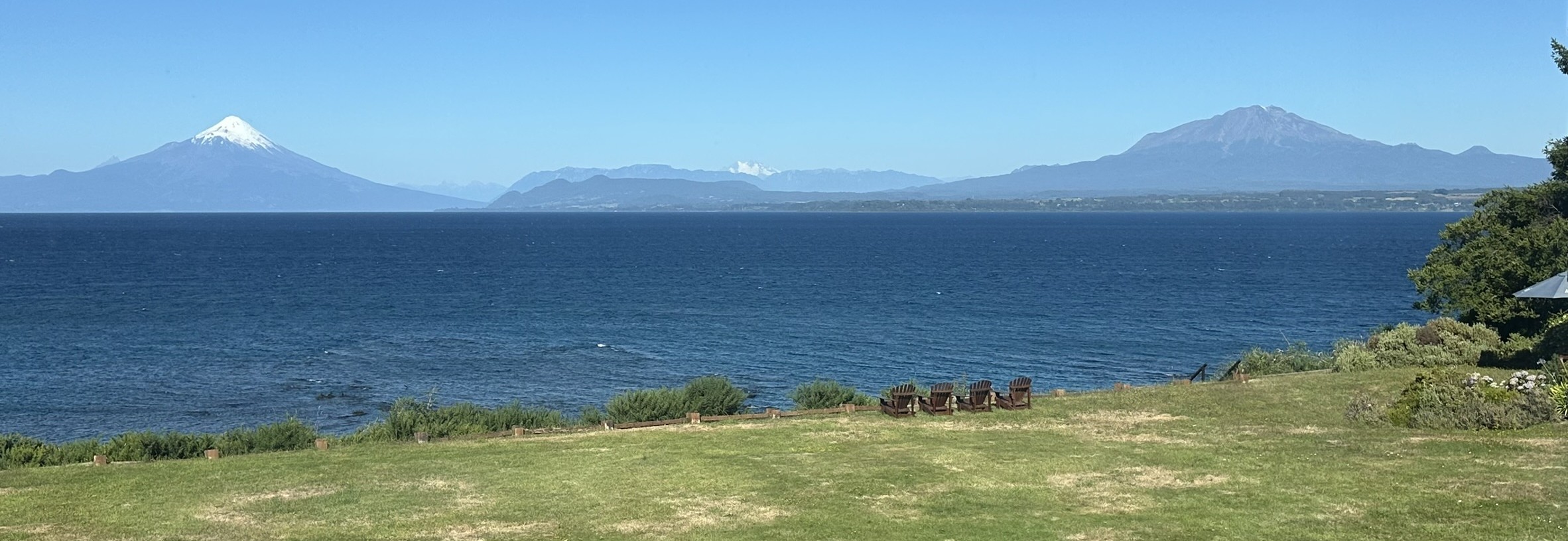
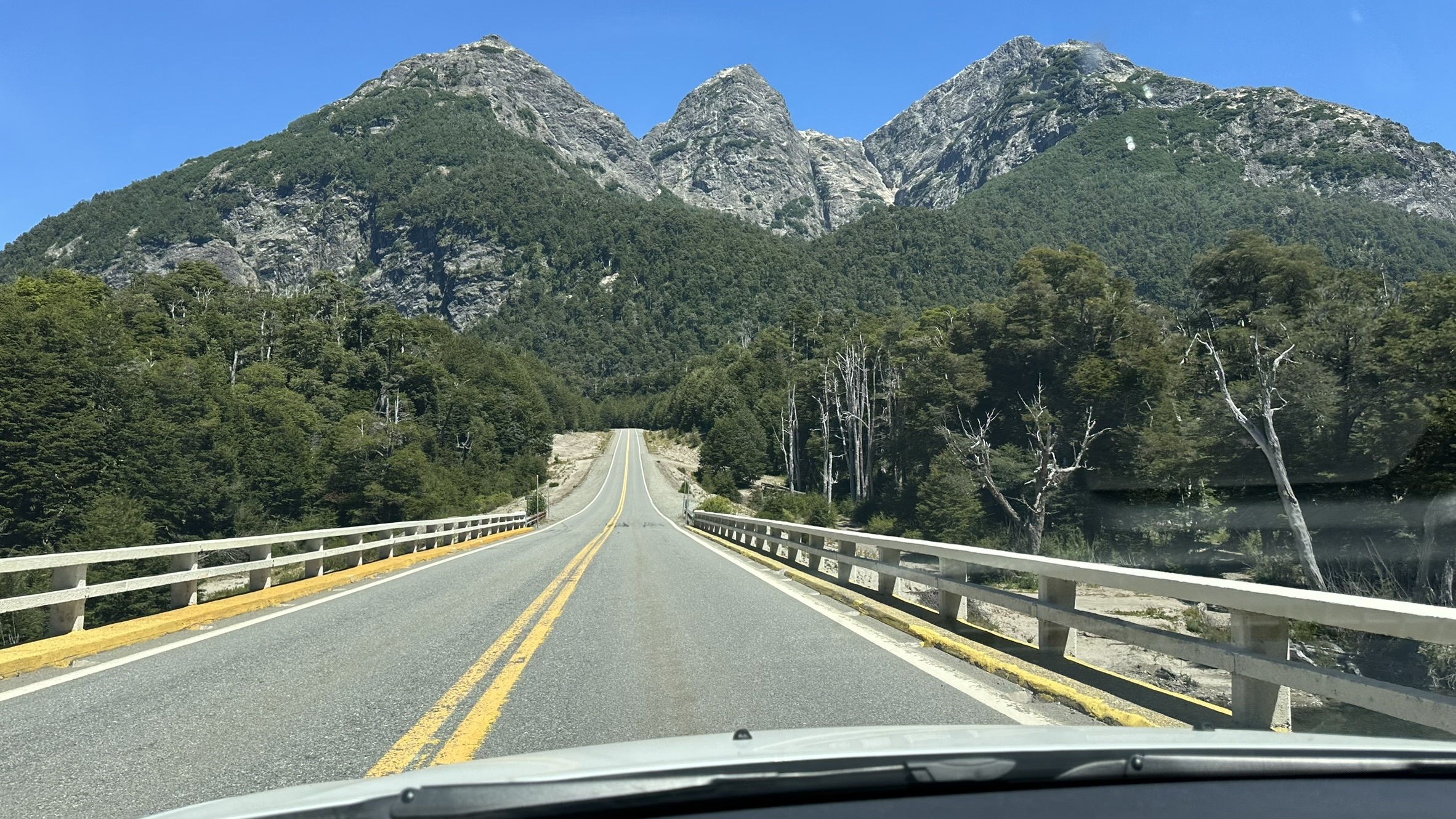
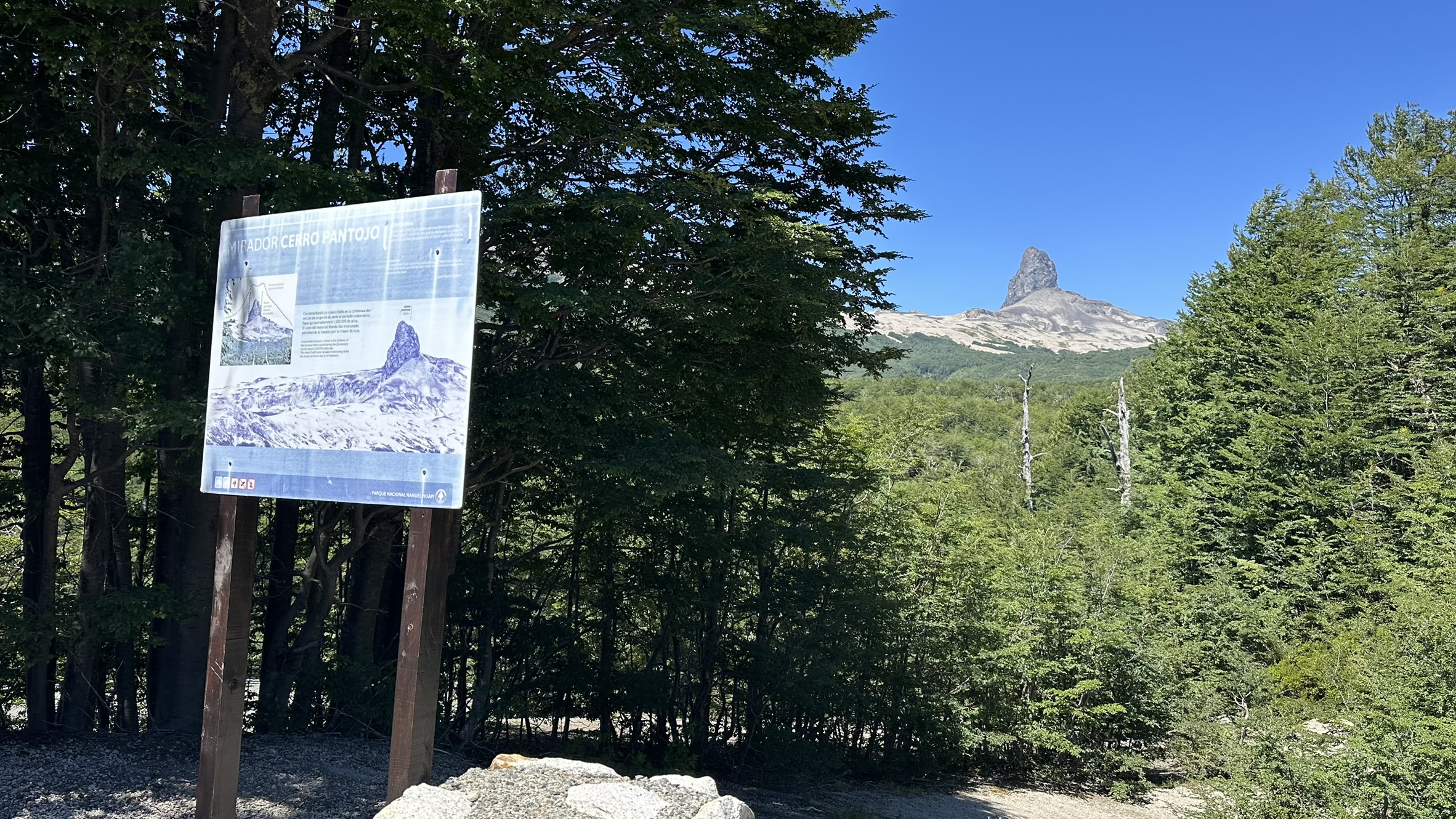
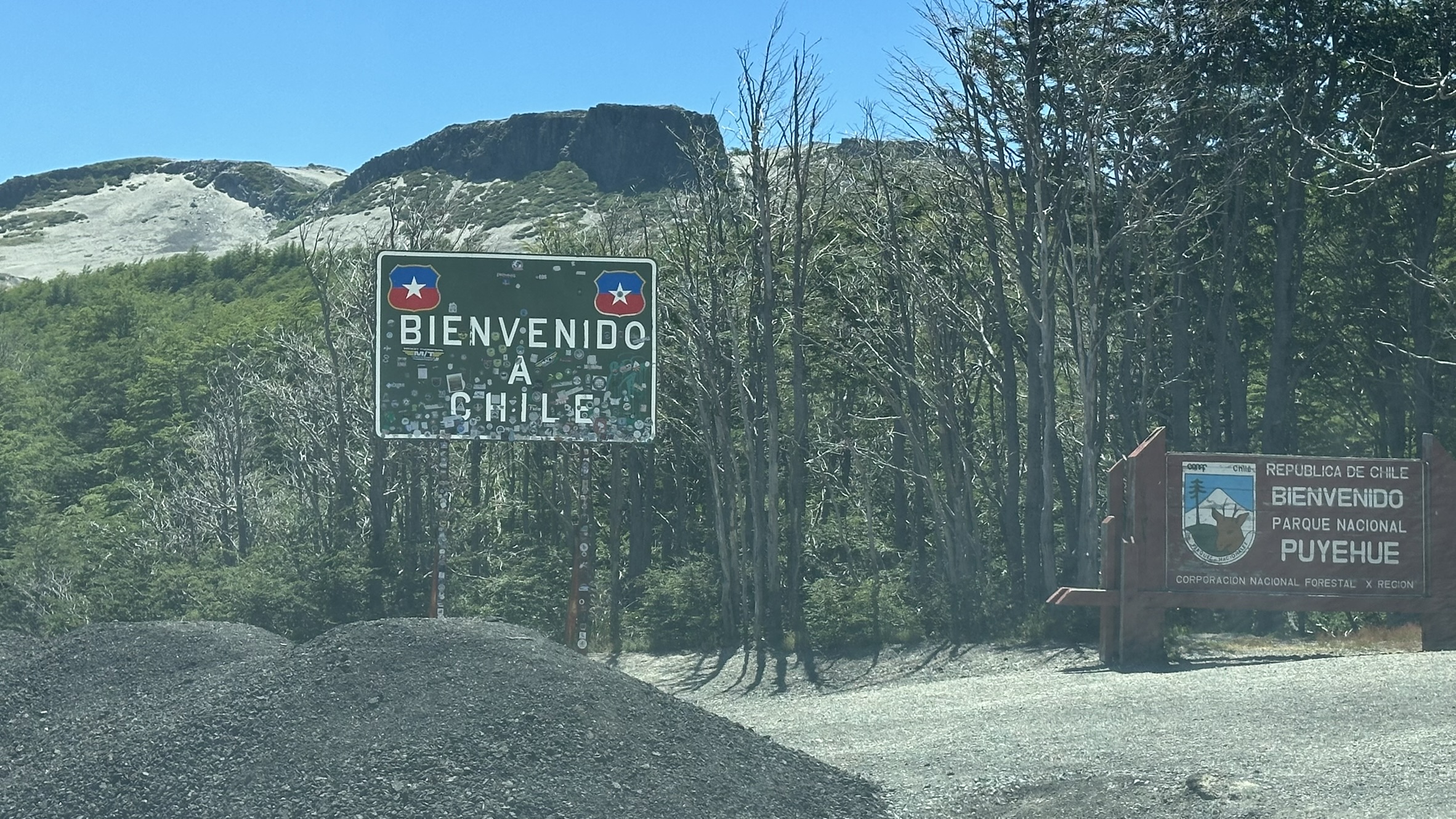
And so, the two-week Argentinian segment of our South American journey comes to an end as we hop in our car and drive four hours across the Chilean border, cresting the spine of the Andes and traversing Puyehue National Park (site of one of the 21st centuries largest volcanic eruptions) and the Lakes District en route to Puerto Varas, on the shores of huge Lago Llanquihue. (Crossing the border is no simple feat; see my Notes and Tips at the end for details.)
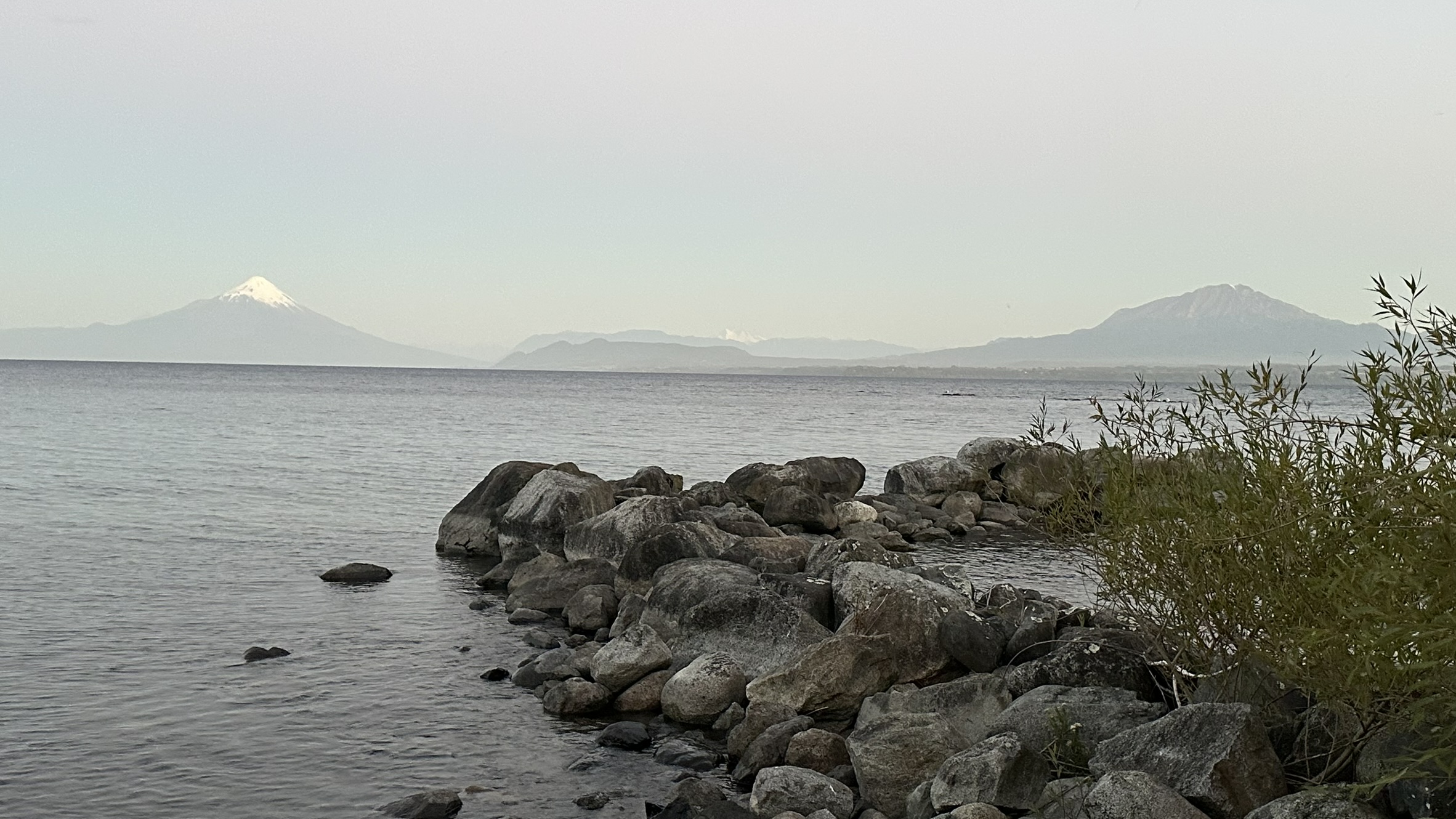
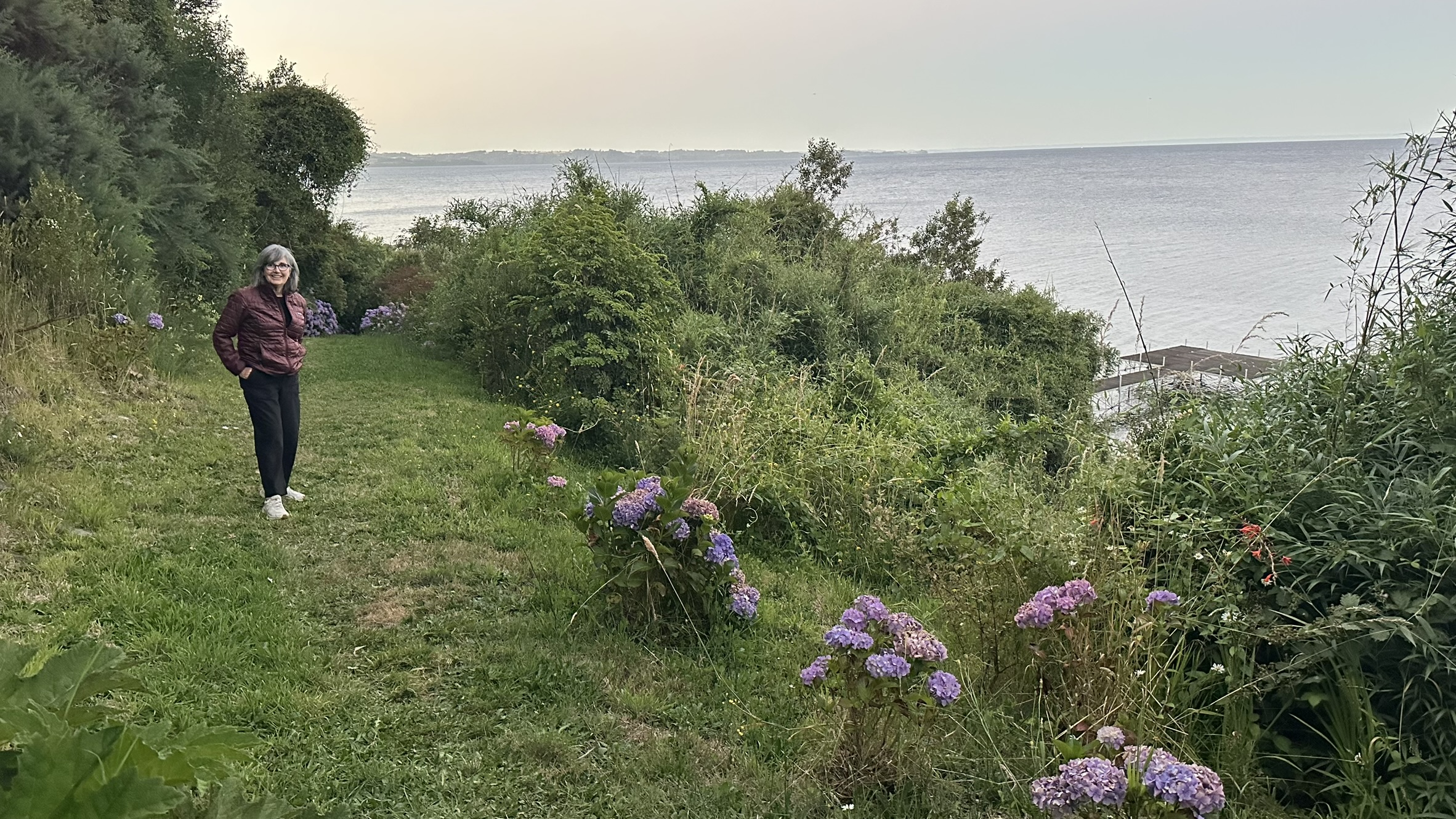
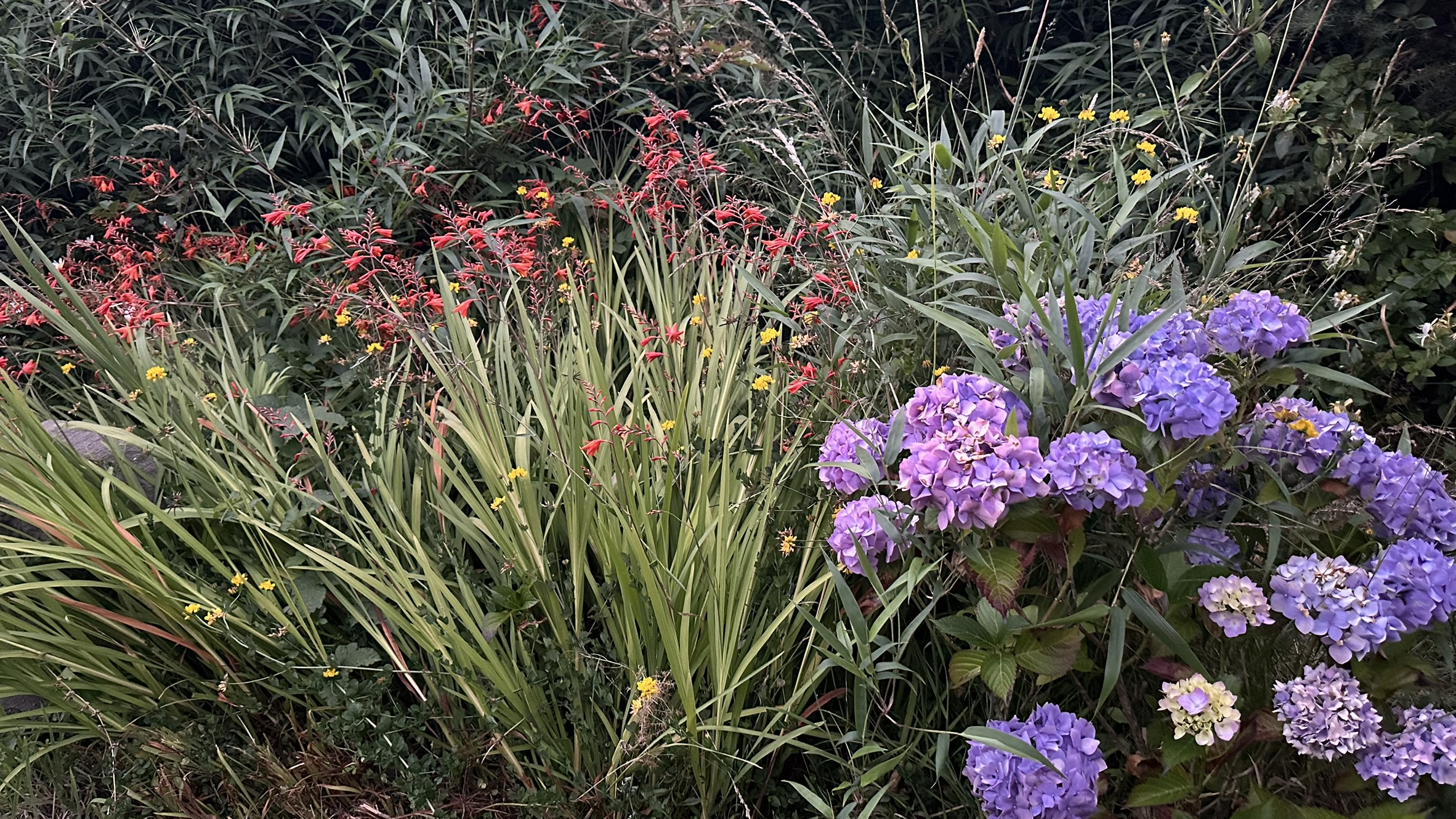
There are two routes around Lago Llanquihue; the slightly longer eastern route involves more unpaved roads and takes you right beneath two massive volcanoes, Osorno and Calbuco; we took the western route to save time. As this was simply a one-night layover before flying to southern Chile, we dropped our rental car at the Puerto Montt airport, picked up our mandatory Chilean PDI Tourist Card, and took a taxi 20 minutes back to Casa Molino (here’s my review). There we enjoyed a nice walk along the bluff overlooking the lake, a nice in-house dinner, and a spectacular view toward volcanoes across the lake from our second-floor suite. With more time, we may have stopped en route at Frutillar Colonial German Museum just outside Puerto Varas to learn about the significant influence of German immigrants on the region.
| Days 15-17 | Torres del Paine | EcoCamp Patagonia |
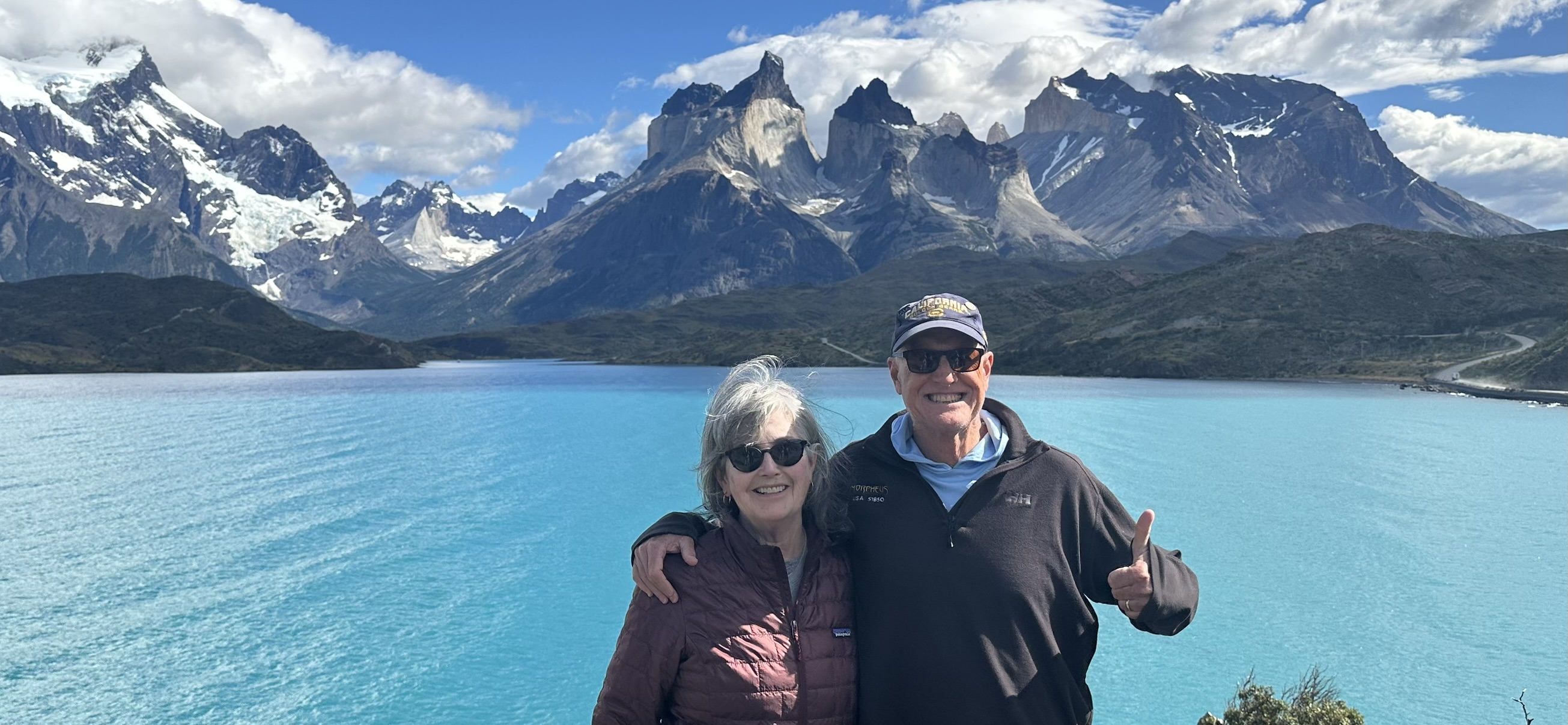
The further we go, the better it gets. We were up early to catch our 2-hour flight south from Puerto Montt to Puerto Natales, a small outpost at the southern end of the Andes, tucked between the fiords of southern Chile and the Argentinian border. There we checked in with EcoCamp Patagonia headquarters before catching their shuttle bus to our next big destination, Torres del Paine National Park, two hours to the north.
Ever since seeing Emily’s pictures of her trip here 10 years ago, I’ve been hearing the call. The Paine Massif is a unique mountain range just east of the Andes that was created by the smashing and uplifting of three tectonic plates; the Nazca, South American and Antarctic. We met up with our friends Jim and Vicki here for three days and nights of magical hikes, glacier touring and great food with EcoCamp Patagonia. Just spectacular! Highlights included:
- Day trip to Lago Grey included a two-hour drive from camp to the Lago Grey Hotel, with stops along the way at Lago Sarmiento and Lago Nordenskjöld, a one mile walk across a rocky, windblown beach, and a 3-hour boat tour across the lake to the three faces of Glacier Grey. The glacier marks the southern terminus of the Southern Patagonian Ice Field, the third largest in the world after Antarctica and Greenland. It was cold, windy and a bit rainy but fun, and we wanted a relatively easy day ahead of the big one to come.
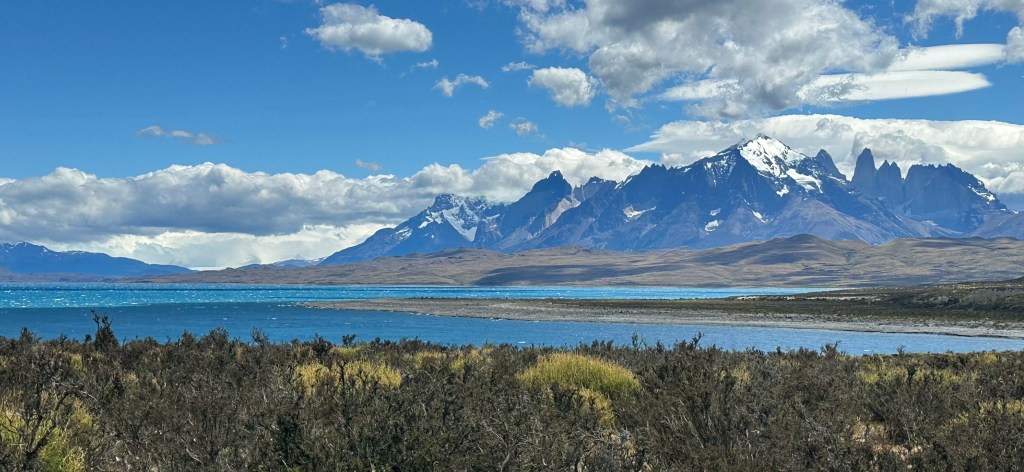
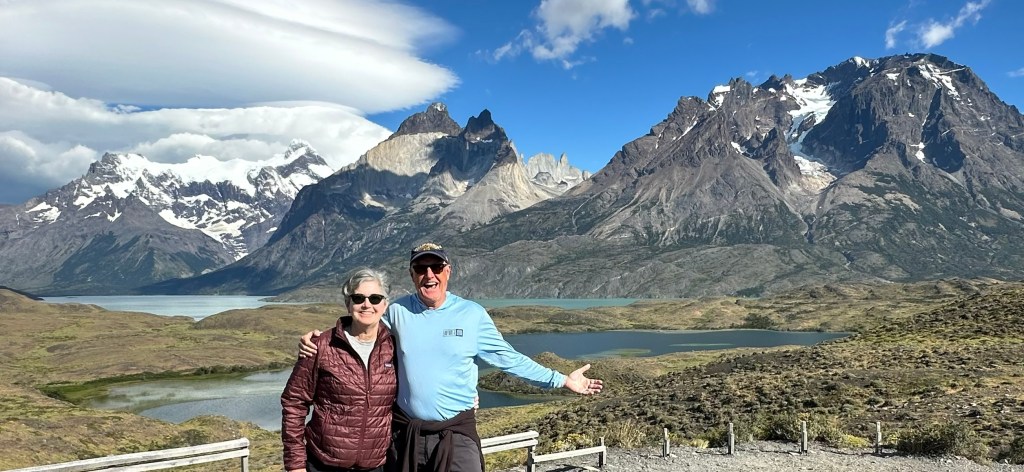
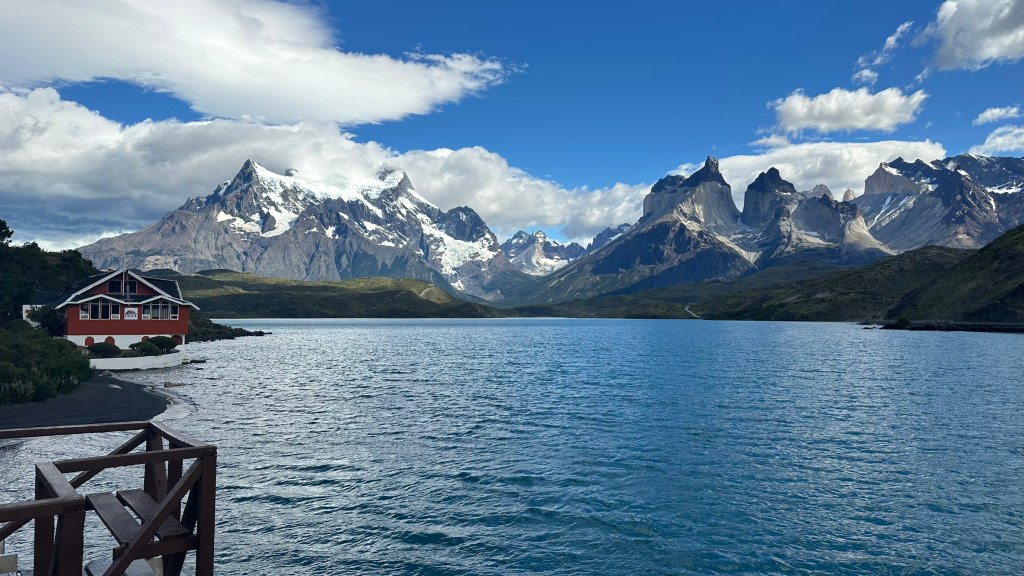
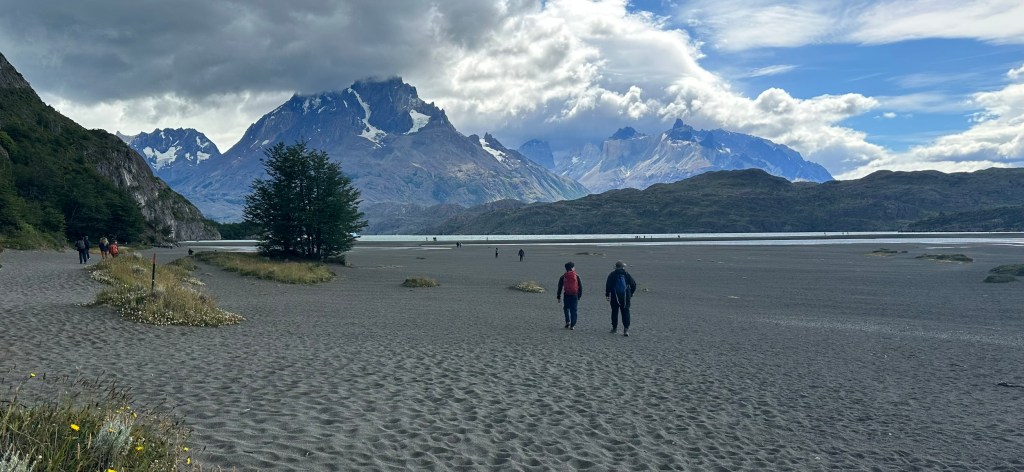
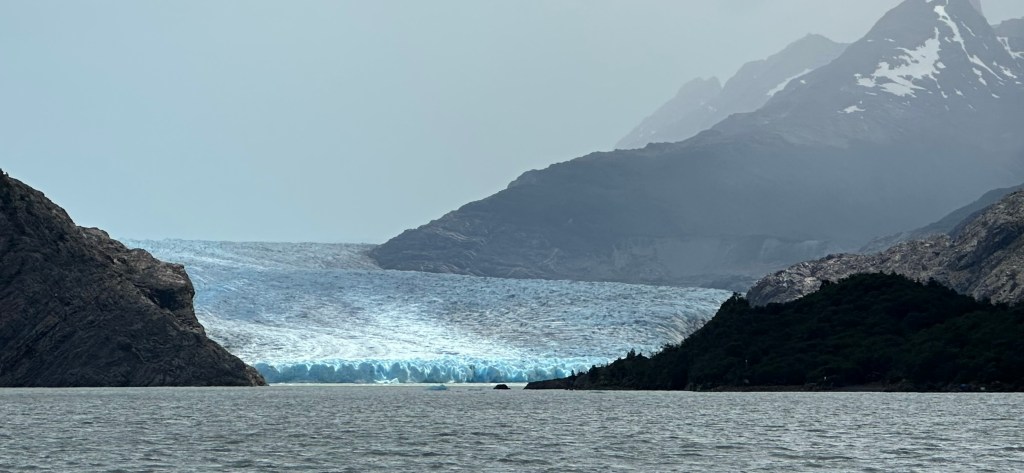
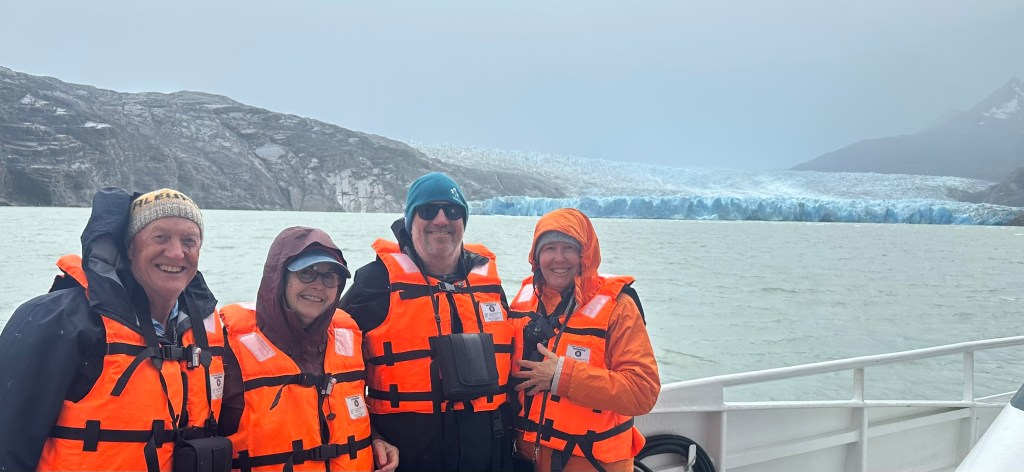
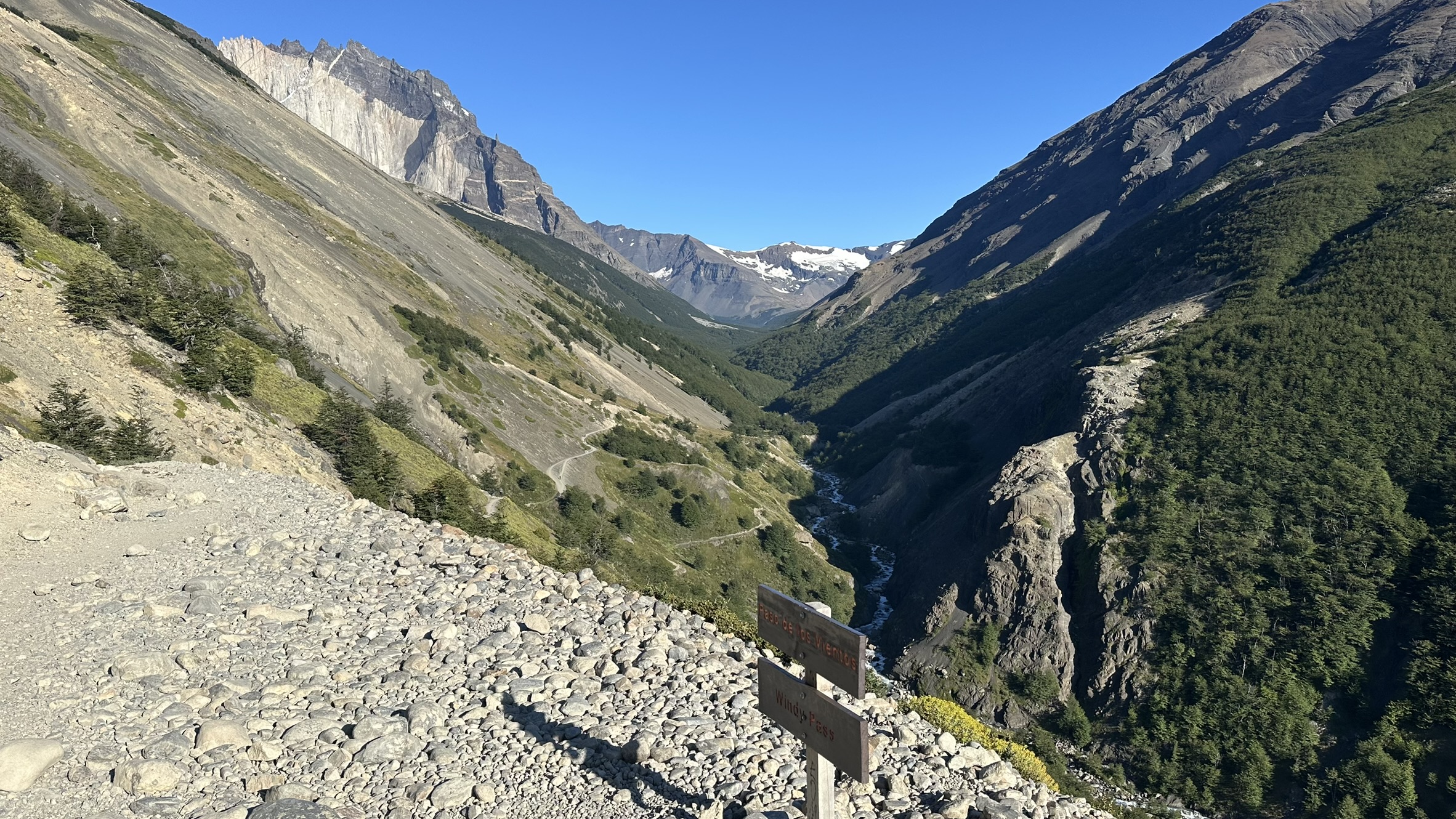
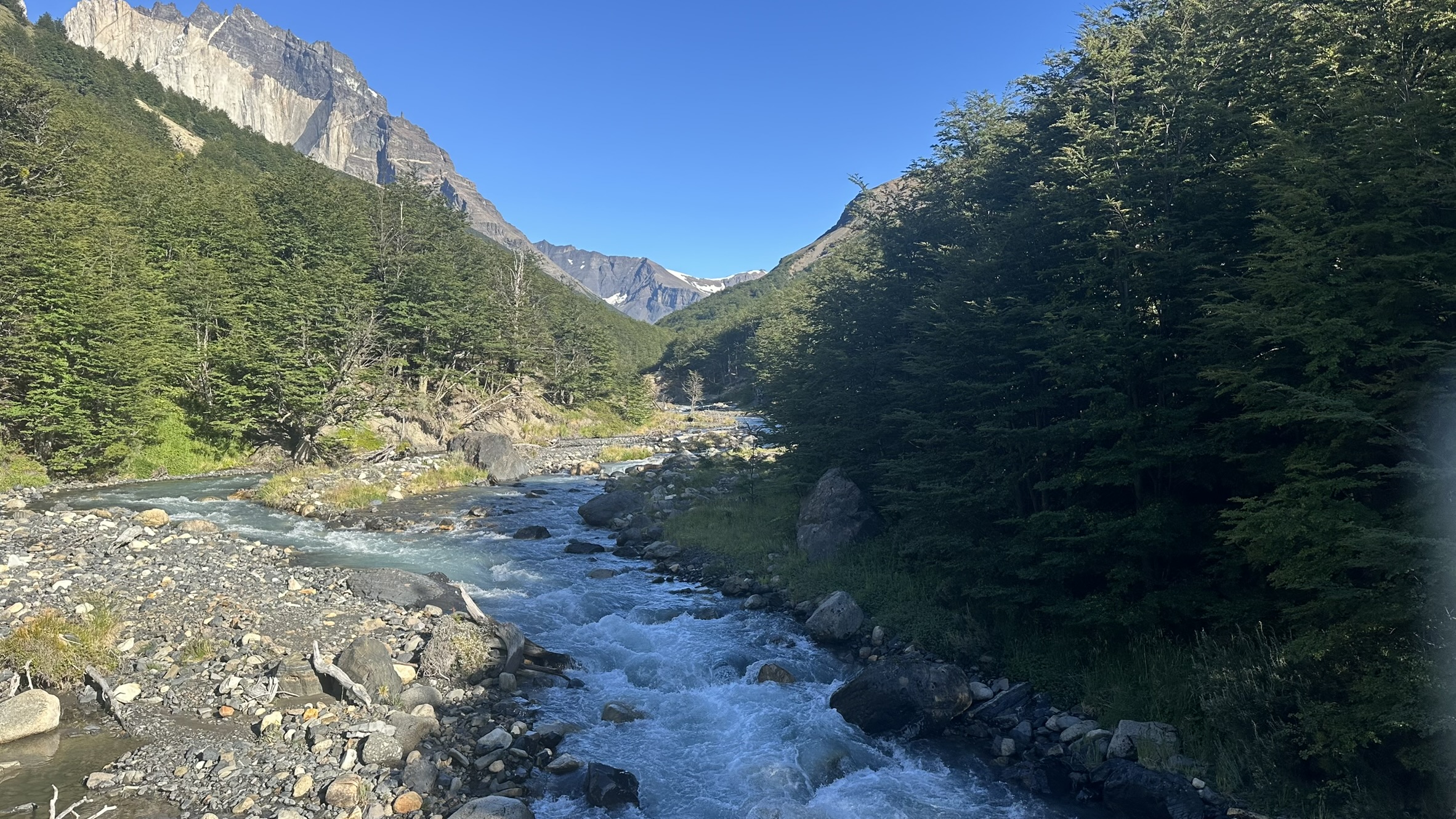
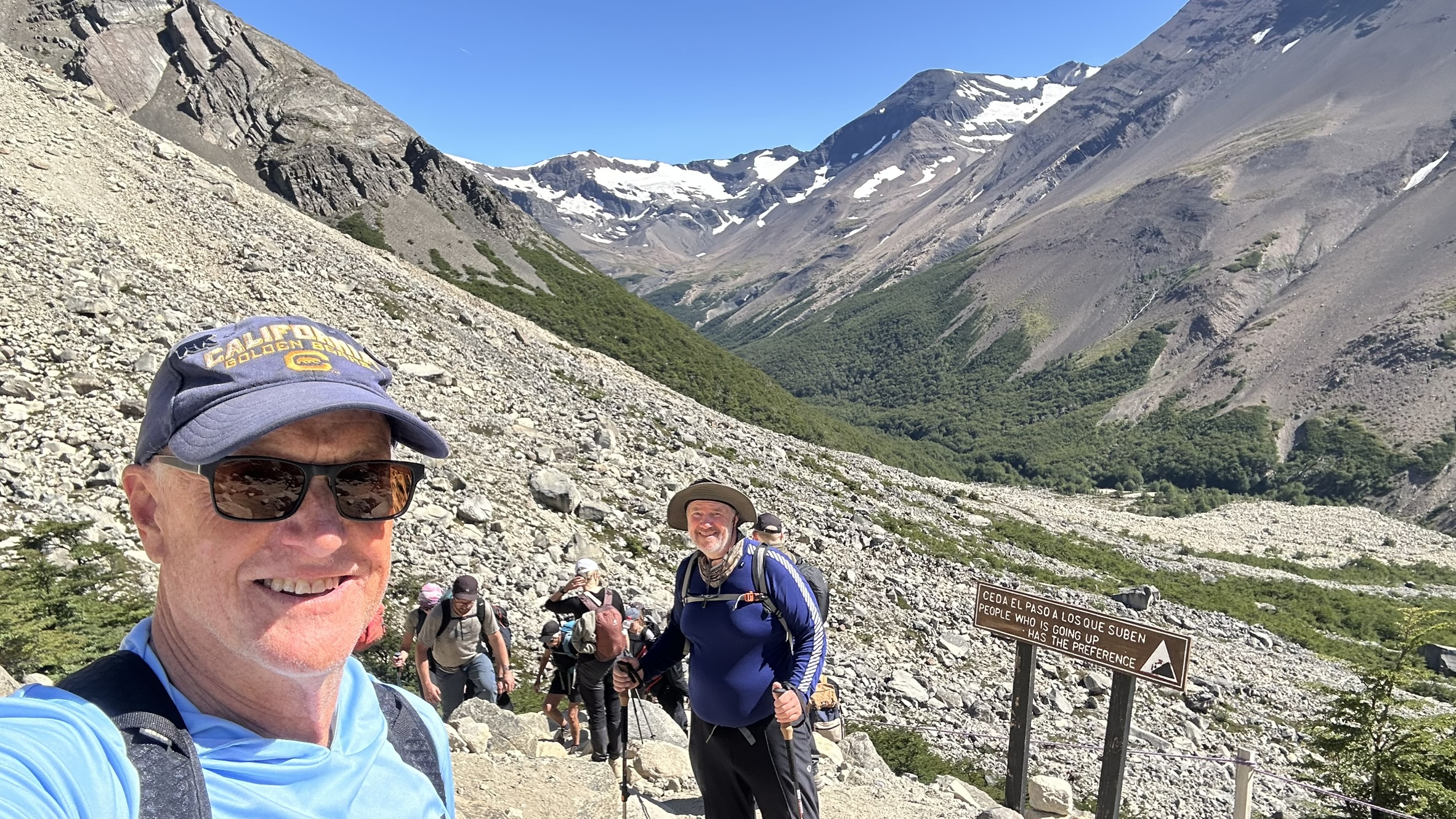
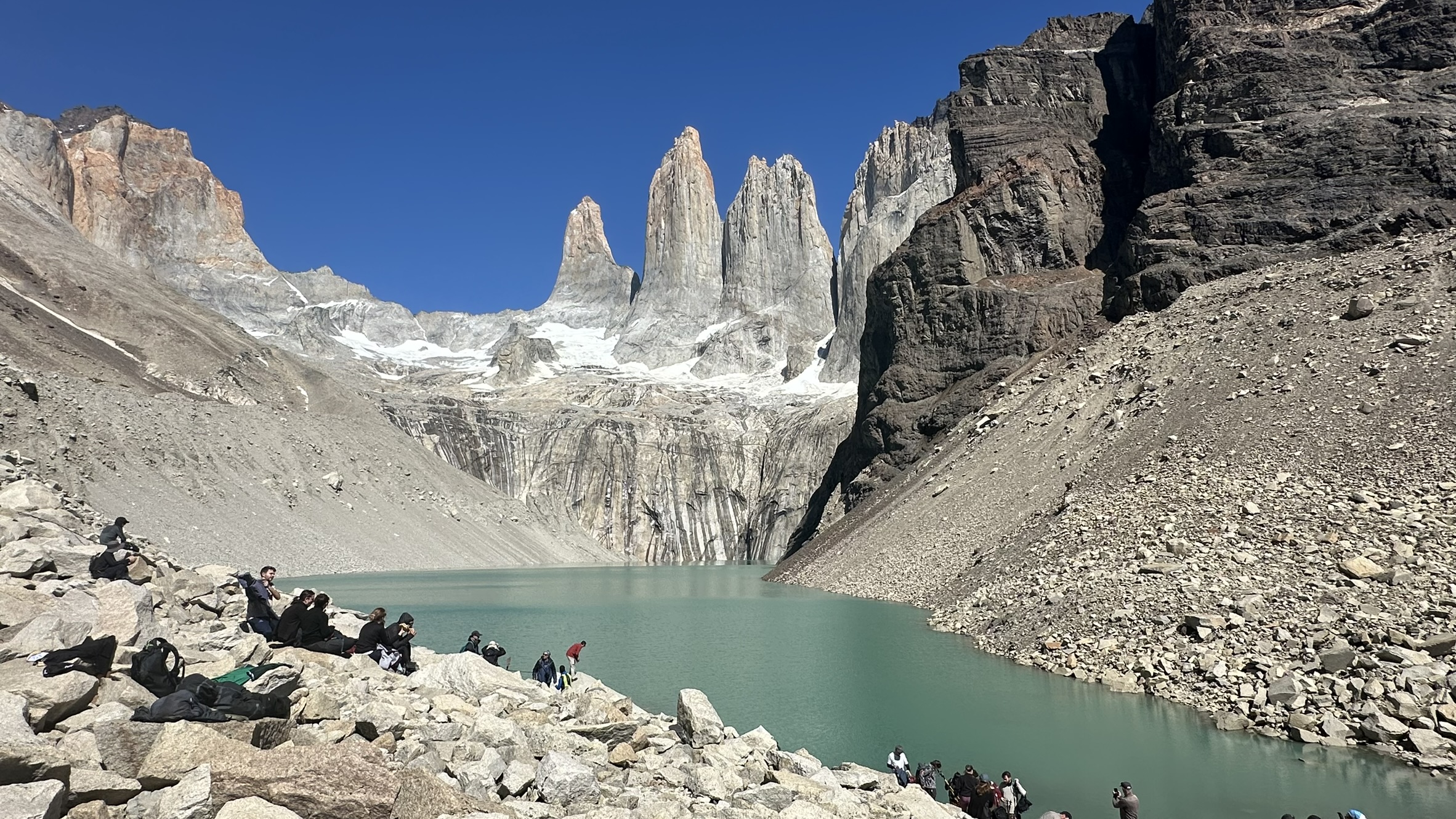
- Towers Base Trek. What many consider the highlight of the multiday “W” Trek, the hike from camp to the Towers Base is a butt-kicker; a 14mi, 10-hour roundtrip with almost 3000′ of vertical elevation change. We started at sunrise and were blessed with perfect weather, making for an epic hike. But take heed: I could not have done it without trekking poles, my neoprene knee brace, and lots of ibuprofen!
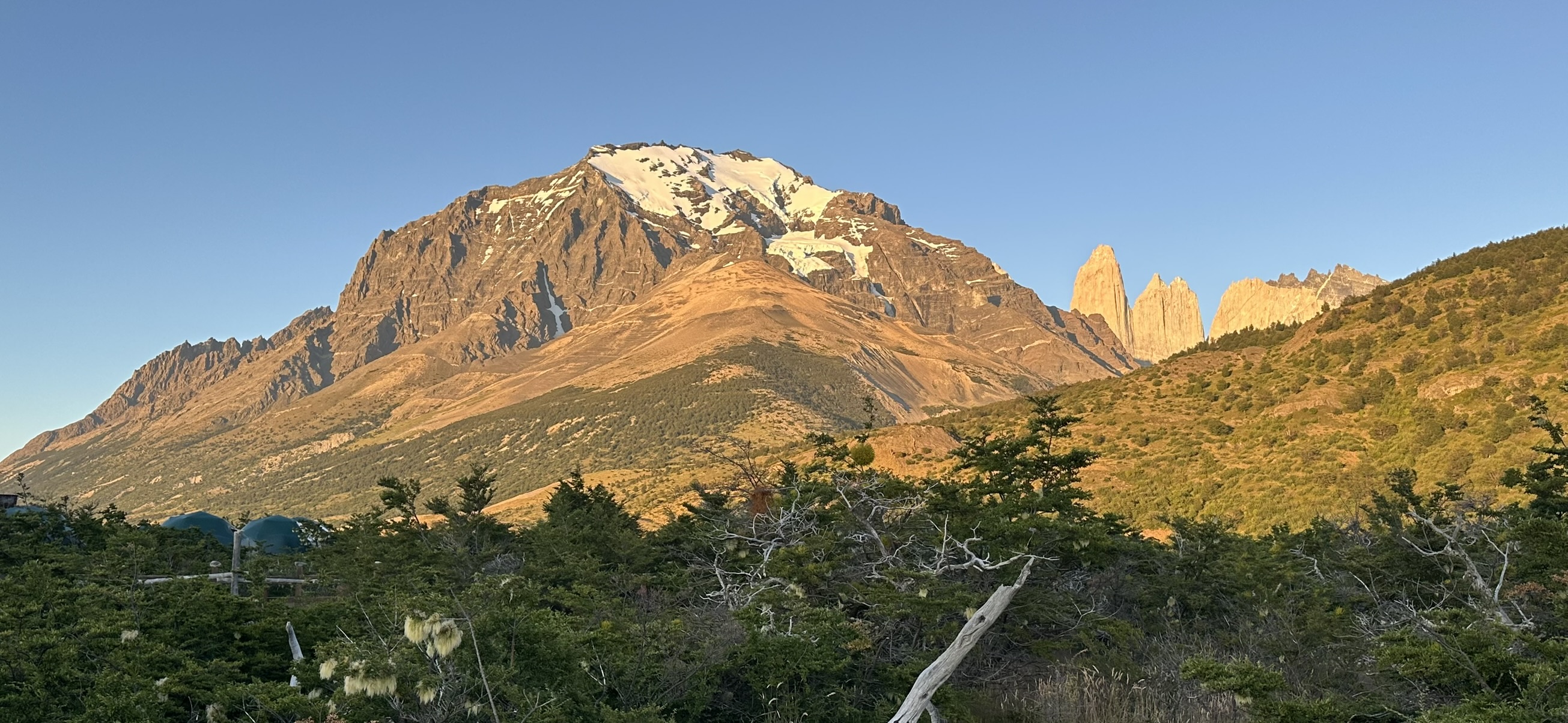
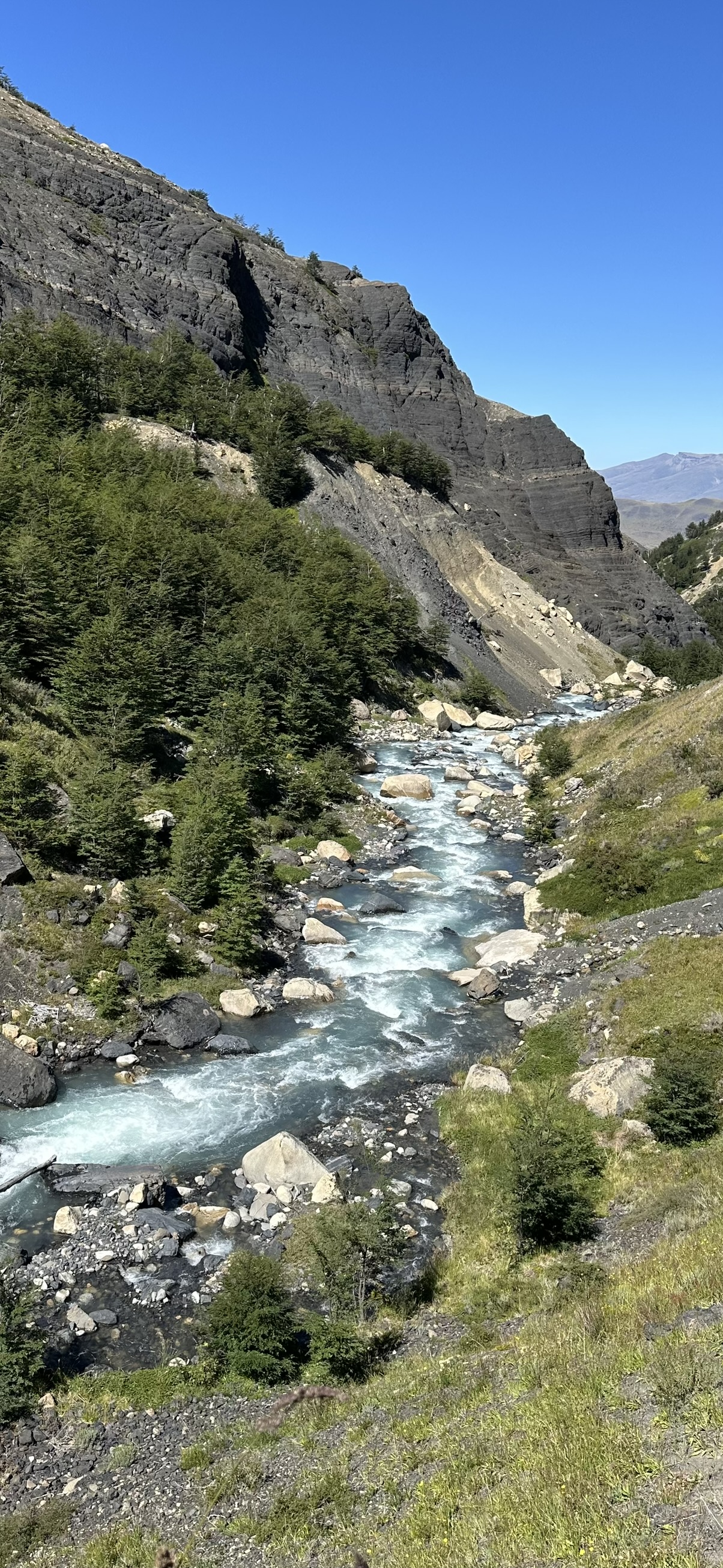
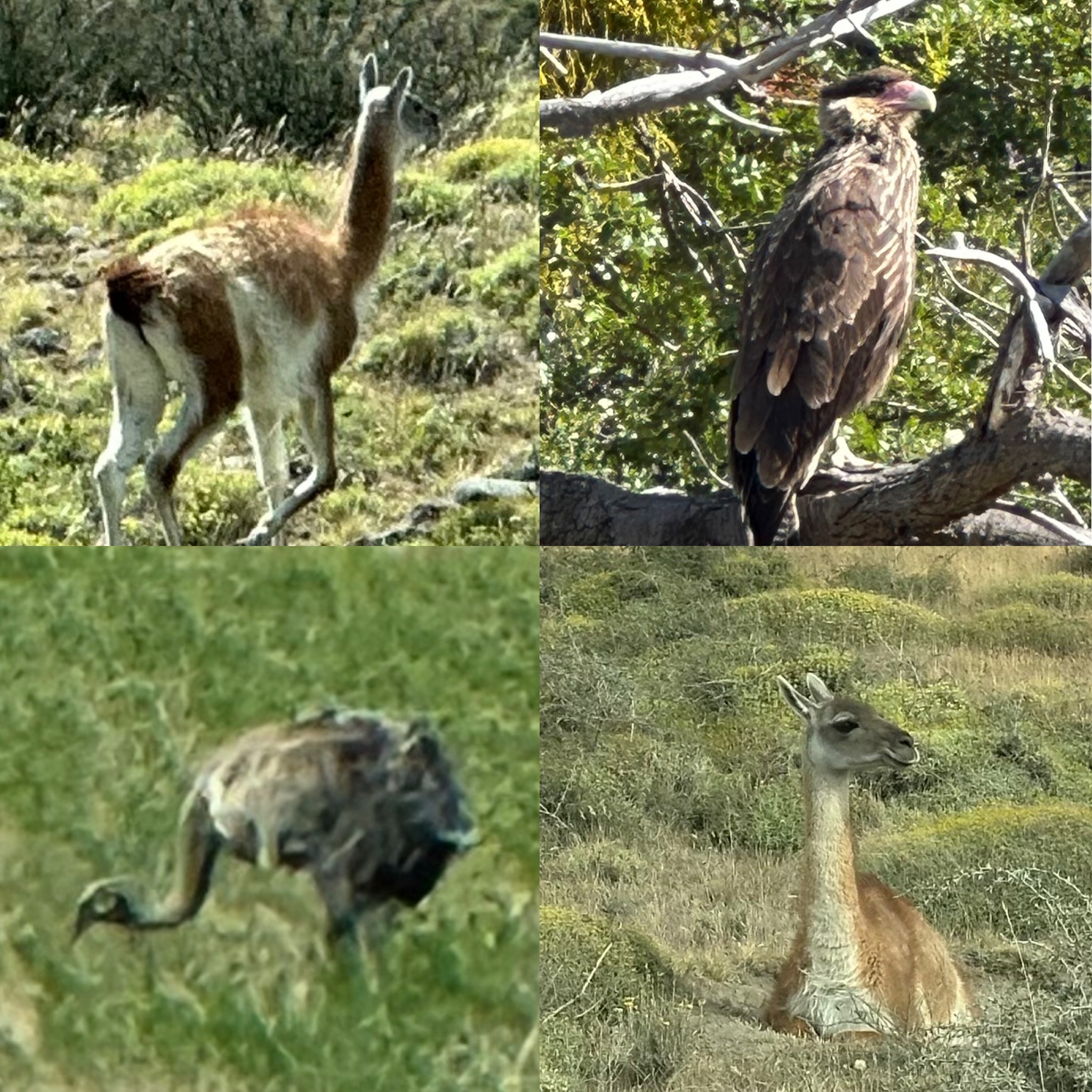
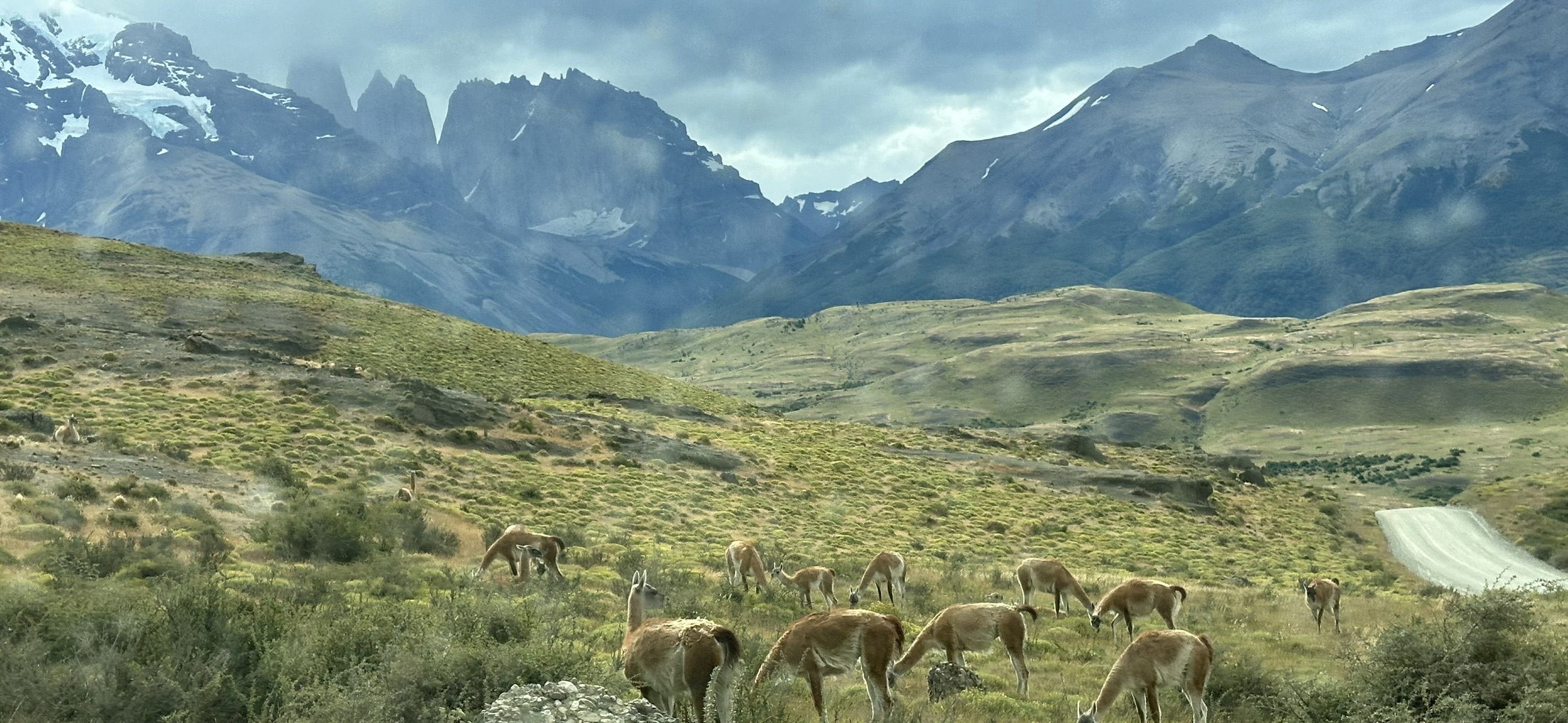
- Good wildlife sightings, including guanaco (cousin of the camel and llama), rheas (similar to ostrich), and the Black-chested Buzzard-Eagle. Unfortunately, no condor or puma sightings.
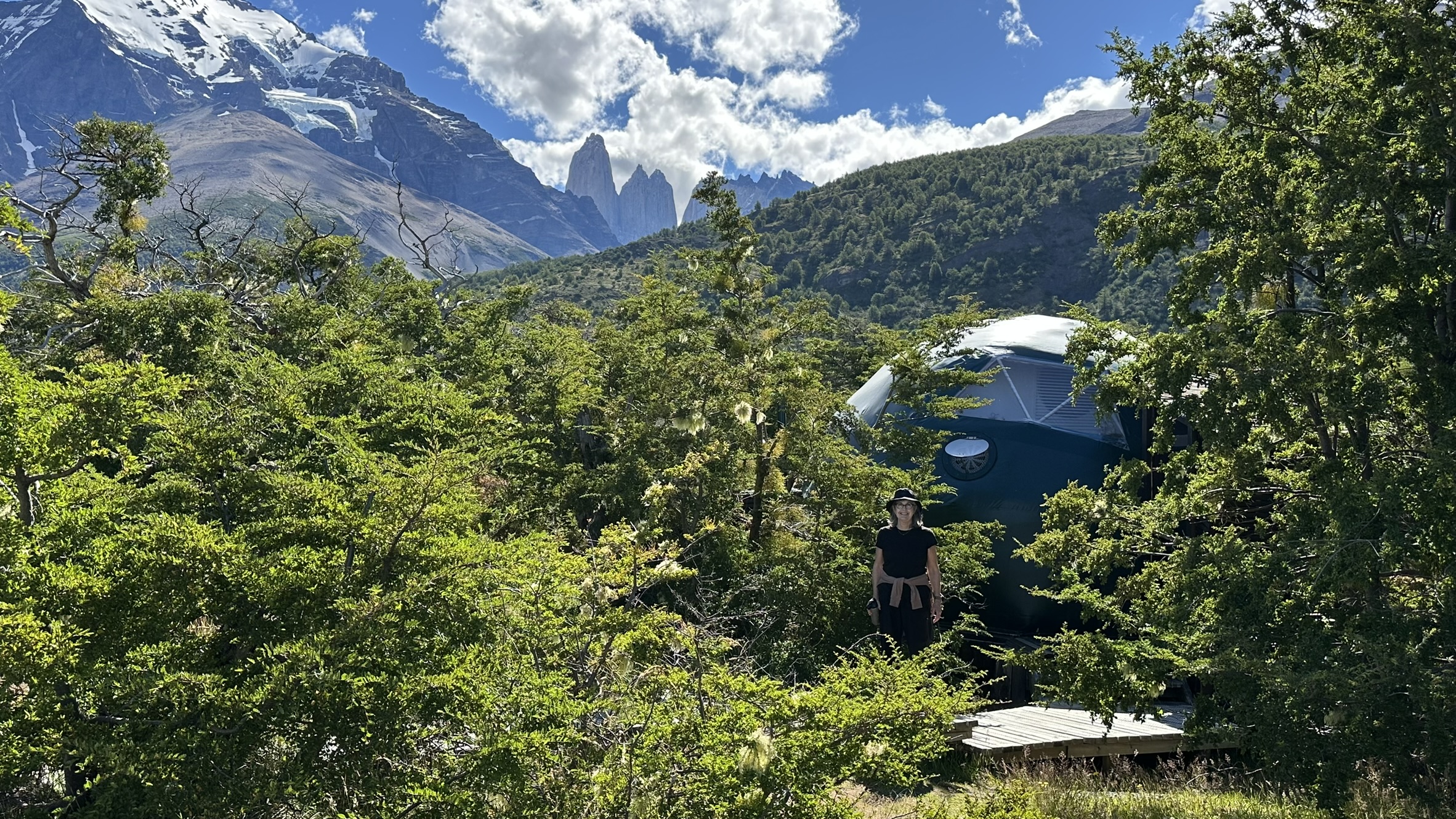
- EcoCamp itself was extremely cool. There are more and less expensive lodging options, but we really liked the location (good Towers view from camp) and commitment to sustainability, and the domes themselves were fun and comfortable. Tons of good food, too. Read my review here.
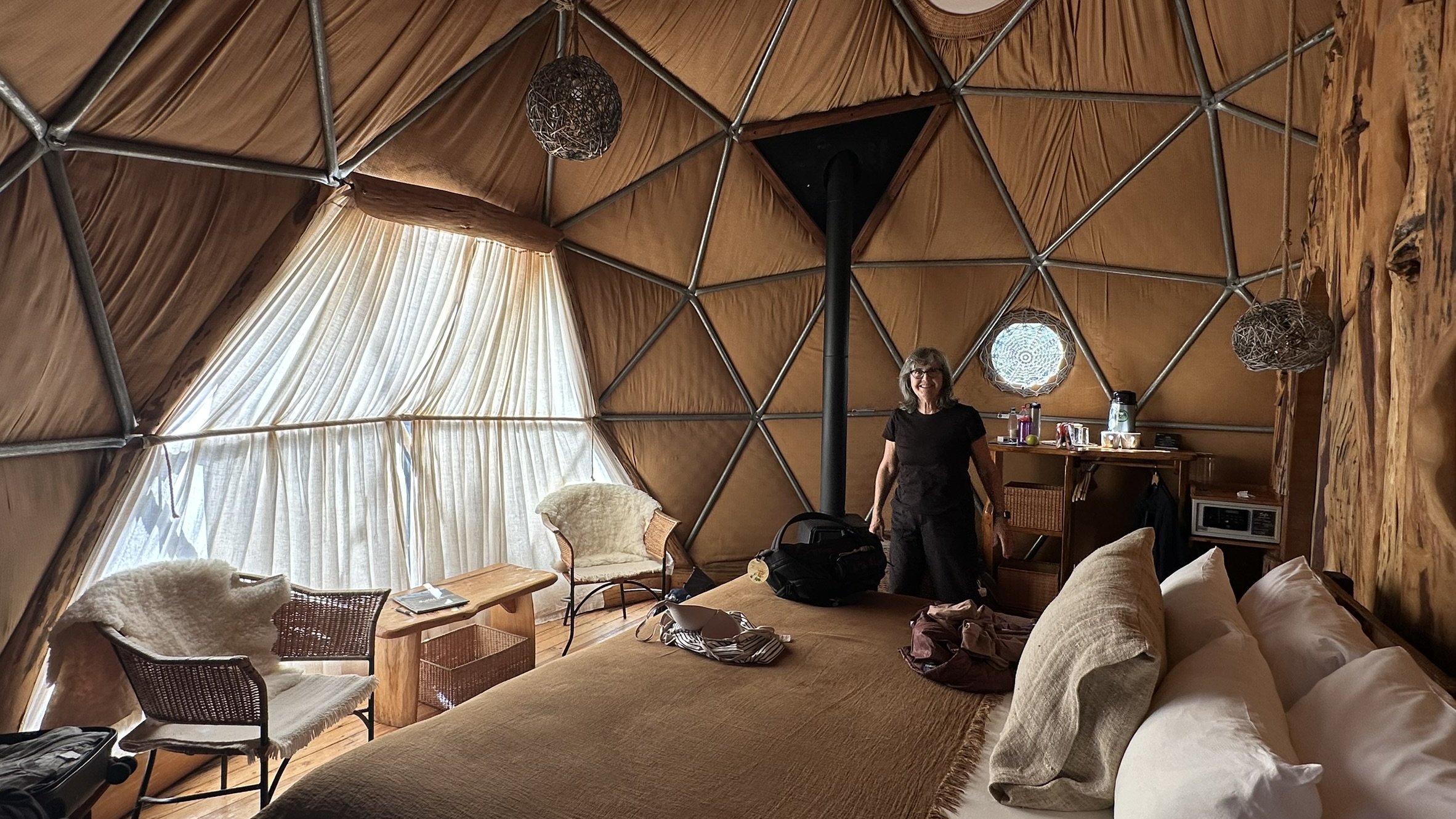
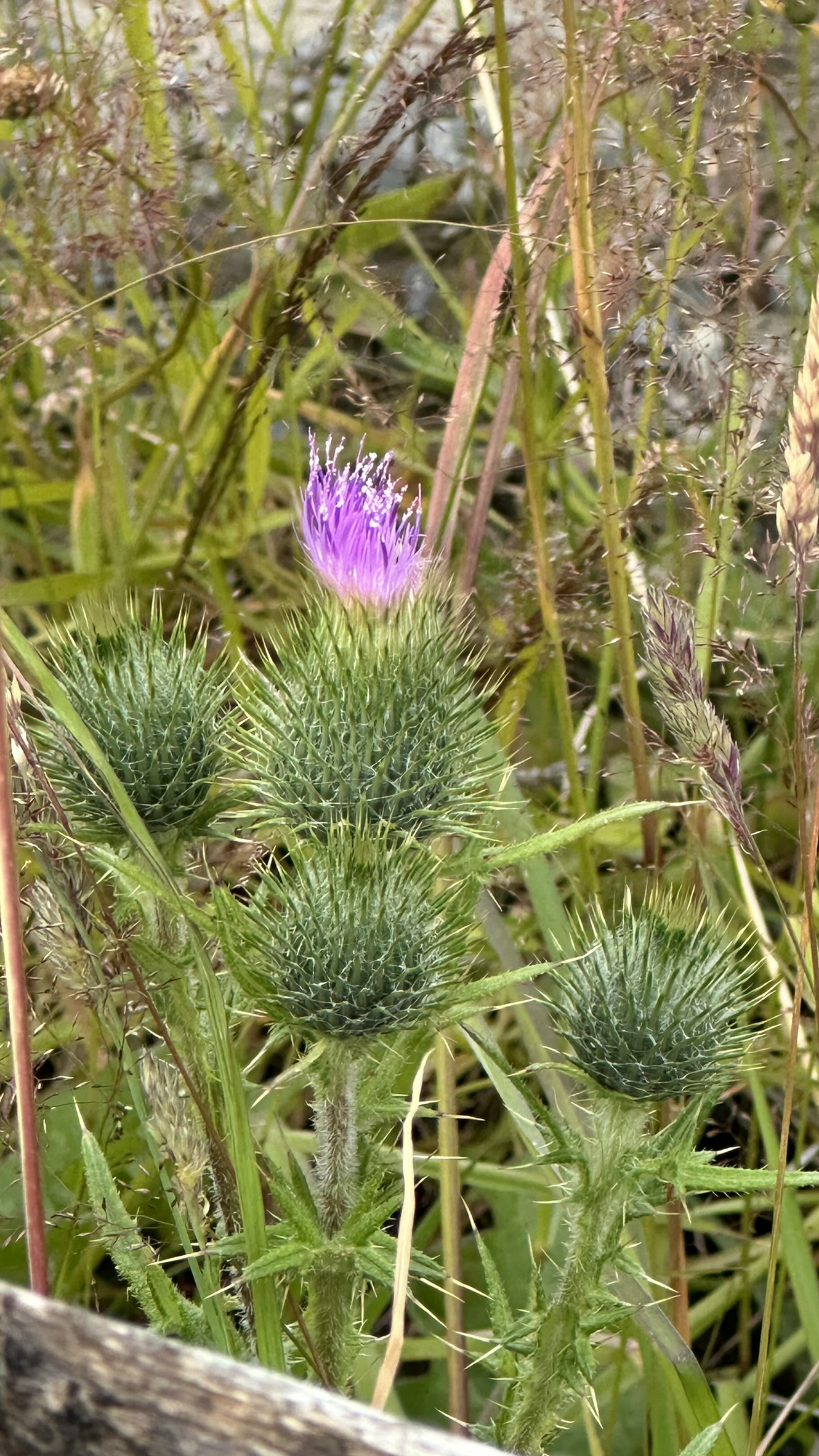
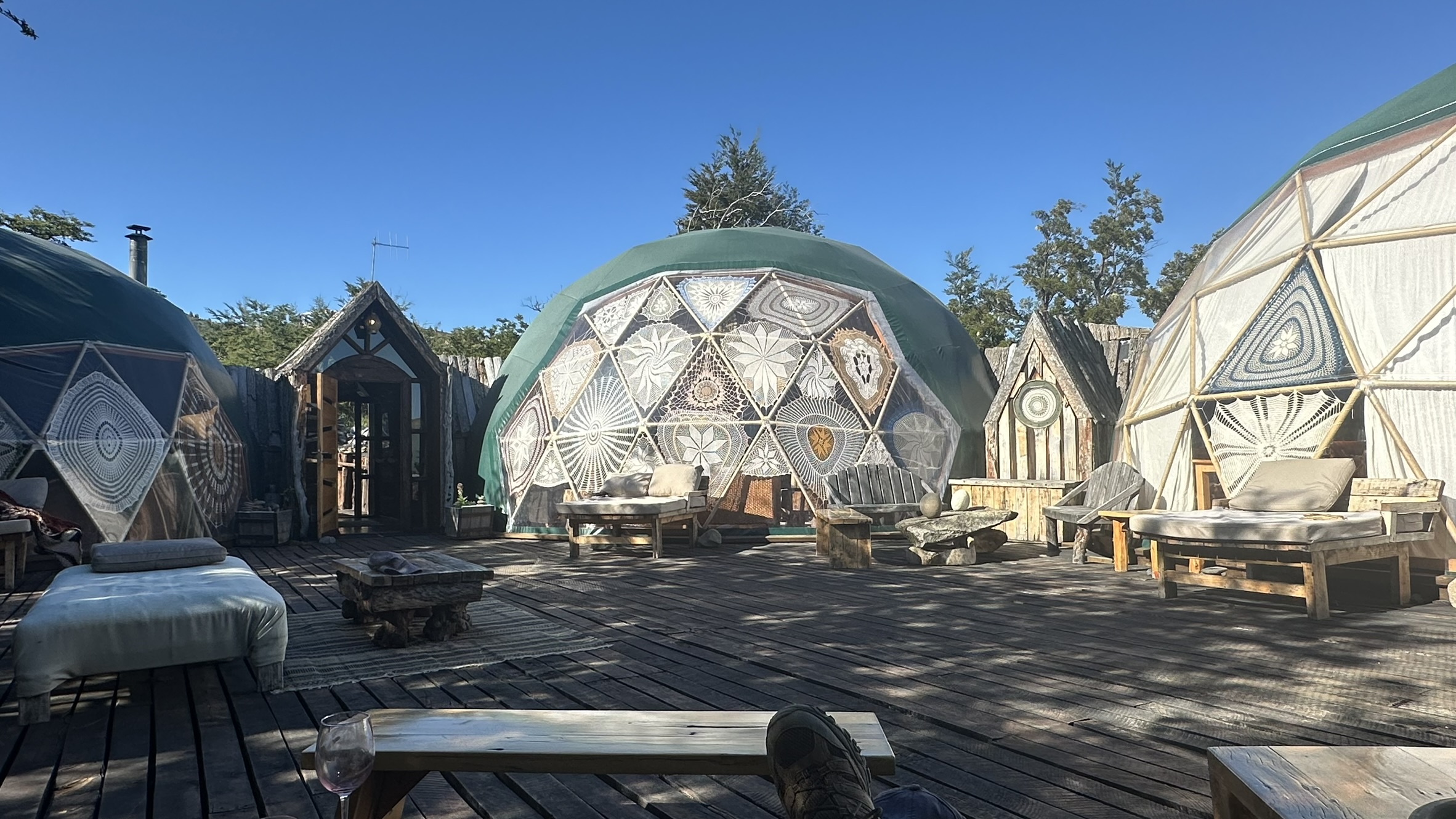
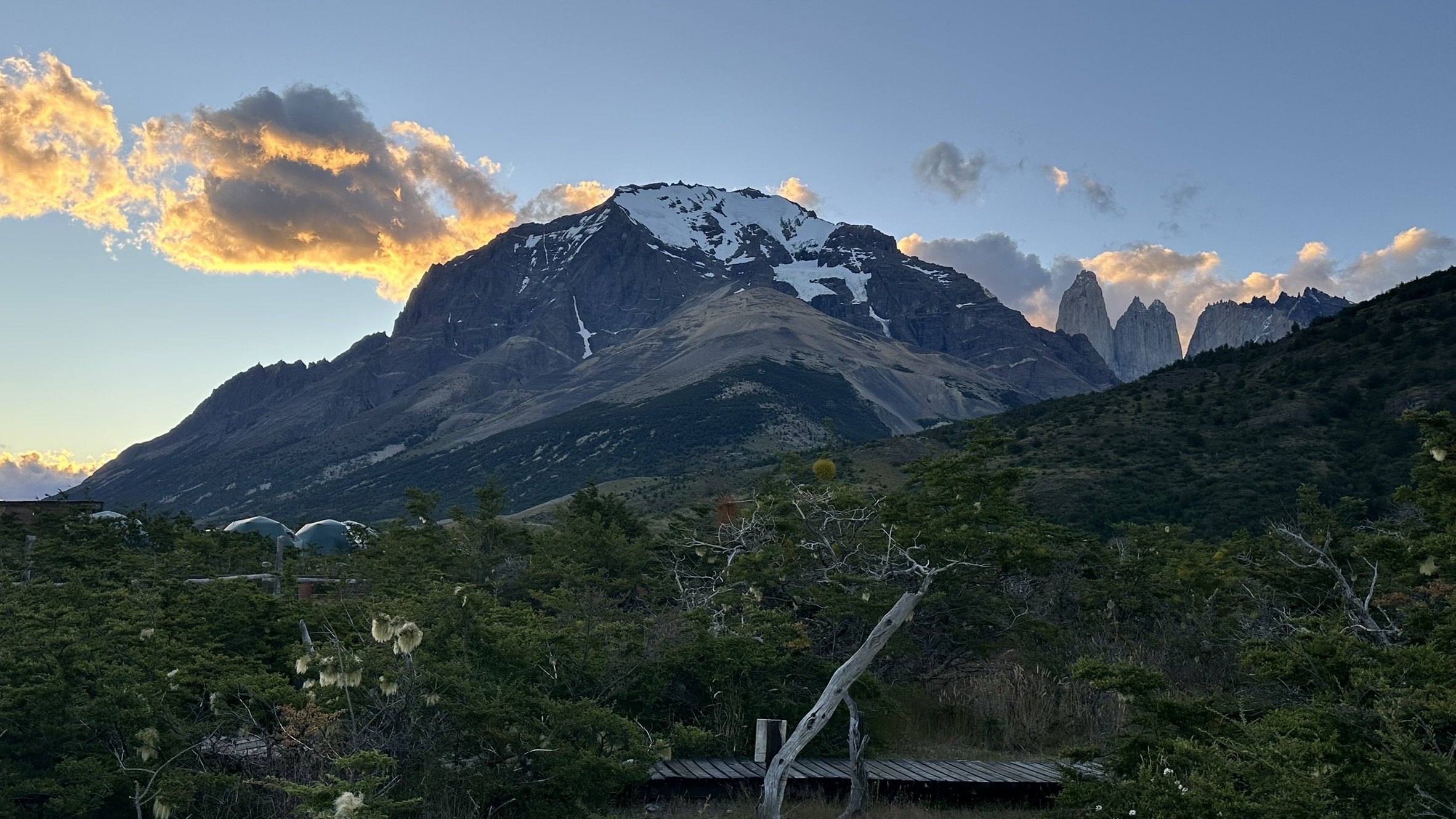
Note: Many people come here for a more immersive backcountry experience on one of Torres del Paine’s most famous backpacking treks: the W, usually five or seven days, depending on the route, or the O, a nine-day loop around the Paine Massif. Note: Our shorter stay meant the four day, three night “Wildlife Safari”, though in reality it’s about two and a half days with a late afternoon arrival on Day 1 and departure right after breakfast on Day 4. Adding even one more day, if you have it, would allow another great hike (Los Cuernos or French Valley) or horseback riding at a local estancia. Food for thought. Either way, bring your sunscreen and be prepared for a windy greeting.
| Duration | Destination | Where We Stayed |
|---|---|---|
| Day 18 | Punta Arenas, Chile | Cabo de Hornos Hotel |
| Days 19-26 | Antarctica | Ocean Nova |
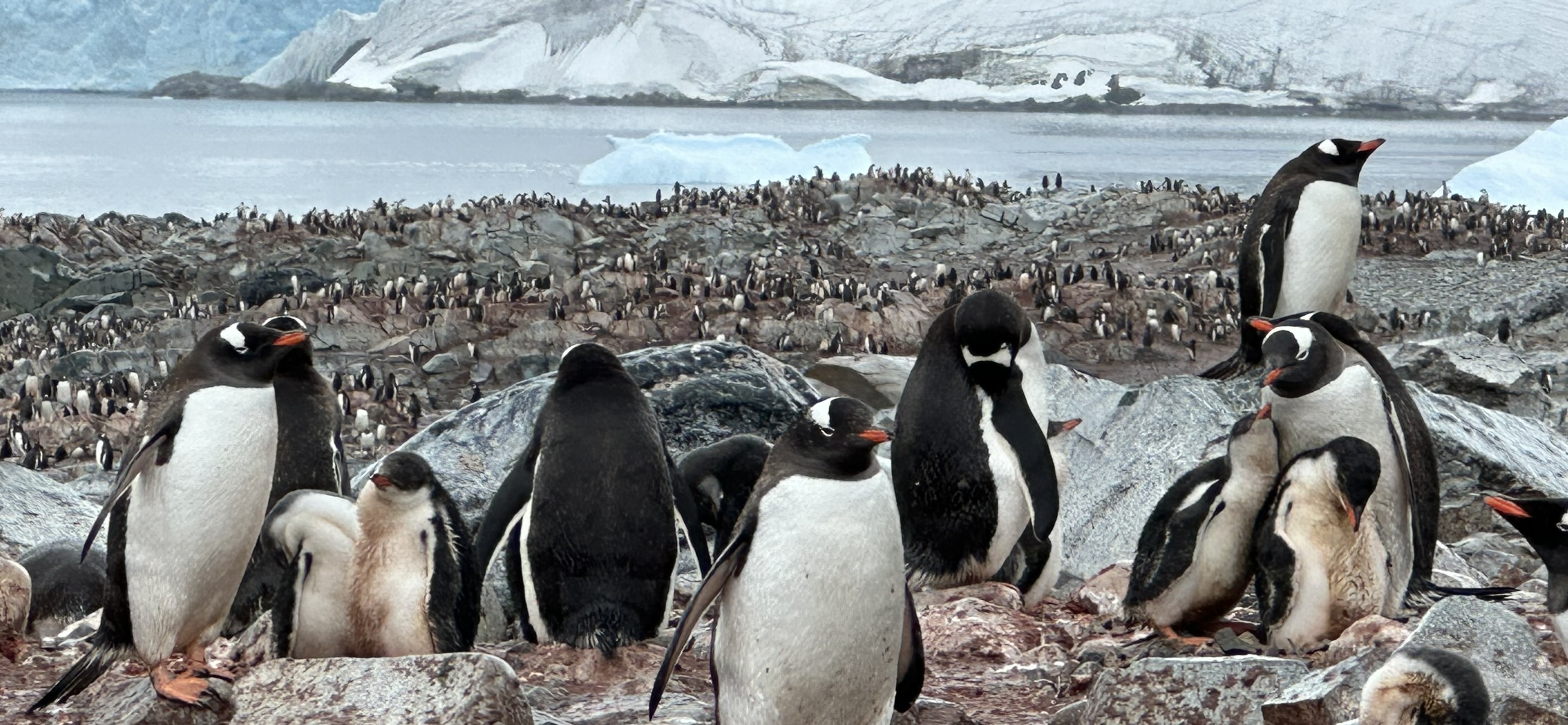
And now the reason for the title of this post. Antarctica, the 7th Continent (and ours)! Antarctica is the coldest, windiest and driest place on earth. It’s also the fifth largest continent, much larger than Europe, though its size changes depending on the season and how much of the surrounding sea has frozen. It is also the only continent with no indigenous people, ever. Discovered by Russian explorer Fabian Gottlieb von Bellingshausen in 1820 (there is some dispute about this, and Polynesian navigators are said to have first spotted it in 650), 55 countries now have scientific research stations scattered around the continent, all governed by the Antarctic Treaty of 1959, which promotes scientific research and international cooperation (all countries share all data with each other) and prohibits military activity.
The only way to visit Antarctica is with an expedition cruise. Many people board ship in Ushuaia, Argentina or Punta Arenas, Chile and sail across the Drake Passage, a two-day crossing of the roughest waters on the planet, notoriously dubbed “the Drake Shake“. (Some people get lucky with calm conditions, aka the Drake Lake, but it’s not a good bet.) The other option is a fly/cruise package that includes a 2-hour roundtrip flight to King George Island, just off the Antarctic Peninsula, bypassing the Drake Passage. I consulted with Audley Travel, who confirmed my choice of Antarctica21, the pioneer in such expeditions, as the best expedition to meet our needs. I’ll just say this now: Antarctica21 was fantastic, exceeding all expectations. Go with them!
Punta Arenas
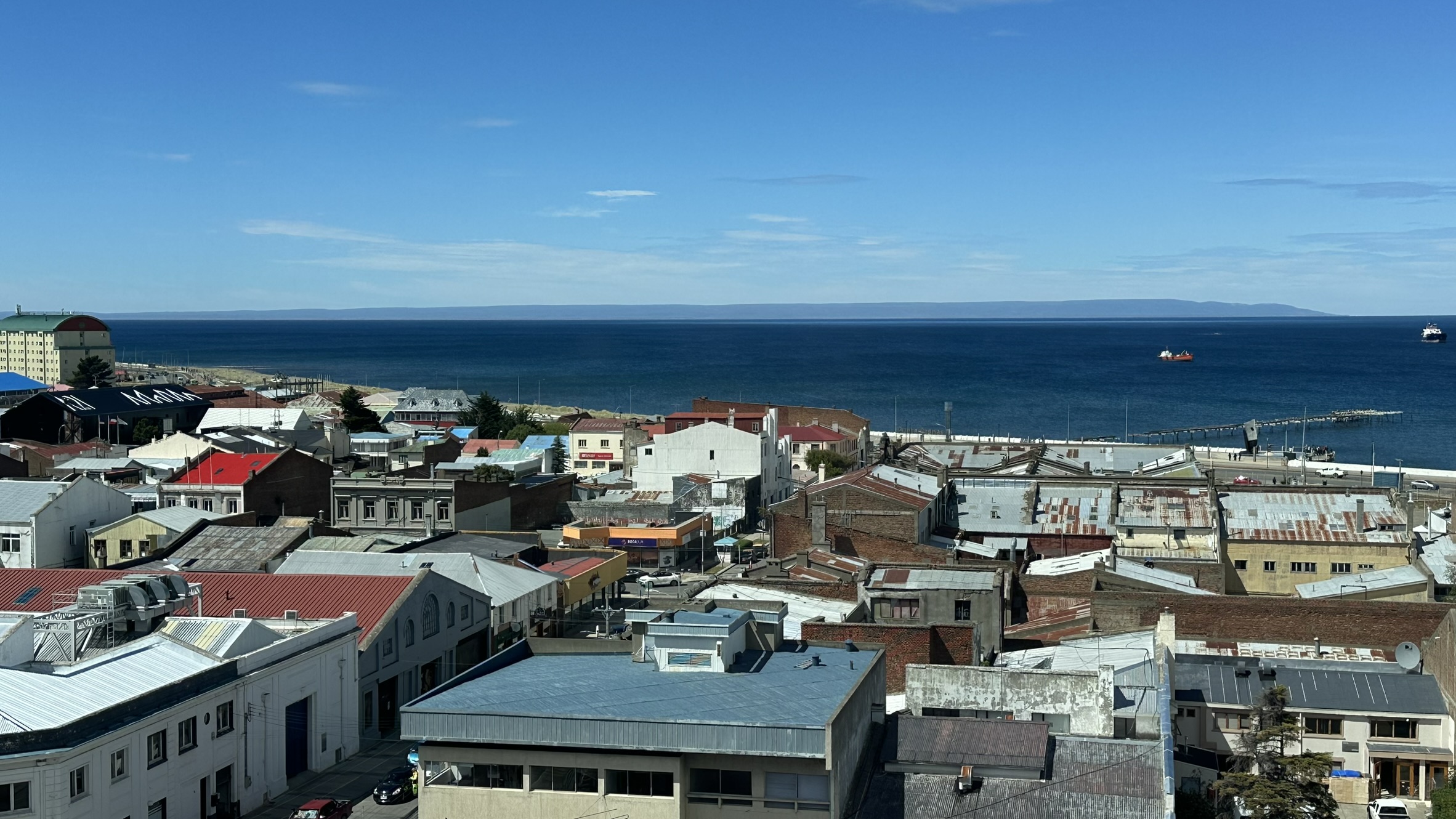
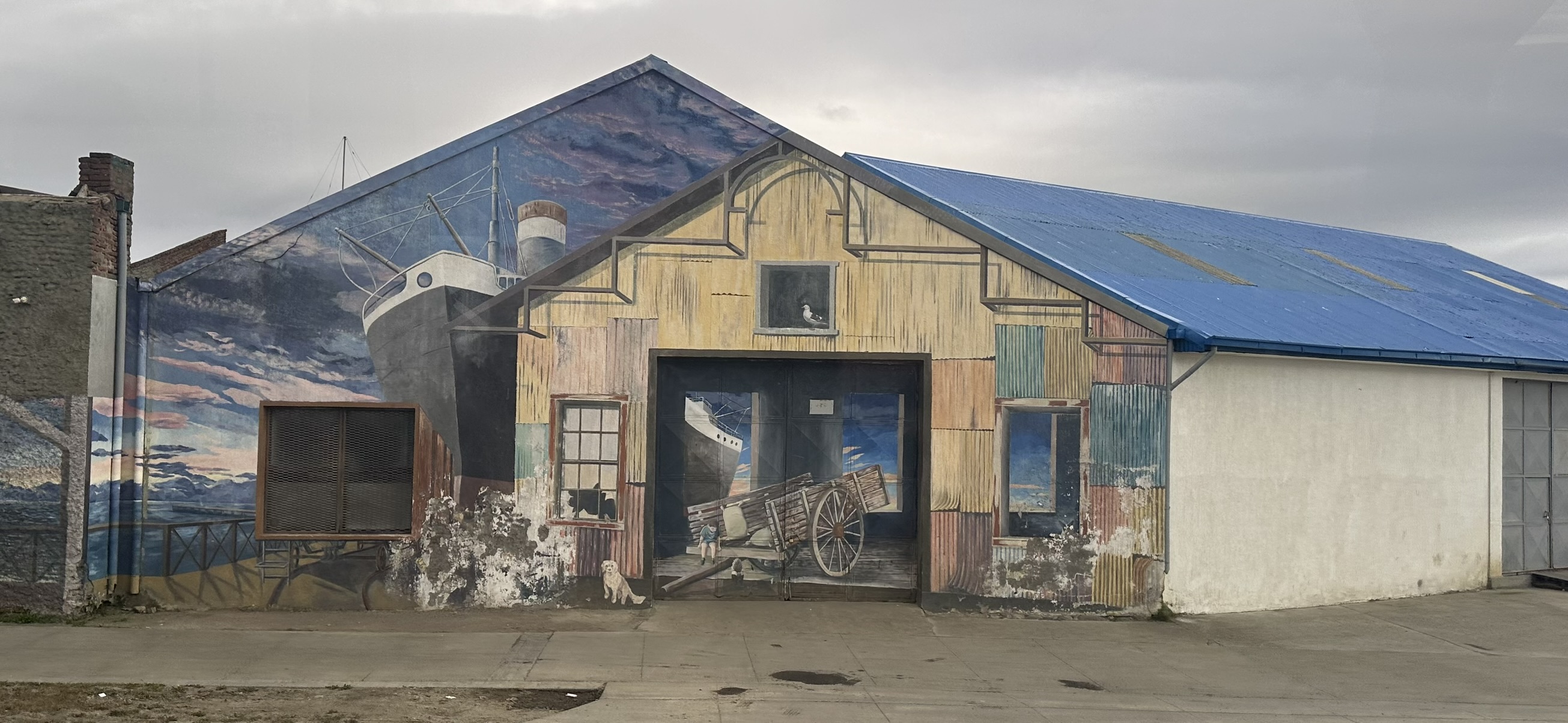
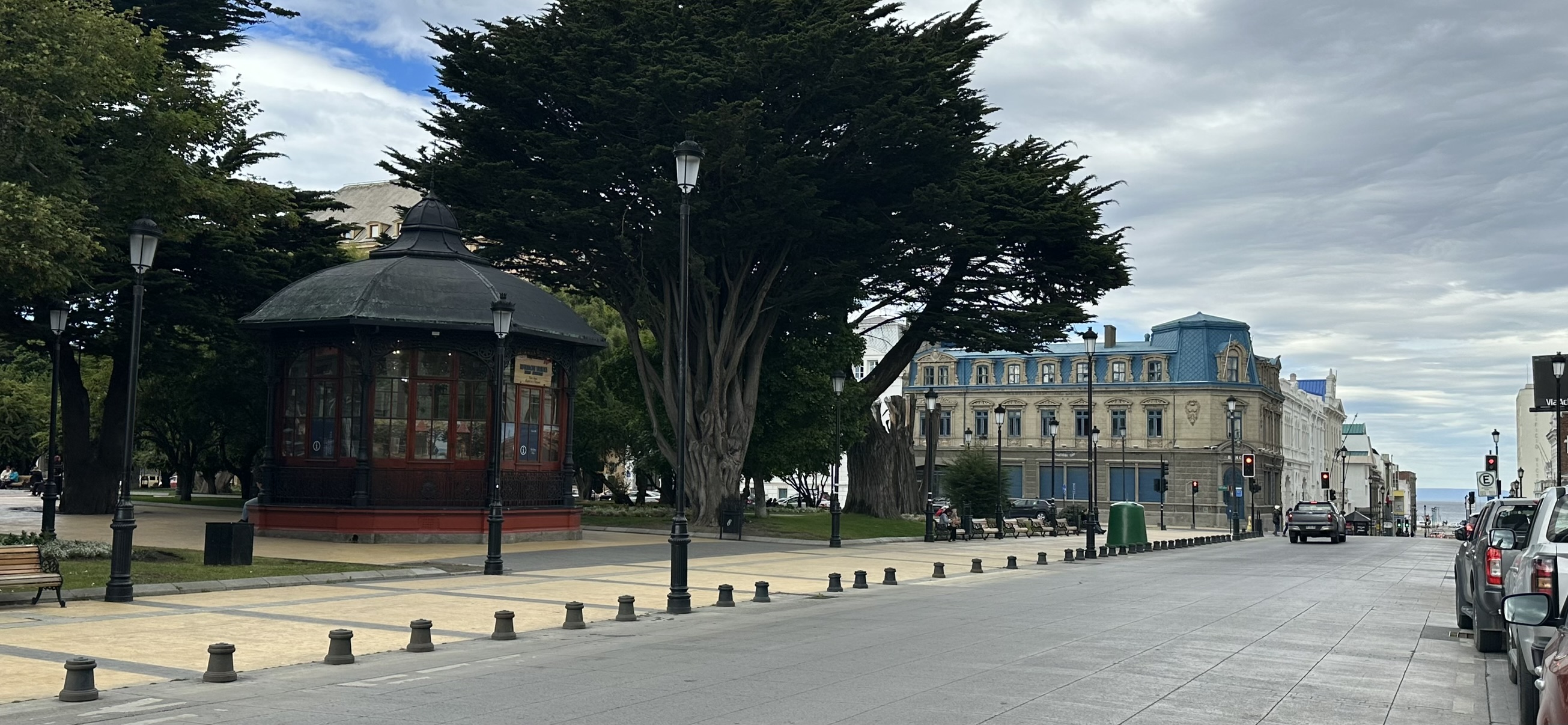
The expedition officially began with a night in Punta Arenas, where we met Antarctica21 representatives for the requisite pre-trip briefing, delivery of our gift dry bags, water bottles and loaner “wellies“, and welcome dinner with all 65 guests. After that, we were on our own to wander around town for a few hours. Not much to see, though it was pretty cool to stand at the bank of the Strait of Magellan and imagine the early explorers first crossing here to the Pacific Ocean in 1520.
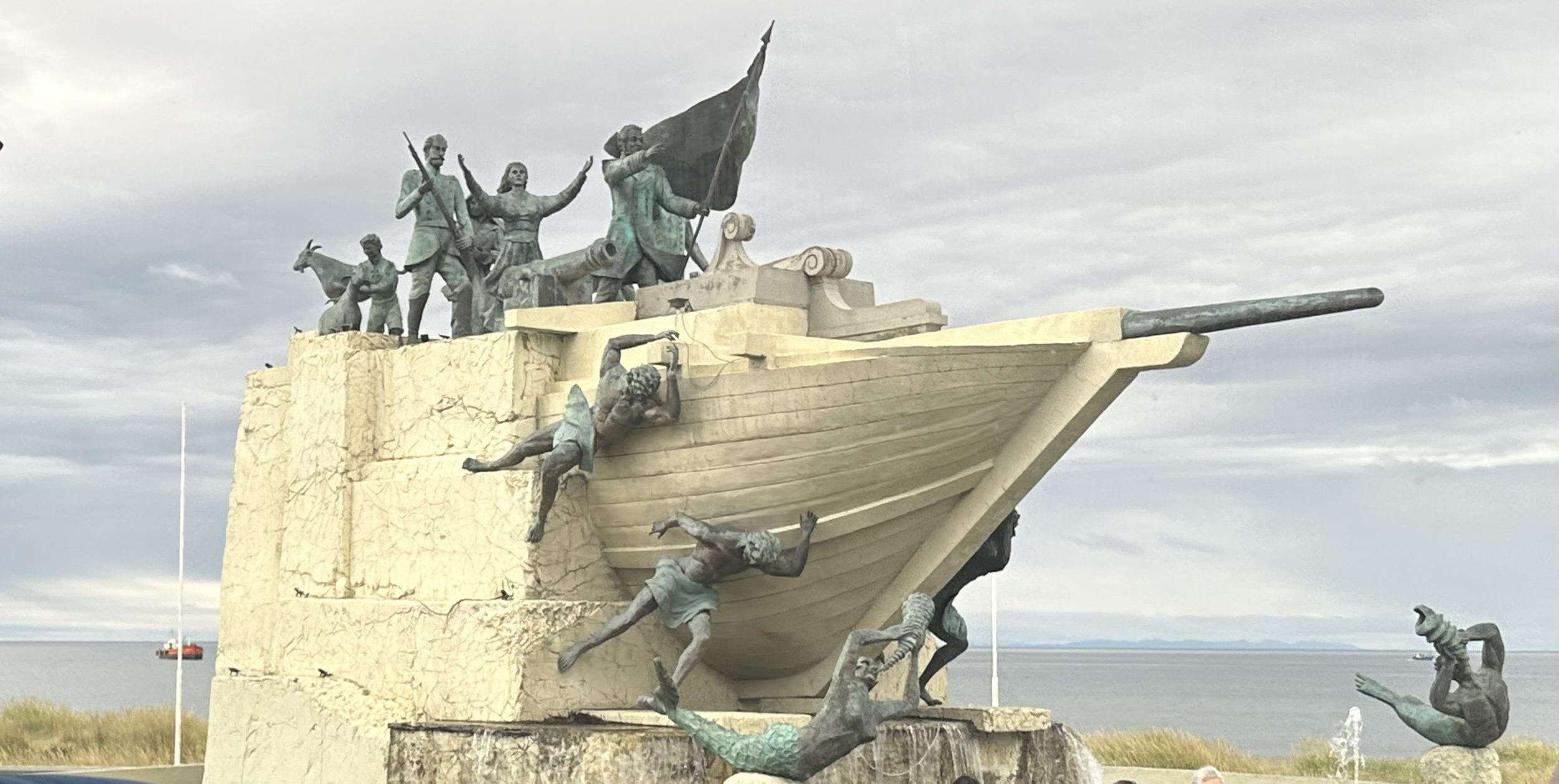
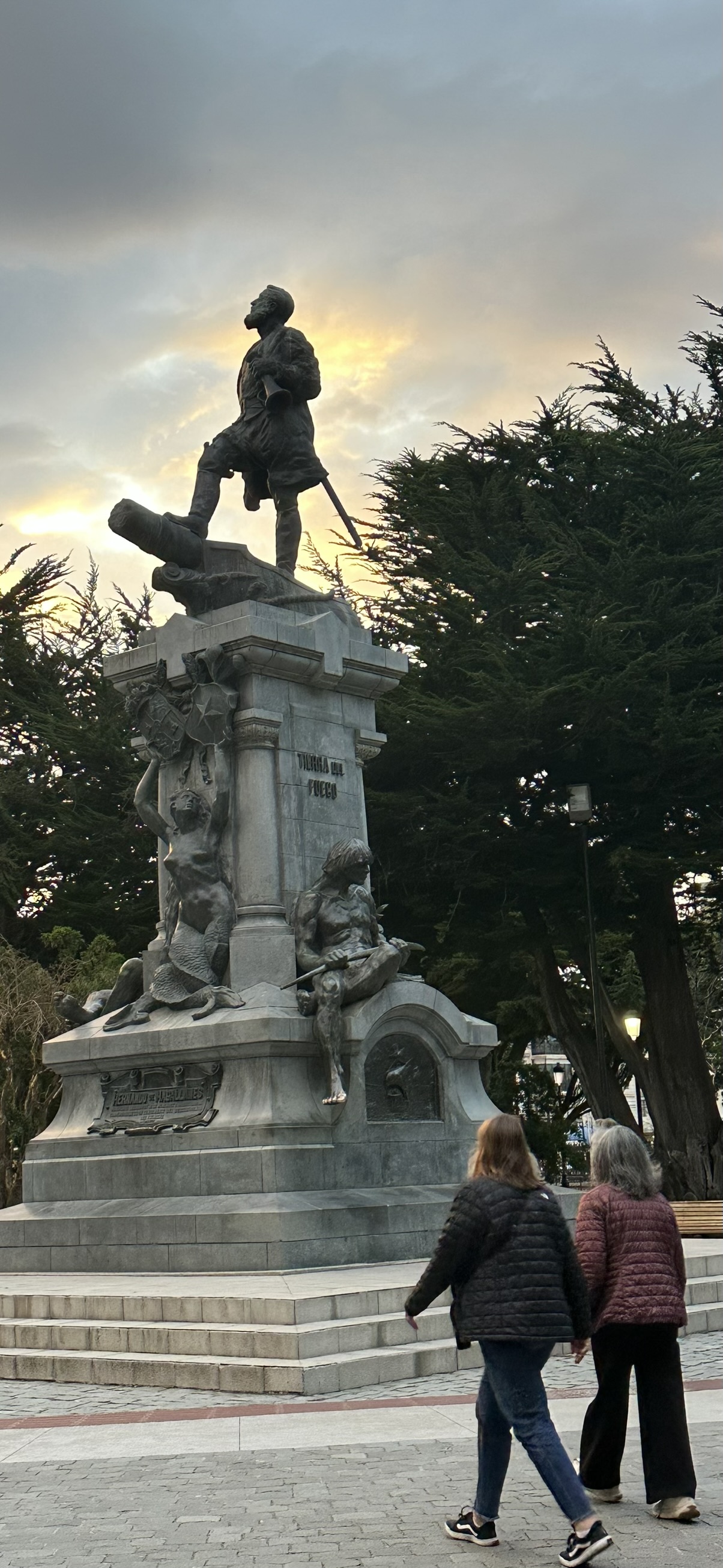
Antarctica
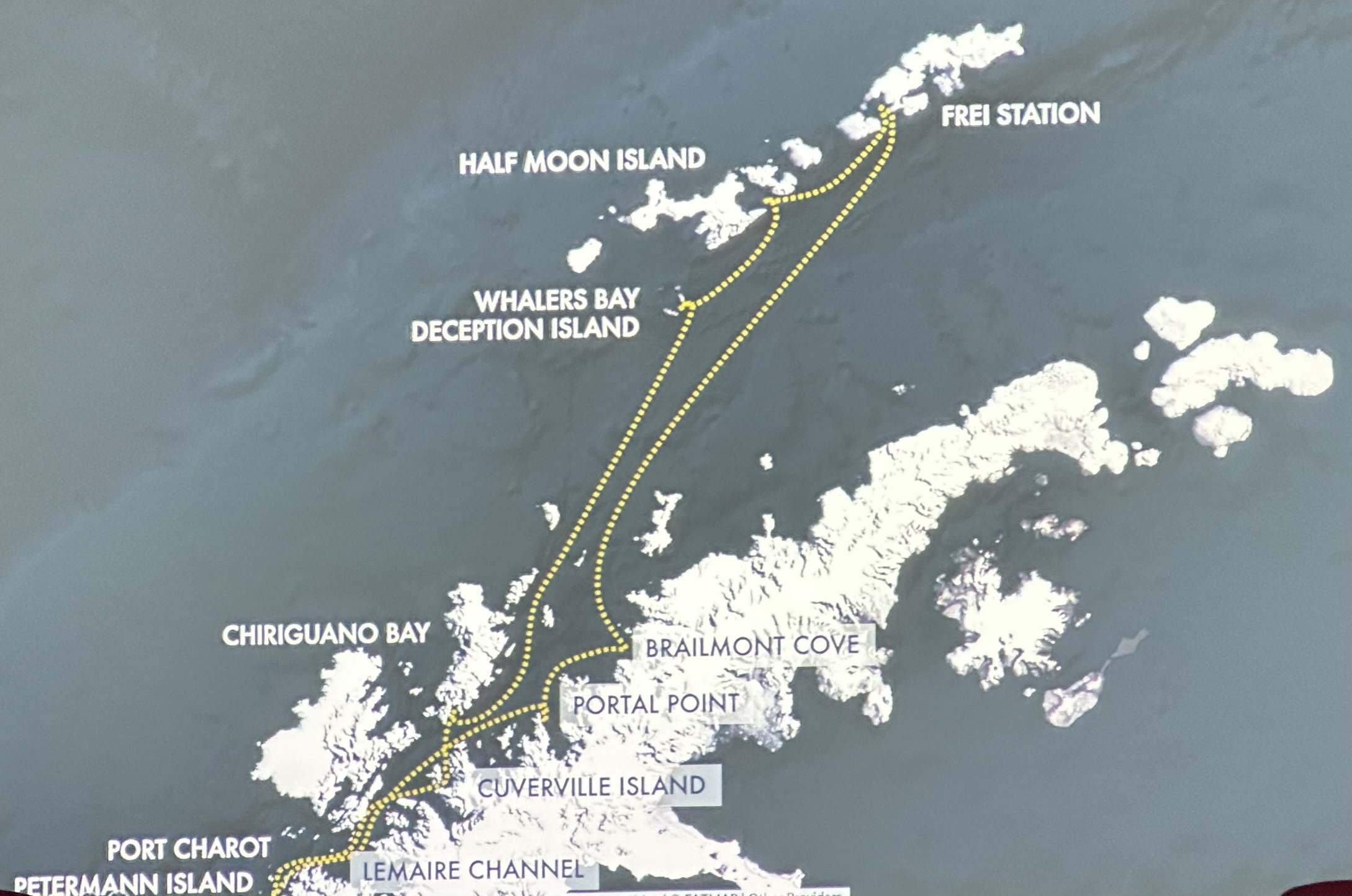
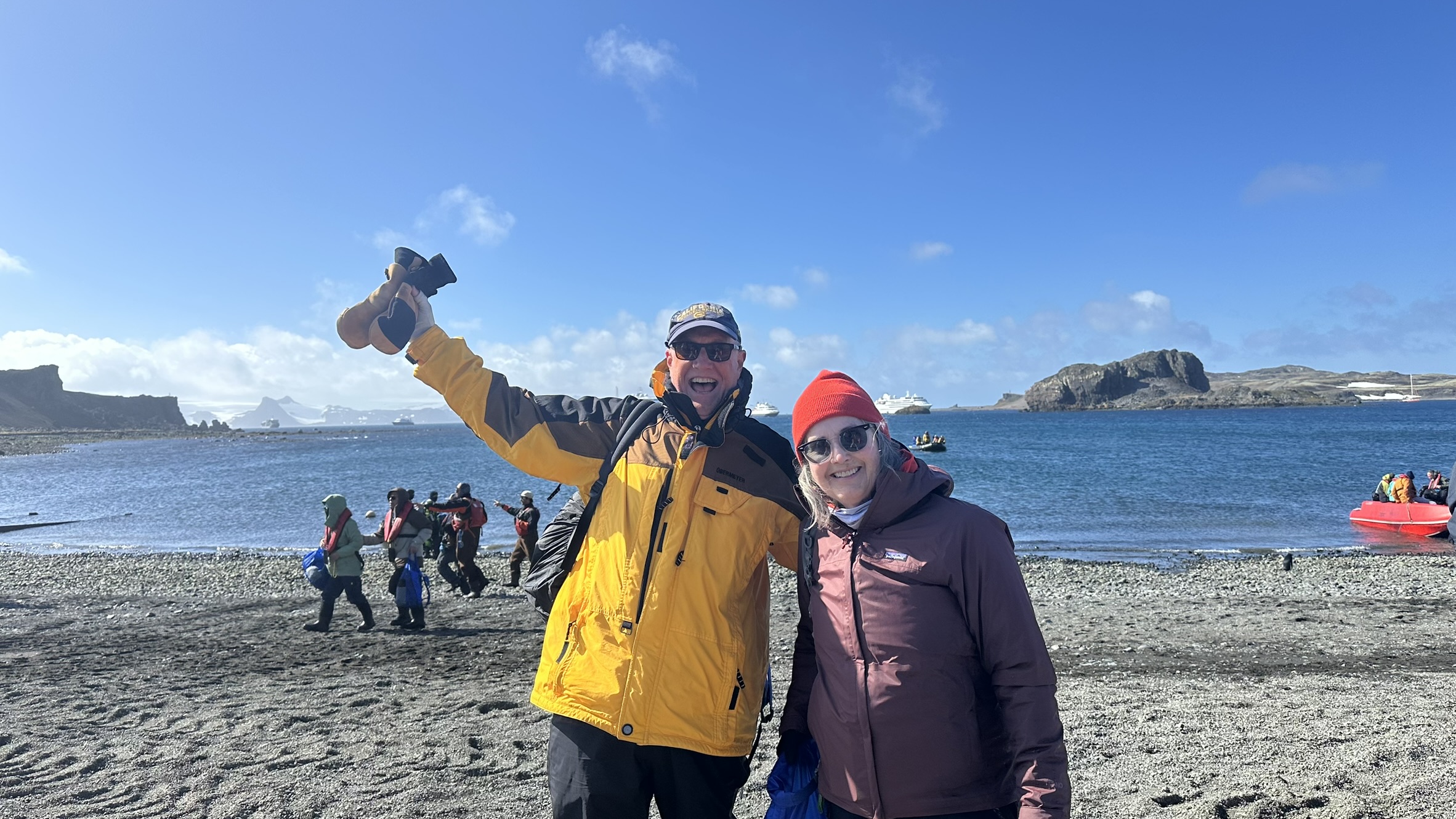
Where to begin? Our 2-hour flight across the Drake Passage landed at Chile’s Frei Station on King George Island, situated next to Russia’s Bellingshausen Station. It was Friday afternoon. There we boarded a zodiac which brought us to our ship, Ocean Nova, anchored in the bay. Once situated in our 3rd deck cabin, we were treated to a welcome/orientation briefing, safety instruction and drill, and our first dinner and cocktails aboard. We set sail after dinner for an overnight crossing of the Bransfield Strait. Thus began our planned 5-day cruise through the Gerlache Strait along Antarctica’s northernmost peninsula.
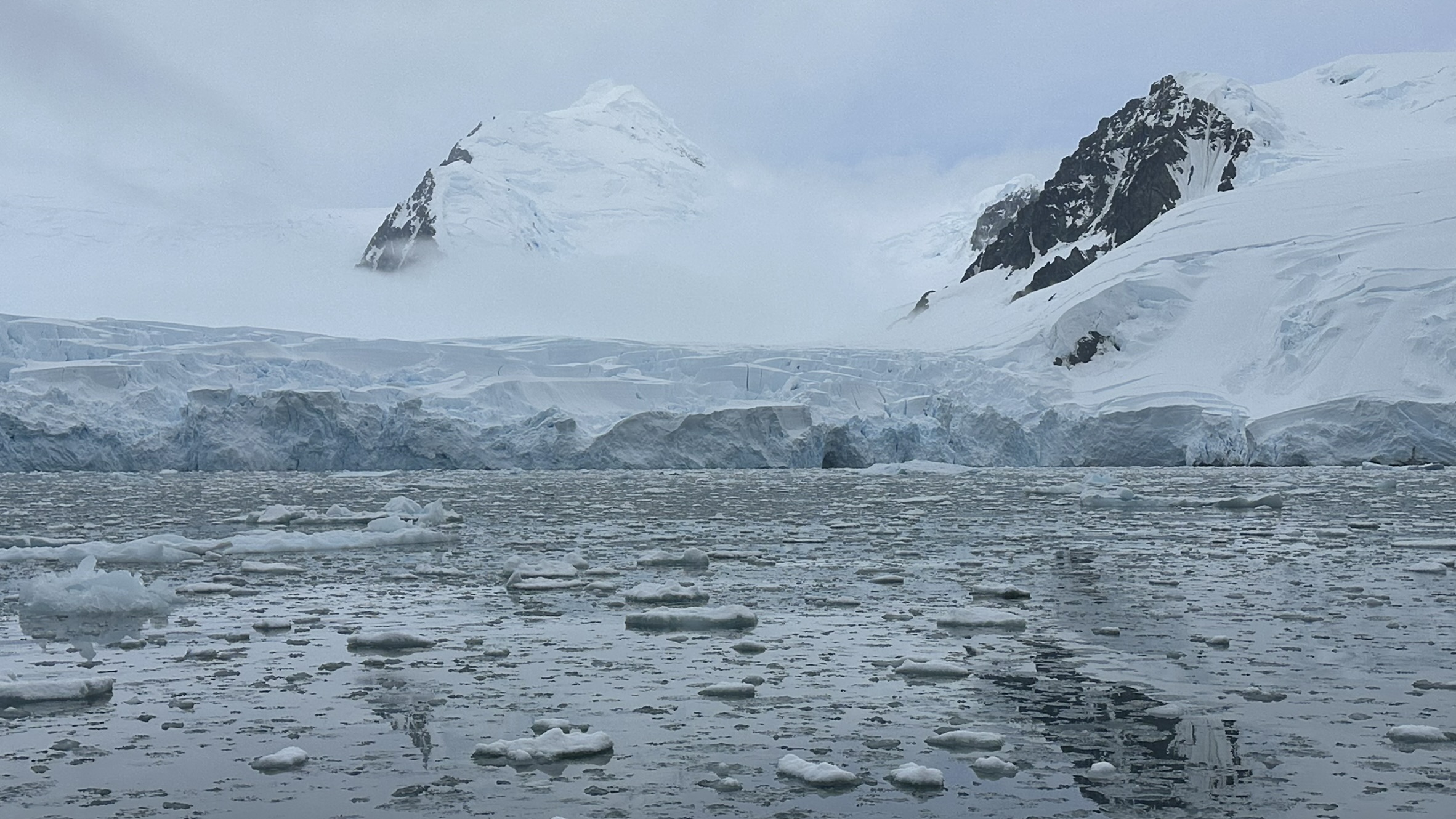
With several off-ship excursions on land and through sea ice, we got up close with a dozen humpback whales, four species of seal, and four species of penguin, the latter numbering seemingly in the millions. And the ice! Unbelievable in size, shapes and color. I have way too many pictures but here’s a sample. For a more complete recap, check out this amazing slideshow courtesy of @Anaisafrika, expedition photographer, and the official logbook of our journey from Antarctica21.
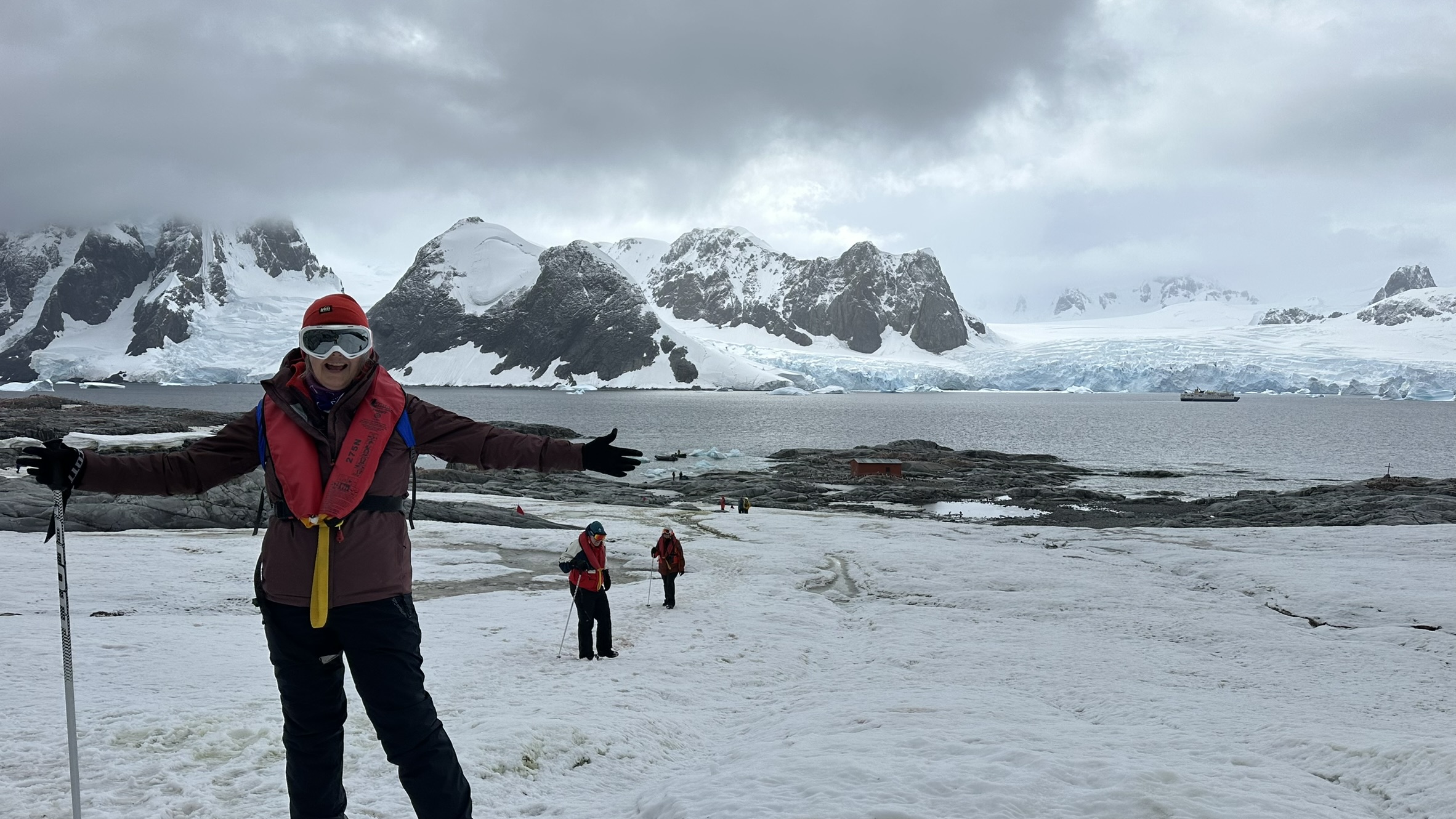
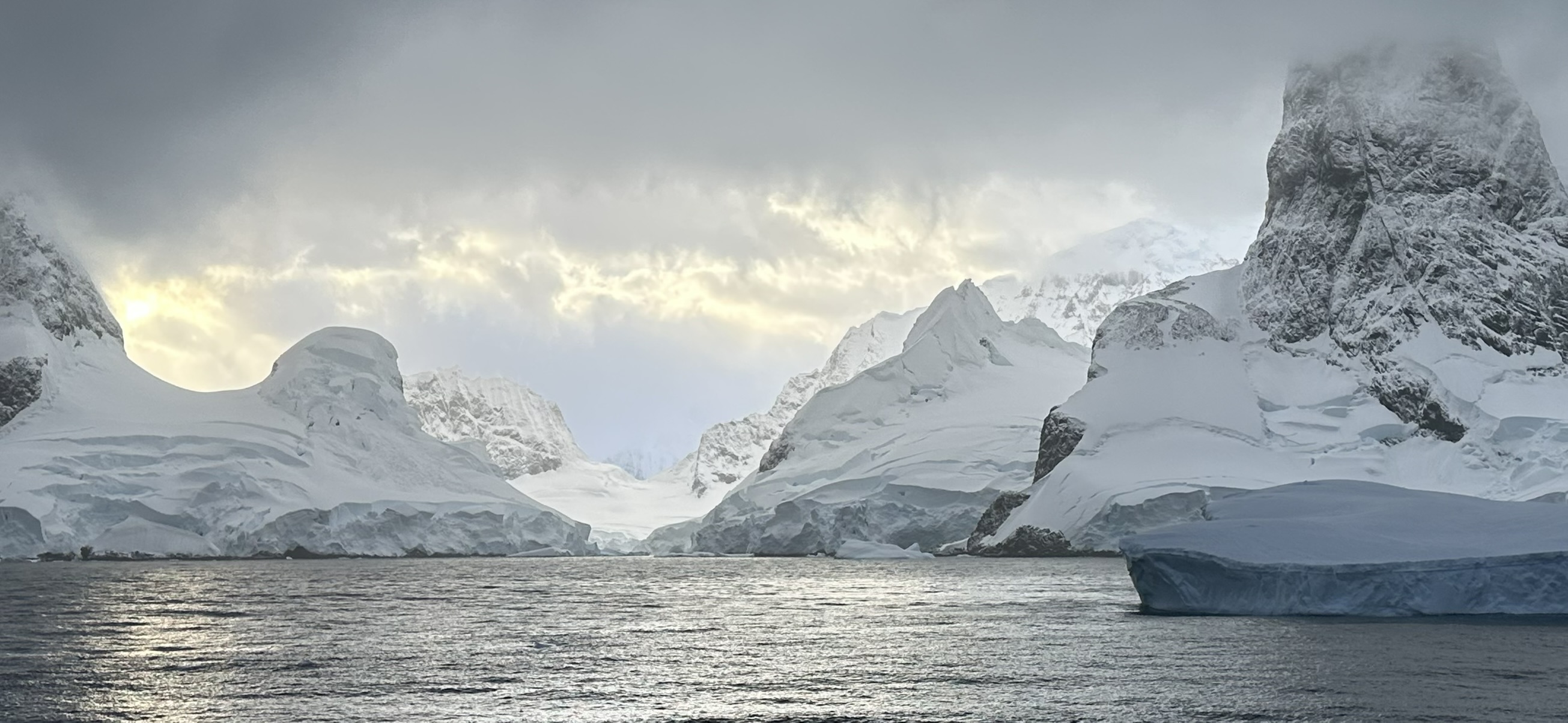
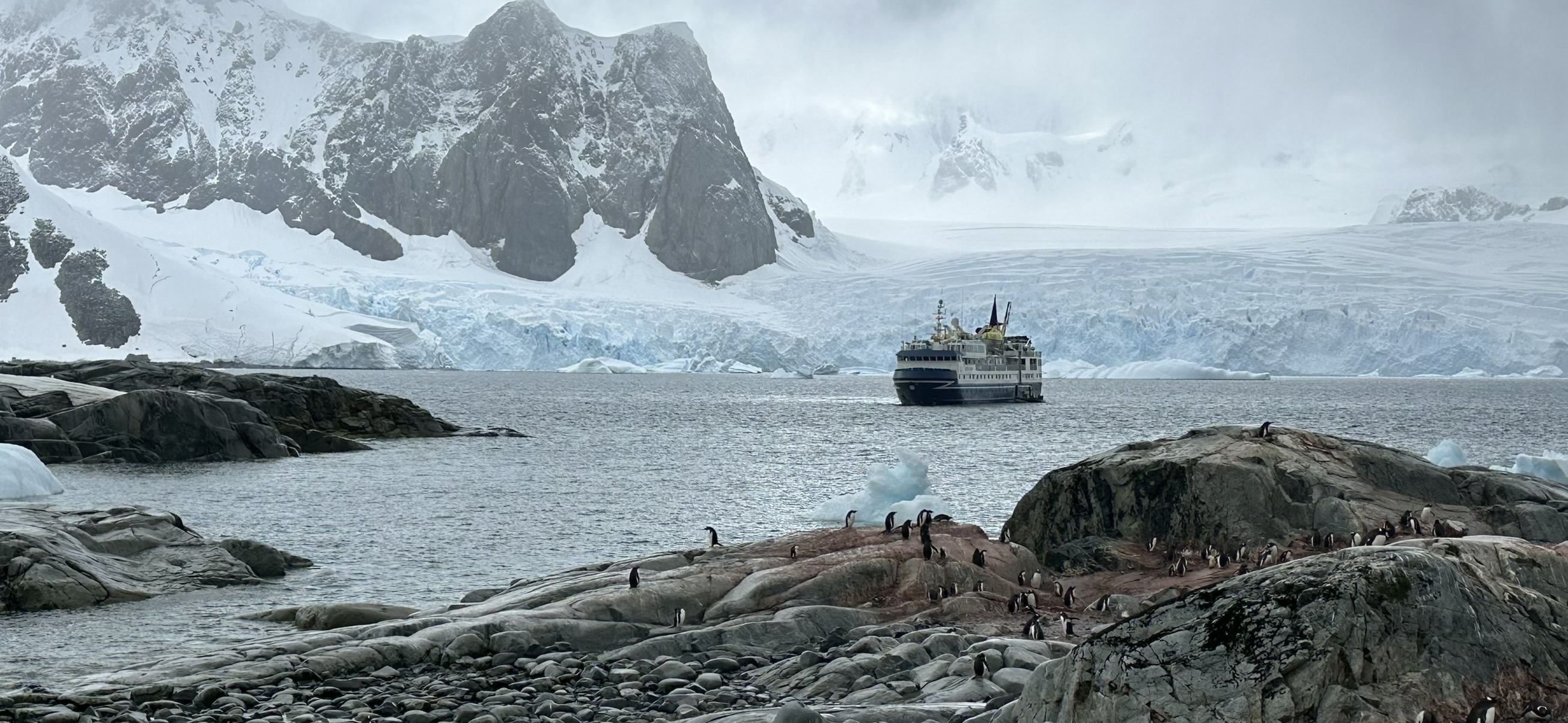
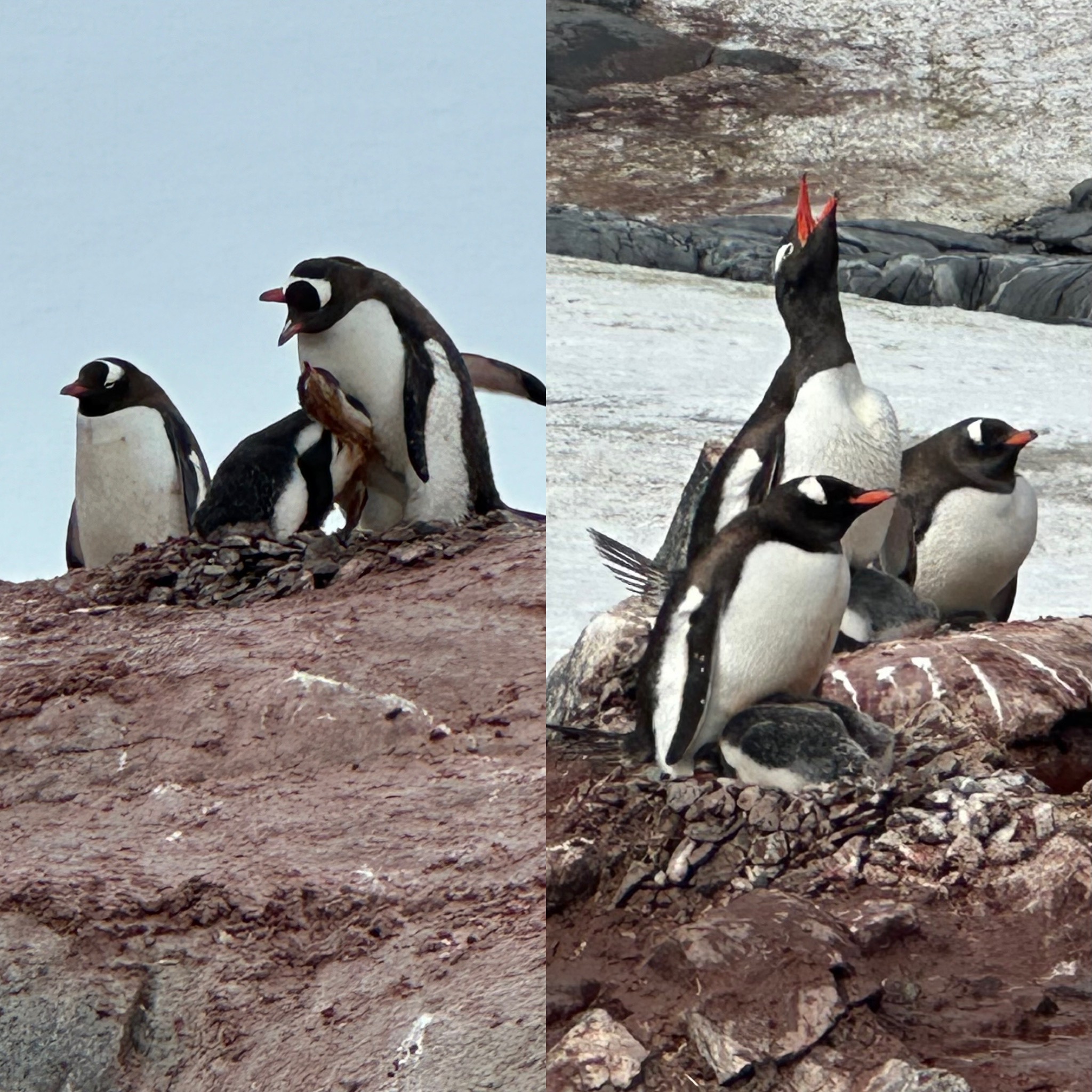
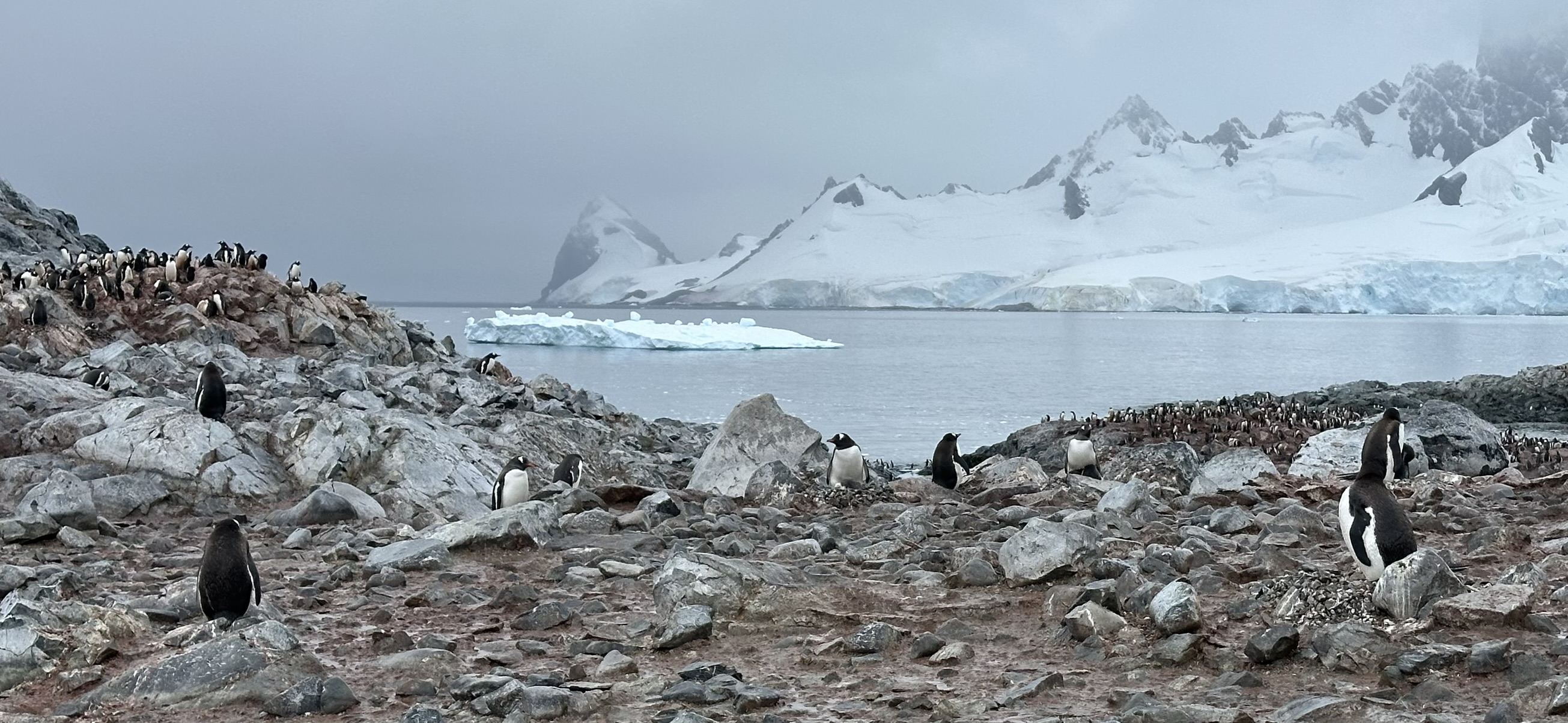
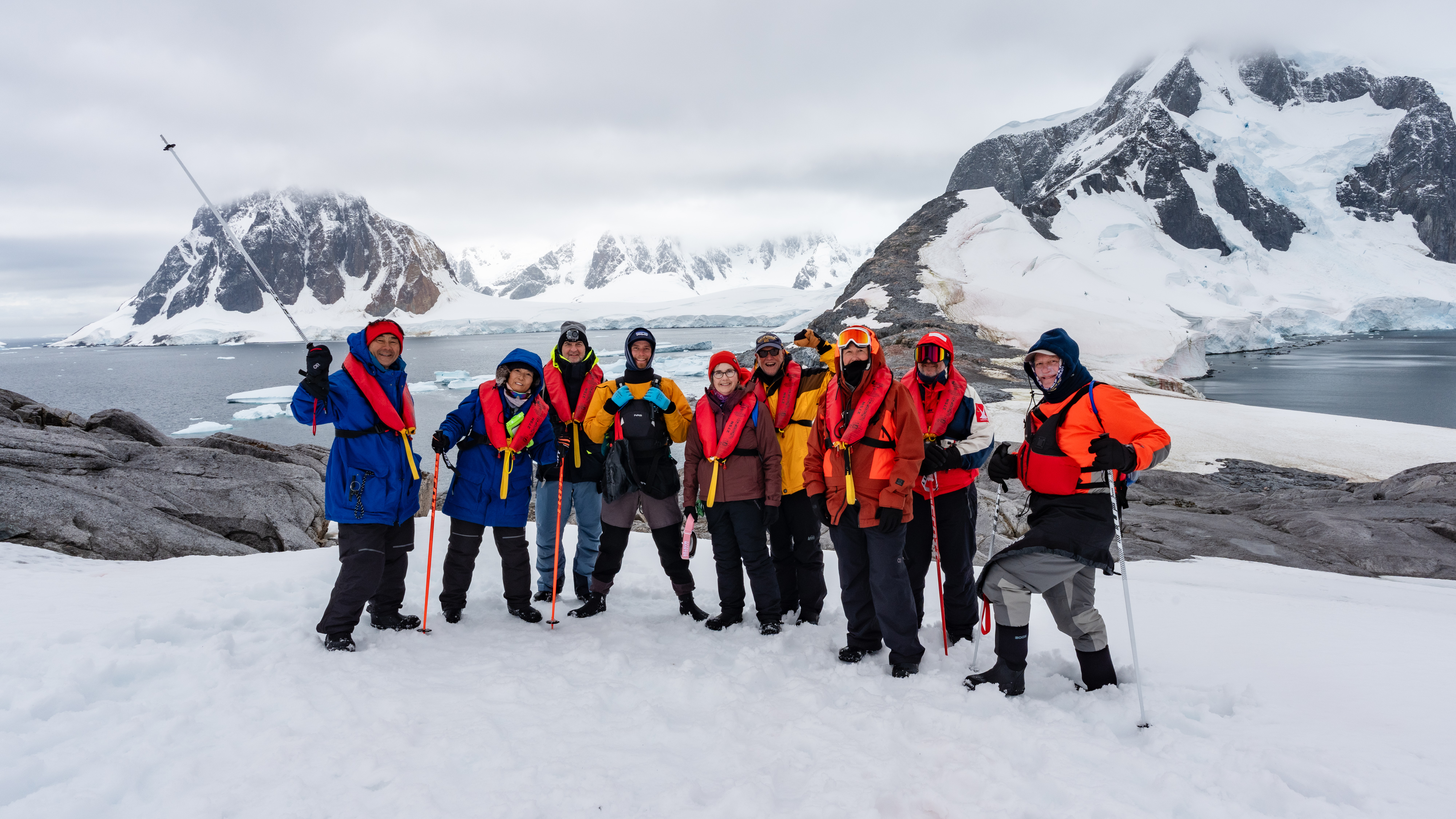
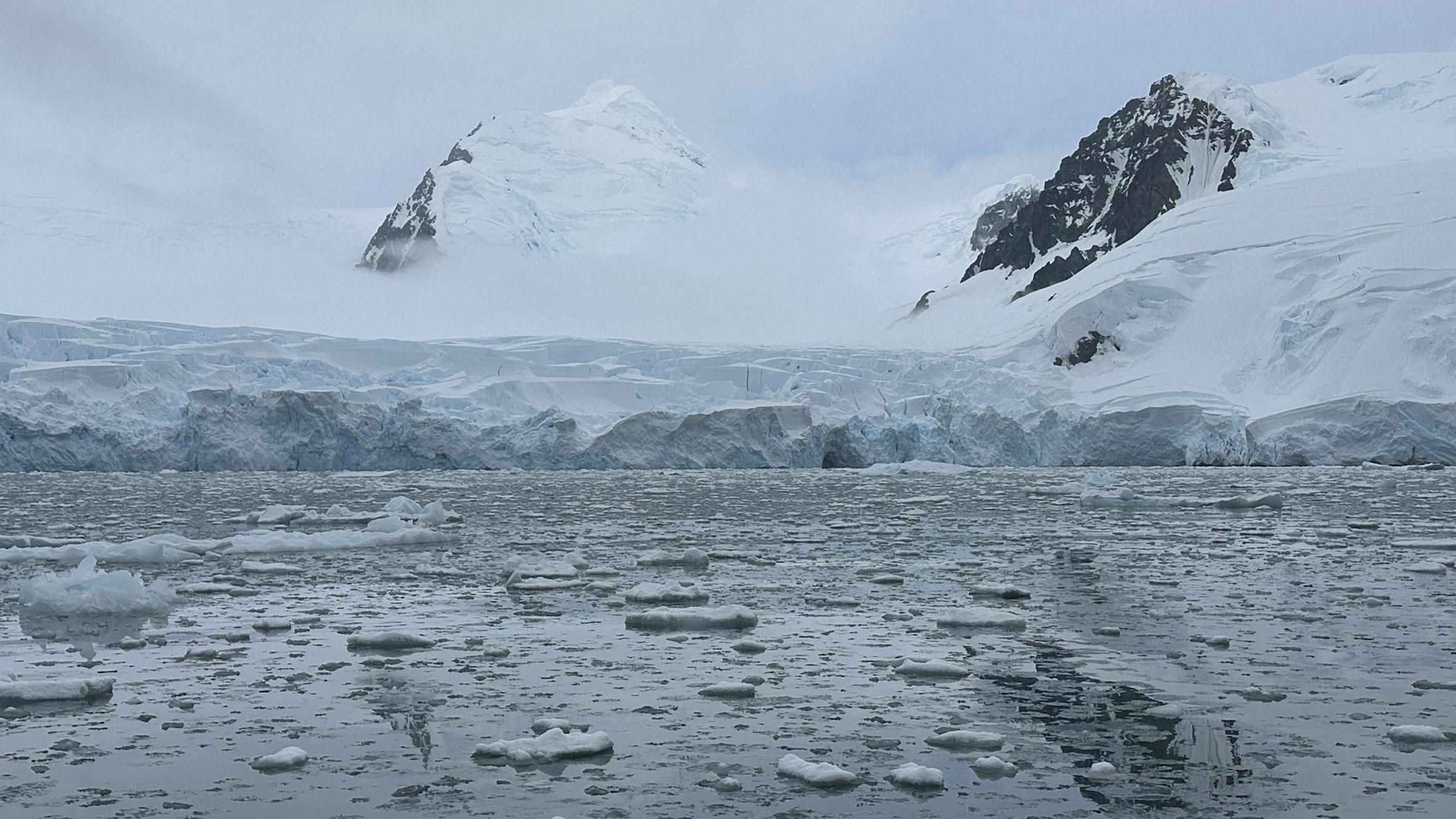
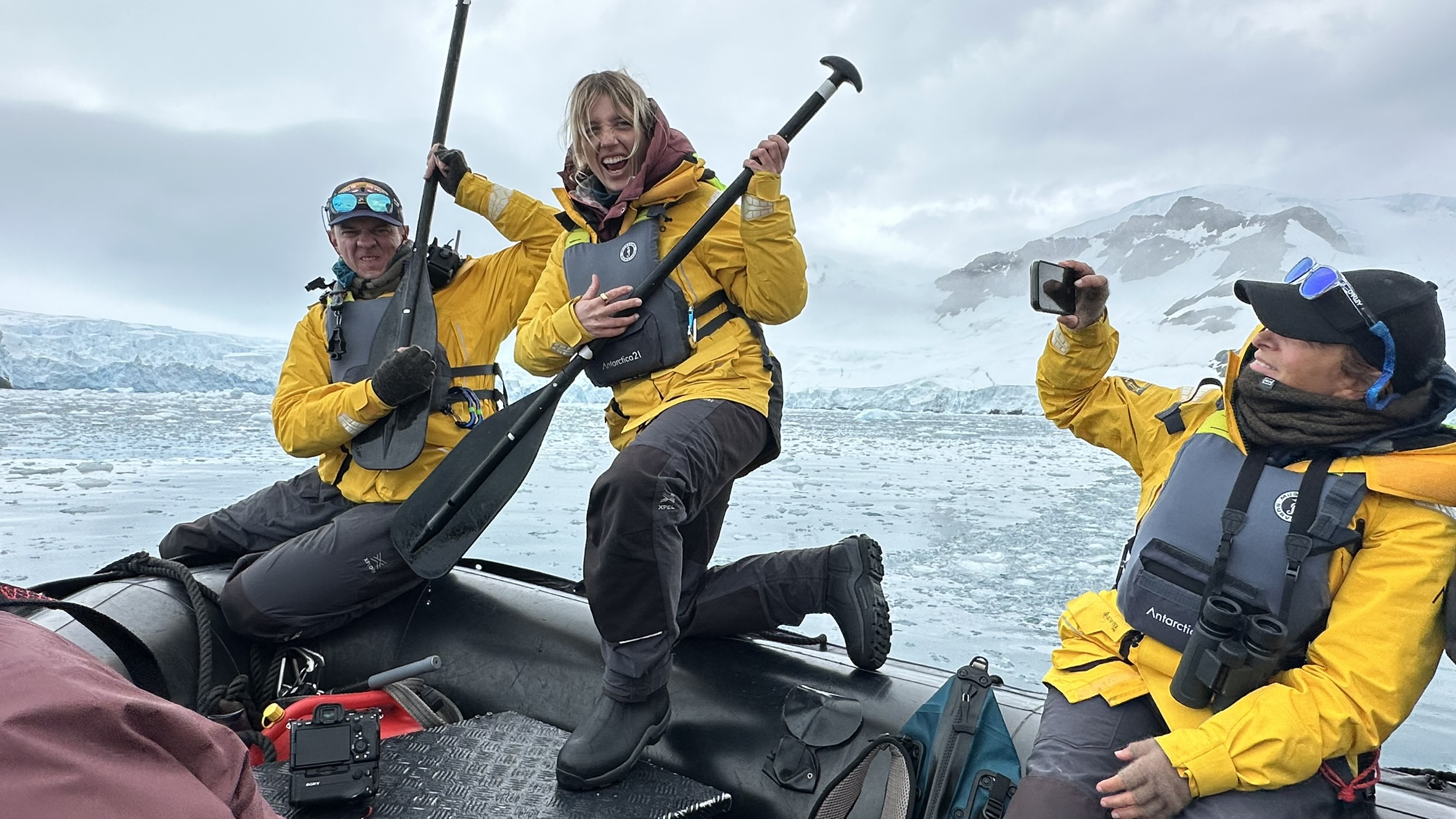
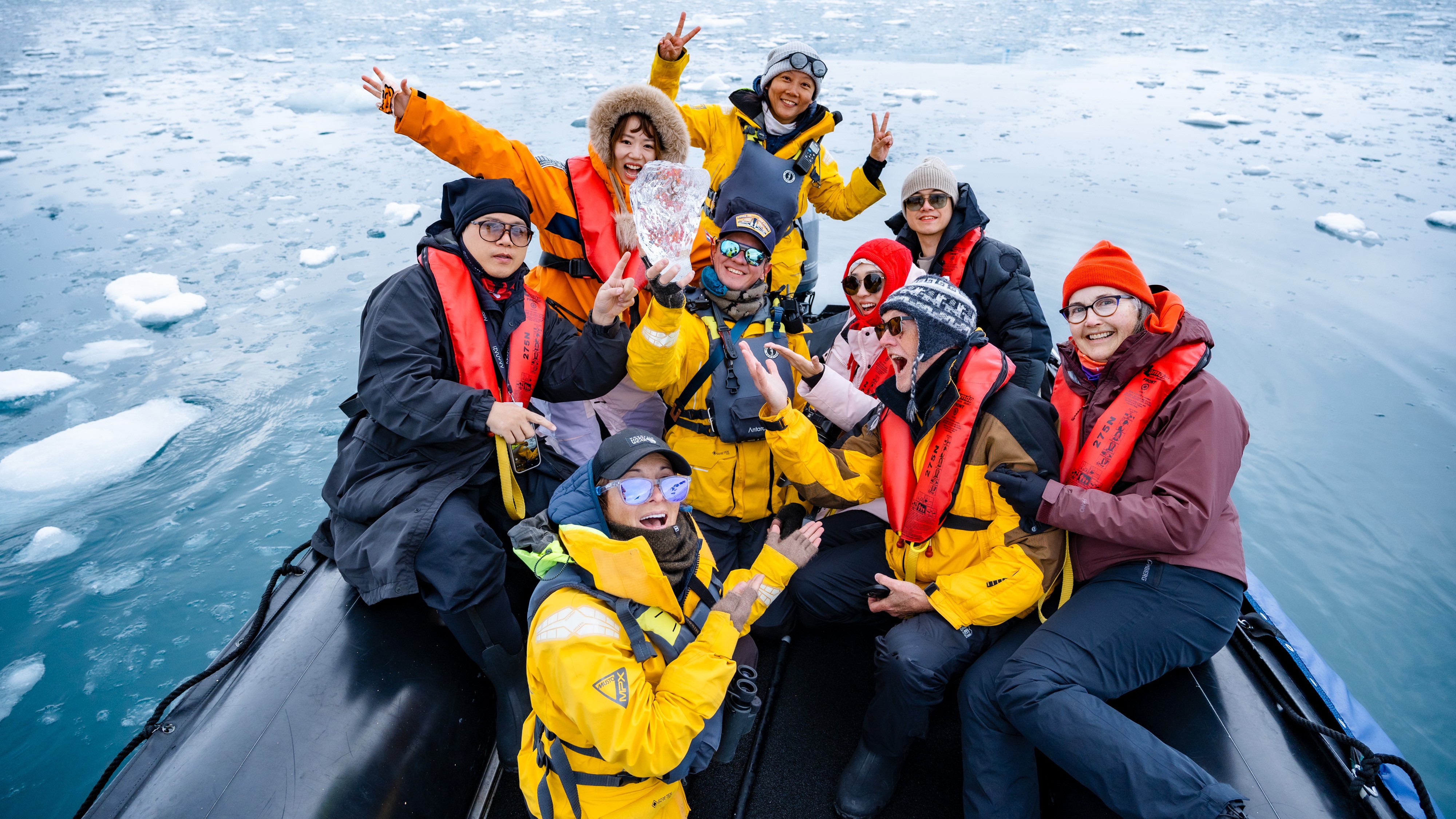
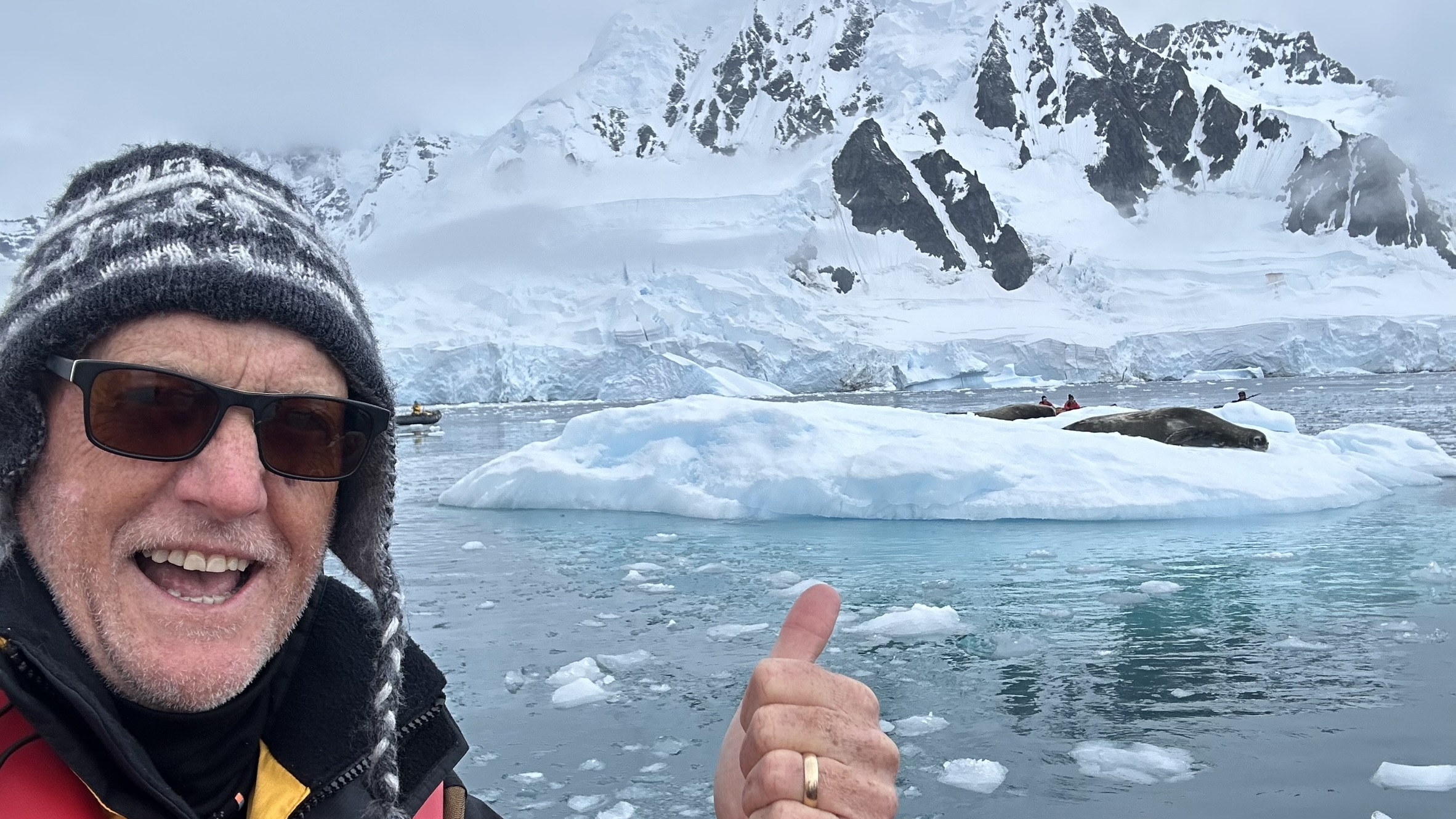
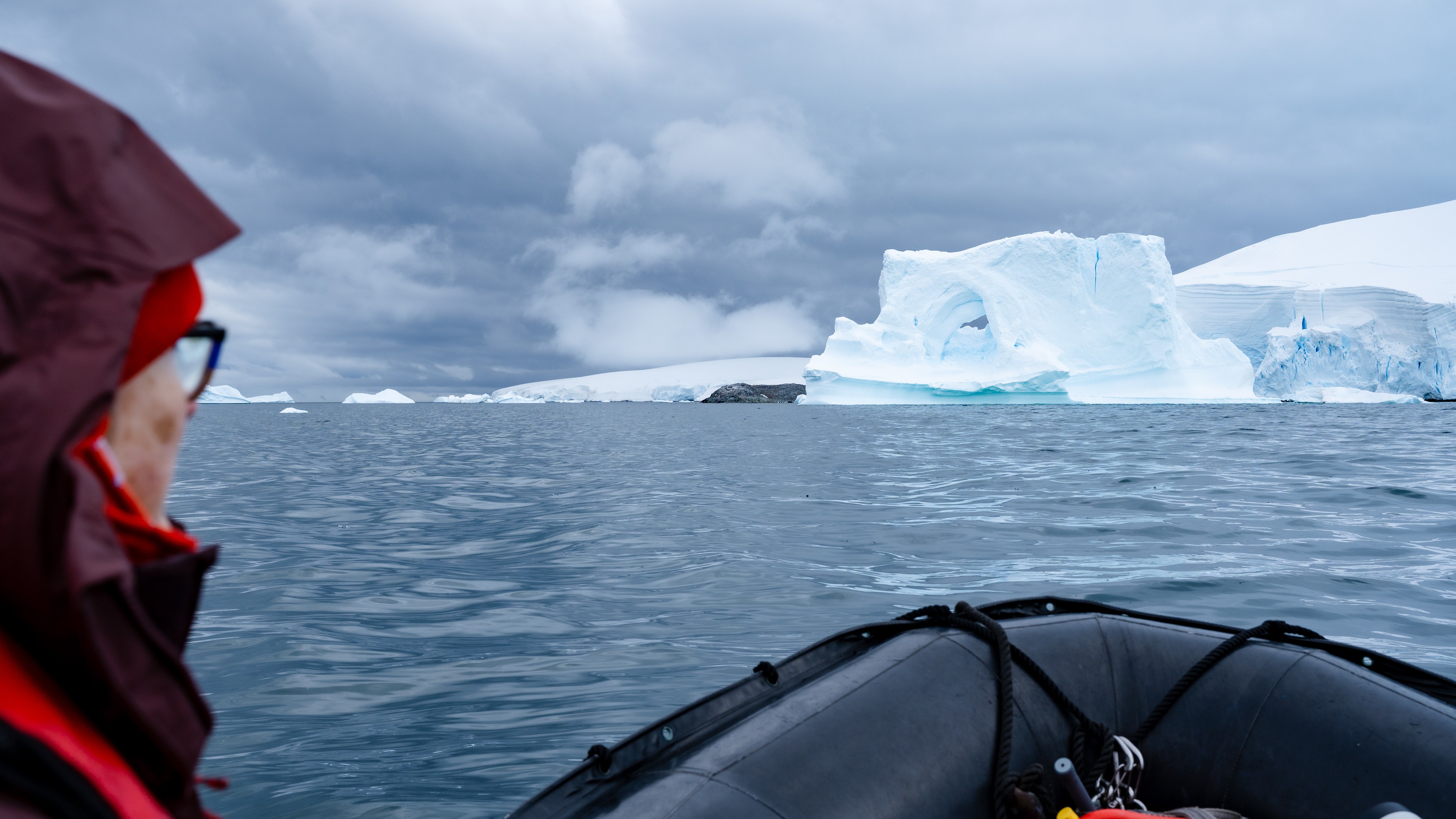
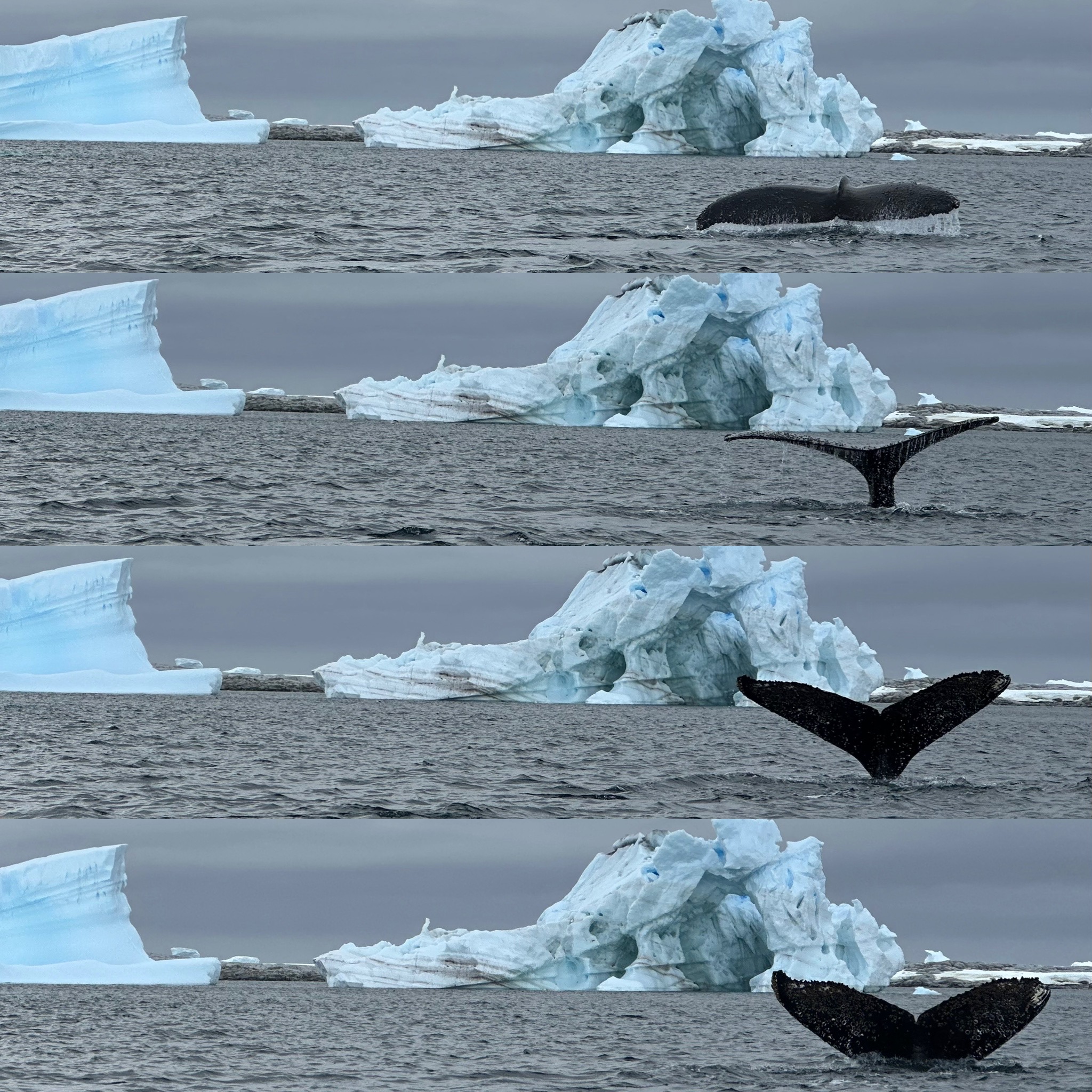
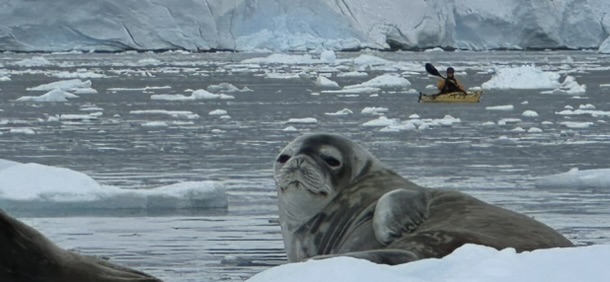
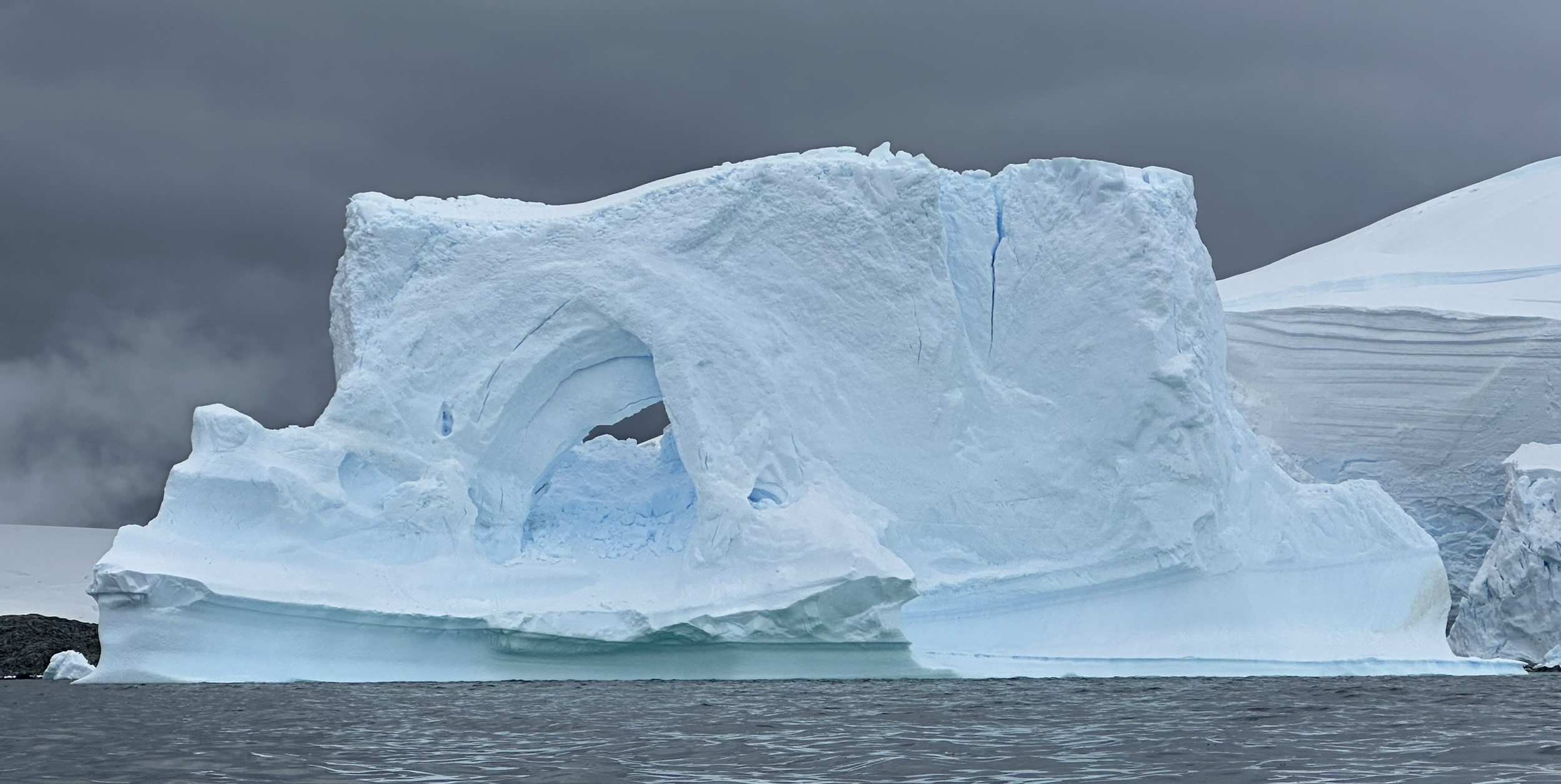
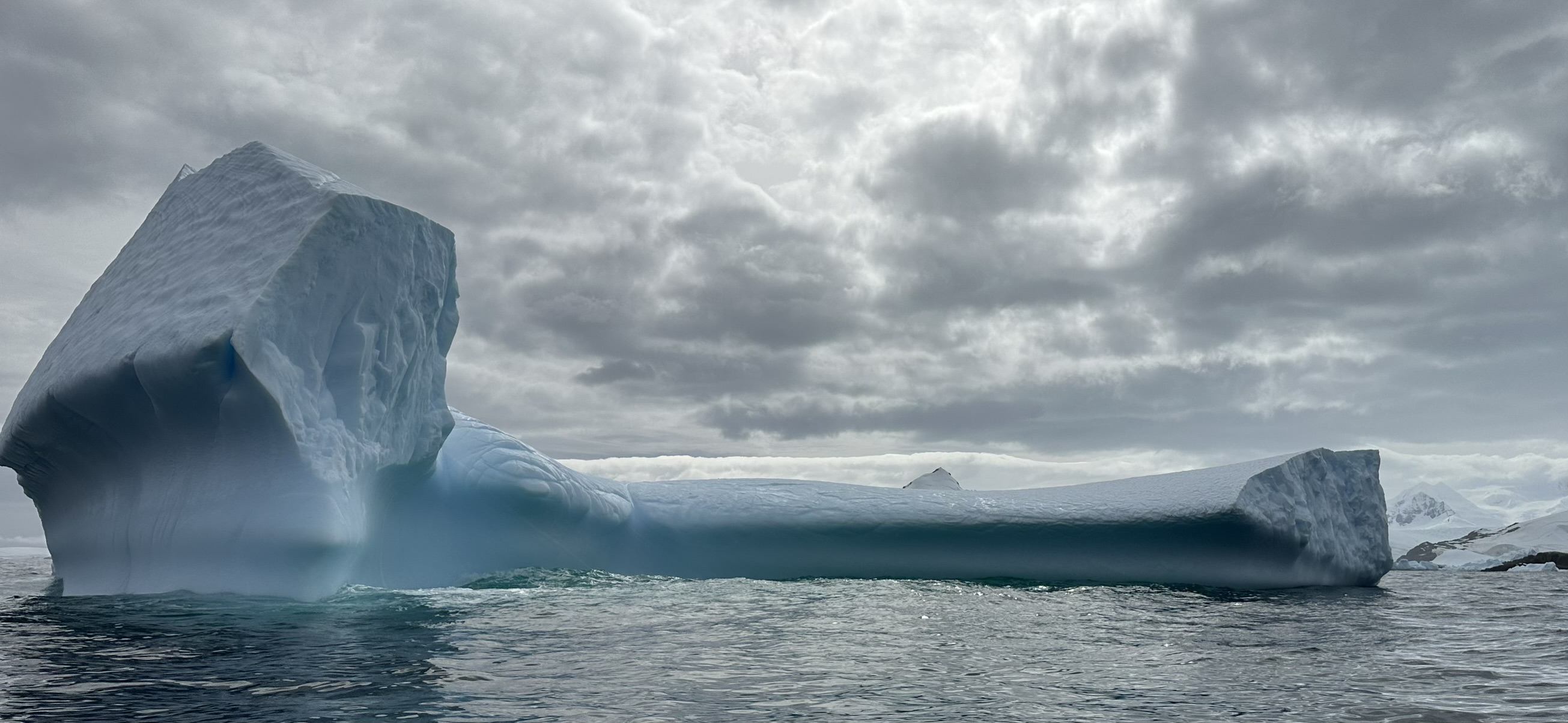
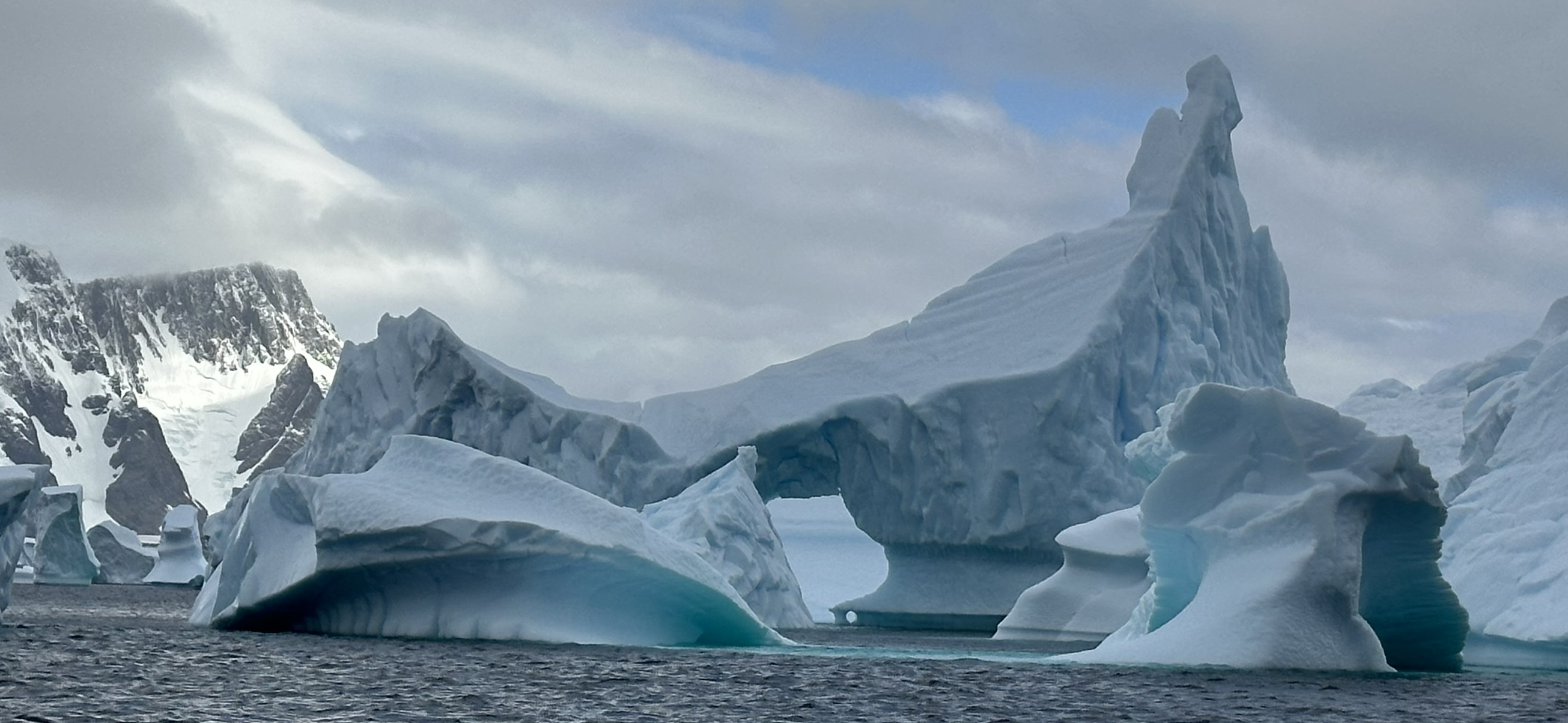
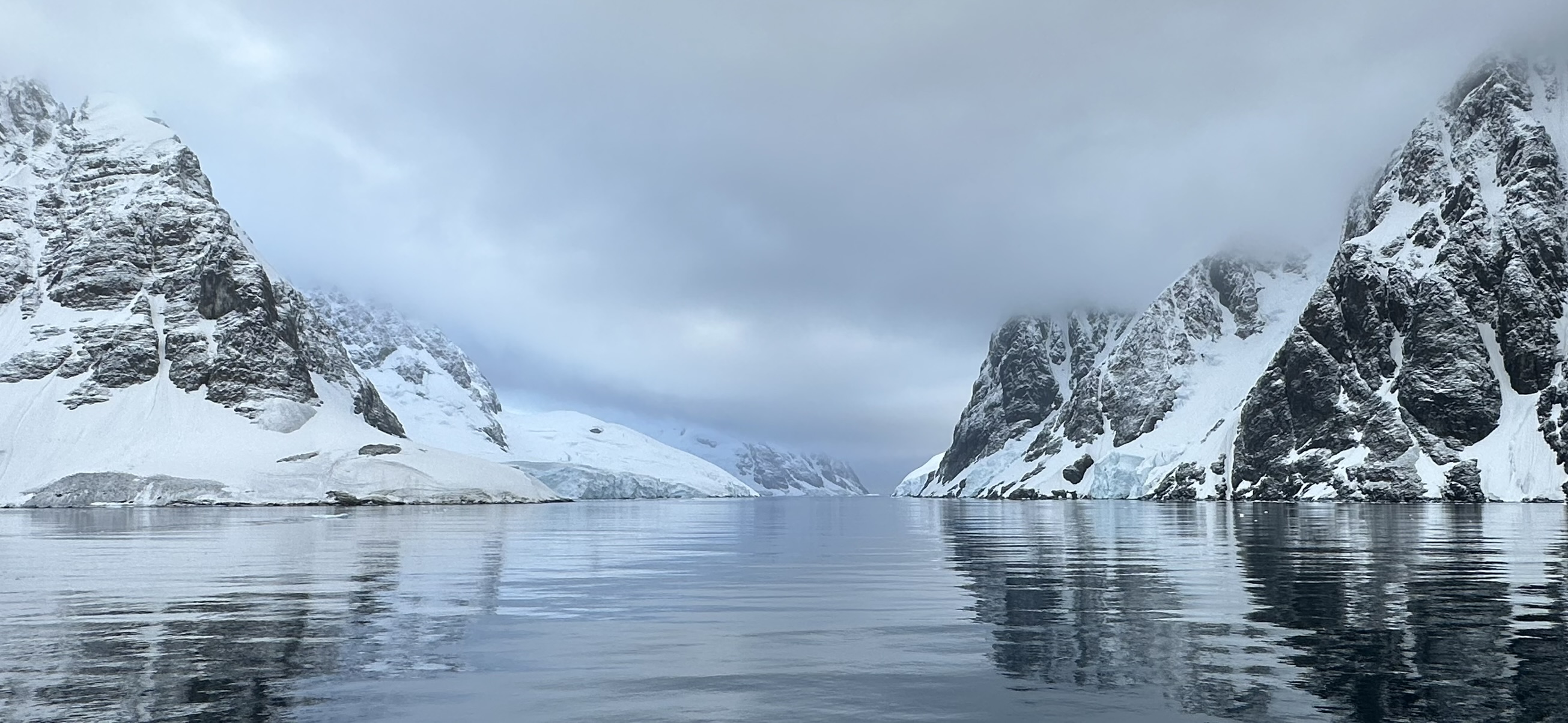
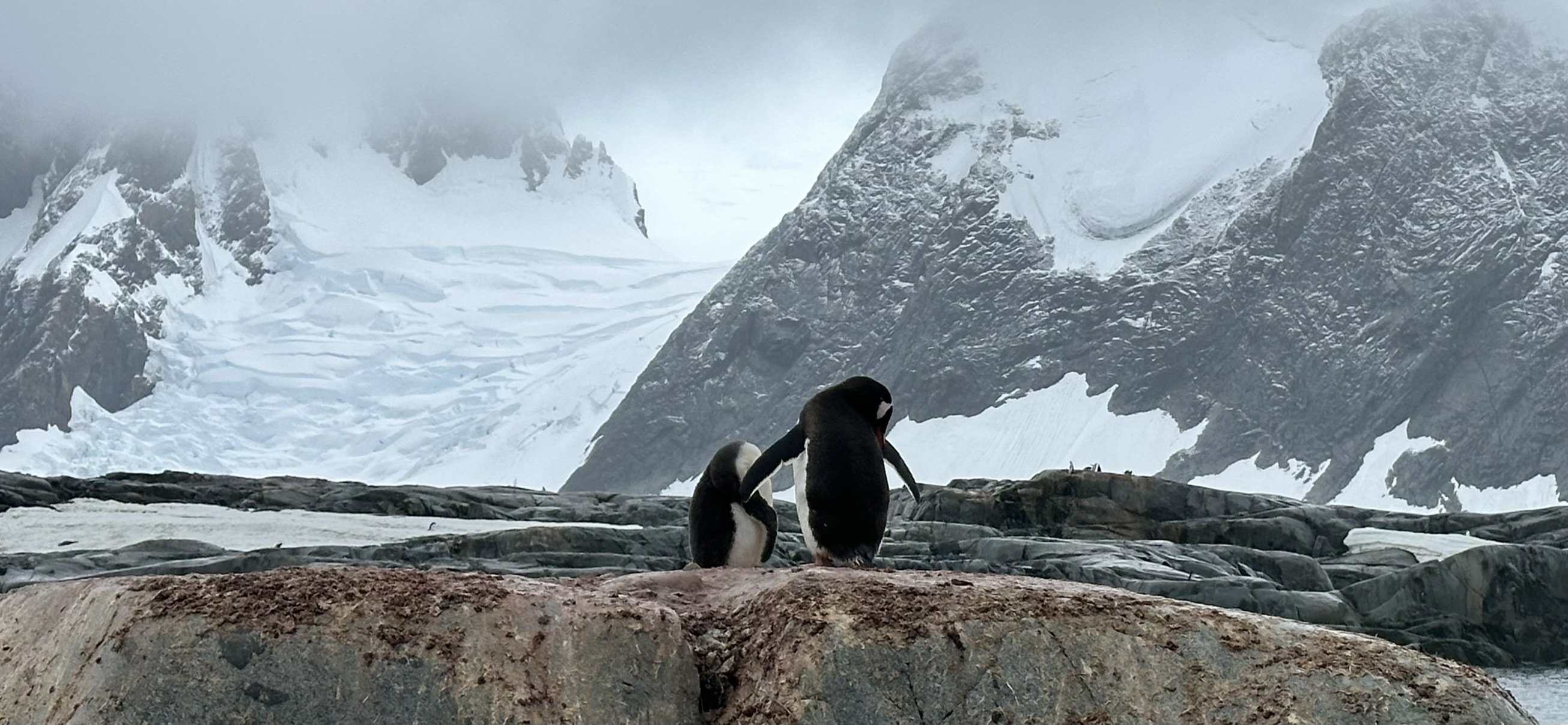
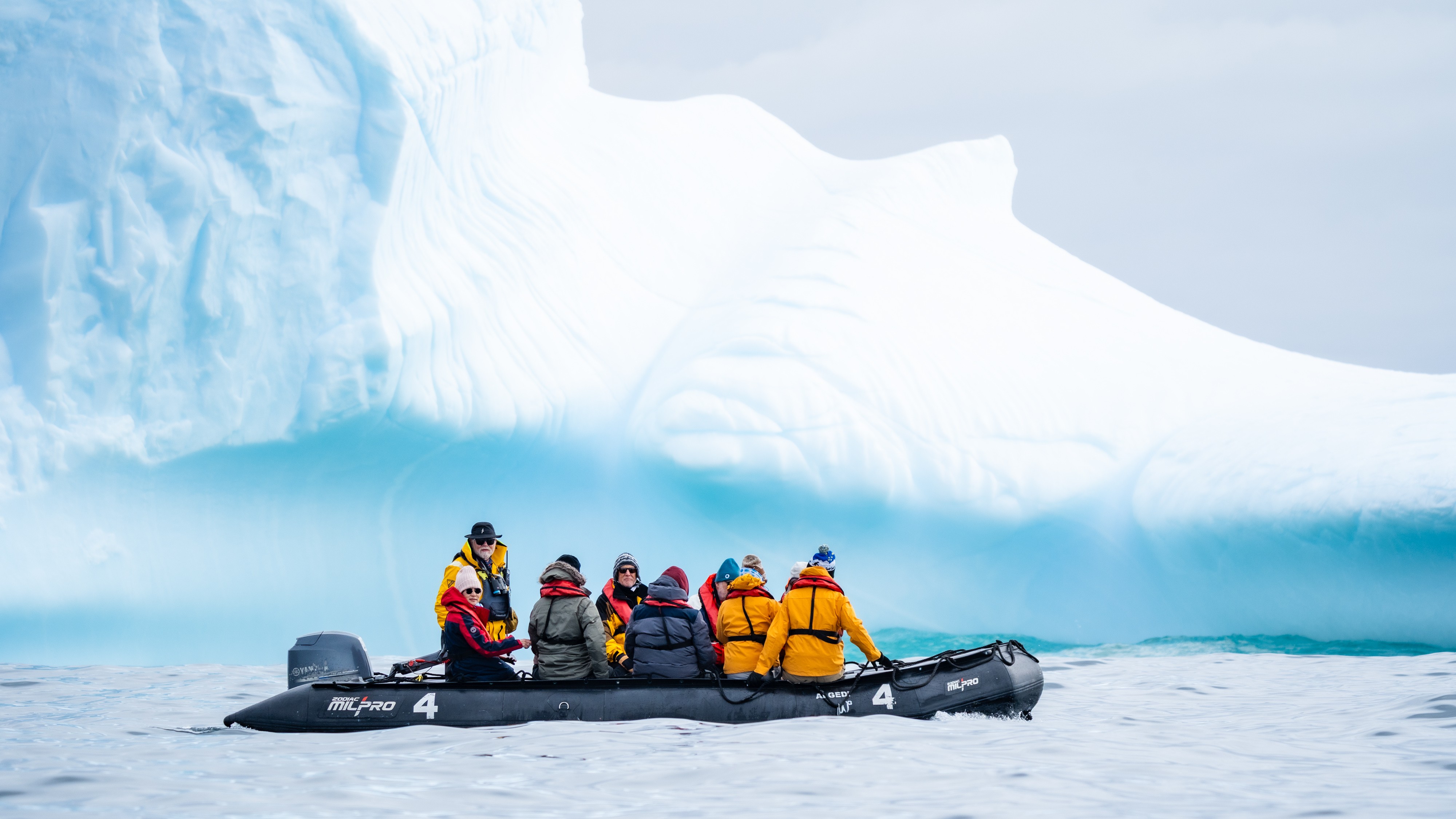
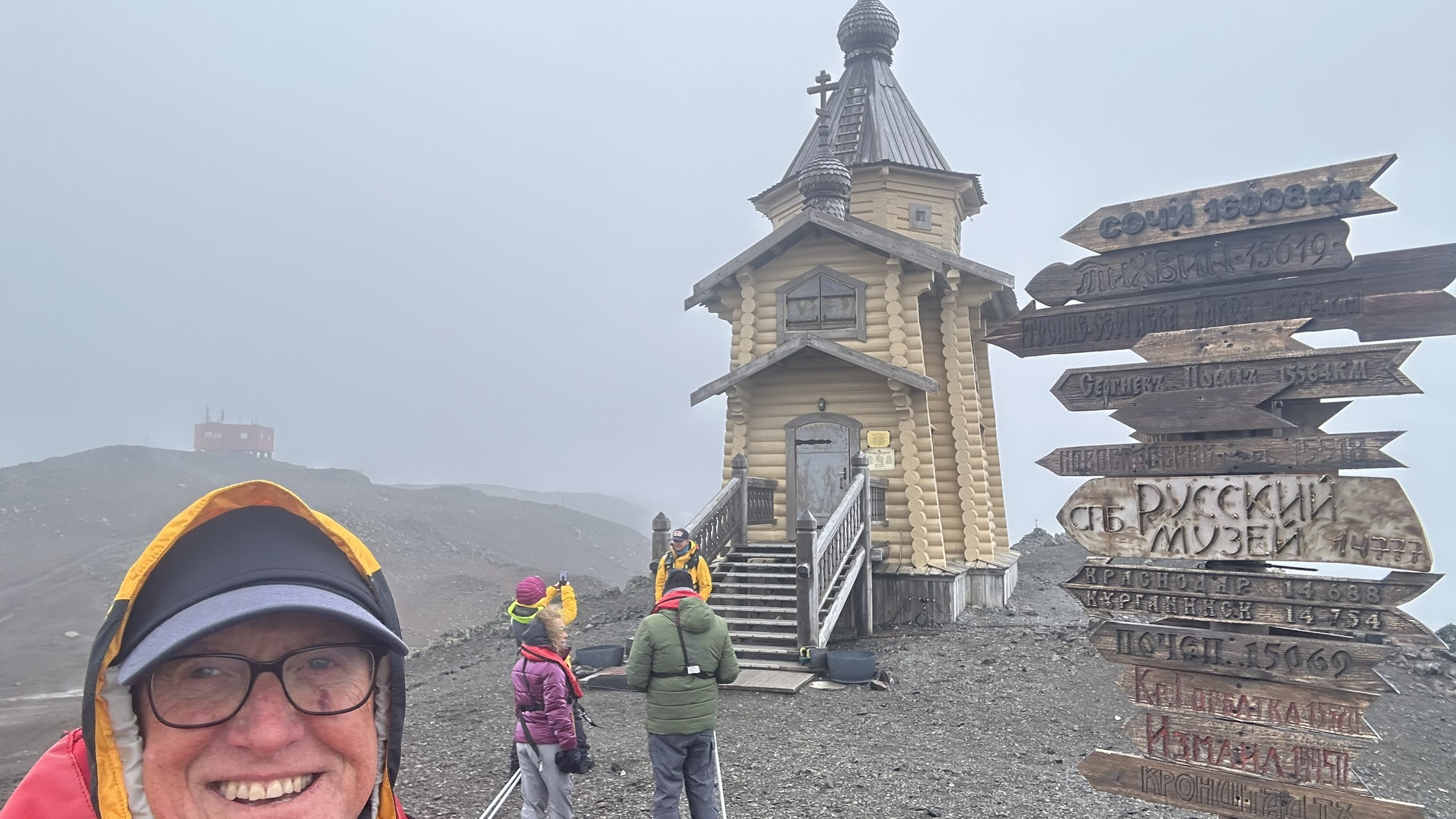
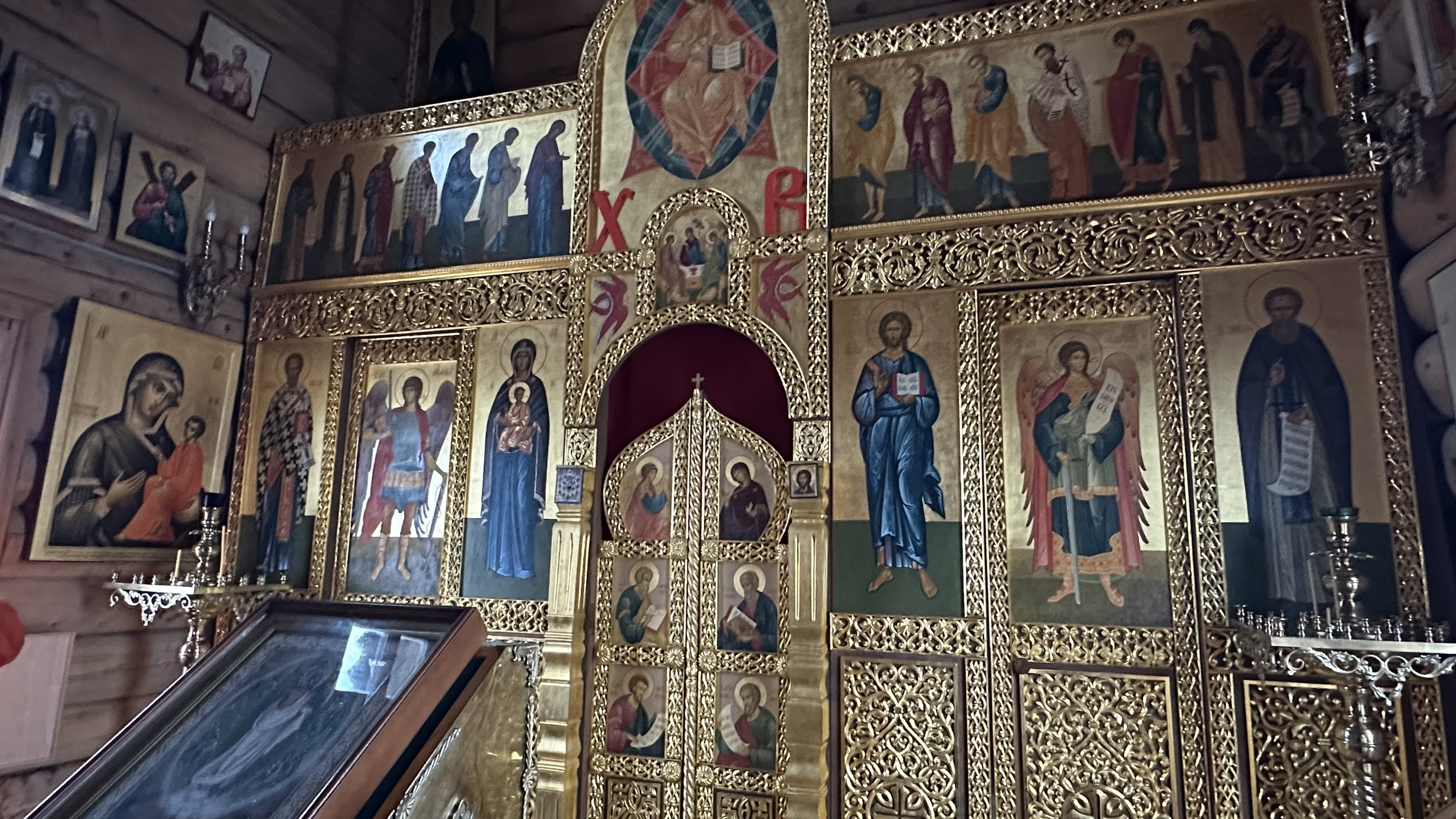
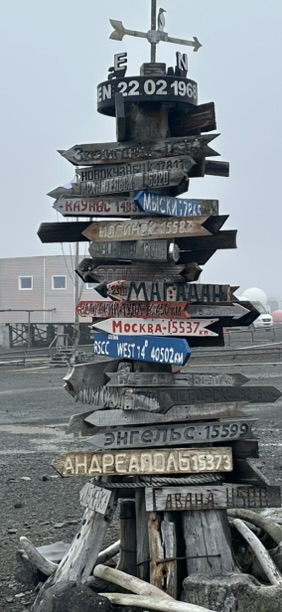
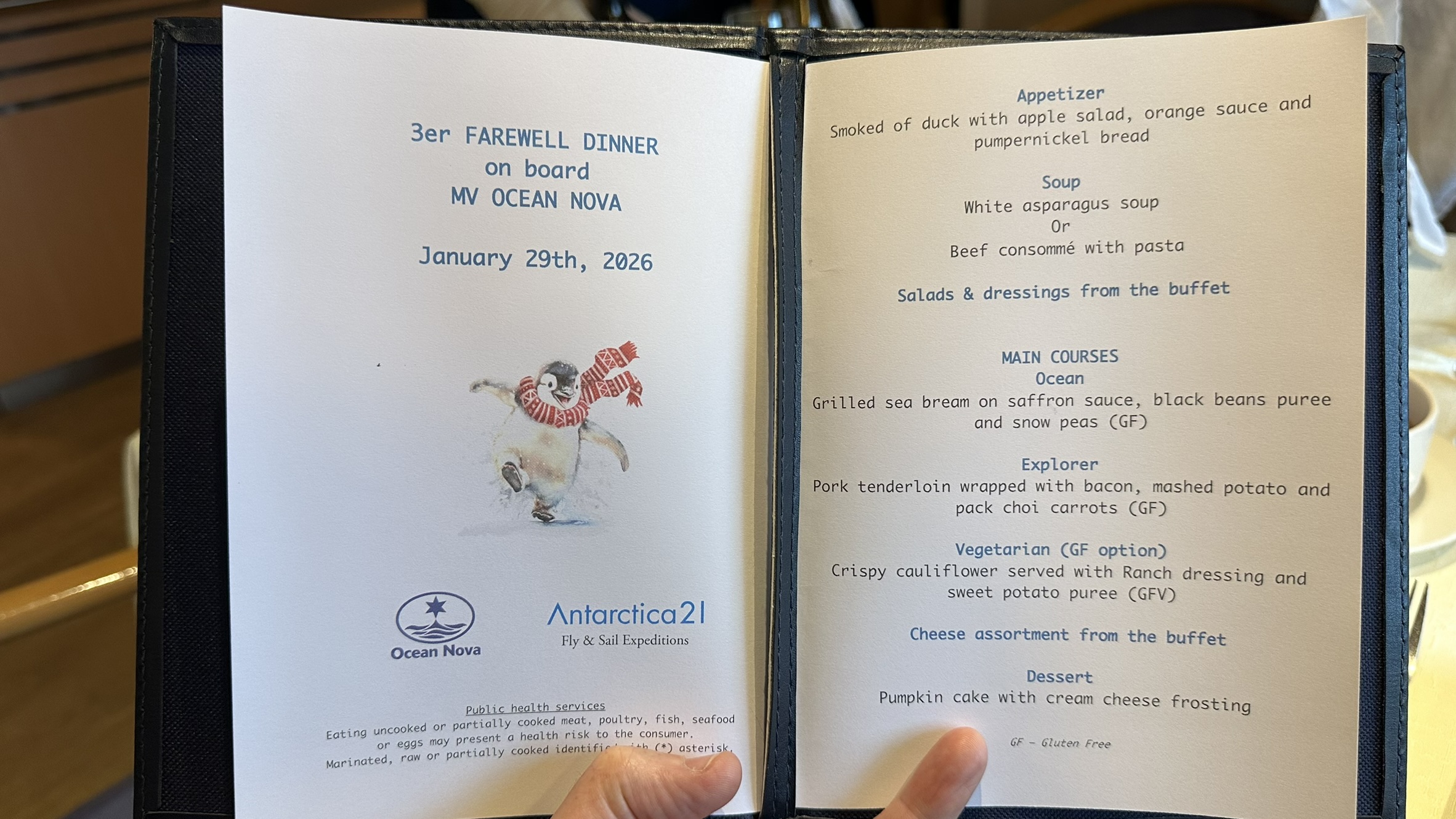
Now, I said planned 5-day cruise because sometimes things don’t go to plan, and sometimes that turns out to be a good thing. There is no ground radar at Frei Station so pilots rely on good visibility to land. Low clouds over the Antarctic airstrip grounded our return flight for 3 days and nights, and while we only had one shore excursion during “overtime” — a rare shore visit to Bellingshausen Station, a the Russian research base on King George Island and its Orthodox church on the hill (transported by ship from its original home in Siberia), we scored big with our comfy cabin, great food (including not one but three farewell dinners), open bar and all the amazing expedition guides, ship’s crew and fellow passengers — all pretty much on the house!
Notes and Tips:
- As noted earlier, I cannot recommend Antarctica21 highly enough (here’s my official TripAdvisor review). Every single expedition guide, naturalist, marine biologist, ornithologist, glacier scientist, etc. was amazing, informative and fun to be around. And when we experienced our 3-day delay, they improvised lectures, games and experiences, all with smiles and laughter. By comparison, upon returning to Punta Arenas we met another group whose trip had been cancelled due to the same weather problem who said their well-known, big-name company promptly dumped them saying “you’re on your own”.
- We picked this expedition aboard the Ocean Nova because it is the smallest ship in its class, meaning fewer people (67 guests, 46 crew and expedition staff) and guaranteed landings at every stop (weather permitting). Antarctica limits landings to 100 people. Pity the fools on a cruise ship with 200+ guests. Turns out ours was Ocean Nova’s final Antarctic voyage, so you can’t book it. But if you’re going, be sure to pick a small ship!
- Summertime temperature generally hovers between 30-35 degrees Fahrenheit. Waterproof clothing is essential, otherwise dress like you’re going skiing on a cold day.
| Day 27 | Santiago, Chile | Castillo Rojo Hotel |
The uncertainty over our eventual departure from King George Island the last three days of our cruise meant frequent re-evaluation of our post-Antarctica plans. Our original plan had been to fly to Santiago, rent a car, and spend three days in Valparaiso, an hour west of Santiago on the coast. By the time we finally got back to Chile, those three days were gone. No matter, we pivoted to a one-night stay in Santiago with our friends, Jim and Vicky, before resuming the last leg of our trip the next day.
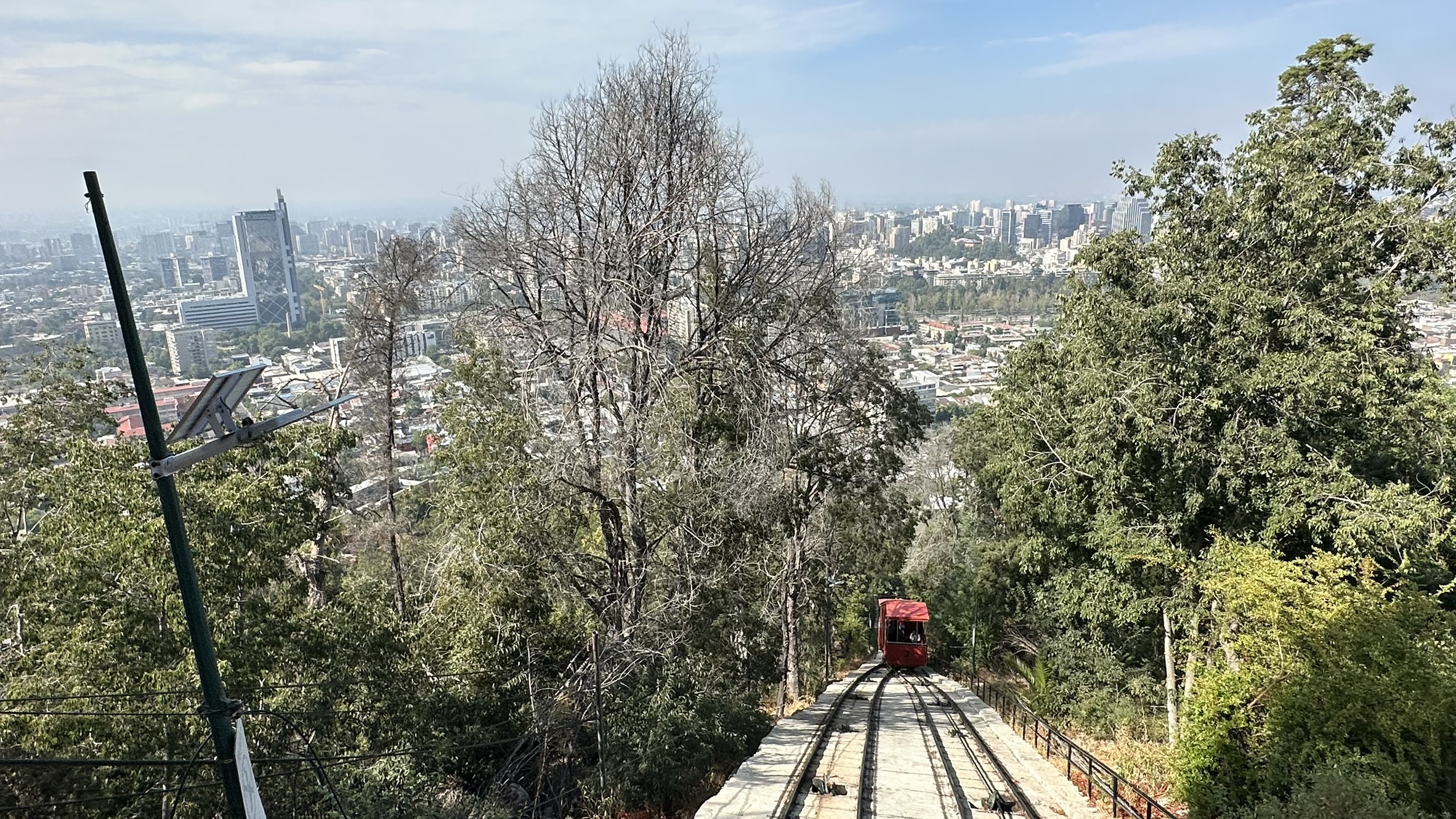
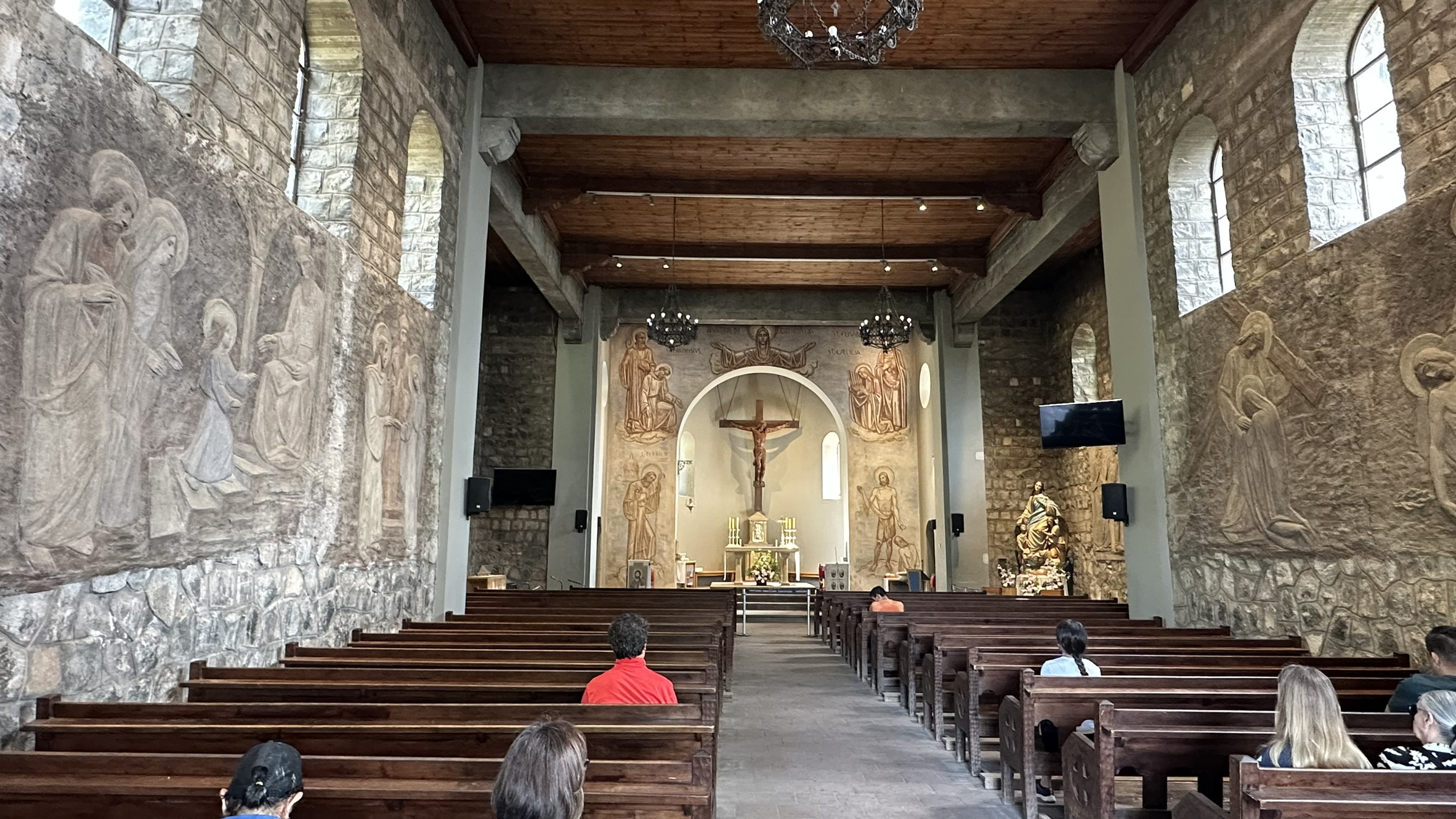
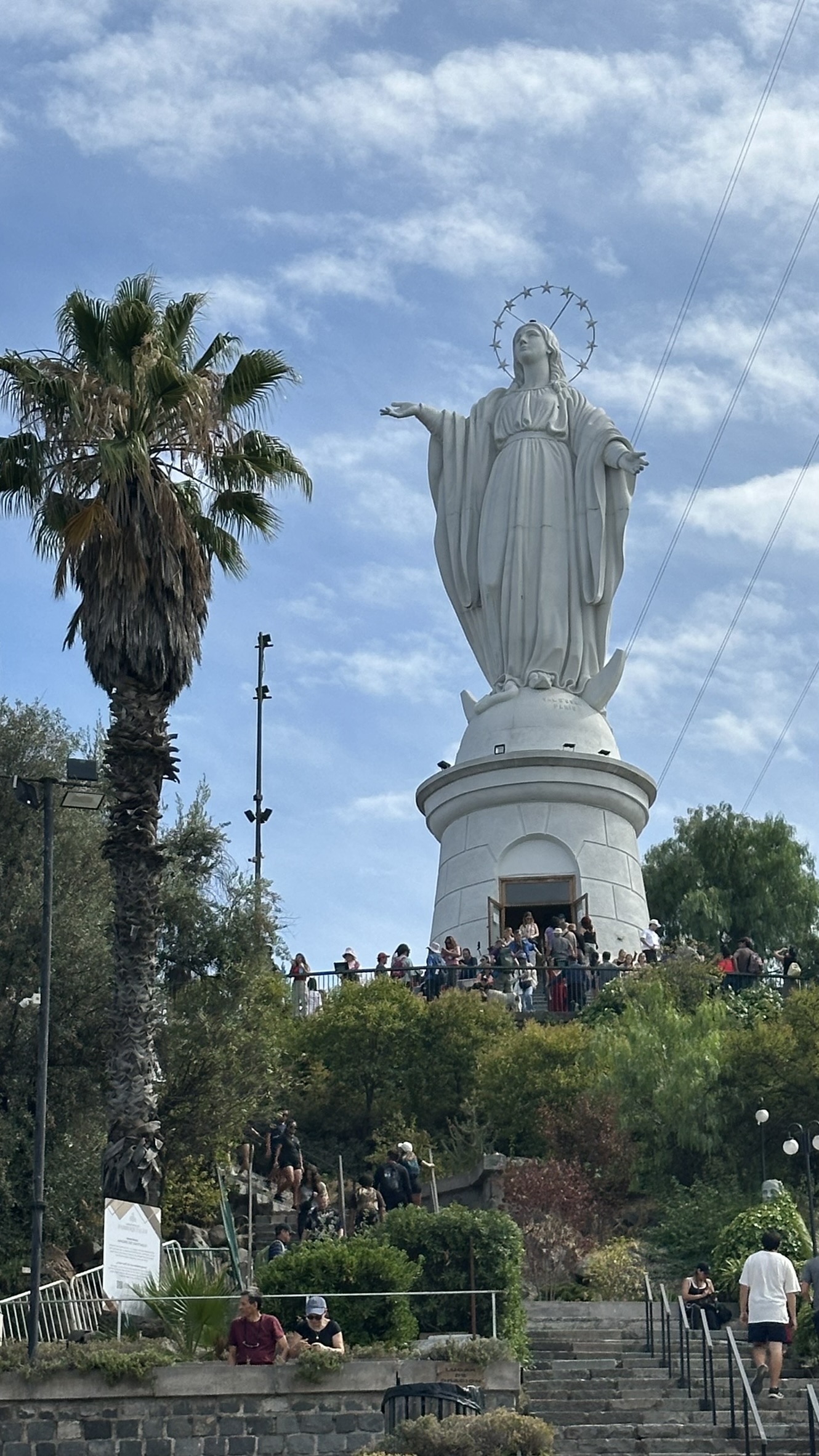
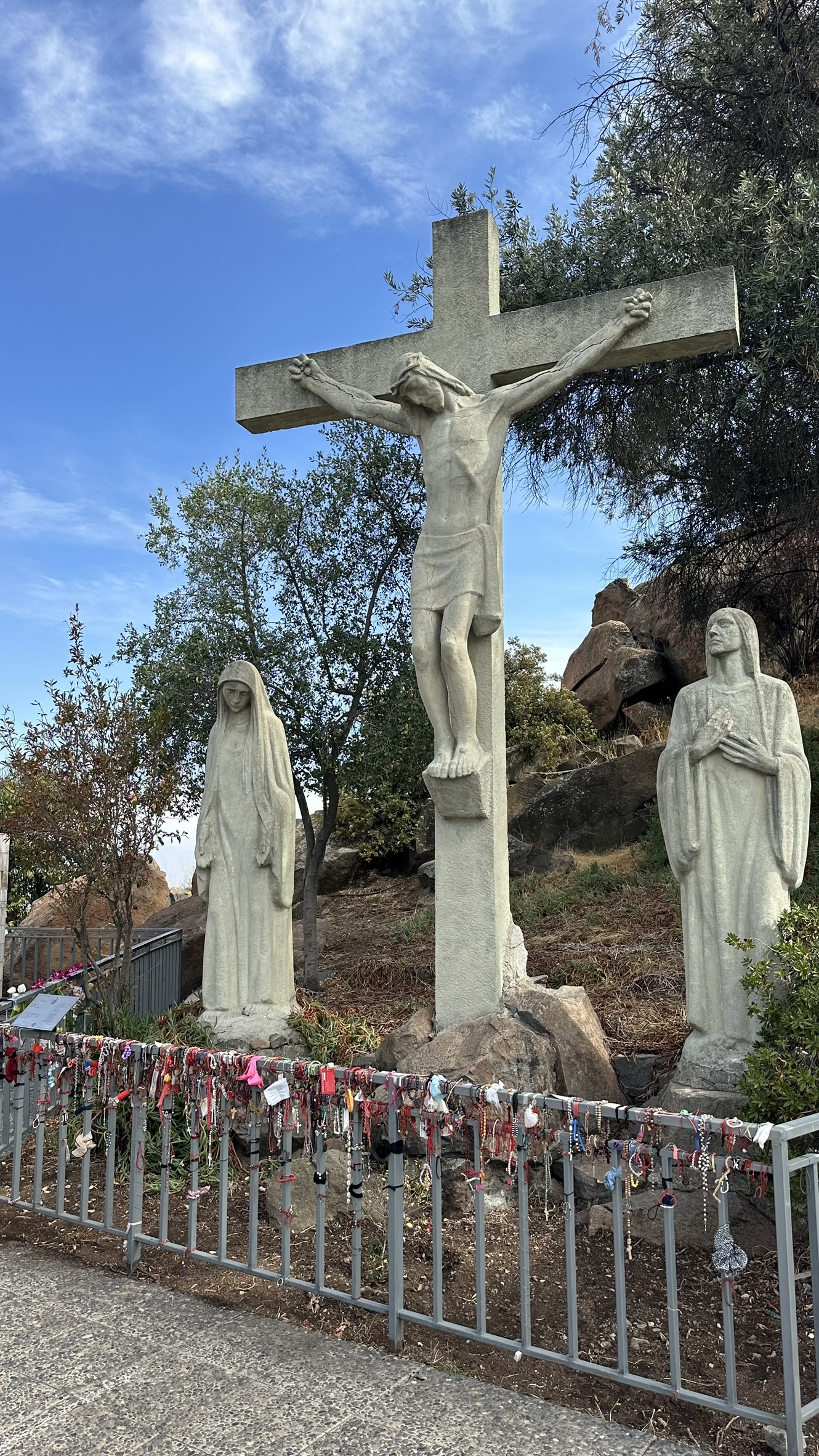
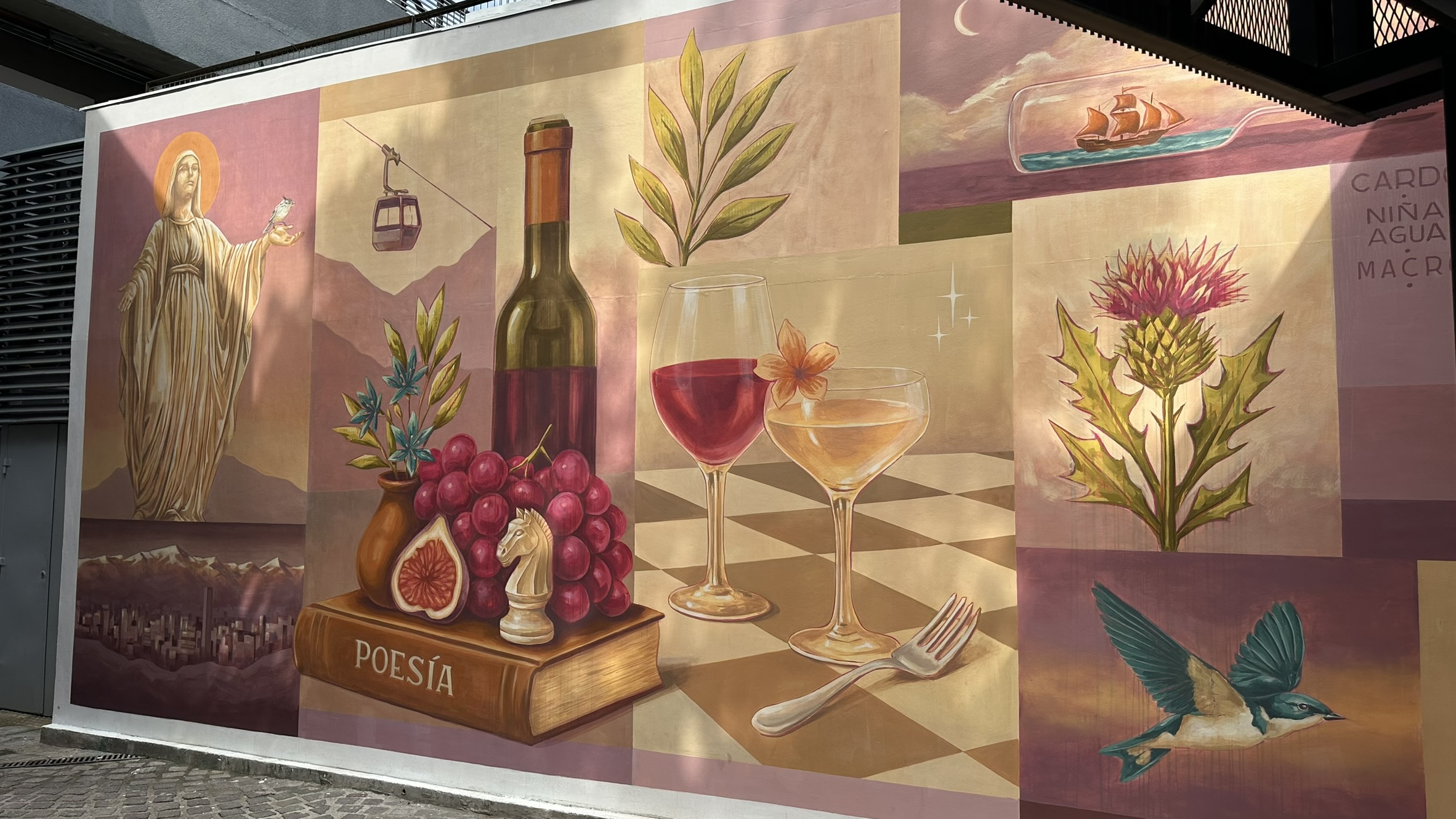
With only one night, we stayed in the Bellavista neighborhood for its proximity to Cerro San Cristobal. We spent our only afternoon taking the Pio Nono funicular to the top of Cerro San Cristobal for its great views over the city and surrounding mountains and its massive shrine to the Virgin of the Immaculate Conception, followed by a tour of La Chascona, former home of Pablo Neruda, Chile’s most famous poet and Nobel Laureate.
| Days 28-31 | San Pedro de Atacama | Hotel Desertica |
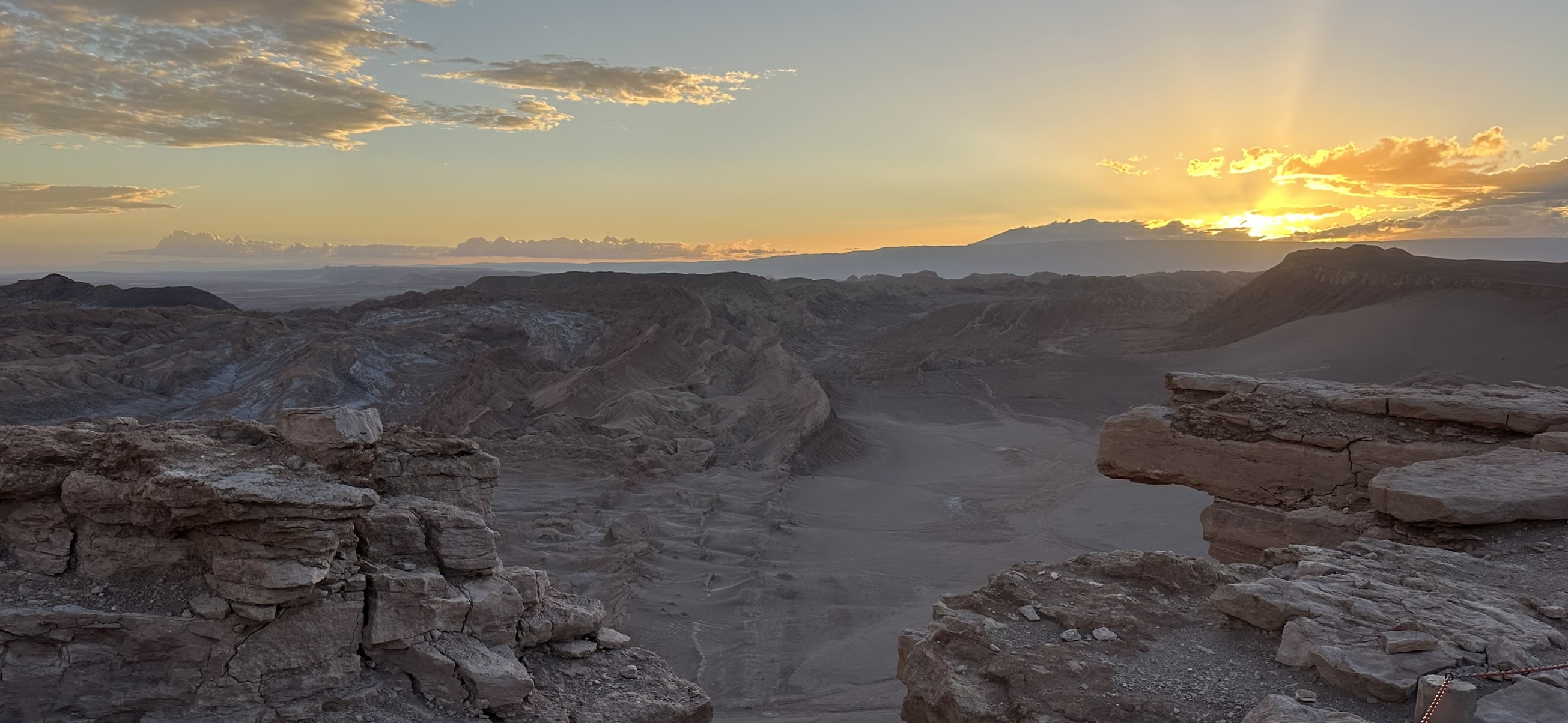
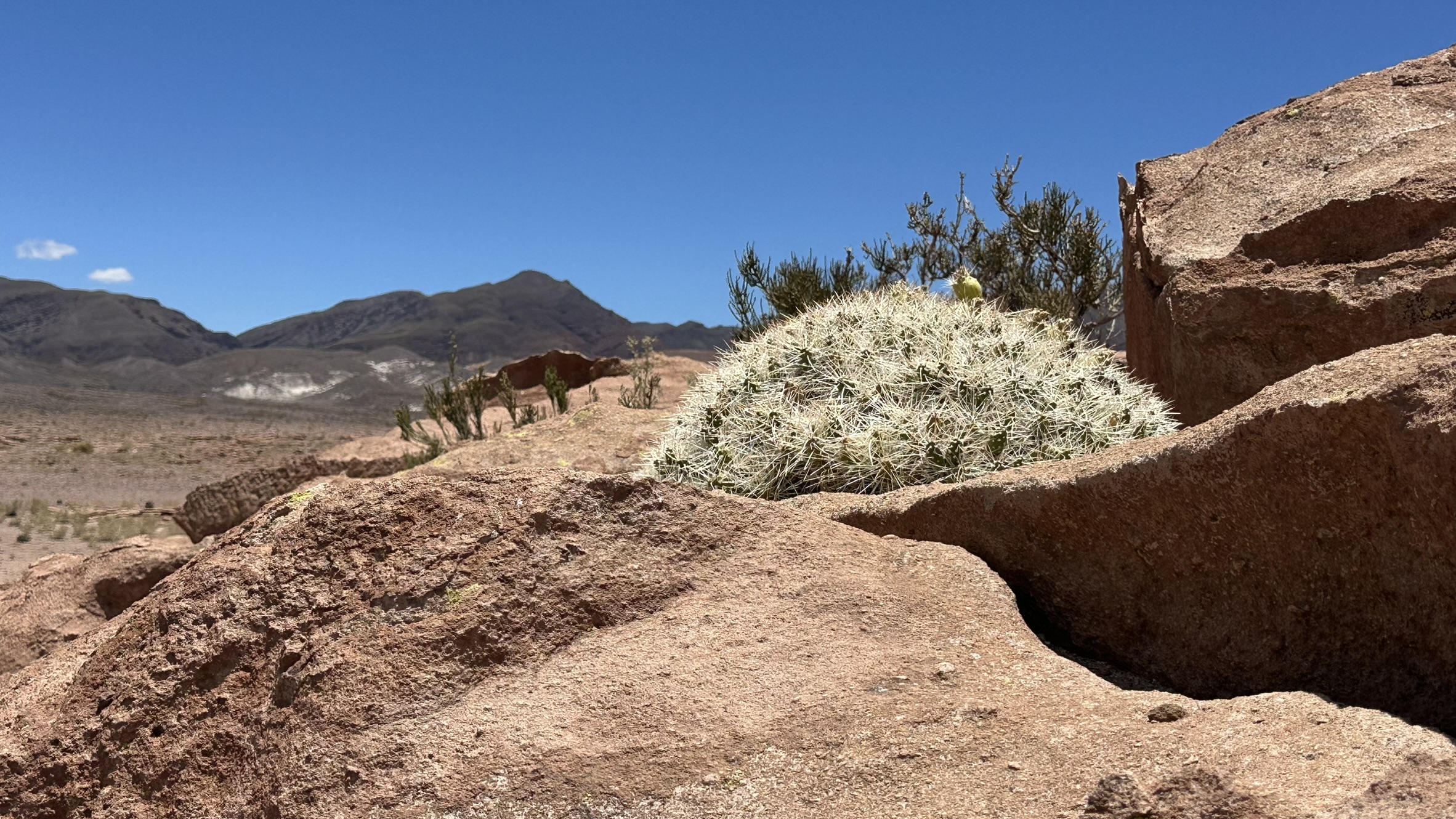
The final leg our our 30-day tour to the world’s end was another first… although it was reminiscent of a trip to northwestern Argentina ten years ago. From the driest place on earth covered in ice, we headed north to the driest place on earth covered by dirt: the Atacama Desert in northern Chile.
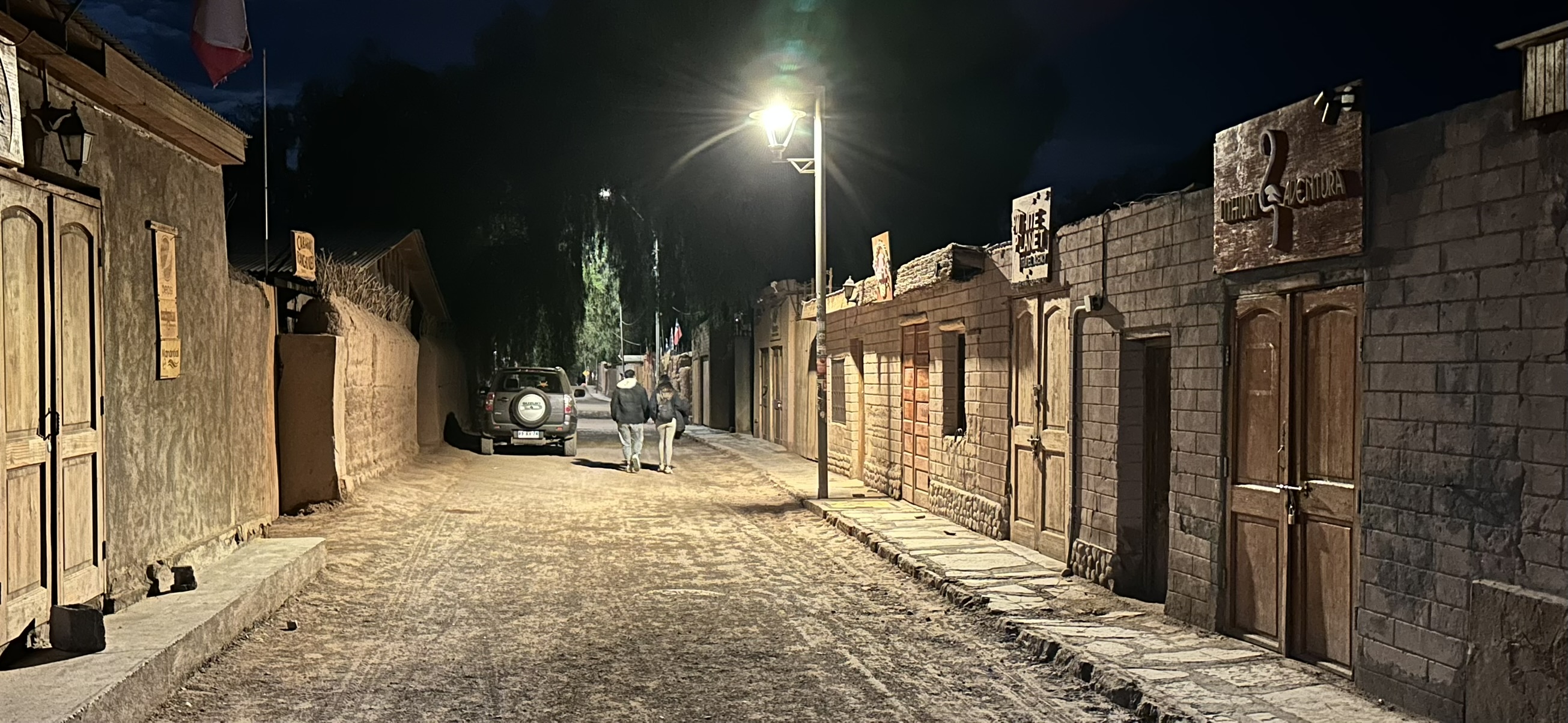
This is the place you want a 4WD pickup truck. Preferably manual 6-speed like mine. From our base in San Pedro de Atacama, the only significant town for miles around with only dirt streets and one main drag catering to locals, backpackers, stargazers and travelers, we spent three days exploring the vast stretches of this amazing place tucked at the foot of the Andes and its many nearby volcanoes. To get here, fly to Calama from Santiago (2 hours) and pick up your rental car at the airport. It’s a one-hour drive across the desert to San Pedro. Highlights:
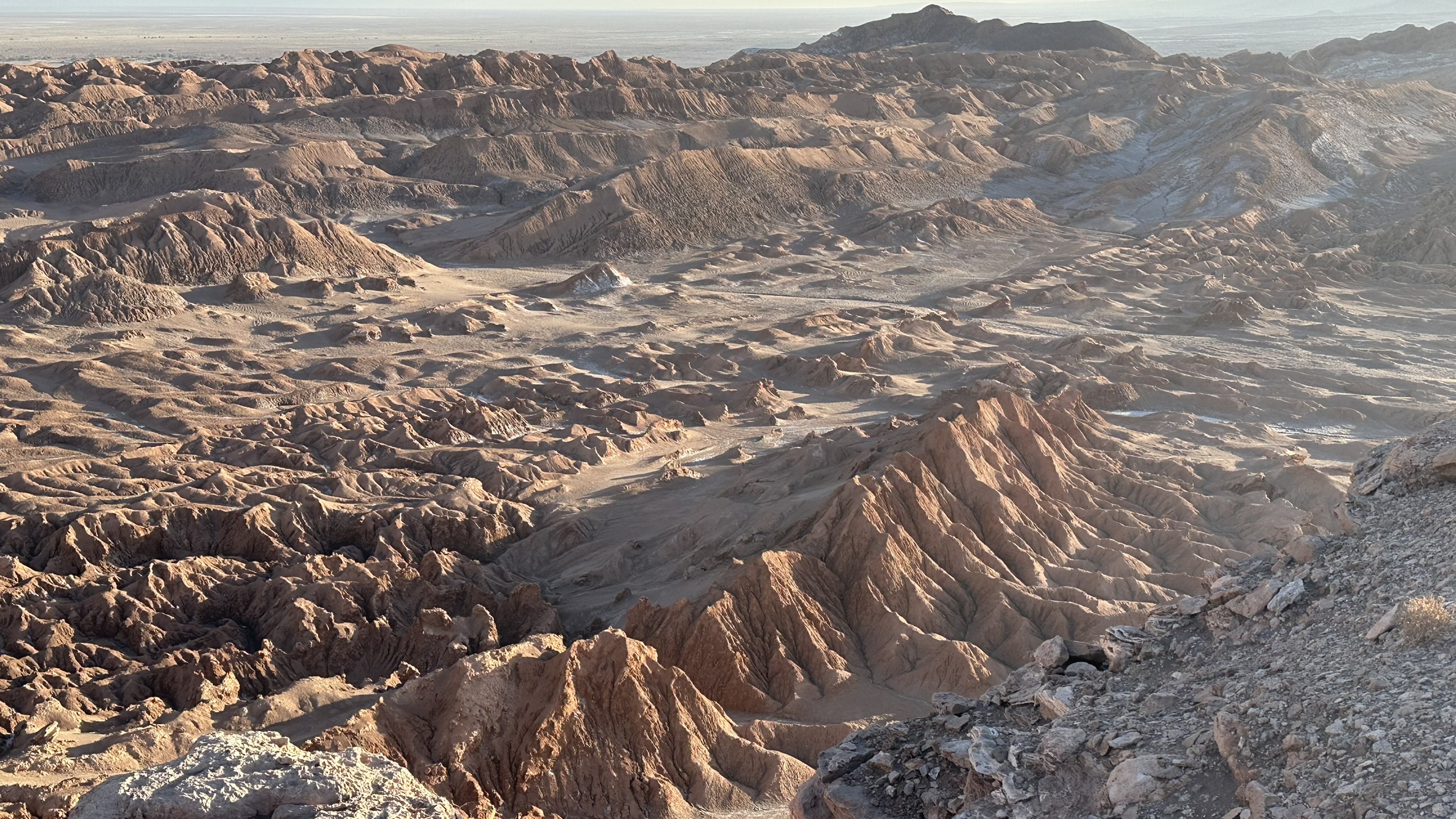
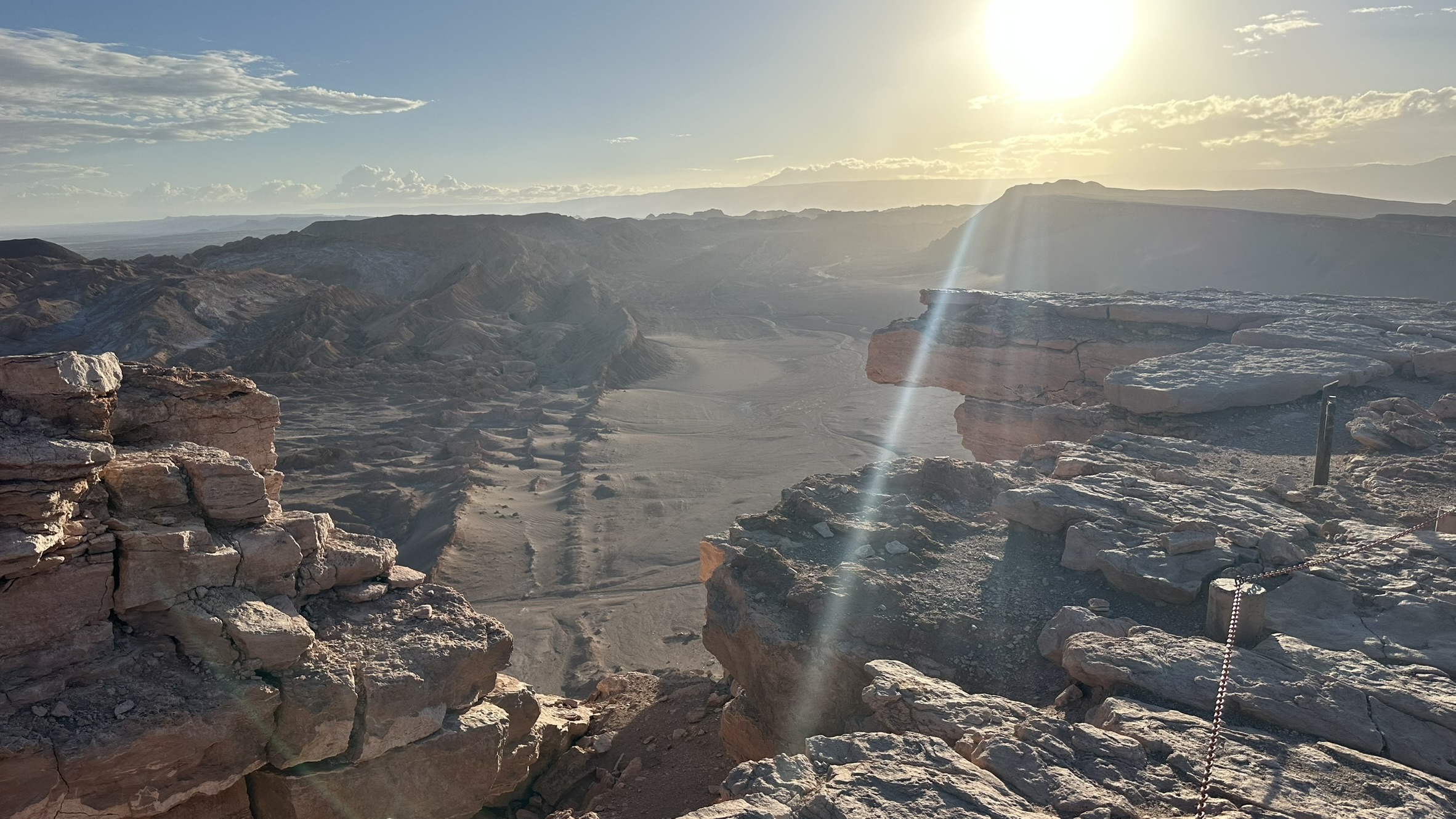
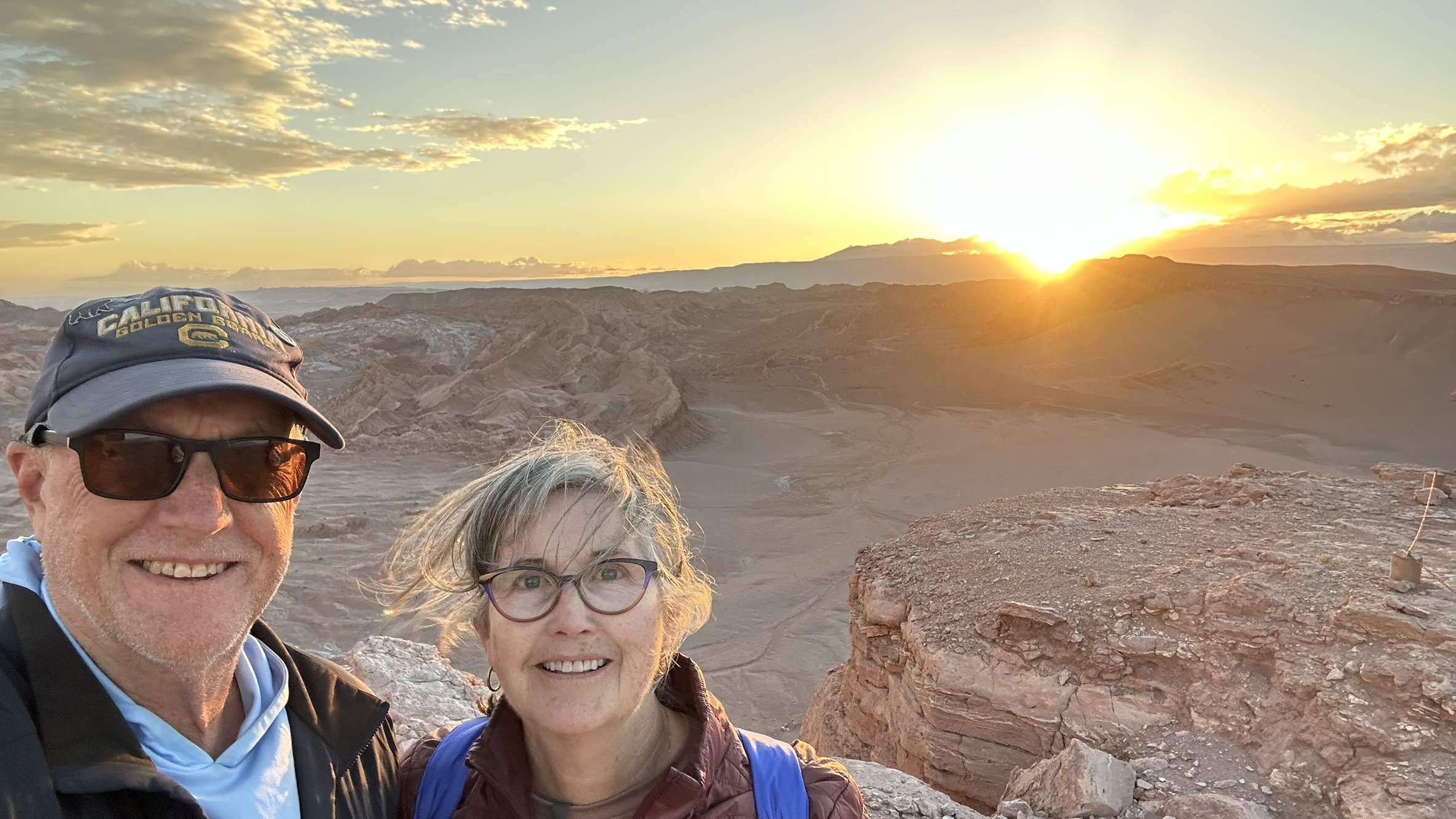
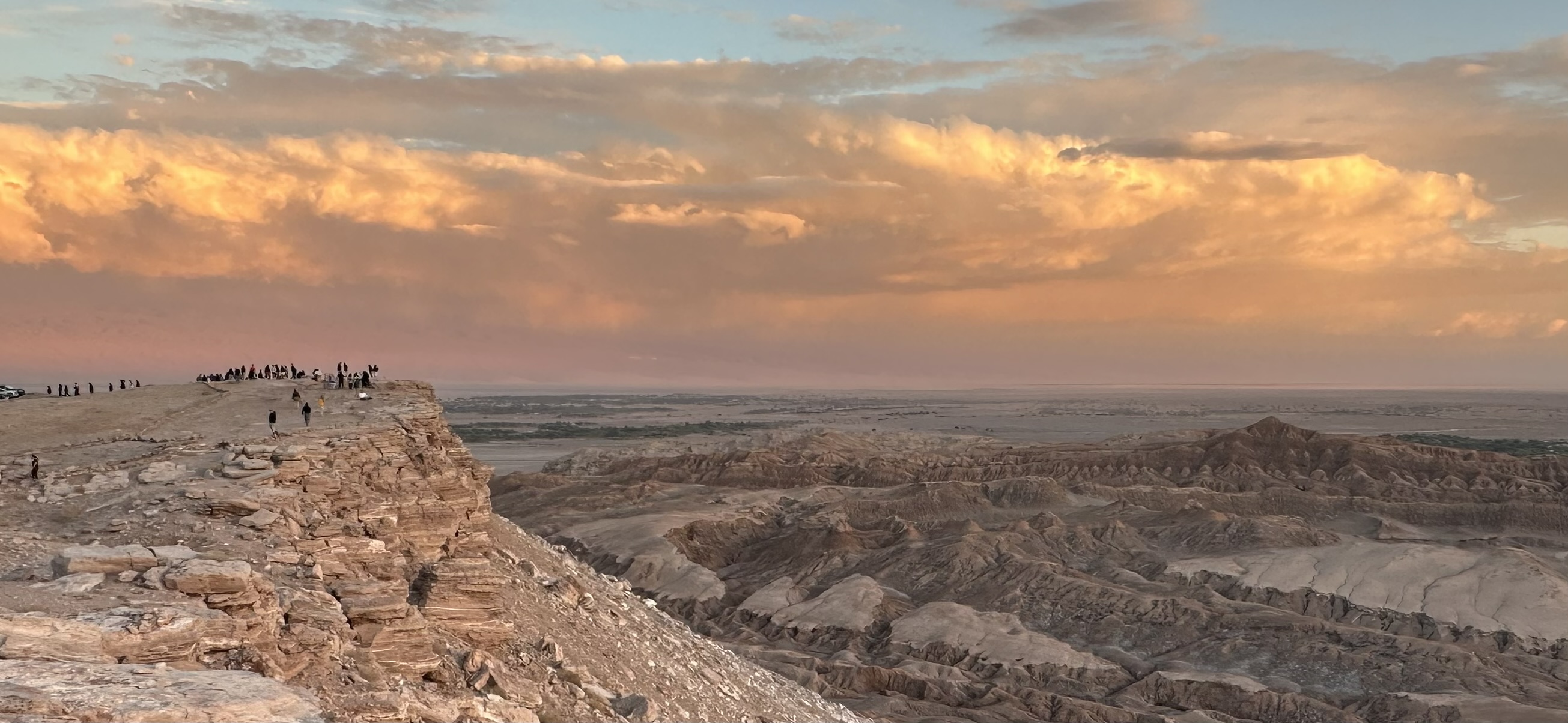
- Valle de la Luna (Valley of the Moon) is the number one attraction here and its easy to see why. Known for its surreal landscapes and complete lack of water (it gets less than 5mm of rain per year), some parts of the desert go years without any rain at all. We spent a few hours driving and hiking various landmarks, including Duna Mayor, the Amphitheater, and the Tres Marias, and caught a pretty cool sunset high over the desert from Mirador Piedra de Coyote.
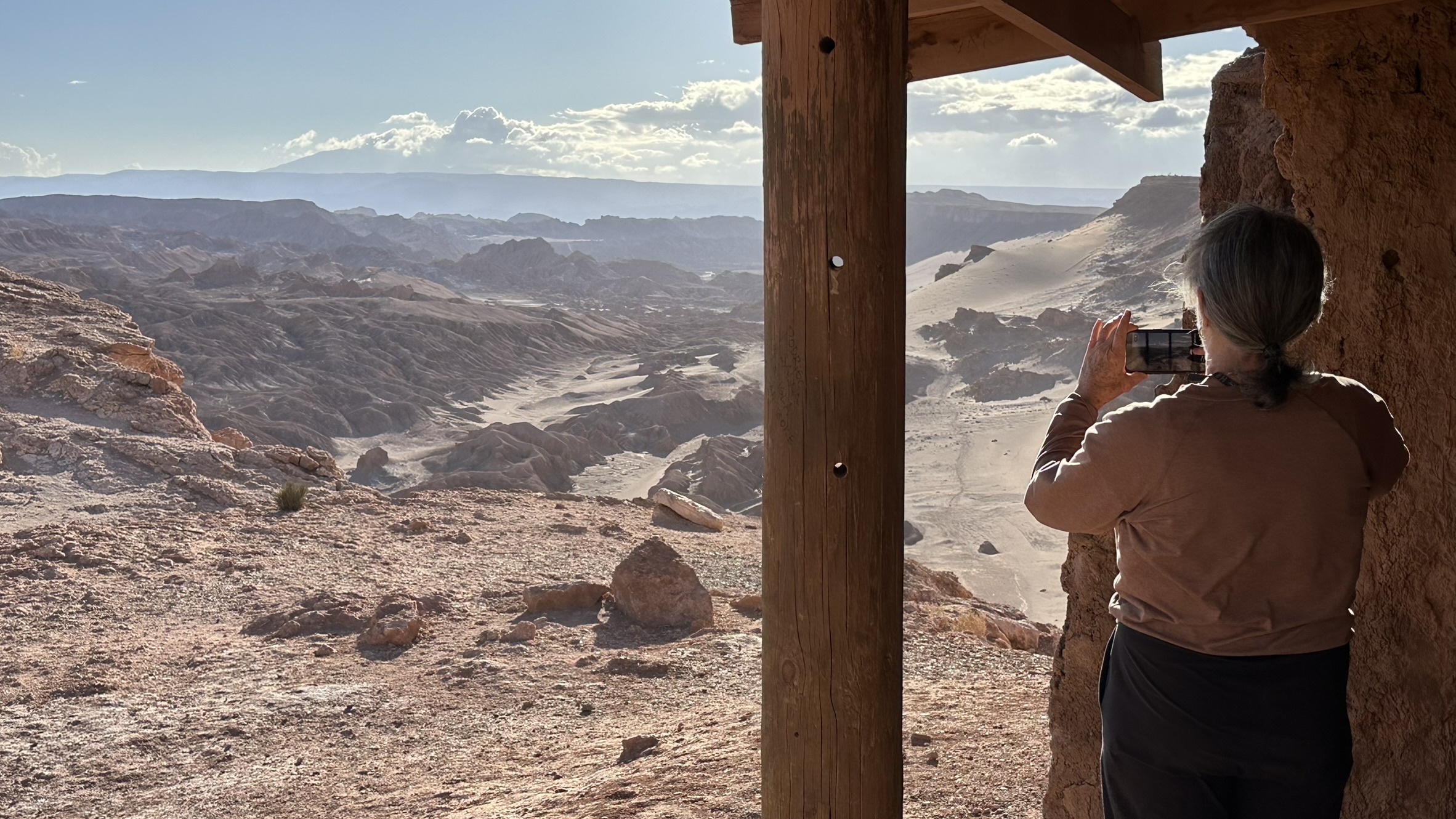
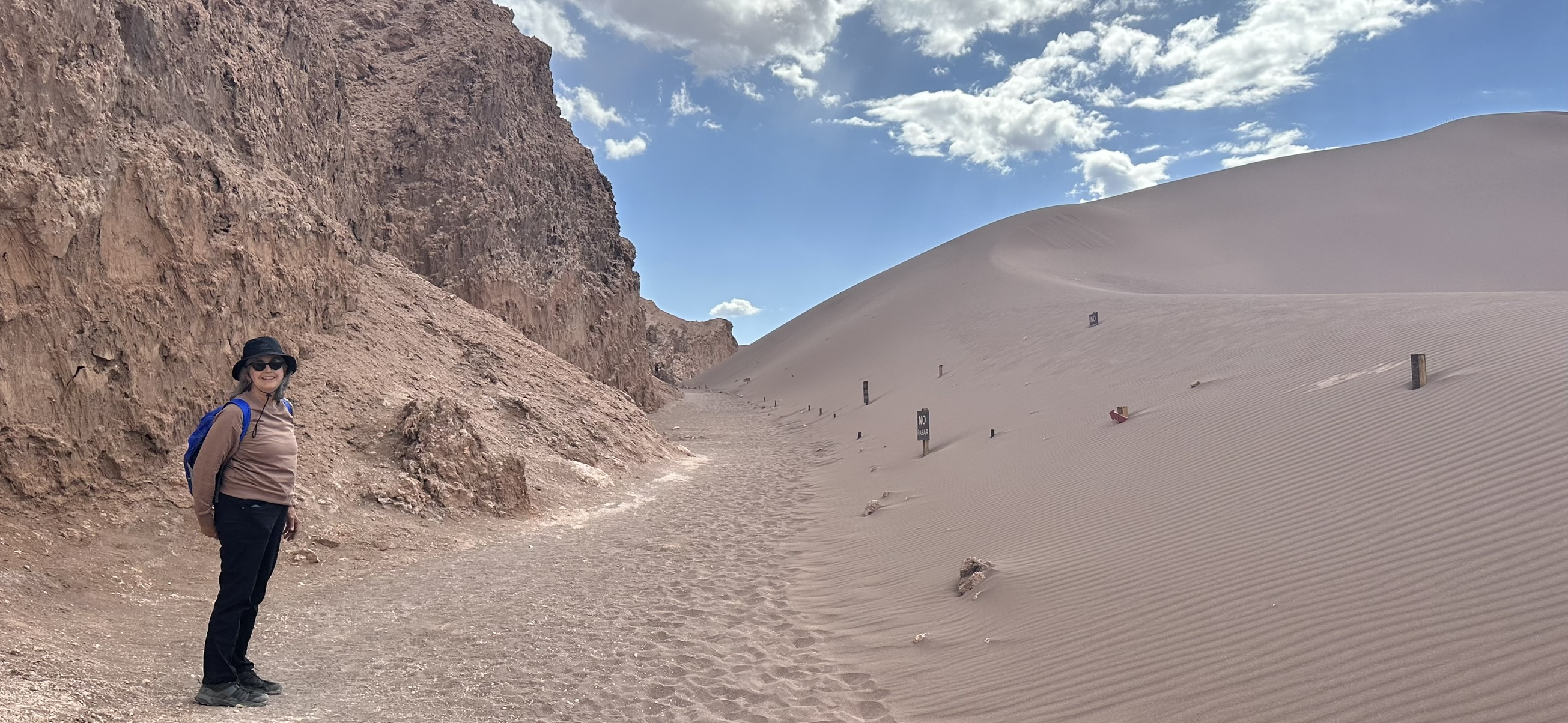
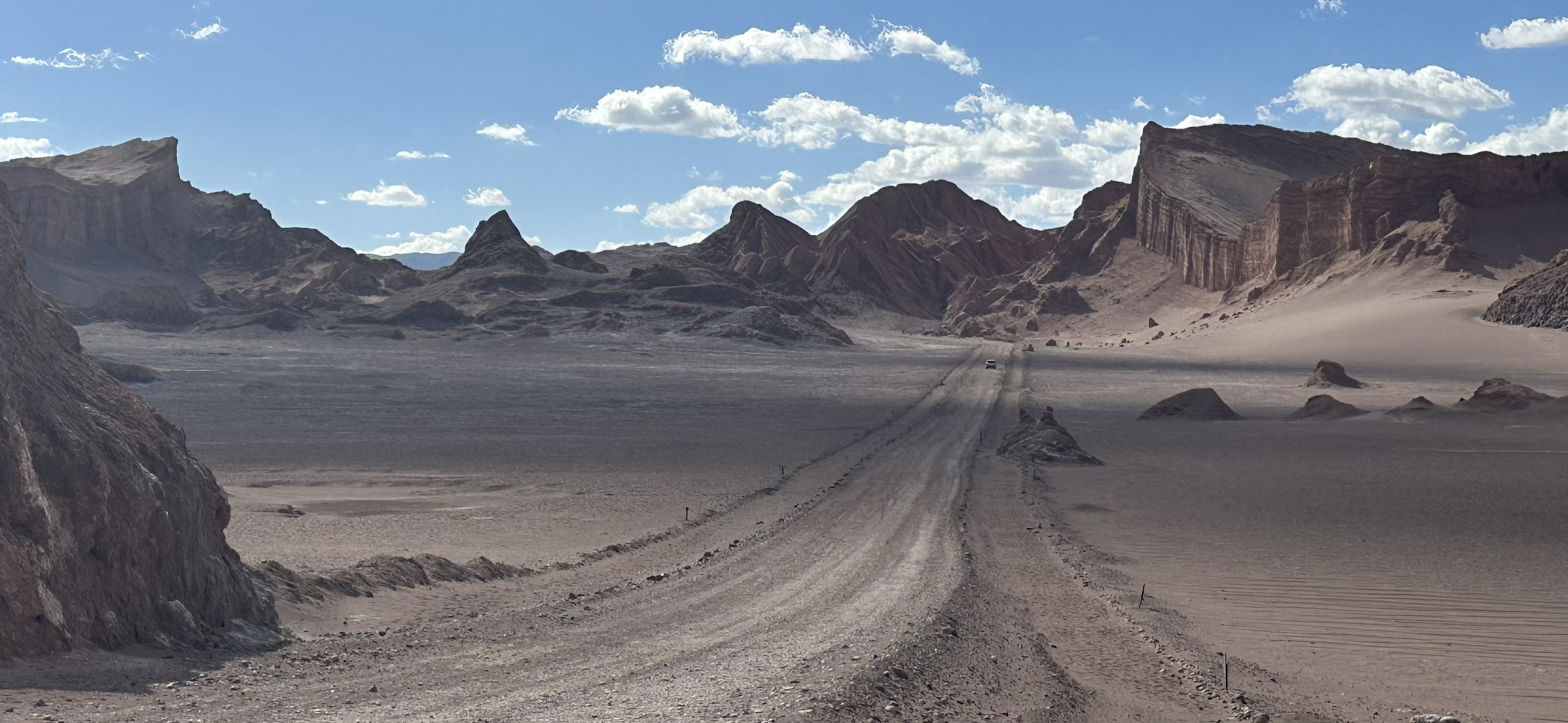
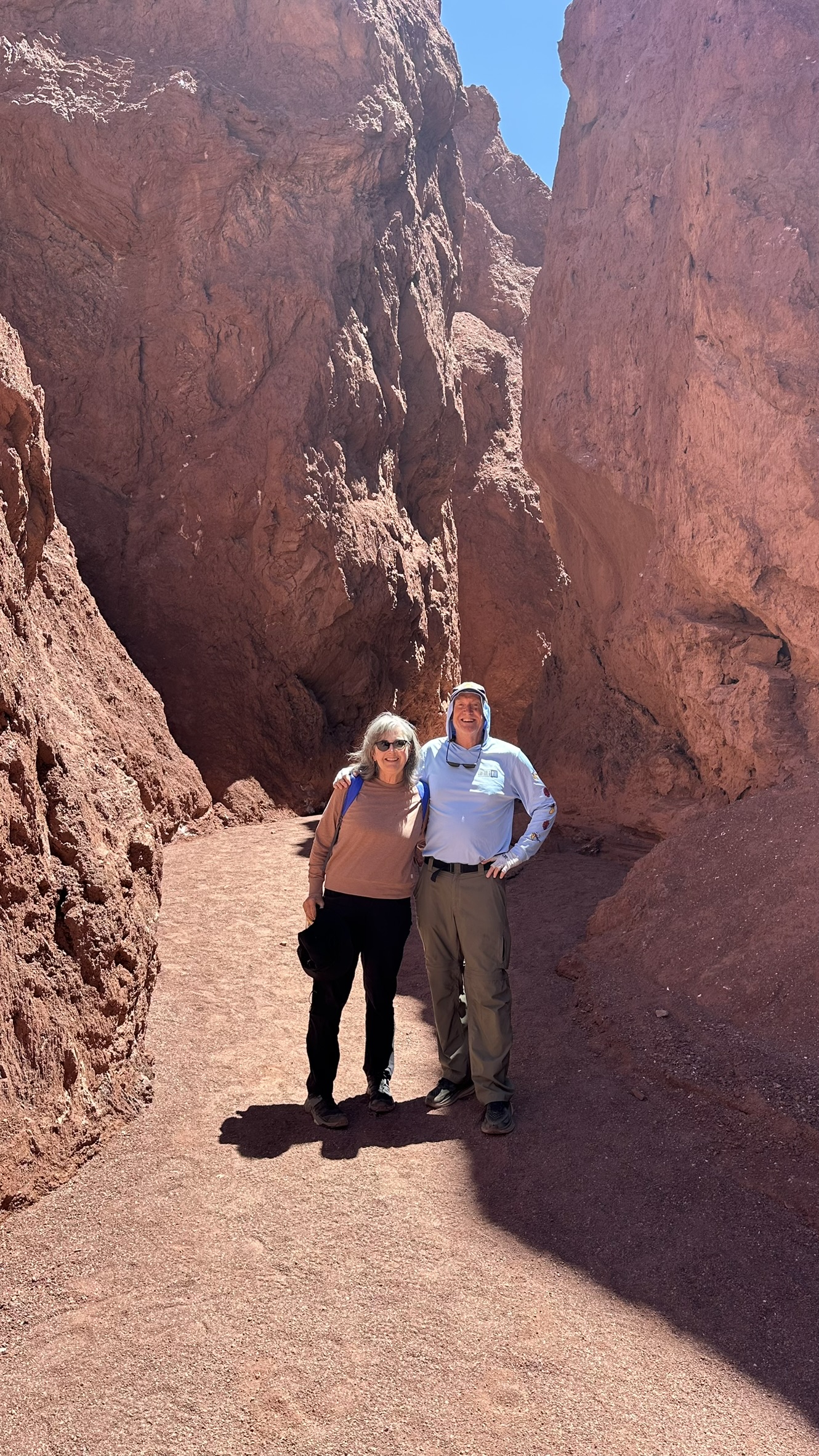
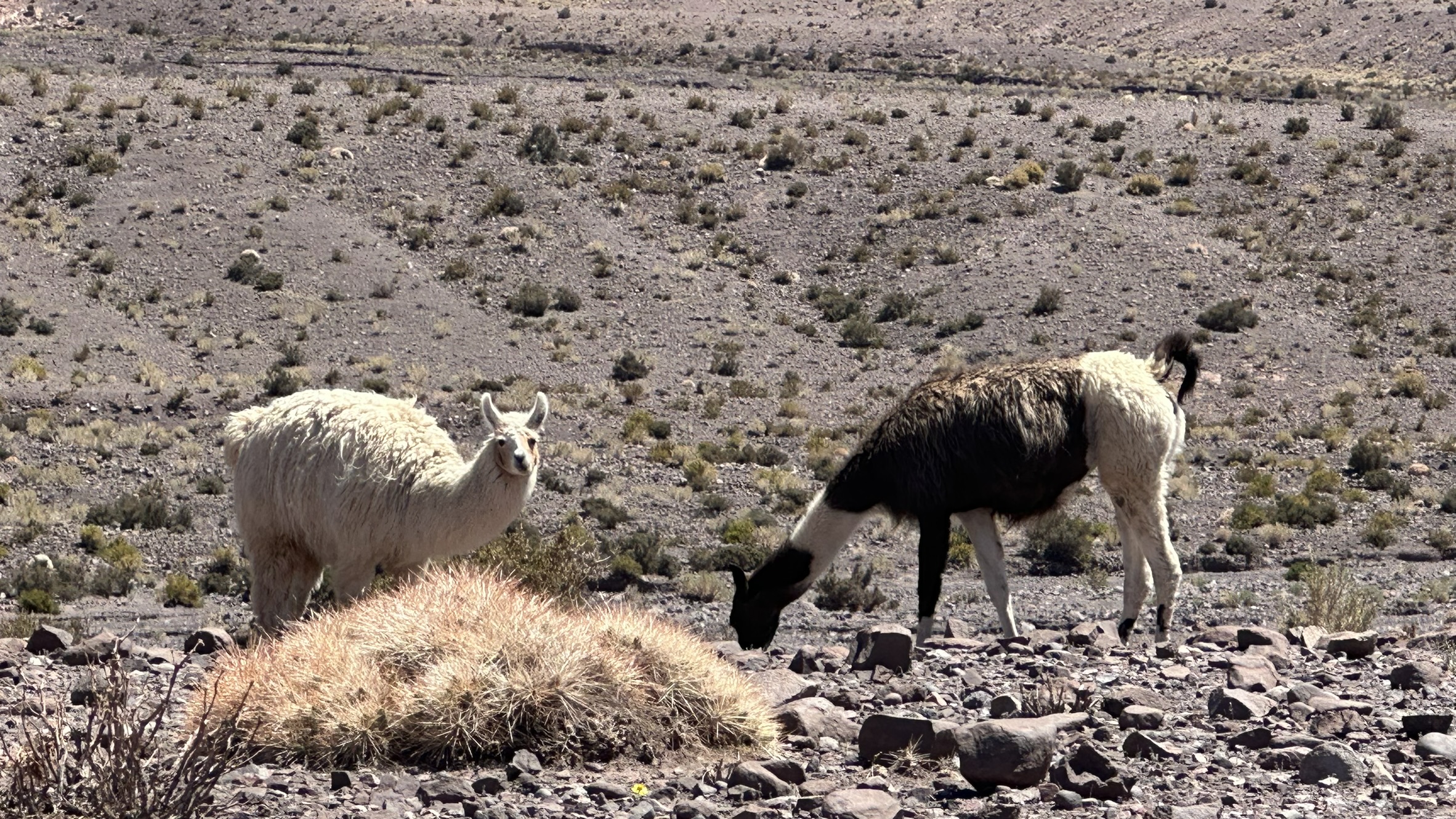
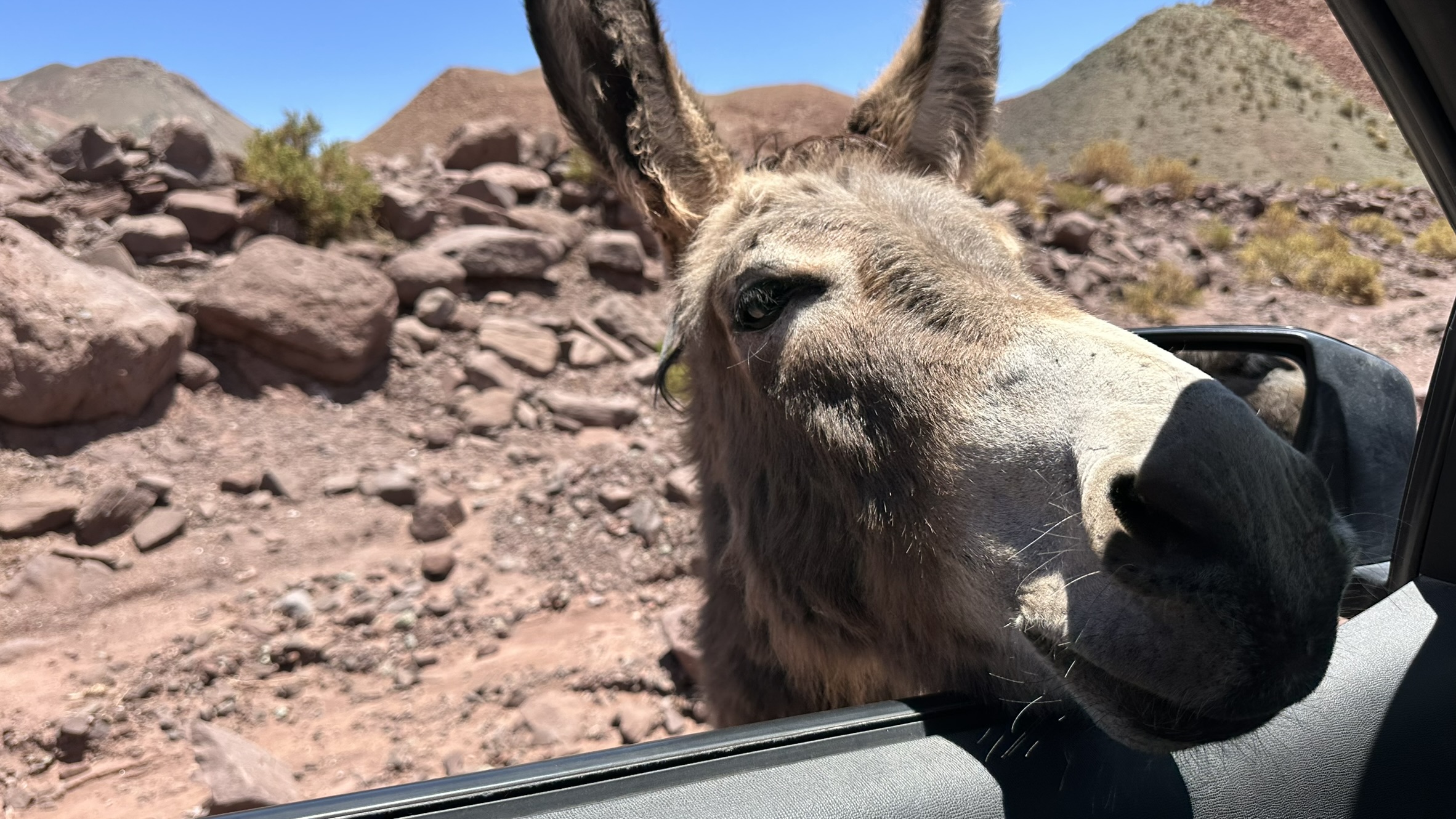
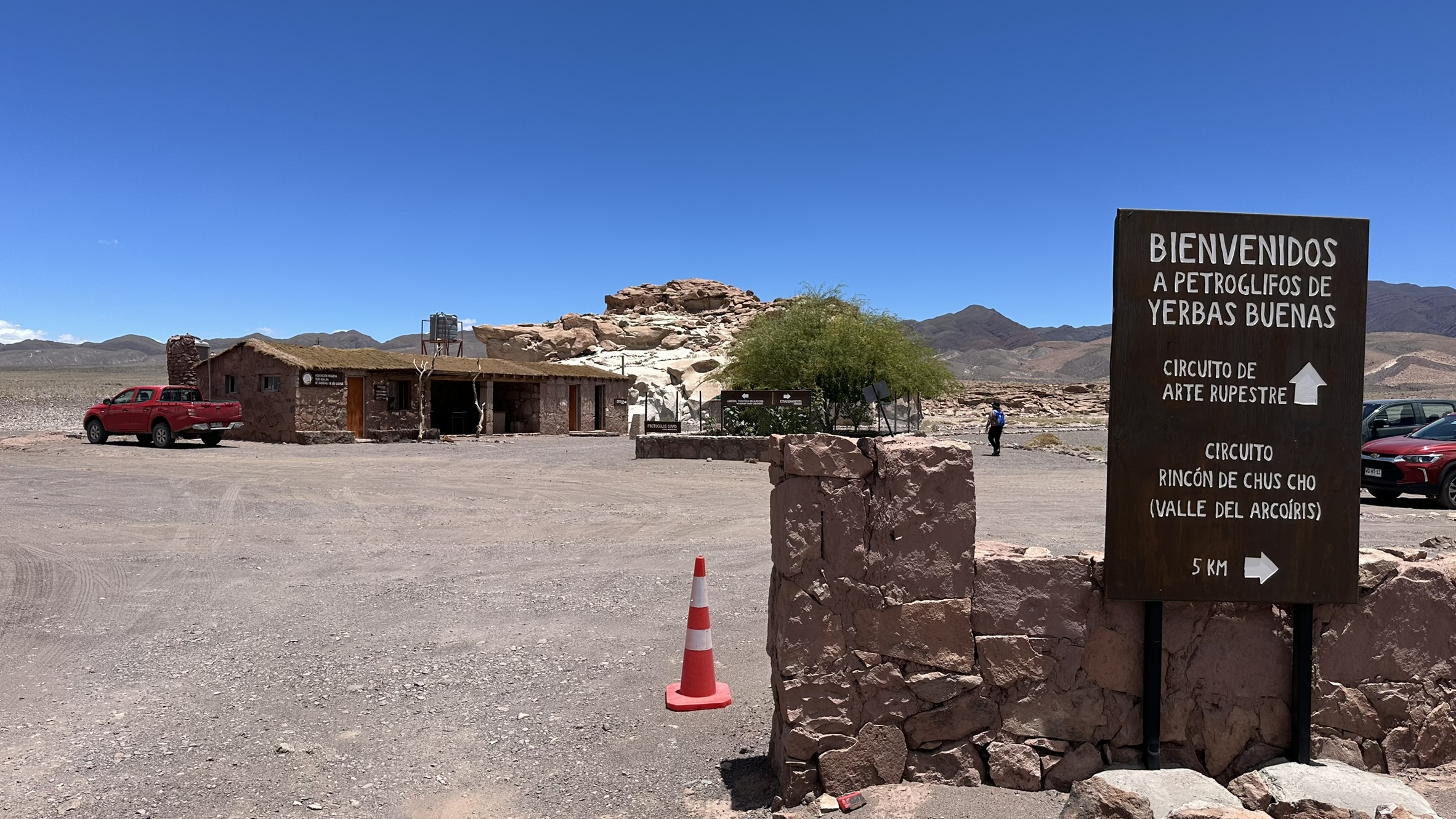
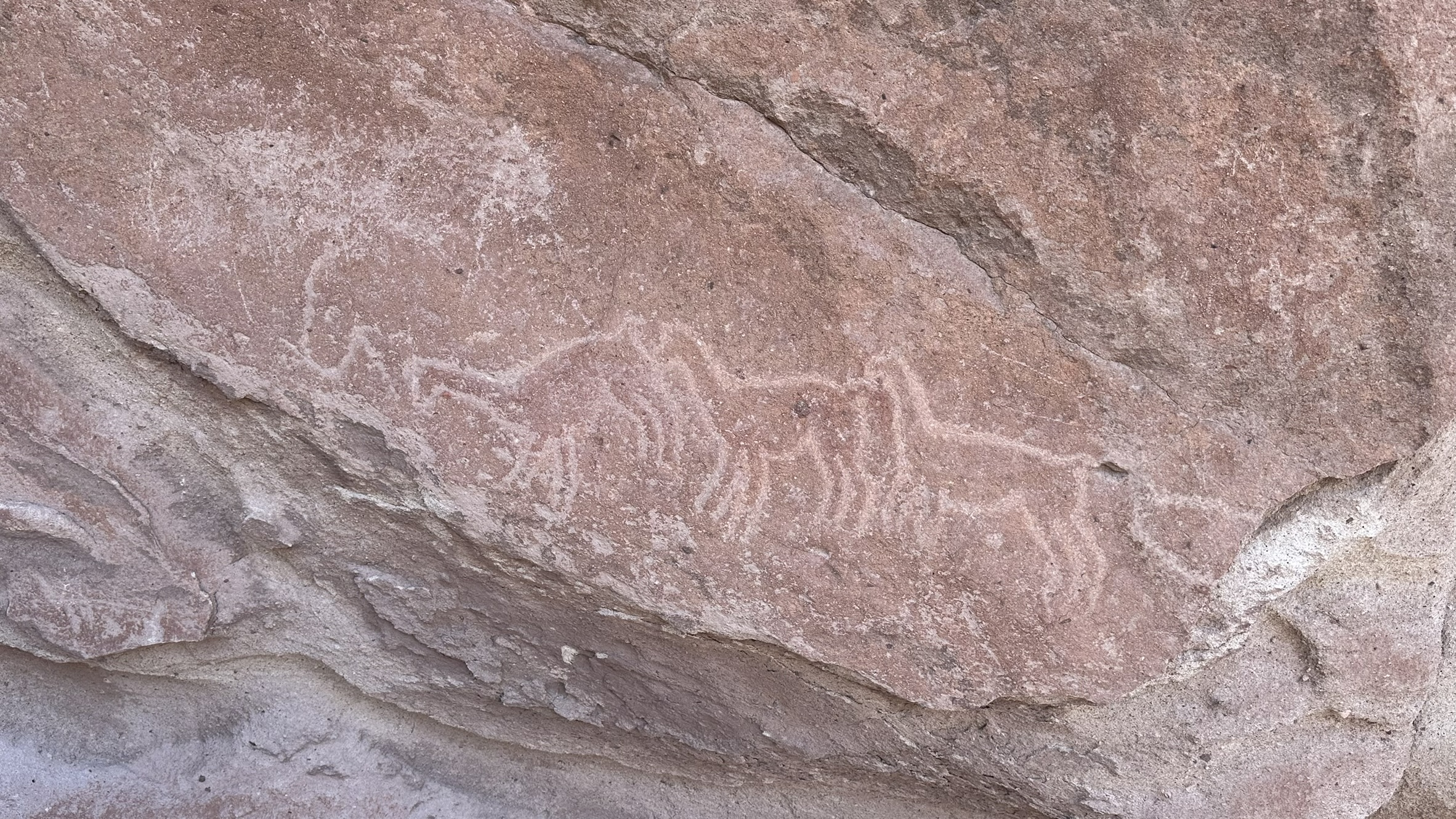
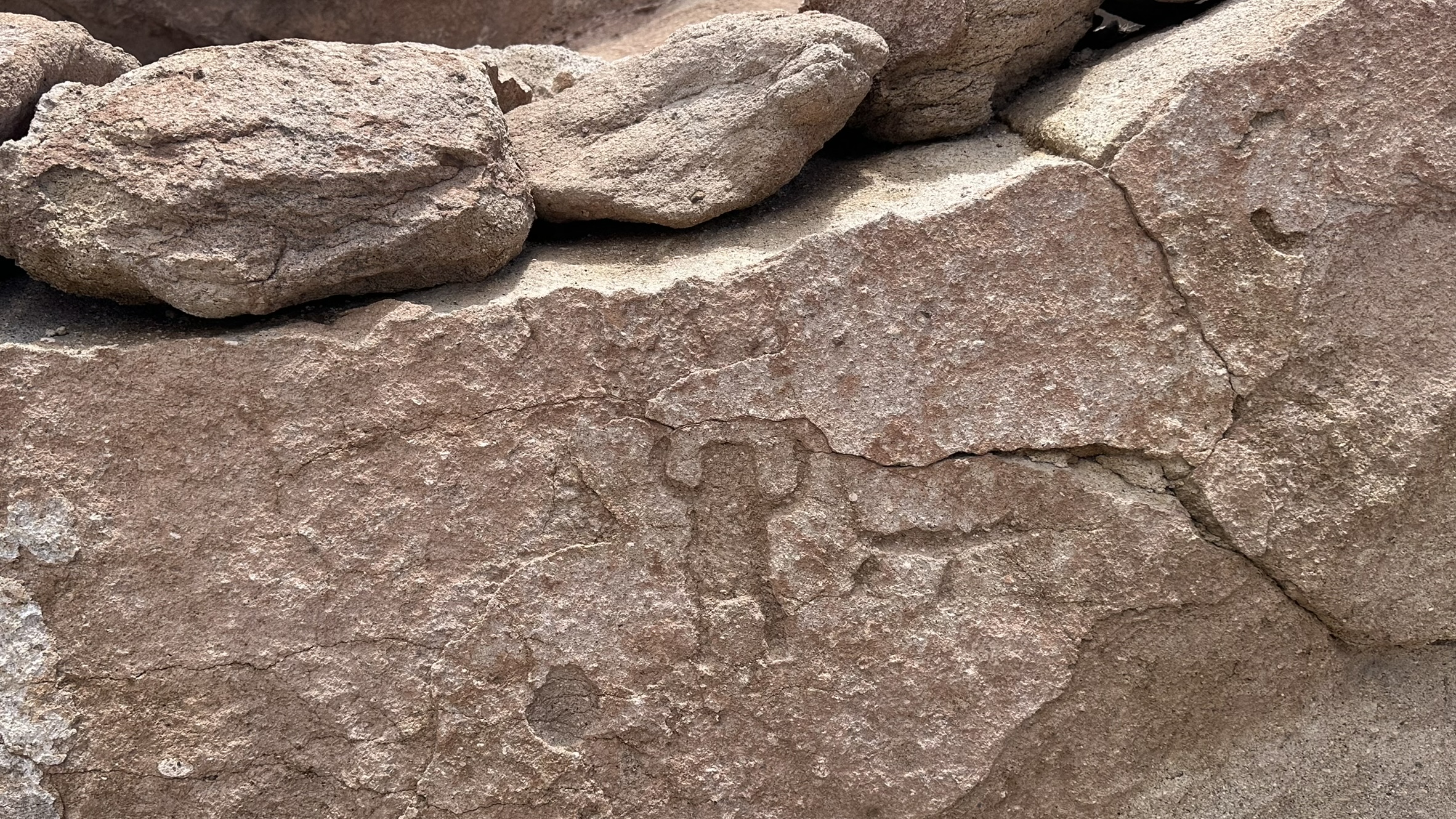
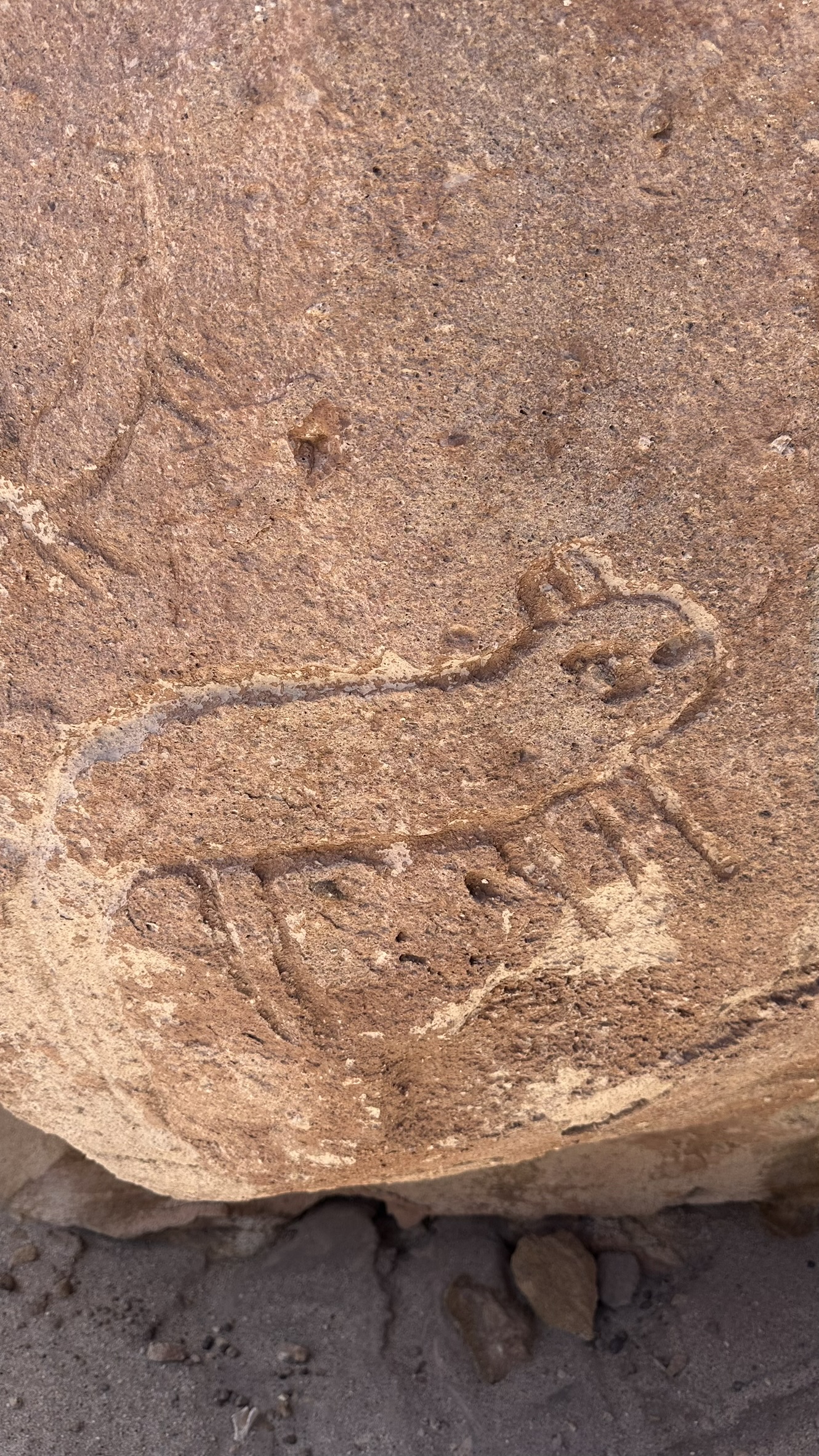
- Day trip to the remote Valle Arcoiris (Rainbow Valley), a geological marvel for its many-colored hills and slot canyons, seemingly painted with rich deposits of copper, salt, gypsum, sulfur and iron-rich clay. Drive there then get out and walk around. It’s an hour drive through the desert from San Pedro and pairs perfectly with a visit to nearby Yerbas Buenas, site of many ancient petroglyphs carved into the rock. You’re also bound to encounter wildlife as well, mostly vicuna and the occasional donkey.
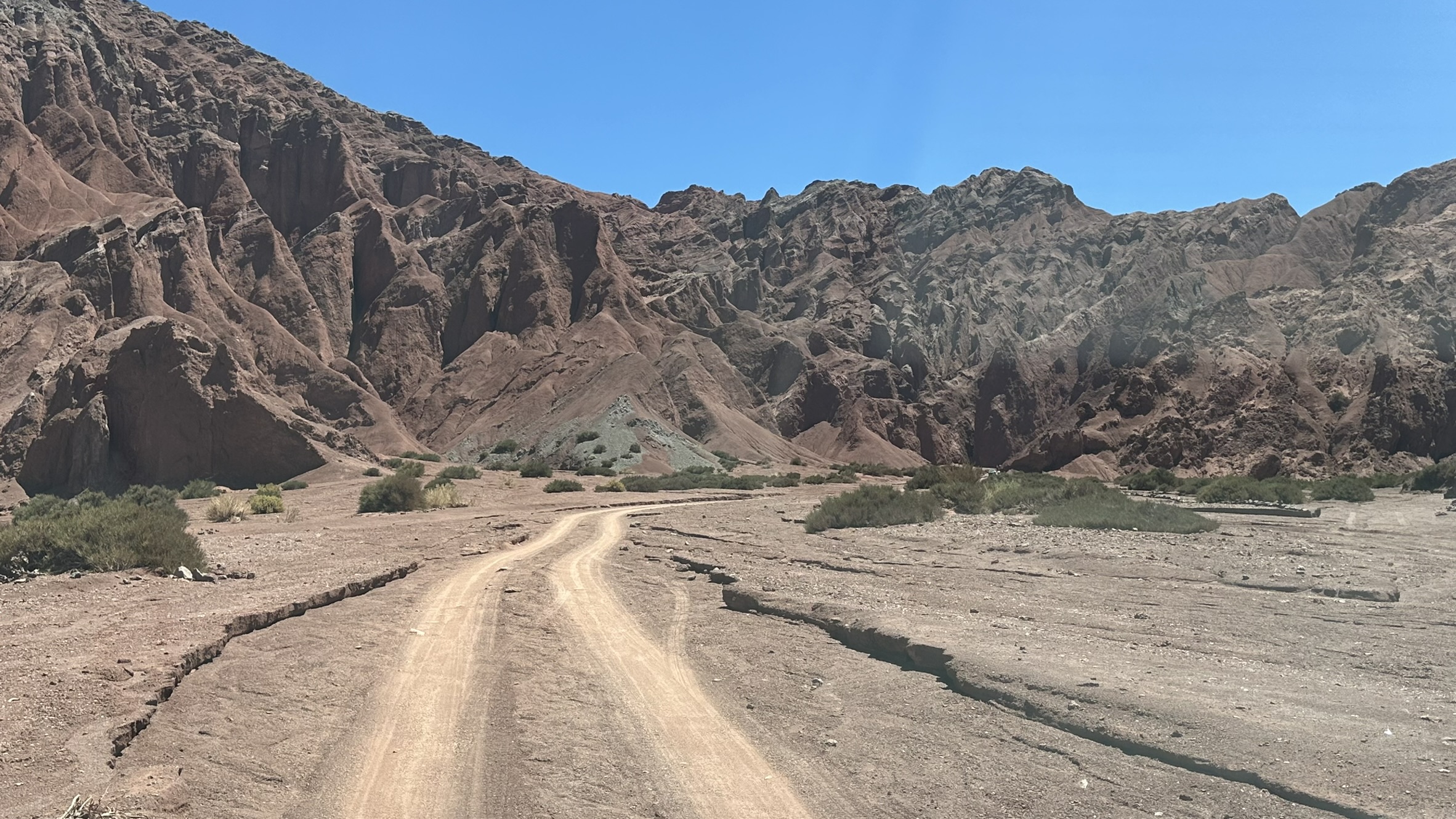
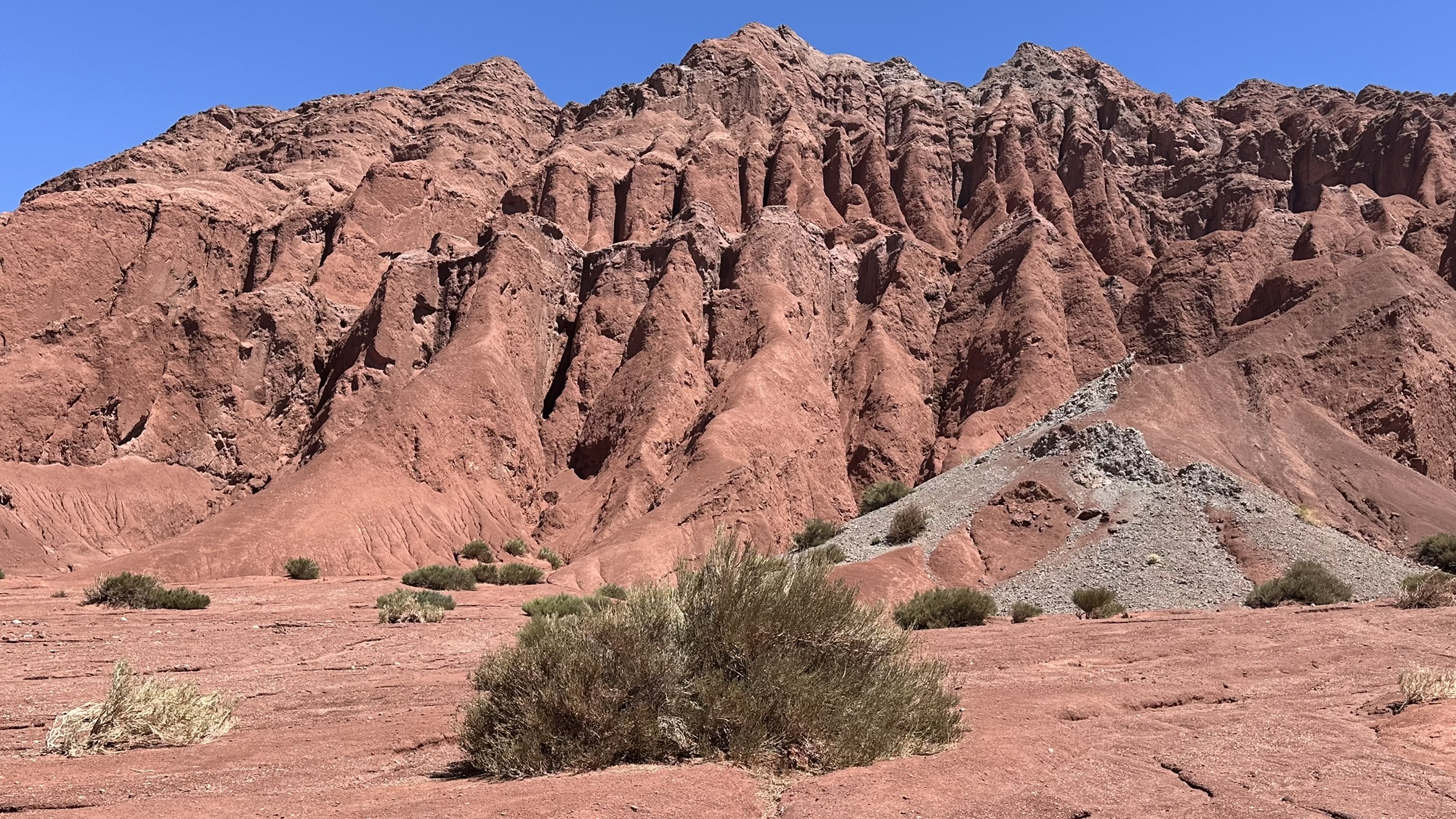
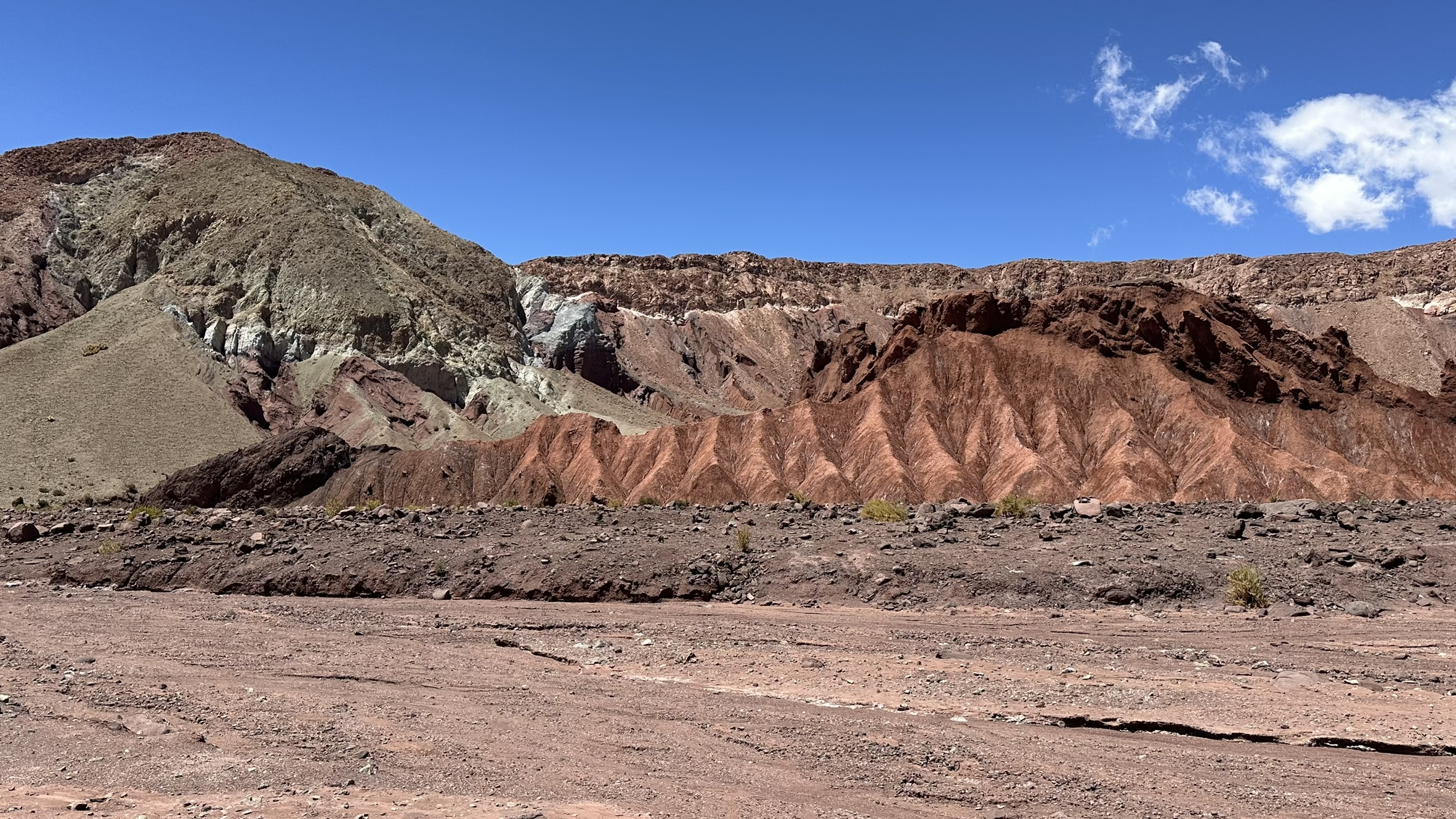
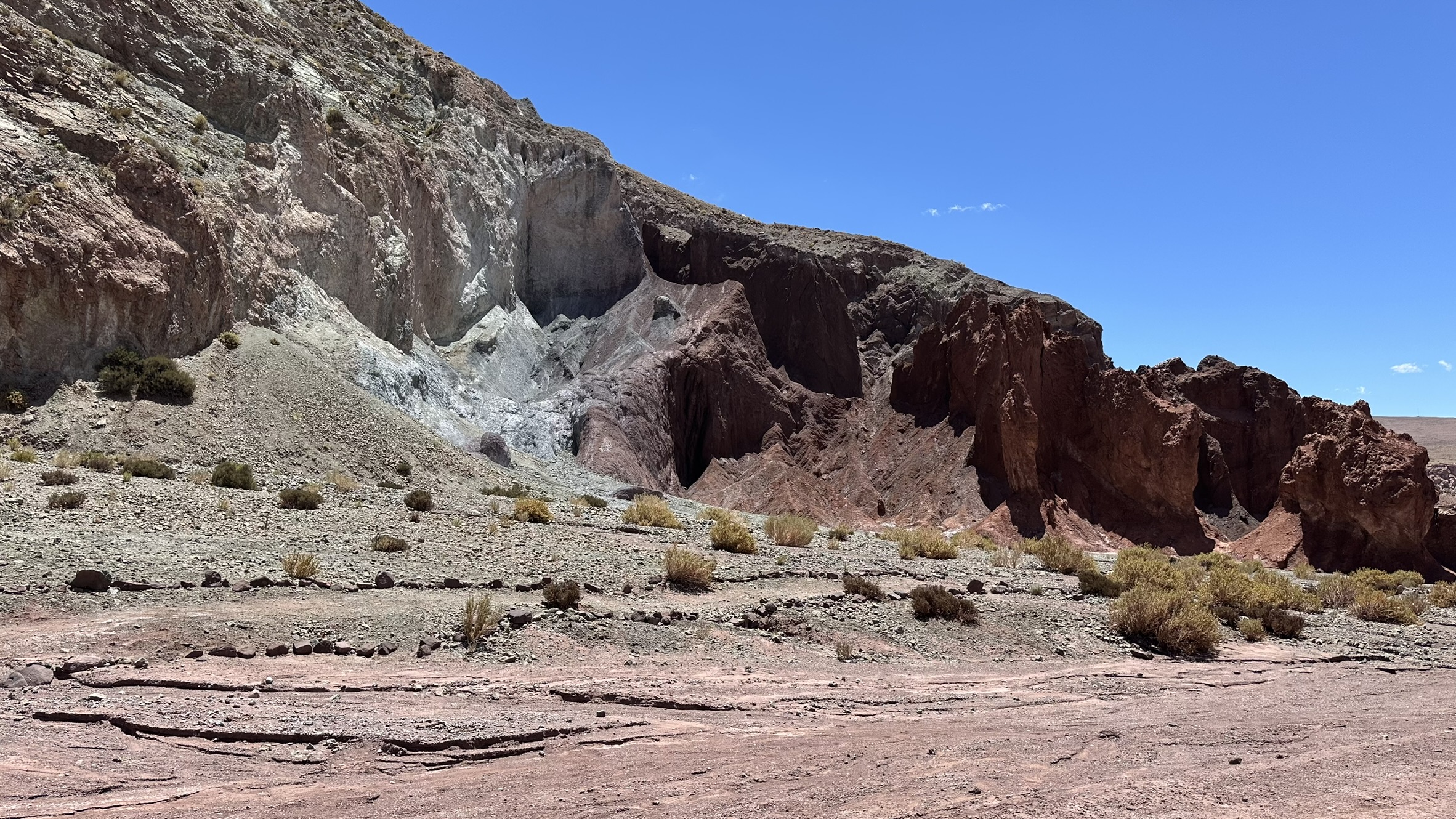
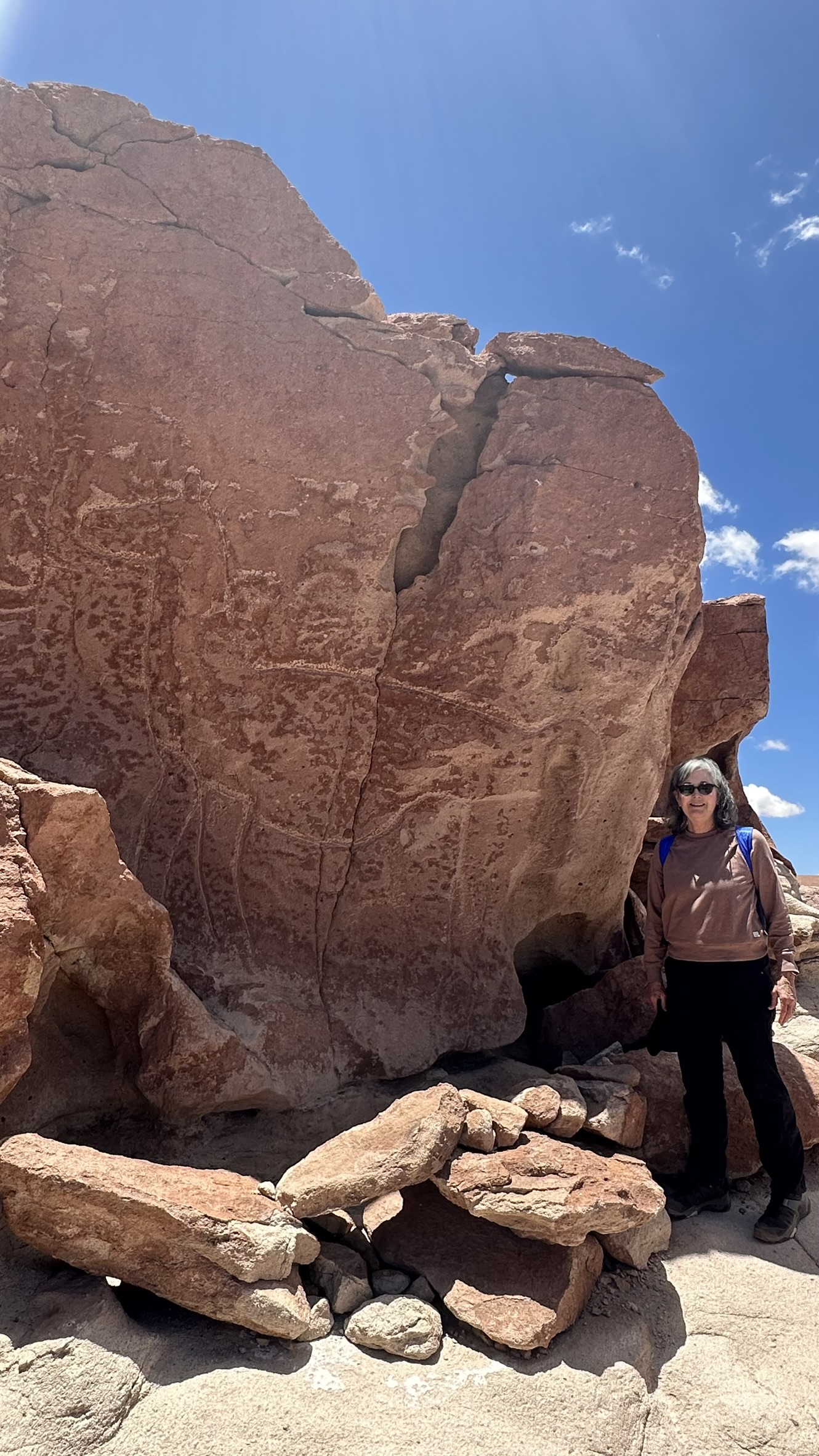
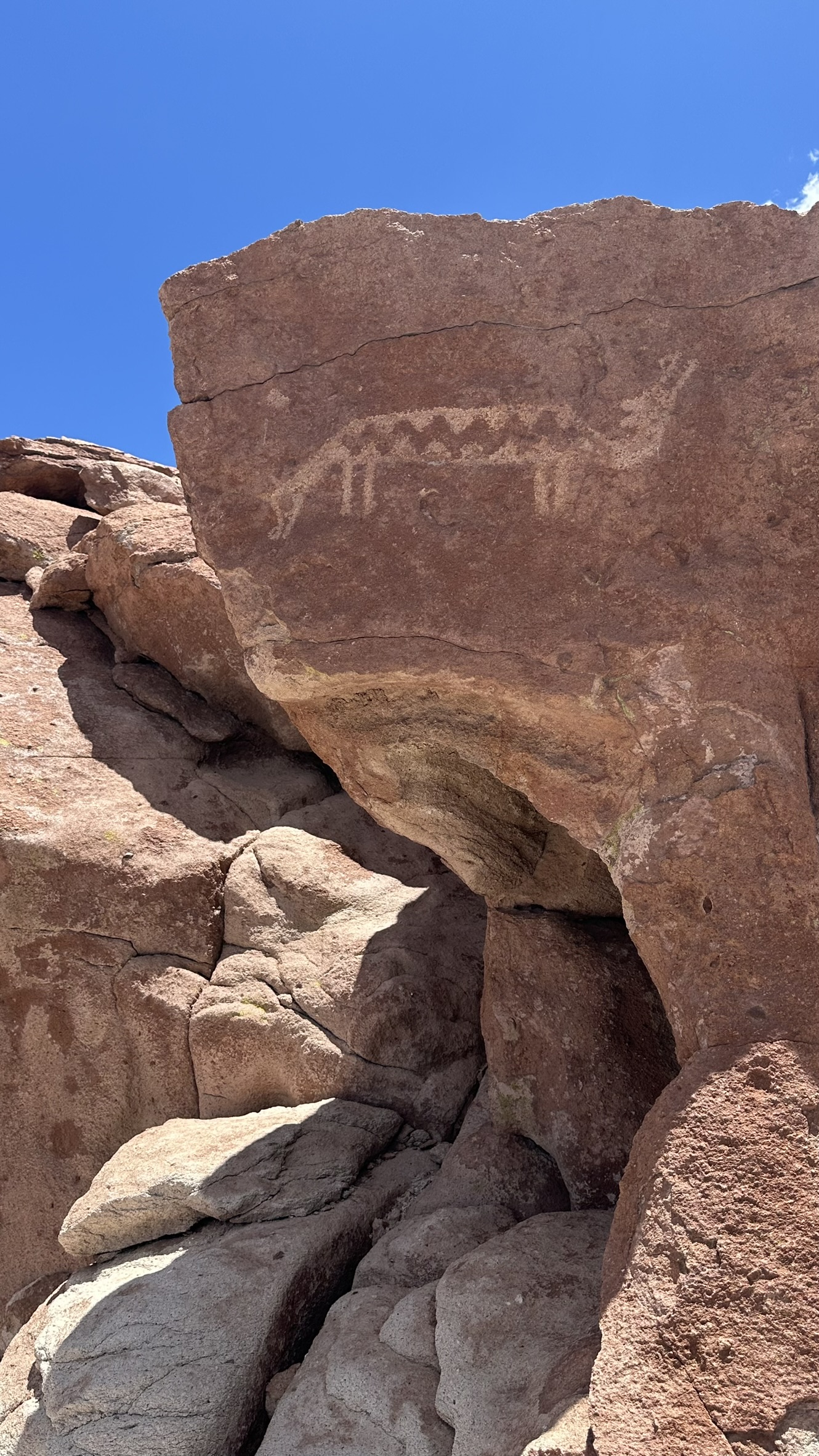
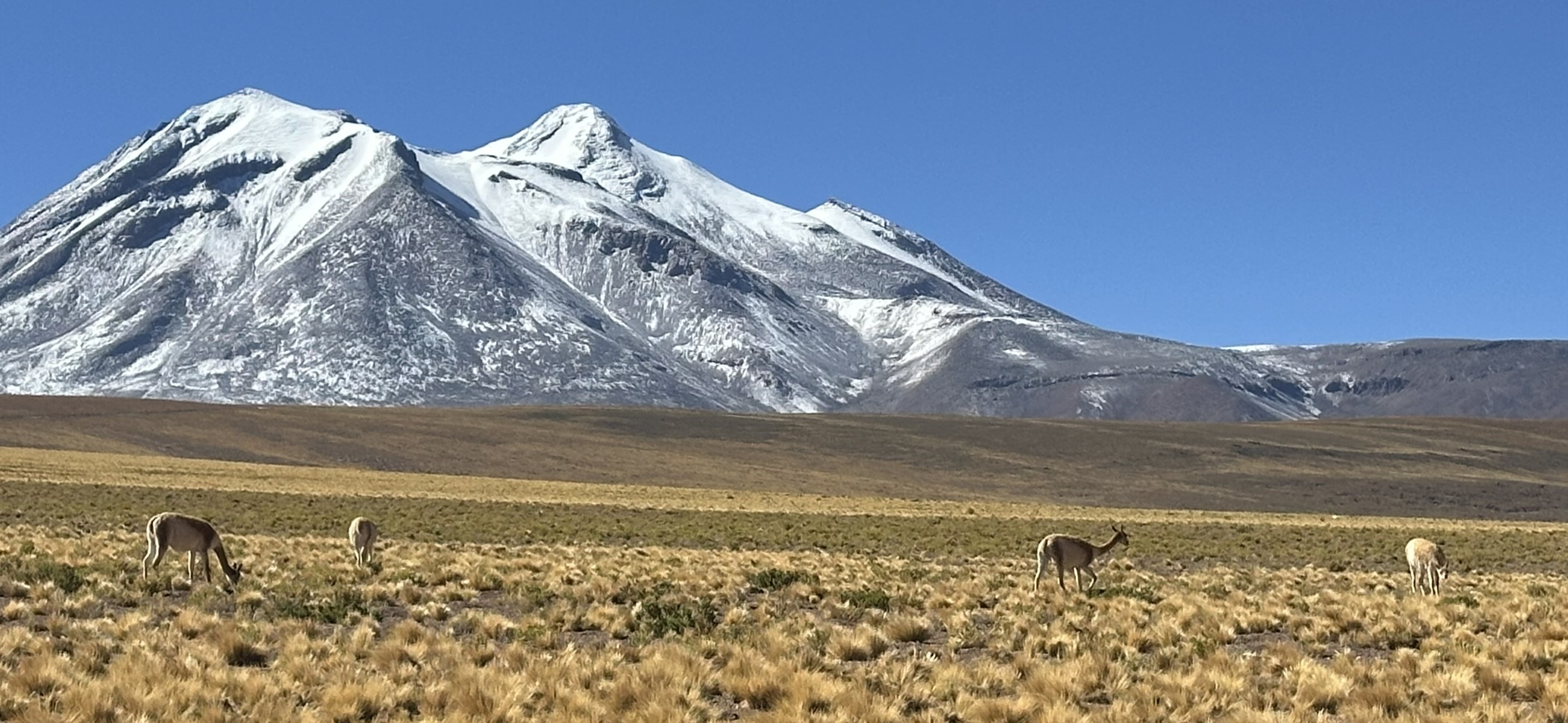
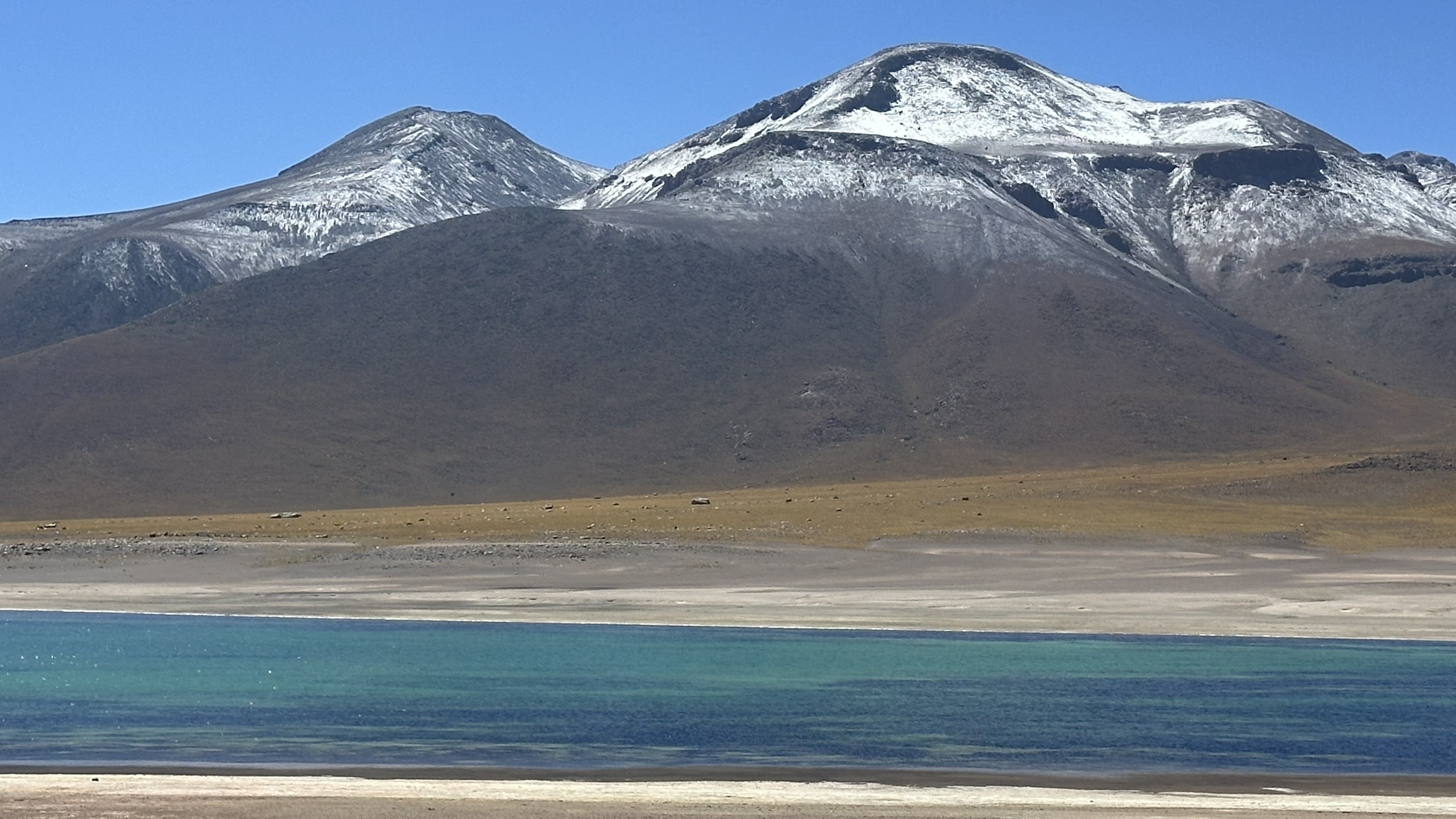
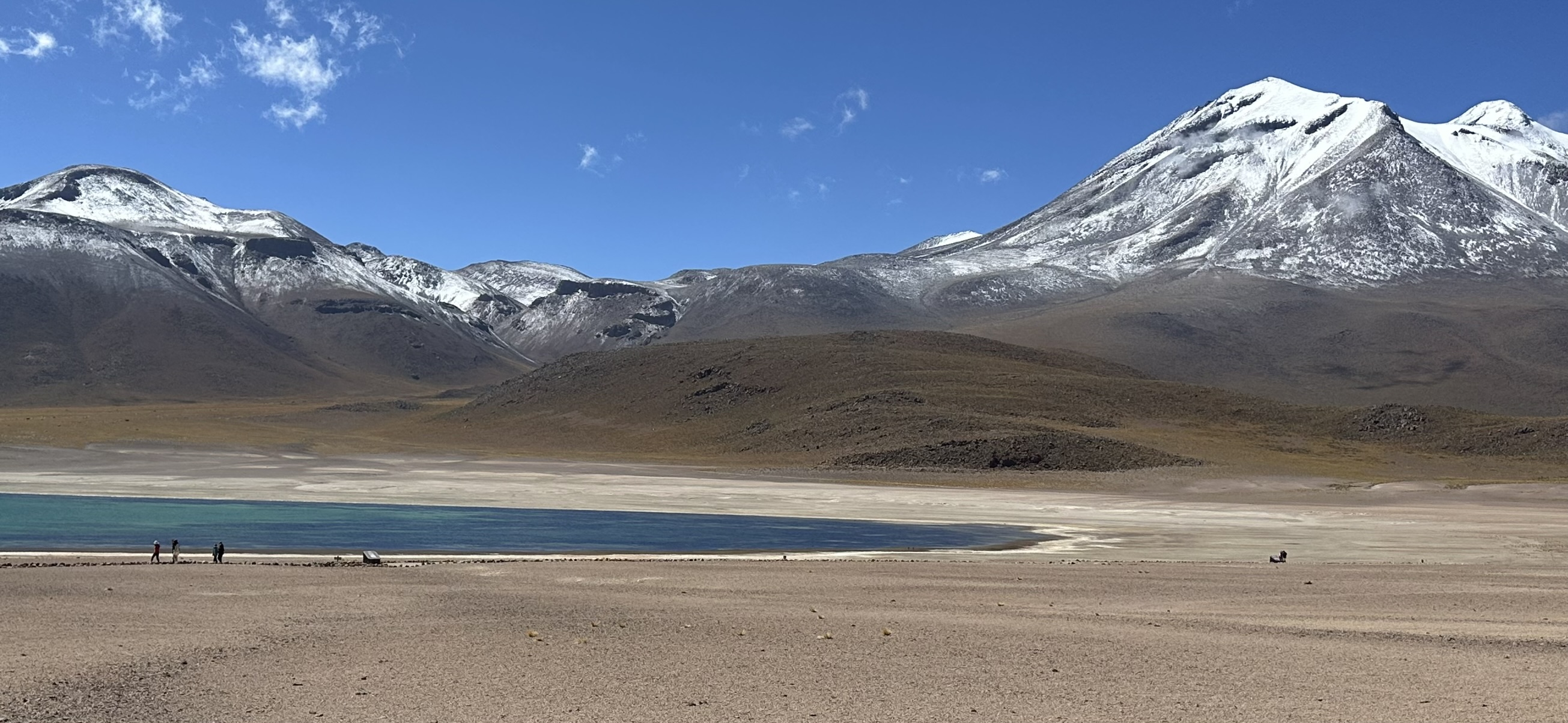
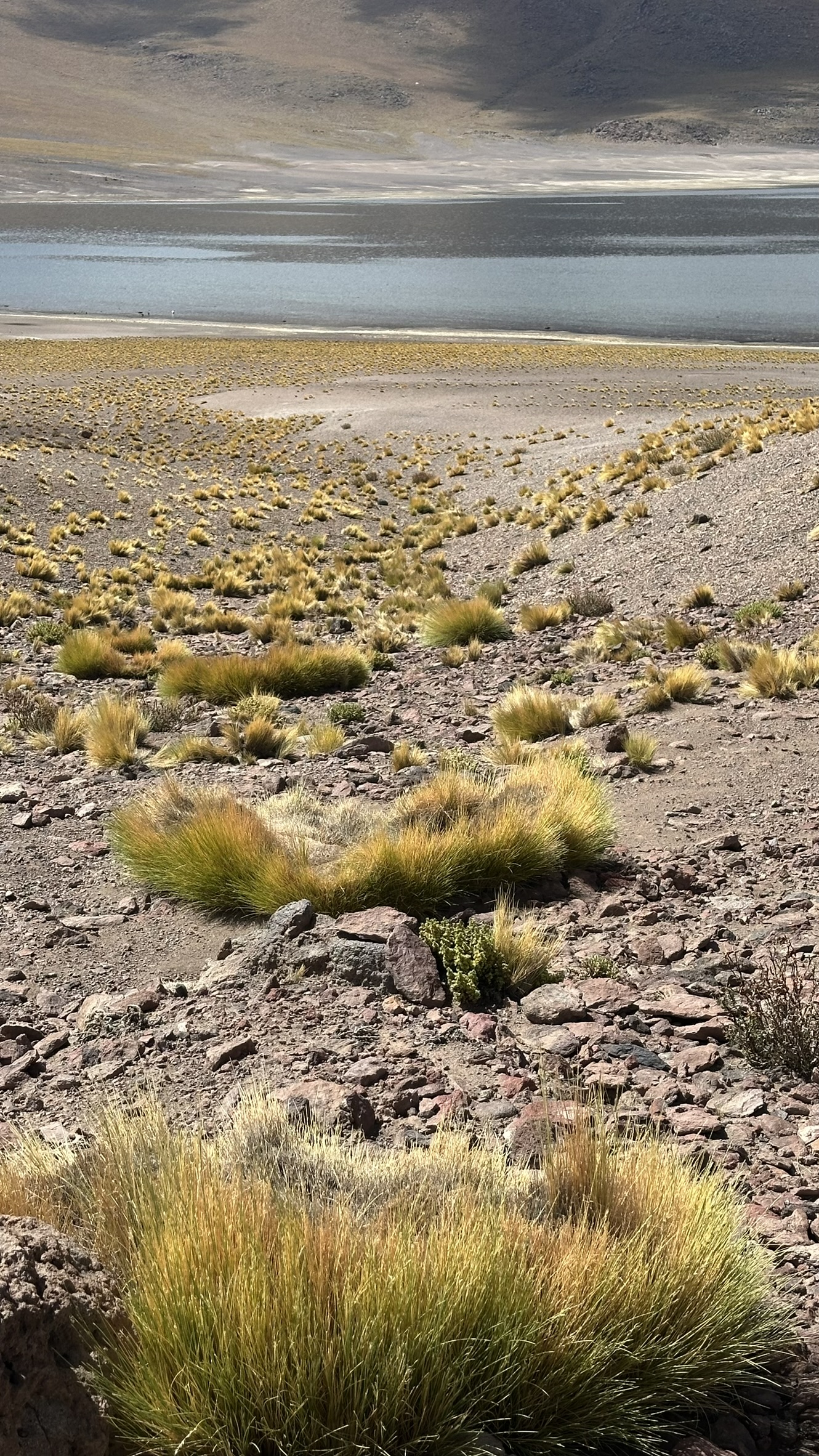
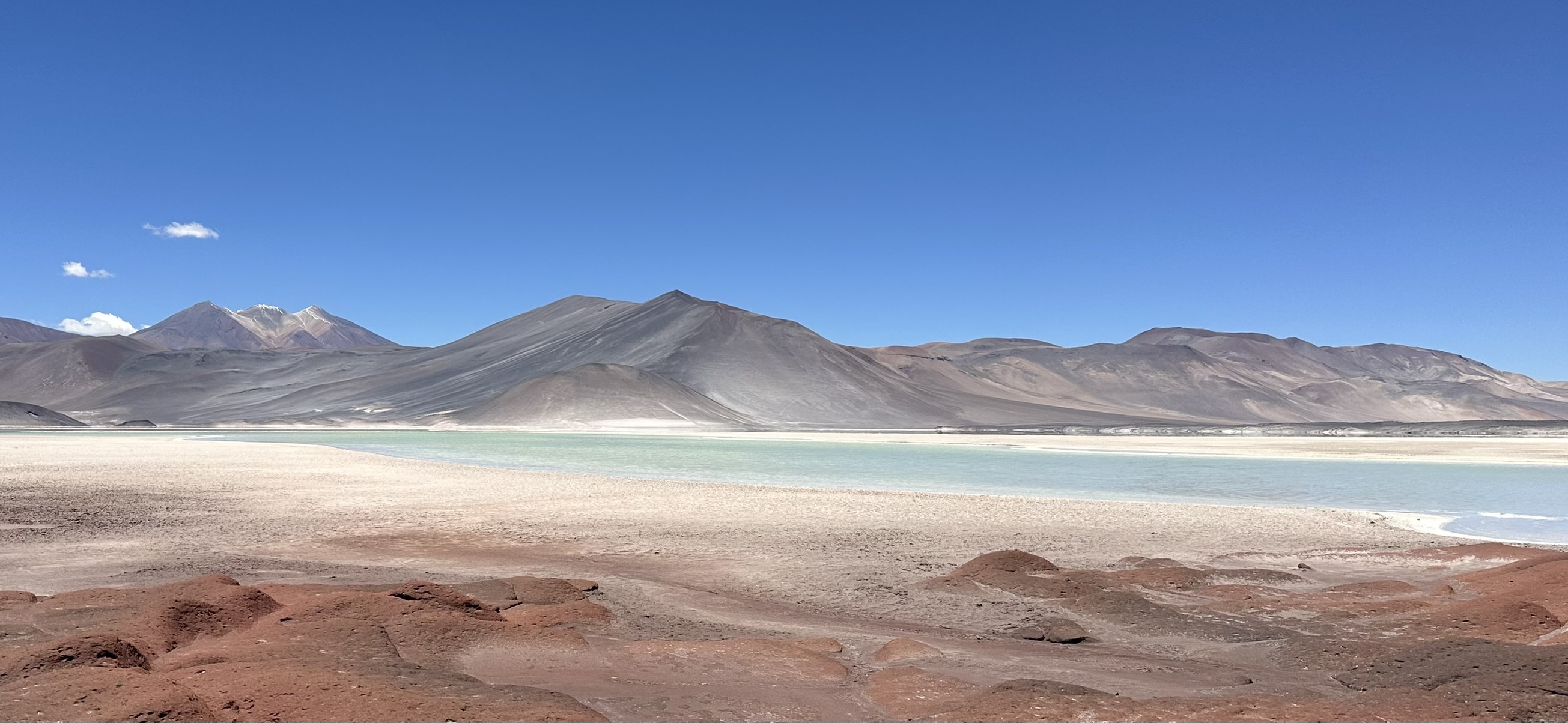
- Another longer day trip to Lagunas Antiplánicas, high up on the Andean steppe 90 minutes south of San Pedro. Passing miles of yellow scrub brush under a long ridge of volcanoes, you arrive at Laguna Miscante (elevation 13,400′), the larger of the two Antiplánicas lakes. Like its smaller sister, Laguna Miñiques, the lagoons were formed by ancient lava flows that trapped water seeping from underground; their bright turquoise color comes from high mineral content. 40 minutes further on up the road brings you to Piedras Rojas, another turquoise salt and volcano-born, high-altitude lake surrounded by — you guessed it — bright red rock.
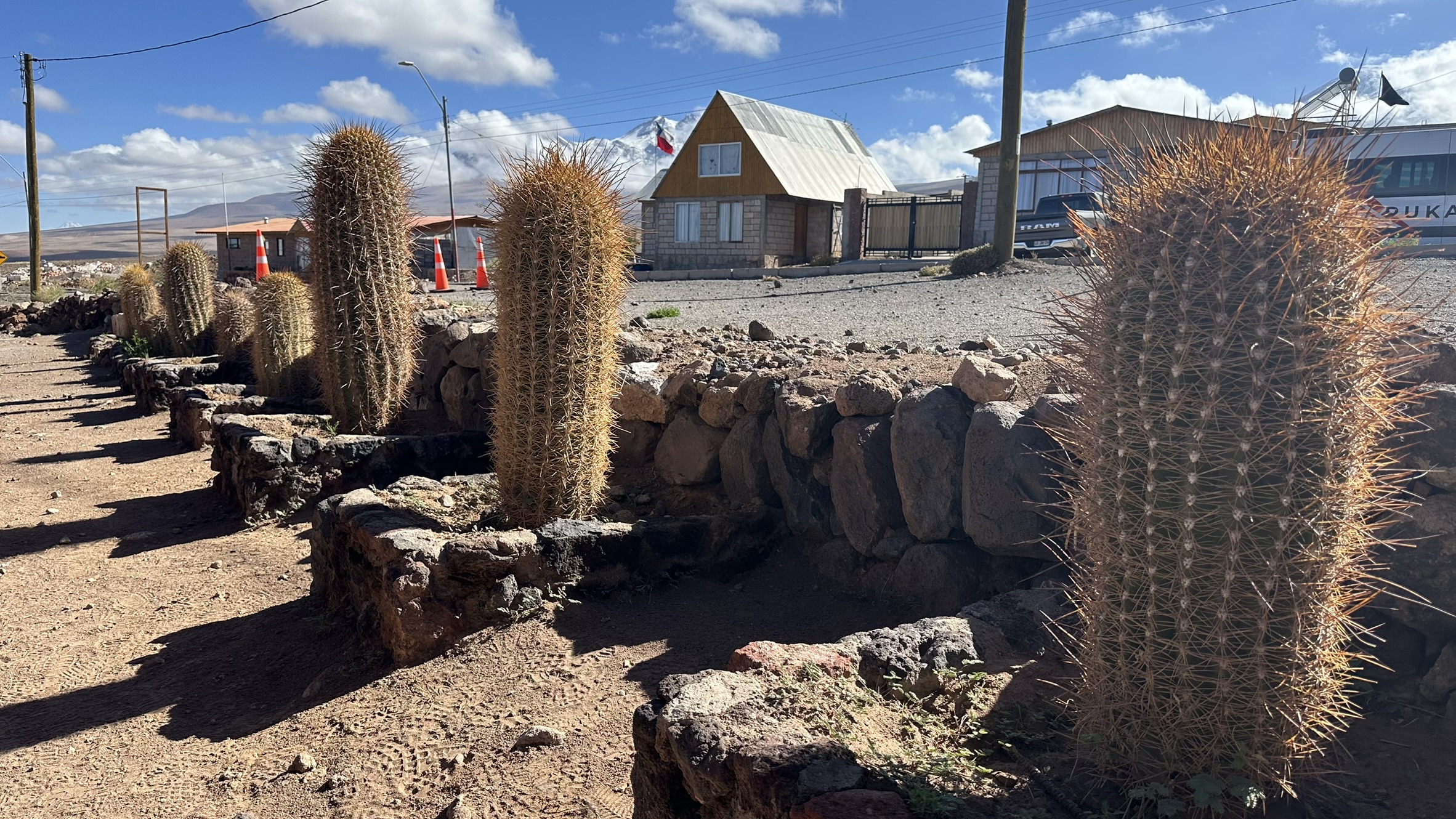

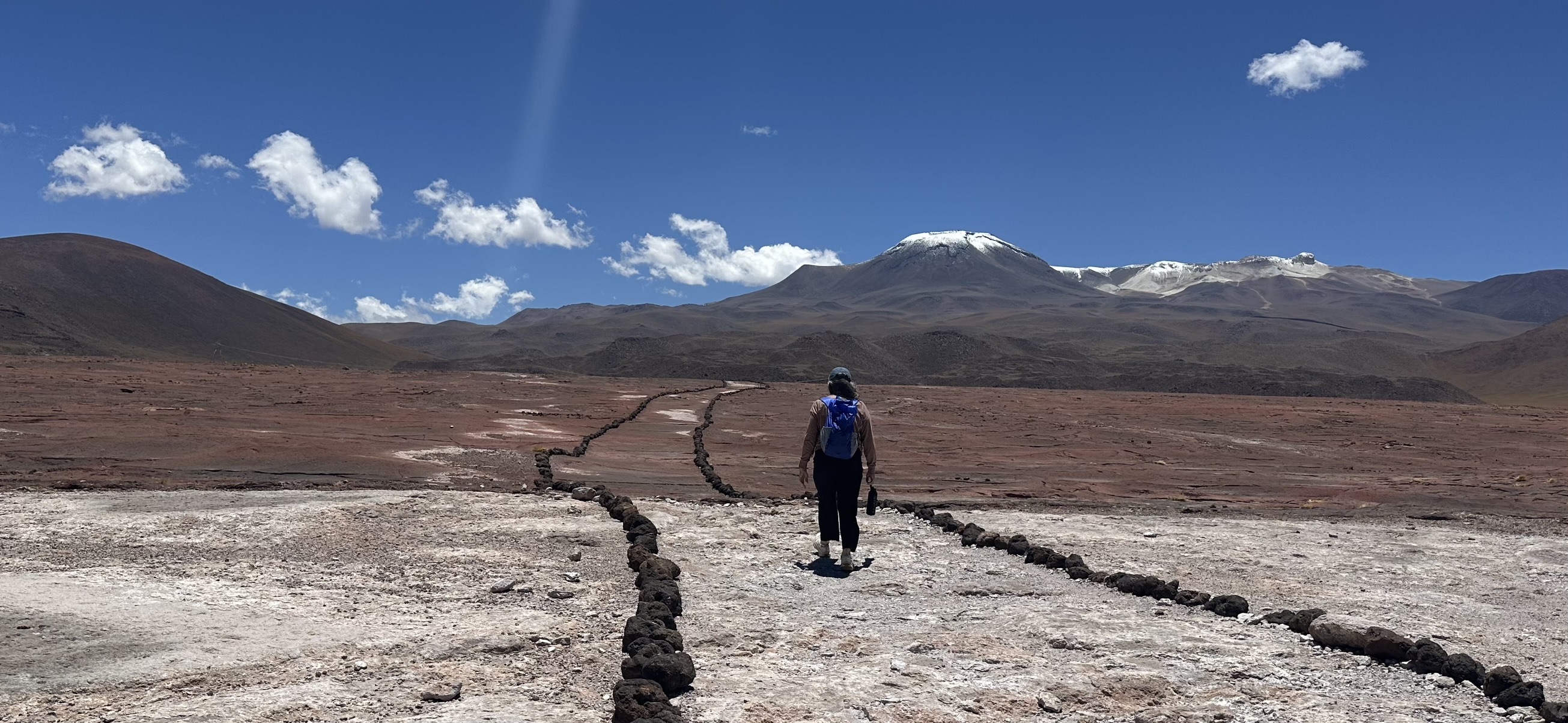
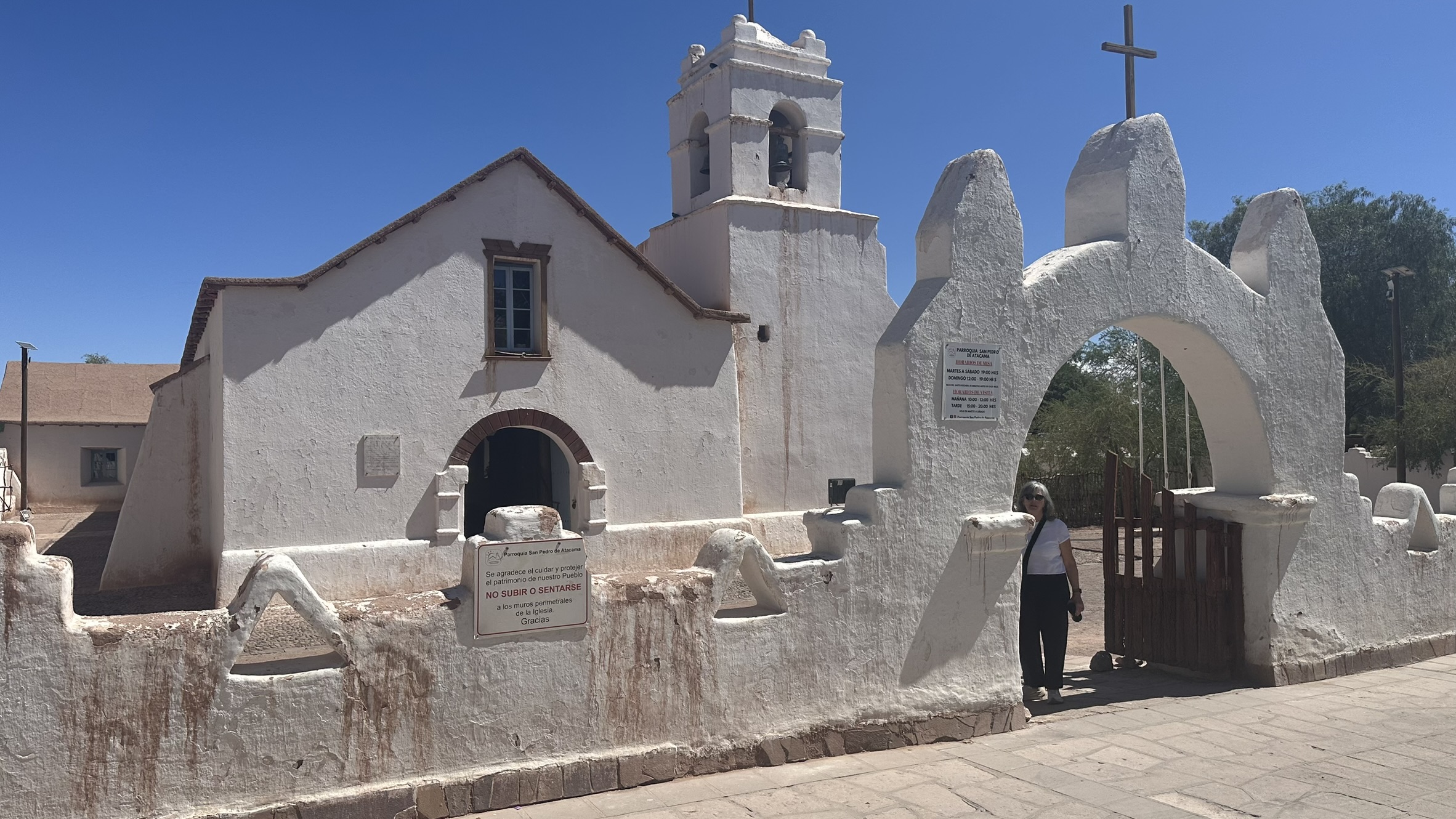
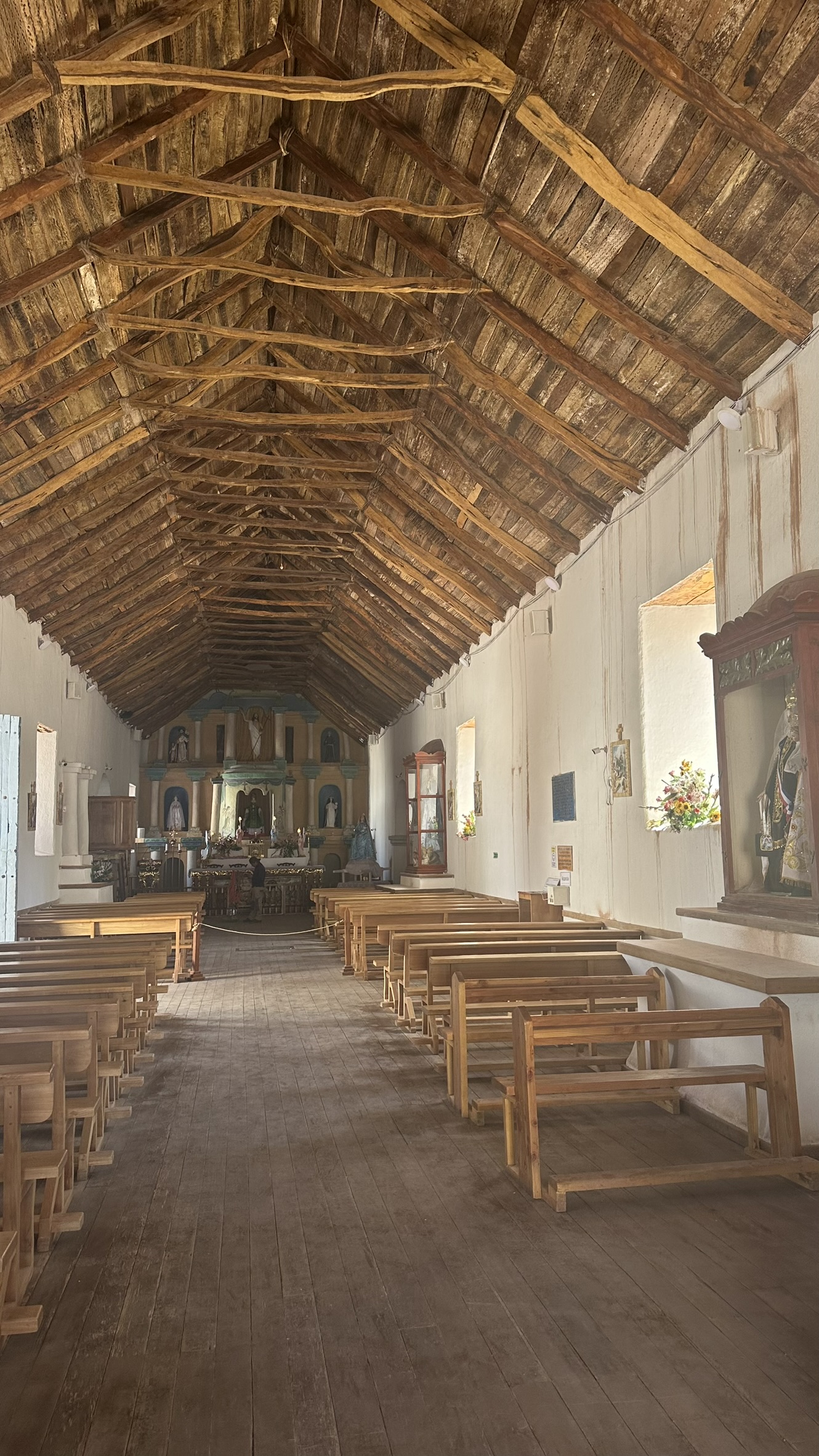
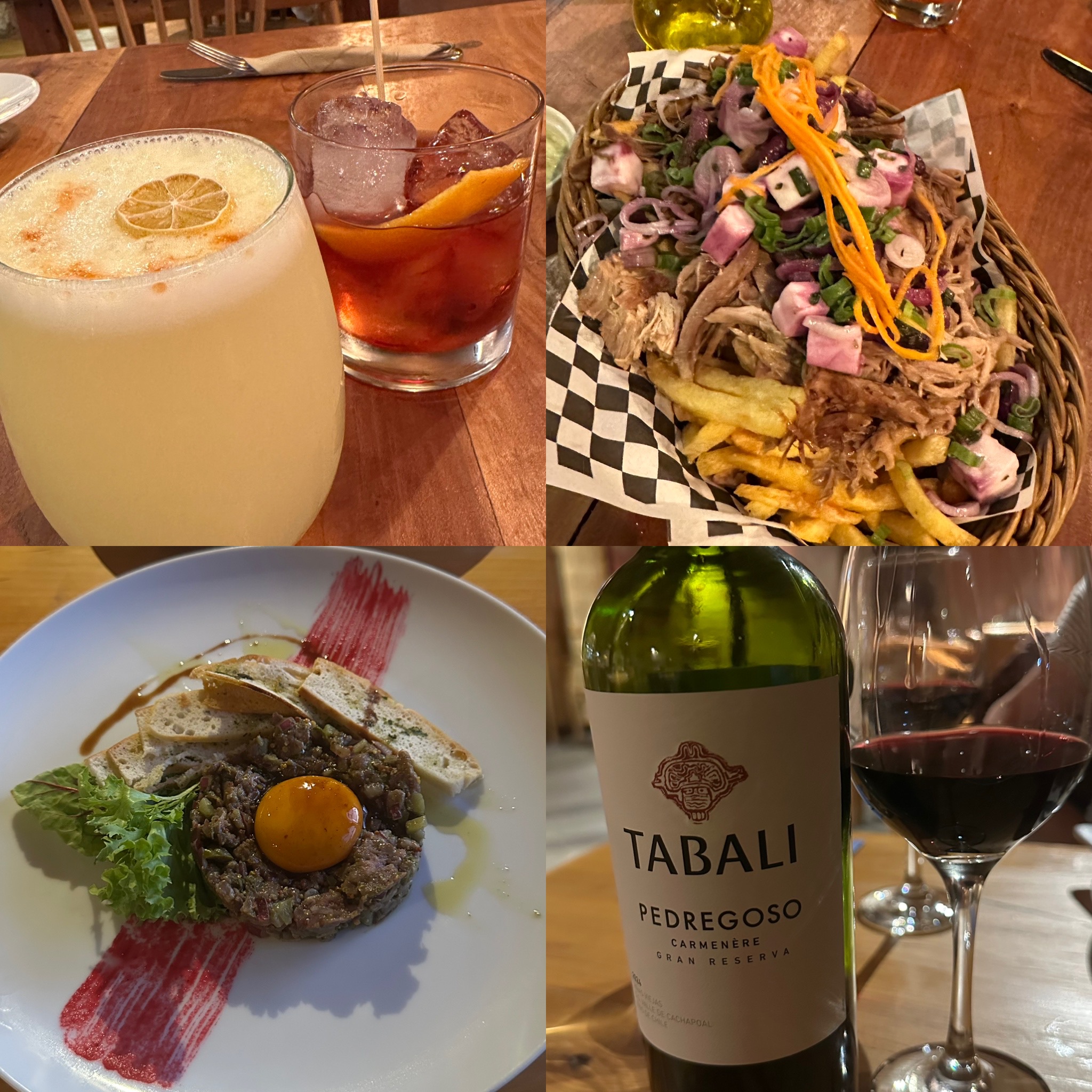
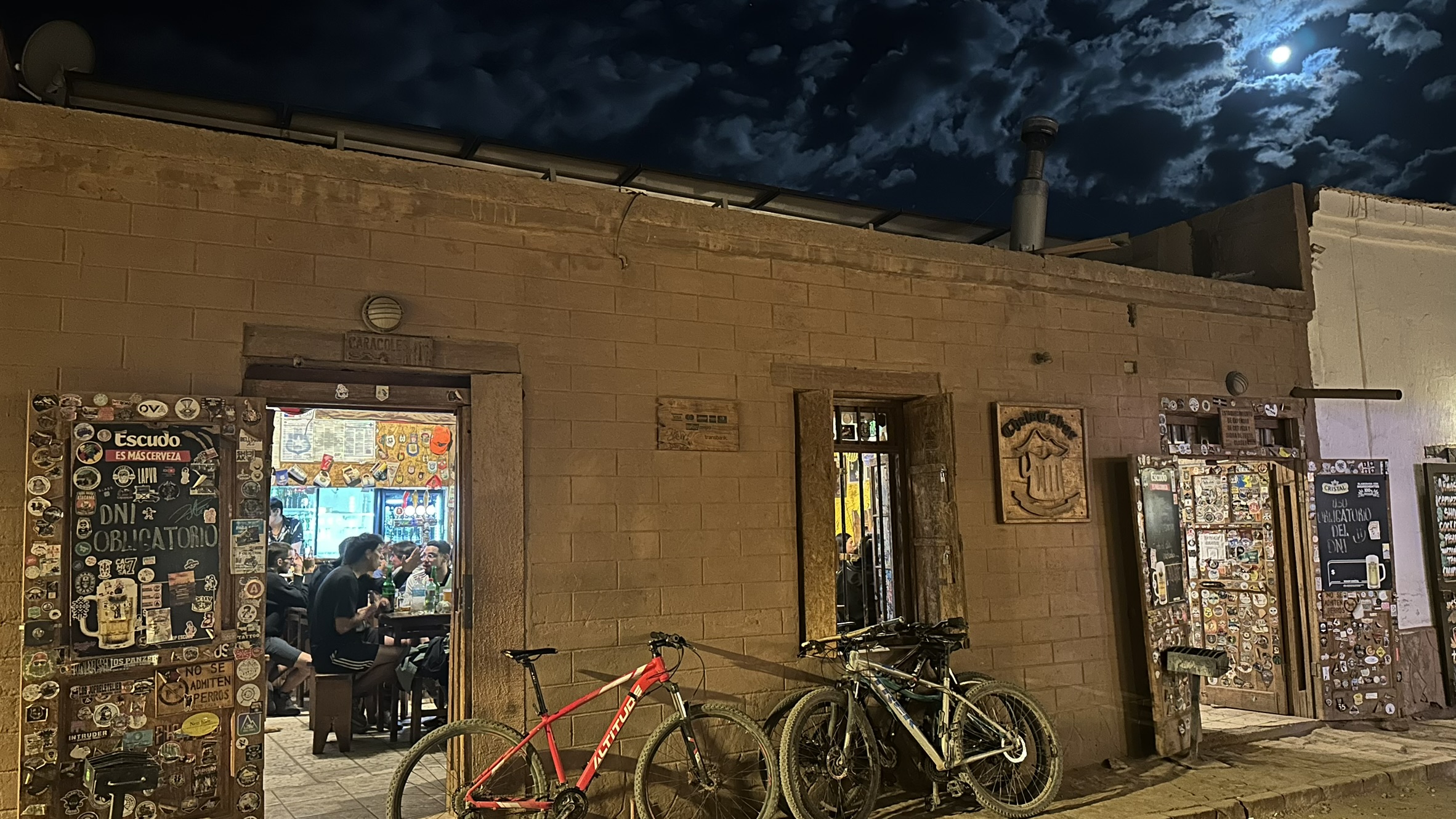
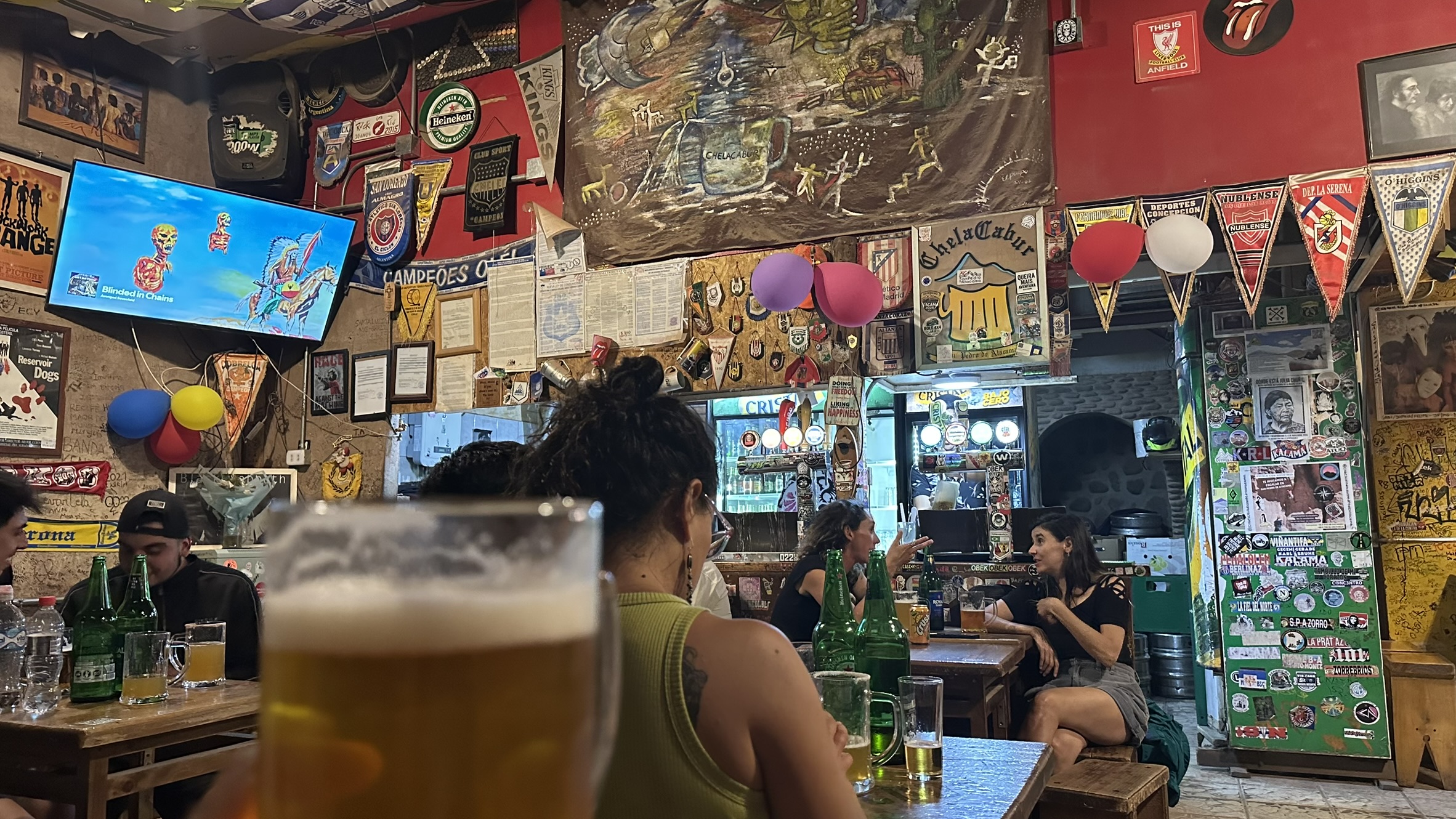
- San Pedro de Atacama is a small town that, as noted earlier, caters to the ecotourist and backpacker crowd. As we were self-guiding our day trips, we skipped the dozens of tourism outlets but enjoyed strolling the dirt lanes and people watching. Spots we liked include the tiny Iglesia de Atacama, the local Catholic Church, Pueblo de Artesanos, a small collective of shops with local artisans making authentic arts and crafts, and two restaurants I can recommend — Caracol for casual local food and low-key live entertainment in the bar and Antai, with higher end dining and excellent service. Finally, Chelacabur, a dive cantina with cheap beer, graffiti and postered up walls, and headbanger hair metal music on the main drag may be my favorite bar in Chile. Sometimes you just need to get out there.
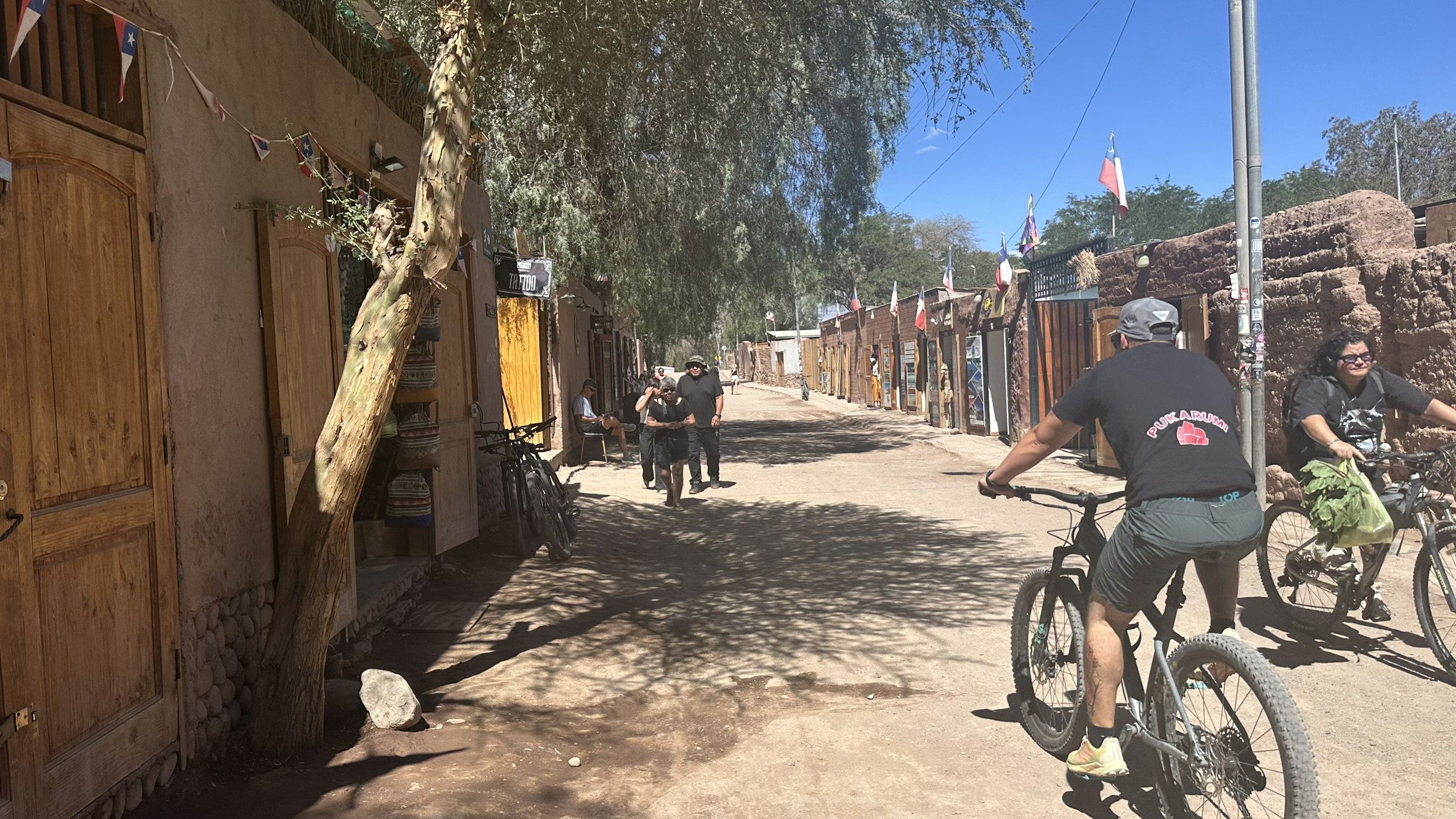
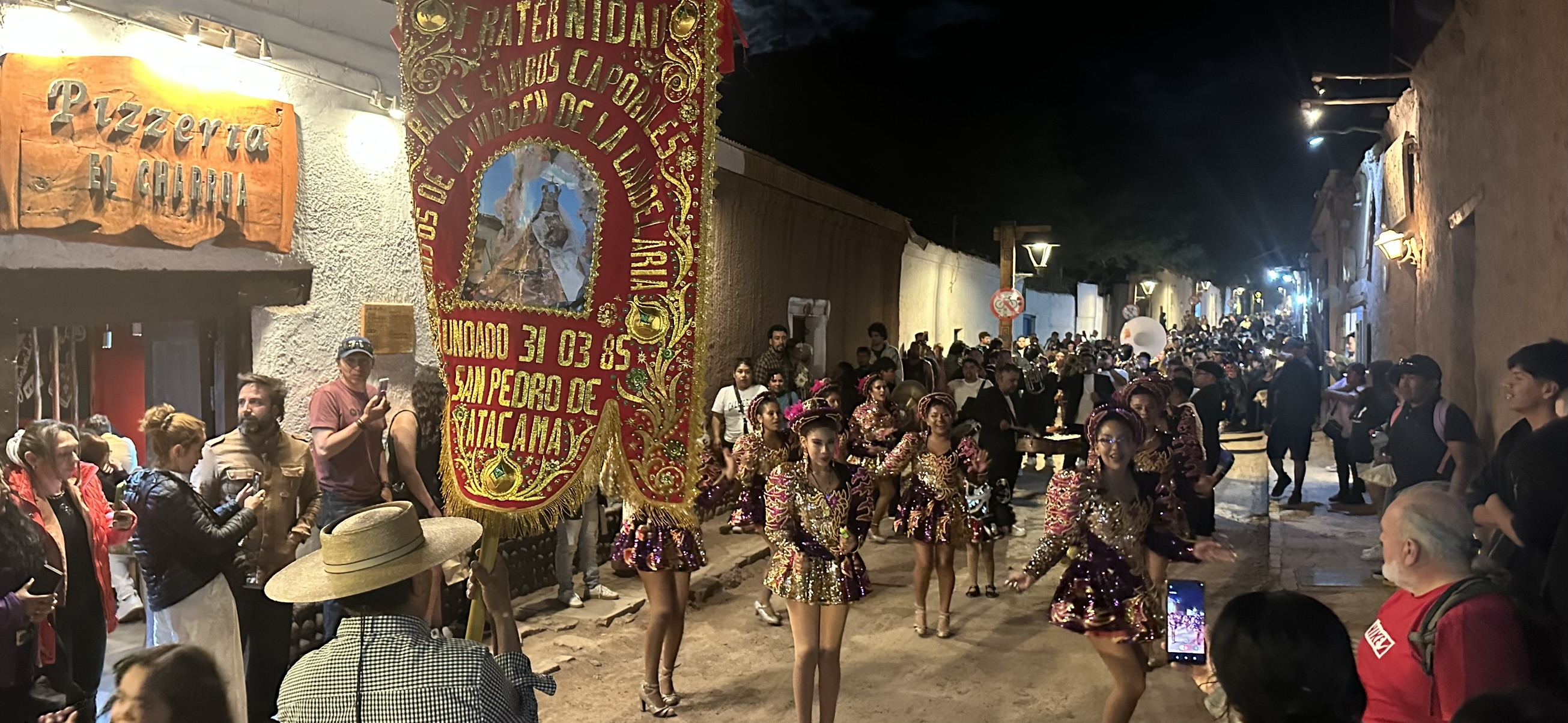
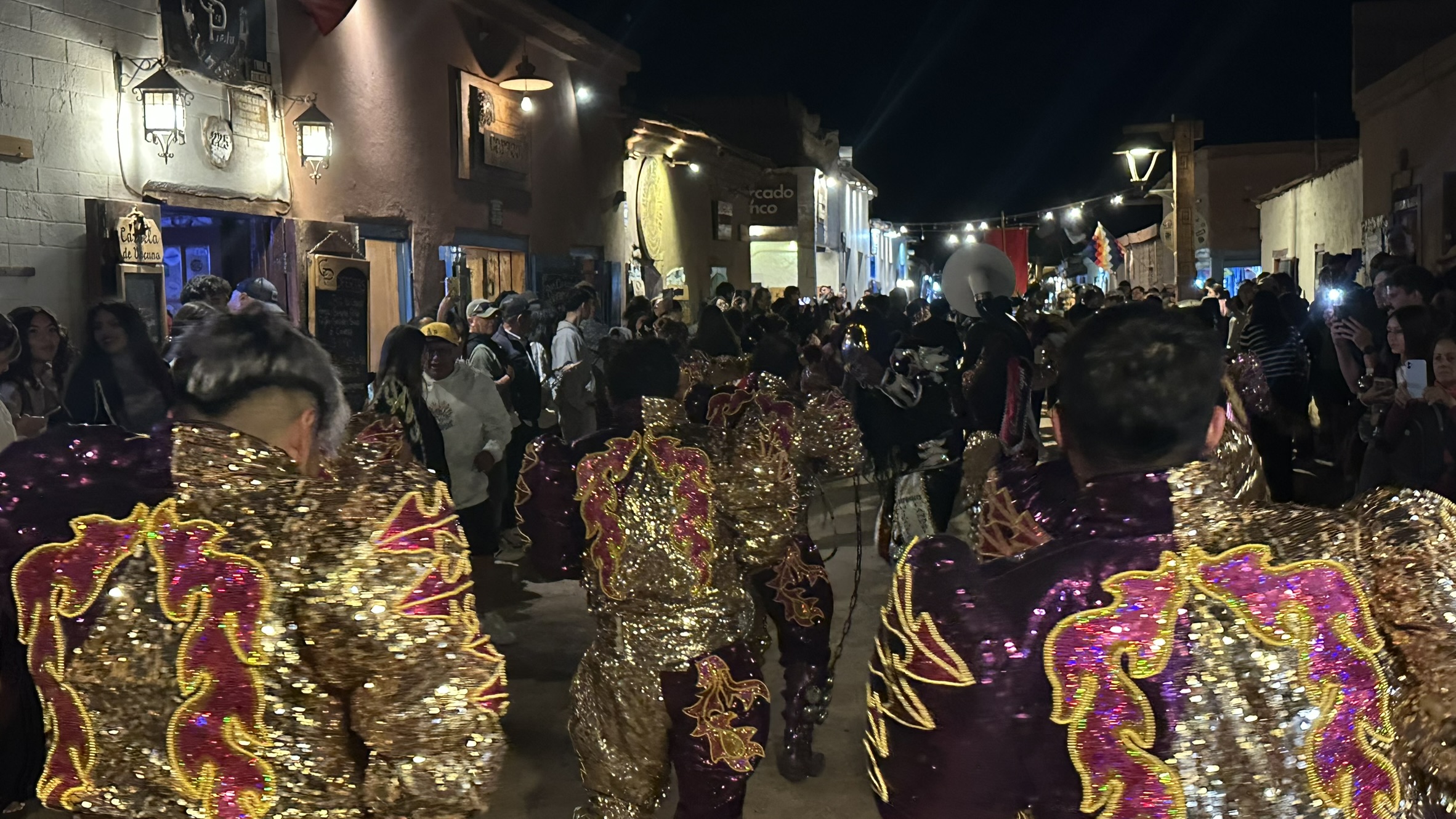
- By pure chance, our arrival coincided with Festival of the Virgin de Candeleria, a religious holiday the locals take seriously. Fully costumed parades with dancers and musicians dominated the streets our first night in town. As local cultural events go, it was quite the spectacle! Here a few short videos from our streetside view.
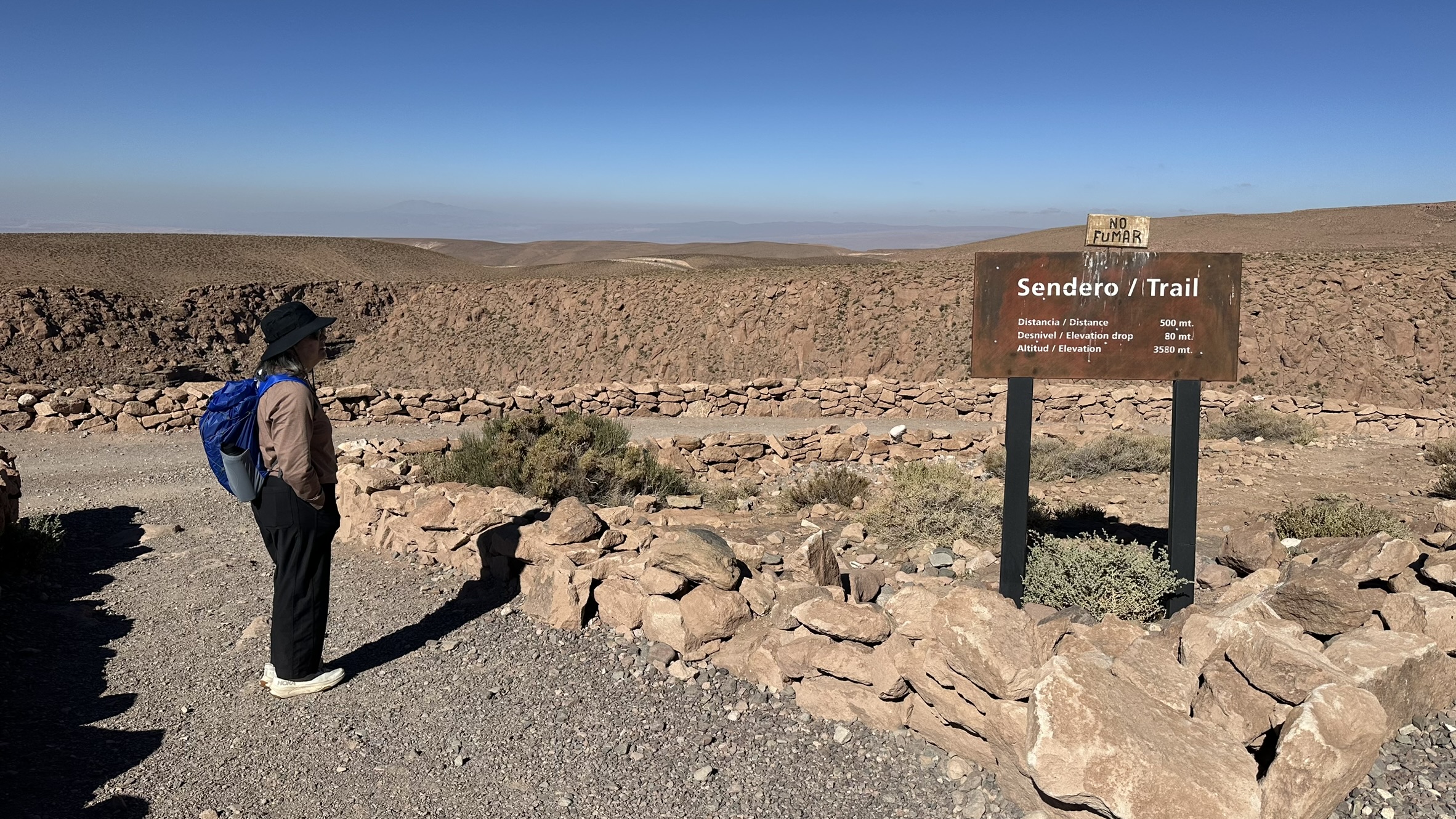
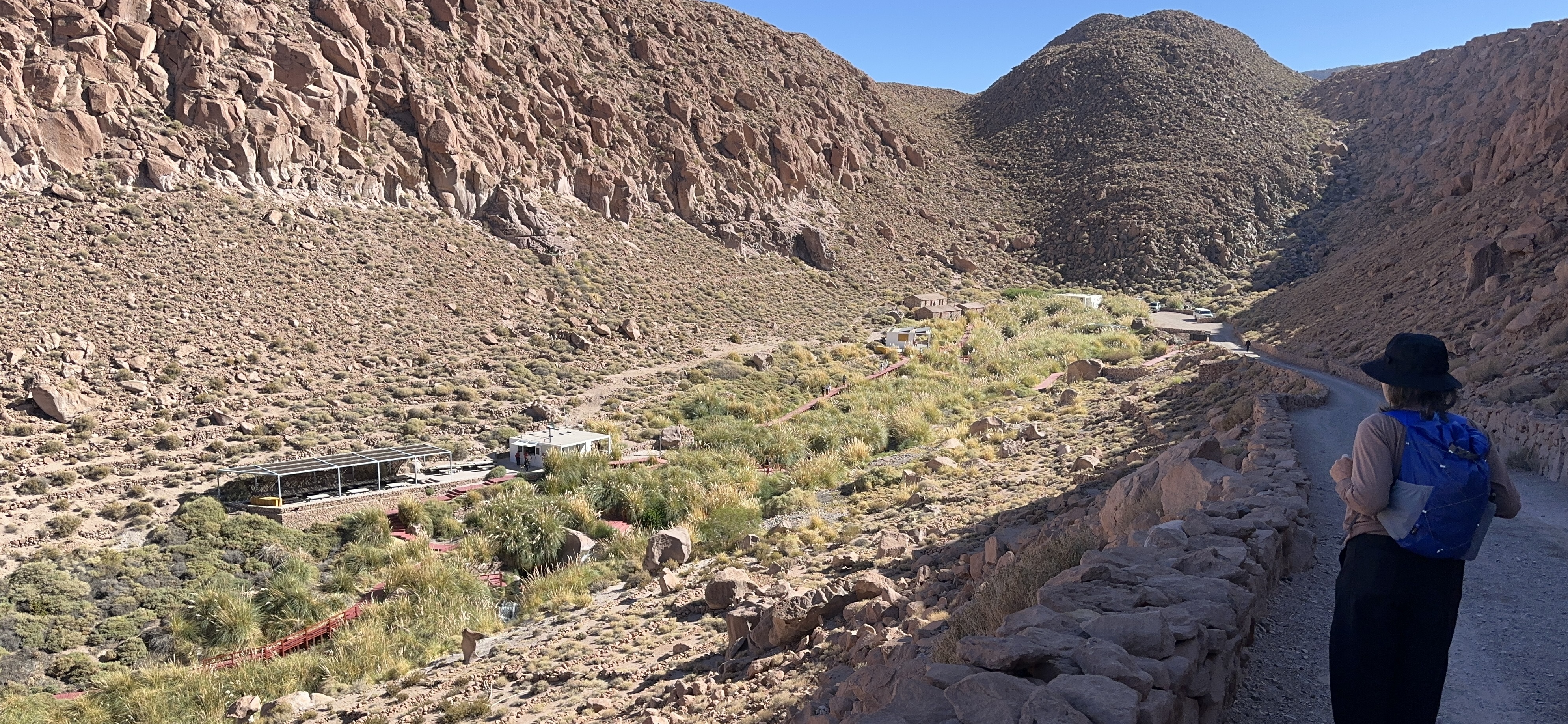
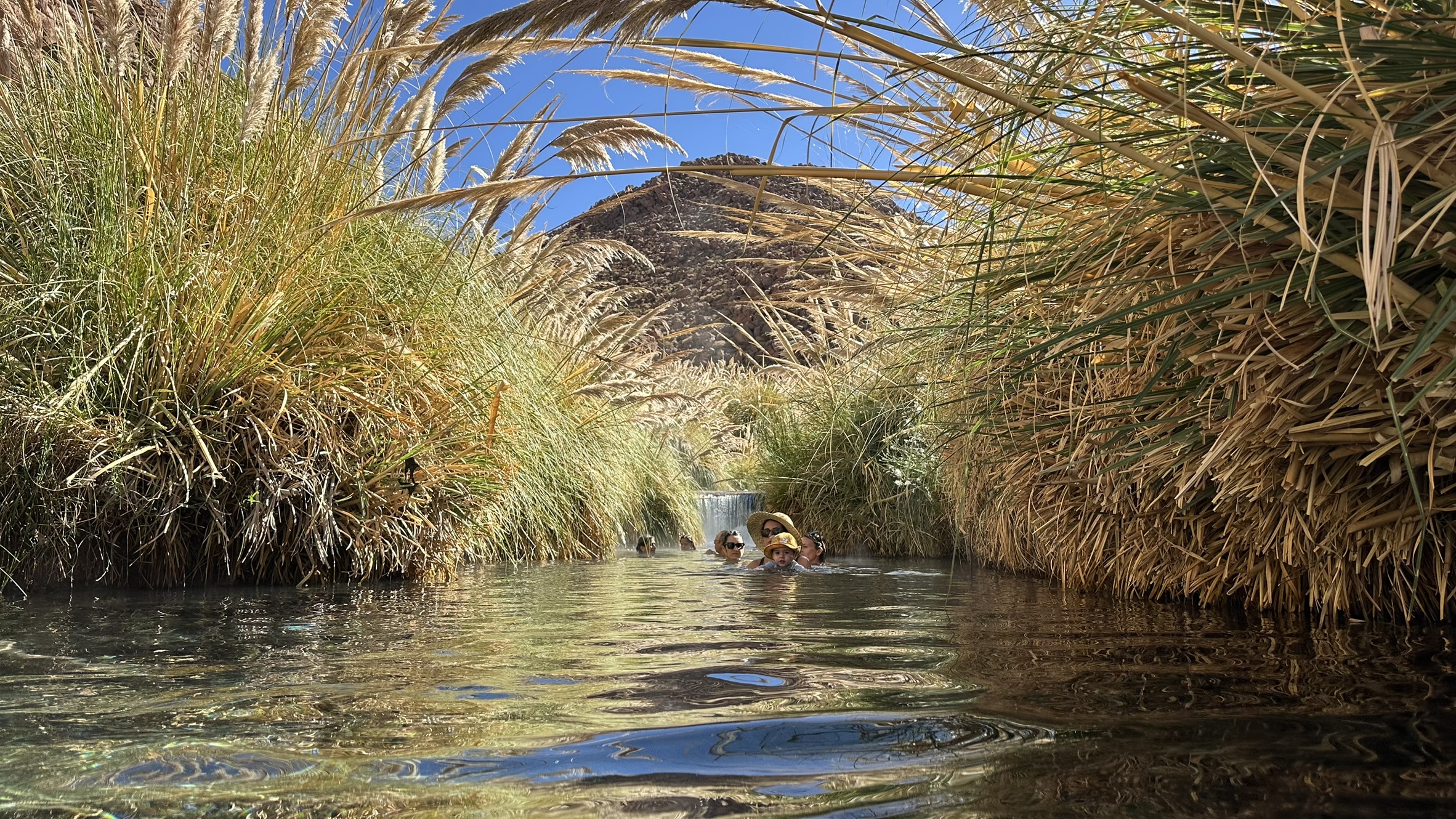
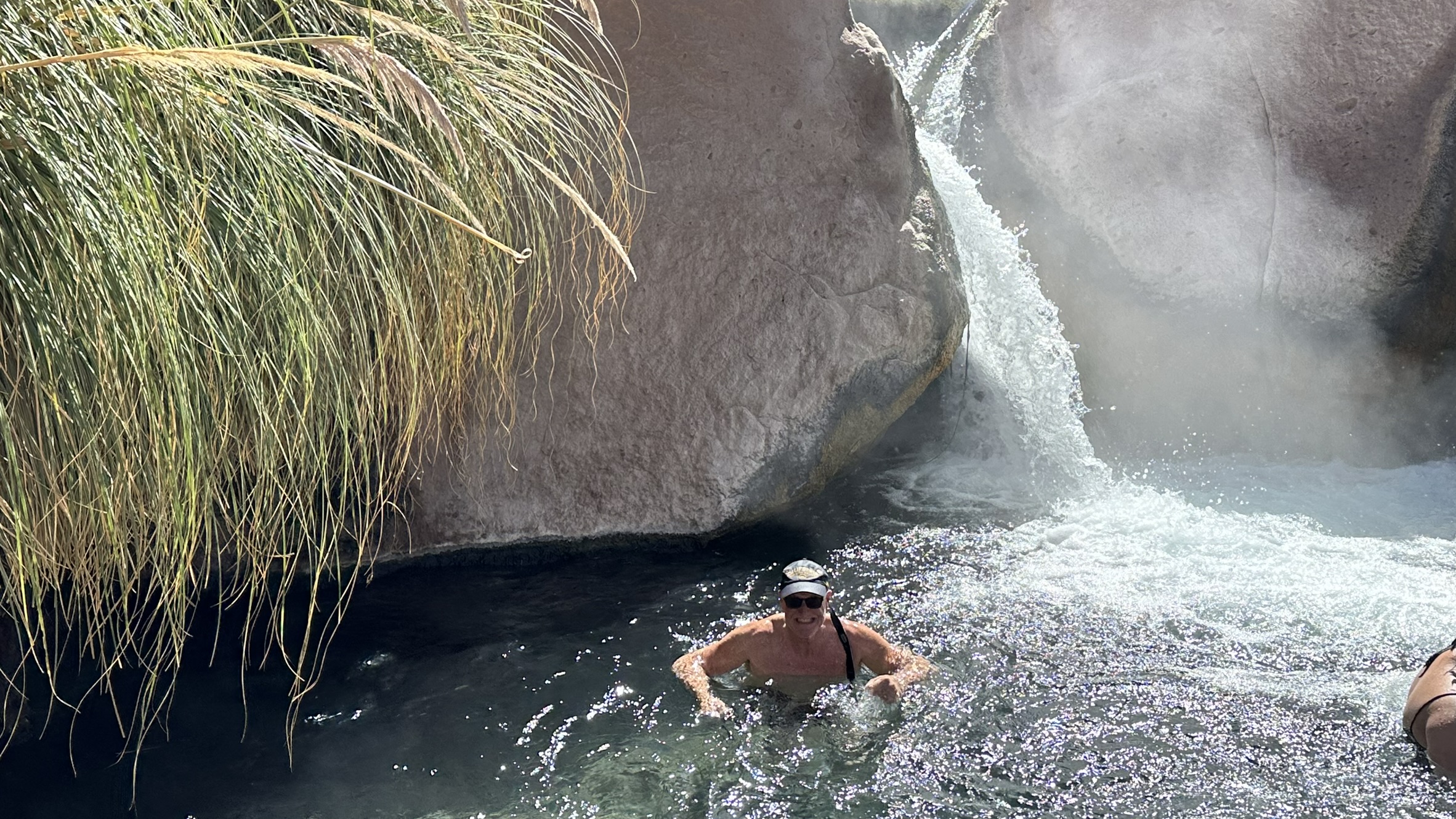
- If you have an afternoon flight out, as we did, you have plenty of time in the morning to hit the famous Puritama Hot Springs, tucked into a tiny canyon at 11,400’, forty minutes across the desert from town. Yes, even though it is a desert, underground springs can be found here, and this is truly an oasis. Book the early half day slot starting at 9:30am, park at the entrance and walk a mile down into the canyon to find seven different pools fringed with lush greenery, all linked by boardwalks. With a covered patio, snack bar and changing rooms, you could spend several hours here. The 90-degree water felt magical after a few days covered in dust.
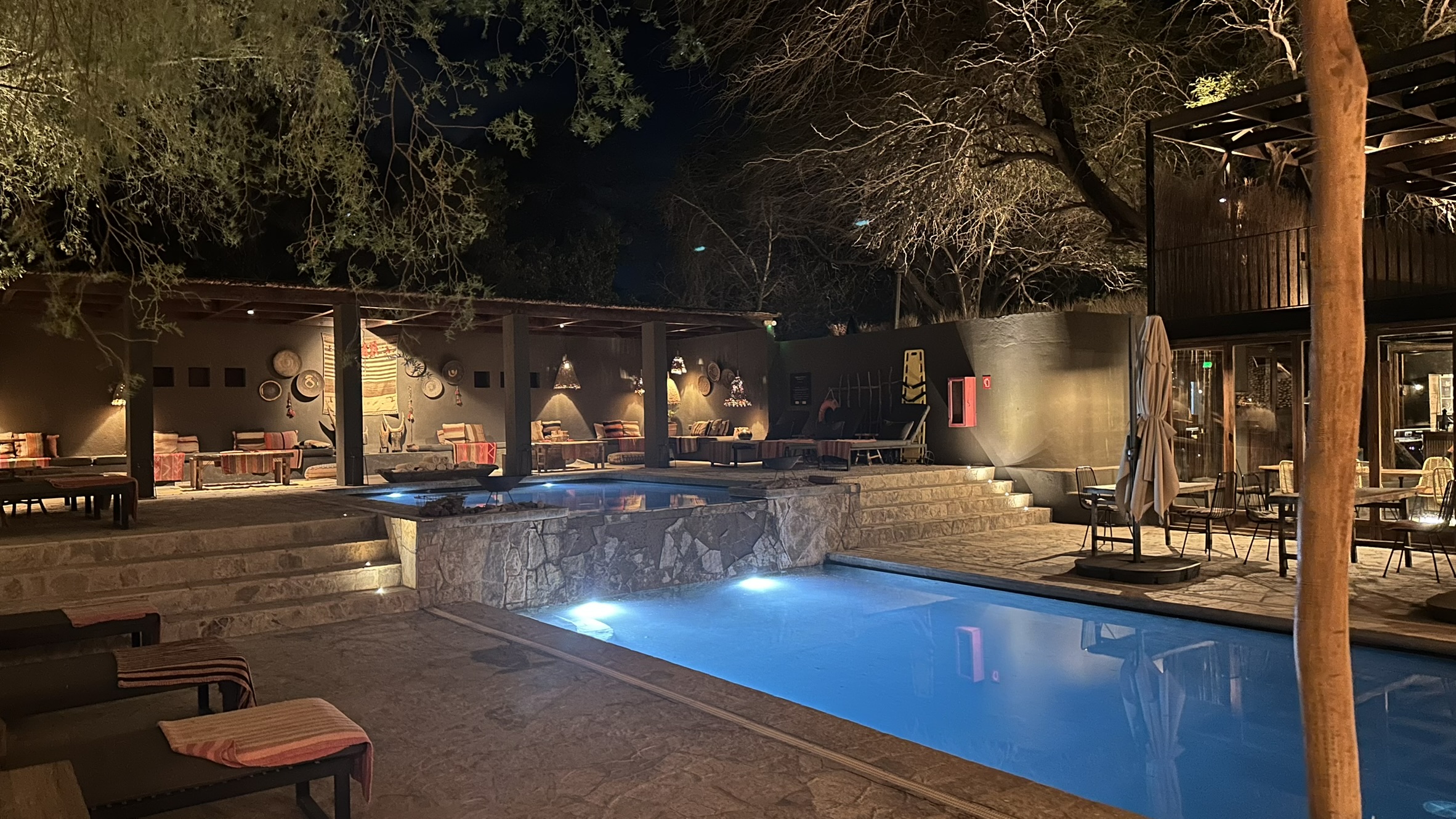
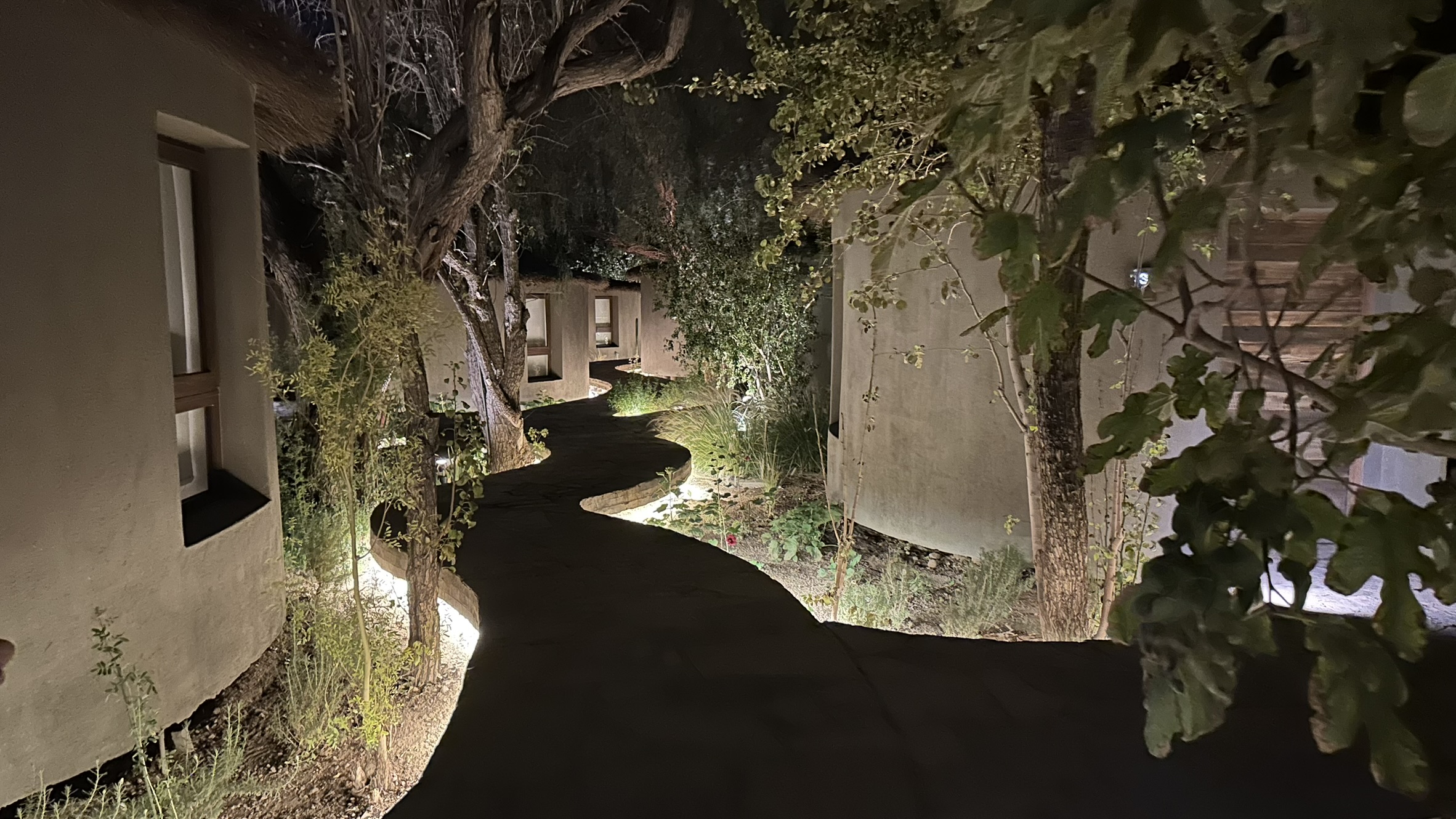
- Finally, we really liked Hotel Desertica, an oasis unto itself at on the edge of the Calle Caracole, the main drag. Incredibly friendly and helpful staff, good food, a refreshing pool and bar, and super comfortable, self-contained suites. Read my review here.
Atacama Notes and Tips:
- Atacama Desert sits beneath a ridge of 12 volcanoes in the immediate region alone, most topping 18,000 and 20,000 feet above sea level. They make for a stunning backdrop. Many are active, with the last major eruption coming in 1993 from the Láscar volcano, though there have been smaller eruptions as recently as 2023. There are 500 active volcanoes in Chile.
- Almost all the popular sites require tickets (typically 5,000 to 10,000 Chilean pesos, or $5-10/pp USD), and some even require timed reservations made online in advance. Do your homework and plan your visits ahead of time. Get your reservations and tickets for most sites here.
- Atacama is very popular for stargazing with its high altitude and dark night skies. An hour from town sits the ALMA Observatory, boasting the largest radio telescope in the world. Plenty of local stargazing tours are offered in town, or you can just head into the desert at night on your town. If this appeals to you, check the lunar calendar before you go; we had a full moon, so no stargazing for us.
- Several other popular Atacama Desert sites we did not have time to visit include Valle de la Muerte (Death Valley or Mars Valley, a lot like Valle de la Luna I’m told), Laguna Cejar (where you can float in concentrated salt water), Garganta de Diablo (Devil’s Throat for good hiking and mountain biking), and El Tatio Geysers at 14,300′, famed for huge geothermal geysers. The latter requires a very early morning start (~4am) for the best views at sunrise; despite this, it’s number one on many people’s lists.
Random Notes and Tips
- If you want to visit Antarctica and have the time, it only makes sense to see the best of Chile and Argentina — they are literally on the way, and you’re going to be entering and leaving at least one of those countries to get to Argentina! If you are time constrained, stick to the south, starting either in Santiago or Buenos Aires.
- If I had less time, I would optimize for one major city (Buenos Aires preferable to Santiago), Patagonia and Torres del Paine; my first cuts would be Mendoza (unless wine is your top priority) and Atacama Desert (due to its geographic distance). With more time, I would stay longer in Patagonia, likely near Bariloche and possibly another couple days in Torres del Paine. Or consider the following…
- When we visited Argentina for two weeks over Easter in 2016, we spent 4 days in Buenos Aires, 2 days at Iguazu Falls along the northern border with Brazil and Paraguay, and 6 days in the northwest Argentina highlands, half in Salta and half in Tilcara. The latter region is fantastic, very similar to the Atacama Desert but with more dramatic multi-colored mountains (Purmamarca’s Cerro de Siete Colores and Humahuaca’s El Hornocal) and a distinctly gaucho vibe. I definitely put this region ahead of Mendoza in my book, and Salta is also known for very good wine.
- If you are an outdoor wilderness sports enthusiast, clearly Bariloche and Mendoza both a lot to offer. Patagonian Chile also boasts on the best whitewater paddling in the world, particularly the Rio Futaleufu, which I ran for seven days in 2005. I highly recommend Earth River Expeditions as the outfitter to go with.
- In summertime, the UV index is frequently off the charts, especially in the mountains. You will want hat, sunglasses, long-sleeved UV protection shirts, and lots of sunscreen. Everywhere.
- These days most legitimate businesses accept credit cards and, even better, pay by tap with your phone. Of course, it is still helpful to carry some cash in local currency for very small businesses, street vendors, guide tips, and so forth. Best to bring cash from your home country or exchange at Western Union, where offices are plentiful in major cities. Do not use ATM’s in Argentina — they rip you off with exorbitant fees. Chile is not as bad, but still not great.
- To enter Chile, you must get a Chilean PDI Tourist Card at the airport or border. It’s a somewhat complicated process, but you must do it. Keep your PDI card with your passport and do not lose it. The consequences on trying to depart the country could be severe.
- Uber is everywhere in major cities as well. Easier (and in some places safer) than taking the bus. The only place you really need a car is Bariloche, although we didn’t pick ours up until the second half of our stay there. It would also be good in Mendoza unless you plan to be drinking wine during the day.
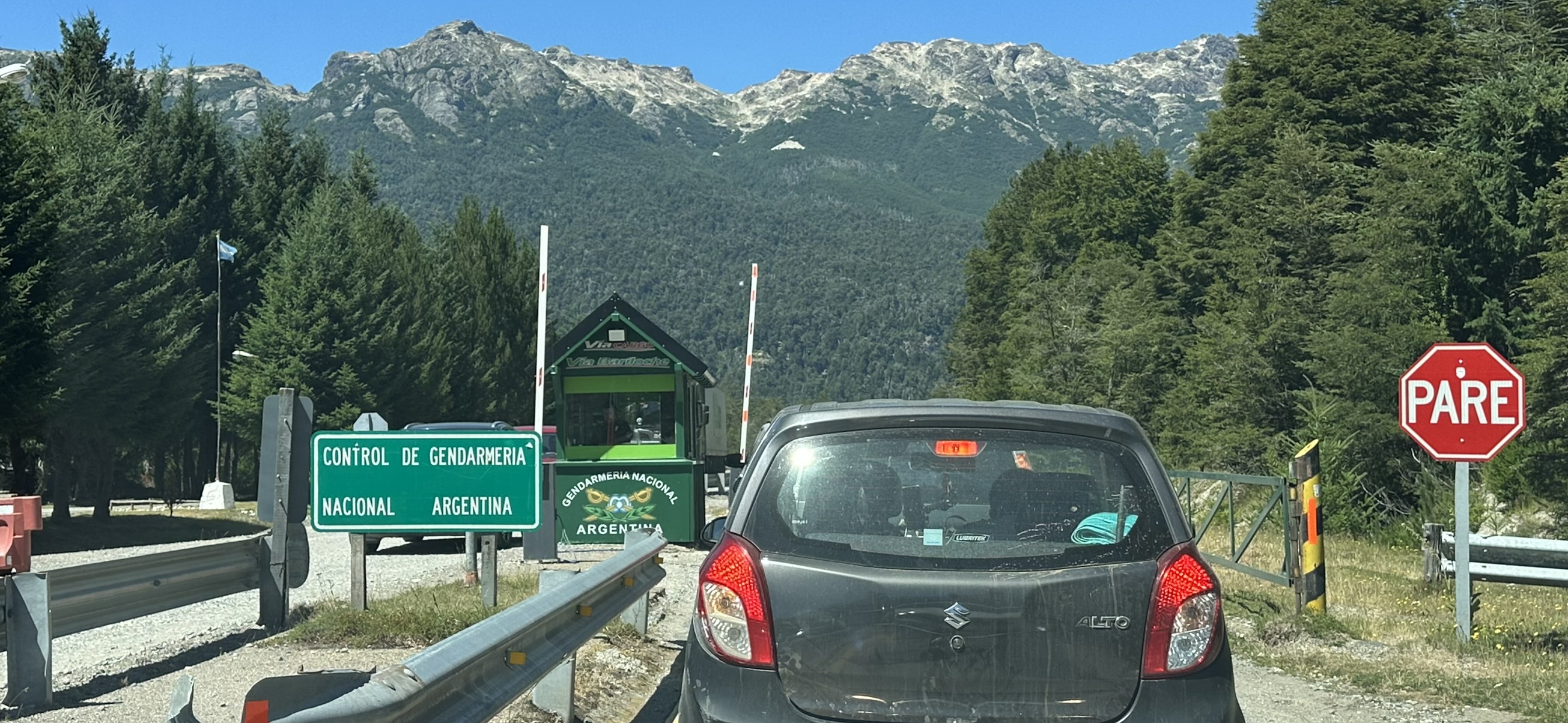
- I do recommend driving across the border from Argentina to Chile (or the other way), though there a couple caveats. First, renting a car for a one-way drop across the border is expensive; the only company I found that would do it (and it proved to be very easy, they did all the necessary paperwork) is Invernalia. Just about $1,300 for 3 days, border crossing fees, and international return. Second, the border crossing is complex, as you have to clear border patrol twice — once in Argentina and again in Chile — and the second one involves parking, getting in line at the office, and going through a complex procedure to get your papers stamped.


 Once in a while you get shown the light...