Spring 2025 Trip Notes & Itinerary
Overview: A 32-day, 10-city journey across Japan, mostly by train (with a couple short flights and a few days by car), covering the Big Three (Tokyo, Osaka and Kyoto) and several smaller towns on Japan’s two largest islands, Honshu and Hokkaido.
Itinerary: Tokyo (6 days) > Hokkaido (6 days) > Nakasendo Trail (2 days) > Matsumoto (3 days) > Takayama (3 days) > Hiroshima (2 days) > Kyoto (6 days) > Osaka (4 days)
Bottom Line: Where to start? The incredible food, way beyond sushi and tempura? The countless Buddhist temples, Shinto shrines and their sprawling yet intricately designed and perfectly manicured gardens? The vibrant, sparking clean cities teeming with people and 21st century Japanese culture? The towering mountains and lush forests, waterfalls and rivers? Traditional ryokans and onsen hot springs? The most polite and eager-to-help people on the planet? Japan has all that and more!
Many people who visit Japan for the first time visit only Tokyo, Osaka and Kyoto, often traveling to experience the cherry blossoms in March/April or the fall colors in October/November. We timed our maiden journey to Japan for May and June, hoping to find smaller crowds and still good weather. While we found unseasonably hot weather for a few days and crowds are difficult to beat anytime in some places, we were largely successful. And while we gave the Big Three plenty of time, we also made a point of visiting a few smaller towns where we would have easy access to well-preserved, traditional and historic villages that harken back to the Edo period (and earlier) of samurai and shogun. These were, in many ways, the most memorable parts of the trip. If you plan to visit Japan, be sure to hit at least one place off the beaten path for a few days and definitely spend some time in an onsen ryokan. Wish we had done more of the latter!
| Dates | Destination | Where We Stayed |
|---|---|---|
| Days 1-6 | Tokyo | Century Hotel Southern Tower |
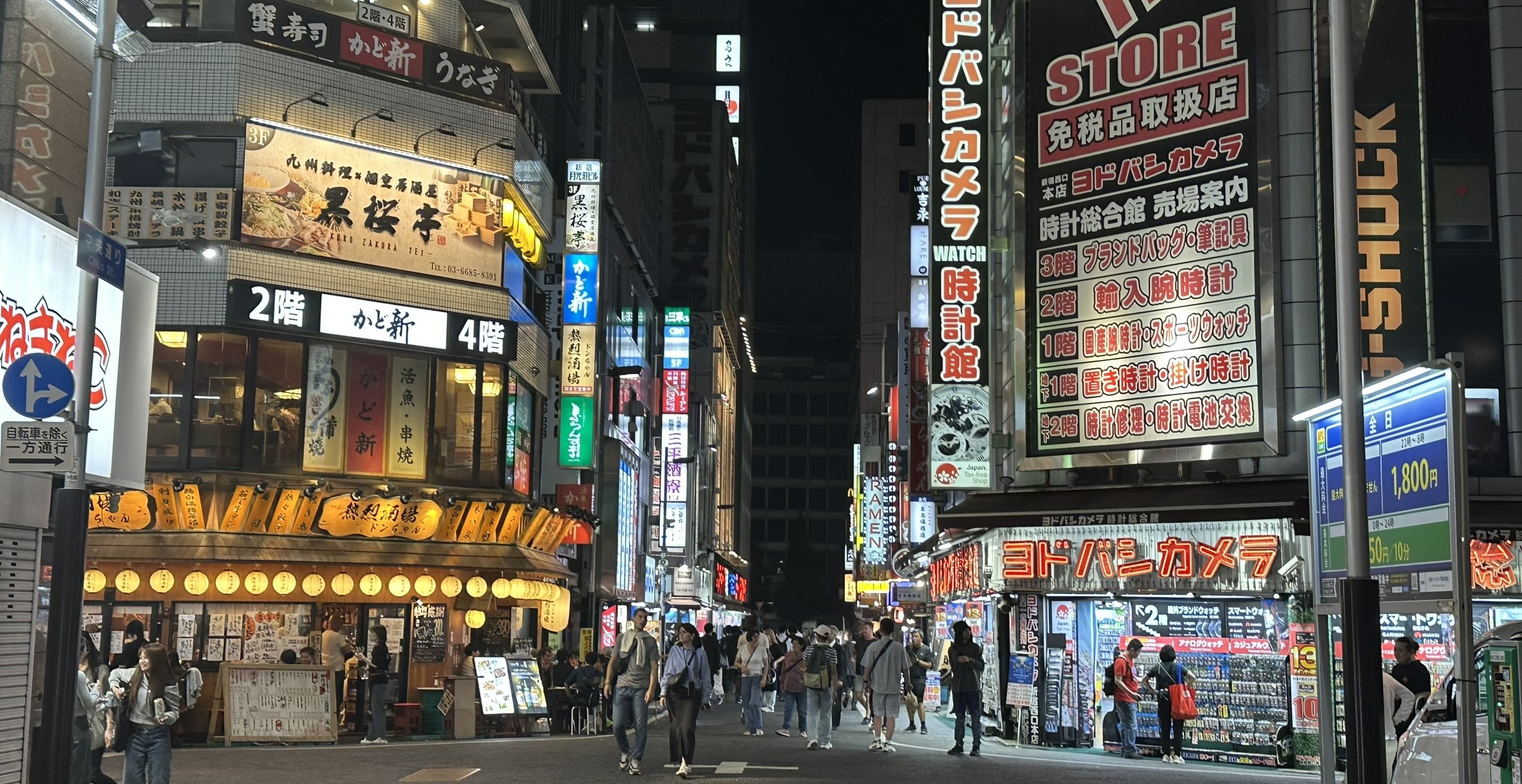
Like most travelers, we began our first trip to the land of the rising sun in Tokyo, the world’s most populous city with 37 million residents. There is something compelling about Tokyo. The neon lights shine bright well into the early hours, and the perpetual buzzing energy is positively infectious. Highlights from our time in Tokyo were many: beautiful urban parks, temples and shrines; the colorful shopping streets of Harajuku; the izakaya food and bar scene in Shinjuku; Tsukiji fish market; a day trip to Nikko; an incredible train system that takes your everywhere; kind and friendly people, and of course the food!
Some of those highlights in a little more detail:
- We booked a guided walking tour the first full day (here’s my review), a great way to get oriented to the city and also to pick up helpful tips on using transit, useful phrases, and local customs and history. Our tour included:
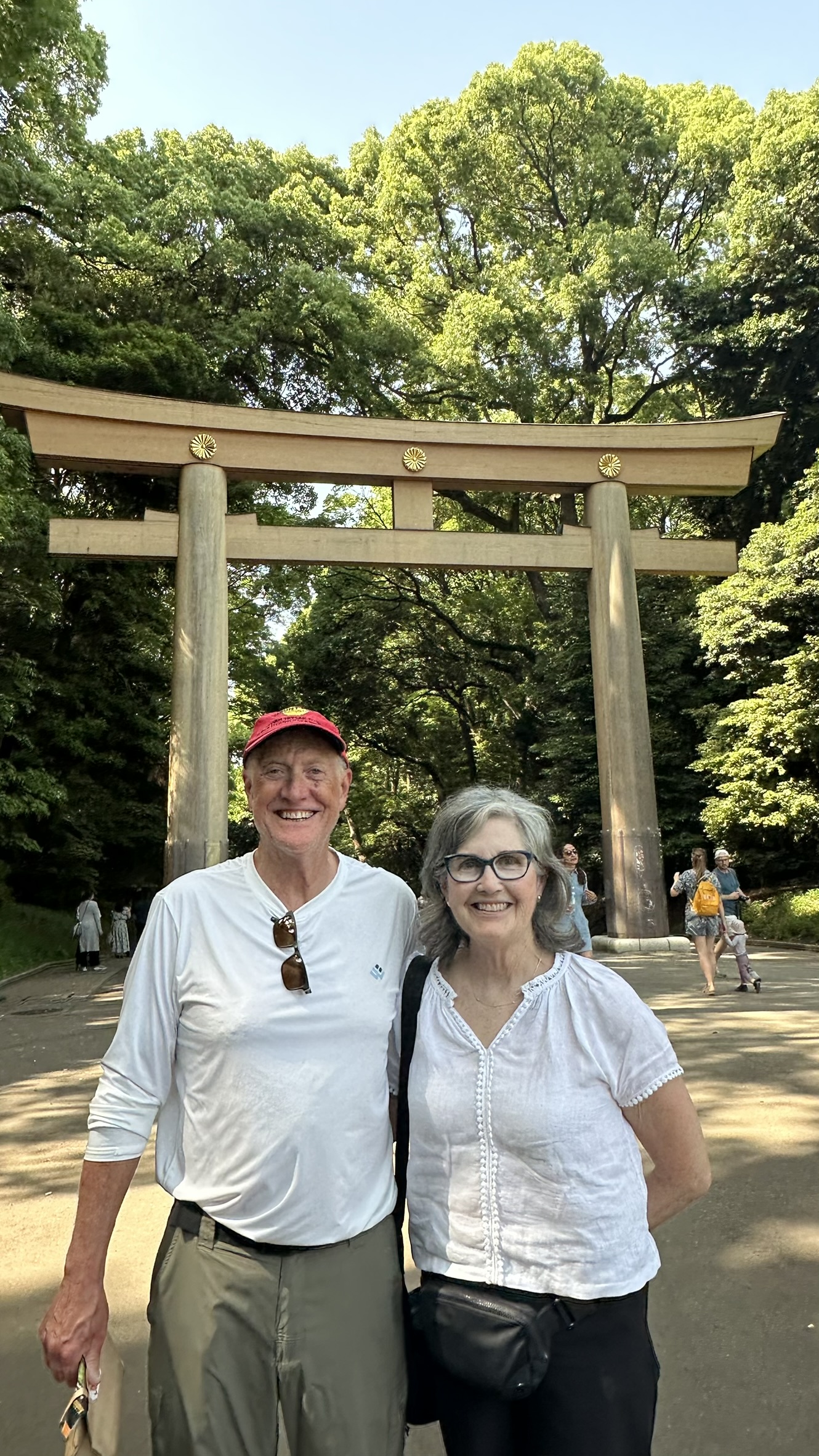
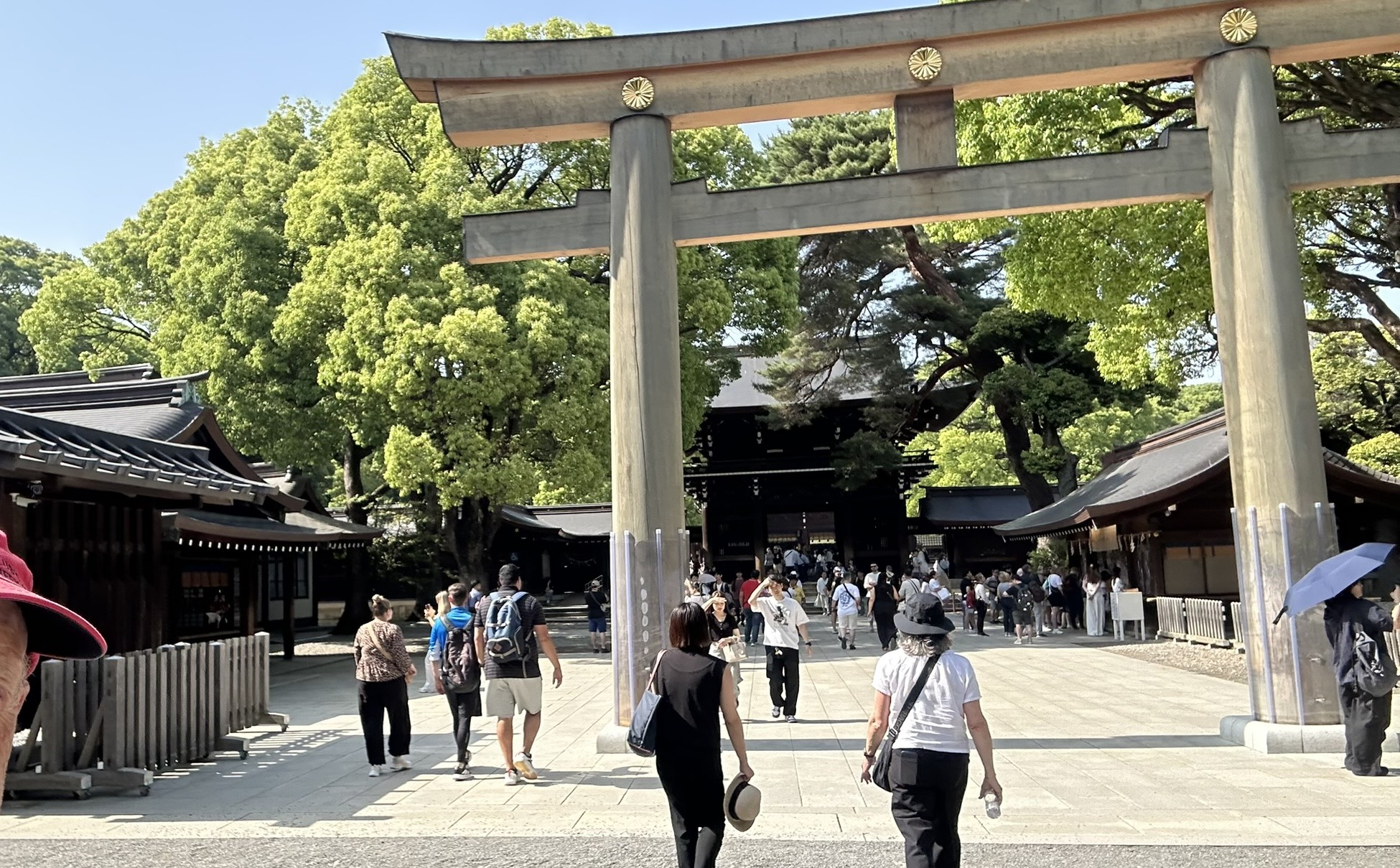
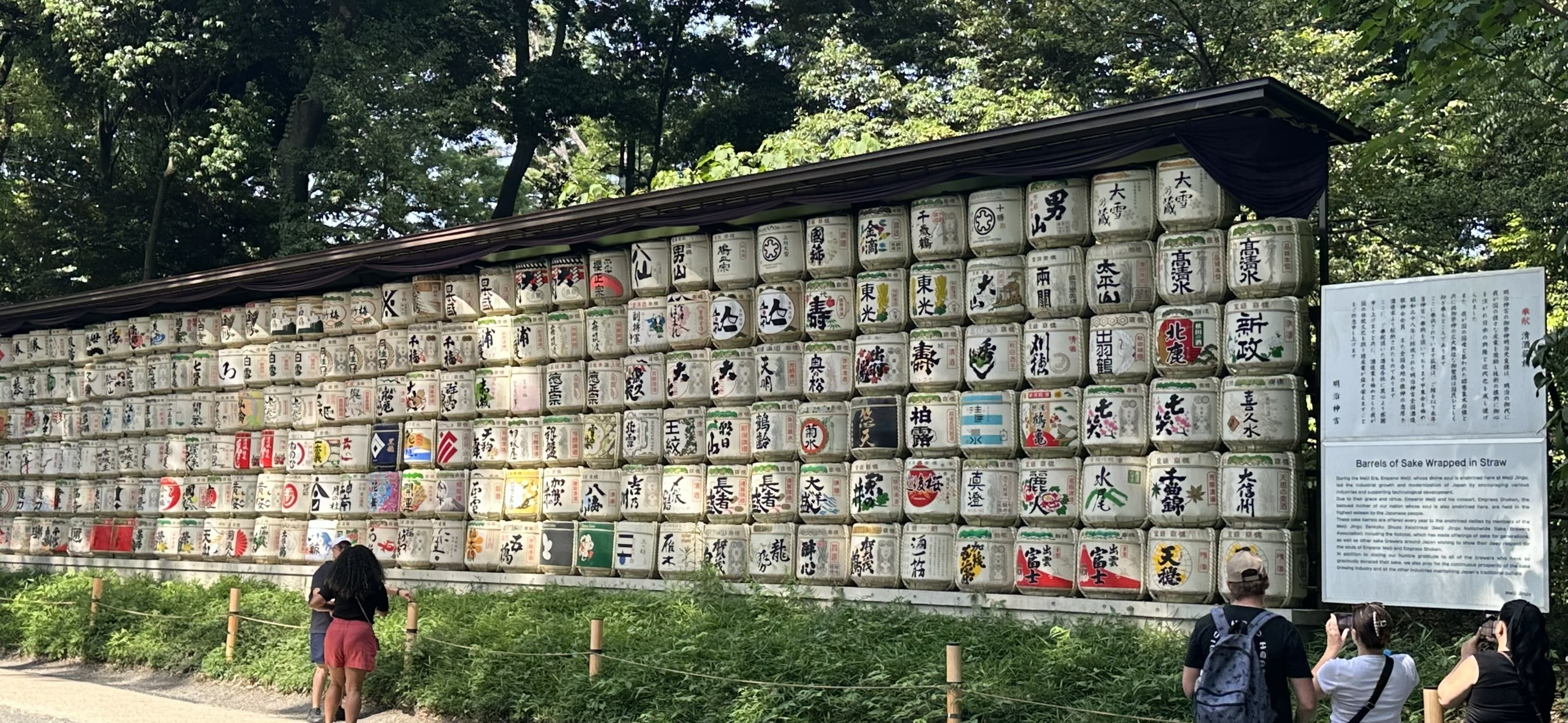
- Meiji Jingu, Tokyo’s most iconic Shinto shrine steeped in history and spirituality. Impressive torii gates lead to the shrine’s inner forest of over 100,000 trees and ultimately to the main shrine, where we learned how to make a proper Shintu offering. And for 500 yen (about $3.50), you can leave a wish on a wooden plaque at the shrine.
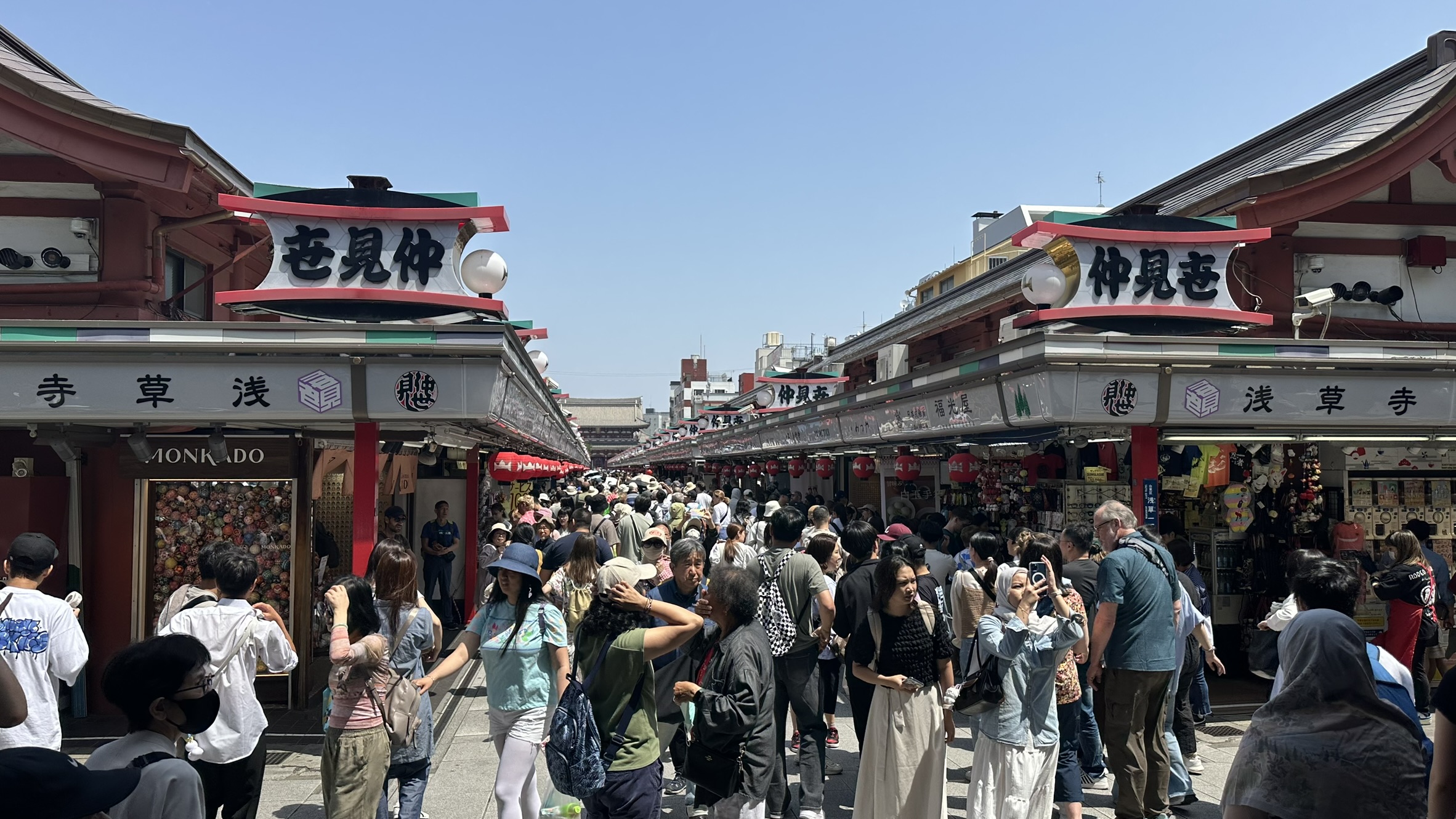
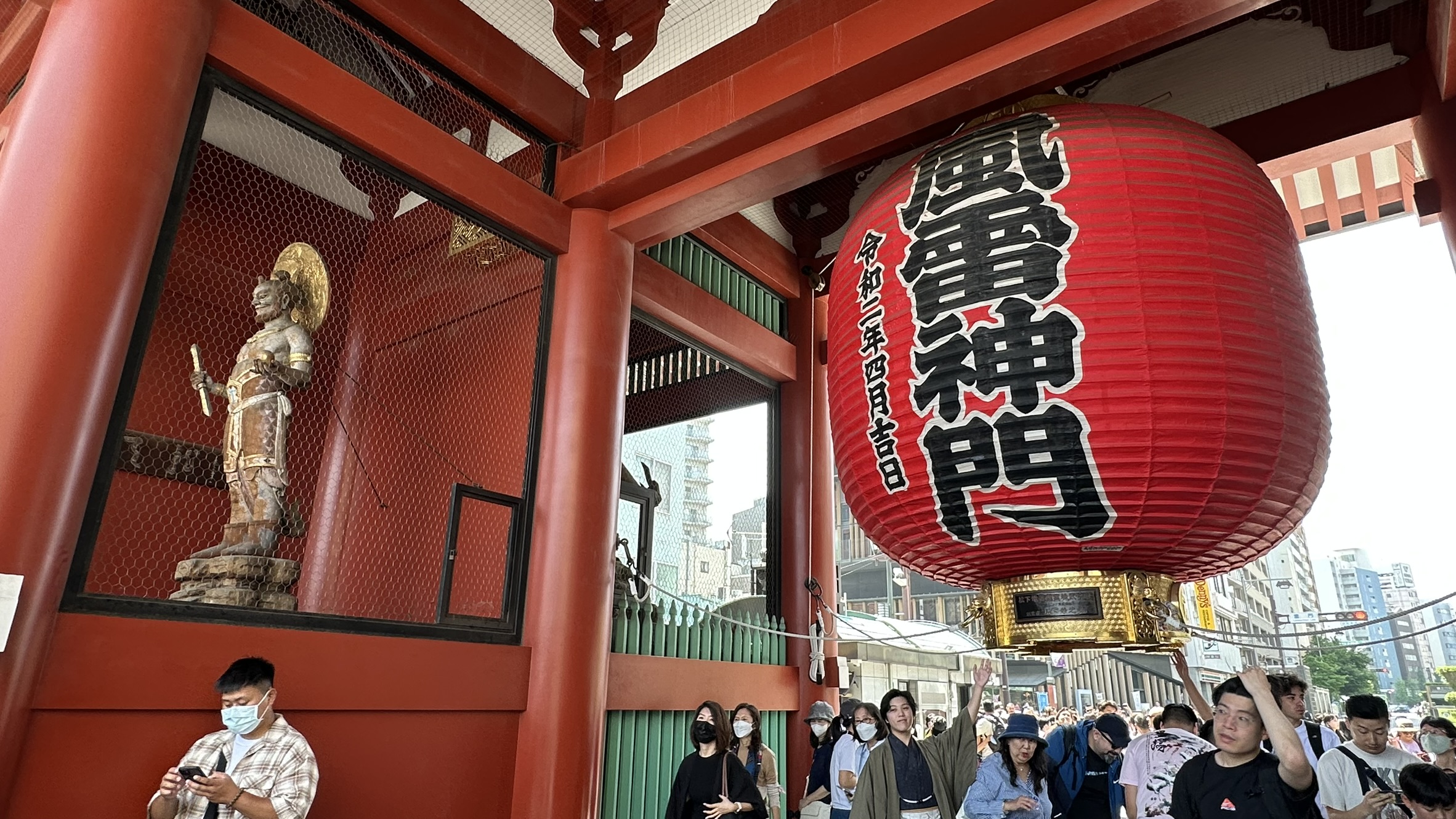
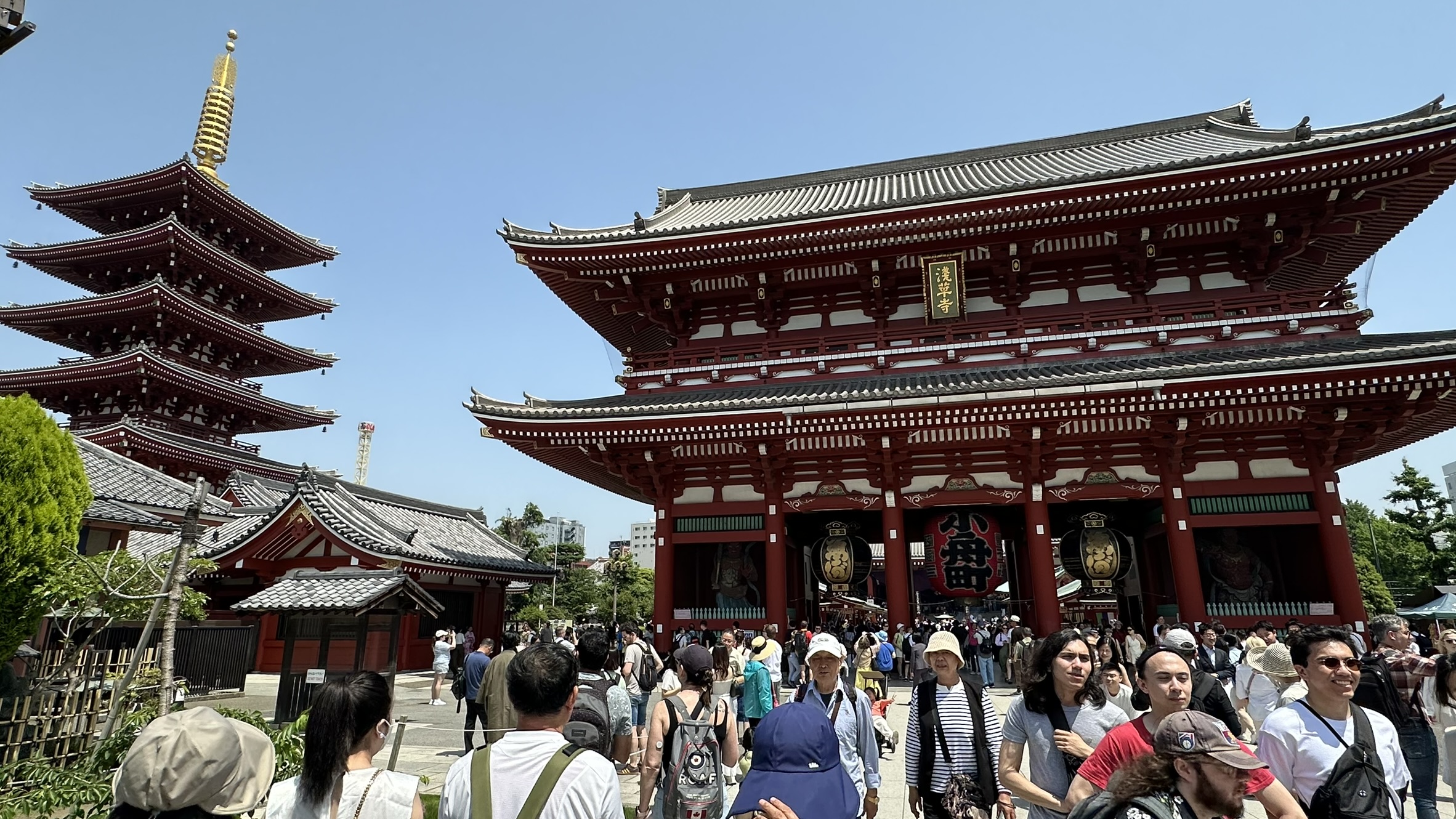
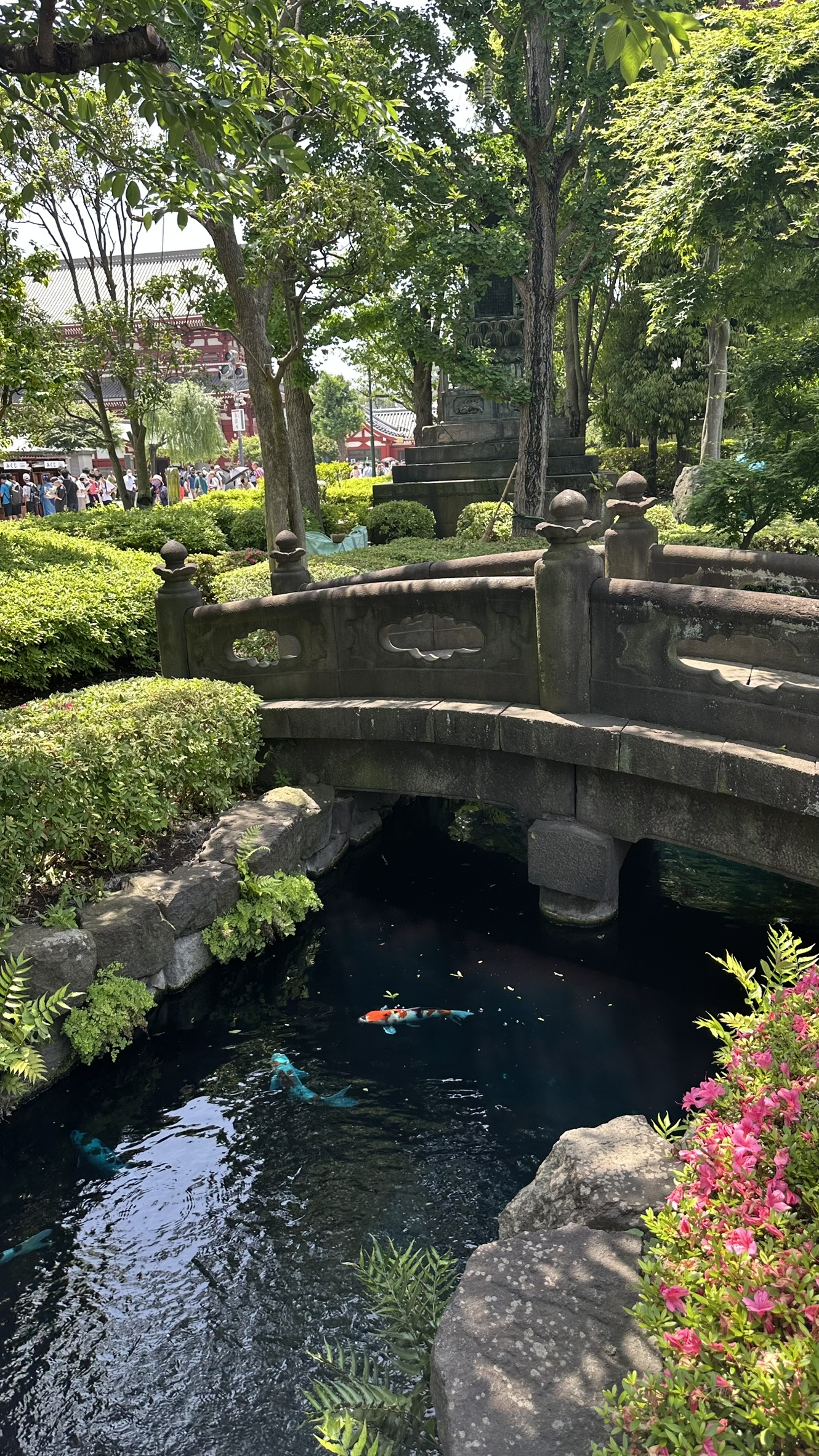
- The traditional Asakusa district’s iconic Senso-ji, Japan’s oldest Buddhist temple and 5-story pagoda draws hordes of locals and tourists alike seeking blessings and cultural insight. The vibrant Nakamise Street leading to the temple offers a bustling market with a myriad of stalls selling traditional snacks, souvenirs, and handicrafts.
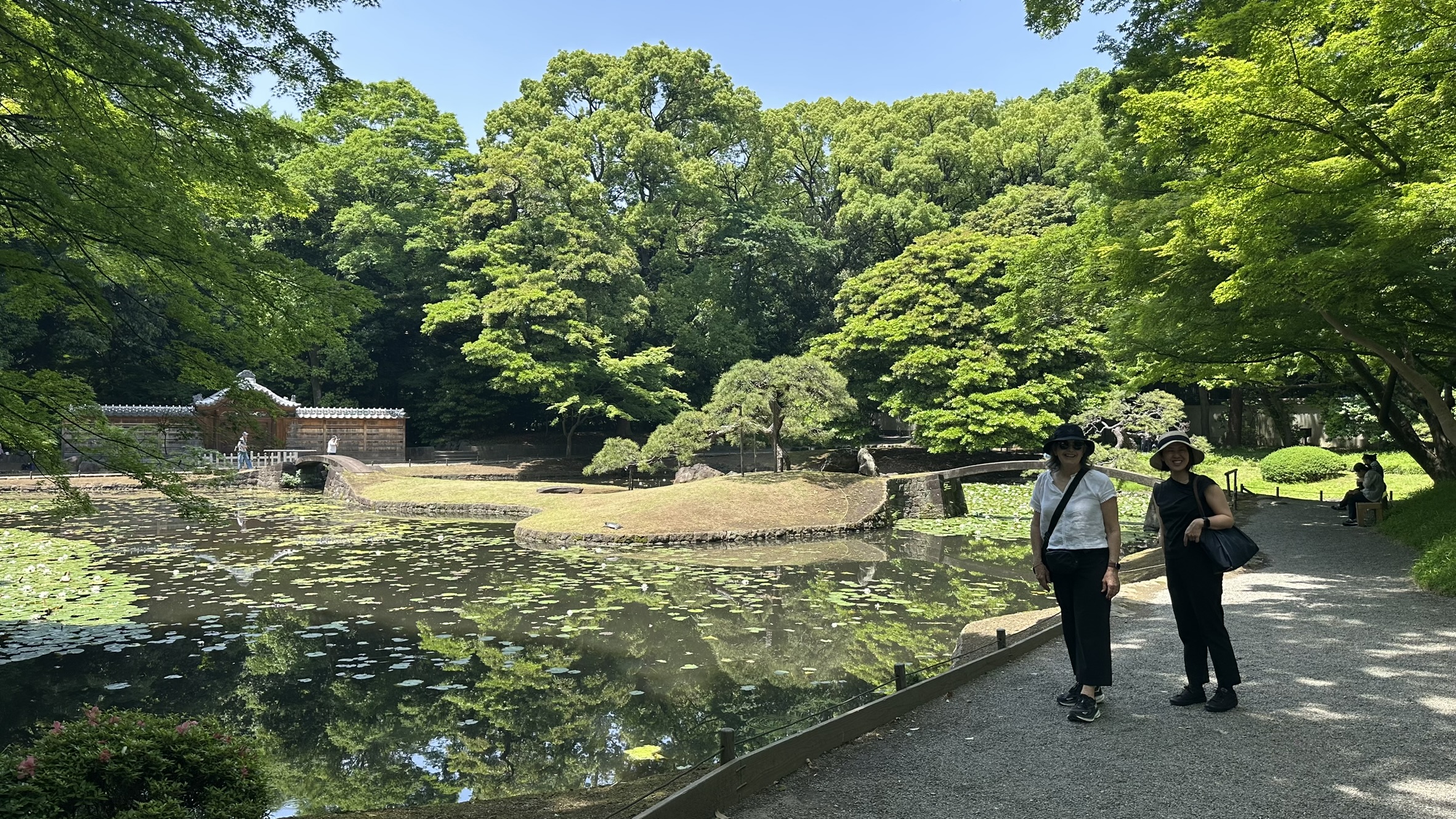
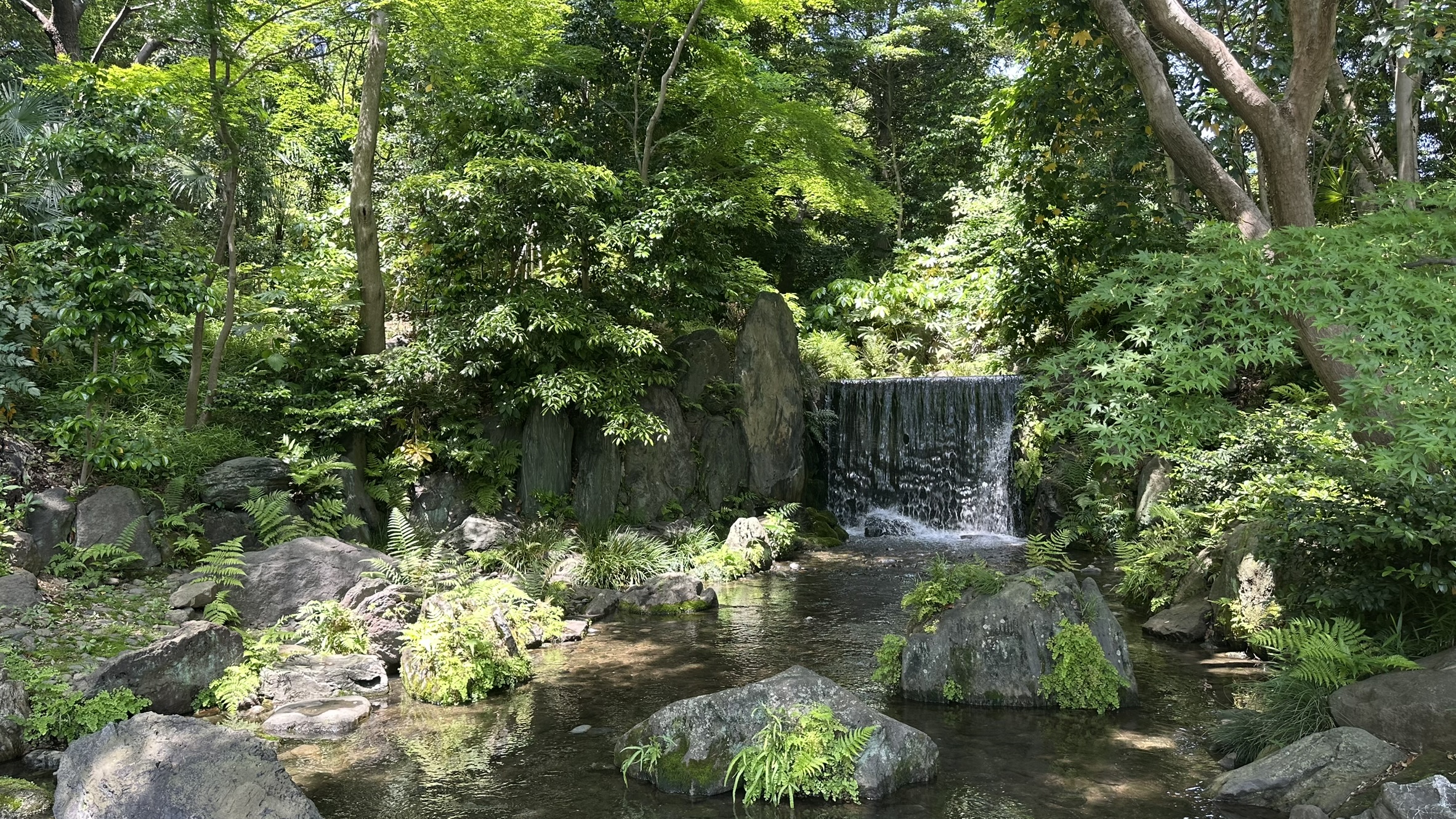
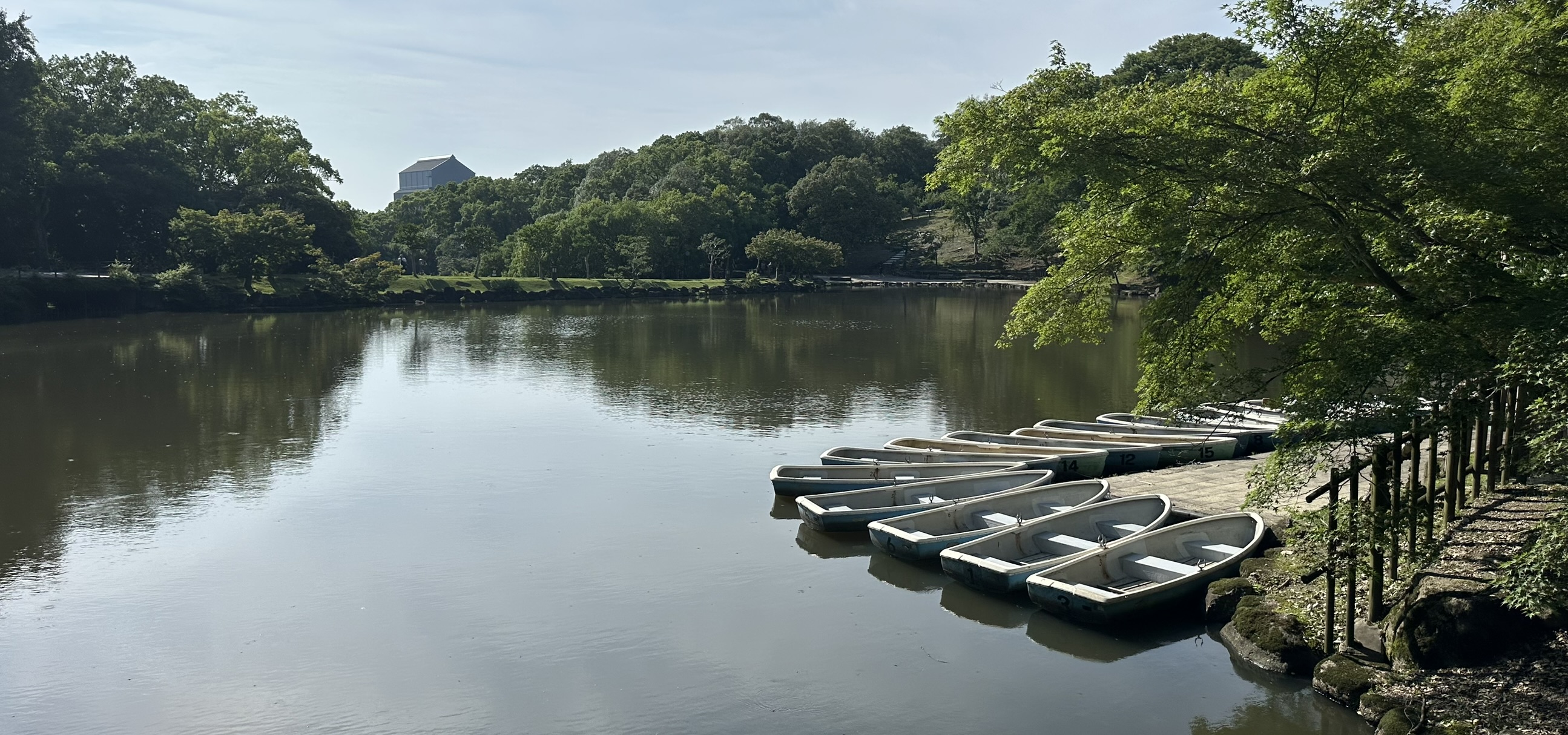
- Koishikawa Korakuen Garden, a classic grand Japanese urban garden and once the “backyard” to the emperor serves as an excellent example of Japanese garden design. Stroll around the garden’s lake for a nice break from the crowds.
- The shopping streets of Harajuku and Omotesando. Harajuku, renowned for its quirky street fashion, showcases an array of avant-garde boutiques and shops that cater to various subcultures. Not really my thing, but kind of a must see for all the crazy youth fashion (lots of Instagram stars) and cafes filled with the live animals — puppies, piglets, otters, rats — that people pay to cuddle with. Seriously! Omotesando, often dubbed Tokyo’s “Champs-Élysées” presents a sharp contrast with its upscale, sophisticated atmosphere.
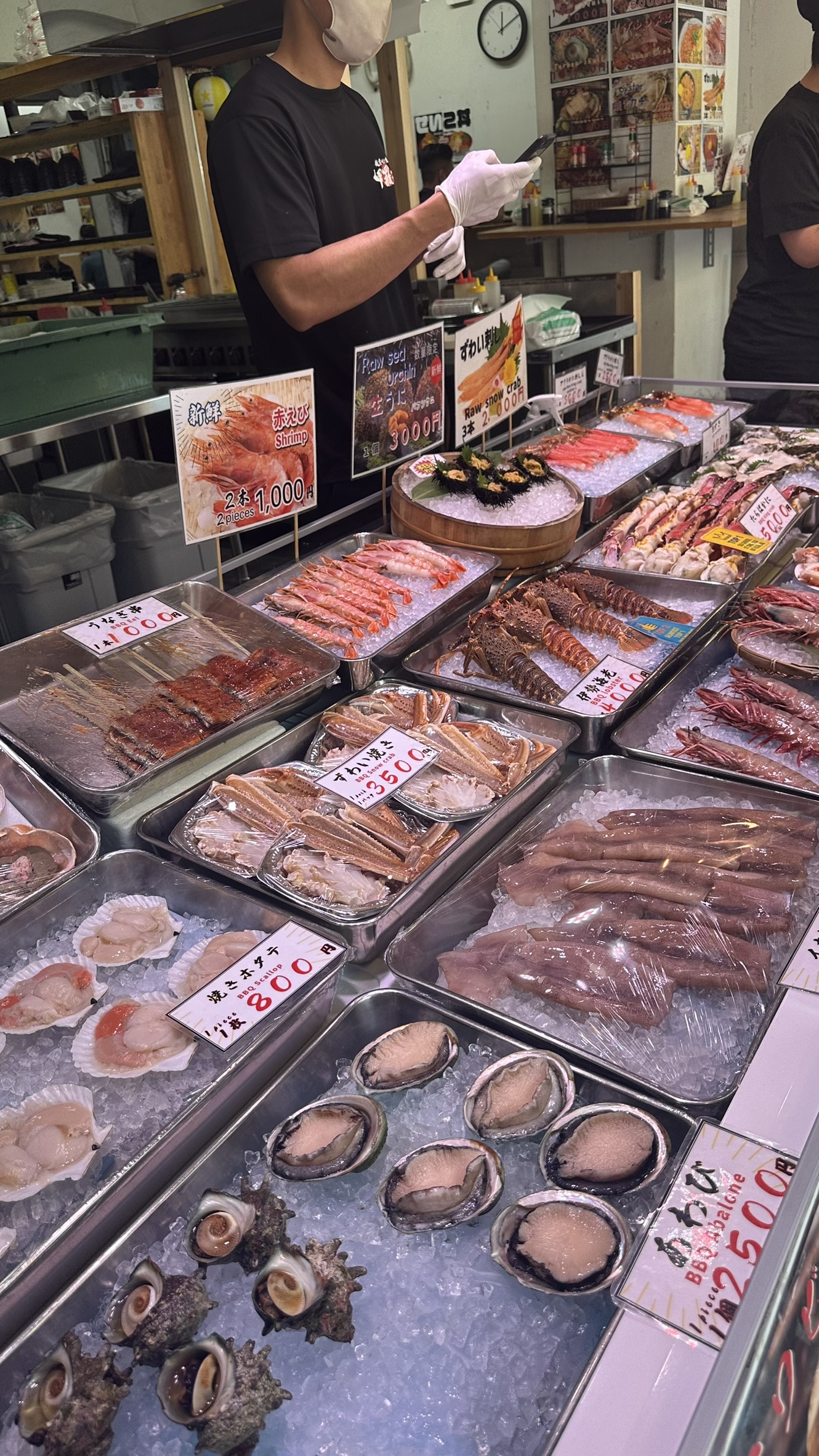
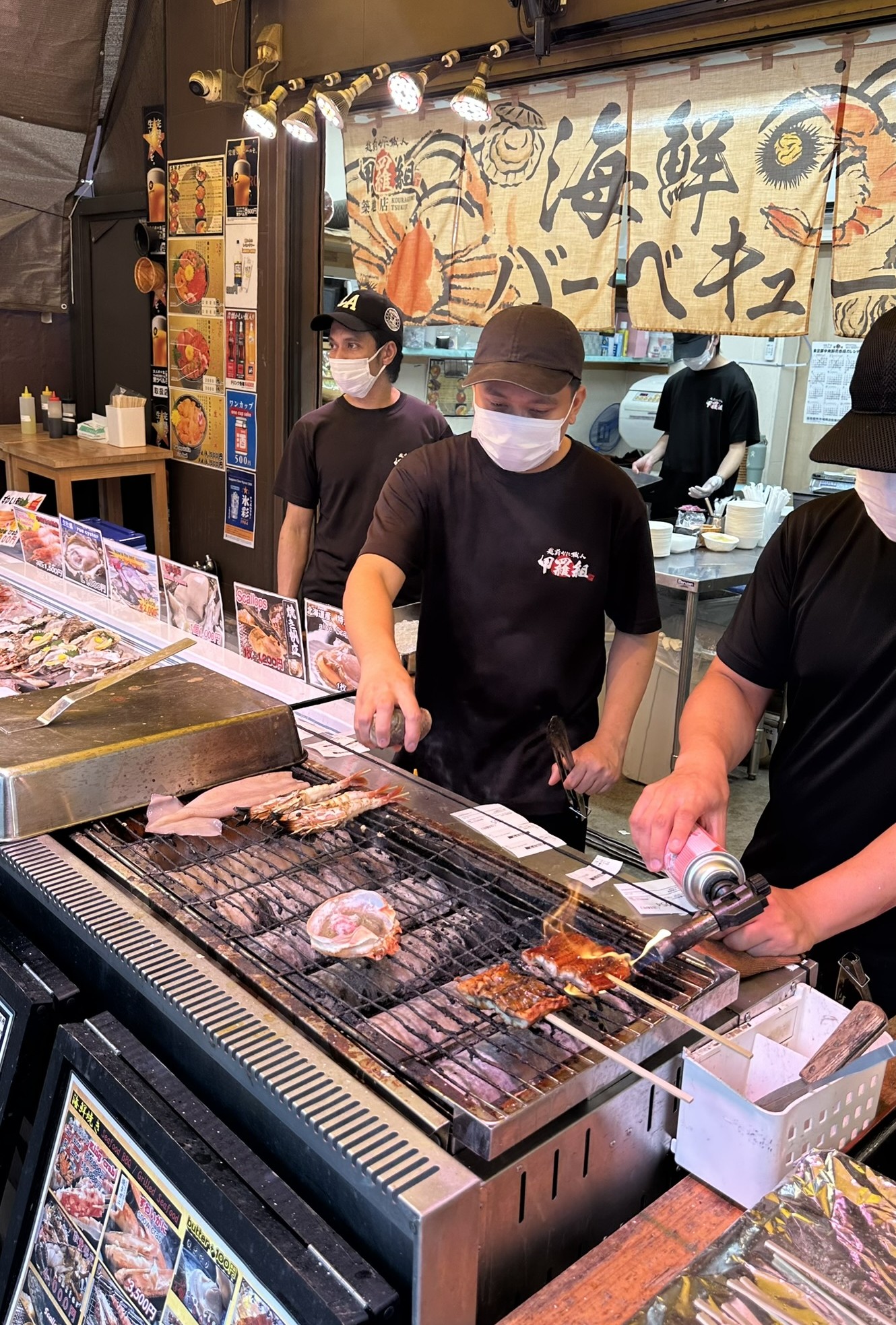
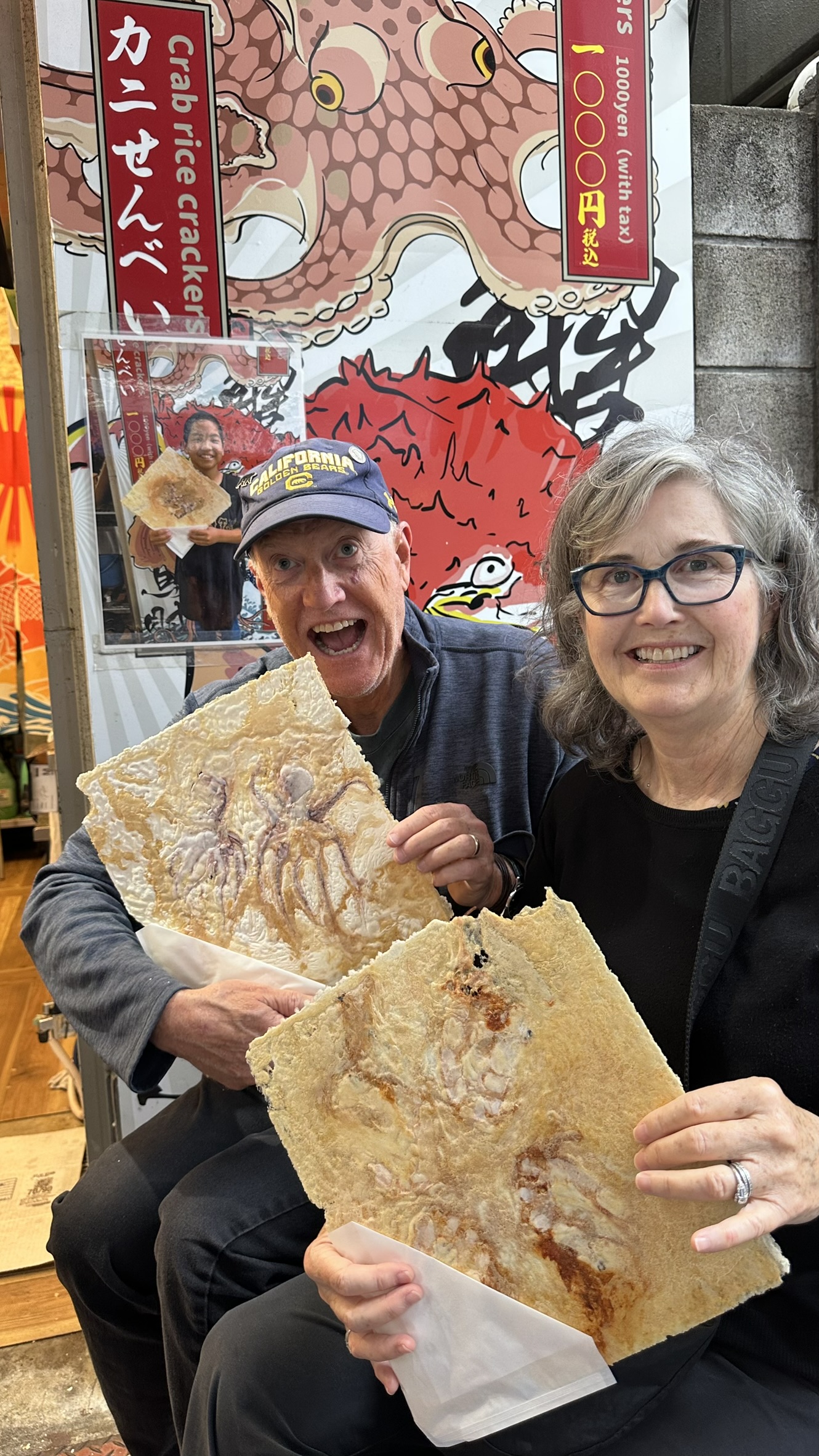
- Tsukiji Outer Market is Tokyo’s main fish market and a must-do. Several narrow lanes chock-a-block with stalls selling fresh fish, shellfish, sushi, giant octopus and shrimp crackers, sweets, even Wagyu beef cooked to order make for a fun couple of hours browsing and noshing. We went twice, once on a guided tour (not necessary) and once by ourselves. The wholesale fish buyers get the best fish early in the morning, then the general public shows up starting around 8am. Try to go early and avoid Wednesdays when many shops and stalls are closed.
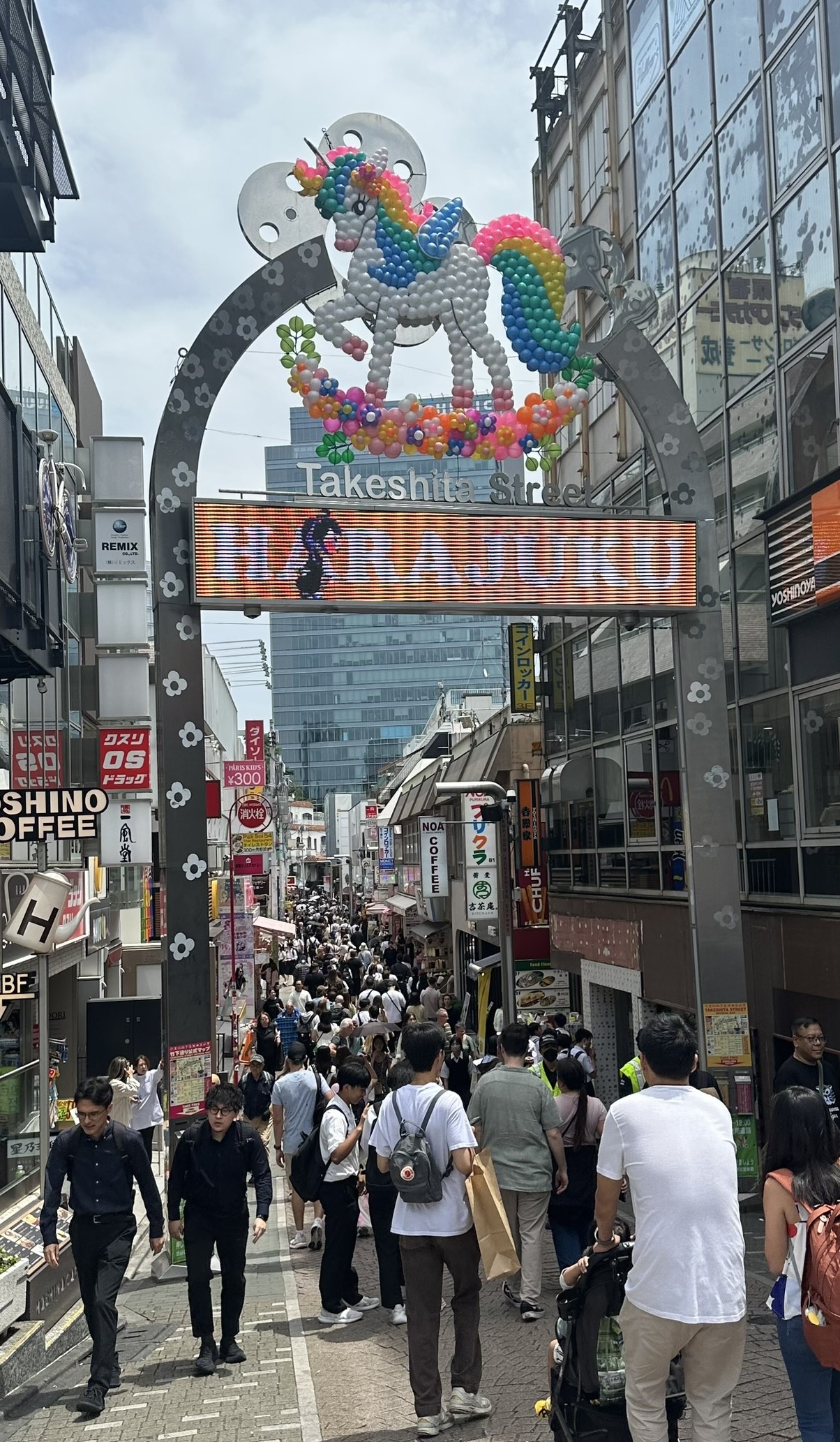
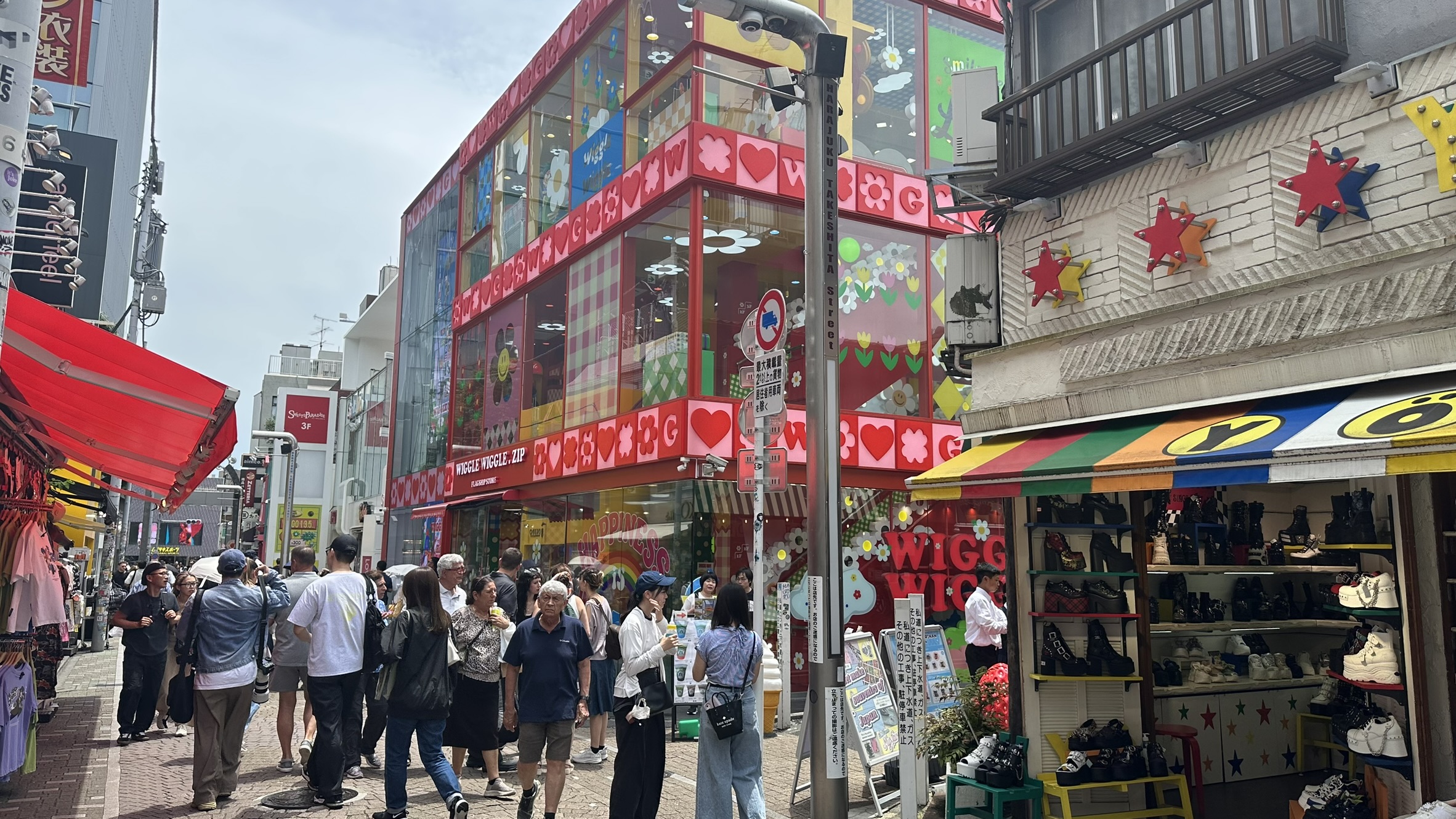
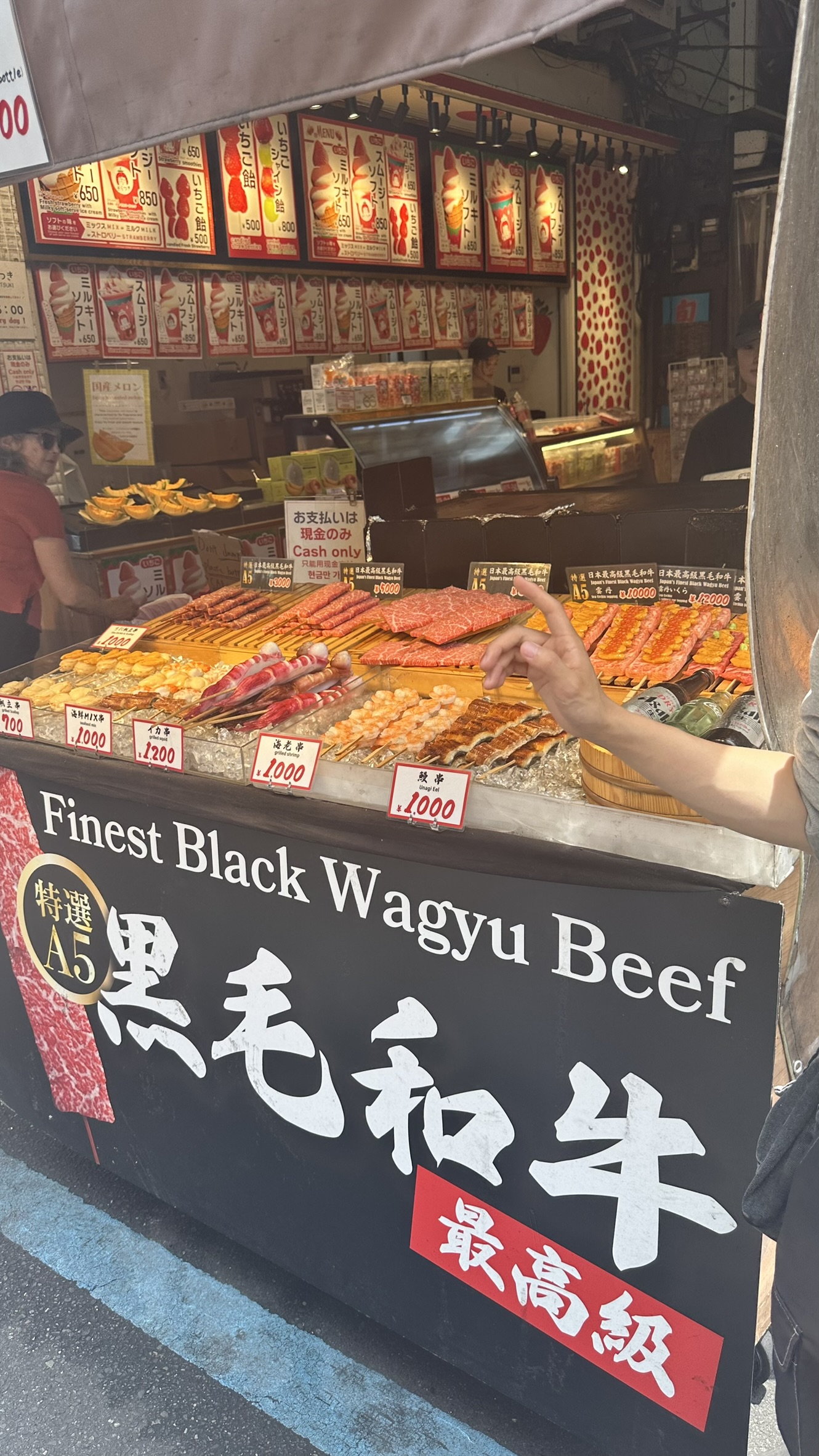
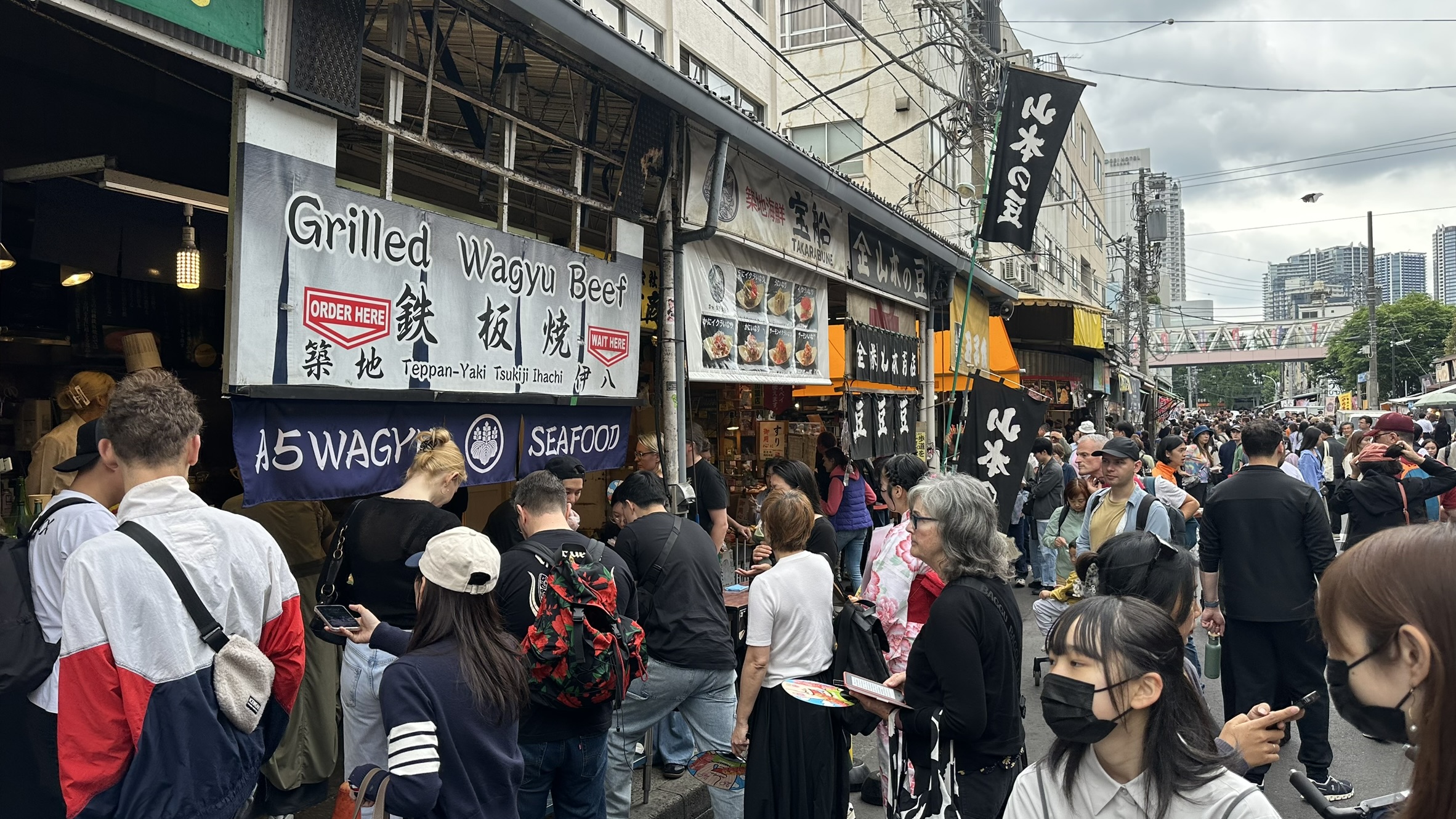

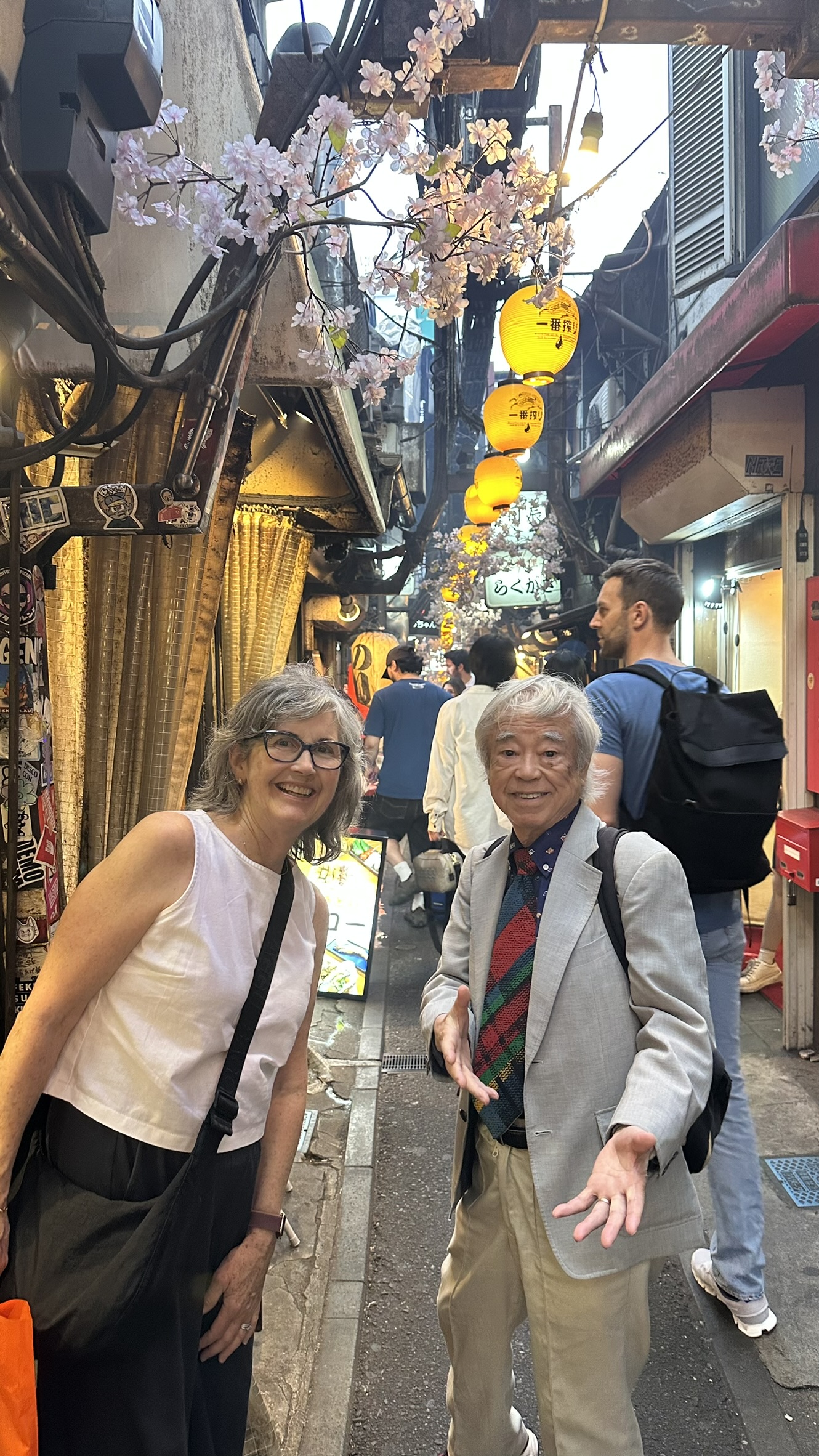
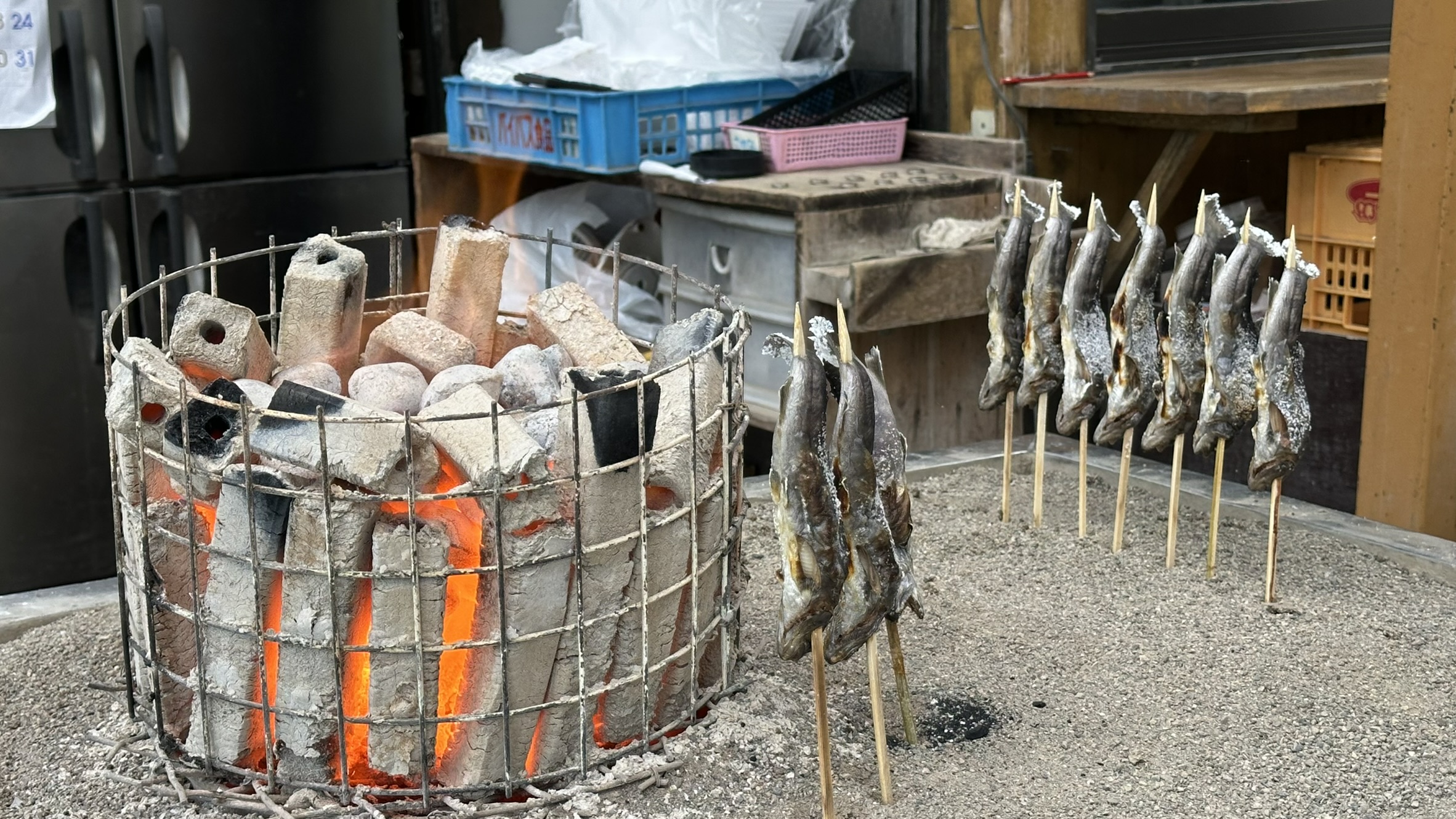
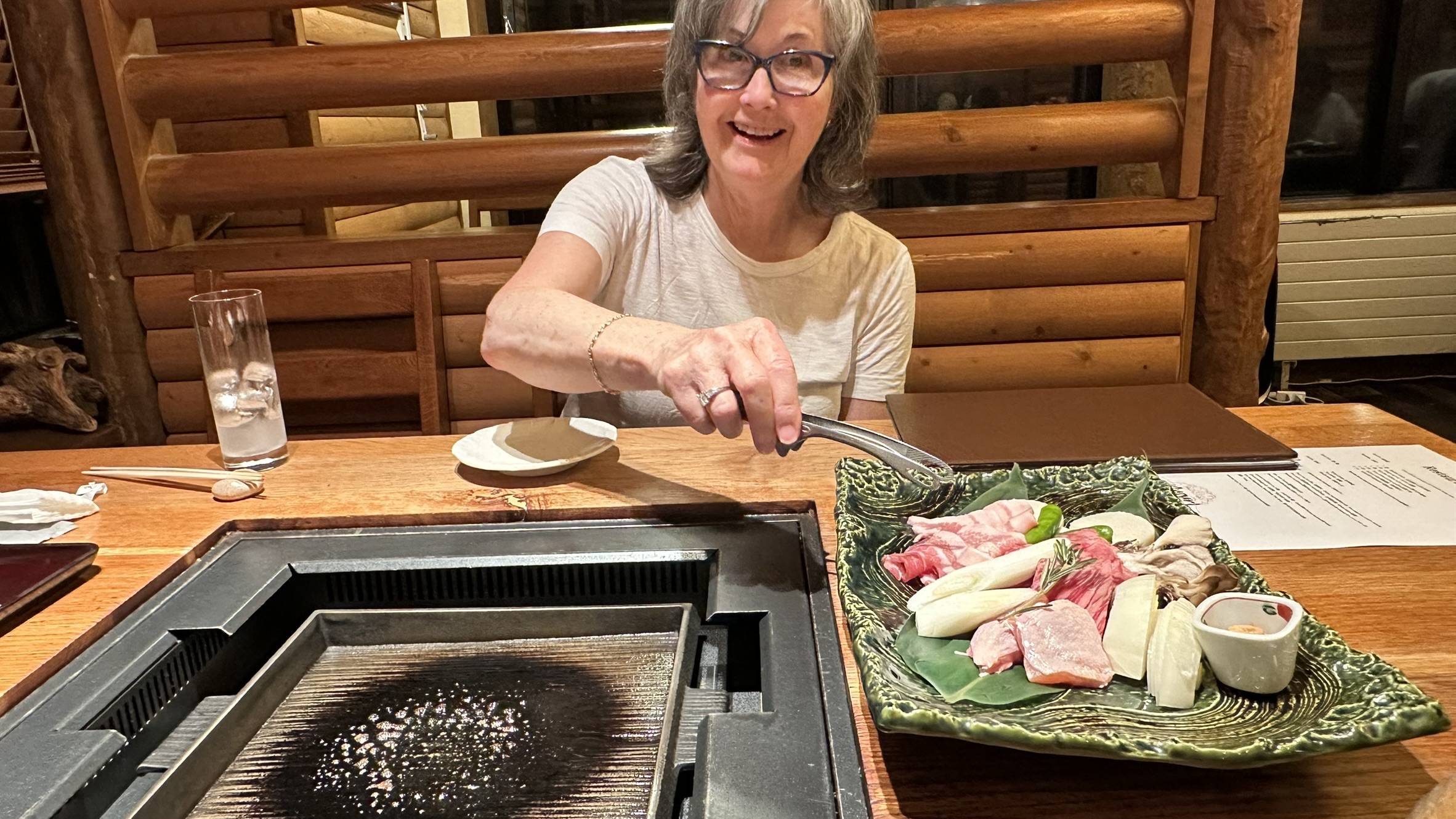
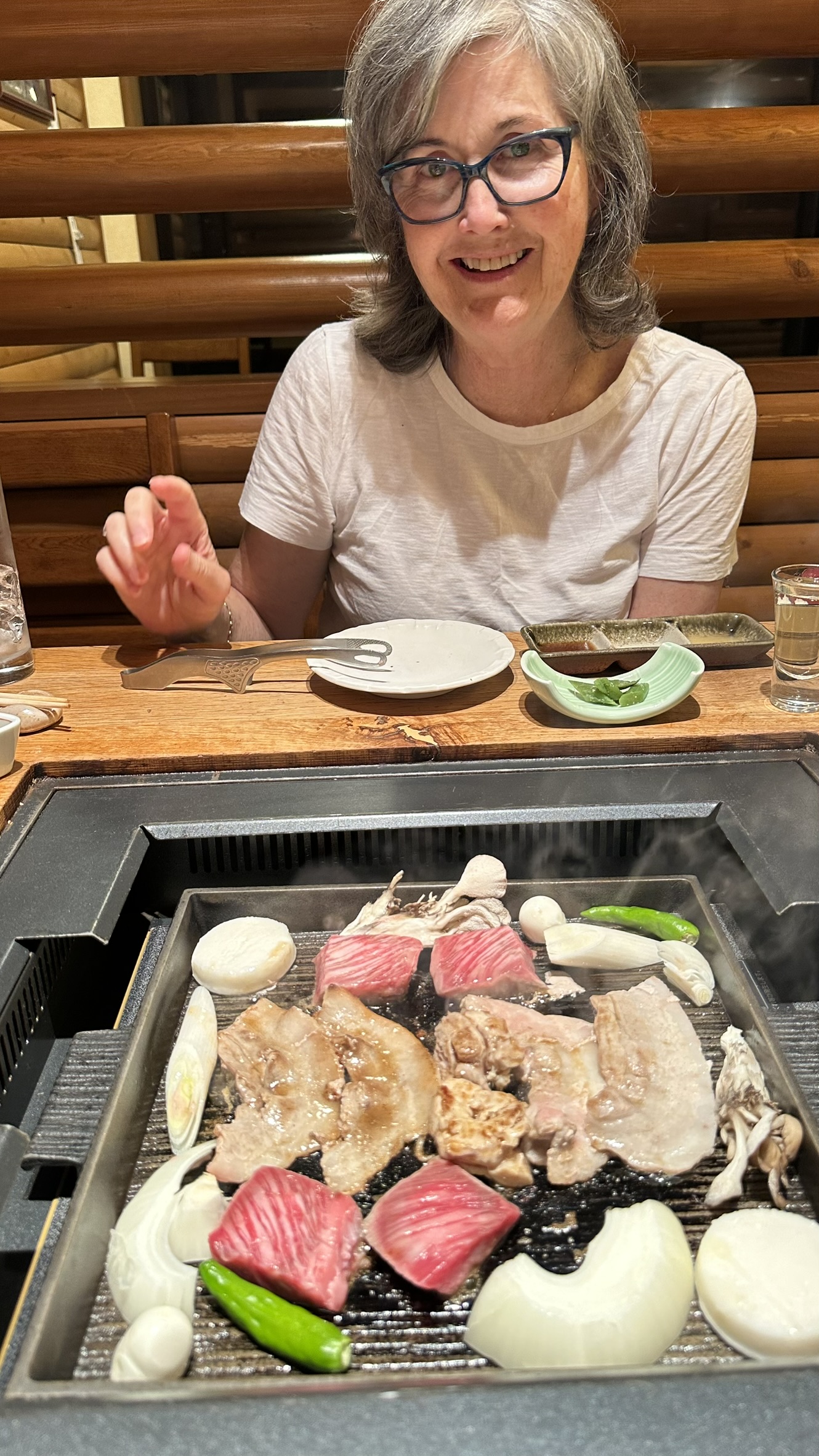
- The izakaya food and bar scene in Shinjuku was fantastic. It’s crowded and for good reason; the tiny izakaya pubs, where you cozy up to small counters seating 8-12 people eating yakitori (grilled meat skewers; everything imaginable, all animal parts are used), habachi grilled fish, and beer are as much a Tokyo cultural institution as anything. Omoide Yokocho, aka Piss Alley, was the hotspot for izakayas, Golden Gai it’s counterpart for dozens of tiny bars jammed into narrow alleys.
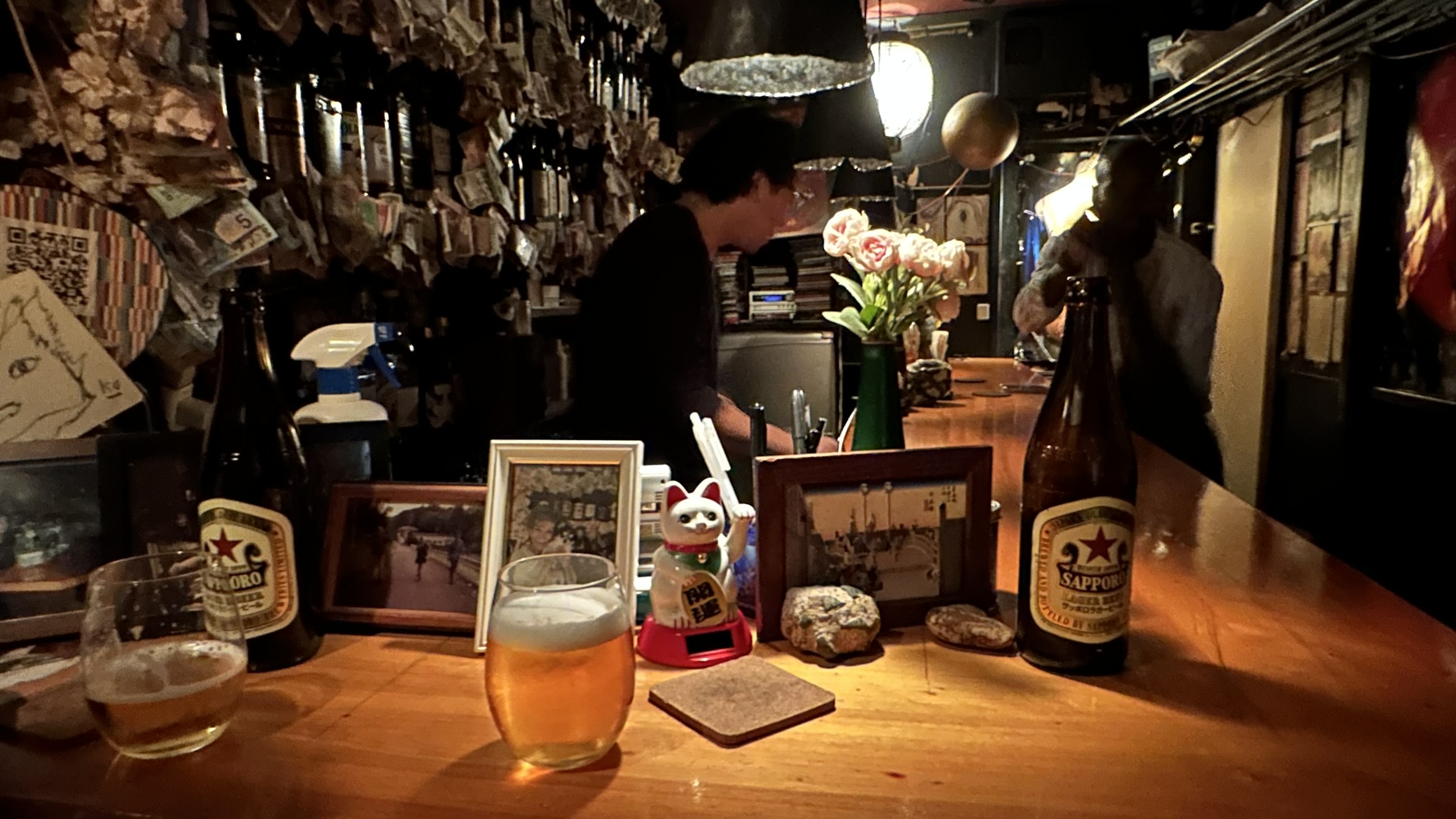
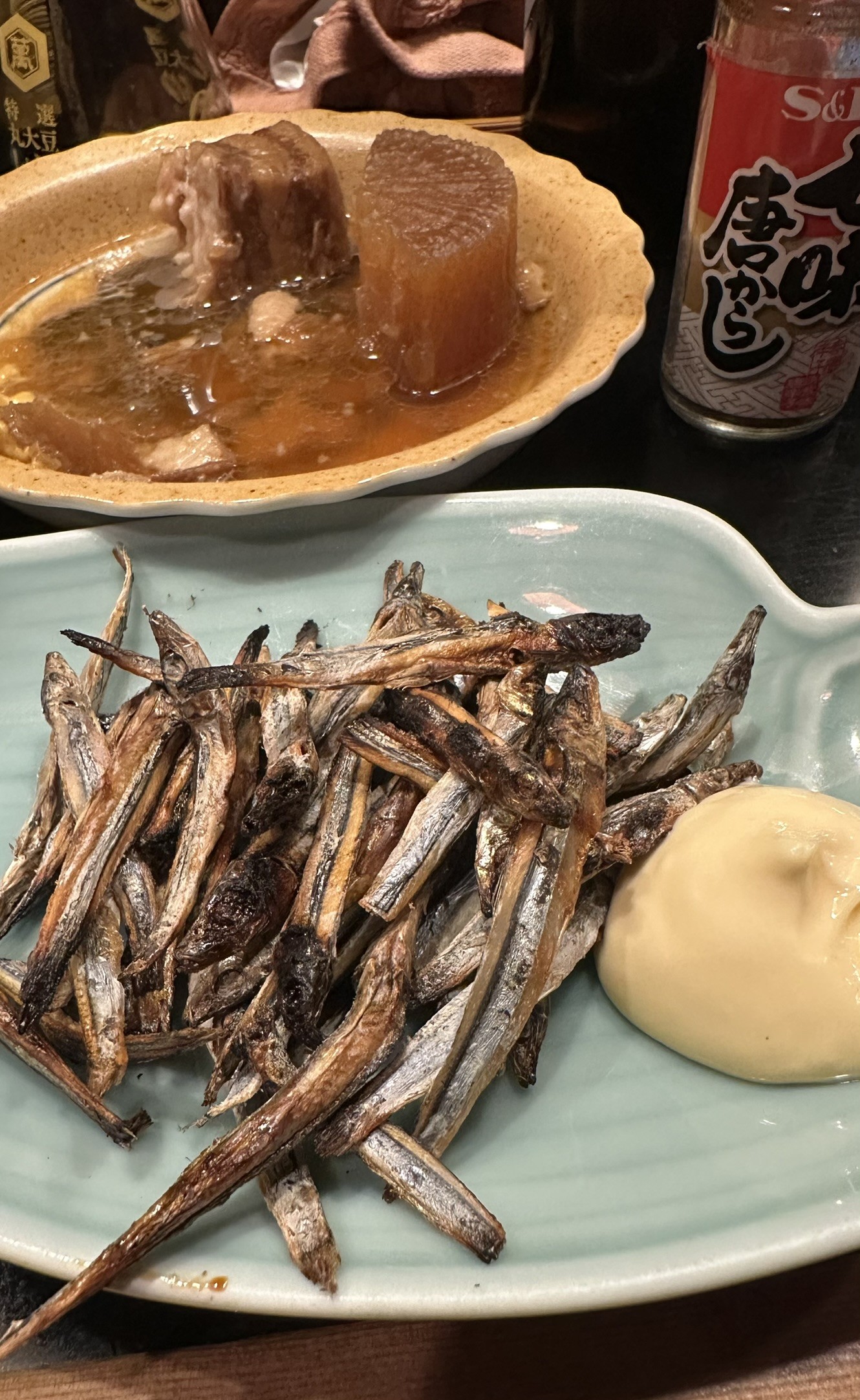
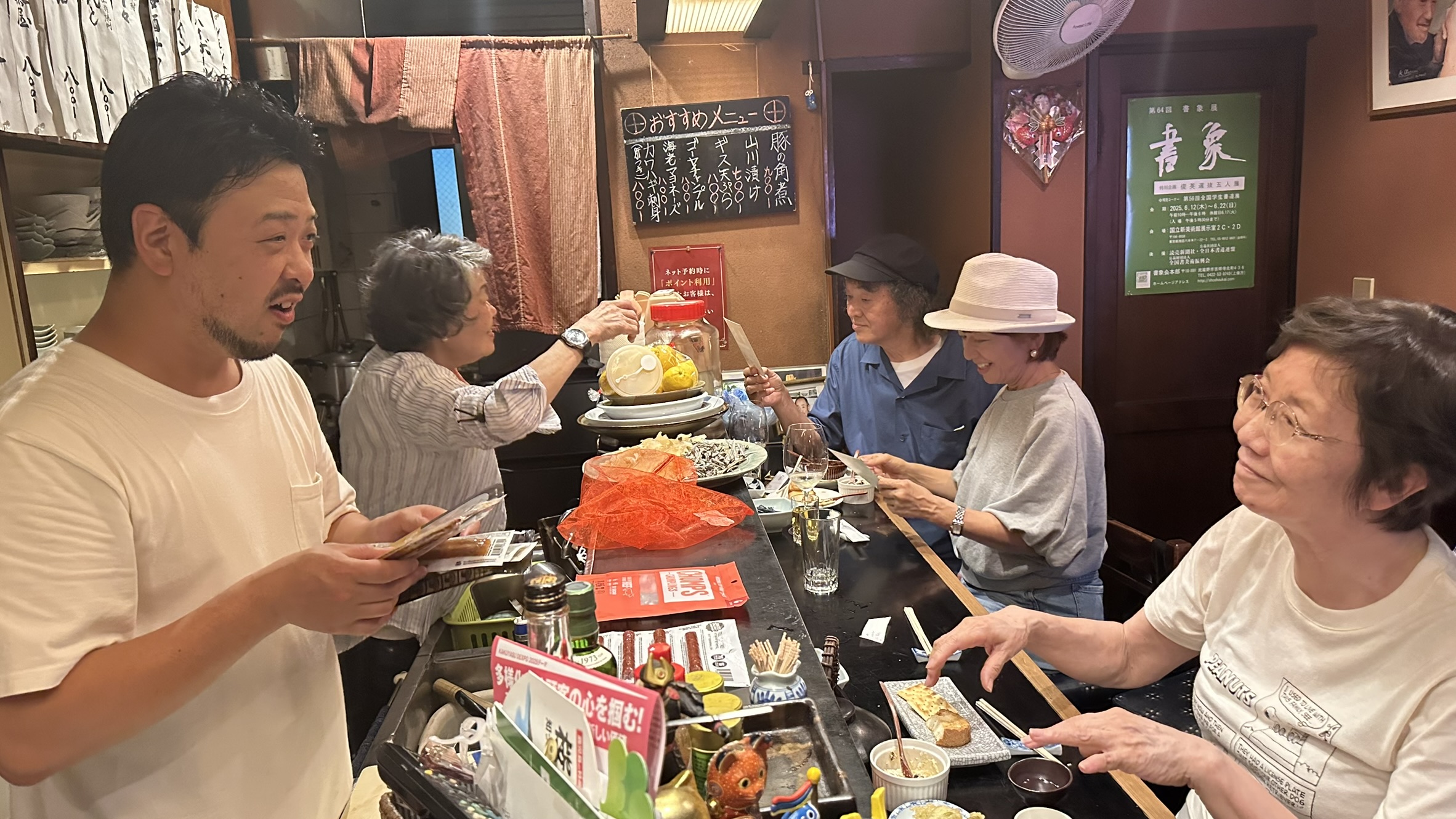
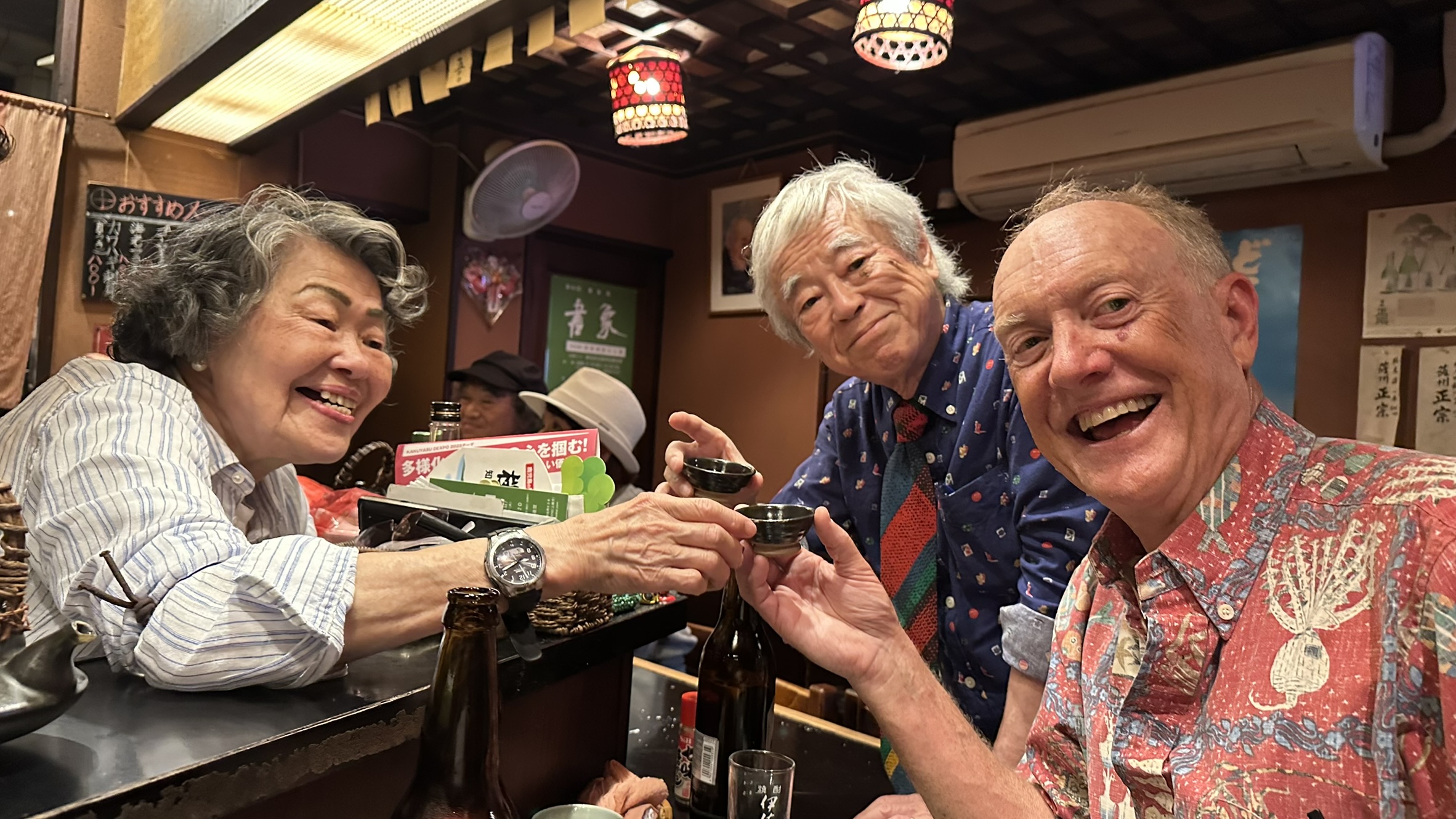
- A special treat was getting meet Ohazama-san, a dear friend of our good friend, Laura, who once lived in Japan (he also happens to be an artist). He came from an hour away to take us to their favorite izakaya pub, OIDON. OIDON has been around 65 years, always in the family of owners Mamma-san and Kiushi-san. The regulars welcomed us like family!
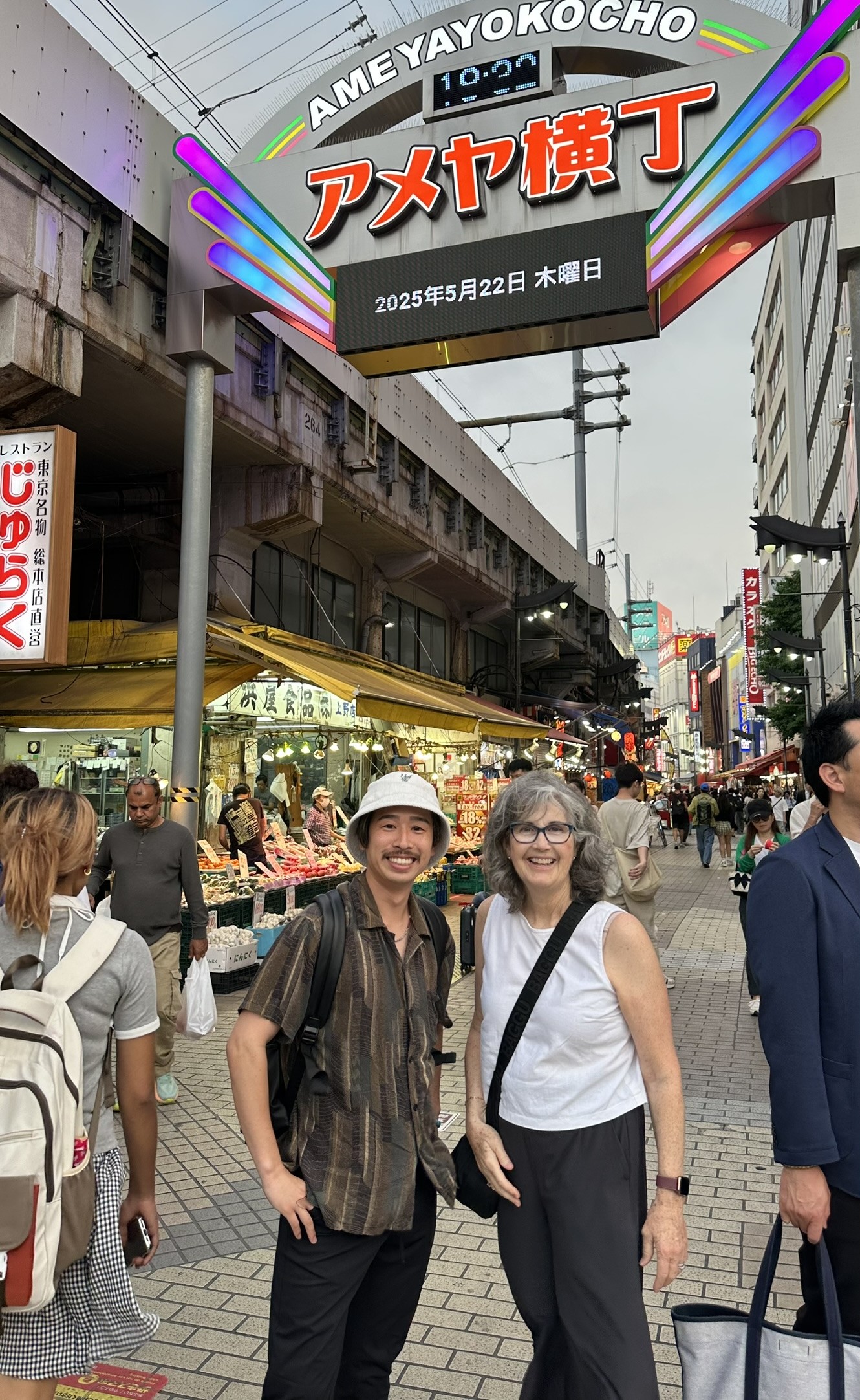
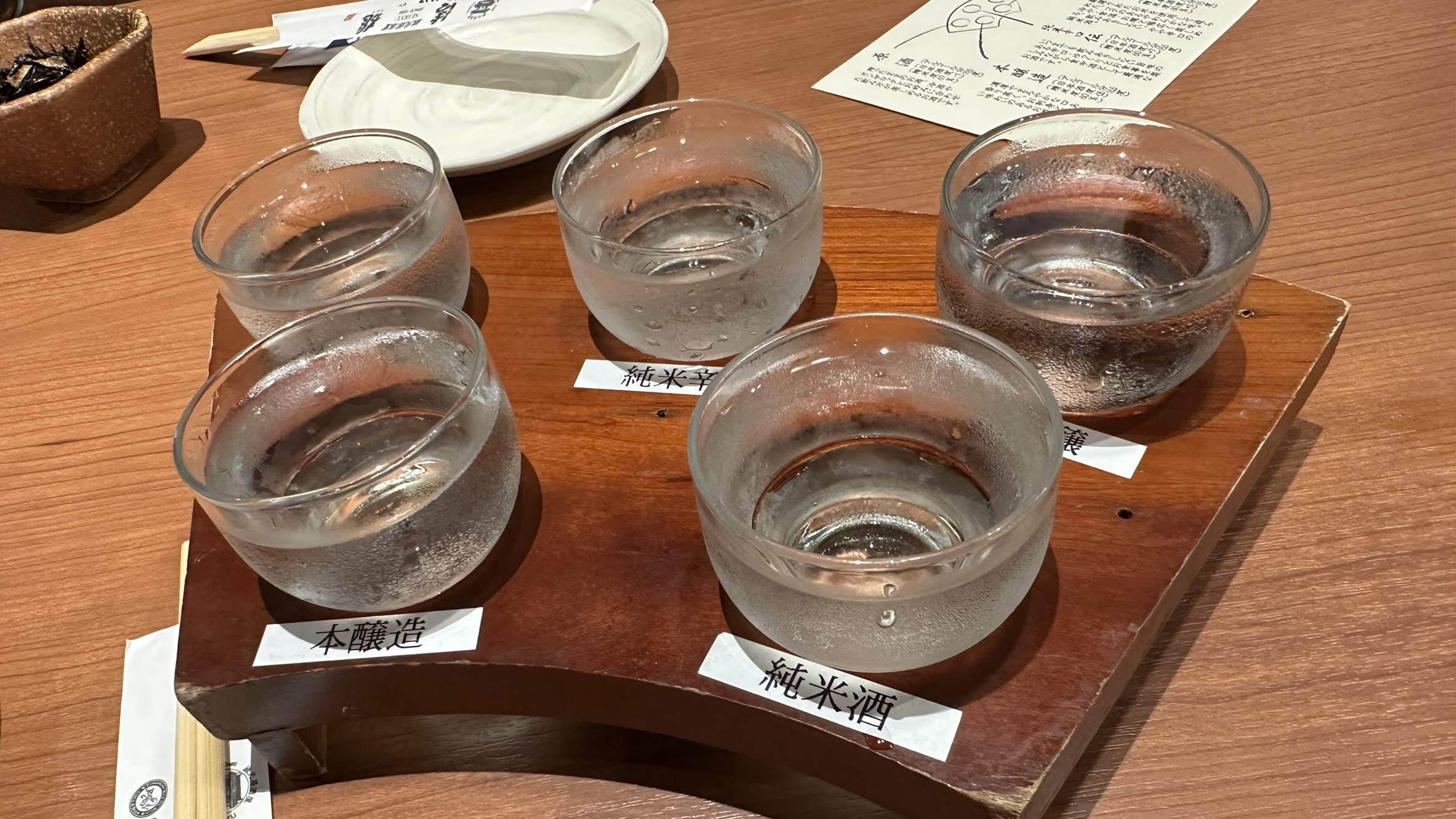
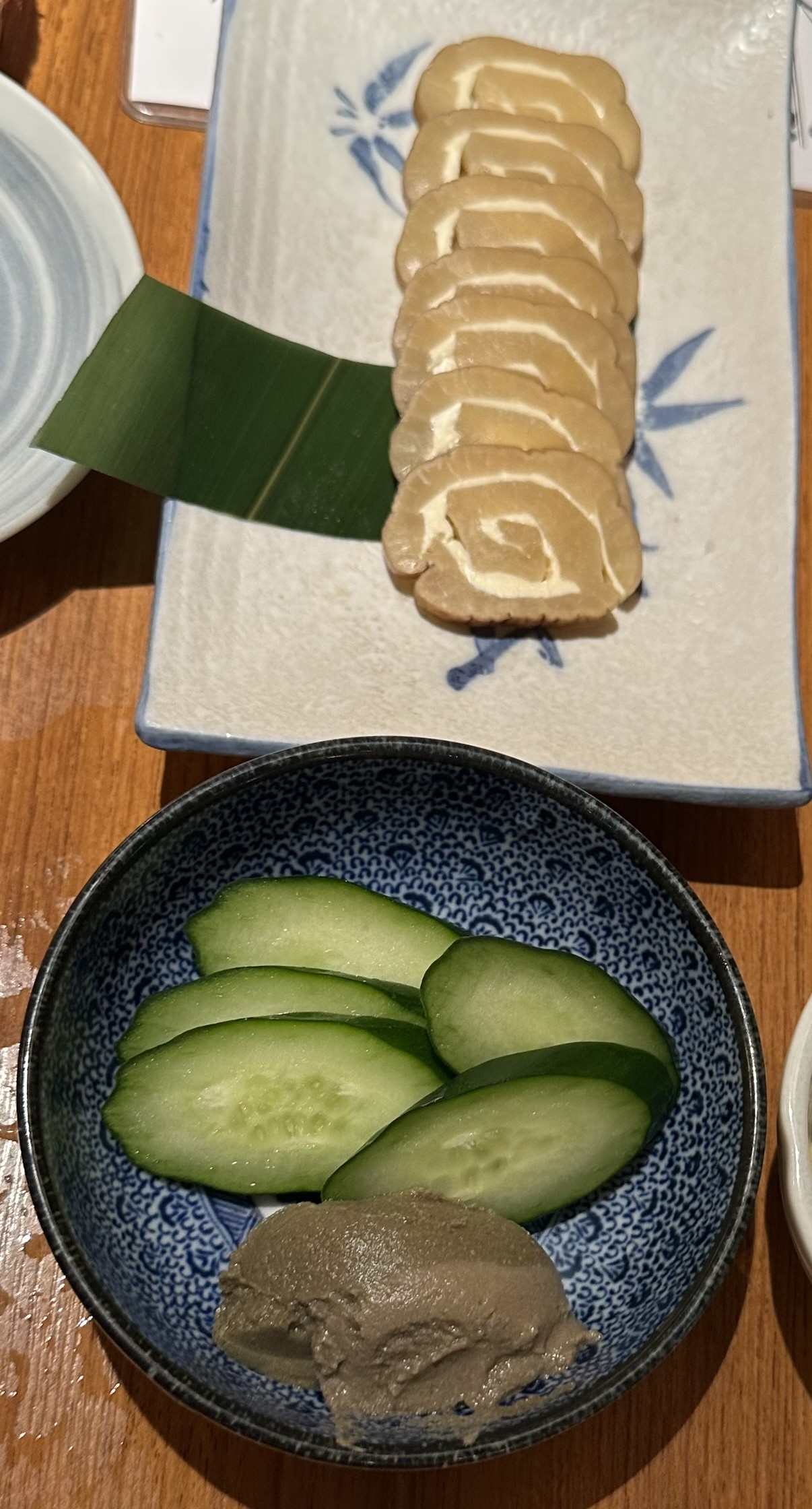
- Evening food tour in Ueno, with our knowledgeable guide Taka was fun. He took us to true local joints — no English menus, no pictures — where we sampled a lot of things we would never have tried. Crab innards on cucumber, for instance. Sake tasting, too.
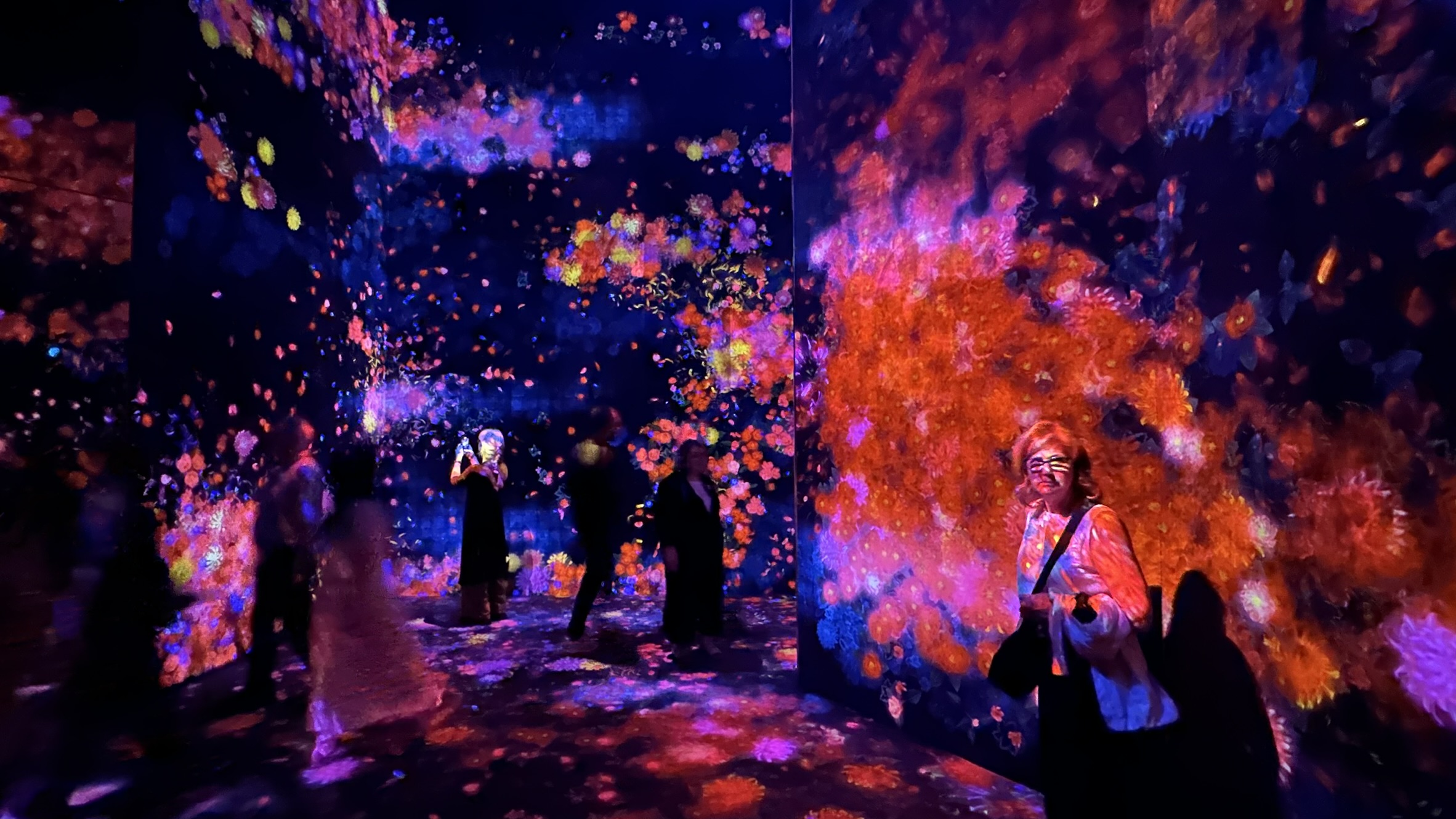
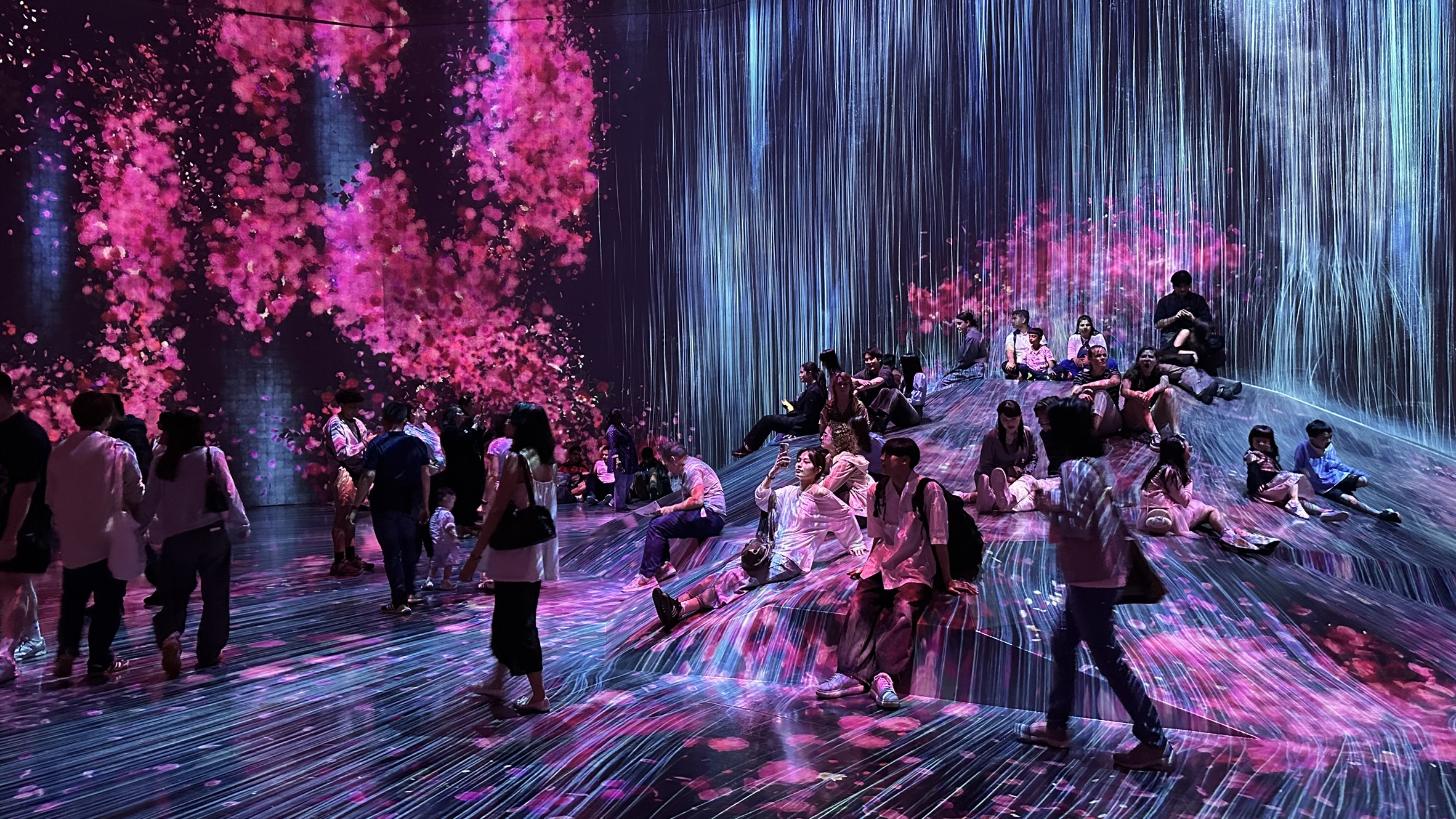
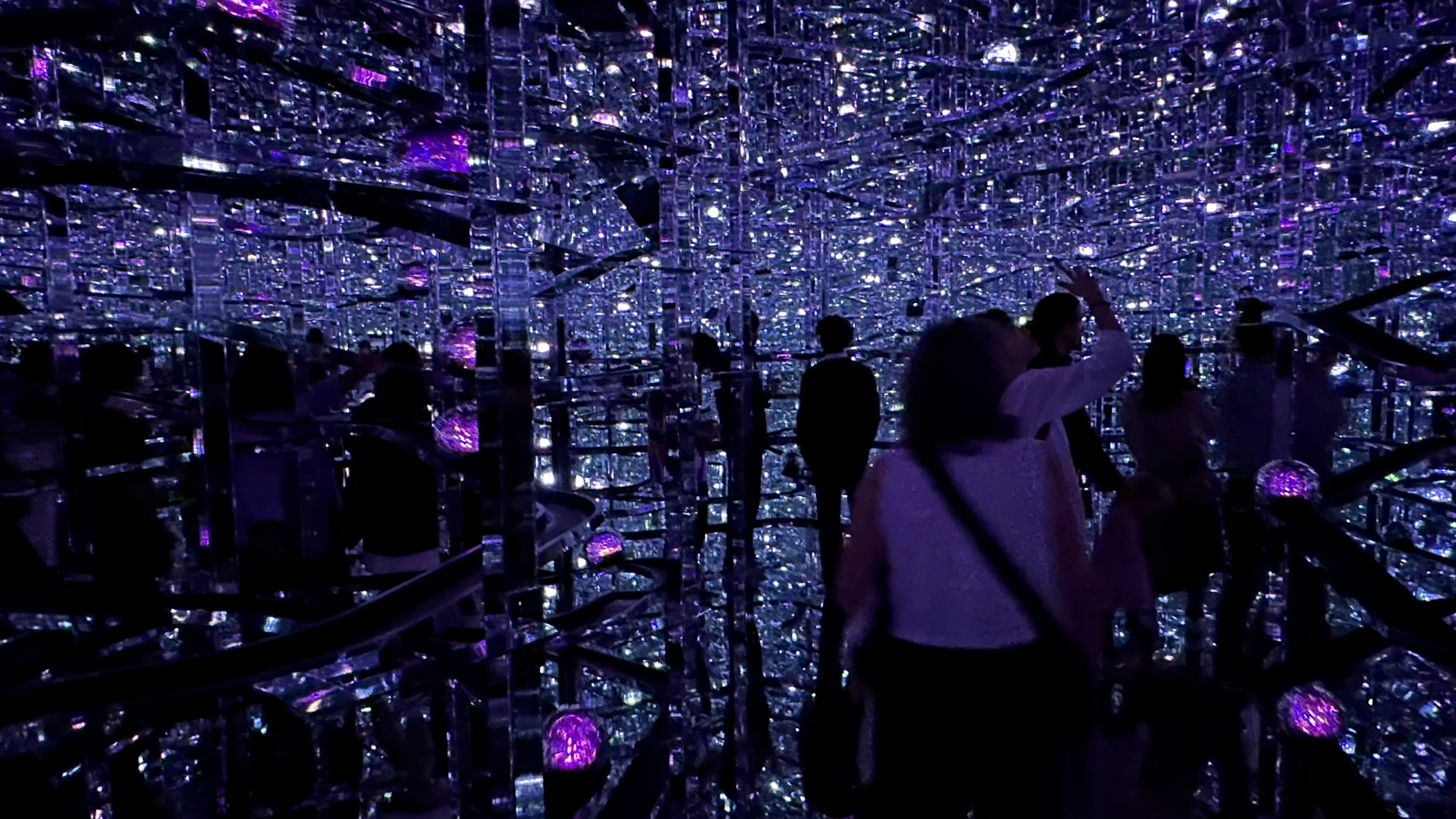
- teamLab Borderless is an immersive digital art experience that came recommended to us over it’s more well-known sibling, teamLab Planets. We checked it out and found it pretty worthwhile for an hour.
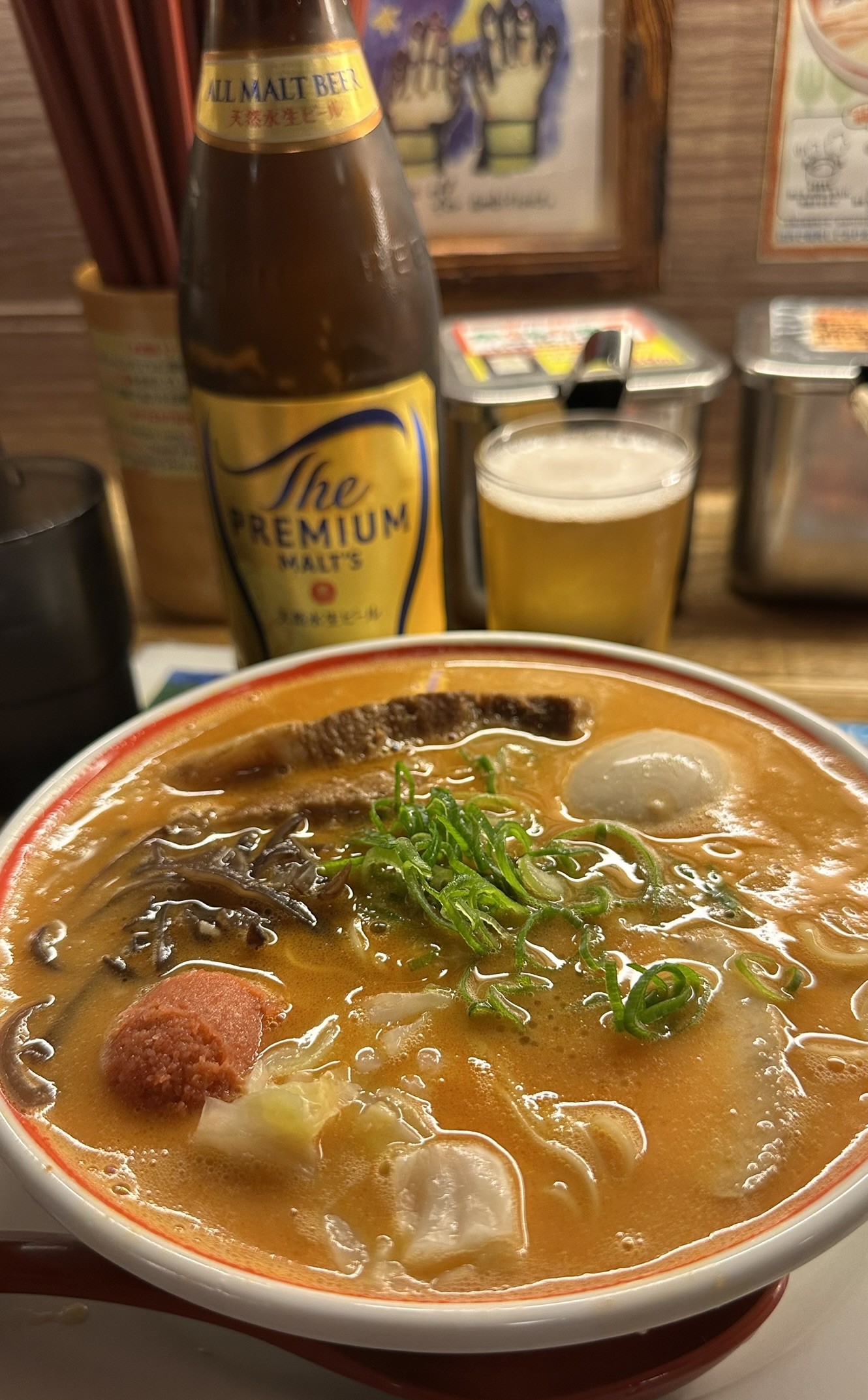
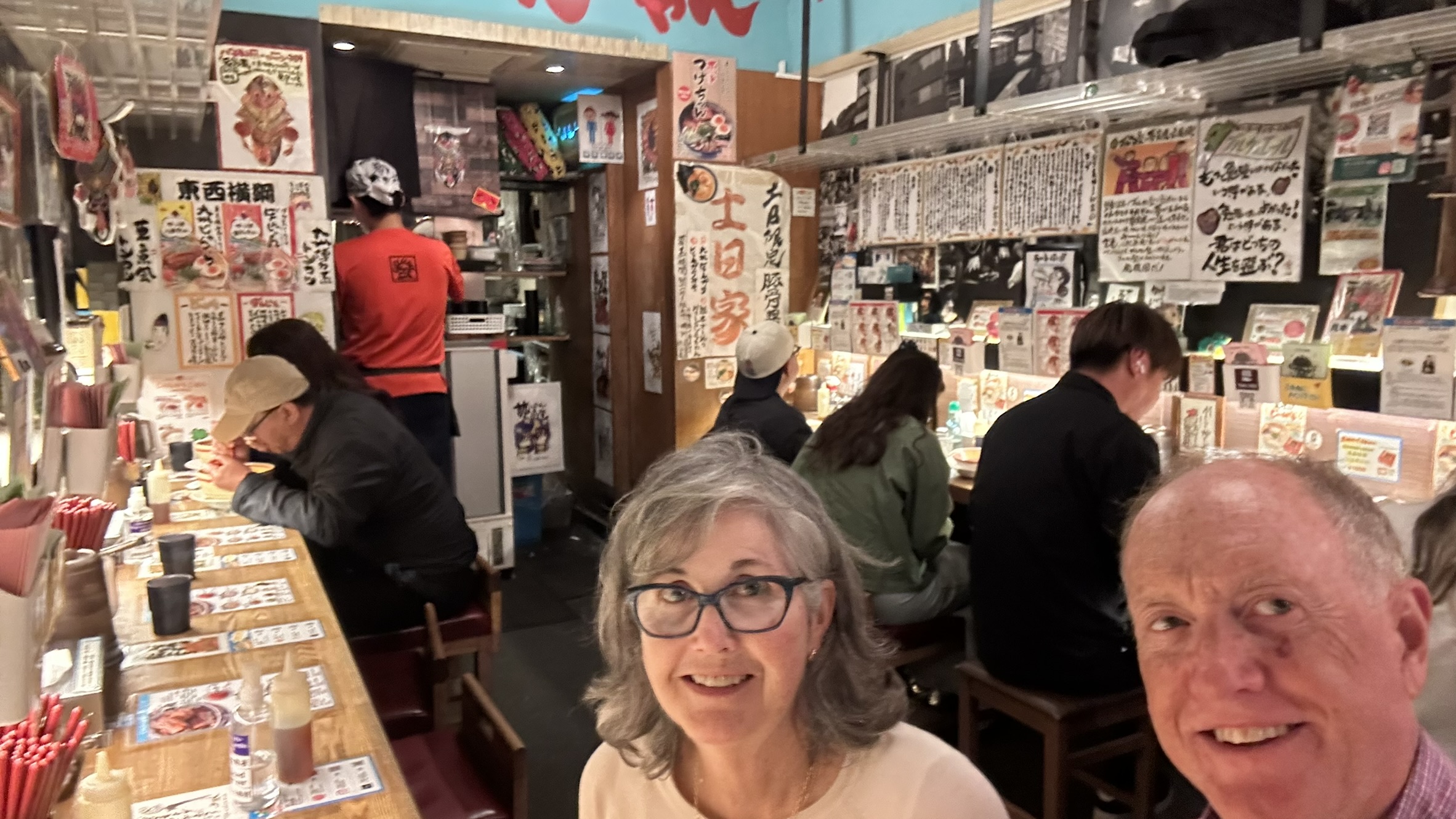
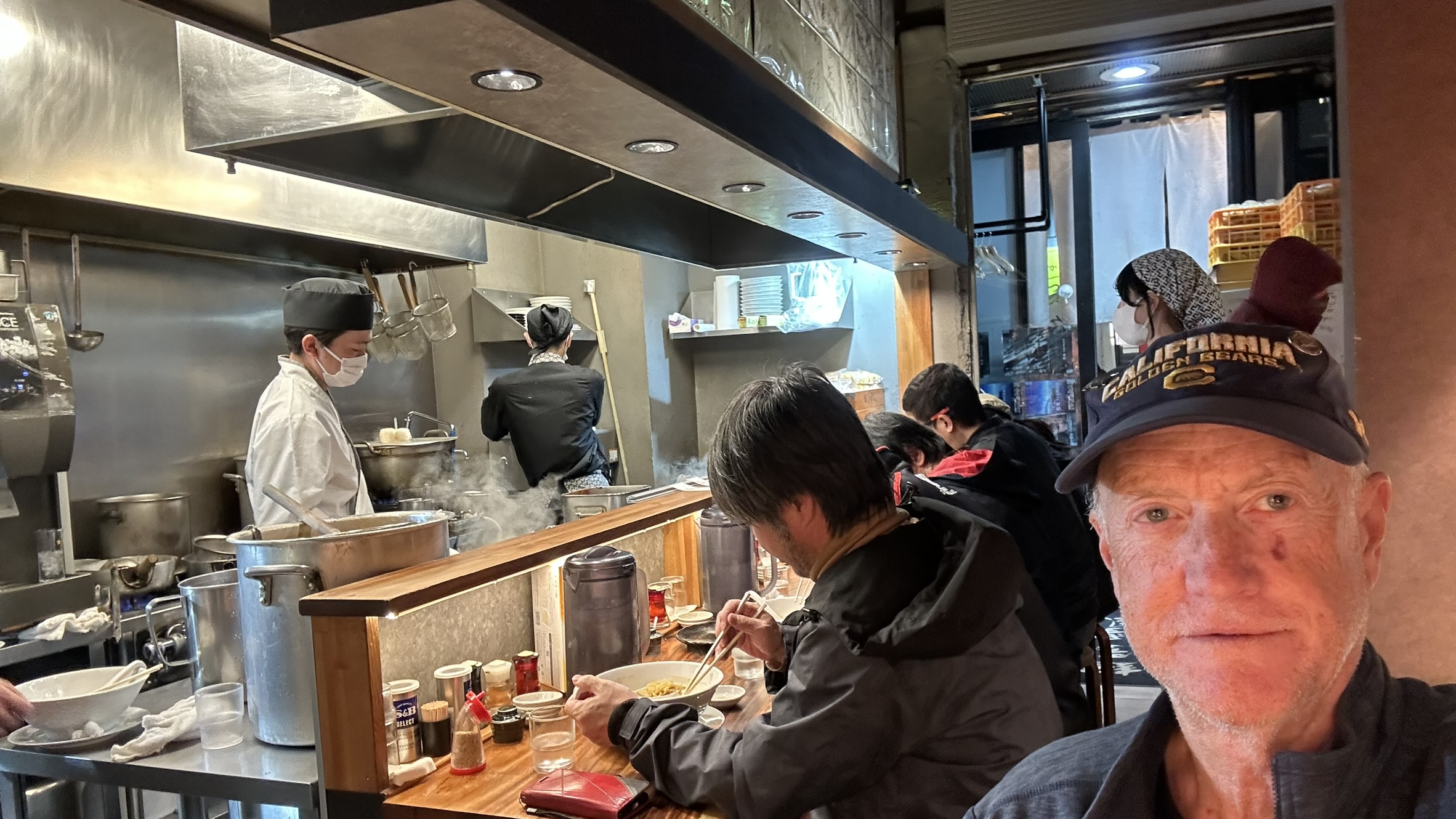
- Better yet, that led us to one of our best meals in Tokyo; Kyushu Jangara, a tiny killer ramen shop that we randomly stumbled upon in Akasaka neighborhood. I recommend the #4A, hot and spicy ramen with braised pork, fish roe and hardboiled egg. Expect a line, but worth the wait.
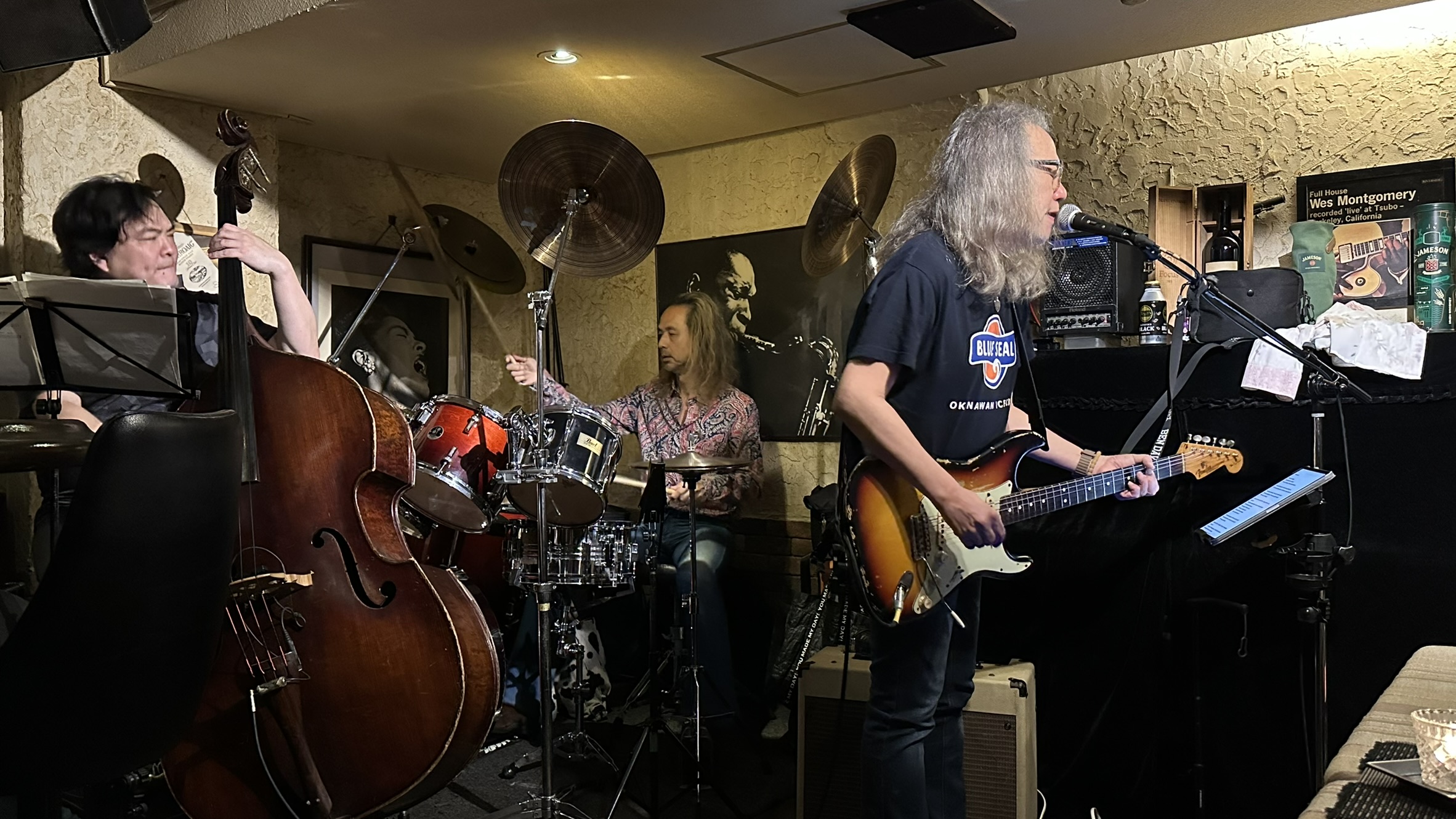
- Two doors down from the ramen shop we found another gem: G’s Bar, a tiny downstairs whisky and jazz joint with a live trio playing everything from Charles Mingus to Jimi Hendrix. We stopped in for a drink and could not leave. Mind blown.

Day Trip to Nikko
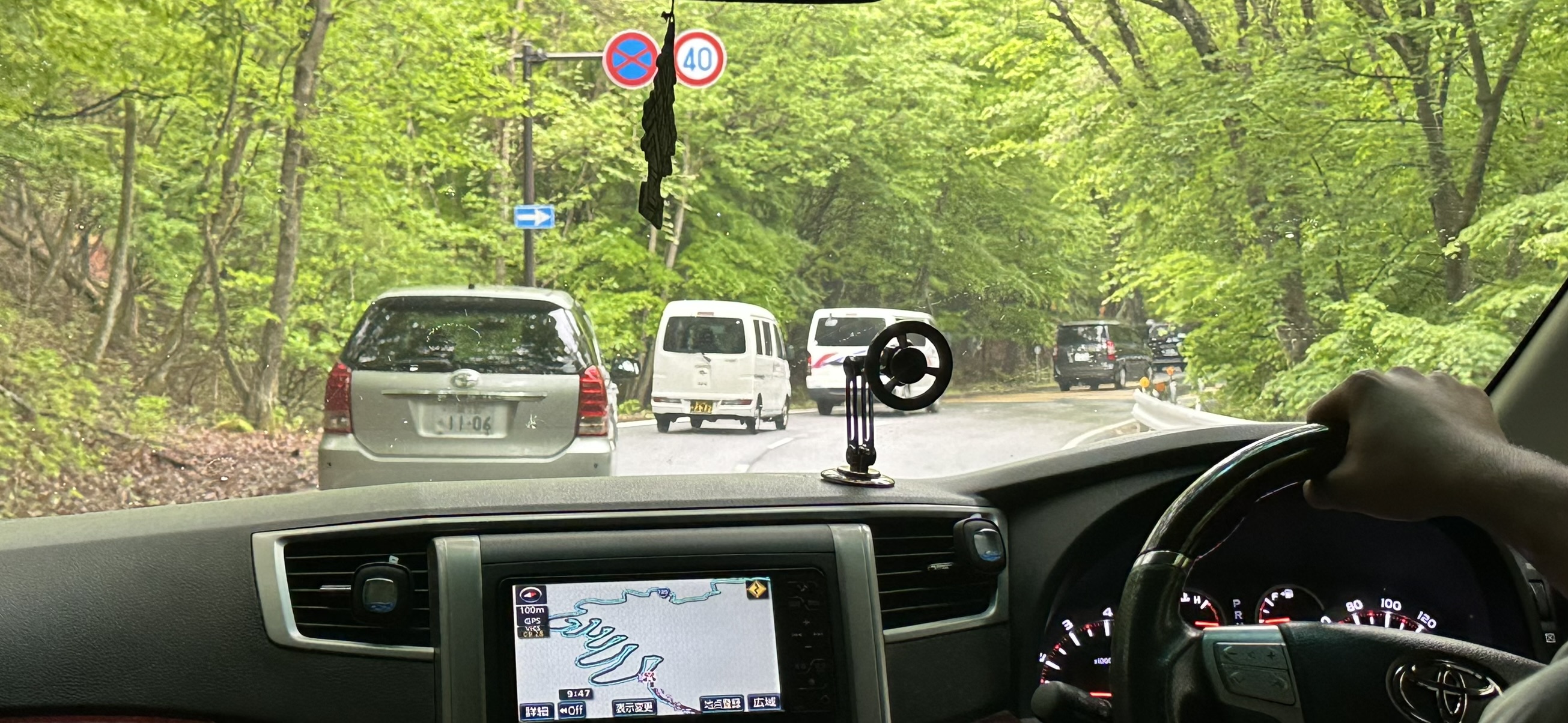
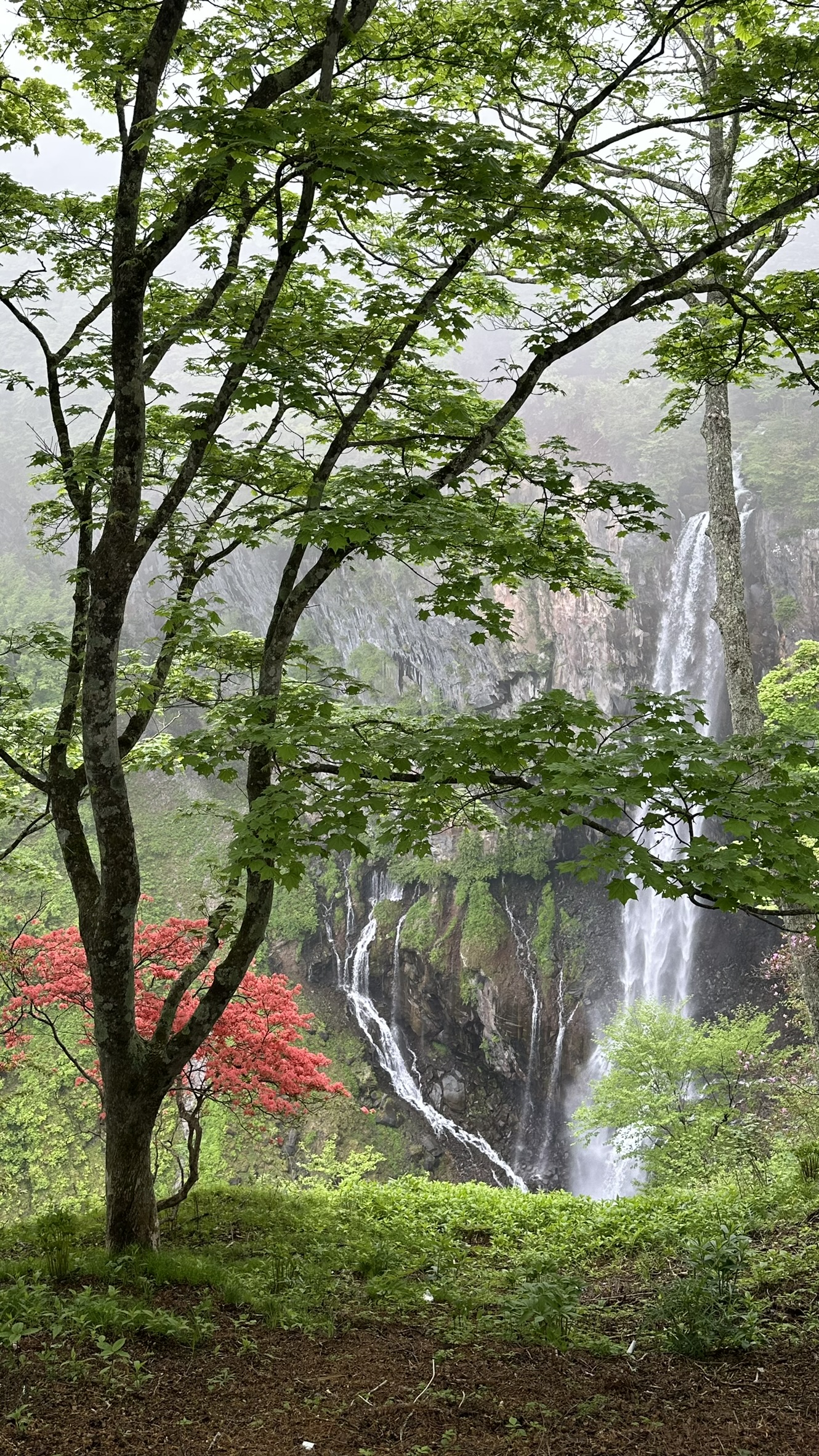
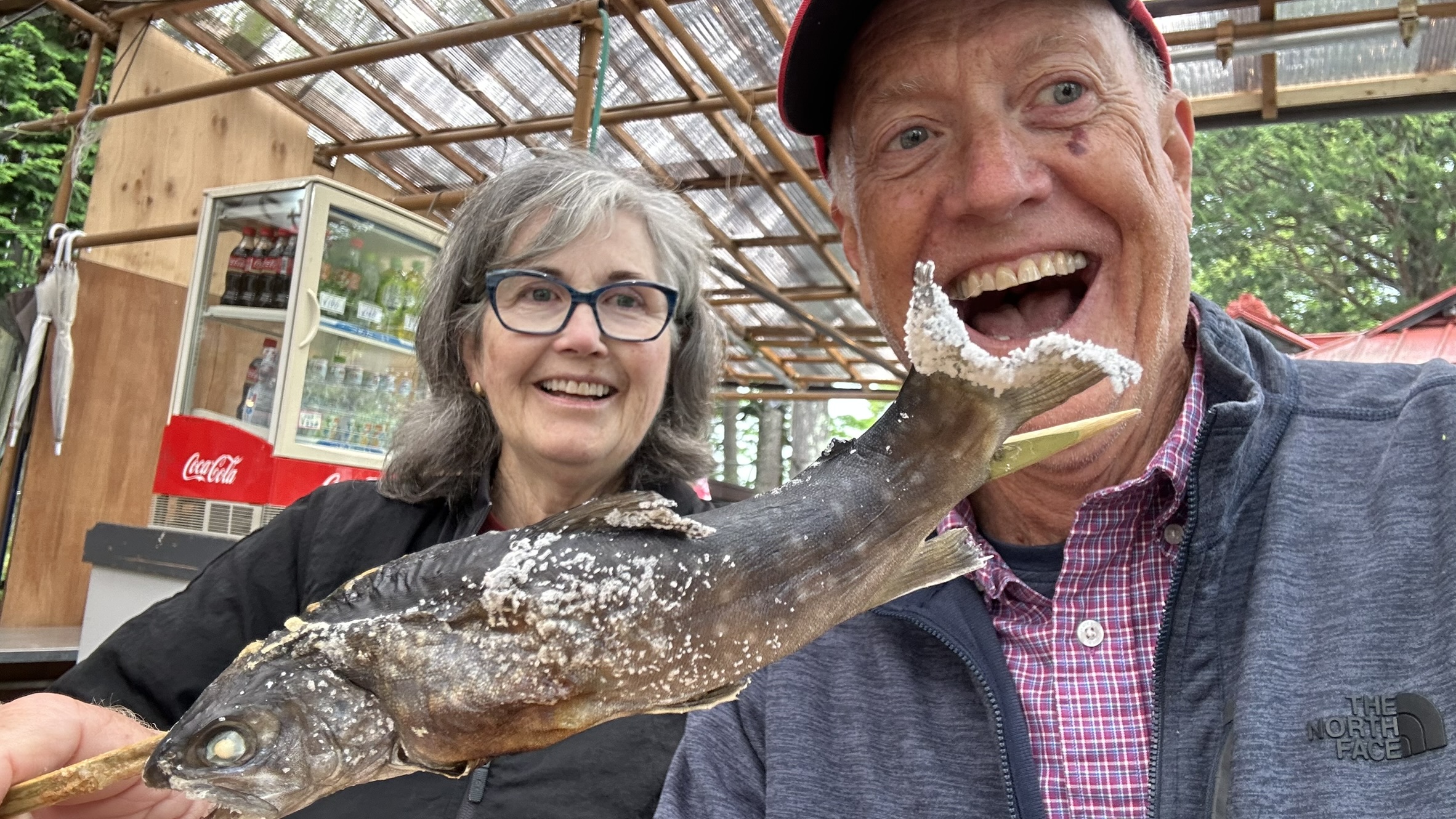
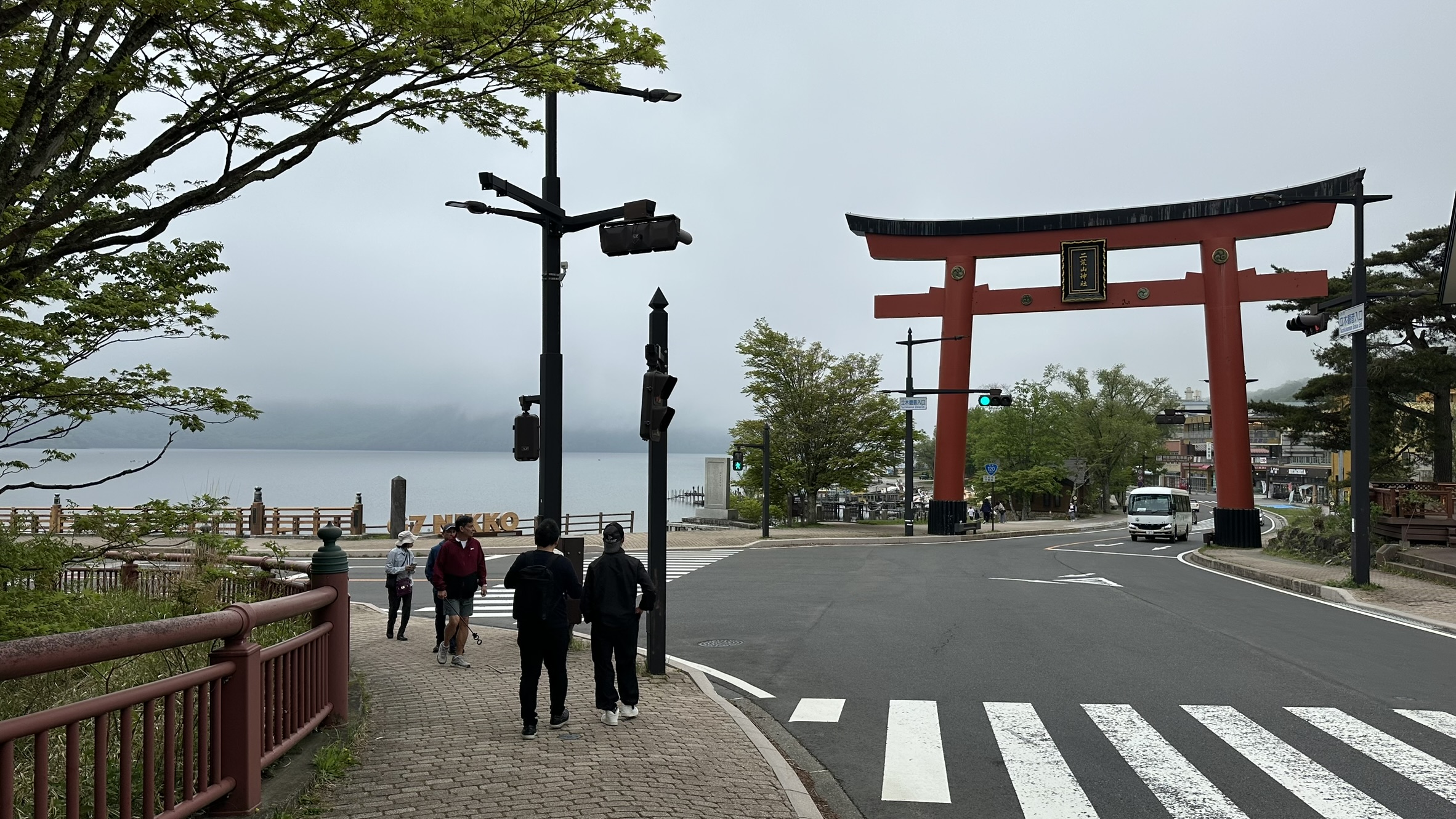
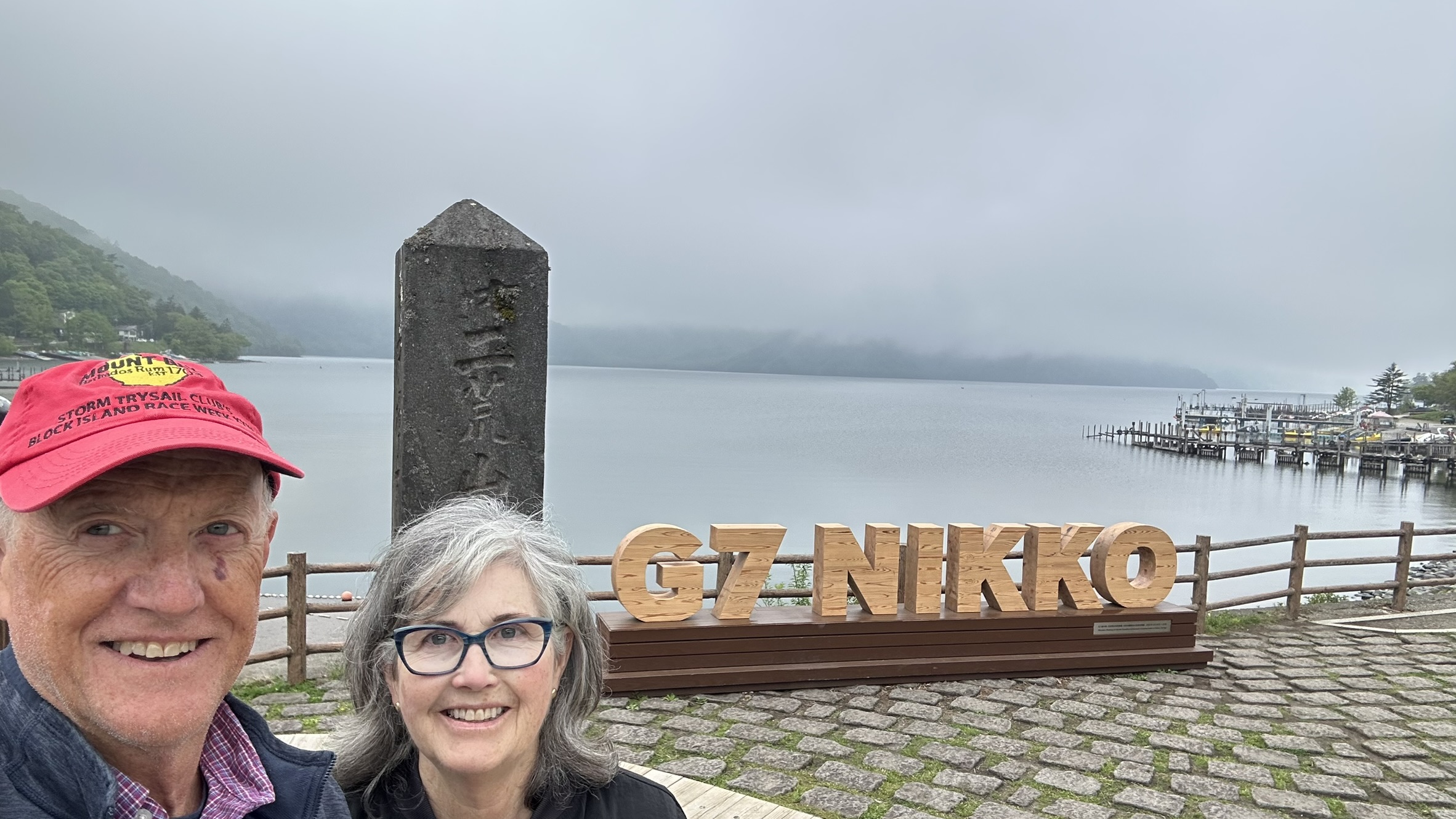
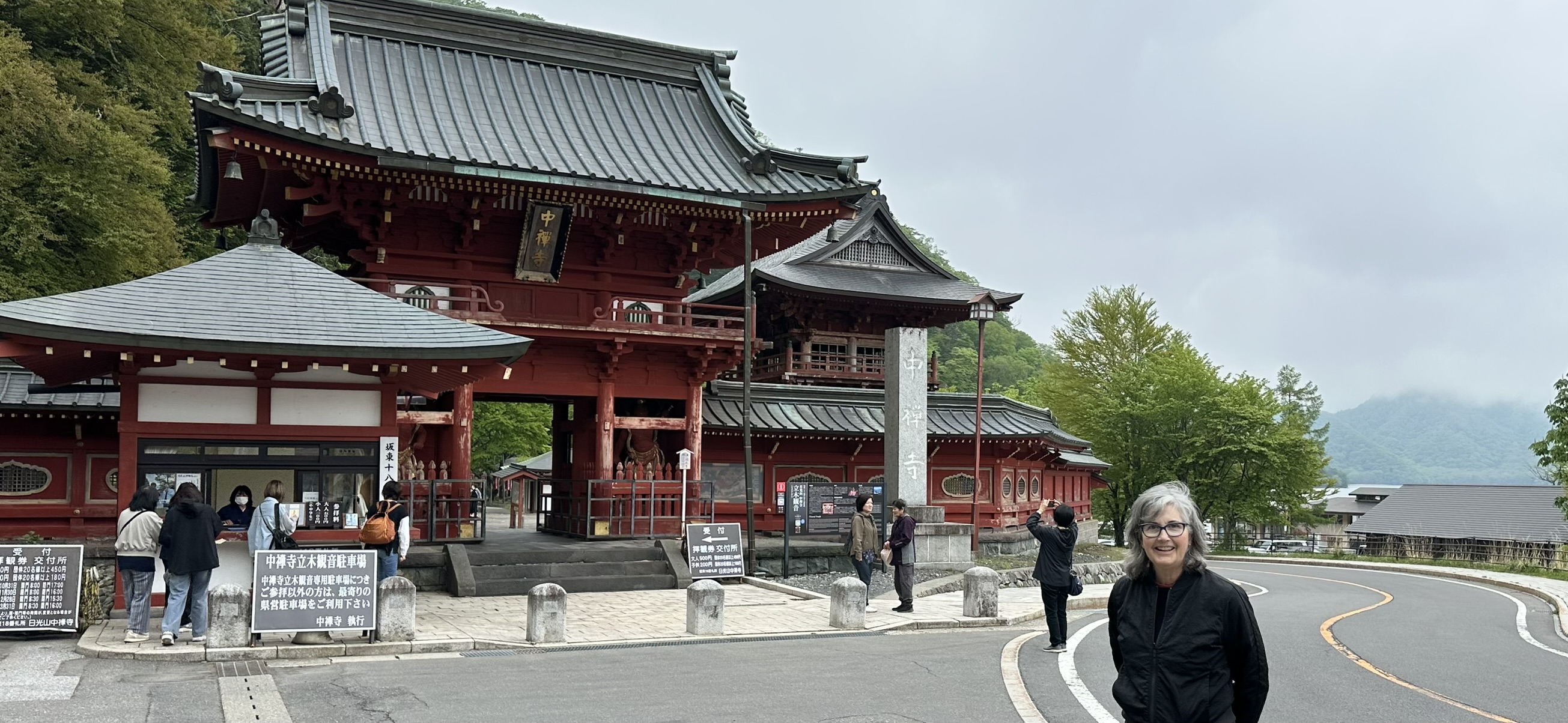
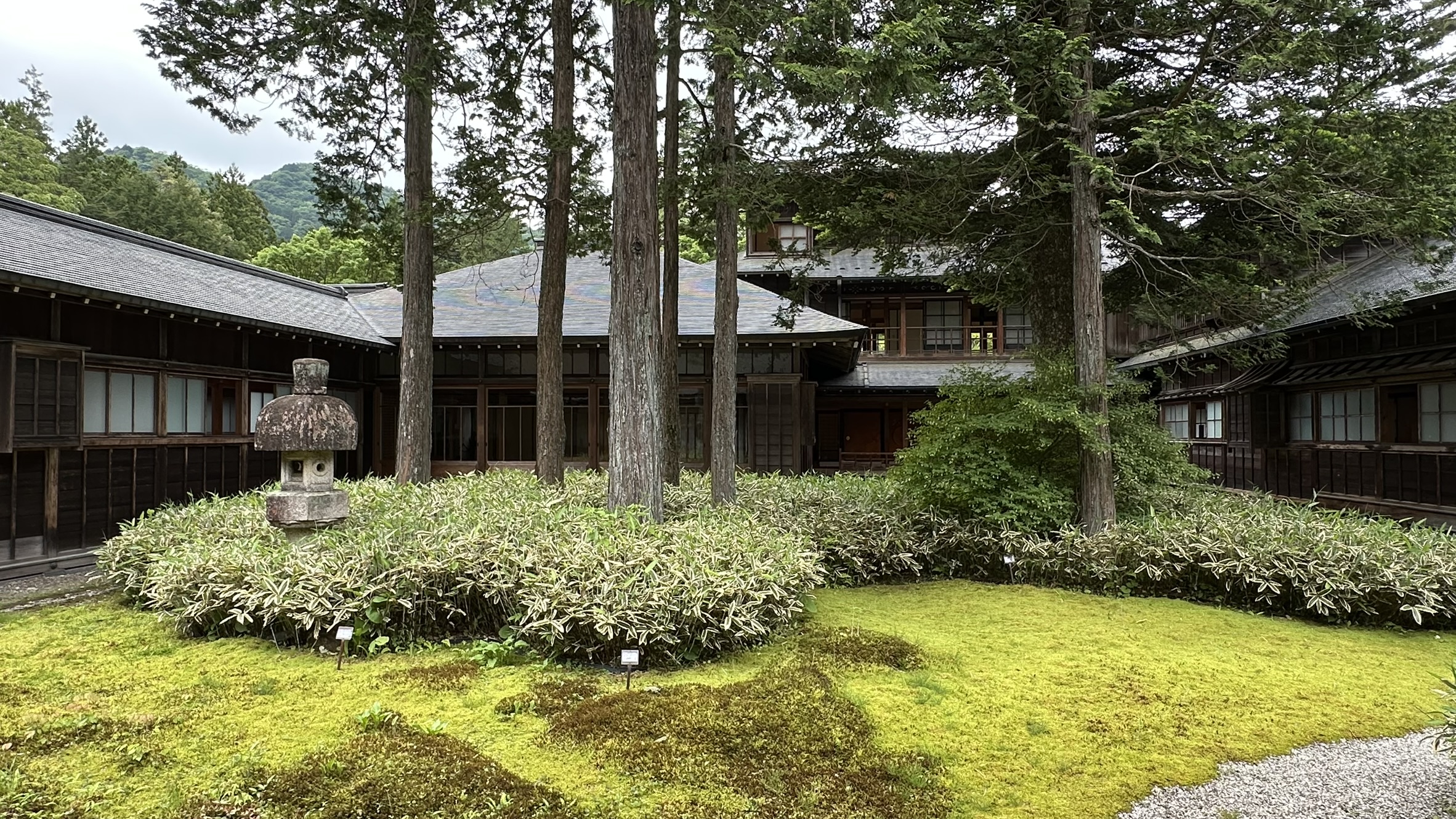
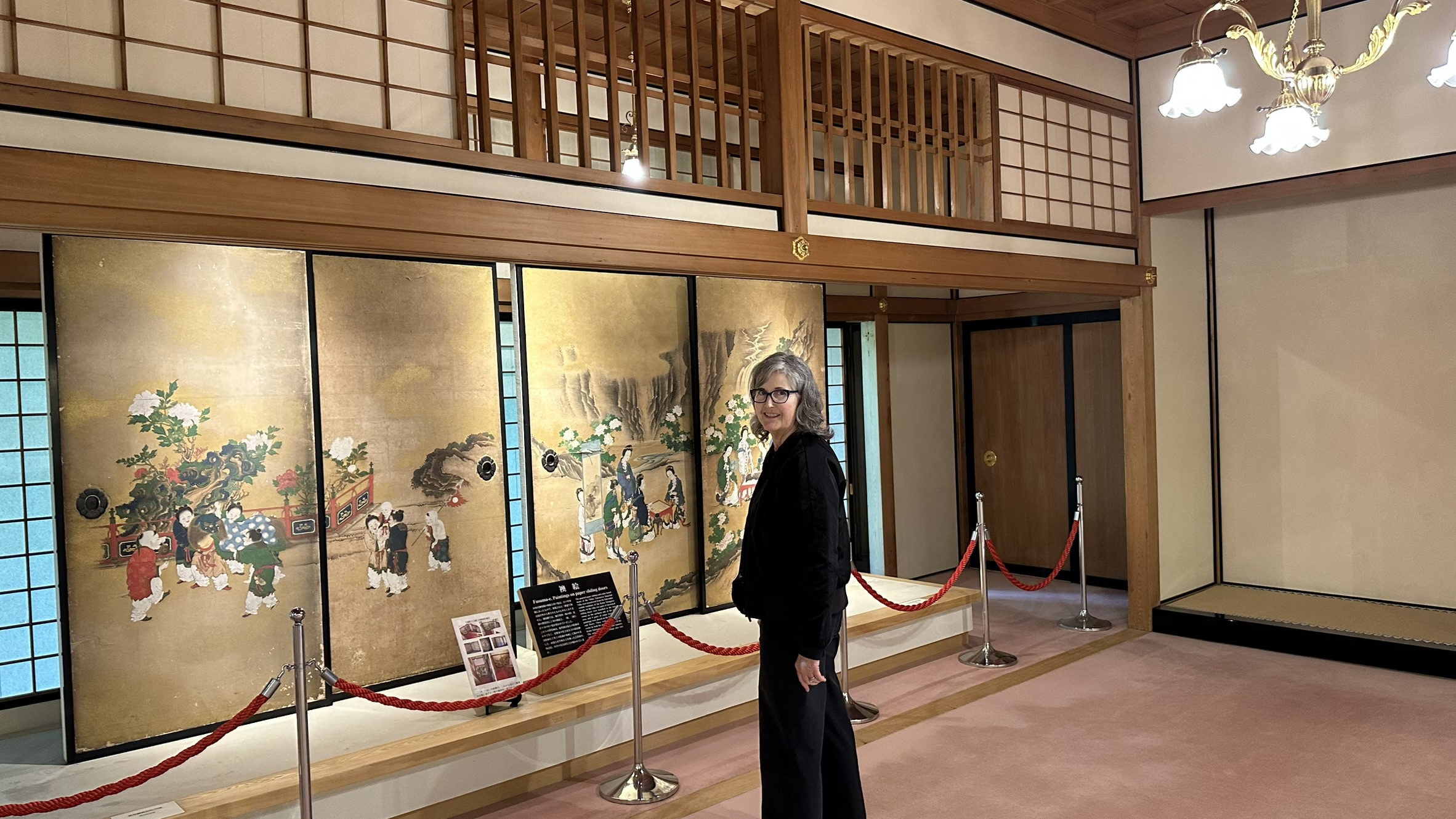
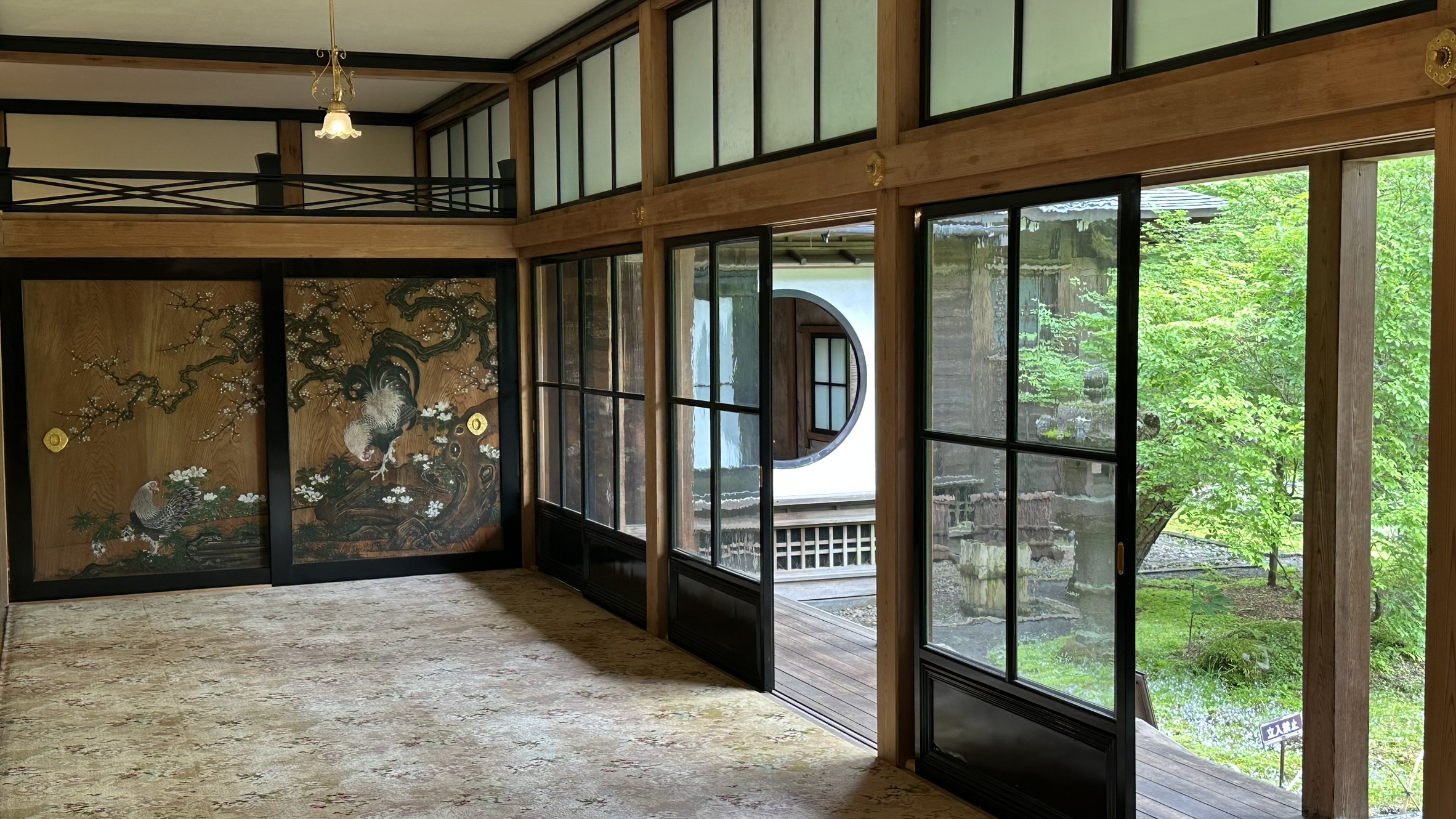
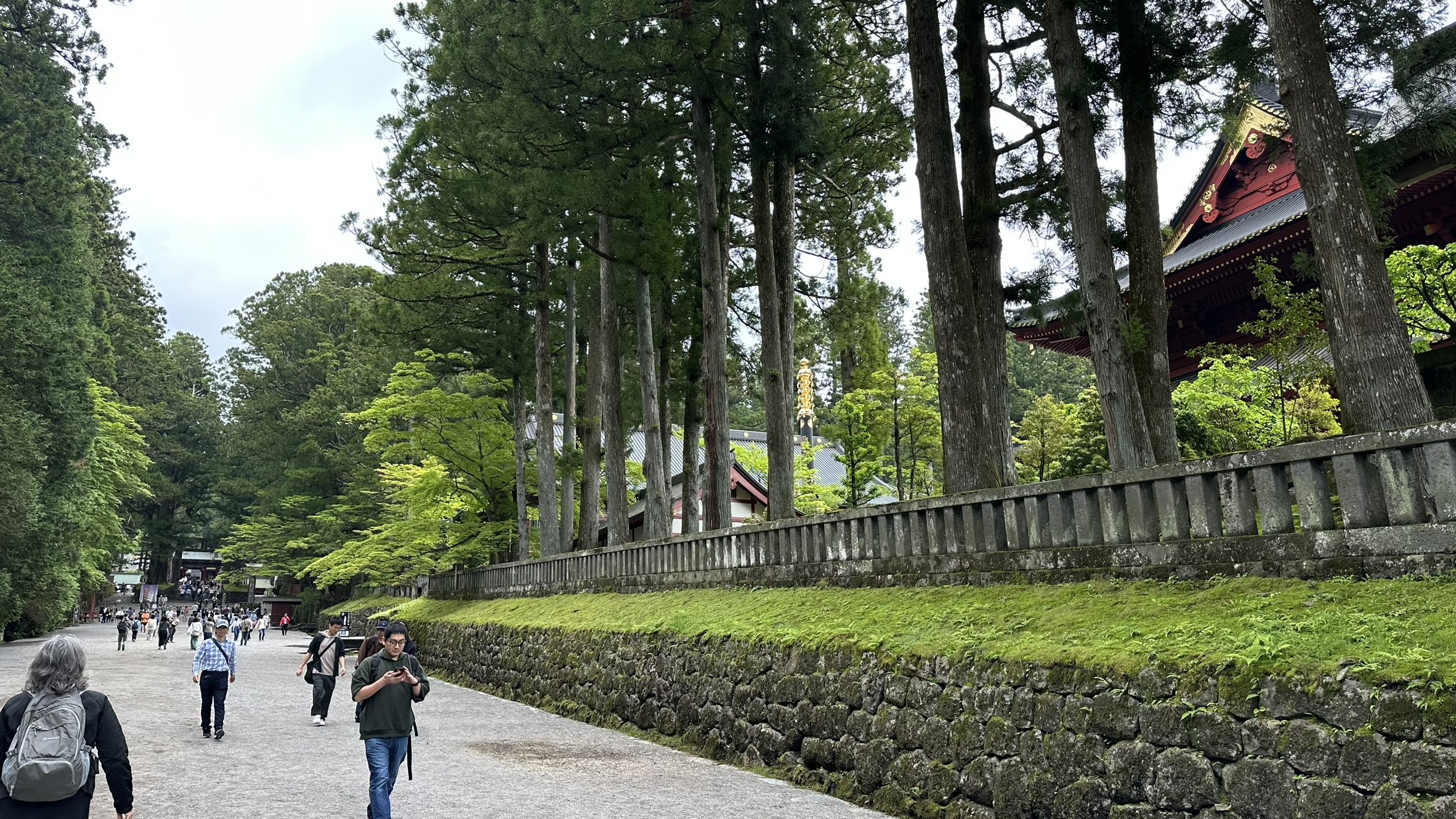
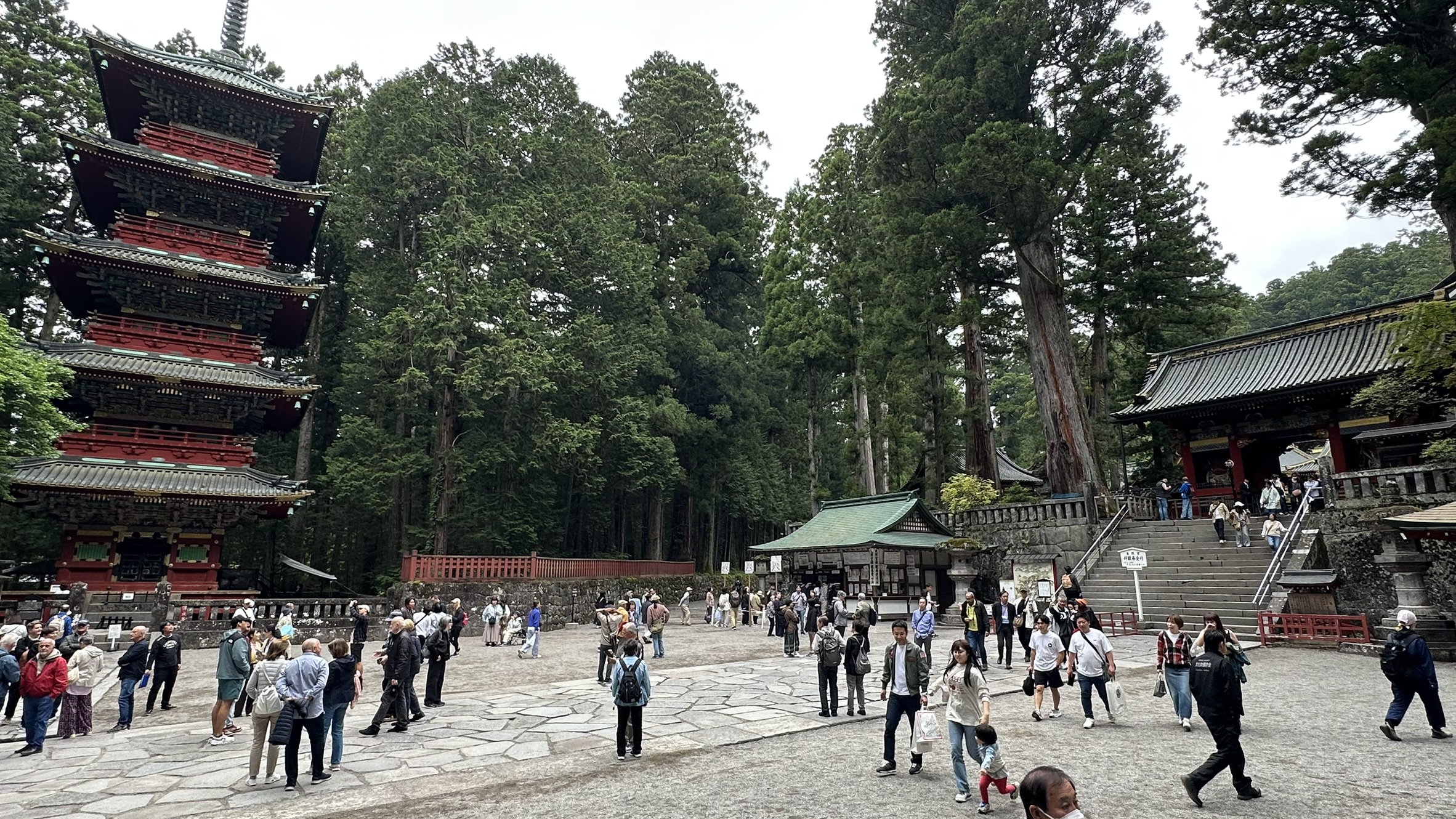
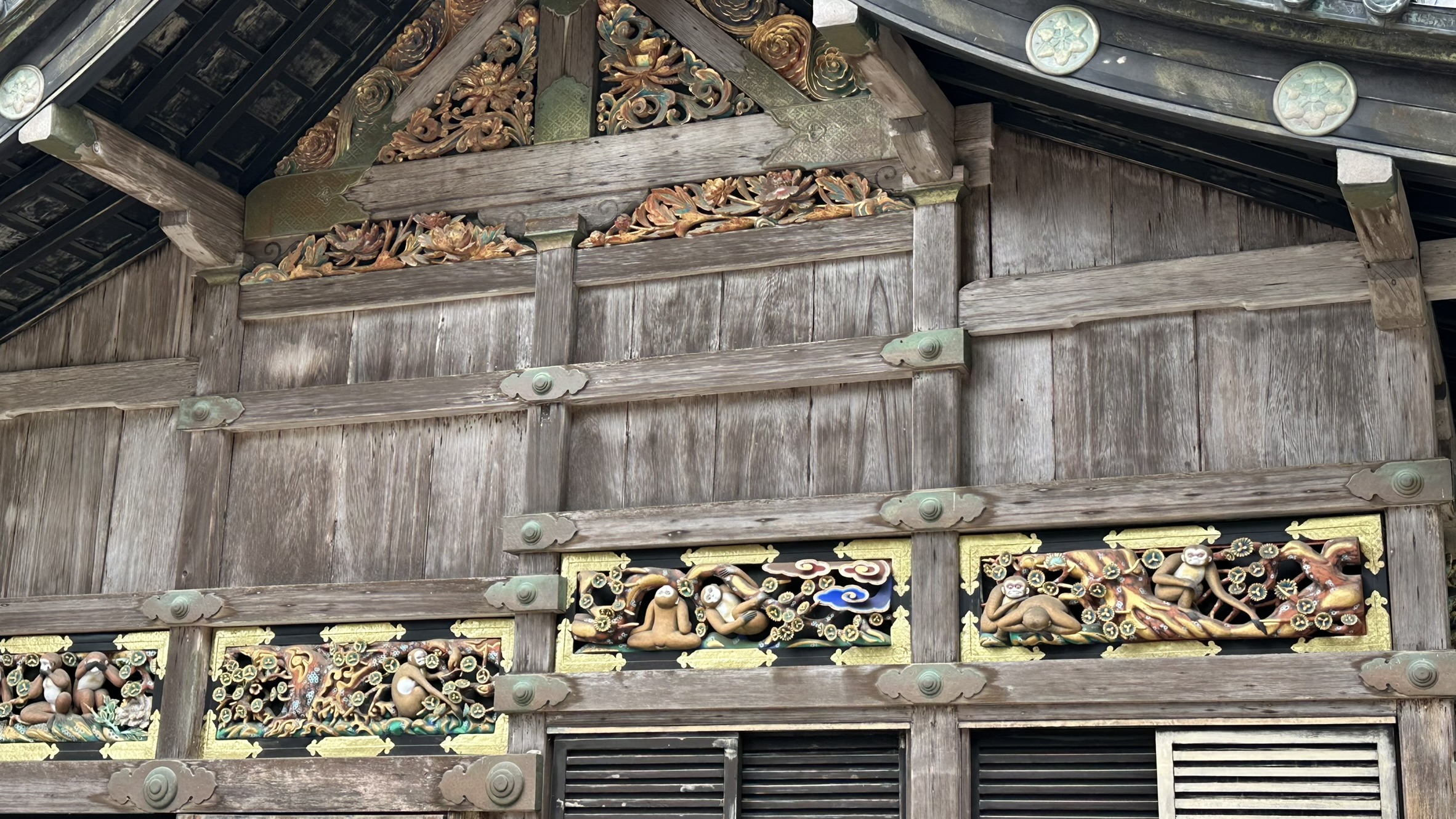
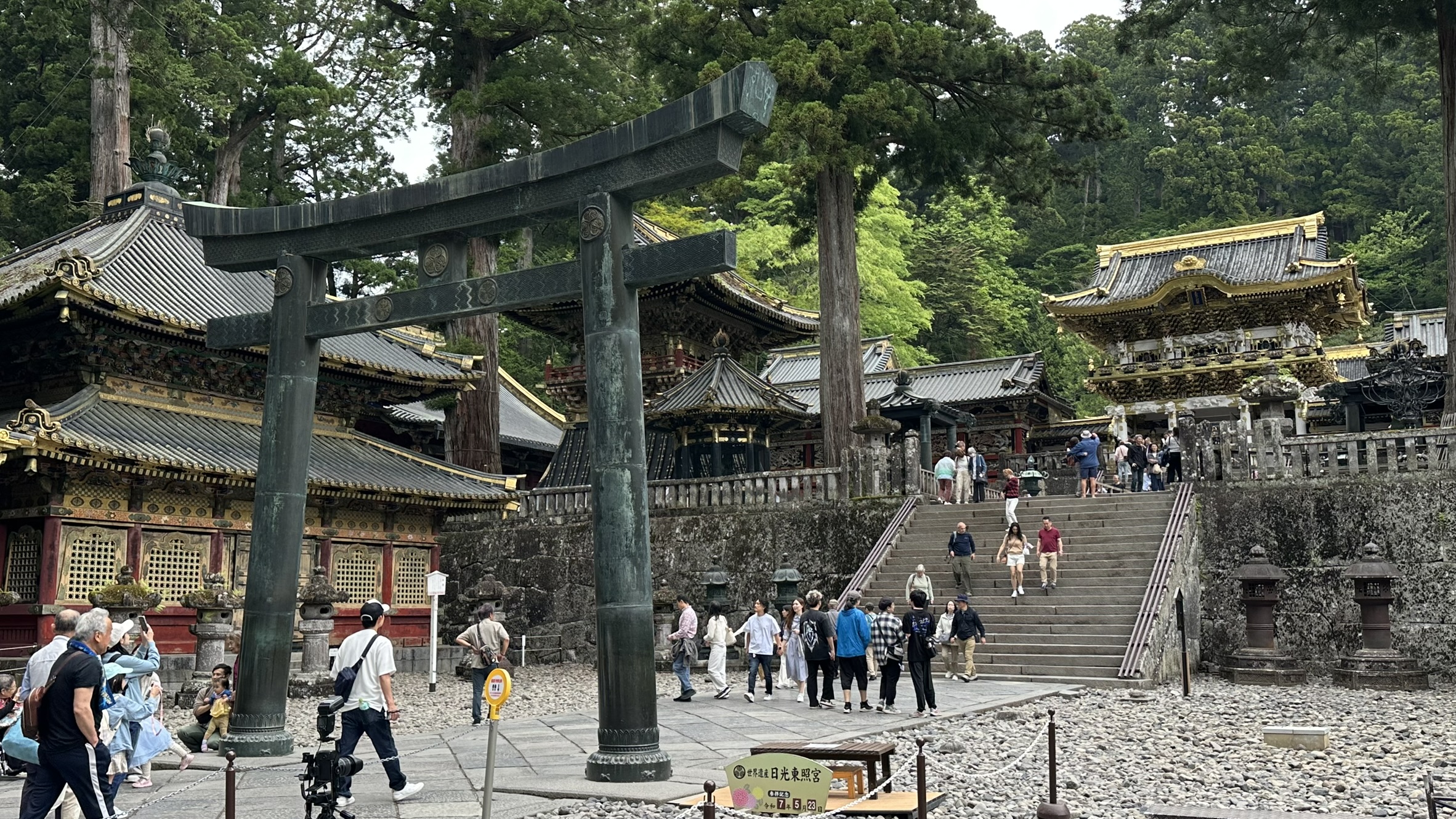
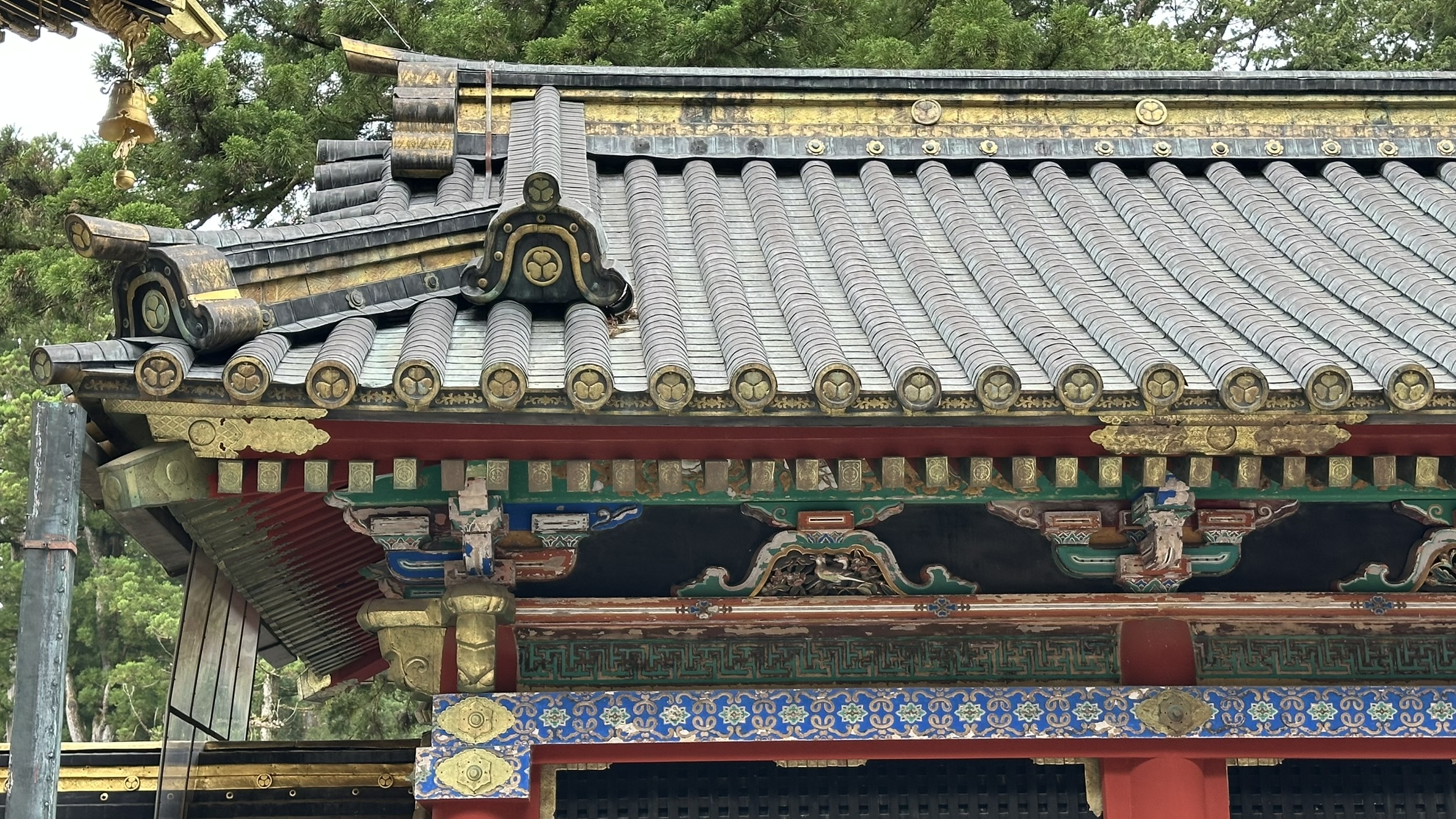
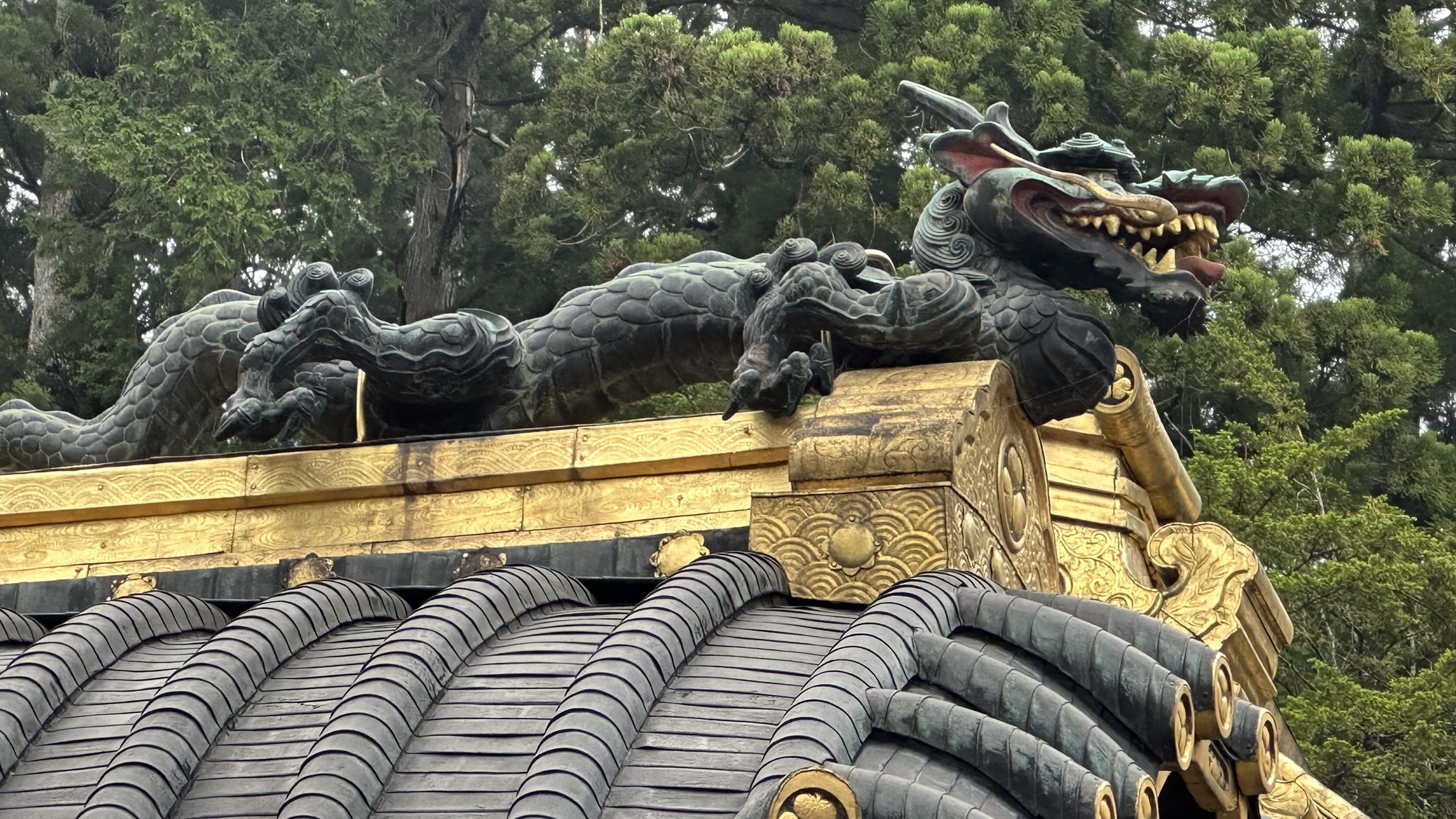
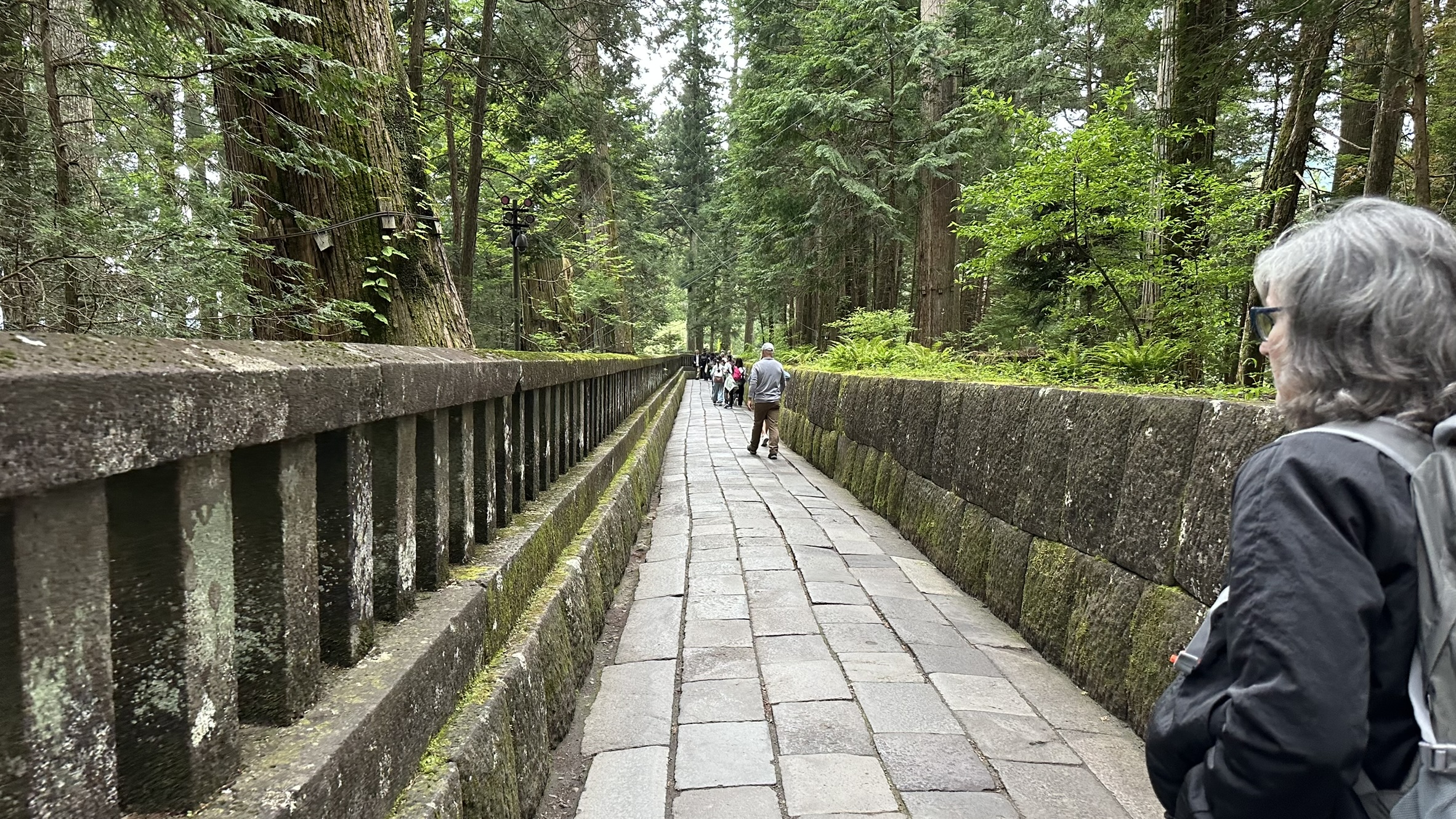
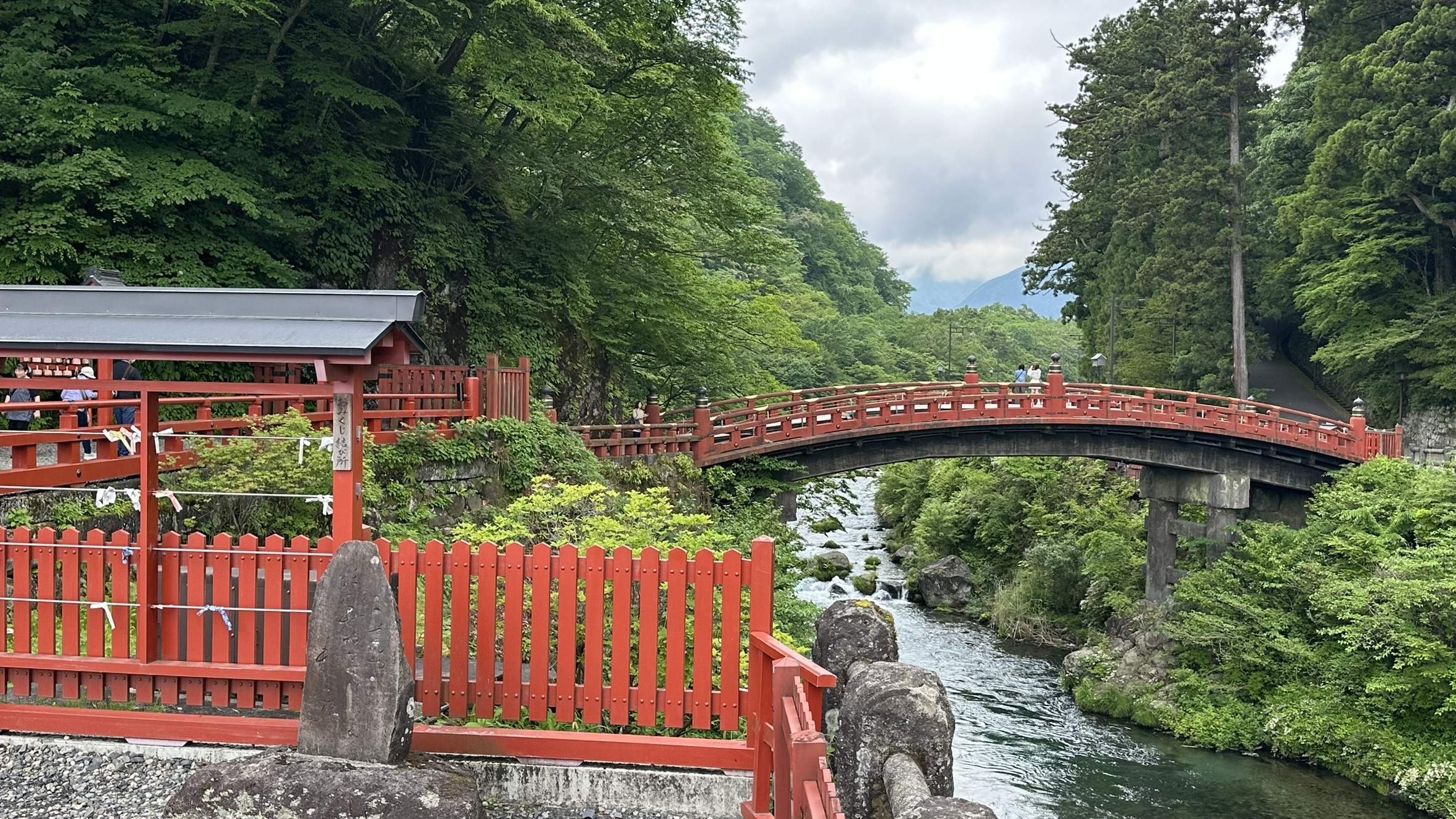
Nikko, a small town set along picturesque Lake Chinonsu and deep gorge in heavily wooded mountains two and a half hours north of Tokyo, was a great experience. We hired a car and driver, which proved to be great. Nikko is most famous as home to Toshogu, a huge Shinto shrine complex established in 1617 as a memorial for Tokugawa Ieyasu, founding ruler of the Tokugawa shogunate, who ruled Japan for over 250 years (the Edo Period). That place alone was worth the trip. The other memorable sights in Nikko including Kegon Waterfall, Tamozawa Imperial Villa, and the iconic Shinkyo Bridge were icing on the cake. (If you’re considering the Akechidaira Ropeway (gondola) and its overlook with amazing views of Kegon Waterfall and Lake Chuzenji framed by forested mountains, check the weather first. No good when obscured by dense clouds!)

We had originally planned a full week in Tokyo, but heading into our seventh day we called an audible and cut it to six so we could set off for Hokkaido a day earlier. Unless you really want to go crazy shopping or take a deep dive into the world of anime, we found 5-6 days to be plenty.
| Days 7-12 | Hokkaido | Lodging details below |
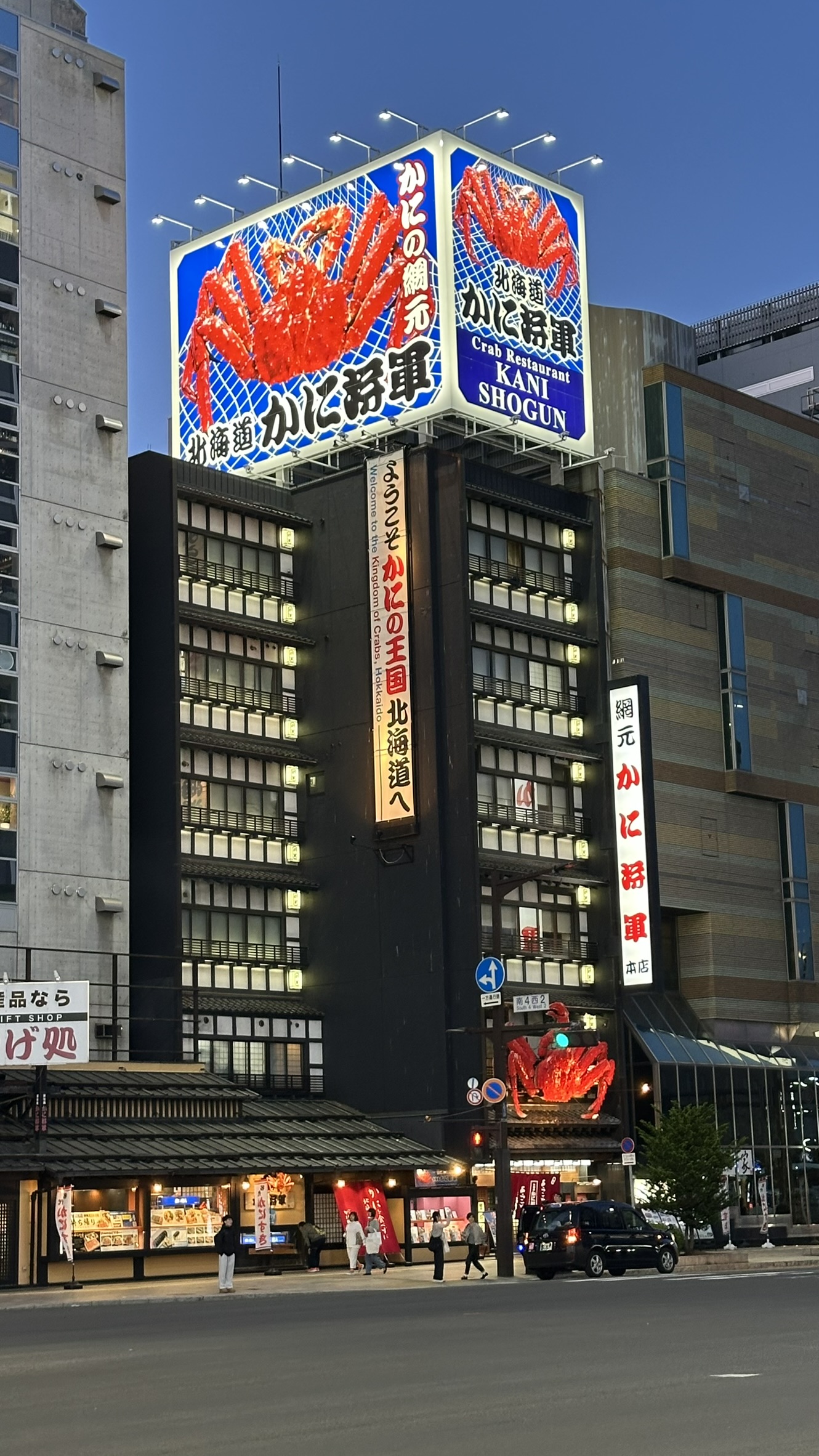
Leaving Tokyo first thing on Day 7, we caught a Shinkansen train to get an early start in Hokkaido, Japan’s northernmost major island. 3 hours later, we find ourselves in the port town of Hakodate, where we spent the night, hit the morning fish market for breakfast, and took another 5-hour train journey to Sapporo. Thus began what would become a bit of a mini-roadtrip across Hokkaido with stops in Furano, Asahi-dake and Sounkyo Gorge in Daisetsuzan National Park, and back to Sapporo for our last night. Not many tourists ever see Hokkaido, and that’s too bad — it’s one of the places we visited I would most likely return to again.
| Duration | Destination | Where We Stayed |
|---|---|---|
| 1 day | Hakodate | Danshaku Club Hotel |
| 3 days | Sapporo | Unwind Hotel & Bar |
| 2 days | Asahidake | Hotel La Vista Daisetsuzan |
Hakodate
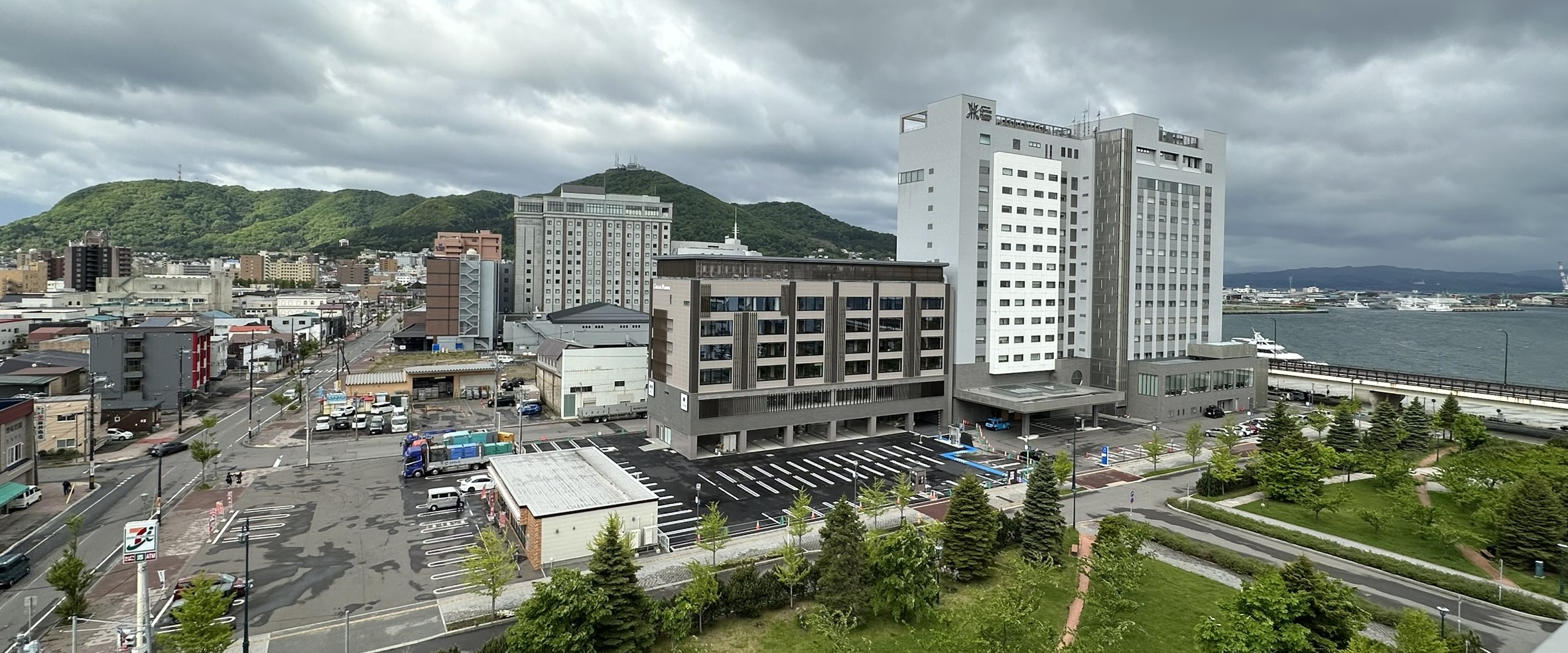
Hakodate is the southernmost city on Hokkaido, a port town with a thriving fishing industry that also serves as the gateway to Hokkaido for those arriving from the south by boat or train. That is pretty much why we chose to overnight here; it’s another 5-hour train ride to Sapporo (though you can fly in an hour). The Shinkansen stops in Shin-Hakodate-Hokuto, where you transfer to the regional JR line, a quick 15 minutes to Hakodate.
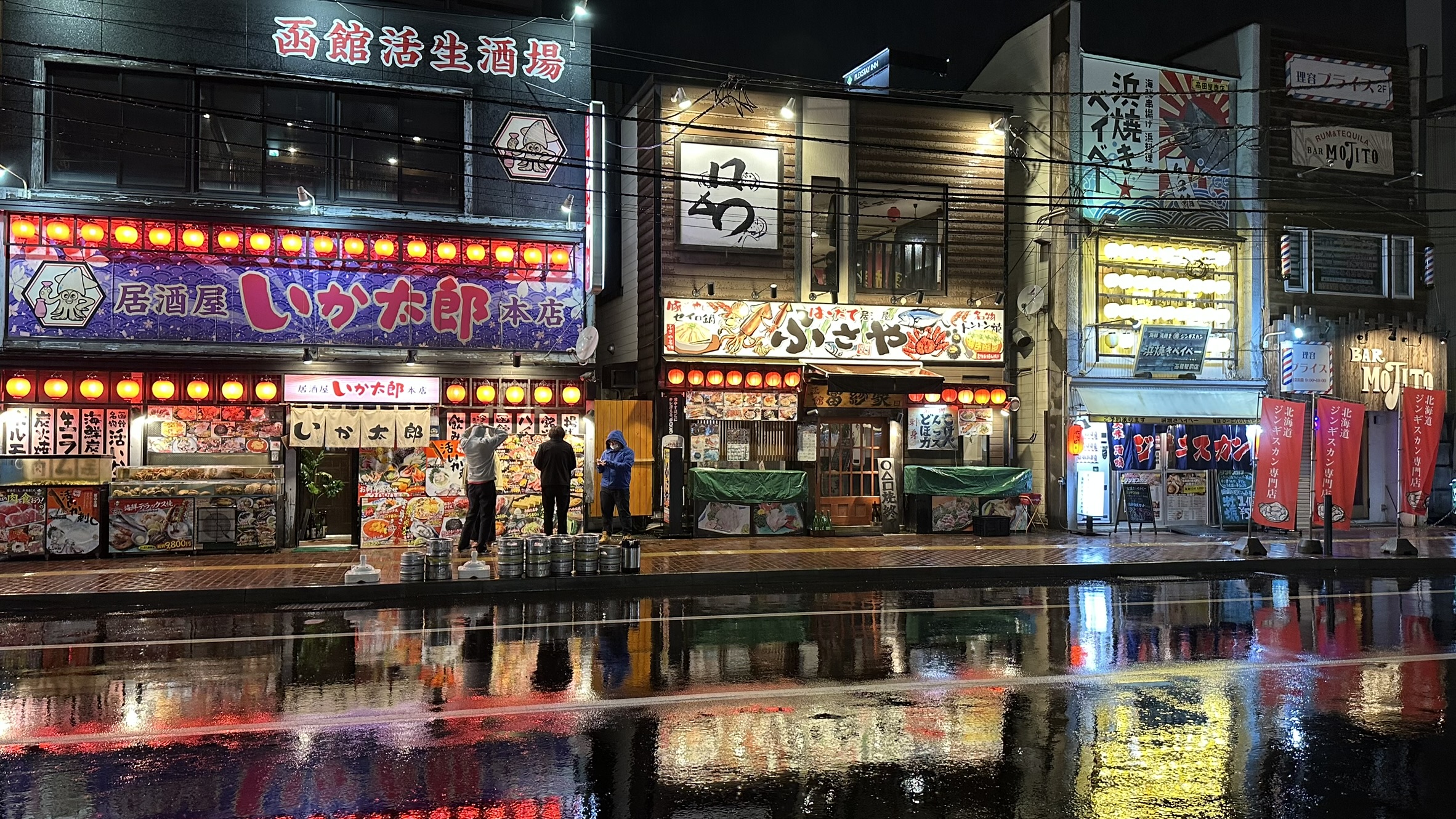
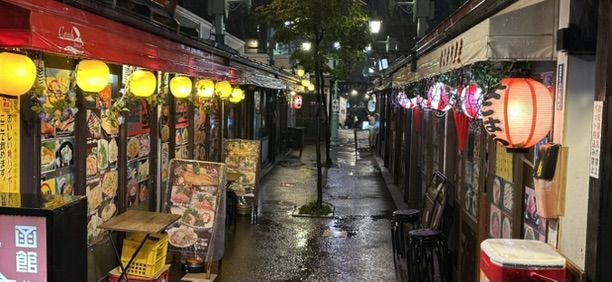
We arrived mid-afternoon in the rain, checked into our hotel, and found a late lunch spot in an arcade full of inexpensive ramen restaurants. We had hoped to take the gondola to the top of nearby Mount Hakodate for its renowned sunset views, but the weather put the kibosh on that idea. Instead, we settled for these few highlights:
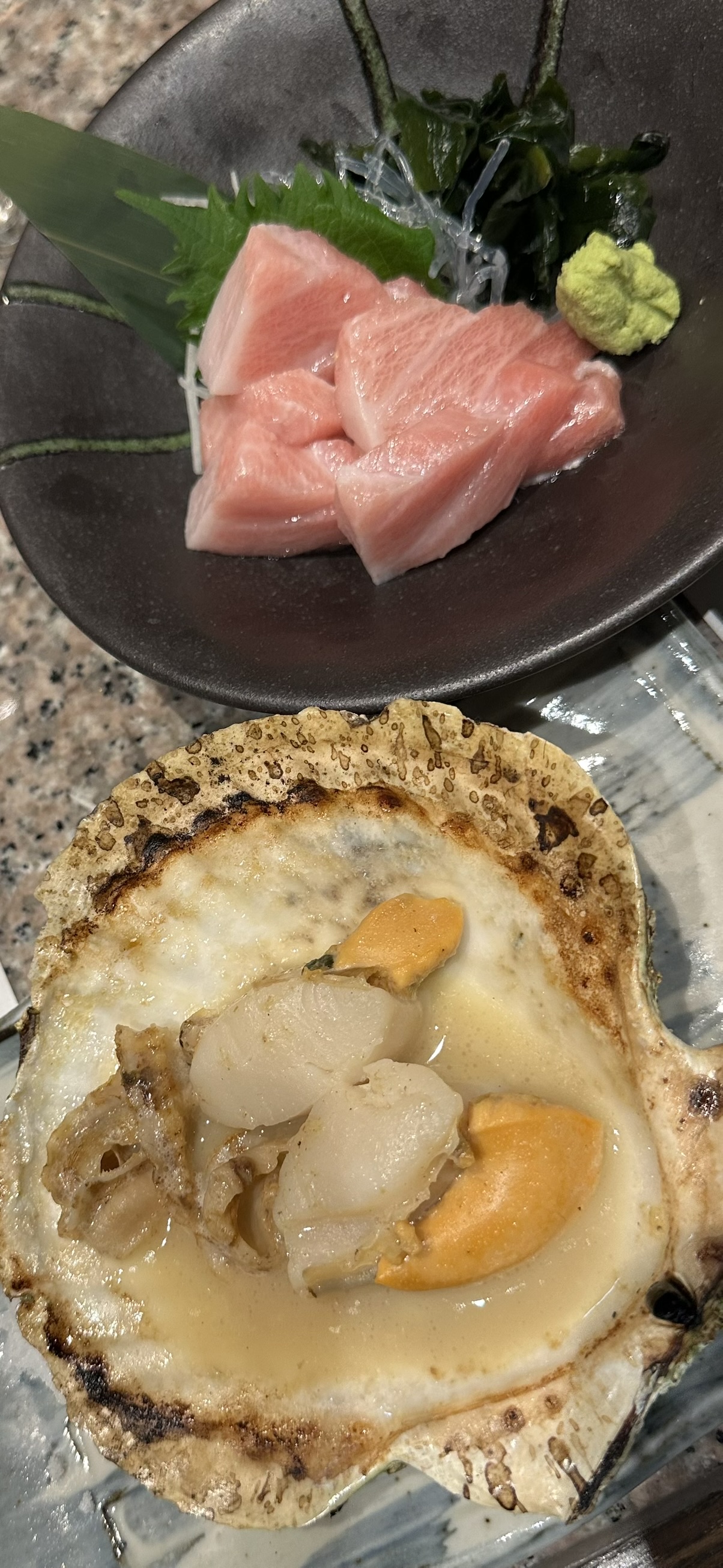
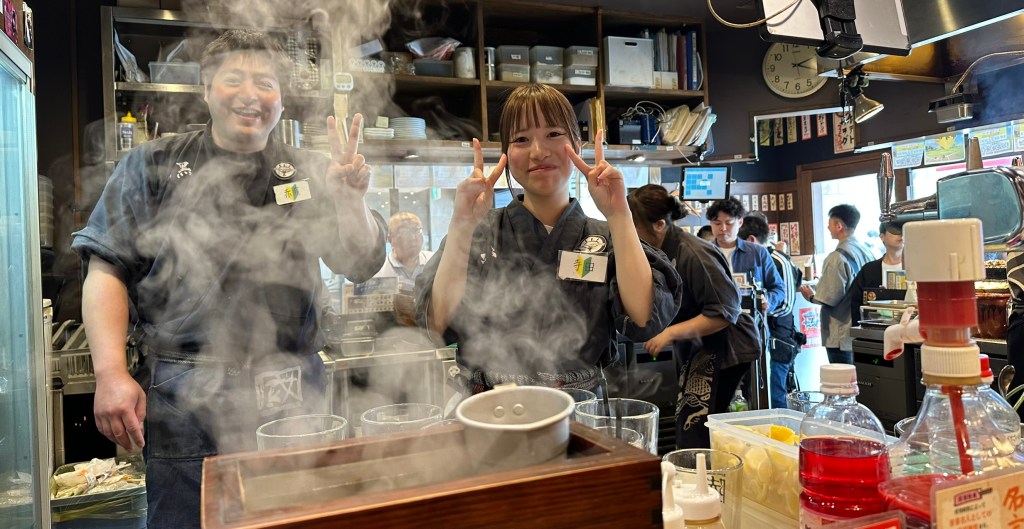
- Dinner at Ikasei Daimonten, recommended by our hotel, was our first true dining adventure. This is mostly because nobody spoke English at all, and the menu was entirely Japanese. We managed to order by pointing at things and blurting a few choice words (“sashimi, tempura, ramen, beer, hai, arigato gozaimsu!”). It was delicious and we had a lot of fun with the staff.
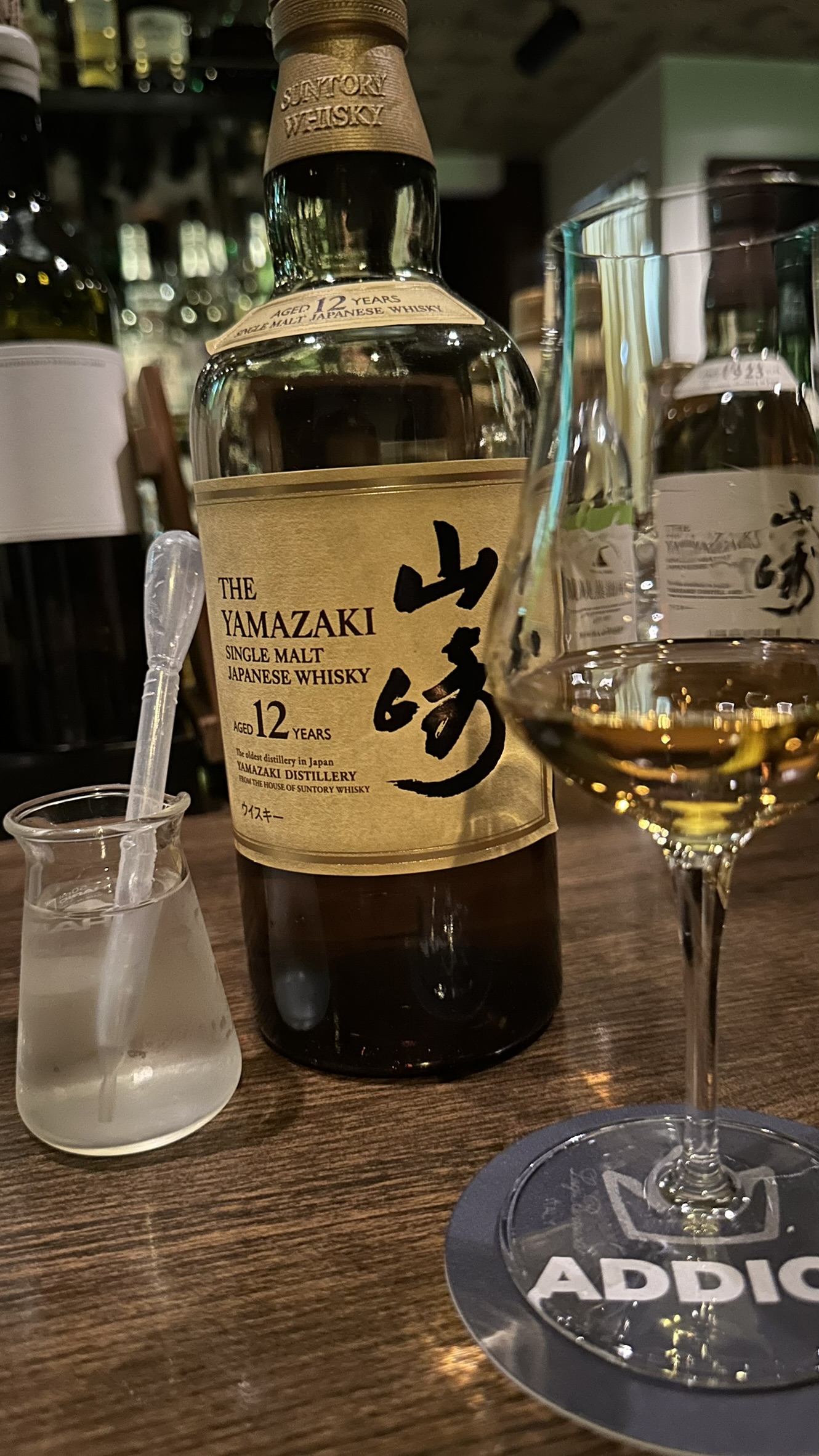
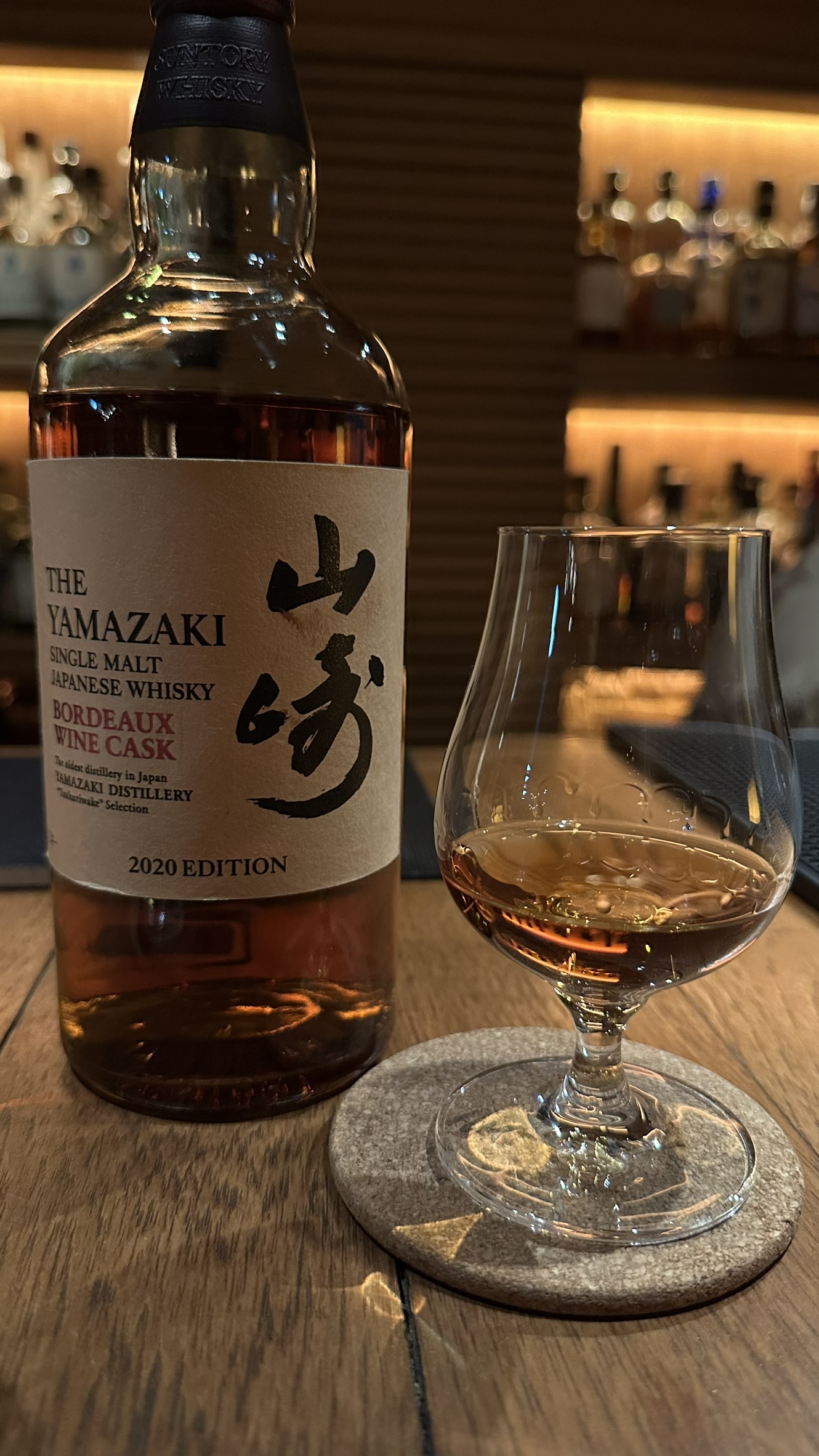
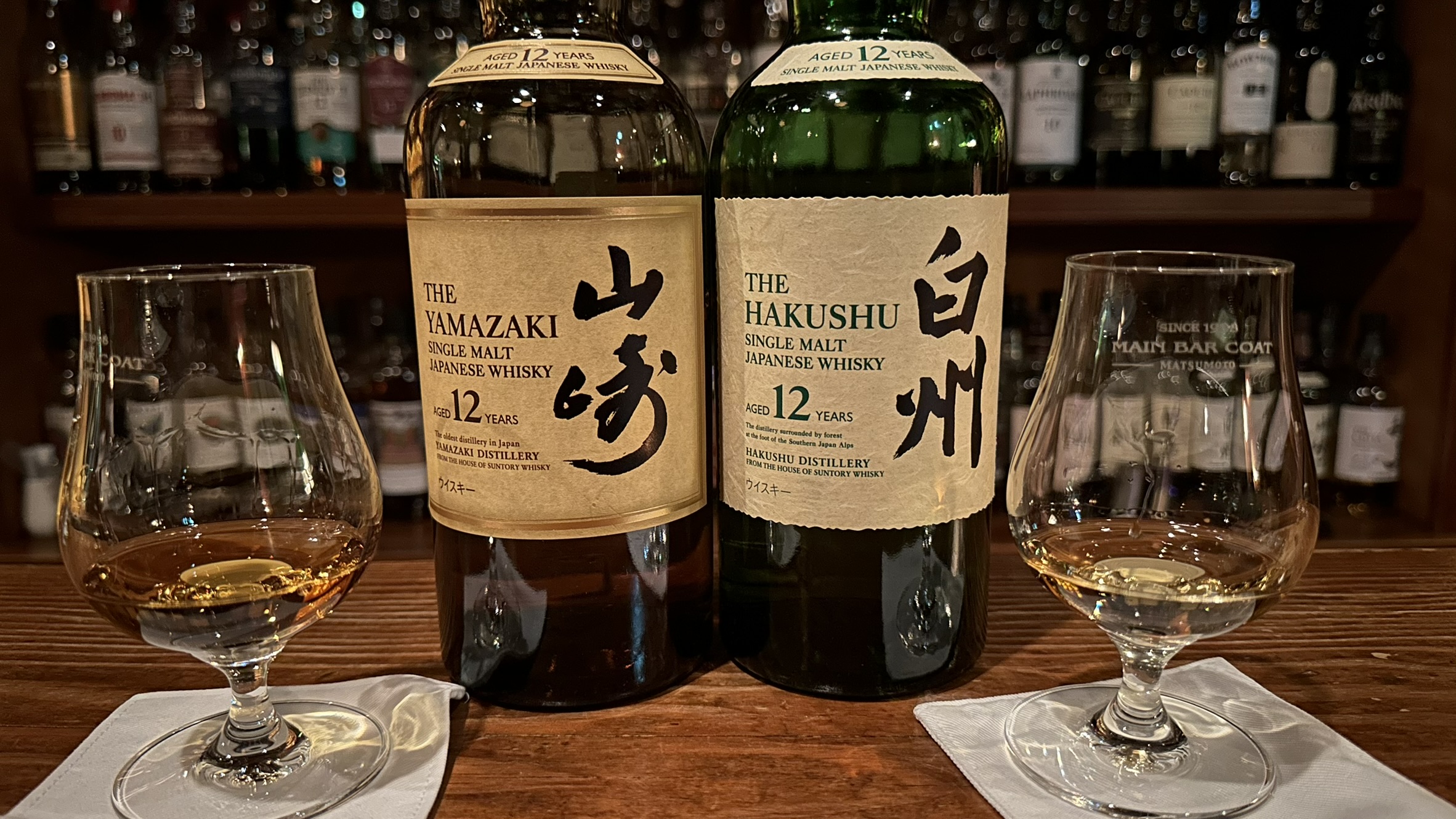
- Addict, a small upstairs cocktail bar Michelle found, turned out to be a nice respite from the rain, with a cool vibe and my first exposure to Yamazake 12, now my favorite Japanese whiskey. Had a nice chat, too, with a fellow from France who’d been cycling across Japan the past three months and who now planned a month cycling Hokkaido. So, there’s an idea for you cycling enthusiasts!
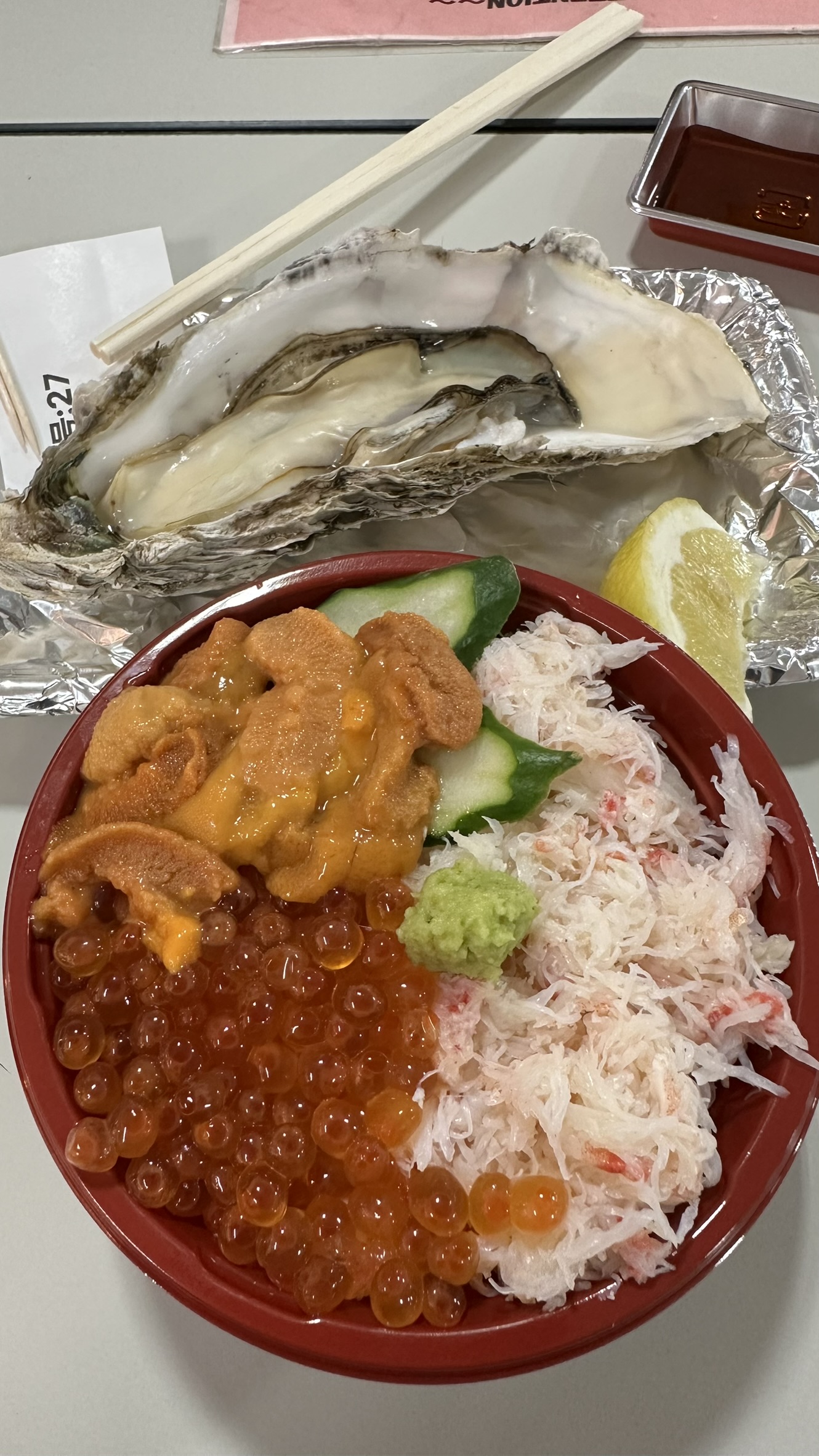
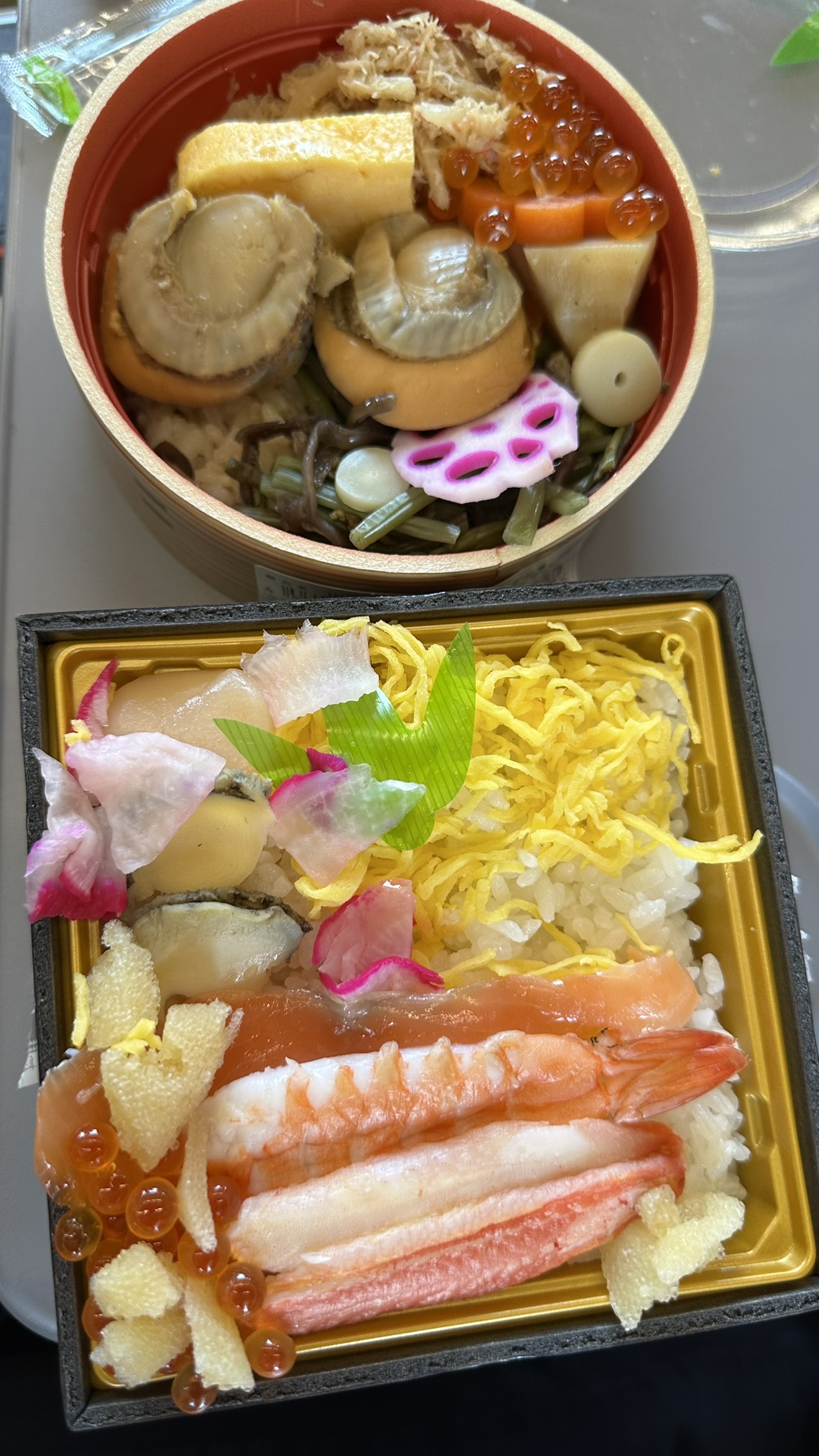
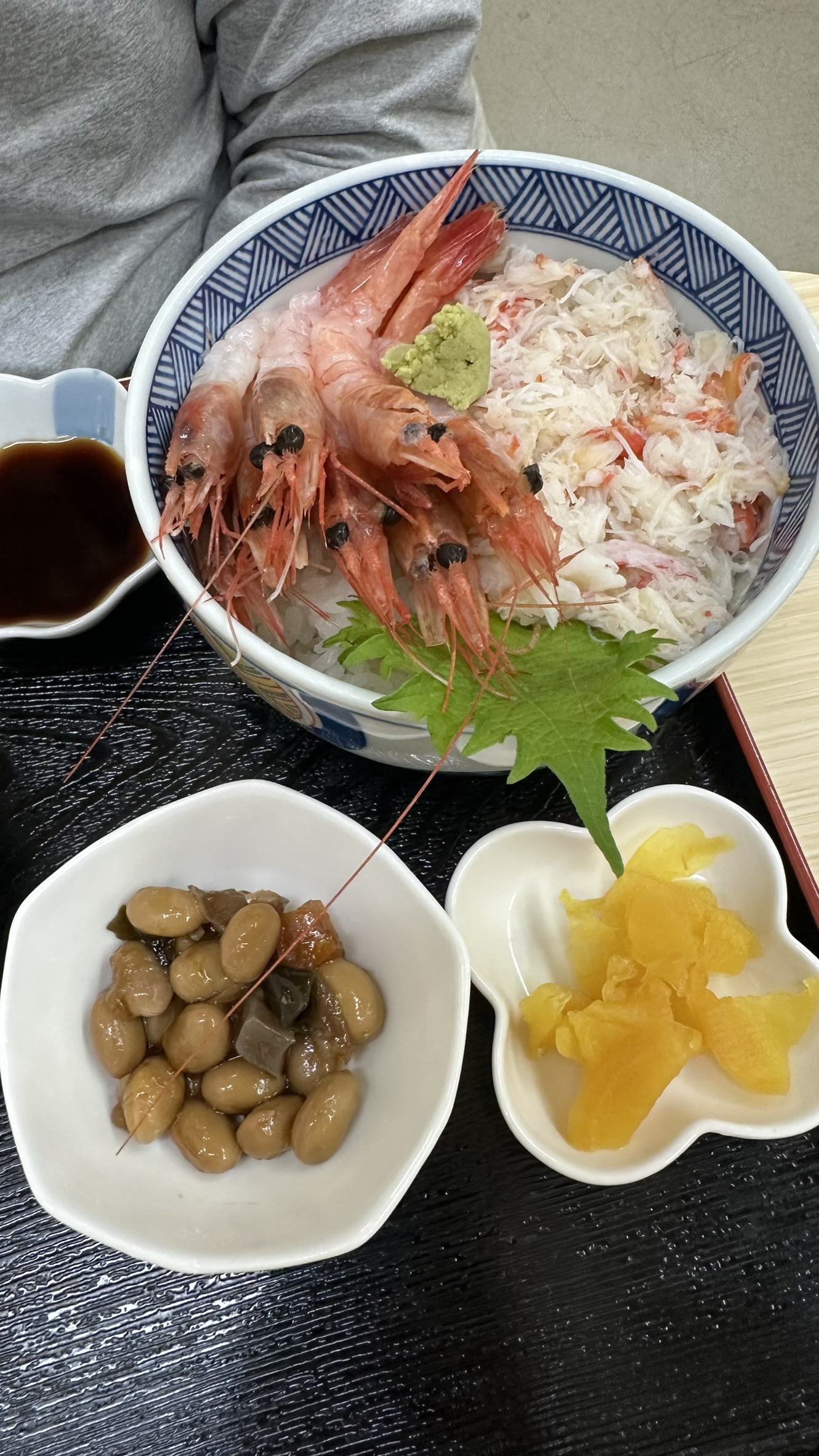
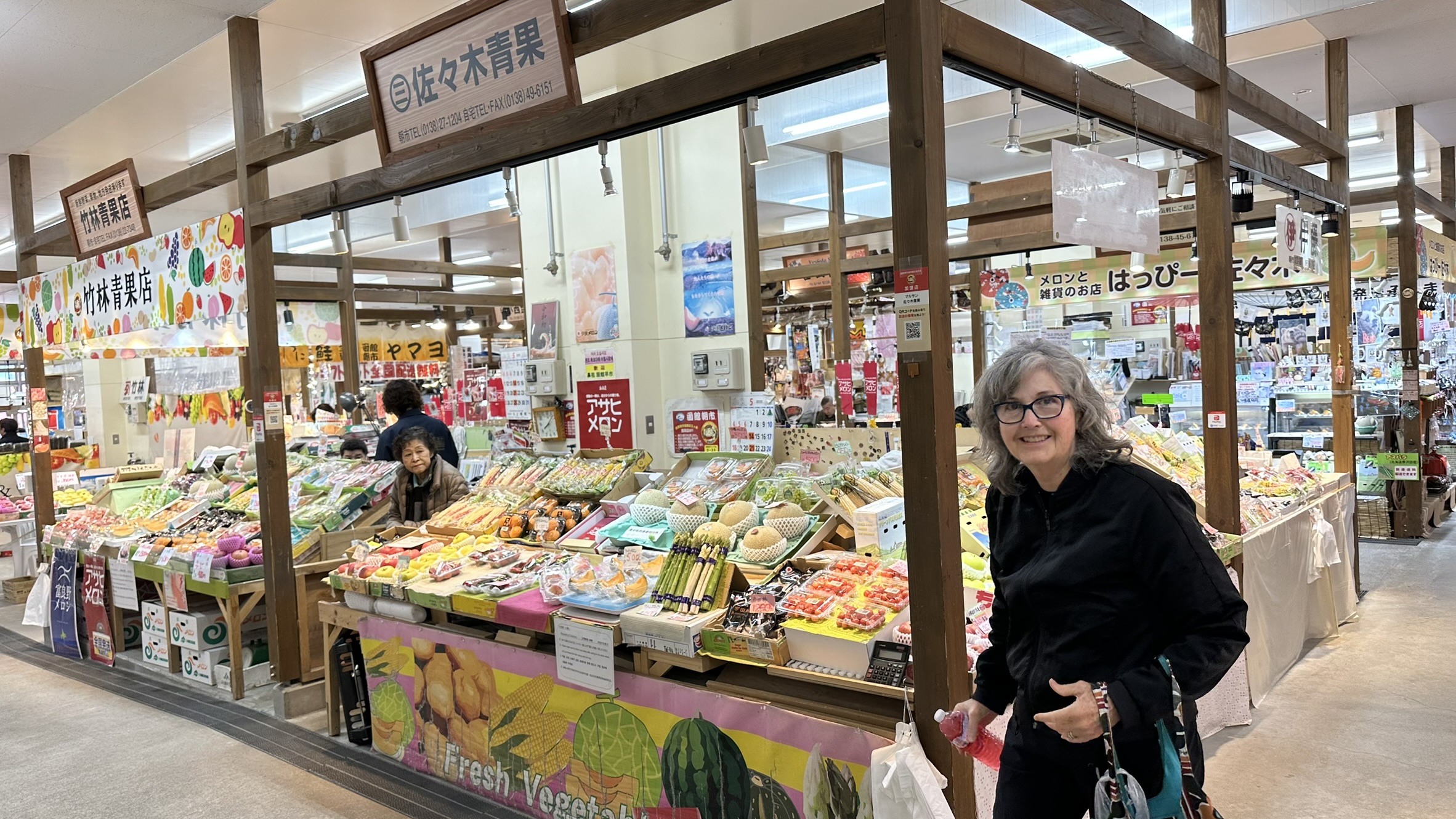
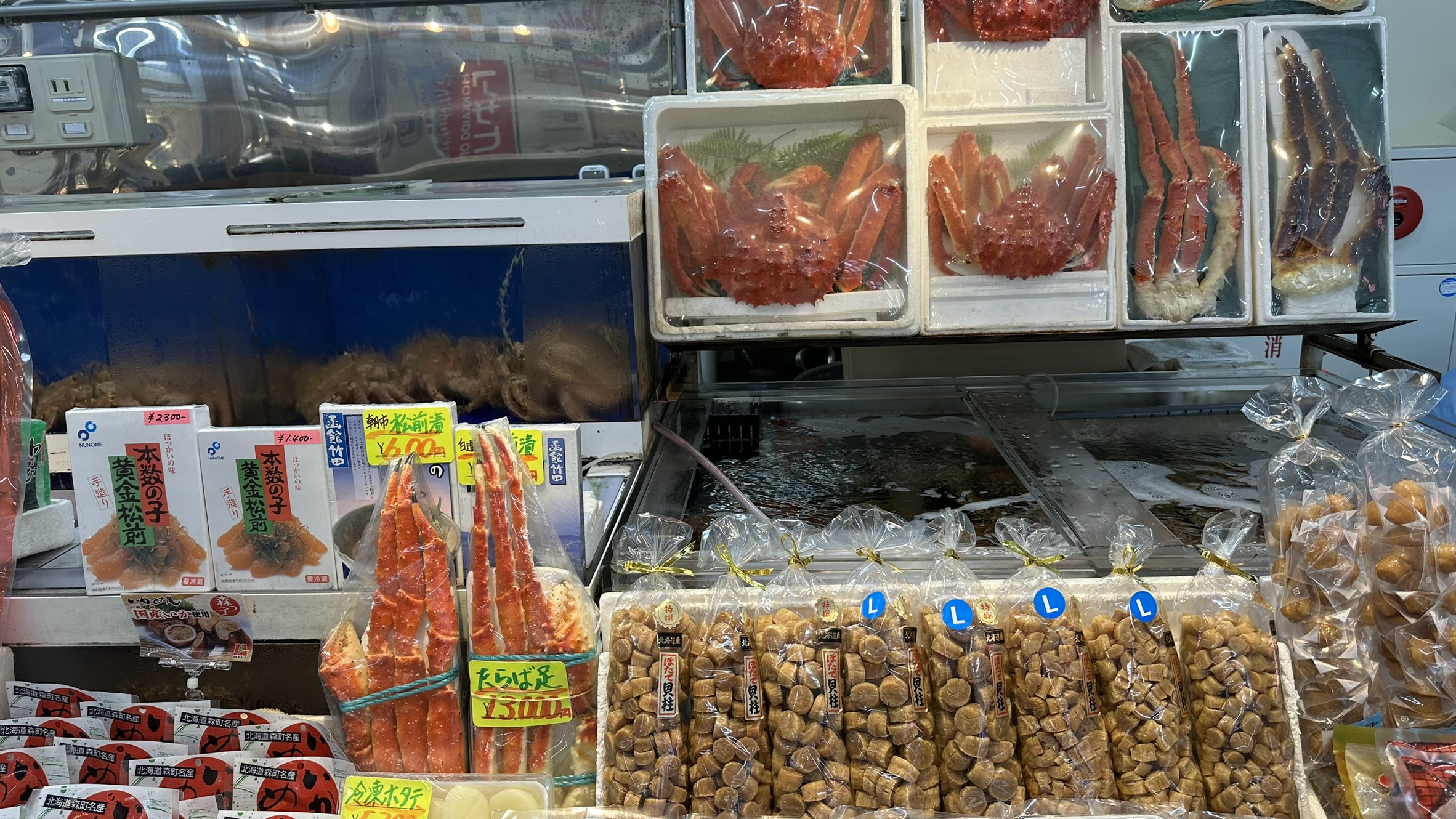
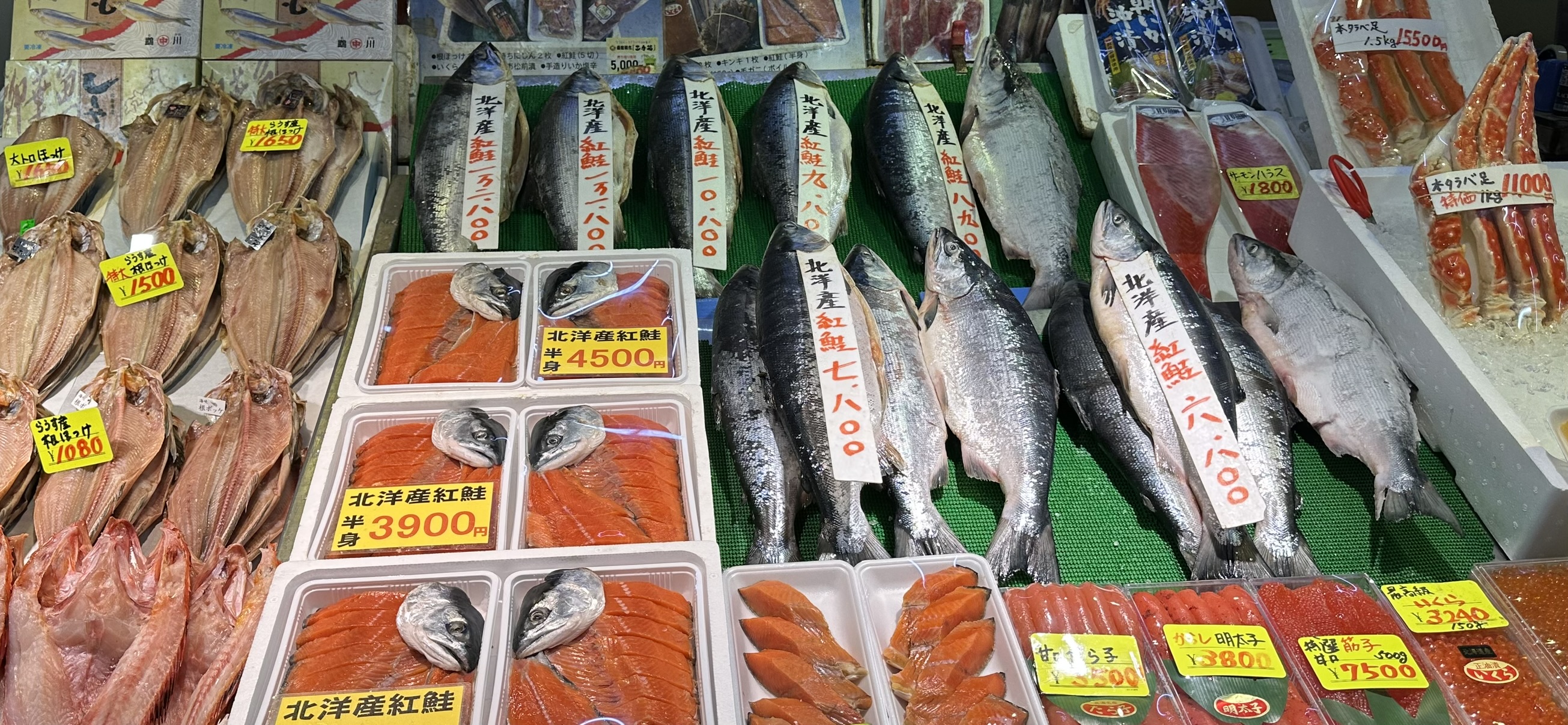
- The morning market is the center of life in Hakodate, it seems. Sure enough, the place was buzzing, even in the rain, and we enjoyed a nice, inexpensive breakfast centered around crab, sea urchin and salmon roe. Oishii!

Sapporo
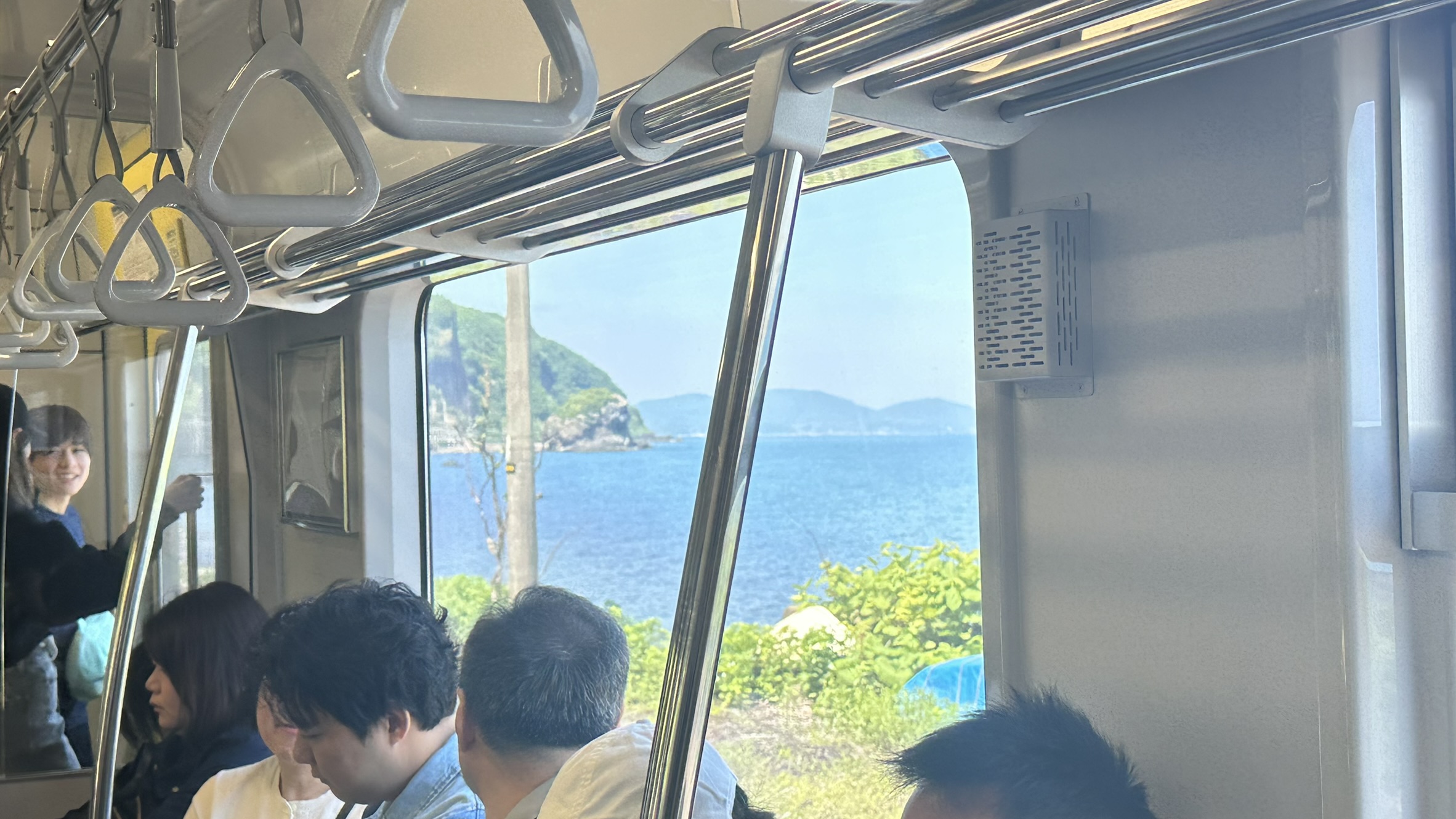
Right after breakfast at the morning market, we made our way to Sapporo — a 5-hour train ride with alternating views of the mountains, Uchiuru Bay and the Pacific Ocean. Sapporo is a cool town and the third largest city in Japan. Tucked into the mountains, it’s big on winter sports for the locals. Highlights from our two days here included:
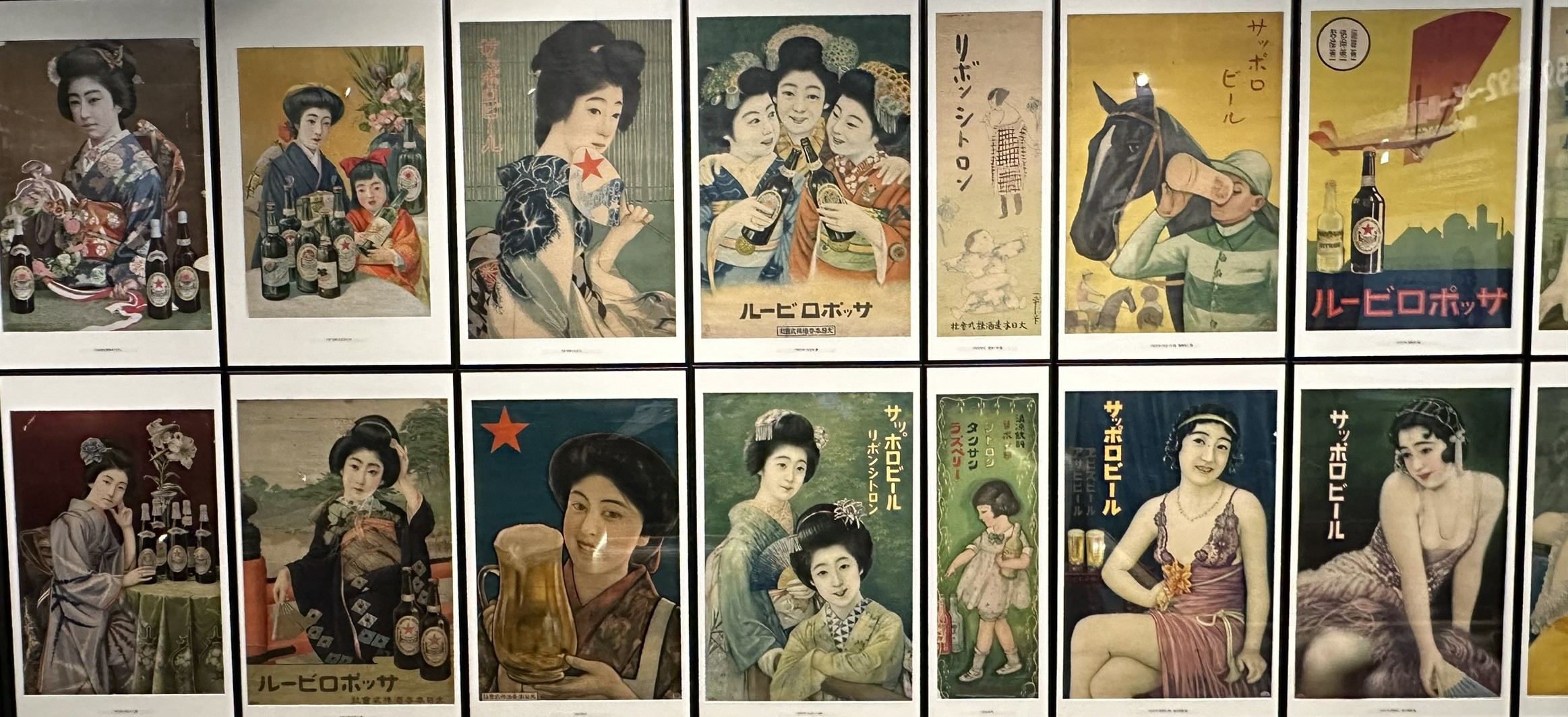
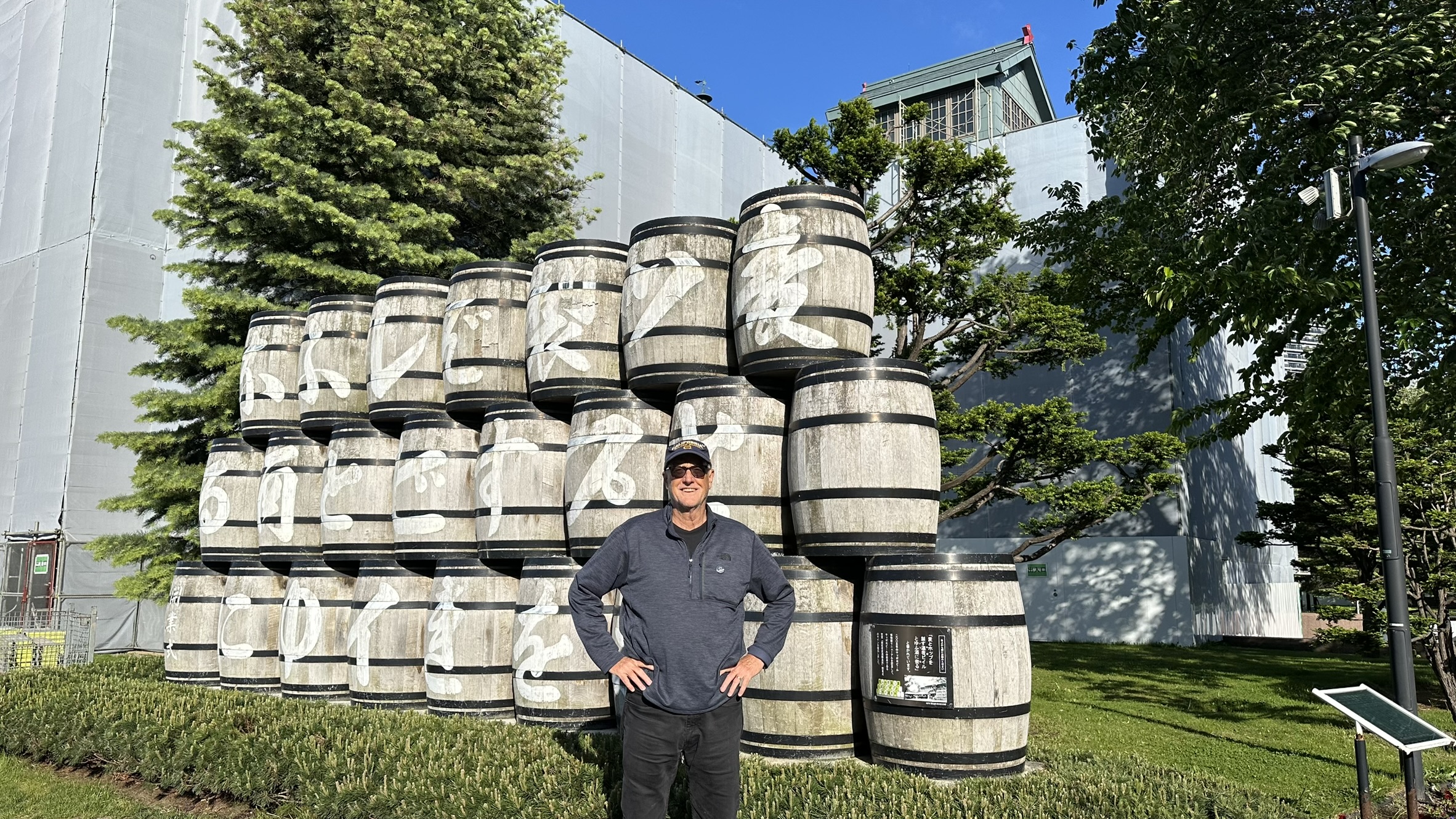
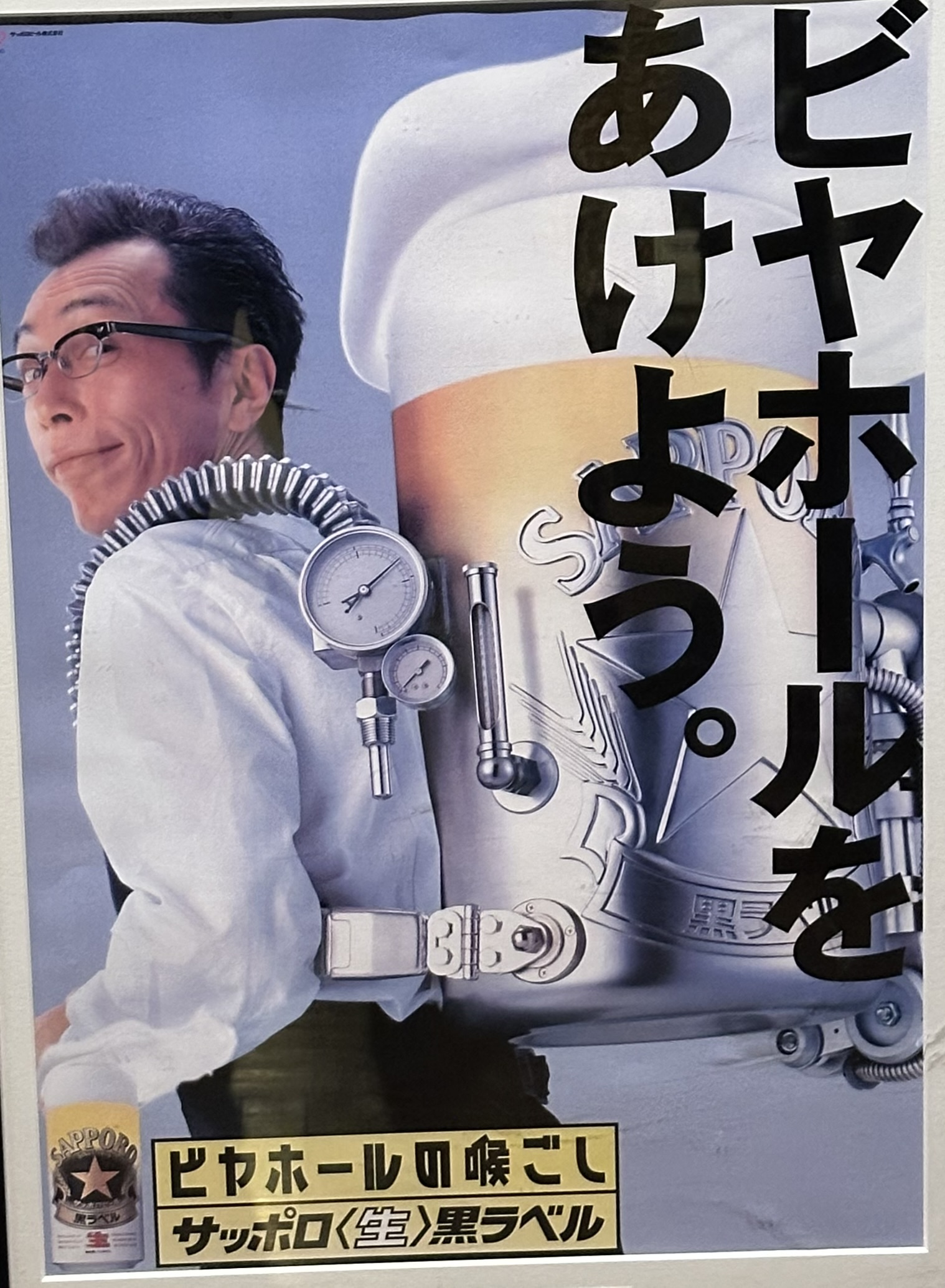
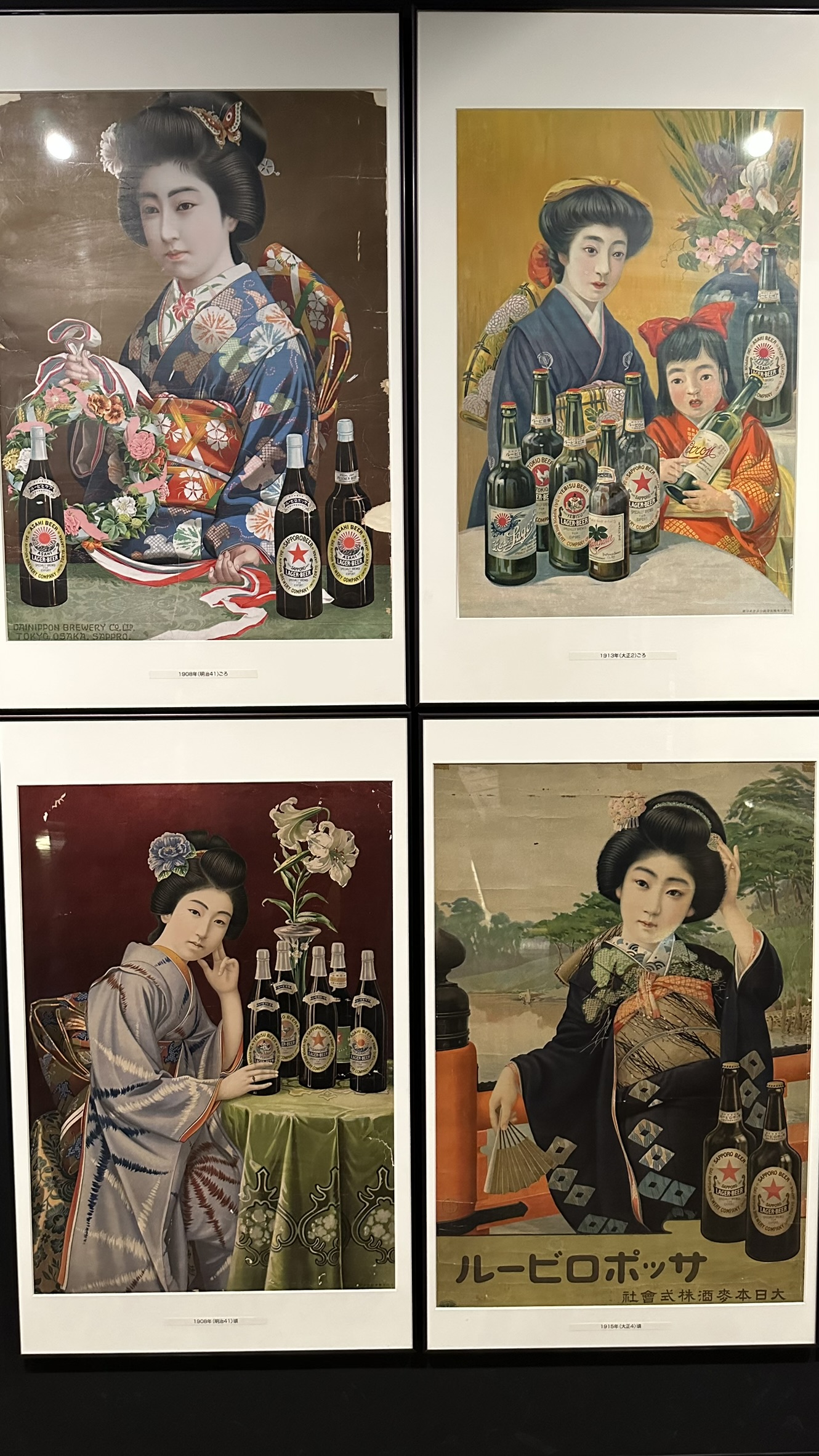
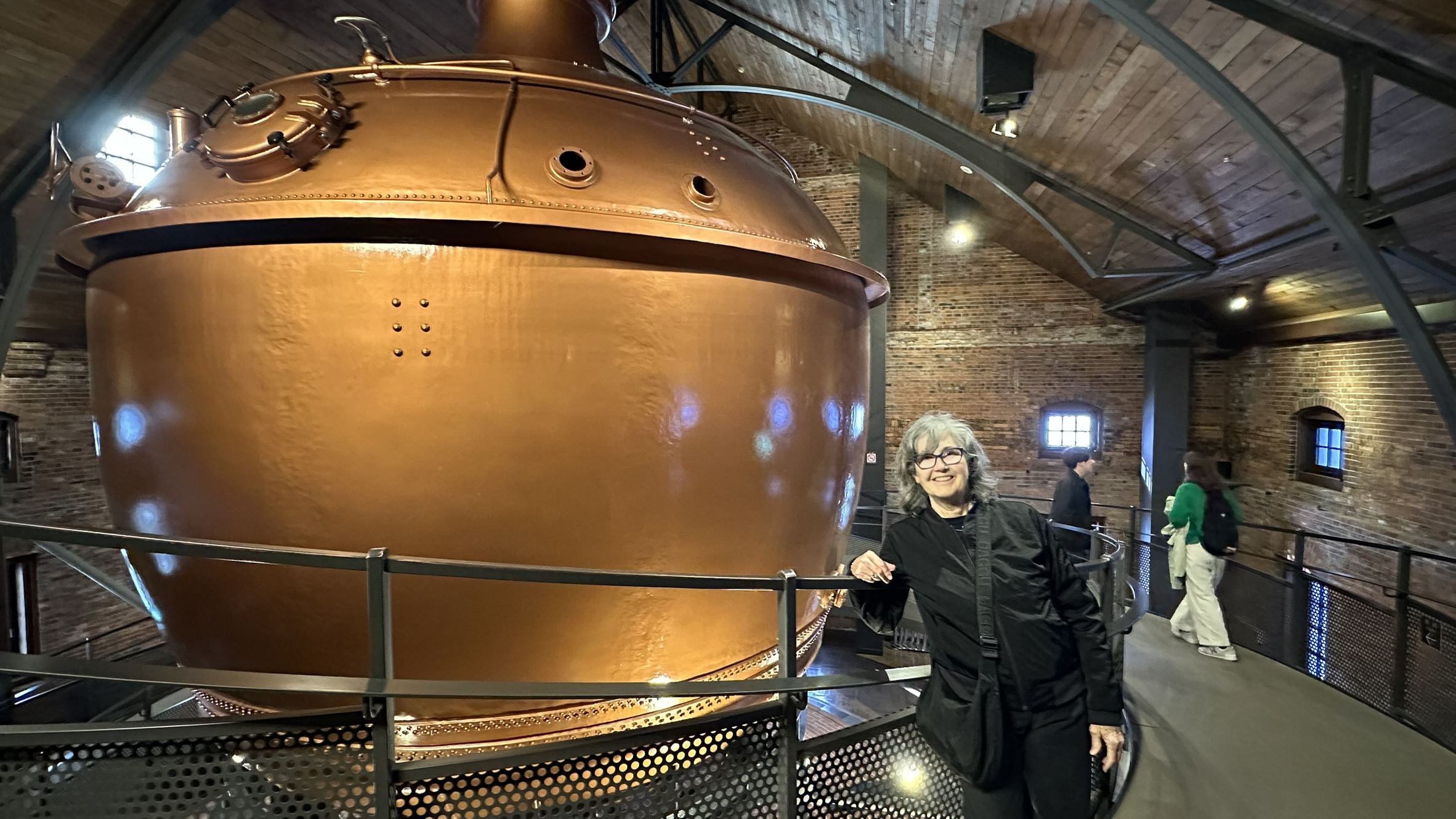
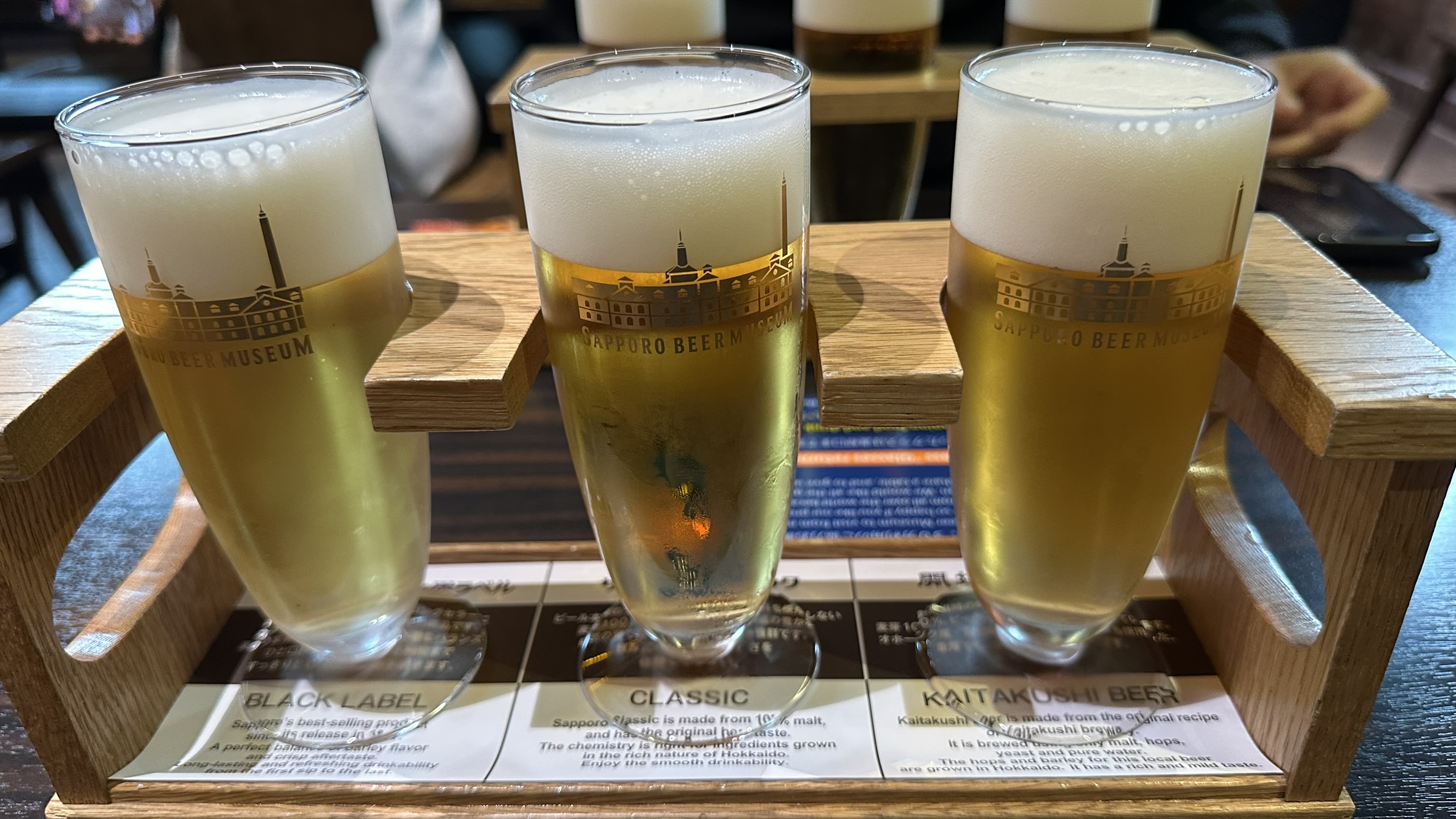
- A self-guided tour of the Sapporo Beer Museum, where we most enjoyed their extensive display of old-time beer advertising and a three-beer tasting session in their tasting room.
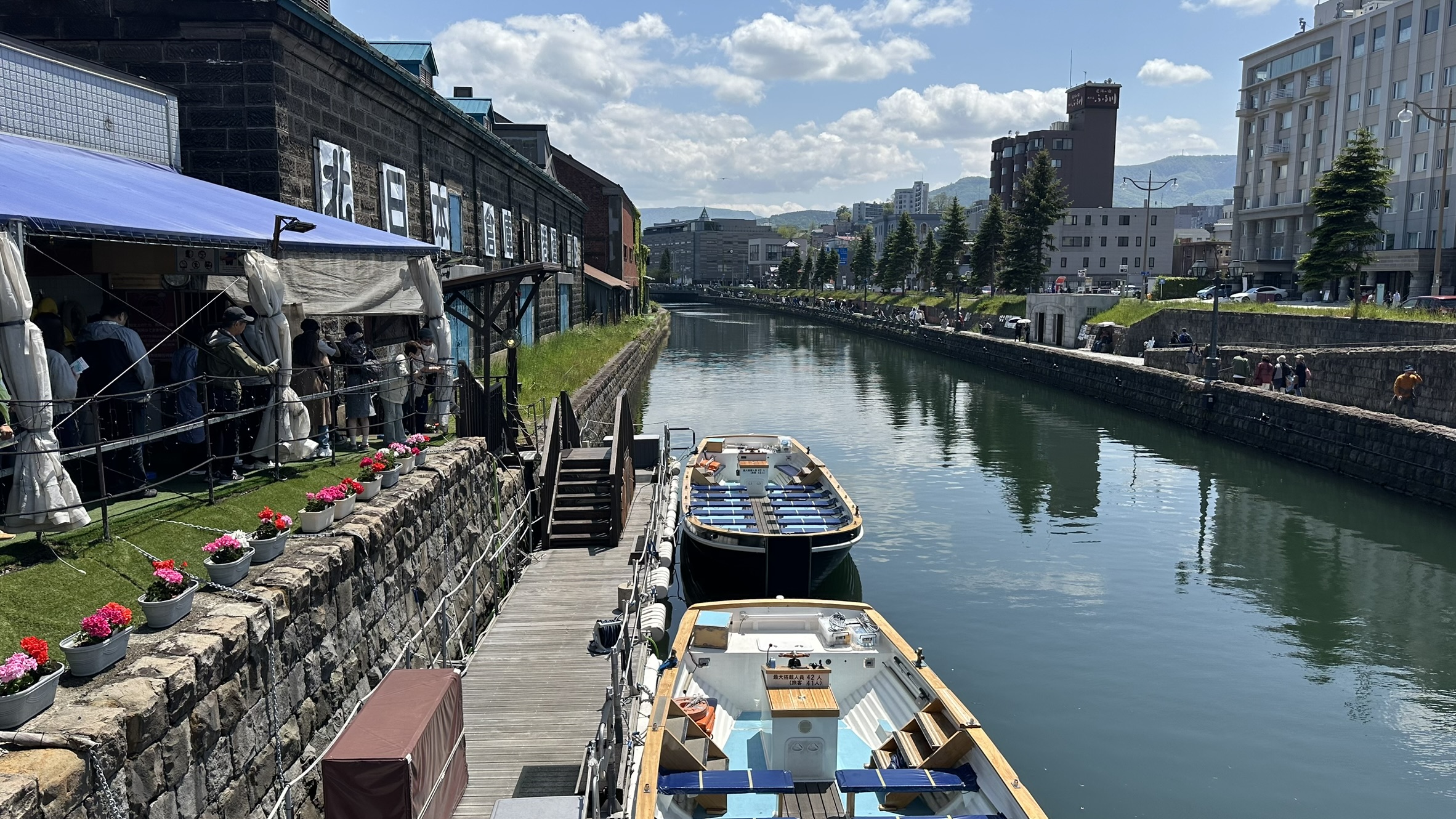
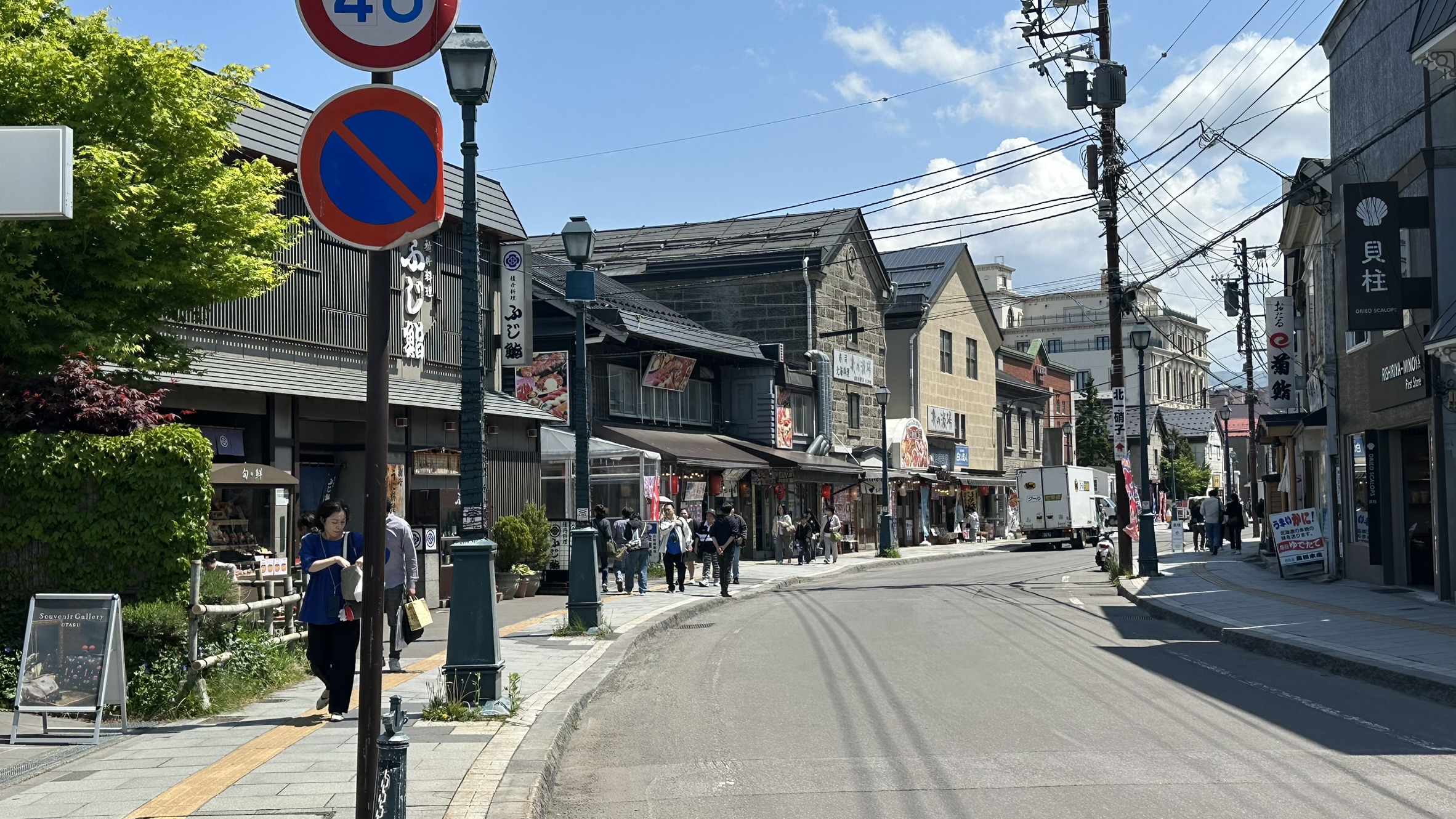
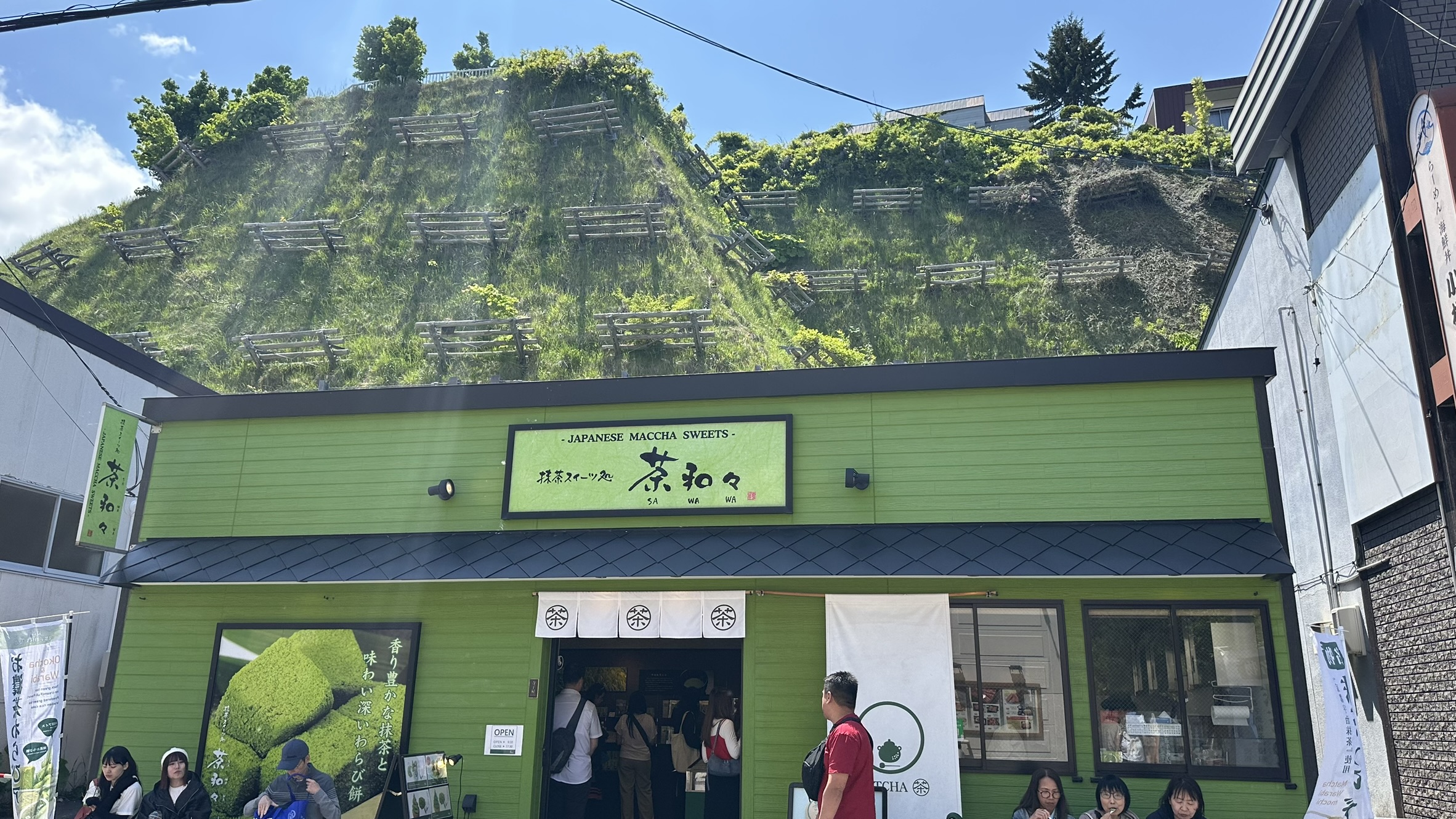
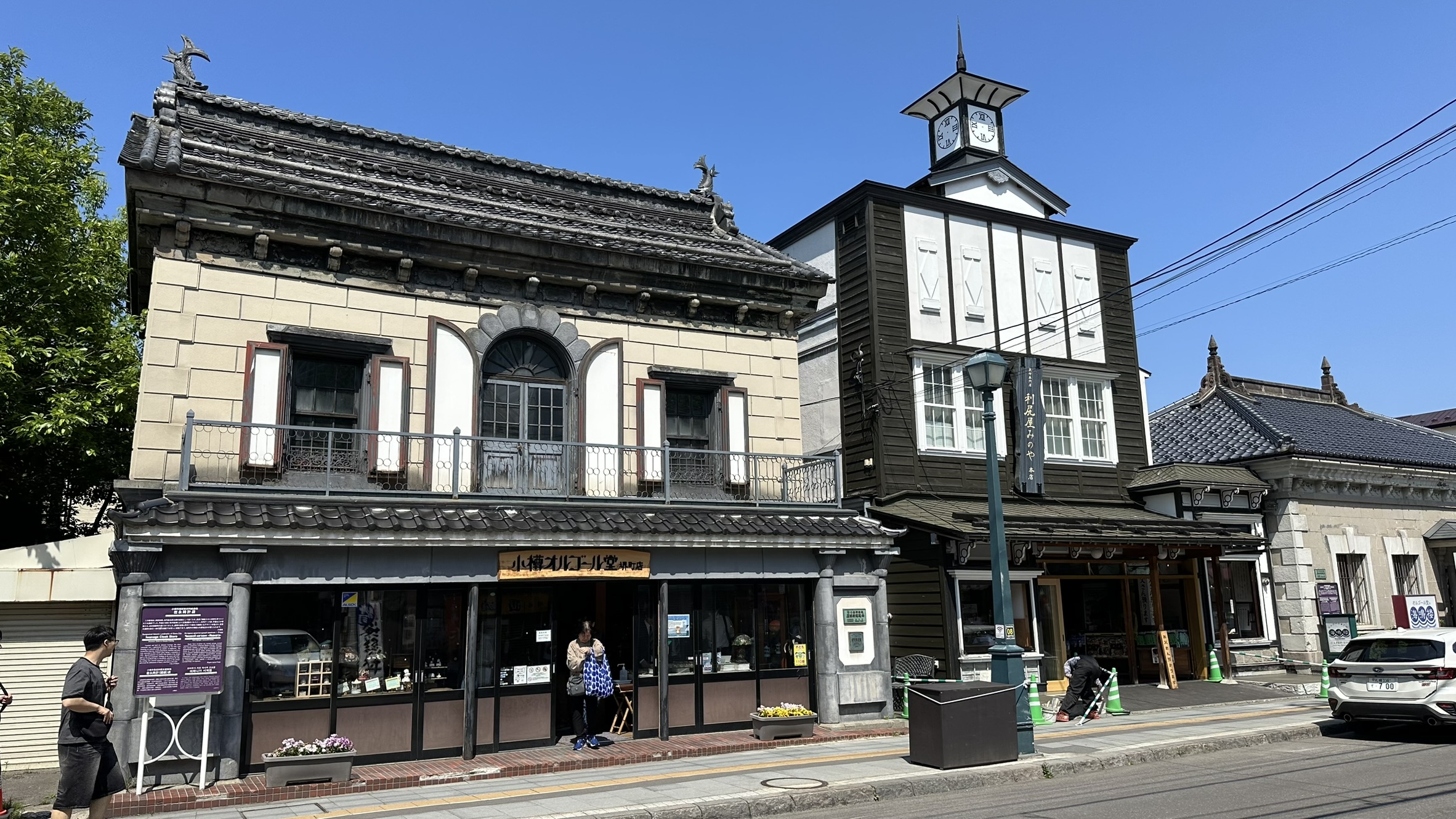
- Day trip by train (45 minutes each way) to Otaru, a coastal town that has become popular for locals and tourists alike. The Otaru Canal is the town’s most famous feature, though I’m not sure it merits the nickname the Venice of Japan. The next most popular sight is Sakaimachu Street, mostly restaurants and shops selling glass beads and artwork. Glass-making is big industry here.

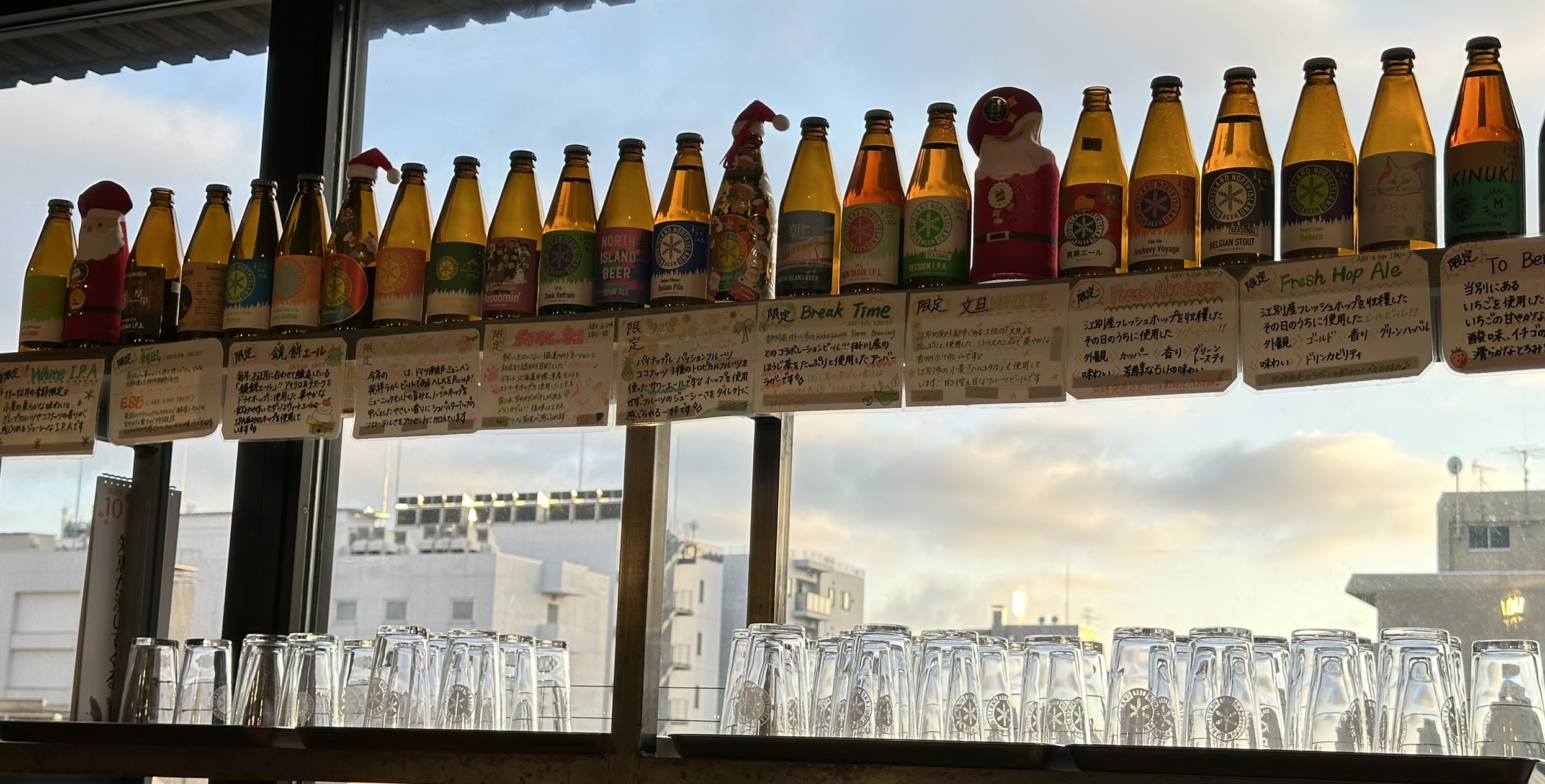
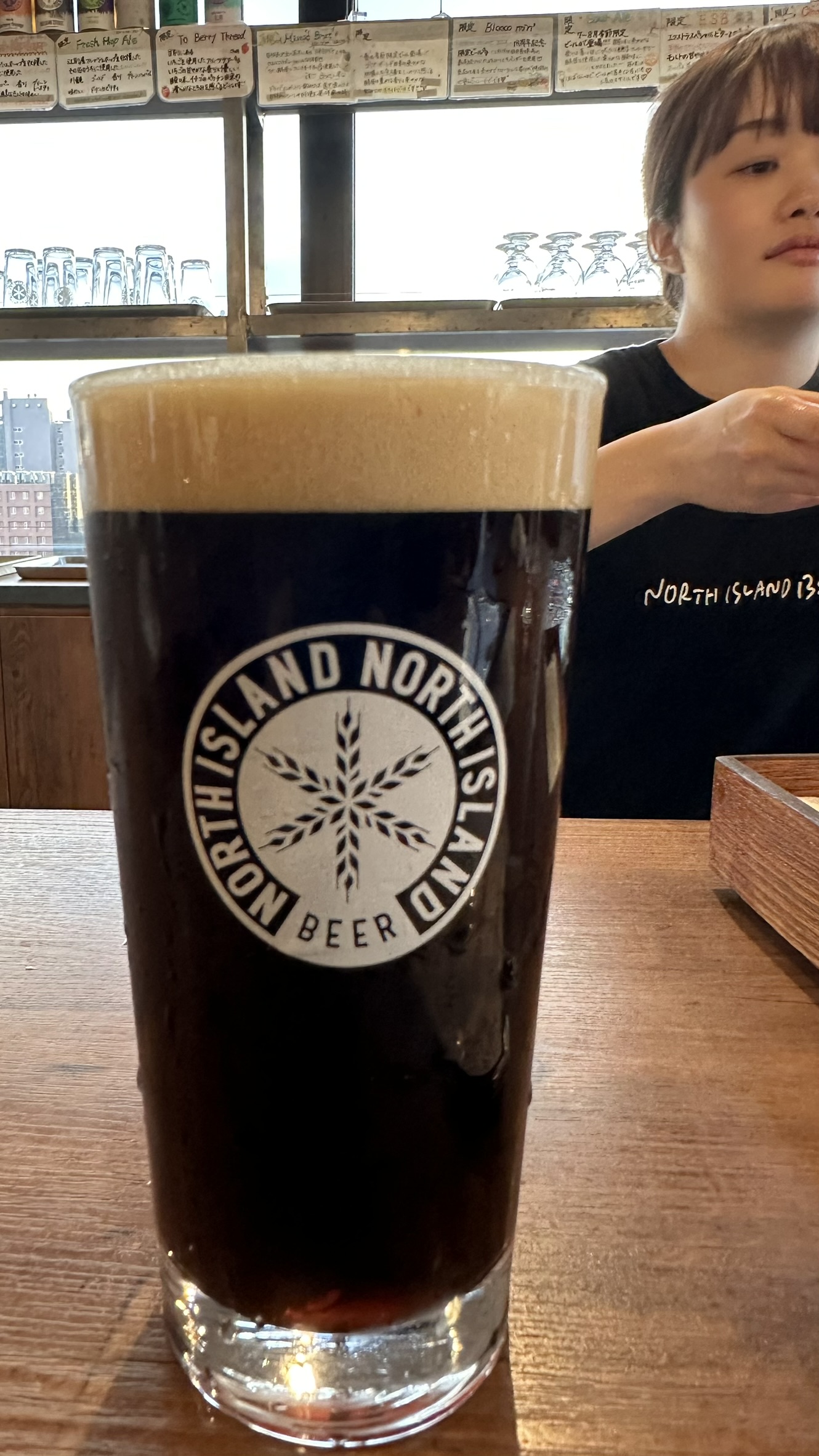
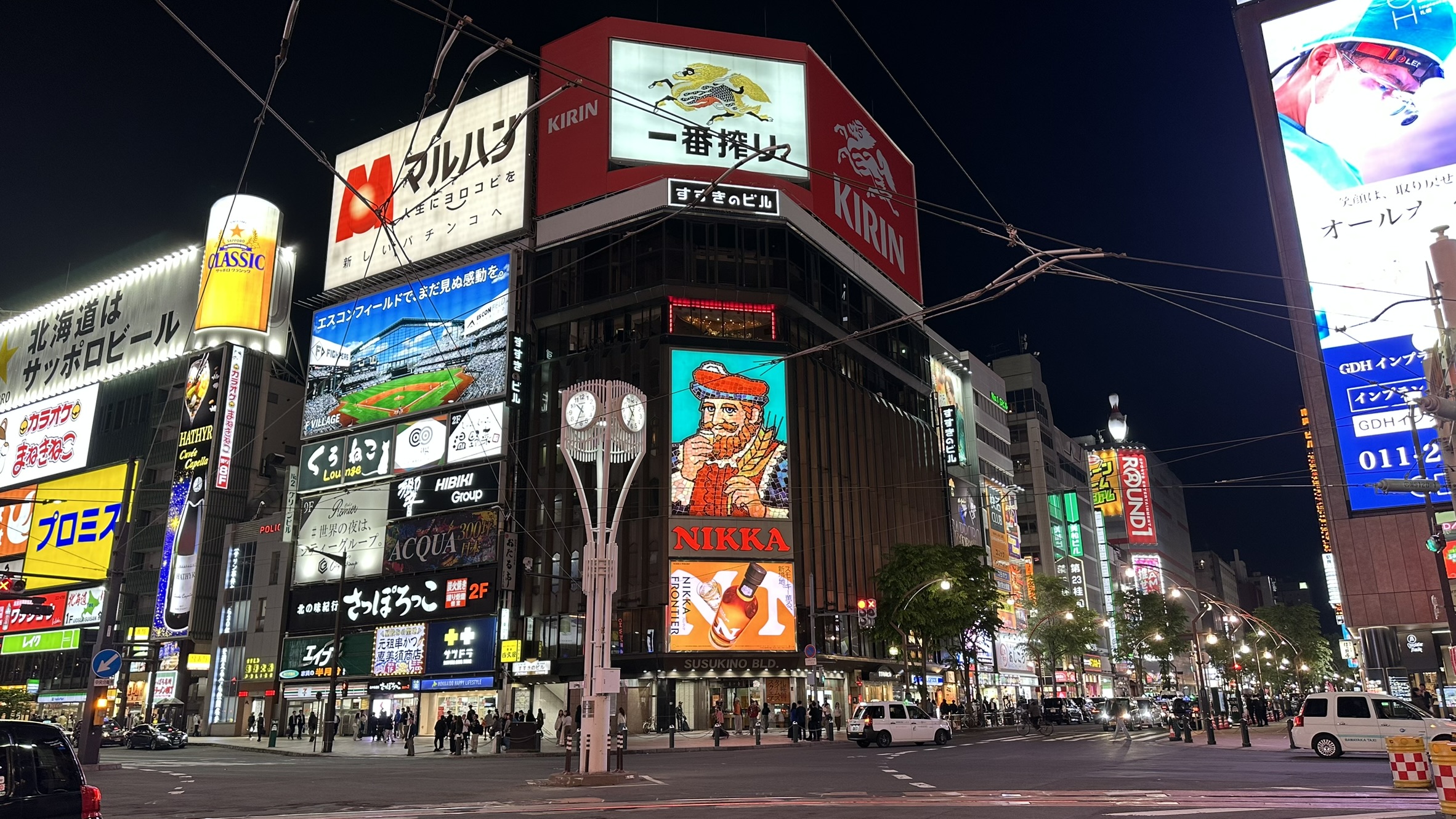
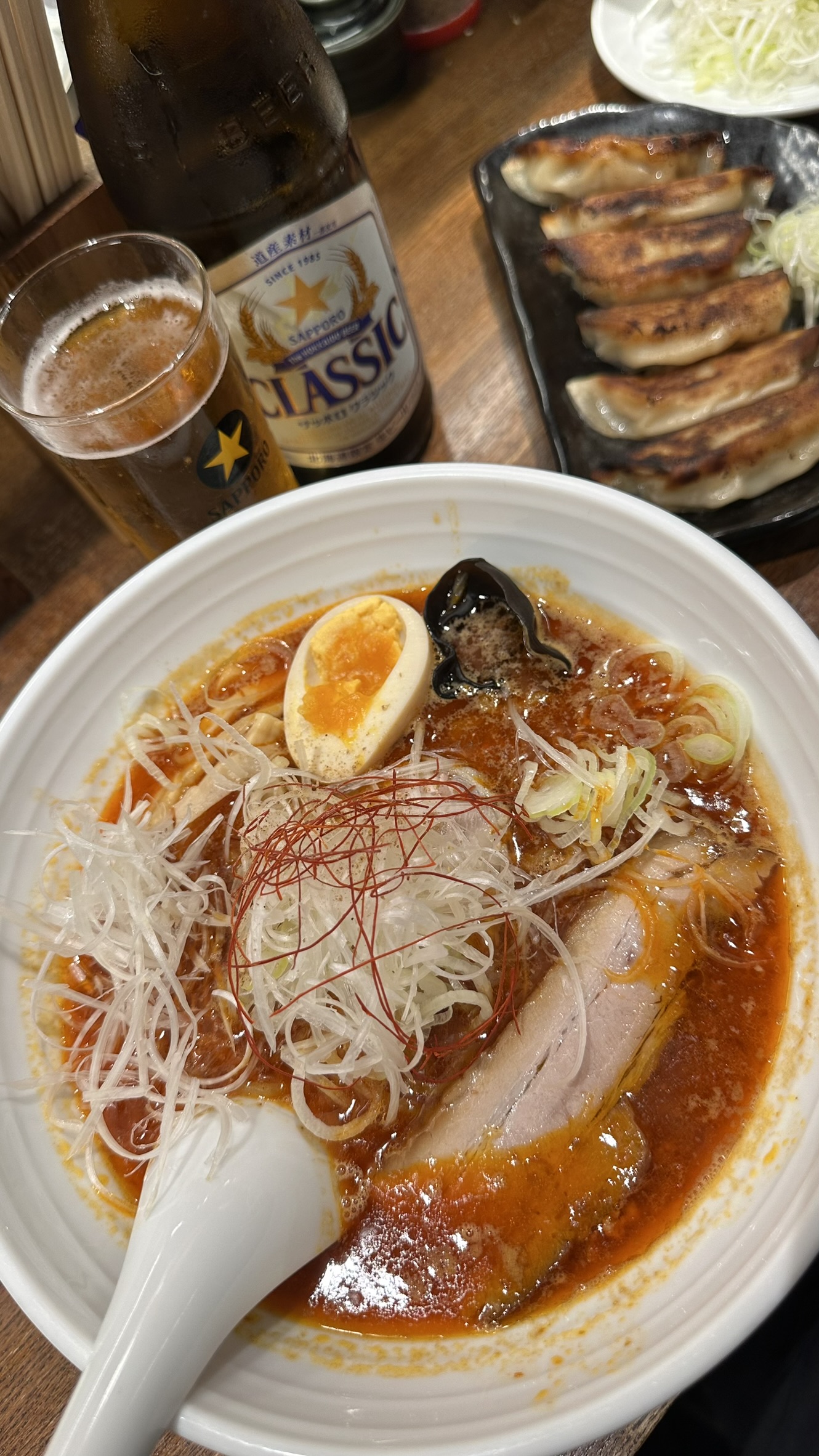
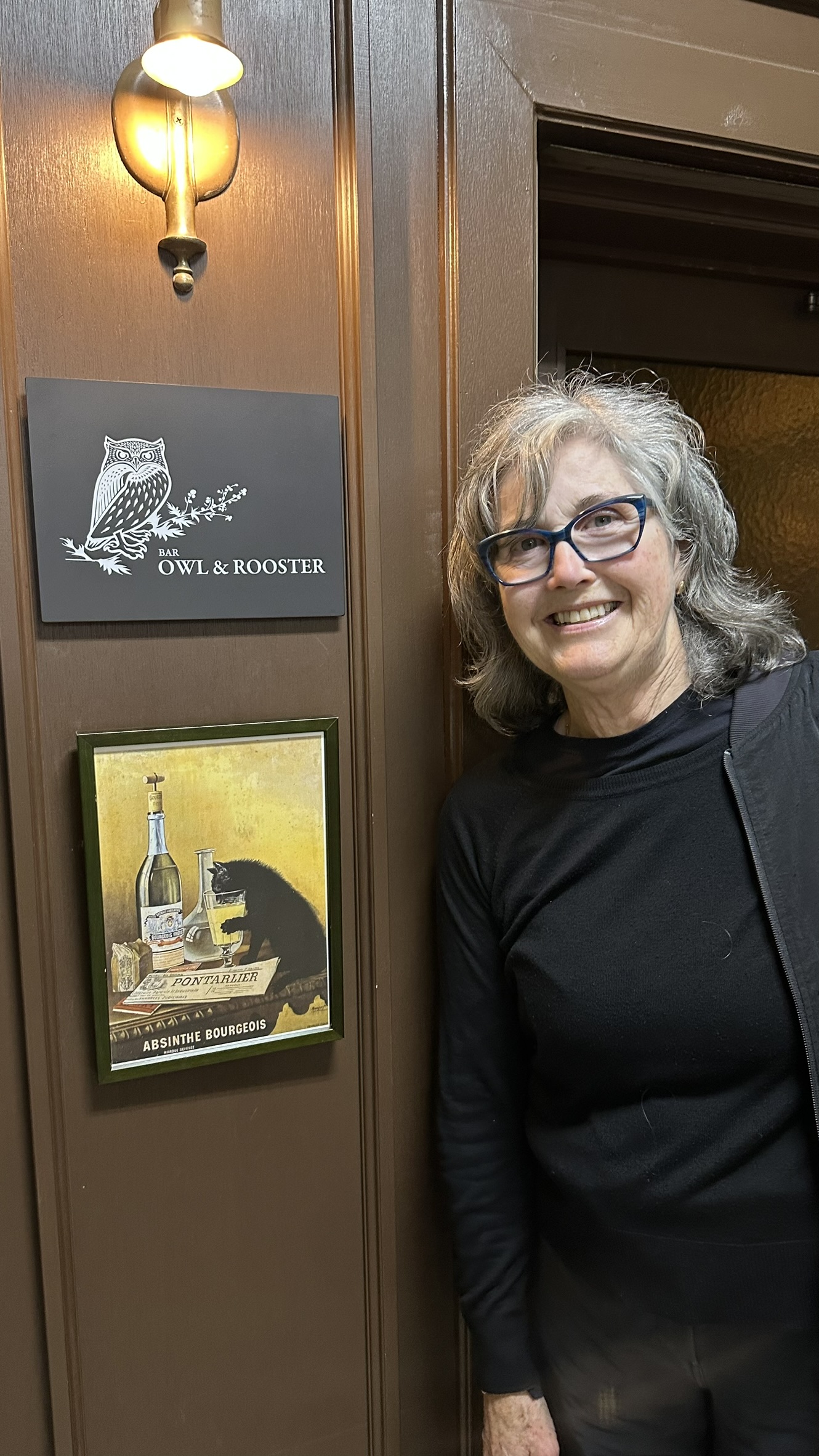
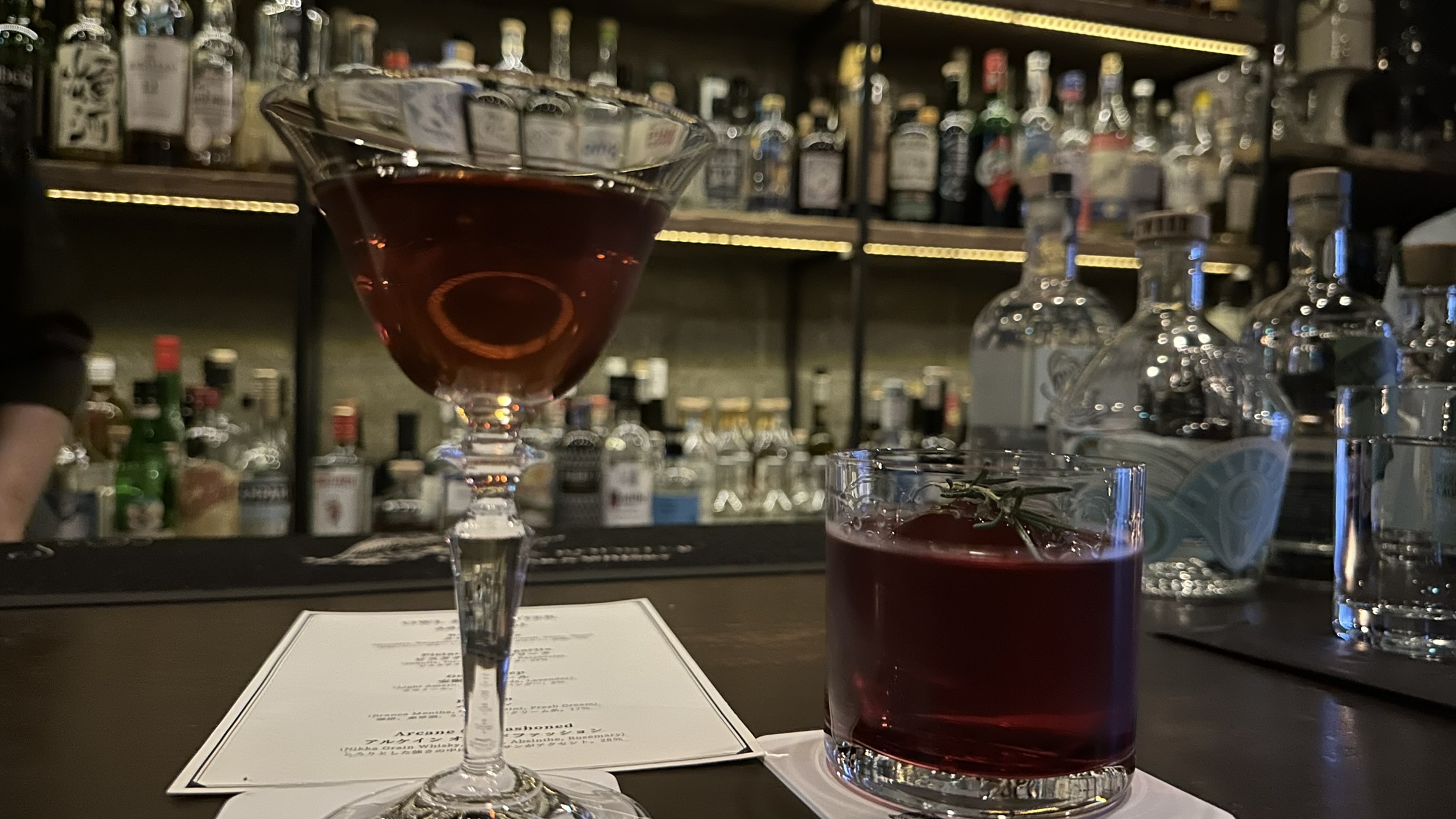
- Exploring the surprisingly happening food and bar scene in Sapporo’s Susikino district. An interesting feature of Suskino (much of Japan, for that matter) is you can find 10-story buildings where every floor has nothing by tiny bars crammed side by side. Owl & Rooster was our favorite, Bar Crusta in the same building a close second. Other fun spots included Beer Bar North Island, a 10th floor craft beer joint featuring great skyline views and mostly local brews (the Coriander Black was tasty), and excellent ramen (which Sapporo is famous for) at tiny Yukikaze.
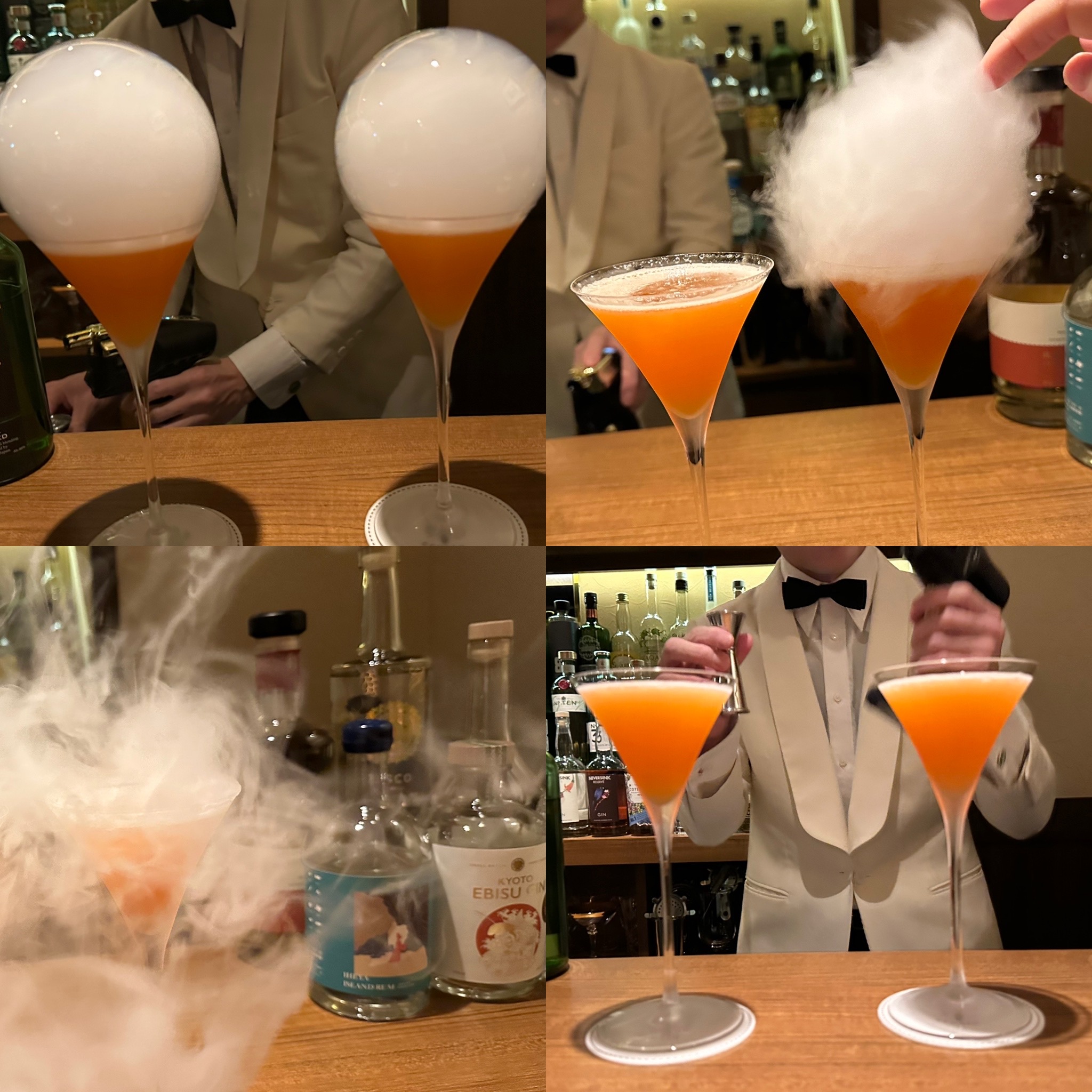
- While in Bar Crusta, we asked the bartender for a sushi recommendation. Next thing we knew, a patron at the bar is leading us to the elevator and up to the top floor where he shows us Sushi Natsume, a high end, first class raw fish operation, and gets us two seats at the counter. This is typical Japanese hospitality! One of the best sushi dinners of my life, too, and on my birthday no less. 🙂
- Lastly, we really liked our hotel, situated in a quiet neighborhood walking distance to Susukino and conveniently close to a major subway stop. With an eco-design feel, rooftop bar, comfortable rooms, and a great price, very hard to beat. Read my review here.
Asahi-dake / Daisetsuzan National Park
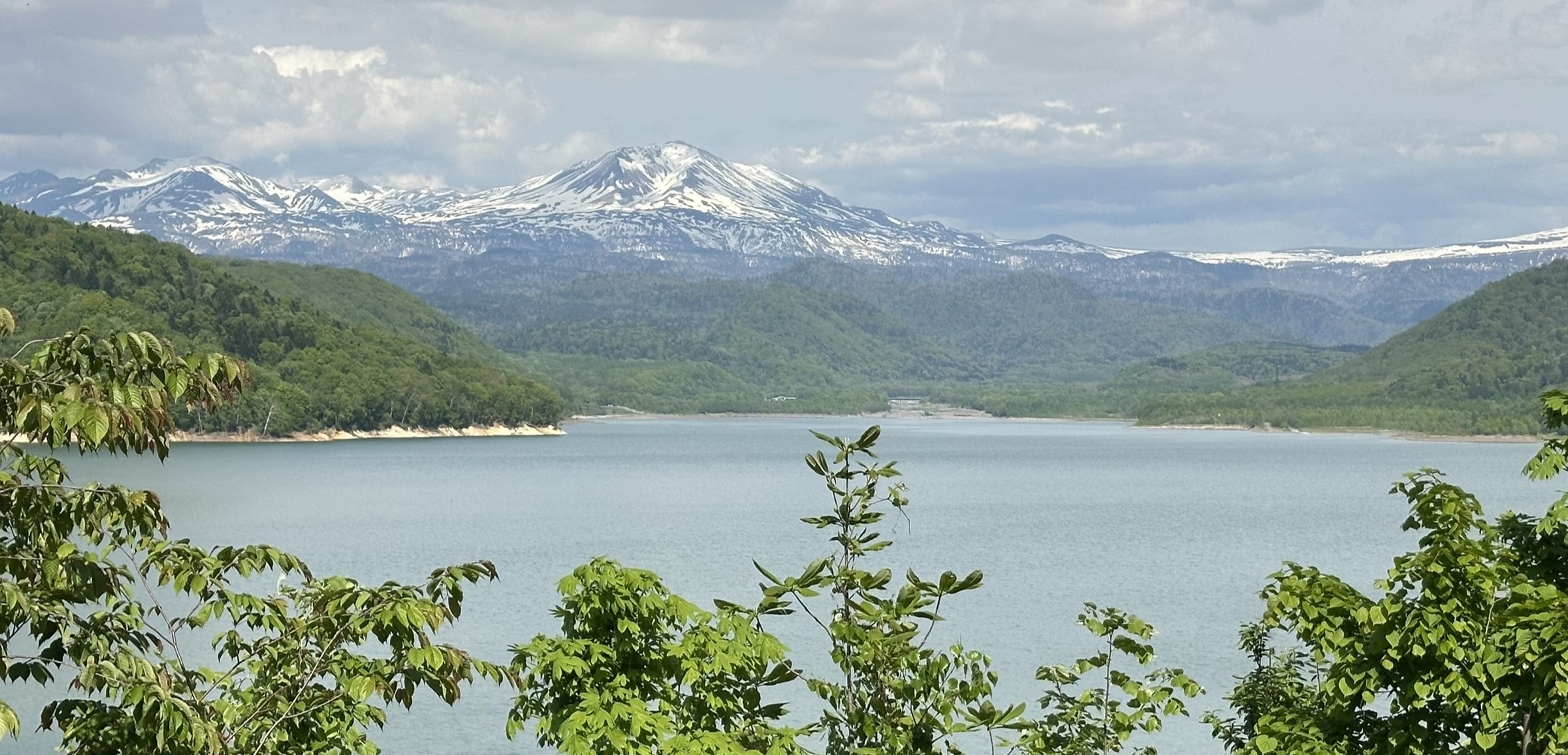
Sapporo was nice, but the highlight of our mini-tour around Hokkaido was getting out of town and into the mountains for some chill time.
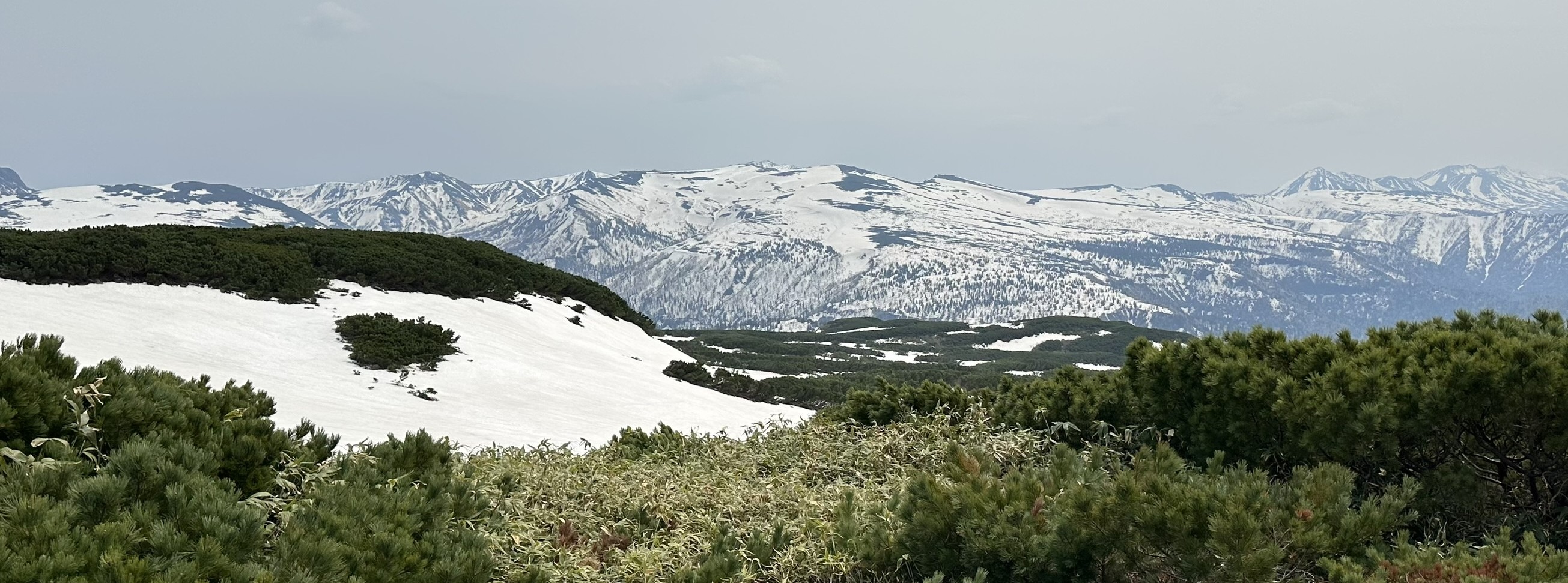
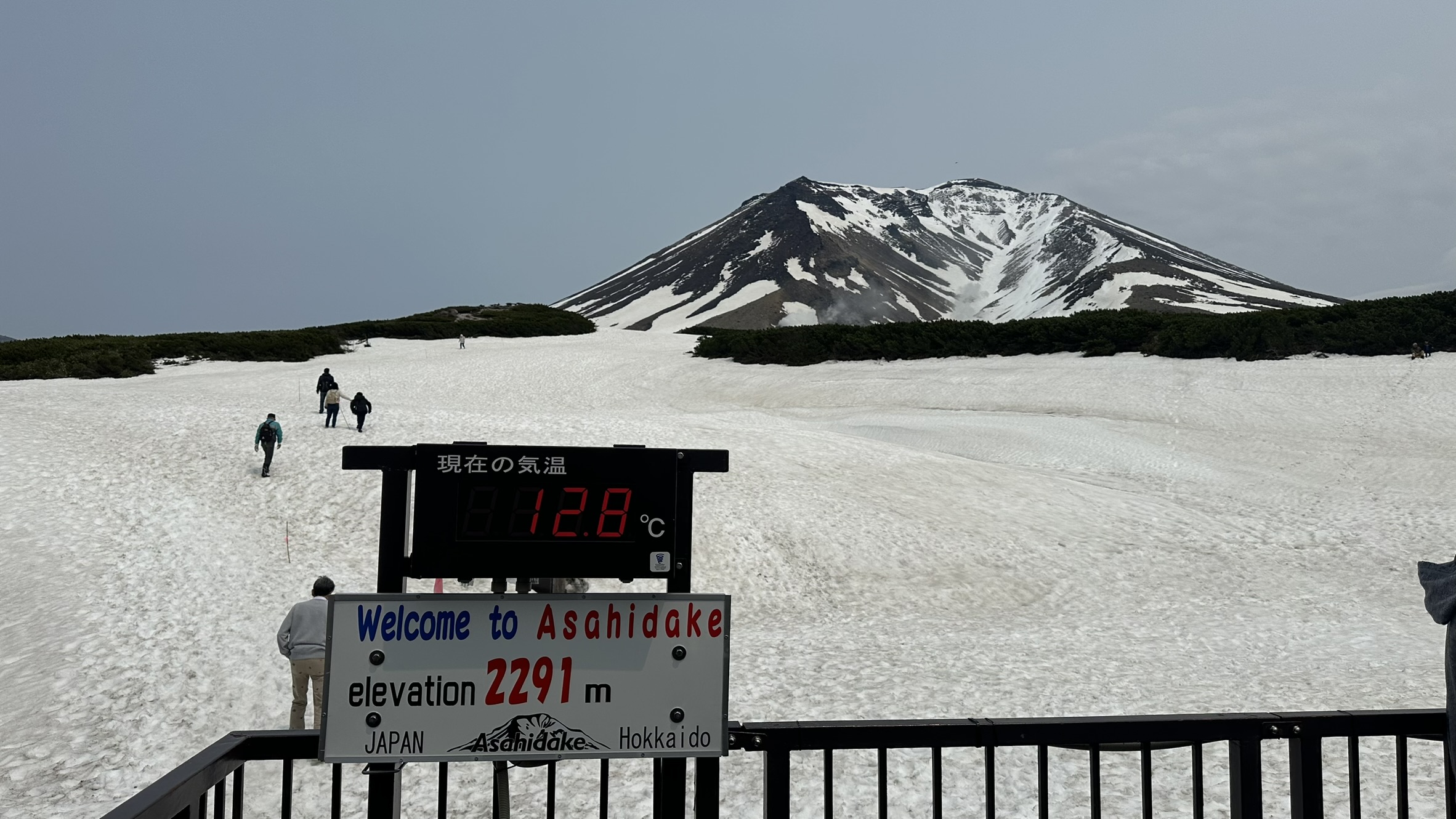
Renting a car in Sapporo was easy and three hours later, after a brief stop to see the famous flower fields of Furano and Beie, we reached Asahi-dake (Mount Asahi), at elevation 7516′ Hokkaido’s highest mountain (and active volcano) in the middle of Daisetsuzan National Park. Great hiking, amazing views, and a very nice onsen hotel made for a wonderful two-and-a-half day break from the city — might have been a million miles from Tokyo for all we knew.
Highlights along the way:
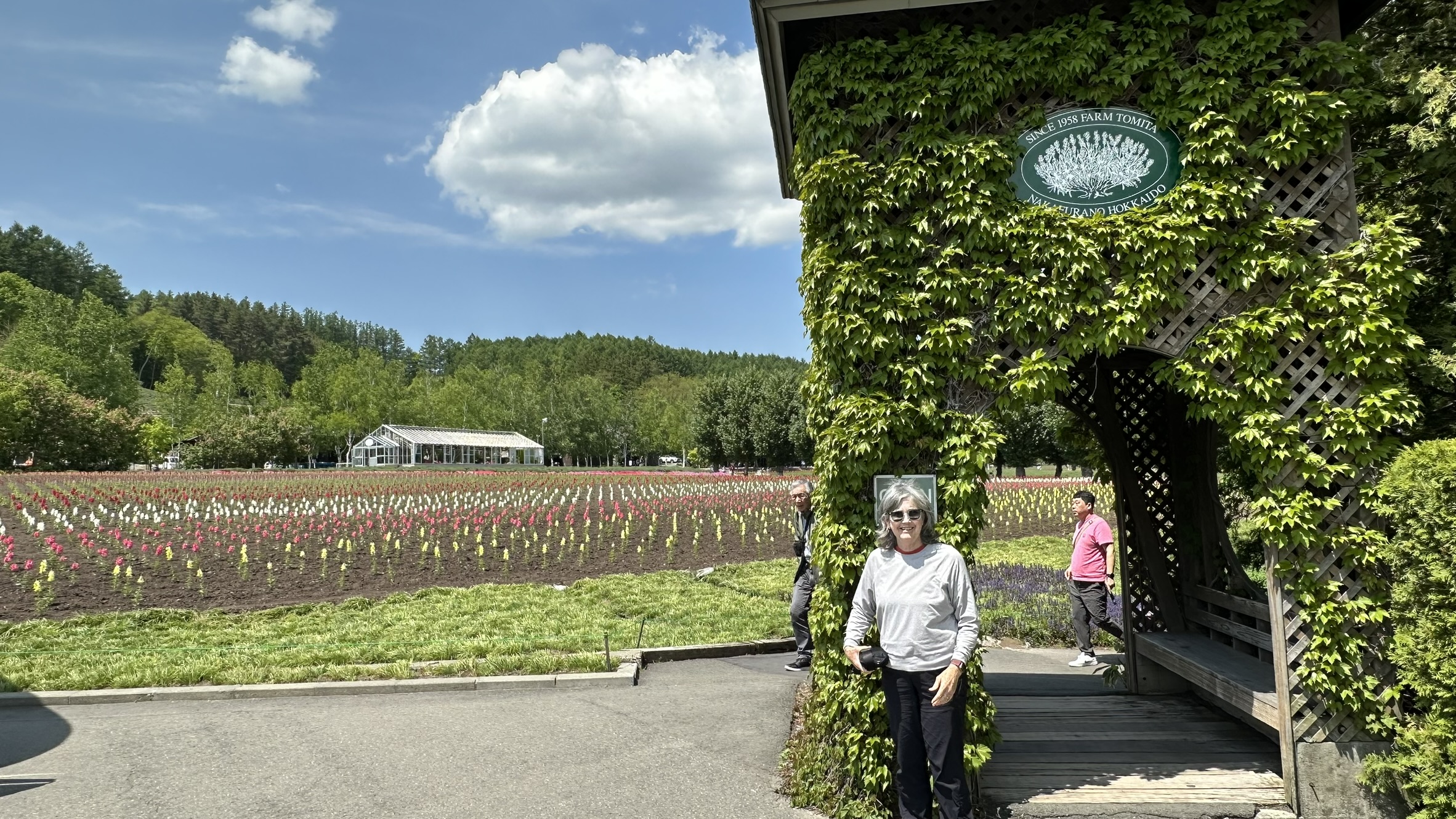
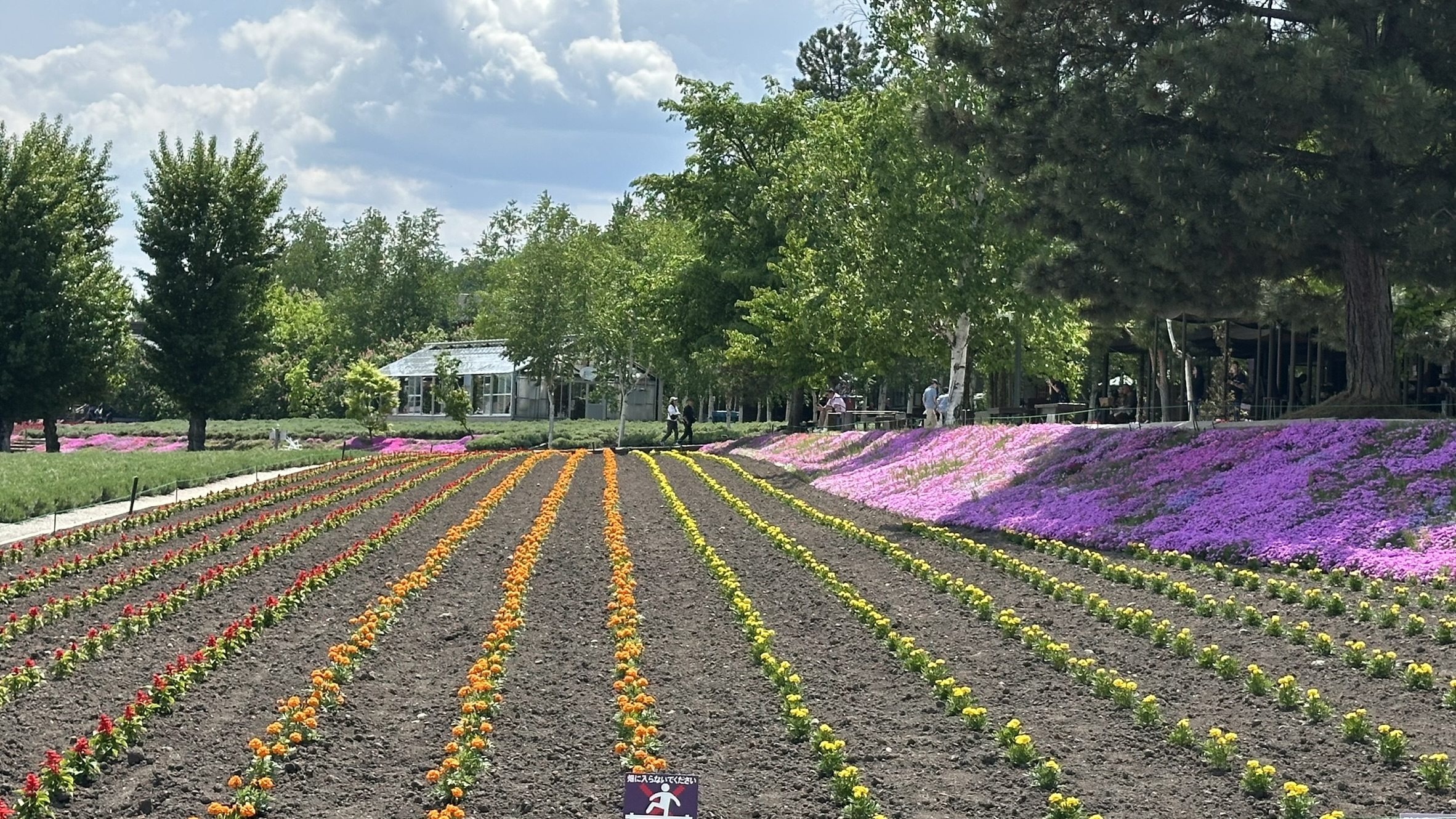
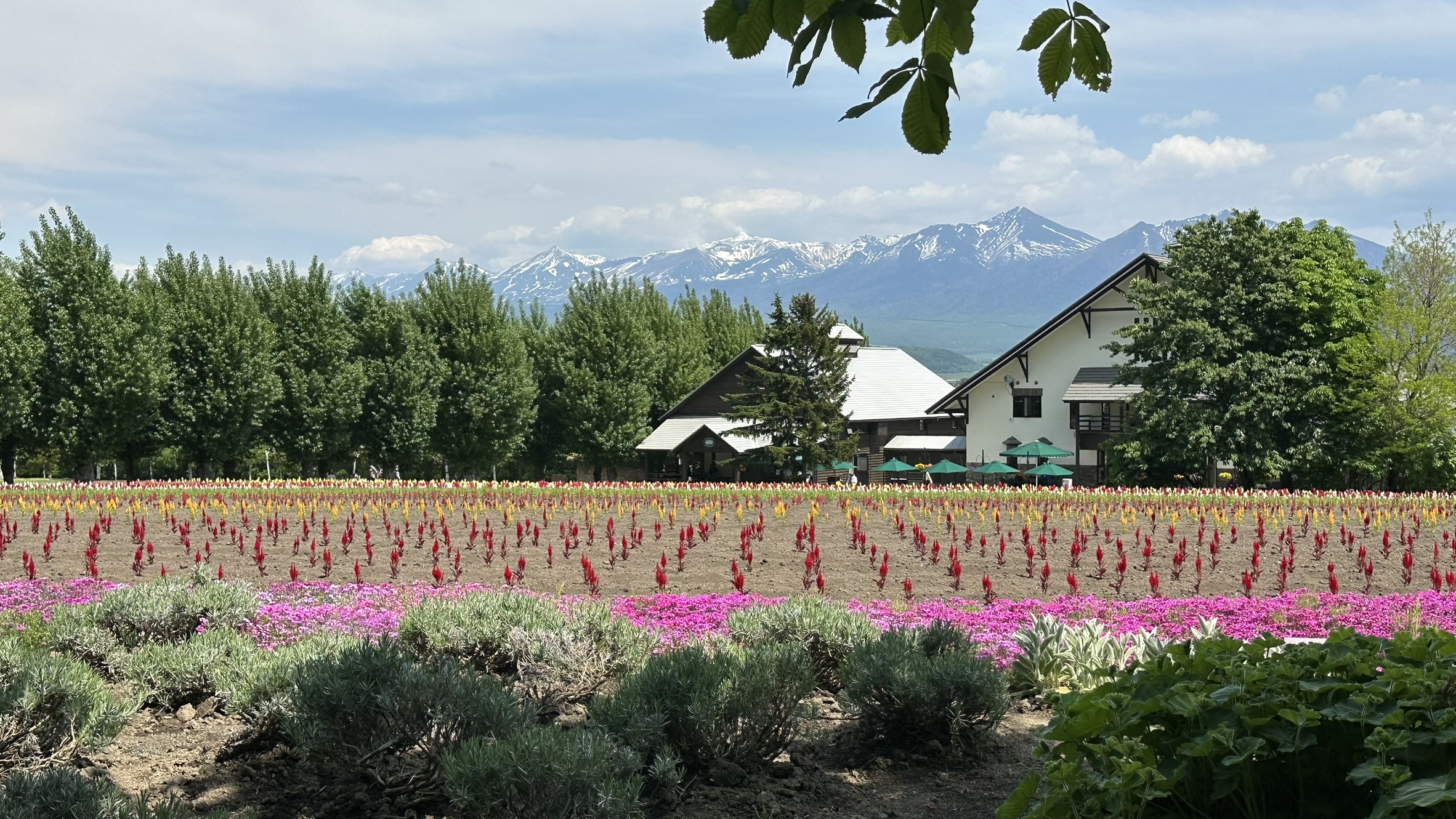
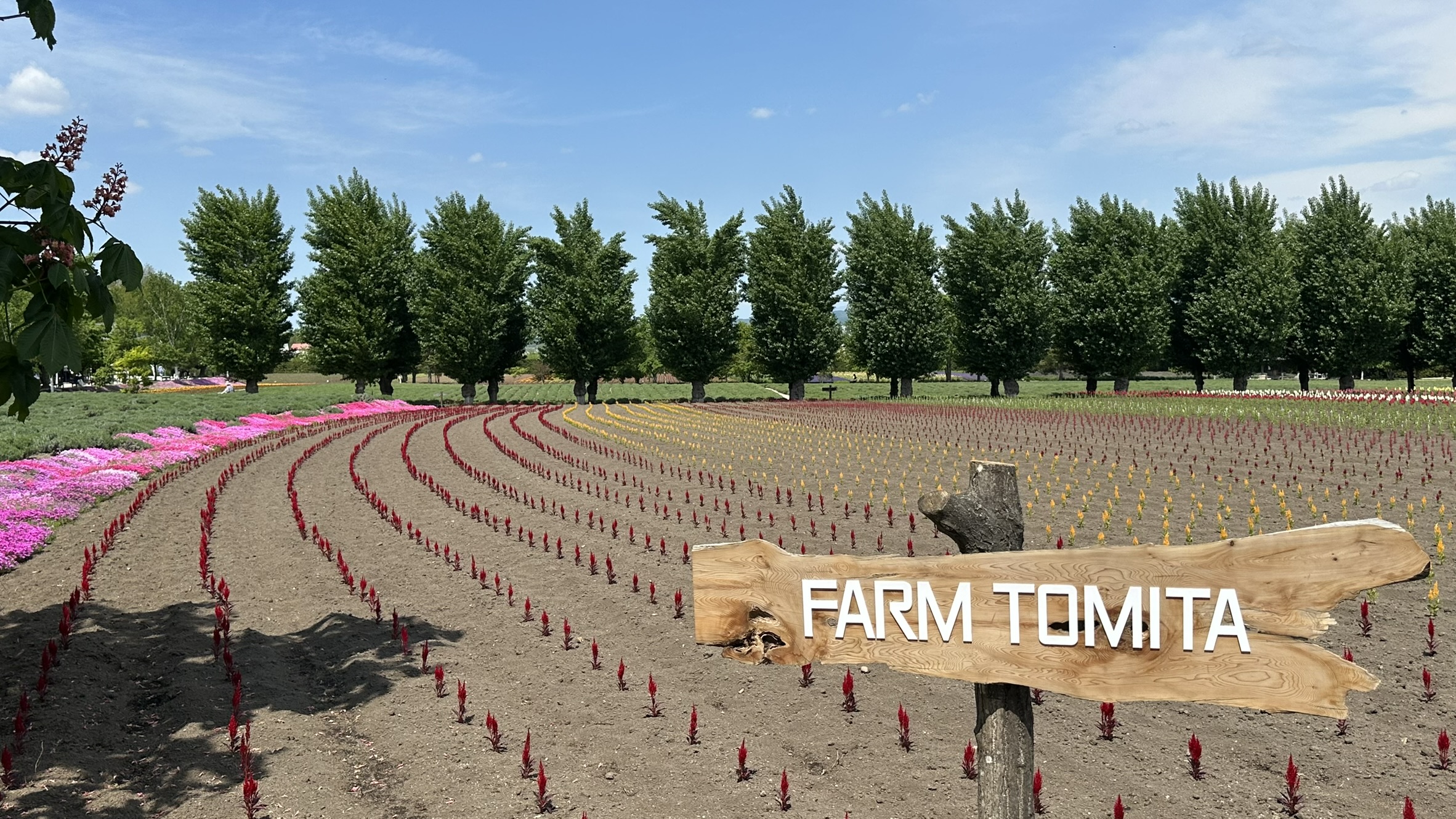
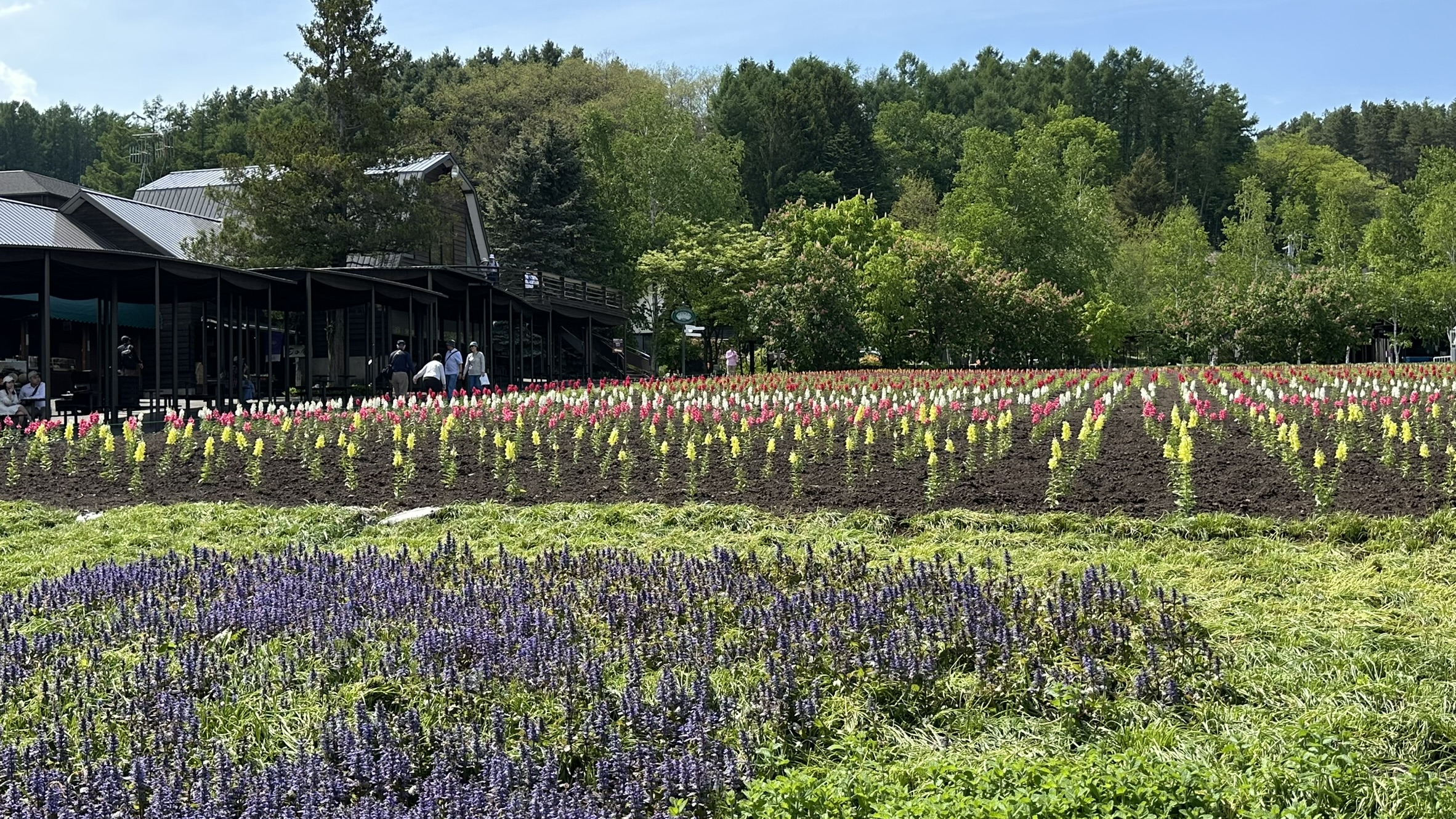
- A stop in either Furano or Biei to see the flowers on the way to the mountains is worthwhile. Farm Tomita is one of the better-known flower farms in Furano, about 90-minute drive from Sapporo. It’s also free to walk around. When we showed up in late May, it was fairly early in the spring flower season. Later in summer and early fall, the fields explode with color.
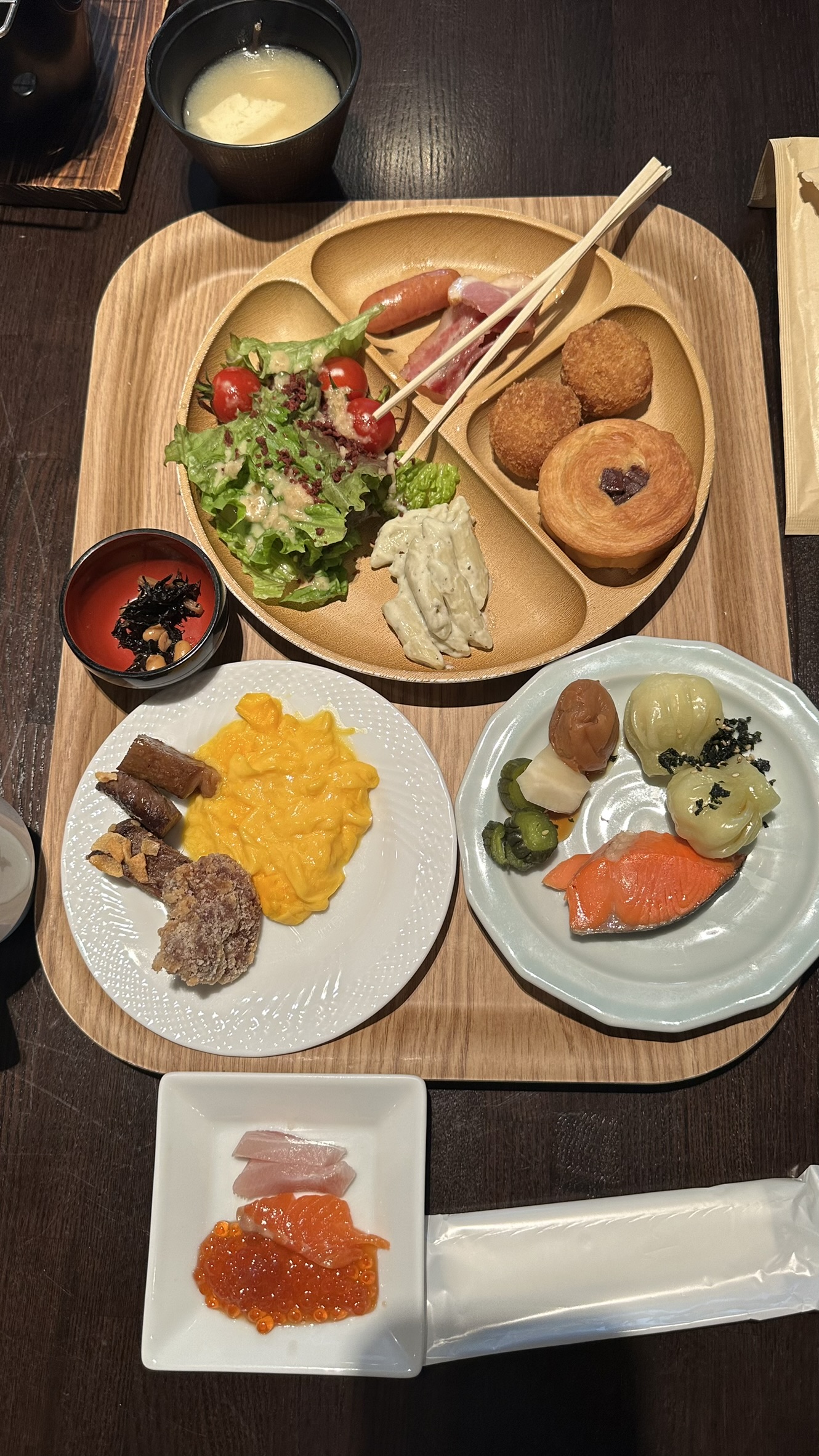
- Our onsen hotel, one of the larger of the dozen or so lodges at the base of Asahi-dake, featured great onsen (hot spring) baths, both private and public — soaking at least twice a day highly recommended — and excellent breakfast and choice of French or Japanese dining at night. We did one of each. Read my review here.
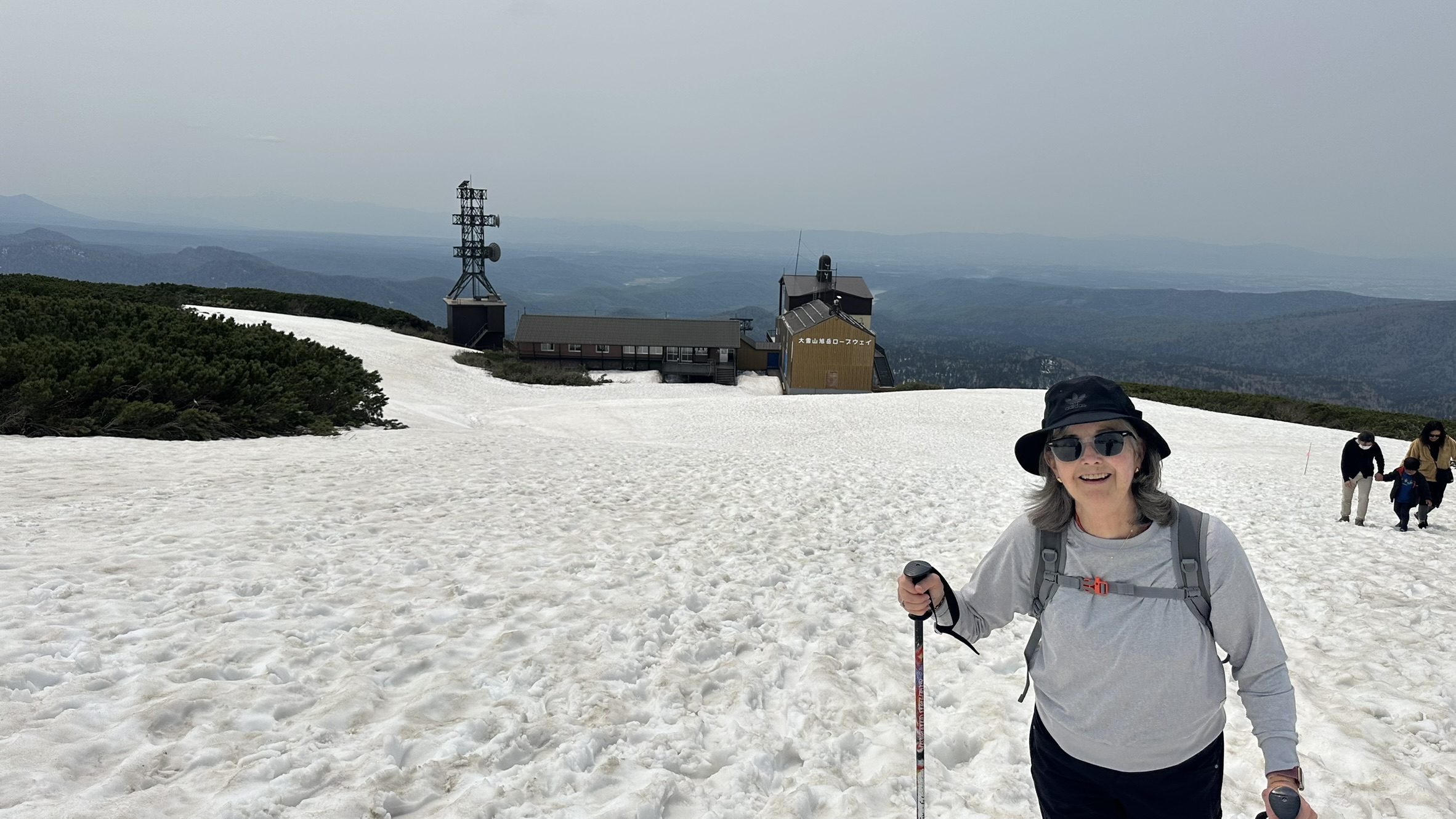
- The Ropeway (gondola) to the top of Asahi-dake provides access to myriad hiking trails in most seasons, from the 1-mile loop we did (mostly in snow) to multi-day treks through the mountain range similar to California’s John Muir Trail. We were lucky to get a blue-sky day with clear views of the summit and Hell Valley volcanic steam vents. While Sugatami Lake at the far end of our trail was still snow-covered, we got a nice view of the Sapphire Pool deep in the snow. At the base of the Ropeway, fields of skunk cabbage and marsh marigolds were blooming between snow drifts. You can rent hiking poles and boots at the visitor’s center next door to the Ropeway.
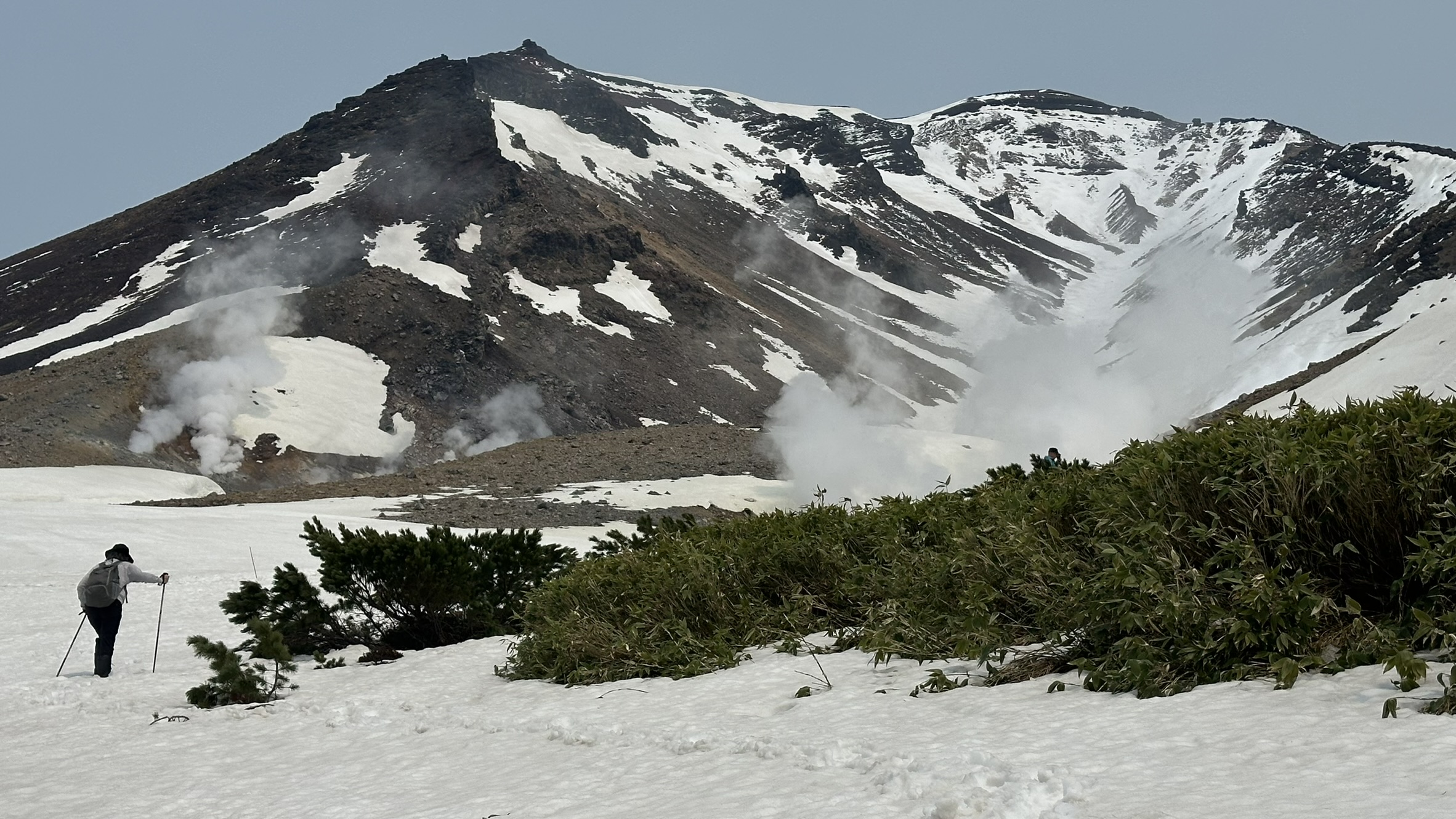
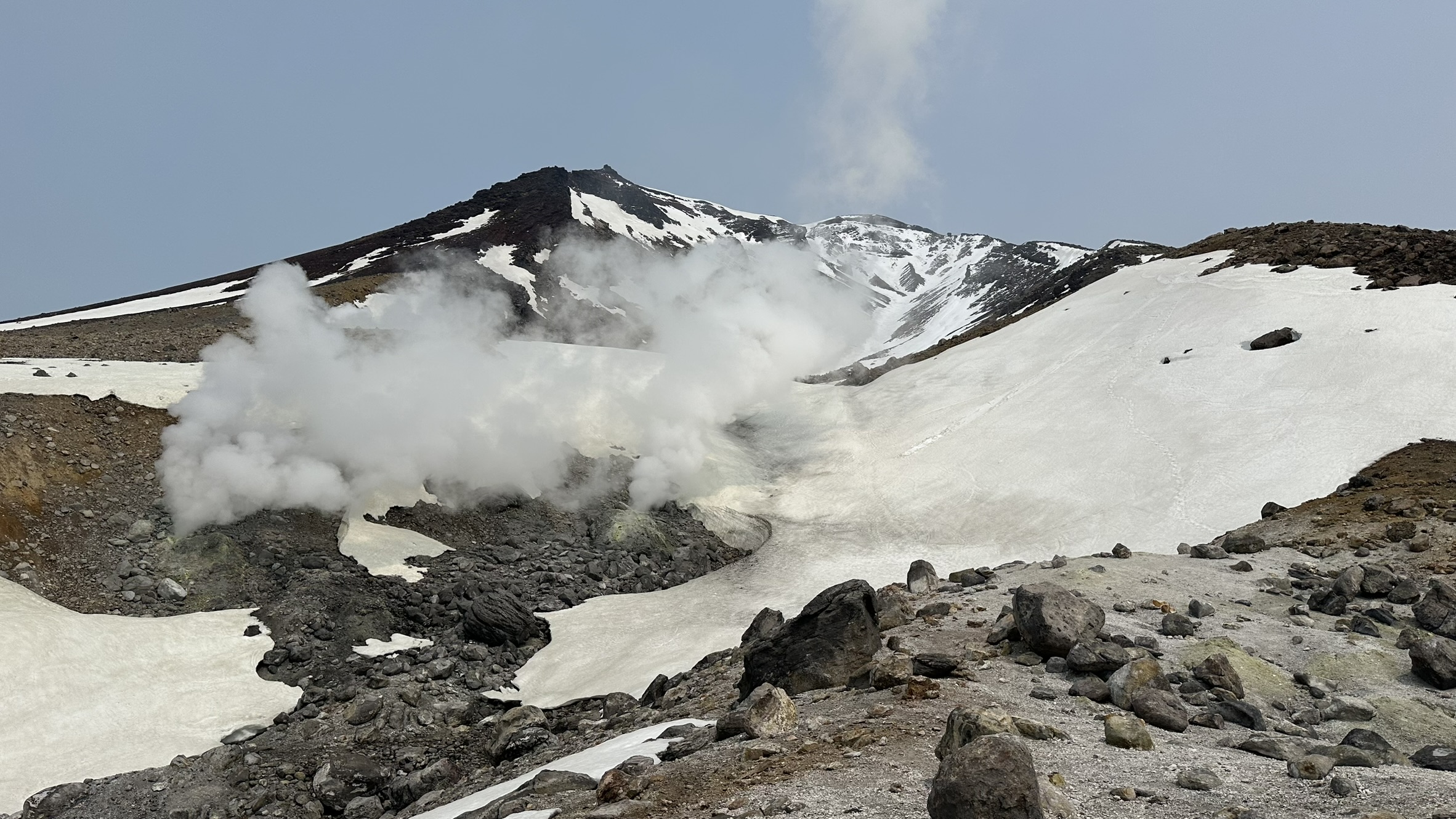
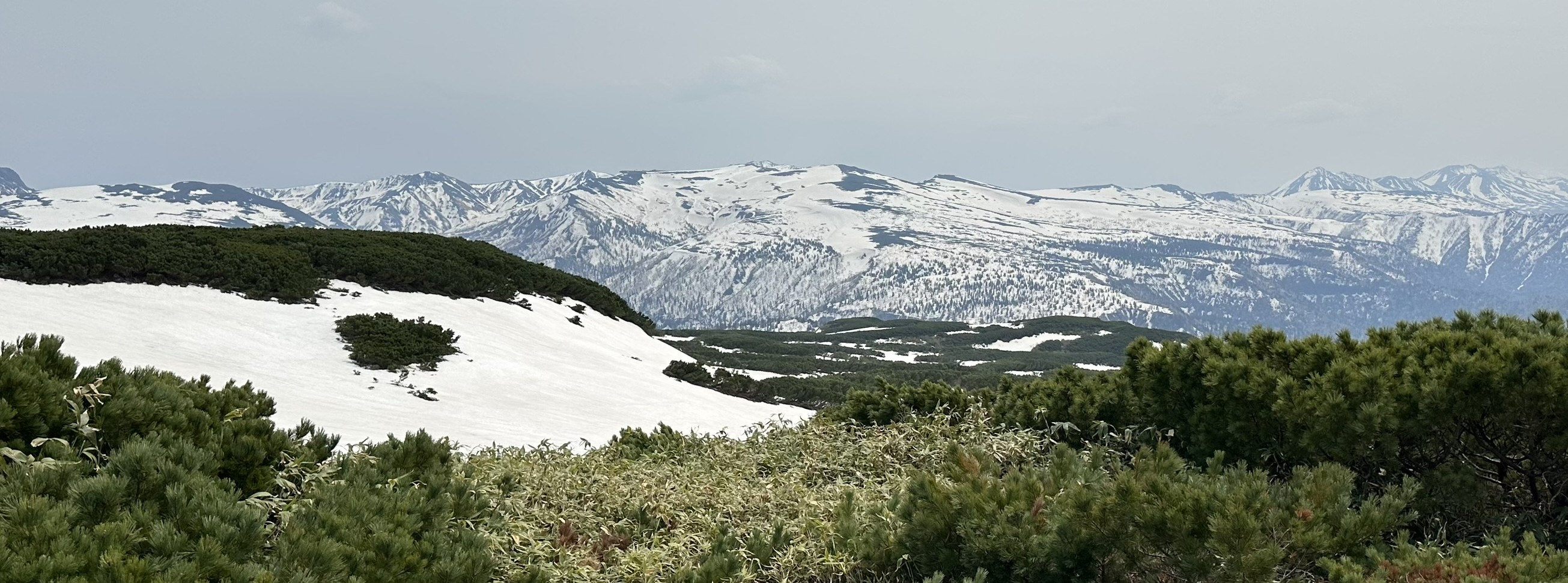
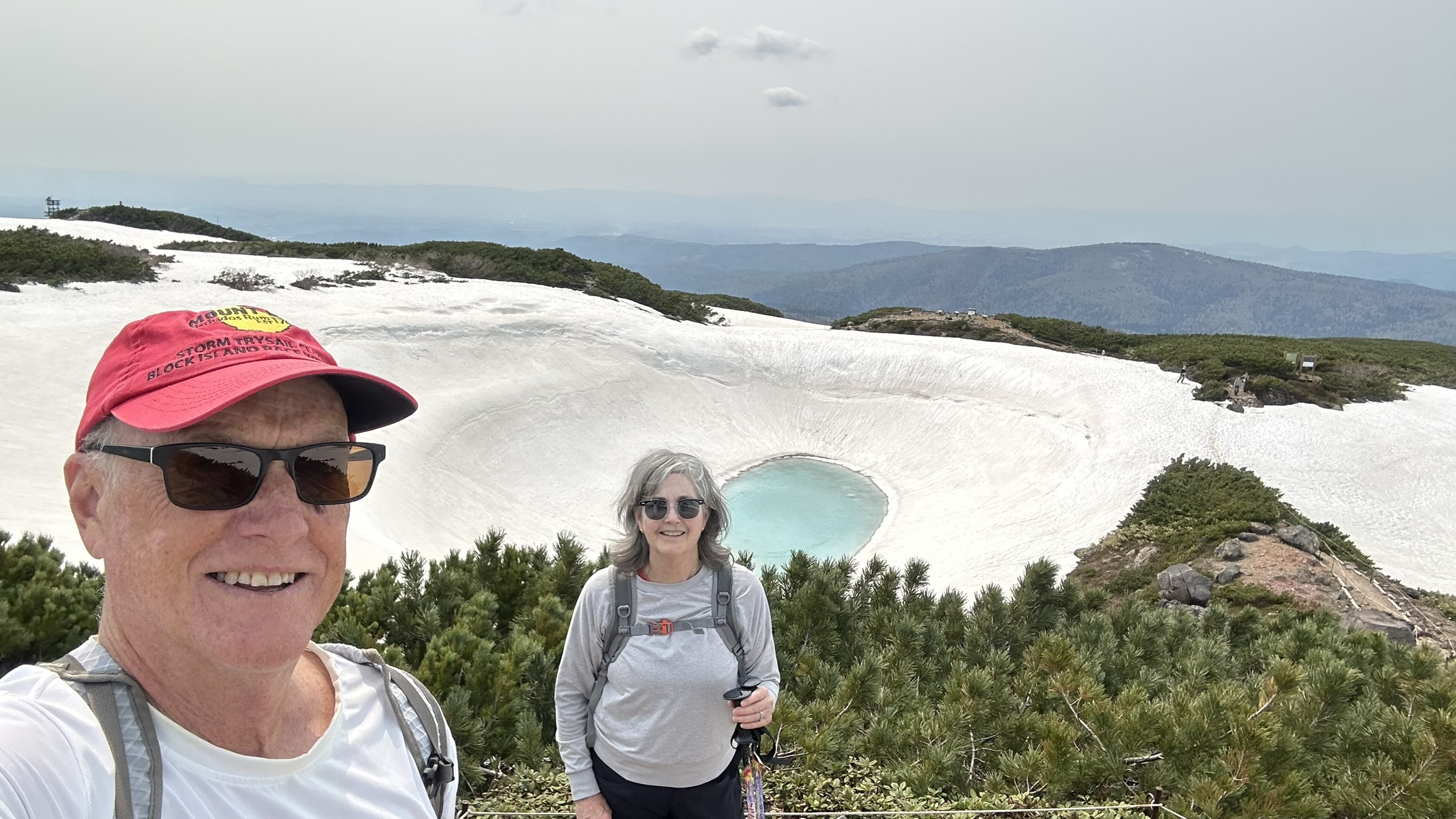
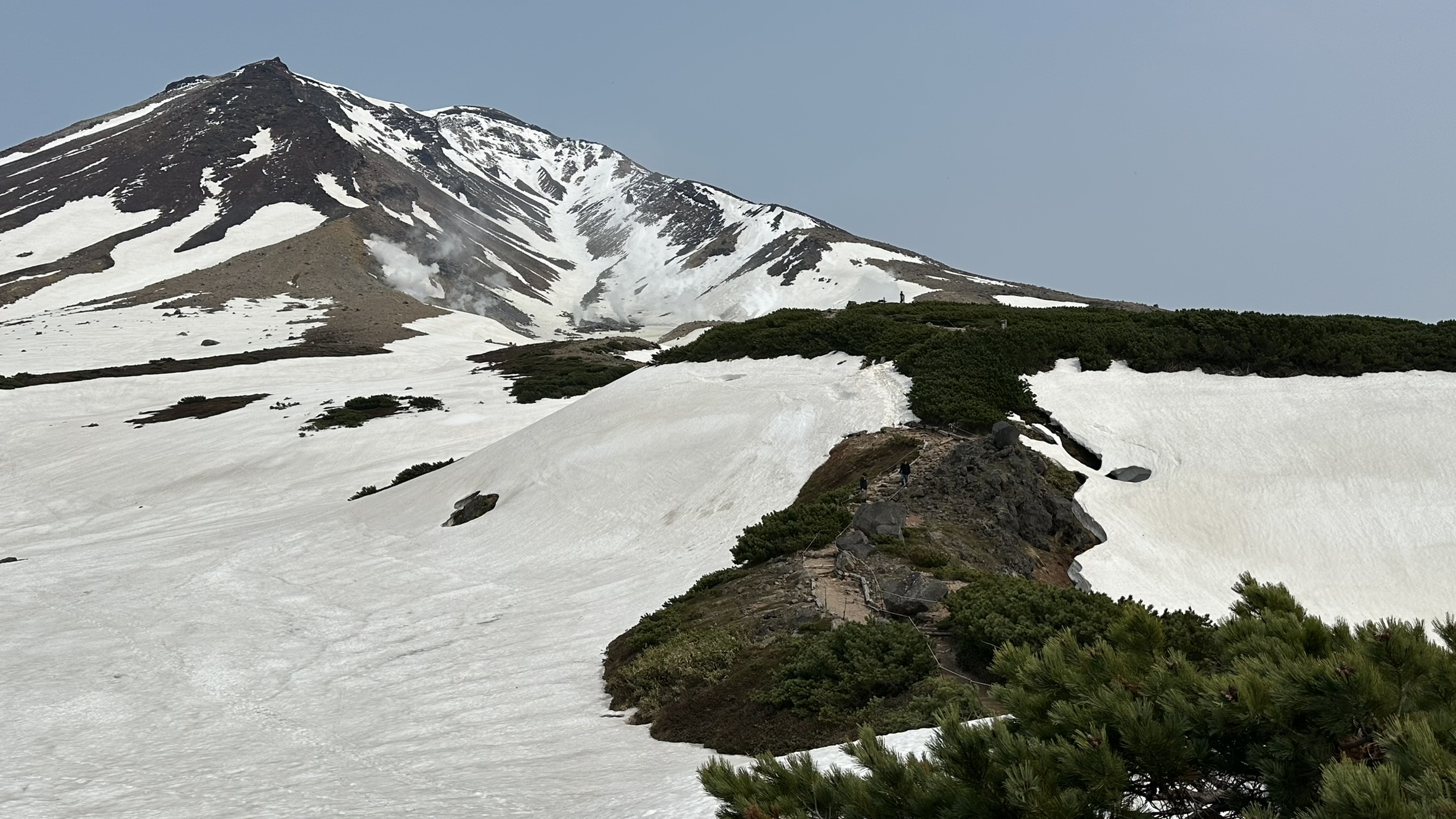
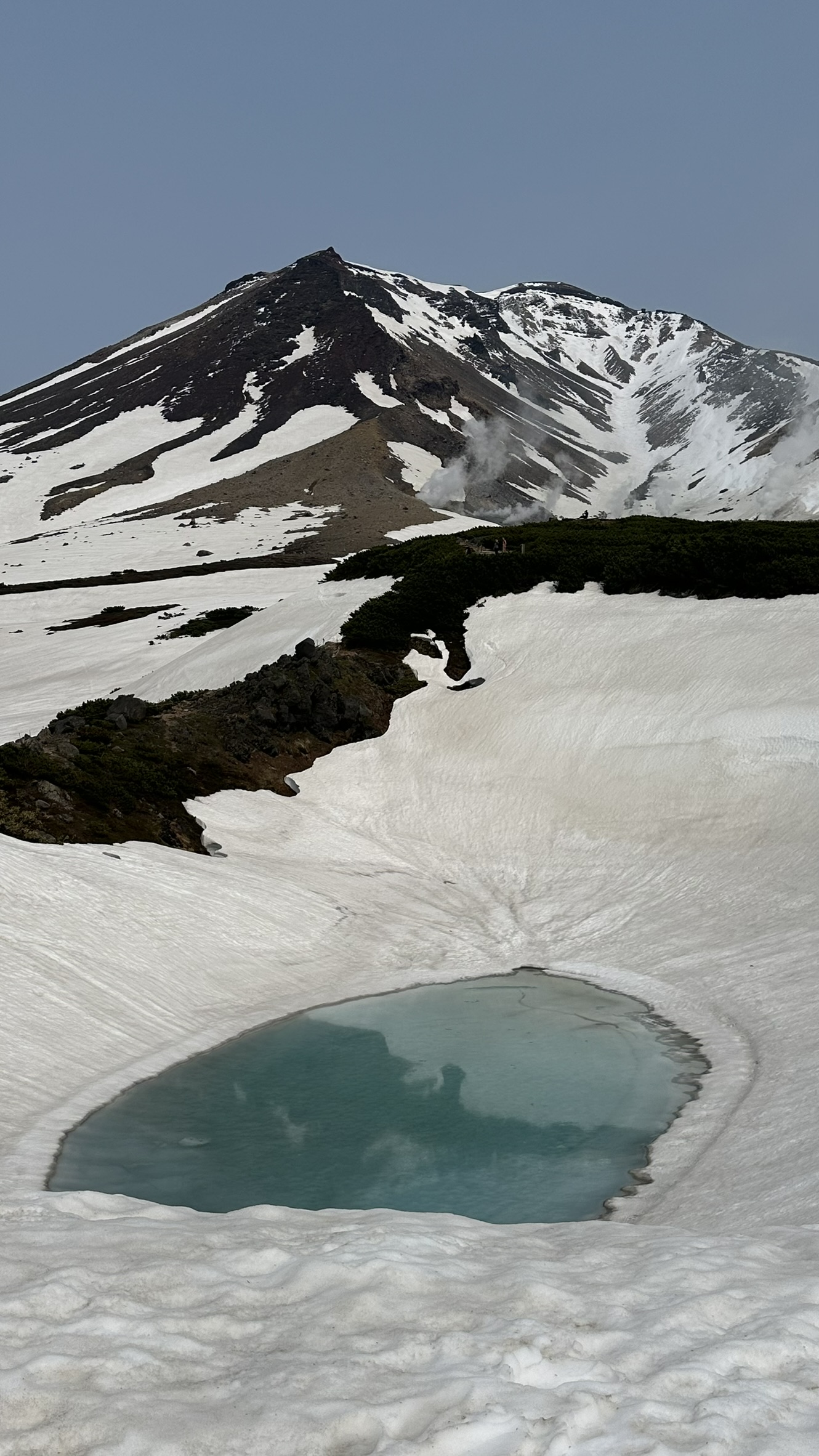
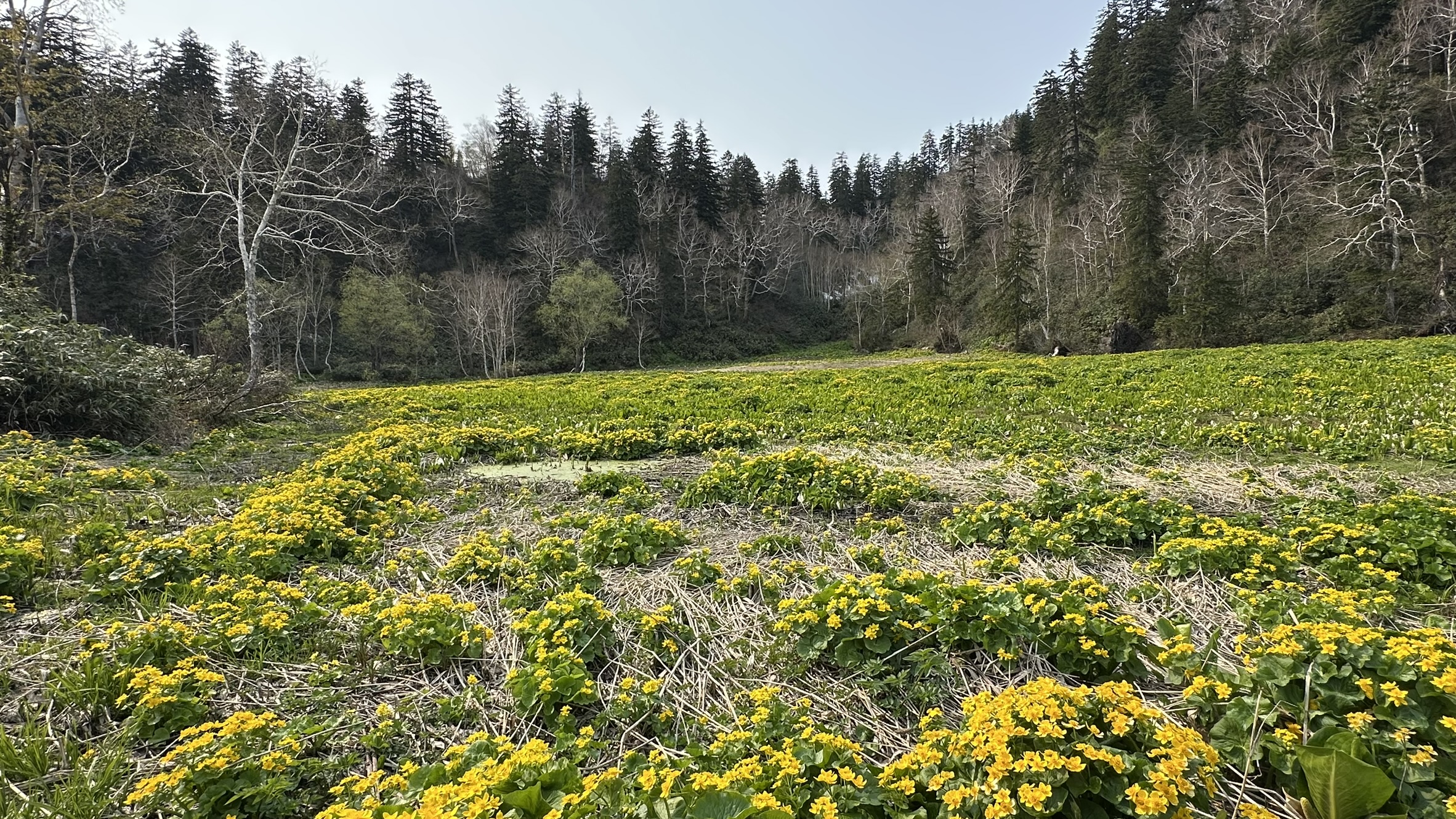
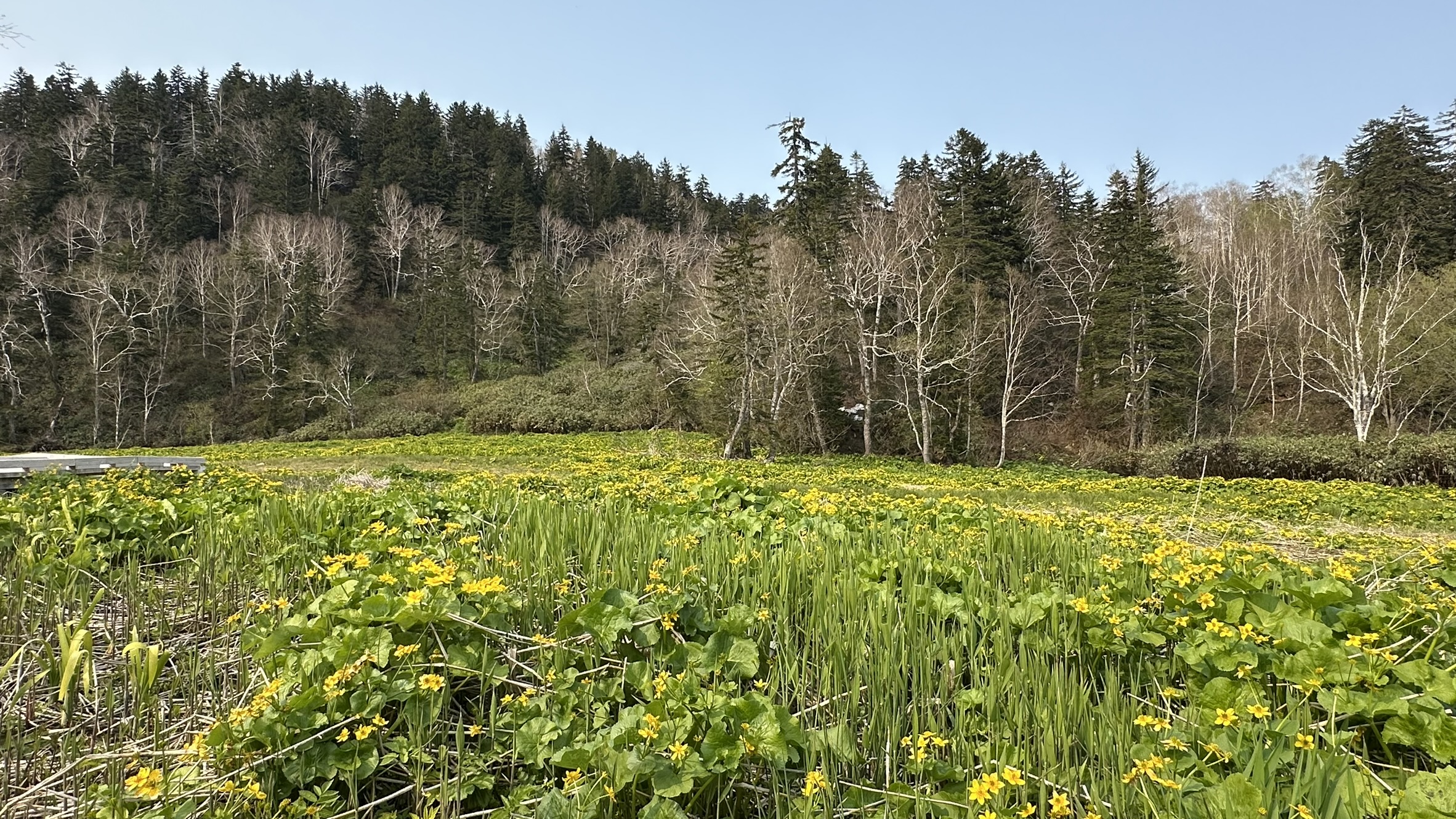
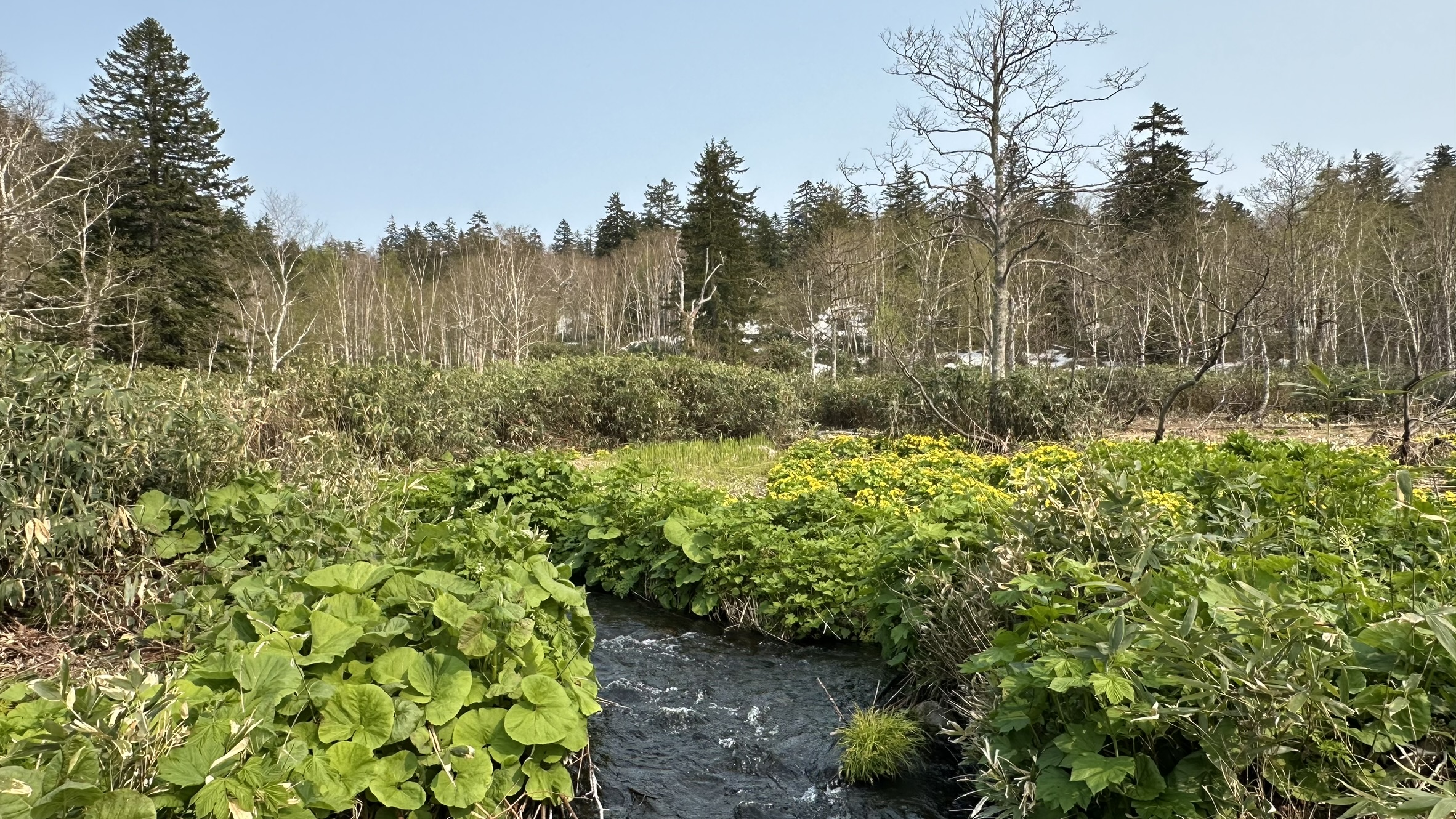
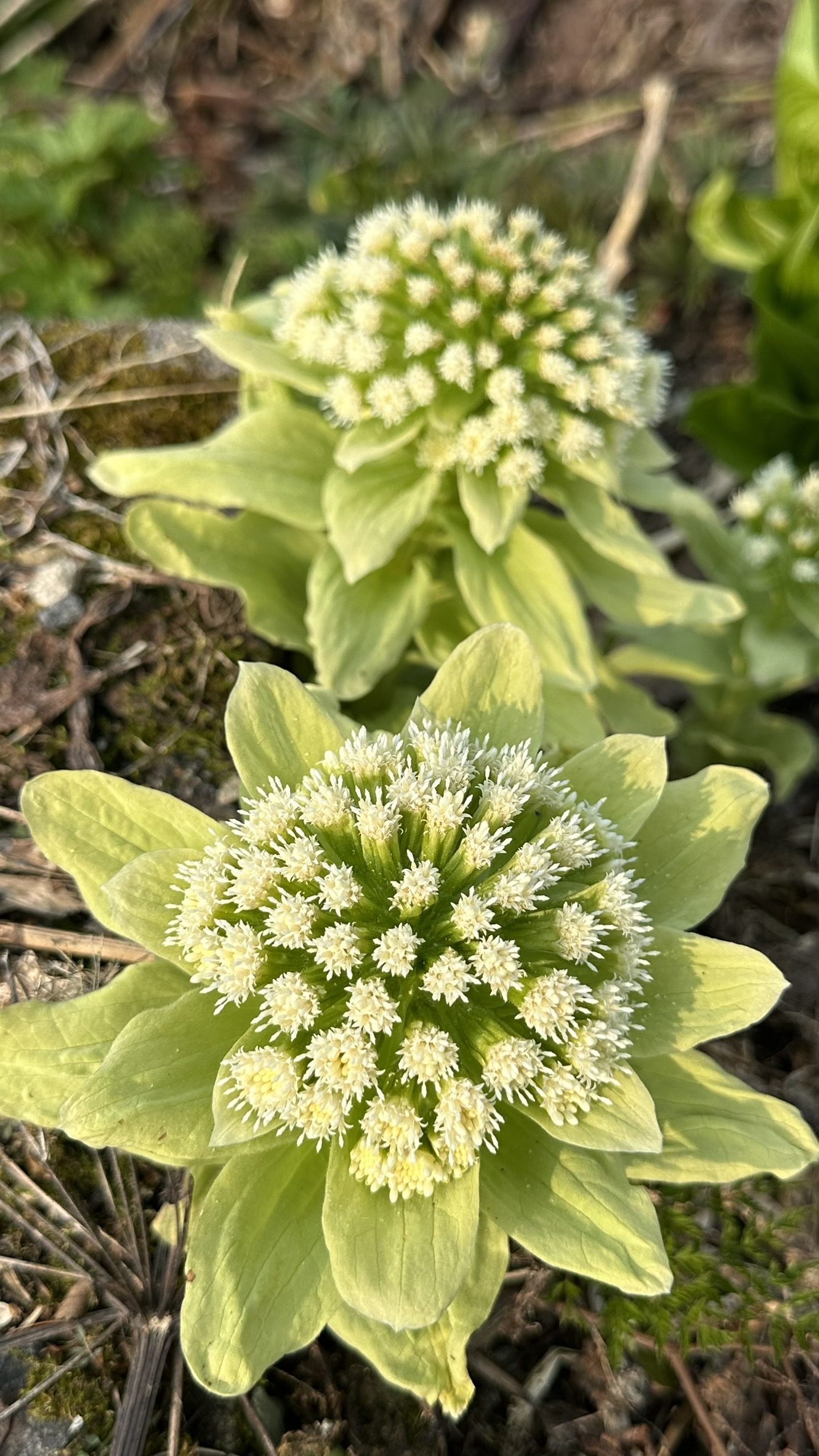
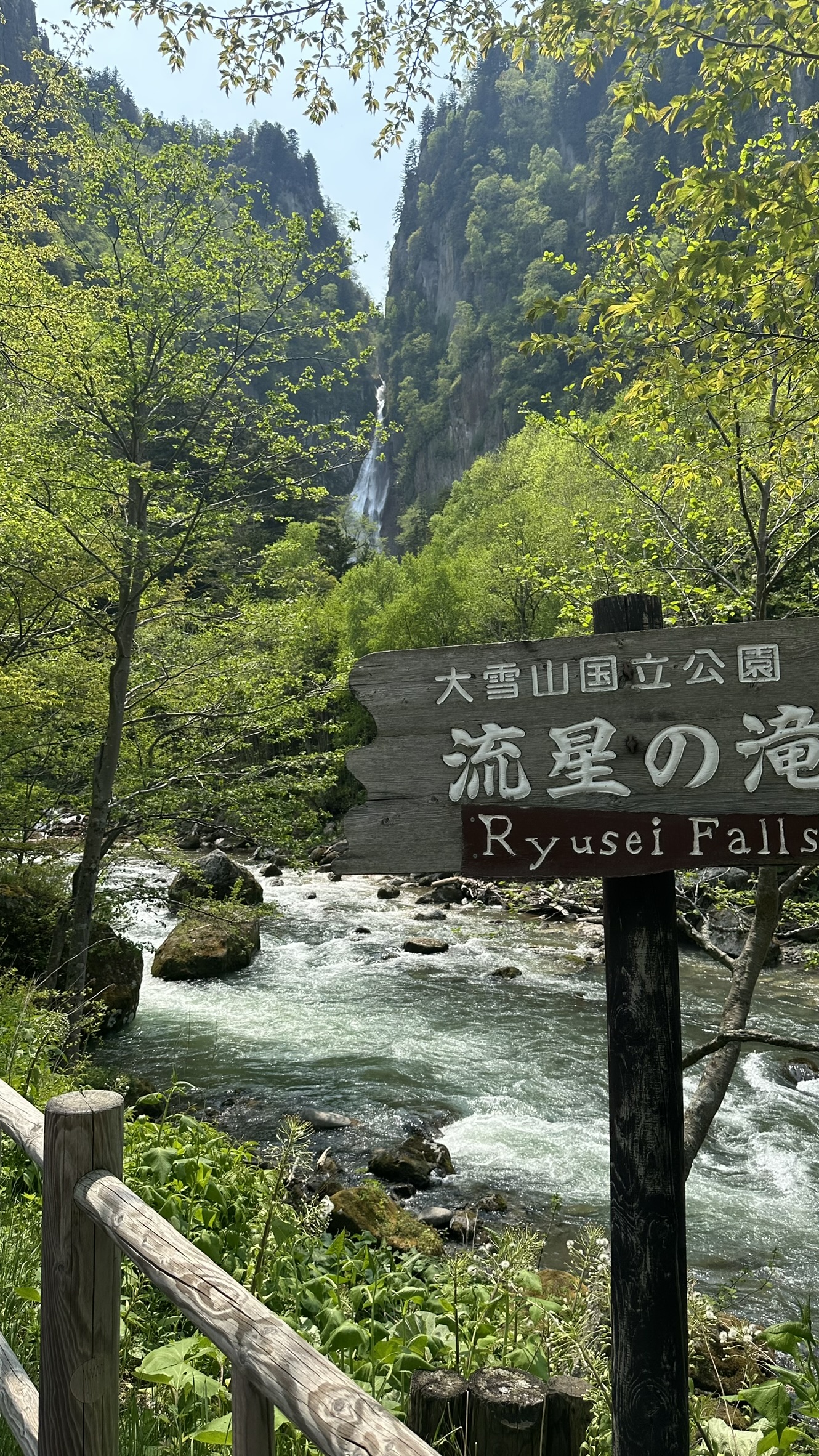
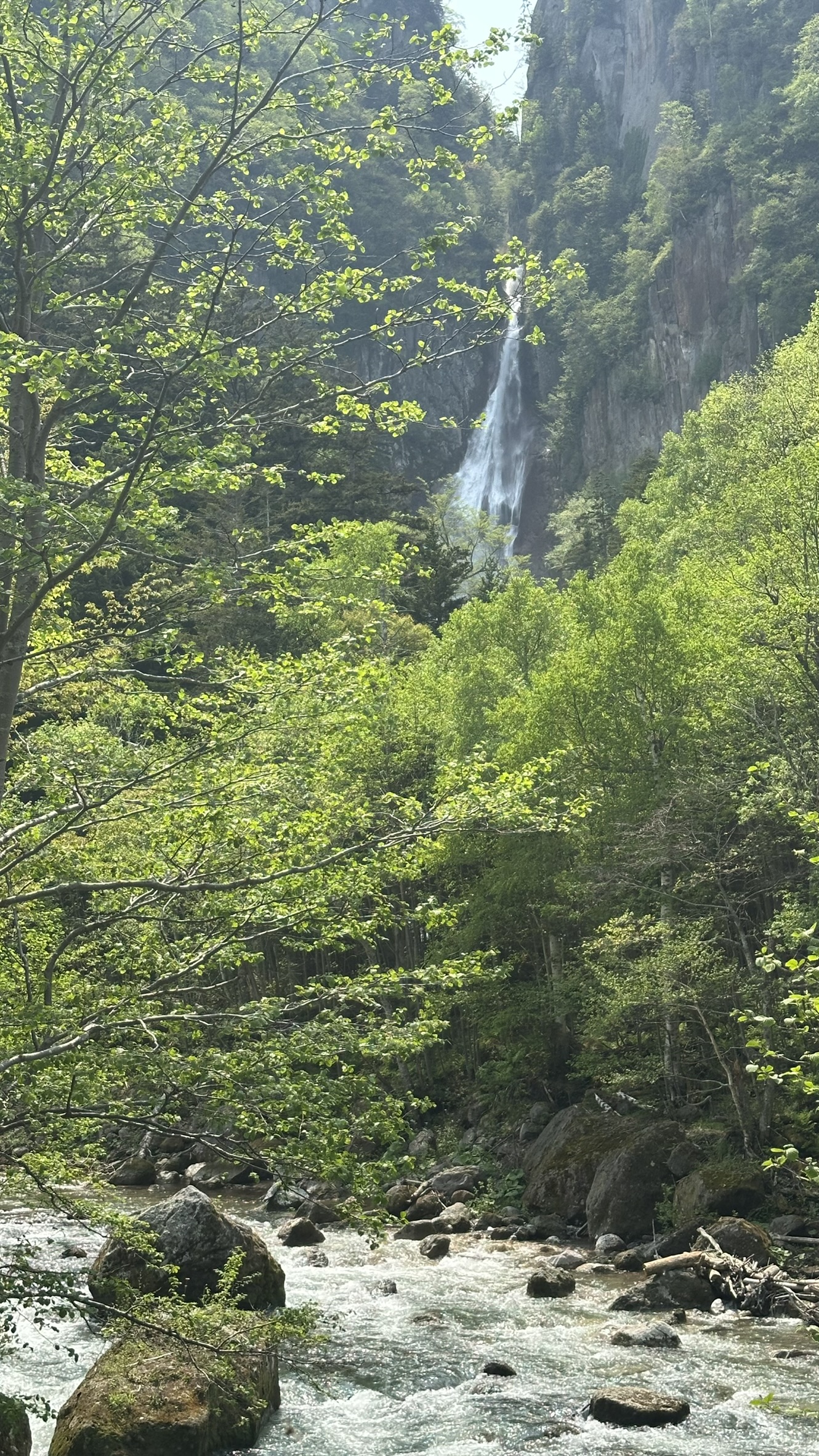
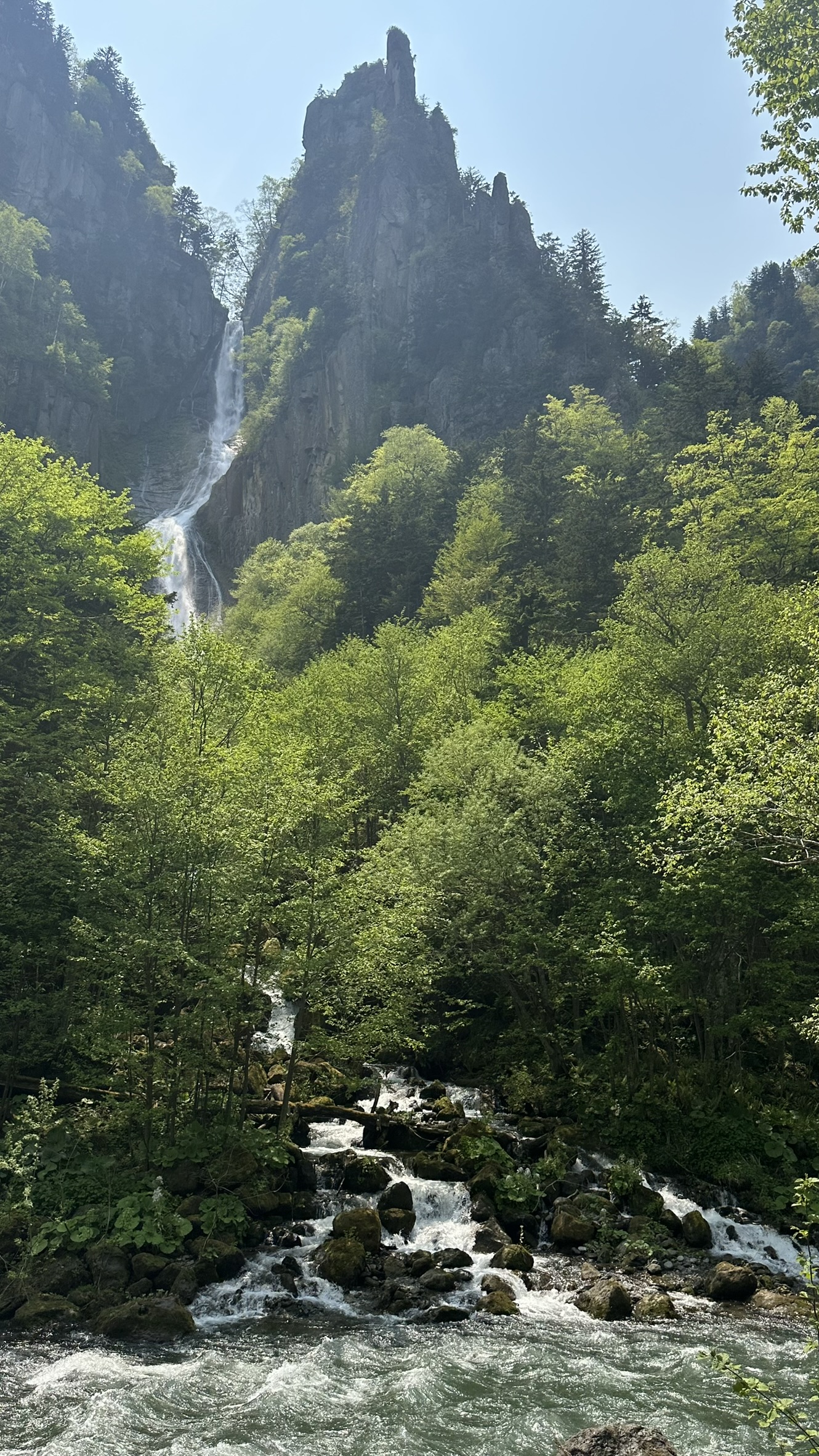
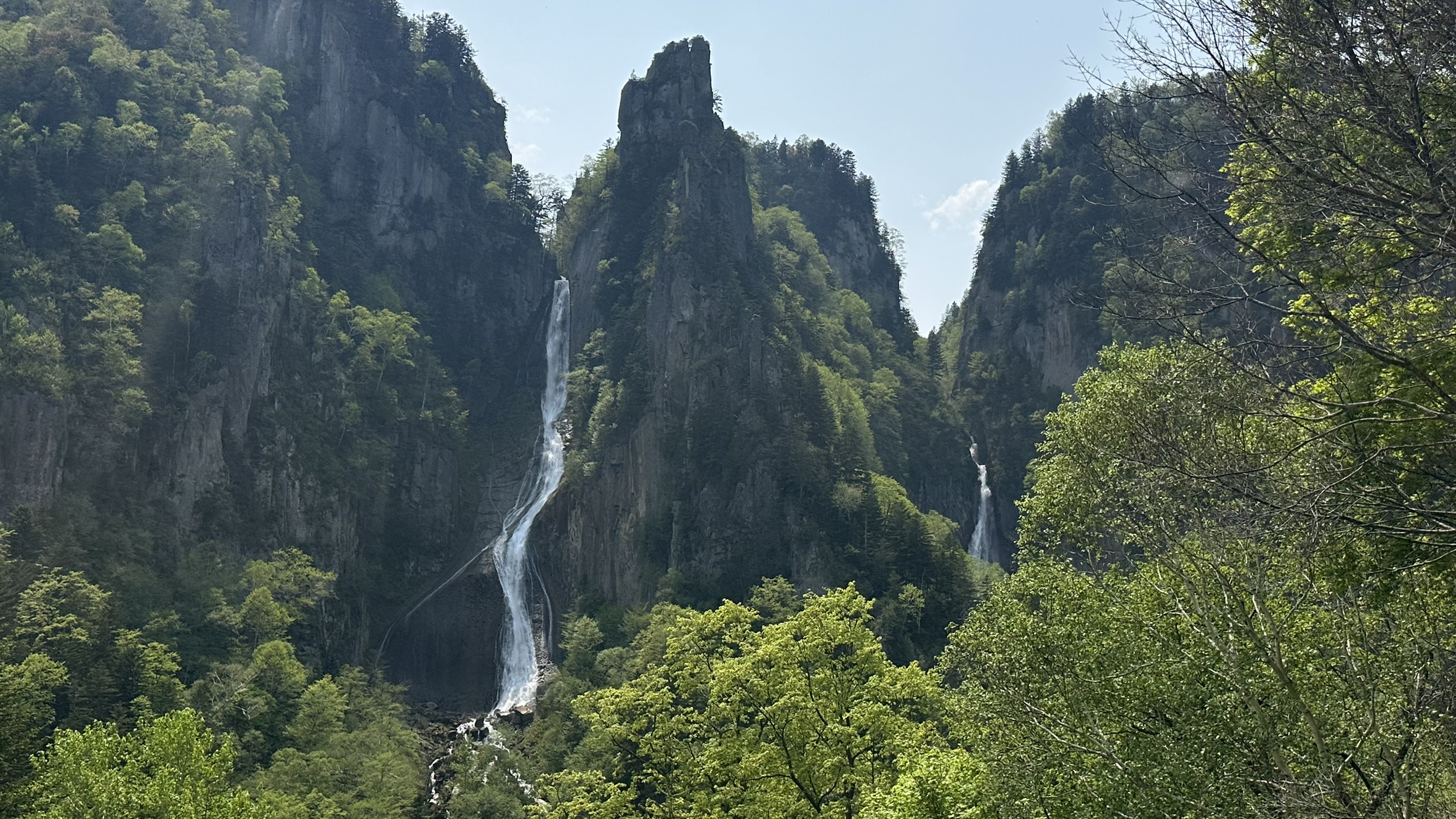
- Rather than head straight back to Sapporo on our last day, we took a scenic drive to Sounkyo Gorge, on the backside of Asahi-dake, to find more Daisetsuzan sights, including the twin waterfalls – Ryusei (male waterfall) and Ginga (female waterfall) — and Sounkyo Gorge itself, created by molten volcanic rock that cooled into columnar joints eventually carved down by the river. The nice visitors center is worth a visit if you’re going. It added a couple hours to our drive, but well worth it.

| Days 13-15 | Kiso-Fukushima | Yamamizuki Urara Tsutaya |
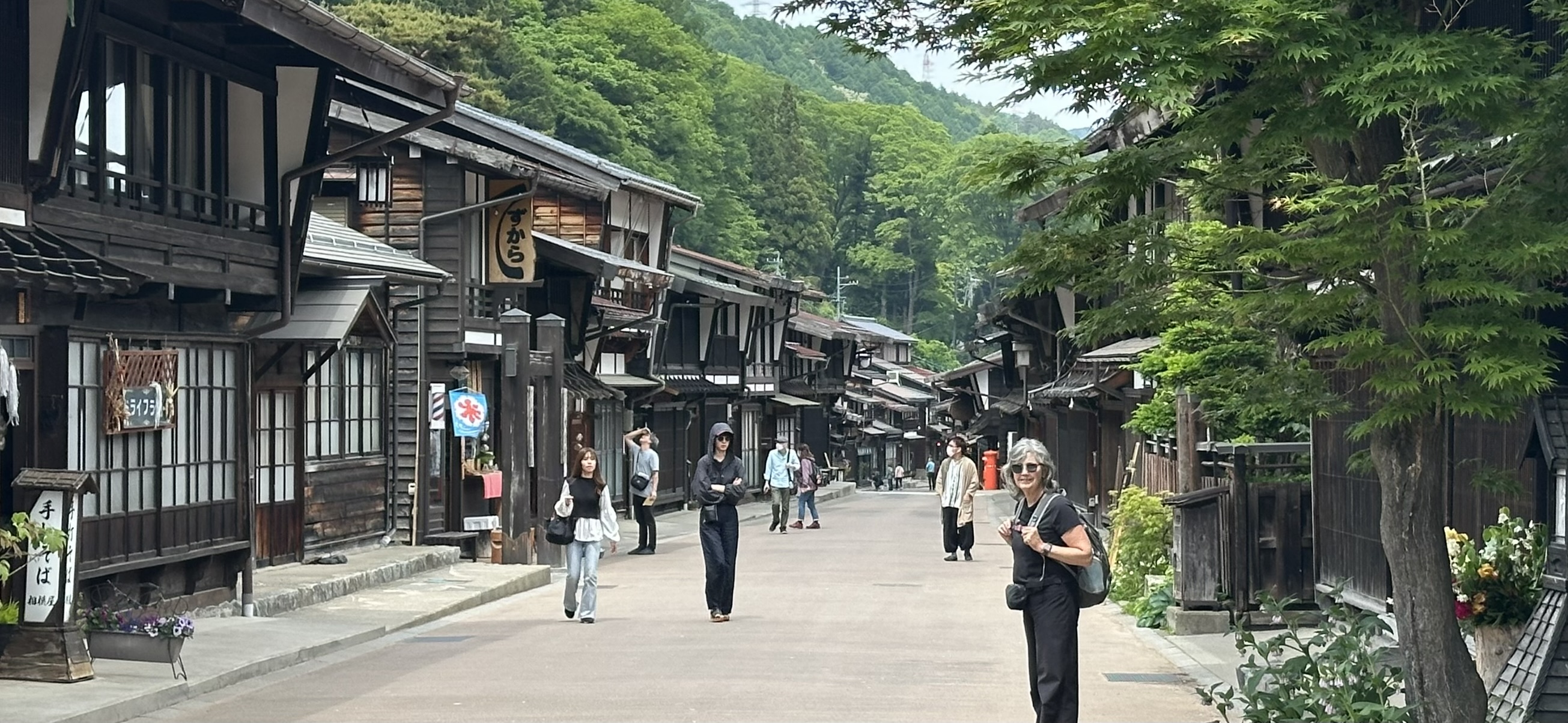
When we planned this trip, we wanted a taste of historic, small-town Japan, rich in tradition from the 17th-19th century Edo period, when shogun and samurai ruled the land. For us, that started with a travel day to the Kiso Valley in Nagano prefecture (90-minute flight from Sapporo to Nagoya, then the scenic Shinano Limited Express train to Kiso-Fukushima) and two days hiking sections of the famed Nakasendo Trail.

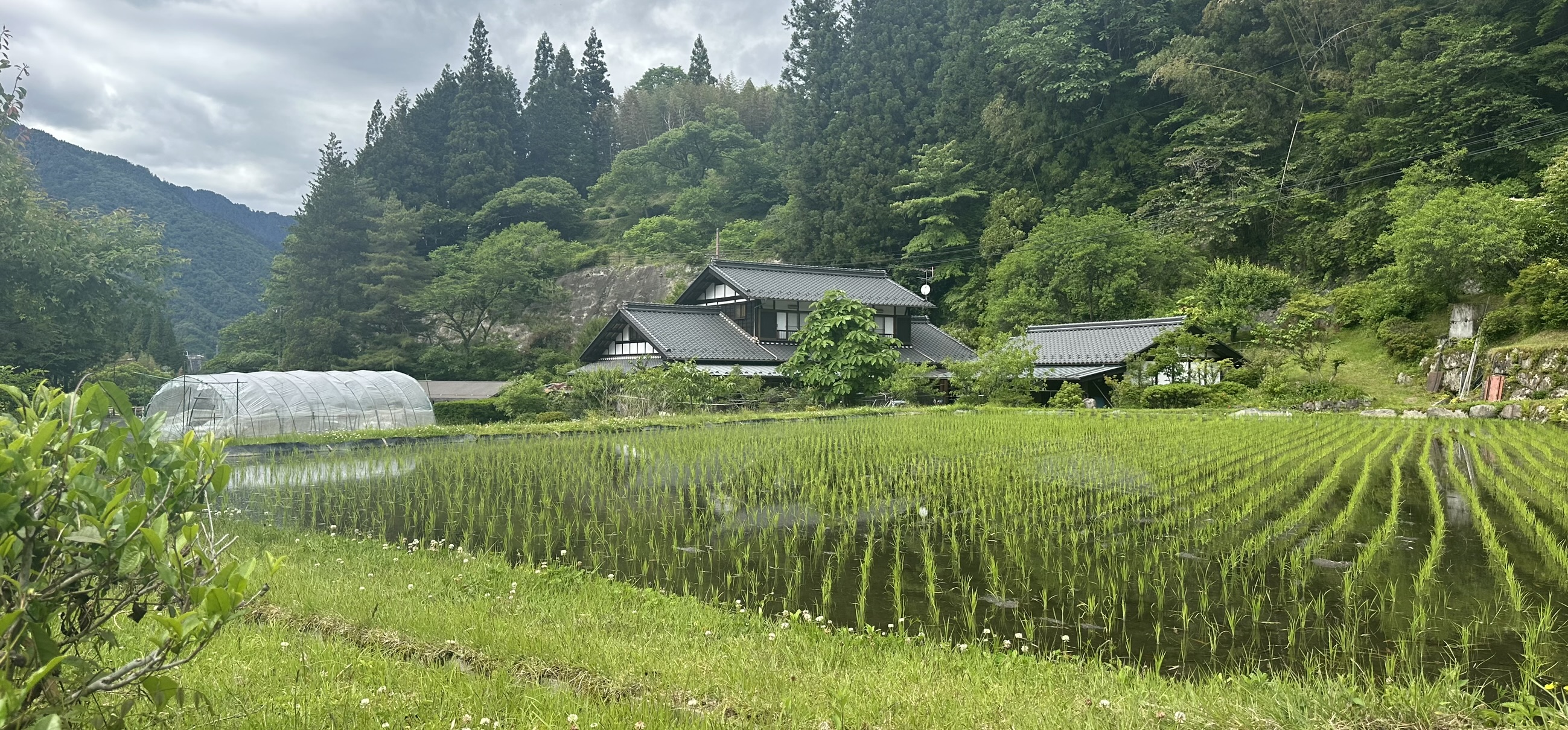
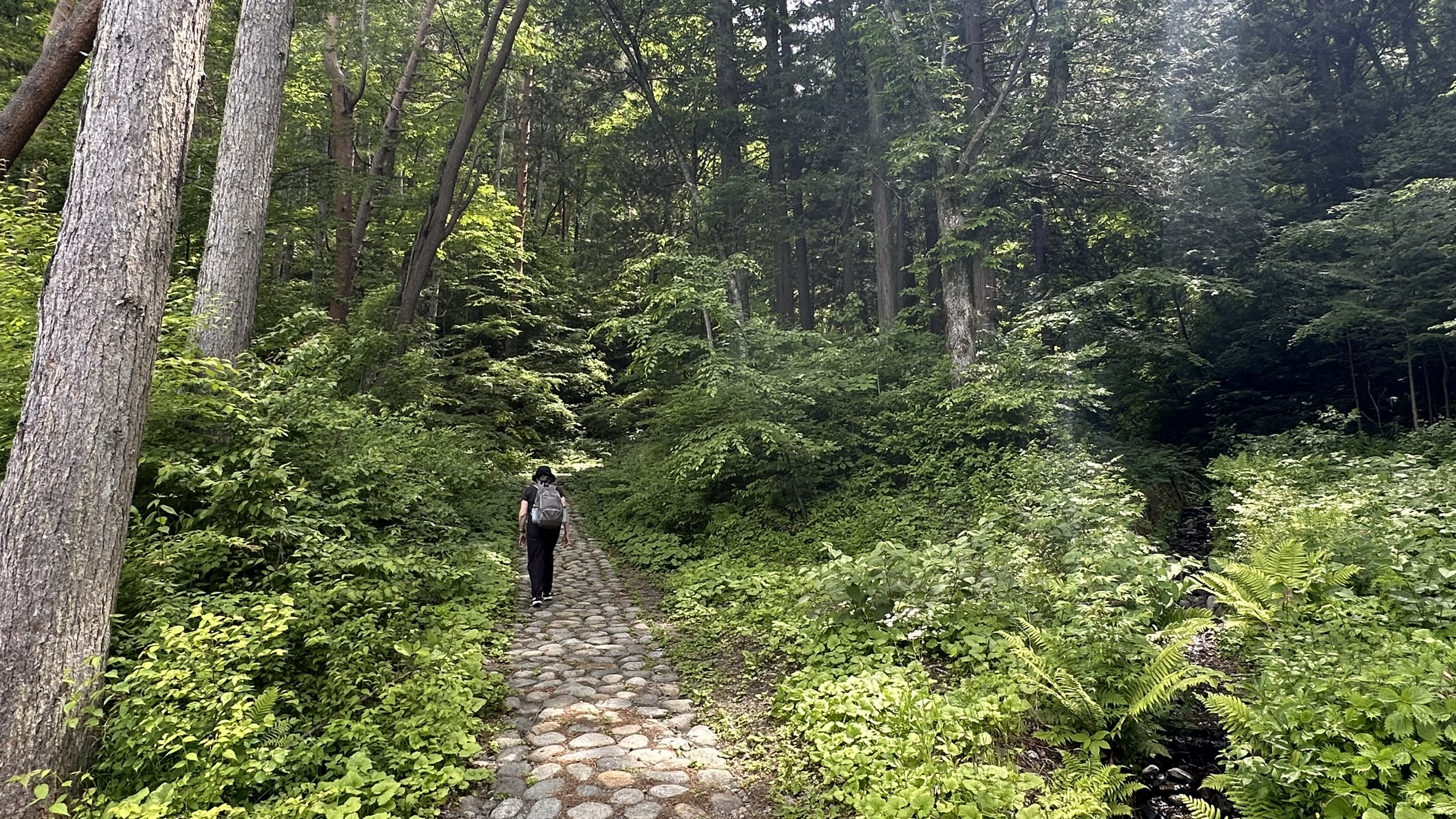
The Nakasendo trail was one of Japan’s five “imperial highways” dating back to the early 1600’s, connecting Kyoto and Edo (what is now Tokyo). 69 post towns were situated along the route. Using Kiso-Fukushima as our base (staying in our first traditional ryokan), we hiked two sections of the trail through the mountains that start and end in some of the best-preserved post towns. Just fantastic. Highlights during this stretch:
Hiking Day 1 — Magome to Tsubago
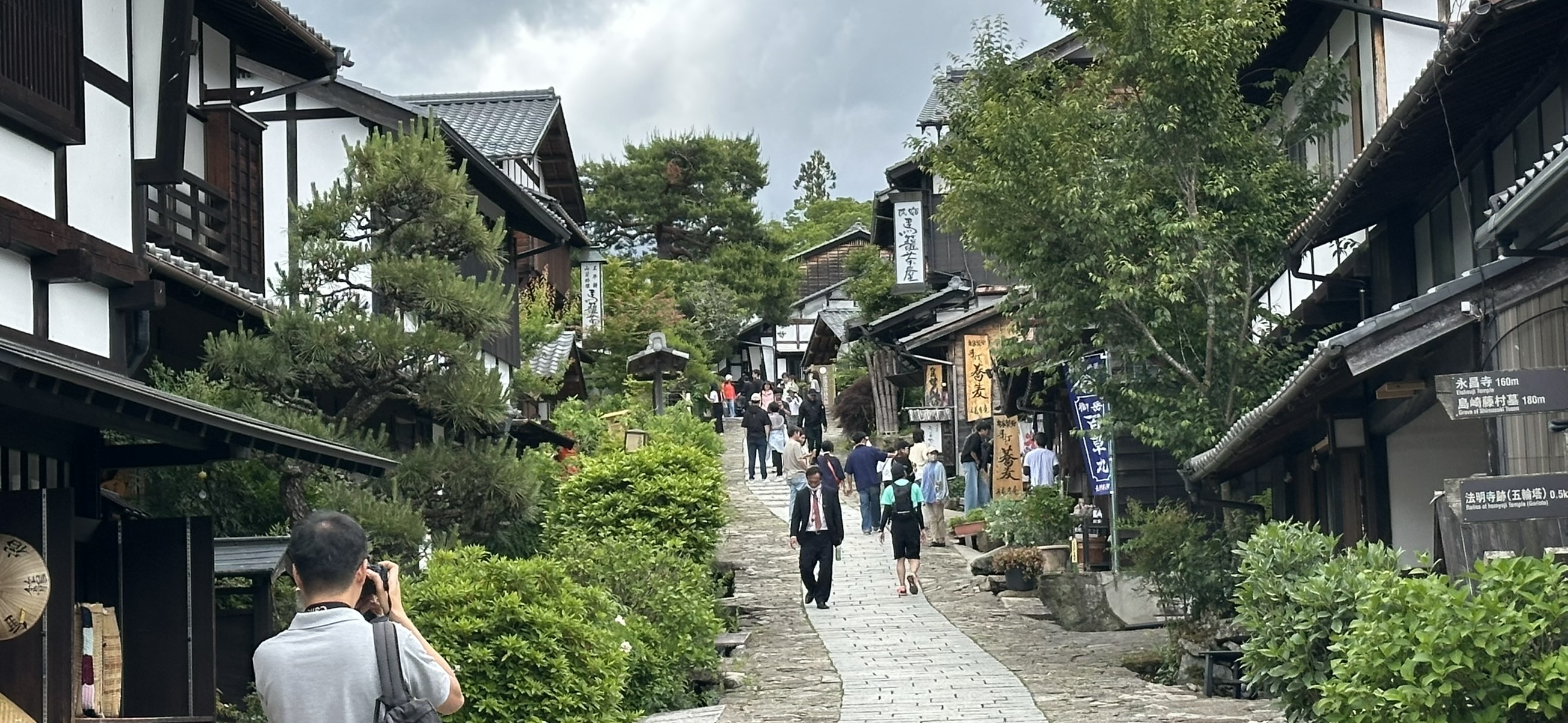
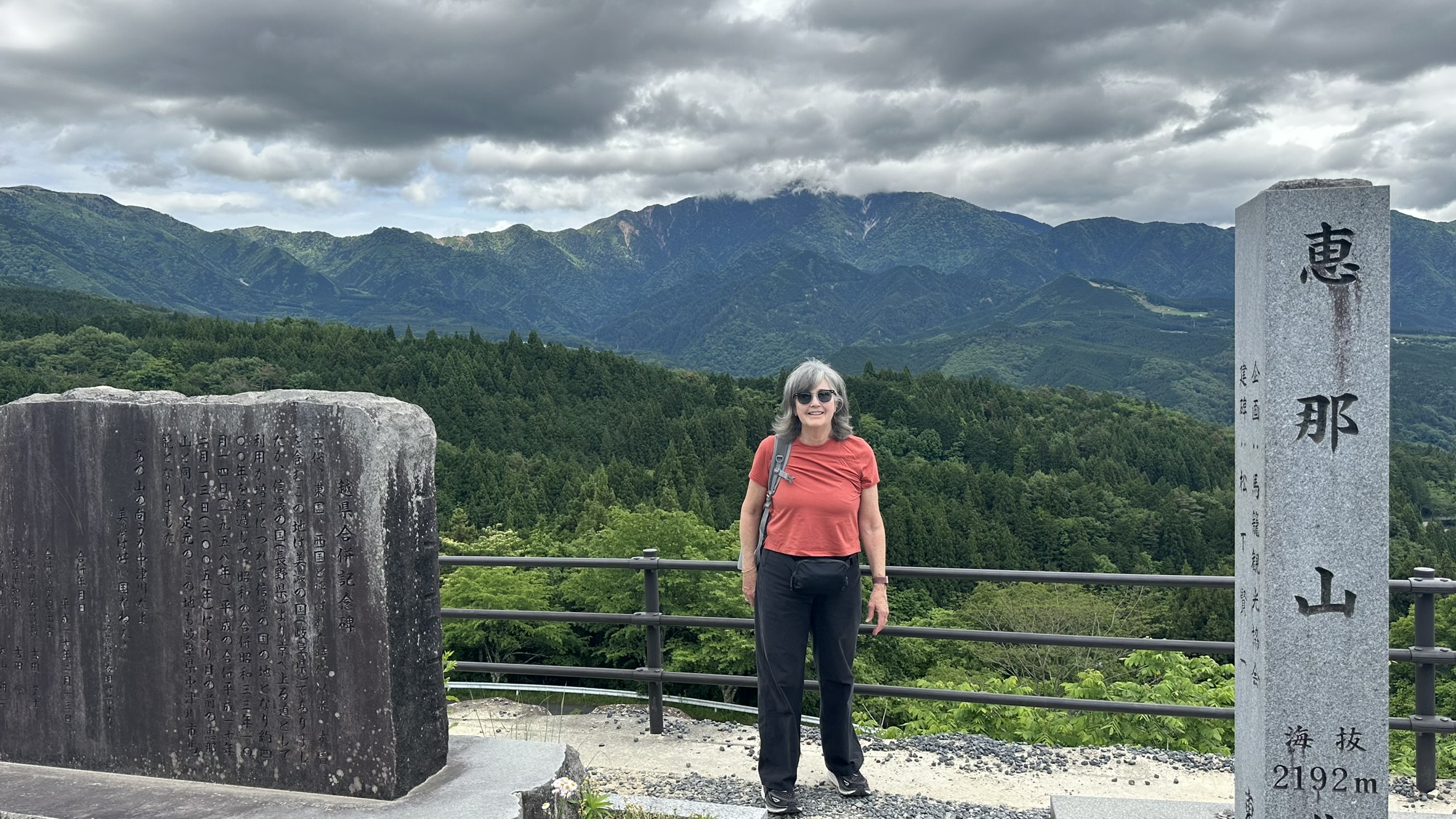
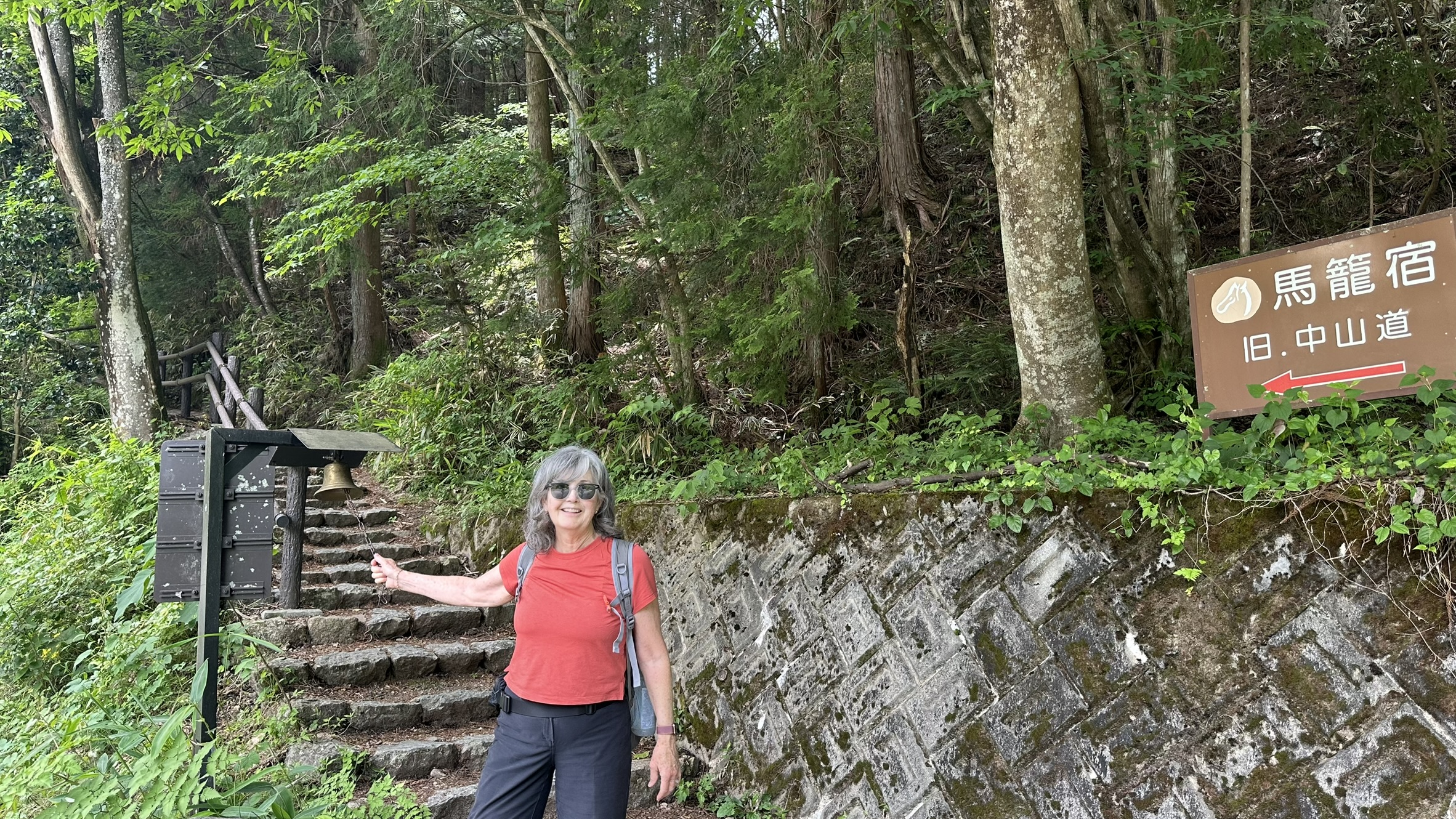
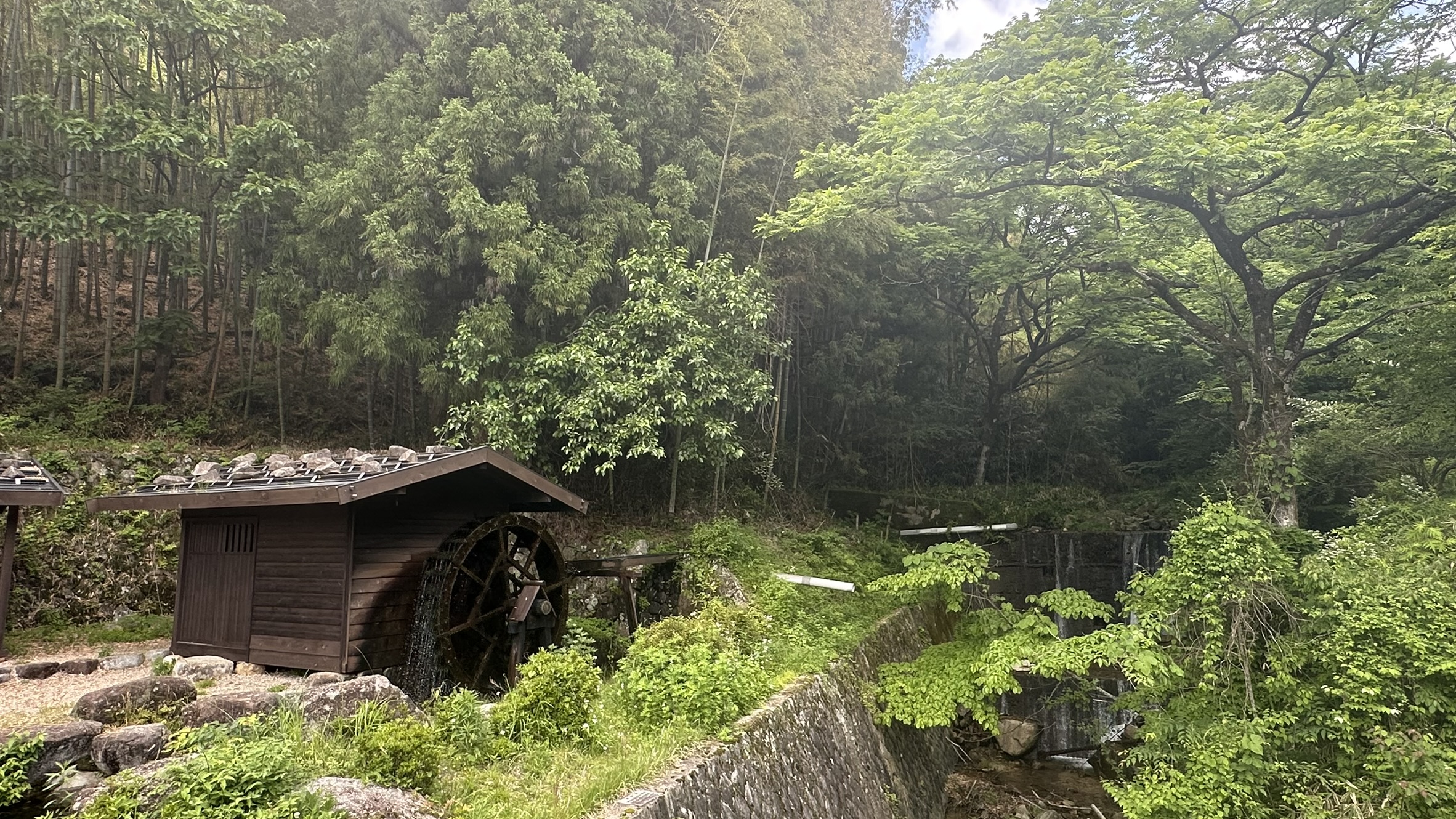
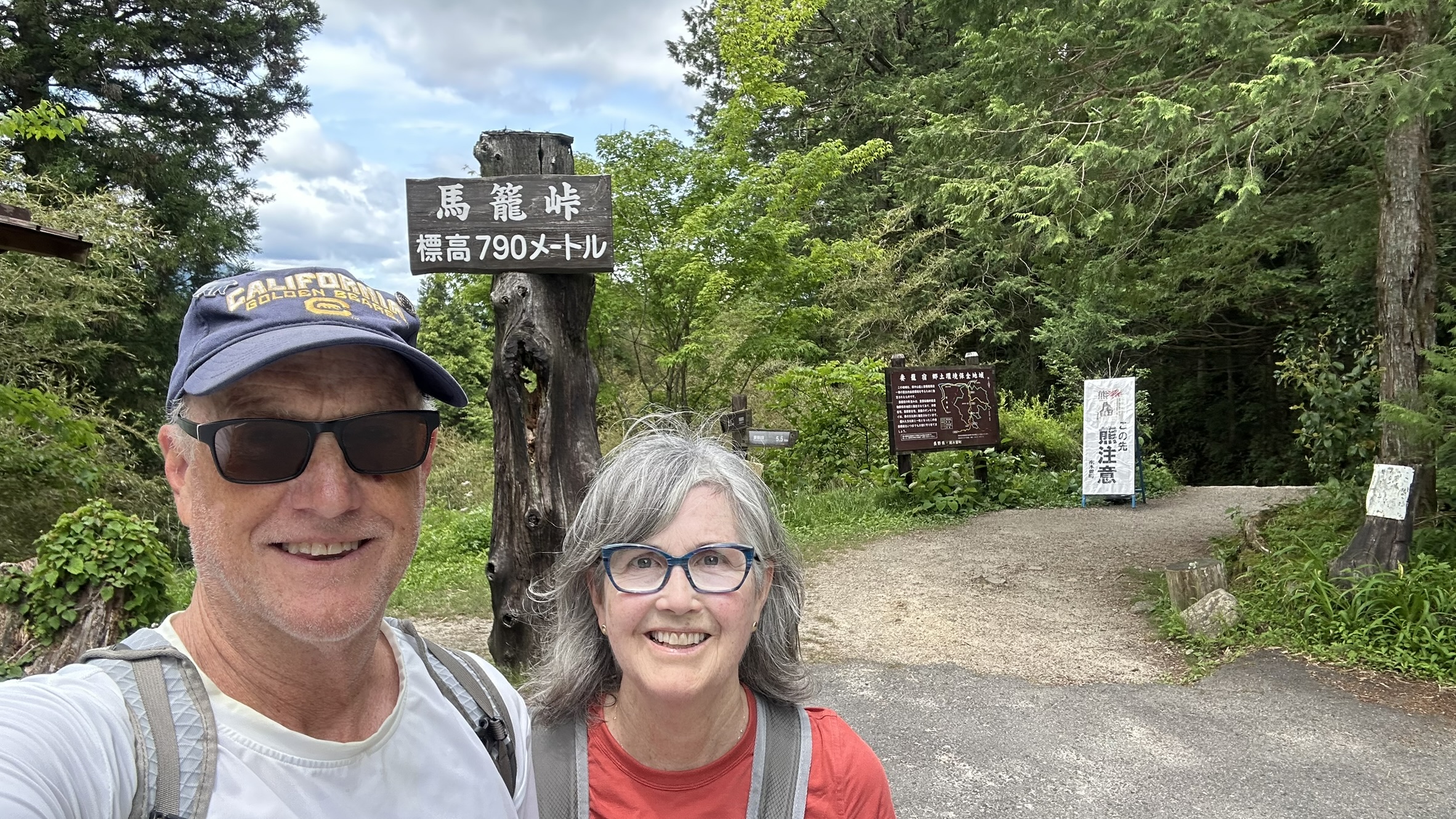
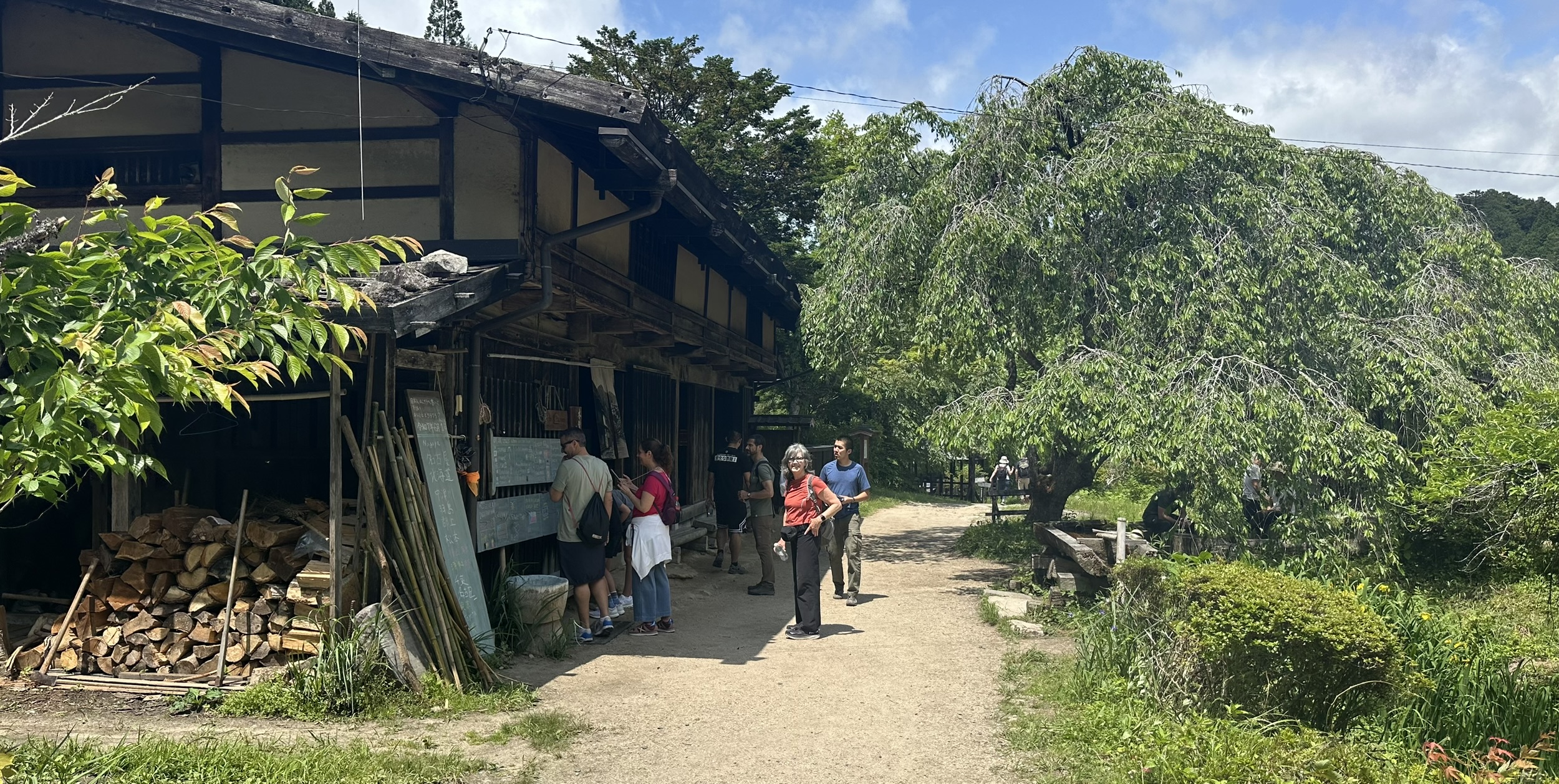
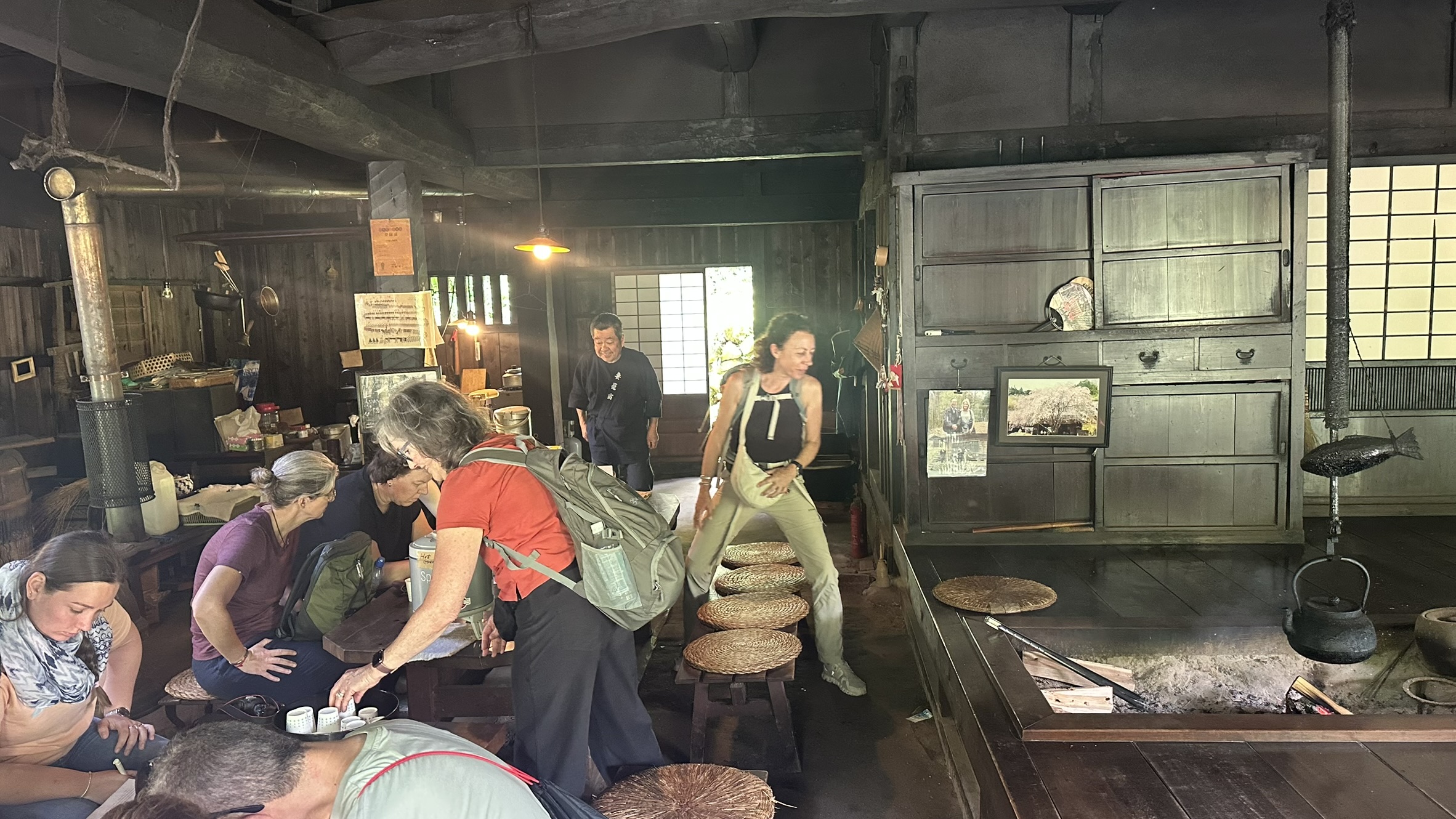
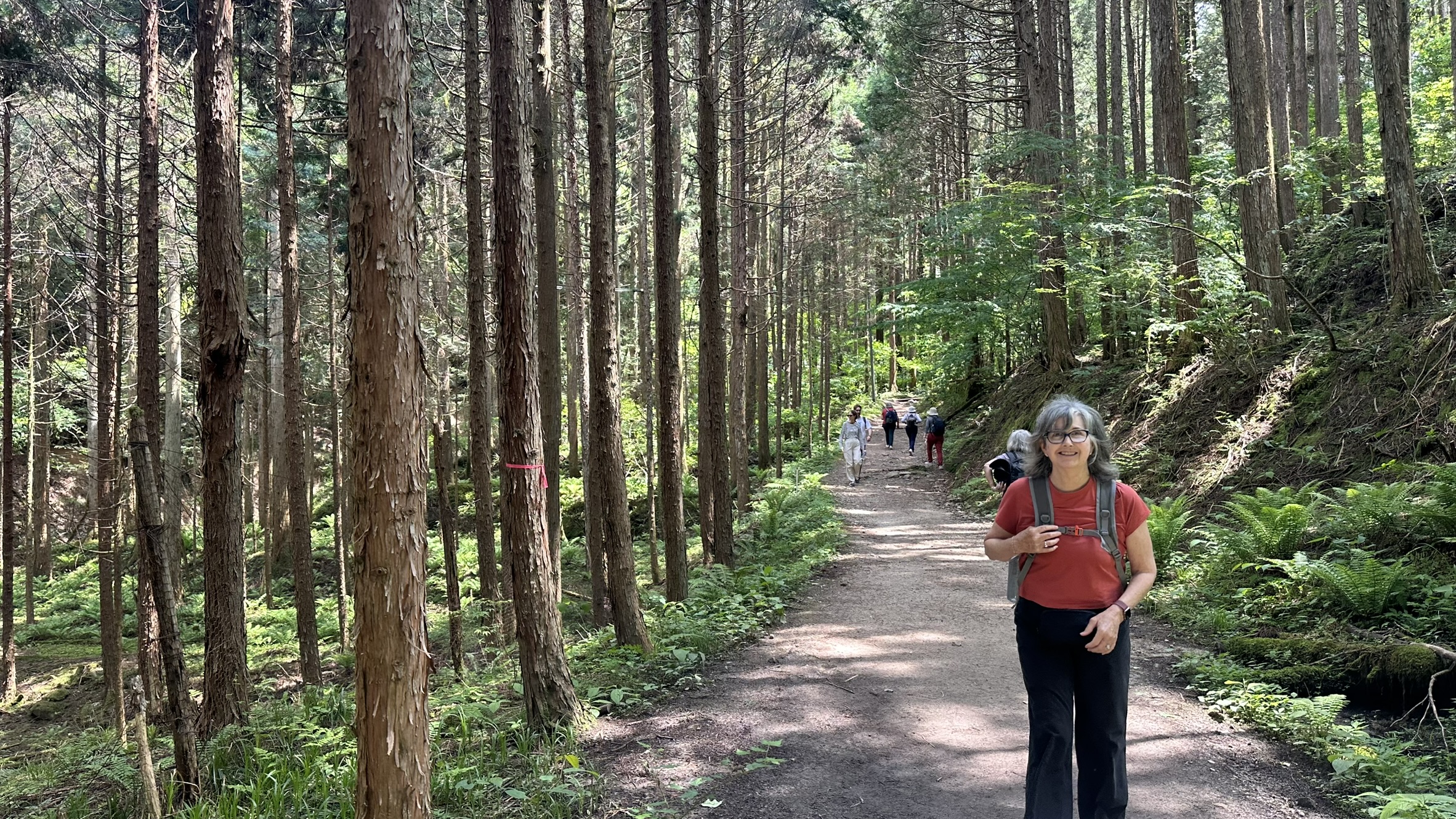
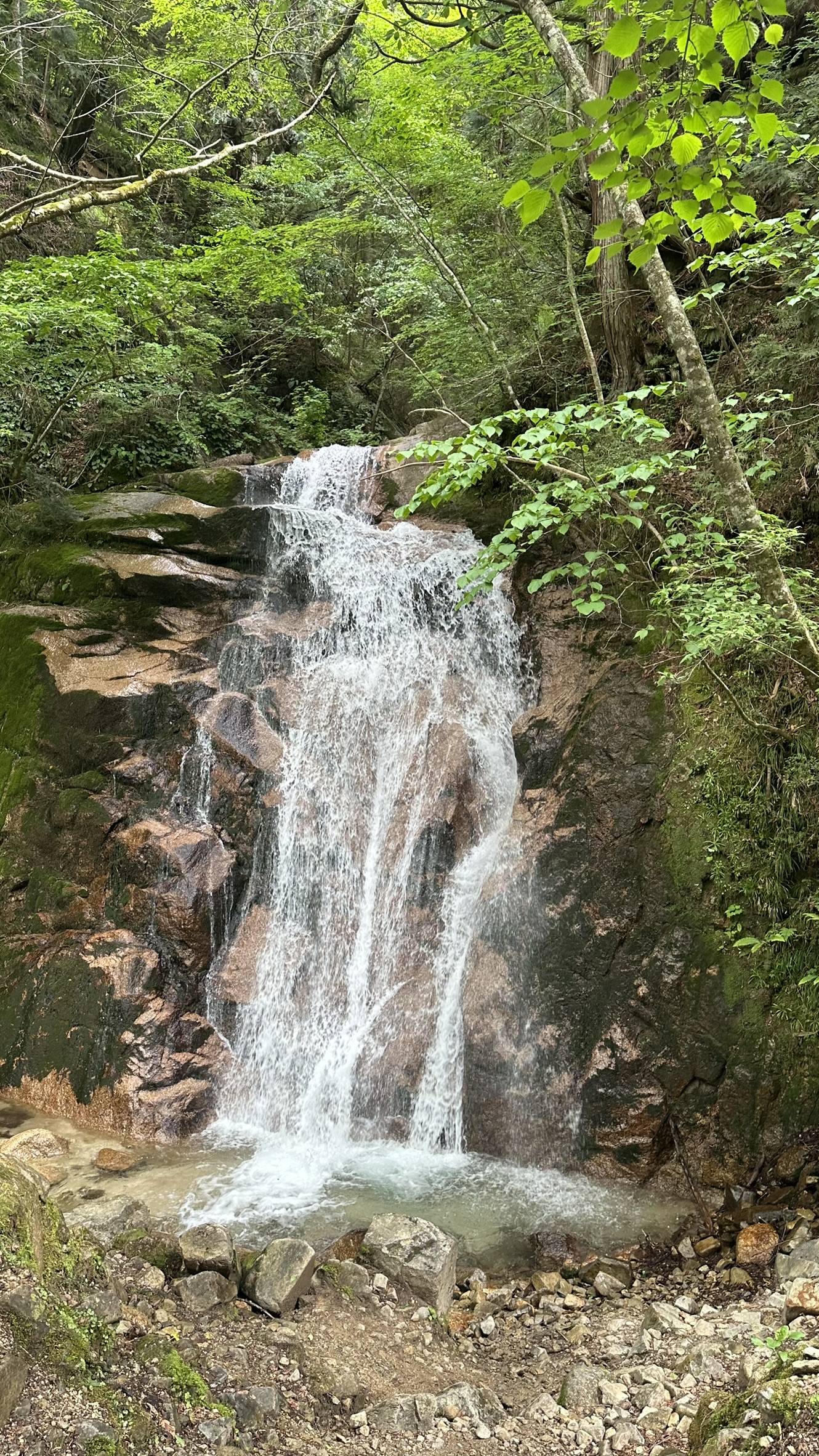
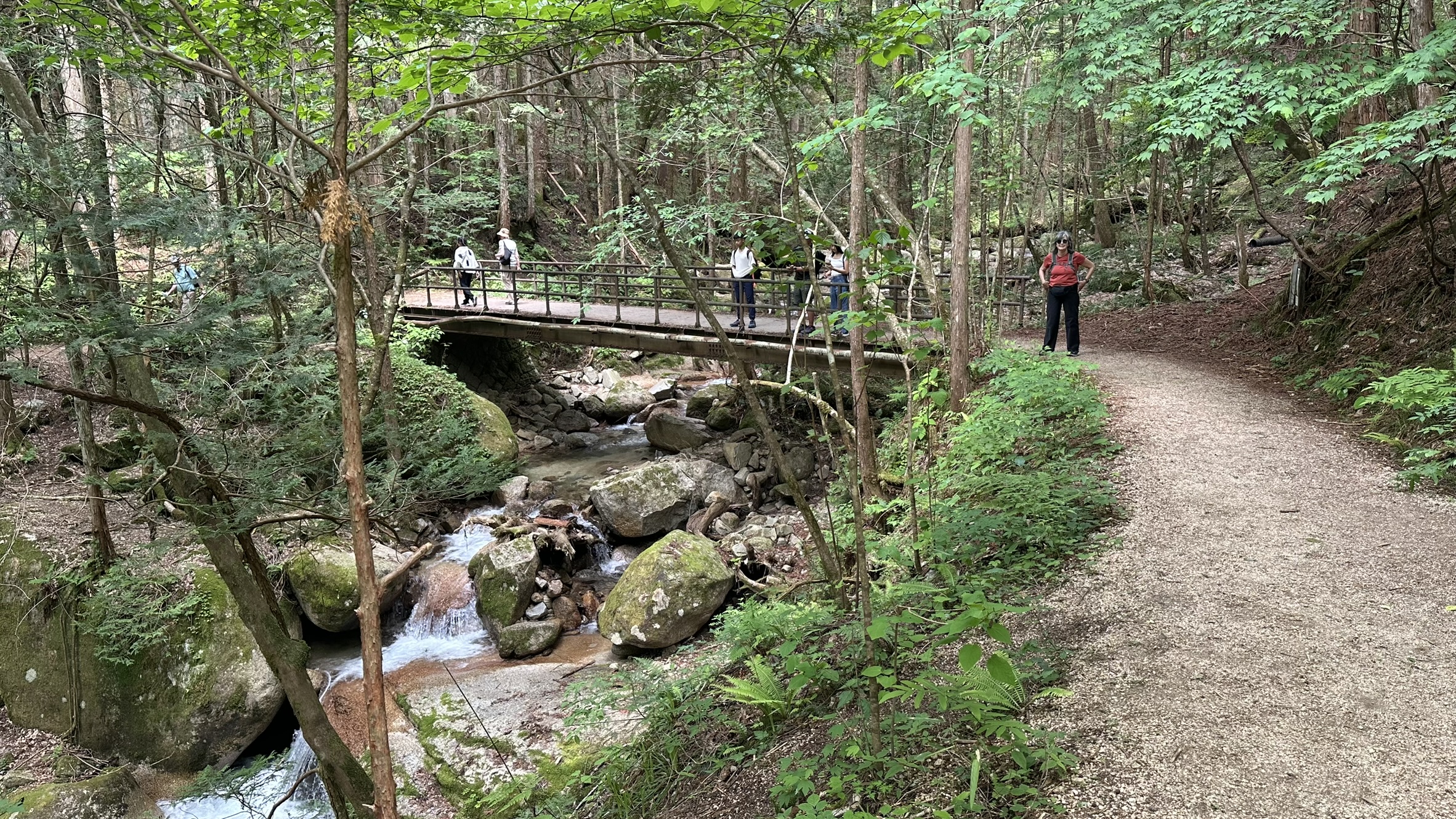
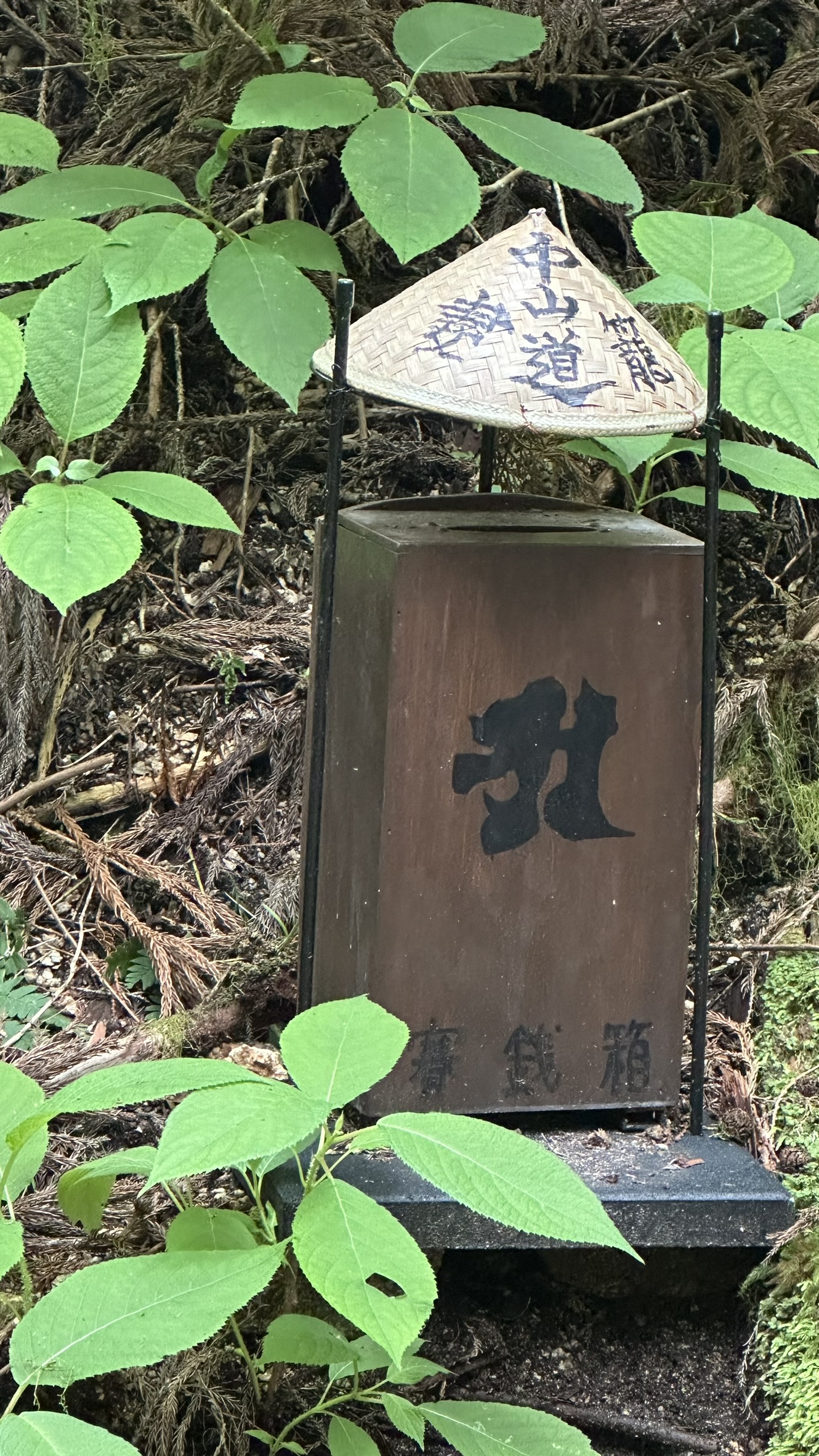
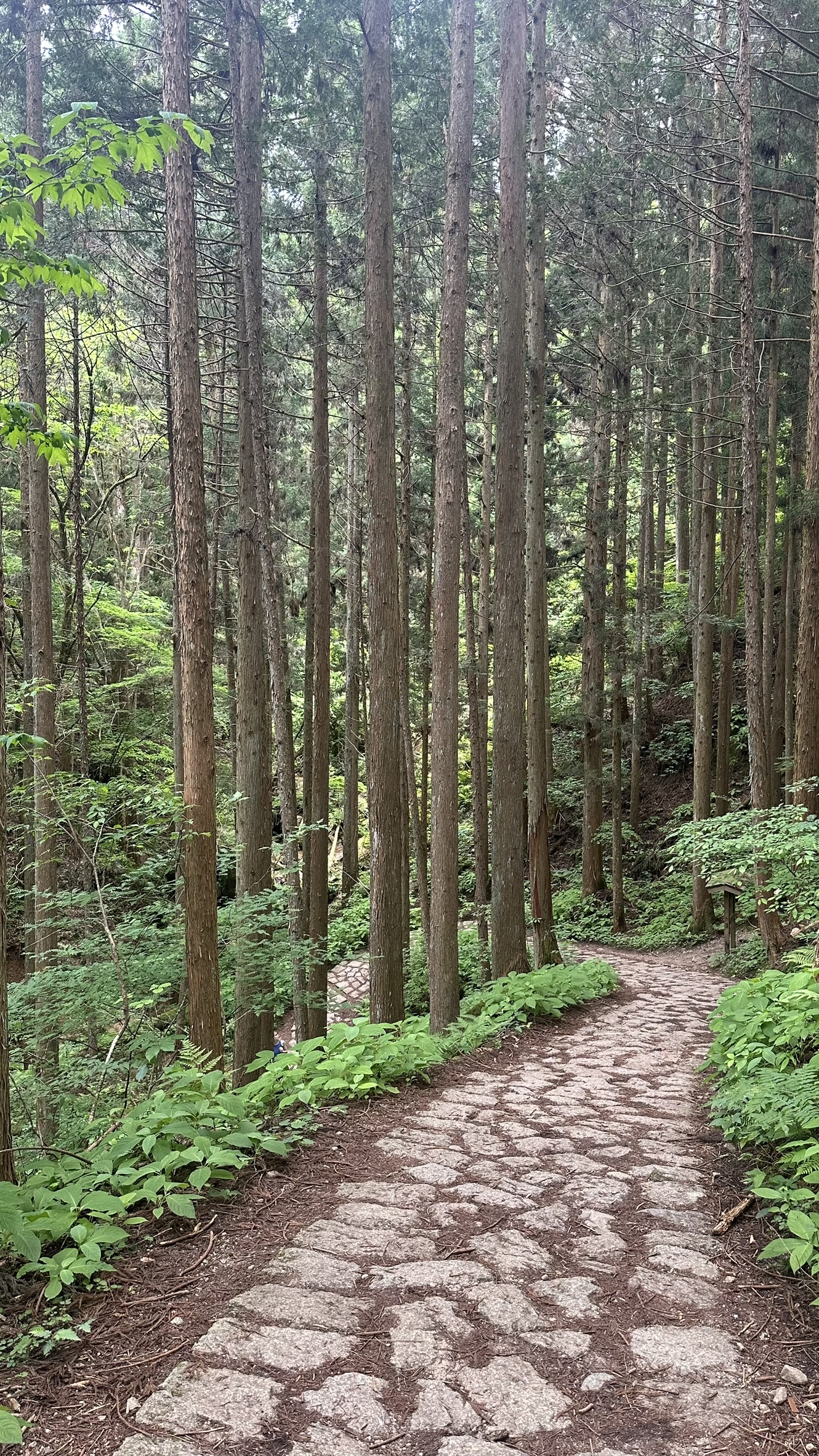
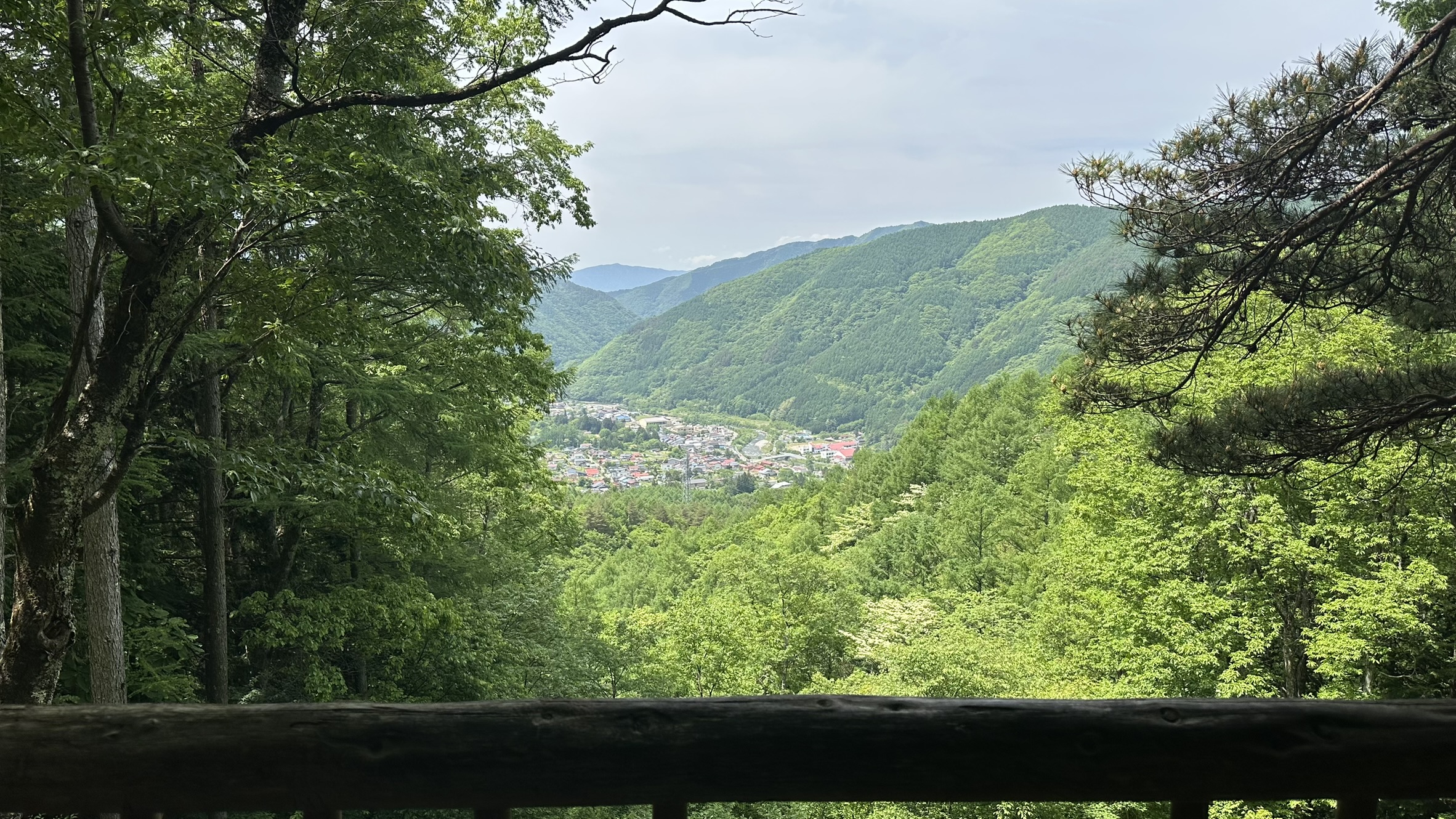
We started our first leg of our Nakasendo Trail journey hiking the section from Magome-juku to Tsumago-juku, one of three designated National Historic Sites of Japan. This is the most popular section of the trail, so you can expect to see lots of people. Best way to get there from Kiso is train to Nagiso, connecting to a bus to Magome-juku. The first stretch through Magome-juku is a long uphill climb through the old post town, passing more than a few kitschy gift shops among the beautiful buildings and bonsai gardens. There is a great viewpoint at the top of that climb. Bear bells are placed at various spots along the trail, and the occasional Shinto shrine as well. There is also a free tea house in an old wooden building near the halfway mark where travelers from around the world stop in for a break and cup of tea. It took 3 hours to complete this leg, including stops.

Hiking Day 2 — Yabuhara to Narai
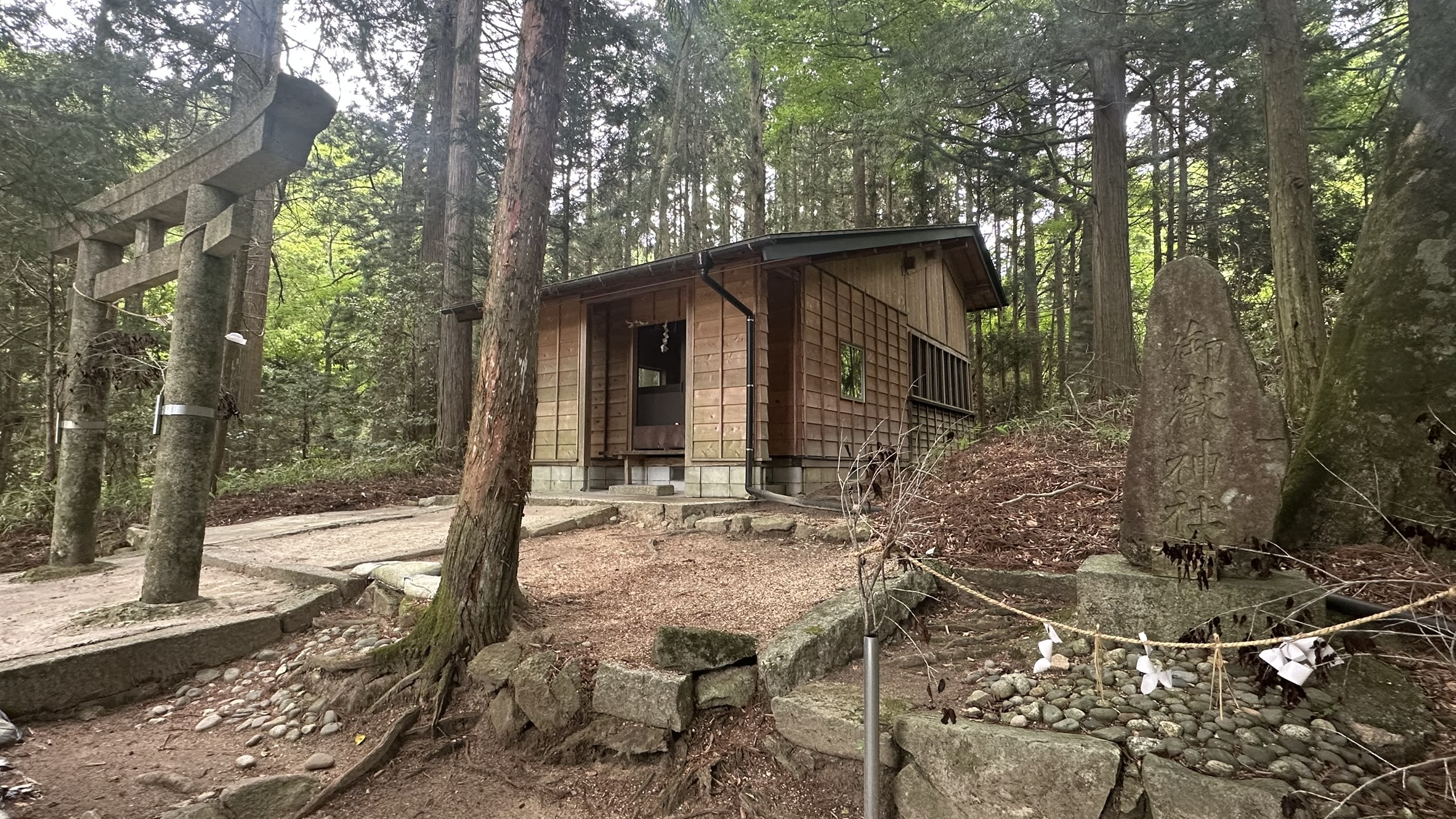
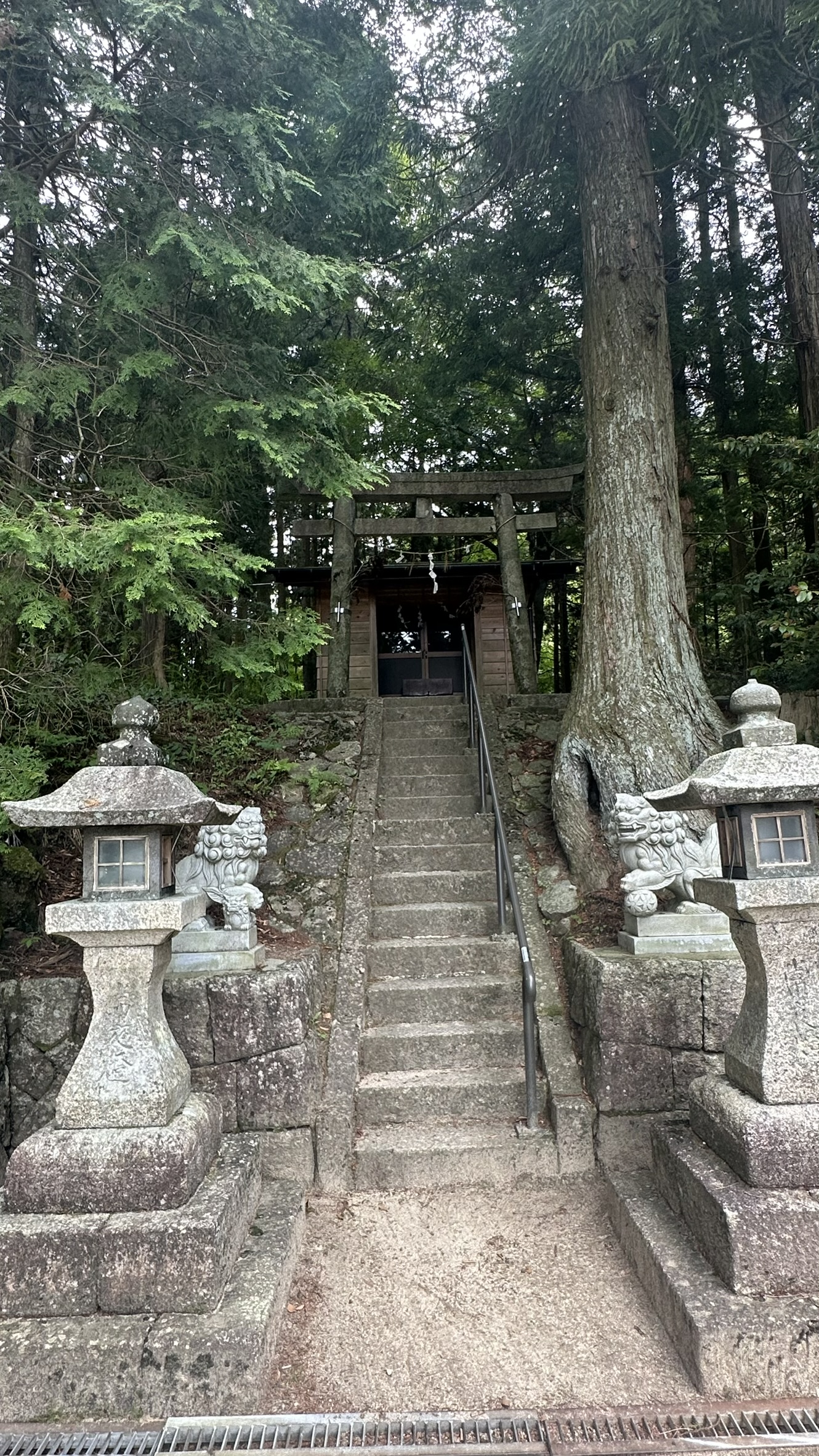
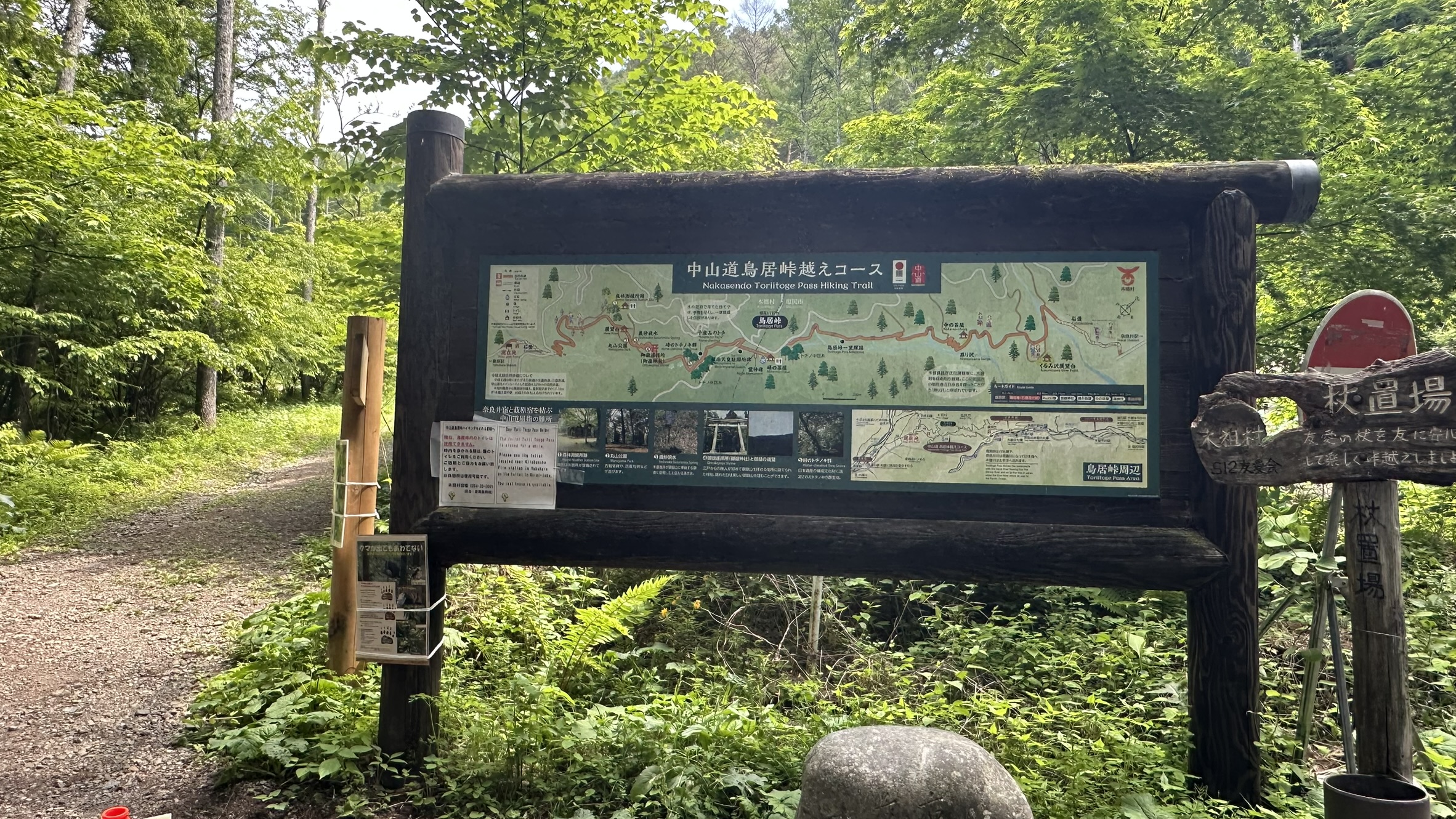
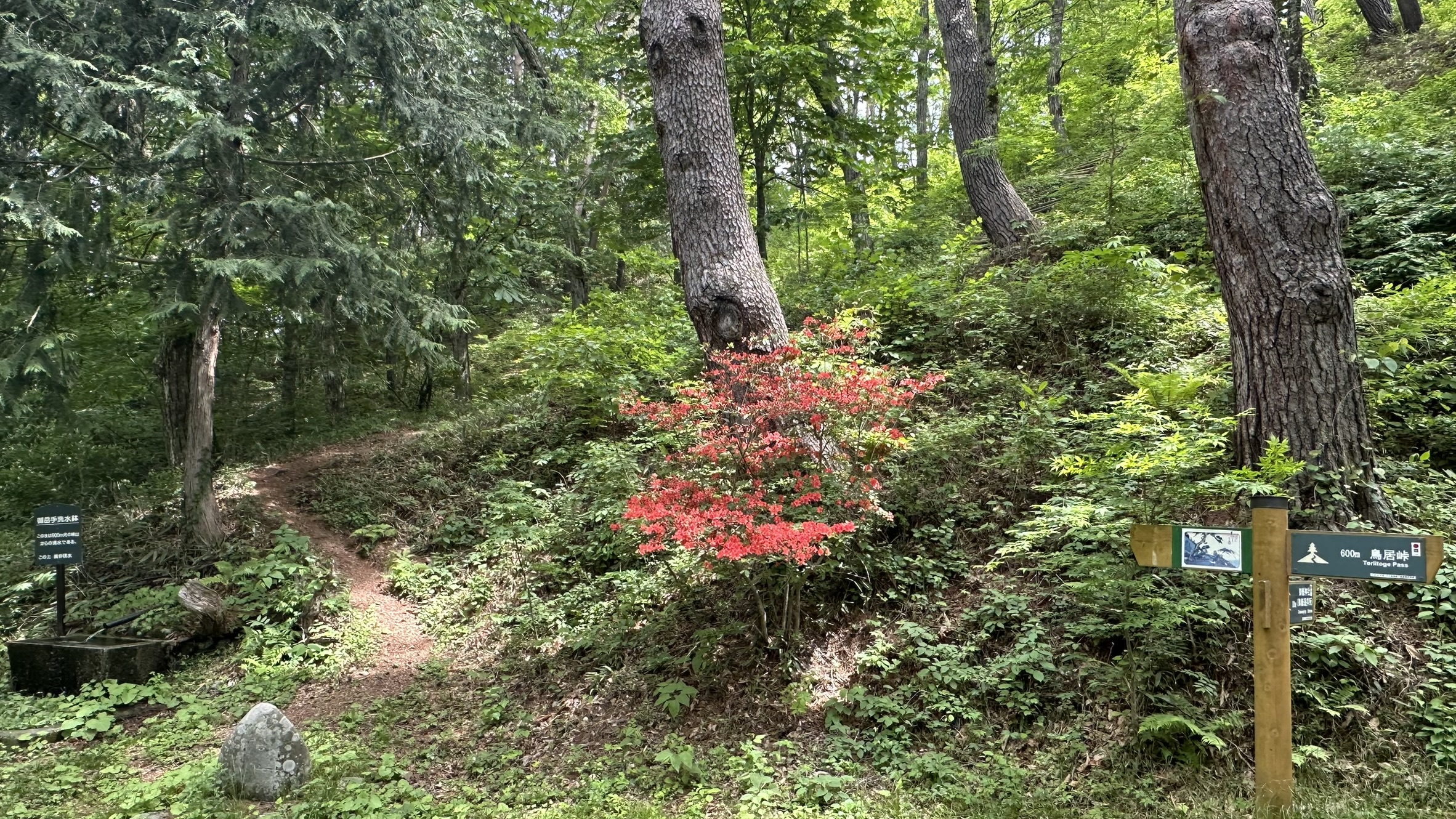
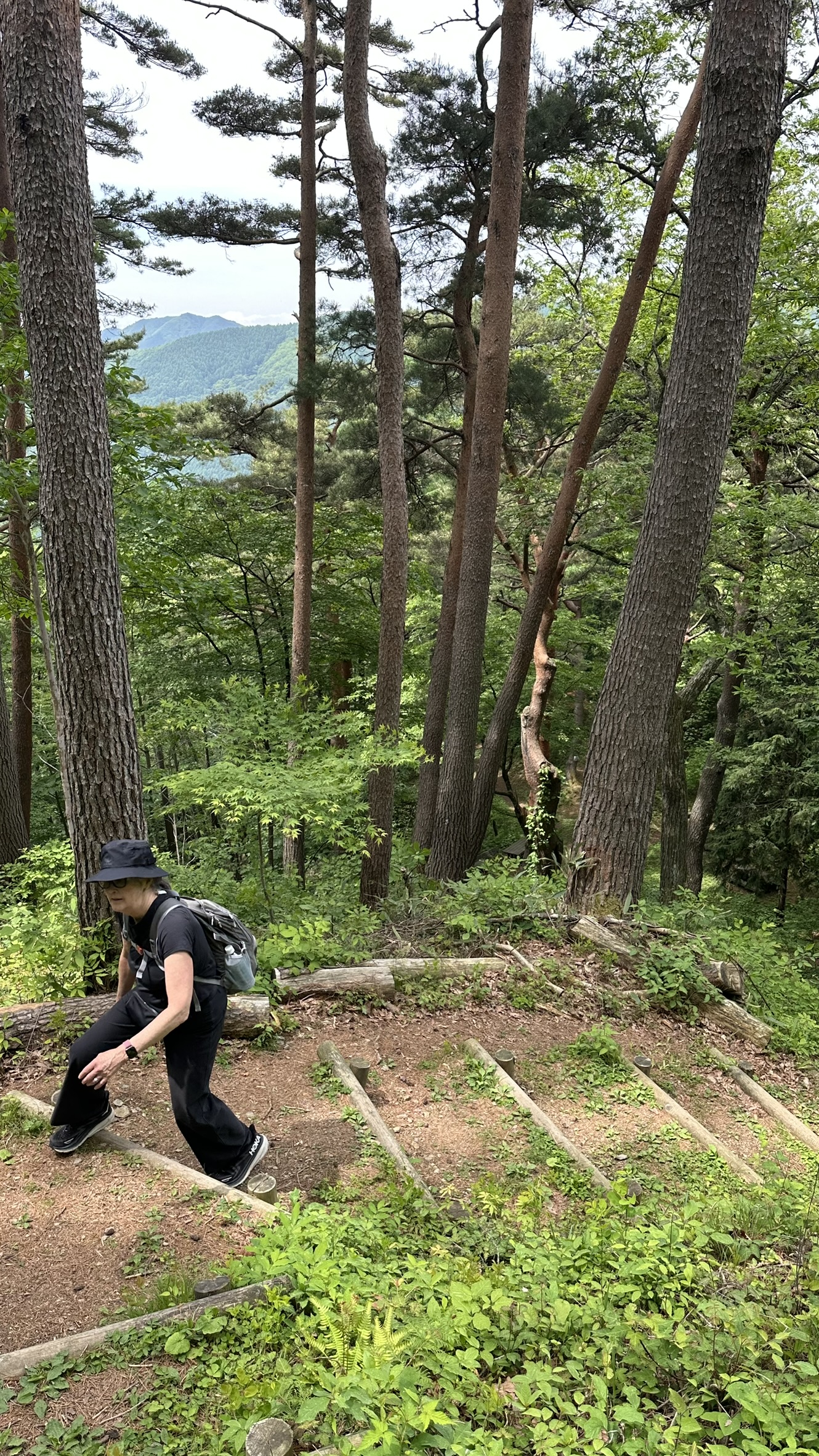
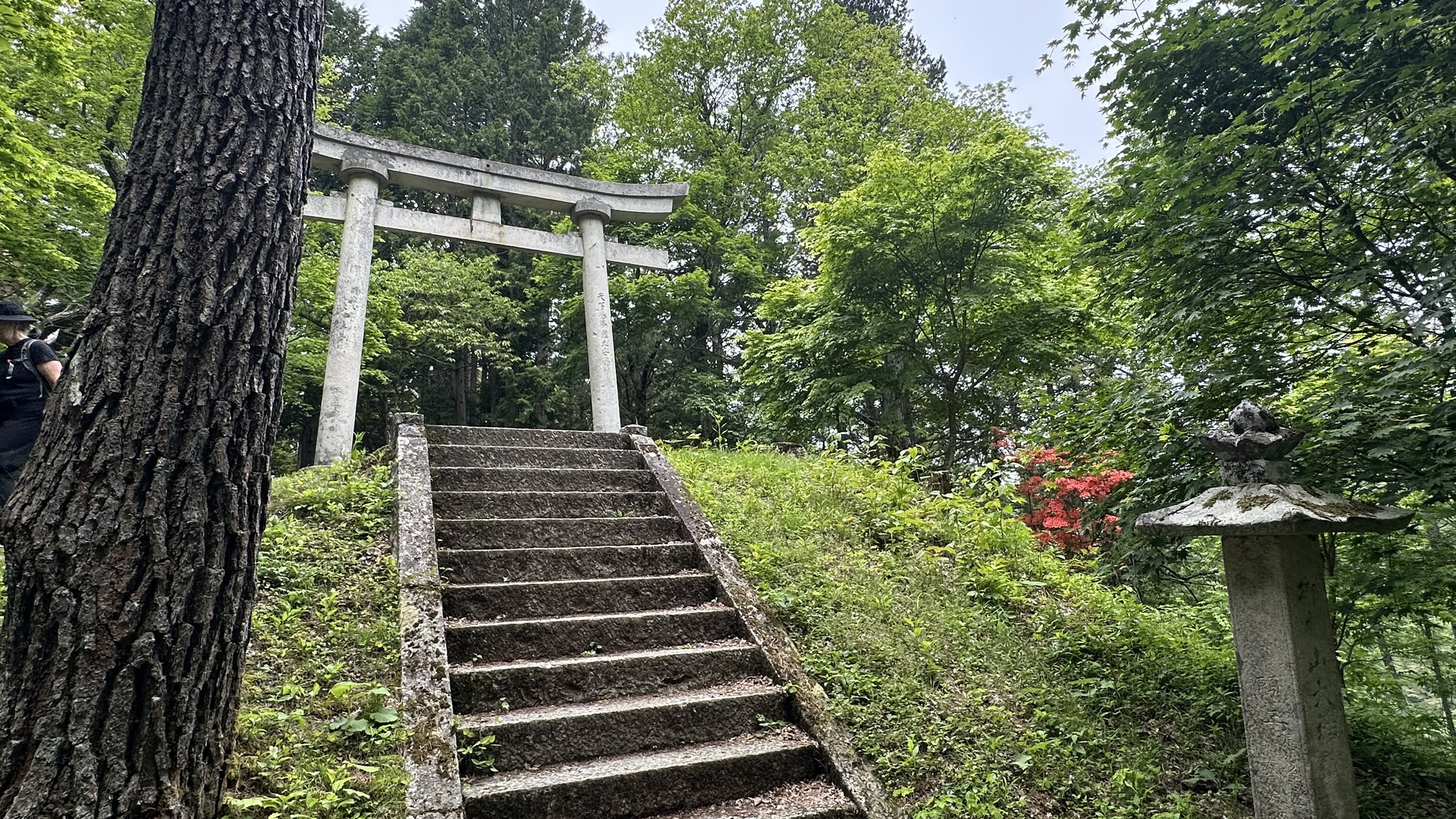
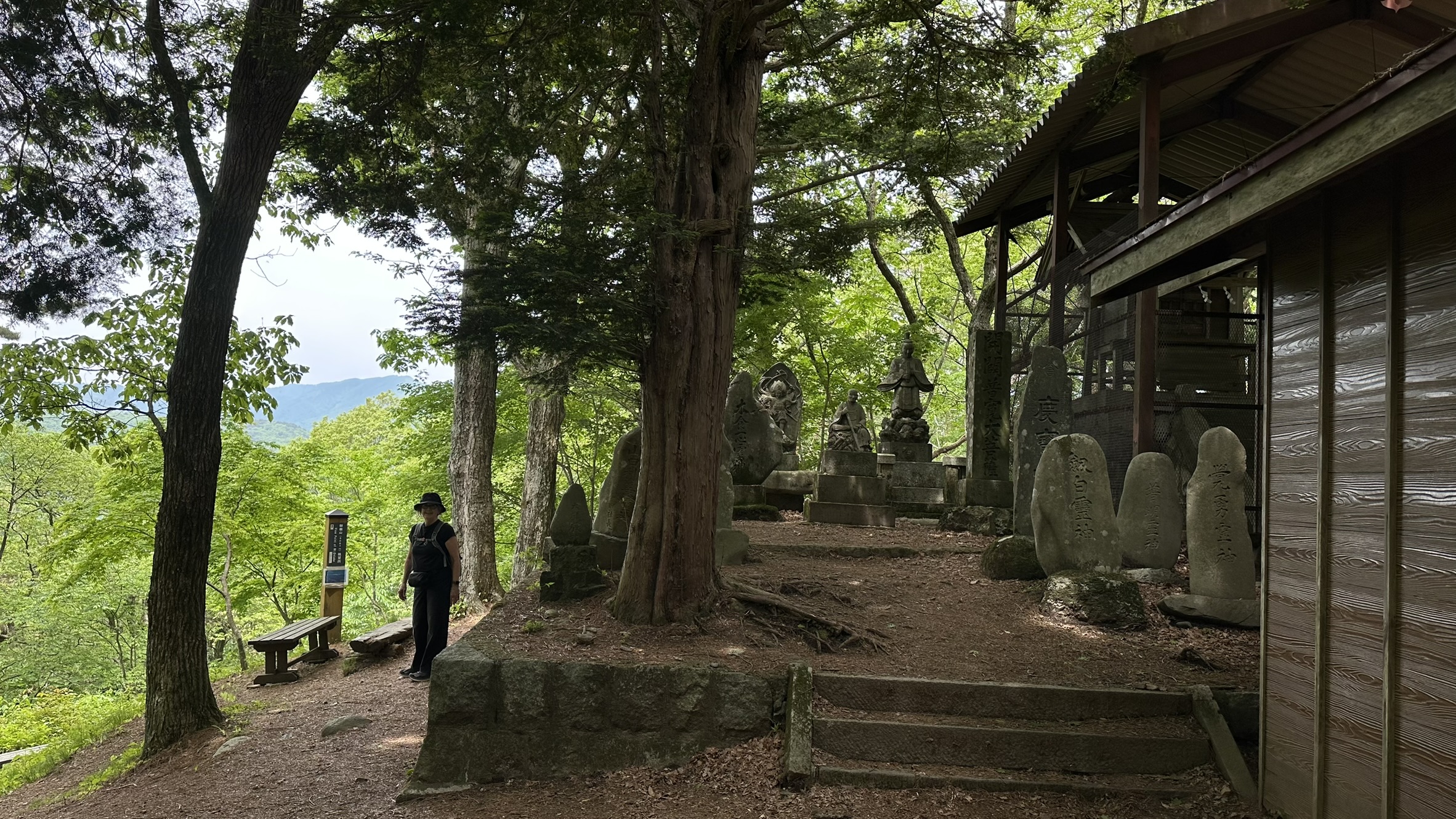
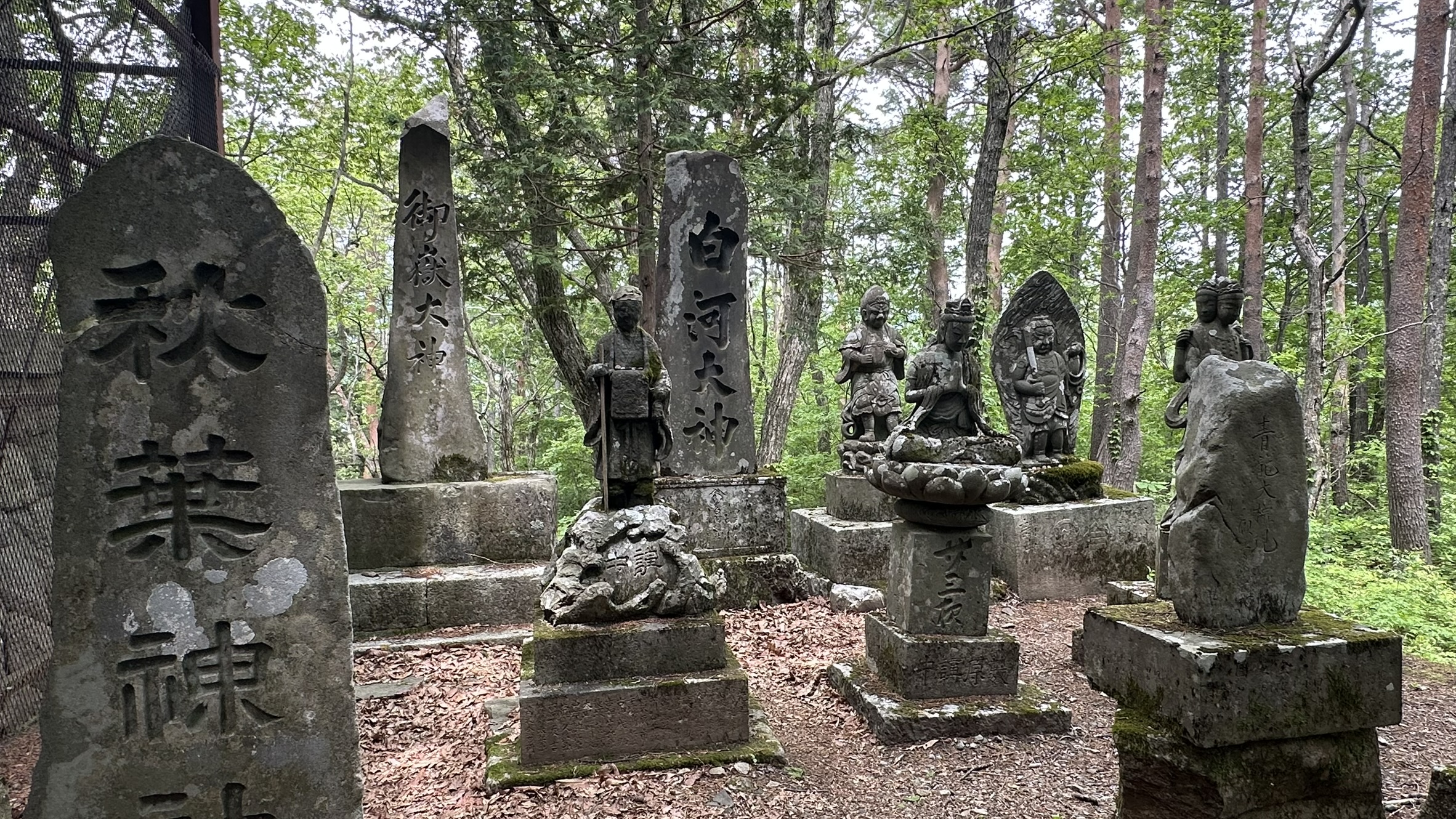
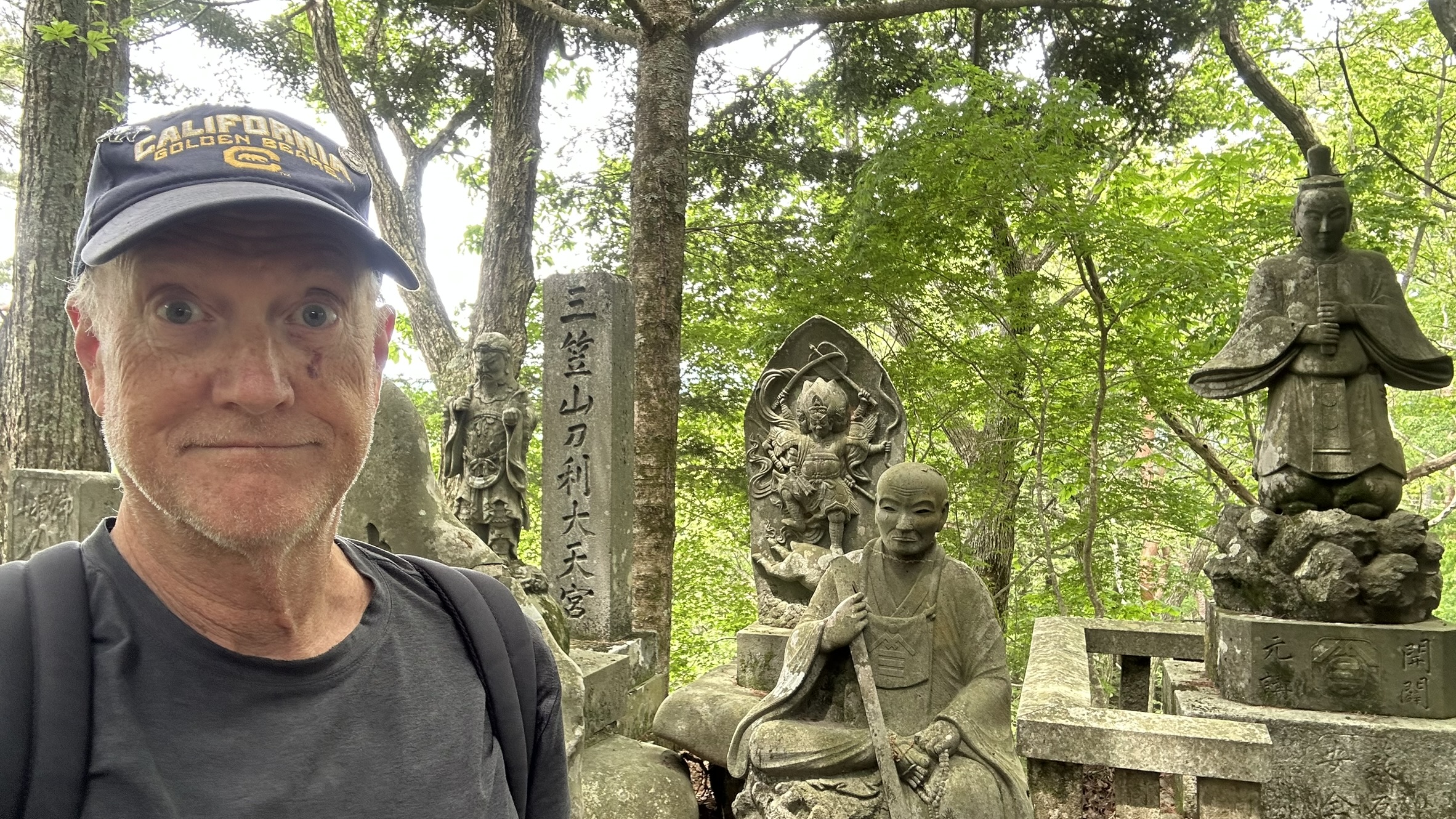
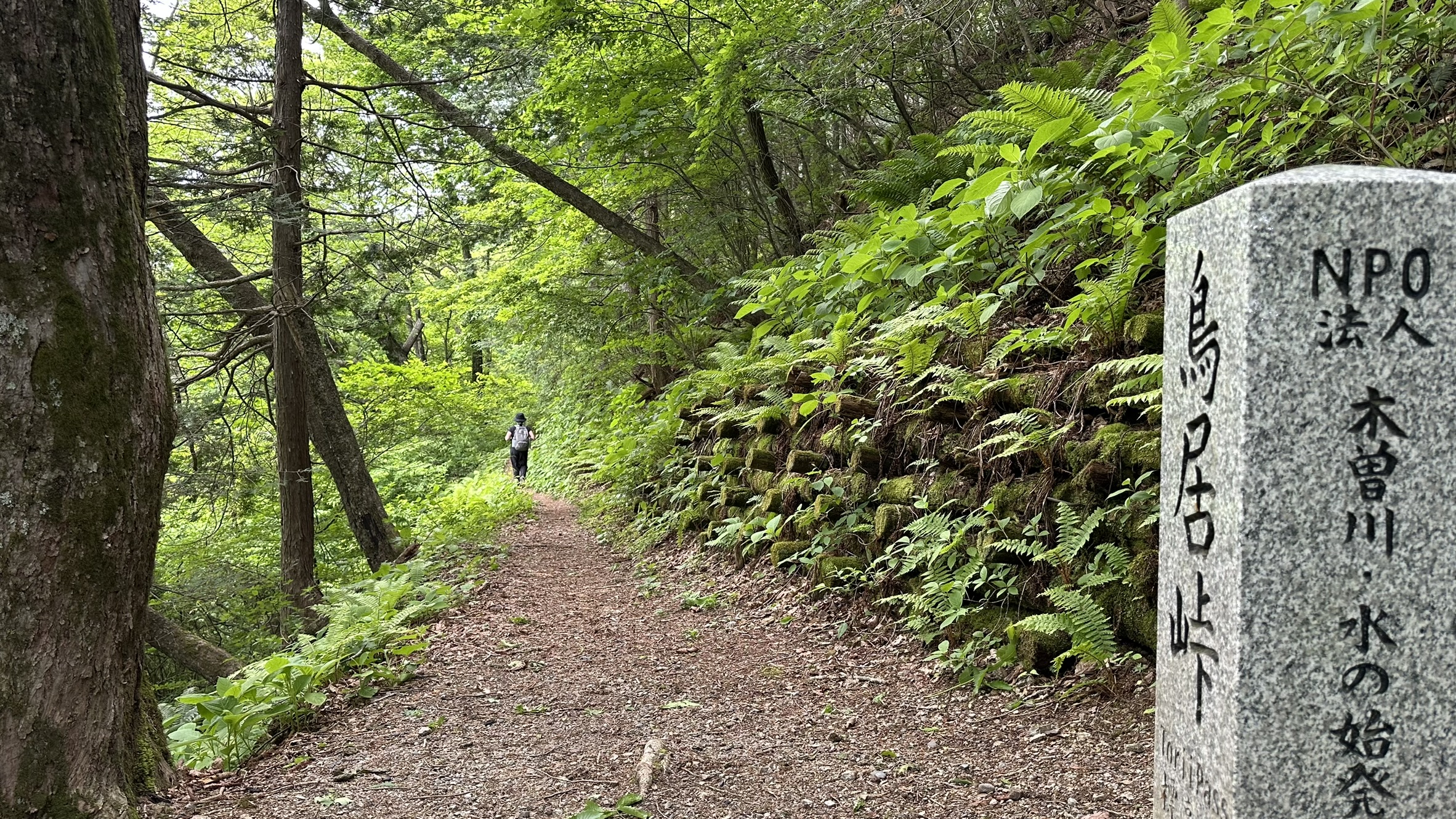
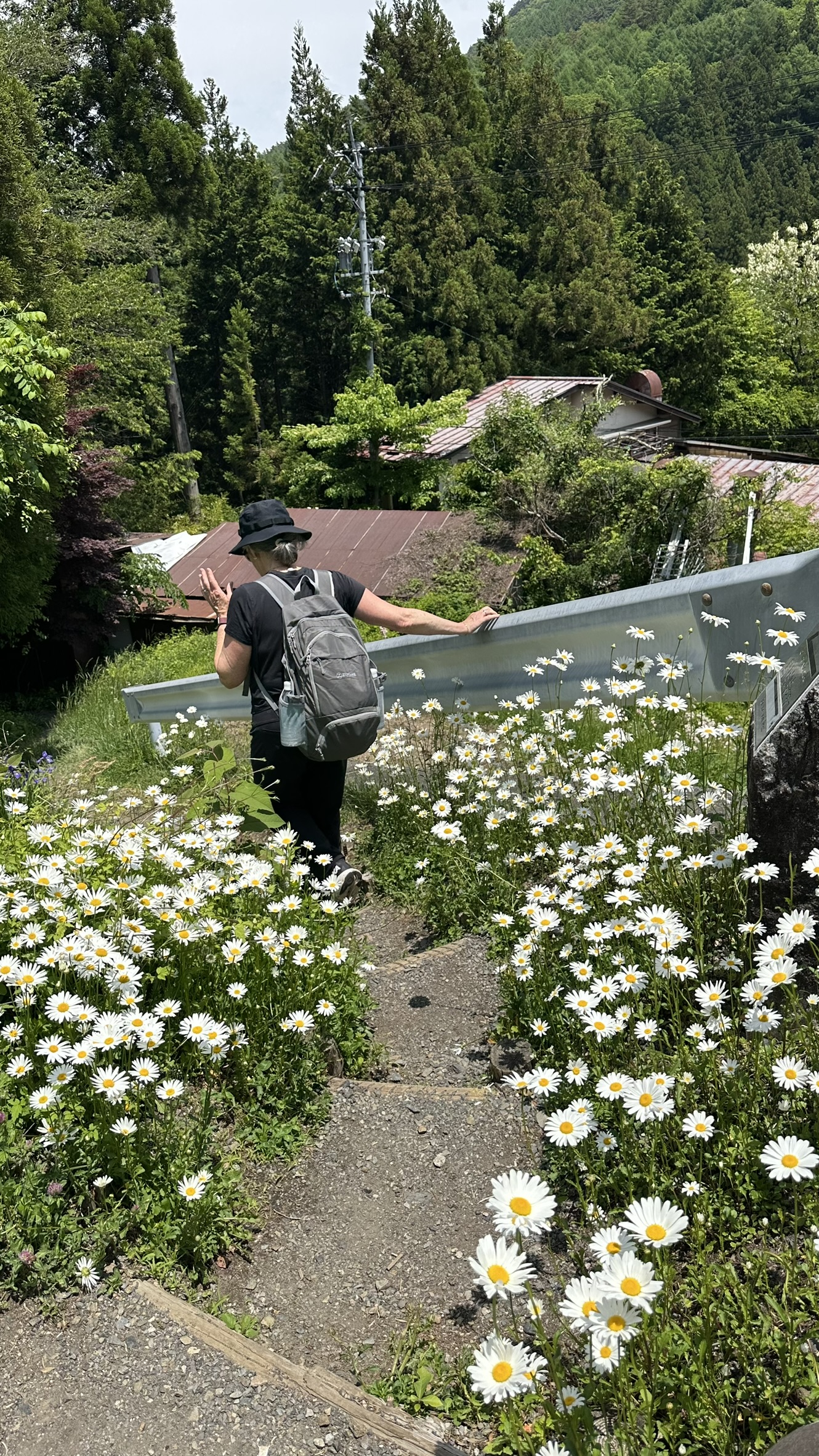
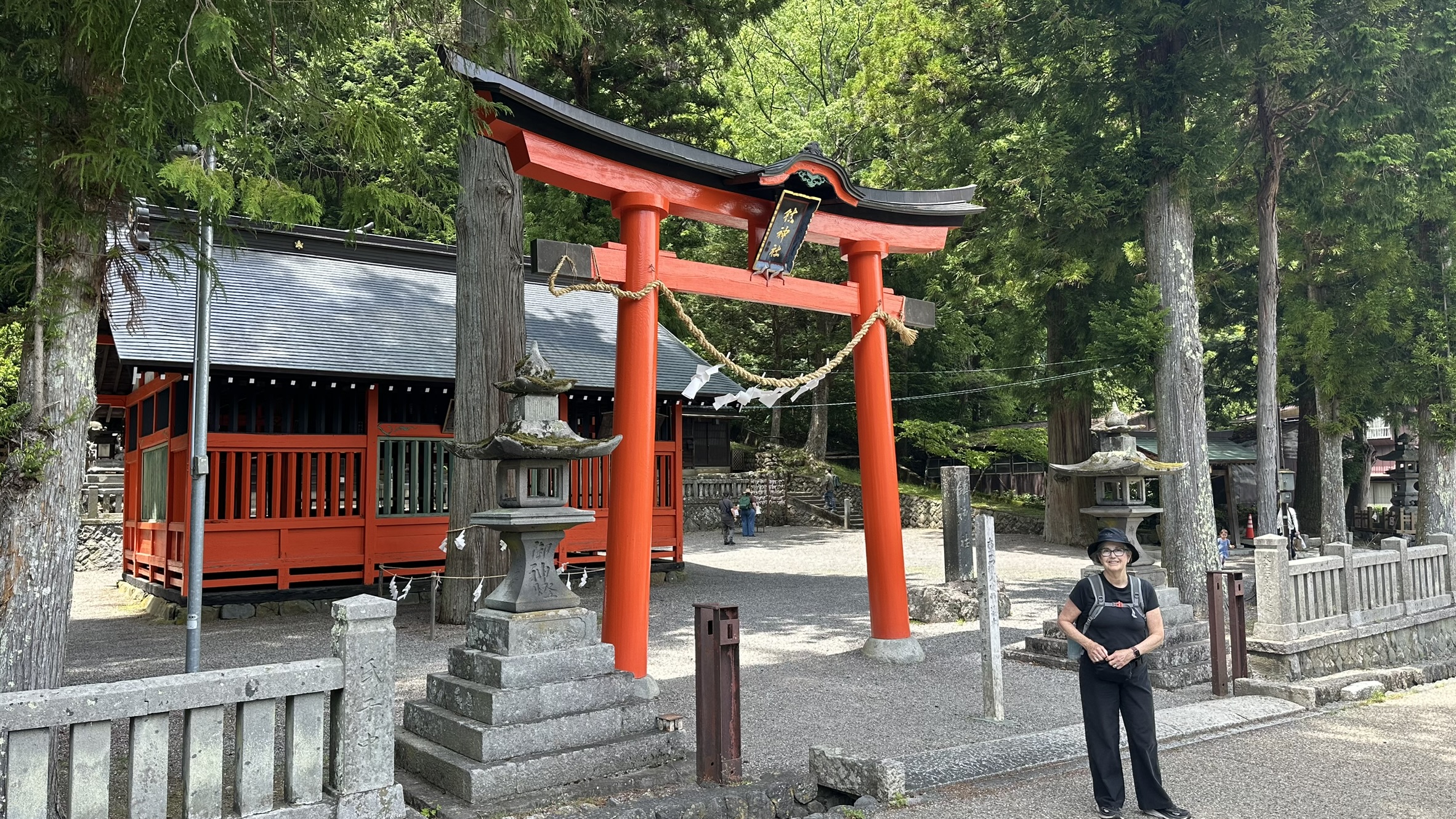
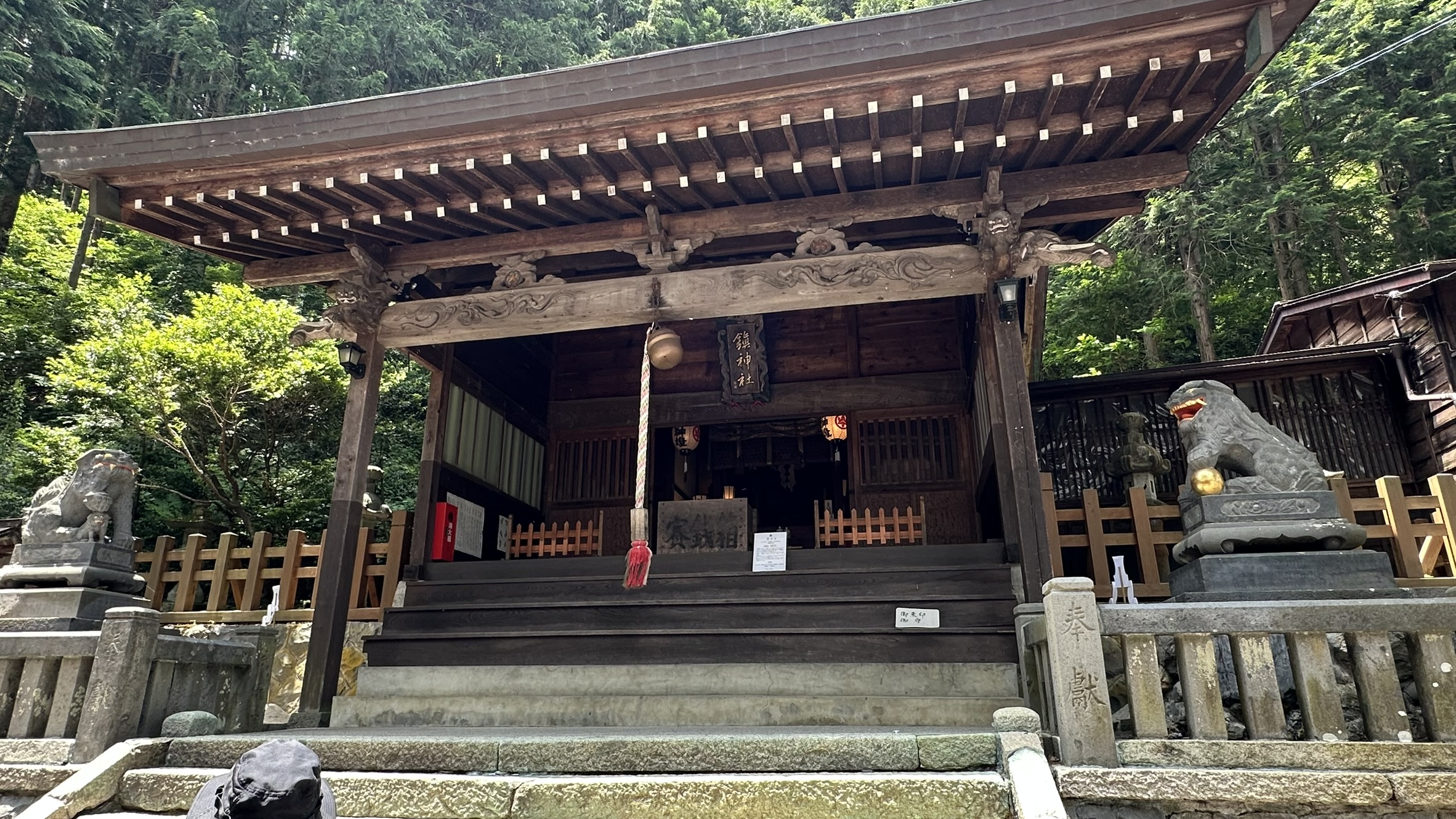
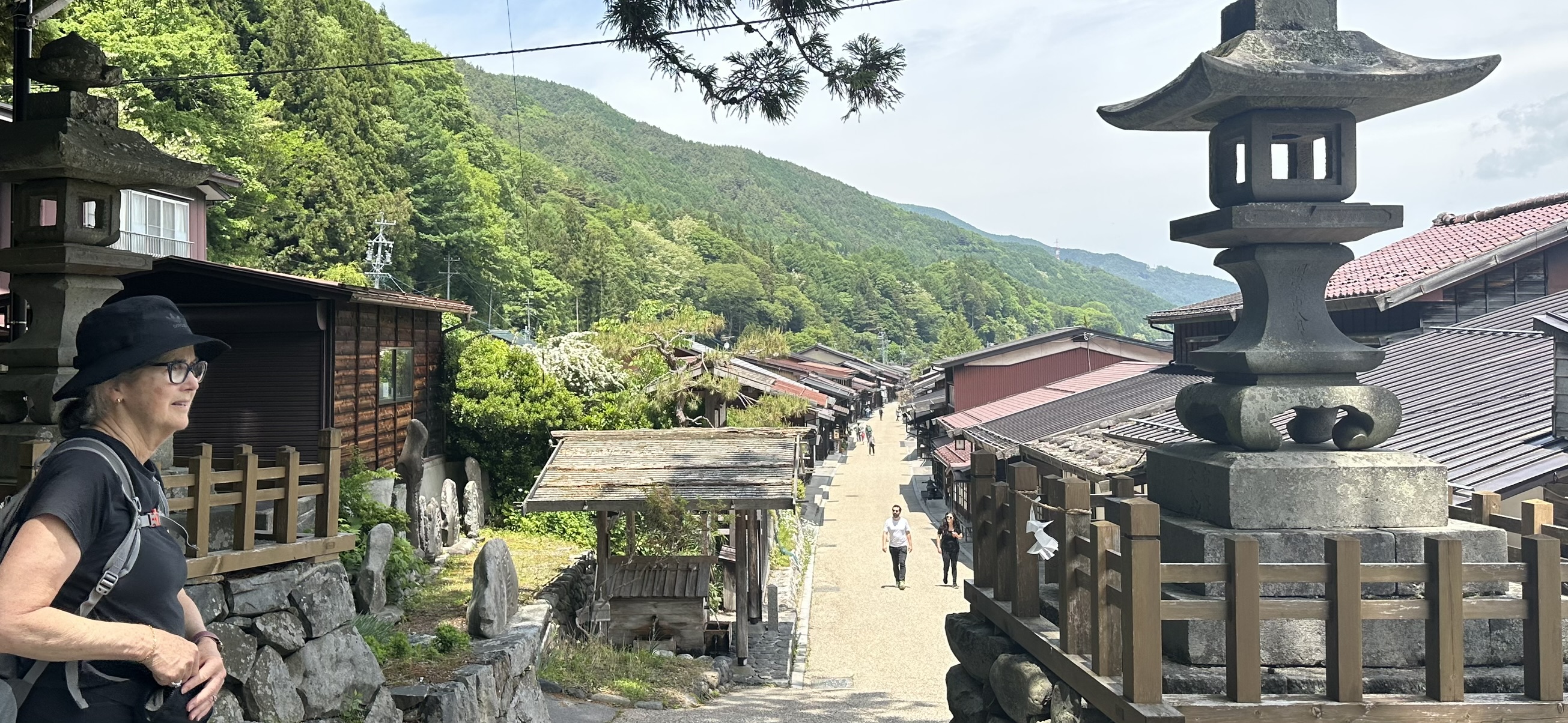
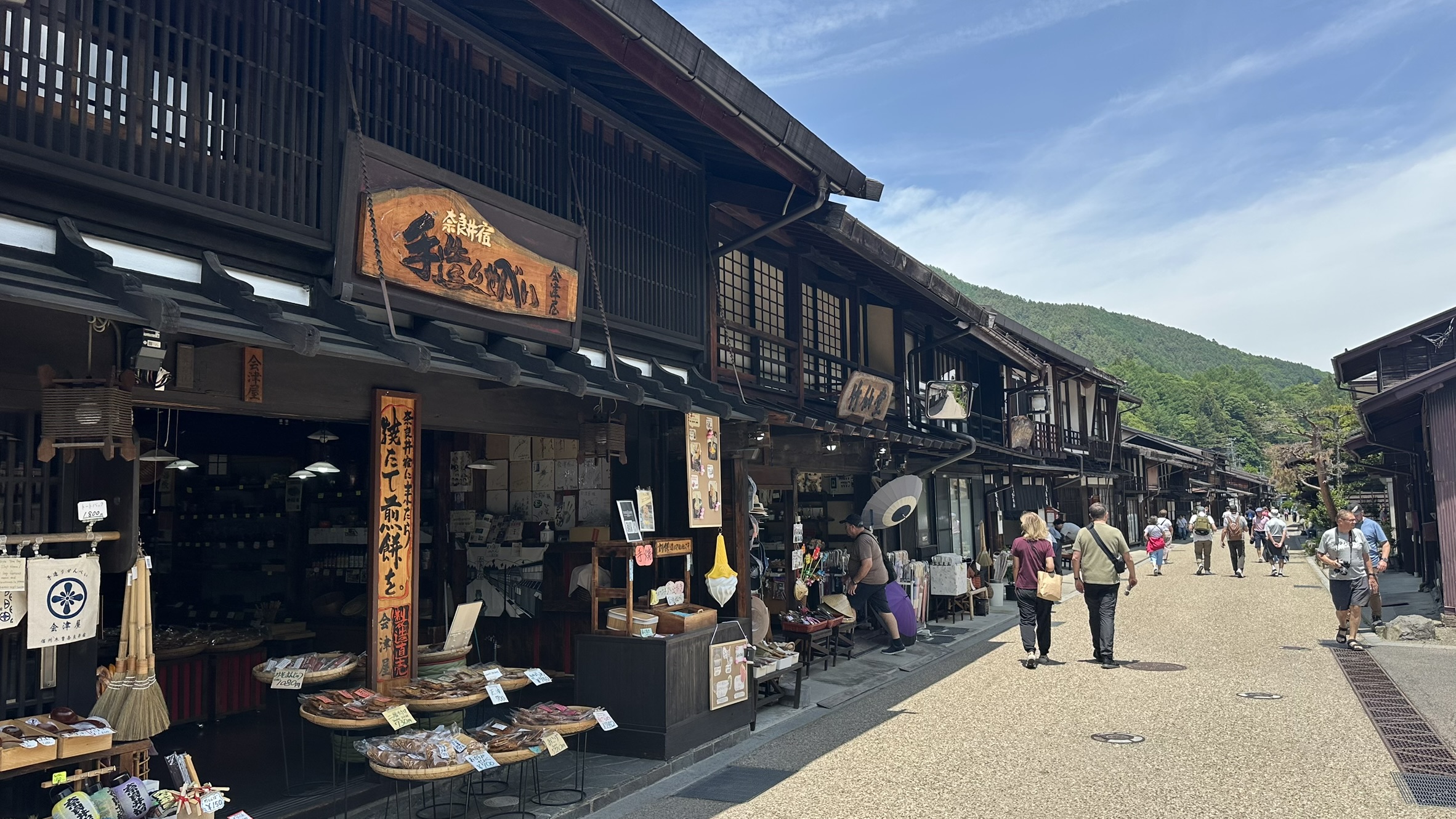
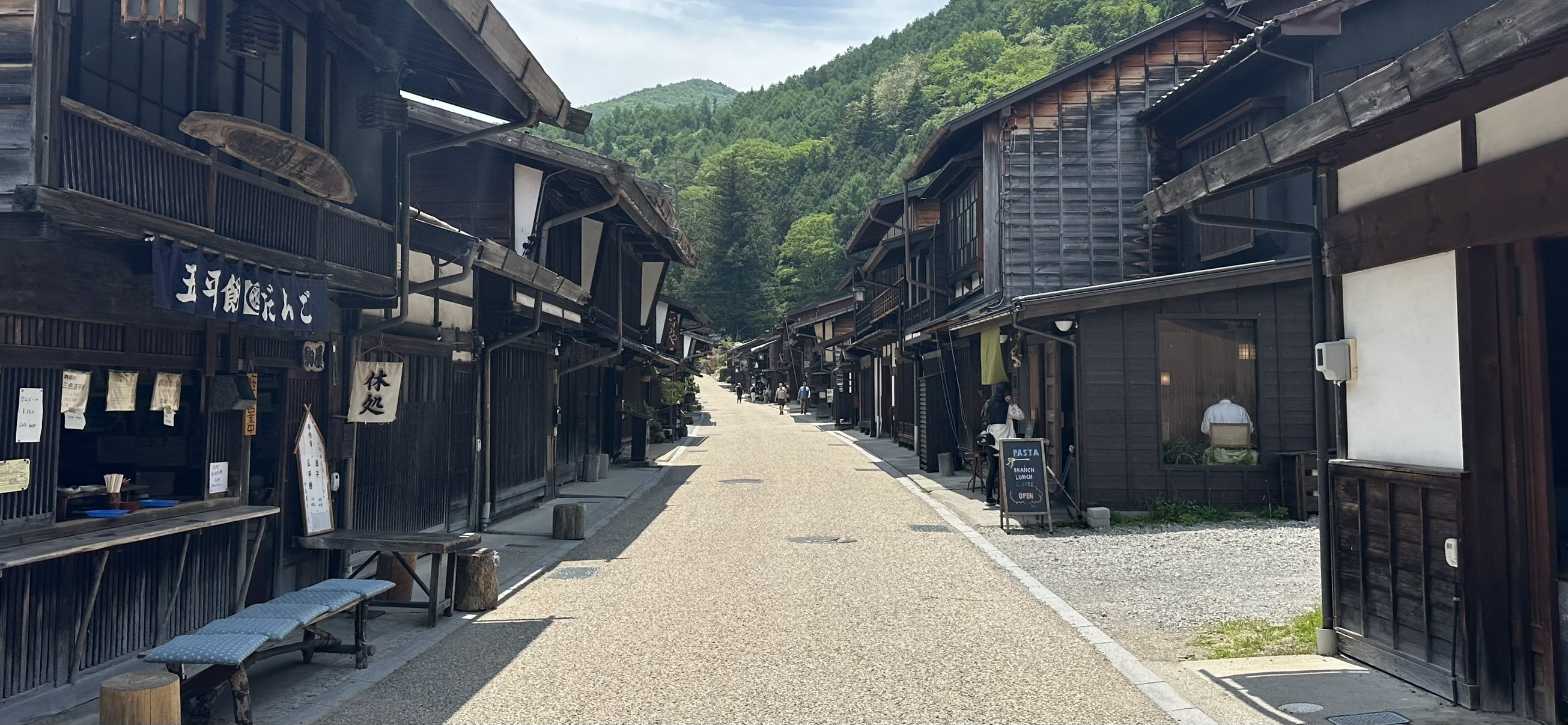
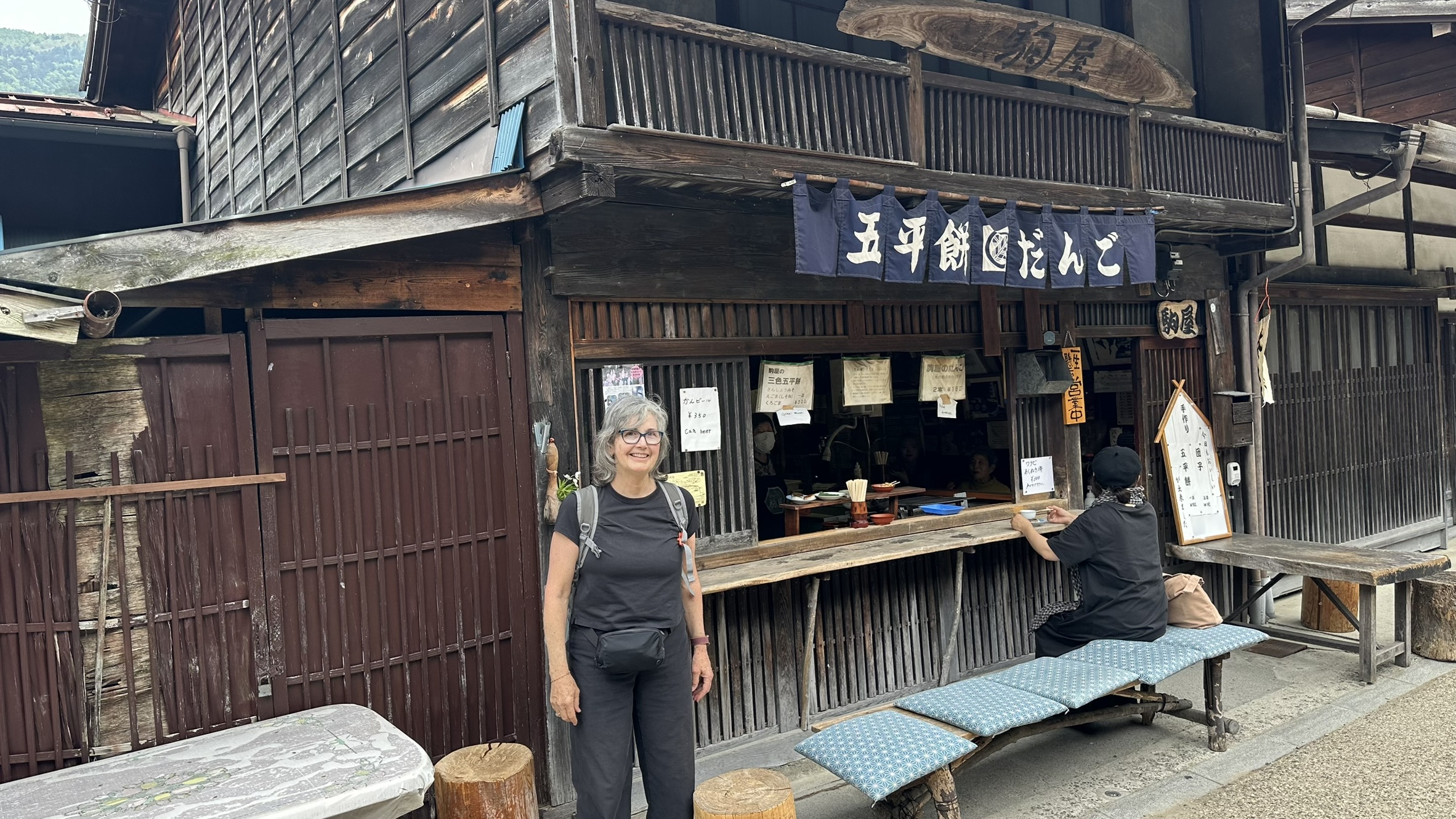
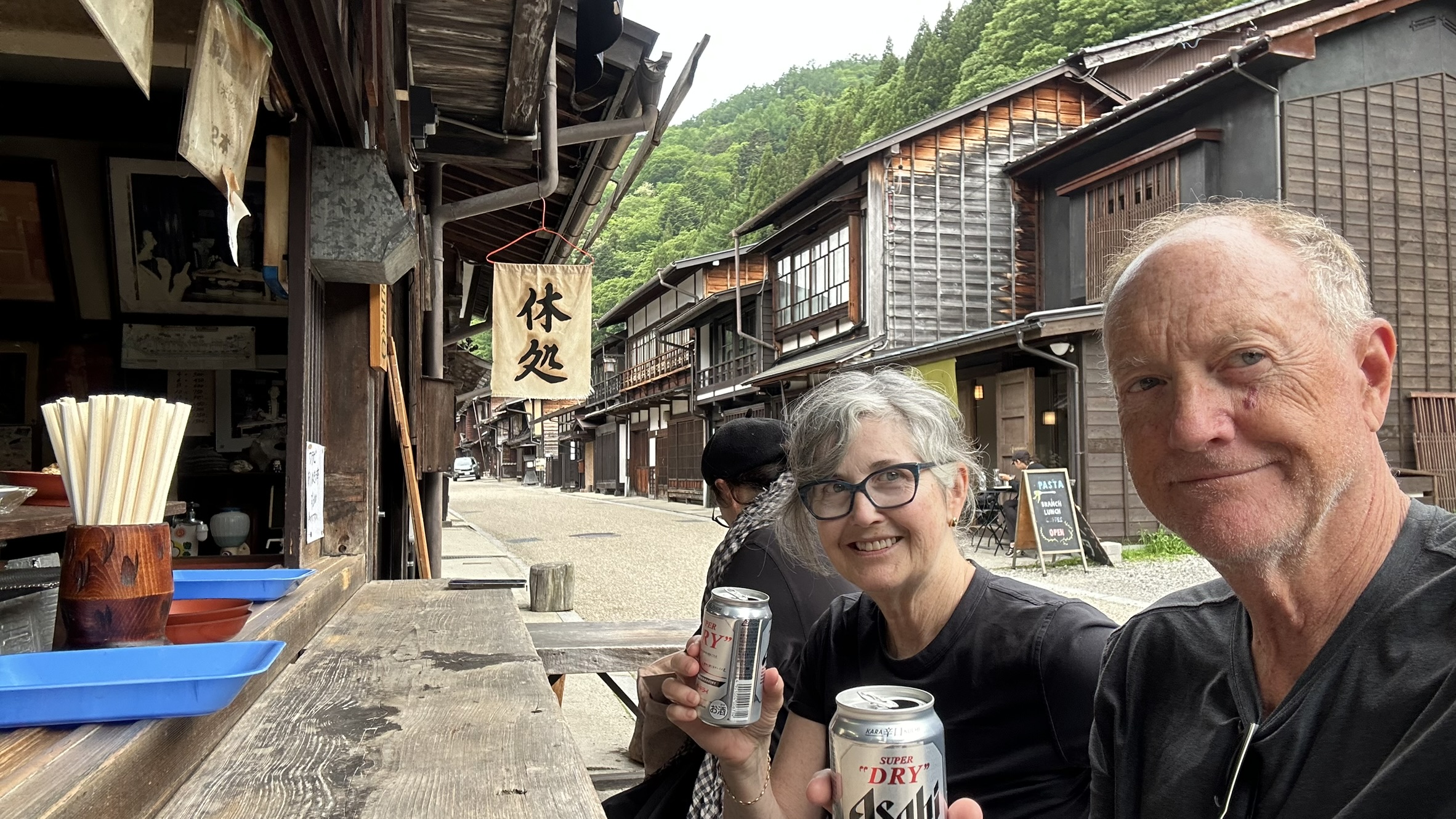
Our second day of hiking started with a short rain ride to Yabuhara and a walk through town to the Torii Pass trailhead, the starting point for the section between Yabuhara and Narai-juku. It’s a bit shorter hike but a steeper climb and descent through what was once considered the most dangerous stretch of the Nakasendo Trail. Perched on the crown of Torii Pass sits the Ontake Shrine, a Shinto shrine surrounded by beautifully carved stone statues, a truly impressive sight given its location. You’ll also pass by a monument to nearby Mount Ontake-to, the second highest volcano in Japan. Narai-juku itself was one of the most important post towns and today remains among the best preserved. Both ends of town has a major shrine to welcome visitors and honor the local deities. A highlight for us was plopping down at the outdoor counter of little mom and pop storefront selling gohei-mochi (sticky-rice cakes) and beer. A delicious treat, transacted mainly with smiles and pointing (and 1100 yen, or about $7 for the two of us).

Kiso-Fukushima
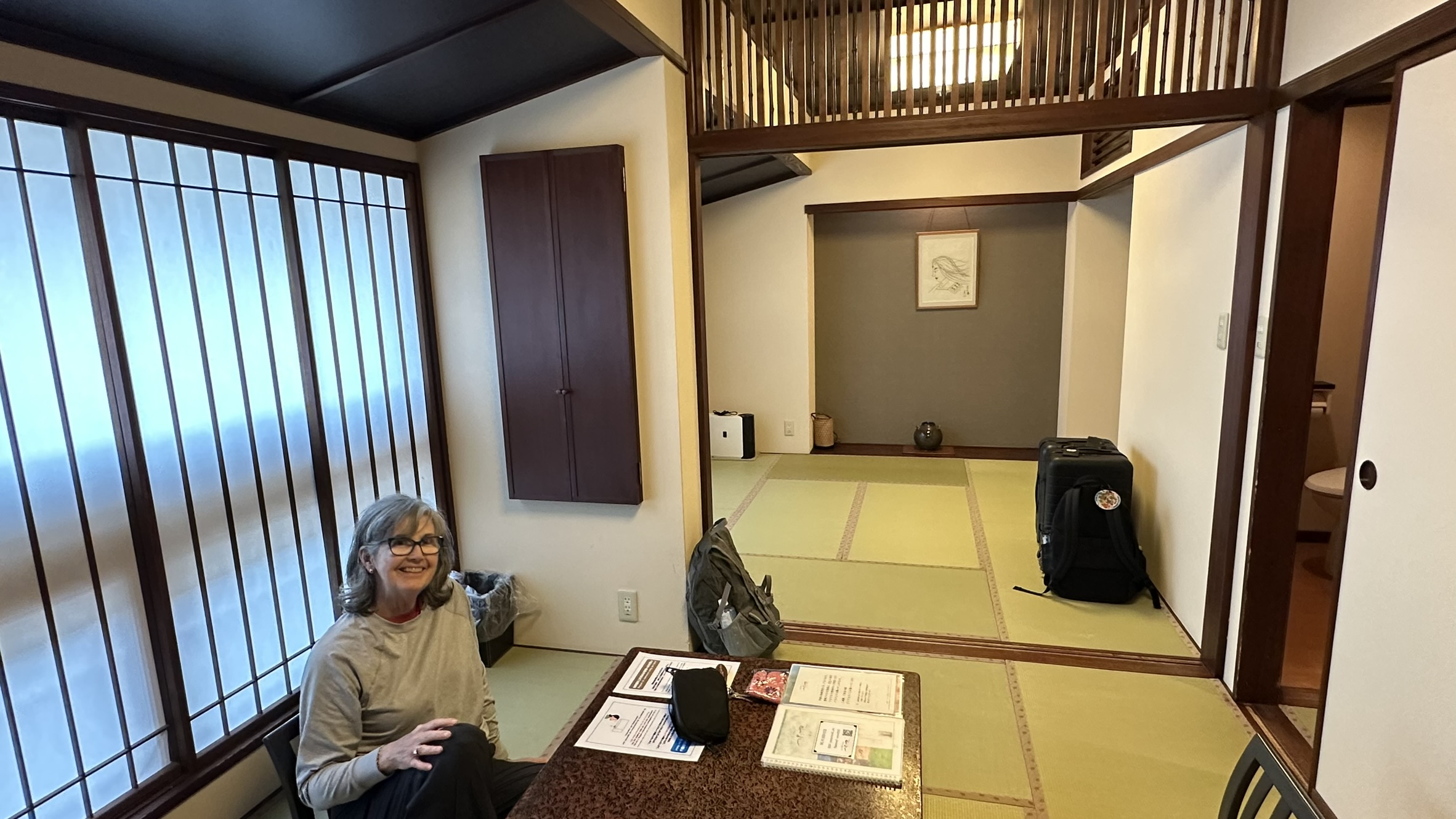
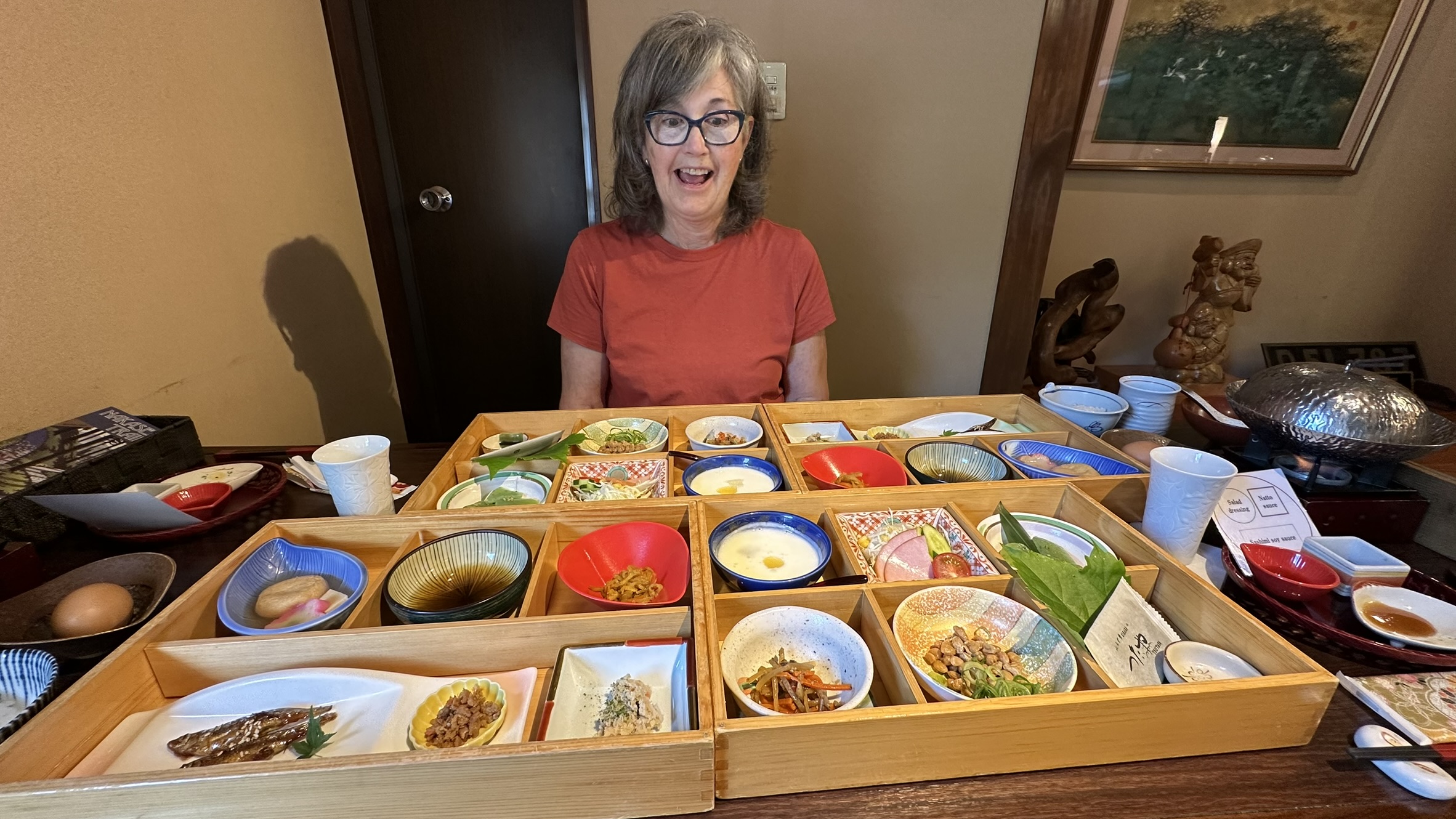
We chose Kiso-Fukushima as our base for two days as it is located perfectly between our two hiking trails and we wanted to avoid the hassle of changing lodging each day, dealing with bag transfers, and so forth. Turned out to be a great call. Our traditional ryokan was literally steps from the train station, with a small cafe next door where you could get a beer after your day of hiking. We opted for the Japanese style room, sleeping on futons and tatami mats — a must-do experience. The ryokan also included fantastic kaiseki meals. While we didn’t get to explore Kiso-Fukushima as much as we would have liked, we did learn it is famous for lacquerware when we stumbled upon a shop with really nice products that has been in the same family for three generations.
| Days 16-17 | Matsumoto | Matsumoto Hotel Kagetsu |
Our next stop, just an hour from Kiso, was Matsumoto, a mid-size city tucked on a plain between mountain ranges in Nagano Prefecture. We had our bags forwarded from our ryokan the day before, so headed to Matsumoto straight from Narai-juku, a 45-minute train ride. Easy peasy.
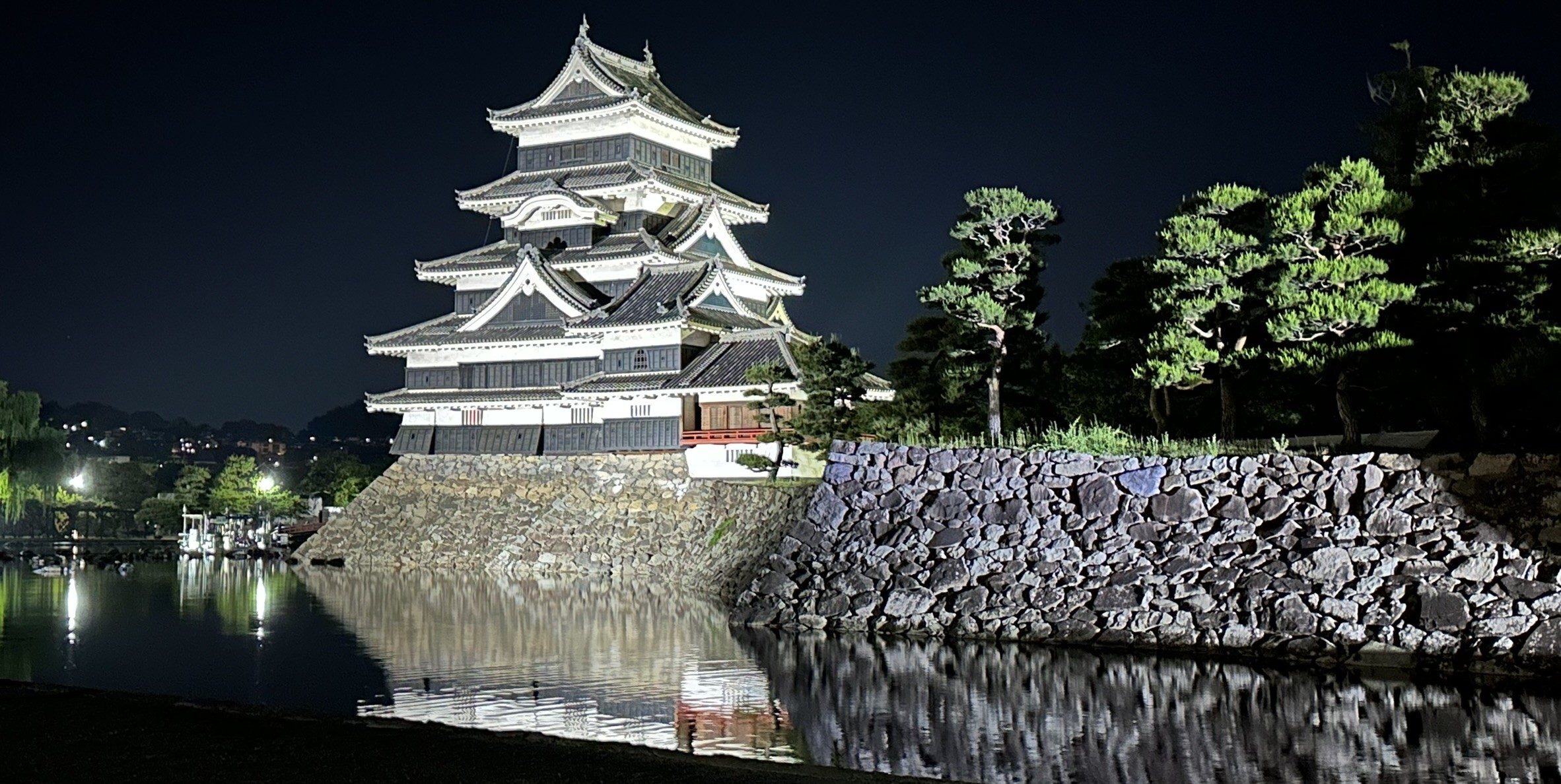
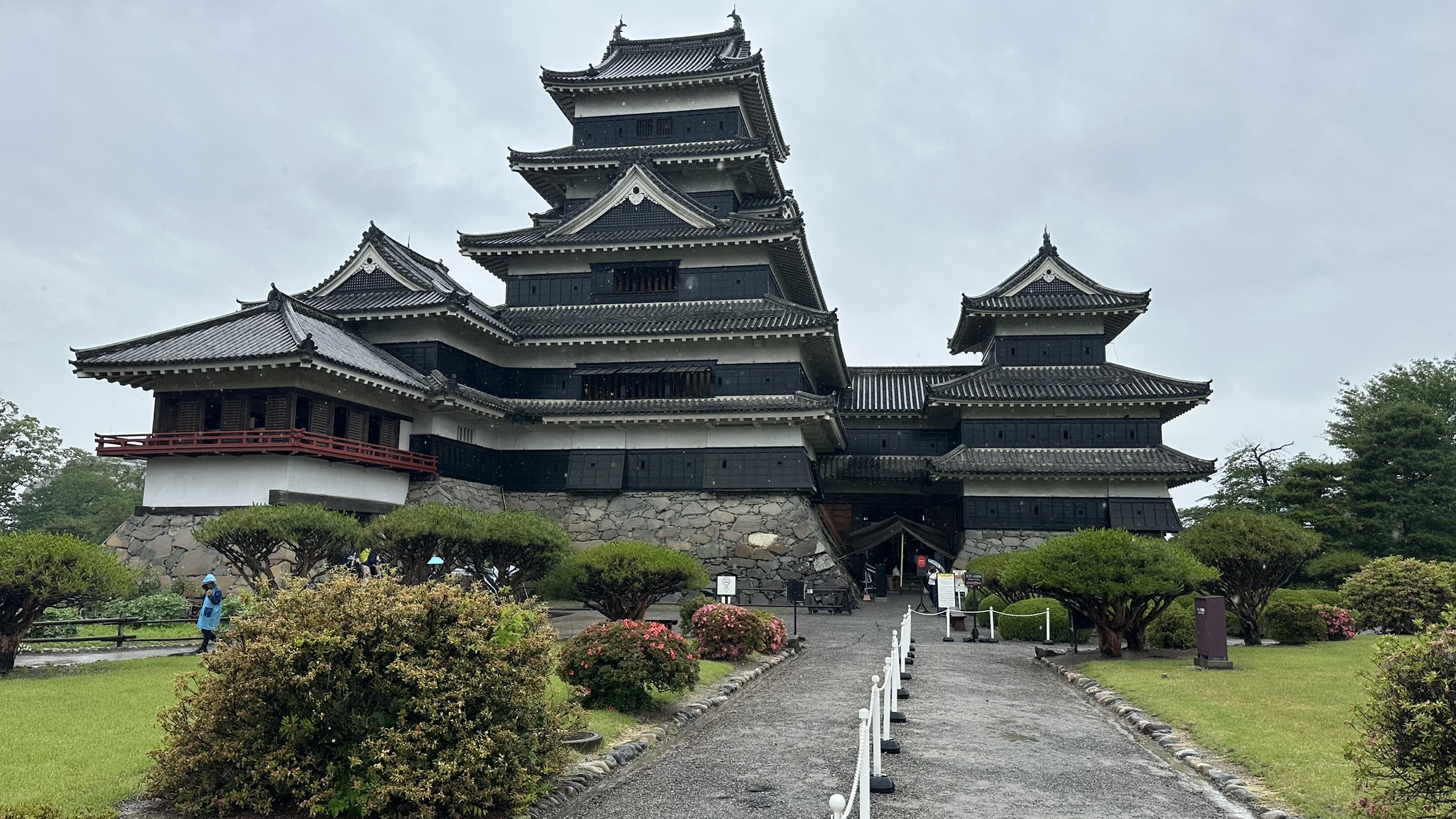
The main draws here are Matsumoto Castle, aka “The Black Castle”, and proximity to the wild, mountain scenery and hiking trails of Kamikochi, a beautiful national park set in the Japanese Alps. We managed to find a couple other diversions as well, typically (as usual for us) around the food and bar scene, most of which were within a half dozen blocks from our hotel, which I recommend. The neighborhood is perfect for all your evening exploration needs. Highlights from our two days and three nights:
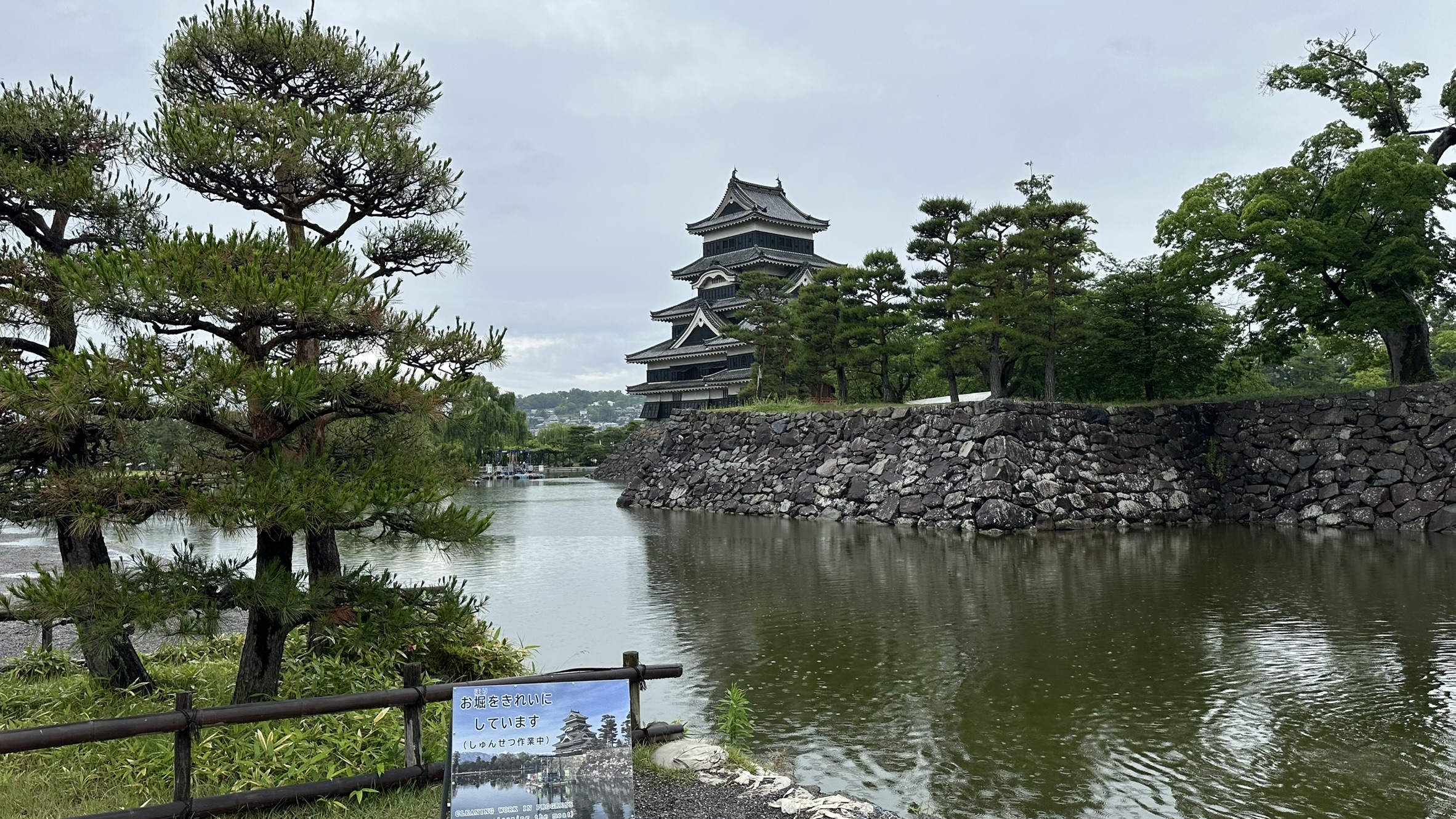
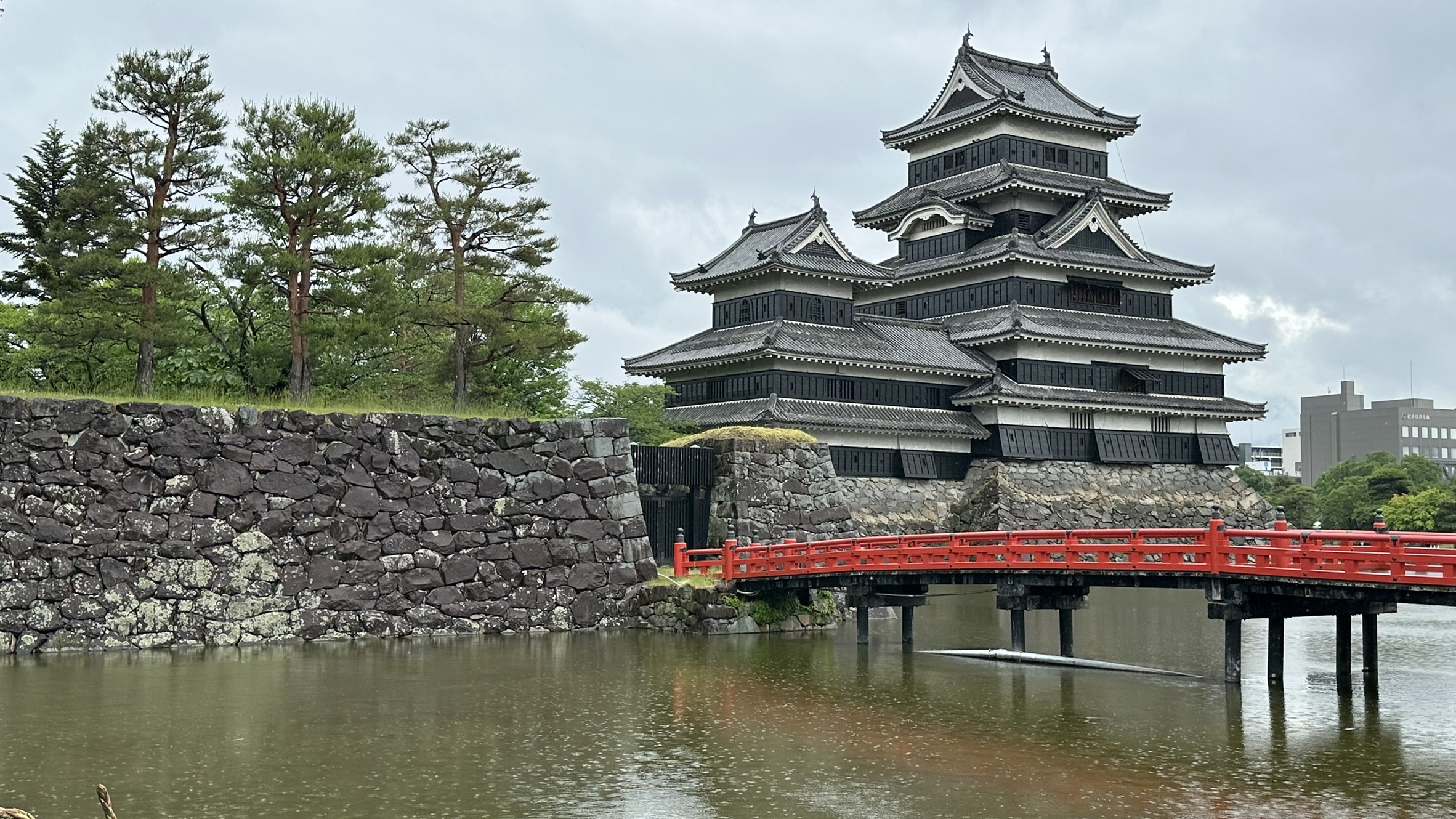
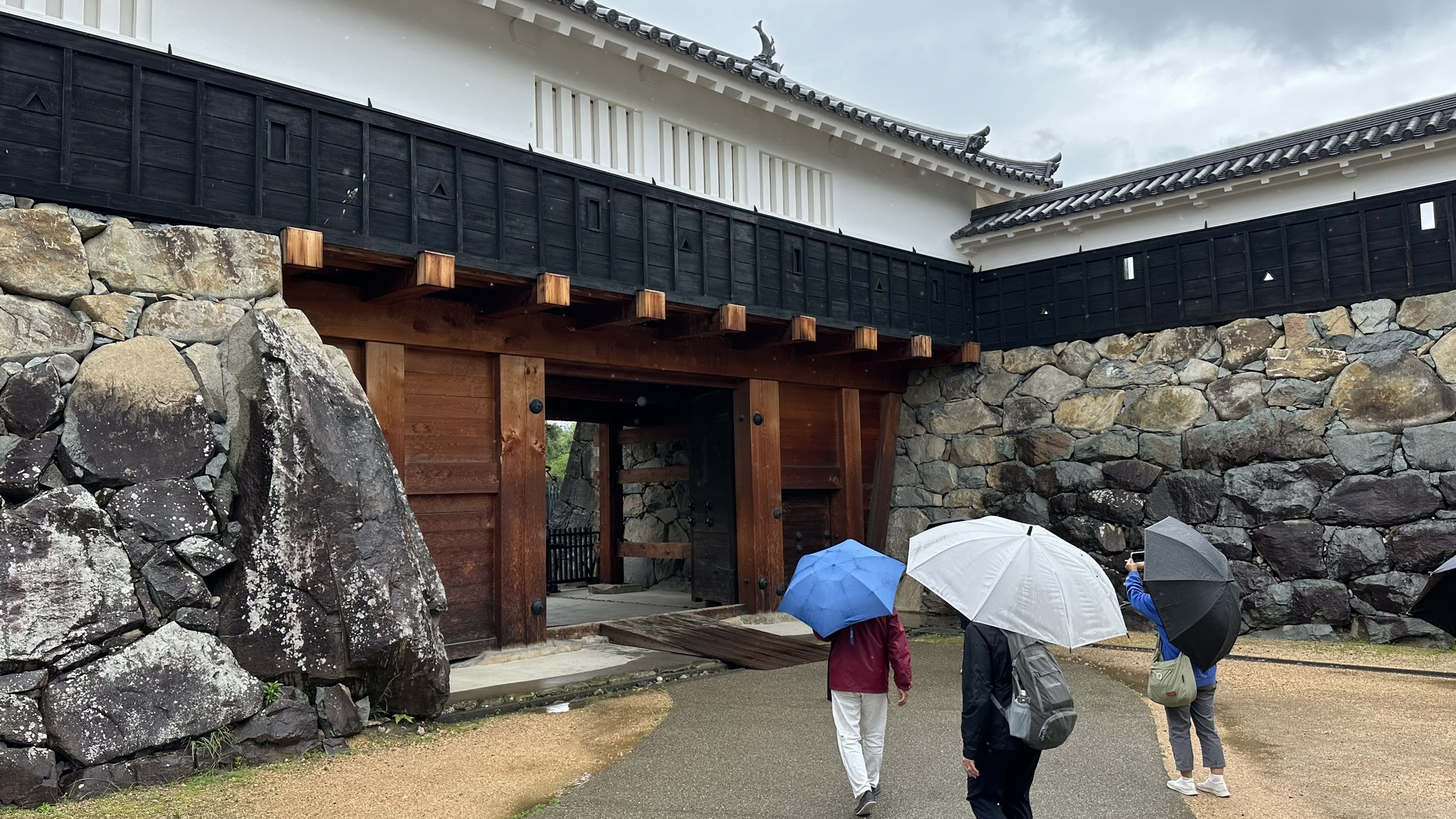
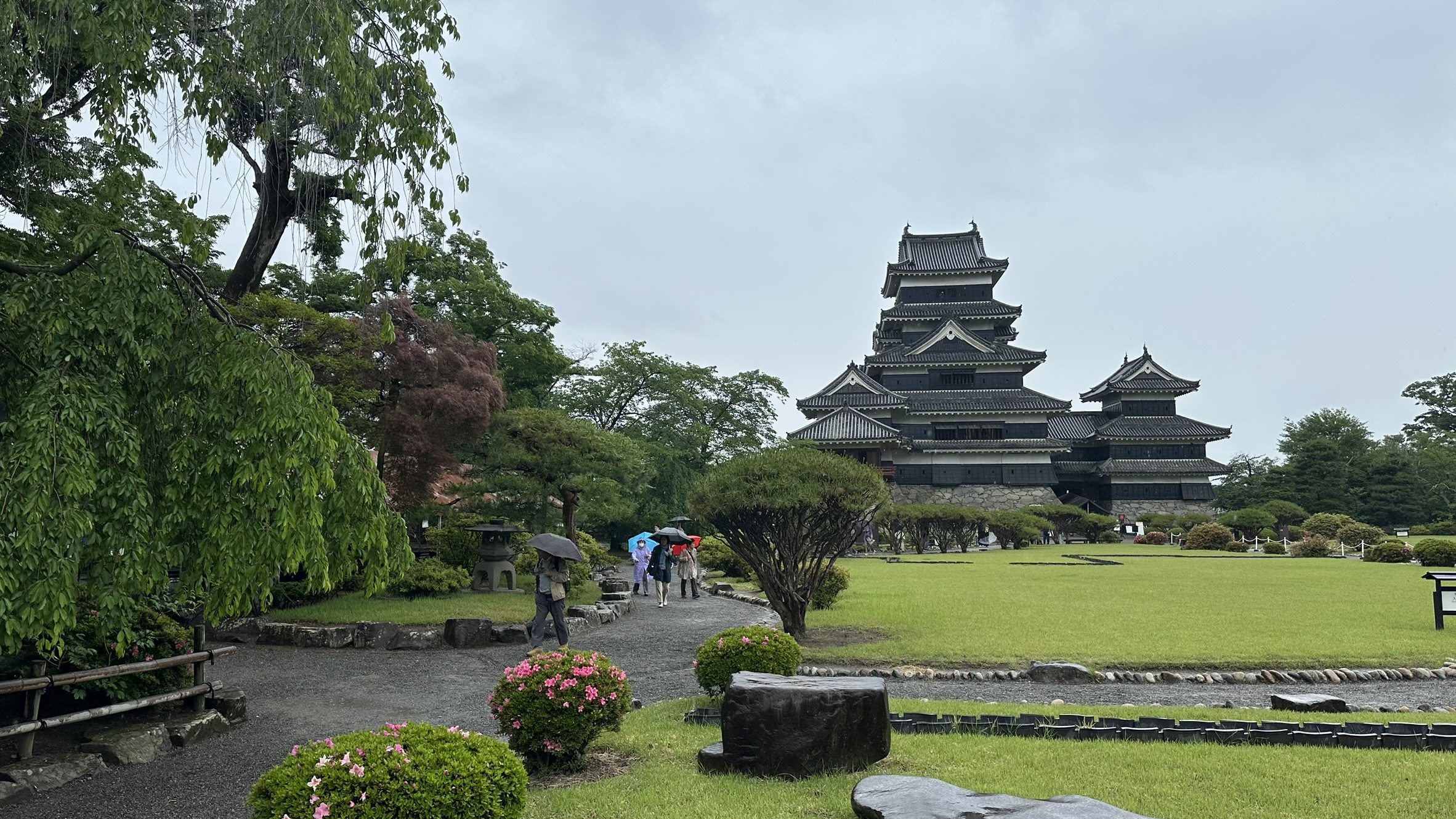
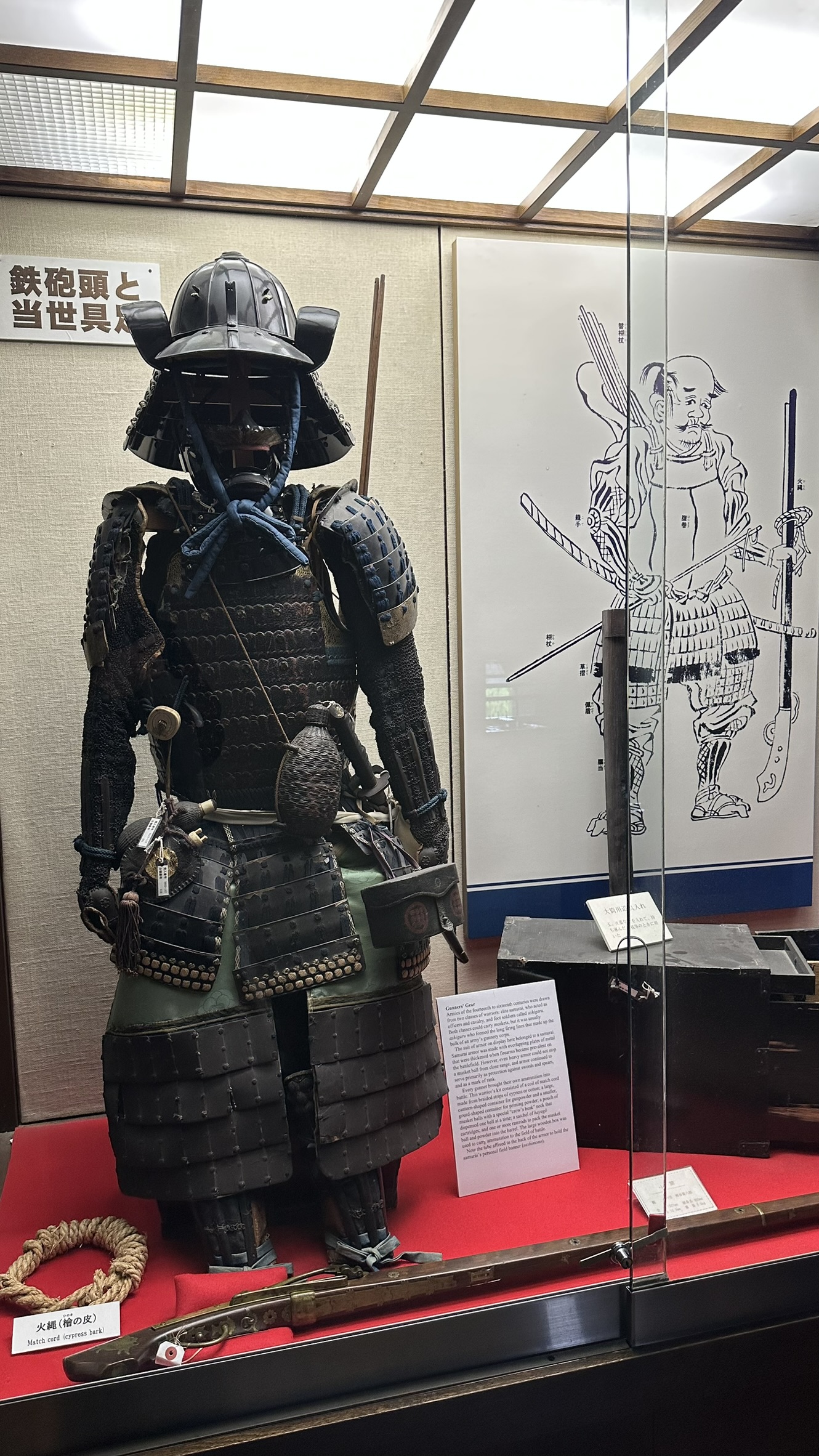
- Matsumoto Castle is one of six remaining Edo-period castles designated as Japan National Treasures. It was well defended by three moats and a small courtyard between two entrances called the “kill zone”, where guns and crossbows high on the walls awaited those trying to pass. The castle is incredibly well-preserved, and you can tour the entire inside. It looks like five stories from outside but actually has six, including a hidden floor halfway up. (Interesting footnote: George Lucas supposedly took his inspiration for Darth Vader and Star Wars stormtroopers costumes from Samurai battle armor.)
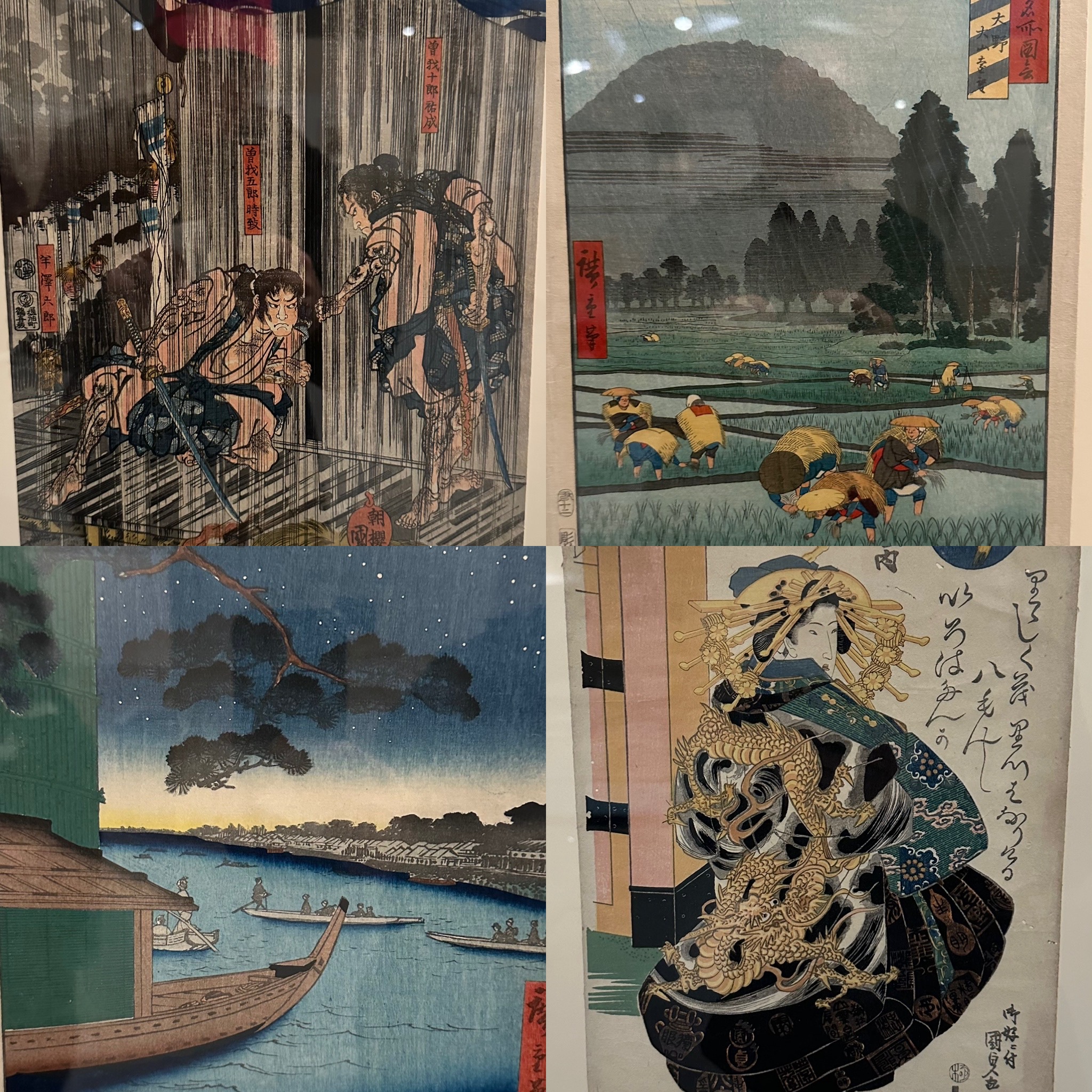
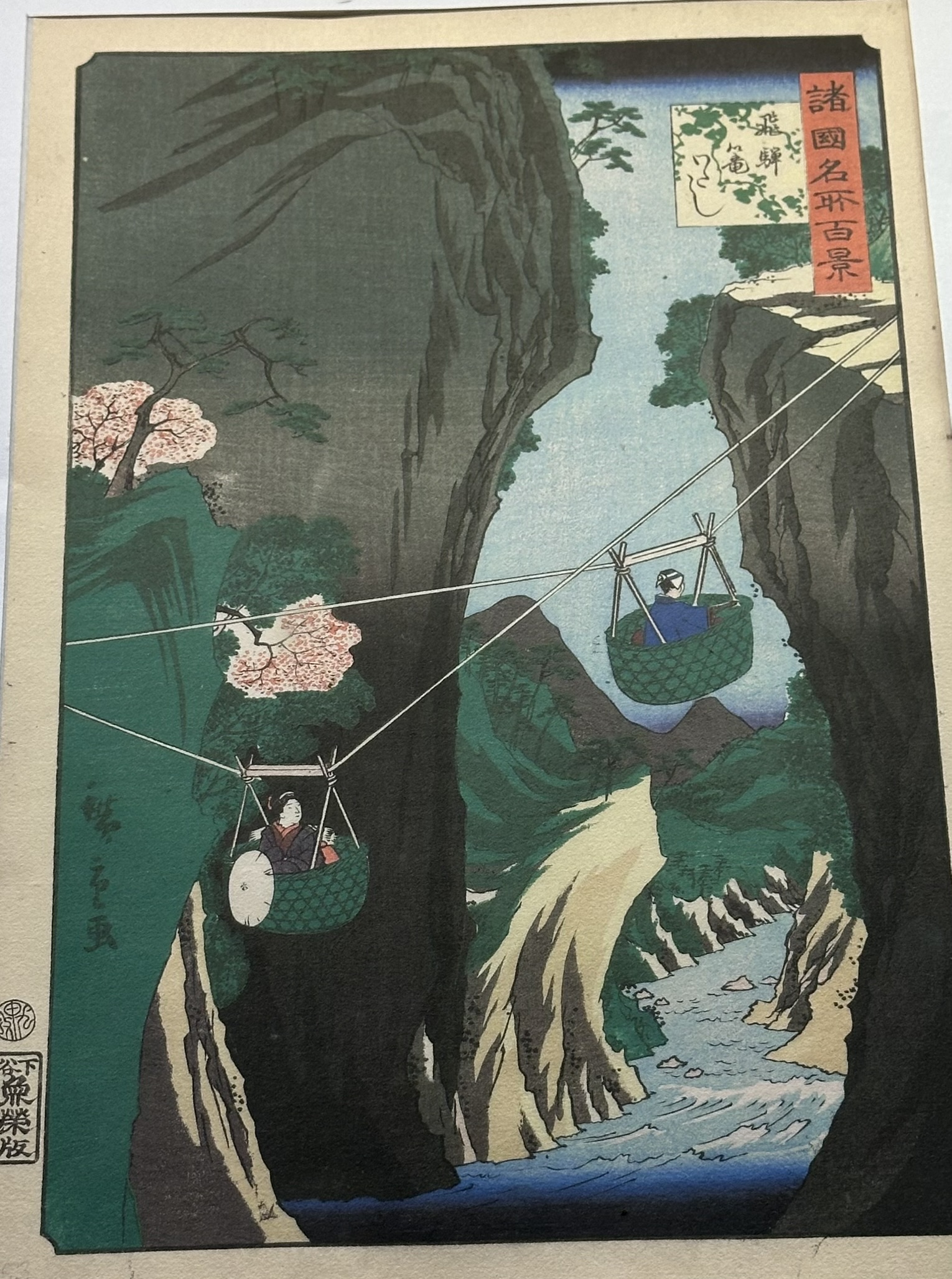
- Our second “planned” stop our first day was brief visit to Ukiyoe Museum, with the largest collection of traditional Japanese woodblock art in Japan. A lot of these pieces were pretty incredible. Almost nobody there when we arrived an hour before closing time.
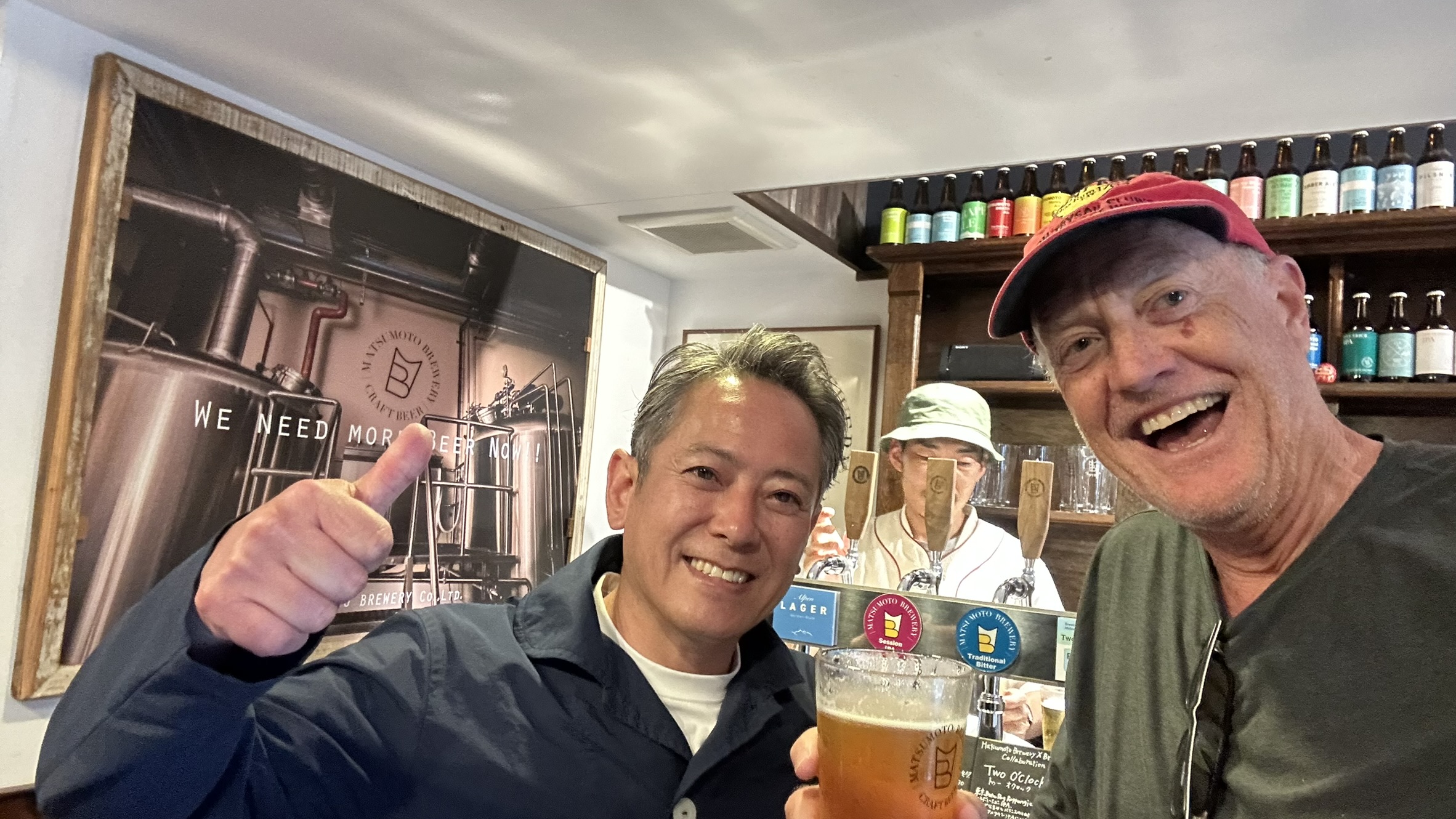
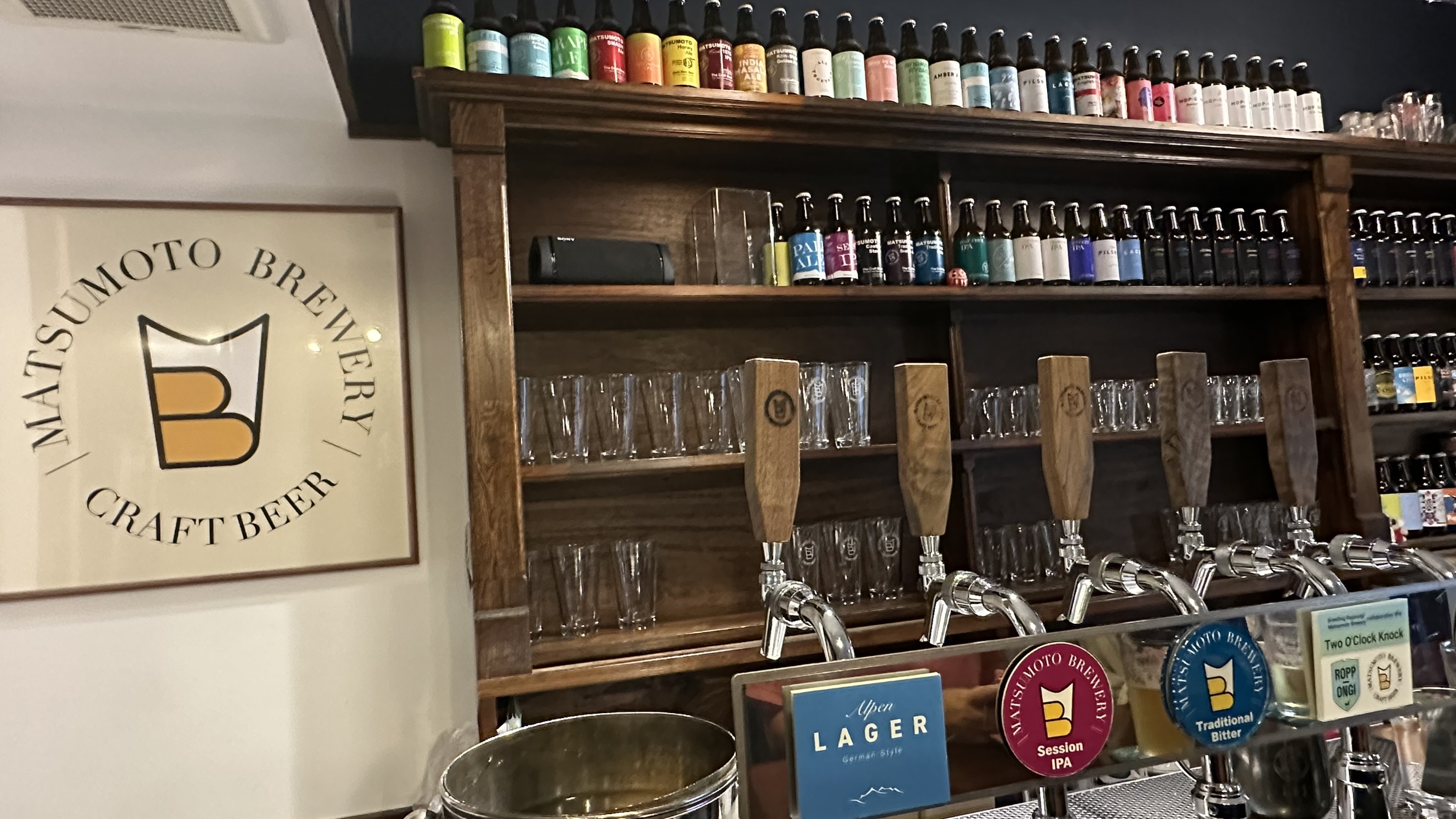
- First surprise discovery: Matsumoto Brewing Tap Room, where I found myself having a nice local brew with none other than the brewery’s CEO. He was just sitting at the bar when he introduced himself, thanked me for drinking his beer, and gave me his card. Only in Japan!
- A couple great cocktail bar discoveries:
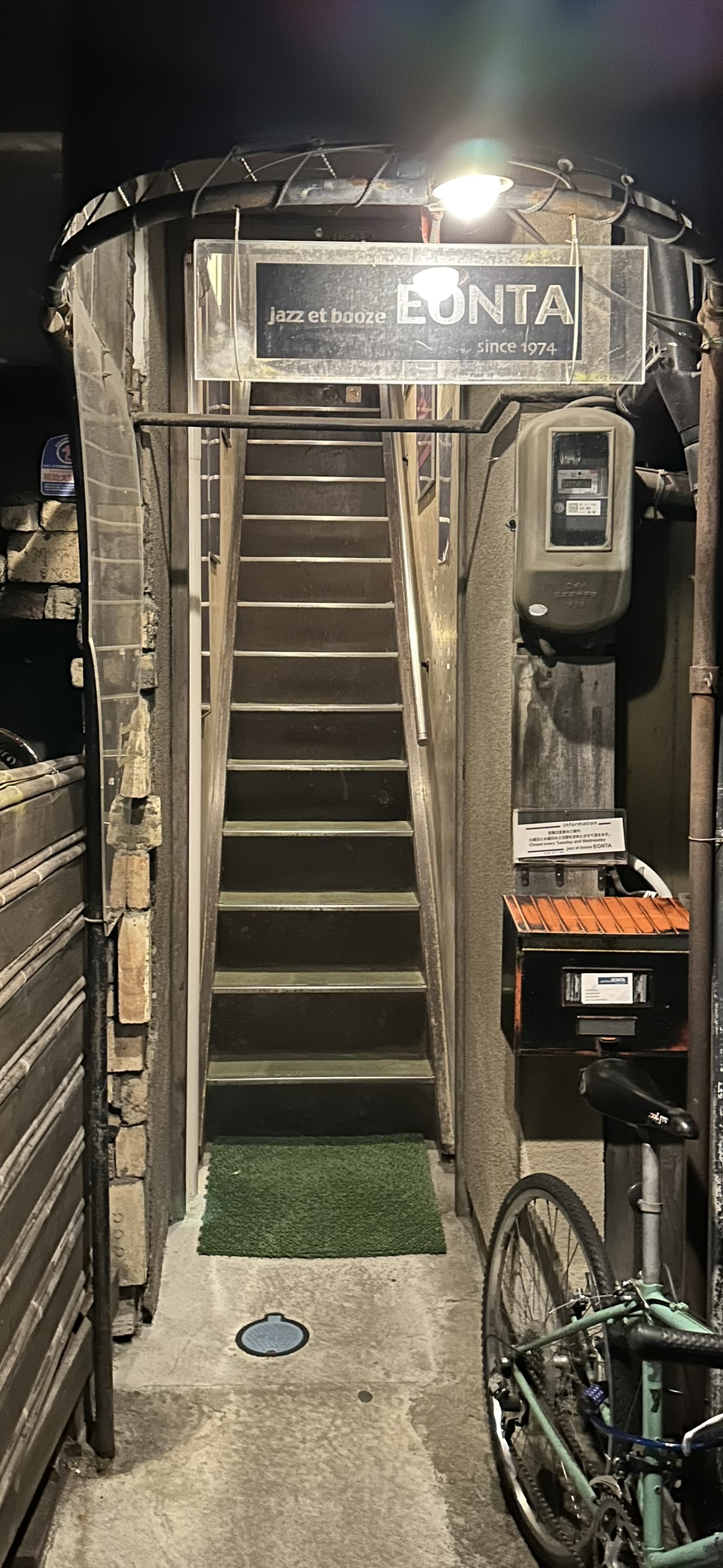
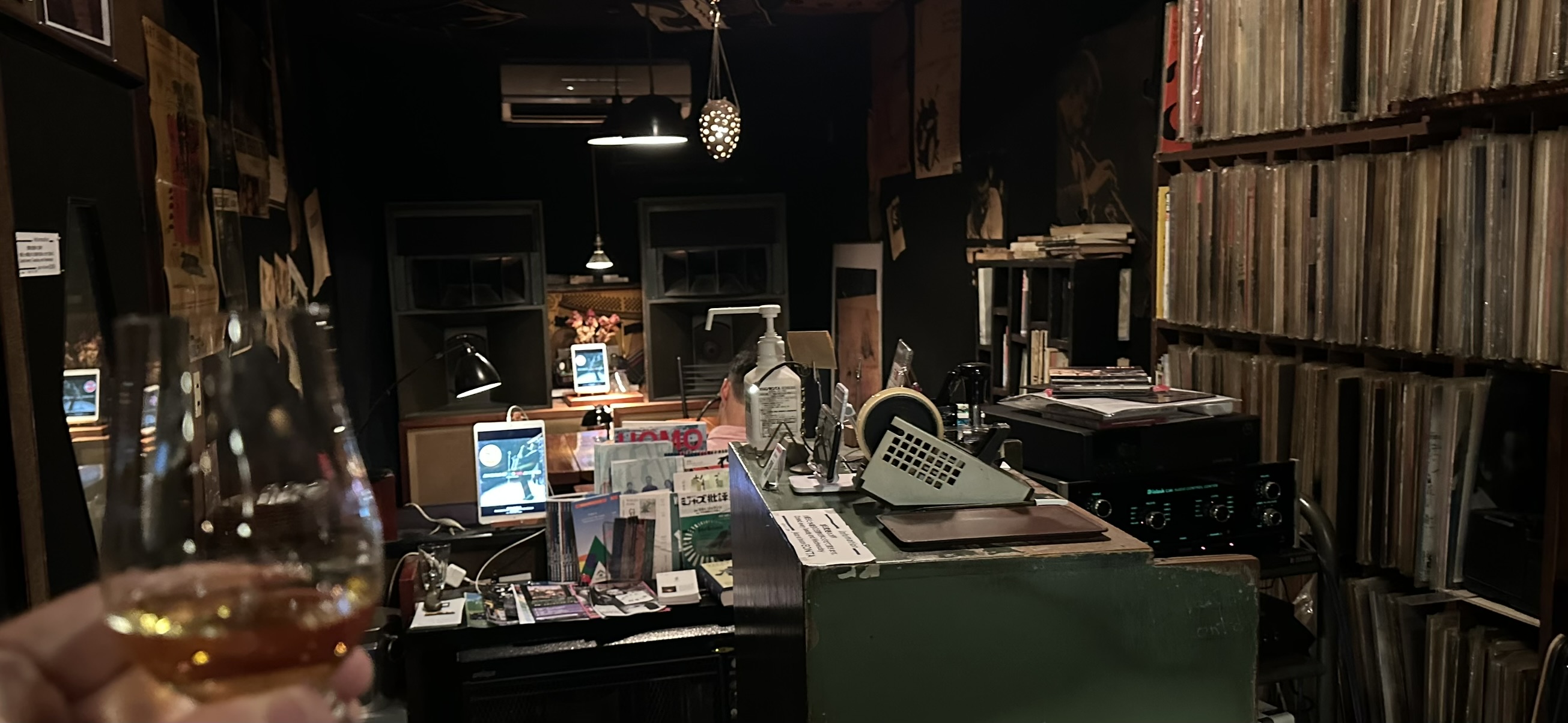
- Eonta Jazz & Booze is a tiny upstairs bar with good whisky and small living room like lounge with an amazing sound system cranking live jazz albums LOUD. Bar rules: keep the talking down so people can enjoy the music. New discoveries: Charlie Haden and John Coltrane Live in Paris.
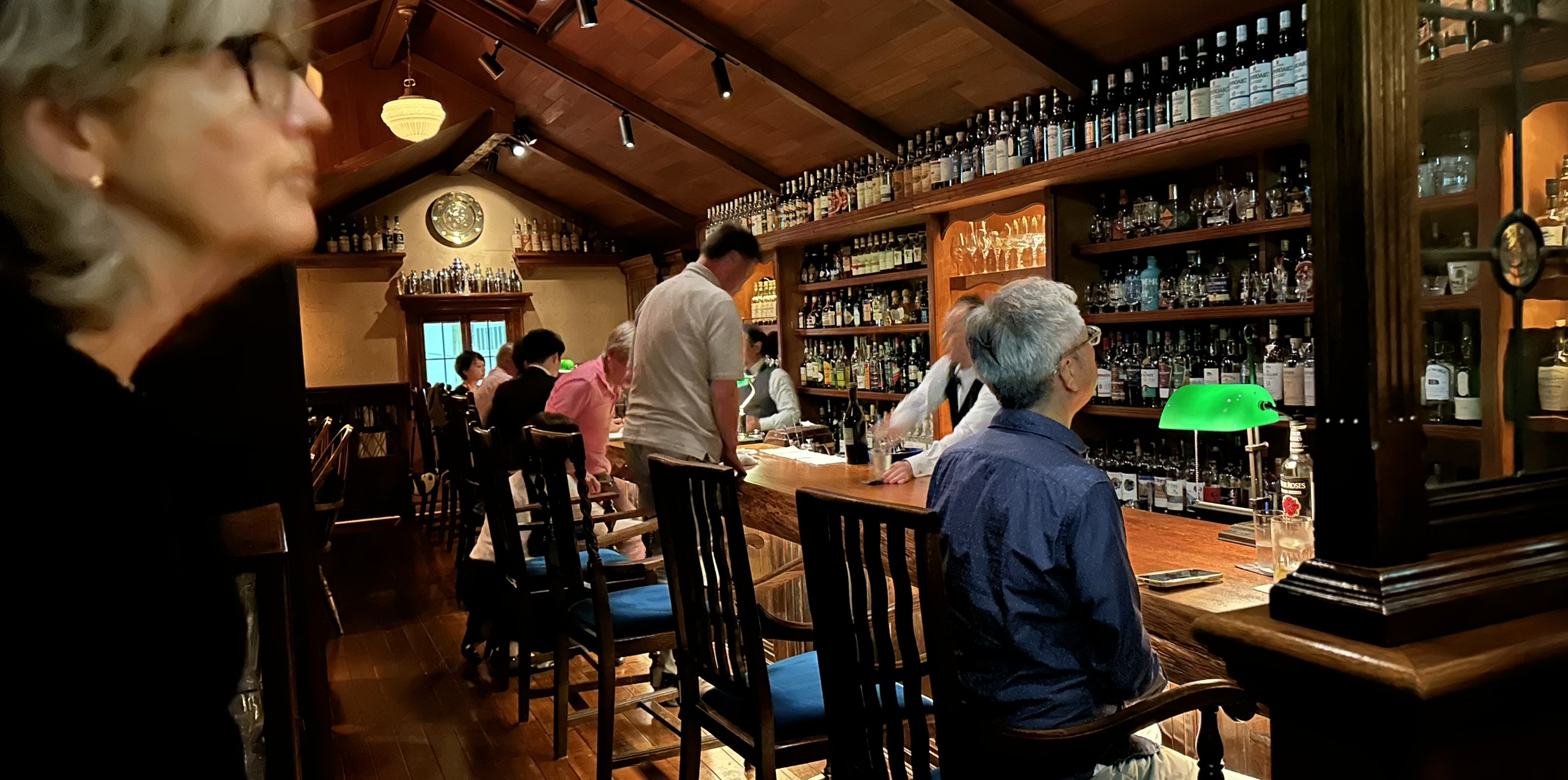
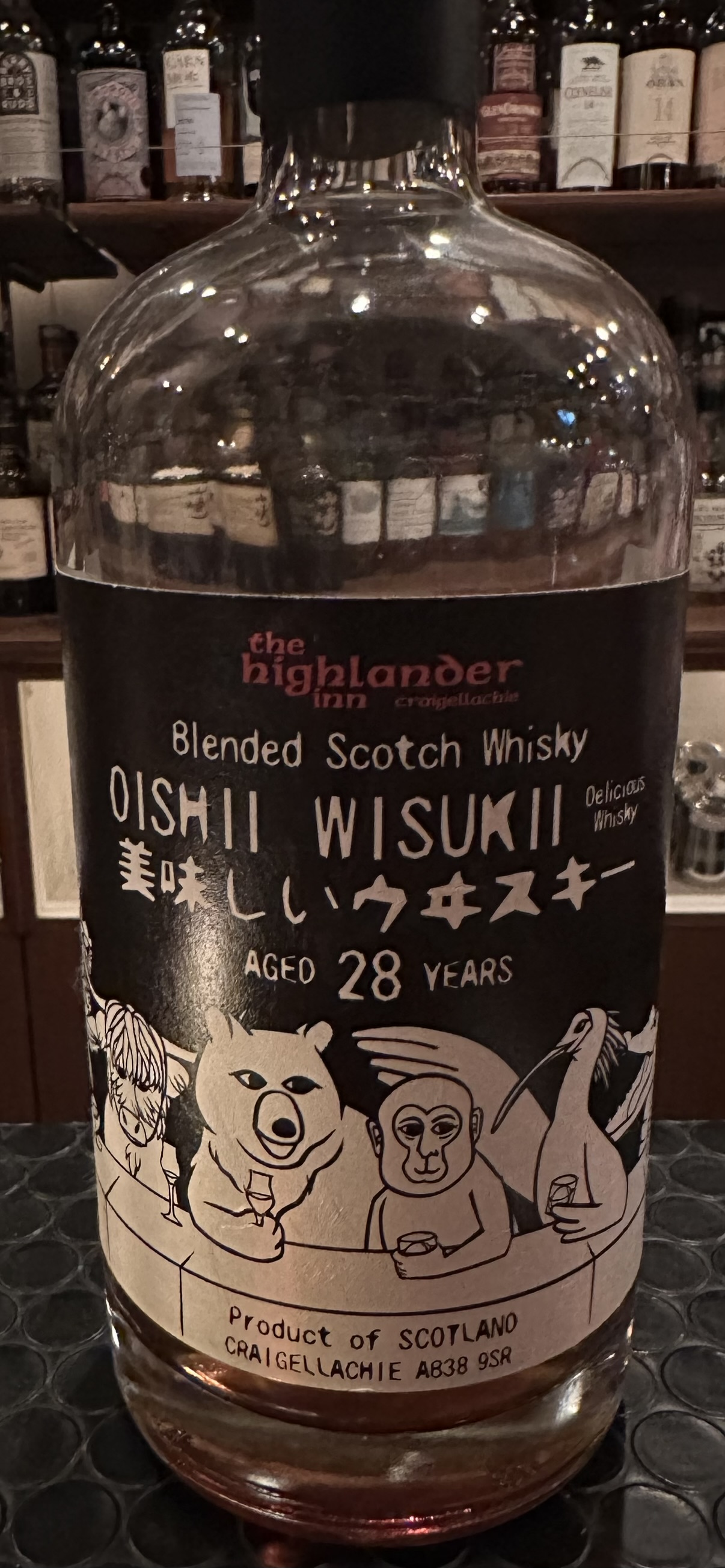
- Next was Sidecar, whose owner knows his stuff and even traveled to Scotland where he had the Highlander Inn (we were there in April) and Macallan create a cask of private label scotch whisky for his bar.
- Finally, Main Bar Coat, a fairly classy joint featuring good cocktails served on an 8-meter long, solid pine bar imported from the Pacific Northwest.
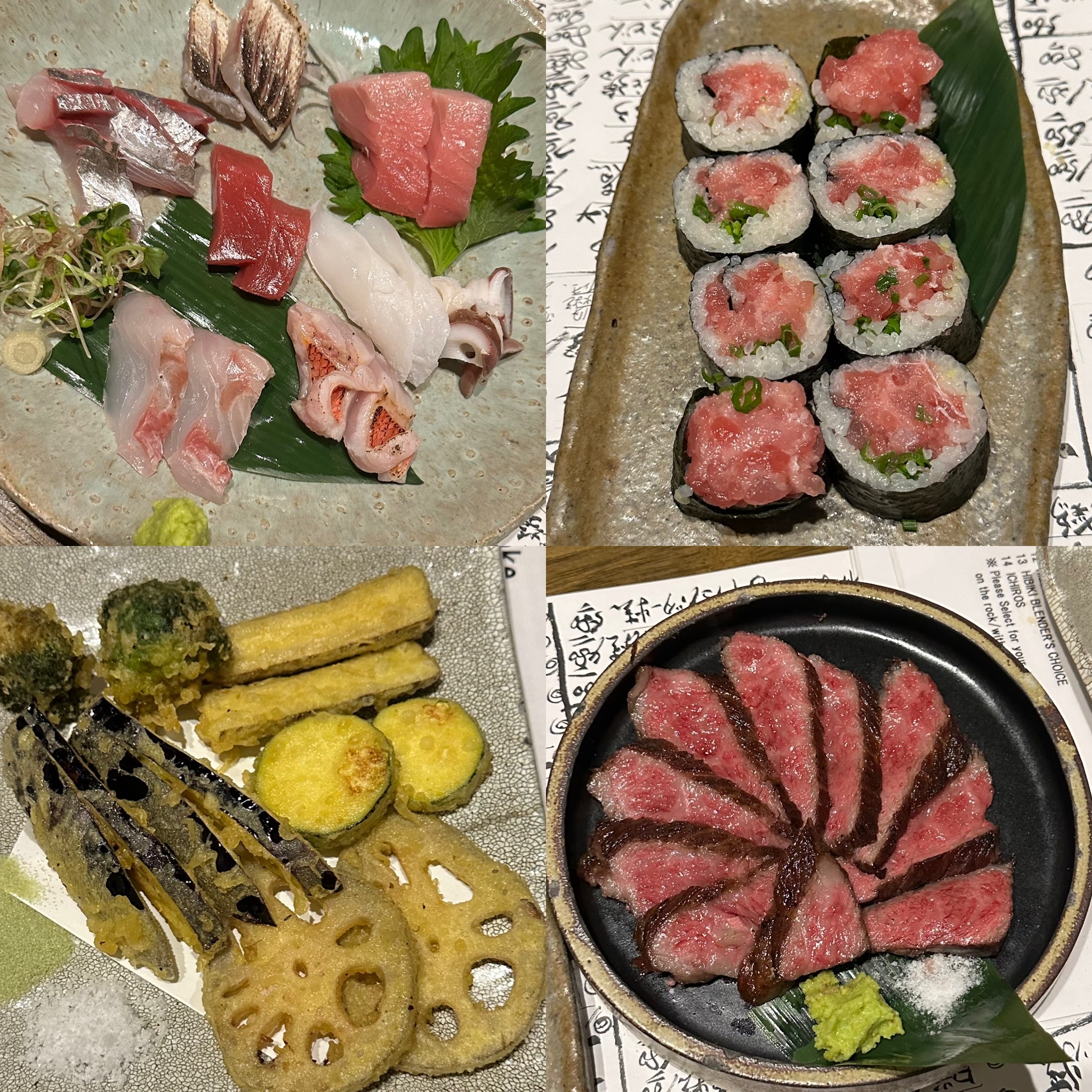
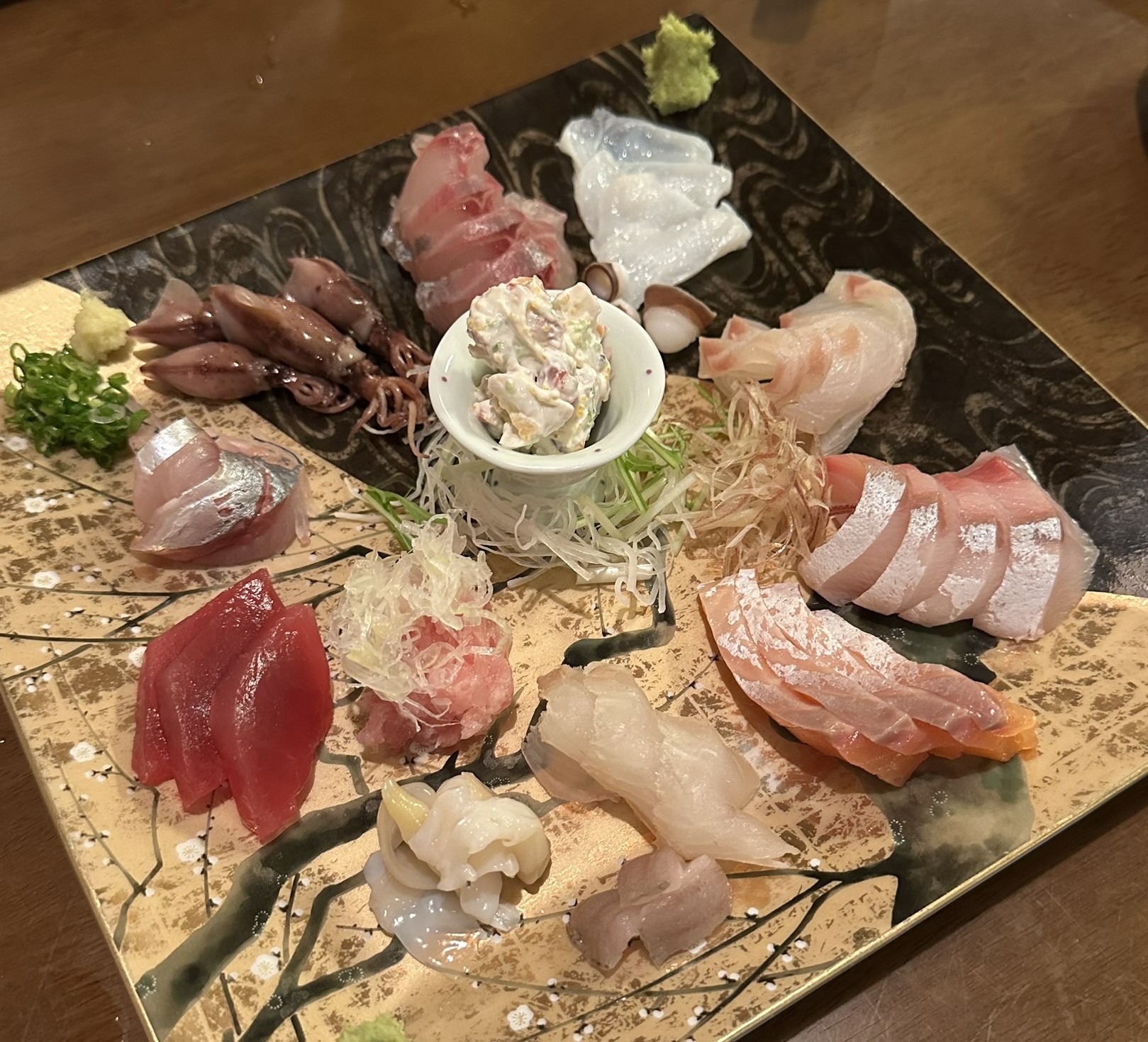
- Three amazing dinners at different restaurants we simply stumbled upon: Maruka Isakaya, my favorite, is billed as izukaya, but actually an intimate sit-down dinner with best quality: price ratio we had seen. Huge sashimi platter (incl firefly squid), fried shrimp, hamachi platter, fried chicken, edamame, ginger & apples, cocktails and sake for $51!! The other two no-English-spoken izakayas, Hikage and Kikuzo, were also outstanding. Great food and great values.
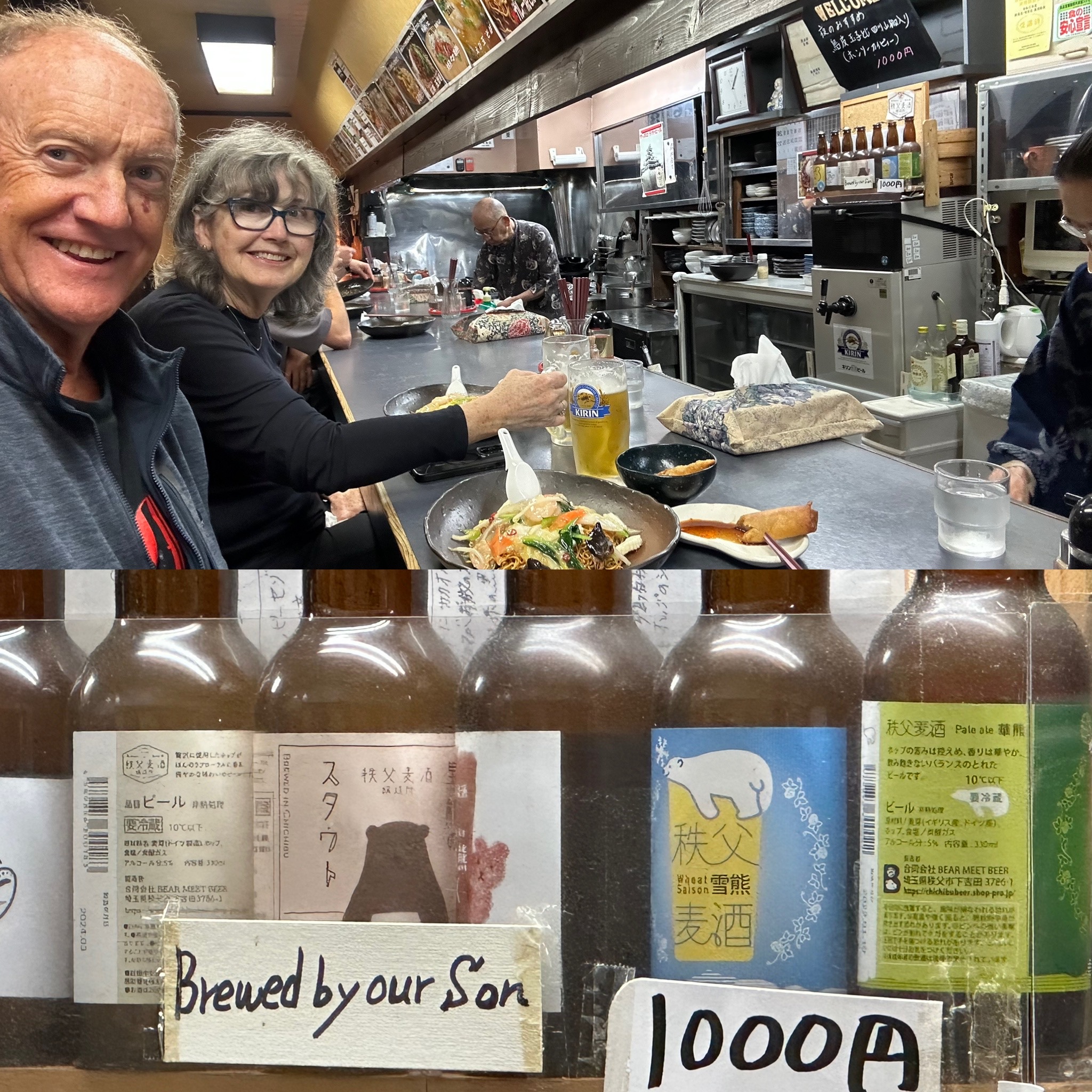
- Two final surprise finds: A fantastic (and cheap) Chinese noodle bar (no English spoken) where the owners are very proud of their beer meister son, and a tiny dive bar called Standing Bar 8 Ounce, directly across from our hotel. We got in just before closing, the only non-locals there.

Kamikochi
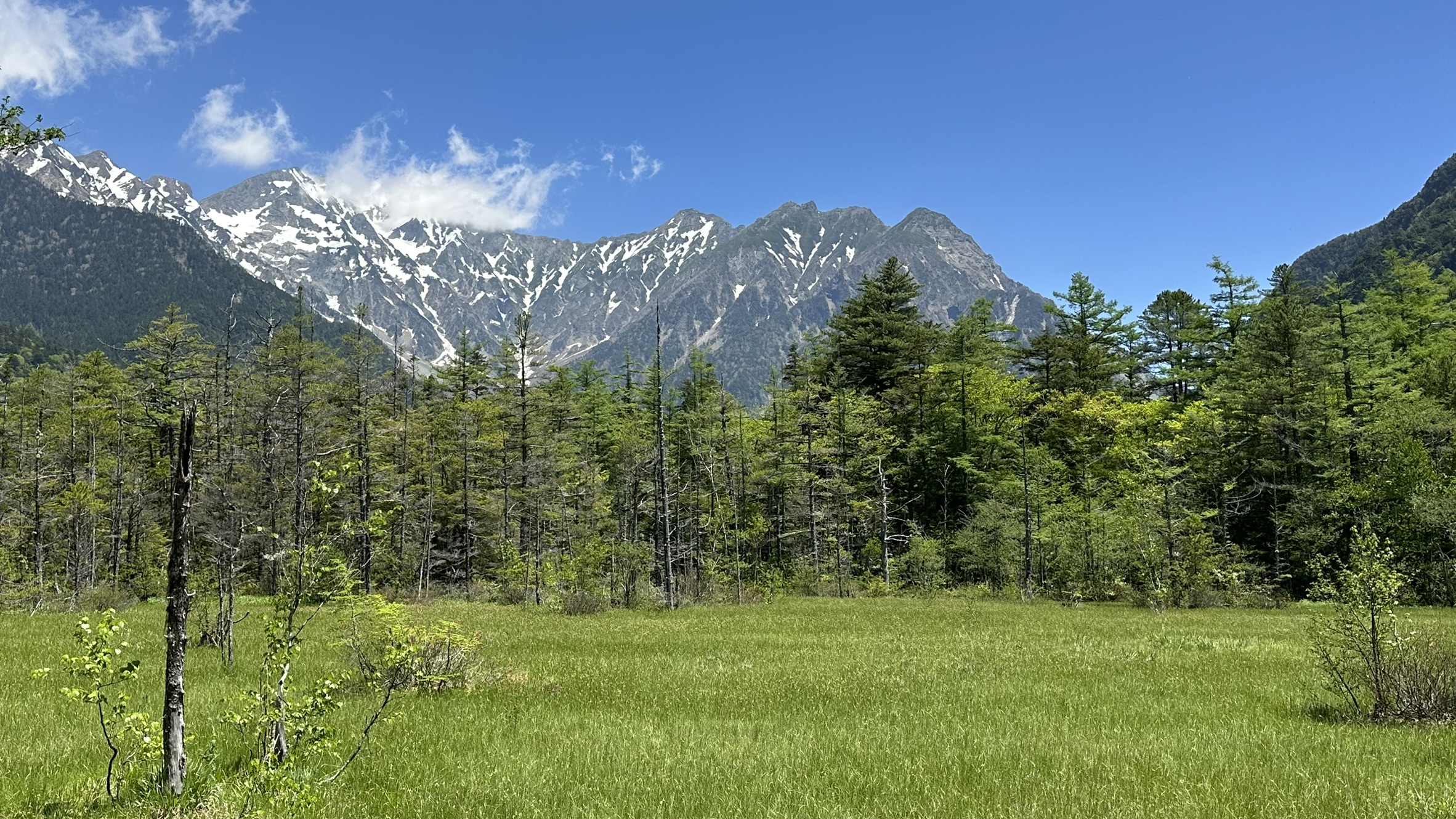
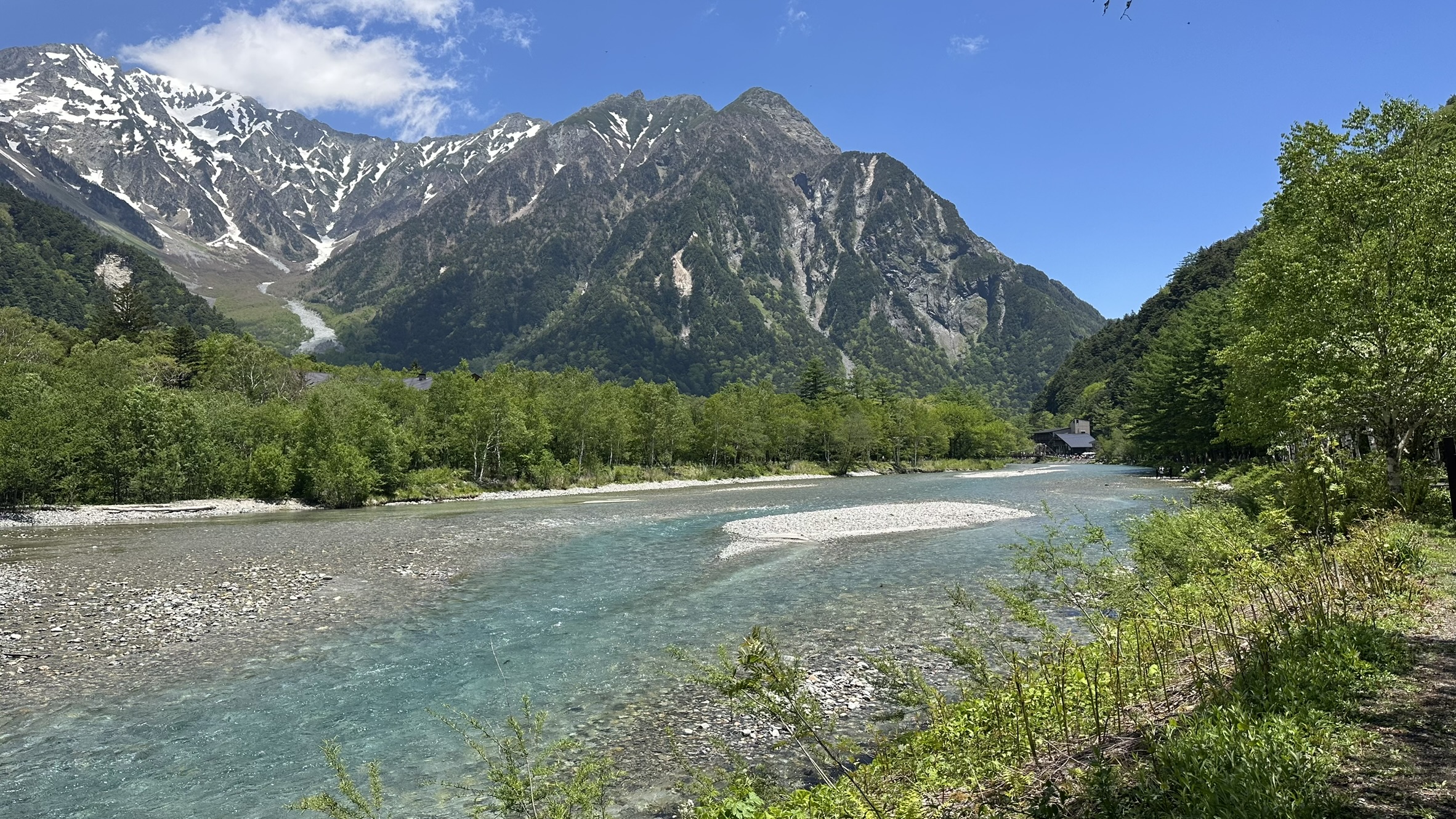
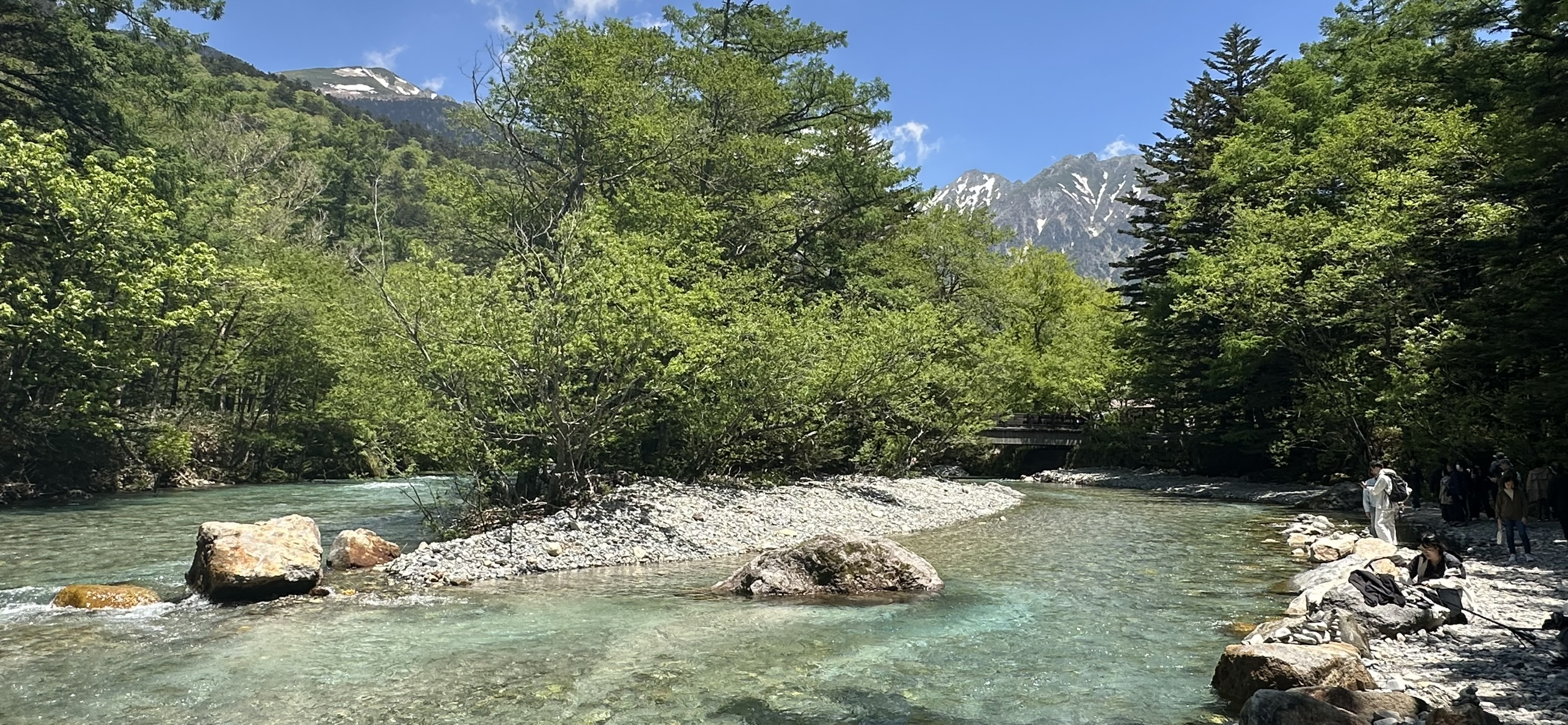
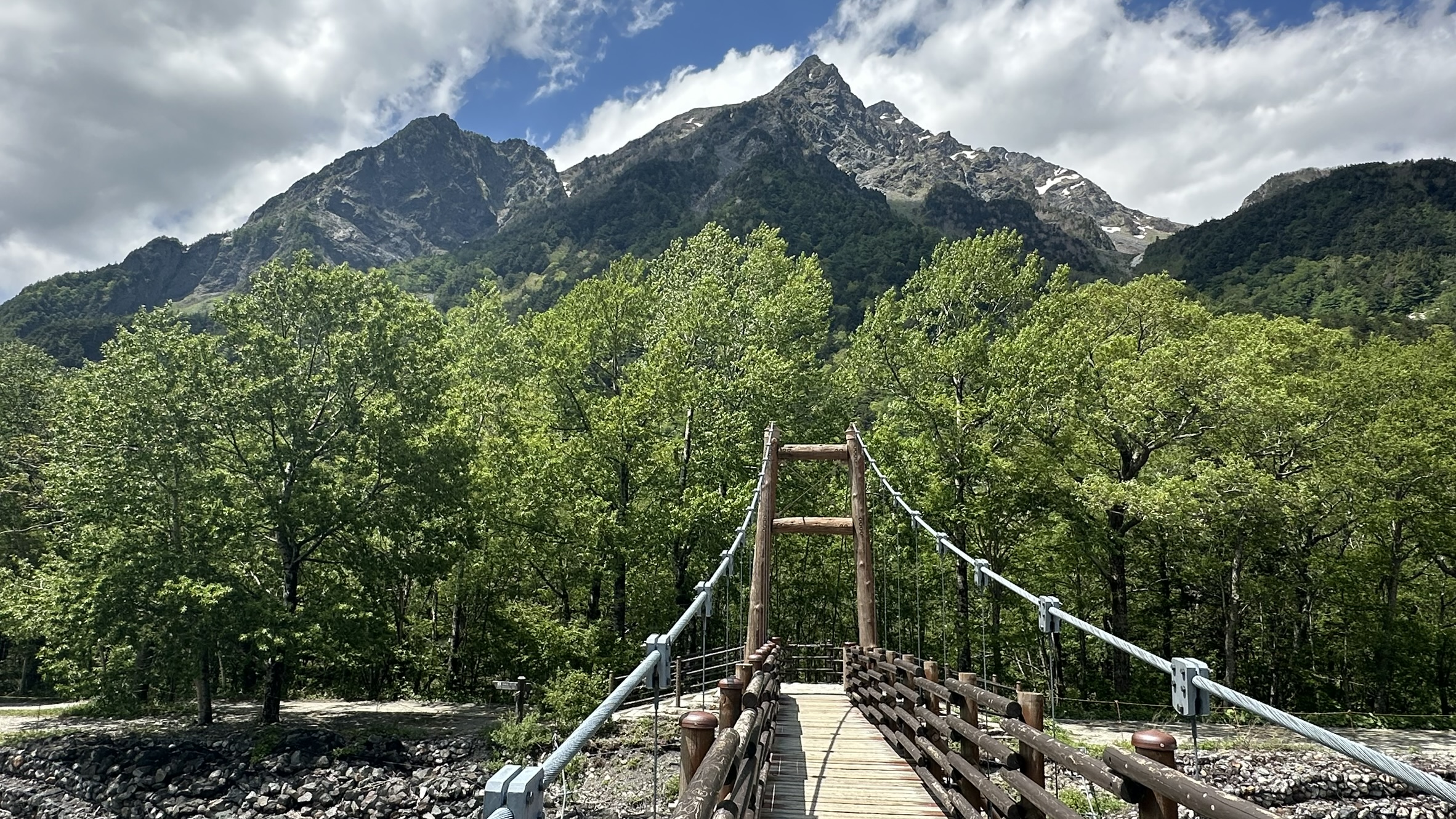
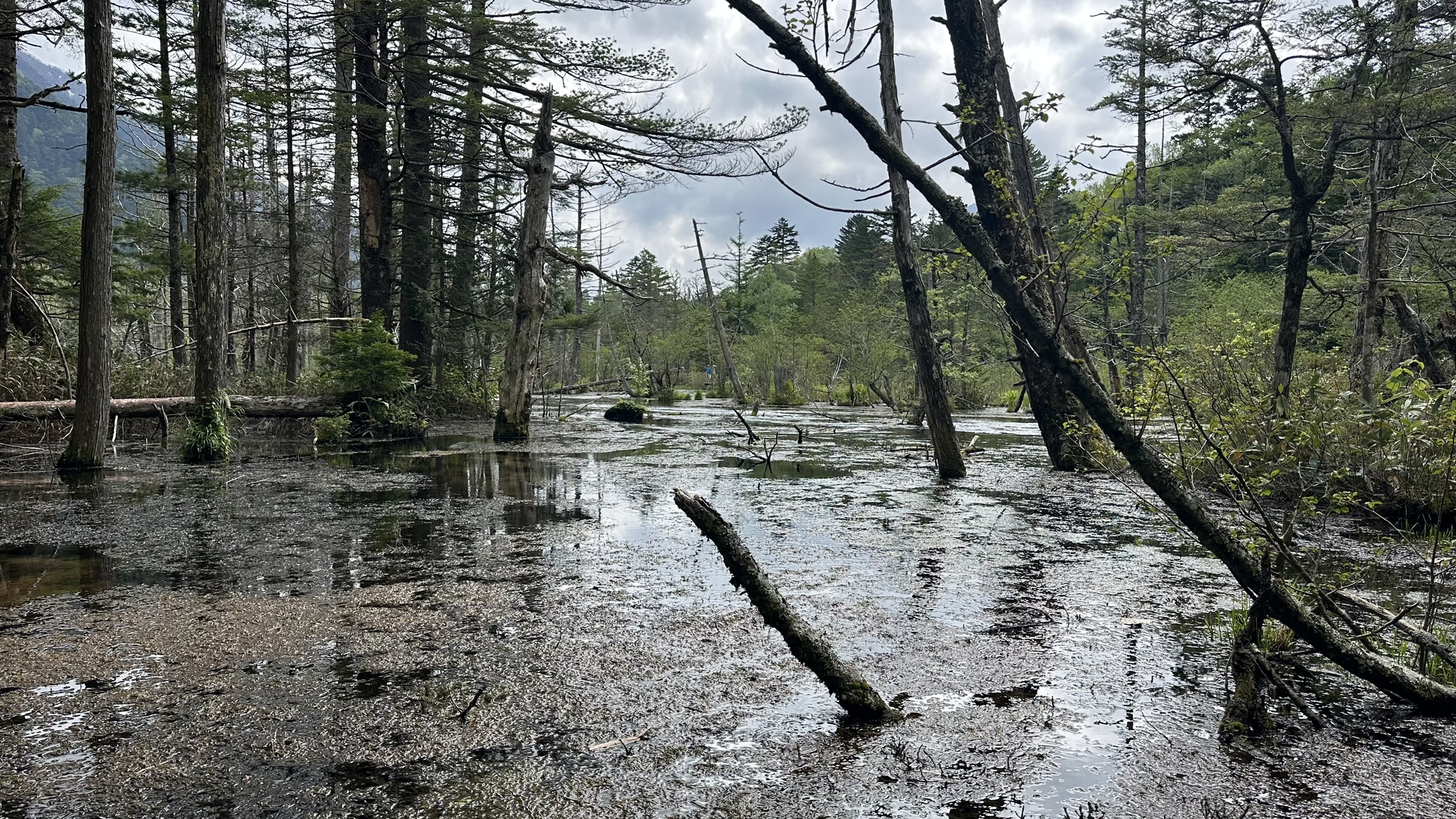
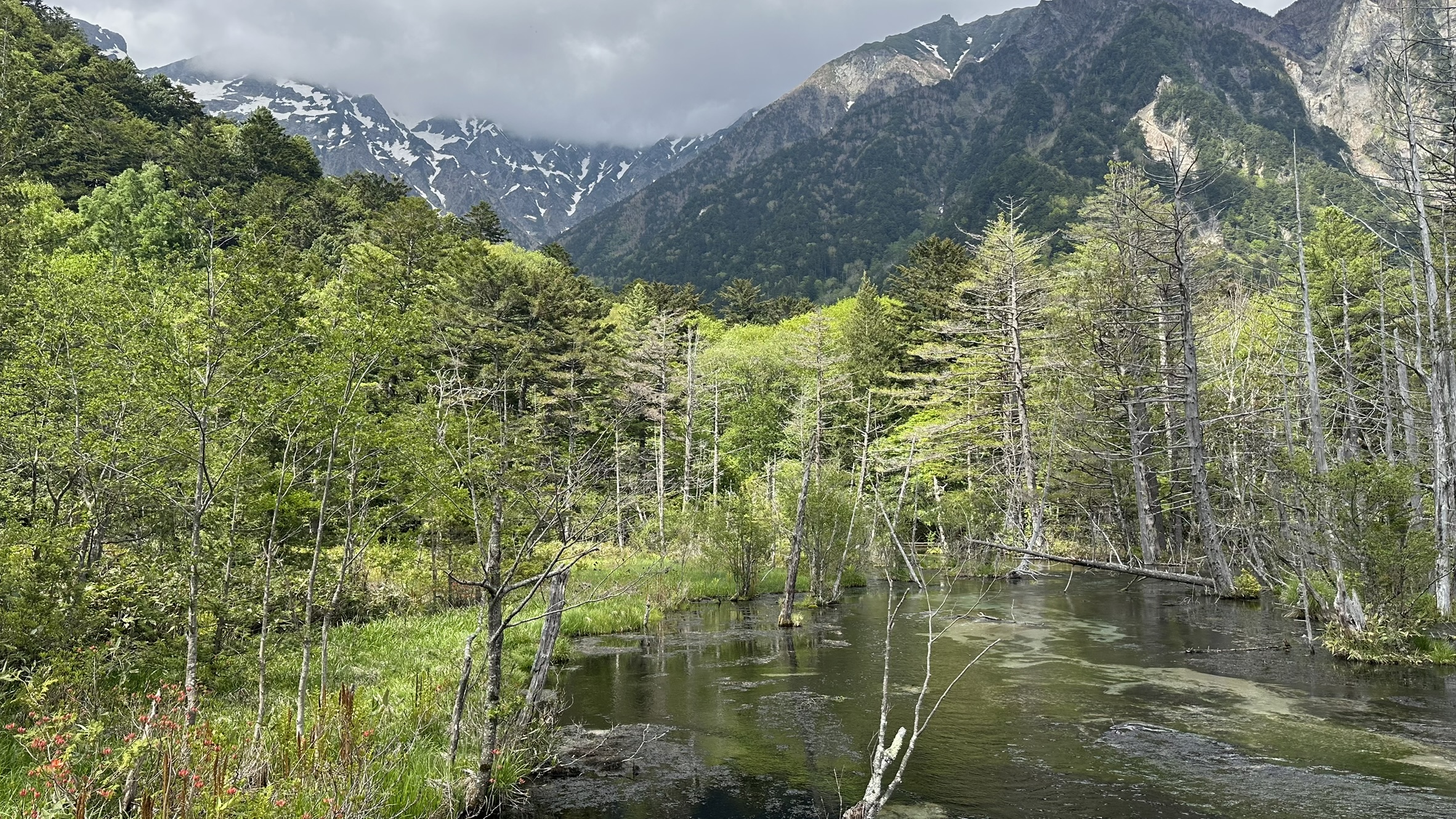
The day trip to Kamikochi, a 90-minute train+bus ride from Matsumoto, took almost all of our second day. The bus journey itself was spectacular (essential to buy tickets the day before, including the return), with half the ride following a narrow, whitewater-filled river canyon high into the mountains. The bus drops you at Taisho-ike Pond, its mirror-like waters reflecting the Hotaka Mountain Range and Mt. Yakedake, an active volcano standing 2,455 meters above sea level. A couple notable observations:
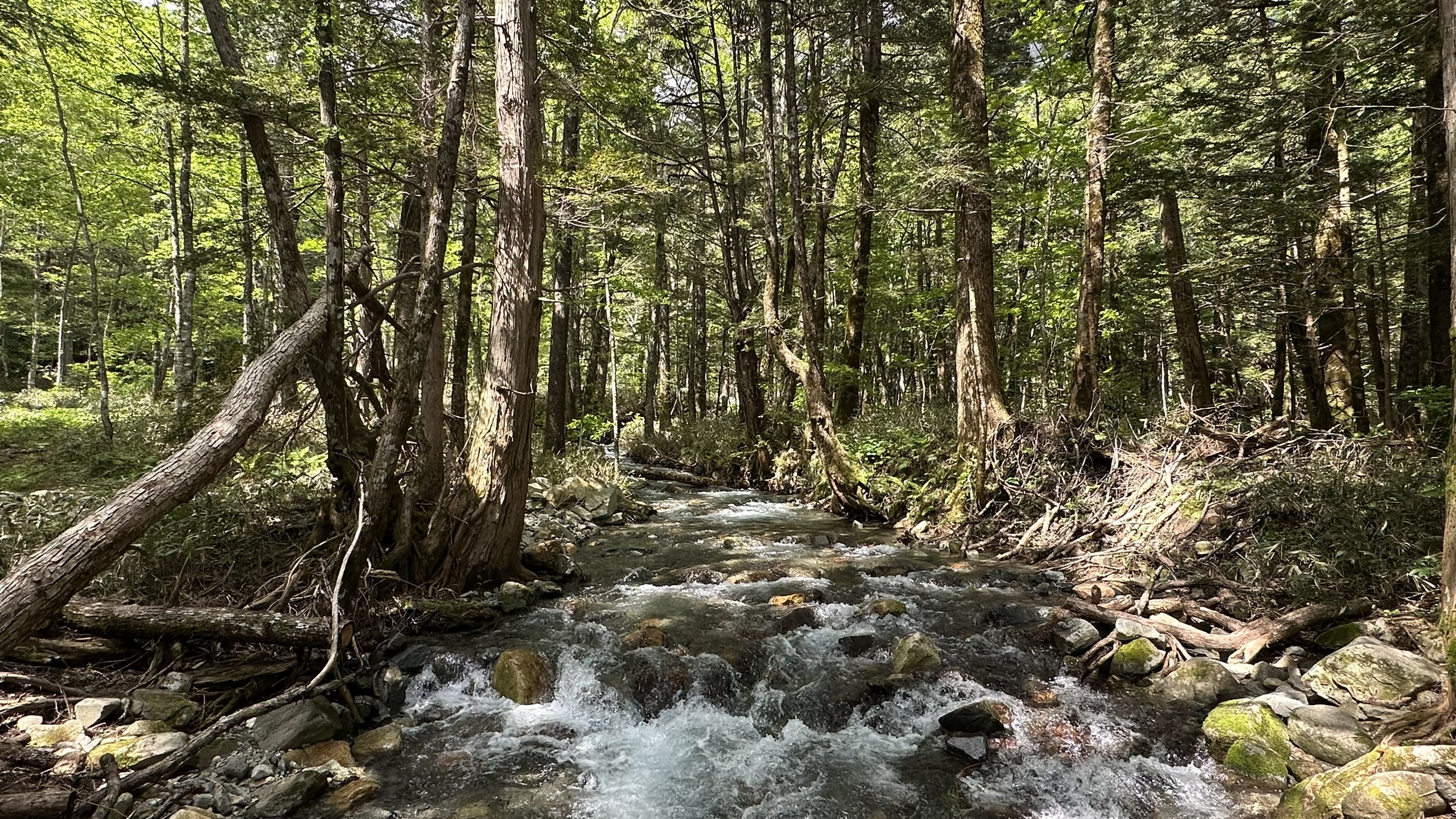
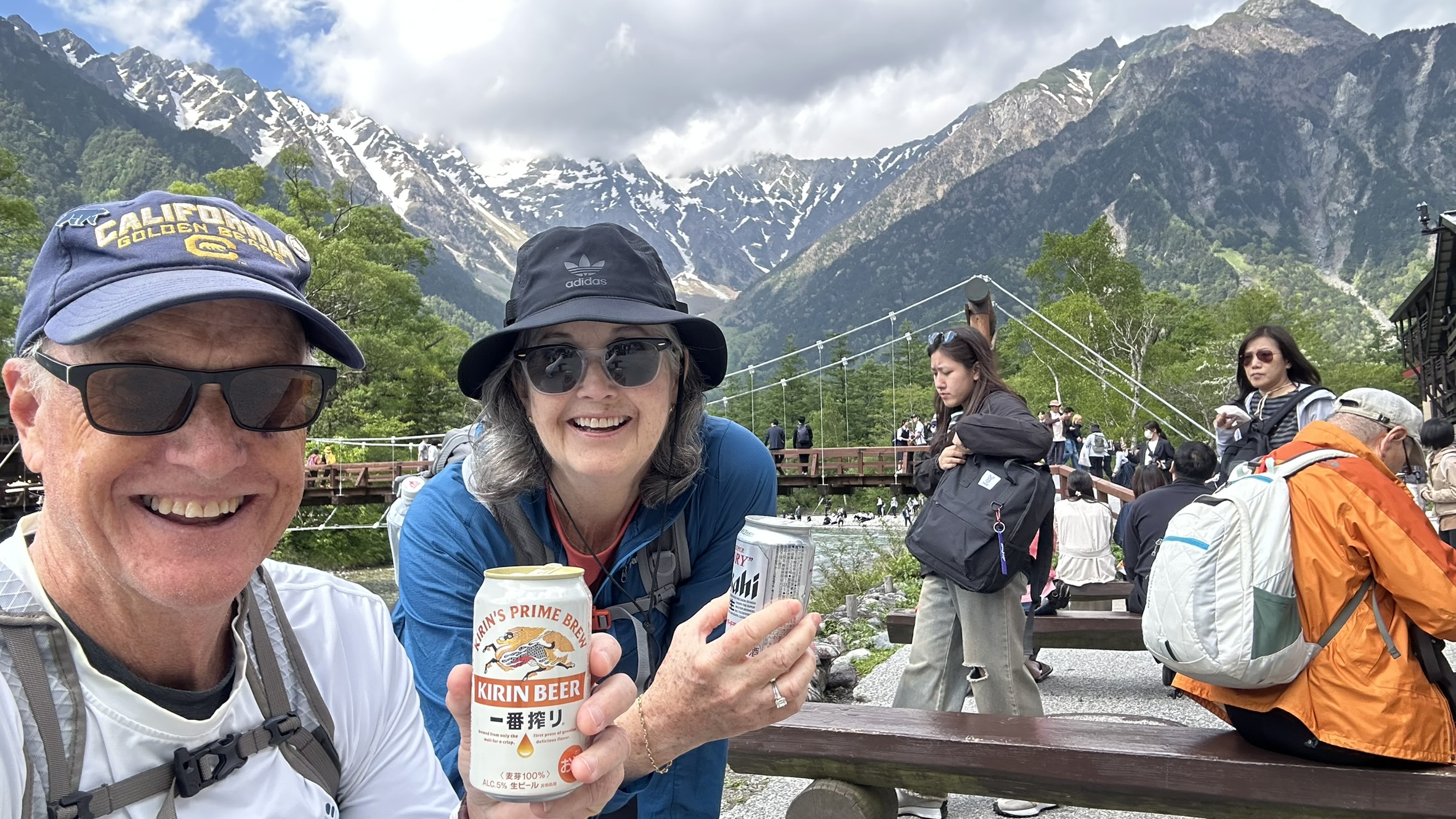
- With pristine, crystal-clear Azusa-gawa River, dense forest, snow-capped mountains, and lush, flowering meadows, it reminded me a lot of California’s high sierras in early summer. We were very lucky with another bluebird day.
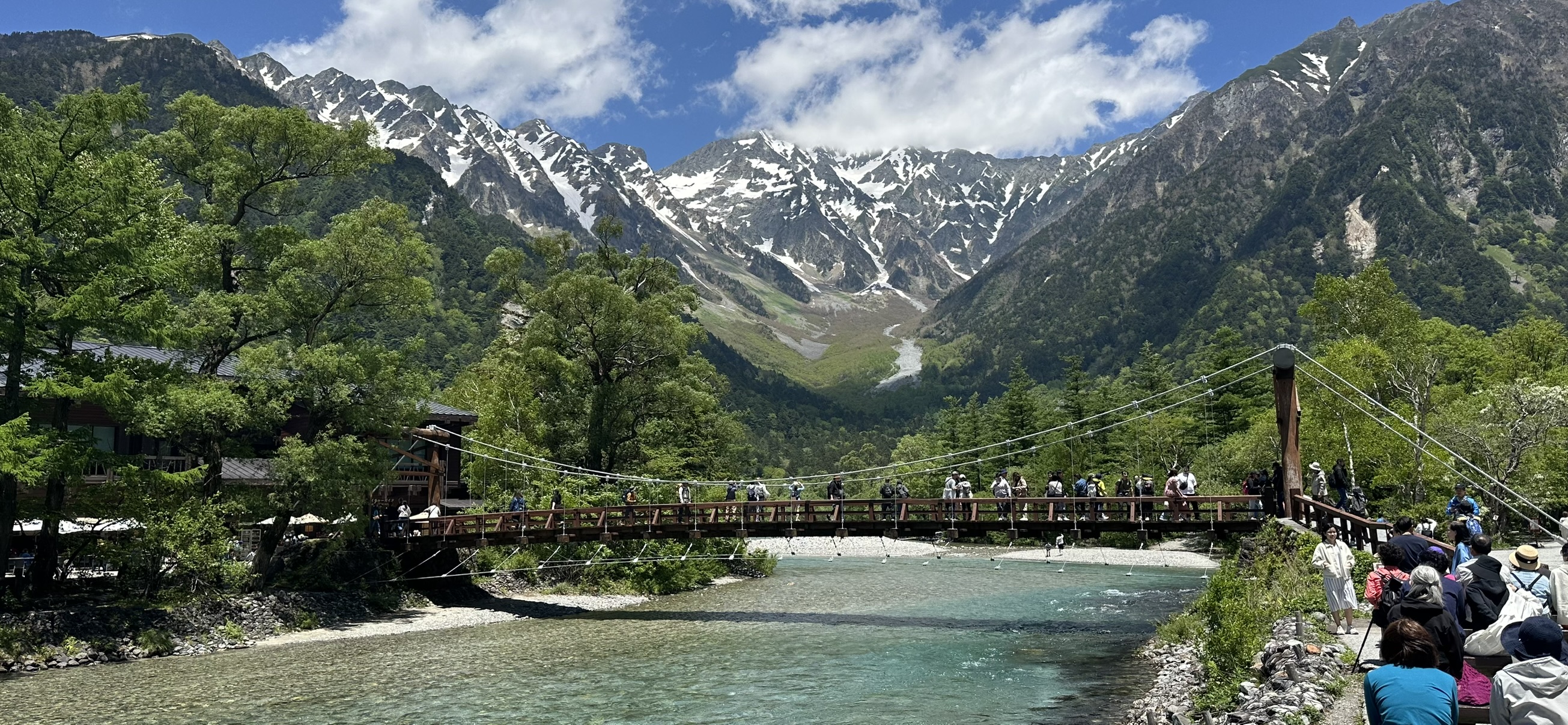
- Kappa Bridge, right at the visitor center, is Kamikochi’s most iconic sight and really attracts the crowds. In fact, the main trail from Taisho-ike Pond and the Kappa Bridge is virtually clogged with tourists, both foreign and local. Even busloads of school kids on field trip. So be forewarned: if you hate crowds, consider looking for other beautiful spots a little further from the beaten track, even if it means a more difficult path to get there.
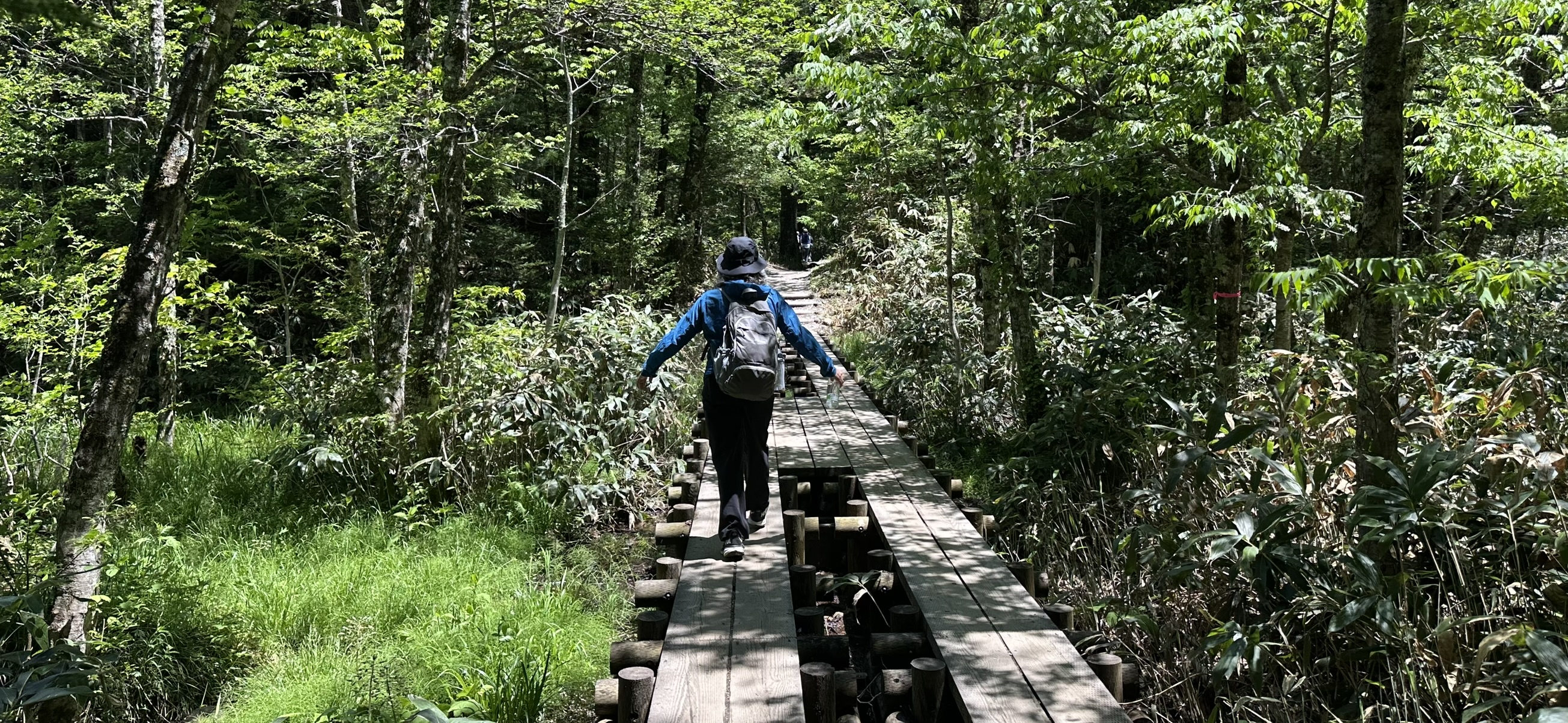
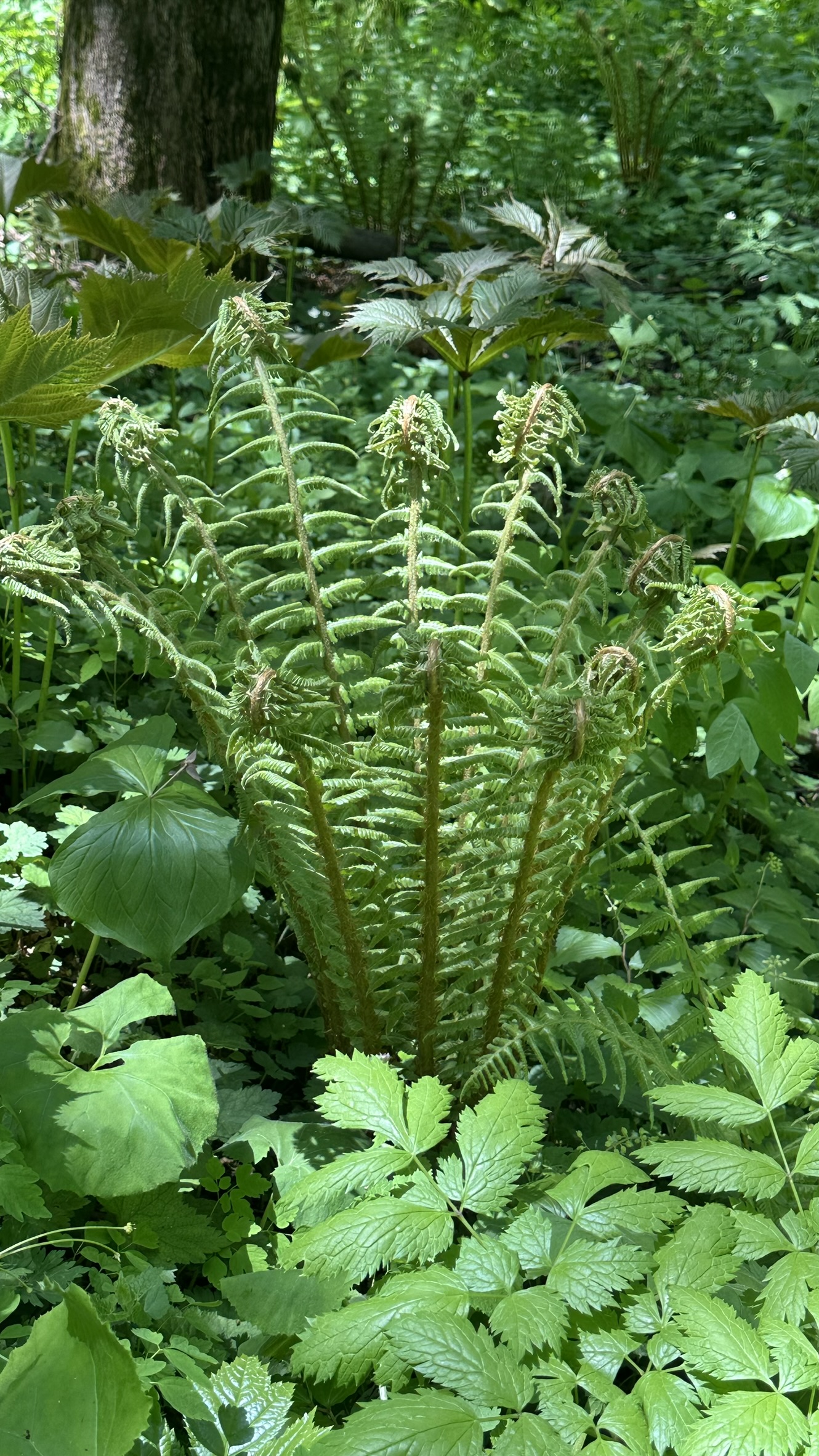
- The crowds thin considerable past the bridge and the trail — just another two miles round trip — provides access to more primitive forest, snowmelt-fueled rivers and creeks, and some gorgeous marshes filled with ducks and fish.
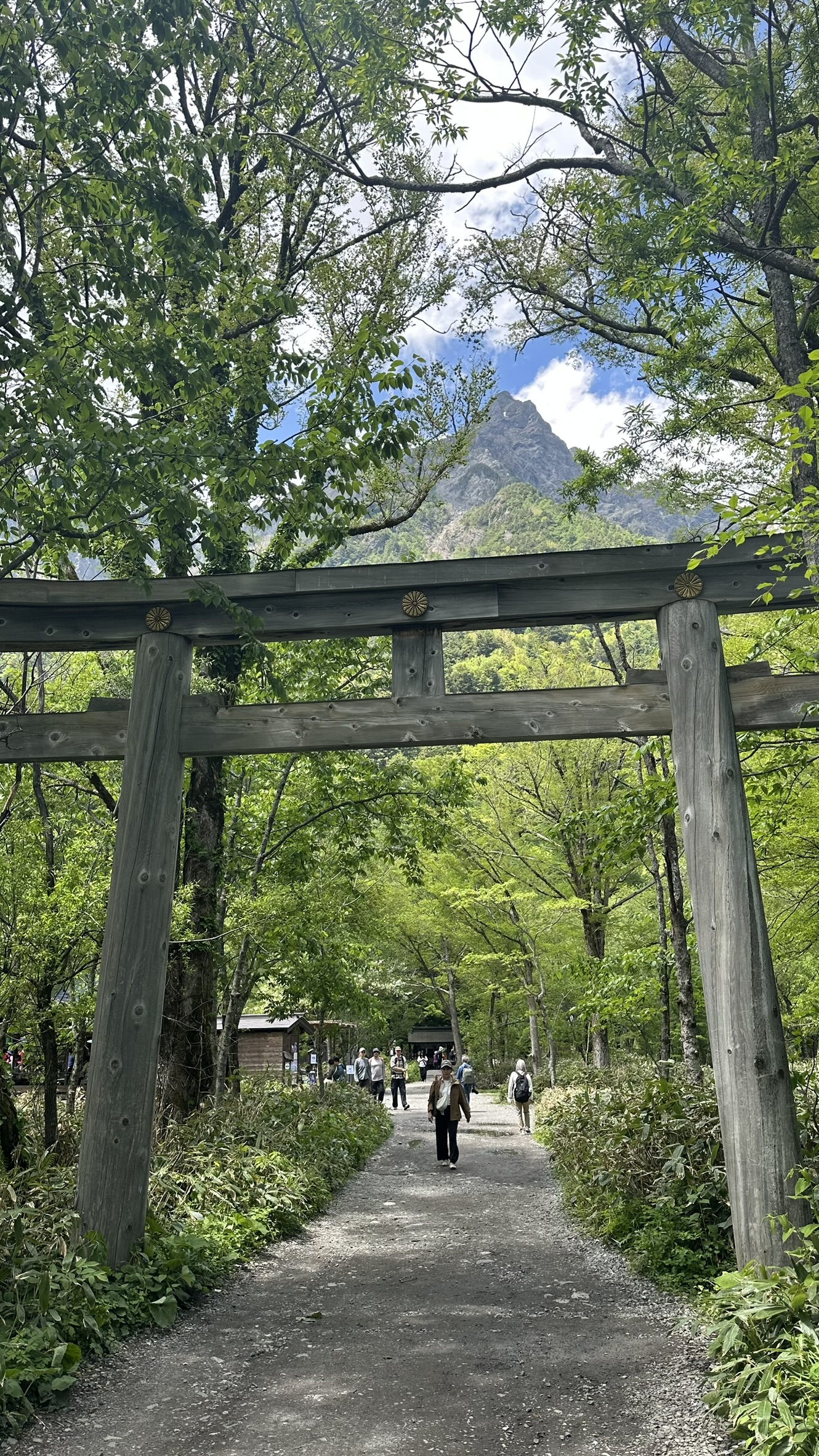
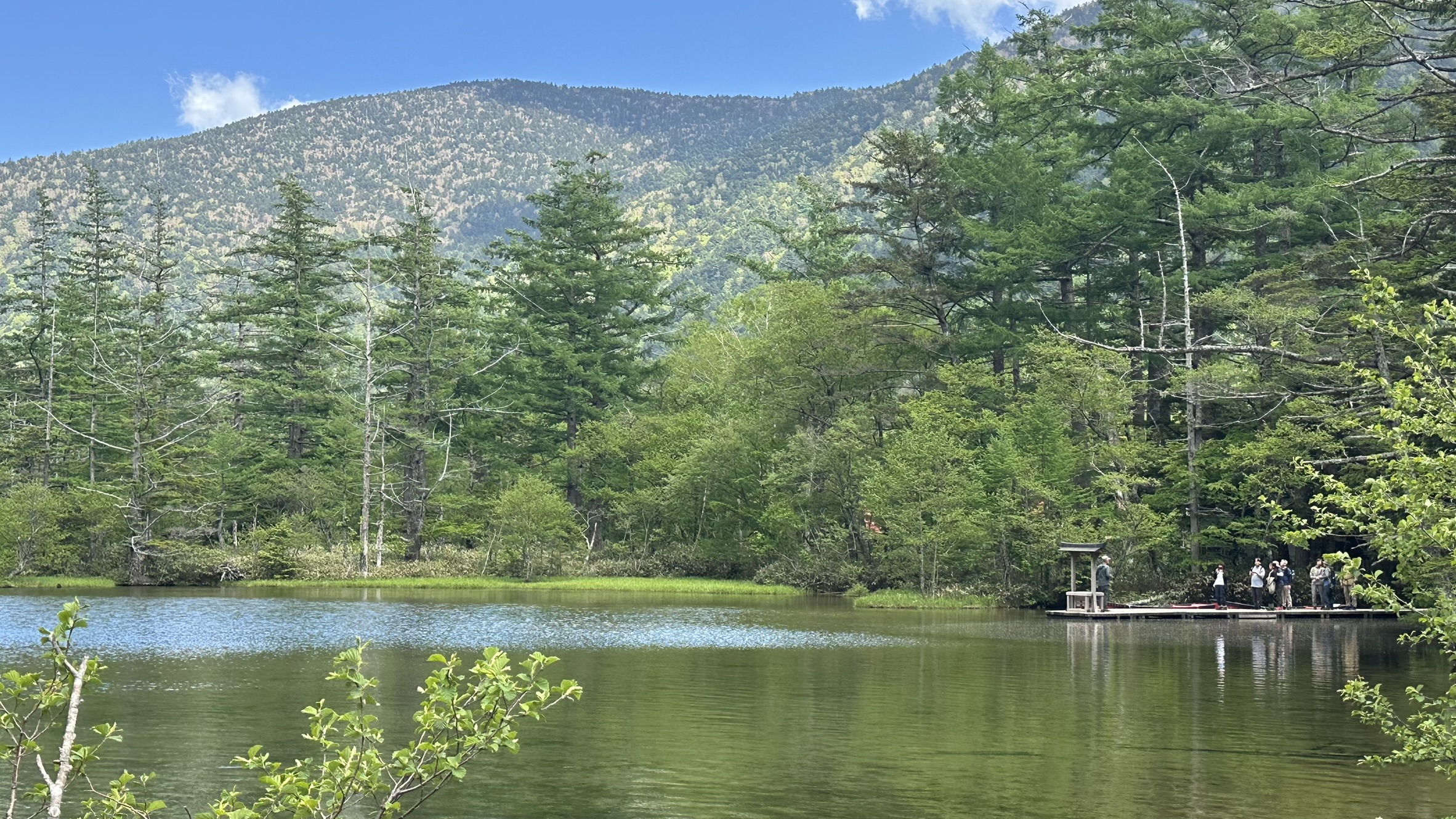
- At the far end of that trail sits the Hotata-jinja Shinto shrine dedicated to Shintoism’s original deity, who legend says descended on the mountain here and created two ponds behind the shrine that are said to be sacred. Kamikochi means “place where the gods descend”. The first pond has a small shrine at the end of the dock where visitors wait in line to pray; the second pond is populated with tiny mossy, tree-covered islands that looked quite surreal. Beautiful spot!

With a little more time, though it could have fit in our itinerary if we pushed it, we would have liked to visit Azumino Wasabi Farm, the largest wasabi farm in Japan in the nearby humble city of Azumino, 20 minutes north of Matsumoto. This 15-hectare farm is filled with interesting and remarkable sites, such as the suishagoya (“water mill”), which was featured in Akira Kurosawa’s Golden Globe-nominated film, Dreams, and the saiwai no kakehashi (“bridge of happiness”), a romantic spot standing on top of the wasabi plantation. Other places of interest include the Alps tenbodai (“Alps observatory”), which offers a refreshing view of the Northern Japan Alps, the Daio Shrine, and the Daio fortune cave. From late April to late October, visitors can watch the processing of wasabi. The farm also has a number of food stalls and small restaurants where you can try various dishes, from wasabi soba noodles to wasabi sundae. We didn’t go, but maybe you will. Food for thought?
| Days 18-20 | Takayama and Shirakawa-go | Hidatei Hanaougi |
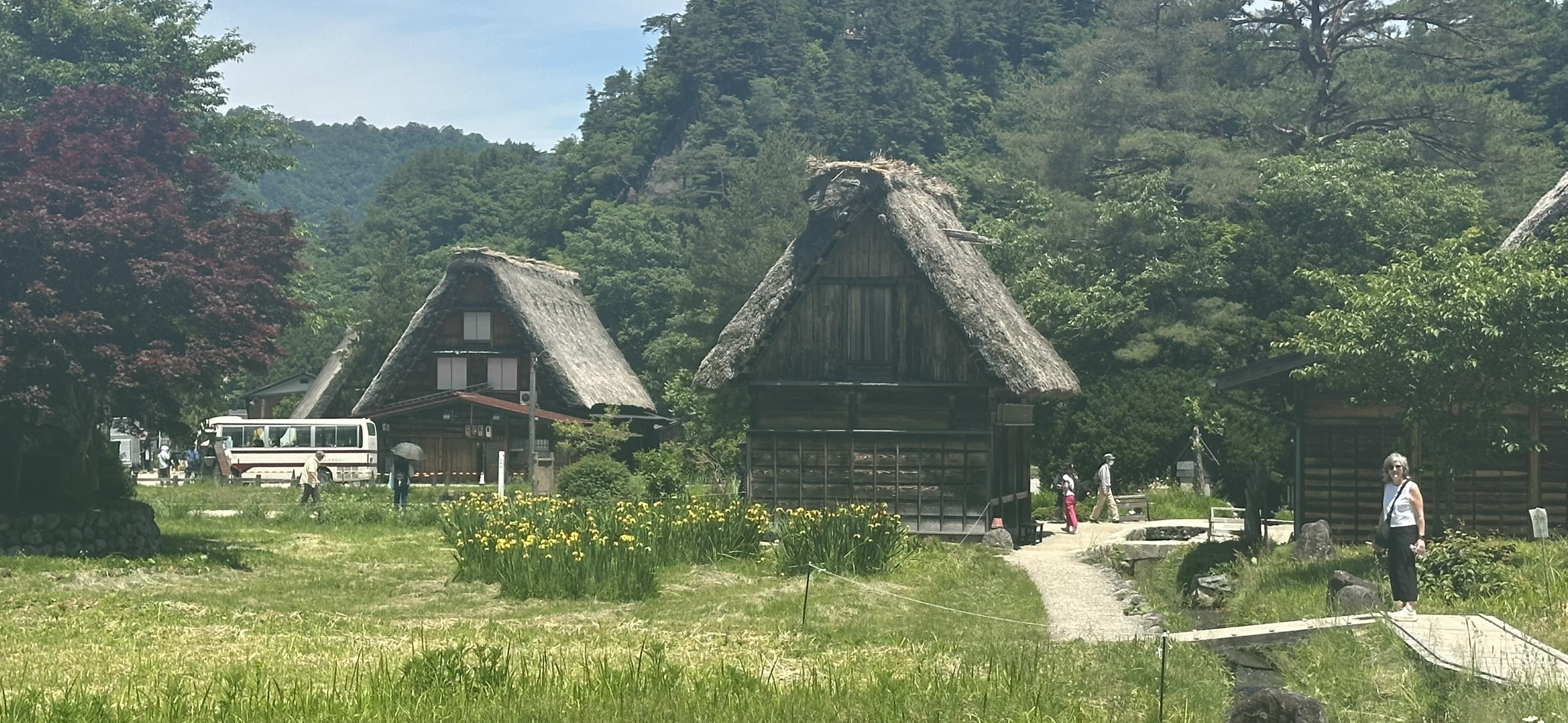
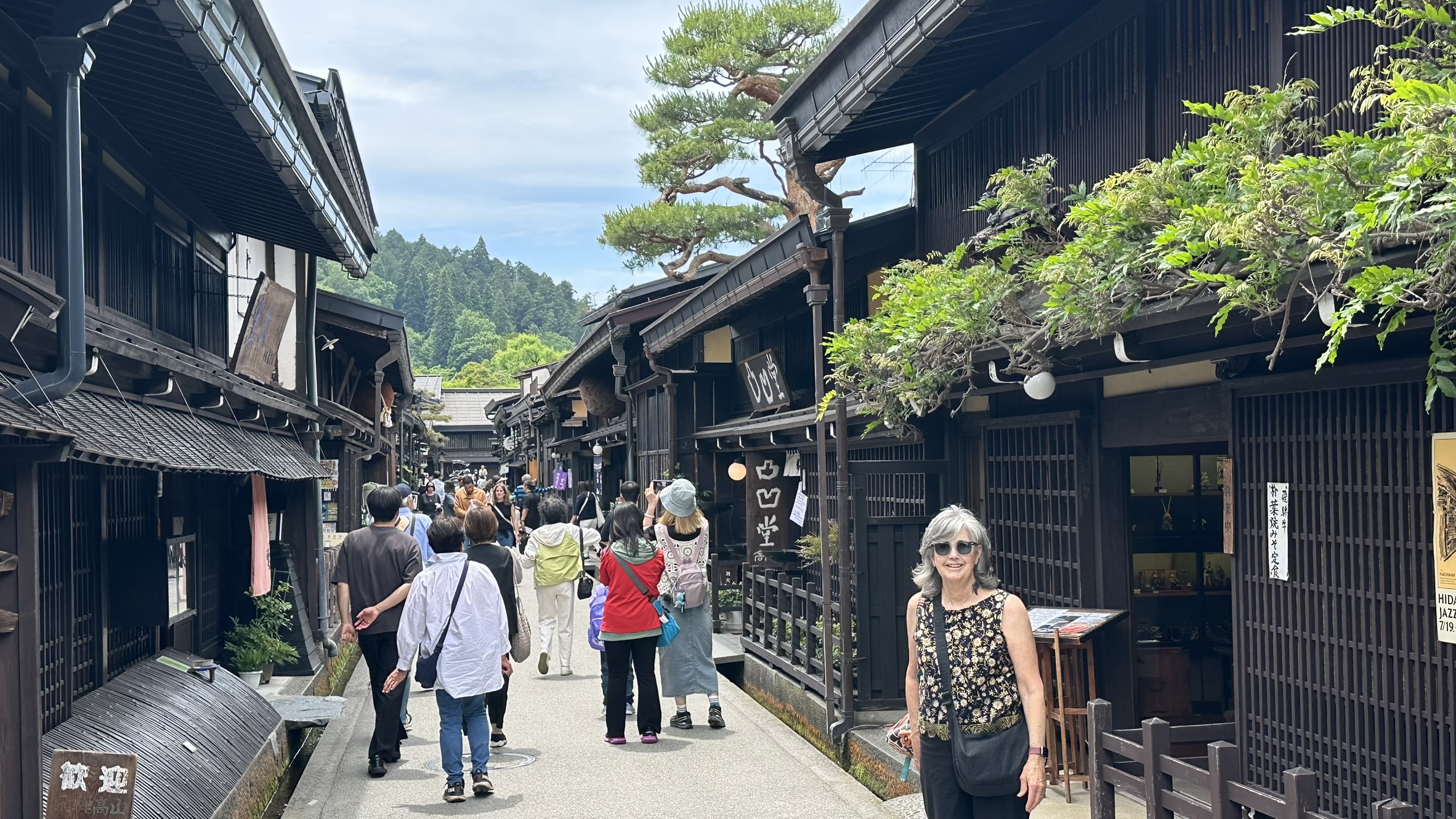
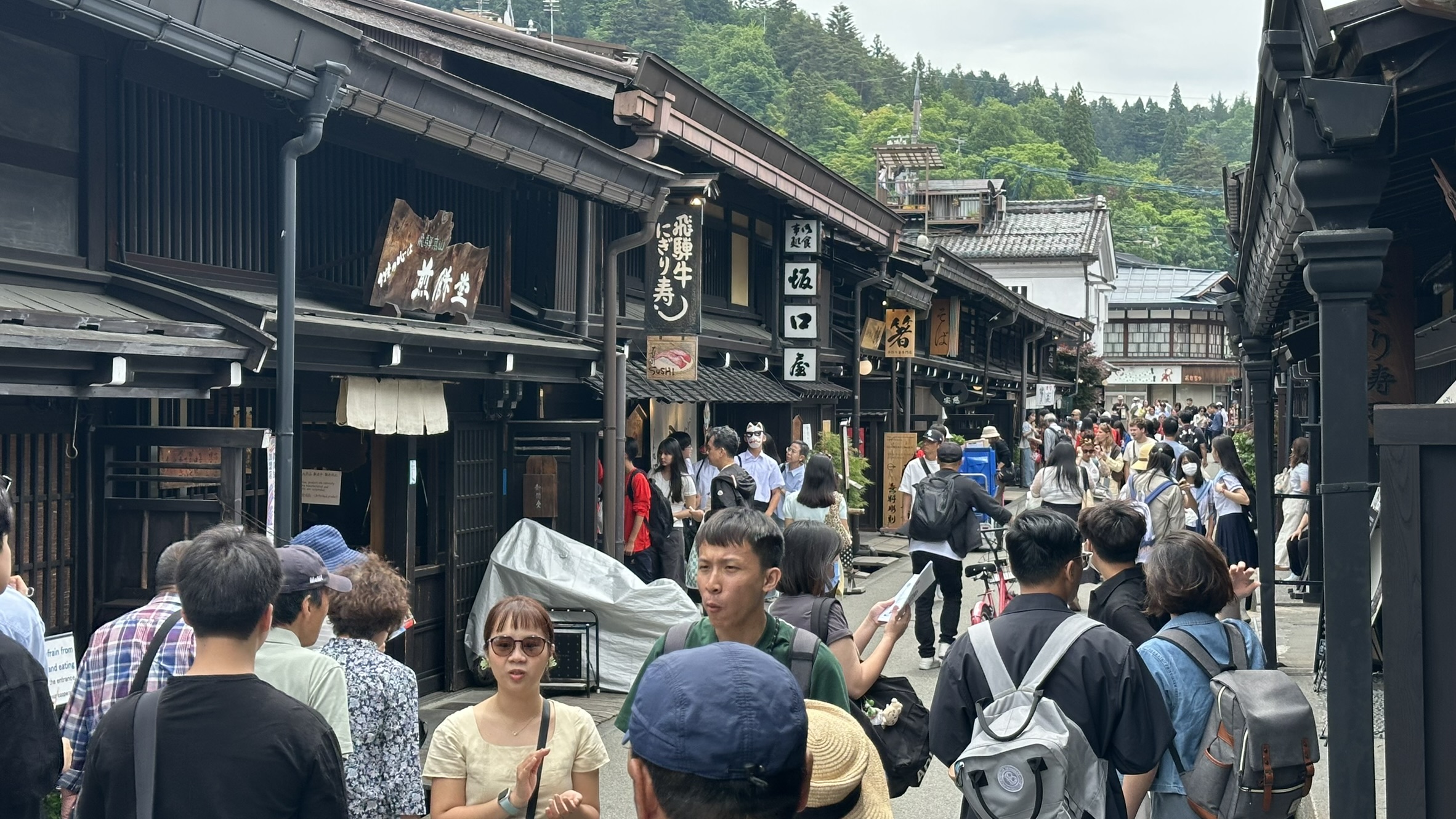
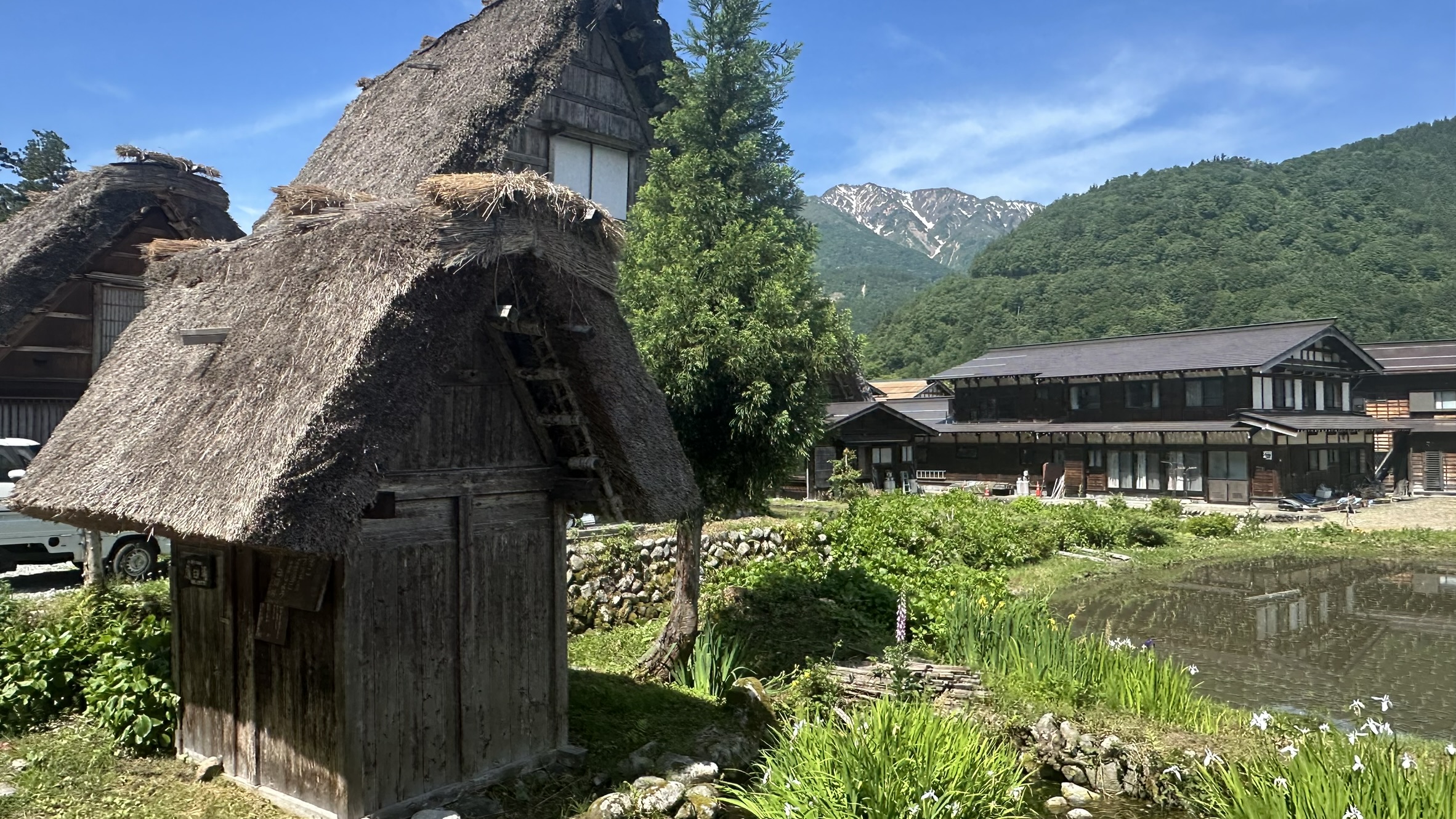
Leaving Matsumoto via a two-and-a-half-hour bus ride through the Japanese Alps brings us to Takayama, a small town nestled high in the Hida Alpine region of Gifu prefecture. (The first half of that trip was the same route to Kamikochi, so one could easily switch things up to go straight to Takayama from there.) This region is known for a few things: Takayama’s historic and well-preserved Sanmachi Suji district, where narrow streets are lined with century-old merchant homes, shops and sake breweries; Hida beef, some of the finest wagyu beef in all of Japan; Soba noodles; and the UNESCO World heritage villages of Shirakawa-go and Suganama, famous for their gassho-zukuri farmhouses. It’s also where we enjoyed our most luxurious stay of the entire trip!
Highlights from our Takayama stay:
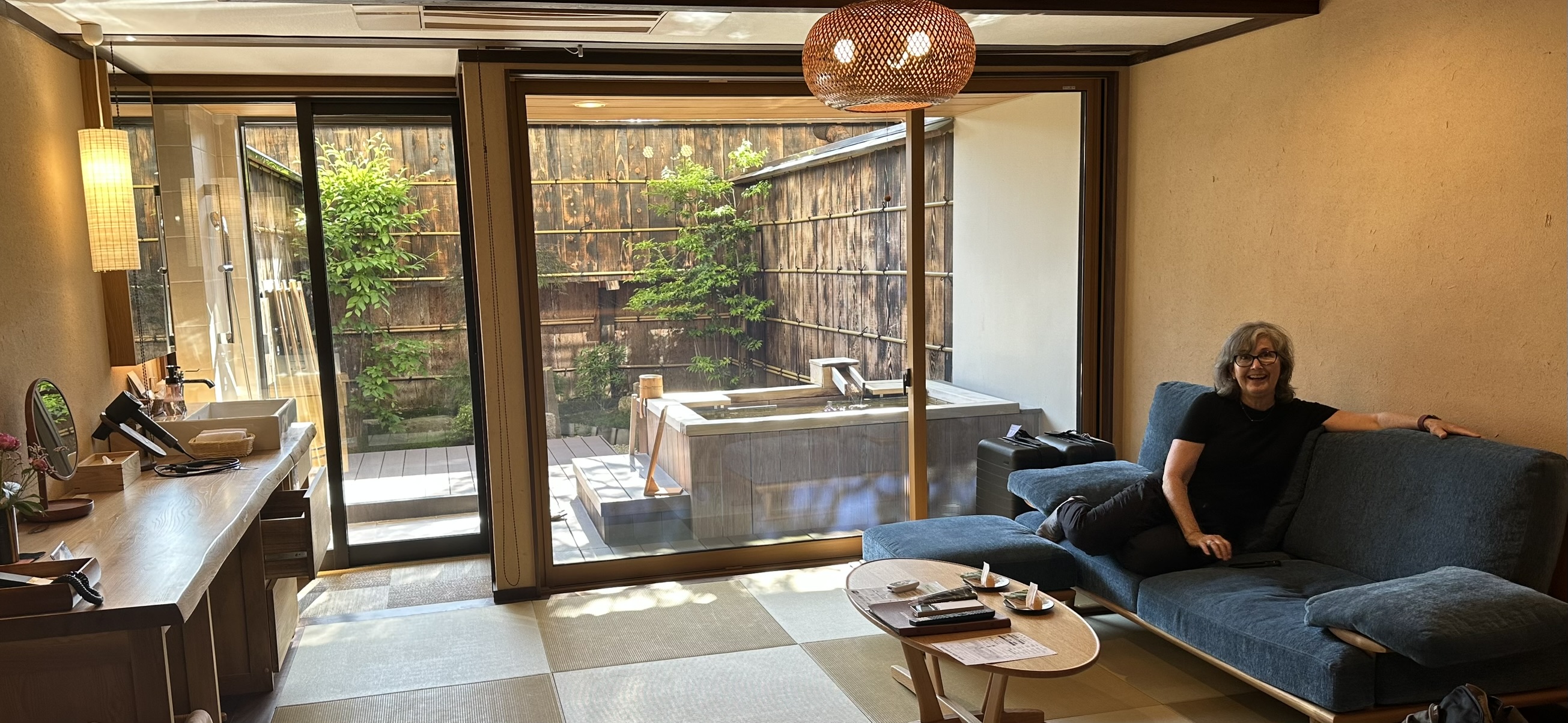
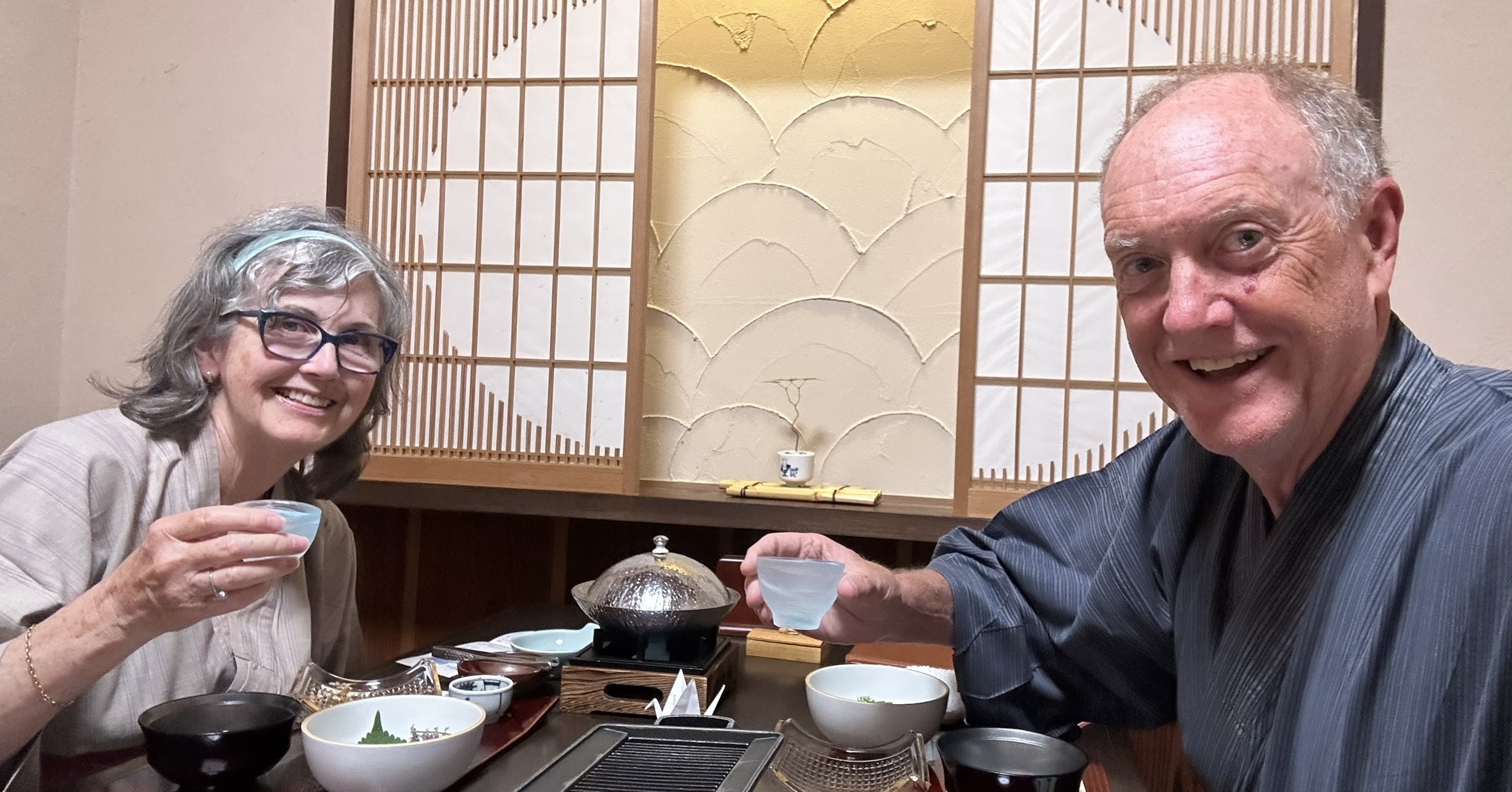
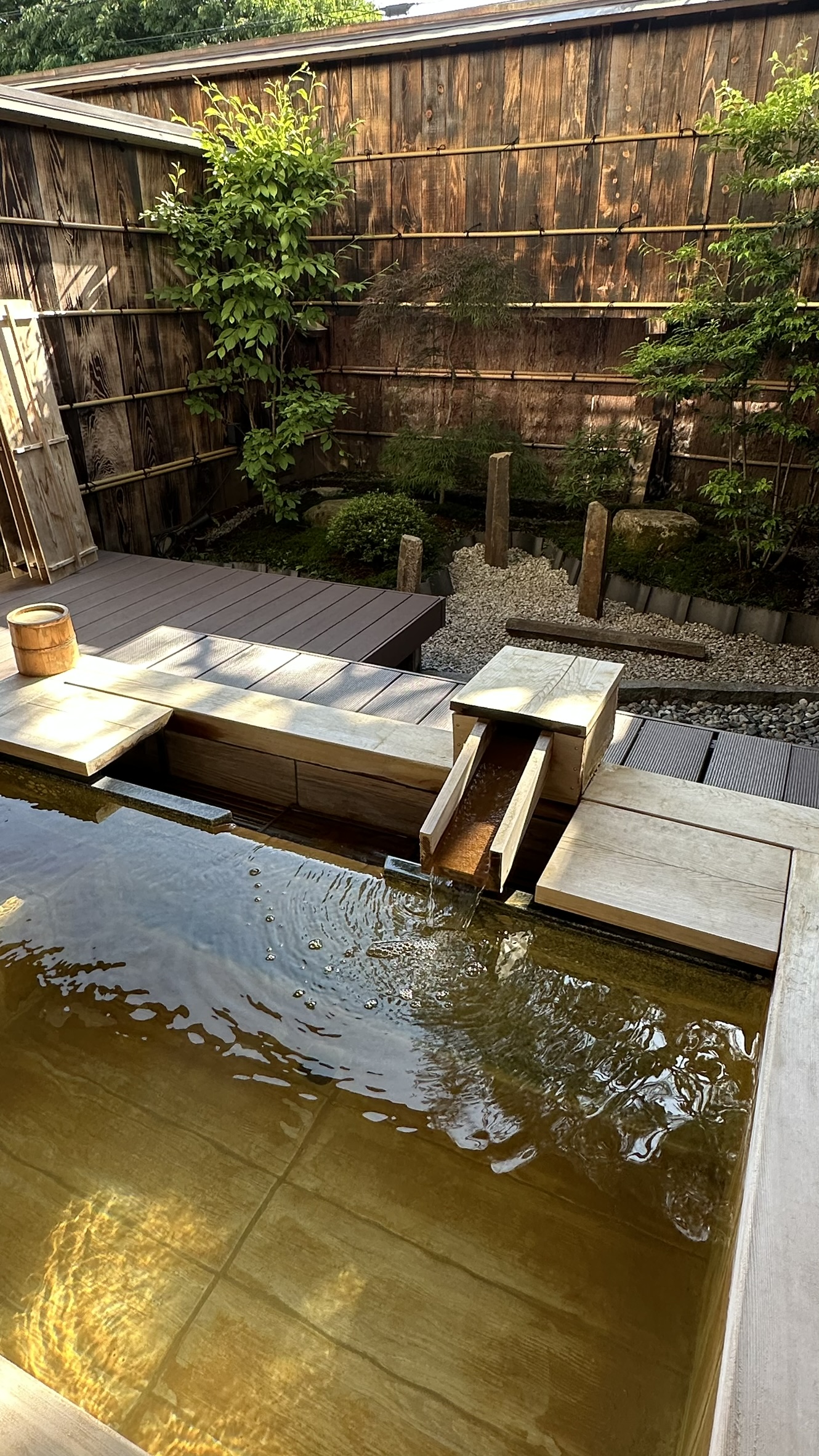
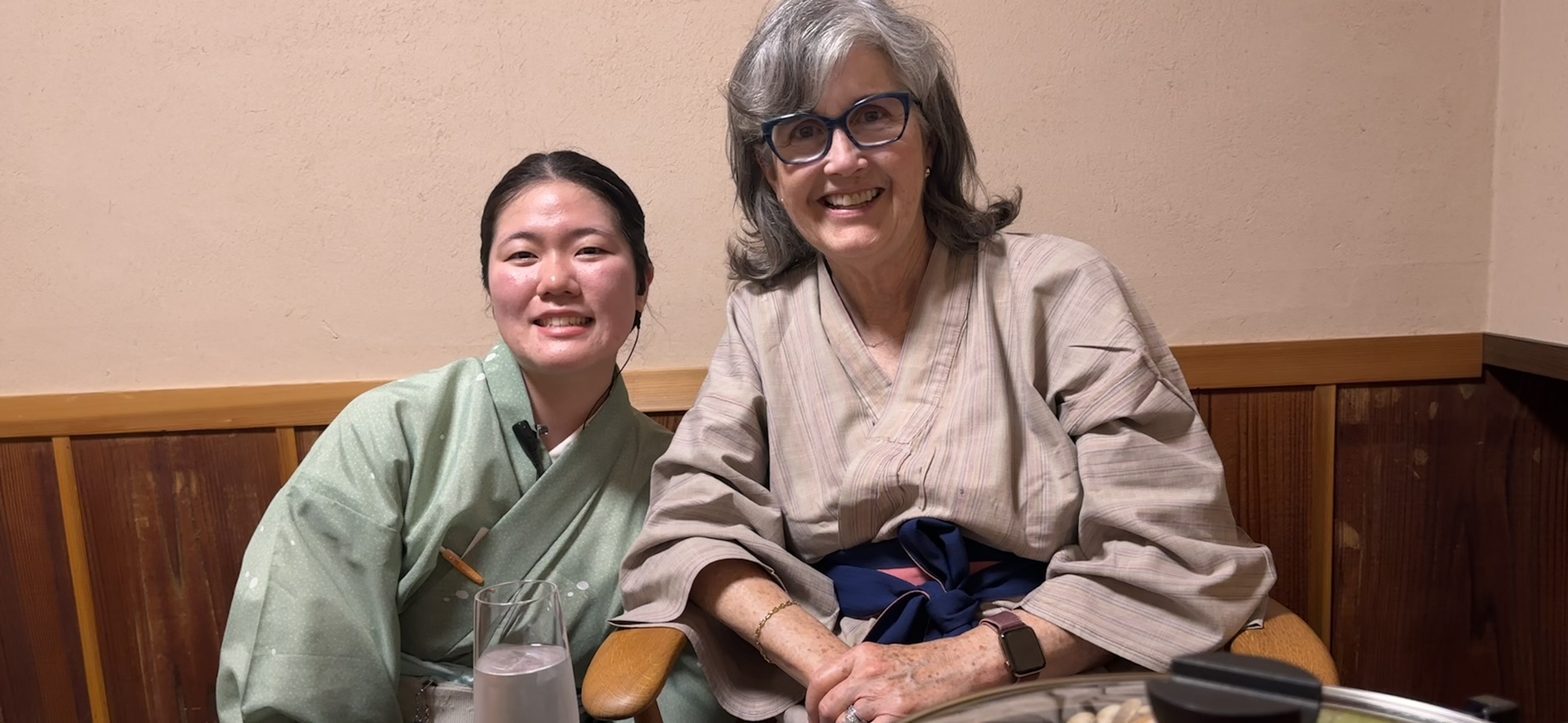
- Hidatei Hanaougi is a superb onsen ryokan, a traditional Japanese inn whose hot spring baths, amazing meals, and highly personalized hospitality — our kimono-garbed attendant, Misake, was a marvel — were an entirely new experience for us. Magical! In fact, it was so relaxing we did not go out at night in Takayama, just stayed in for another onsen soak (at least three a day) and some nice sake with dinner. Here is my TripAdvisor review.

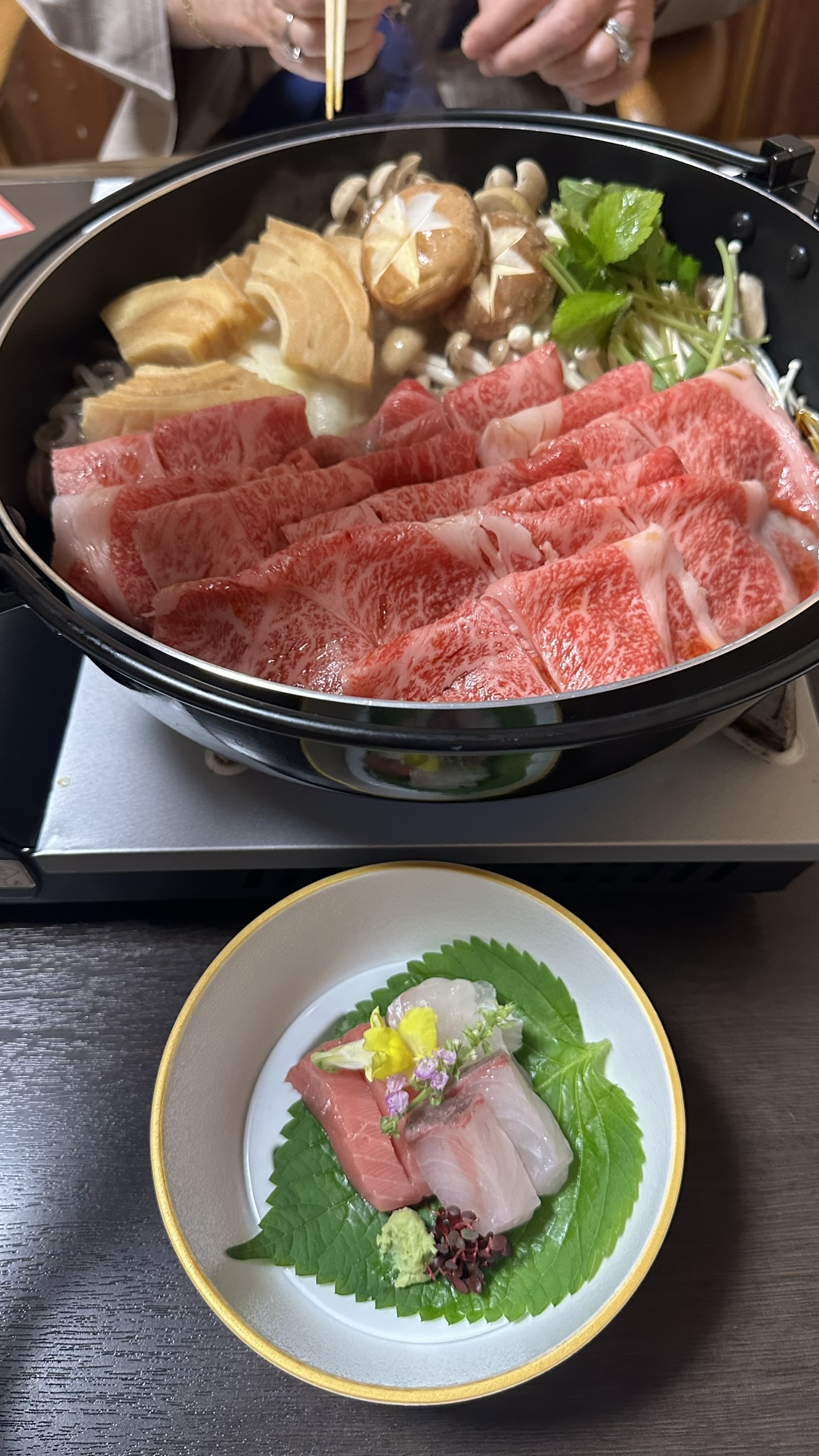
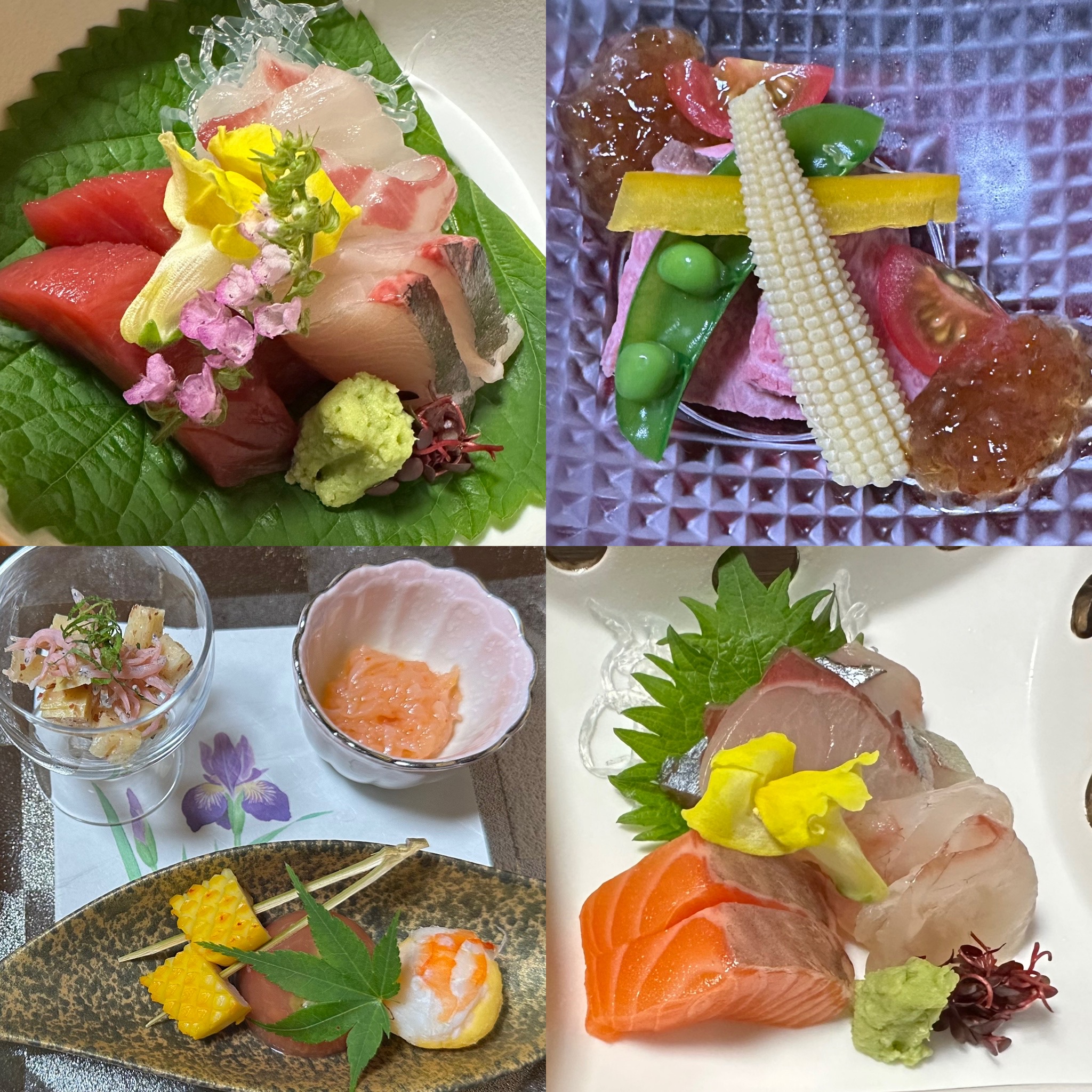
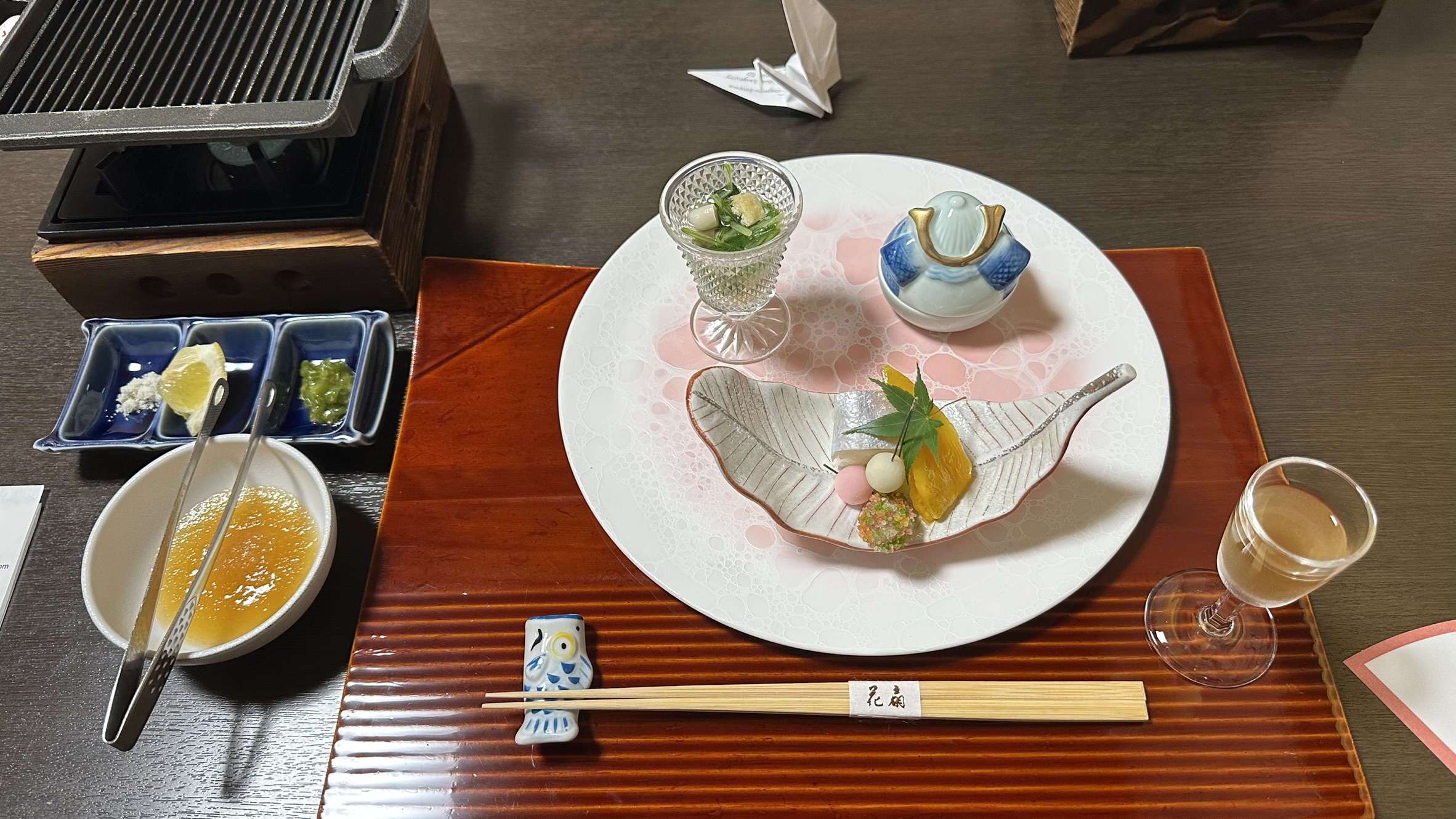

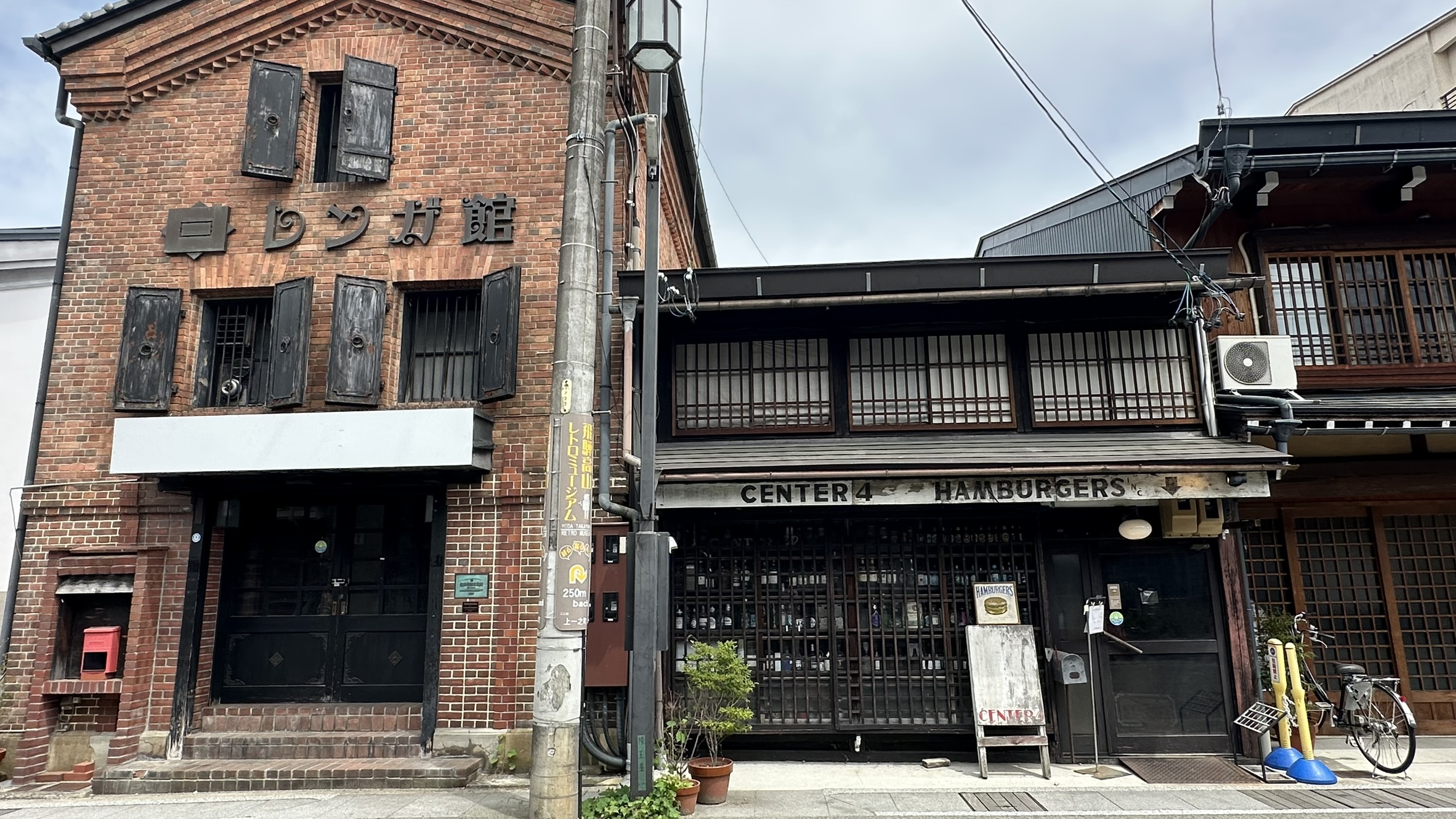
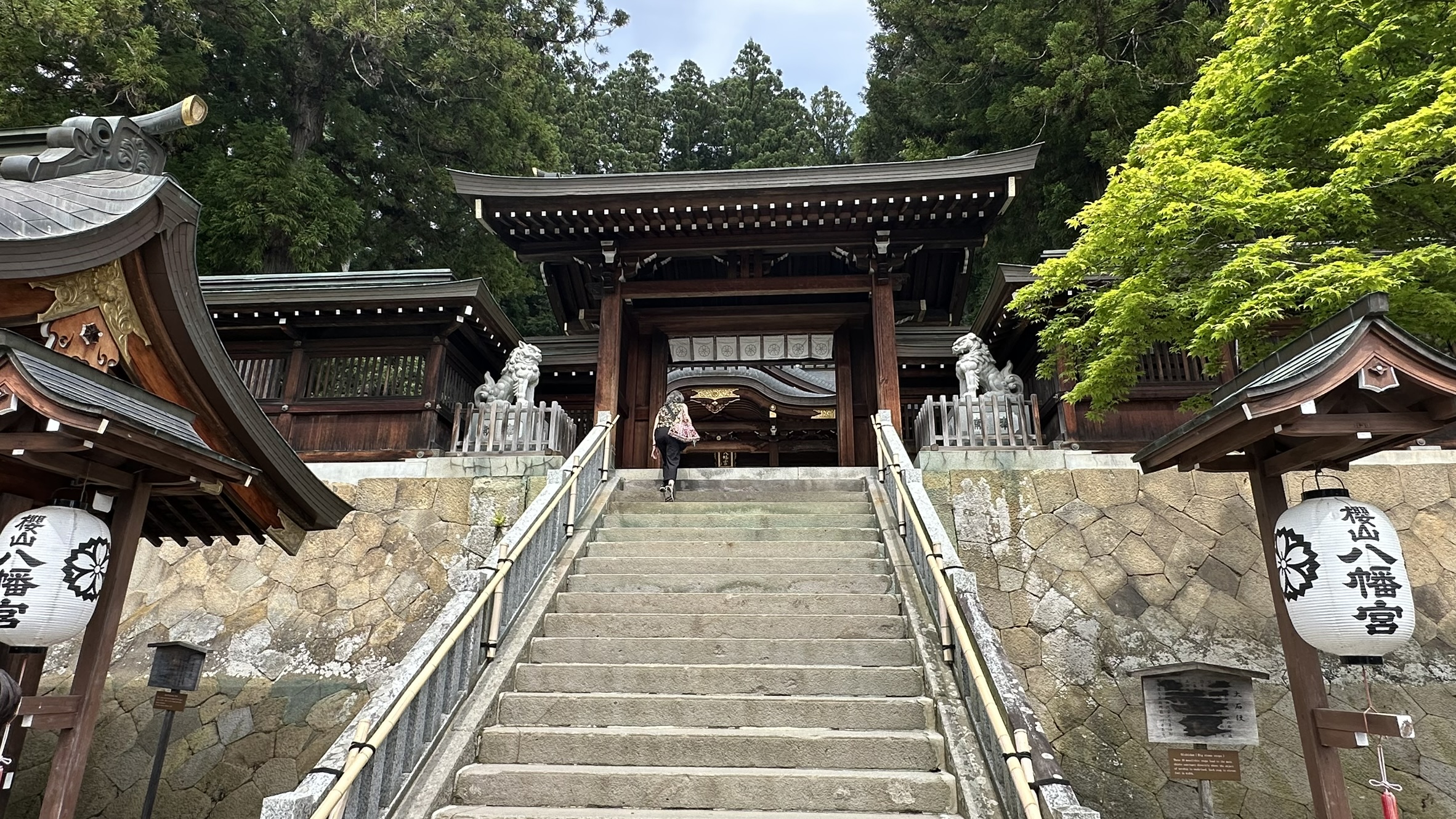
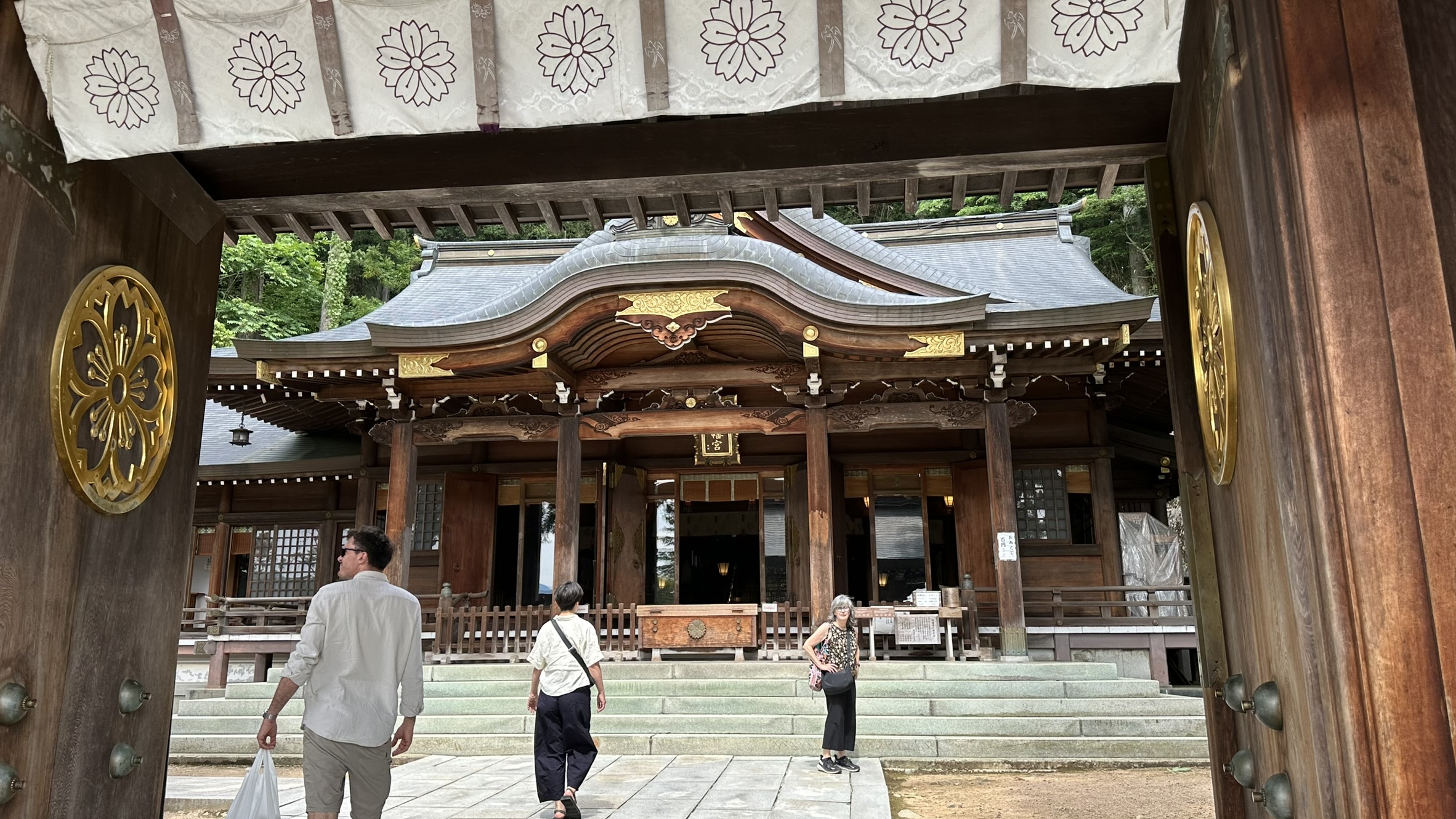
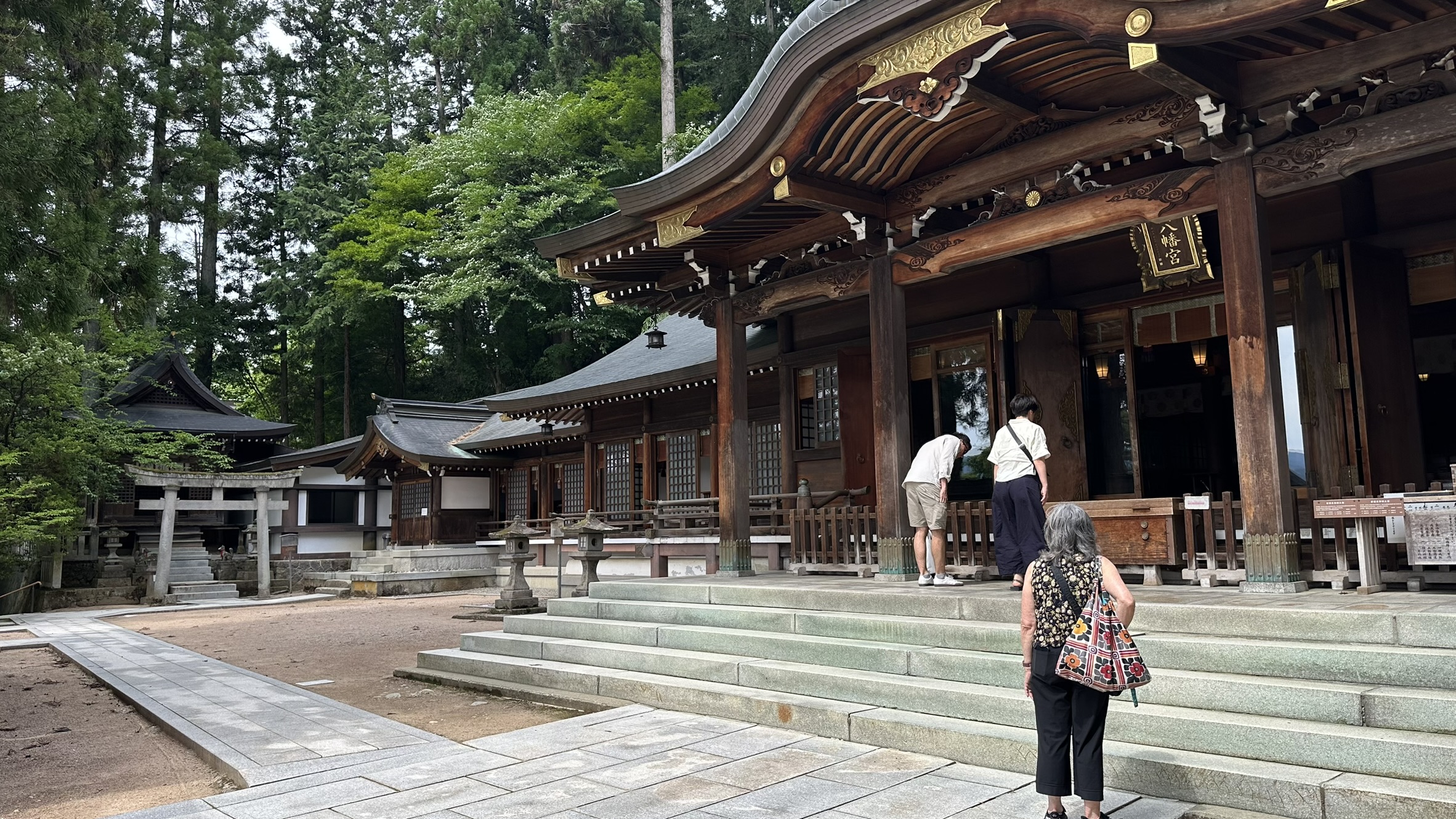
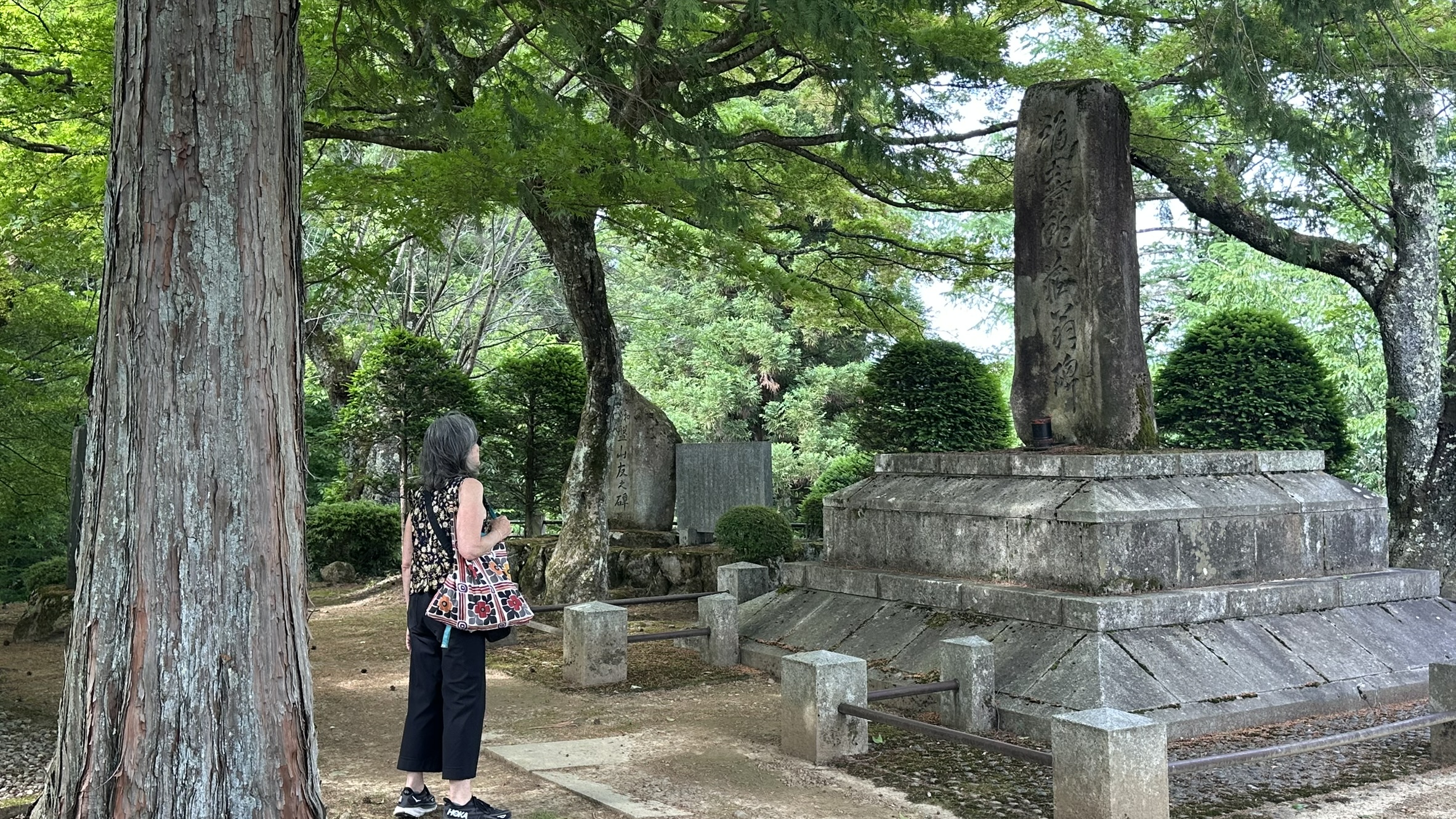
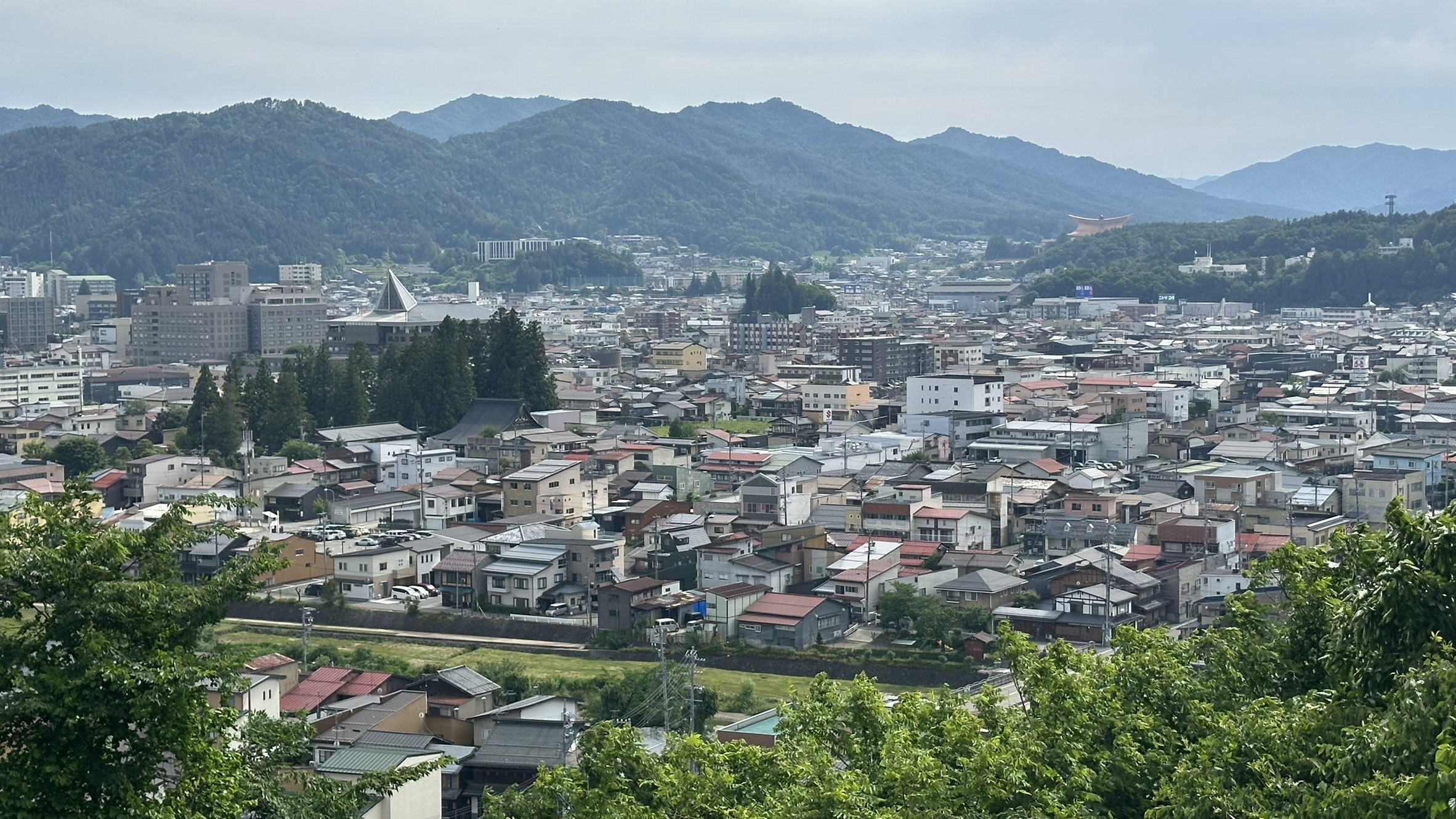
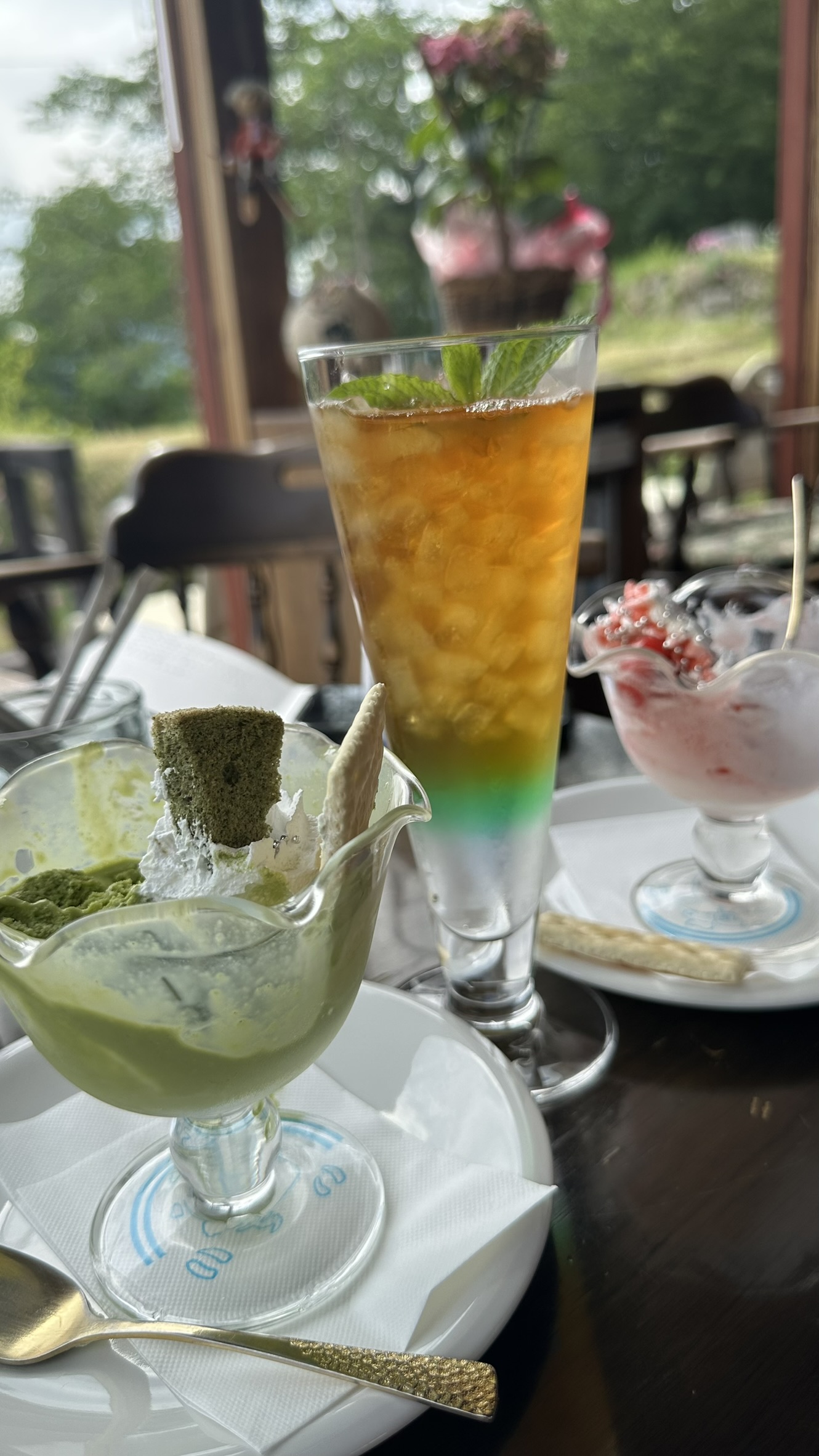
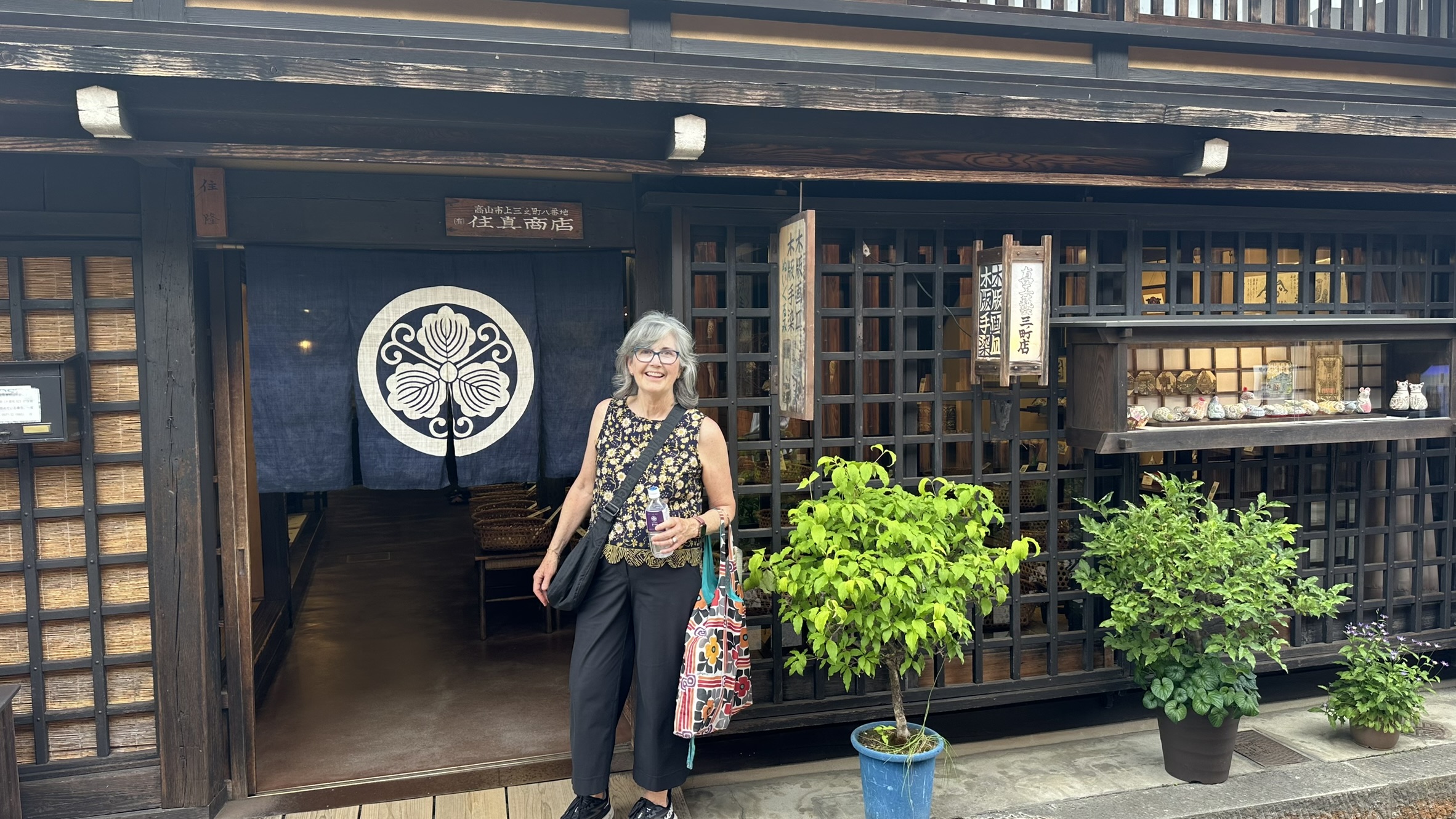
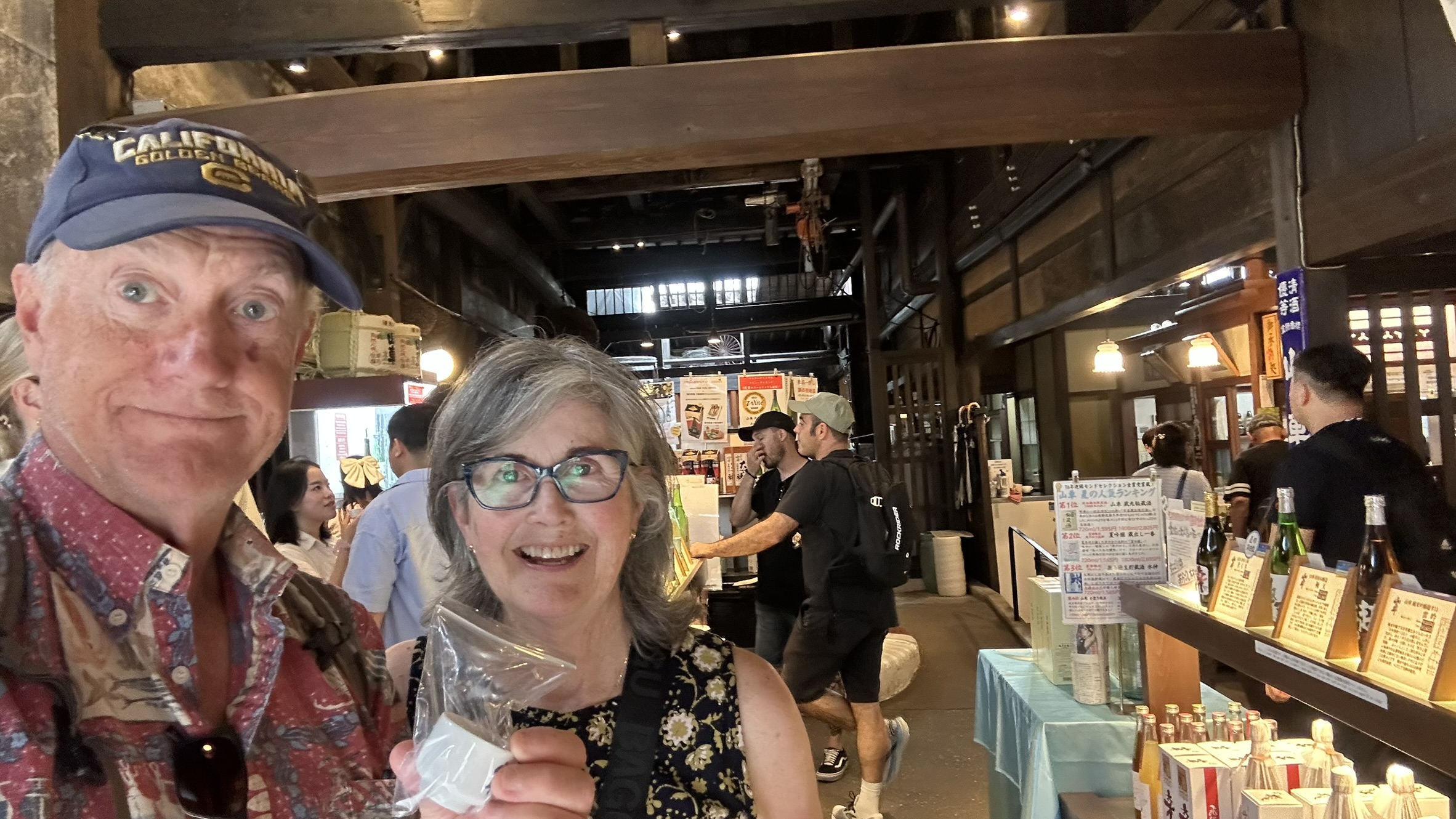
- Our leisurely stroll through Sanmachi Suji started at the popular Miyagawa Morning Market, stretching several blocks alongside the Miyagawa River. After meandering several blocks of beautiful, old wooden buildings, we ended up at Sakurayama Hachimangu, a huge 5th century Shinto shrine in Takayama’s foothills. We were lucky to catch part of a Shinto ceremony where the priest was blessing a young woman, likely a bride, dressed all in white. From there, we continued up the hill to the ruins of Ayuzaki Castle, once home to the local shogun in the 16th century, and now little more than a monument in the trees of Kitayama Park, with commanding views over Takayama. Nice cafe up there for ice cream and tea, too. Returning to Sanmachi Suji, we finished our mini-tour with a help-yourself sake tasting at Harada, one of four sake breweries in this neighborhood alone.
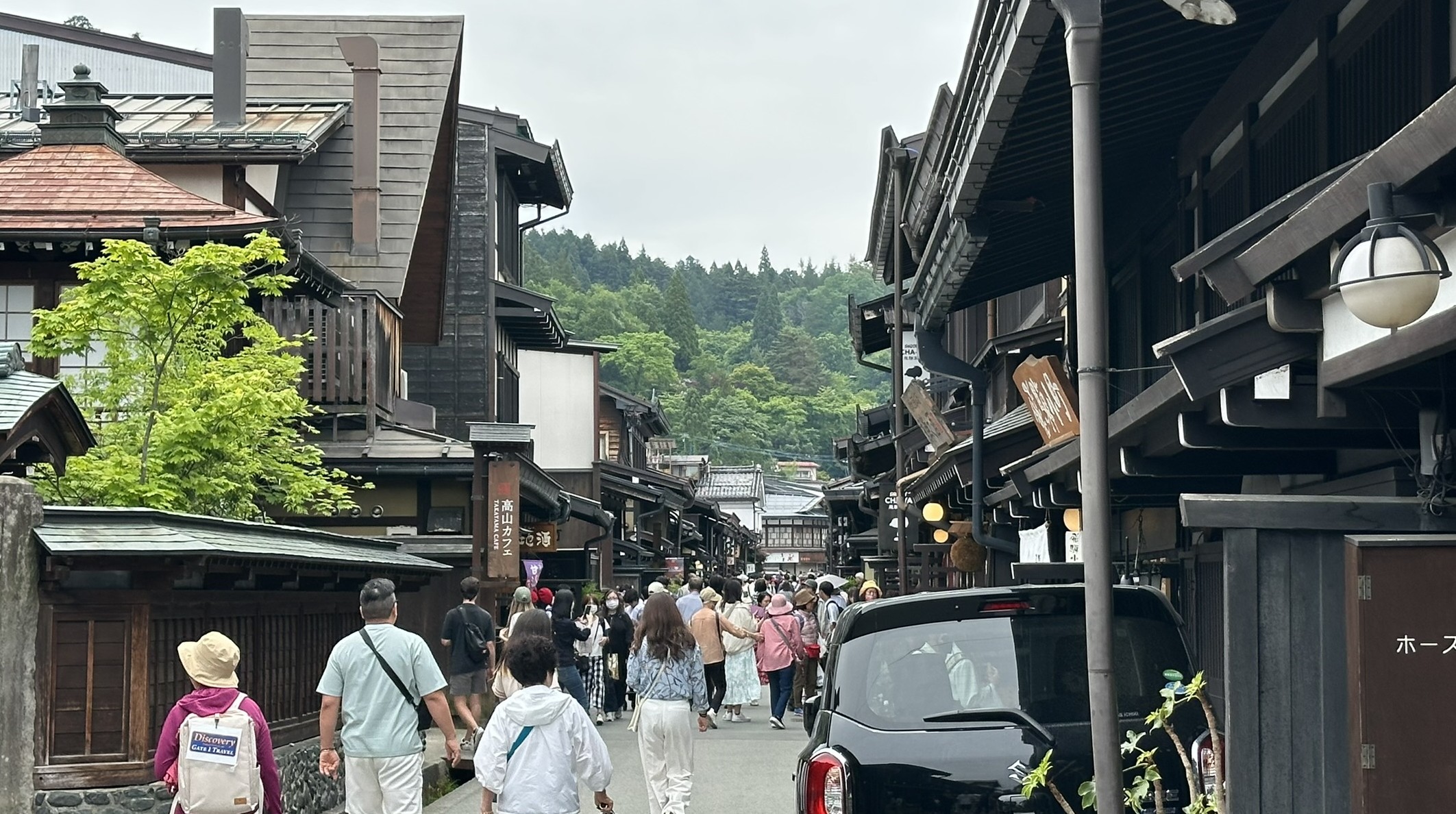
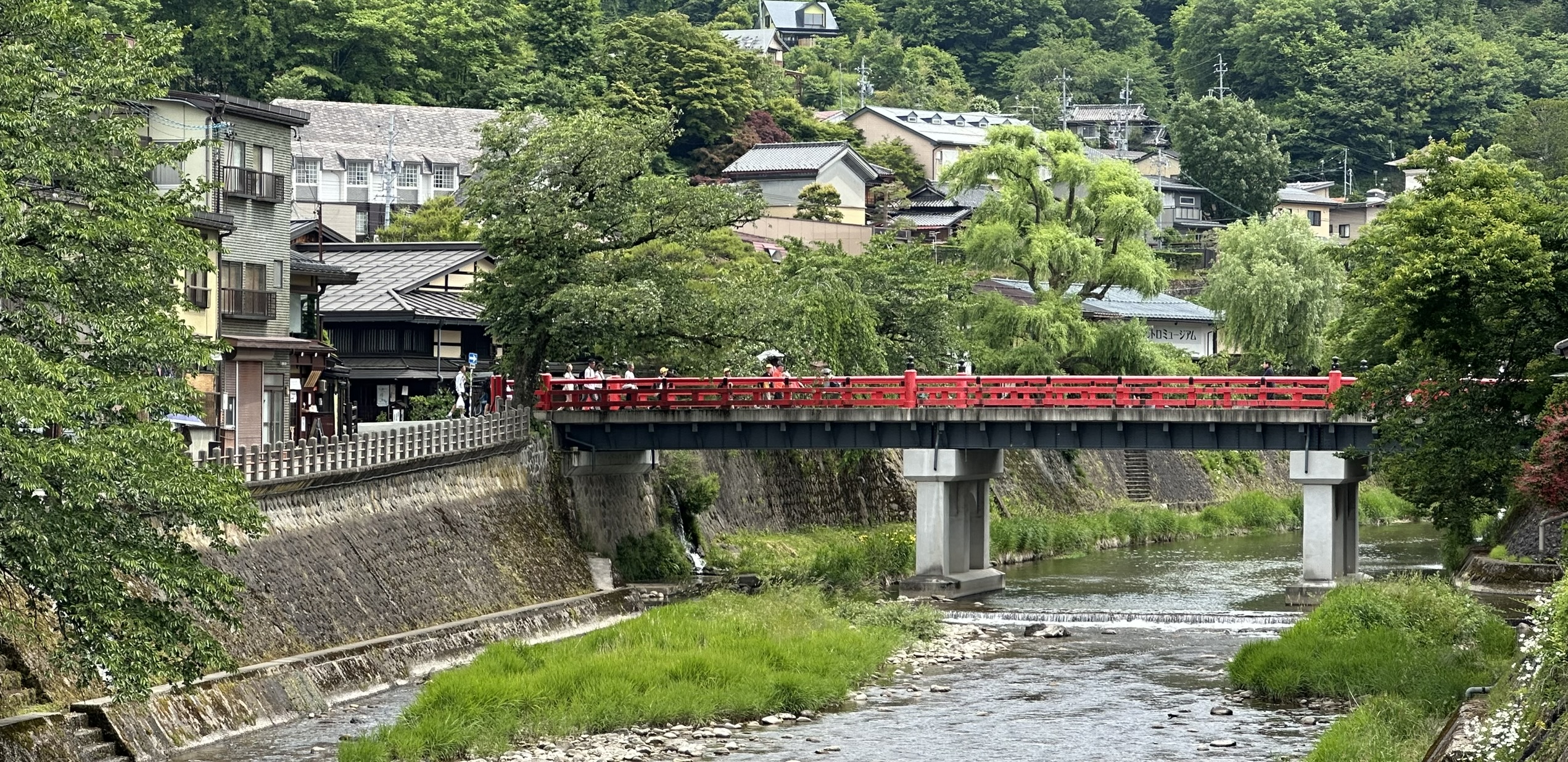

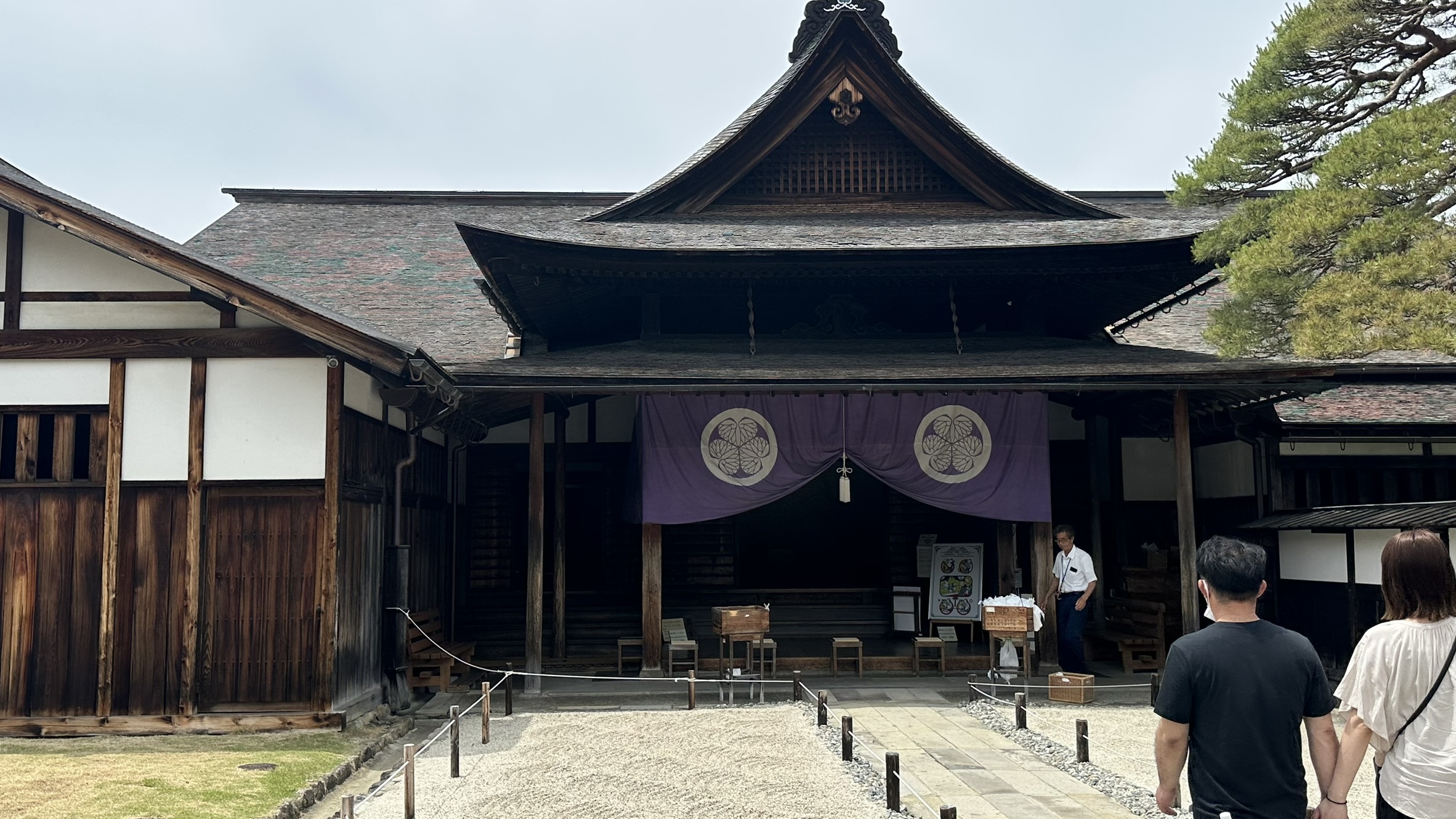
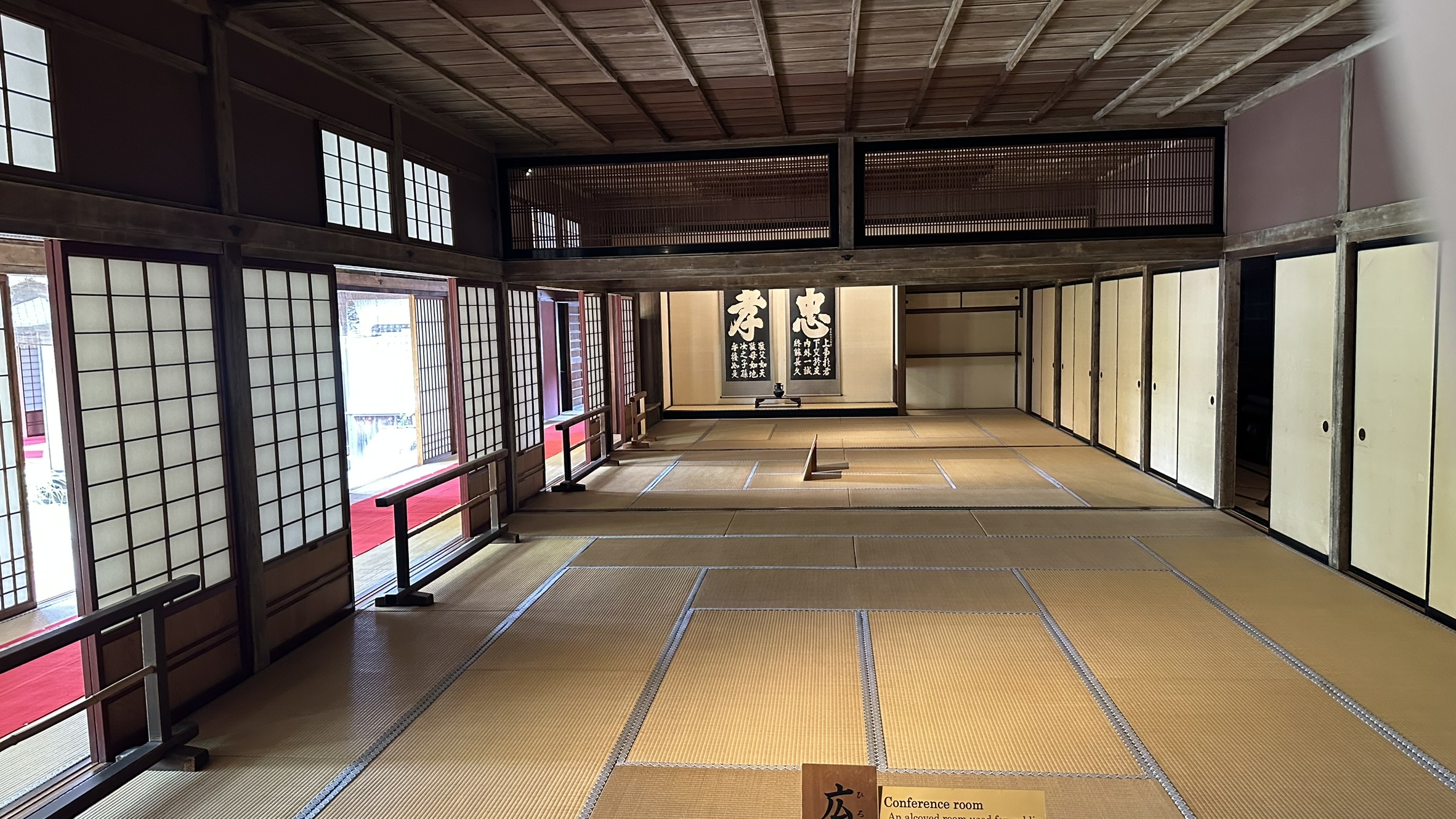
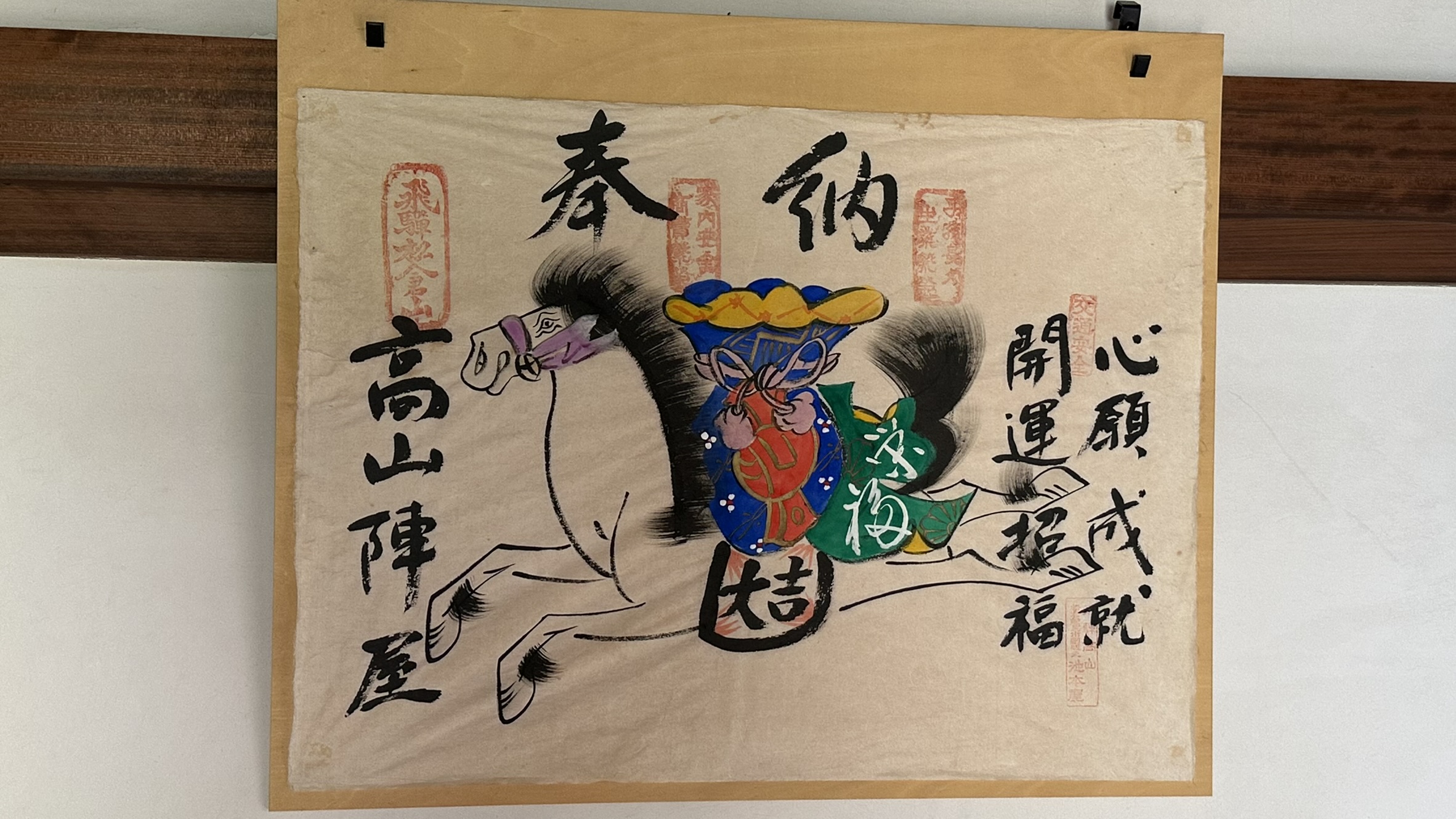
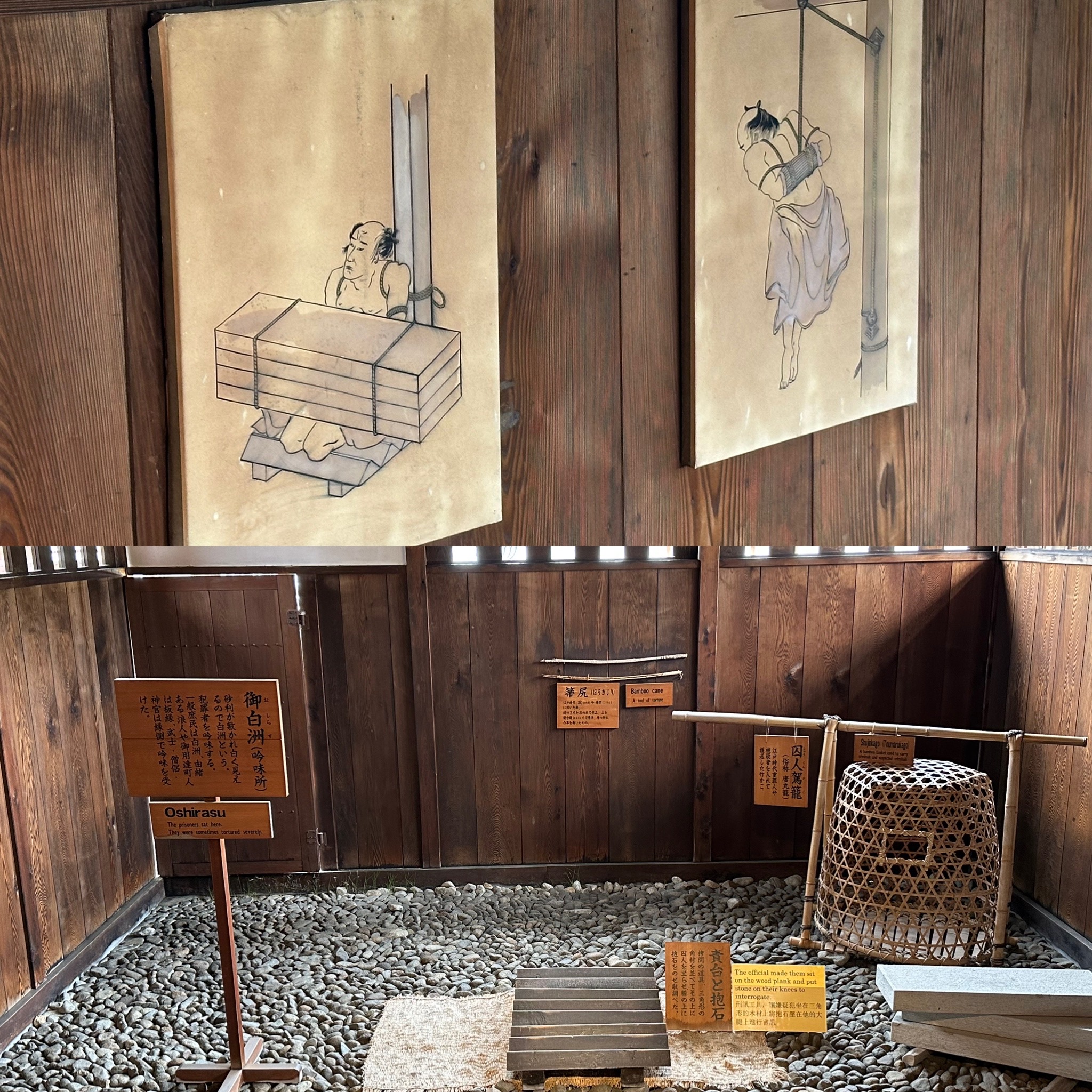
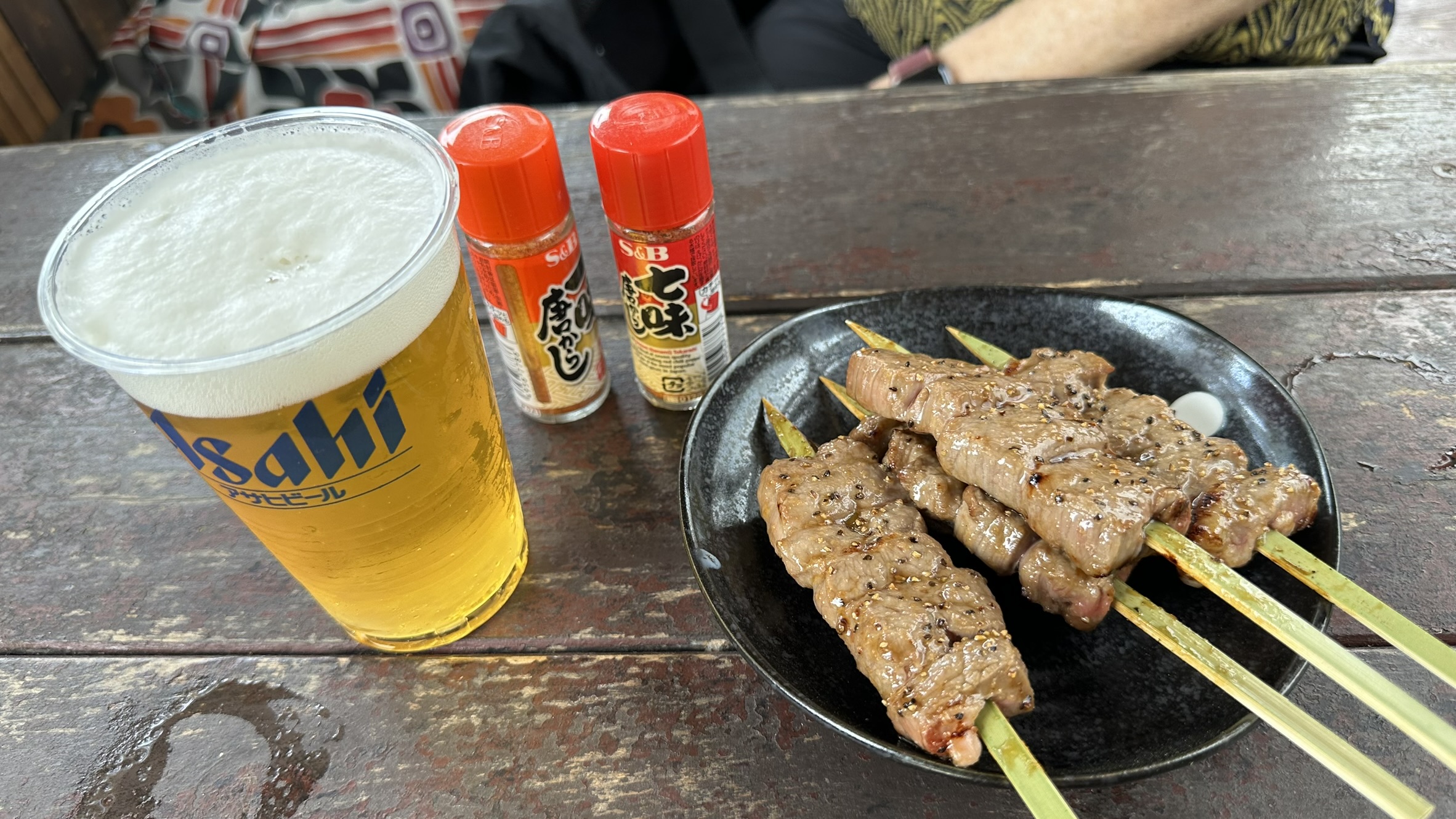
- Takayama Jinya, one of the very few Edo Period government buildings that was not destroyed when the Meiji Period (1868-1912) brought westernization and modernization to Japan, is now a museum, just across the red Nakabashi Bridge from Sanmachi Suji. One of the more interesting rooms was the prisoner cell, where torture was common practice. After you’re finished (or before you start), there is a handy and delicious little izakaya stand with meat skewers and beer (outdoor seating only) right out front.


Shirakawa-go and Gokoyama
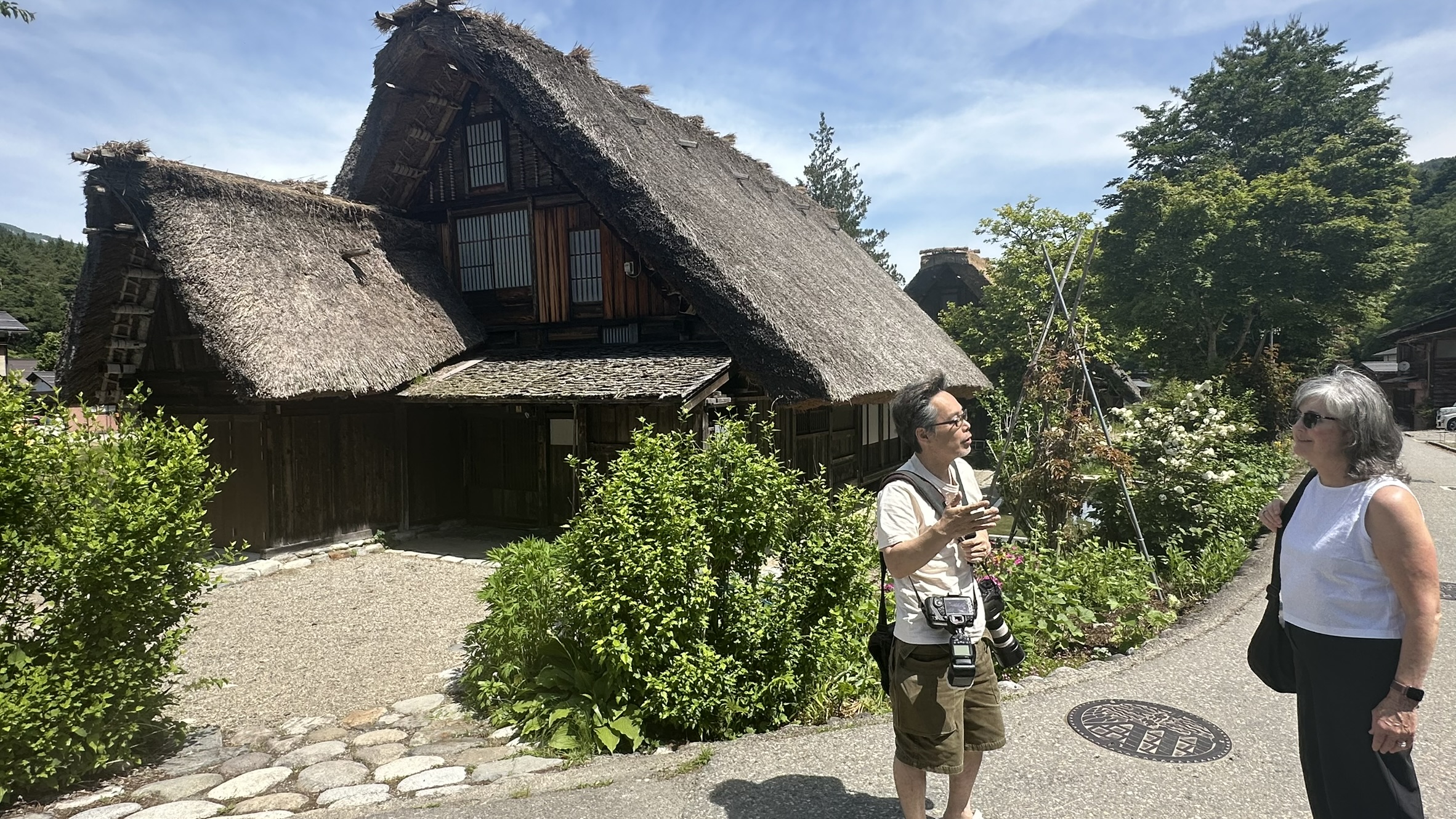
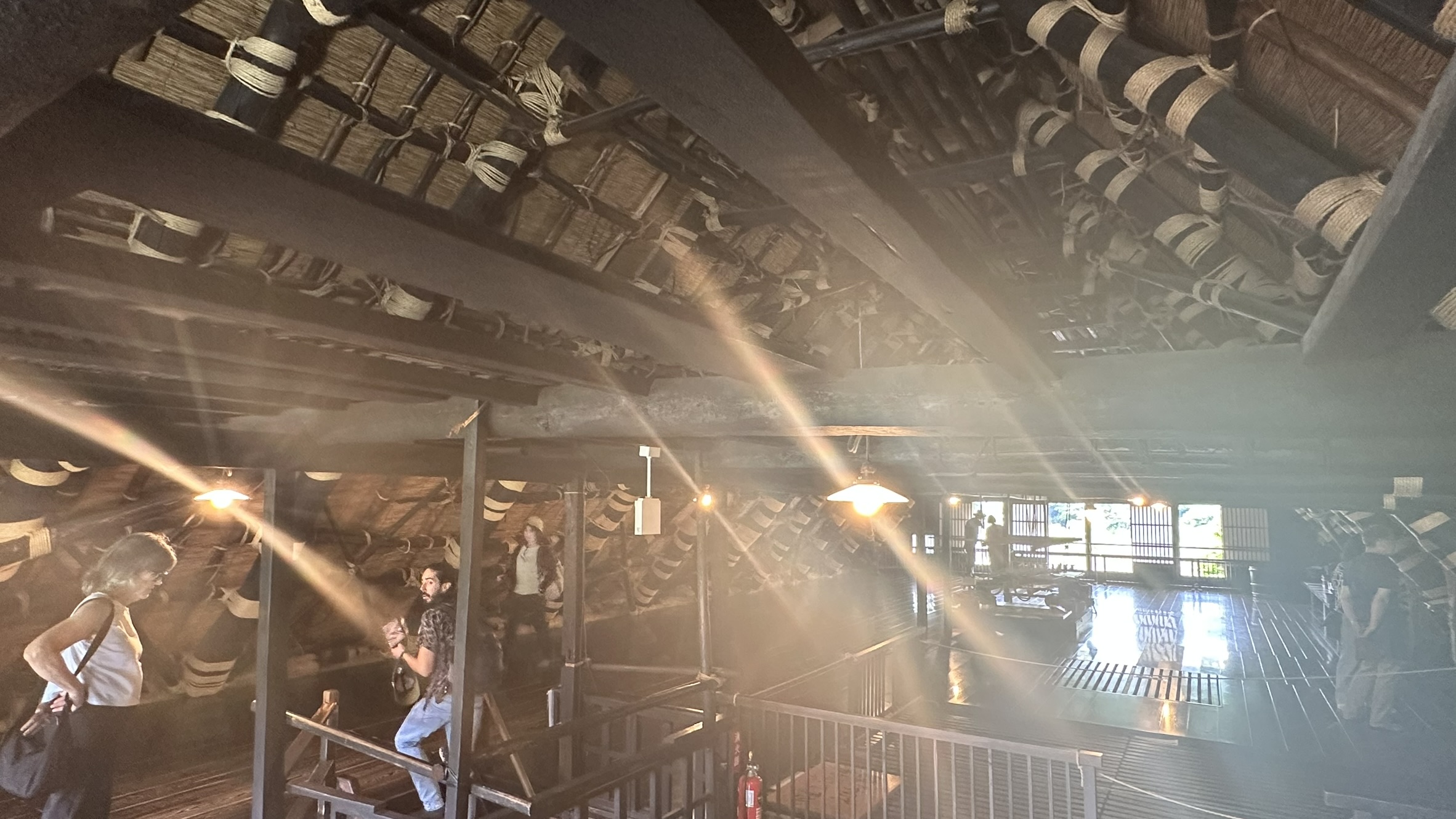
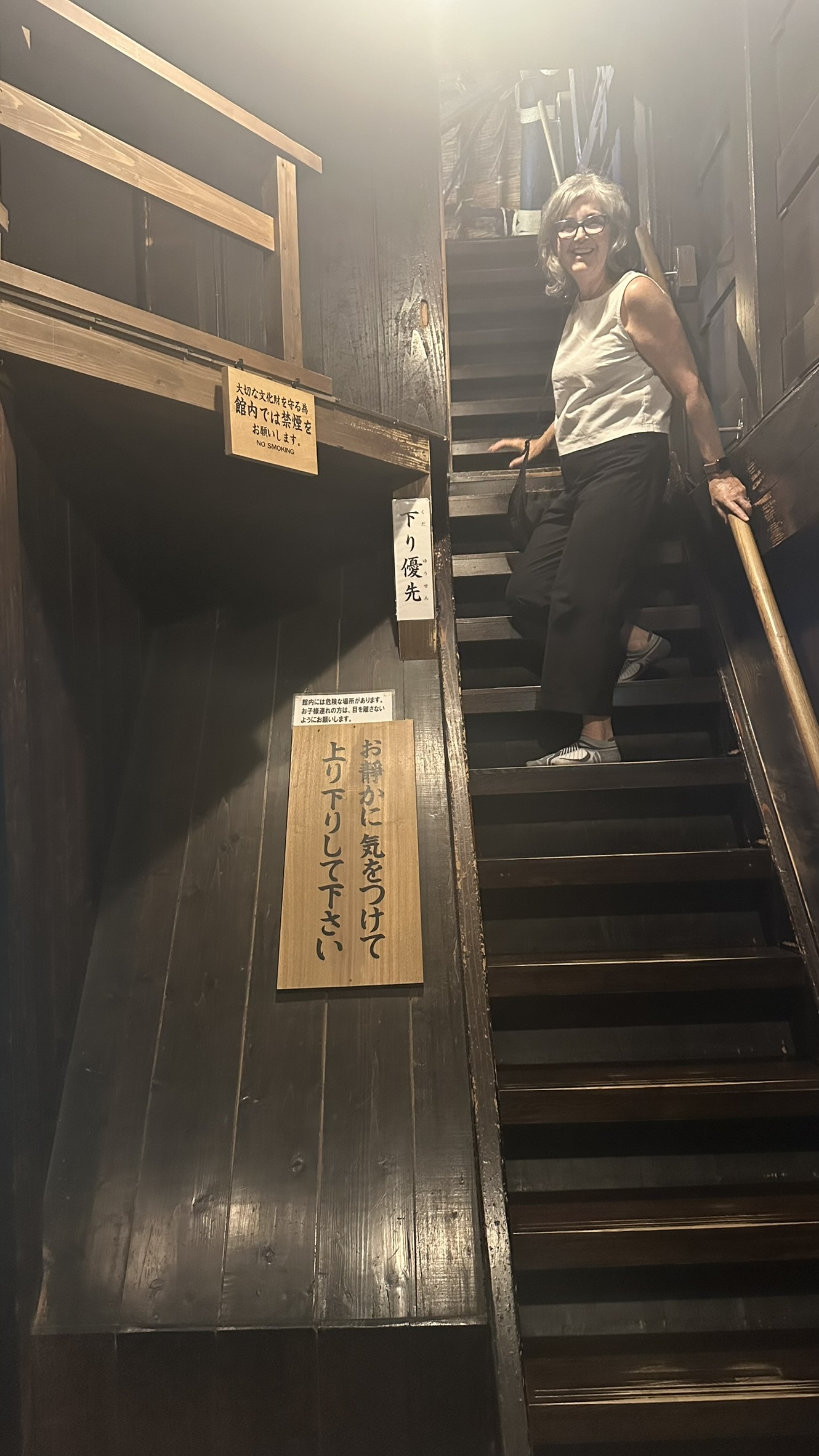
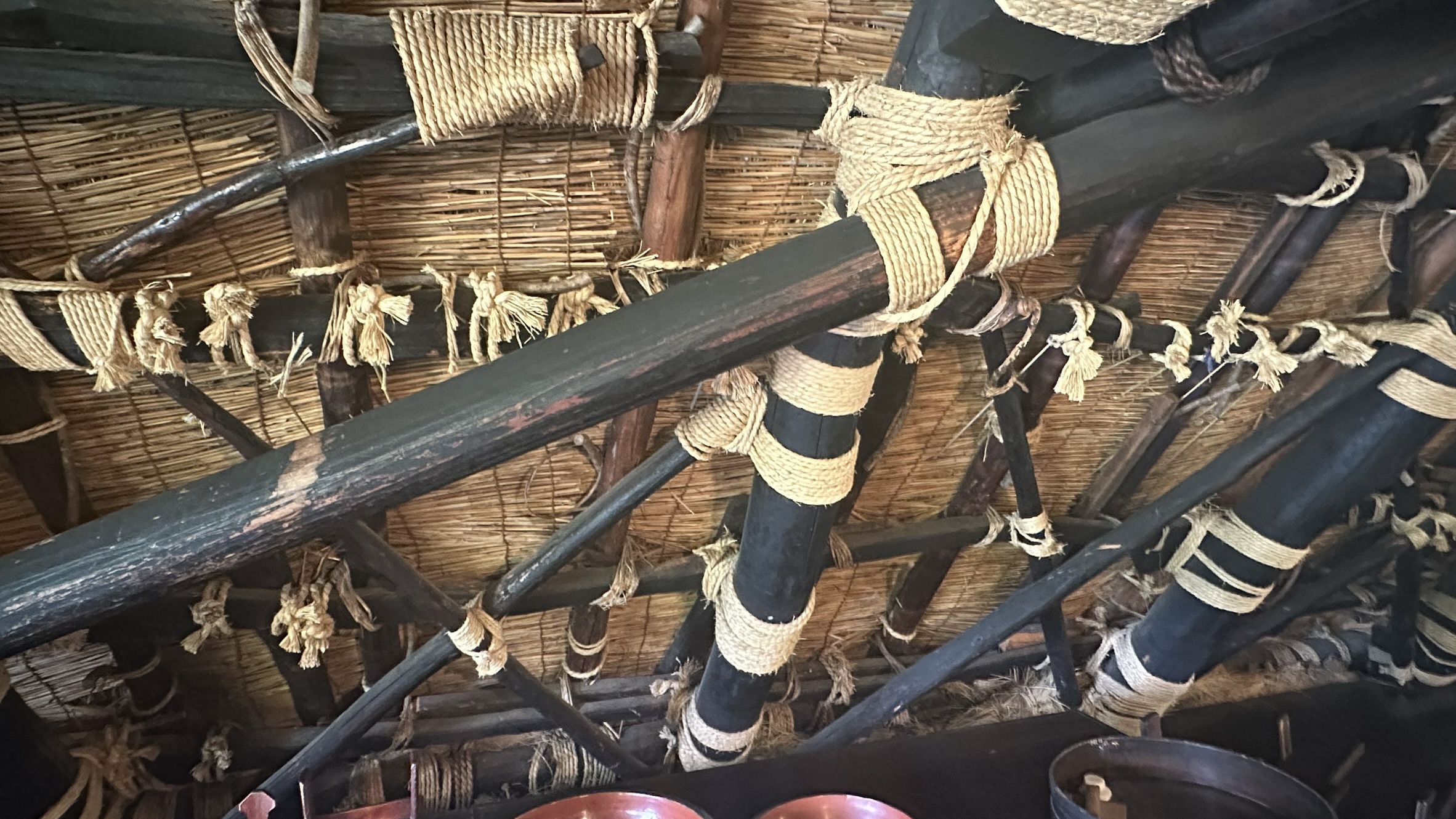
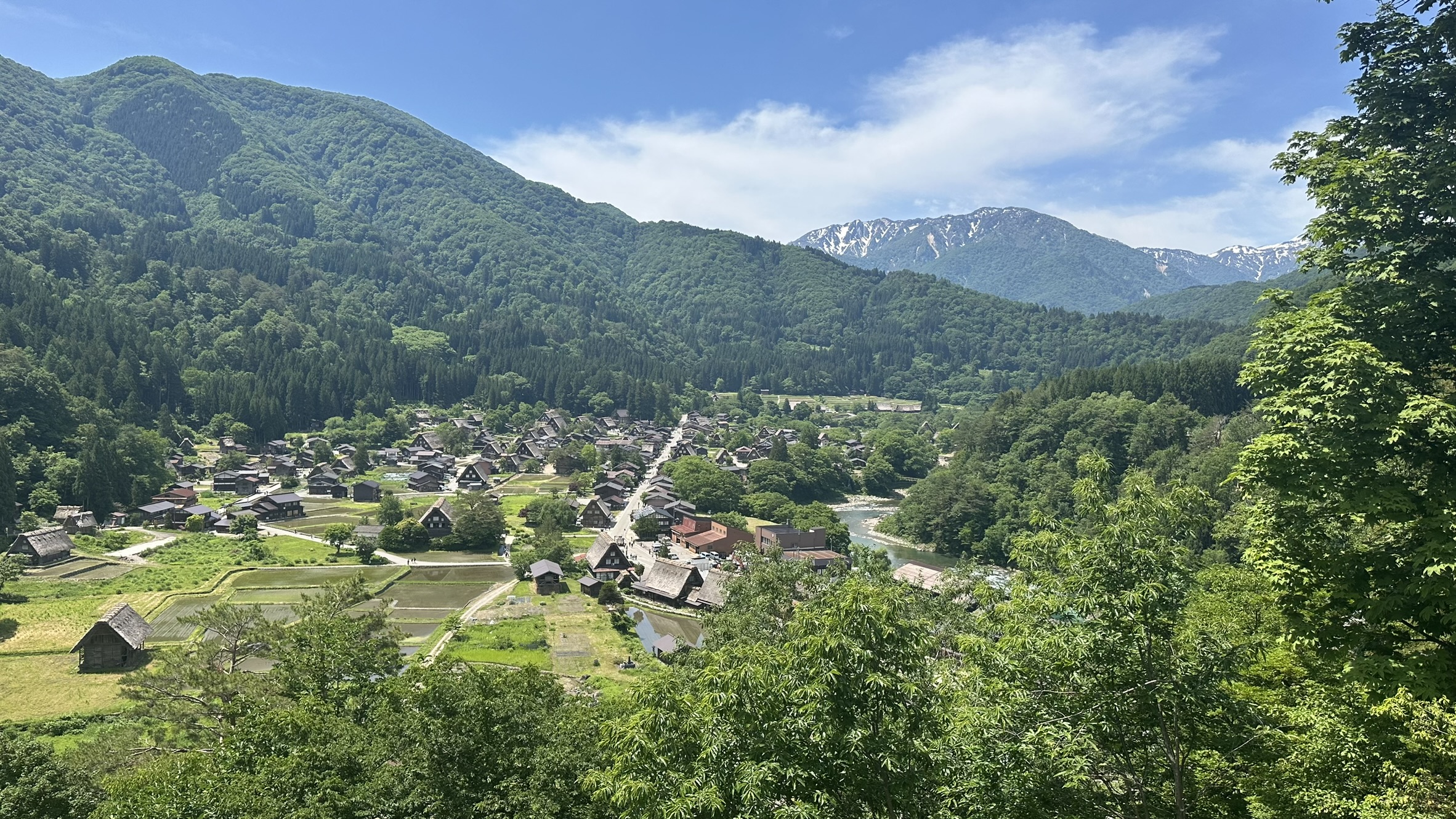
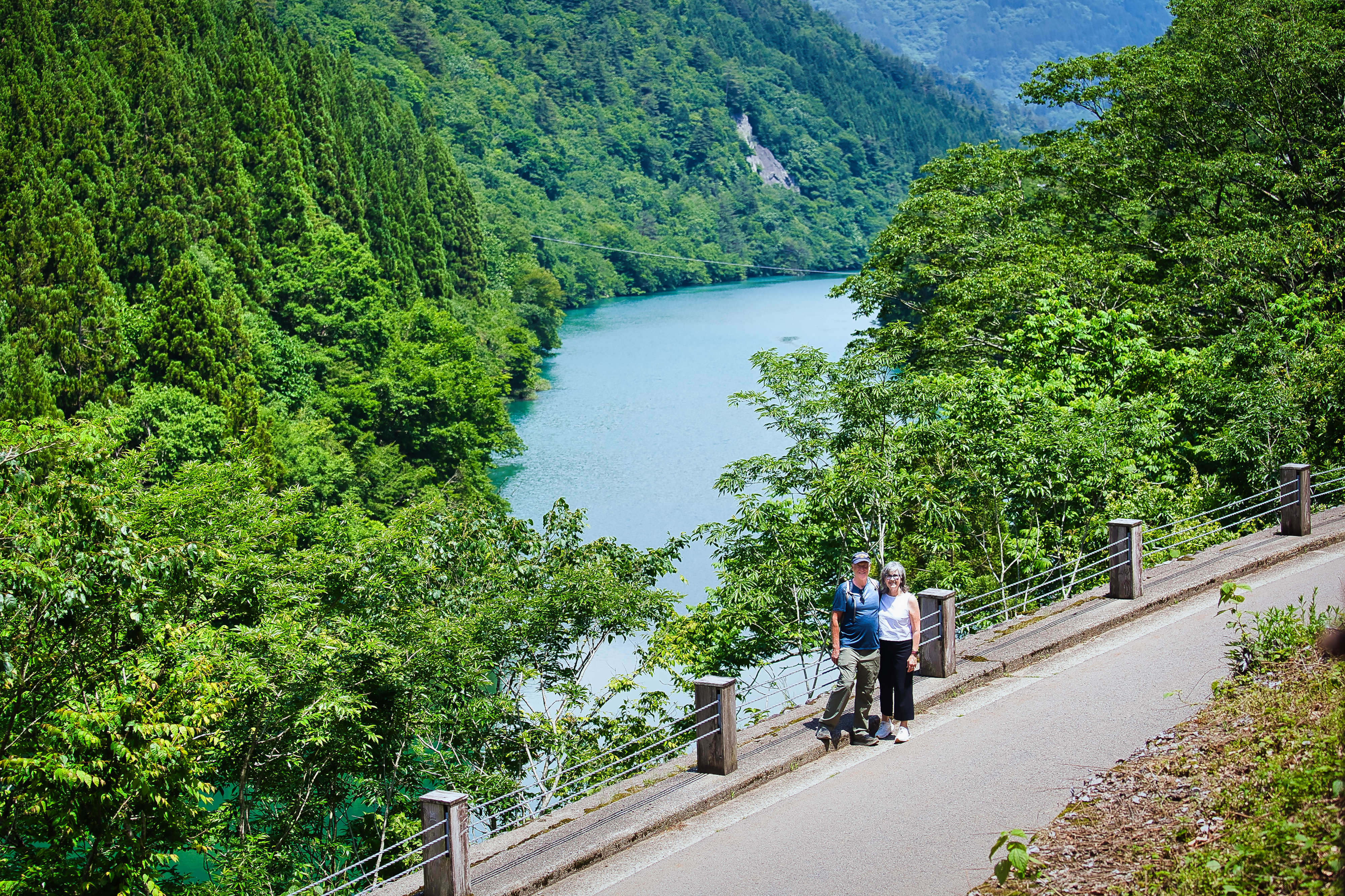
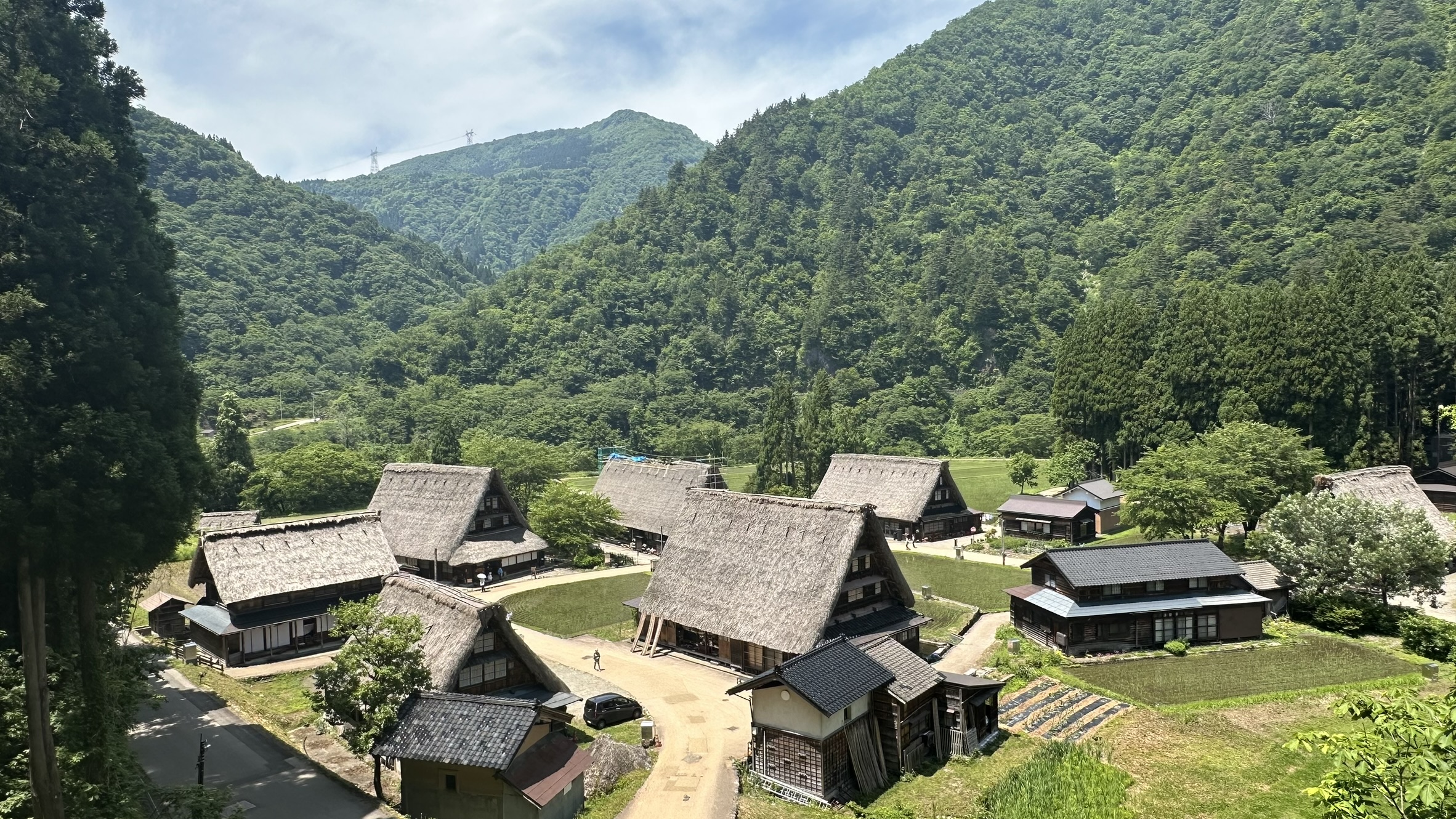
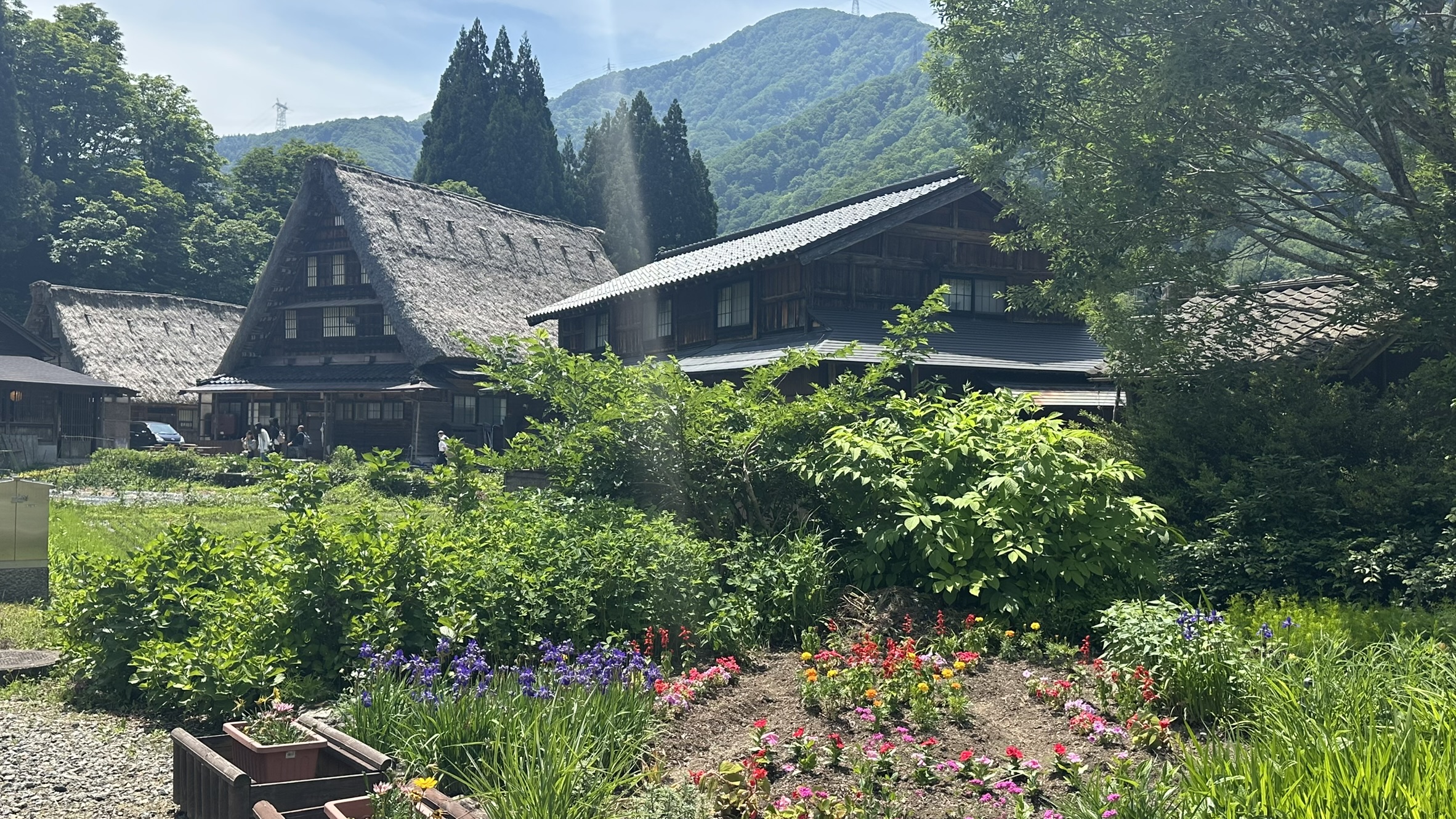
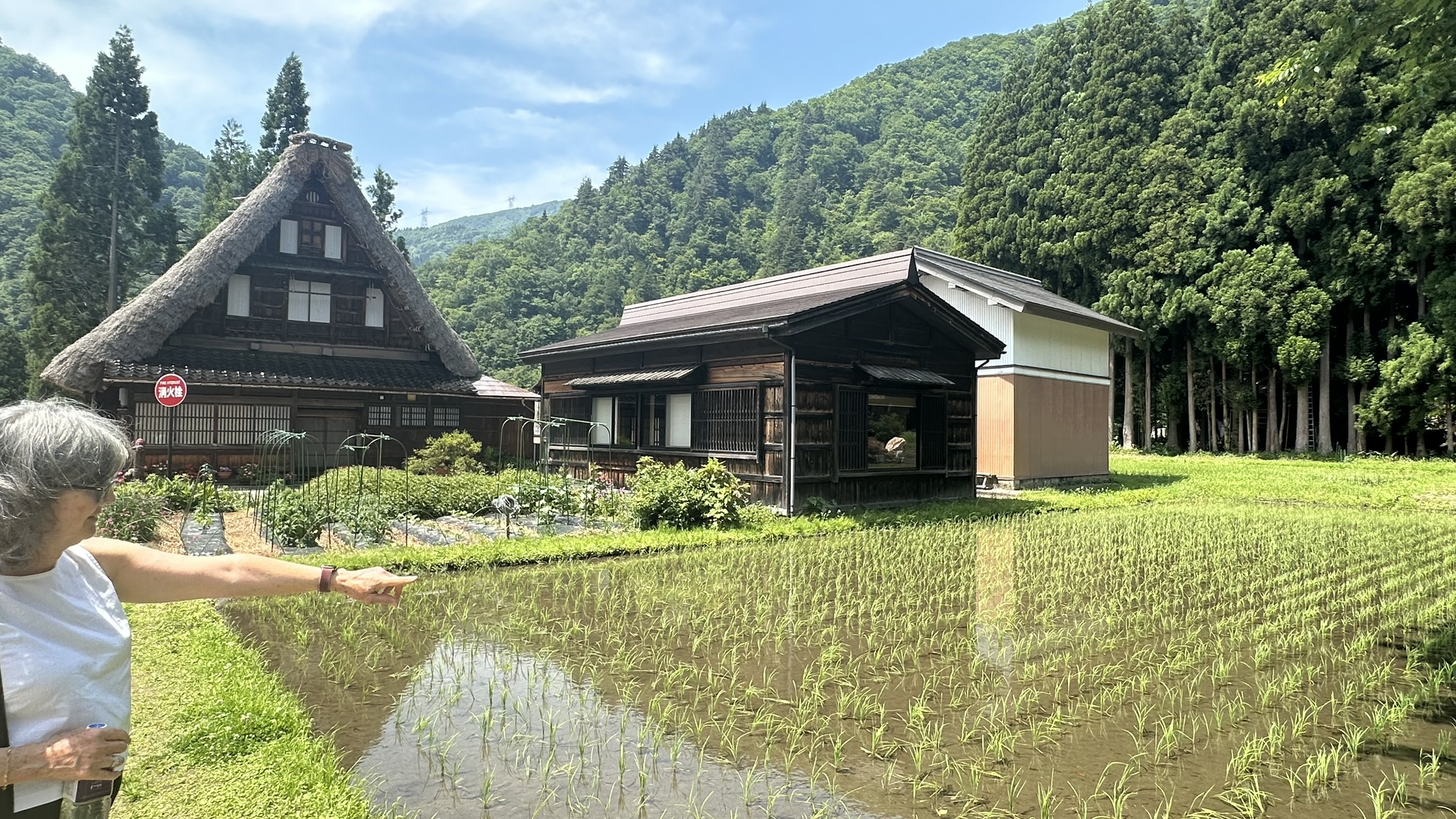
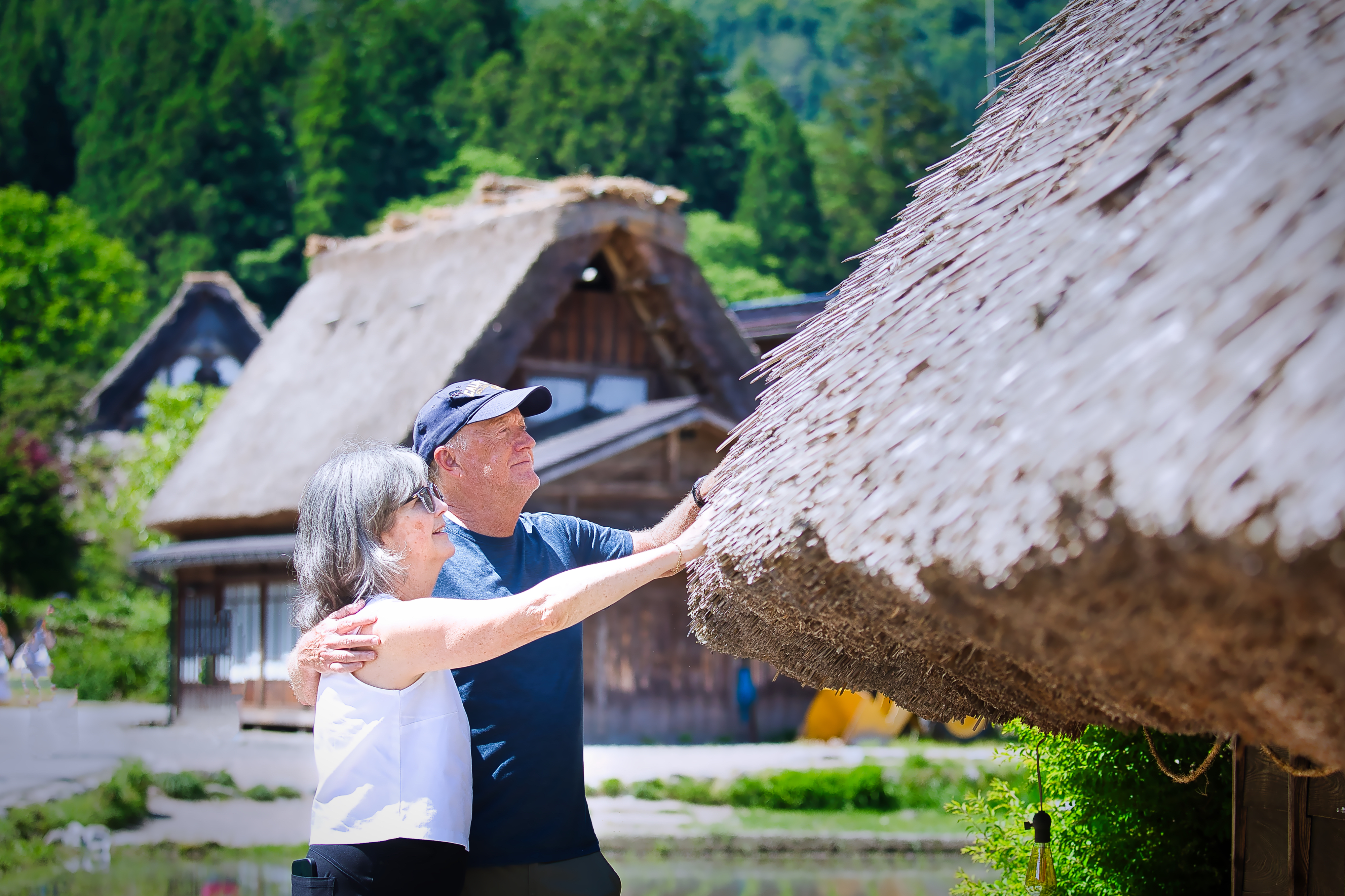
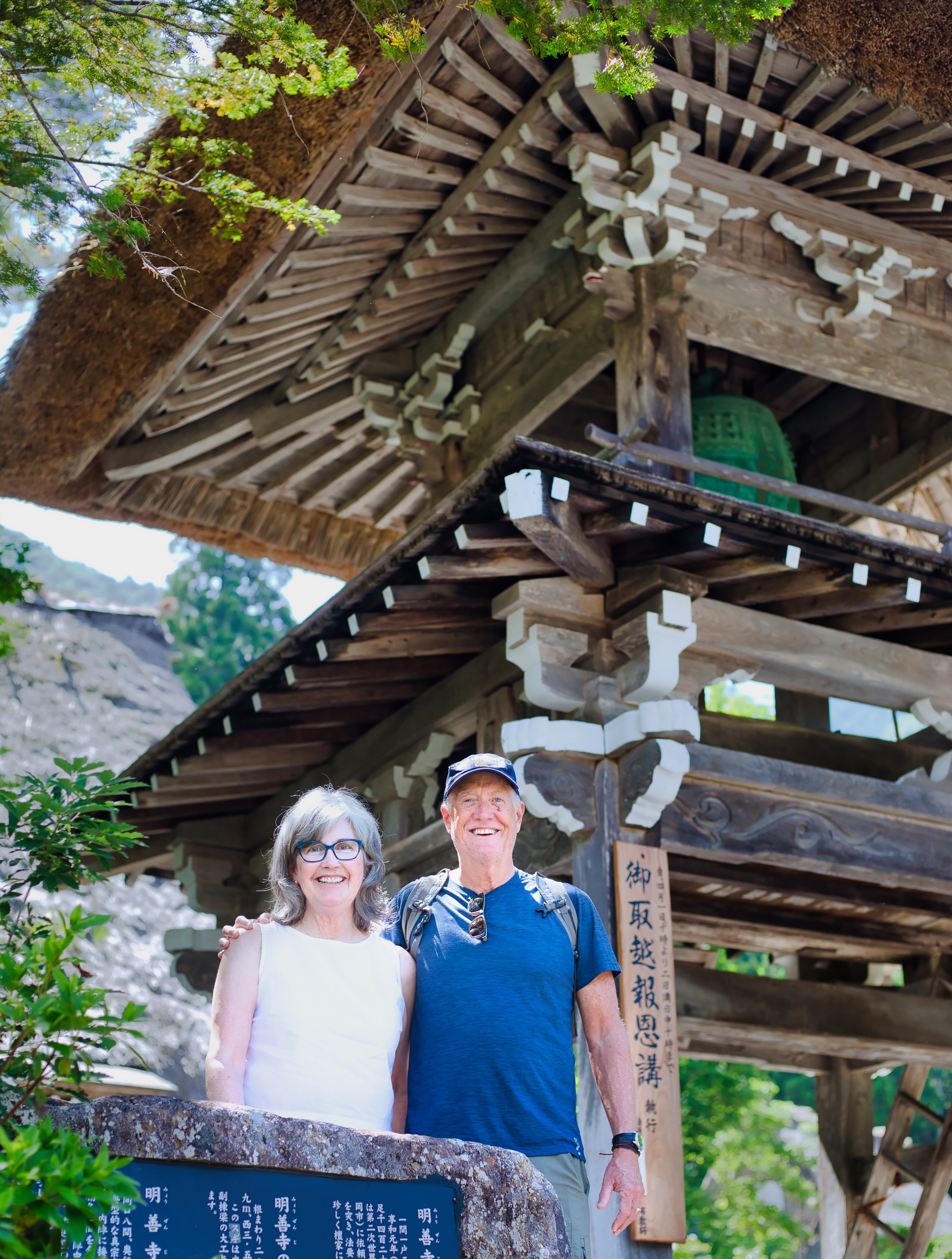
For our day trip to Shirakawa-go and Gokoyama, we hired a driver and guide (here’s my review), who also happened to be a professional photographer. Only a small handful of villages in Japan have these farmhouses, and Shirakawa-go is the largest. Many of the farmhouses are 200-300 years old, and residents work closely together to help maintain their authenticity, often employing the entire village to repair one of the A-framed, pampas grass roofs. Several high points include:
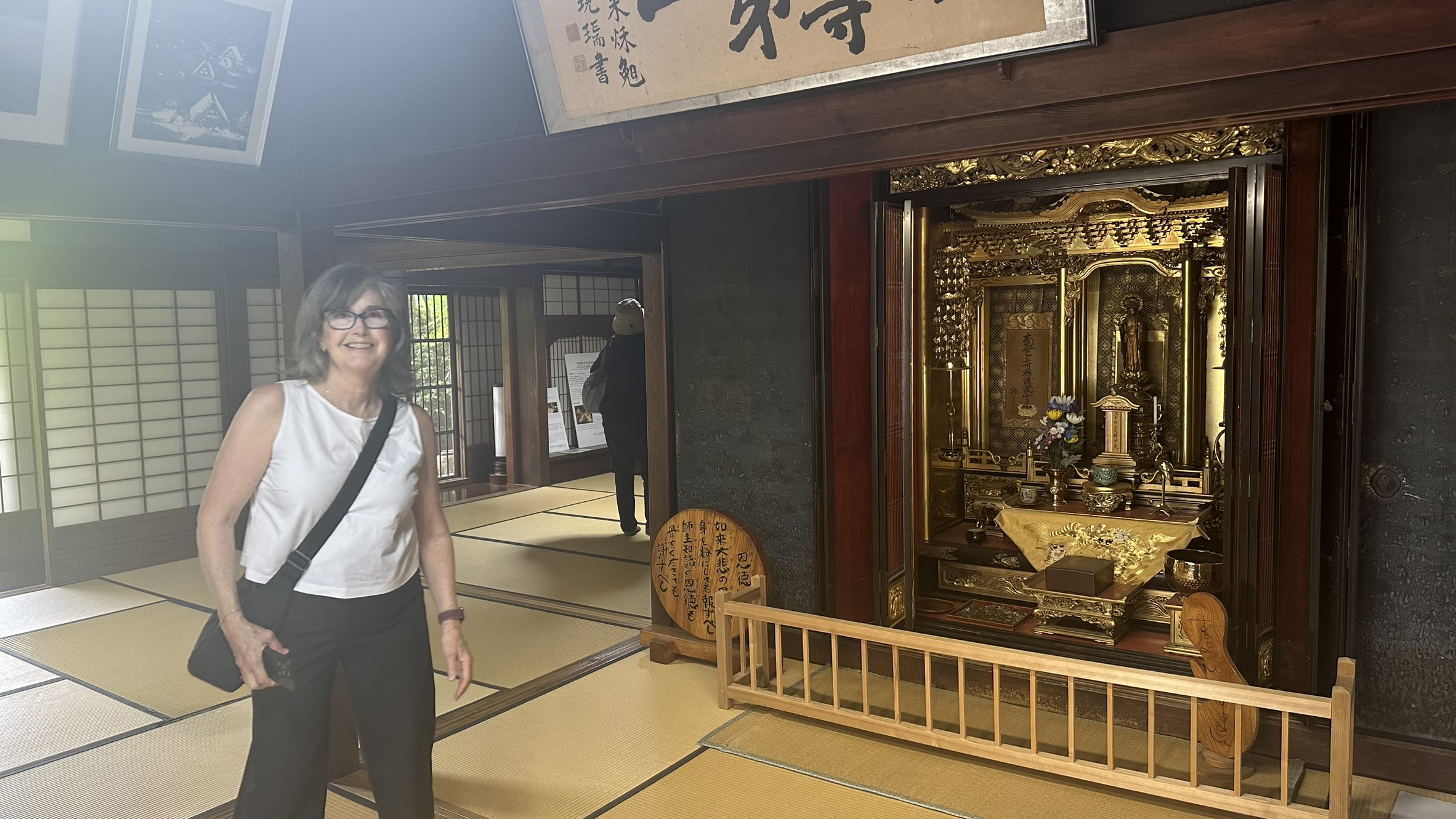
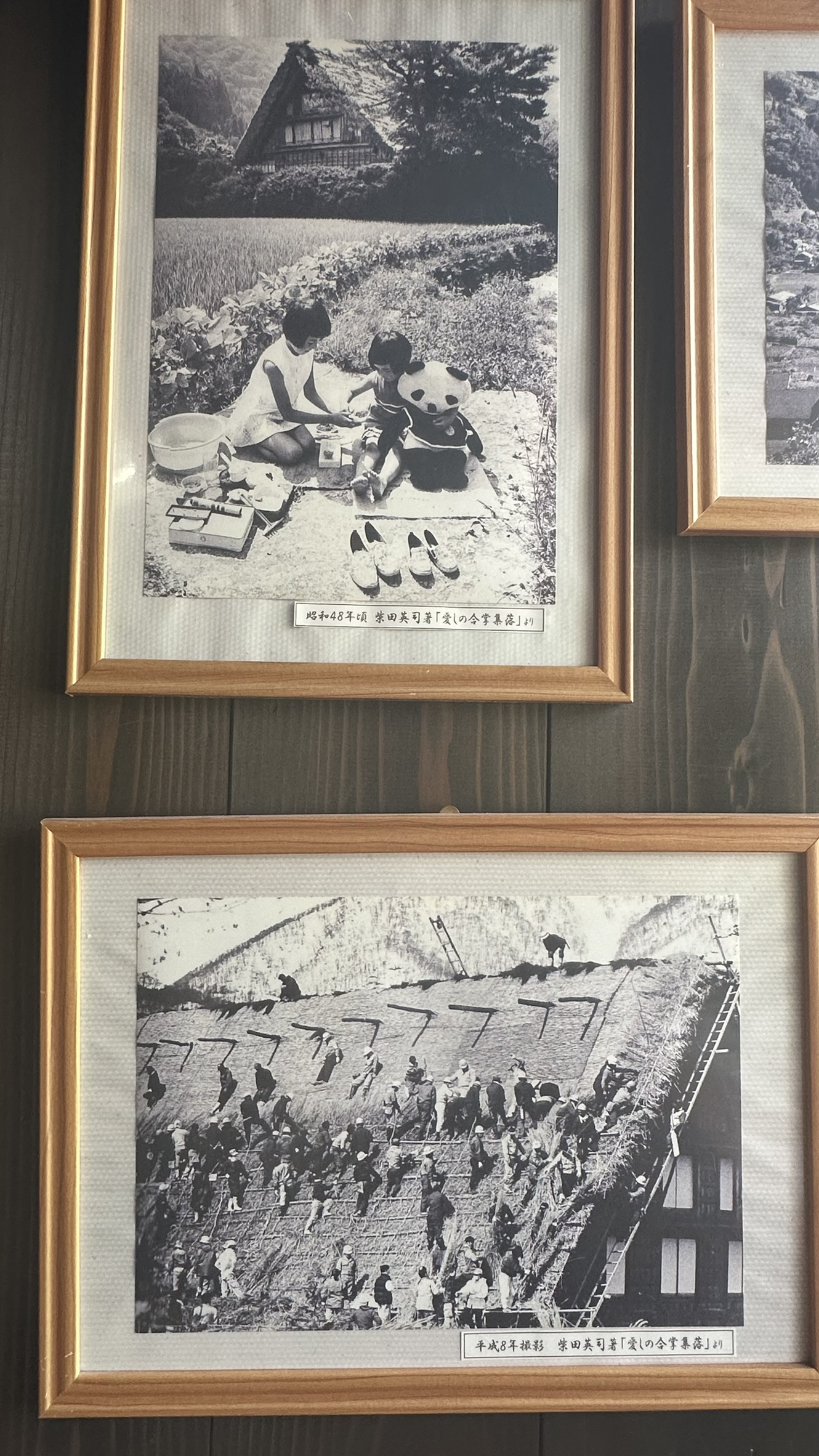
- Strolling Shirakawa-go’s Ogimachi village was a treat; lots of eye candy, including a visit to Wada House, a legacy left behind as a museum by the Wada Family who used to be the richest family and Omigachi village leader (great photos of pampas grass roofs being built by the entire village).
- Great panoramic views over Shirakawa-go from the Ogimachi Castle Observation Deck, a short walk up the hill from the village.
- Our guide, TK, picked a good lunch spot in Gokoyama, where we enjoyed a nice soba noodle lunch with rainbow trout and local iwana (east Asian trout) sushi.
- Our final stop was Suganuma village in Gokoyama, with similar gassho-zukuri houses but a much smaller village with only 22 permanent residents and virtually no tourists.

| Days 21-22 | Hiroshima | Sheraton Grand Hotel |
Hiroshima, we have learned, is so much more than its tragic past as the site of the first and only atomic bombing in history. Yes, there is that, and visiting that area from Ground Zero to the lasting memorials was more profoundly impactful than I had imagined. We almost didn’t go, thinking it would be too depressing and not much else to see. I’m really glad we did.
But Hiroshima has another side, and in little more than one day we experienced the beauty of Miyajima Island and Shukkei-en Garden, great local delicacies, and wonderful, outgoing people more intensely proud of their hometown than anyplace else we’ve seen in Japan. Wish we had another day or two here! Here are the top highlights we experienced:
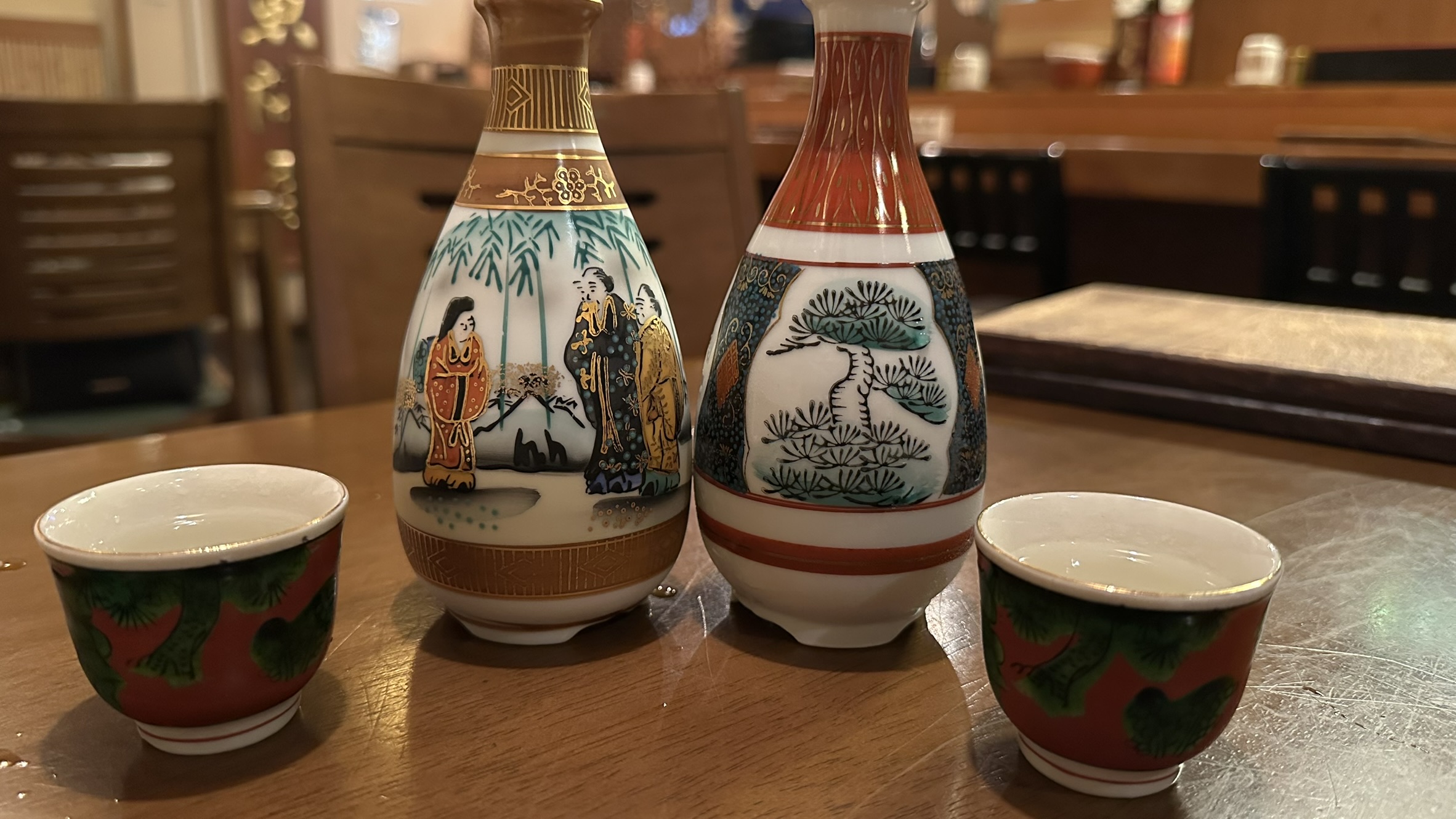
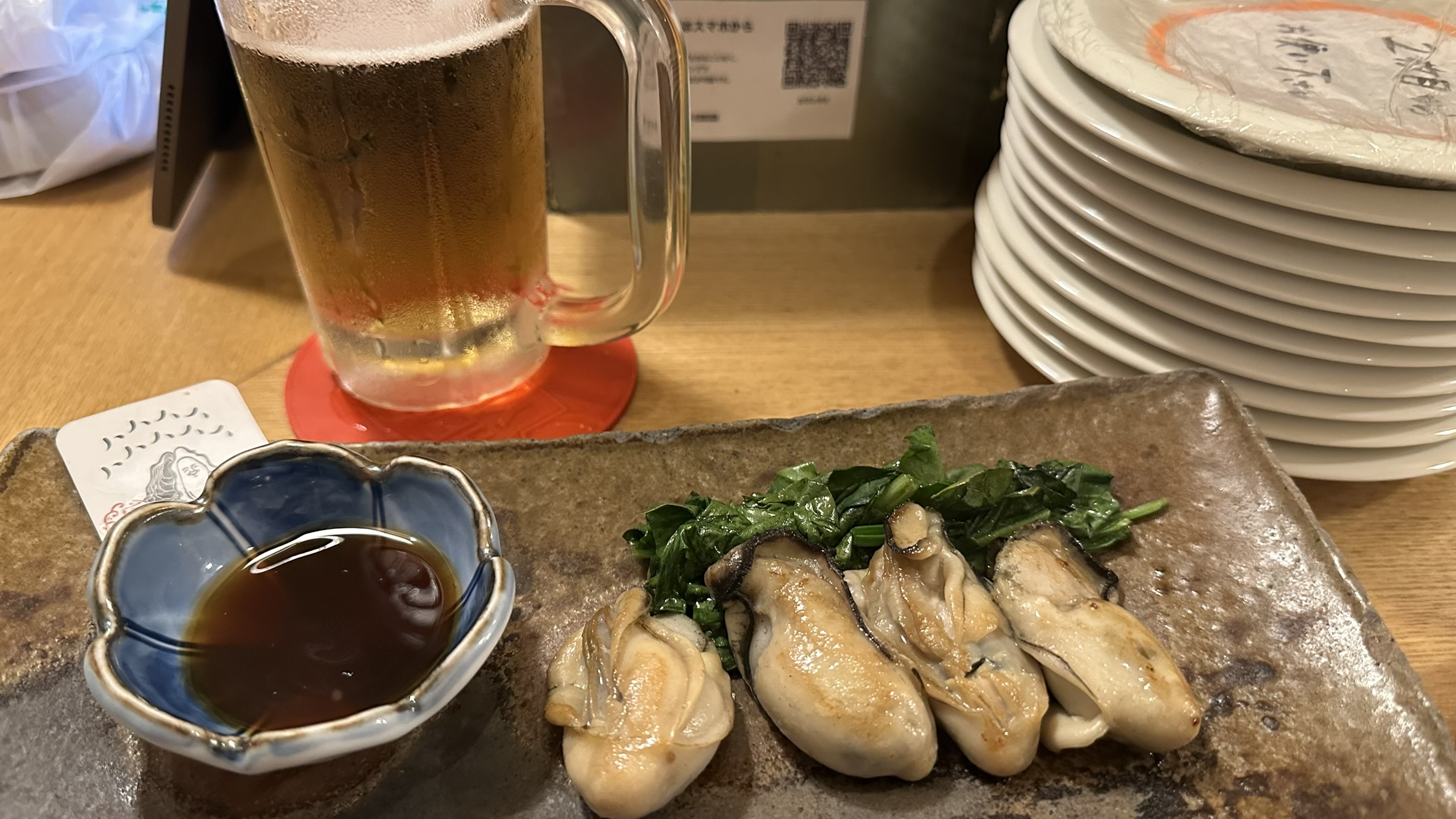
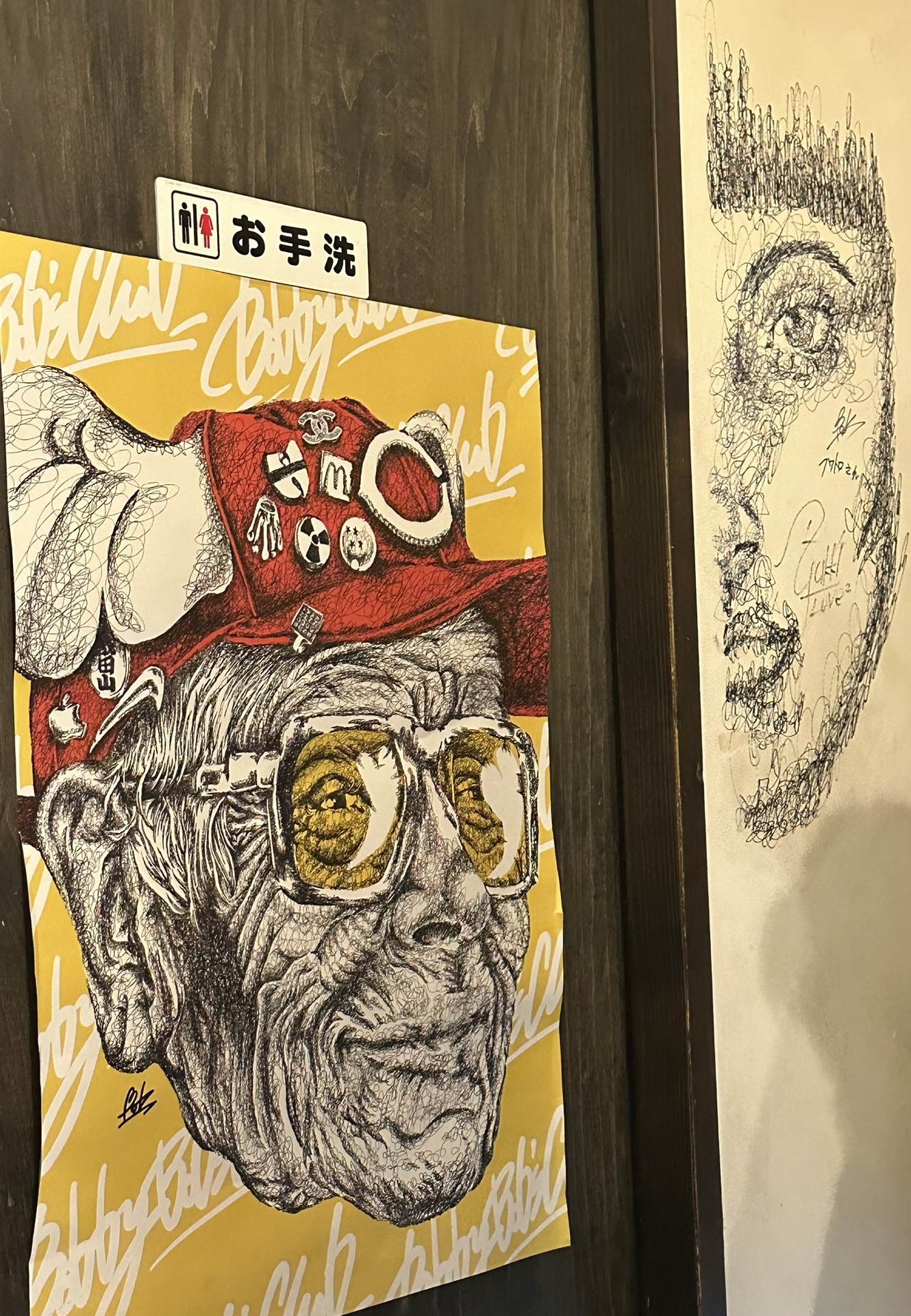
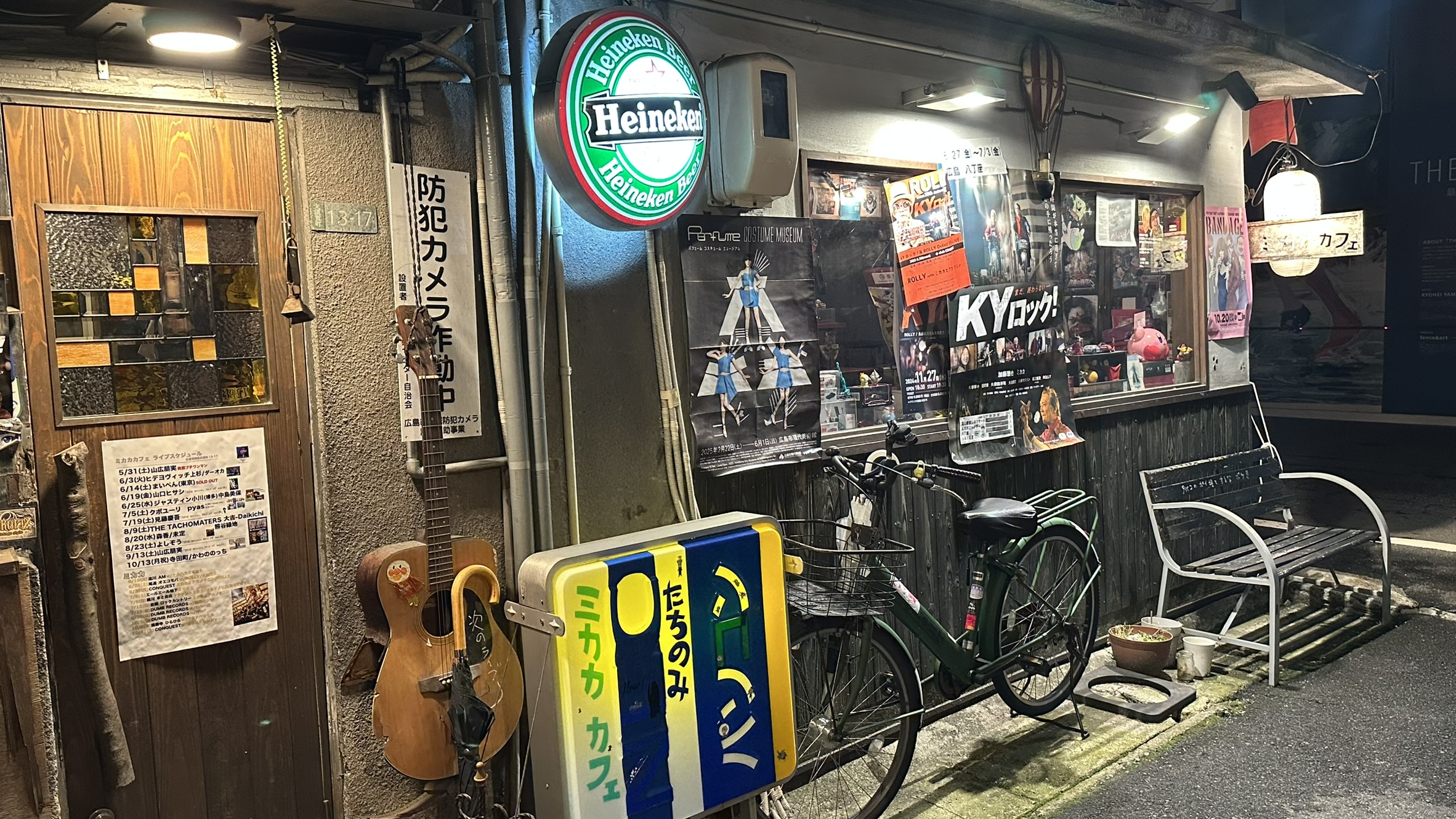
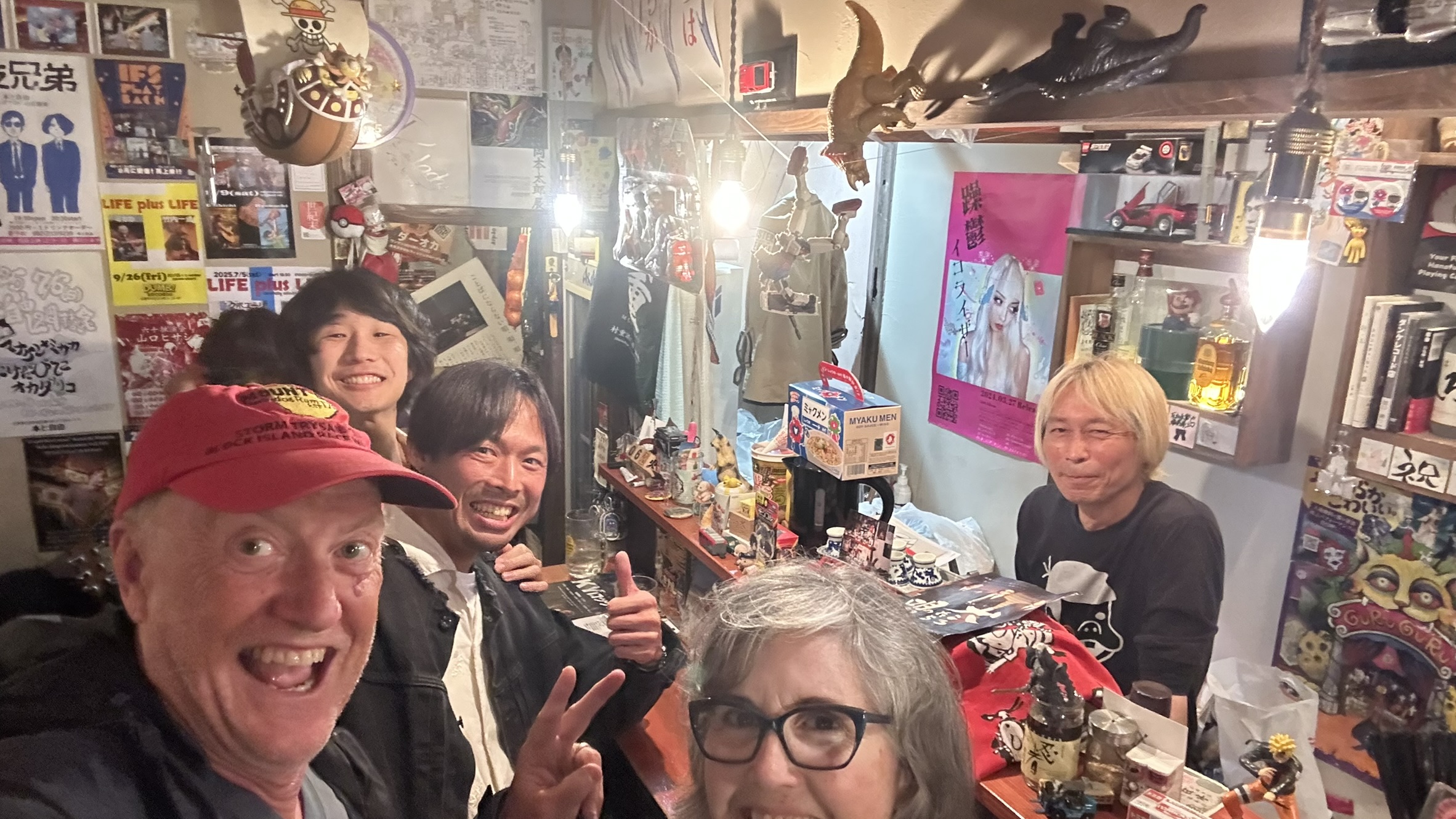
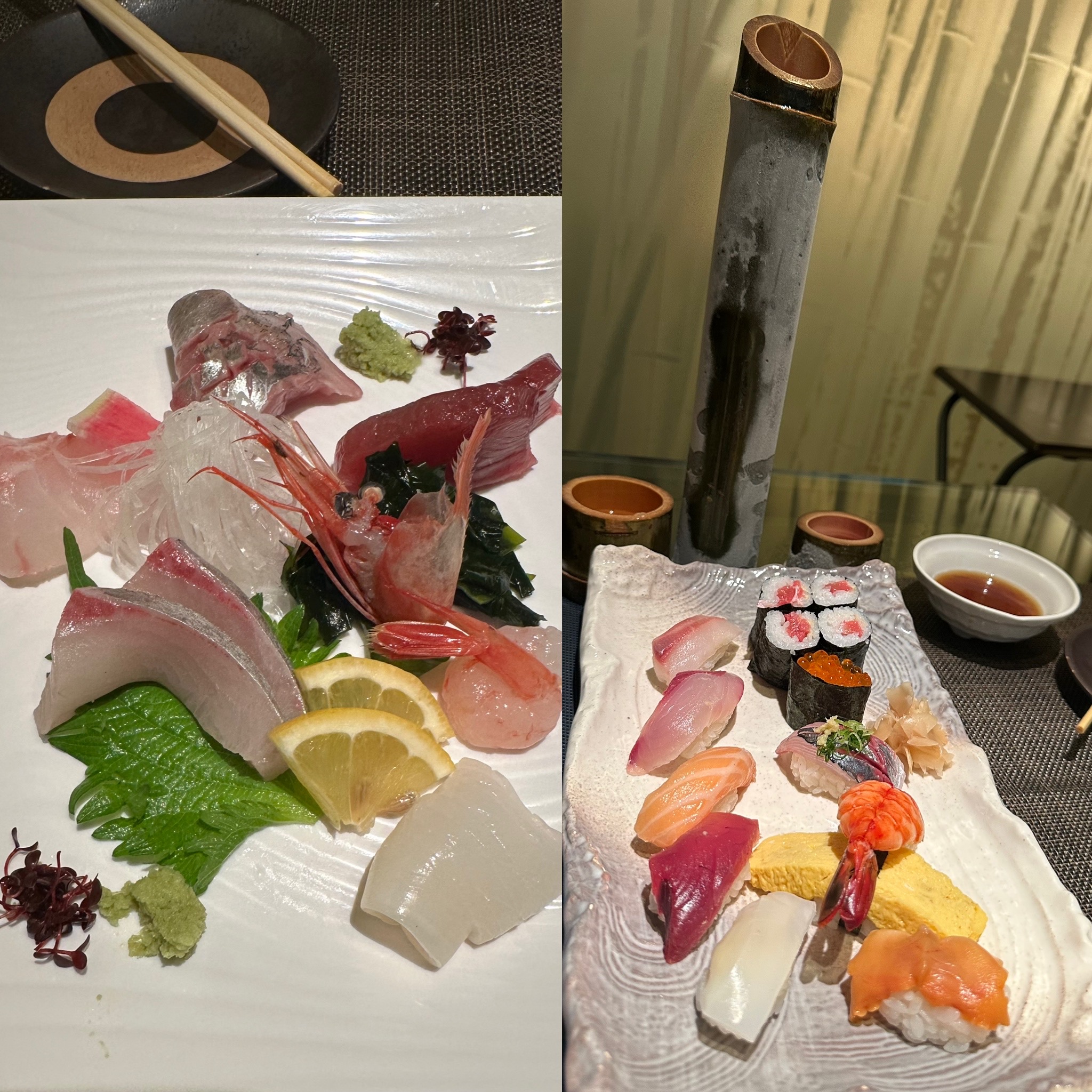
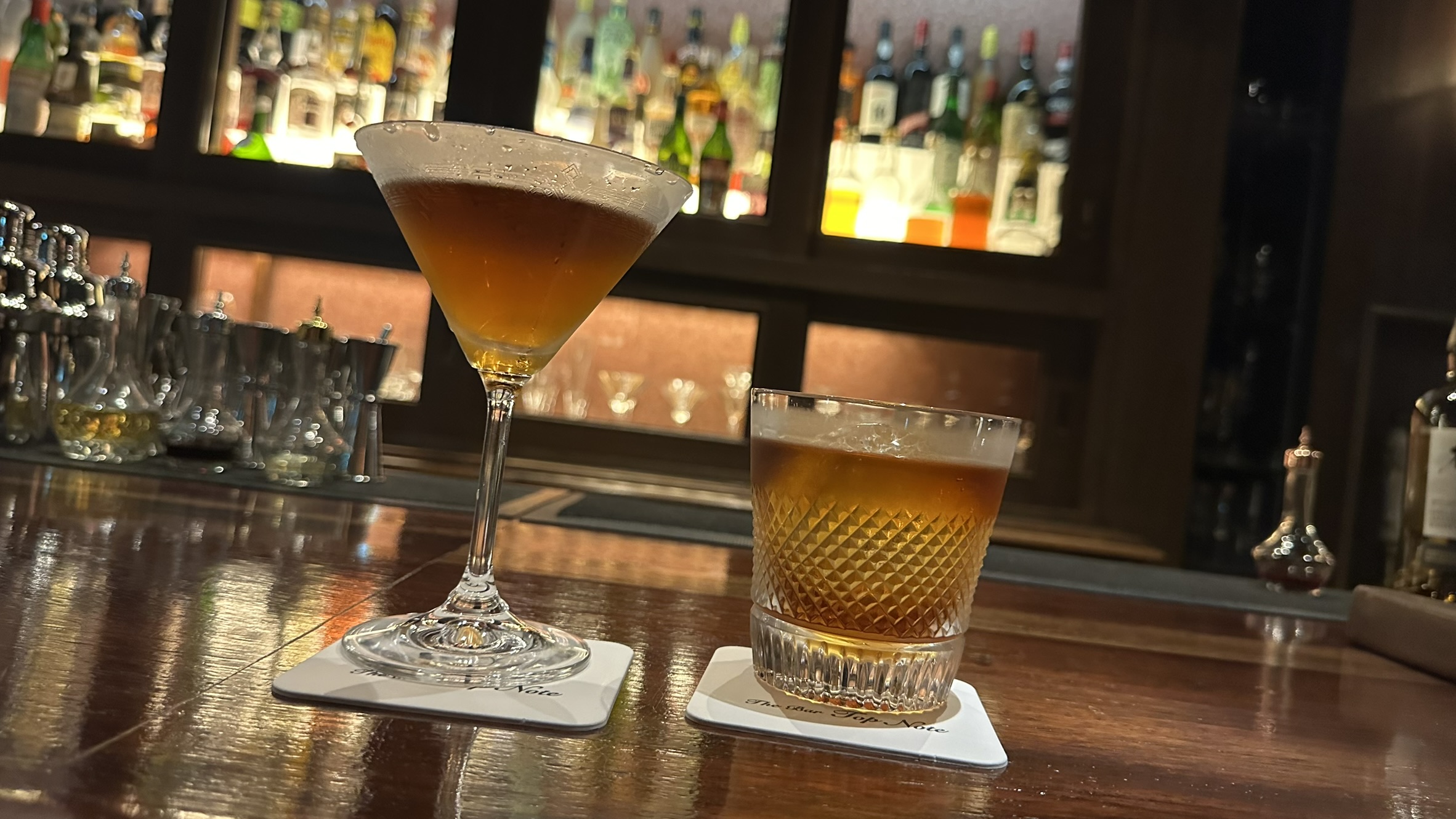
- Shortly after arrival, we discovered Ekinishi, the little maze of narrow lanes a stone’s throw from Hiroshima Station filled with eateries and small bars we’ve found is the best part of most cities in Japan. Dinner at Fuwattro — oysters, grilled chicken and pork-wrapped shimp — and a tiny dive bar we stumbled upon that turned out to be owned by a local rocker and occasional movie star were top spots. Nobody at the bar when we showed up except the man himself (in yellow hair), who seemed stunned to see us. Soon a few locals arrived — we had a terrific time. Other fun spots included N3 Bar and Carp Bar. On night two, we found a little more sophisticated scene in the lively city center, including awesome sushi and sake (from a decanter that looked like a bamboo bong) at Kobayashi Ebisumachi and cocktails at Top Note.


Miyajima
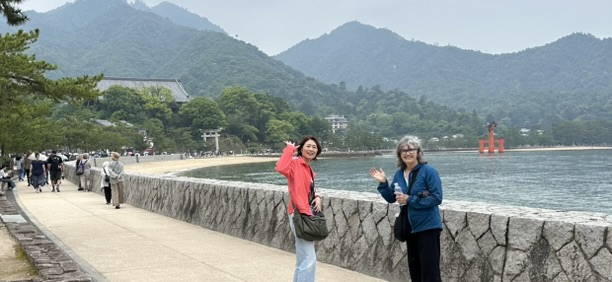
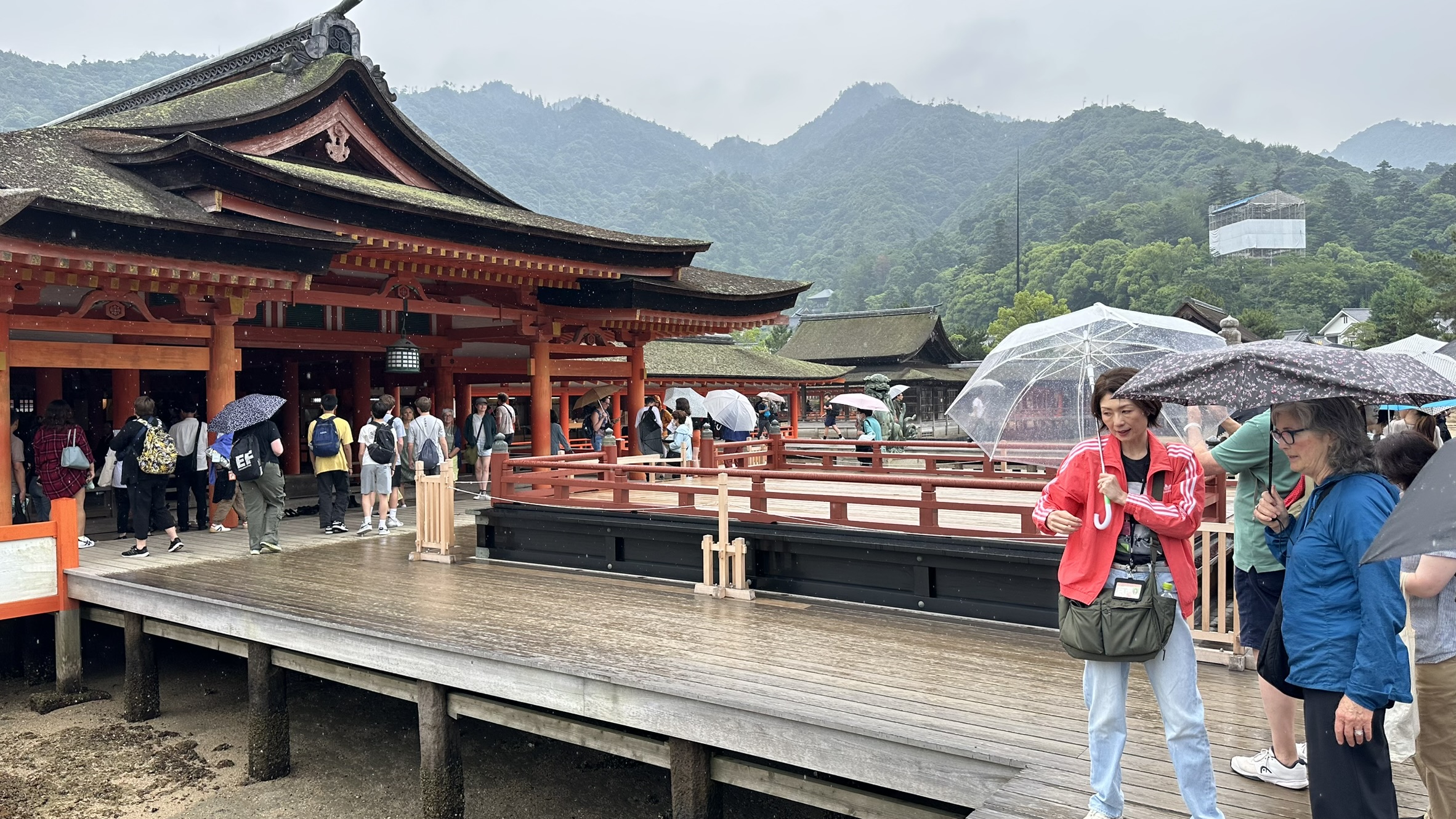
- We had booked a guided walking tour of Miyajima and the A-Bomb sites with a local guide, Yuko, who was just fantastic. If you are heading that way, I strongly recommend booking with her. Here’s my TA review. Here is what she showed us, in order:
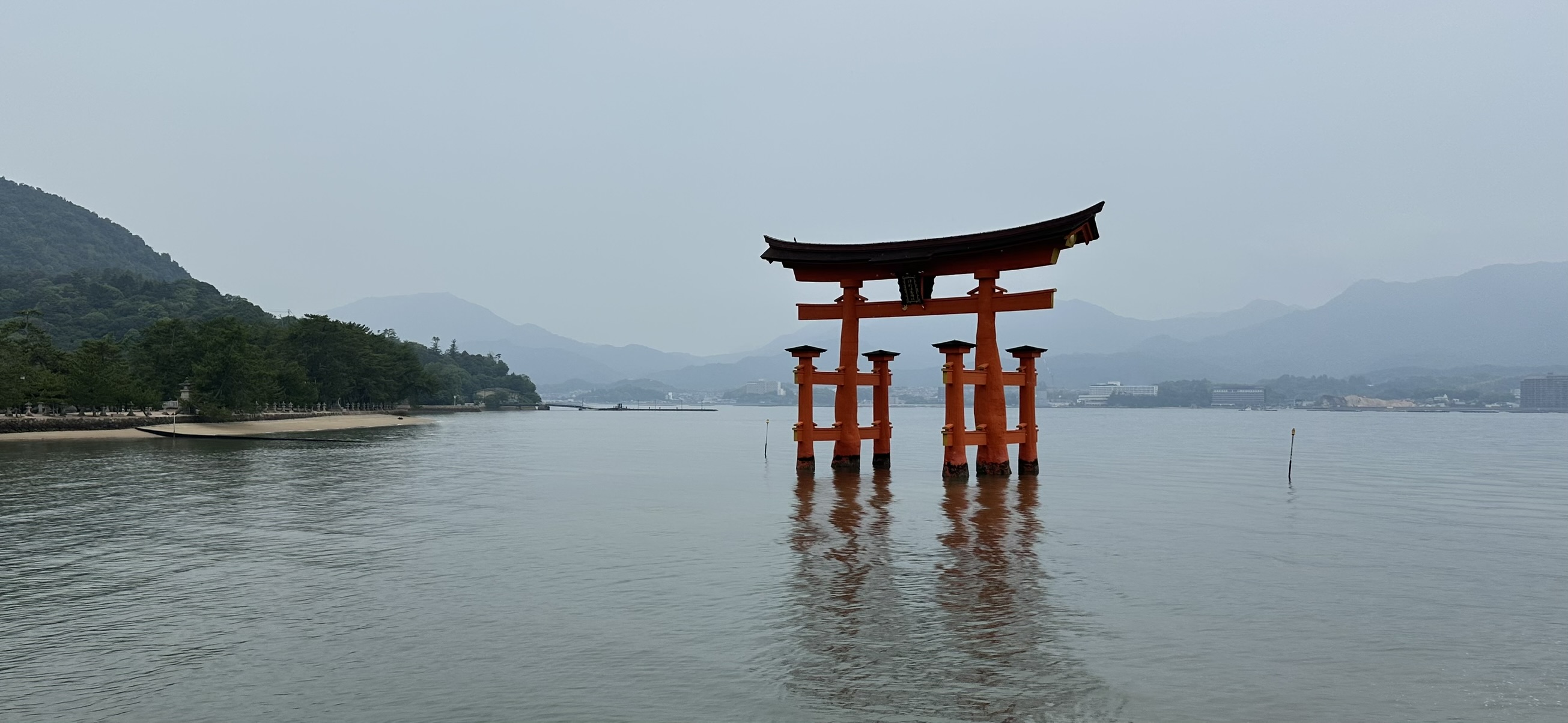
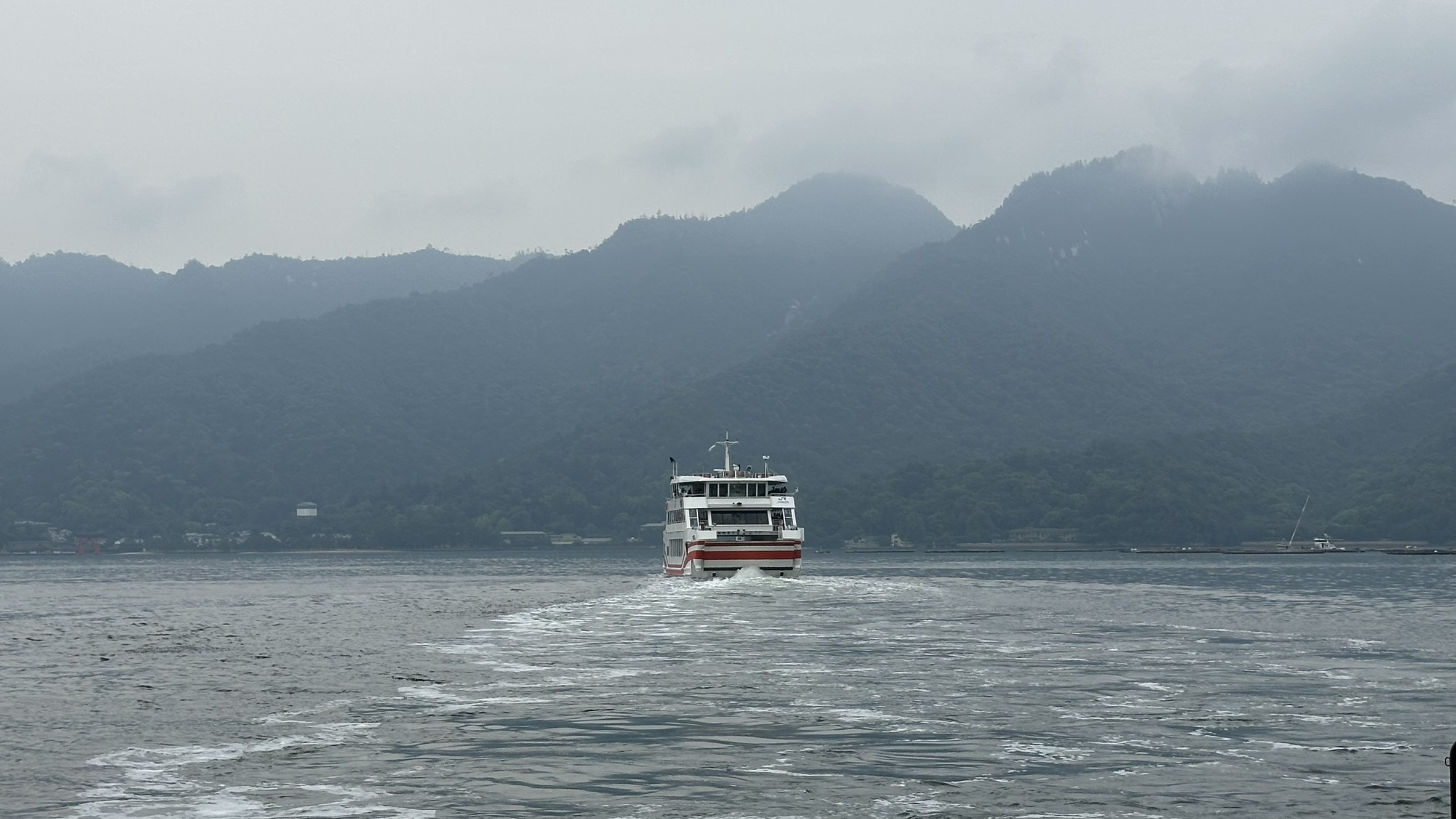
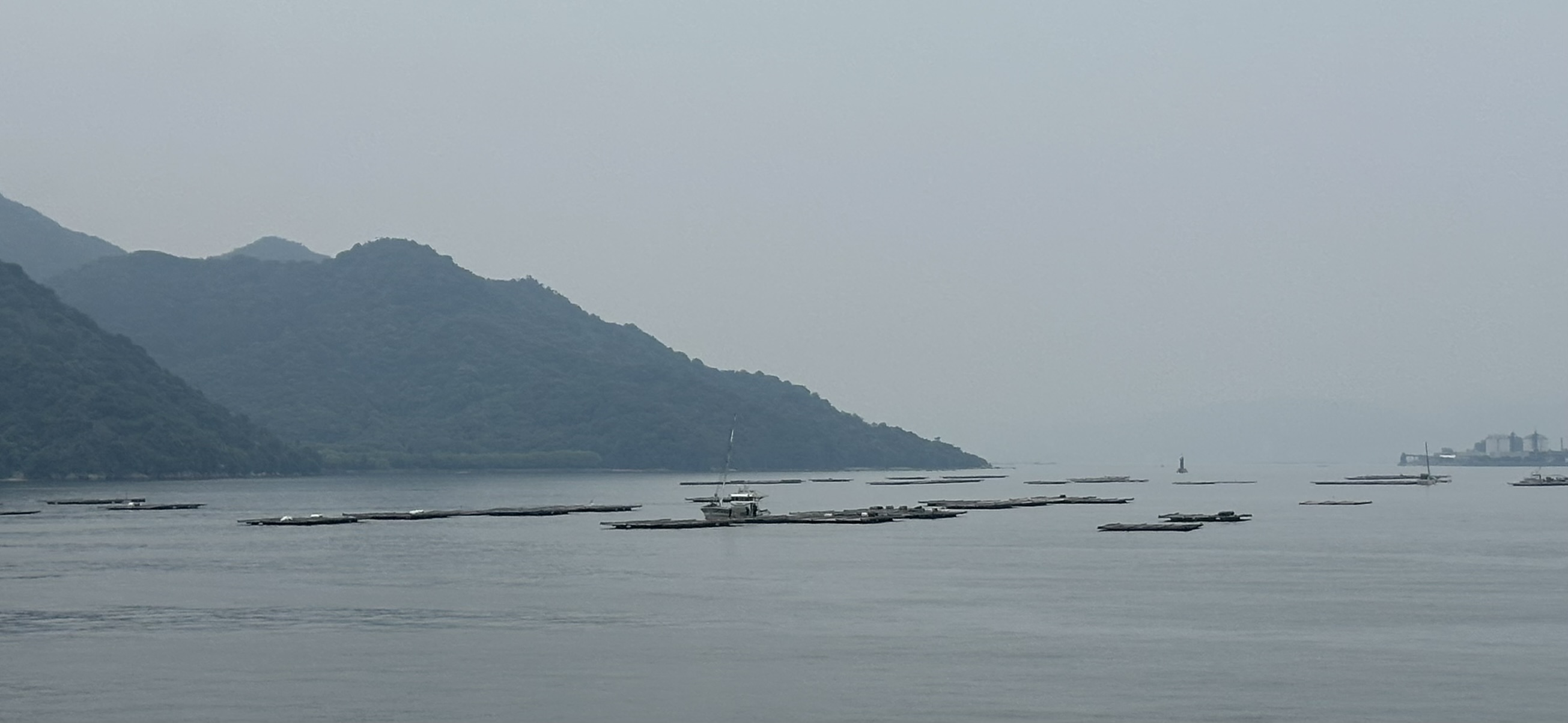
- Hiroshima sits on a huge delta (one of the reasons it was targeted for the bomb) and oysters are big deal here. The 10-minute ferry ride to Miyajima gave us a great view of Hiroshima Bay, its oyster farms, and Miyojima’s mountains and famous Torii gate.
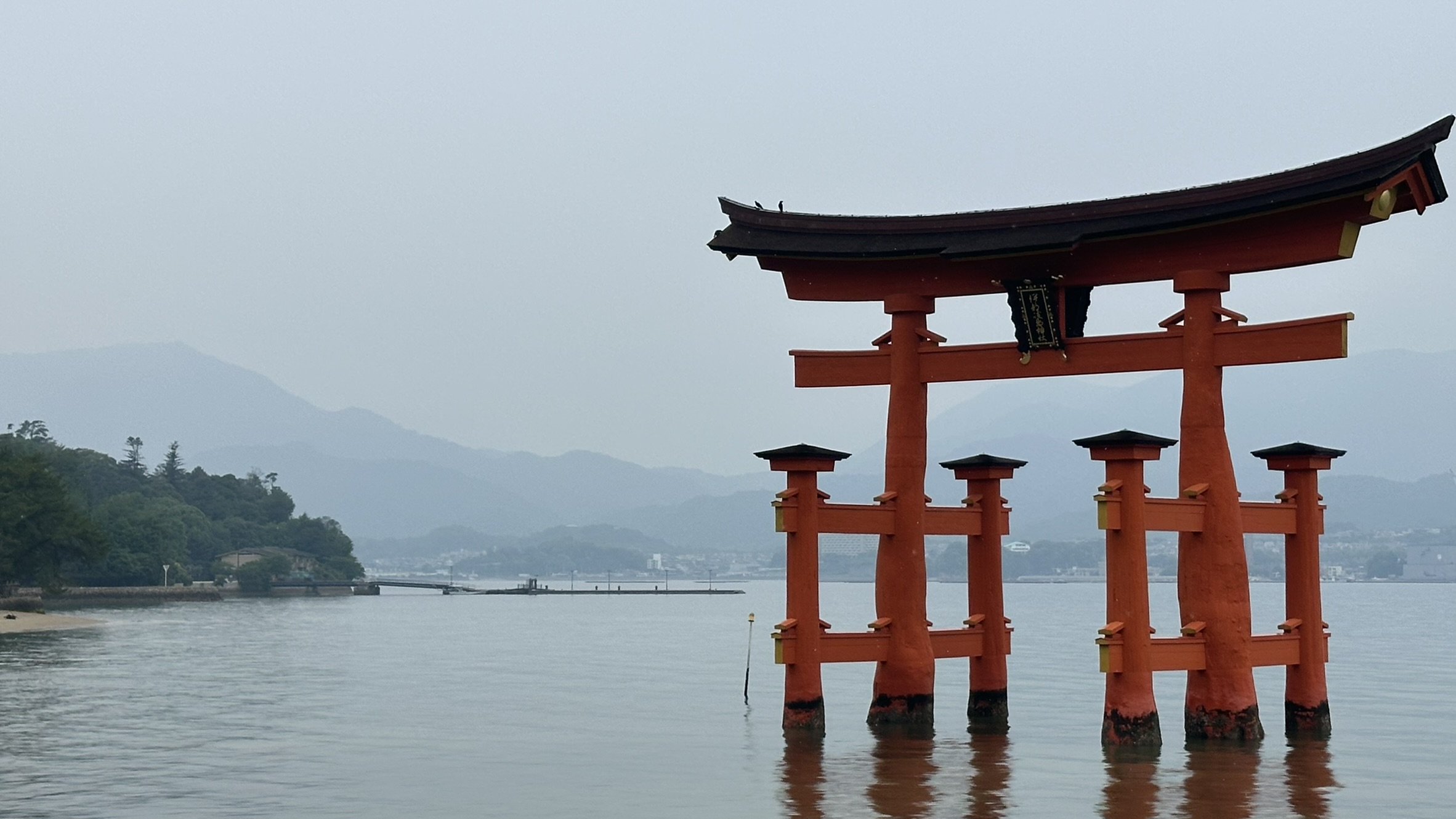
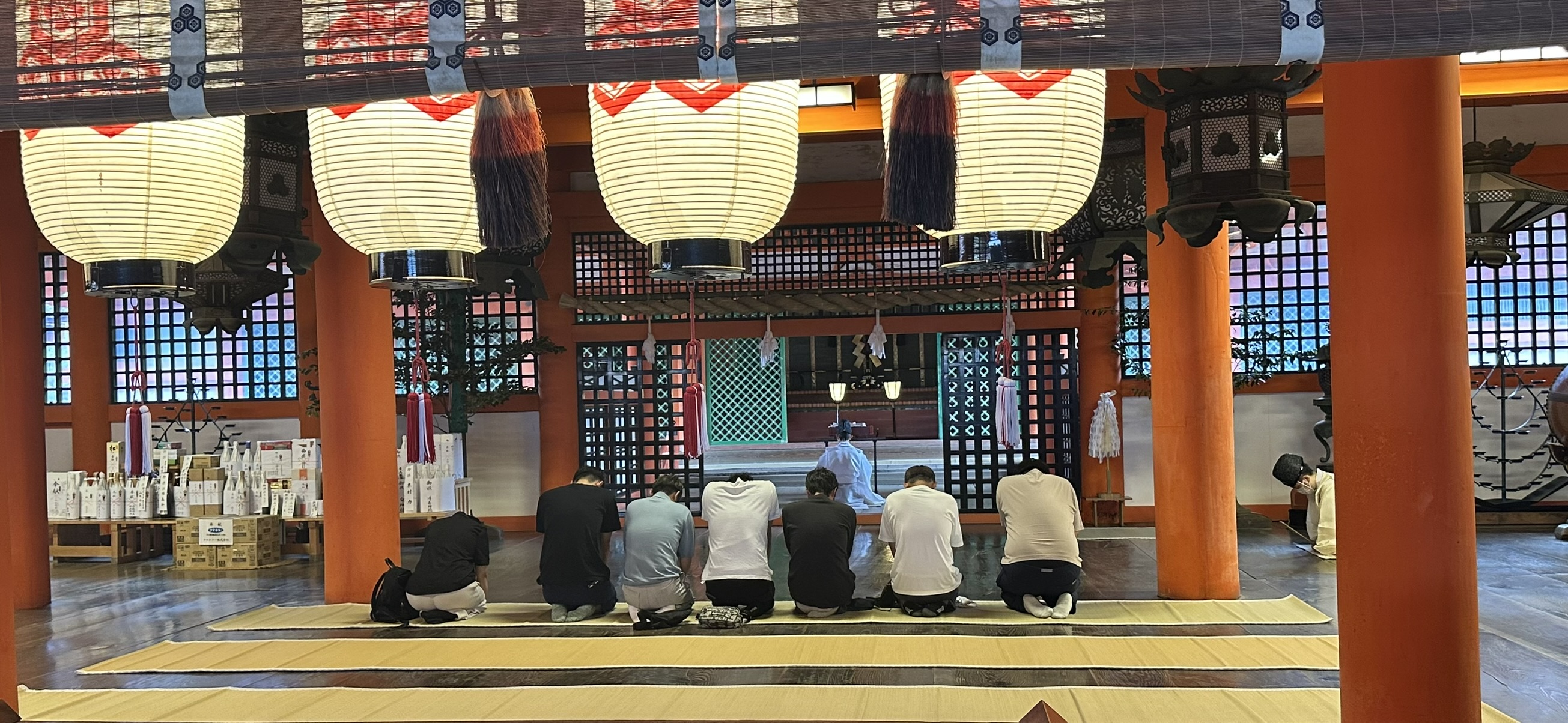
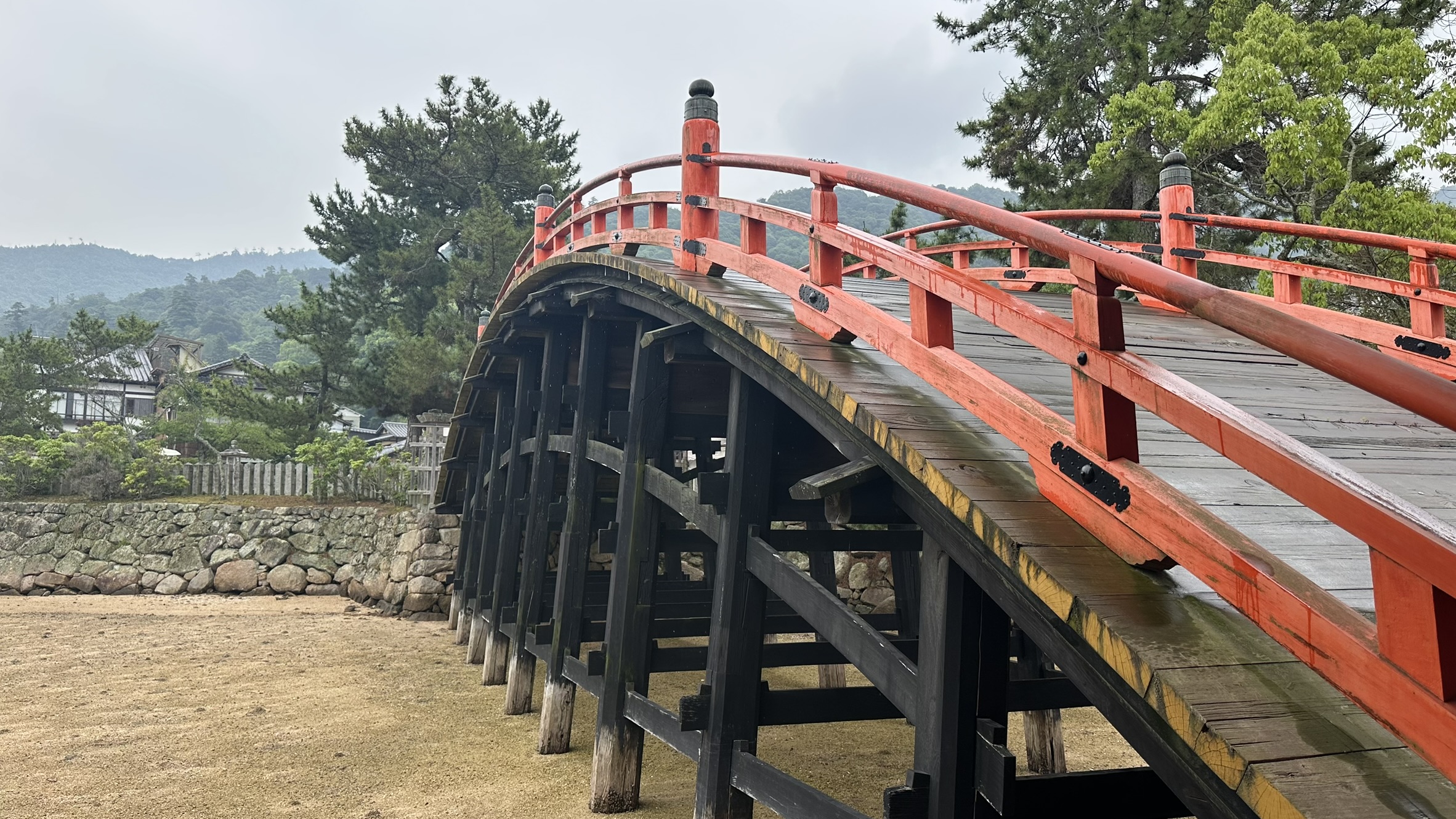
- Miyajima’s famous “floating” Torii gate, part of the Itsukushima Shrine and one of Japan’s most iconic images, is actually not anchored in the ground but sits on top of the sea floor, anchored only by its own weight. We were happy to catch it surrounded by water; with low tide you can walk to it, but it’s not as pretty.
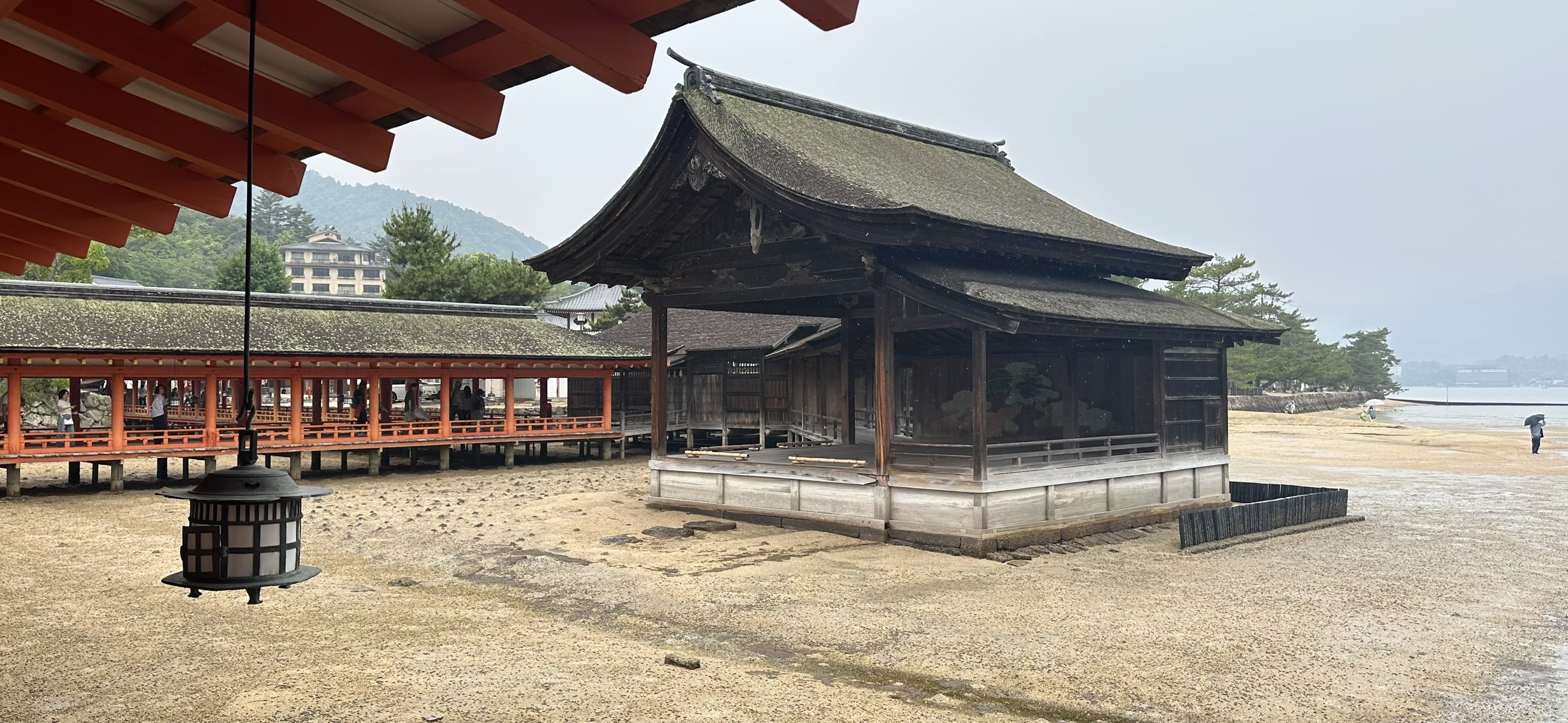
- The outdoor Noh theater stage, also part of Itsukushima Shrine, hosts important plays surrounded by water when the tide is in a couple times a year. Must be something.
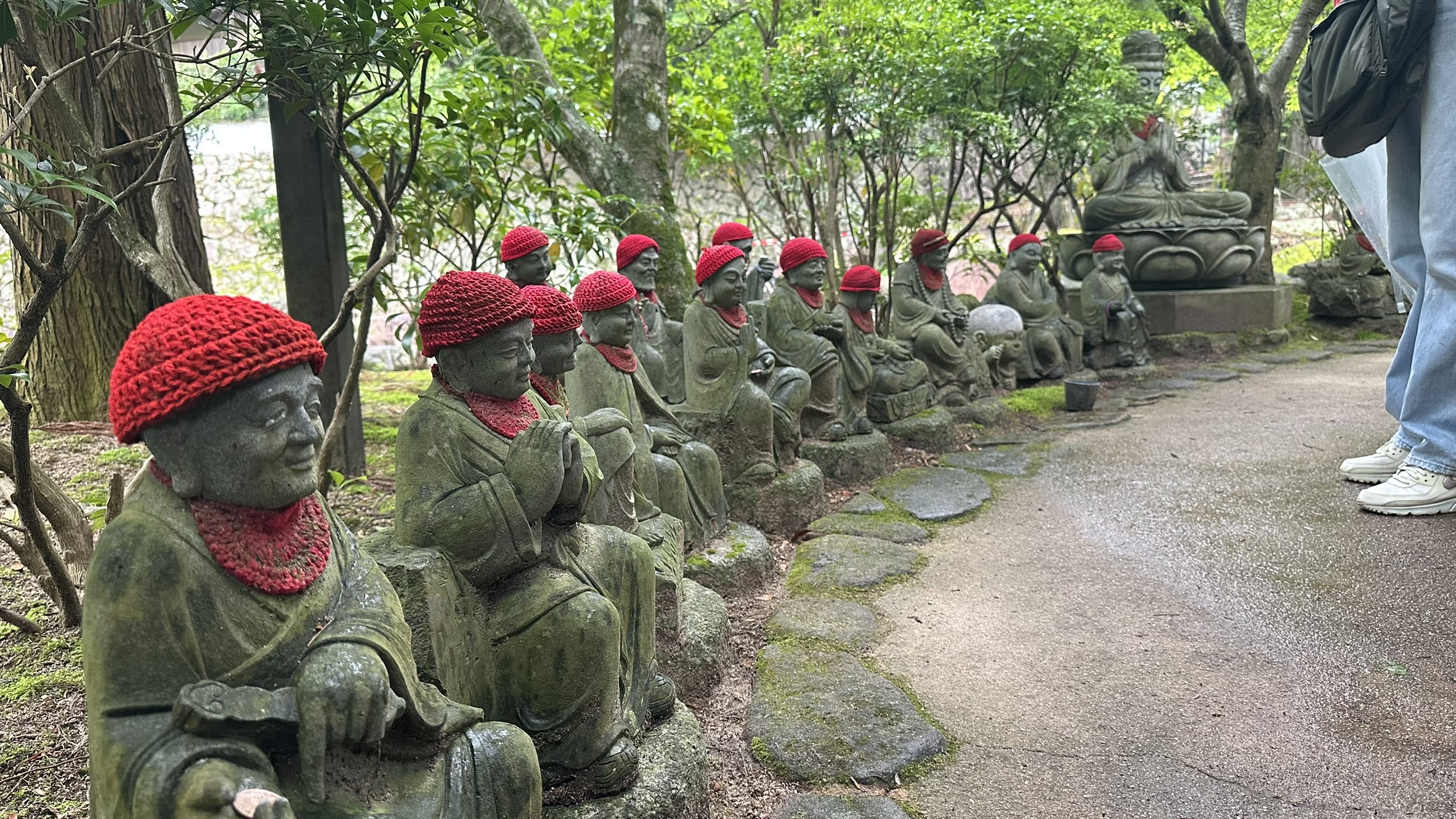
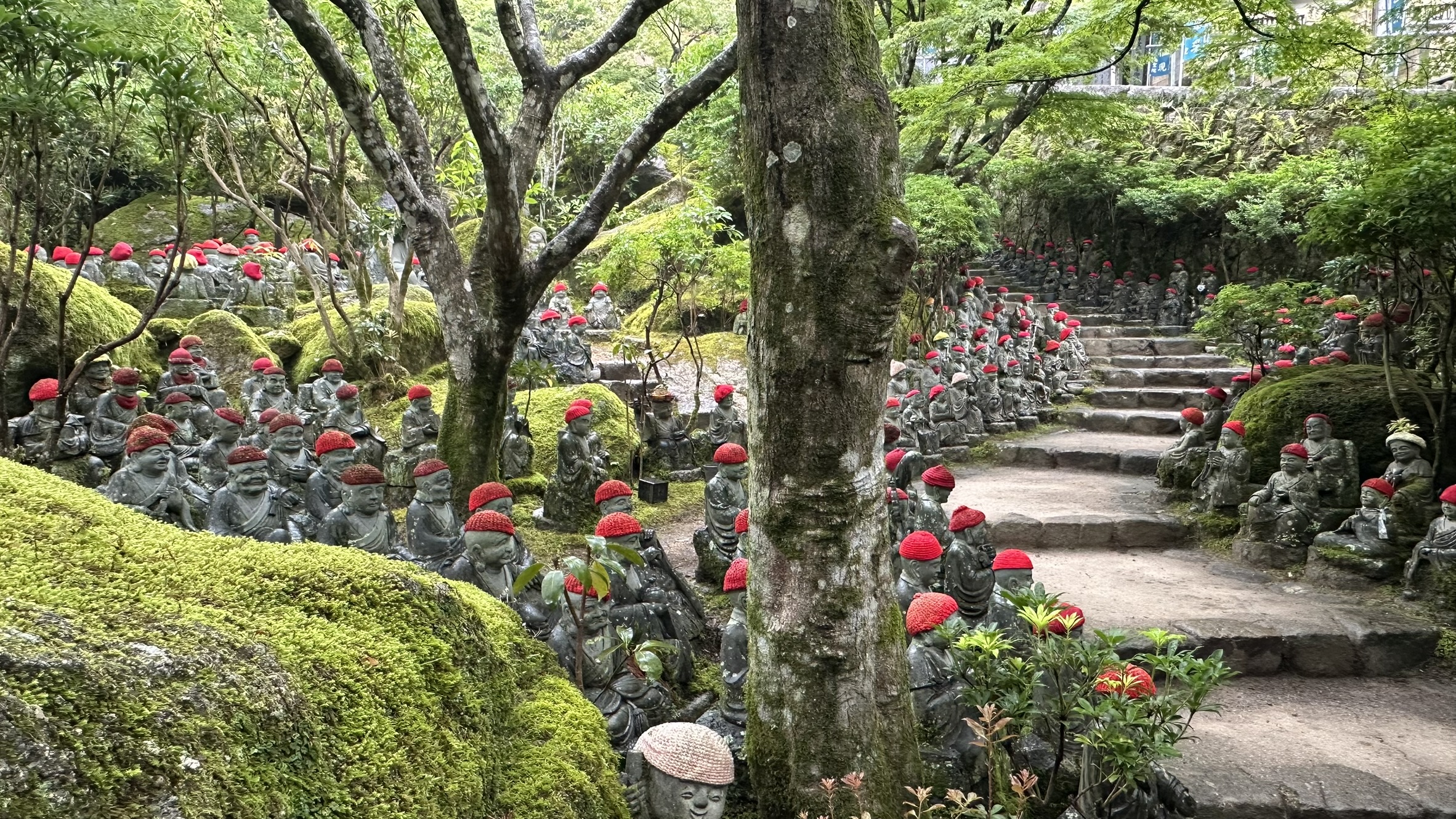
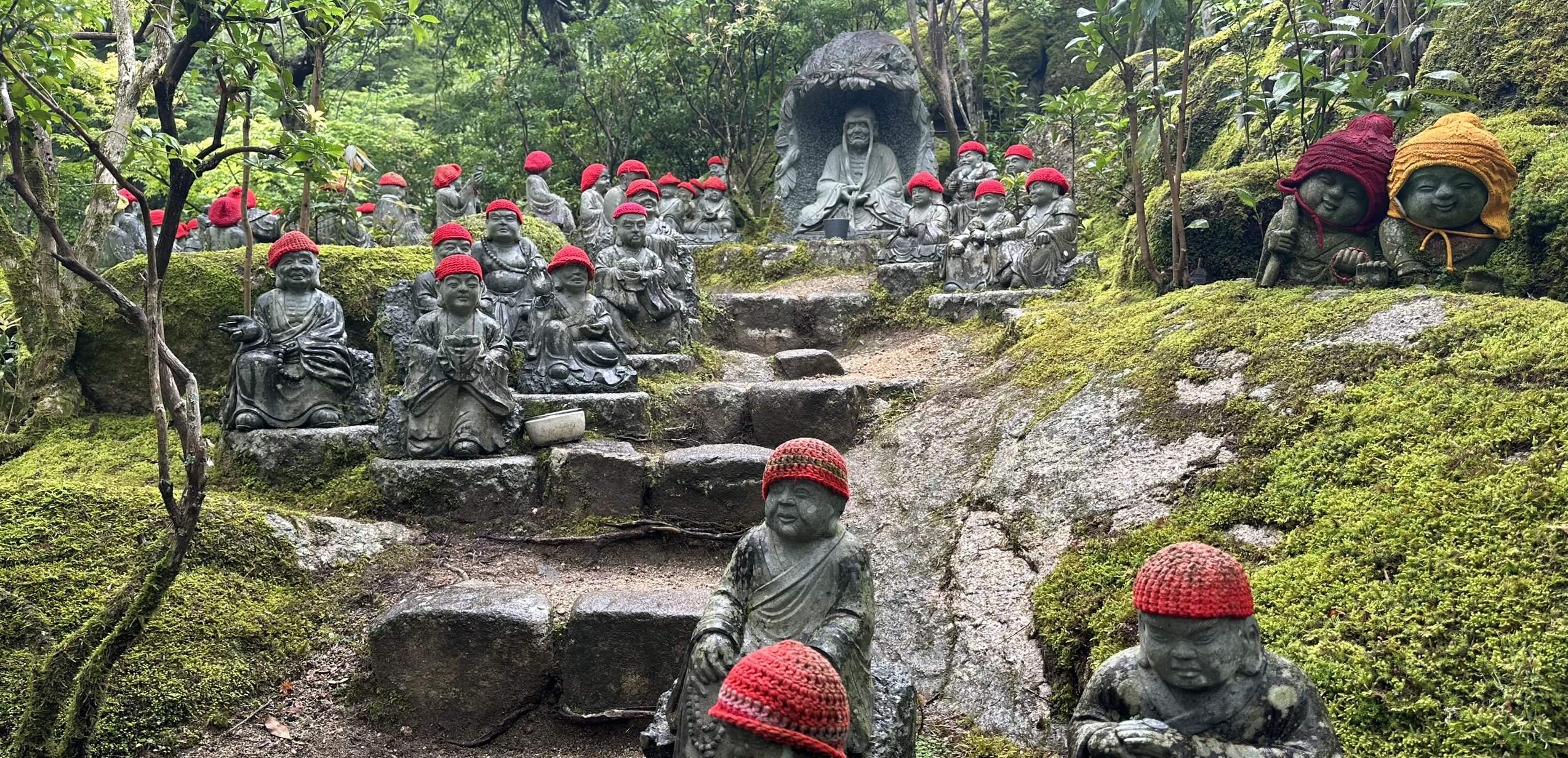
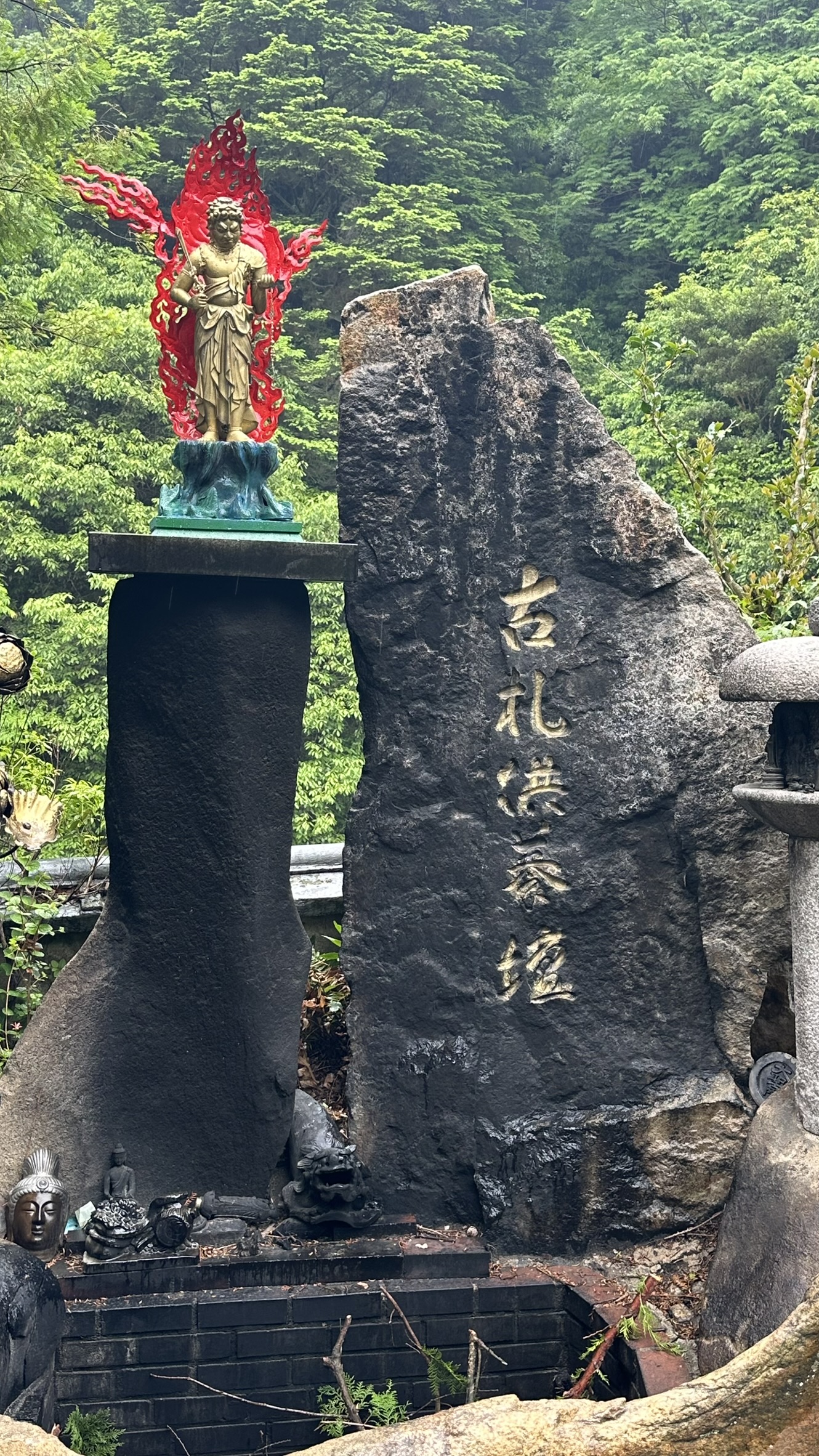
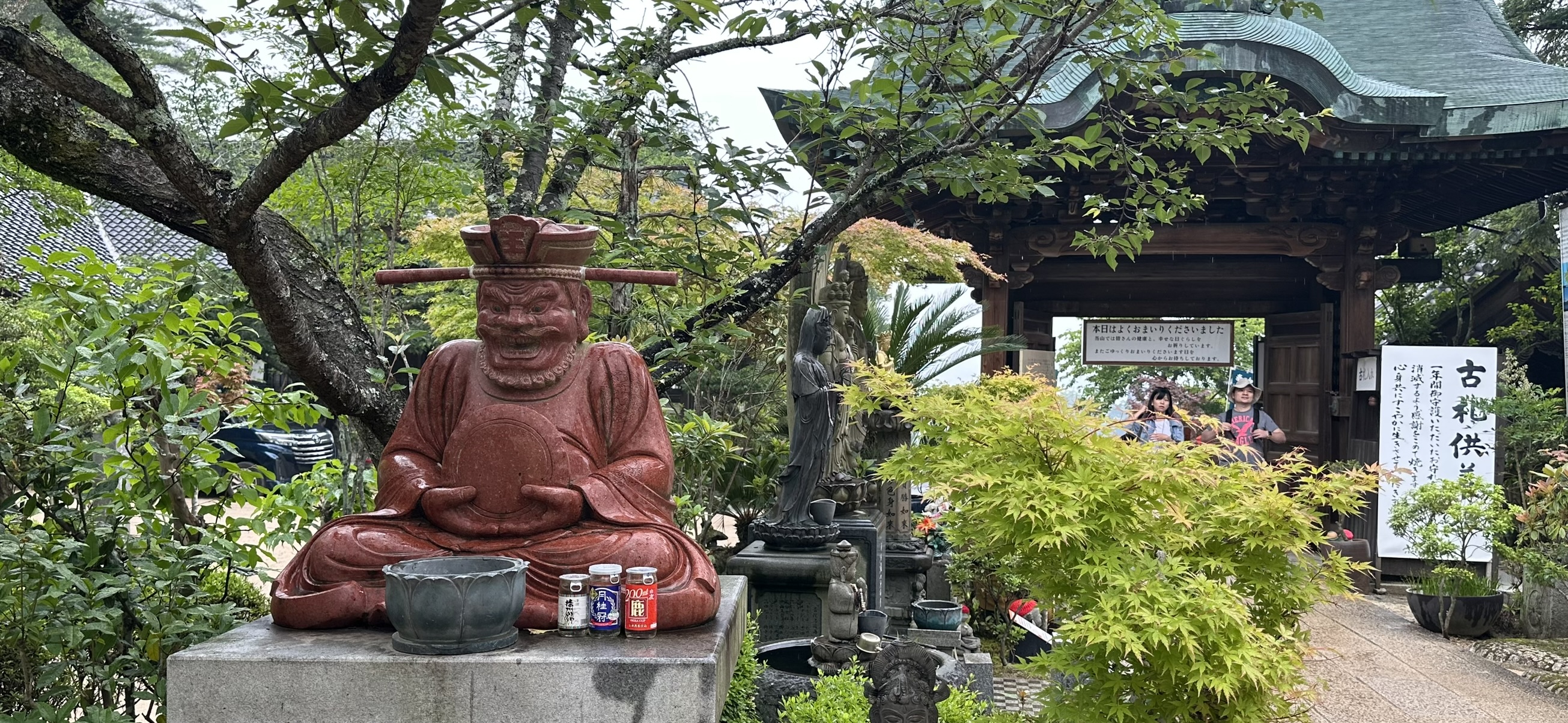
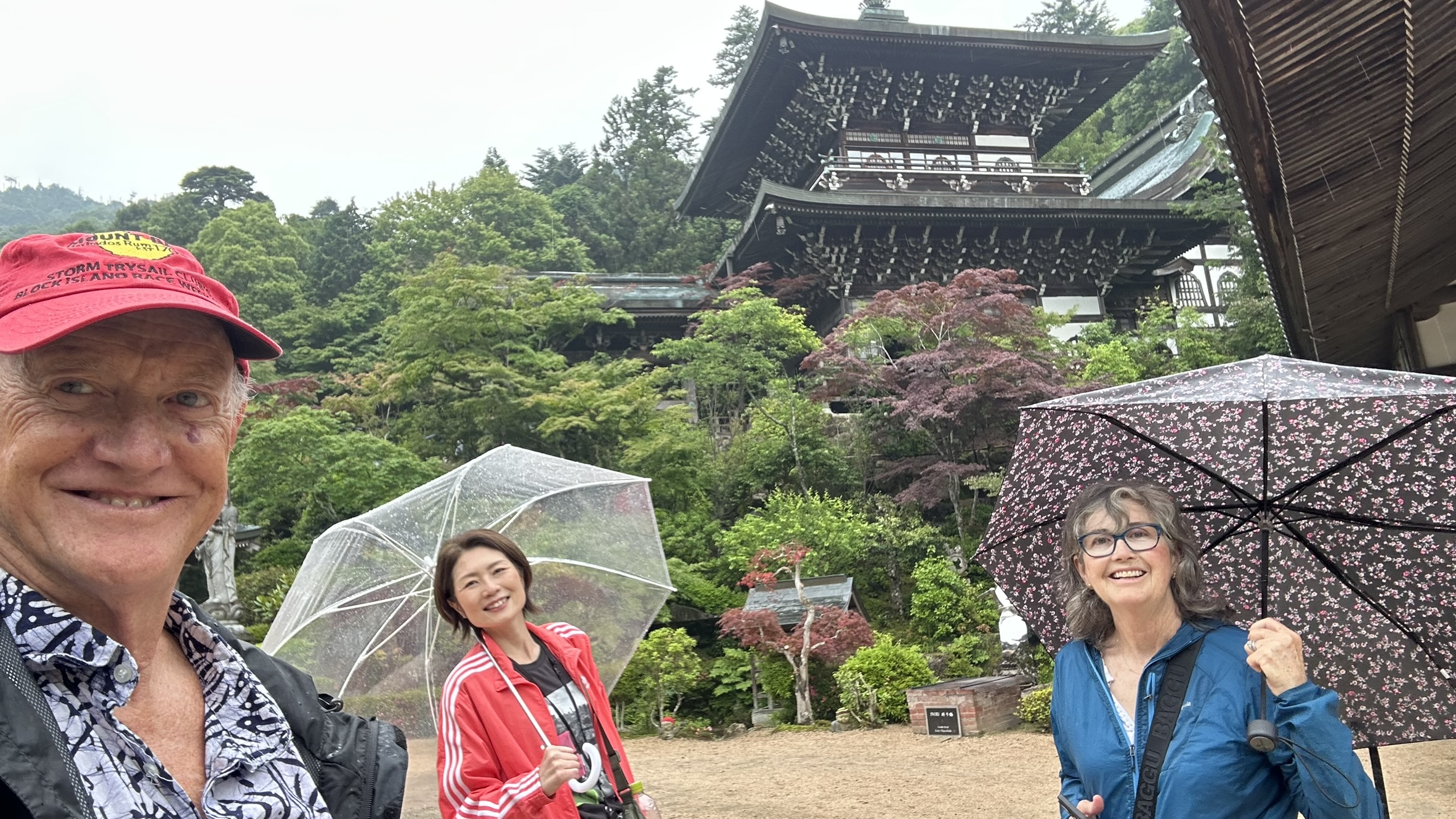
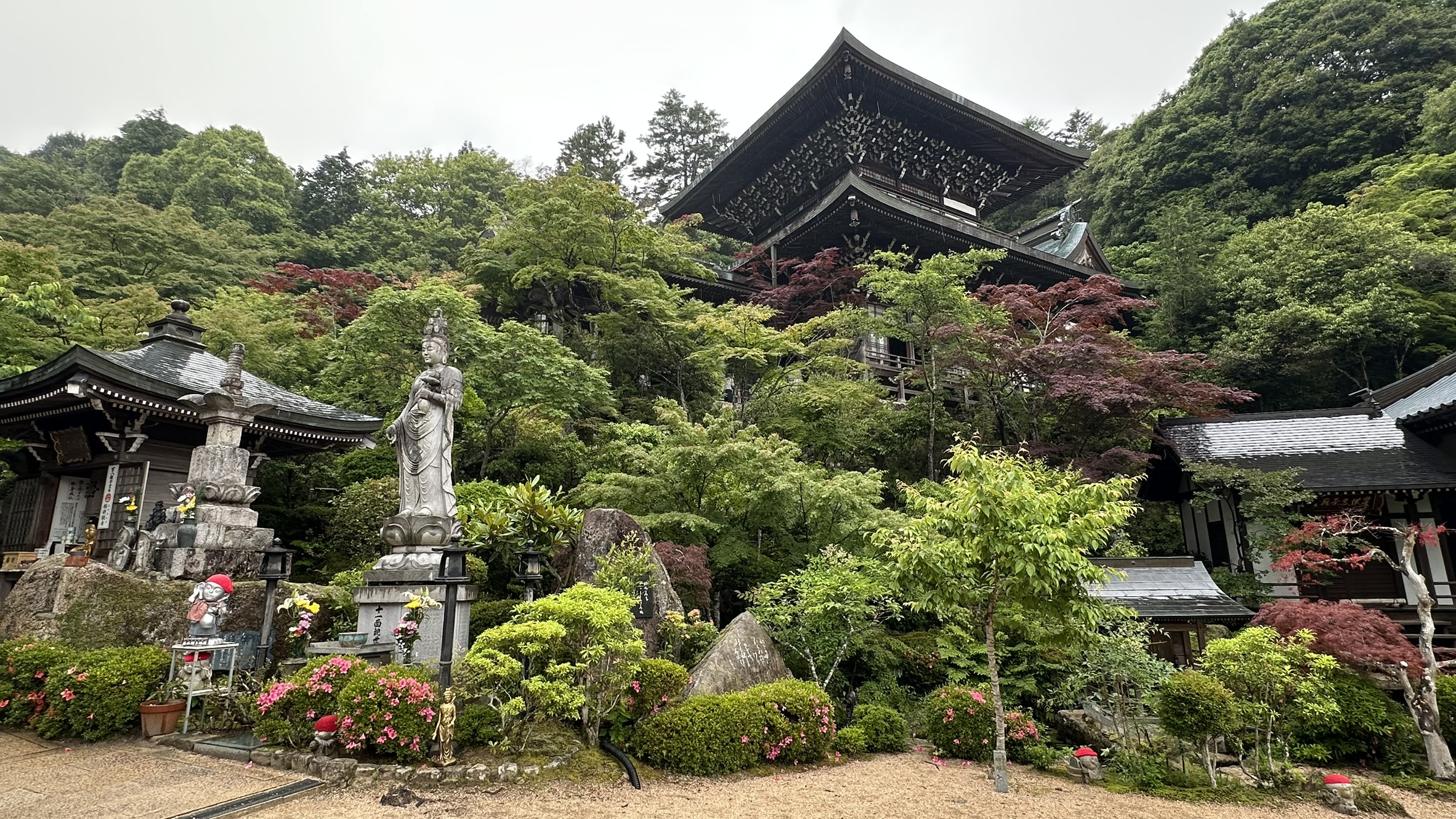
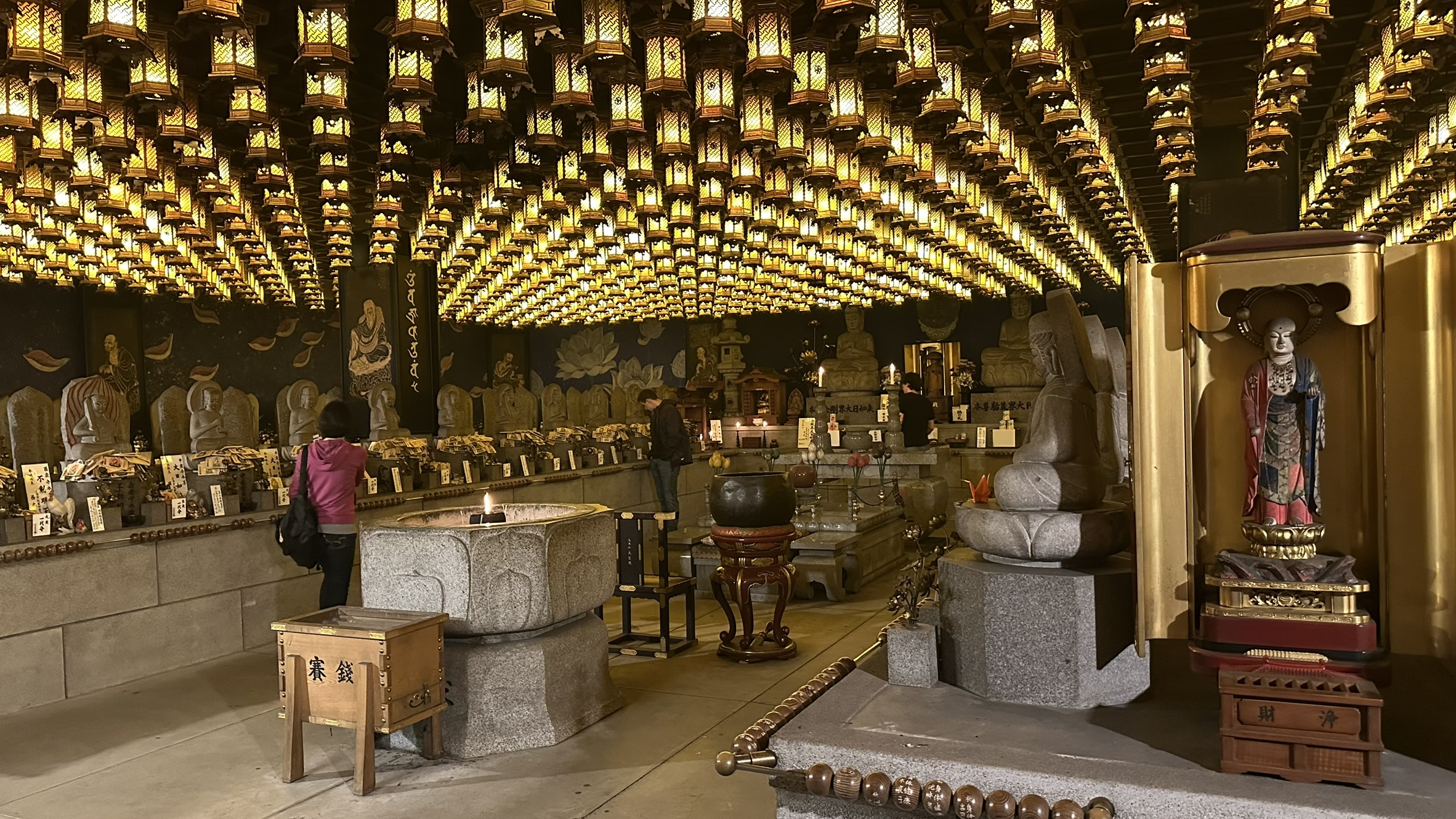
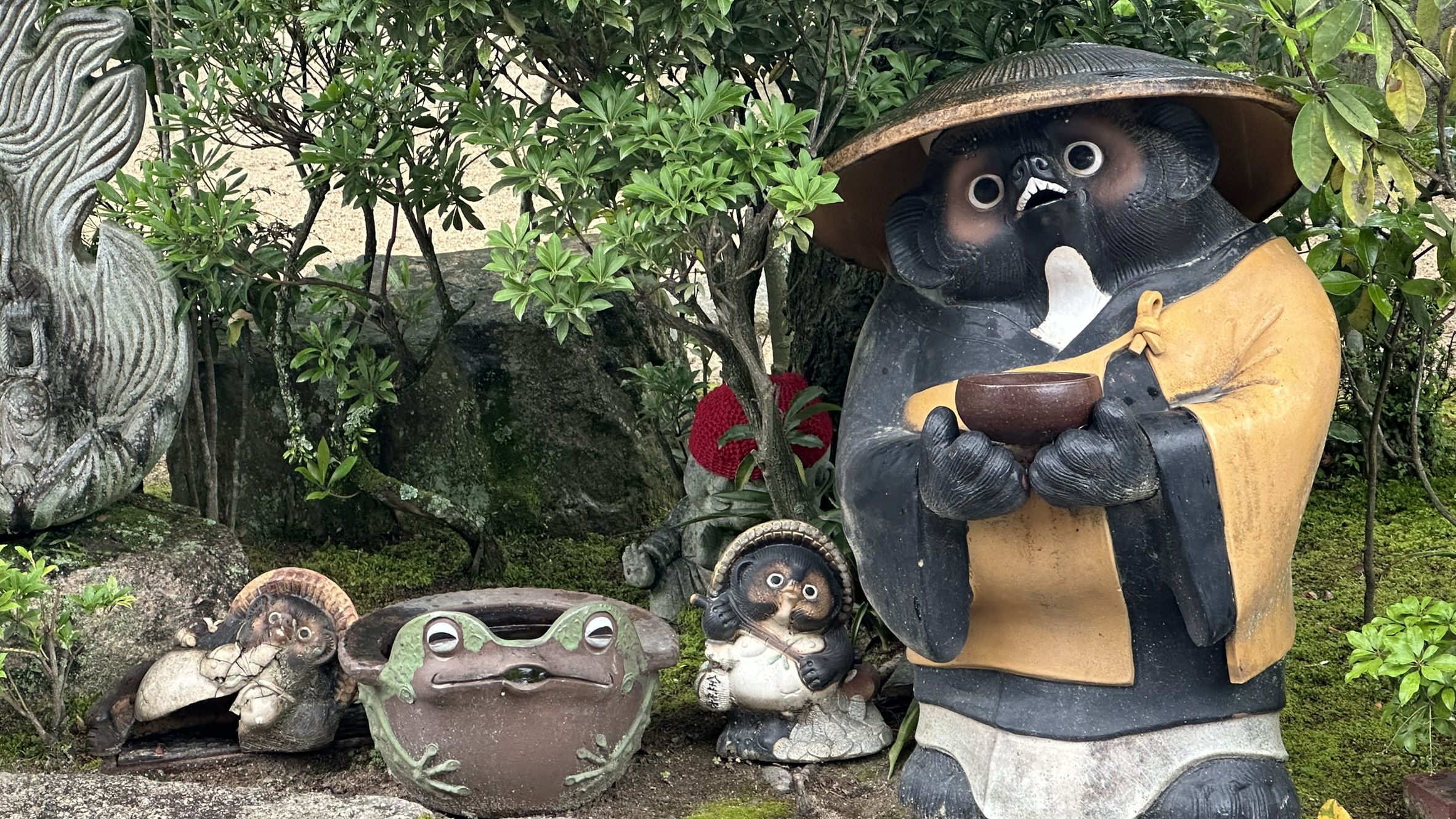
- 1,200-year-old Daisho-in Buddhist temple on the island was really stunning. A path lined with 500 little Rakan statues in red caps, each with unique facial expressions, greeted us on the way up. The Henju Kutsu cave at Daisho-in houses 88 Buddha statues and hundreds of lanterns on the ceiling.
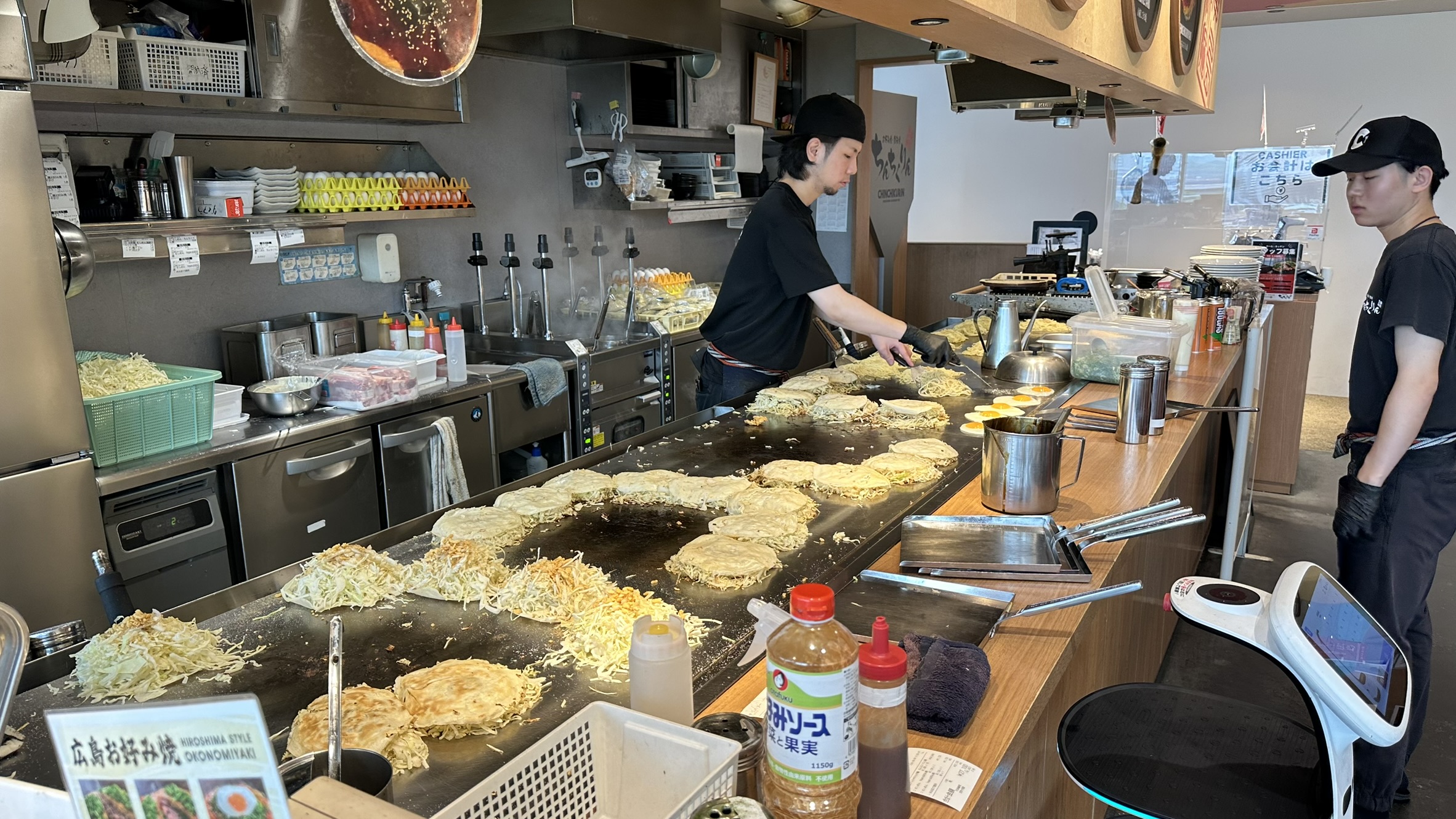
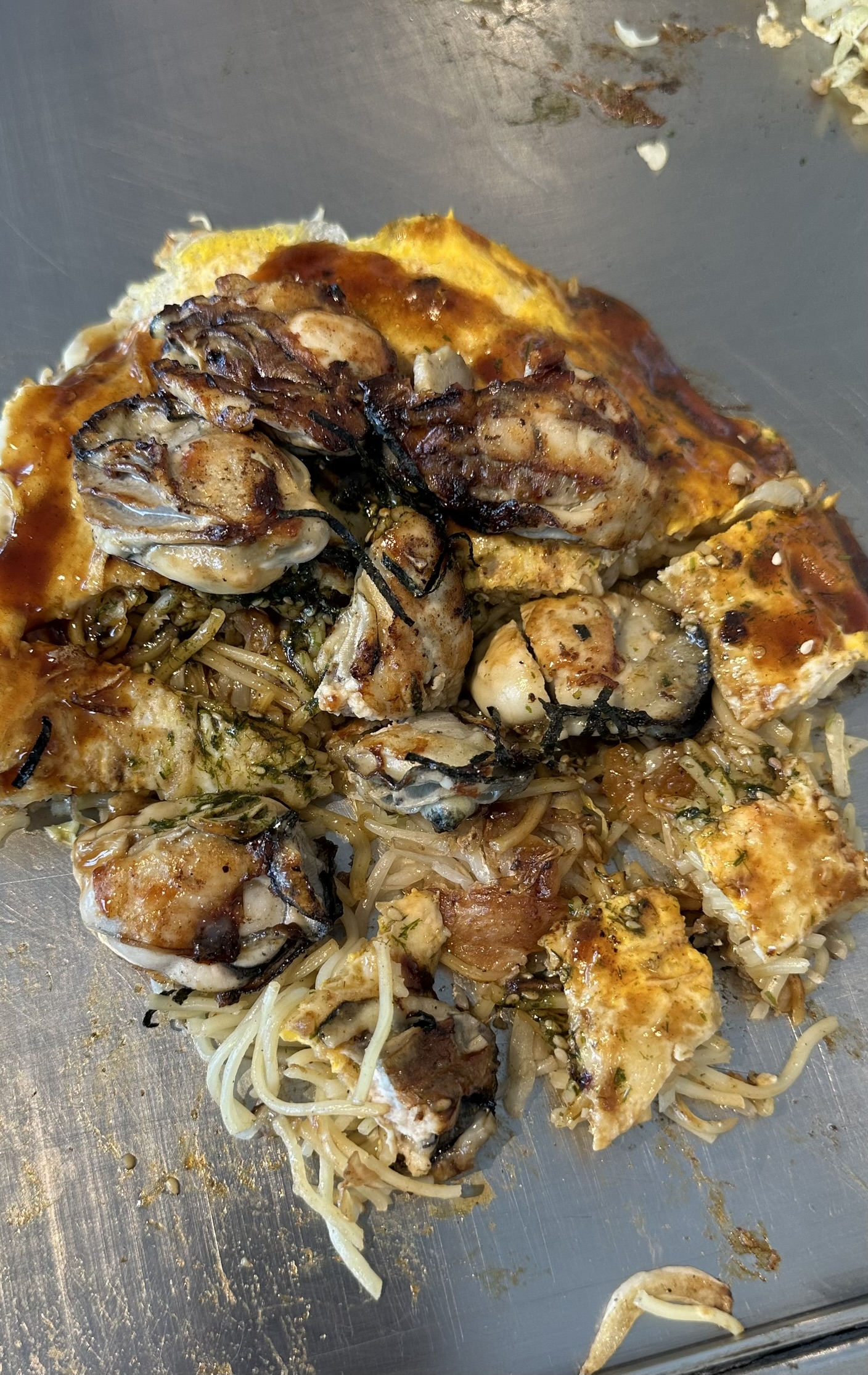
- Some cool, local delicacies Yuko introduced us to: Hiroshima-style okonomiyaki for lunch (delicious, and very different than Osaka’s) and Momiji Manju (maple leaf-shaped cakes).
A-Bomb History
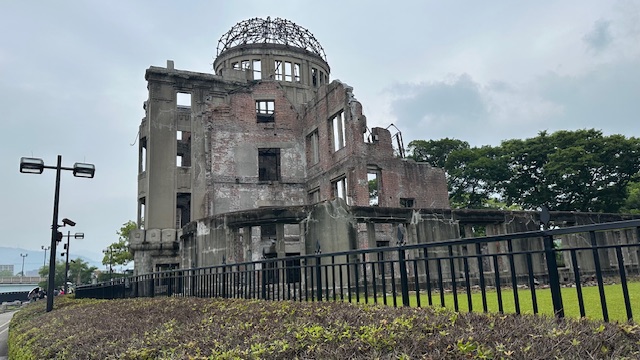
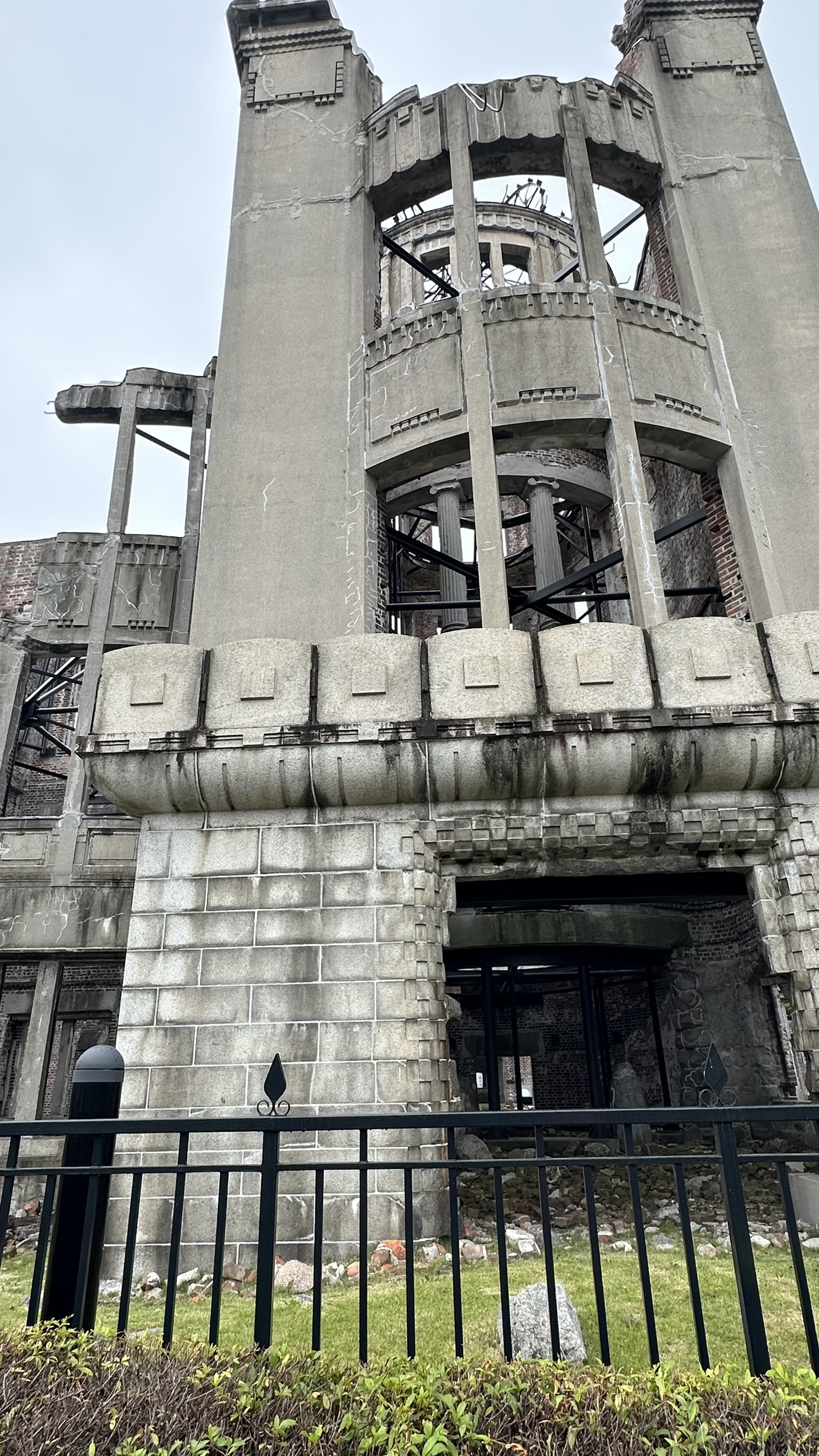
On the more somber side, visiting the atomic bomb sites was both saddening and educational. The Hypocenter, or Ground Zero, itself was a hospital that was utterly destroyed, only to rebuilt later by the family of the doctor that ran the hospital and returned immediately after the blast to care for victims. He died of radiation exposure, of course. The A-Bomb Dome, very near ground zero, used to be the centerpiece of a beautiful, huge building and remains standing exactly as it was because the energy from the blast came from almost directly overhead instead of laterally. Nearly everything within a square mile was incinerated within seconds. Several memorials in the area have bottles of water to commemorate the thousands of people who fled to the river suffering terrible burns, only to die in the water.
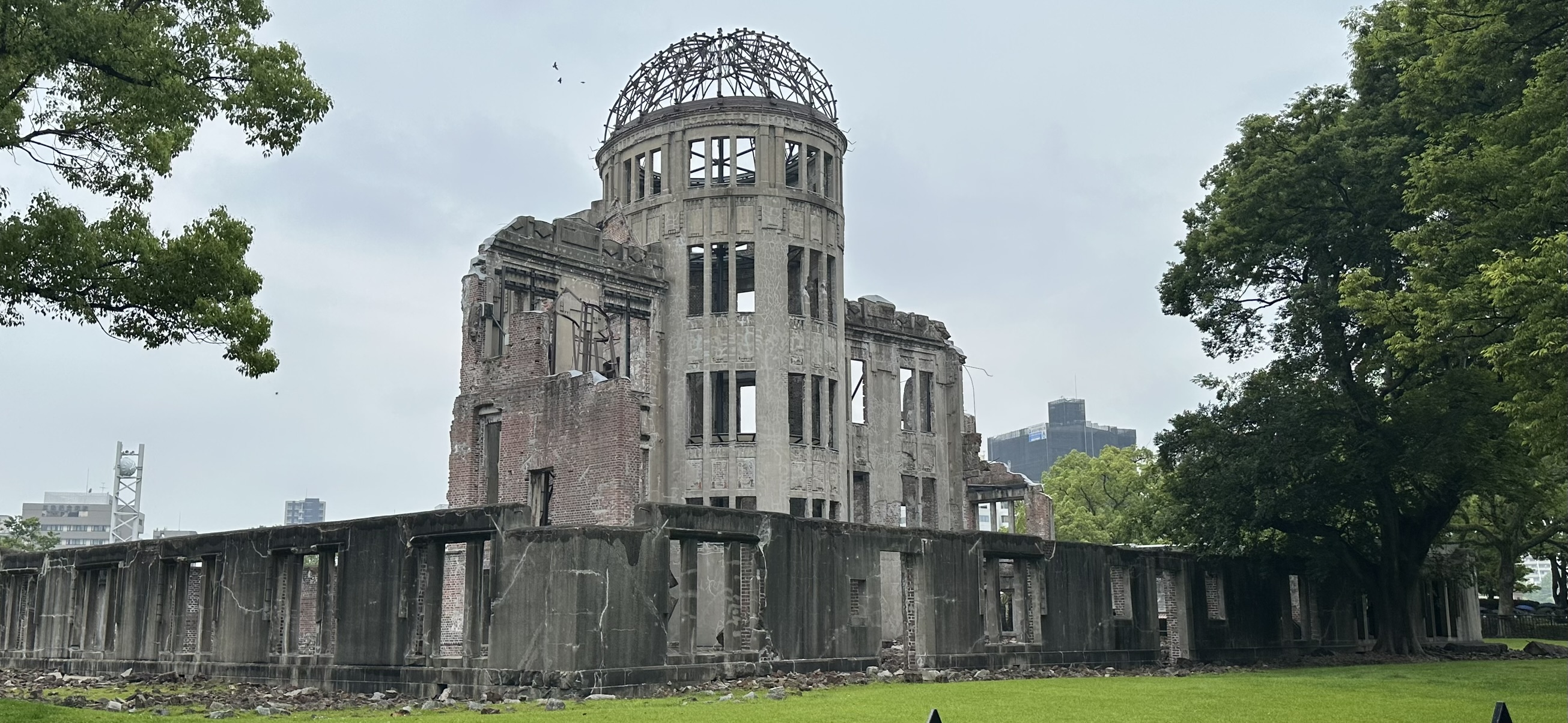
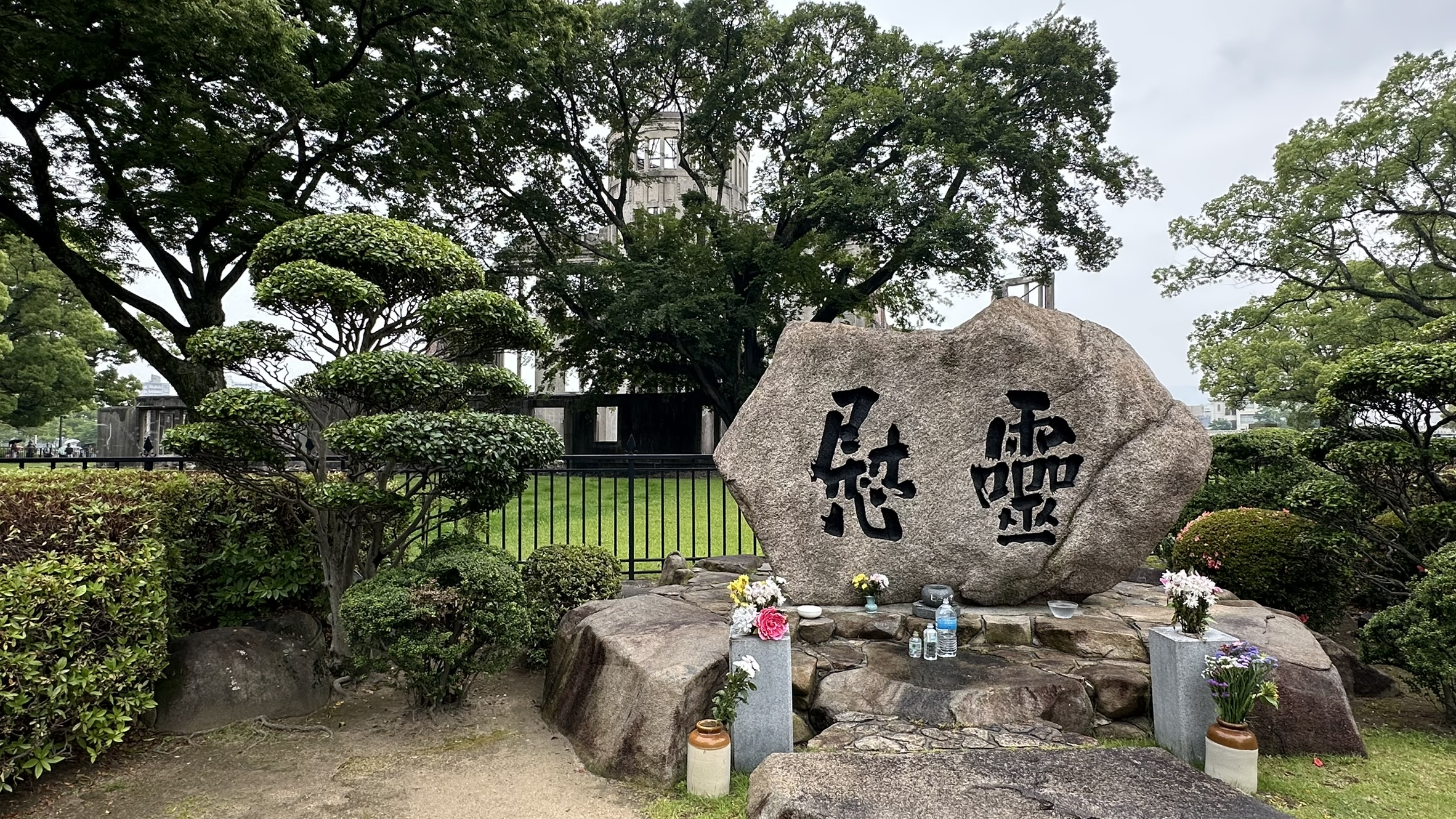
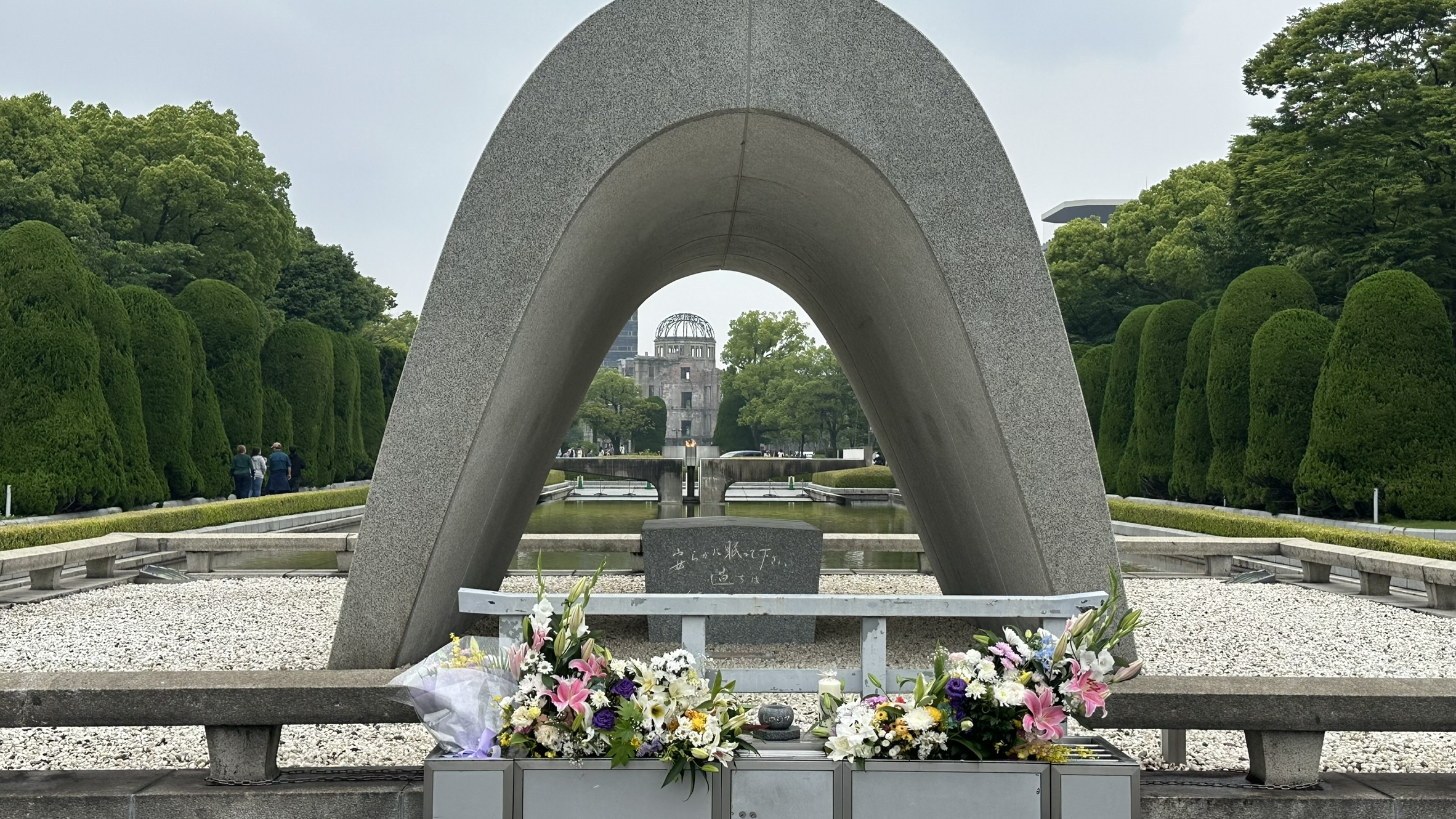
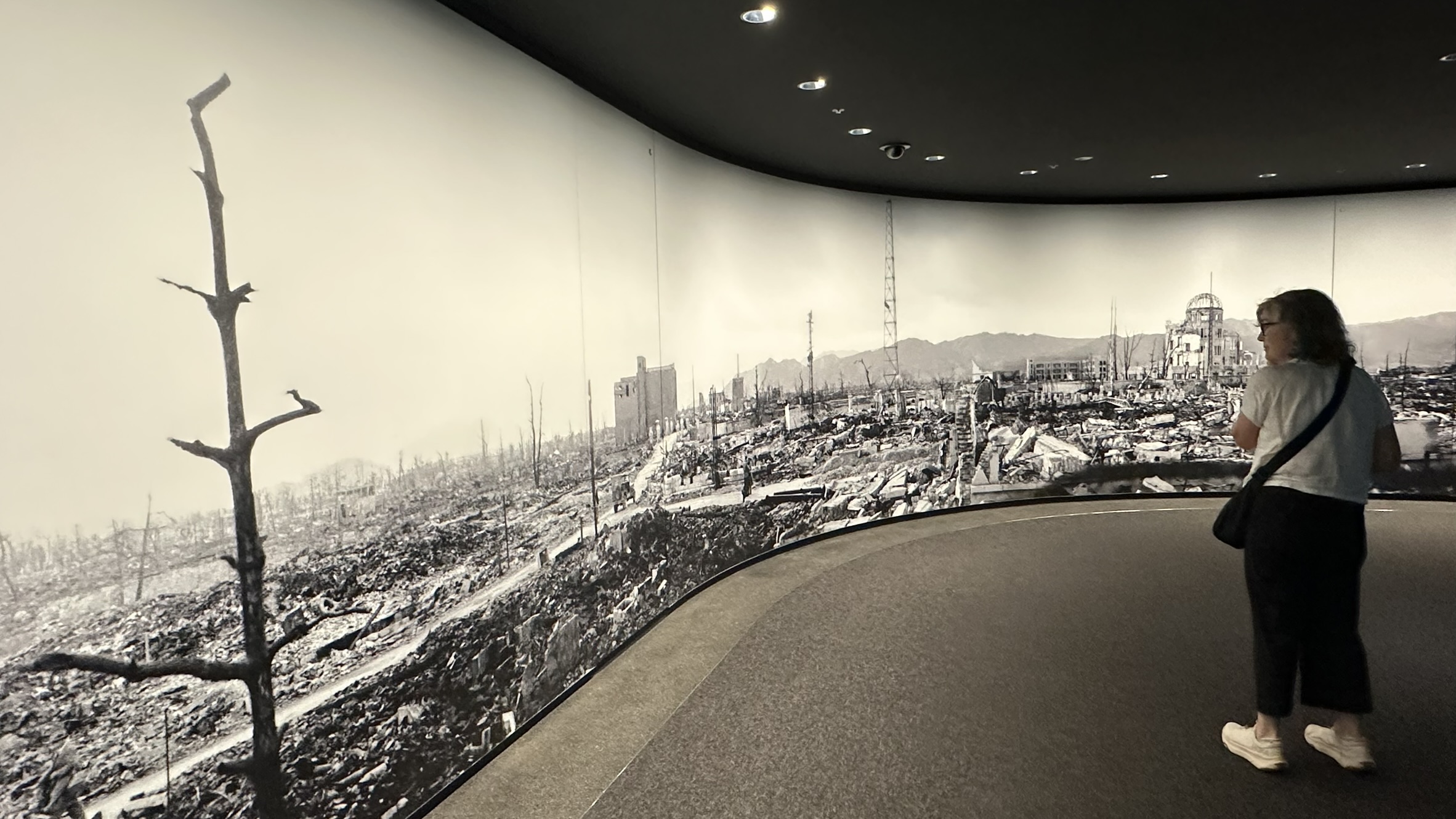
The Peace Park that was built in memory of the victims includes several key monuments, including the Pond of Peace, with the Flame of Peace (burning continuously since 1964) at one end and the Cenotaph, inscribed with the names of the dead, at the other. You can look through the Cenotaph at the Flame of Peace and see the A-Bomb Dome directly aligned behind it. Visiting the Peace Museum was particularly haunting but an absolute must-do. Lots of stories and pictures of wounded and dying victims, so gruesome I didn’t want to take pictures. 140,000 died by the end of 1945, just four months after the bombing, many from radiation-related illness including tens of thousands who rushed to help from all over Japan in the immediate aftermath.
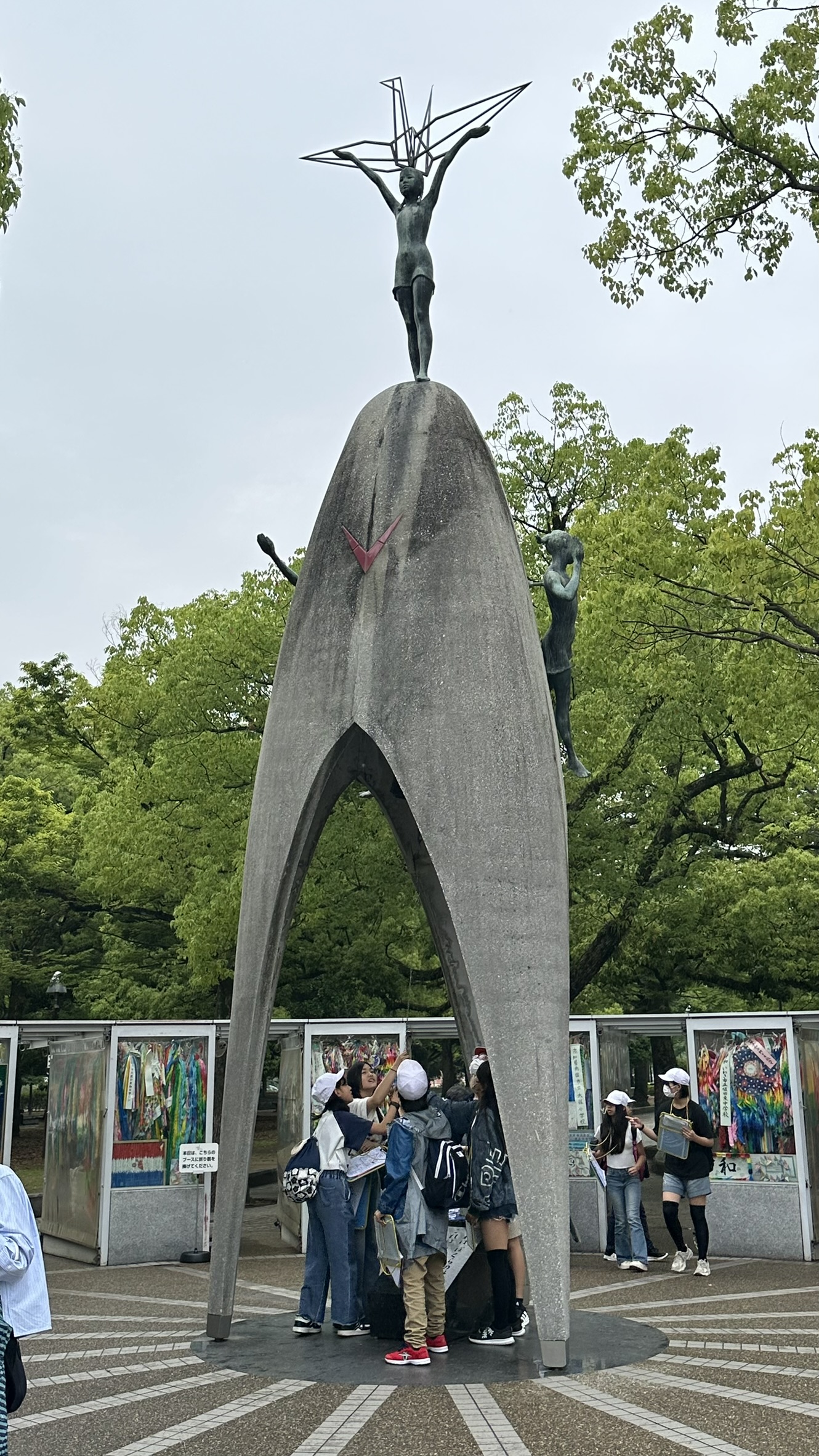
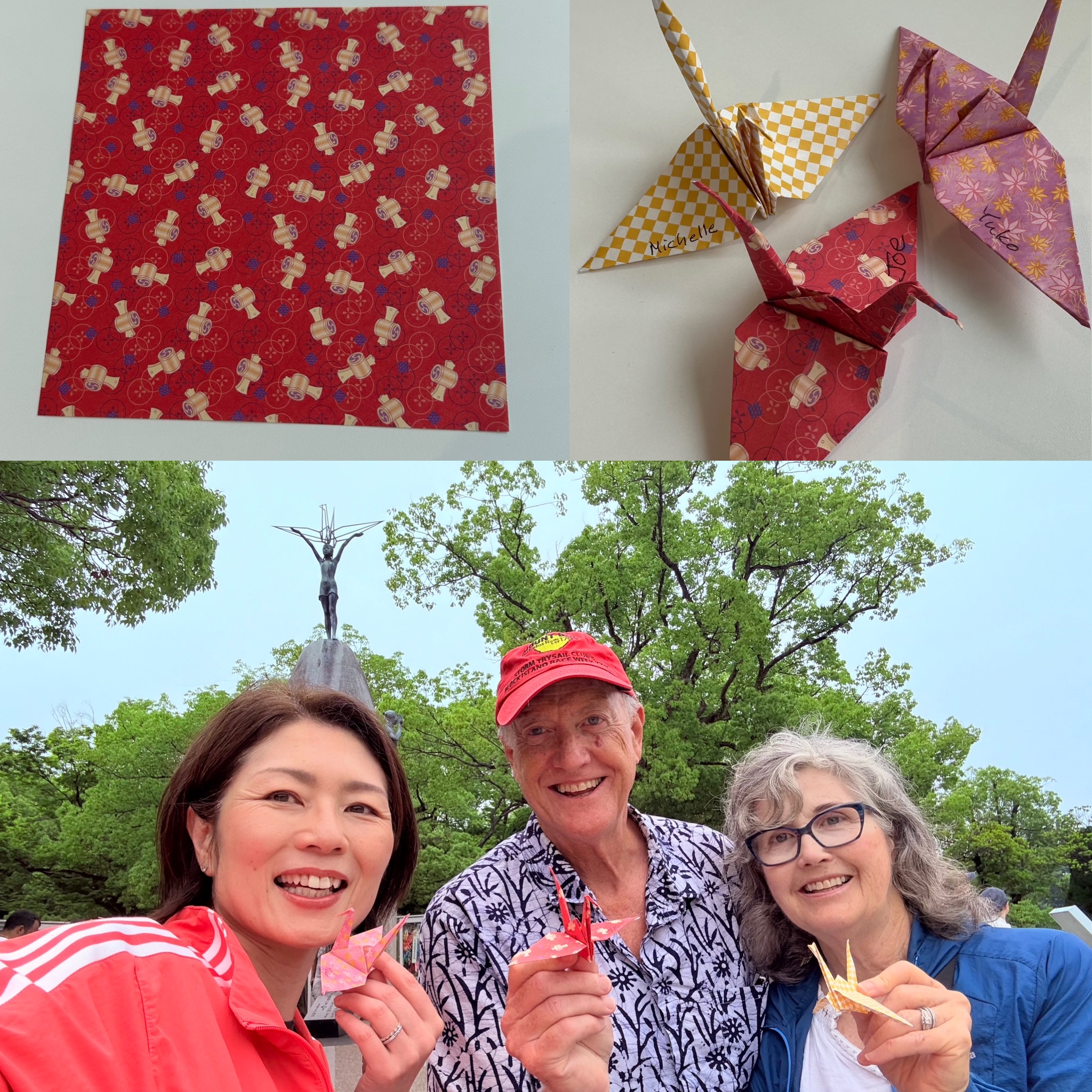
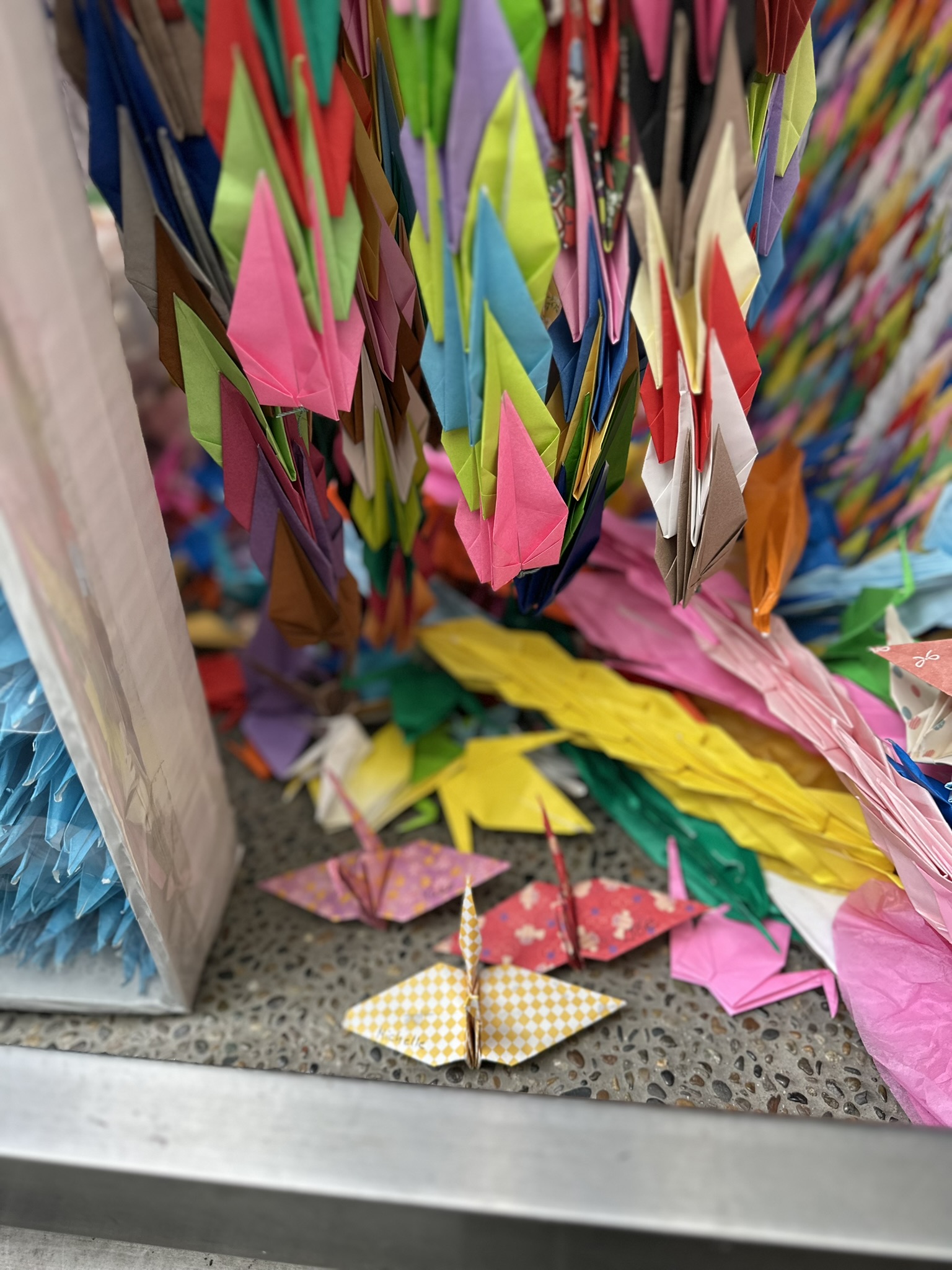
One of the more poignant stories involves the Children’s Peace Monument honoring Sadako Sasaki and the thousands of children killed by the bomb. The little girl was two years old in 1945 and lived a happy childhood by all accounts until radiation-induced leukemia took her at age 12. She made origami cranes in the hospital, which inspired the “1000 cranes” tradition for peace. Yuko taught us how to make cranes which we left at the memorial, but in retrospect we probably shouldn’t have been smiling for the picture.

Shukkei-en Garden
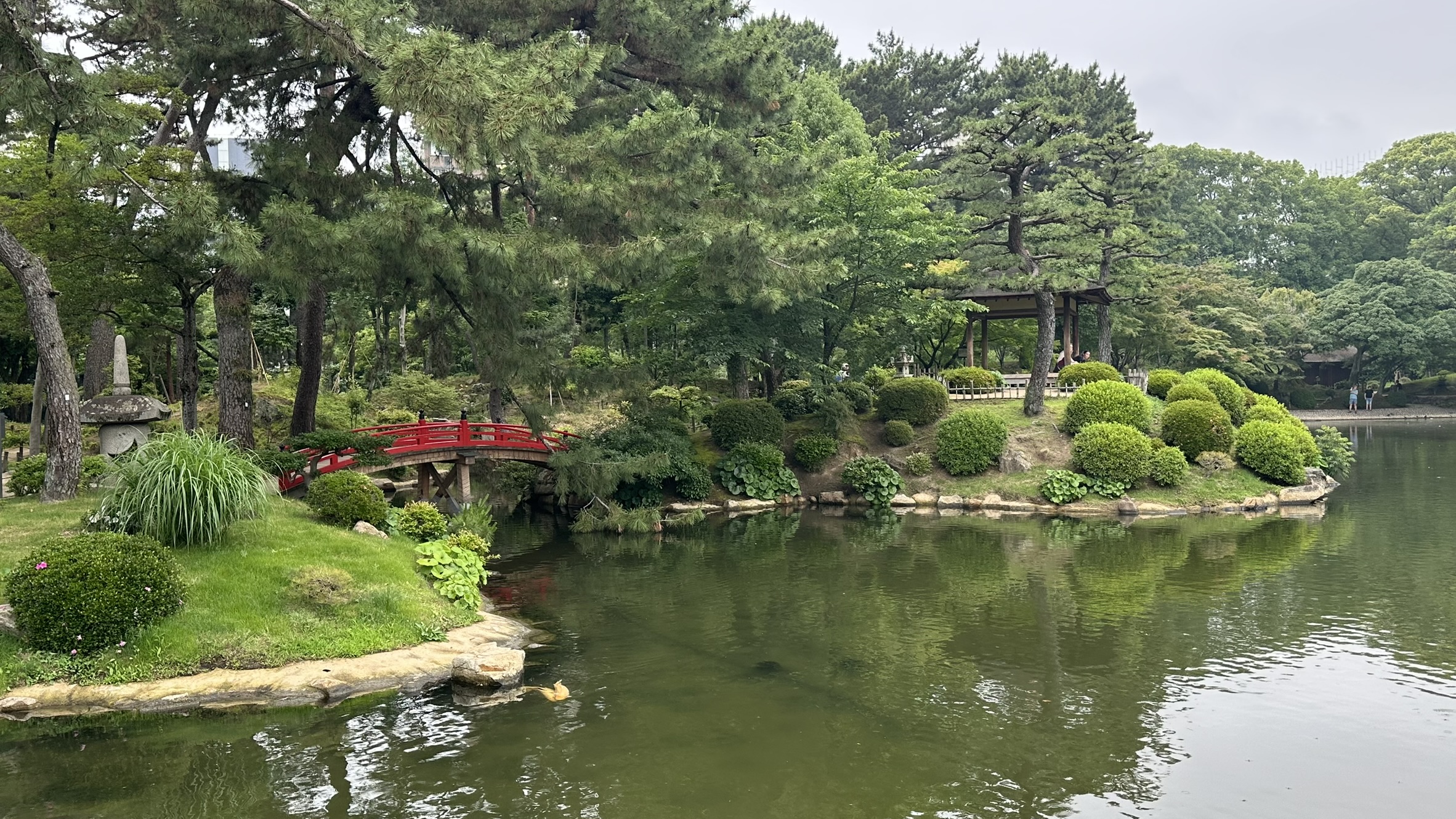
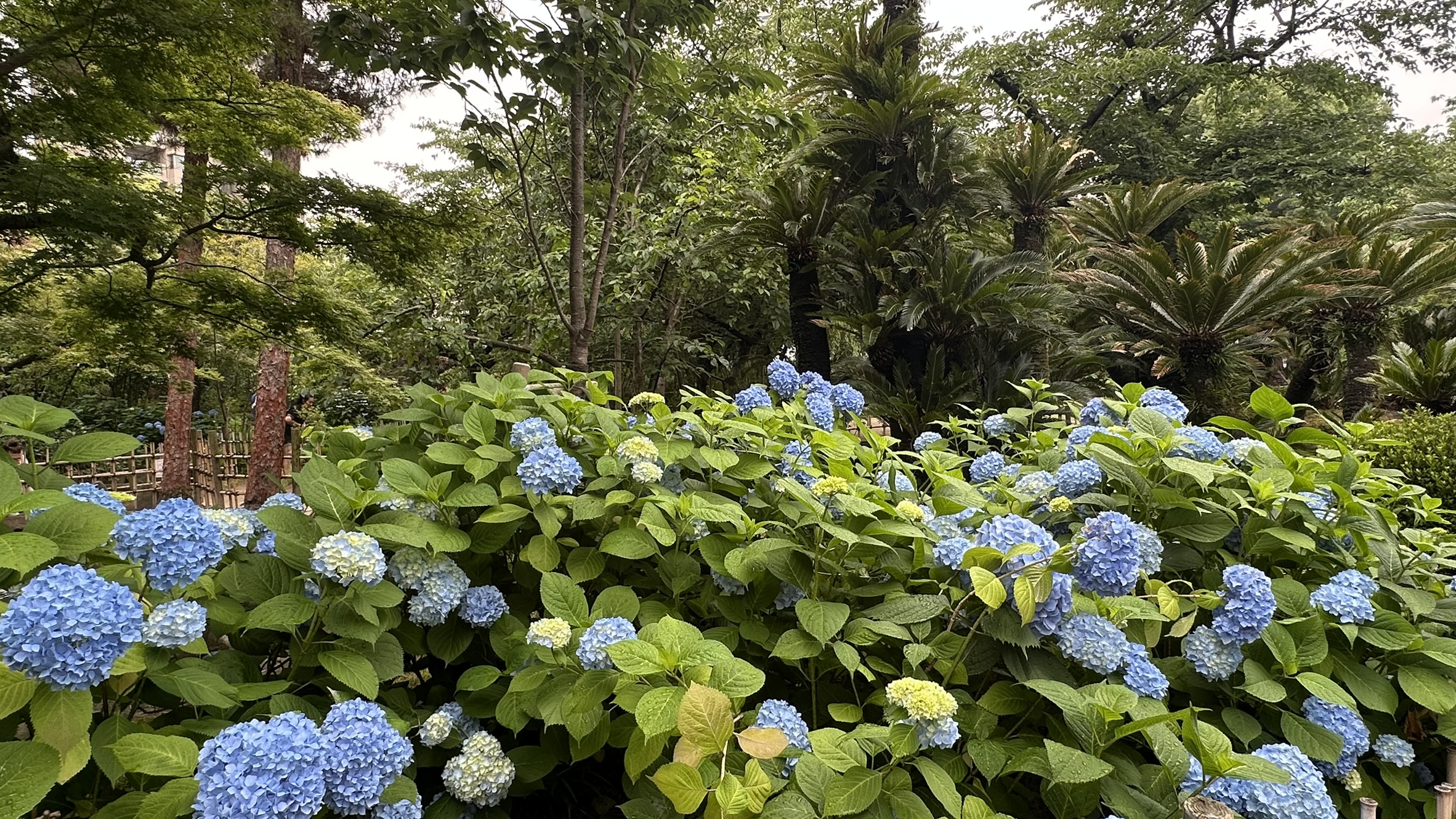
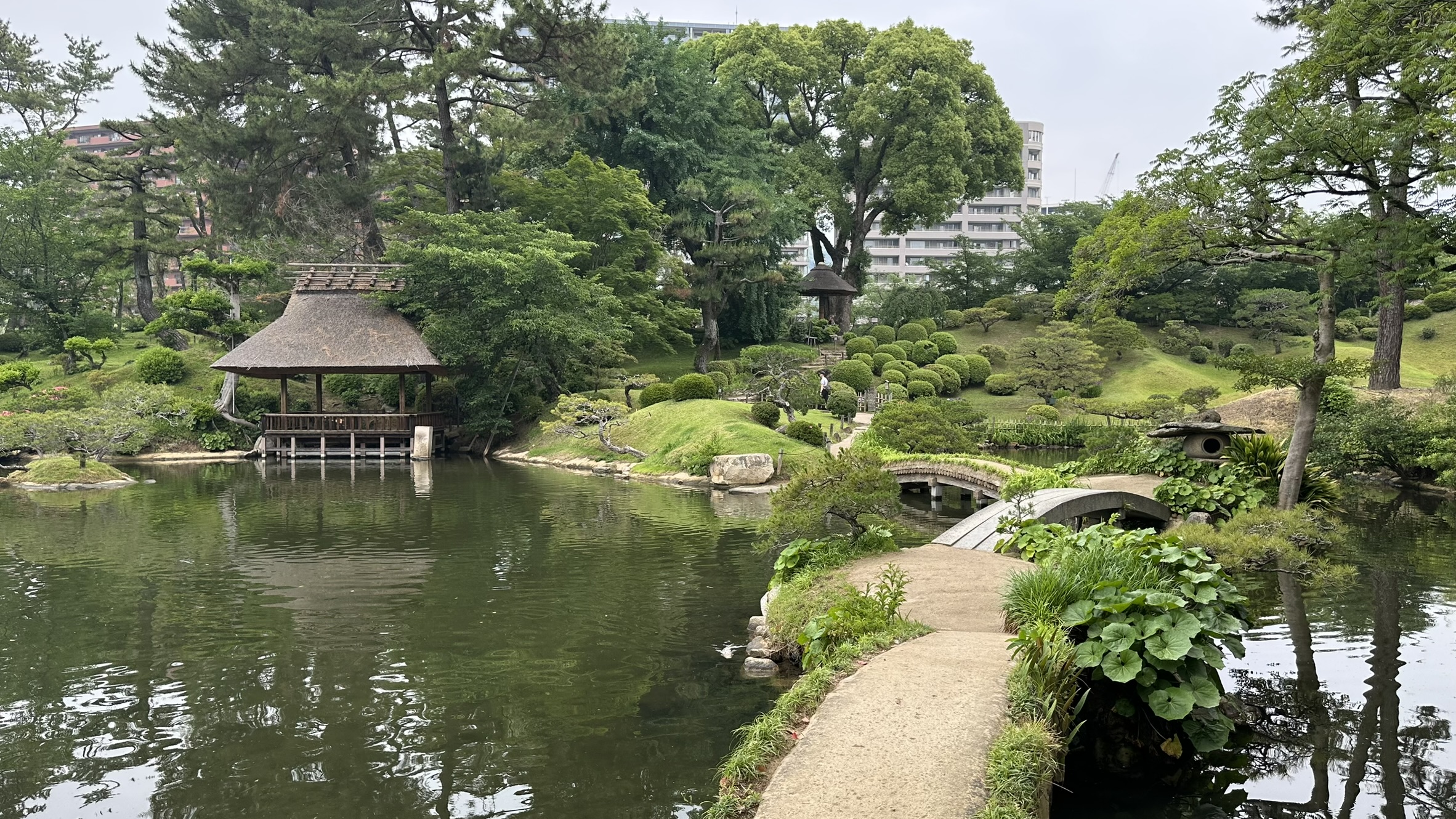
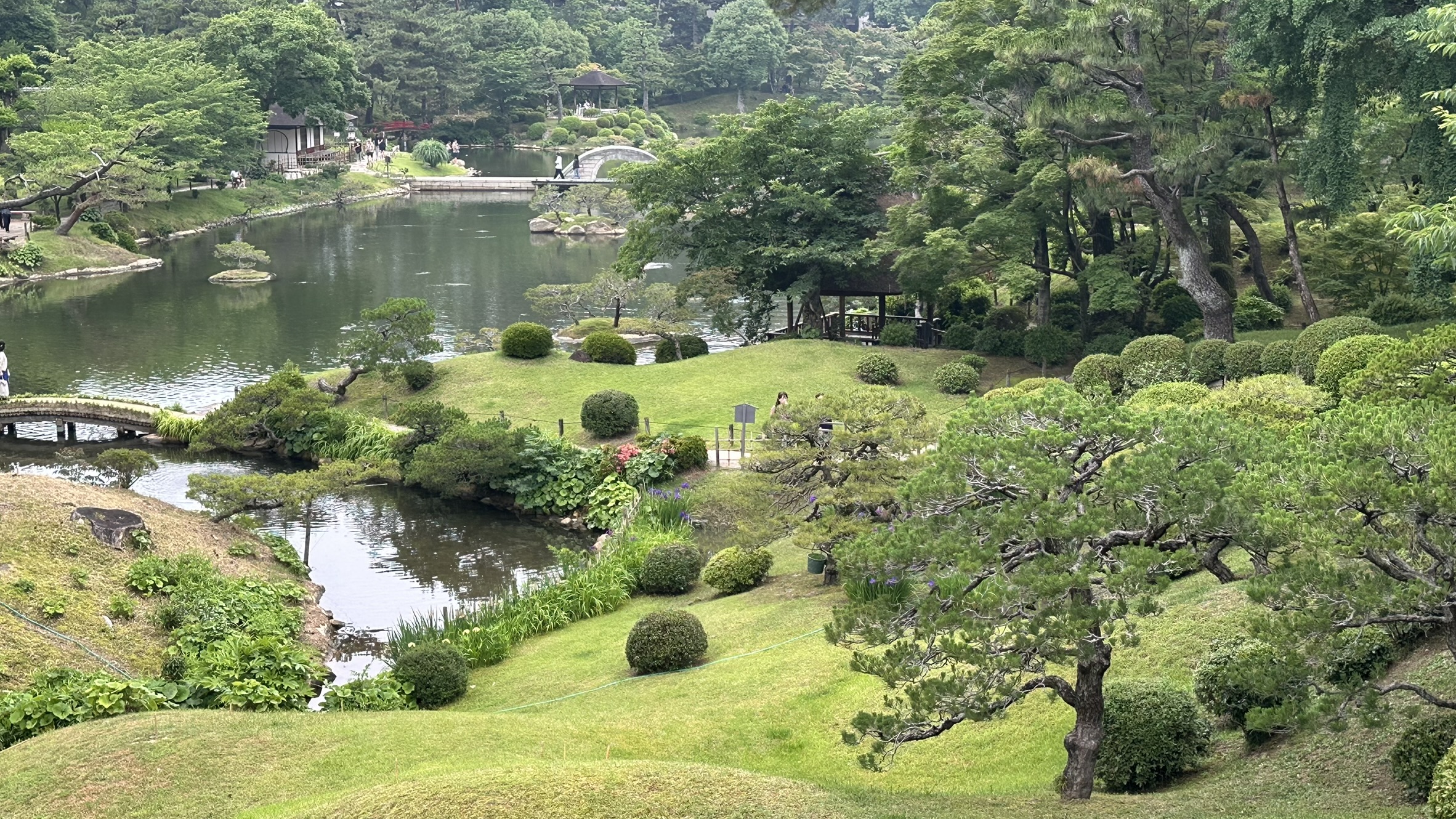
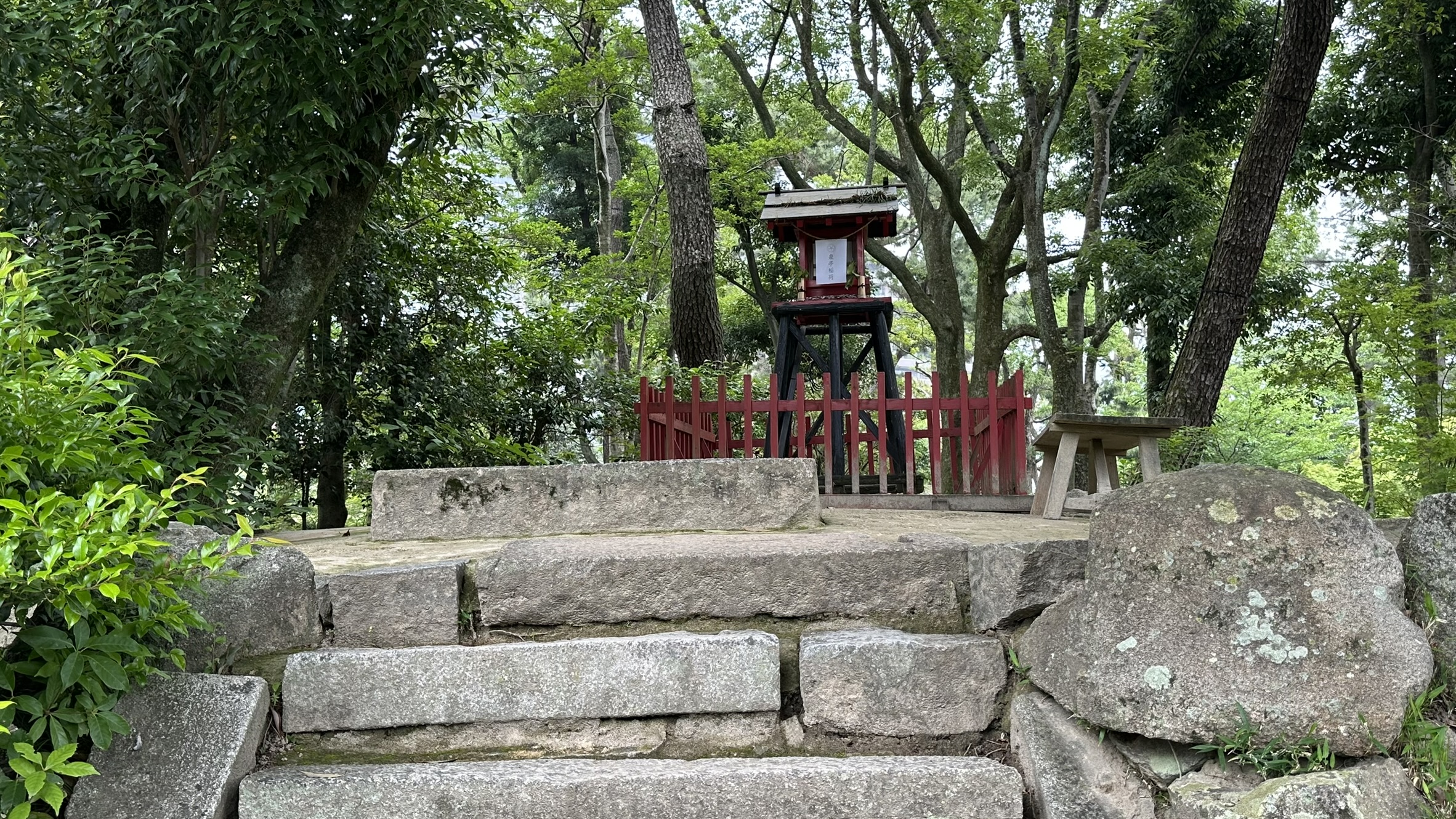
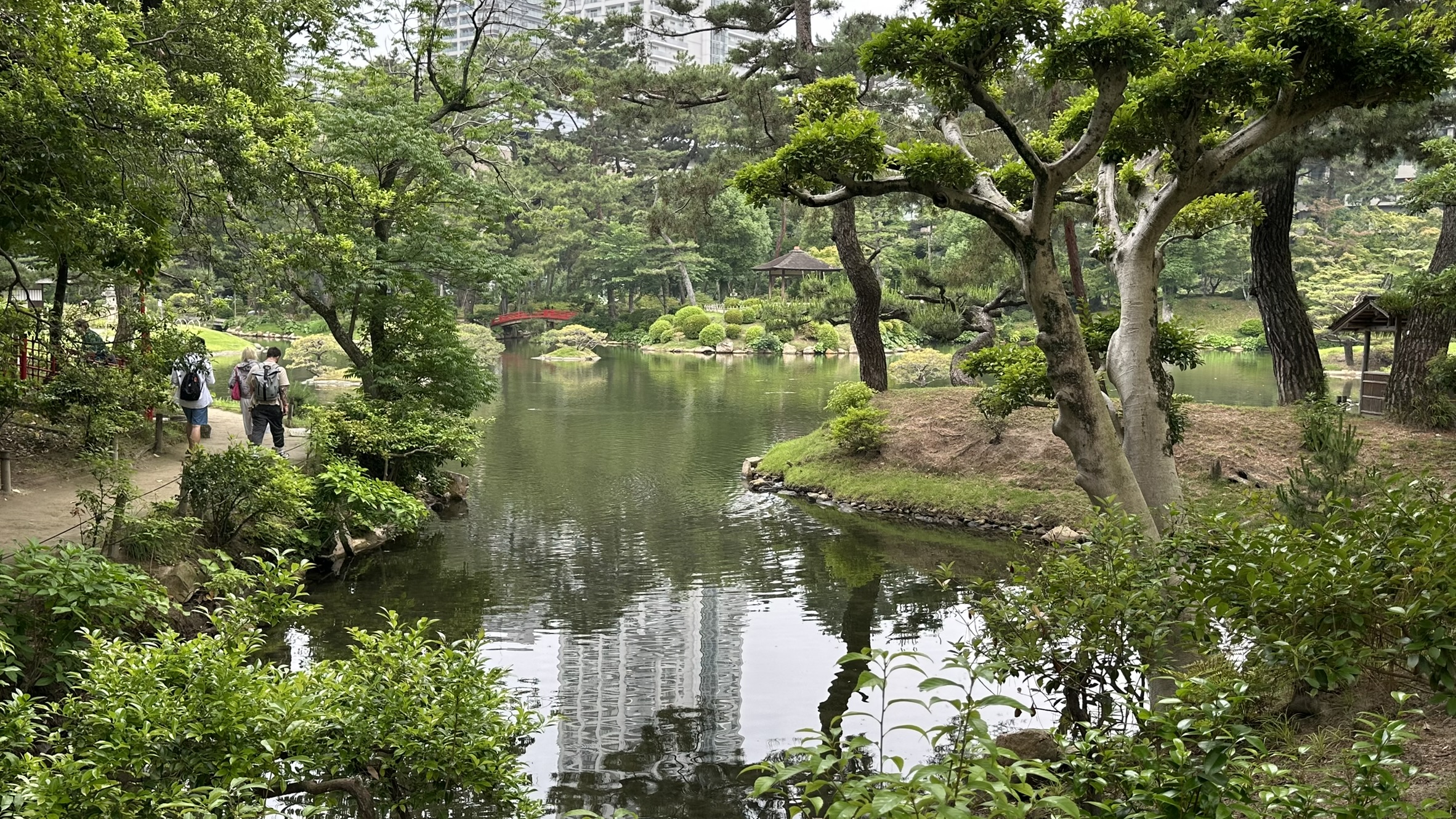
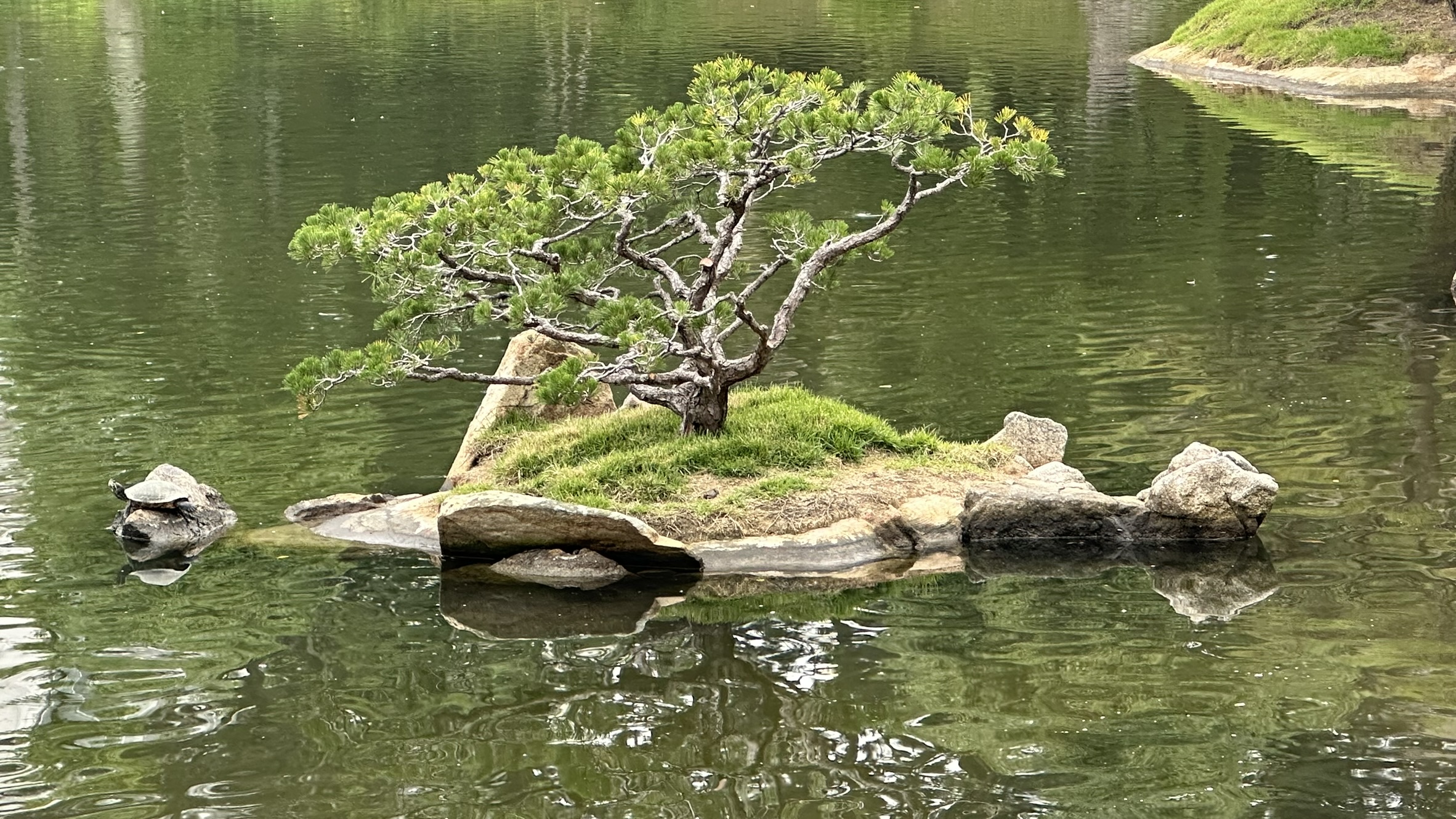
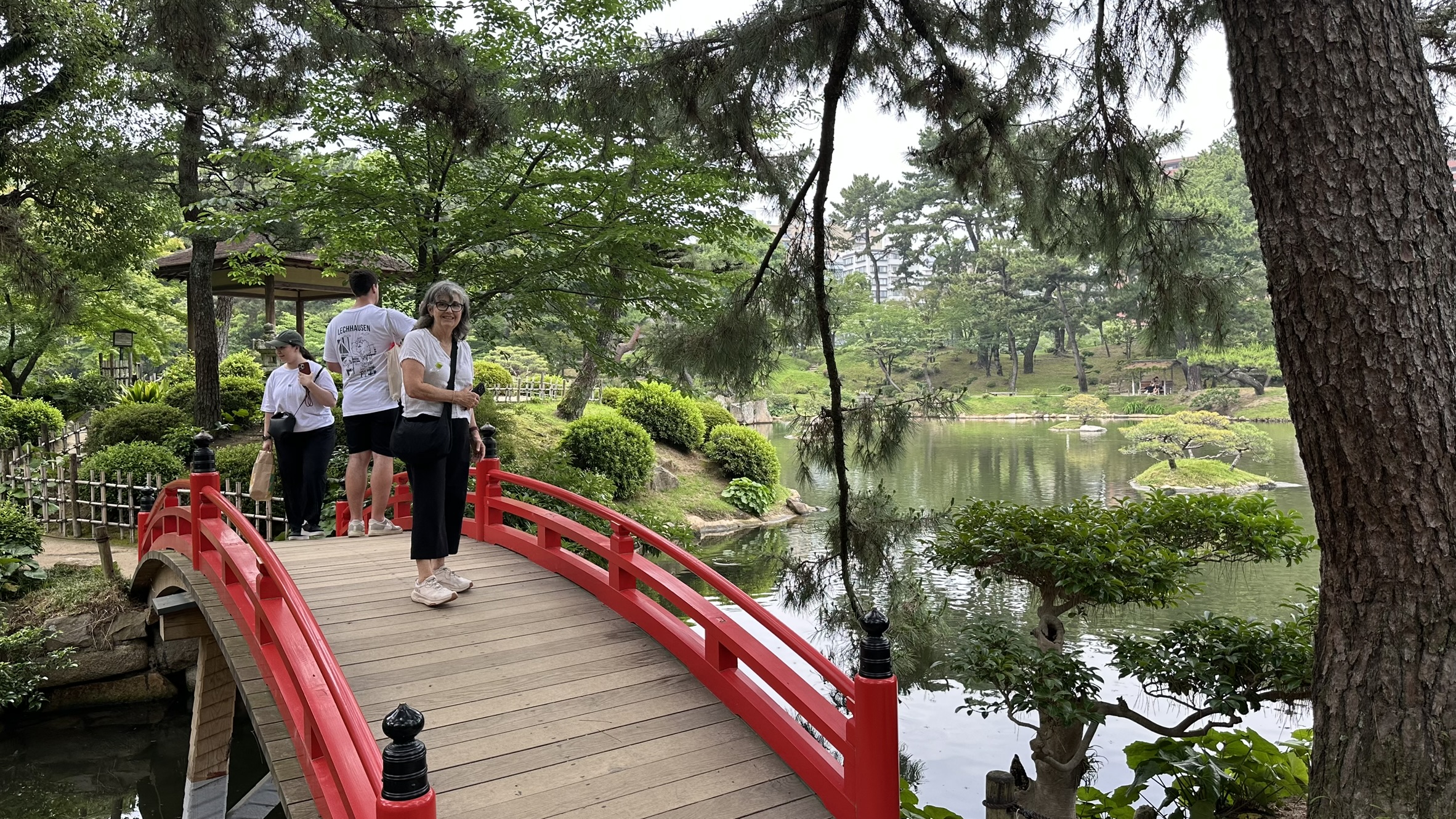
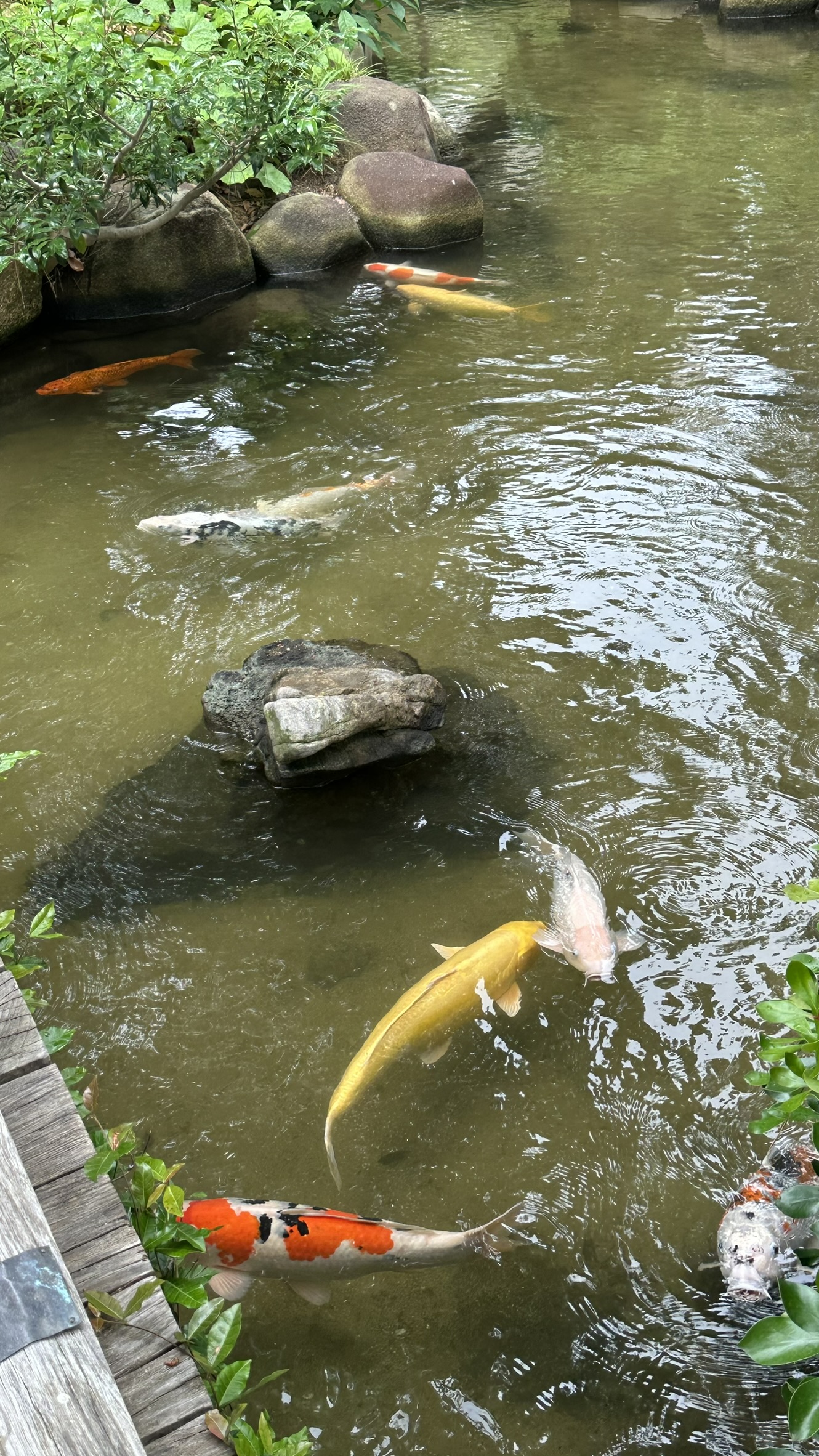
Our last stop in Hiroshima was Shukkei-en Garden. Construction began in 1620 and features a lake filled with islands shaped as turtles and cranes, beautiful trees including cherries, peaches, and plums, a bamboo forest, and a 300-year-old Ginko tree that survived the A-bomb, lots of little footbridges, and lots of carp.
Note: It took five and half hours to get to Hiroshima from Takayama — a 2 1/2 hour regional train to Nagoya and only slightly shorter Shinkansen to Hiroshima. Given this was our southernmost destination and you have to pass through Kyoto and Osaka to get here, we could have saved a couple hours travel time by making it our last stop (after Kyoto and Osaka) and flying home from Osaka or Fukuoka instead of Tokyo. That’s a few puzzle pieces to figure out but might be worth looking into. Of course, if you are heading further south to Kyushu, it definitely makes sense.
| Days 23-28 | Kyoto | Dhawa Yura The Tawaraya | (4 days) (2 days) |

Most people who visit Japan for the first time hit the “golden triangle” of Tokyo, Osaka and Kyoto. We’ve been lucky to see so much more, but we’ve finally made it to Kyoto, our penultimate stop. With 17 UNESCO World Heritage sites, including many spectacular temples and shrines and famous Gion geisha entertainment quarter, Kyoto is often regarded as the historic and cultural heart of Japan. Very different from modern Tokyo and Osaka, yet it still has its own pretty incredible food and bar scene. With six days, we had an opportunity to see an awful lot, yet there is a lot we didn’t see. Here are some highlights, more or less in the order we did them. I’ve noted the things I consider my top priority, can’t miss experiences if you’ve only got a few days,
- Day 1 involved a full day guided walking tour of major sites of central and eastern Kyoto. It was a good itinerary with a few local trains and a lot of walking. Sites we hit:
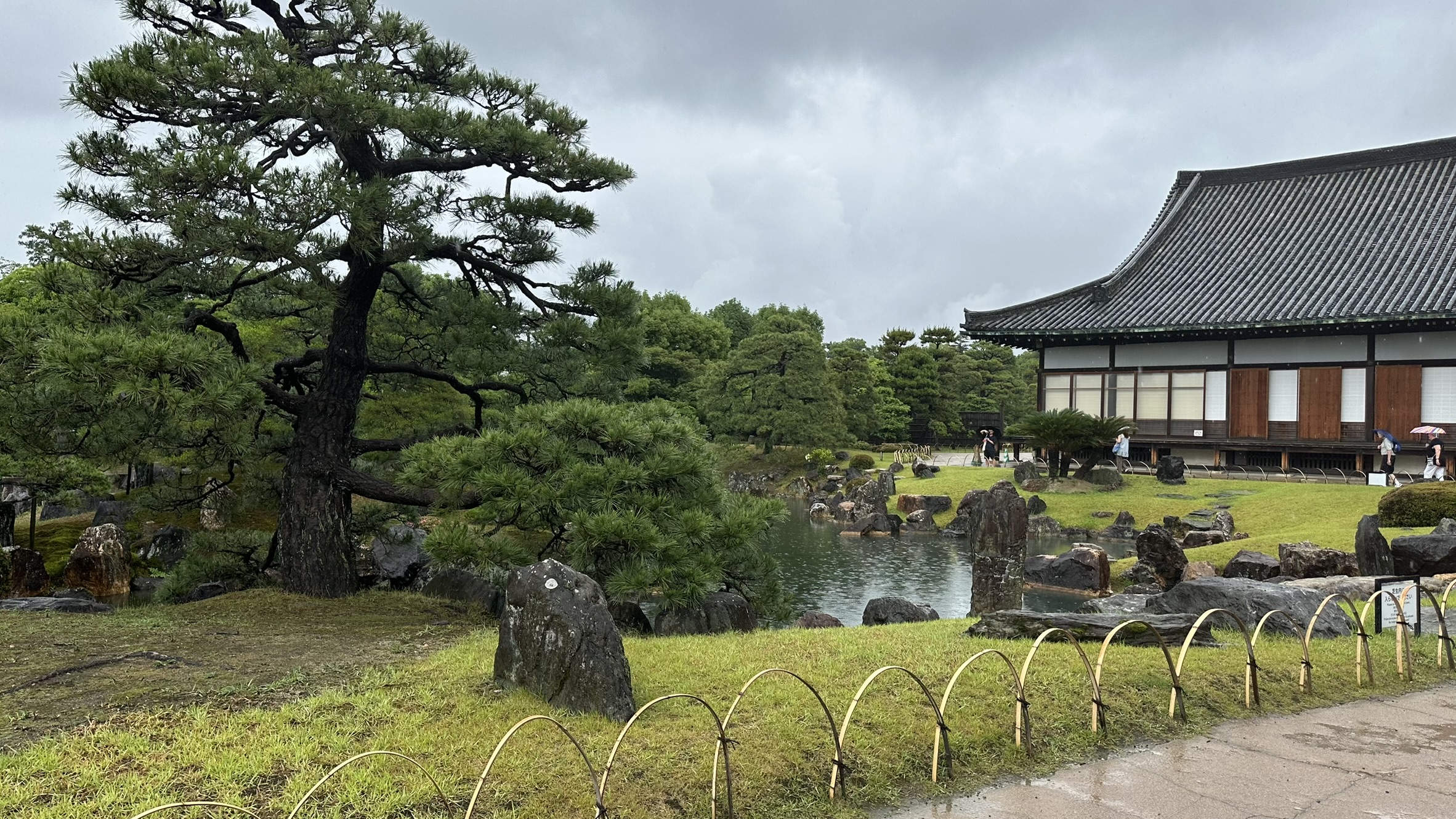
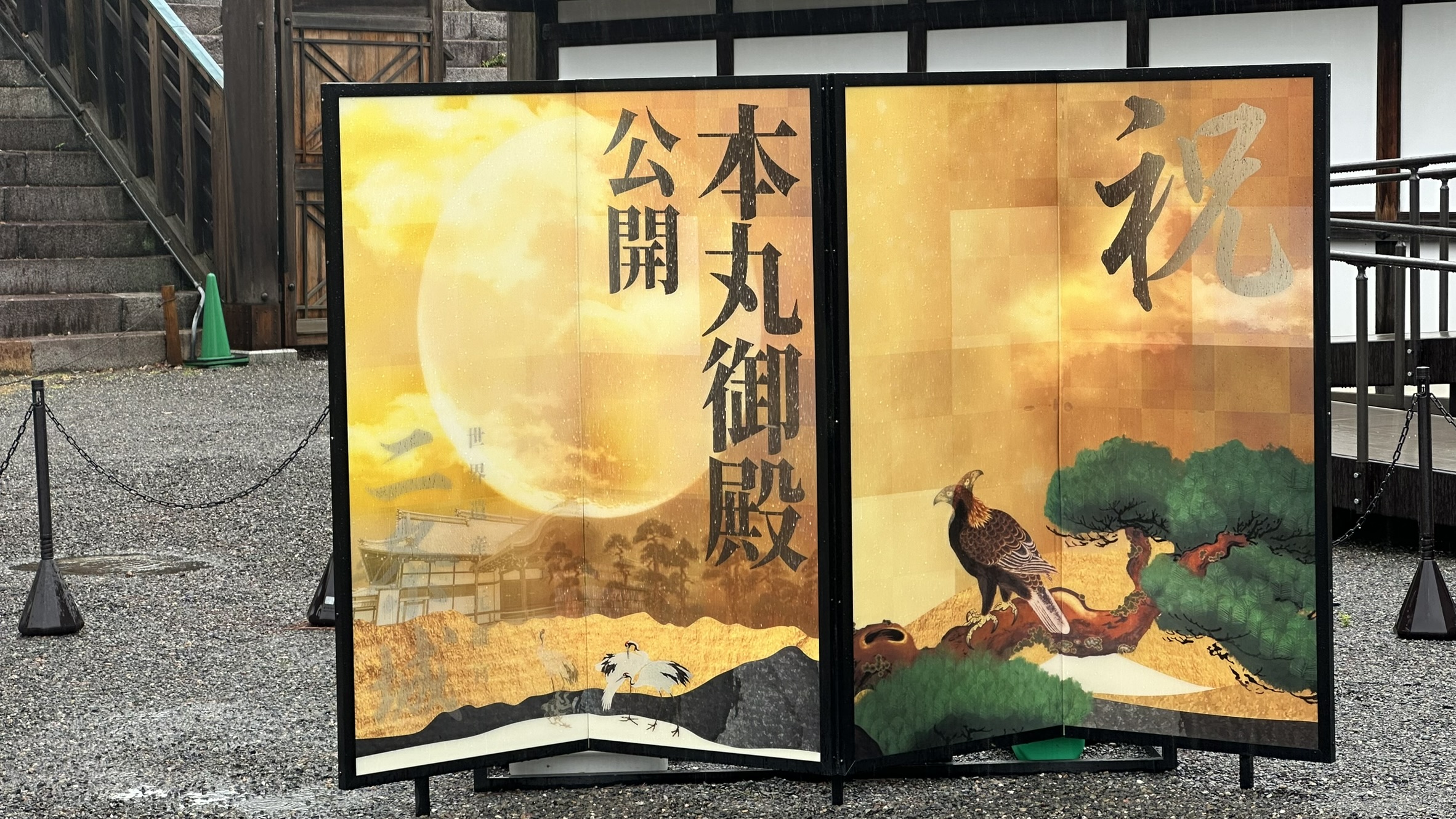
- Nijo Castle, the former shogun’s home, was our first stop. It’s got a cool entrance, impressive grounds notable for its many huge rocks and stone bridges over the water. You can tour the inside, but you can’t take photos and oddly enough I don’t remember it. If you’re collecting castles, go for it.


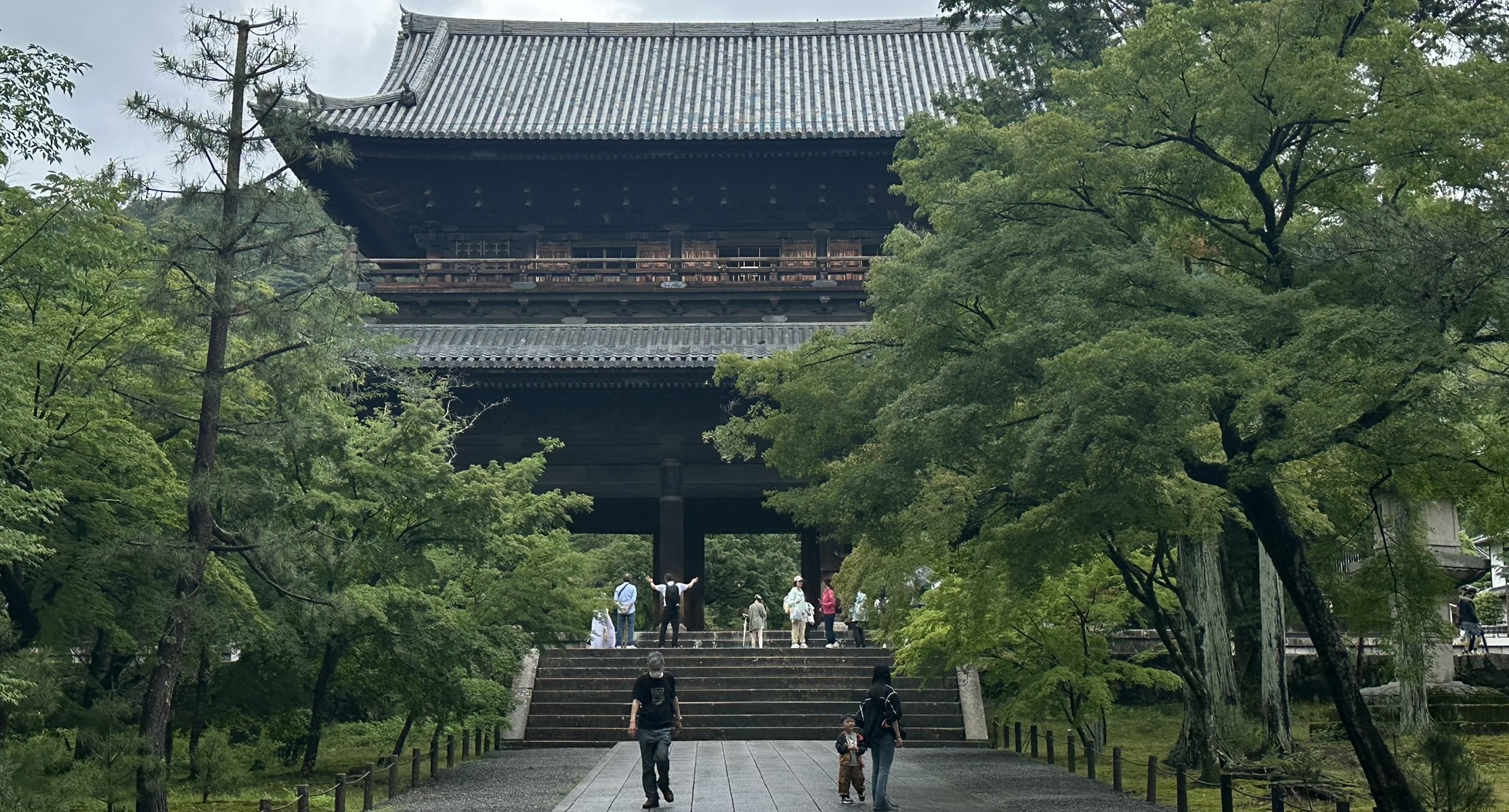
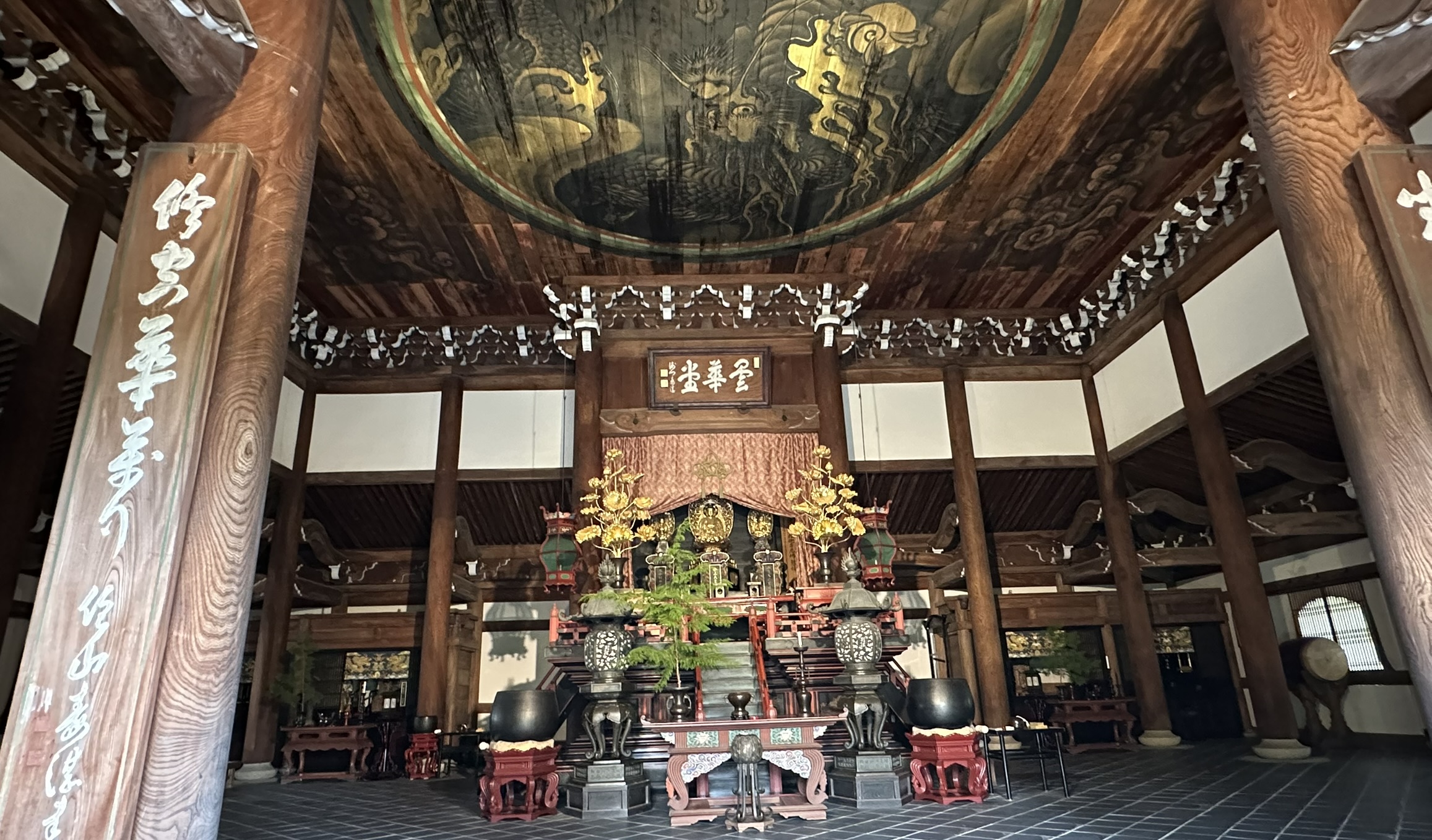
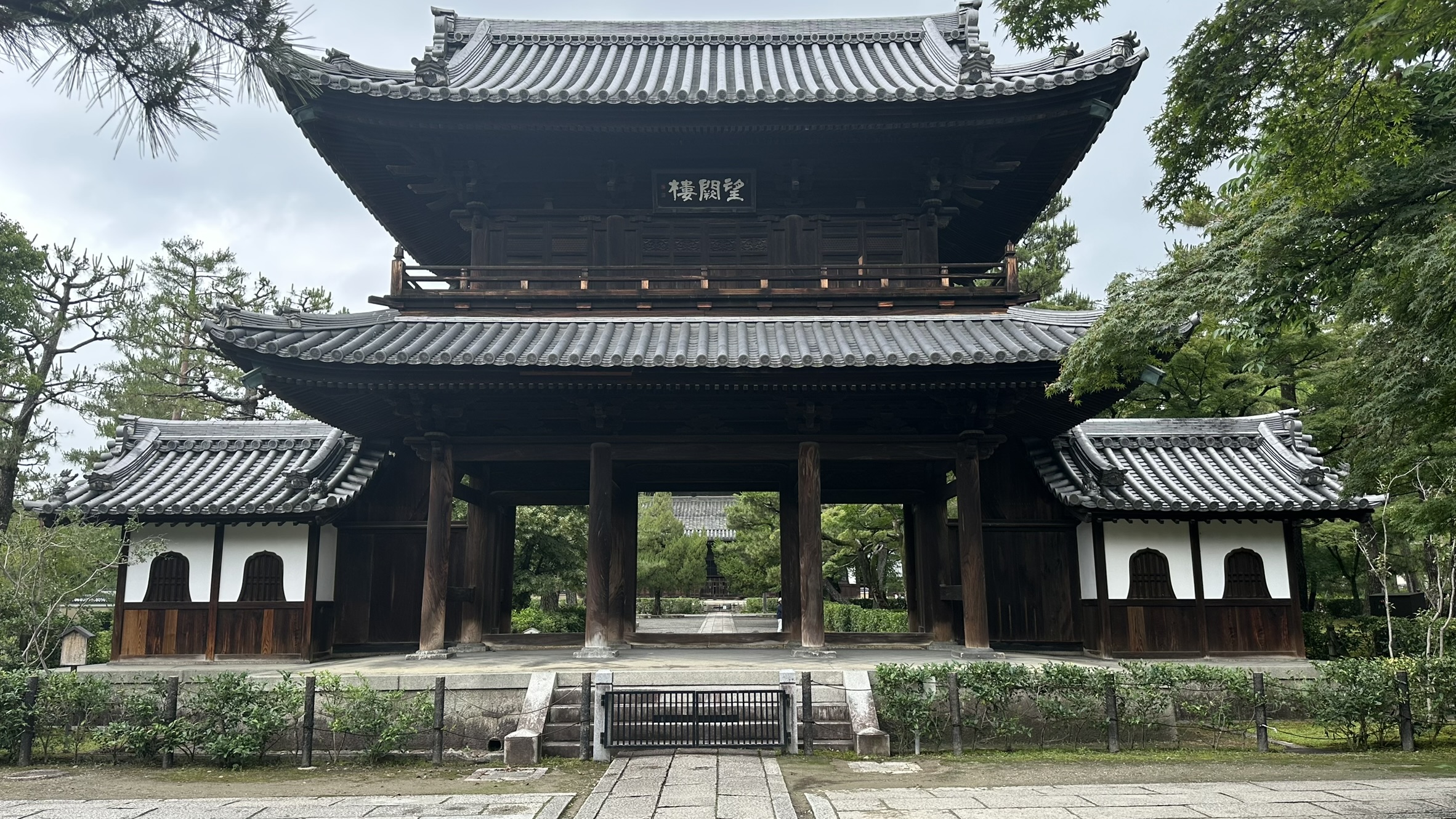
- Can’t miss: Nanzen-ji, one of the most important Buddhist temples in Japan, has been a quiet retreat where monks have lived in peaceful repose since 1291. It’s massive, wooden Sanmon Gate was built in 1628 to honor those who died in the 1615 siege of Osaka Castle.
- Just outside Nanzen-ji stands a massive brick aqueduct, built by Japan’s new government during the Meiji Period (1868-1912) to help rebuild Kyoto’s economy after the capitol moved from Kyoto to Edo (now Tokyo), circa 1868. The relocation led to a sharp decline in Kyoto’s economy and population.
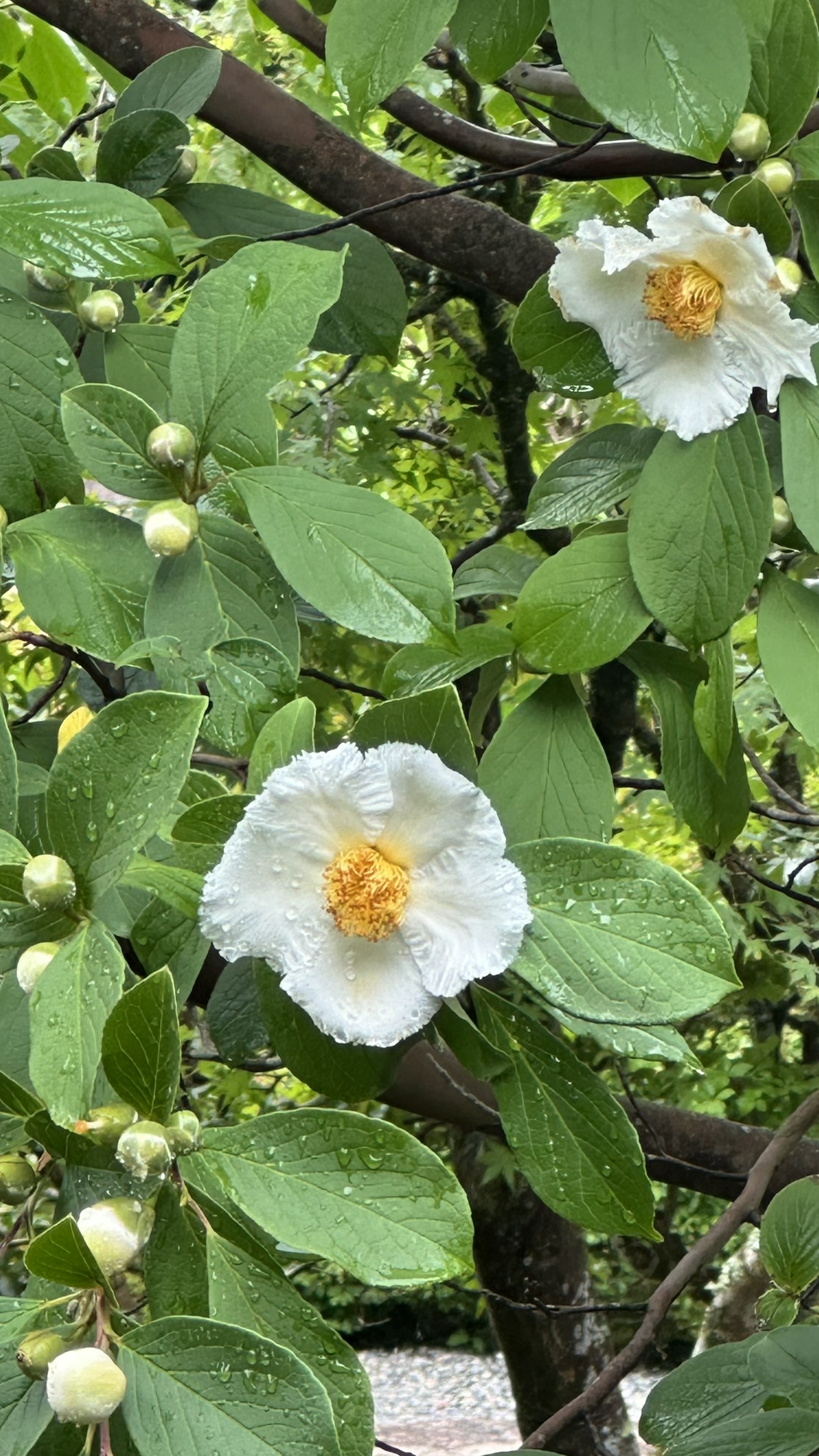
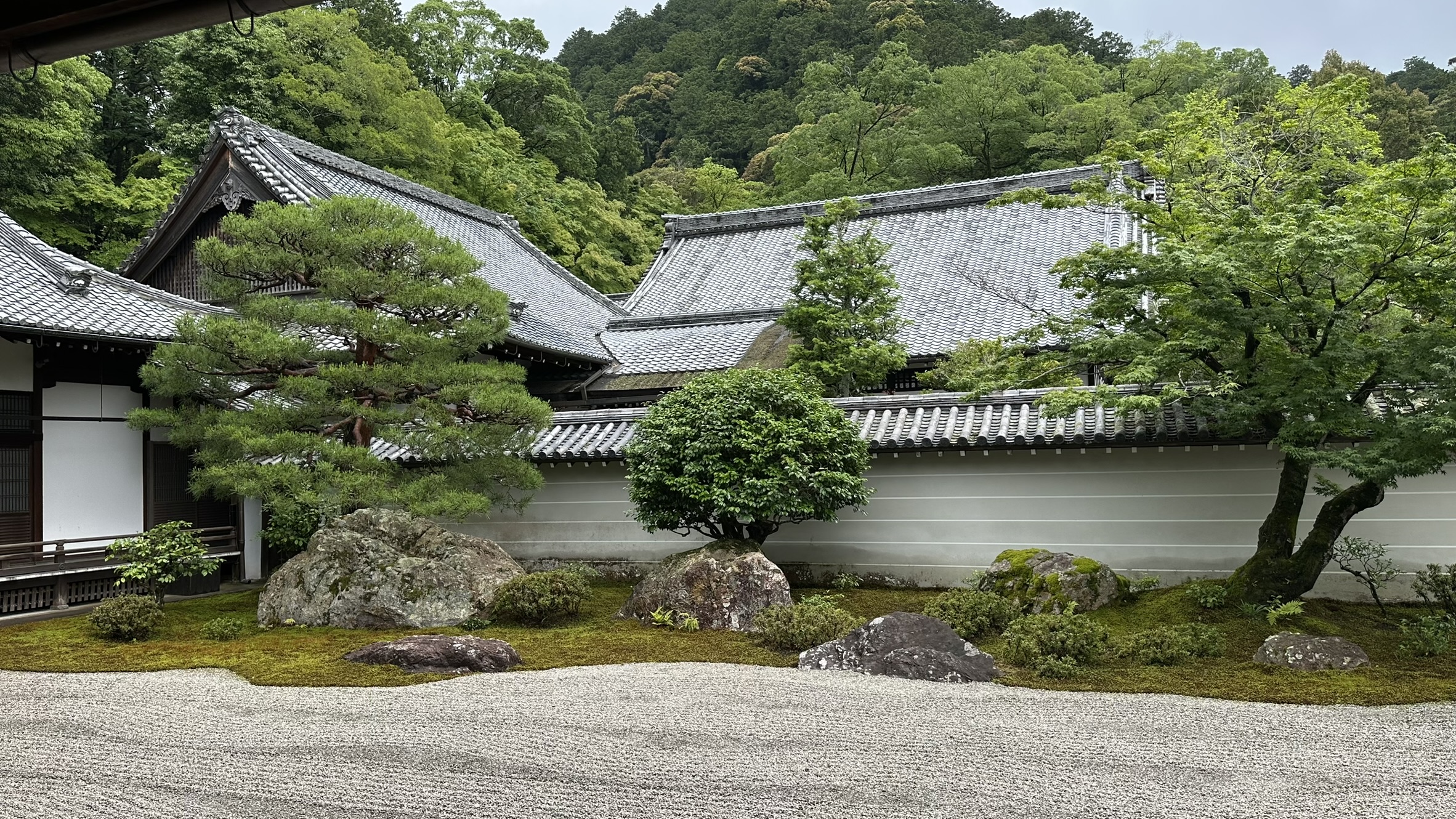
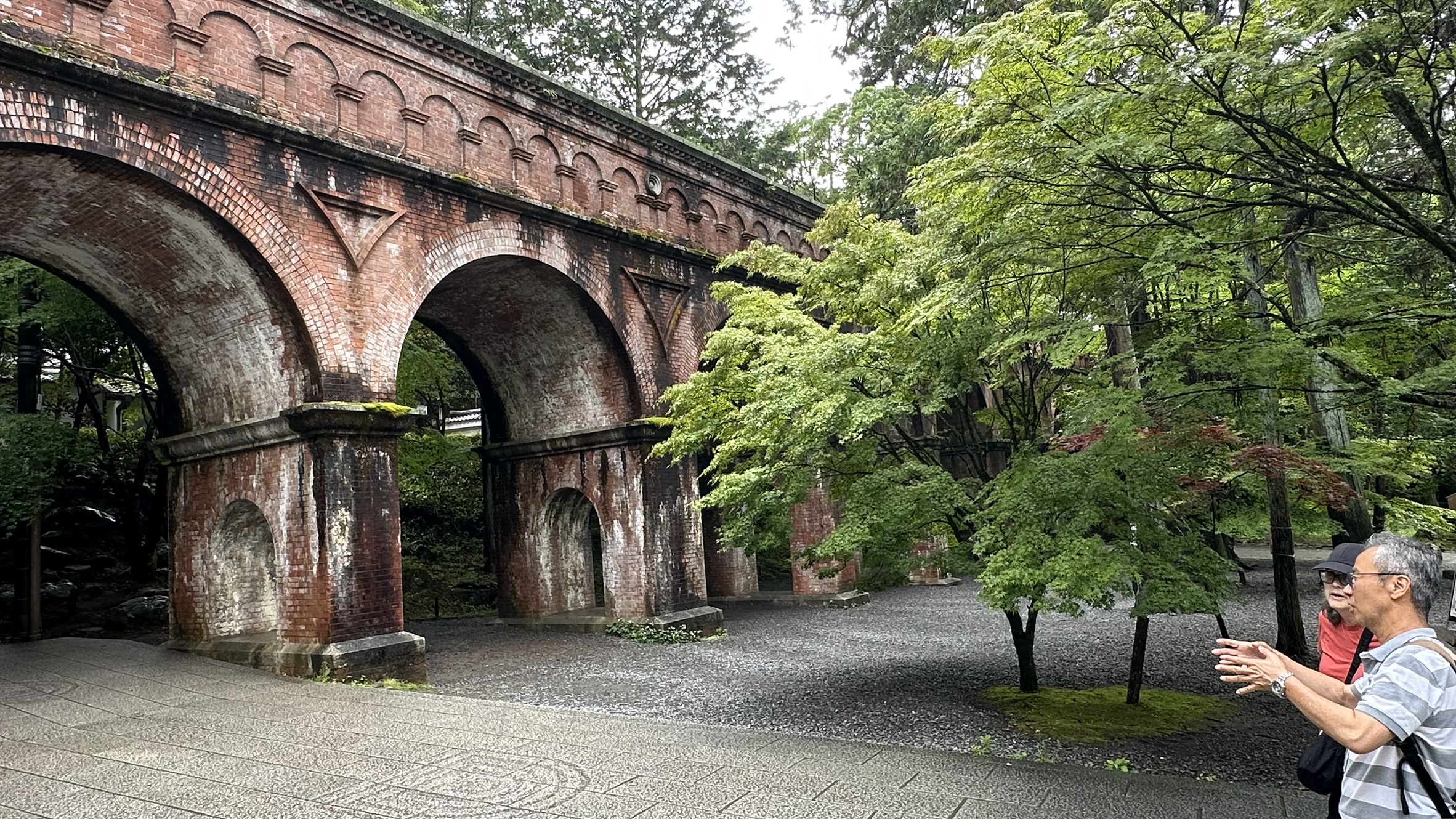
- Can’t miss: Sanjusangendo Temple, founded in 1164 and housing 1,000 life size Buddha statues inside Japan’s longest wooden building, is one of the very coolest sites we visited. Just amazing! Sadly, no pictures allowed, but you can find some online.
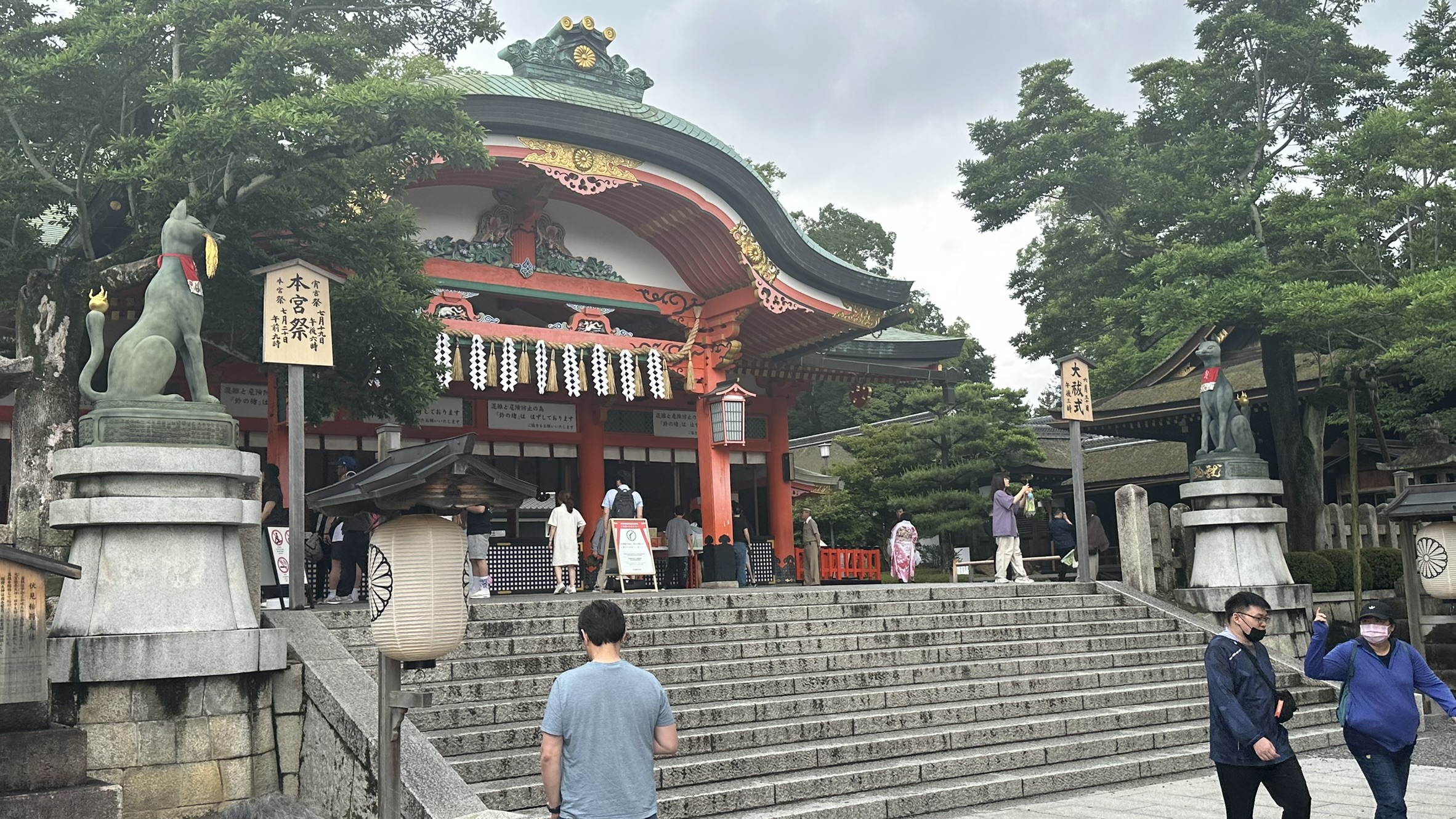
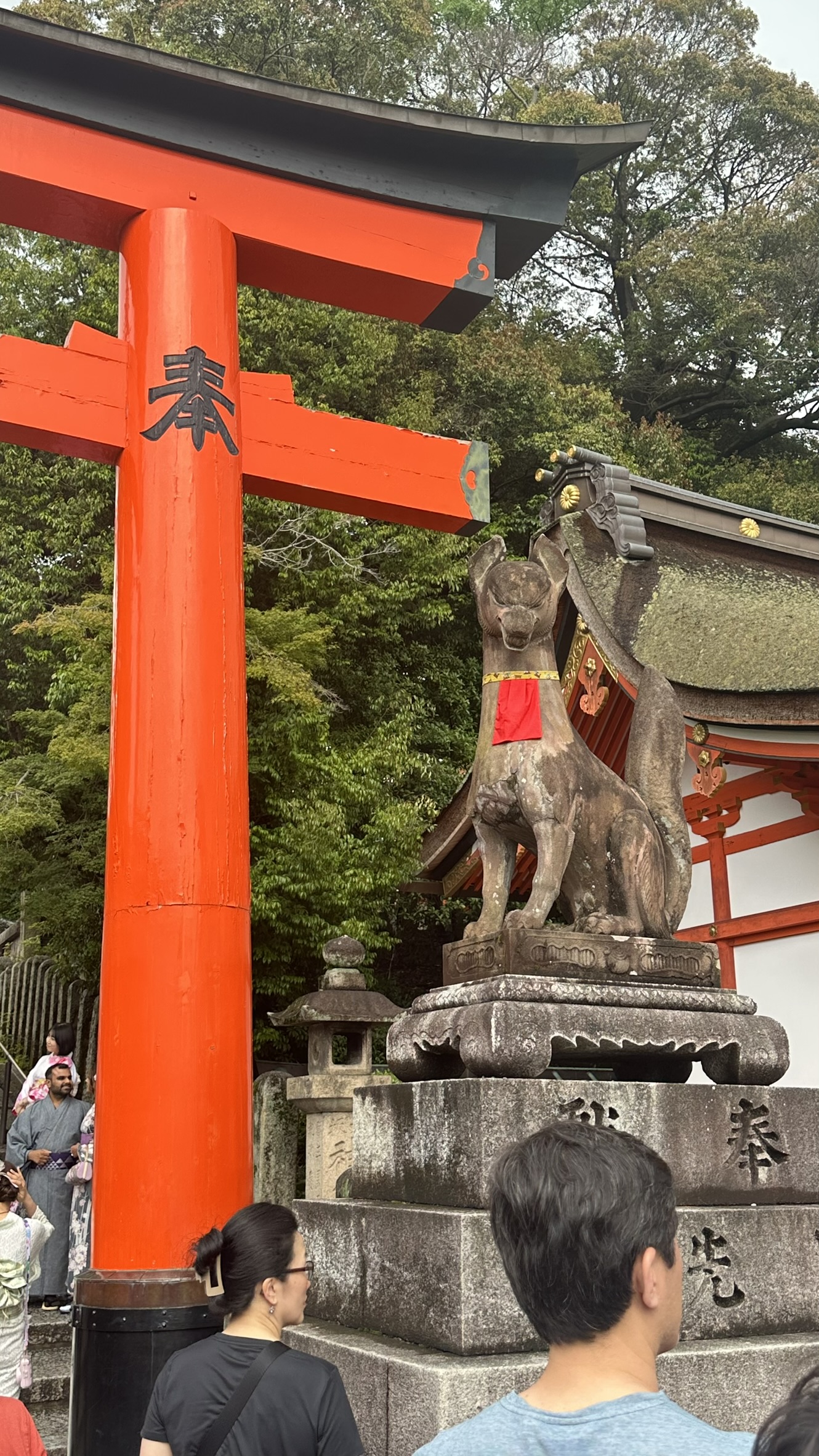
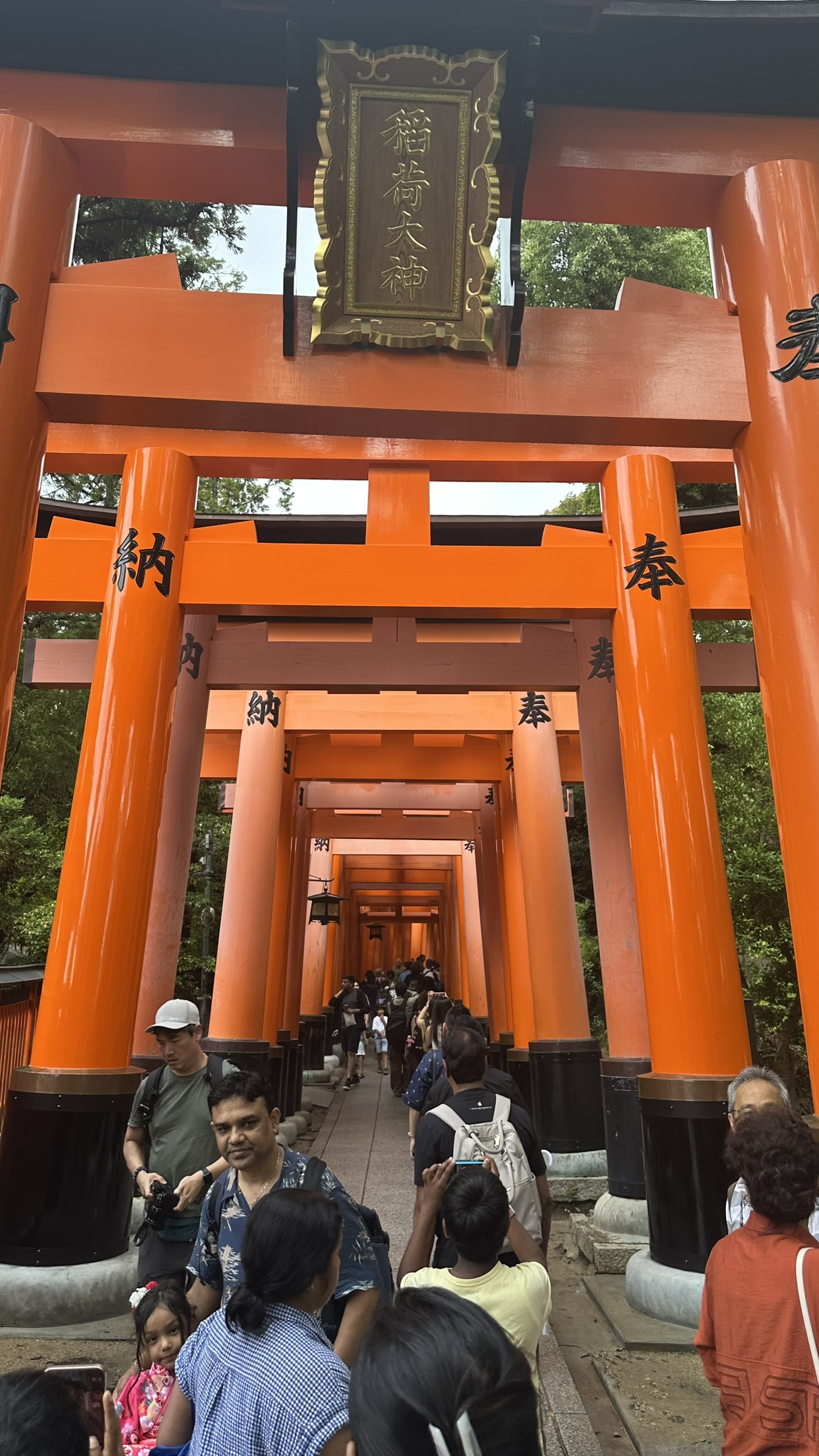
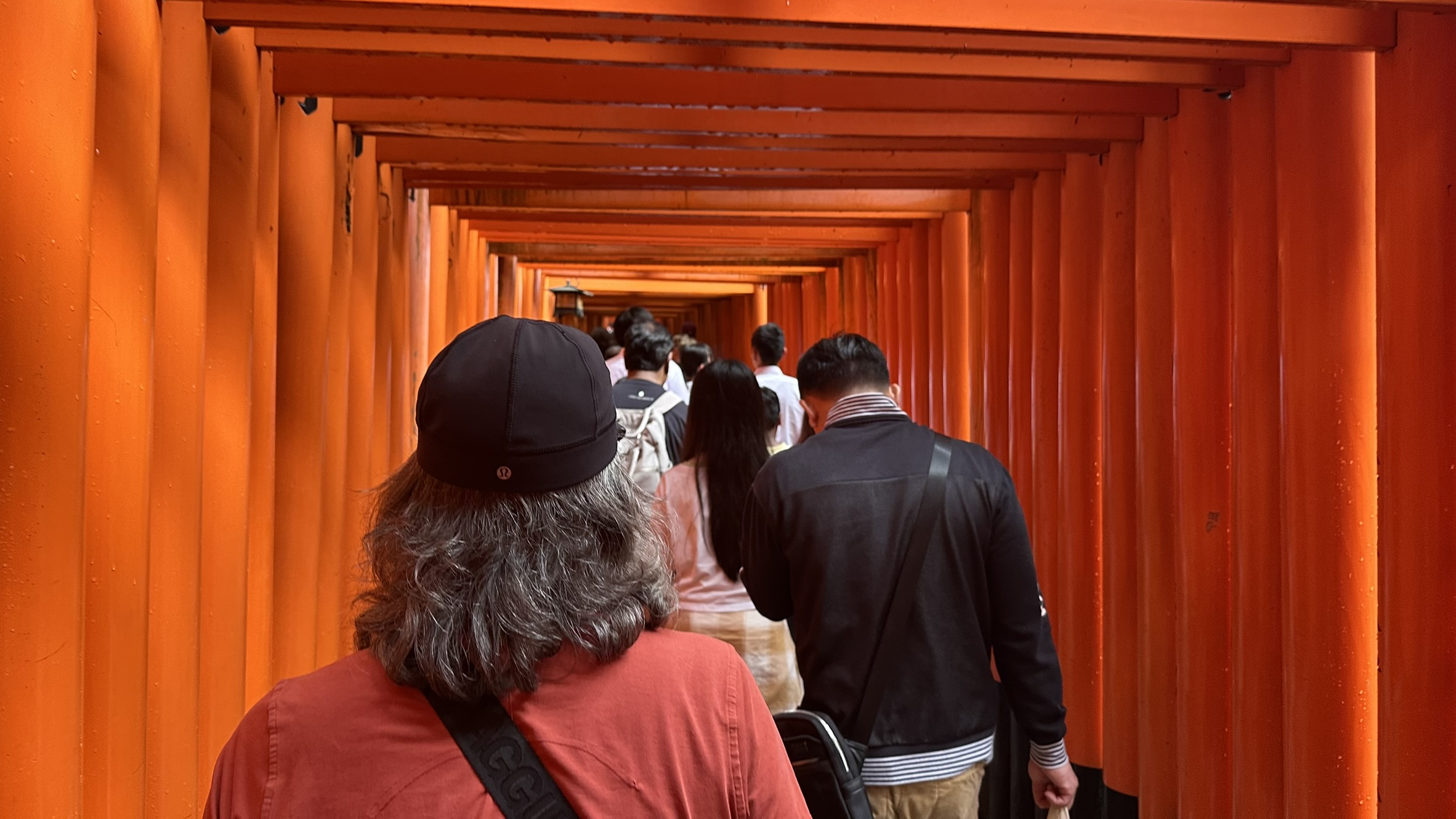
- Can’t miss: Fushimi Inari is one of the most famous and popular shrine complexes in Japan. Thousands of vermilion Torii gates lead up the side of Mount Inari. The shrine’s origins pre-date the capital moving from Nara to Kyoto in 794. Huge crowds are inescapable except late at night. Best to go then or early morning.
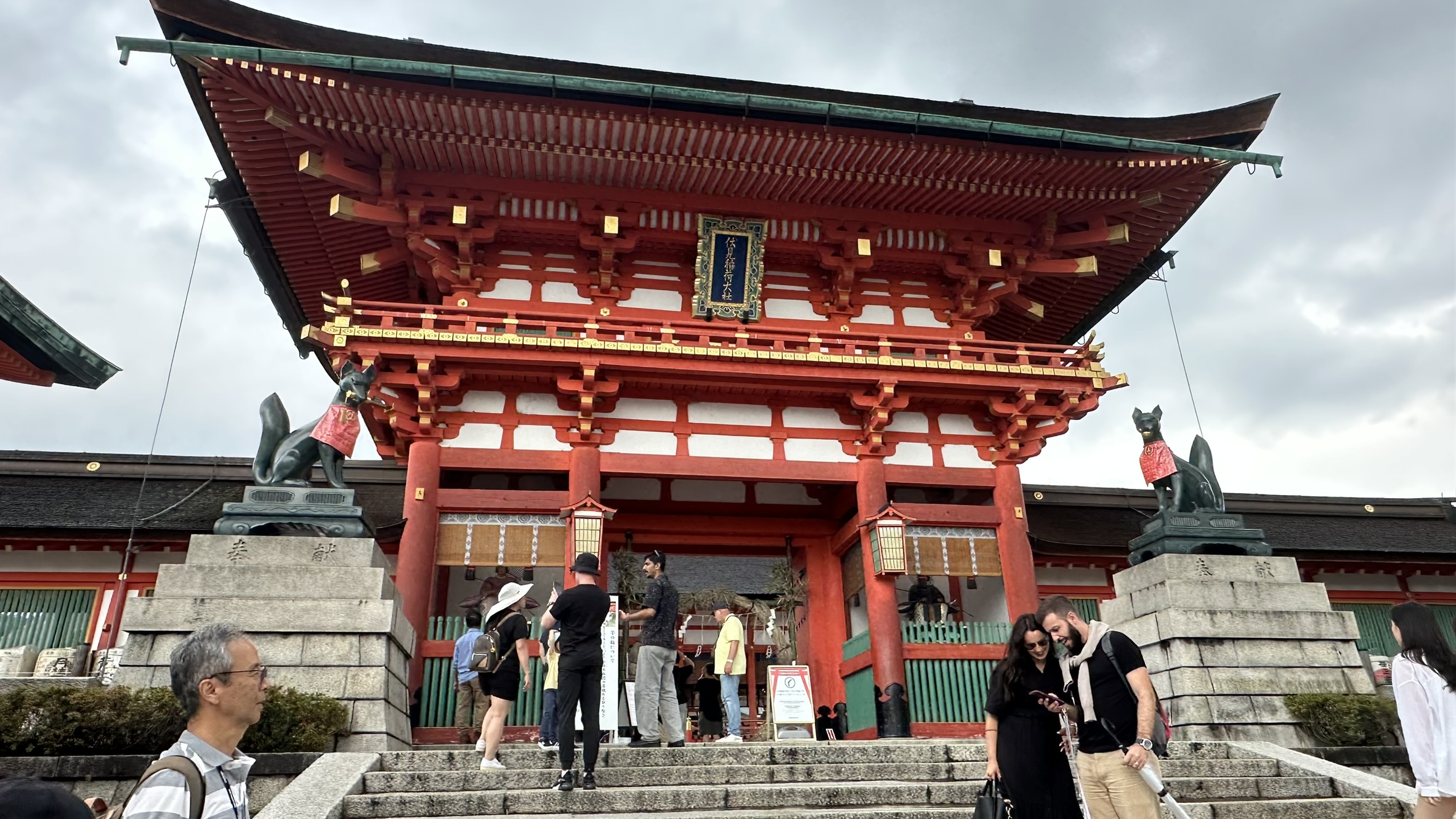

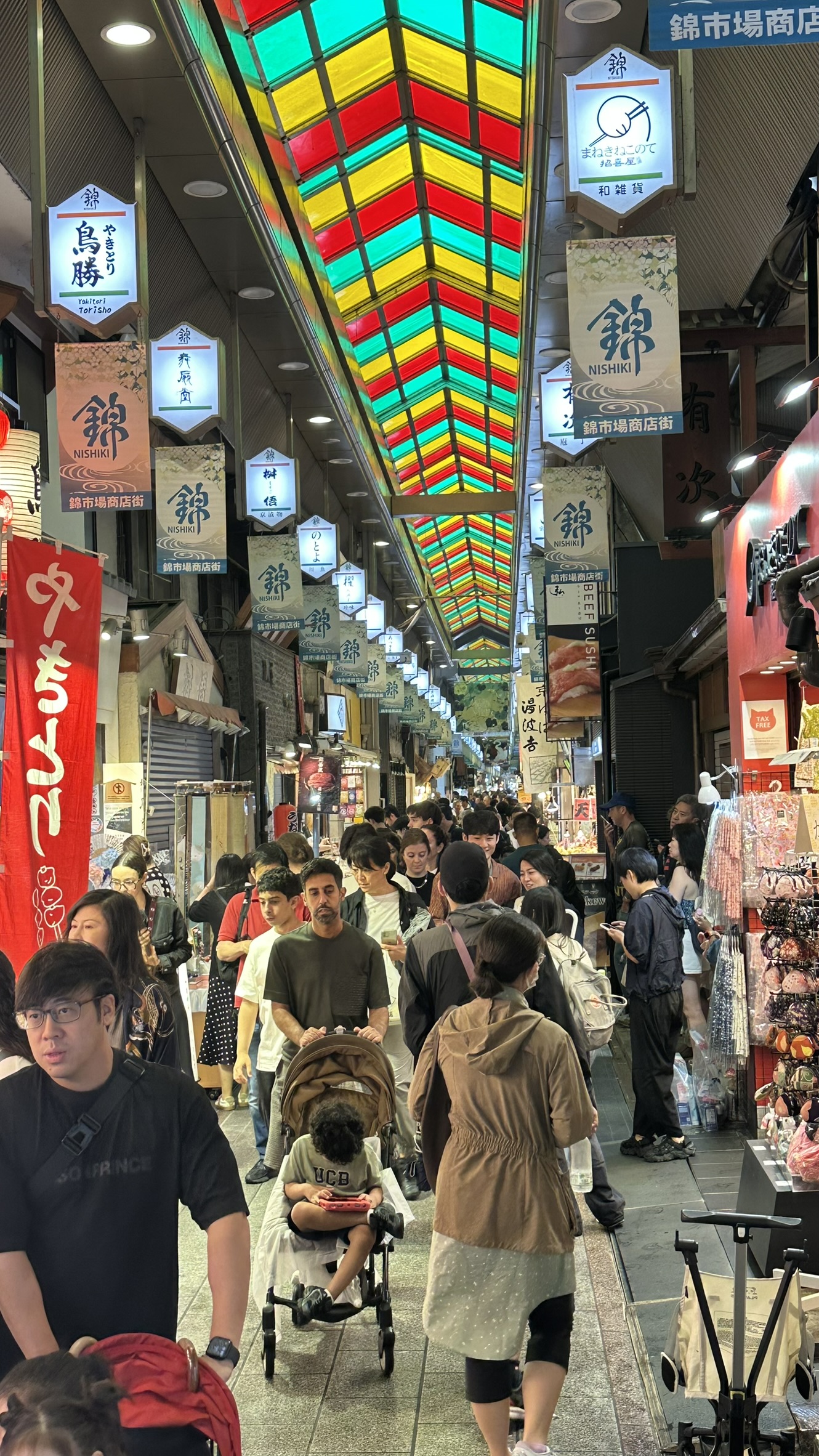
- Nishiki Market, a centuries old, mile long indoor shopping mall, is a big tourist attraction but doesn’t make my list of recommendations unless you’re really into that kind of thing. Packed with people. “Kyoto’s Kitchen” to some, to me this is simply marketing hype. Sure, it’s got history but you can a better version of virtually anything there elsewhere. Even our tour guide warned us not to eat there, much better options a short distance away (see the awesome ramen joint we hit instead, below). If I only had a couple days in Kyoto, I’d skip it.

- Day 3 was another full day guided tour (diminishing marginal returns with each one after a while, imo). We focused on sites on the far western end of Tokyo and our guide, Noriko, did a fine job optimizing our schedule and showing us a couple surprises. What we saw this day:
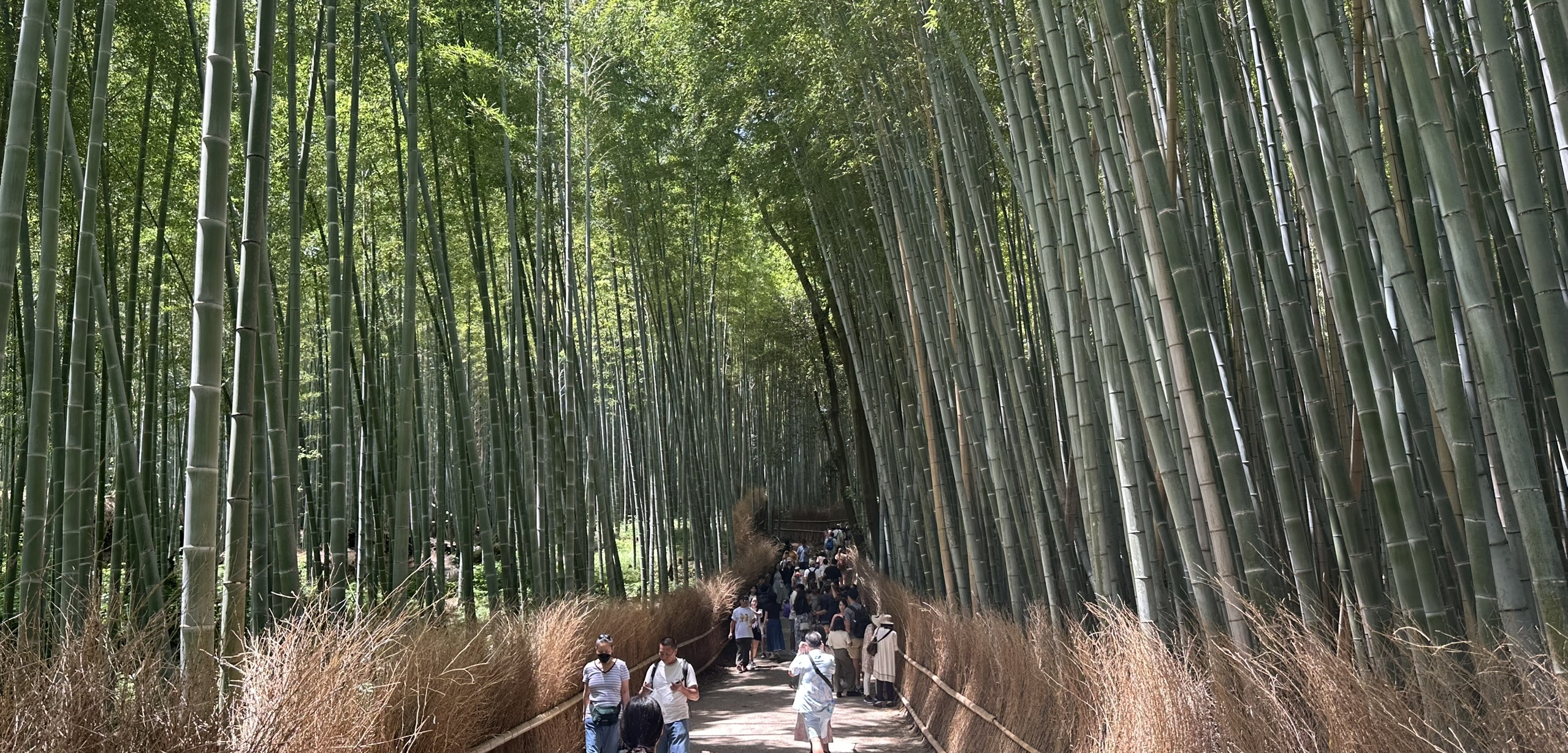
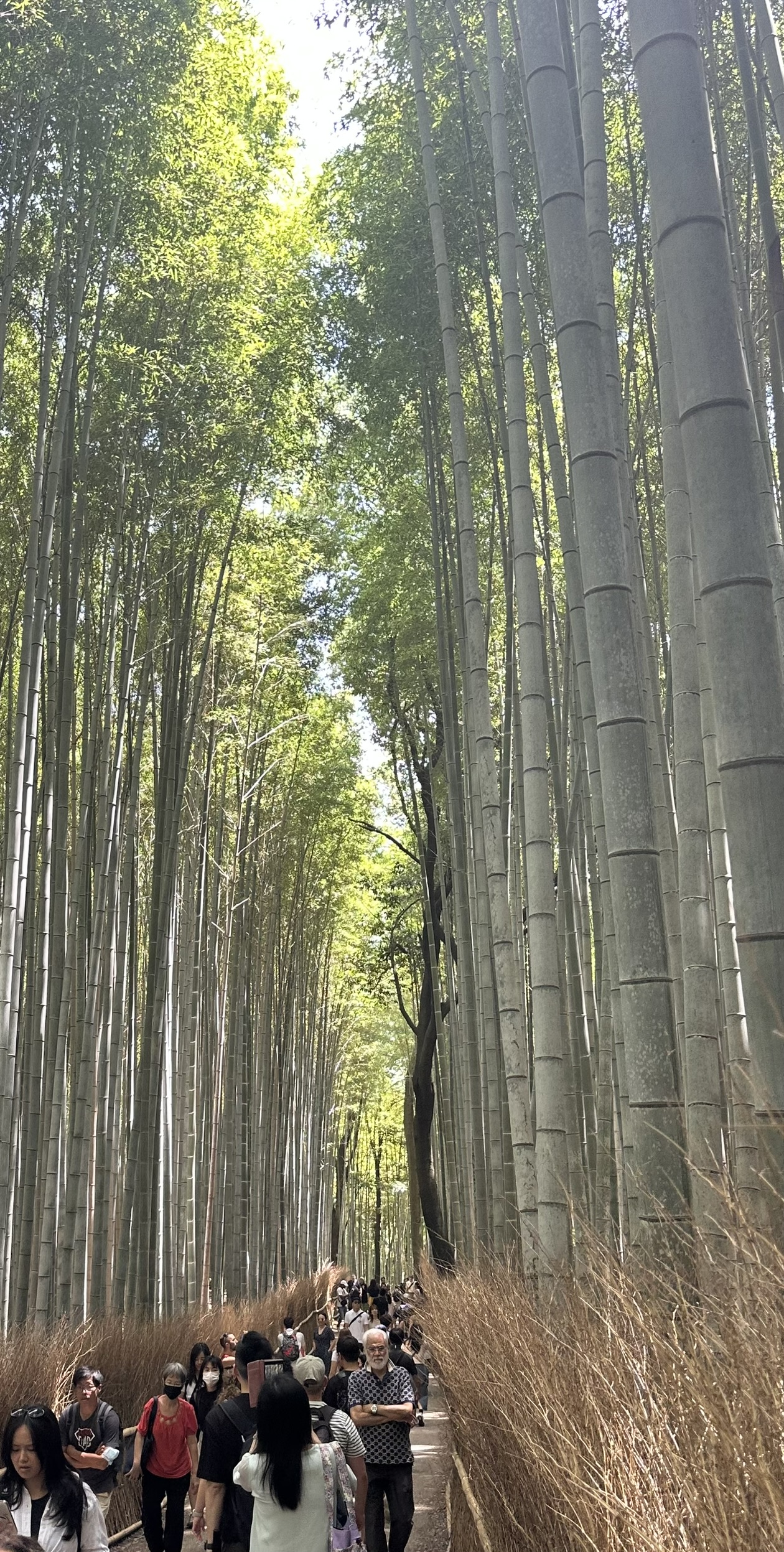
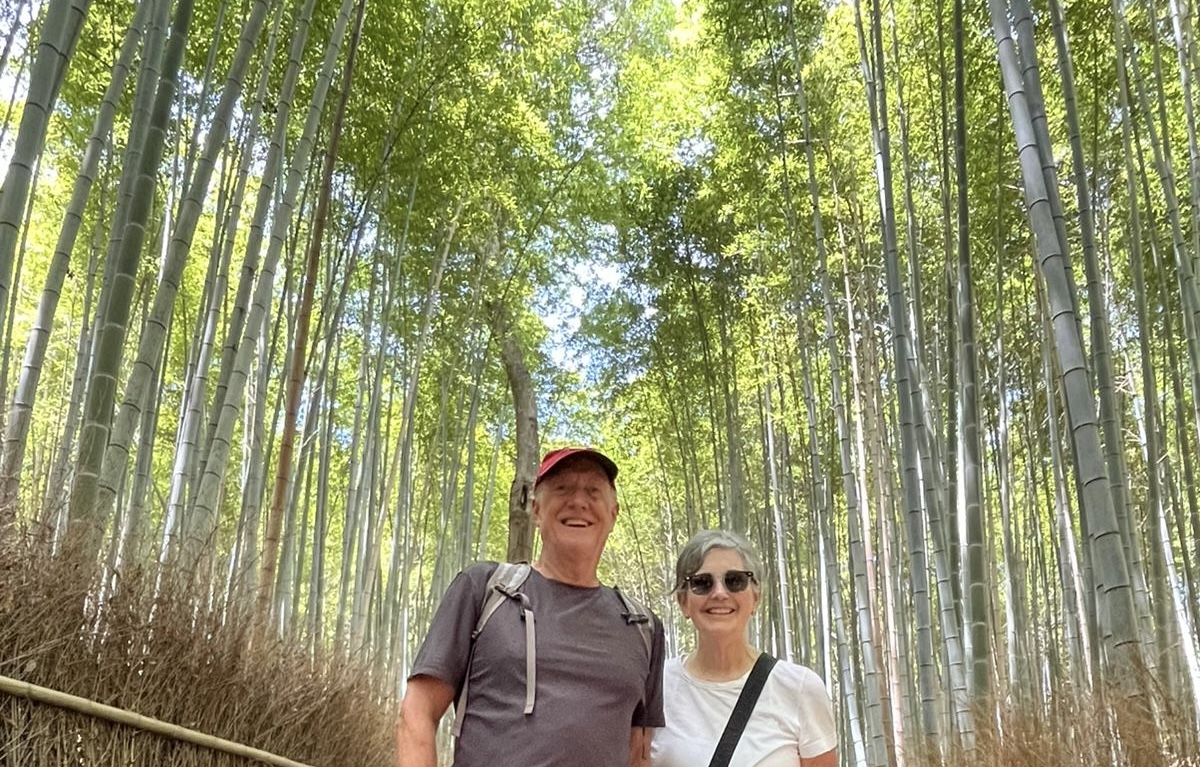
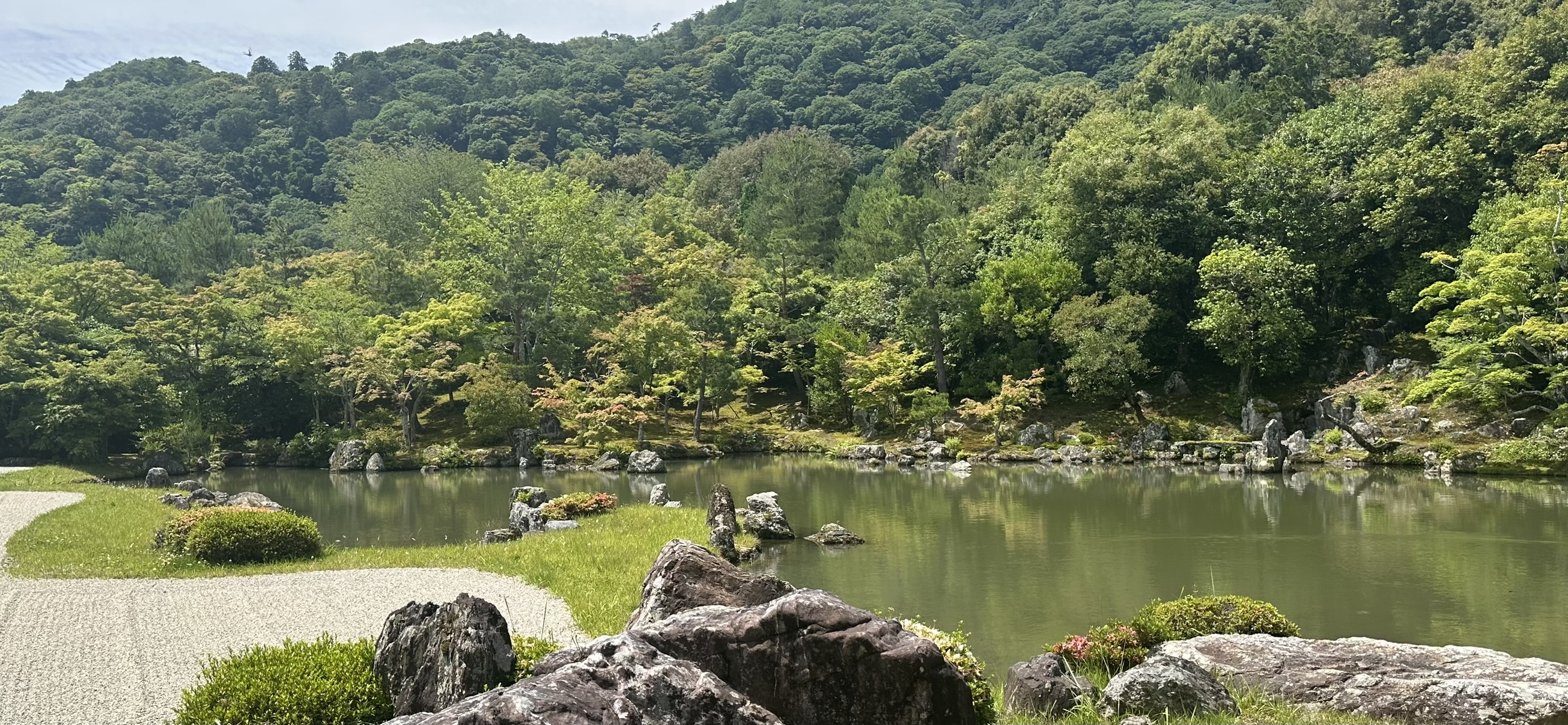
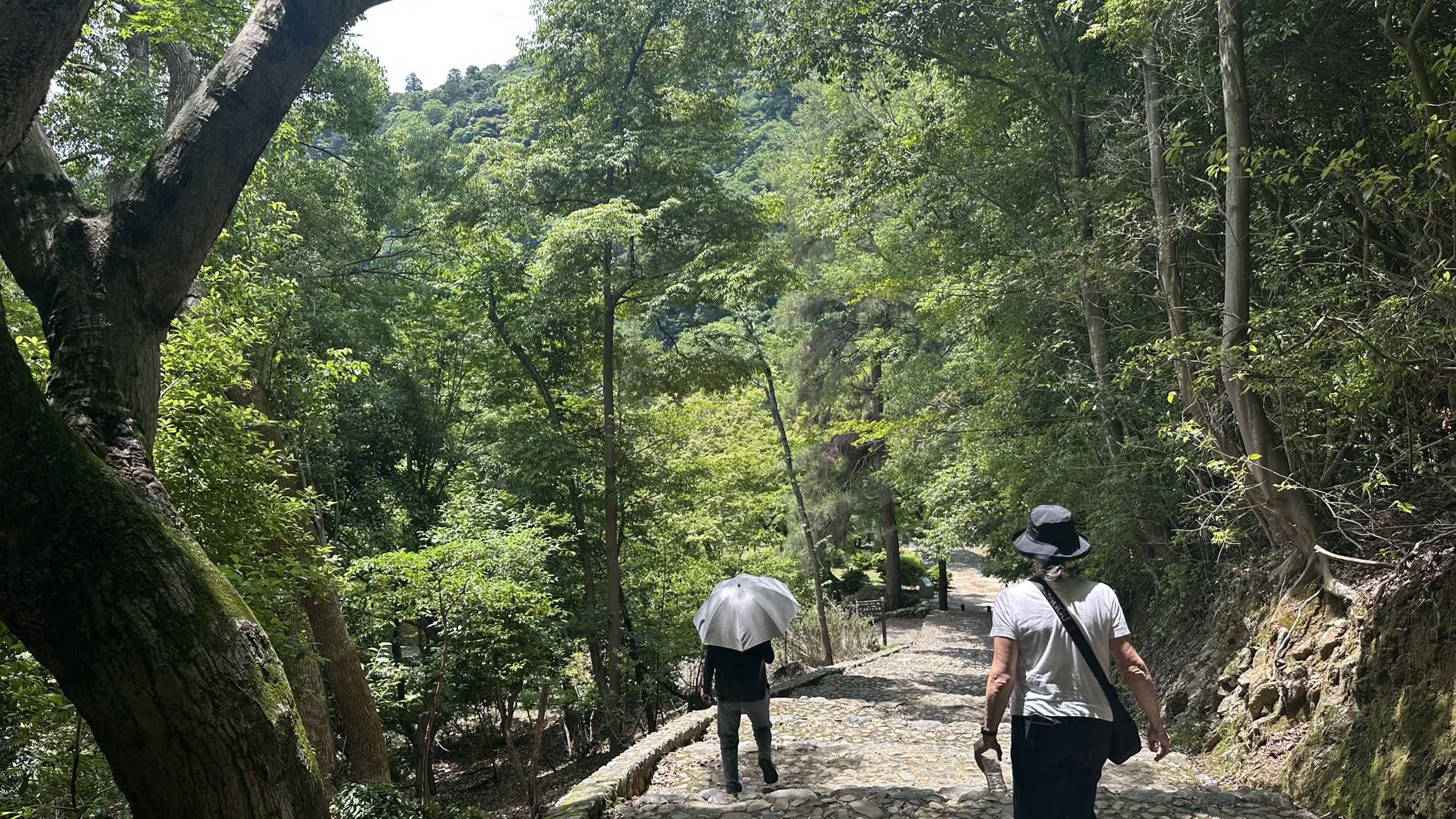
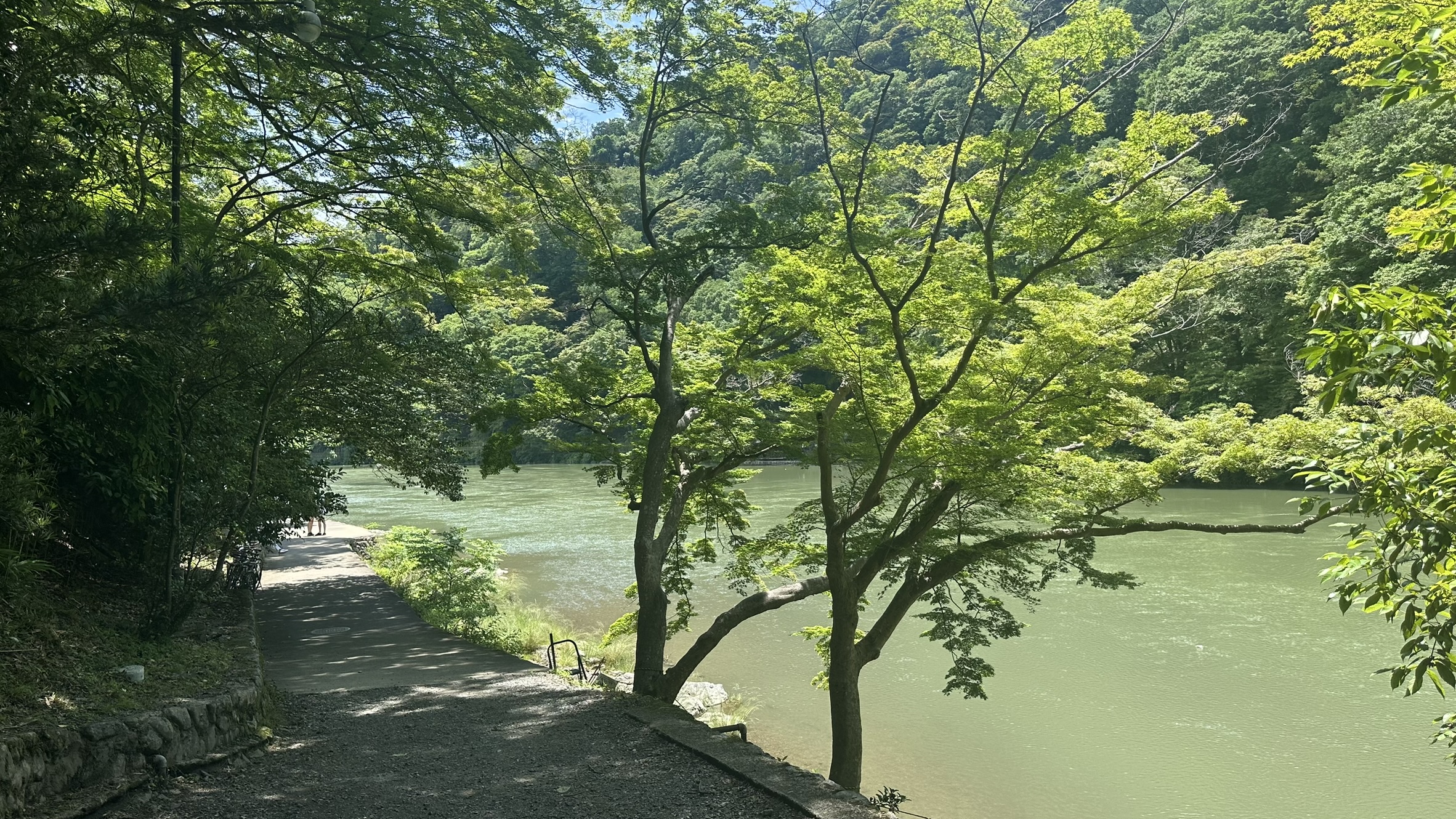
- The Arashiyama district on the west side of Kyoto is famous for two things: its huge, UNESCO-listed Sagano Bamboo Forest and Tenryu-ji Temple. The former gets a ton of foot traffic virtually all the time, and while the trees were impressive, I’d just as soon visit any of the smaller bamboo forests without the crowds. It was a bit much. Tenryu is also a UNESCO World Heritage Site, and while the gardens at the foot of the mountains were very nice (tickets to tour inside the temple sold separately), I missed the magic — just another temple to me. That said, we did enjoy walking down along the Katsura River in the Rankyo Gorge, just a short distance away. This whole area is supposed to be stunning during cherry blossom and fall color seasons.
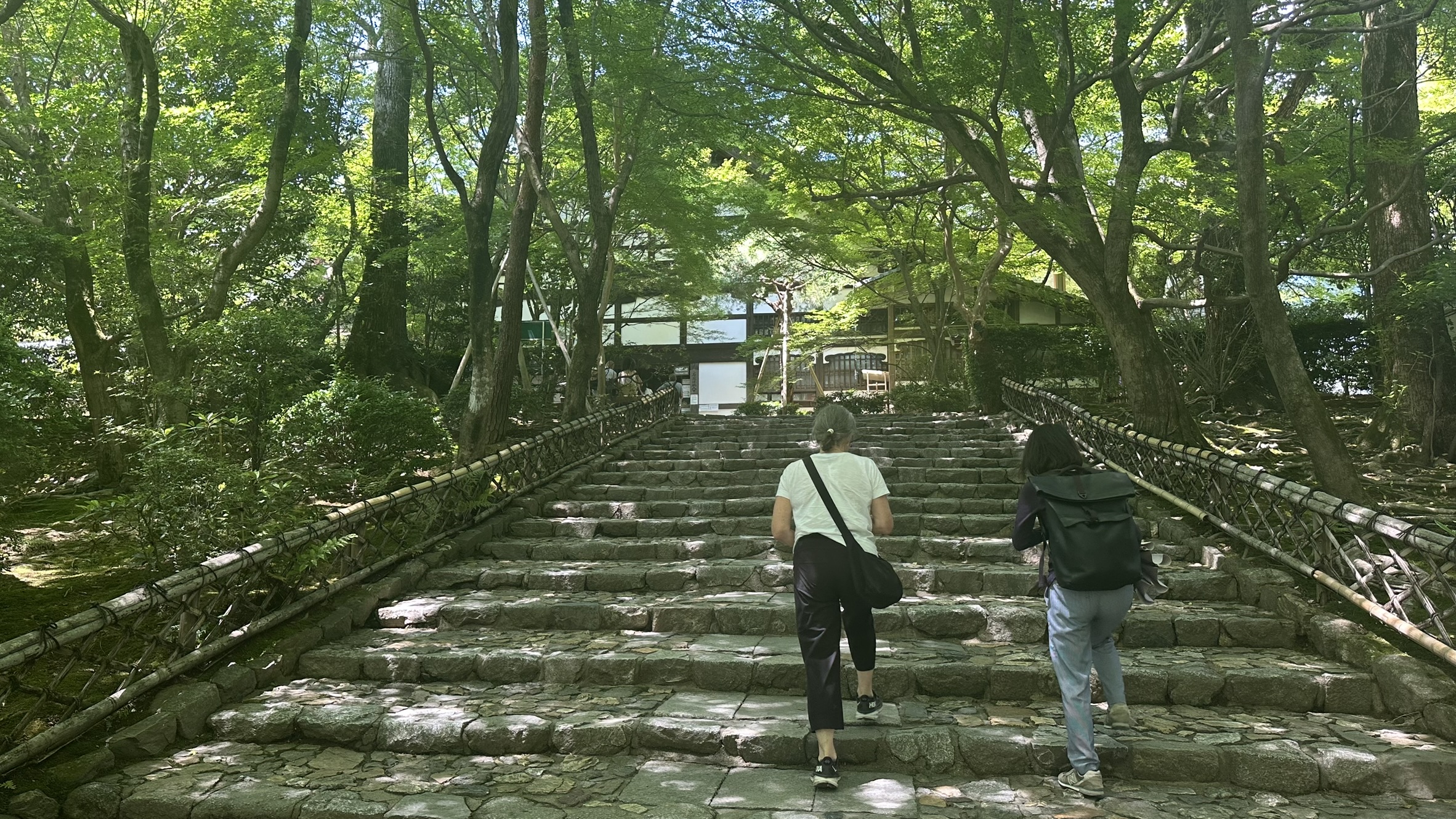
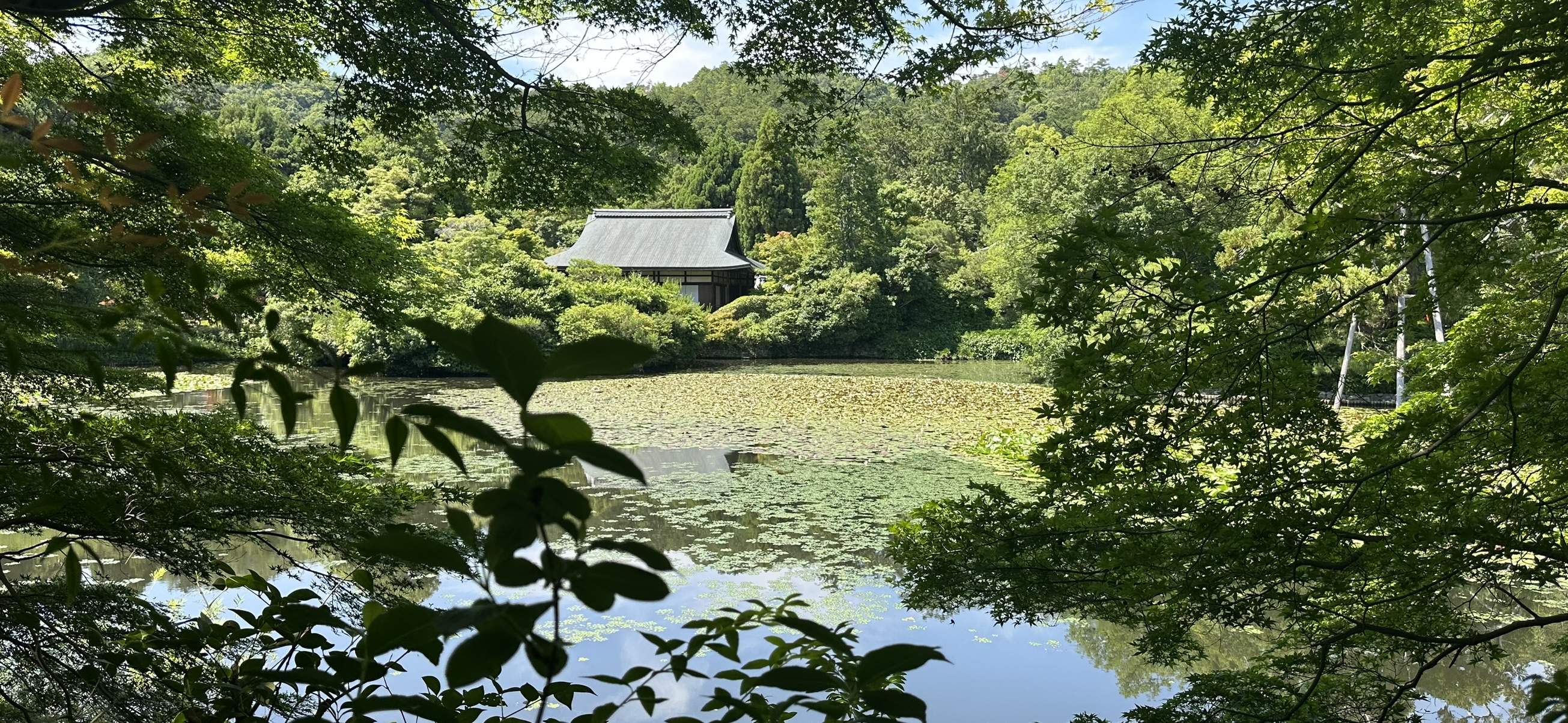
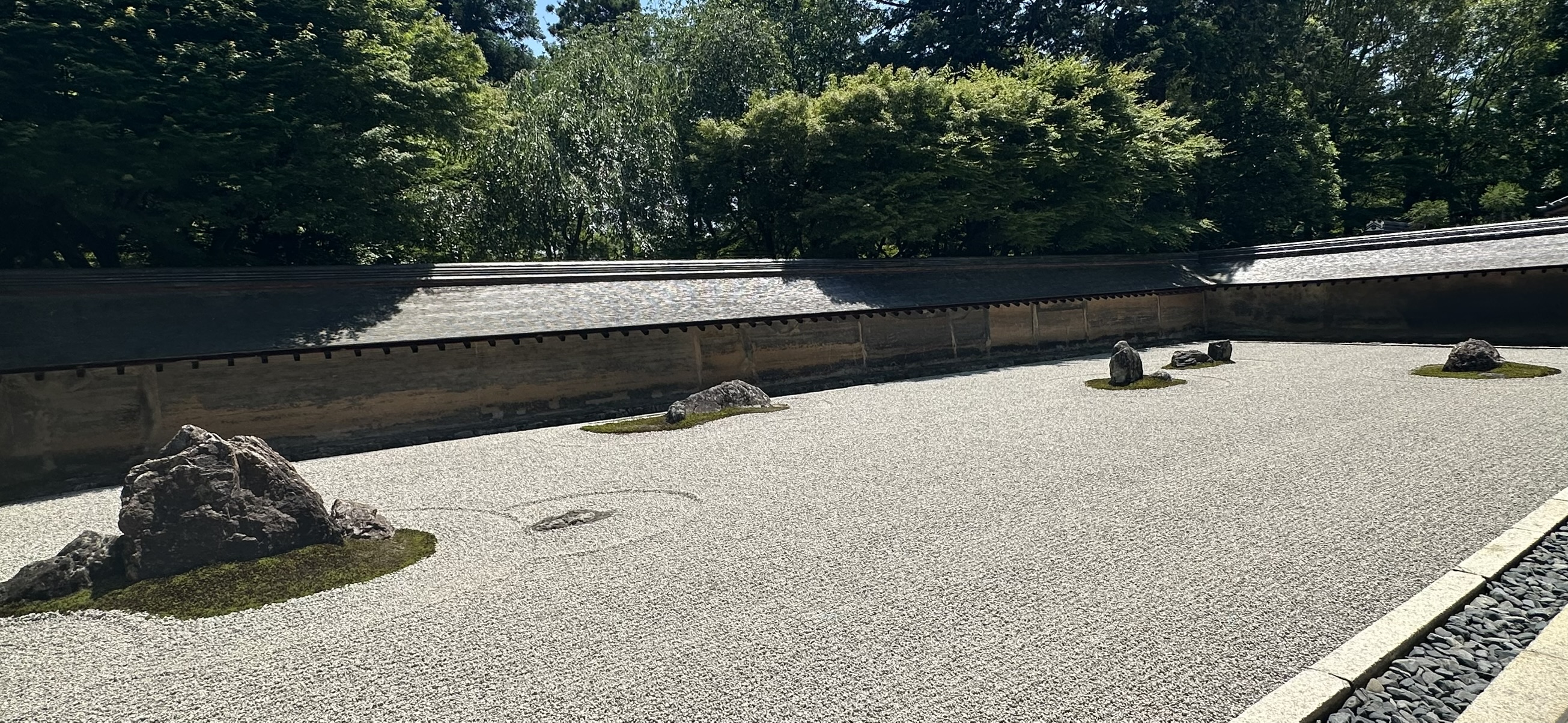
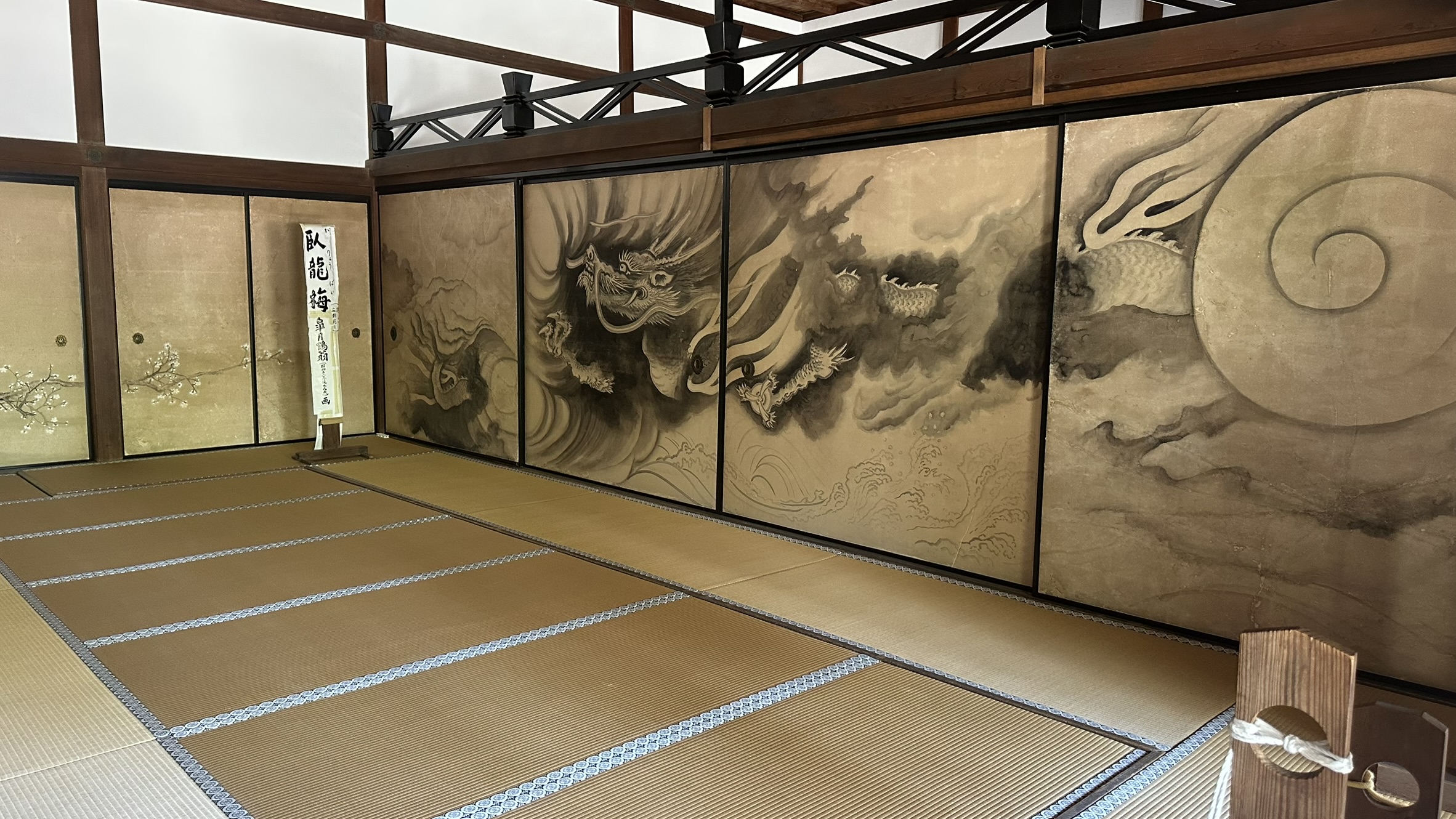
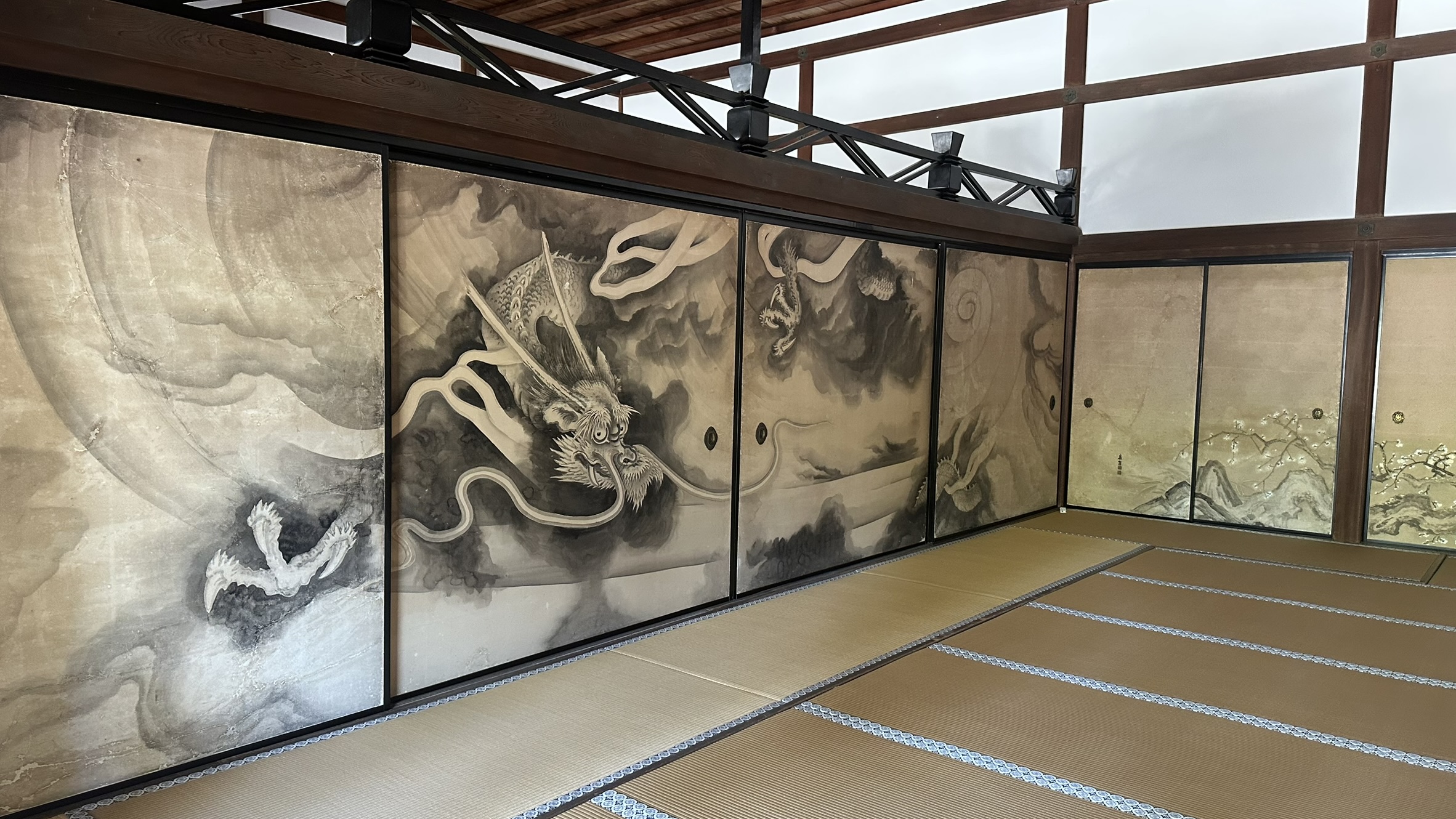
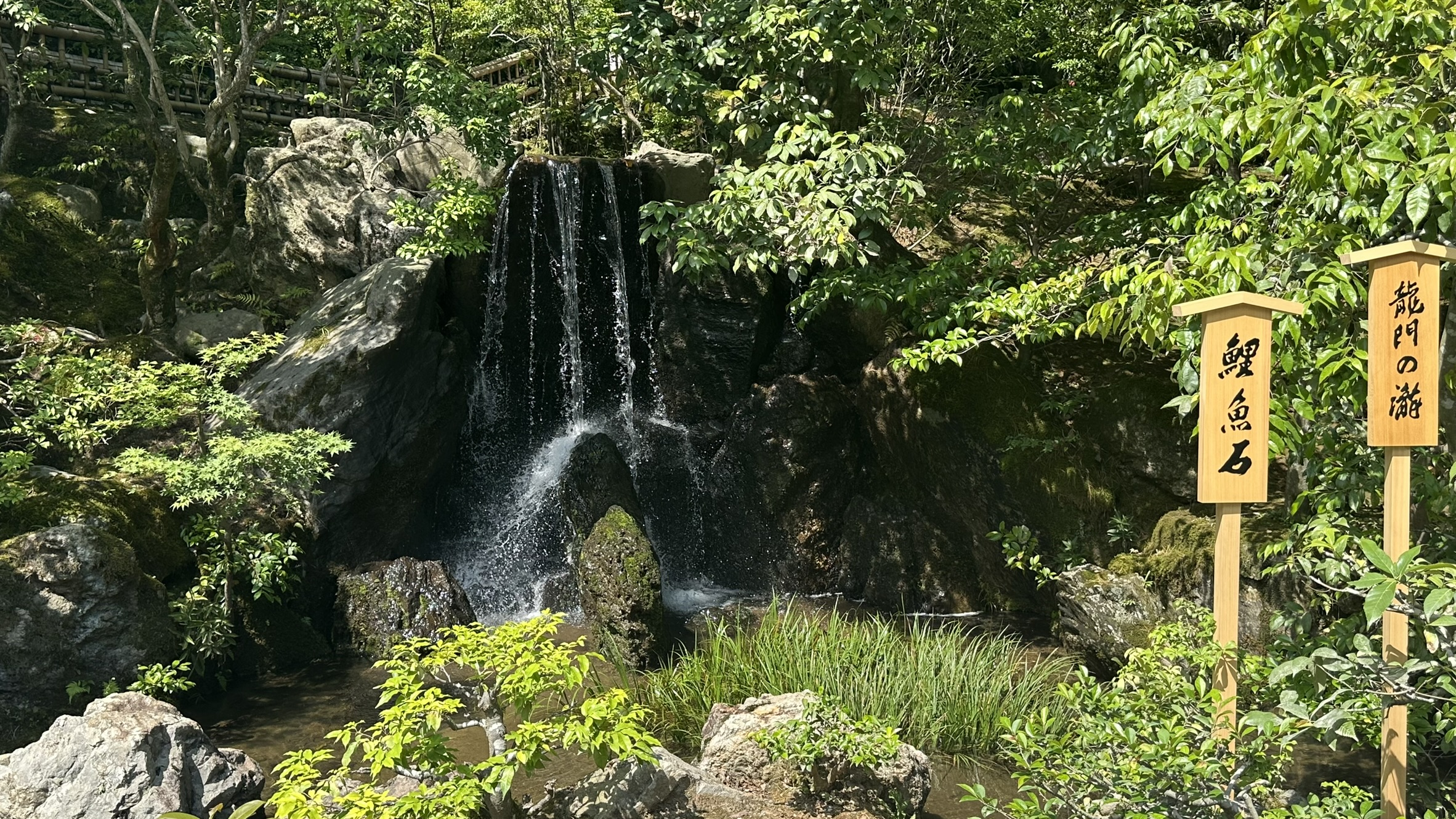
- A 10-minute taxi down the road is Ryoan-ji, a Buddhist temple that serves as a school for monks and features the most famous of all the zen rock gardens. 15 rock islands for the sea of gravel, though you can never see them all from any vantage point. A metaphor for life? Lots of people come just to sit and zone out there for 10 minutes, exactly as we did. Ryoan-ji also features extensive grounds surrounding a lake and, in the temple’s interior, huge wall screens painted with amazing dragon motif by an artist who was once shogun.
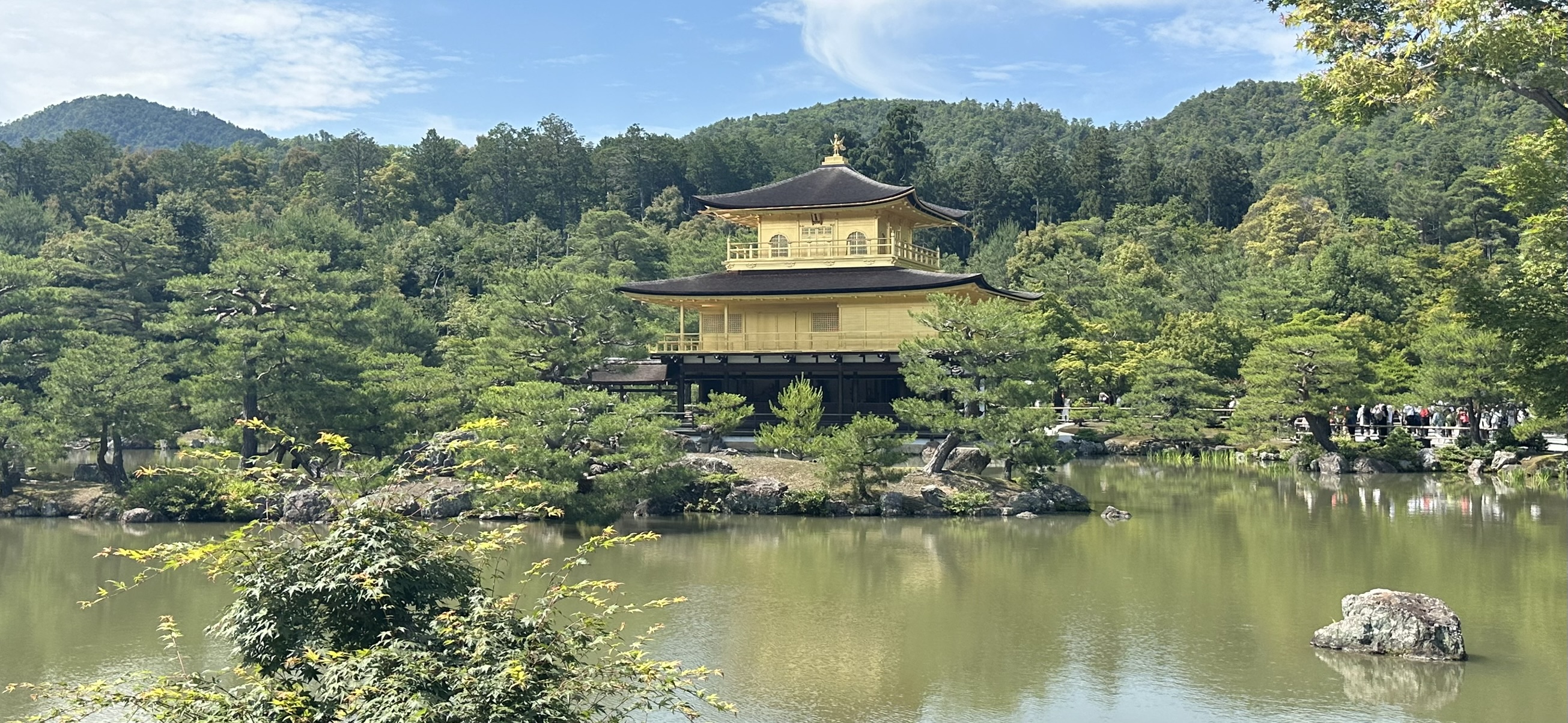
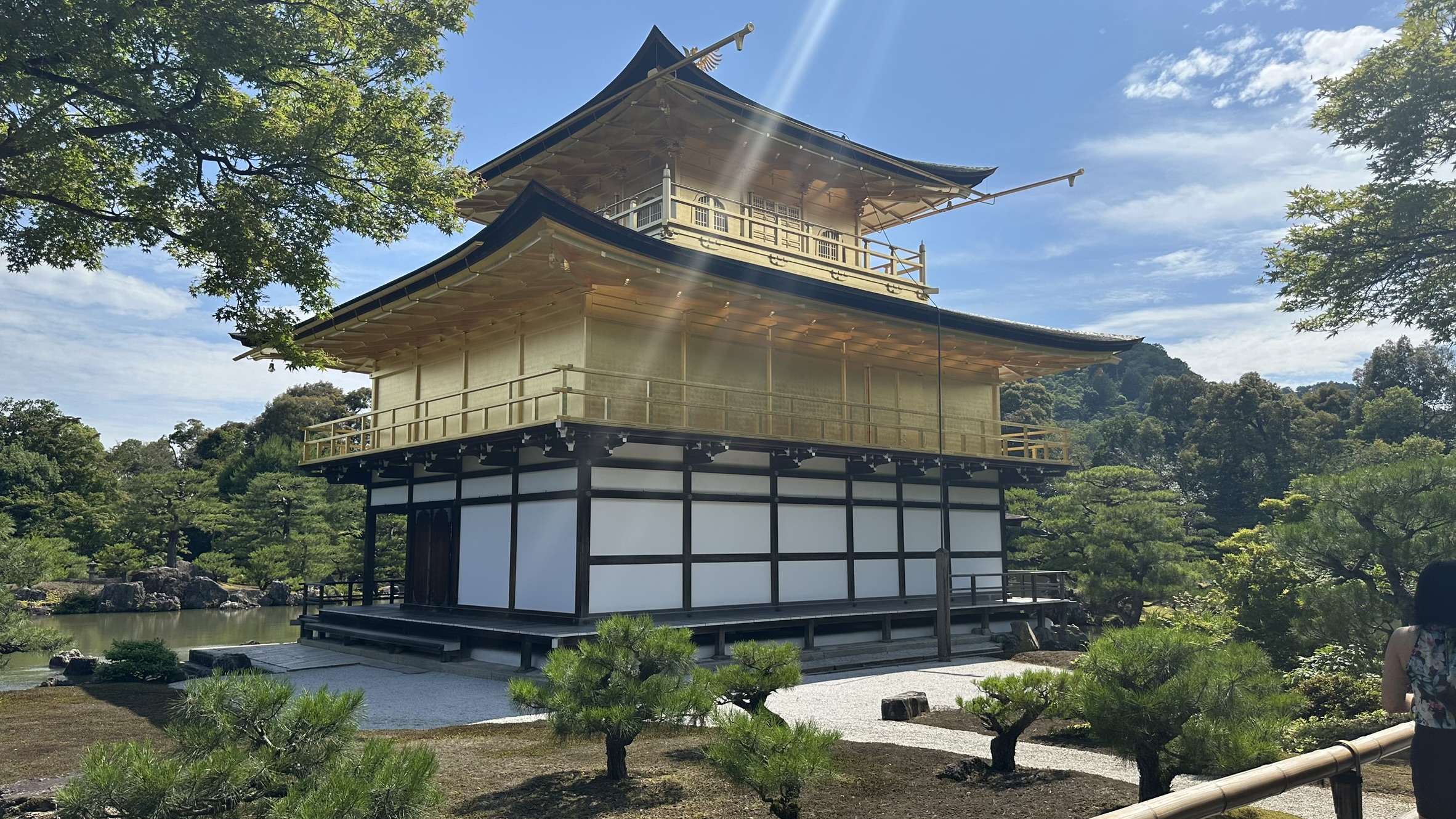
- Can’t miss: Kinkaku-ji, aka Golden Pavilion, was one of my favorites. The temple sits on edge of a small lake, surrounded by beautiful gardens, the entire top two stories covered in handmade gold leaf, offset by its black, pagoda-style roof. Truly stunning.
- Top recommendation for an early morning start:
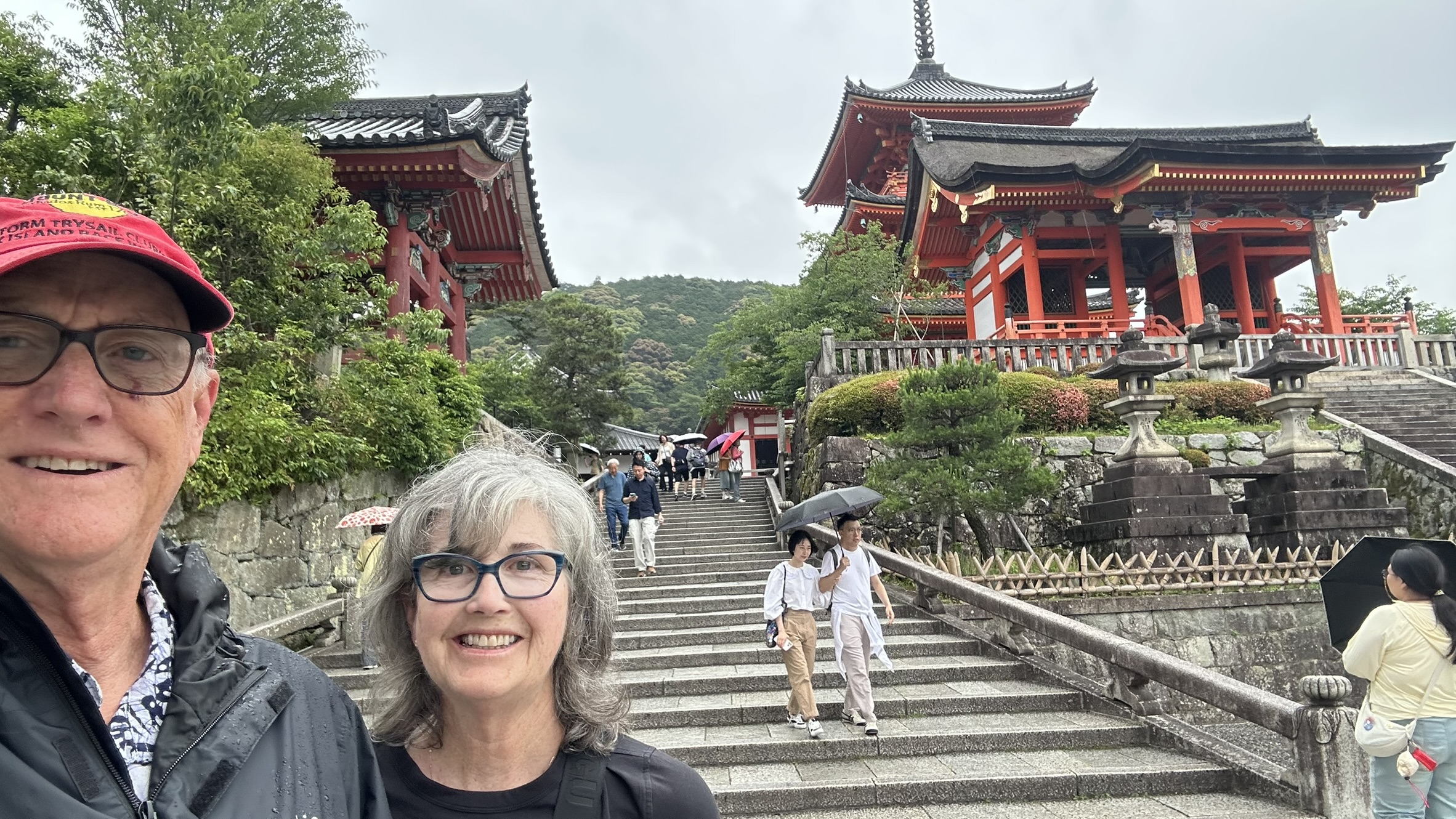
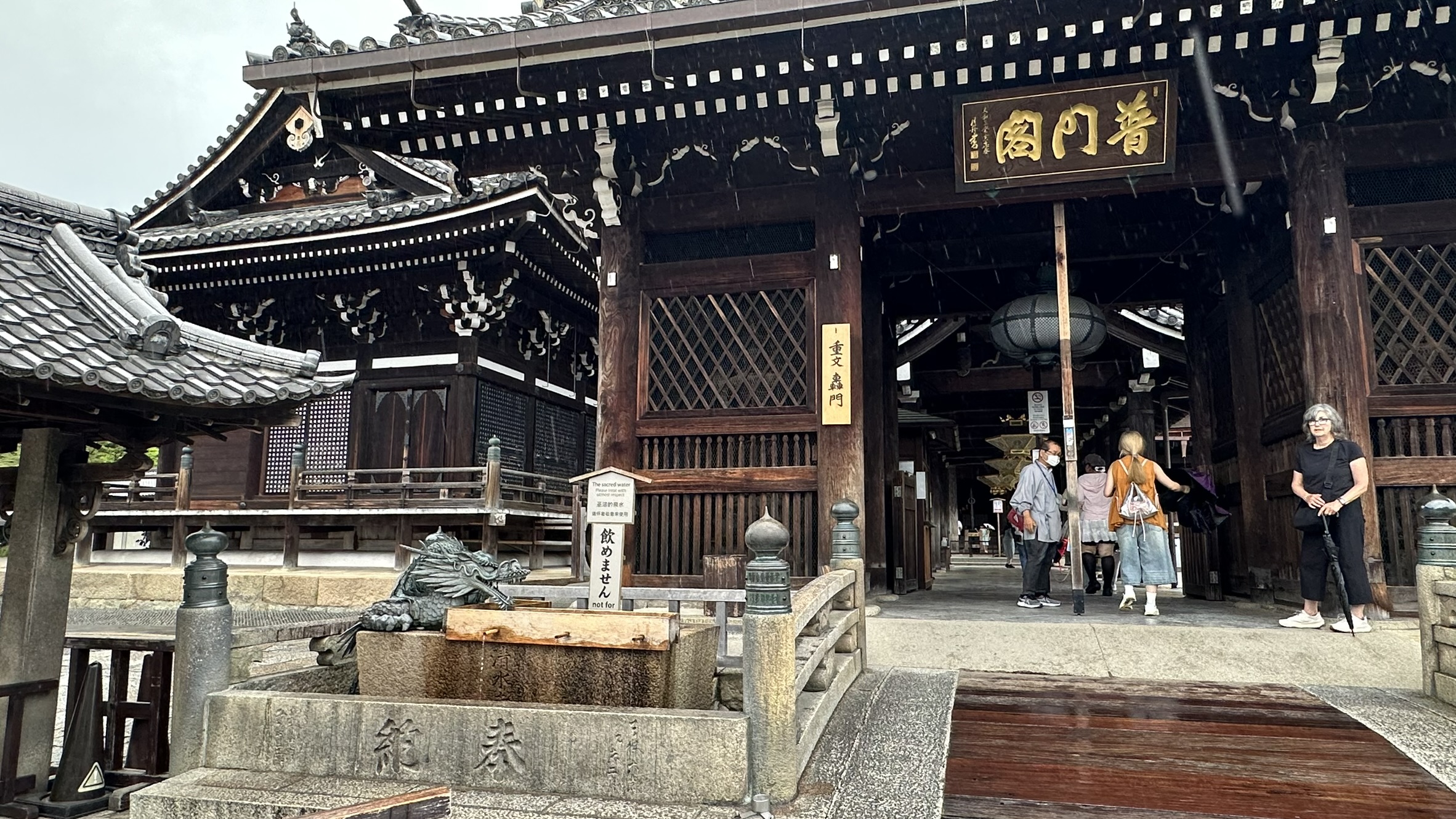
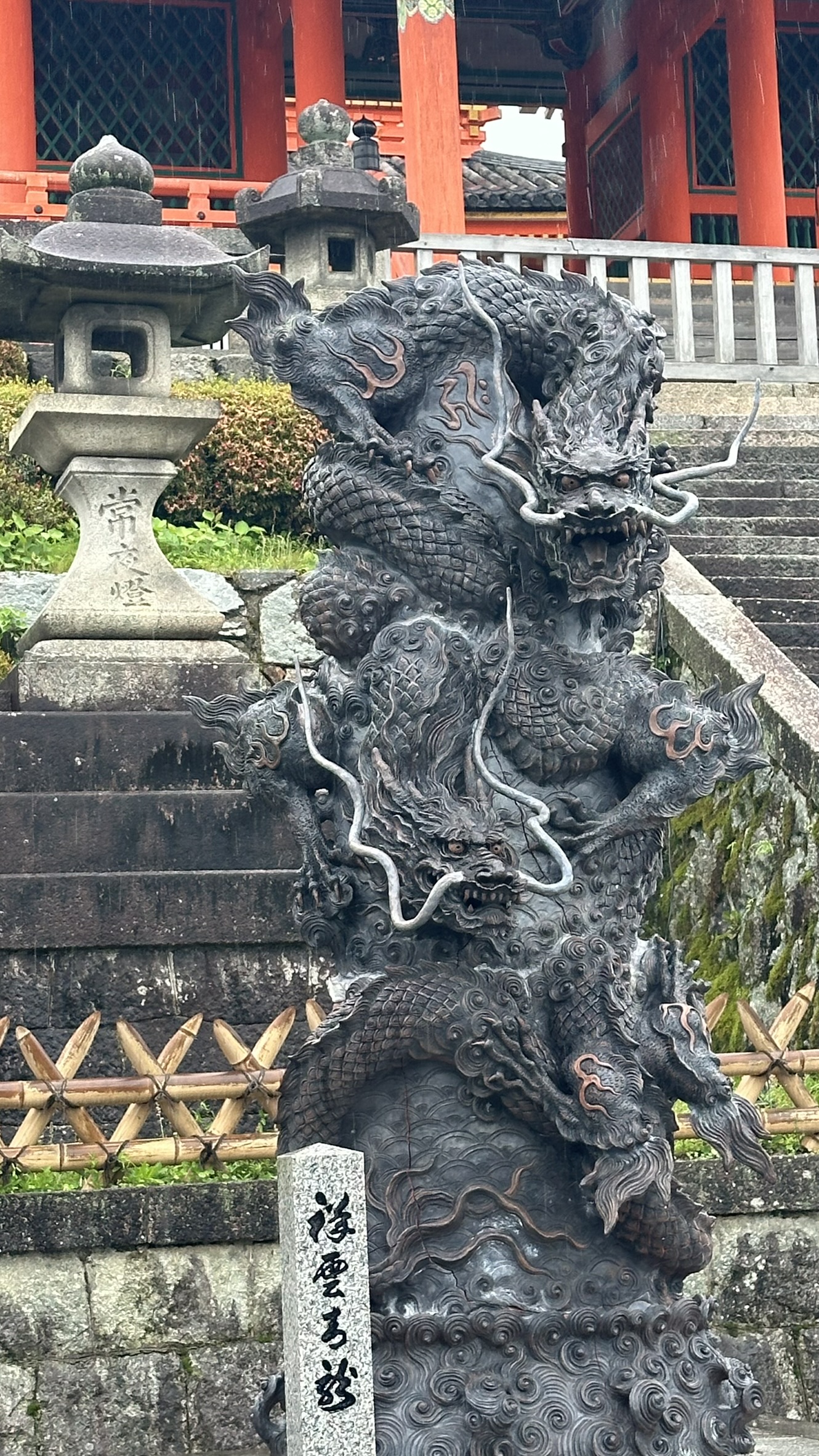
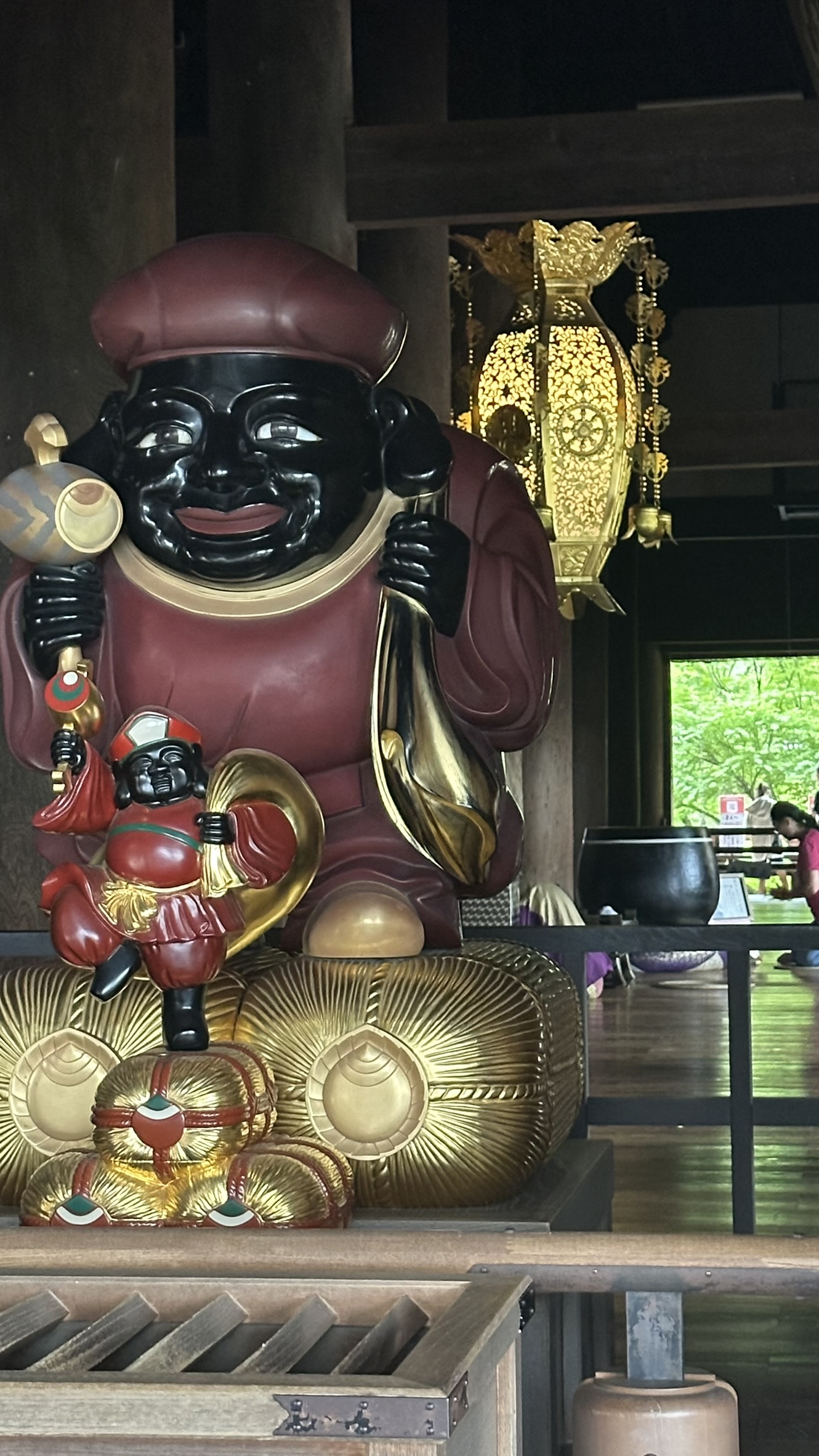
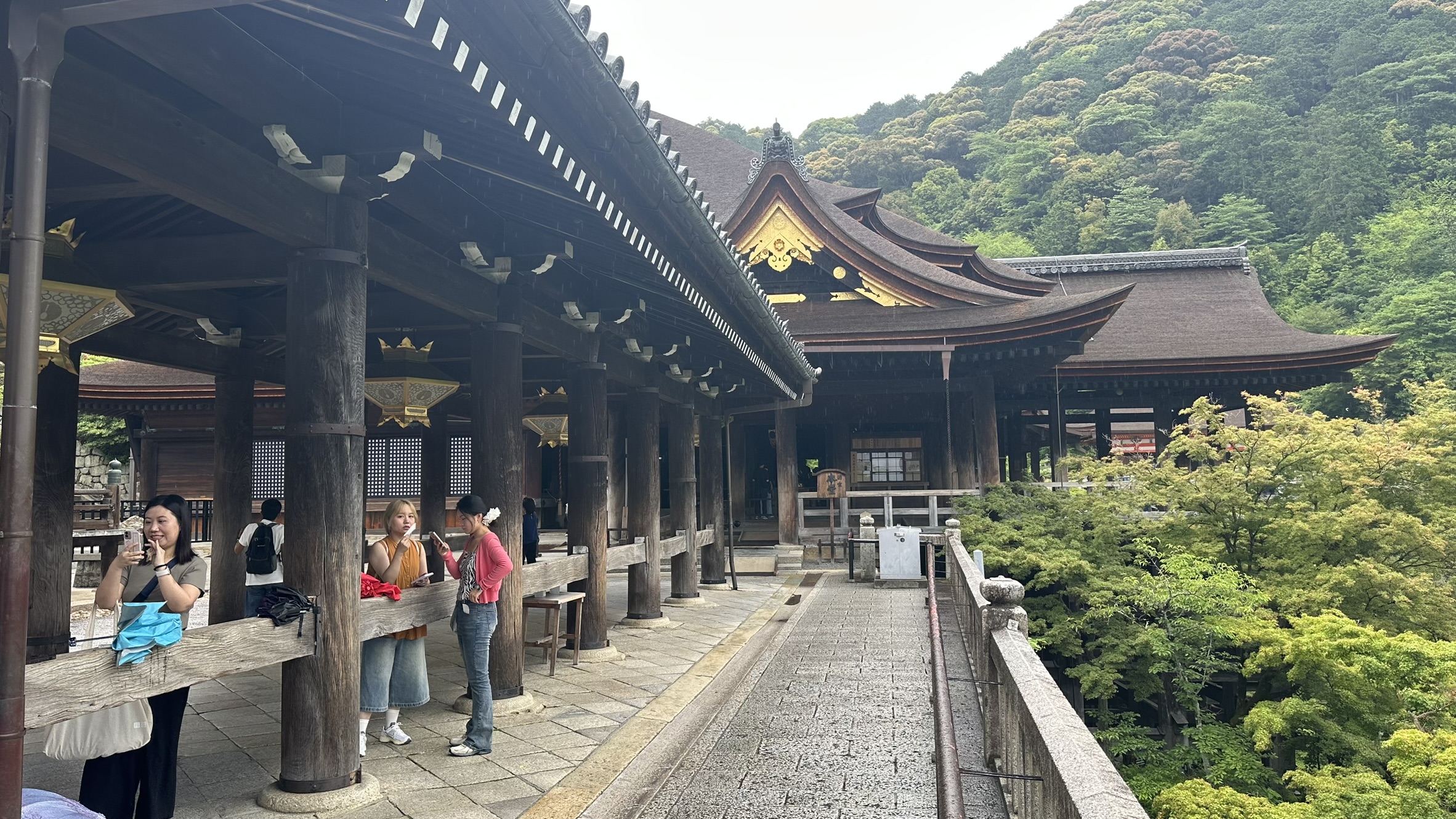
- Can’t miss: Head to Kiyomizu Dera, where long covered wooden walkways connect several of the separate temple buildings and shrines climbing up the mountainside. The views over Kyoto from the temple are unbeatable. In a courtyard far below the main hillside shrines, people line up to drink “sacred water” (using long-handled cups sanitized via ultra-violet light) from a triple fountain which flows directly from a fresh spring in the hills.
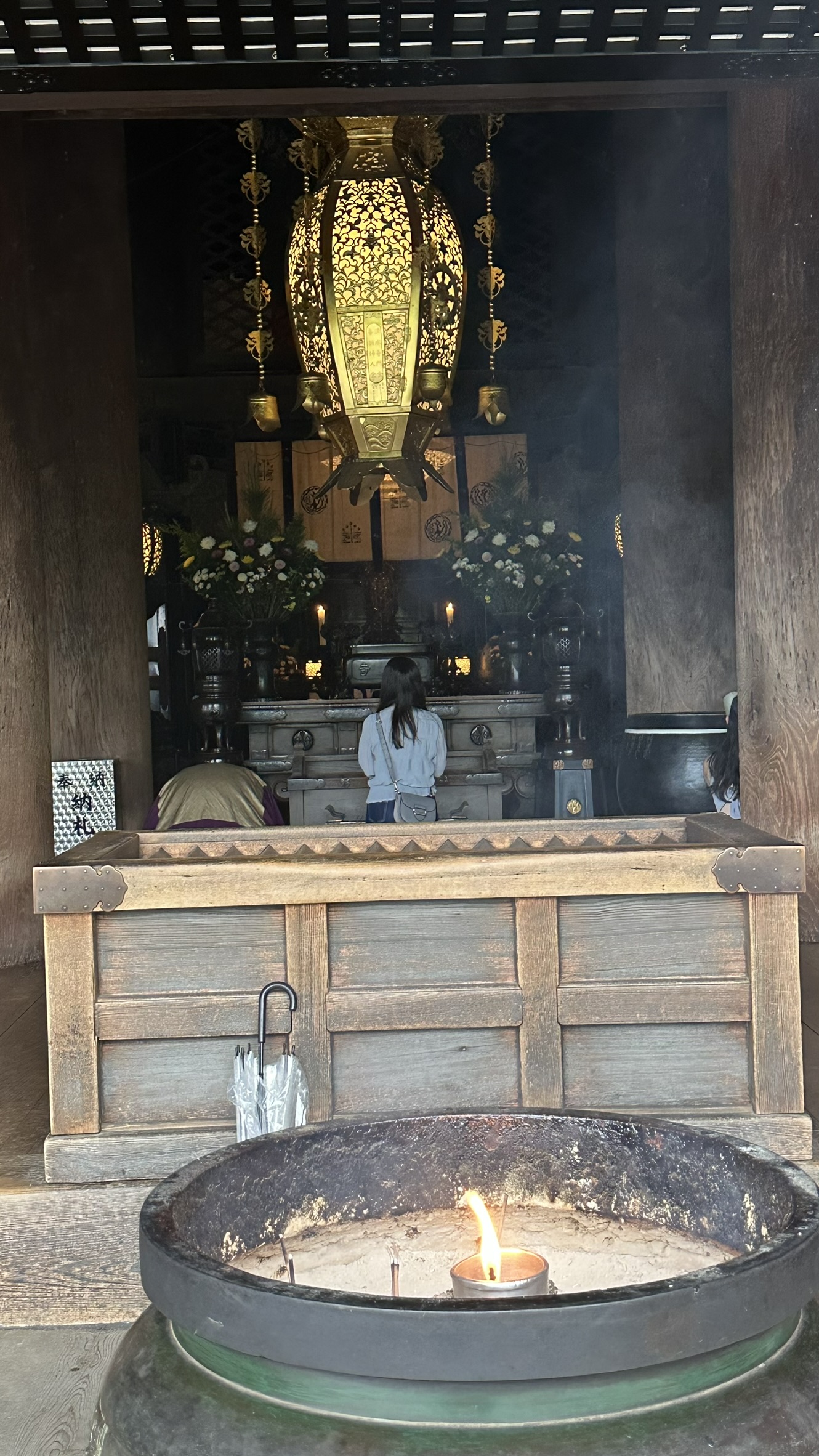
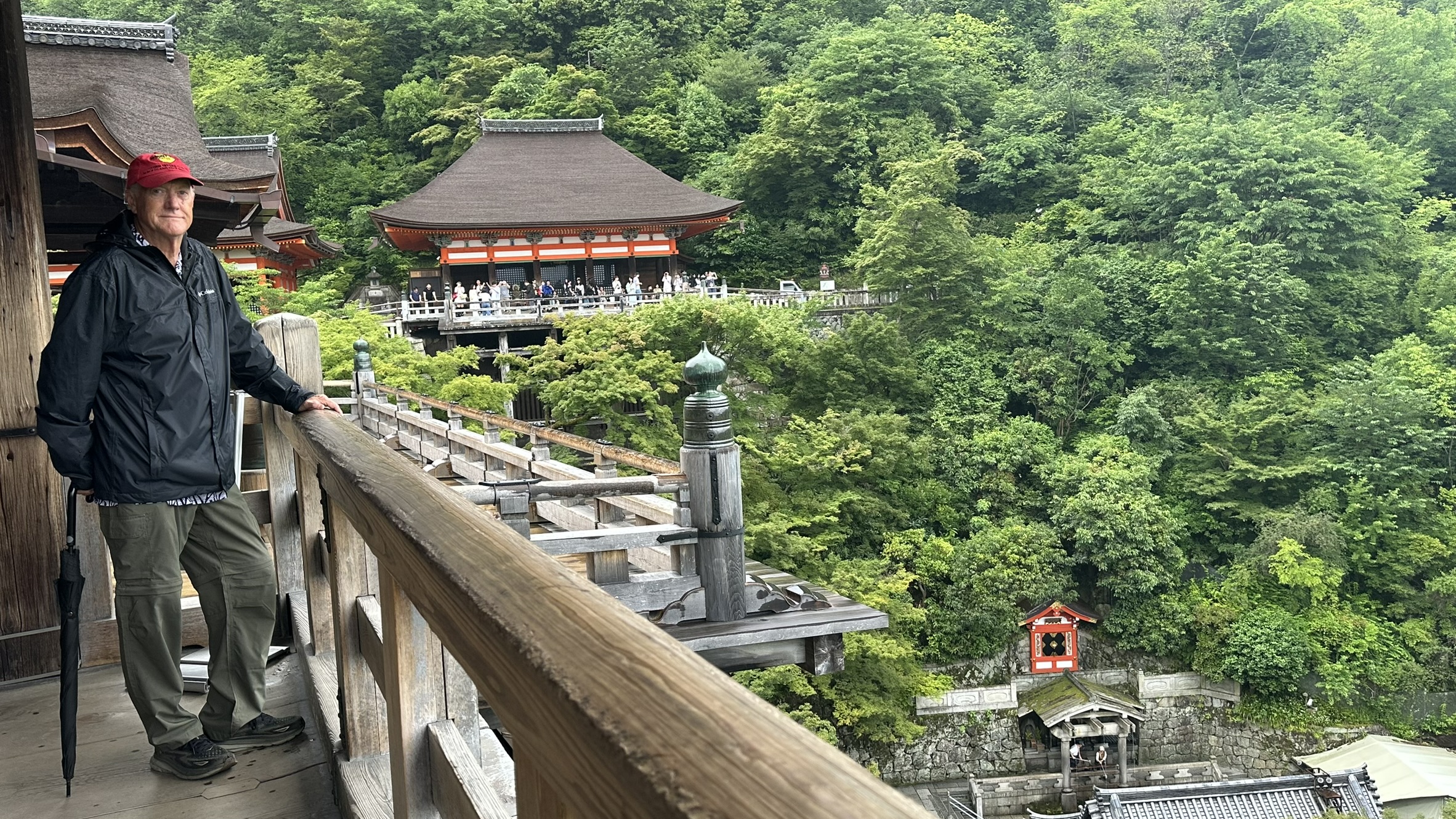
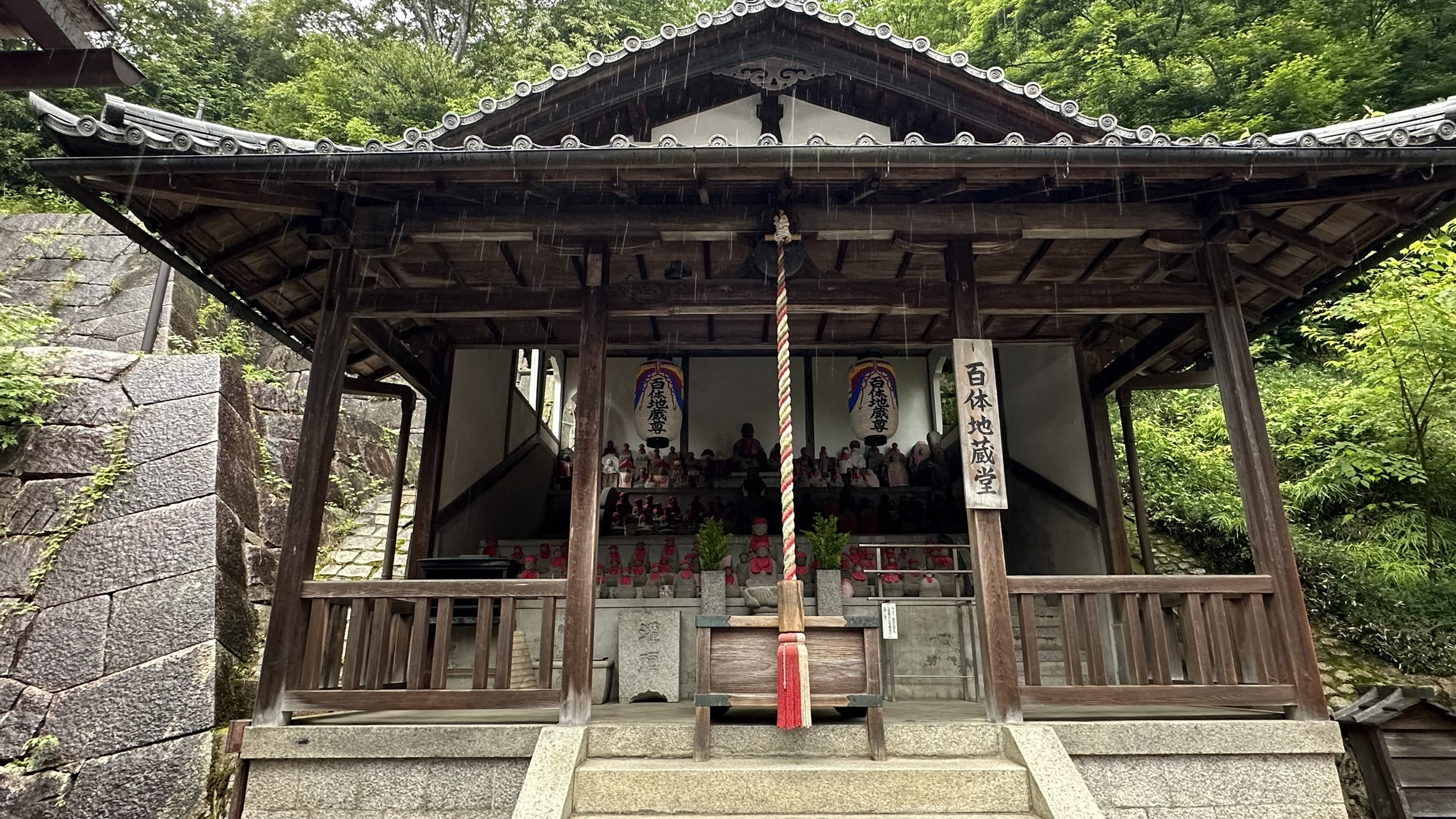
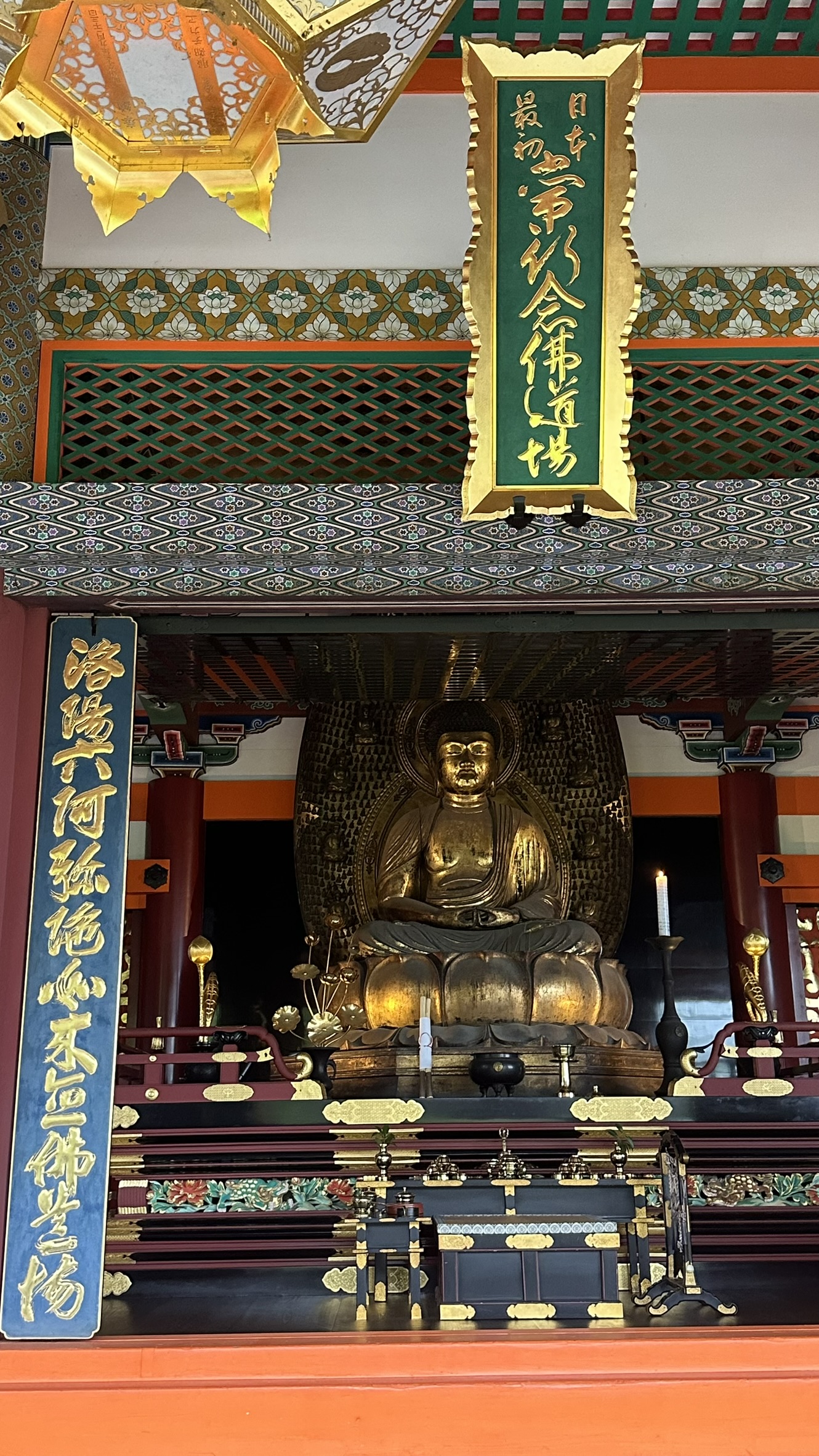

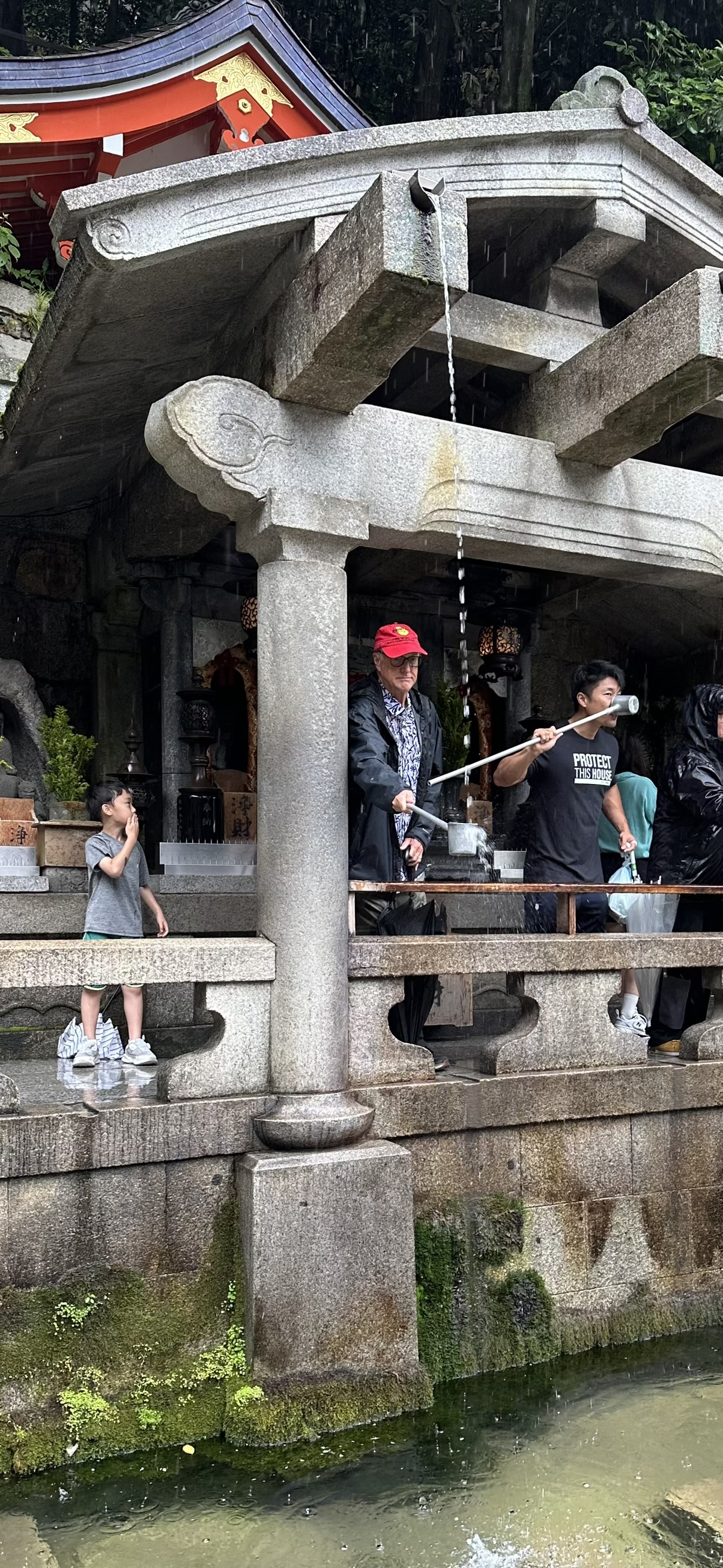
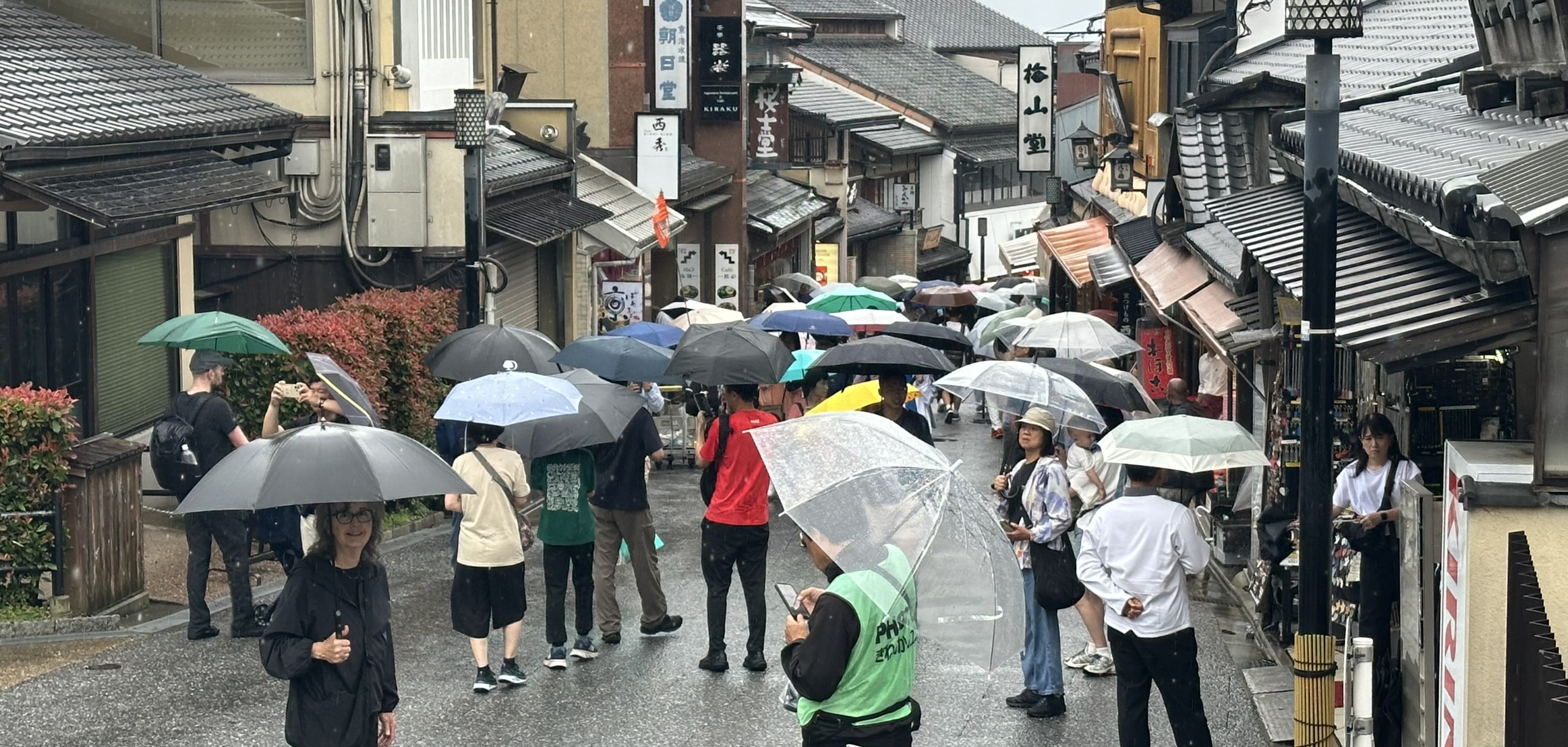
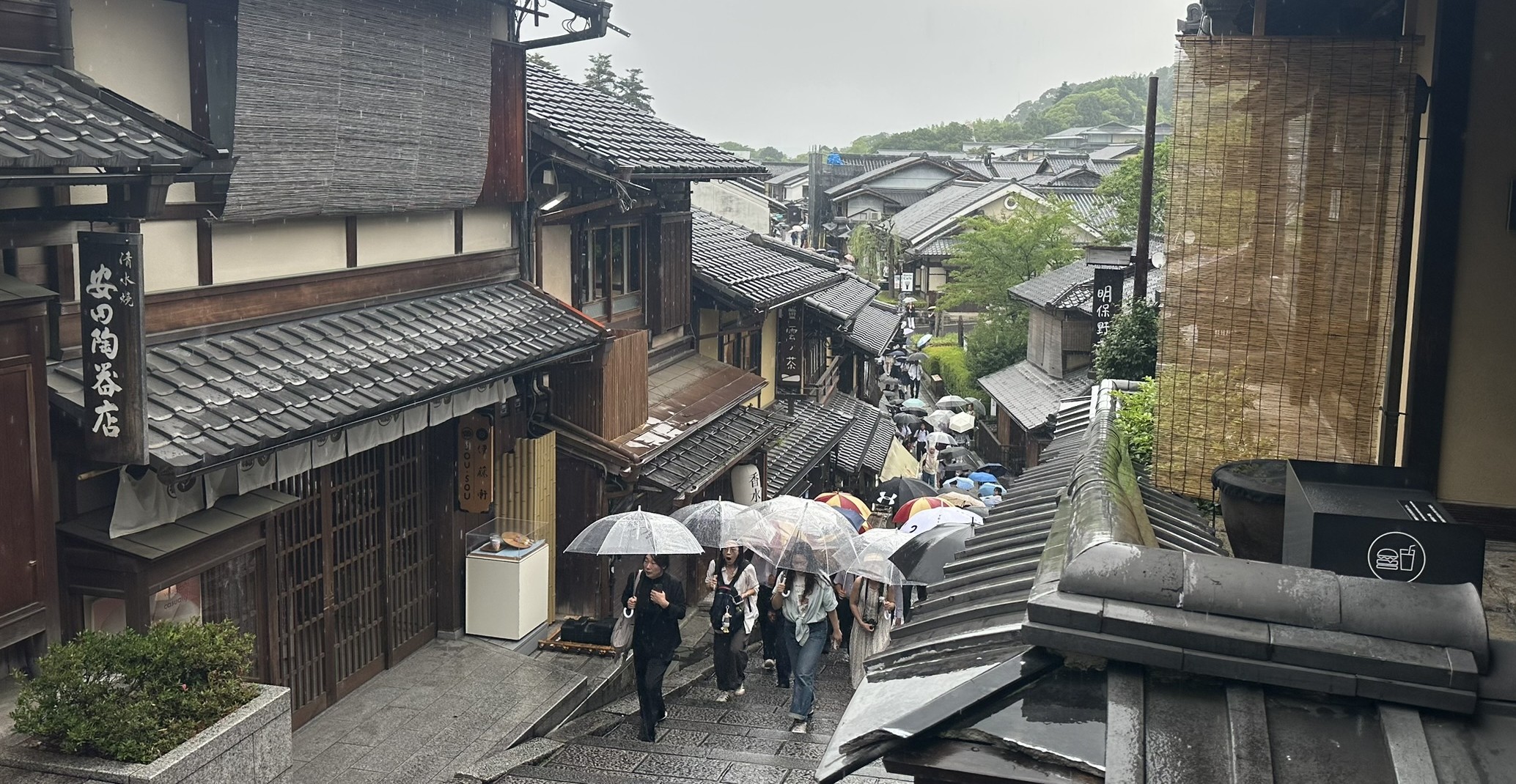
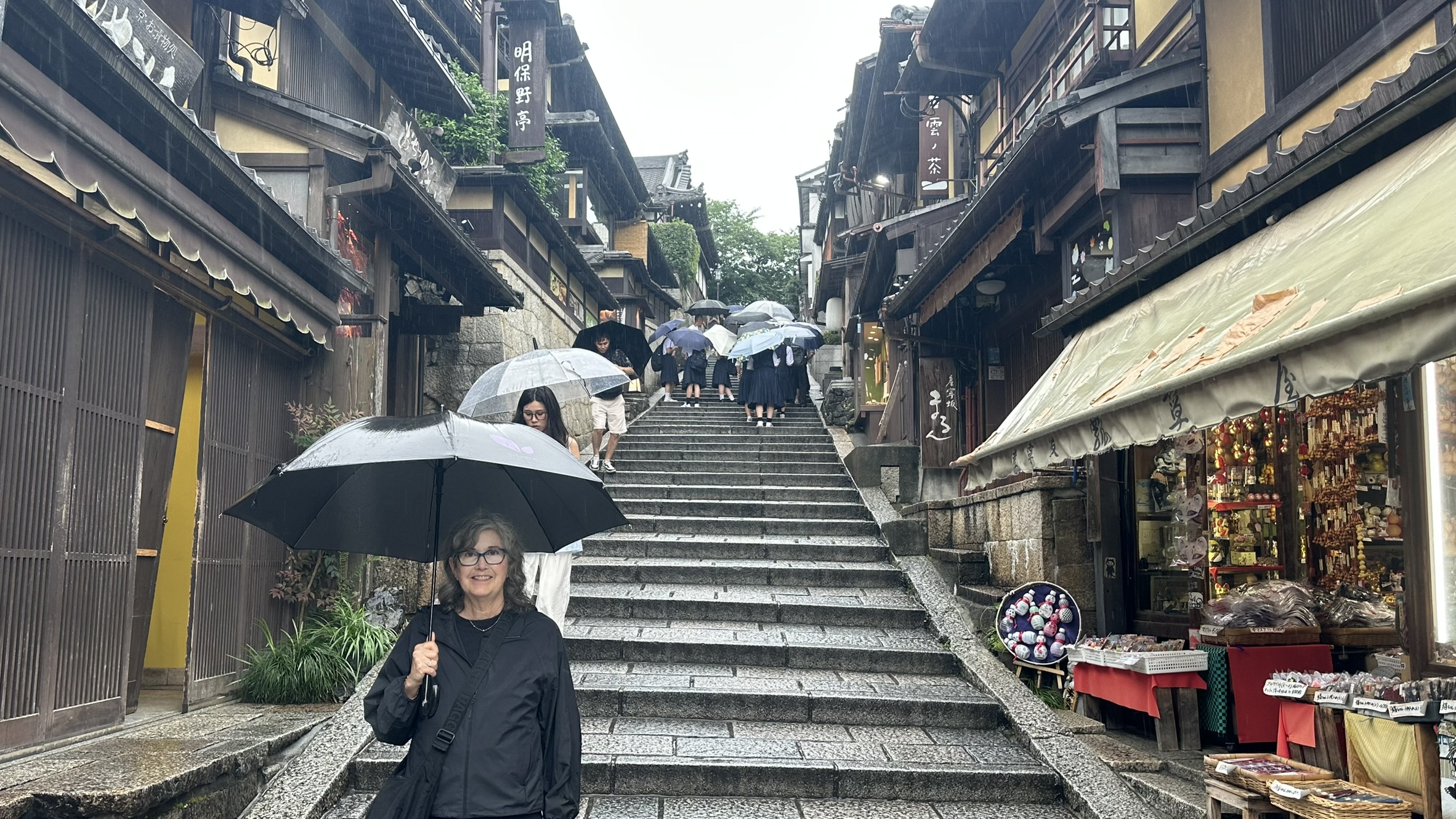
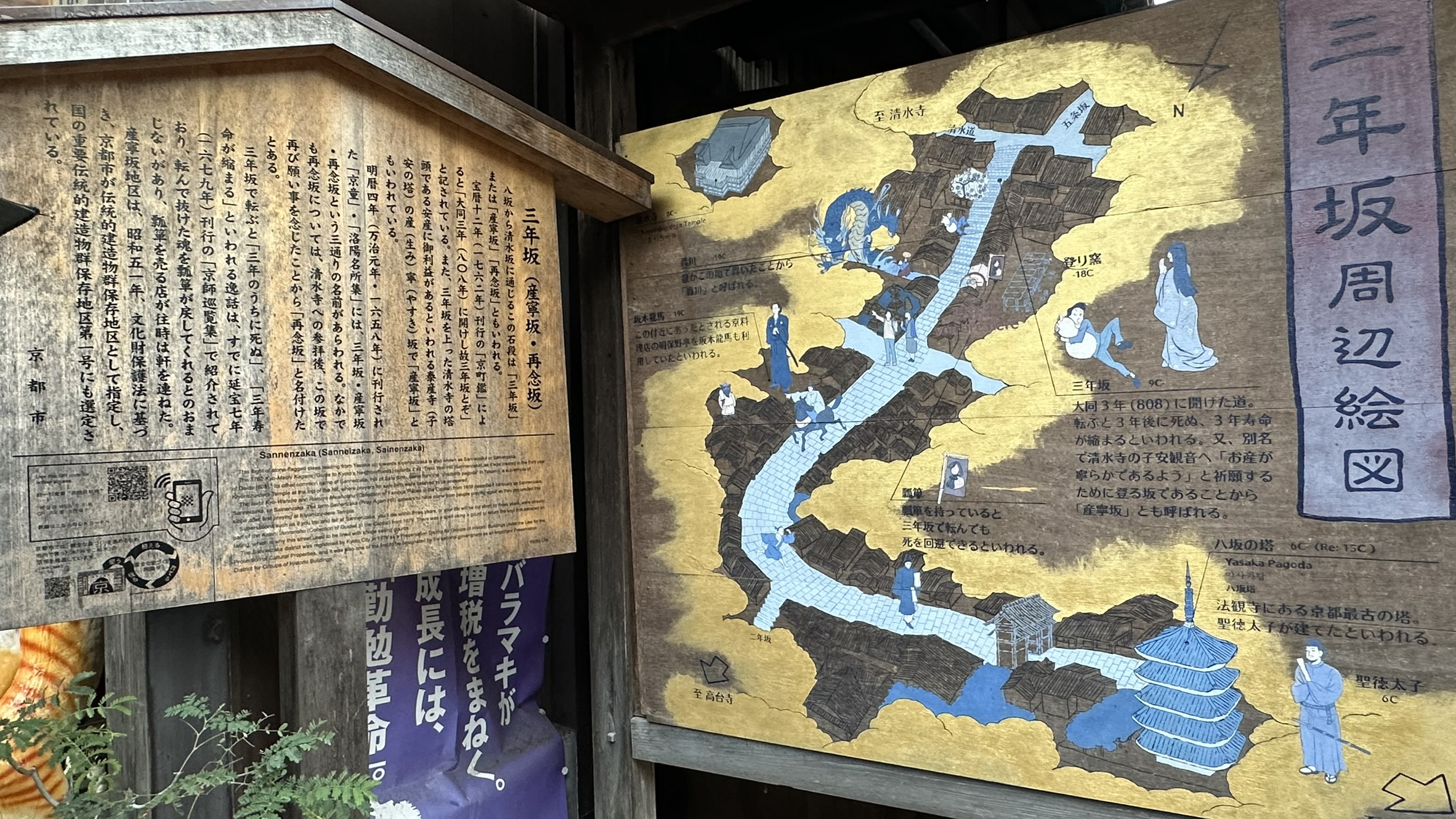
- Leaving the temple, head down the notorious Ninenzaka Walkway to Gion, originally part of the “sacred path” to Kiyomizu Dera. Legend says if you fall on the steps you’ll die within three years (a placard at the base of the steps will tell you about a “cure”)!
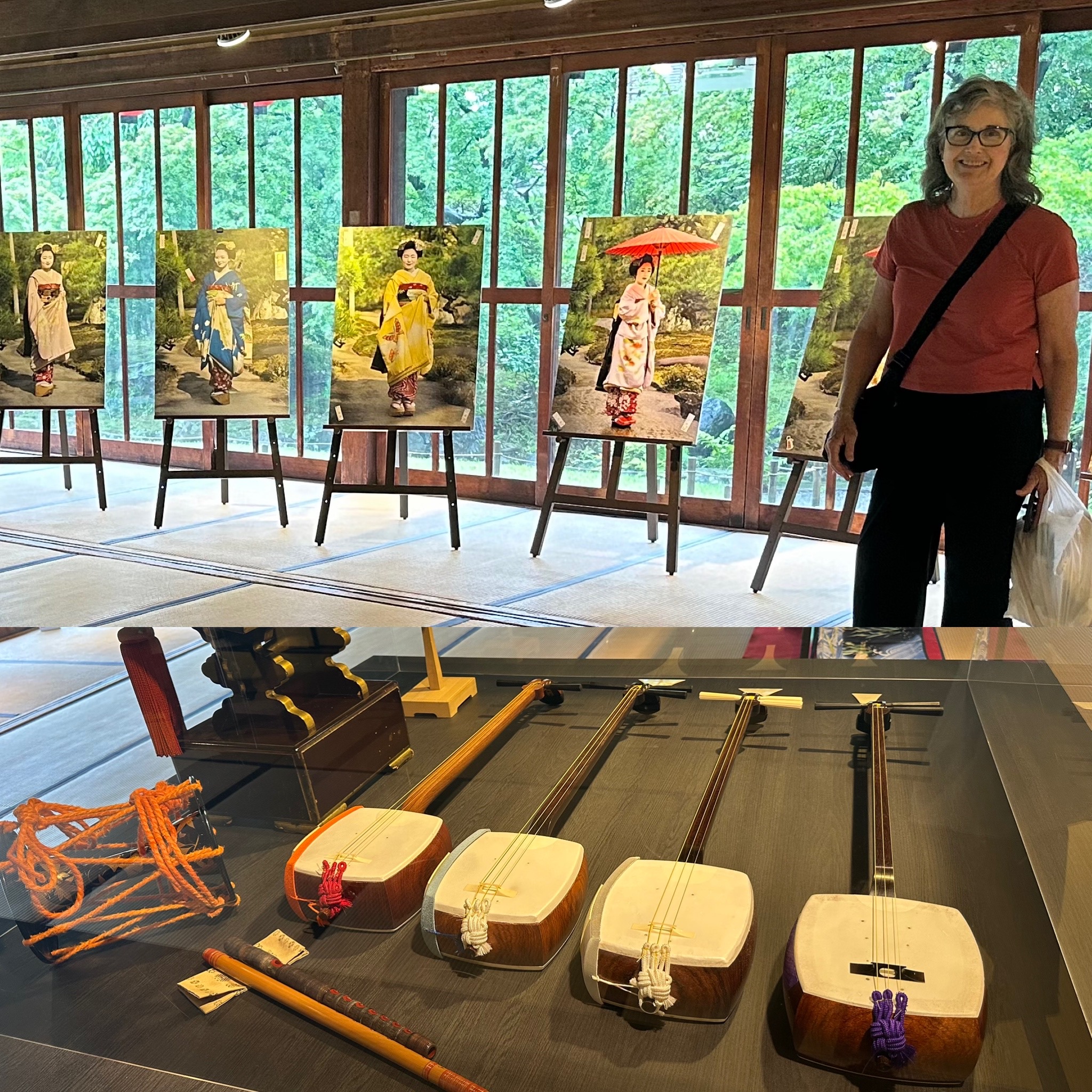
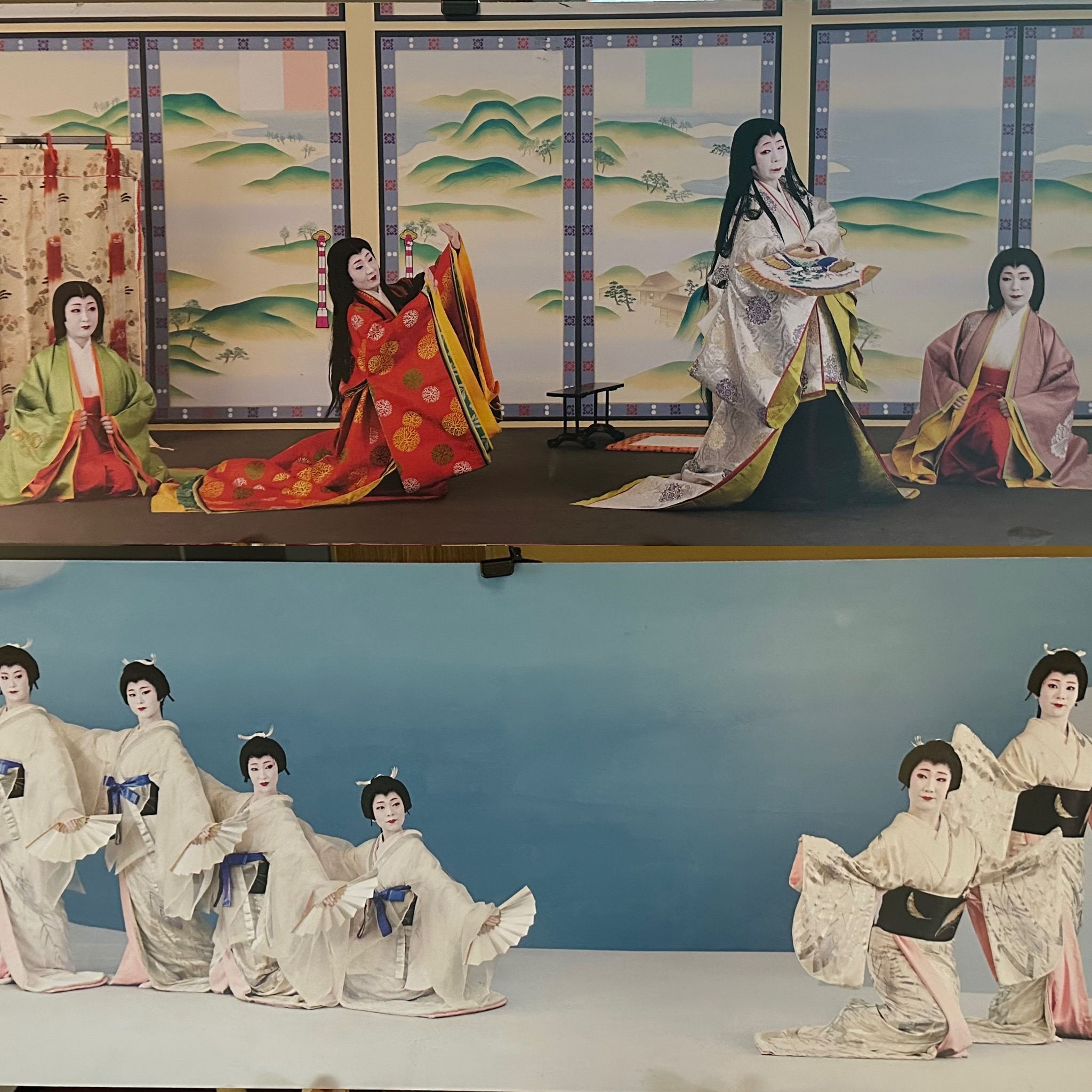
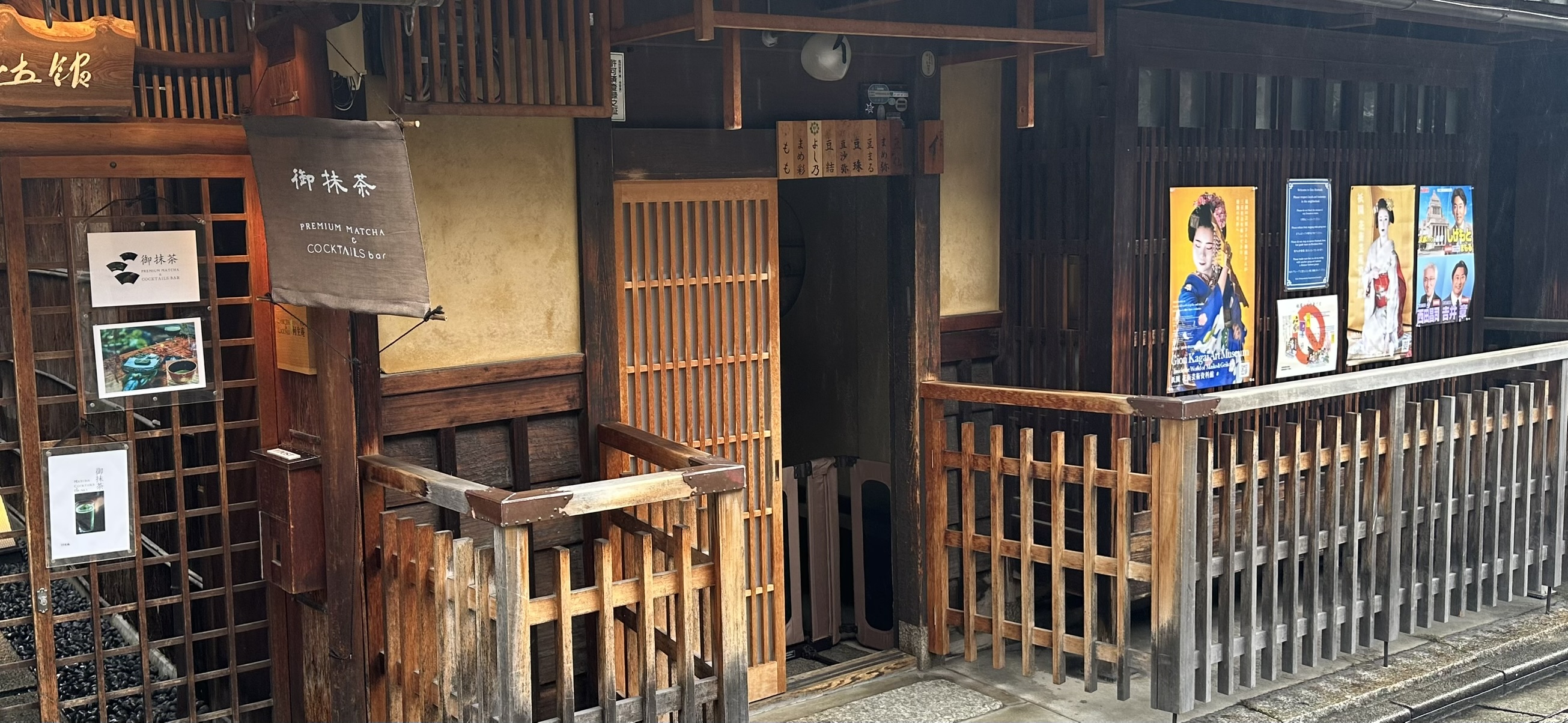
- Gion is geisha and teahouse central. Geisha have historically been highly respected practitioners of various traditional Japanese arts, and while there are still about 170 professional geishas in Kyoto we did not opt for one of the tourist-focused “geisha experiences” — generally a 60-90 minute dance/music performance by a real Maiko (apprentice) or Geiko (full-fledged geisha). The geisha cultural museum at Gion Corner was an interesting visit though, as was walking (very quietly) down Ishibe koji Road, a narrow lane of private teahouses (geisha residences) — again, no photos allowed to ensure privacy.
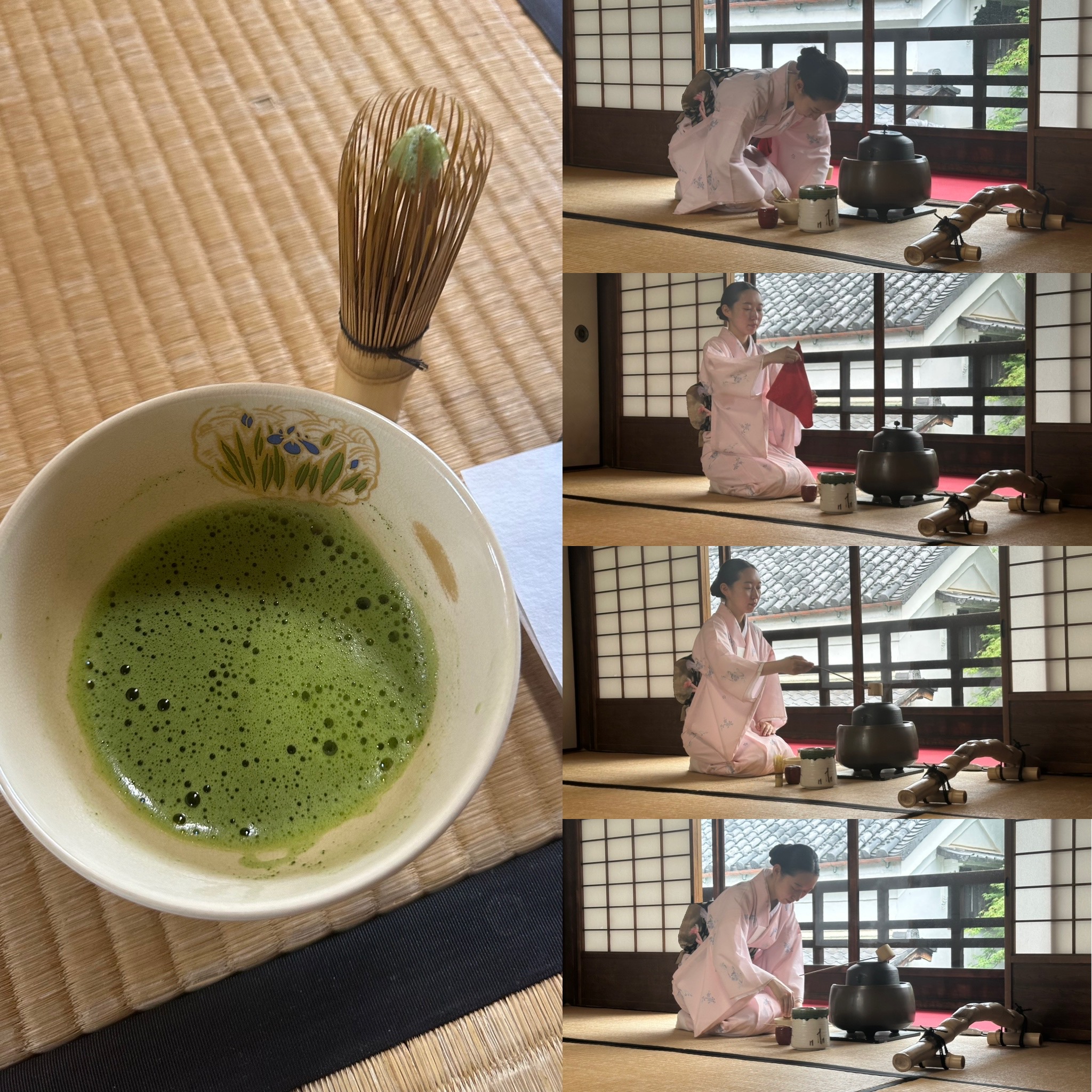
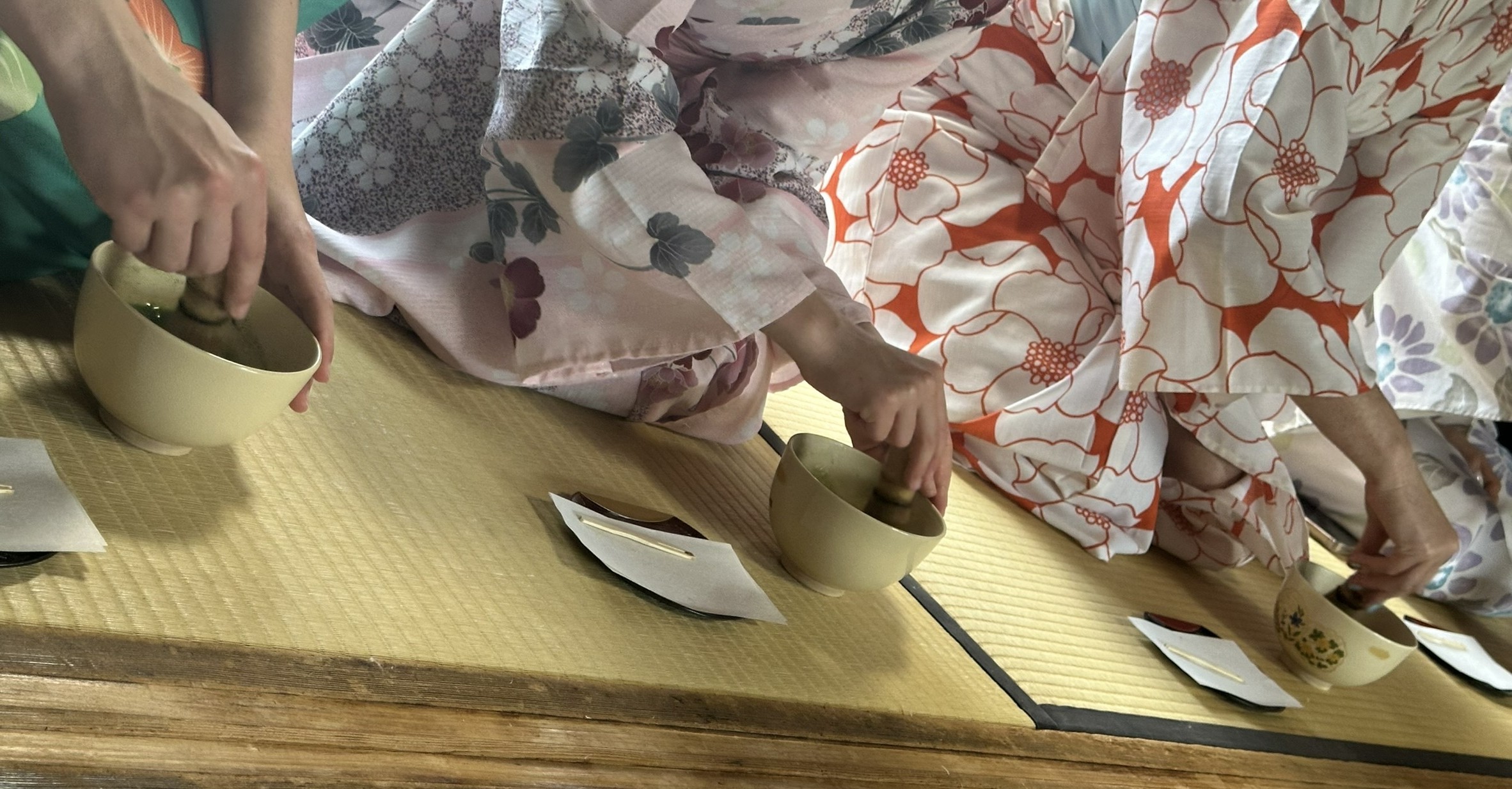
- We didn’t meet a geisha, but we did participate in a formal tea ceremony. This was actually a very cool experience I recommend. Very slow, precise, deliberate movements eventually lead to a frothy cup of matcha tea. After our hostess demonstrated and explained the meaning of the ritual’s various steps, we each made our own cup of tea.
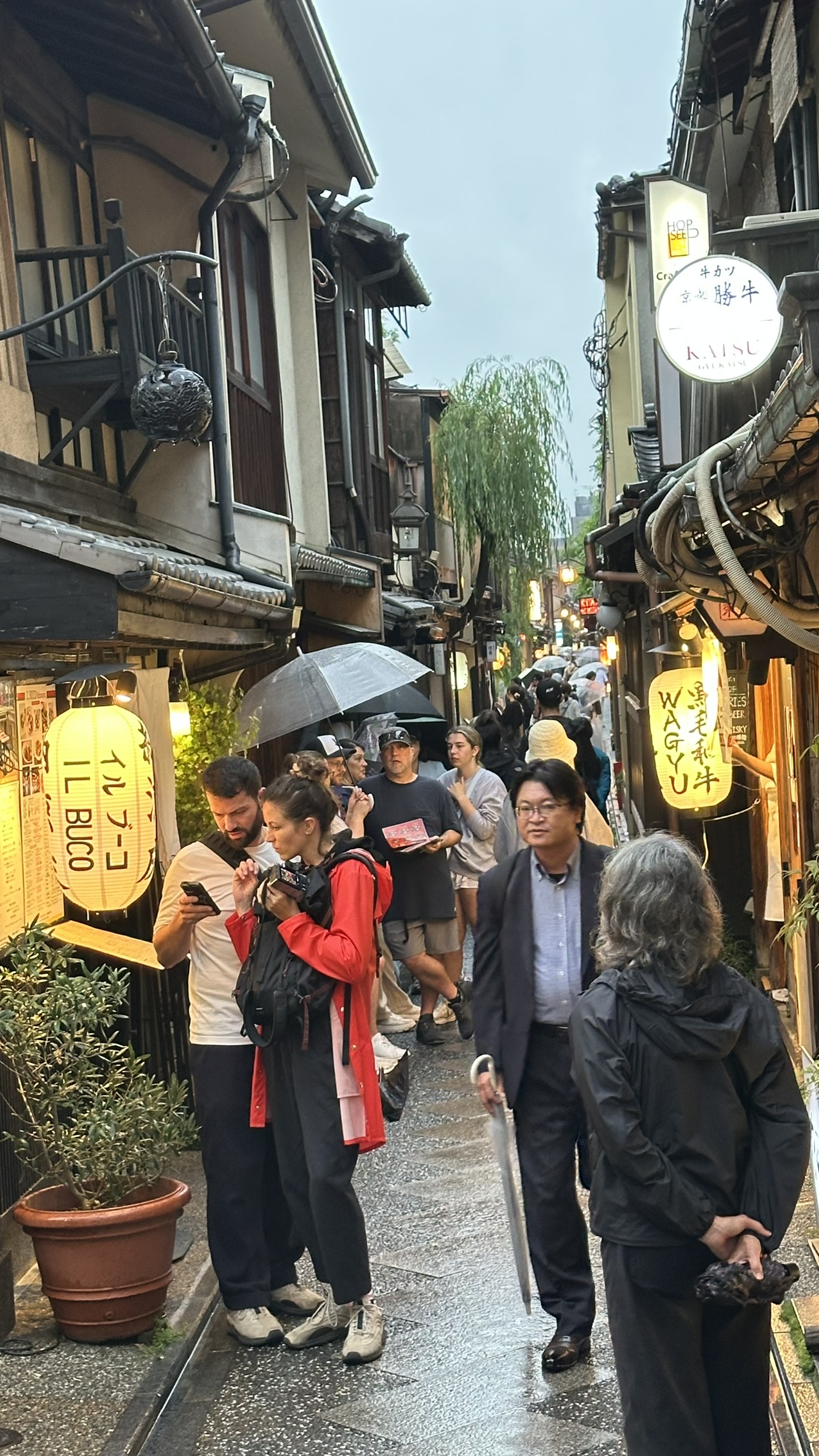
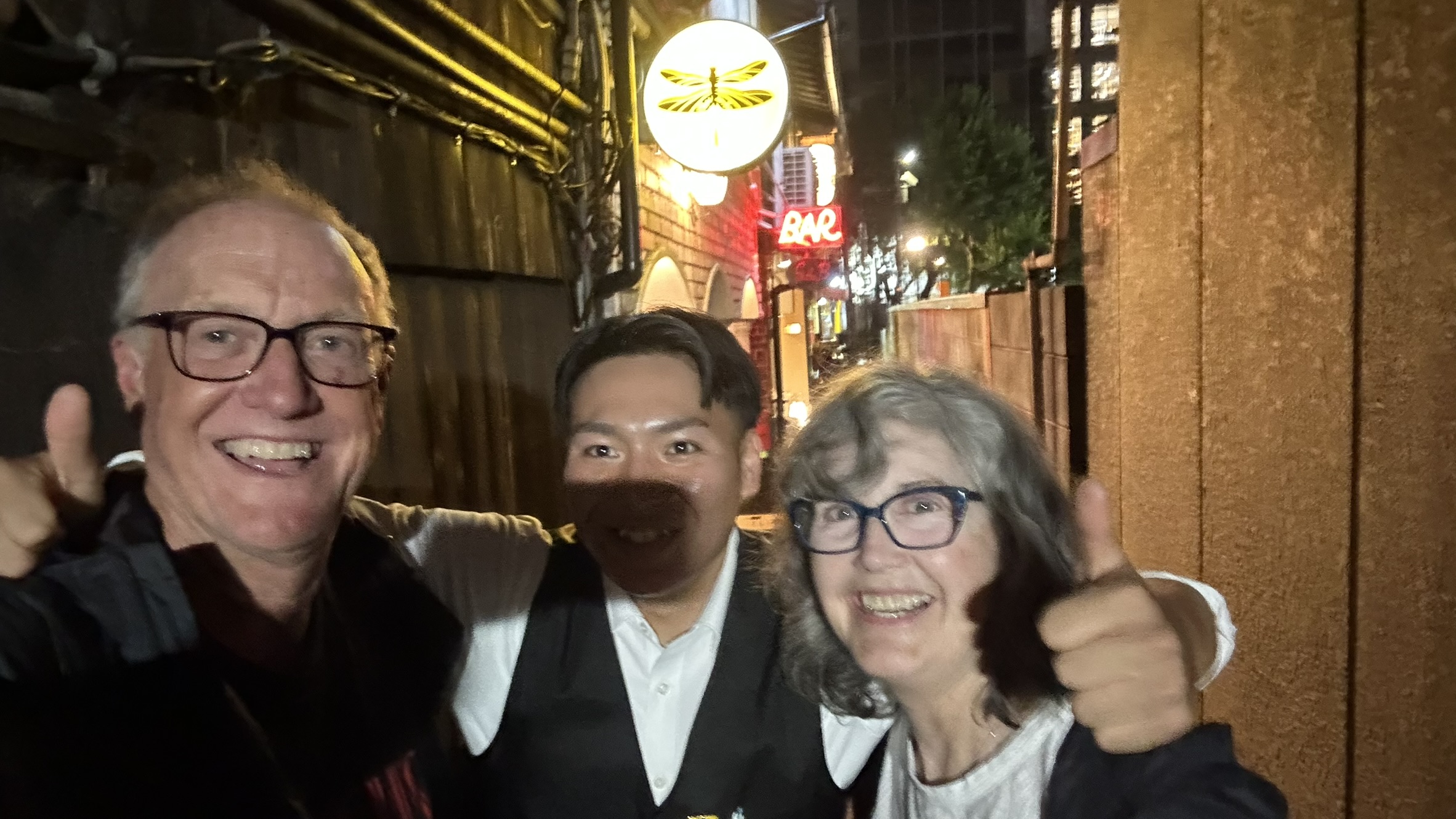
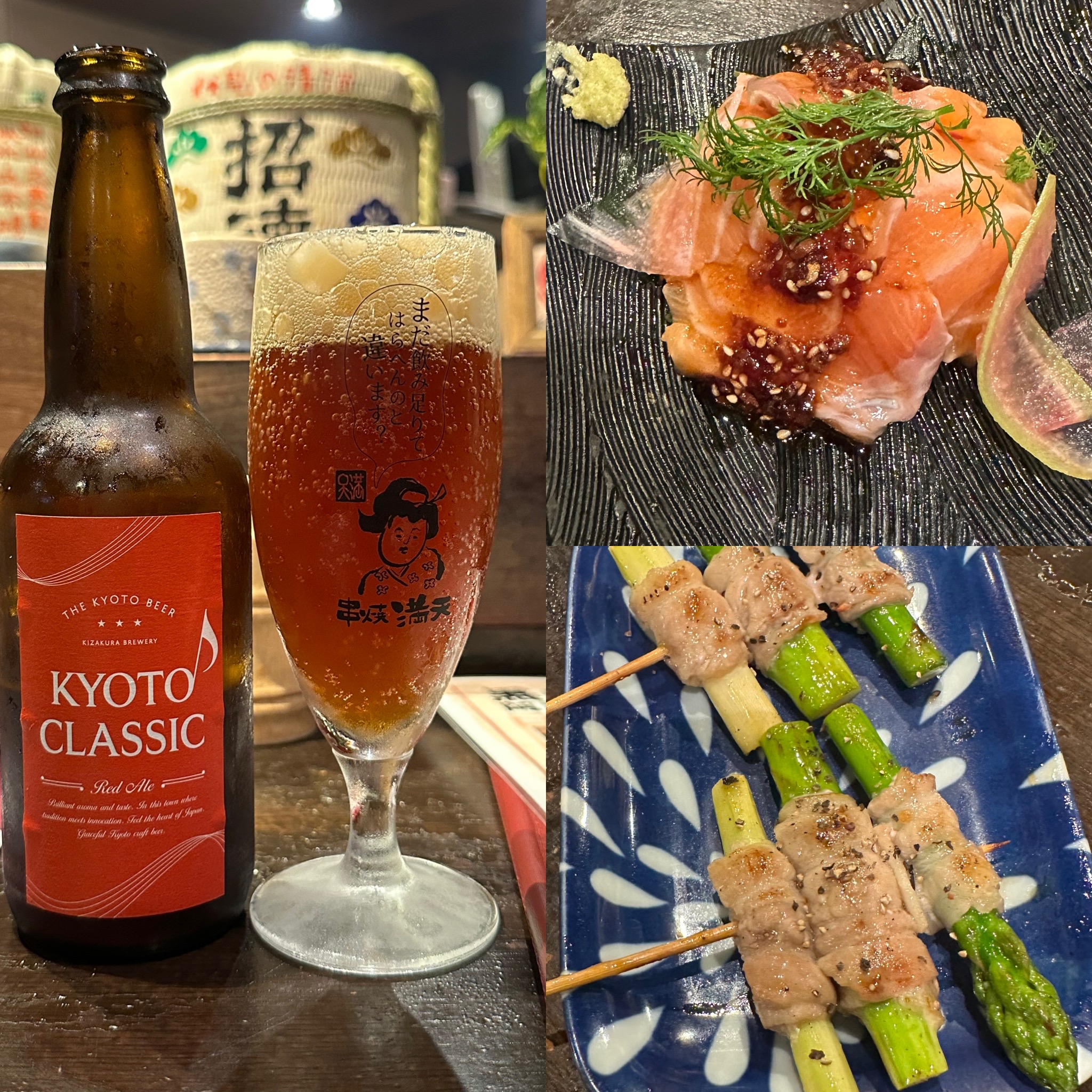
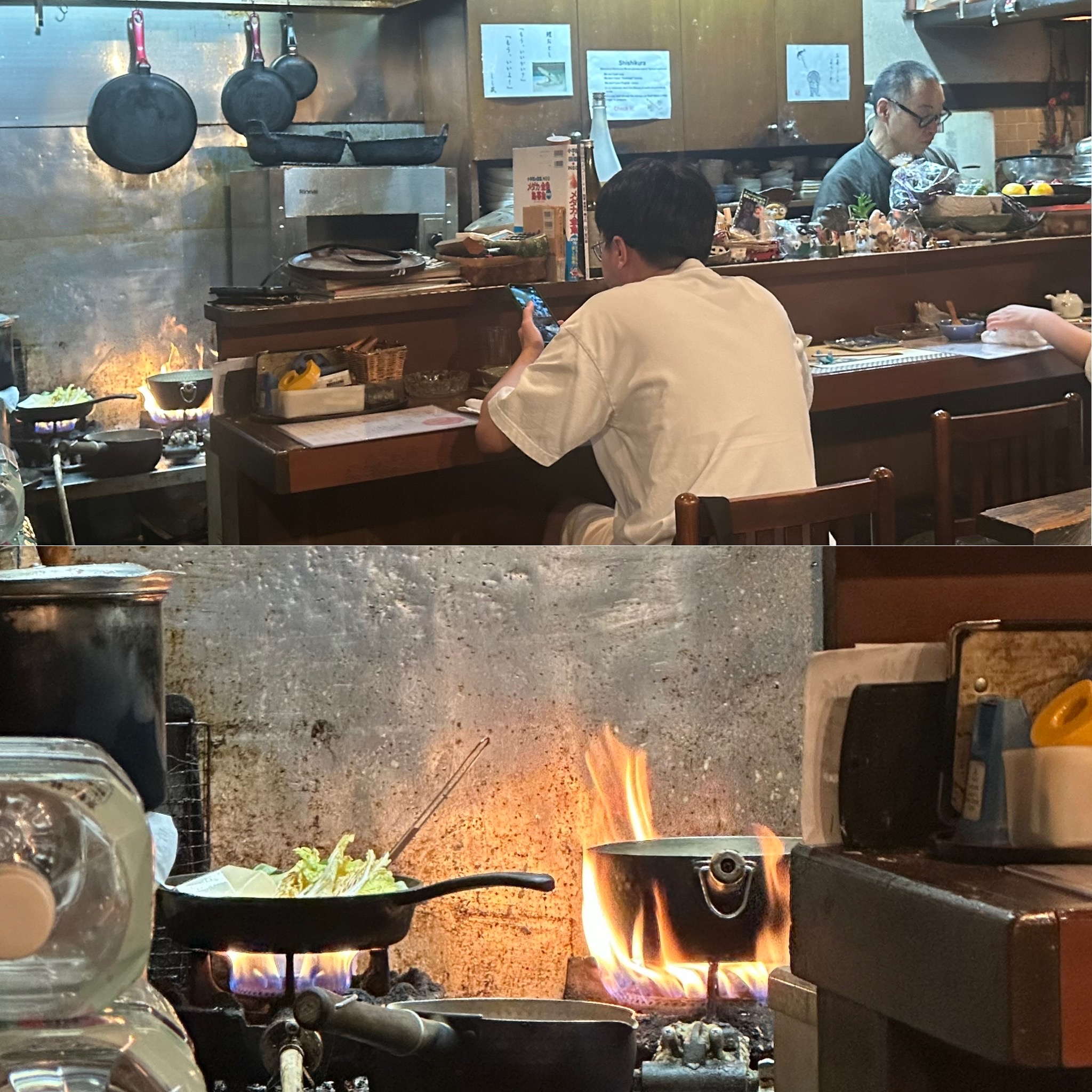
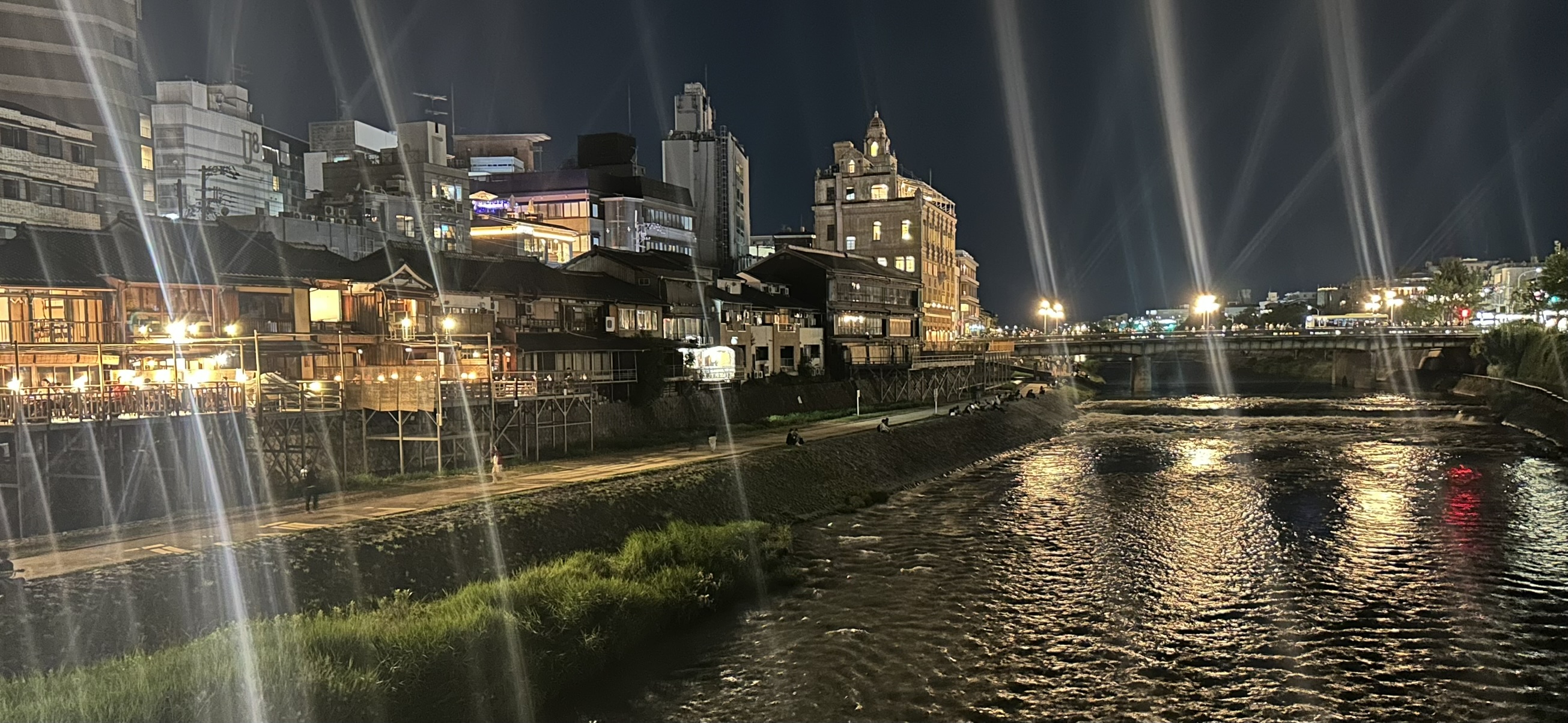
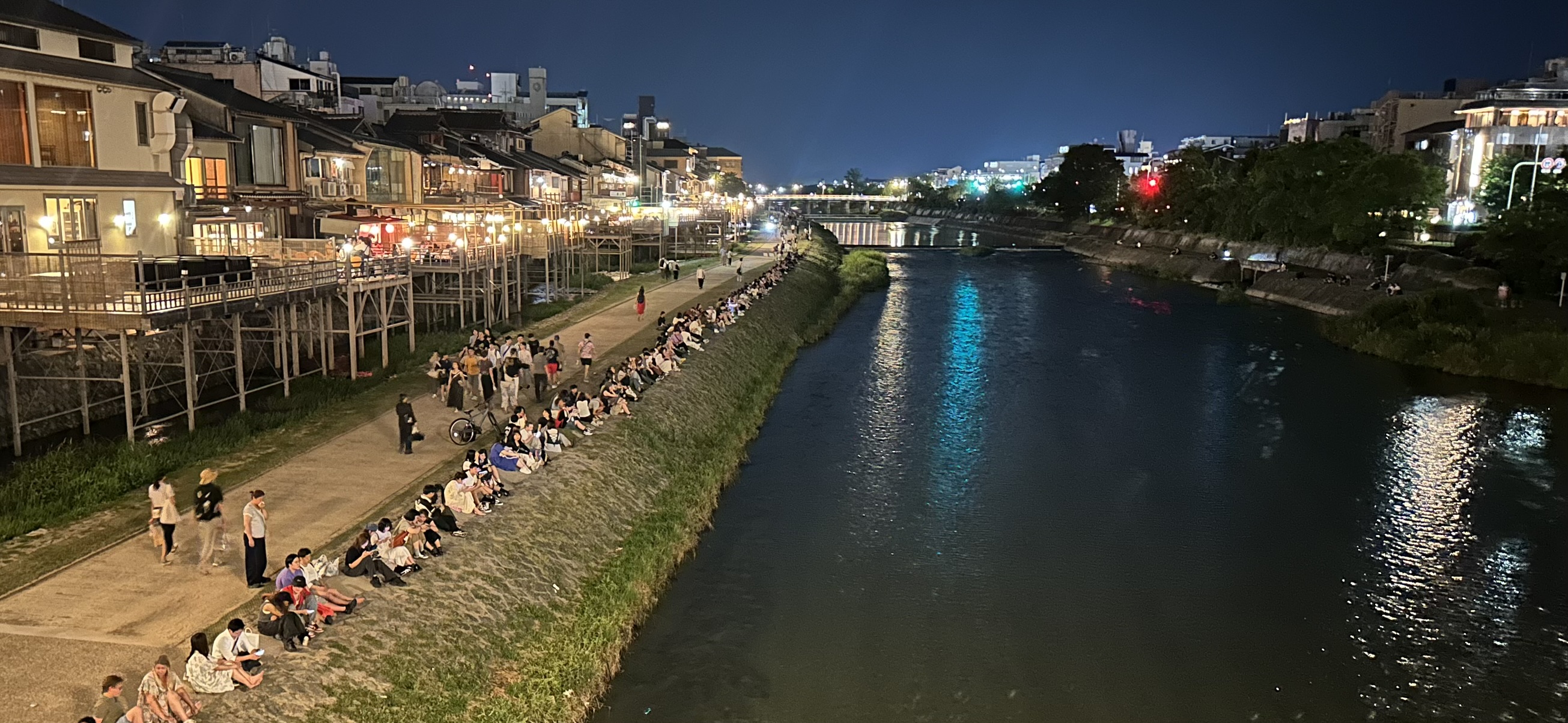
- Can’t miss: Pontocho is a narrow pedestrian lane about a dozen blocks long packed with bars and restaurants of all kind – cheap izakayas and yakitori shops to high end steak houses. Many smaller side alleys jammed with even more. Despite the crowds, it was too good not to spend three of our nights here. Favorite spots include BARtonbo, a tiny whisky bar down one such side alley where the bartender will make an origami crane for the ladies while you sip your whisky; Hello Dolly, a cool, retro bar playing old jazz records; Matamoya, outstanding first night dinner (but not the cheapest); Shishikura Izakaya was a one-man shop cooking up a storm, good food and inexpensive. Pontocho parallels the riverfront, a nice place to walk at night, especially when people are out lining the riverbank on warm evenings.
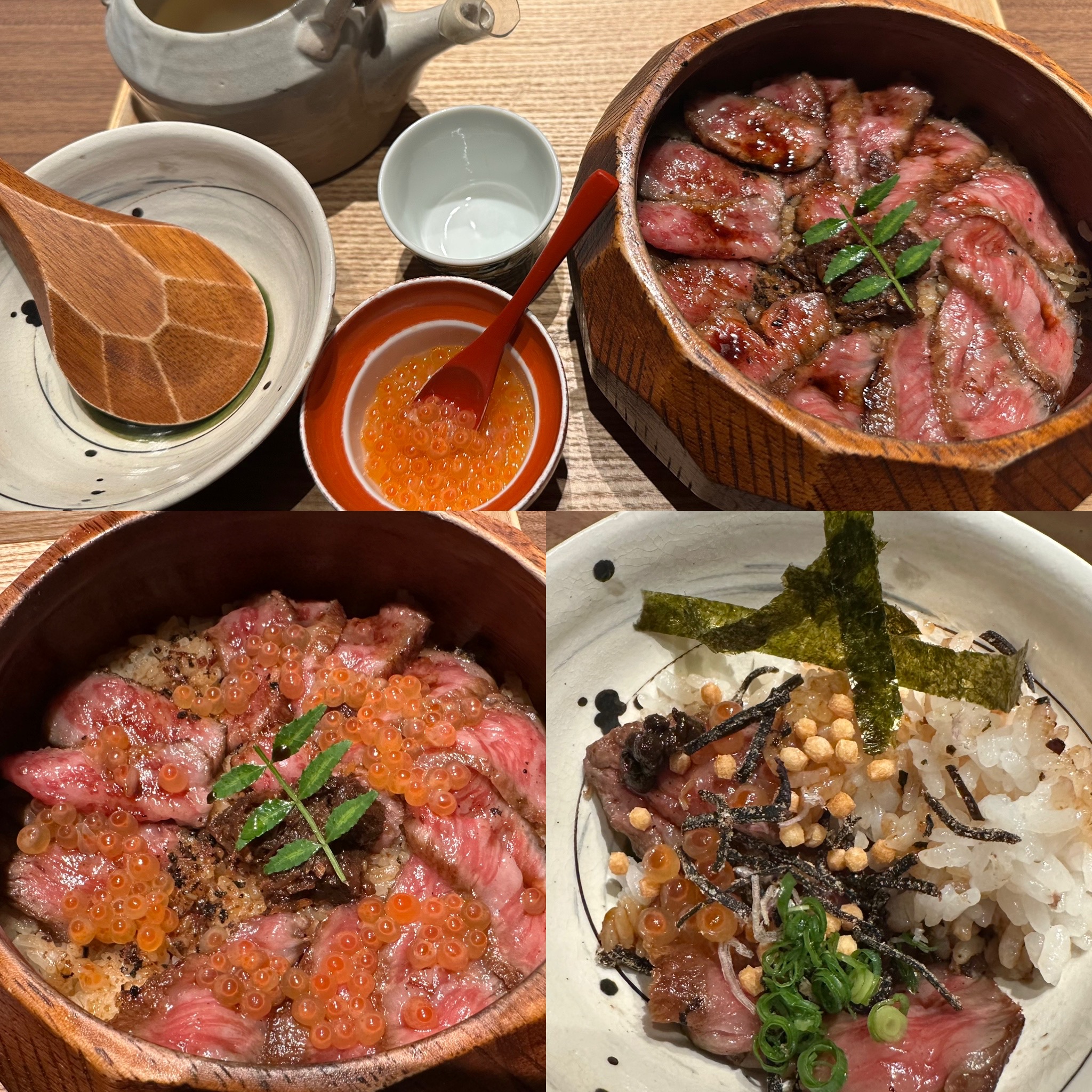
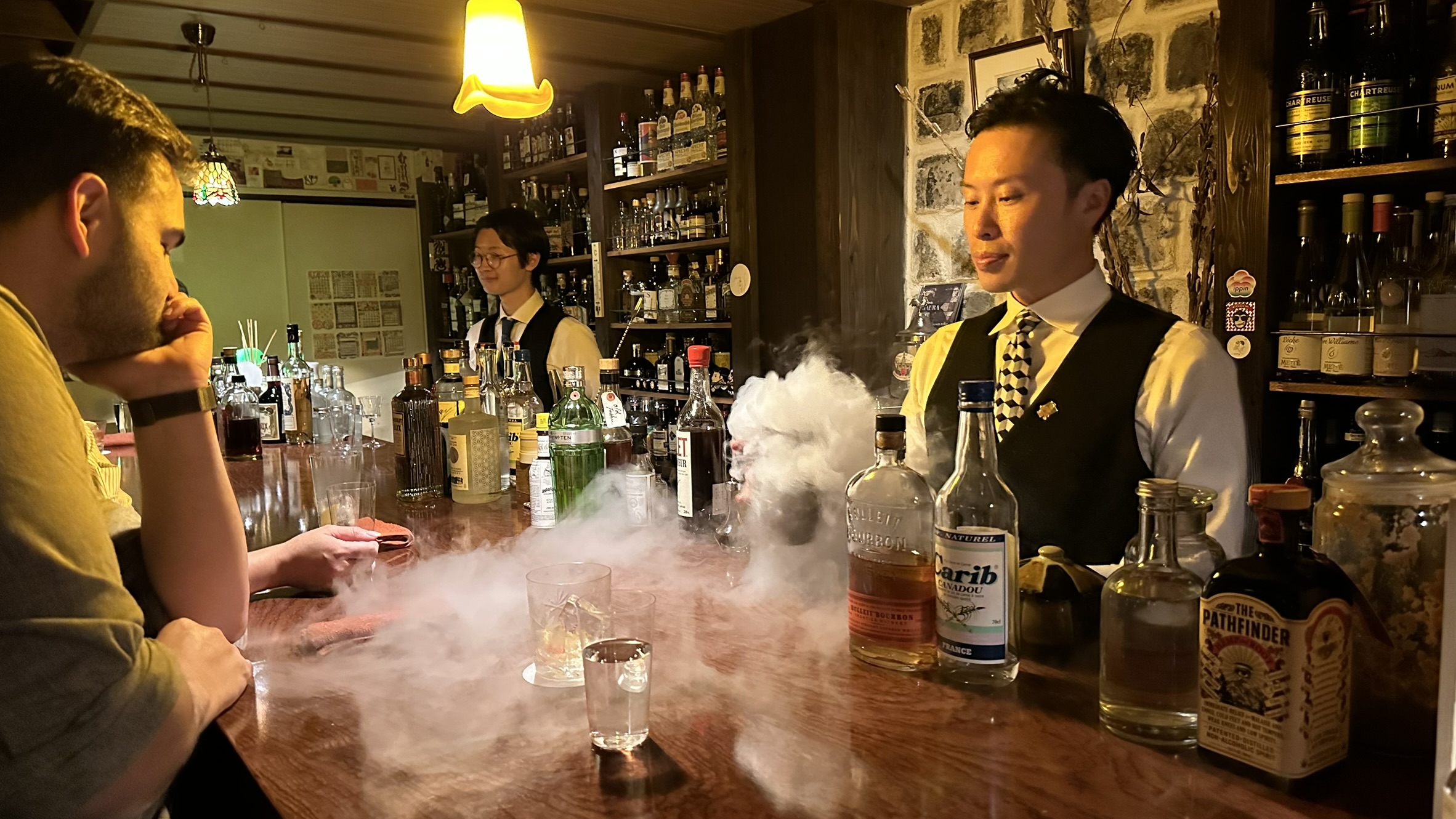
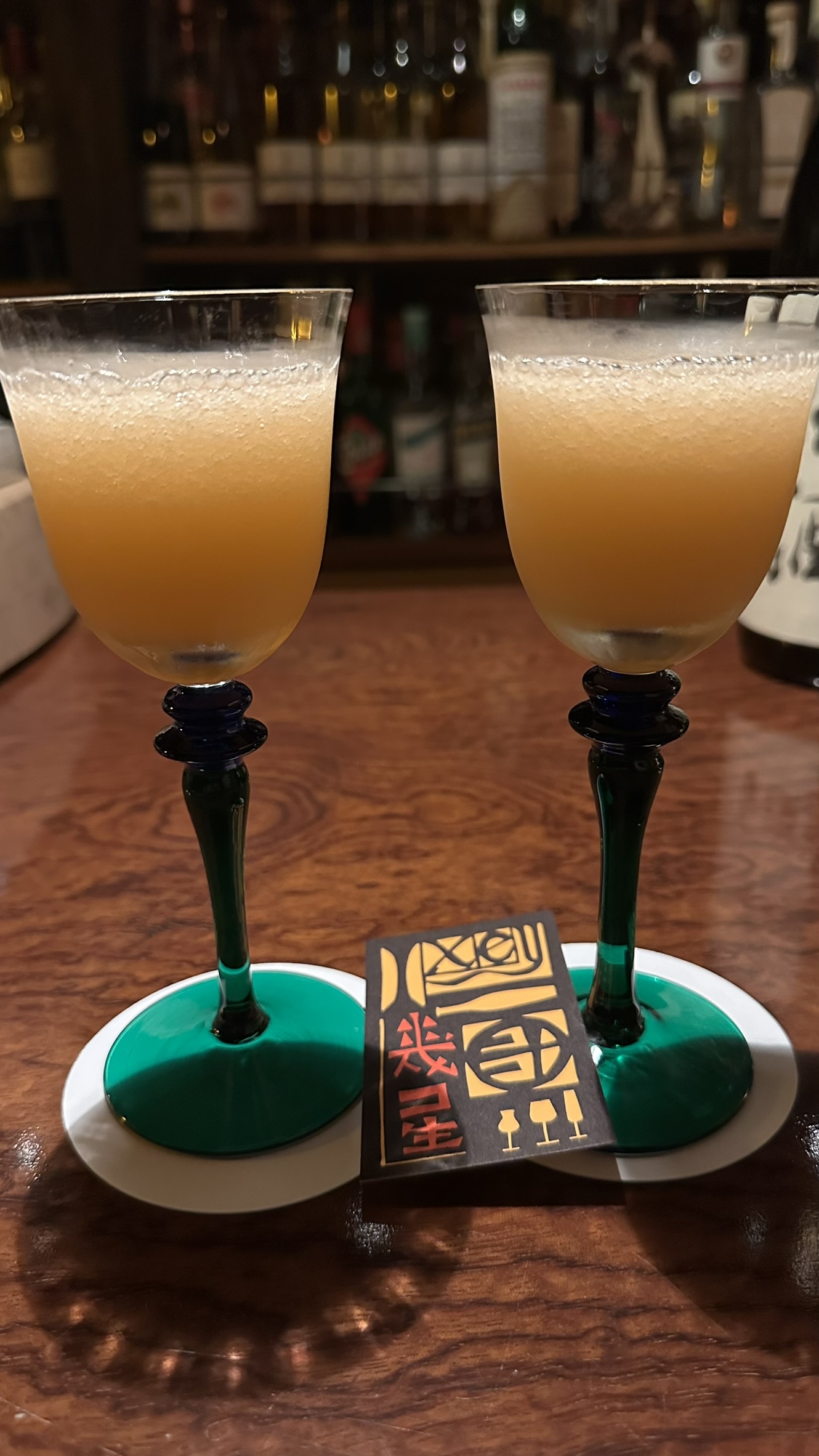
- A few eateries and bars we really liked on the opposite (Gion) side of the river and would recommend highly, in no particular order: Bar Ixey, great cocktails, my favorite in Kyoto; Birdland, a low-key jazz bar (occasional live music); Gion Nikutei Shin, tucked all by itself down a long narrow alley, featured incredible Hitsu-Mabushi style beef, served on rice and covered with salmon roe. Amazing lunch!




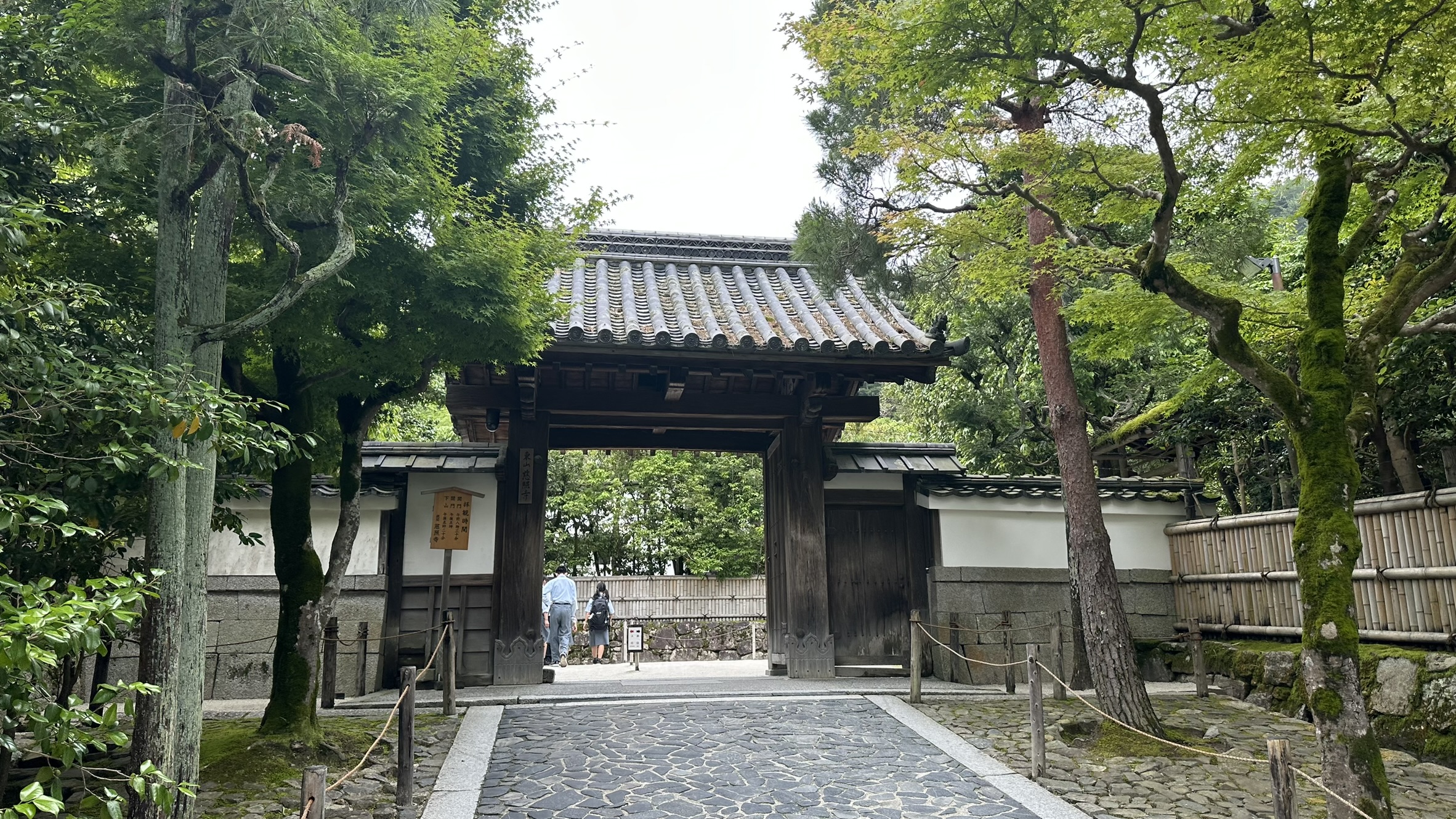
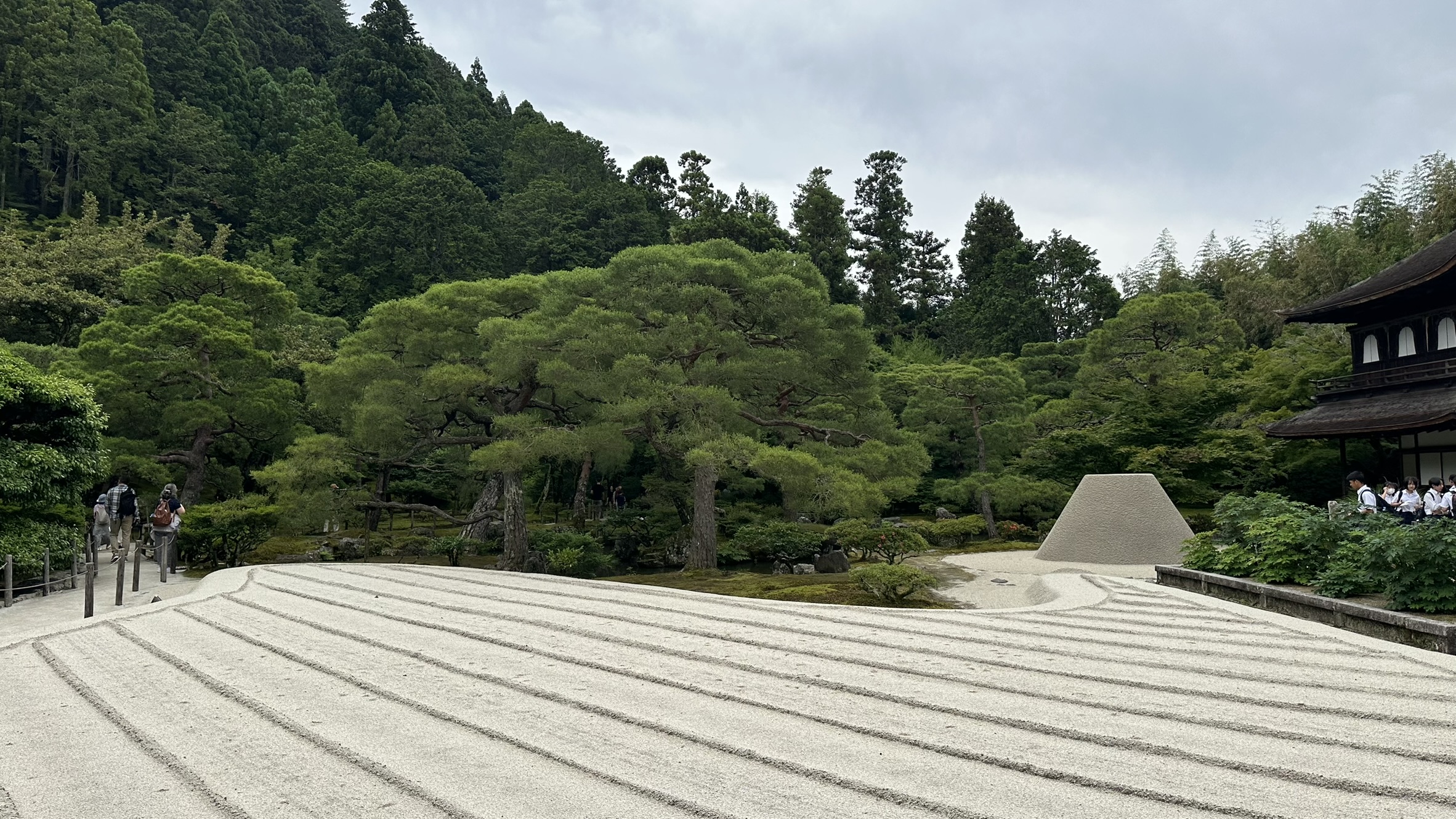
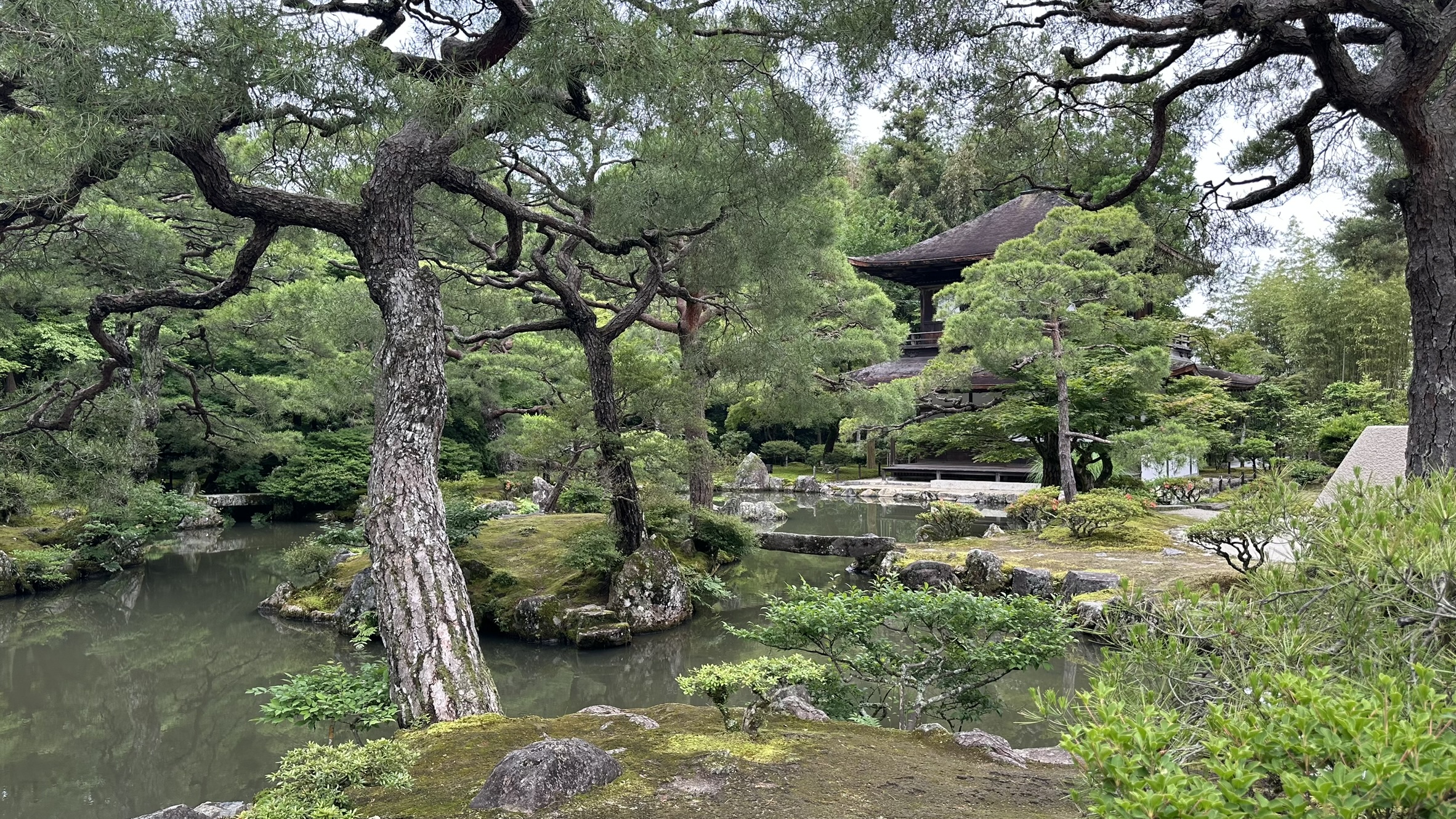
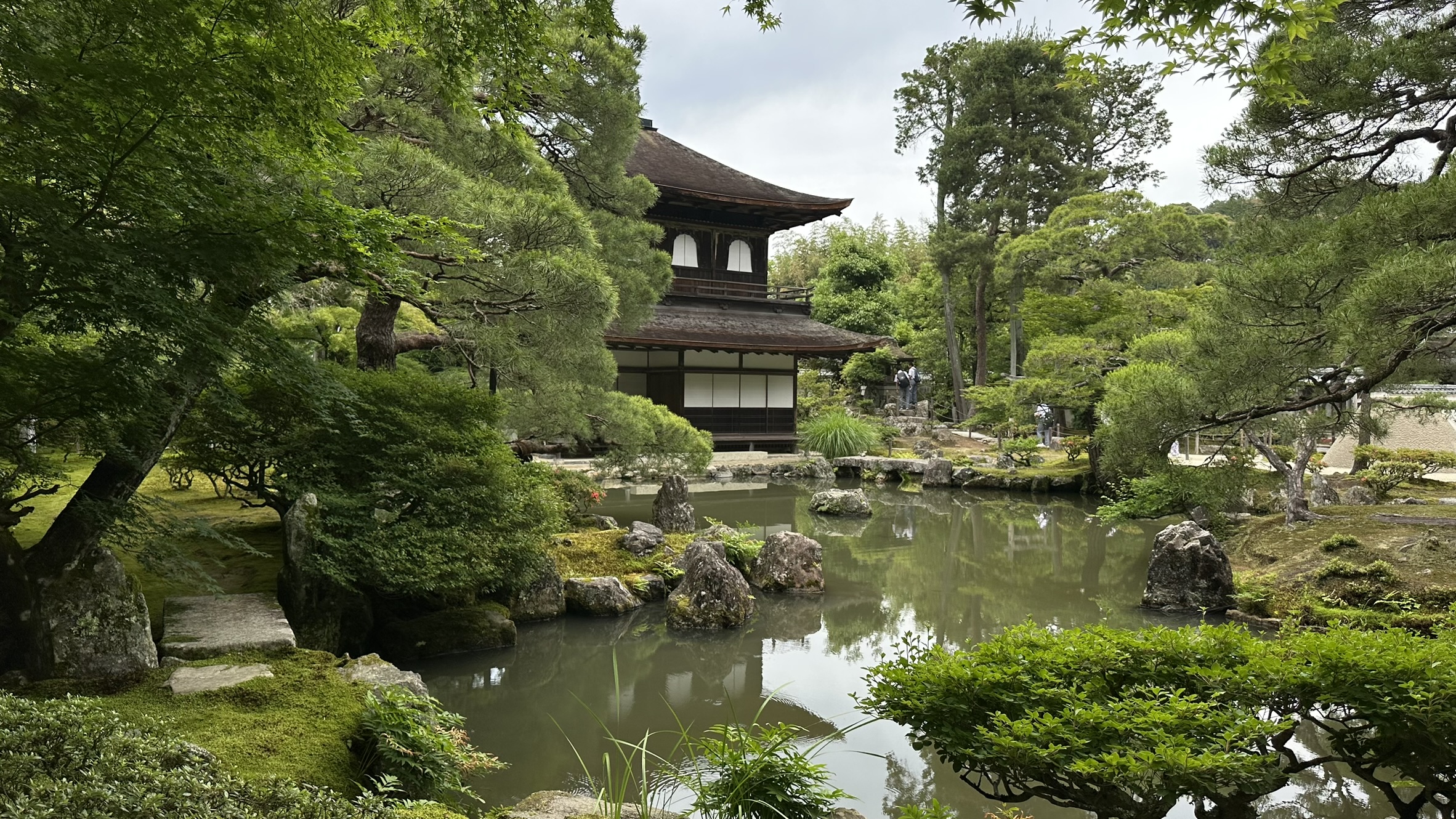
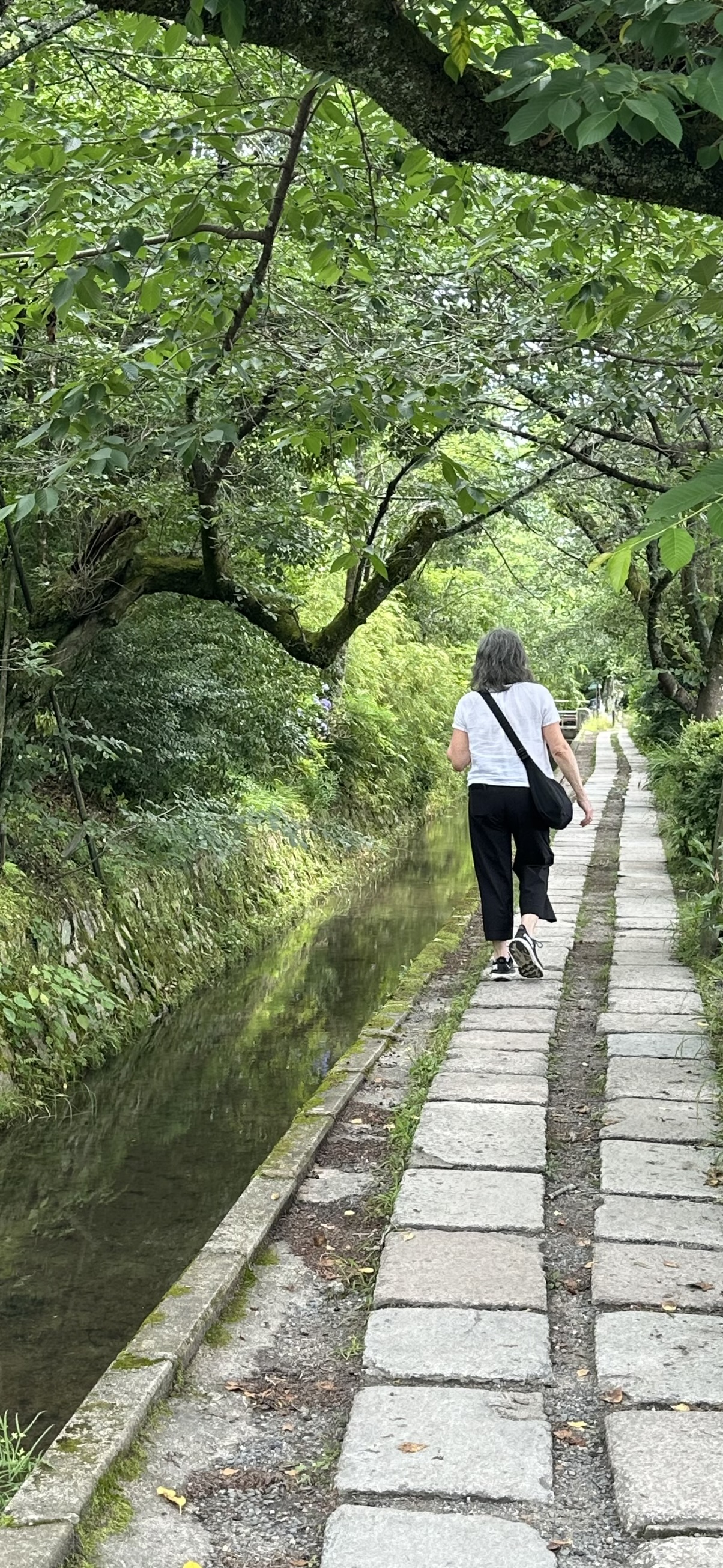
- Can’t miss: Ginkaku-ji, or Silver Pavilion, may have the most beautiful gardens in Kyoto. It also features a large rock garden, yet another recurring theme. We took a short bus ride to get there, then walked back to town via the Philosopher’s Path, which was peaceful, but I understand much more impressive during cherry blossom season (if you don’t mind the crowds).

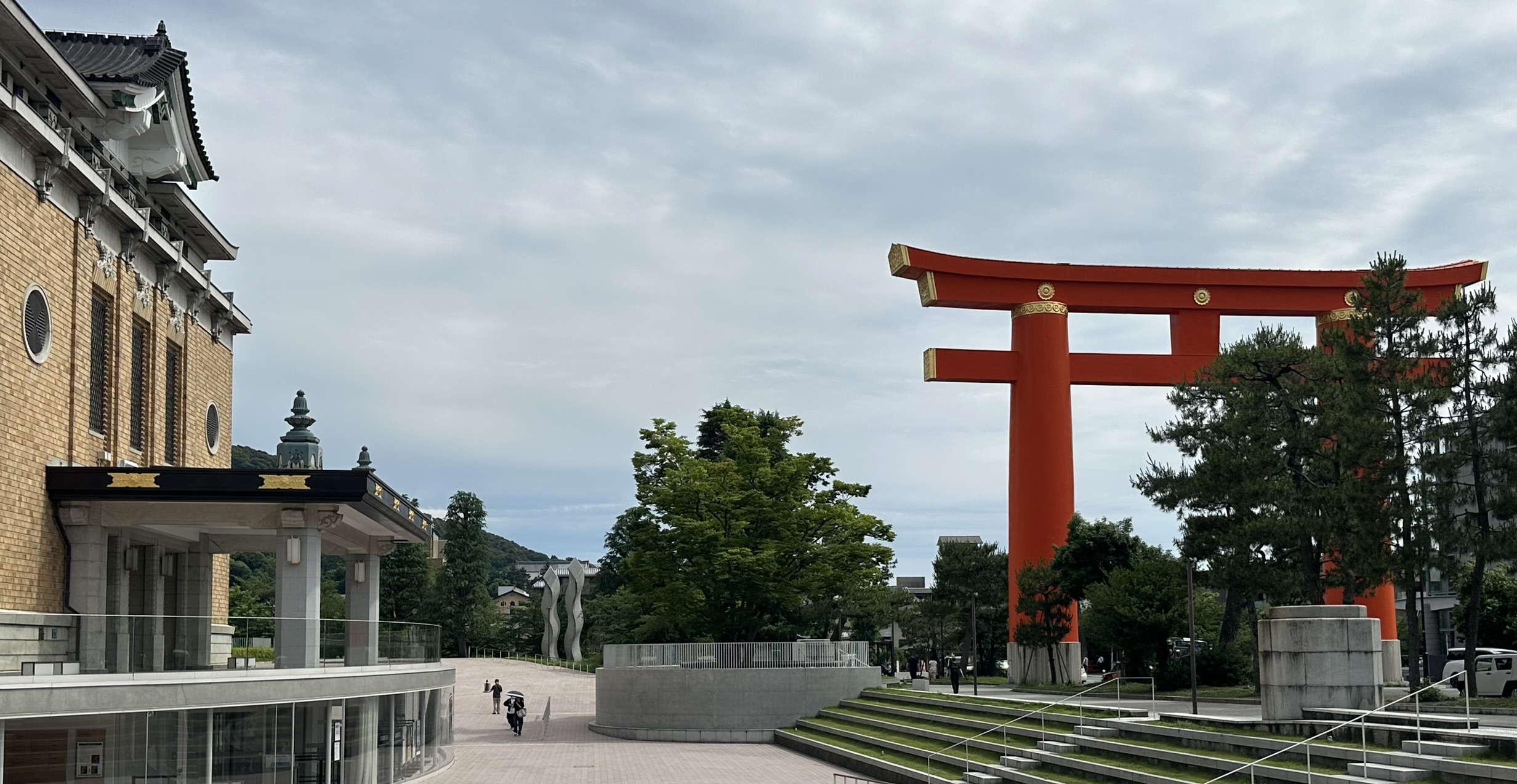
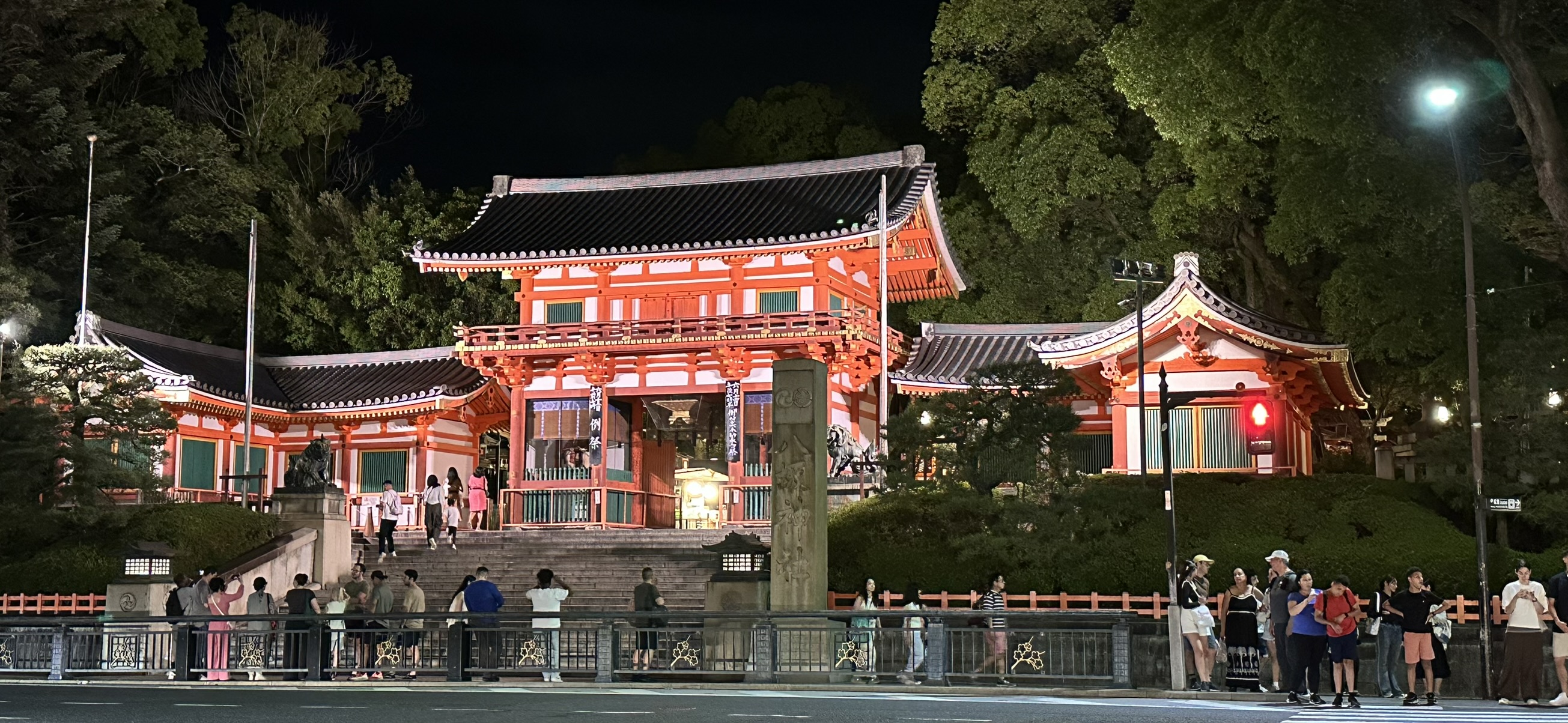
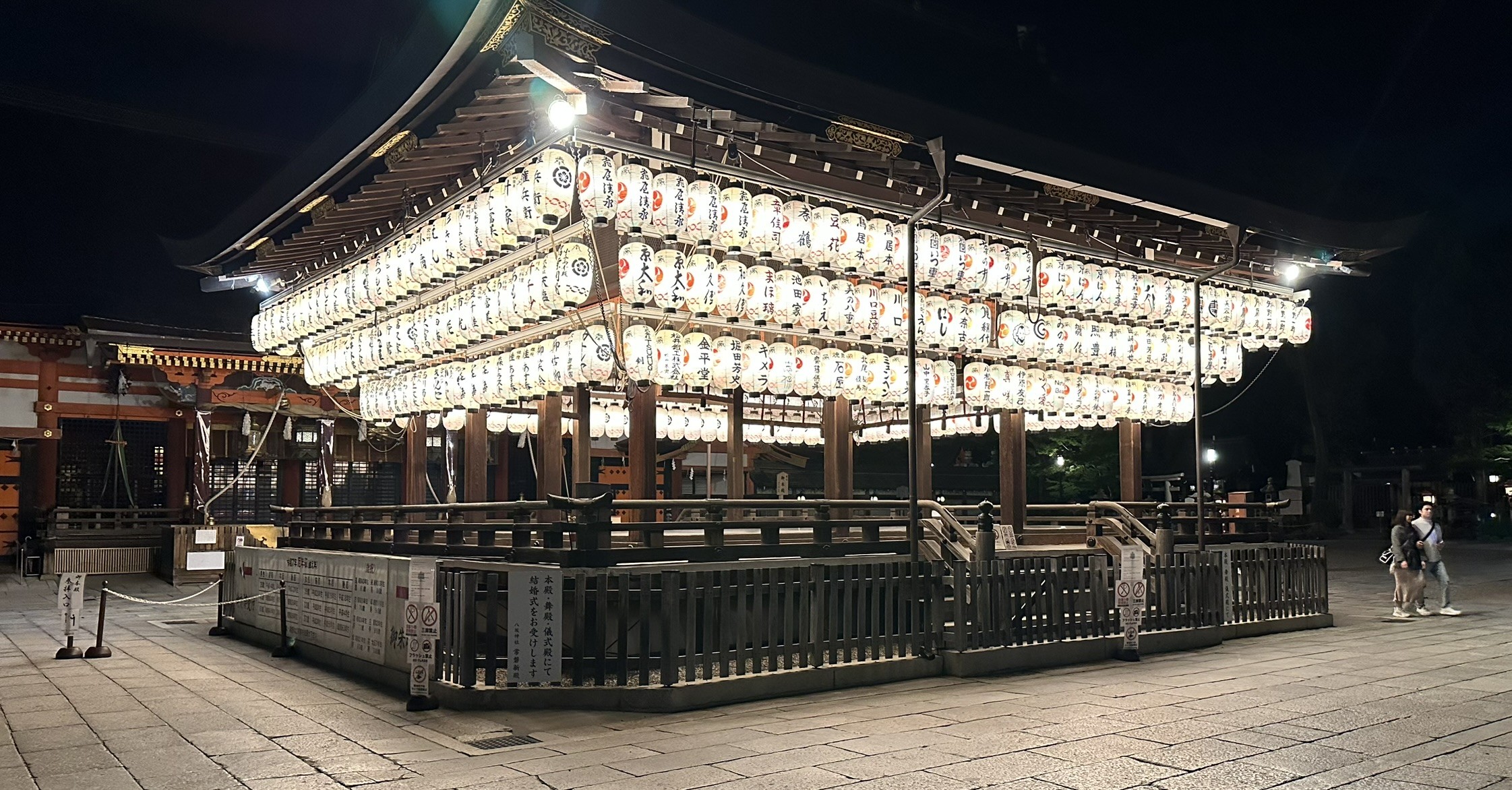
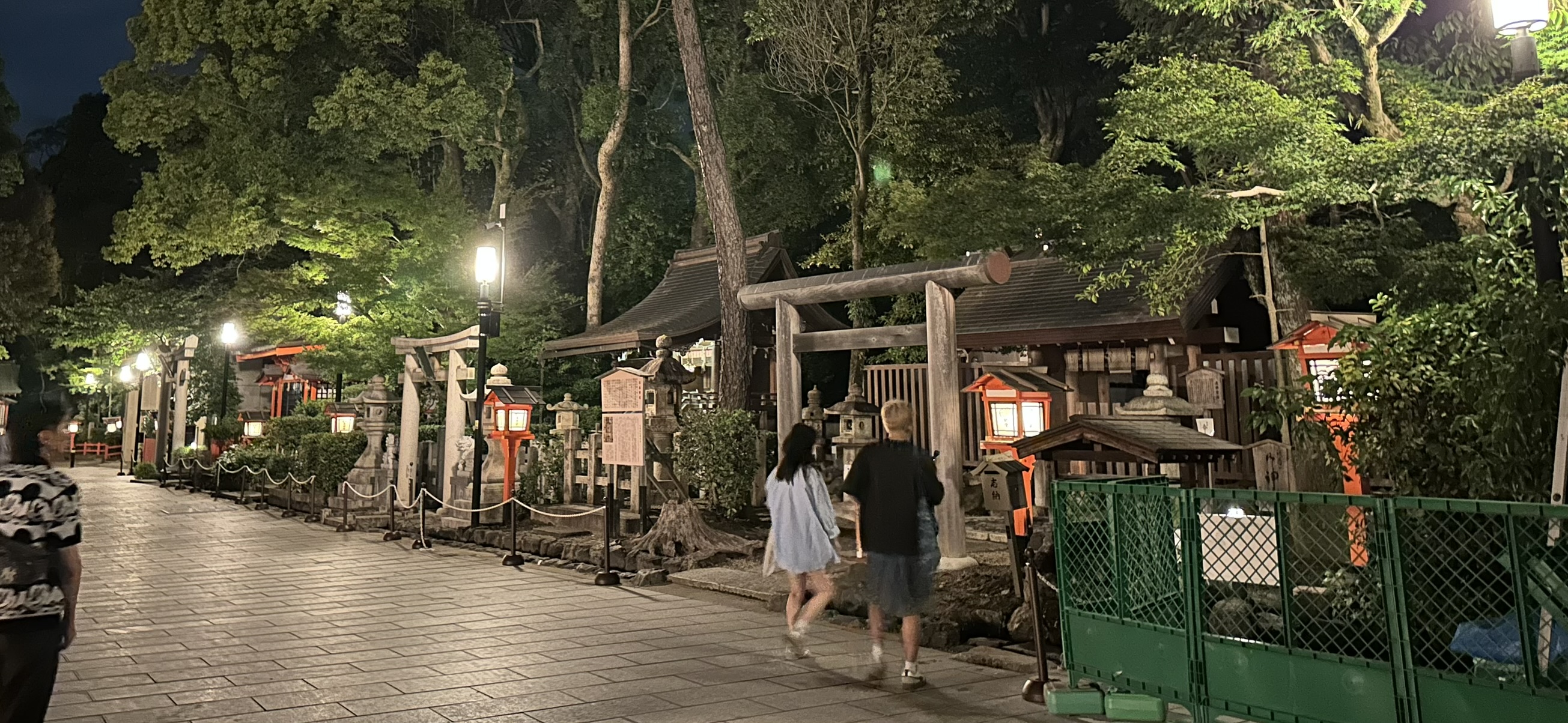
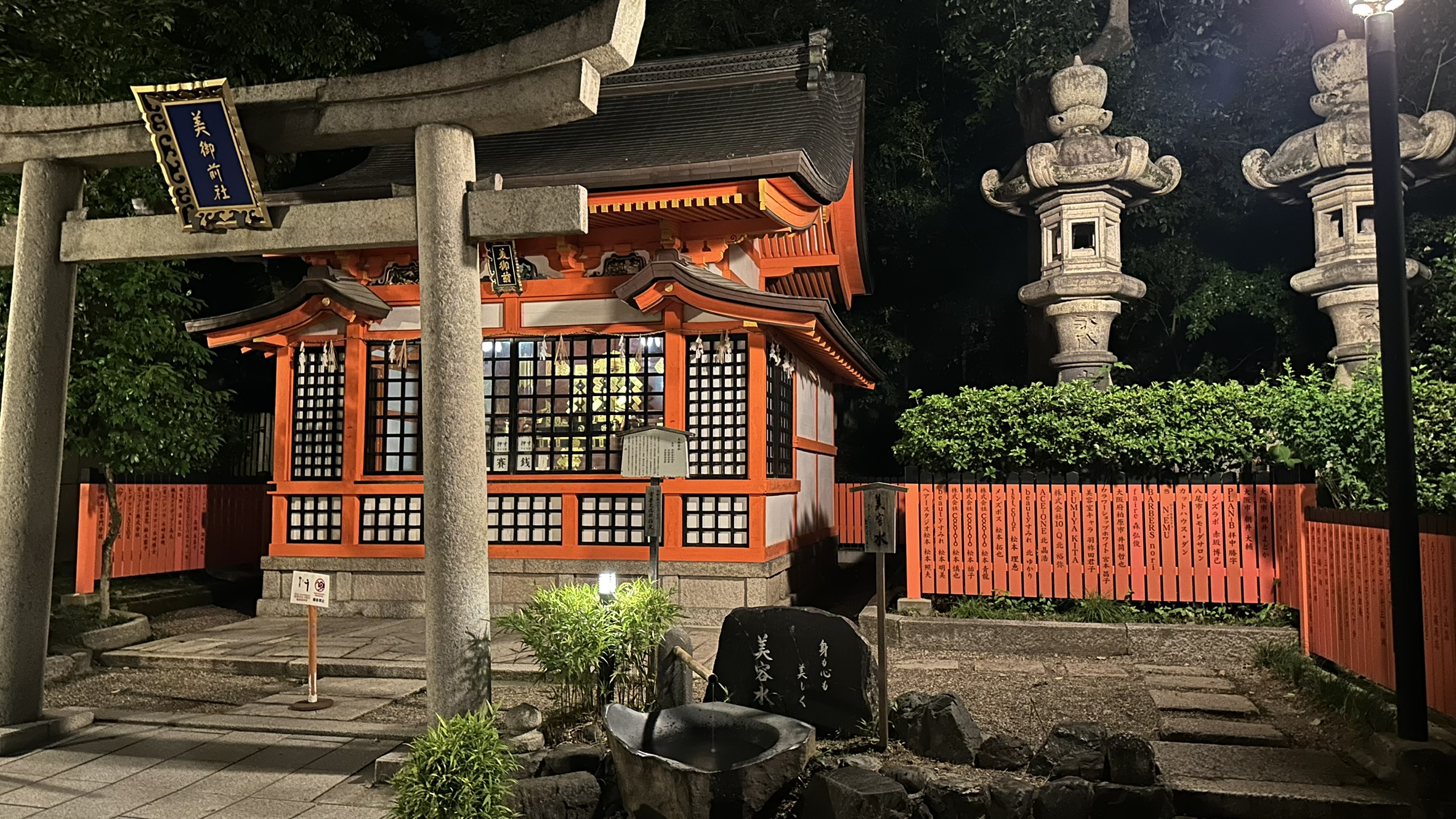
- Yasaka Shrine in Gion was constructed in 656 A.D. and hosts one of the largest festivals in Japan every July. Many small shrines line its interior paths surrounding the main shrine. Especially nice visiting at night.
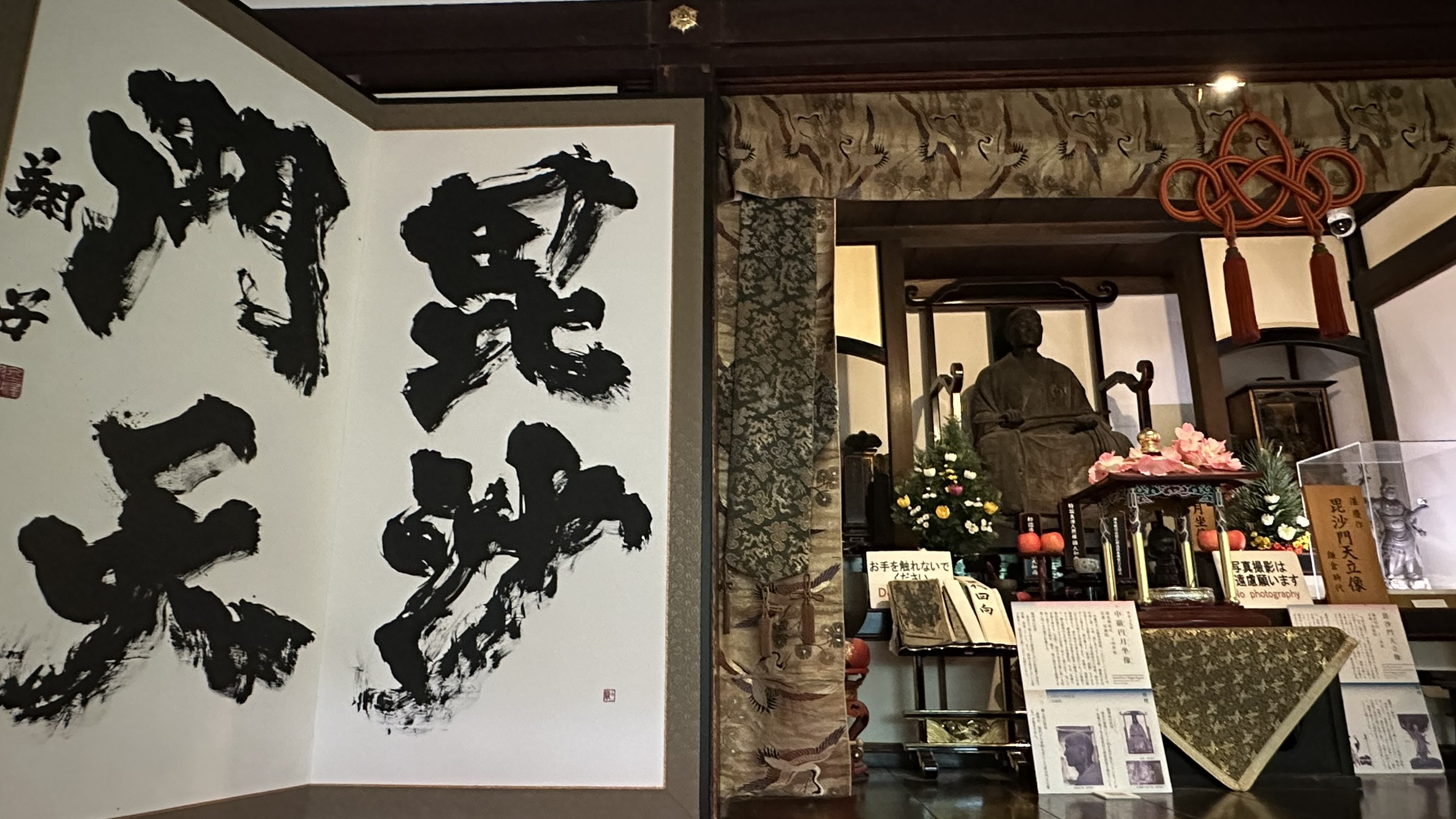
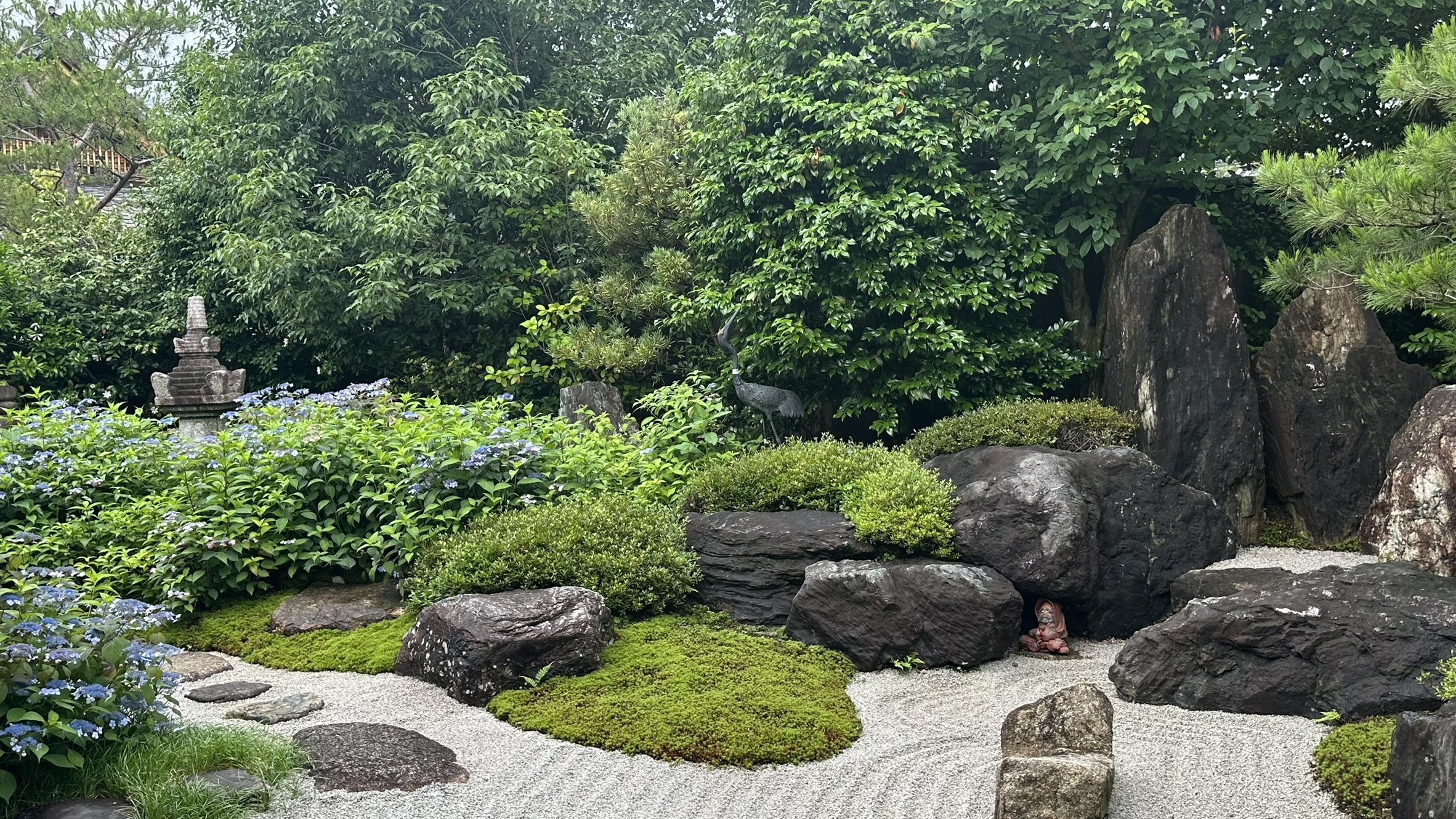
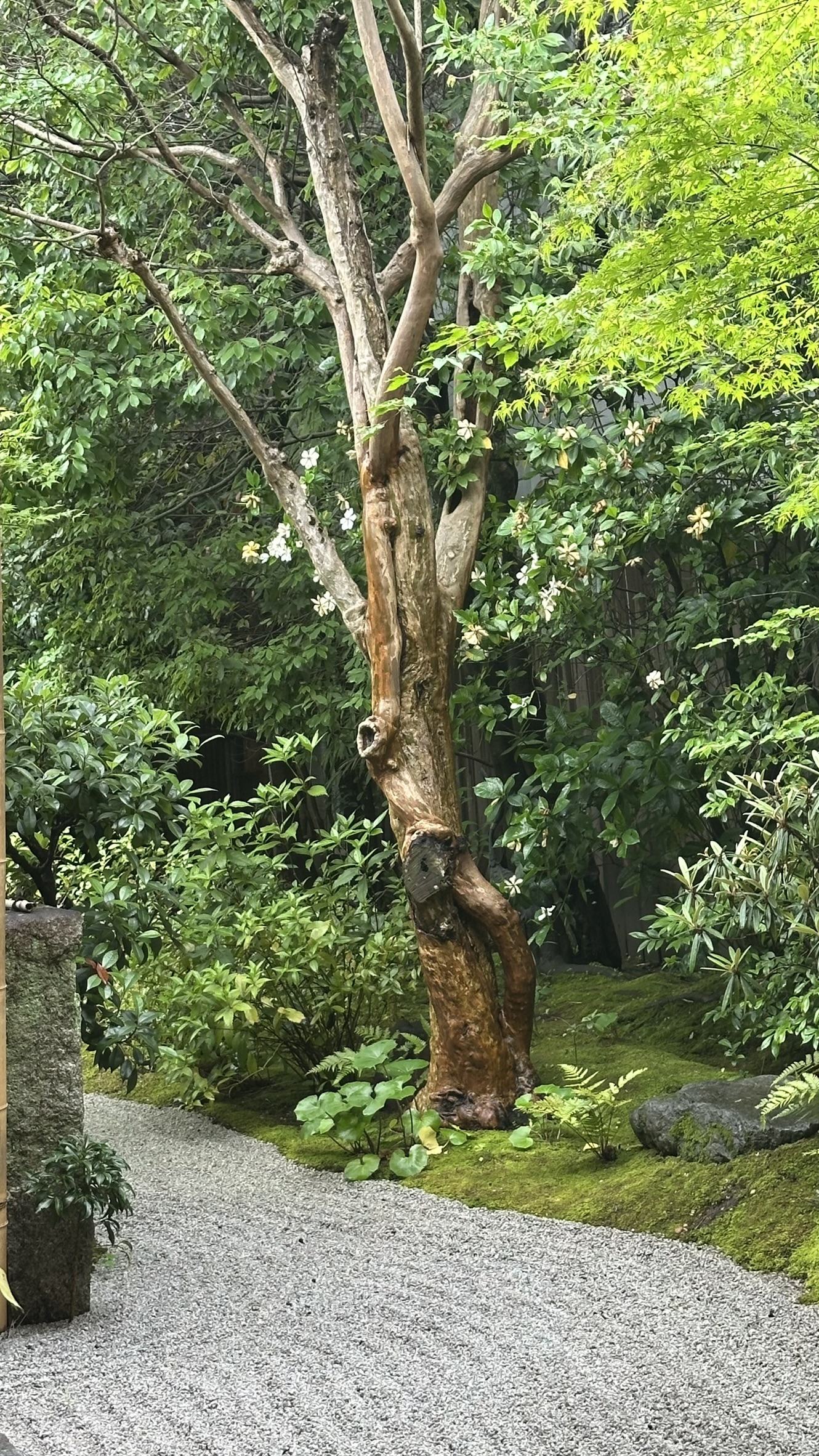
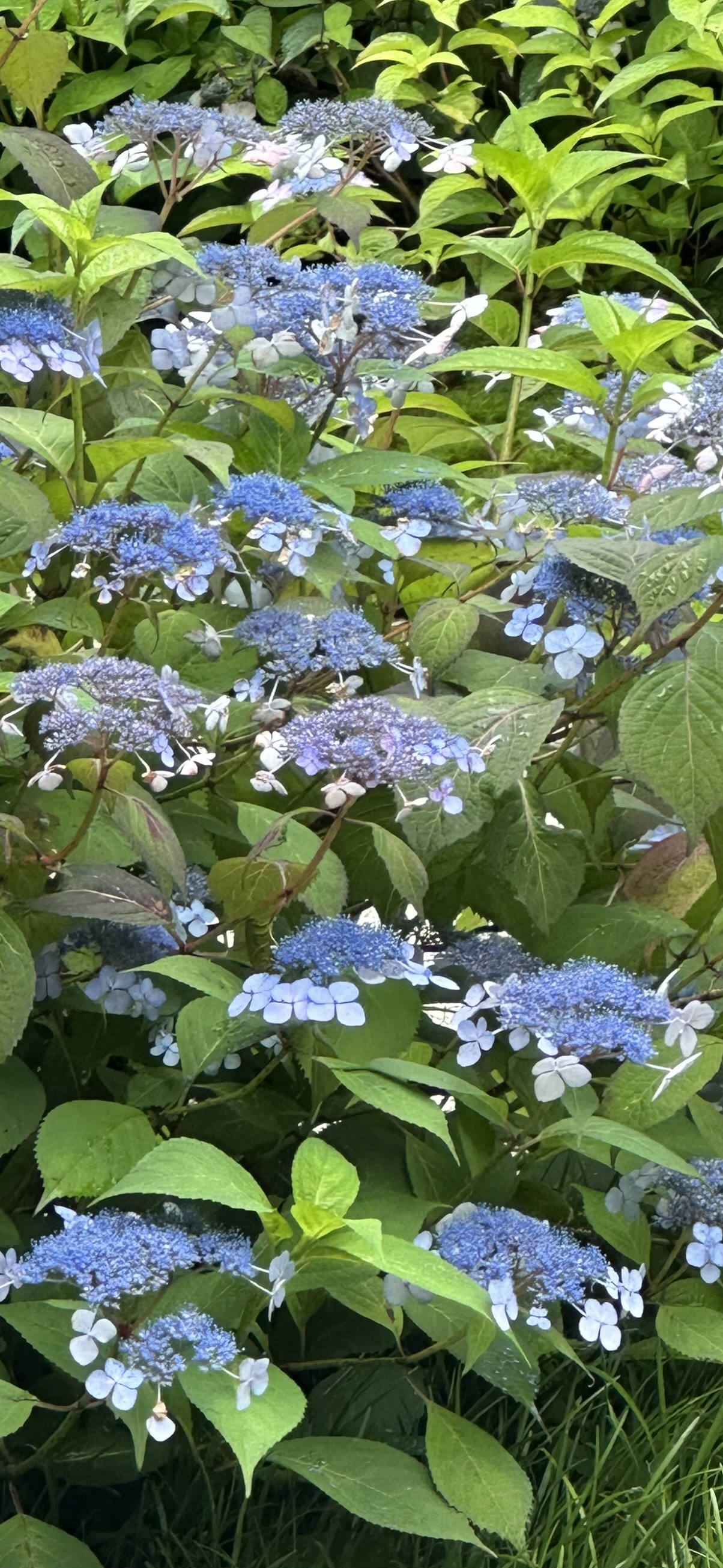
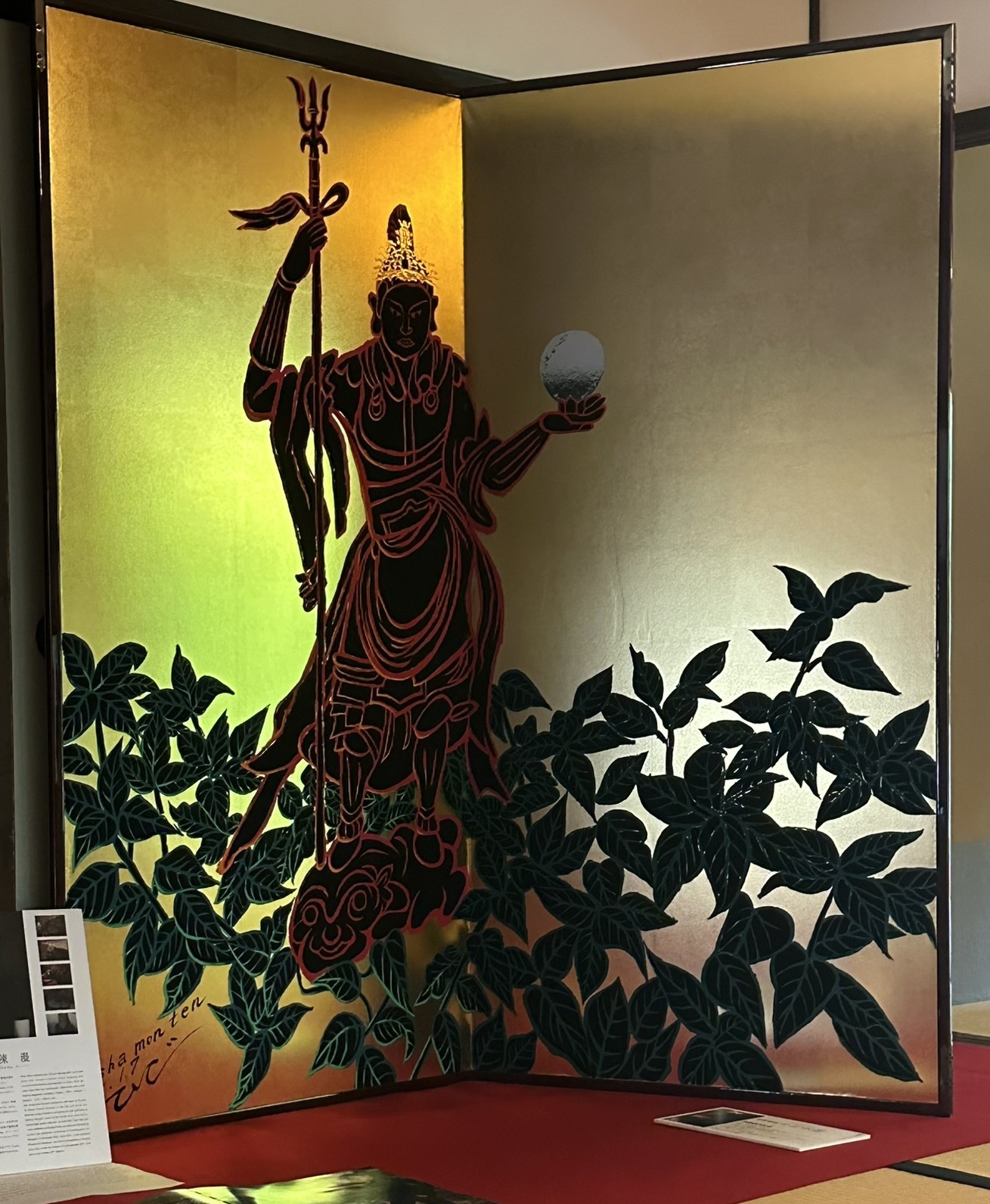
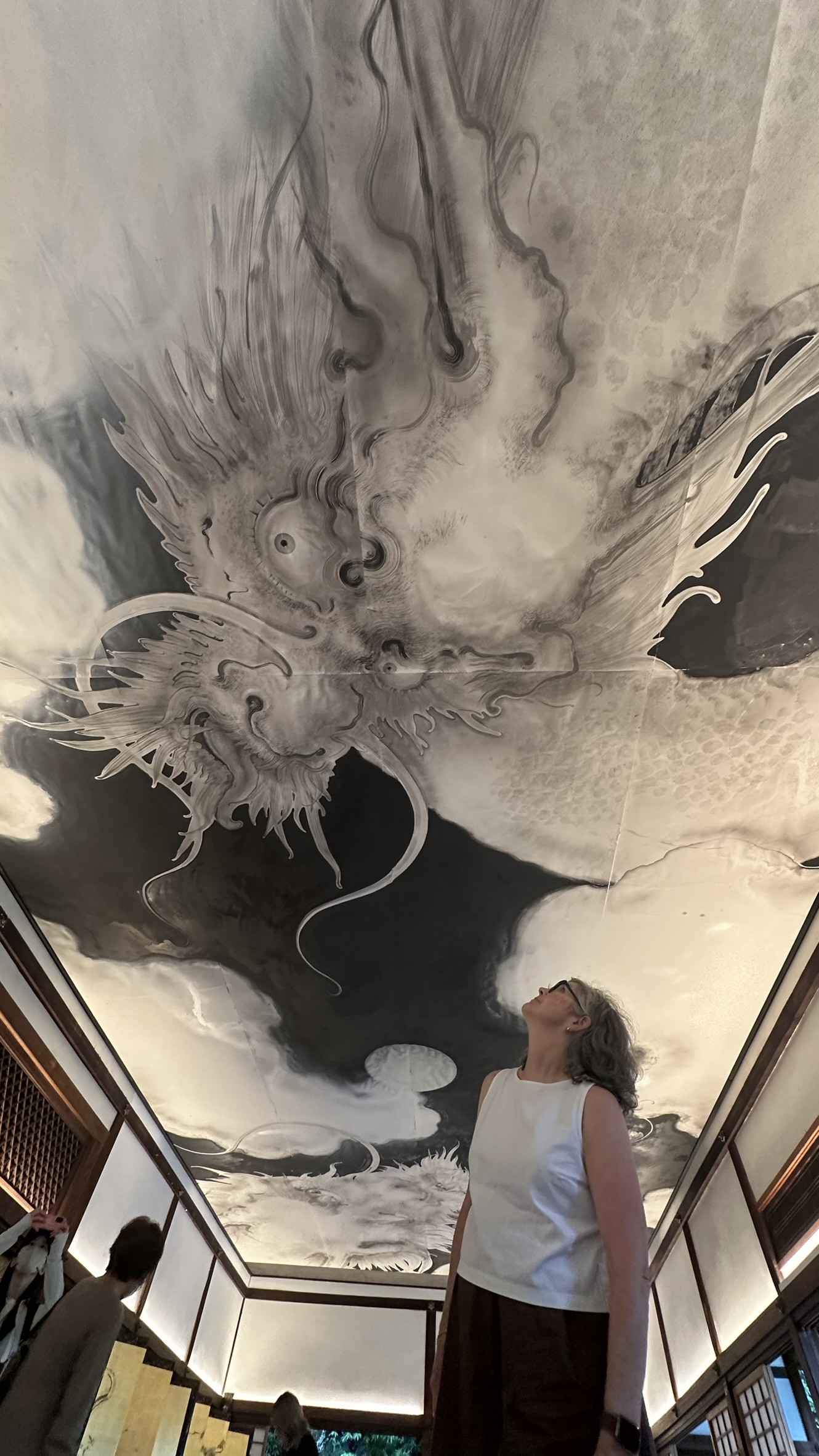
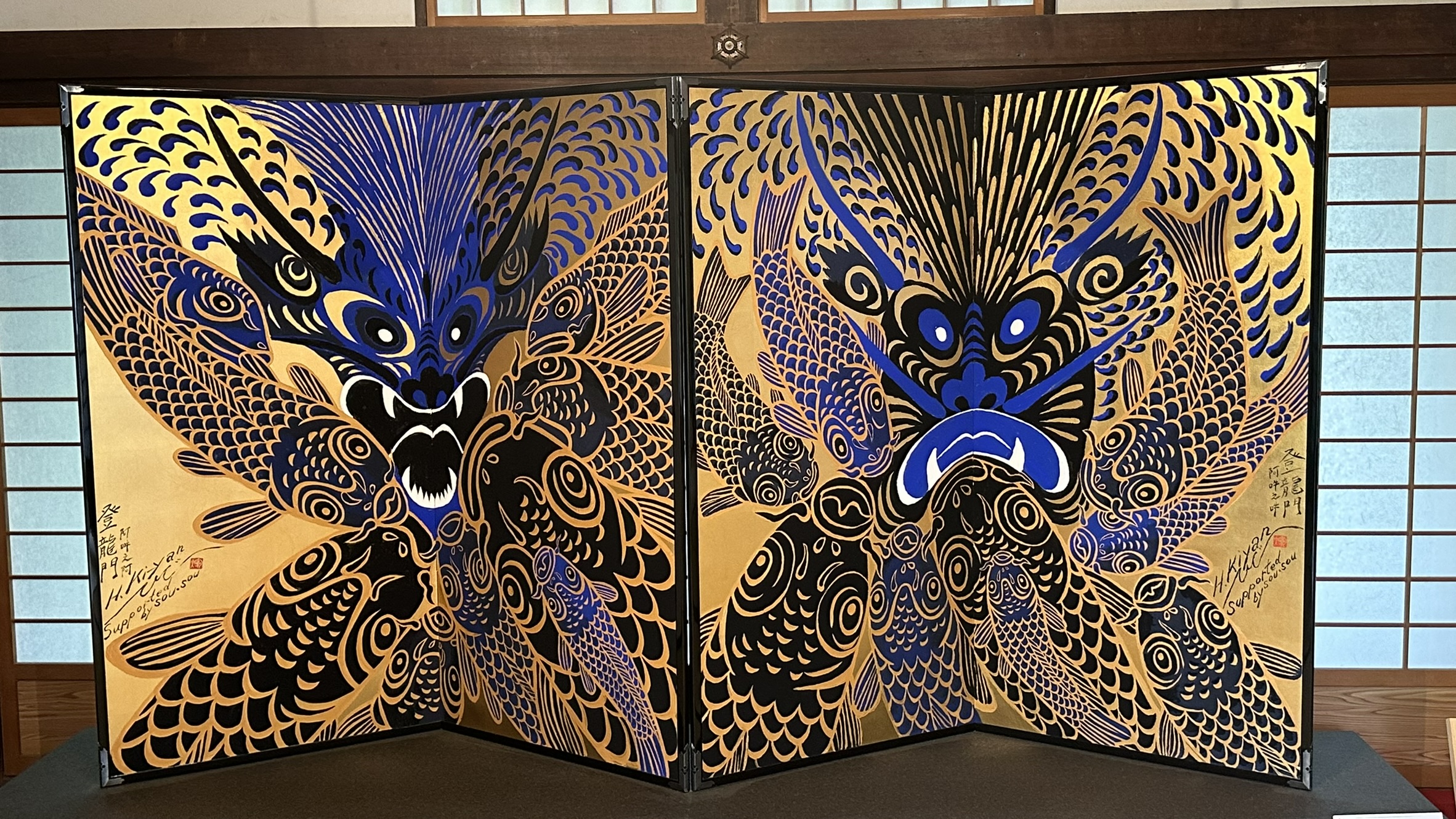
- Gion’s Reigen-in and Kenninji temples turned museum were pretty unique, possibly due in part to the timing of our visit. Reigen-in features both priceless old relics and some brand new art, most notable a massive fresco showing twin dragons covering an entire ceiling. One old relic is a large wooden Buddha that had a small Buddha holding a glass orb with a tiny crystal inside hidden inside the large Buddha for 400 years. It was discovered only recently when the large Buddha was X-rayed. Both are now displayed together (no photos allowed, unfortunately). Kenninji is recently renovated, having just opened for the first time in 750 years. It also has a dragon fresco on the ceiling by the same artist that painted Reigen-in. Both temples have among the prettiest, small zen gardens we saw.
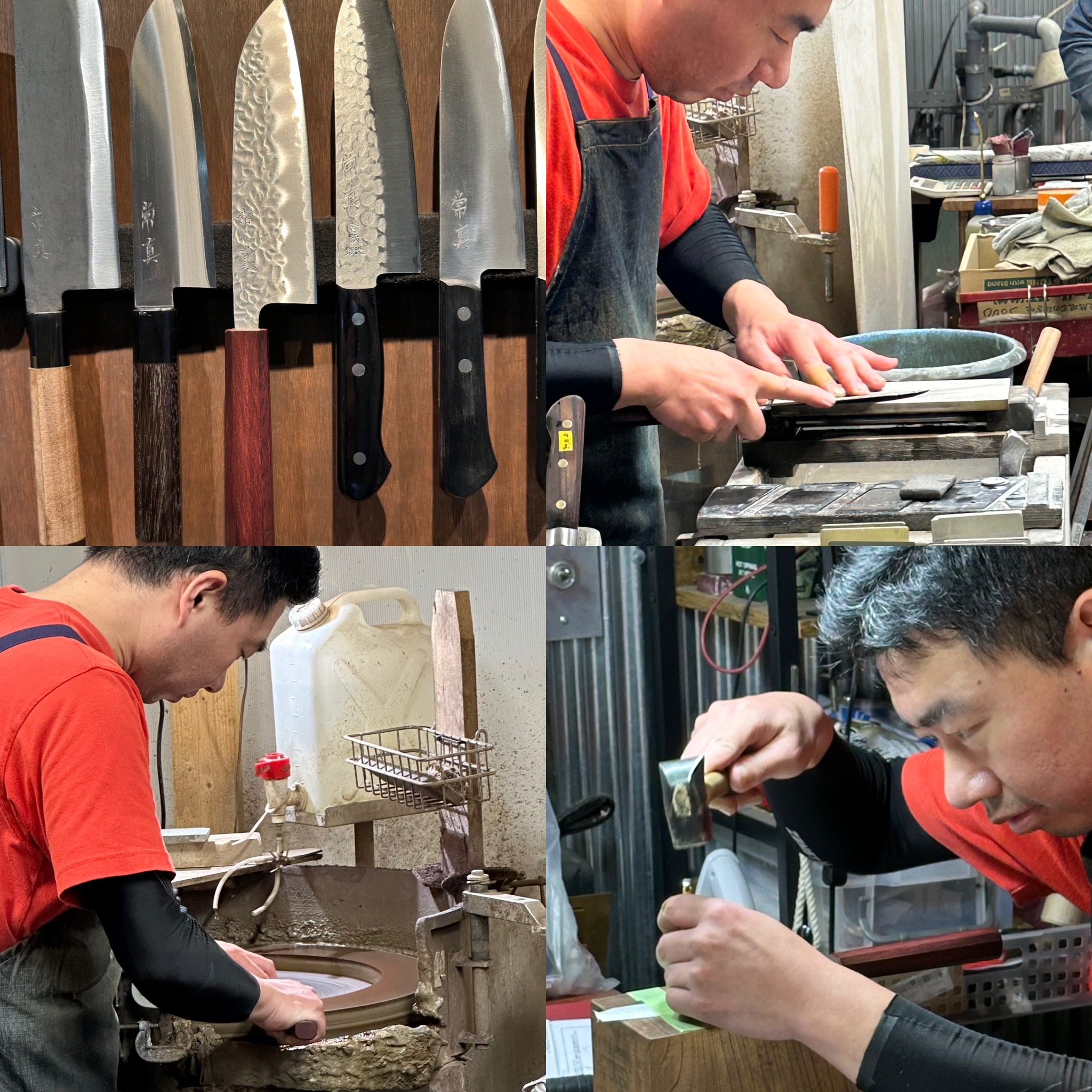
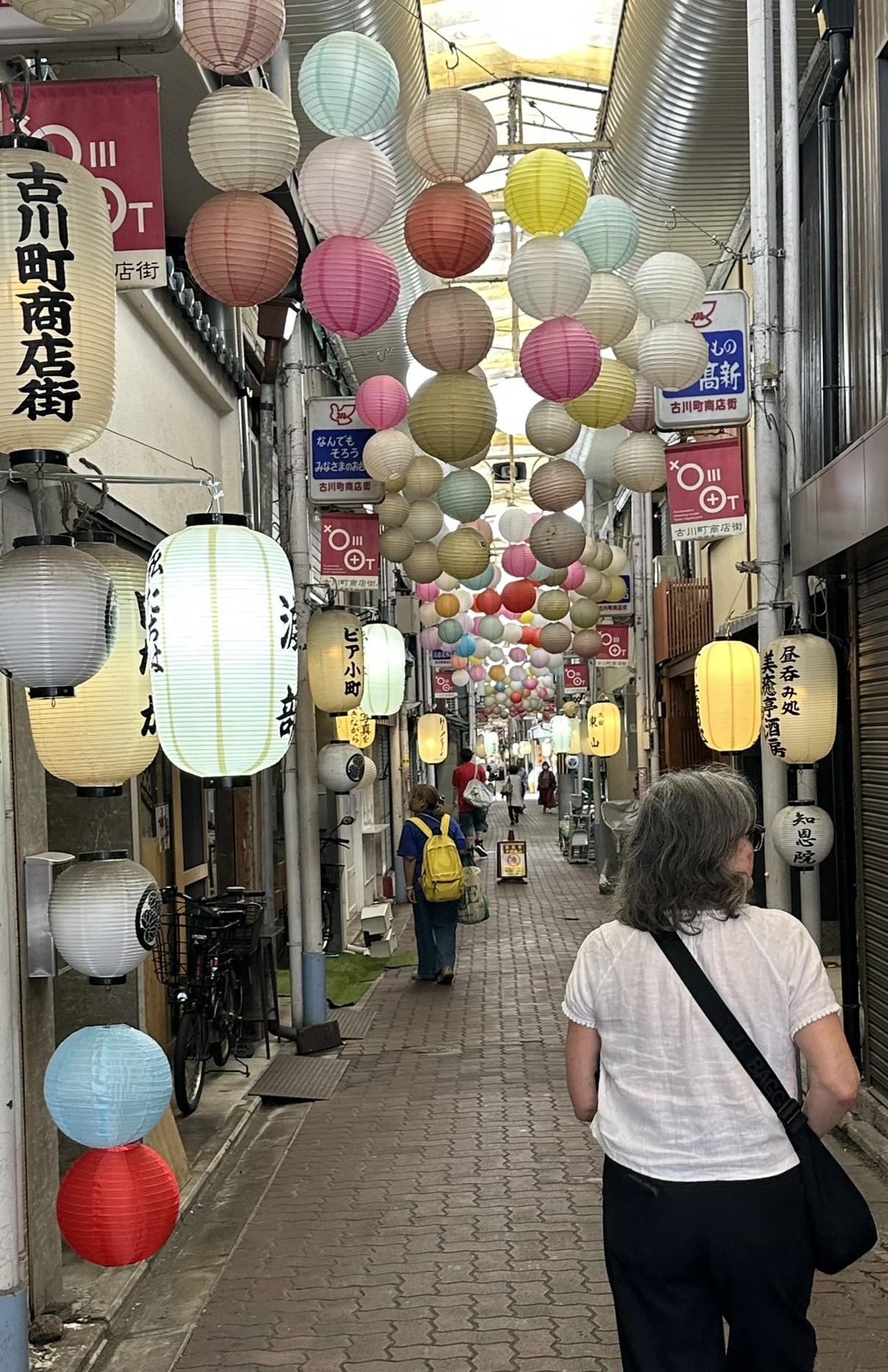
- While I was not a fan of Nishiki Market, I did like a much smaller covered shopping street a few blocks east of the river for two reasons:
- Knife Tsuneshin, a small, out-of-the-way knife sharpening shop that just happens to make their own small selection of excellent knives. Great place to buy, as prices are better than the big shops and include sharpening and name engraving (in Kanji) on site.
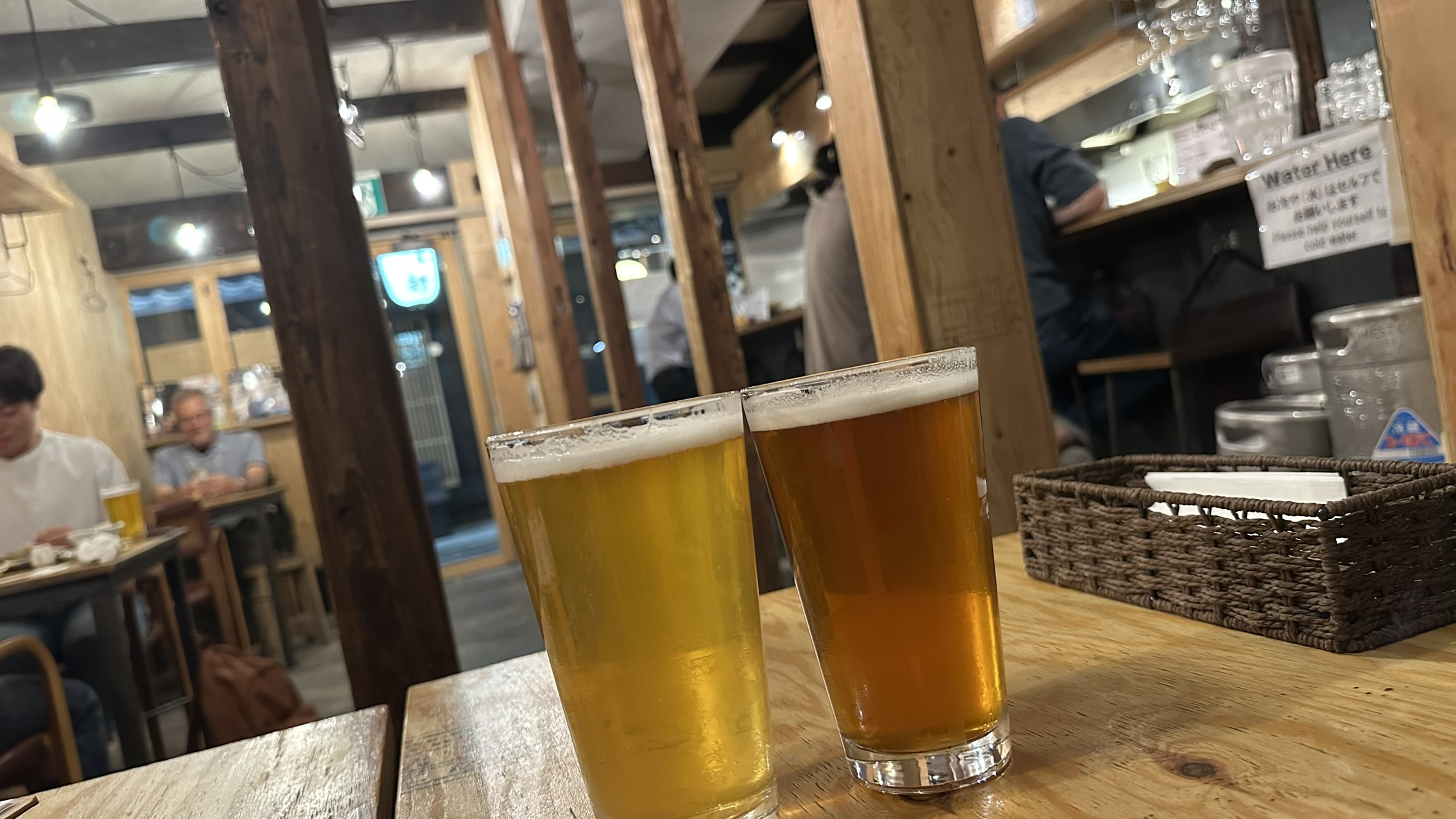
- Beer Komachi, a very small, unpretentious craft beer cave serving the small selection of excellent craft beers on tap. Nice spot to get out of the heat for a while.
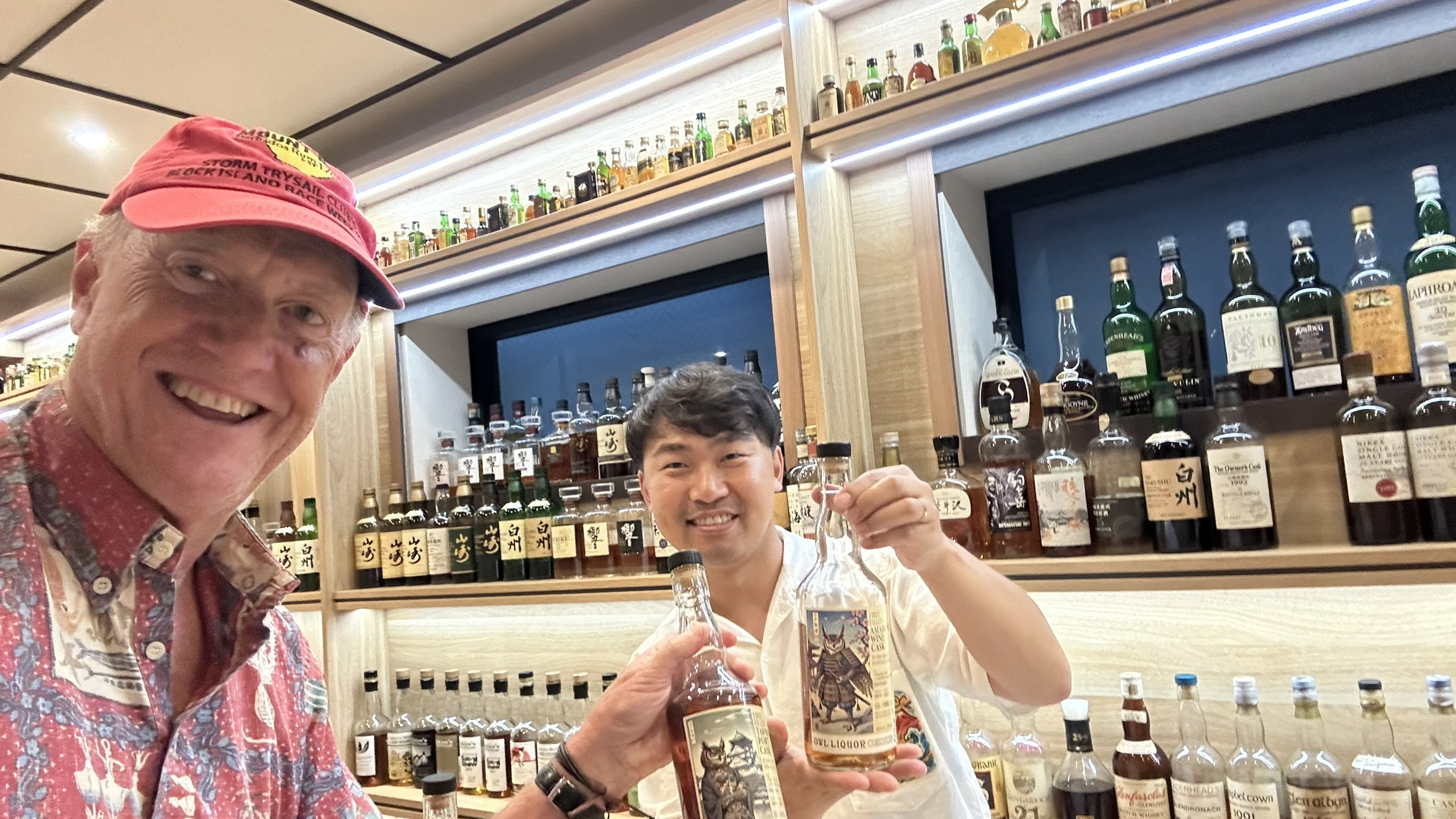
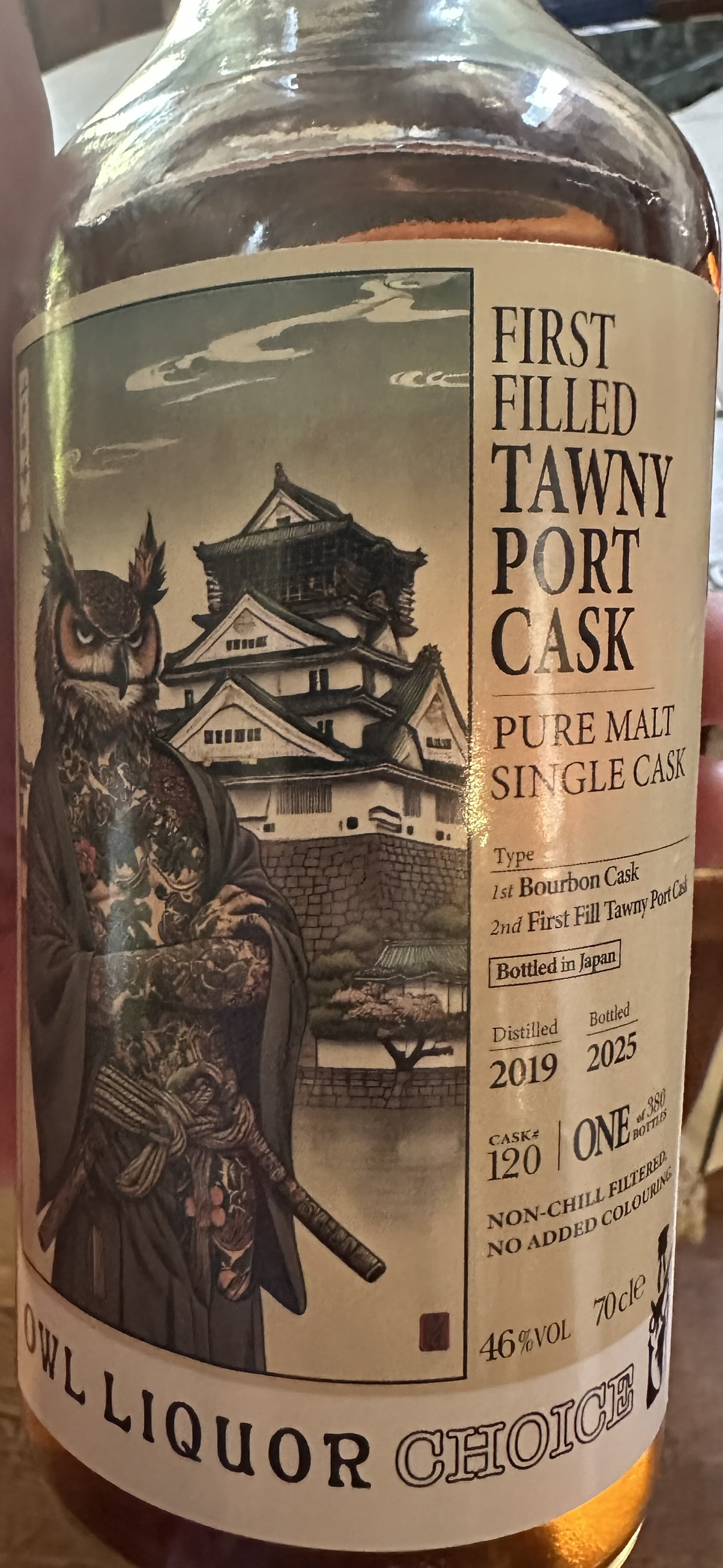
- I generally don’t care much for shopping unless it involves knives or whiskey, so my next purchase was a bottle of Owl Japanese whiskey, just six years old and finished in port casks, which I bought from the distiller and shop owner after tasting his wares.
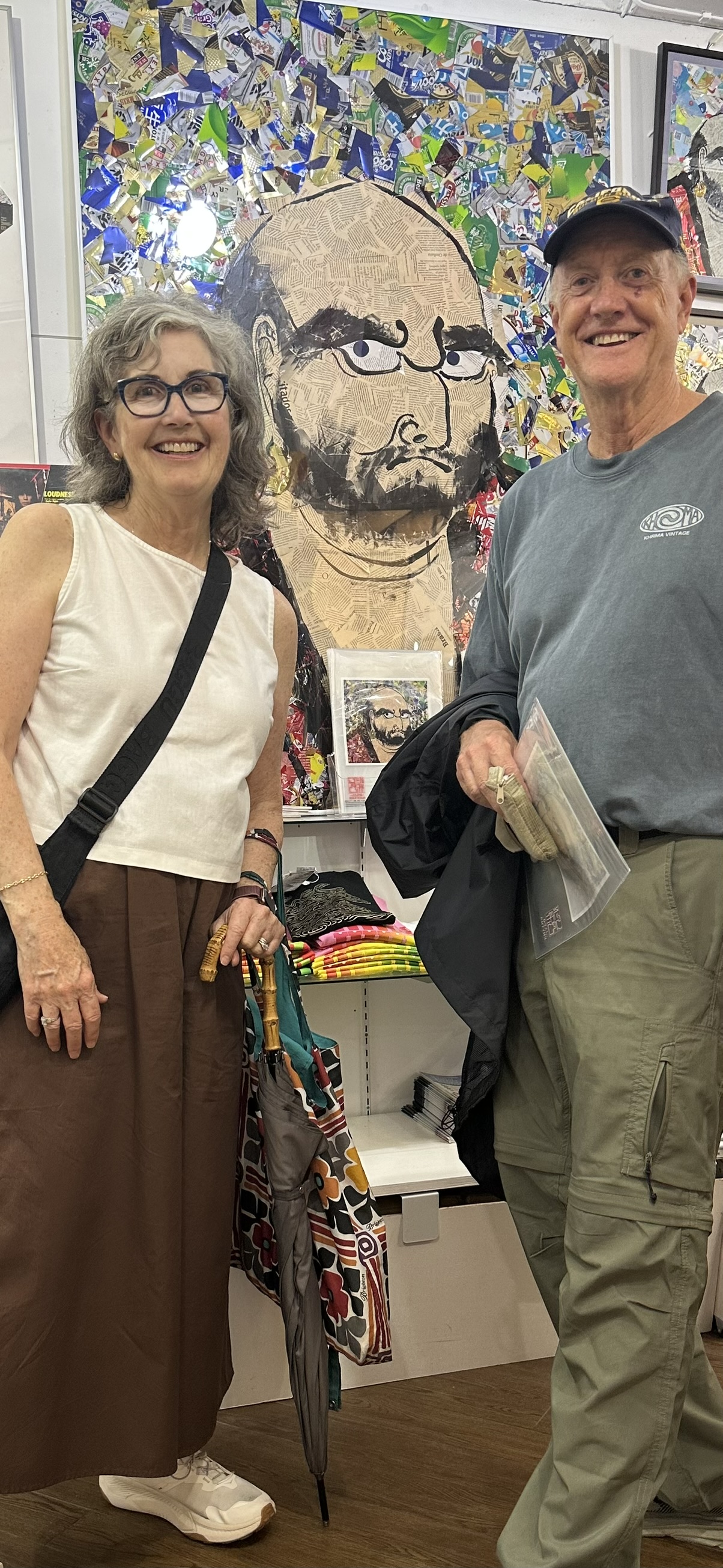
- Michelle, on the other hand, loves shopping and was particularly fond of Japo-Rhythm, an art/concept give shop that featured, among other things, a huge image of Bodhidharma, who brought Zen Buddhism to Japan, constructed entirely from American beer can fragments.
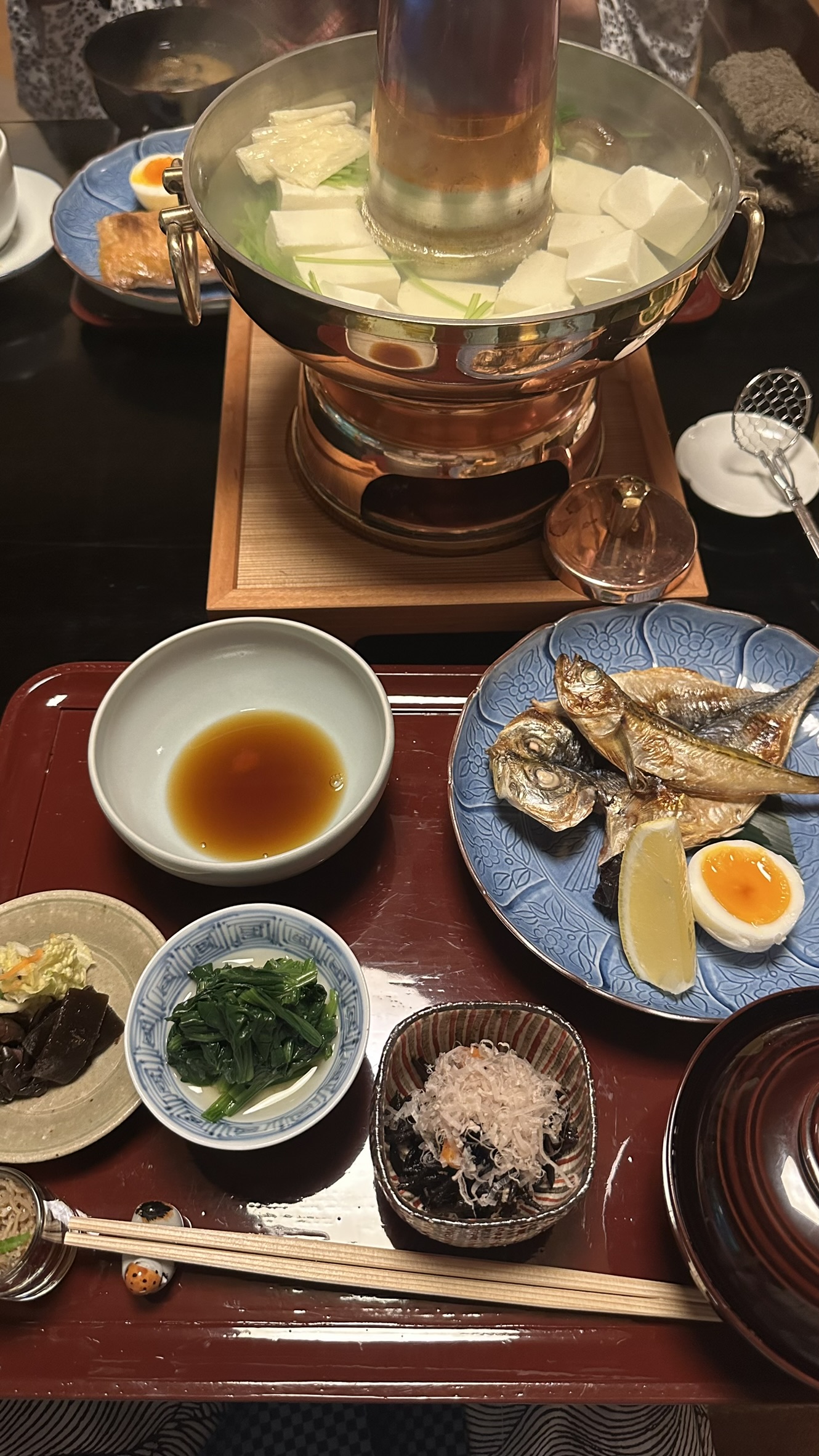
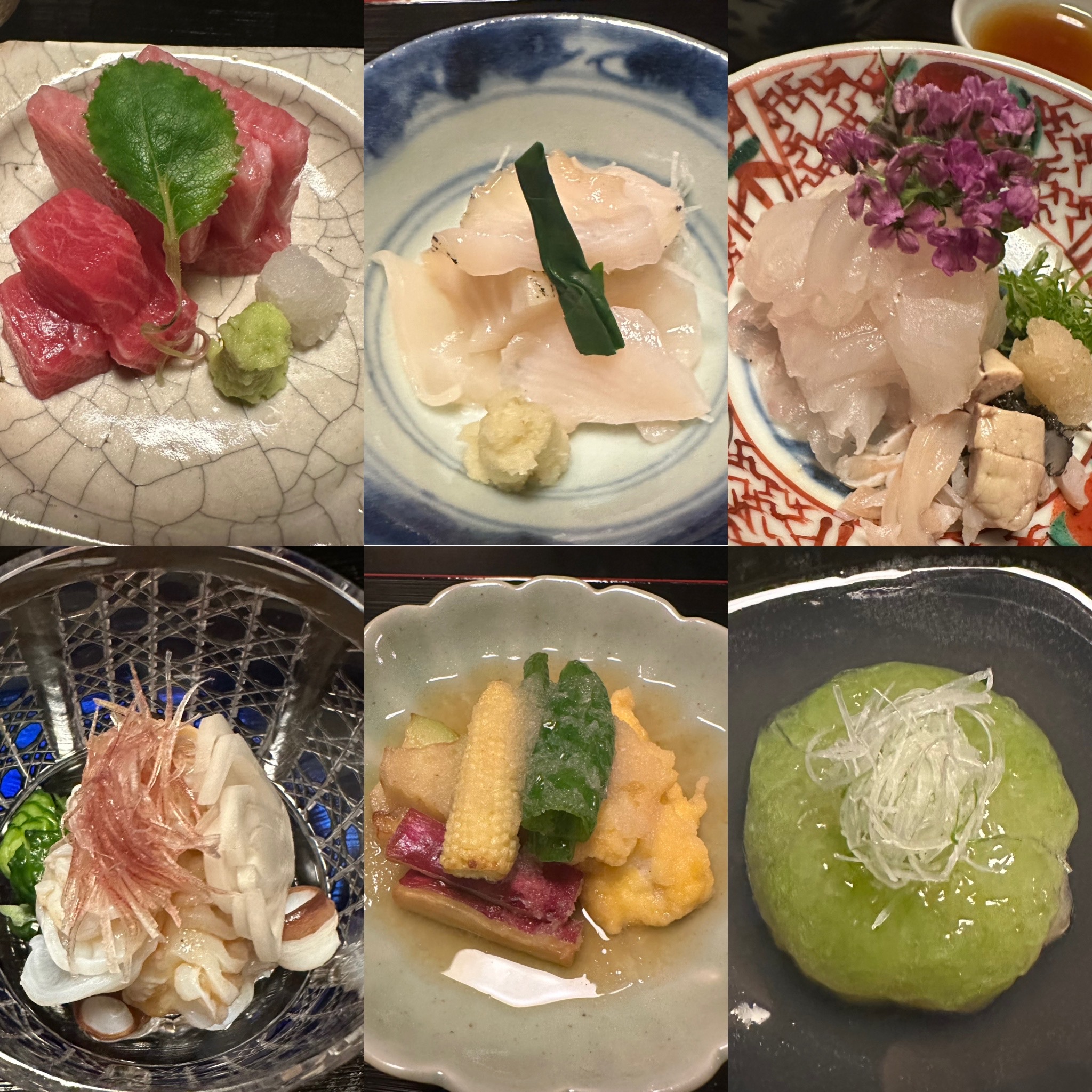
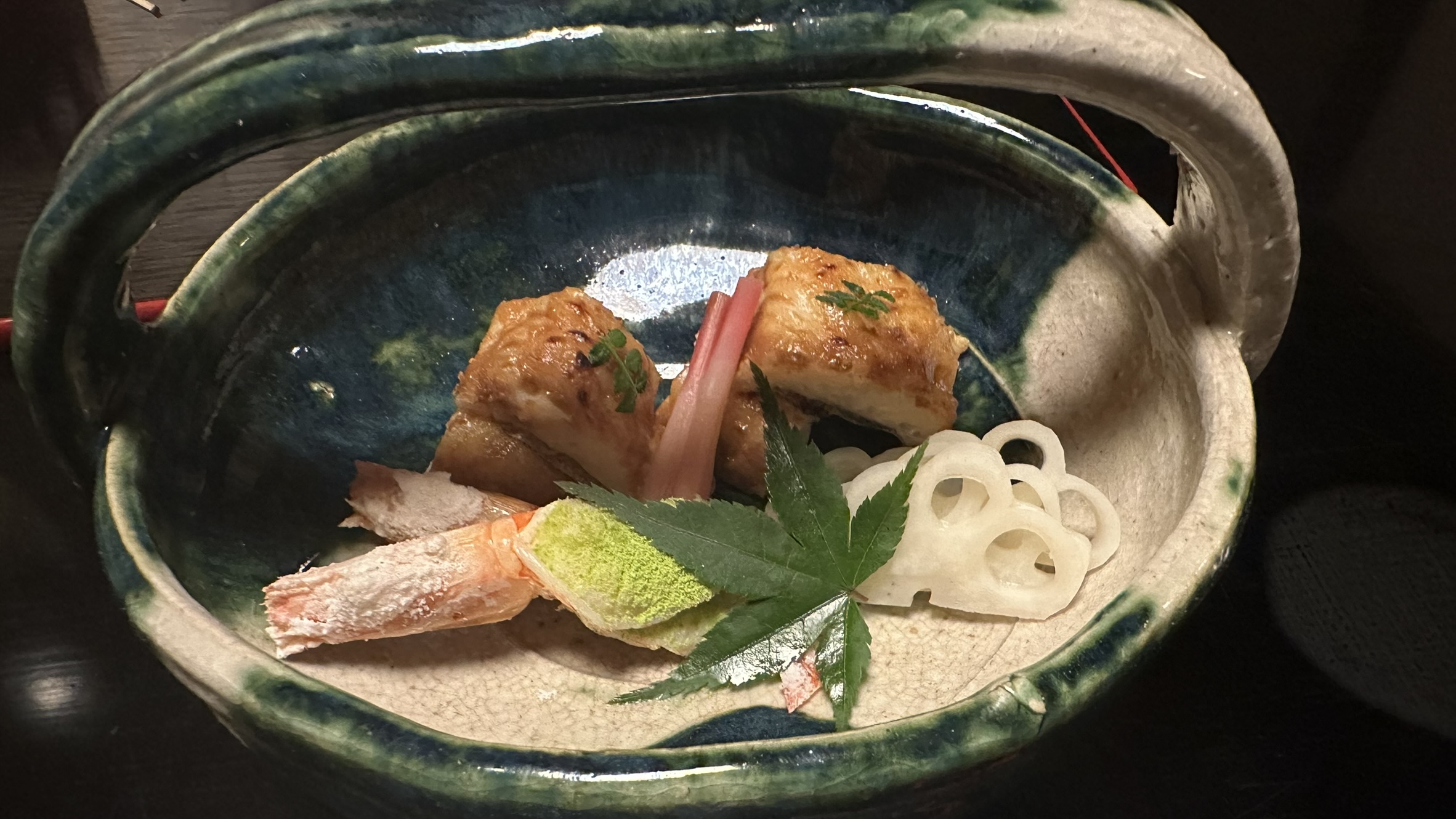
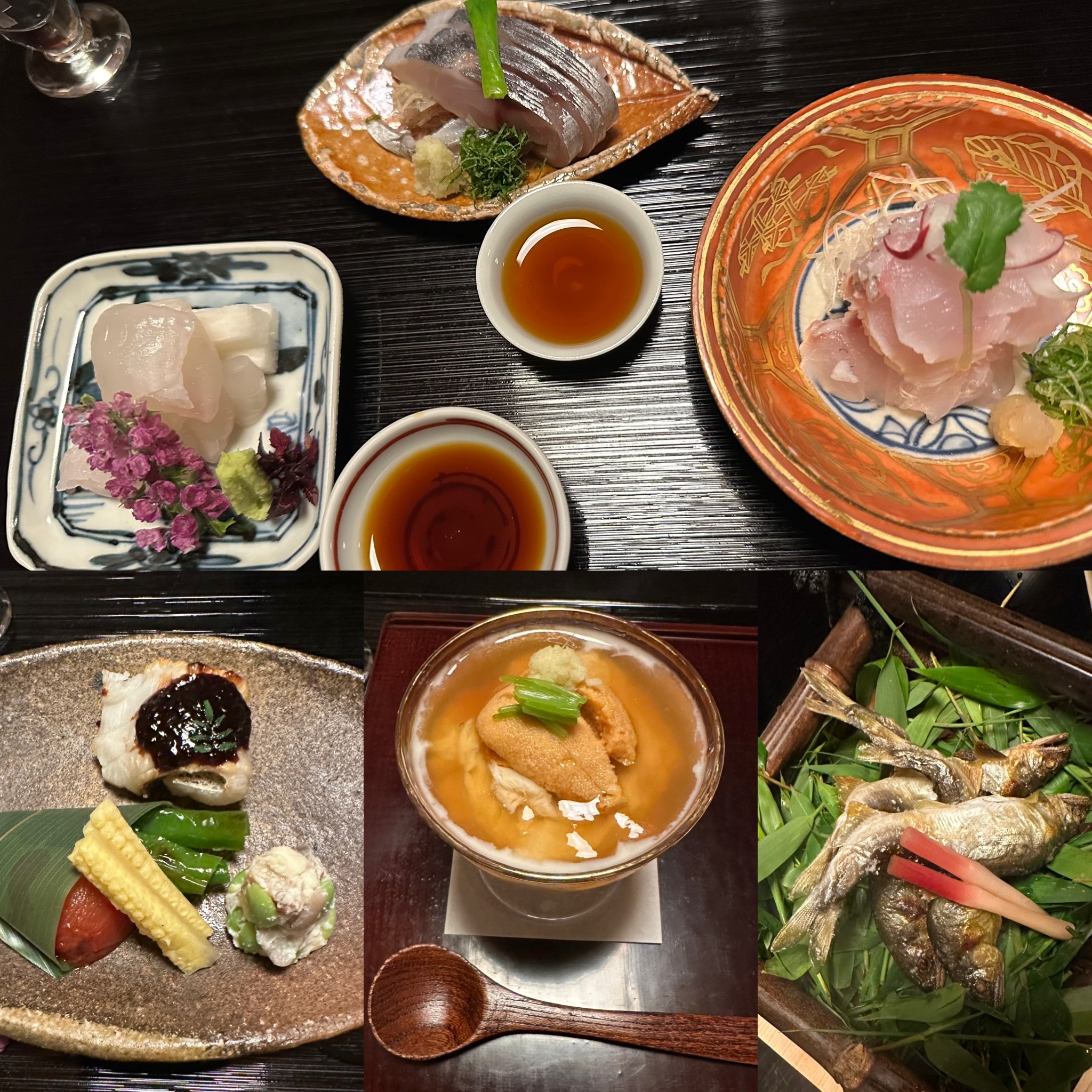
We liked our boutique hotel, Dhawa Yura, very much (here’s my TA review) — great location close to Gion, Pontocho, the river, and subway and train stations. But with a break in the rain that we got our first few days in town, we moved to another very nice, traditional ryokan –something we had planned in advance as a little “vacation from the vacation” for our last two days in Kyoto. A pricey splurge to be sure — a function of incredible demand, I’m sure — but it truly was a special place. A masterpiece of carefully executed, understated, minimalist beauty and serenity. Exquisite in-room dining experience, too. All things considered, I’d recommend our Takayama ryokan experience over this one purely on price/ROI, but it was definitely unlike any place we’ve ever stayed, for all the right reasons.

| Days 29-32 | Osaka | Zentis Osaka Hotel |
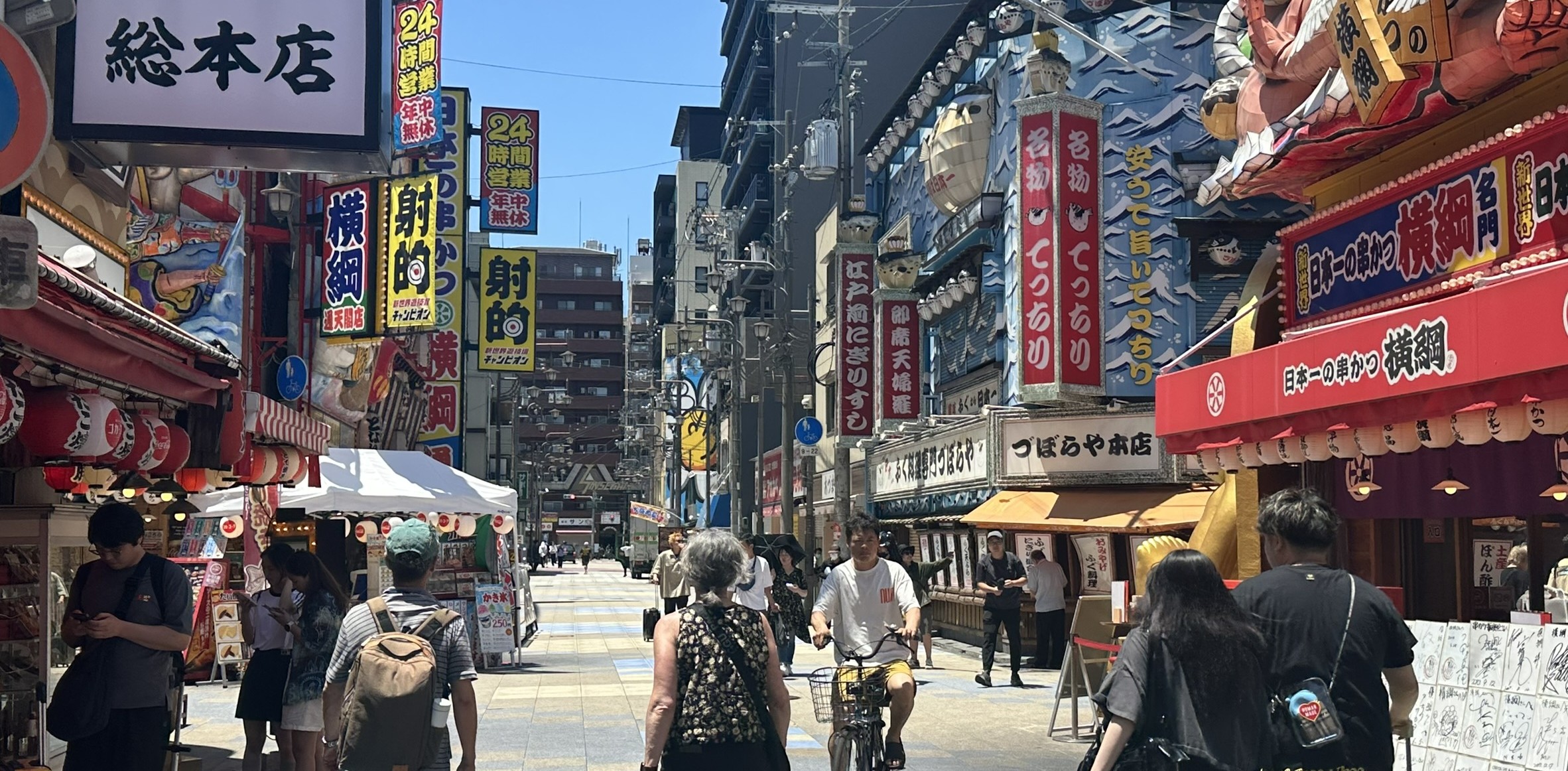
And so, our maiden journey through Japan ends in Osaka, the unofficial western capital of Japan and its third most populous city known for its food and nightlife and its most distinctive landmark, Osaka Castle. Our first draft travel itinerary had us spending 6 days in Osaka, but we cut that back to spend more time elsewhere. Good call. As it was, our 3 days and 4 nights in Osaka was about one more than we needed, especially with temperatures in the mid-90’s and 80% humidity. Thankfully, the bars are cool at night.
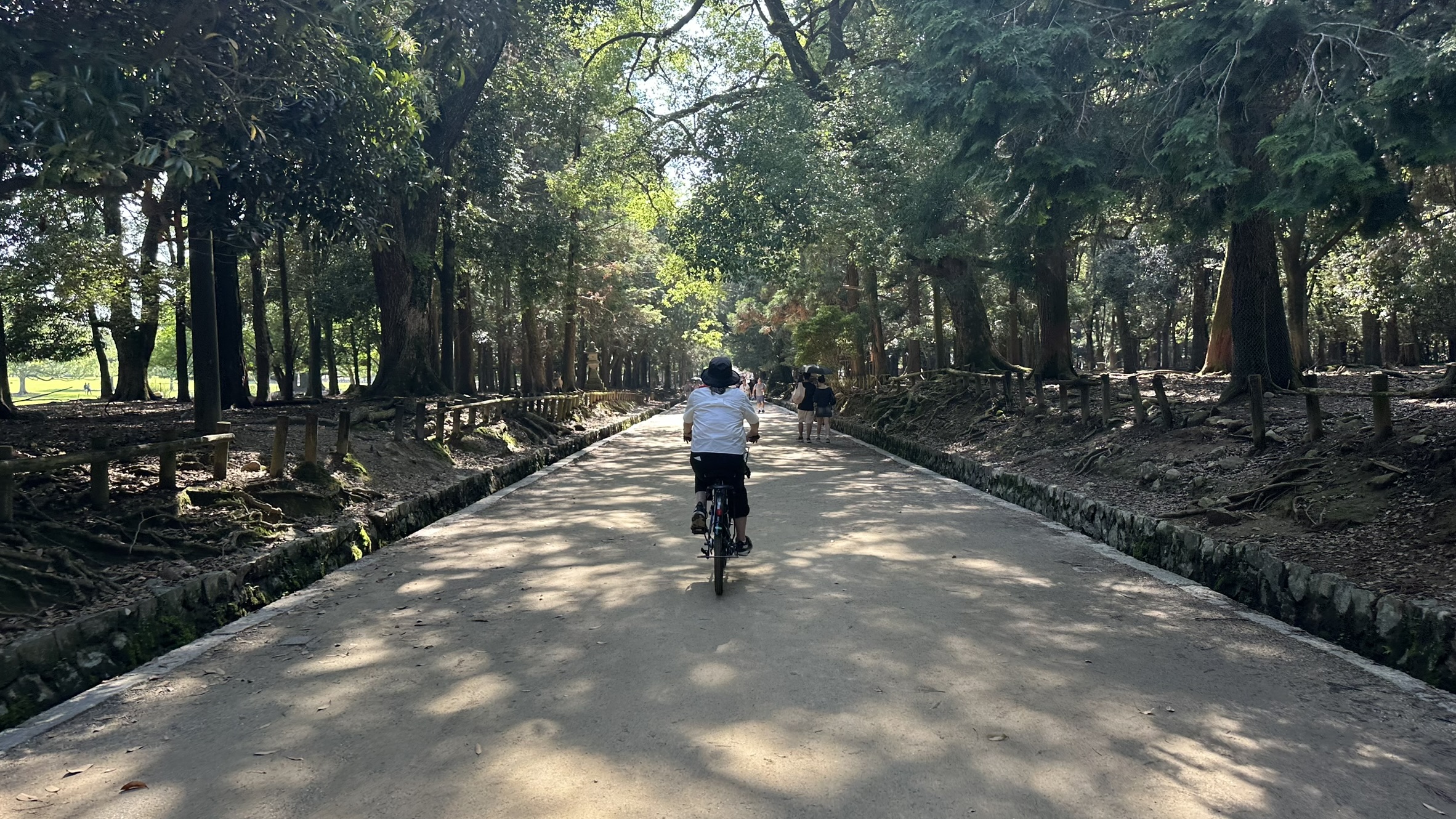
Rather than head directly to Osaka from Kyoto, only an hour by train, we made a half-day detour to nearby Nara, Japan’s first official capital dating to the 8th century. That essentially doubled our train time, a small price for another adventure. While most people make Nara a day trip from either Kyoto or Osaka, some spend the entire day or even a few days. To us, a half day was just right. Doing that on a 4-hour eBike tour with Japan Tour Adventure was the best decision possible! We were able to cover a lot of ground in a short time and riding for a change was great fun; on a hot day we were able to create our own welcome breeze without working up a sweat. I do recommend this outfit and our guide, an expat Aussie named Robert (here’s my review).
Highlights from Nara and Osaka:
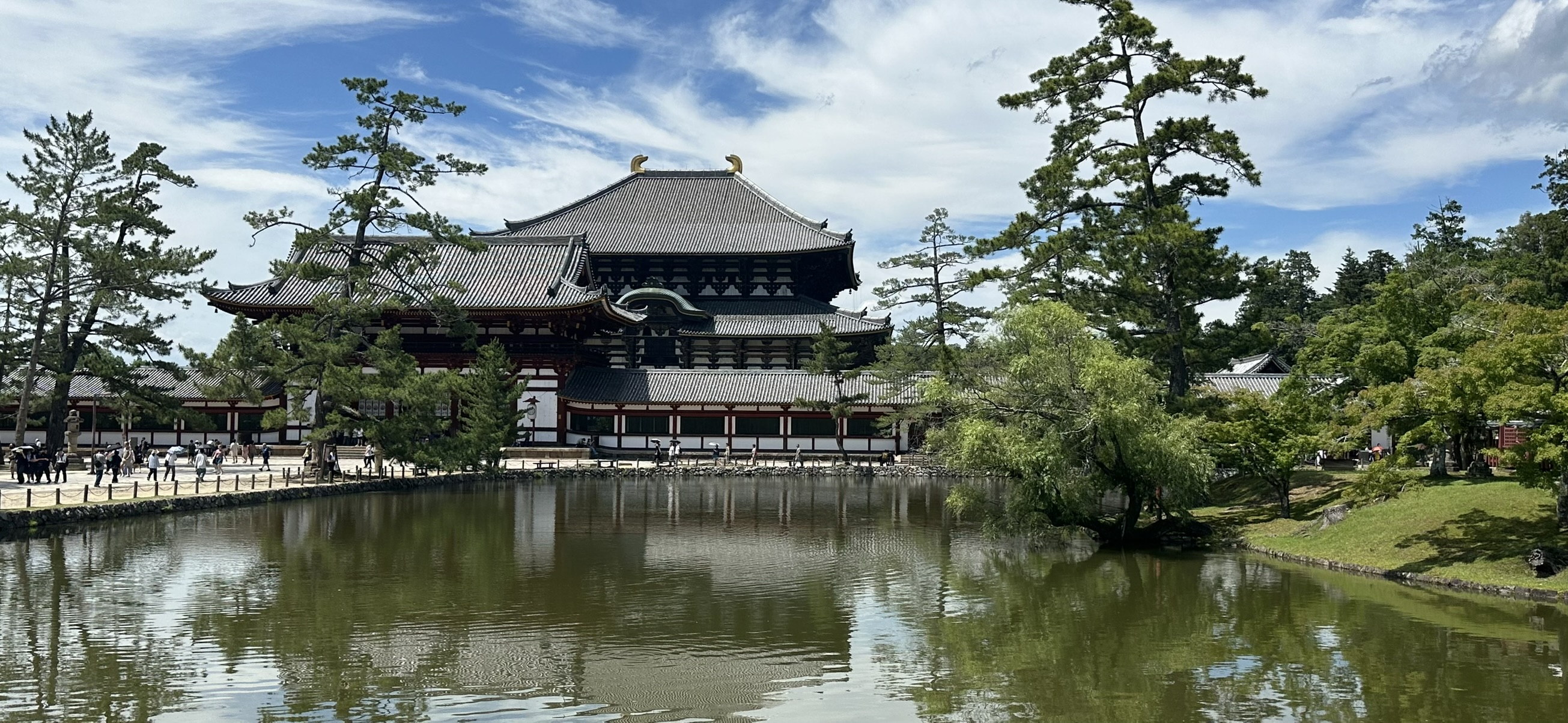
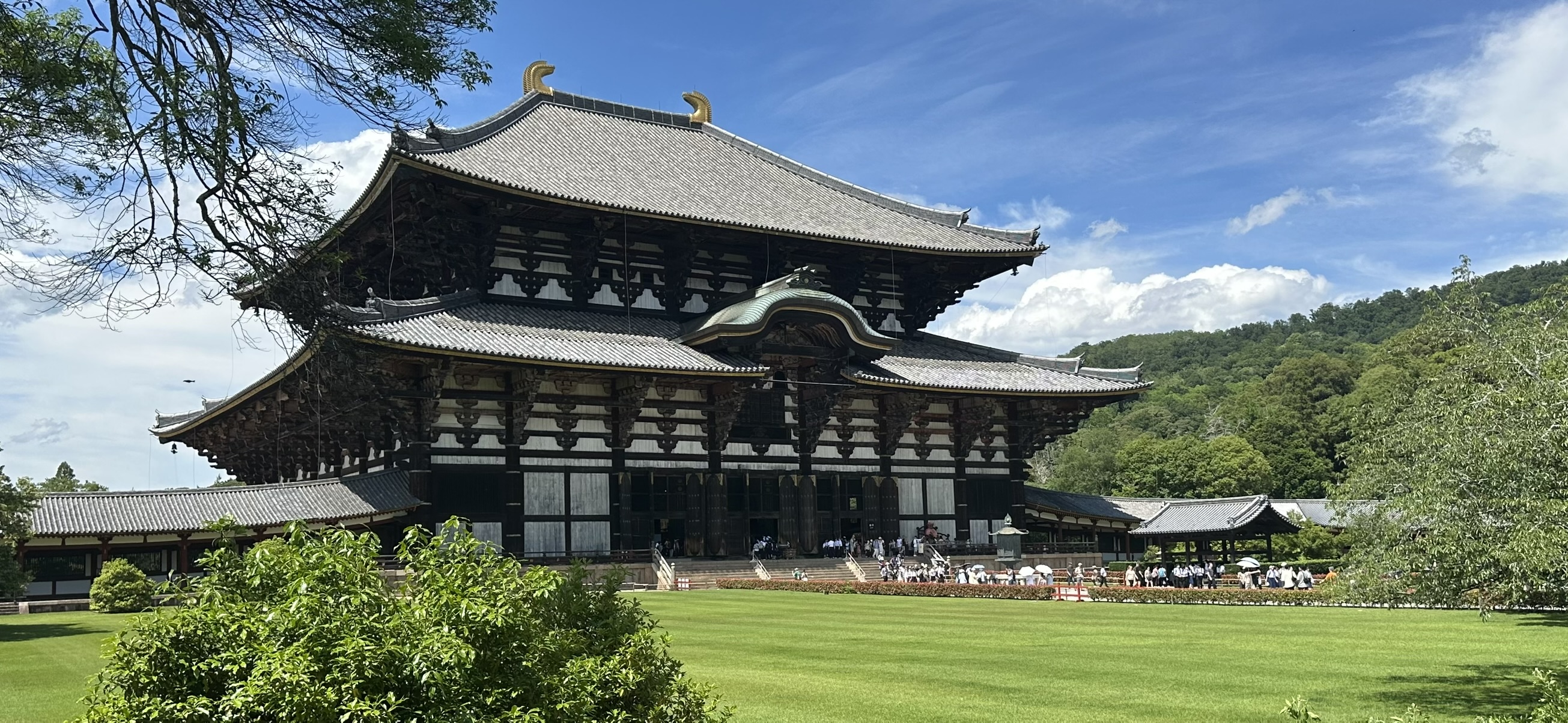
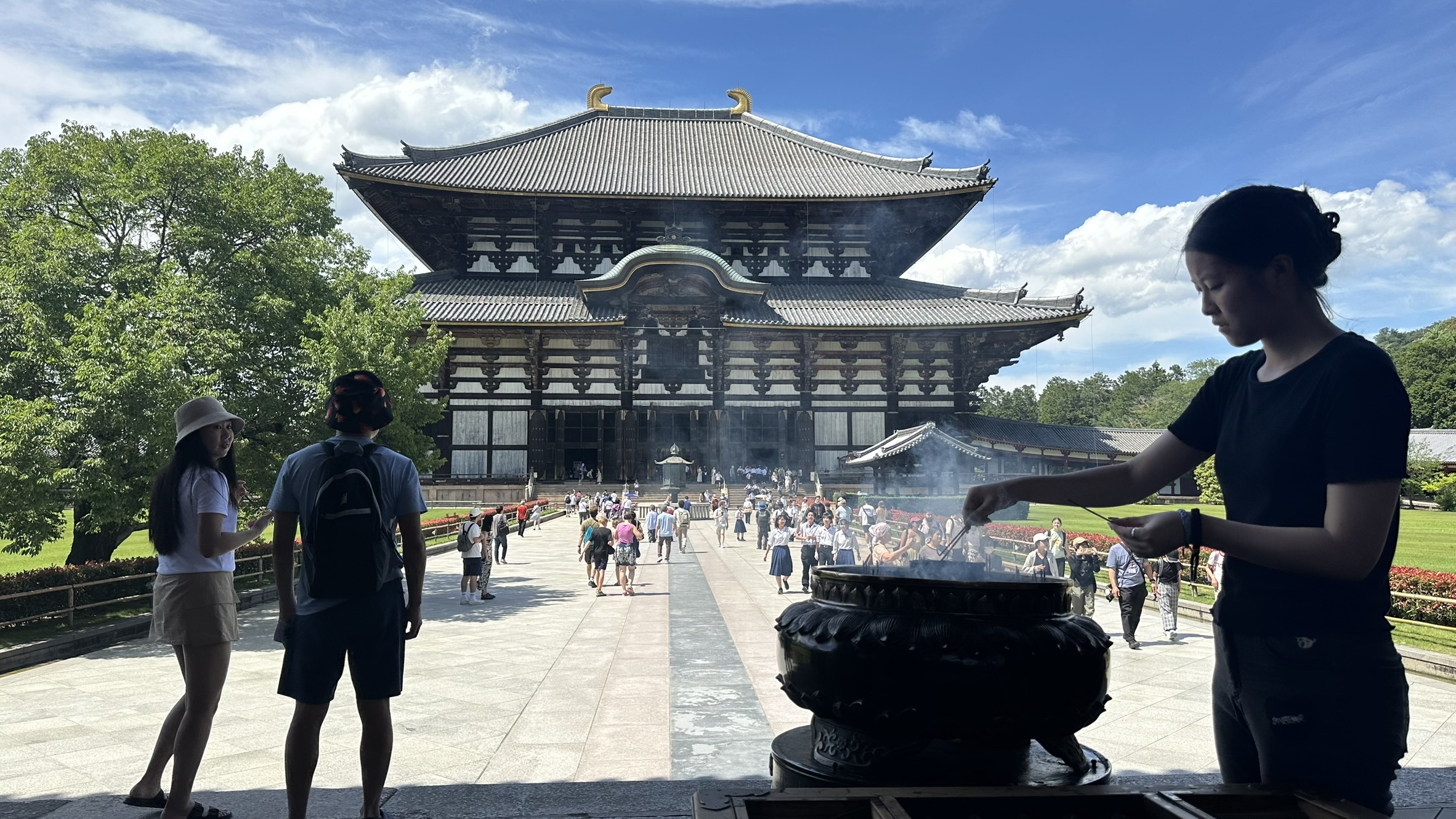
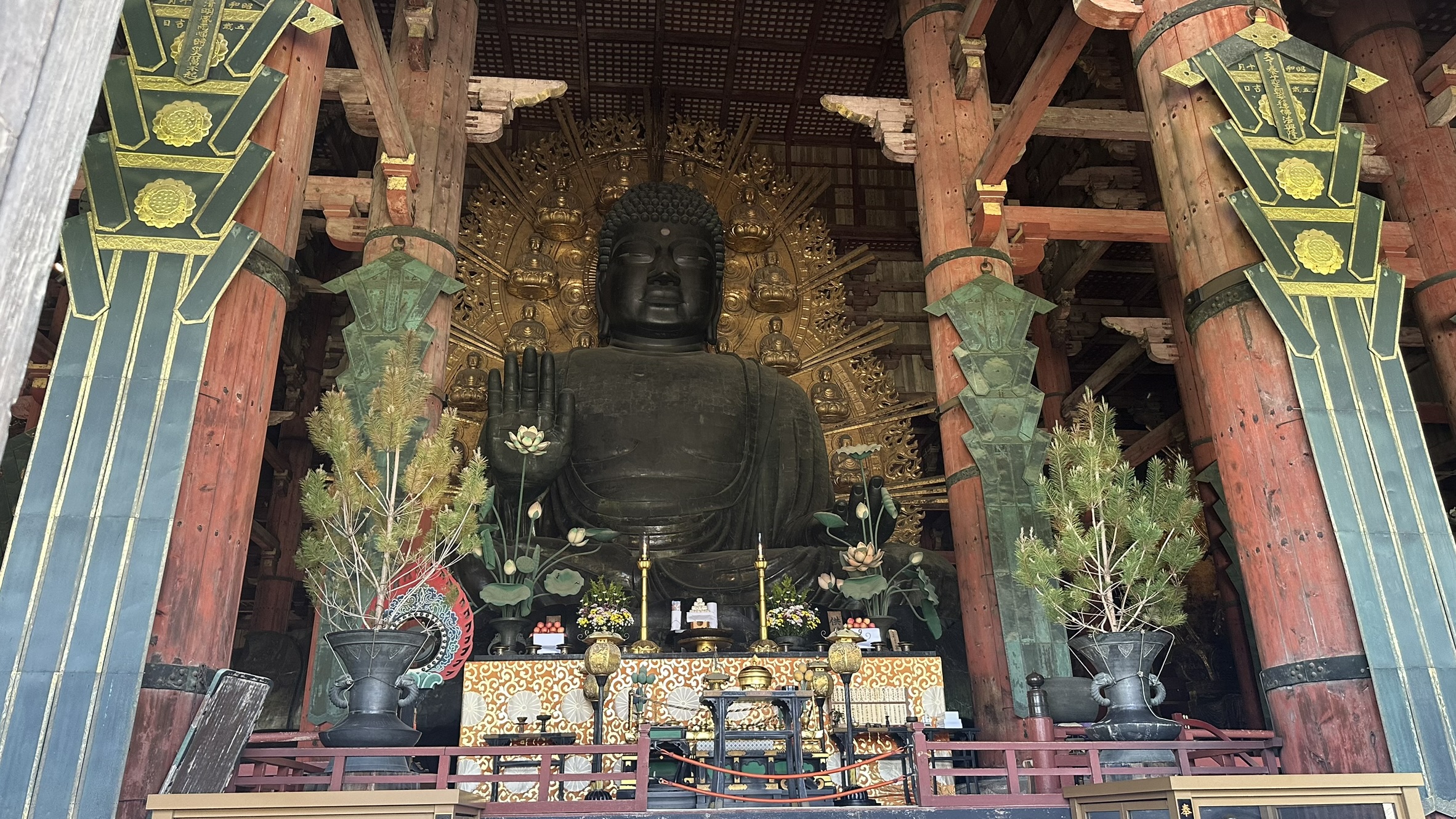
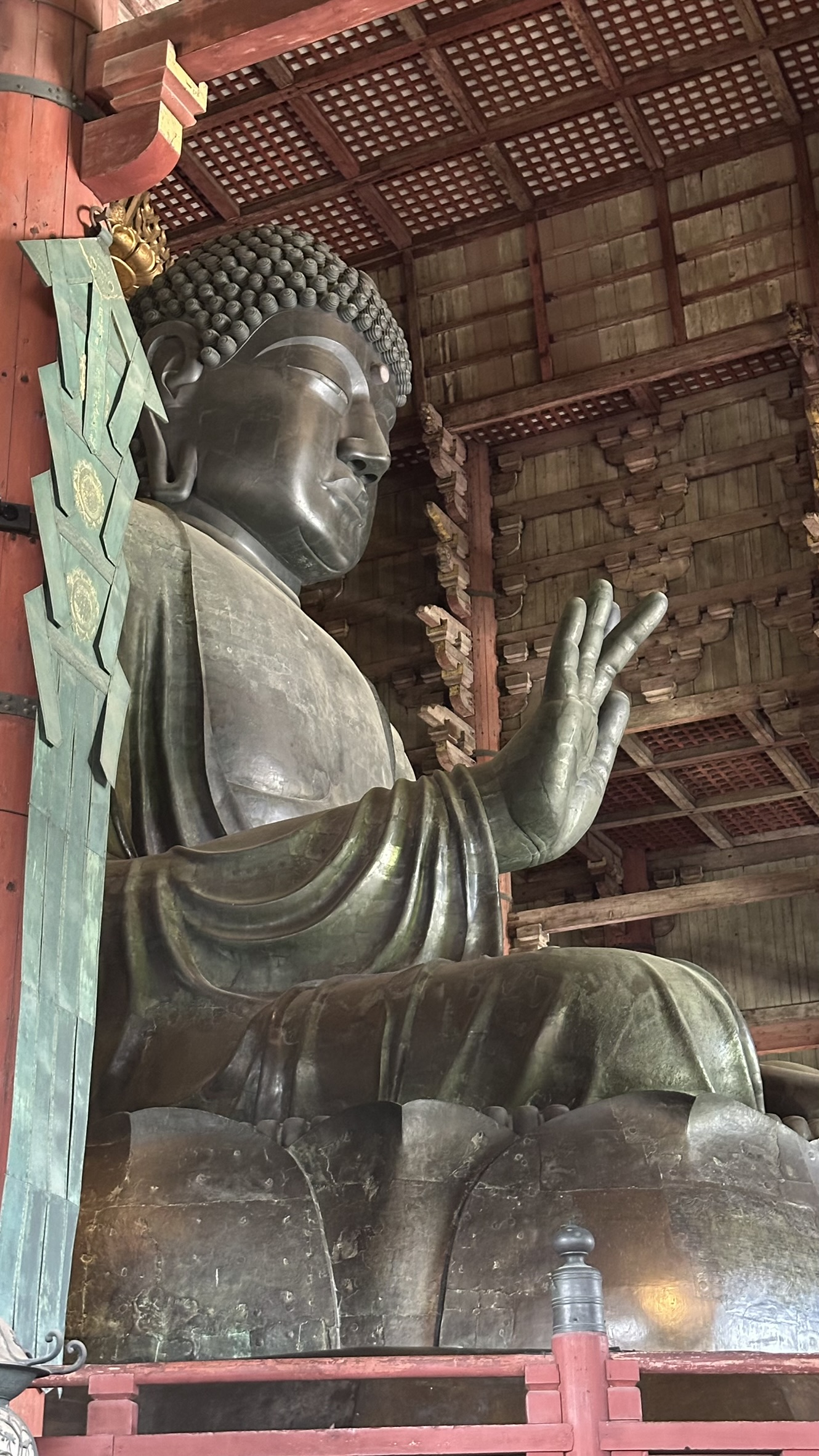
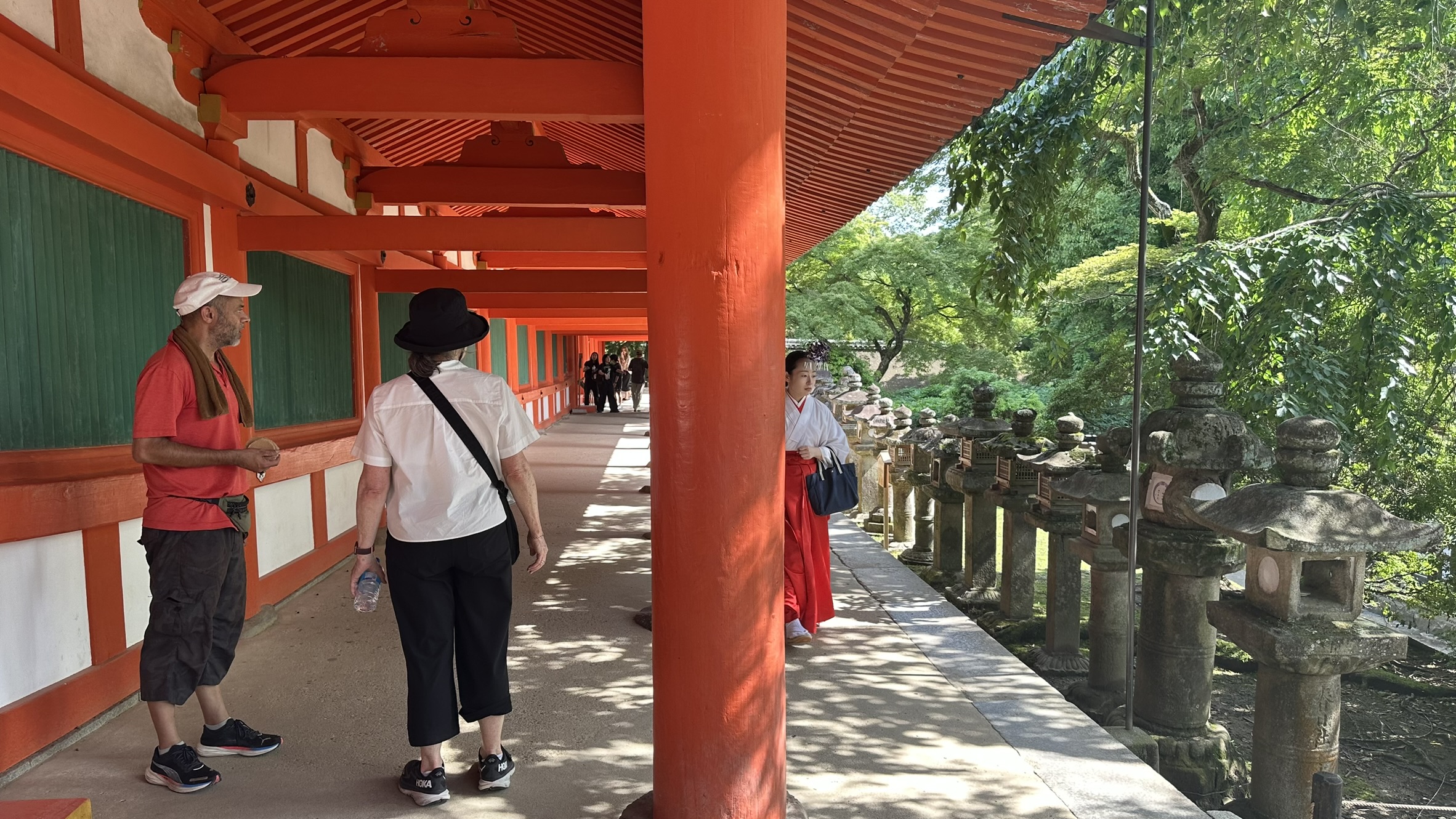
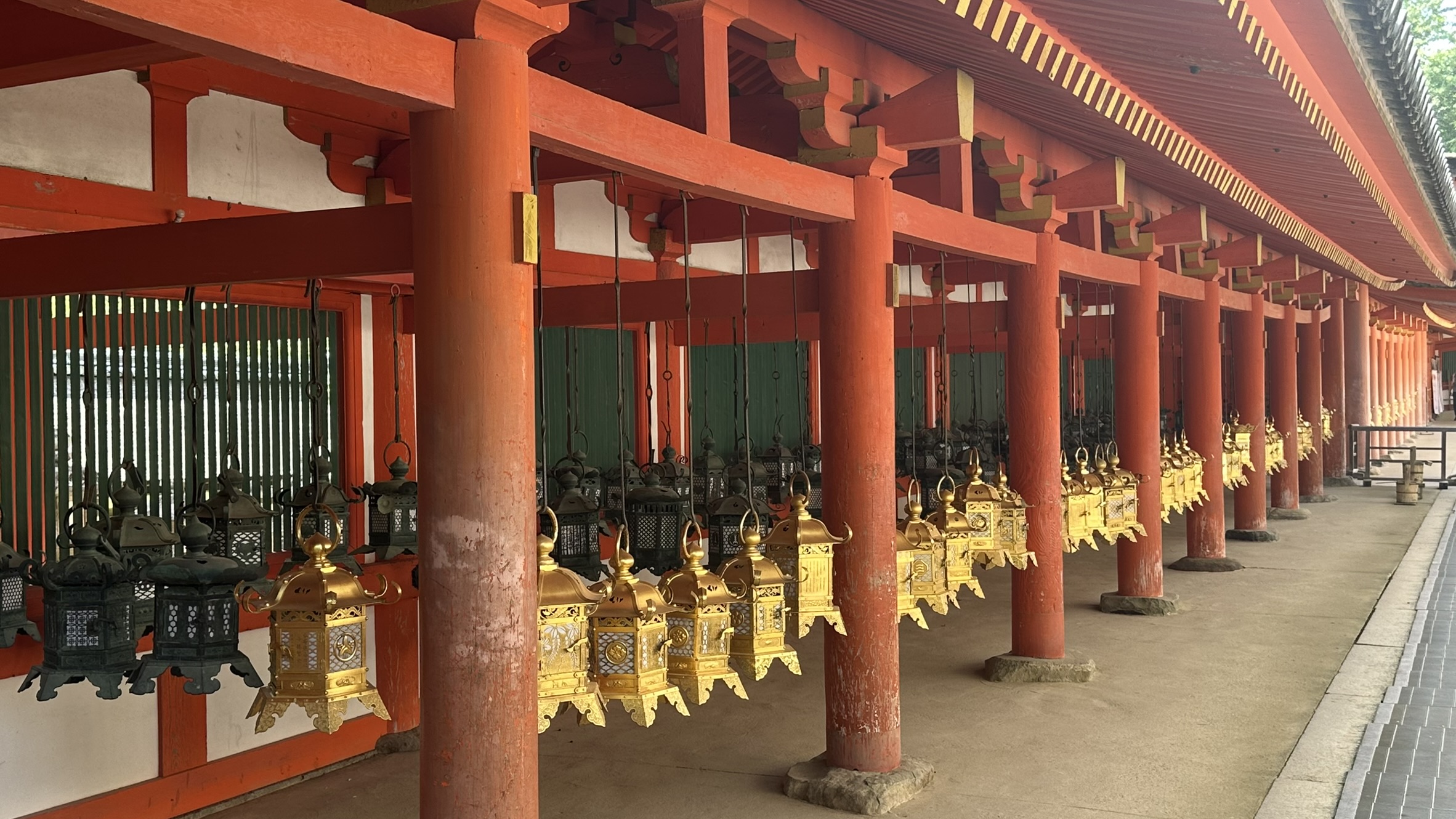
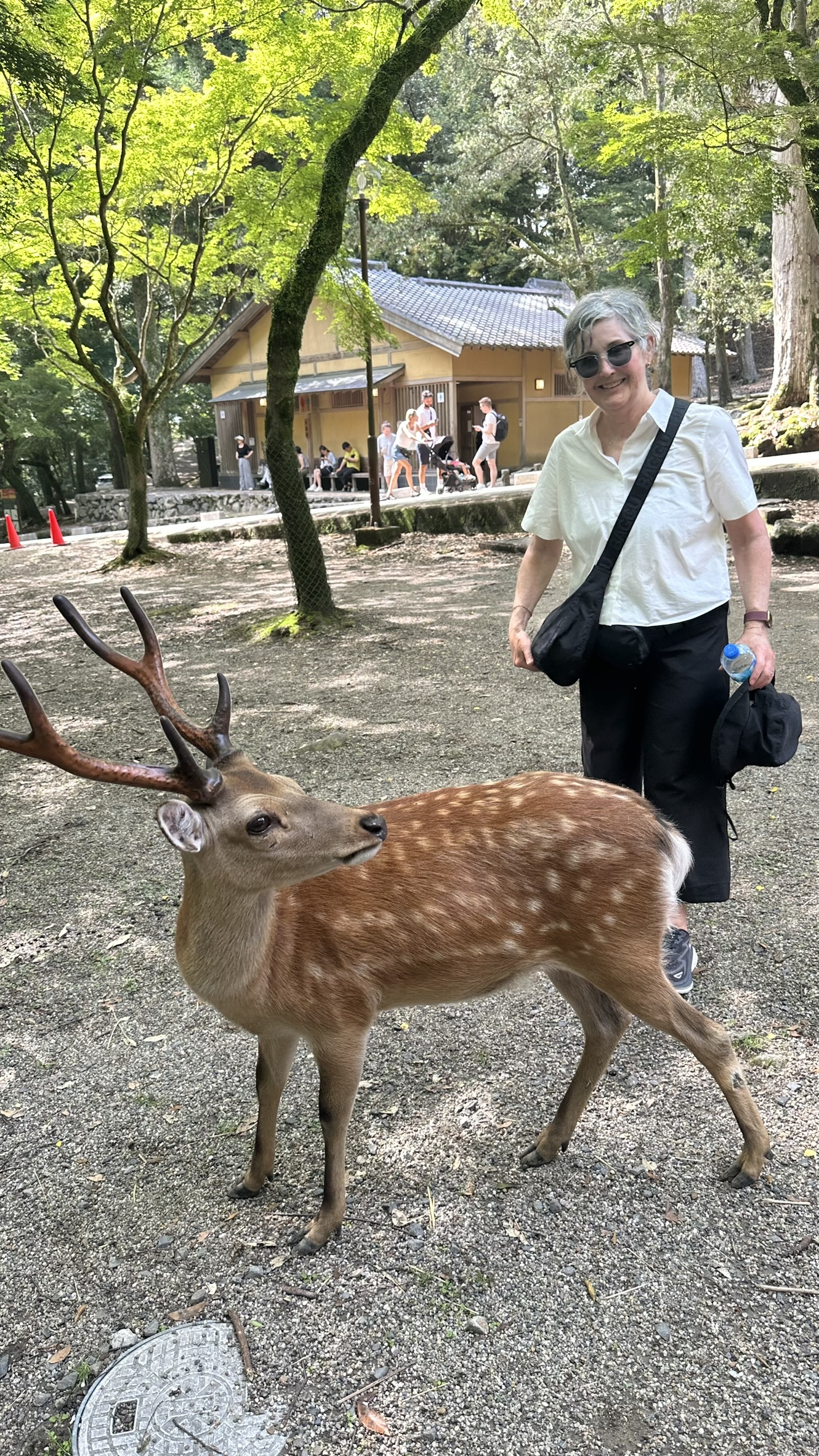
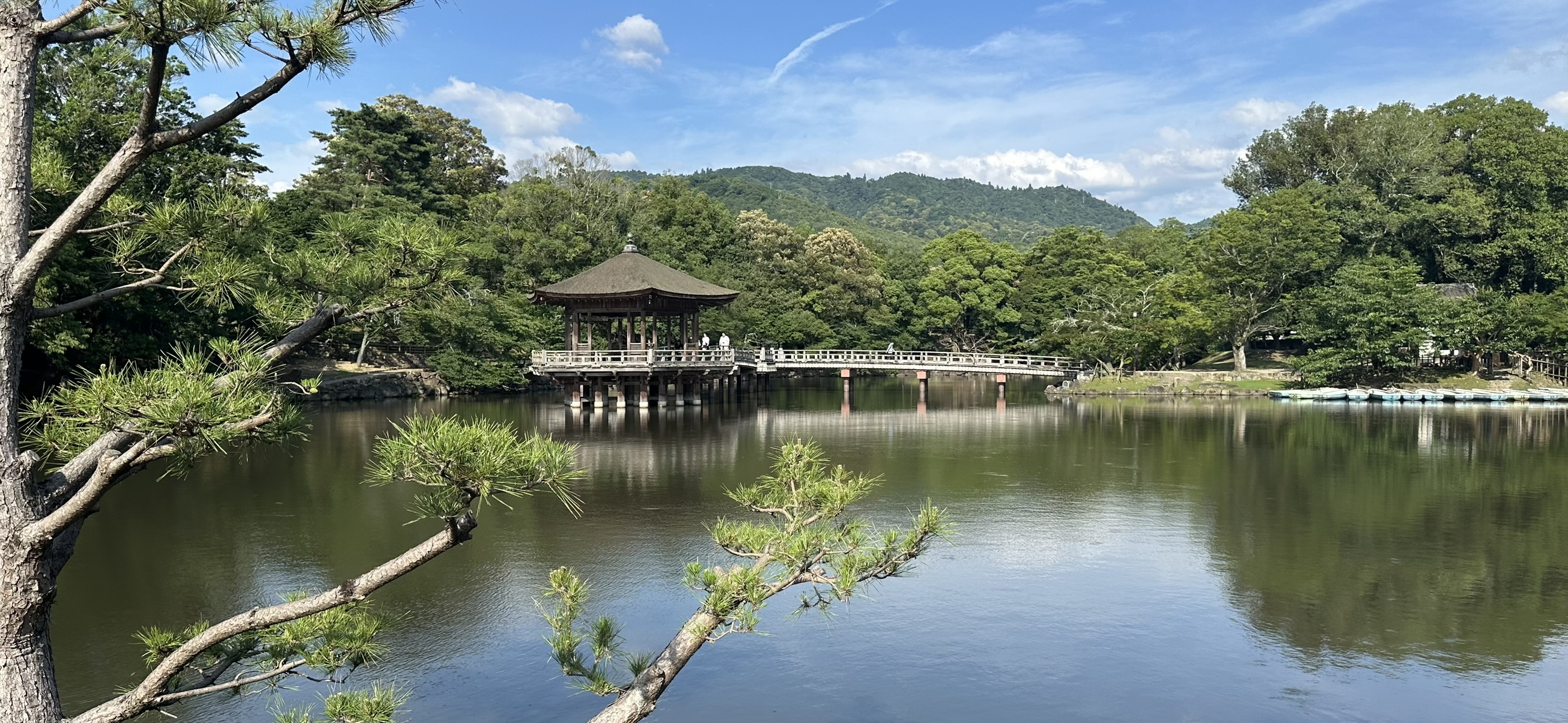
- Top sights on our Nara bike ride included 8th-century Todai-ji Temple (walk through the temple compound to enter Daibutsu-den building, the largest wooden building in the world, and admire the 15-metre tall Buddha image found inside), Kasuga Taisha, Nara’s most sacred Shinto shrine (3,000 famous bronze and stone lanterns hang from the roof, donated to the shrine by its devotees) dating to 768 A.D., and Ukimido, a hidden gem of a wooden pavilion on Sagiike Pond in the south end of the park, with no tourists in sight. Along the route, we stopped at Kikuichi Monju Shiro Kanenaga knife shop, with many beautiful, high-quality knives at unbeatable prices. Less interesting to us, but apparently the most popular tourist draw, are the multitudes of spotted deer throughout the park. Constantly fed by tourists, we found them to be cute, annoying, sometimes aggressive pests.
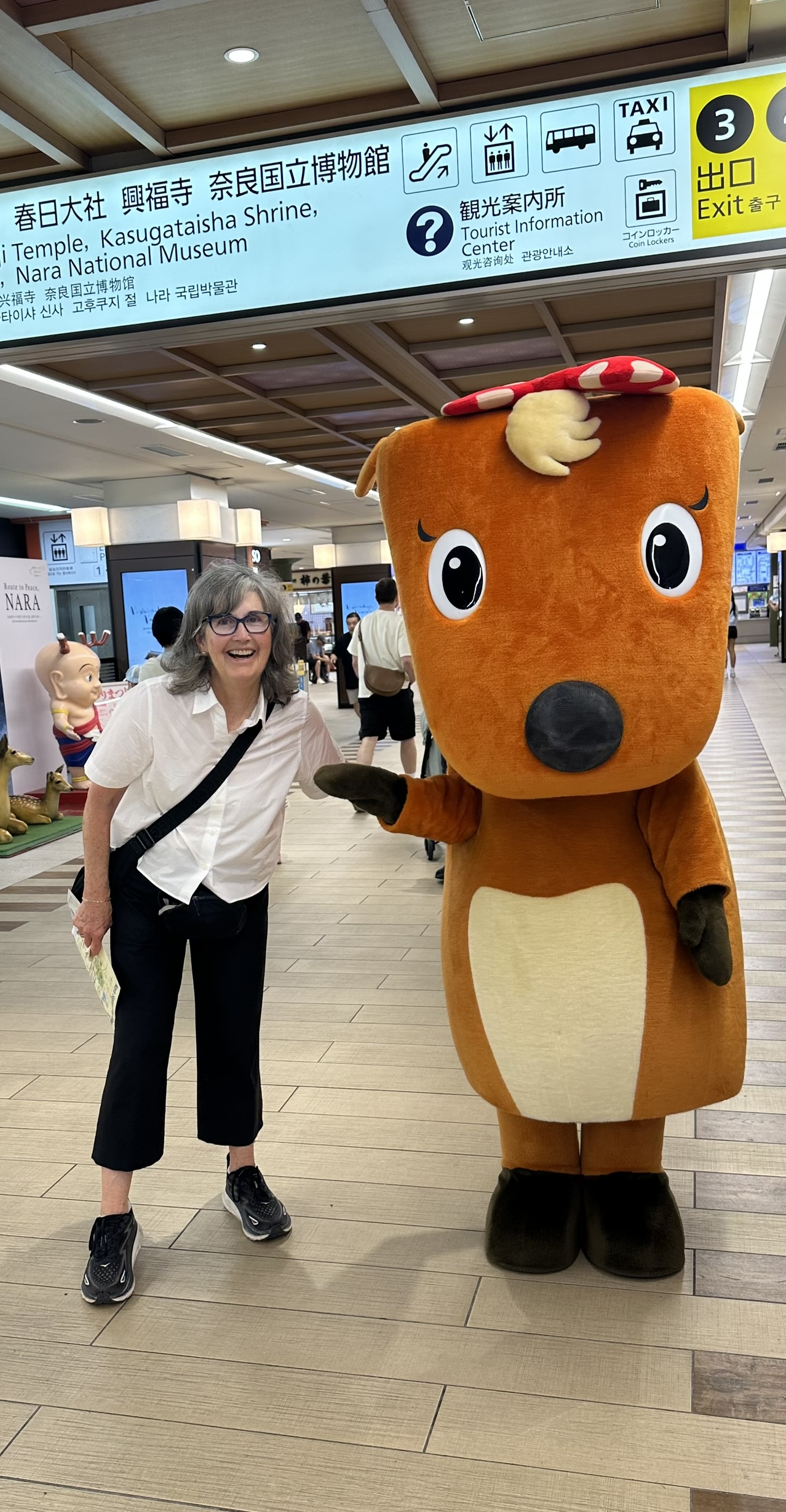
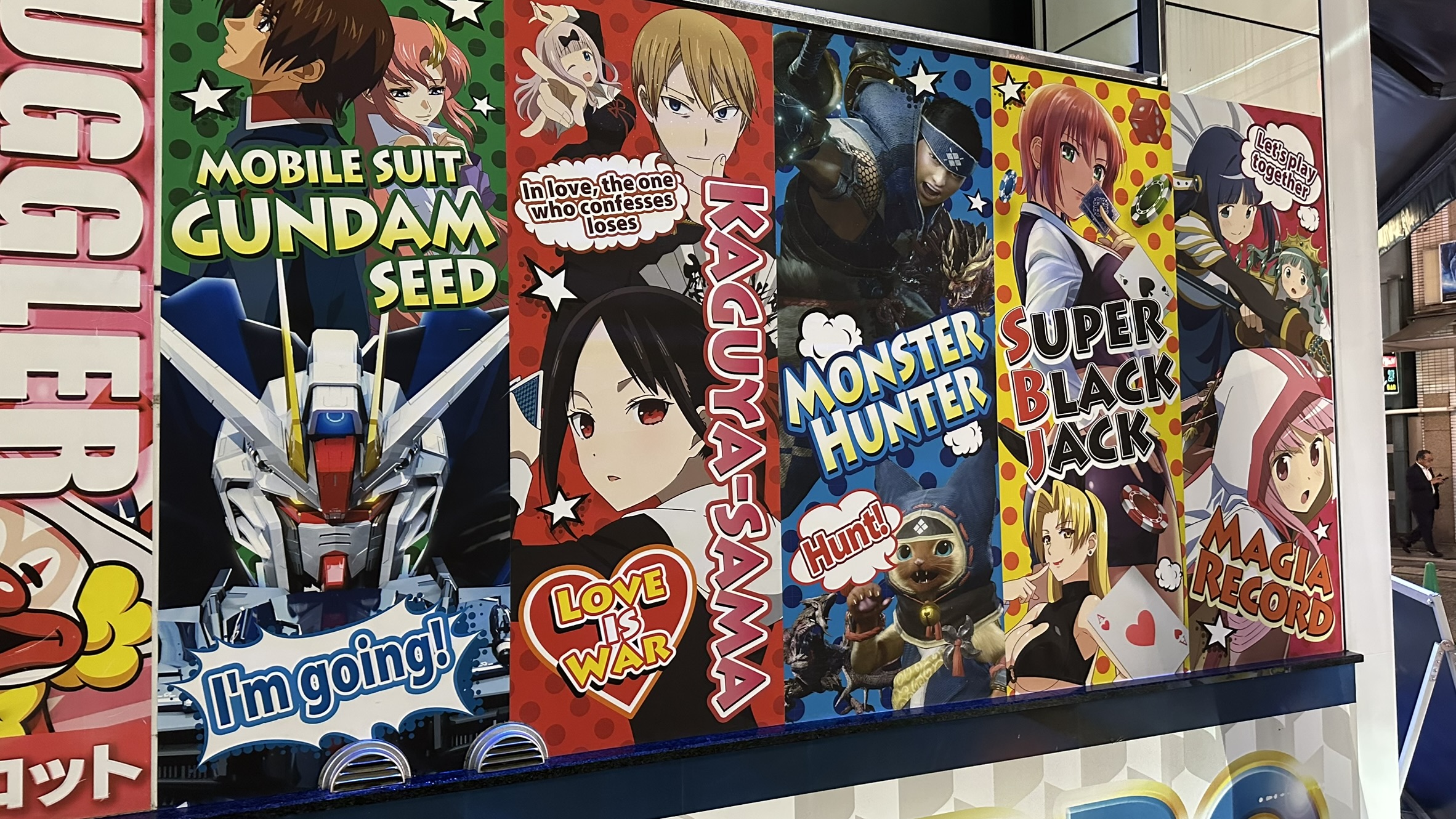
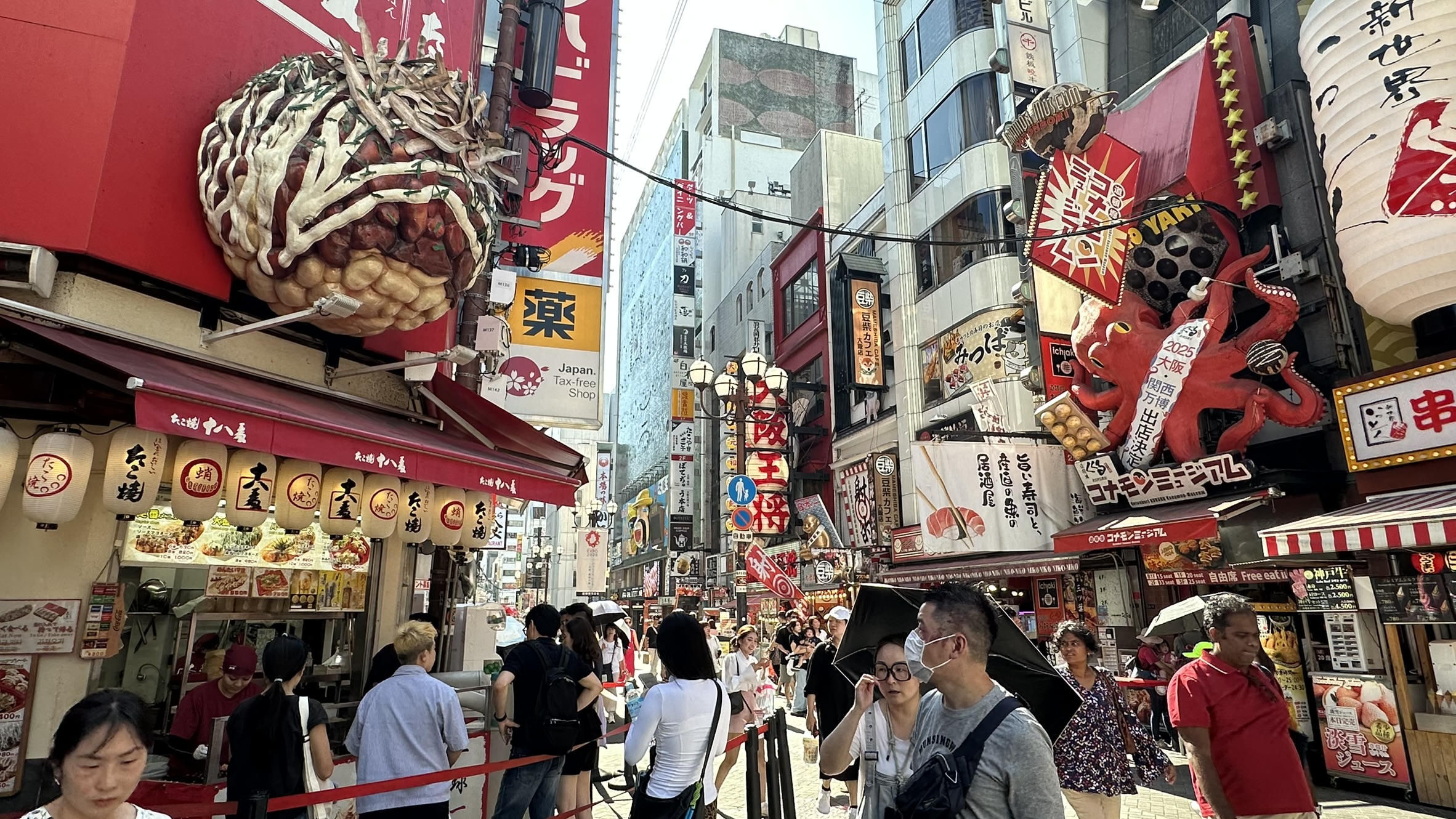
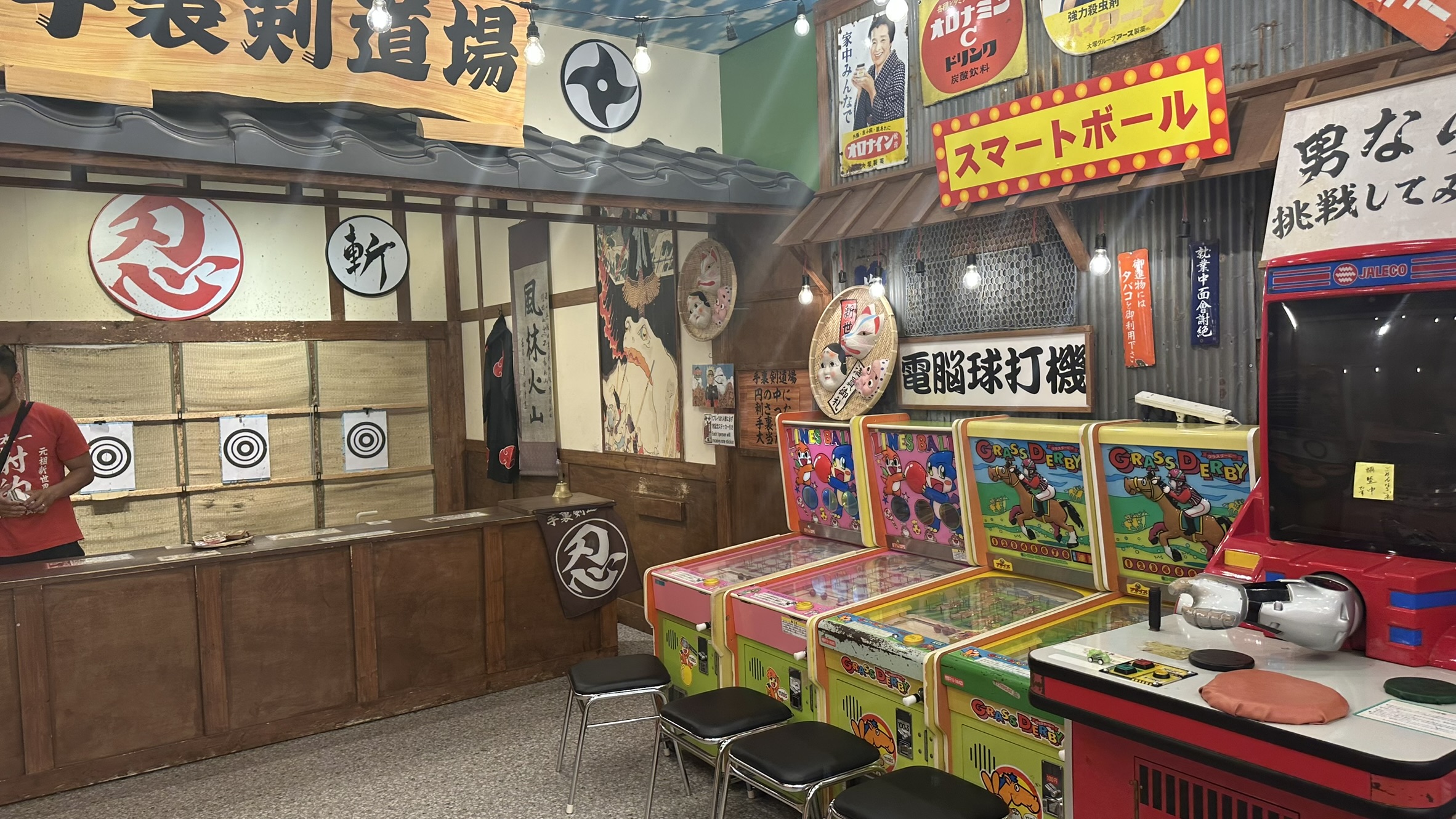
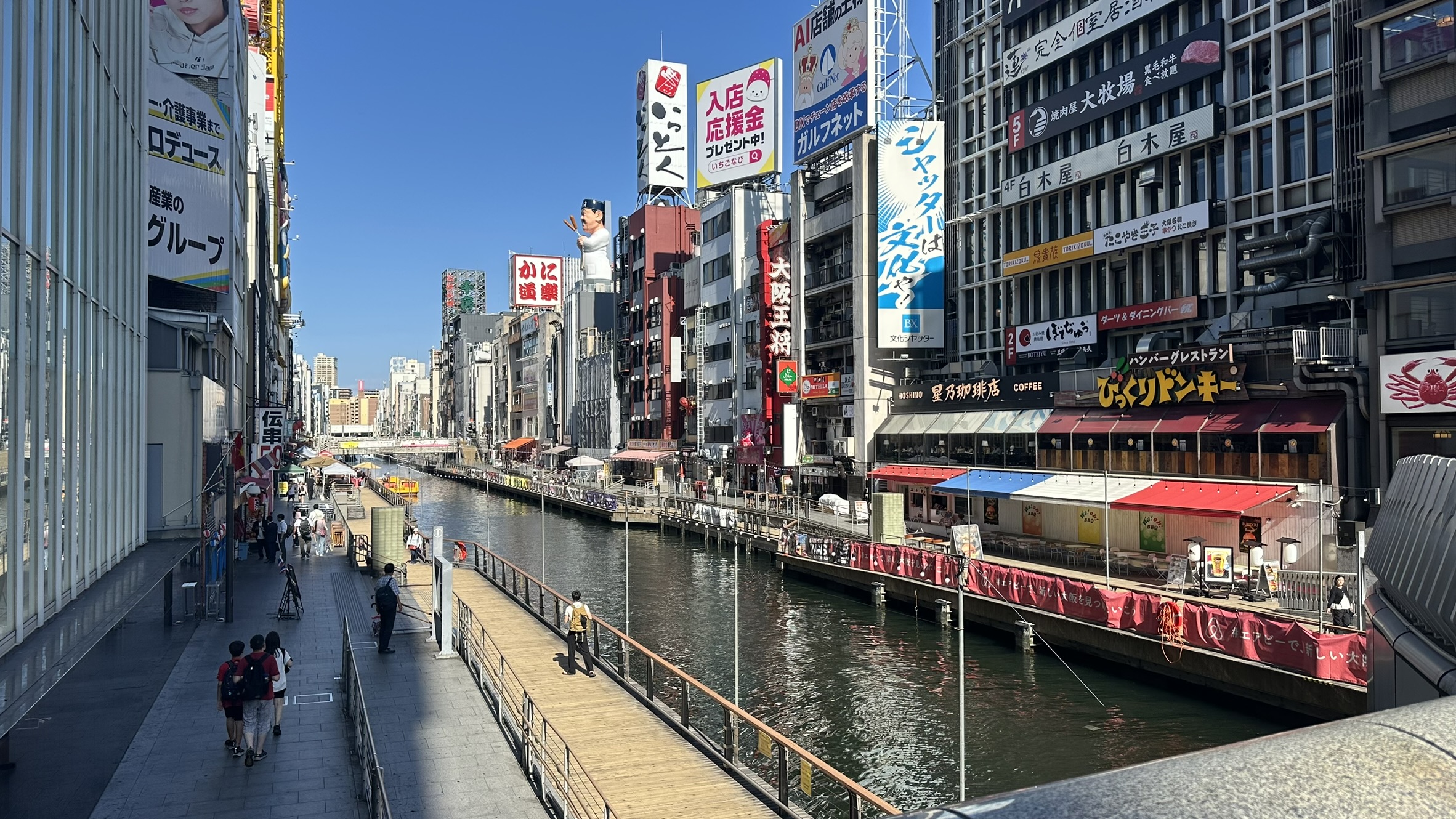
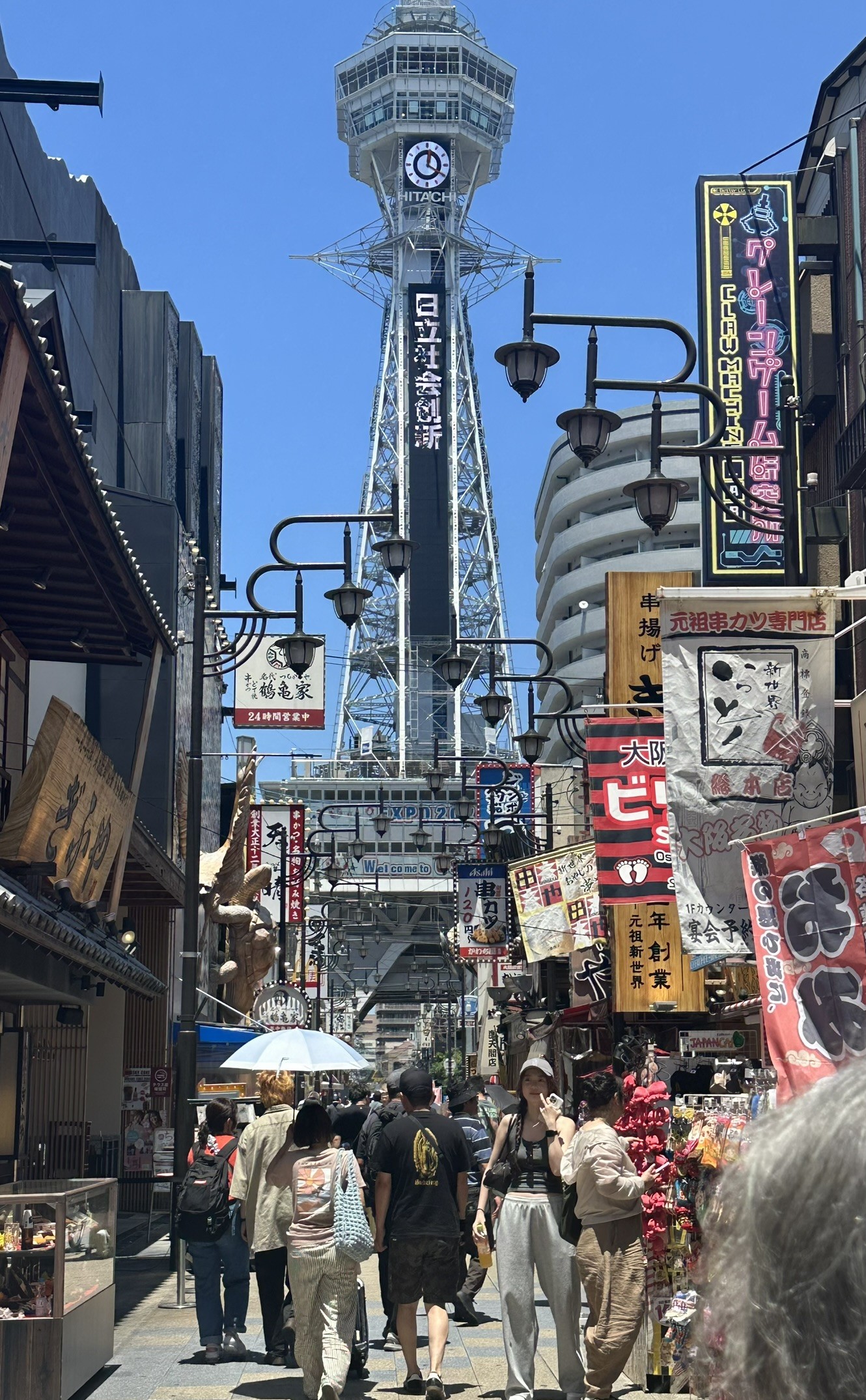
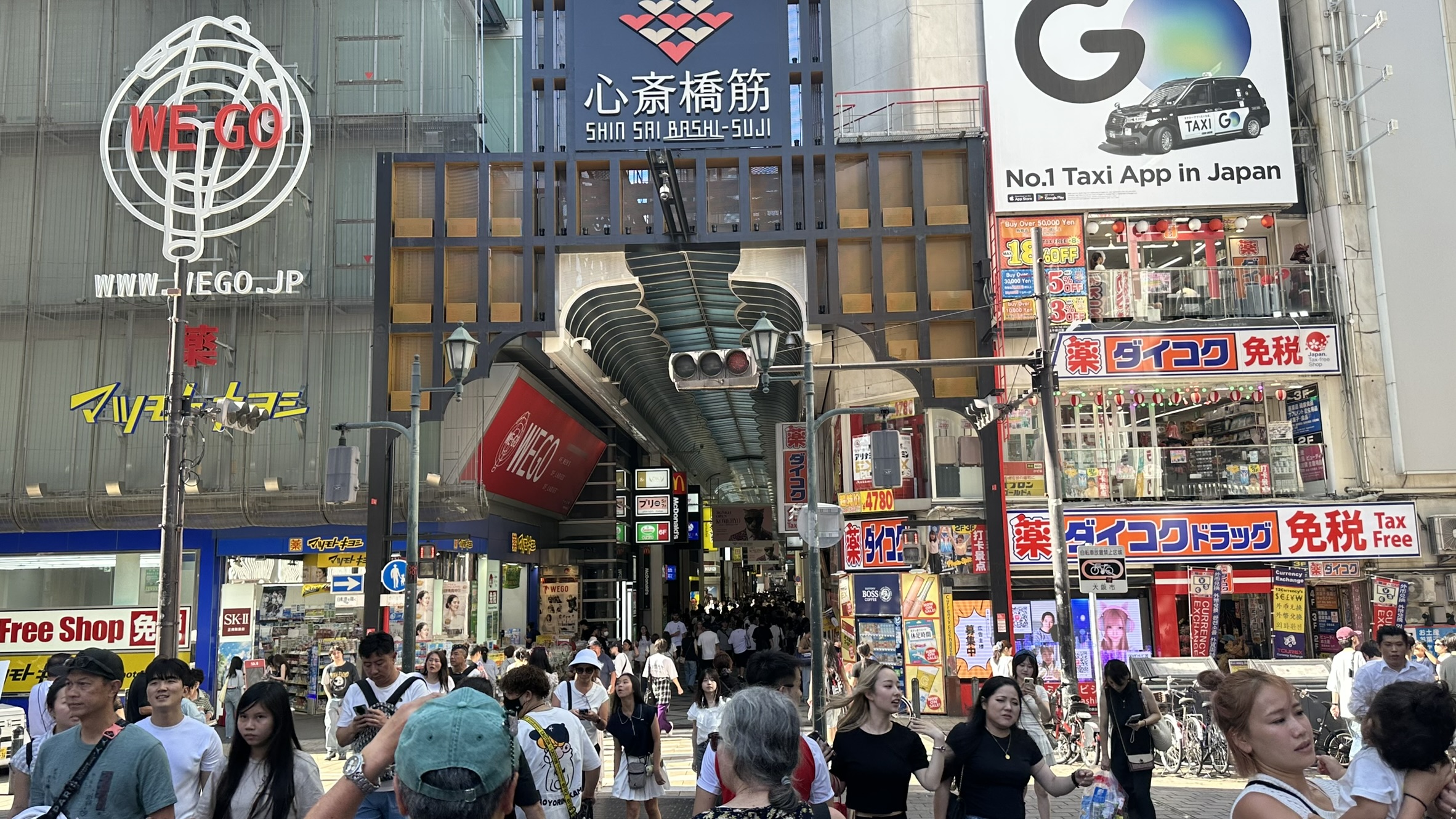
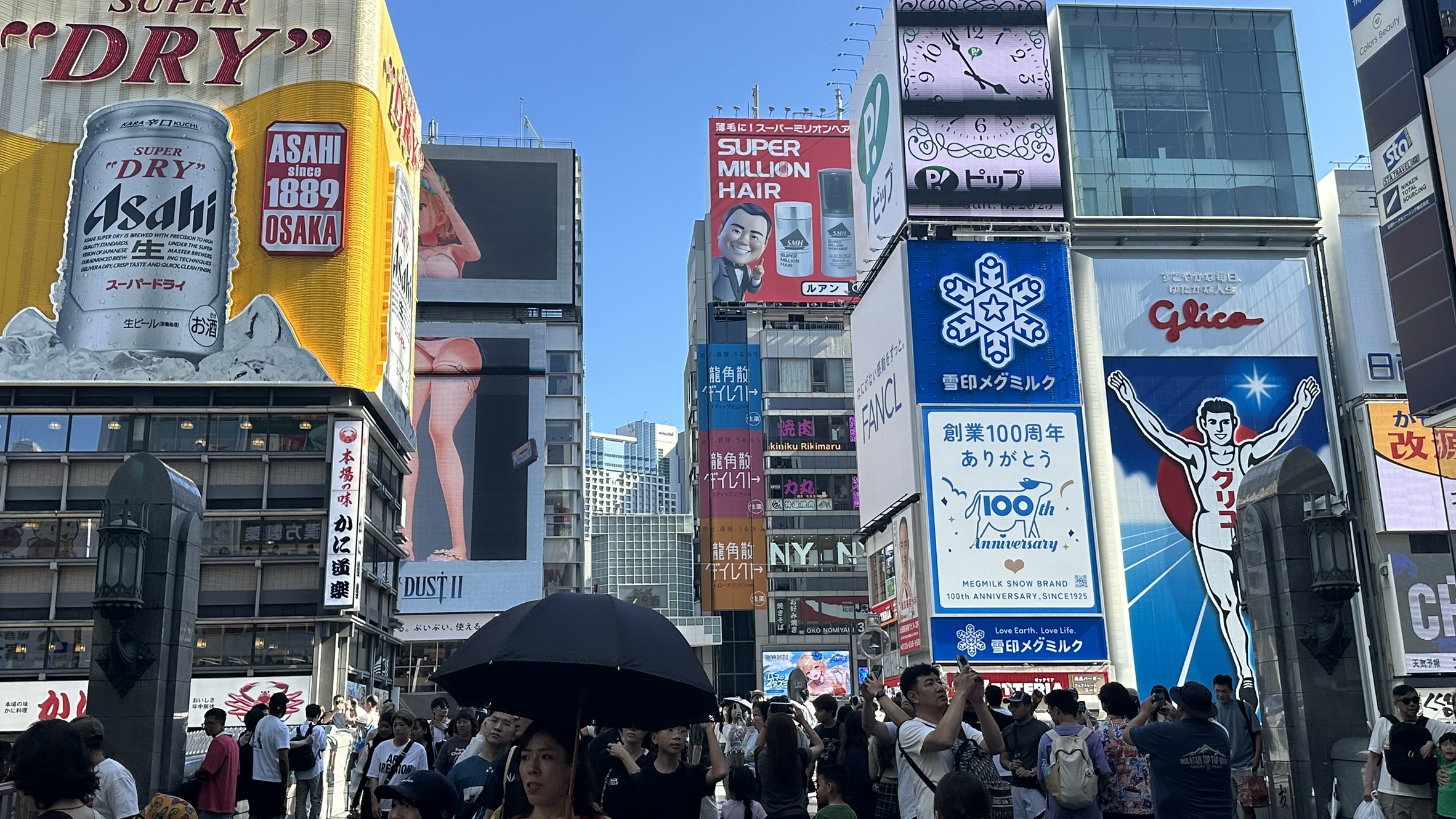
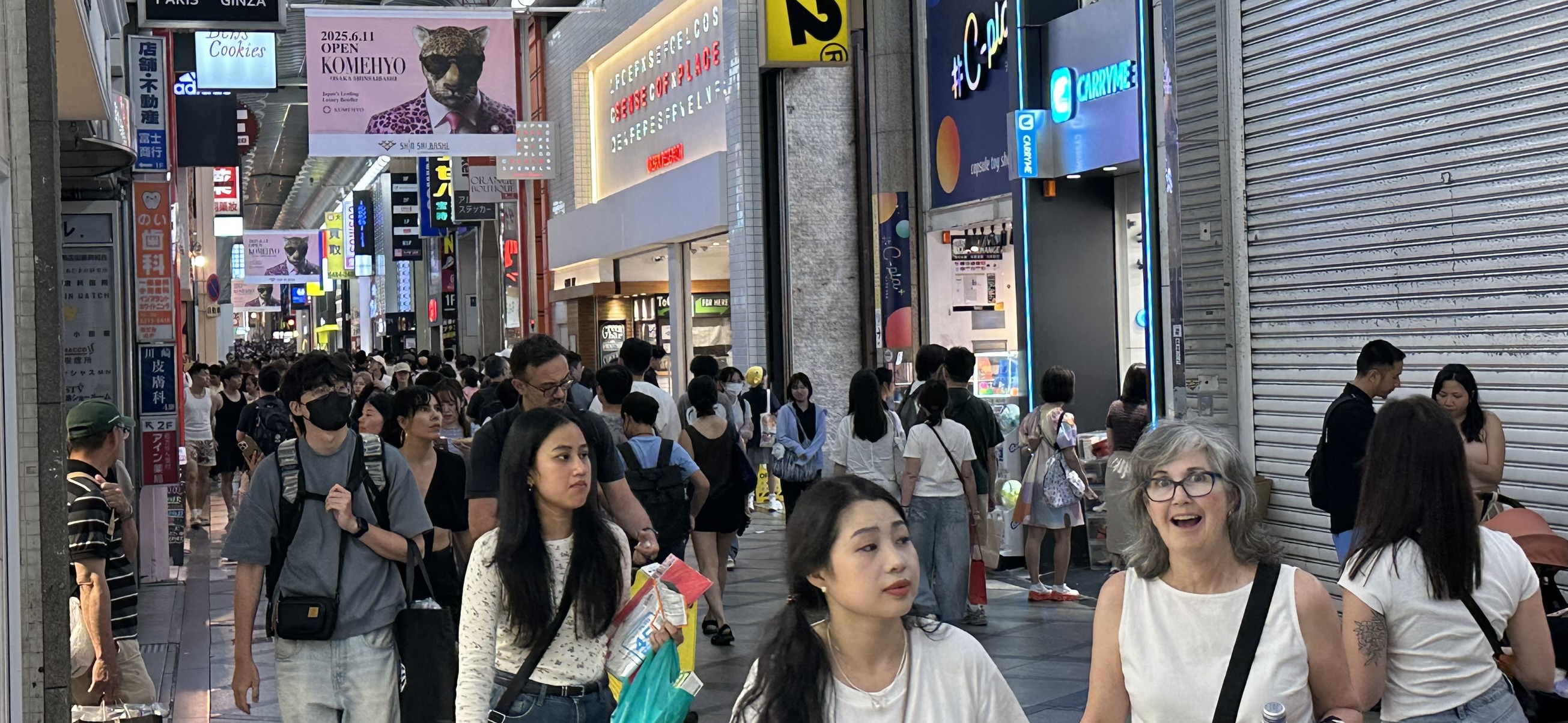
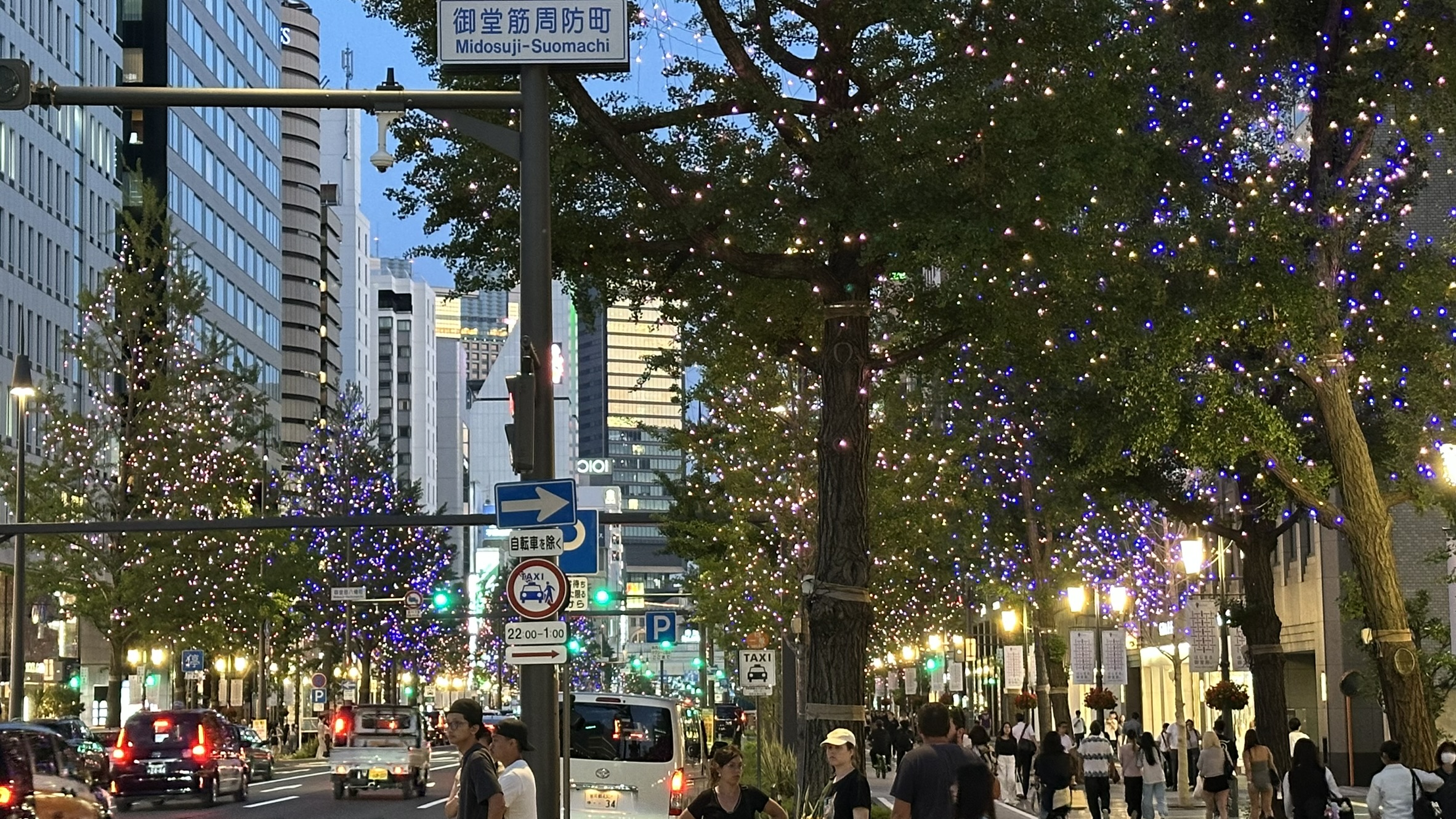
- To get oriented our first day, we took a long stroll through the Shinsekai district, an entertainment and dining hub with a distinctly retro feel, to Den Den Town (the “Mecca for Geek Culture”) filled with video game arcades, hobby shops, anime/cartoon characters, and this weird cultural phenomenon called maid cafes. From there, we continued to the long, covered streets of Dotonbori and its famous Shinsaibashi shopping street, long adored by locals as a hub for shopping, dining, and entertainment. We eventually returned to Dotonbori and adjacent American Village (vintage clothing shops) so Michelle could do some shopping and we could both enjoy a deeper dive into Osaka’s highly regarded food and bar scene.
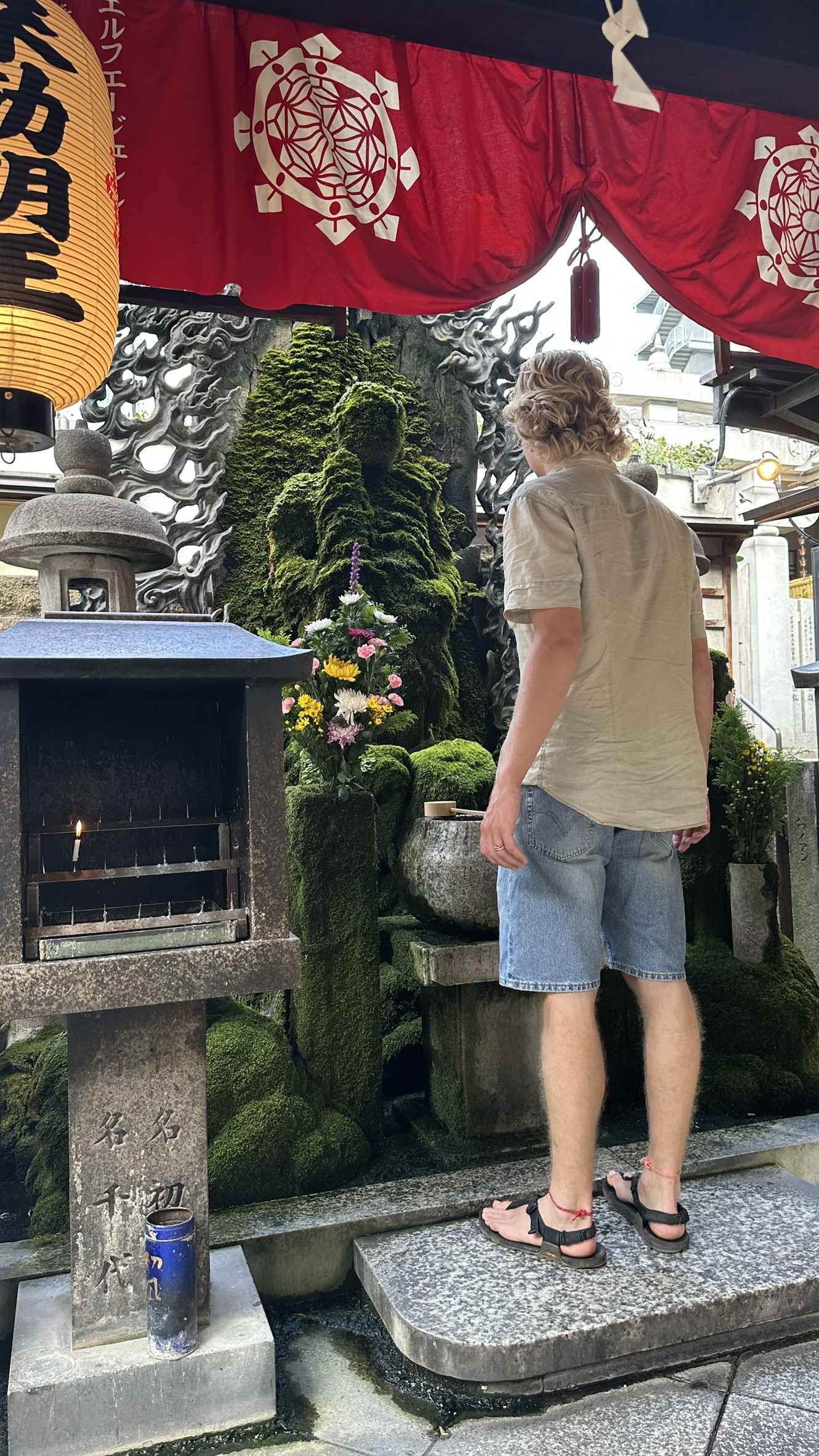
- Hozenji Yokocho is Osaka’s answer to “where are the small, traditional alleyways filled with izakayas and tiny watering holes” found in all reputable Japanese cities? It’s been popular with locals since the 17th century, yet is it is often overlooked by tourists despite being just a few minutes’ walk from Dotonbori. Hozenji Yokocho is ideal to visit in the evening, not long before it gets dark. Right around the corner is tiny Hozenji Temple with its moss-covered statue of Fudō Myō-ō, the god of fury. Locals pour water over the statue, symbolic of purification, and say a prayer.
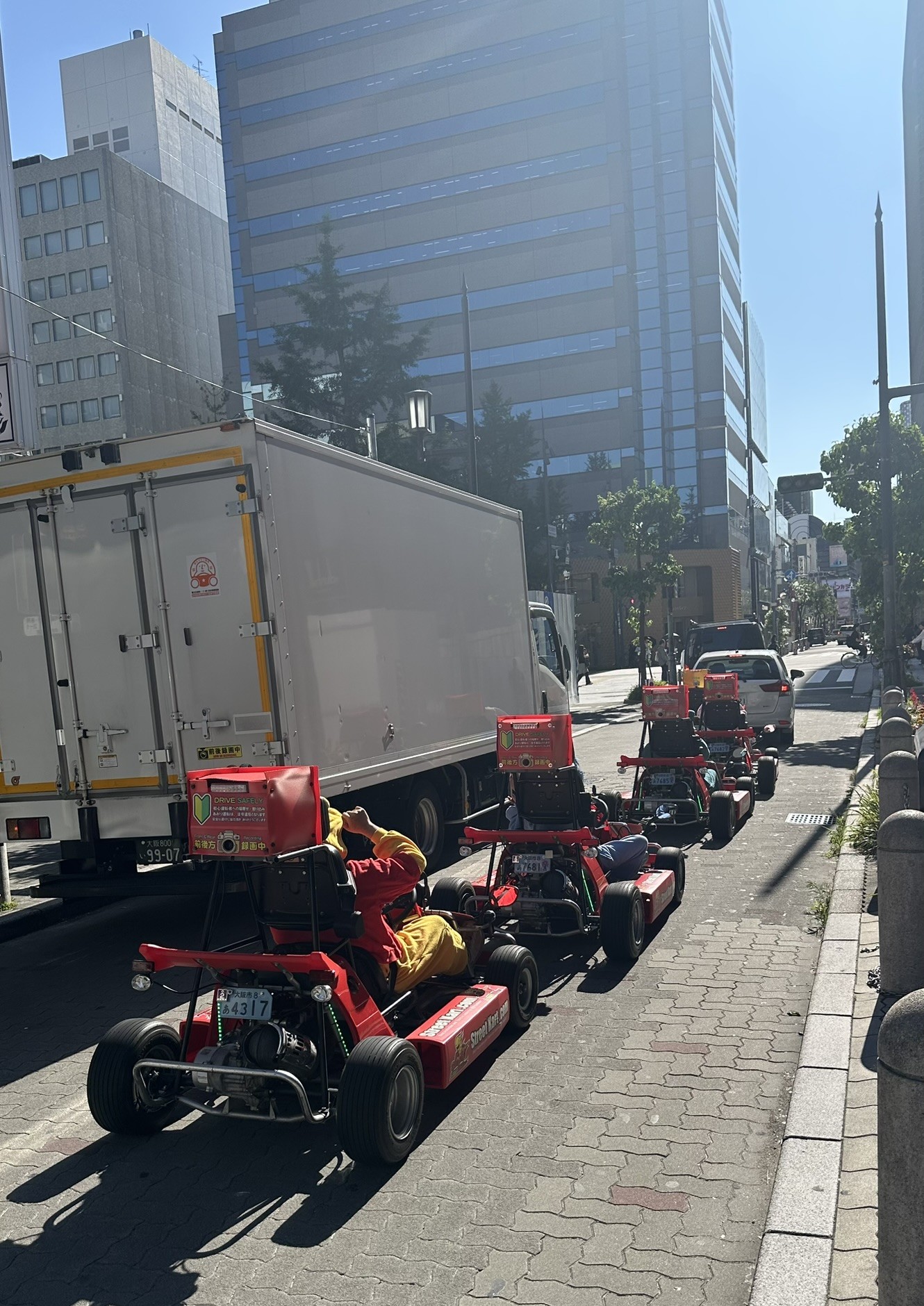
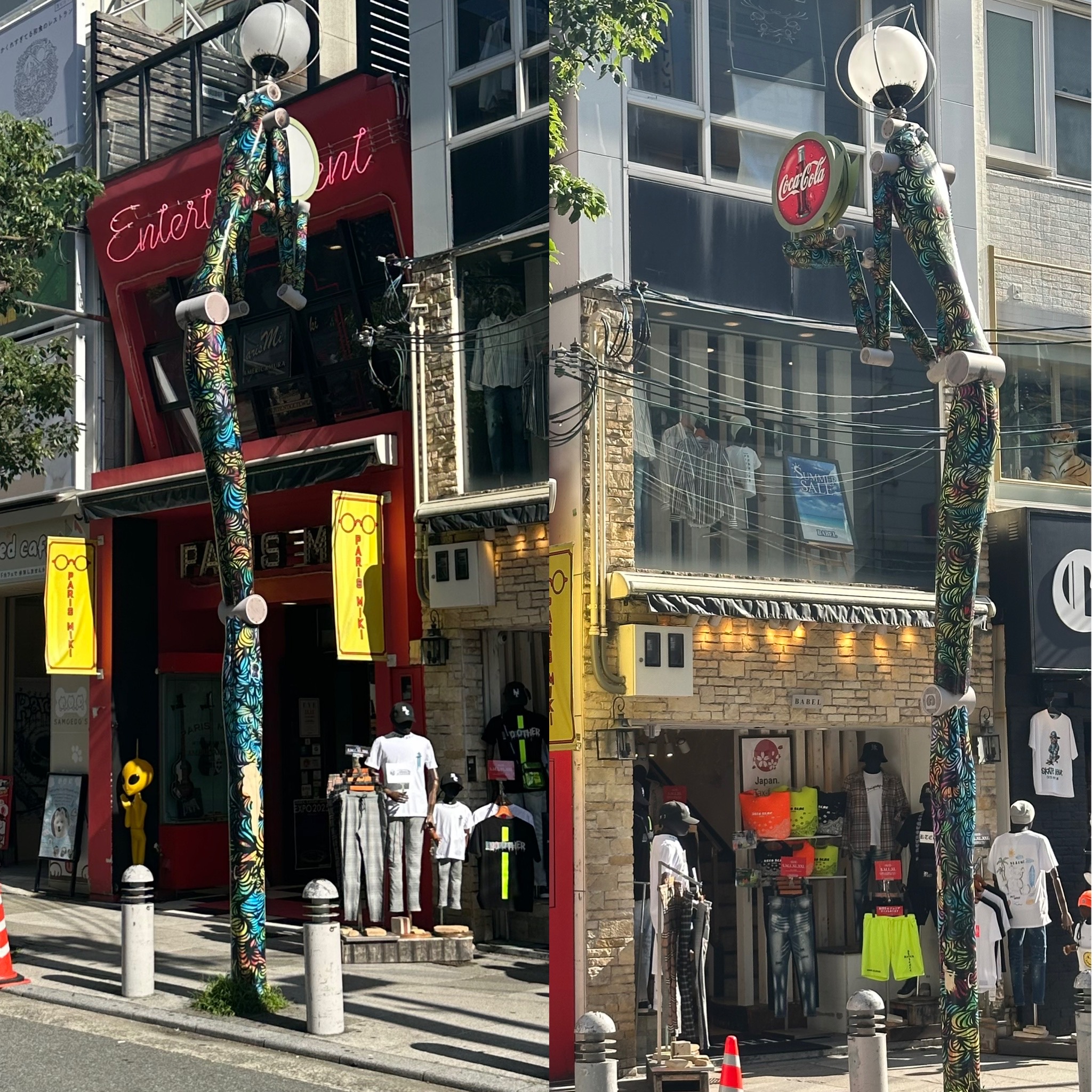
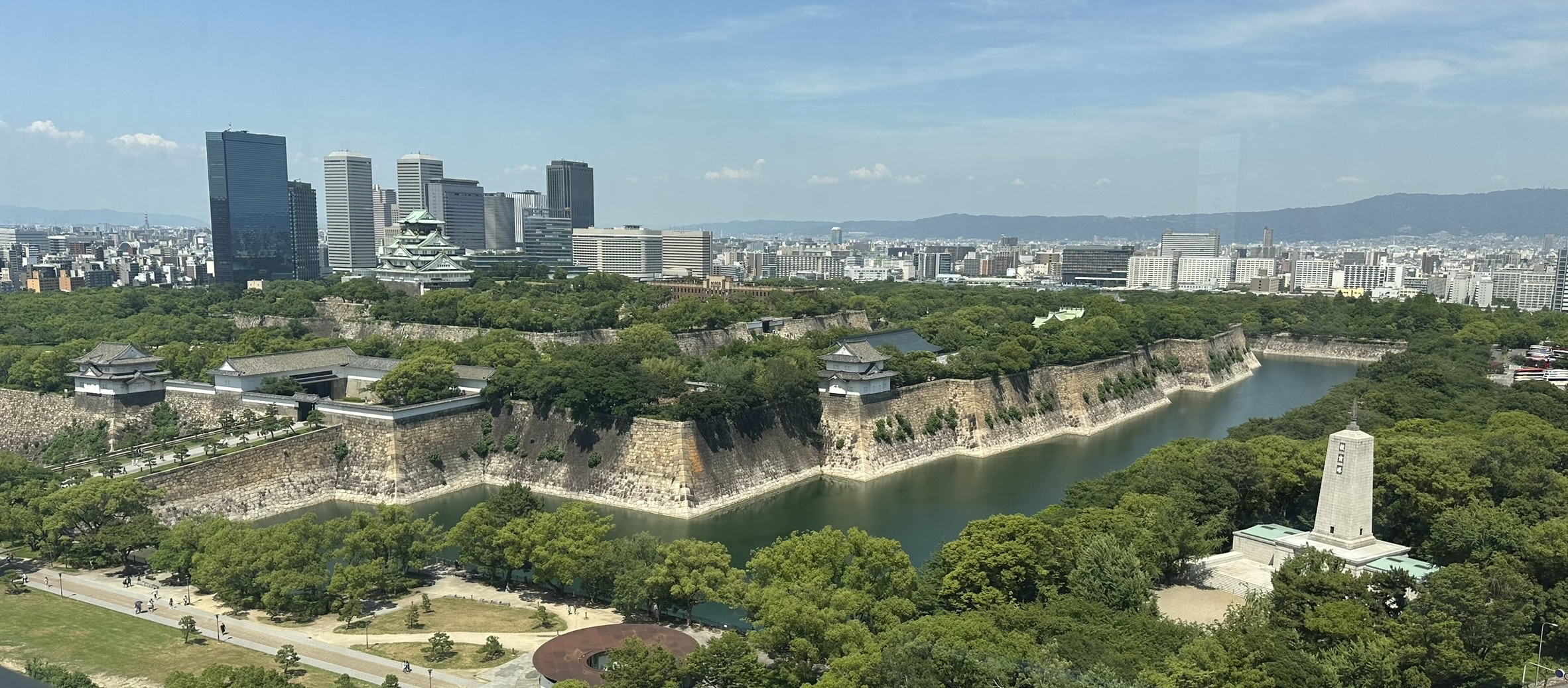
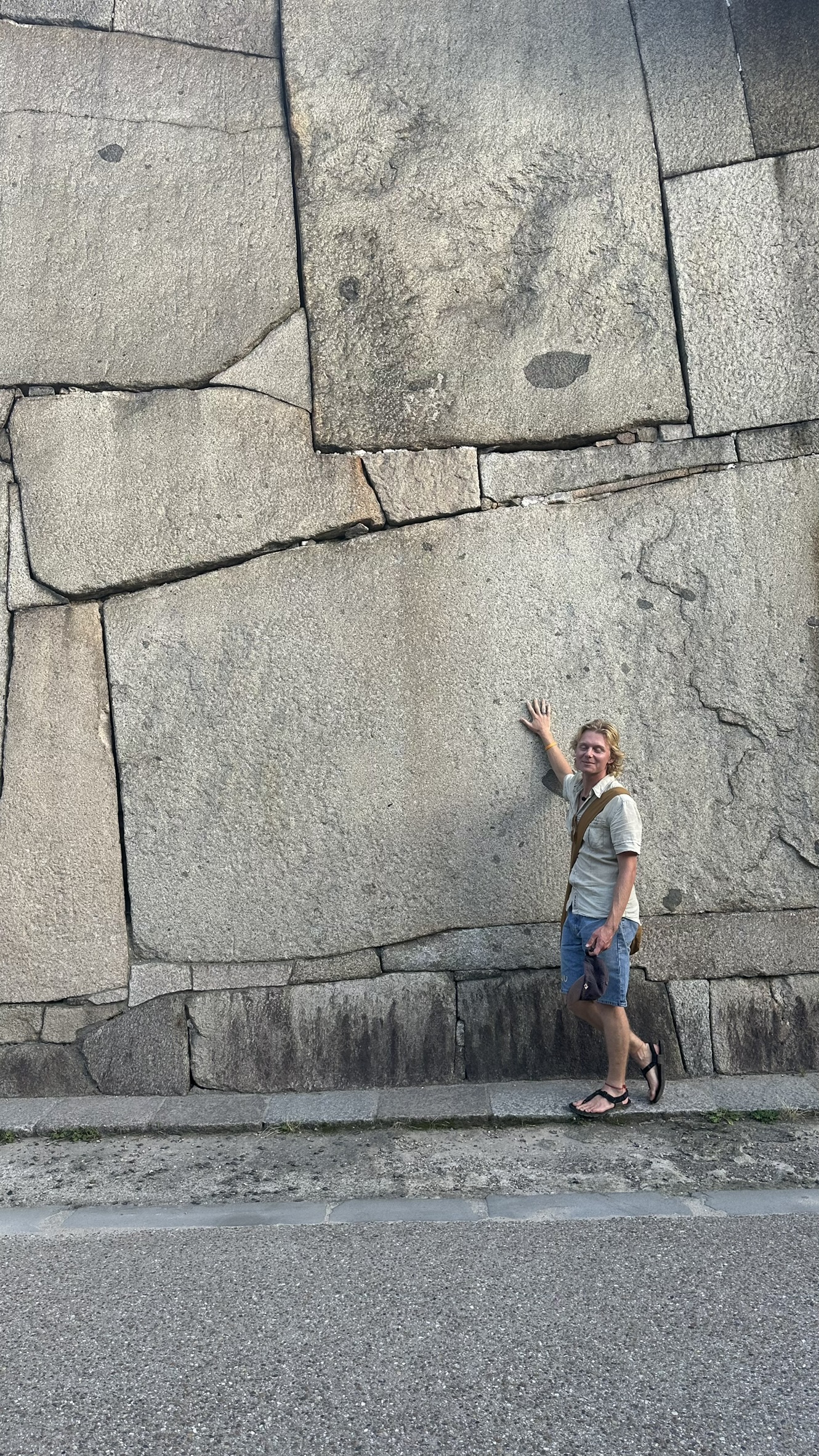
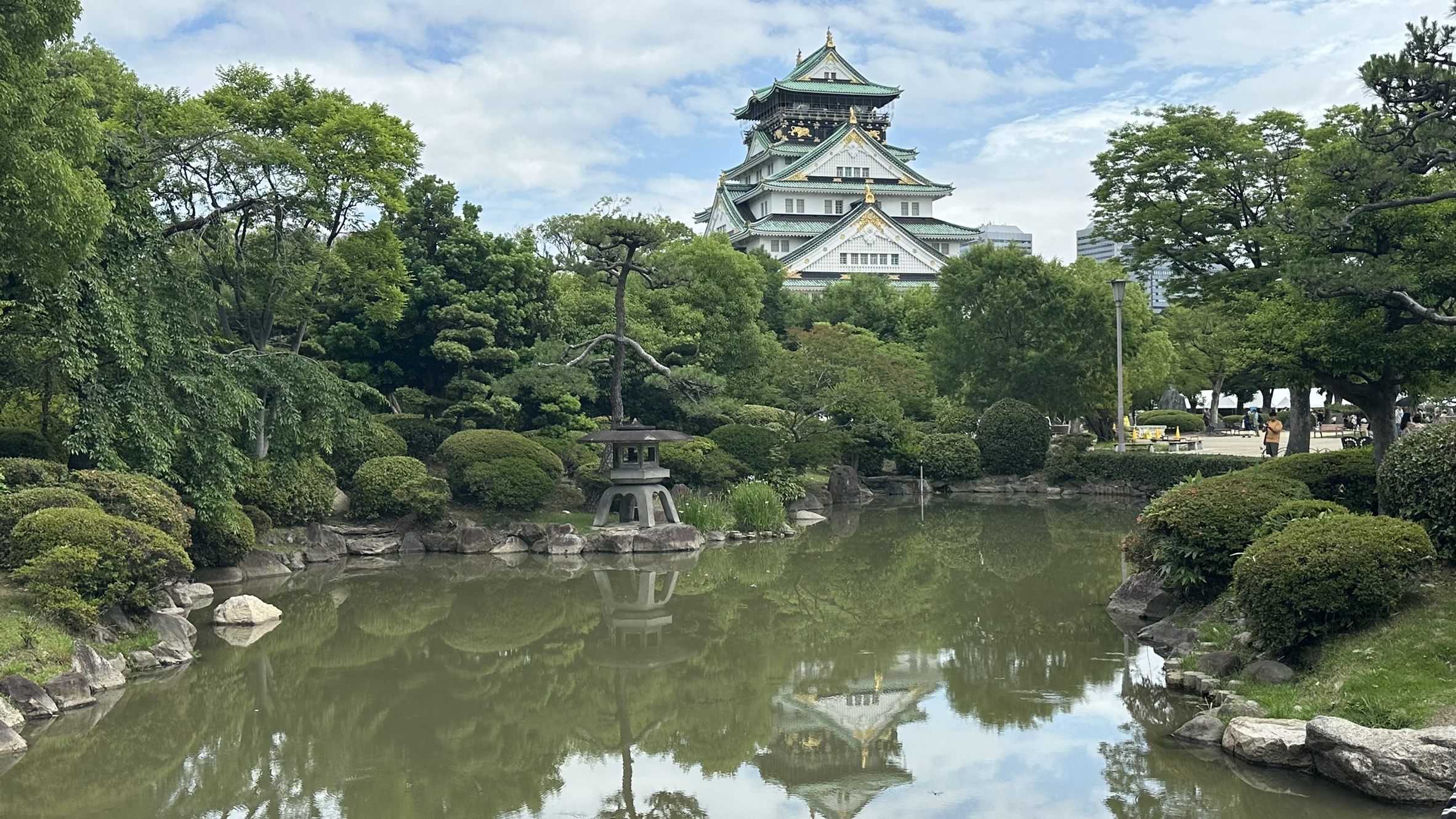
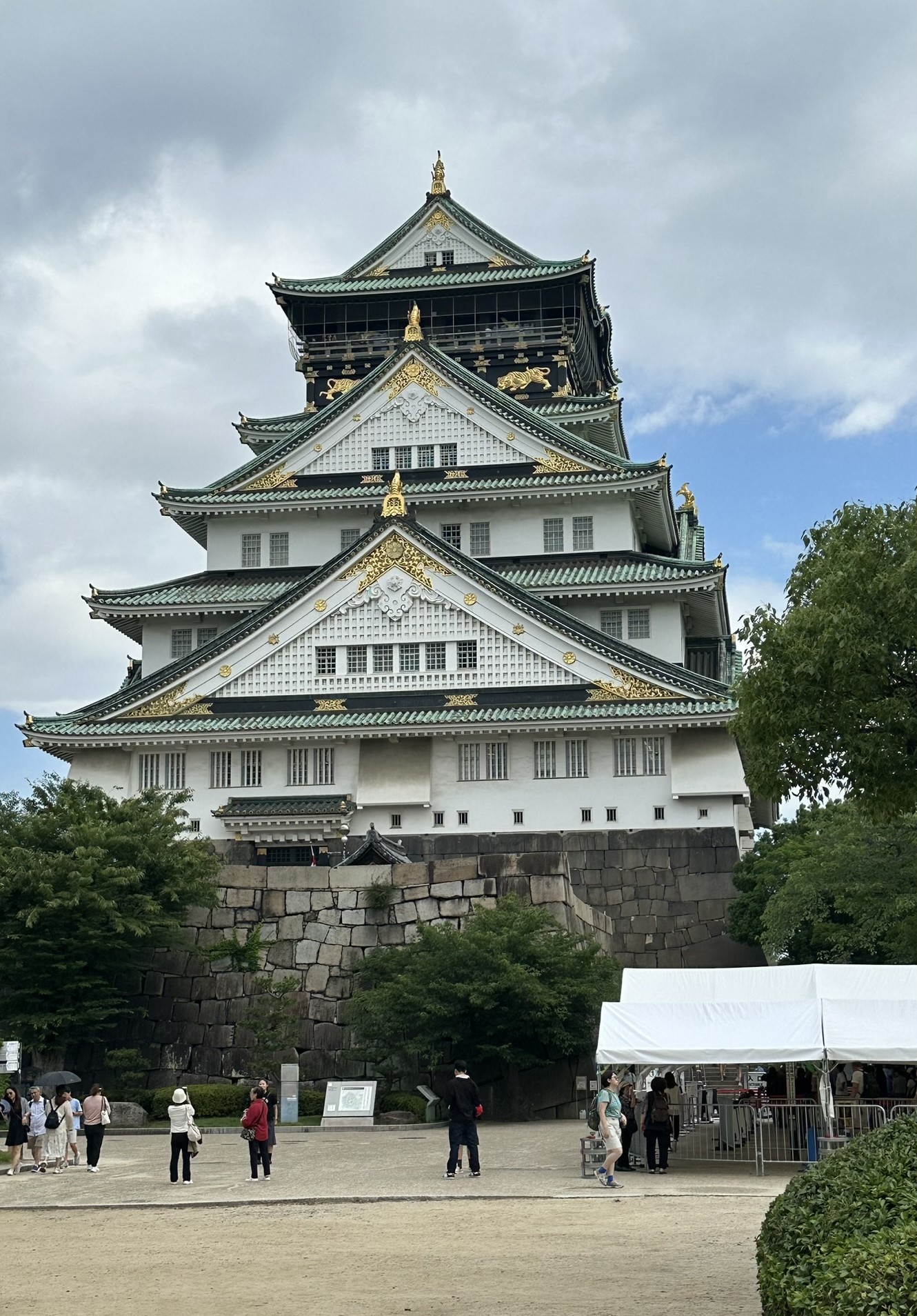
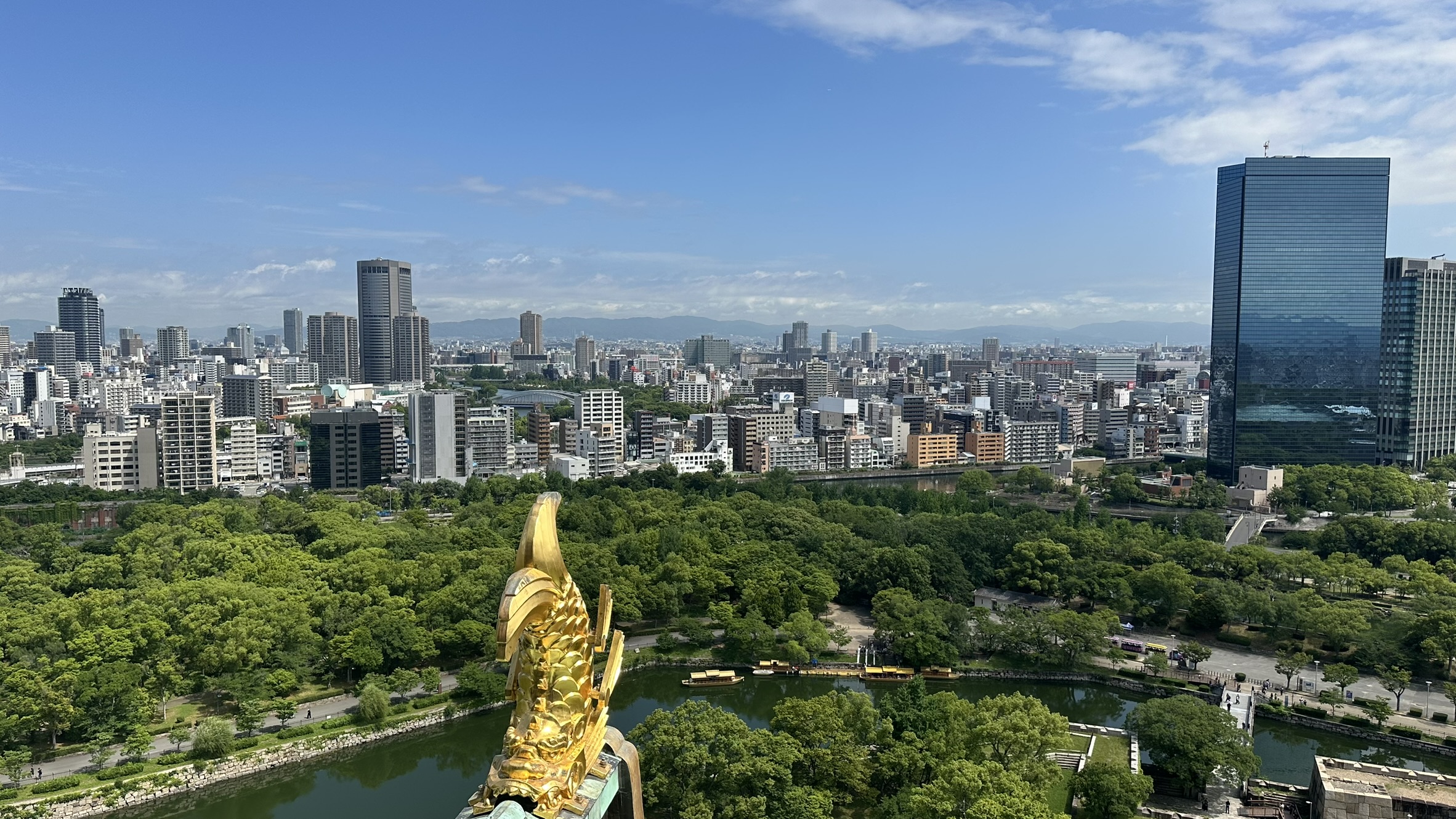
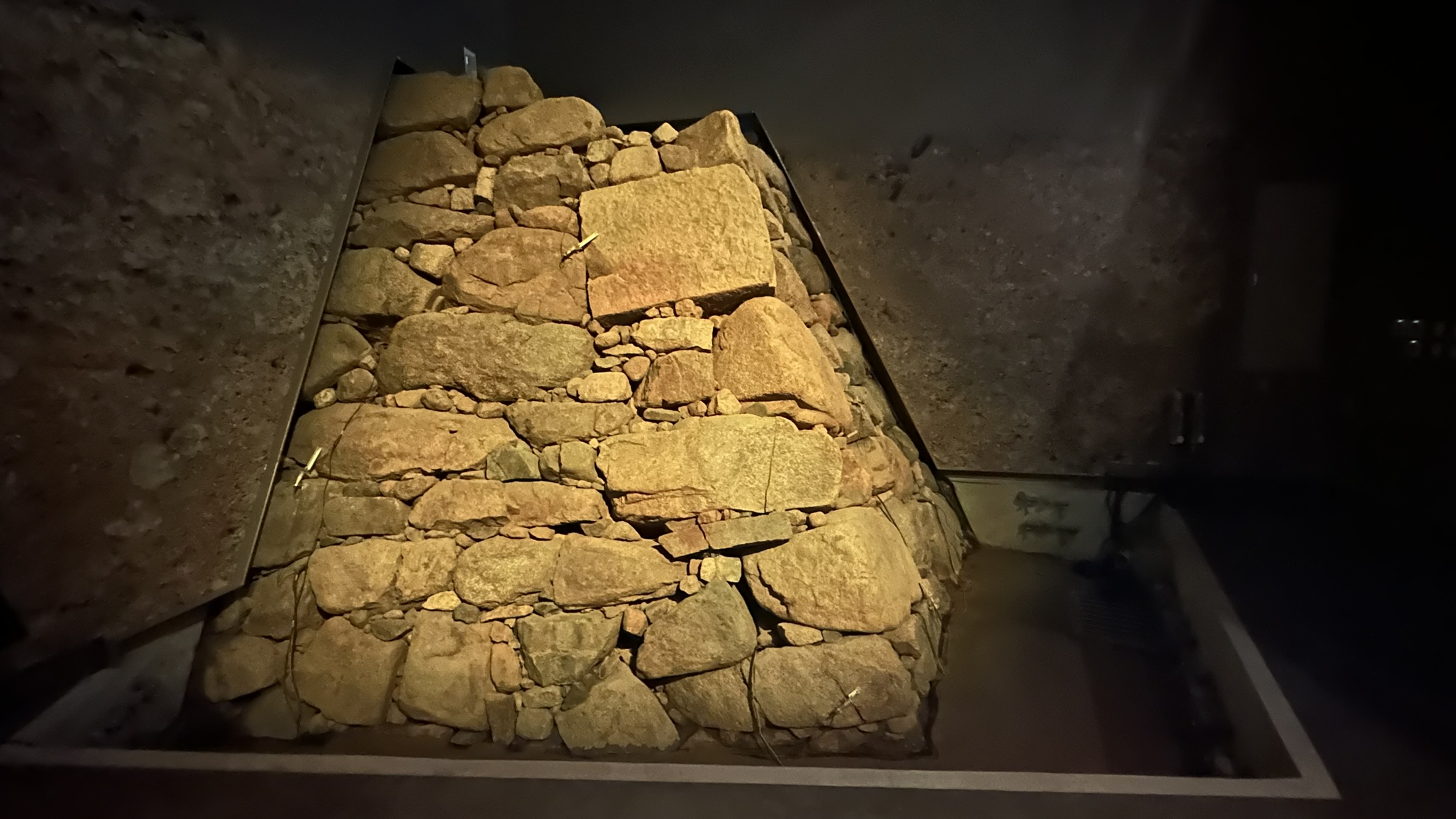
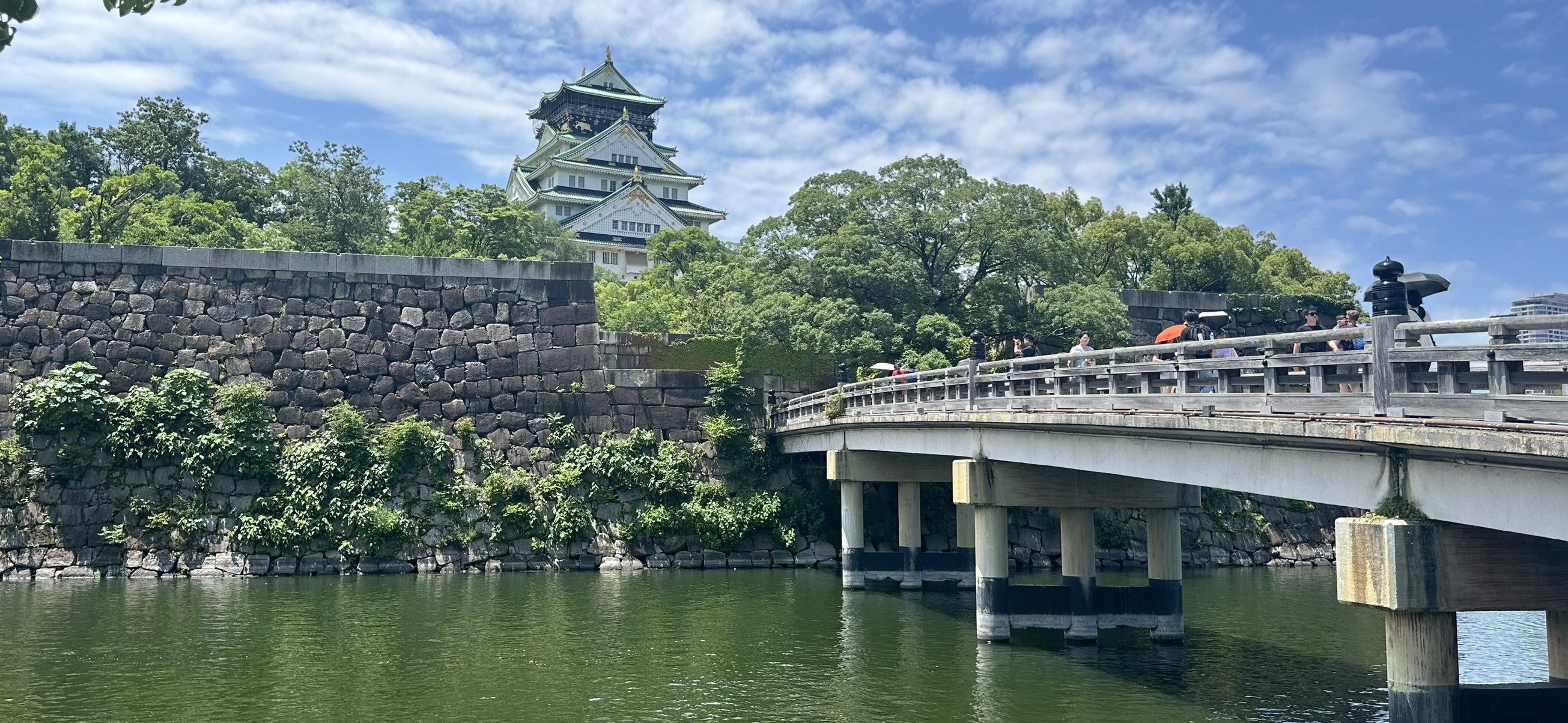
- Osaka Castle is one of the most visited places in the city, renowned for its history and architecture. Once the most impenetrable castle in Japan, it fell to a yearlong siege 1614-15, when the Tokugawa shogunate finally overthrew the Toyotomi clan. The castle exterior was rebuilt after it burned down in 1868, but the interior is now a modern concrete museum to the castle’s history. In addition to the artefacts on display and the view of the city from the castle’s topmost floor, the surrounding gardens, moats and massive stone walls (built in 1620) make the castle a memorable visit.
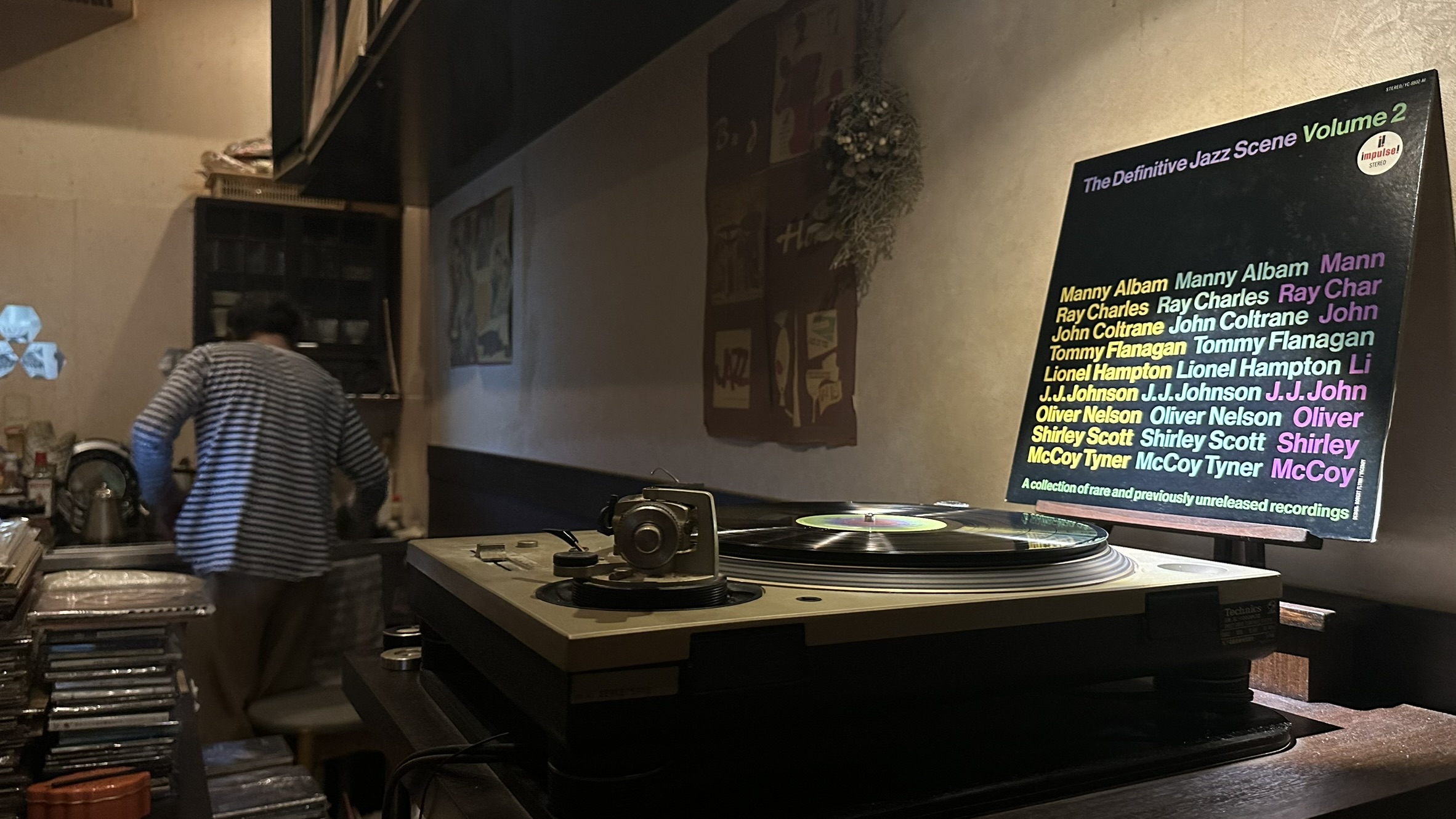
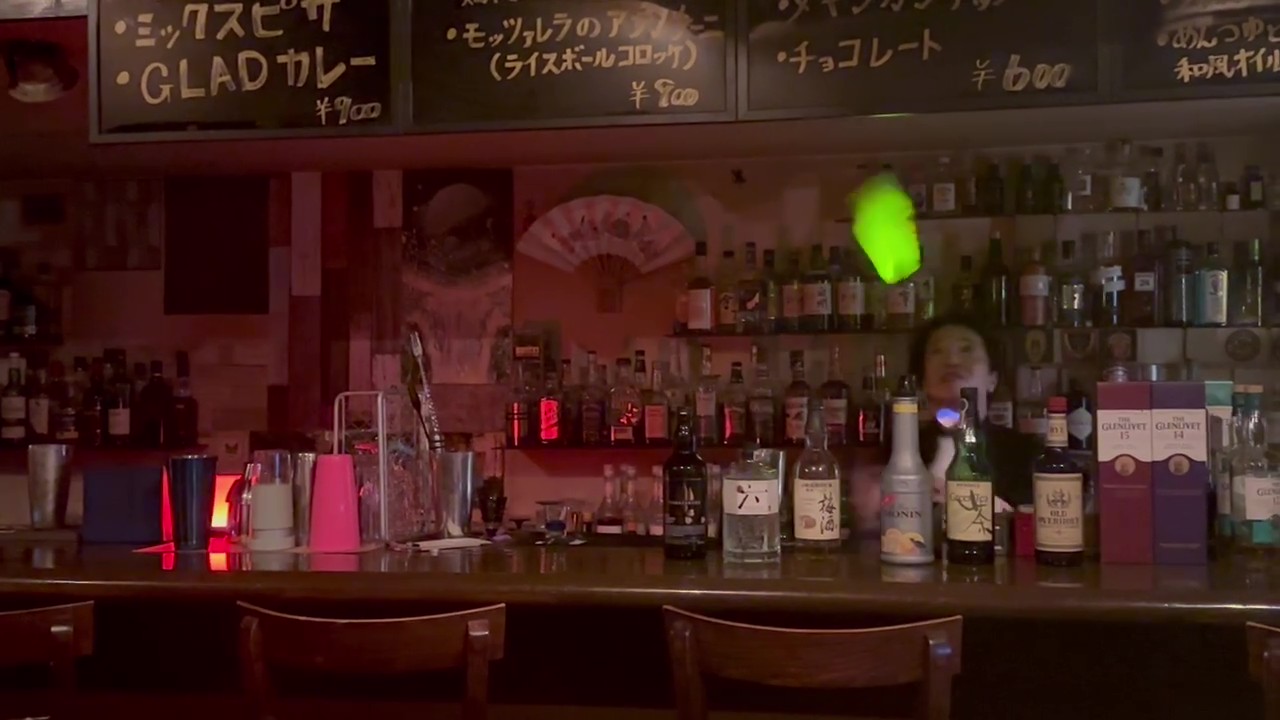
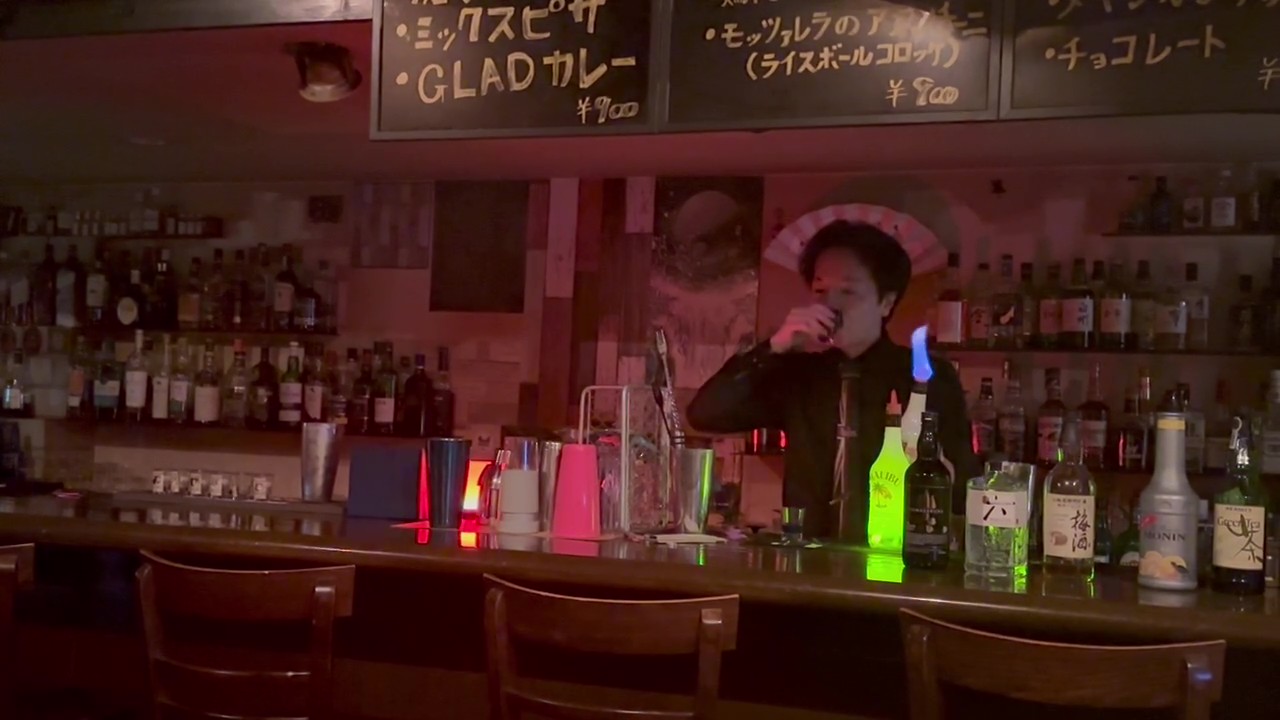
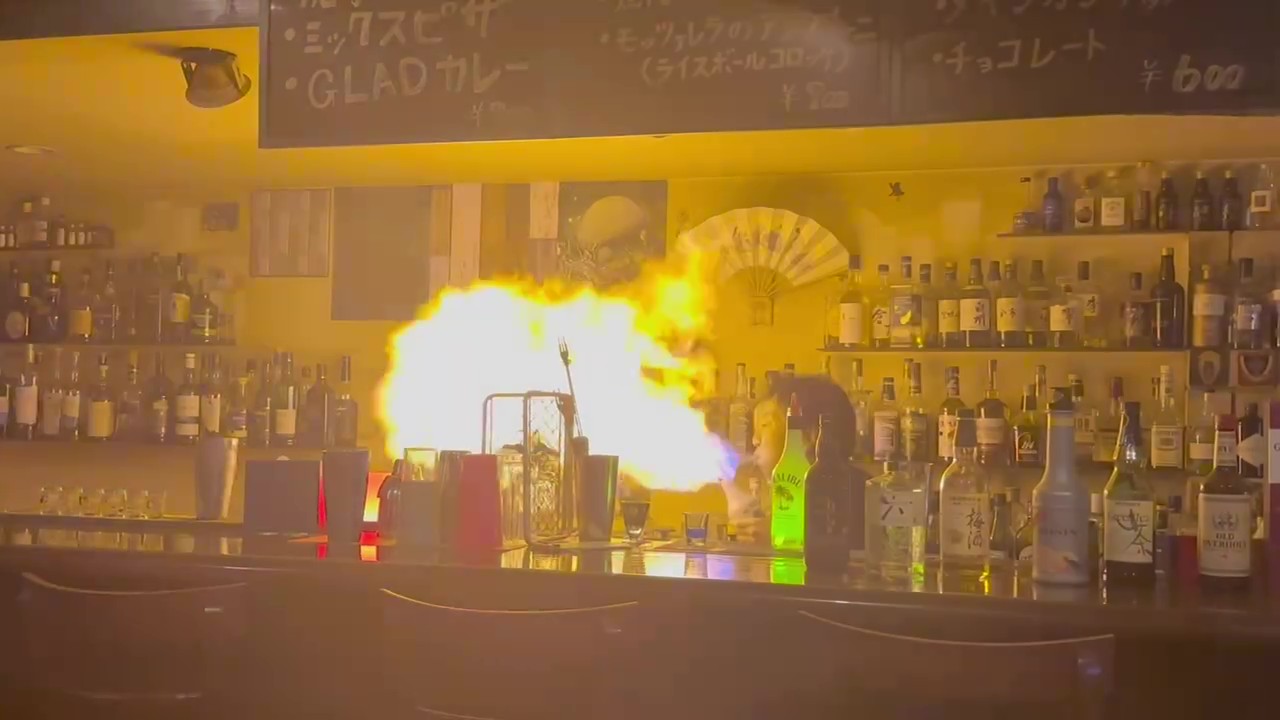
- If you hit the castle or the Osaka Museum of History next door in the late afternoon, consider this for an evening departure away from the crowds: Tucked into a tiny corner of town behind the castle, you’ll find Okinomiyaki Goeikan, a small, upstairs eatery specializing in Osaka’s famous okinomiyaki. Absolutely delicious, but no secret to locals. If there isn’t a table available, head downstairs to Bar Glad, a back-alley cocktail bar for a drink or two and try your luck later. Behind the bar is the owner, whose life inspiration was Tom Cruise’s worst movie, Cocktail — he decided to put on a show for us; hilarious, but he was sooo happy! Afterwards, hit Bud House, a distinctly cooler, much smaller bar with only four stools, a record player, and hundreds of jazz records in a room the size of a storage shed. It probably was a storage shed at some point.
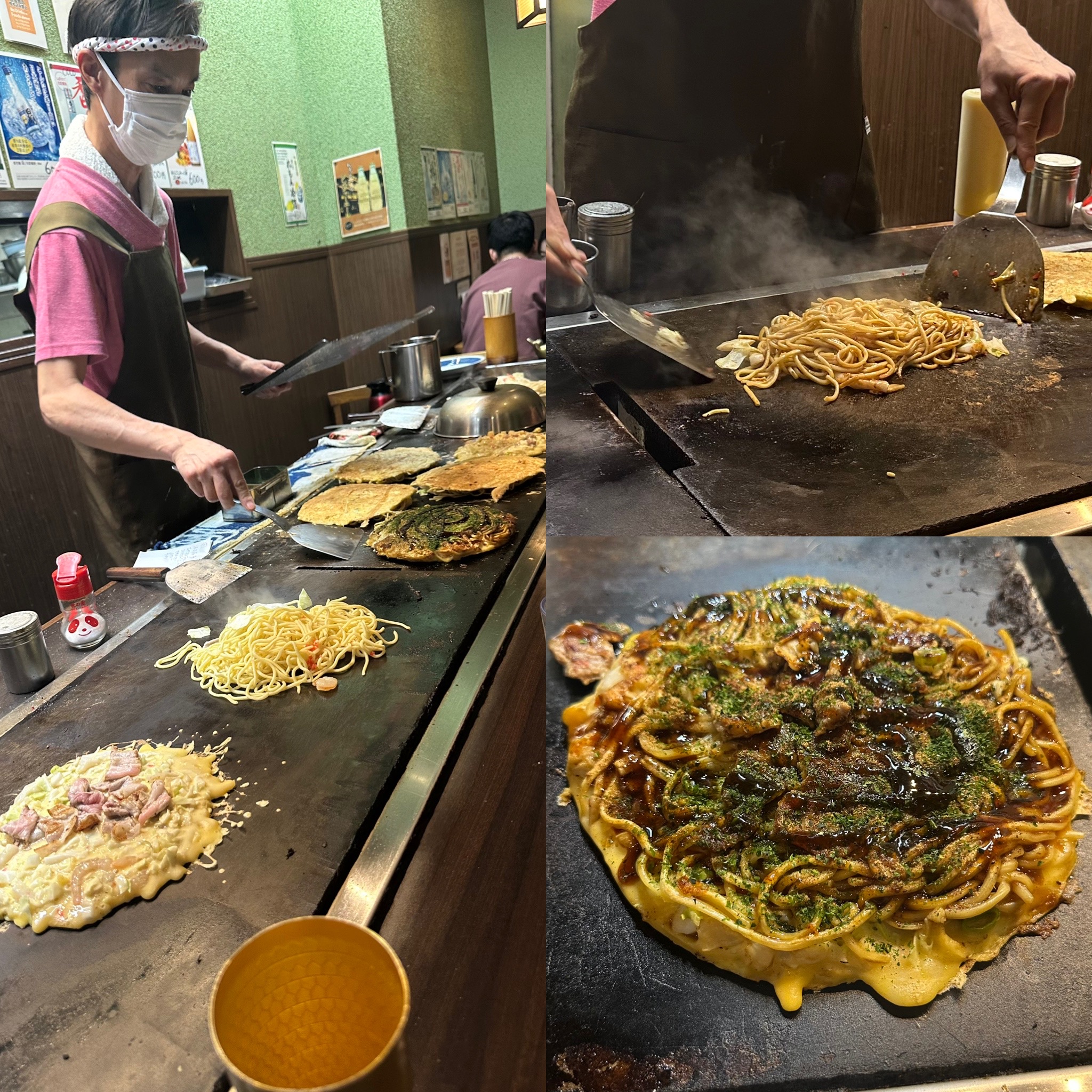

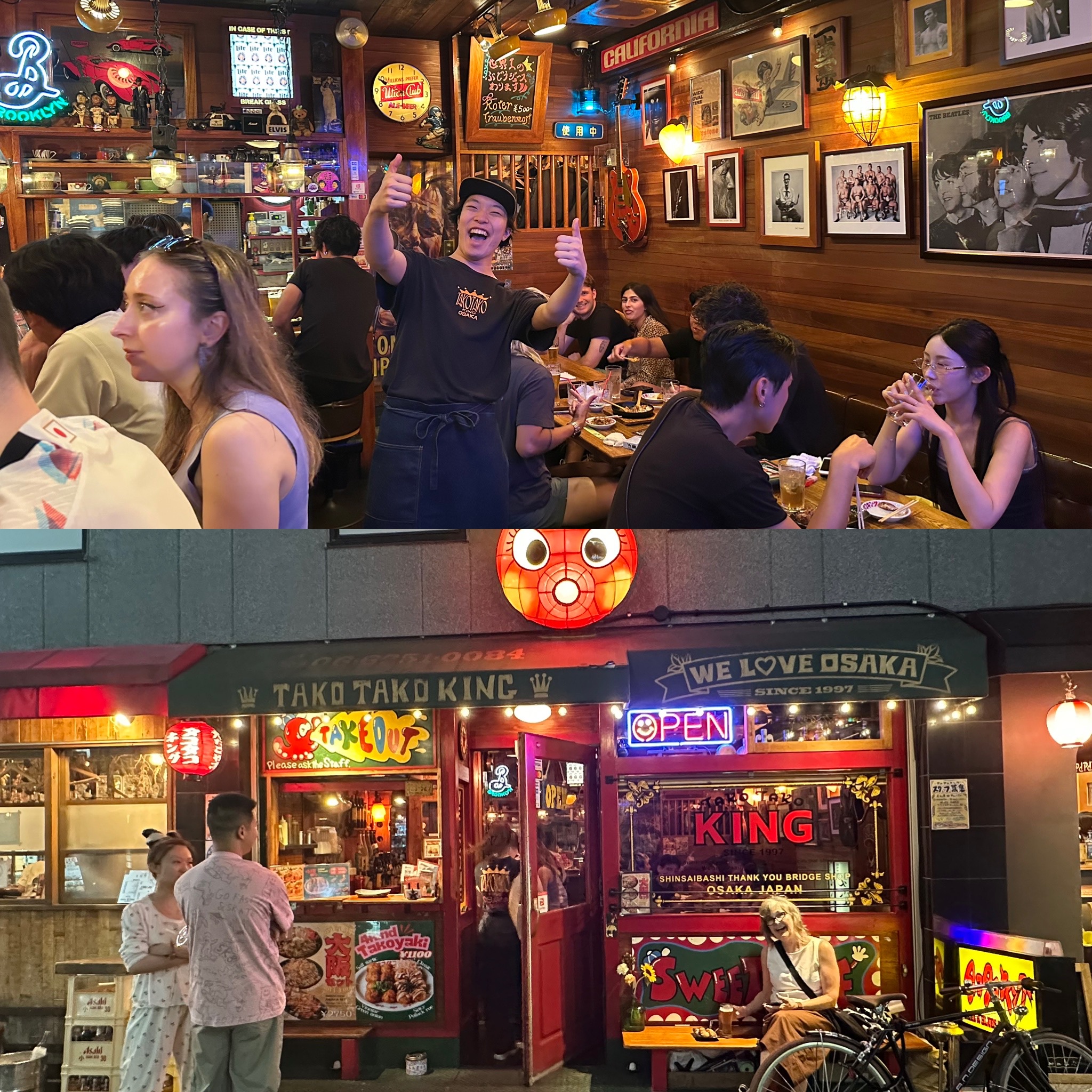
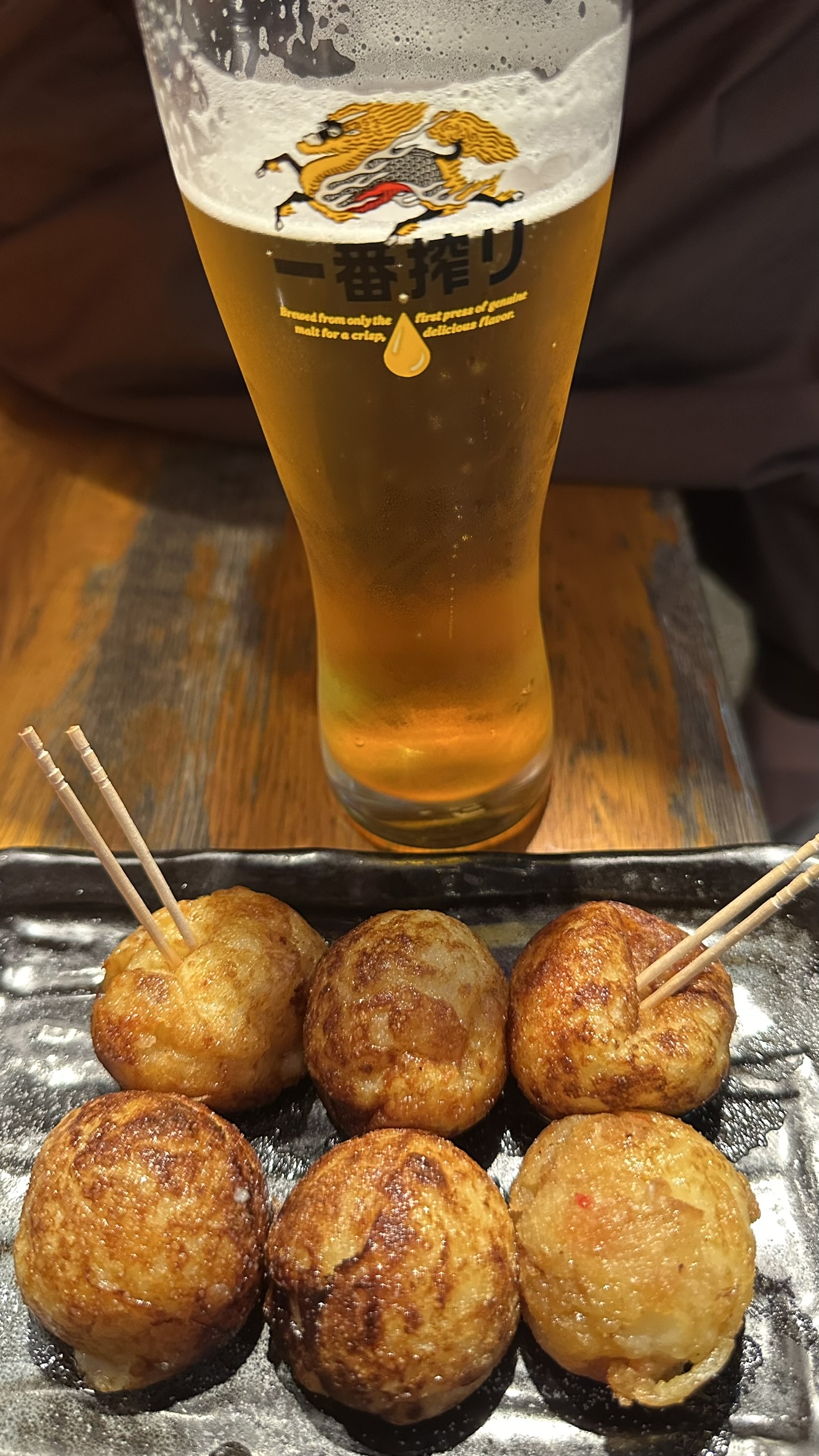
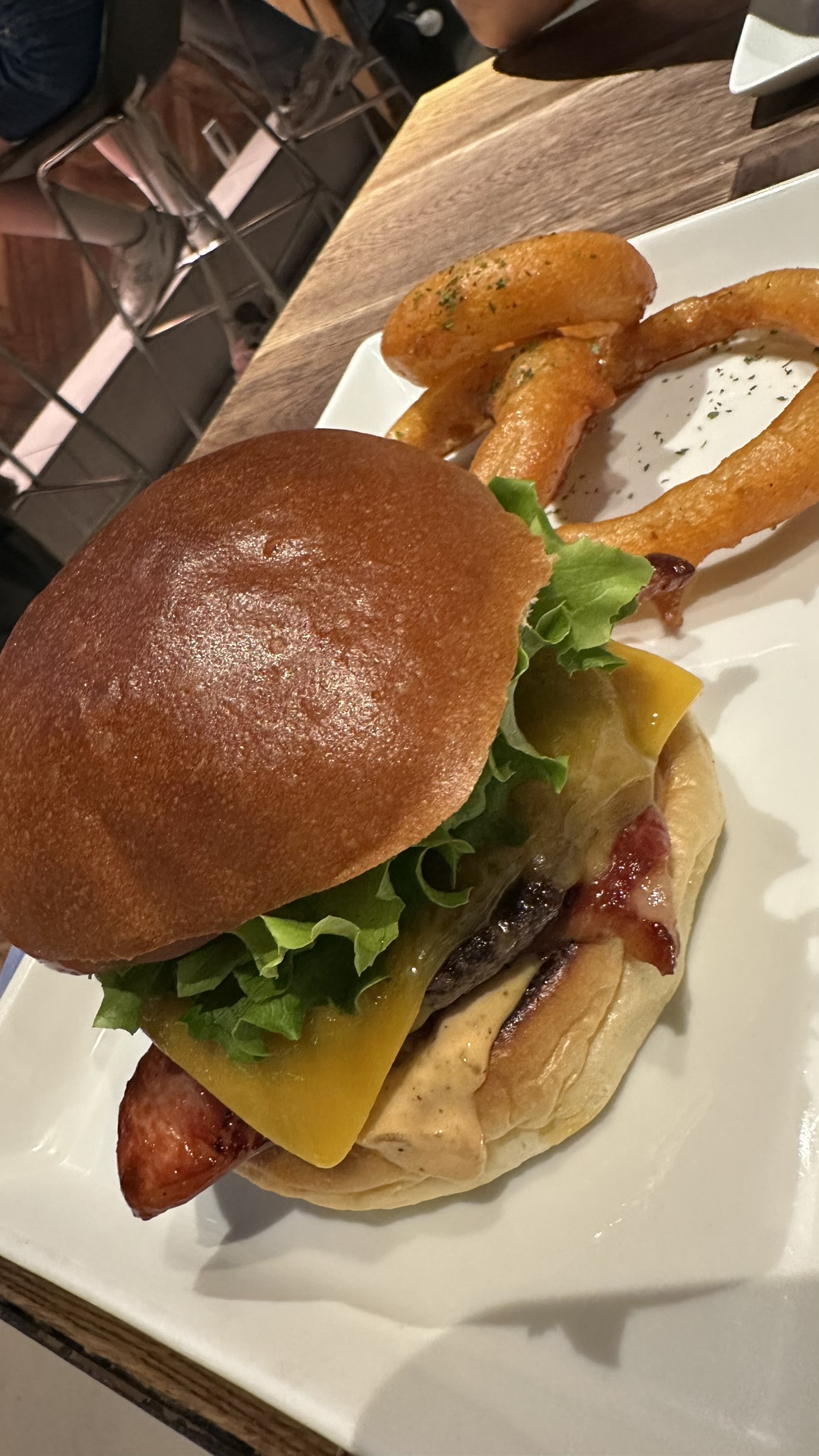
- Speaking of food, Osaka is widely considered Japan’s “foodie capital”, with much of the scene concentrated in Dotonbori and the Tenma District. We had an evening food tour in Tenma scheduled but cancelled it — one too many tours — but didn’t have any trouble finding great eats including Tako Tako King, home of Osaka’s second famous dish, Takoyaki (delicious octopus filled fried dough balls) and even a great hamburger at Craft Burger Dojima. Uehara (sashimi, noodles, grilled fish and more) and maren (ramen shop) were two other inexpensive restaurants we really liked a short walk from our hotel.
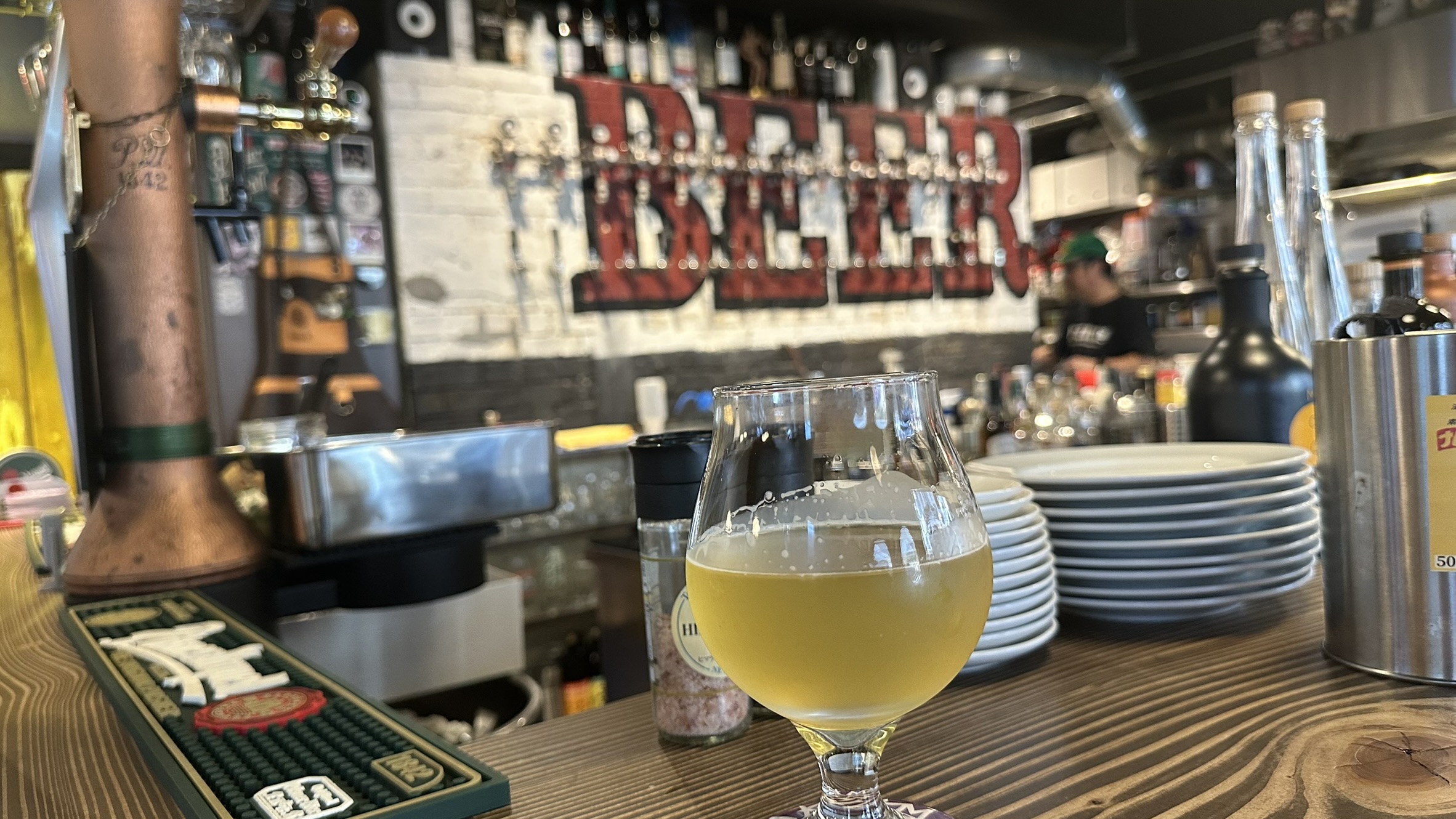
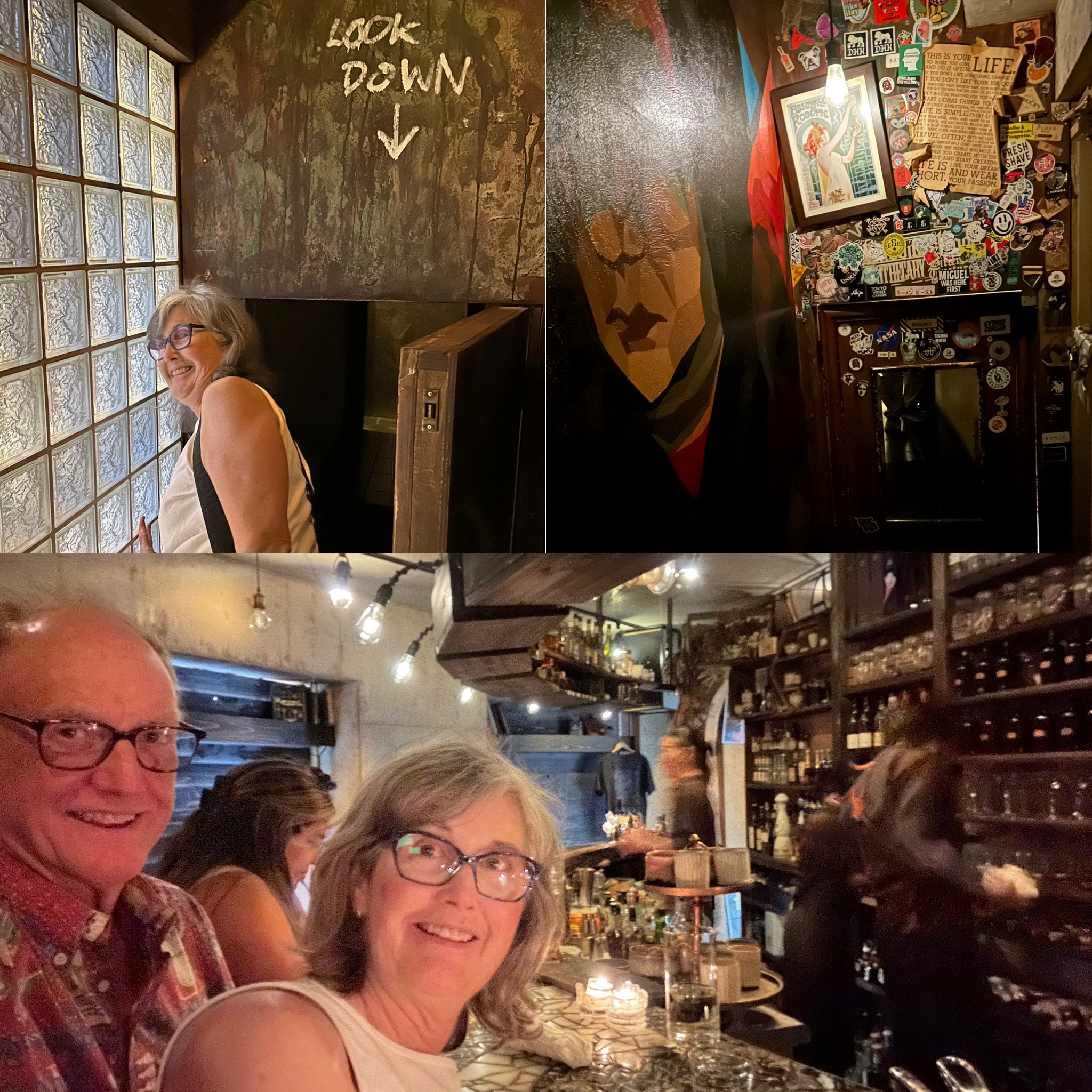
- If you like cocktail bars, yes, Osaka has lots of those, too, with many good ones clustered in Dotonbori. Our last night in Japan turned into a bit of a bar crawl, starting at Kraft Beer Works Kamikaze (good pizzas) and subsequent stops at Bar Nayuta (hidden, upstairs speakeasy), Bible Club Osaka (another semi-hidden speakeasy), Green Spot (hole-in-the-wall cocktails surrounded by lots of fake flora), and Nomiske, an unpretentious spot directly across from Tako Tako King, where we ended up closing with our convivial bartender and two fellow travelers from Finland. Kanpai!

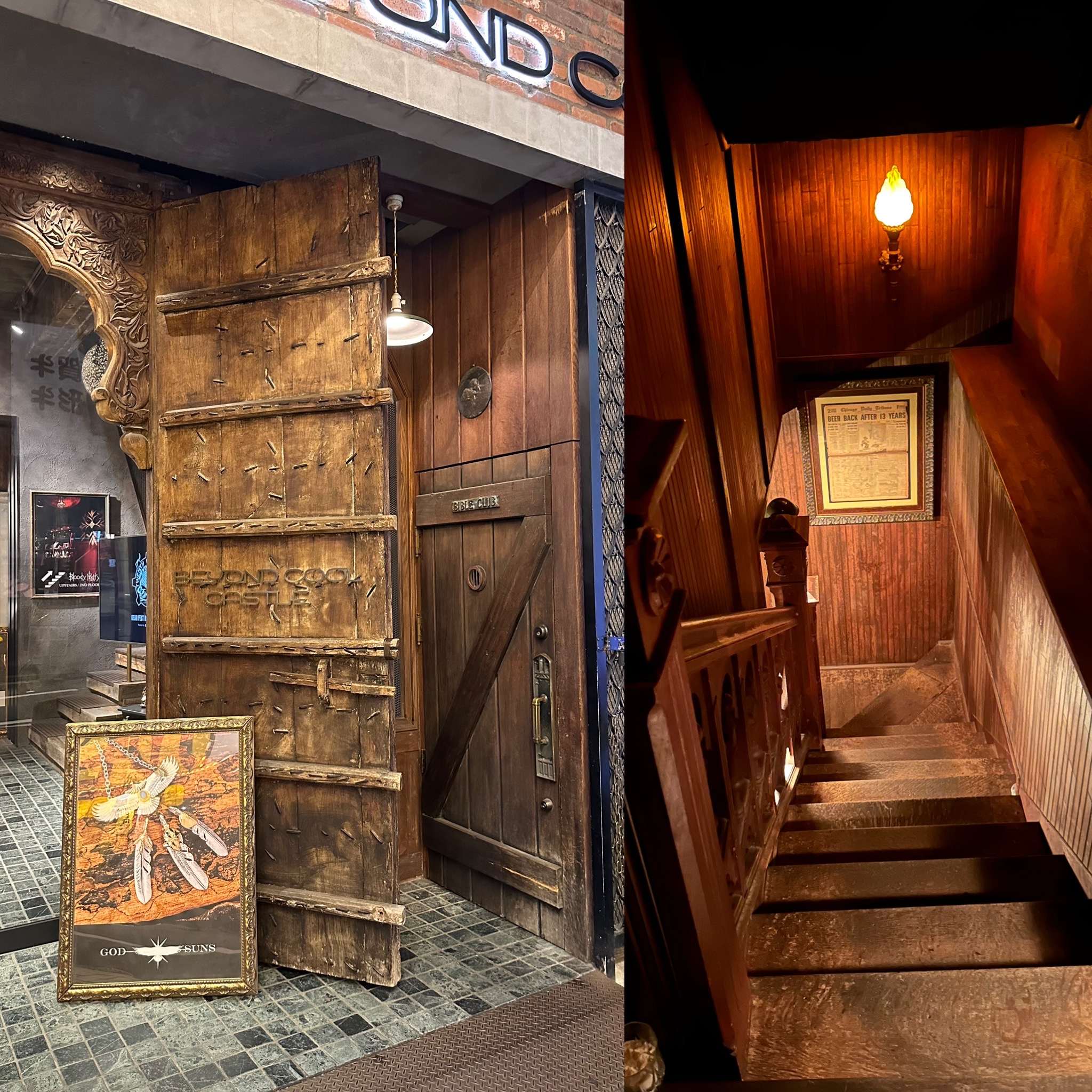
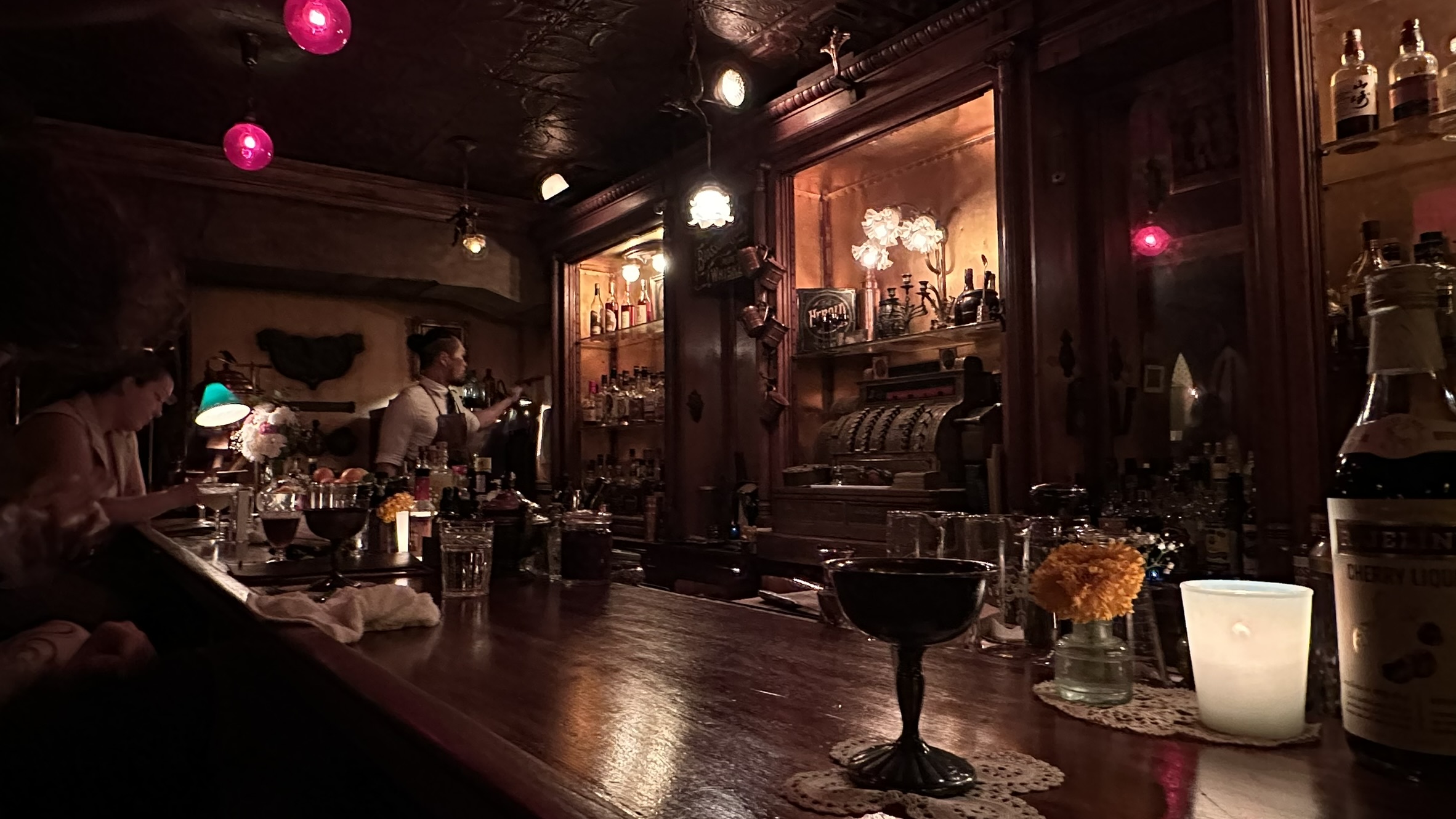
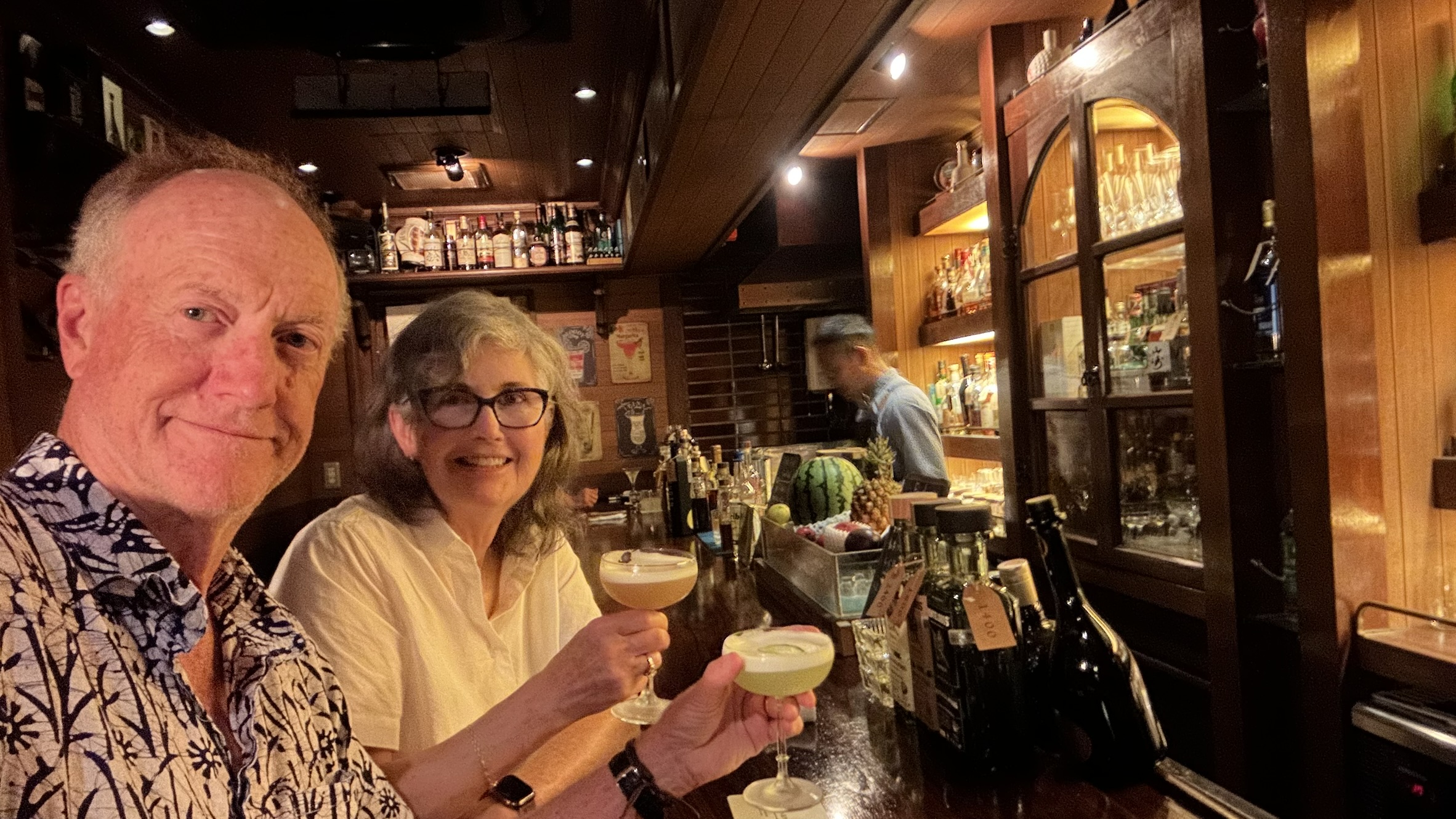
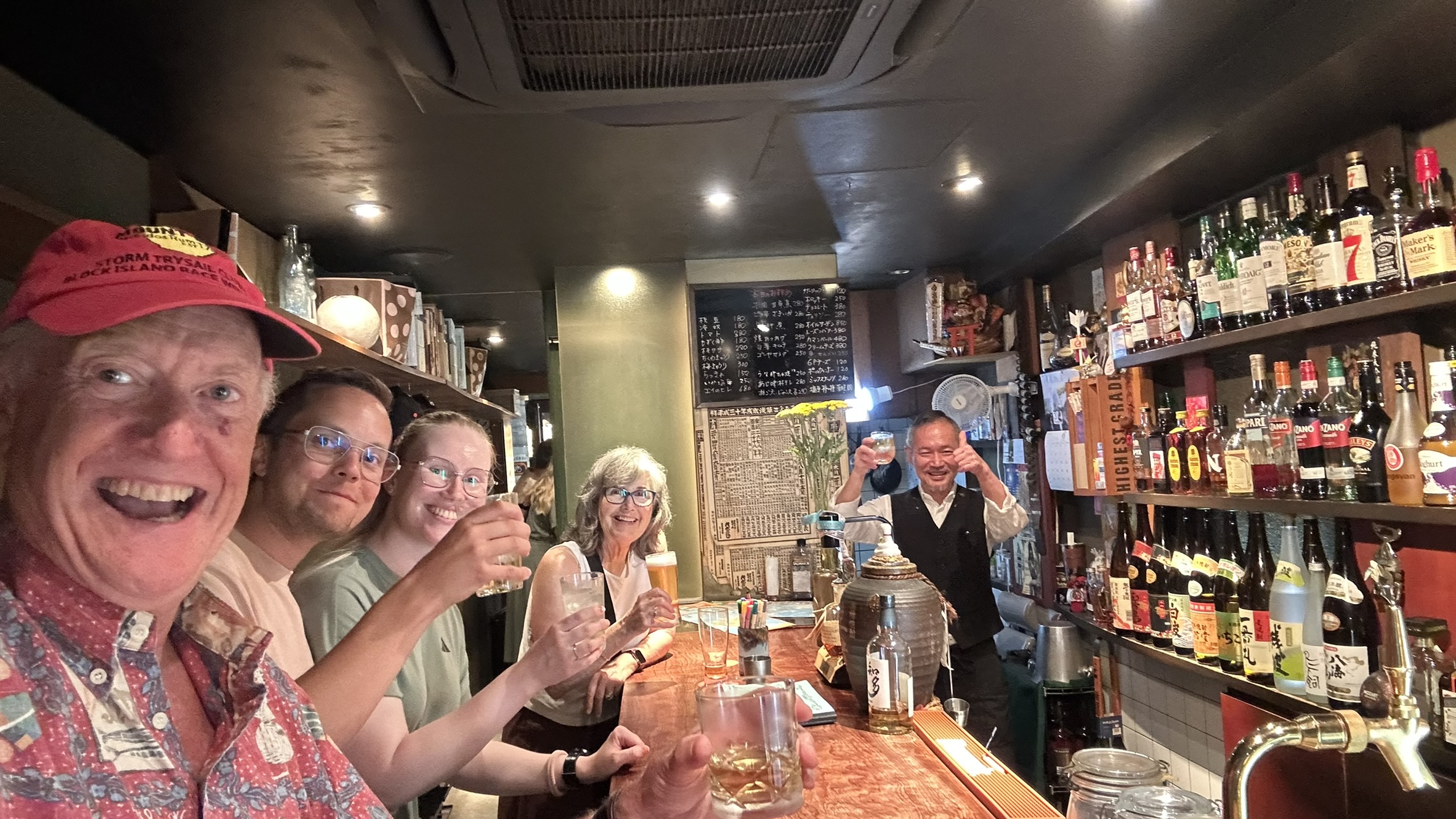
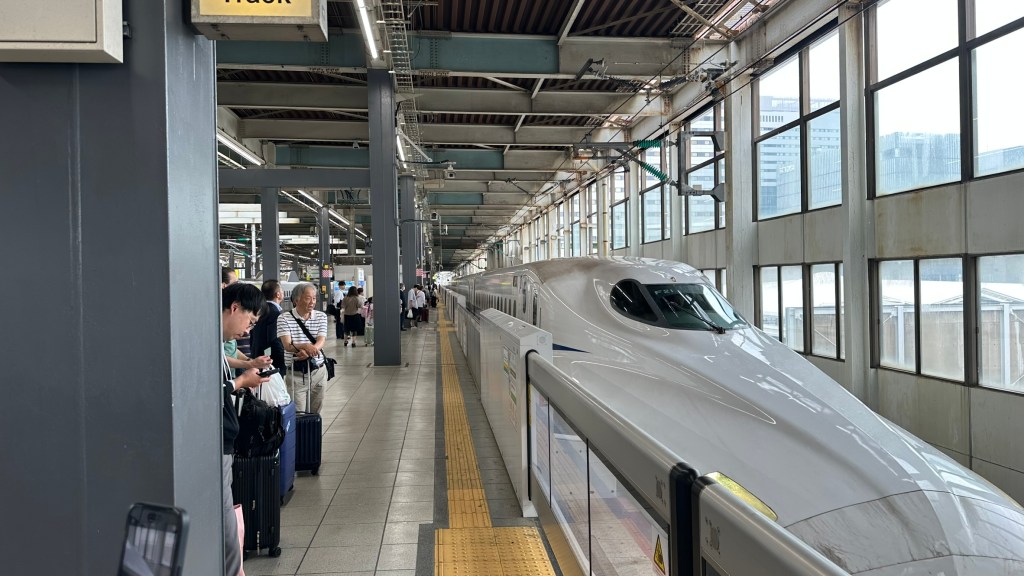
Our last day in Japan started in Osaka, where we had a nice breakfast before checking out of our hotel and catching the 1pm Shinkansen to Tokyo (Shinagawa station just short of Tokyo, actually), then a connecting JR train to Haneda airport in plenty of time to catch our 7pm return flight home. Could not have been easier.
One could easily fly home from Osaka, or any other open jaw route, but this worked out best for redeeming airline miles and wasn’t a hassle at all. We had hoped to catch a glimpse of Mount Fuji on the Shinkansen, as the train passes by pretty close, but alas the cloud cover was uncooperative again. A very minor misfortune, as this trip was nothing but outstanding in every way! If you haven’t been to Japan yet, what are you waiting for?
Random Notes and Tips
- Practical stuff
- Language — I’d put off coming to Japan for years, intimidated by what I presumed to be a serious language barrier. To my surprise, it was not an issue at all. There is more English spoken (at least a little) and written (all over the train stations, many stores, some menus) than you might expect. It helps to learn a couple survival phrases before you go — and use them — and we were successful picking up several more as we went along. It makes a good impression!
- People — The Japanese people are, as a whole, the friendliest and most hospitable in the world. Expect bows from everyone; entering or leaving a store or restaurant, at your hotel, everywhere. And always accompanied by a sincere “konichiwa” (hello) or “arigato gozaimasu” (thank you very much). Get into the habit of doing the same and you’ll be appreciated. If you ask for directions or a restaurant recommendation, don’t be surprised if they stop what they’re doing, get up, and take you there. It’s just who they are!
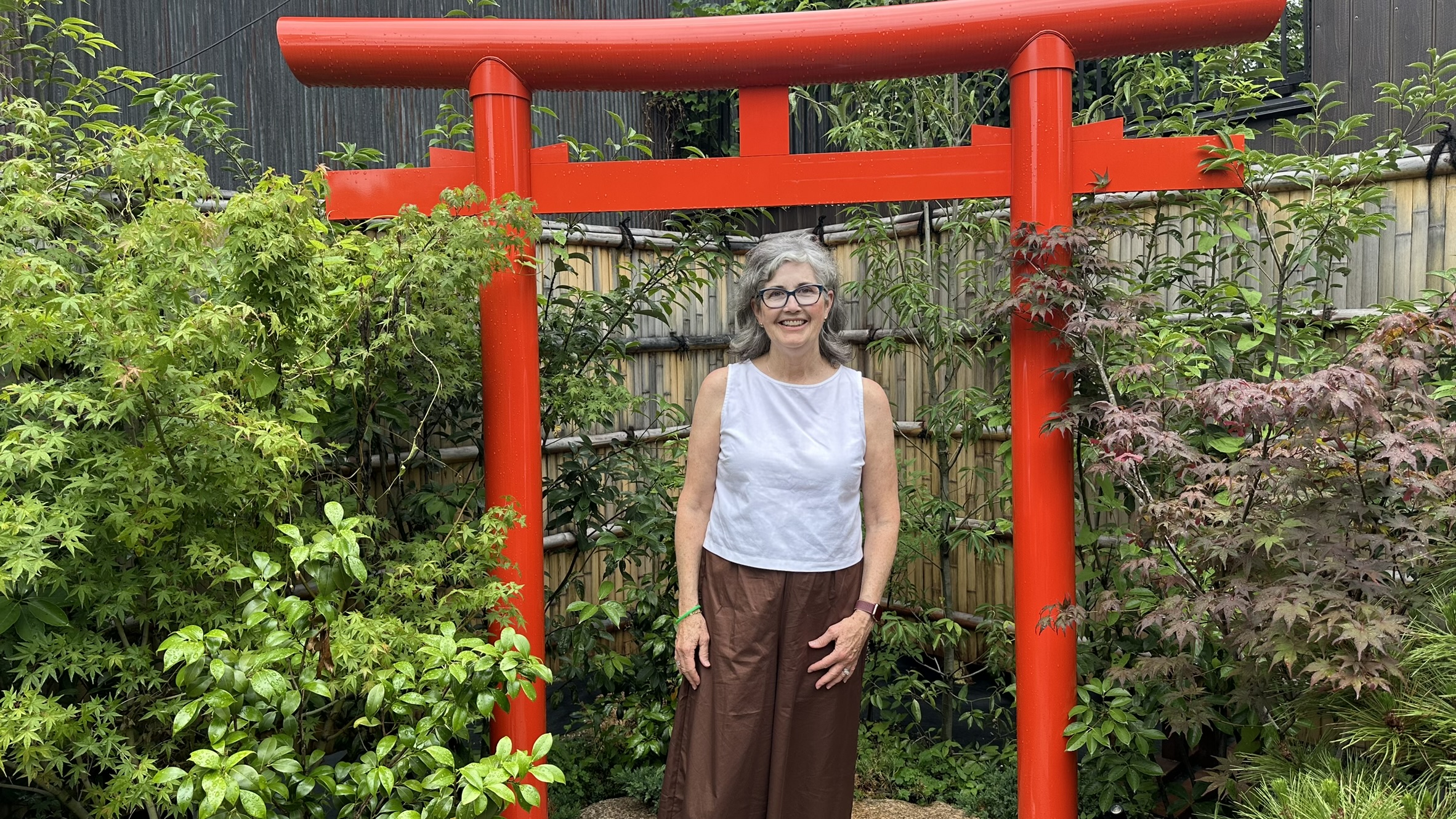
- Religion — Shinto and Buddhism are Japan’s two major religions. Temples are Buddhist and shrines are Shinto. At the temples, you will see a Buddha statue, burning incense, and beautiful buildings surrounded by manicured gardens. Shrines are characterized by bright red torii gates, and devotees have a very distinct, unique way to praying or making an offering at a shrine: facing the shrine, toss your coin into the box, bow twice, clap twice, make your prayer, and bow once more before retreating. Tourists can do this as well as long as it’s done with the proper respect and humility.
- Flying — It’s 11 1/2 hours nonstop from SFO or LAX to Tokyo but only 9 1/2 hours coming back. Premium economy was a perfect upgrade for us, not long enough to justify the significantly greater expense for business class. If you leave the west coast early in the afternoon, you can arrive in Tokyo in time for dinner and a good night’s sleep.
- Trains — The train system throughout Japan is terrific and will get you almost anywhere you want to go. The most important thing you’ll need for getting around easily is an IC card, either Suica or Pasmo. We used the former and it was a godsend. You can add to your smartphone wallet easily (iPhone Settings>Wallet & Apple Pay>Add Card>Transit Card>Japan). Link to a bank account or credit card, load money on arrival in Japan, tap phone to enter subway, buses, trains that don’t involve reserved seats, you can even pay for groceries and some restaurants with your Suica card. You can add funds to your card anytime you have a network connection.
- More trains — Shinkansen, Japan’s famous high speed bullet train, is also great for traveling longer distances on major routes. We took Shinkansen from Tokyo to Hokkaido, Hiroshima to Kyoto, and Osaka to Tokyo. They top out at close to 200mph. With these and other “reserved seats” trains, you need to buy two tickets used together: a base fare ticket and a reserved seat ticket. You actually have to put them through the ticket gate together, which seems weird, but once you’ve done it you know the drill.
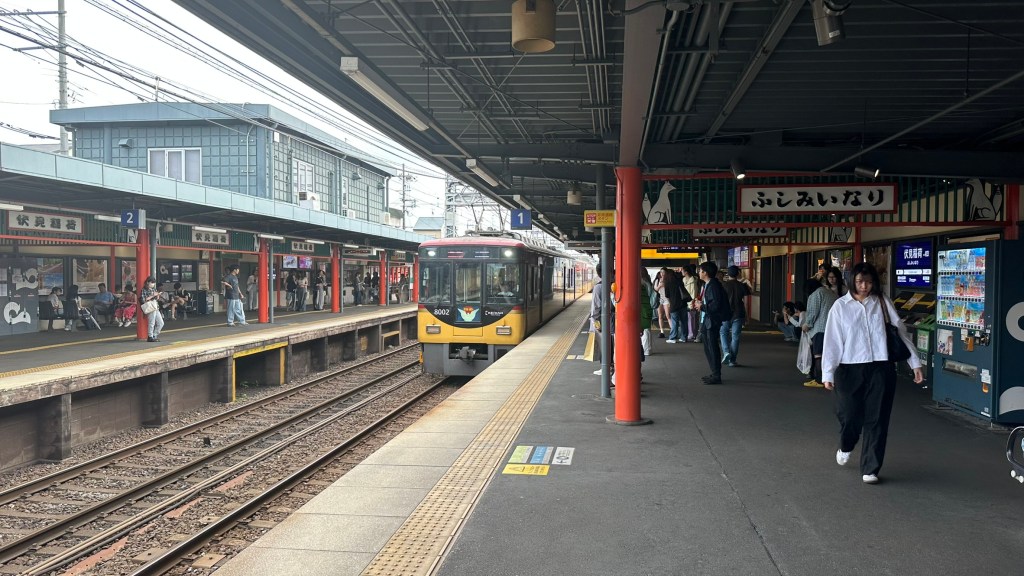
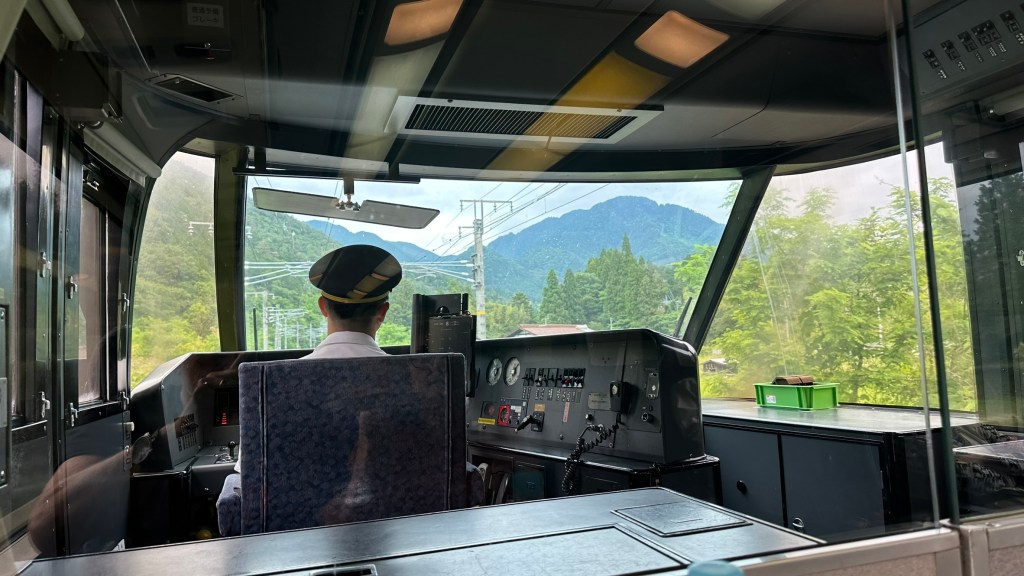
- Driving — If you plan on driving, Japan requires a current International Drivers License. The only country in the world that still requires it, in my experience (I saw another guy get turned away when he showed up at the rental agency without). They drive on the left, and navigation can be tricky but not impossible if you can’t read Japanese road signs. Google maps essential. Best to get a Japan ETC card to automate passing through tolls; your rental agency will rent those to you cheaply, just make sure they don’t forget to install it in your car like they did with mine!
- Tours — You can book lots of tours and guided experiences through Klook, Get Your Guide, or Viator/TripAdvisor. I’ve used them all with good results. However, if you’d like a private guided tour, I recommend Japan Guide Agency, which we used in Tokyo, Hiroshima, Kyoto and Osaka. Excellent guides for a fair price. With hindsight 20/20, I’d say these are much more valuable early in your trip, though a good guide can always find you the “hidden gems” you may overlook.
- Alternate itineraries:
- 32 days gave us a lot of choices and we were very happy with everyplace we went. With hindsight being 20/20, we could have taken another day or two out of Tokyo (4-5 days is plenty), one of two days from Kyoto (as much as we loved it, 4-5 days would work), and one day from Osaka (leaving 2-3) and reinvesting that time in one or more of my “if we had more time” list, next.
- If we had more time, I would be most interested in one more day in Hiroshima, 2-3 days in another smaller city on the west coast like Kanazawa, or several days of more rural, nature-centric onsen experience on the island of Shikoku (which has a circular, 88-shrine pilgrimage route), the Japan Alps, or further afield in the north of Hokkaido.
- If we had less time, I would cut out the time I’ve already noted in Tokyo, Kyoto and Osaka. I’d also consider flying from Tokyo to Sapporo, saving almost a full day of train travel and the extraneous night in Hakodate and even taking just two nights in Sapporo instead of three. After that, the cutting gets hard. I’ve heard a friend with much less time is focusing strictly on Kyoto, Nakasendo, Matsumoto and Takayama, and that sounds like a brilliant mix to me.
- The only thing I wanted to do but couldn’t was a Japanese baseball game. I tried the Tokyo Yomuri Giants, Hanshin Tigers, Orix Blue Wave, Hiroshima Toyo Carp — every home game sold out! If you want to go, buy your tickets well in advance.


 Once in a while you get shown the light...