Spring 2025 Trip Notes & Itinerary
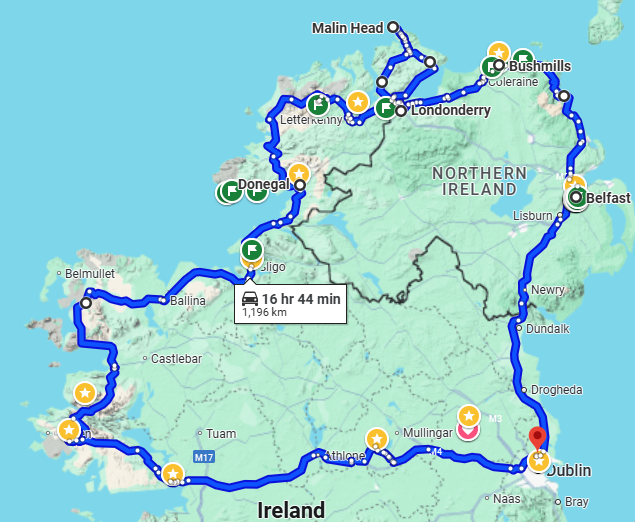
Overview: What started as a weekend trip for an Irish wedding turned into a two-week road trip around the north of Ireland — both Northern Ireland and the Irish Republic’s counties Donegal, Mayo, Westmeath and Meath — followed by a week traveling in Scotland, because, what the heck, why not?
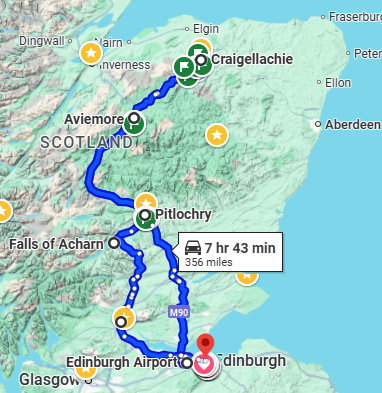
Itinerary: Northern Ireland: Belfast (3 days) > Bushmills (2 days) > Republic of Ireland: Derry>Letterkenny (1 day) > Donegal (2 days) > Ballynahinch (3 days) > Mount Druid (2 days) > Trim, (1 day) > Scotland: Craigellachie (3 days) > Pitlochry (2 days) > Edinburgh (1 day)
Bottom Line: To be fair, an Irish wedding is a truly magical affair, especially if you’ve never been to one before, so getting to witness our nephew, Dan, marry his lovely Irish bride in her home country was guaranteed to be marvelous experience in itself. But you can’t really go just for the weekend, now, can you? Having visited Ireland in the past year (our second trip) and Scotland the year before (our second as well), we knew there was lots more of both countries we wanted to experience, and being so close to each other, it seemed like the proper thing to do. And so we did.
This was our first trip to both Northern Ireland and County Donegal, and while they are not nearly as touristed as other parts of the Emerald Isle, it’s frankly hard to see why. Sure, Belfast and Derry felt the brunt of the Troubles for many years and that made them both “no go” areas for most people for a long time. Well, I’m happy to report that they are both fascinating and lovely cities, and the fact that they are not as popular on the tourist trail makes them more authentic and interesting in many ways, and that includes an up-close examination of their recent, turbulent history. Especially Belfast, a wonderful city to visit. The Antrim Coast, Inishowen Peninsula and Donegal are rugged, beautiful and uncrowded, as is much of County Mayo. Two weeks offered a great introduction to the north of Ireland, and a third would have been most welcome as there was so much more to see.
| Dates | Destination | Where We Stayed |
|---|---|---|
| Days 1-3 | Belfast, Northern Ireland | Fitzwilliam Hotel (review) |
Flying into Dublin, we rented a car and immediately drove 90 minutes north to Belfast, the capital of Northern Ireland. One of the few positives (according to the locals) coming from Brexit was leaving an open border between Ireland and Northern Ireland, so the only clue you had crossed the border was a road sign telling you that speed is now measured in miles instead of kilometers per hour and the British Pound is now king (pun intended, sorry) instead of the Euro.
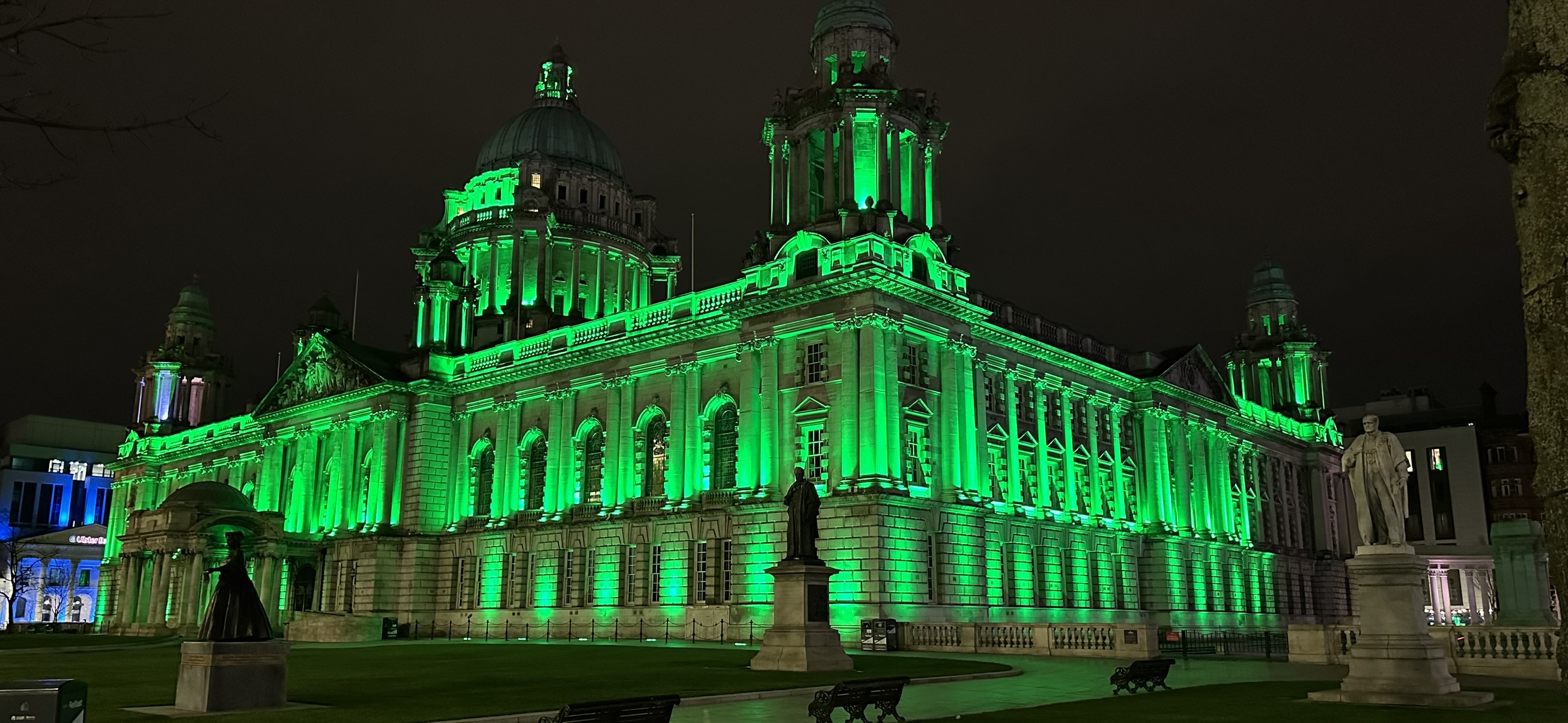
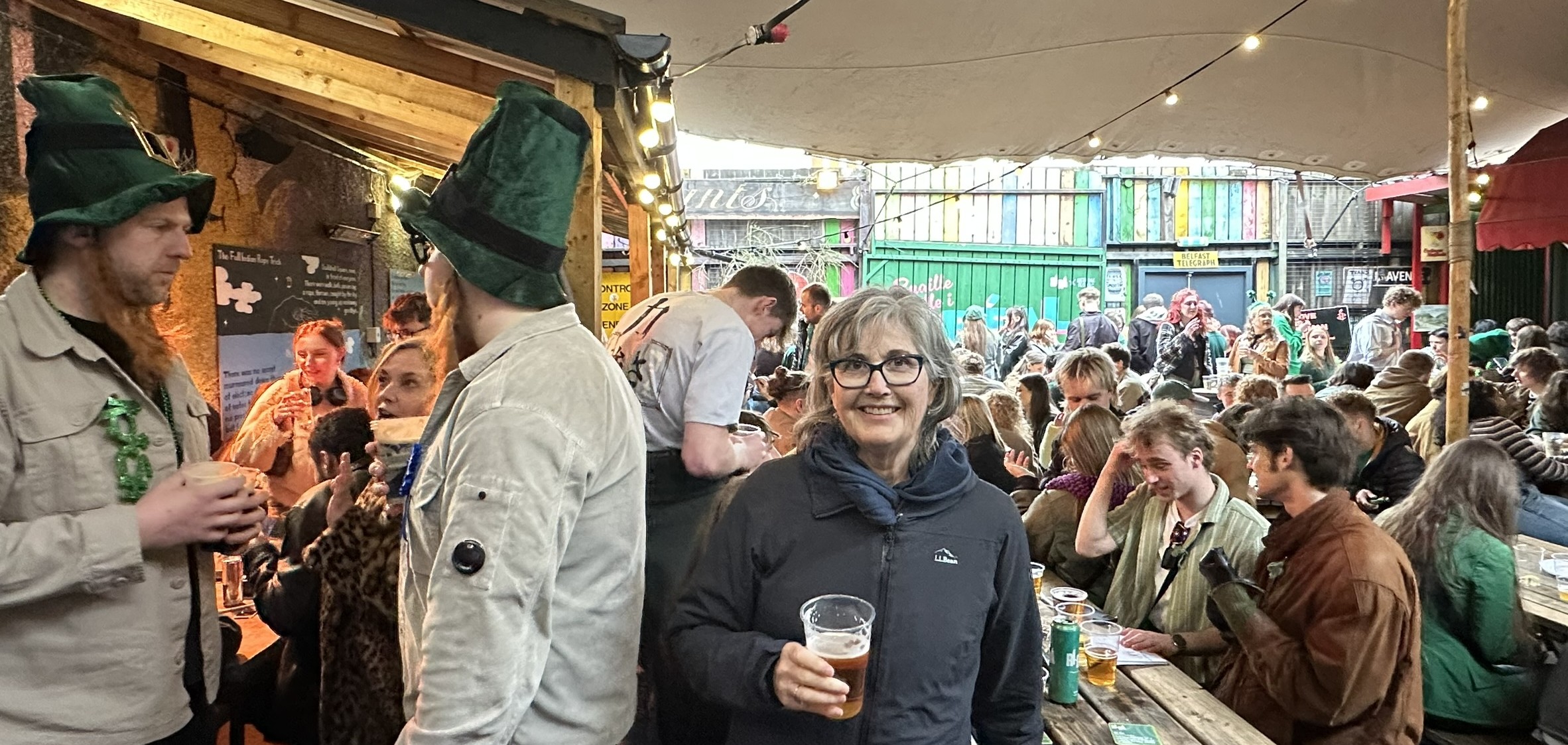
By sheer coincidence (honestly), we arrived on St. Patrick’s Day. 20 years ago, we were told, you’d never see a St. Patrick’s Day parade in Belfast, much less green-clad street revelers. 30 years ago, you wouldn’t dare go outside in the city after dark. My how things have changed – obviously for the much better. Our three days here were both entertaining and educational, a perfect start to our two-week circuit of the north of Ireland. Highlights included:
- Free walking tour of central Belfast with Yellow Umbrella Tours, where we got our first, mostly unbiased retrospective of Belfast’s war-torn past from a man who lived through it, as well as a nice introduction to City Hall, the docklands, and the Cathedral Quarter, was excellent. Ask for Dave!
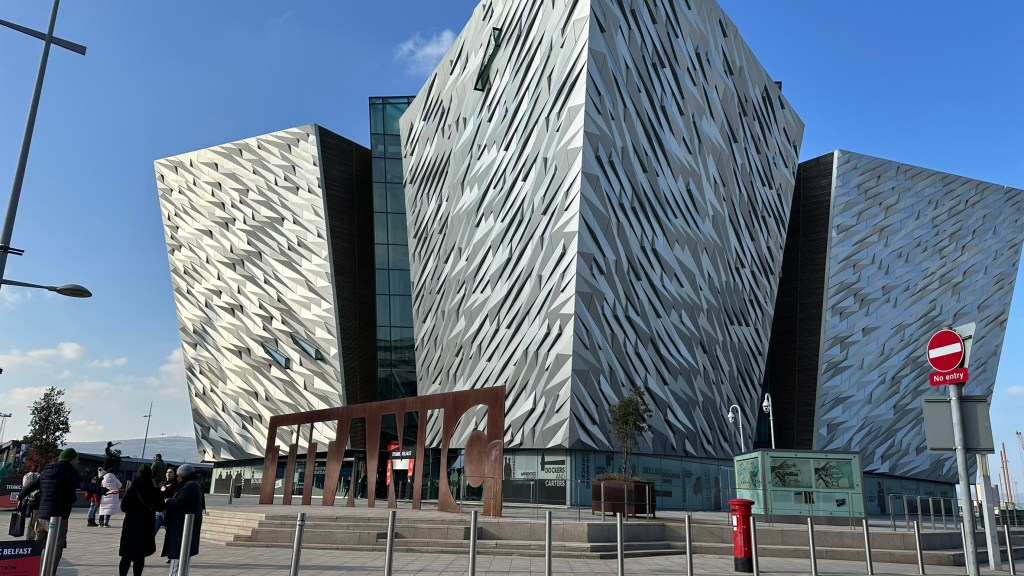
- Titanic Museum (where she was built) offered a self-guided tour loaded with fascinating history and images of the much heralded and soon-to-be-doomed ocean liner. The story told in words and pictures is so well done, the optional audio guide is unnecessary.
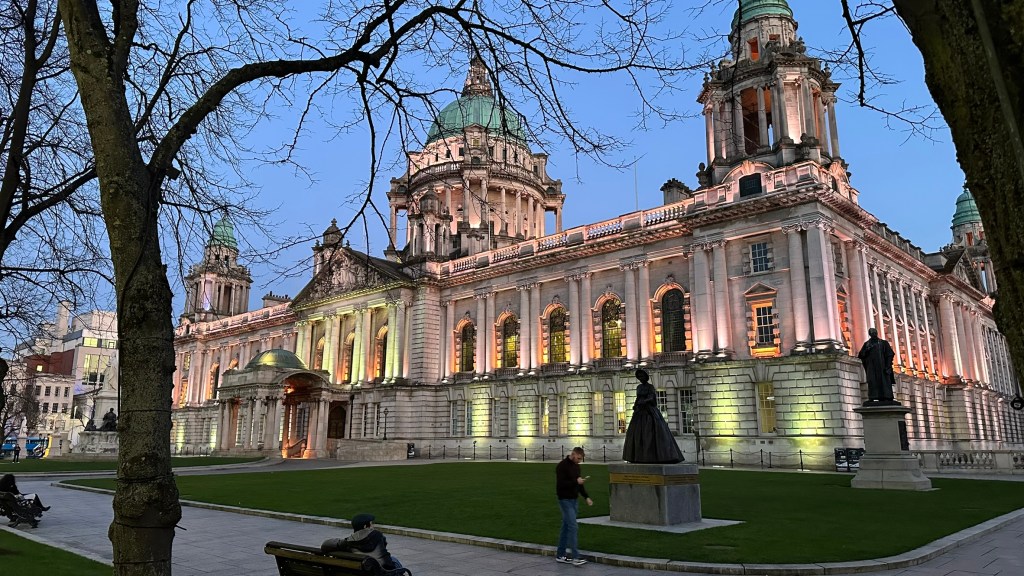
- City Hall is a magnificent building inside and out. Especially all lit up in green this one particular day of the year. The free one-hour tours of the inside, three times a day, are worth it to see their amazing murals.
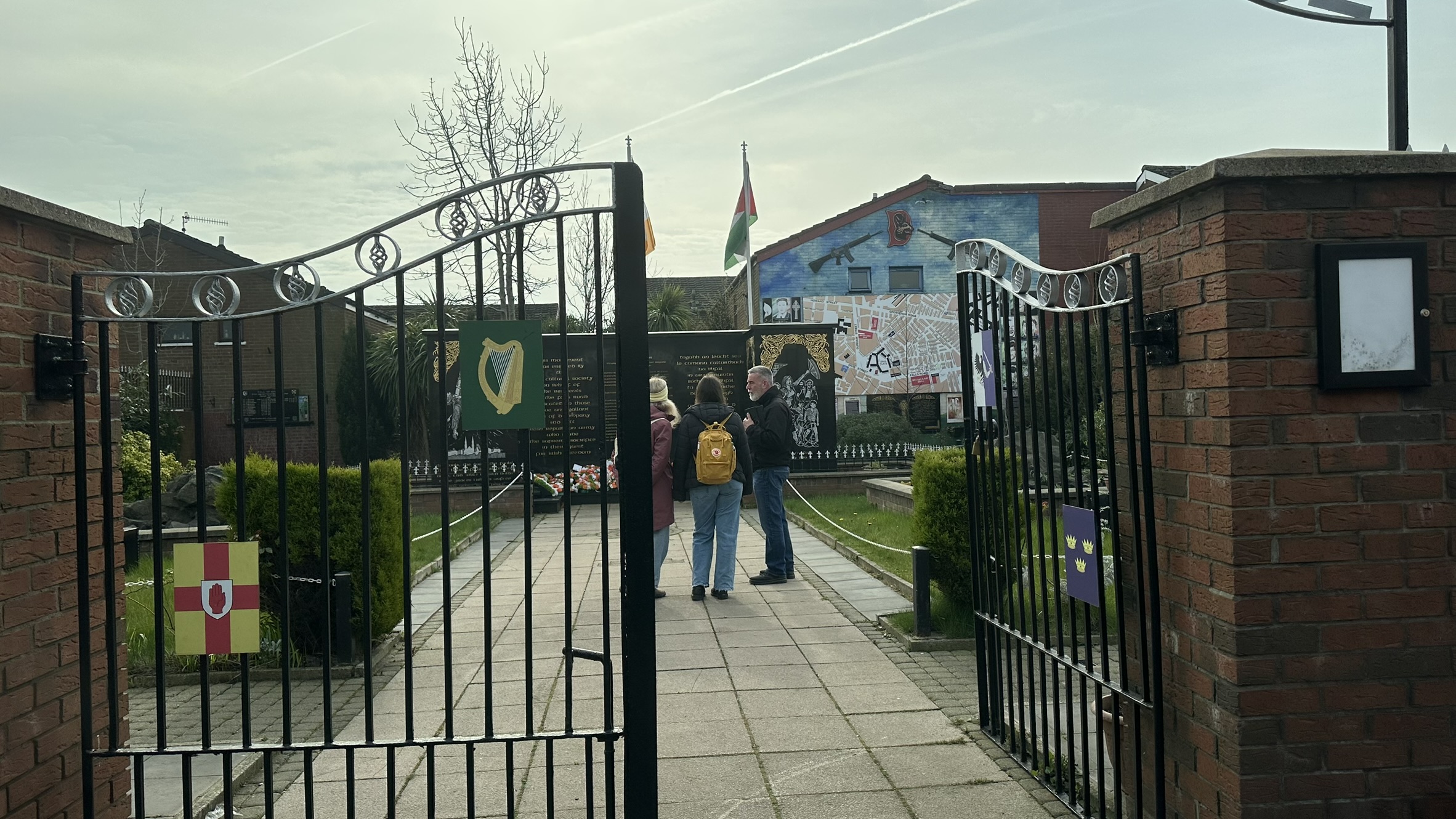
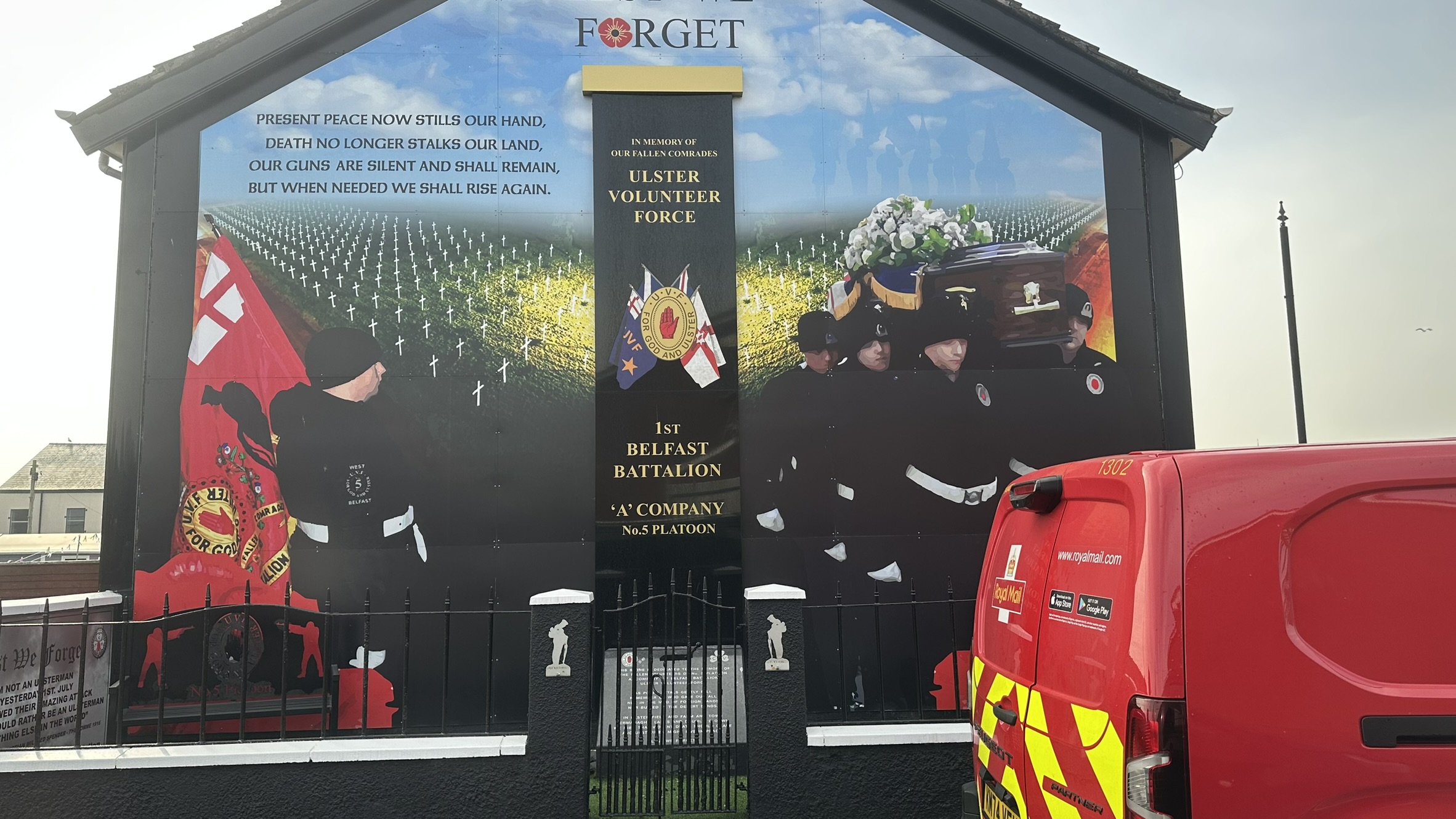
- Our Black Cab tour through West Belfast’s heart of the sectarian Troubles was also excellent. Falls Road (Catholic), Shankill Road (Protestant), the Peace Wall, Bobby Sands mural, you’ll see it all with illuminating, again mostly unbiased voiceover. Probably the most important thing to do in Belfast, and if you only have one day, build it around this… and then the pubs.
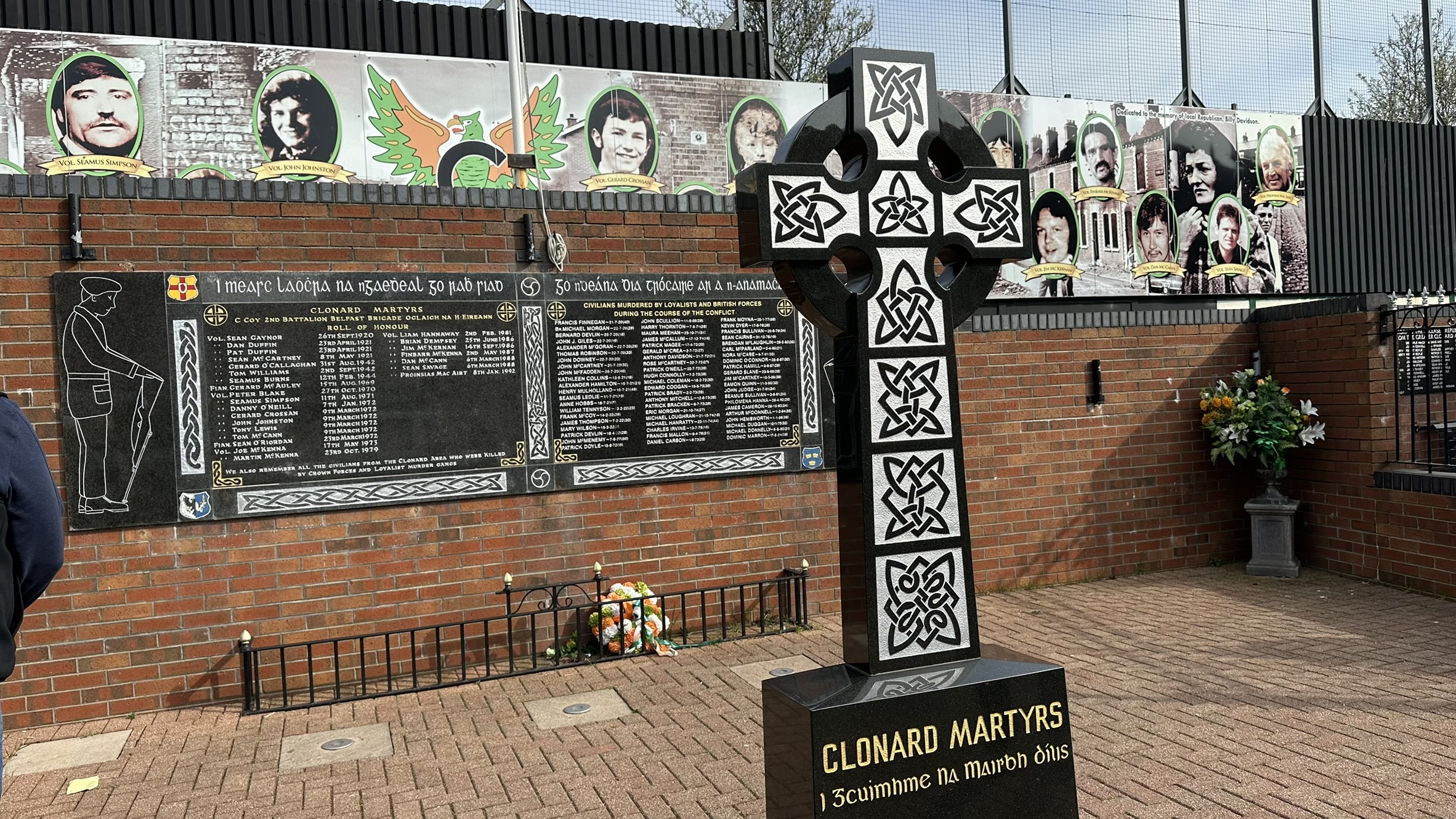
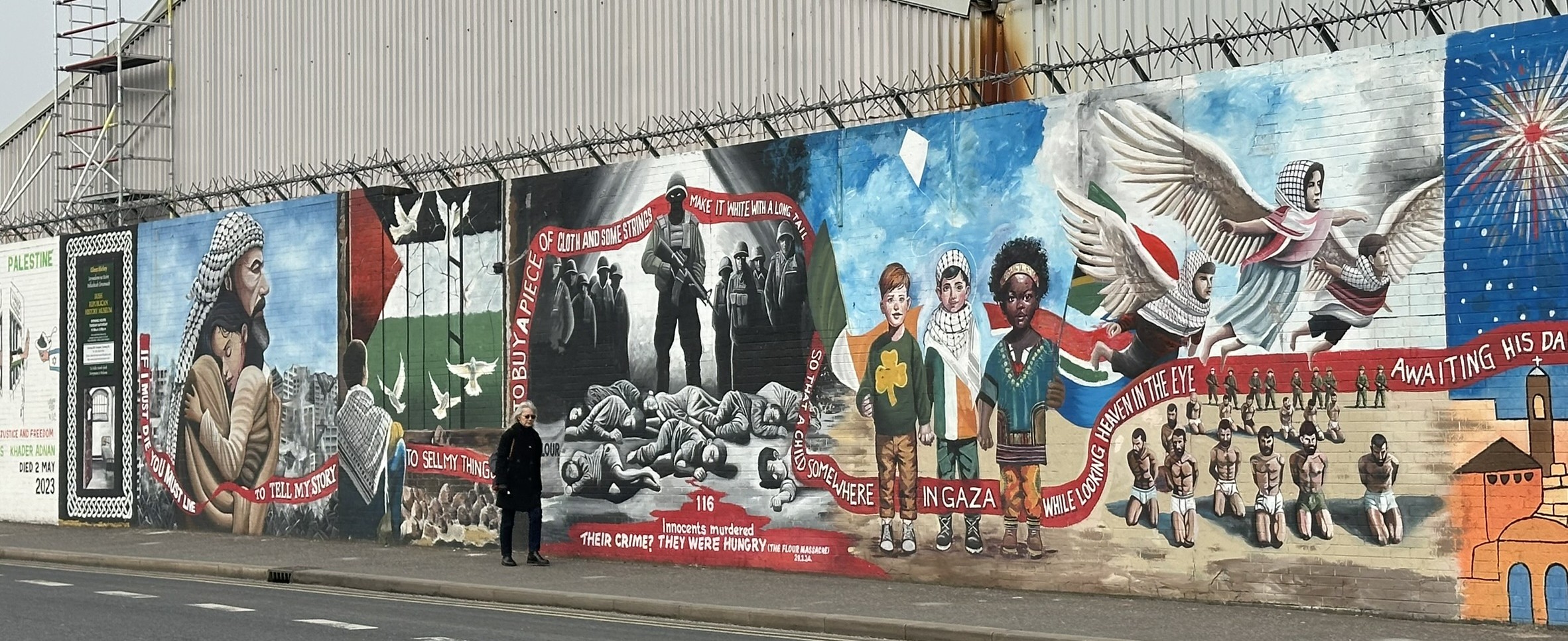
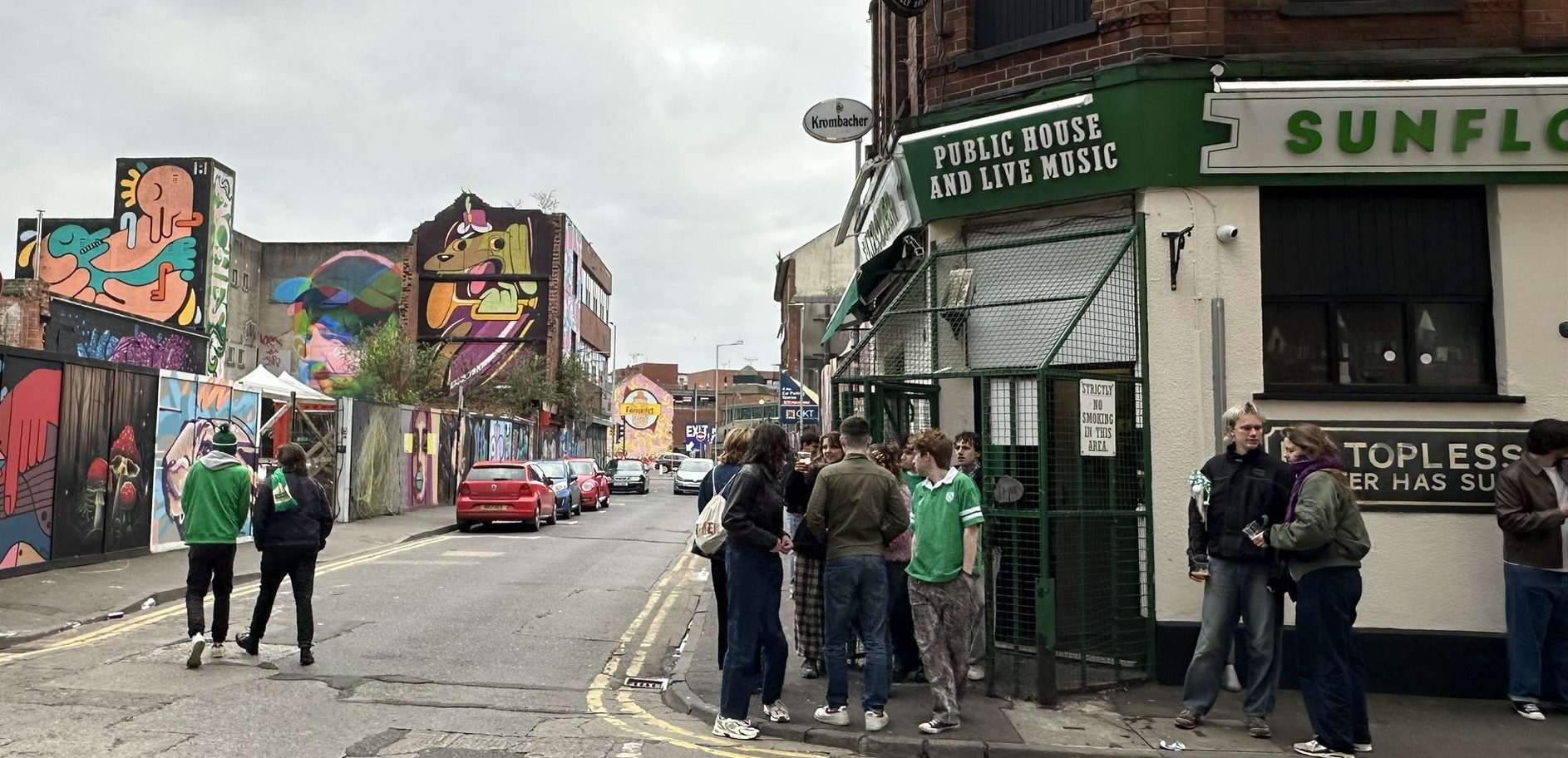
- Speaking of pubs, Belfast has a fine selection of great pubs, many packed in and around the Cathedral Quarter. Chief among them being:
- Sunflower Public House — one of the few that still has an iron security cage at the door to keep “the bad guys” out
- Maddens — a tiny classic with live trad music, where I learned it is not impossible to talk religion or politics IF you don’t start the conversation and do more listening than talking
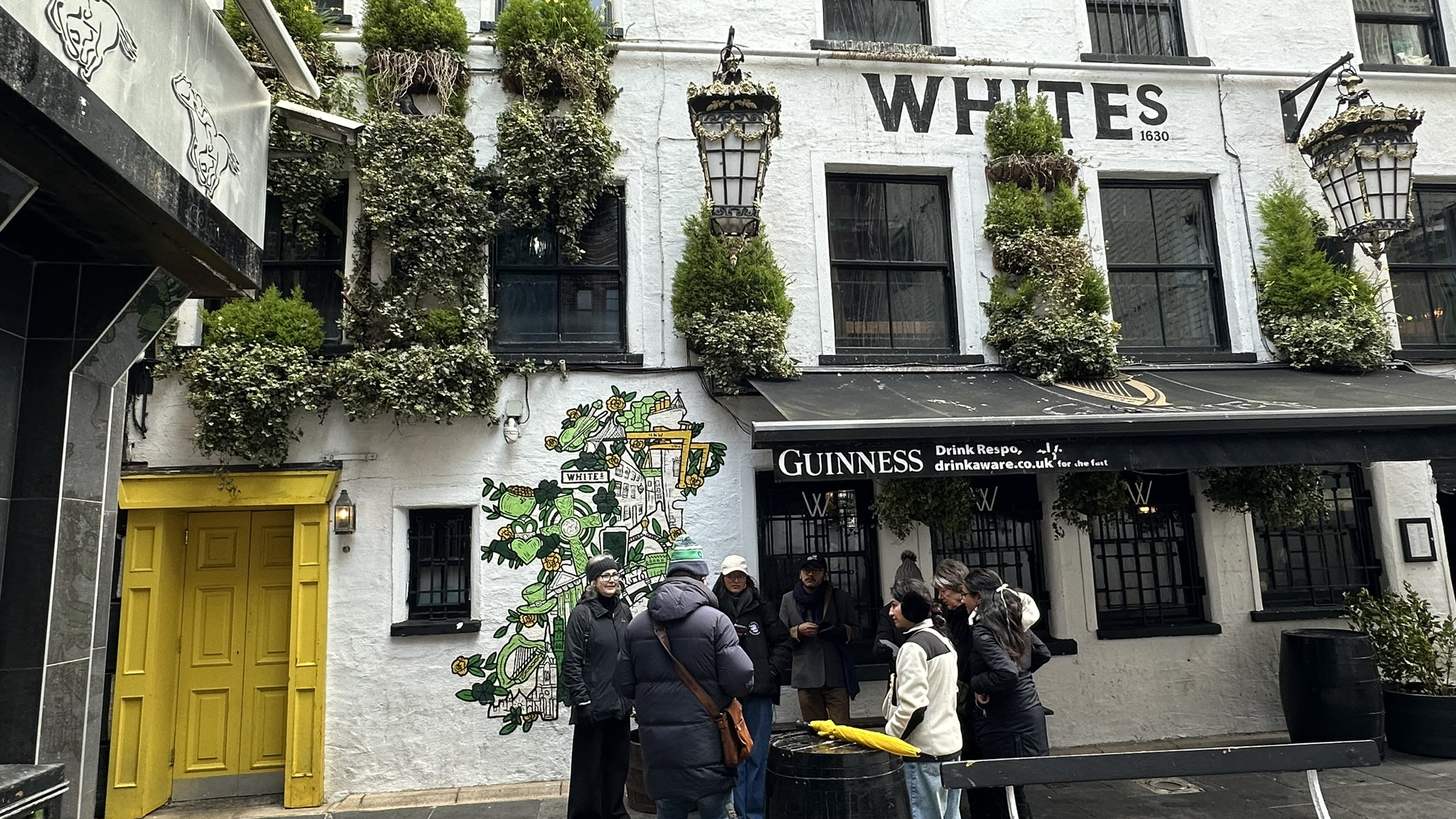
- Whites Tavern — with low ceilings, multiple bars, and roaring fireplace, it claims to be the oldest tavern in Belfast
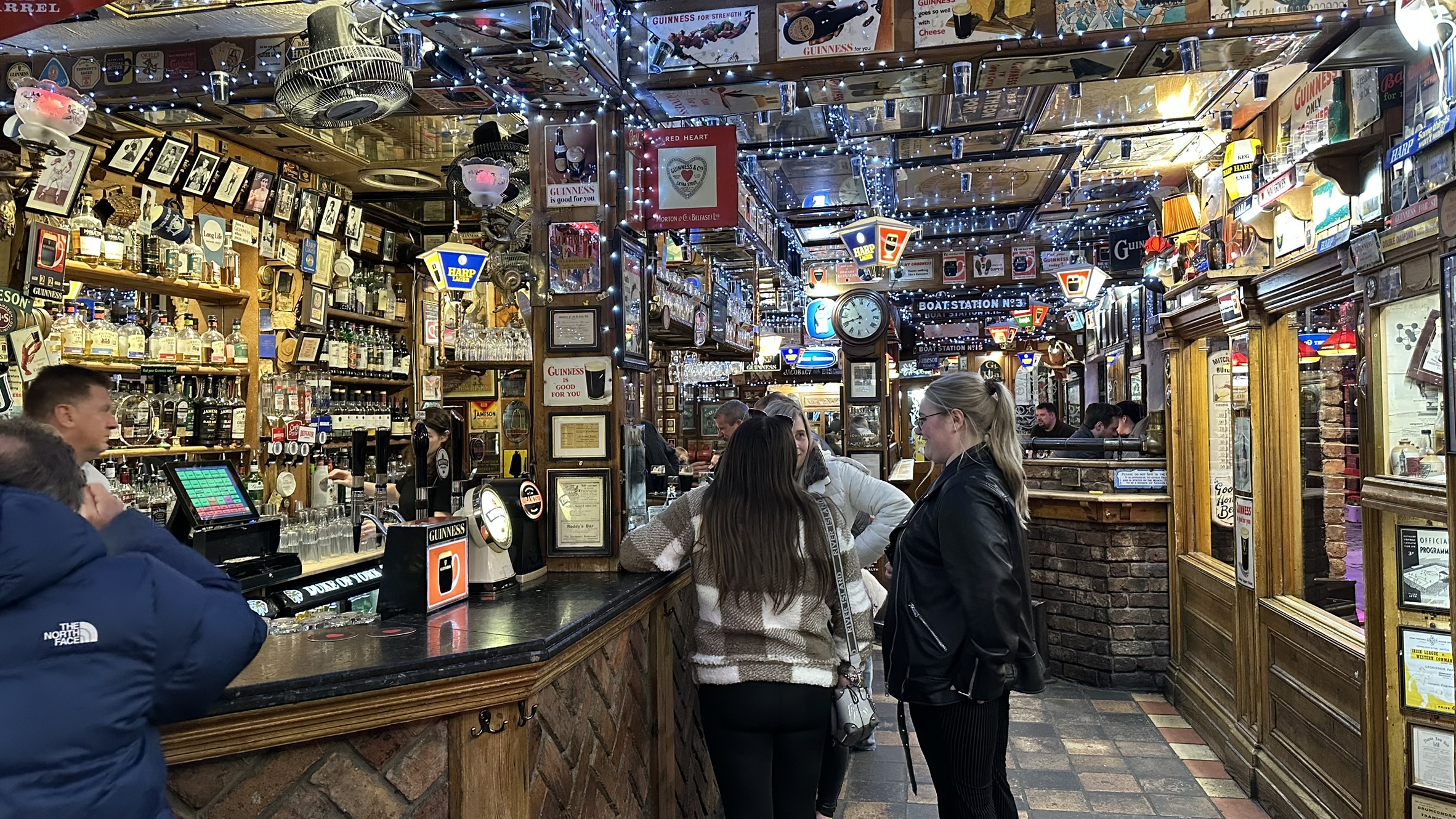
- Duke of York — one of the most colorful pubs in Belfast on unquestionably the most colorful street
- McHugh’s — the oldest pub (as opposed to tavern) in Belfast
- Kelly’s Cellars — another old classic with a labyrinthian interior and live trad music
- The Crown Saloon — so named by the Catholic Republican owner to please his Protestant Unionist wife. He didn’t tell her the crown was also tiled into the terrace so patrons could wipe their muddy feet on it. The interior was designed by Italian craftsmen and is a work of art unto itself.
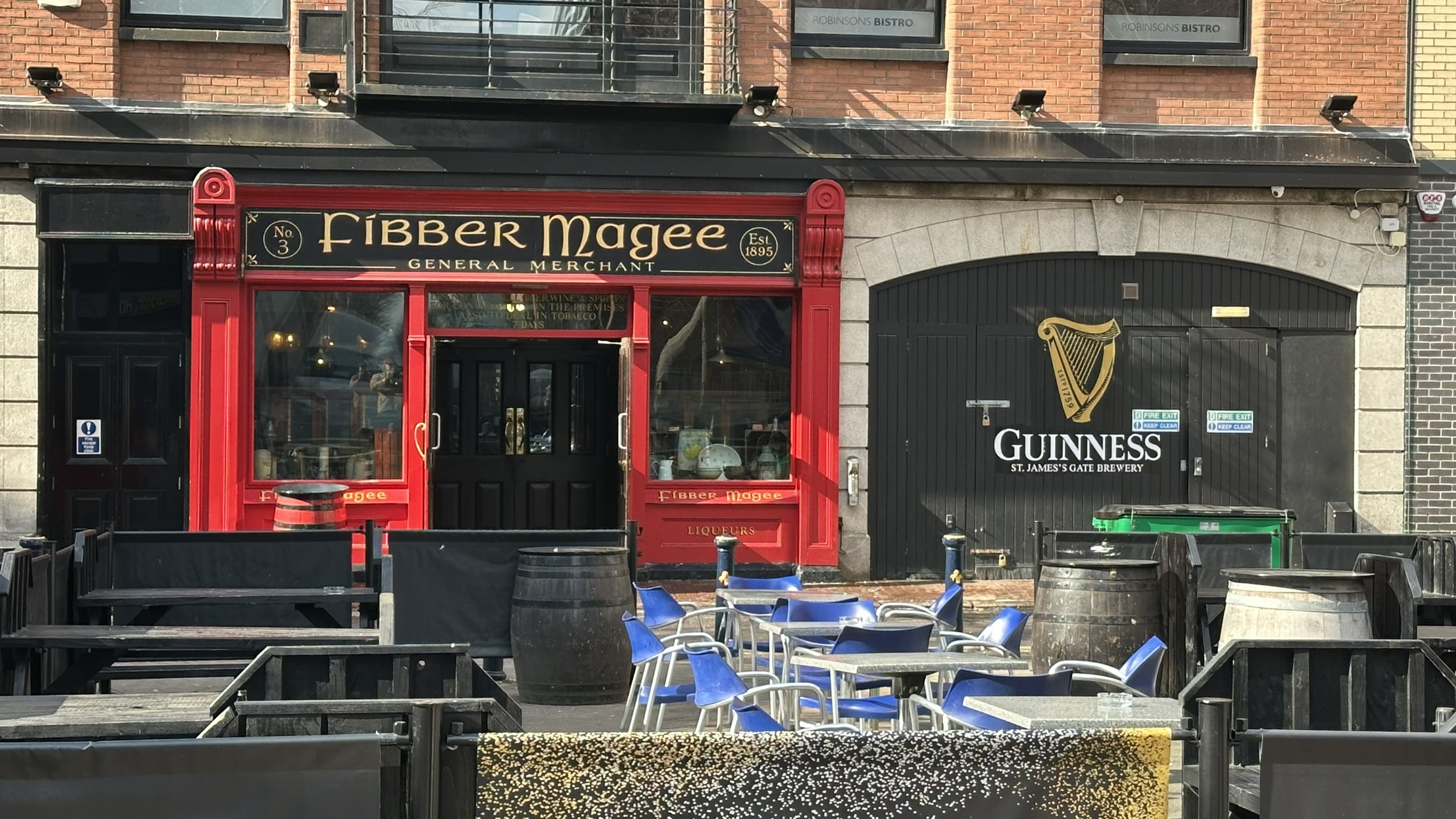
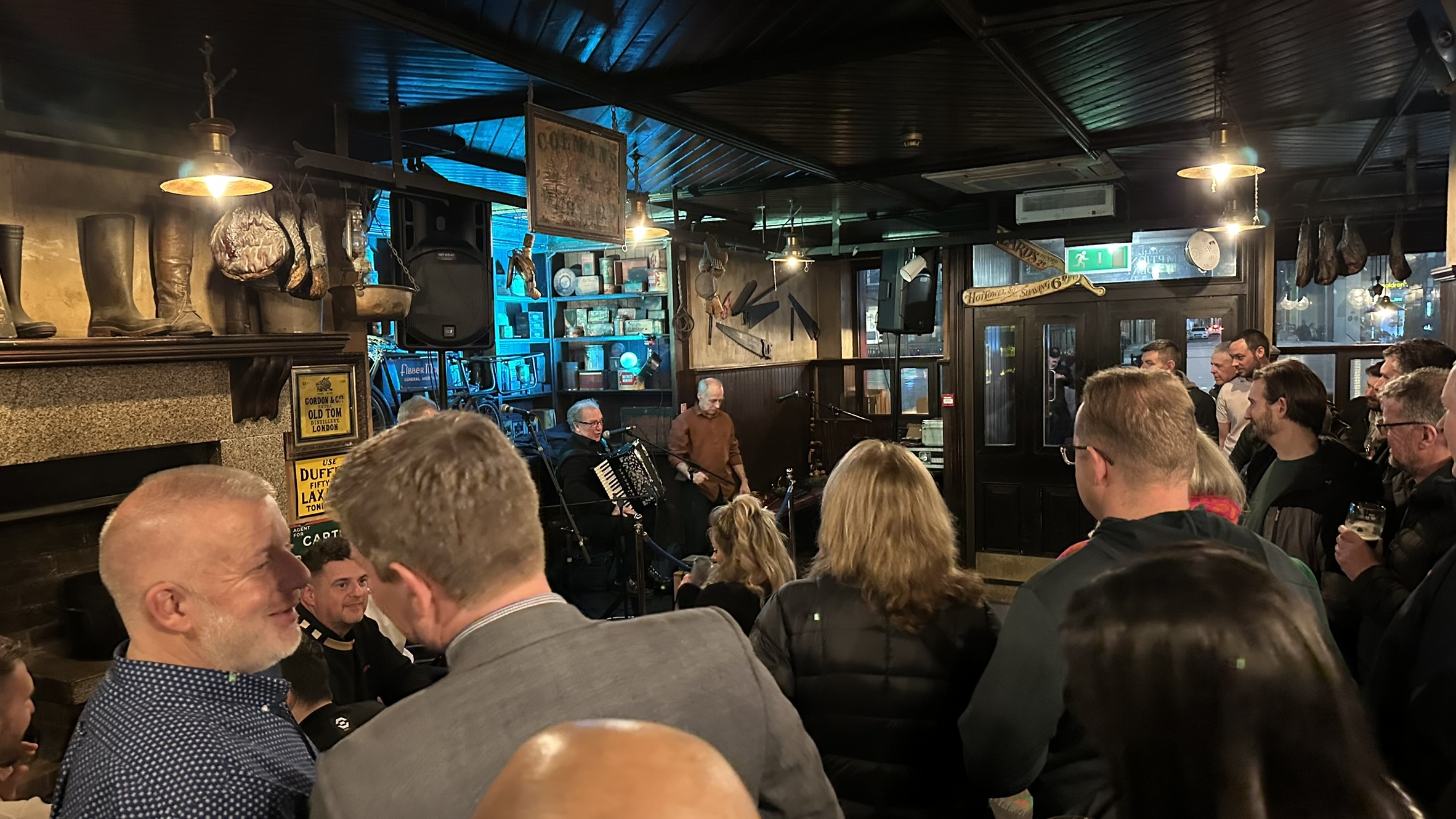
- Fibber McGee’s — tucked in the back behind Robinson’s Bar and the Crown Saloon, a traditional dark wood pub filled with schlock and frequently live music
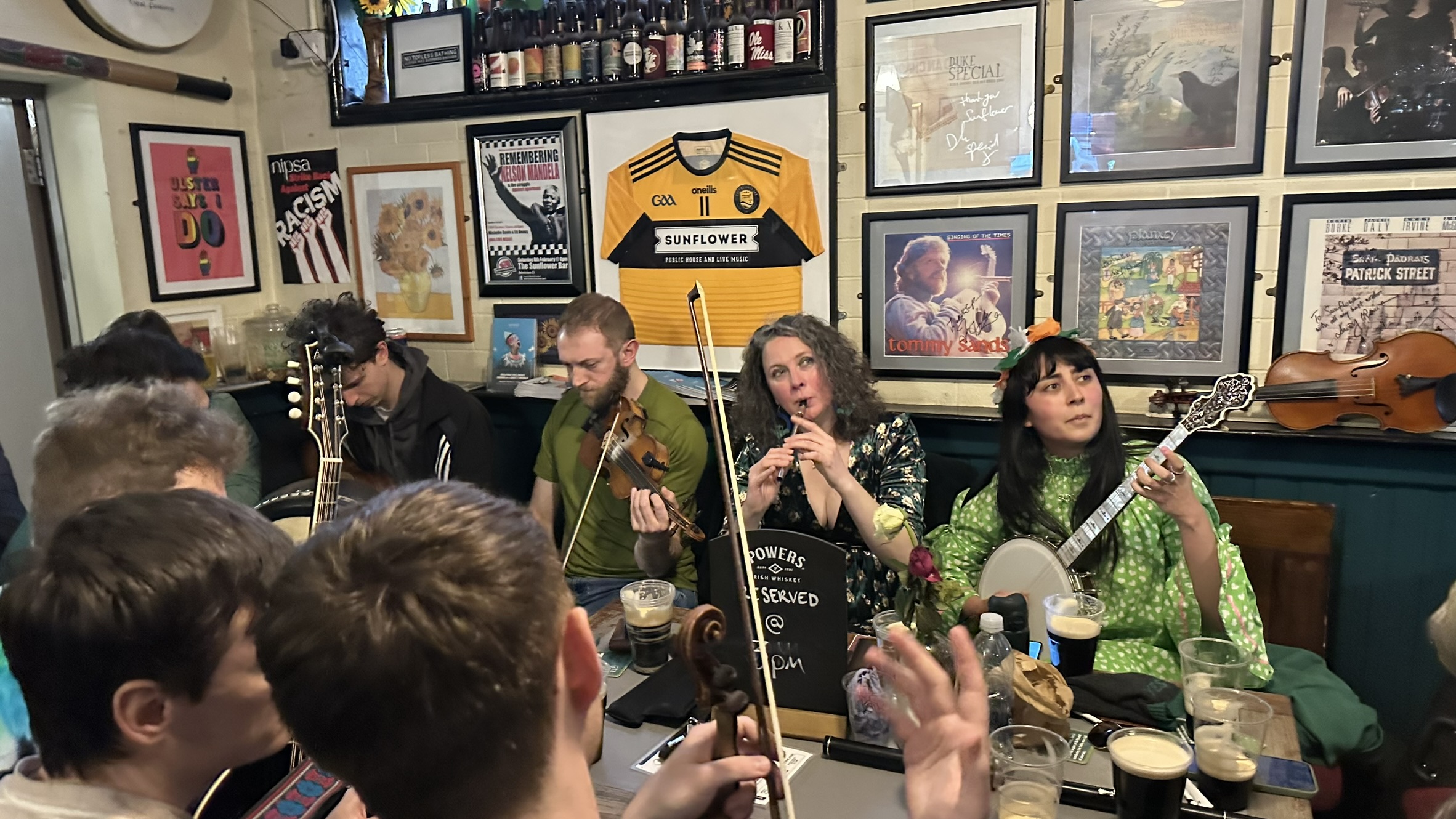
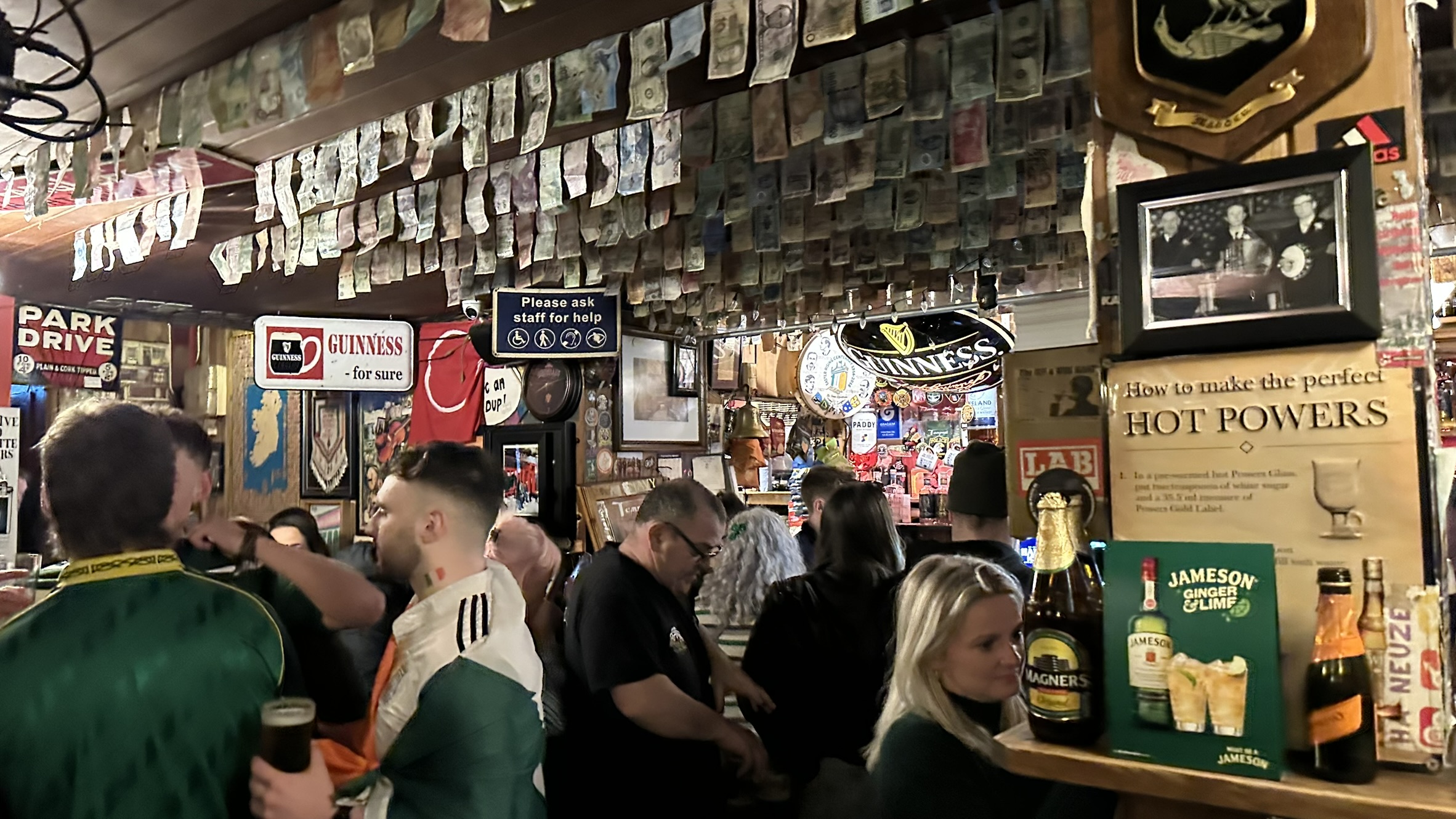
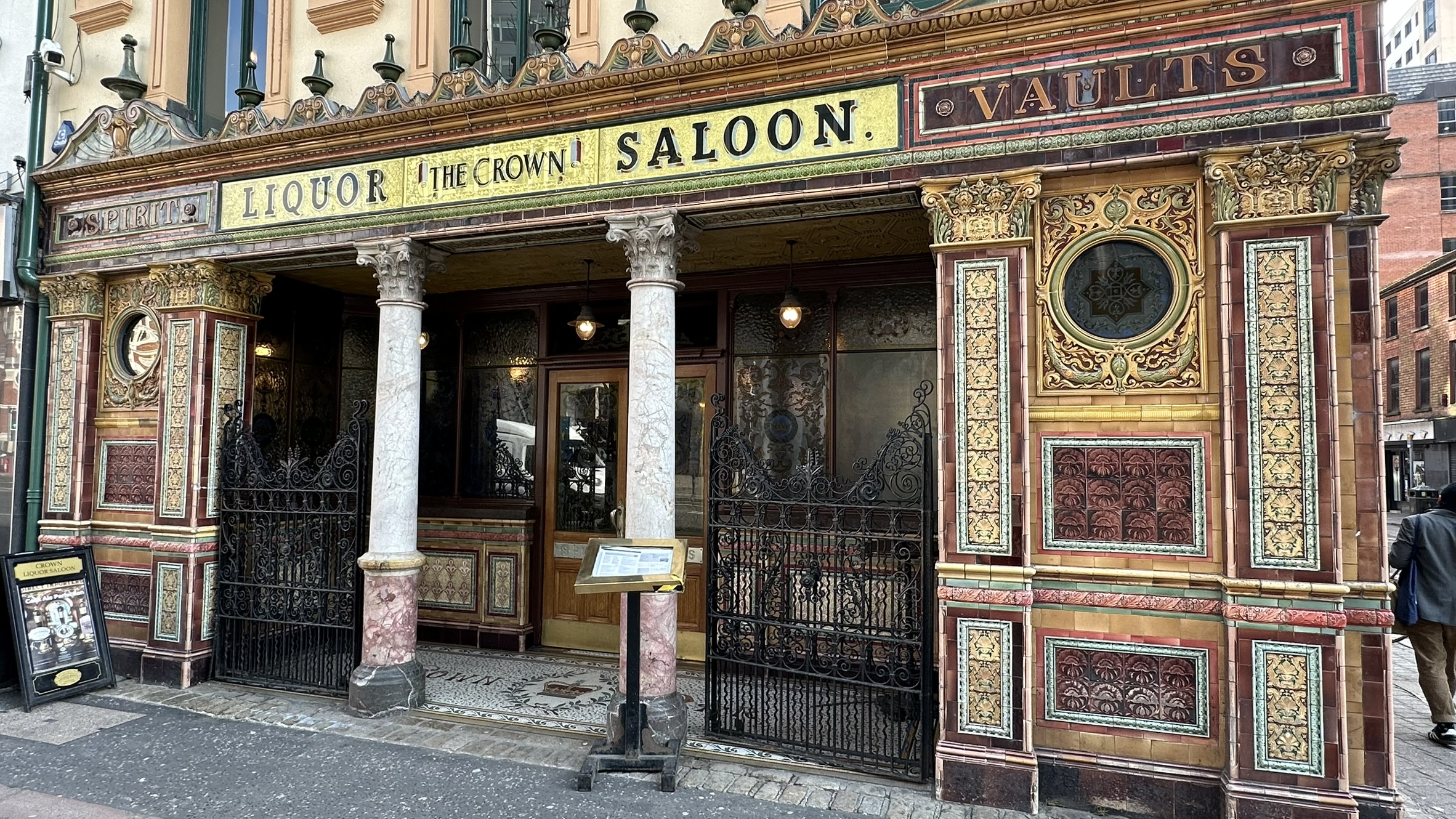
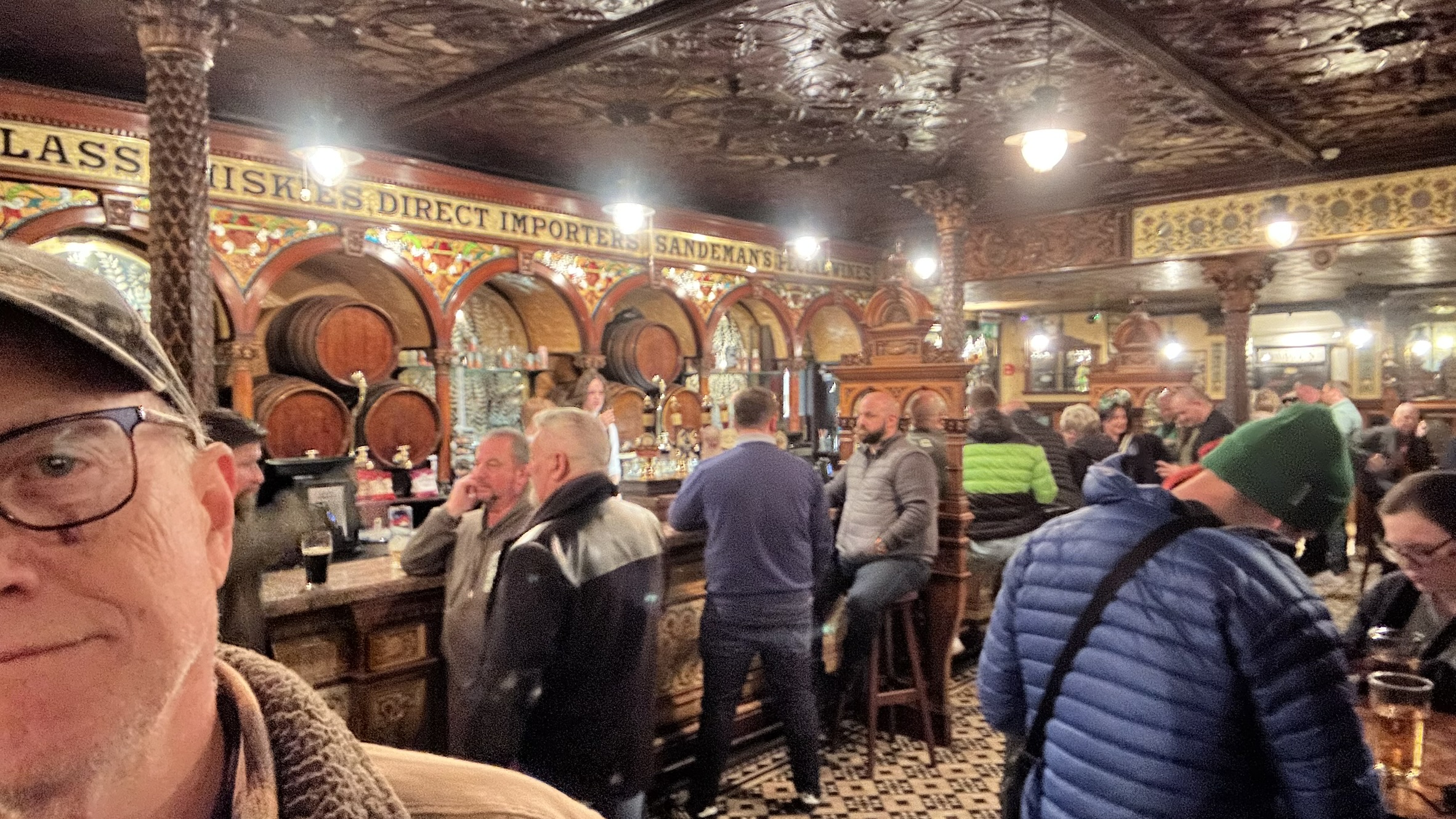
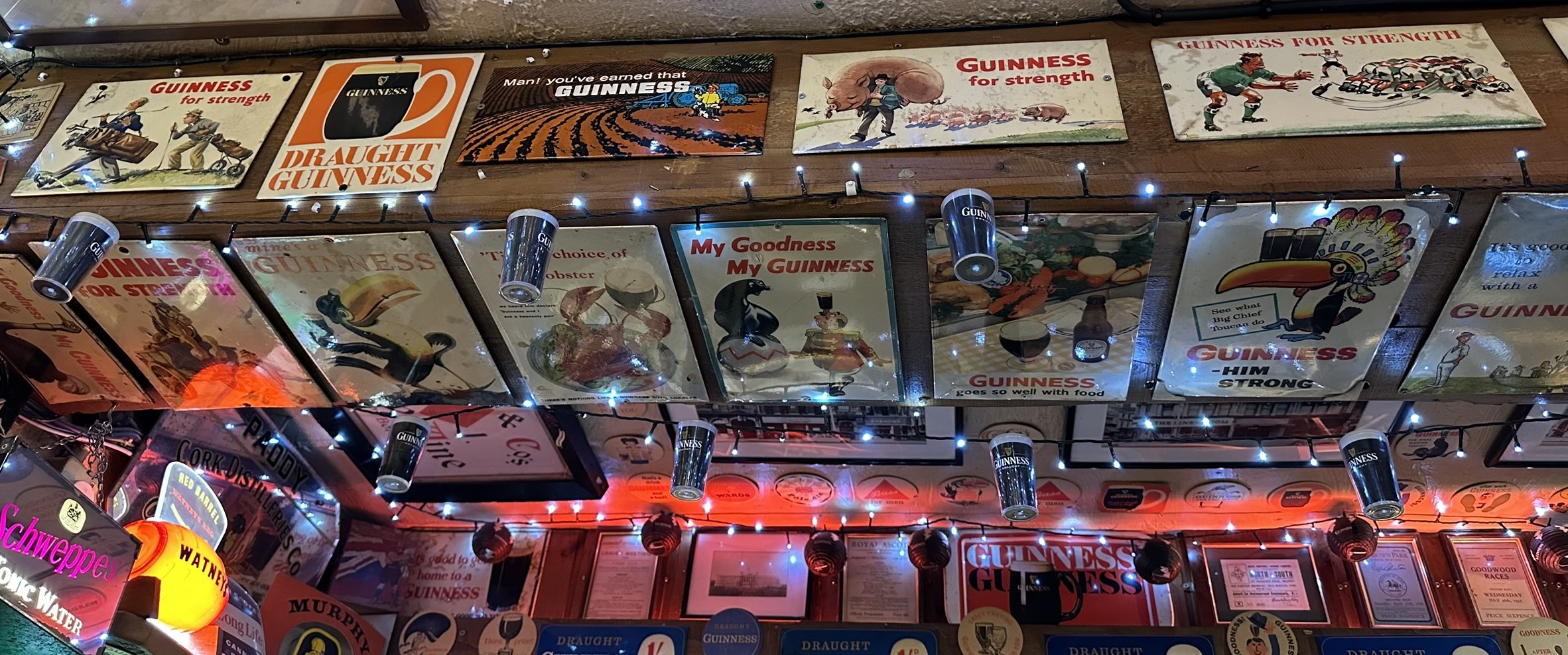
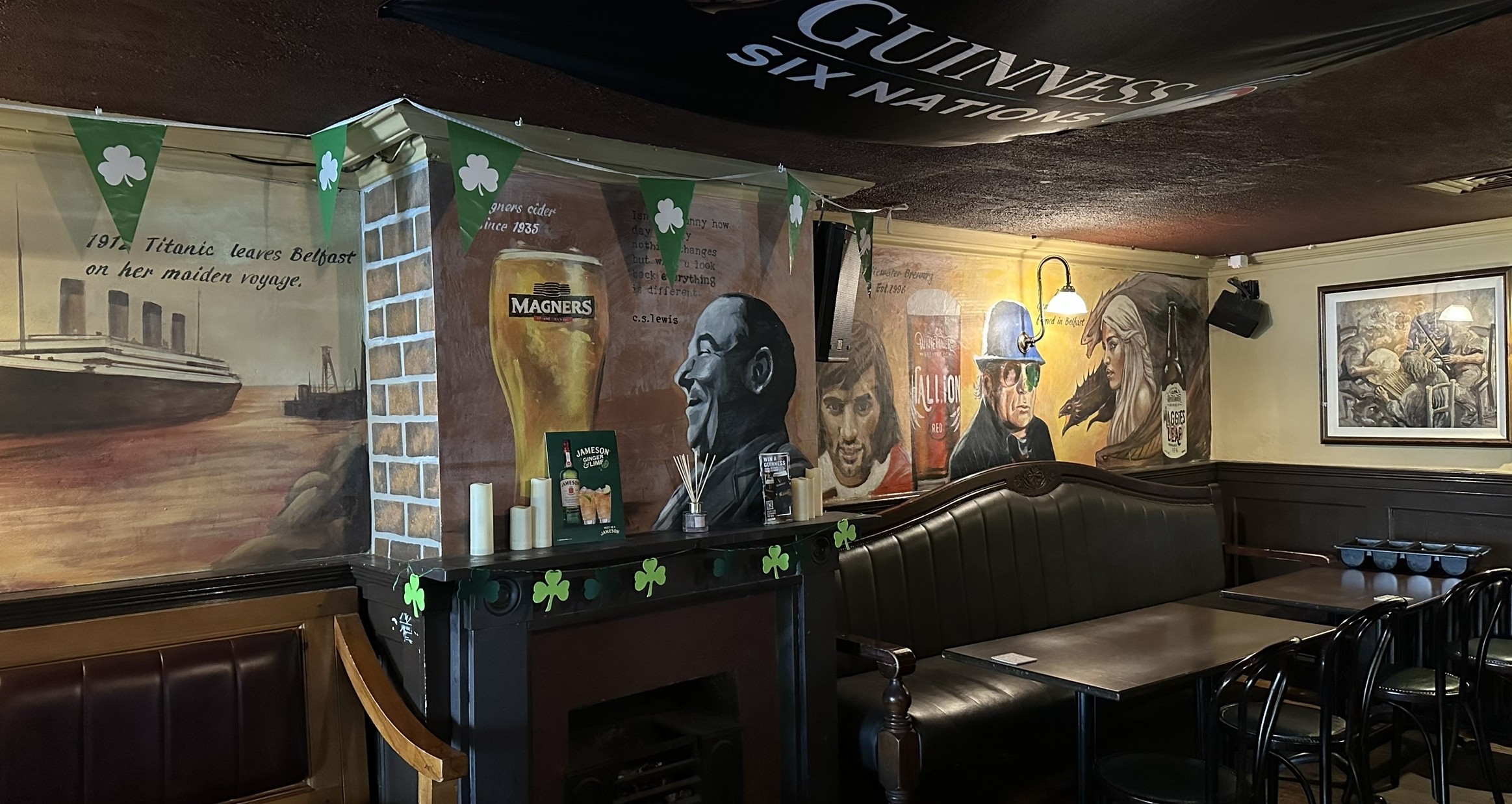
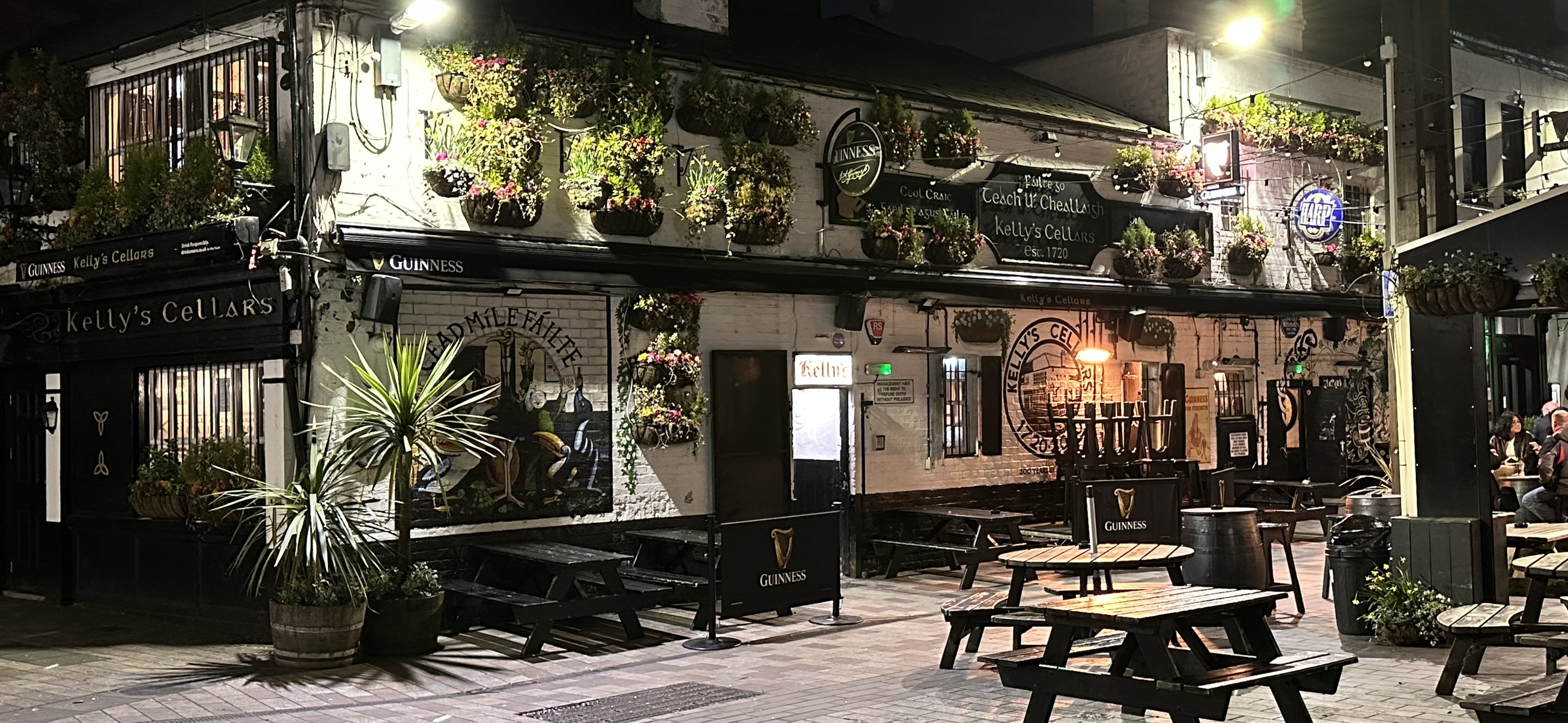
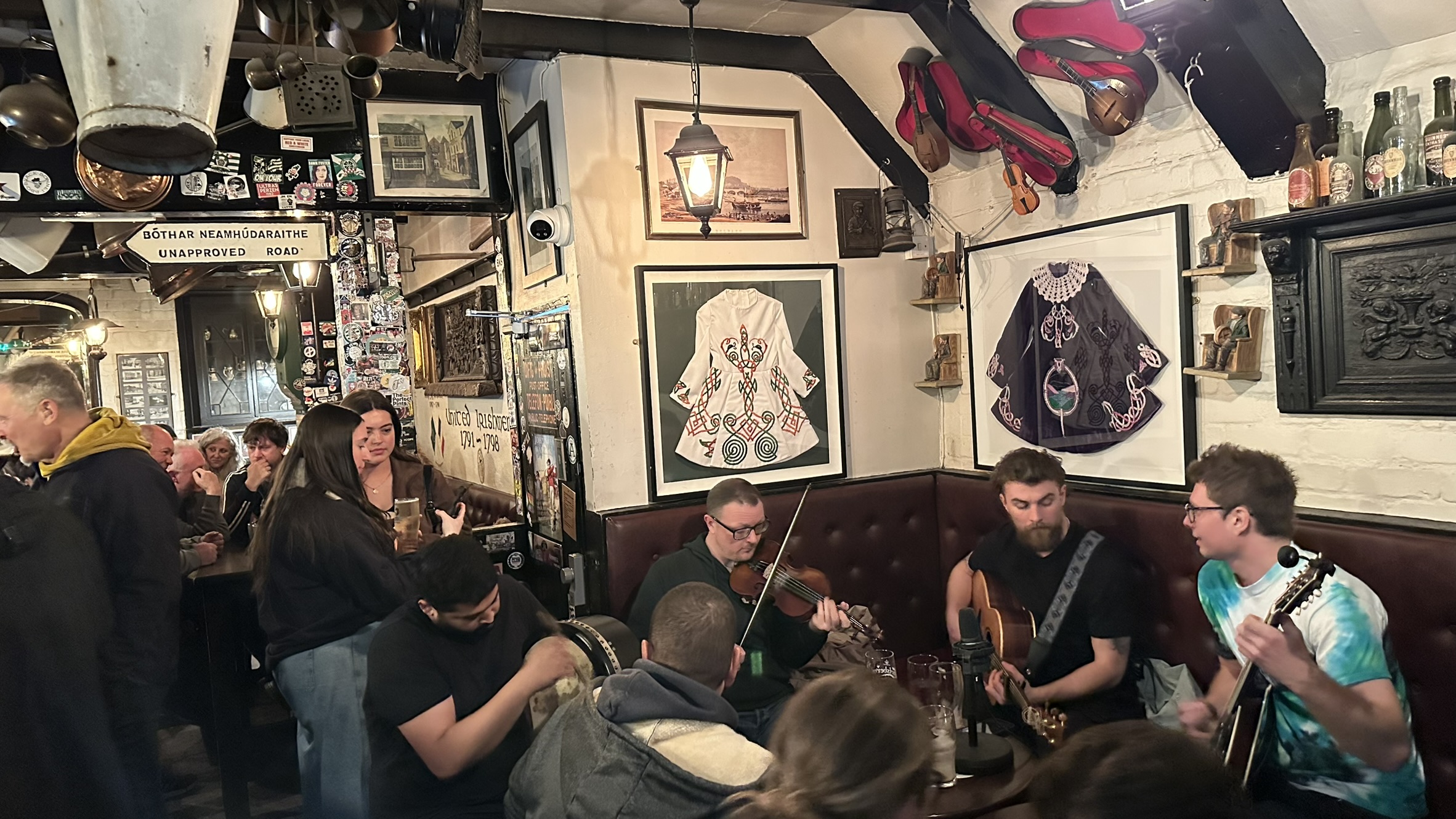
- Outstanding dinner and cocktails at Mourne’s Seafood Bar — they use monkfish (“poor man’s lobster”) instead of cod for their fish ‘n chips with mushy peas. Bonus: it’s next door to Kelly’s Cellars!
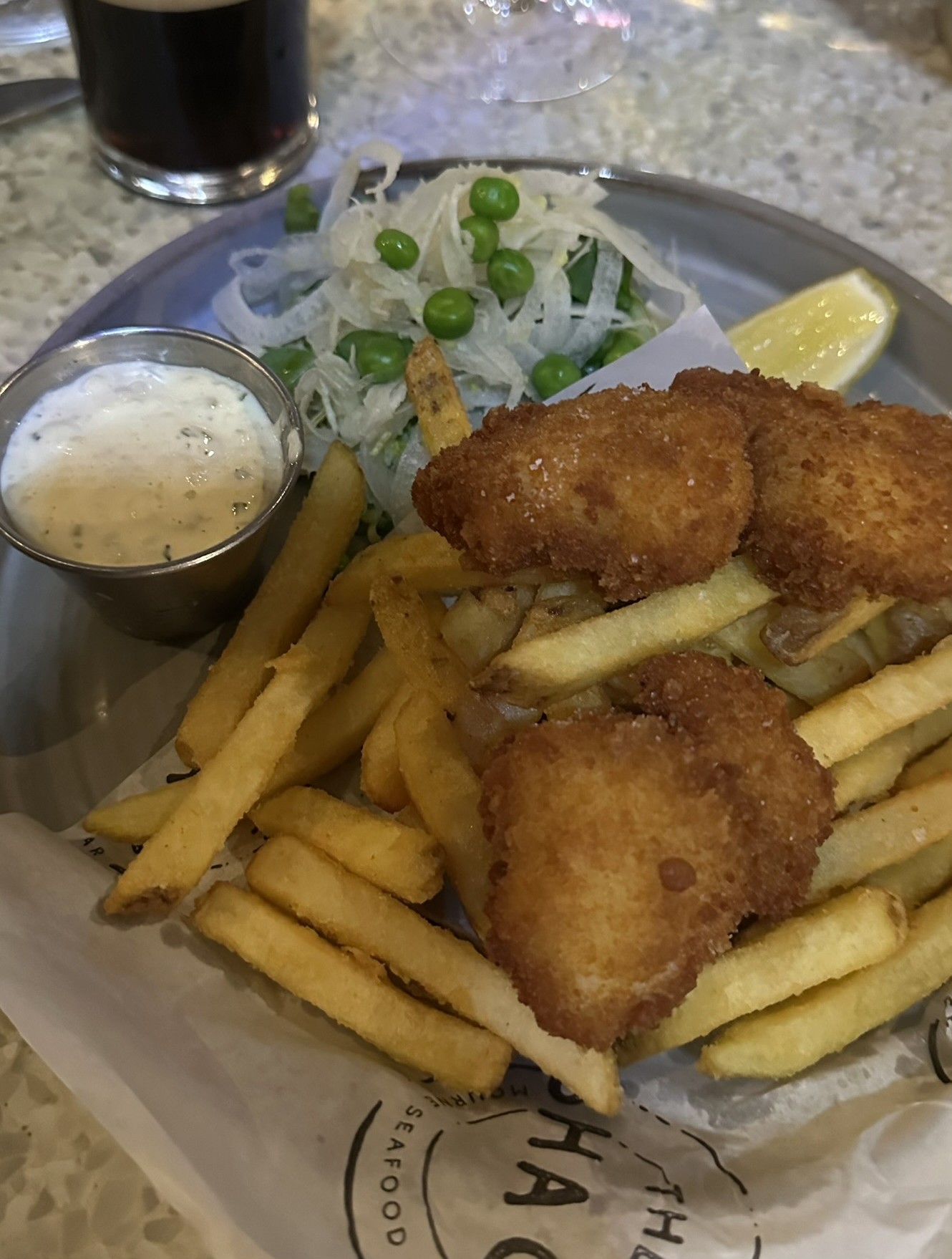
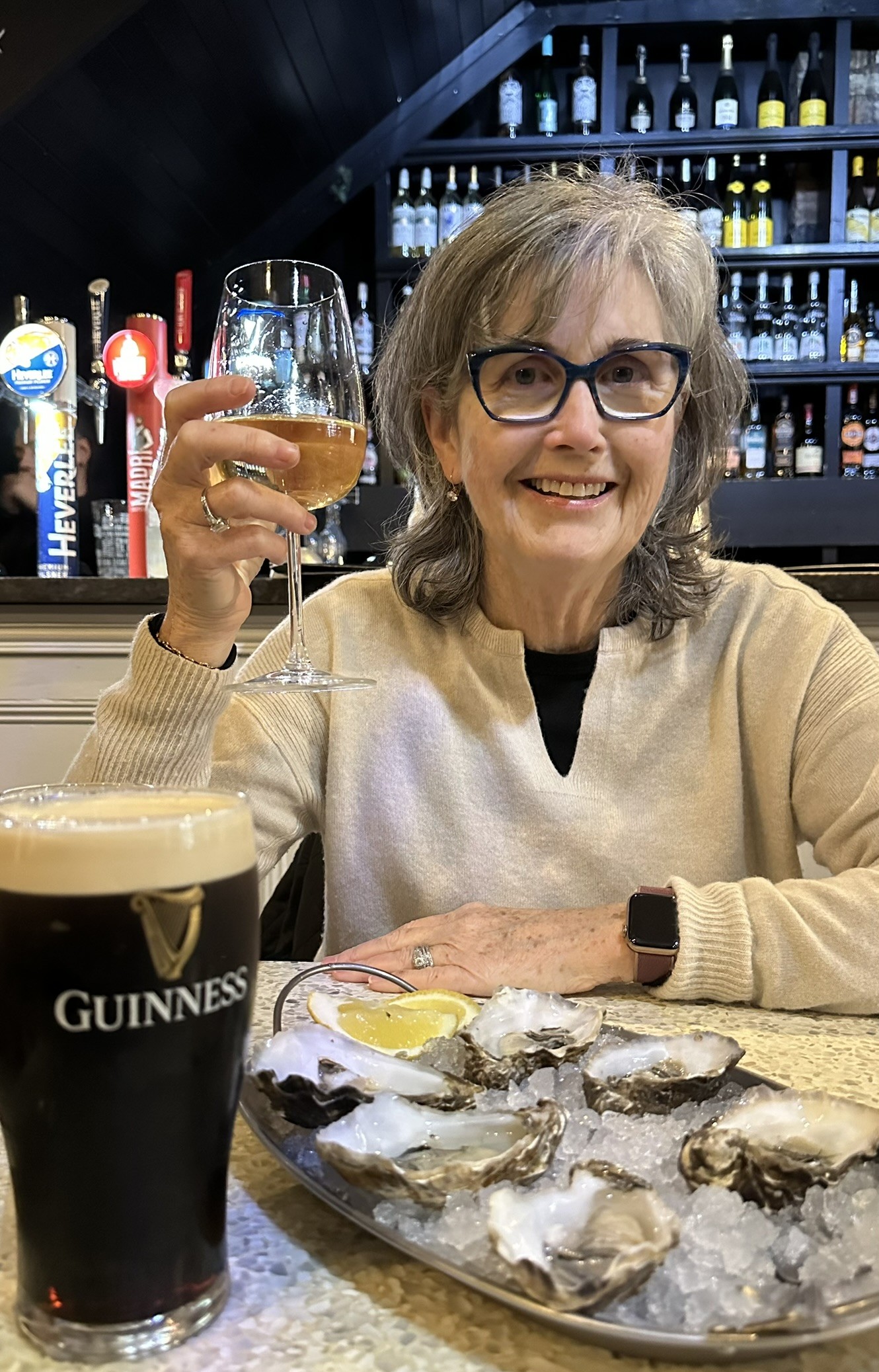
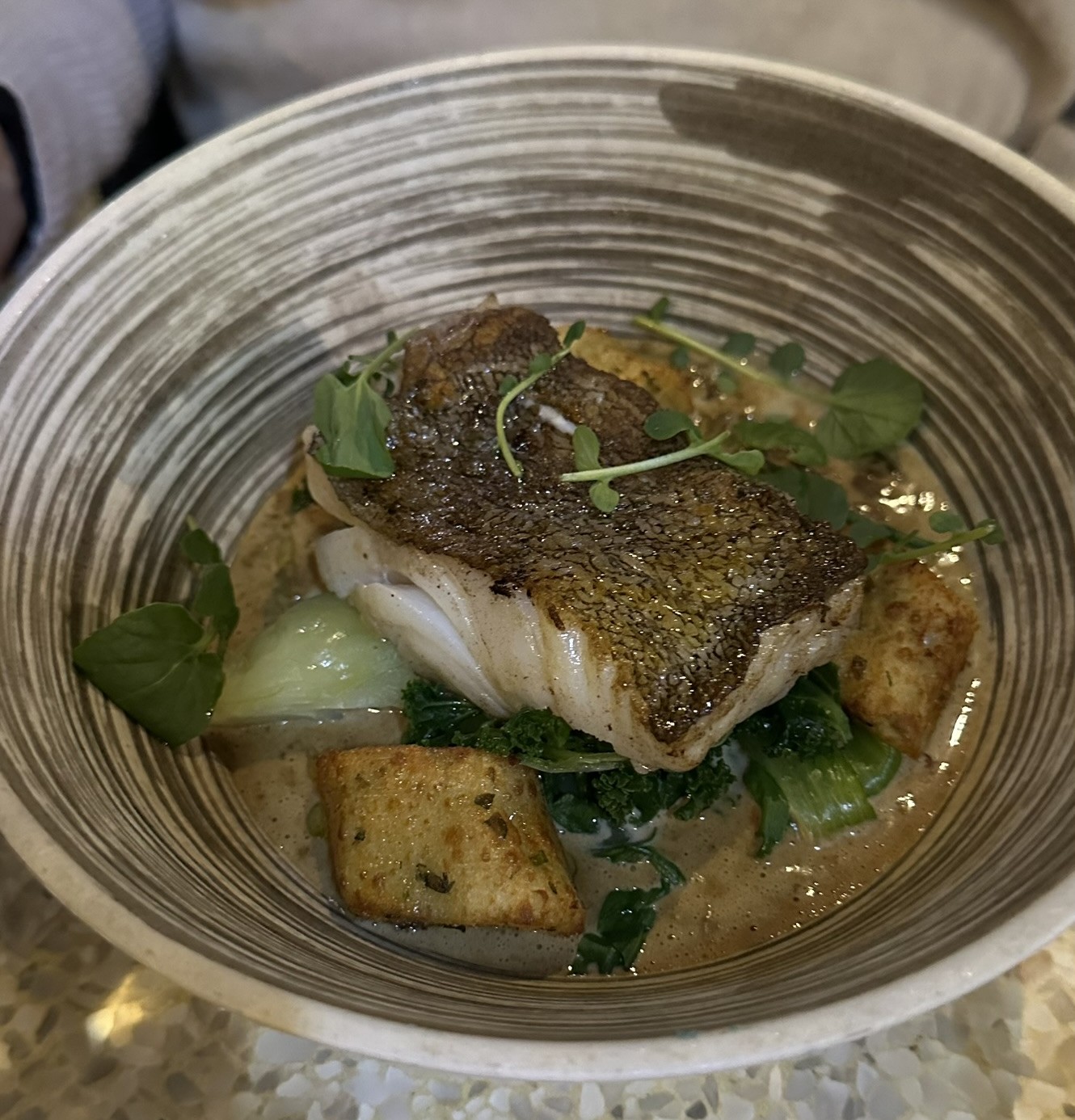
- Sunset cocktails atop the Grand Central Hotel, overlooking City Hall, Cathedral Quarter, Titanic Quarter and the Irish Sea is a worthwhile splurge just for the view.
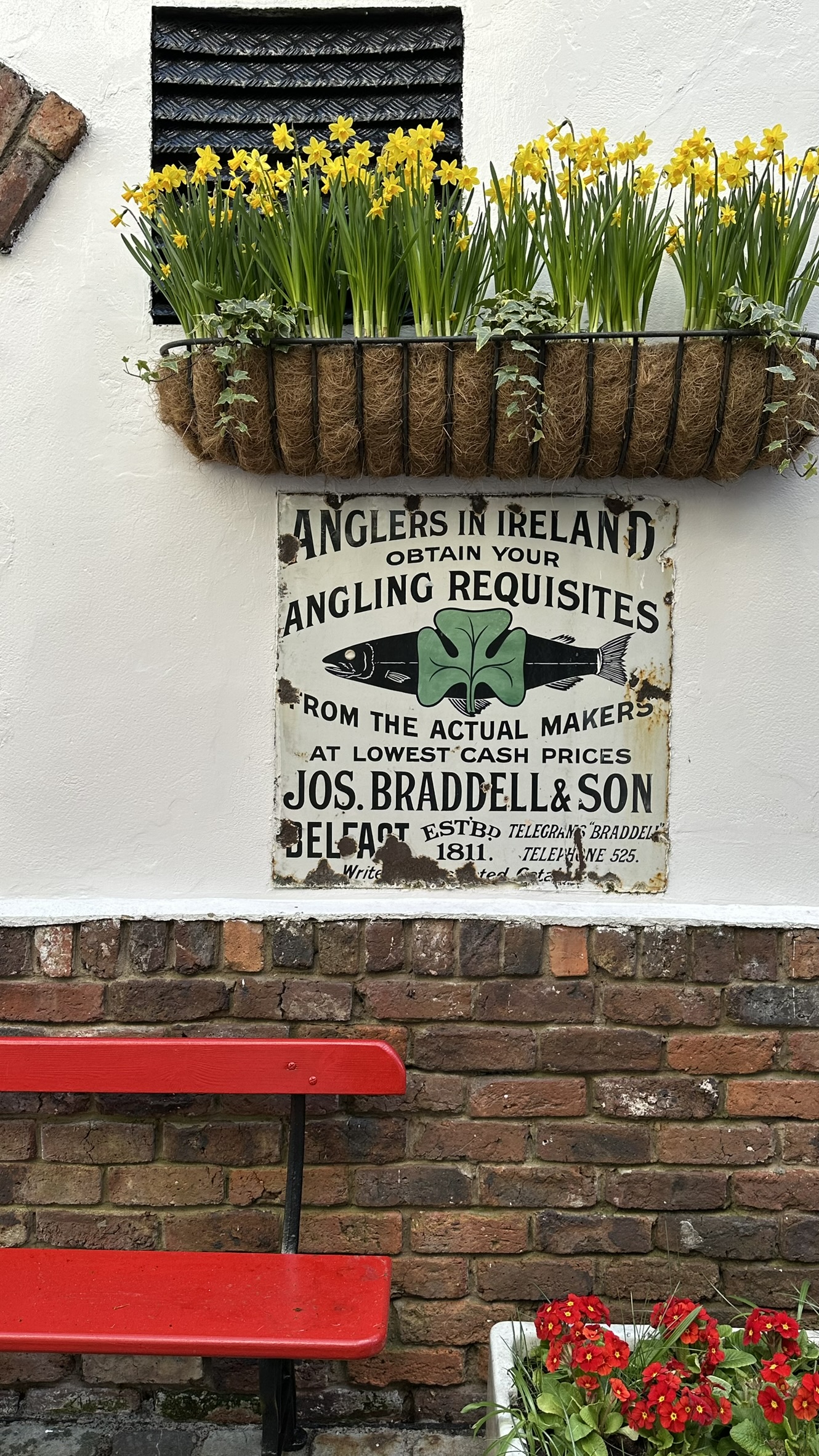
- Great street art — murals and otherwise — everywhere.
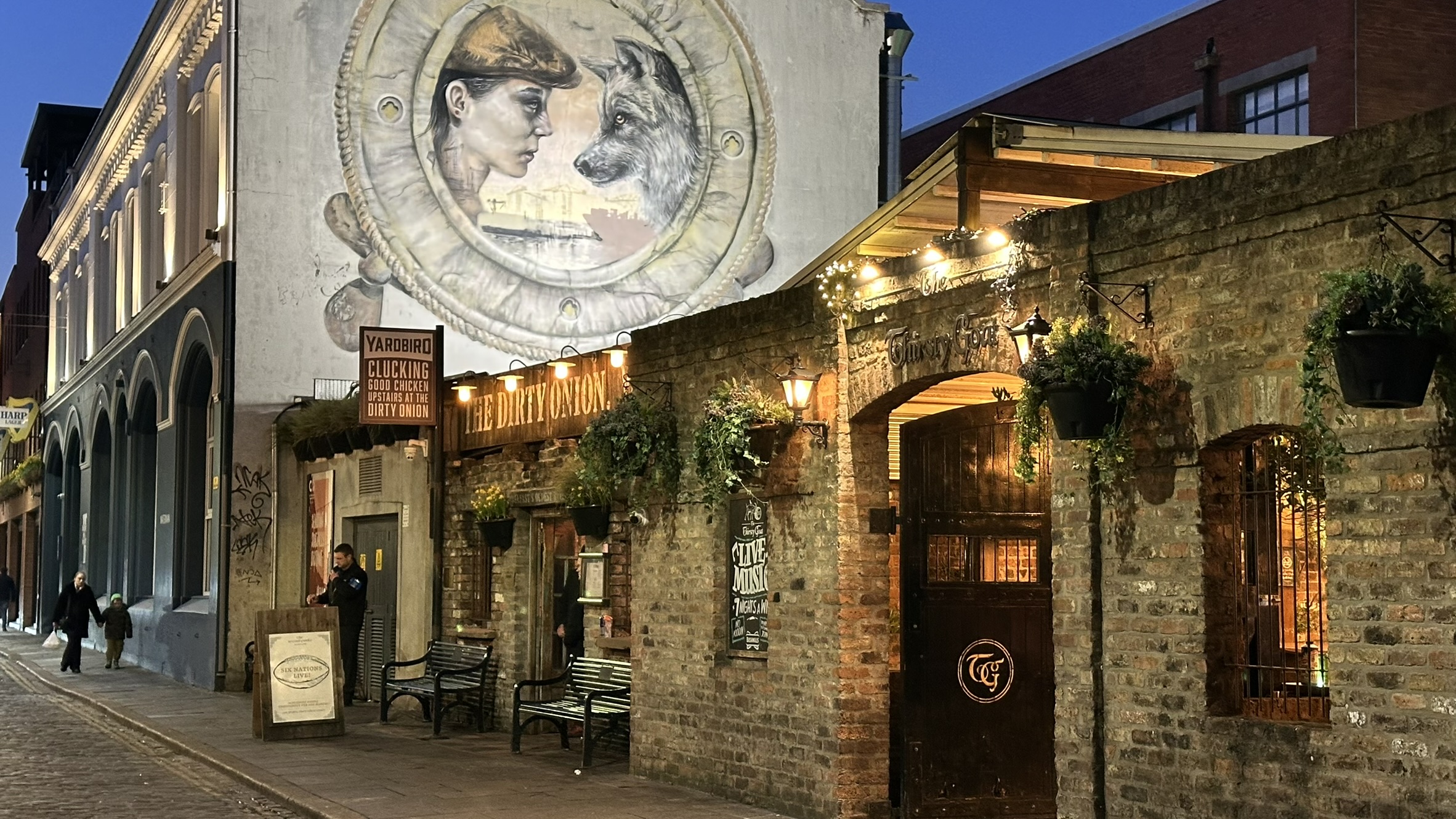
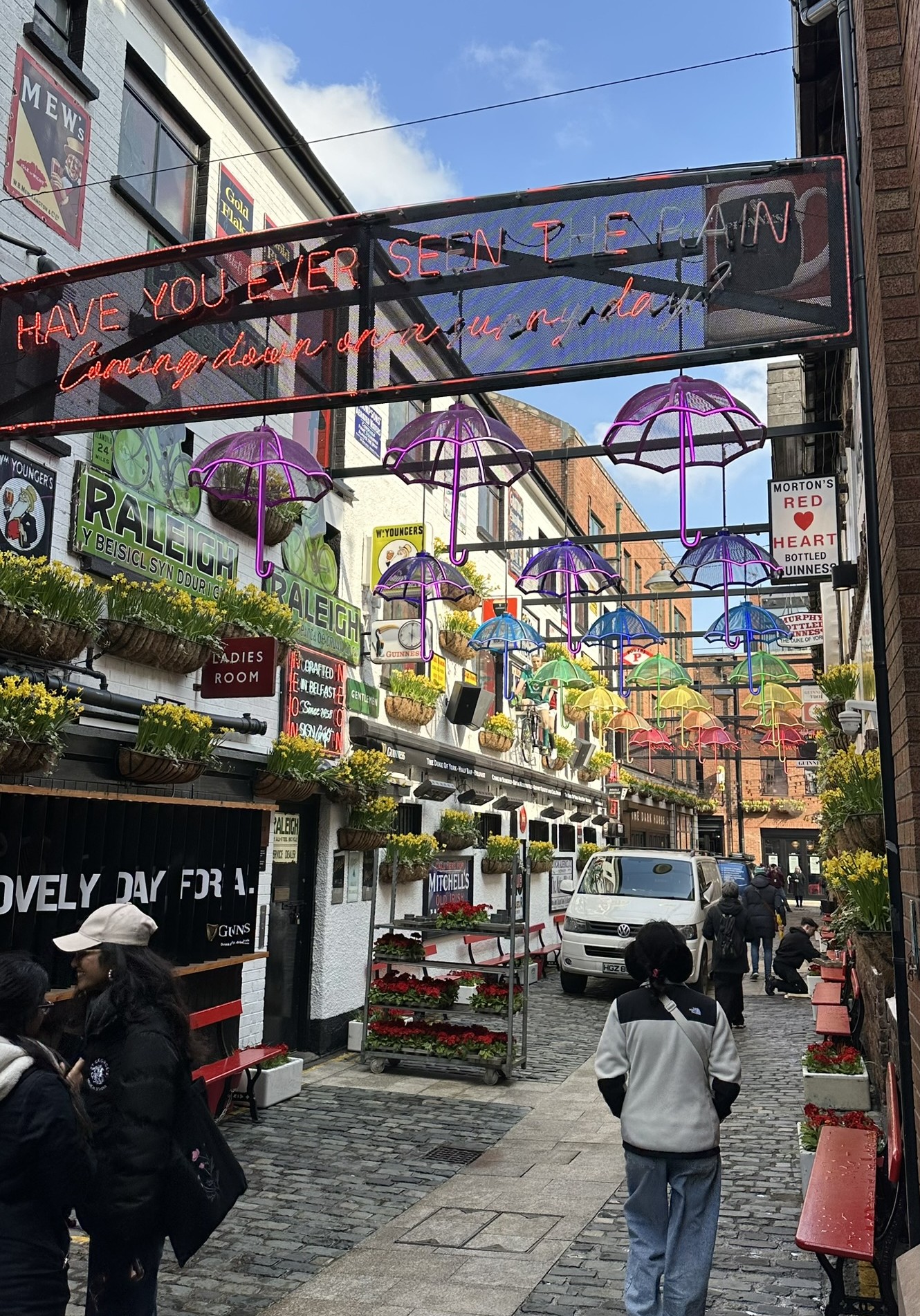
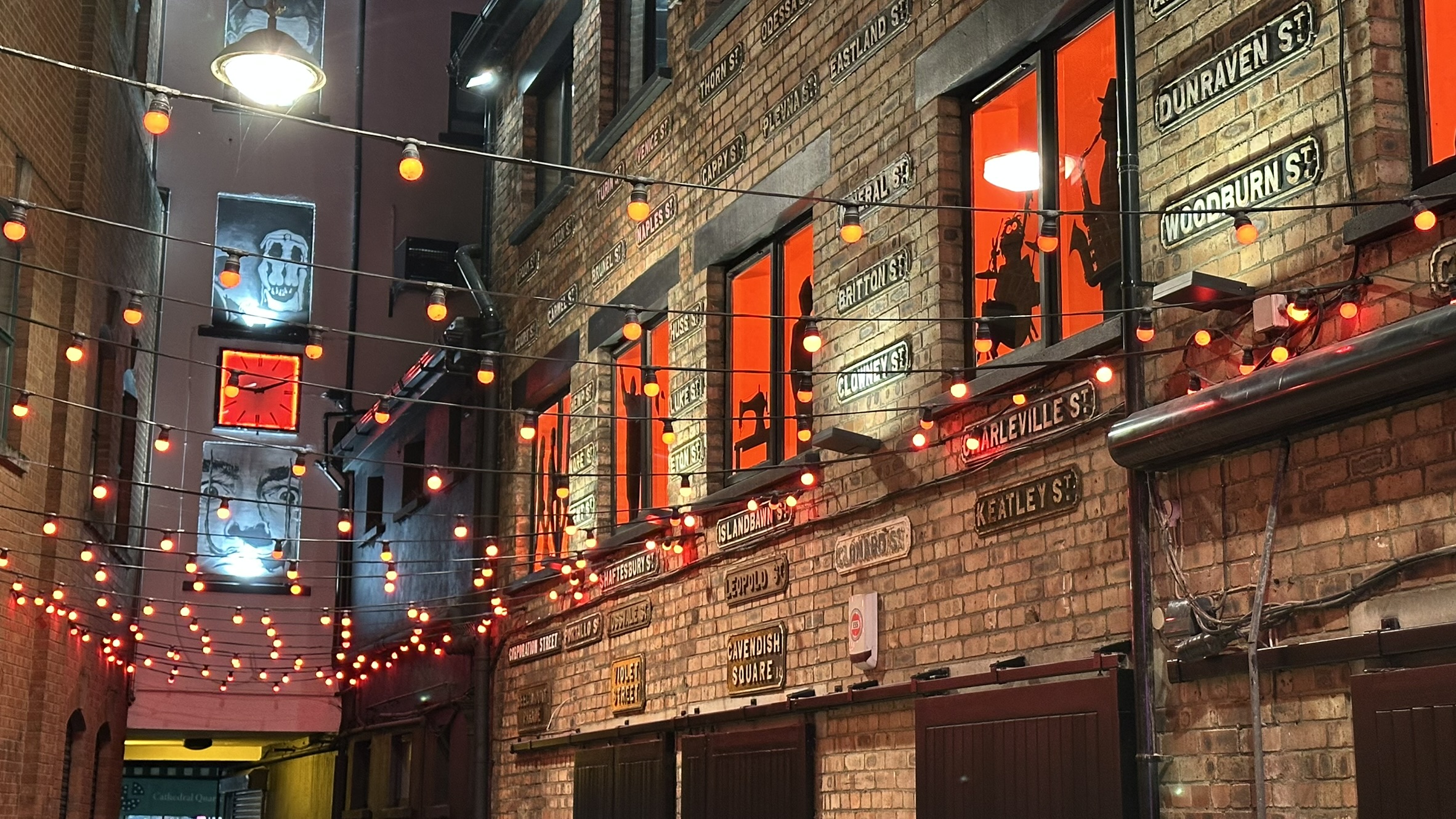
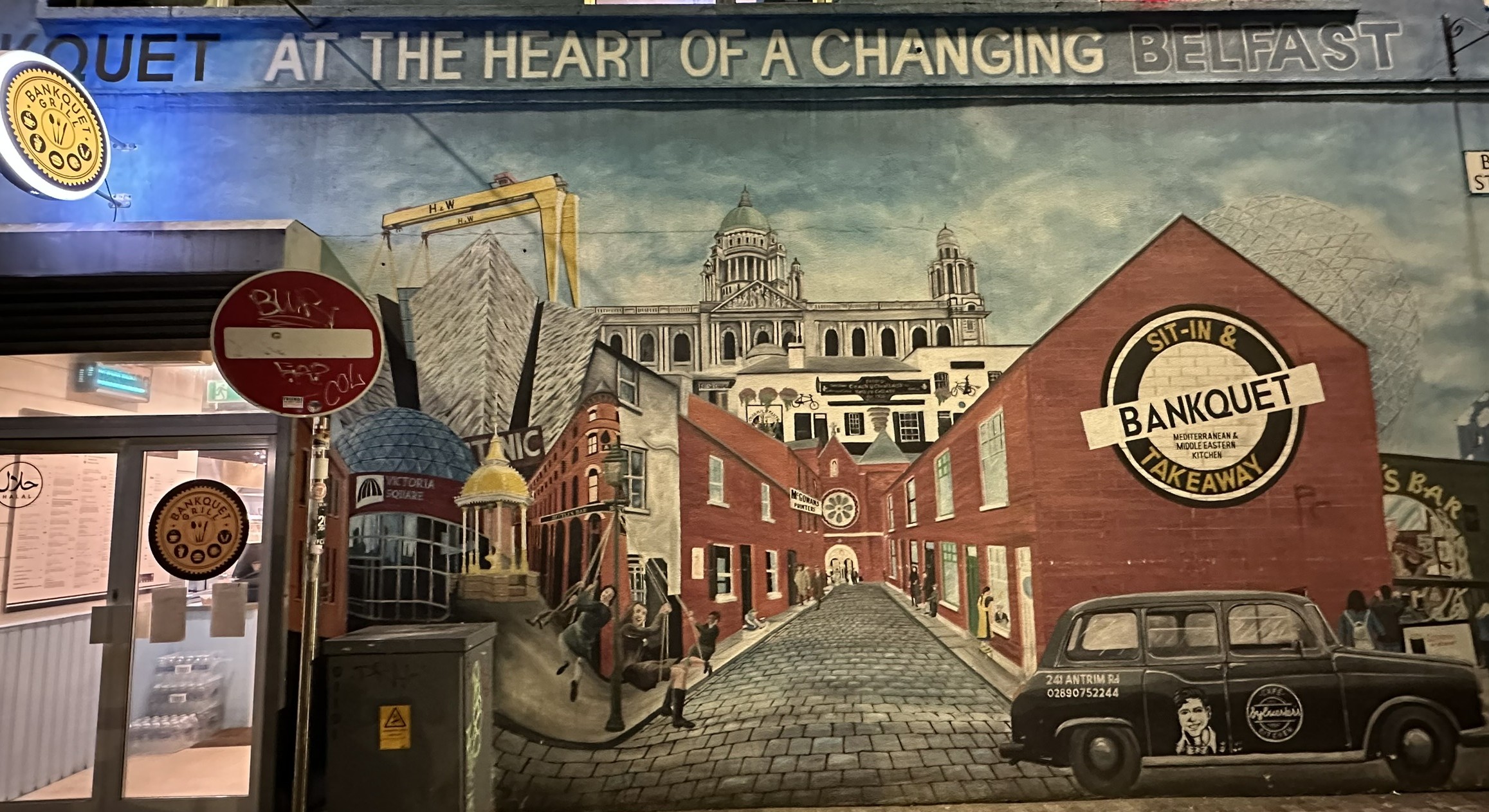

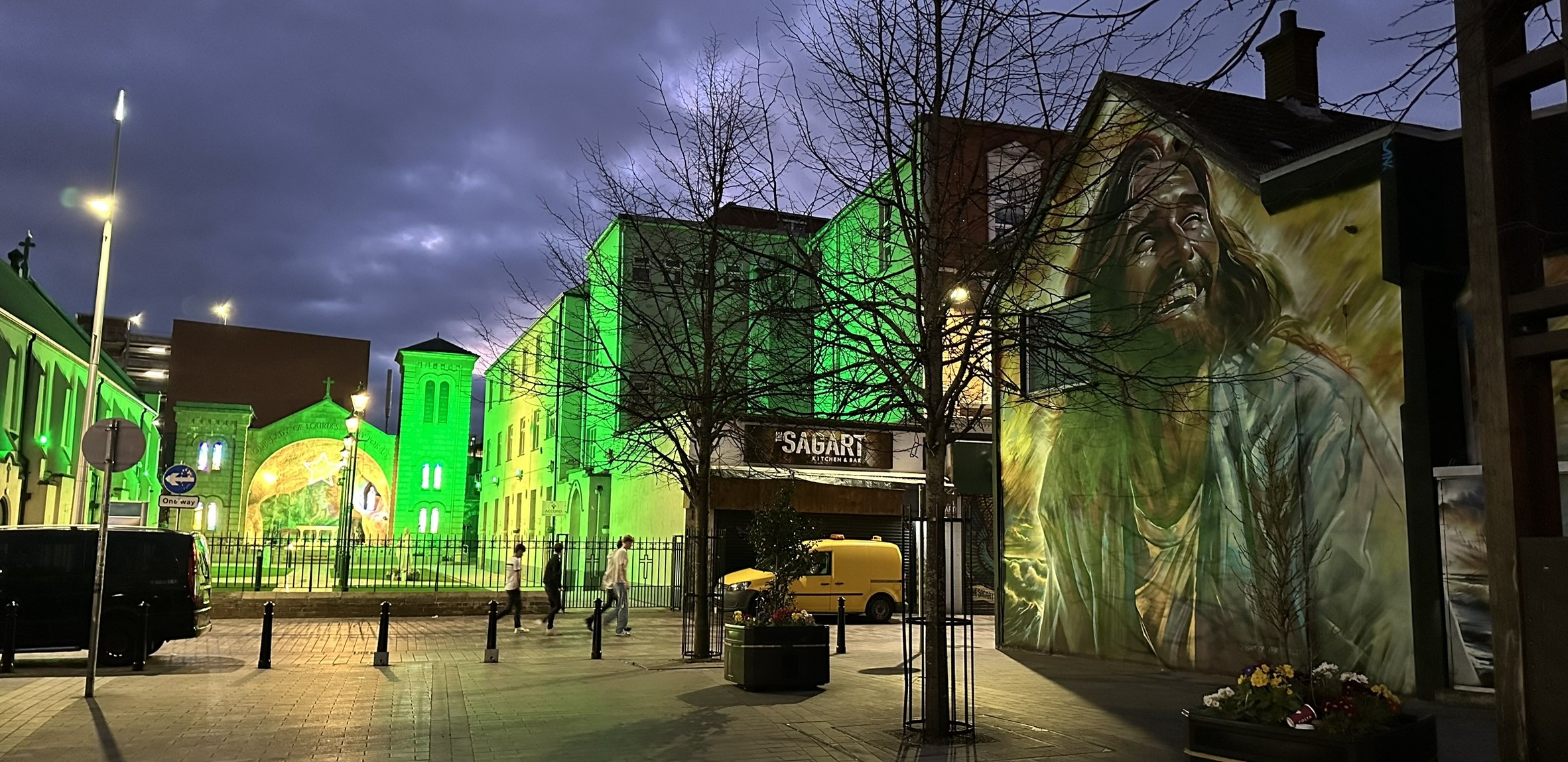
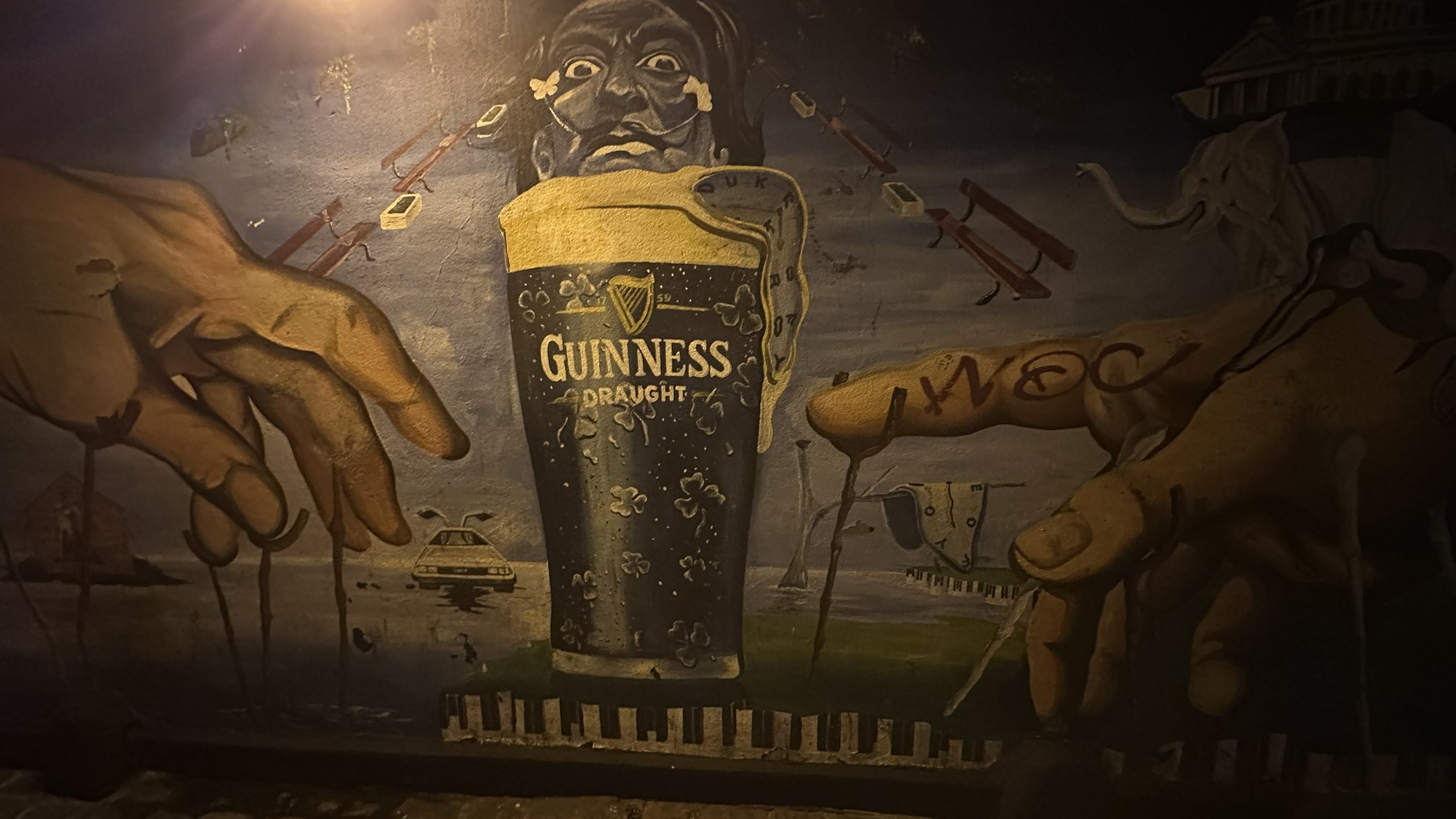
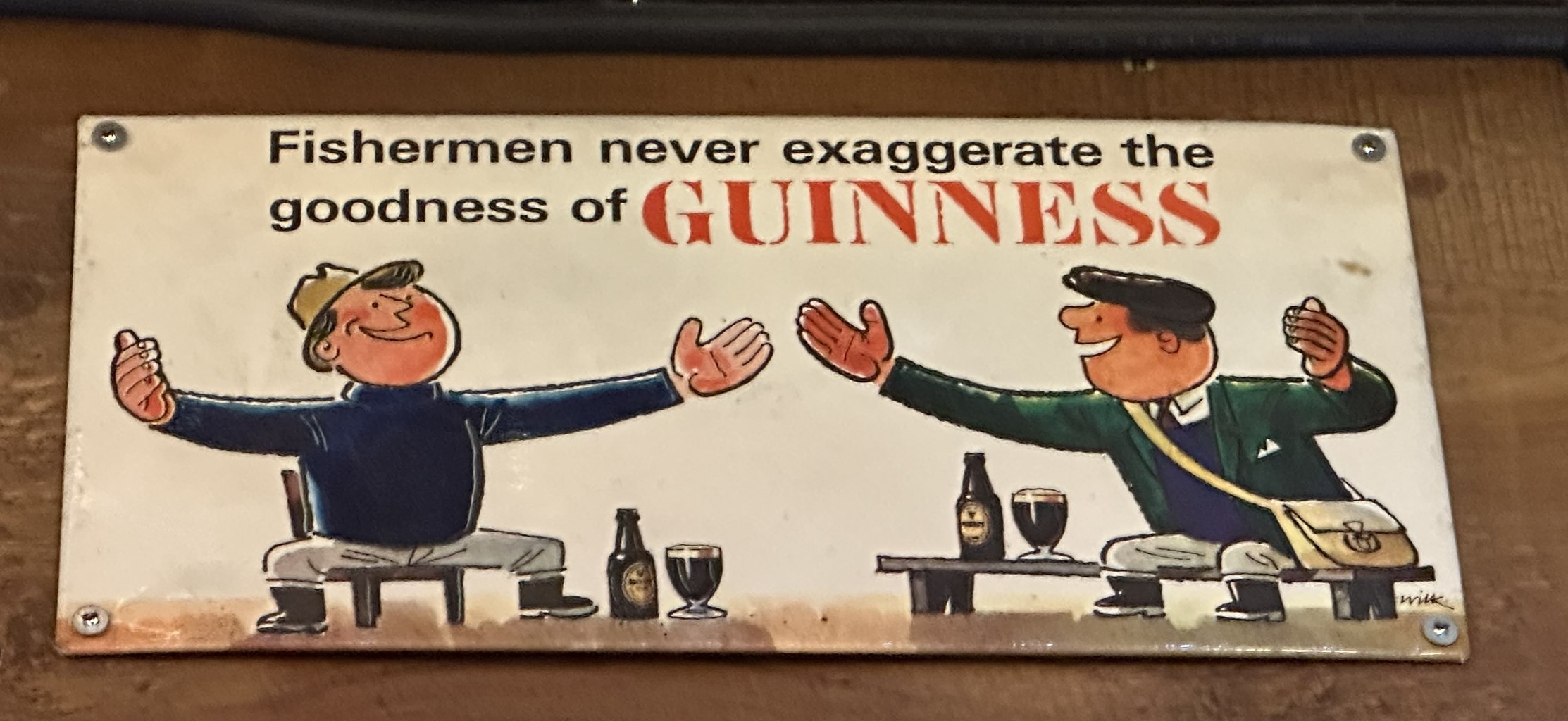
There were a few things we did not get to see based on the timing of our visit. Chief among these that I’ve heard are very worthwhile include:
- St. George’s Market — regarded as one of the best markets in Ireland and the UK, featuring fresh produce, arts and crafts, and the like. Unfortunately for us, open only on weekends.
- I’ve heard the Ulster Museum is very good, if you need to get your museum fix.
- Crumlin Road Gaol is the most infamous jail for housing IRA prisoners during the Troubles. (We have visited Dublin’s Kilmainham Gaol in the past, and right or wrong we felt that was enough.)
| Days 4-5 | Bushmills, Northern Ireland | The Bushmills Inn |
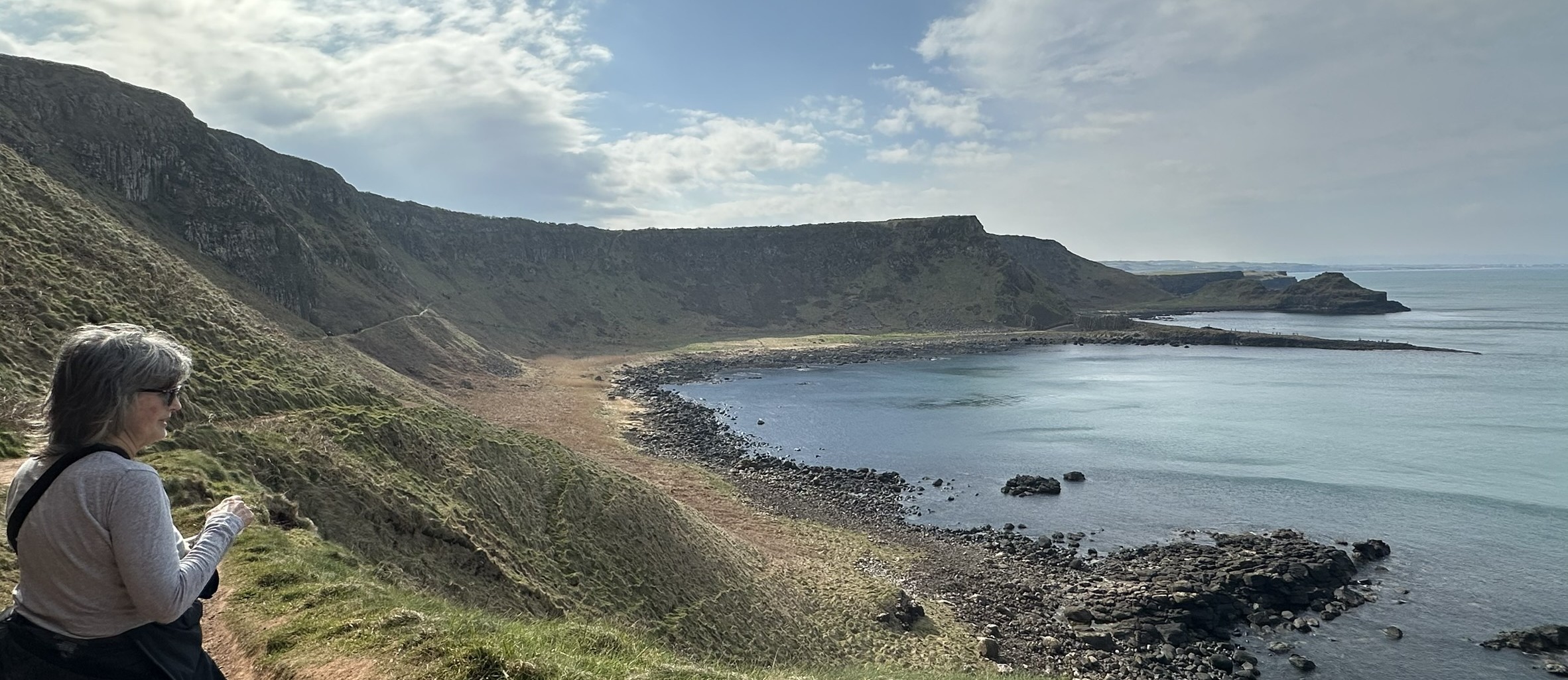
I had heard about the Giant’s Causeway for years, being one of Ireland’s most famous tourist attractions. In fact, the entire Antrim coast is gorgeous, starting just north of Belfast and wrapping all the way across the top of Northern Ireland.
After a scenic two-hour drive along that coastal route — you can get there faster taking the major motorways, but that is entirely missing the point — we made the historic town of Bushmills our base for two days of exploring the region, including great hikes along the Causeway, Carrick-a-Rede, the nearby waterfront town of Portrush, all must-see spots along the Causeway Coastal Route. While Portrush and Bushmills are both popular options for people looking to spend a night or couple of days exploring the area, we chose Bushmill’s for what may be an obvious reason: the ability to walk, and not drive, to the Bushmills Distillery, where we could sample a little water of life from the oldest licensed whiskey distillery in the world. Here were our top highlights:
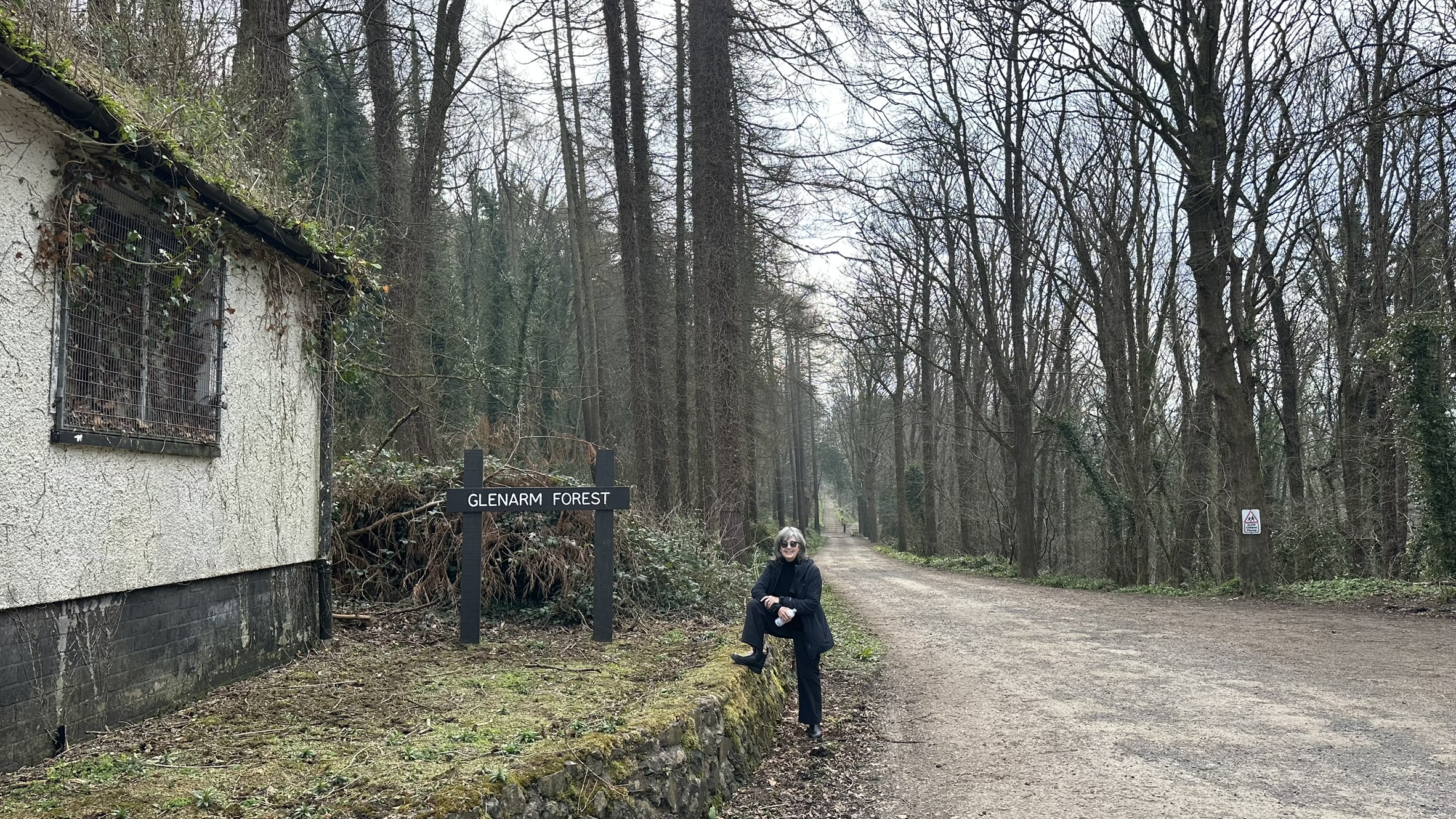
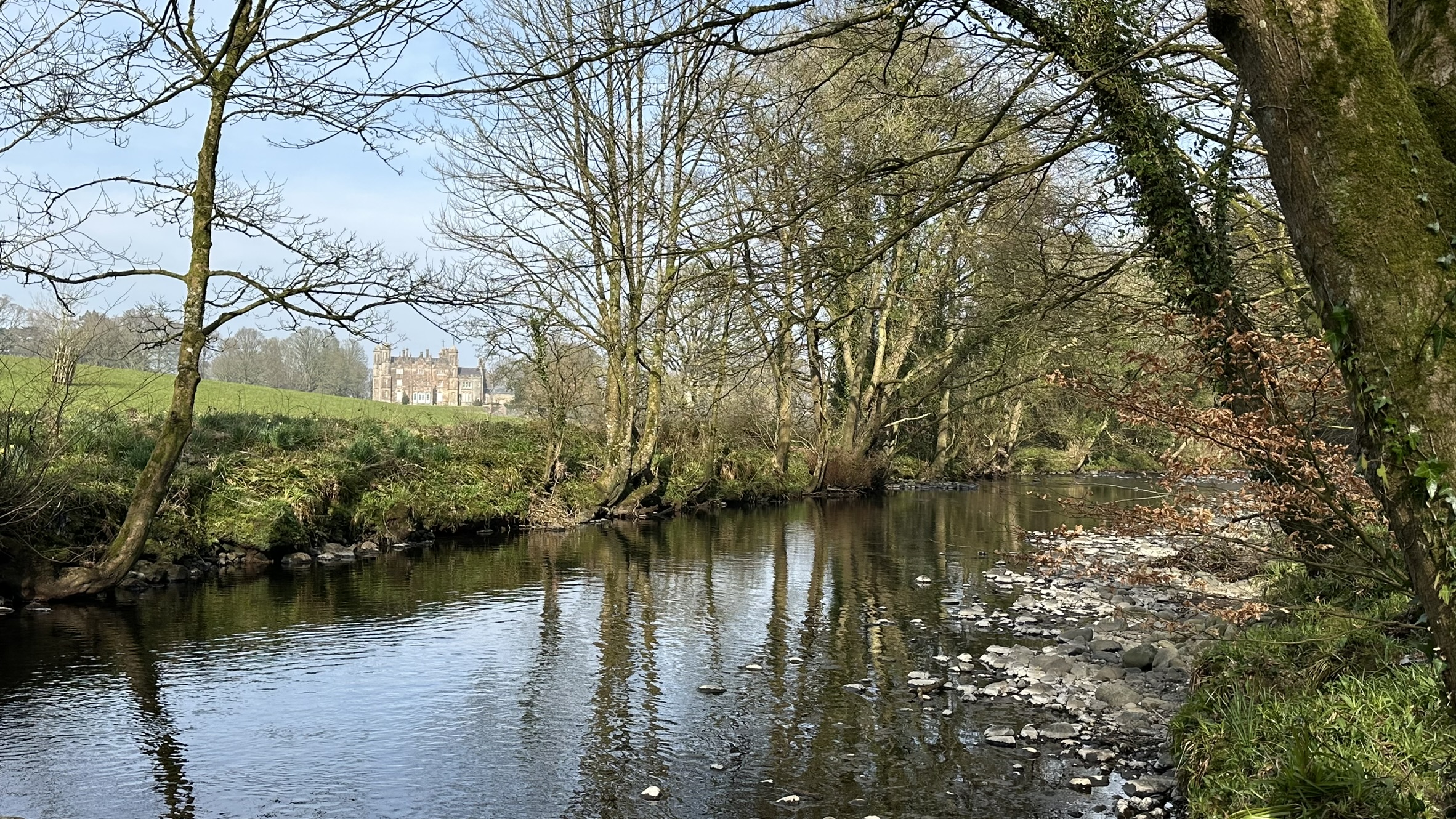
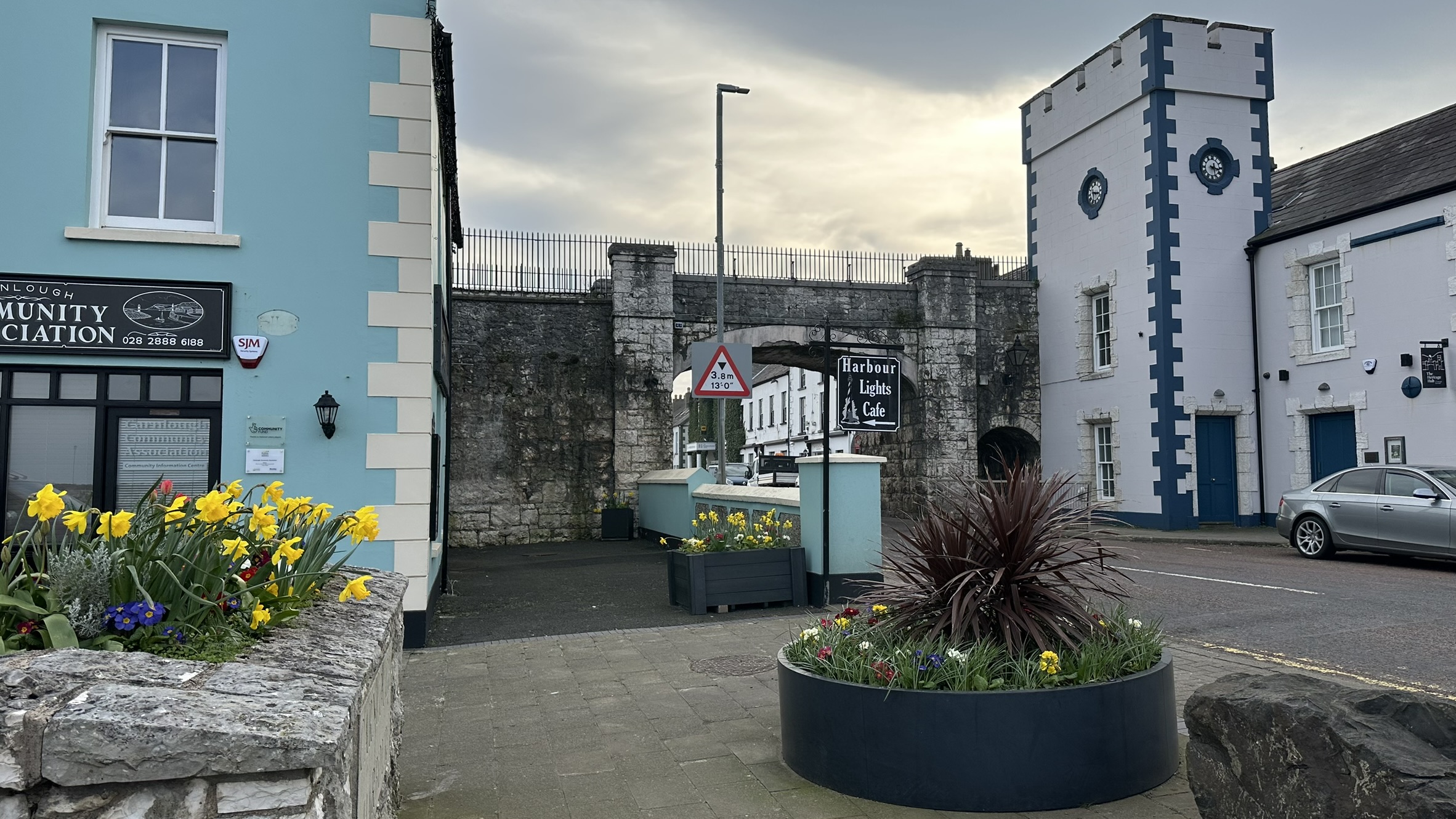
- The drive along the Antrim coast, starting right around Carrickfergus and continuing to Ballycastle, is really beautiful, reminiscent of (though not quite as dramatic as) the Big Sur Highway in California. Stops for a short forest walk along a wild stream in Glenarm — you can spot Glenarm Castle through the trees — and lunch at the Harbor Lights Cafe in Carlough were both picturesque and enjoyable.

- The Bushmills Inn was the perfect base for our two days here. Originally built as a carriage house in the 1600’s, it boasts a fine pub with decent food, a full service restaurant, very comfortable rooms, and lots of nooks and crannies to lounge by a fire with a book, if that’s your thing. Read my TripAdvisor review.
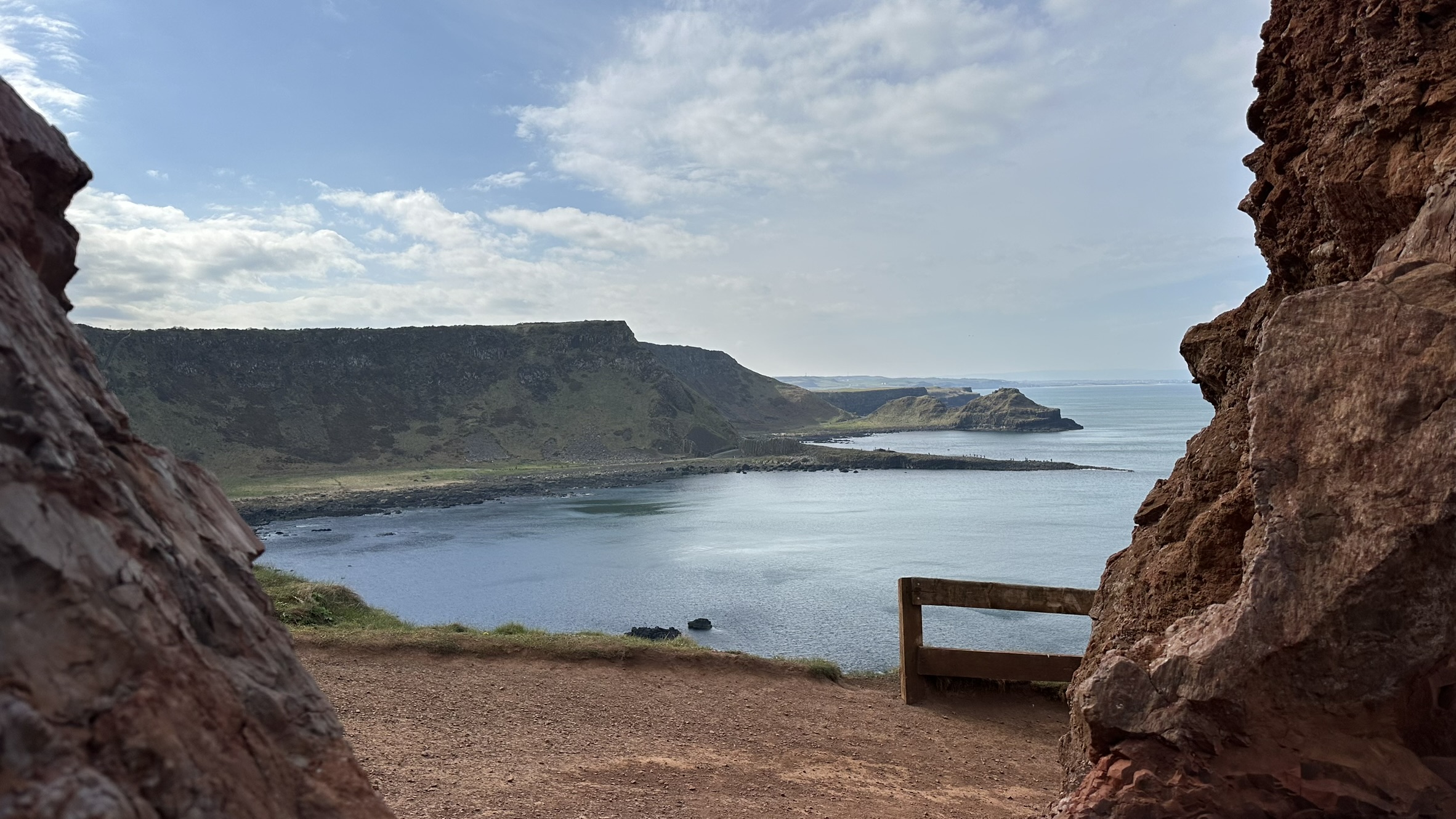
- If you didn’t know by now, the Giant’s Causeway is the top sight here, and even in the off-season we a bigger crowd here than anywhere on this trip. Comprised of 40,000 interlocking hexagonal stone pillars formed by volcanic activity 60 million years ago, the same formations are found on Skaffa Island in Scotland’s Inner Hebrides just over 60 miles to the north. A few tips:
- Legend has it Giants Causeway and Skaffa Island were once connected by this stone bridge, and an Irish giant named Finn McCool (really, you can’t make this up!) crossed to Scotland, spotted a bigger Scottish giant, and fled back to Ireland where his wife disguised him as a huge baby. When the Scottish giant made the same crossing and spotted the “baby” he fled in terror of the baby’s bigger, badder giant father, destroying the bridge as he went.
- The cliffside hike to the “Amphitheater”, a more remote section of the Giants Causeway, was actually more fun and eye-popping than the Causeway itself. We took the “low road” heading out and the “high road” via the Shepherd’s Steps returning, and that’s what I recommend to anyone who doesn’t mind climbing a few hundred steps — the views are worth it.
- Insider tip: skip the Visitor Center ₽30 parking lot and park at the Causeway Hotel next door for ₽10, which includes a ₽10 credit in the tearoom after your hike!
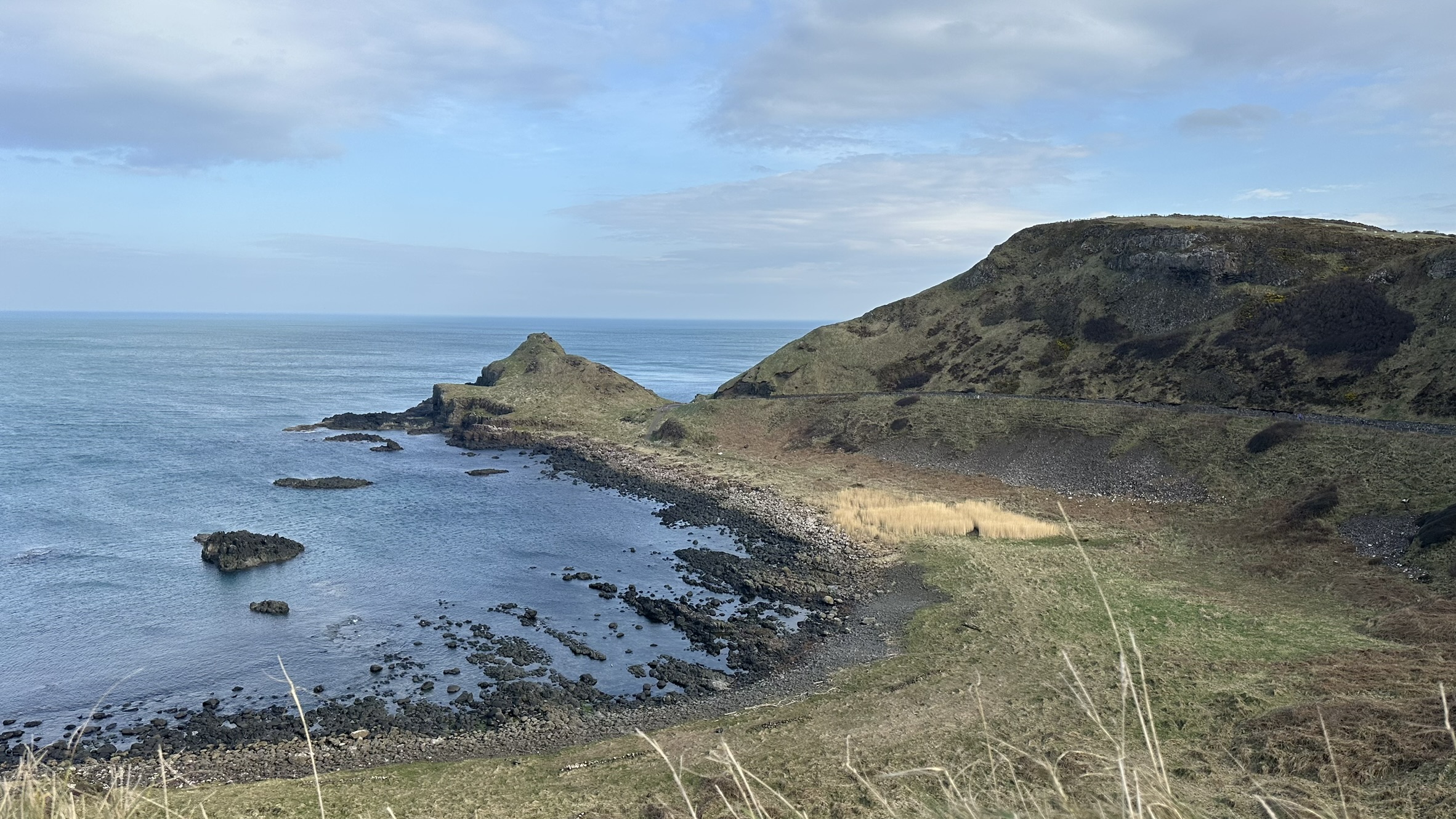
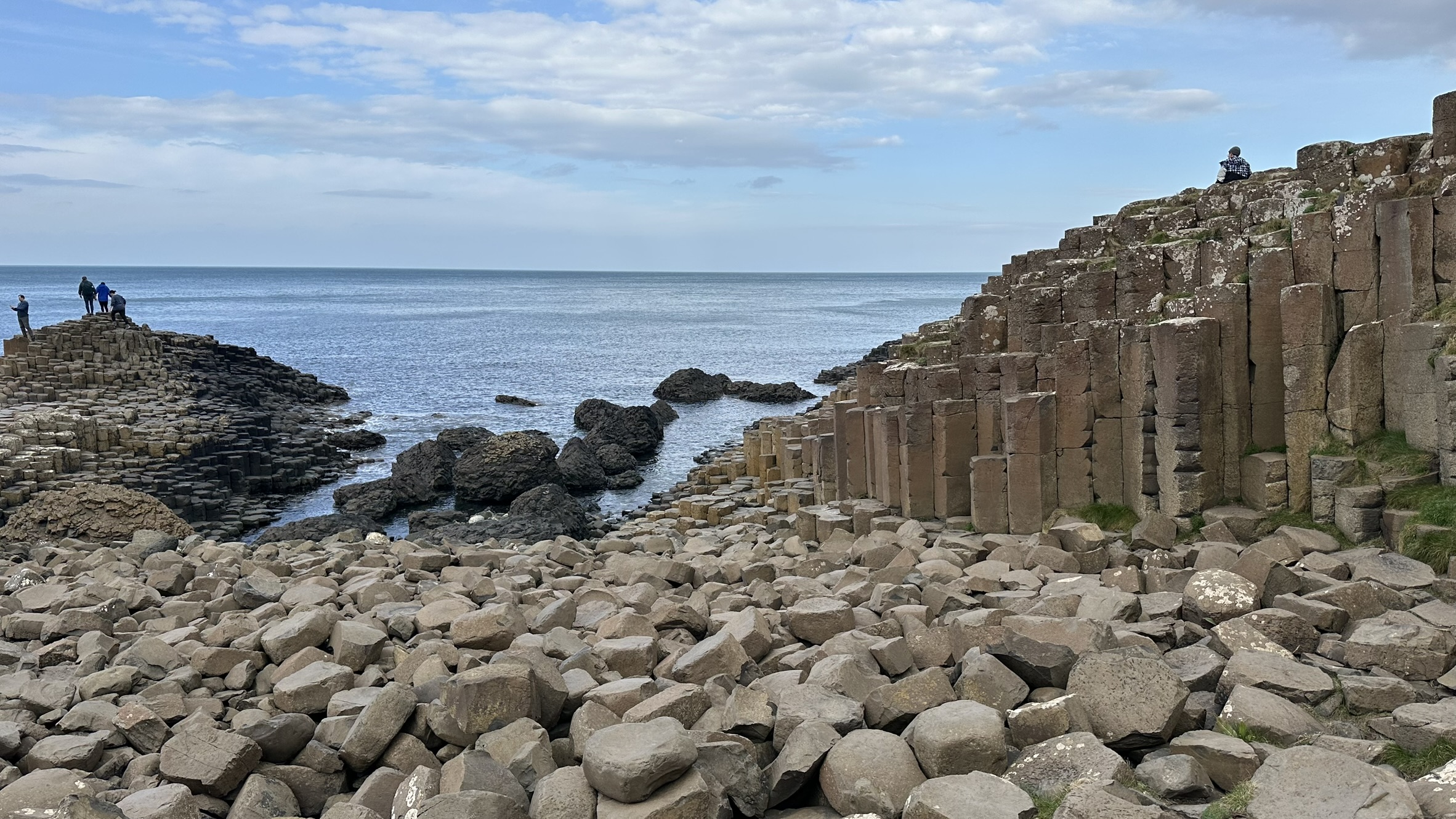
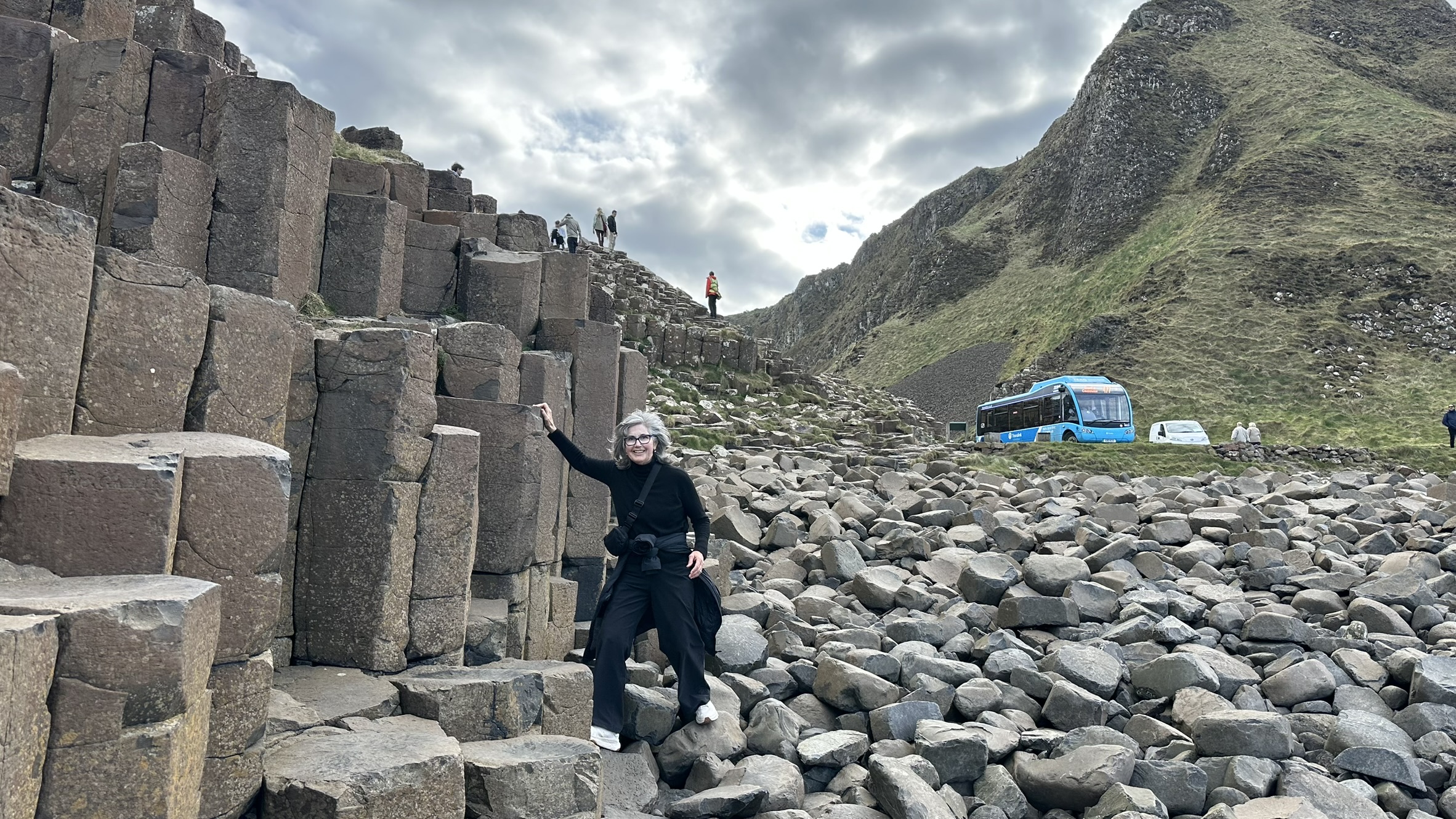
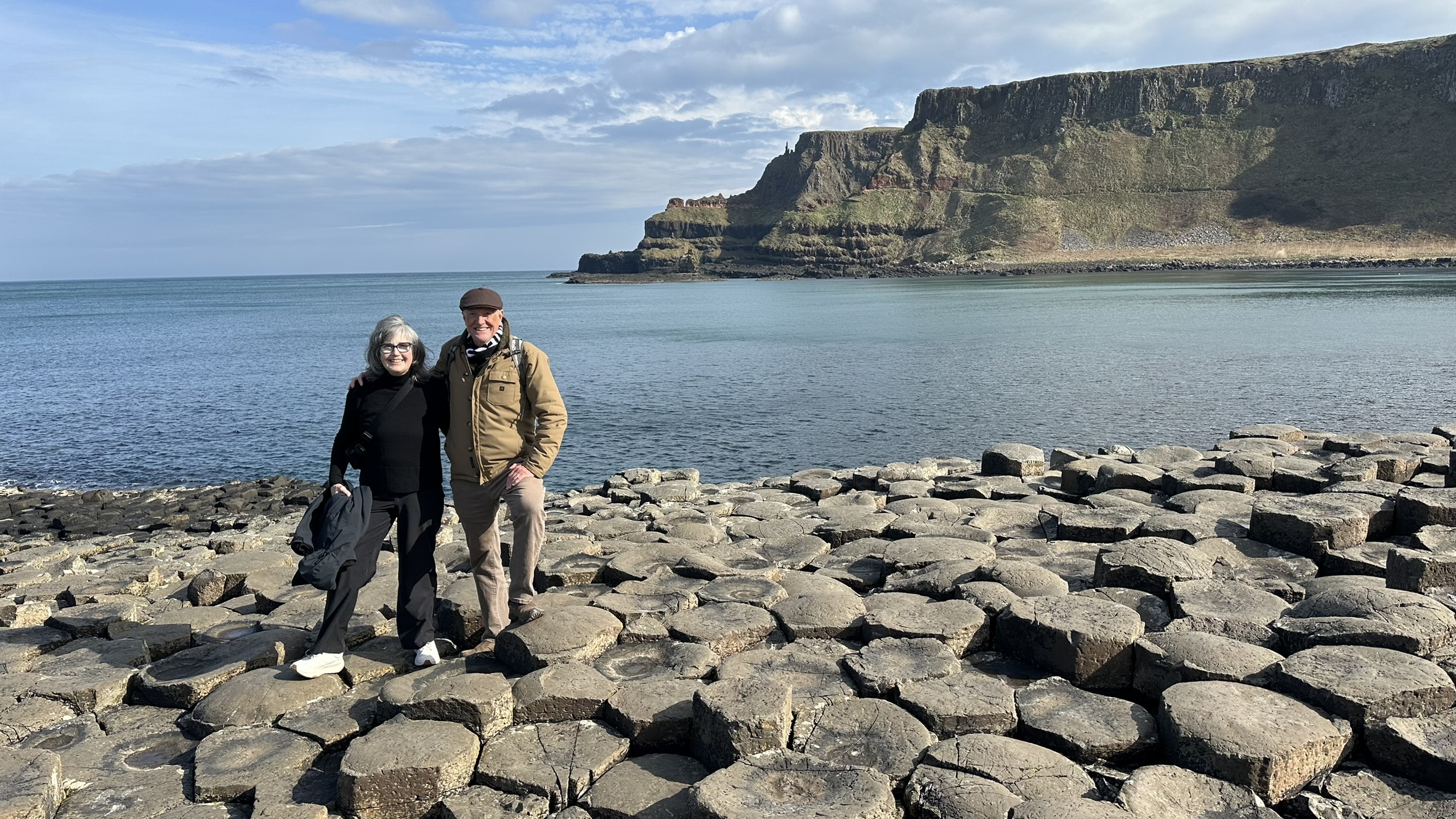
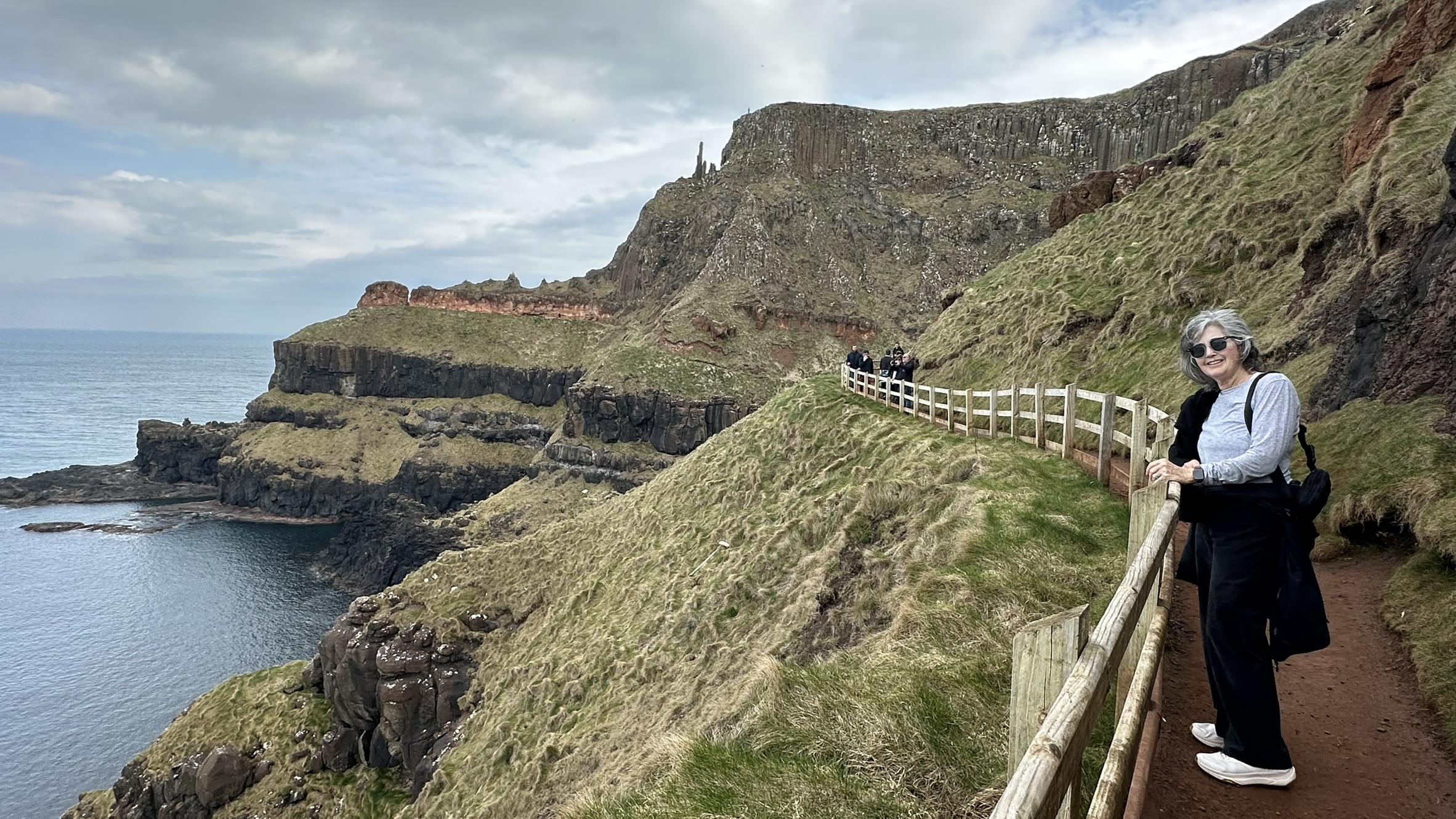
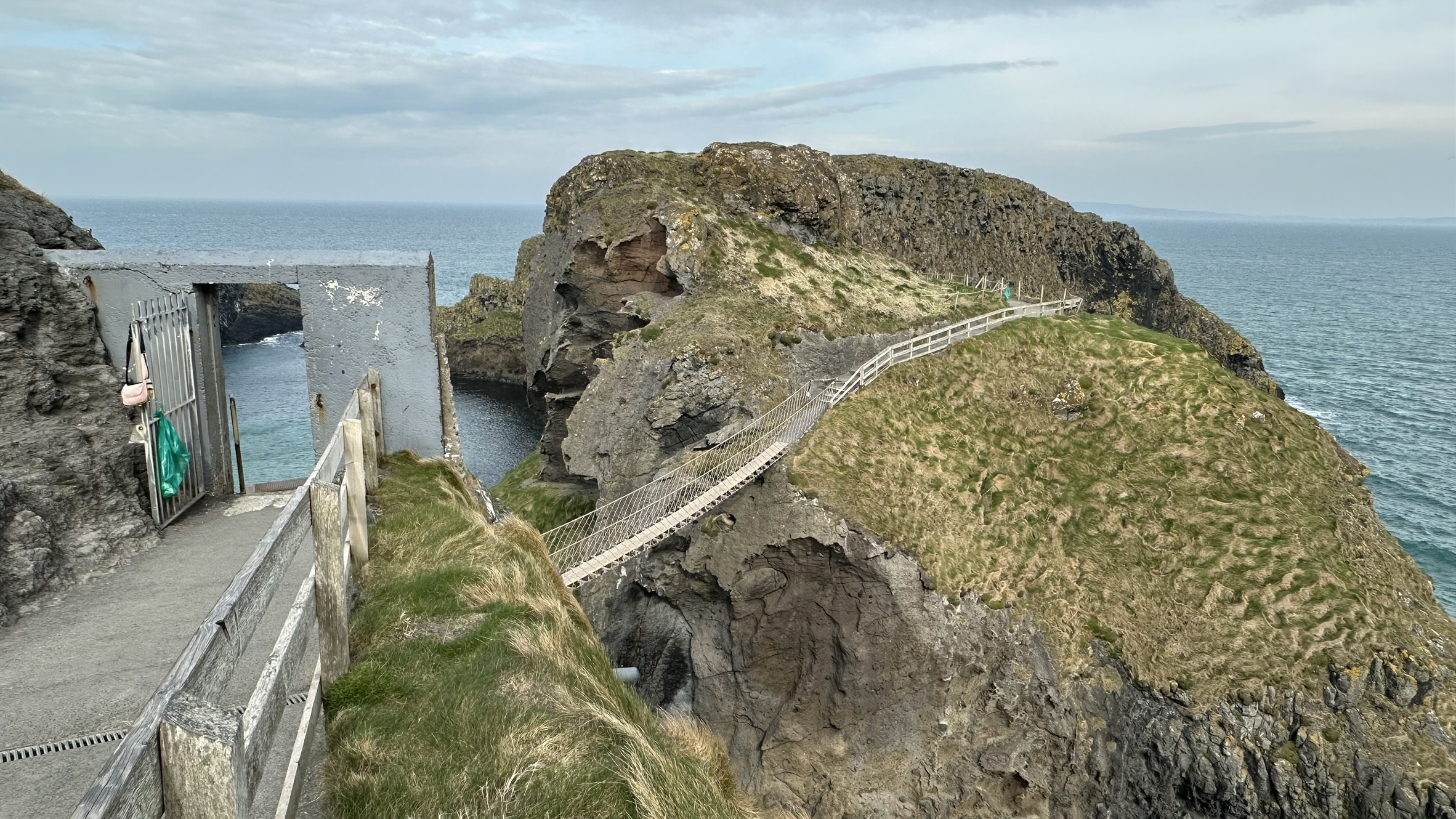
- Carrick-a-Rede rope bridge is another must-see attraction, just a 20-minute drive from the Giant’s Causeway. Fisherman used to cross the rope bridge to retrieve their salmon nets on the small, adjoining island every day. We chose not to pay the 15 Euros/person to cross the bridge, which on hindsight seems silly, but driving past the main parking lot to catch the view from the Portaneevy Viewpoint was a good call.

- If you like whiskey, a stop at Bushmill’s Distillery is also a must. I wasn’t interested in a tour, just a tasting, so I went shortly before the tasting room’ closing time (5pm) to miss whatever crowds may come earlier.

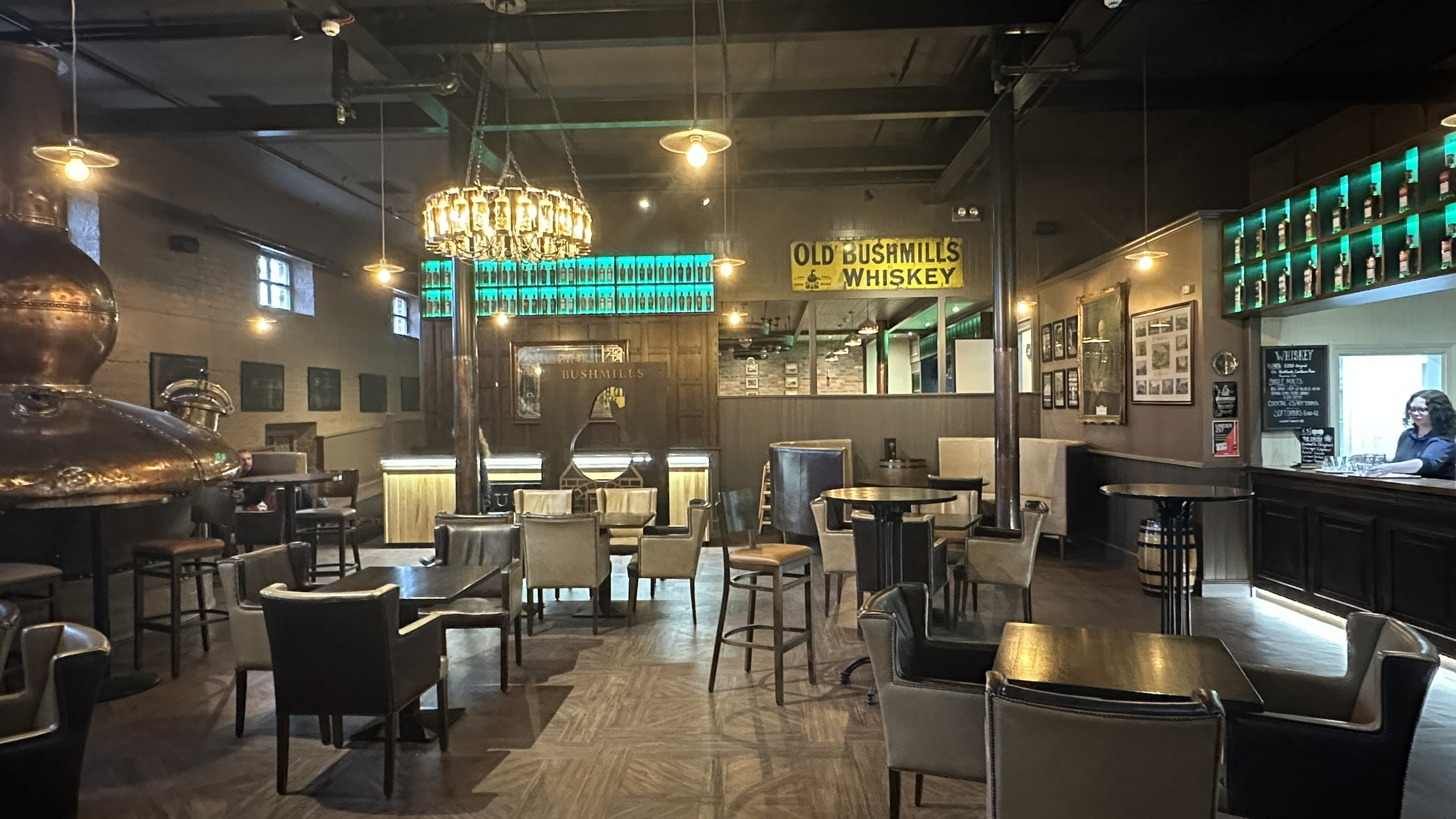
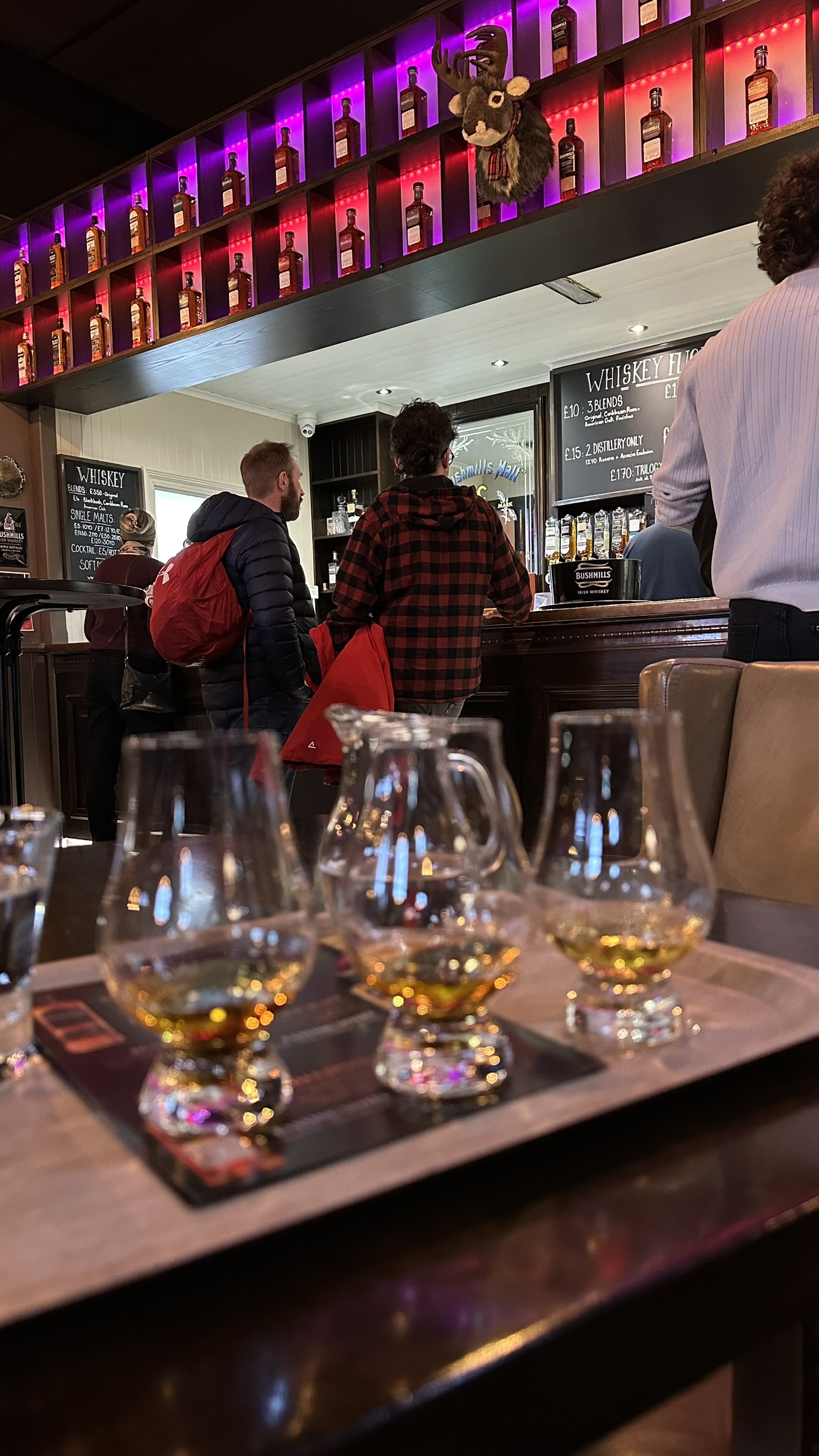
- Beyond that, there is not much to do or see in the town of Bushmill’s, though we enjoyed dinner out at Tartine at the Distiller’s Arms, and The Bush House was a fine local pub, the only one open in town.
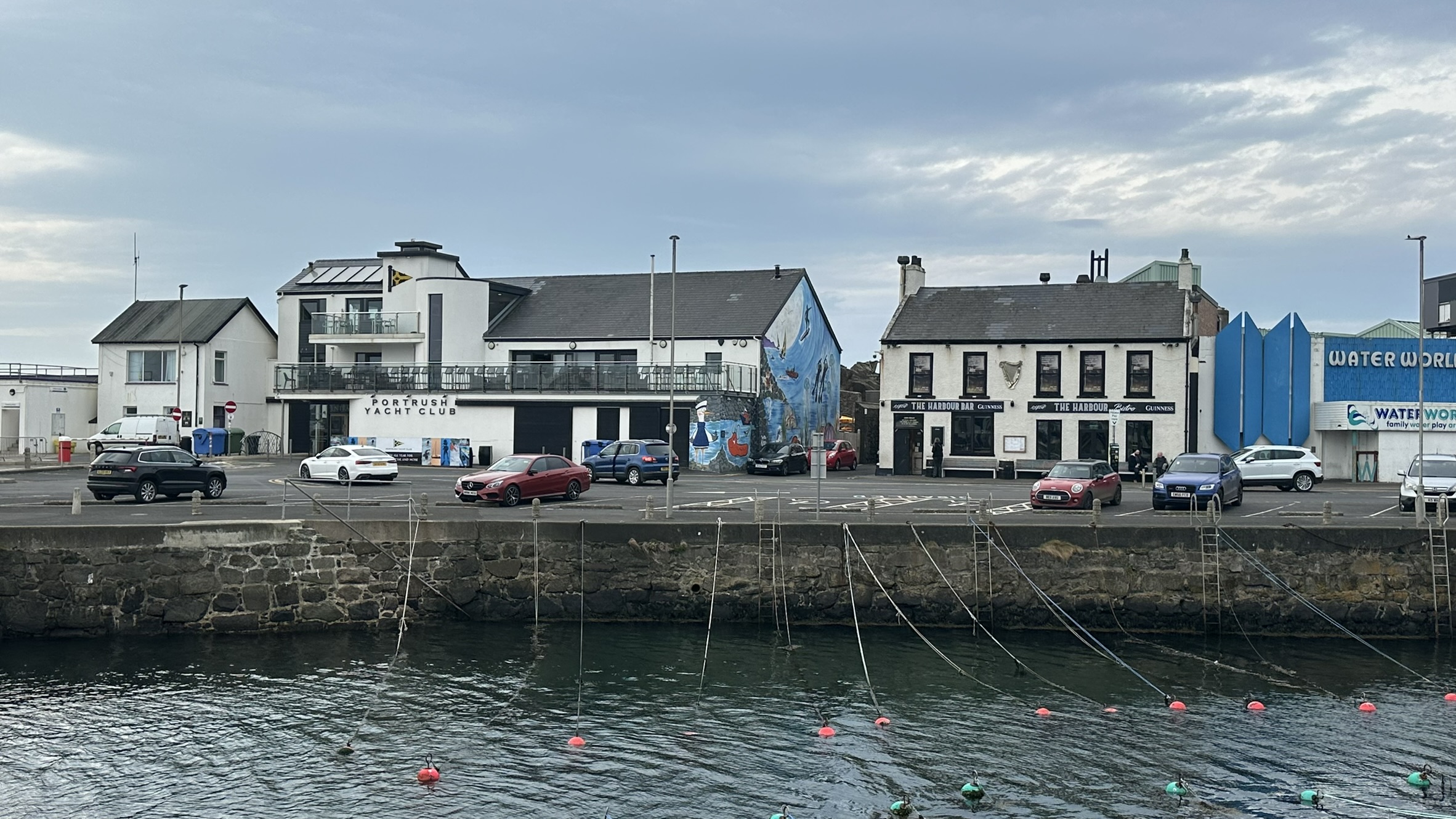
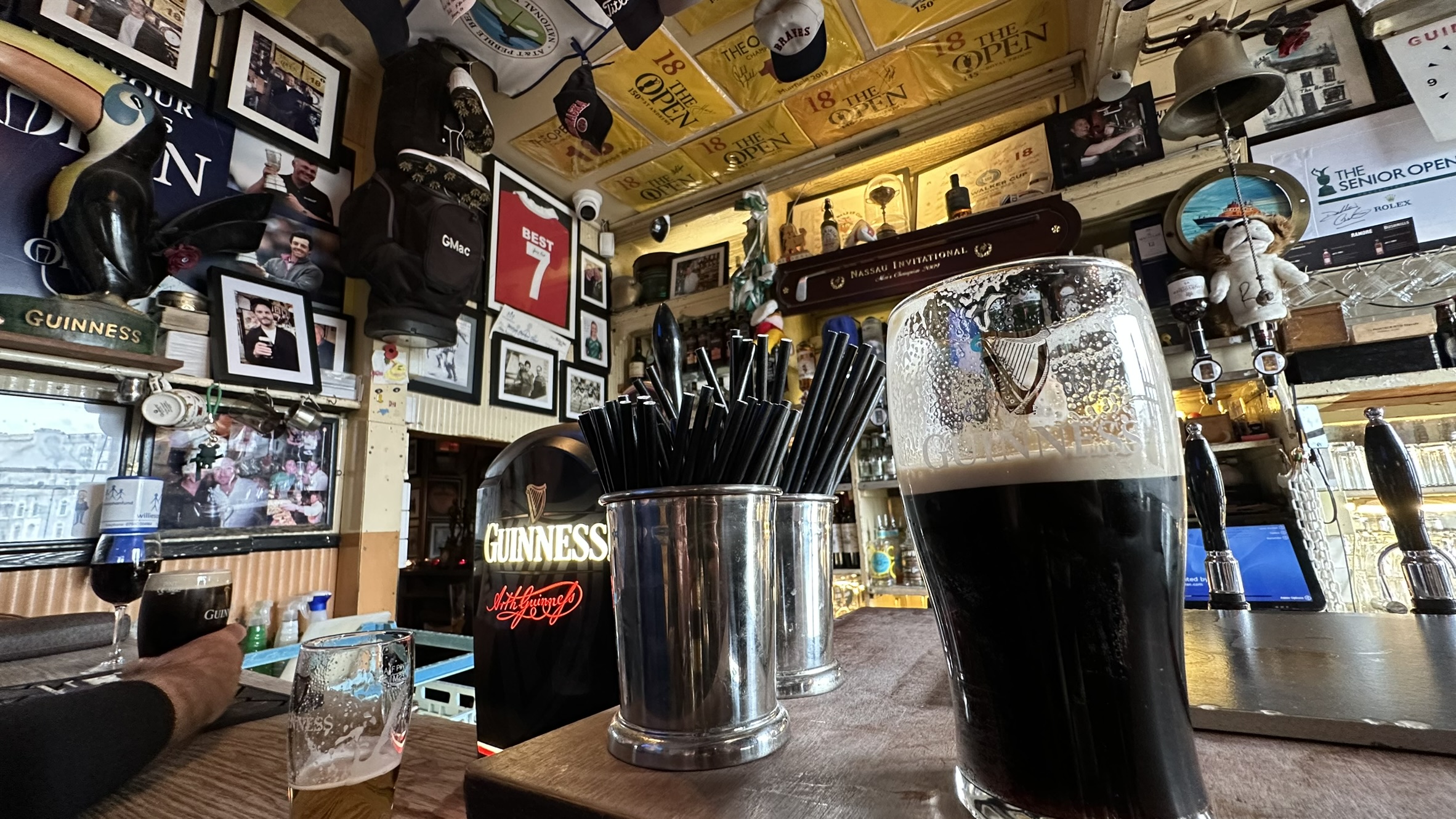
- Portrush, on the other hand, has more to offer if you’re looking for a wider selection of bars, restaurants and shopping. It is also home to the Royal Portrush Golf Club, an oceanfront links that plays hosts to major tournaments including the British Open. While we didn’t play golf, we did stop by the highly recommended Harbour Bar, where the Guinness was excellent. Sadly, the adjoining bistro, which came highly recommended and was our intended lunch stop, had been closed for some time.
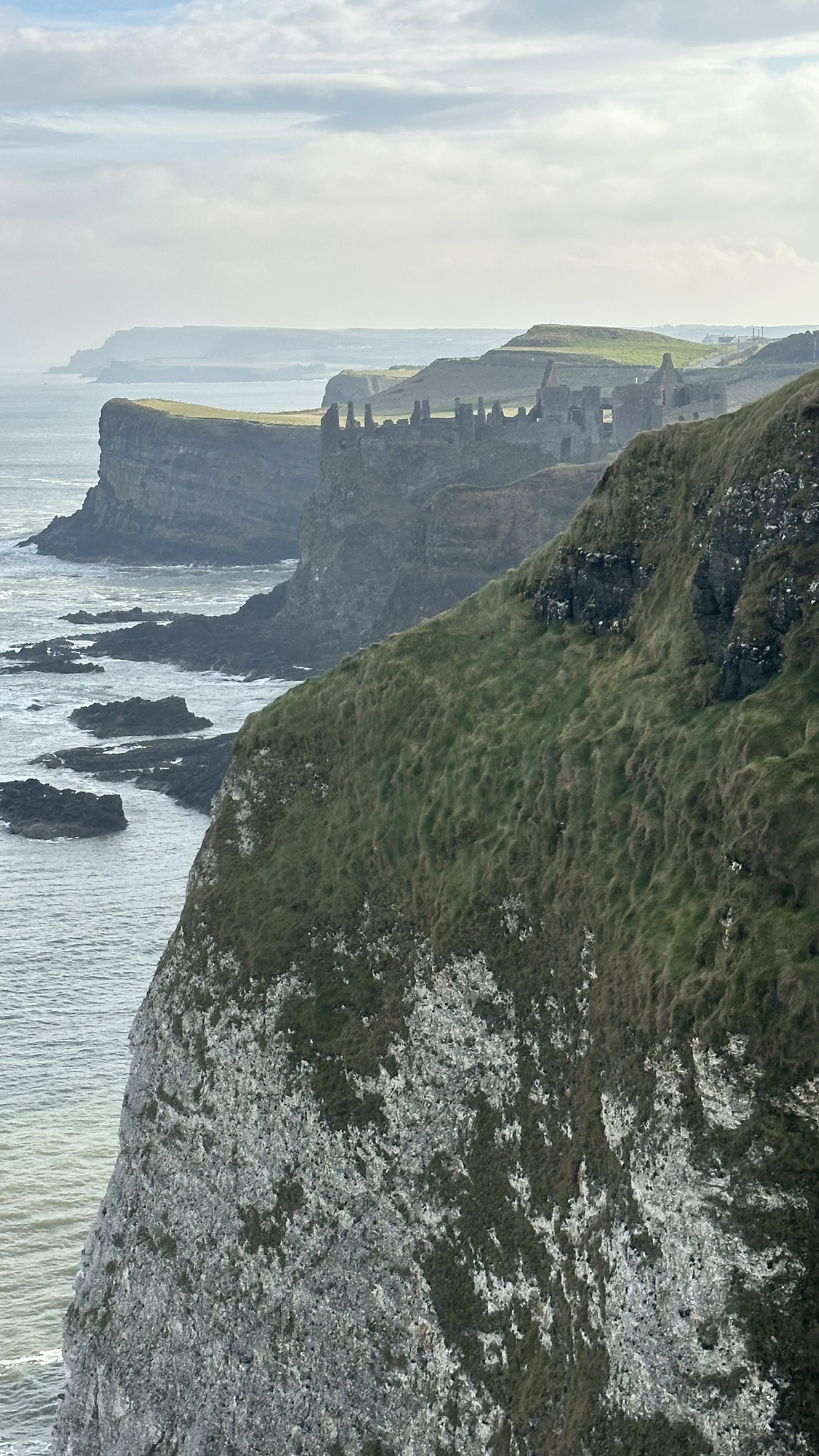
- Driving to Portrush is the perfect time to check out Dunluce Castle, whose ruins remain perched on a cliff overlooking the ocean.
| Days 6-8 | County Donegal, Ireland | See lodging details below |
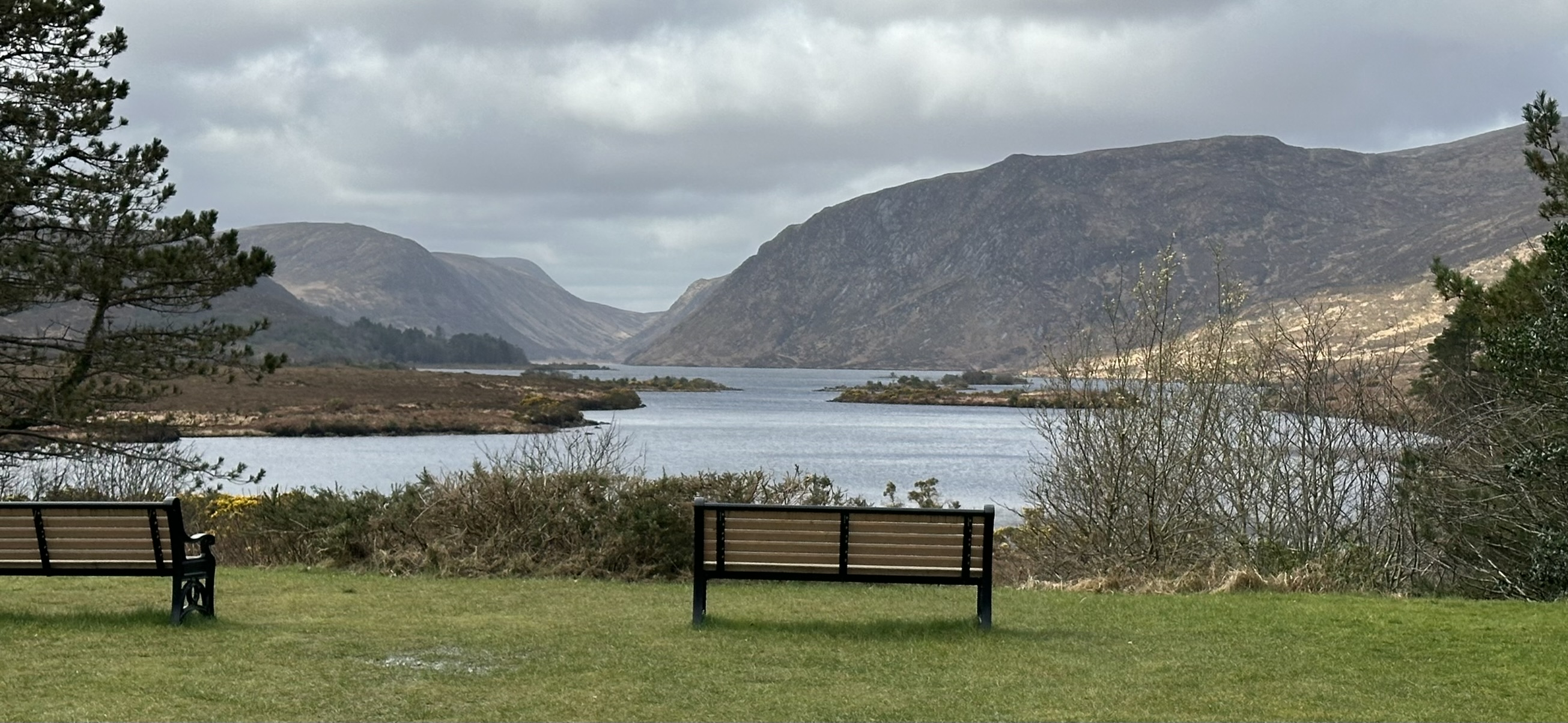
There is something uniquely satisfying and fun about driving longish distances on the “wrong side” of twisty, narrow, rock-lined roads in the middle of nowhere, where seemingly every turn reveals a “whoa” or “wow” moment. Such is the Wild Atlantic Way, the scenic coastal road around the west of Ireland.
Our journey the next three days started in Bushmills and ended in Donegal town, covering 230 of the route’s first 330 miles, all but the first couple hours traversing Donegal country, the fourth largest in Ireland and among the least populated. Donegal is as wild and beautiful as the better-known counties Kerry and Mayo but receives far lest tourism. Major diversions along the way — all of which I highly recommend — included Londonderry, the Inishowen Peninsula, Glenveagh National Park, and the Slieve League coast, with a one-night layover outside Letterkenny before spending two more nights in Donegal town. This is one area I wish we’d had a few more days, as several locals raved about the sections of the Wild Atlantic Way we missed.
| Duration | Destination | Where We Stayed |
|---|---|---|
| 1 day | Londonderry > Letterkenny | Castle Grove Country House |
| 2 days | Glenveagh > Donegal | Ros Dun House B&B |
Our first stop after leaving Bushmills was the city of Londonderry (or Derry, if you prefer the original Irish name), a historically working-class Northern Ireland town just inside the border with Ireland. Recently popularized by the hit Netflix series, Derry Girls, this proud city is very slowly regaining its footing after decades of turmoil stemming from socio-economic inequities and sectarian violence as early as the Irish Uprising in 1641 through the 1920’s-era Irish War of Independence and, most recently, The Troubles. Bloody Sunday, so named for massacre of unarmed Irish Catholic civilians by British soldiers that kicked off the Troubles in January 1970. We arranged a walking tour of Londonderry to gain an appreciation for the city’s history and are very glad we did.
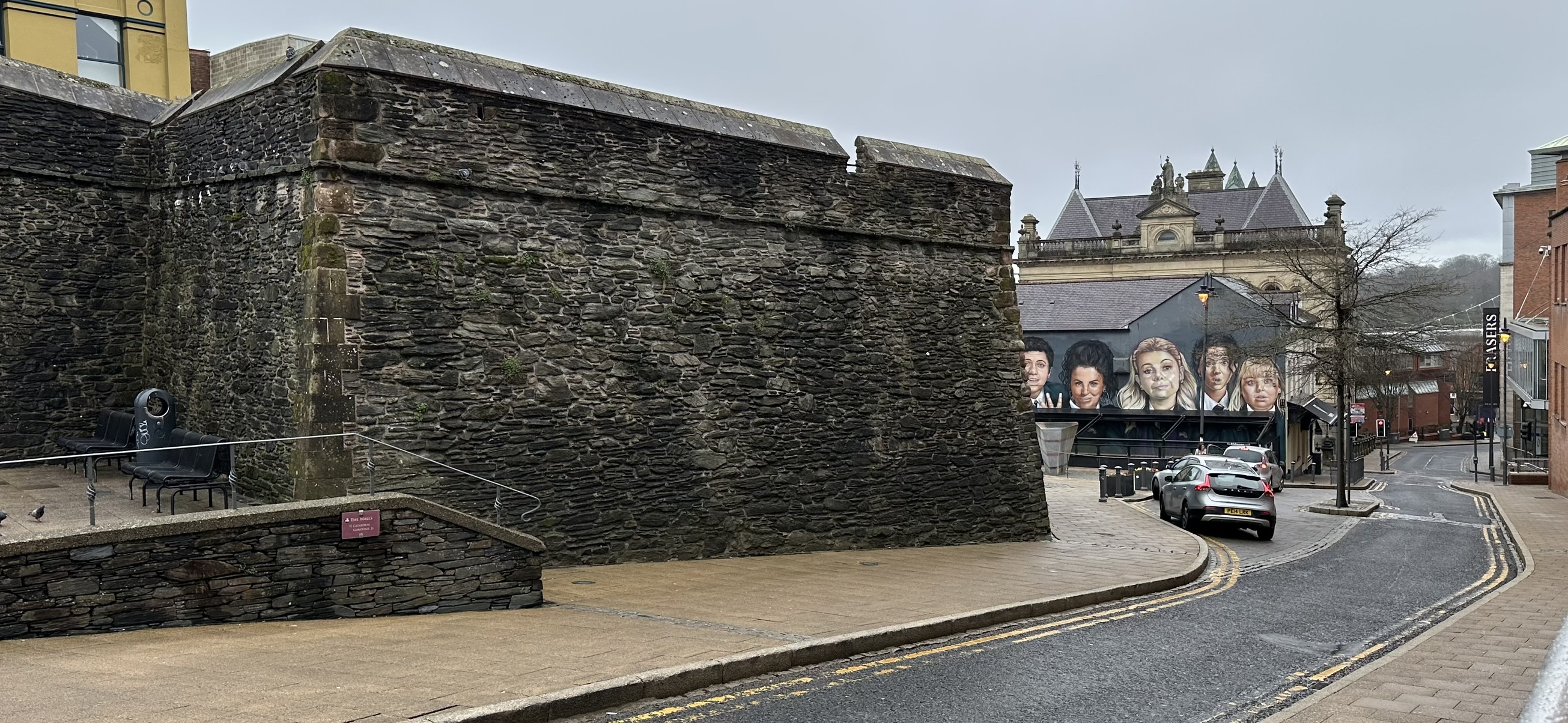
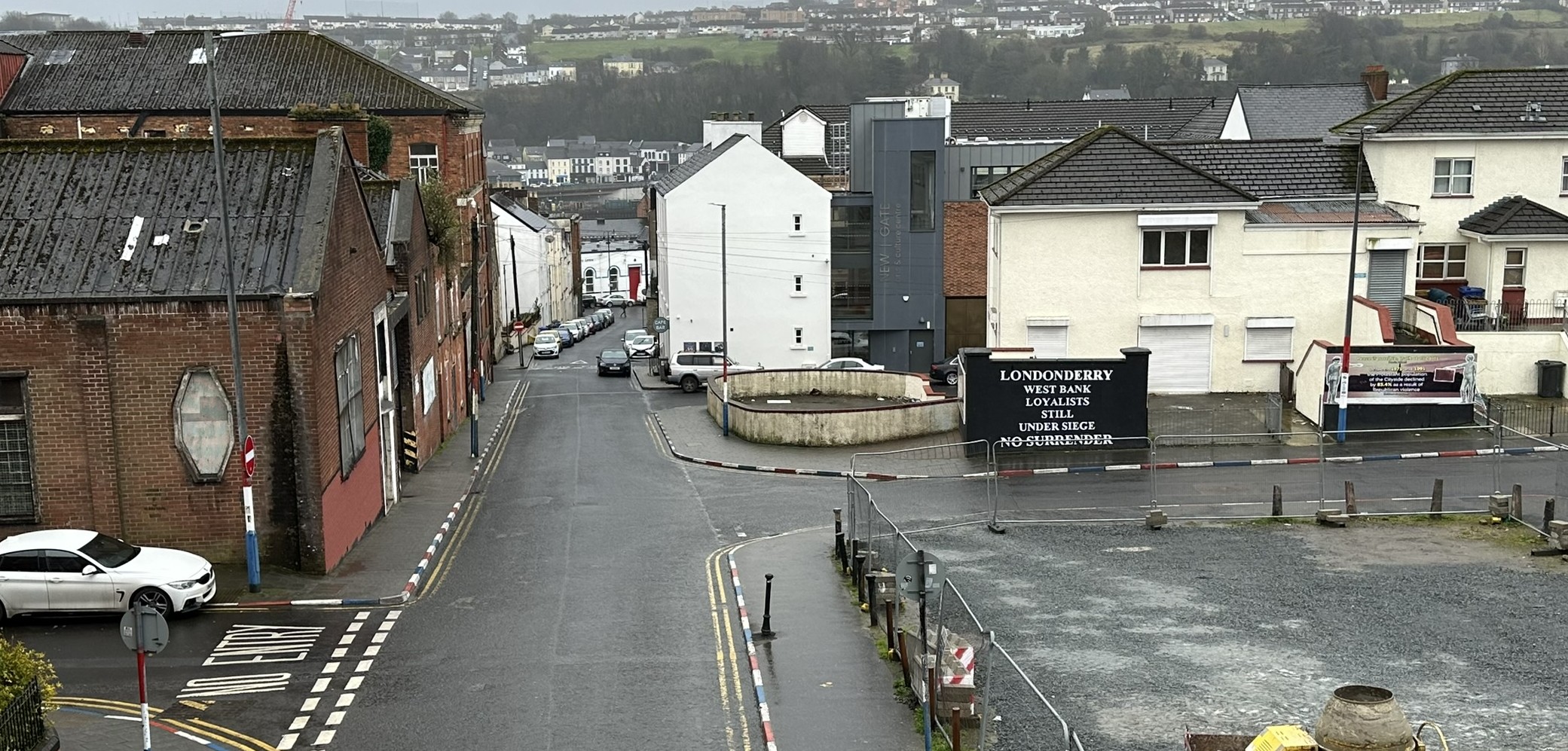

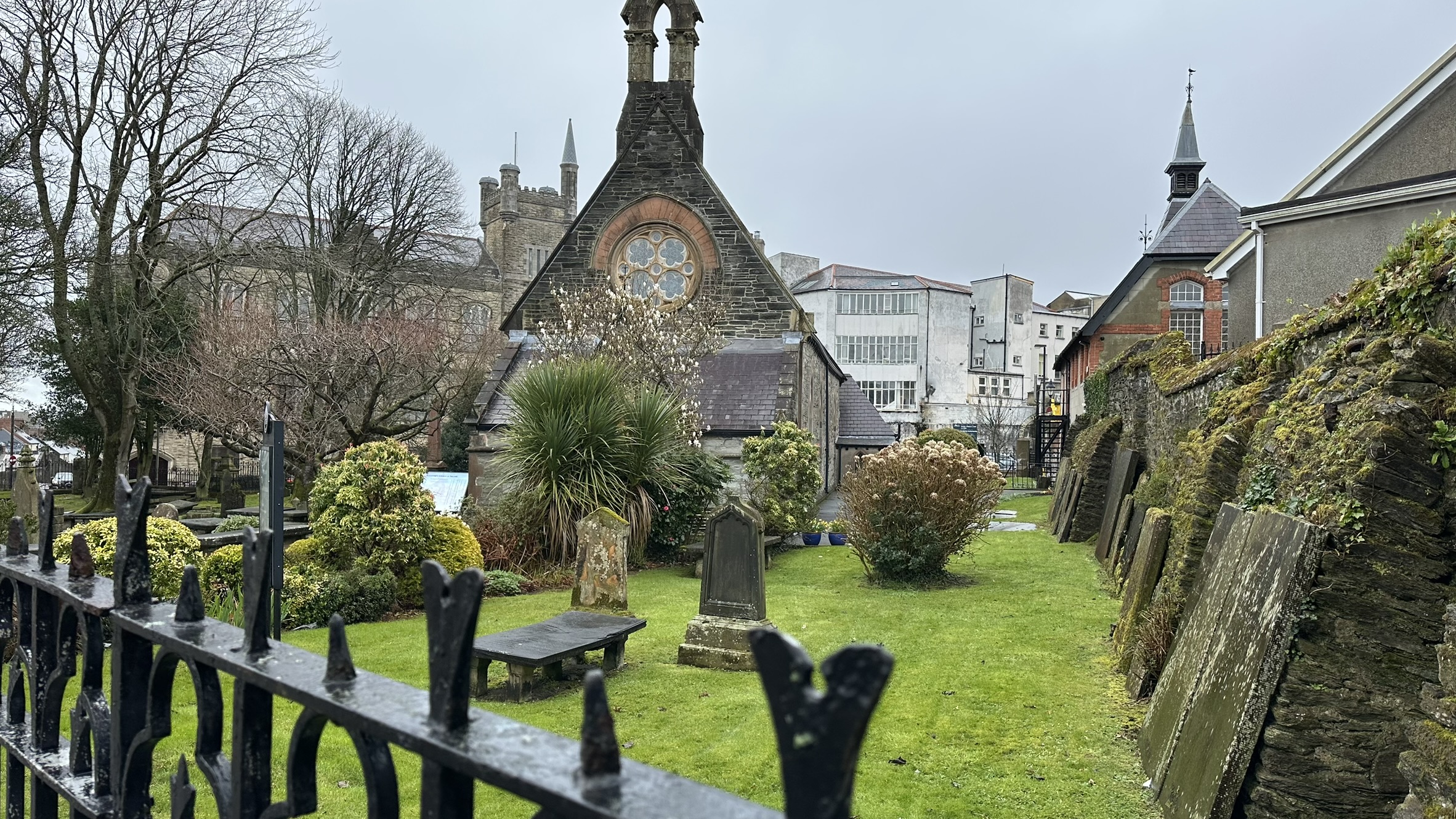

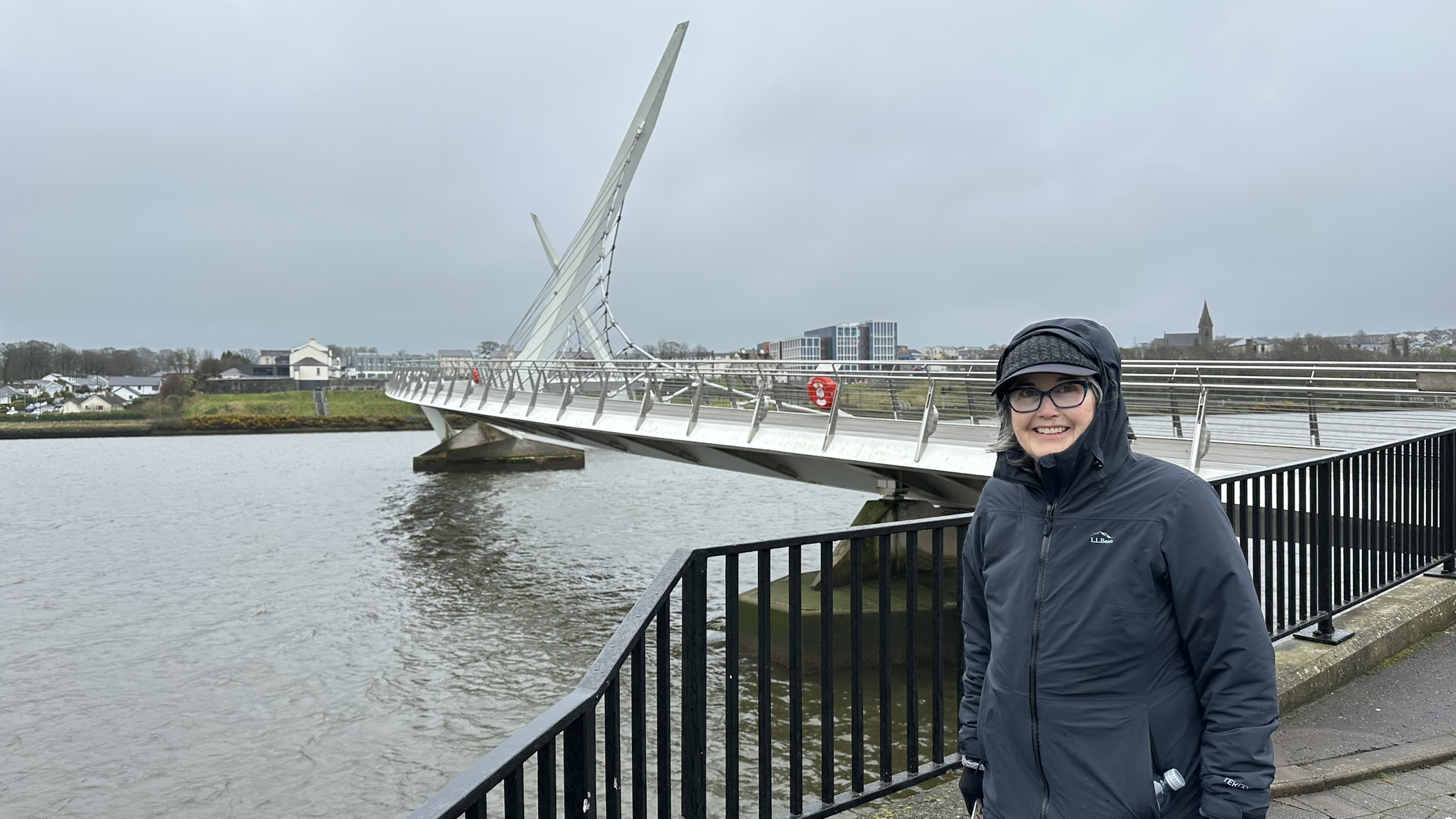
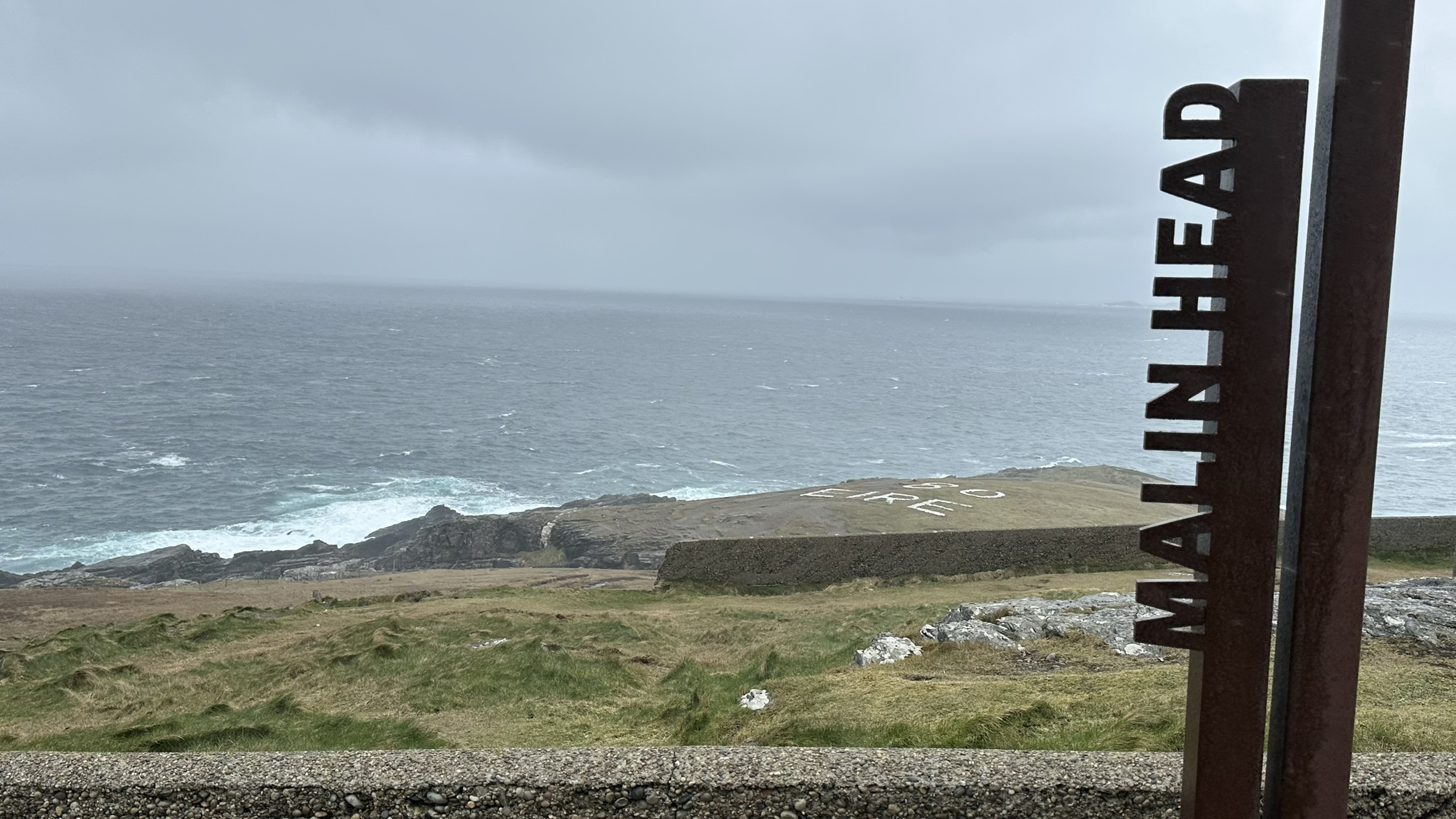
Leaving Londonderry, we headed north on a circuitous route around the Inishowen Peninsula to Malin Head, the northernmost point of Ireland. We stuck to the coast road for a while as we headed up the peninsula’s east coast. Somewhere before Moville, we called an audible and turned left, leaving the main road for a narrow local road and into the countryside. We returned via roads on the peninsula’s west coast, doing our best to follow the little blue “Wild Atlantic Way” signs — at times confusing because they might point in two directions — passing near Dunree Head before finally arriving at our overnight destination just outside Letterkenny. Highlights along the journey, which took about 5 hours including stops:
- Driving these tiny local backroads, at times gravel or dirt two-tracks leading who knows where up and down hills and glens, past farms and old crofter settlements, rocky coastline and remote beaches and, well, wilderness is a real thrill for me (if not a little more worrisome for my passenger). Definitely going local.
- Lunch at Cúl a’ Tí in the small town of Culdaff turned out to be a happy surprise. Excellent pastries, sandwiches and coffee in a small cafe with only a few locals. We had actually stopped in Culdaff because of the colorful pubs lining the street; none of them served food though, and they all recommended this place.
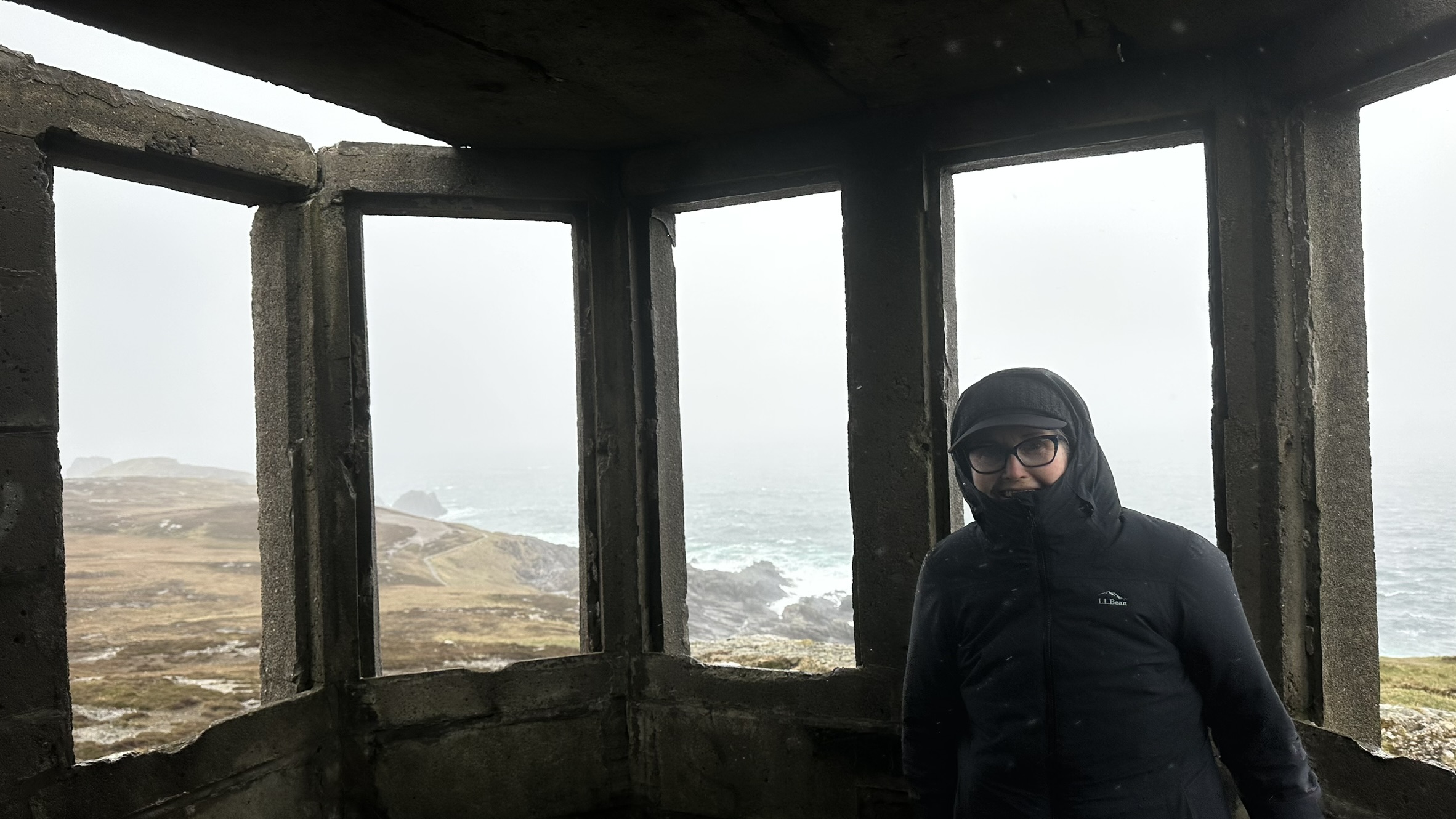
- Malin Head was little more than a rocky outcropping whipped by wind and rain, with an old, abandoned lookout station, its windows gone and its fireplace long cold. But it felt like an accomplishment, a reward for the long drive. In this case, it was both about the destination and the journey, and on a clear day I’m sure the view is magnificent.
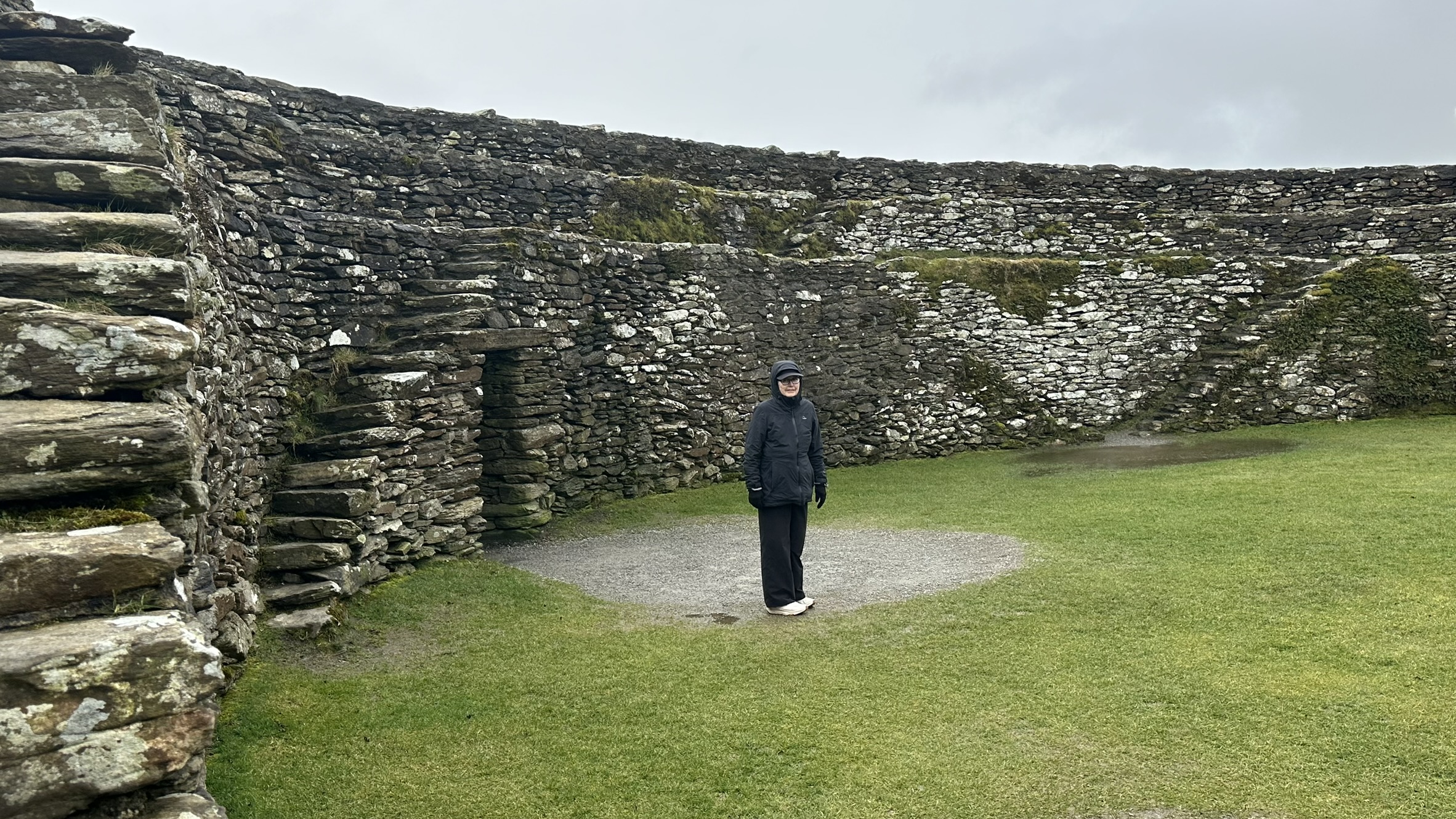
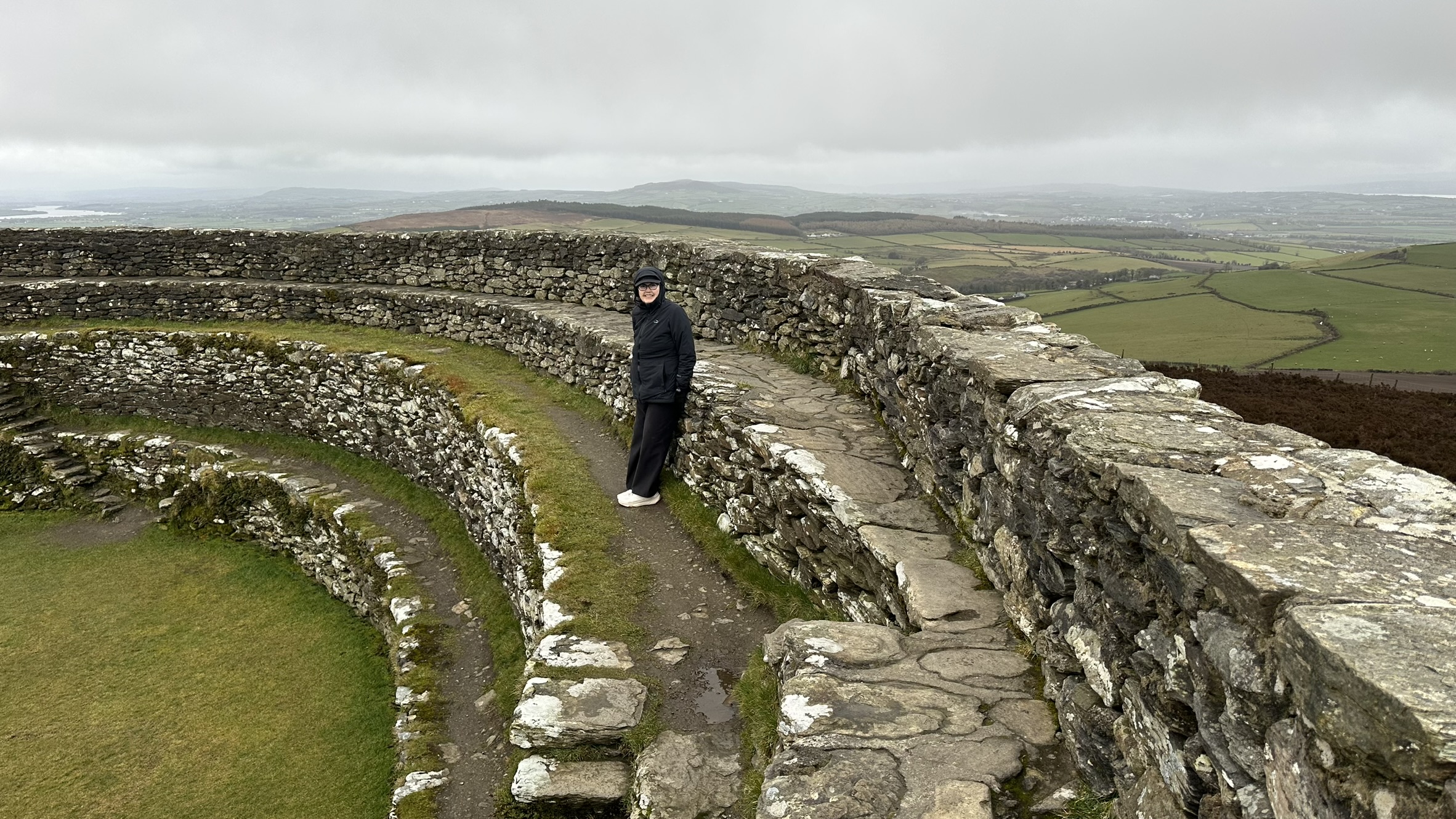
- We made a short stop at Grianan of Aileach, an ancient stone fort built in the 6th or 7th century. It’s position atop a hill affords magnificent 360-degree views over the surrounding countryside, including Lough Swilly, one of Ireland’s three glacial fjords. Scrambling around the structure’s three-tiered interior walls was fun, and you couldn’t help but wonder about life for those who lived here.
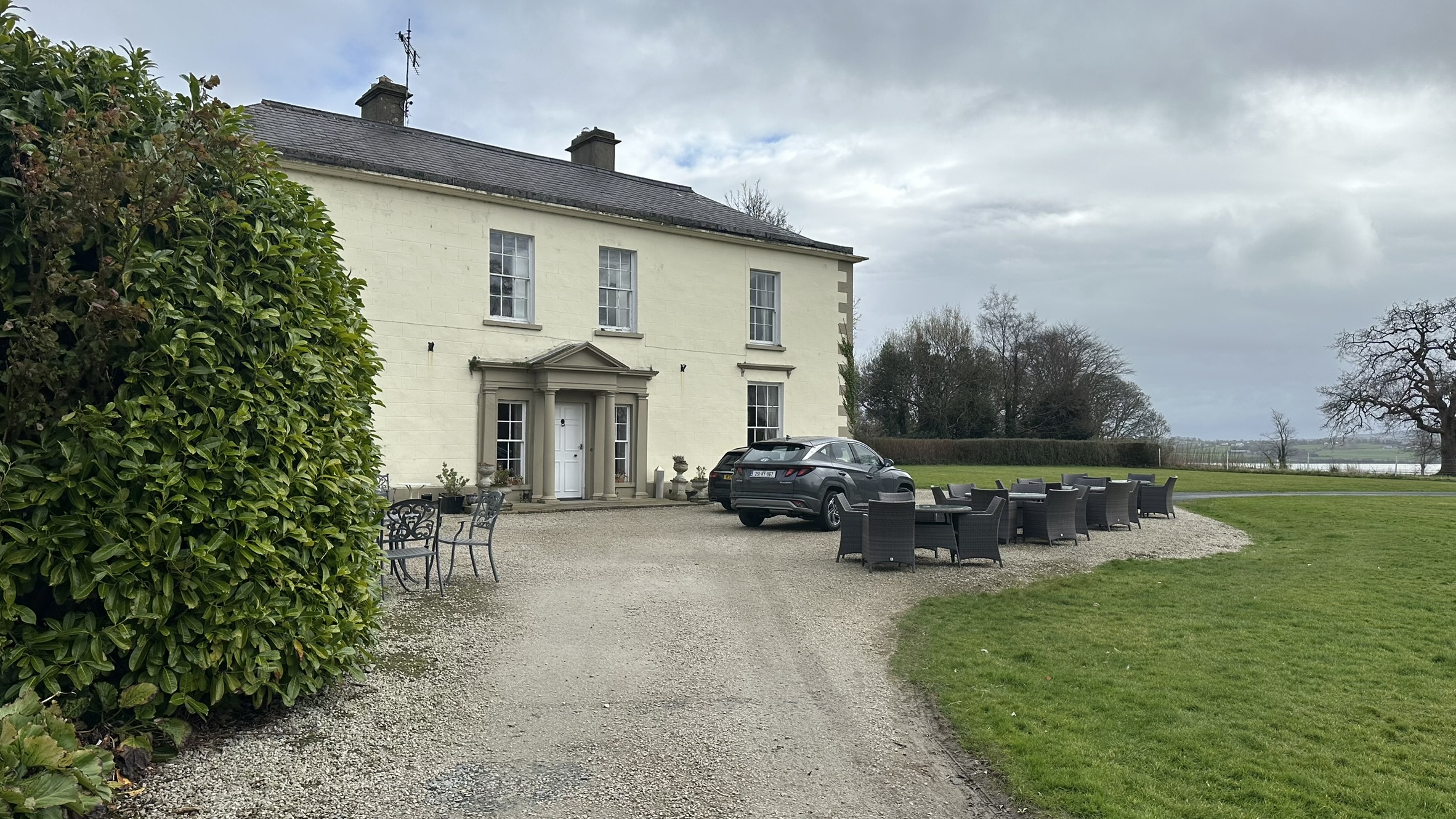
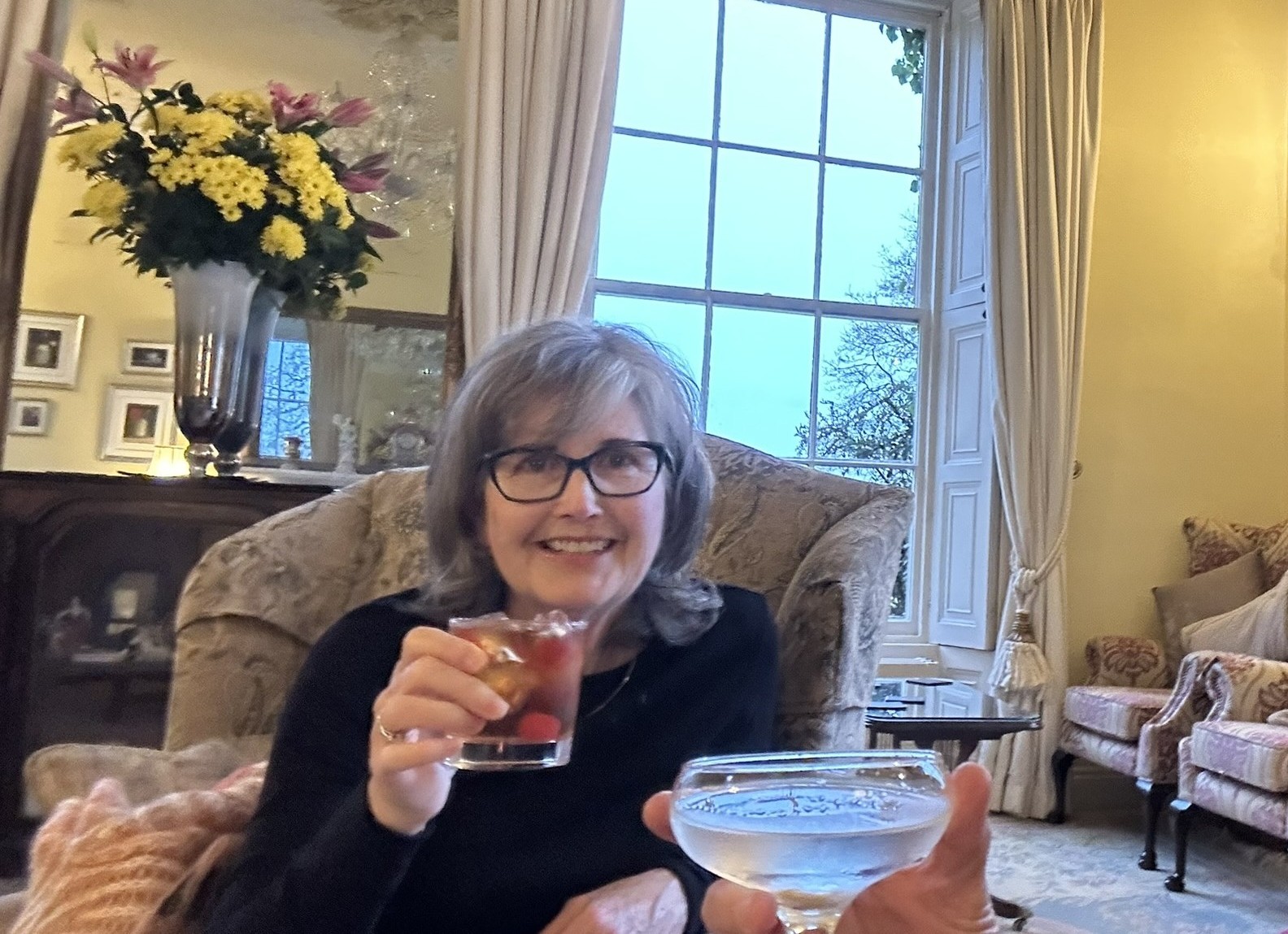
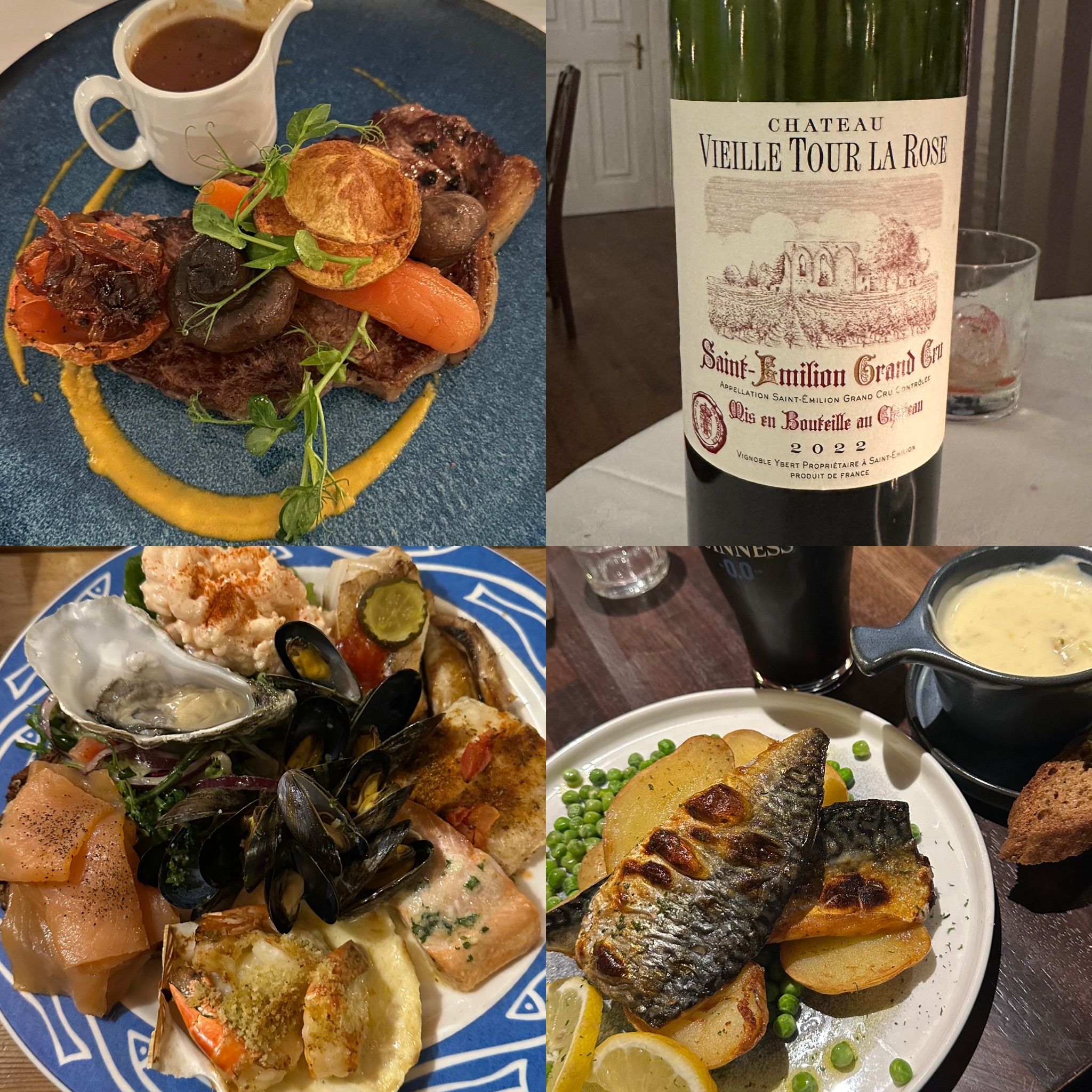
- Castle Grove Country House, down a long private drive a few miles out of town, was an ideal stay for one night (though one could easily enjoy a few more days). Two lavishly furnished sitting rooms made a nice spot for pre-dinner cocktails, and dinner in the equally sumptuous dining room — complimented by an impressive wine selection — was our biggest splurge yet and worth every penny. Read my full review here.
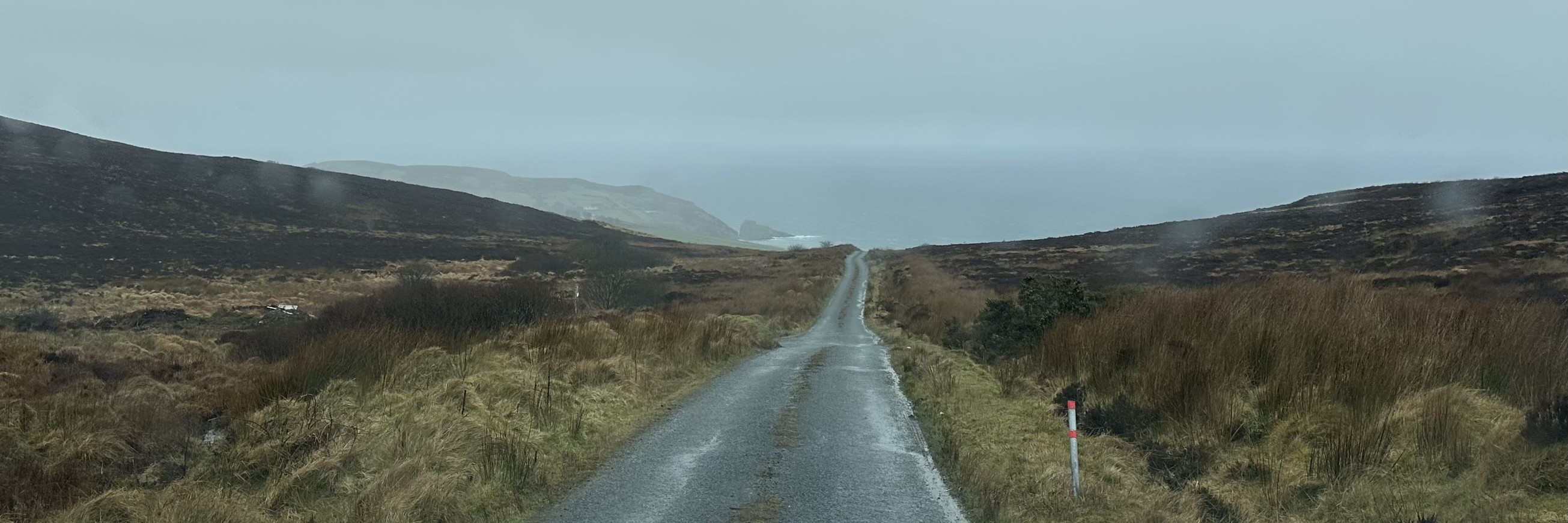
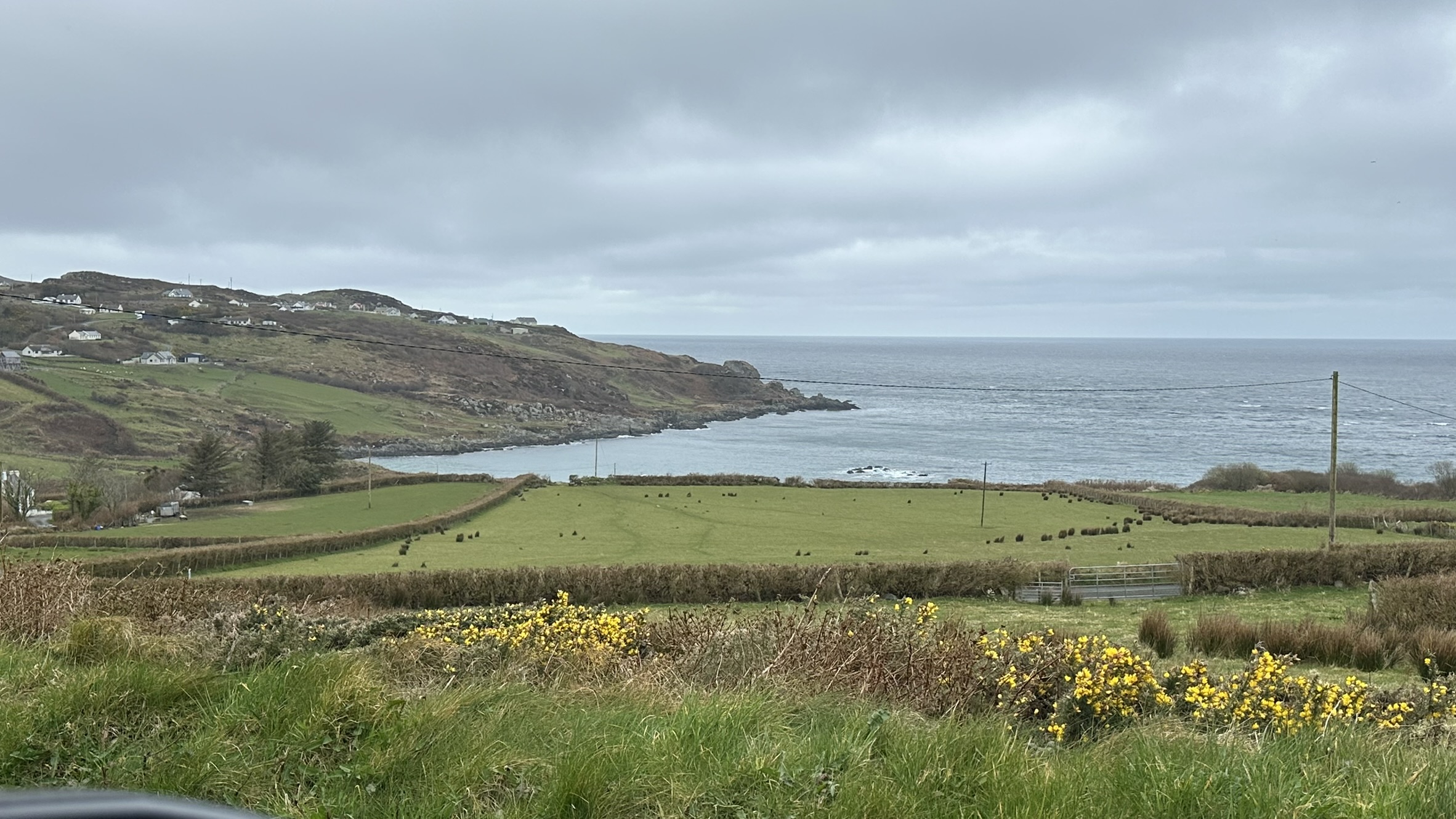
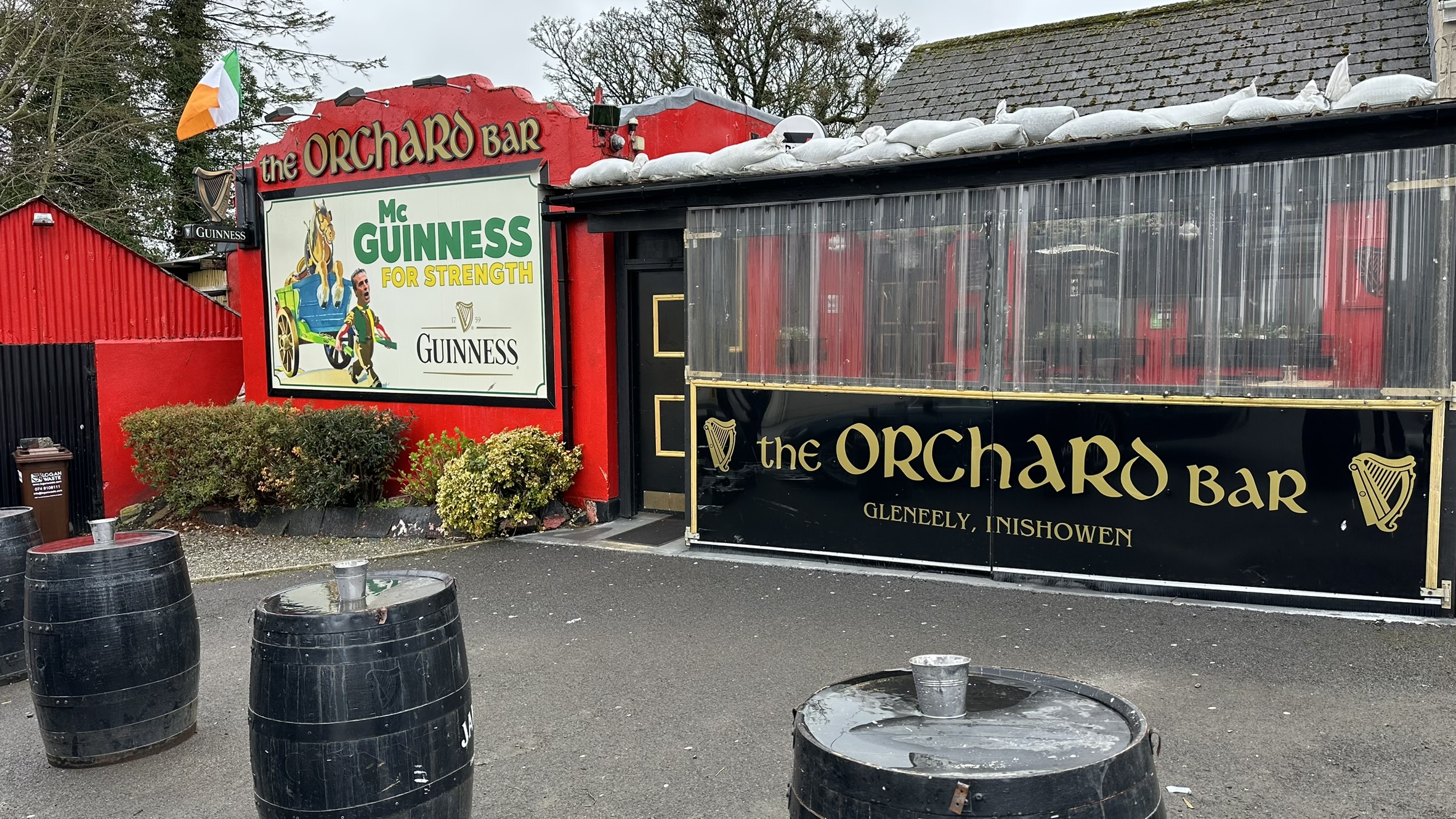
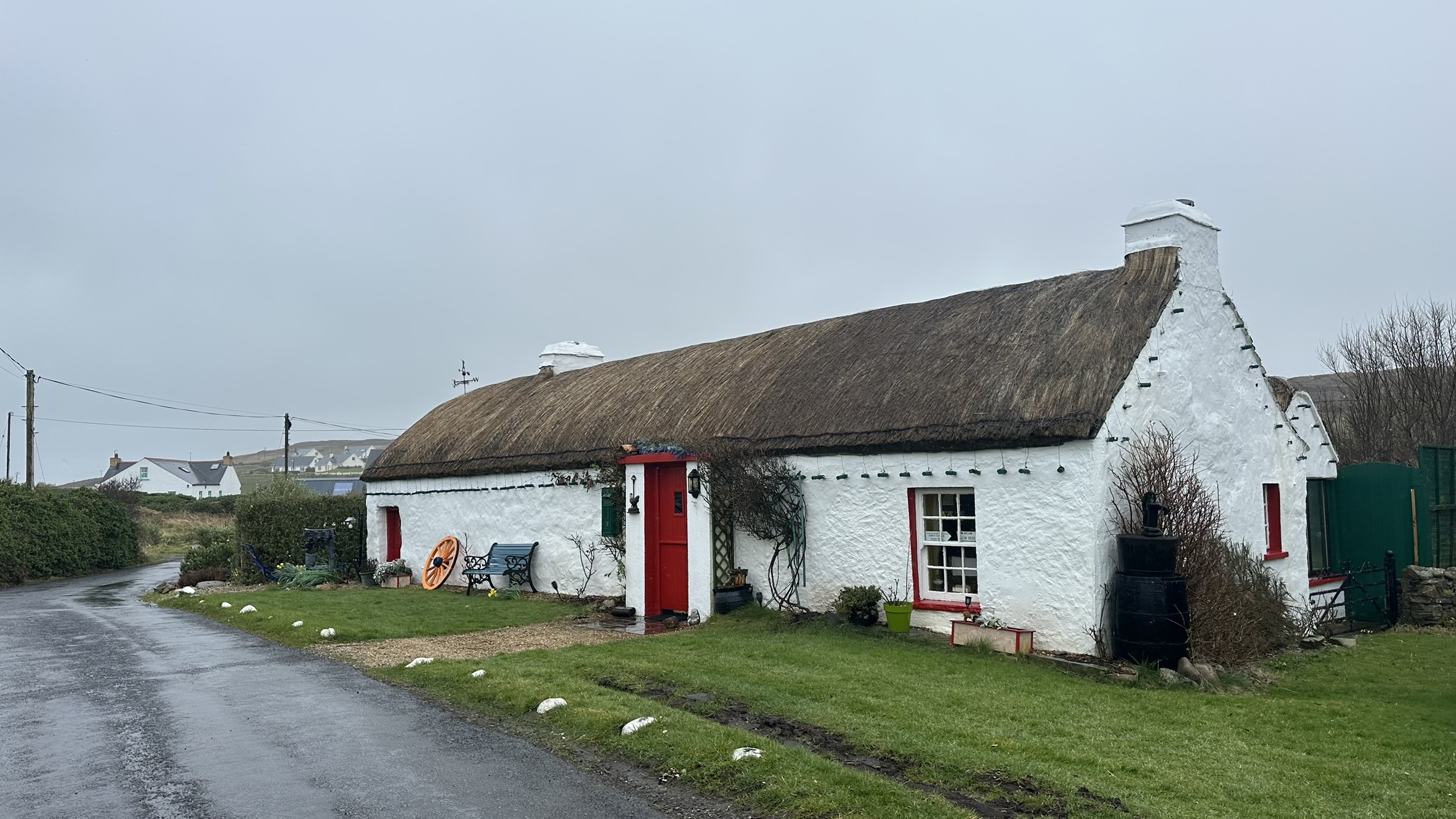
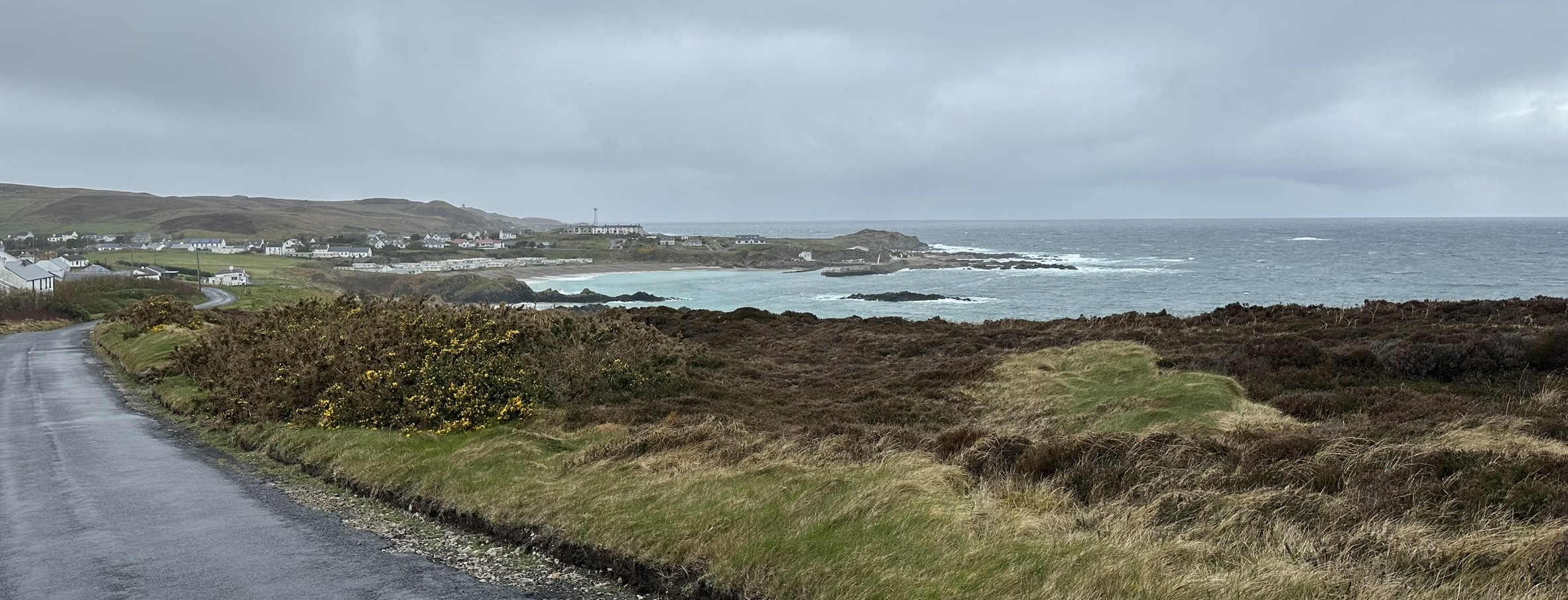
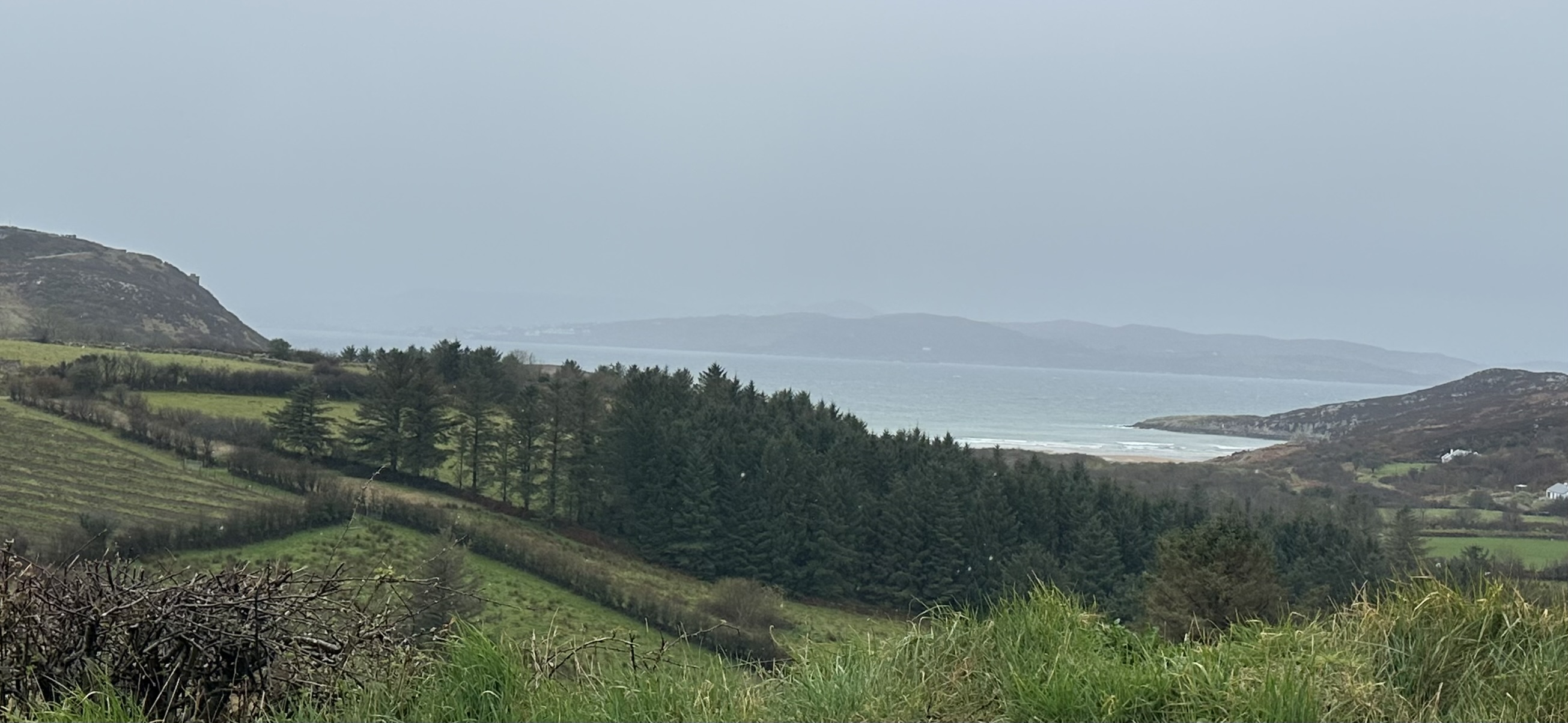
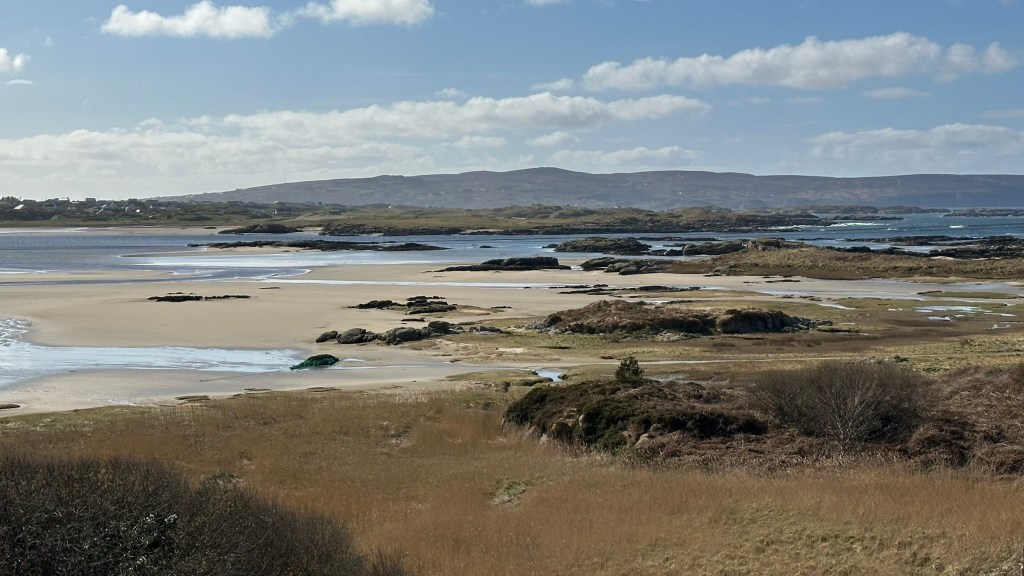
Our next day was another big driving day, thanks to the advice we got from the friendly docent at our first stop, the visitor center at Glenveagh National Park. Taking the N56 from there, we made our way back to the Wild Atlantic Way passing the beautiful but oddly named Poisoned Glen and Errigal (County Donegal’s highest peak) along the way. Shortly after passing the town of Gweedore, we caught the R259 regional road west toward Mullaghderg, home to some of the most beautiful beaches in Ireland. After a lunch stop in Dungloe, we decided to make straight for Donegal town, our base for the next couple of days exploring both the town and more scenic driving (and hiking) around the southwest coast and its famous cliffs at Slieve League. Highlights over those two days:
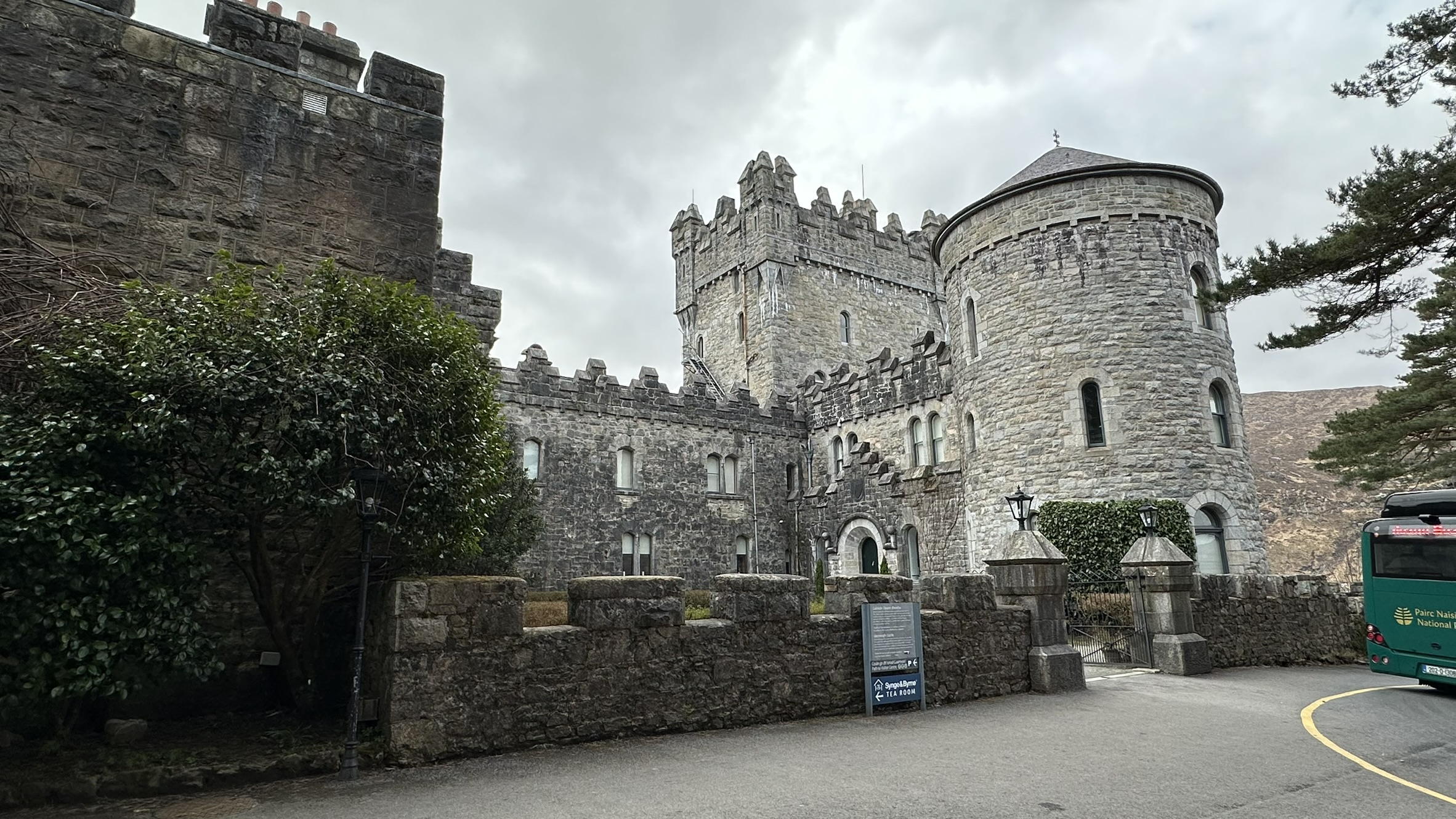
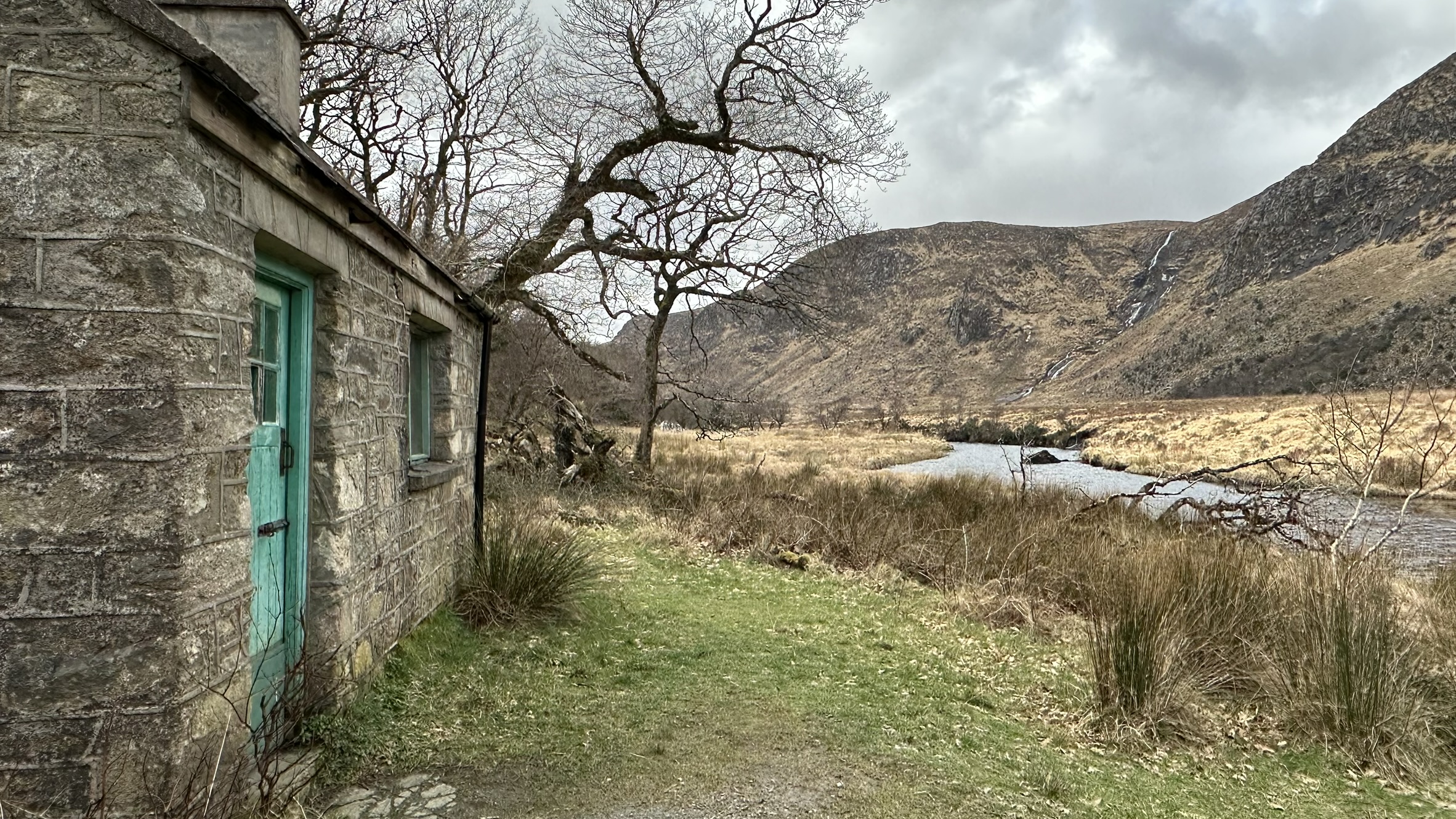
- Many of those who visit Glenveagh NP come to see Glenveagh Castle and Gardens. We did that, too, and while the self-guided tour was okay, we’ve certainly seen better. The best views of the castle are from high above on one of the many hiking trails that head uphill away from Lough Beagh. We took another (much easier) hike out and back along the lakeshore, much of it through old forest, to the small fisherman’s hut just upstream from the Owenacoo River drainage into the far end of Lough Beagh. There’s a fine view of Astelleen Burn Waterfall from the fisherman’s hut. The park visitor’s center was excellent as well.

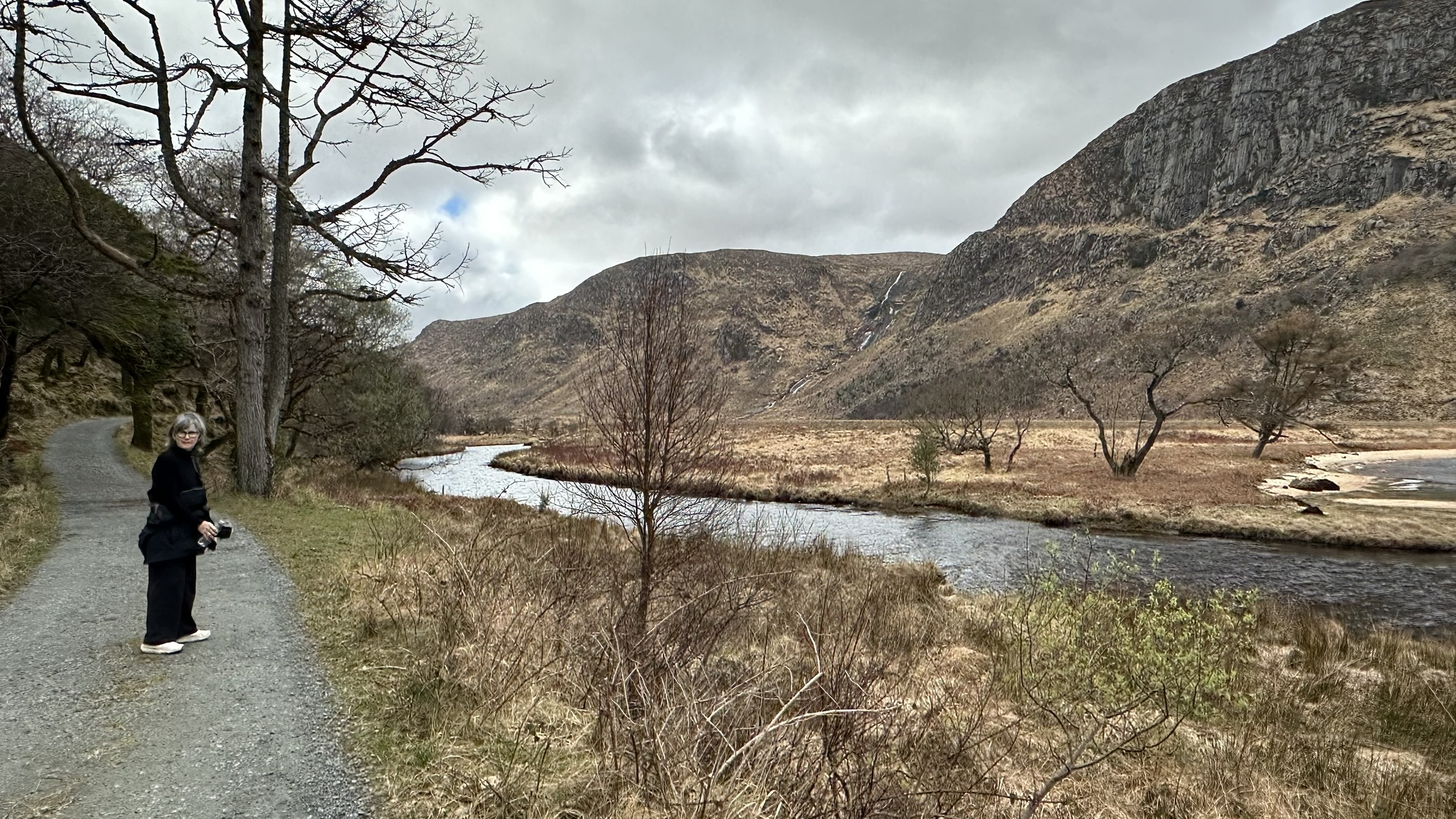
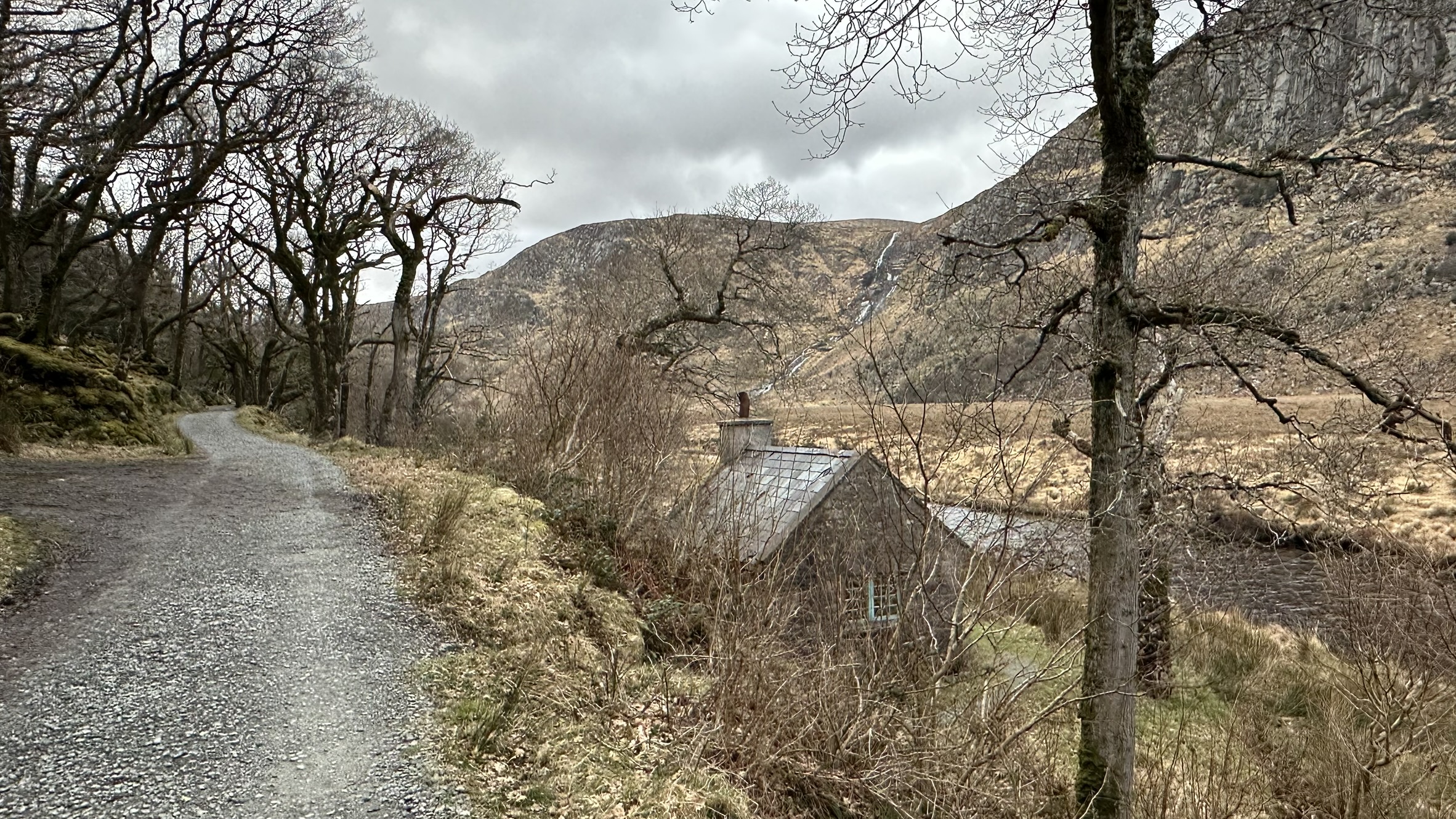
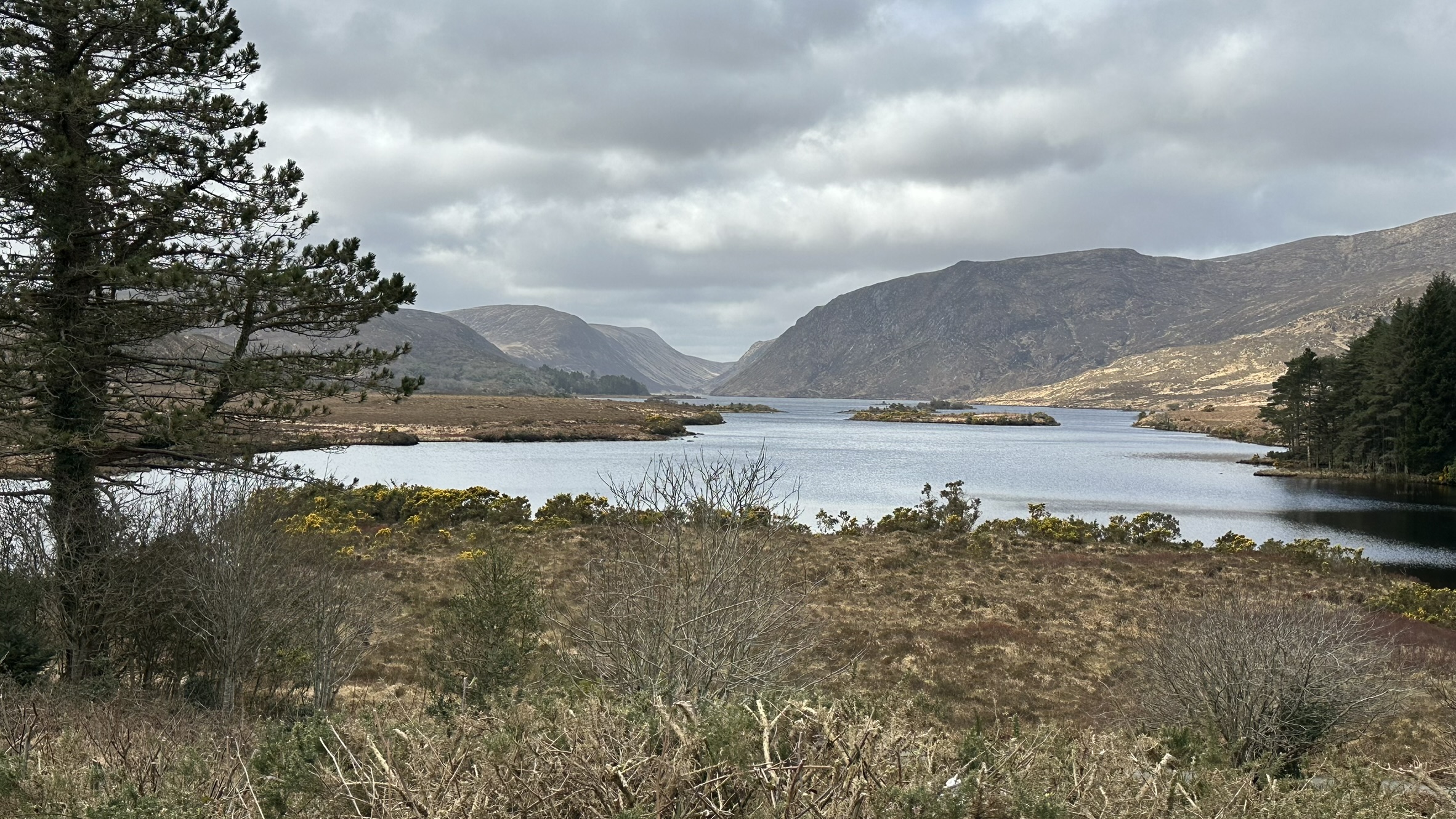
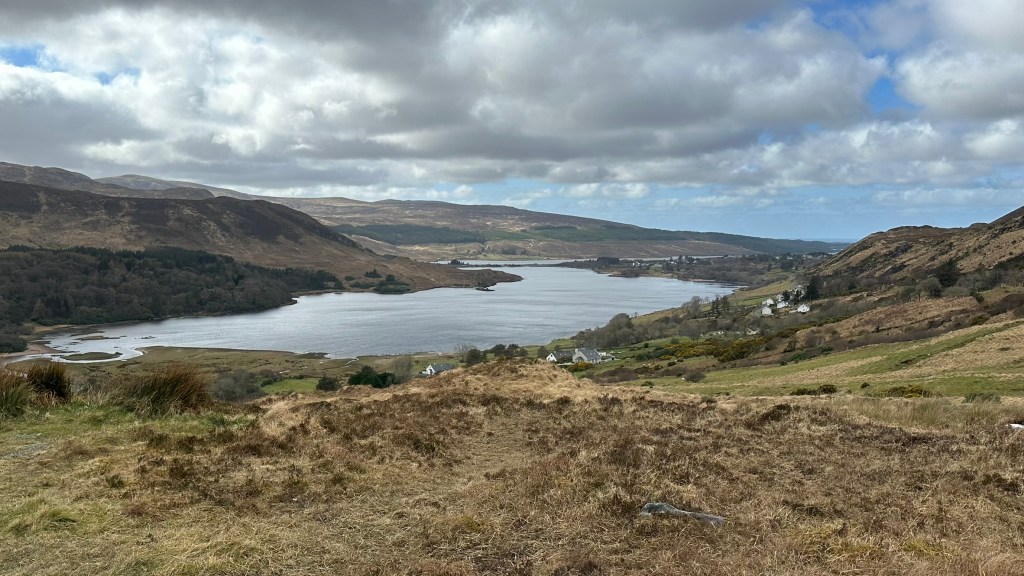
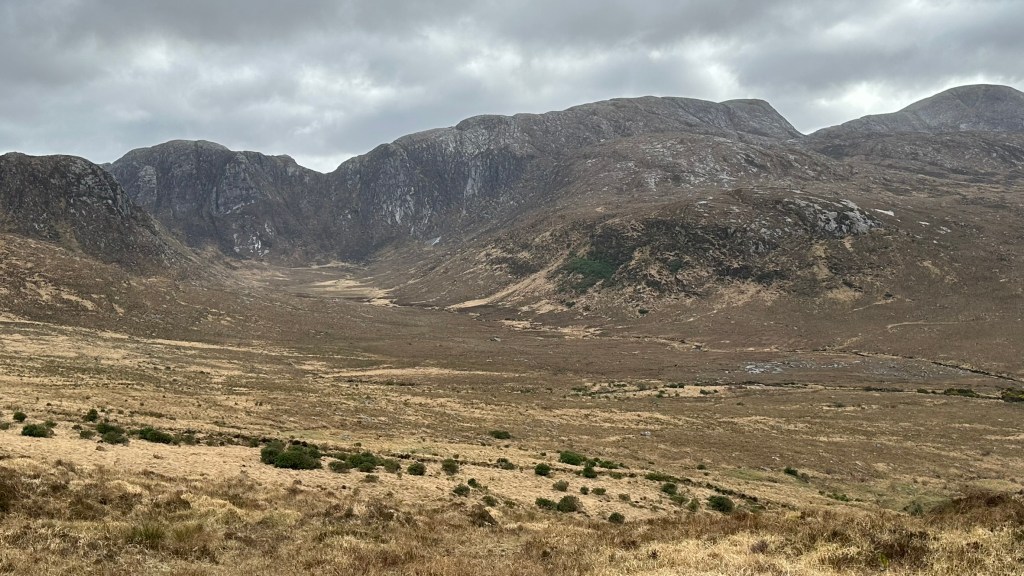
- Once again, driving this entire region was a thrill, especially around the Poisoned Glen, Errigal and the gap between the mountains dividing Glenveagh and the west coast — tons of great hiking and climbing opportunities here, truly wild Ireland — and the wild coastal road to the west, a maze of secluded harbours, beaches, rolling hills and sheep.
- Slieve League, or Sliabh Liag in the original Gaelic, are the highest coastal cliffs in Ireland (3x the Cliffs of Moher!) and second highest in Europe. We had intended to hike Slieve League during our last trip in 2024, but the weather didn’t cooperate. This time we had a bluebird day — wonderful hiking and remarkable views. Absolutely must-do if you’re visiting Donegal.
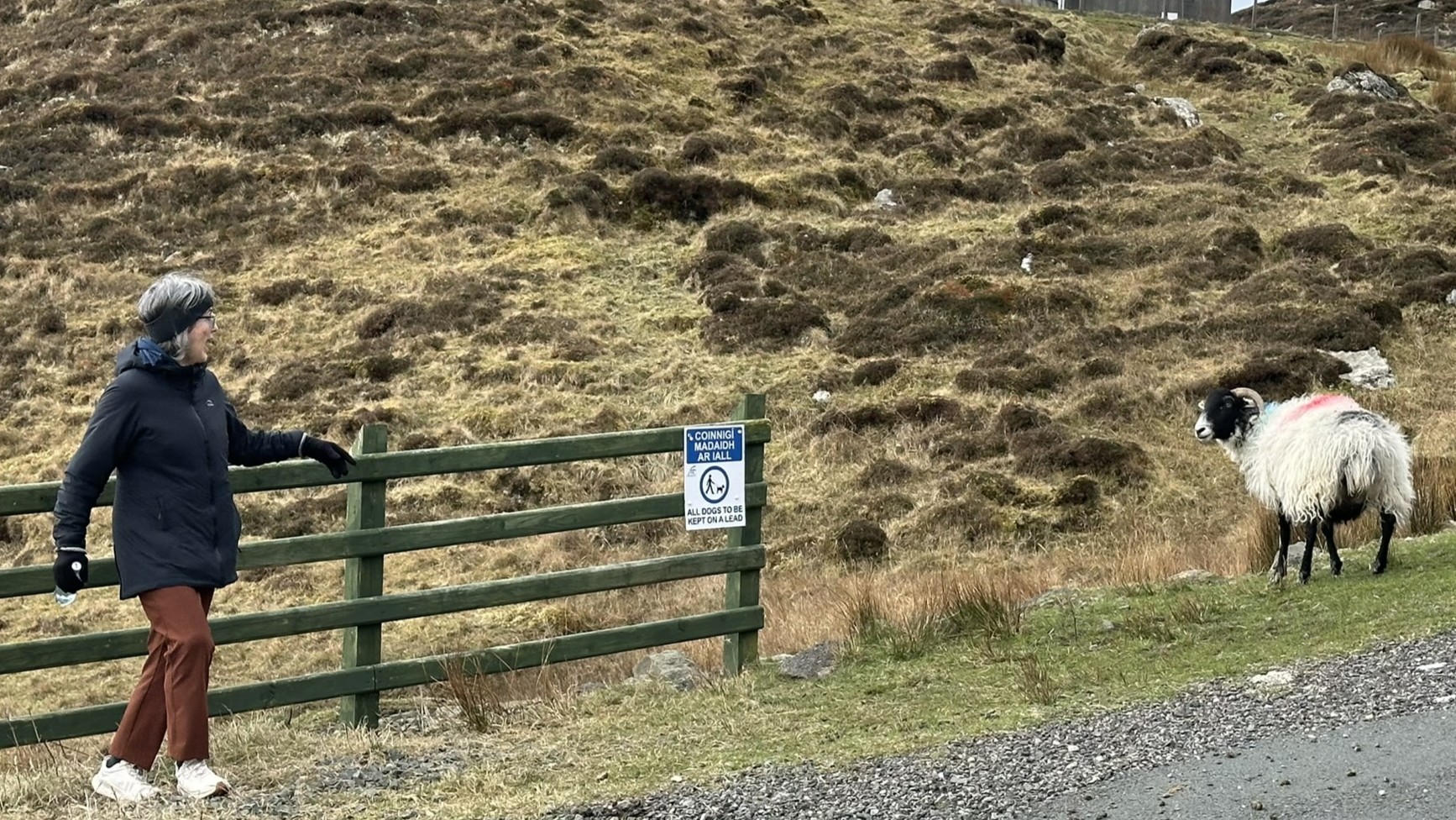
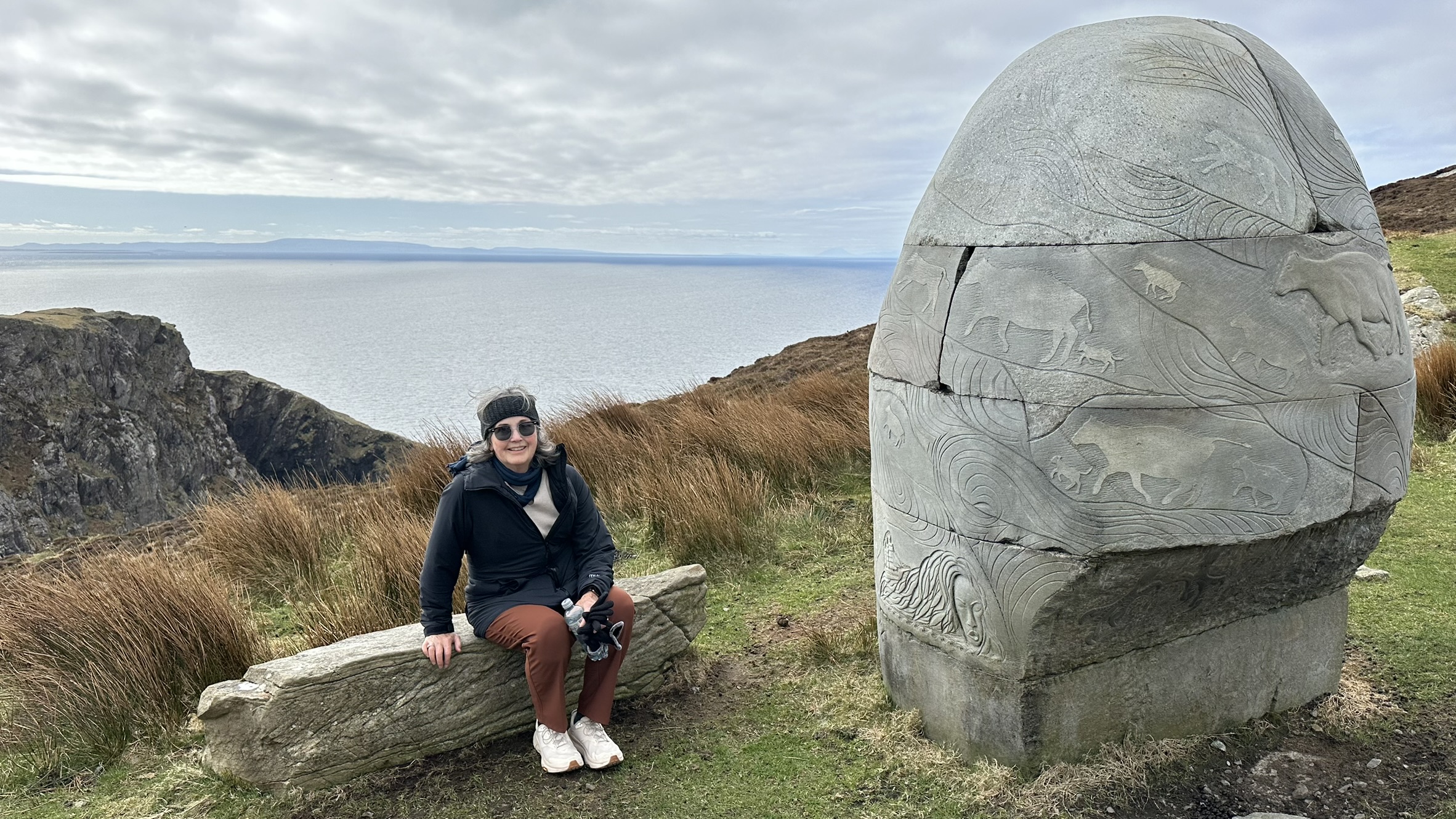
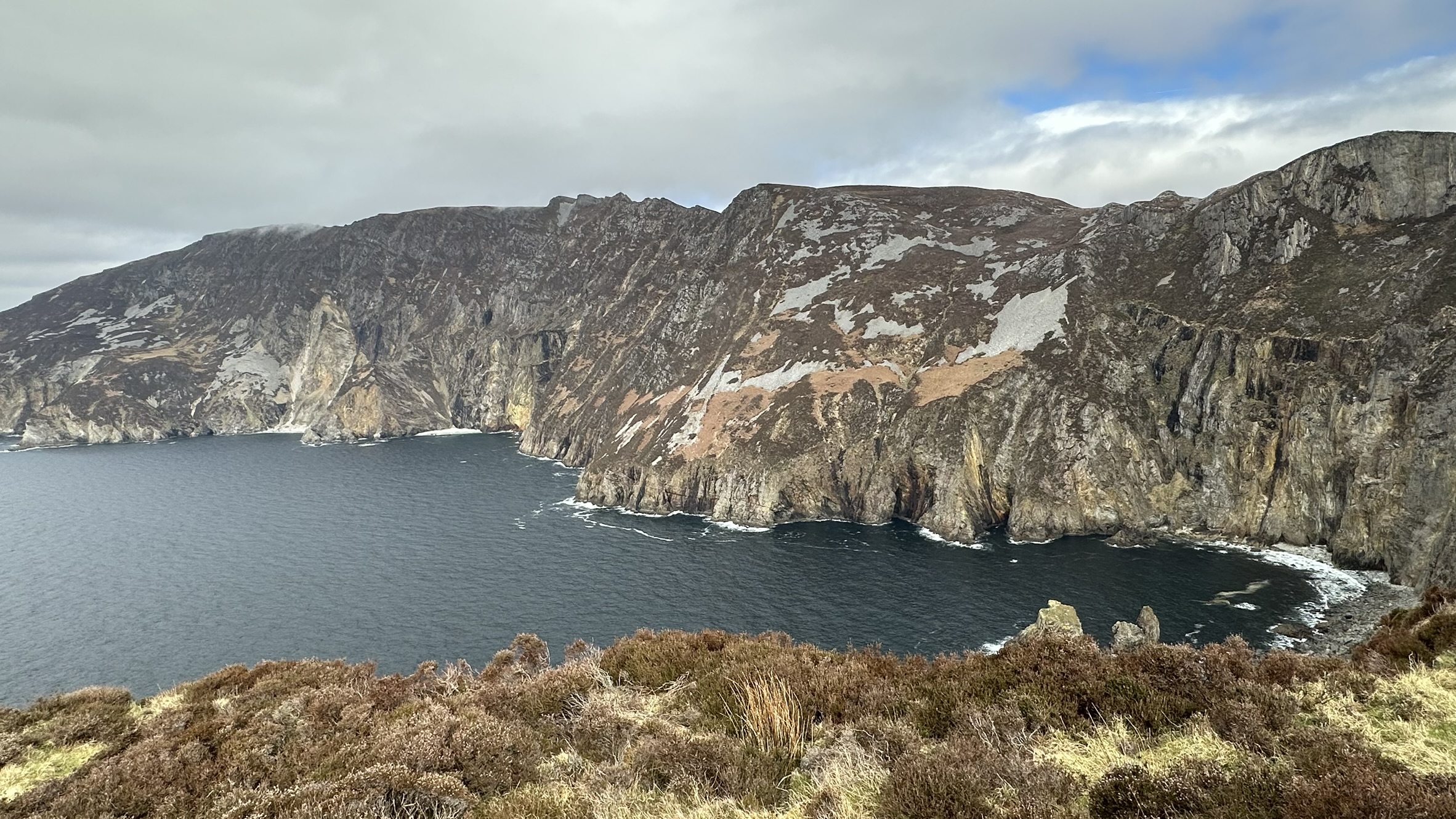
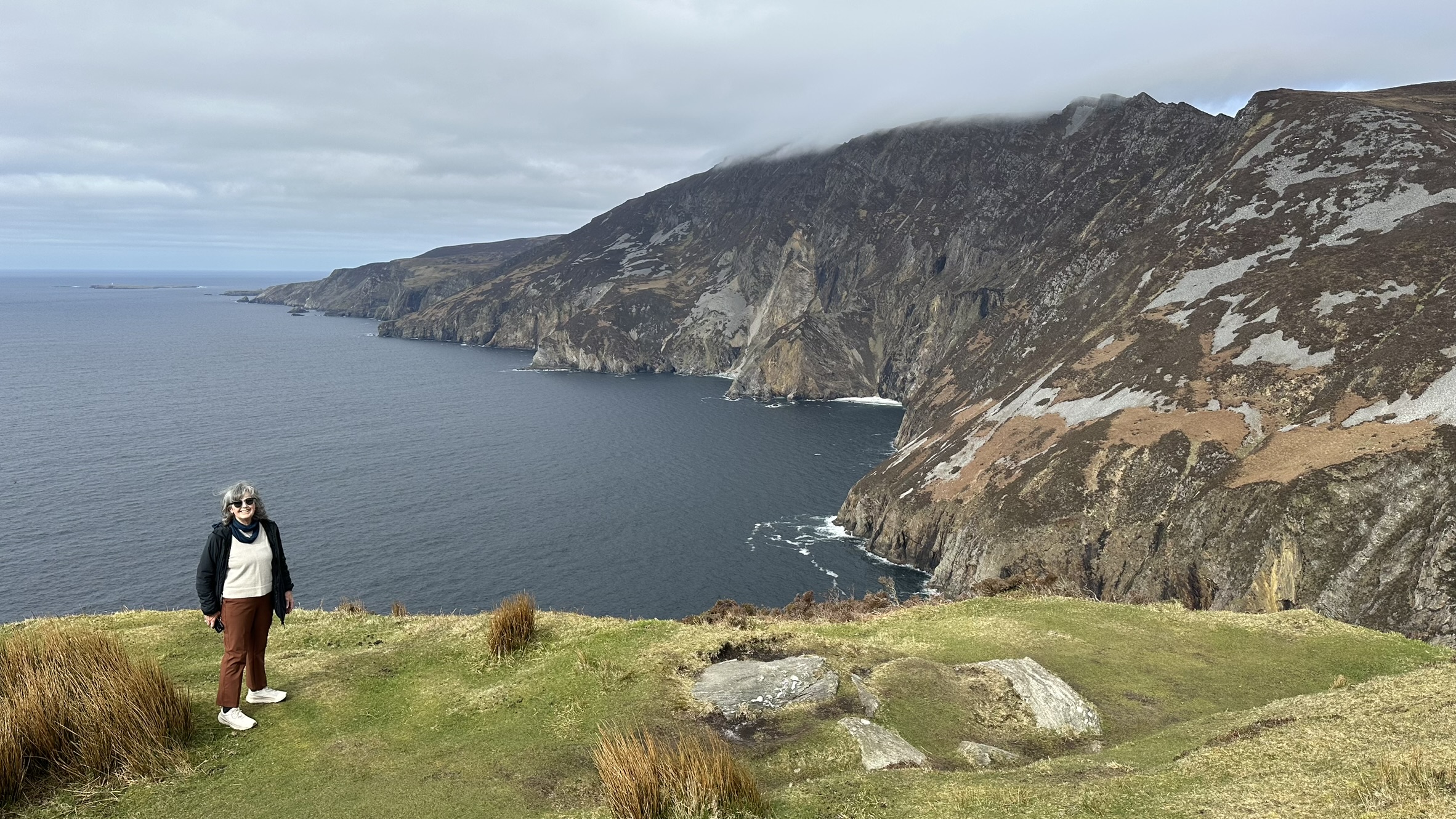
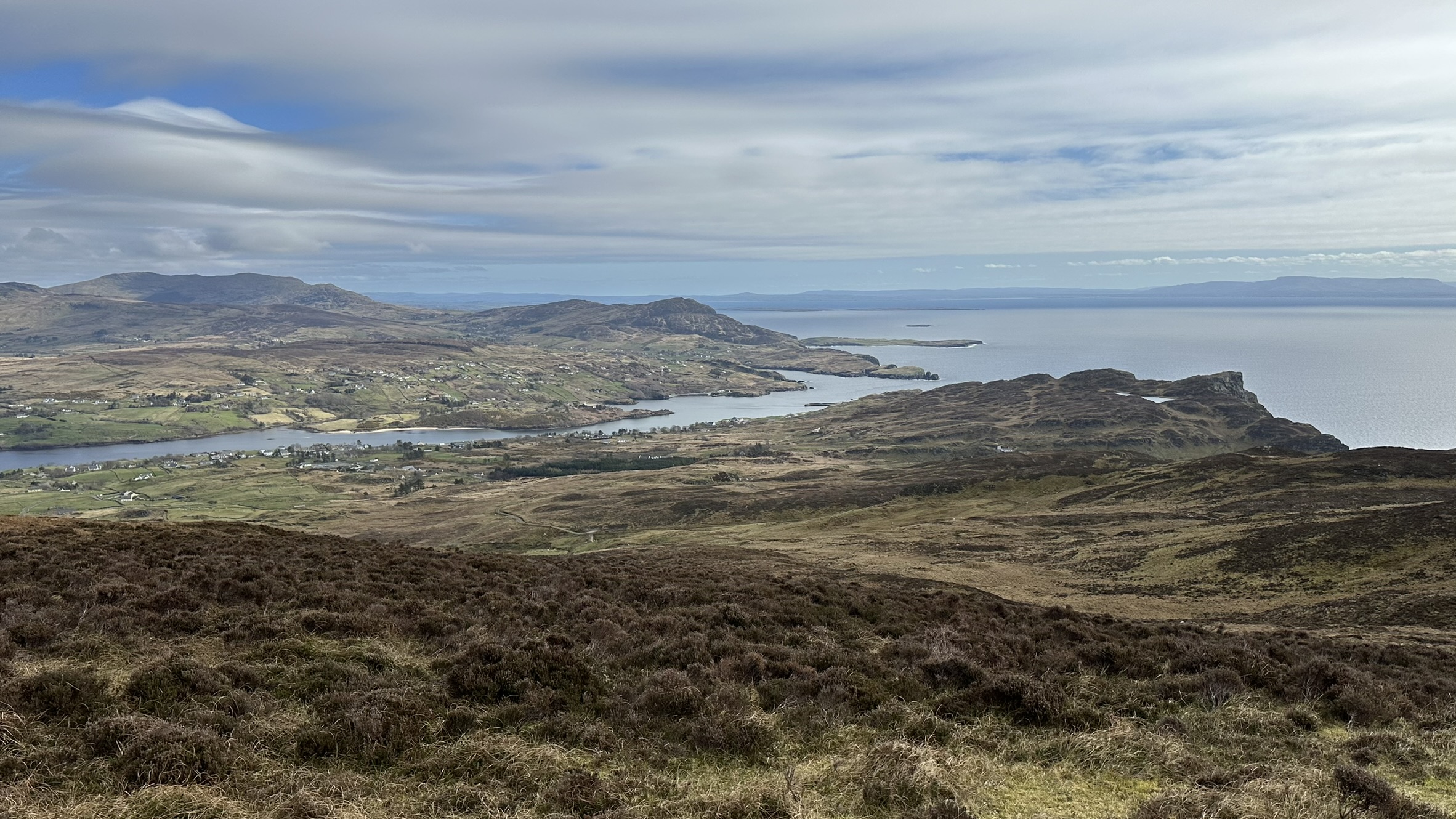
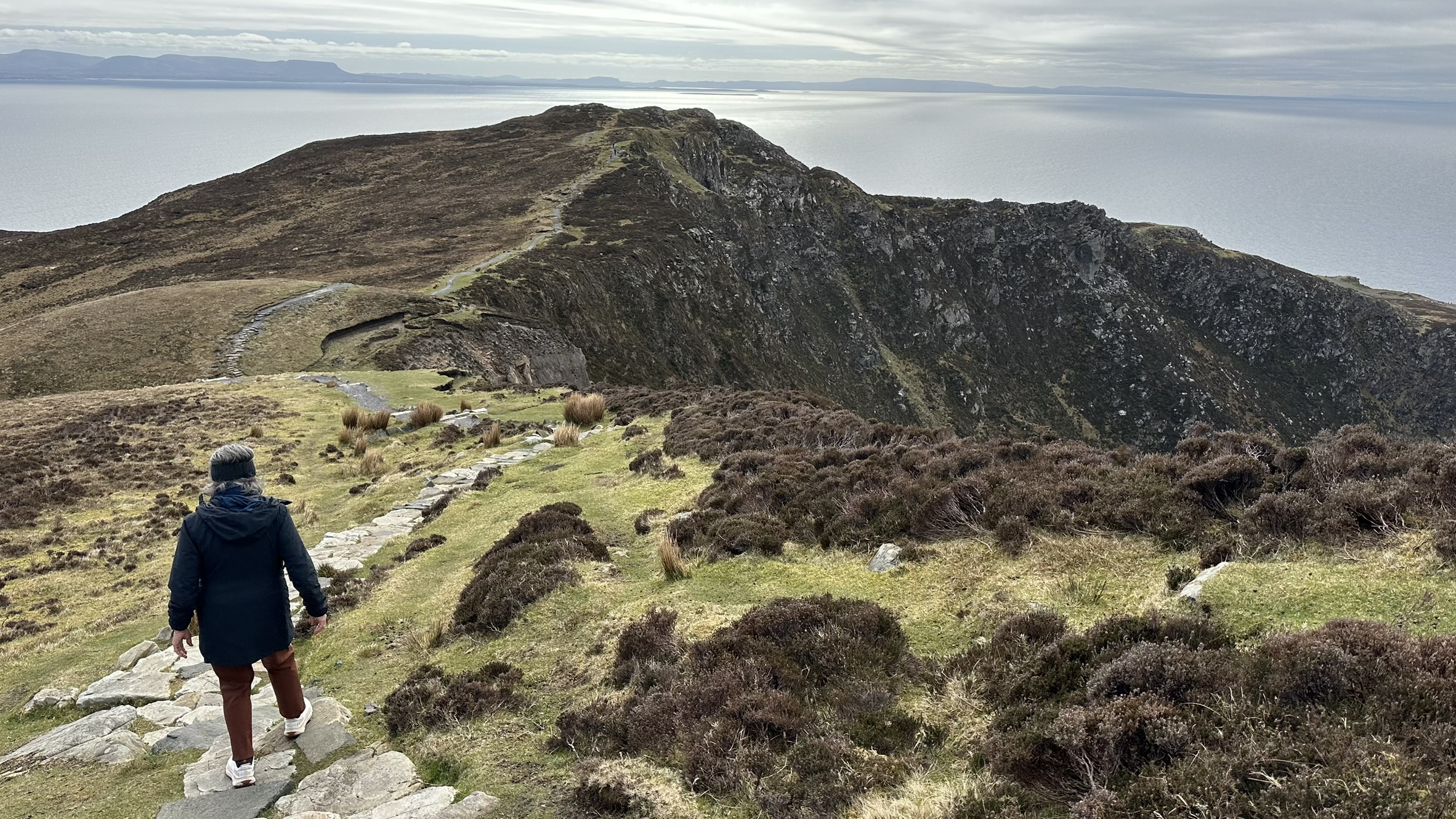
- A couple other worthwhile attractions include the Silver Strand, a remote beach on a horseshoe bay, Glencolmcille Folk Village, and the Glengesh Viewpoint. All of these can be hit in an hour on the drive back to Donegal from Slieve League. Unless, of course, you stop at any of the fine pubs you might find along the way (our picks being Nancy’s Pub in Ardara and the Rusty Mackerel in Teelin.
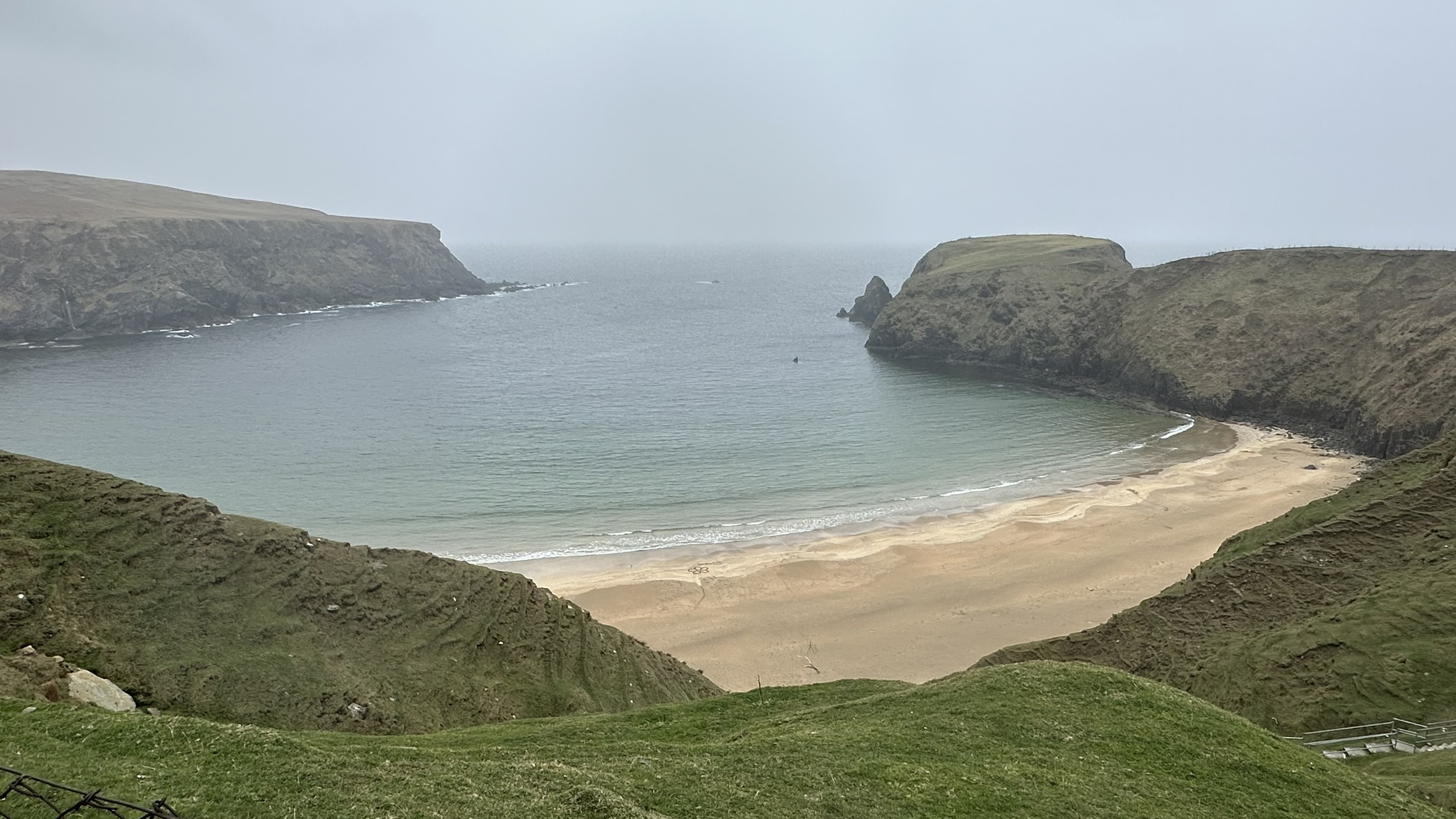
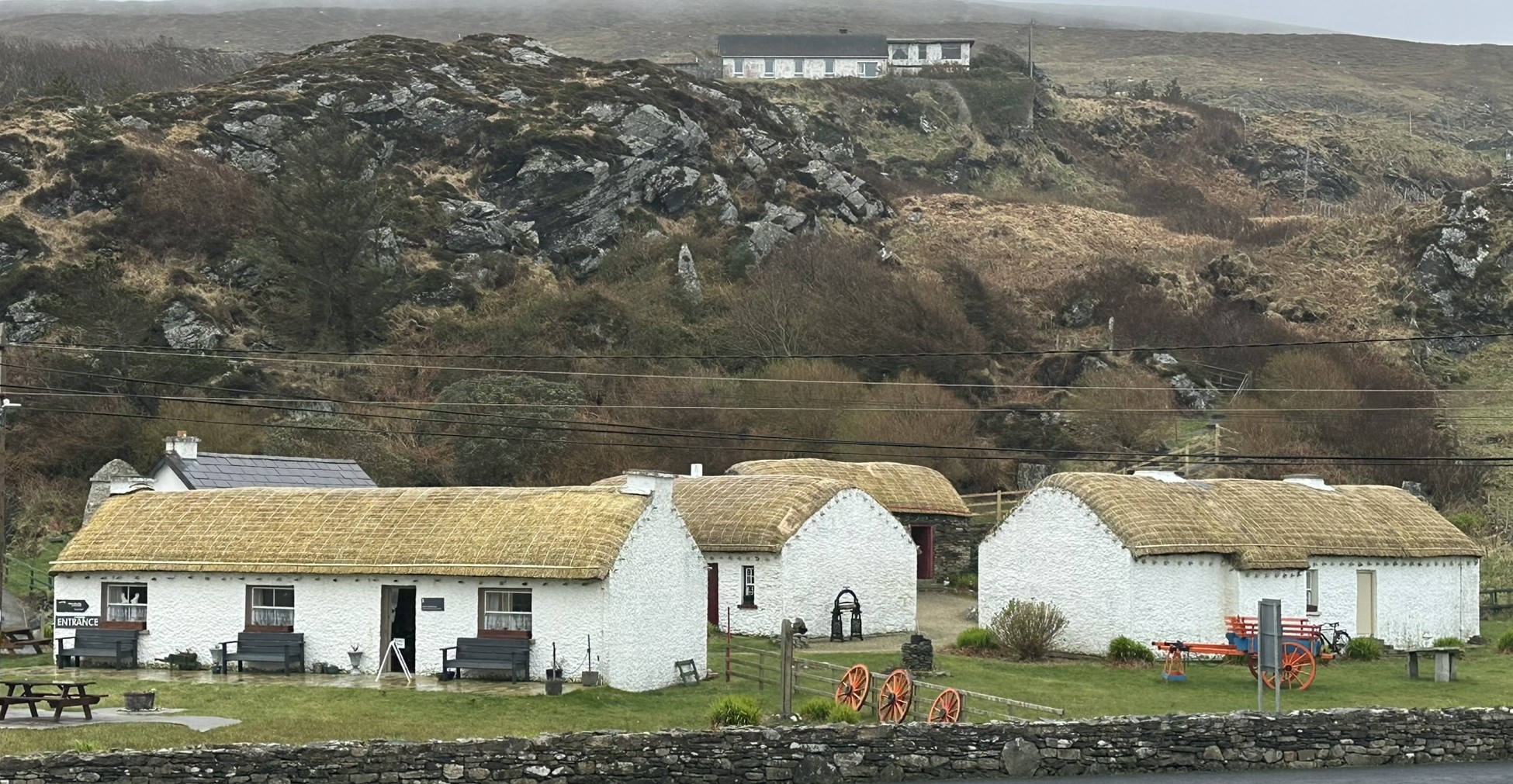
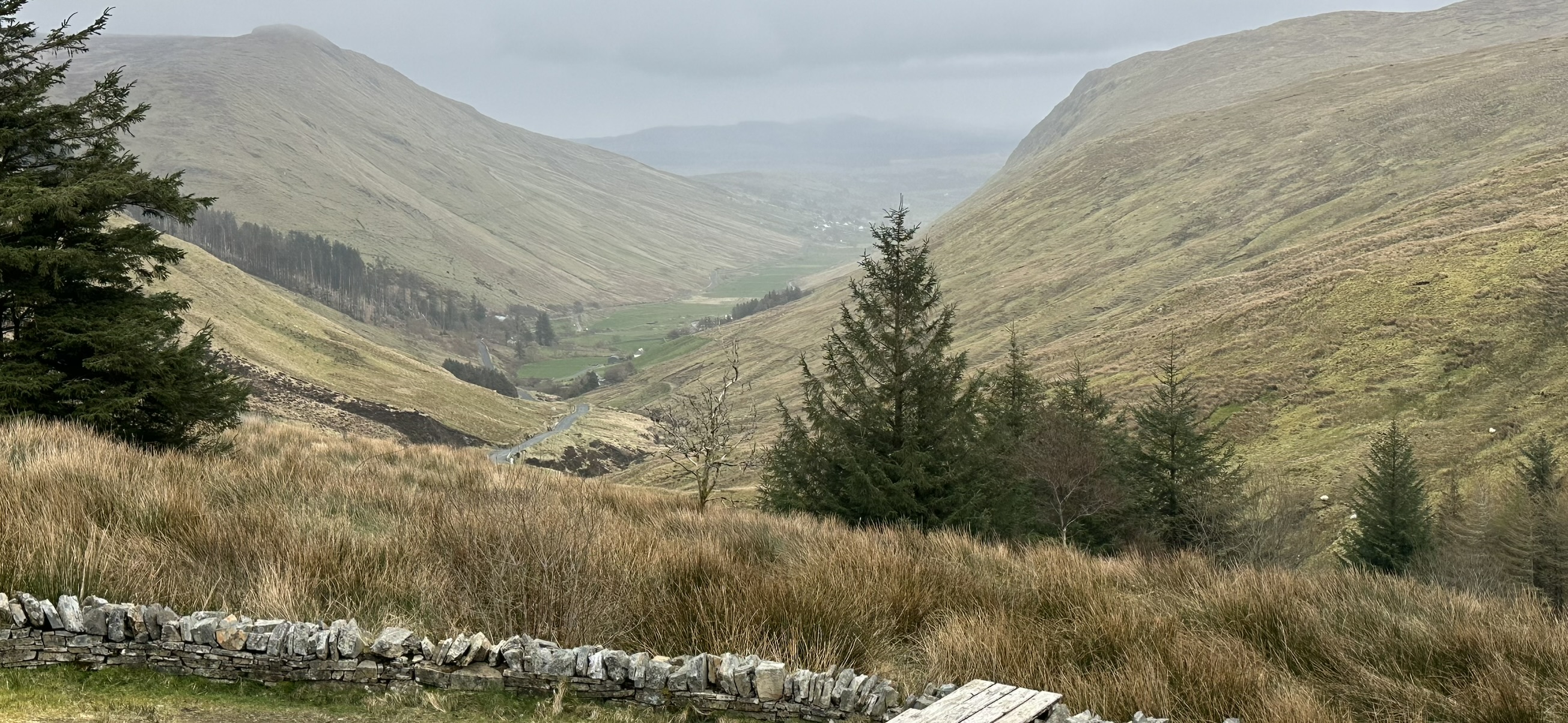
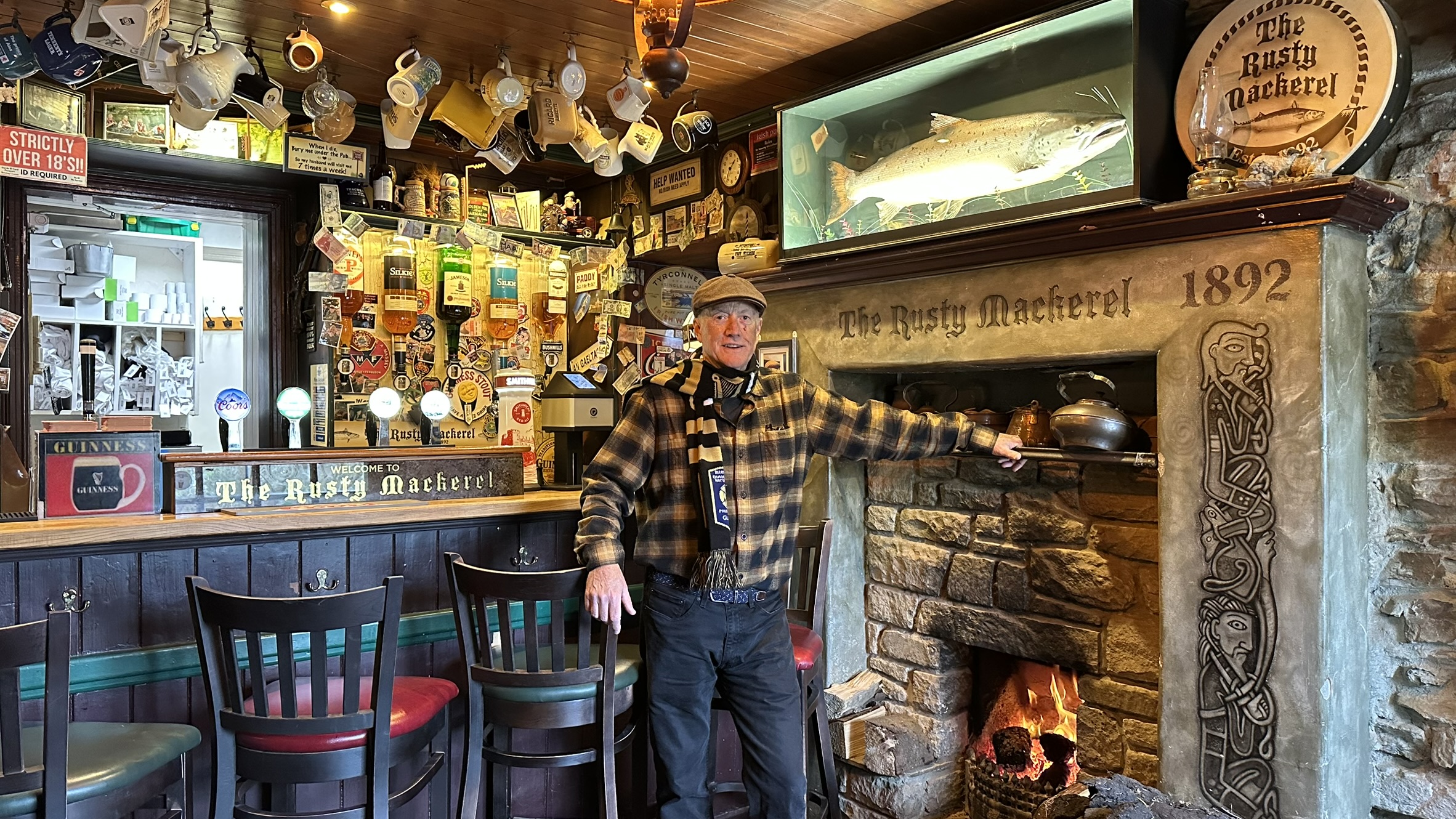
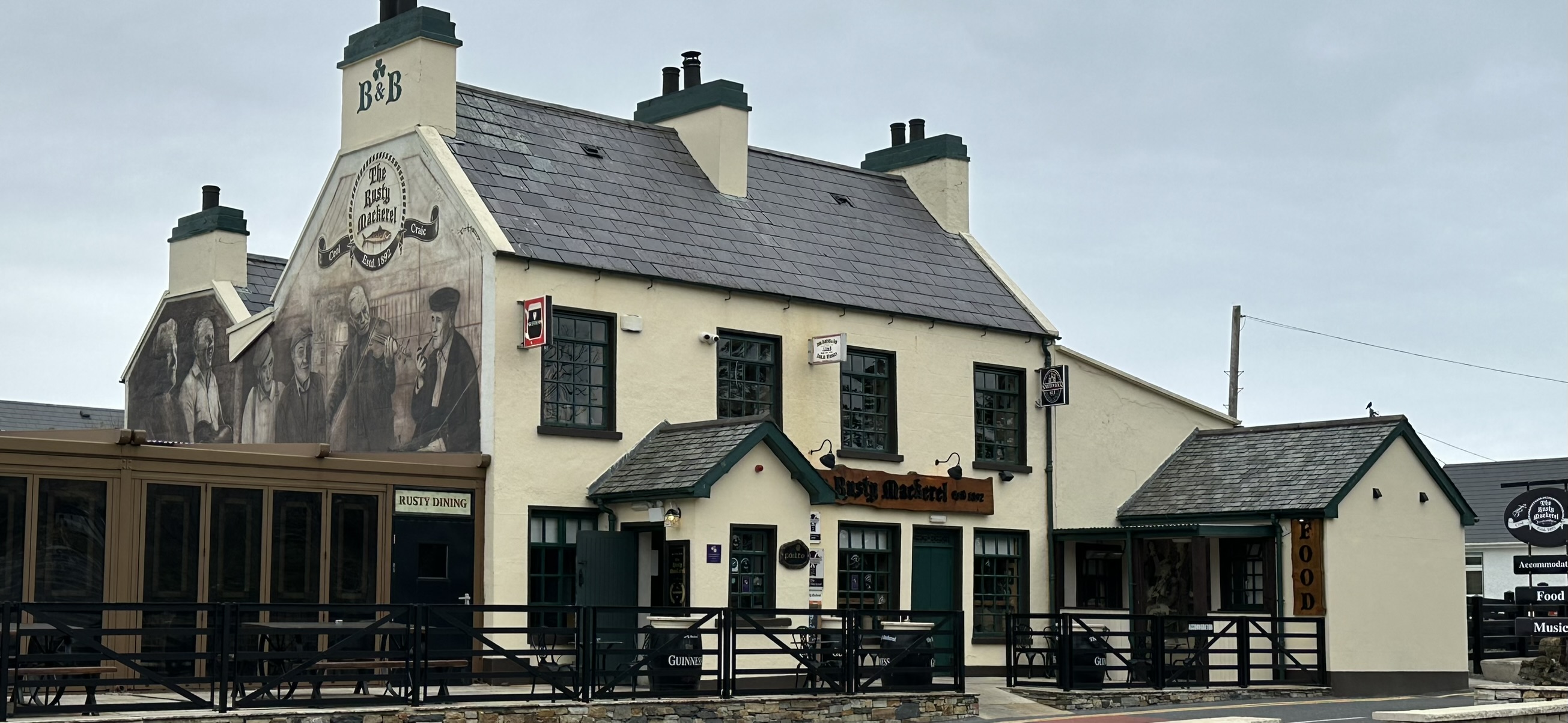
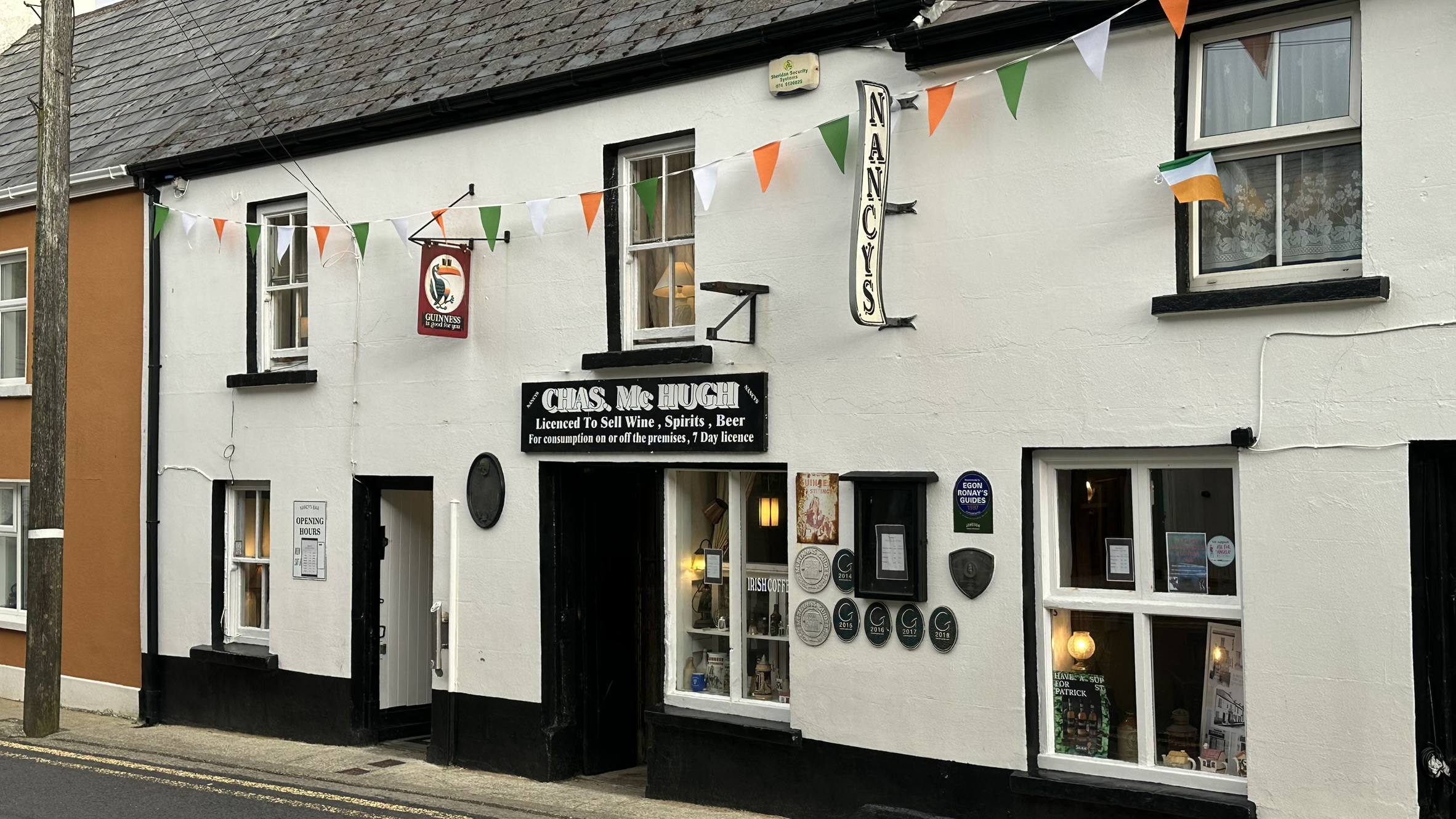
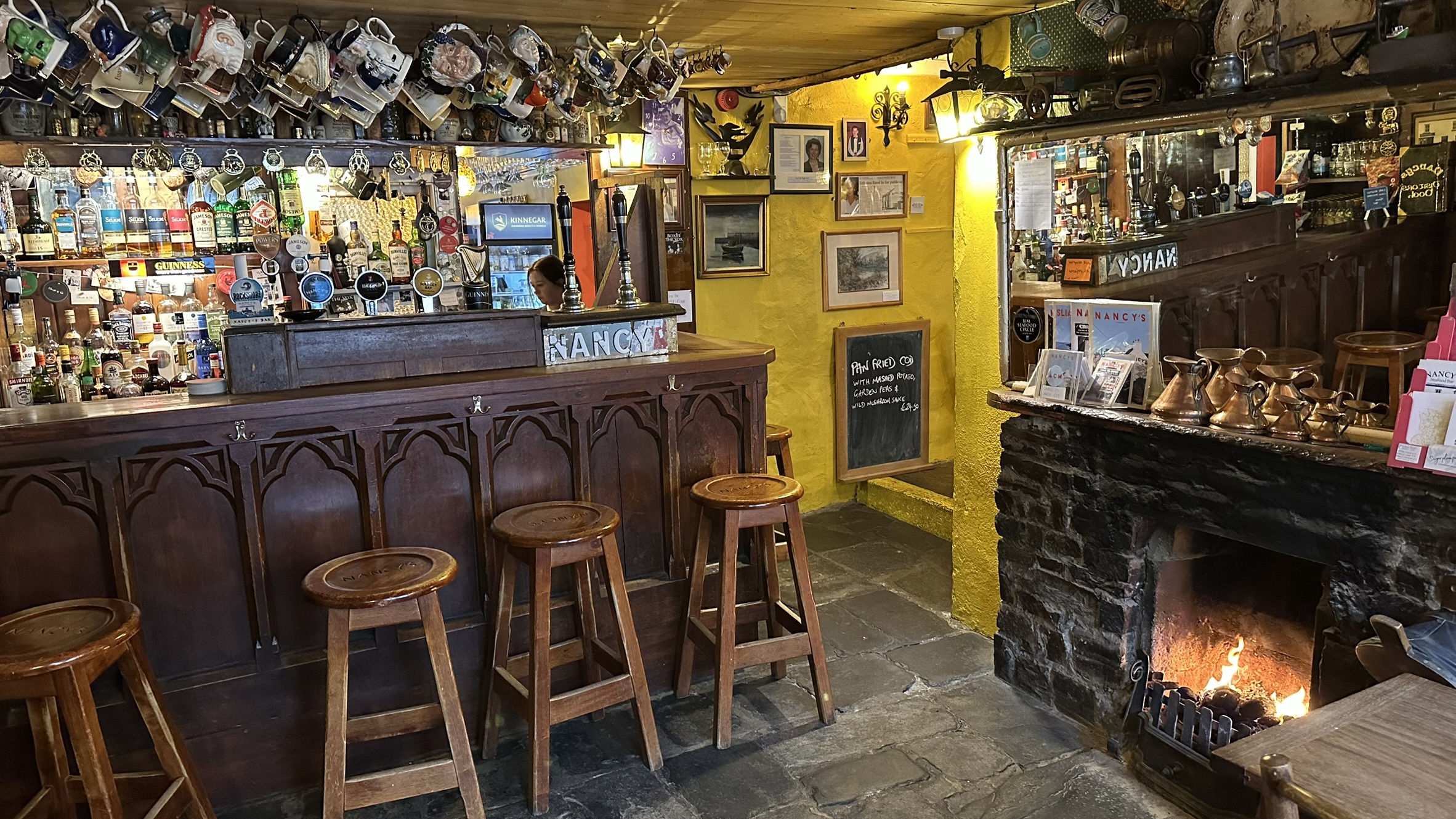
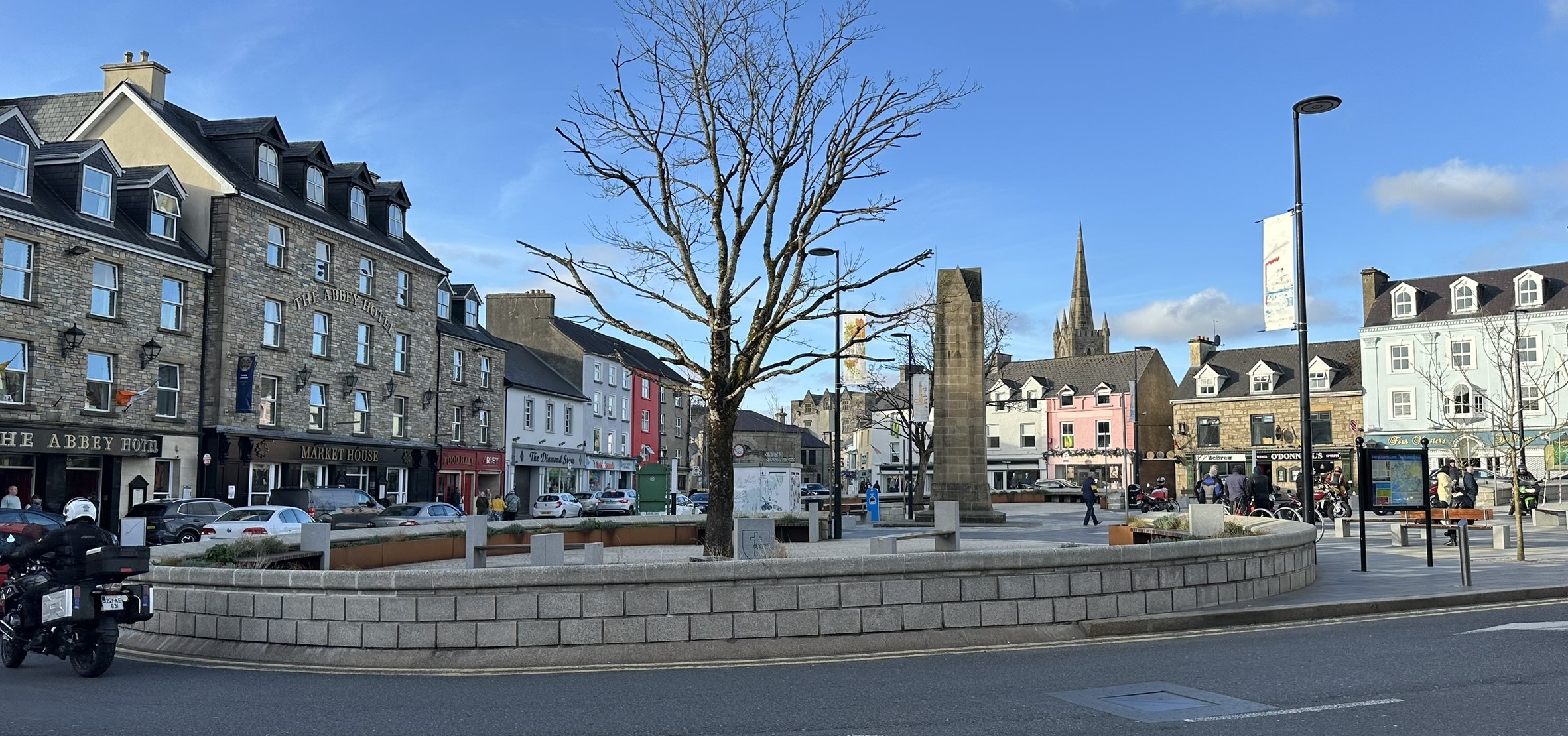
- I had considered Killybegs as our base for exploring Donegal, given its great location and history as a fishing center, but my nephew (who lived in nearby Sligo) talked me out of that, telling me Donegal Town had a lot more going for it. He was right. A small town for sure, it’s core along the river is easily walkable and boasts several good pubs, a couple fine tweed shops, and Donegal Castle.
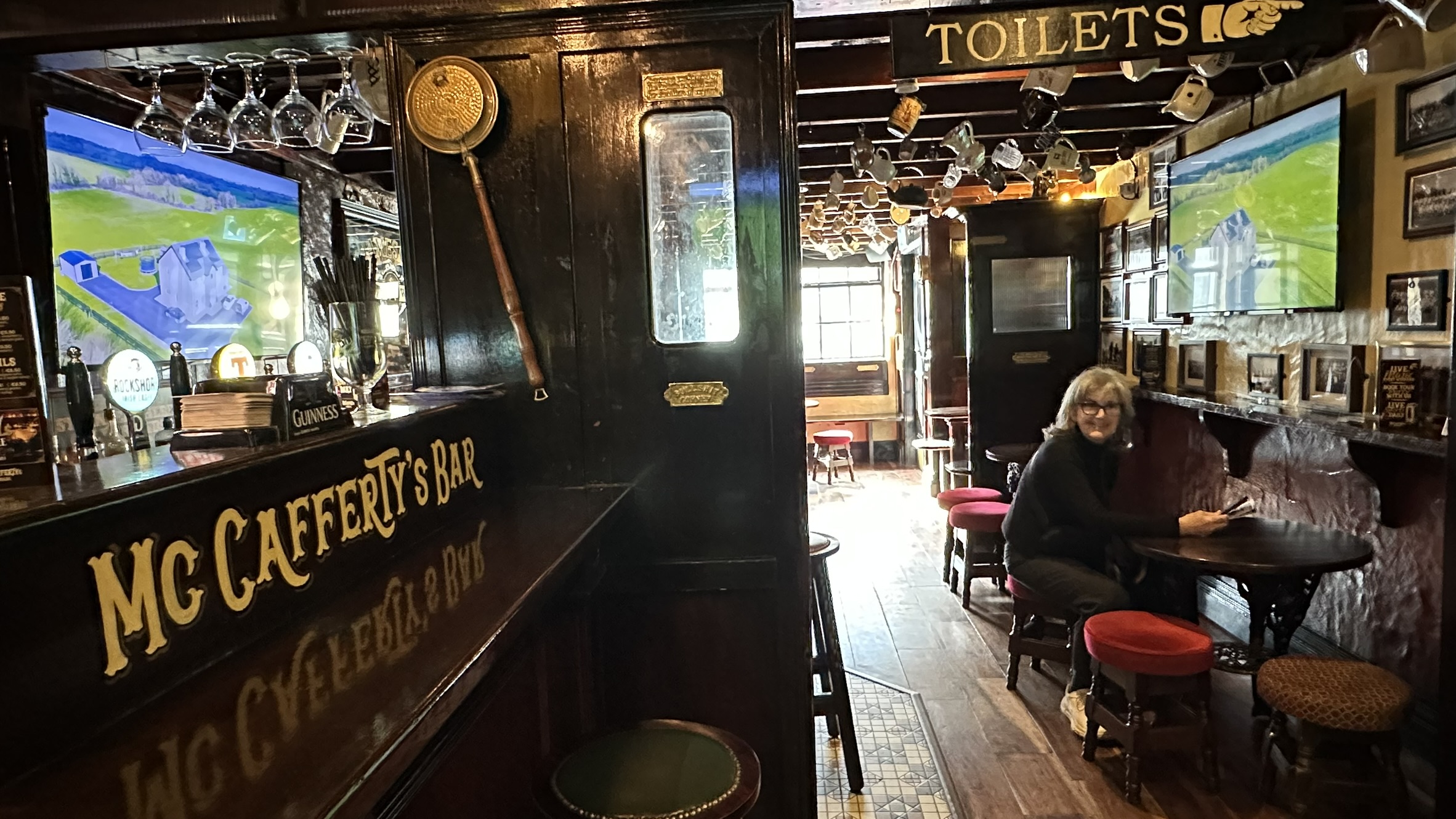
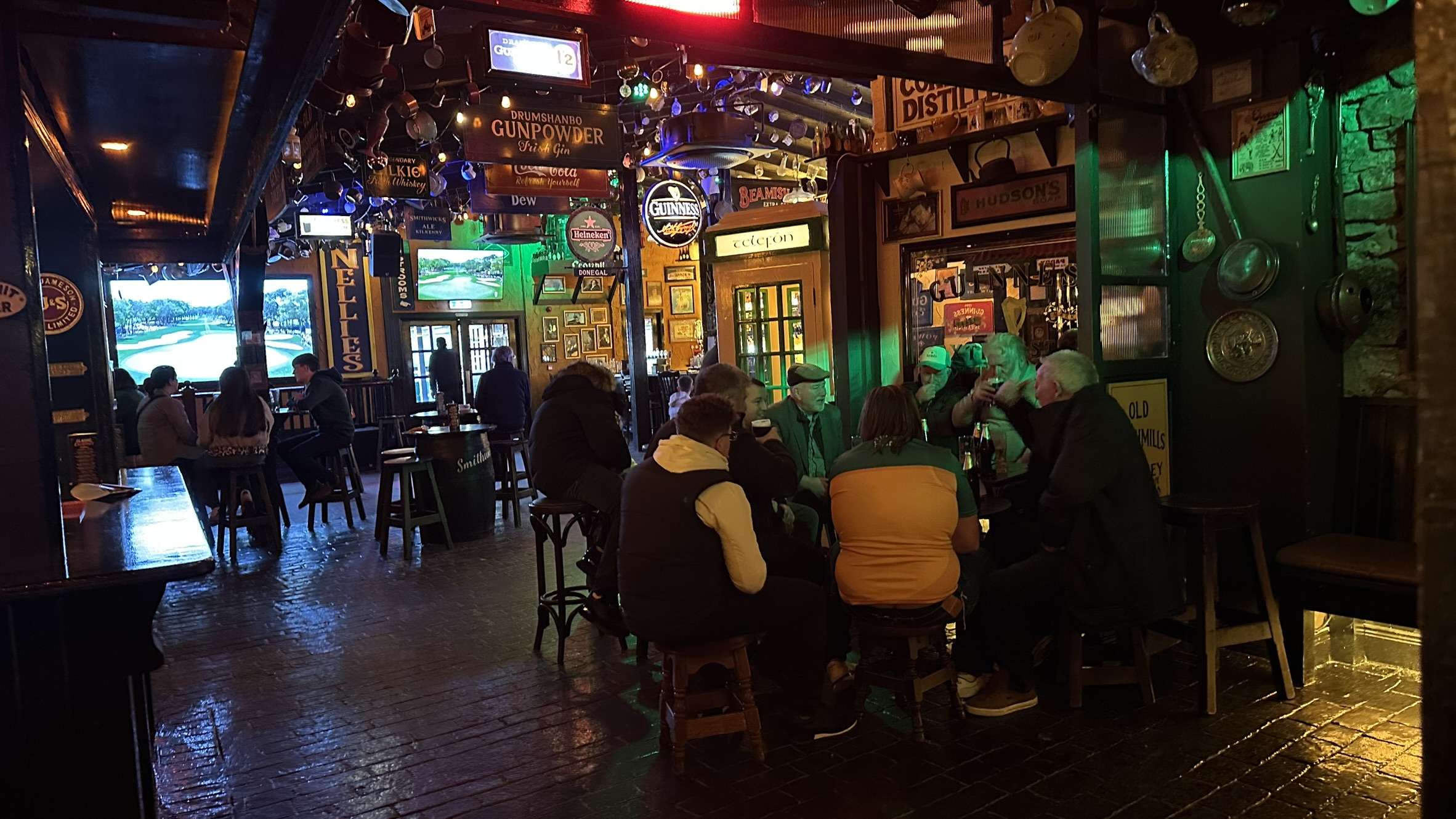
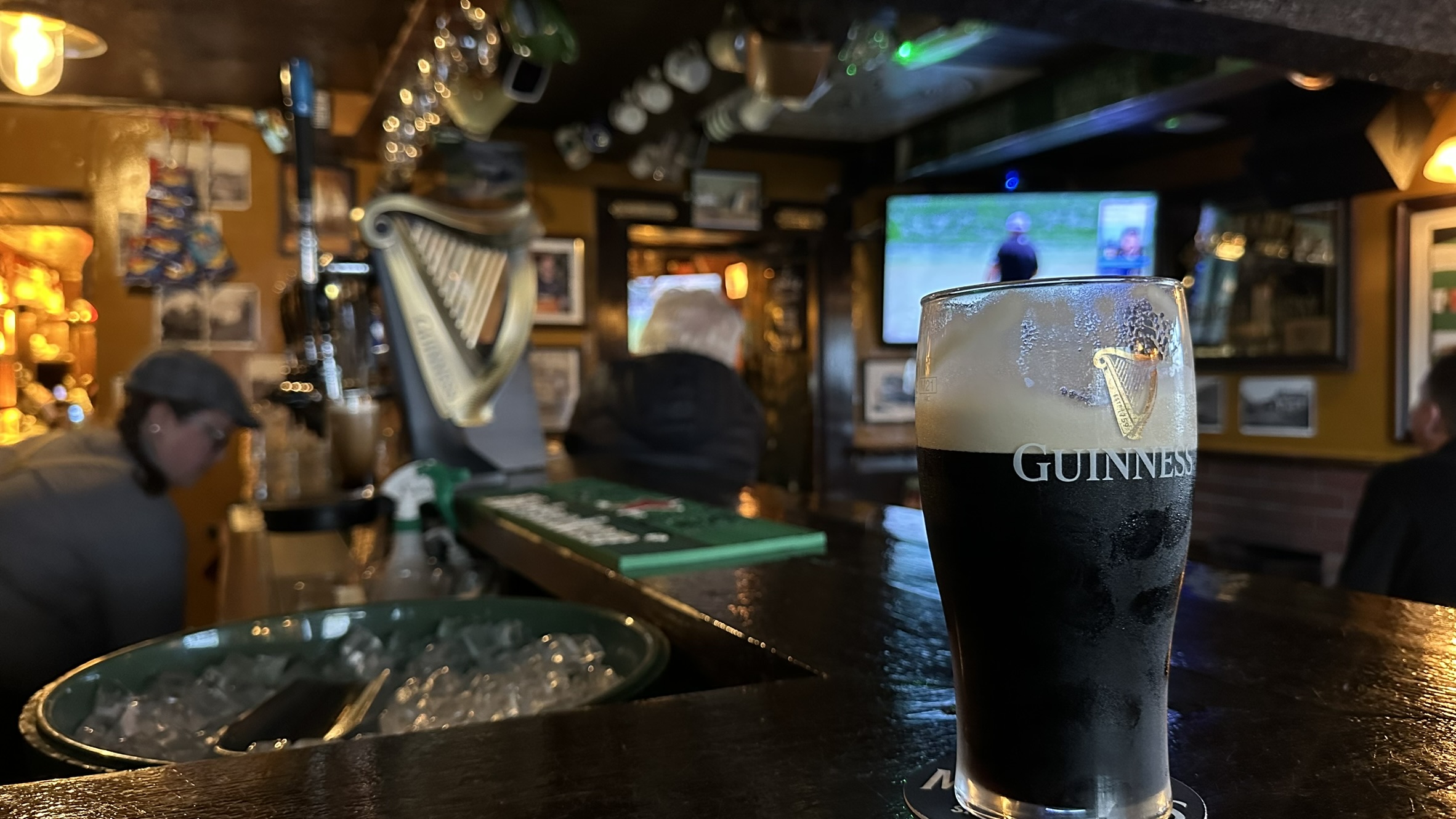
- The two best pubs in town are the Reel Inn, with live music seven days a week (we stopped in twice), and McCafferty’s, a maze of five or six interconnected bars with a lively crowd. I was told by a shopkeeper that The Forge had the best Guinness in town, but sadly it was boarded up, apparently for sale. The Reveler was a local hangout but didn’t have much character. I didn’t get a chance to try Annie Lynn’s, the Bank Bar, or Blue Stack.
- Just as Belfast is known for linen, Donegal is known for tweed. While Magee’s is arguably the big-name retailer, we really liked Triona’s, with a very nice selection of quality merchandise. Michelle bought a sweater while the shop girl offered us Irish coffees and gave me her tips on the better pubs.
- For dinner, the Olde Castle Seafood Bar is renowned for its seafood (duh) and La Bella Donna has truly outstanding Italian fare.
- Ros Dun House was a great place to stay. Free parking, comfortable rooms, a five-minute walk to town, and a nice breakfast served up by owners and hosts — I highly recommend it. Read my full review here.
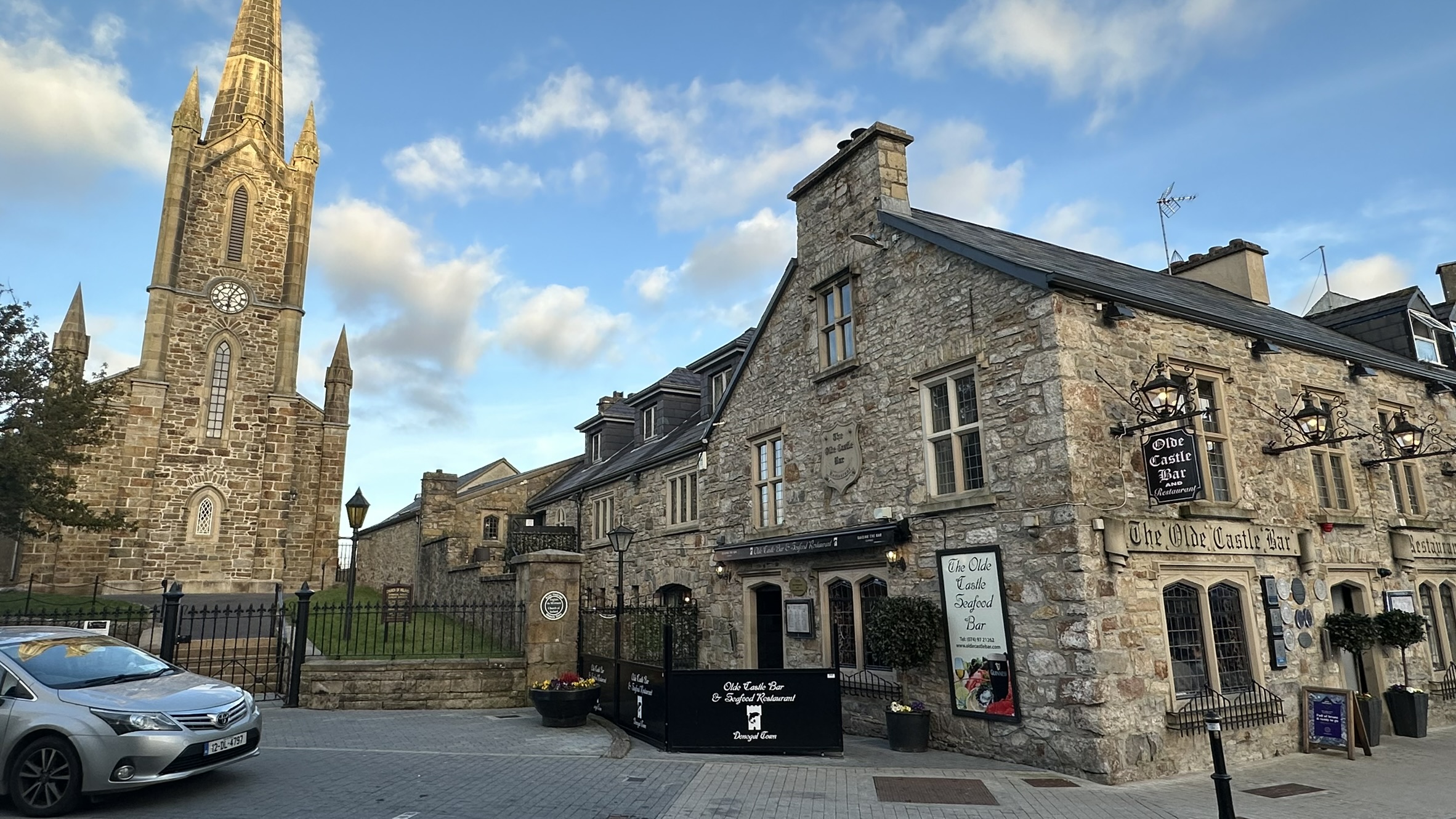
| Days 9-11 | Connemara, Ireland | Ballynahinch Castle Hotel |
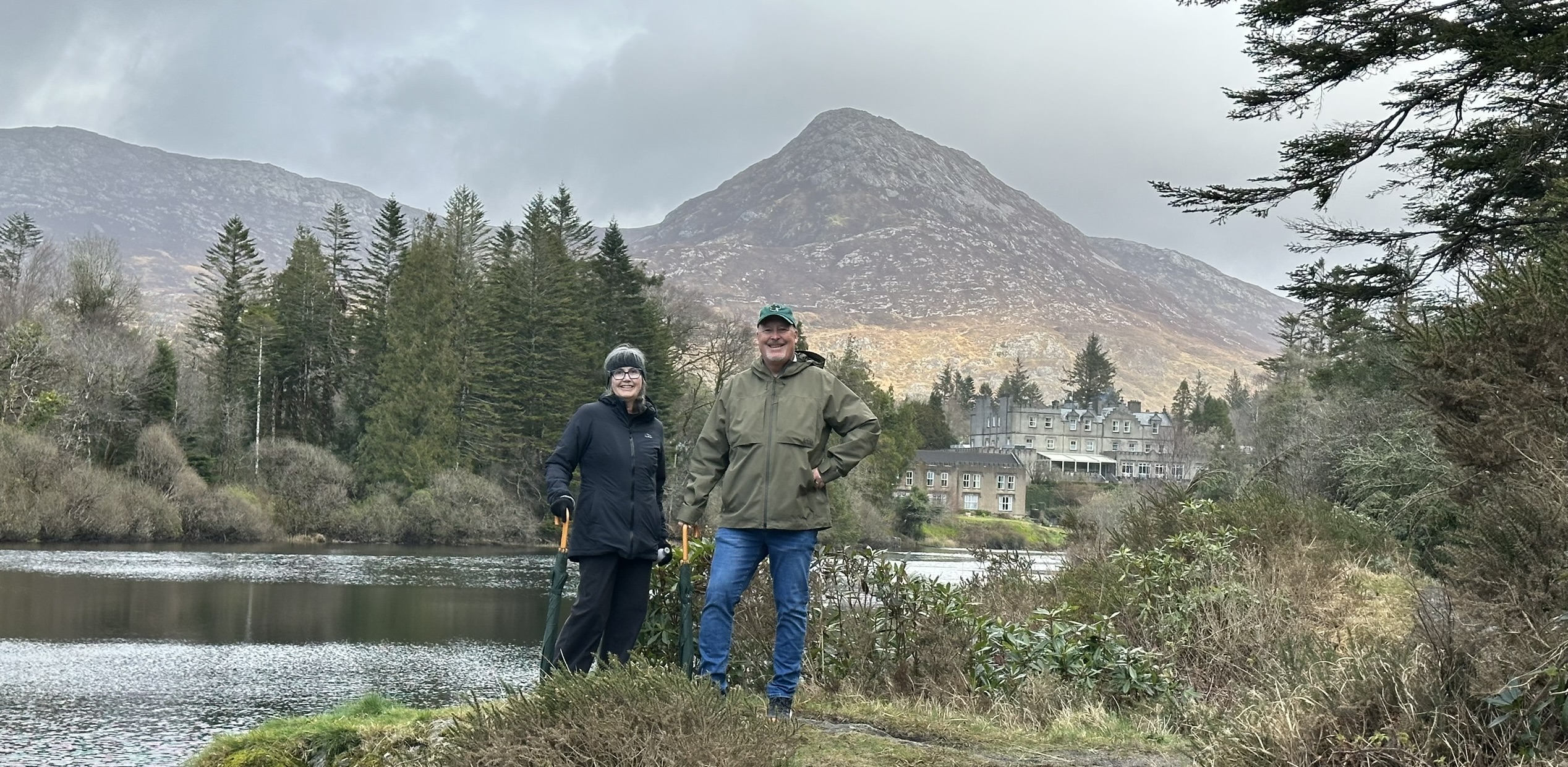
Connemara is among my favorite regions in Ireland. Several years ago, we spent a couple days at Delphi Lodge, a gorgeous, remote manor house that was the former residence of the Marquis of xxx, who in 1600 famously turned away hundreds of starving Irish fleeing poverty and a lack of food brought on largely through Cromwell’s brutal subjugation, only for xx of them to die on the road.
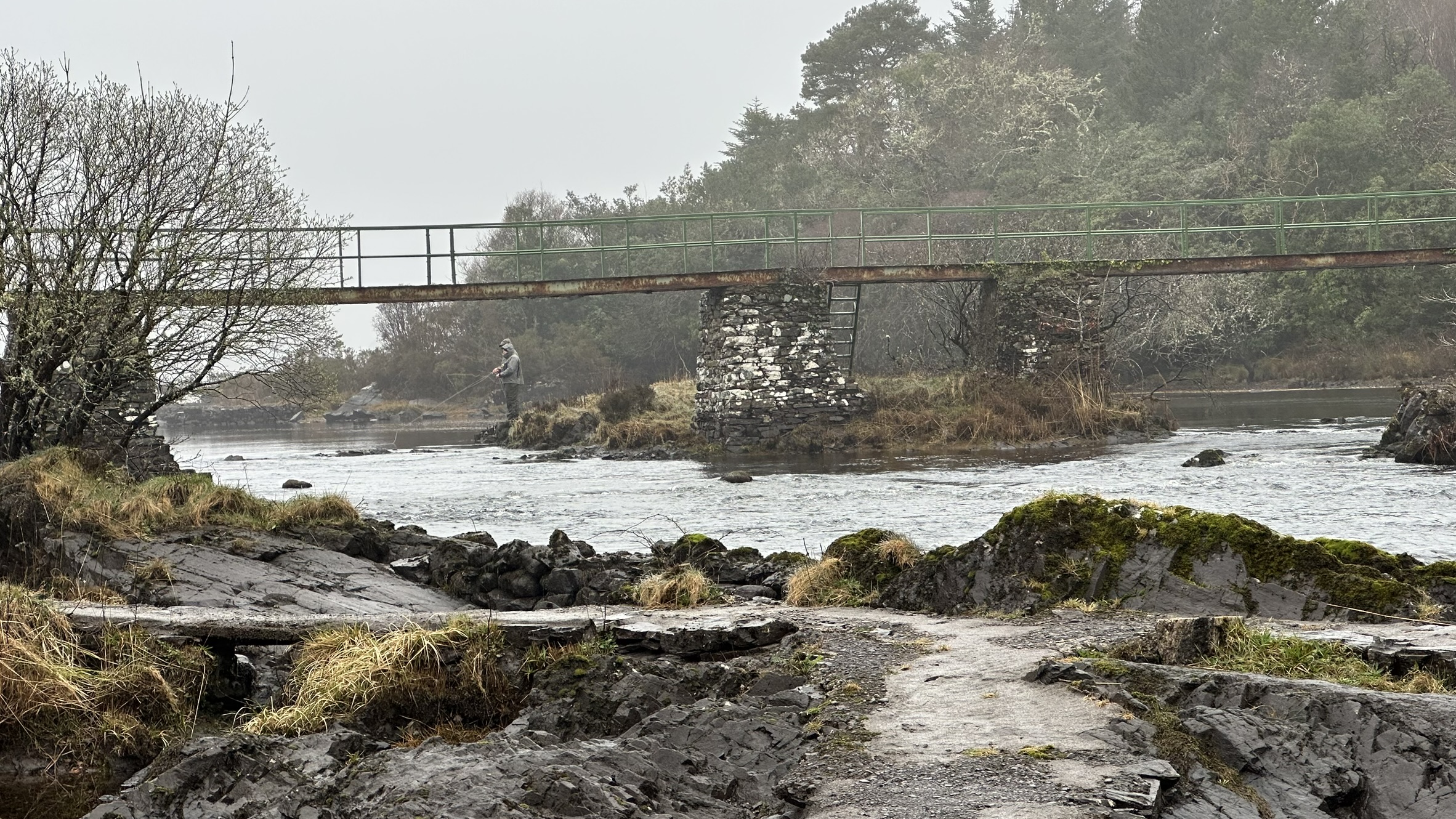
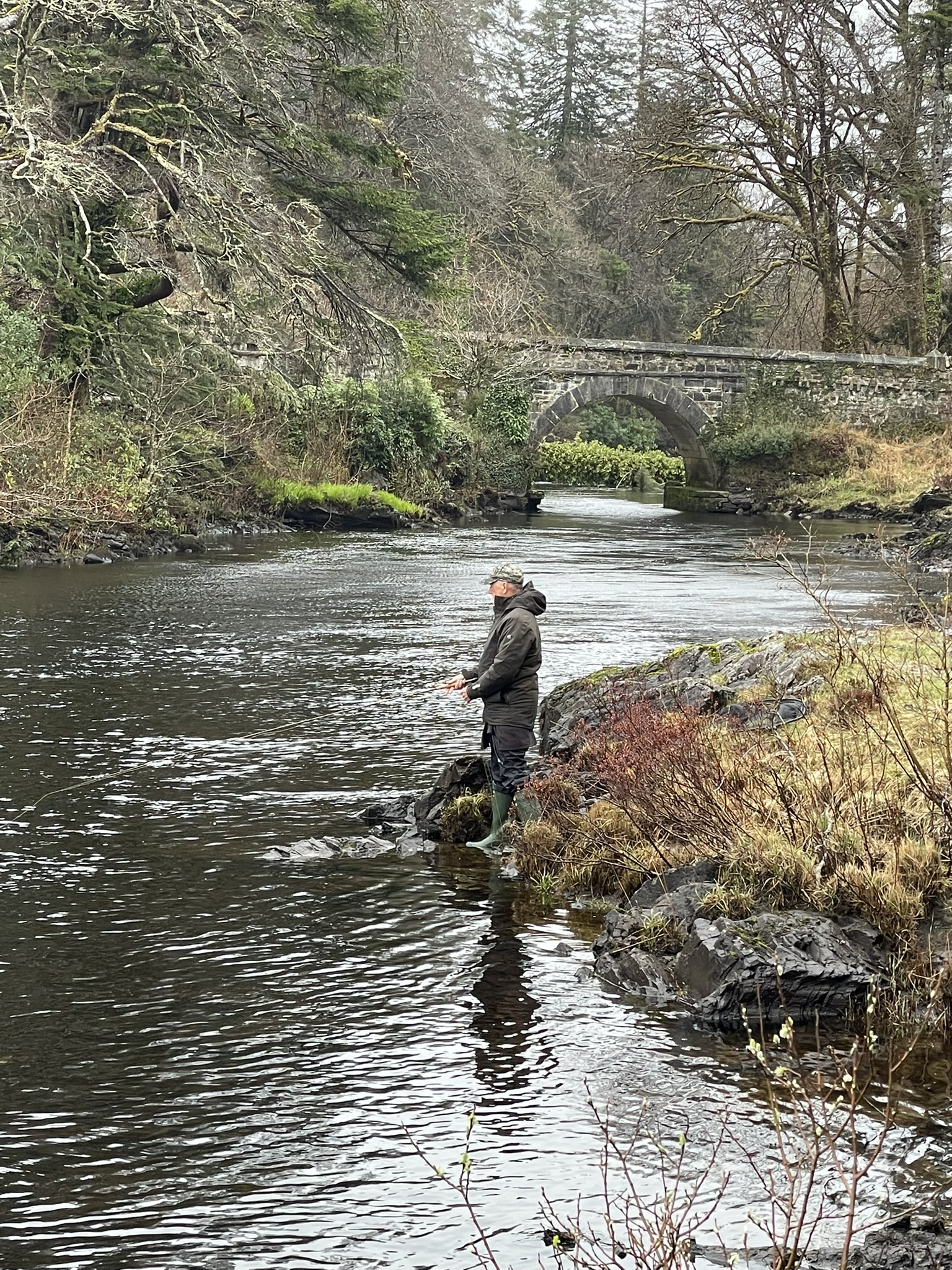
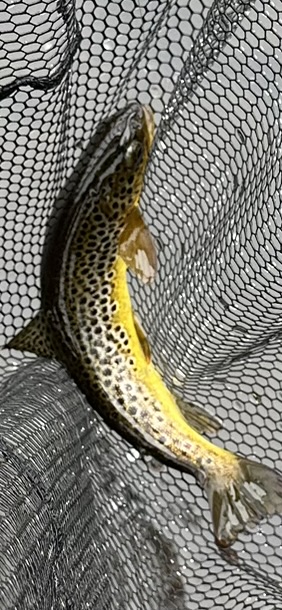
The proverbial pot of gold at the end of the rainbow that was the drive down from Donegal on this trip was 3 days of fairly decadent living at the 700-acre, wooded lakeside estate of Ballynahinch Castle. Short stops in the towns of Westport and Clifden provided some charming, small-town color, and spending these 3 days with my sister and brother-in-law was icing on the cake. Well, that and a fun day of fly fishing for wild brown trout on the estate’s private water! Our three-day highlights included:
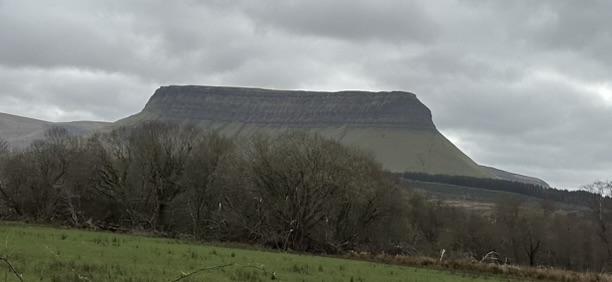
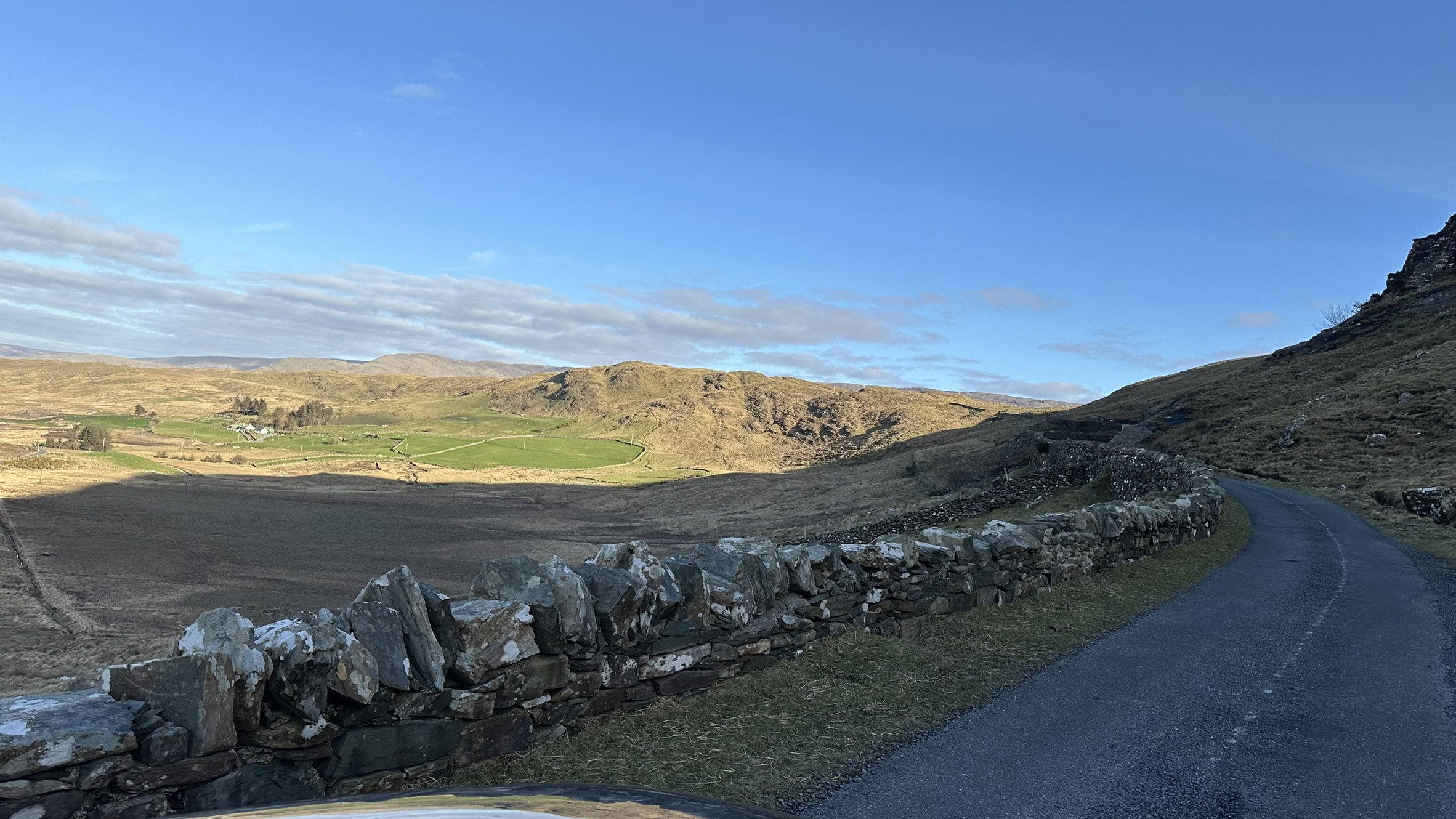
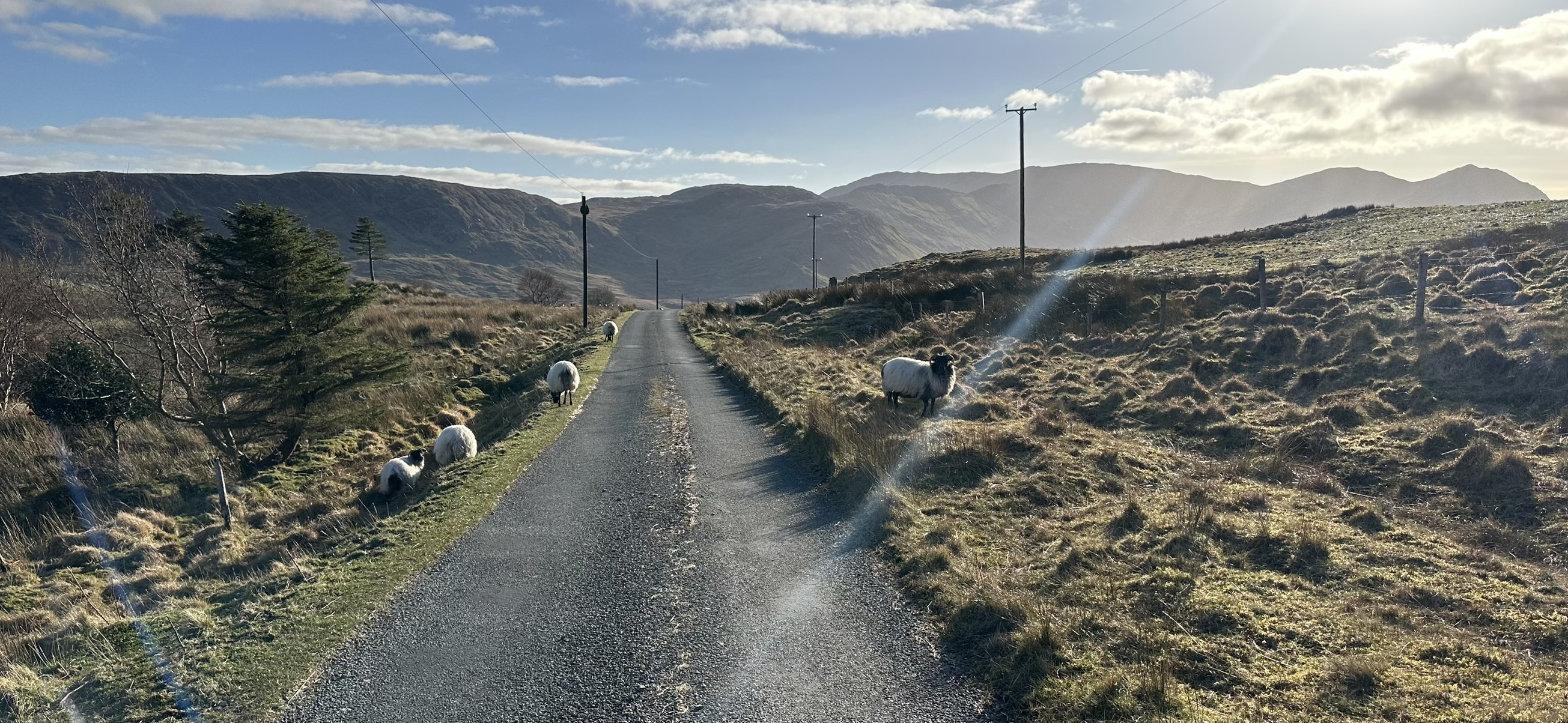
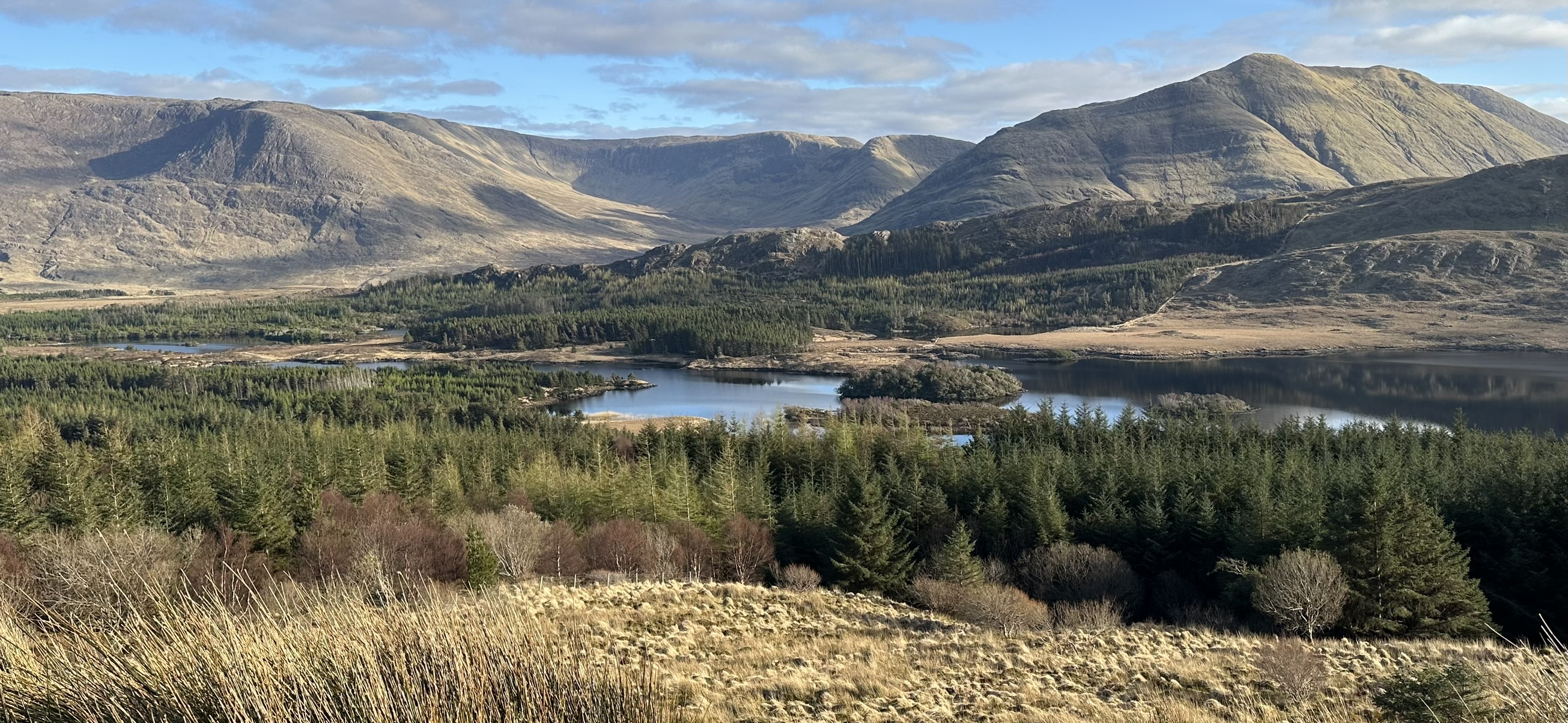
- Our 4 1/2-hour drive from Donegal to Ballynahinch — you can do it in a little over three hours if you take the most direct route, but we prefer the more scenic — took closer to six hours counting our three stops. in Drumcliff, . The first part of the drive toward Sligo takes you past Benbulbin, Sligo’s iconic, flat-topped mountain. After passing through Sligo, we jumped off the main road and took the N59 toward Achill Island. In hindsight, this would have made more sense if we were spending a couple days on Achill, otherwise there wasn’t that much to see. Conversely, the final stretch through southern County Mayo and Connemara, through the Doolough Valley and around Killary Fjord, is sublime and definitely worth getting off the beaten track.
- Our first stop on that drive, a mere 45 minutes out of Donegal, was St. Columba’s Church and Cemetery in Drumcliffe, site of the great Irish poet W. B. Yeats‘ grave. The 200-year-year old, neo-gothic church itself is pretty; Yeats’ great grandfather was once the church rector. There is a nice cafe on site to get a cup of coffee and a scone (both were excellent). Most impressive is the 9th century Celtic high cross in the cemetery, with images of Adam and Eve, Cain and Abel, and others carved in the stone cross.
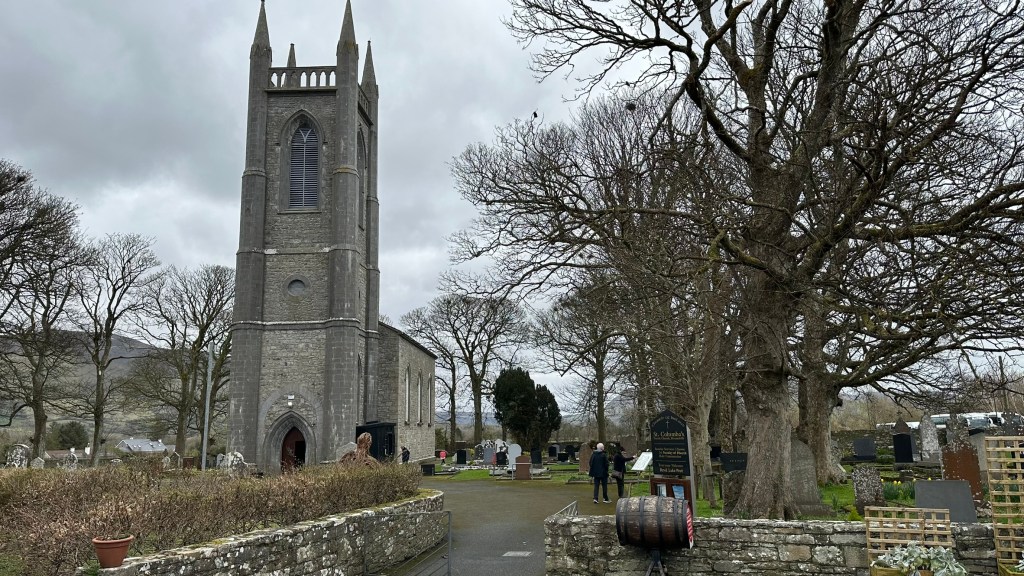
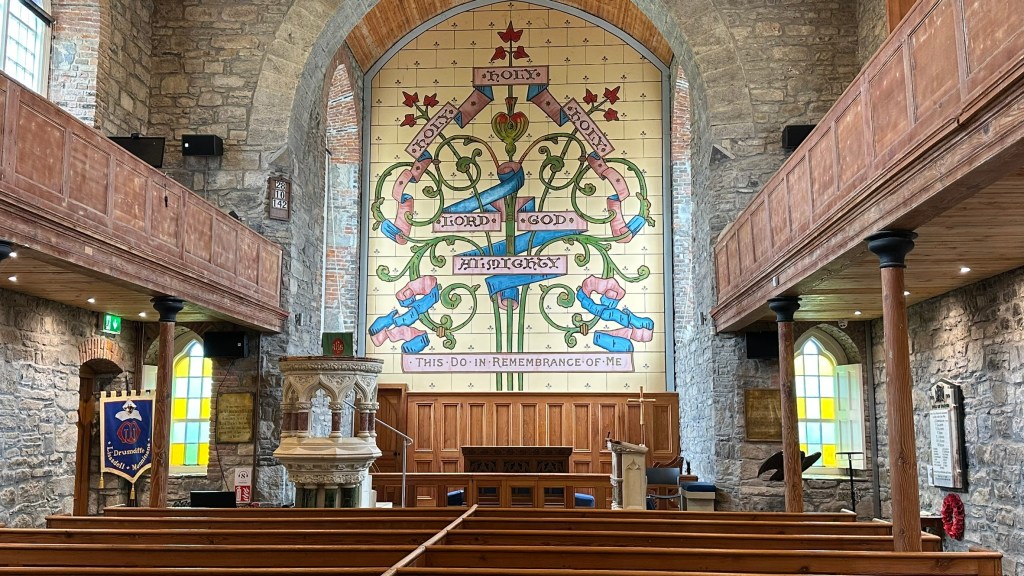

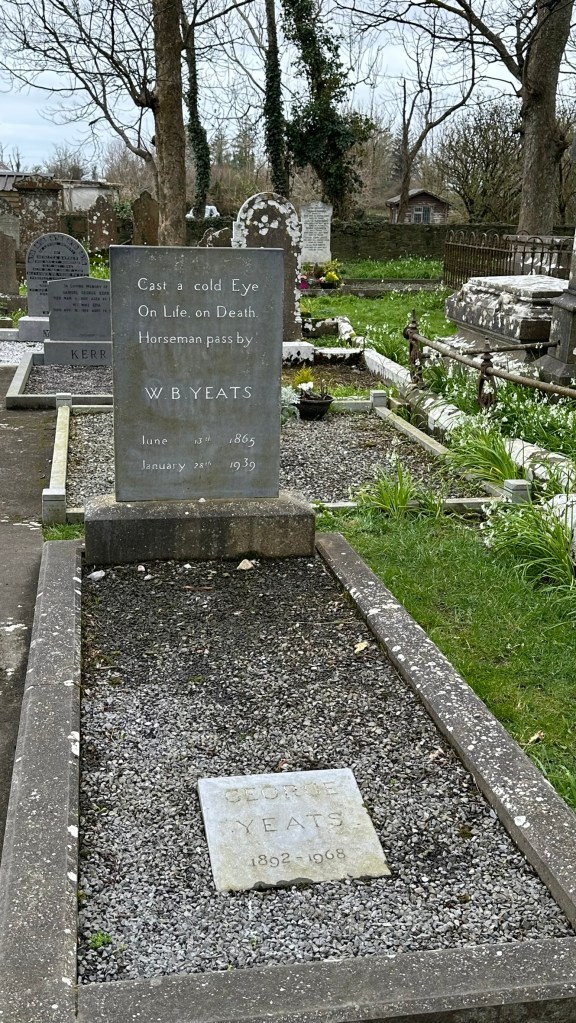
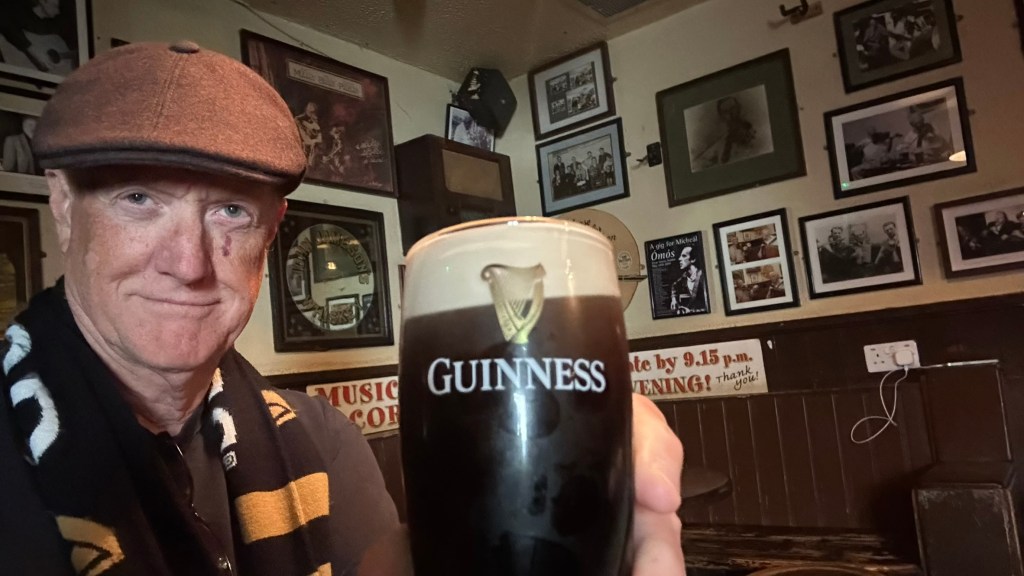
- While our lunch stop in Mulranny was nothing special (we were hungry), our stop in Westport 30 minutes down the road was nice. Westport is popular with tourists for its Georgian architecture, colorful town center, and proximity to both the Atlantic coast and Croagh Patrick, a major pilgrimage site associated with Saint Patrick. We spent an hour strolling Westport, admiring its colorful storefronts and stopped in for a pint at Matt Malloy’s pub, named for its owner, the legendary Irish flute player with the Chieftans.
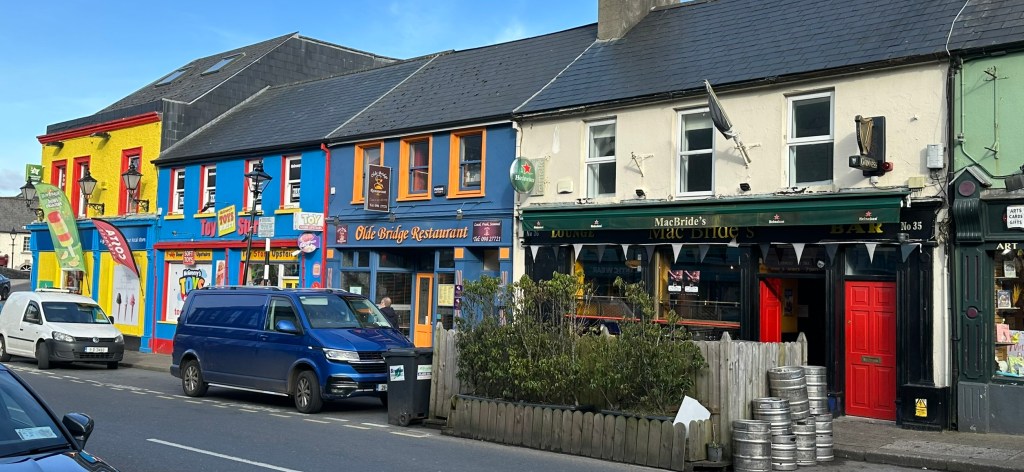
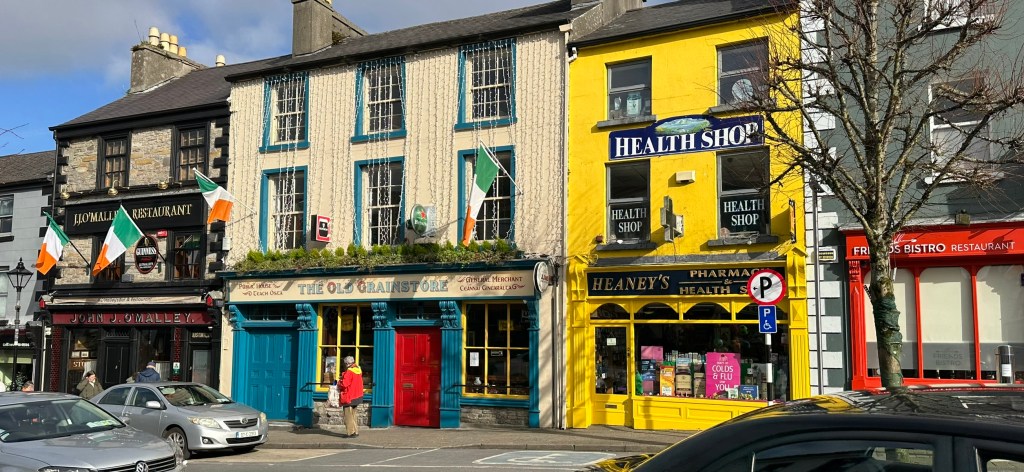
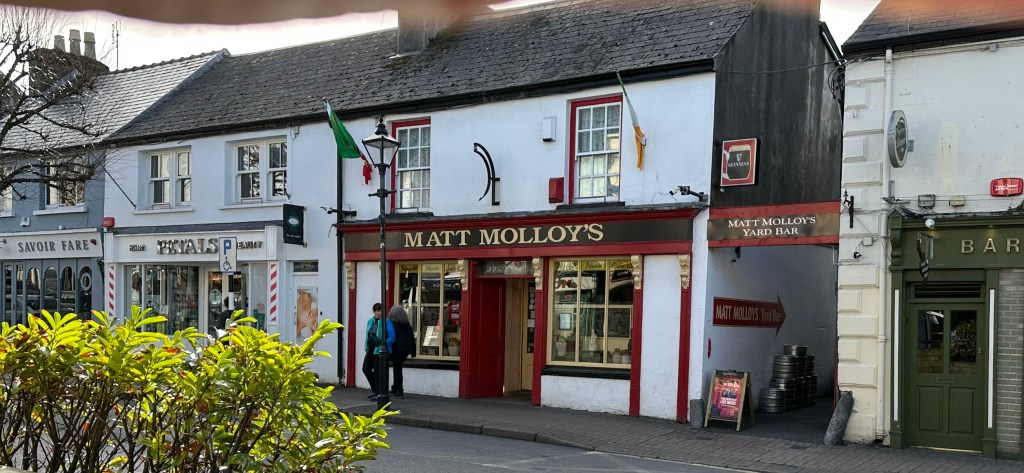
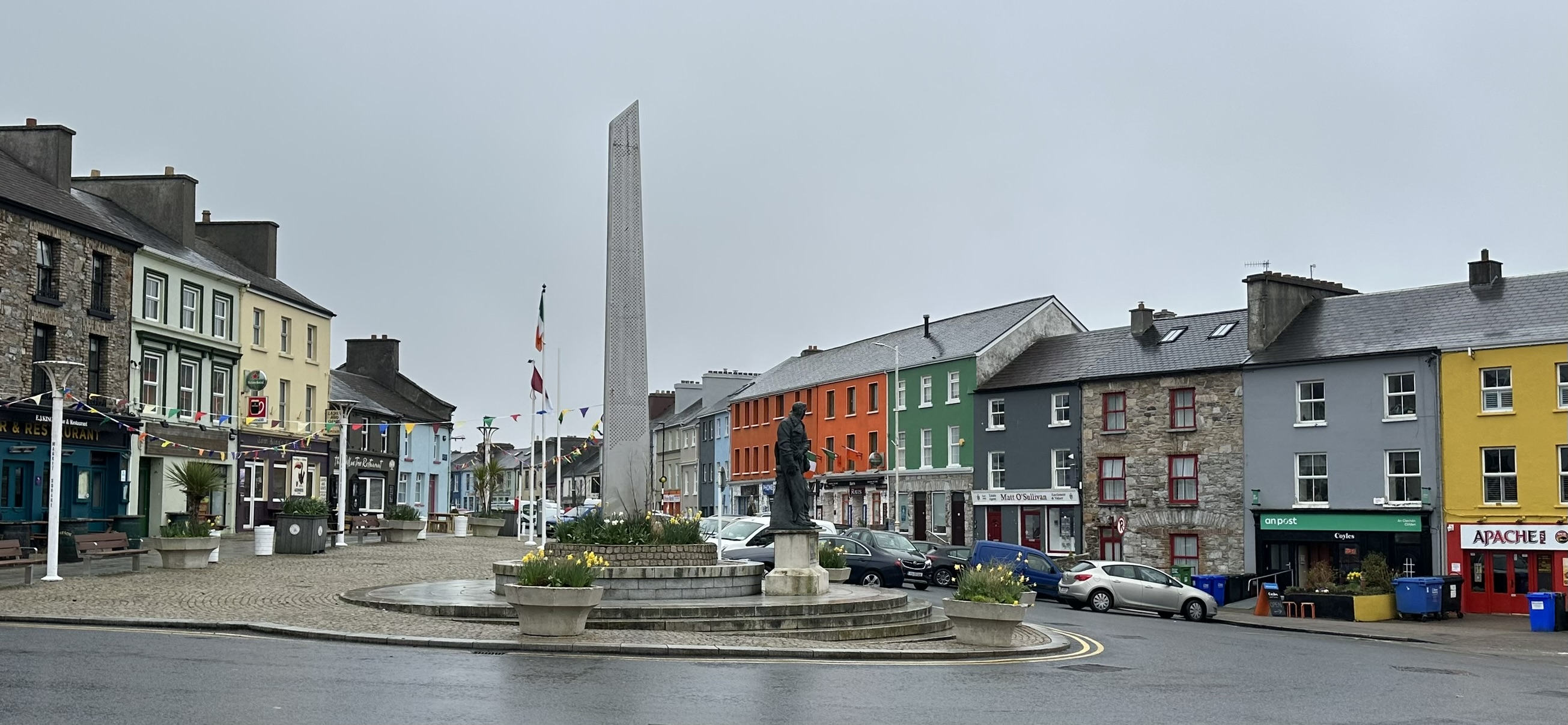
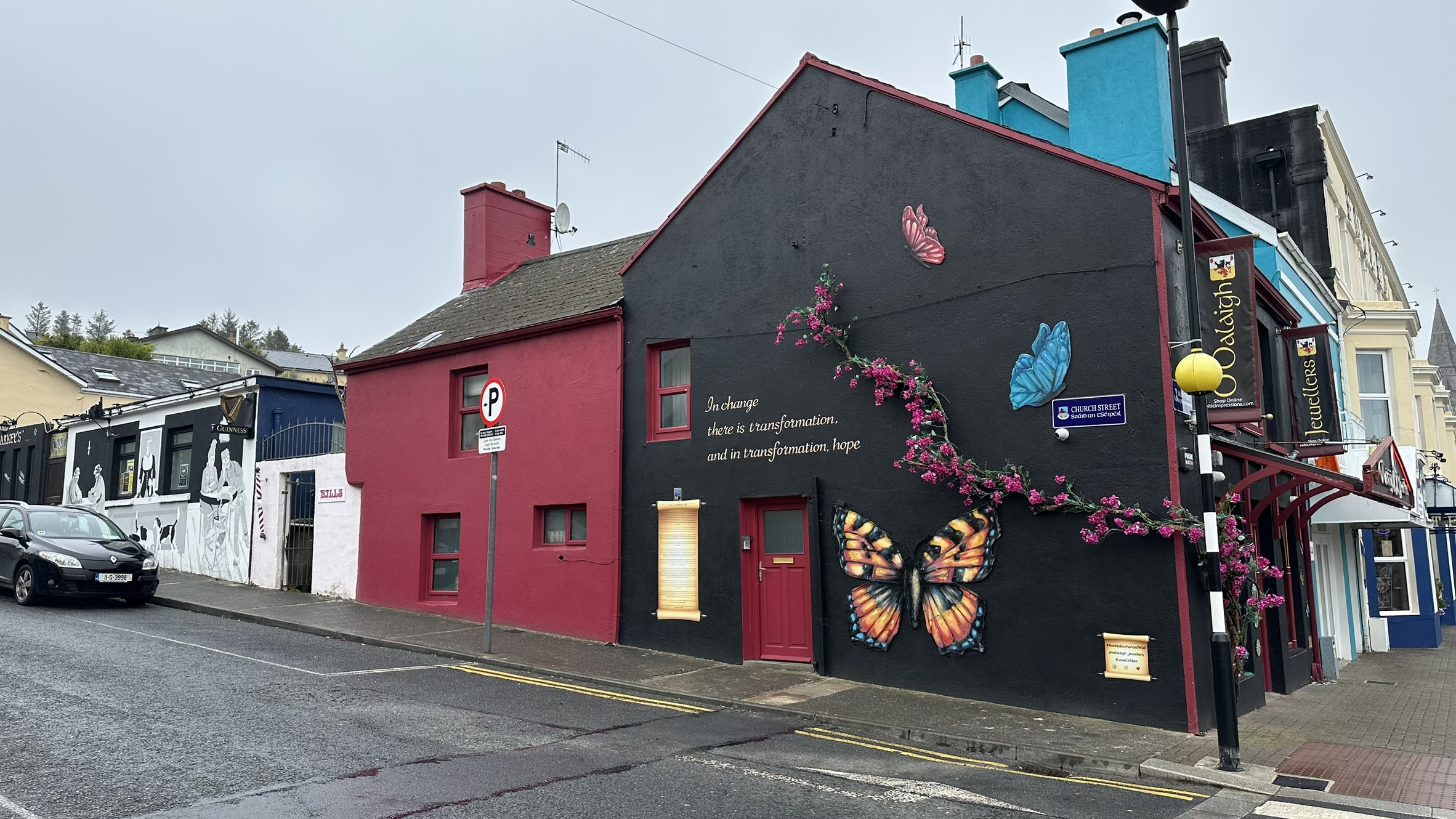
- Clifden is known as the Gateway to the Aran Islands and Connemara’s wild Atlantic coast. Being a mere 15-minute drive from Ballynahinch, popping into town to look around was a no-brainer. It was a rainy day, but the town’s bright colors (this really is an Irish thing) were not dimmed a bit. Places I recommend checking out include the town square’s memorial to the first transatlantic pilots, Aran Woolen Store (charming owner and another sweater for Michelle), and Guy’s Seafood Bar for lunch. While I didn’t get to try them — too early in the day — Mullarkey’s Bar, Lowry’s and Tom King’s looked like fine pubs. If you have time, take the scenic, coastal Sky Road back to Ballynahinch via Dog’s Bay.
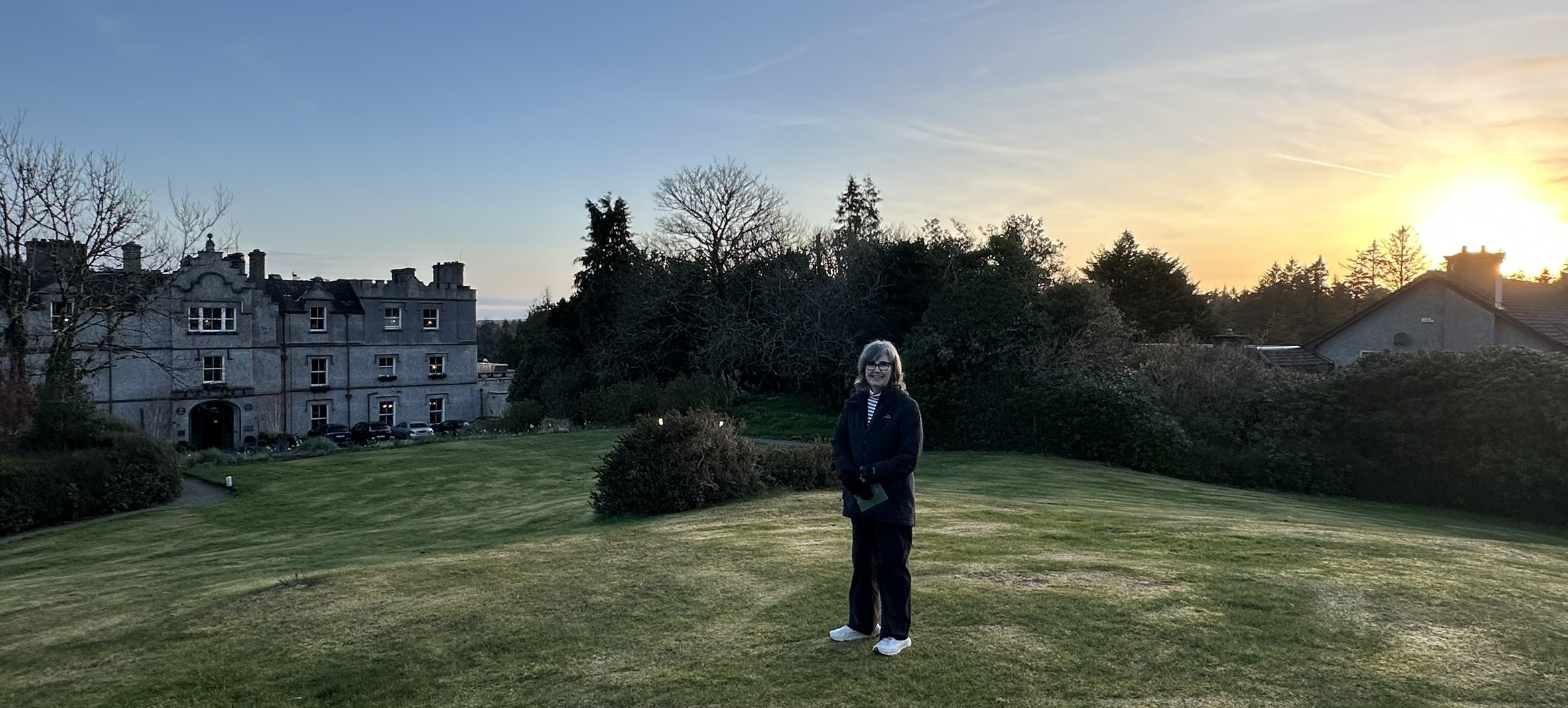
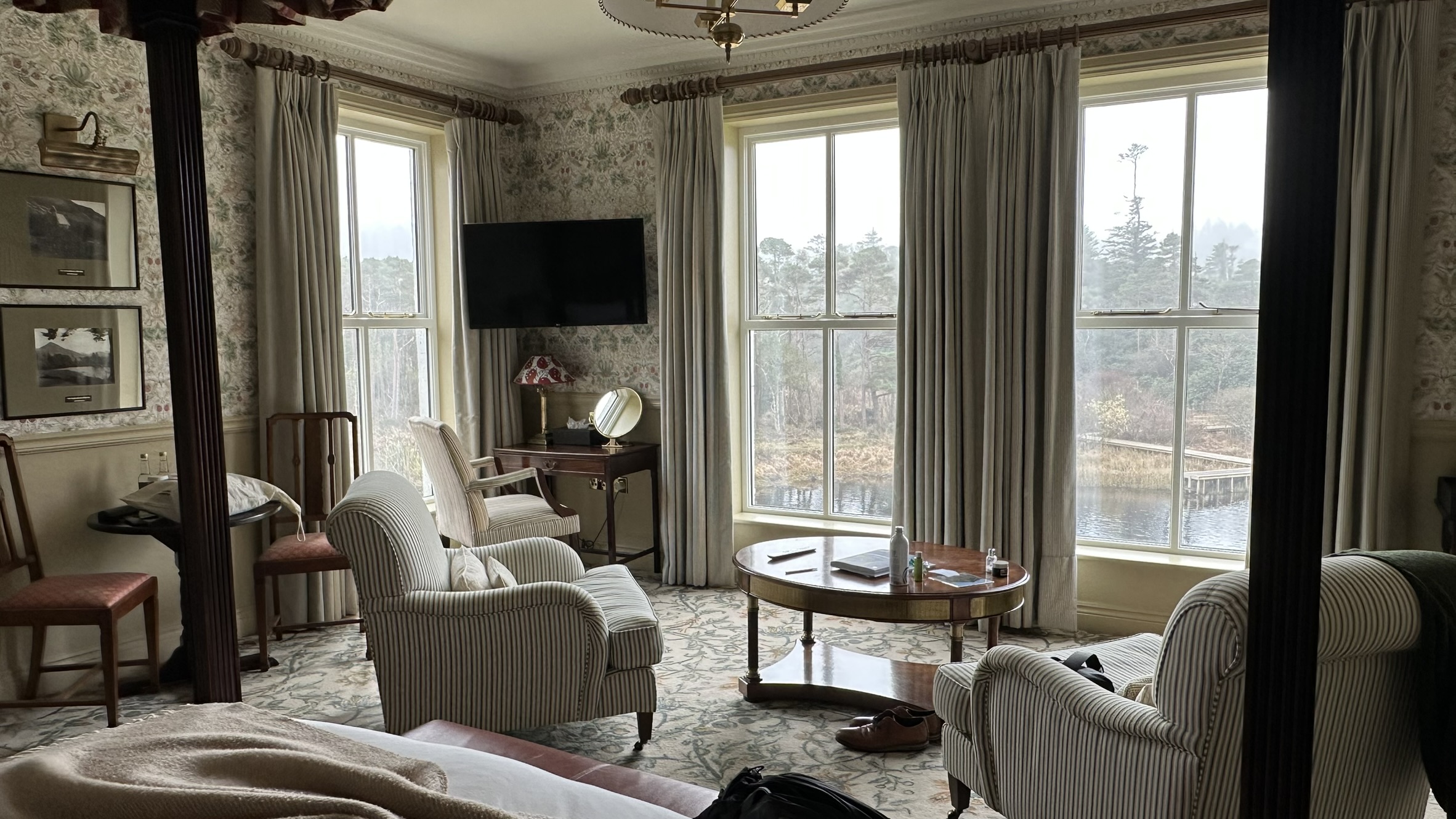
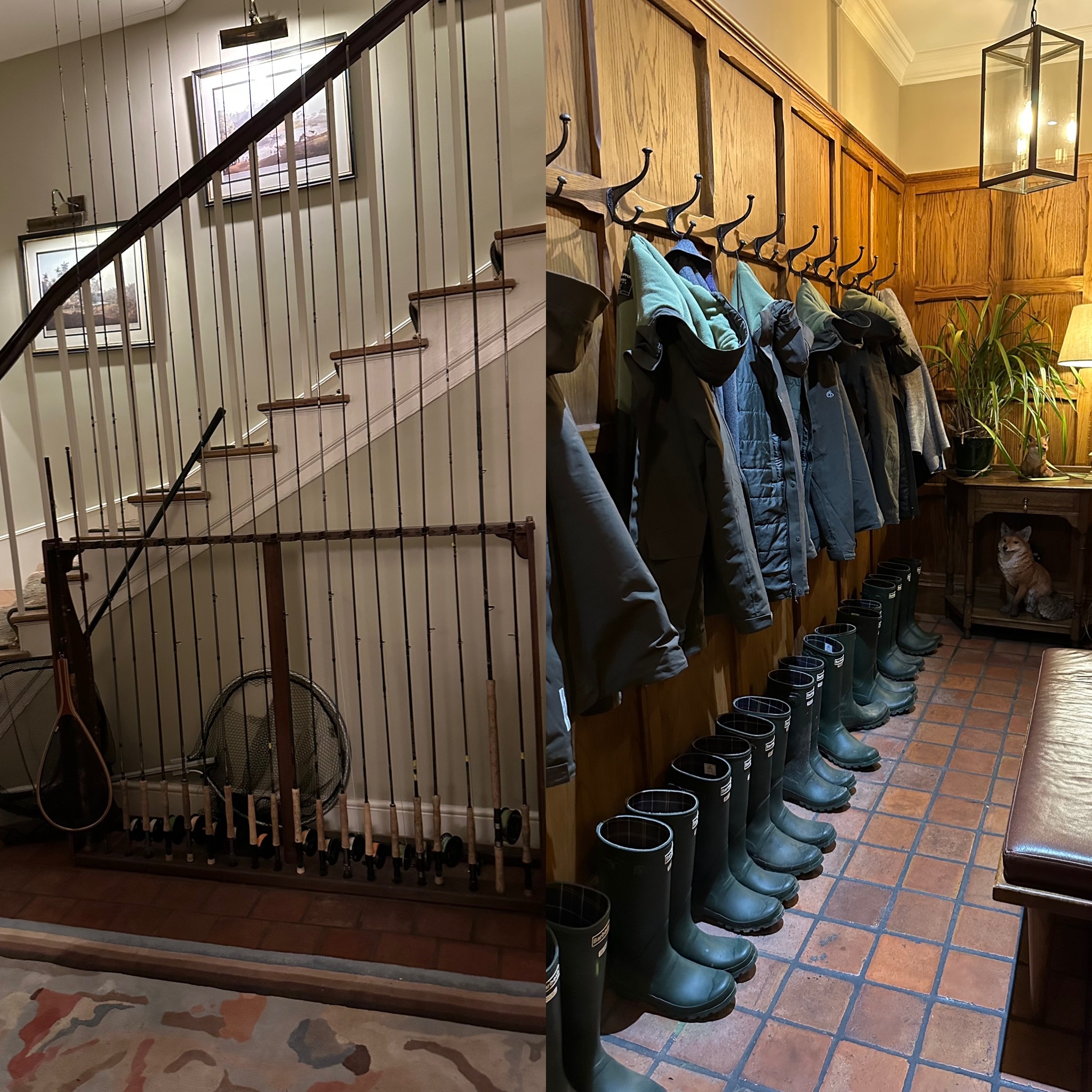
- Ballynahinch Castle Hotel was the main event for this leg of our journey, a marvelous stay with magnificent suites overlooking the Owenmore River, first class dining in the Owenmore restaurant (everything but the Michelin star), more casual dining (and great bar) in the Fisherman’s Pub, and 700 acres of woodland, river and lakefront, and trails for hiking or biking. Other than our afternoon trip to Clifden, we spent most of our time right here, enjoying the scenery and, yes, one fun day of guided fishing for German brown trout. The estate’s two miles of private water also supports excellent Atlantic Salmon and Sea Trout fishing in season.
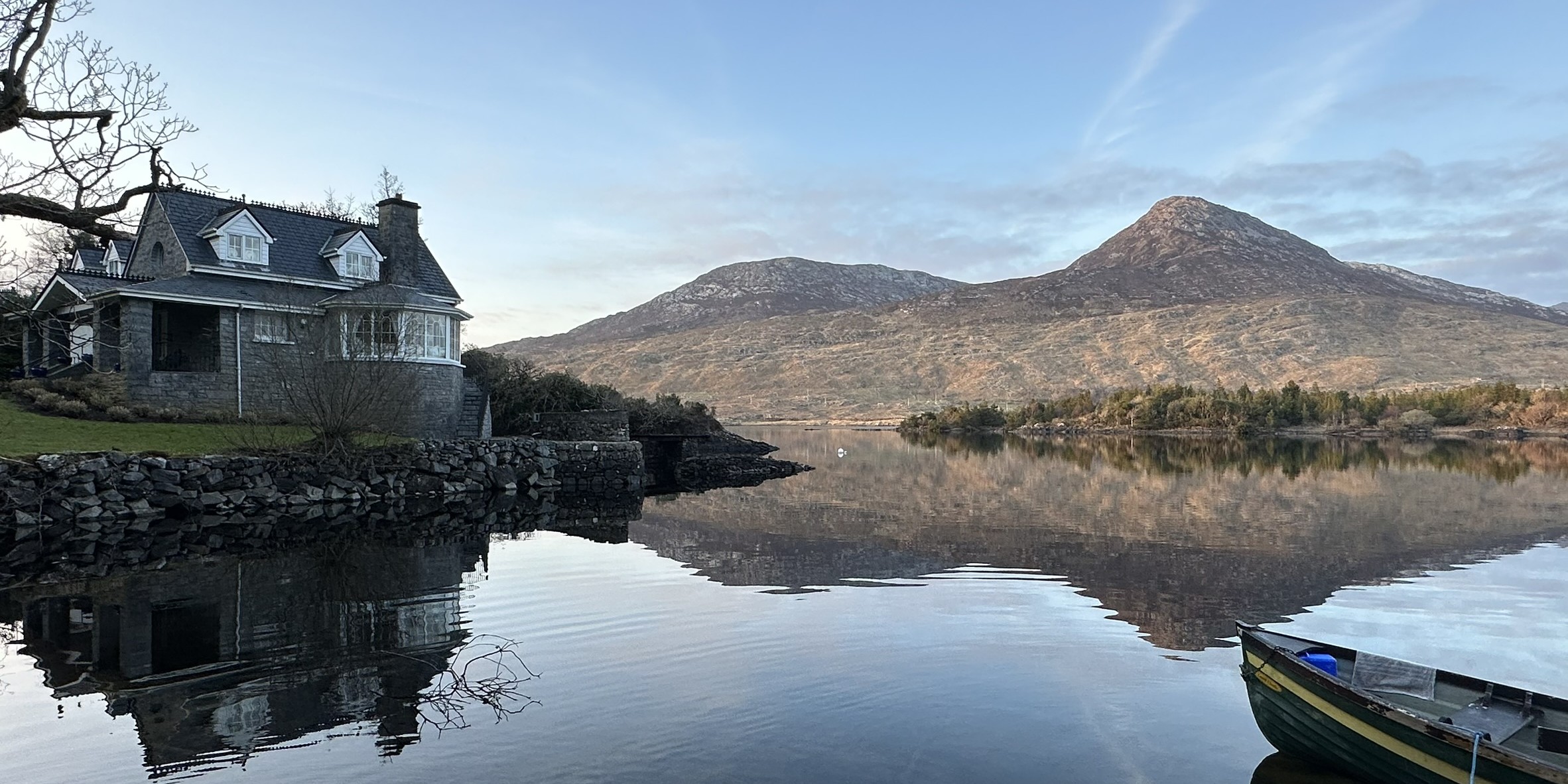
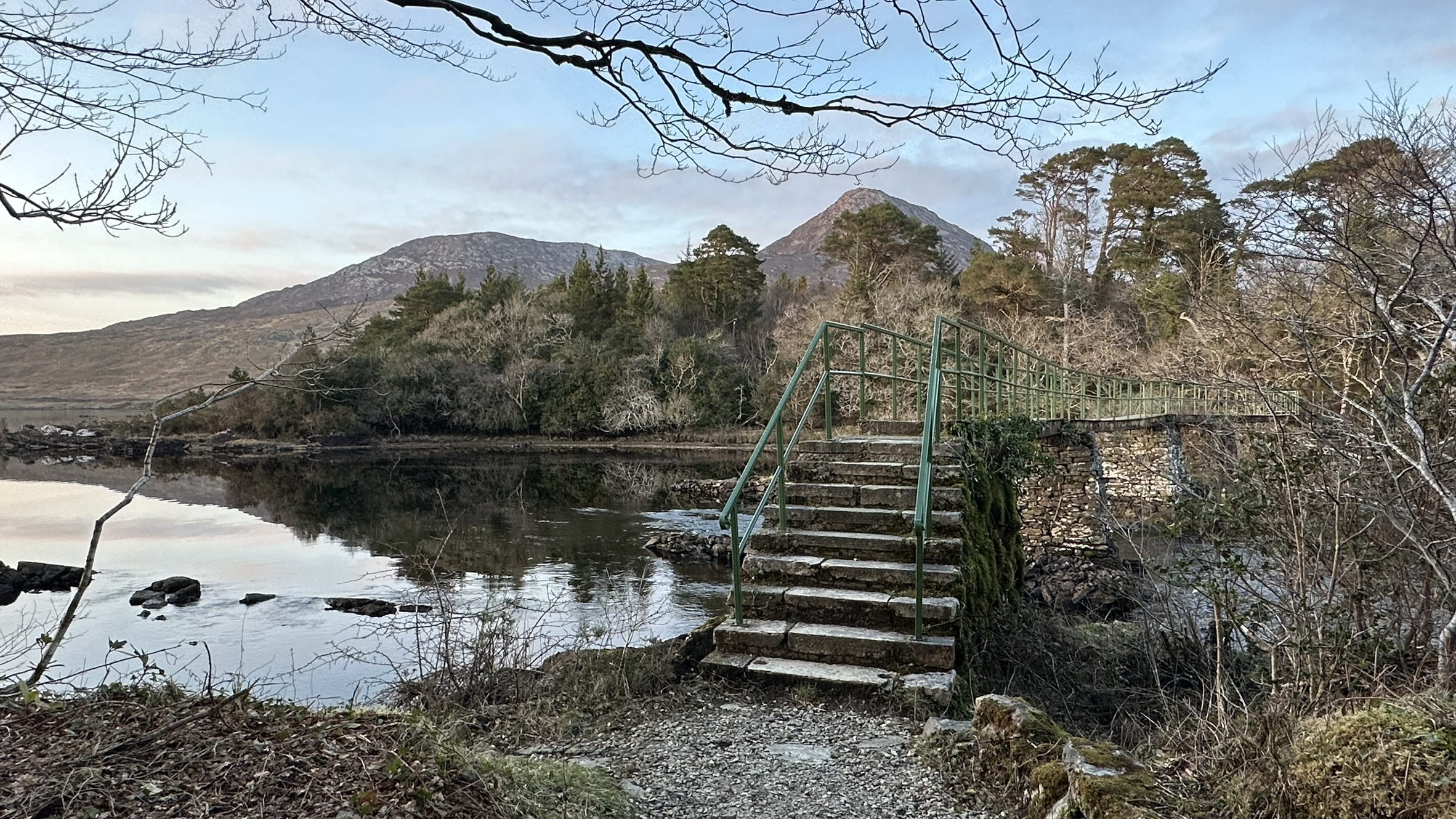
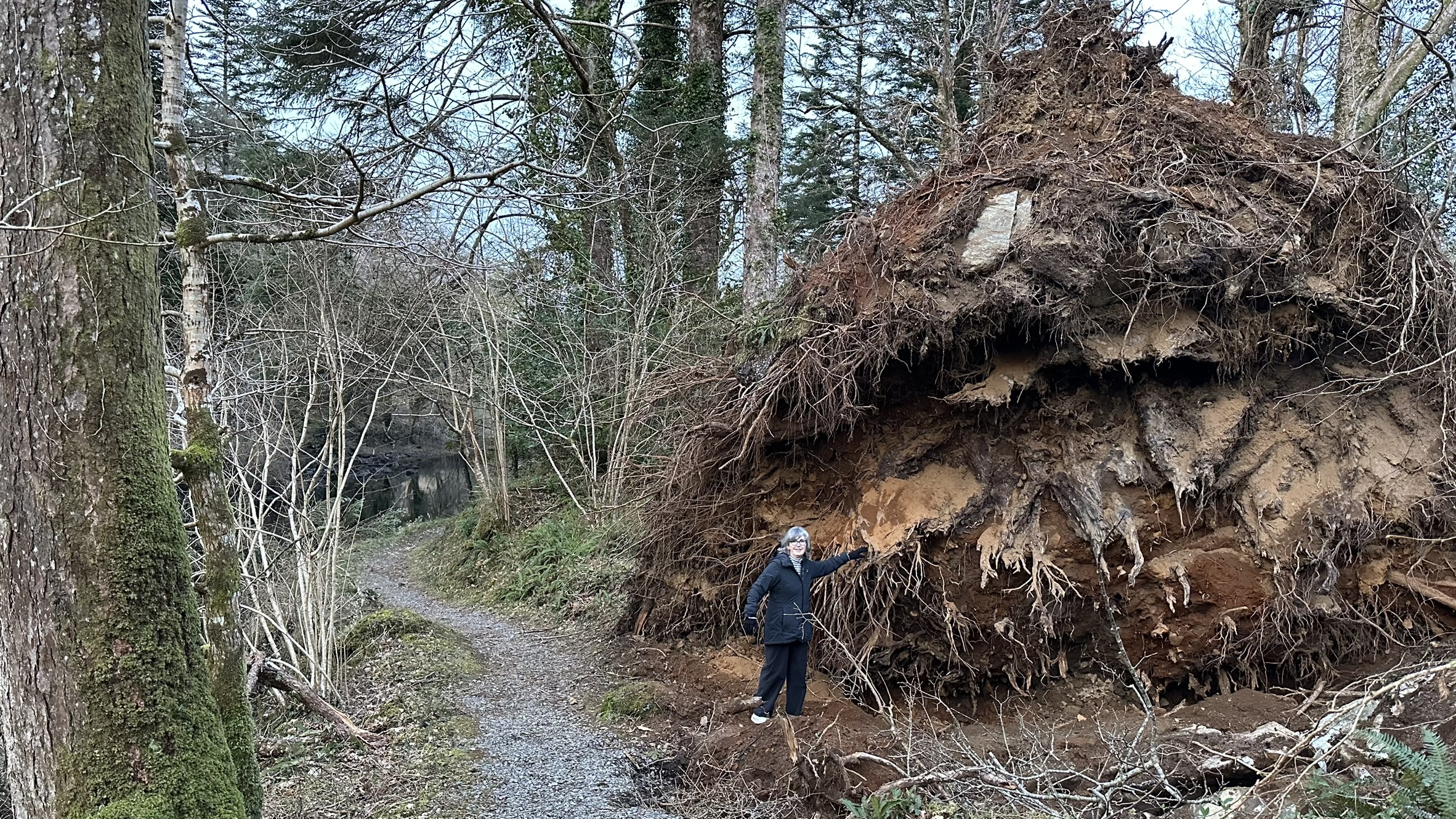
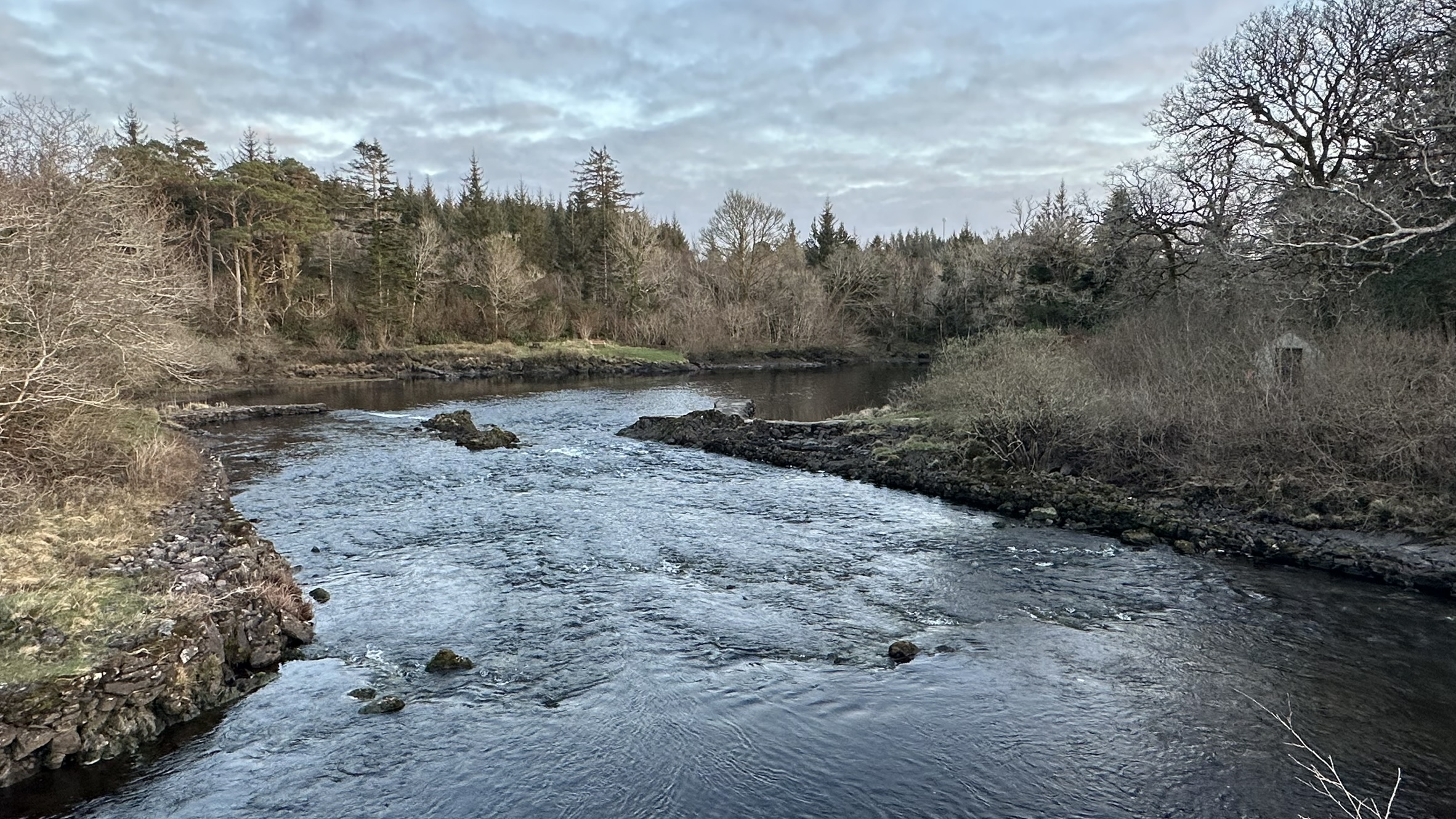
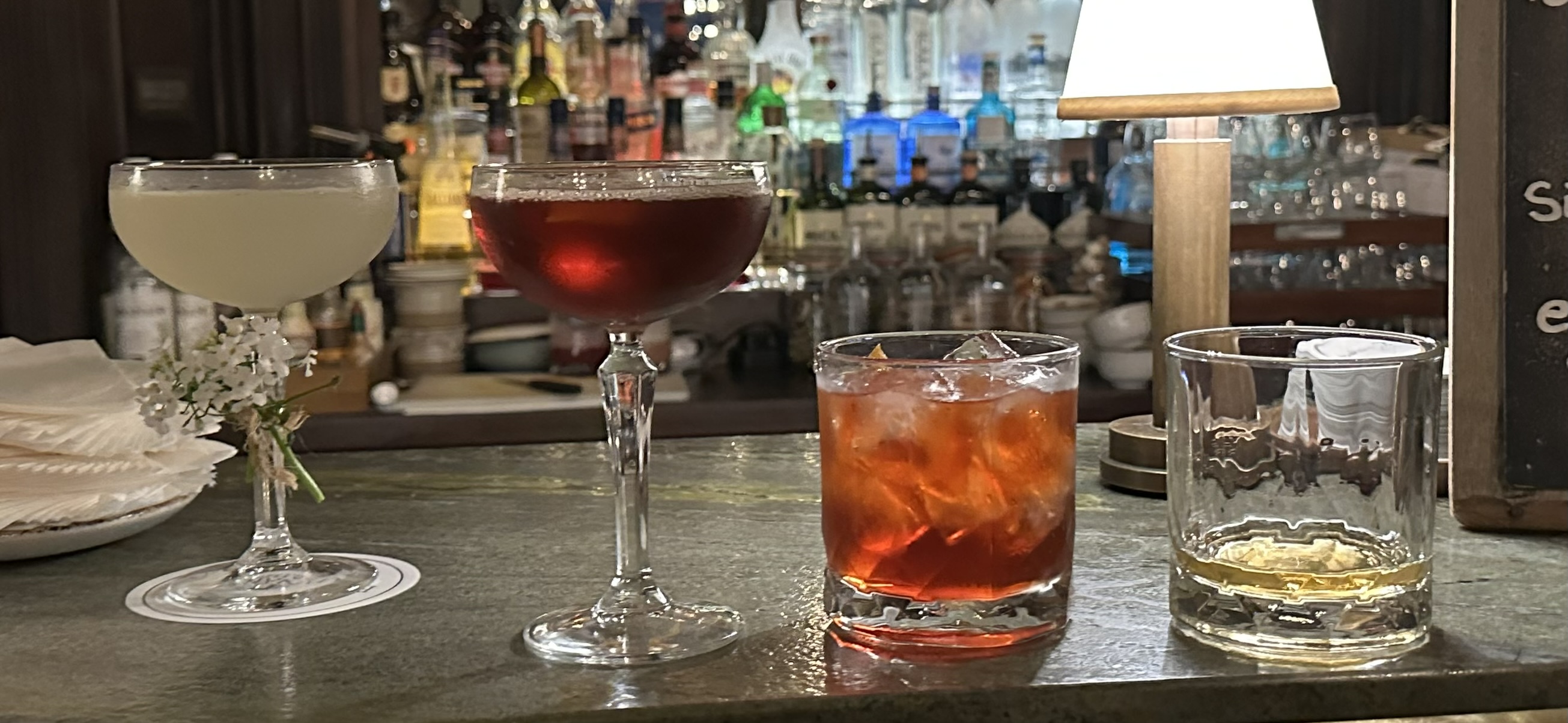
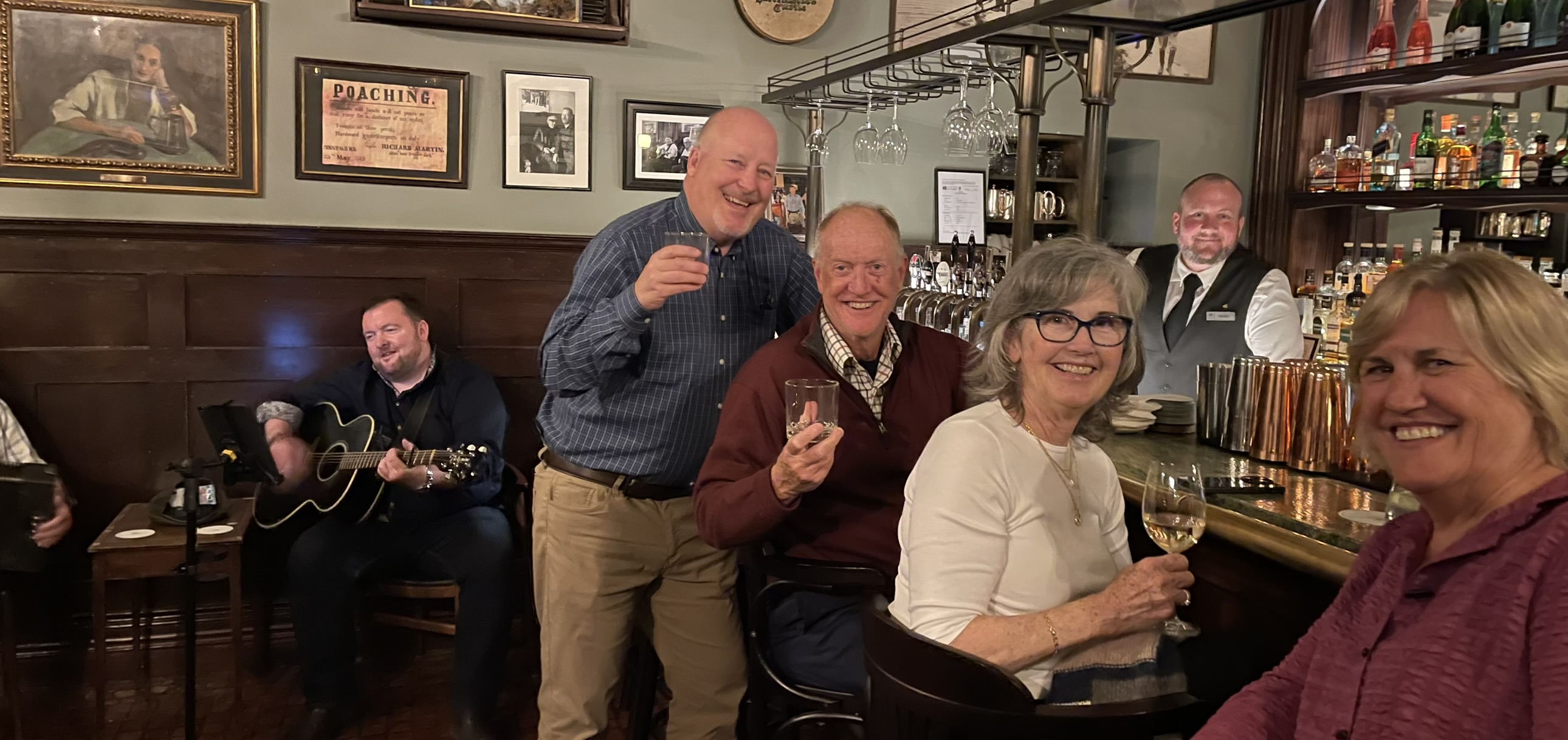
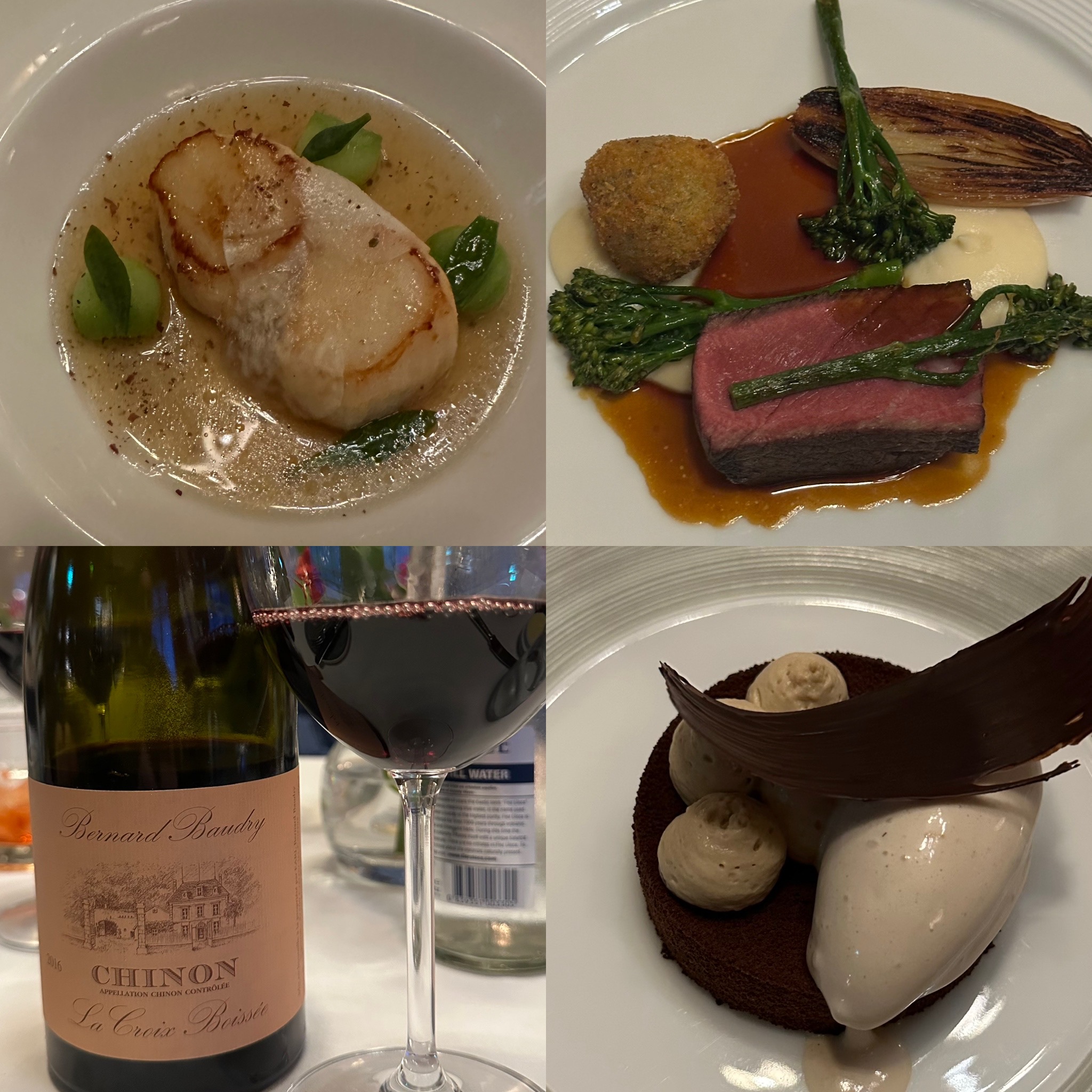
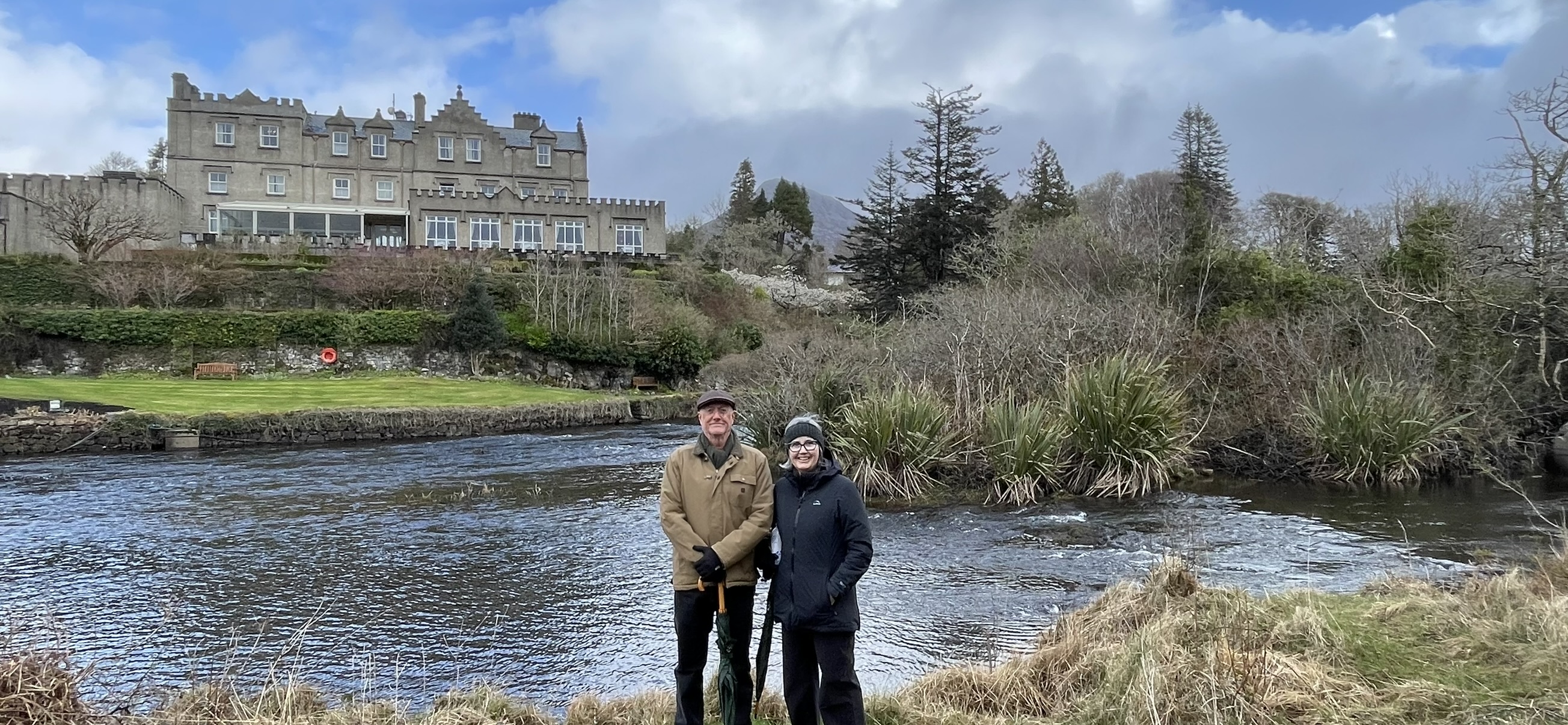
If you’re heading to Connemara for the first time, there are a few other notable attractions we visited on our first trip in 2009 that I highly recommend. Besides the aforementioned Delphi Lodge, we also enjoyed stopping in the town of Cong, whose famous ties to the old John Wayne-Maureen O’Hara movie The Quiet Man are proudly displayed everywhere. Great place for lunch. It’s a 15-minute walk from there to Ashford Castle, absolutely magnificent 13th century castle (now a hotel) with stunning grounds. An hour to the west you’ll find Connemara National Park, with its expansive peat bogs, heaths, woodland and scenic mountains — including the Twelve Bens mountain range — no end to scenic hiking opportunities.
| Days 12-14 | Westmeath and Meath | See lodging details below |
Two weeks into our Irish road trip and we finally get to the main event — the “Full Irish” wedding of our awesome nephew Dan and his beautiful bride Jenny! The weekend long celebration took place at an “alternative wedding venue” called Mount Druid, smack in the middle of Ireland almost exactly between Dublin in Galway. Now, for most people visiting Ireland as tourists, this area is not going to be a big draw, nor would I necessarily recommend it when compared to the many other places one might go. But if you do find yourself needing to stopover somewhere around here, there are definitely some worthwhile places I’m happy to point out.
| Duration | Destination | Where We Stayed |
|---|---|---|
| 2 days | Mount Druid, Westmeath | Mount Druid Alternative Wedding Venue |
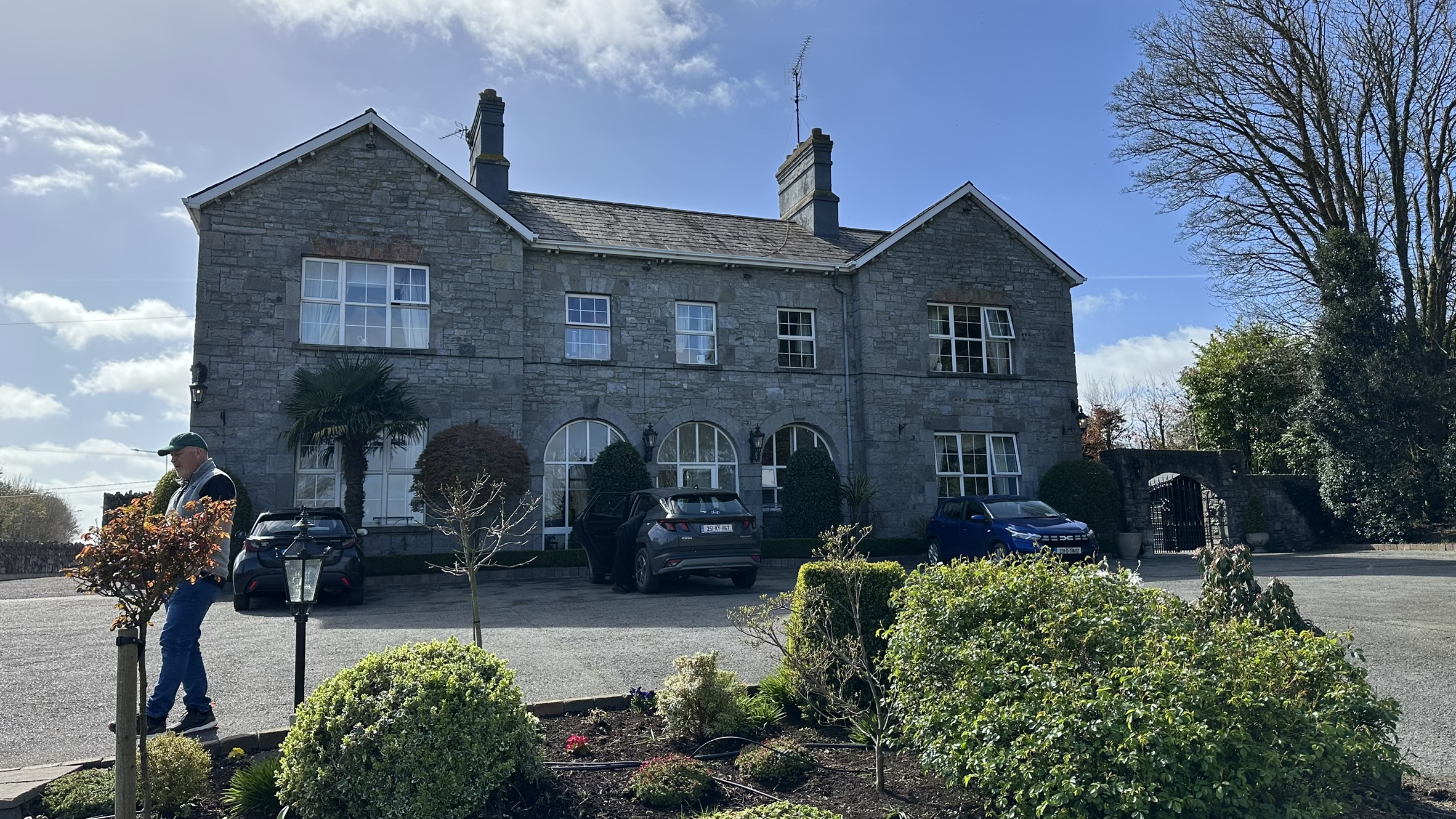
| 1 day | Trim, County Meath | Highfield House |
Highlights:
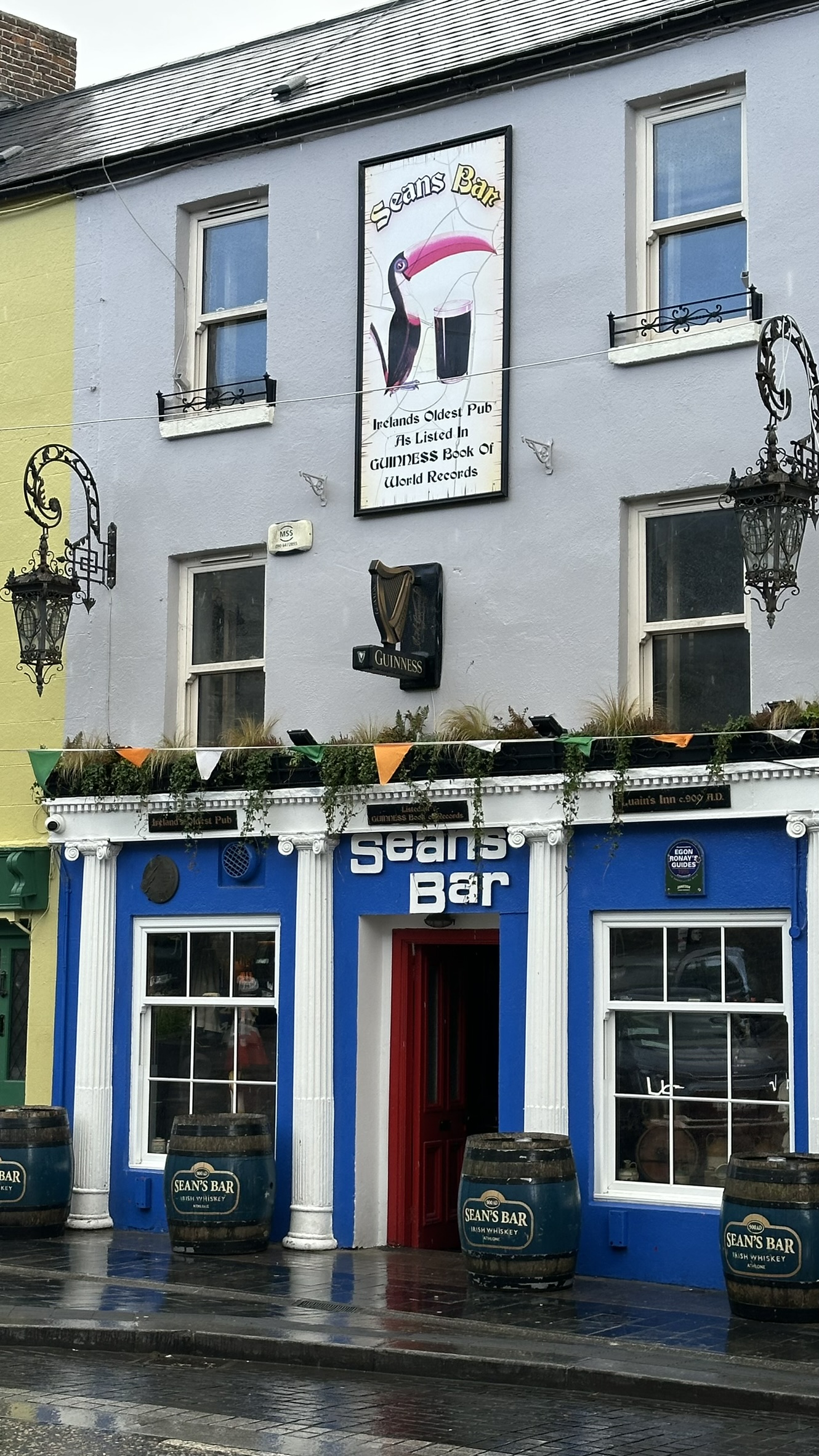
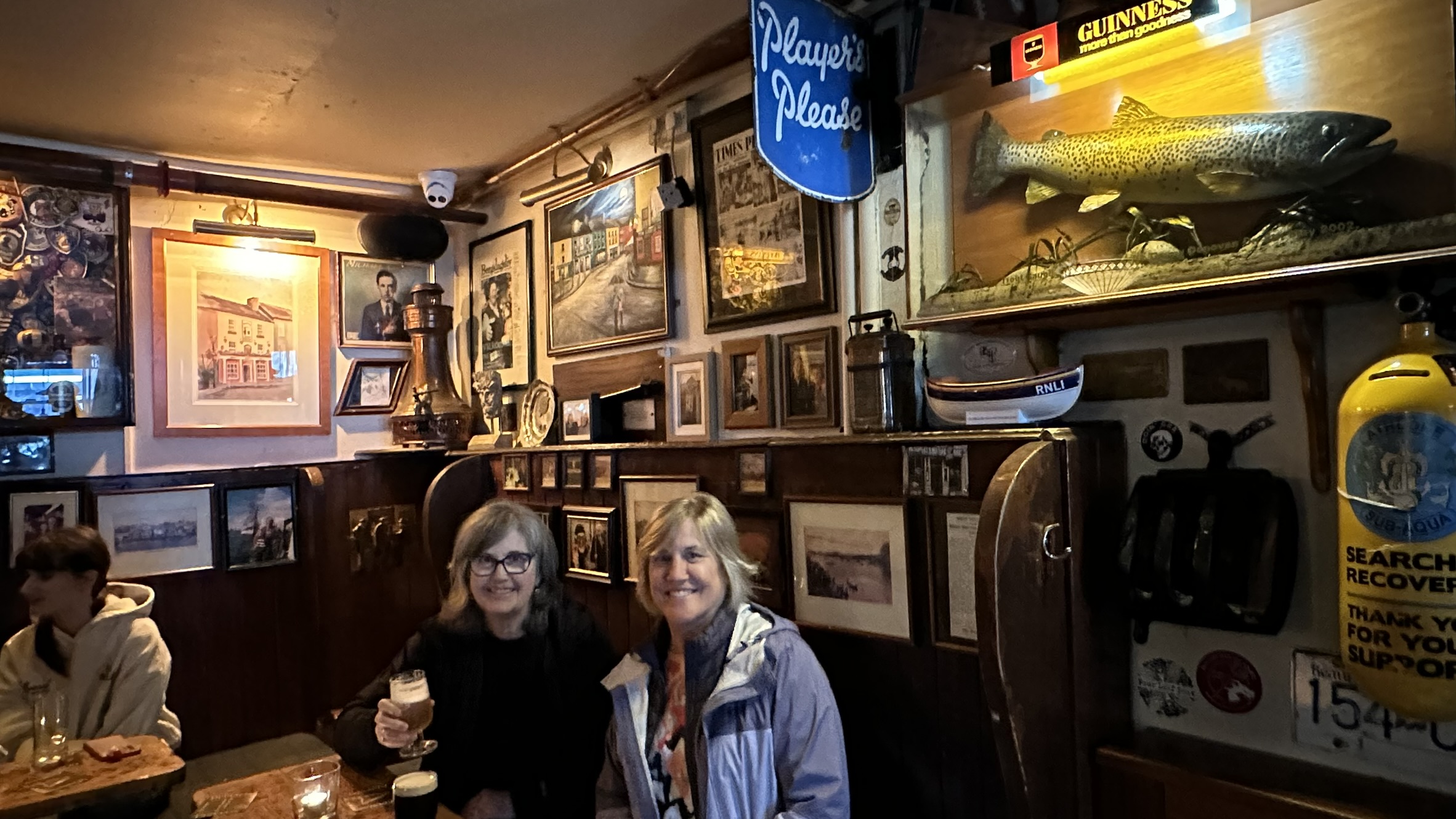
- On the road to Mount Druid from Galway is the town of Athlone. In the center of Athlone sits Sean’s Bar. First documented around 900 A.D. before the town was built up around it, the Guinness World Book of Records lists it as the oldest pub in Ireland. Stop in and have a pint. Decent food in town at the Left Bank Bistro (recommended by Sean’s bartender).
- Mount Druid was actually a very cool place; 100 acres of parkland, gardens, a lake, and several buildings converted into quirky entertainment areas, including a barn, a boathouse, and more. Lodging options including assorted huts, yurts, a couple houses, and a graffiti-covered bus. We stayed in this house, very nice. Add a hundred or so friends and family and it’ll be a party!
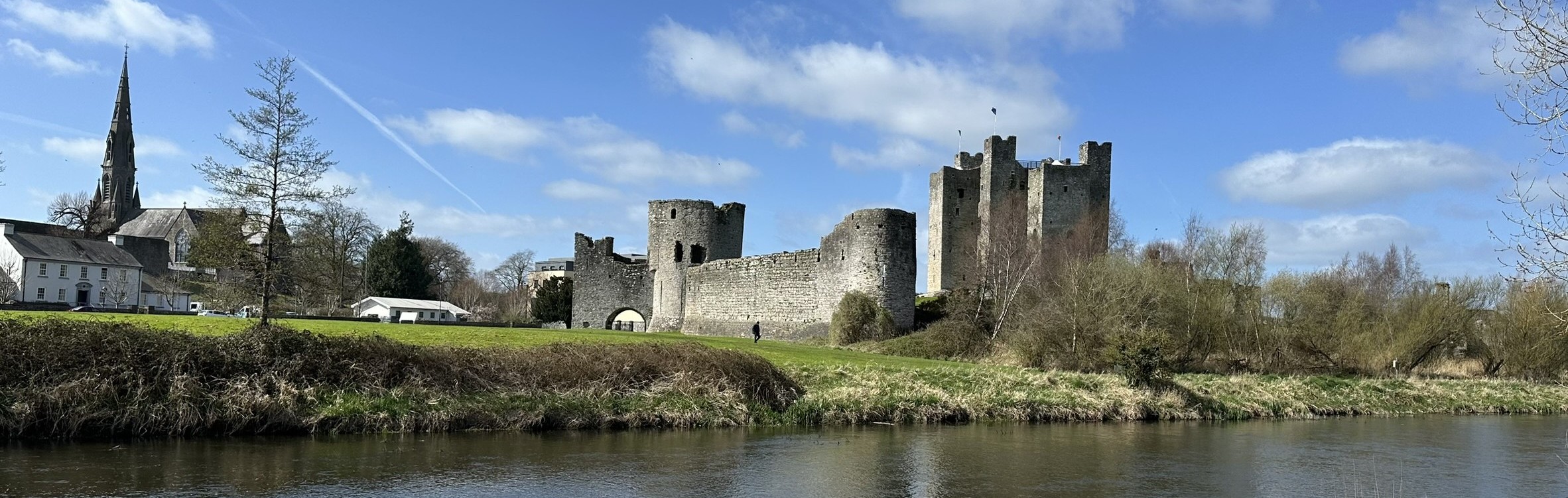
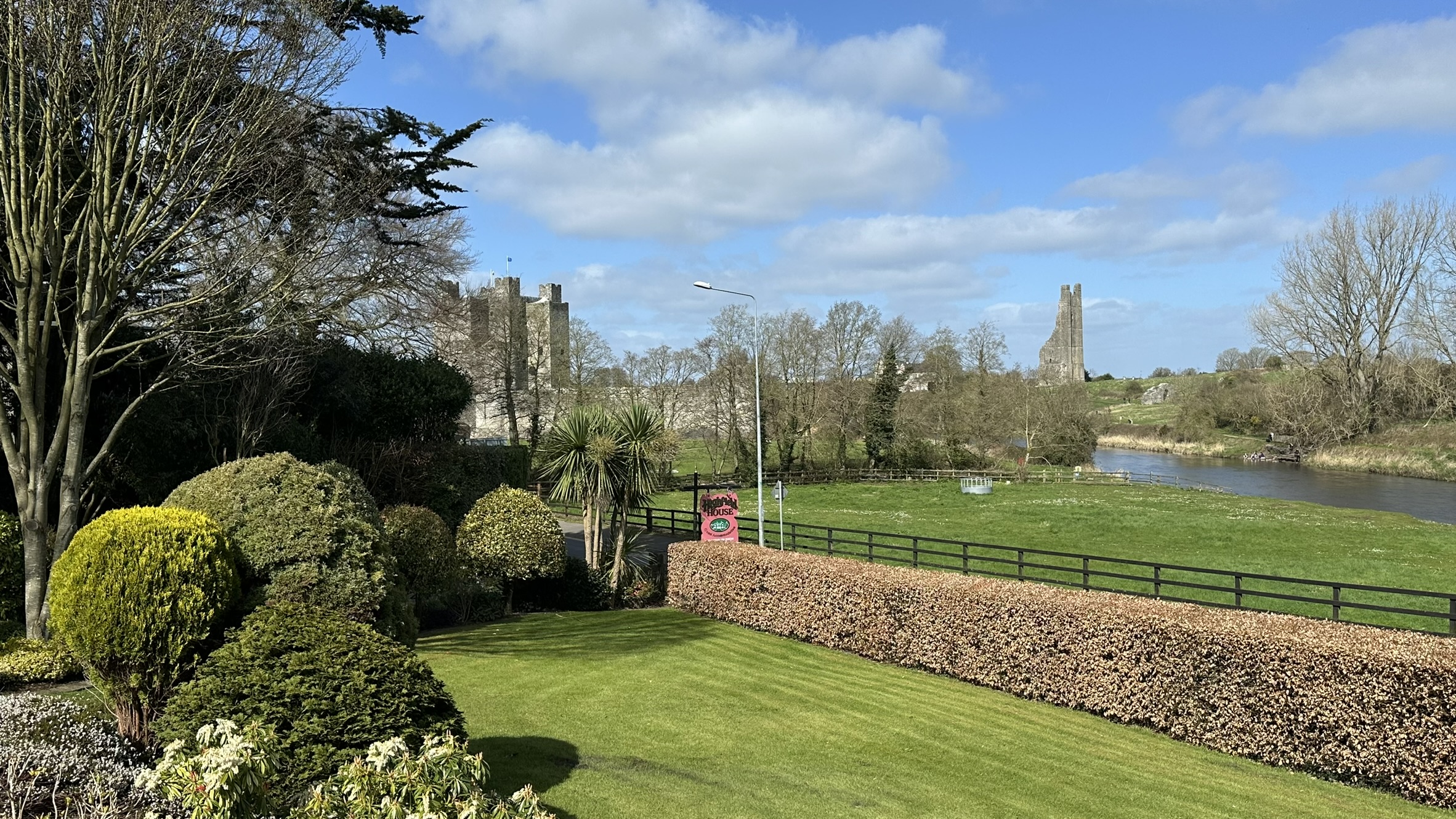
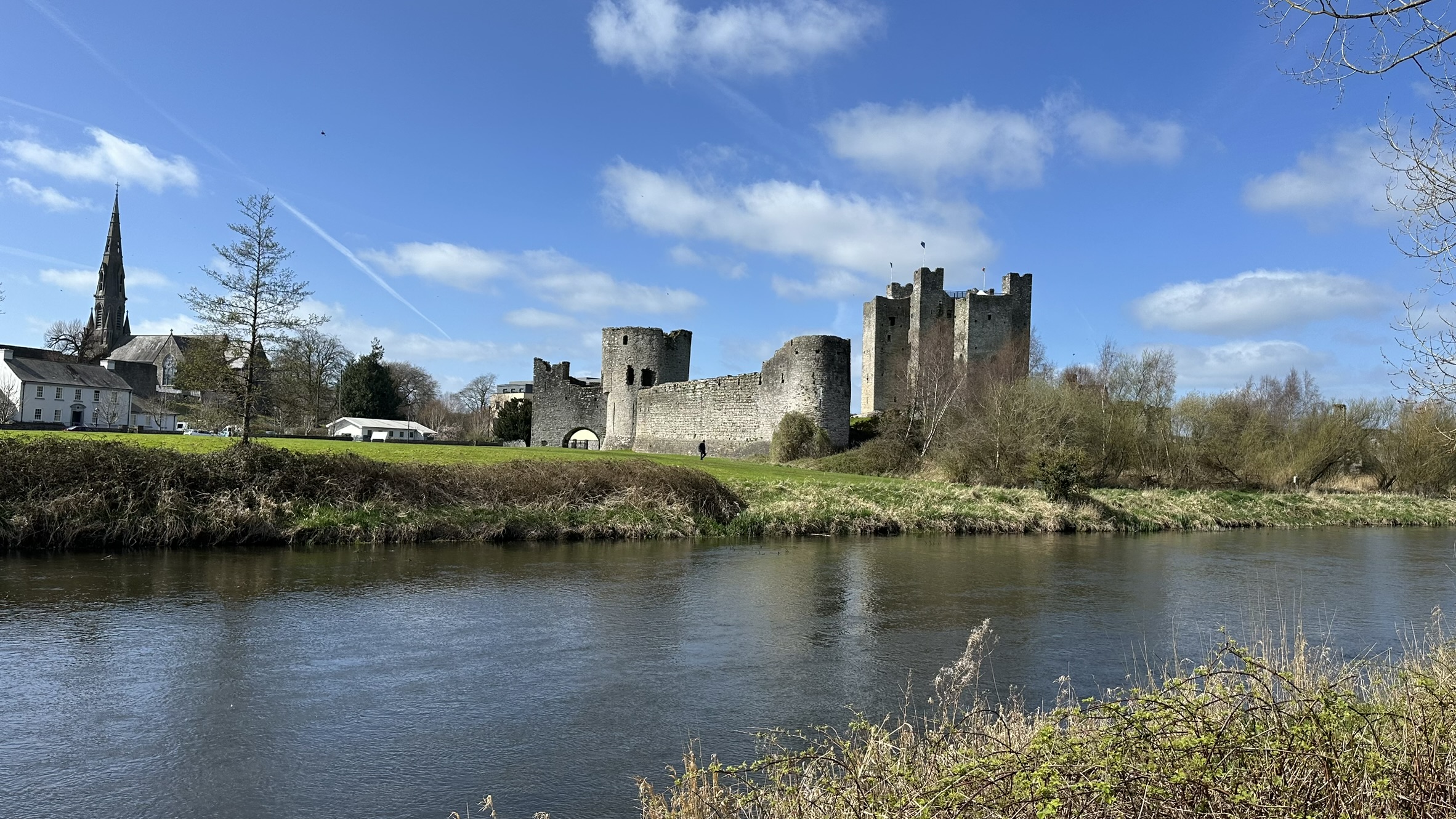
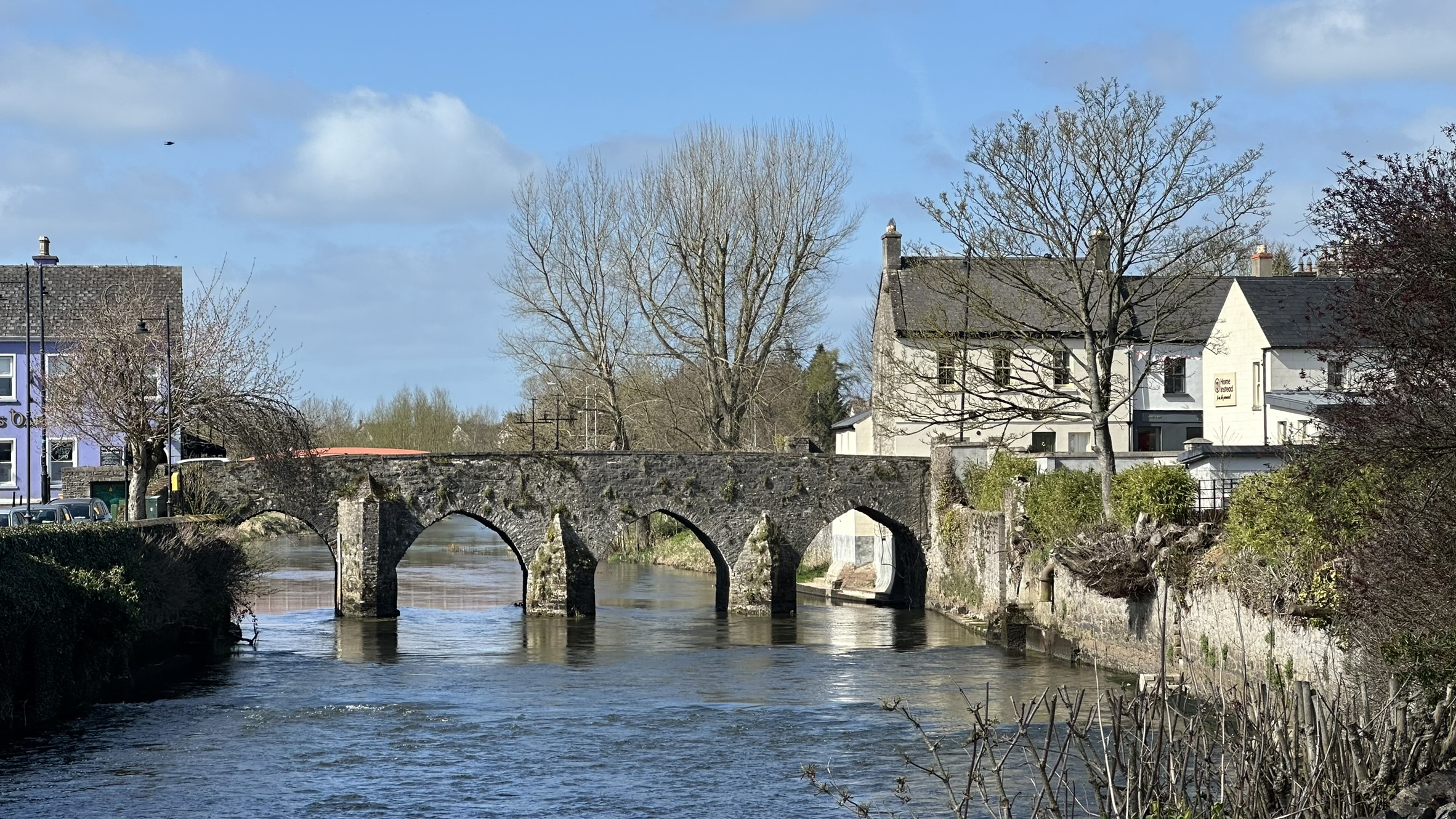
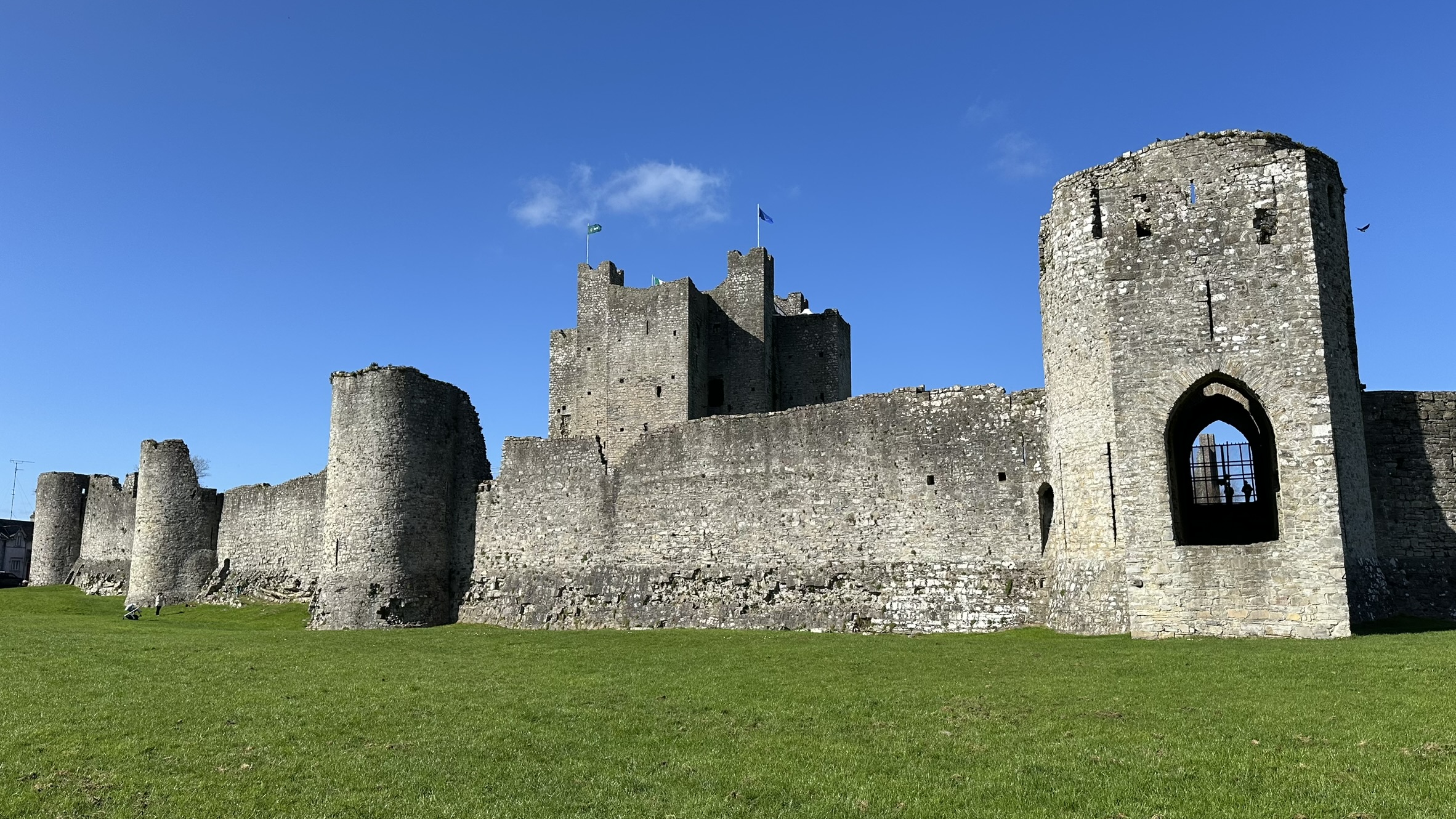
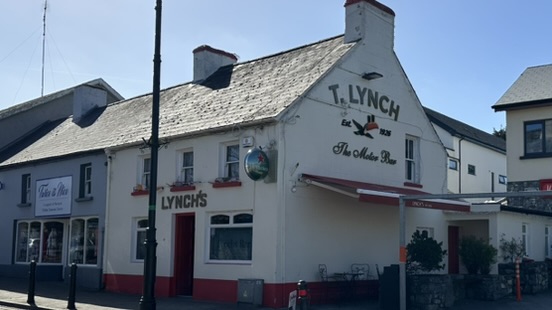
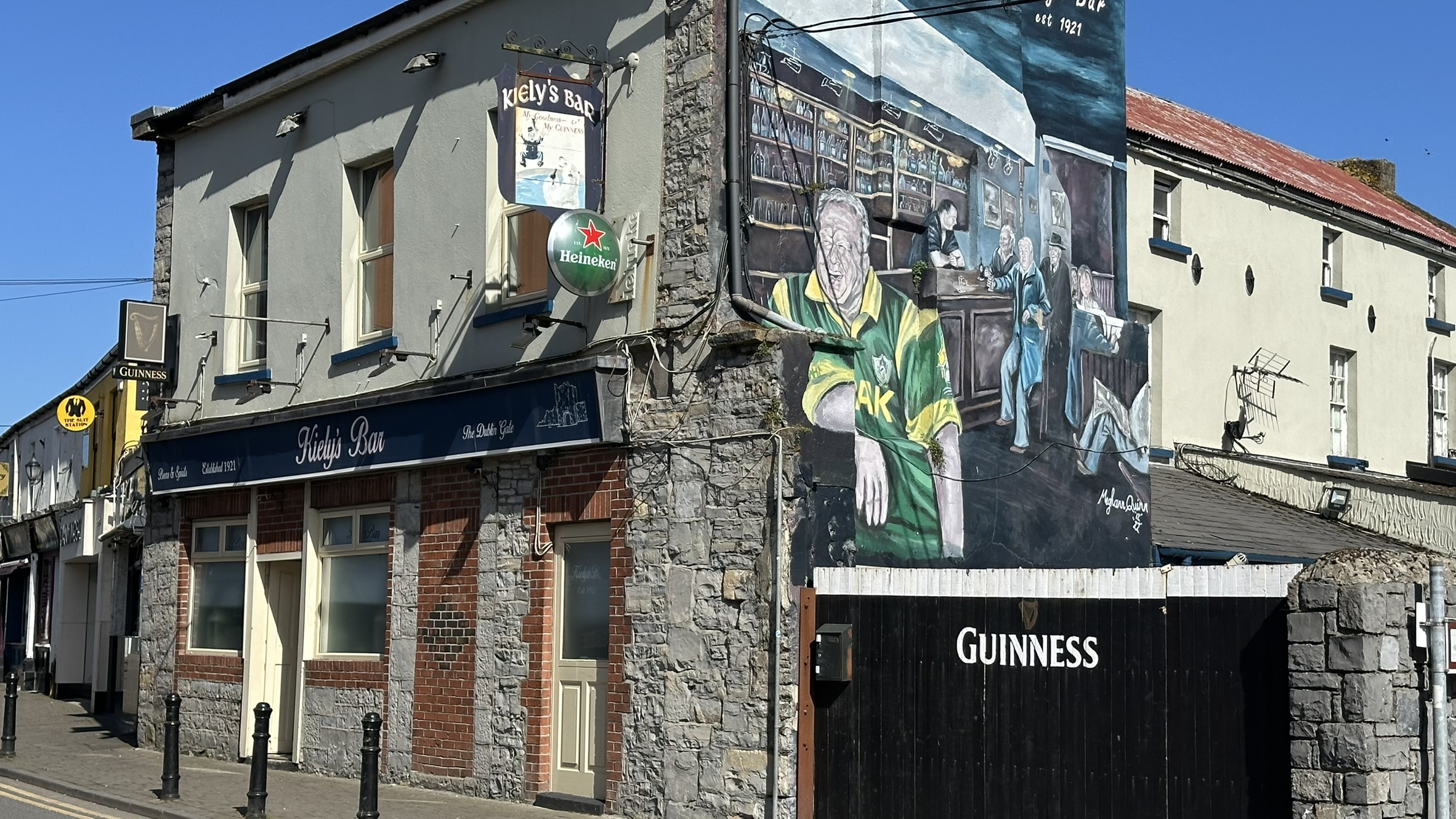
- After the wedding and two days at Mount Druid, the whole gang relocated to Trim, halfway back to Dublin. Amazingly, Trim has more medieval sites that any other place in Ireland! Trim Castle is massive and incredibly well preserved, the largest Anglo-Norman castle in Ireland. Henry V was once a prisoner there, and much of Braveheart was filmed there. Just upriver stands Ireland’s oldest bridge, its stone arches obviously built to last. We hit a few good pubs, my favorite’s being Lynch’s and Kiely’s.
- Highfield House has 10 en-suite bedrooms, a commercial grade kitchen, and lovely gardens and patios, an awesome spot for a large group. And it’s a short walk to the river, the medieval sites, and the town center.
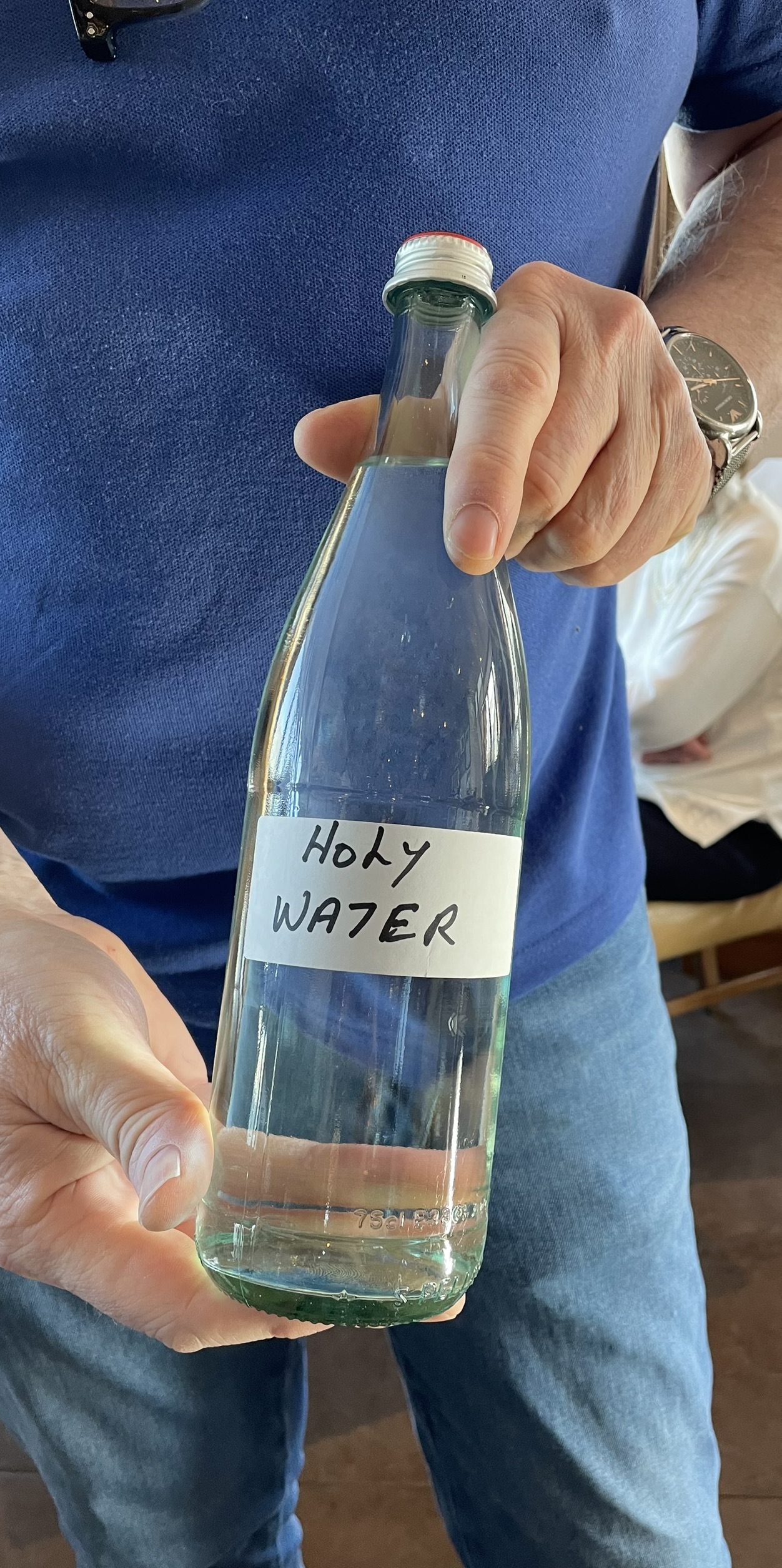
- The one restaurant in Trim I strongly recommend — and not just because it’s the only place we ate — is the Stock House. It was lunch on Mother’s Day, and even though they were packed, they found a table for us without a reservation. The food was good, but oh, the owner Mick was amazing. He stopped by everyone’s table to say hello, and when he dropped by ours, he had a special treat: a bottle of his local potcheen (Irish moonshine from the nearby hills). He joined us for a post-meal dram, so we were pretty sure it was safe. Then we learned about his side gig: Mick is a local hero, it turns out, having created and largely self-funded missionary work to buy and personally deliver ambulances and 4×4 transport vehicles to the front lines in Ukraine. He autographed a book he’s written about that effort and gave it to us. An incredible story about an incredible man. The man from Trim.

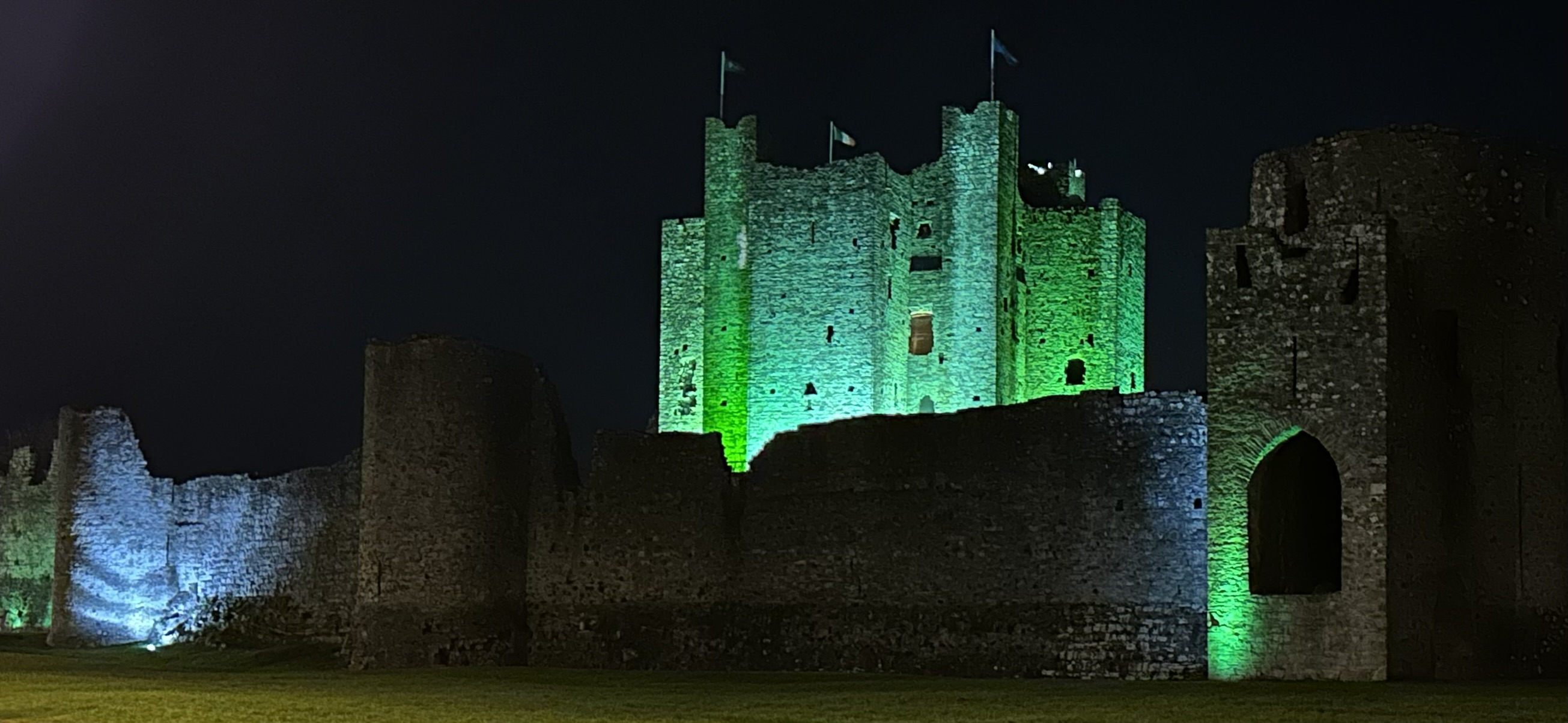
Now having spent just over 30 days exploring Ireland over three different trips, it’s fair to say many of our favorite spots and in the underrated north. You’ll need a car but give it a try, you won’t be disappointed!
| Days 15-17 | Craigellachie, Scotland | Craigellachie Hotel |
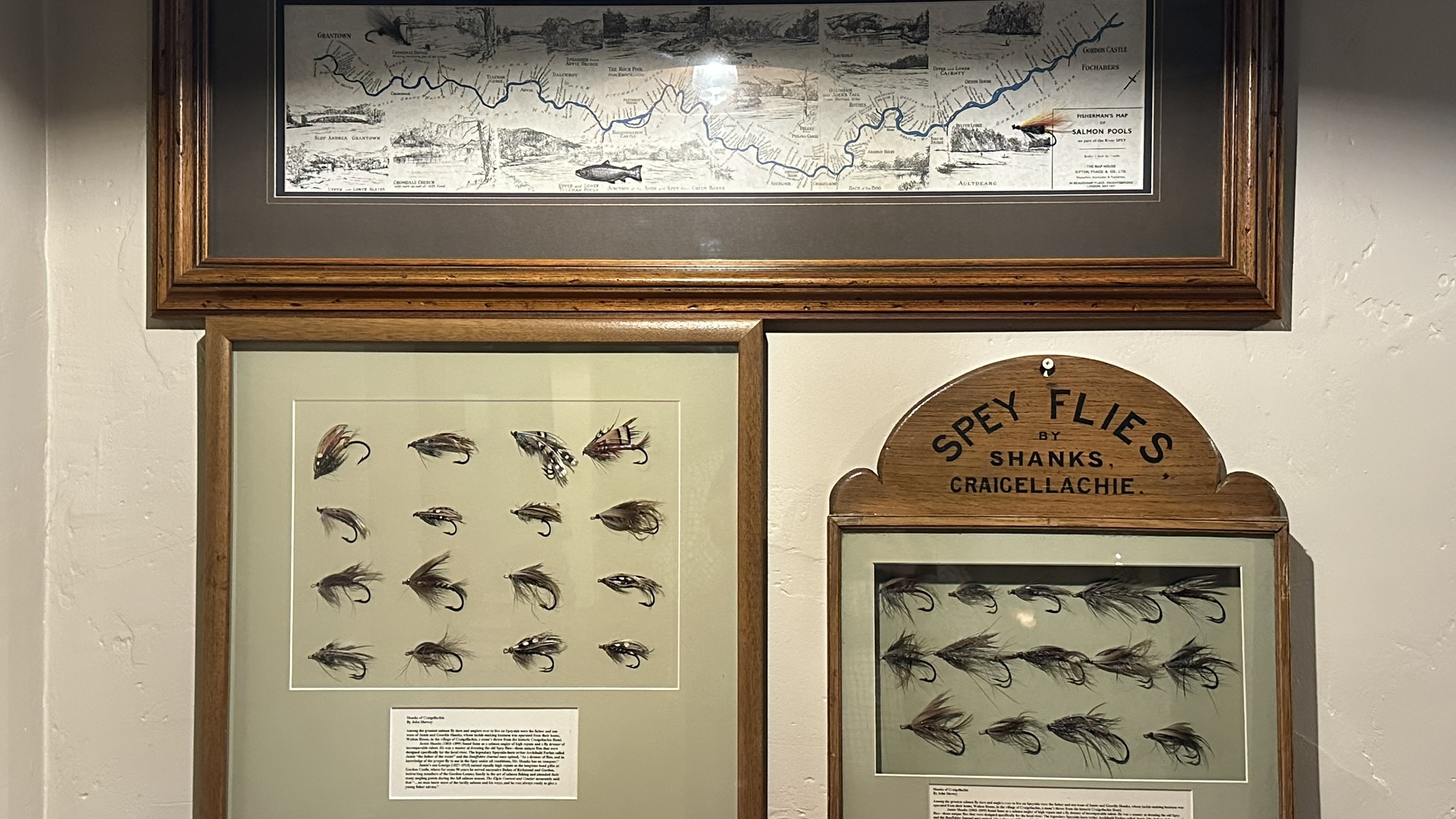
Two weeks in Ireland was great, and the Full Irish Wedding was the perfect cake topper, but it’s too soon to come home, so…did you know you can fly Aer Lingus from Dublin to Edinburgh in just under 90 minutes?
That’s right, you can! So off we went, back to Scotland for the first time since 2023 (here is that 4-week trip), starting with a spot we really liked but didn’t have enough time to fully enjoy on that last trip: Speyside, home of the Malt Whisky Trail and the greatest concentration of Scotch whisky distilleries in the world. Can you guess the theme of our 3-day stay? I thought so.
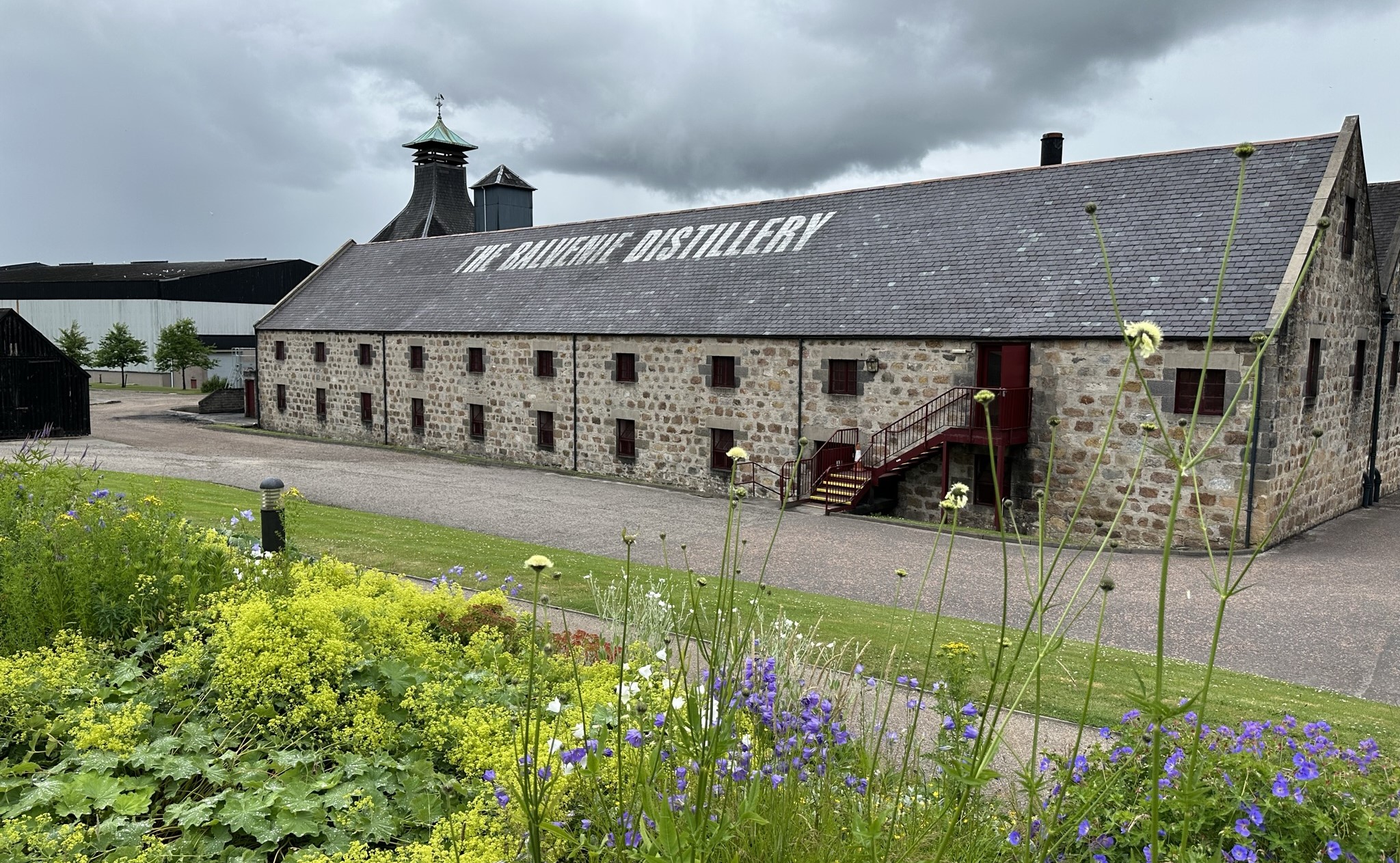
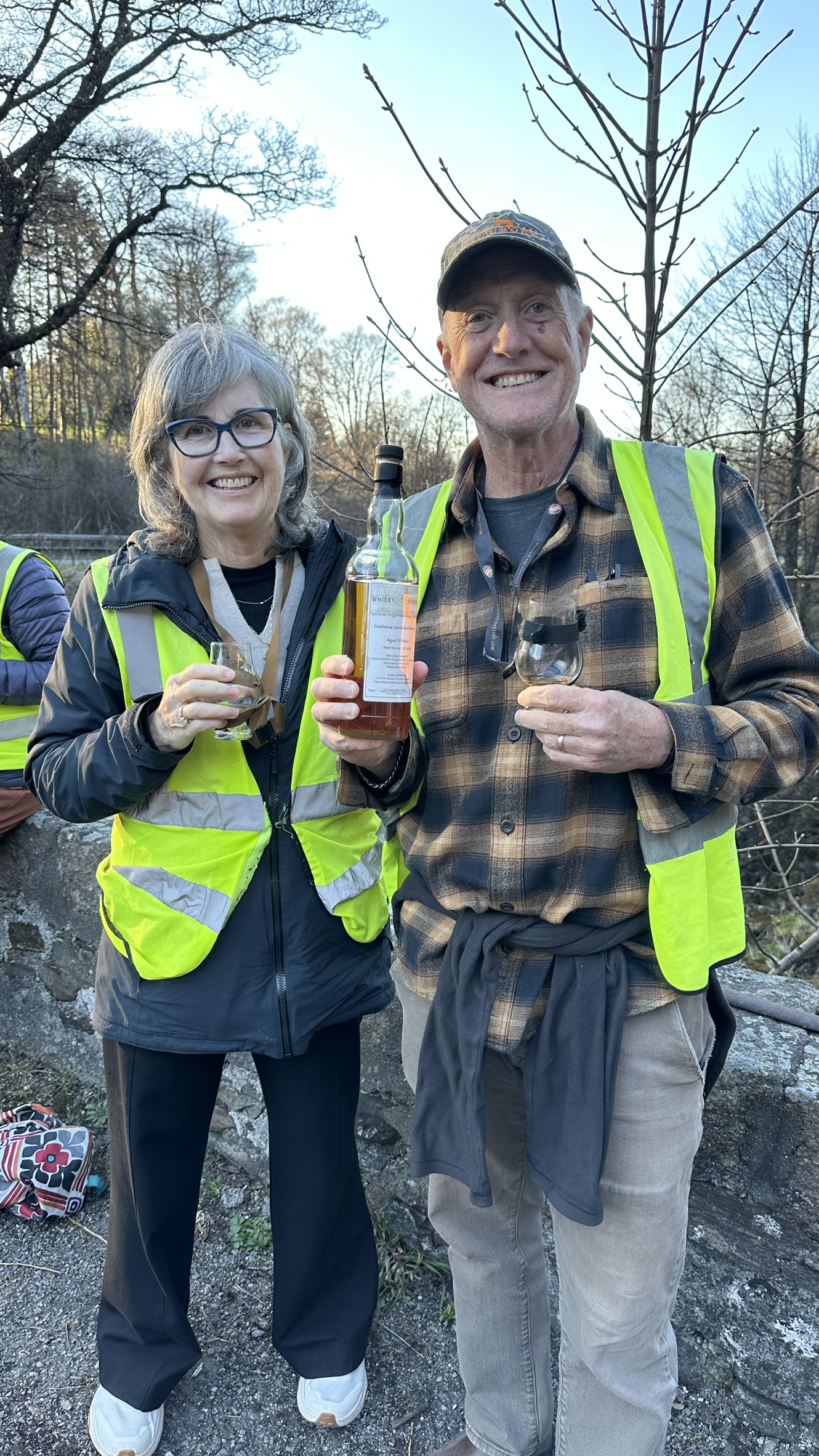
Top of the list of our Speyside highlights was our full day whisky tour. It’s important to note that Scotland’s drinking and driving laws are severe, as they should be, so any whisky tasting is basically impossible if you are driving. So, after doing a little research, we went with Derek Hancock of Speyside Whisky Experience as our guide and driver for the day. Derek is a true whisky expert, having spent many years in the business, and the stories and knowledge he imparted during our drive made it extra special. Very helpful for my whisky buying decisions. Our stops included:
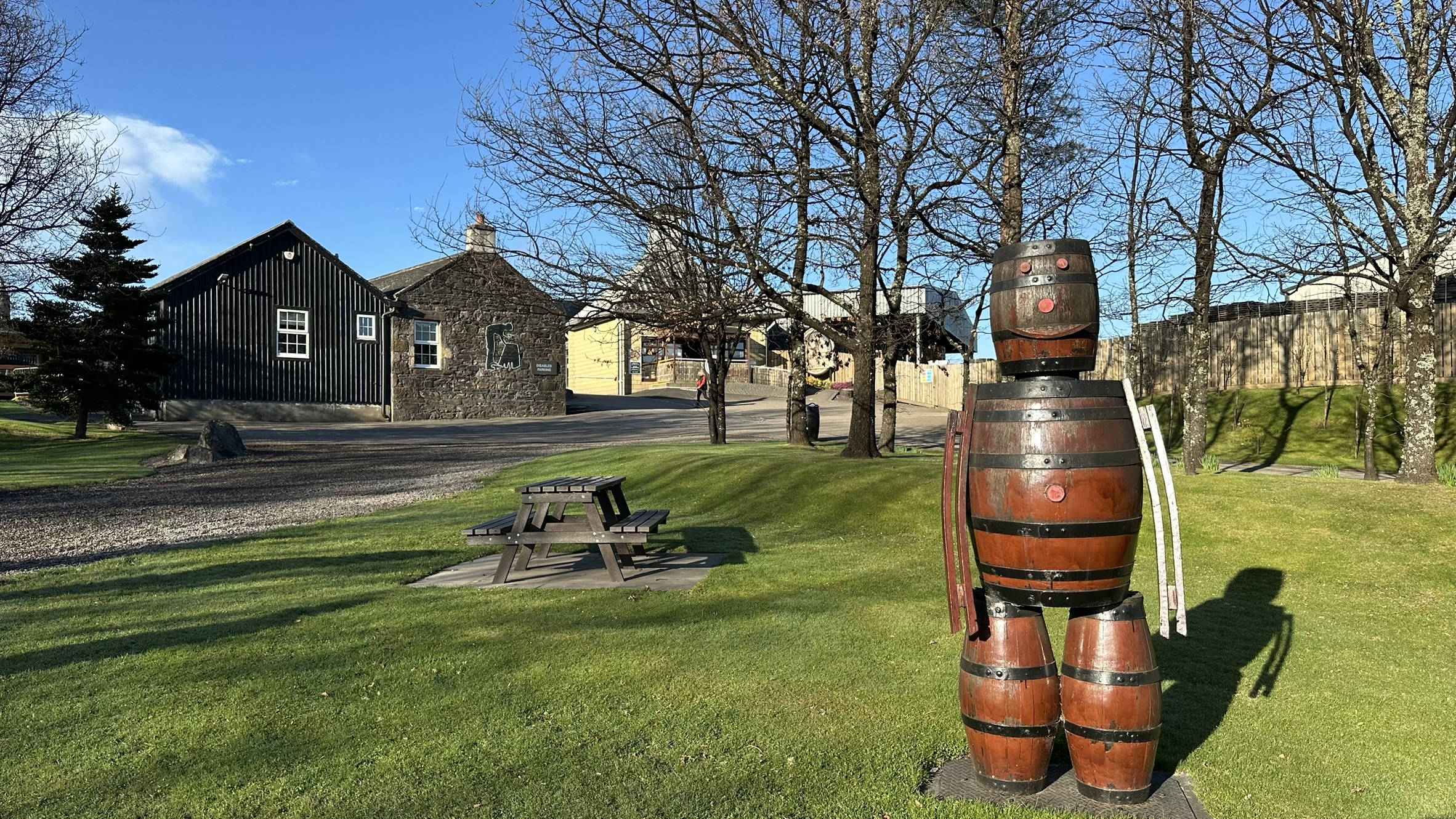
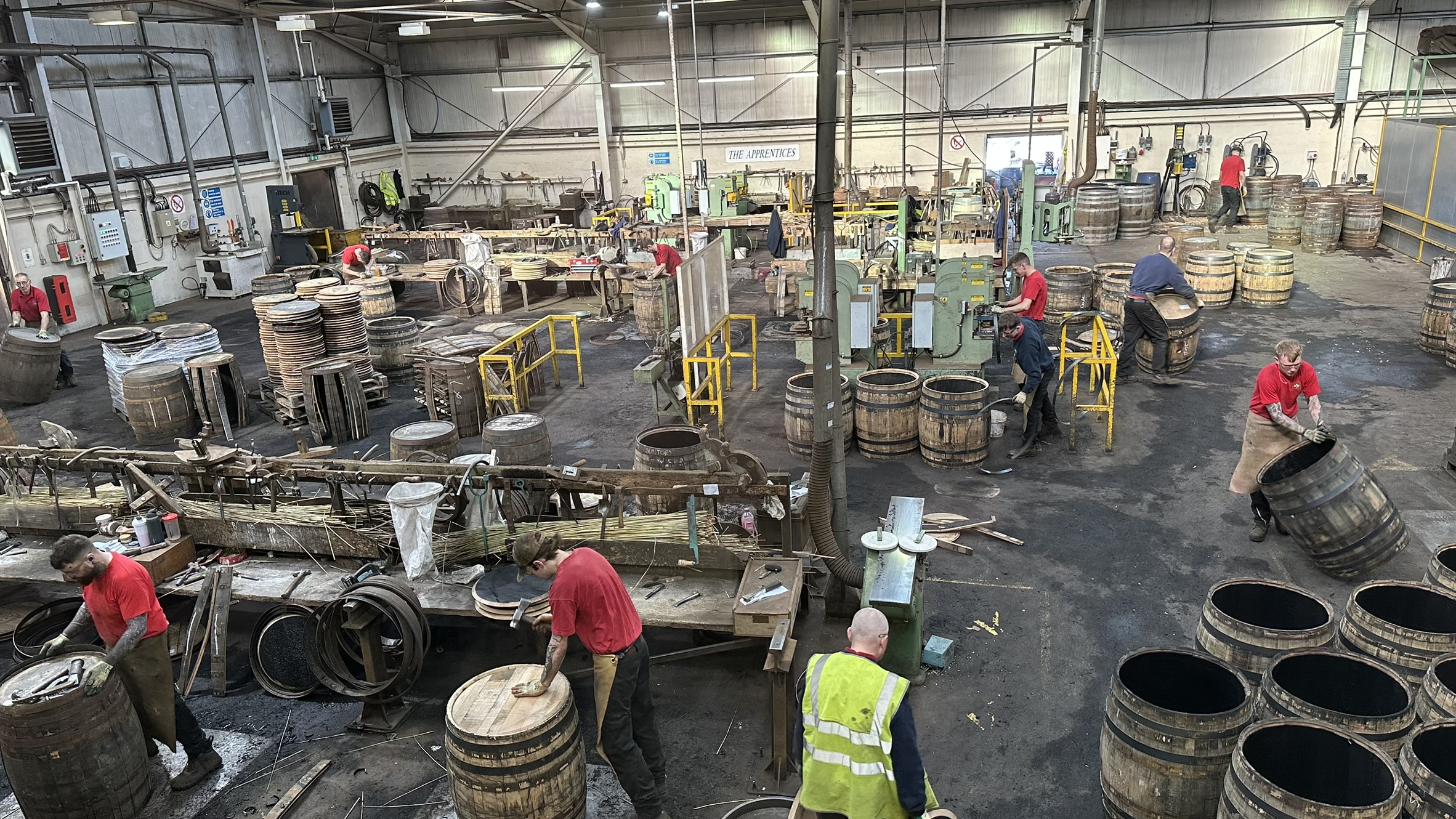
- Speyside Cooperage is the largest maker of whisky casks in the UK, one of only a handful in Scotland. Their one-hour “acorn to cask” tour was super interesting. 150,000 casks are produced or refurbished here every year. Most casks use American Oak, previously used in bourbon production, though European Oak is also used as are Sherry casks from Spain. The shop floor was a hive of activity; one man we saw holds the Guinness World Record for producing a cask from scratch: 3 minutes and 3 seconds!

- Speyburn Distillery, where we had our only full distillery tour. As a general rule, once you’ve done one you’ve done them all, but this offered something unique. Speyburn is notable as an early innovator, having invented the malt drum drying method – similar to a clothes dryer – instead of traditional malt floors for dying malted barley. They also let you sample the “sweet beer”; the first alcohol (about 8%) produced in the whisky making process before it is further distilled into spirit. They had a nice tasting as well that came with complimentary souvenir whisky glasses.
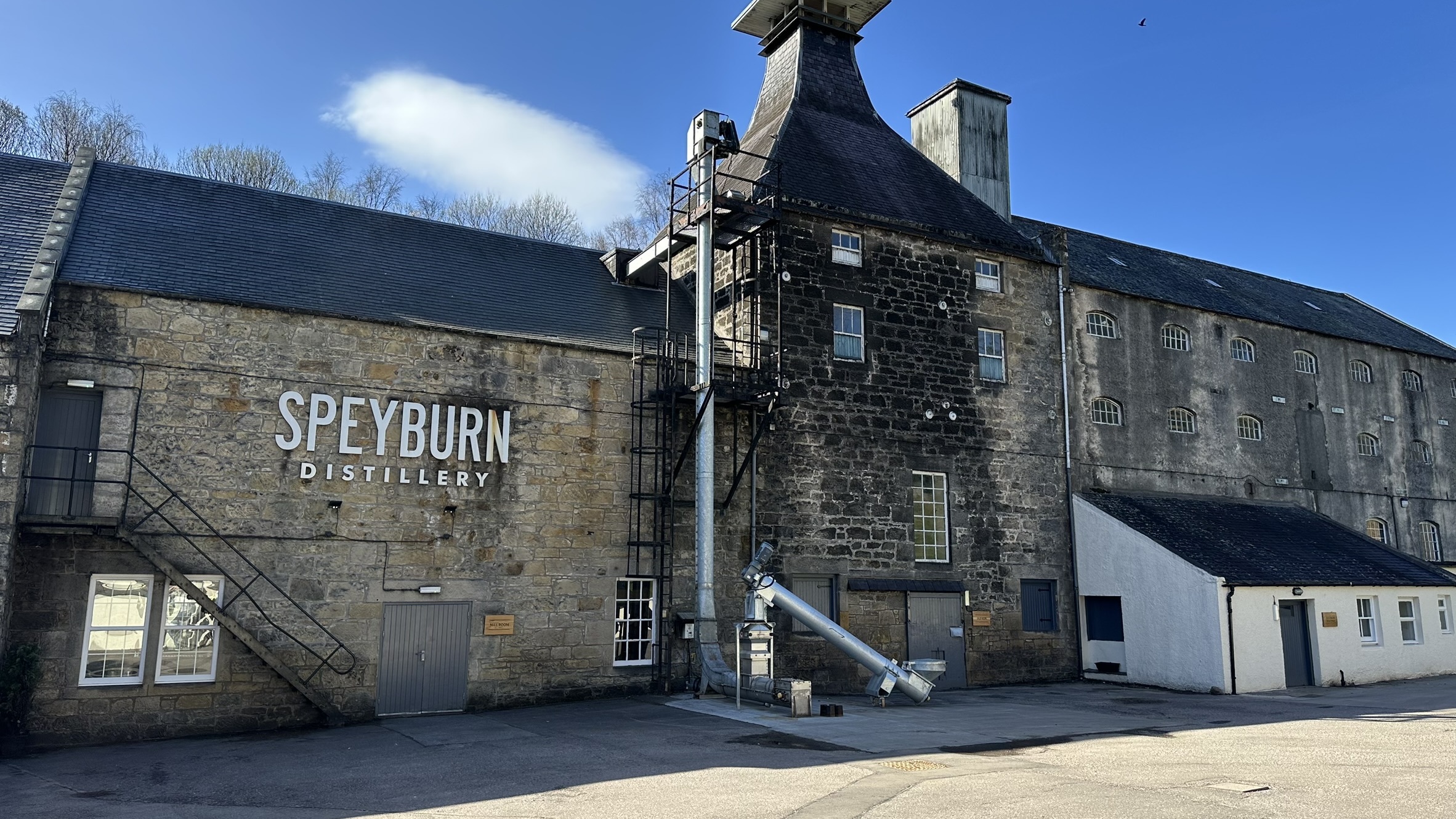
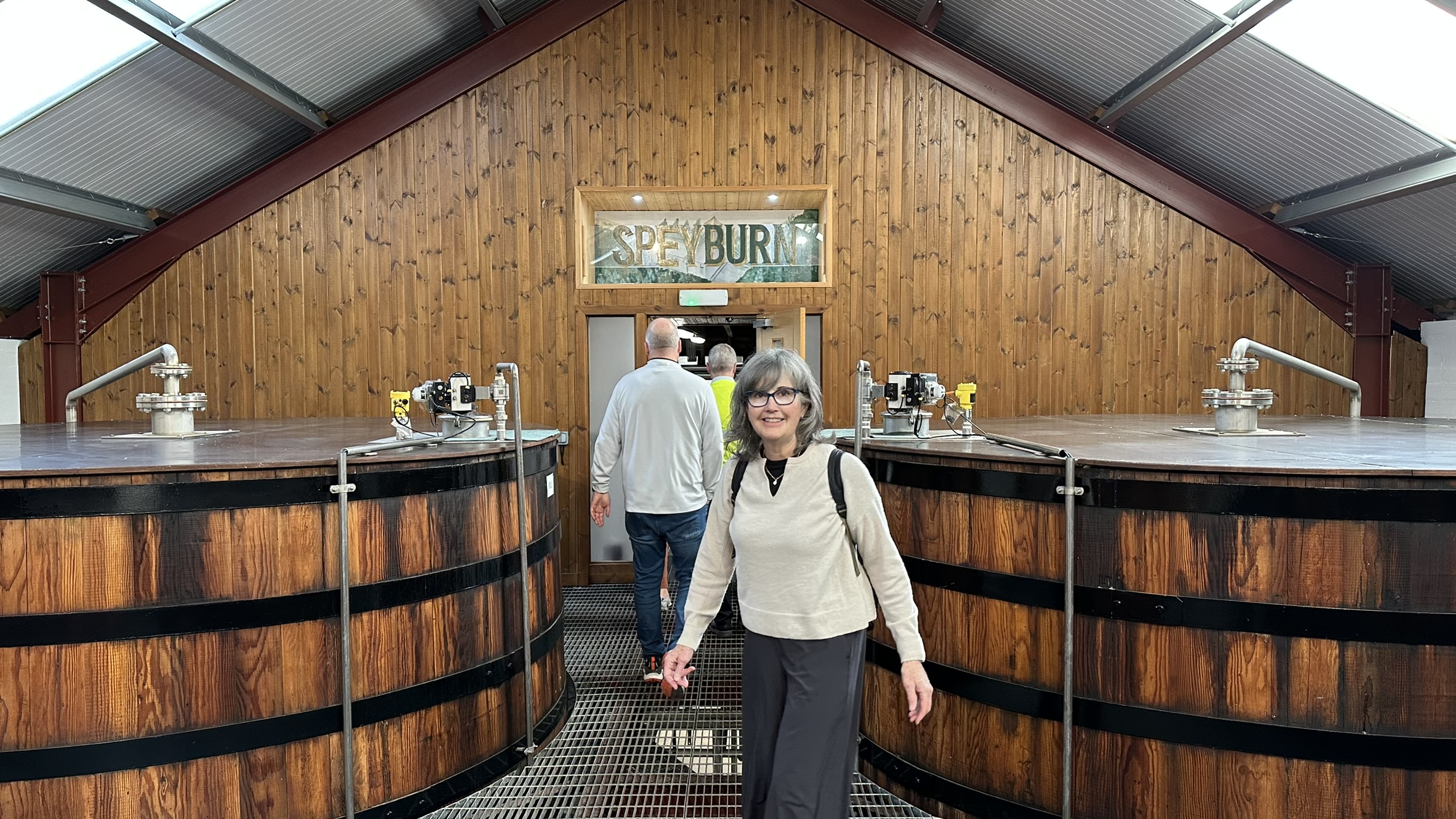
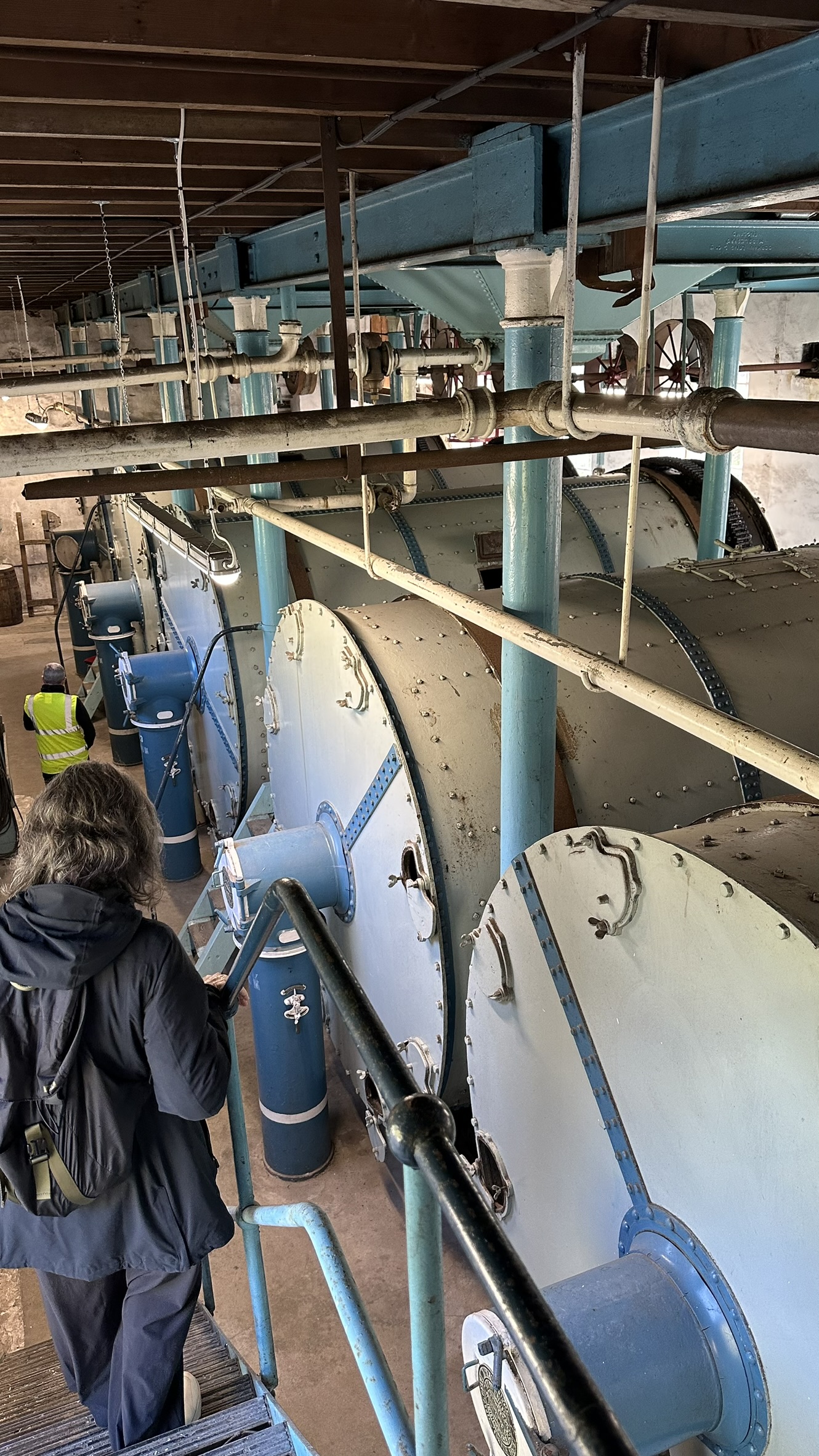
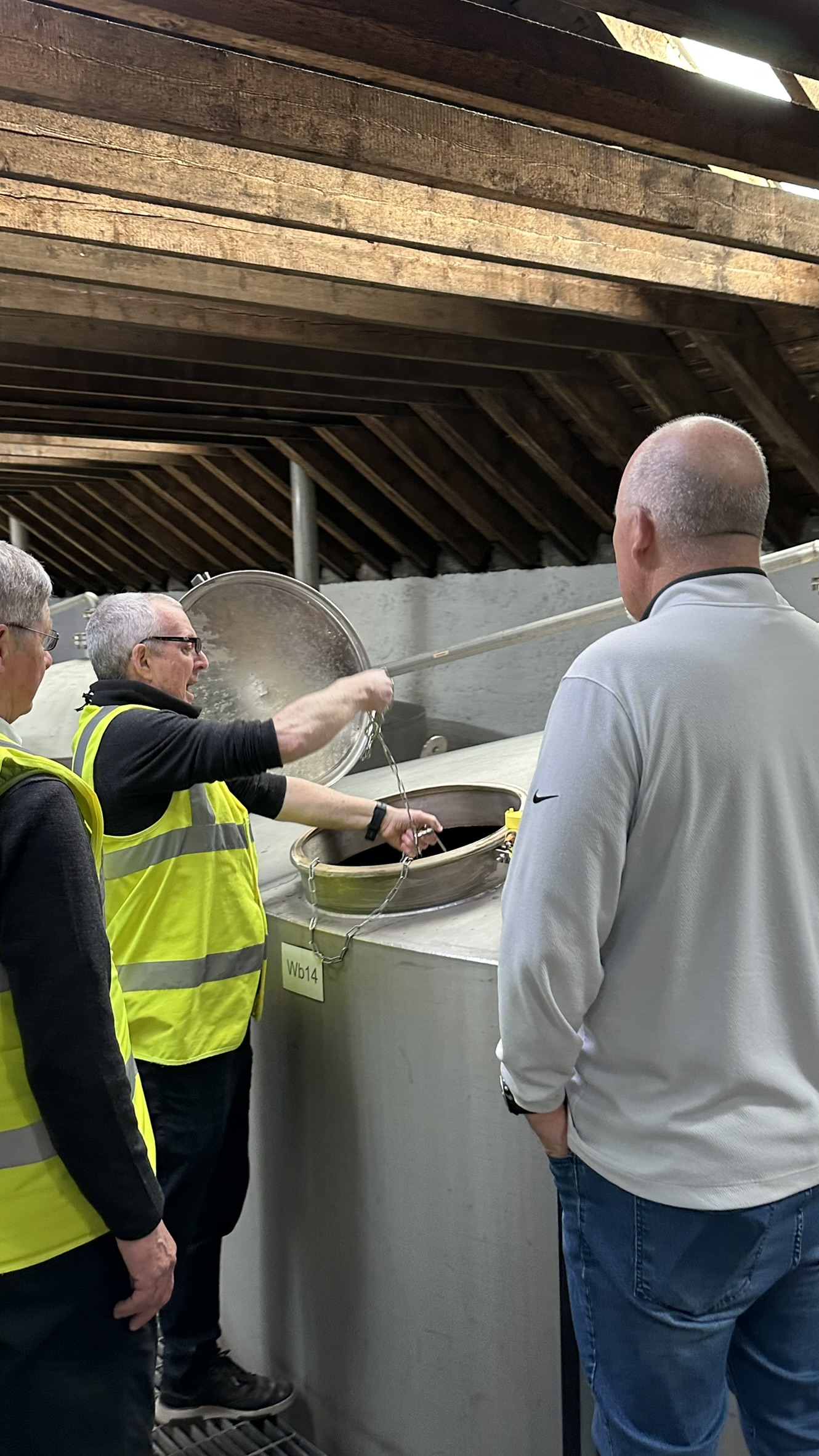
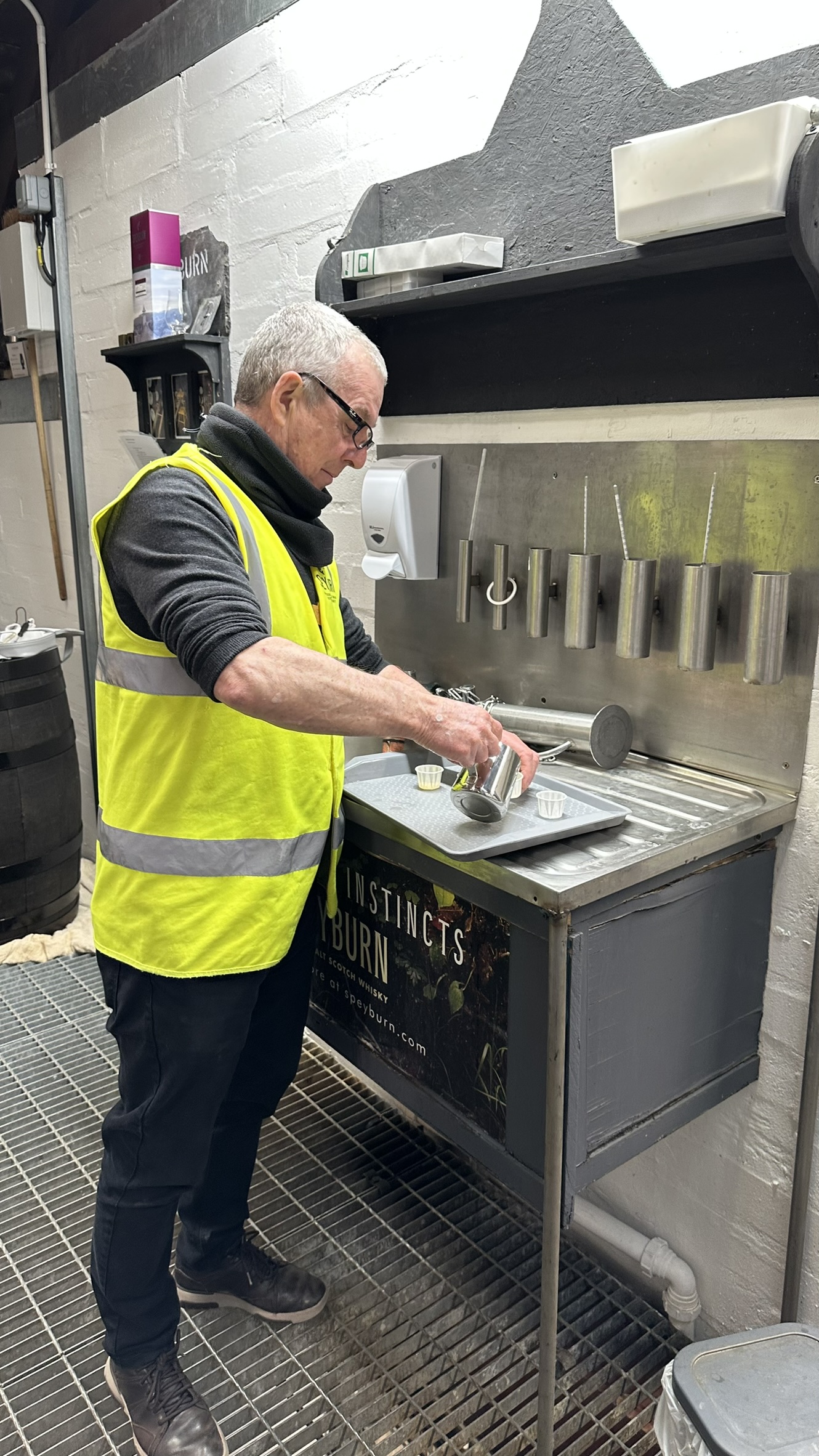
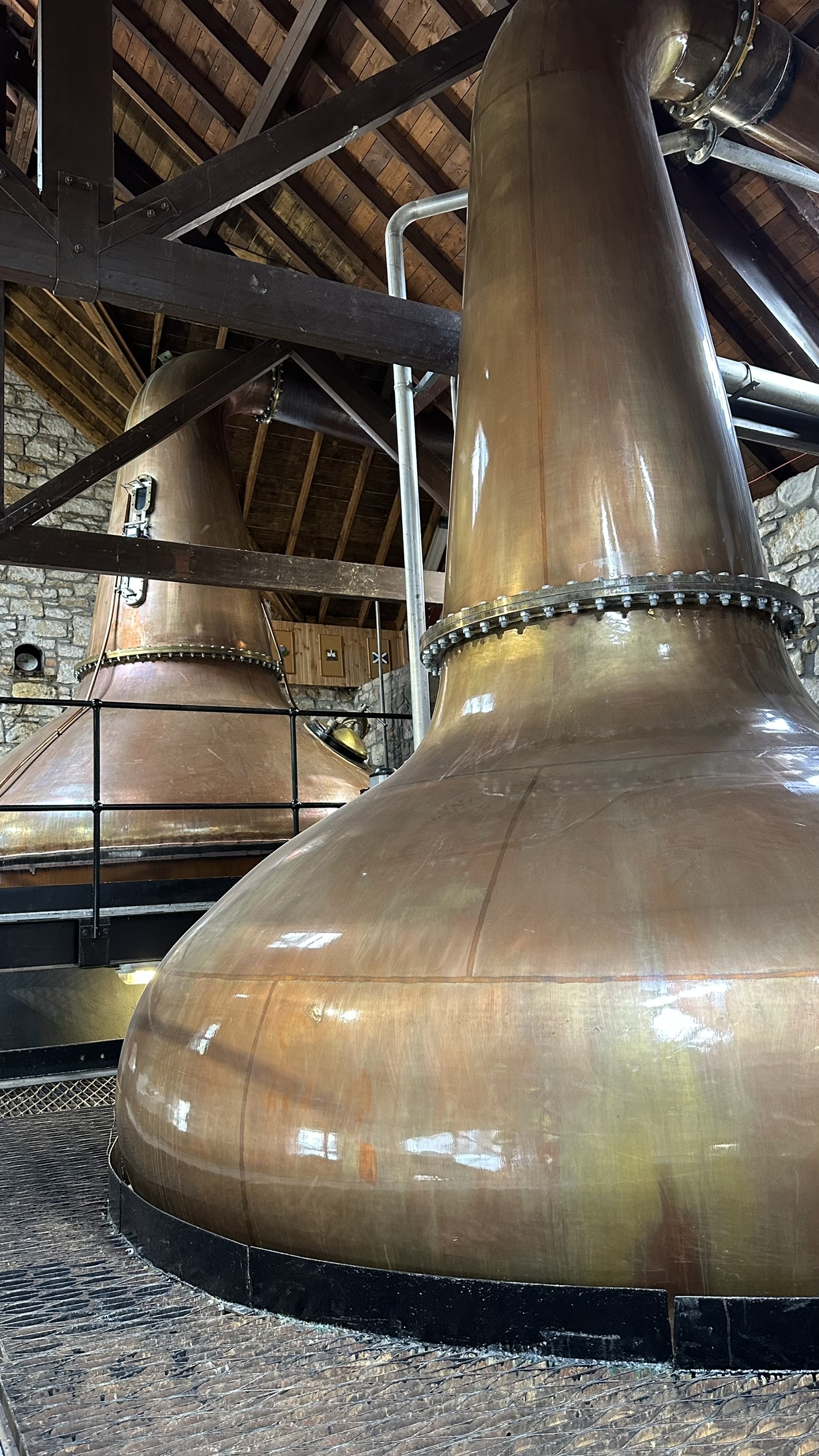
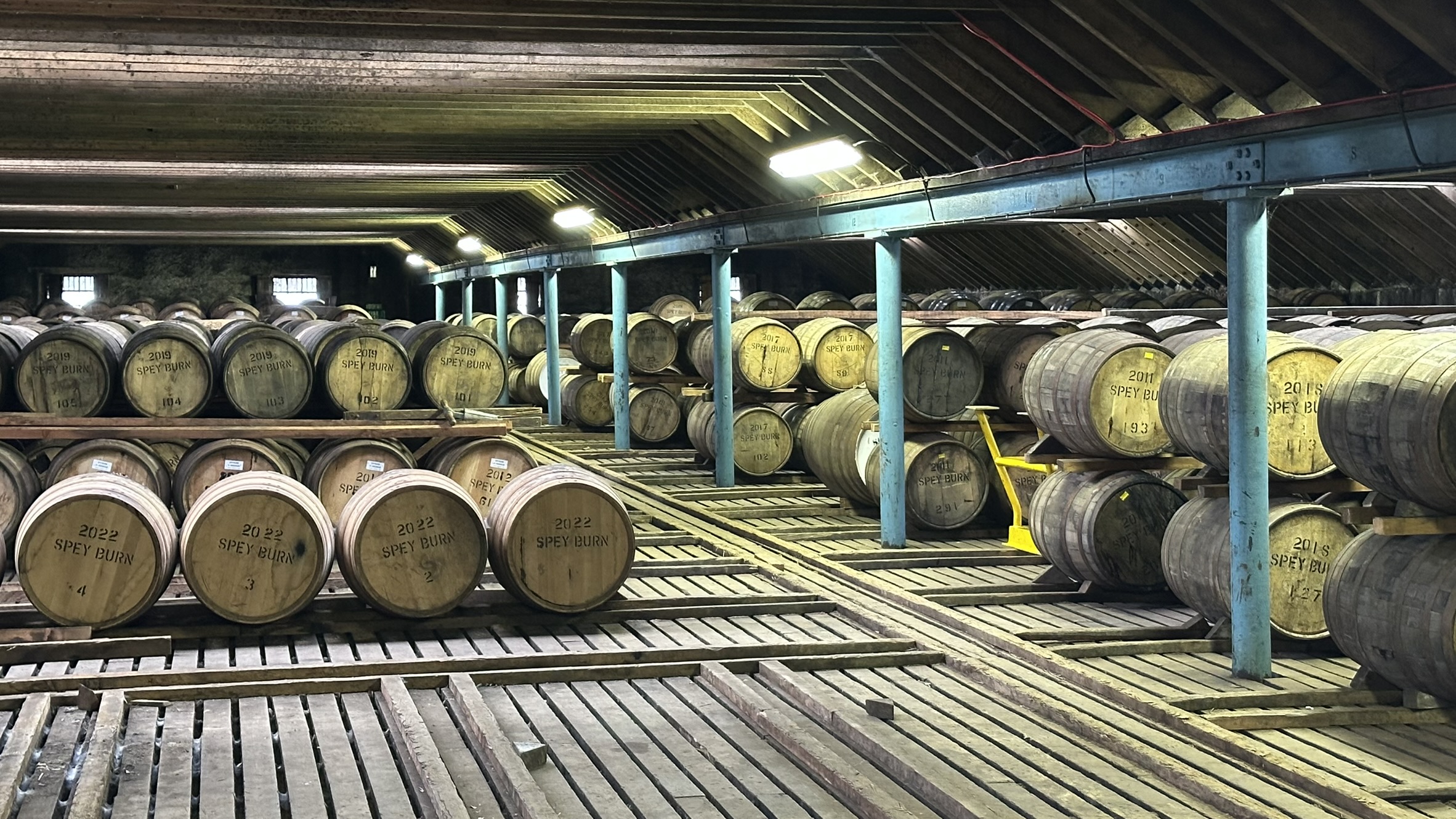
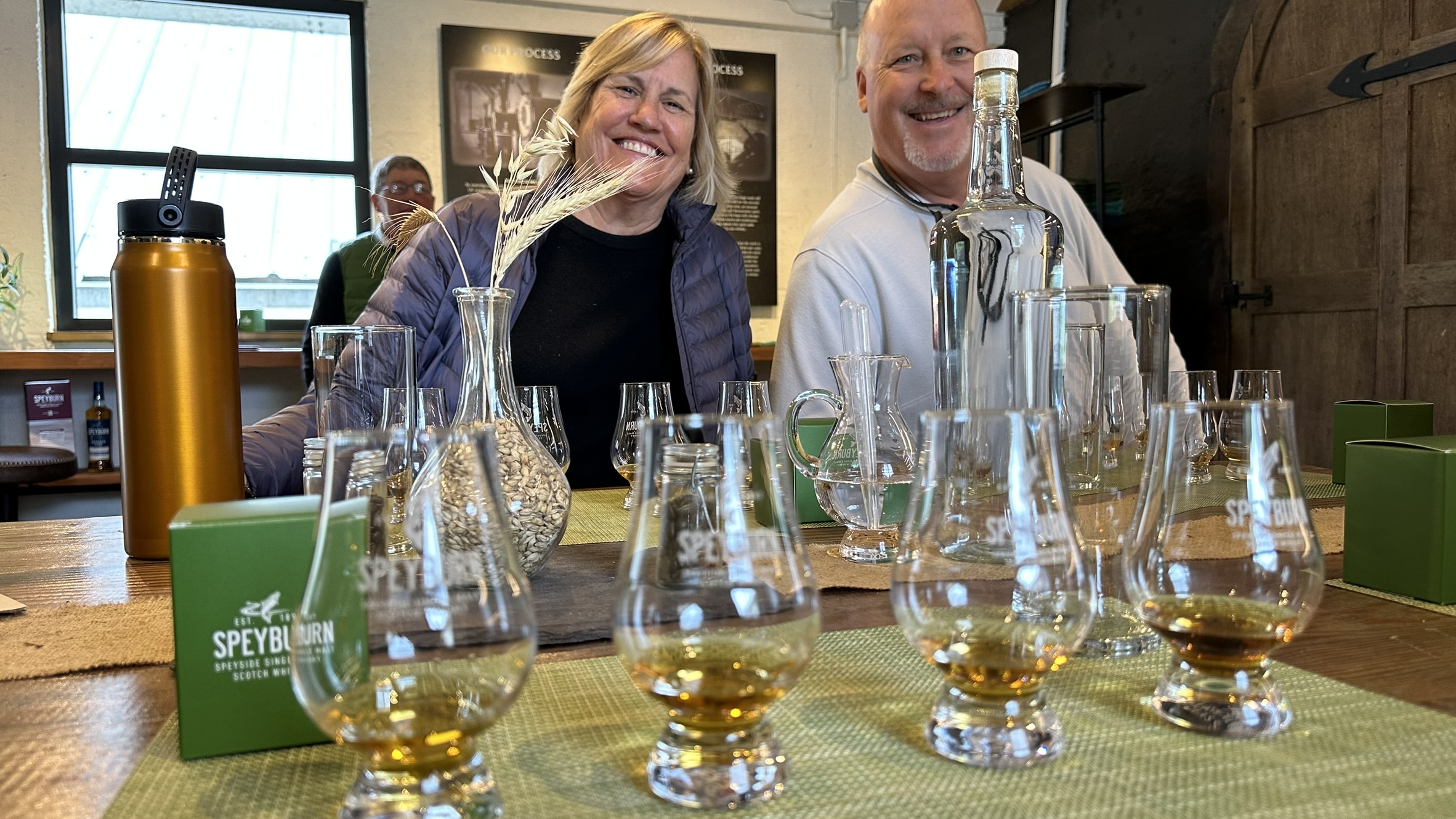
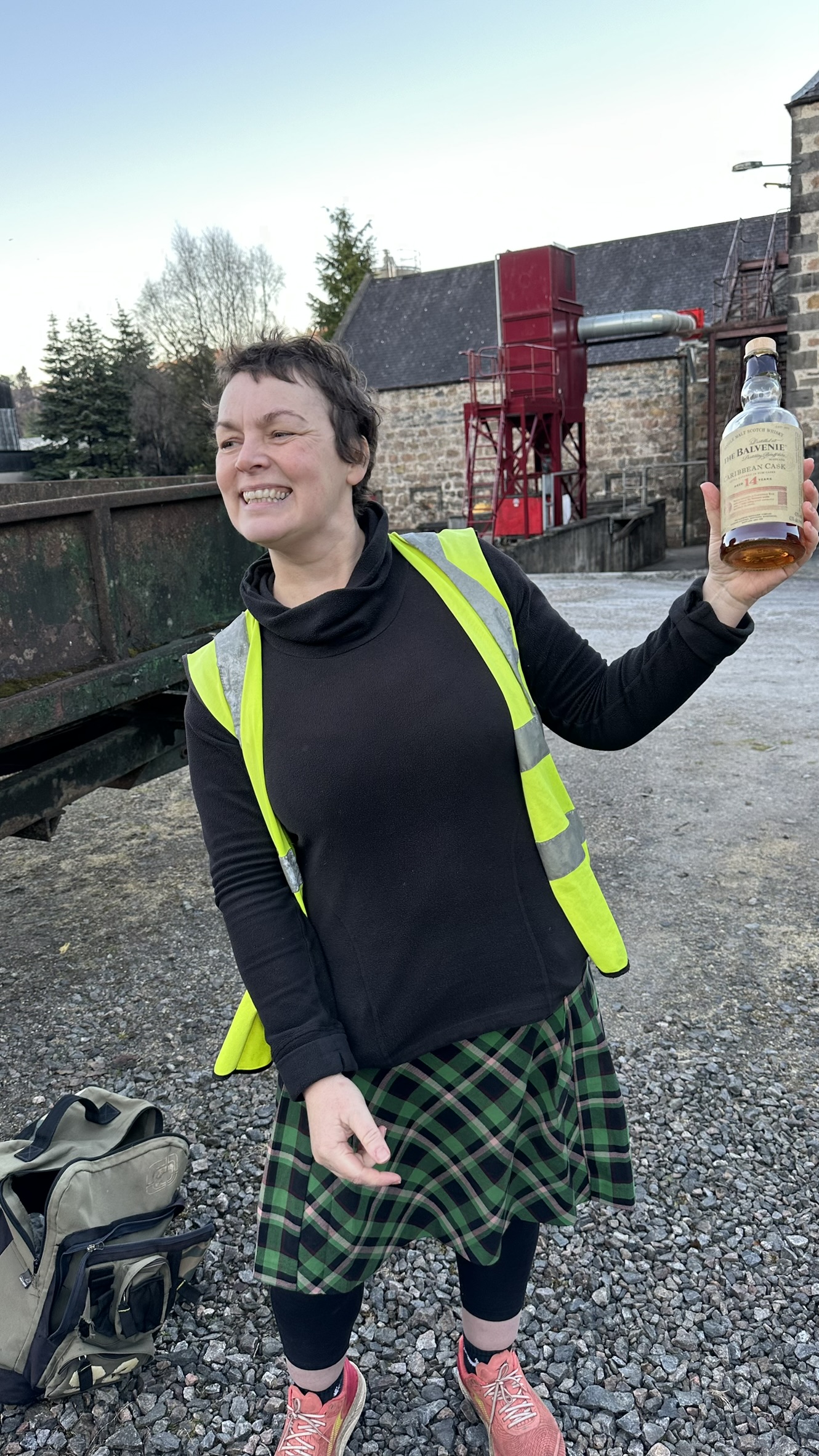
- Aberlour Distillery is one I’d been looking forward to in particular, having visited in 2023 but without tasting because I was driving. Just a tasting here, and I finally got to try their long sought 11-year-old, both the 100% American Oak finish and the Oloroso sherry cask finish (I brought home a bottle of the latter, unavailable in the U.S.). Their 14-year-old was also very nice.
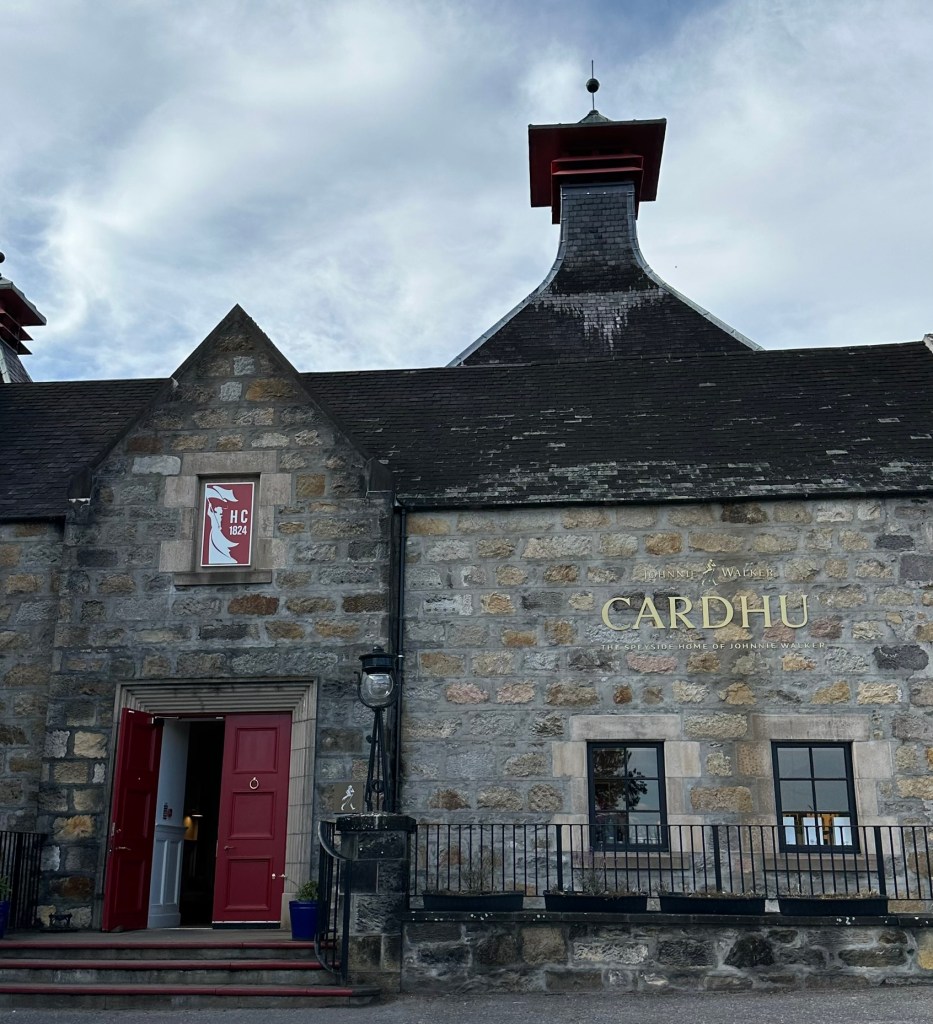
- Cardhu Distillery is most closely associated with Johnny Walker, the world’s biggest selling blended whisky. The Walker family bought Cardhu from Helen Cumming, who legend holds would raise a red flag
 to warn her not quite legal distiller neighbors when the tax man was in town. Her image can can be seen over the front door. While the Cardhu single malt was fine, I ended up buying a bottle of Dailhuaine 16 Flora and Fauna, one of Cardhu’s sister distilleries that is the primary scotch used in Johnny Walker Black. Our guide, Derek, said it was one of his favorites.
 - Glenfarclas Distillery was another high on my list, but oddly it was my least favorite on today’s tour. The complimentary tasting included only two different drams, but the 15-year-old — also unavailable in the U.S. — was good enough for me to walk out with a bottle.
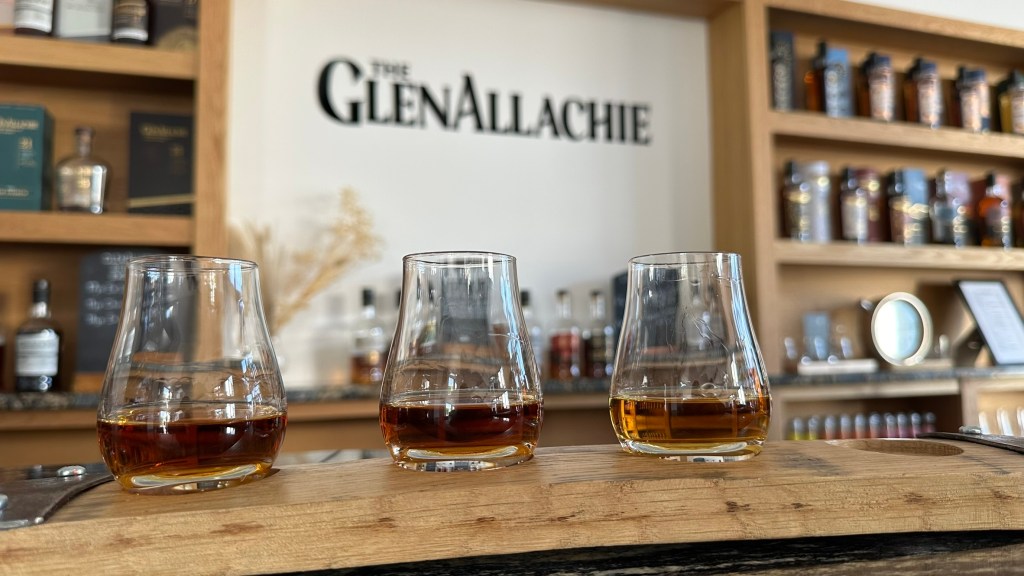
- The GlenAllachie Distillery was our last on the day’s tour and the biggest surprise for all the right reasons. Originally owned by Chivas Brothers and used in their blended whisky, GlenAllachie only began focusing on single malts in 2018 and have been racking up awards ever since. Their tasting is a la carte, where you buy what you want by the dram or flight in their whisky bar. All three I tried — the 12-year-old (2025 whisky of the year), the 15-year-old finished in both Pedro Ximénez and oloroso sherry, and 17-year-old, matured in a combo of rare Japanese mizunara oak casks and oloroso sherry casks that that had held sherry for >50 years (as compared to typical 4-5 years)) were outstanding. Brother-in-law John was a big fan of their 18-year-old. My toughest buying decision, I went with the 15-year-old.

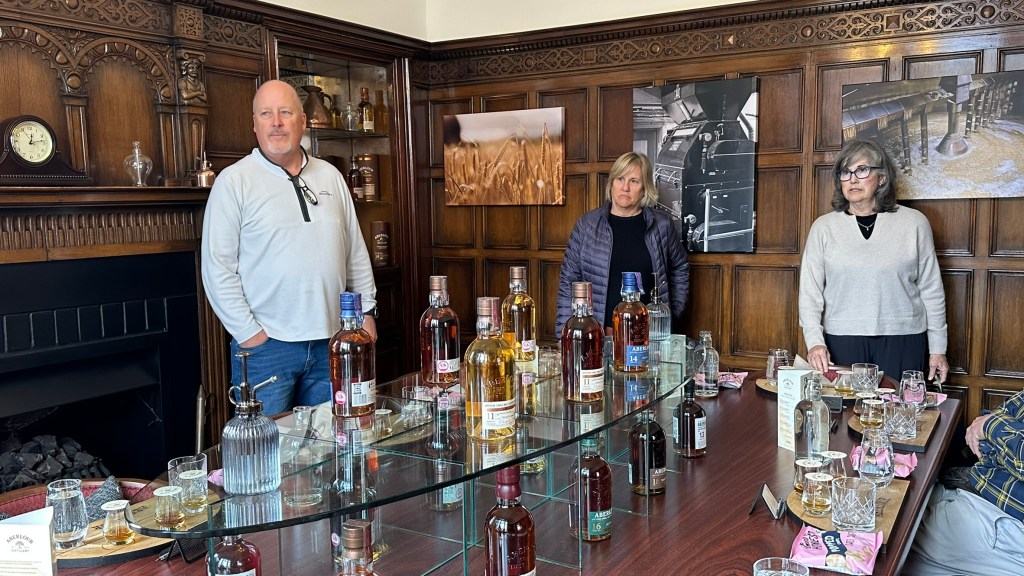
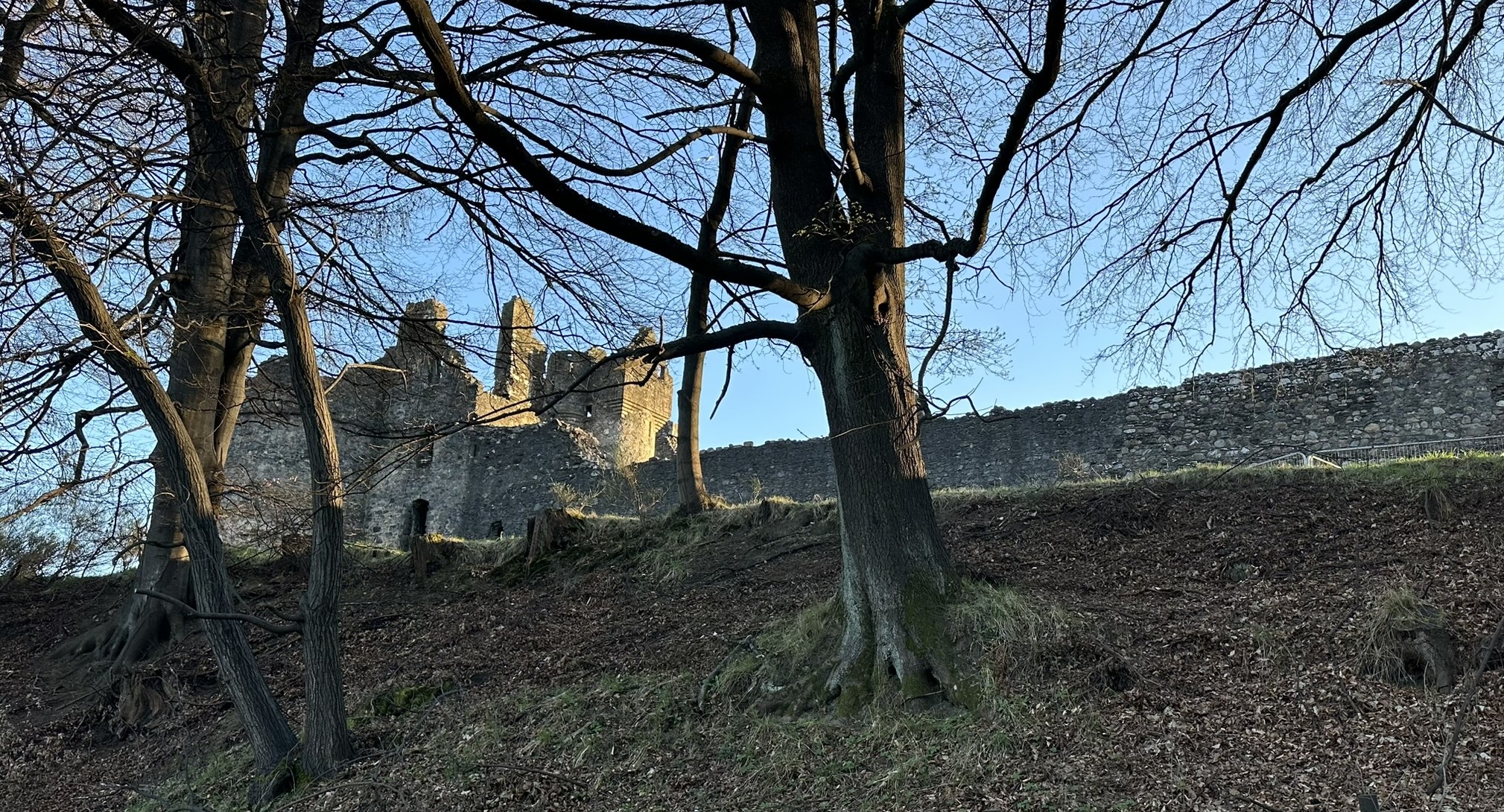
Our second whisky tour, after a morning and afternoon break from day one, was a 4-hour walking distillery tour in Dufftown, home to seven distilleries still in operation. Our guide, Michelle, was a font of knowledge and wit, full of entertaining stories. She says that wit makes her “unemployable”, so she’s been running her tour business for quite a while. Being an evening walk, the distilleries themselves were closed — we viewed them from the outside — but Michelle had a different dram for us at each stop. Lots of fun, and good exercise!
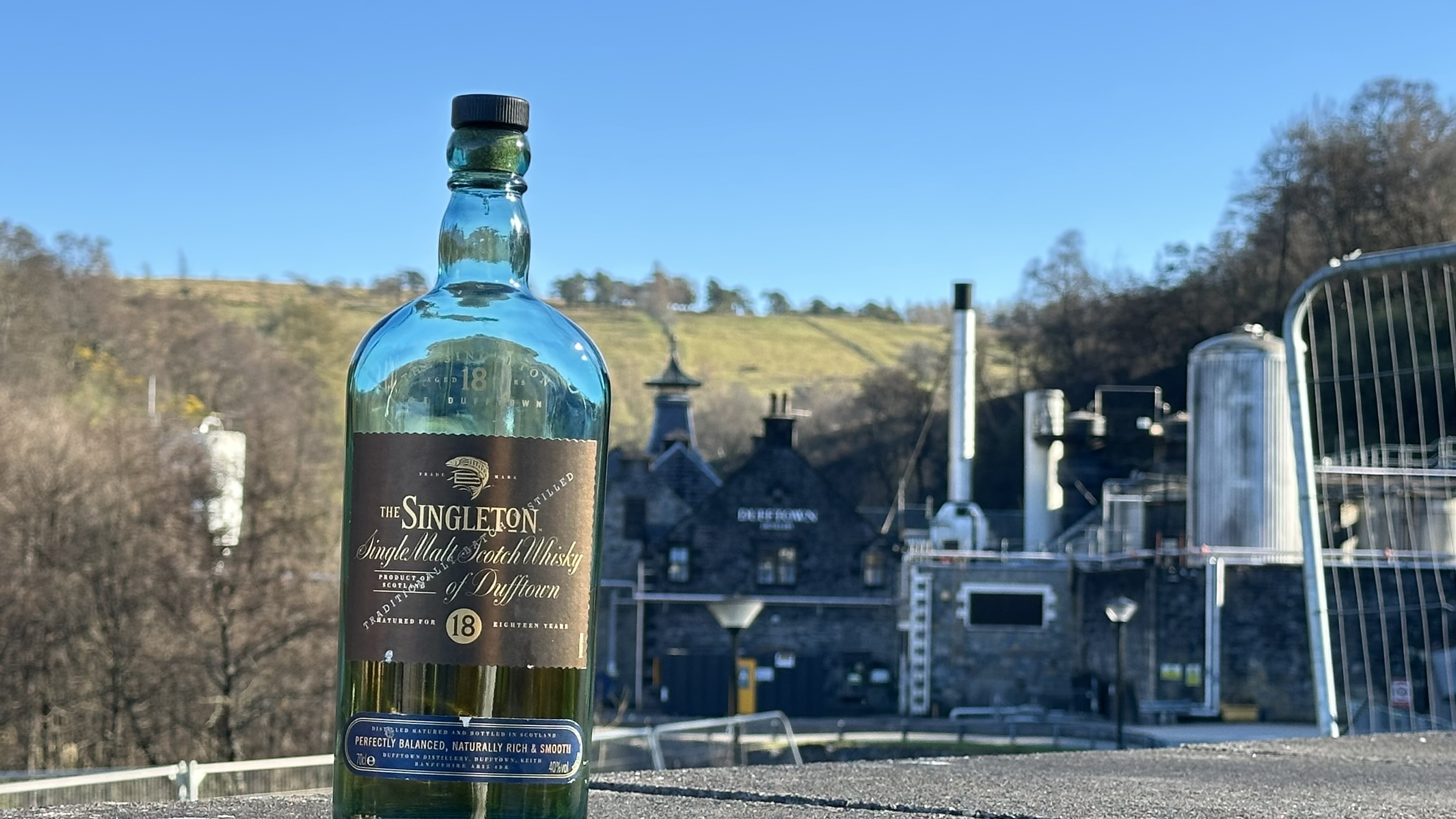
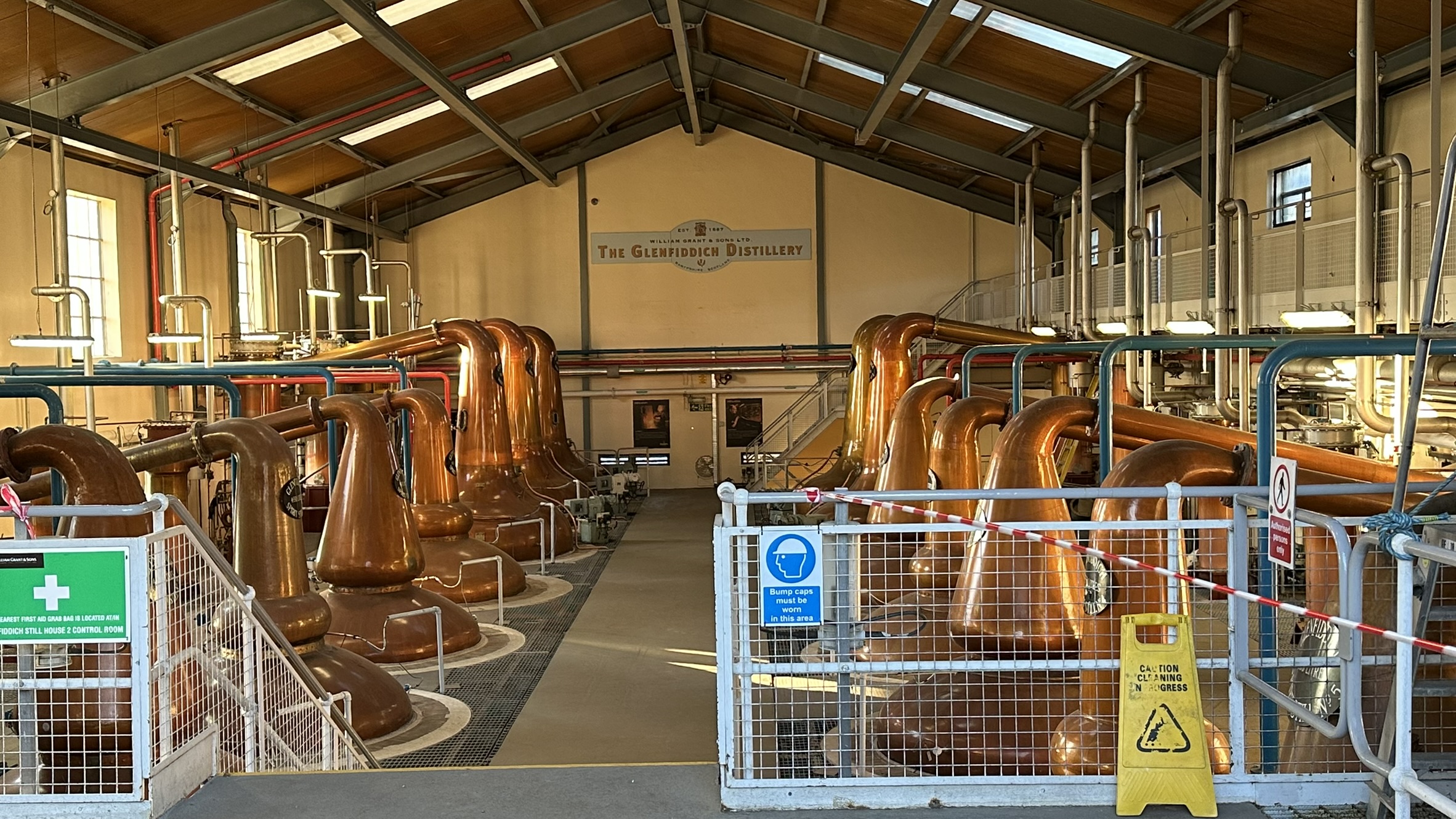
It’s not all about the whisky, though, and there are some. Other highlights during our three days:
- The best place for lunch in the region (and dinner for all I know) has to be the Mash Tun in Aberlour. In addition to the great food, one interior wall case holds every single Glenfarclas Family cask dating back to 1952. All are sold by the dram, and a single dram of that ‘52 costs £1,800!!
- The Speyside Whisky Shop in Aberlour is owned by Scott, proprietor of the Craigellachie Lodge, my top recommendation for places to stay. Among the many whiskies on his shelfs is Scott’s own private label, ask for it! (I have a bottle of his Lady Marmalade 9-year-old cask strength at home).
- Aberlour also boasts a couple fun art galleries, especially the Artist’s Studio Whisky Art Gallery where we have purchases art before and had a very hard time resisting the urge to buy more.
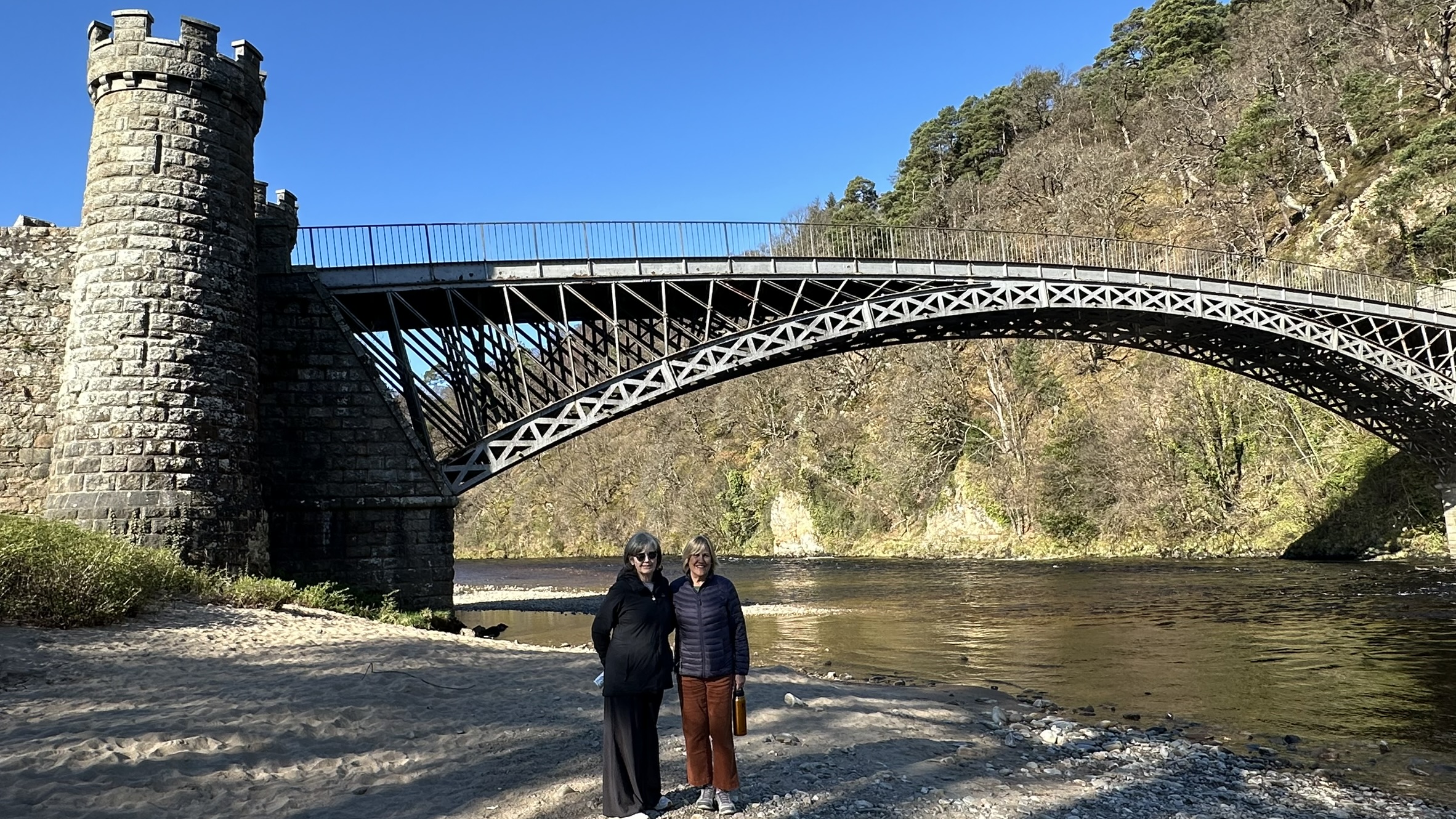
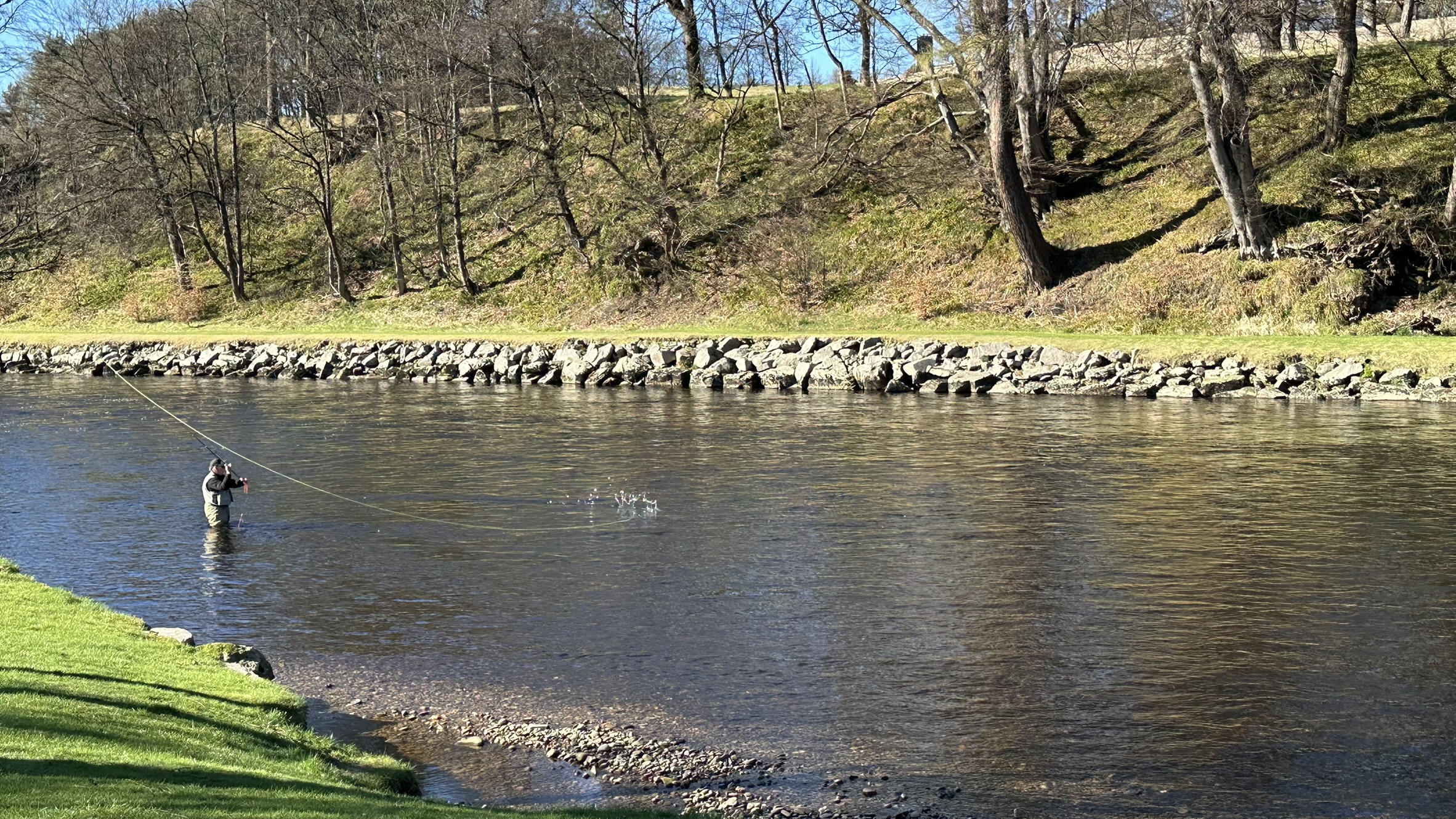
- Day hike along the River Spey, starting at the historic Craigellachie Bridge, took us by a fishing hut where we got a good lesson on the art of spey-casting from an old fella who knew what he was doing, then up along a ridge with a view of the enormous Macallan Distillery complex in the distance.
- The Craigellachie Hotel is a fine old hotel that looks almost castle-like, and I recommend it IF you can’t get into the Craigellachie Lodge. The hotel has a decent formal restaurant, its own downstairs pub, nice rooms, a great breakfast, and the Quaich Bar with over 700 whiskies! (Insider tip: you don’t have to be a hotel guest to visit the bar!)
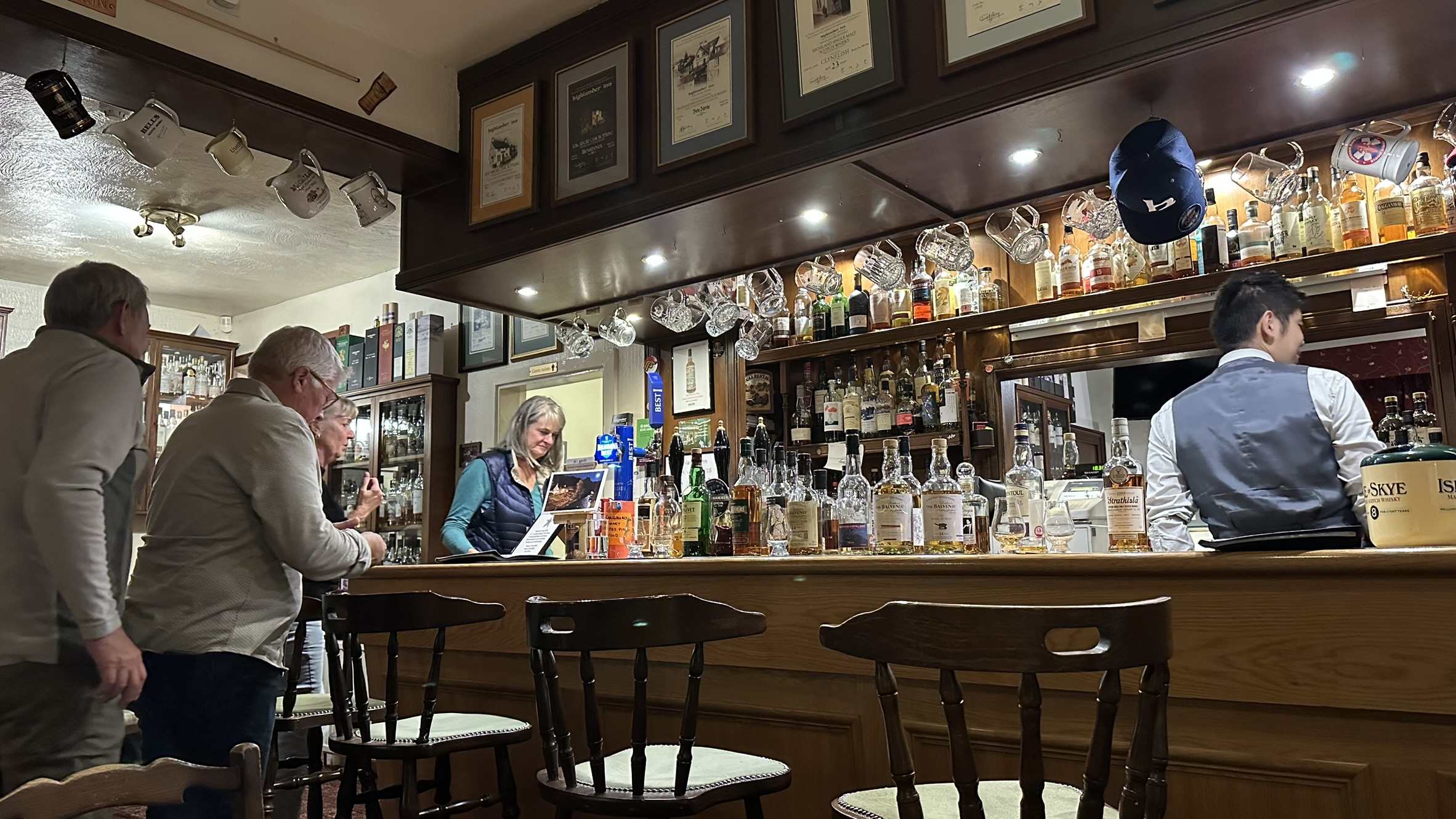
- In addition to dinner at our hotel, we ate one night at the Highlander Inn, just across the street. Their downstairs restaurant is good as was their own whisky bar, where we naturally sampled a few more rare drams. Highlander Inn also has a branch in Tokyo, which might explain why all the bartenders here were Japanese — and very knowledgeable about their whisky!
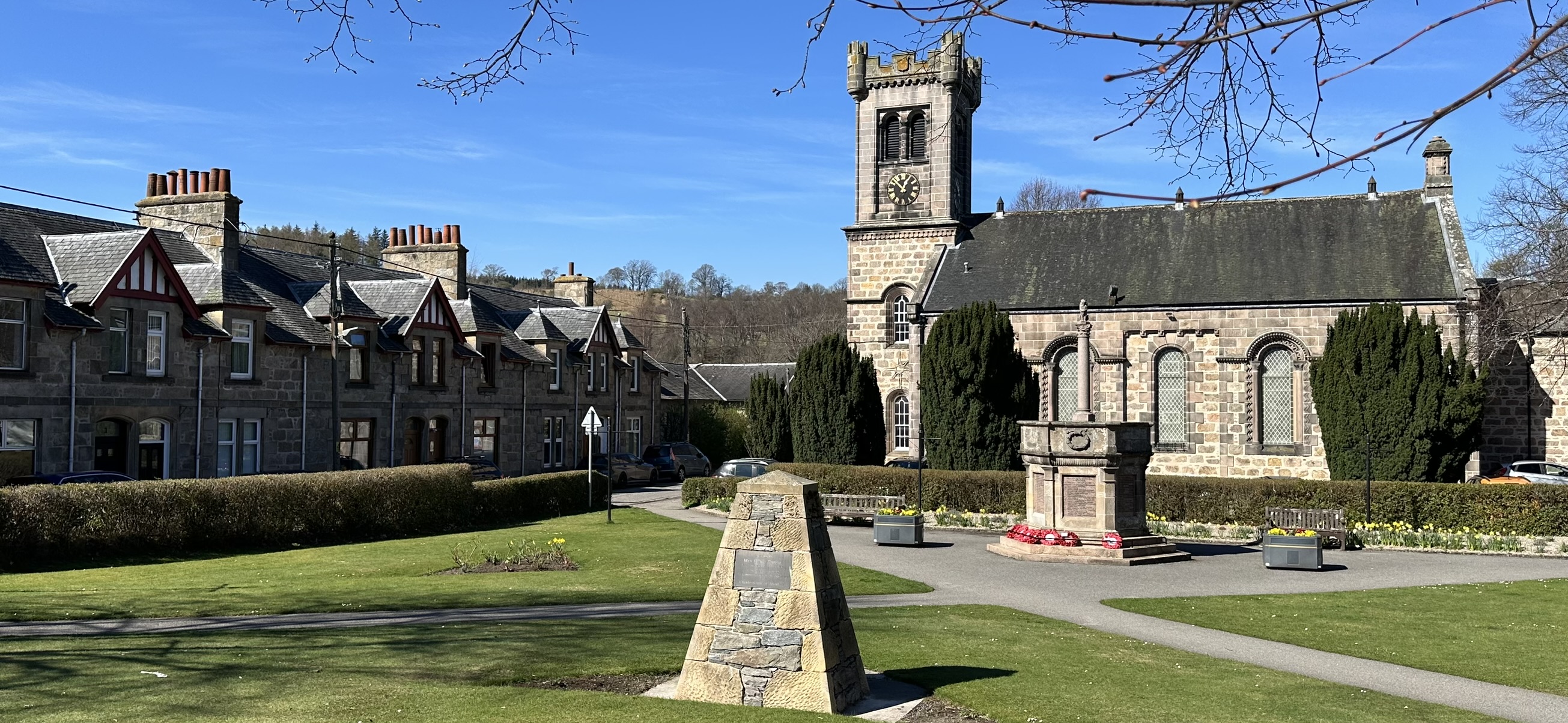
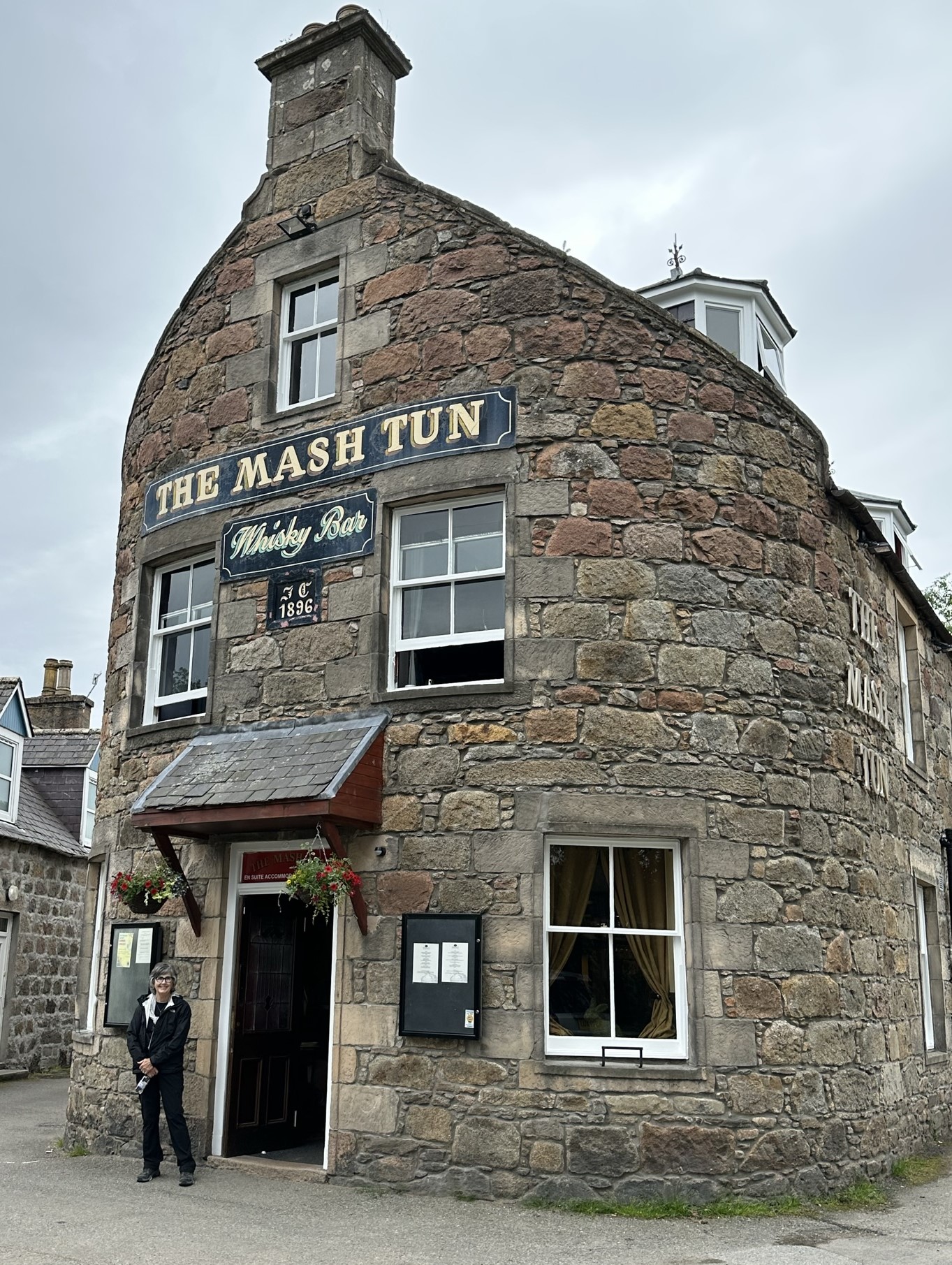
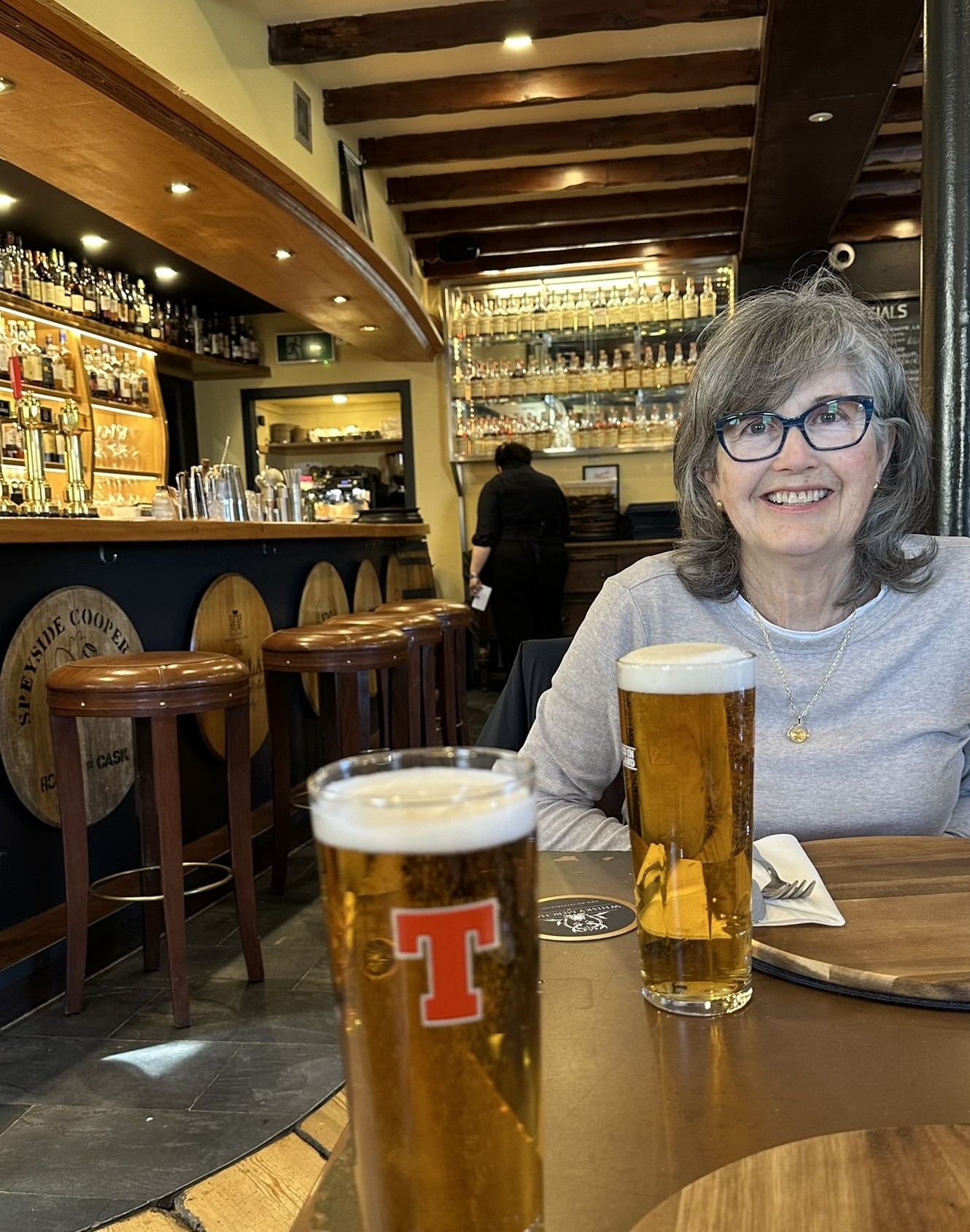

| Days 18-19 | Pitlochry, Scotland | Knockendarroch Hotel |
The penultimate leg of our trip takes us to the town of Pitlochry, a picturesque Highlands town about halfway between Edinburgh and Speyside. It is one of the few towns in the Scottish Highlands that gets a mention from Rick Steves, mostly for being a principal tourist stop on day trips from Edinburgh. So, if you come during somewhere, you might see too many people piling on and off tour buses.
Coming in spring, we knew we would beat the crowds. And there were a couple reasons we chose Pitlochry over other small towns in the region, though I was sad to find that one of them — Edradour, the smallest distillery in Scotland, was still closed to the public as it was in 2023 with no known prospects of re-opening. With hindsight being 20/20, I would recommend considering Aviemore as one such alternative. Highlights during our two days here:
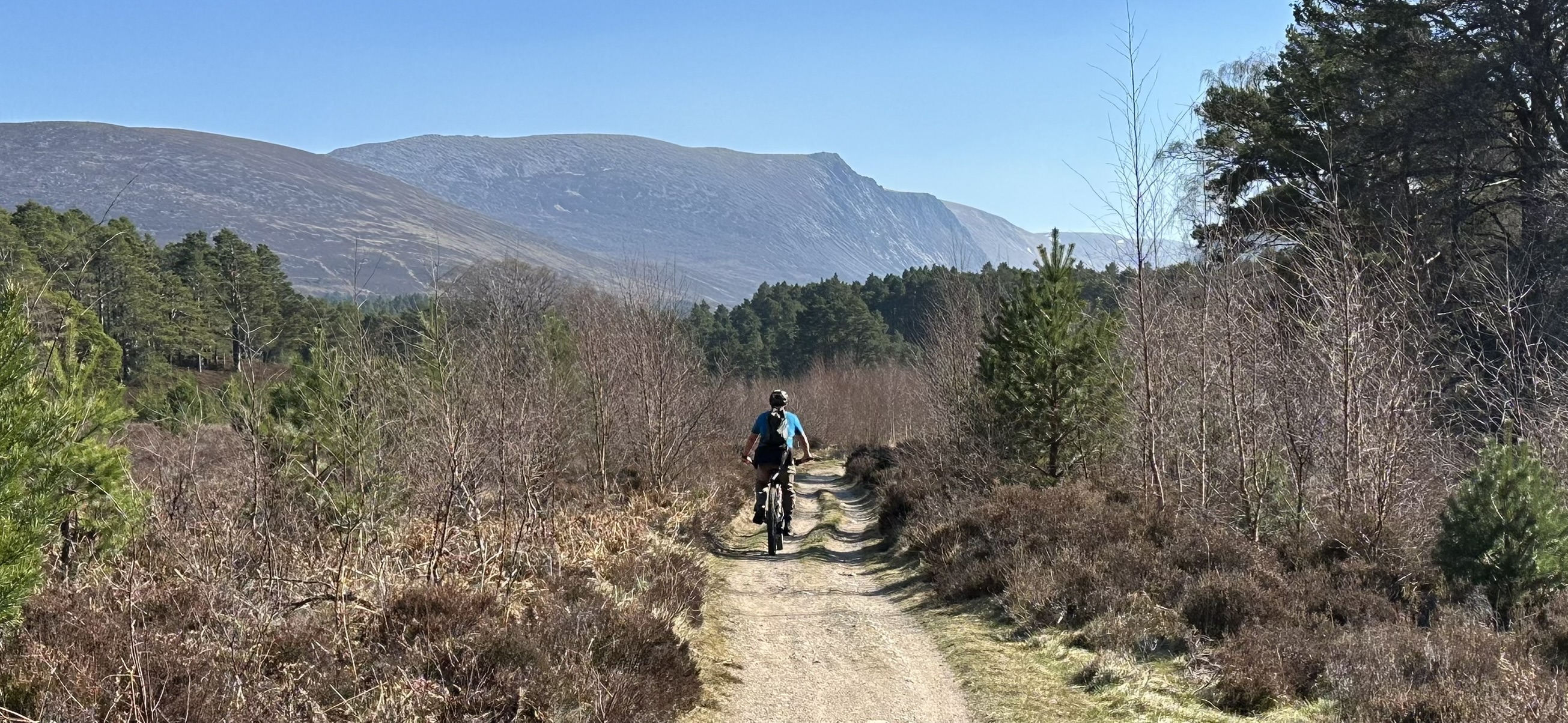
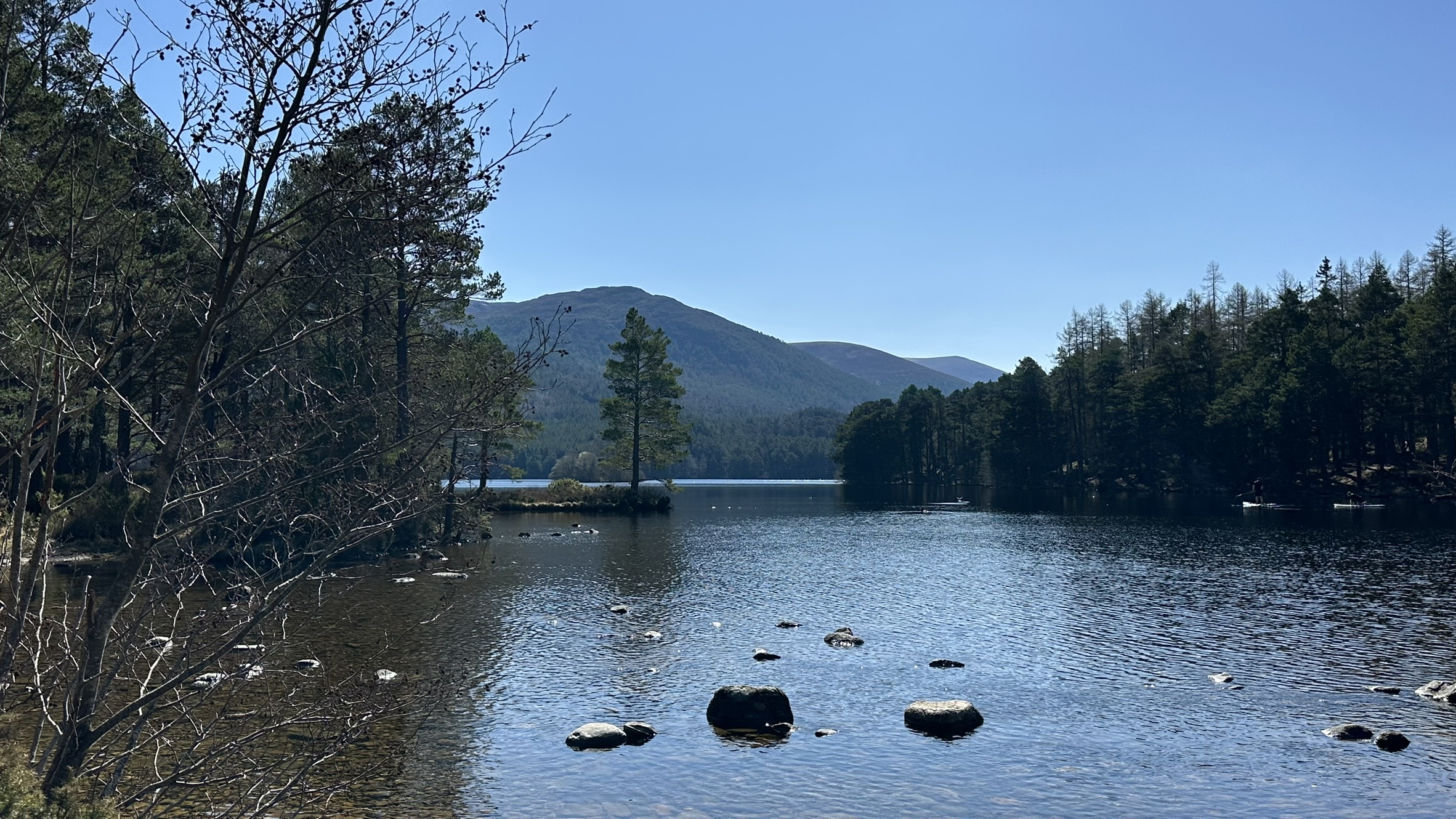
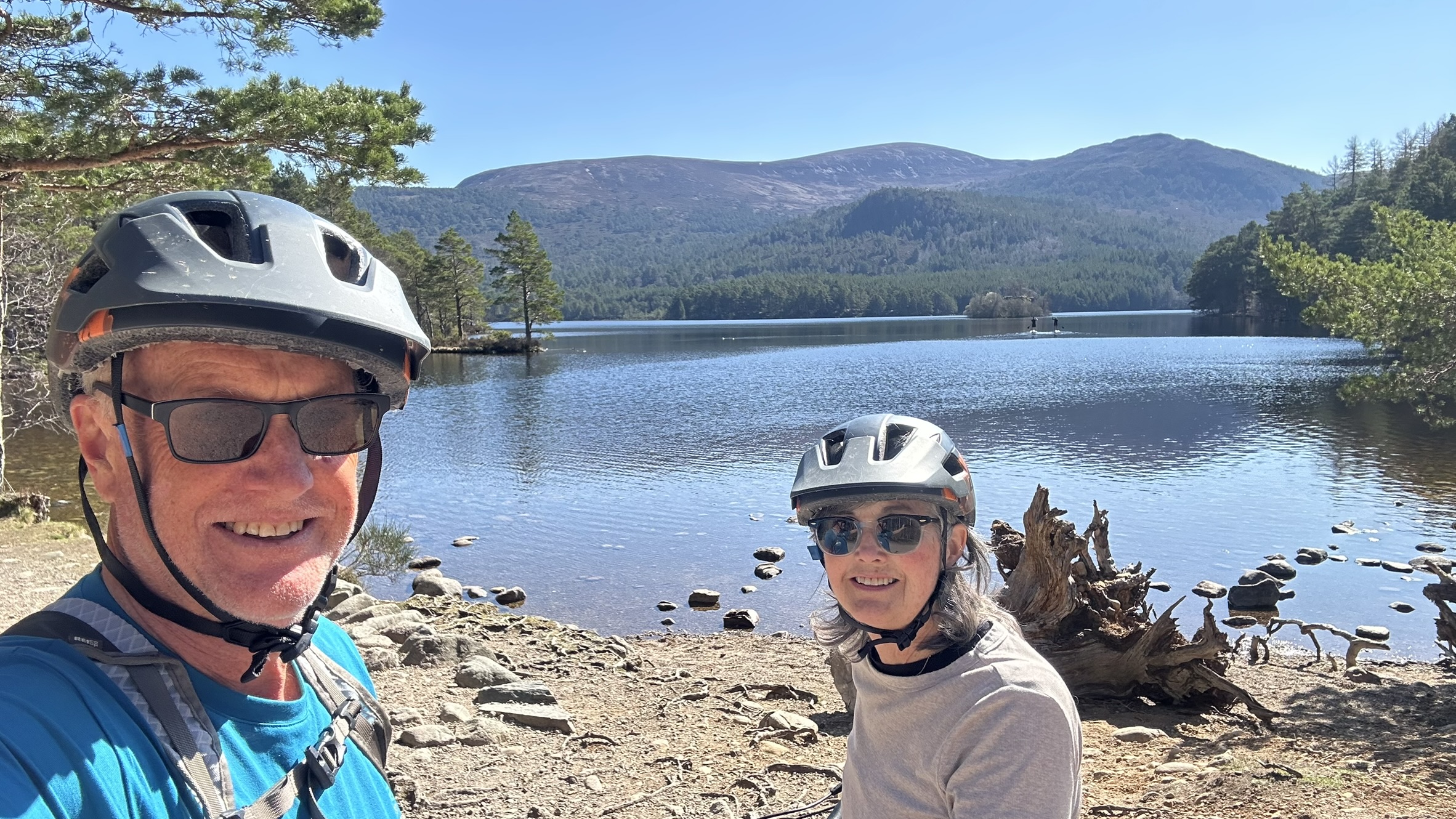
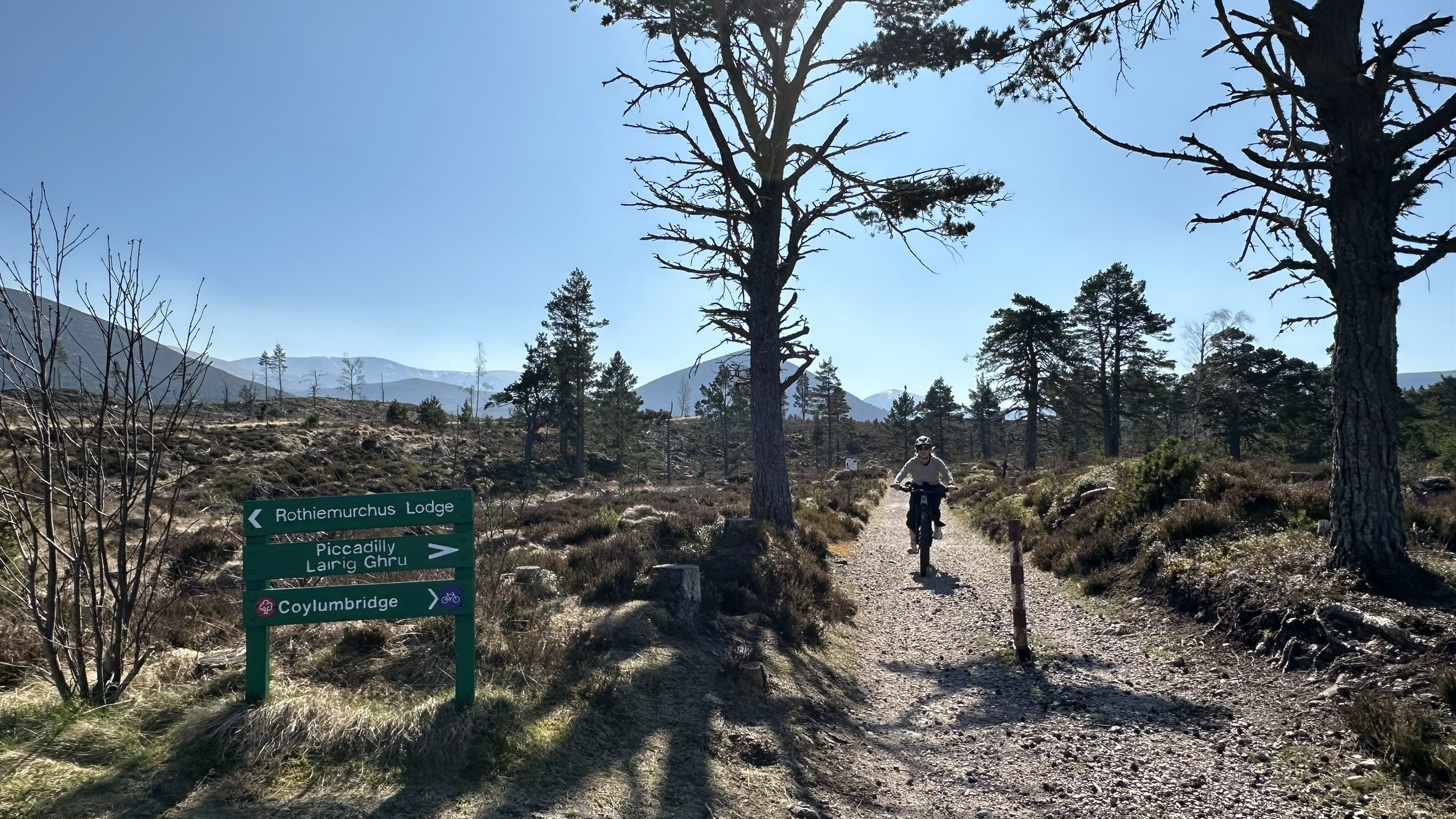
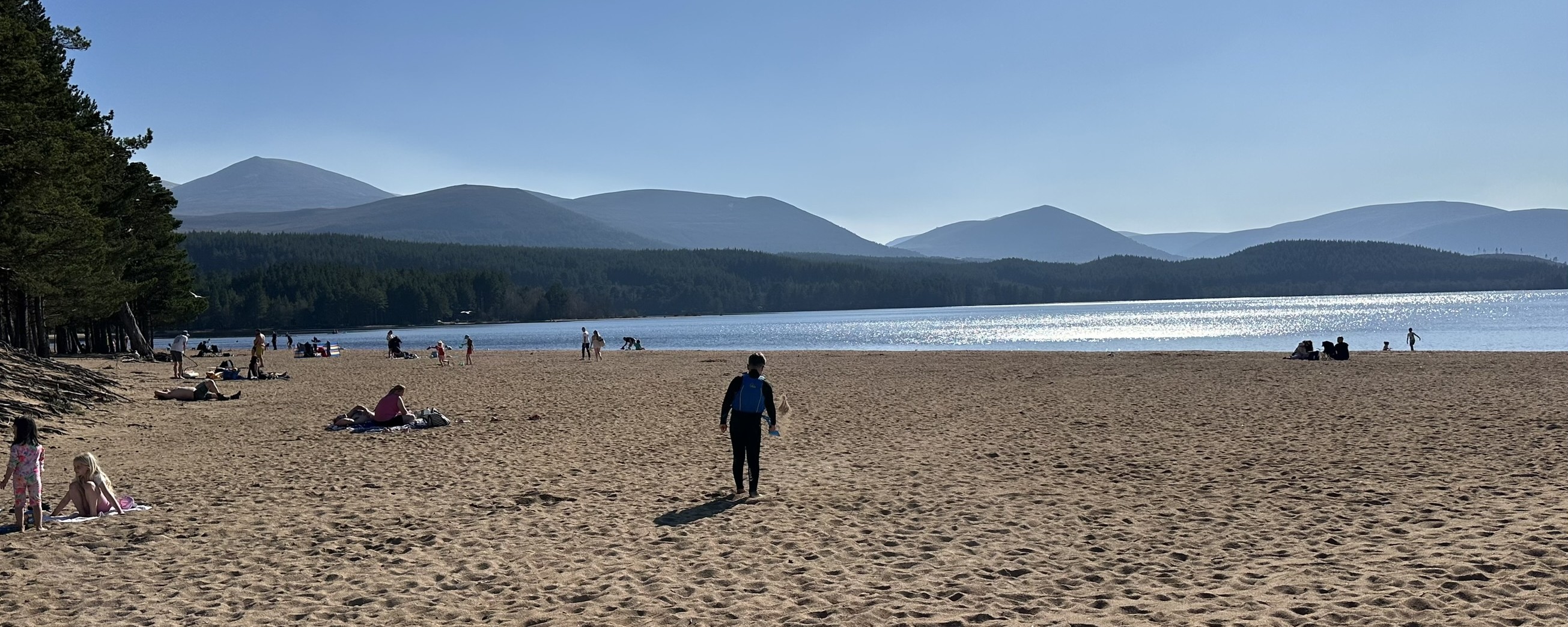
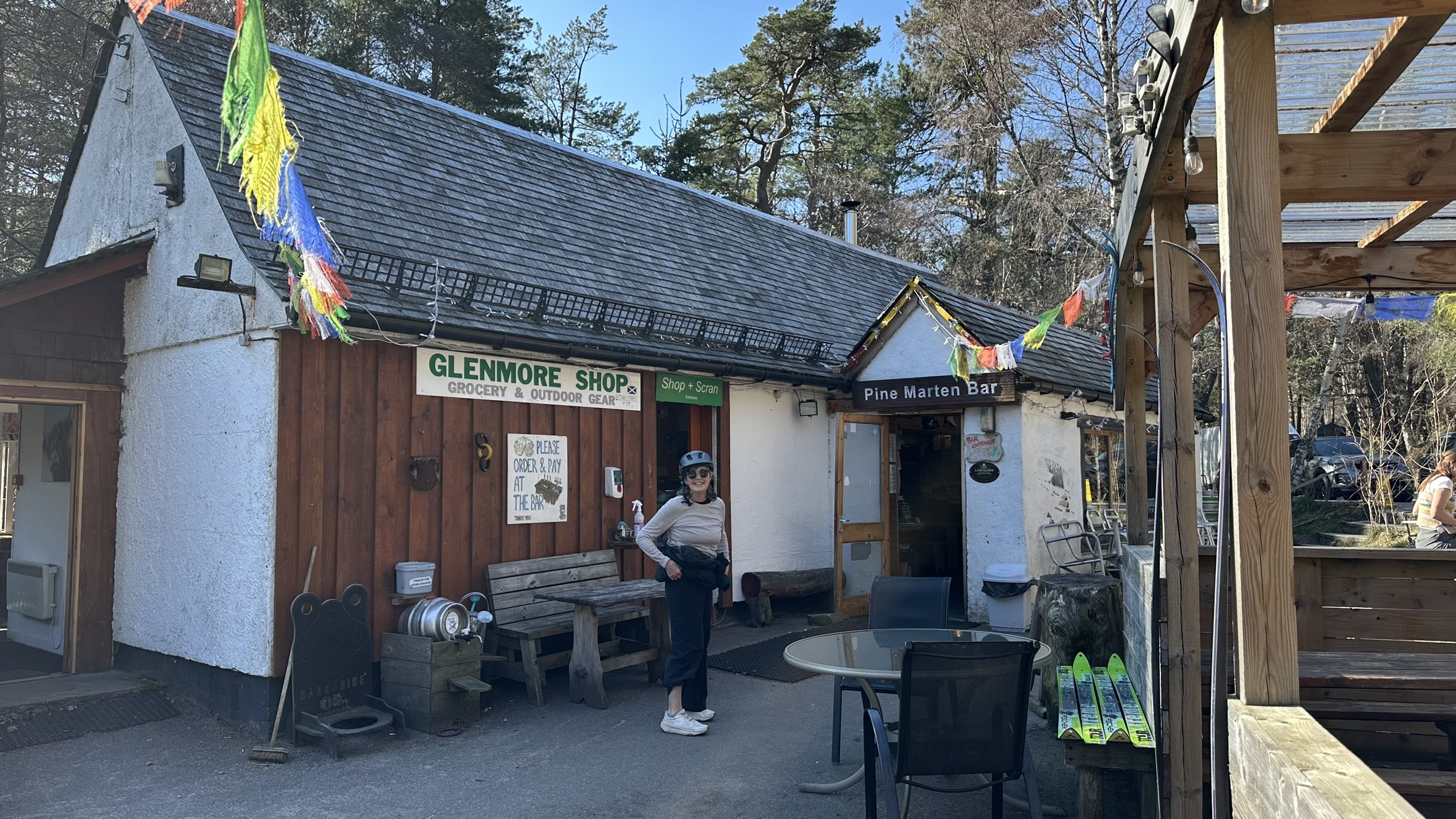
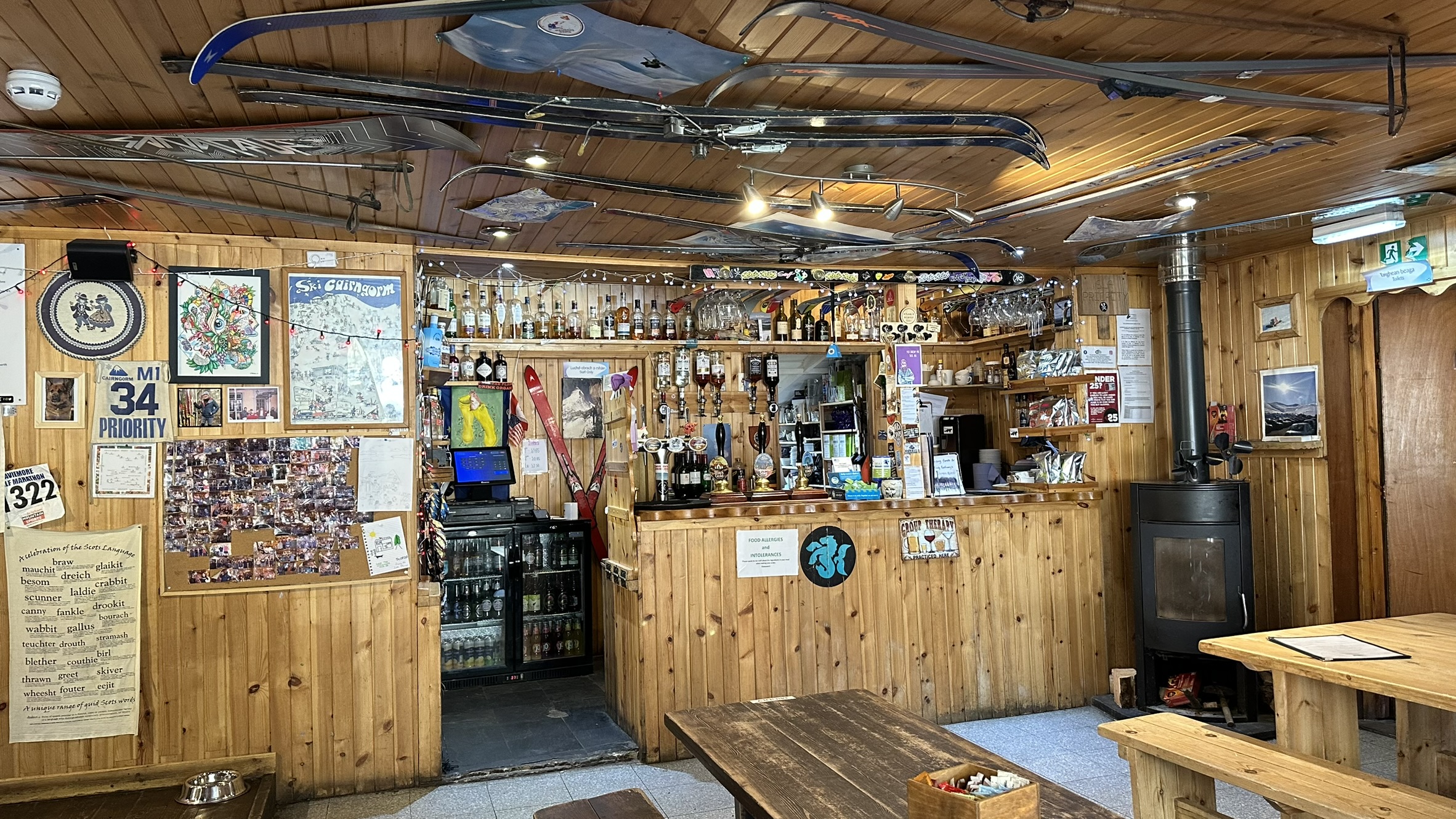
- A half-day stopover in Aviemore en route from Craigellachie to Pitlochry was a great call. Aviemore is known as the “gateway to the Cairngorms National Park” home to lovers of the great outdoors and every flavor of adventure sports. Stopping in at In Your Element Bike Hire, we rented top quality mountain e-bikes (~about $70 for 3 hours) and hit the trail for a spectacular 25-mile mountain bike loop through woodland, along streams, and through quasi-wilderness in the shadow of the Cairngorm mountains. Stops along the way at Loch an Eilein, with castle ruins on a small island, and Loch Morlich provided nice breaks a great photo opportunities. The Pine Marten Bar at Loch Morlich made the perfect lunch stop. Mac and cheese and ice cold beers!
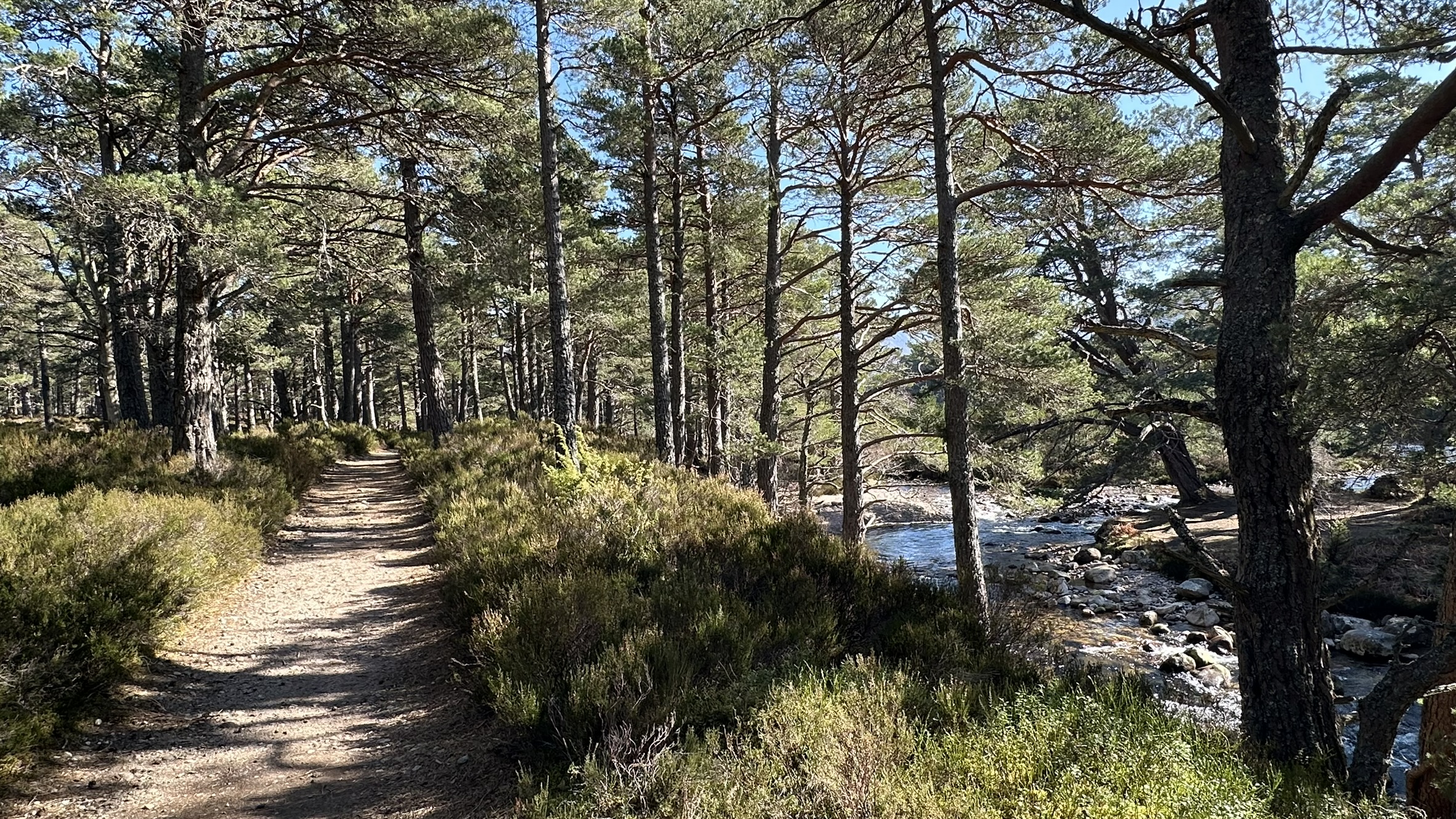
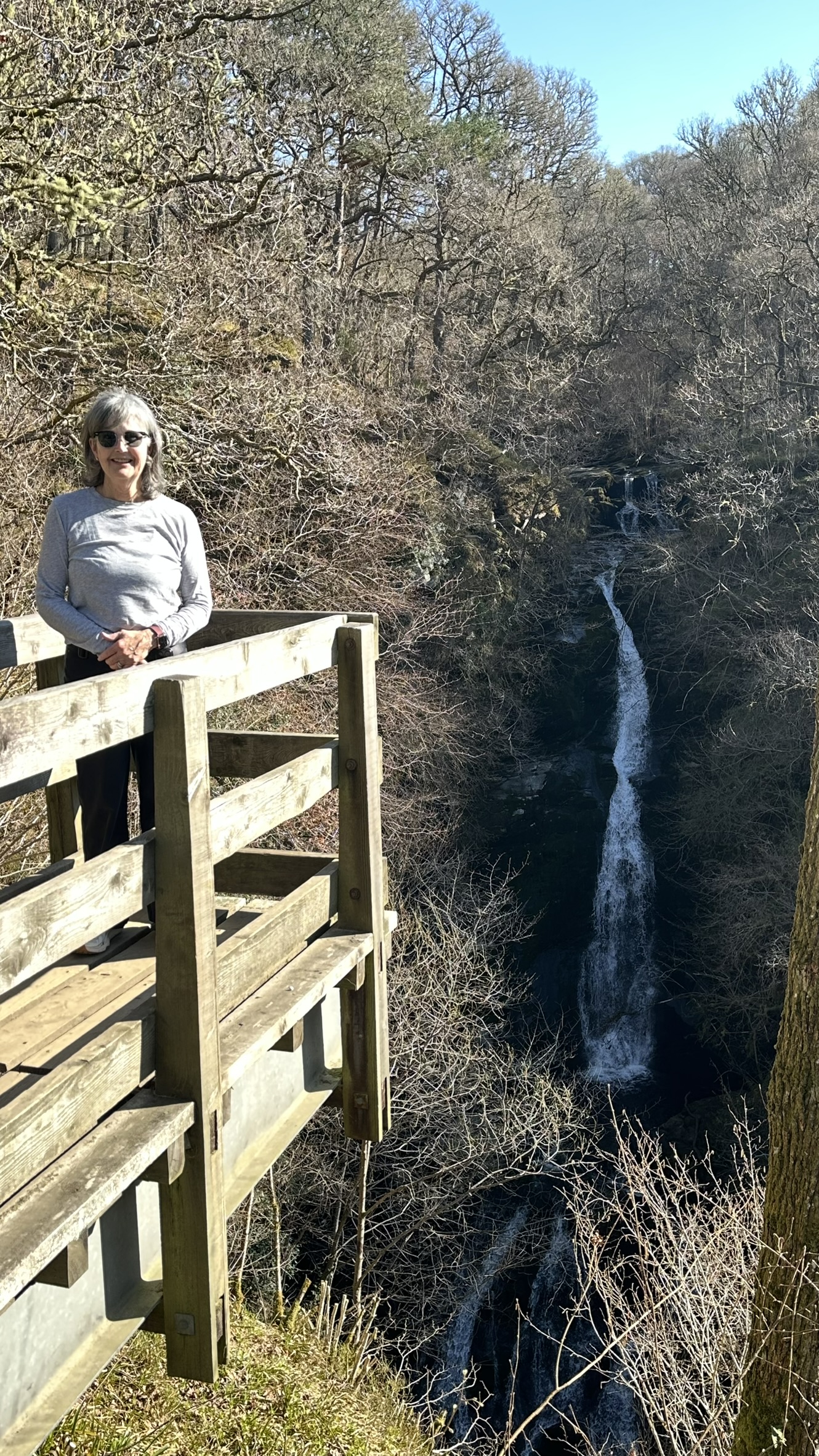
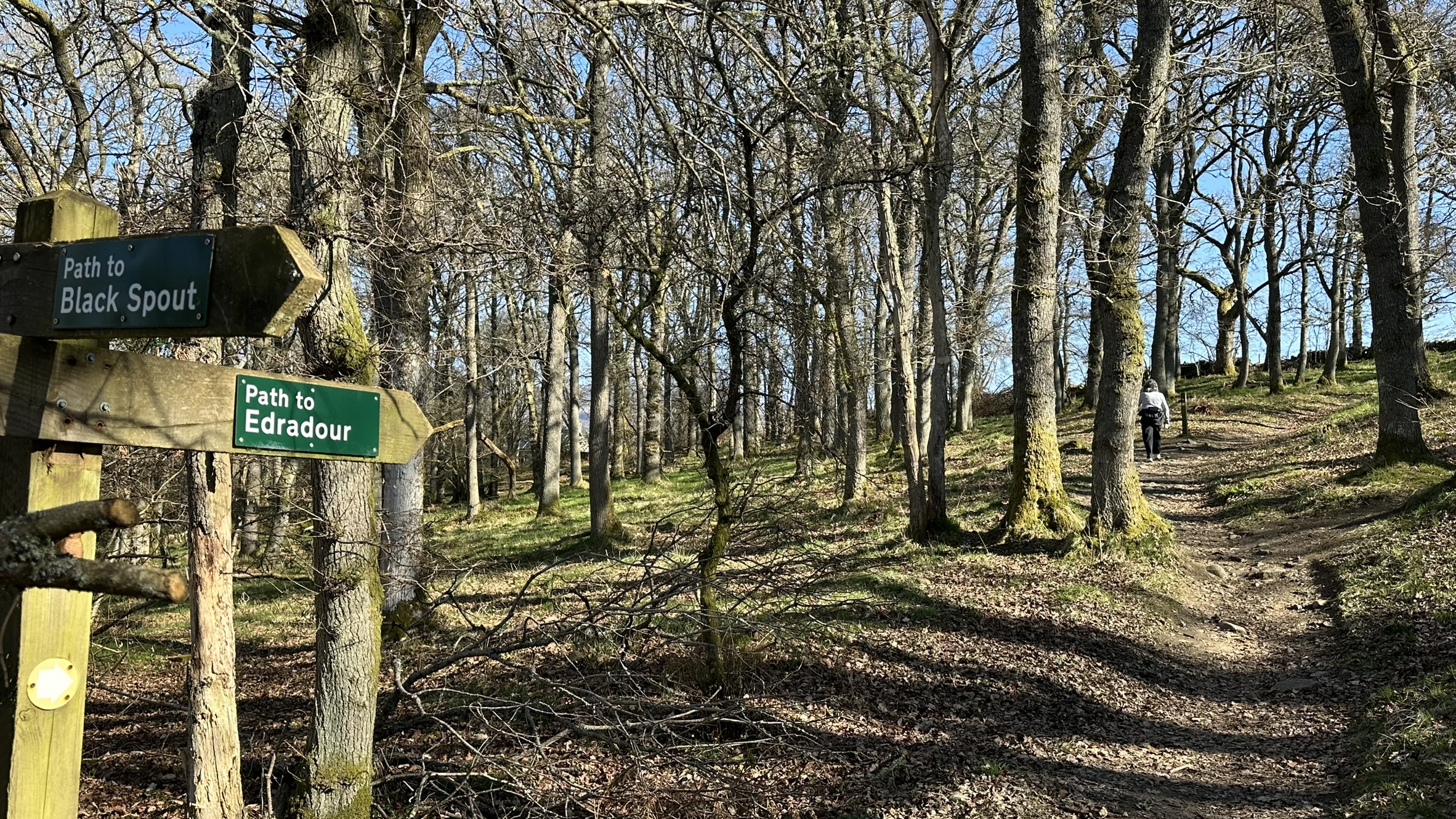
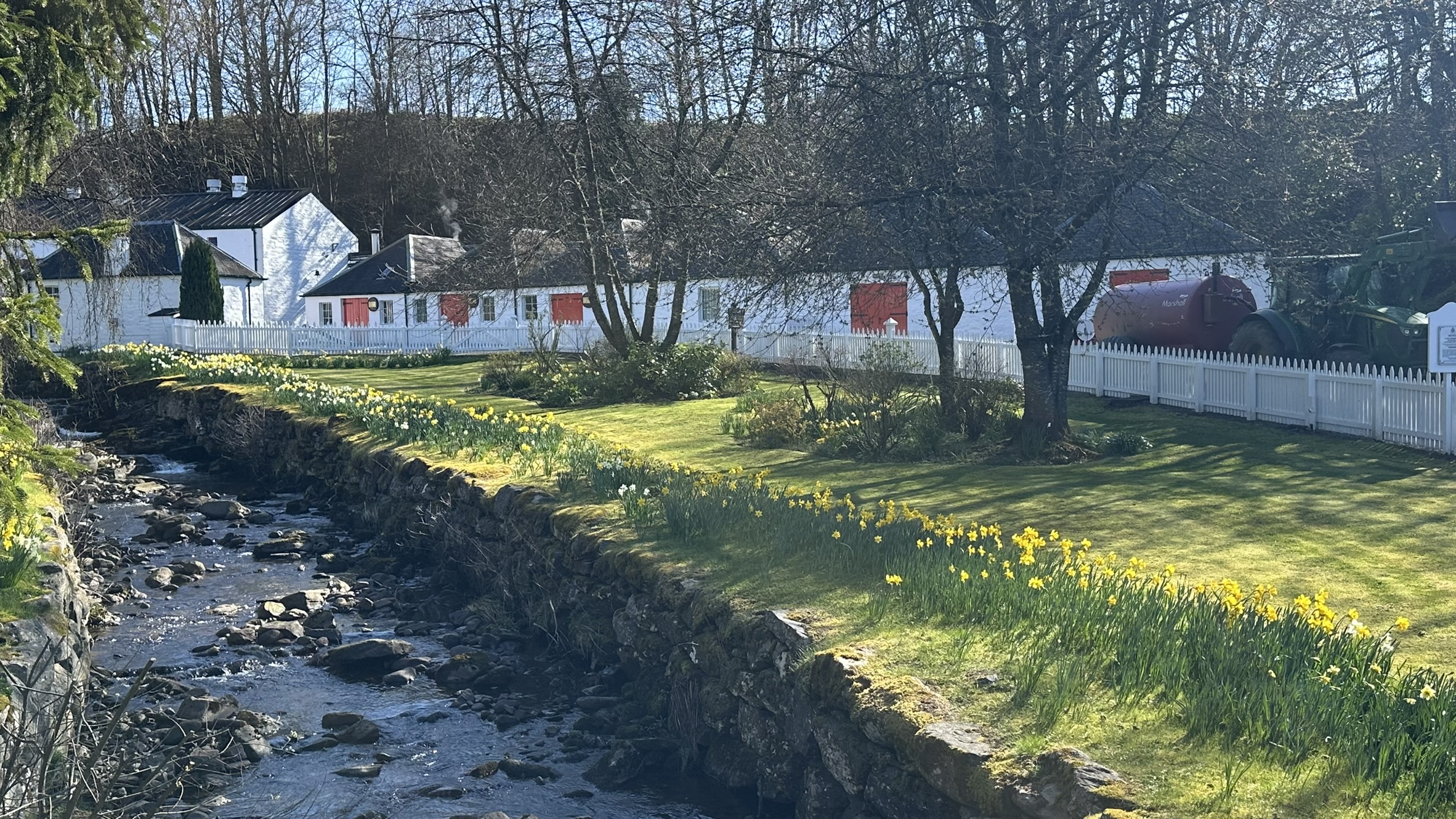
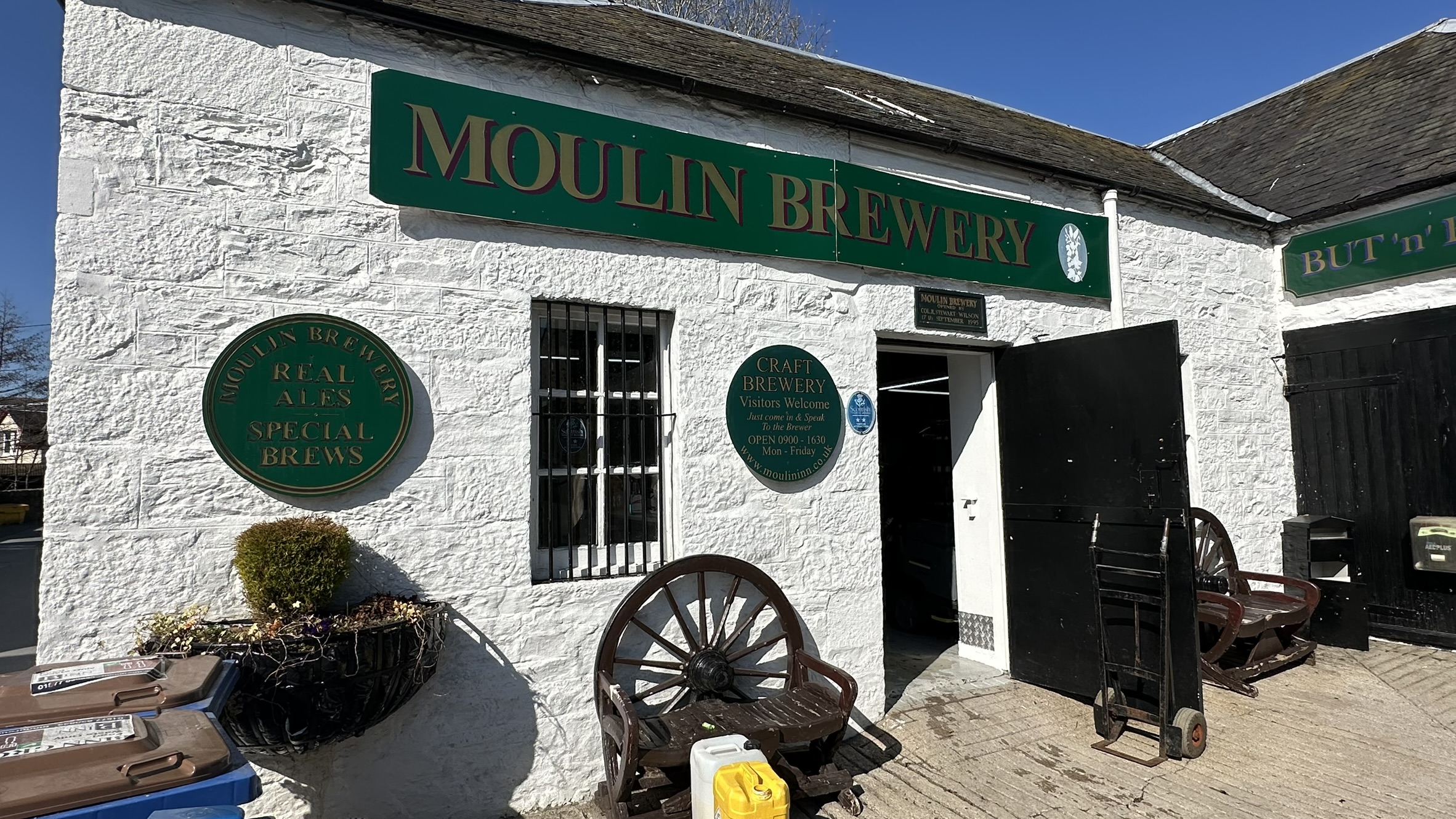
- Once in Pitlochry, the five-mile loop walk (we took a longer detour than shown here) to the Black Spout waterfall, Edradour distillery (even though closed, still pretty from the outside) to the little village of Moulin and back was a great diversion, especially pretty through the woods on the first half.
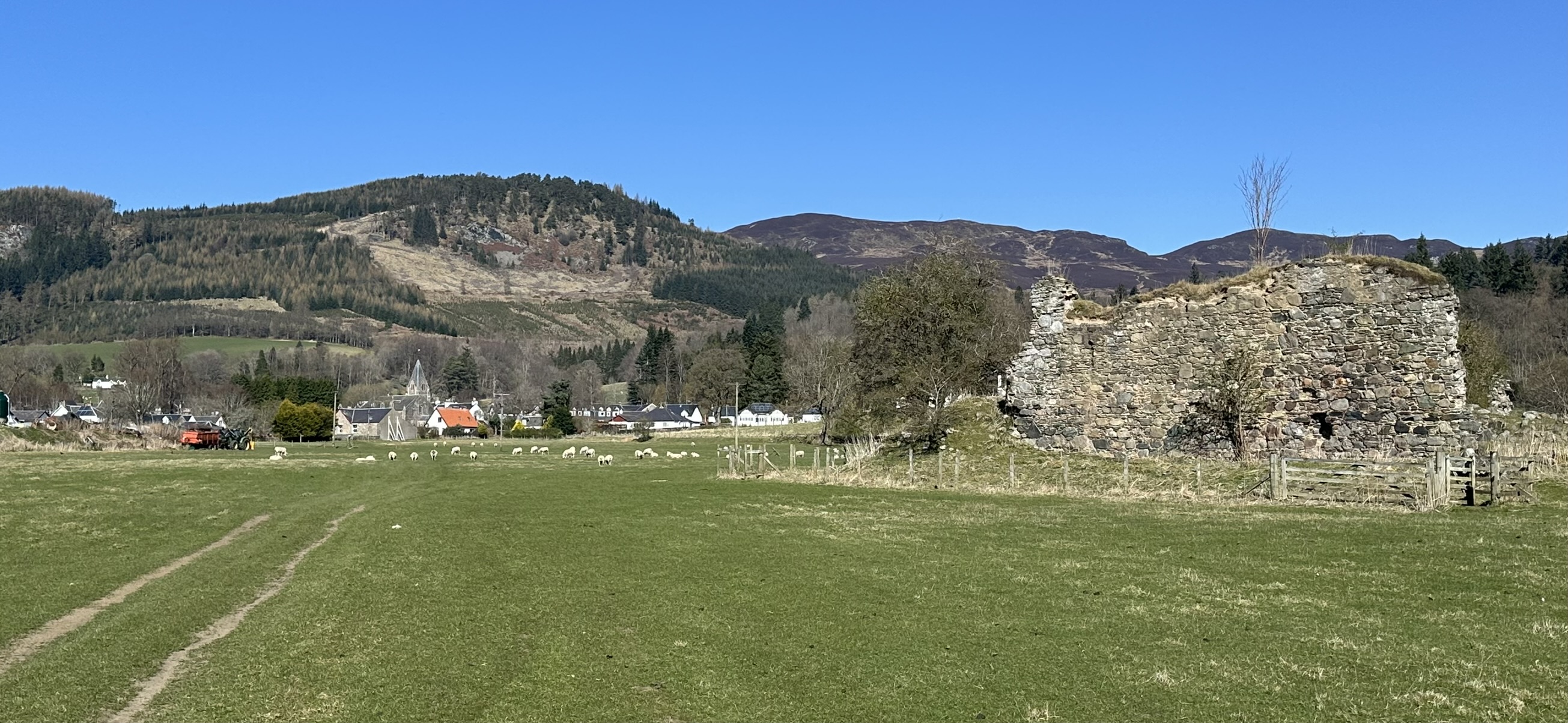
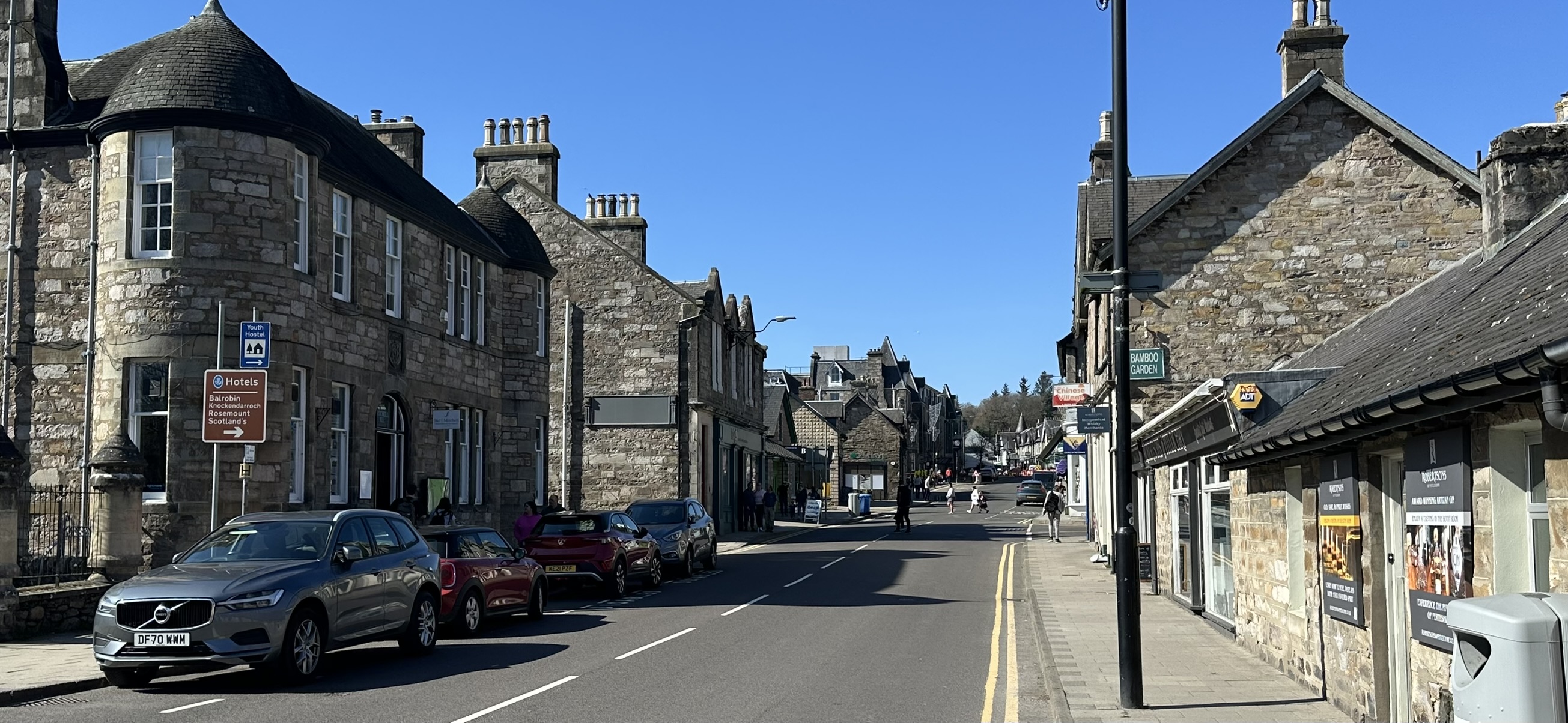
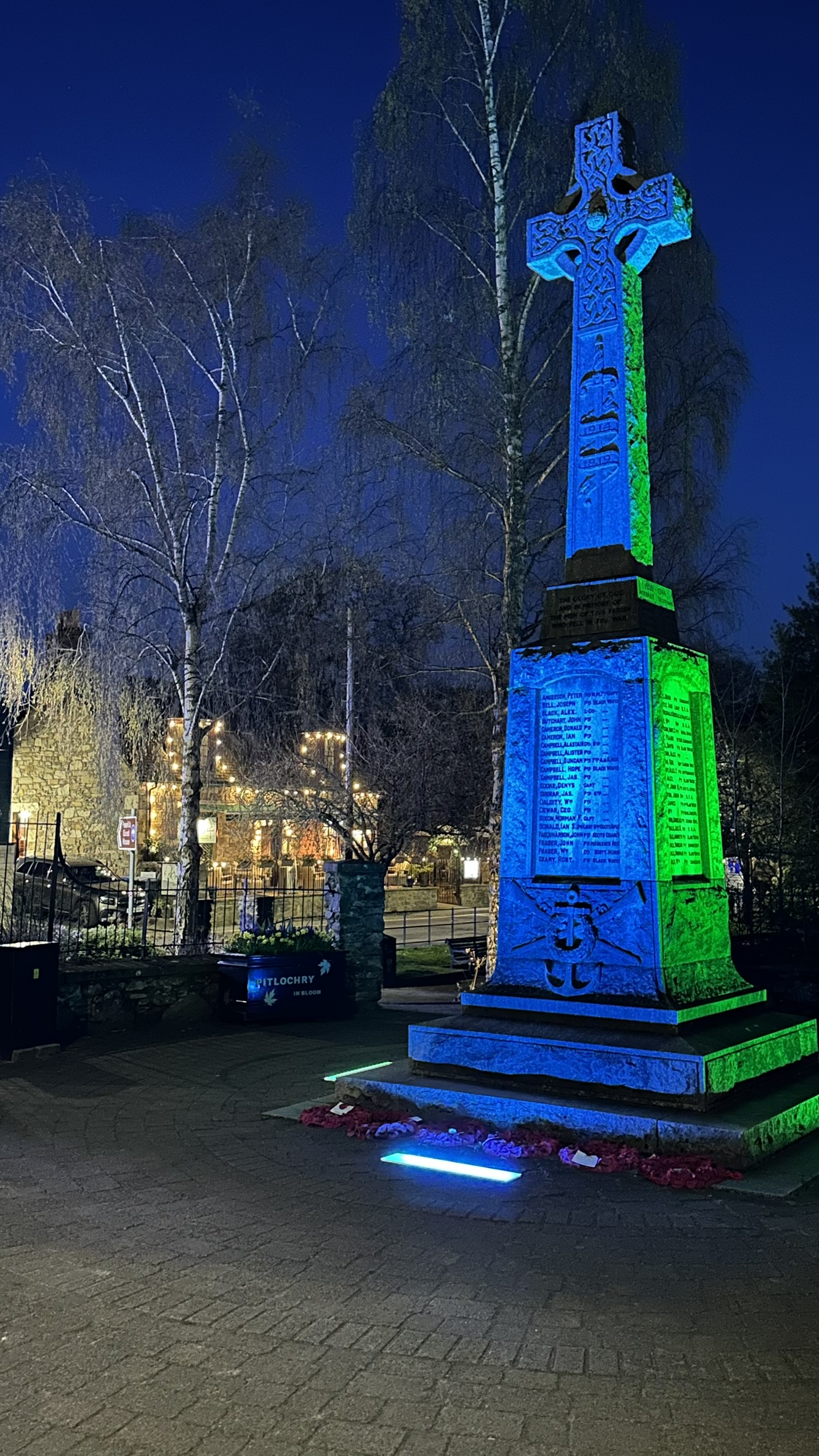
- Pitlochry’s main drag is lined with old stone buildings giving a medieval look and is lined with shops. Many of these are cheap tourist traps, but there are a couple legitimate options as well if you look hard. Robertson’s of Pitlochry, a fine whisky shop, was my favorite, of course.
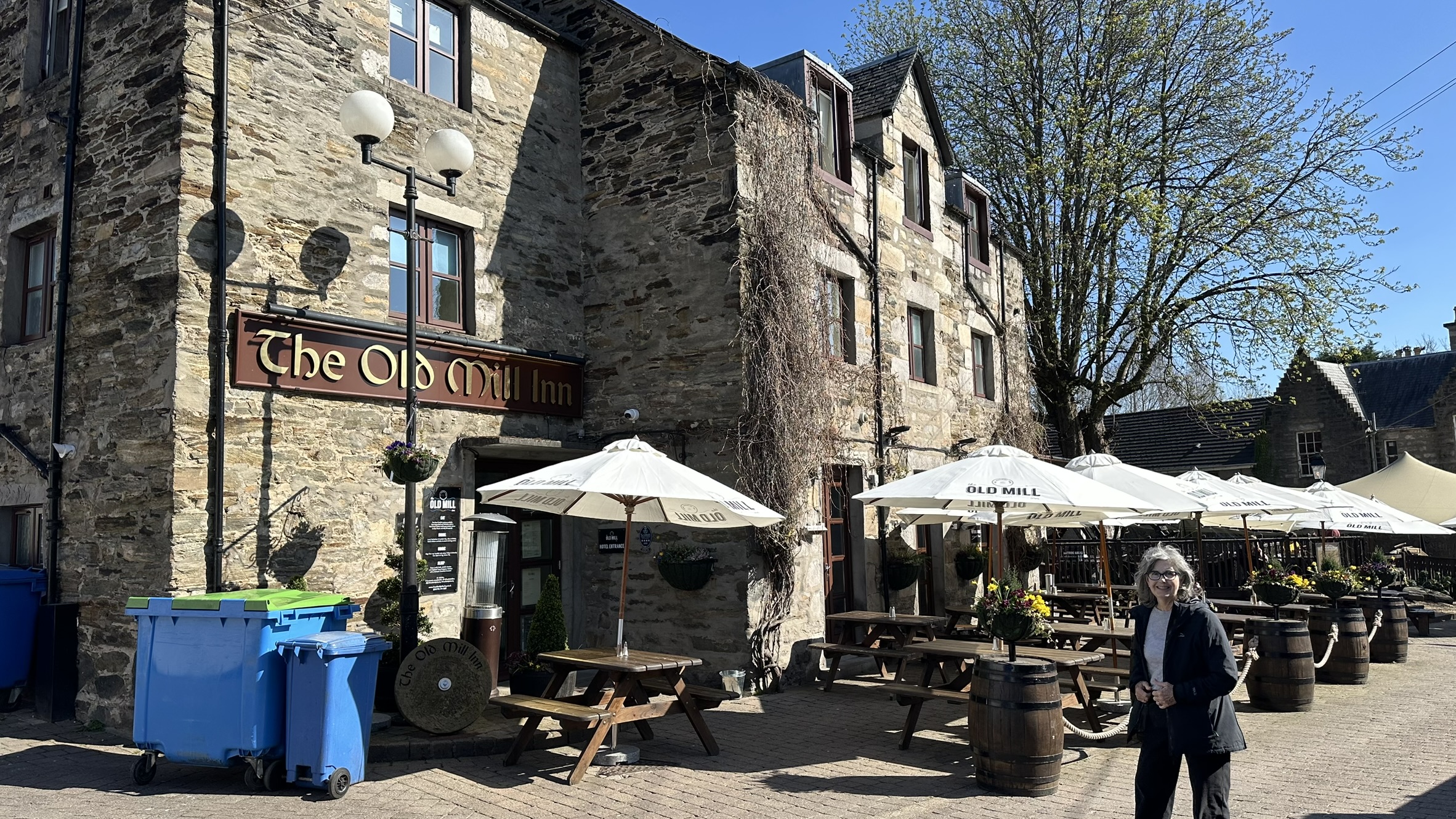
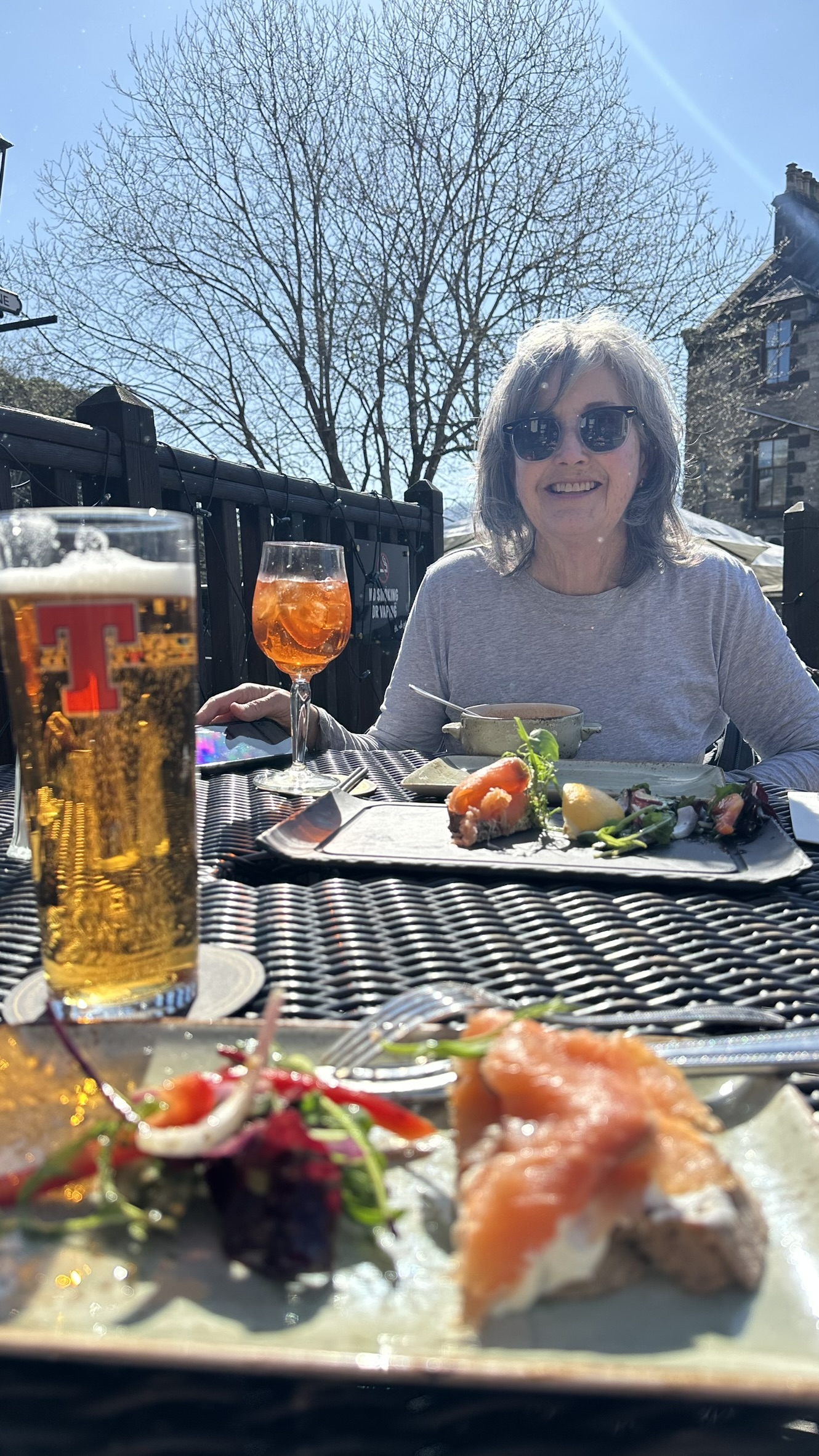
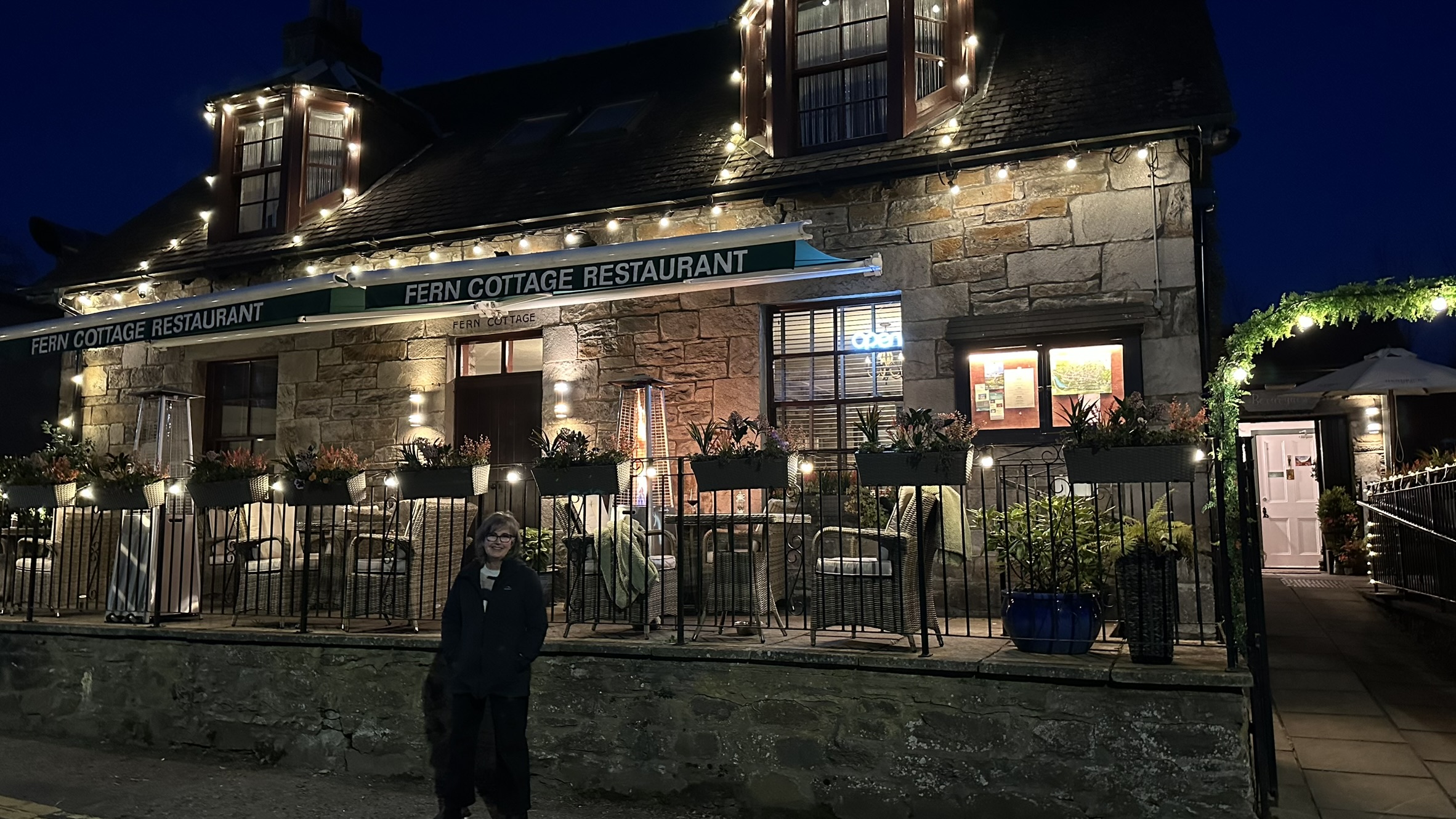
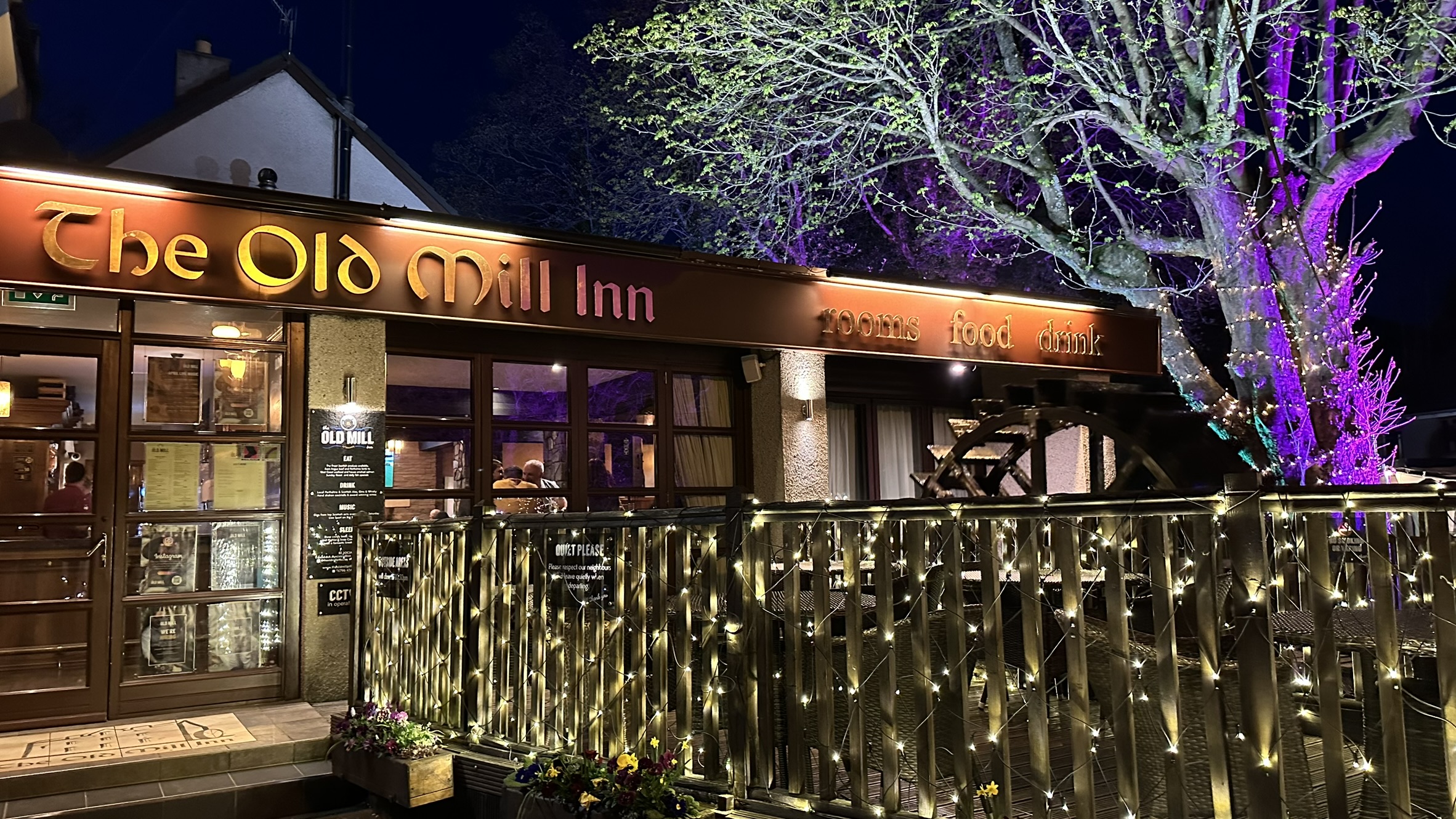
- Two places we tried for meals proved to be winners. The Old Mill Inn is built around — you guessed it — an old mill and proved to be a good lunch spot on a sunny day, with a sprawling outdoor deck around the mill’s working water wheel. Live music at night, too. Even better, Fern Cottage put on a fabulous dinner, a creative Scottish Mediterranean fusion, one of the best meals on the trip. A nice chat with the friendly owner at our table during dessert was literally icing on the cake.
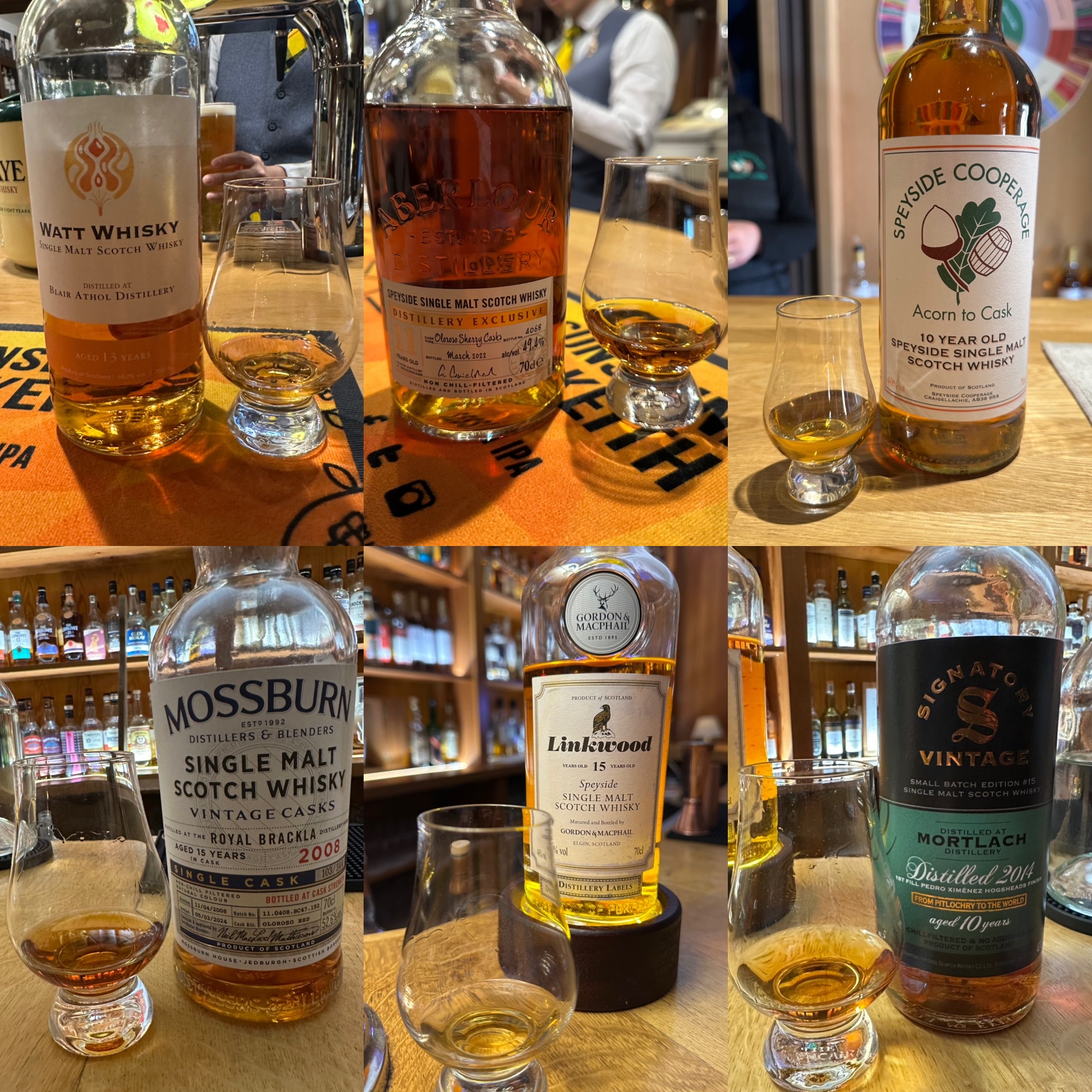
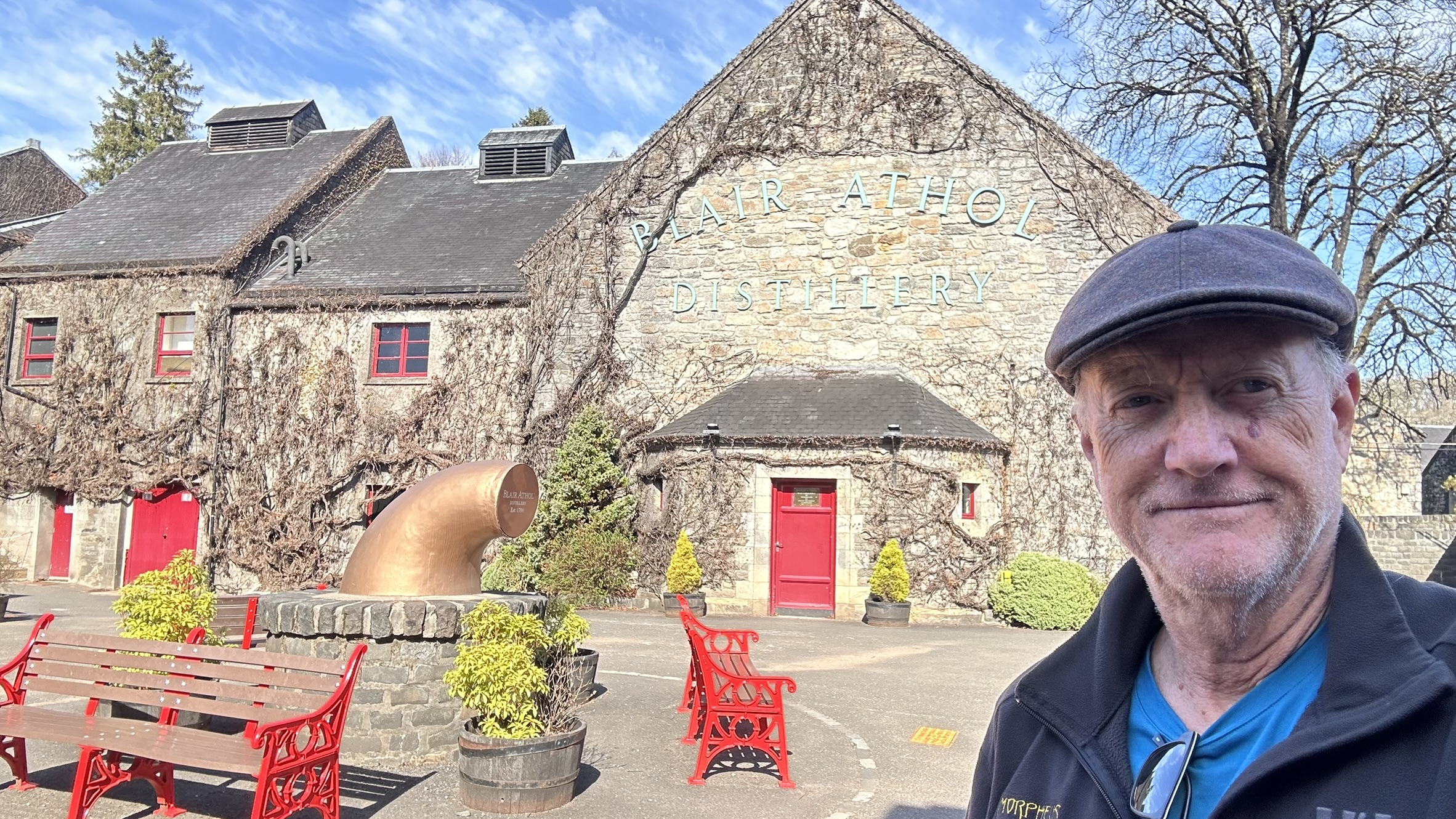
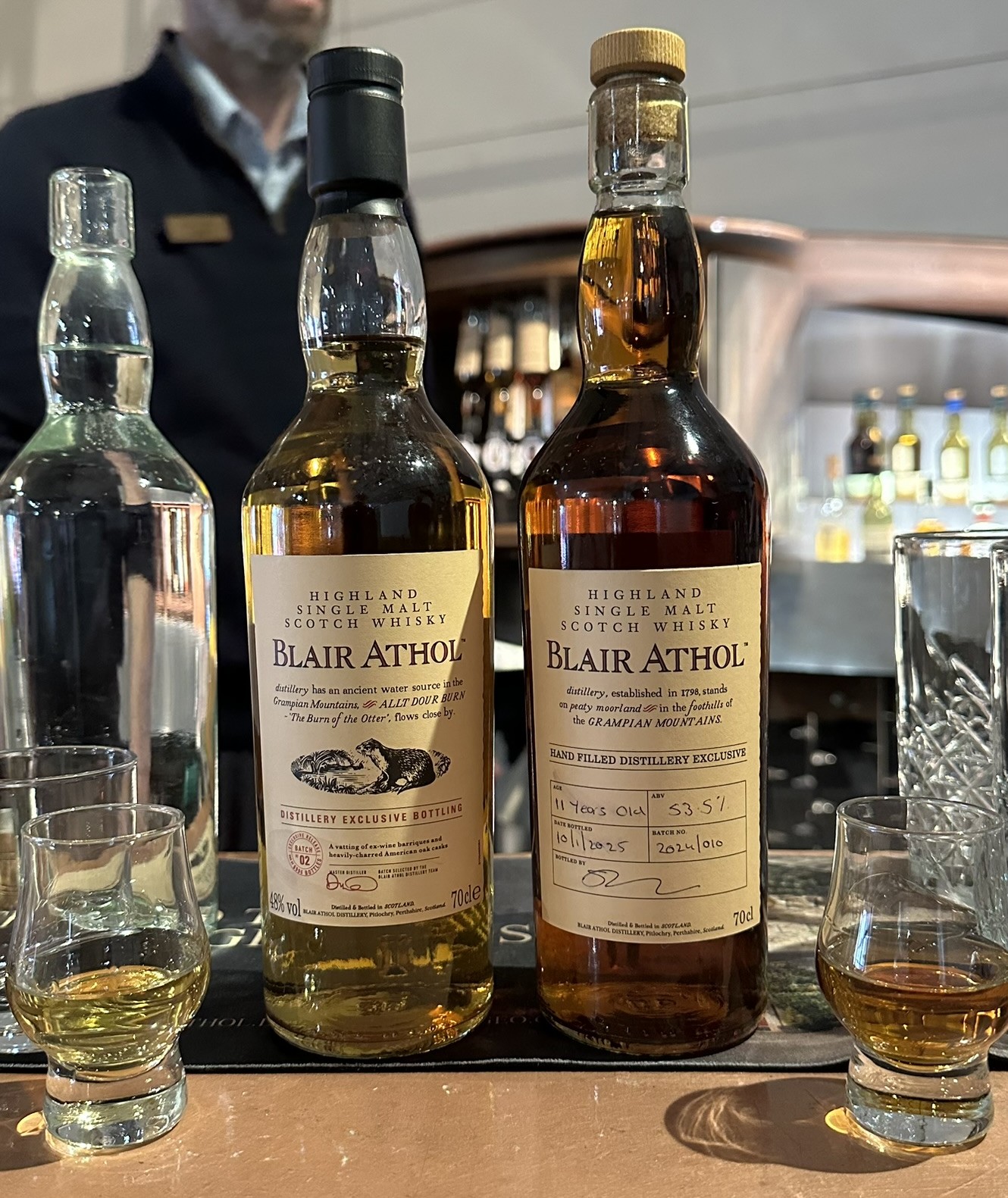
- Blair Athol is the city’s second distillery and its right on the outskirts of town, an easy walk. The bar inside is fashioned from a massive, old pot still. I sampled two distillery exclusives, an undated Flora and Fauna edition in American oak and an 11-year-old, limited release cask strength finished in sherry casks. Both delicious.
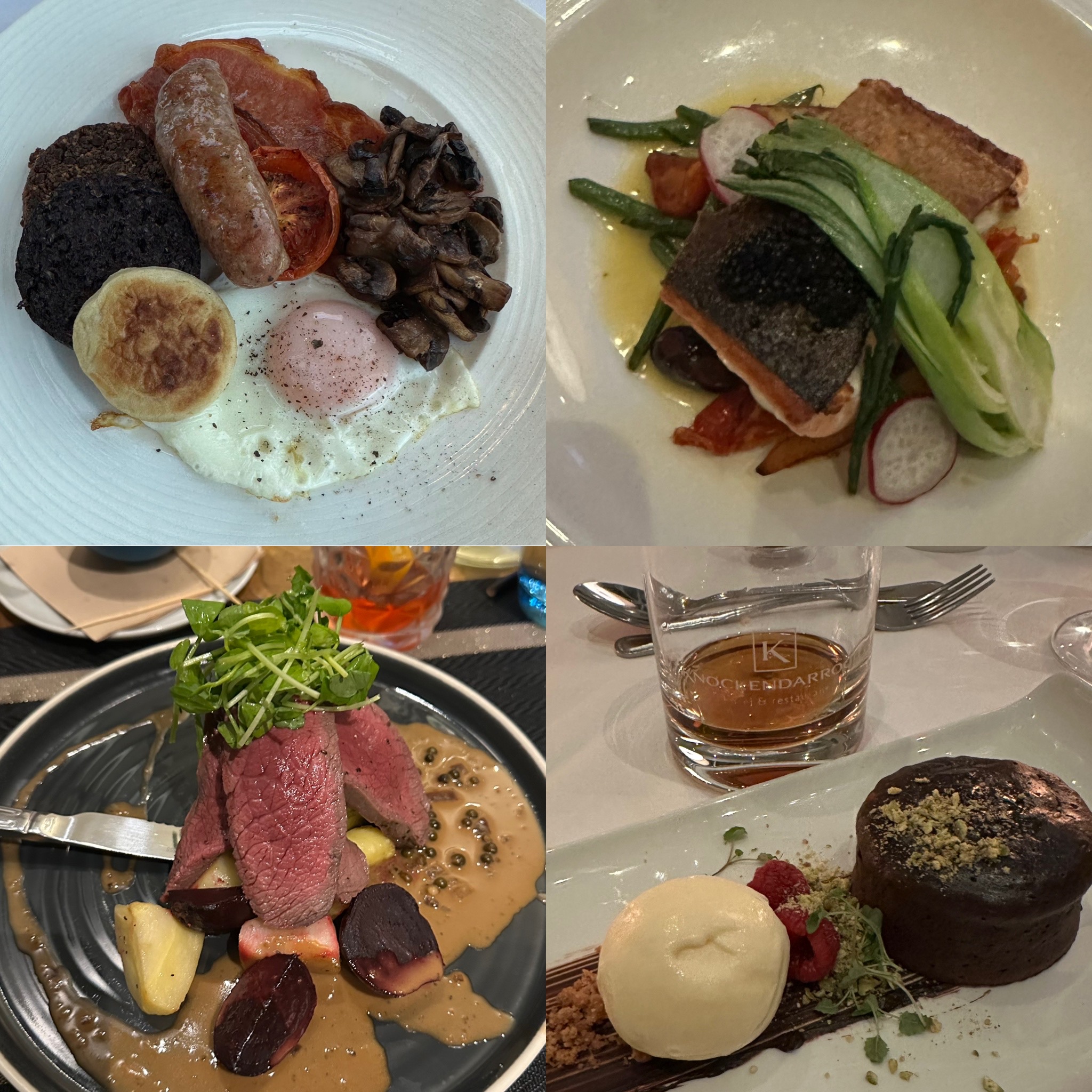
- Knockendarroch Hotel was a nice splurge, a beautifully appointed, hilltop refuge overlooking the town. Very good breakfast — the full Scottish, of course — and one very nice dinner in the hotel dining room. Be aware the stairs are fairly steep and there is no lift, so if climbing isn’t your thing, there are plenty nice options around town.
| Days 20-21 | Edinburgh, Scotland | ibis Styles Hotel at St. Andrews Square |
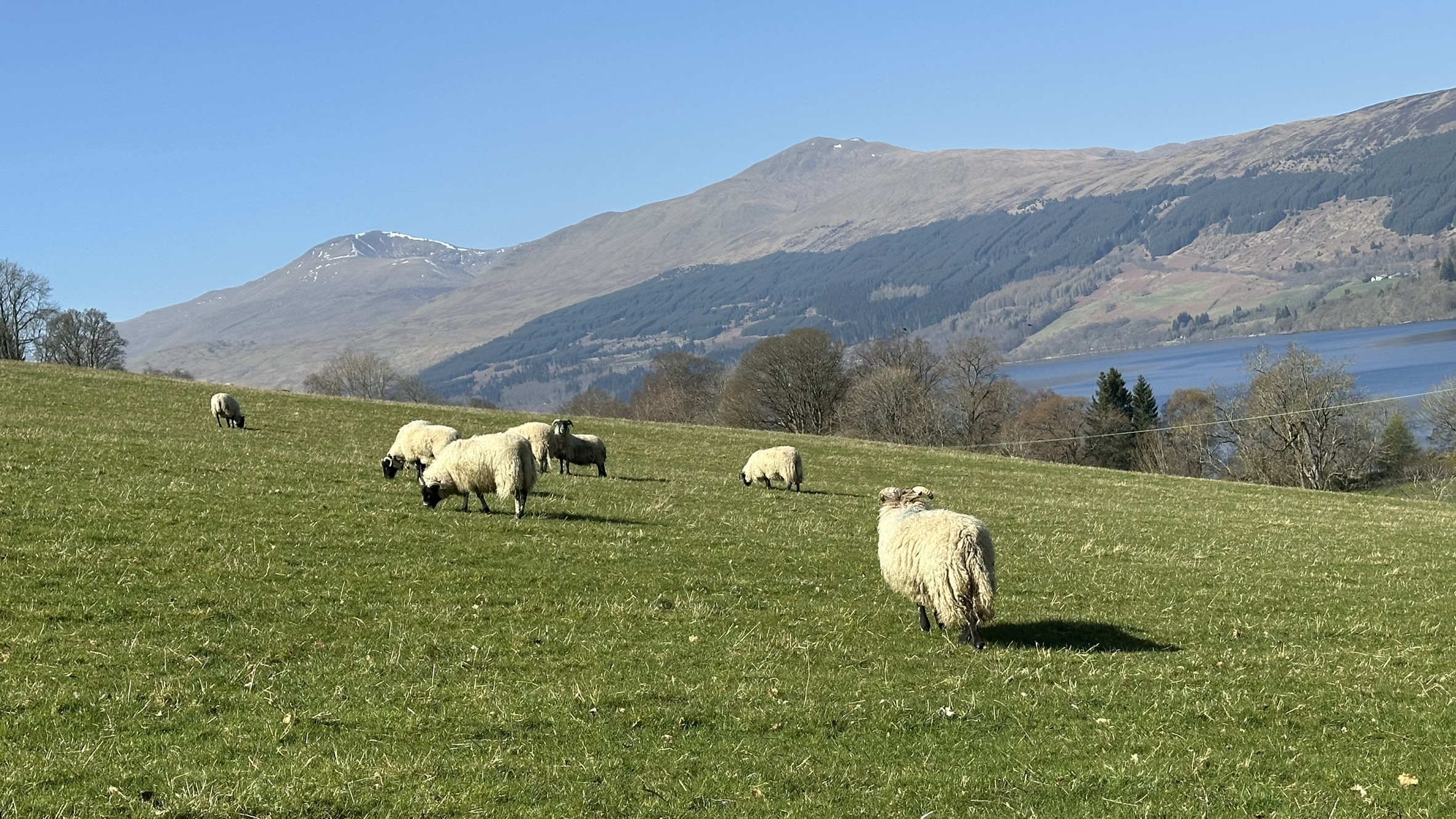
Leaving Pitlochry, it’s just over an hour drive back to Edinburgh, our final stop. But if you’re not in a rush, I recommend the longer, more scenic drive out to Loch Tay and, optionally, down through Stirling. Sure, it adds a couple hours (not counting stops), but the backroads from Pitlochry to Loch Tay would be the last truly beautiful drive of the trip. Highlights on the drive:
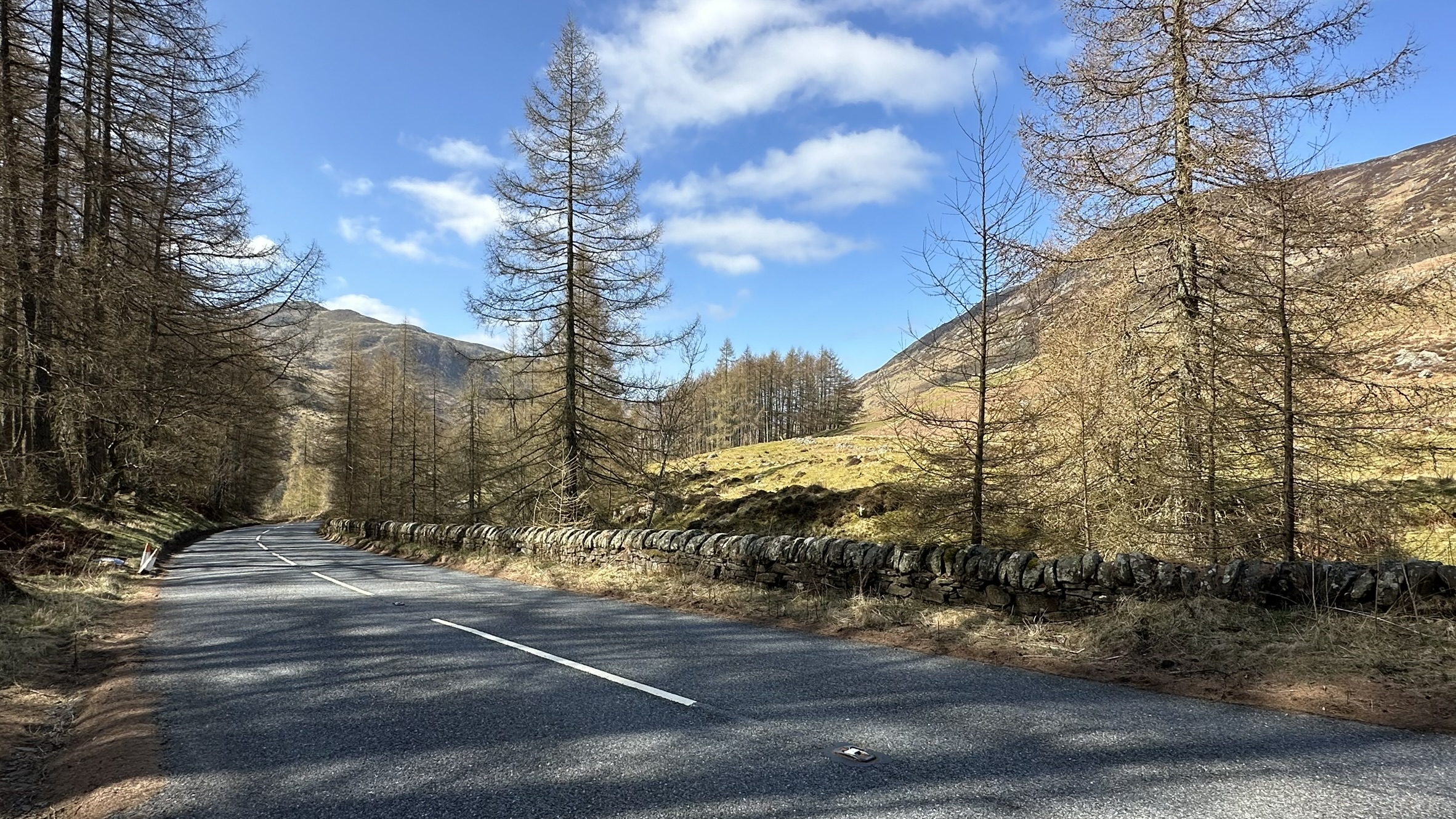
- An hour driving the narrowest and prettiest one-lane country roads we’d seen on this trip, reminiscent of the roads between Glencoe and Isle of Skye on Scotland’s west coast. Lots of laybys to pull over, but luck was on our side as we saw zero traffic.
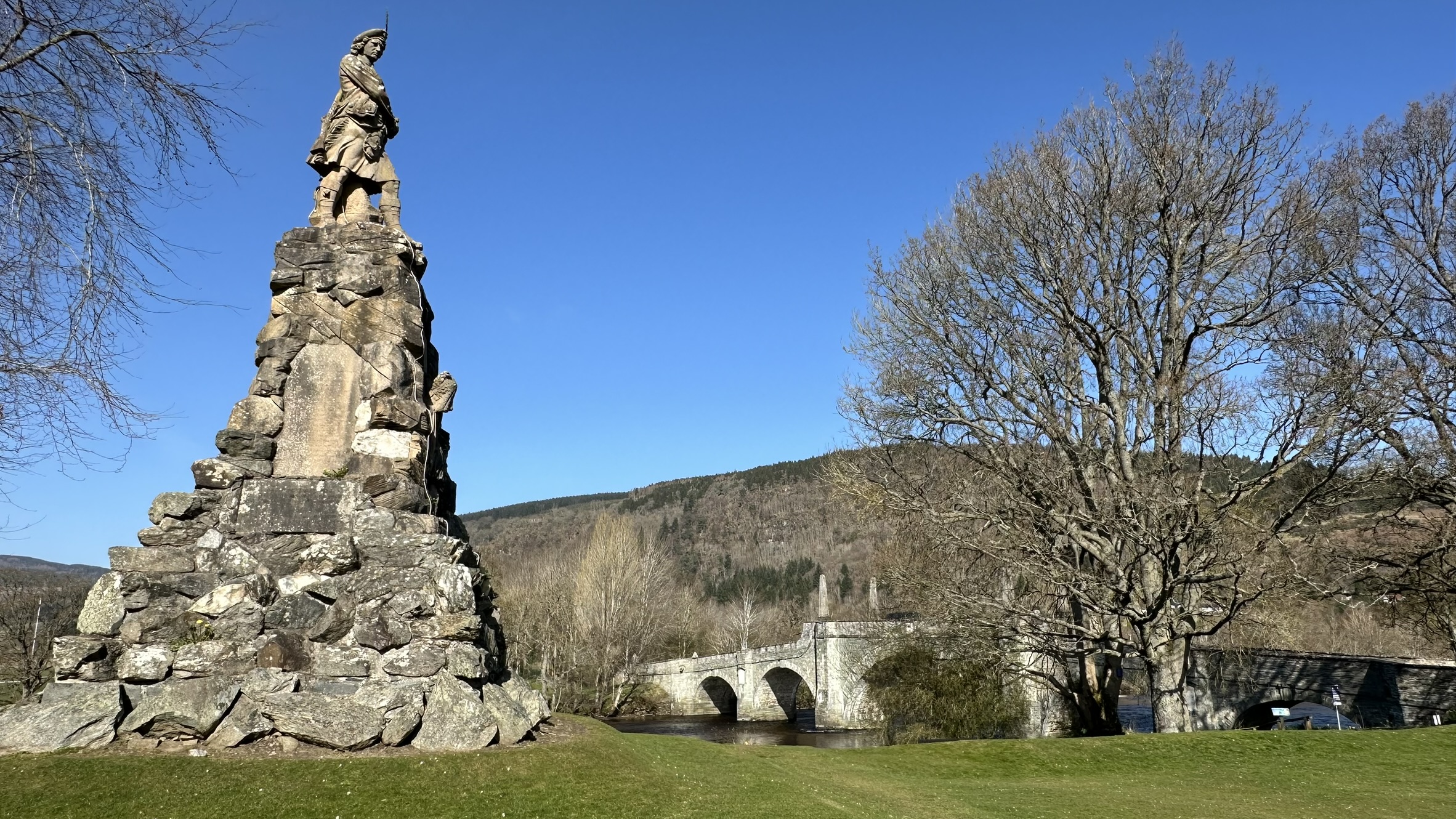
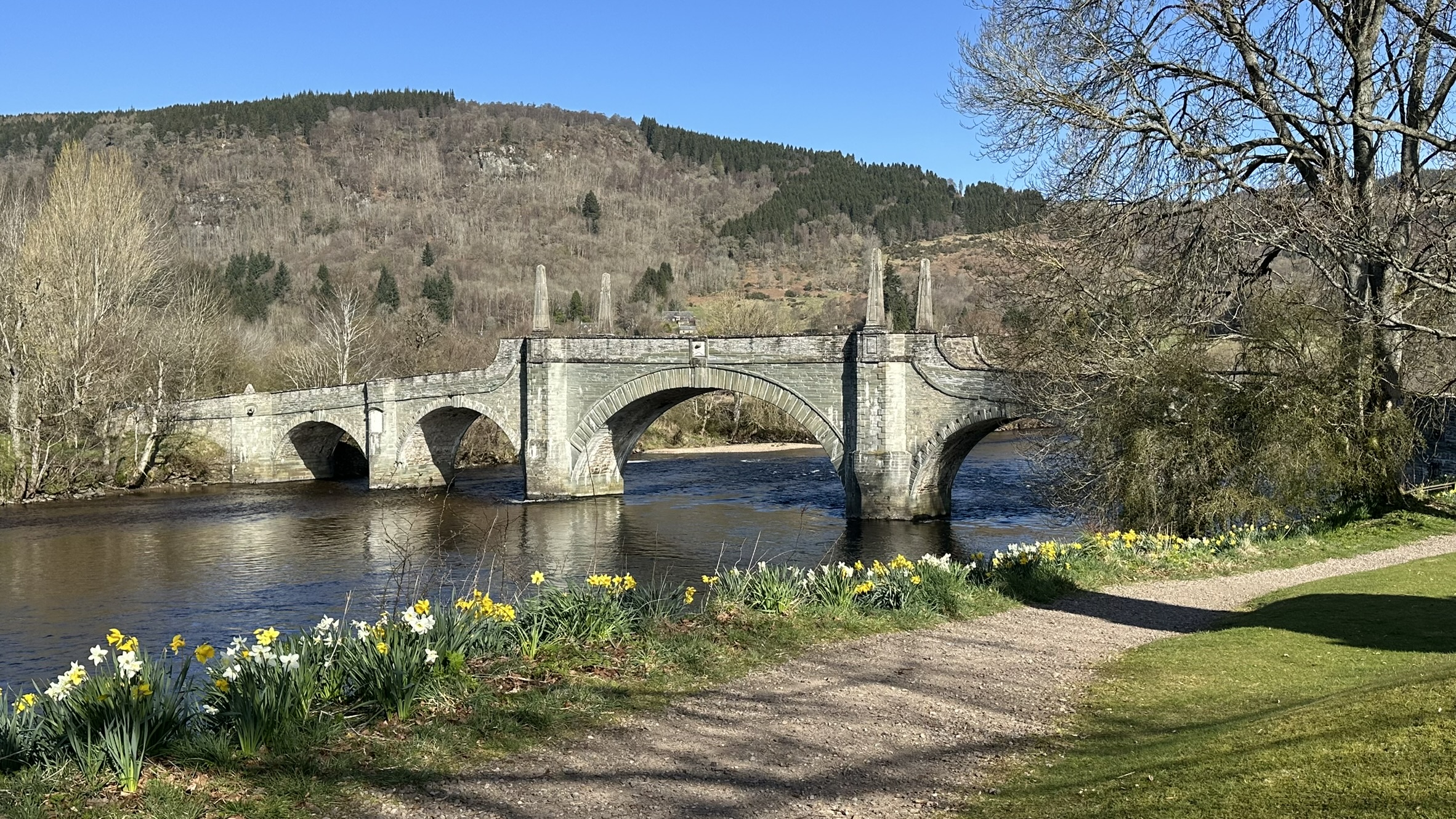
- The Black Watch Memorial and Wade’s Bridge (built 1733) in Aberfeldy were cool landmarks. The Black Watch has been an infantry unit of the Royal Scottish Brigade since 1881, but it takes its roots from an 18th century foot brigades that were enlisted to patrol the Highlands and disarm Highlanders during the Jacobite Rebellion.
- Further up the road on the south side of Loch Tay is a great hike past a working farm to the Hermit’s Cave, a long, narrow underground chamber that leads to a dramatic cliff-side view of the Falls of Acharn. Very cool indeed and worth the drive by itself.
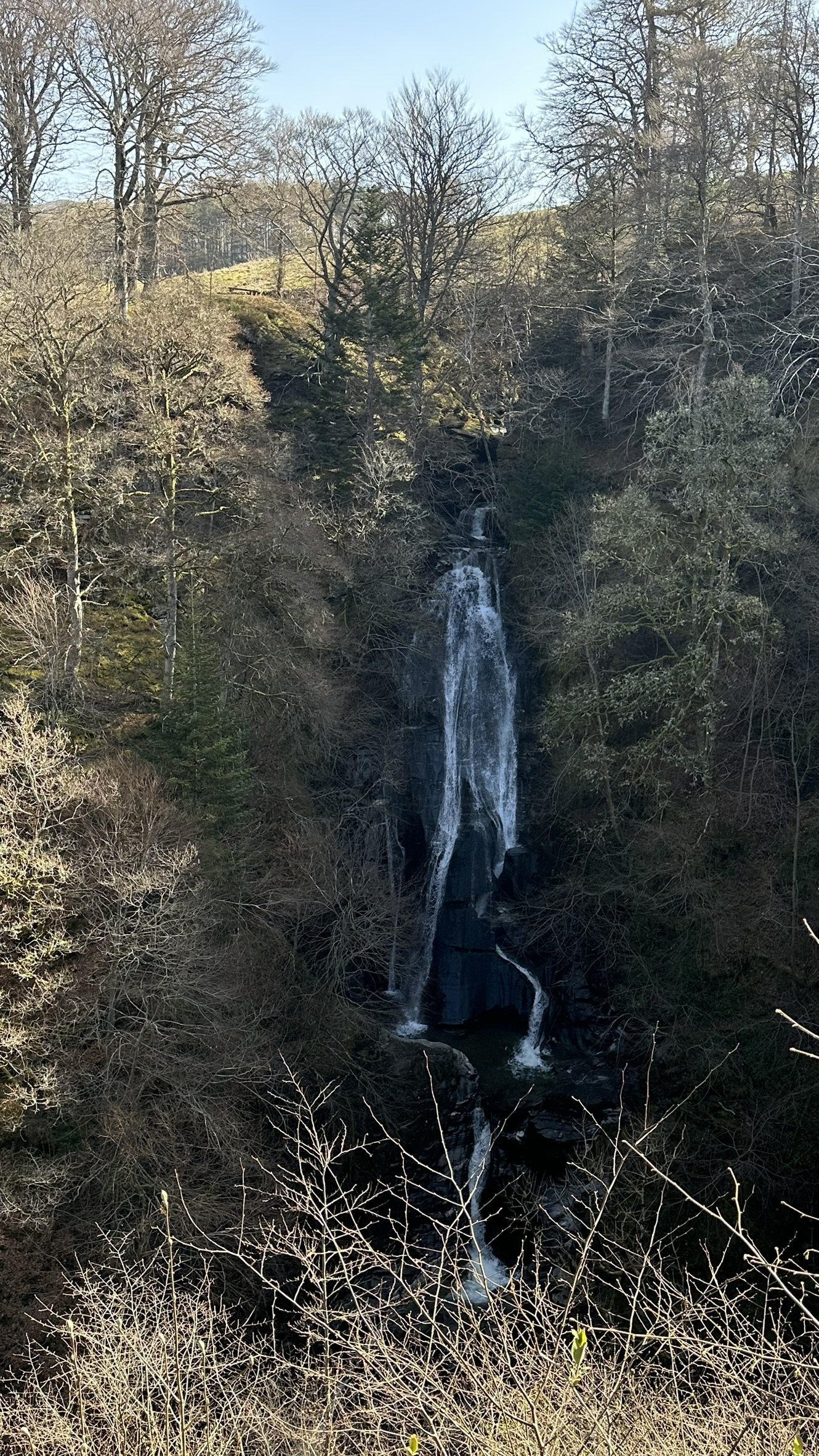
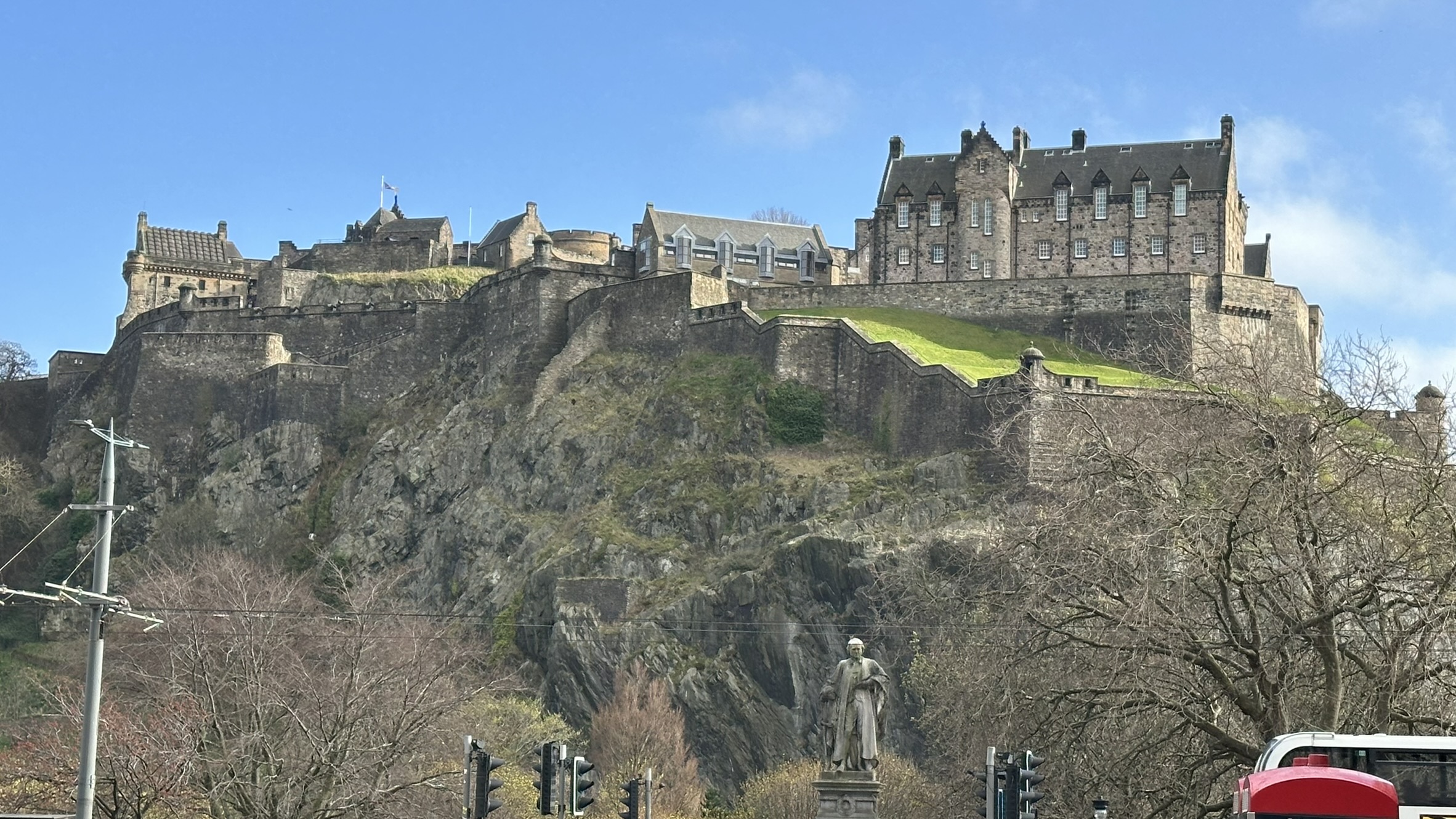
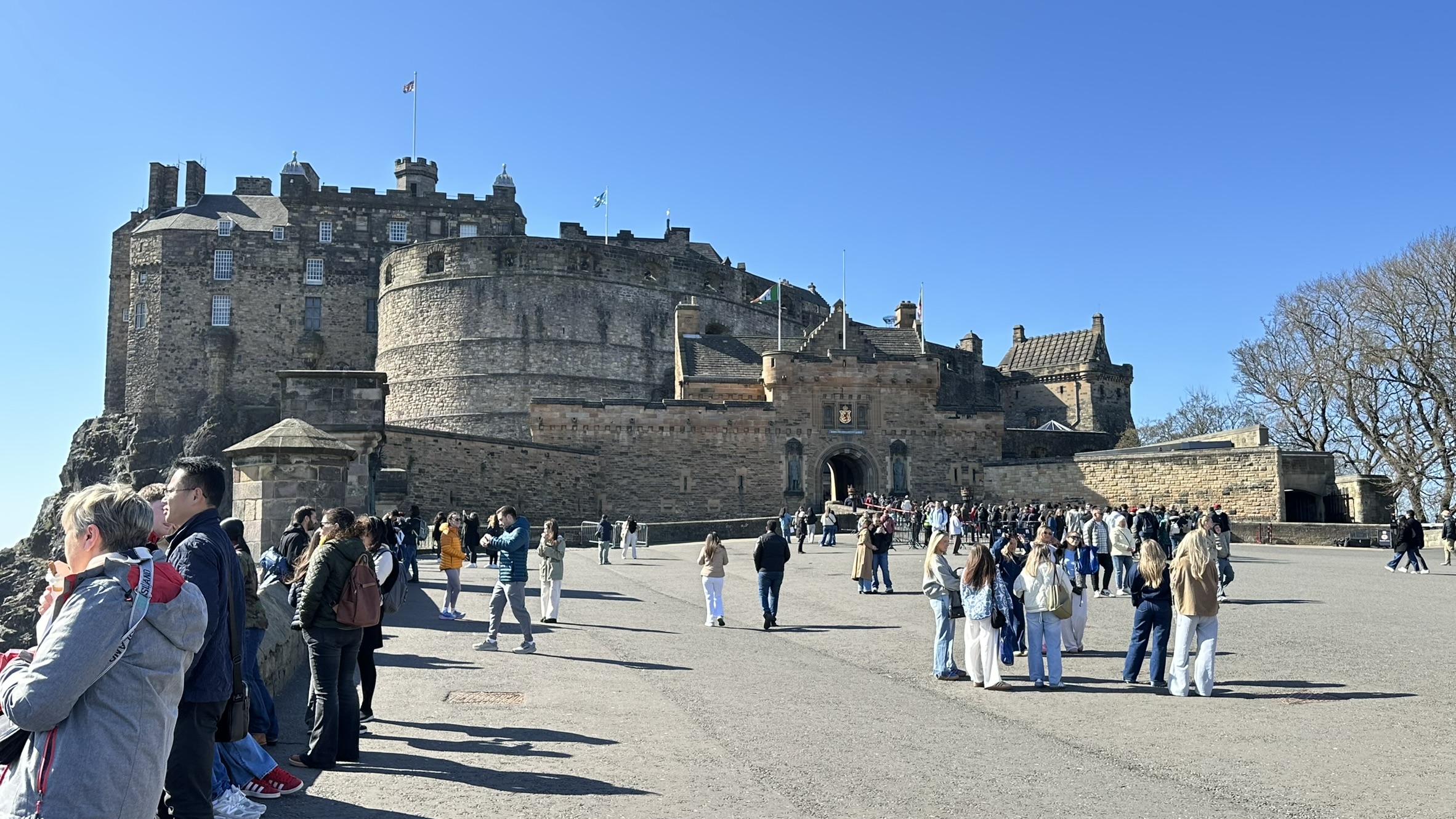
Eventually, we made our way back to Edinburgh, dropping our rental car off at the airport and taking an Uber into town (big time saver for our trip back to the airport in a couple days). Edinburgh is where most people go when visiting Scotland if they’ve only got a few days, and for good reason. It’s easily accessible and boasts a couple must-see sights: Edinburgh Castle, probably the most impressive in Scotland, and the Royal Mile. On our first visit here a few years ago, we had done the Castle, the Royal Mile, and hiked up Arthur’s Seat, so this time we focused on the New Town. As a result, we’ve come to like Edinburgh a lot more. Just a few highlights from our one day and two nights in town.
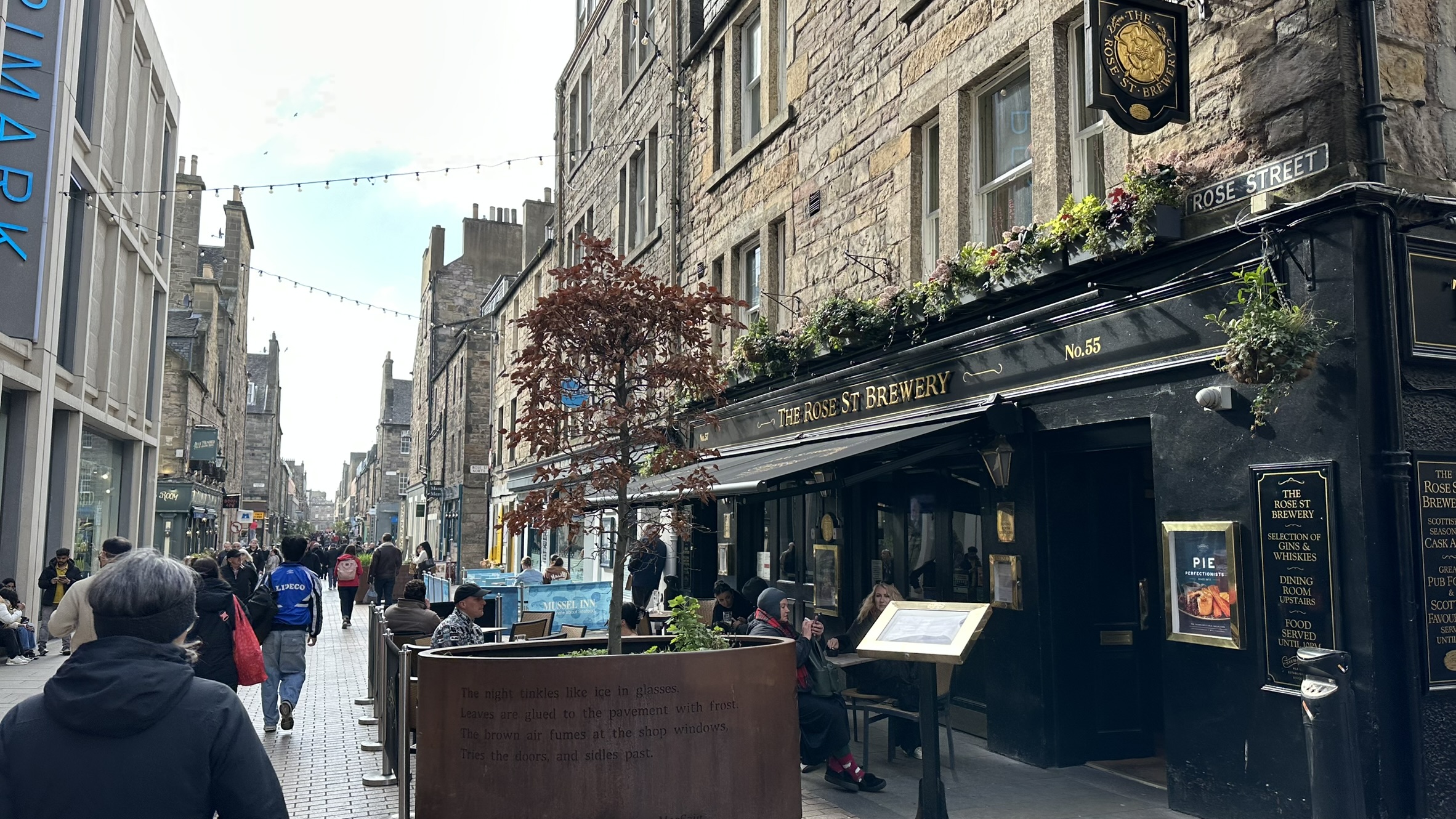
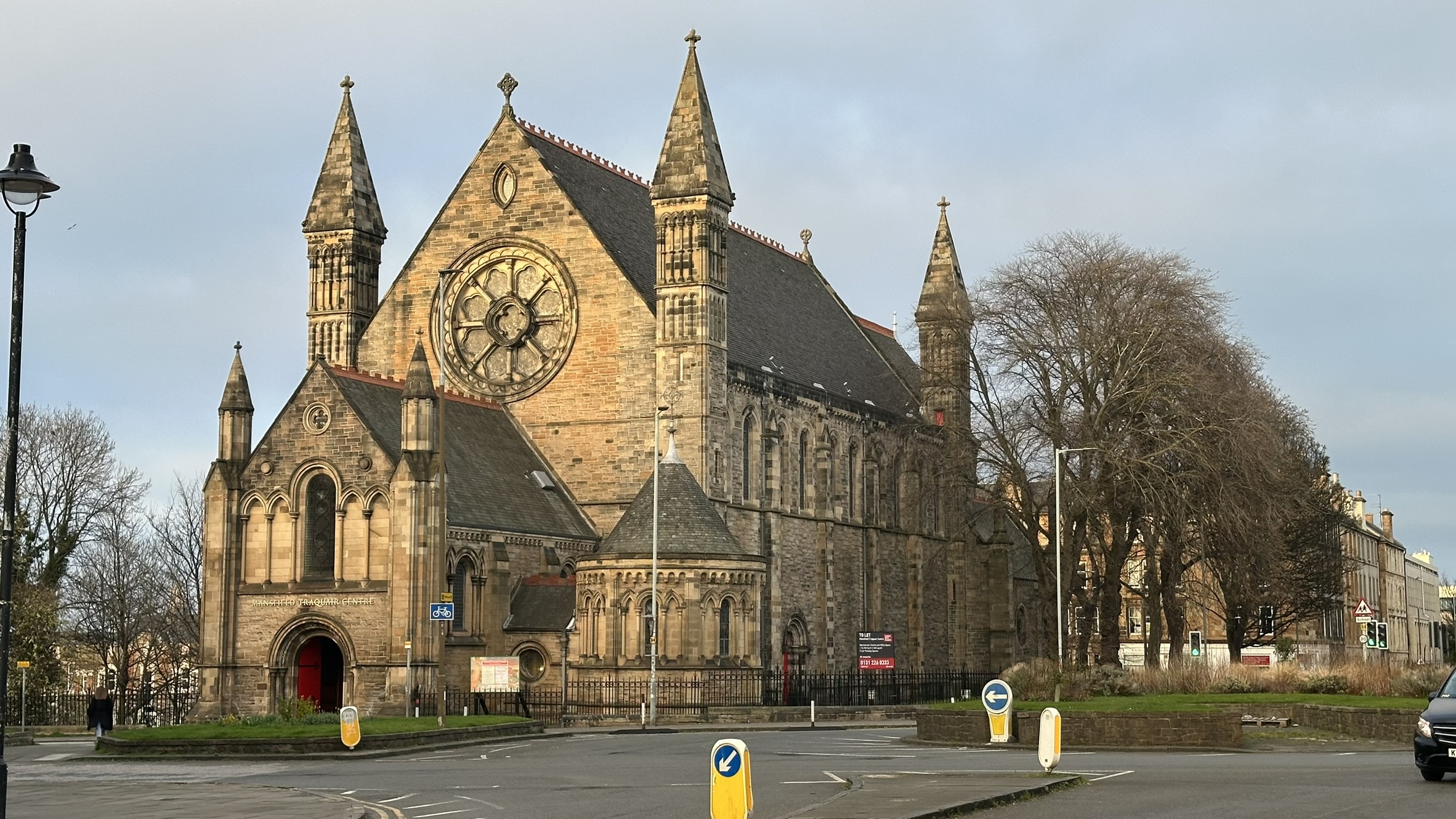
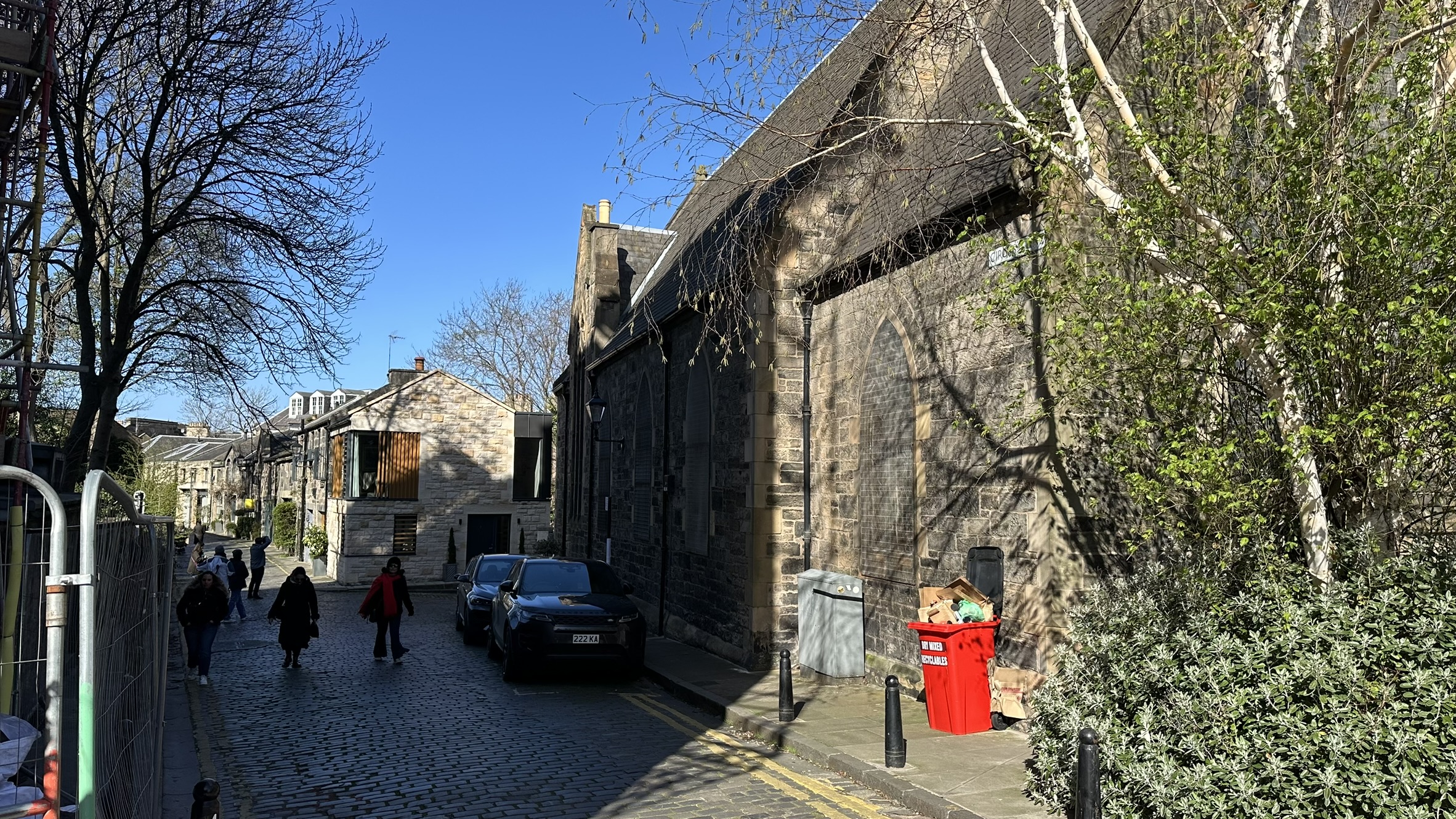
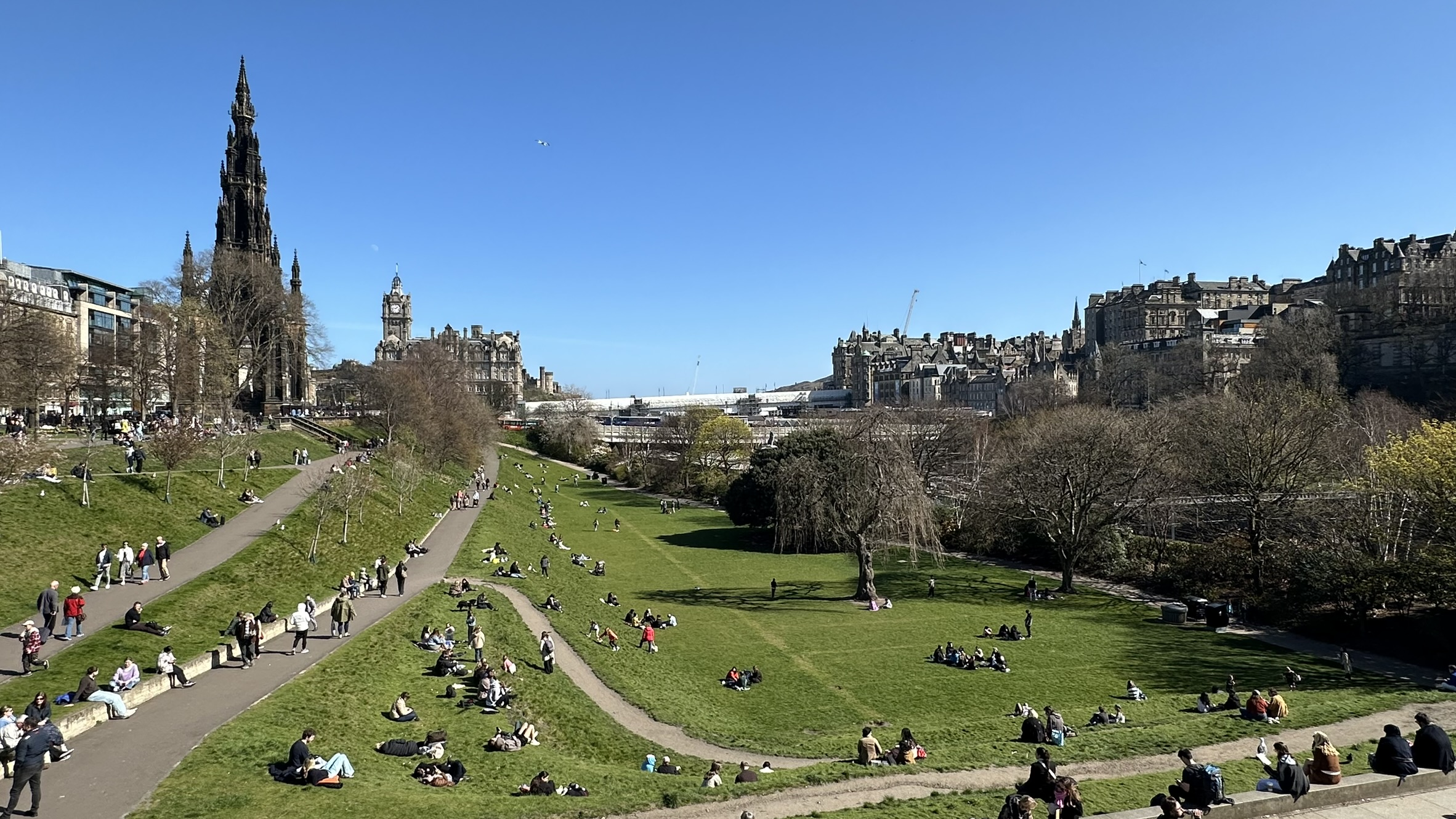
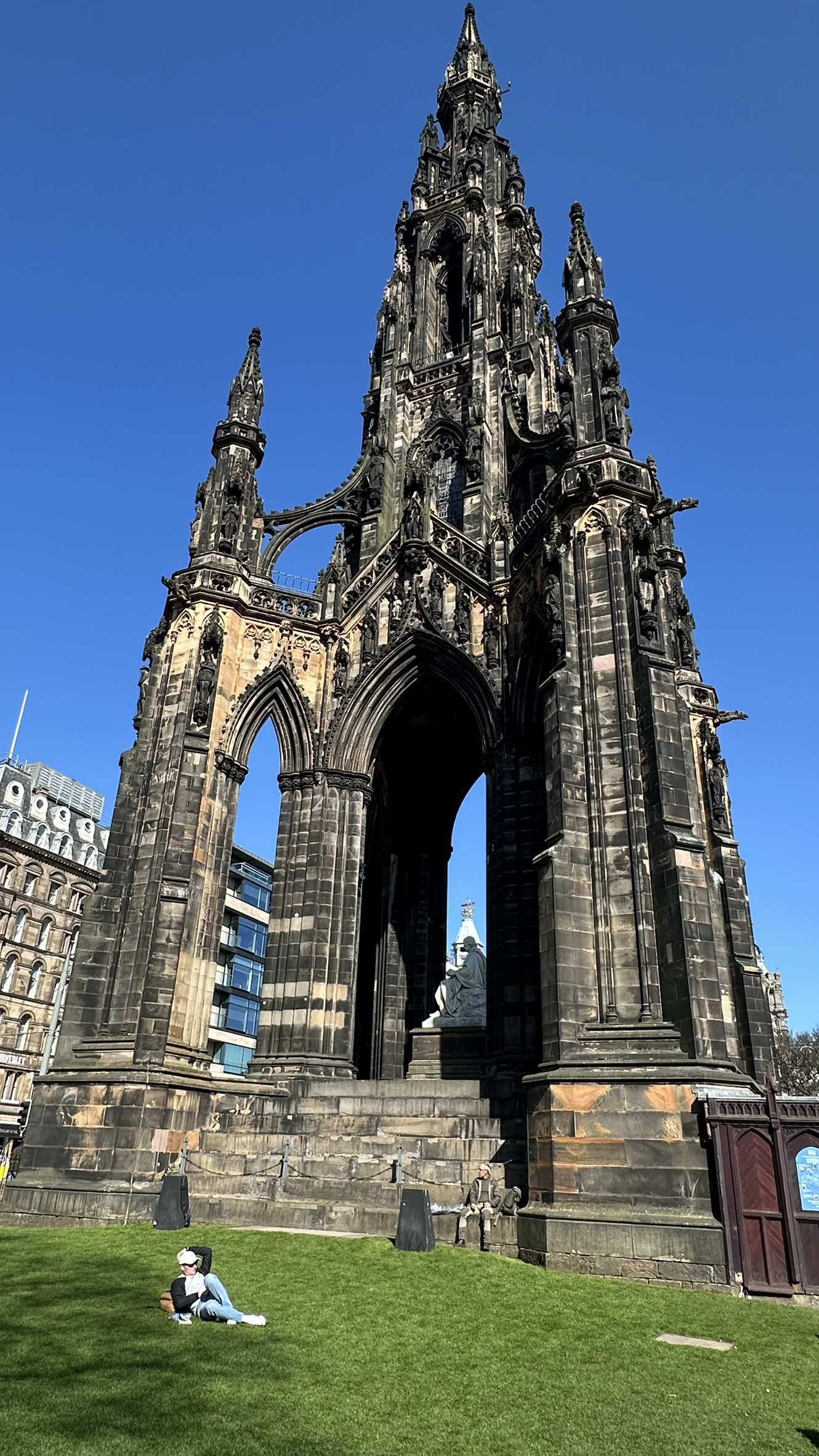


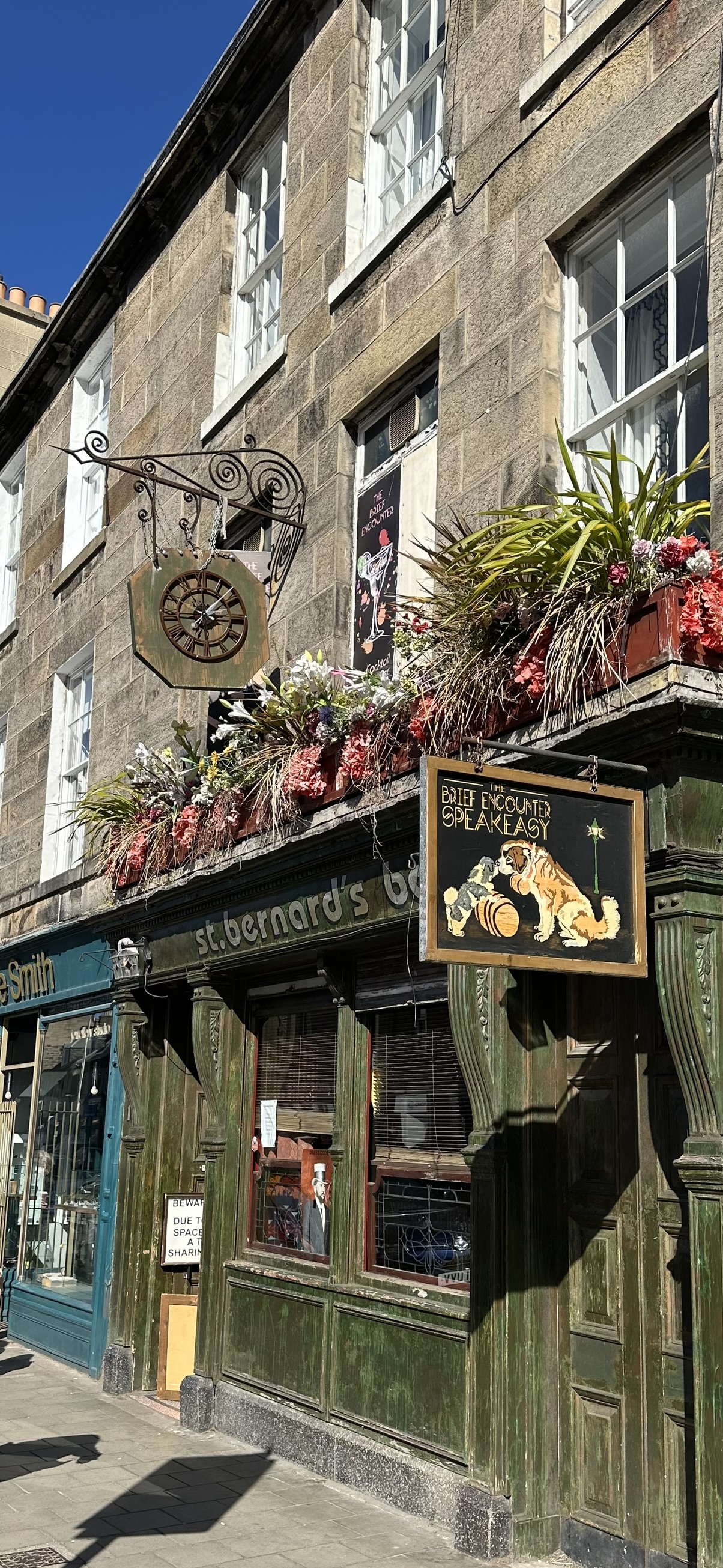
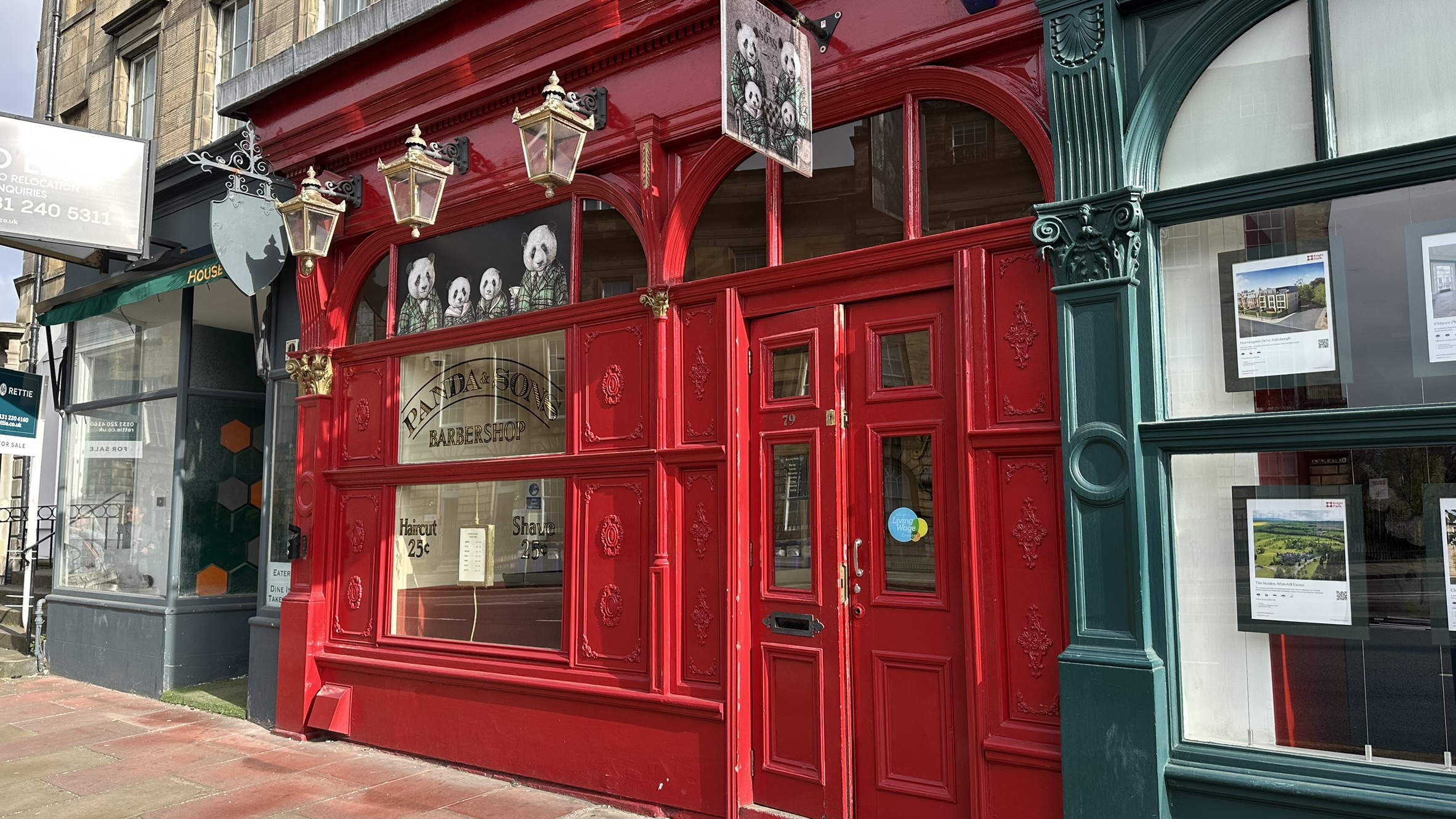
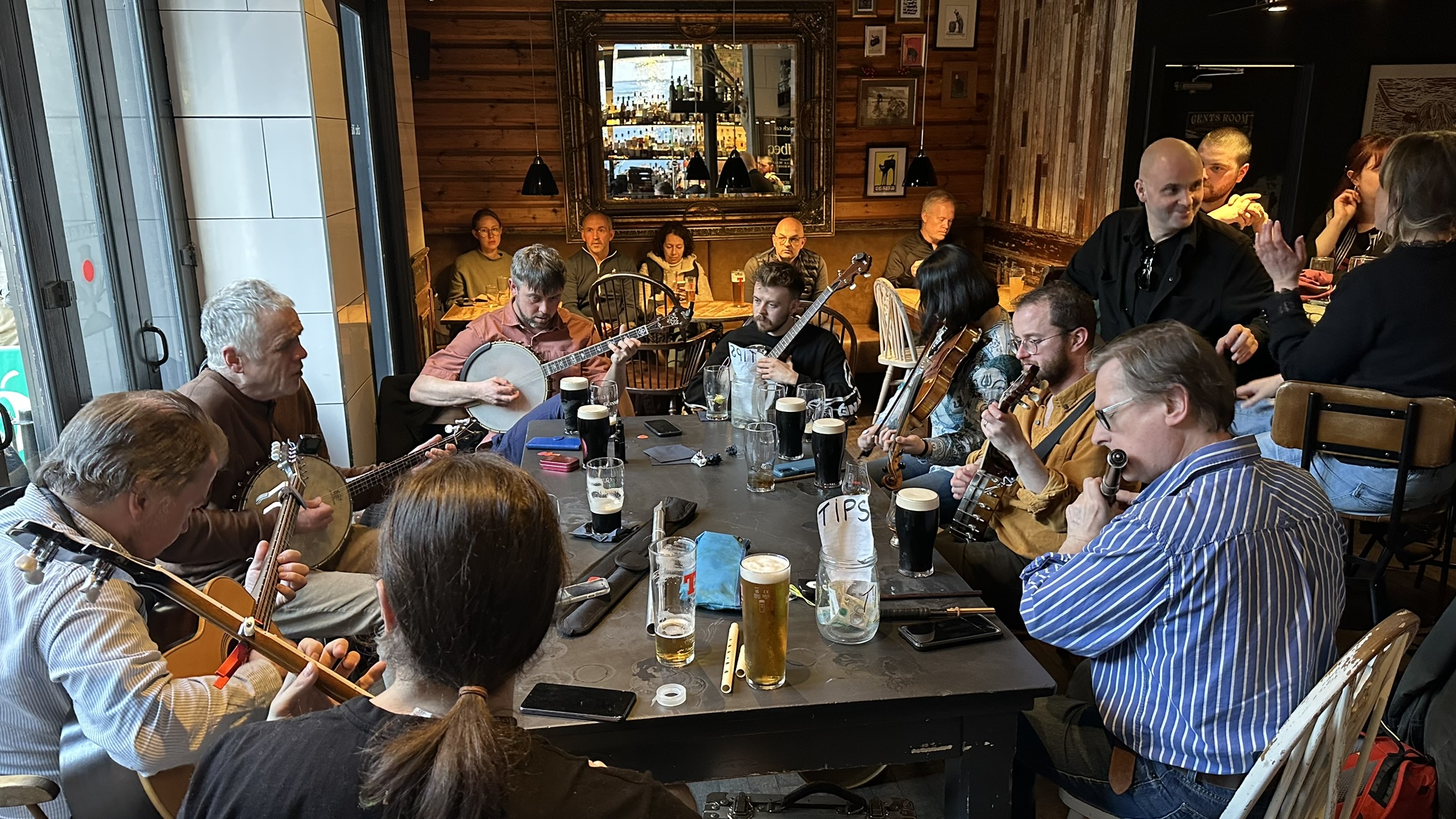
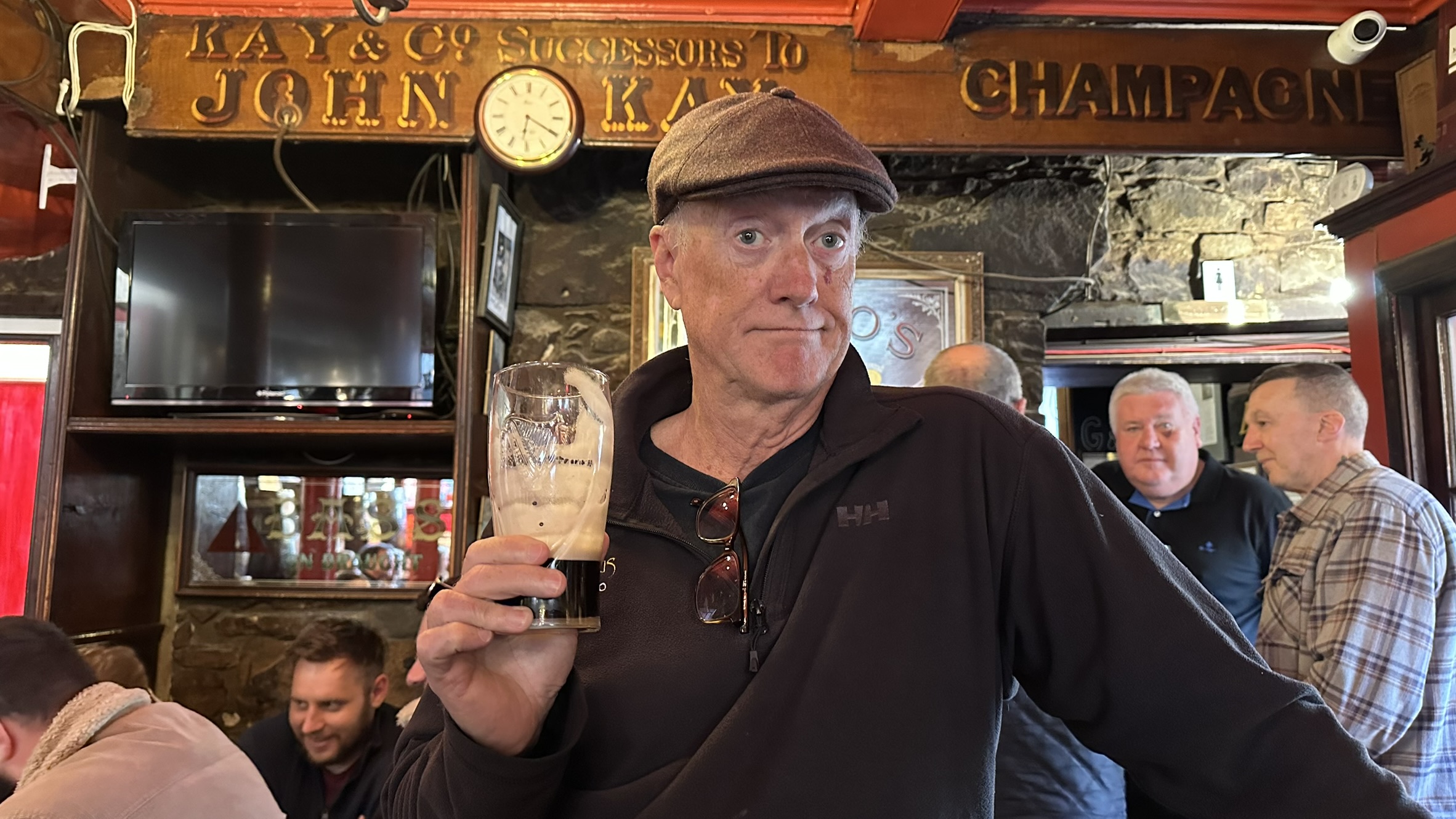
- A few new bars we really liked: St. Bernard’s in Stockbridge and St. Vincent’s on Circus Lane were both fun, atmospheric local hangouts. You get to Panda & Sons, listed among the top cocktails bar in the world, through an entrance is disguised as a barbershop. Bramble and Lucky Liquor are two other speakeasy cocktail bars just a short walk from Panda & Sons; we liked Lucky Liquor for its casual vibe and record collection.
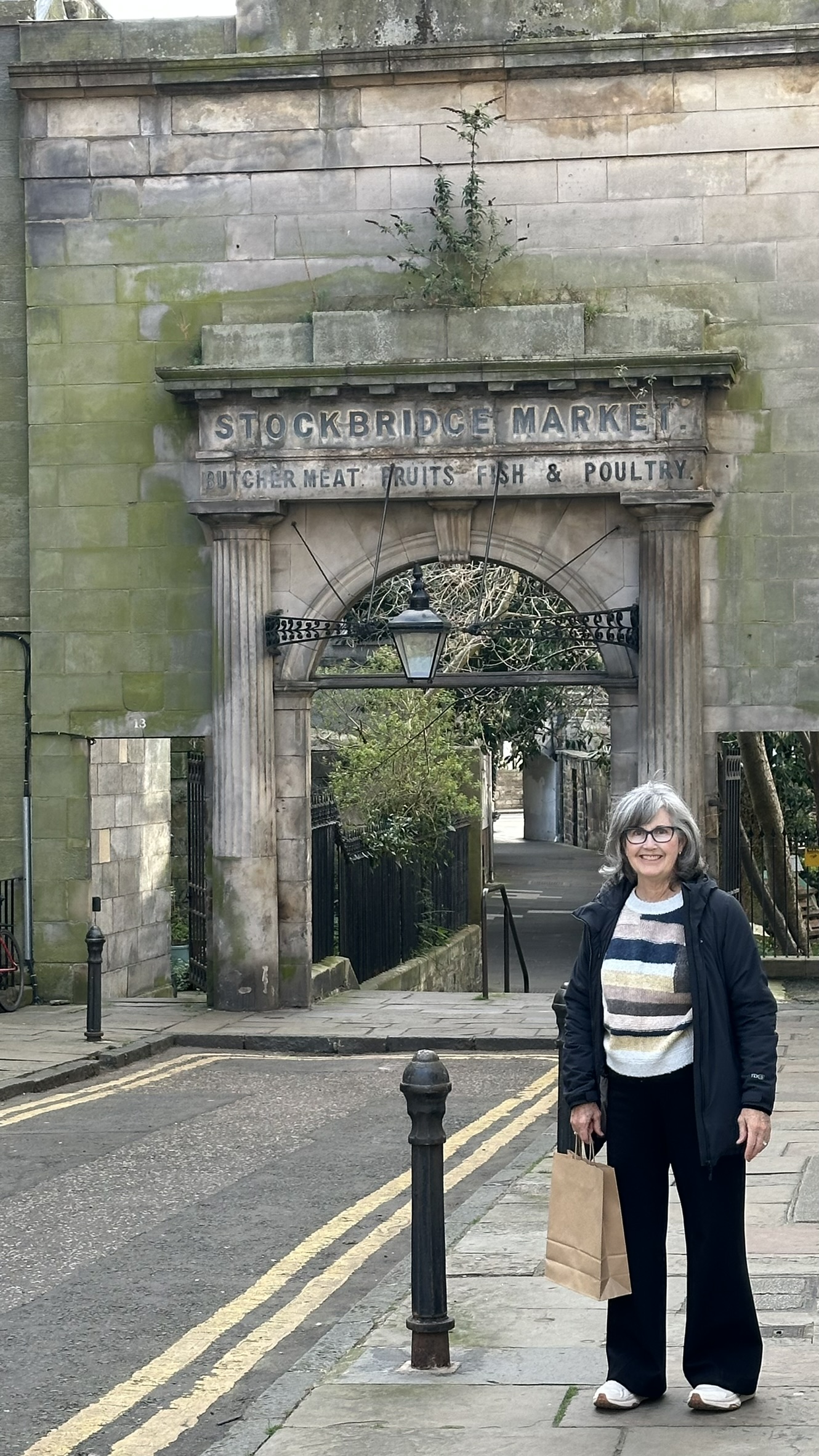
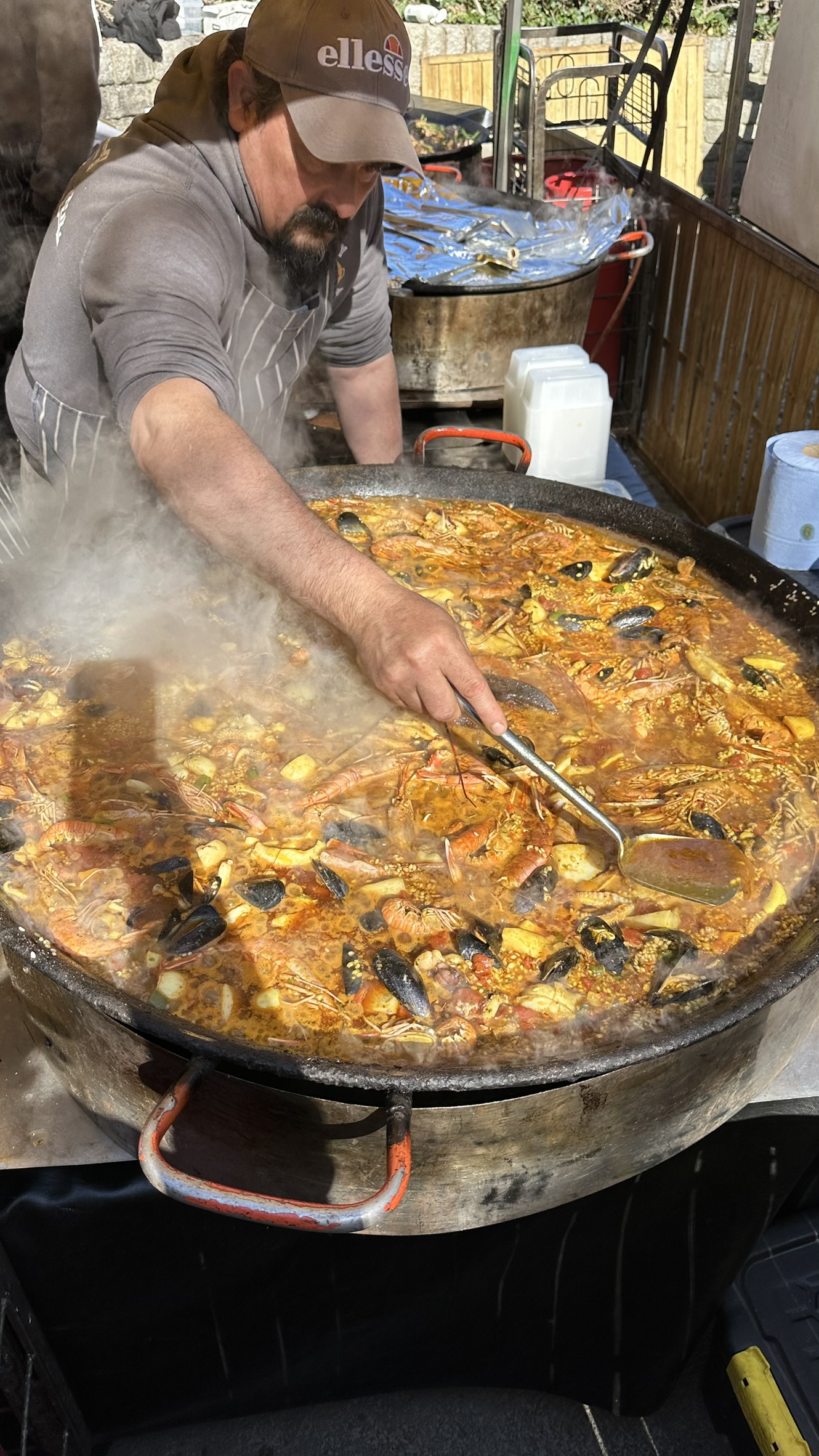
- Stockbridge Market is the hot ticket on Sunday mornings. And it’s free (unless you buy something, and of course you will). We went for the incredible seafood paella made right in front of you.
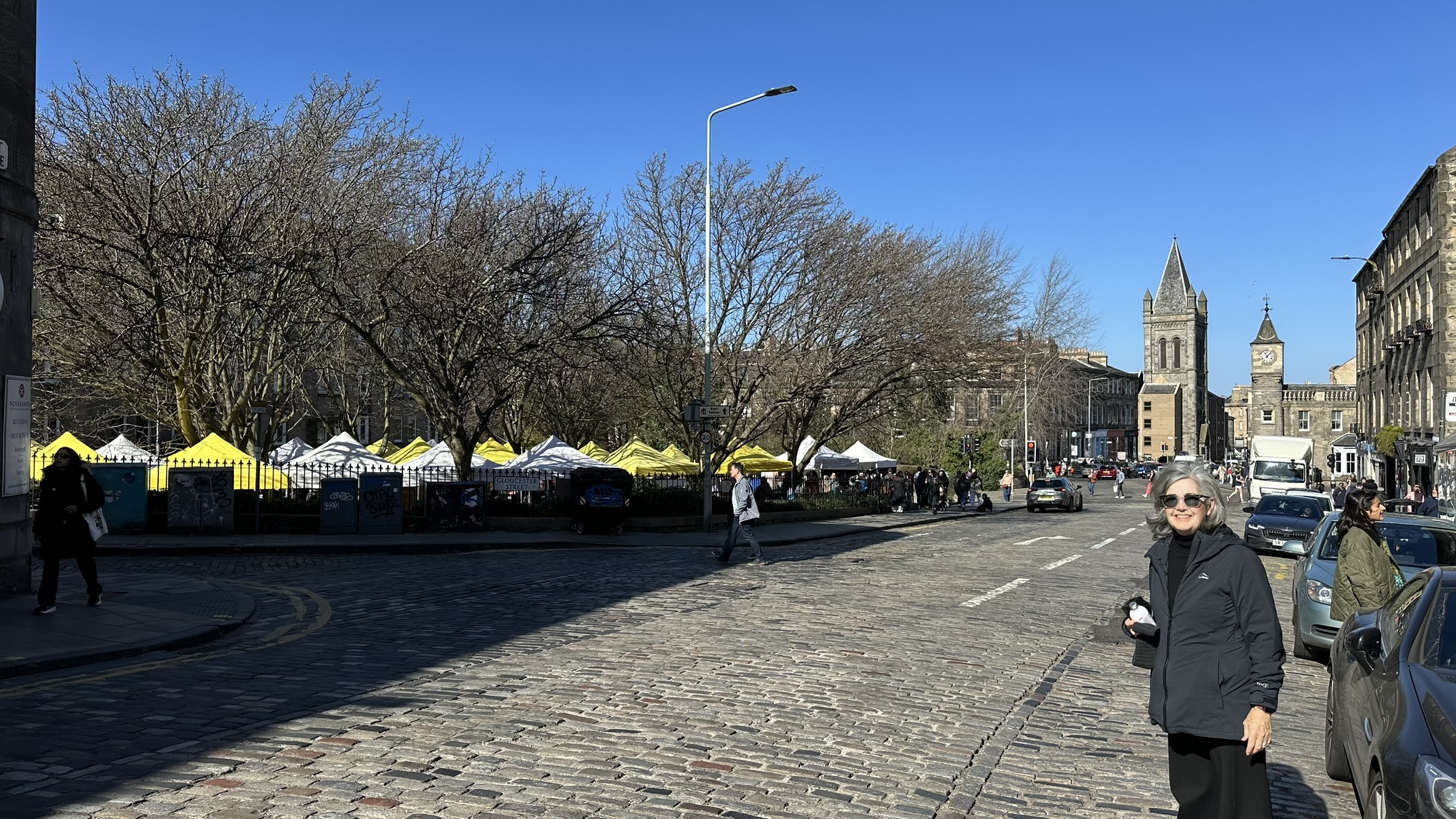
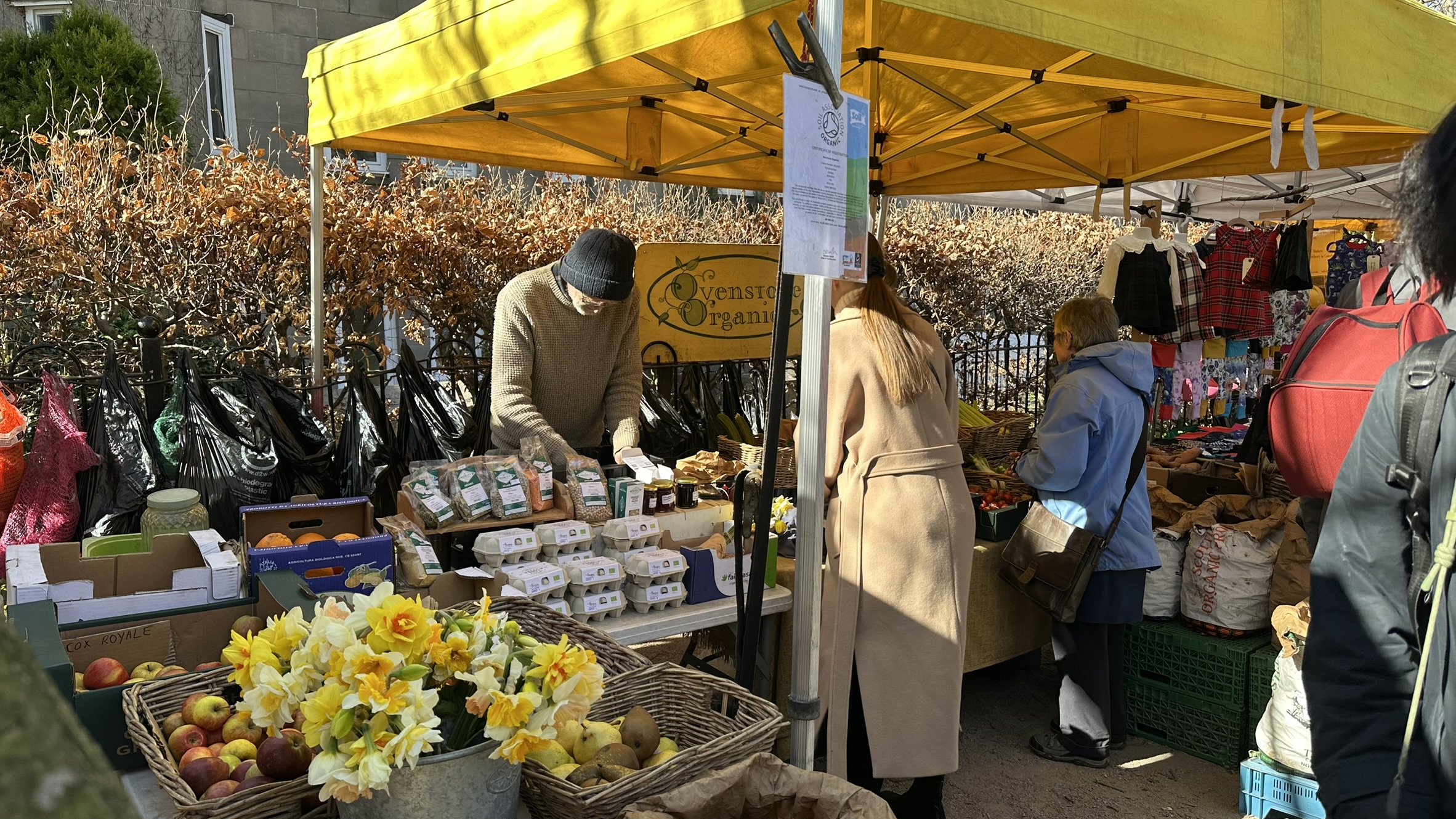
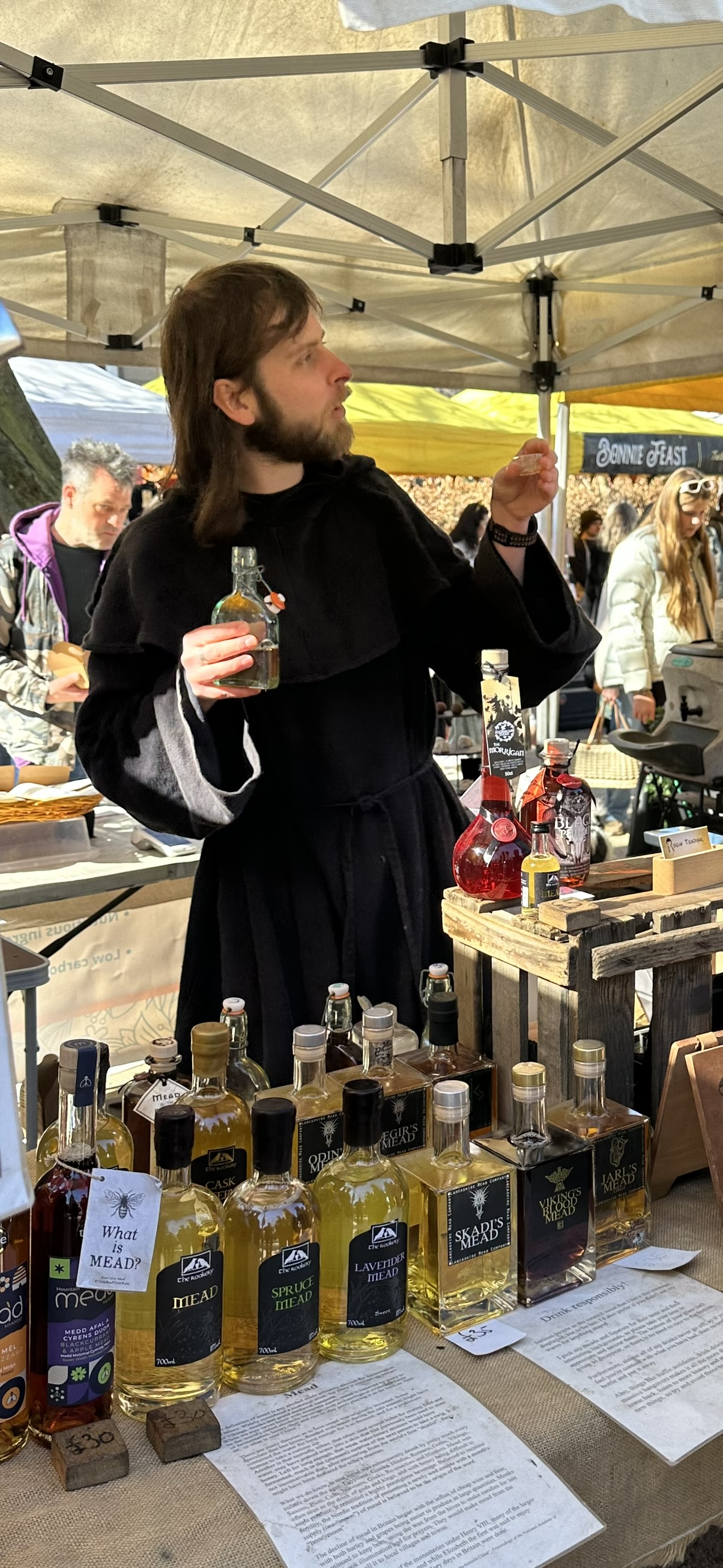
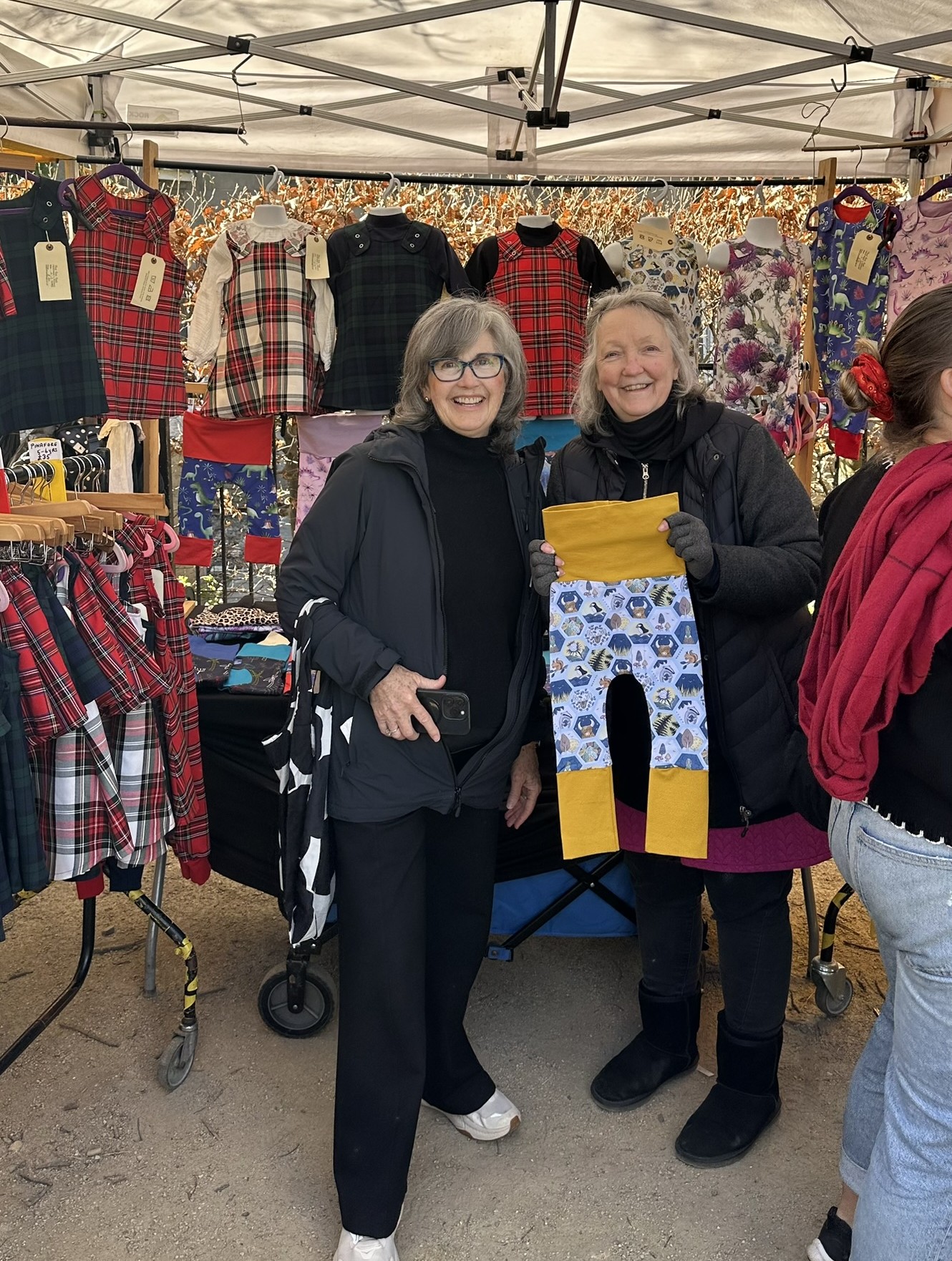
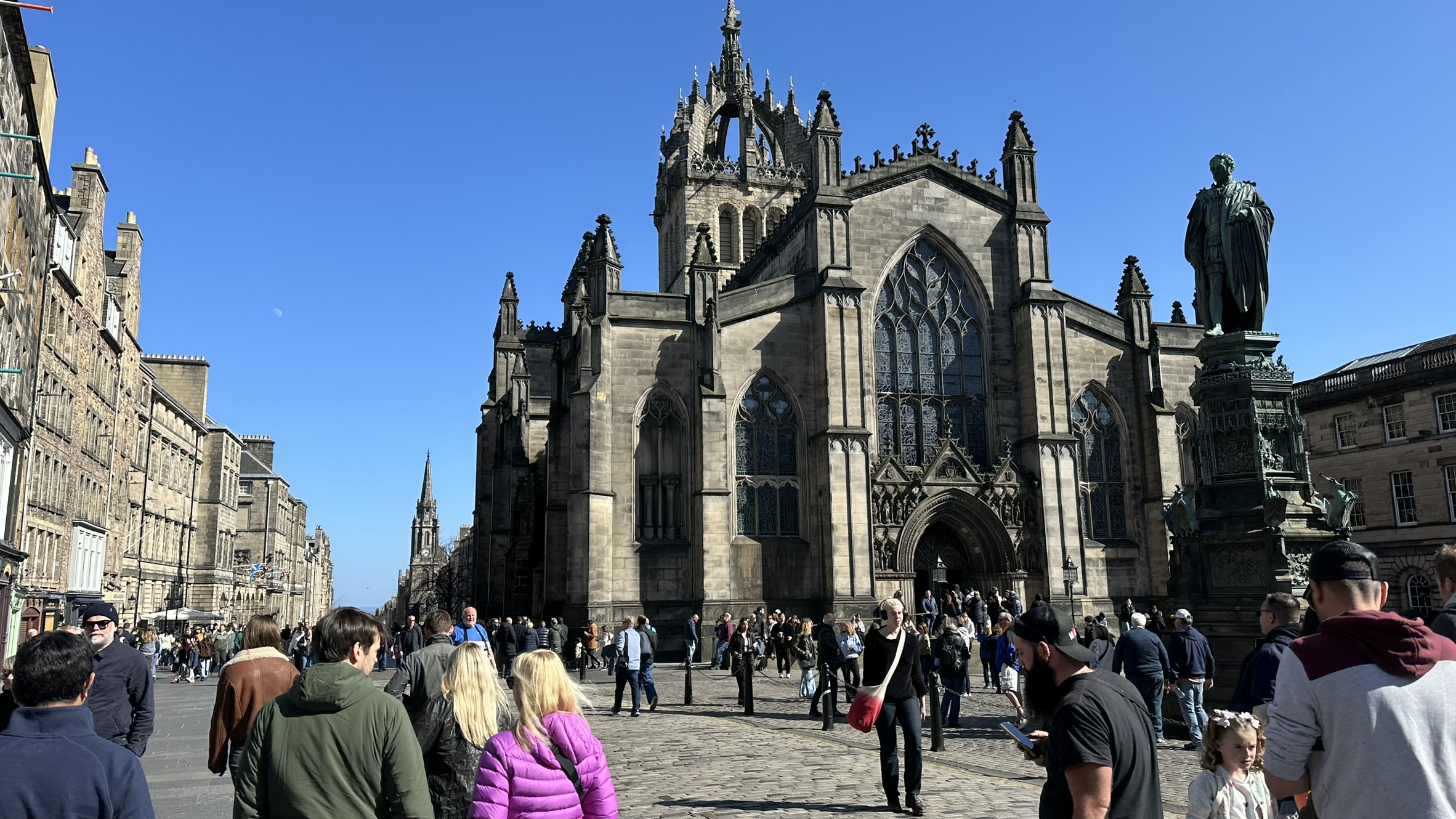
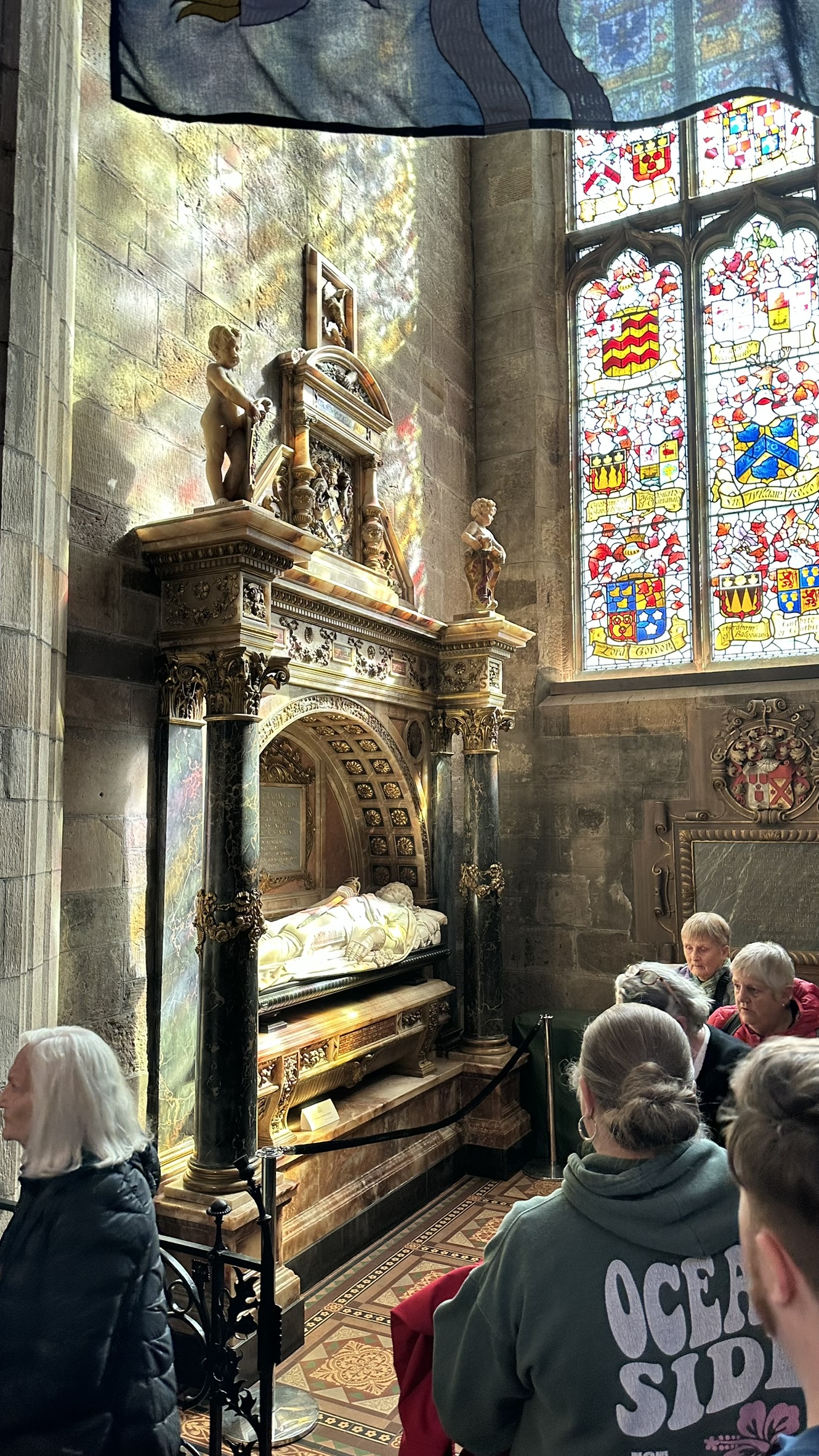
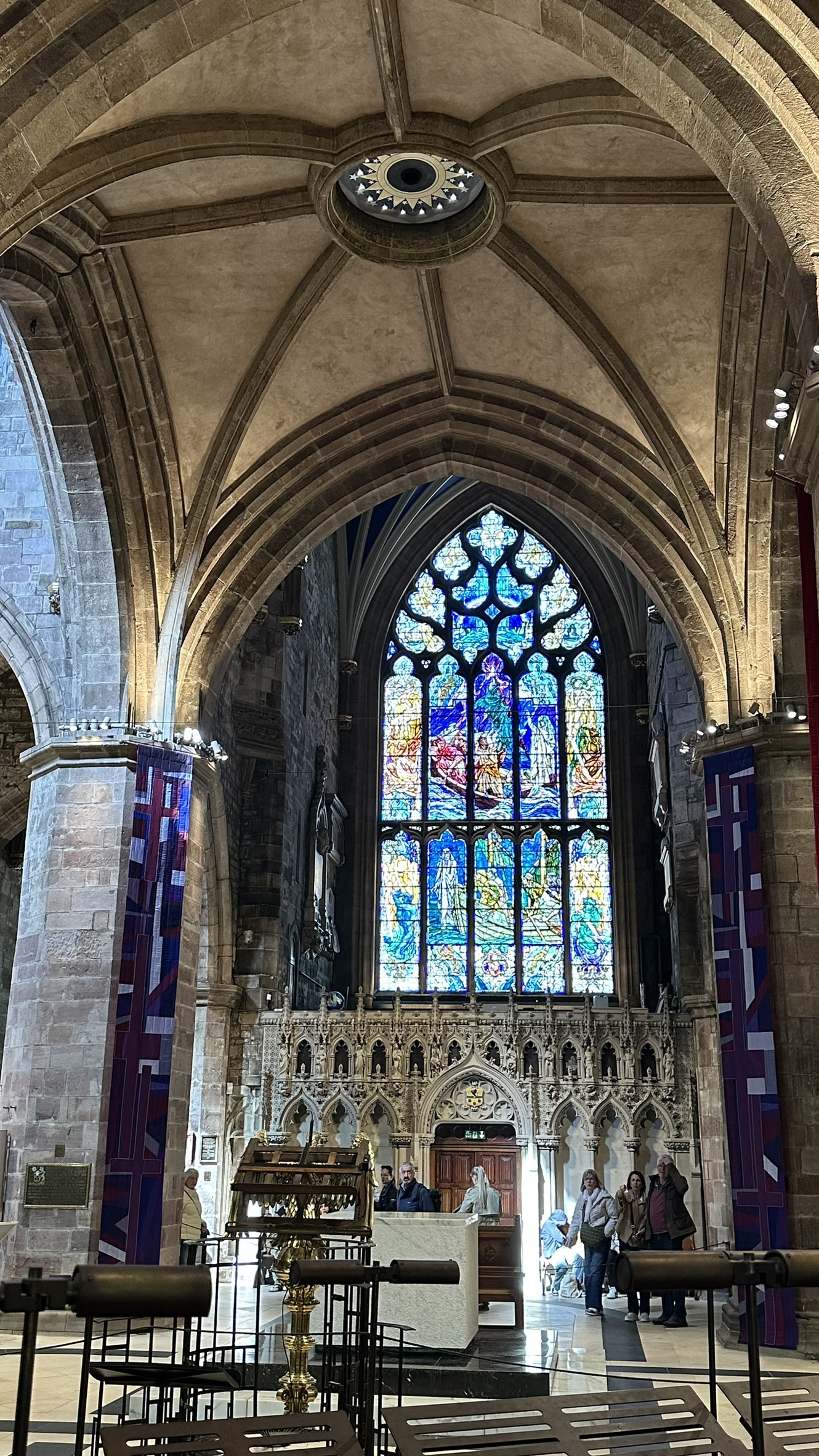
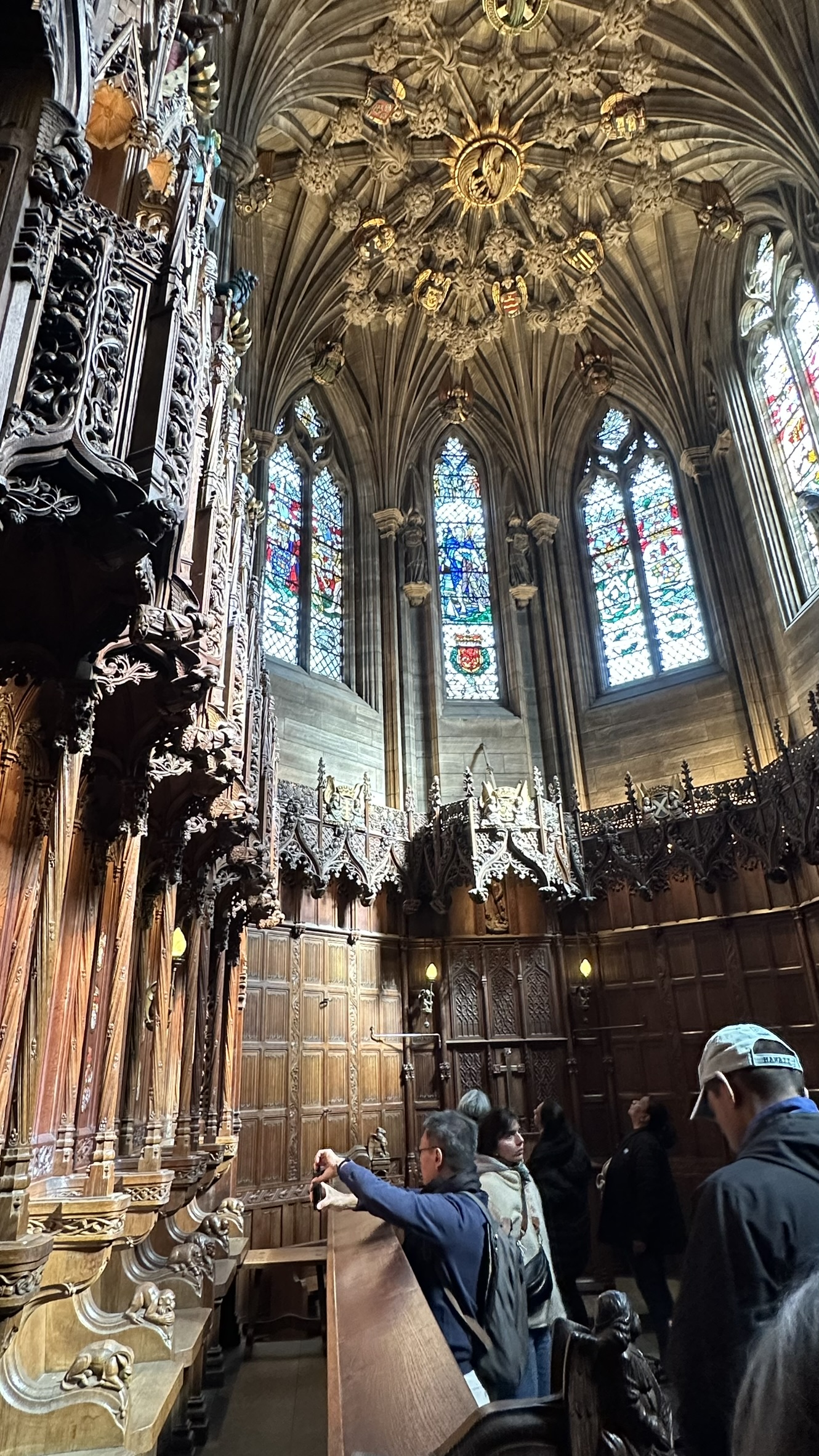
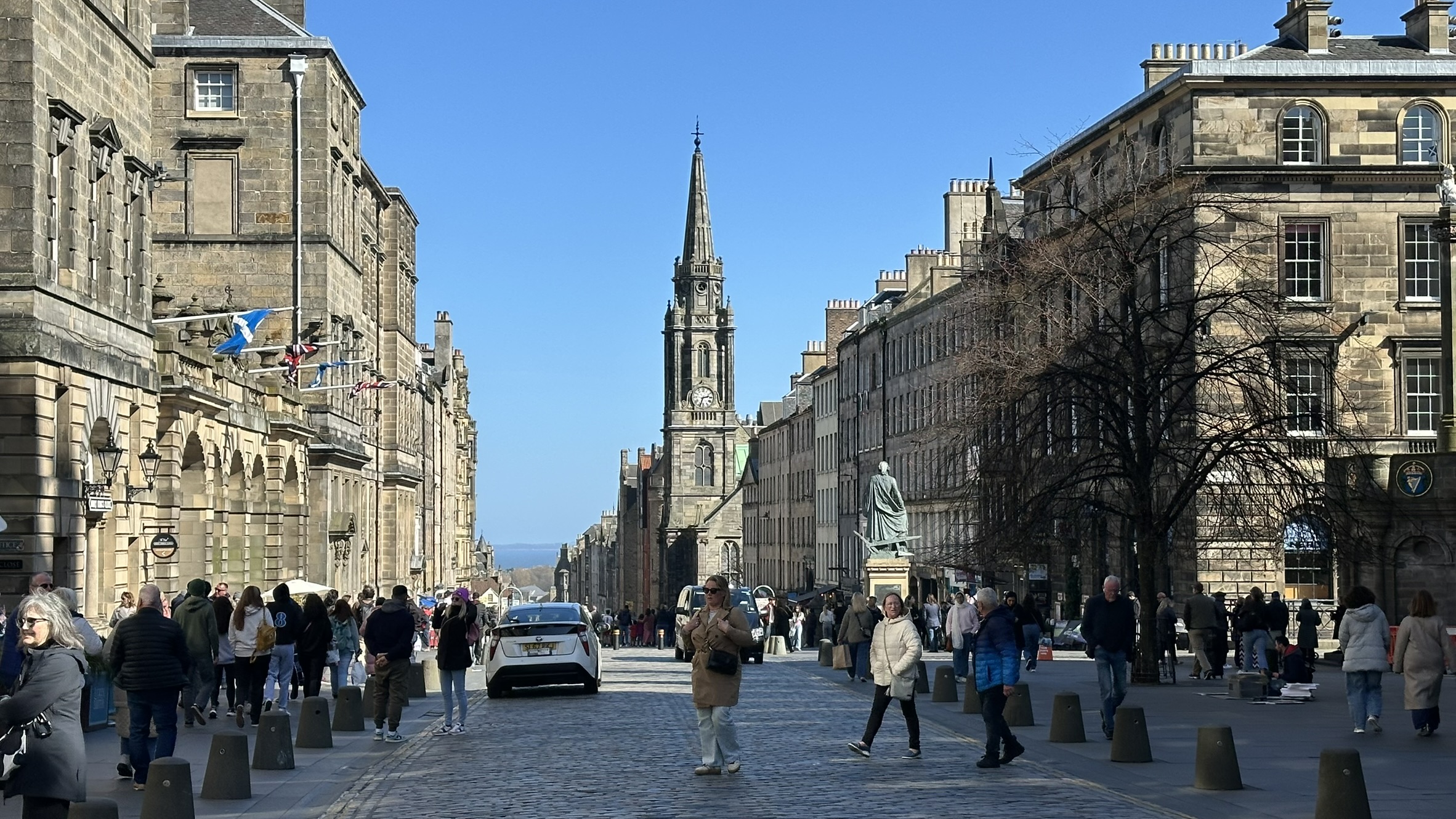
Of course, we couldn’t resist one more, quick walk up the hill to see Edinburgh Castle, St. Giles Cathedral, and the madness that is the Royal Mile.
Final thoughts:
- It’s darn near impossible to fly direct to Edinburgh from San Francisco, but look into Dublin as a stopover before you commit to London. Depends on whether you have a few more days and how you’d like to spend them. Could be better deals through Dublin.
- If you’re looking to more in Scotland, be sure to check out my posts that covered our earlier and much more comprehensive trips: 4 Weeks in Scotland and New Year’s Eve in Edinburgh.
Slàinte mhath!


 Once in a while you get shown the light...