Fall 2024 Trip Notes & Itinerary
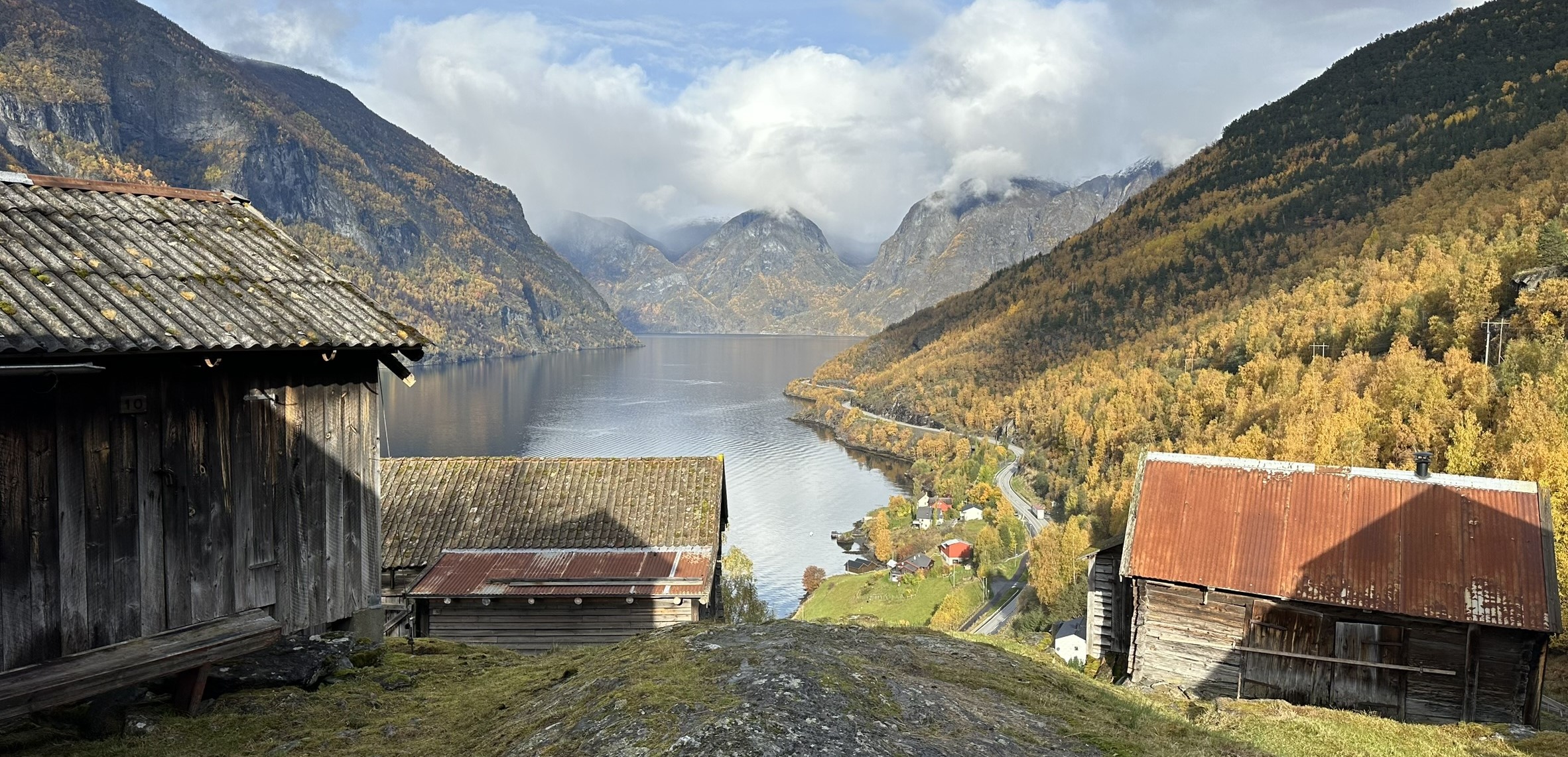
Overview: A four-week, five-country tour of Scandinavia — okay, technically it was Scandinavia plus Finland (a Nordic country, not Scandinavian) and Estonia (a Baltic country, neither Nordic nor Scandinavian) — starting and ending in Copenhagen, with most of our journey covering a lot of Norway.
Itinerary:
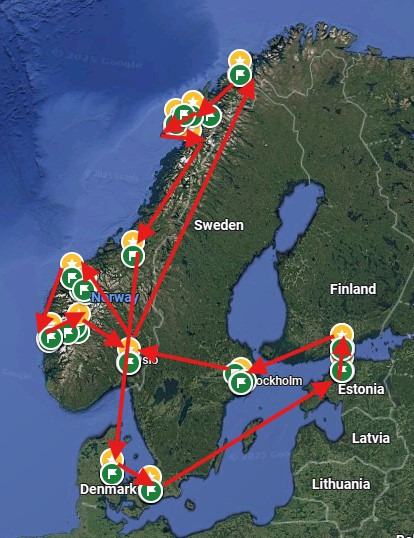
- Copenhagen, Denmark (3 days) >
- Tallinn, Estonia (2 days) >
- Helsinki, Finland (1 day) >
- Stockholm, Sweden (3 days) >
- Oslo, Norway (3 days) >
- Ålesund, Norway (2 days) >
- Bergen, Norway (3 days) >
- “Norway in a Nutshell” through Flam (3 days) >
- Tromsø, Norway (2 days) >
- Lofoten Islands (4 days) >
- Bodø, Norway (1 day) >
- Trondheim, Norway (2 days) >
- Aarhus, Denmark (2 days) >
- Copenhagen (1 day)
Bottom Line: While I had been to Copenhagen once before, this was our first in-depth exploration of the Nordic countries, a region we’d been wanting to explore for a long time. As most of our travels have generally been in warm-to-hot weather, we intentionally waited for late fall to visit this region; we wanted a taste of the cold north — but not too cold. In hindsight, while we have no regrets, there are definitely some “only in winter” experiences that would be very worthwhile, especially in the far north above the Arctic Circle. As the wise man said, “There is no such thing as bad weather, only inappropriate clothing!”.
Norway, Sweden and Finland are huge countries, and most of their populations are concentrated in their southern capital cities of Oslo, Stockholm and Helsinki, respectively. Those are obvious destinations for tourists looking for lots of things to do, a plethora of restaurants and lodging options, reliable transportation hubs, and plenty of services. Of the three countries, Norway arguably has the greatest appeal for getting out of town, given its famously rugged and beautiful fjords, and we loved every stop. We added a couple days in Tallinn because it’s so close to Helsinki and the two can be connected by ferry, and it had come highly recommended to me. Good call!
5 countries, 14 towns, 8 flights, 7 train journeys covering 2,207 kilometers, 6 ferries, and 1,114 kilometers driving later, I can definitely say the Nordics were spectacular. Not a thing I would do differently, unless of course we had more time.
| Dates | Destination | Where We Stayed |
|---|---|---|
| Days 1-3 & 32 | Copenhagen, Denmark | Axel Guldsmeden Hotel |
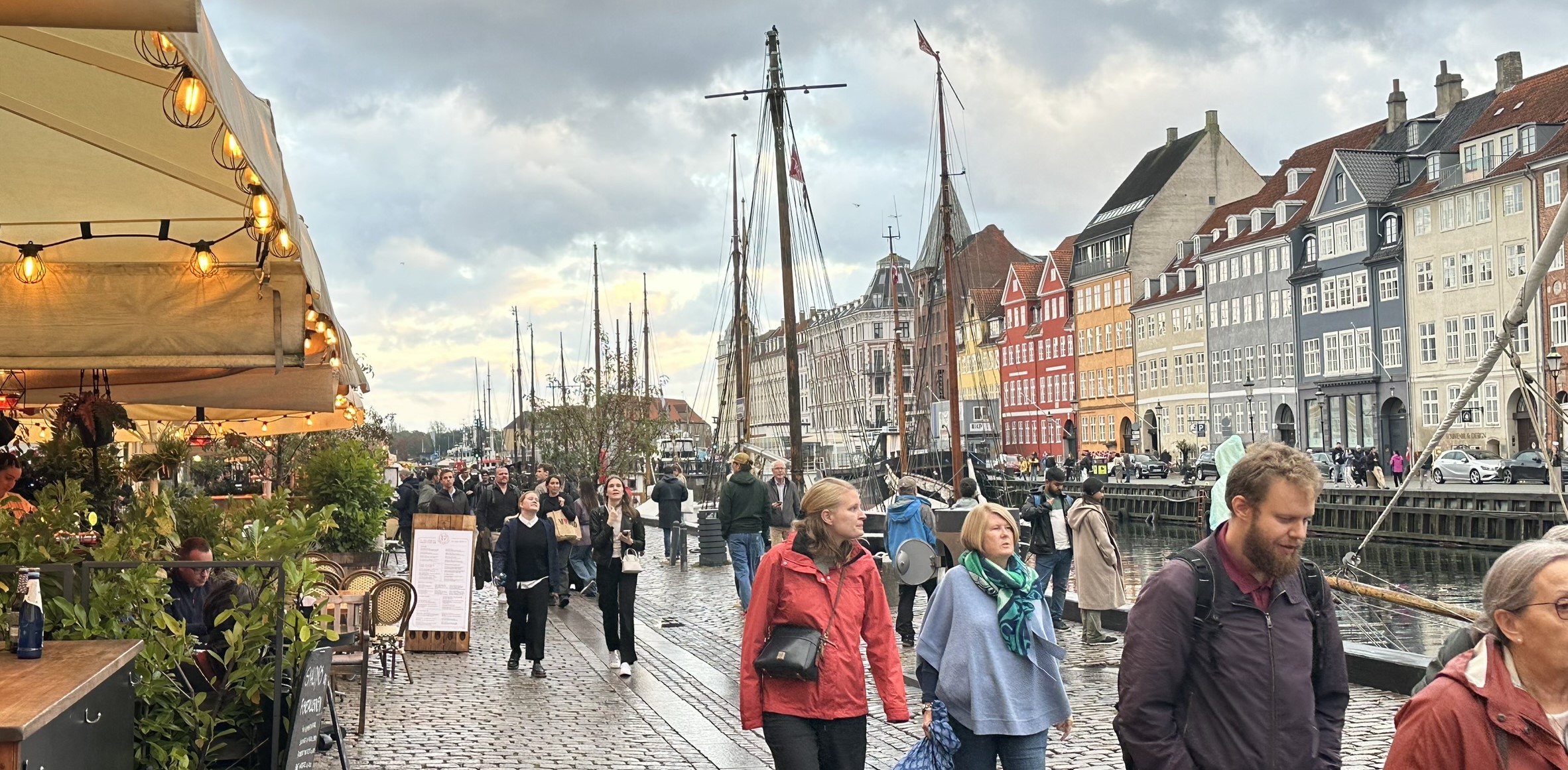
Continuing our habit of exploring places we’ve never been before, we started our 30-day tour of Scandinavia with three days in Copenhagen, Denmark’s capital and fabled home of Hans Christian Anderson. It’s also where we returned for our last night before flying home. Once again, we’ve found a city we could easily see ourselves living in — the food was great, people are friendly and English is ubiquitous, lots of cool bars, funky architecture, and while public transportation is good the best way to get around town is by bike, which is what we did our entire stay here. You can also fly non-stop between Copenhagen and San Francisco on SAS Airlines, which made it a perfect hub to start and finish our trip.
Highlights:
- Our accomodation at Axel Guldsmeden Hotel was perfect. It’s got a funky, artsy vibe and a handy bike rental service, and its location in Vesterbro is a mere 5-minute walk from the main train station and easily walkable to all of Copenhagen’s core neighborhoods. Read my TripAdvisor review here.
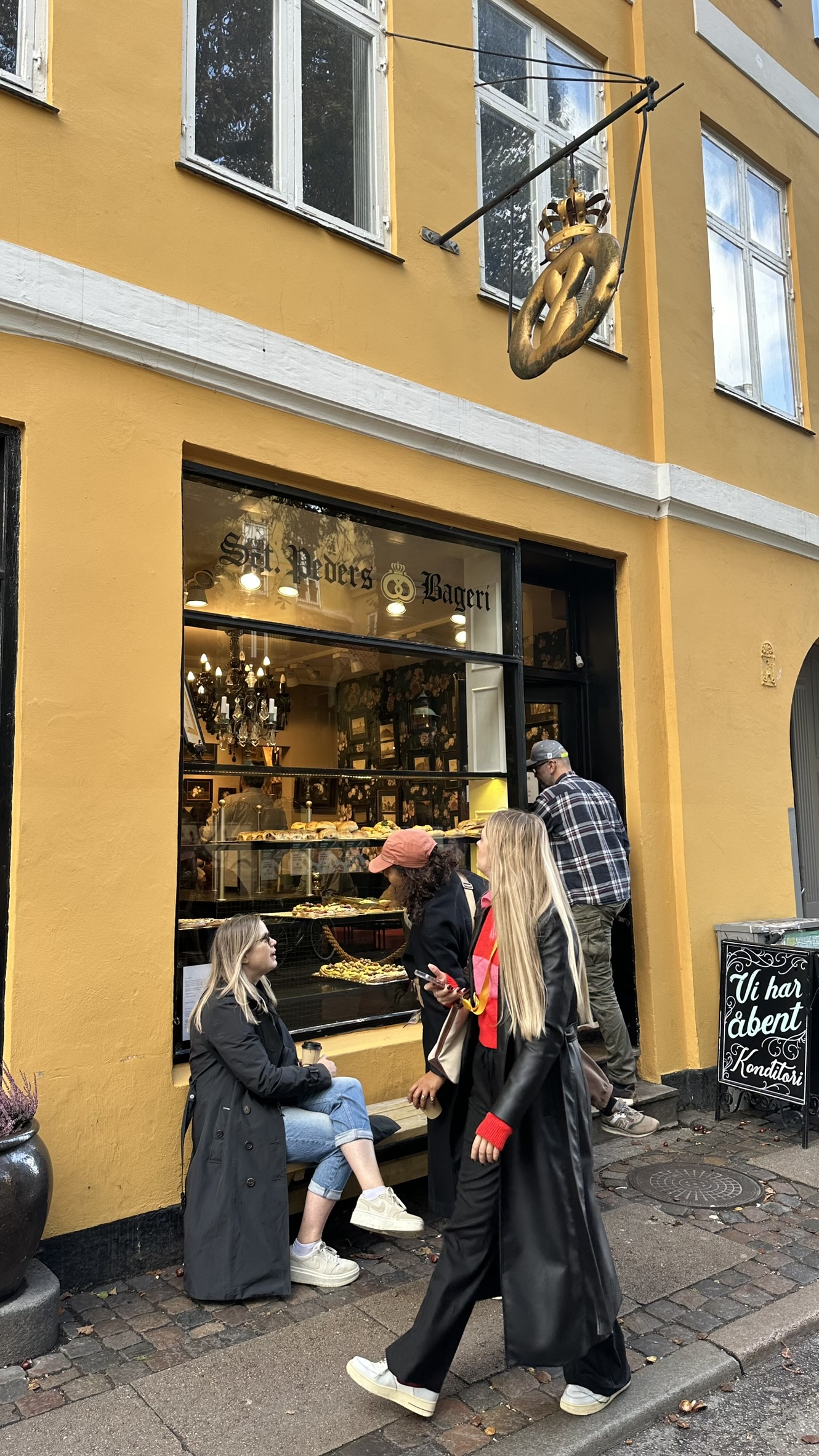
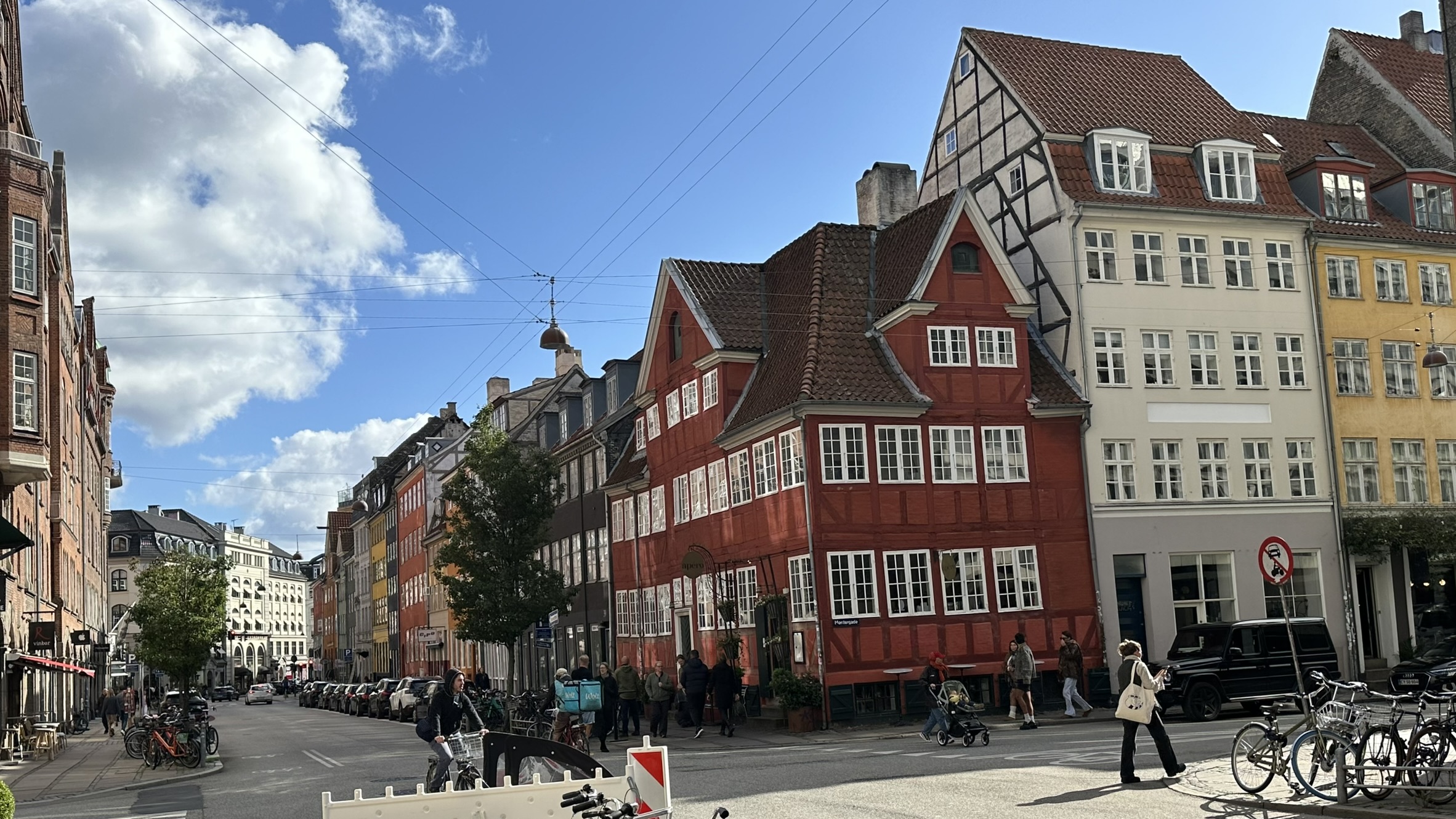
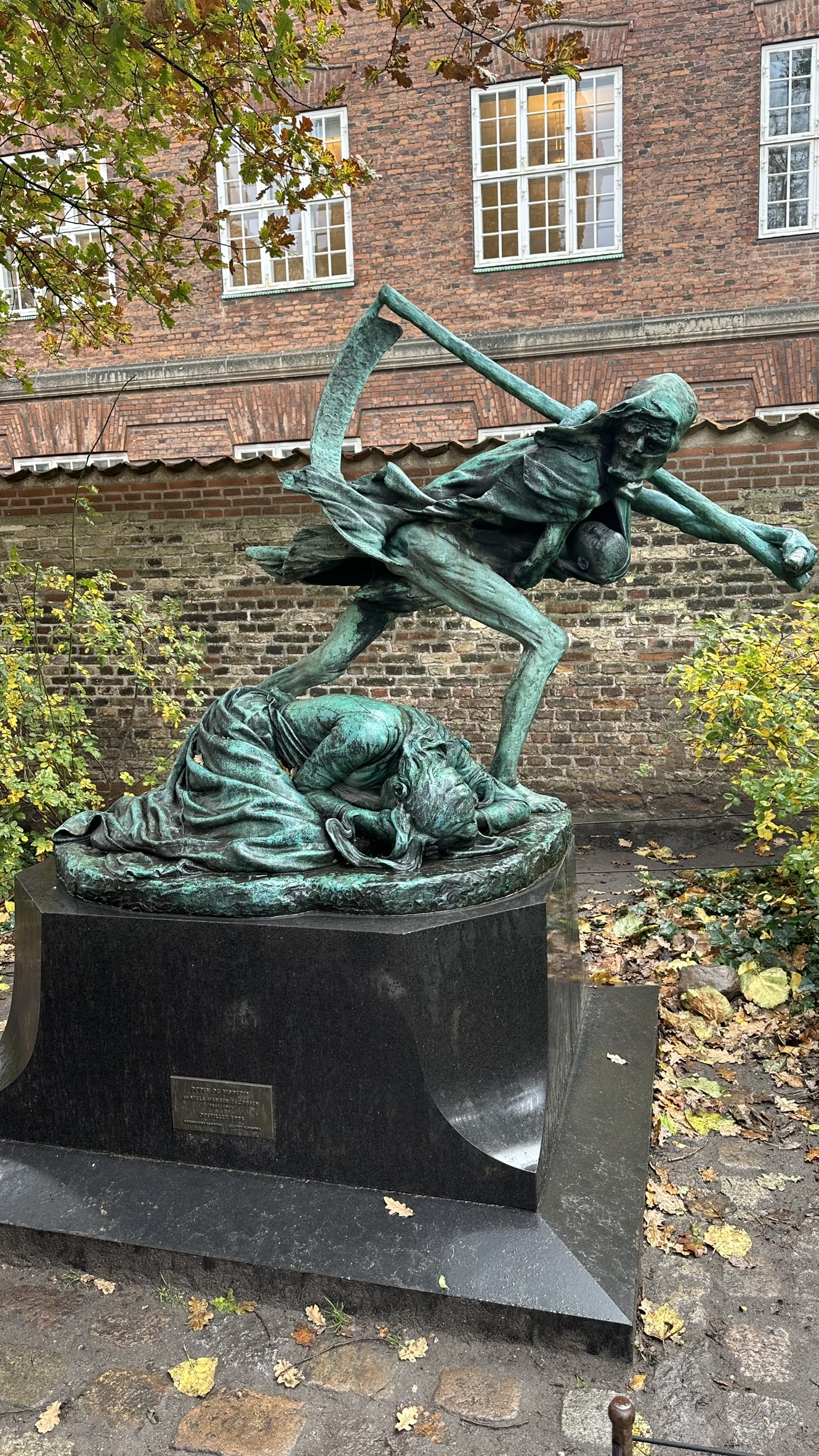
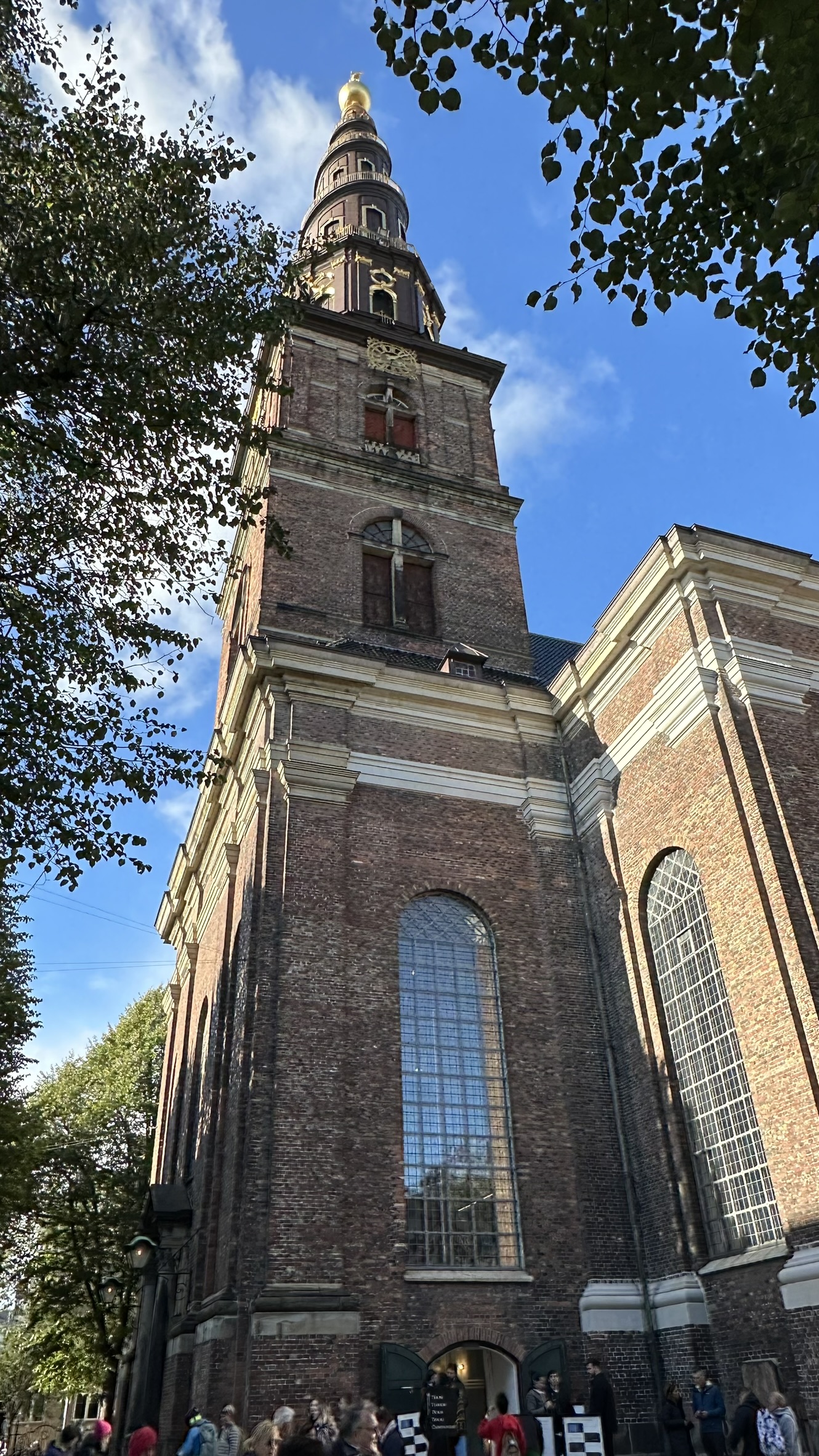
- Biking from neighborhood to neighborhood is a worthwhile daily pastime and the best way to get around. Our morning routine was to head off from our hotel straight to Skt. Peder’s Bageri near the University for the best pastries in town or breakfast at the Next Door Cafe just around the corner. From there you can stroll the neighborhood, drop by Skt. Peder’s Church (be sure to check out the Grim Reaper statue in the garden) or continue exploring the city’s other neighborhoods and iconic Danish architecture. You’ll definitely feel like a local.

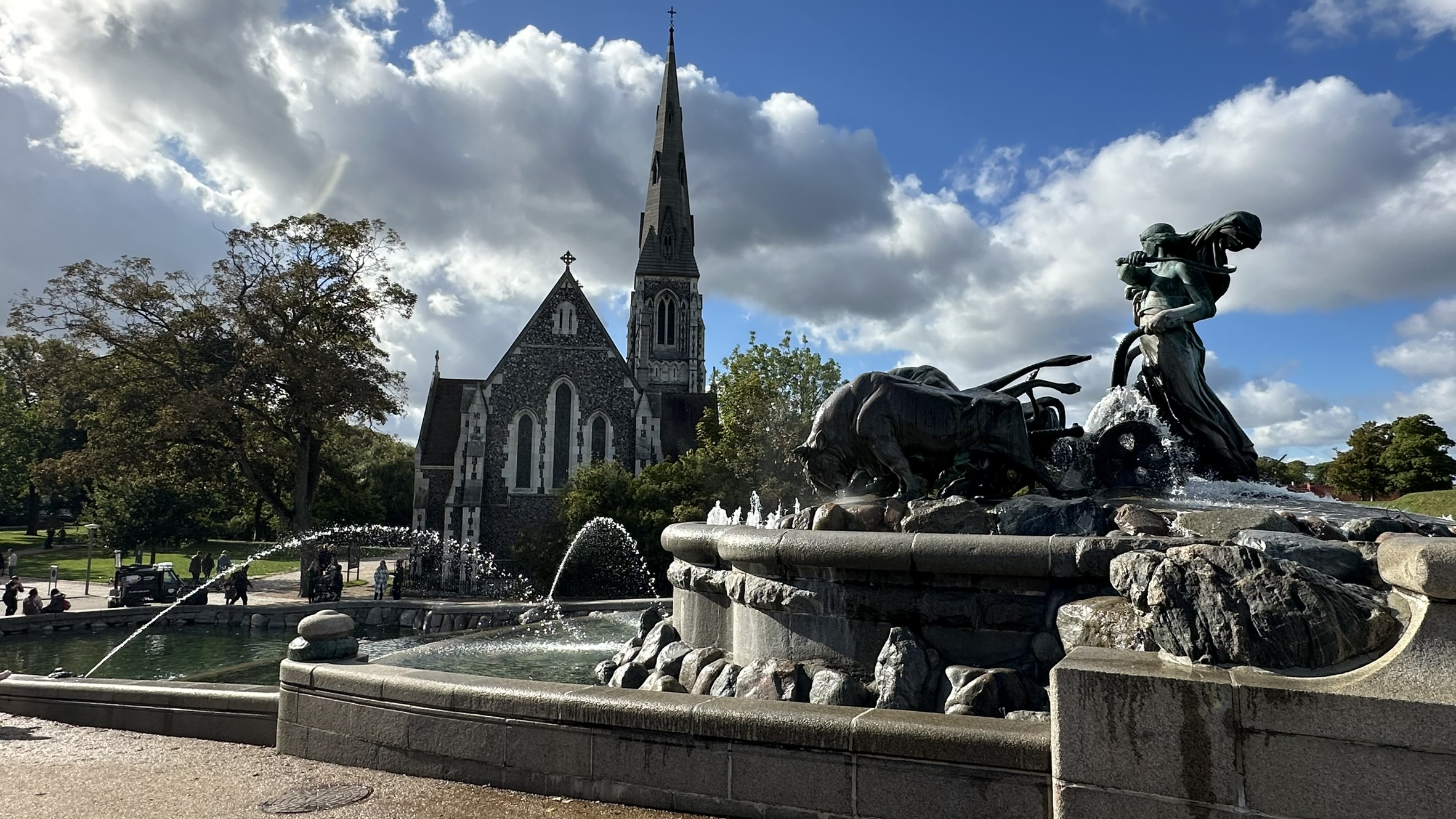
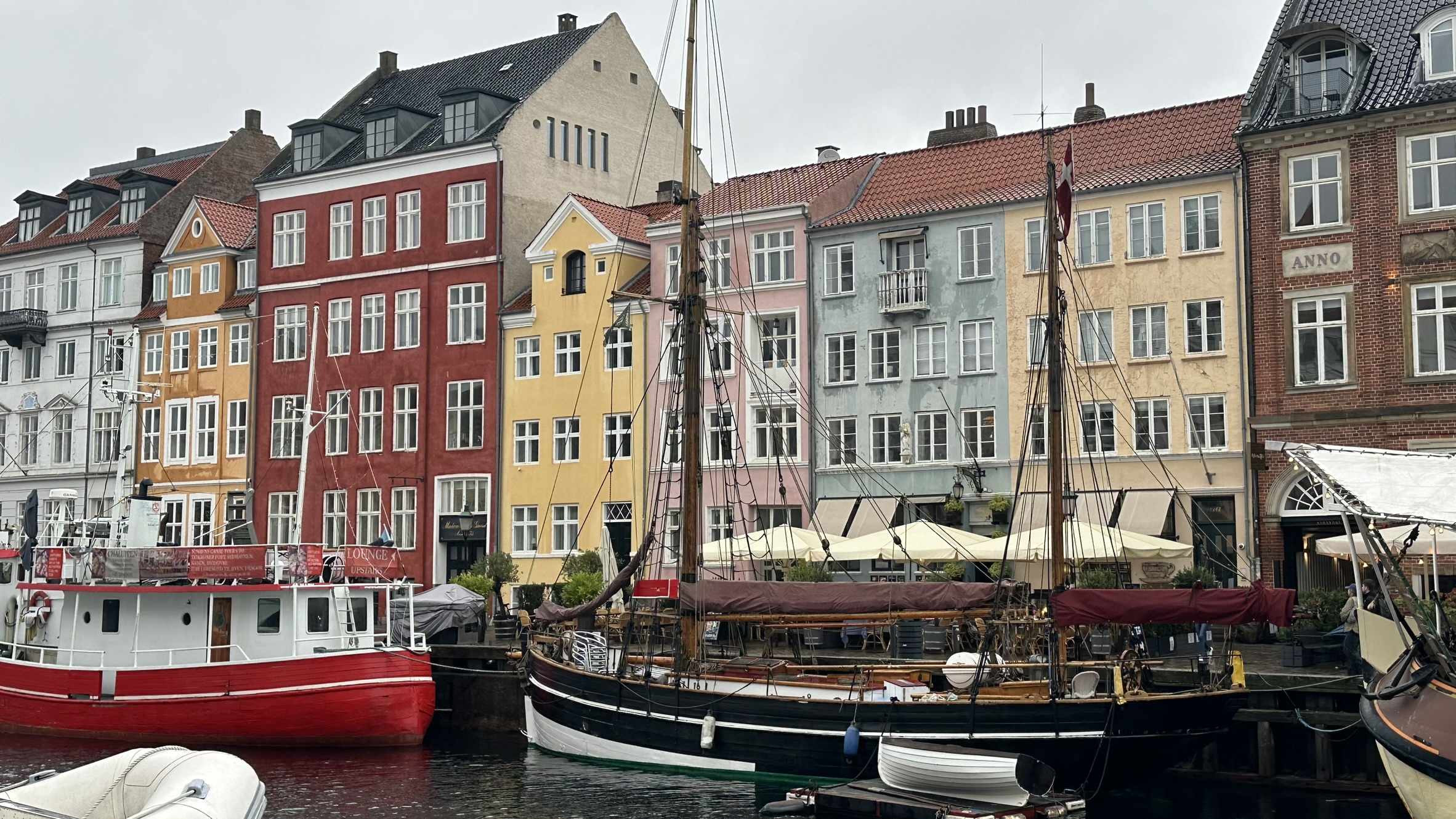
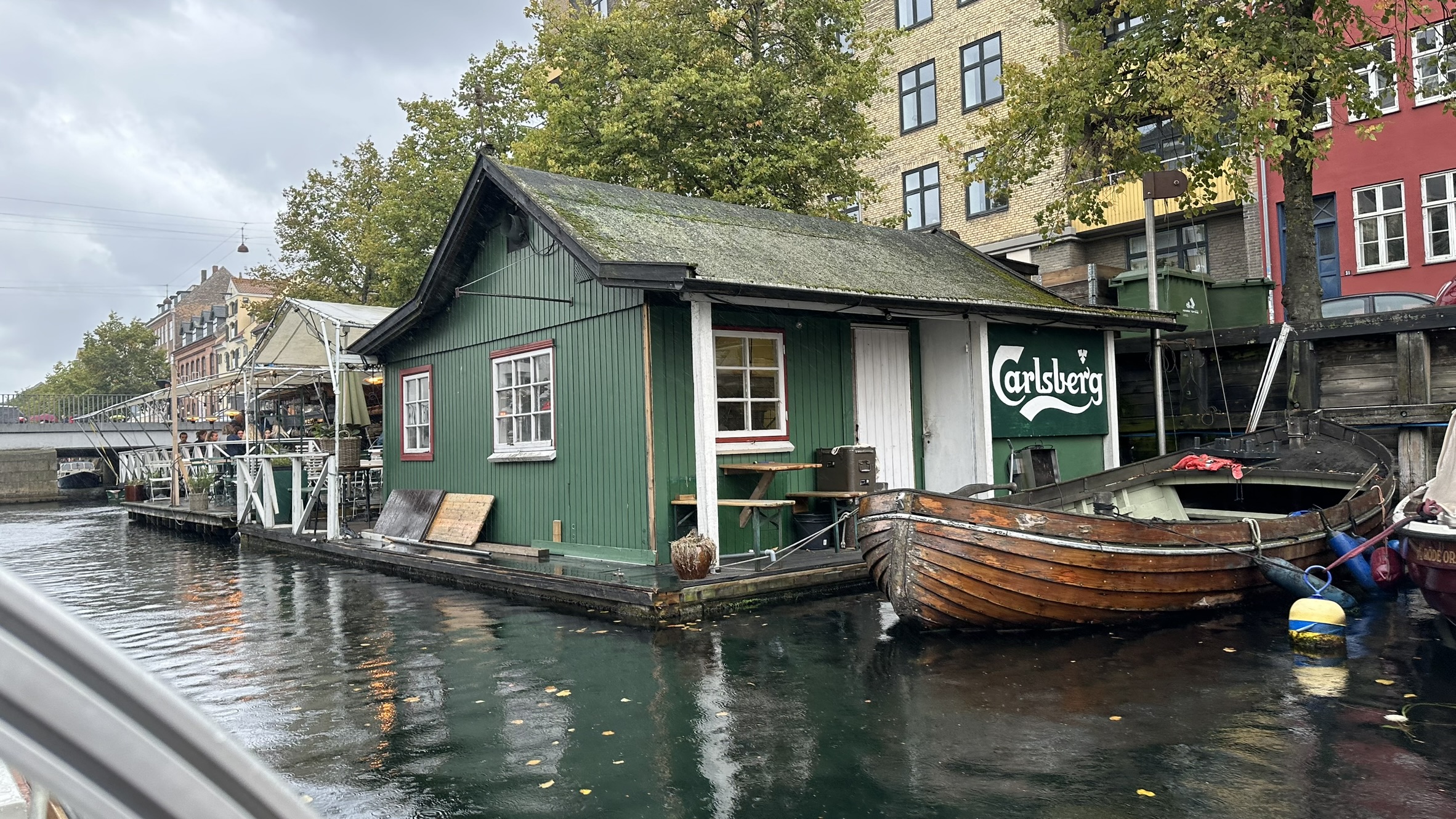
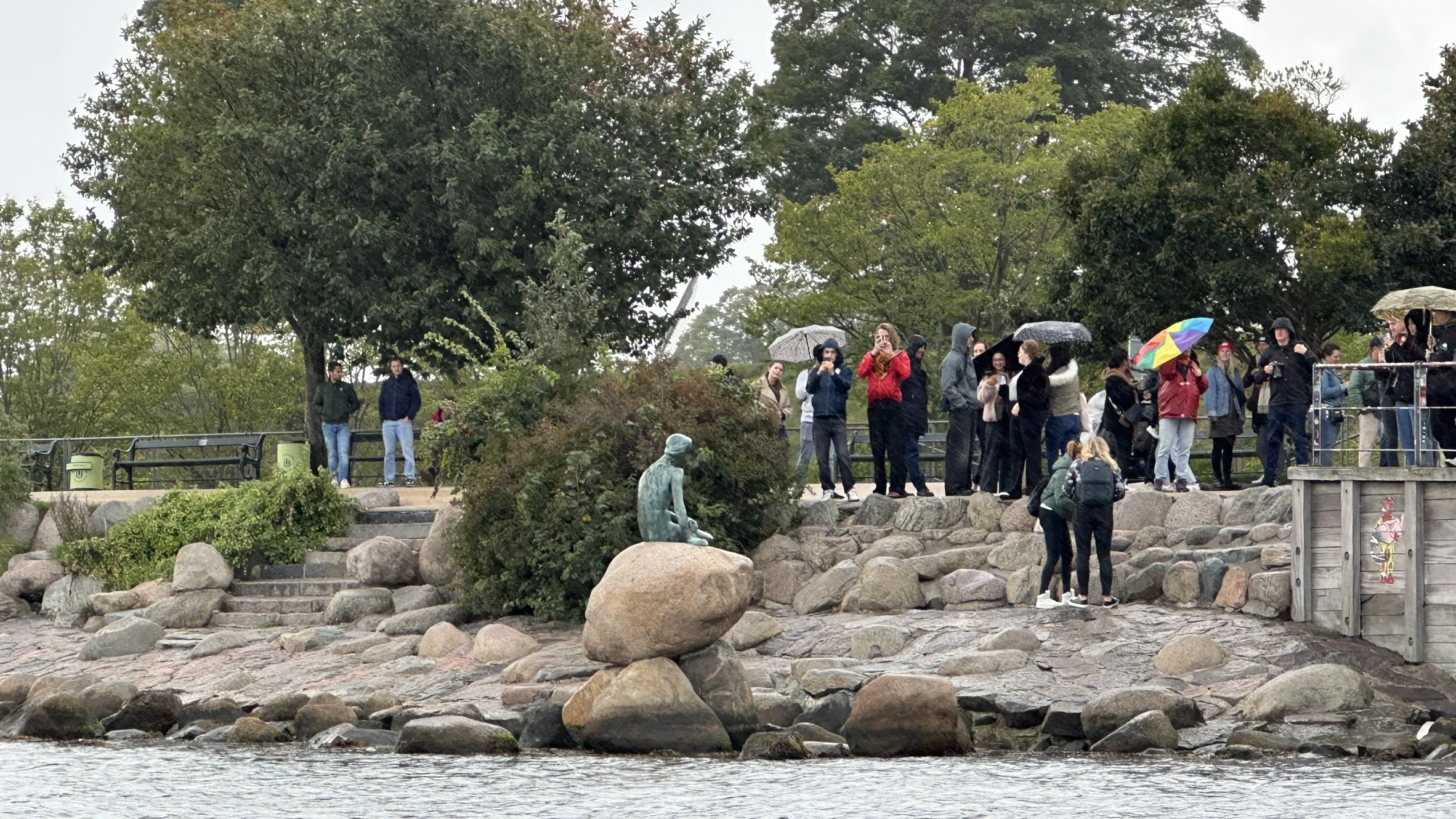
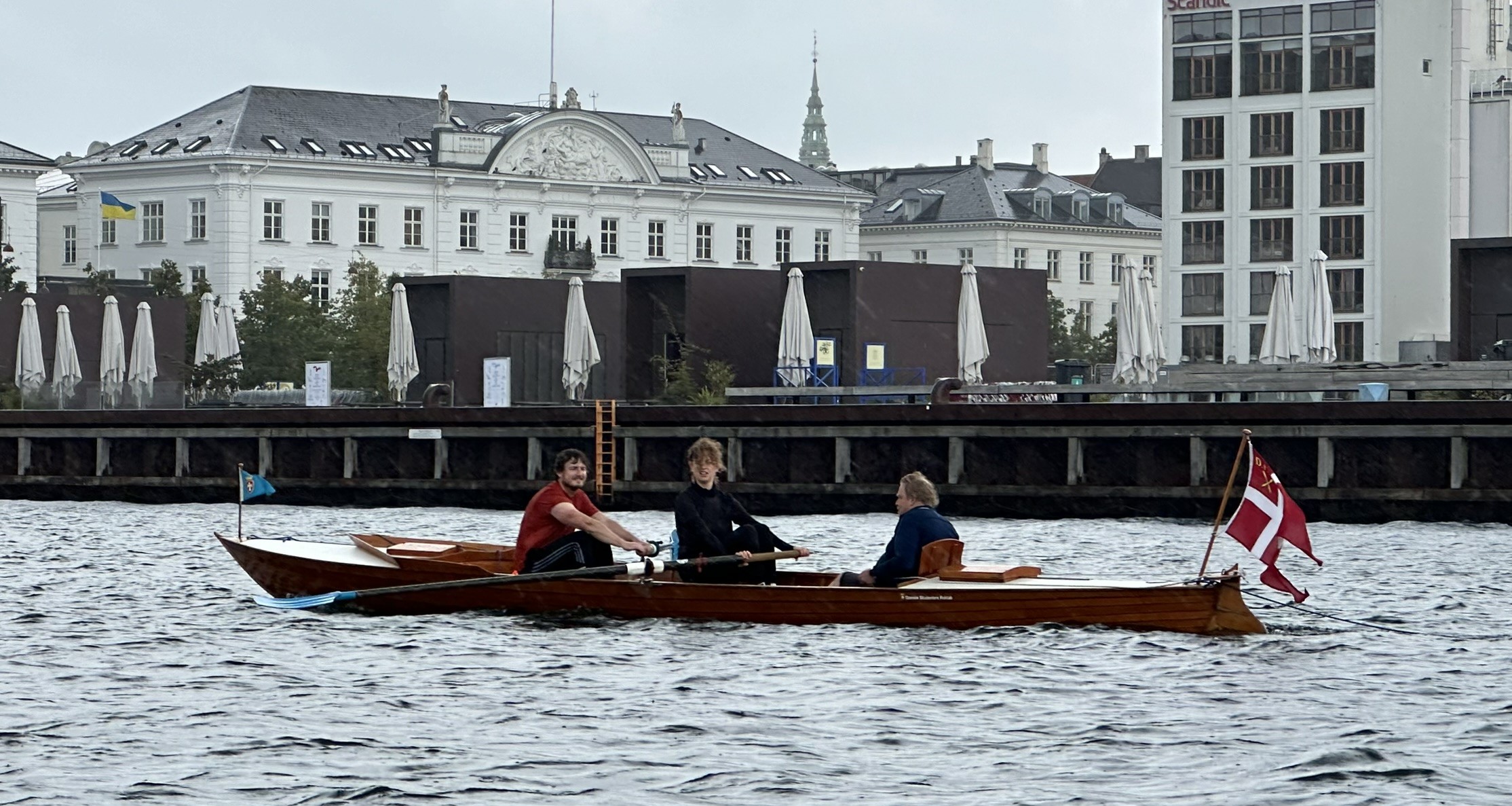
- The one-hour canal boat tour sounds like tourist trap but came highly recommended by locals and was, in fact, a great experience. The tour offered by Netto-Badene, on the south side of Nyhavn canal, is arguably the best. We certainly enjoyed it. As a bonus, you can see the famous Little Mermaid statue — she was unveiled in 1913 by Danish brewer Carl Jacobson who had been smitten with H. C. Anderson’s work; his wife even posed for the sculptor — from the water instead of fighting the throngs of tourists on land to get a glimpse.

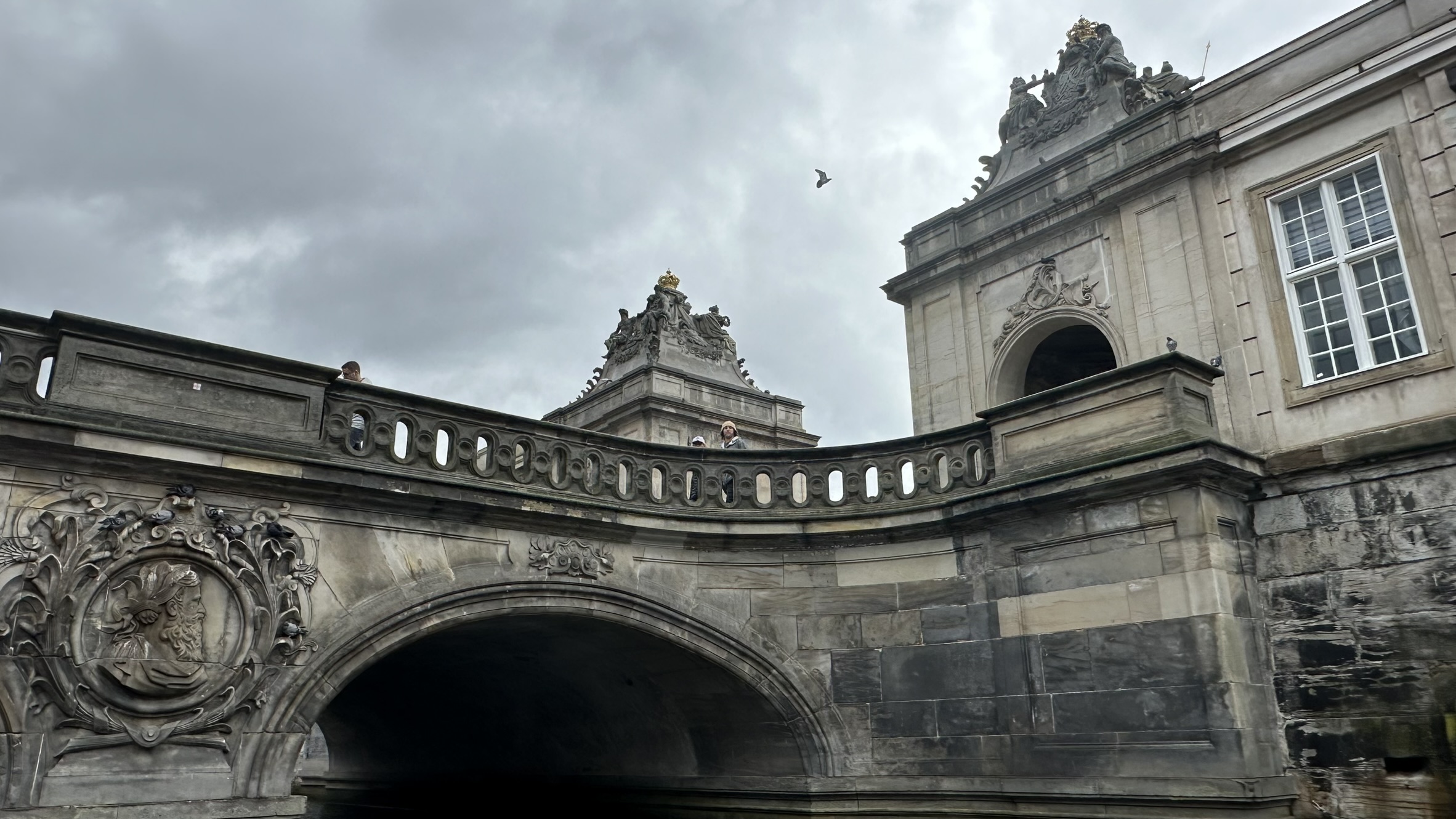
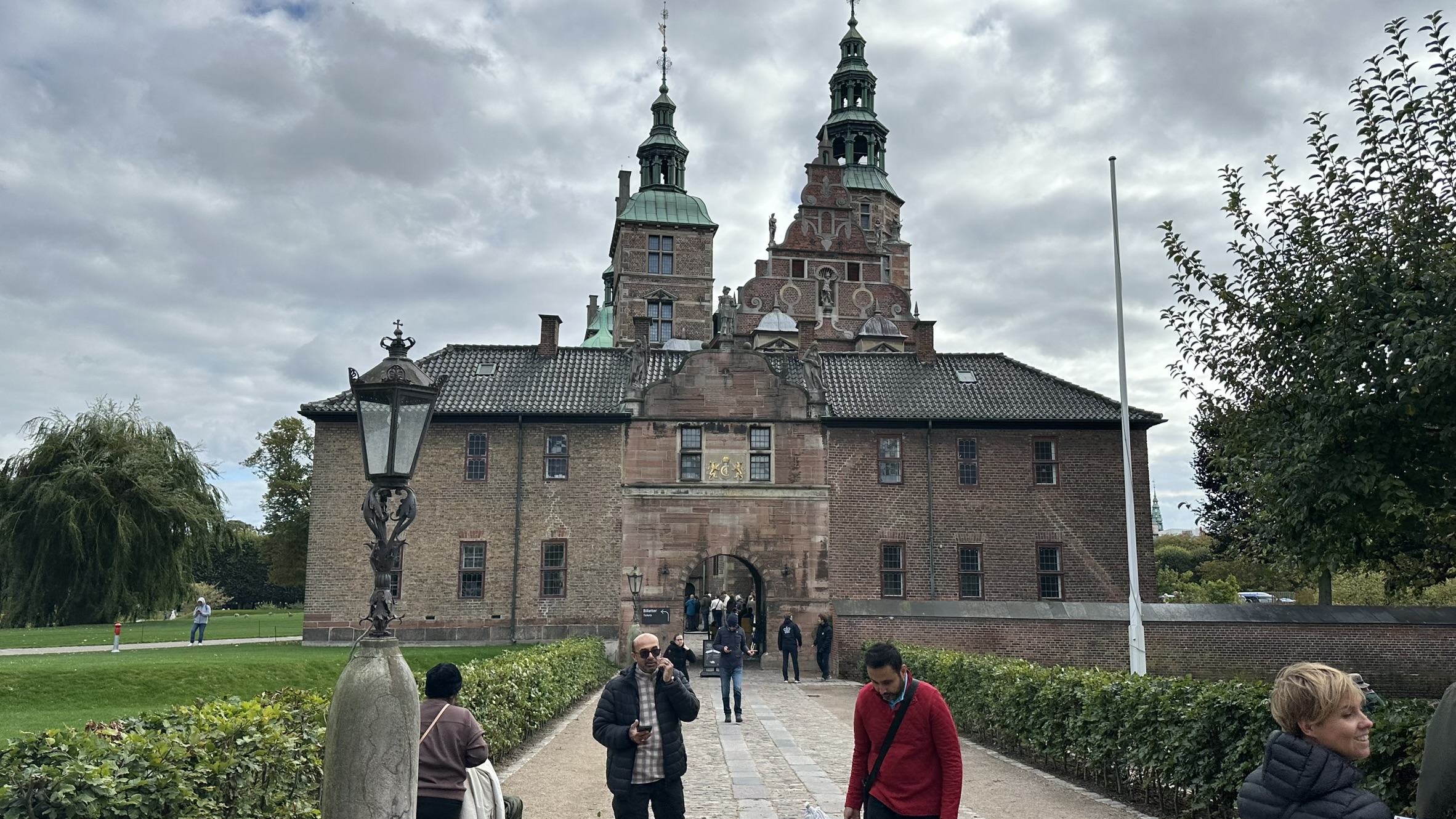
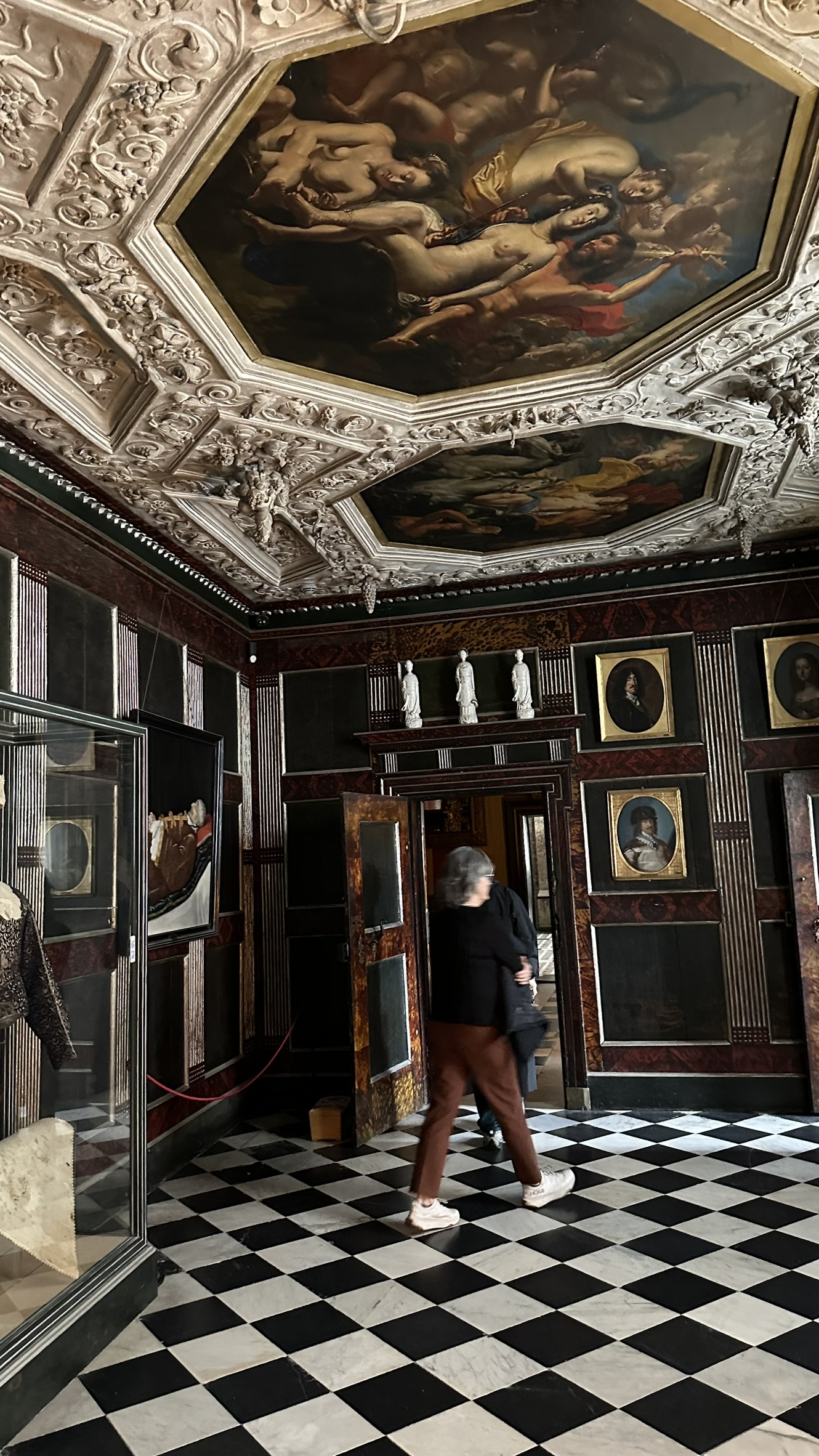
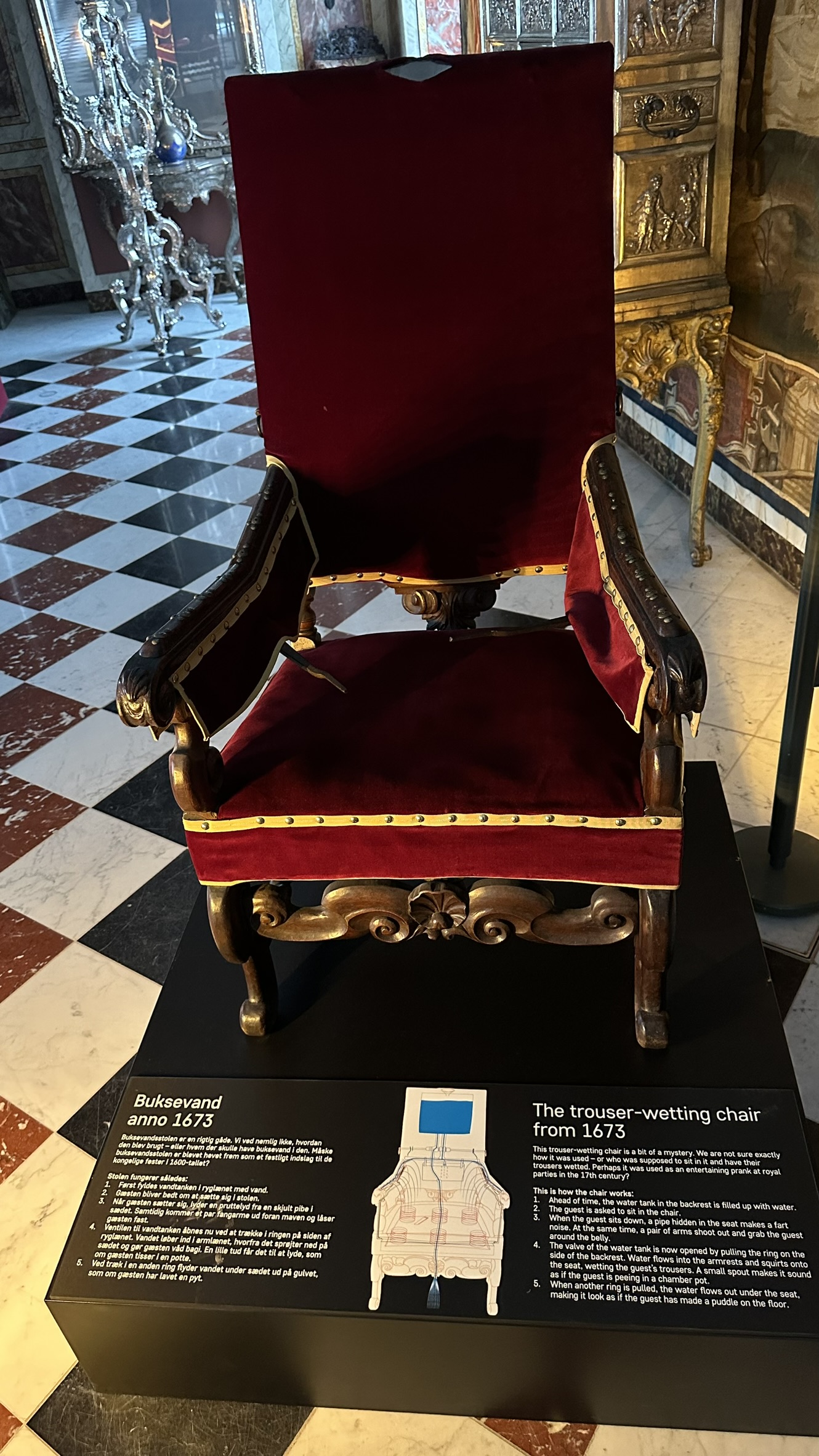
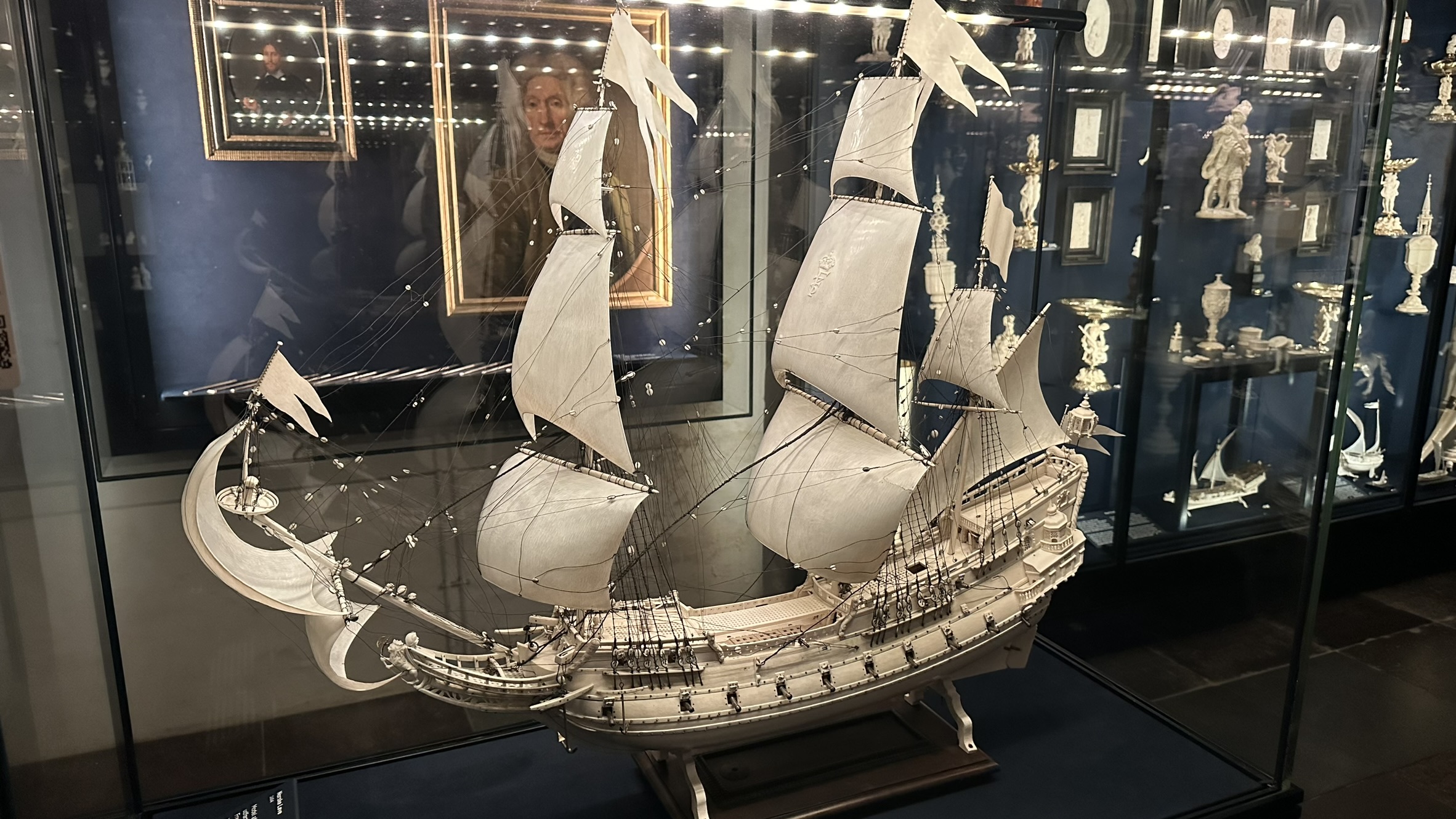
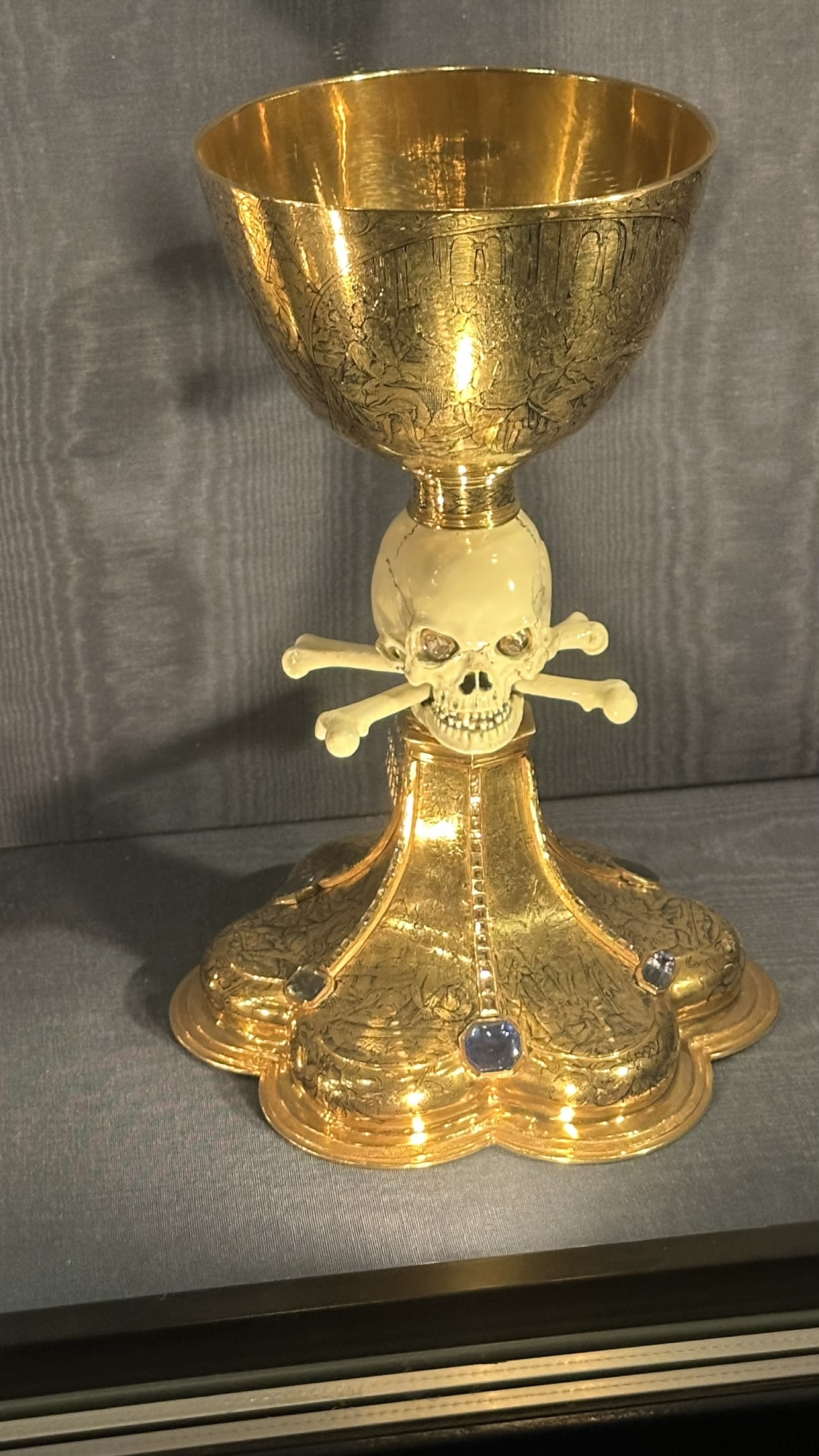
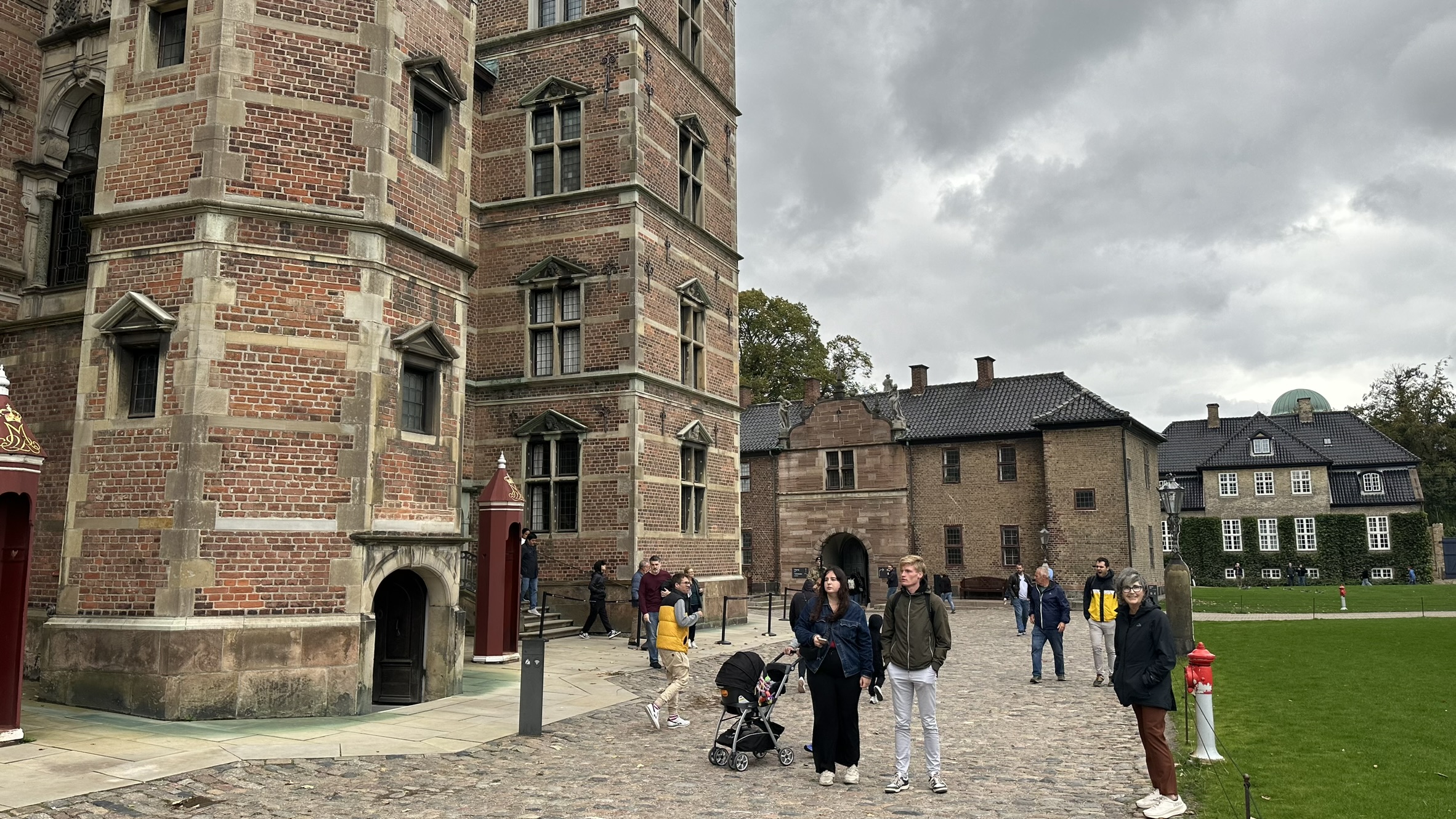
- Bike over to Rosenborg Castle, former home of Danish royals, and take their self-guided tour. The treasury and throne room in particular are very cool, as is the “Wetting Chair”, an elaborately designed prank the king had made for unsuspecting guests. You can buy tickets at the entrance, but be aware entrances are timed to limit crowds, and arriving early will give you more space.

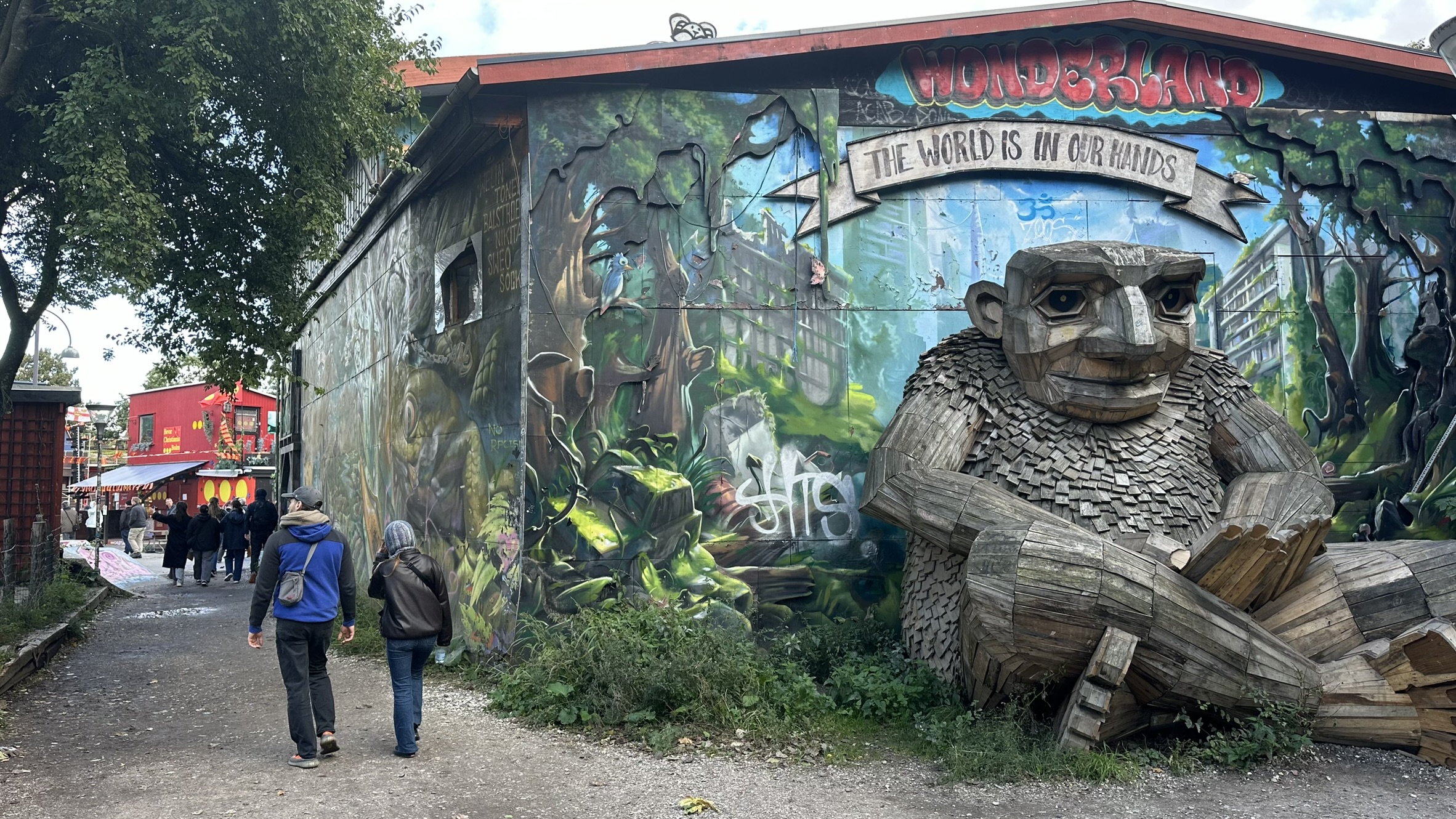
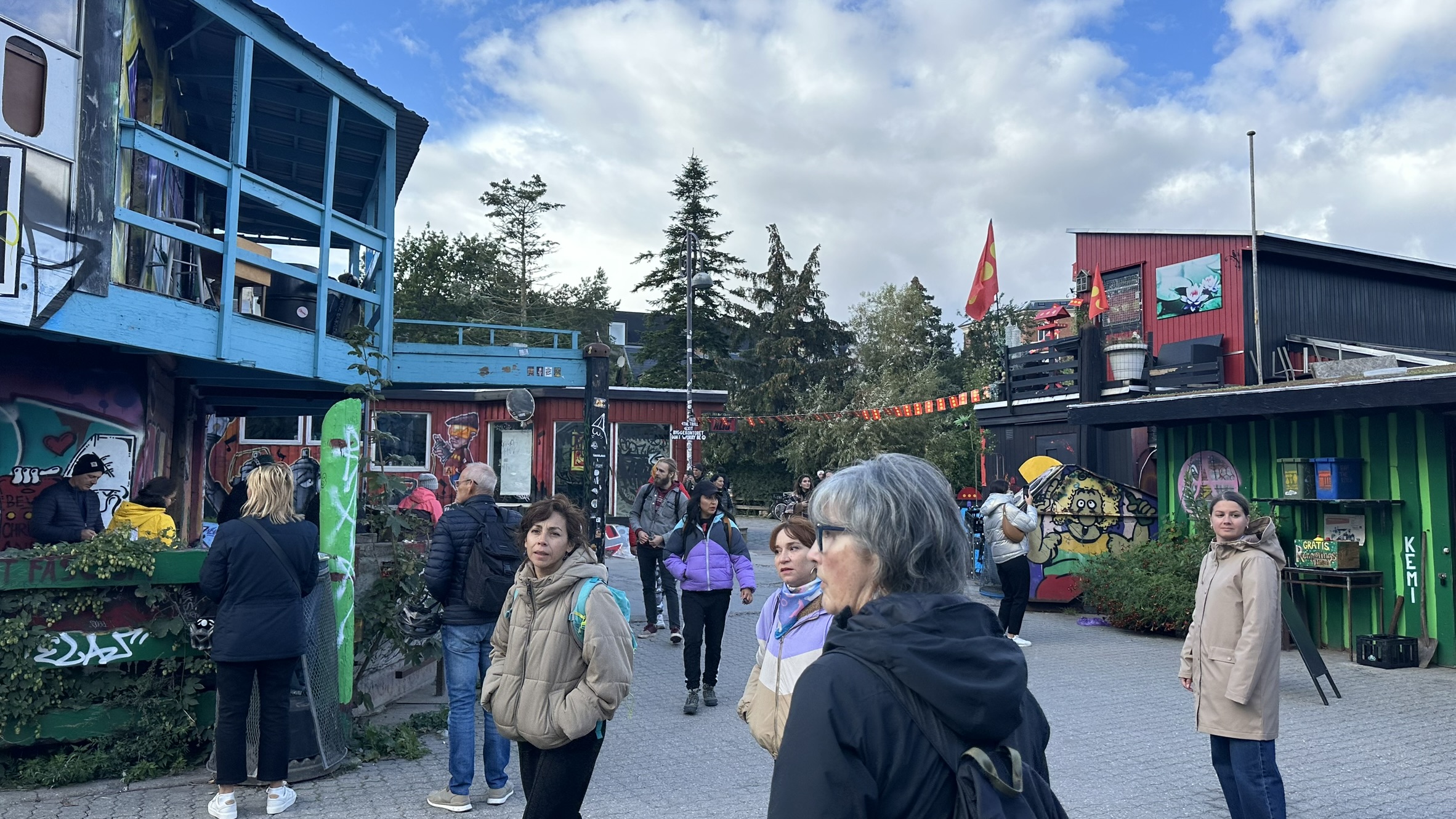
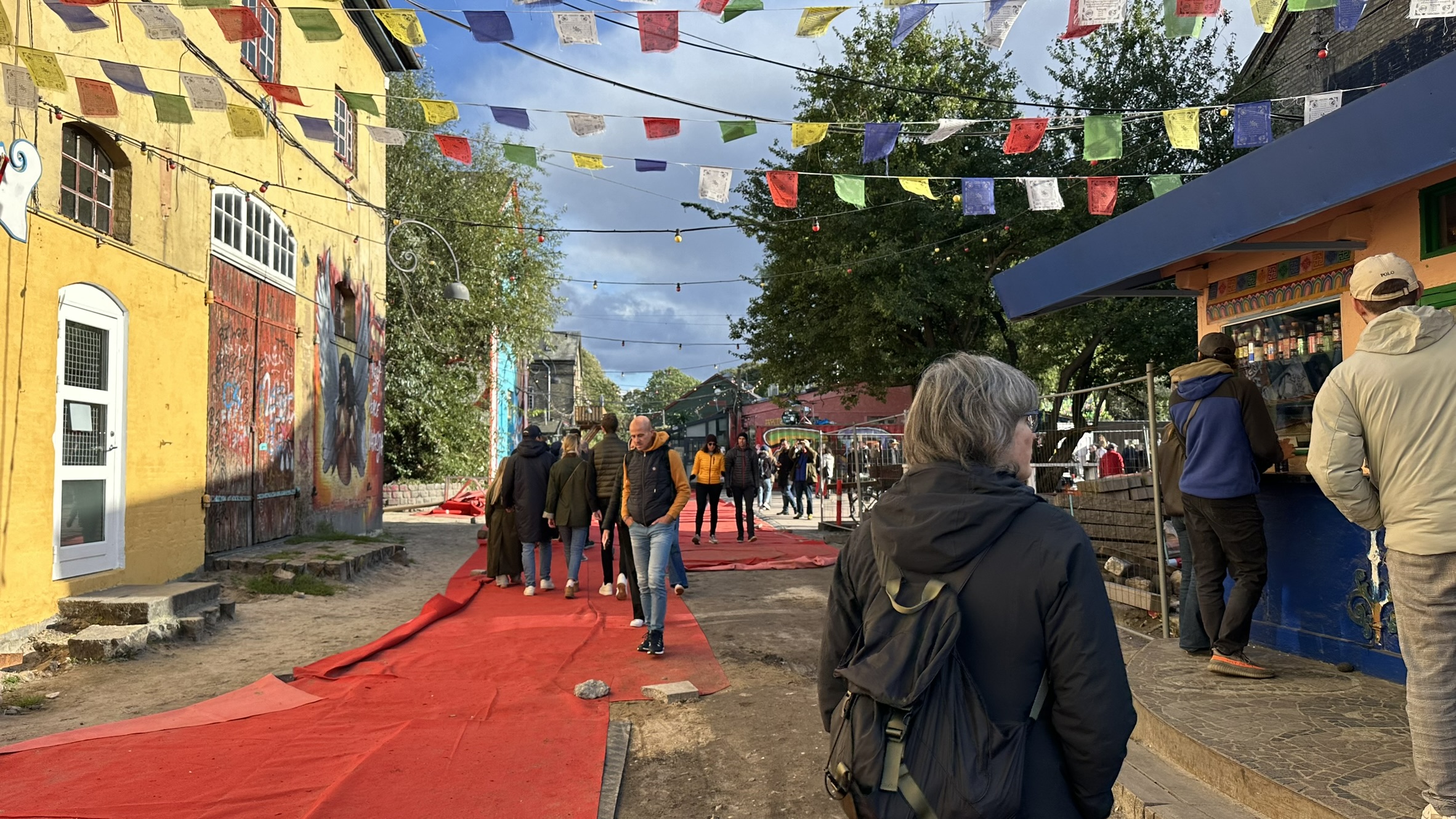
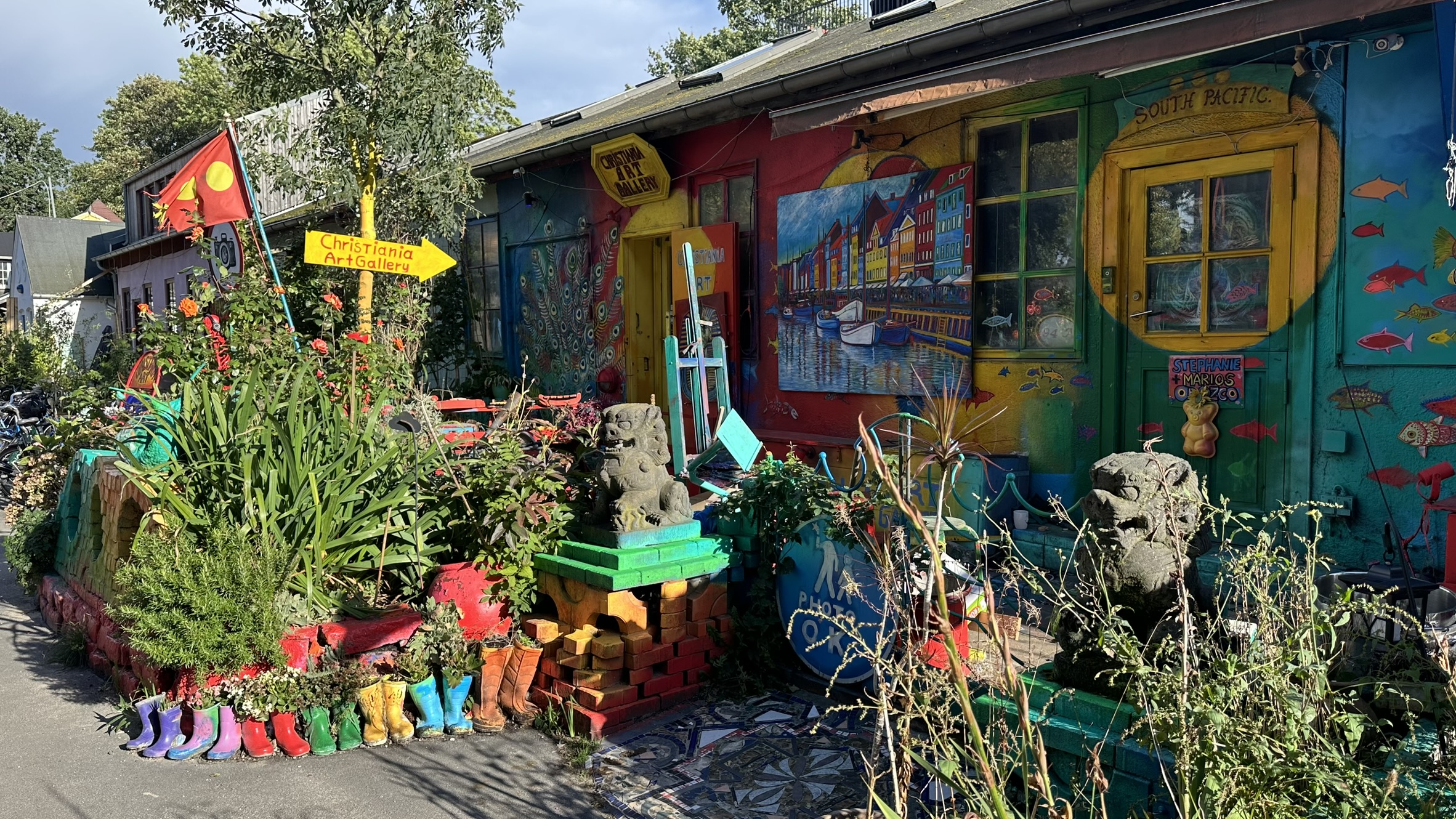
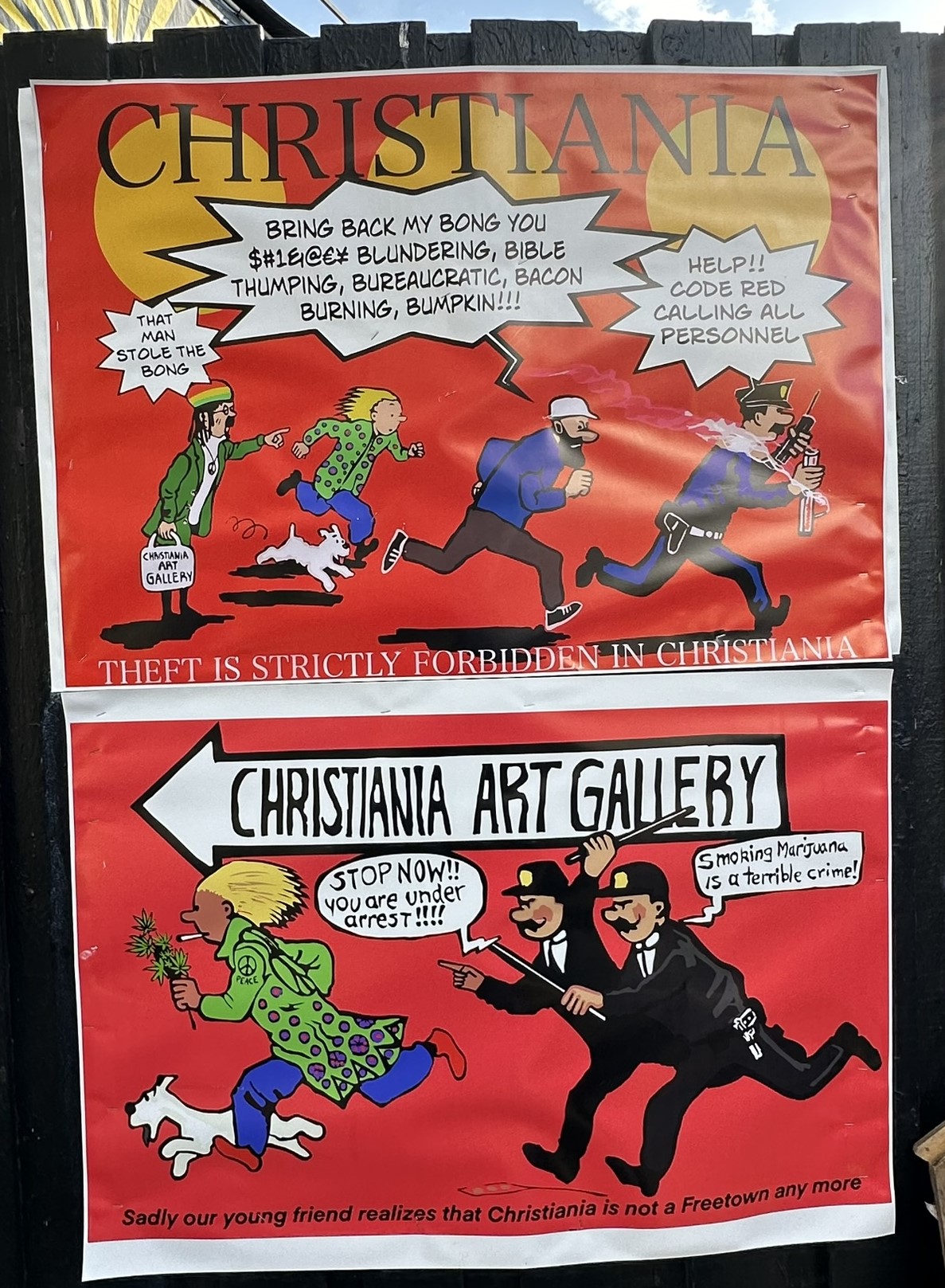
- A visit to Freetown Christiana, Copenhagen’s 53-year-old “social experiment” in a self-governing, hippie/artist commune, is a must-see experience. I had been there before, and I must admit it was more interesting the first time. Cannabis remains illegal in Denmark, though Christiania was well known to mostly disregard that law. Problems with gangs years ago have mostly been eliminated and there is little tolerance for “hashish tourists”, but even locals have learned to keep their business on the down low.

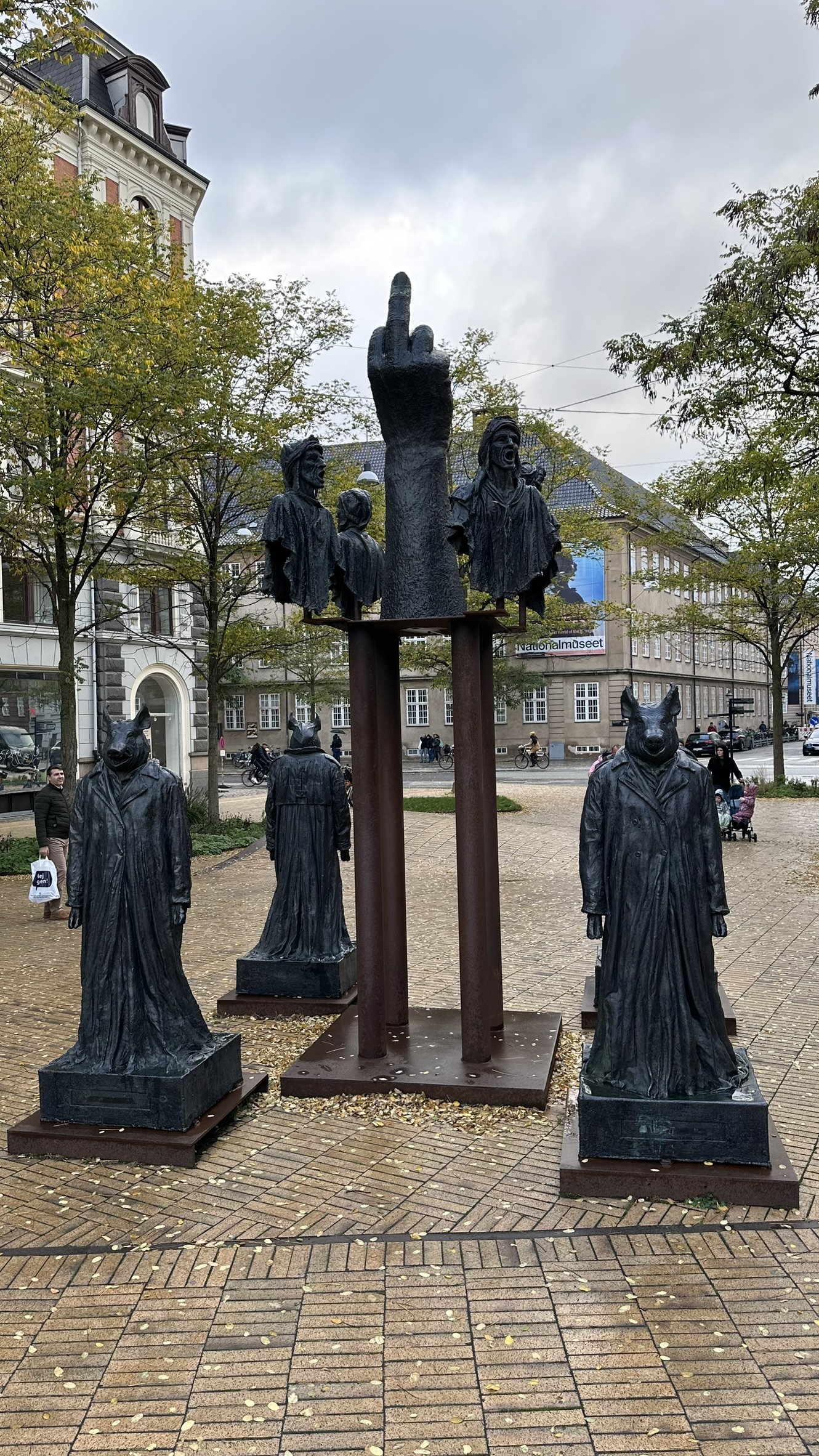
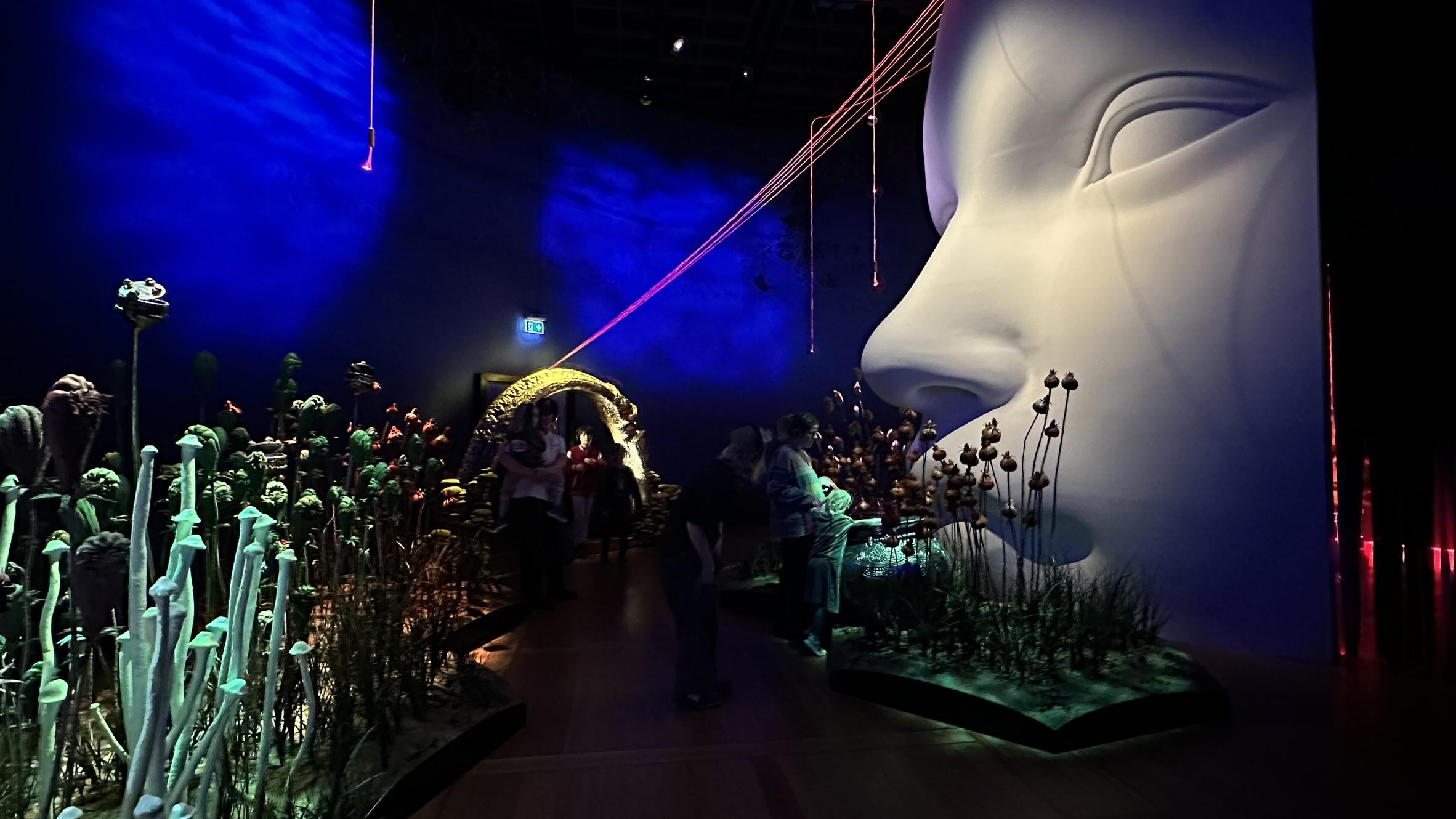
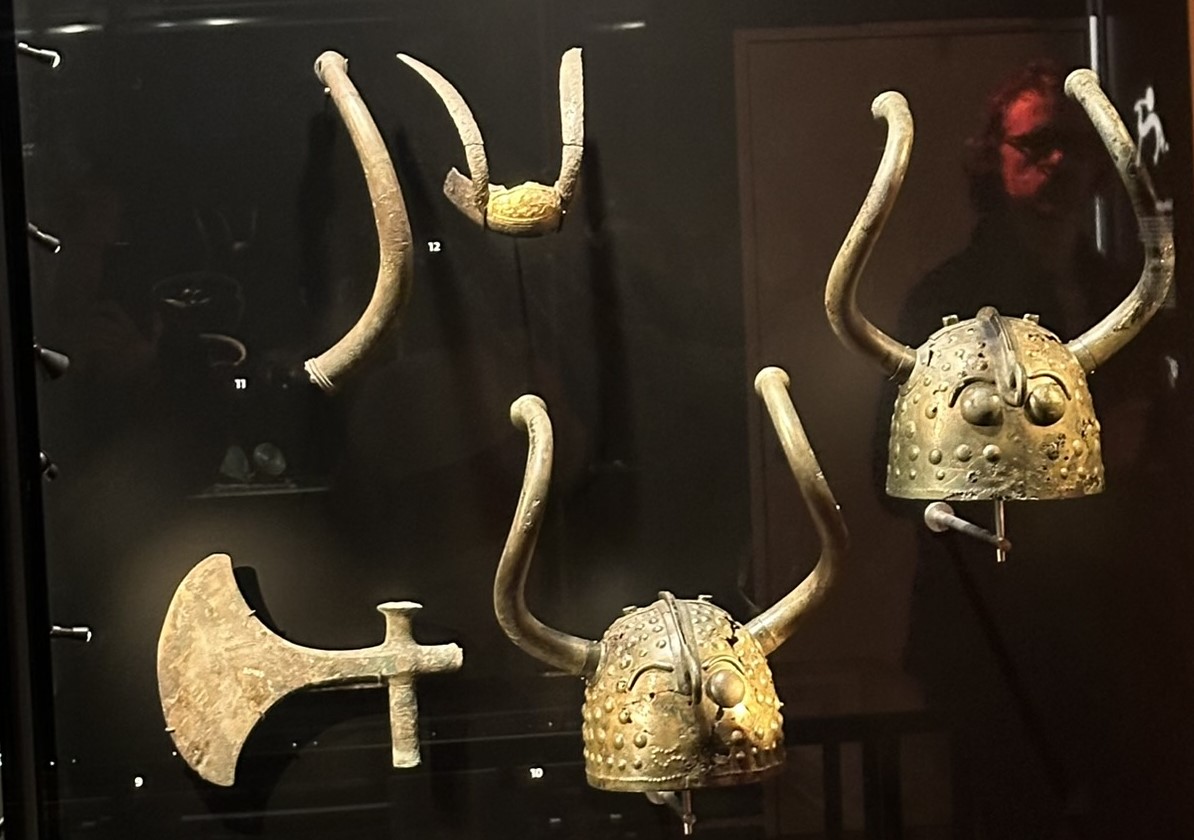
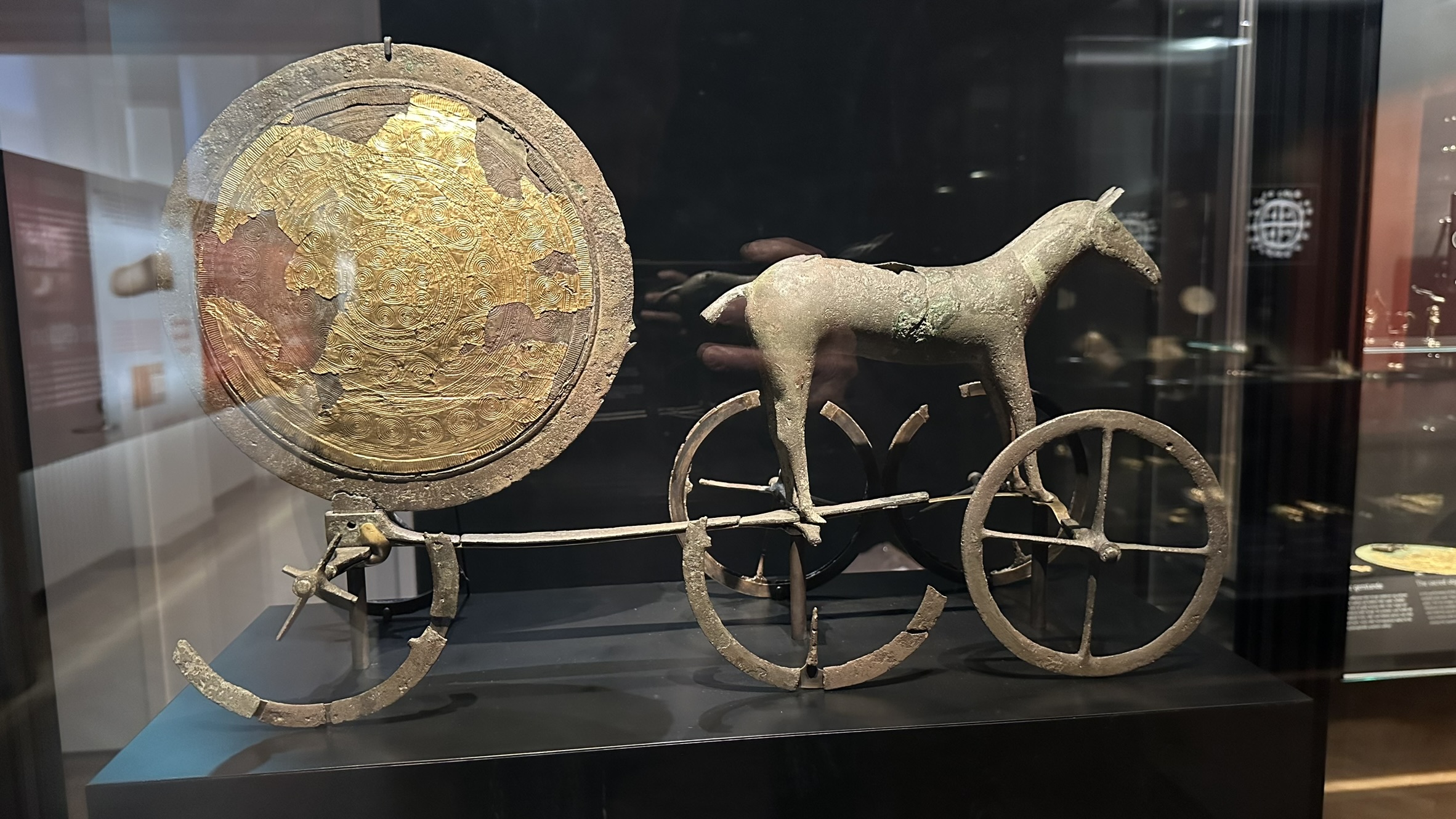
- If you get a chance, check out what’s going on at the National Museum. We caught a special, interactive exhibit on Norse mythology that was very cool, both artistically and for its unique cultural interest.
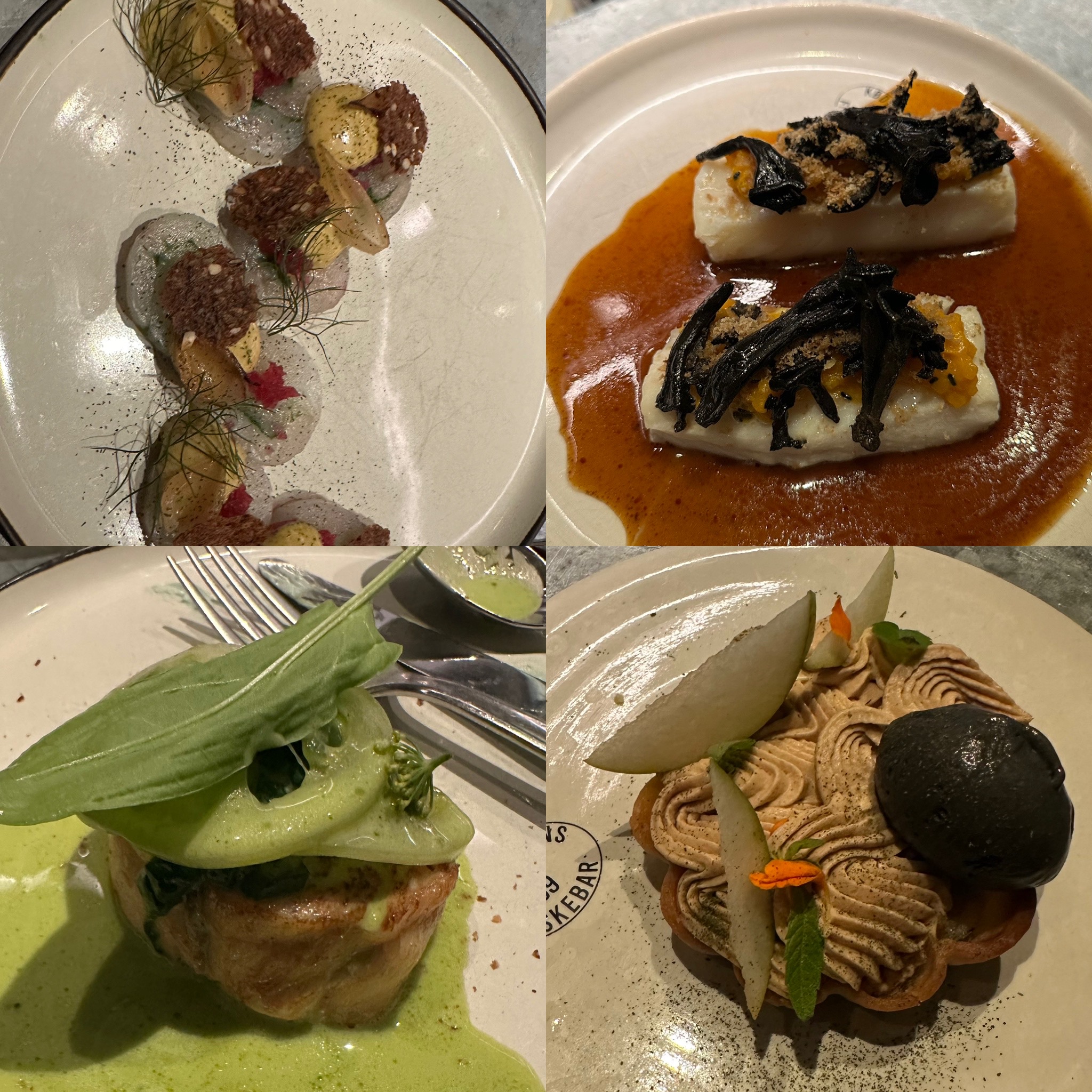
- The Meatpacking District is well known for beer halls, rock and roll bars, and raucous nightlife. We liked it for one reason: incredible fresh seafood at Kødbyens Fiskebar. Reservations are essential, though if you show up just before they open, you just might get lucky with counter seating, like we did. I highly recommend the oyster sampler, tuna tartare, scallops with caviar, and blue mussels in double cream sauce. So good we ate their twice!
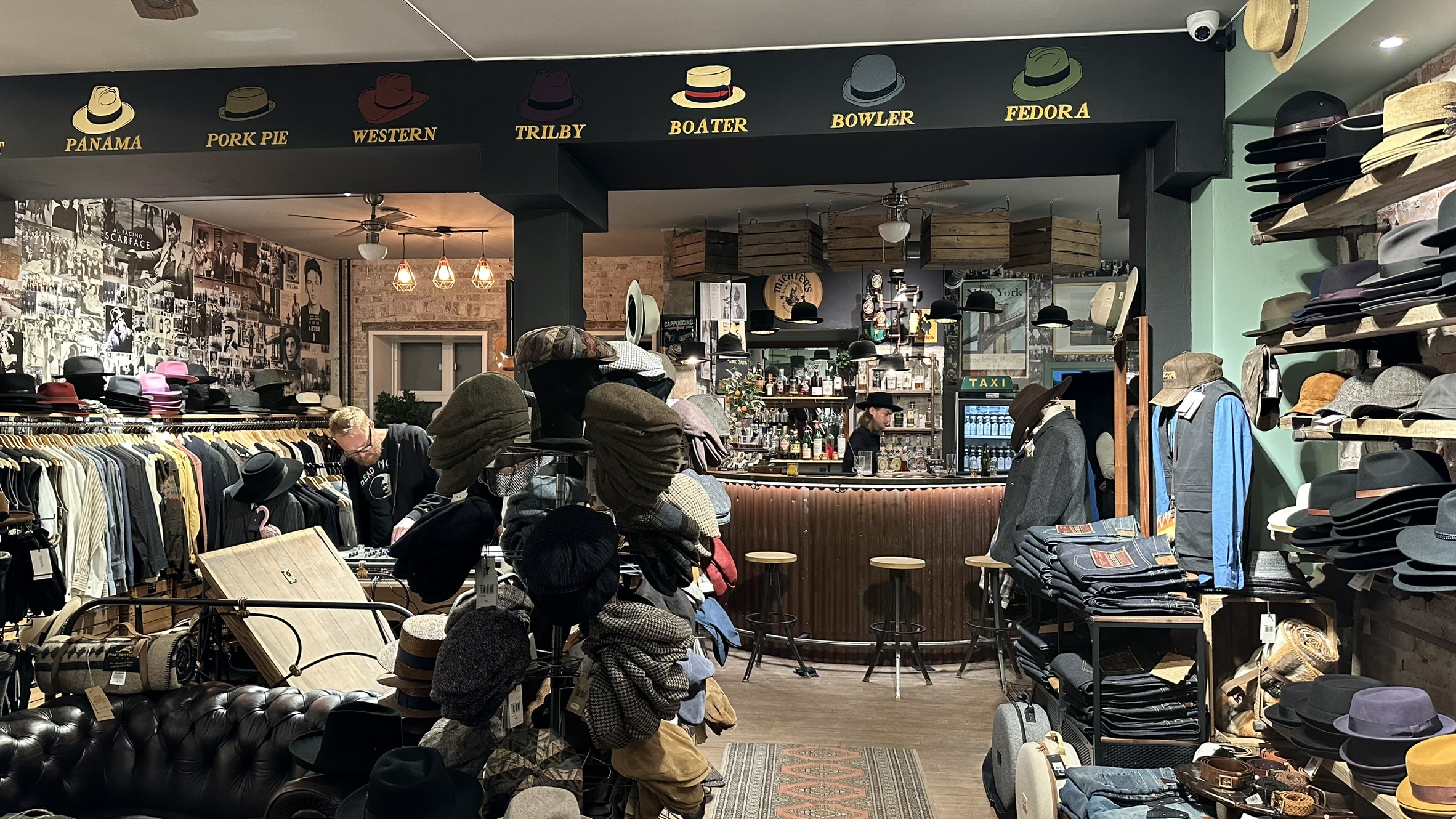
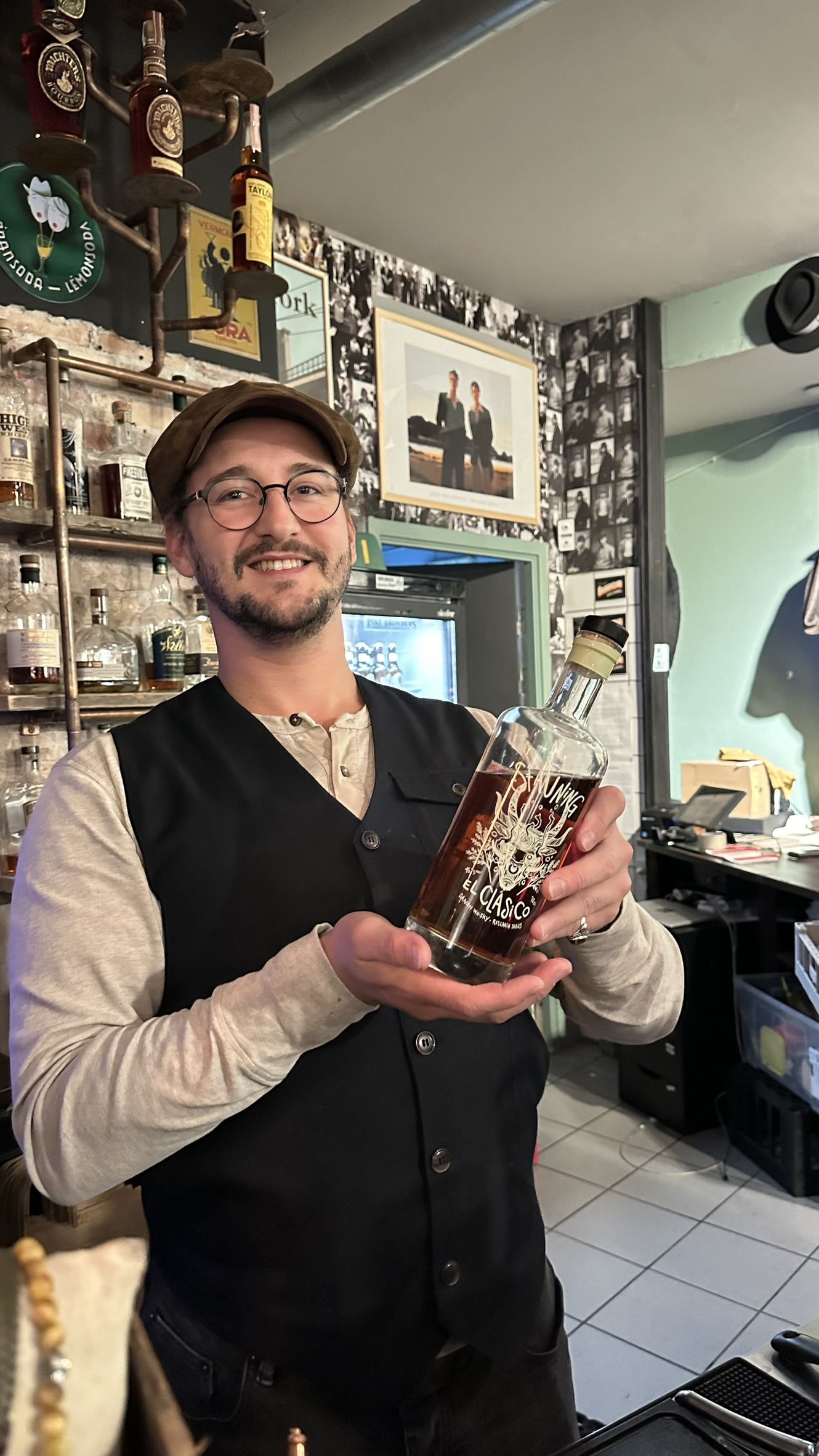
- My favorite Copenhagen discovery: Hats, Boots and Bourbon, a combination clothing store and whisky bar with a guy spinning vinyl with Johnny Cash, Billy Strings and more great artists, just steps from our hotel. The barman was very knowledgeable and the whisky selection, while small, was well curated with fine rarities. And yes, I bought a hat.
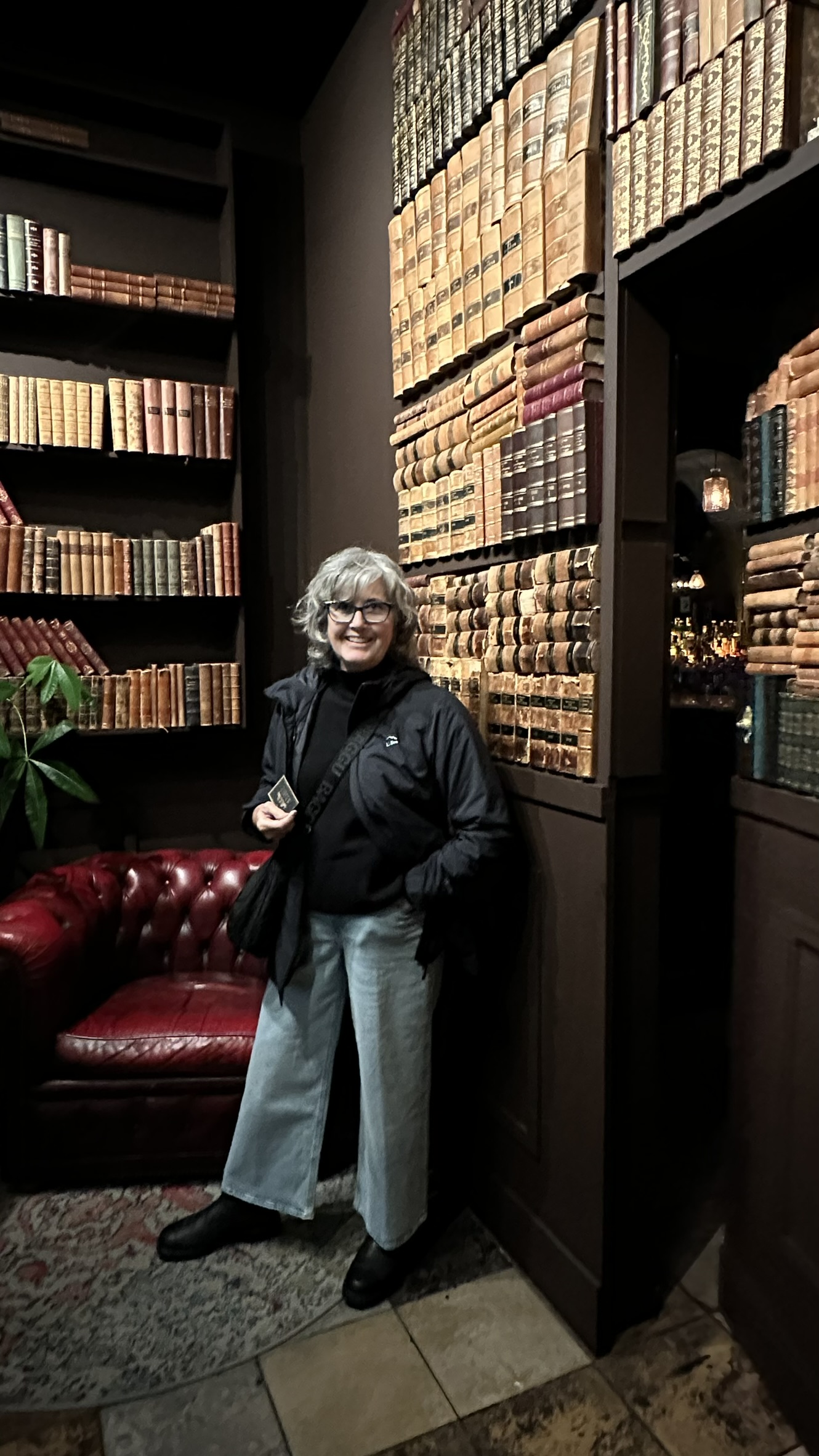
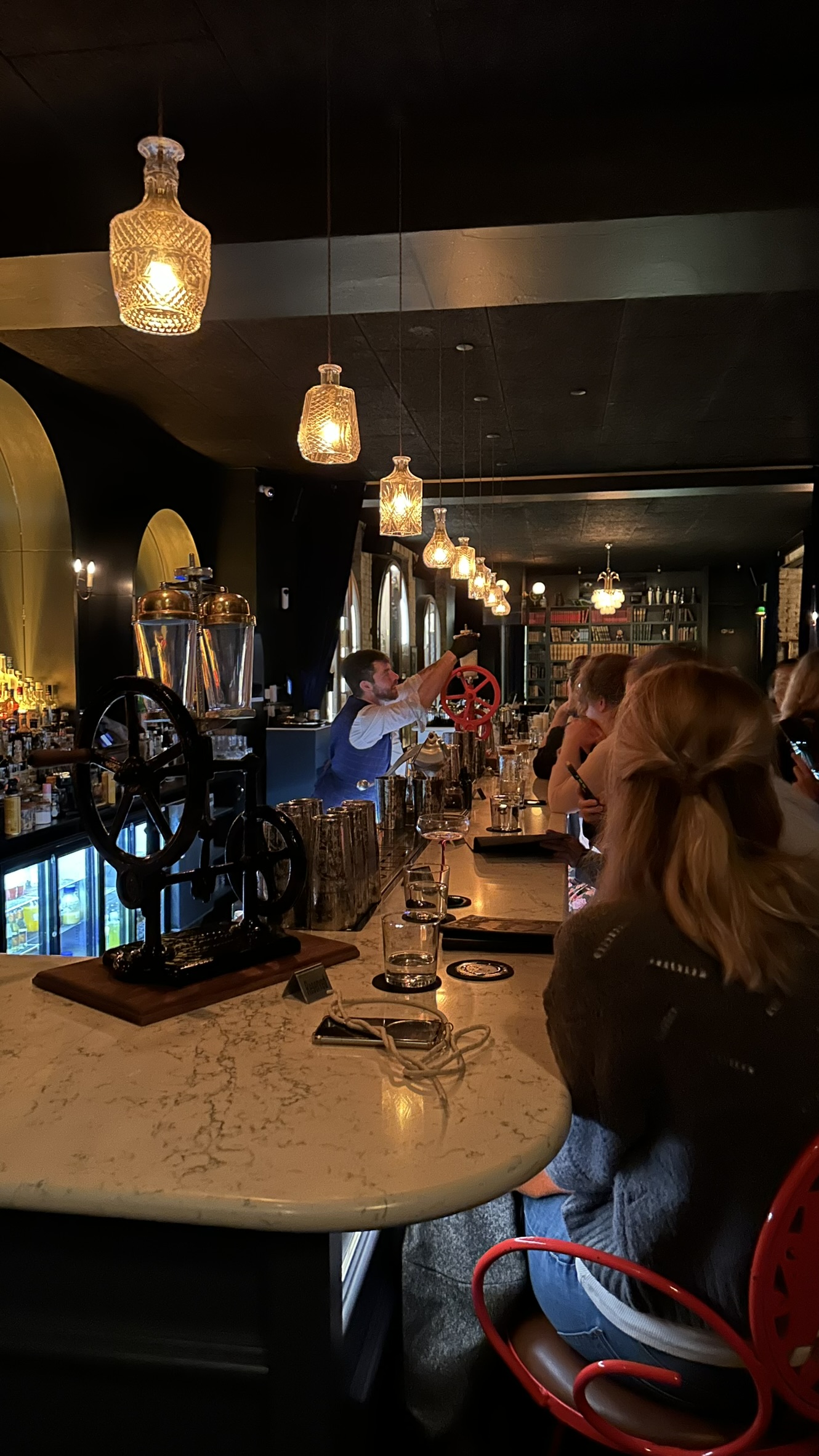
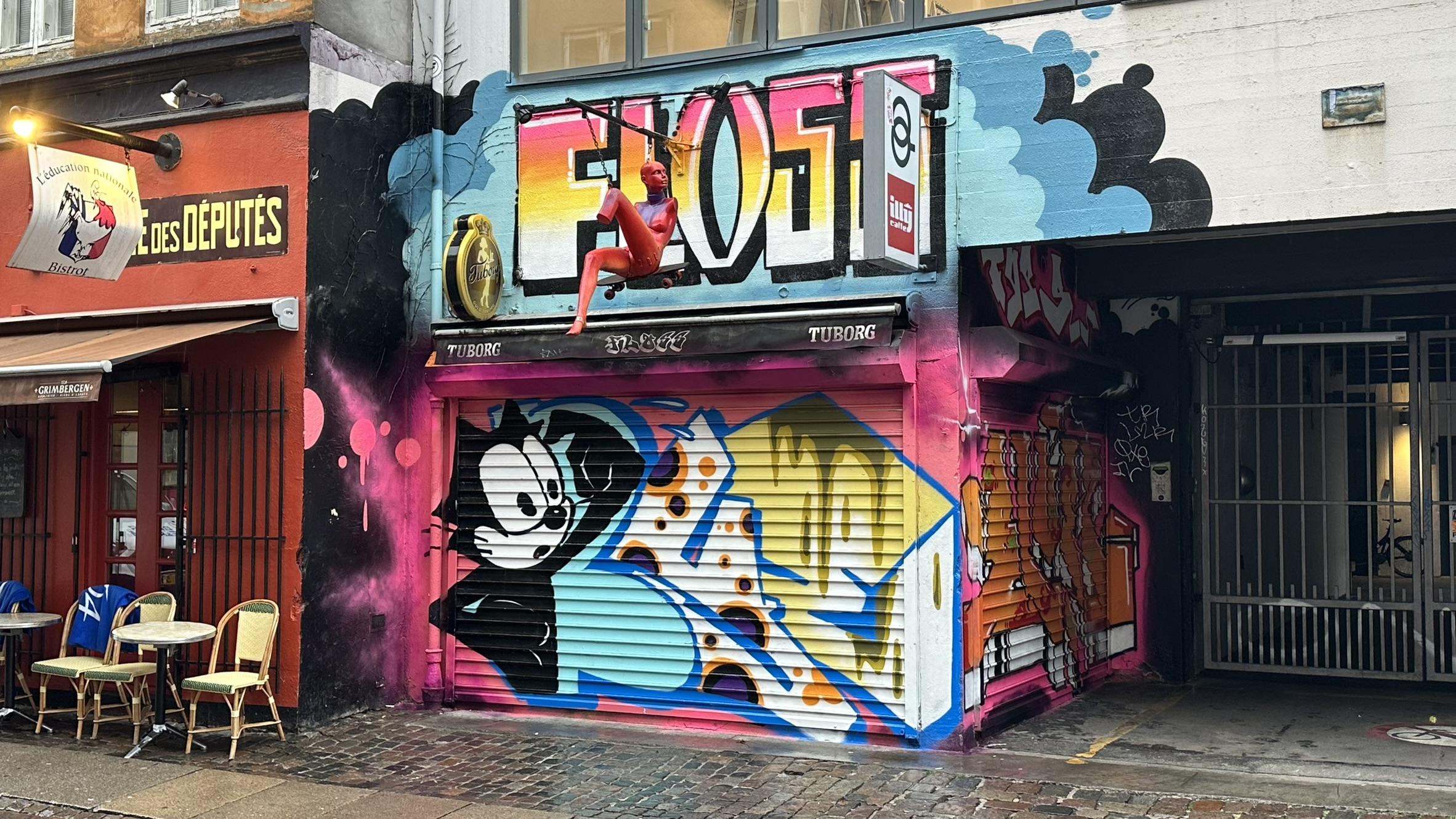
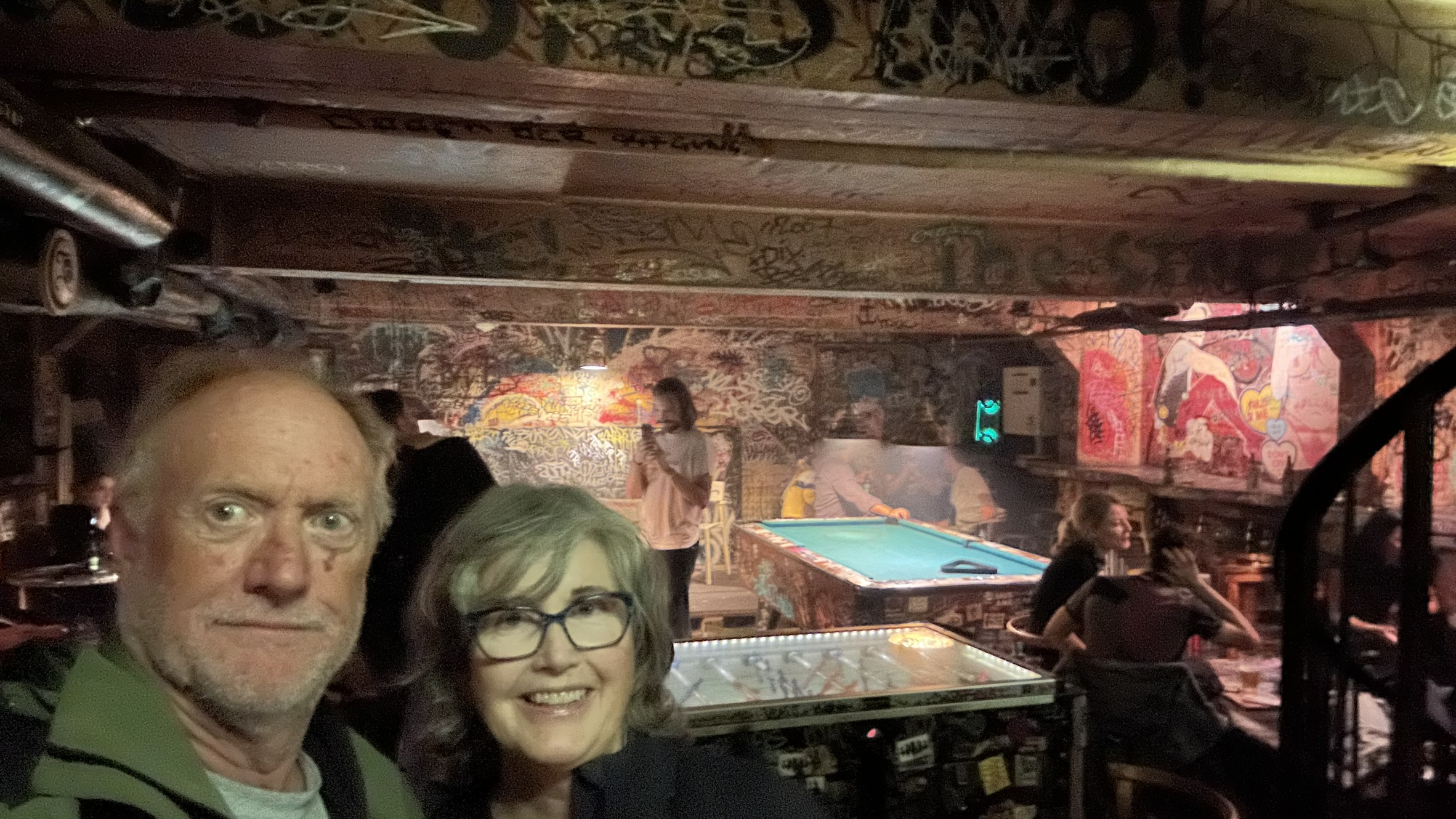
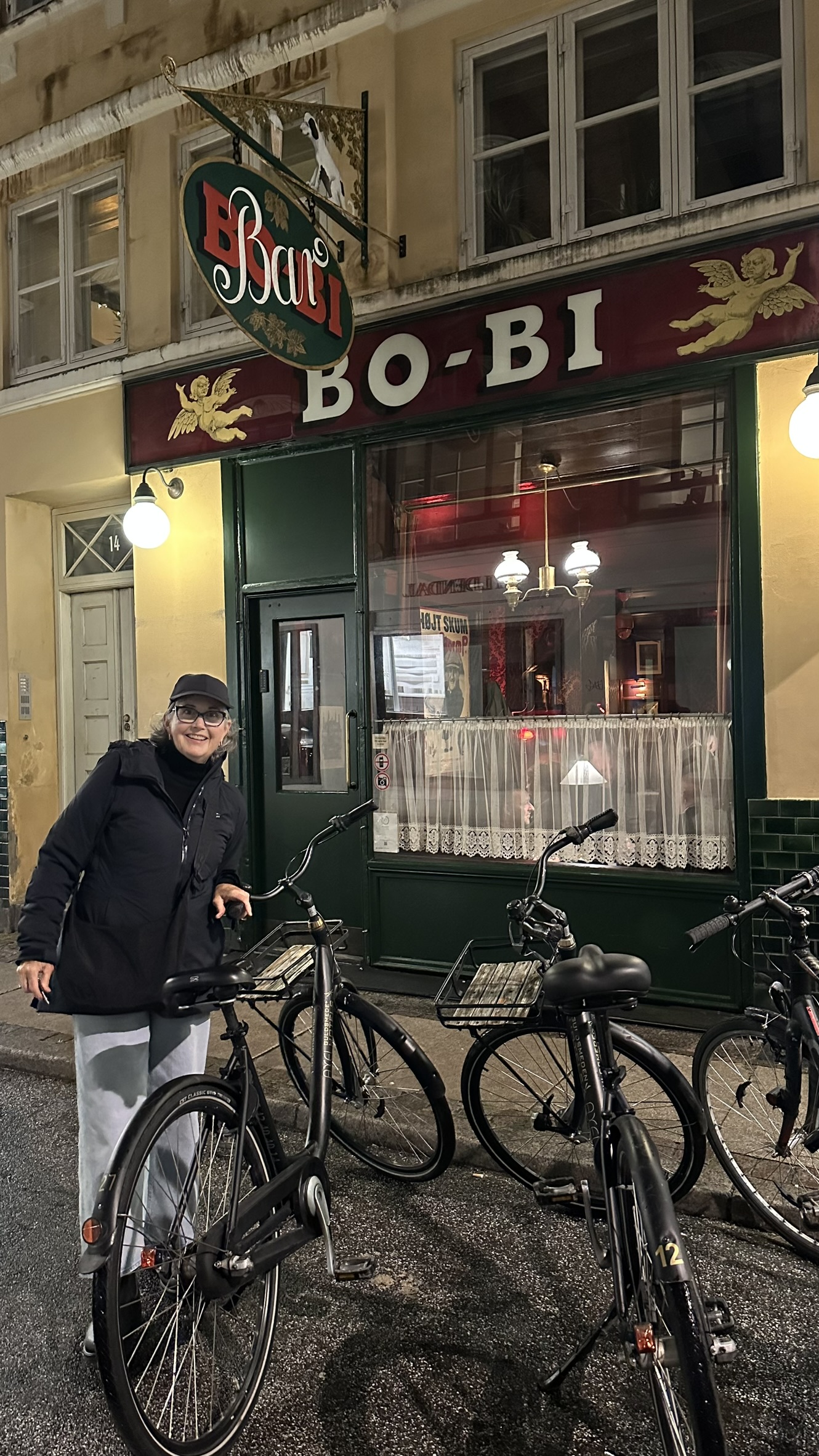
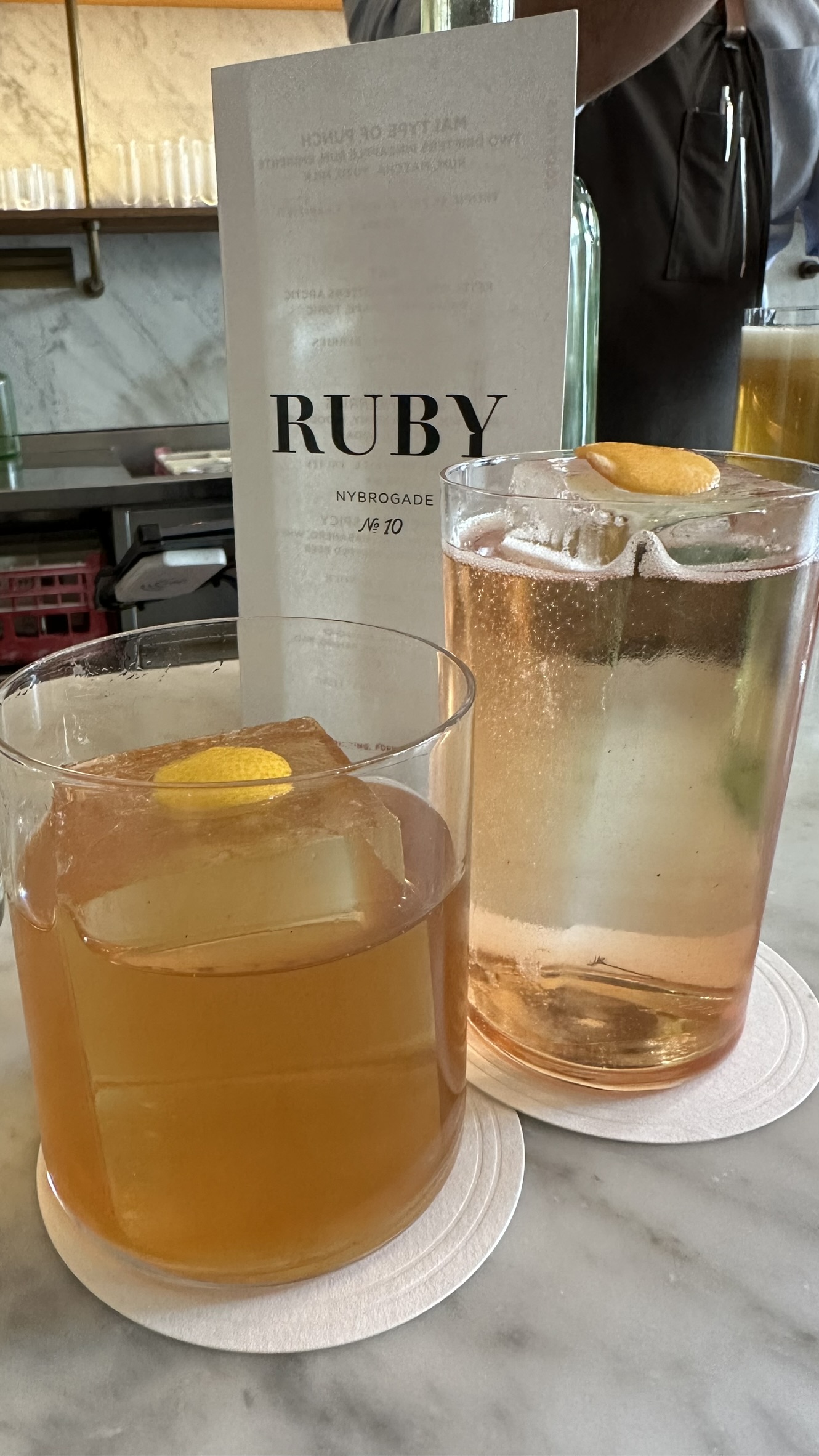
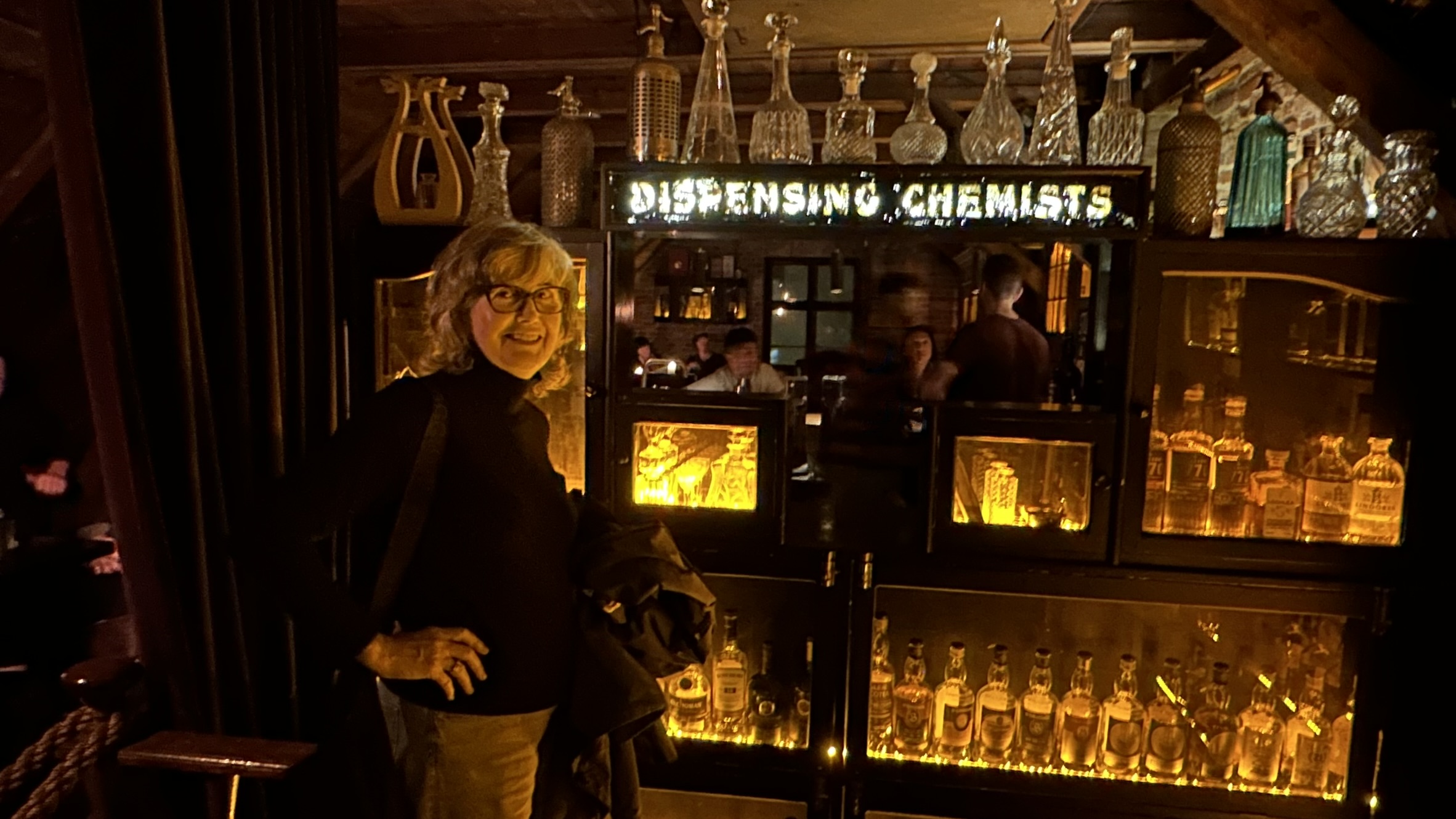
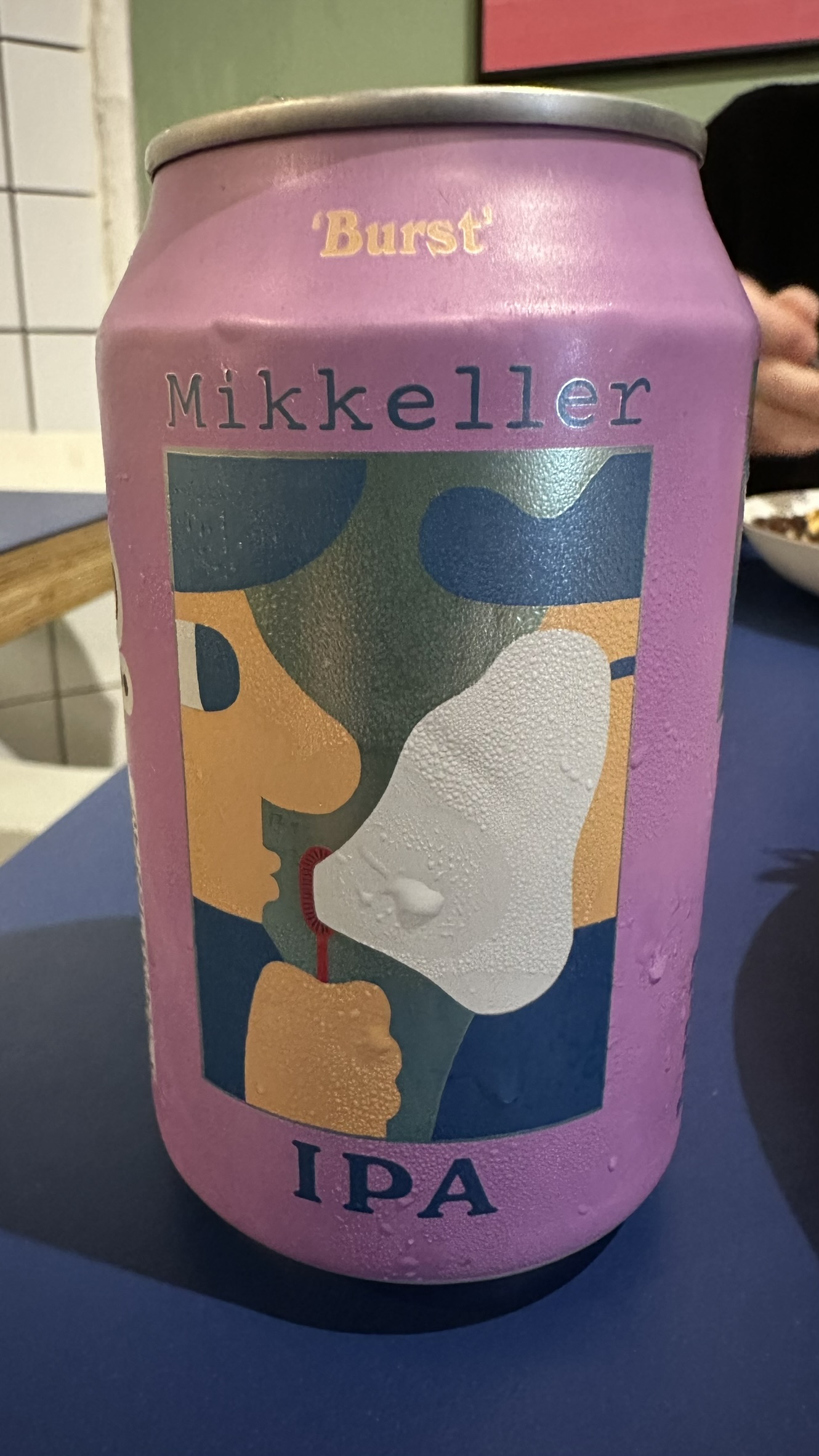
- Speaking of bars: In Vesterbro, the third-floor whisky bar at Lidkoeb, open only on weekends, was a great spot, as was Curfew, the local speakeasy cocktail bar hidden behind a row of bookcases. Duck and Cover was another good, understated cocktail bar in Westerbro. My favorite City Center establishments include Balderdash, the most unusual cocktail bar with the craziest concoctions (and the most difficult to get into) and Floss Bar, a classic, graffitti-covered dive loved by locals. Bo-Bi Bar had a great vibe as well, if you don’t mind the heavy cigarette smoke. Lastly, Ruby is Copenhagen’s most famous cocktail bar, but we stopped in a bit early, so we didn’t like the vibe as much as others.
| Dates | Destination | Where We Stayed |
|---|---|---|
| Days 4-5 | Tallinn, Estonia | My City Hotel |
| Day 6 | Helsinki, Finland | Hotel Kamp |
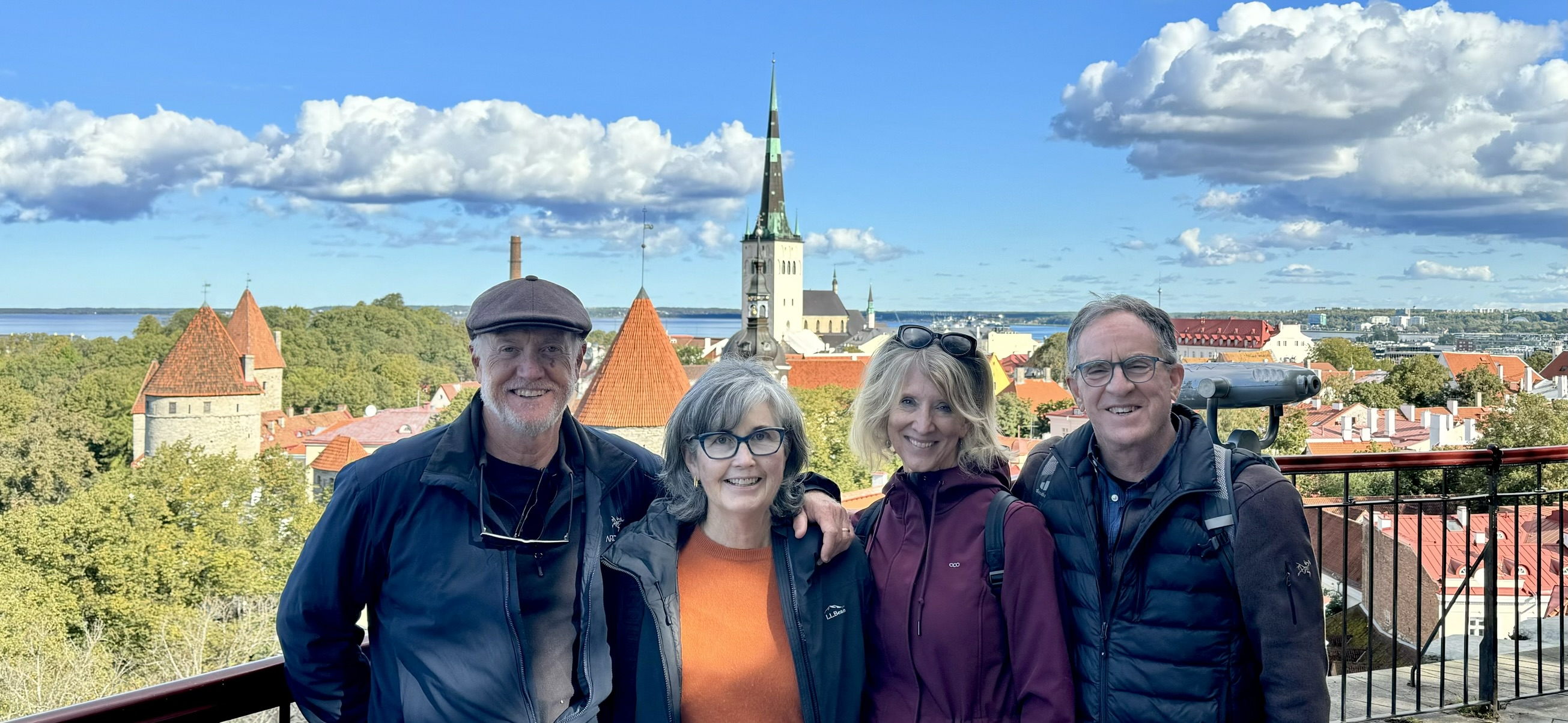
Taking a brief detour from Scandinavia, we headed to the eastern end of the Baltic Sea for a couple days in Tallinn, Estonia, where we met up with friends Kathy and Bob Hill, and following a two-hour morning ferry across the sea, a third day and night in Helsinki, Finland.
Tallinn
Tallinn’s old town is a wonderfully preserved medieval walled city, and since gaining their independence just 33 ago Estonia has invested in making that an attractive draw for tourism. We started with a guided walking tour of the Old Town, a fun way to soak up the city’s history through the years while helping us get our bearings. Highlights on the tour included:
- Tallinn’s Old Town Square, where everything important happened from proclamations to protests to executions in medieval times.
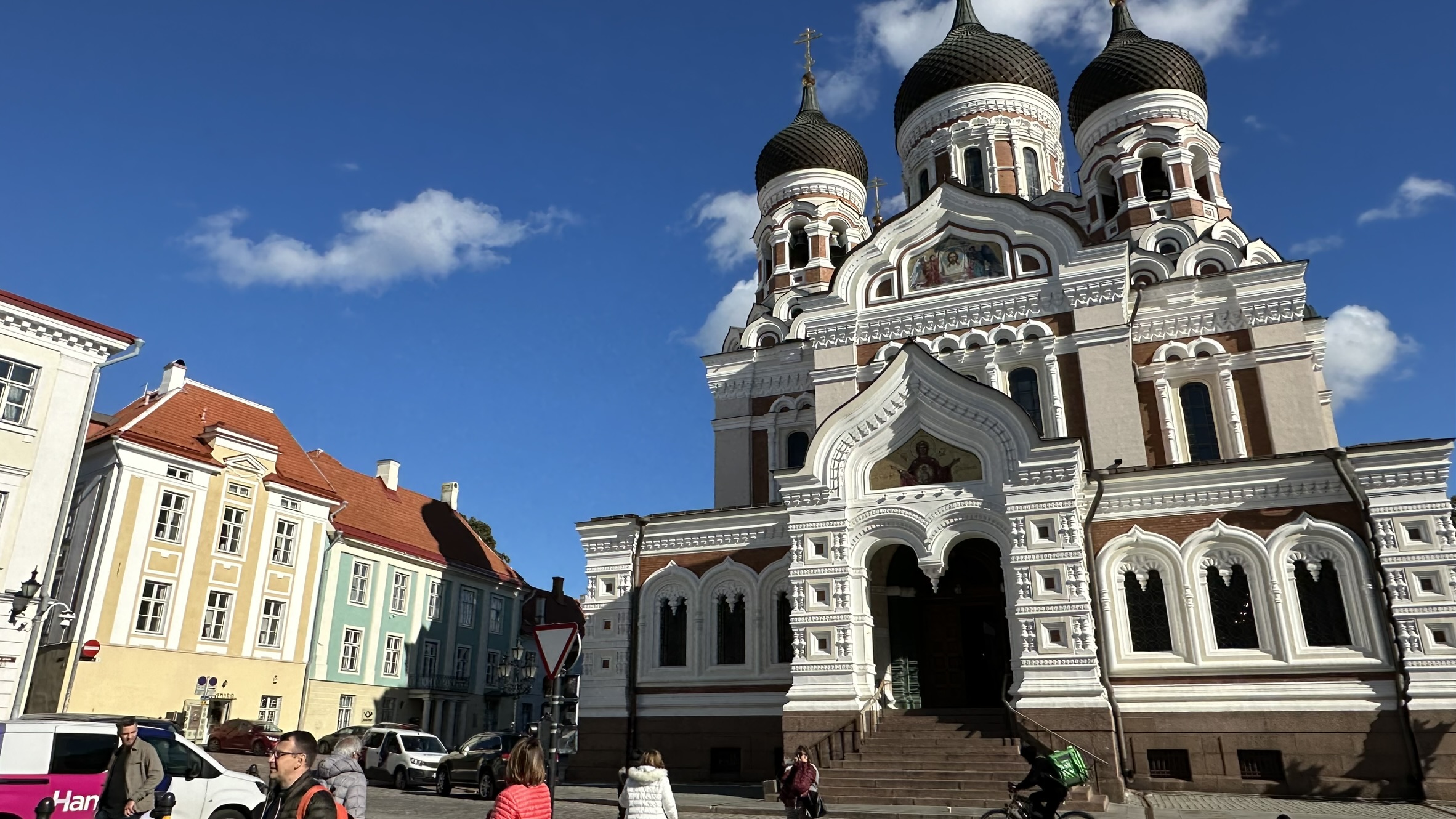
- Alexander Nevsky Cathedral, a huge Bulgarian Orthodox church and the largest cathedral in the Balkans was erected in front of the Estonian parliament building as a poke in the national eye. To this day, they debate tearing it down despite its beauty and historical significance.
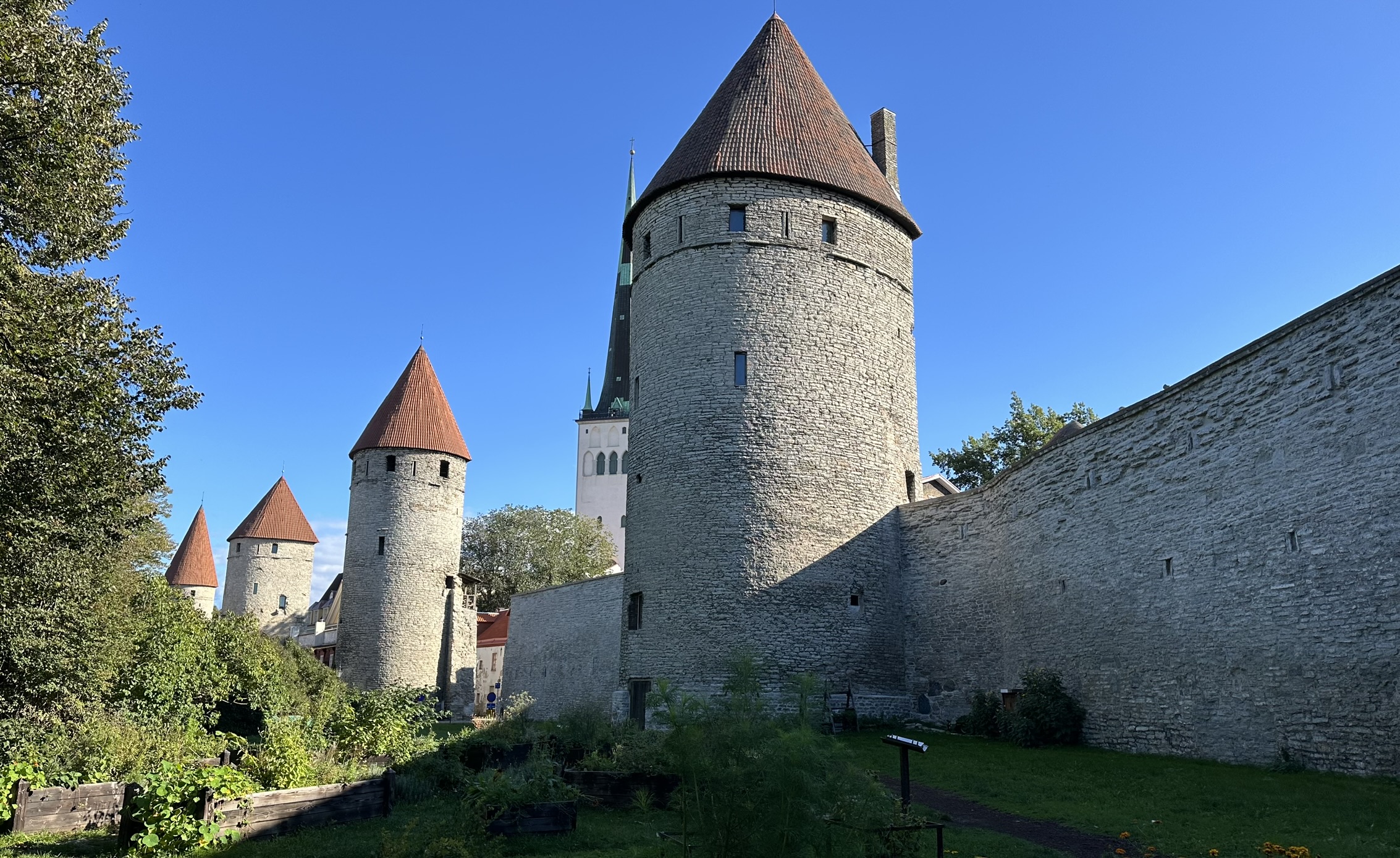
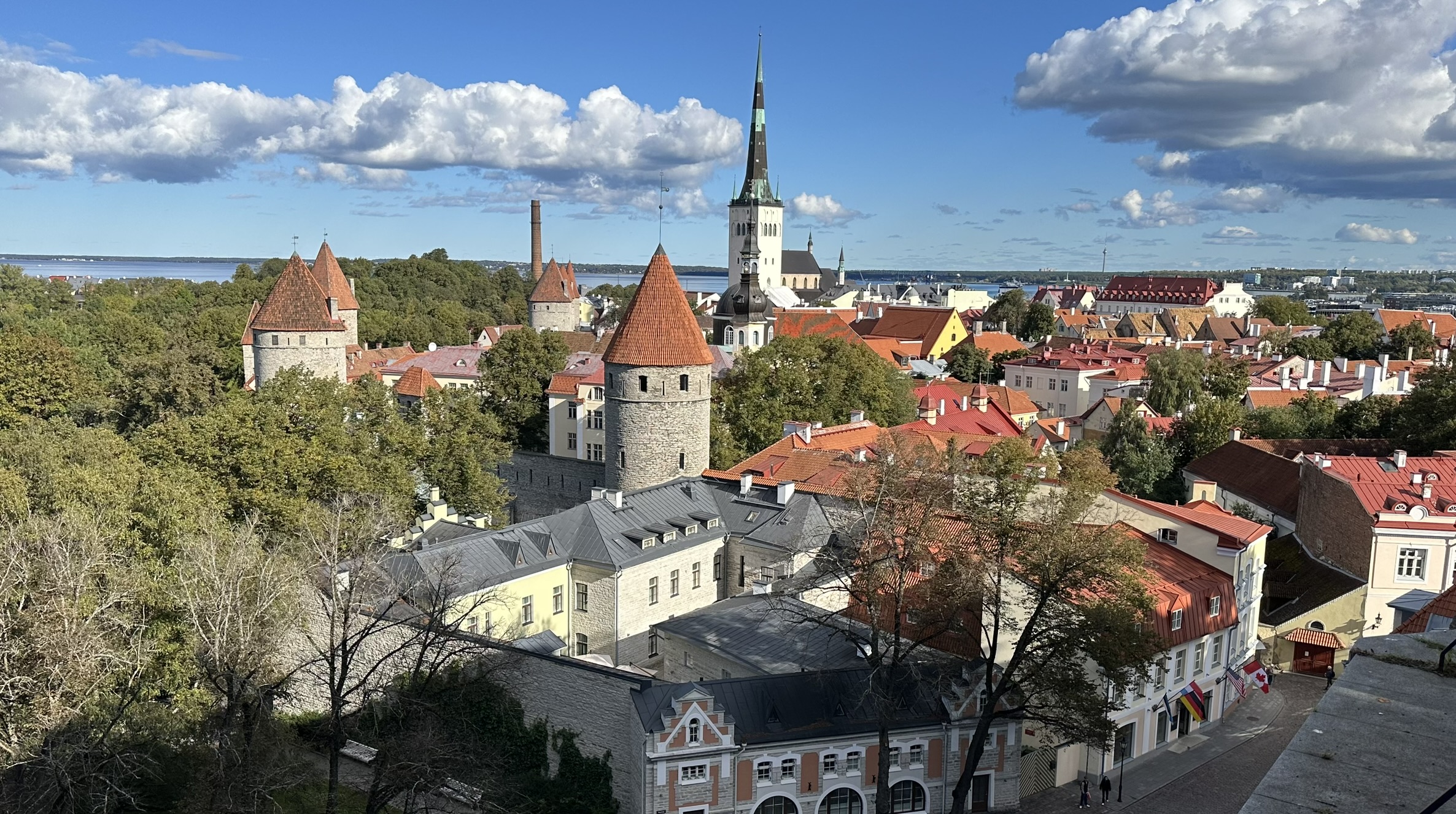
- The magnificent 13th century city walls are among Europe’s best-preserved medieval structures and, naturally, a UNESCO World Heritage Site. Several major gates and 26 of the original 46 massive towers remain standing. Palatial buildings above the walls are mostly embassies now.
- St. Olav’s Church, with the highest spire in the Old City. Originally a Catholic church, it became Lutheran during the Protestant Reformation. For almost 50 years, the Soviet KGB used the spire for radio transmissions and surveillance.
- The Ukrainian-Greek Catholic Church of Our Mother of God with Three Hands. How’s that for a name? Legend has it someone’s amputated hand was miraculously restored after praying to an icon of the Virgin here, and thus the church’s name.
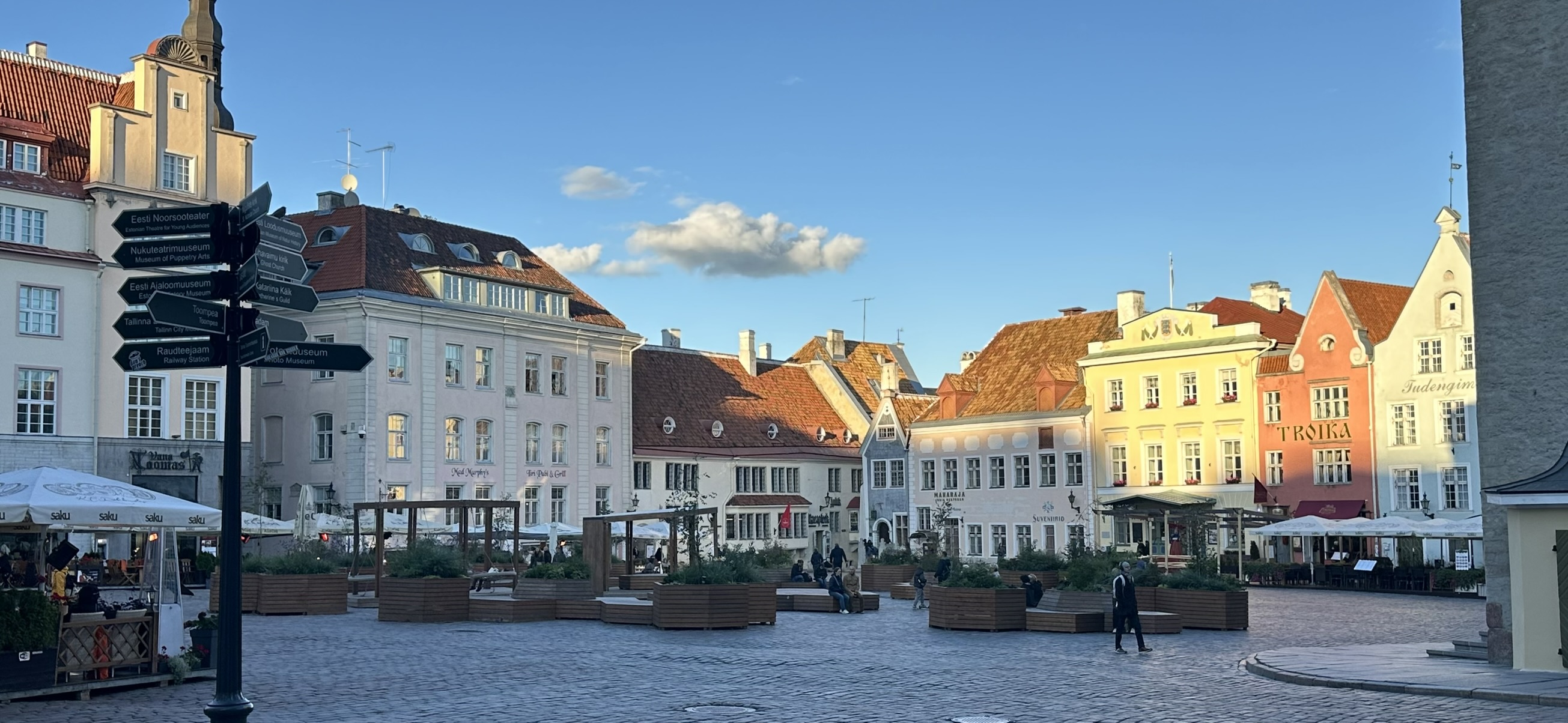
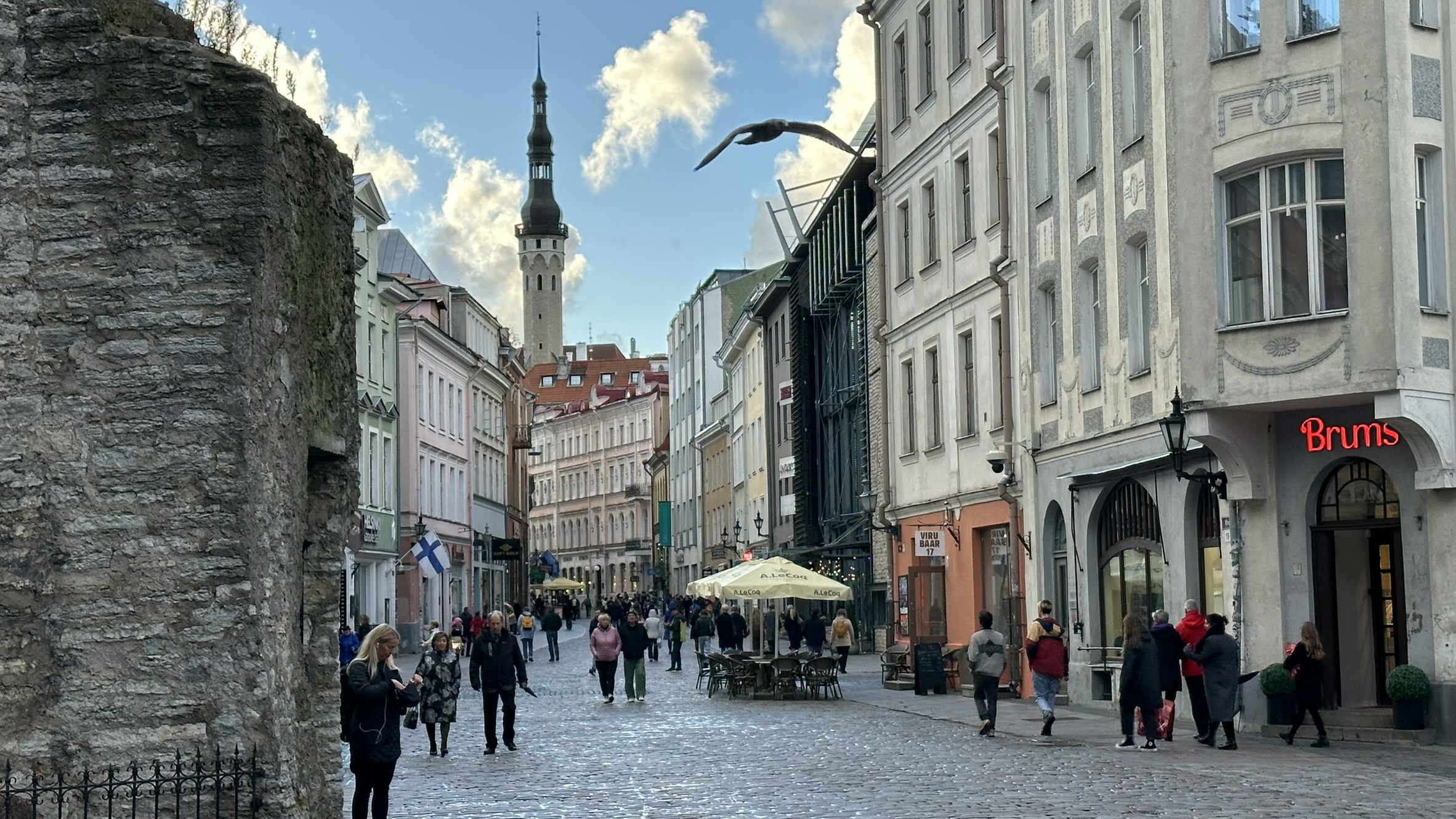
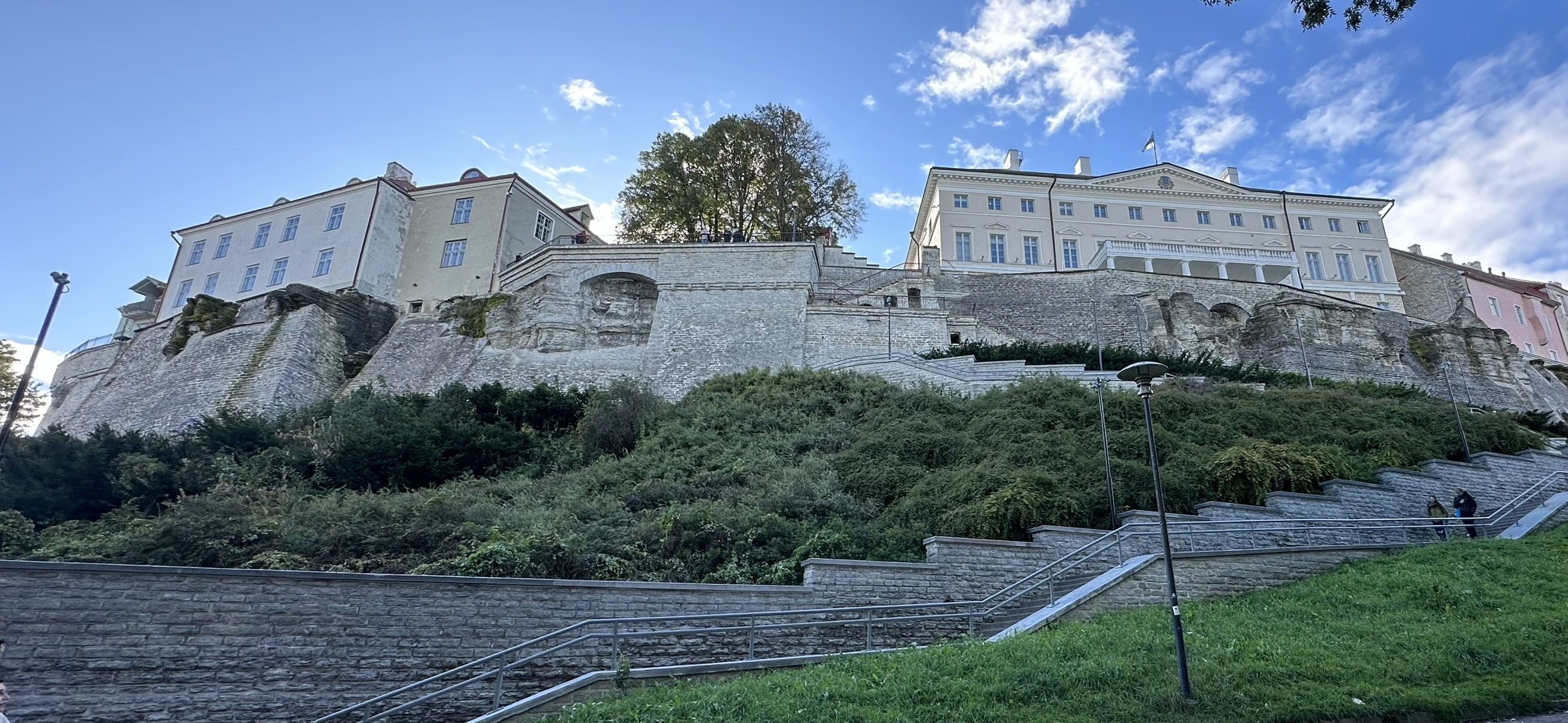
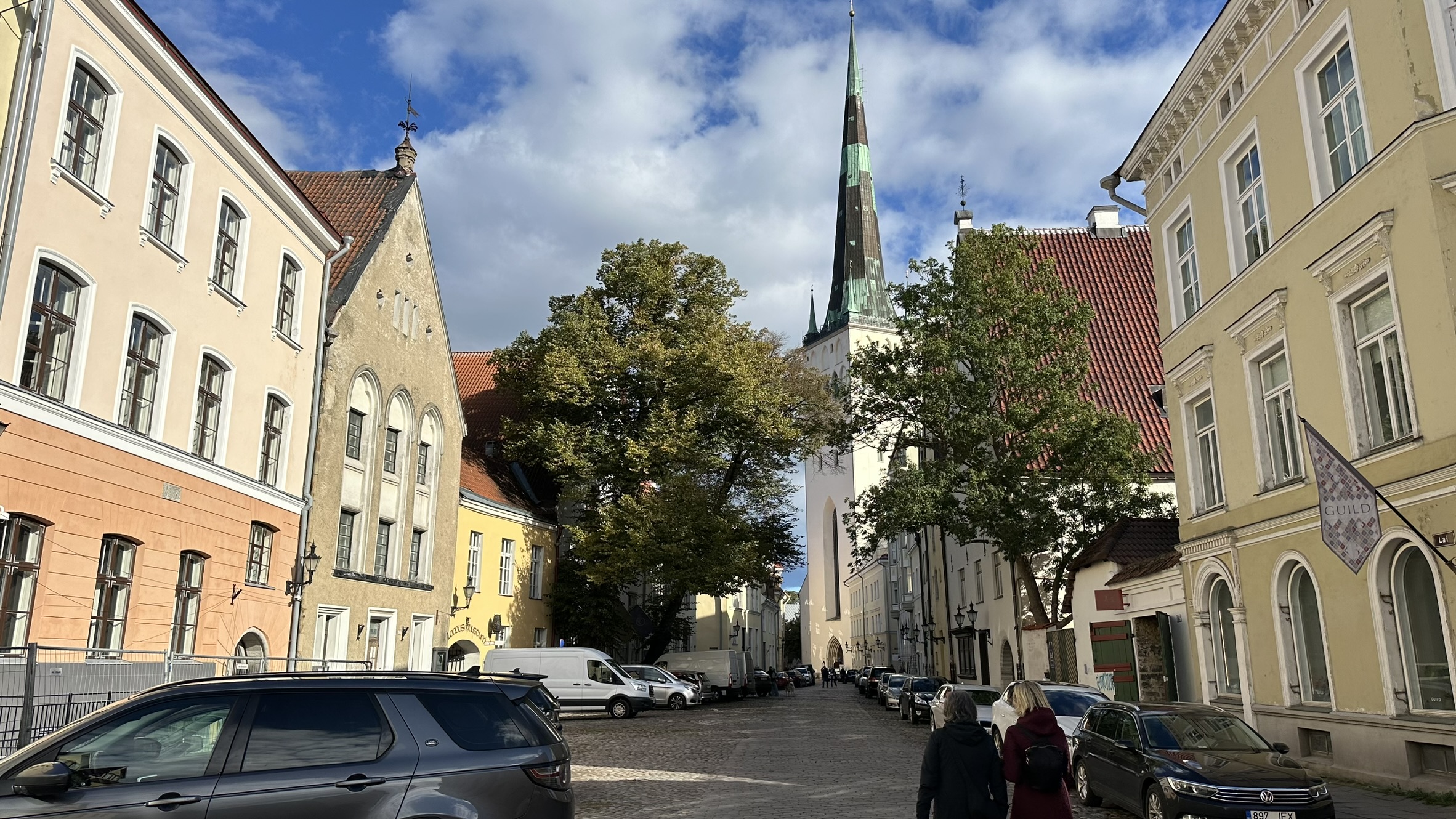
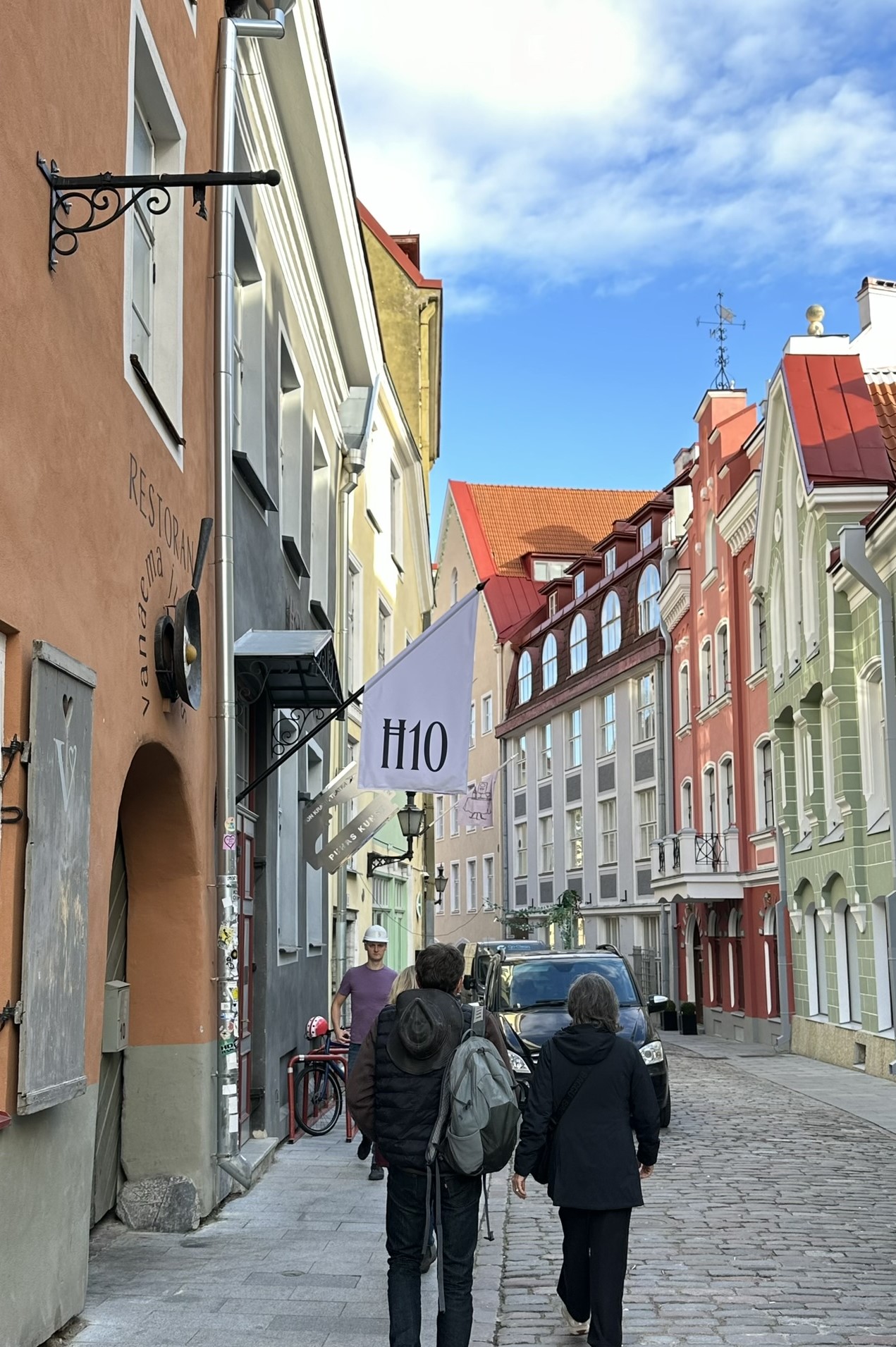
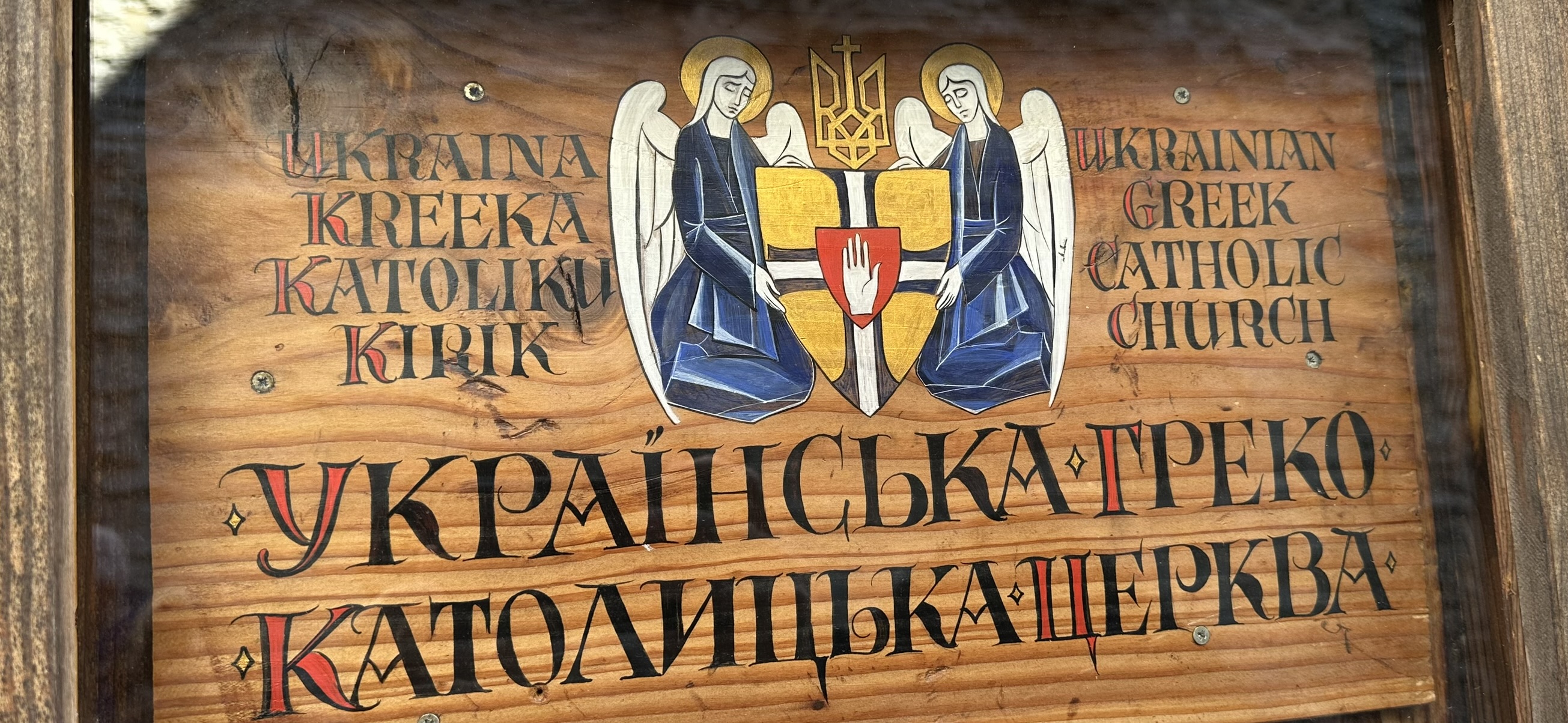
Other noteworthy highlights in Tallinn:
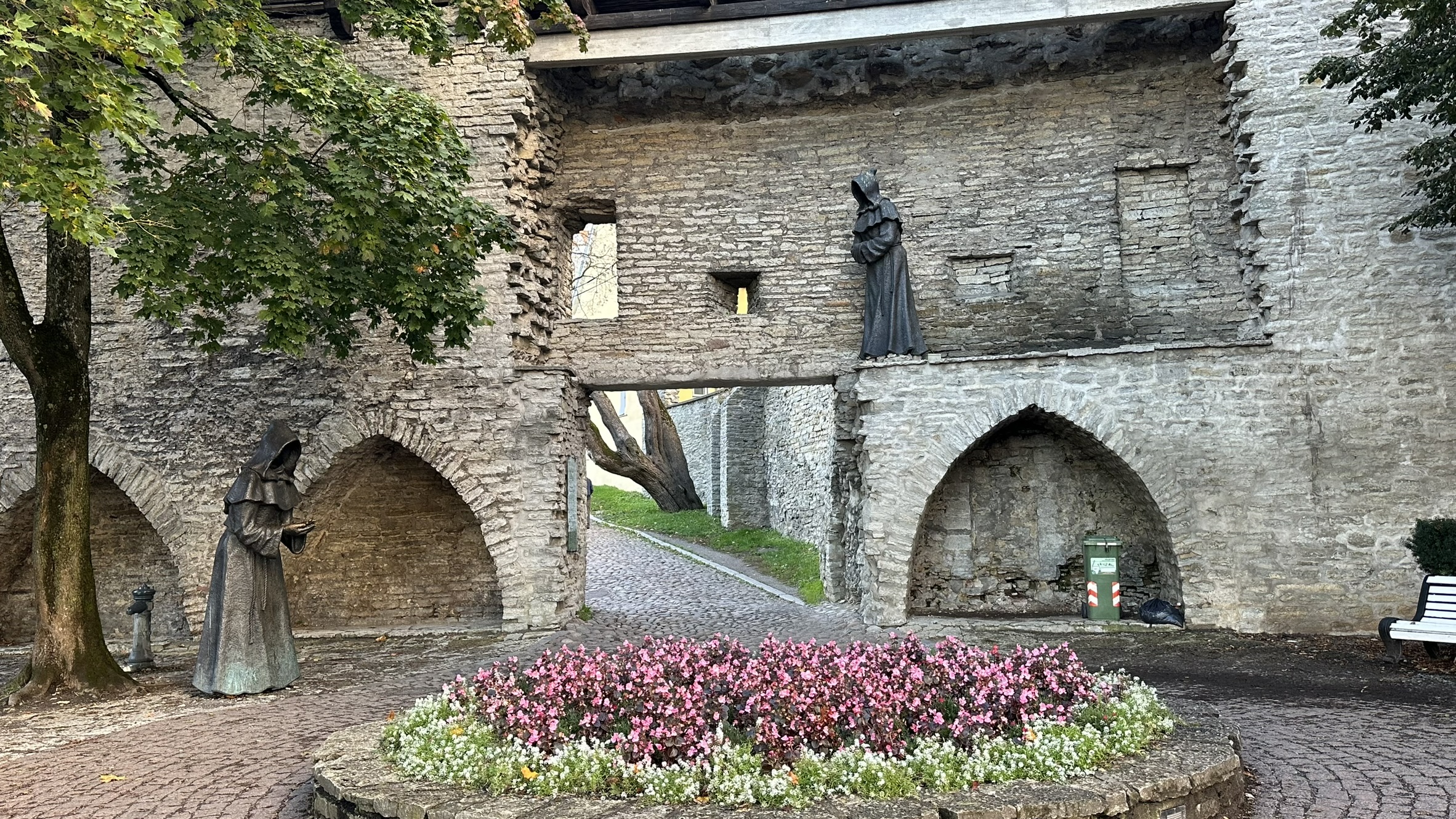
- St. Catherine’s Passage, formerly called Monk’s Alley, is a particularly unique and atmospheric part of the old town’s medieval wall. It now plays home to a few literal hole-in-the-wall shops and eateries, including the Headless Chicken (we didn’t eat there, but I liked their sign) and Savikoda, a ceramics shop we particularly liked.
- Traditional Estonian dinner at Olde Hansa, specializing in wild game, was a bit kitschy with traditionally costumed waitresses, but the architecture and cool interiors are pretty amazing, the ambiance genuine and fun, and the food pretty good.
- Likewise, III Draakon (the dragon) a couple doors up on the square was tailor-made for tourists, but there is no arguing the authenticity of the tiny, dark, cave-like room where you sit at a massive, old wooden table to enjoy your beer and soup (whatever they’re serving that day, there is no menu). Solid stop for a mid-day break.
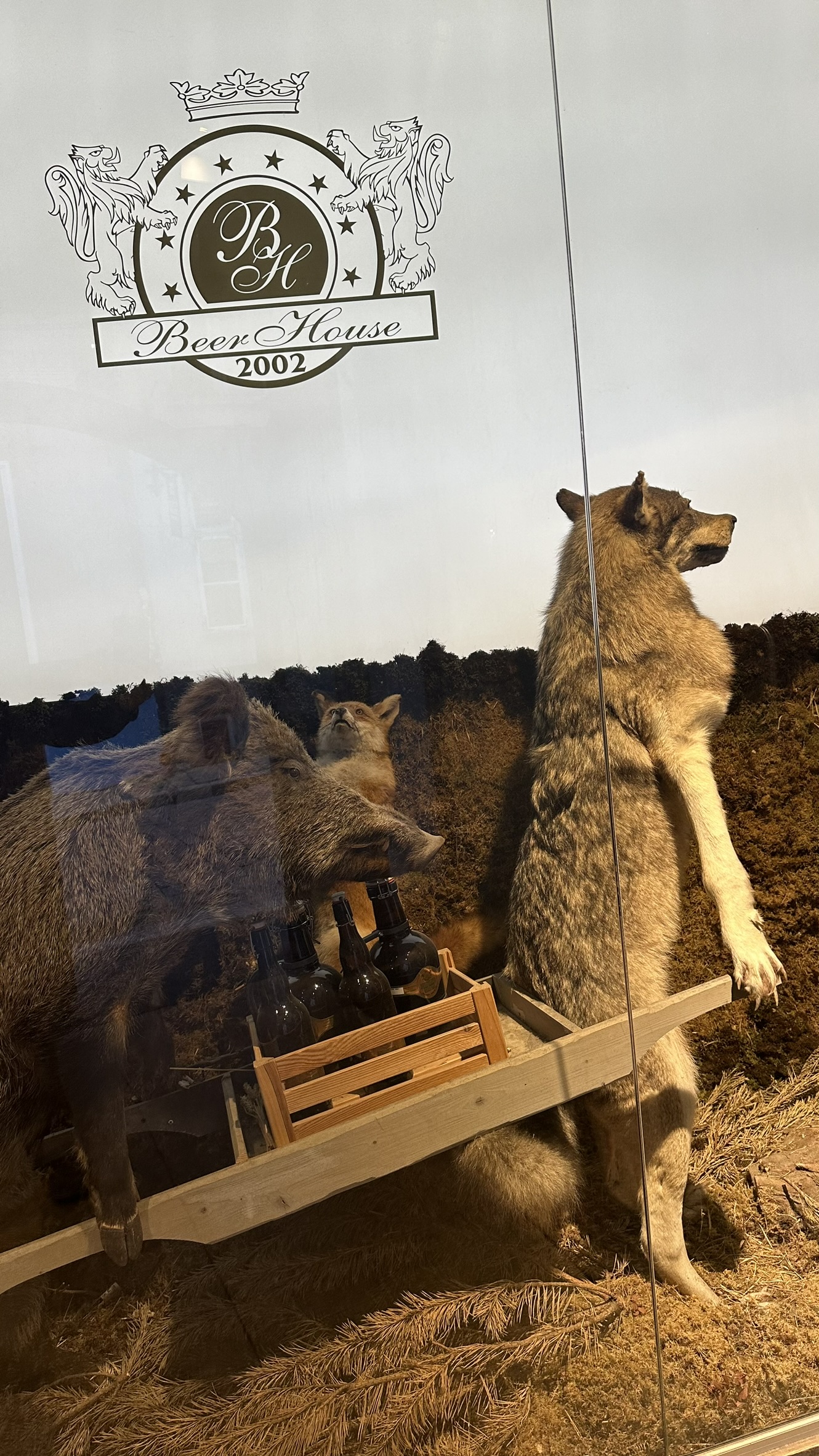
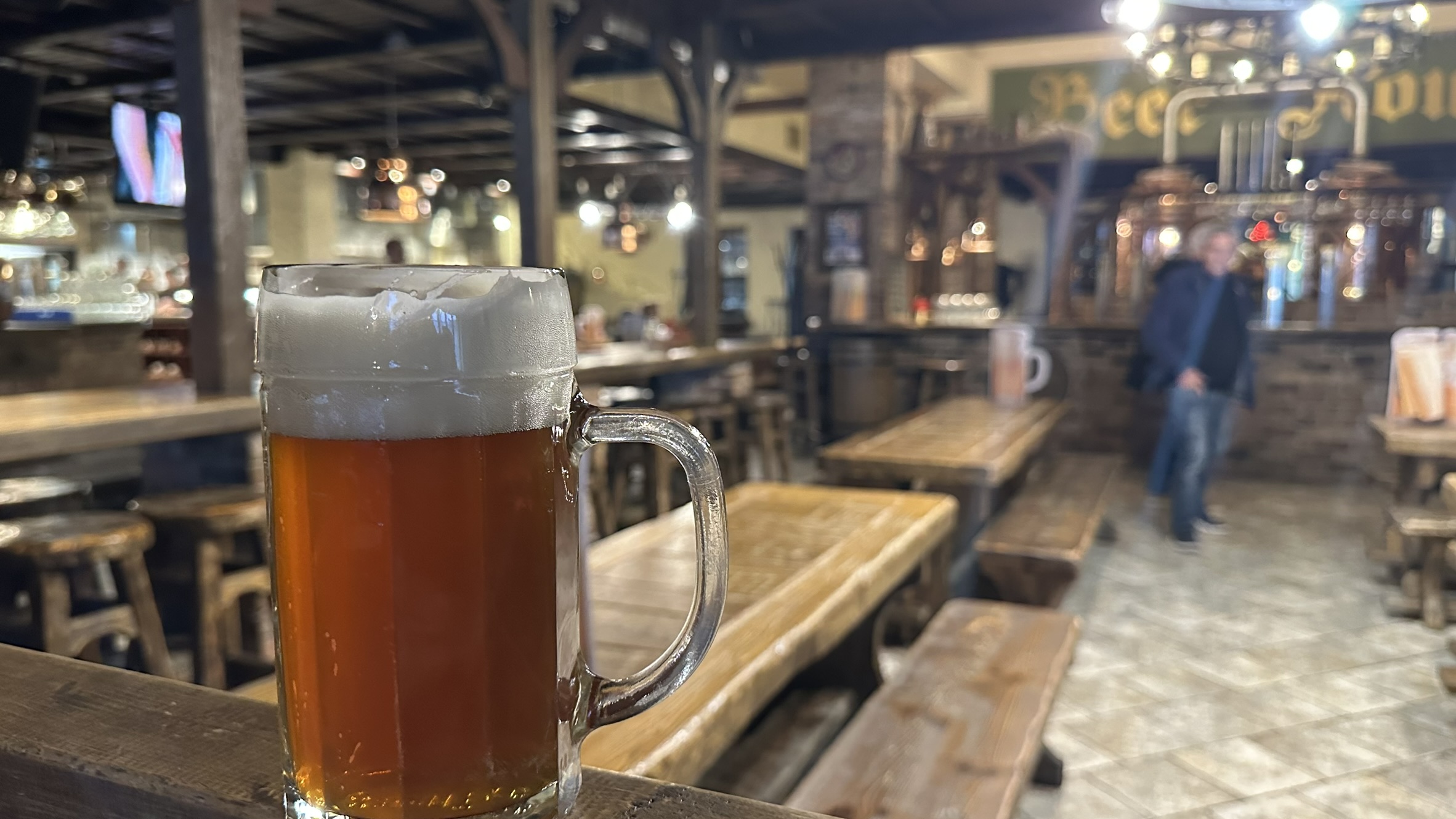
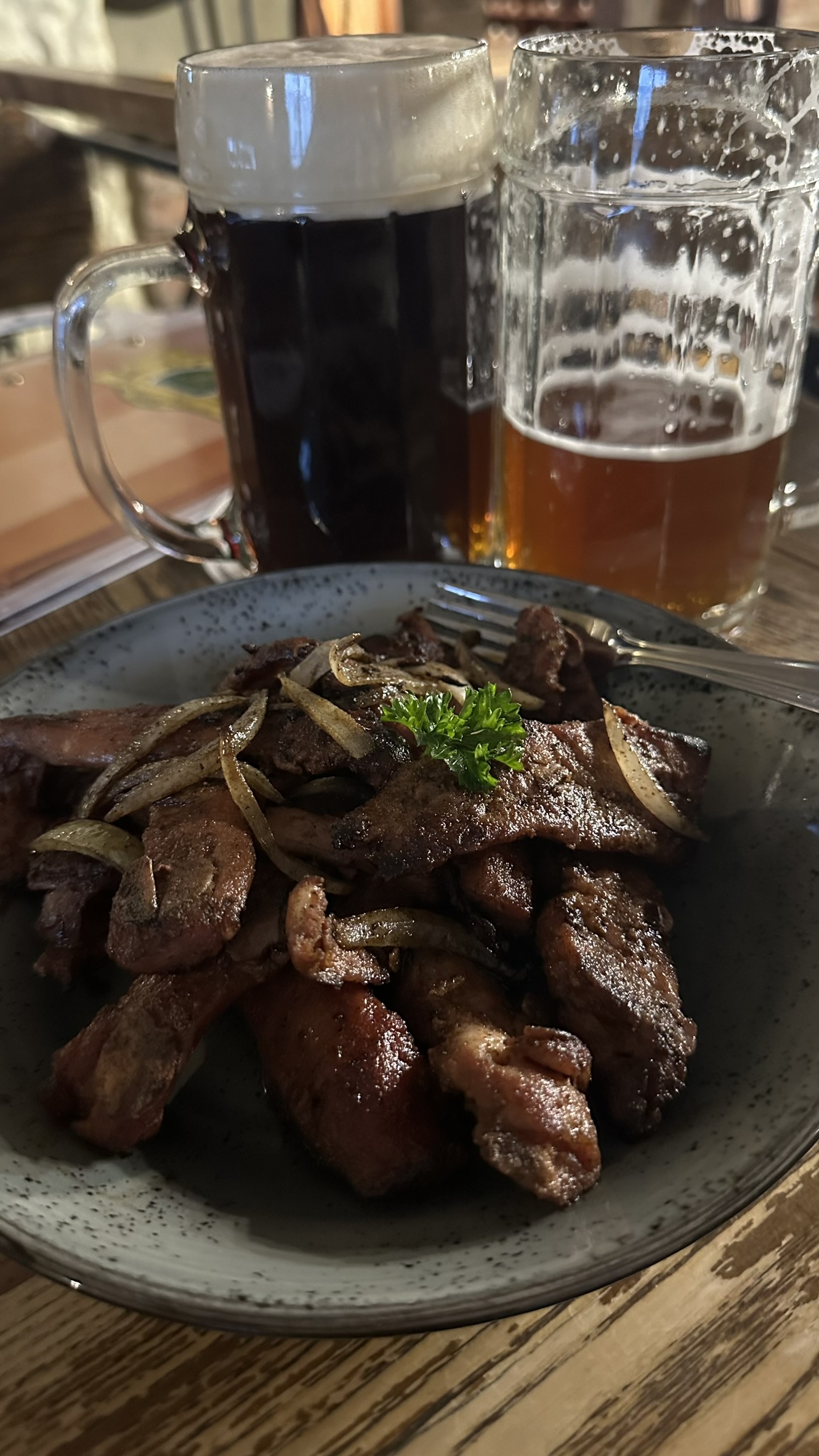
- Beer House, despite its unimaginative name and cavernous interior, was a good stop. They make their own beer, of course, which was excellent, as were the “rib snacks”. I will add that the diorama you pass by at the entrance — anthropomorphized animals toting cases of beer by wheelbarrow — is a bit weird.
- Yes, Tallinn has a speakeasy cocktail bar. Whisper Sister was hard to find — you have to call first to receive your obscure directions — but the cocktails and our barman were superb.
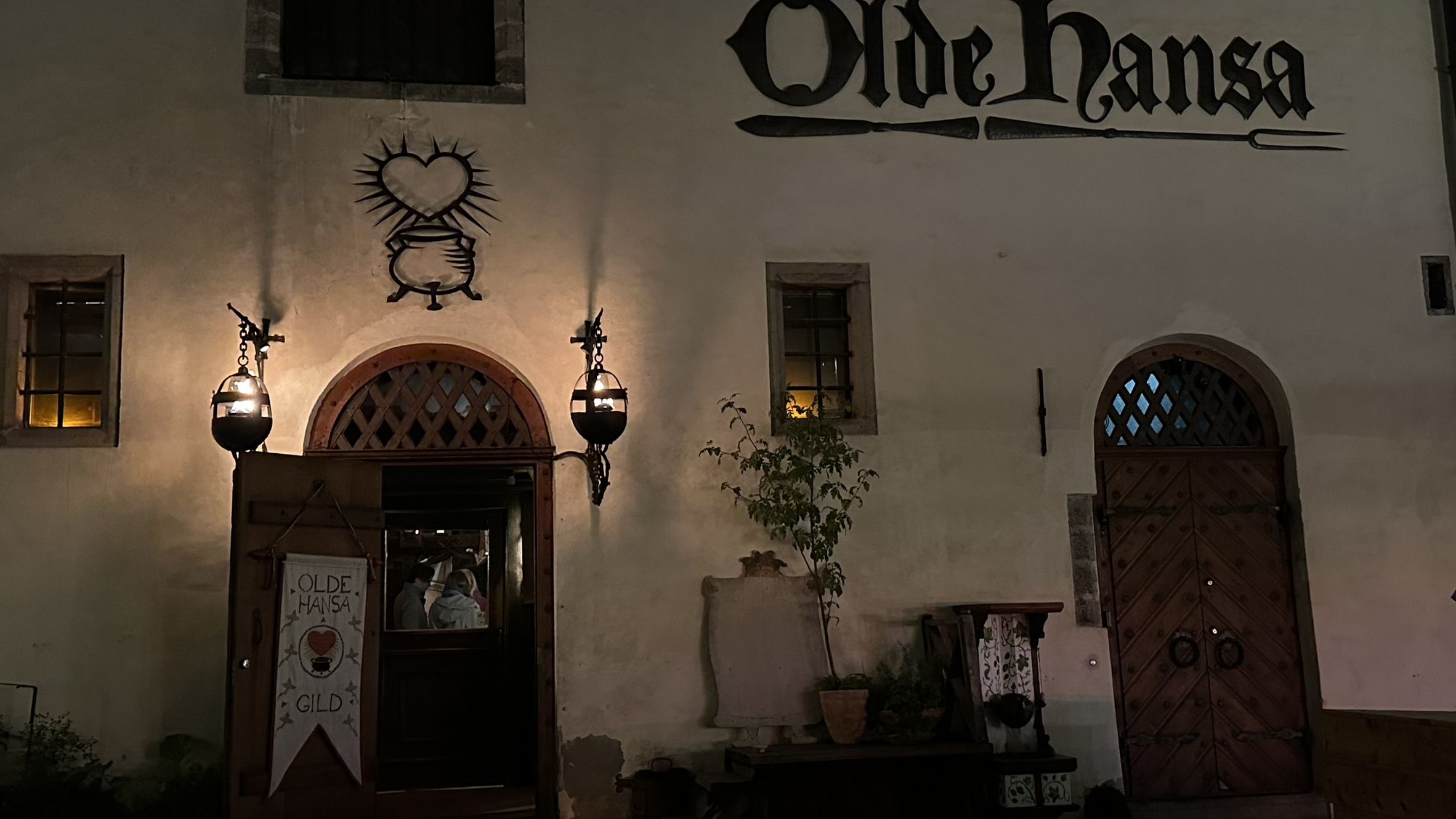
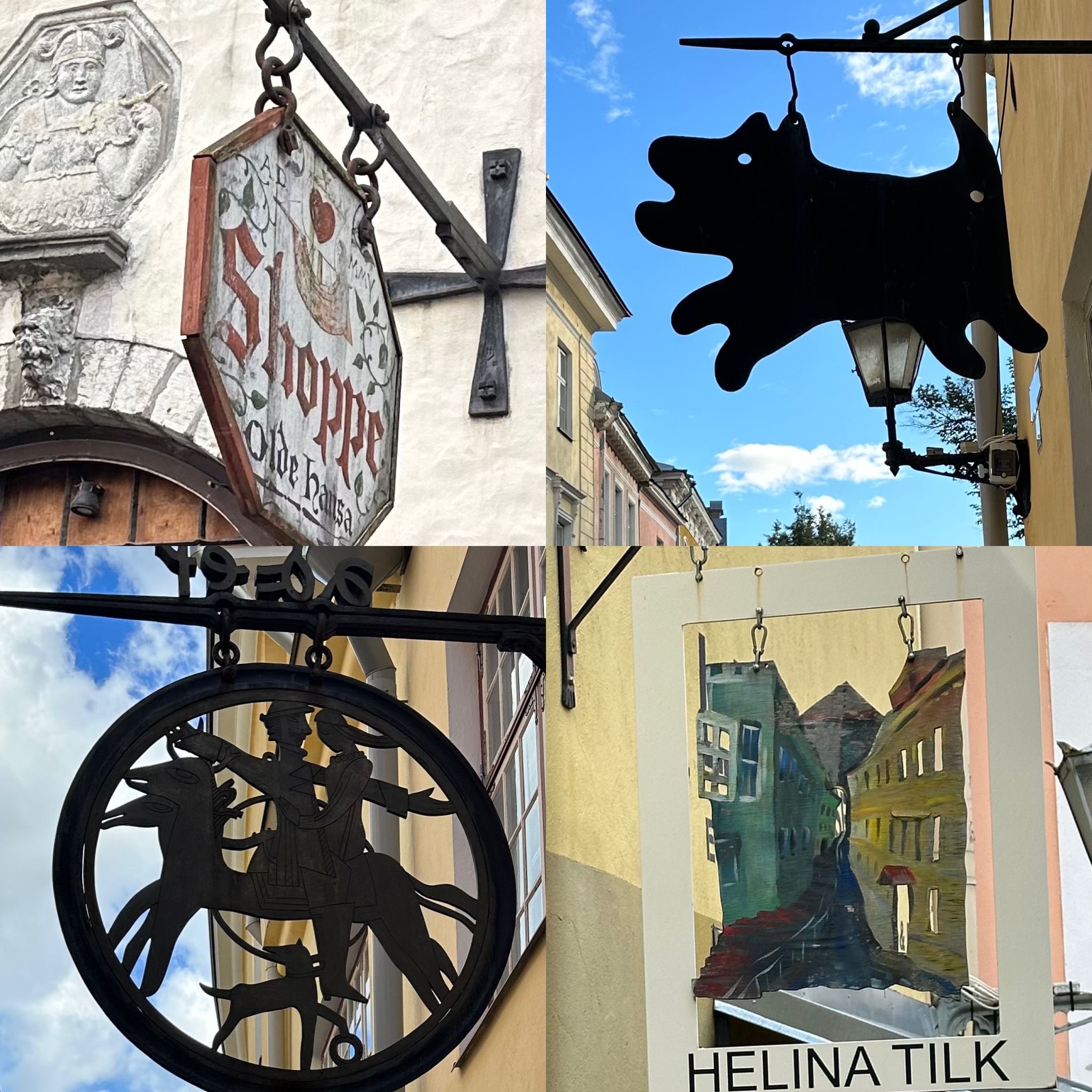
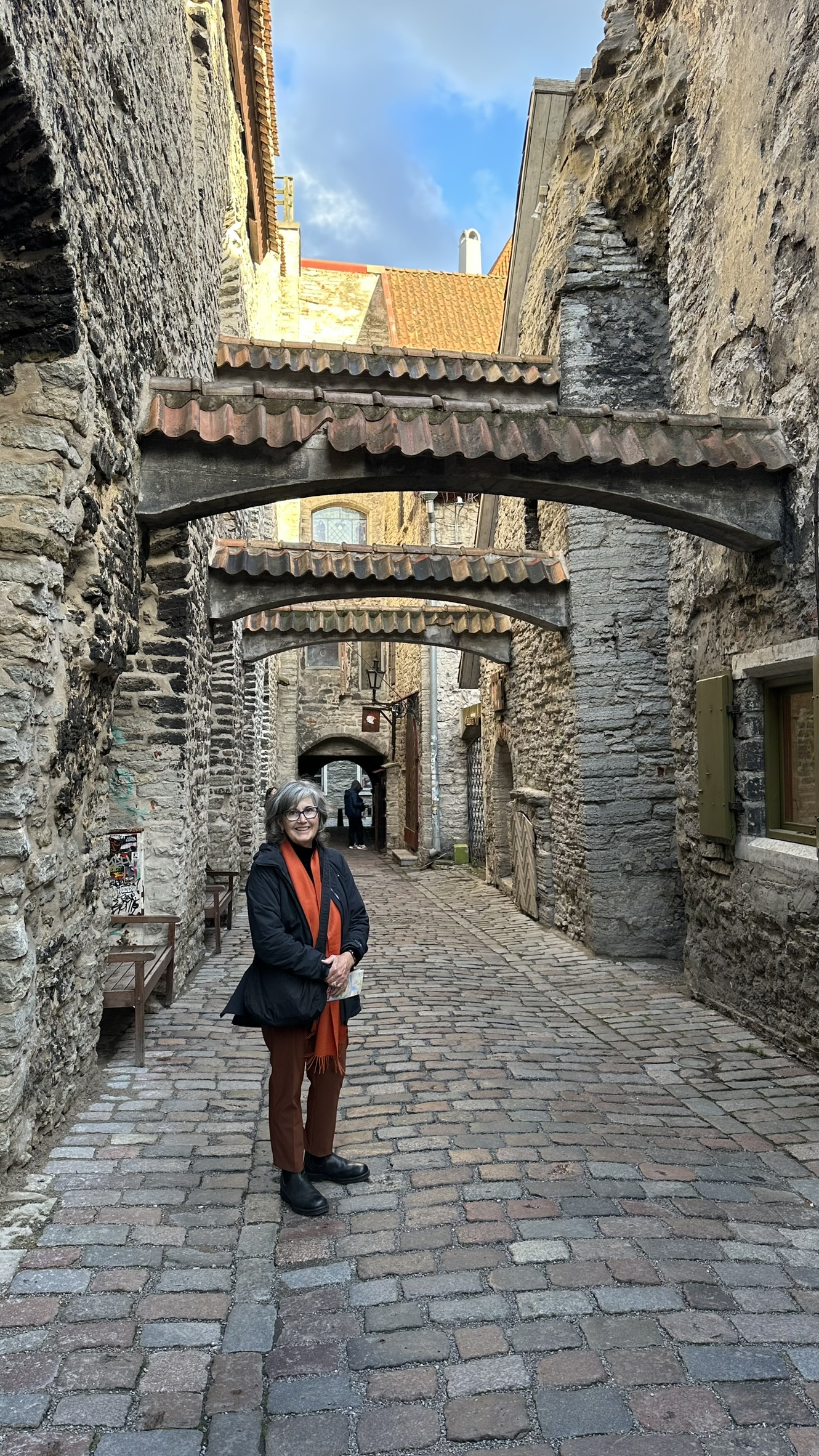
Two days was all we needed in Tallinn — one would have been too short — and so after parting ways with the Hills, we caught the two-hour morning ferry to Helsinki. Talk about a contrast! While both cities are little more than 100 miles from the Russian border and both countries have a notable Russian-influenced history, those histories are as different as their languages, culture and aesthetics.
Helsinki
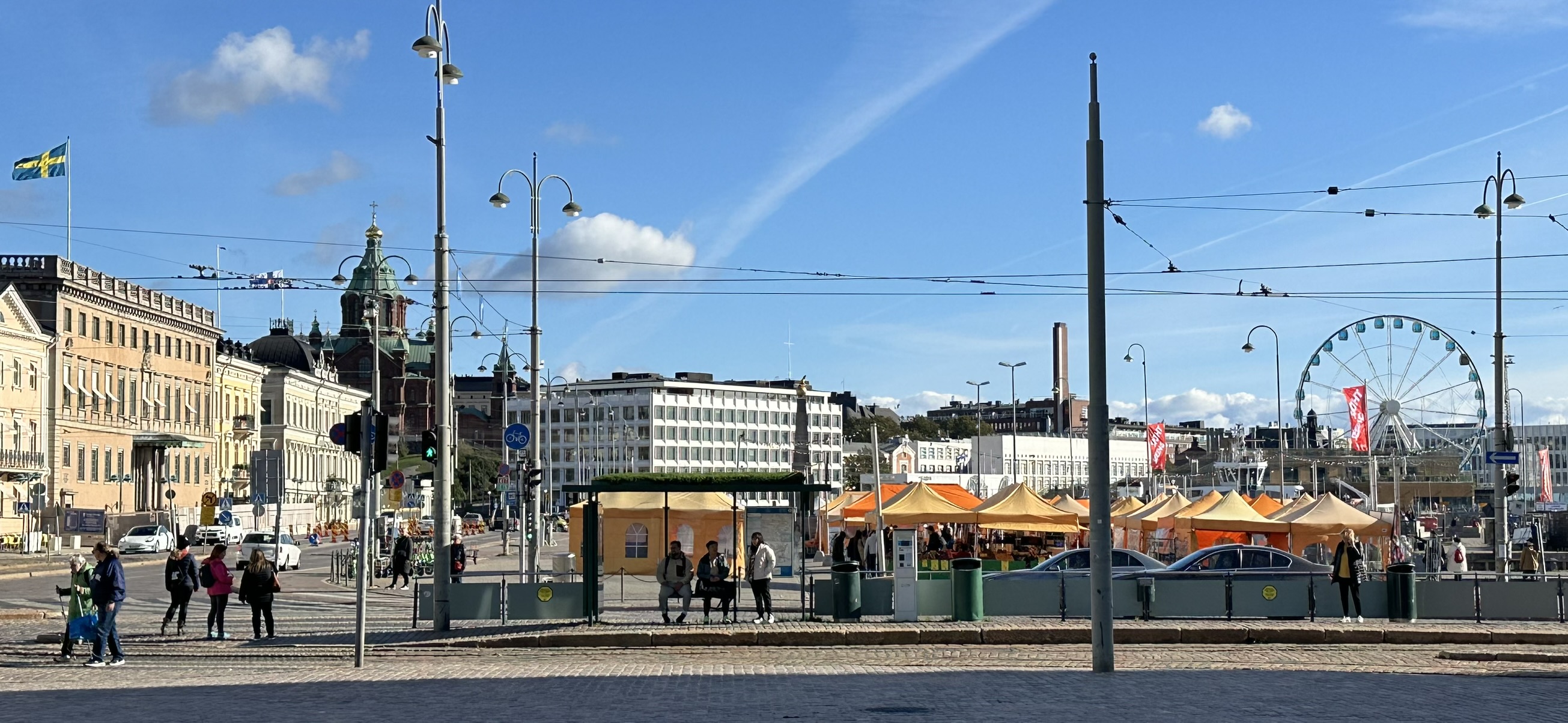
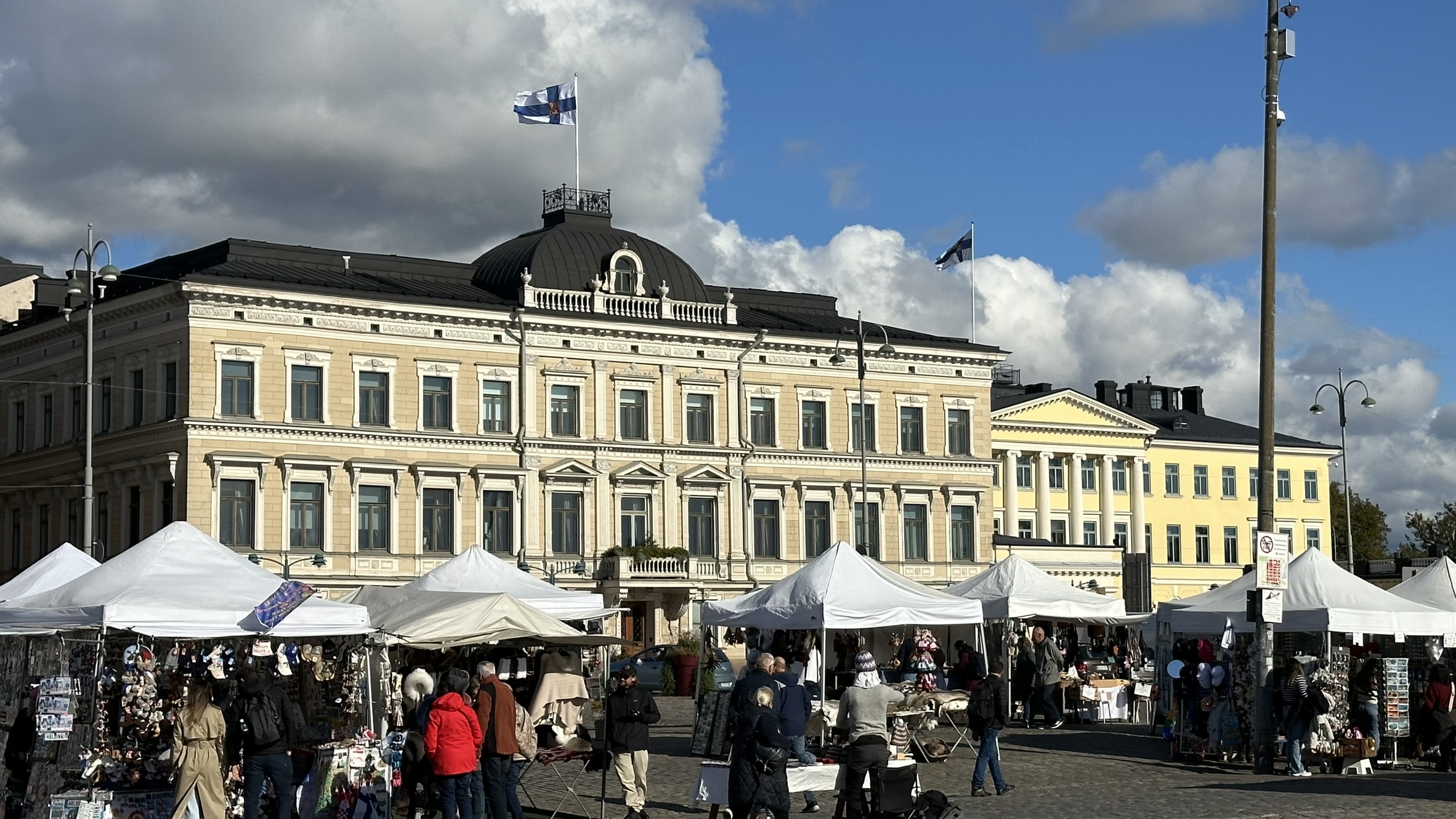
Helsinki is every bit the modern city with simple, neoclassical architecture – all designed by German architect Carl Ludvig Engel at the behest of Finland’s former Russian overlords – and not much eye candy. Two things these places do have in common: proud, straightforward and fairly austere people who are happy to tell you how awful their winters are (while not complaining) and their love of salmon, herring, mushrooms, lingonberries and dill (which is in everything). With only one day, we stuck pretty close to the city center. Highlights:
- Hotel Kamp is a very plush stay perfectly situated on Esplanadi Park, a short walking distance to everything. Sadly, their highly acclaimed cocktail bar was closed for renovations, otherwise I recommend it. Here’s my review.
- Once again, a guided walking tour is a great way to get a crash course on both major landmarks, some hidden gems, with a good, informative voiceover on the history and culture on the place. Ours was very good, with an emphasis on both the proud, stoic, “we will endure” mentality of the Finnish people (necessary, apparently, when you live in bitter cold most of the year) and the omni-present but sometimes unseen security apparatus that guards against foreign invasion from, say, hostile neighbors.
- Helsinki Cathedral, a monument to Lutheran austerity and the city’s most important landmark, overlooks Senate Square. In the square stands a statue of Alexander II, the benevolent Russian Tsar who developed Helsinki into Finland’s modern capital. He hired the German architect Engel to design a modern European city. After he died, Vladimir Lenin somewhat blindly granted Finland her independence, and even though Russia became what it did, the Finns still remember Alexander fondly.
- Esplanadi Park, which they tried to model after the Champs Elysees in Paris (nice, but not close), runs down the middle of the city center from the National Palace to the waterfront, lined with high end shops, restaurants, bars and hotels (including ours). Nice for a stroll on a nice day. The park is home to a statue of Johan Ludwig Runeberg, Finland’s greatest poet and the man who wrote their national anthem, even though he spoke only Swedish. Not a word of Finnish.
- Temppeliaukio Church, or “church in the rock”, is constructed underground from a solid mass of granite. It’s both simple and mesmerizing all at once. It’s not much to see on the outside and costs 8 Euros to enter, so don’t both unless you’re willing the pay the tariff.
- The Design District is chock full of art galleries, boutiques, bookstores, shops and restaurants, and was actually pretty nice to stroll through. Michelle in particular would have liked more time here.
- For authentic Finnish dining, restaurant Savotta, facing Senate Square, was hard to beat. Helsinki’s most famous dish, creamy salmon soup, was incredible.
- Nightcap at Trillby & Chadwick, a speakeasy with a secret entrance based loosely on the story of two British, prohibition-era cops (think Elliot Ness) who decide to make some illicit $$ on the side running their own shady business. Pretty cool vibe, but no pictures allowed inside.

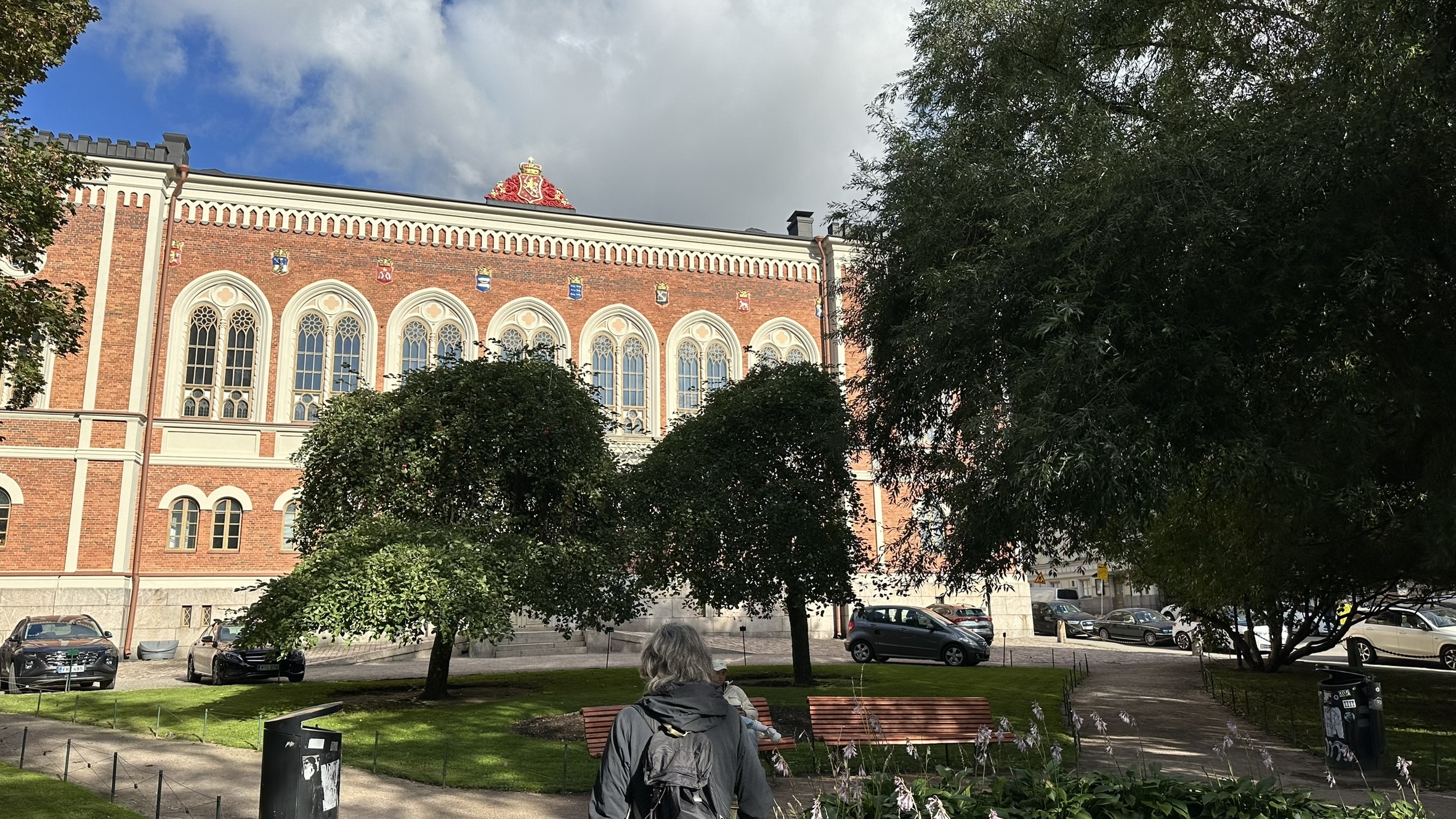
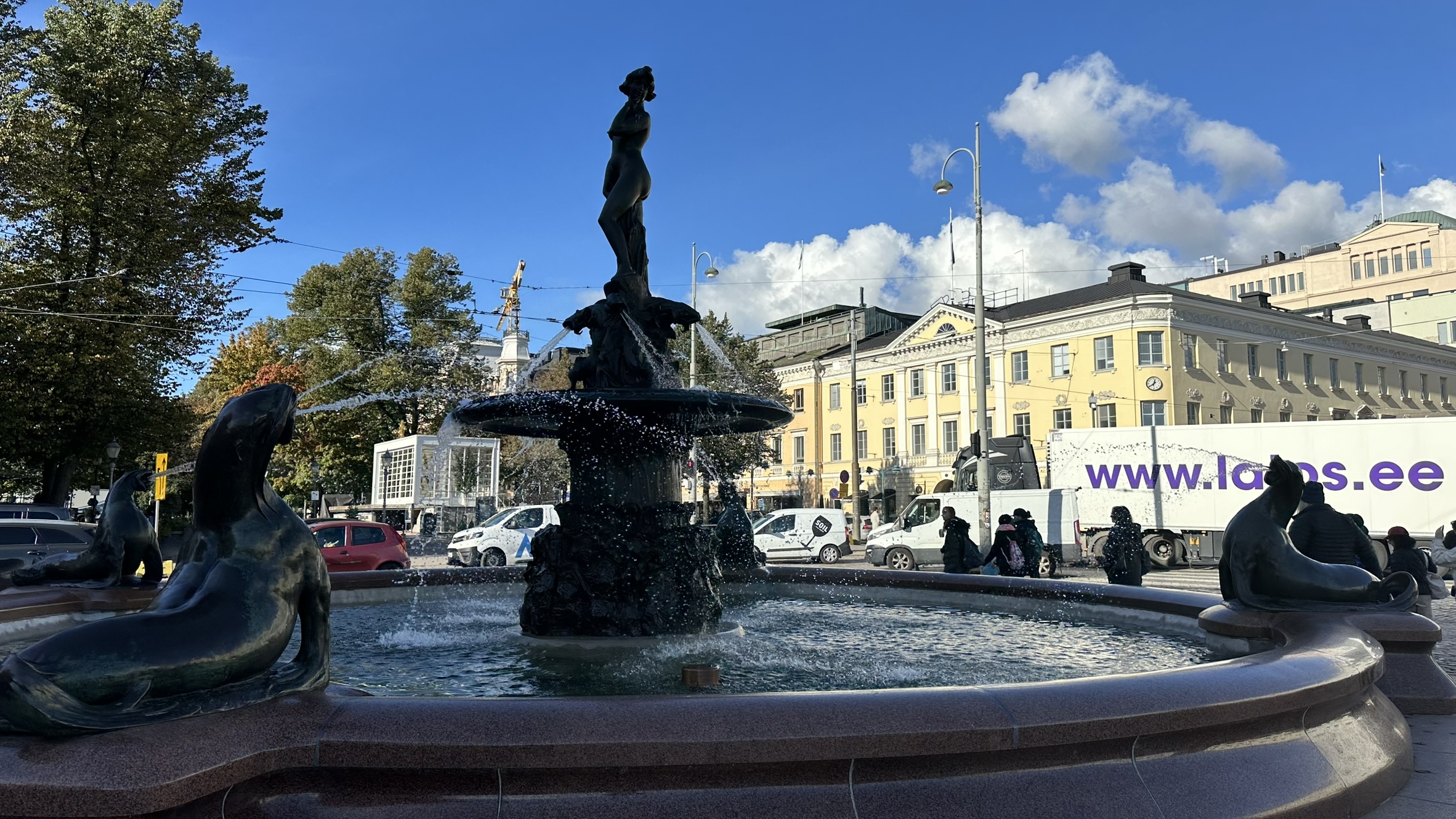
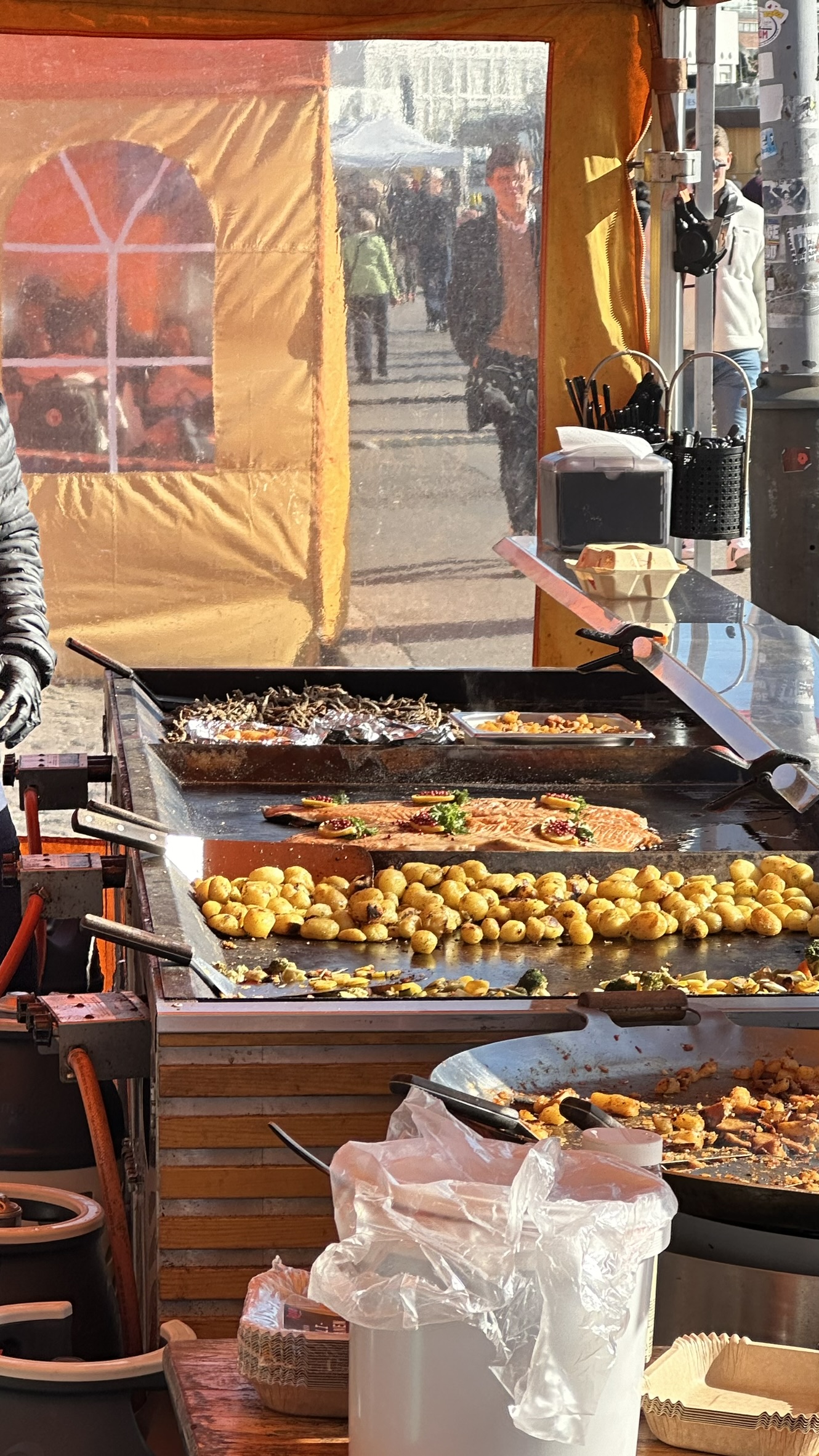
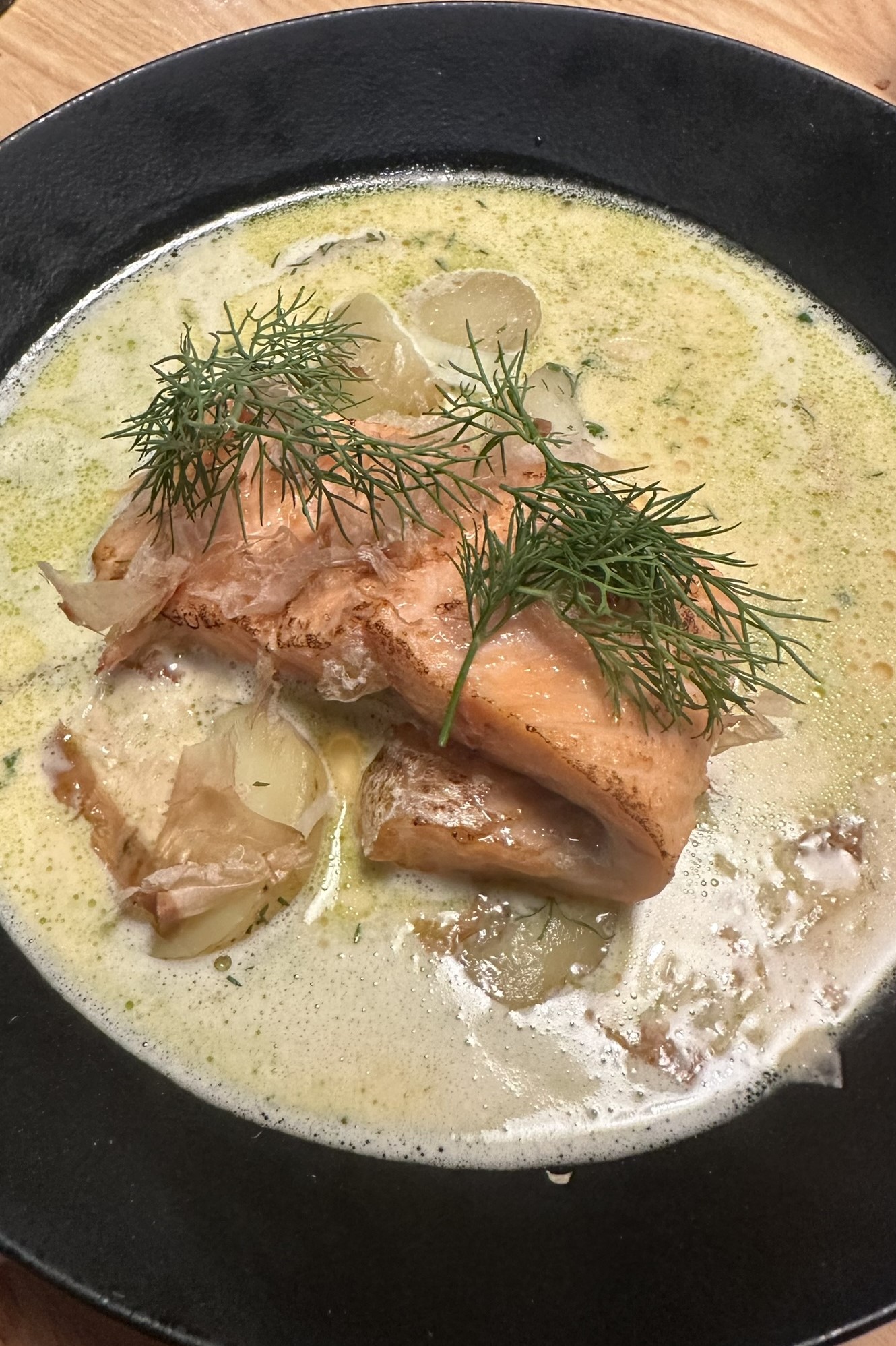
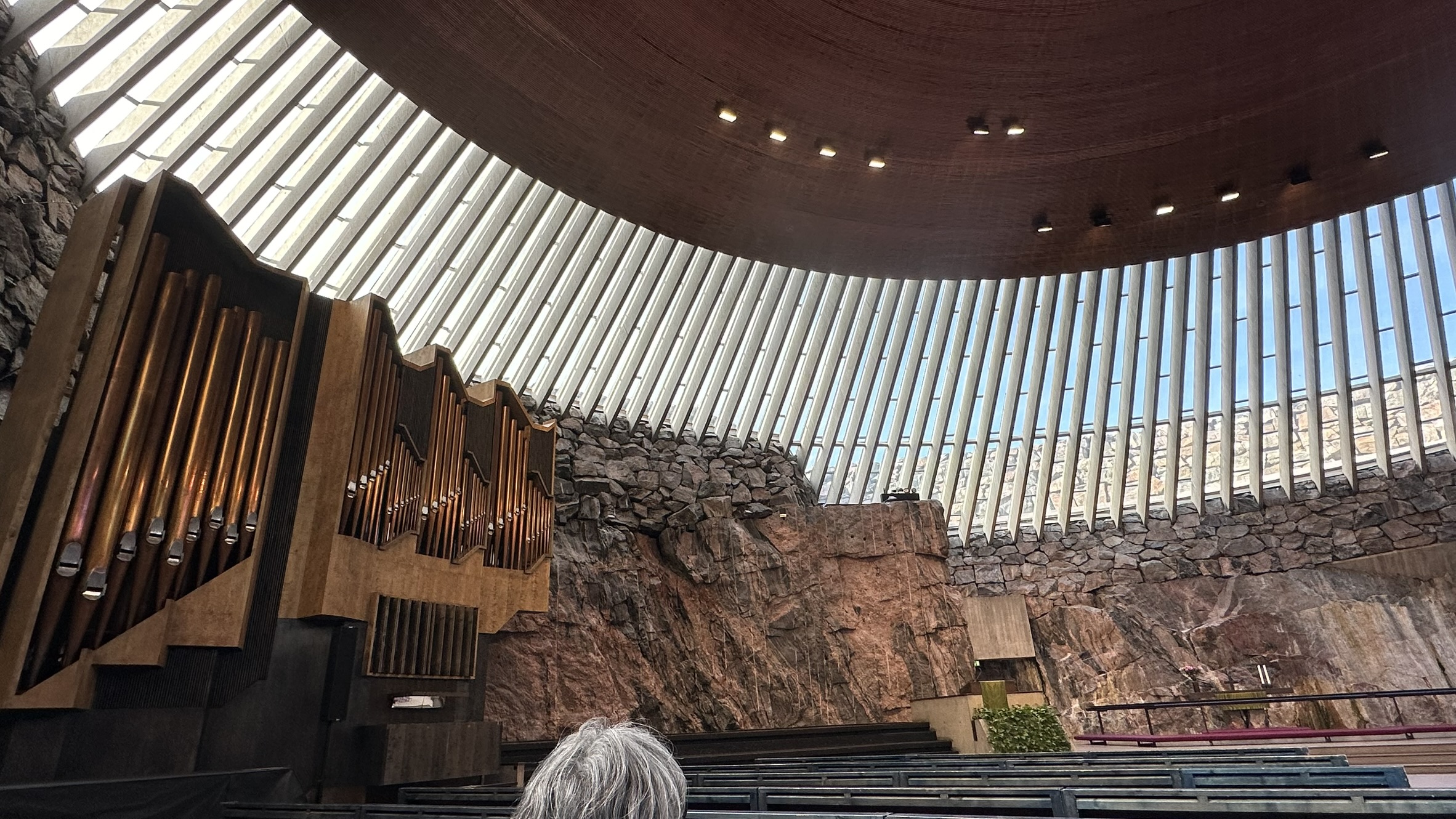
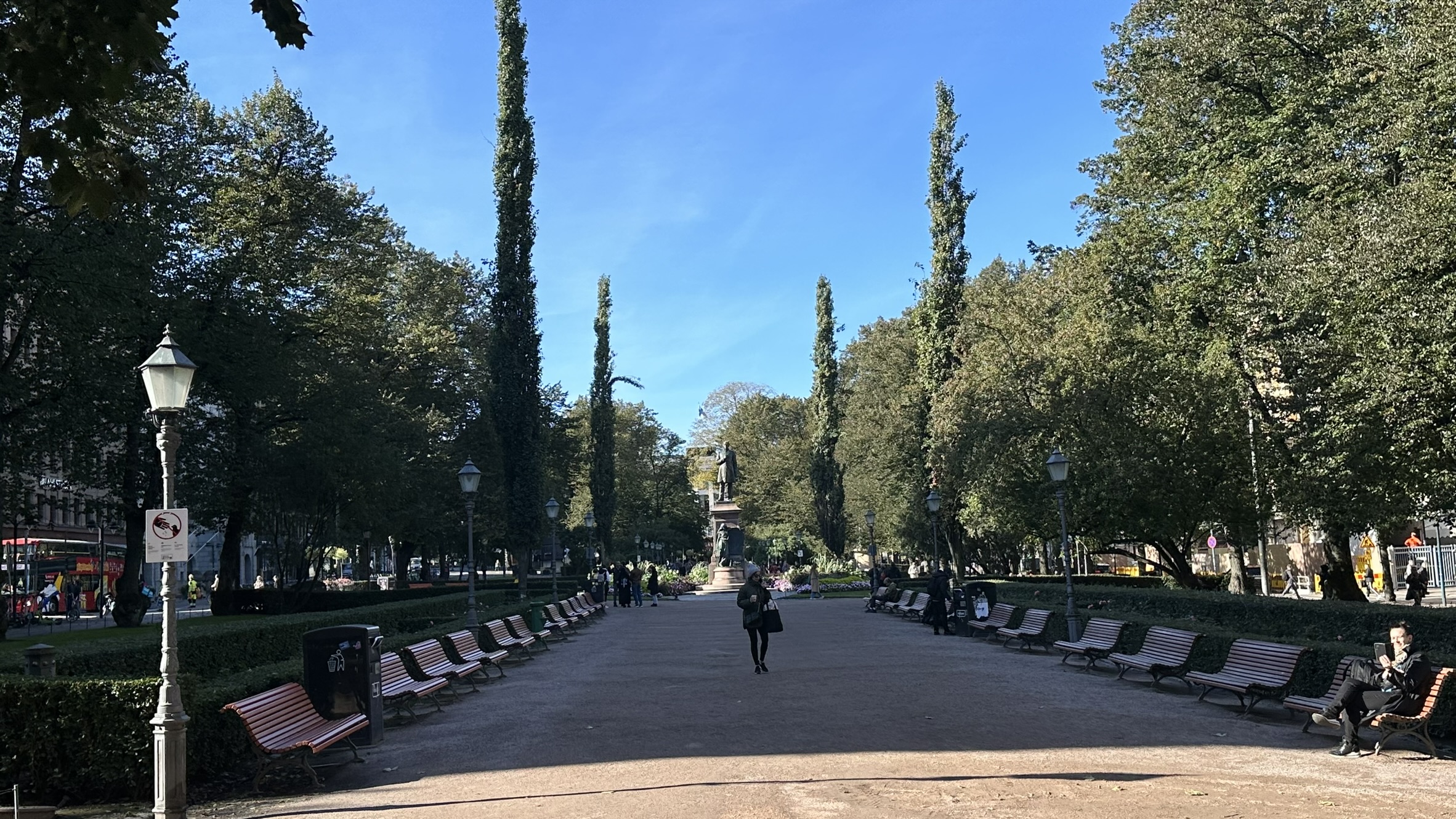
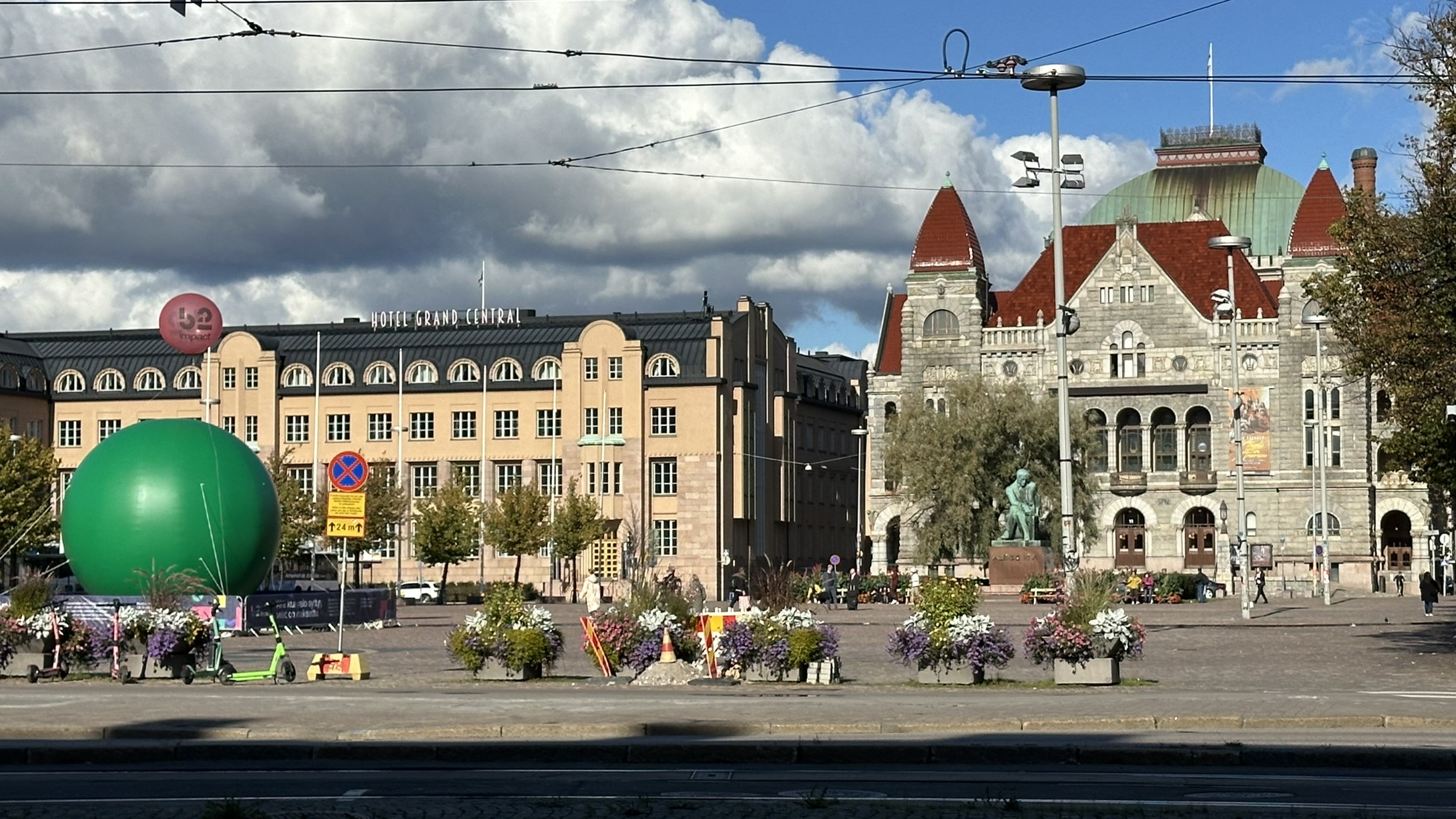
Hindsight being 20/20, we wish we could have spent more time exploring Helsinki — both its urban core and surrounding region in and around the water. Top of the list if you have more time would have to be taking a ferry to Suomenlinna Sea Fortress, a UNESCO World Heritage site, experiencing traditional Finnish sauna at Löyly or Kotiharjun, and grabbing a drink at Ateljee Bar, situated atop the historic Hotel Torni, celebrated for its breathtaking vistas of the city and the Baltic Sea.
| Days 7-9 | Stockholm, Sweden | Victory Hotel |
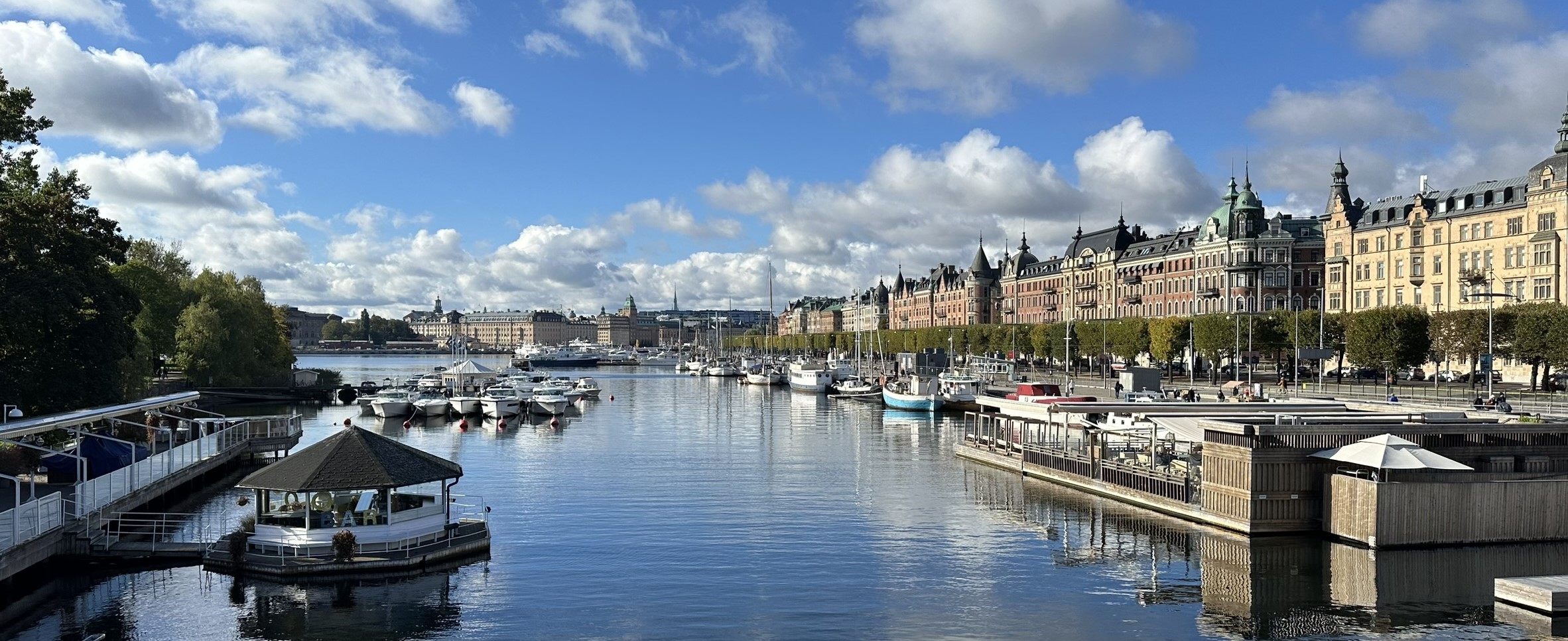
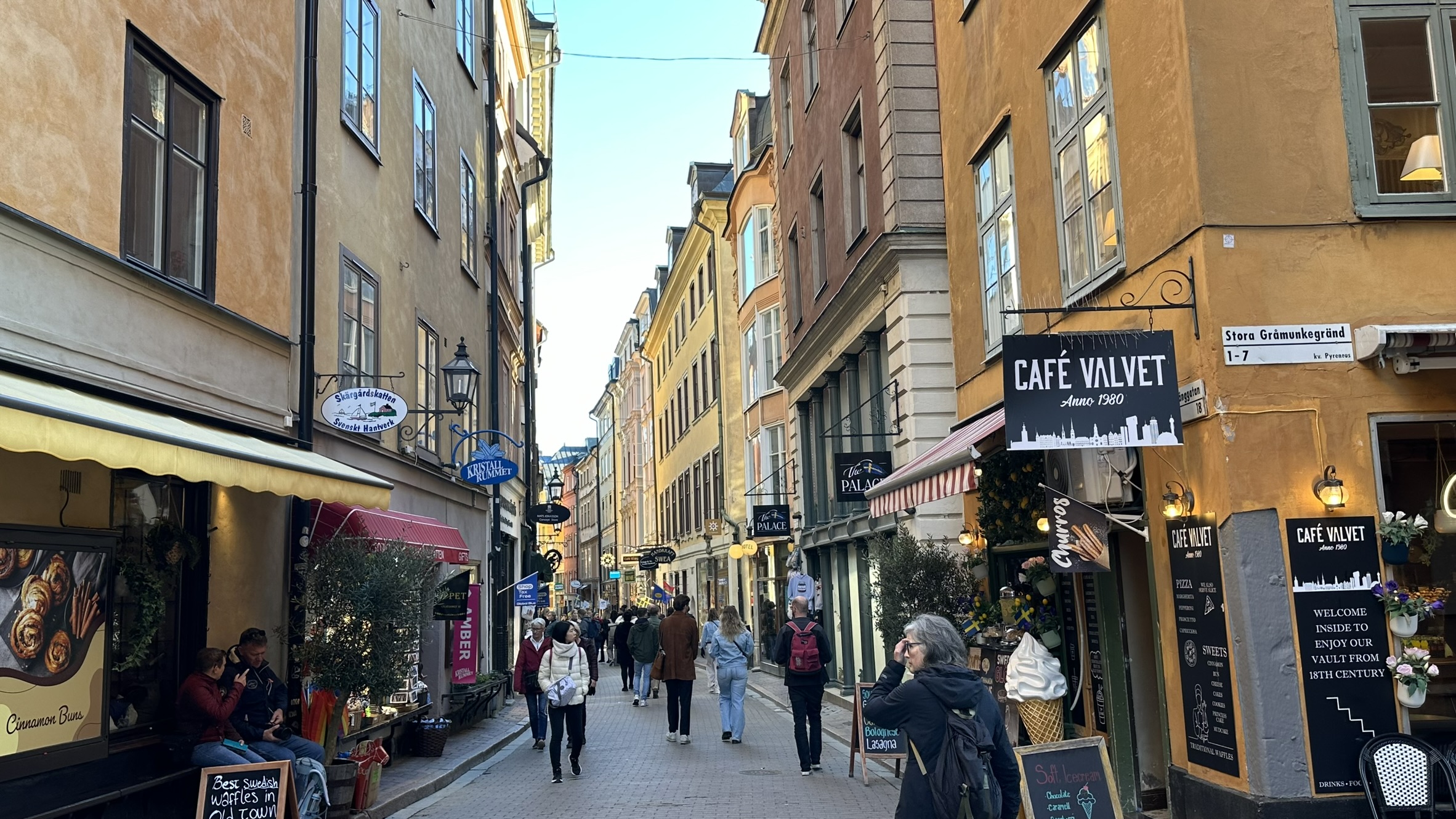
Stockholm, the Venice of the North, is the largest city in Scandinavia. Its archipelago has over 34,000 islands, more than any country in the world. We spent our 3 days here based in Gamla Stan, the old town itself an island filled with cobblestones, narrow shop and bar-lined lined streets, and virtually no cars.
We spent a lot of time traversing Stockholm’s five central islands, easily done on foot. With a 3-day transit pass you can get almost anywhere quickly on the excellent T-train and bus system, starting with the ride in from the airport. When I first came to Stockholm on business several years ago for a single night, I remember thinking it would be worth an entire week. To explore all of Stockholm, including the archipelago and a day trip to Sigtuna, a week would be good. But you can have a great time in three days and not feel you missed much. Highlights included:
- Victory Hotel in Gamla Stan has a serious nautical theme and was perfectly situated in Gamla Stan, a short walk from the S-train. Read my review here.
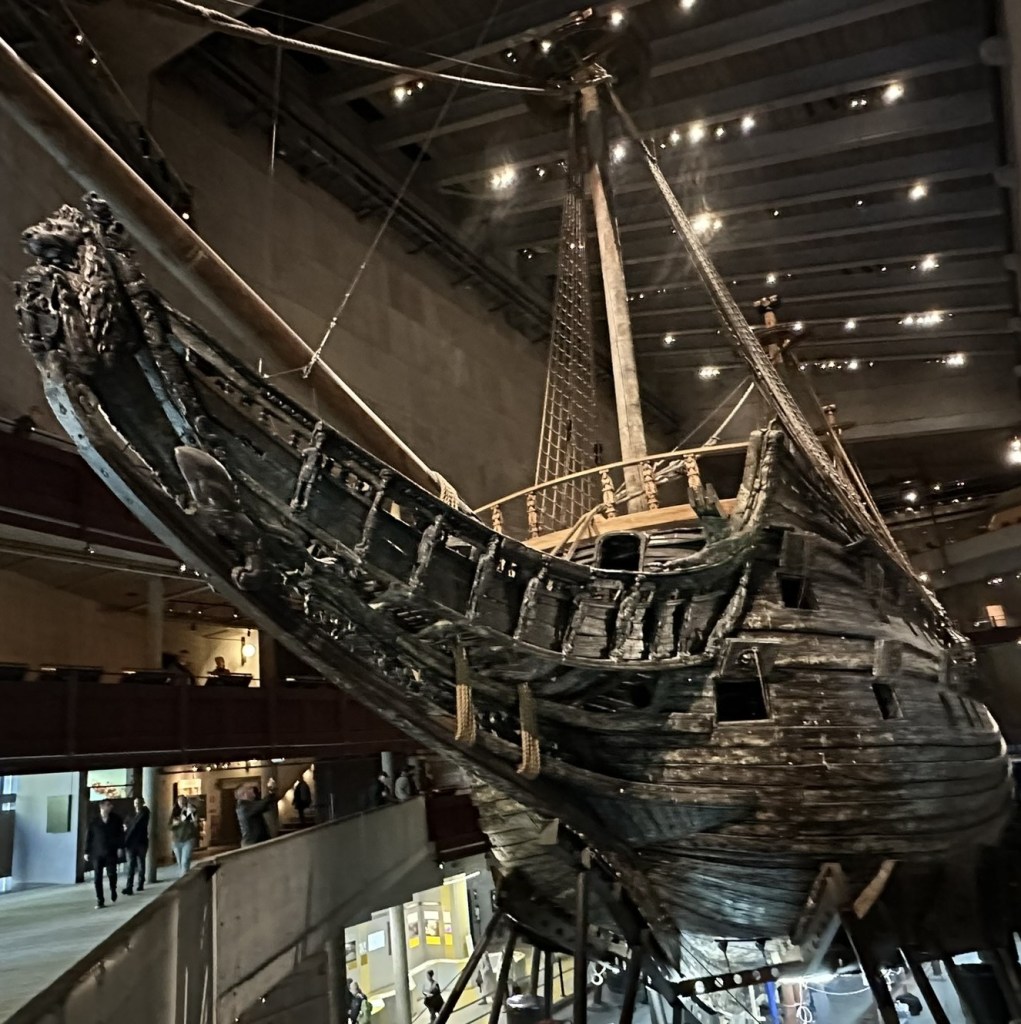
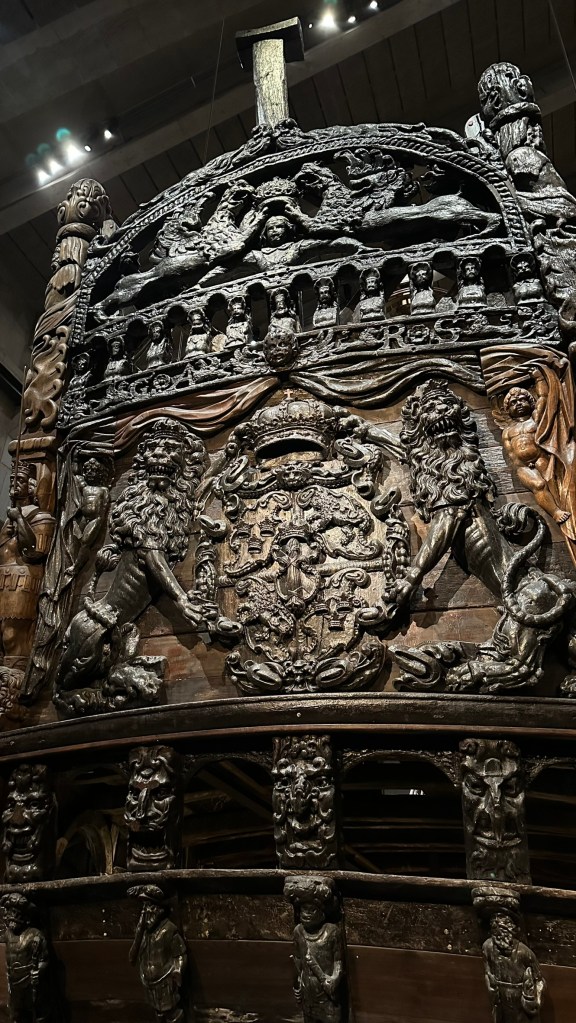
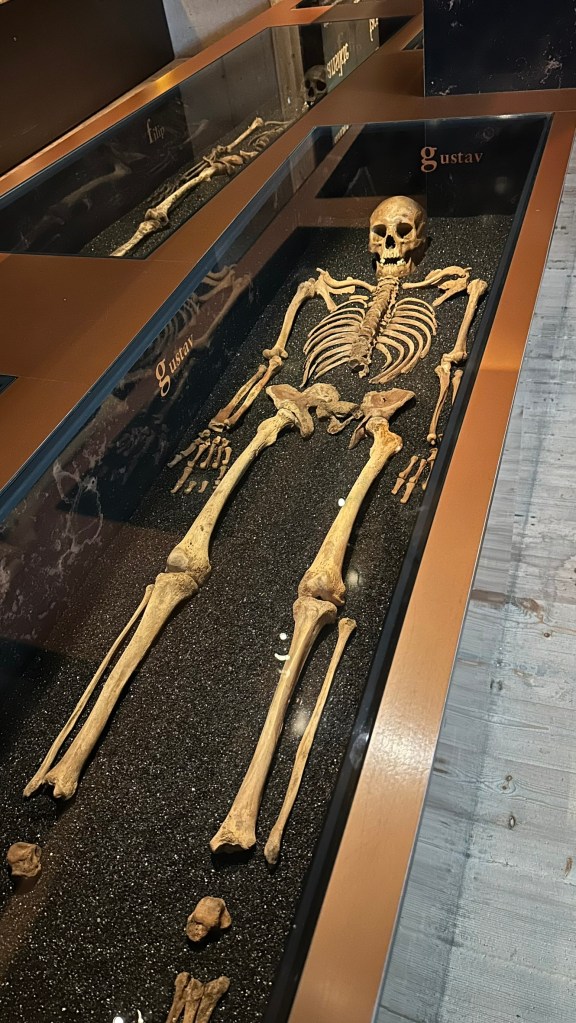
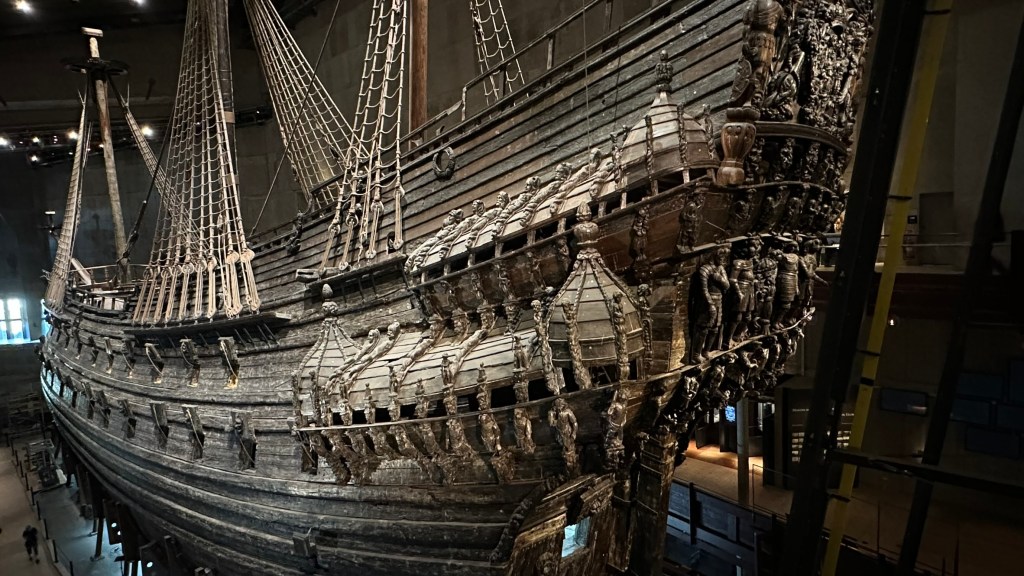
- The Vasa Museum is truly an incredible sight, top of the list for any Stockholm visit! Vasa was a massive wooden ship that was raised 330 years after sinking less than half a mile from port on its maiden voyage — a tale of extreme hubris, bad engineering, and worse luck. The remains of 15 people were recovered from the ship when it was brought up, with many of them studied extensively for clues about their diets, professions, and general health before they died. This skeleton was “Gustav”, who DNA testing only recently revealed was actually “Gertrud”. It’s an amazing sight but will not last forever, as it continues to slowly decay despite heroic preservation efforts. Go early to beat the crowds.
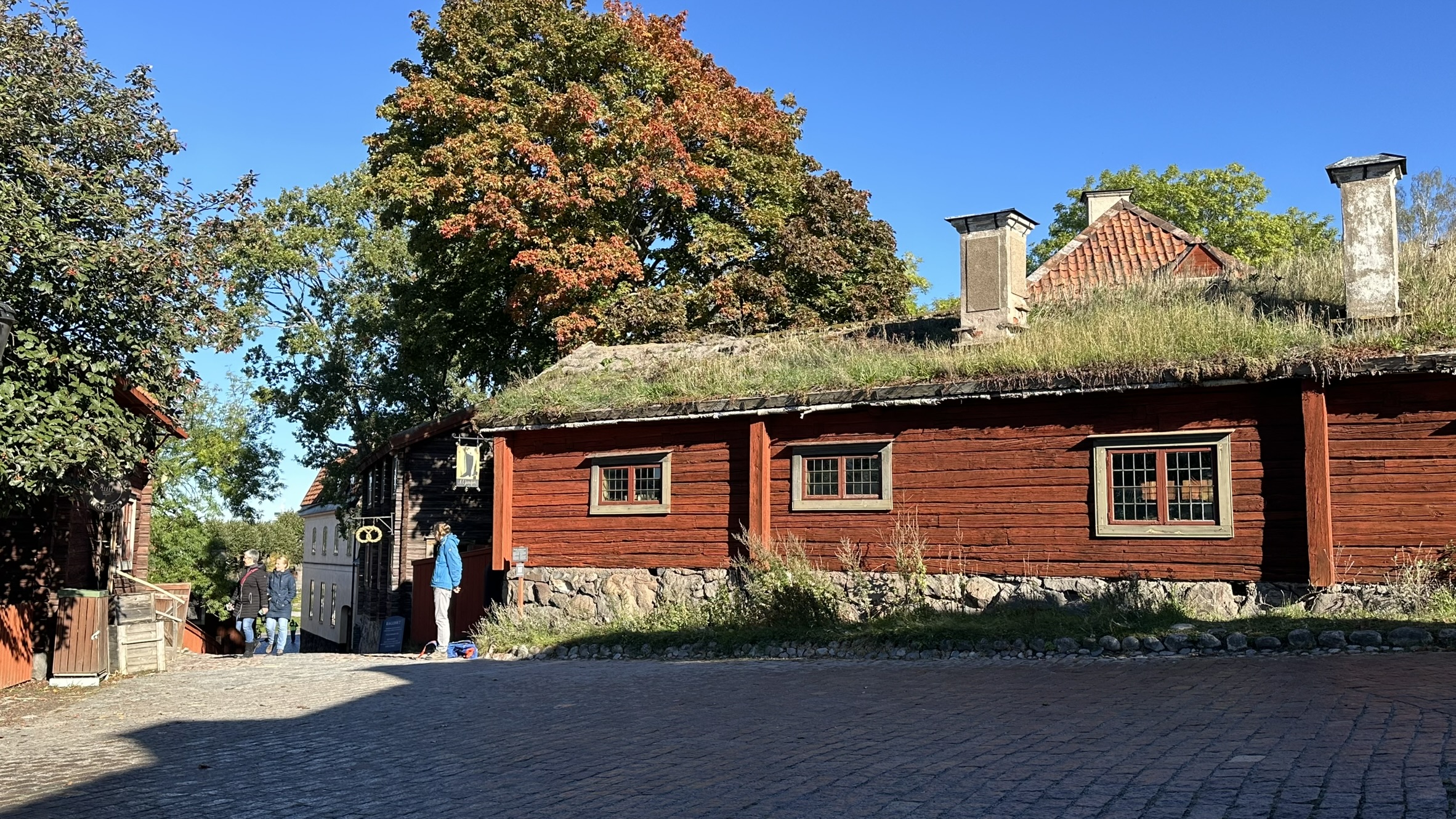
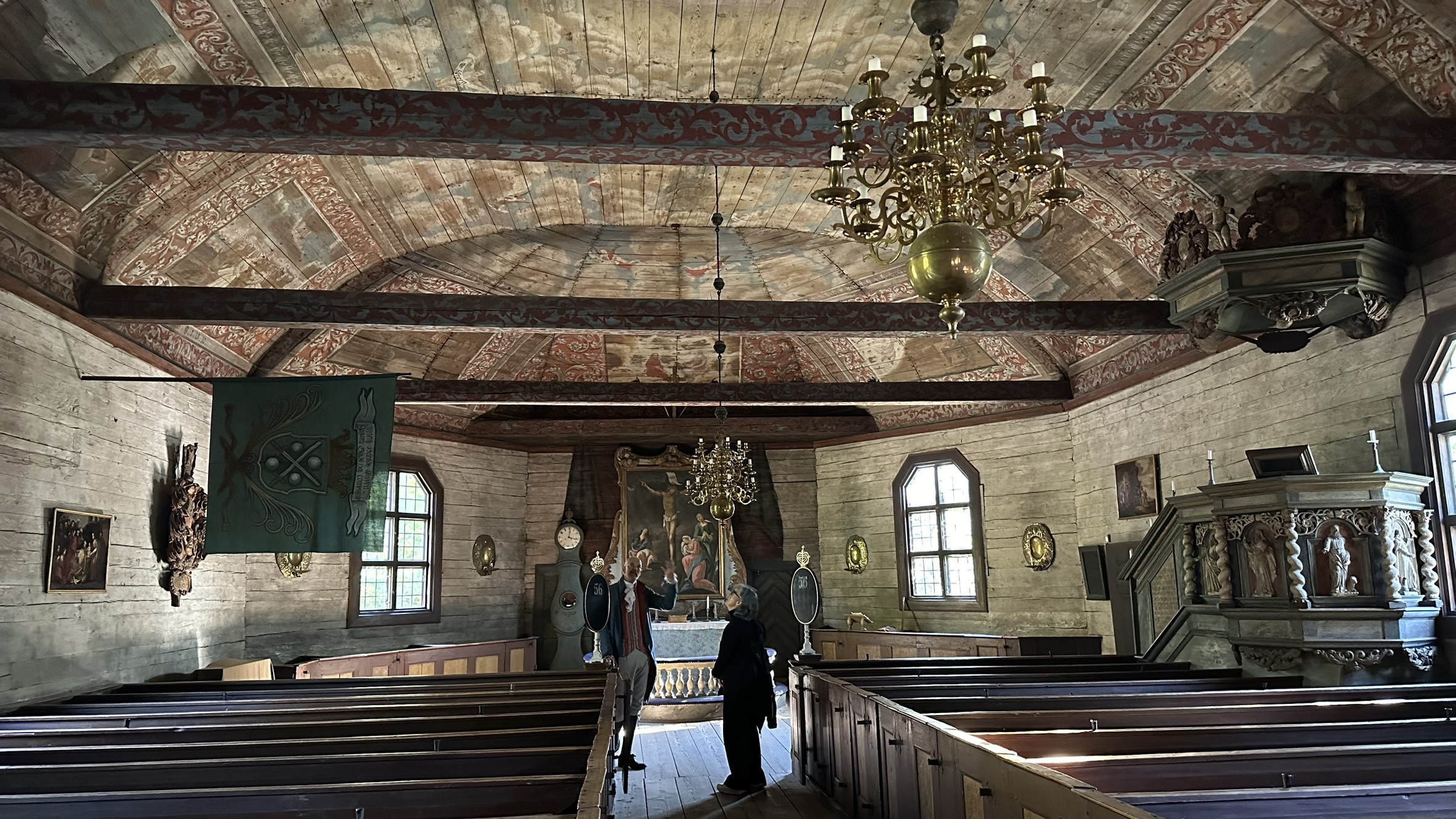
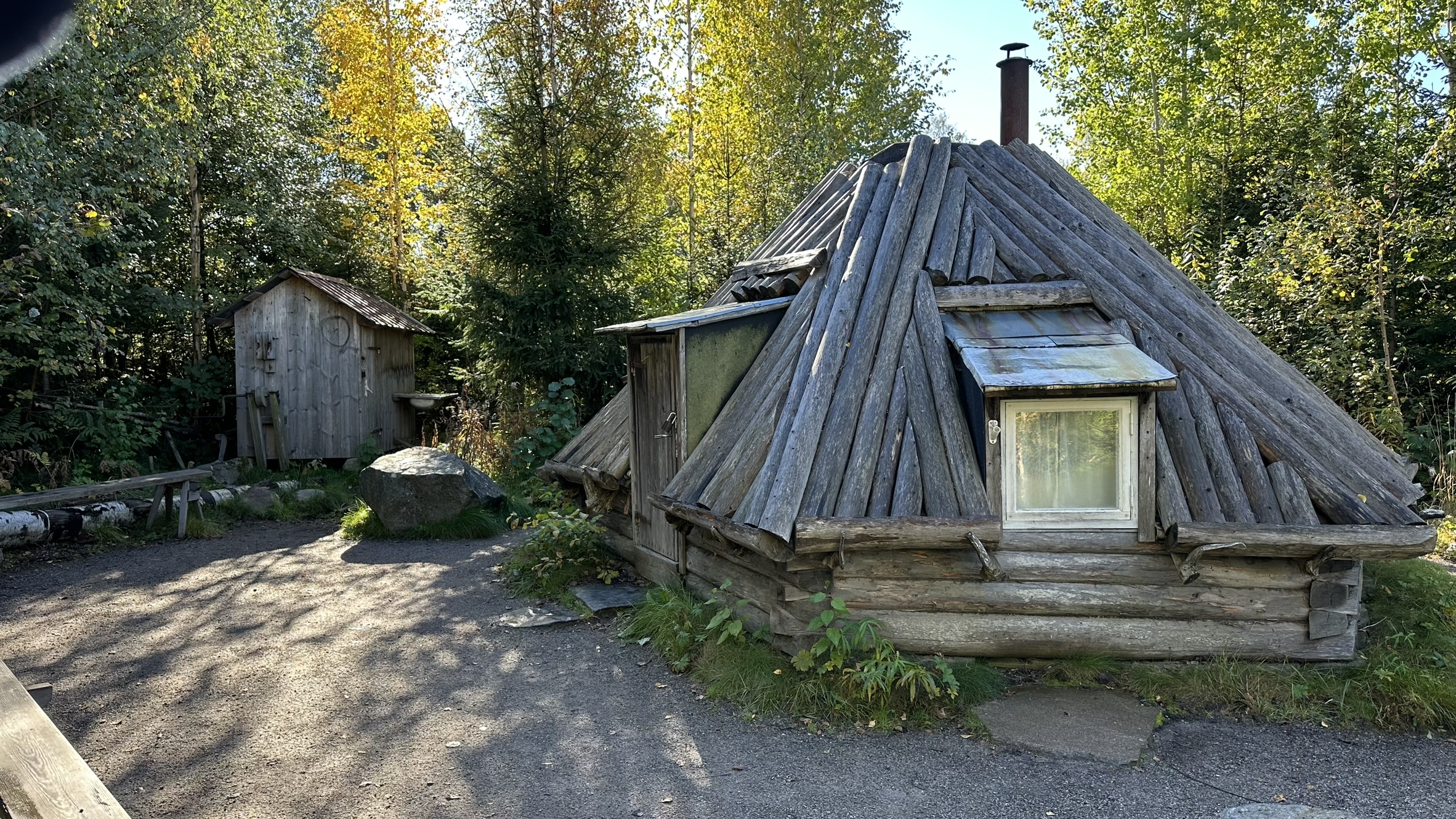
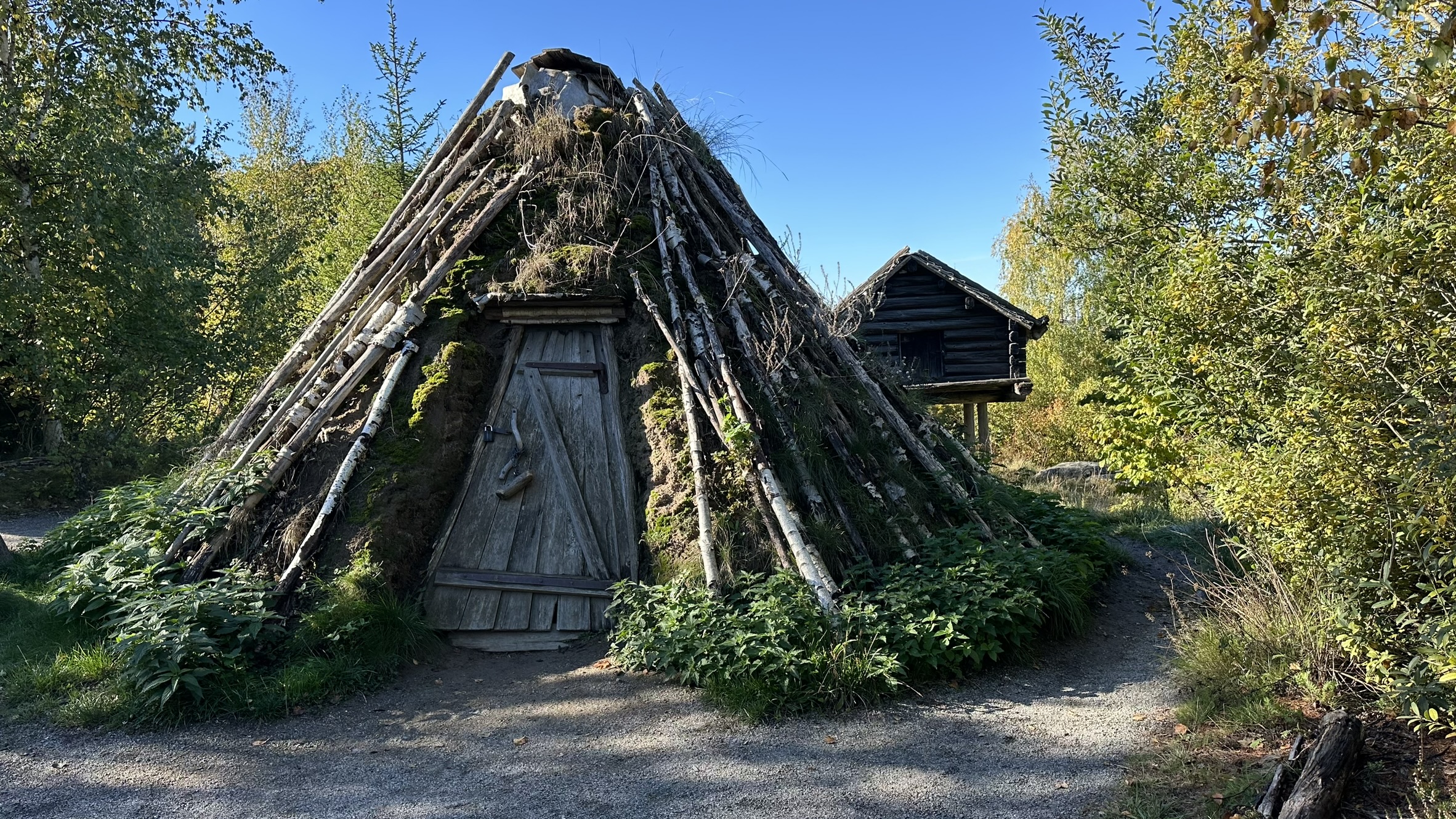
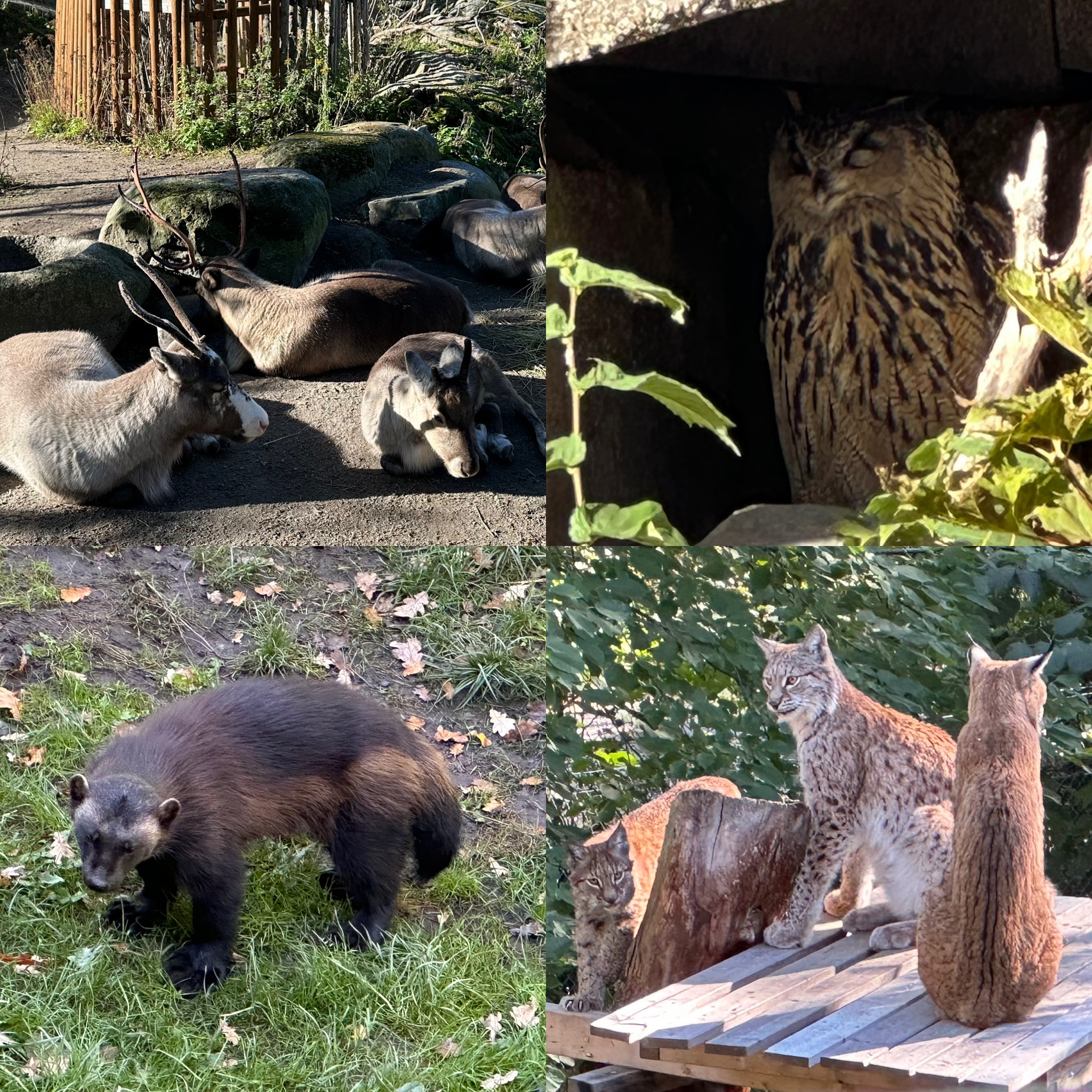
- Strolling around Skansen, the world’s oldest open-air museum. 150 houses, farmhouses and other buildings including a church, a school, a mill and various shops from all over Sweden were relocated here in the late 1800’s to preserve and showcase Swedish history. The oldest building dates to 1470. The entire ceiling of Seglura Church, built in 1730, was hand painted in beautiful frescos. It’s even got a decent zoo with Nordic animals including a lynx family, eagle owl, arctic fox and wolverine. Great way to spend a few hours.
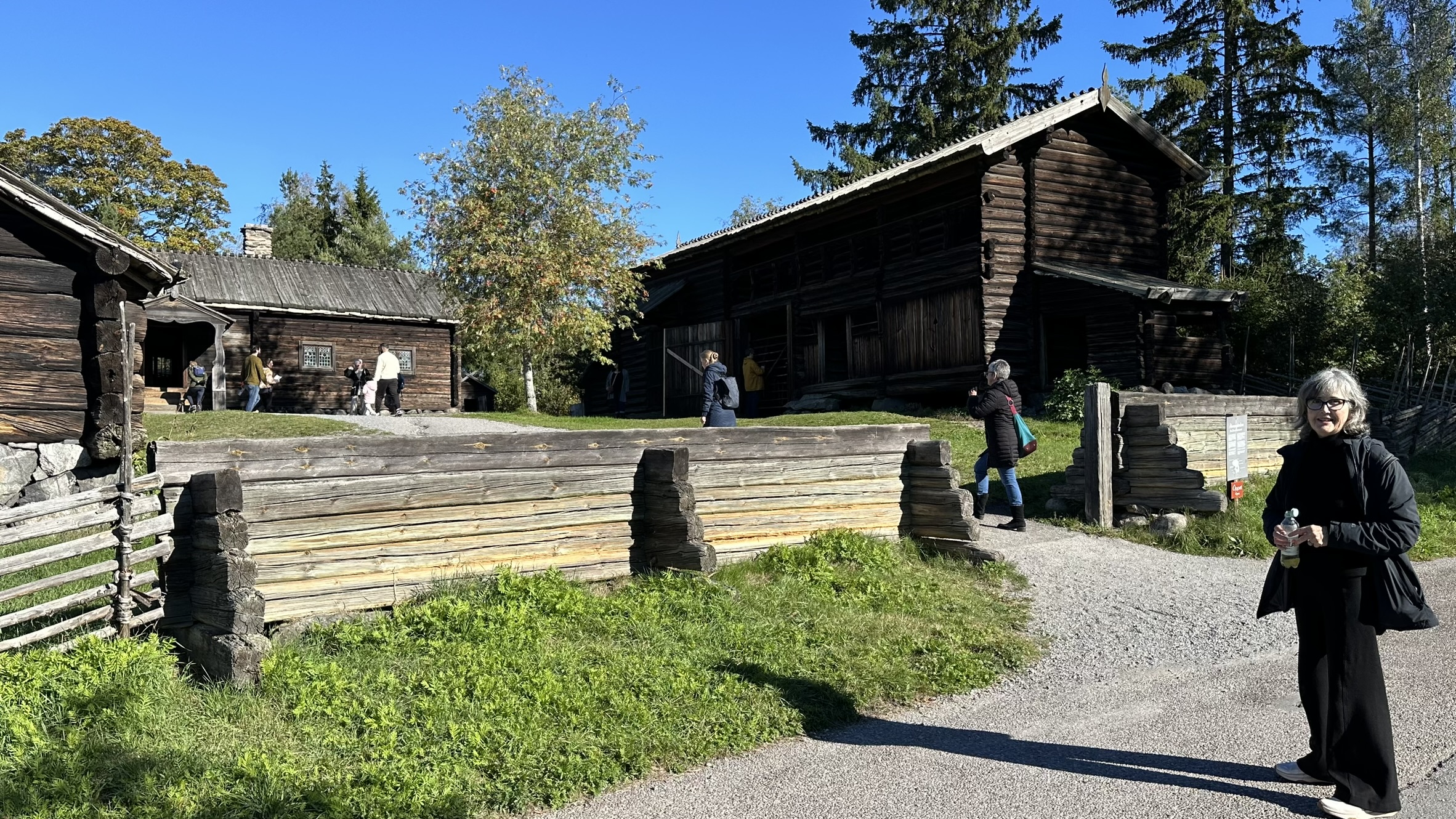
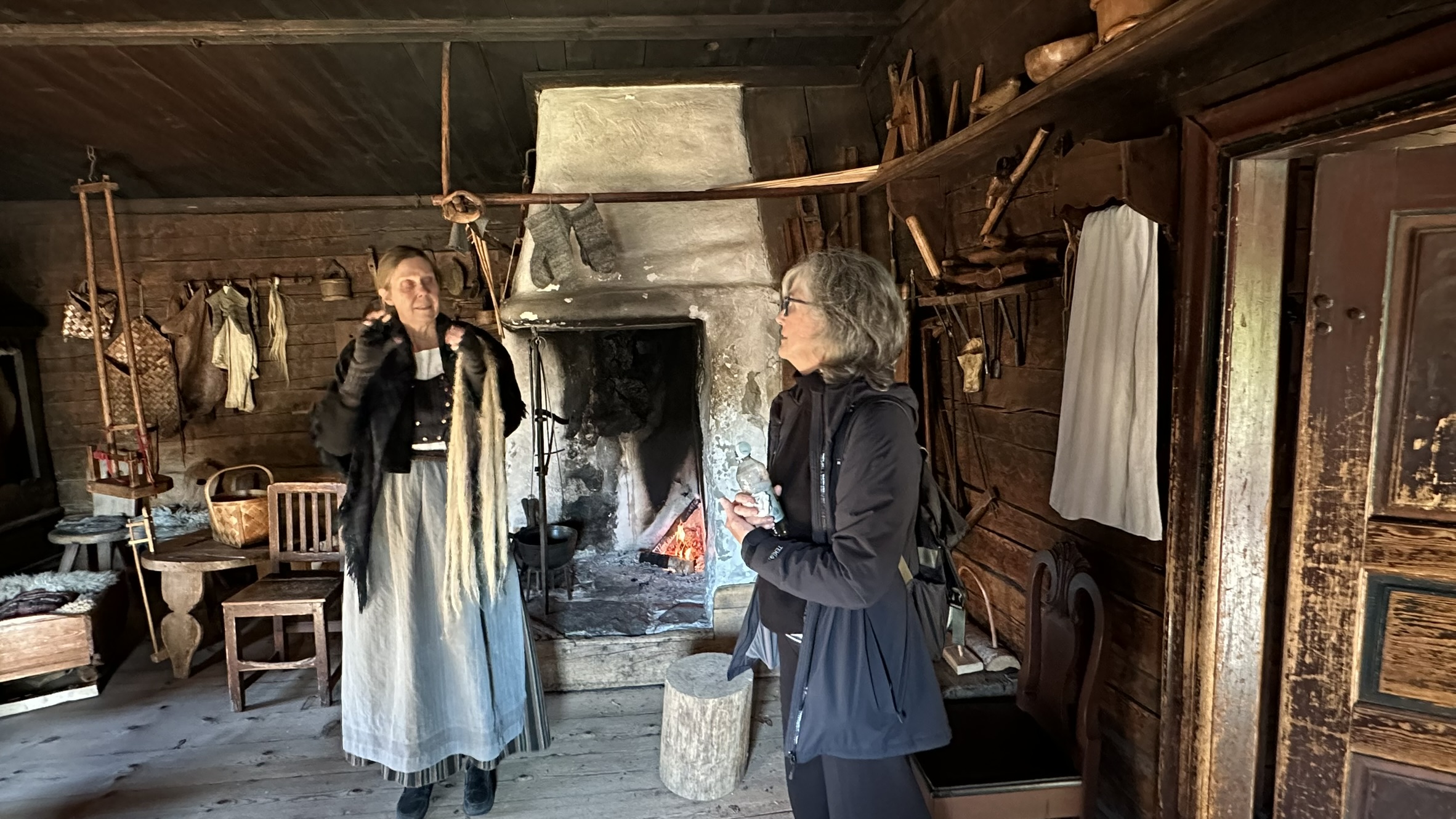
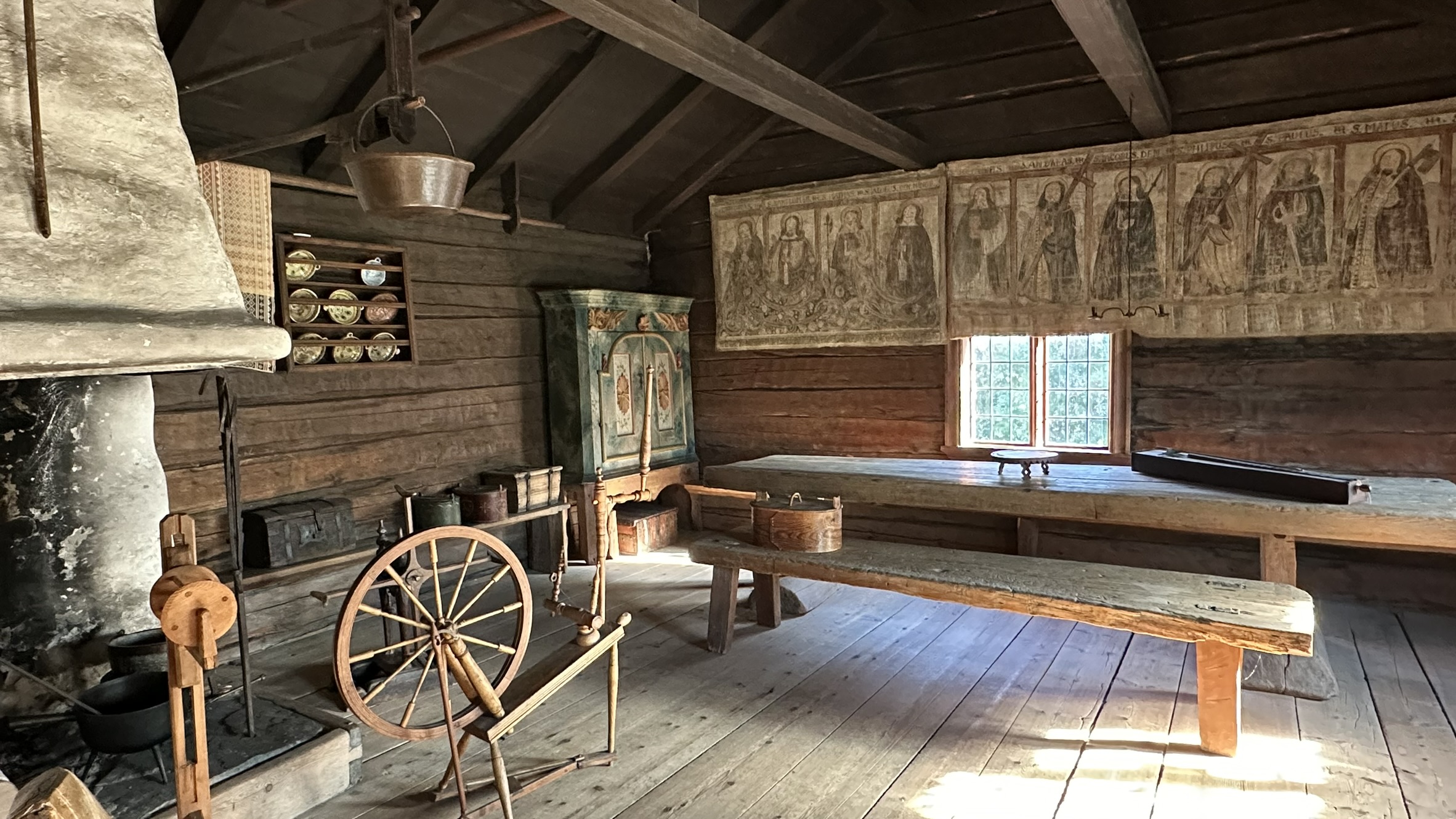
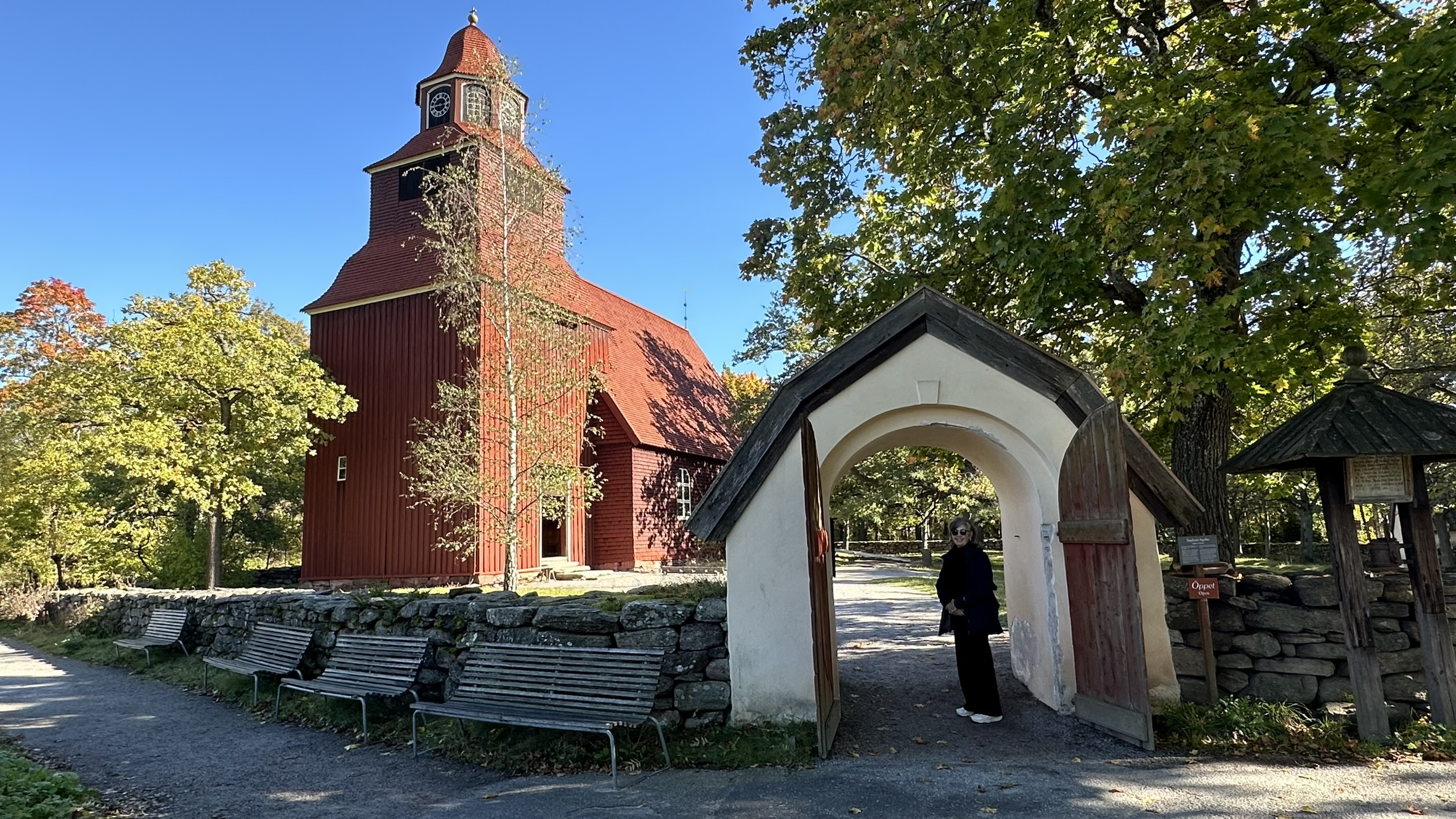

- Both Vasa and Skansen are situated on Djurgarden Island, once the royal hunting grounds. The island is also home to the Nordic History and Abba museums, for those so inclined. We passed on the latter, but the walk from the New Town to Djurgarden across the Djurgårdsbron bridge was really nice.

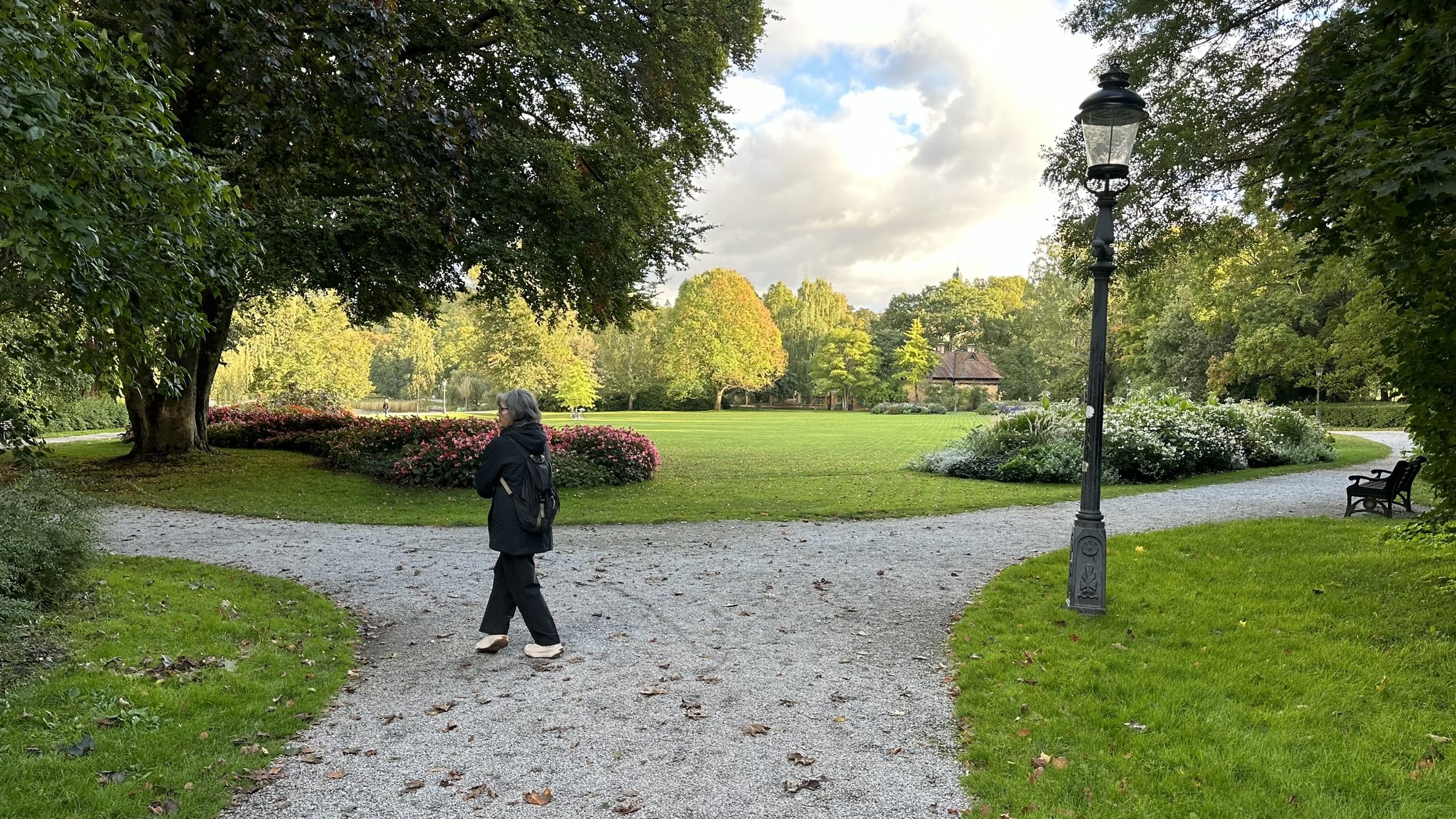

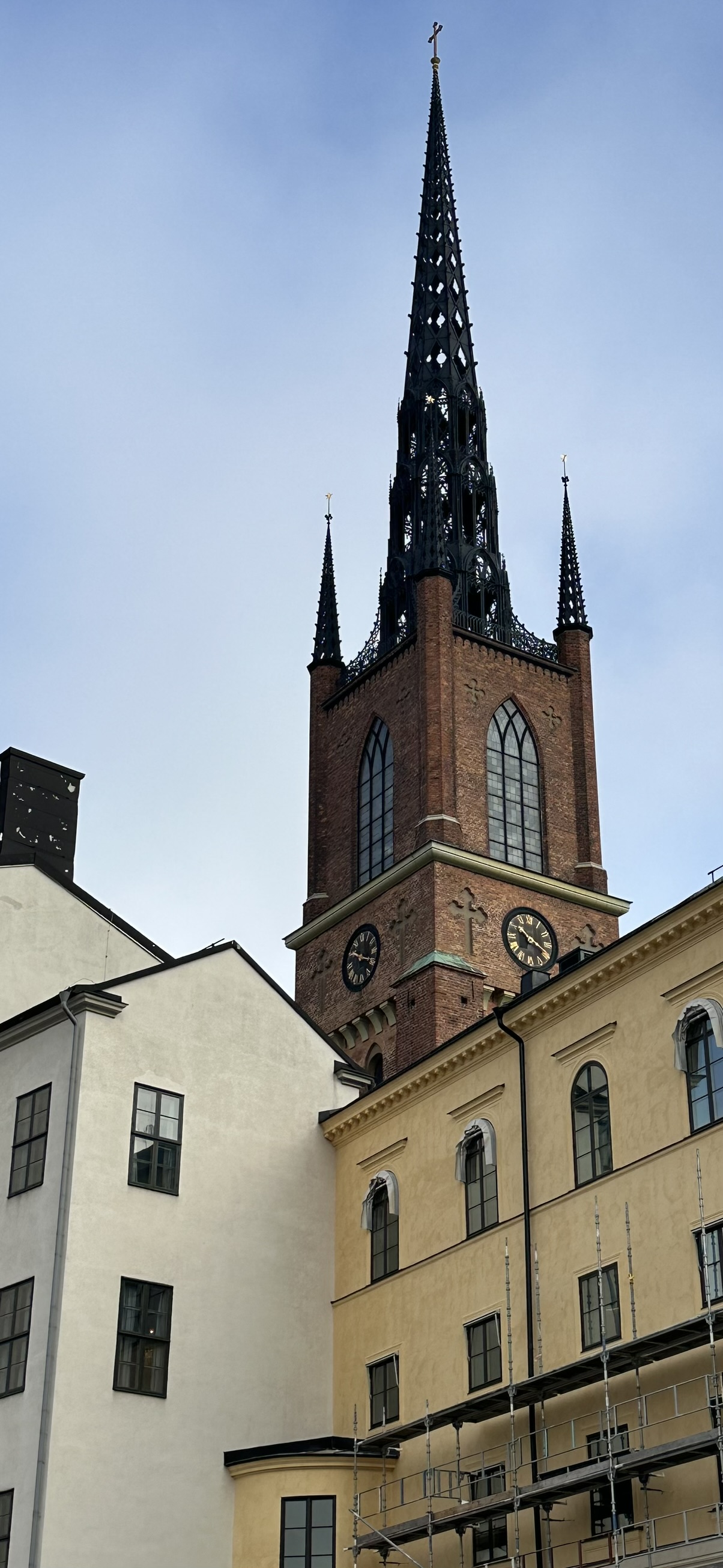
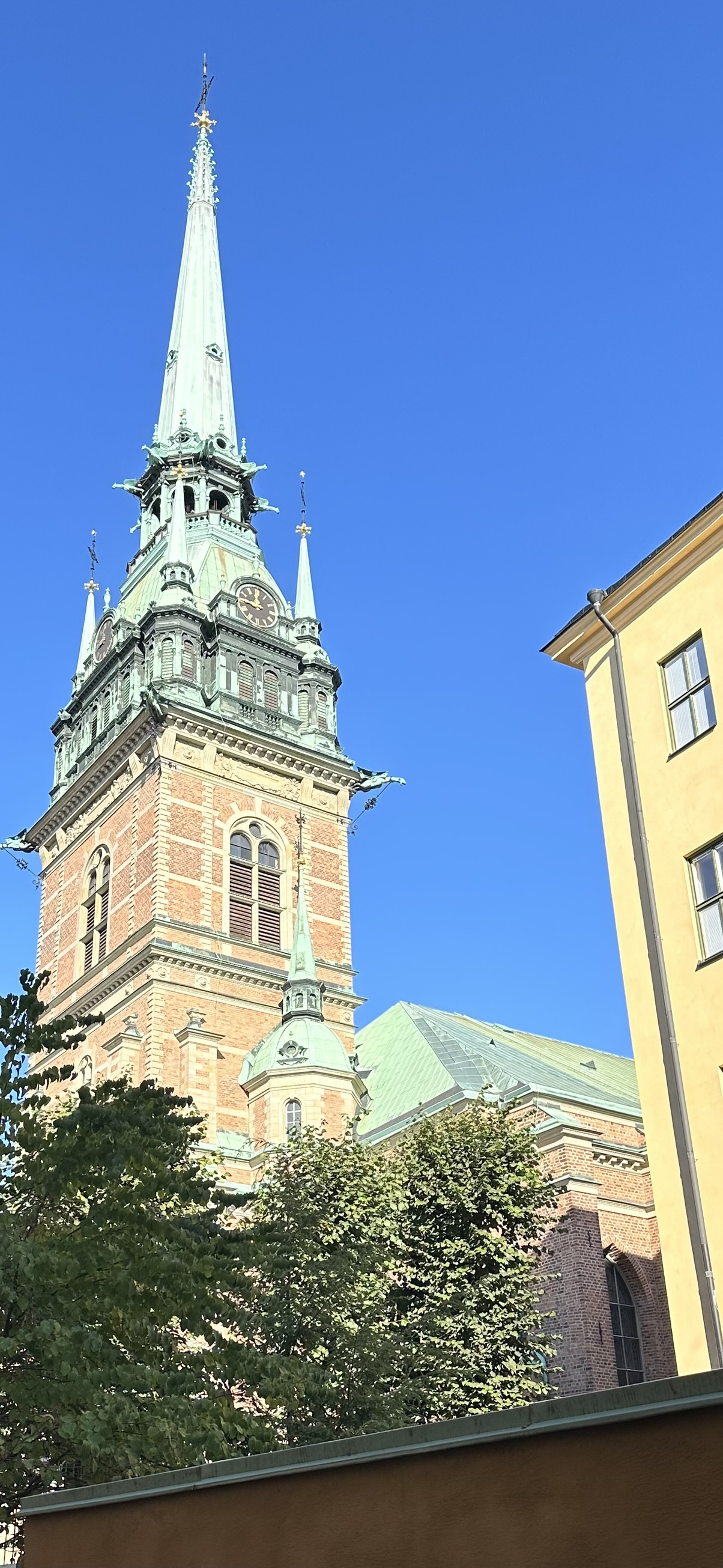
- Once again, our first day began with a guided walking tour of Gamla Stan and adjacent Riddarholmen island, where we enjoyed a brief geo-history lesson while seeing the impressive Riddarholmen Church (13th century monastery turned burial place for Sweden’s kings), Stortorget, Gamla Stan’s main square (more on that in a bit), the Iron Boy statue (more on him later, too), St. Gertrud German Church, where services are still said in German, even though nobody goes, and the Royal Palace.
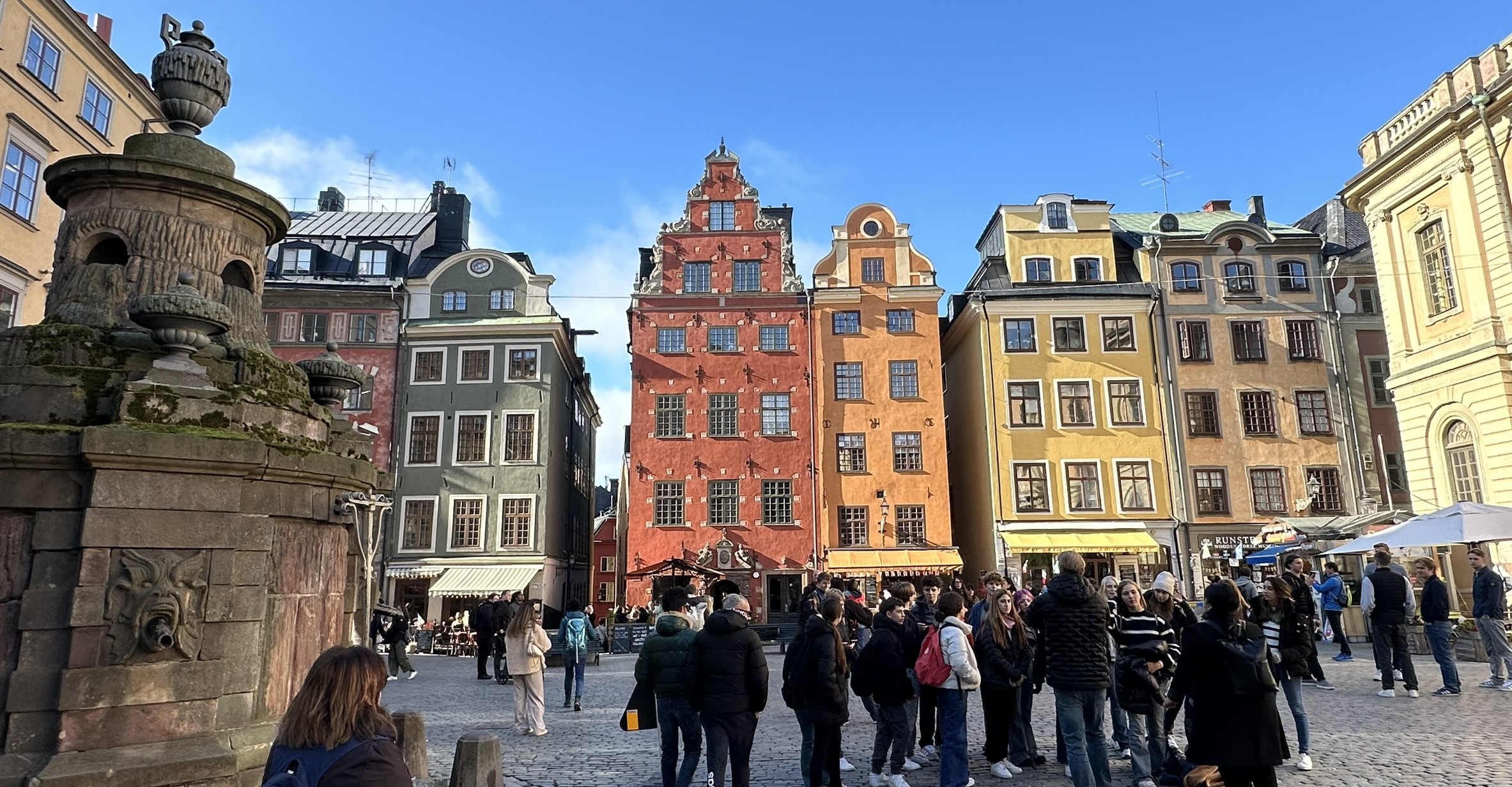
- Stortorget is popular with tourists and locals alike and is always buzzing. Surrounded by colorful buildings and the Nobel Museum (where all the Nobel prizes except the Peace prize are announced publicly every year), the square was also the site of the Stockholm bloodbath; over the course of a few days in November 1520, 94 noblemen were beheaded at the order of Danish King Kristian II, days after he was welcomed there by those same nobles. A red building bordering the square has 94 while stones on its facade, one for each victim.
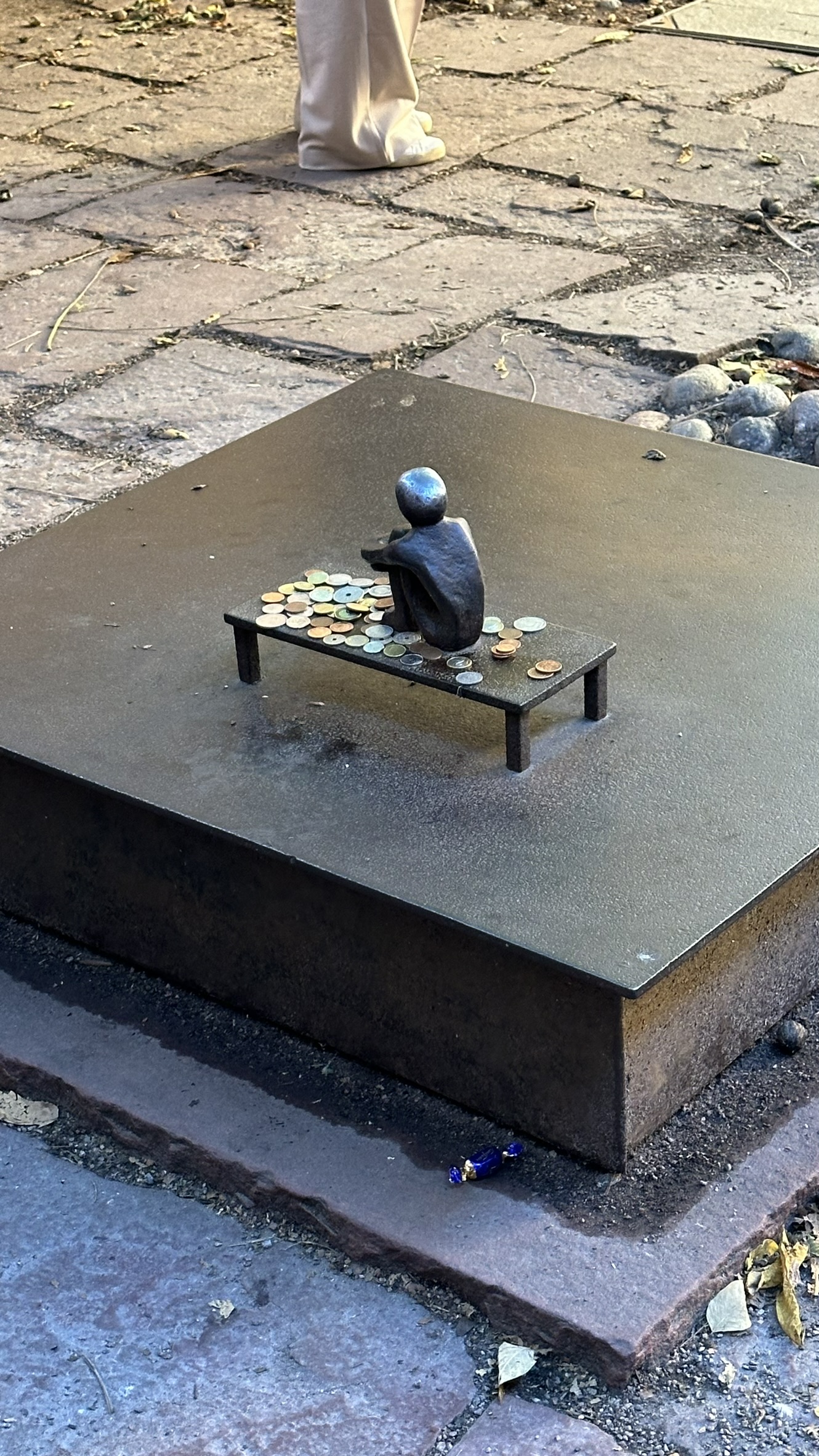
- The Iron Boy is the smallest public monument in Stockholm. Originally commissioned as an answer to Copenhagen’s Little Mermaid statue, it stands less then 6 inches high. When the sculptor was asked why so small, he said “that’s all you paid me for”! Gotta love it.
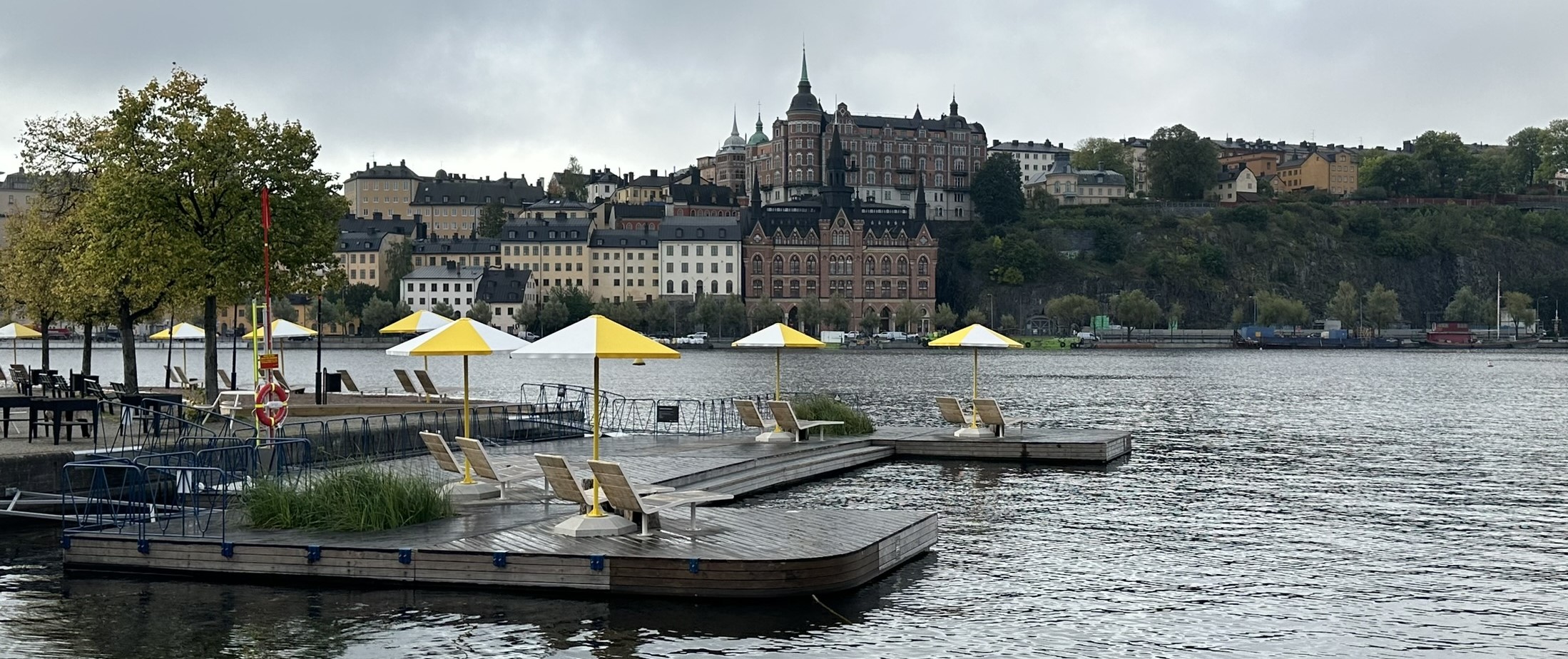
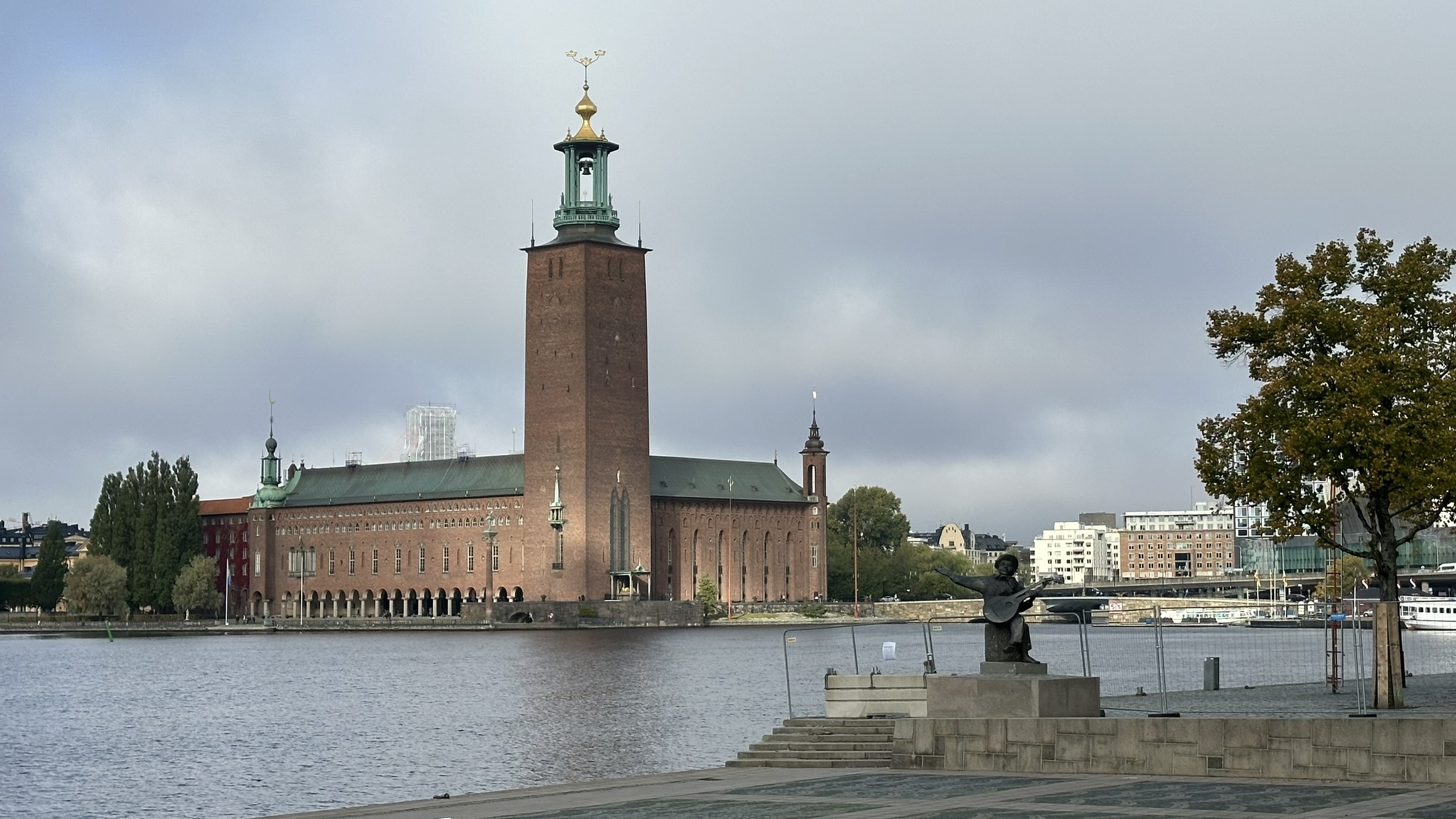
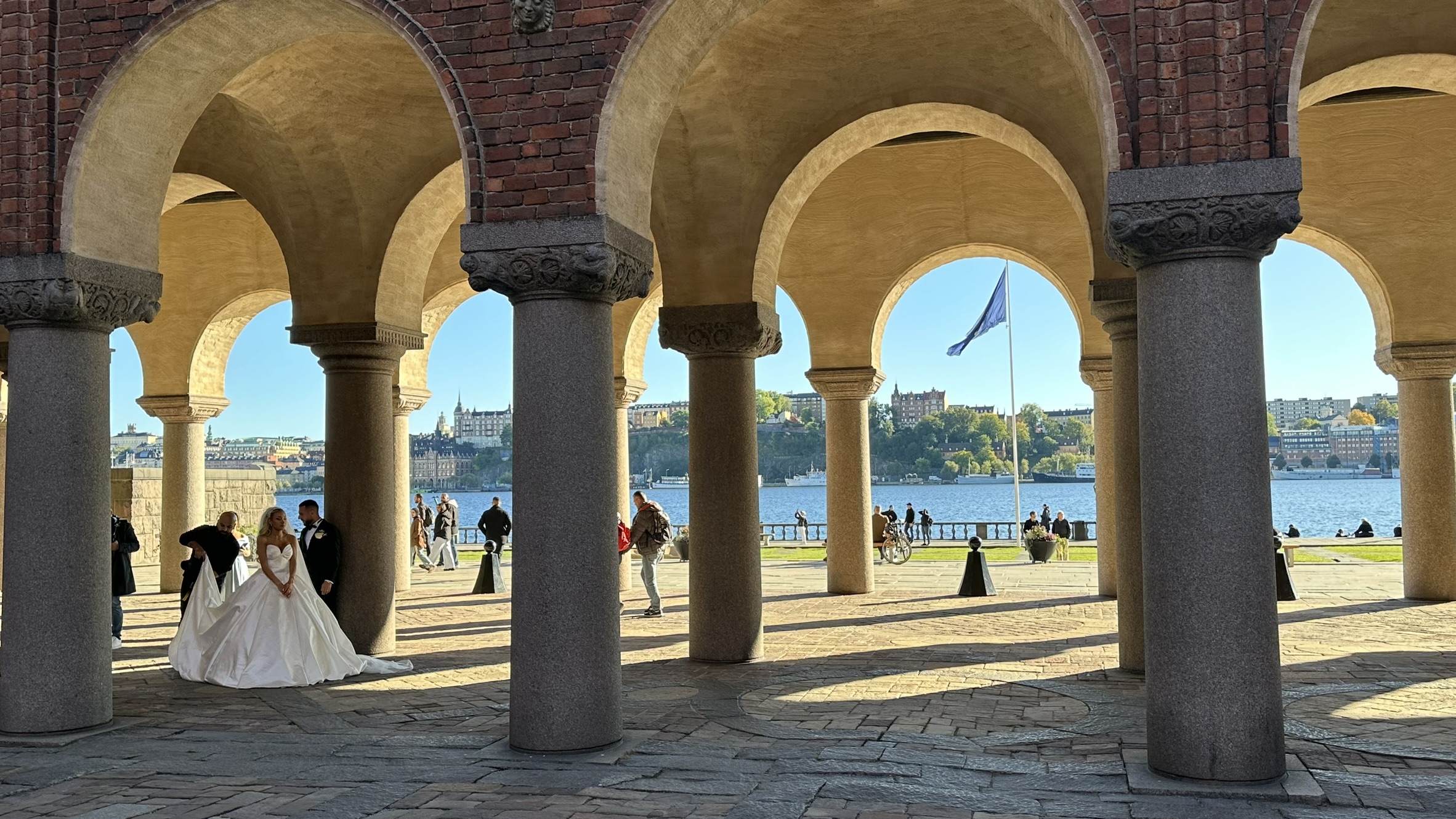
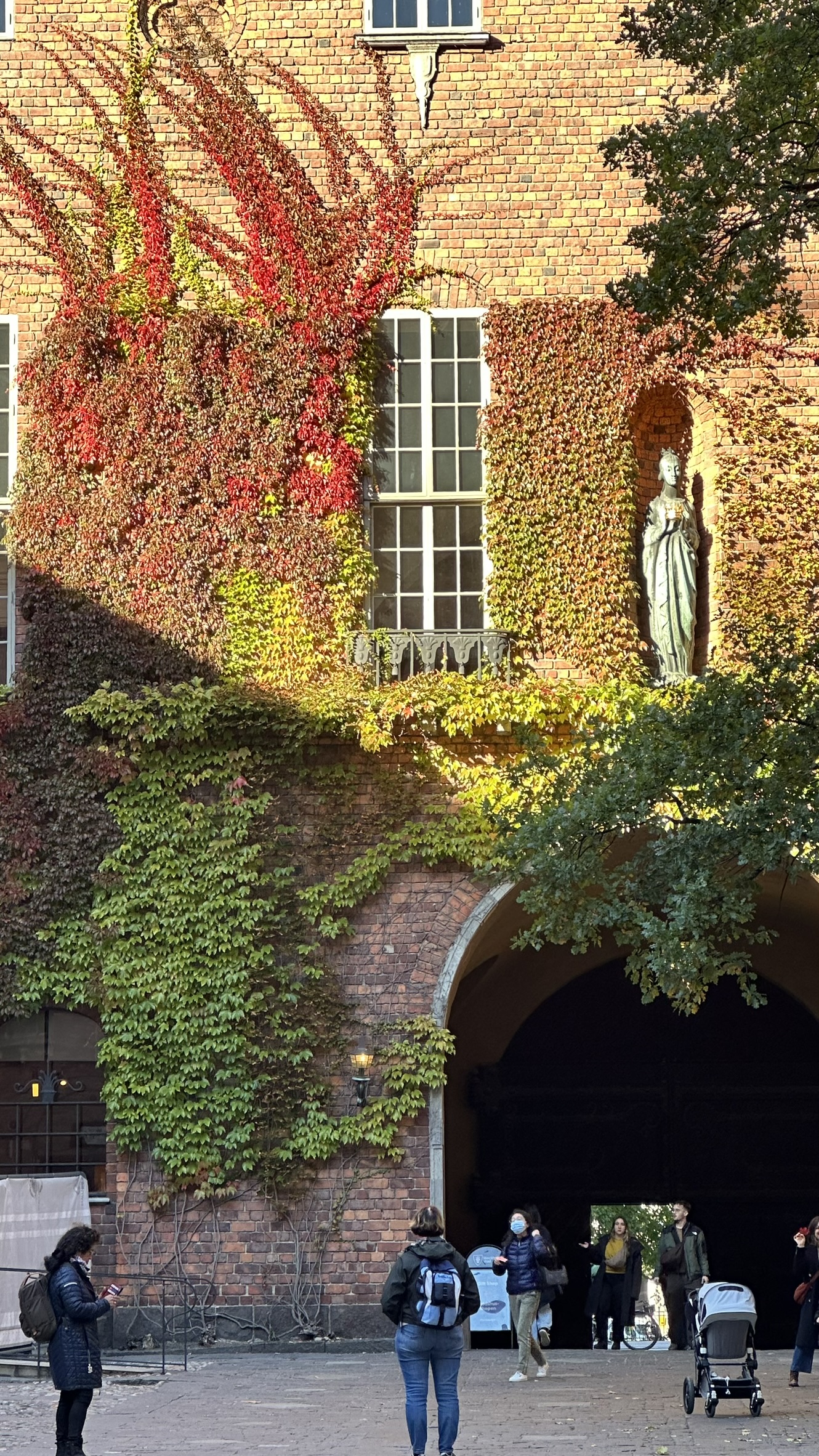
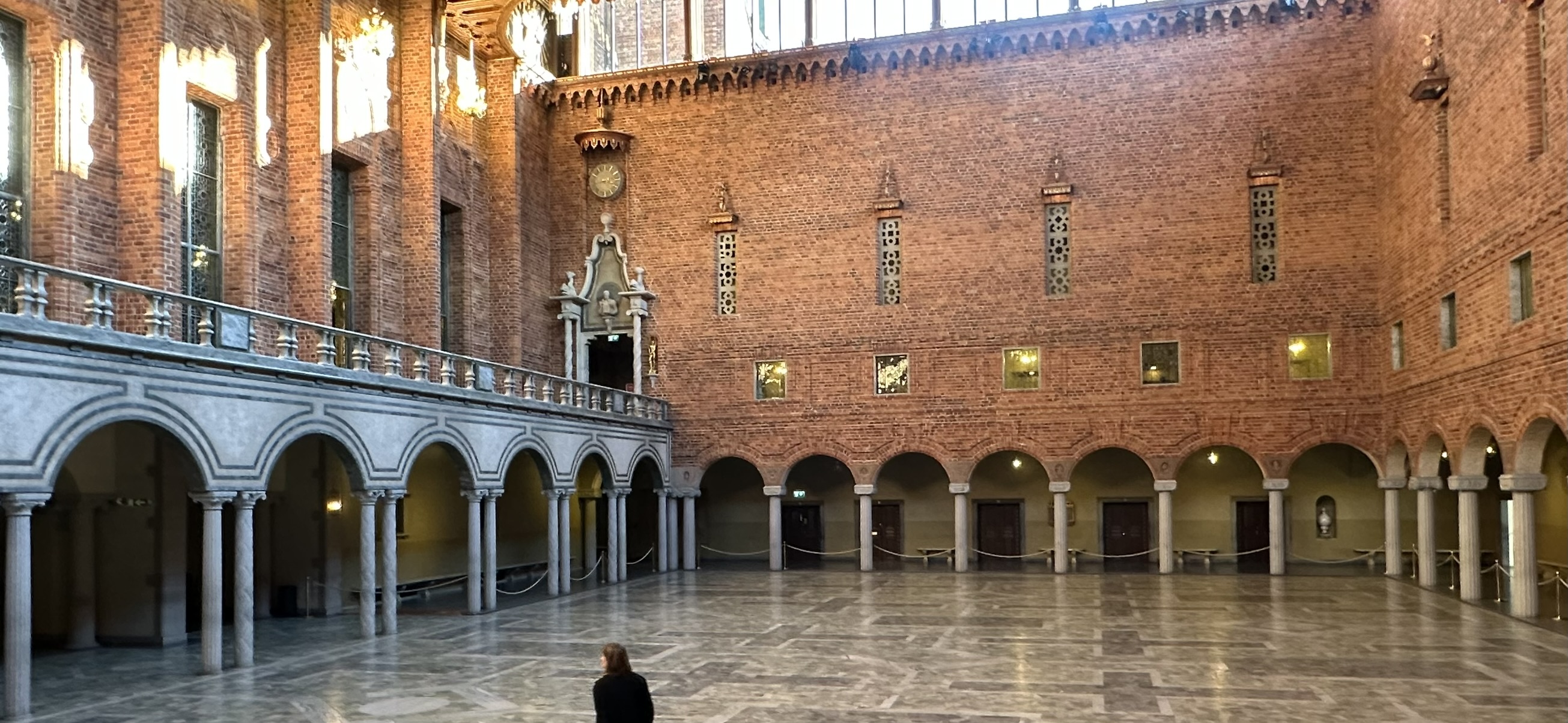
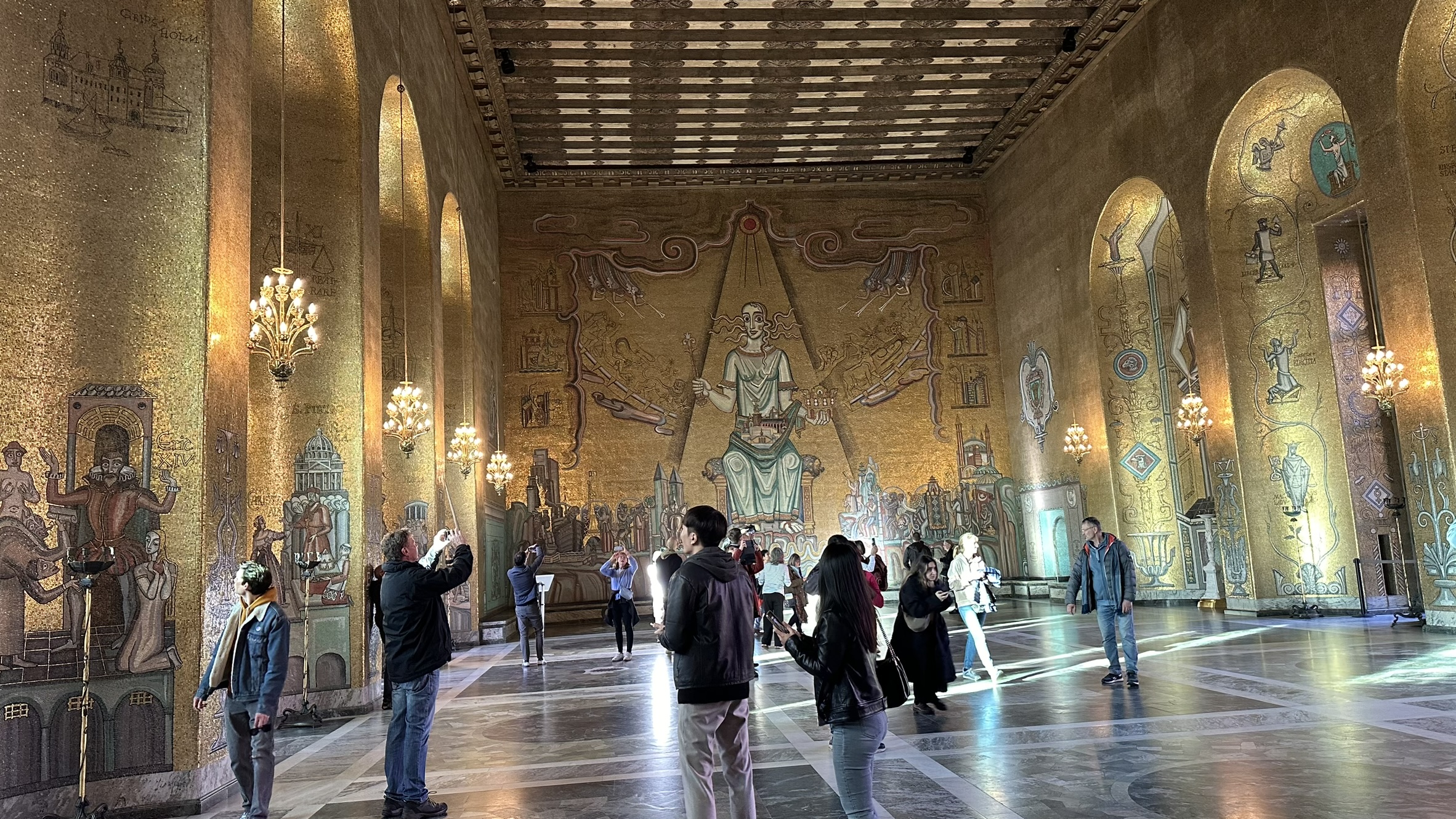
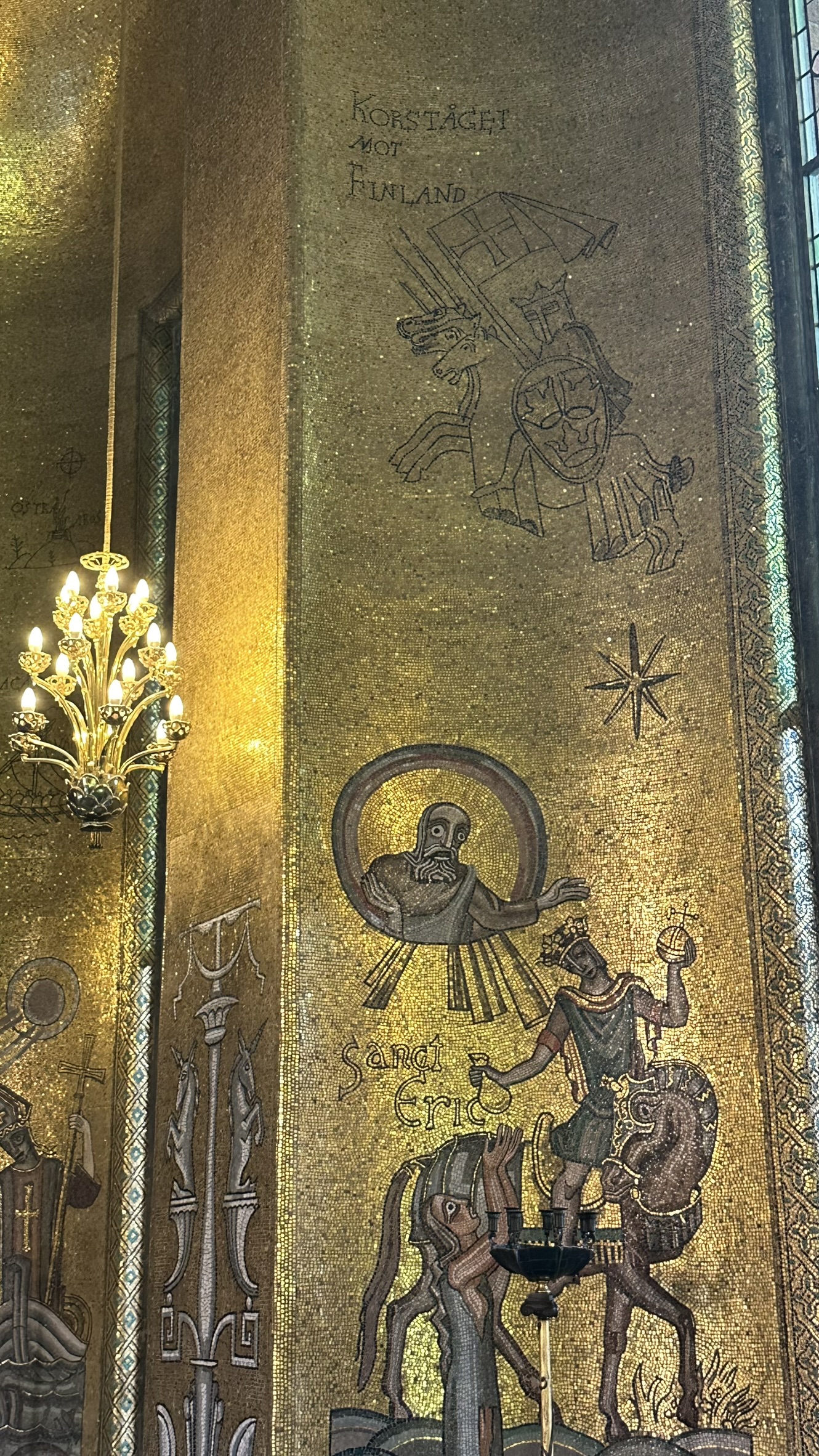
- City Hall was an impressive building. The main plaza opens up to Lake Malaren through a massive colonnade. To see the inside, worthwhile for its magnificent halls (the “Blue Room”, site of the Nobel Banquet for 1300 guests every December, and another entirely lined in gold), requires a guided tour. On Saturdays, 70 weddings a day, averaging 5 minutes in length, are performed here.
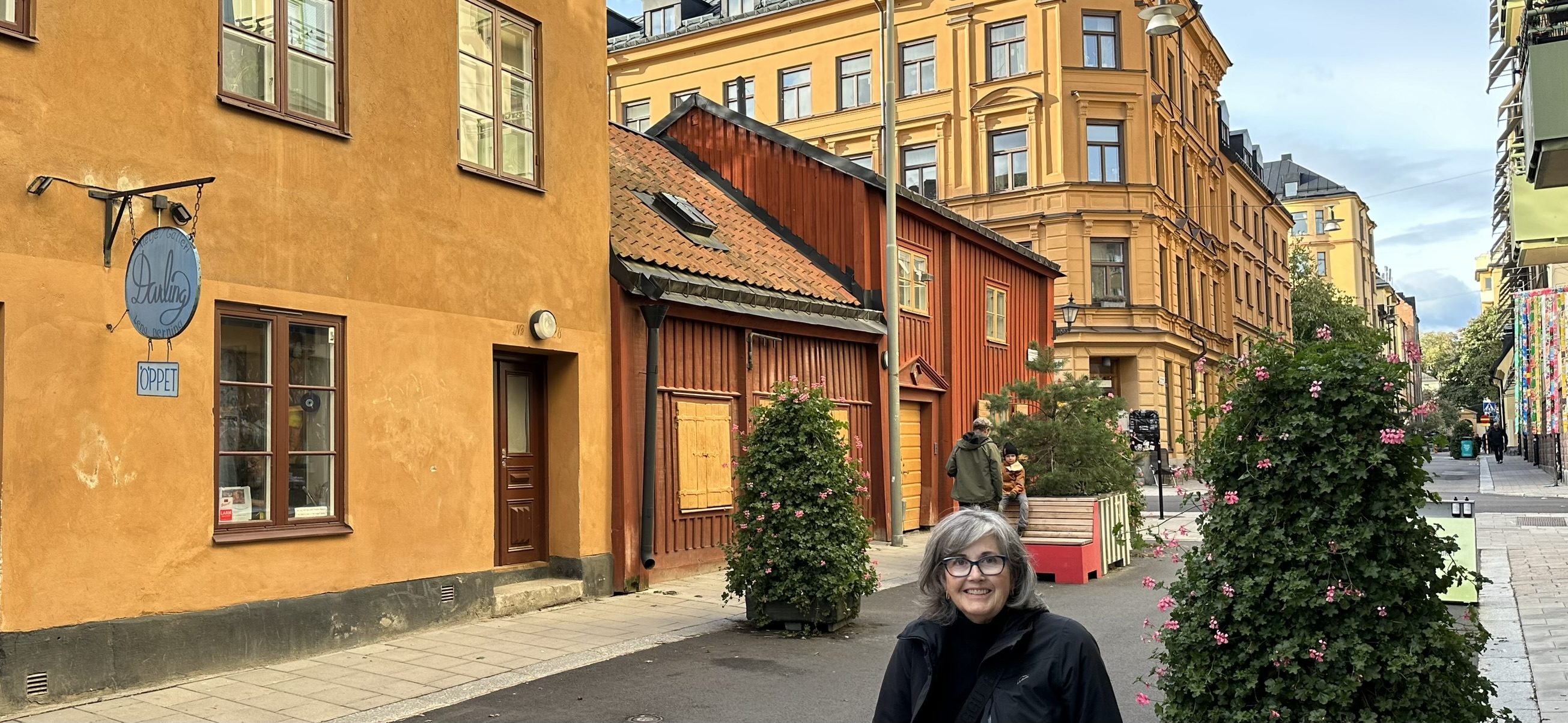
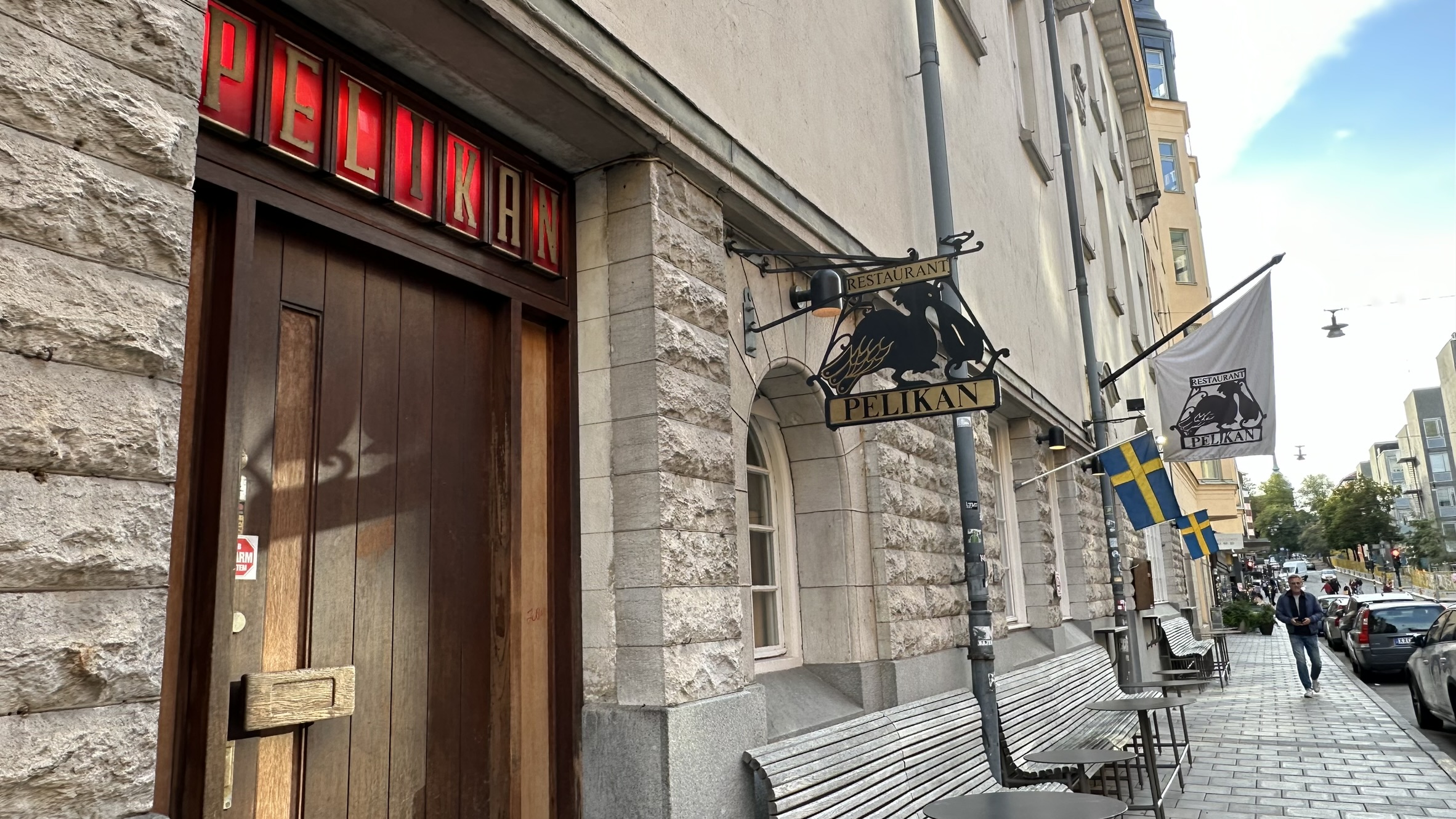
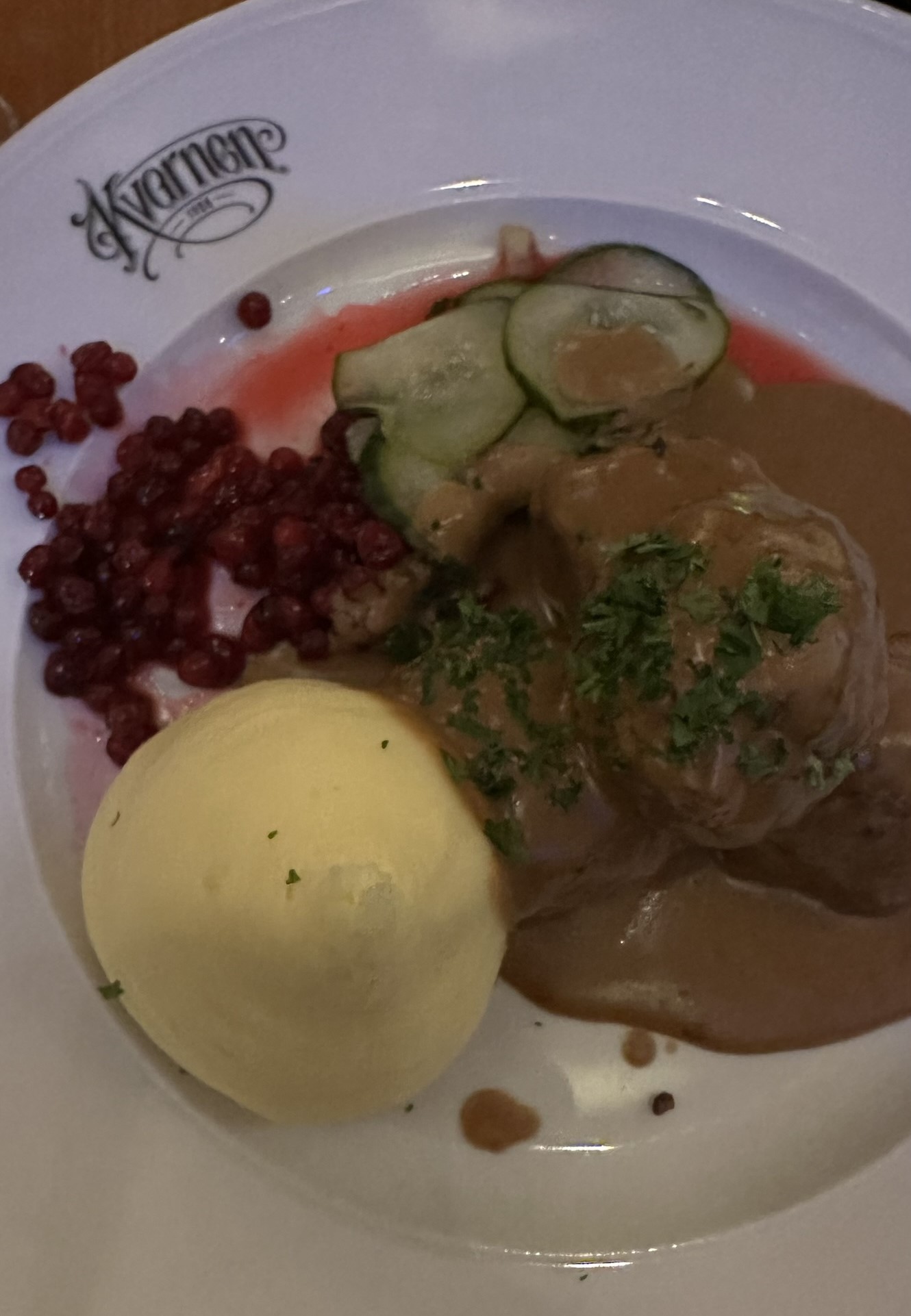
- Walking the side streets of Södermalm, full of boutique and vintage shops. While you’re there, have lunch or dinner at Pelikan, a classic Swedish beer hall with excellent Swedish meatballs.
- Fika breaks (morning and afternoon coffee, or beer for me if the time was right) are serious tradition in Sweden. Got no argument from us!
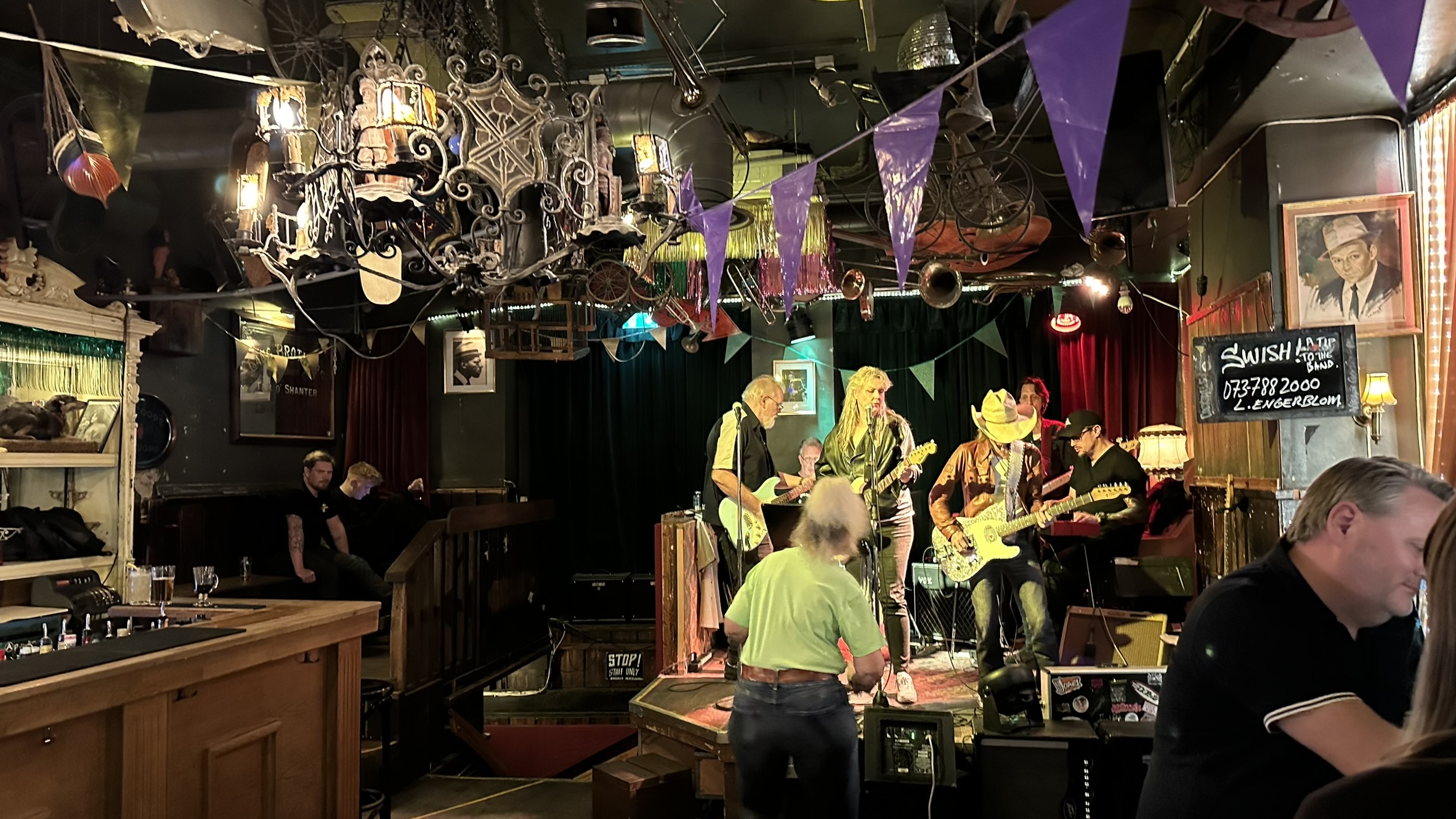
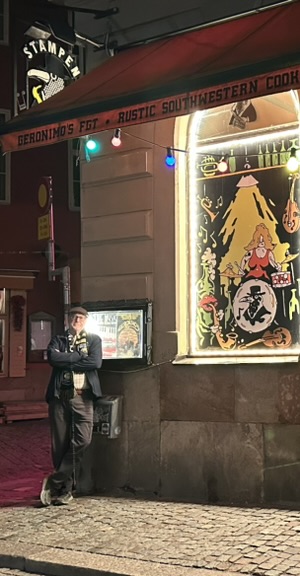
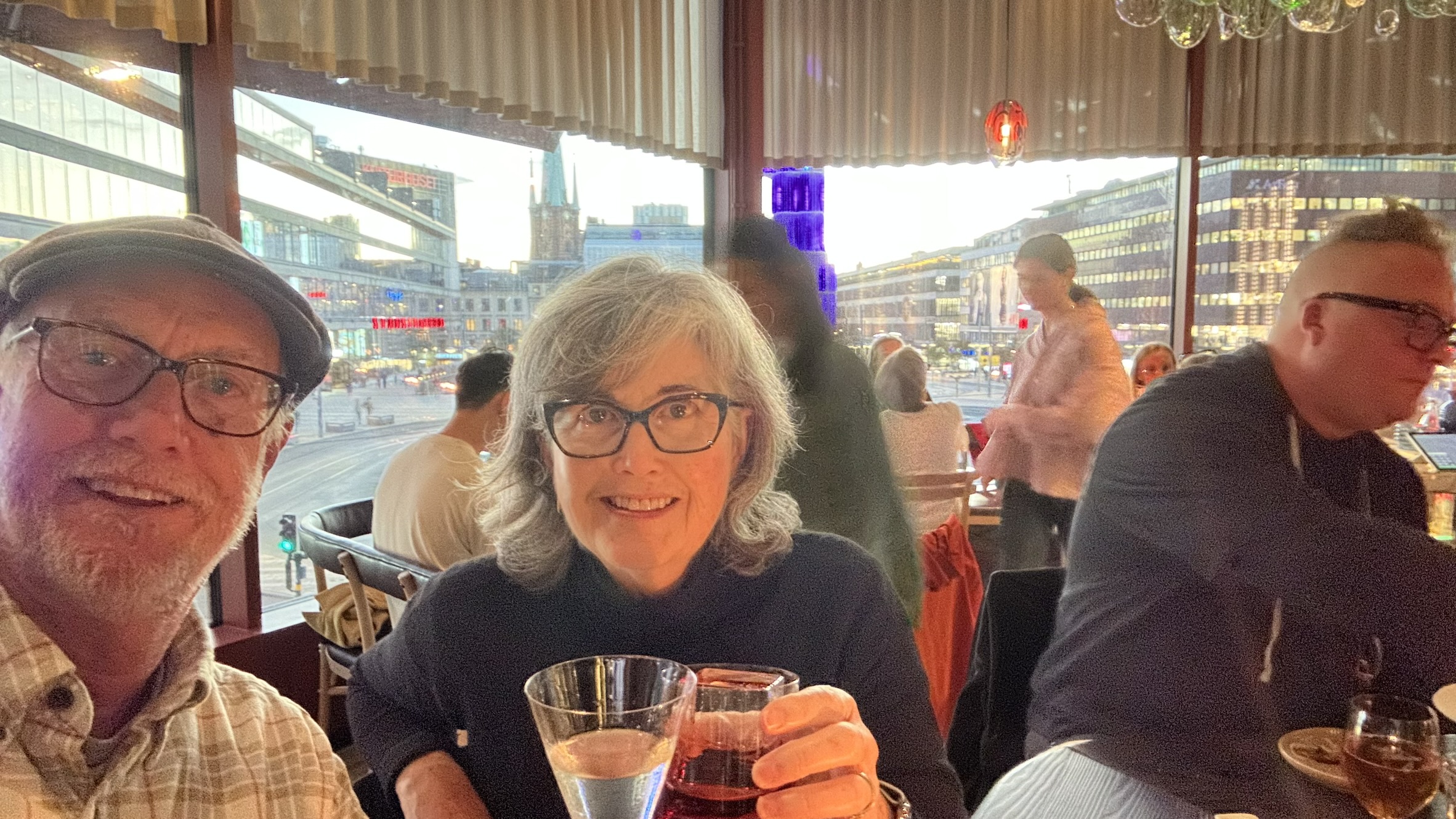
- Yes, there are a couple decent bars here, too. Roda Huset is ranked #31 in the world (try their famous Birch martini, made with birch and spruce oil). Other excellent cocktail bars in the same New Town neighborhood include Lucy’s Flower Mart and A Bar Called Gemma. Back in Gamla Stan, Stampen, a great blues & jazz dive bar is my favorite, though Wirstrom’s, O’Connell’s and Geronimo (a bit more of grungy dive) are also good.
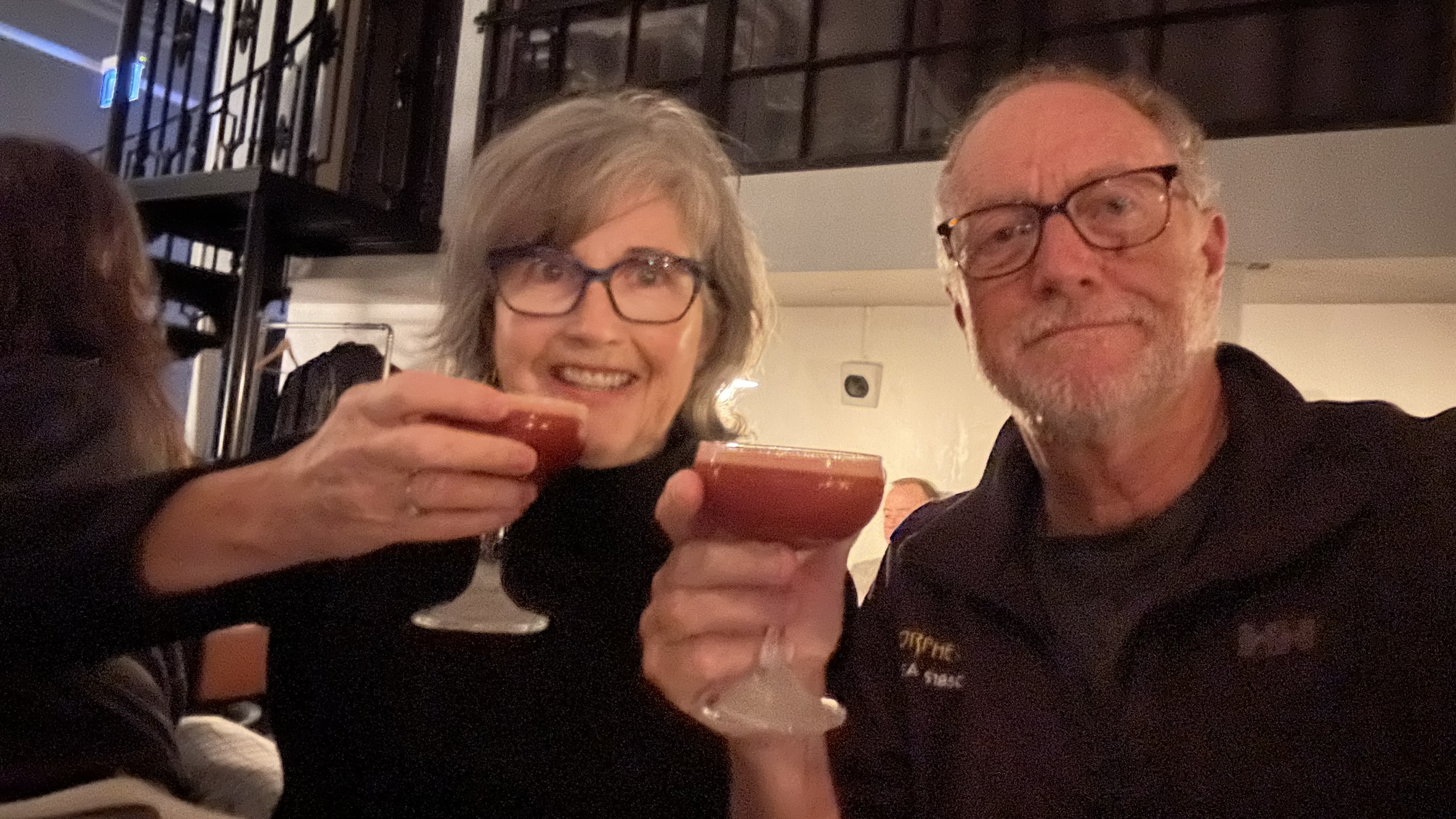
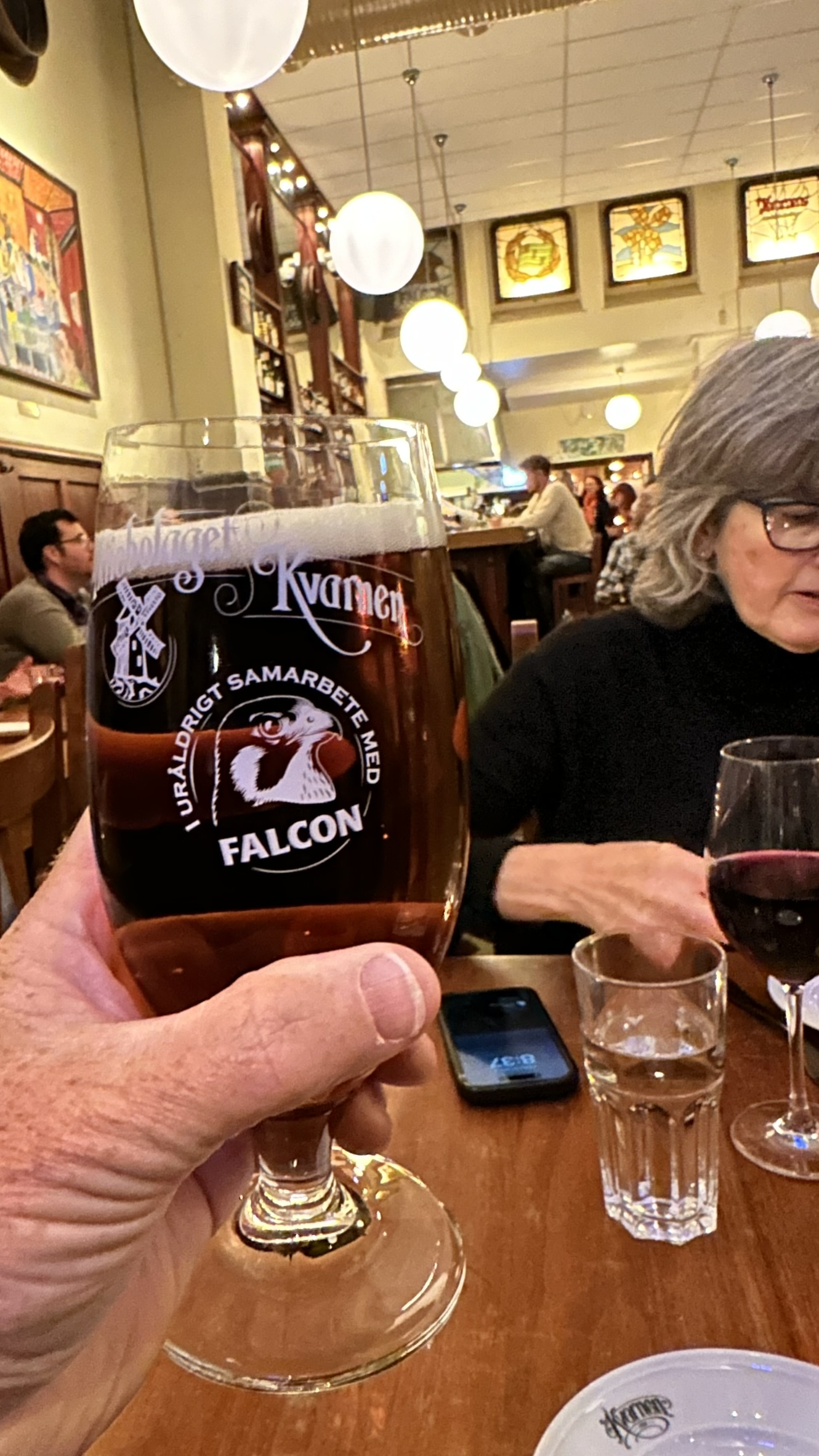

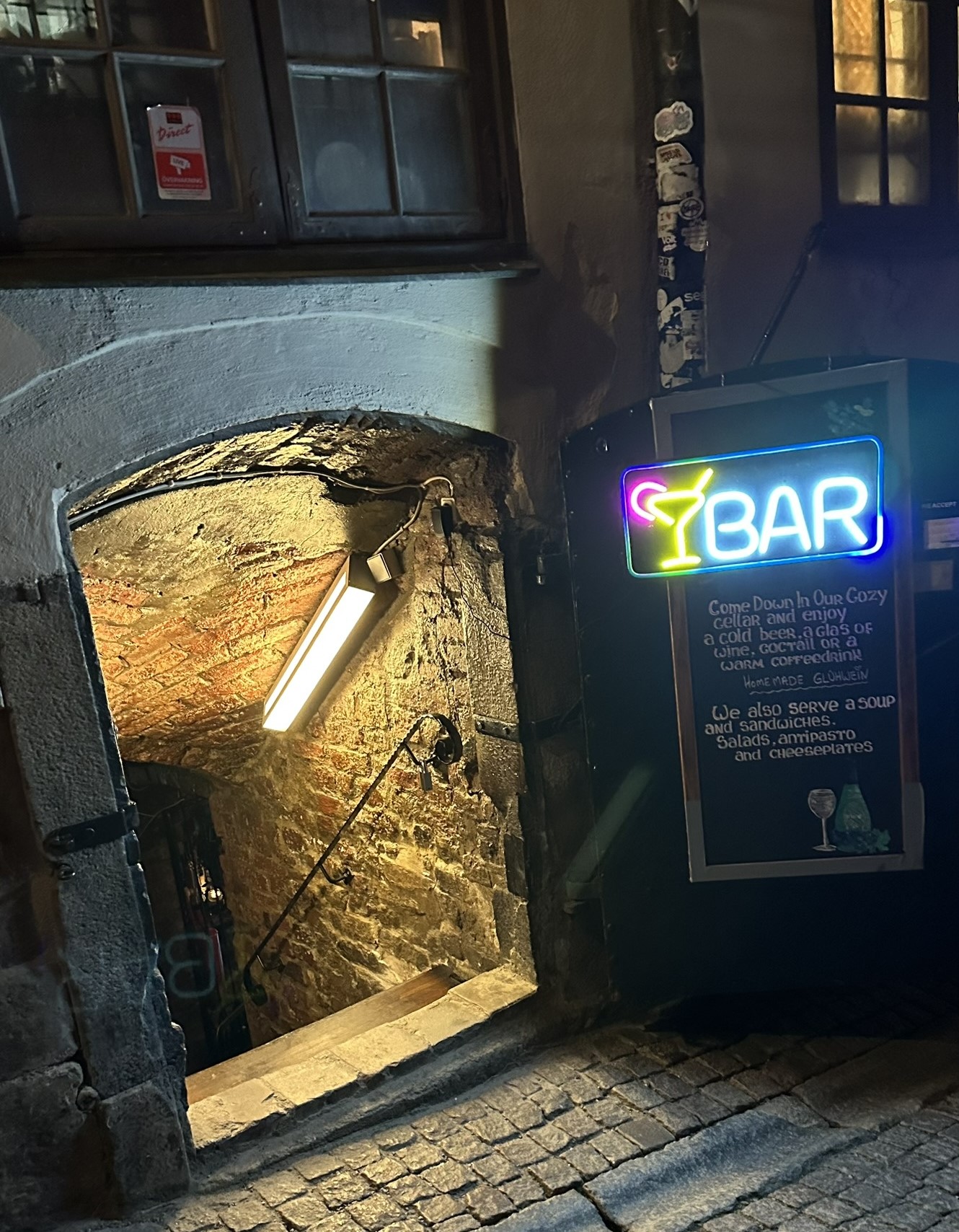
| Days 10-12 | Oslo, Norway | Amerikalinjen Hotel |
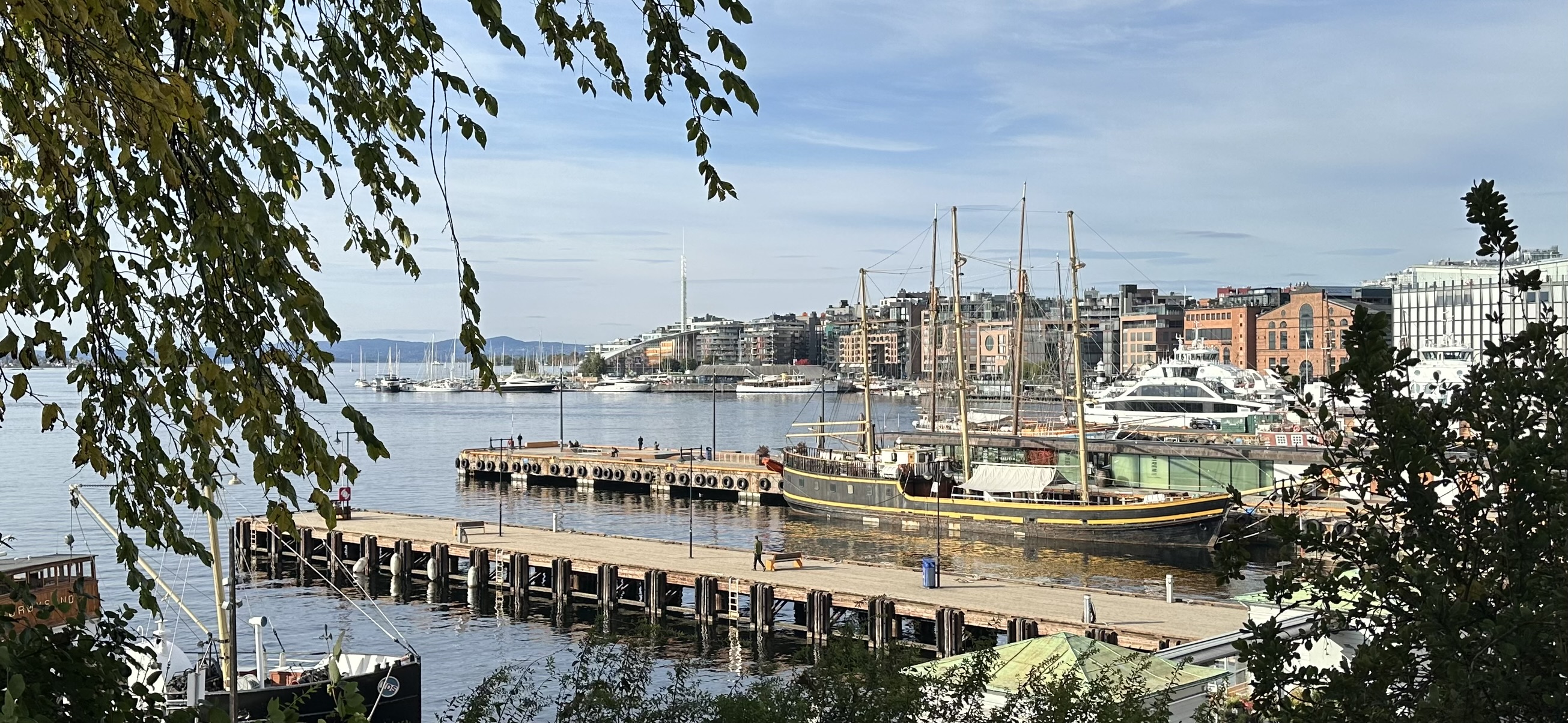
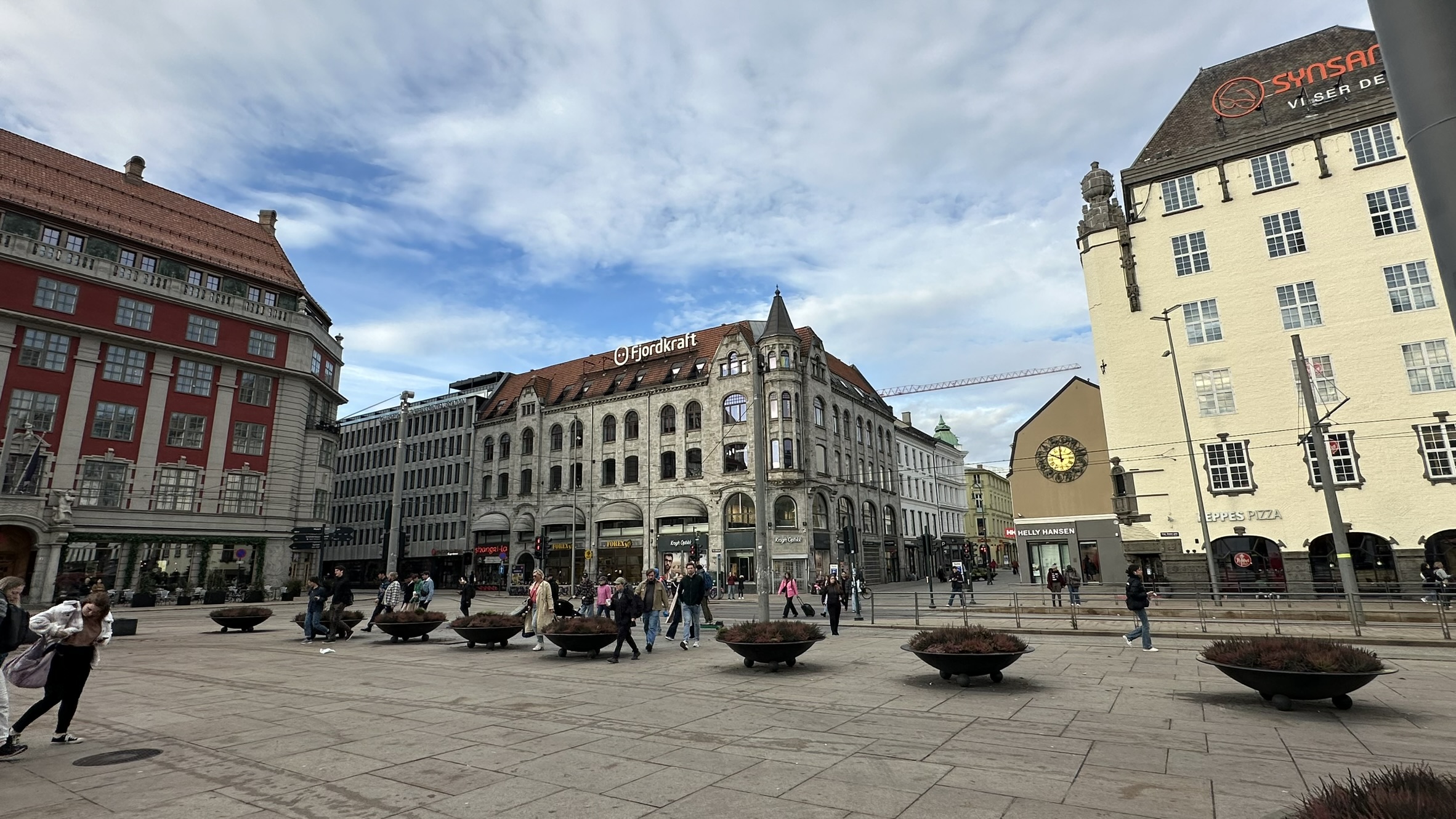
Our first visit to Norway, my 49th country so far, started where else but Oslo, its thriving capital city. Founded in 1040 at the end of the Viking era, it has long been a European trading center. Now it is ranked near the top of the list of Europe’s fastest growing, livable and expensive cities.
If you’re traveling from Stockholm, as we did, the 6-hour, high speed train is a great way to go, both for the much-appreciated downtime relaxing and the spectacular scenery, especially crossing the mountain and lake region on either side of the Sweden-Norway border.
While not as classically beautiful as the cities we’ve visited so far, we enjoyed our three days here, even though we didn’t get to see the Norwegian History, Viking Ship (closed for renovations) or Kontiki Museums. Most of these museums sit on the Bygdøy peninsula, best approached by ferry acriss Oslo Harbor, but hours are limited this late in the year. Highlights during our stay, all of which I highly recommend:
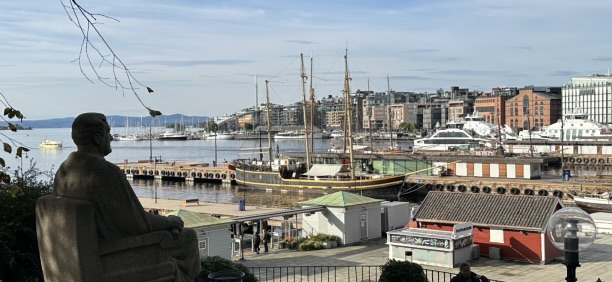
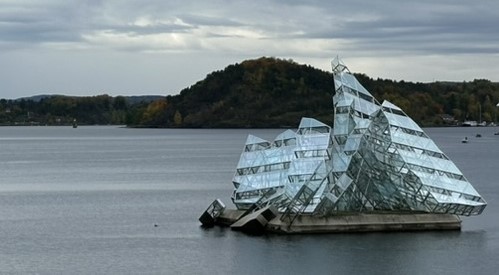
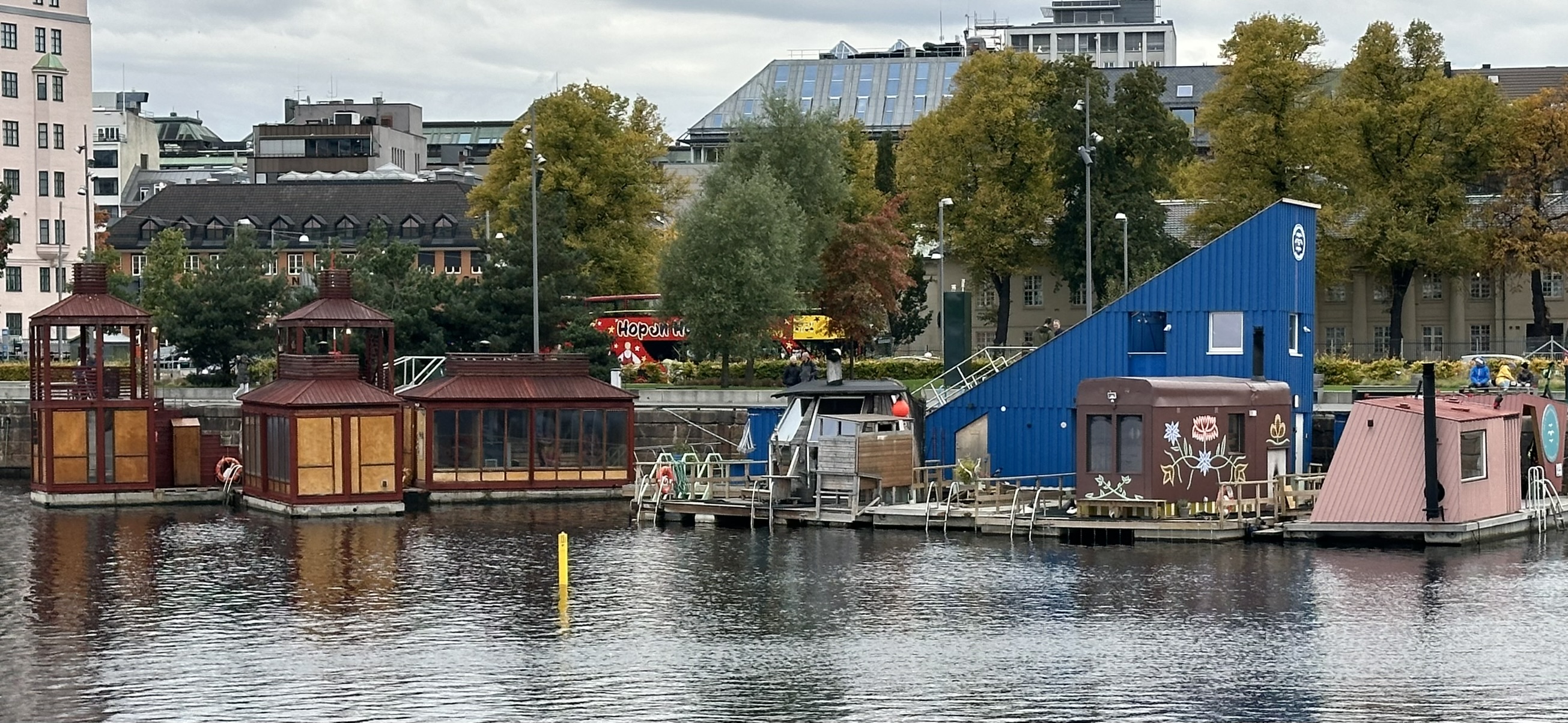
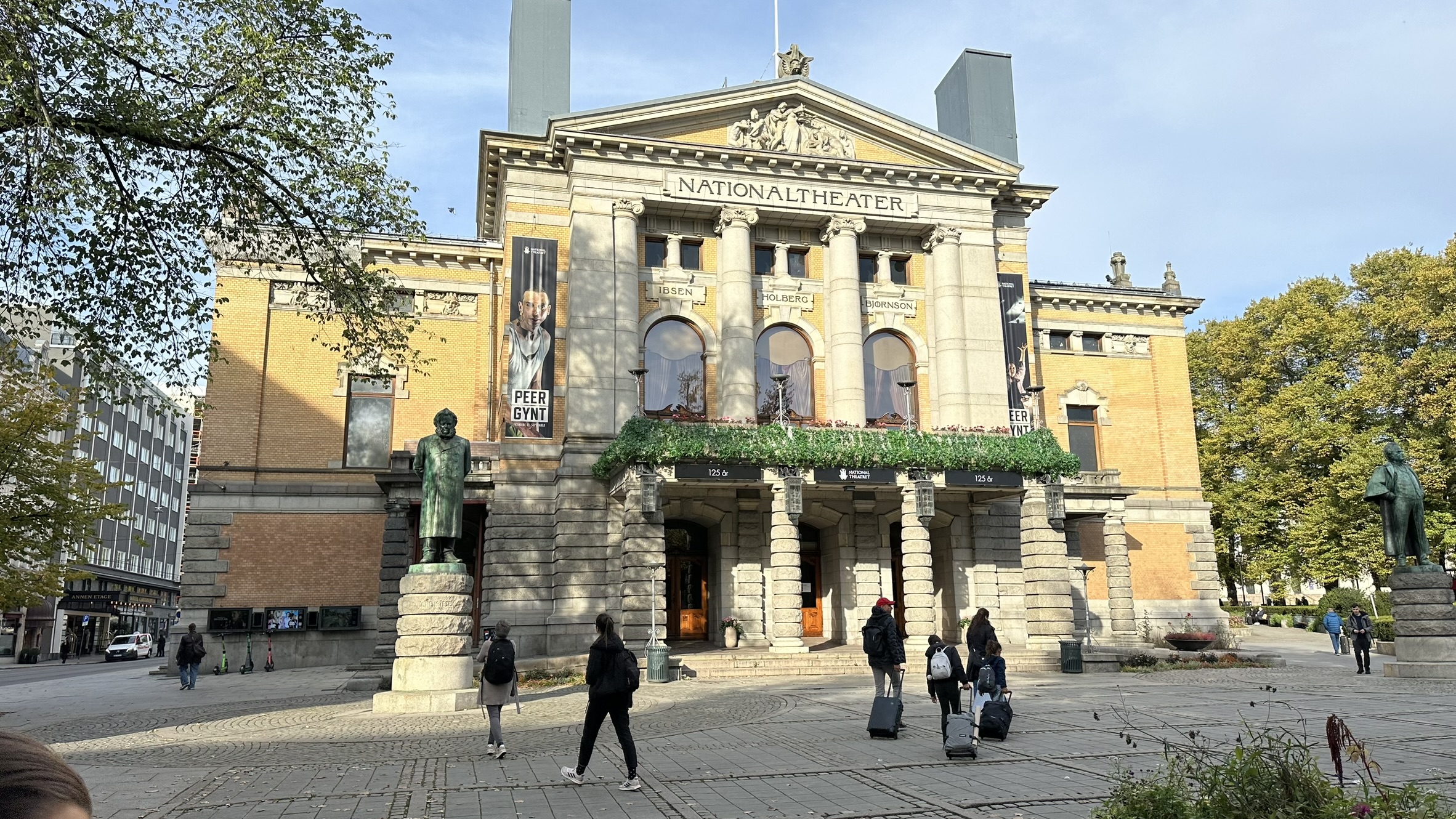
- As always, a walking tour is a great way to get acquainted with the main neighborhoods and important cultural/architectural sights. The high points here include the waterfront on Oslo Harbor (lined by public saunas and watched over by a statue of U.S. President FDR, something of a hero to Norwegians), the Opera House (designed to look like an iceberg), National Theater (onetime home to Henrik Ibsen, Norway’s greatest playwright), the Royal Palace and its lovely gardens, and massive Central Station, transit hub to everywhere.

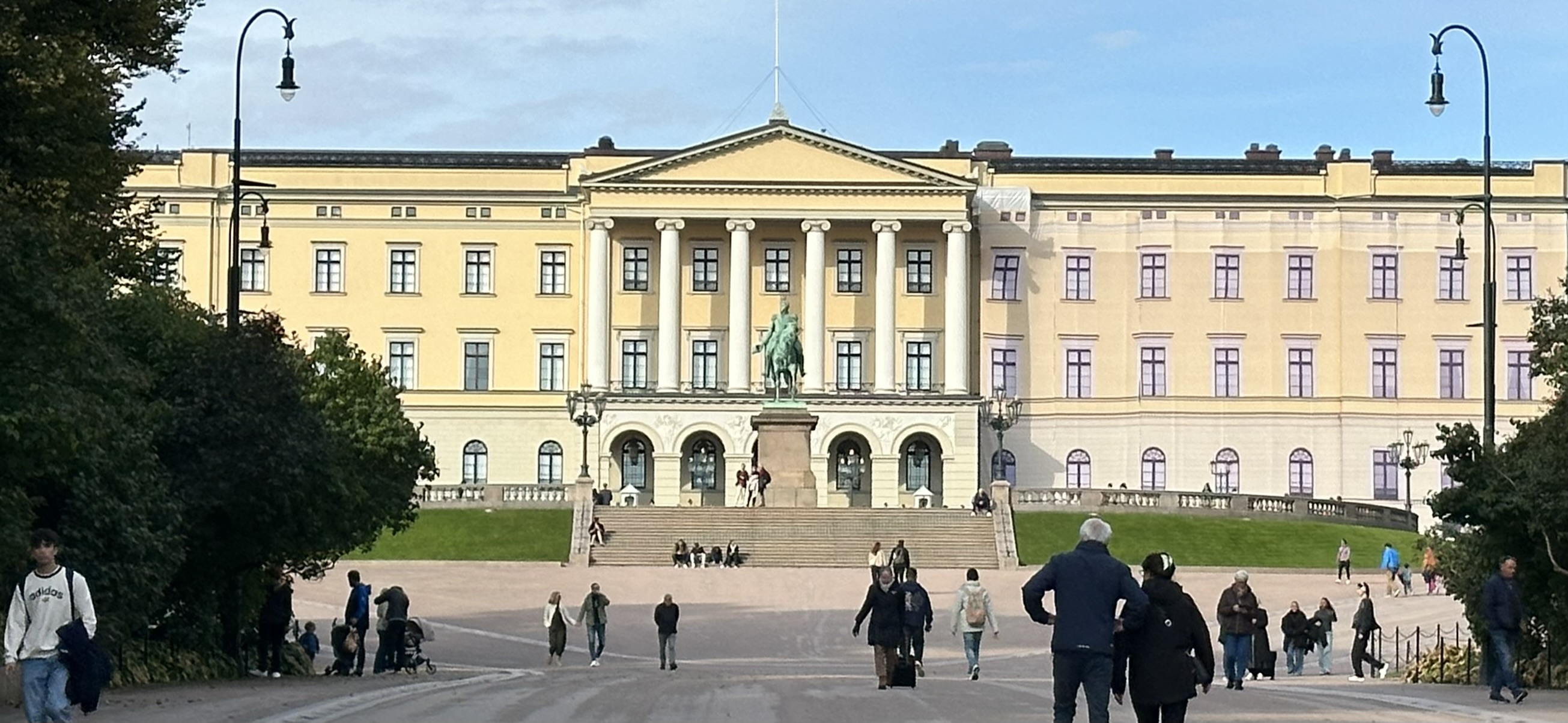
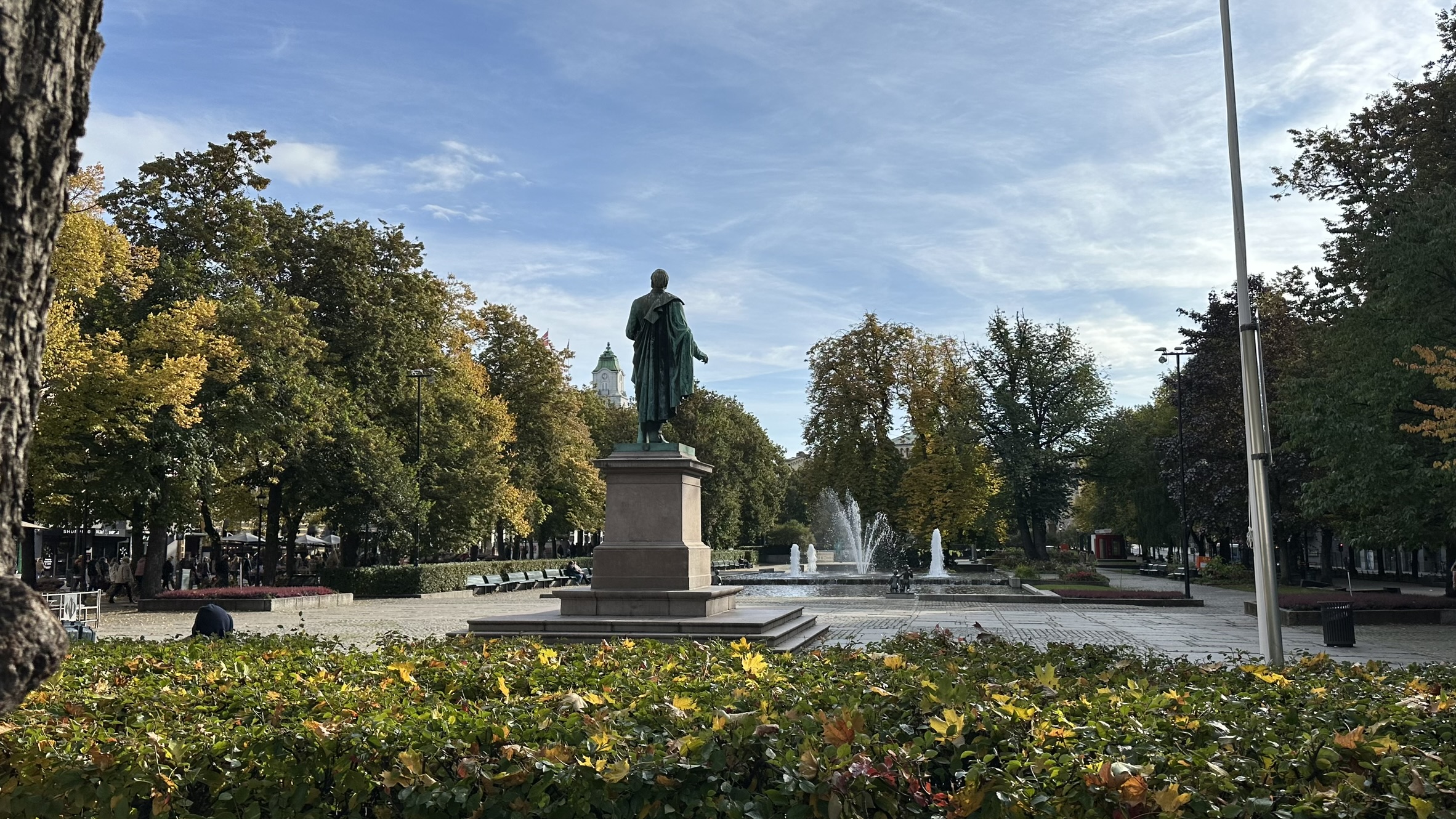
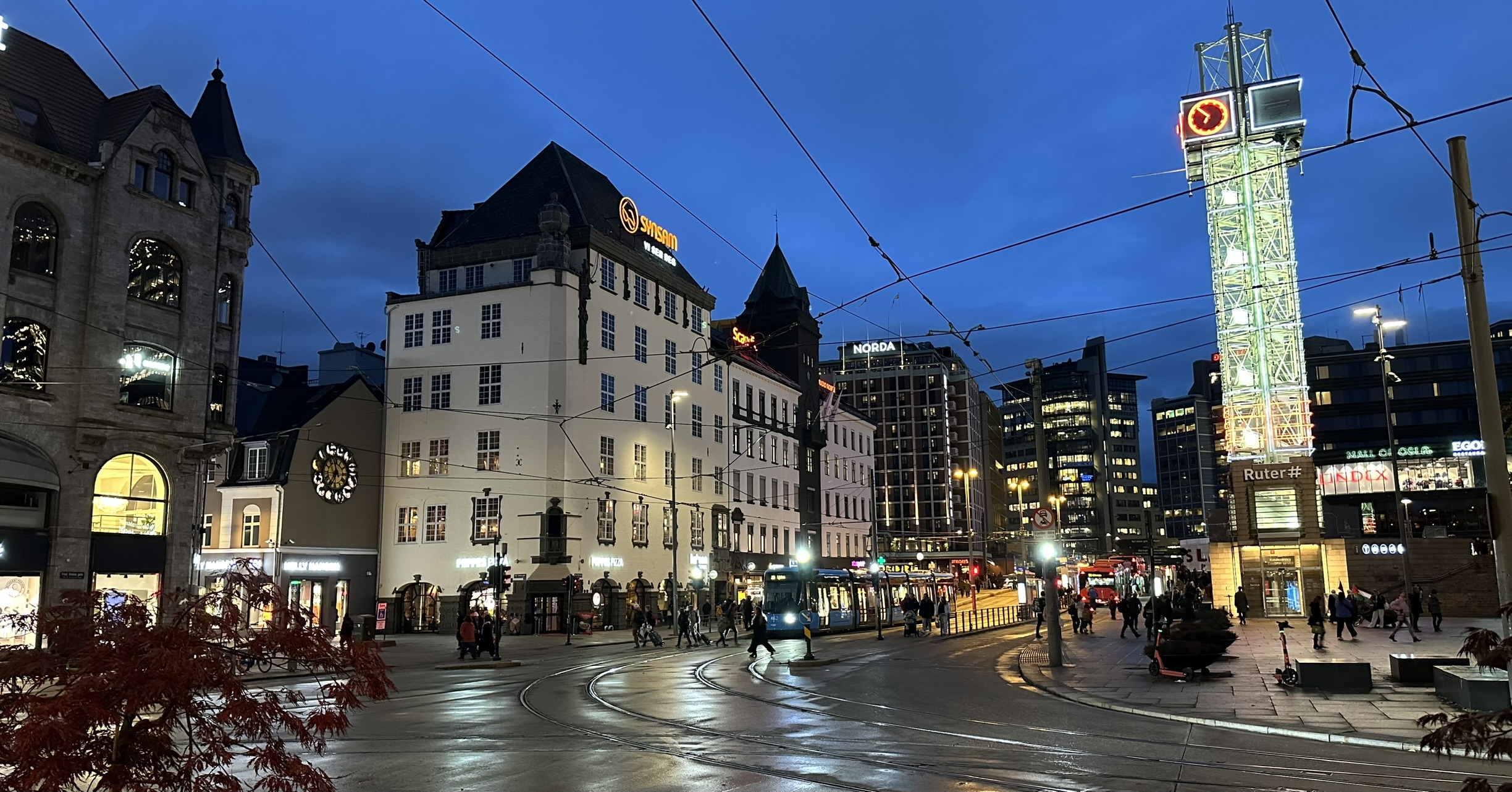
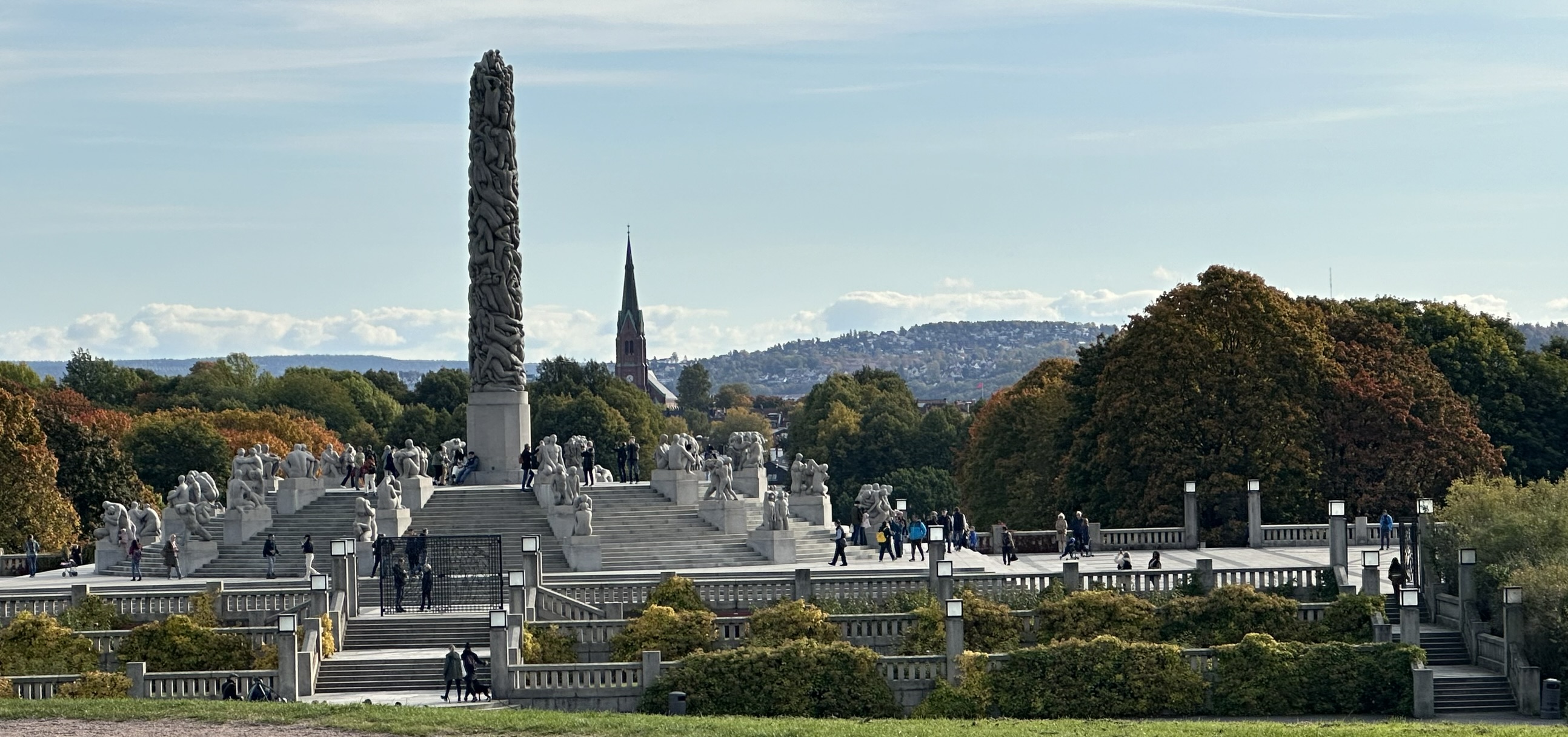
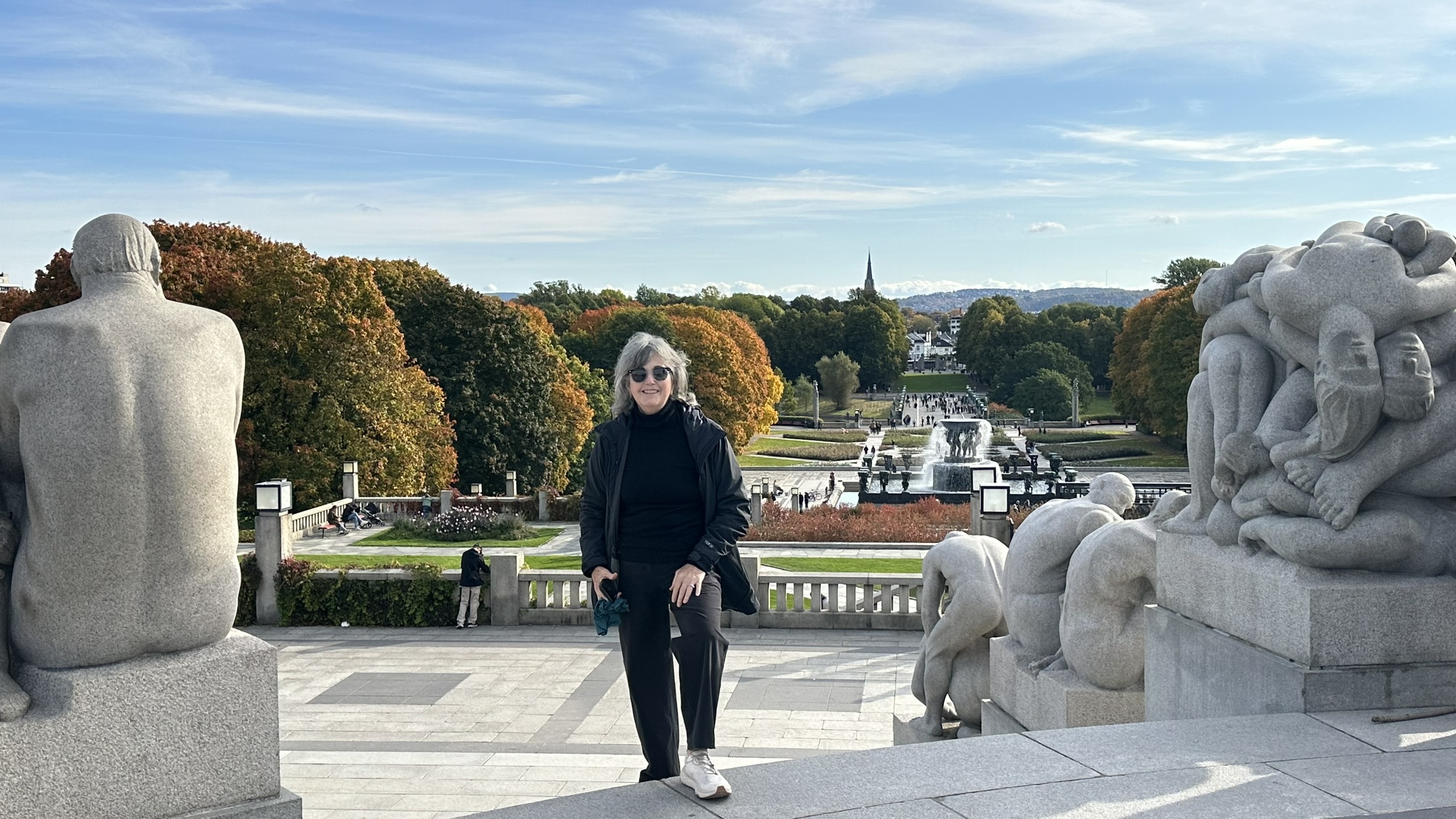
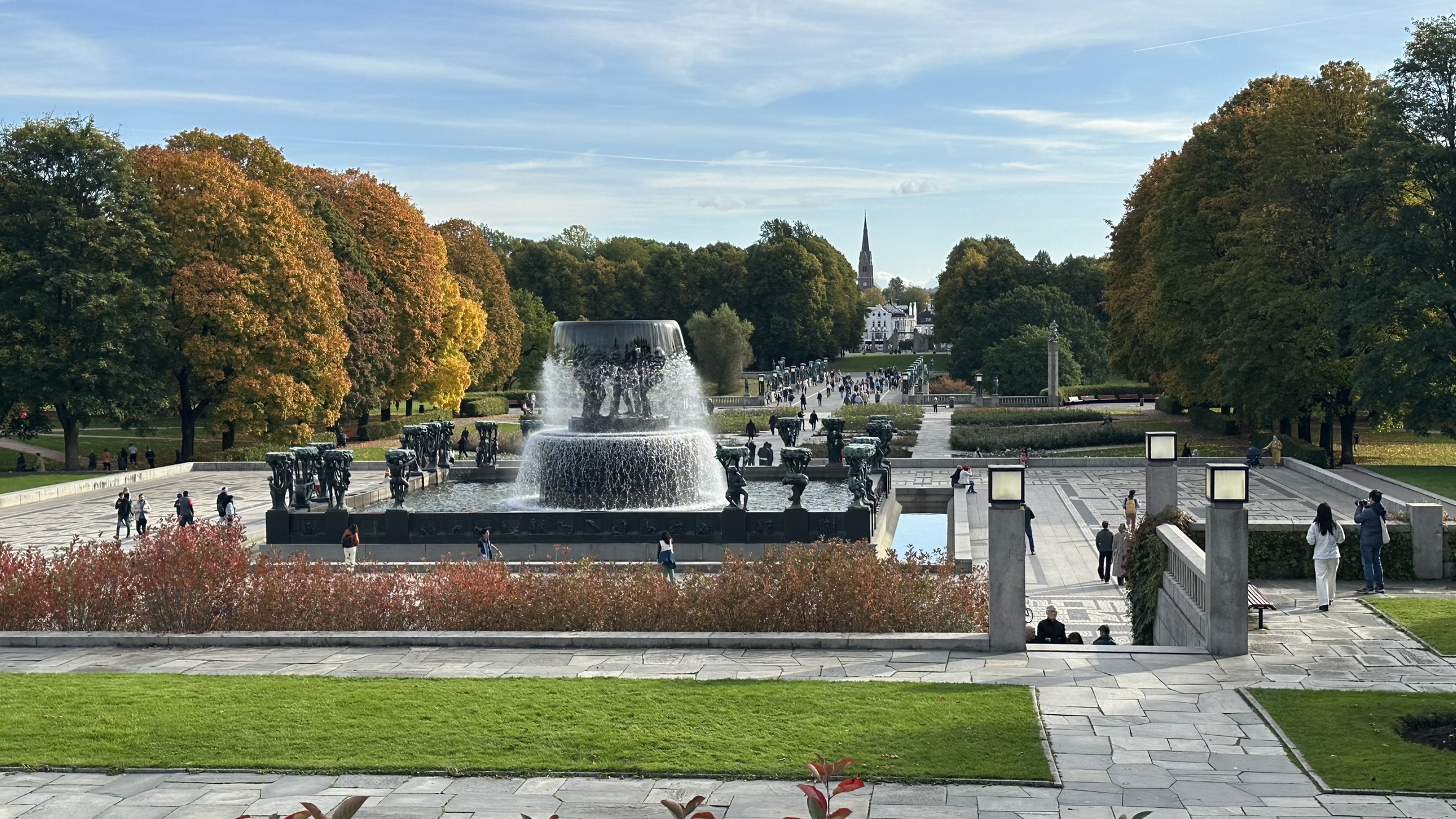
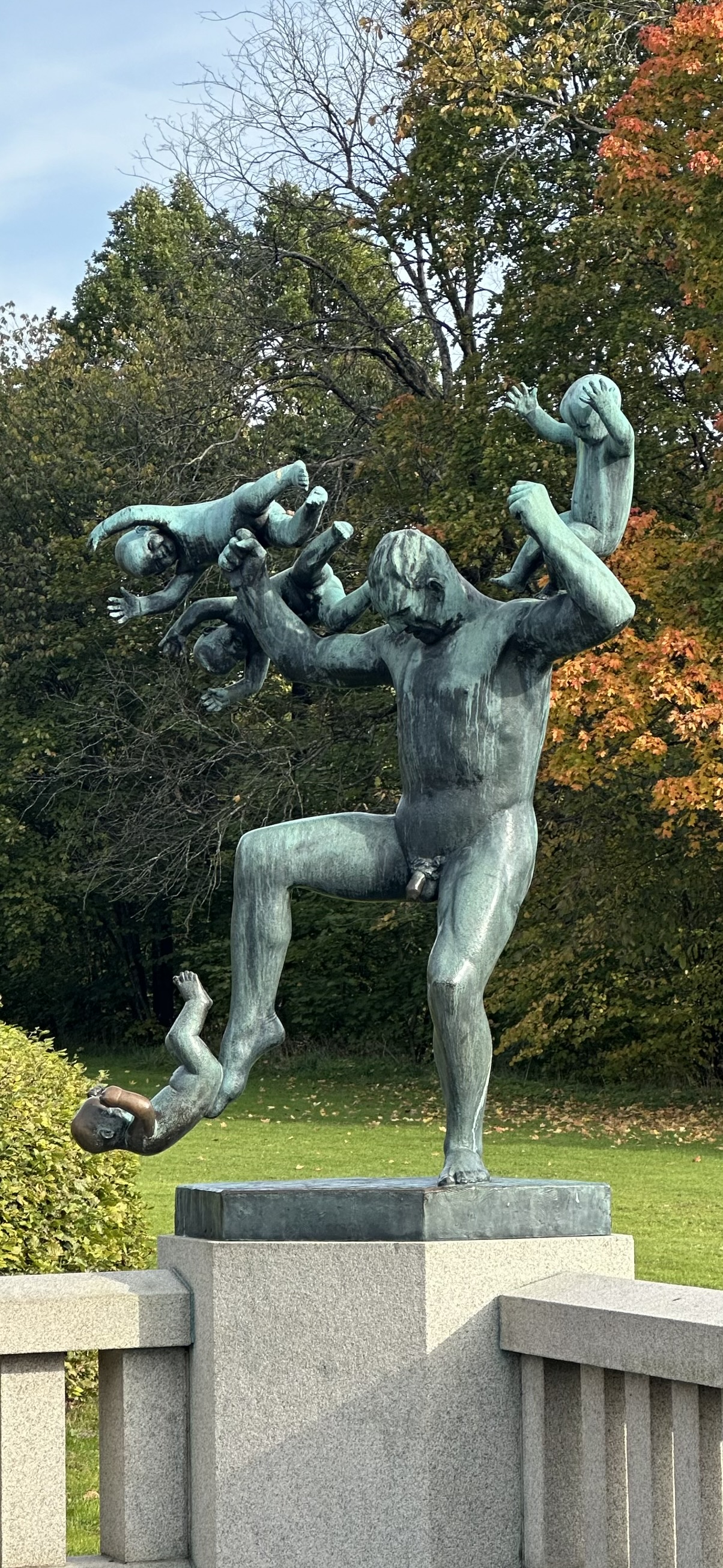
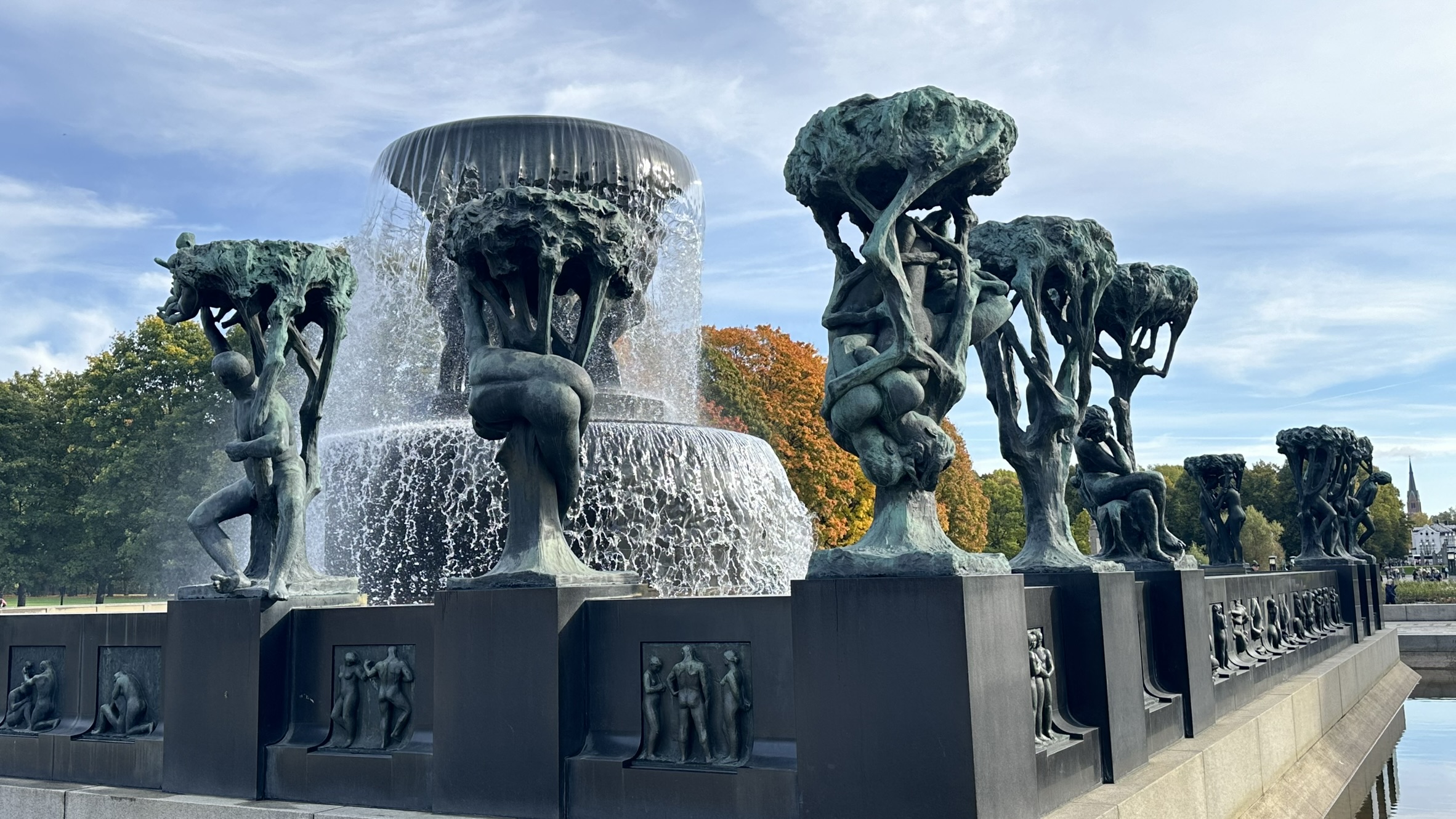
- The impressive Vigelandsparken sculpture park, with over 400 sculptures by the enigmatic artist, Gustav Vigeland. All the sculptures were intended to portray some different aspects of the human condition. It’s about an hour walk from the city center or 25 minutes on the 2 or 3 T-bus lines and is worth a good couple of hours strolling.

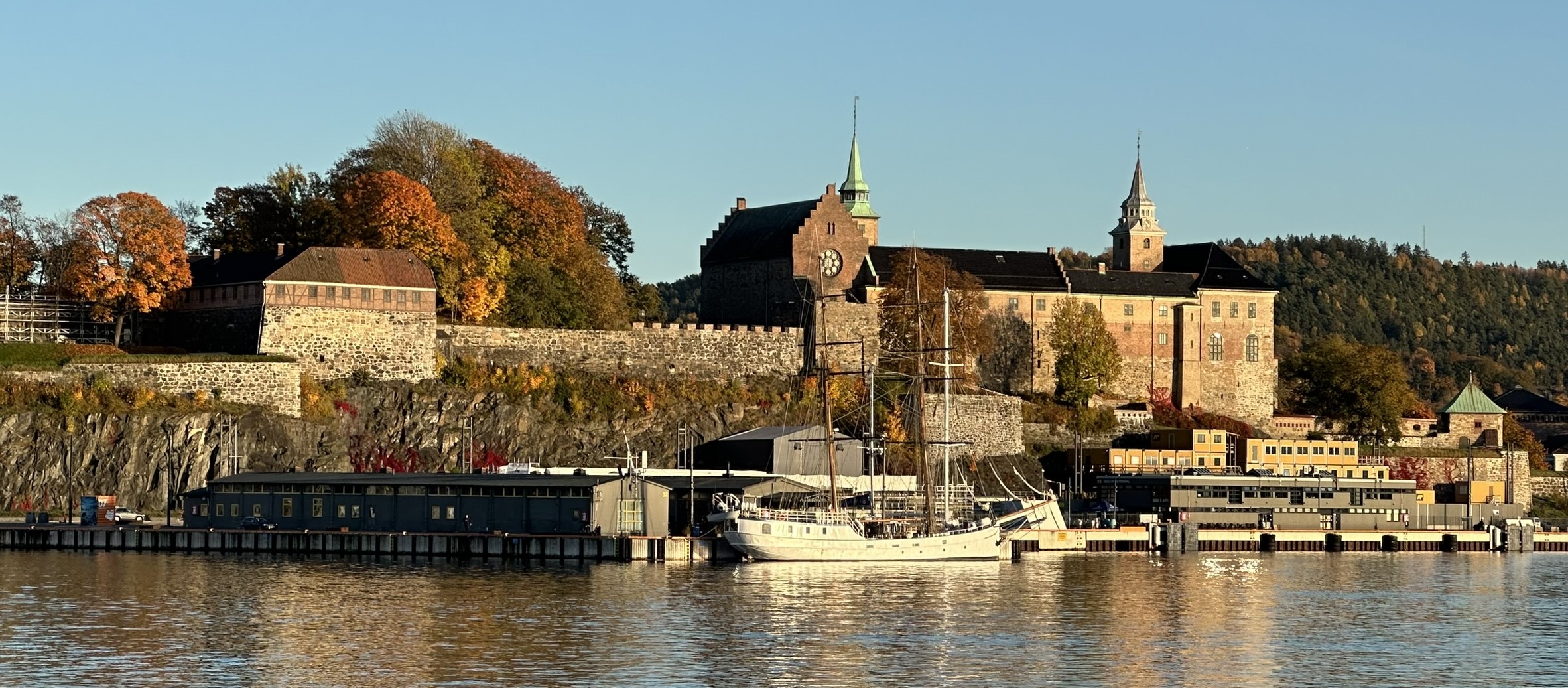
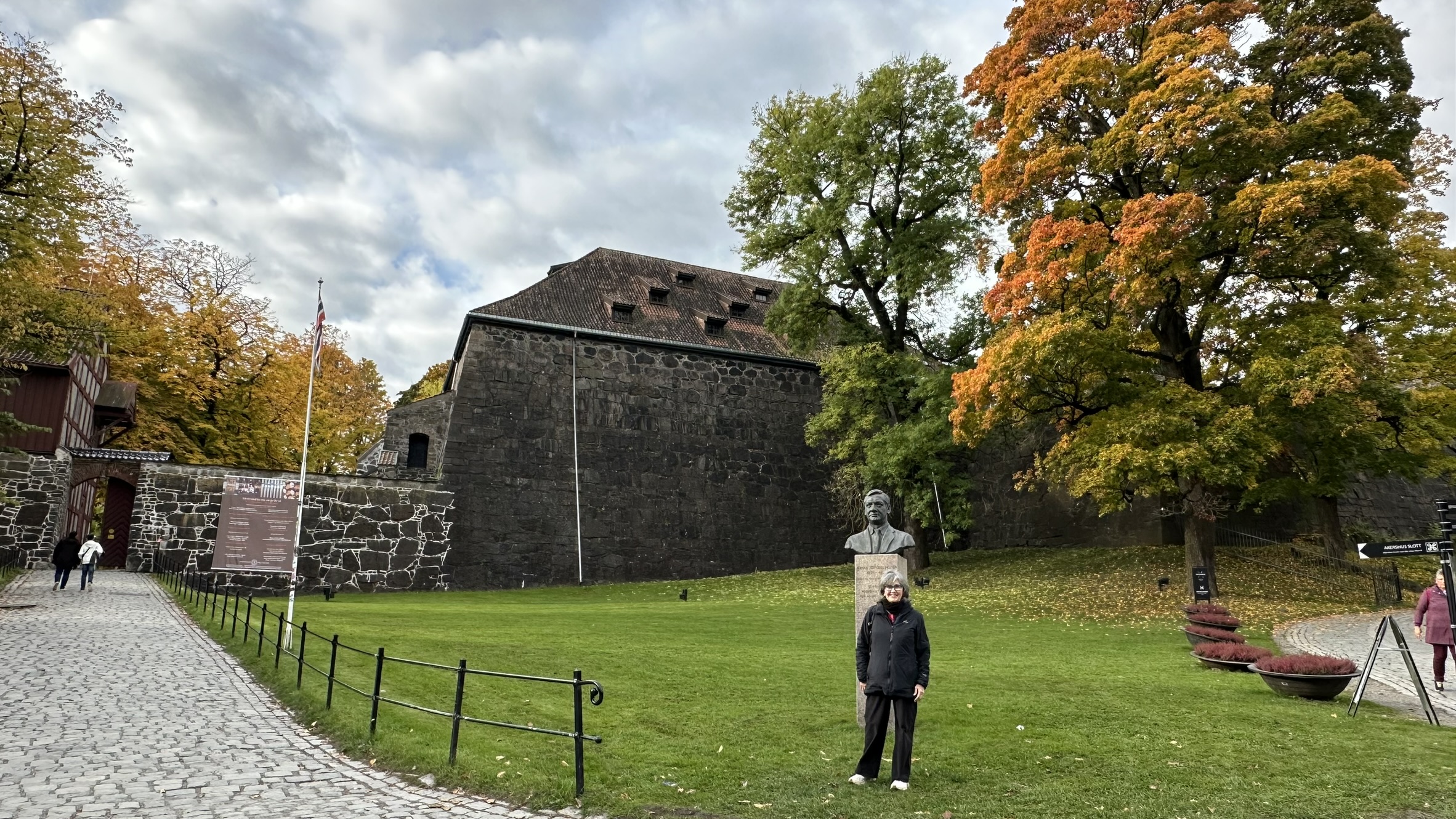
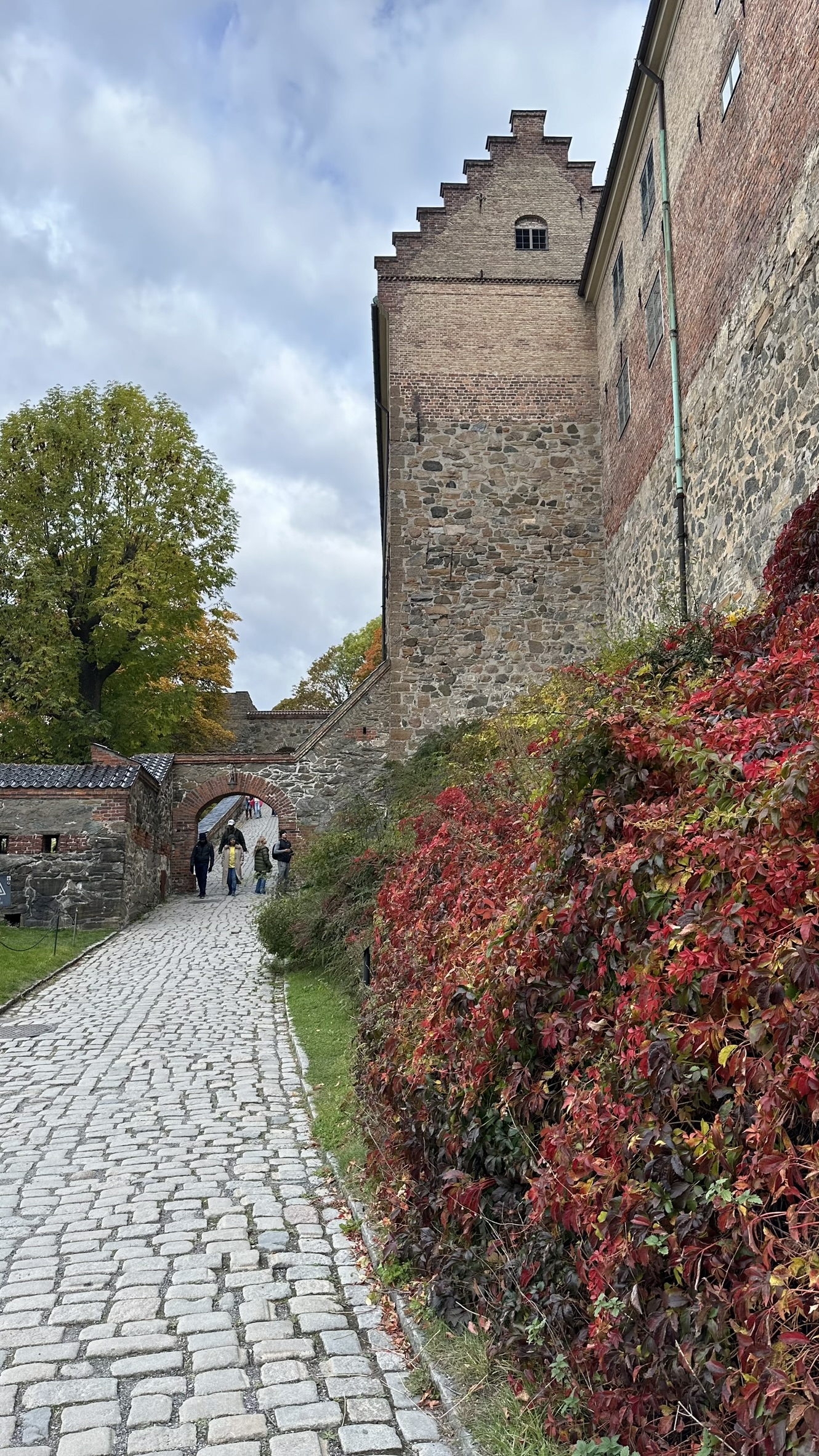
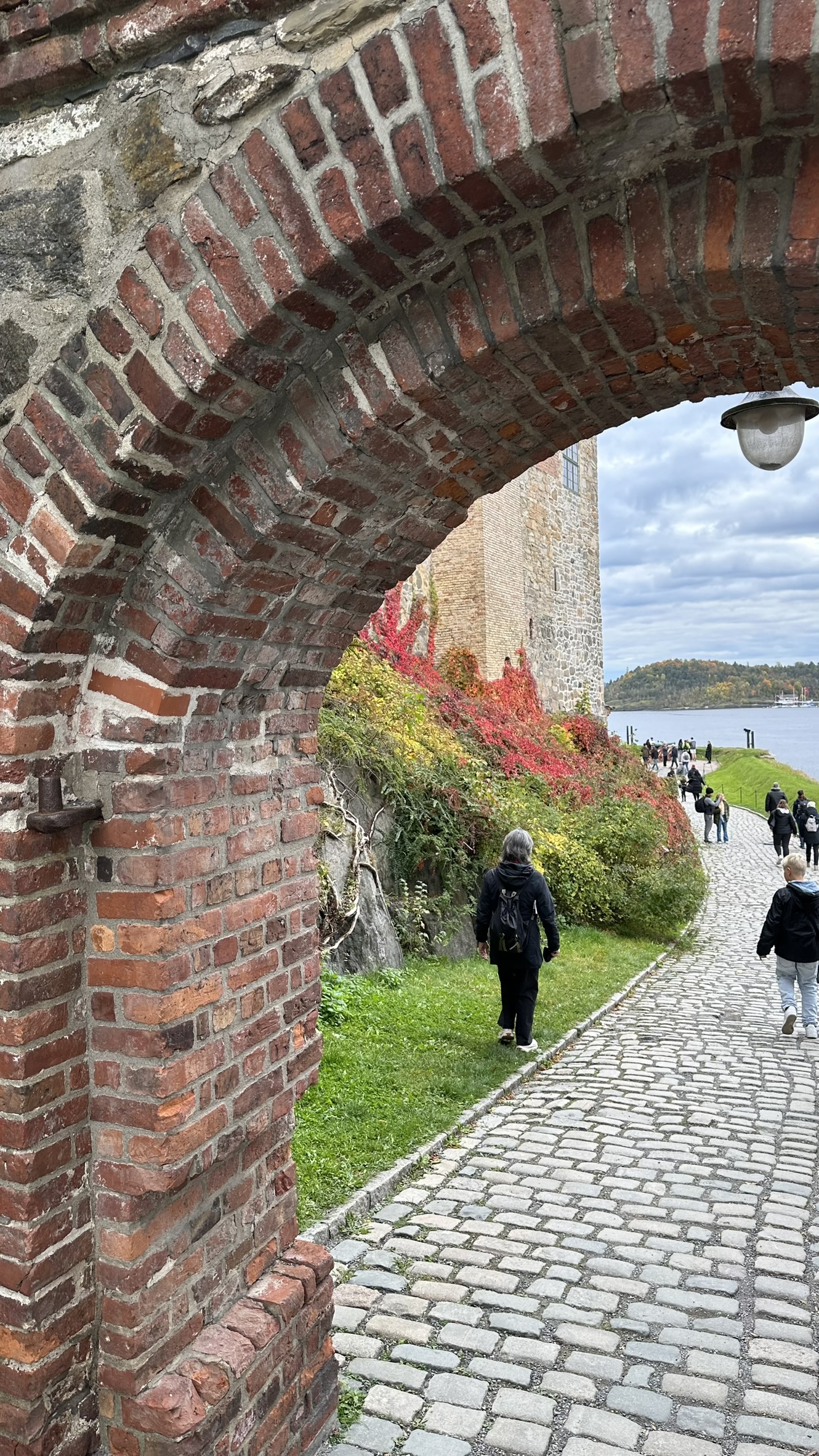
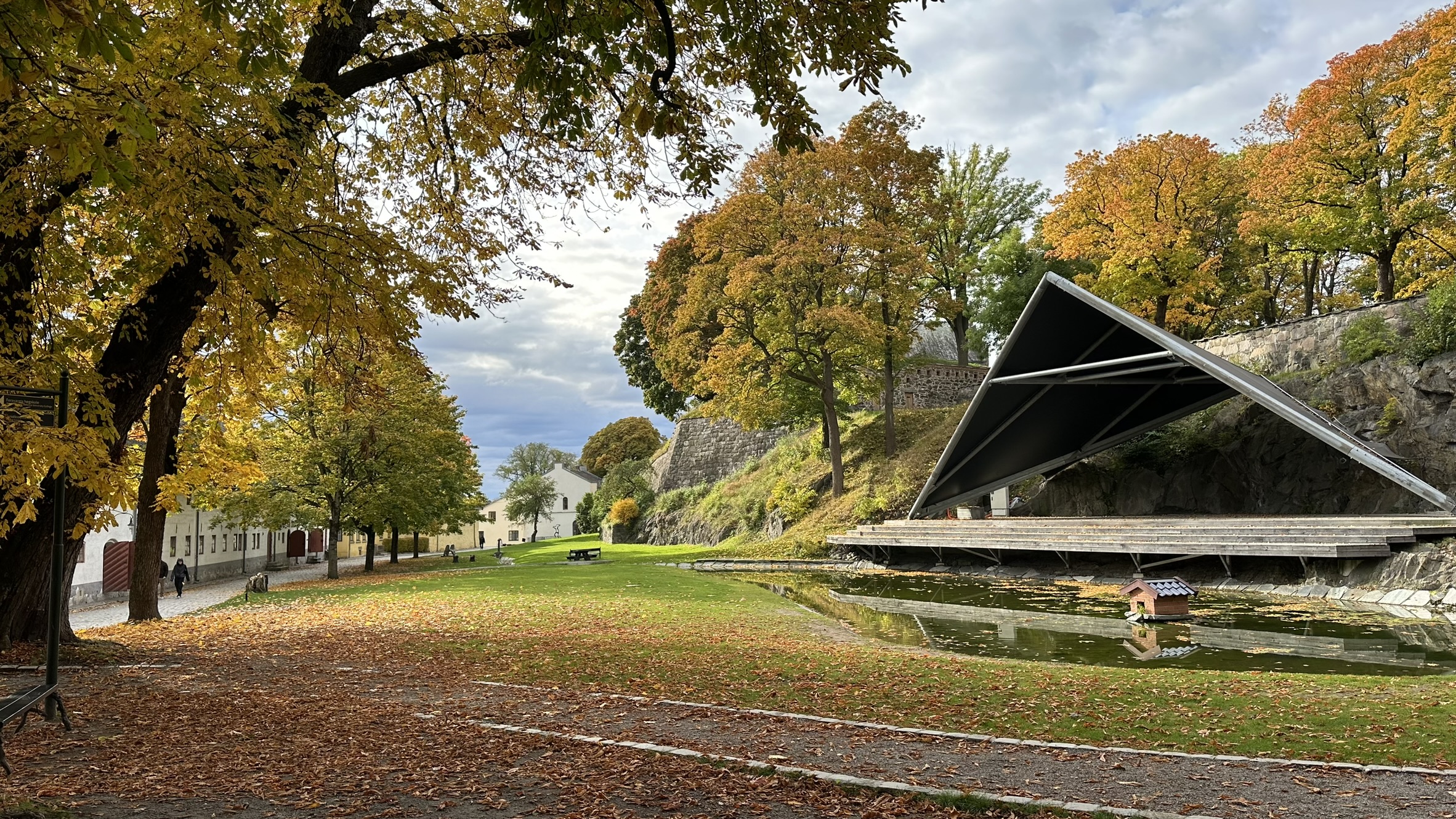
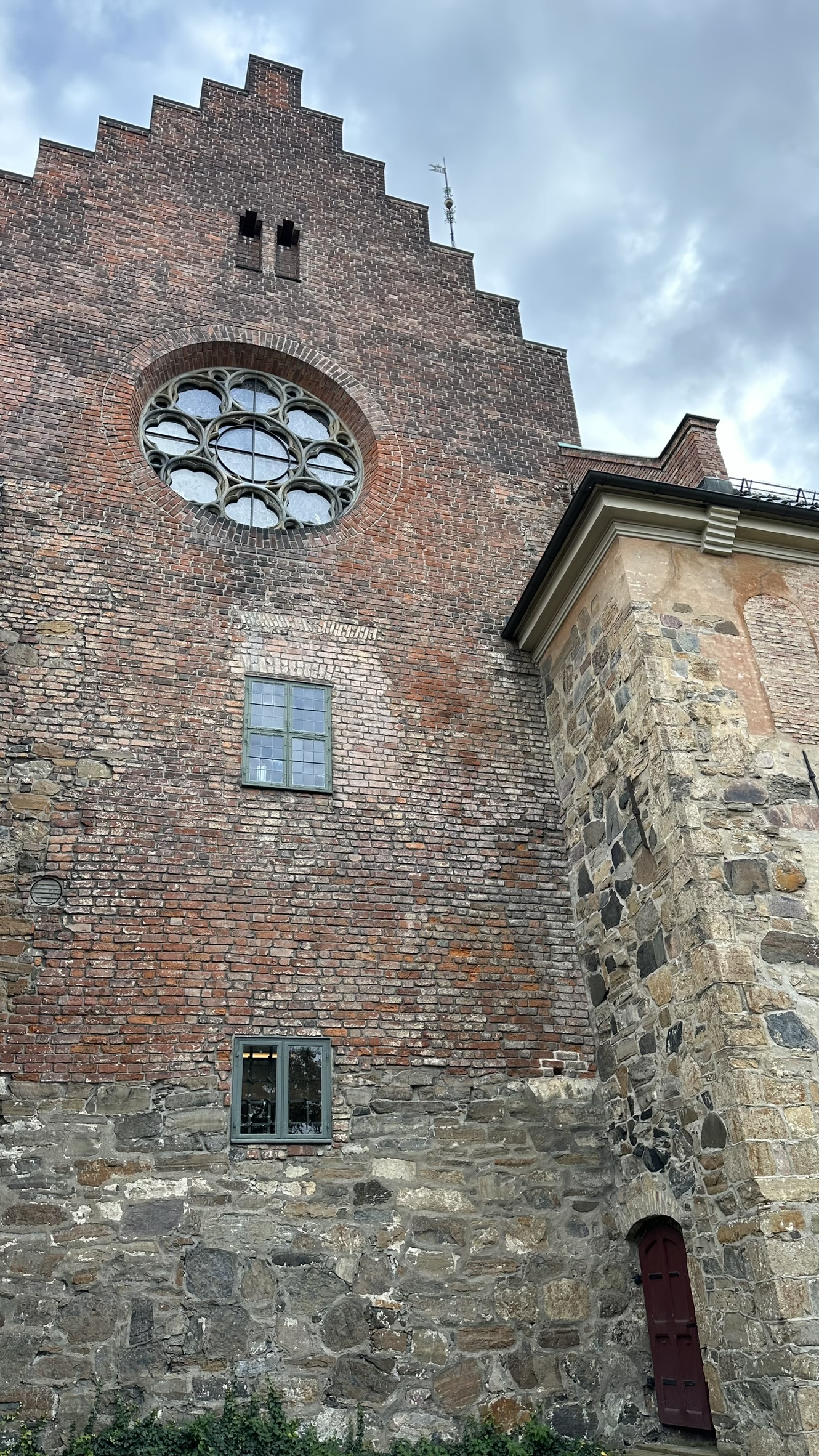
- Akershus Fortress, built in the early 1300’s to defend the city from sieges over the years, it ultimately became the Nazis WWII base in Norway after surrendering without a fight in 1940. Different periods of (re)construction and additions are easily seen in the different layers of stone and brick.
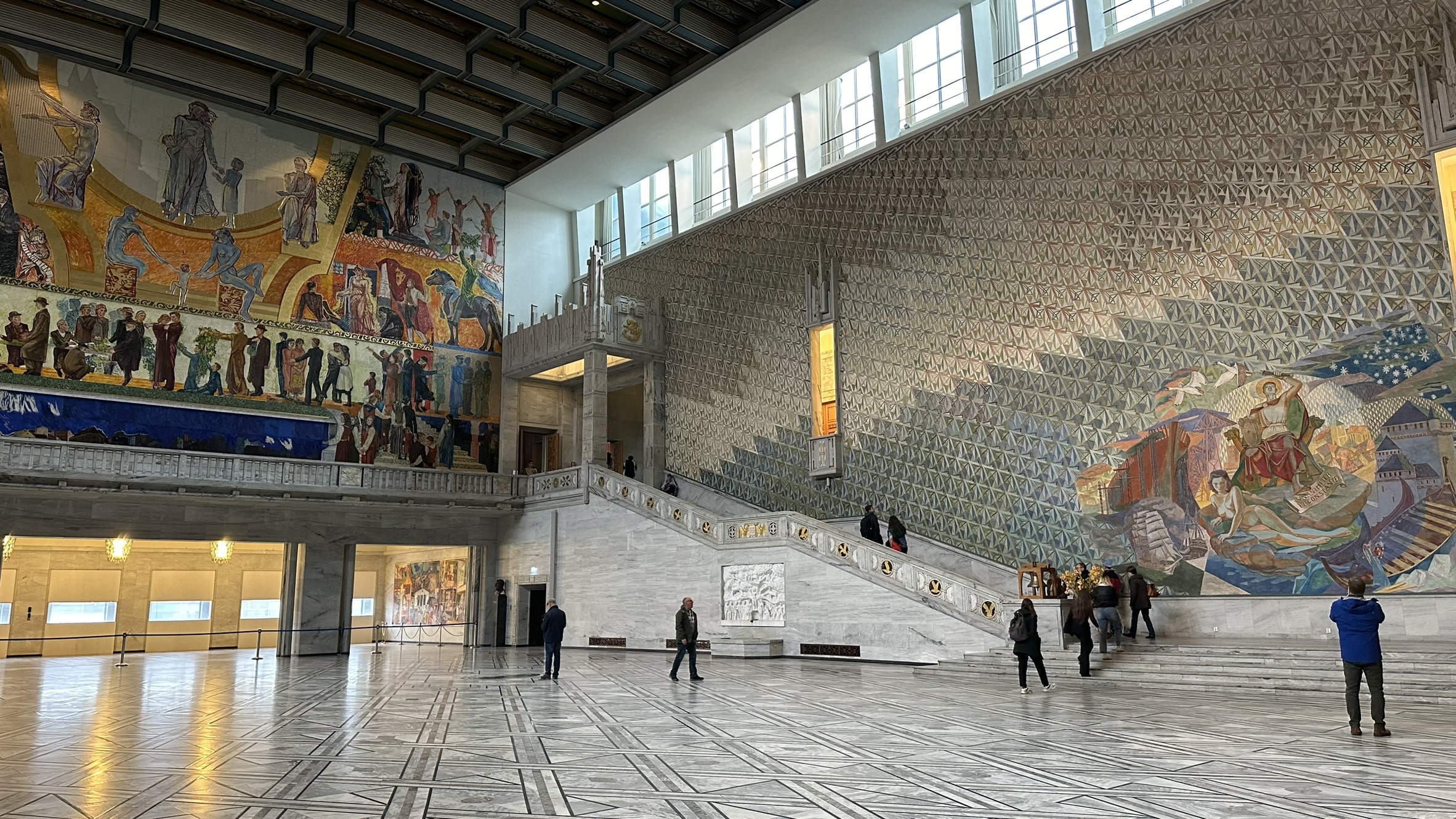
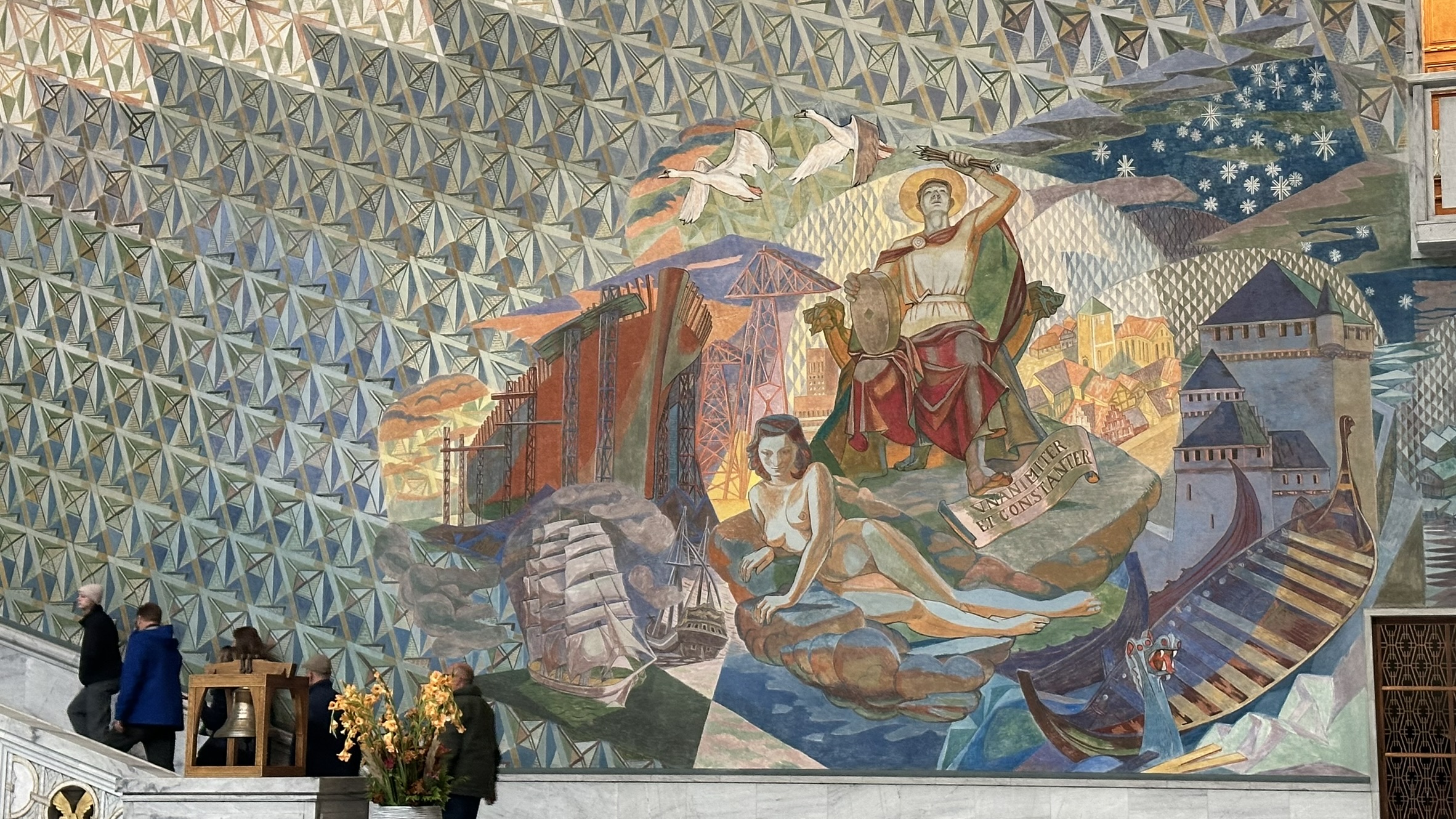
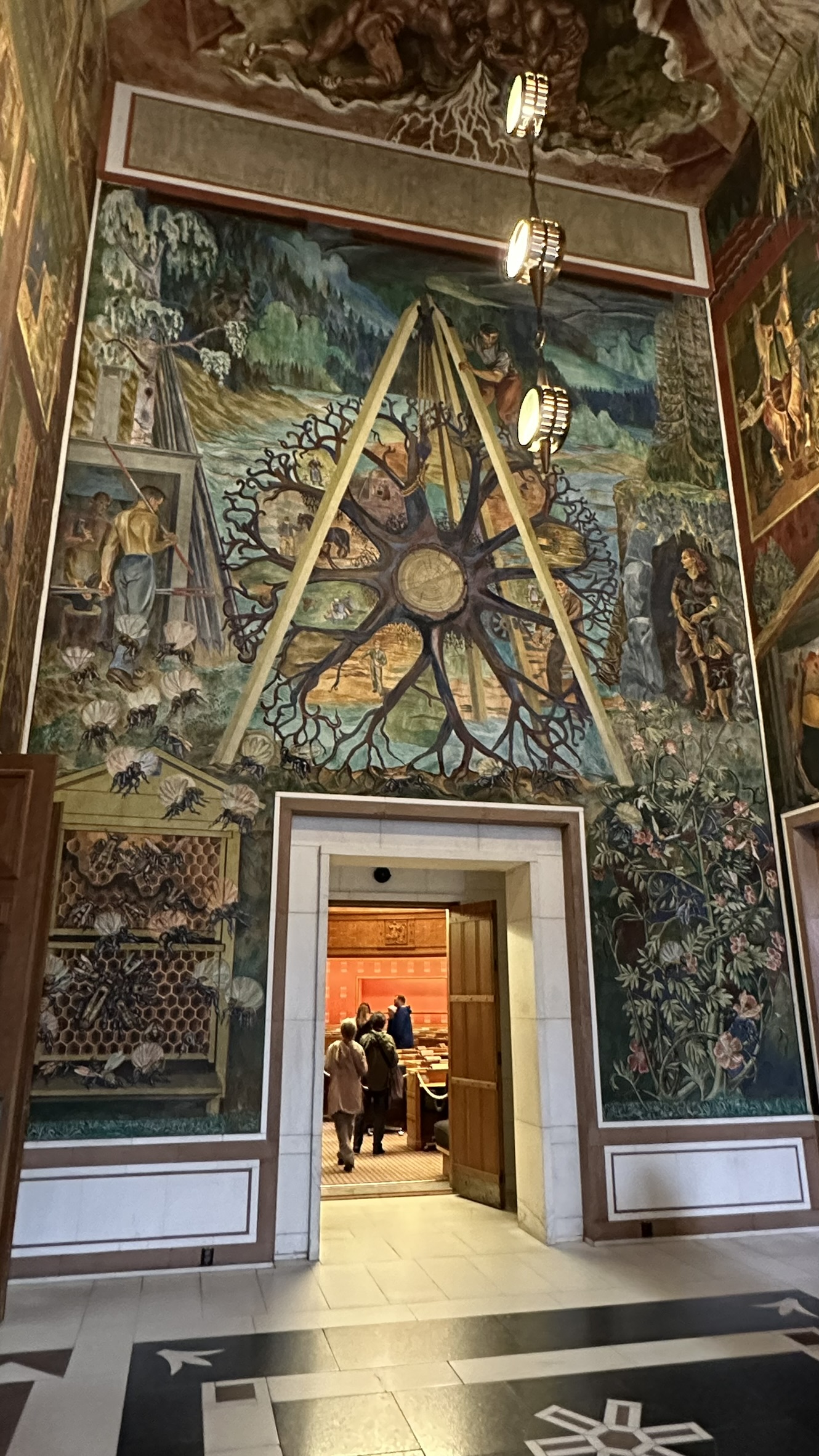
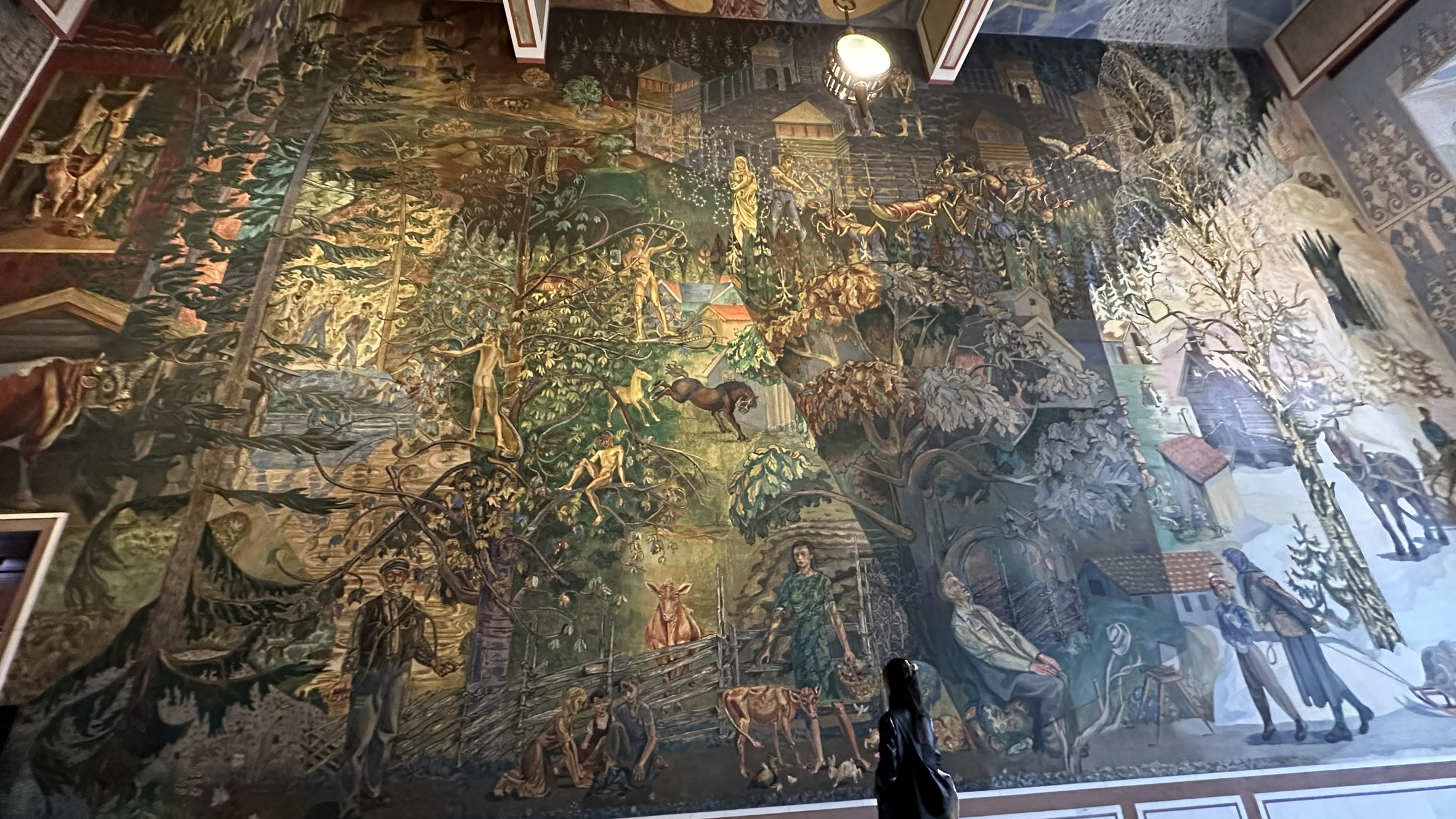
- City Hall’s interior is a work of art in itself and well worth a look around. The main reception hall is lined with murals telling the cultural history of Norway. The staircase to the second floor leads to several rooms, each a gallery unto itself.
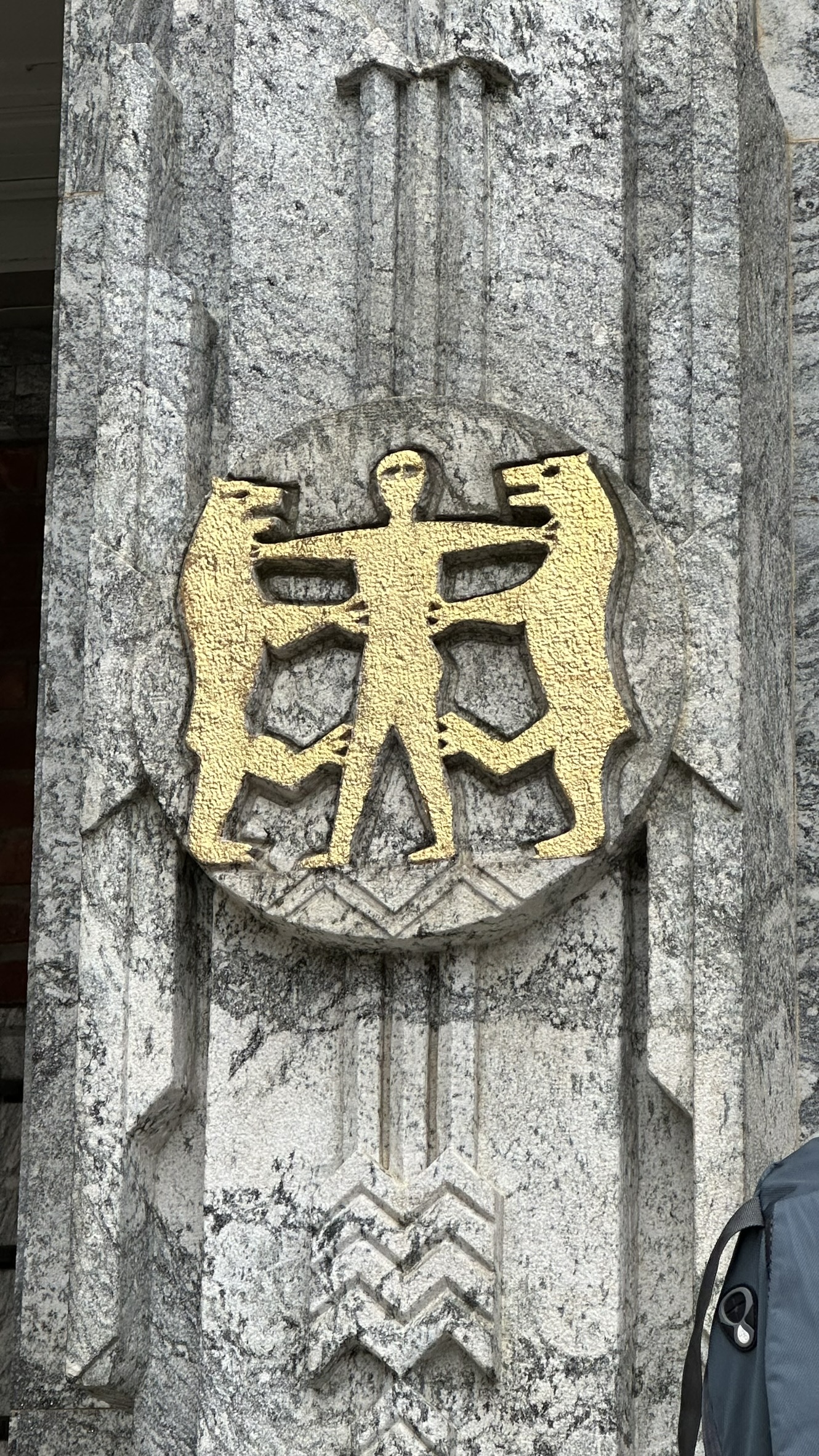
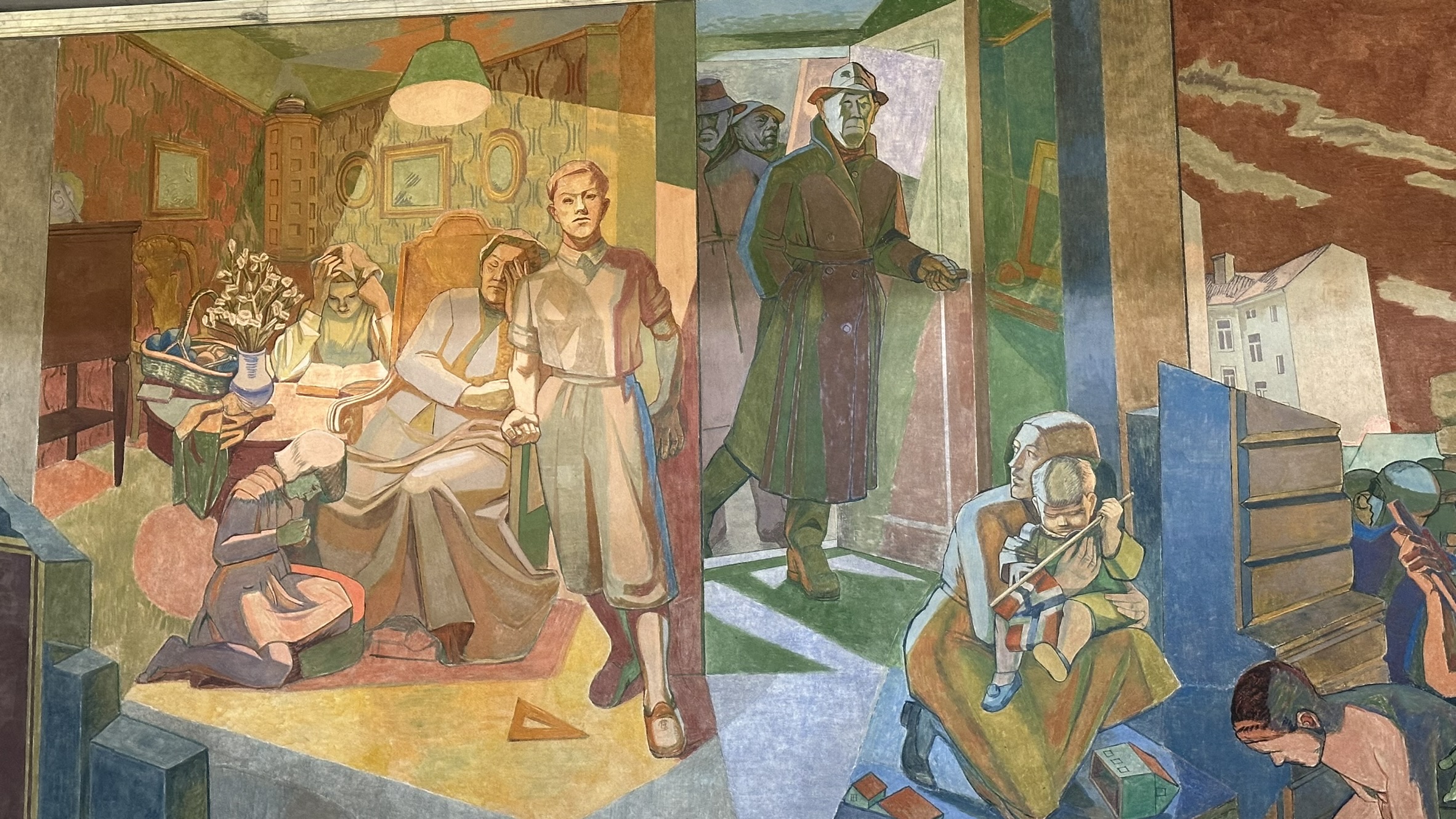
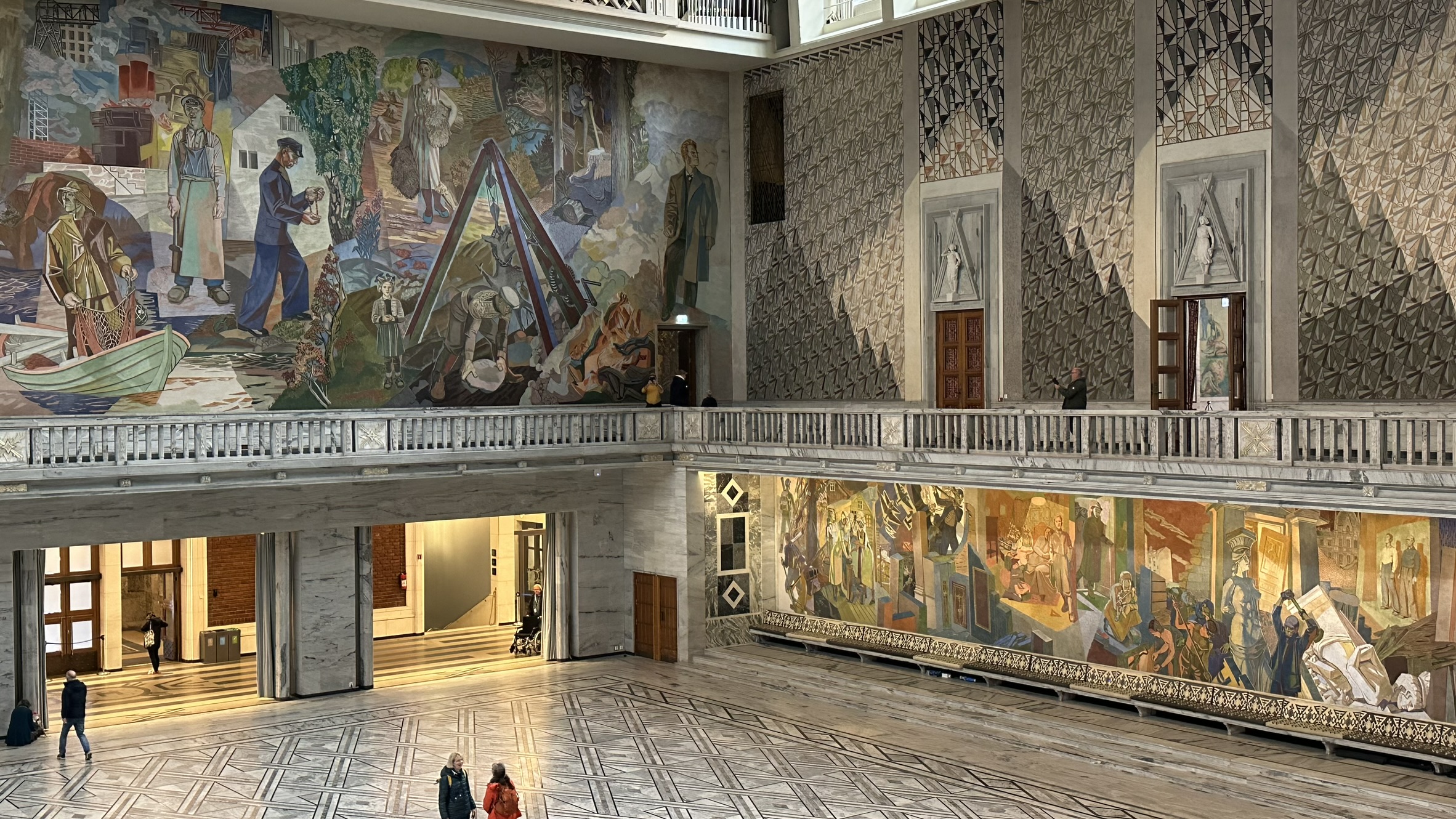
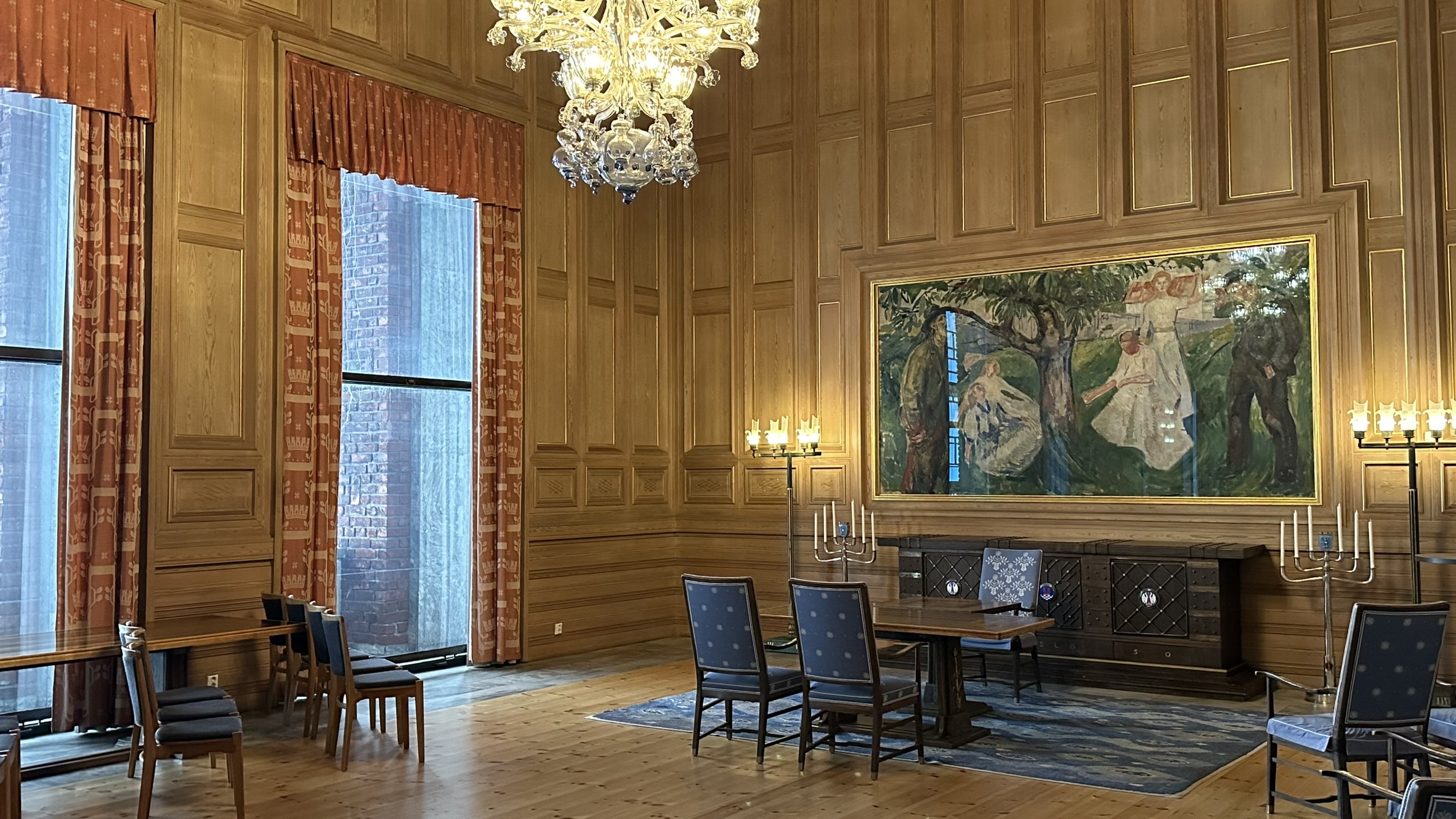

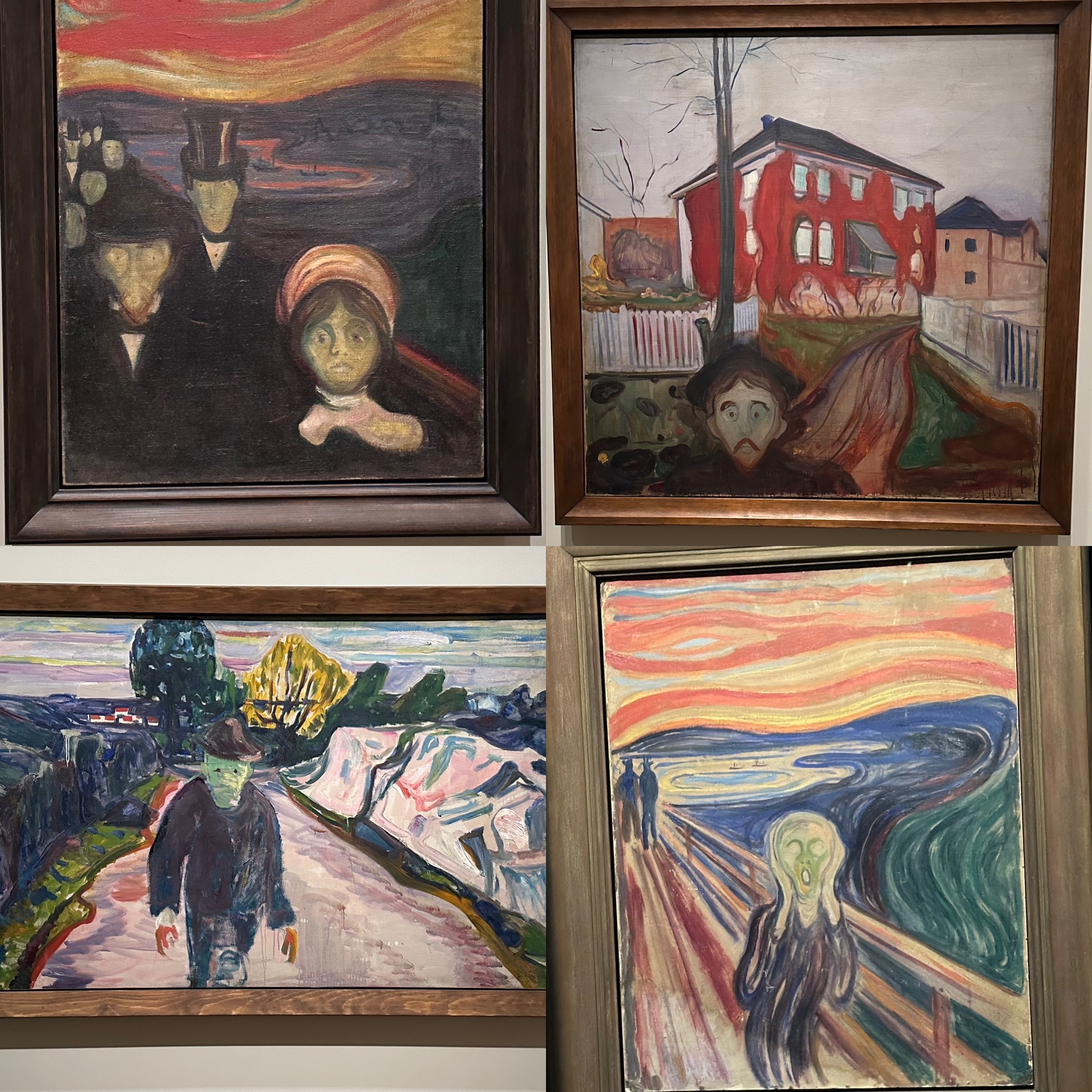
- Edvard Munch museum was both impressive and educational. Munch’s most famous work, of course, is “The Scream”; what we didn’t know is there are four different versions he painted, and each is revealed one at a time for 30-minutes, apparently to help better preserve them. Many of his other works are equally fascinating.
- We enjoyed excellent dinners at Fiskeriet Youngstorgen (fantastic seafood, but get a reservation, as it is no secret with a line for “drop-ins” often stretching down the block) and Dinner Barcode (Asian), just across the street from Maeemo, Oslo’s only Michelen 3-star (and uber-expensive) restaurant.
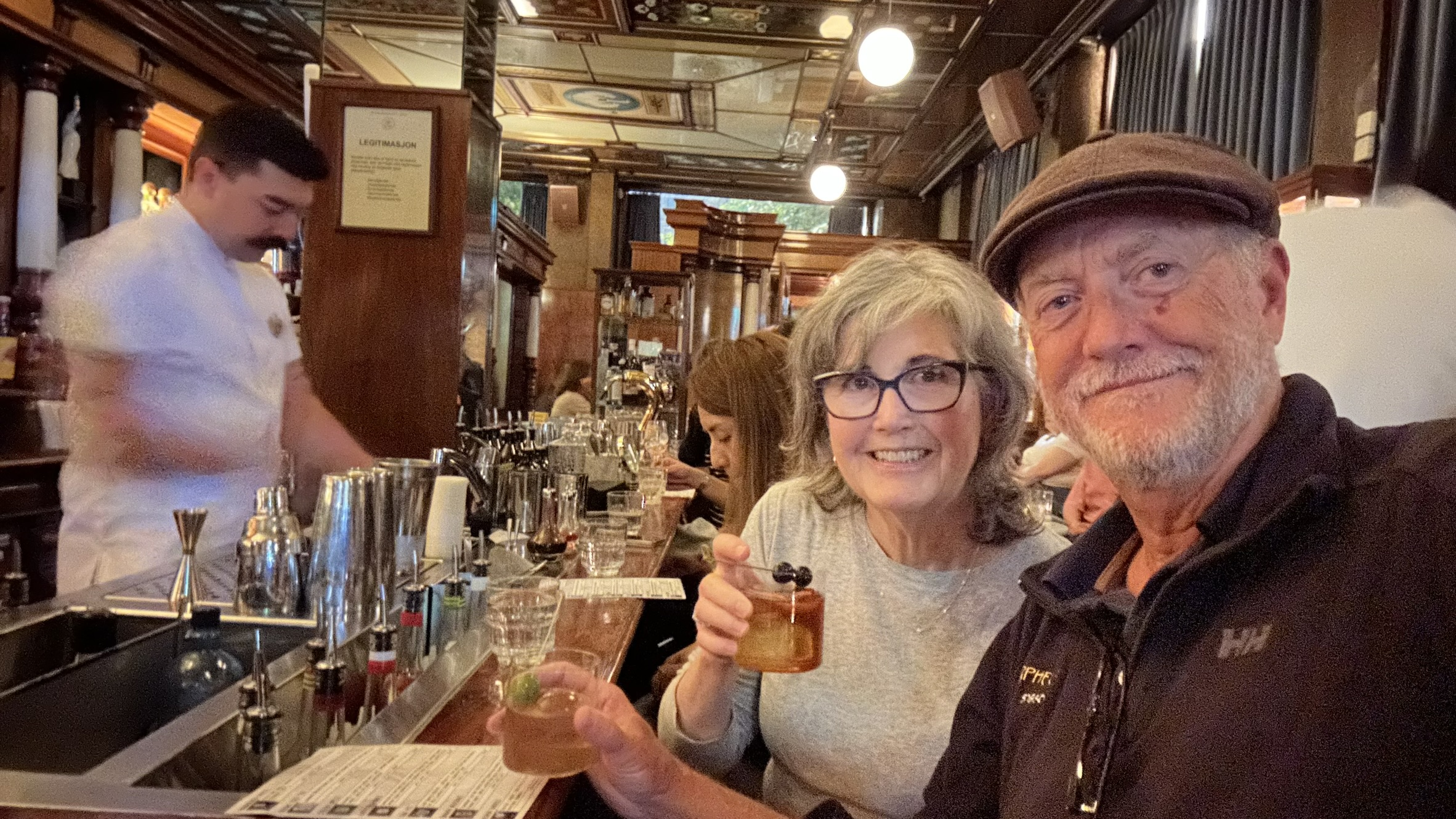
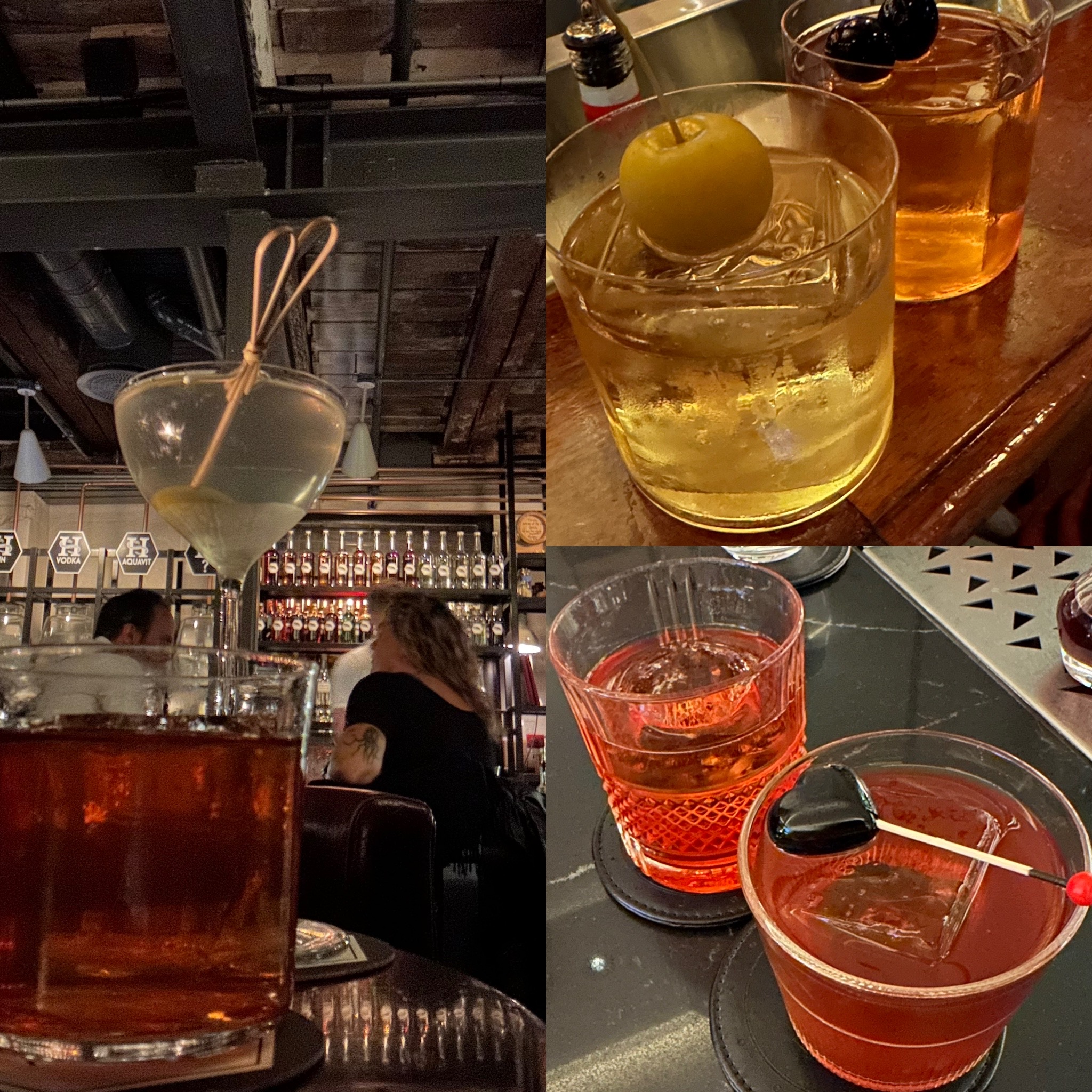
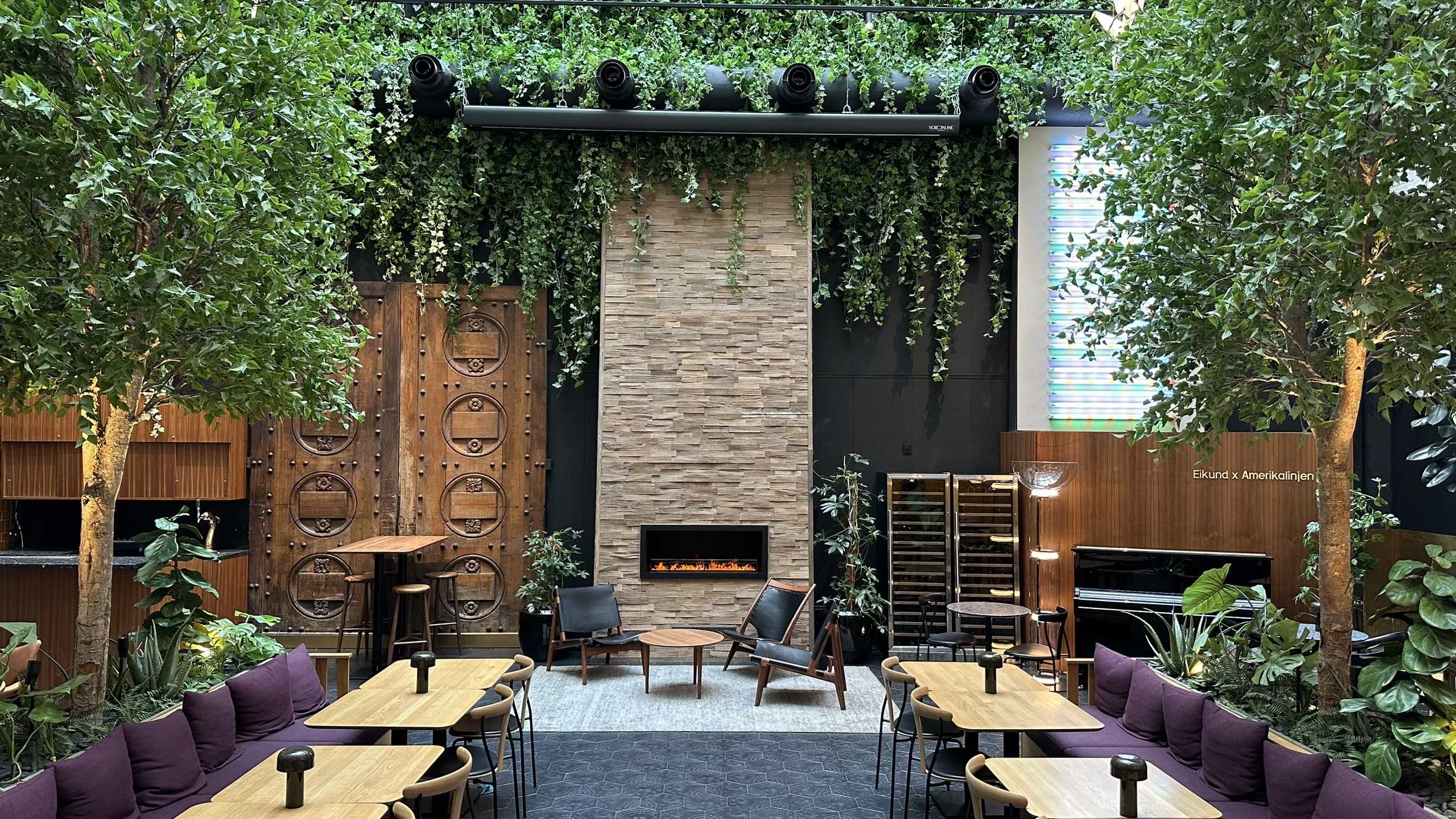
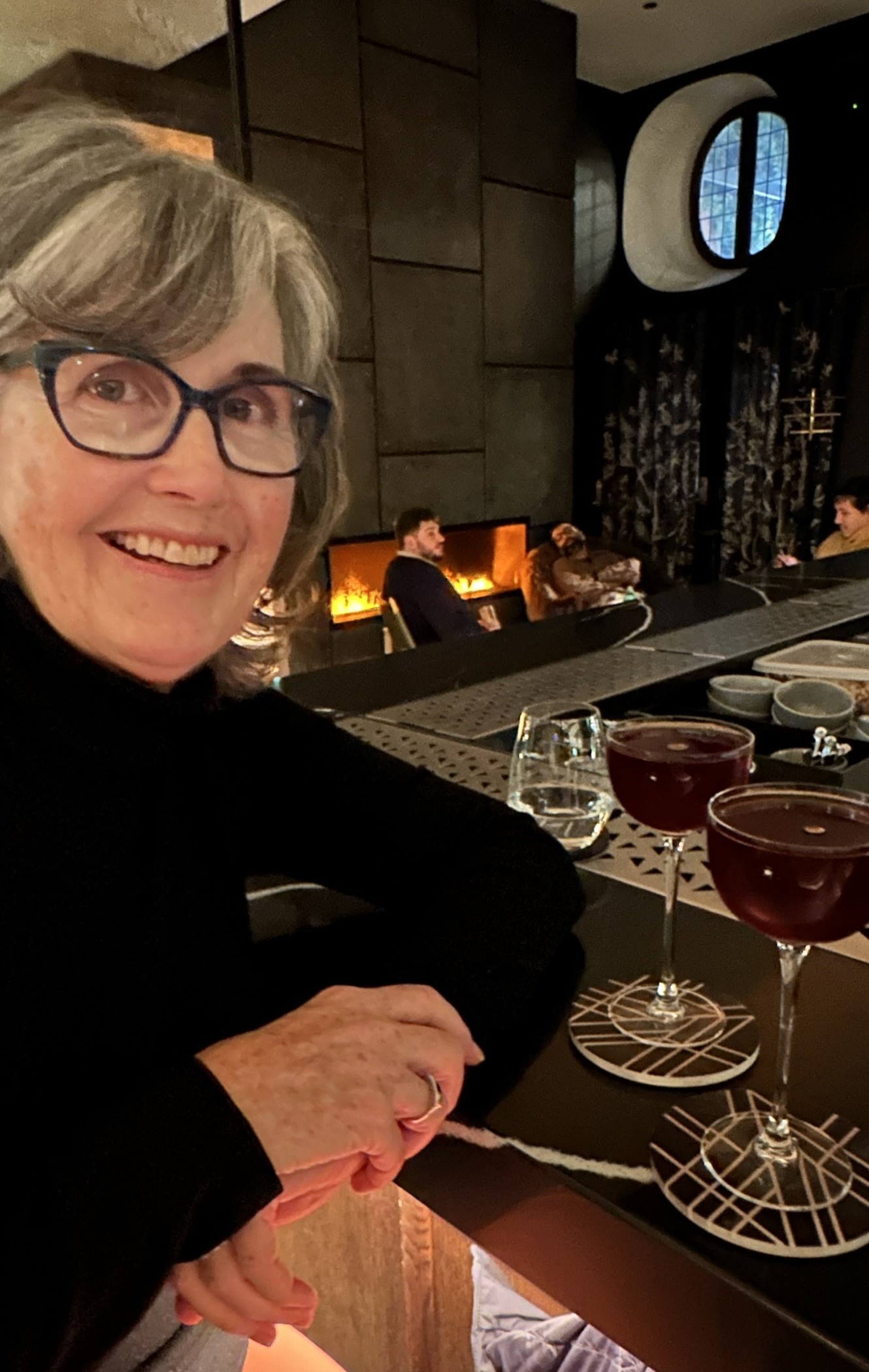
- A couple too notch cocktail bars, most notably Himkok, #11 on the World’s Top 50 list, and Svanen (Norwegian for Swan), which we liked even better. They have a downstairs speakeasy called Ugly Duckling. Pier 42, in the Amerikalinjen Hotel, is also excellent. For a nice, casual, music-oriented pub with a cool, laid-back vibe, look no further than Last Train, just off Karl Johans Gate near the National Museum.
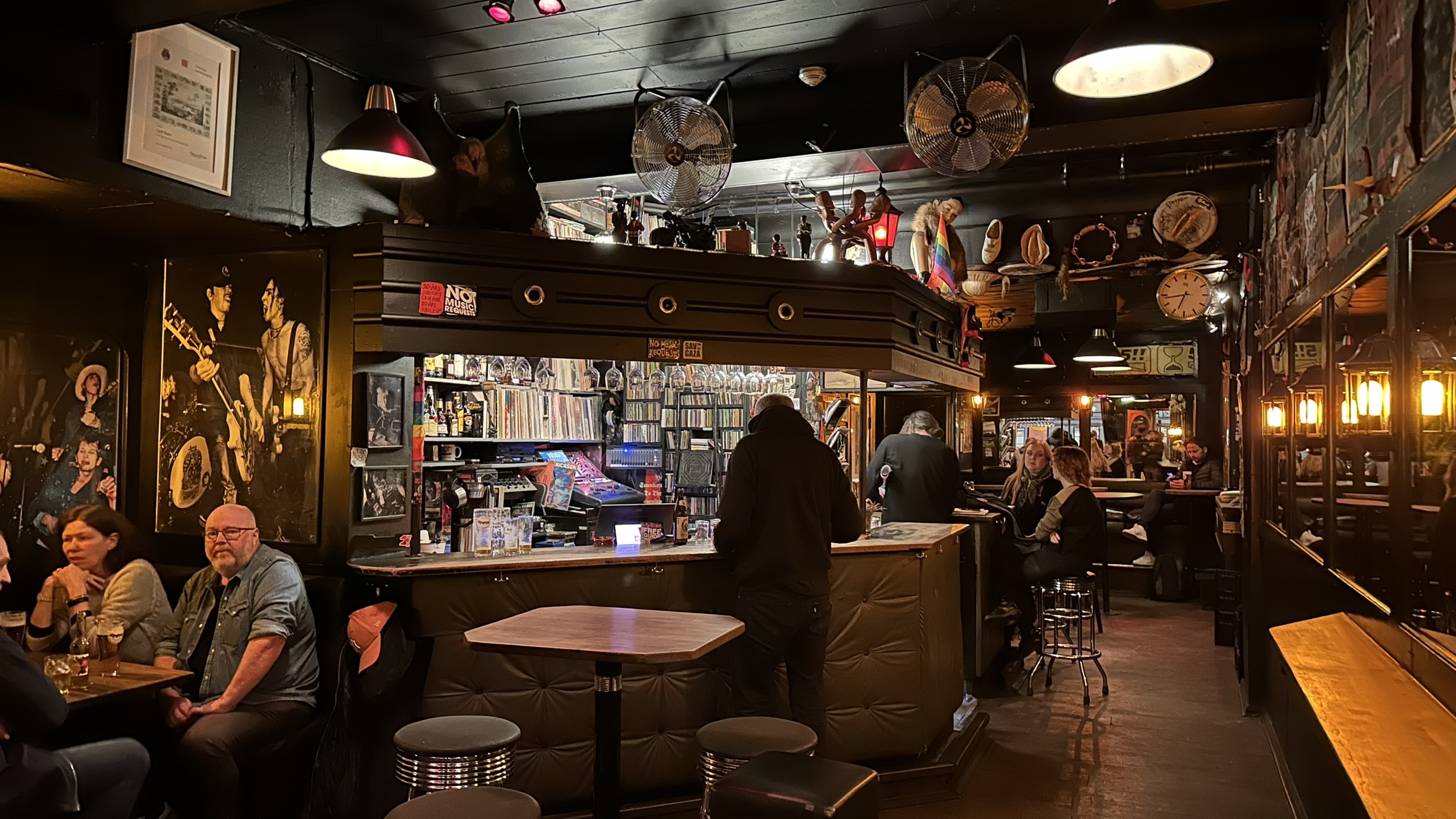
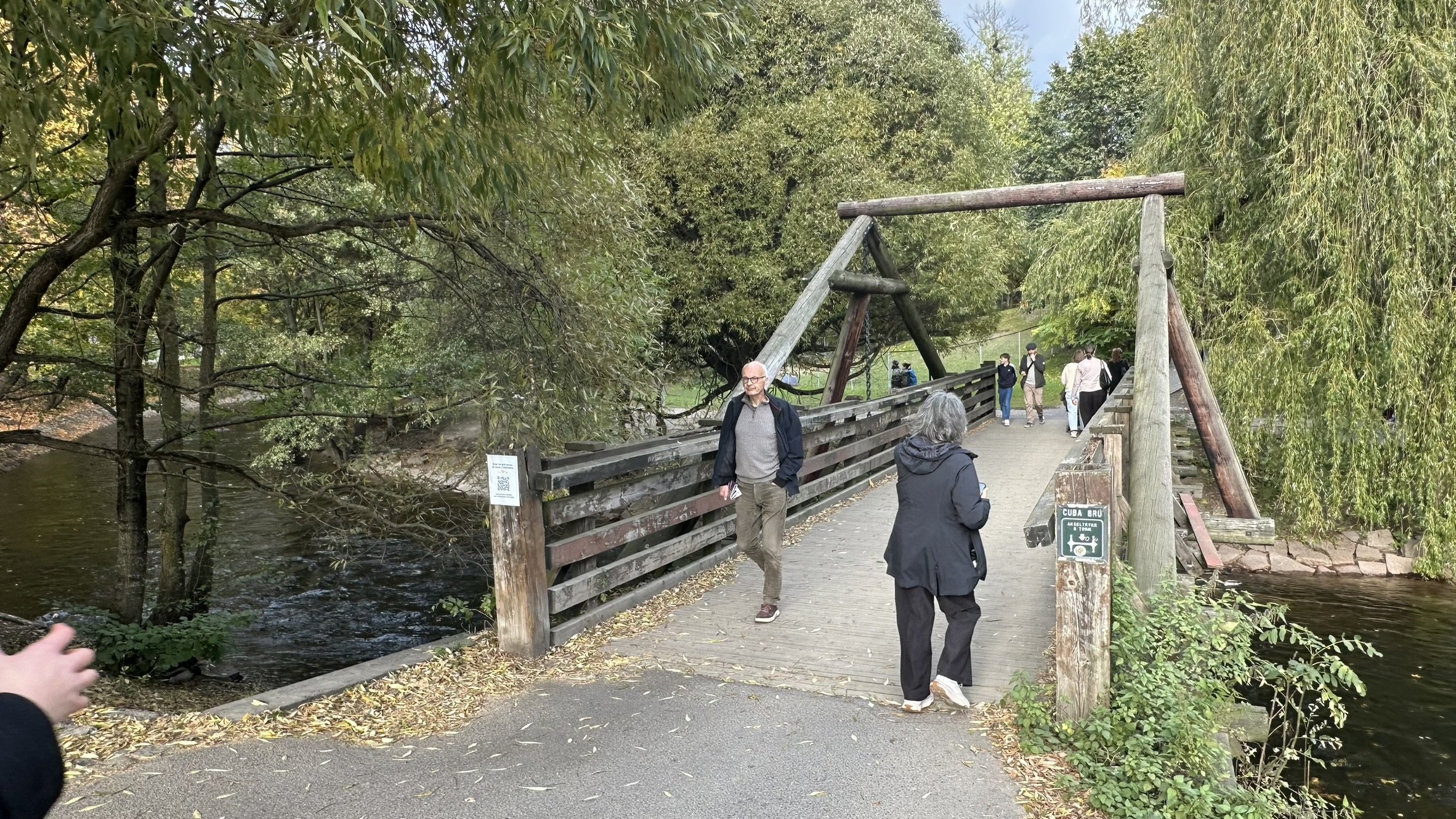
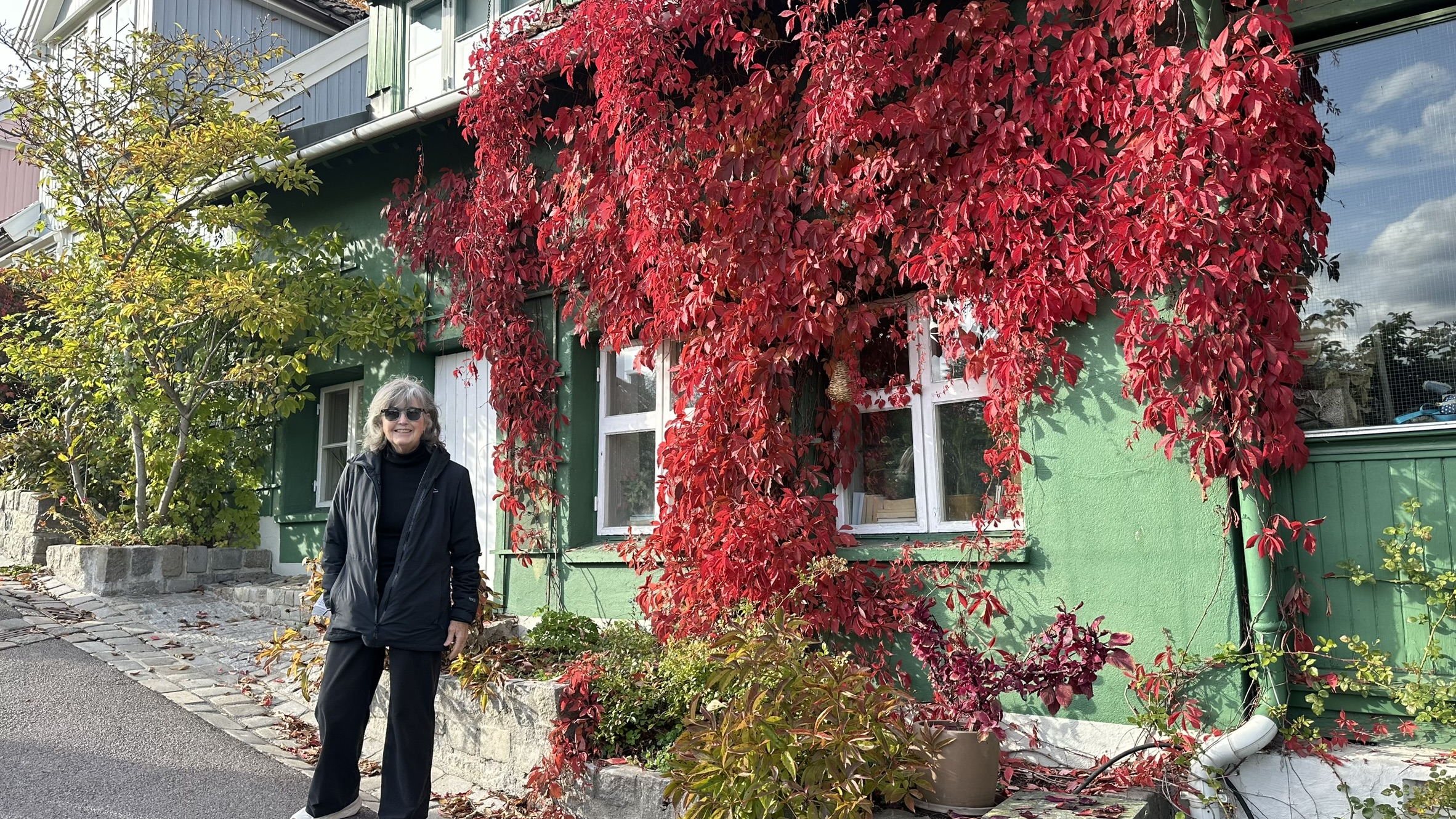
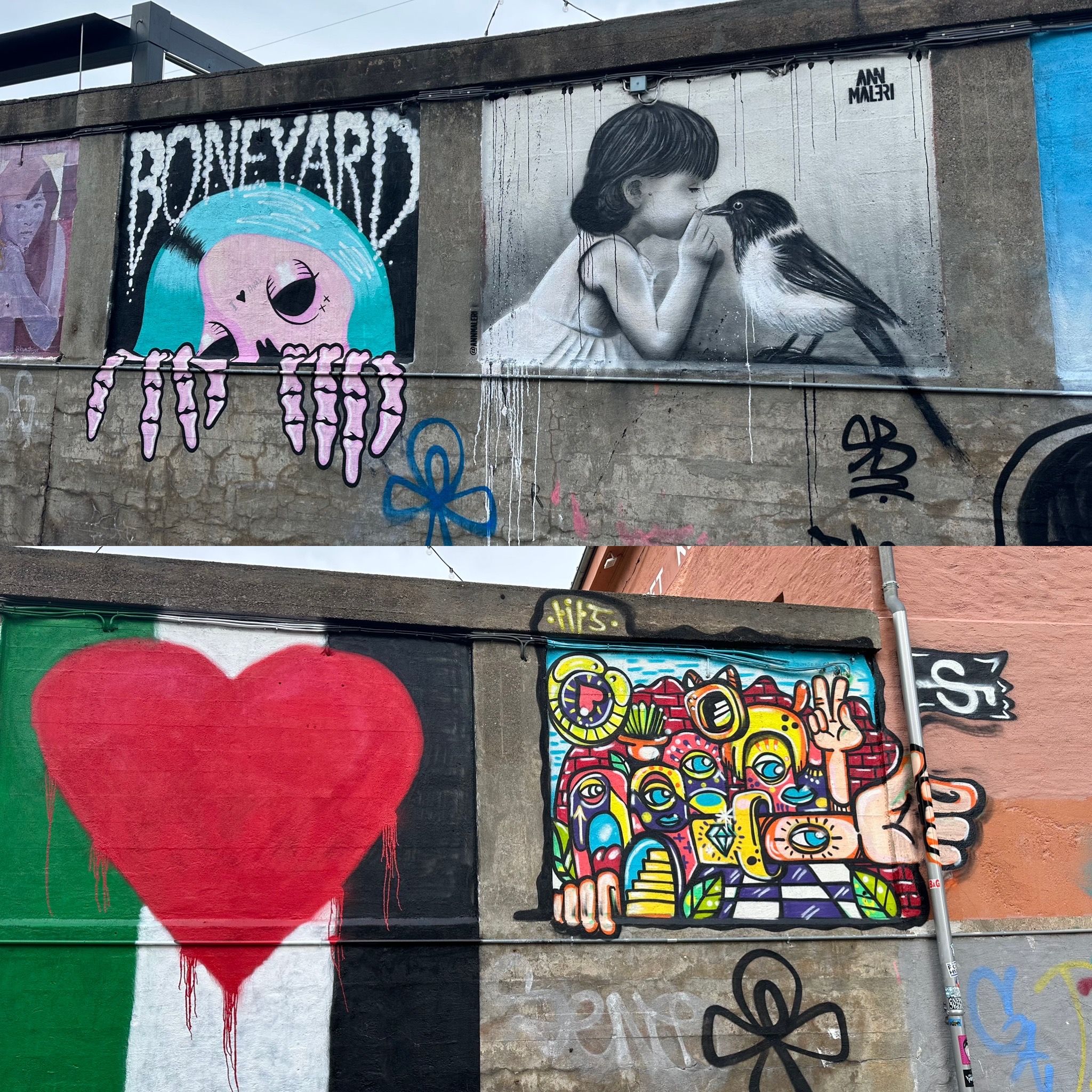
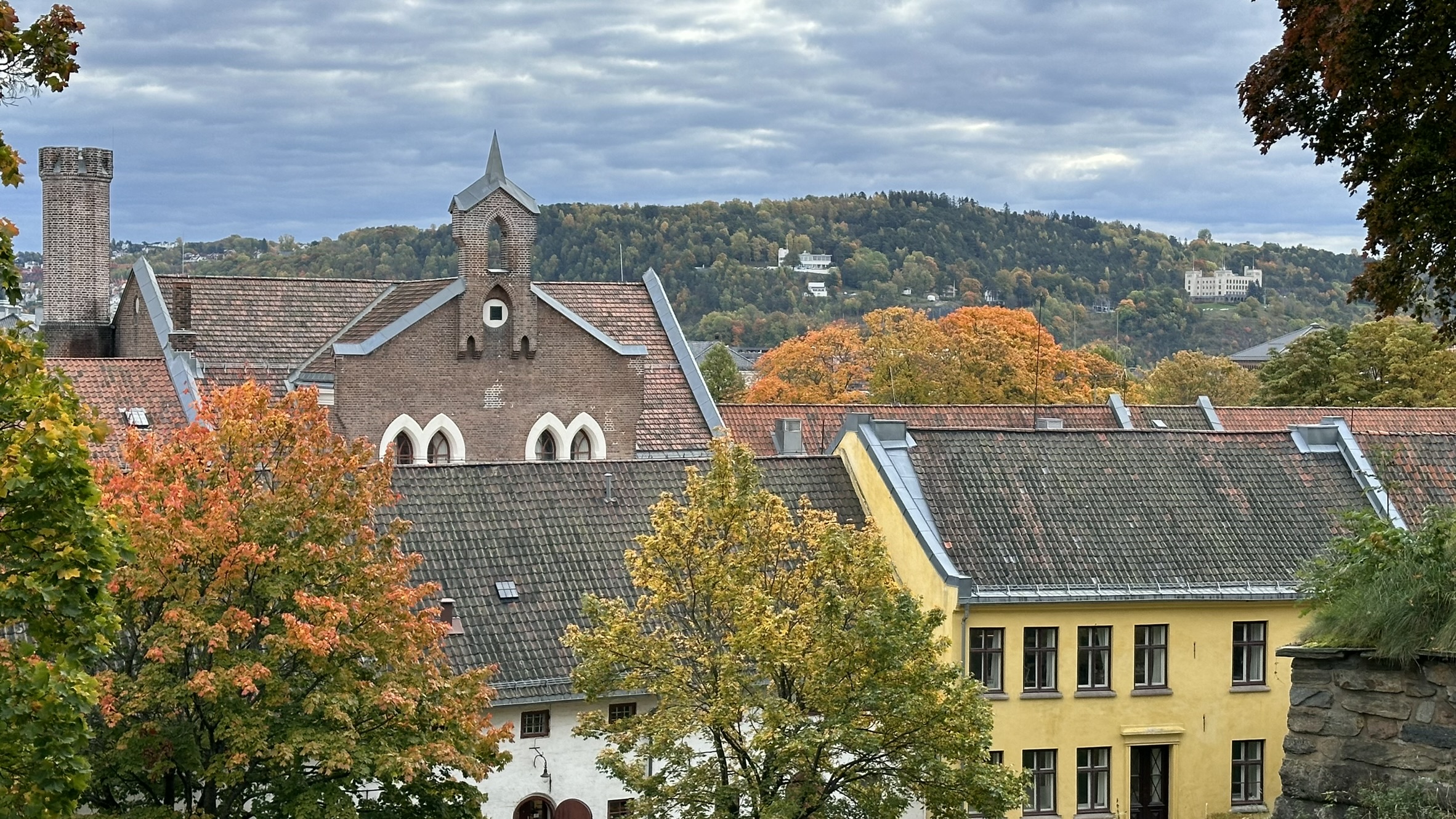
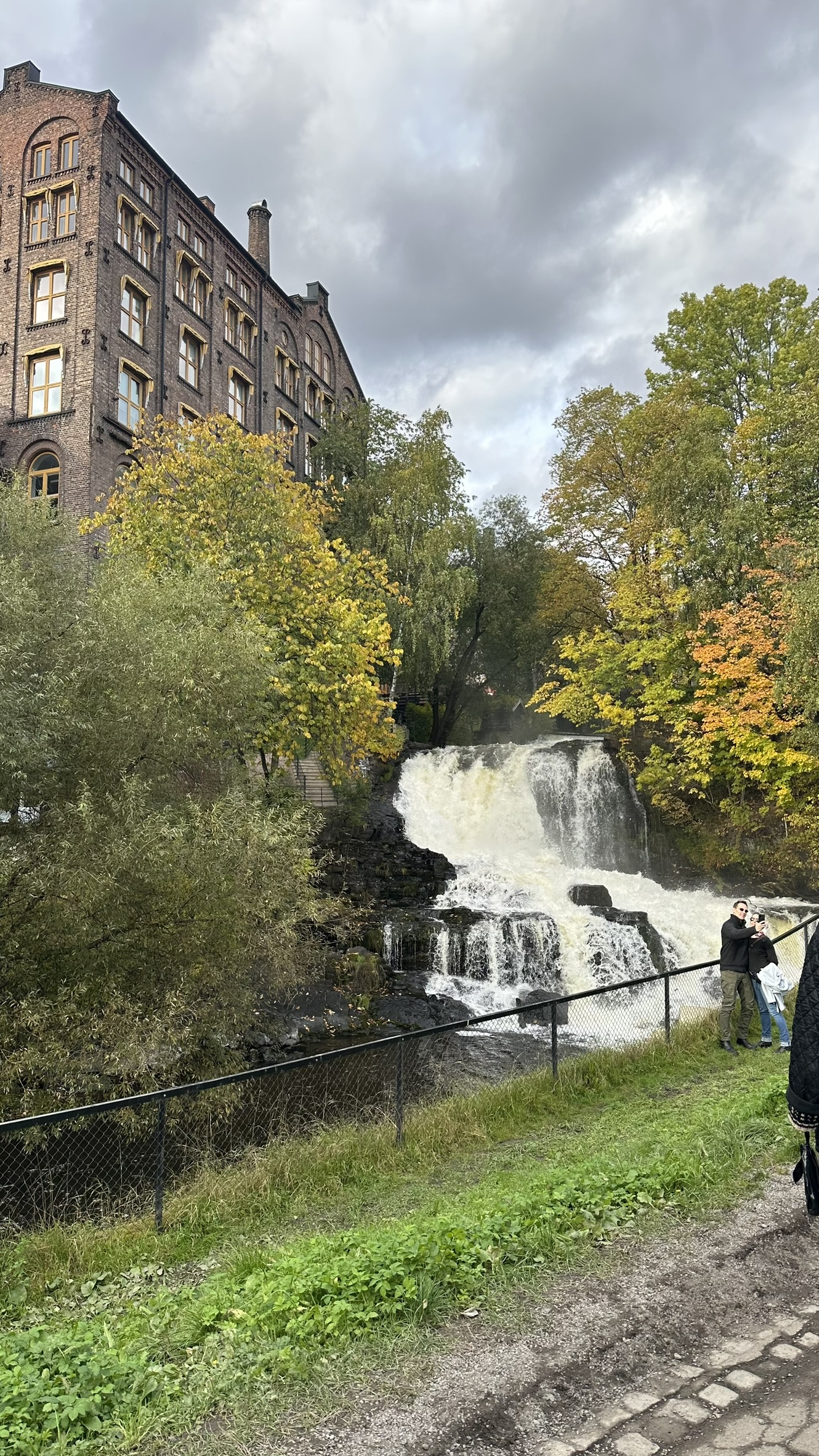
- If you’ve got a morning or afternoon to kill, take a walk up through the hipster Grünerløkka neighborhood. Lots of vintage shops, cafes and bars, the Mathallen food hall (good, casual lunch stop) While we did get a bit of rain (to be expected in October), the fall colors popping everywhere more than compensated.
- Lastly, the Amerikalinjen Hotel was an excellent base for our three-day stay. It couldn’t be more centrally located, directly across from Central Station and the main shopping street, Karl Johan’s Gate and an easy walk to the waterfront. It also featured a beautiful interior, comfortable rooms, outstanding breakfast (the buffet is massive) and the aforementioned Pier 42 cocktail lounge. Read my review here.
| Days 13-14 | Ålesund, Norway | Hotel Brosundet |
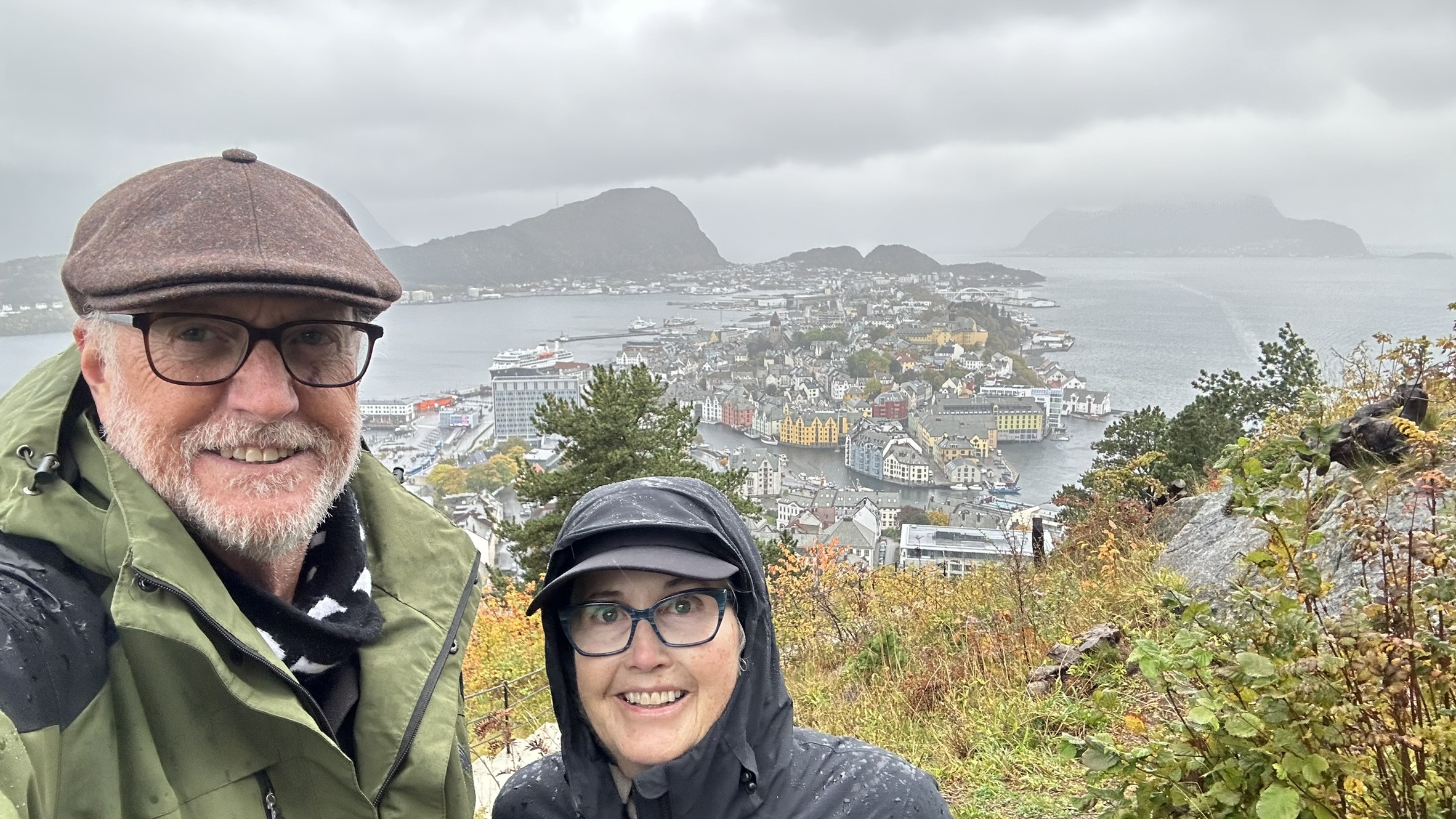
Now it starts to get really interesting; a quick, one-hour flight from Oslo and we’ve left the big cities behind, entering the land of mountains, fjords and trolls on Norway’s wild west coast. Two days in the small island town of Älesund was just right, especially since one of those days was a road trip.
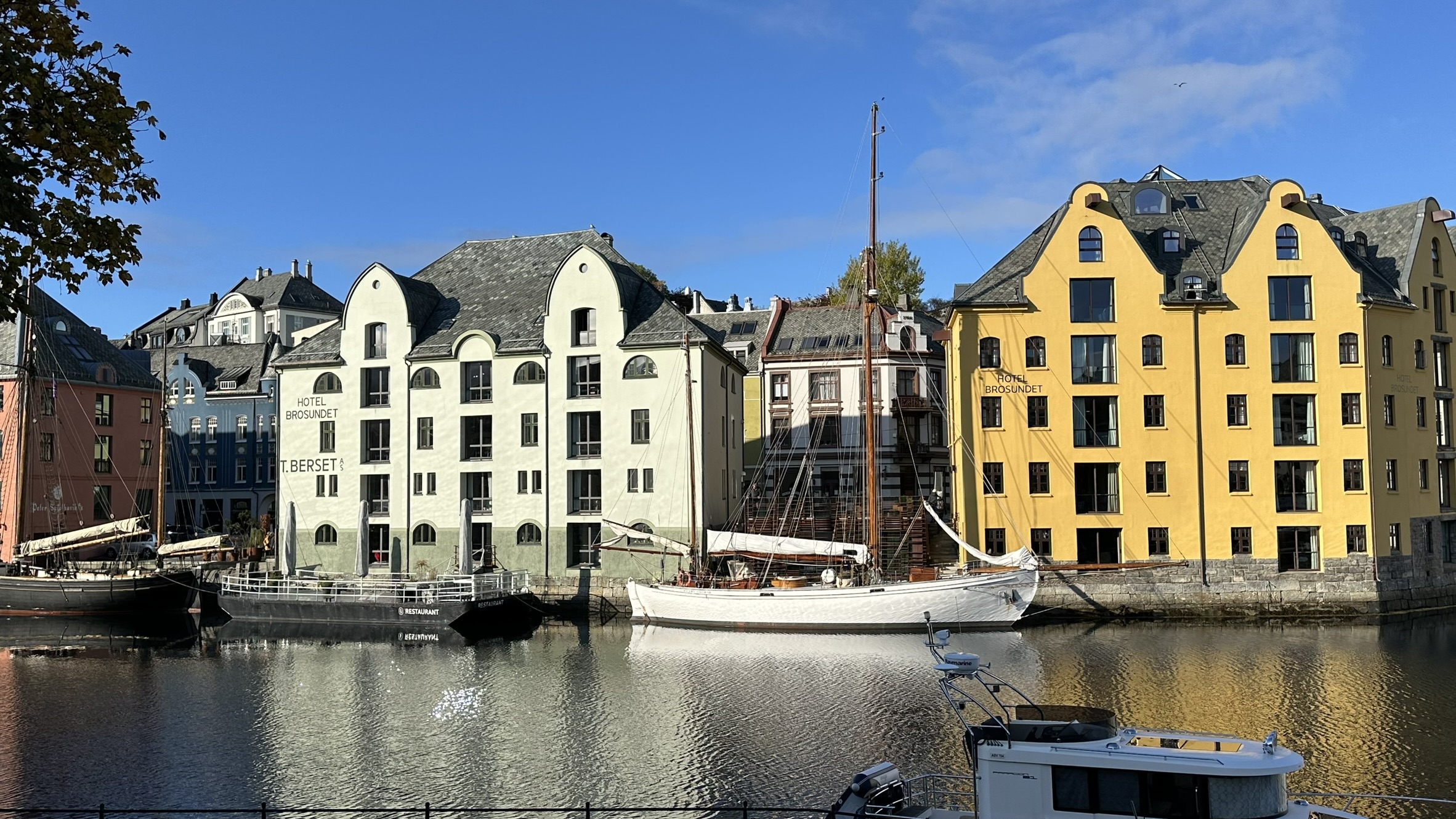
During high season, Älesund is one of several major cruise ship stops for people cruising the fjords. The entire town of burned down in 1904 and, thanks to some wealthy benefactors, was rebuilt entirely in art nouveau architecture. It’s an easy and charming town to explore by foot.
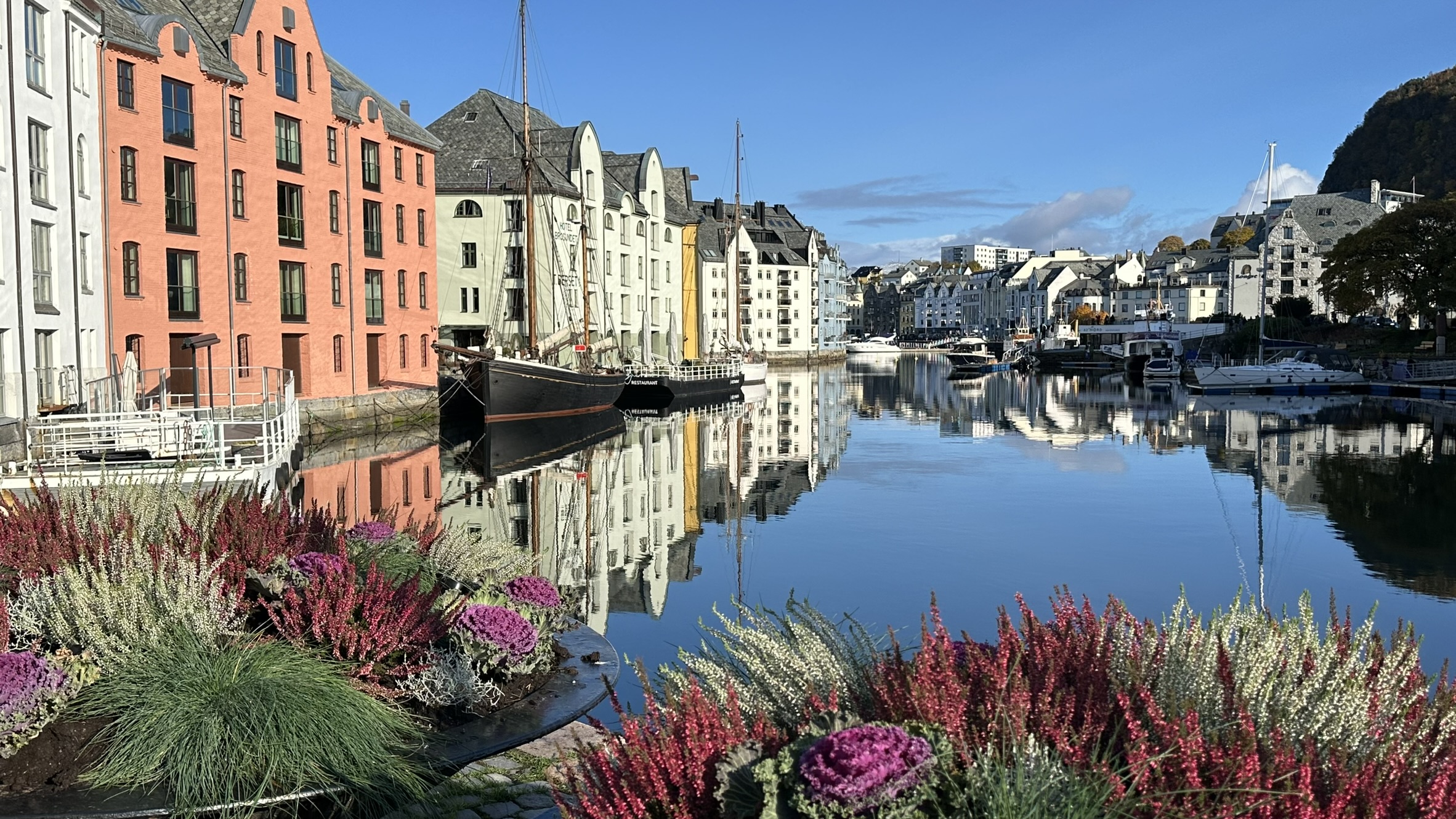
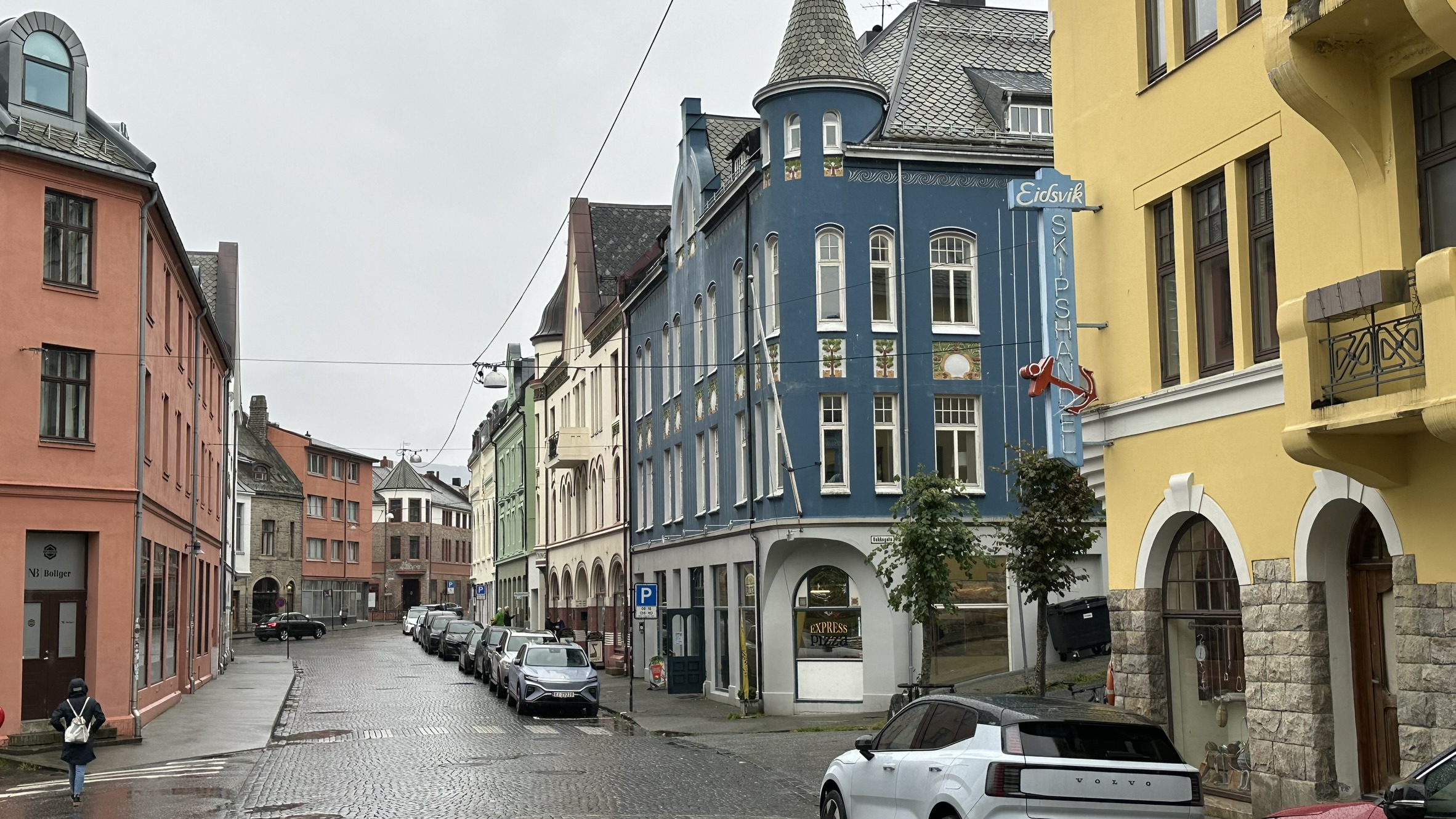
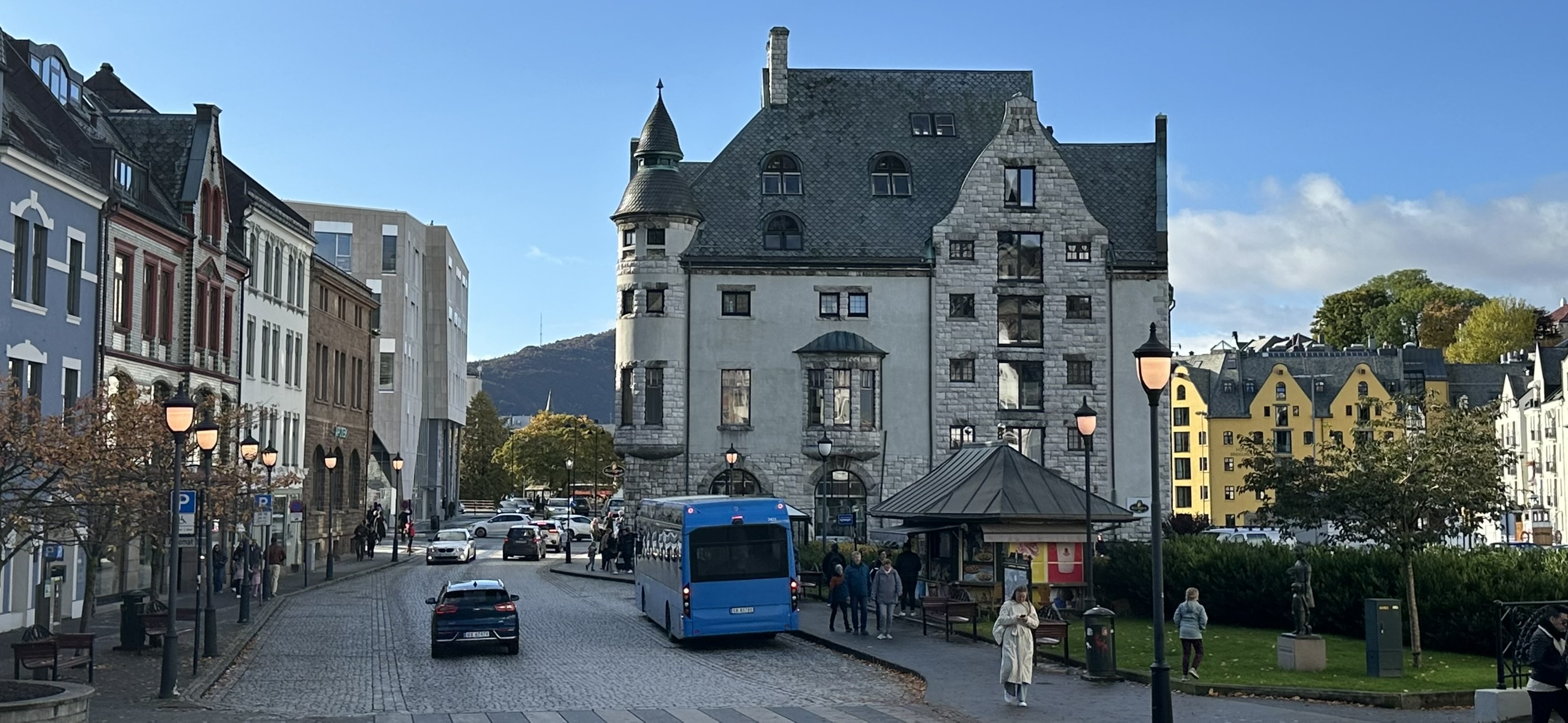
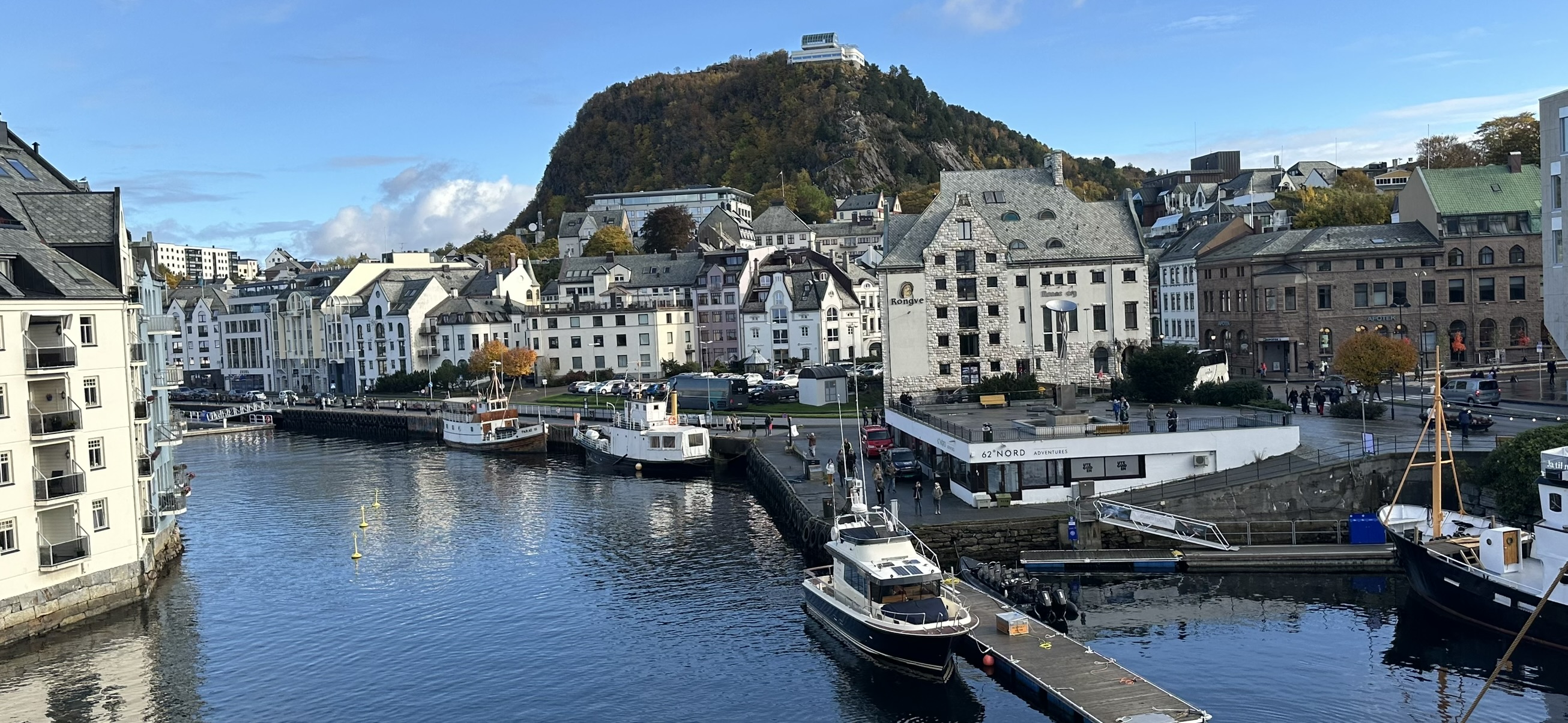
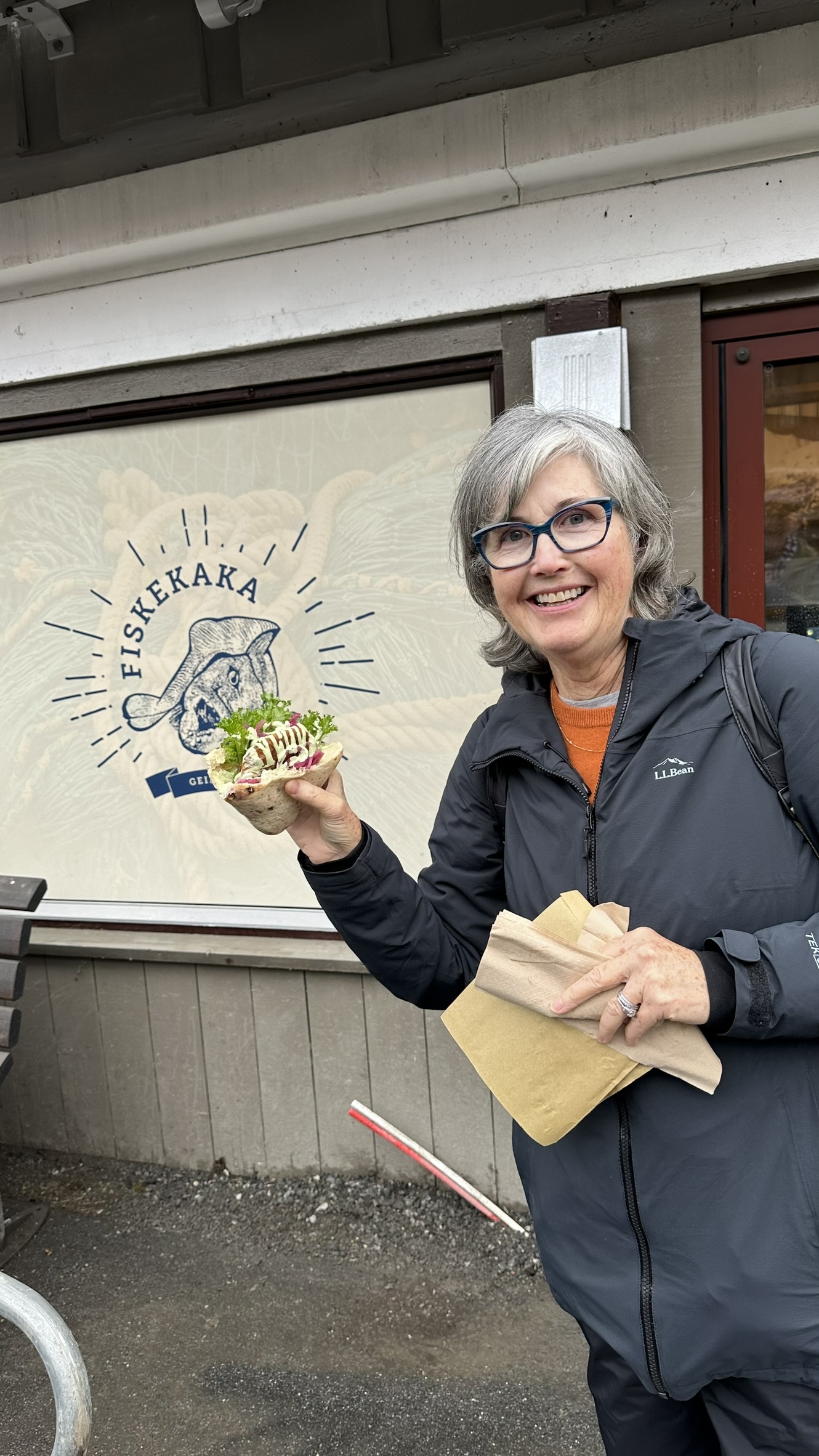
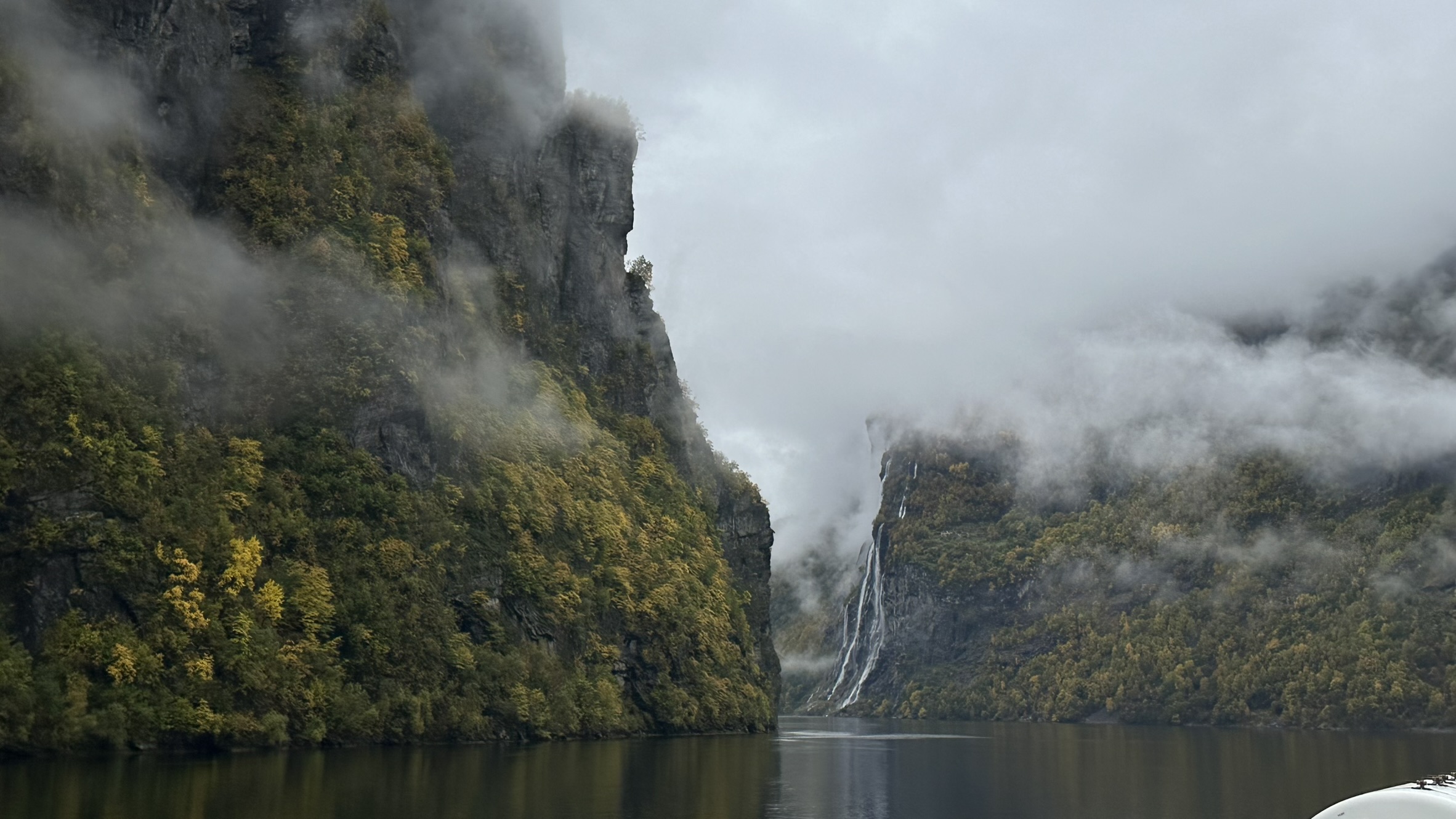
Älesund’s main draw, though, is access to the fjords, particularly Geirangerfjord, a UNESCO World Heritage site and regarded by many as the most beautiful of Norway’s over 1,700 named fjords. The only ferry running there and back from Älesund was out of service, so we rented a car — a deal with Avis for $175 including three car ferries and insurance — and drove a big loop to the tiny village of Geiranger at the head of the fjord and back. Top sights along the route included the Eagle Road across the mountains from Eidsal and its 20 switchbacks dropping into Geiranger, the Dalsnibba viewpoint high in the mountains beyond the fjord, fresh fishcakes from Fiskeka in the village, and the complete absence of cruise ships often seen during the summer!
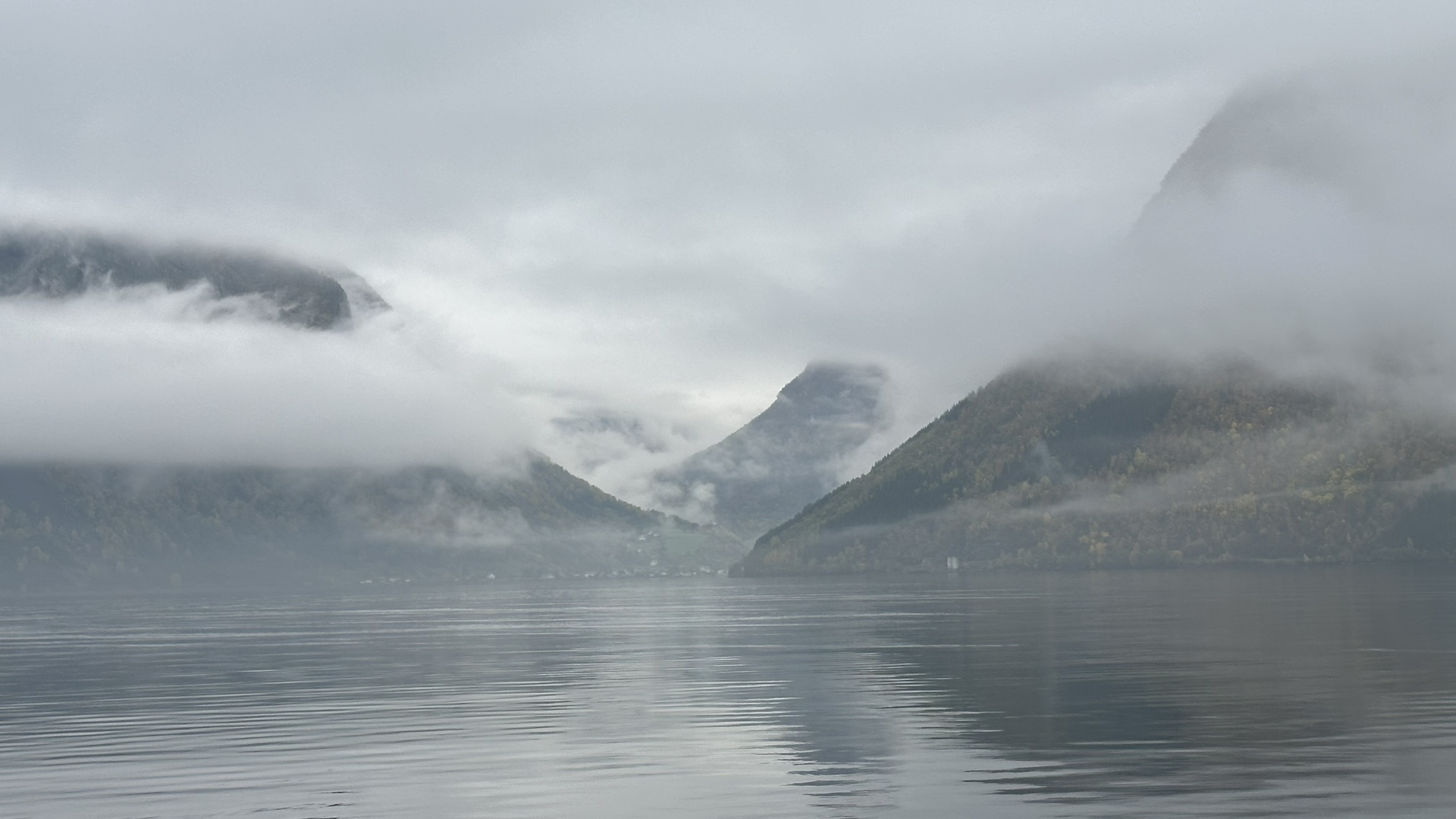
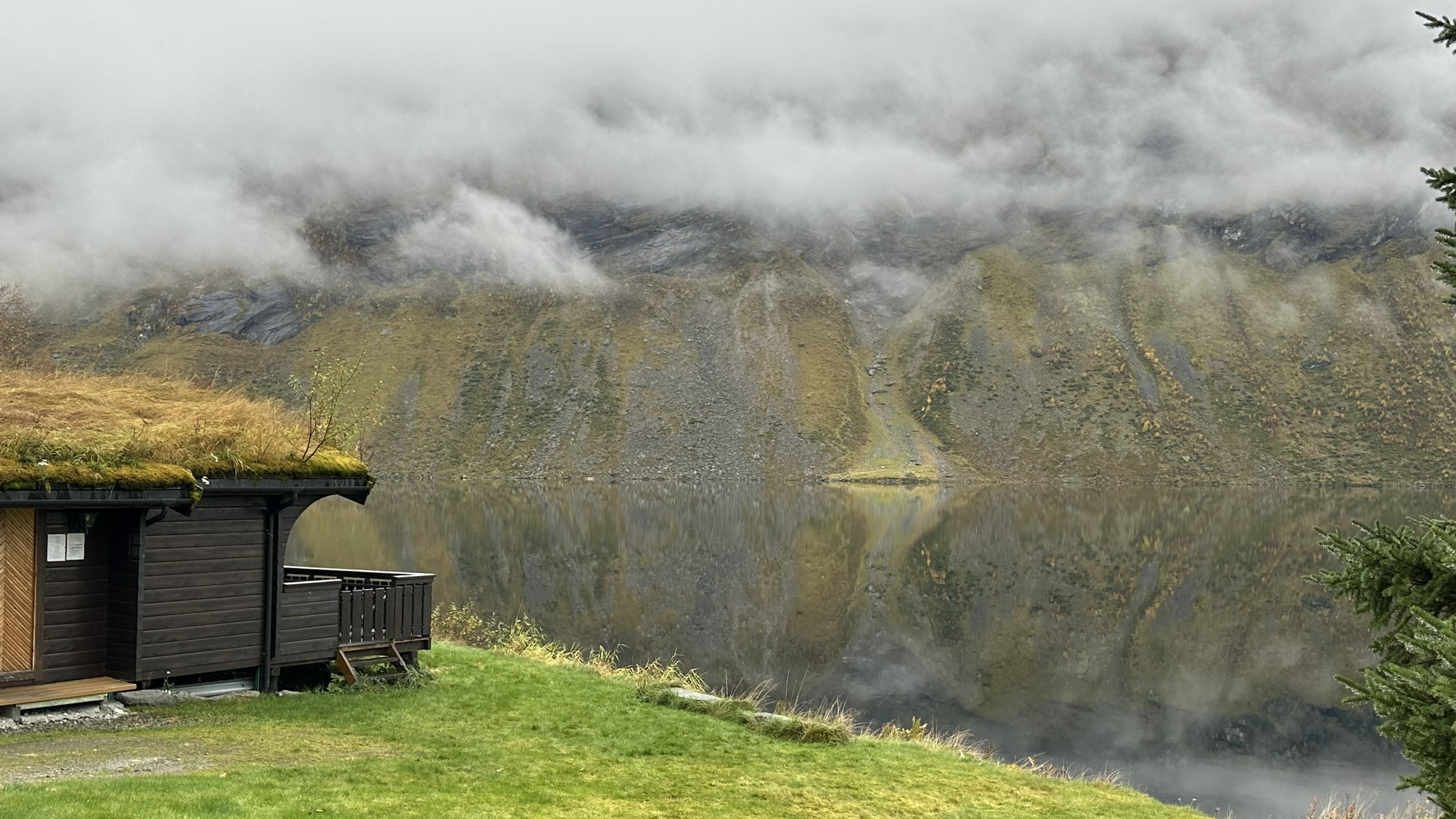
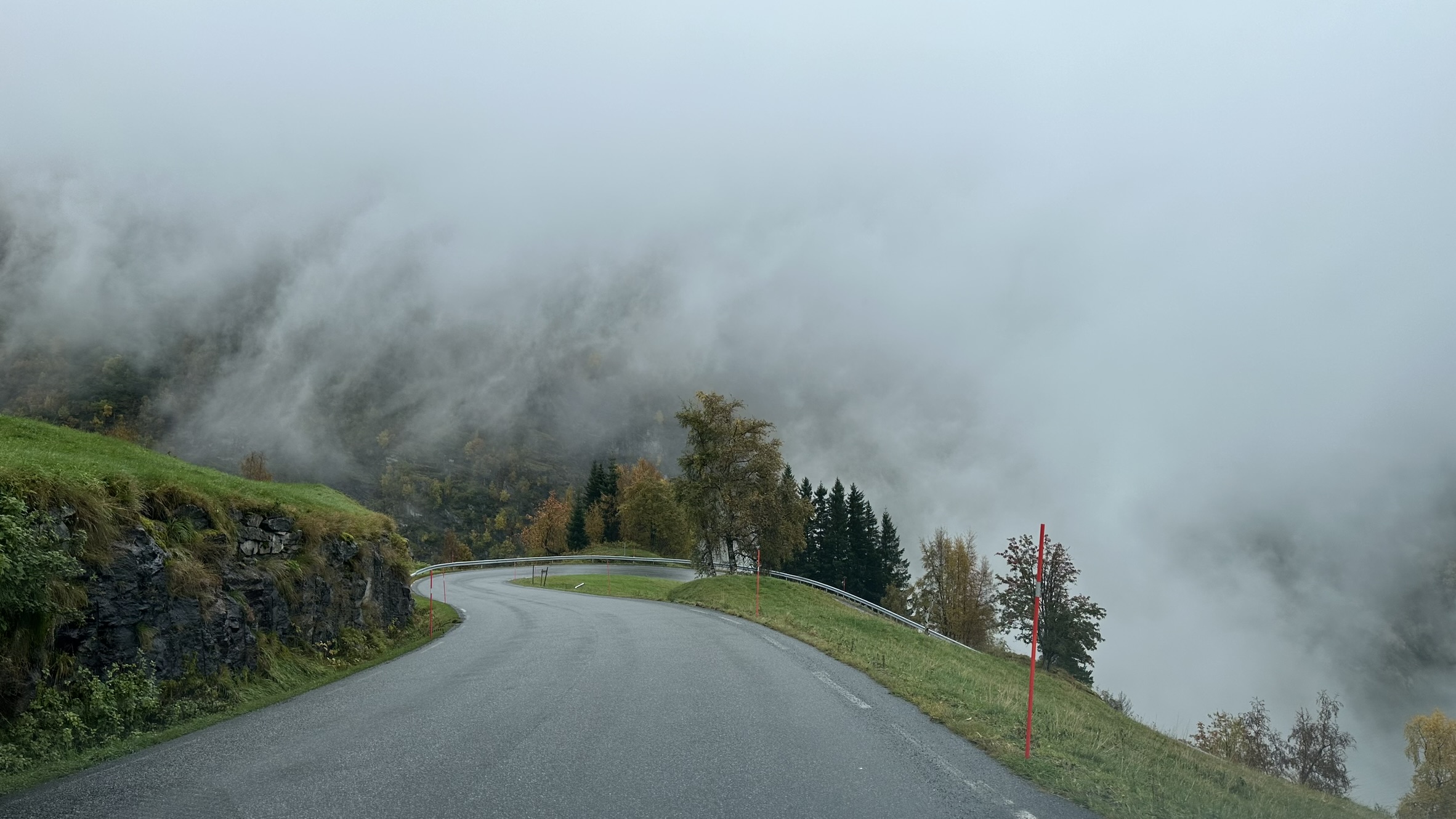
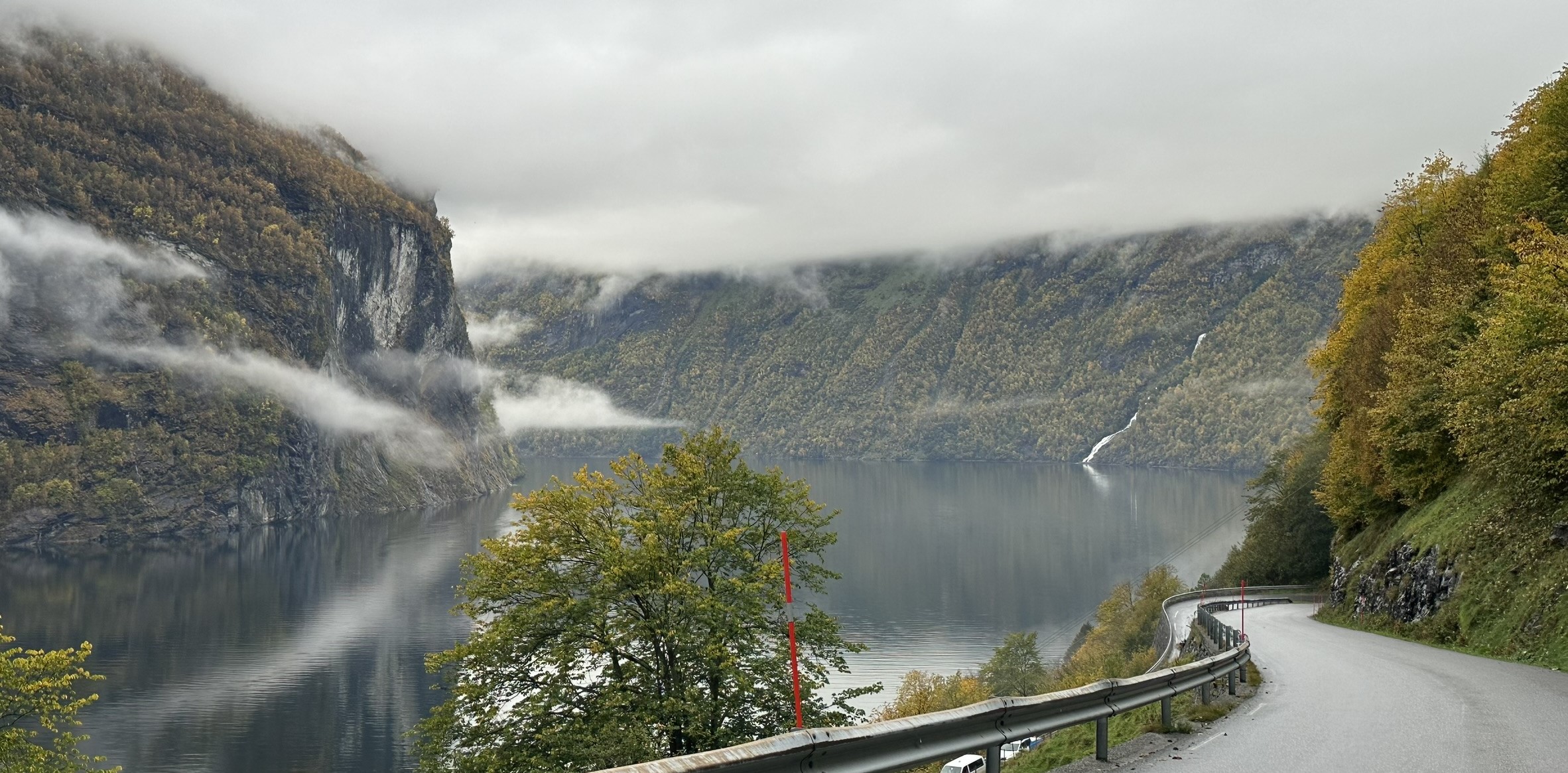
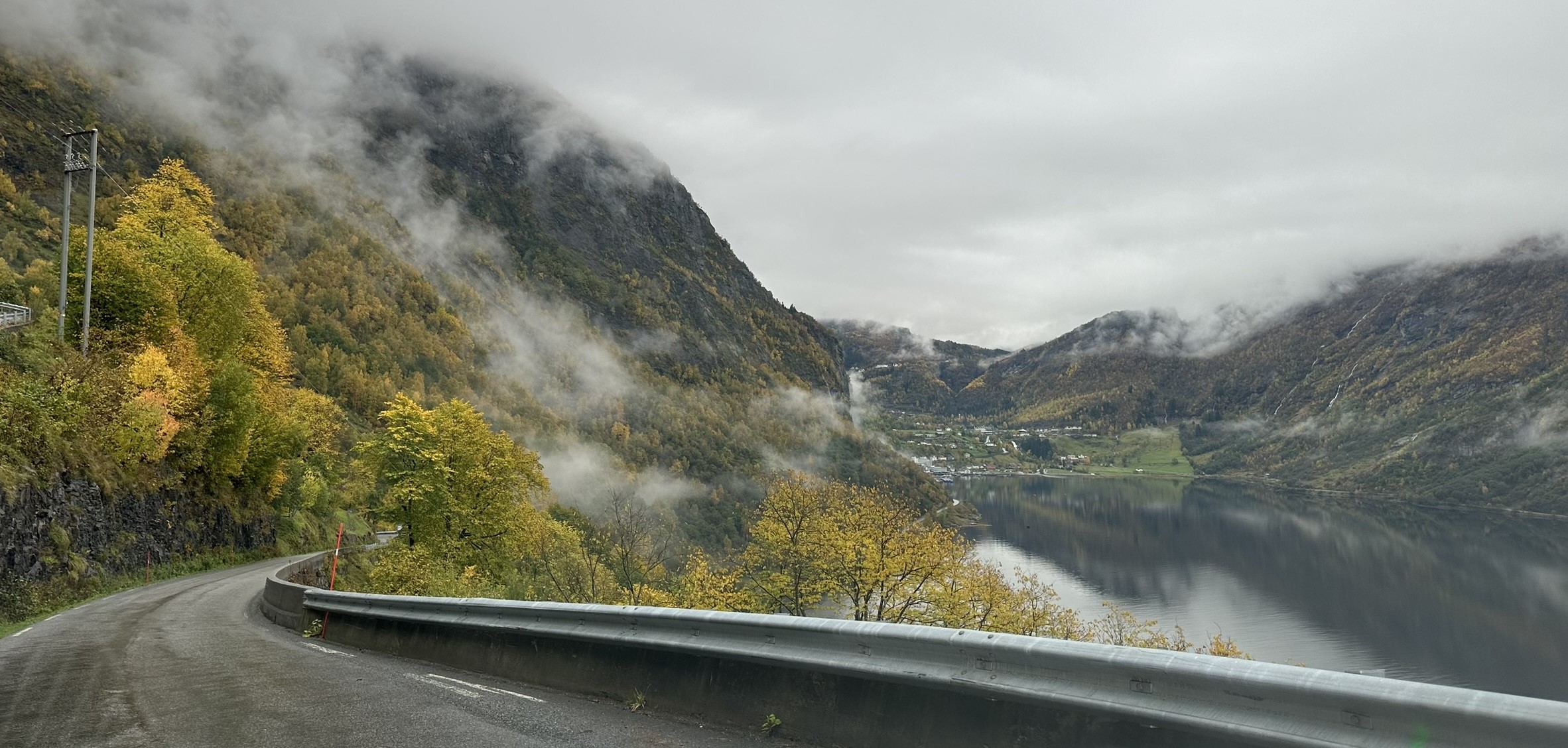

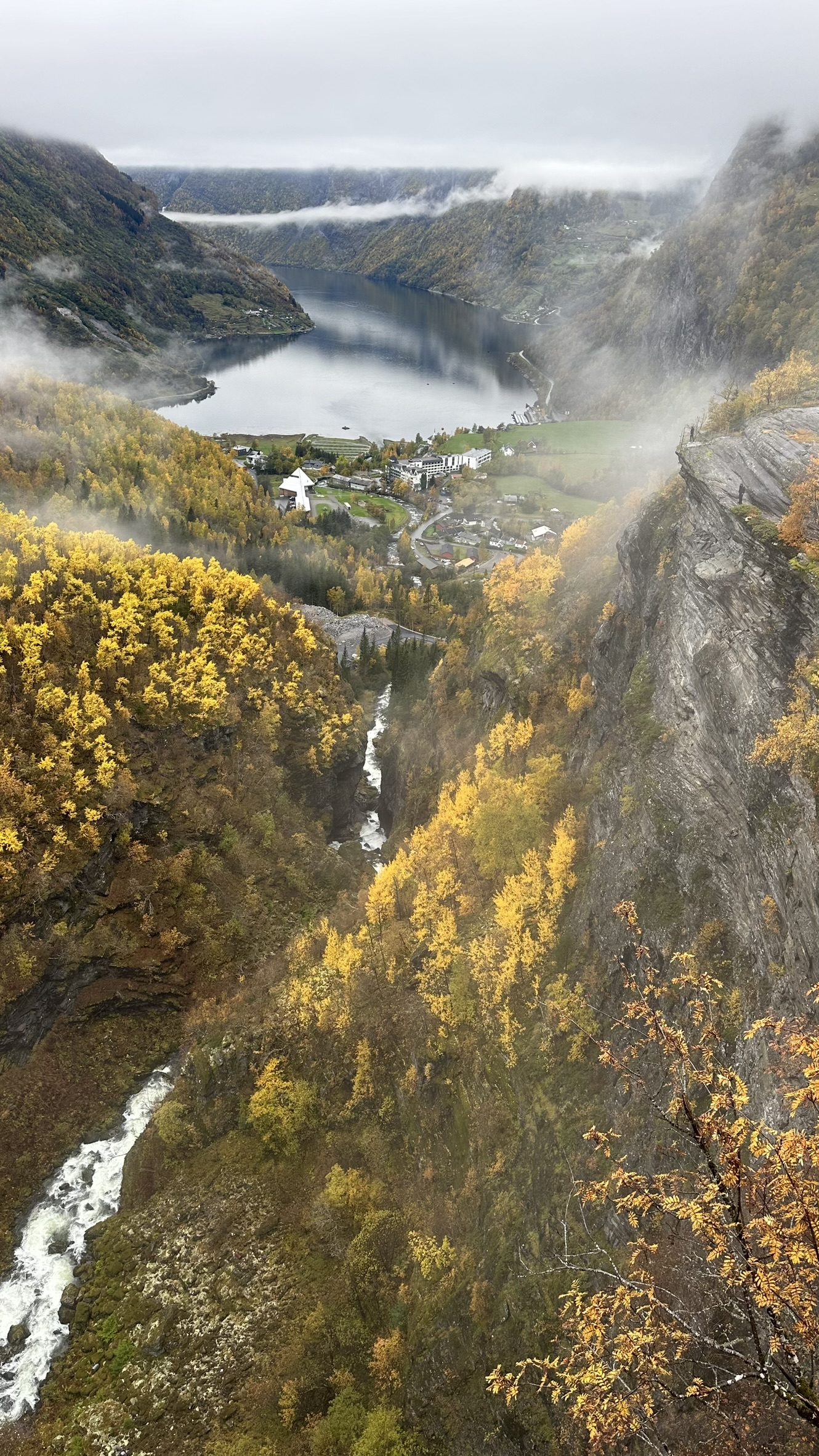
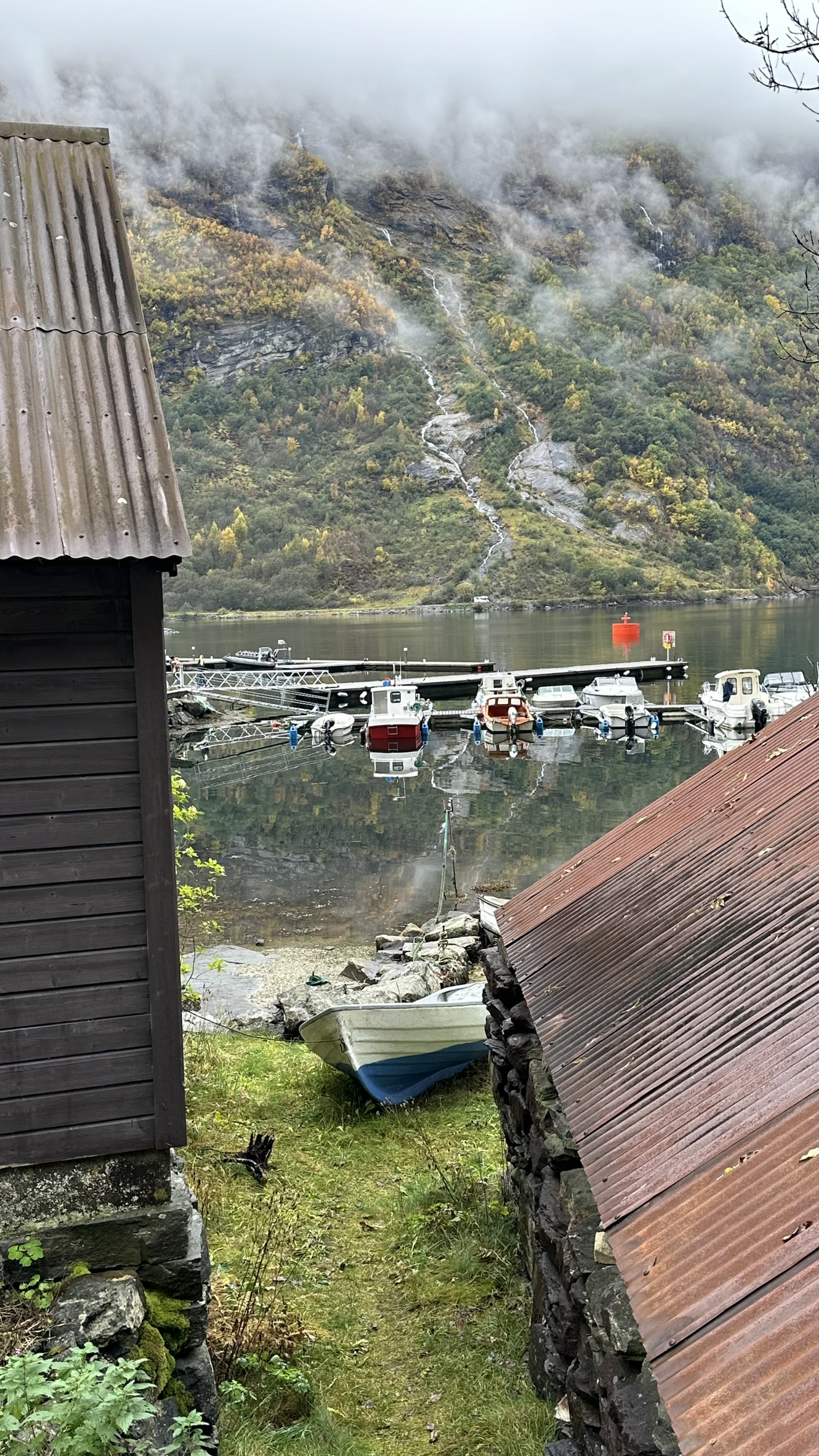

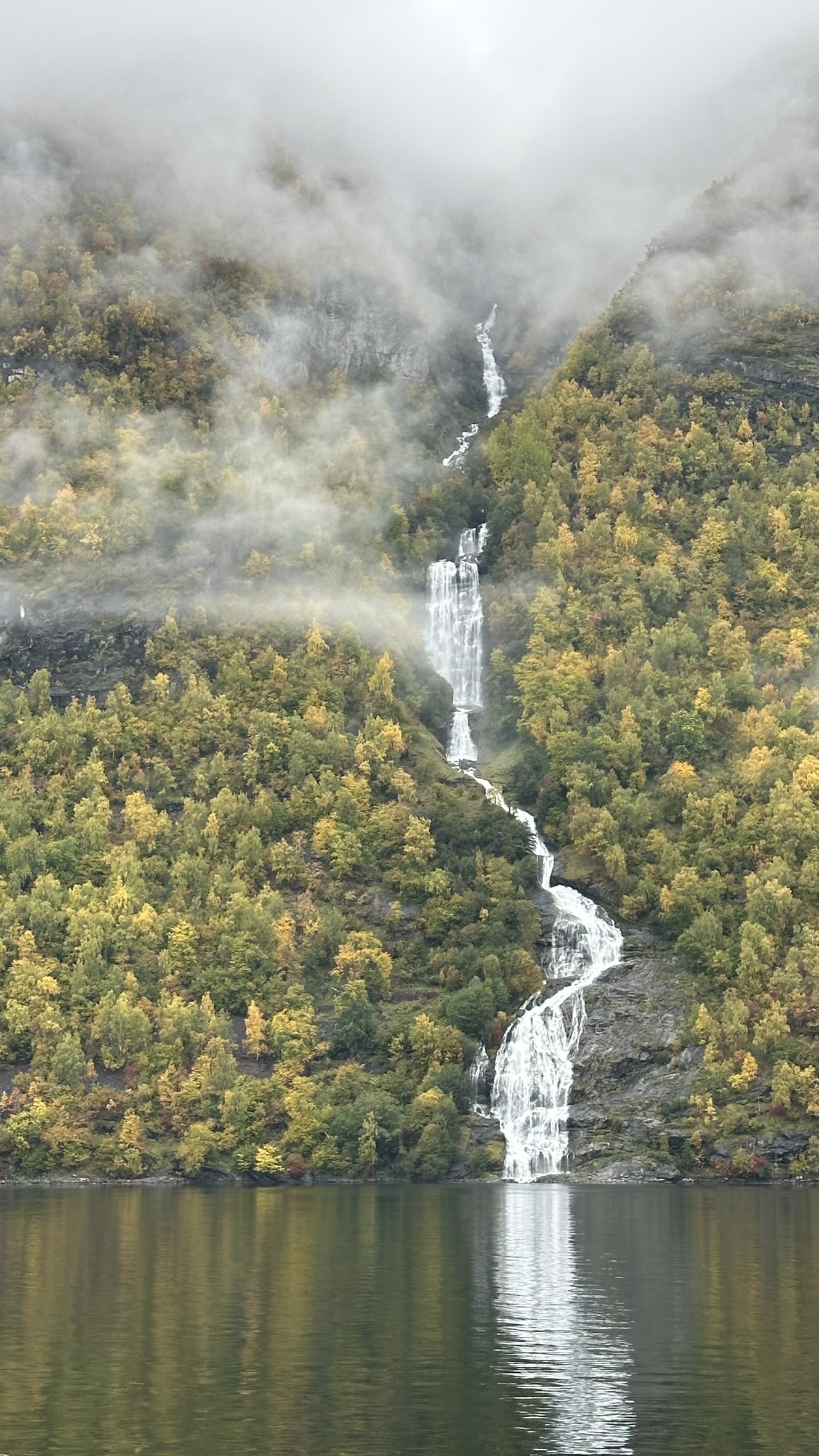
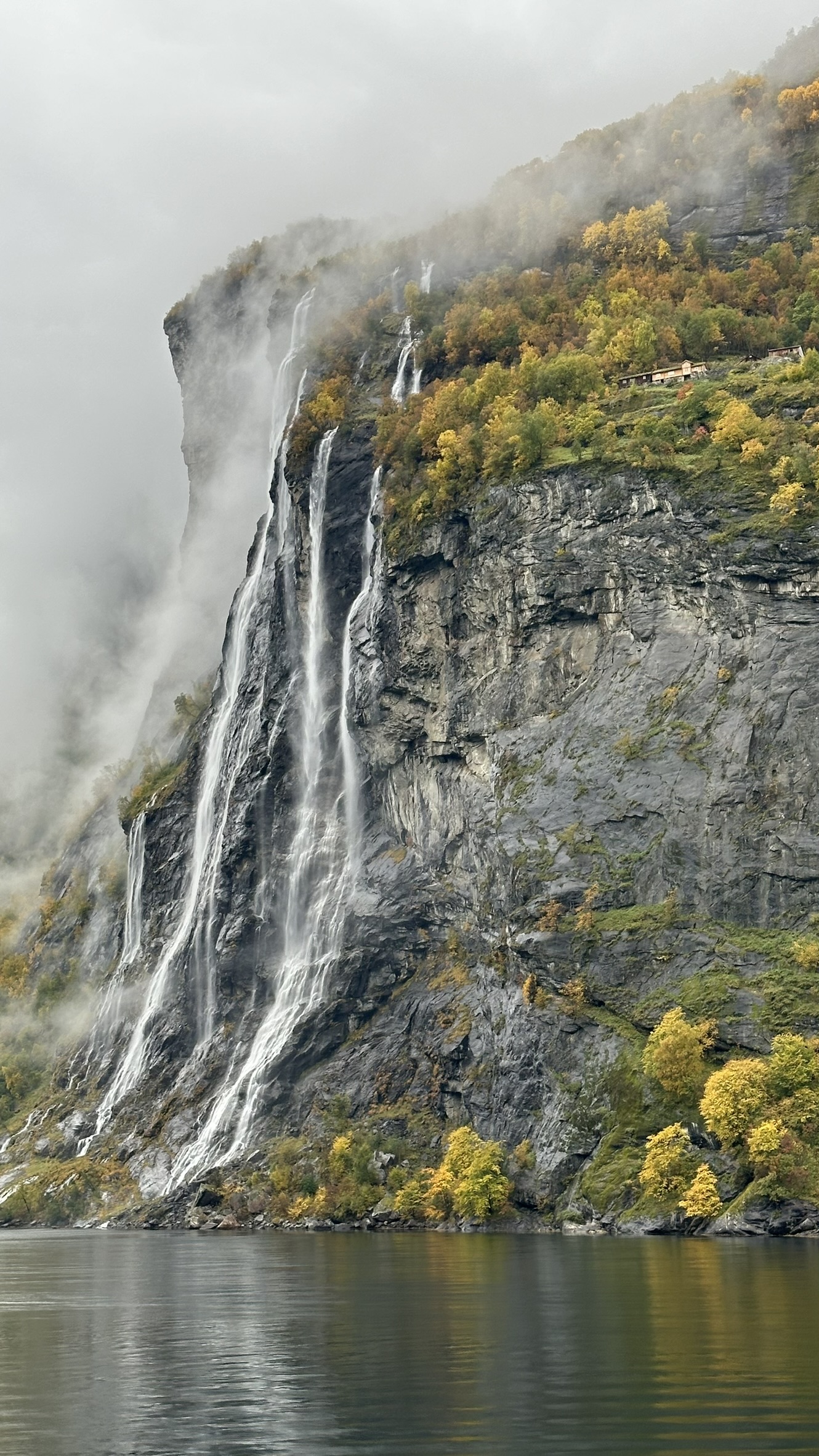
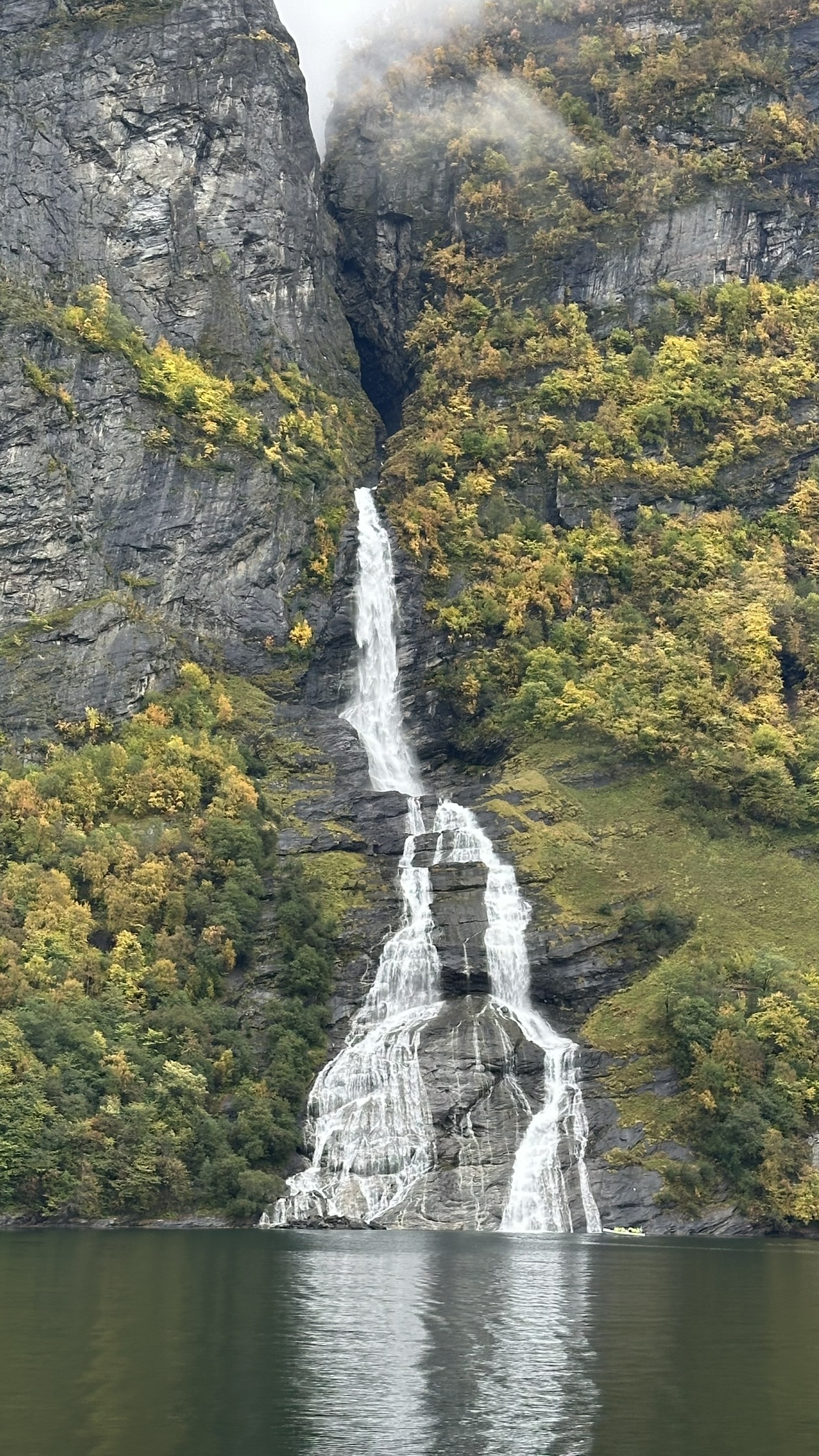
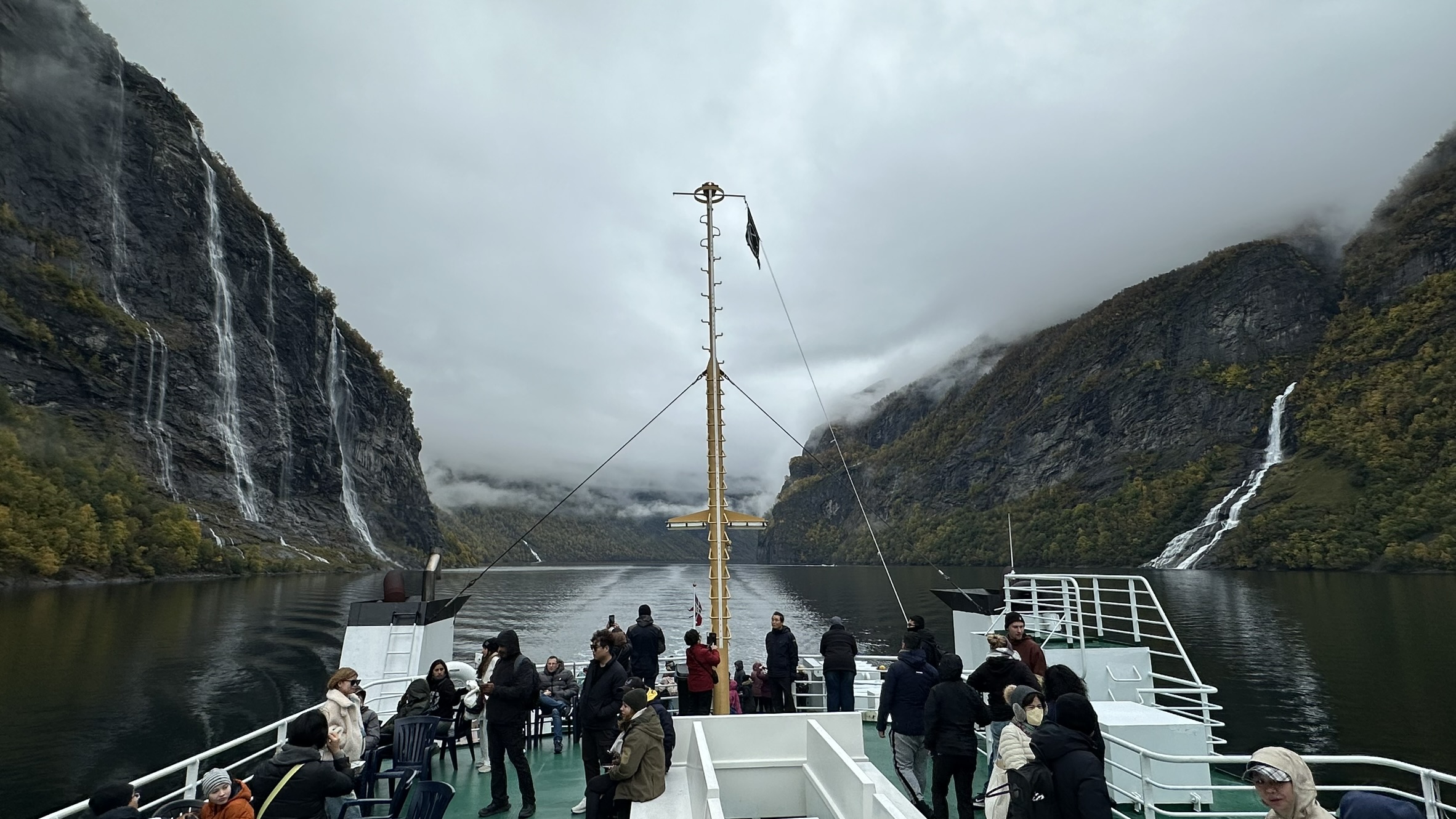
The one-hour car ferry down the Geirangerfjord to the village of Hellesylt, where we resumed our drive back to Älesund, took us through spectacularly high cliffs and countless waterfalls, including the most famous: Seven Sisters and The Suitor.

Other notable highlights in Älesund:
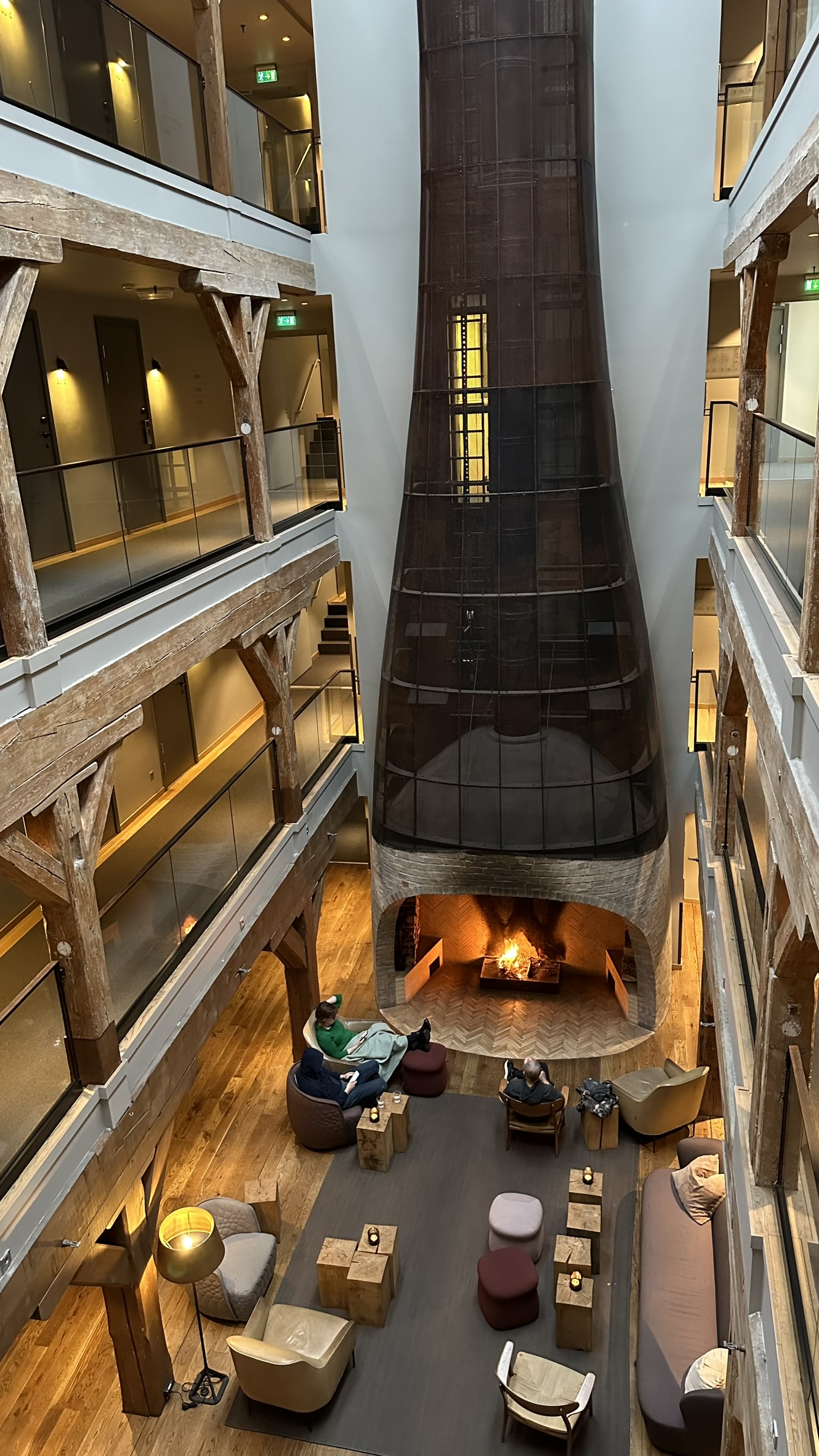
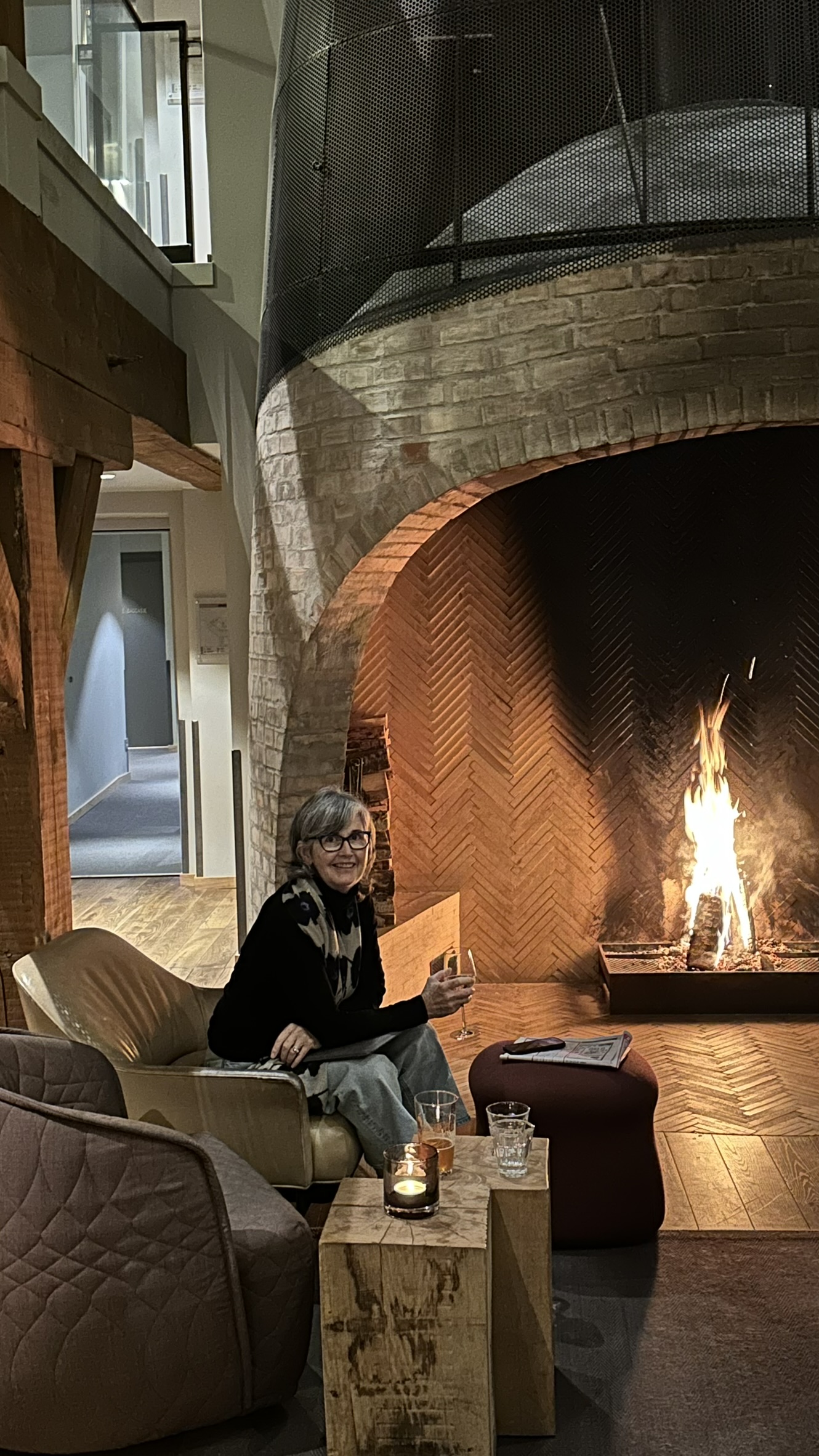
- Hotel Brosundet was perfect; historic, charming, comfortable, with great food, a massive fireplace with jazz during Wednesday cocktail hour, and a nice sauna with optional cold plunge into the fjord (which I did, of course). Here is my review.
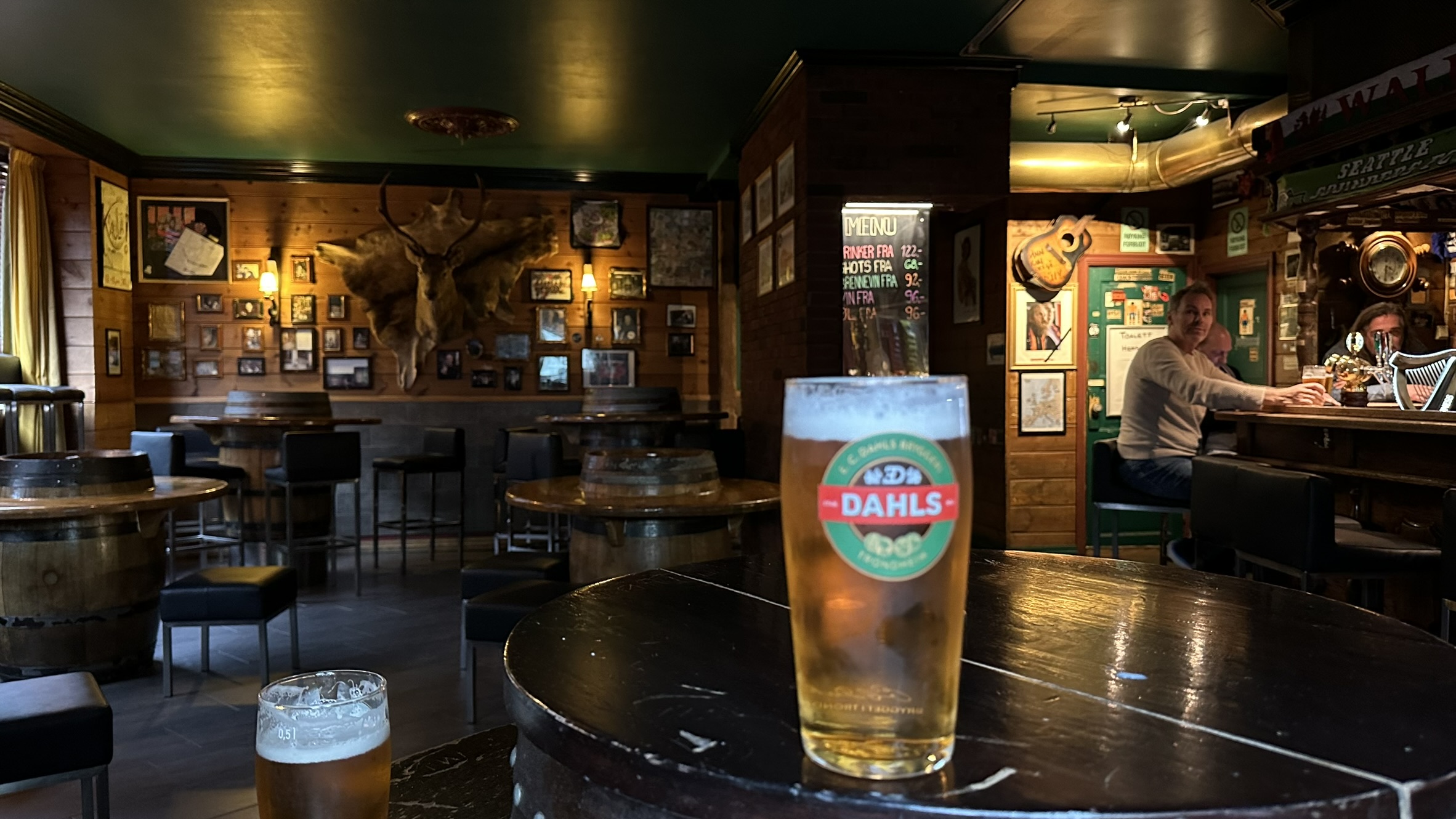
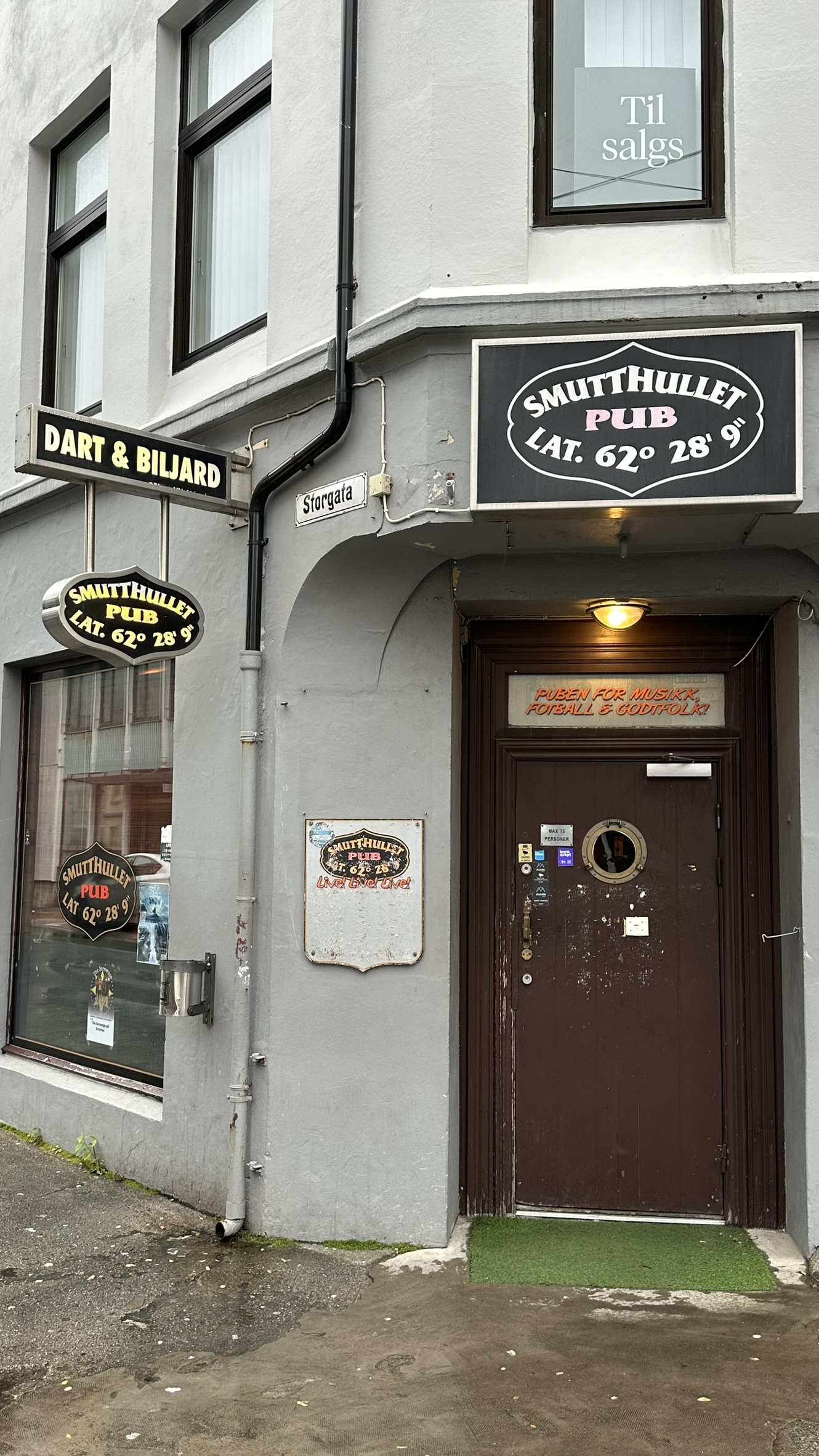
- Smutthullet, or Smutty, is the coolest pub in town – a proper dive. And they brew their own beer.
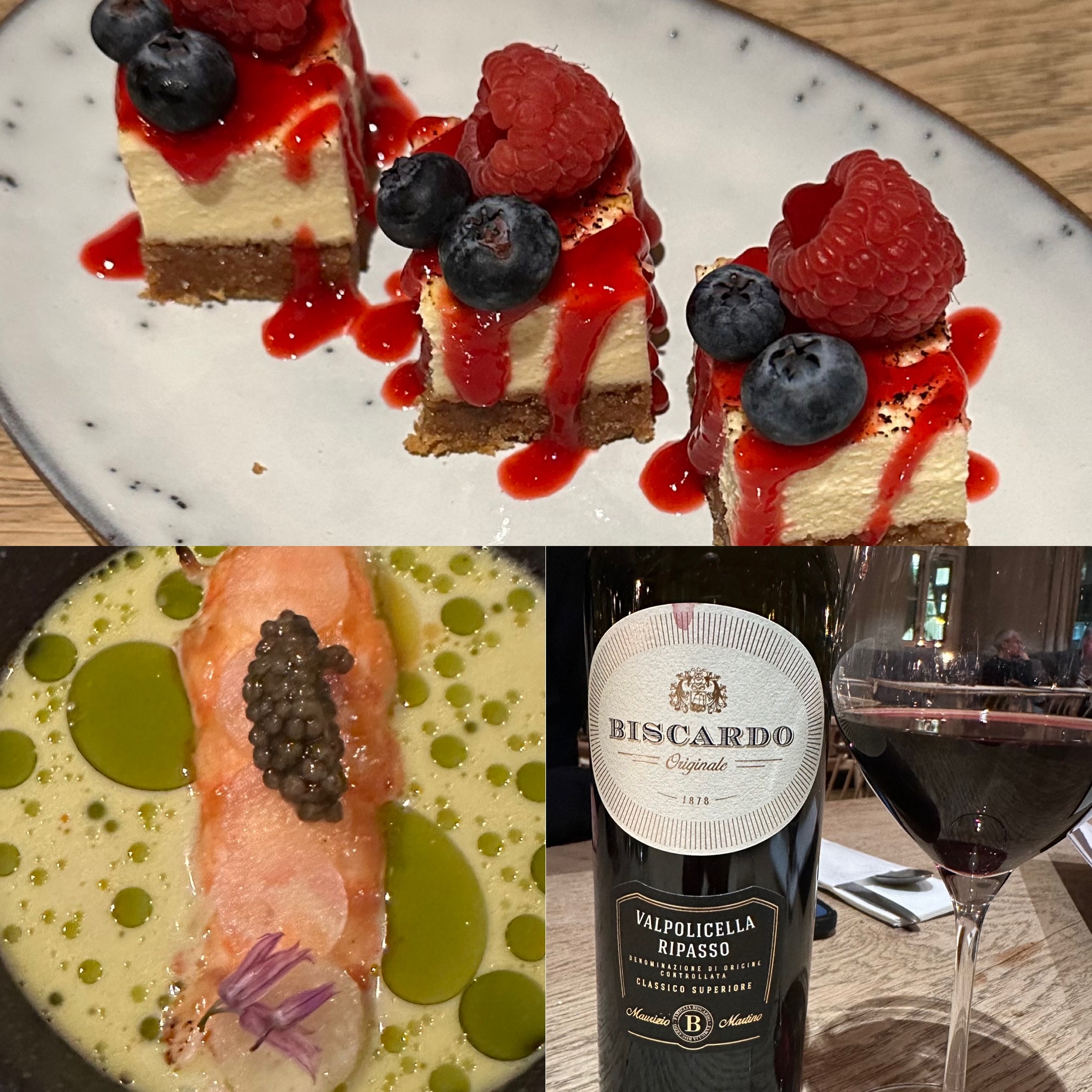
- Dinner at Sjobua, just around the corner from our hotel, is a bit of a splurge, but oh so good.
- Drive or hike to the top of Mount Aksla at the head of town for a postcard-perfect view over Alesund and surrounding islands at the head of the fjord.
| Days 15-17 | Bergen, Norway | Airbnb |
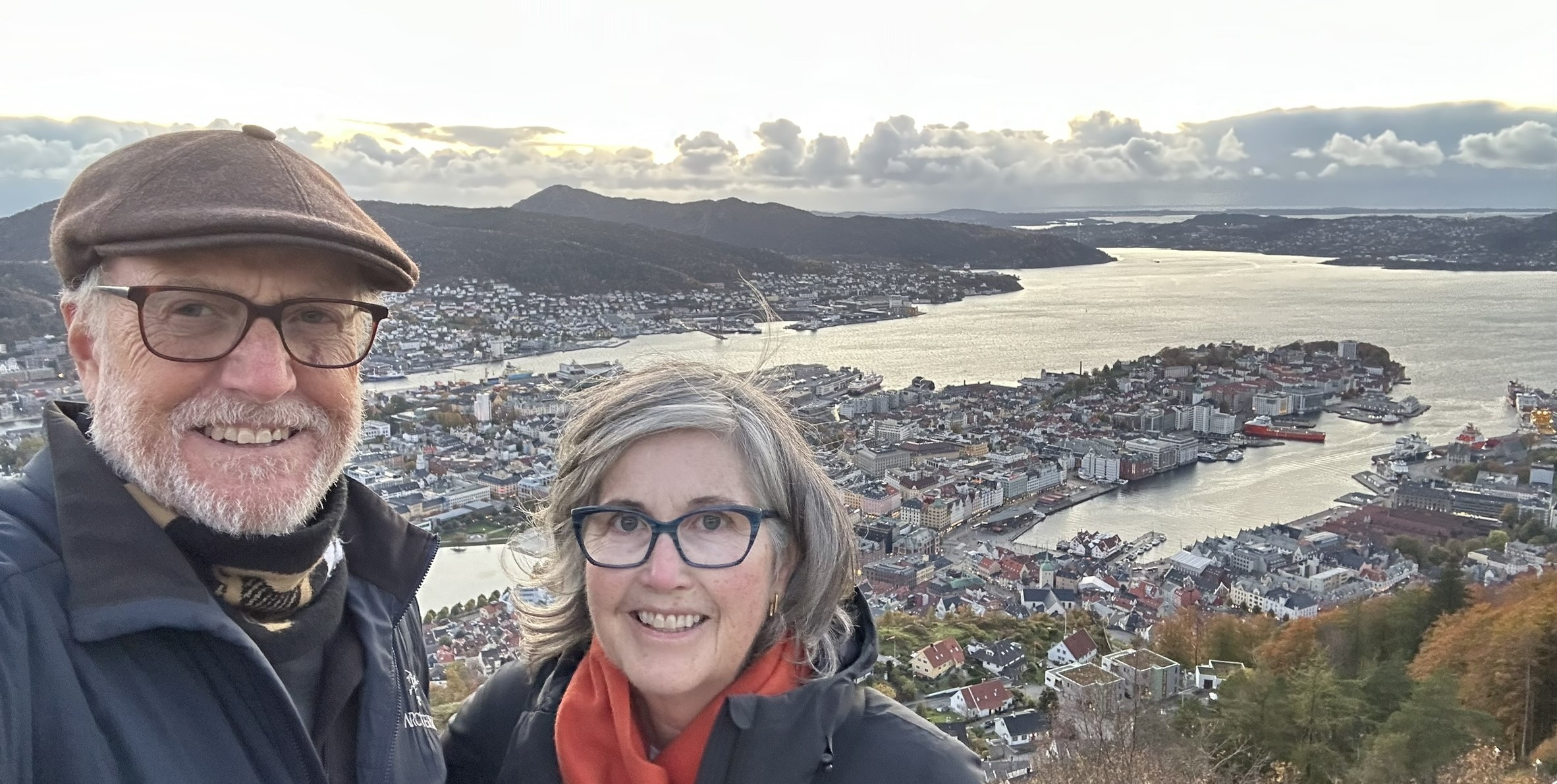
A quick, one-hour flight from Älesund — though it’s the same distance from Oslo — brings us to Bergen, Norway’s second largest and possibly most photographed town, due in large part to its colorful Bryggen waterfront, Norway’s first UNESCO World Heritage Site.
While Bergen has plenty of tourists even this time of year — it’s Norway’s most visited city outside Oslo — we didn’t see the large cruise ship crowds you get in summer. Bergen is also Norway’s rainiest town, averaging 250 days a year with rain. Rain is what we got, and I wouldn’t have it any other way. As the saying goes, “There’s no such thing as bad weather, only inappropriate clothing”. While many tourists only see Bergen for a day as one end of their “Norway in a Nutshell” tour, three days felt just about right. Highlights:
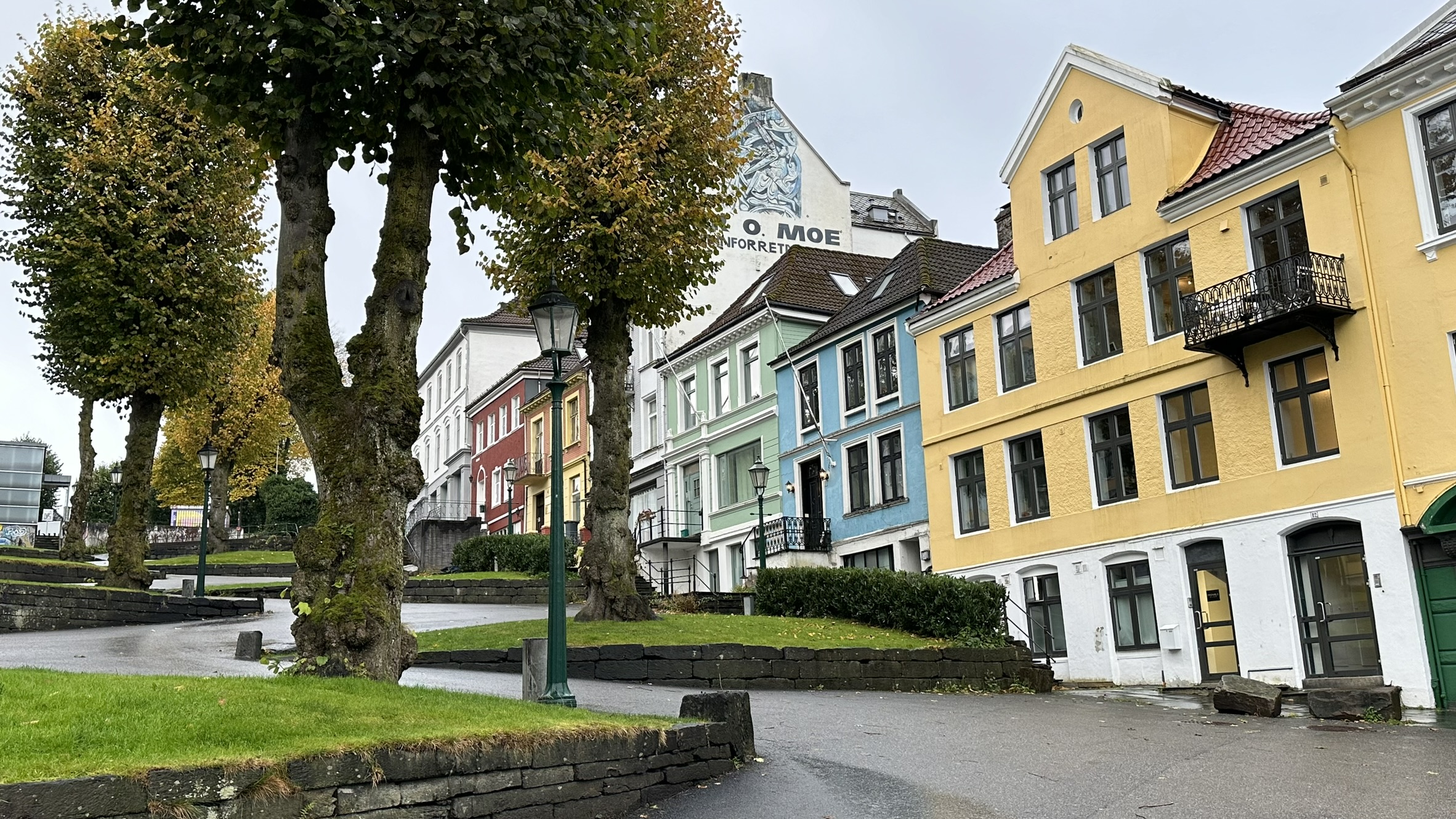
- As we were joined by daughter and son-in-law, Emily and Alex, for this leg of our trip, we opted for this Airbnb instead of a hotel. Very comfortable and ideally located on a uniquely beautiful, park-like street a short walk to the waterfront and walking distance from the train station. Highly recommended!
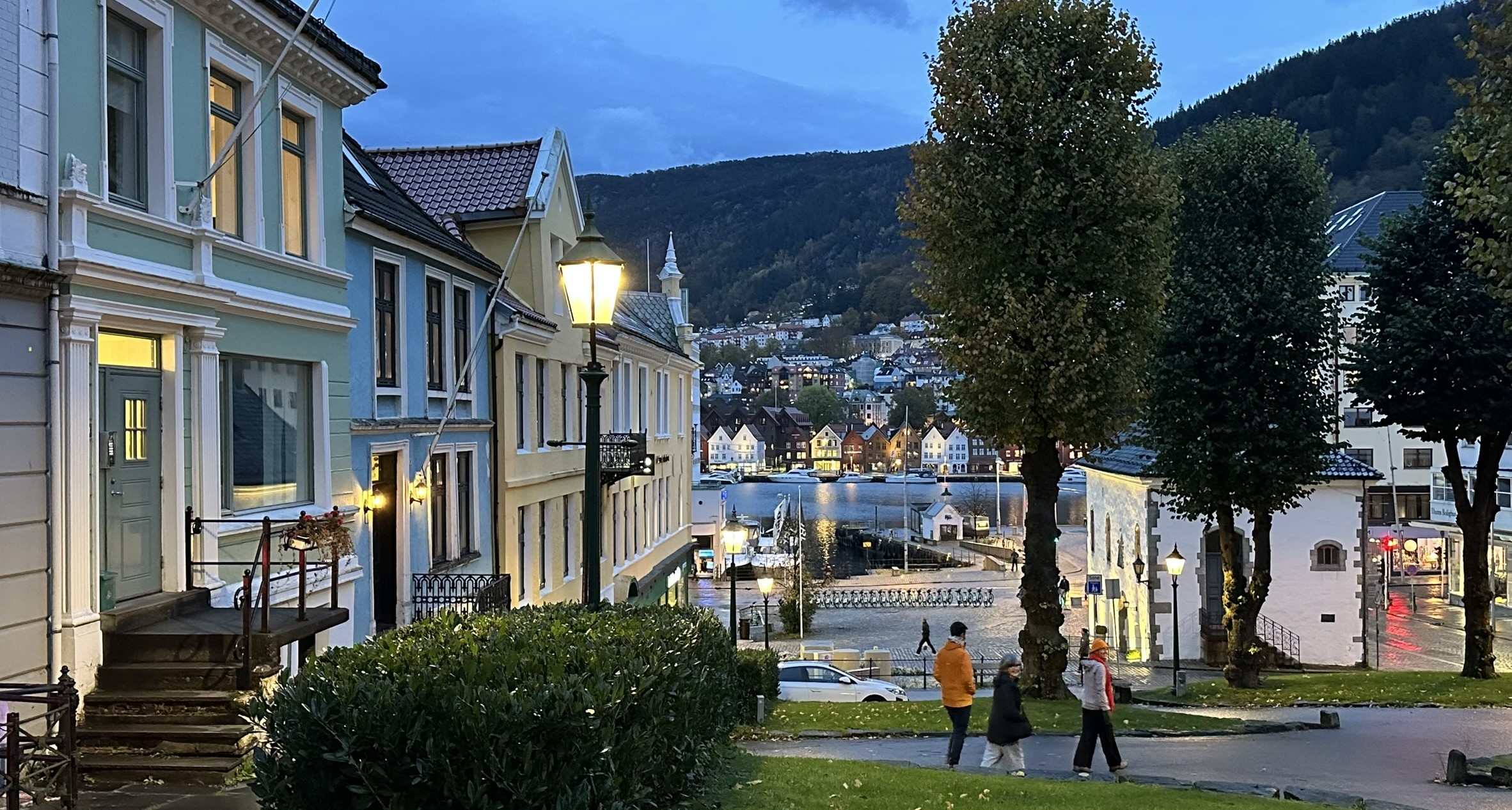
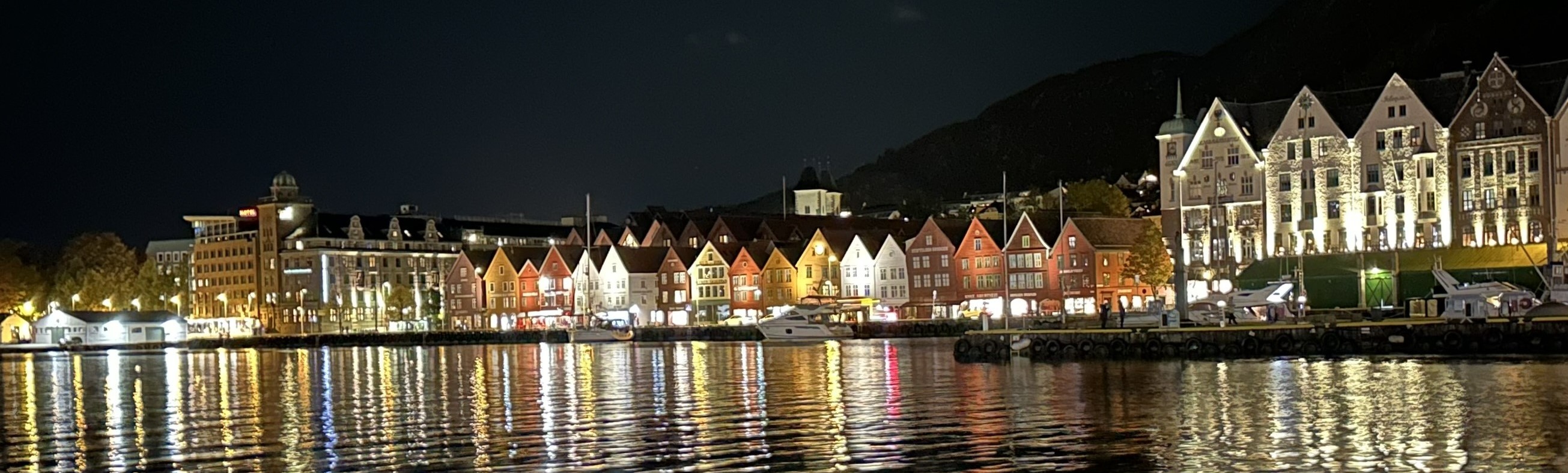
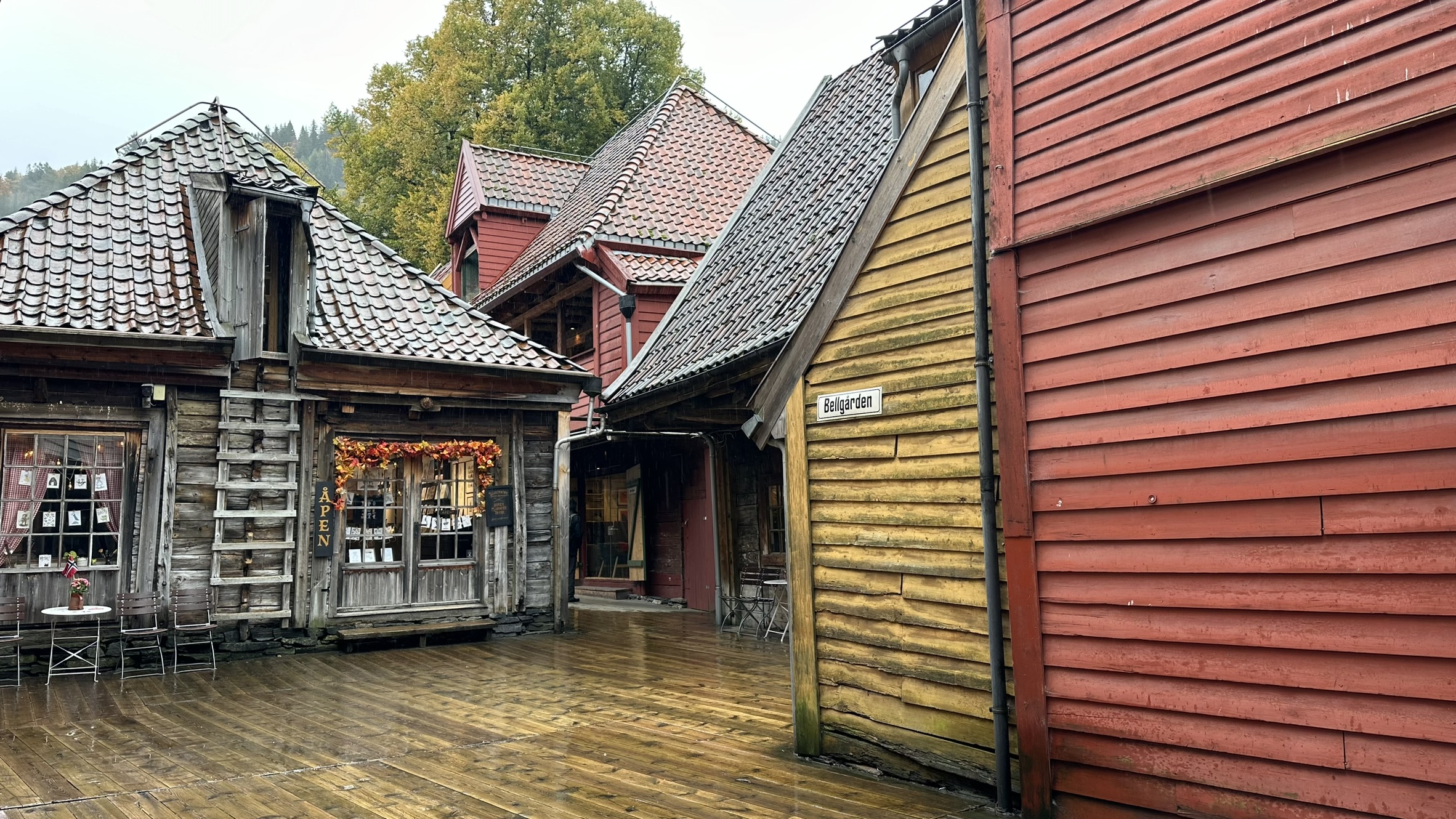
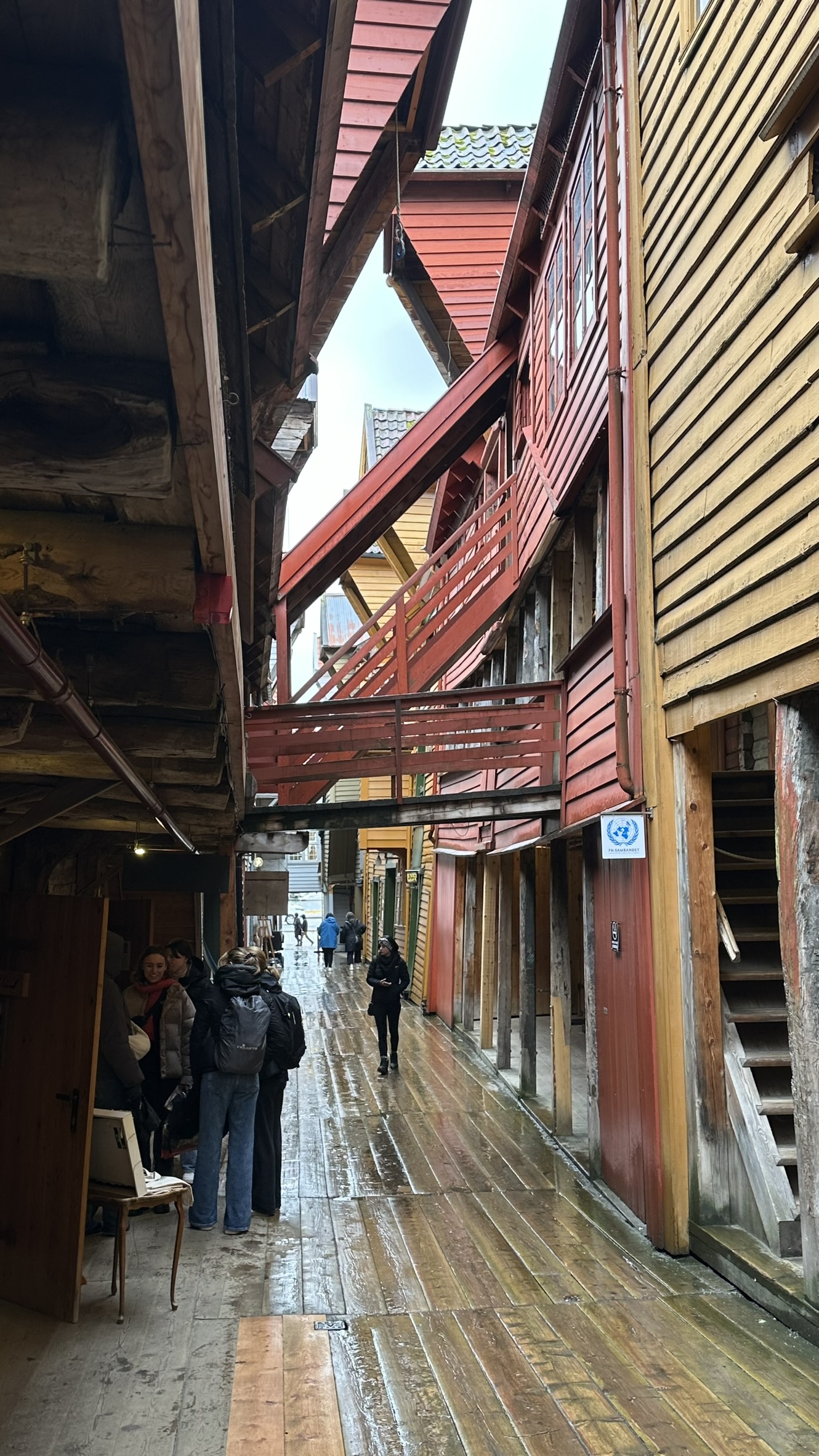
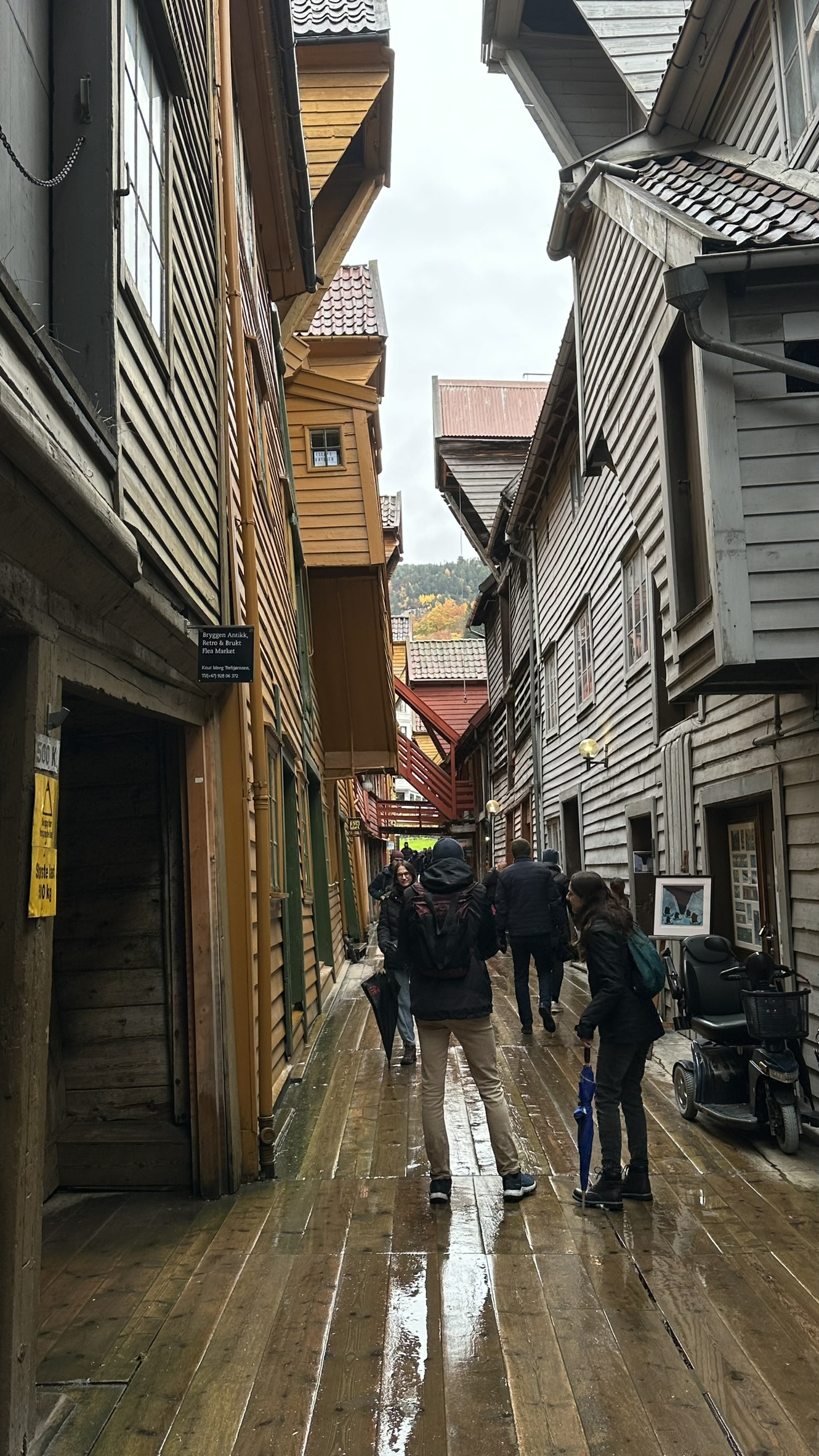
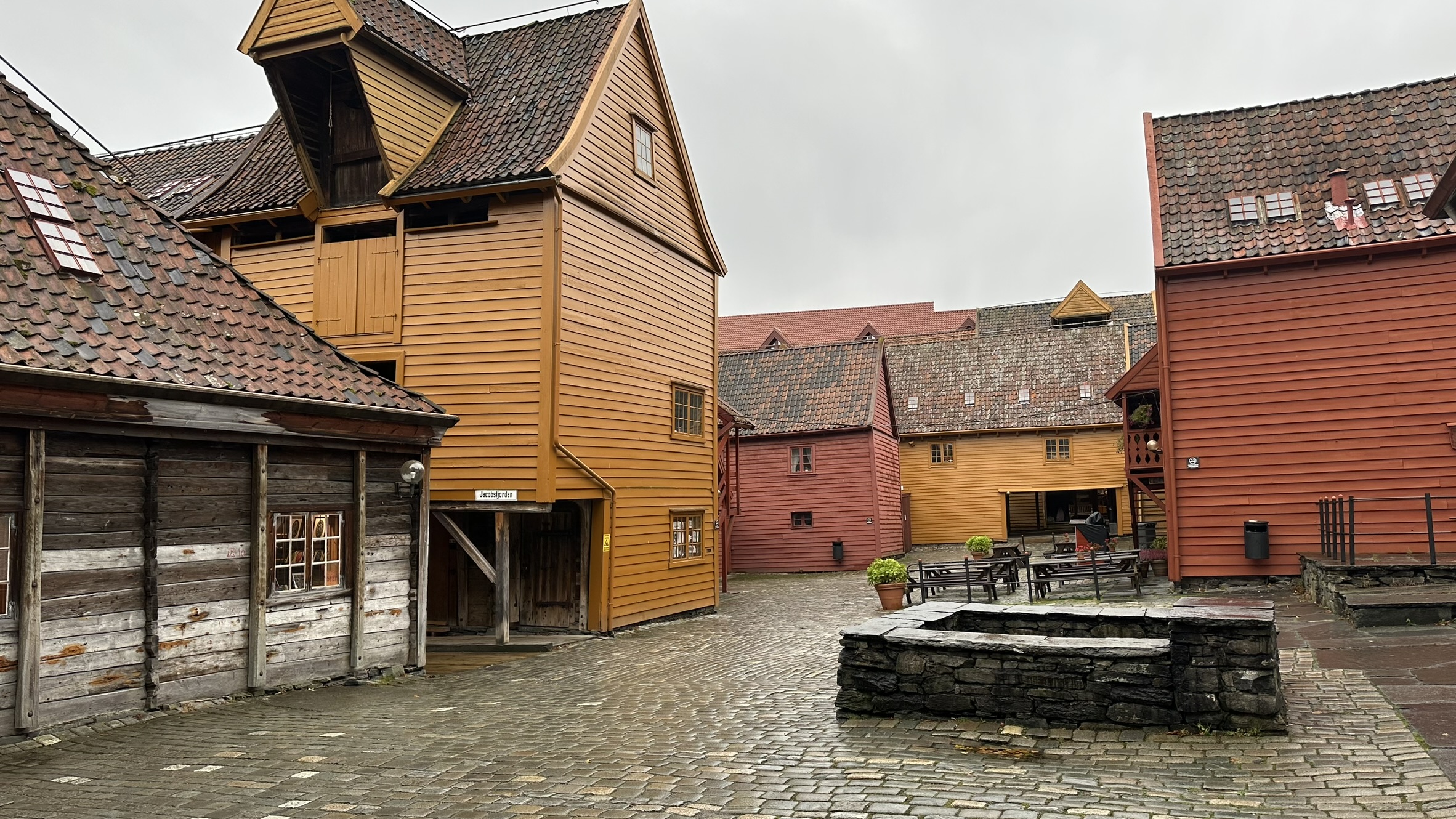
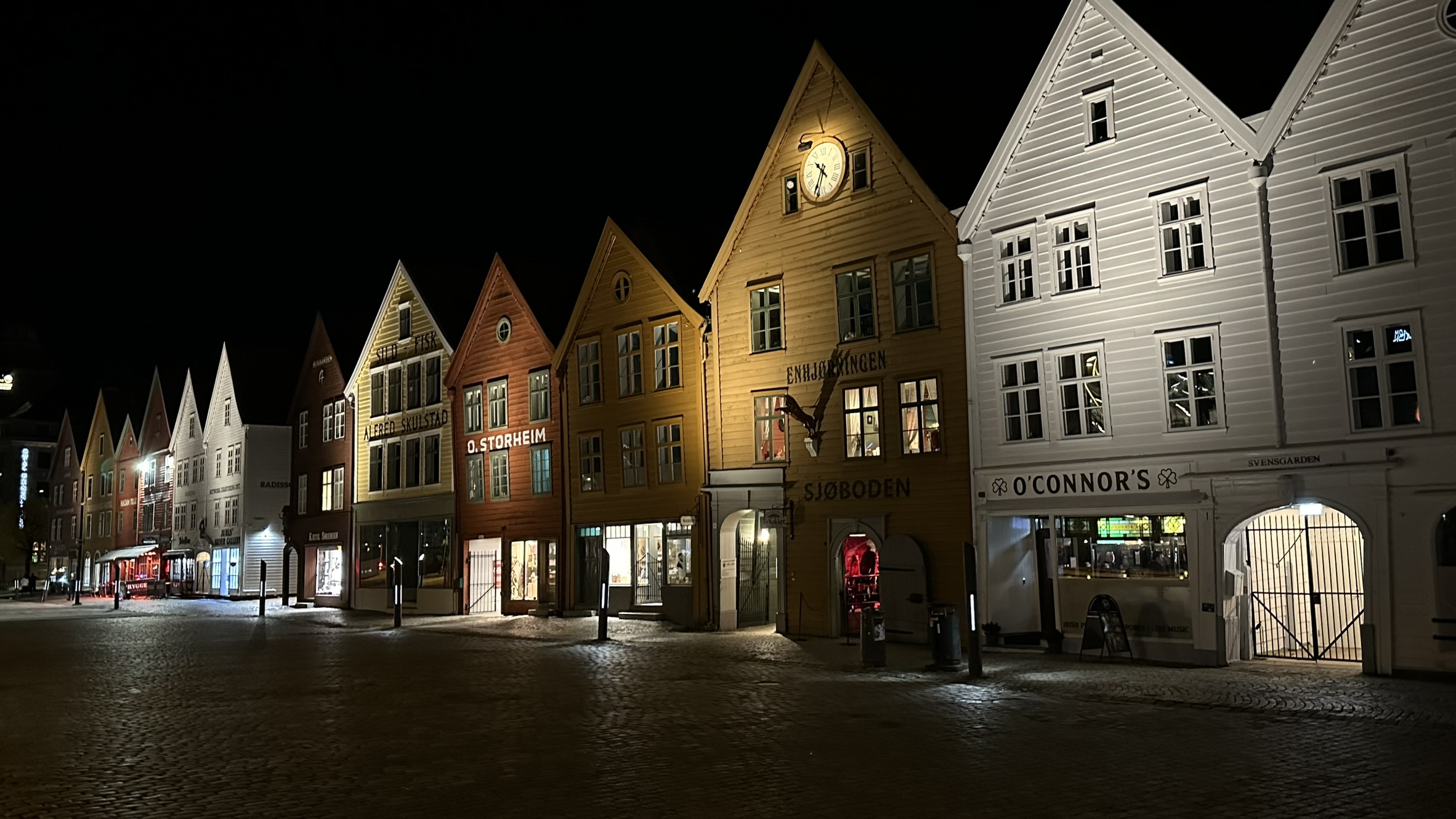
- Bryggen historical wharf district is Bergen’s most iconic site. Dating to the 14th century, it was a crucial trading port, part of the old Hanseatic League that dominated trade throughout Scandinavia, the Baltic Sea and Northern Europe. After suffering many catastrophic fires over the years (open flames are mostly verboten now), many of its buildings were rebuilt after 1702, strictly according to the old building methods. While much of it is wonderfully preserved, you’ll find a number modern shops and one or two good but expensive restaurants as well.

- Take the funicular to the top of Mount Fløyen for spectacular vistas overlooking central Bergen. There are hiking trails that lead off into the woods for more overlooks, if you have the time. (Some sort of guided yoga meditation was going on when we visited, despite it being quite cold. Honestly, I don’t know how you can enjoy the view lying down with your eyes closed.)
- Colorful “Shoe Street”, where the fishermen traditionally came for new shoes after finishing their work at the nearby fish market, is now a hot spot full of trendy shops, bars and restaurants and definitely worth a stroll.
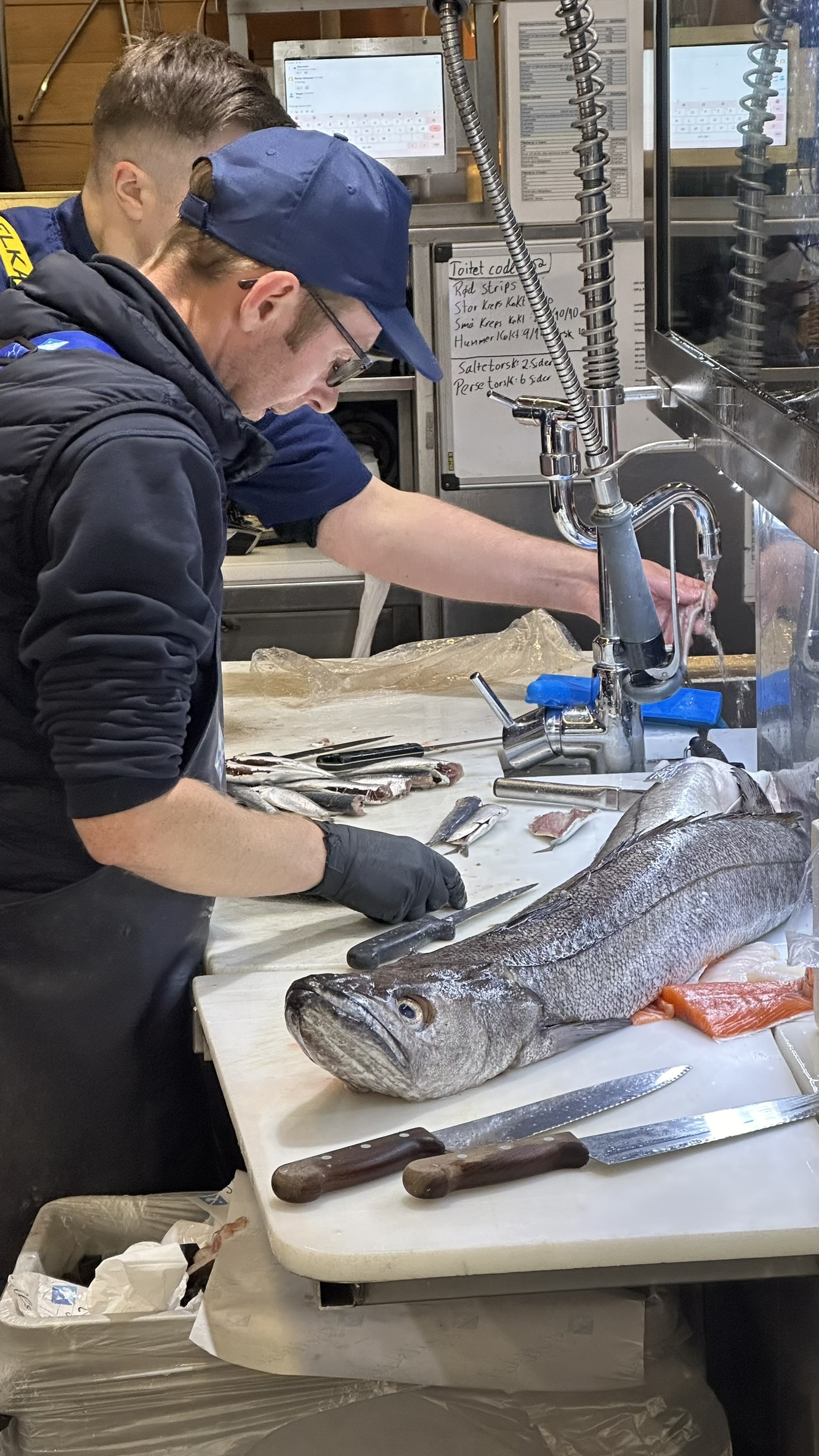
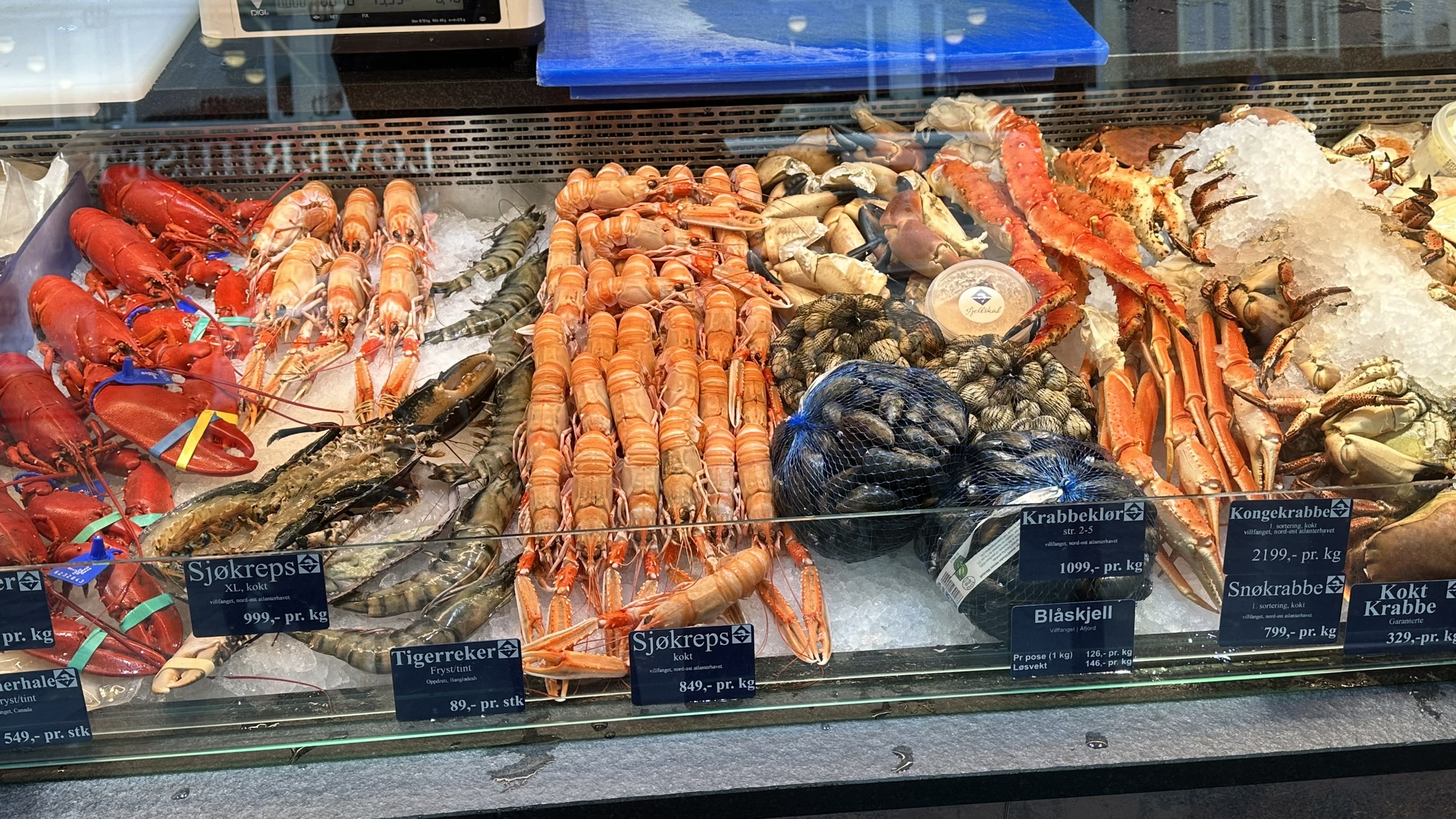
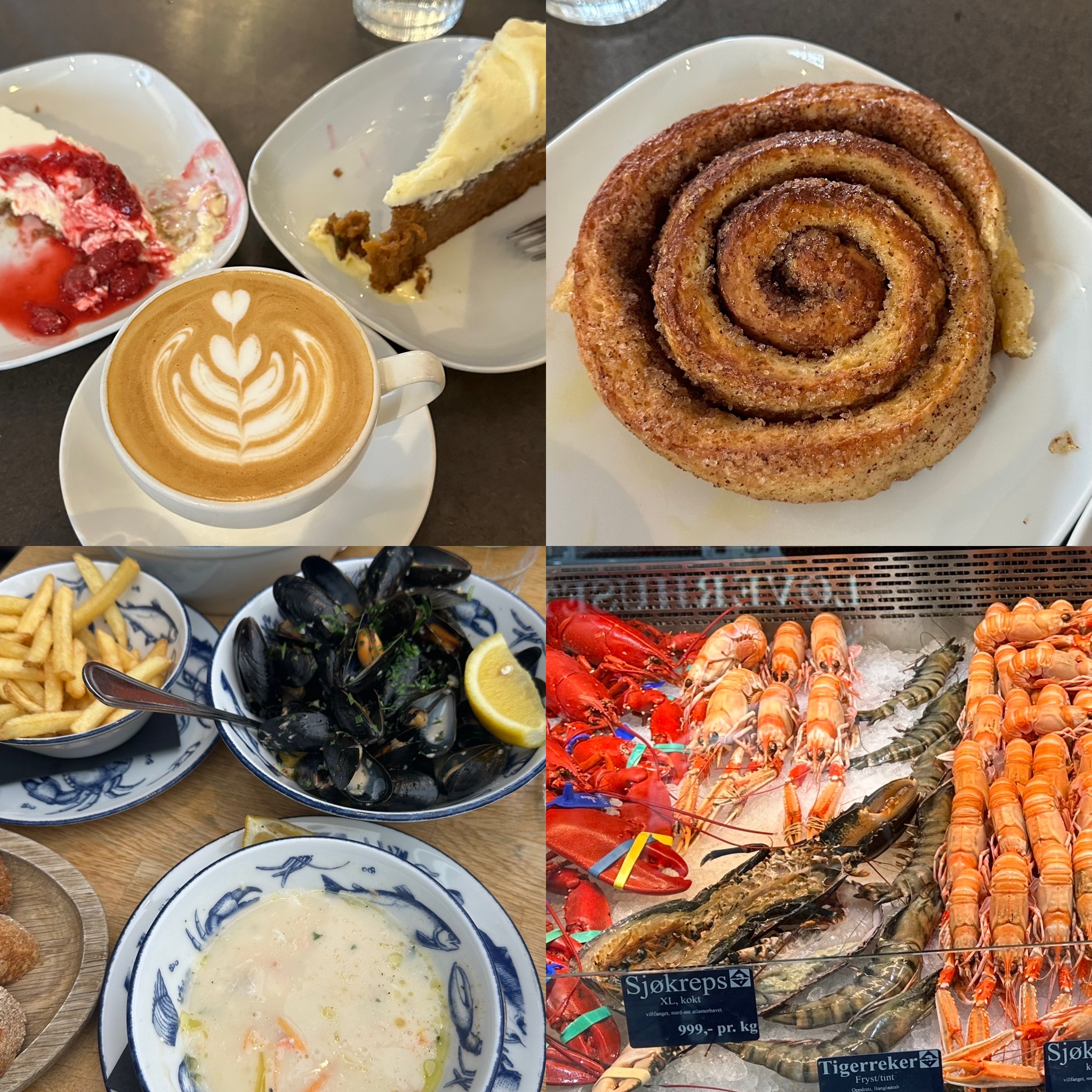
- Fisketorget, the huge indoor/outdoor fish market, is a seafood lover’s paradise. Counter after counter filled with all manner of fresh catch, homemade chowders, a bakery, bars (or course) and a few sit-down restaurants, it’s a great place to grab lunch.
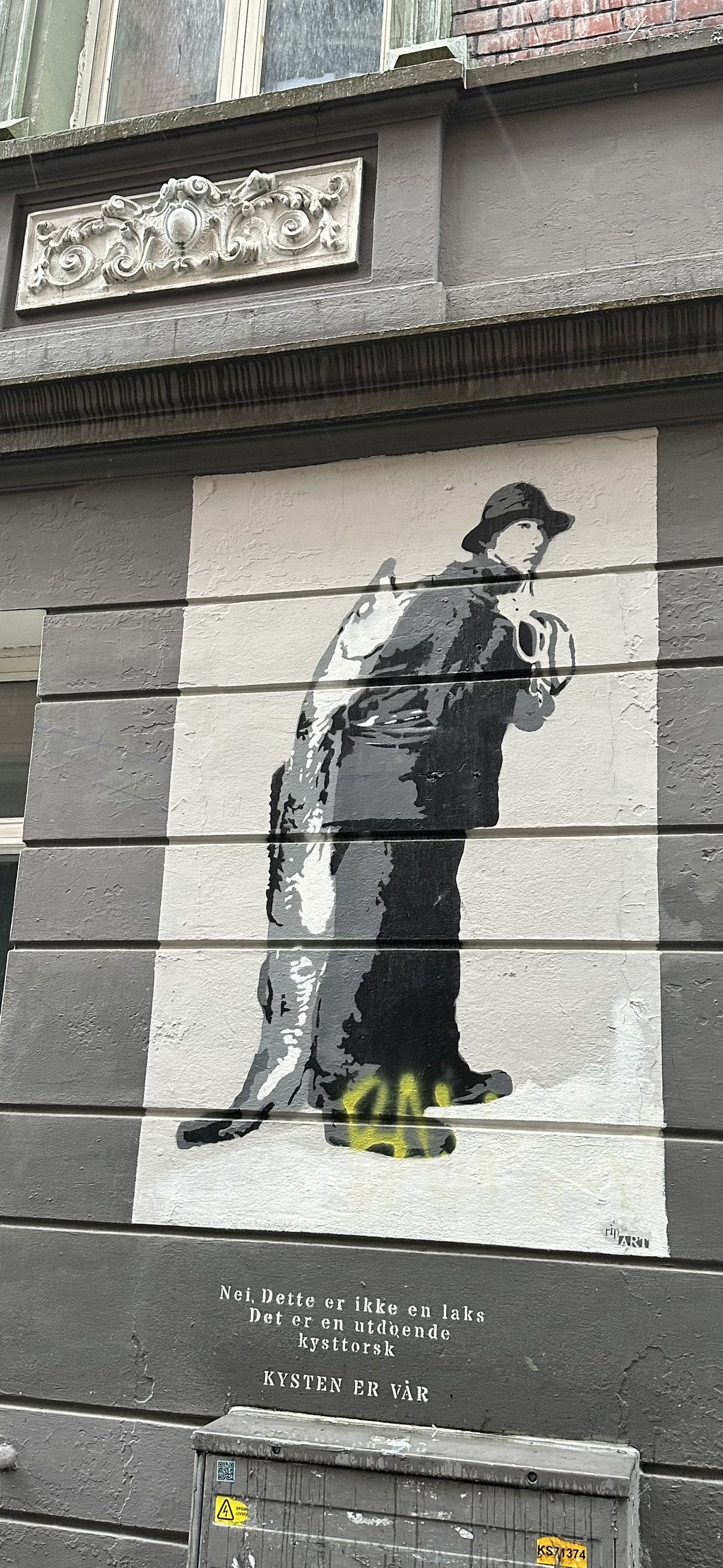
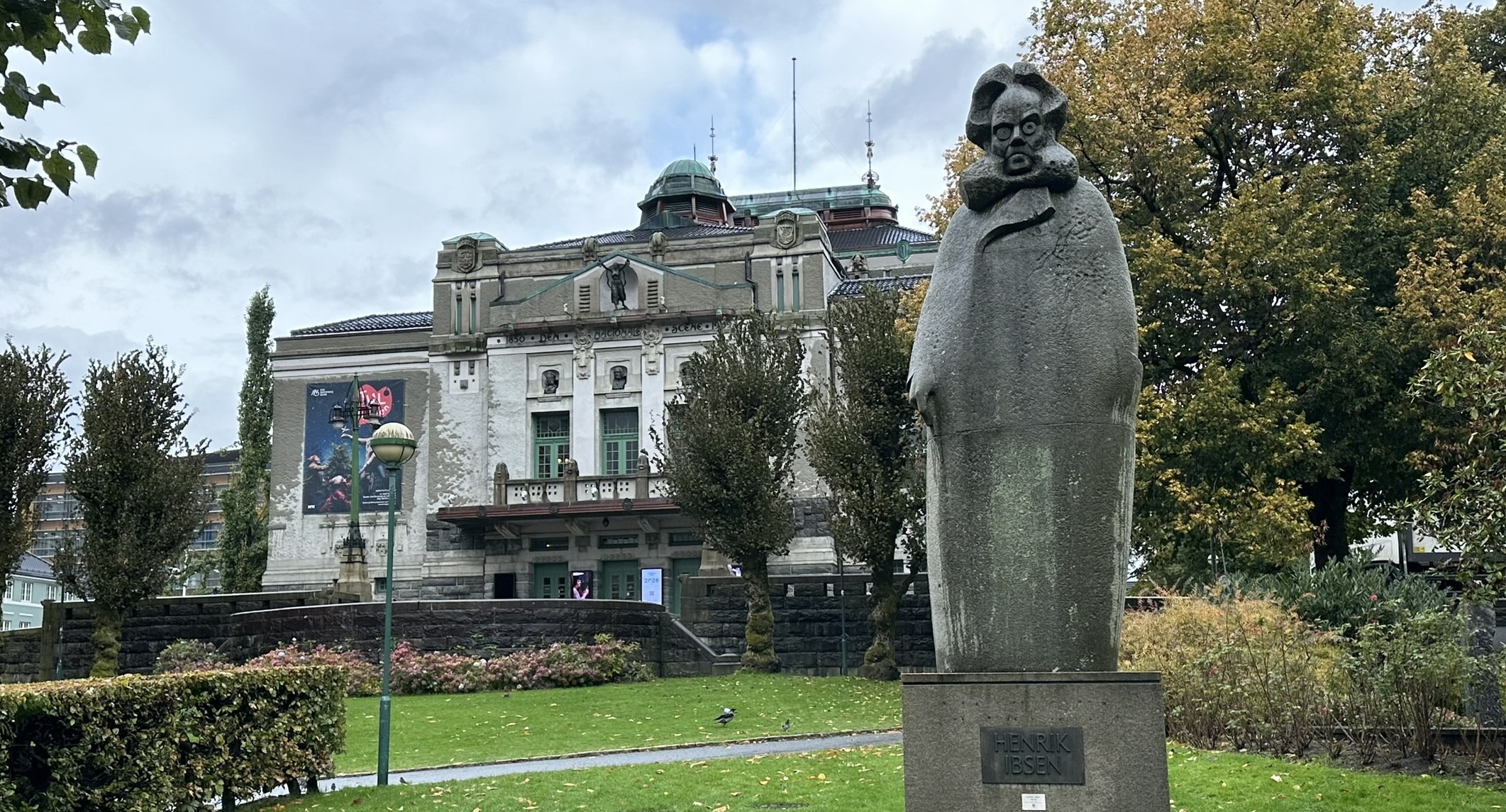
- As usual, a free guided walking tour is the best way to see the most important cultural and historical sights with an educational and entertaining voiceover describing what you’re seeing. Not only did we get good color commentary on Bryggen’s past, Shoe Street and the Fish Market, we also got introduced to Bergenhus Fortress, among the oldest preserved fortresses in Norway, Bergen’s National Theater (and why the statue of Henrik Ibsen looks so eerie) and Bergen’s most famous composer, Edvard Grieg. You’ve probably never heard of him, but if you’ve ever seen Disney’s Fantasia you’ve heard his music, as he composed most of it.


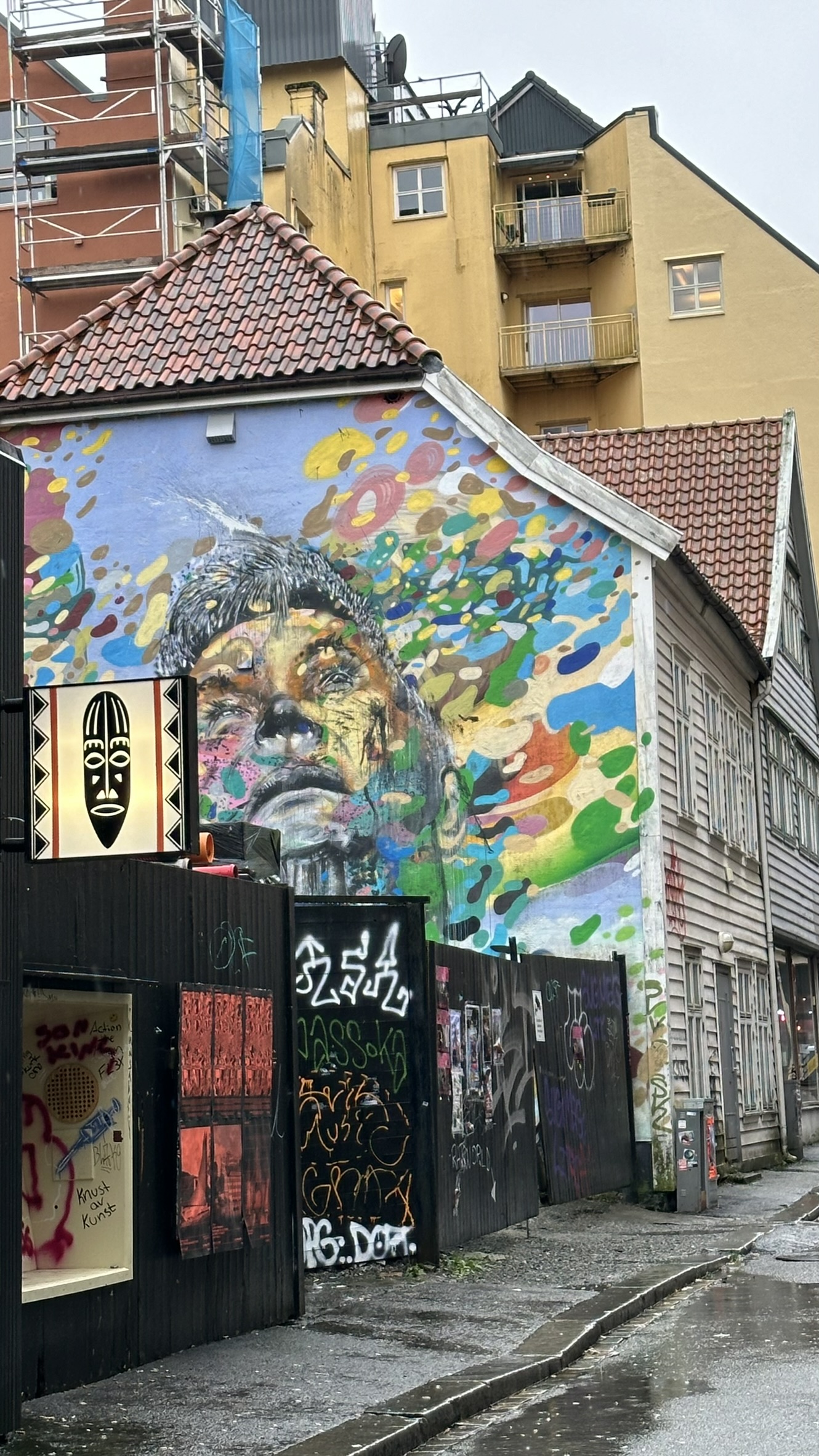

- Vågal coffee shop has the best coffee and selection of fresh-daily pastries, close to Shoe Street and Bryggen harbor. A morning must!
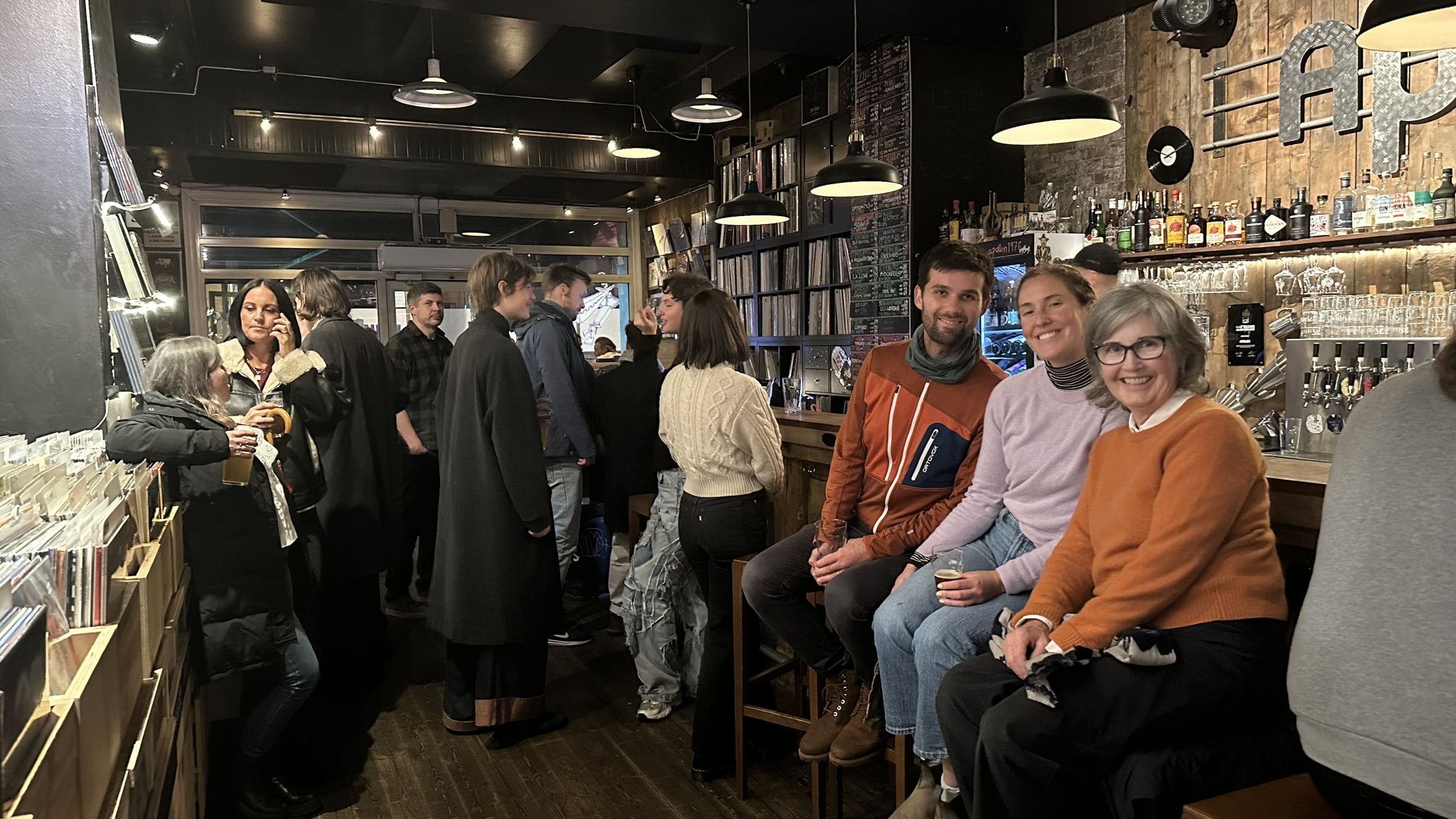
- The neighborhood surrounding Nygardsgaten street, just a 10-minute walk up the hill from the harbor, was an unexpected surprise that Emily found. Lots of restaurants, shops and bars but with a distinctly more local, bohemian feel. Favorites here included Hoggorm, a relaxed, brick-lined joint featuring oysters, wine and amazing pizzas, Appollon, a combination craft beer bar and record store (lots of tattoos and death metal playing, but still a cool scene), and Legal, a small, funky cocktail lounge across the street. If you want a fun night out without all the tourists, this is the place; it was fairly hopping on a Friday.
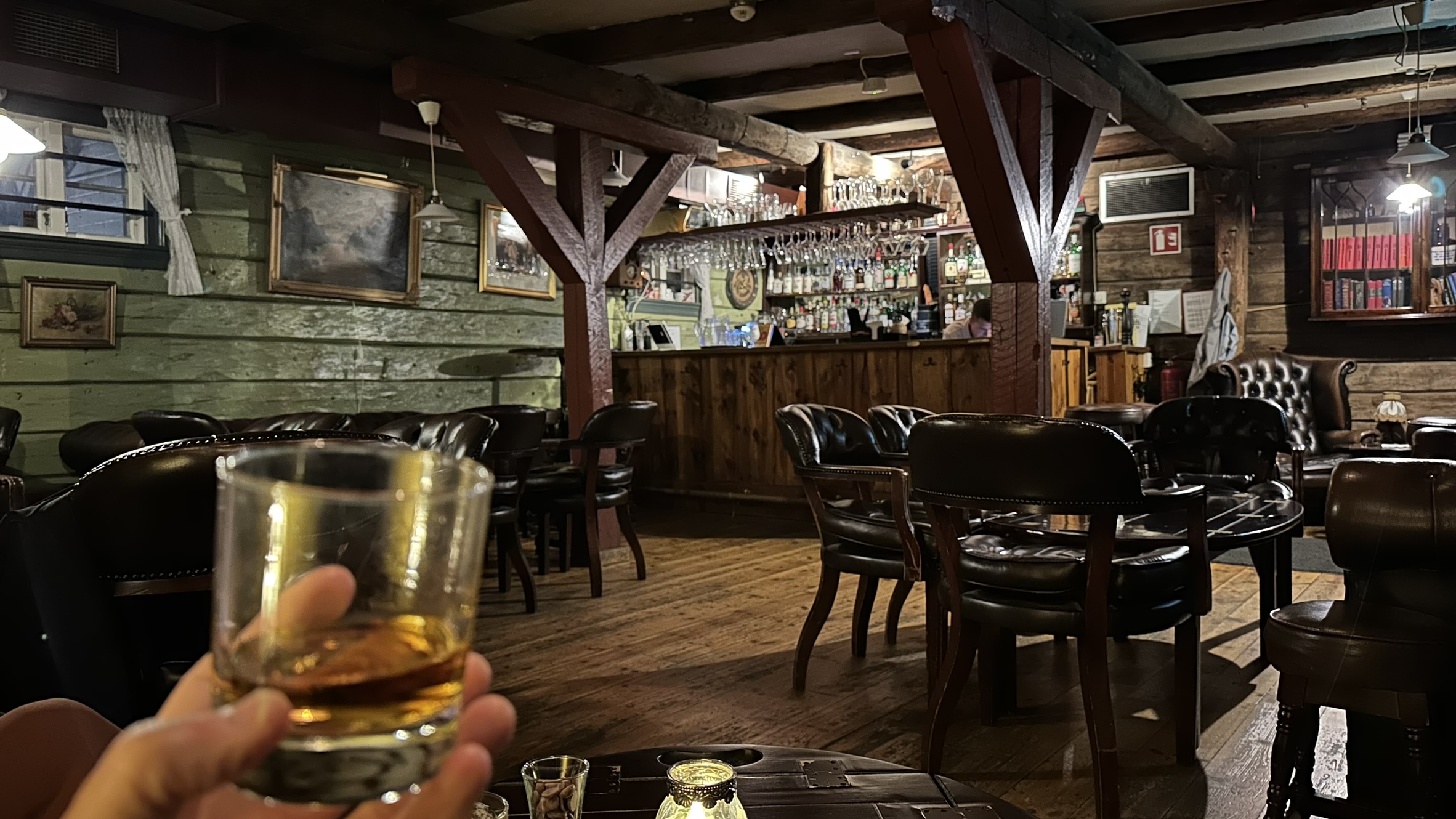
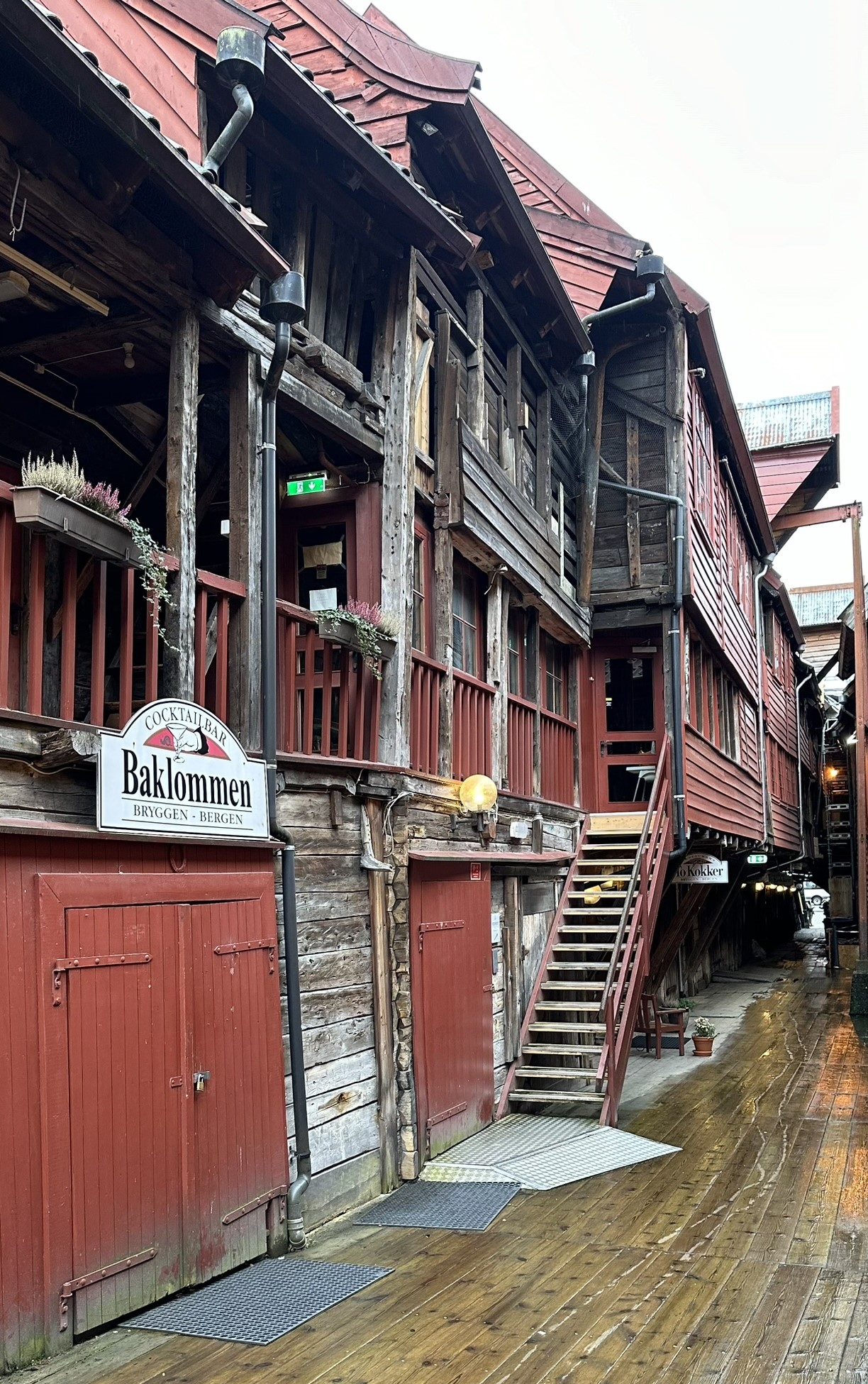
- Bakklomen Bar, in one of Bryggen’s back alleys, was a great discovery. Old wooden beams, plush leather chairs, and good
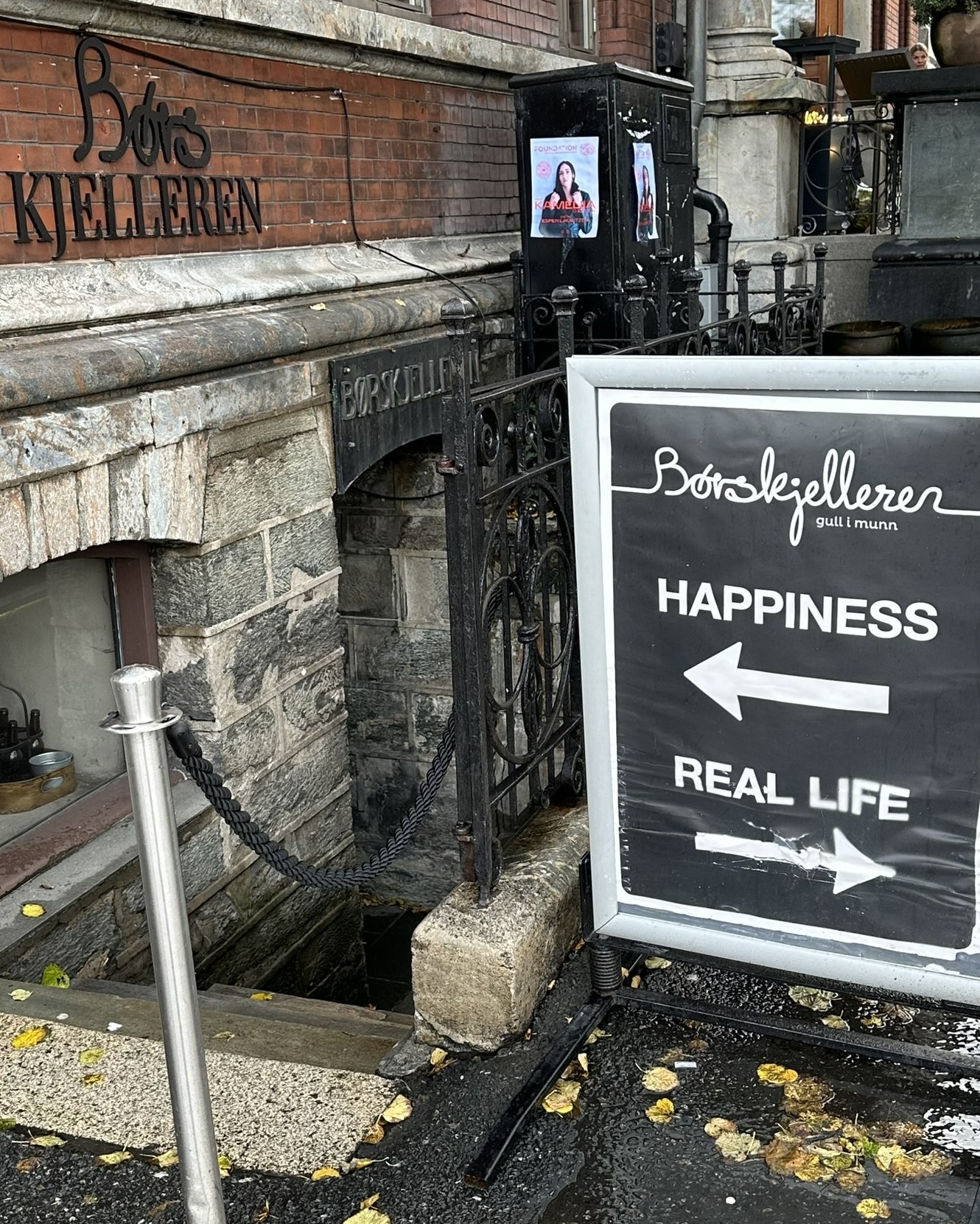
 , what more does one need? Sjøboden, just a few steps away, has old wooden beams, too, and really good local beer. Over by the Fish Market, Børskjelleren‘s cavernous cellar bar makes a fine stop for a refresher while feasting your eyes on its arched ceilings and impressive murals.
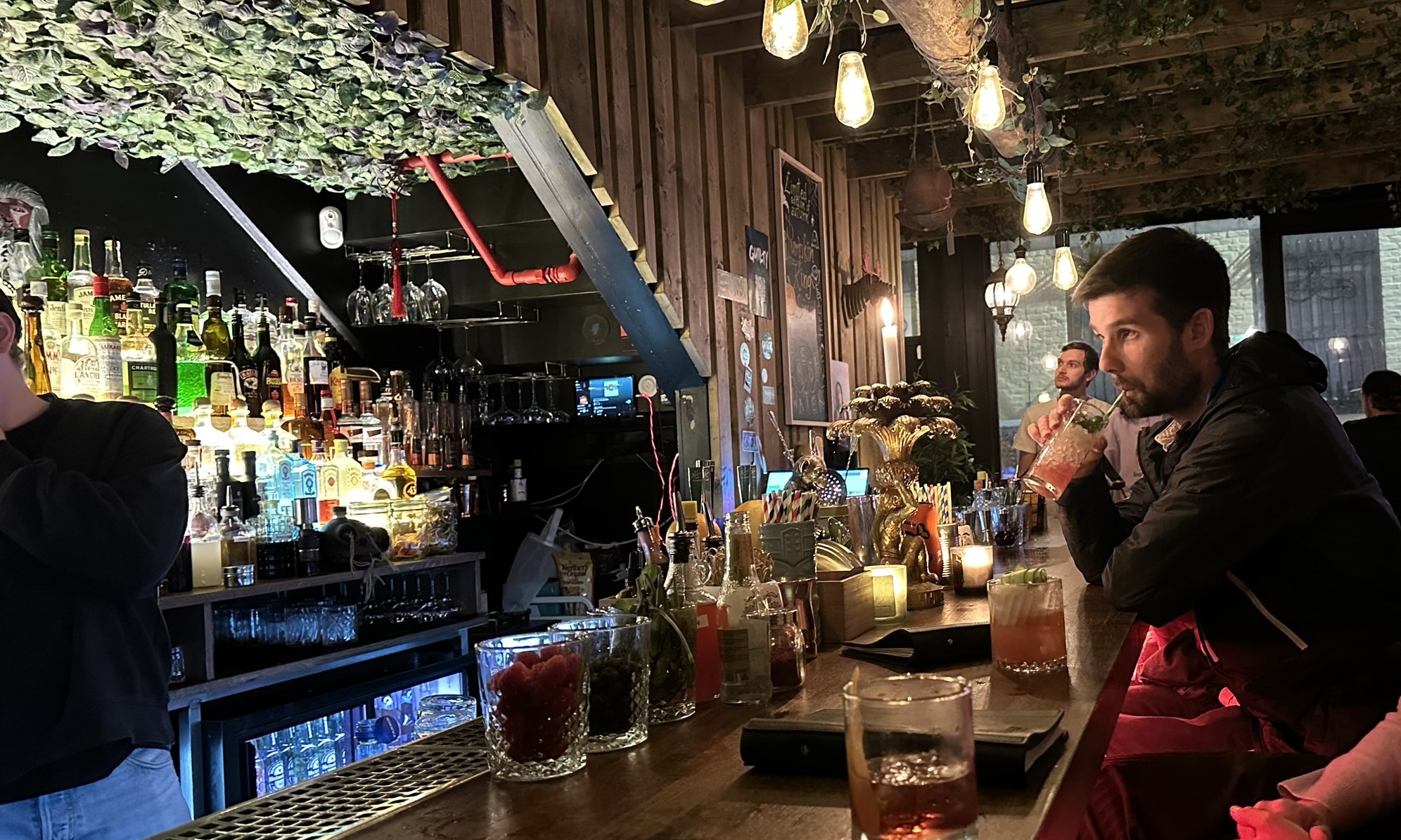
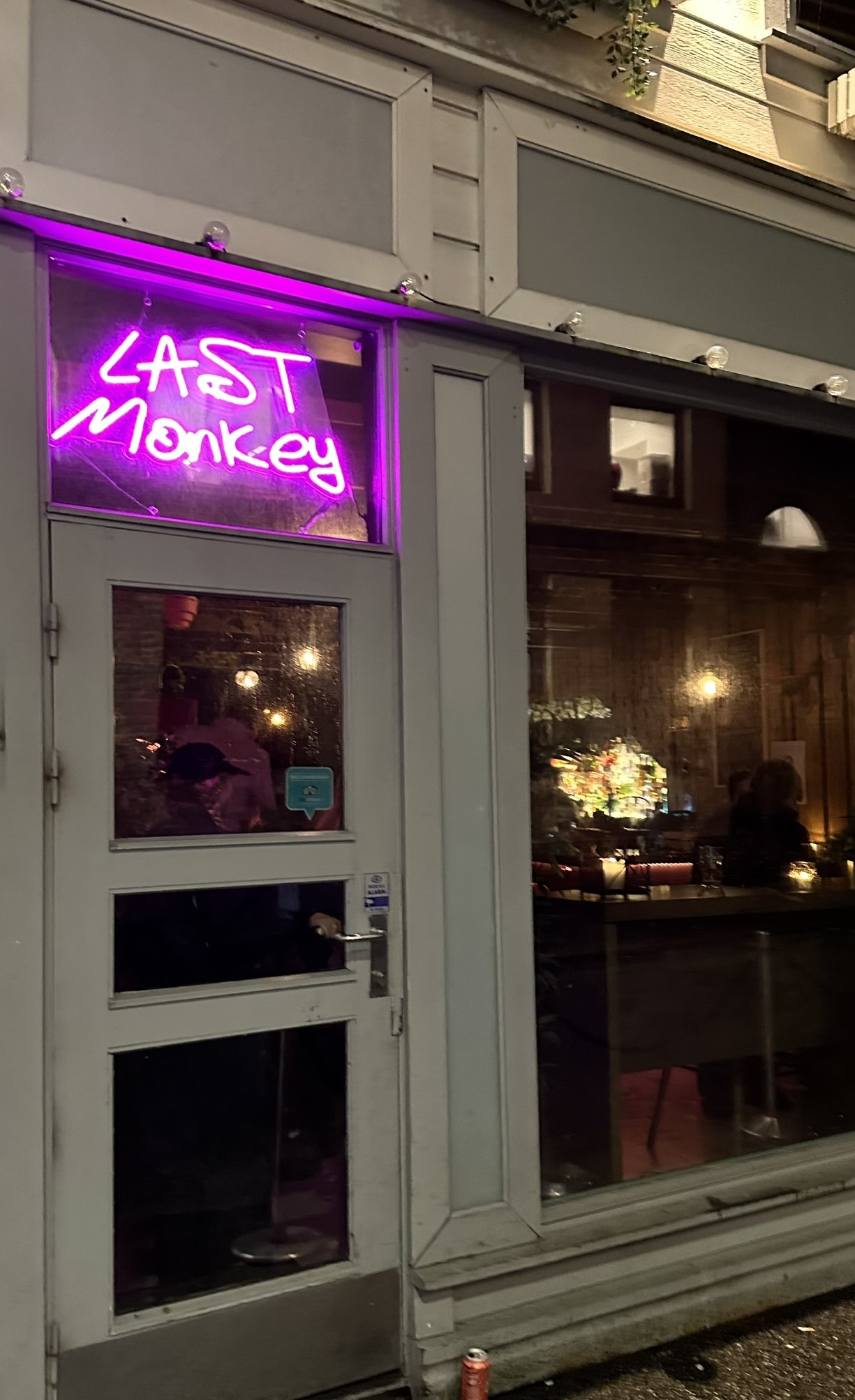
 - LAST Monkey reputedly has the best cocktails in town in a dimly lit, semi-tropical setting. It came recommended by a bartender in Oslo and did not disappoint. It got its name from the famous “see no evil, hear no evil, speak no evil” monkey trio. The LAST monkey is “Do no evil”. So that’s good.
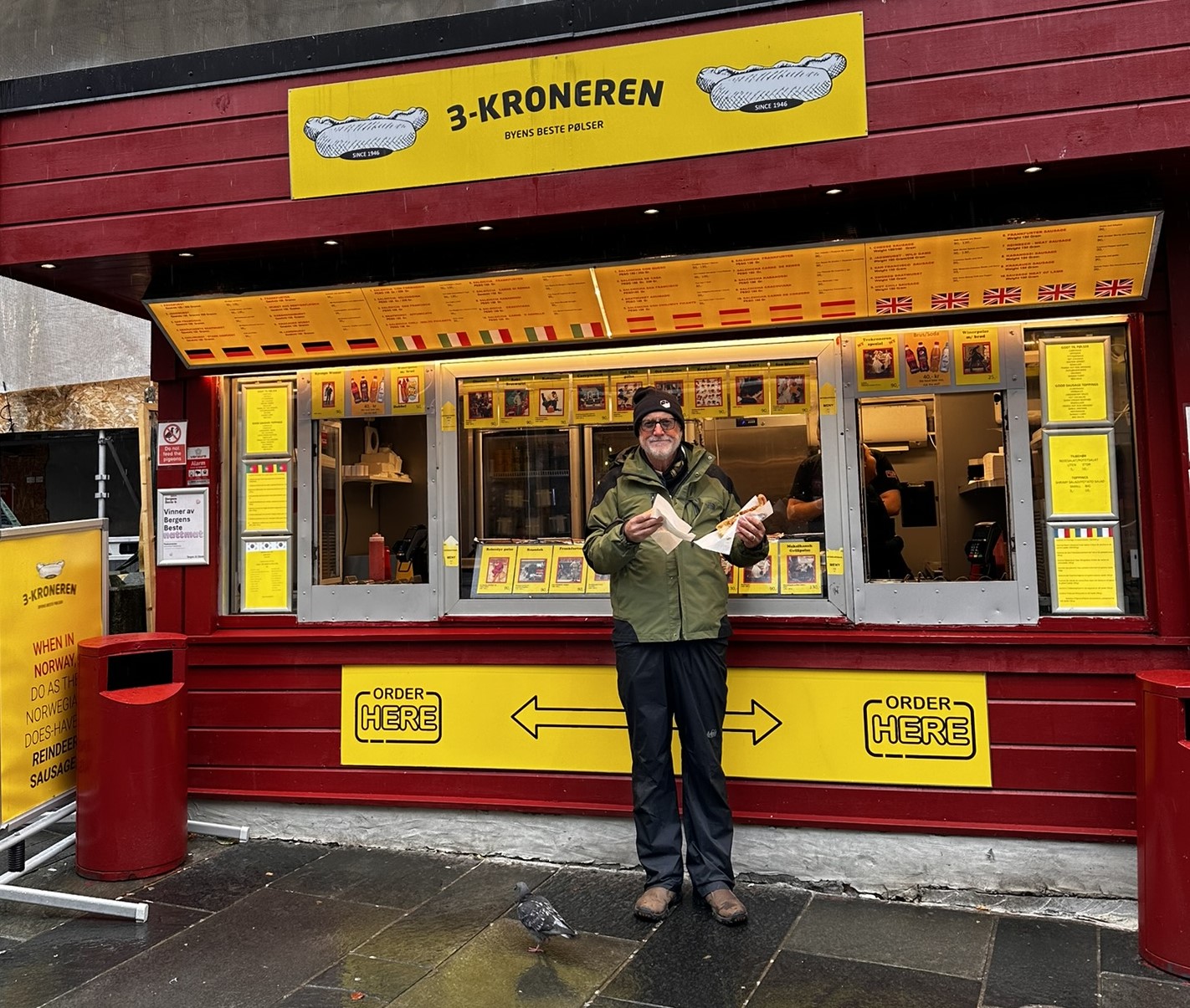
- We enjoyed a couple very nice splurges for dinner at Bryggelofter, Bergen’s oldest restaurant, and Bare Vestland. While we didn’t get a chance to try them I’ve heard great things from friends about Colonialen Litteraturhuset and Pingvinen. Lastly, if you have a hankering for a hot dog, look no further than Trekroneren, famous for their reindeer sausages, among others.
- If you’re lucky and the weather is right, you just might get northern lights, like we did!
If we had come during the summer, and perhaps with a bit more time, getting out on the water by RIB boat I hear is quite fun, especially if you don’t have other opportunities to explore the fjords from the water.
| Duration | Destination | Where We Stayed |
|---|---|---|
| Days 18-19 | Flåm, Norway | Flåm Marina & Apartments |
| Day 20 | Oslo, Norway | Oslo City Box Hotel |
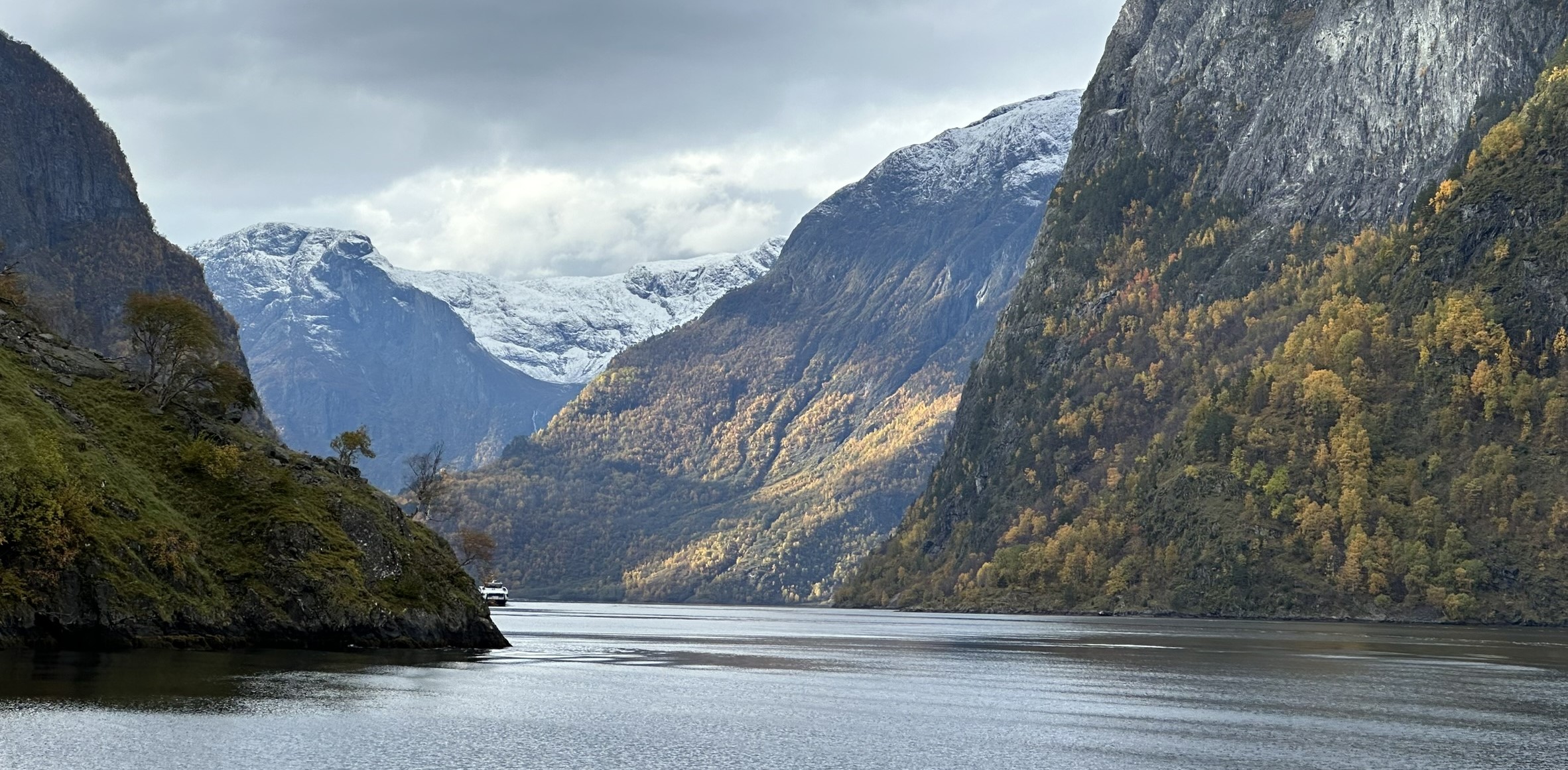
Many people who have only a few days to spend in Norway do this thing called Norway in a Nutshell; a train and ferry trip from Oslo to Bergen and back through the Aurland/Flam region featuring deep, spectacular fjords and majestic mountains. Rick Steves calls the train ride from Oslo to Flam one of the most beautiful in Europe. Some do this in a single day.
Since we were already in Bergen, we did it backwards with a bus, a ferry, three trains and, best of all, two nights in Flåm, affording us a couple days of really nice hiking in the mountains above Flåm and Aurlandsfjord. It just keeps getting better, and now I know why people take this route if they go anywhere outside Oslo. If you have the time, I cannot recommend this highly enough!
Travel tip: There are essentially three legs to this journey, regardless of which direction you travel: 1) Bergen to Voss by train, then bus from Voss to Gudvangen, at the head of the Nærøyfjord; 2) ferry across Nærøyfjord and Aurlandsfjord to Flåm; and 3) Flåm to Oslo by train, with a change of trains in Myrdal. The ferry section can be bypassed with the train from Myrdal to Bergen, but you’d be missing out on the best part. The entire route can be driven as well, but then you would miss 90% of the amazing scenery.
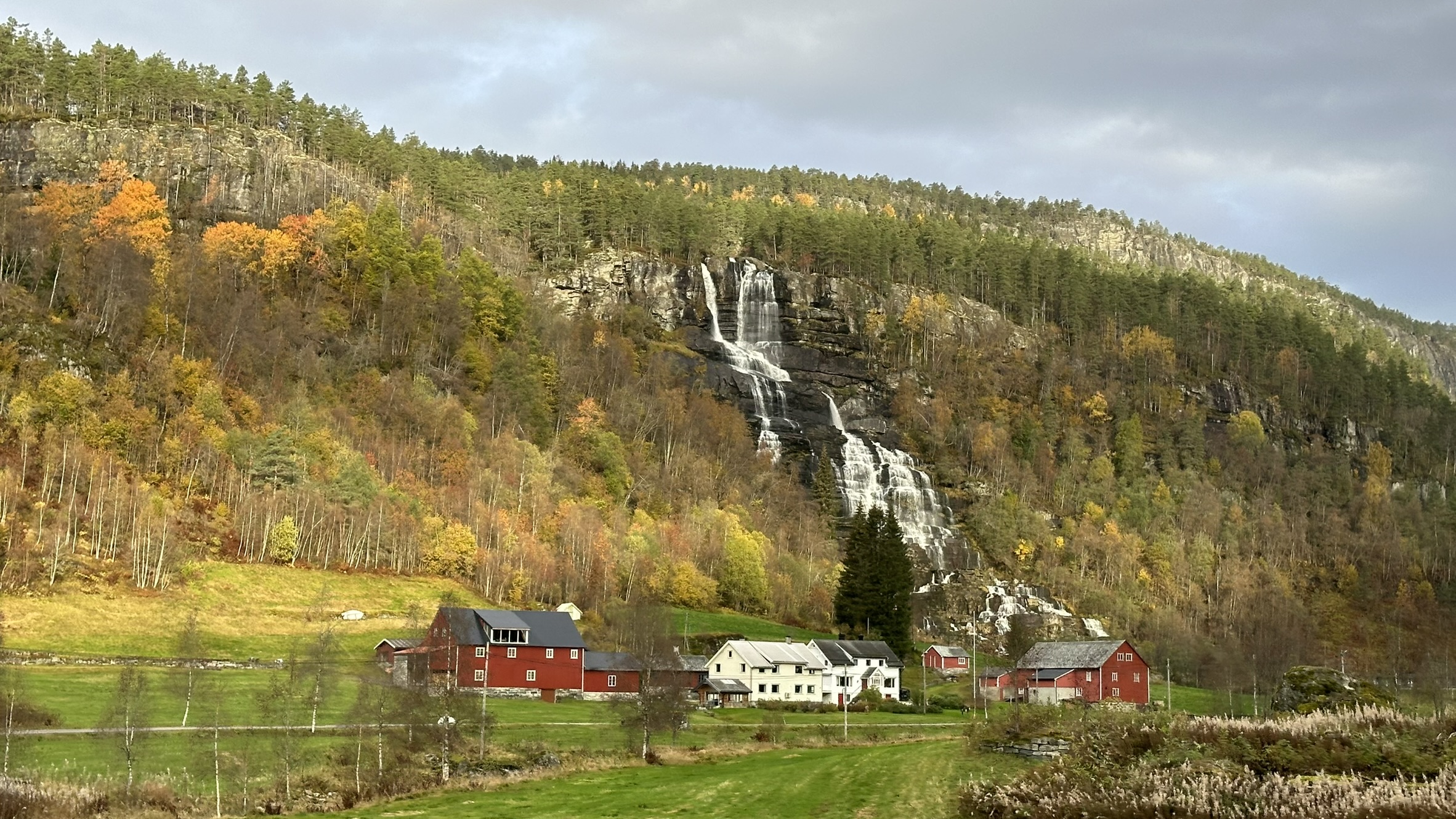
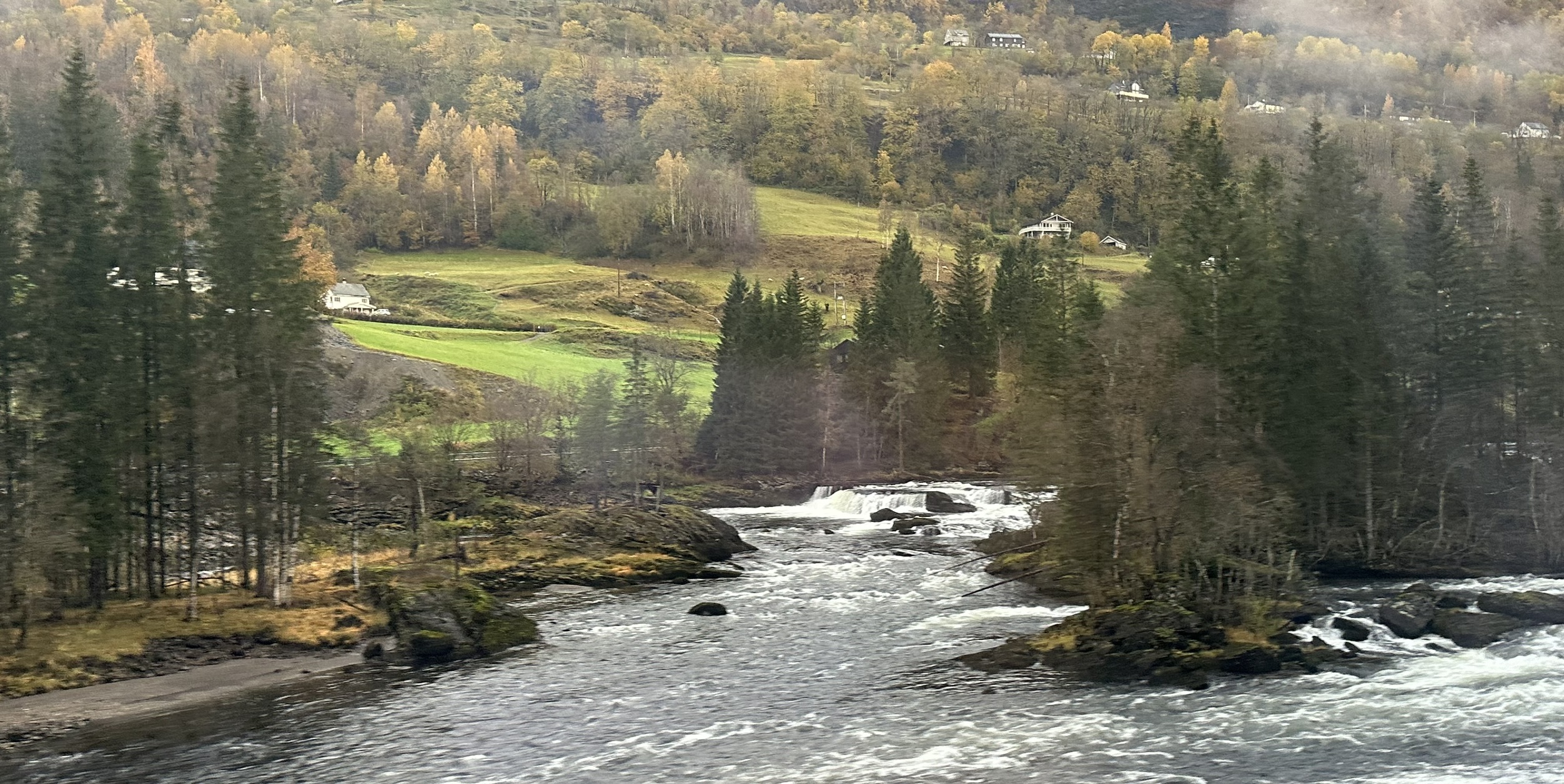
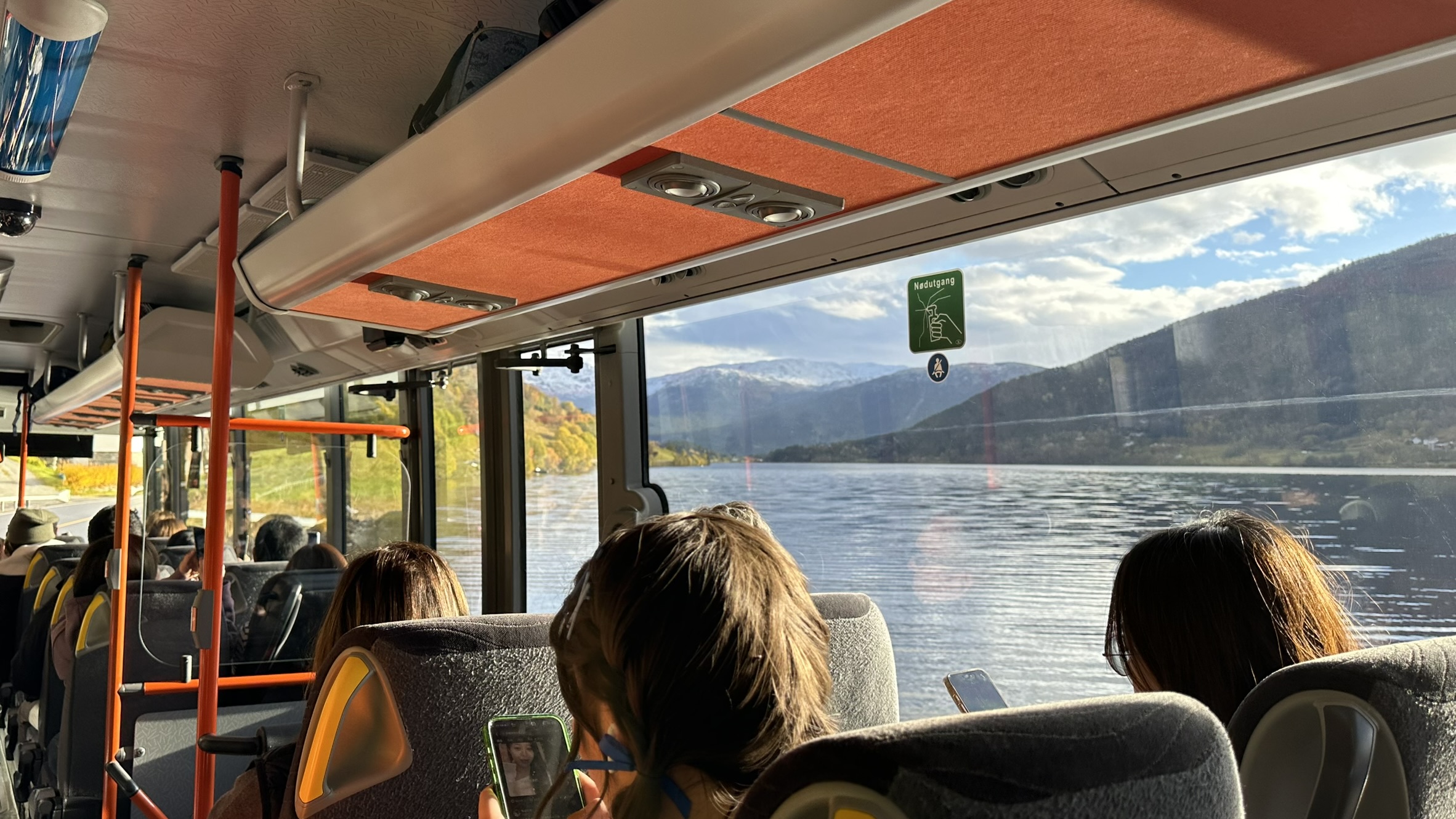
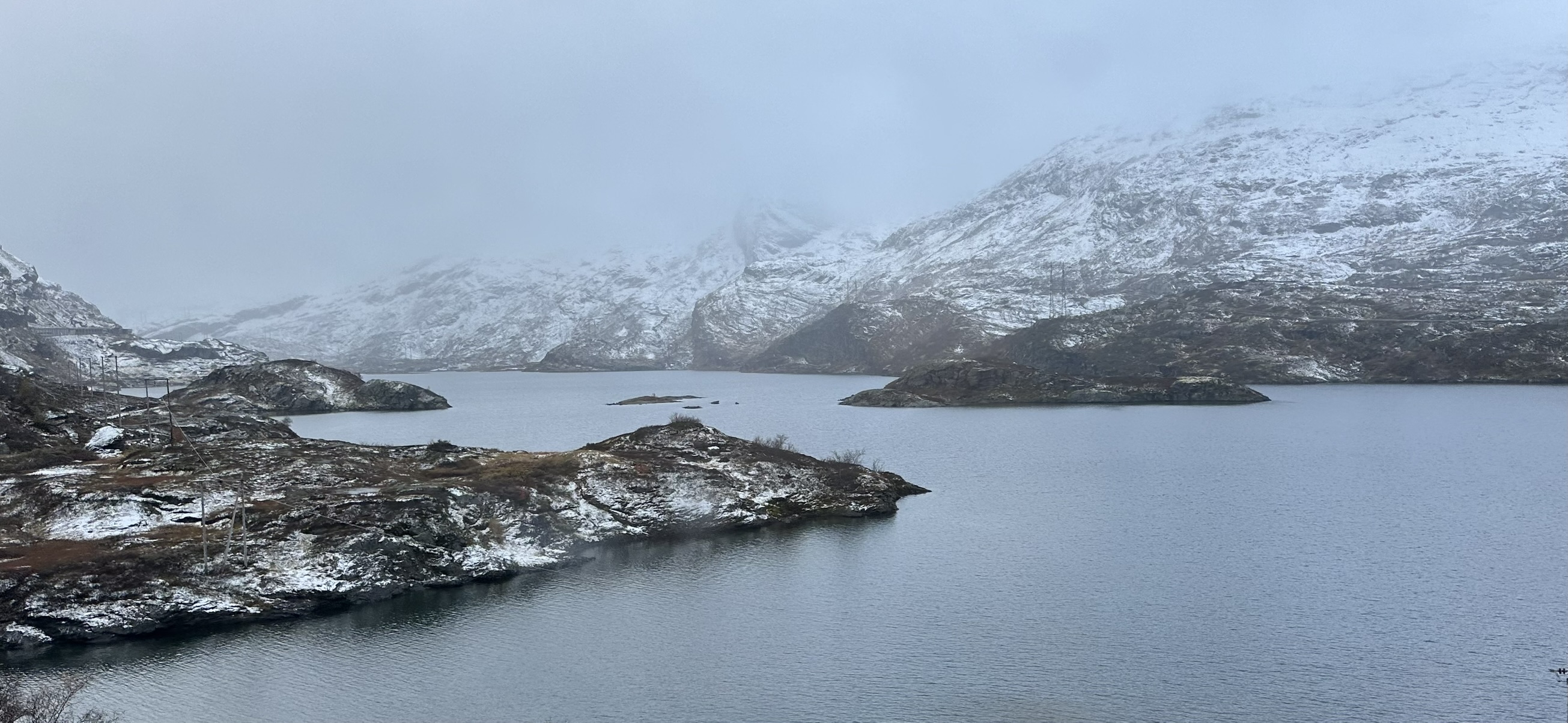
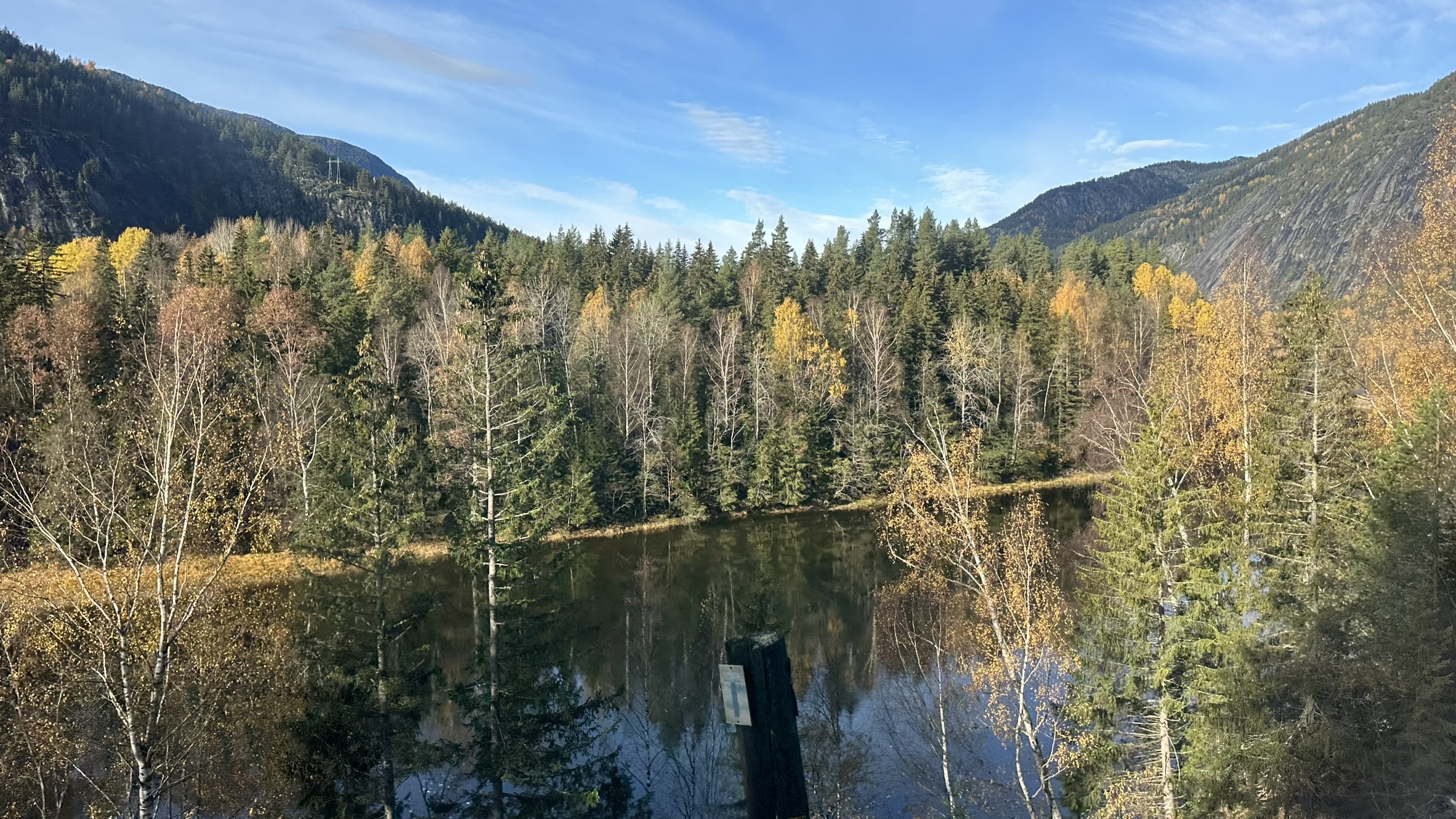
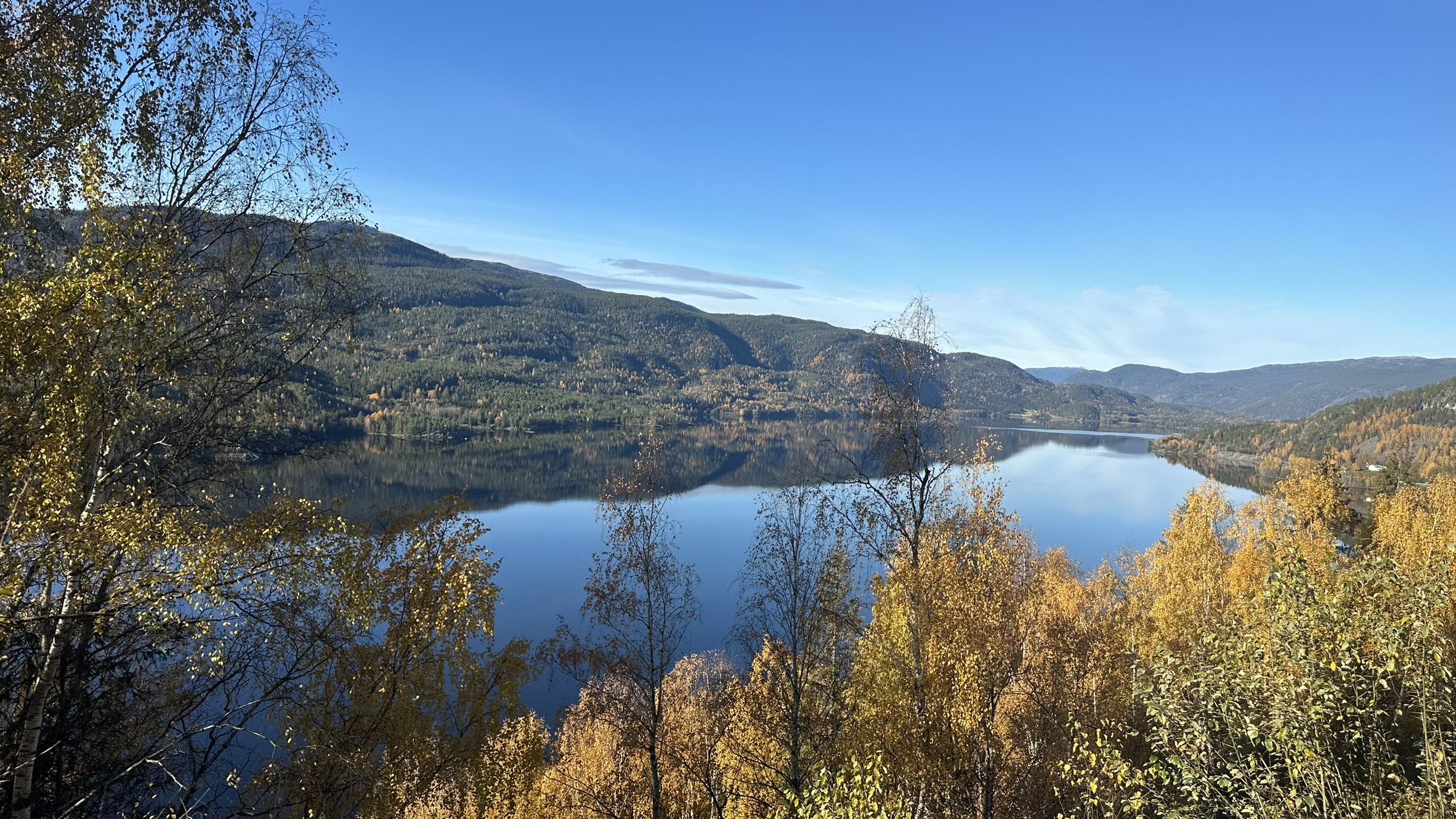
Here’s a bit of what we saw on the first leg from Bergen to Gudvangen.
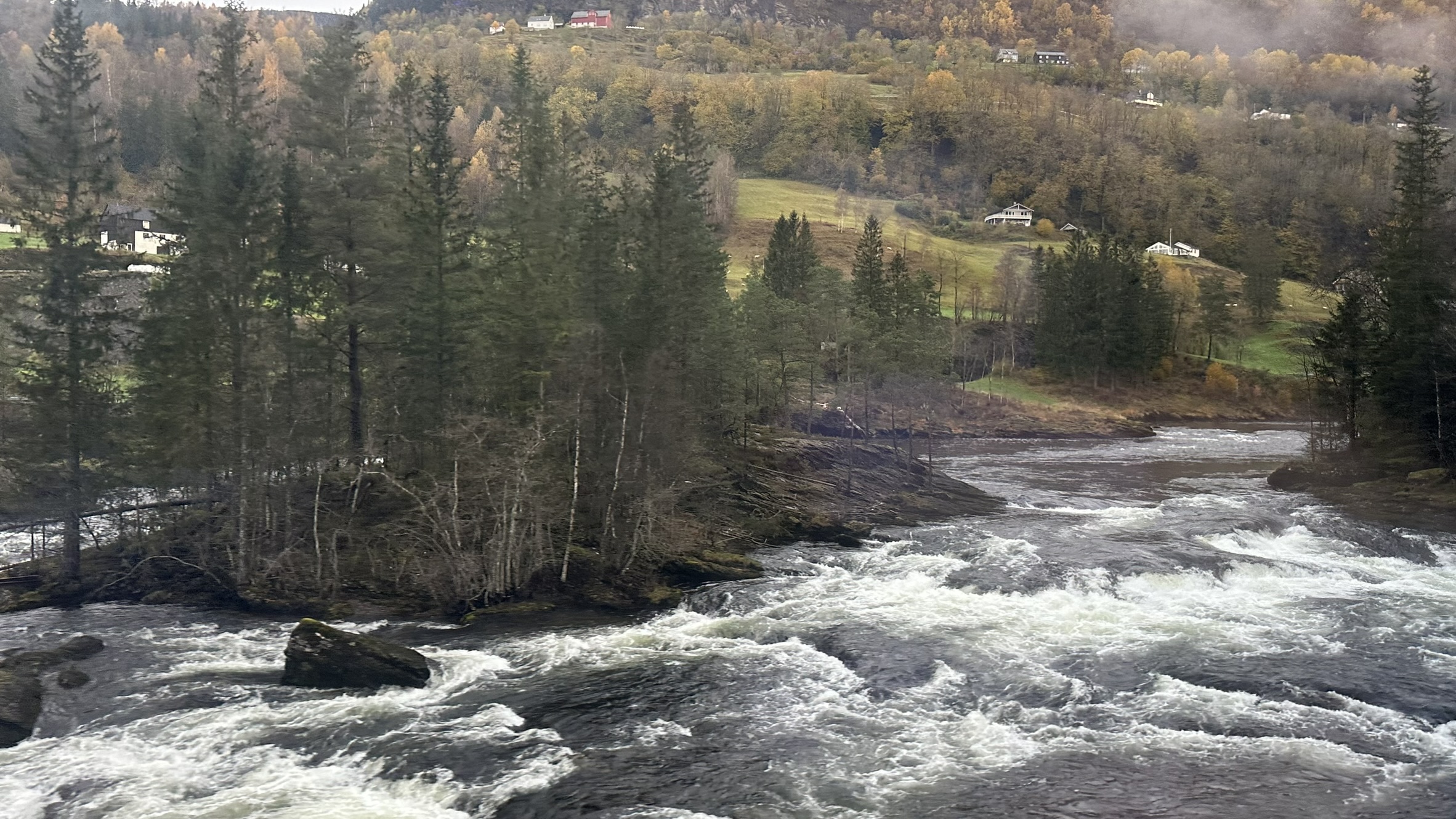
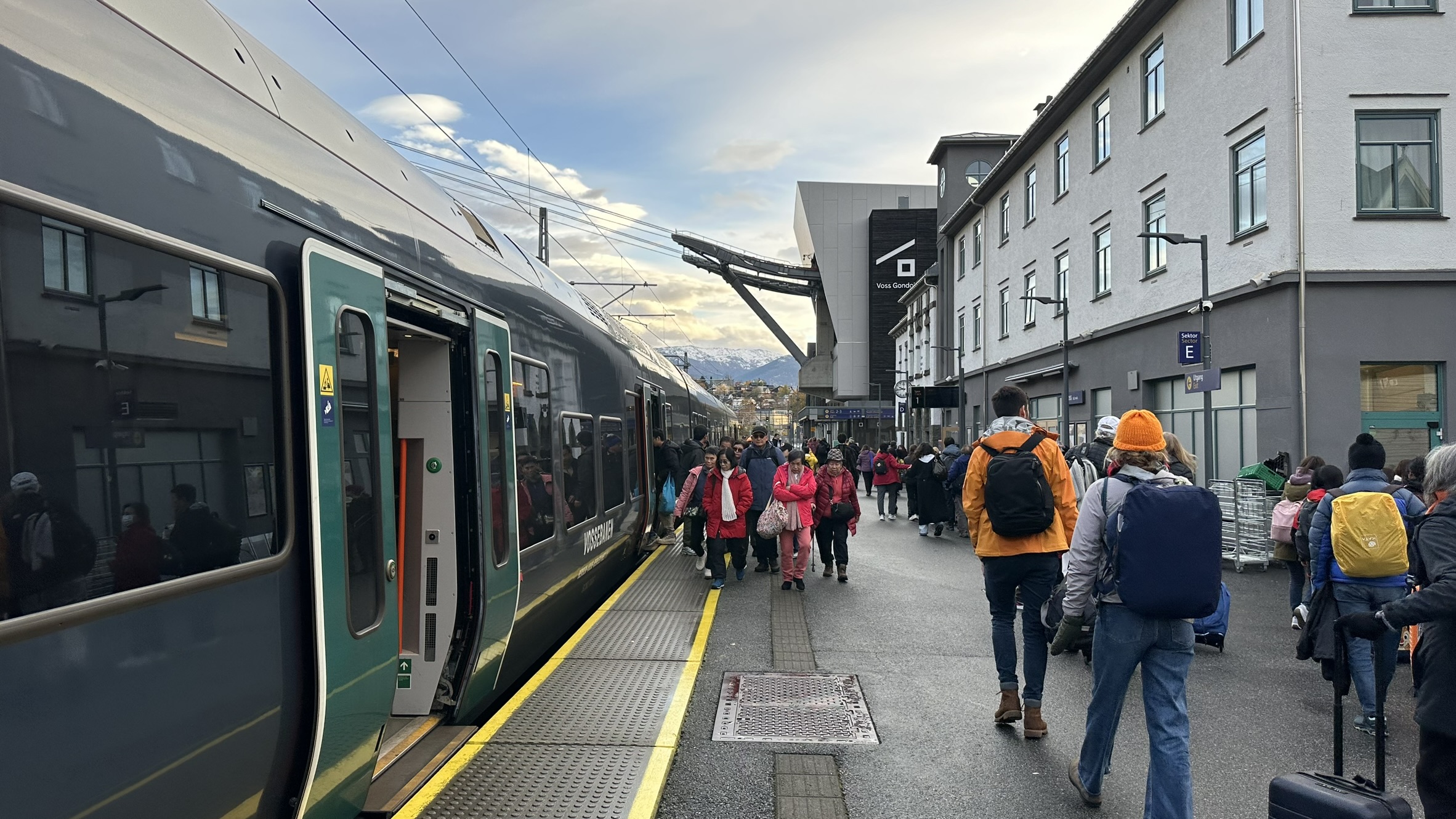
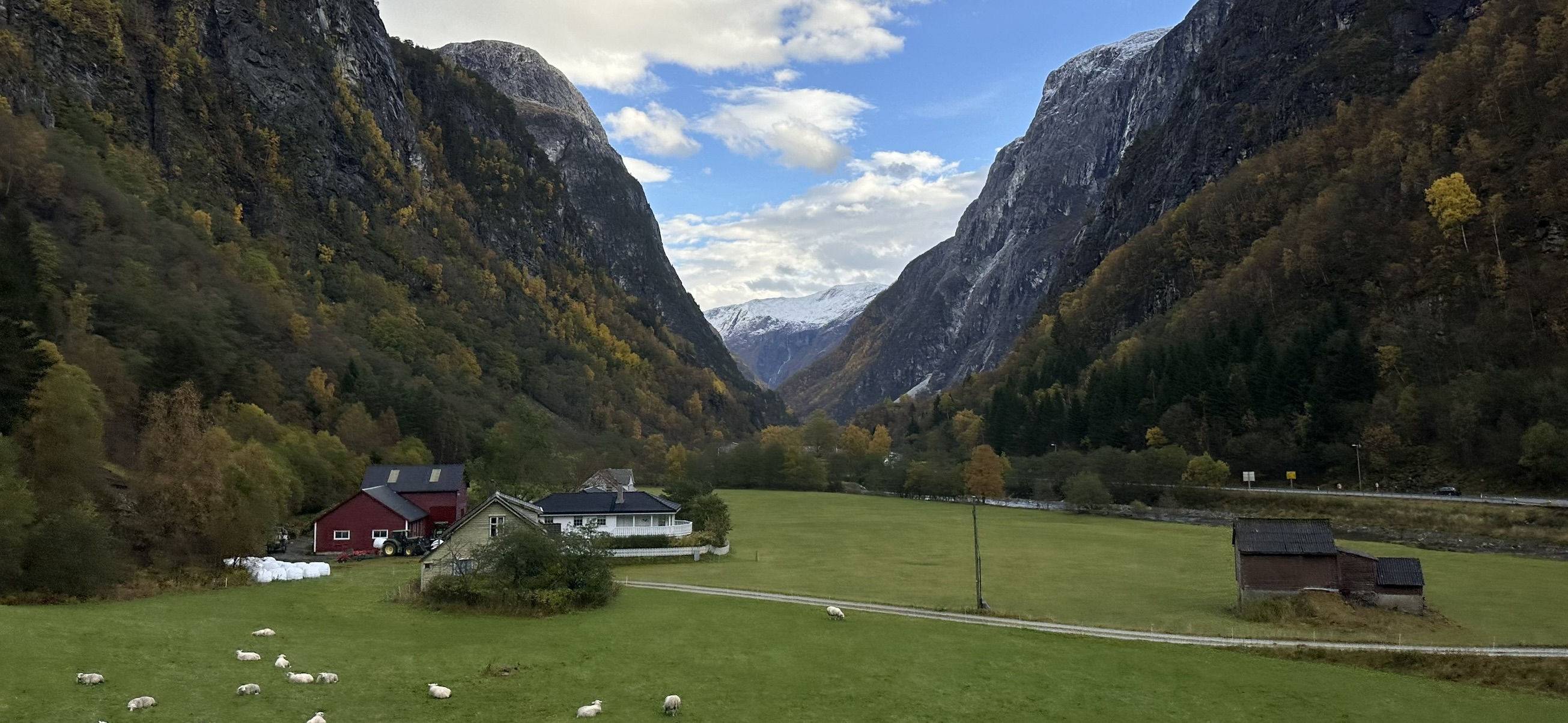
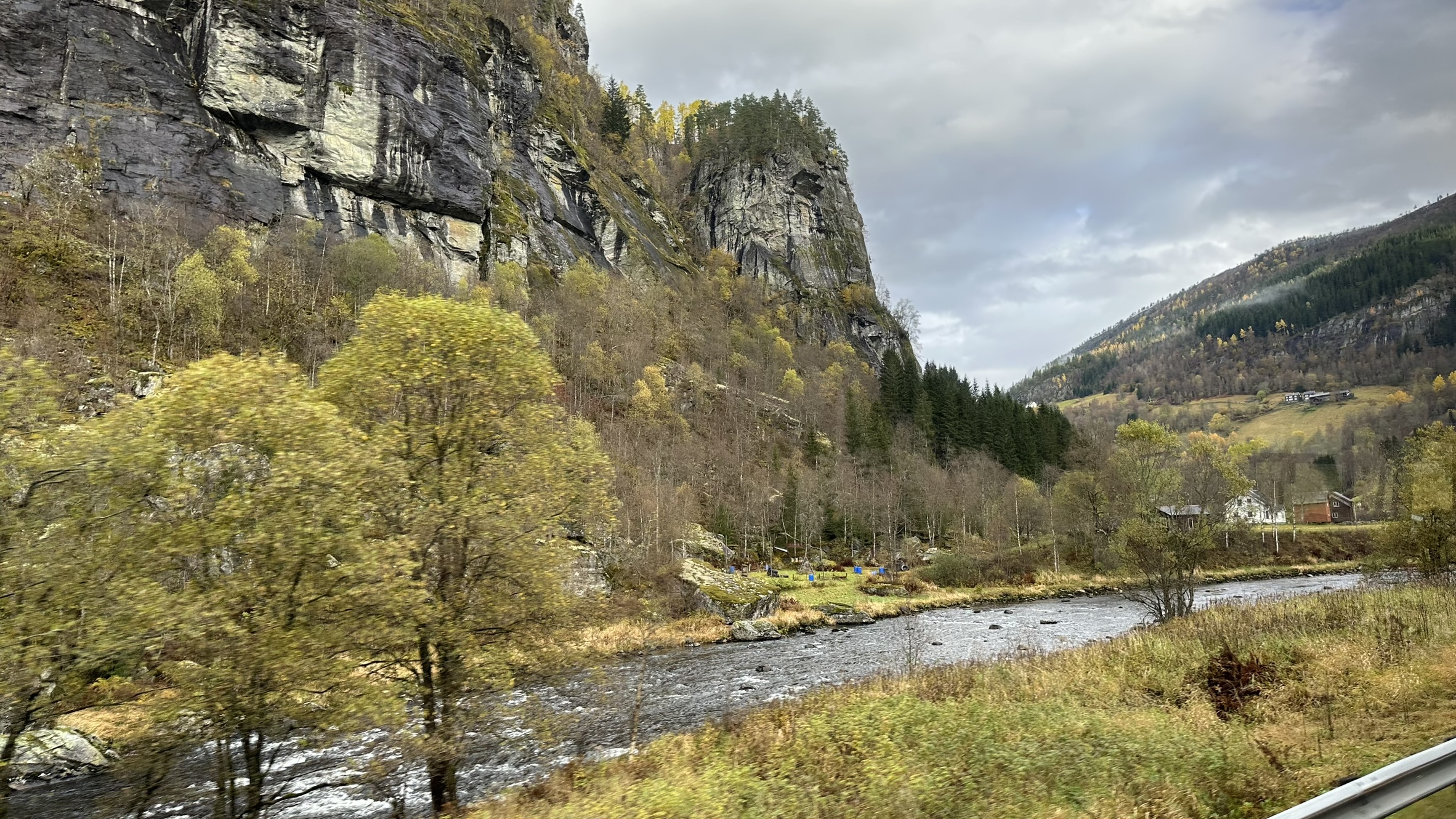
There are two ferries that run from Gudvangen to Flåm: Noon and late afternoon. I highly recommend the noon ferry so you can arrive with plenty of time to get settled and enjoy the afternoon in a place best enjoyed by daylight! Here’s what that trip looked like for us in mid-October:
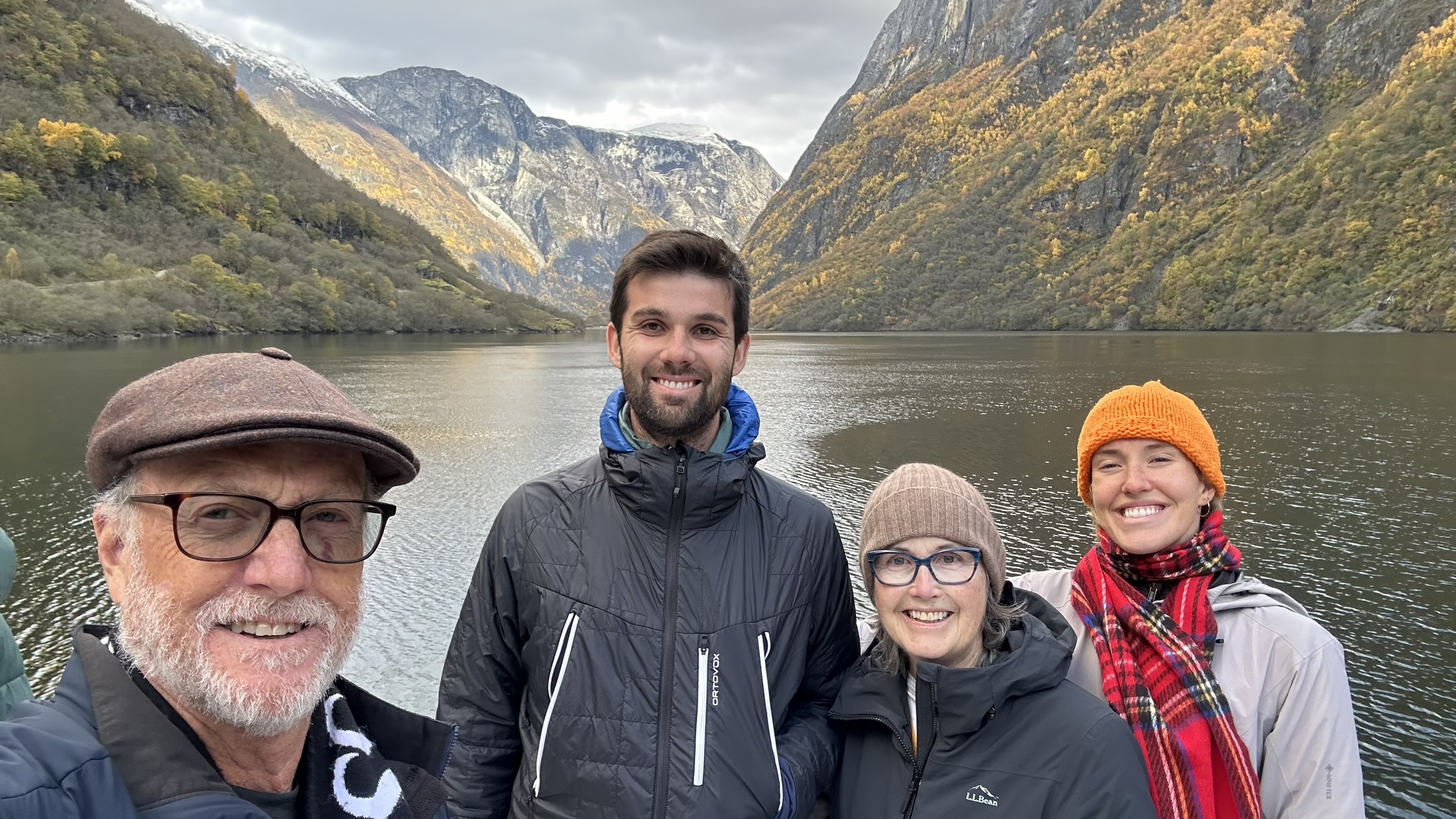
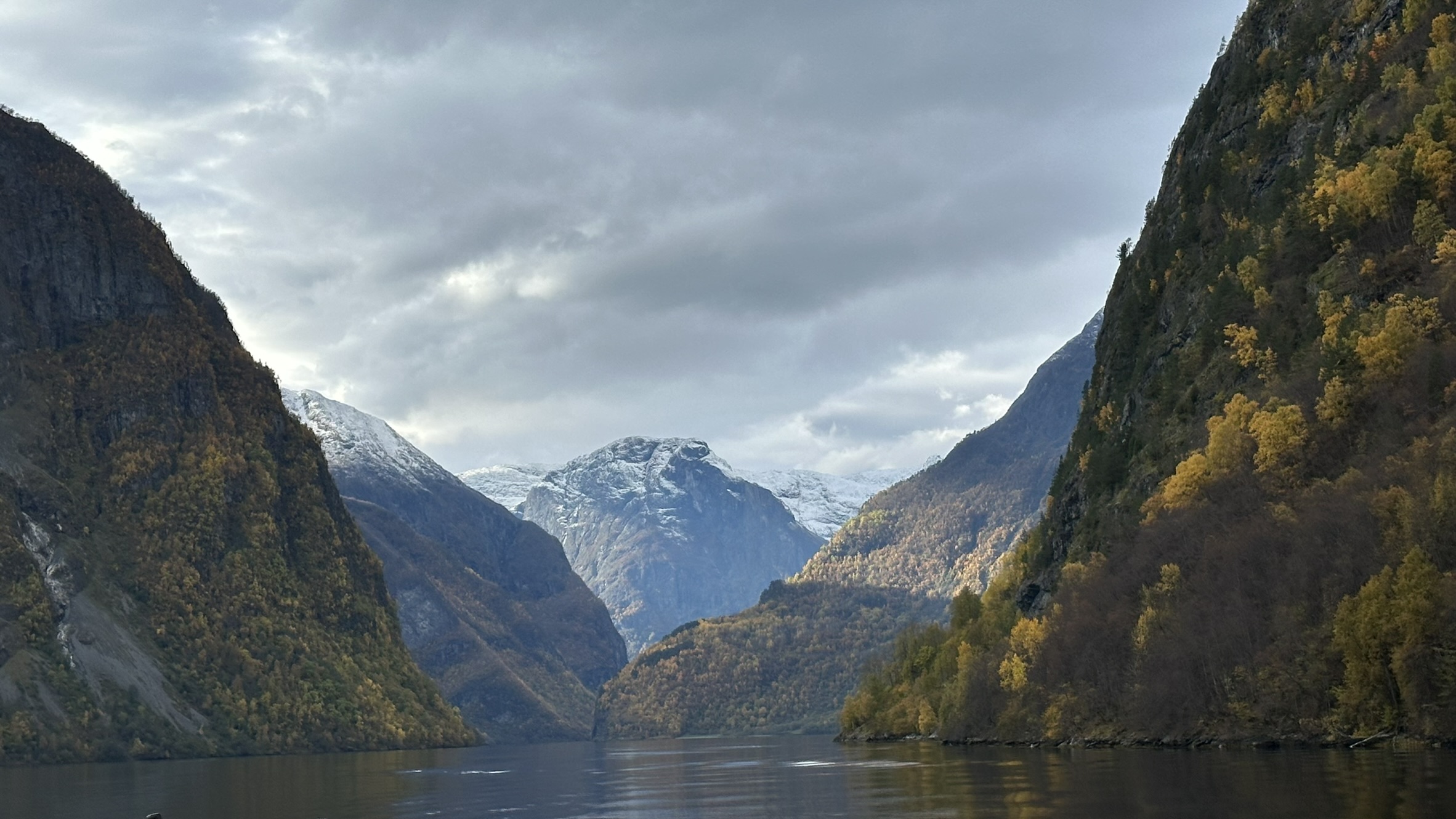
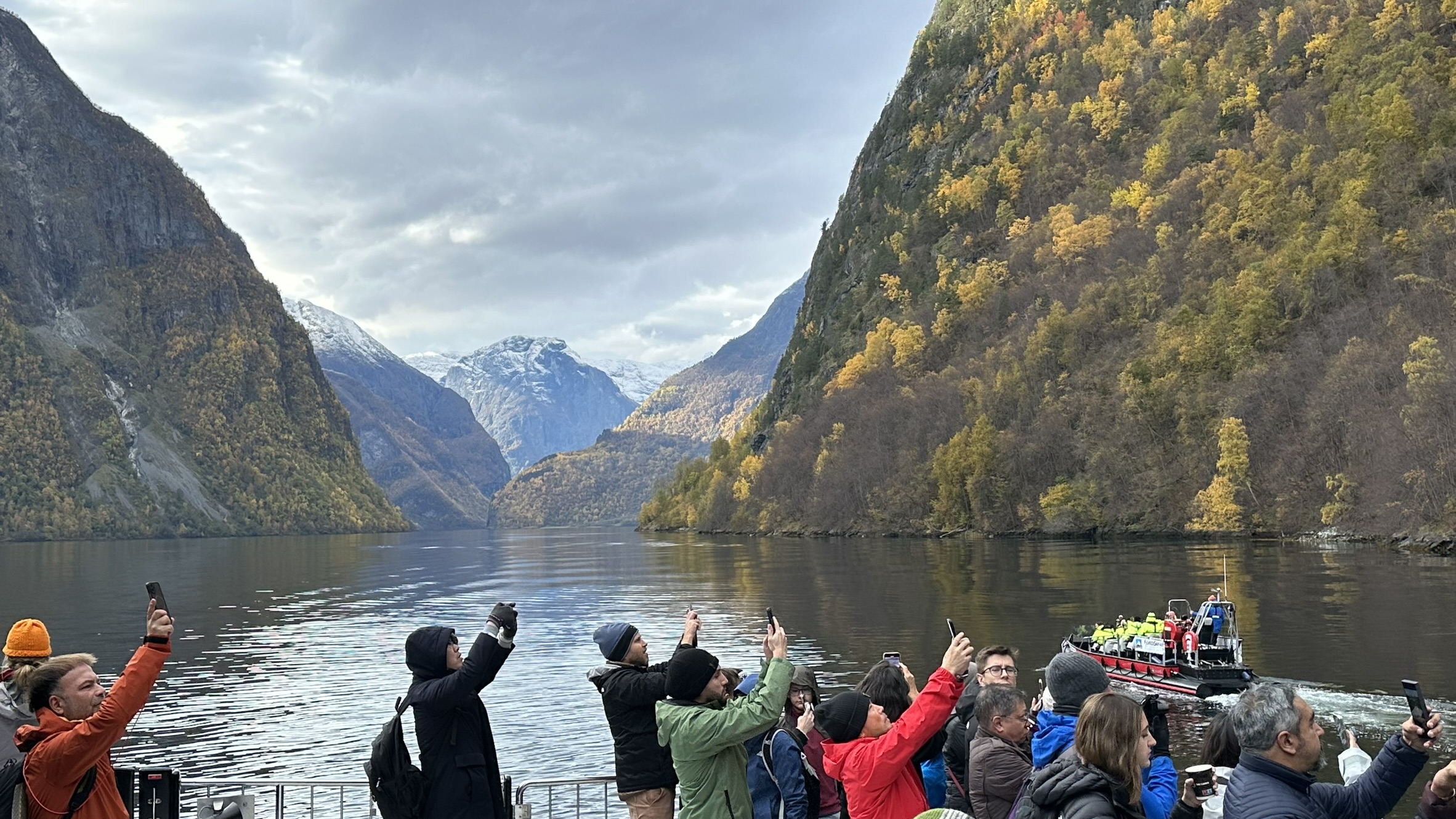
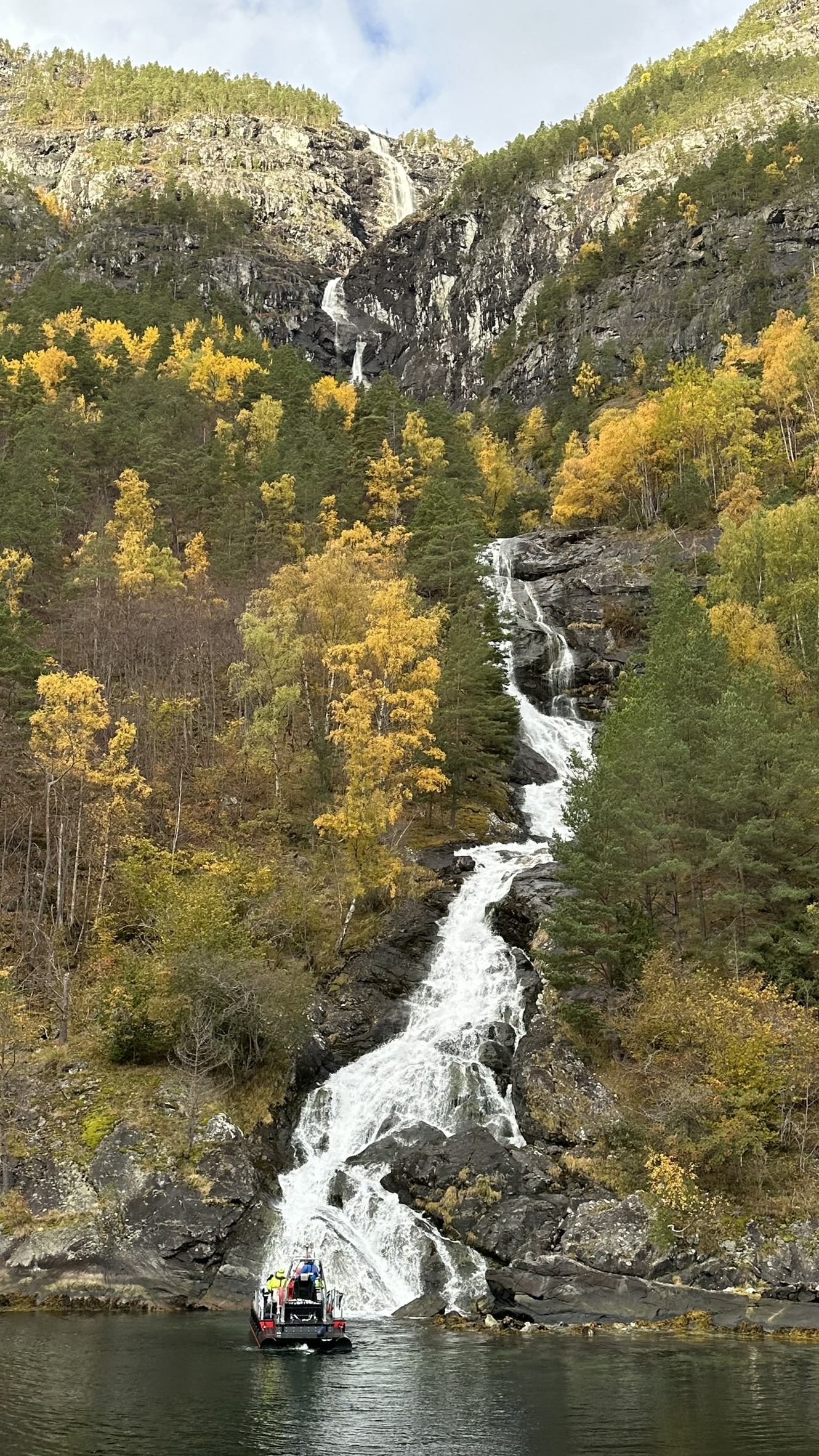
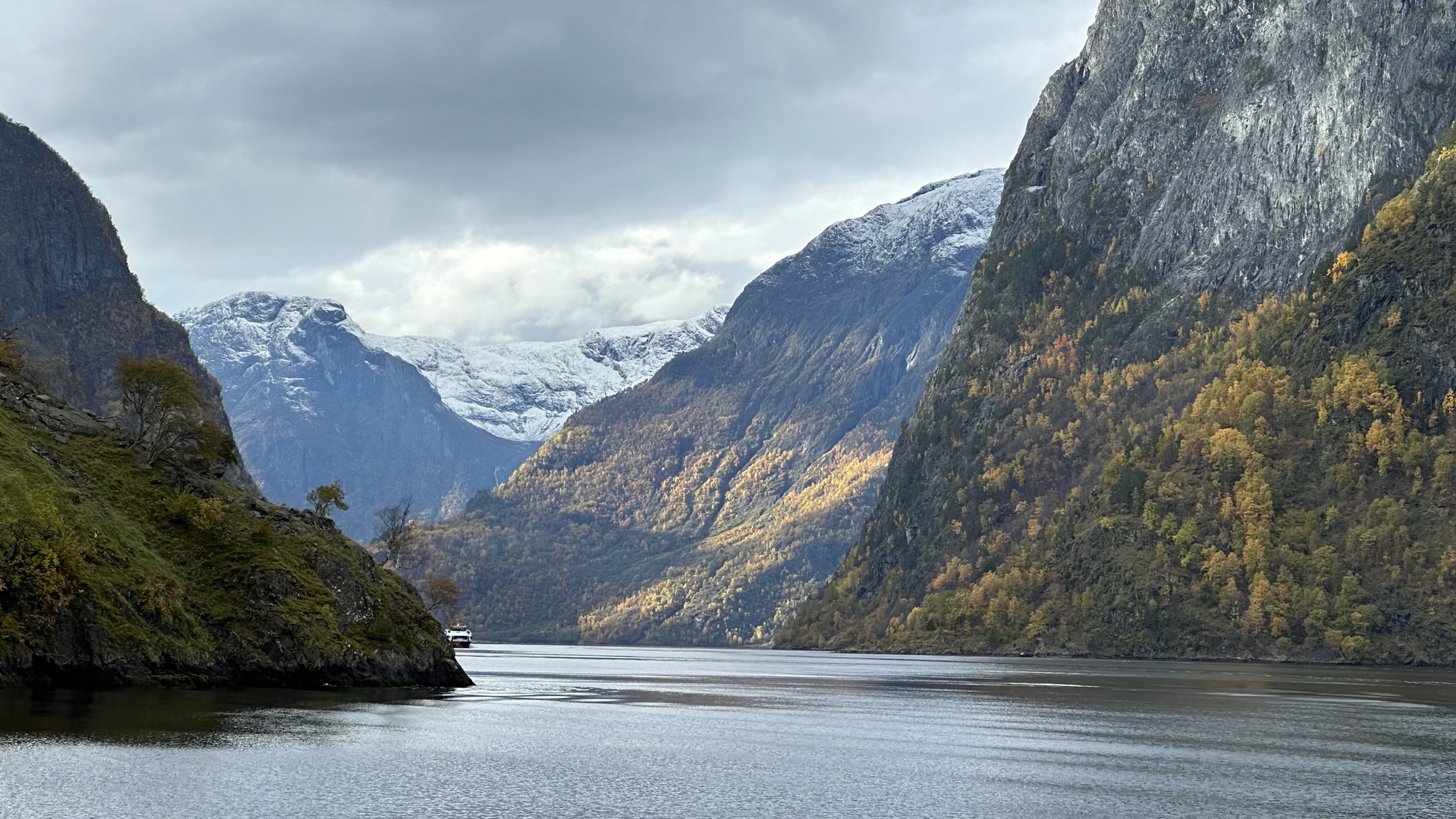

Many people arrive to Flåm by train, walk around for an hour and leave. The two days and nights we spent here exploring the area were among our favorite the entire trip. During summer, there are even more options for exploring nearby Sognefjord, the largest and deepest in Norway, and its many picturesque villages and stave churches. Highlights from our stay in Flåm included:
- Arriving in the afternoon gave us time for a nice hike to the Brekkesfossen waterfall, about a 2-hour round trip and 600′ elevation gain from the waterfront, with an amazing view over Flåm.
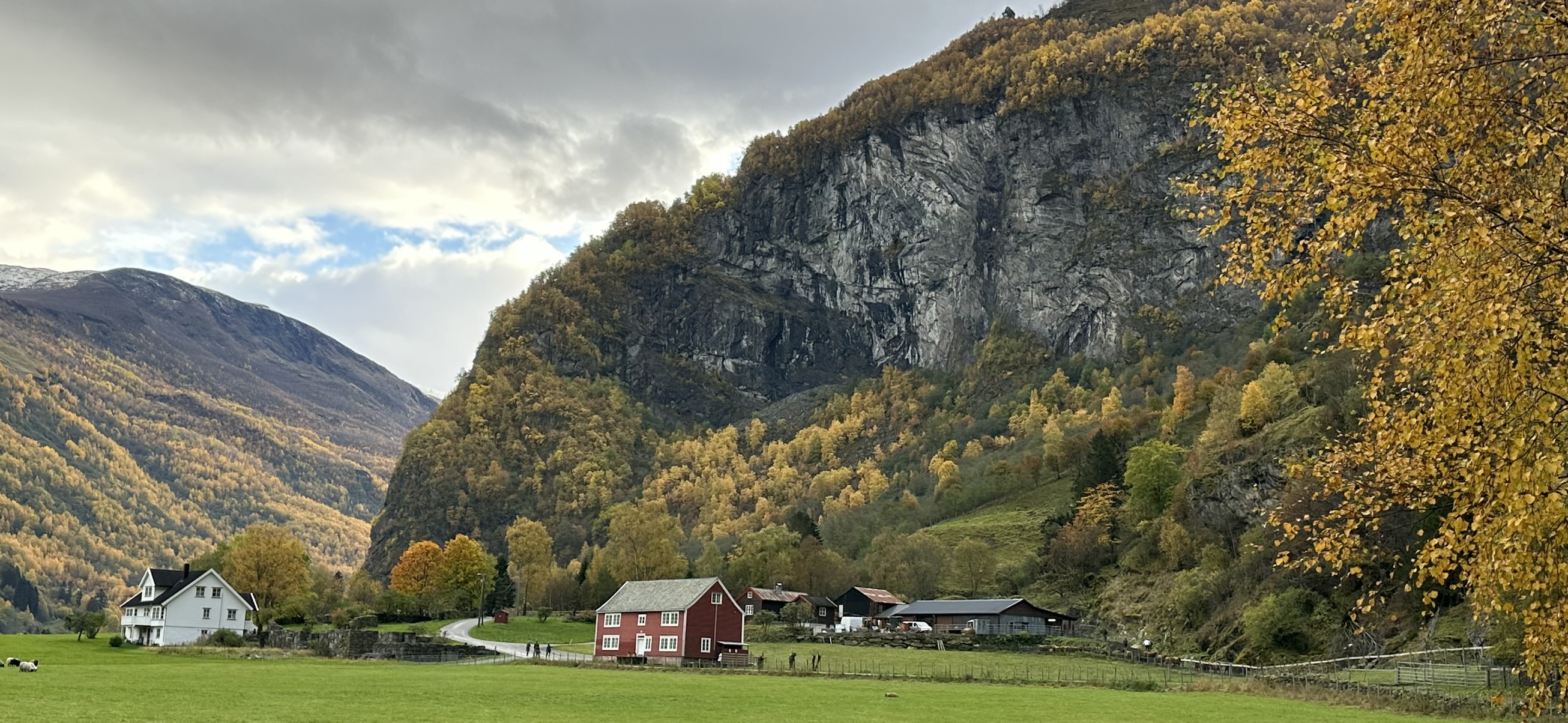

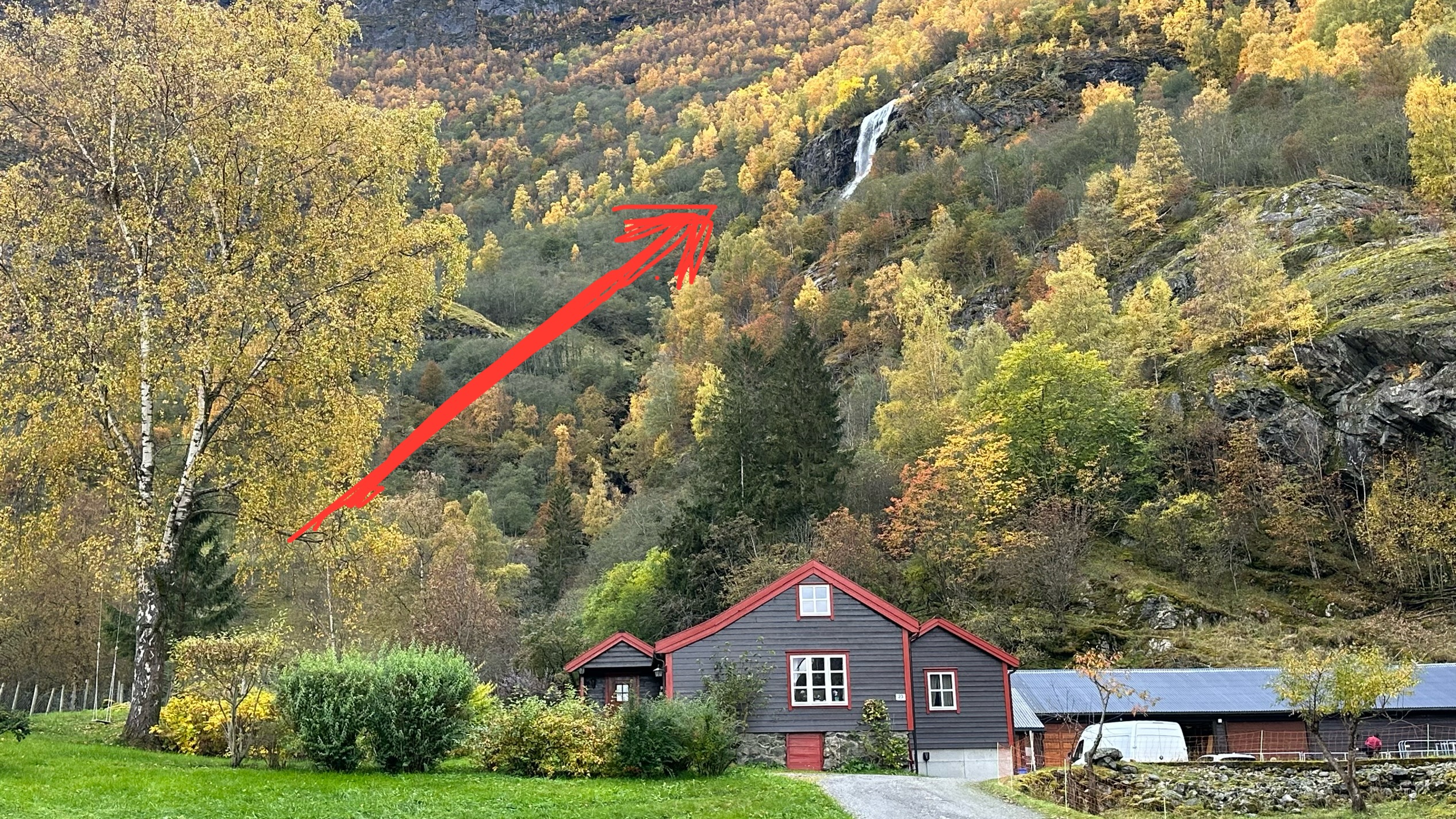
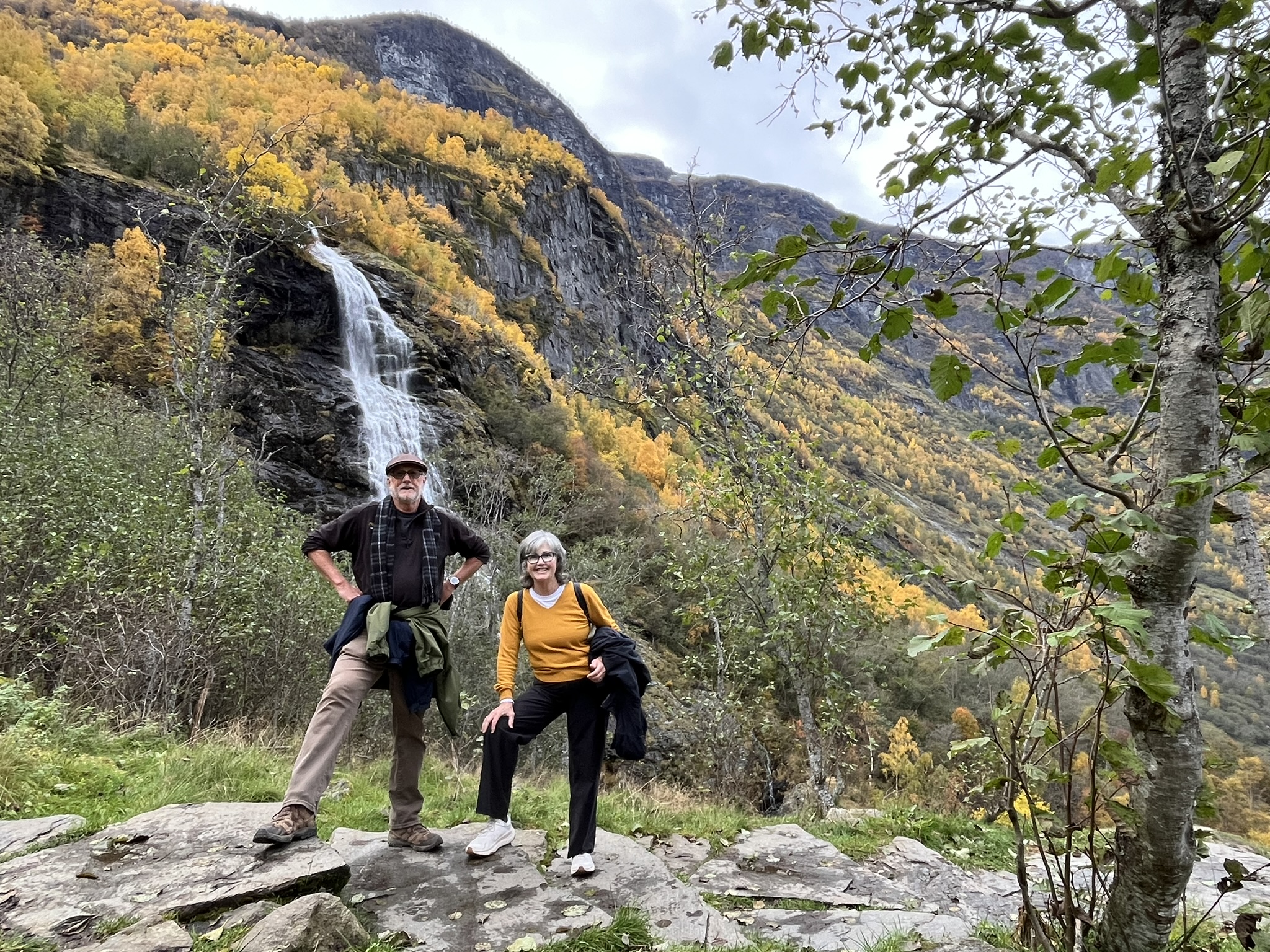
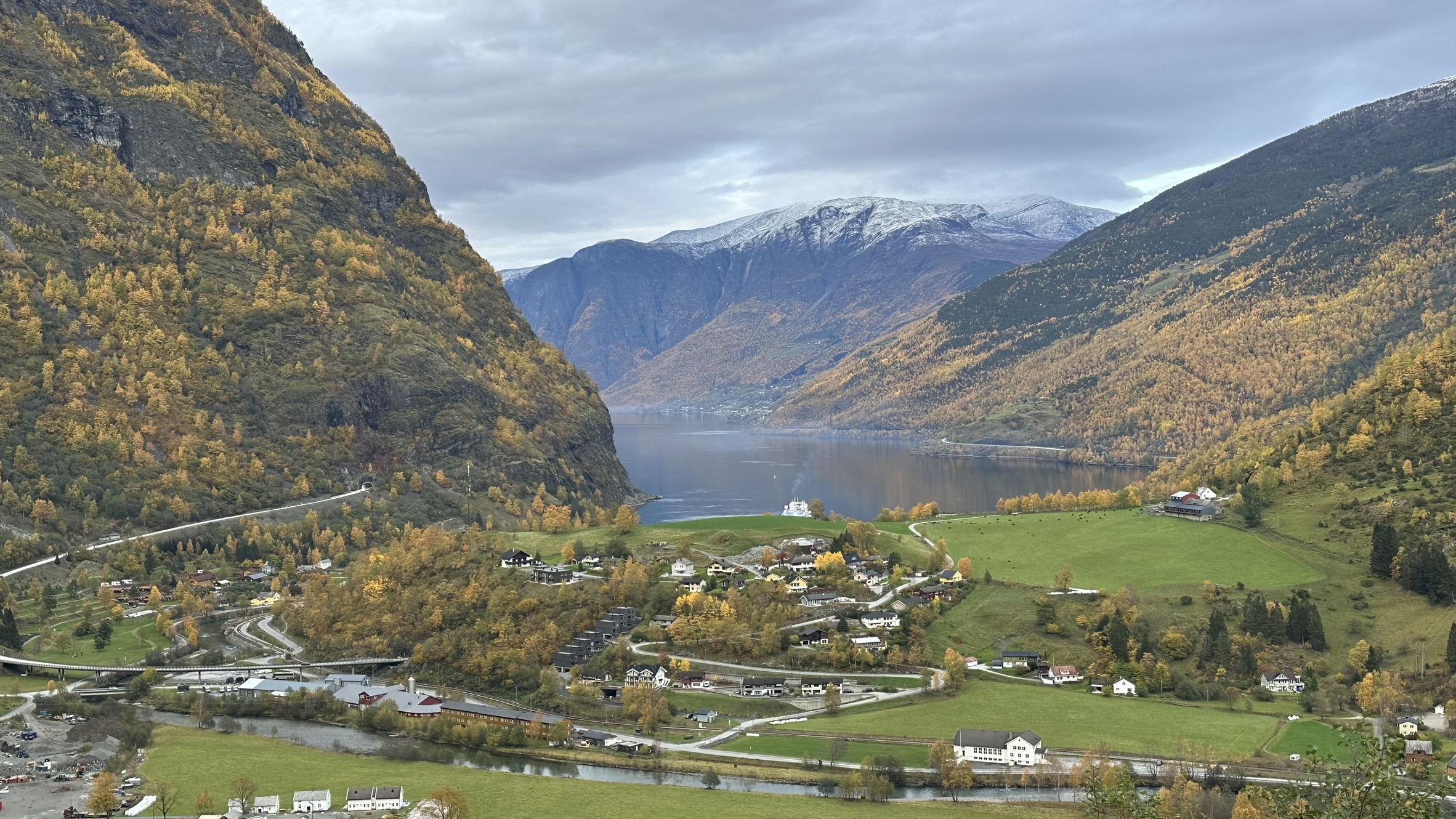
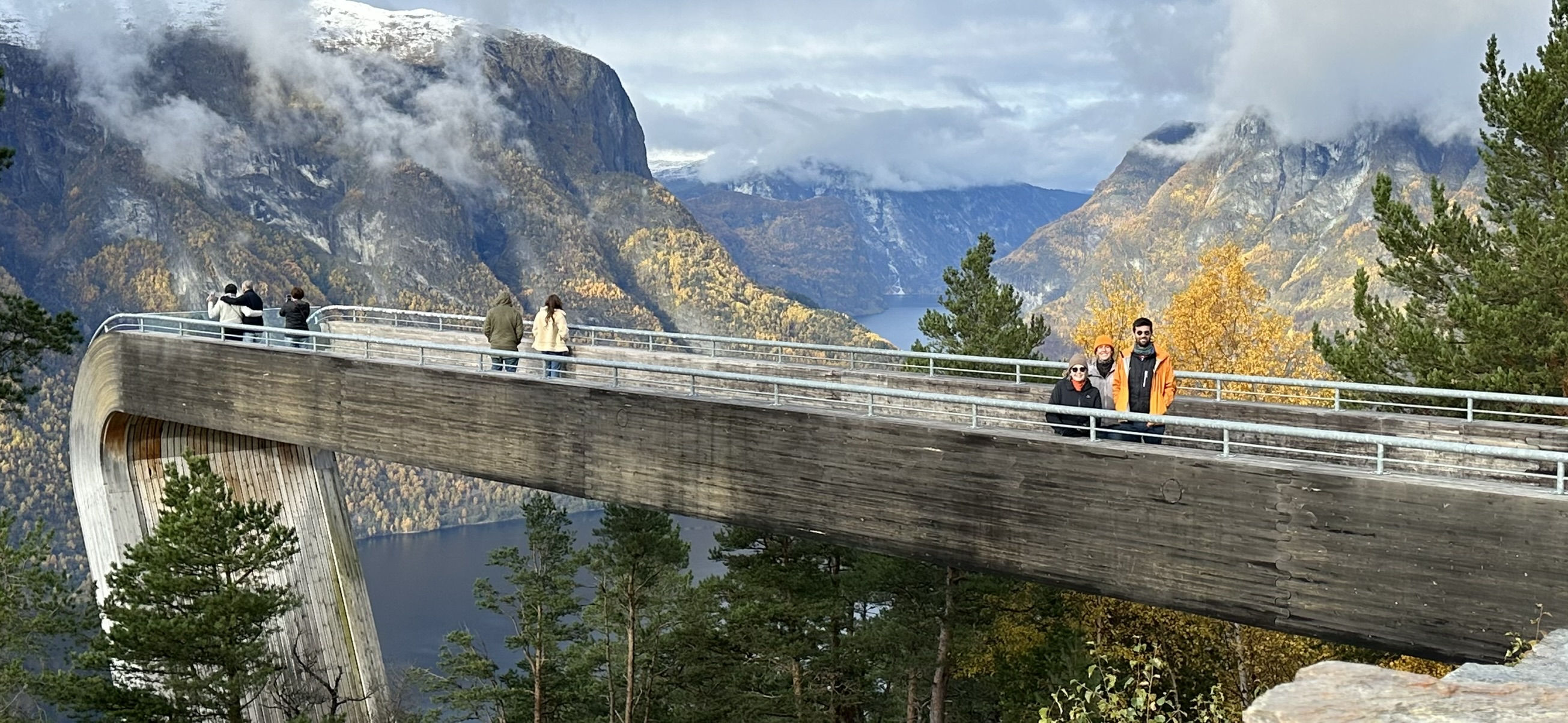
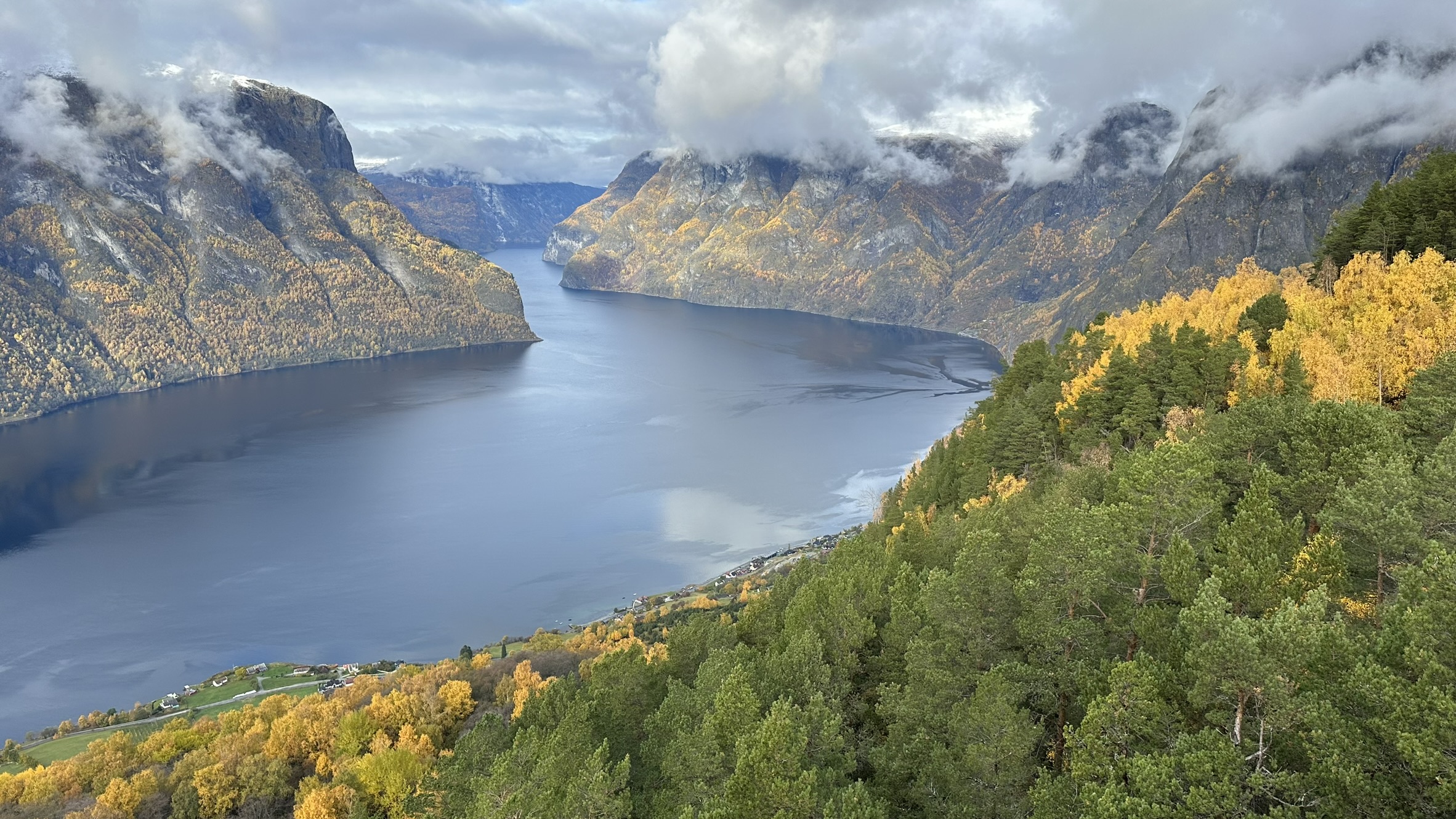
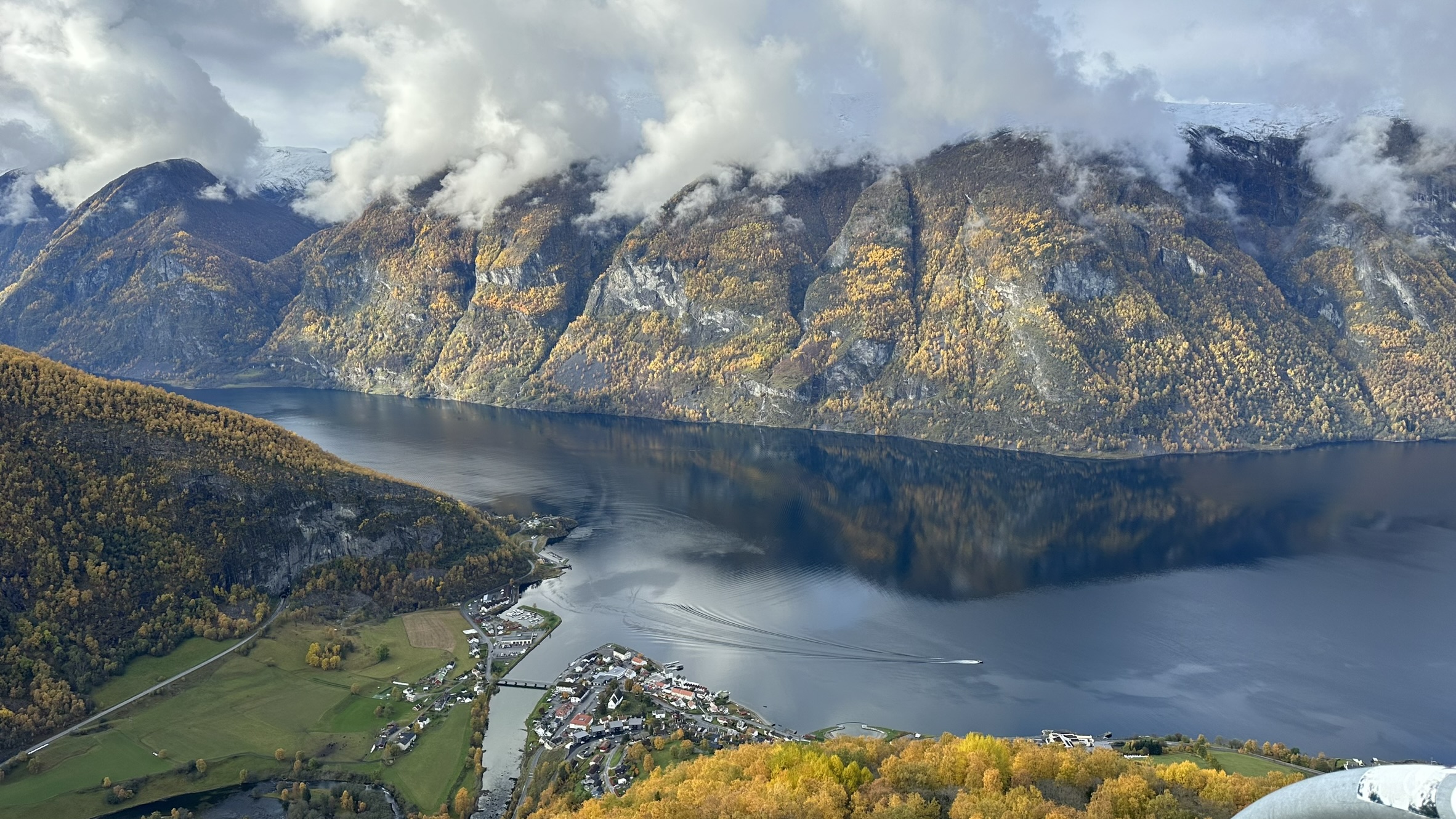
- On our second day, we rented a car for afternoon and drove along the fjord coast up to the Stegastein Viewpoint, with more dramatic views high above Aurlandsfjord.
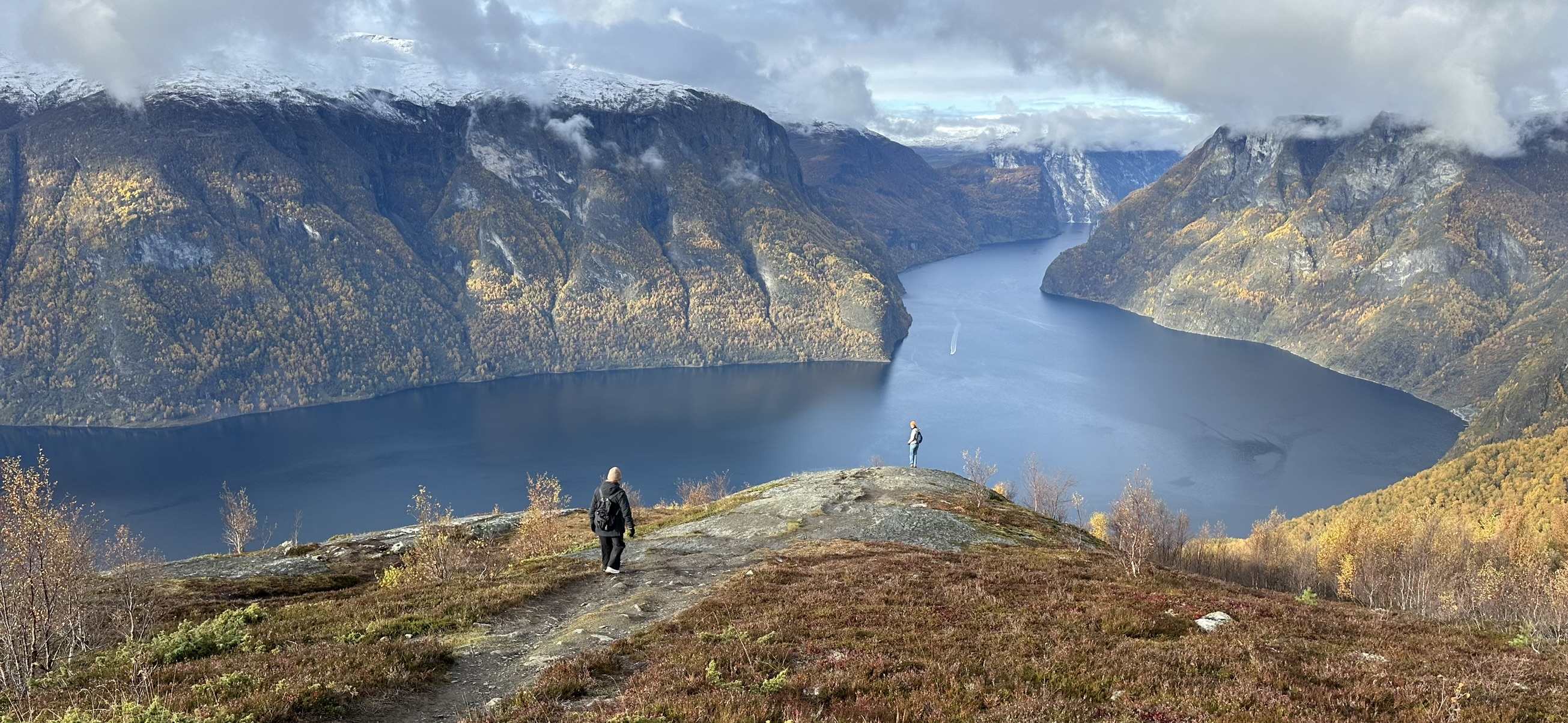
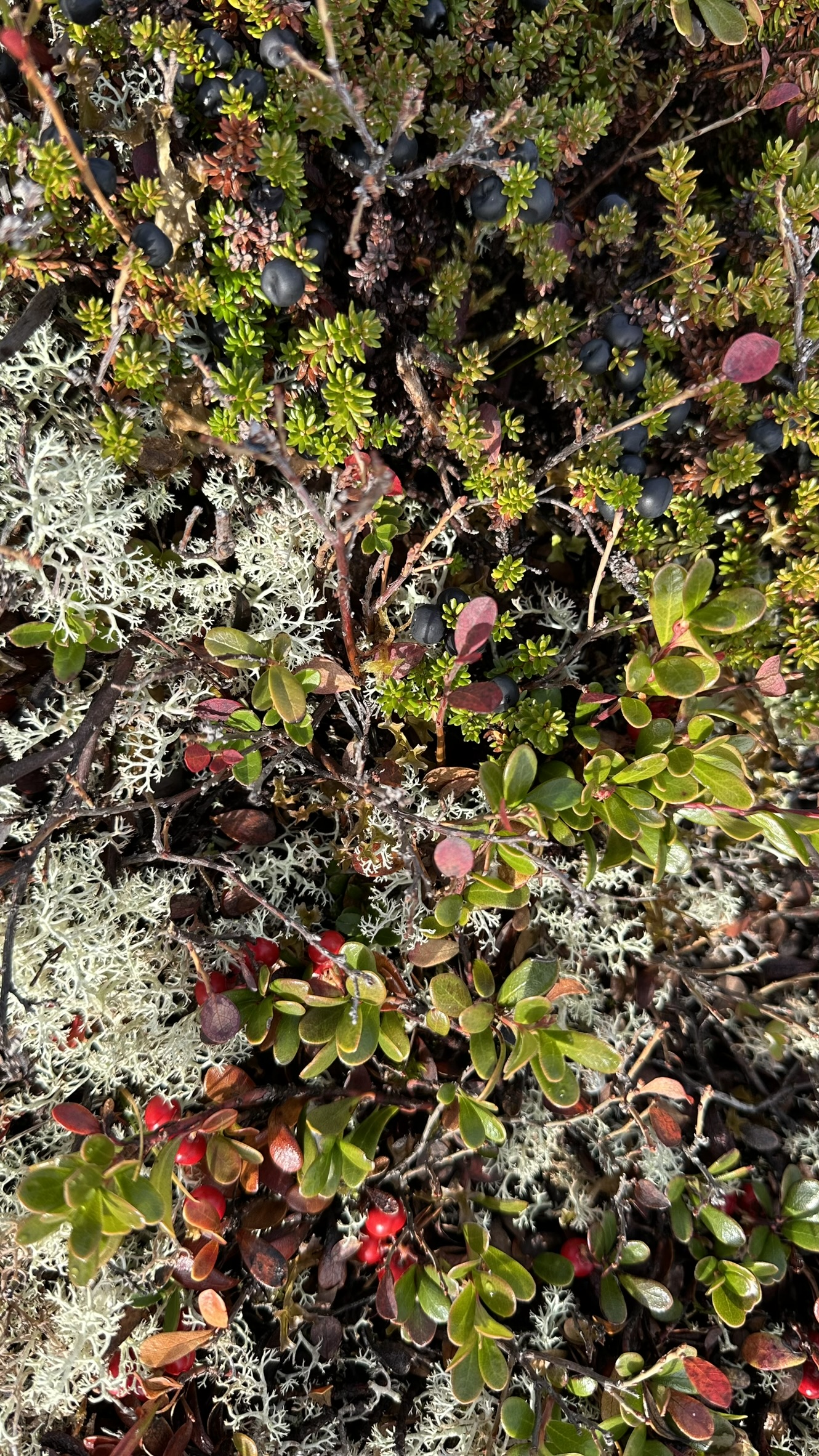
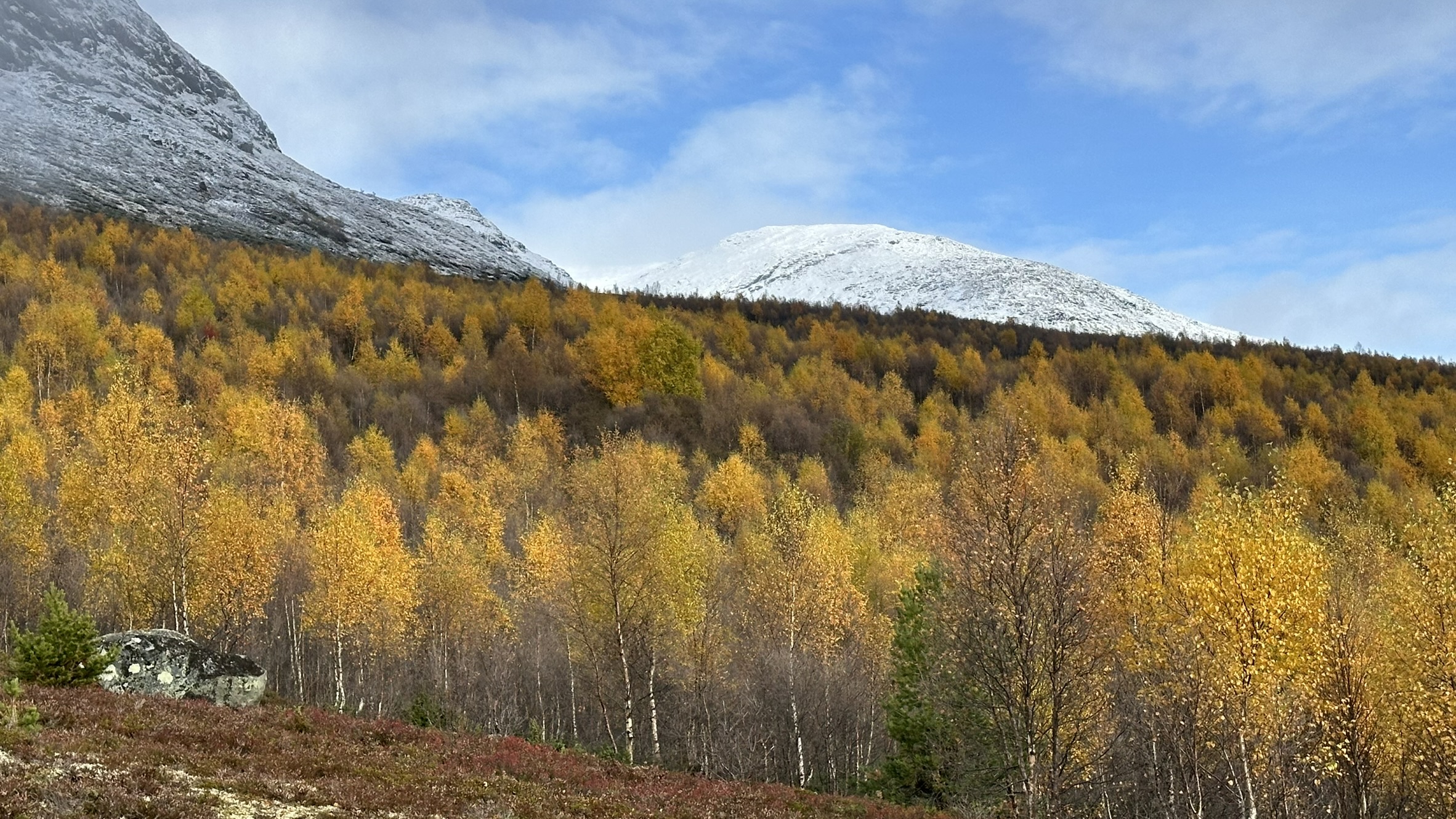
- We then continued driving another 15 minutes to the Mount Prest trailhead, where another 30 minutes of easy trail hiking along the ridge through fields of alpine grasses, flowers, and stands of white birch blazing with fall color brought us to — you guessed it — even more stunning vistas over the fjords. Felt like something right out of Heidi or the Sound of Music!
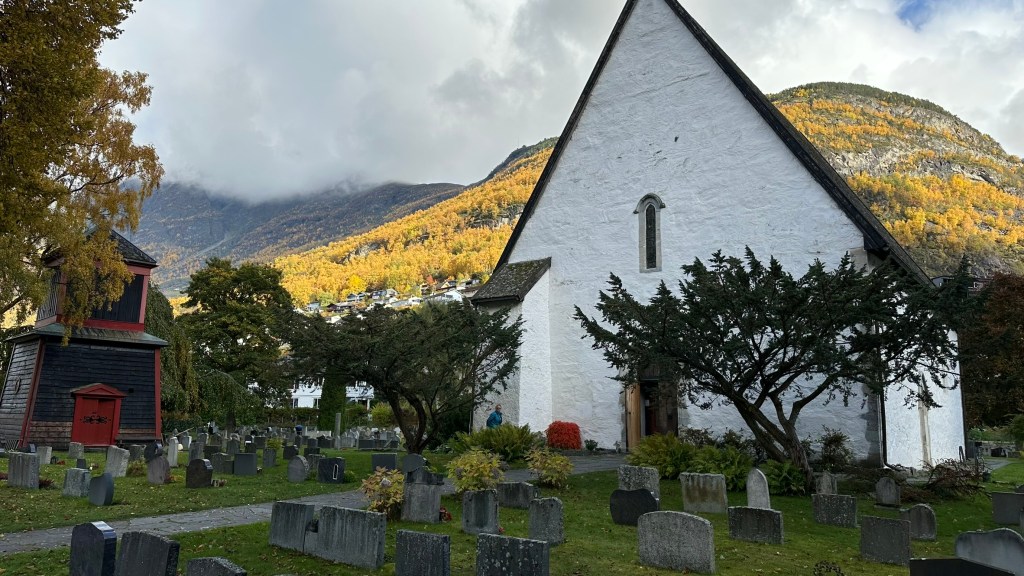
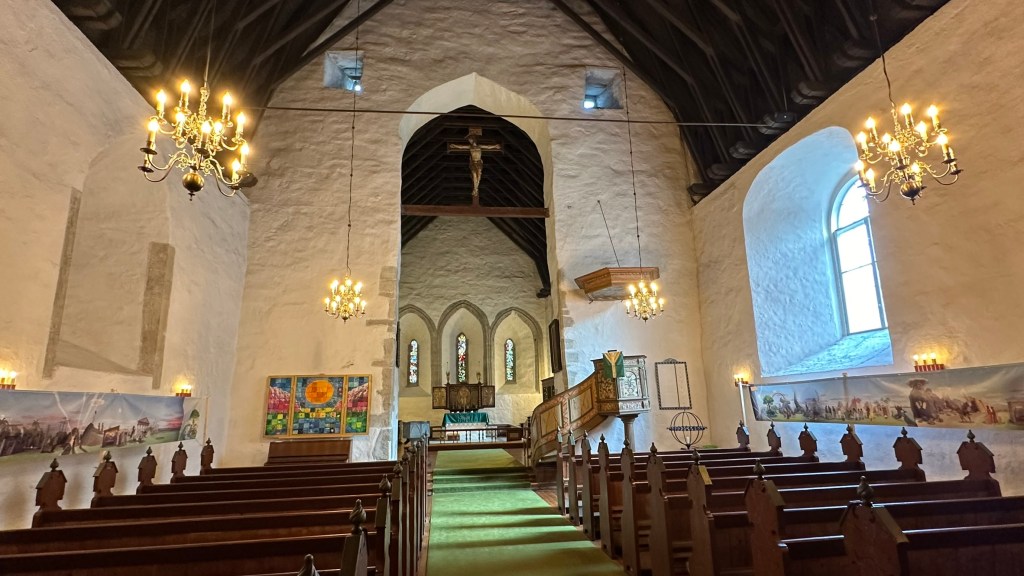
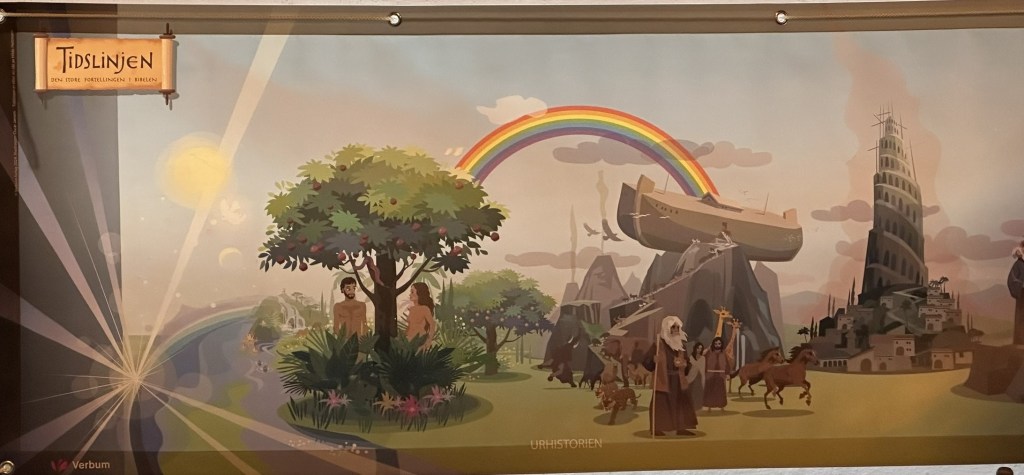
- On the drive back, we stopped to check out the 13th century Vangen Church in Aurland, a small town by normal standards but the largest on Aurlandsfjord. It’s a simple church but featured some unusual, pretty artwork.
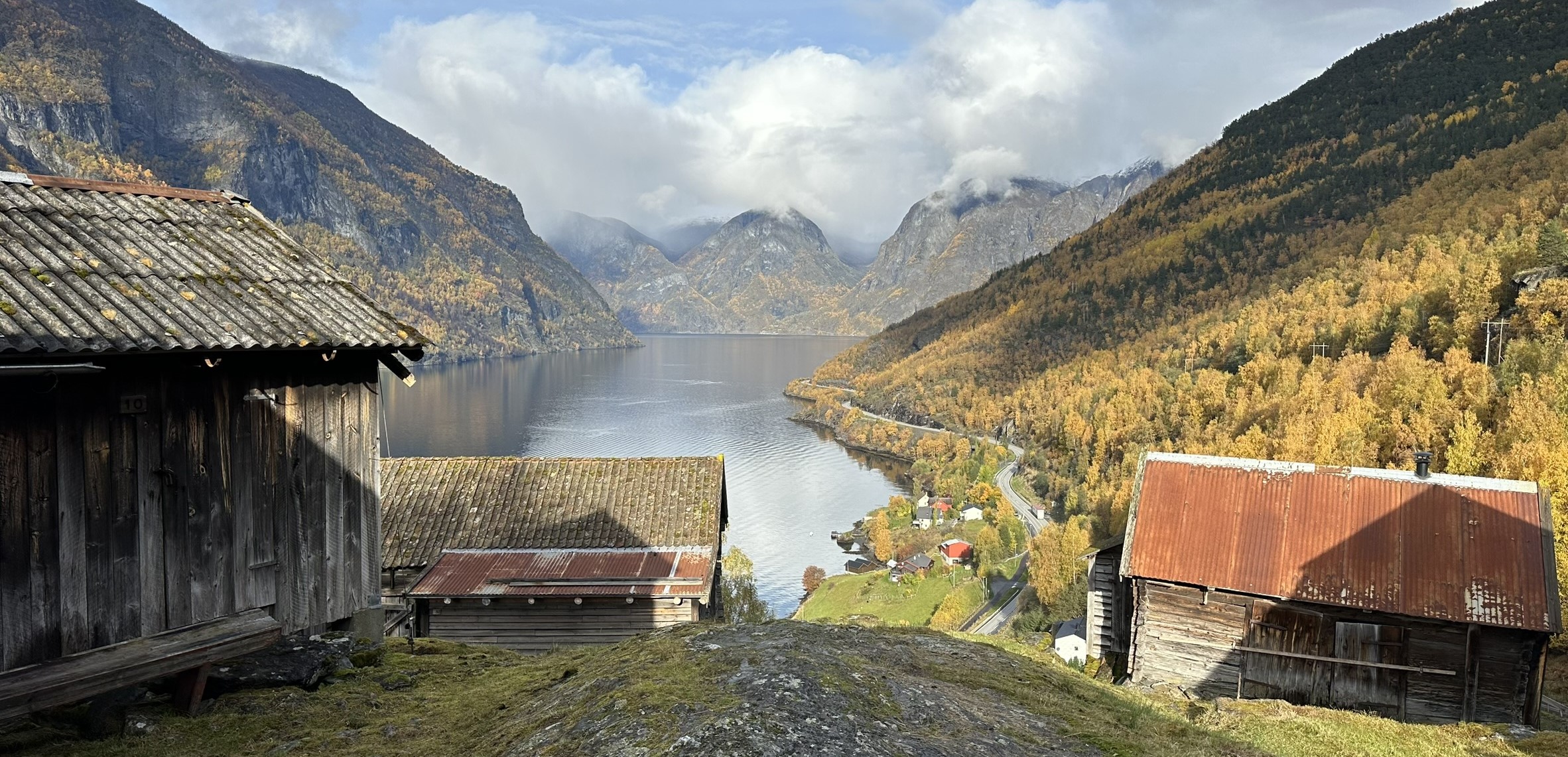
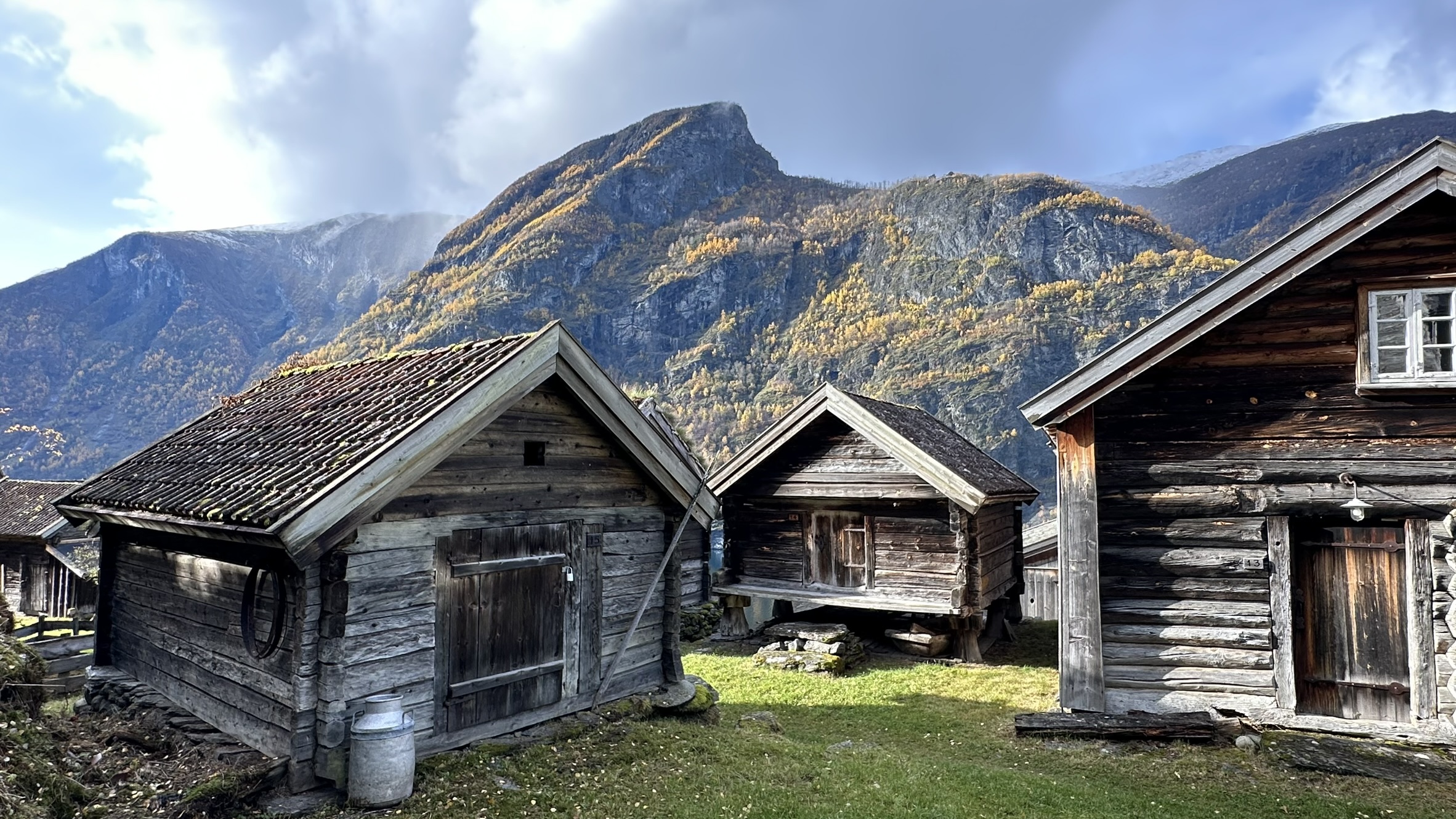
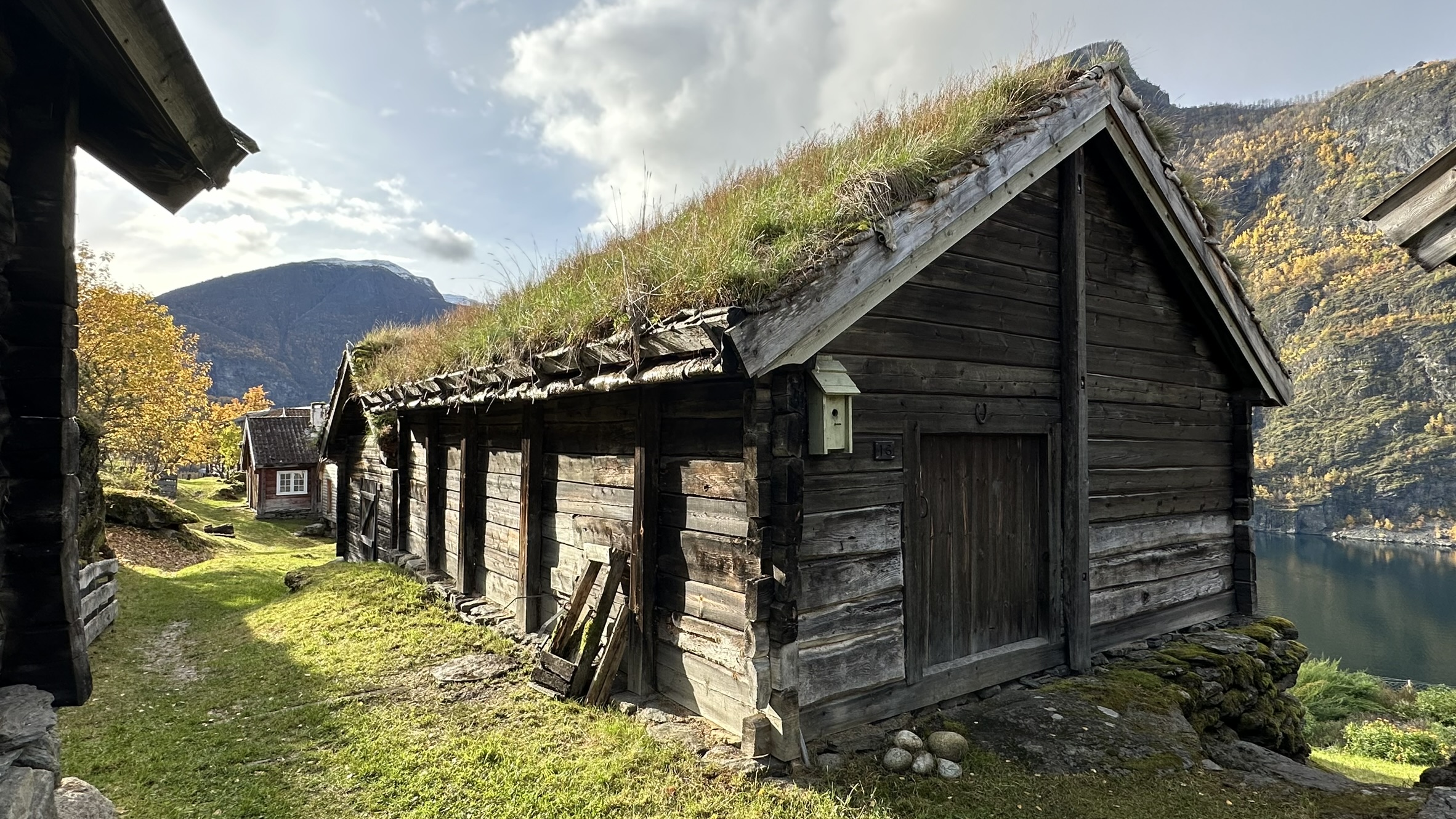
- We also stopped at Otternes Farm, a wonderfully preserved cluster farm of 27 buildings dating to the 1700’s, though the earliest settlements date to 300AD, just a few miles outside Flåm.
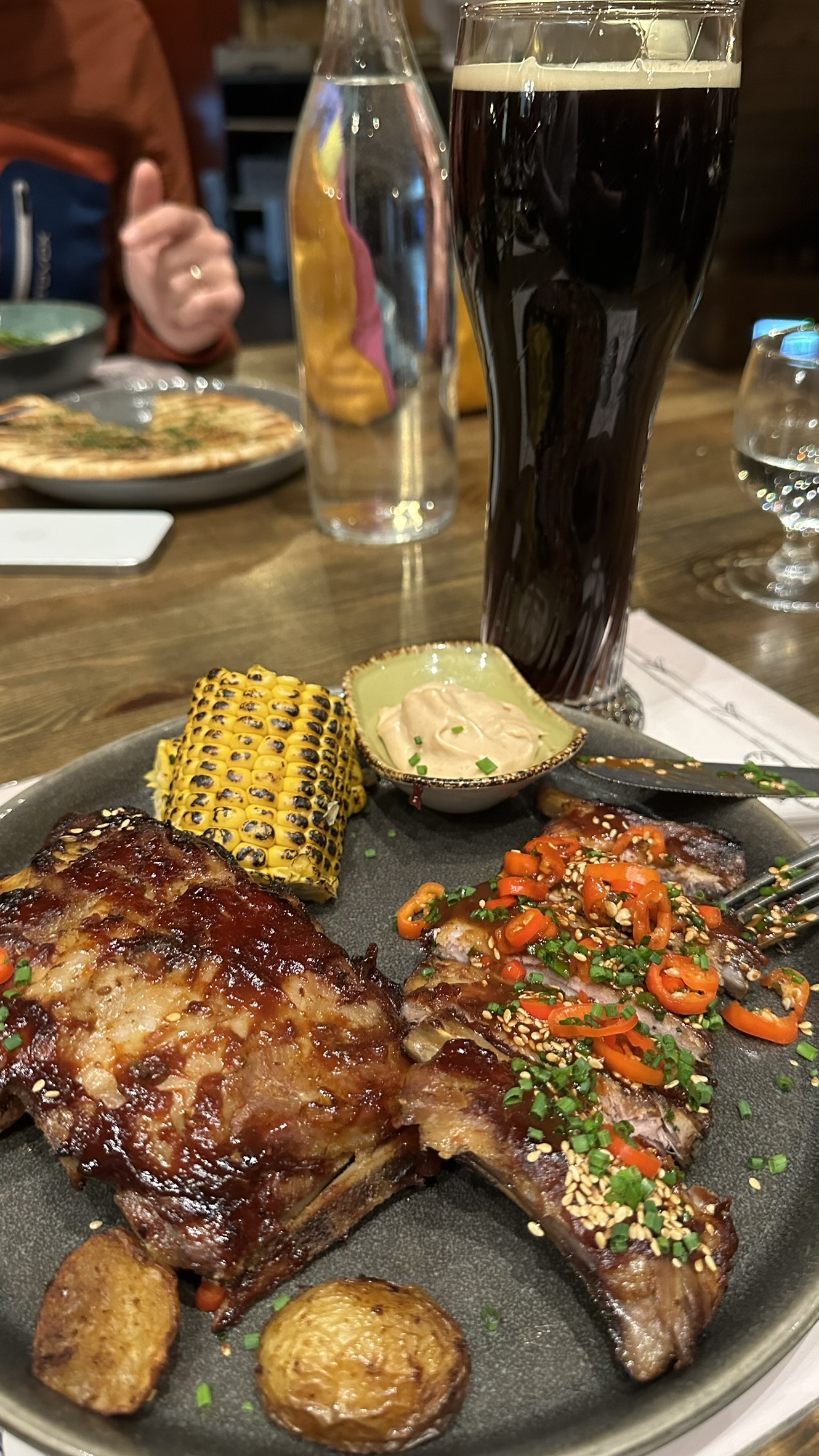
- While there are not many options in town, the Ægir Bryggeri pub on the waterfront quickly became our regular evening watering hole and dinner spot. They make their own beer, and the Nitro Stout was particularly good. Food was decent, no complaints here.
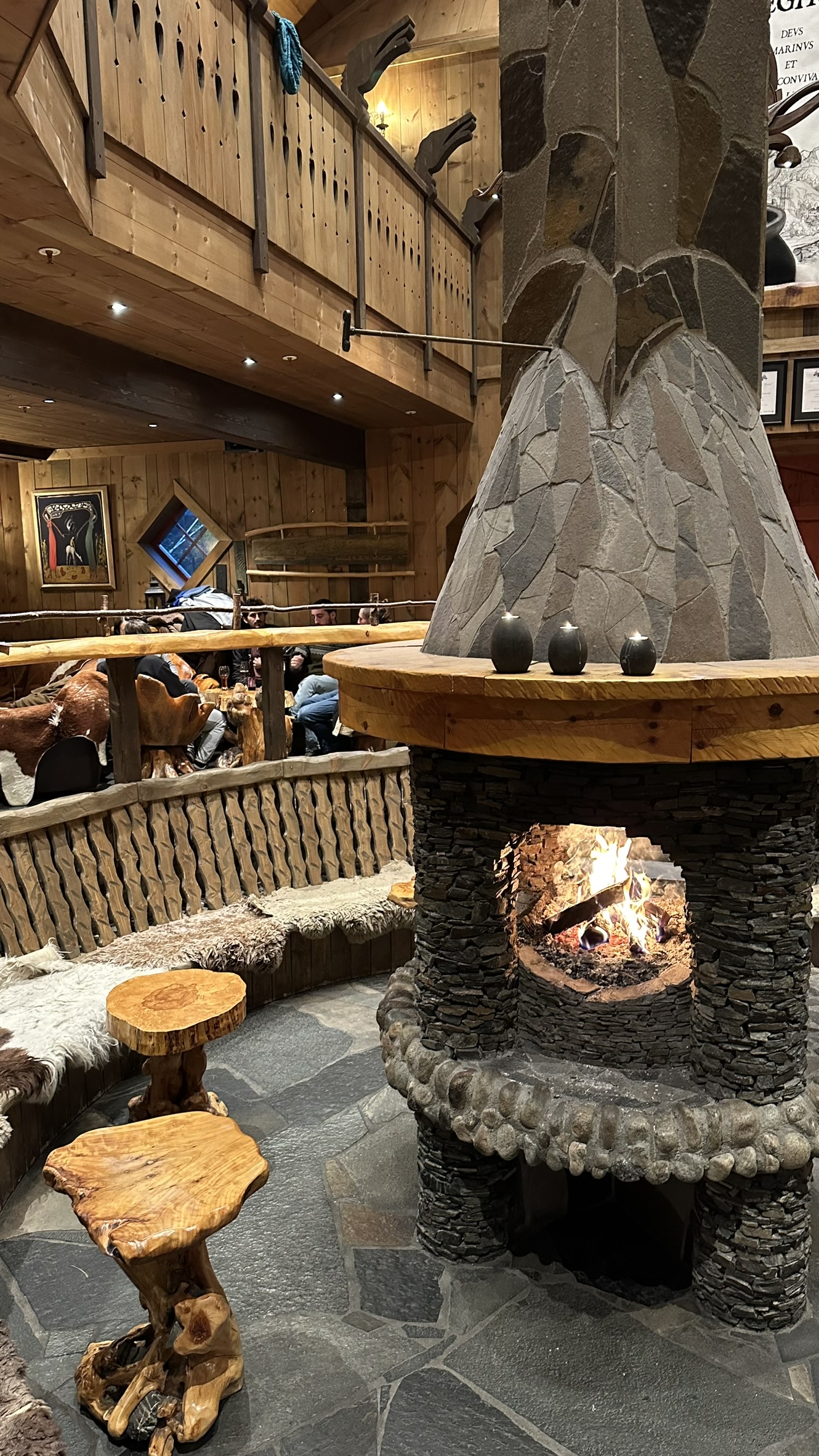
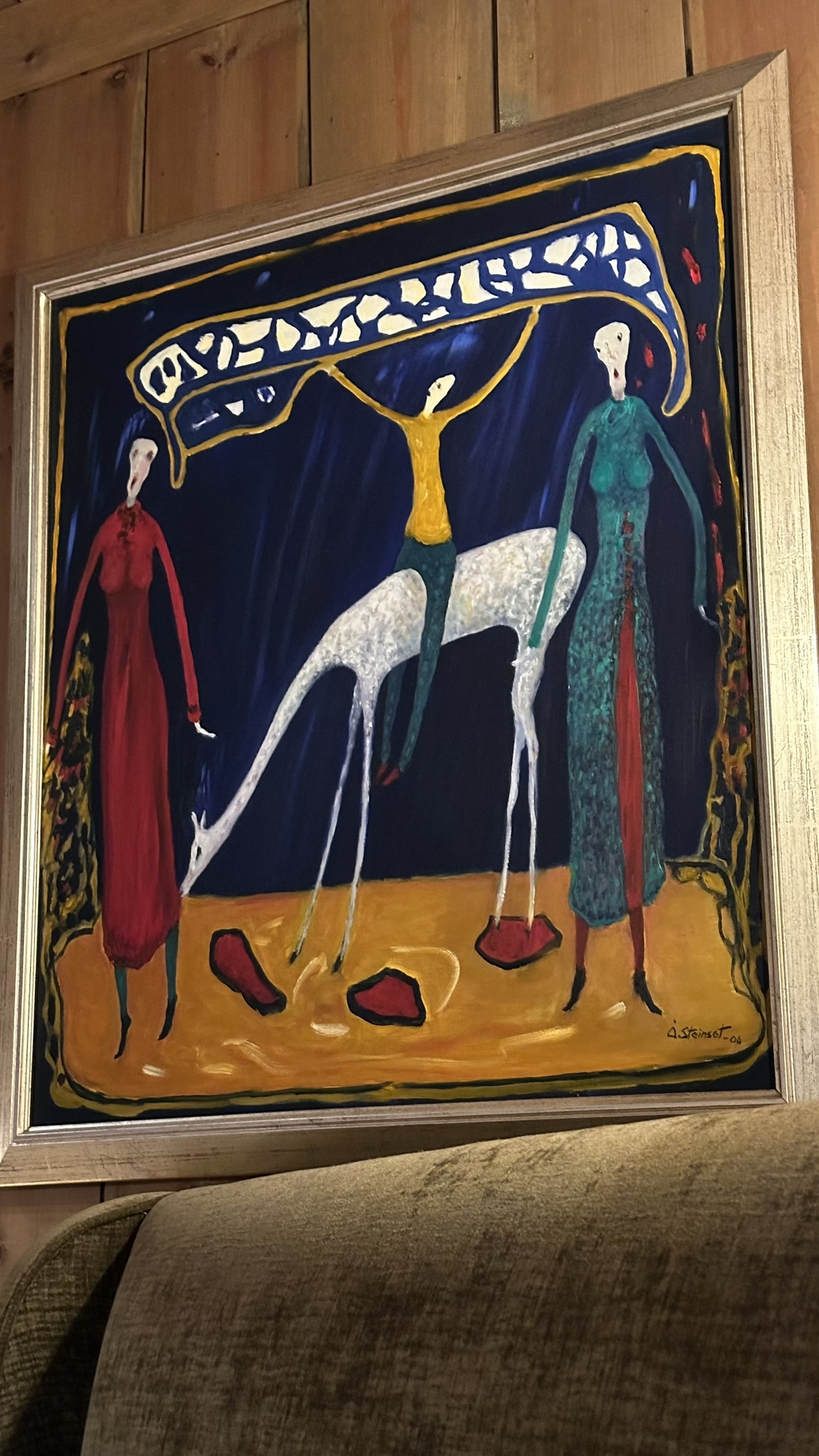
- Our lodging at Flåm Marina was really great, given the fairly rustic locale. Read my review here. I tried to book the boathouse cabins just up the way as they looked fantastic and come with their own boat, but they were already shut down for season.
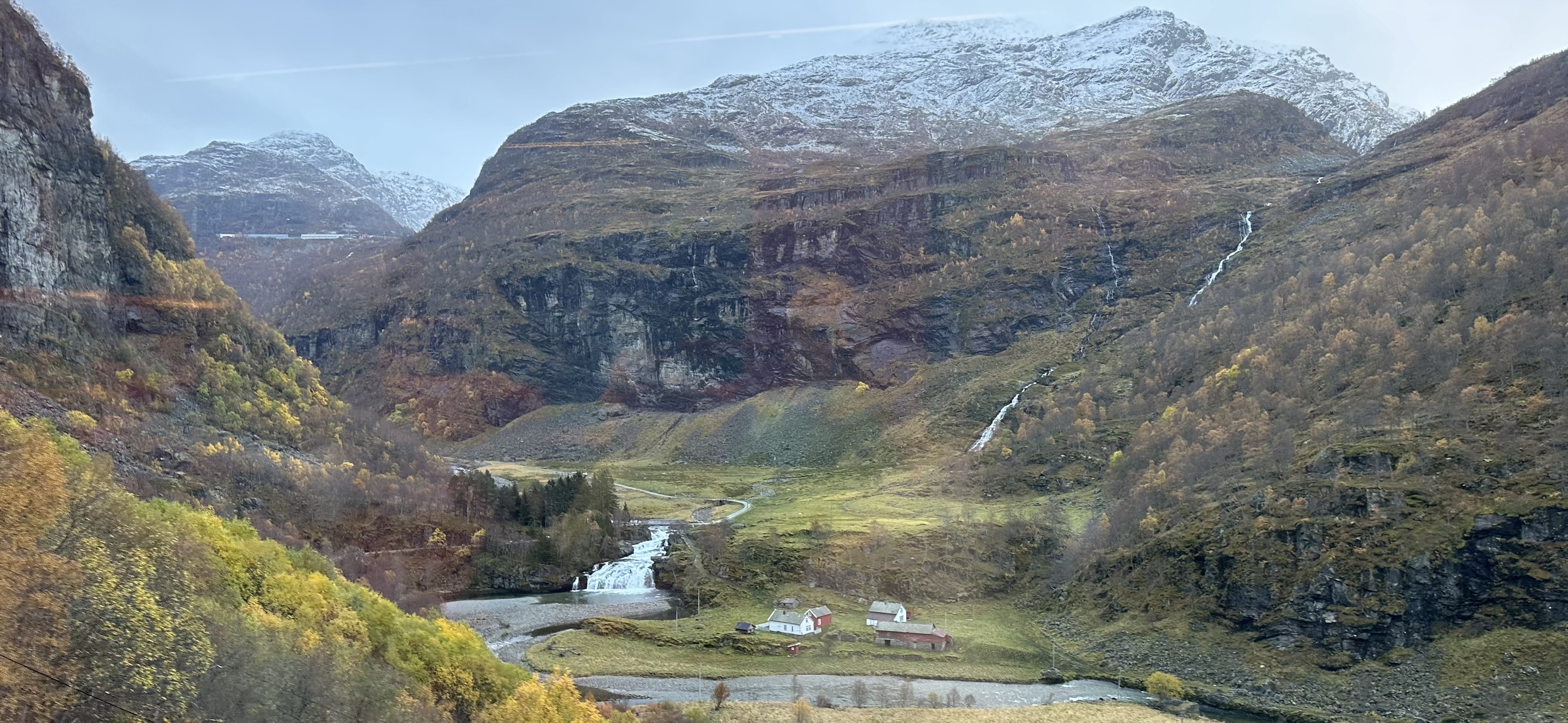
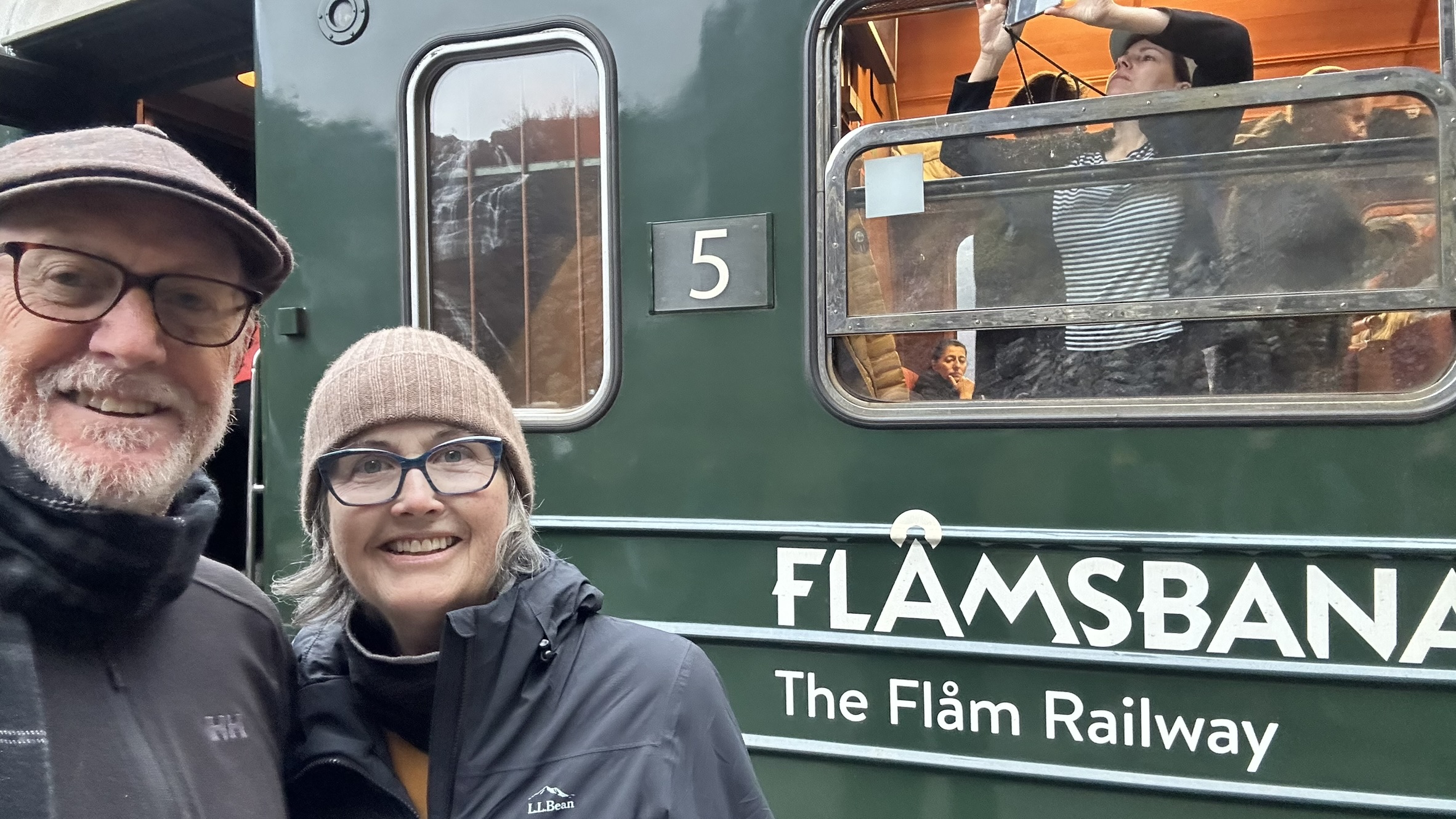
The final leg to back to Oslo began with an early morning train from Flam to Myrdal. The trip takes only an hour and is one of the steepest, most scenic train routes in Europe, so much so that it stops a couple places along the way for people to get off and enjoy the views. From Myrdal, you connect to another train for the remaining 5-hour journey to Oslo. Together, many consider this “the most spectacular train ride in northern Europe”. Be warned: If there is a cruise ship in Flam the night before you leave, get to the train station at least an hour early to beat the rush from the ship — you’ll want a nice window seat!
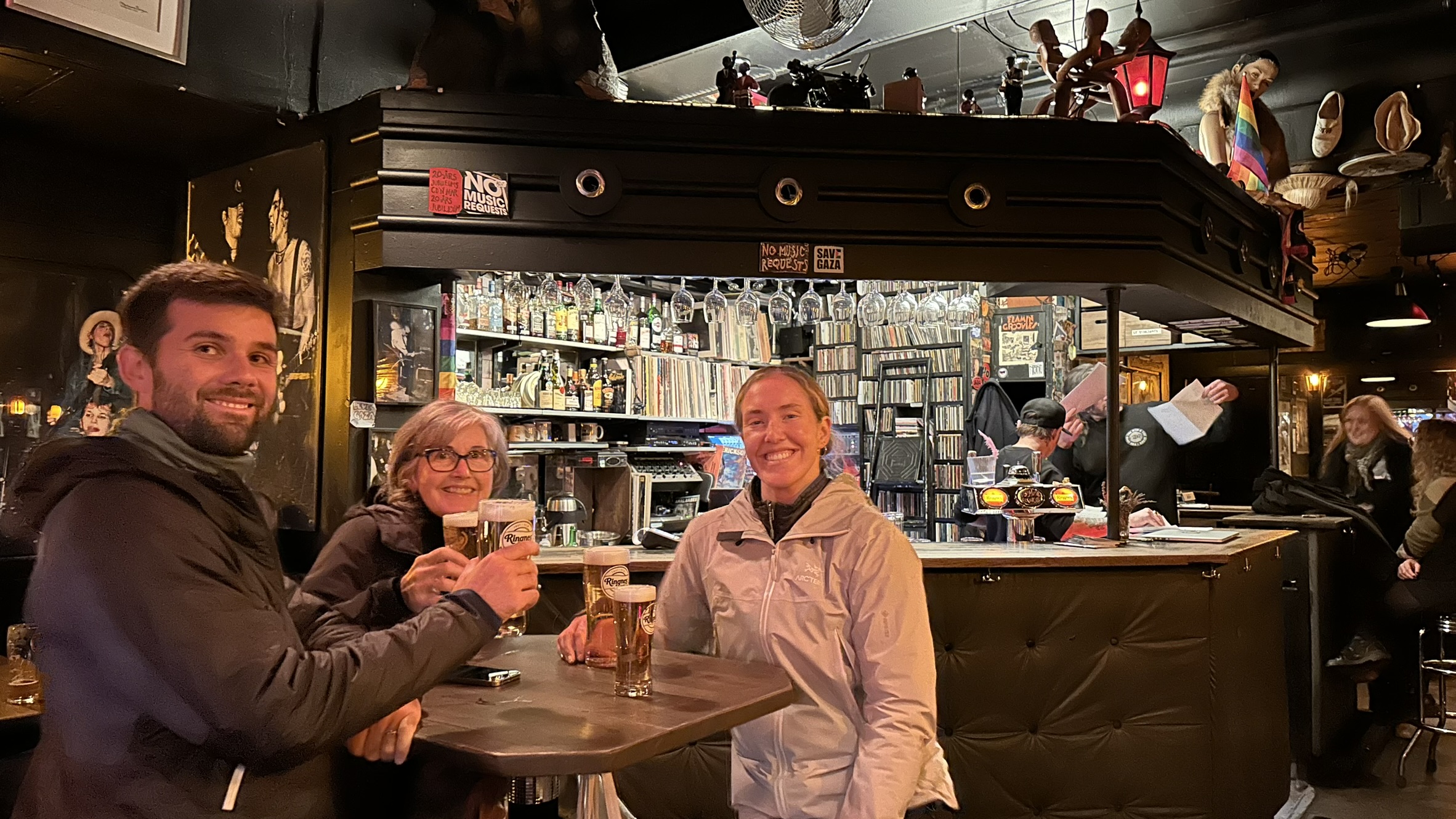
One last night in Oslo as we said goodbye to Emily and Alex before they headed home, and we headed on to our next destination.
Travel tip #2: Unless you are signing up for an organized tour (which is not our thing), the most economical approach is to buy tickets for each leg separately. Local tourist information offices and train stations sell tickets. To reserve the rail section of the trip from the US, call Norwegian State Railways at +47 81 50 08 88 (press 9 for English) or Fjord Tours at +47 81 56 82 22. In our case, our travel plan looked like this:
- Bergen to Flåm: 8:30am train from Bergen to Voss (70-90 mins, buy tickets the day before); connect to 10:10am bus from Voss to Gudvangen (buy tickets at bus station, can’t buy online). Noon scenic ferry (2 hours) through Naeroyfjord to Flåm.
- Flåm to Oslo: 8:35am train from Flåm to Myrdal; connect to 10:02am Myrdal to Oslo train, arriving at 3:05pm. You can use your Eurail Scandinavia pass for the main routes, and while that pass will get you 30% off the privately-owned Flåm to Myrdal train, you need to buy that ticket separately. Do it as soon as you arrive in Flåm.
| Days 21-26 | Tromsø and Lofoton Islands | See lodging details below |
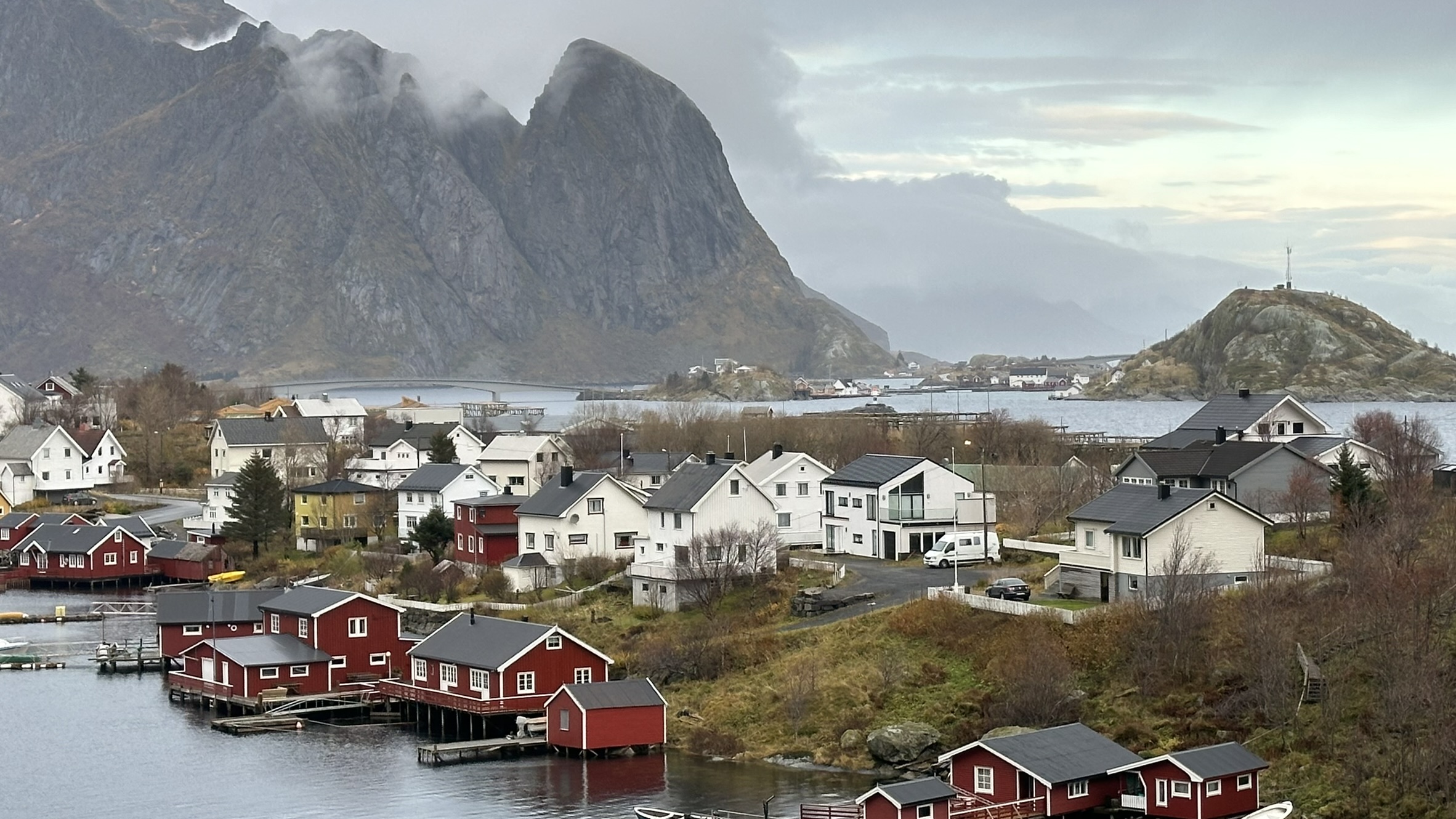
“We come from the land of the ice and snow, from the midnight sun where the hot springs flow…” Hammer of the gods, indeed.
A 2-hour flight from Oslo lands us 350 kilometers north of the Arctic Circle for a six-day road trip through the wildest and most beautiful parts of Norway we’ve seen yet. Starting with two days in Tromsø, we rented a car and twisted our way through myriad fjords, jagged, towering mountains and postcard perfect red fishing villages down the length of the Lofoten Islands, with two-day layovers in Svolvær and Hamnøy. While the midnight sun is not a thing this time of year, we got a bit of of rain, misty mountains, Viking history, great seafood, a few wild reindeer, one day of sunny blue skies — the first in a month, the locals told us — and a nice show of northern lights. Valhalla, I am coming!
| Duration | Destination | Where We Stayed |
|---|---|---|
| 2 days | Tromsø, Norway | Clarion Collection Hotel With |
| 2 days | Svolvær, Norway | Svinoya Rorbuer |
| 2 days | Hamnøy, Norway | Reinefjorden Sjøhus |

Tromsø
Sitting on an island among the fjords in far northern Norway, Tromsø is the third largest city in the world north of the Arctic Circle. We started this leg of our trip here principally for convenience; it’s got a decent airport and plenty of rental cars, and because it is also a cruise ship stop for people running the entire coast of Norway, there are plenty of restaurants, bars and services to be found. It’s also well known for chasing northern lights, with plenty of outfitters ready to take your money in exchange for a bus ride all over creation at night. We skipped that but found enough to entertain ourselves for two days before picking up our rental car and hitting the road. Our Tromsø highlights:
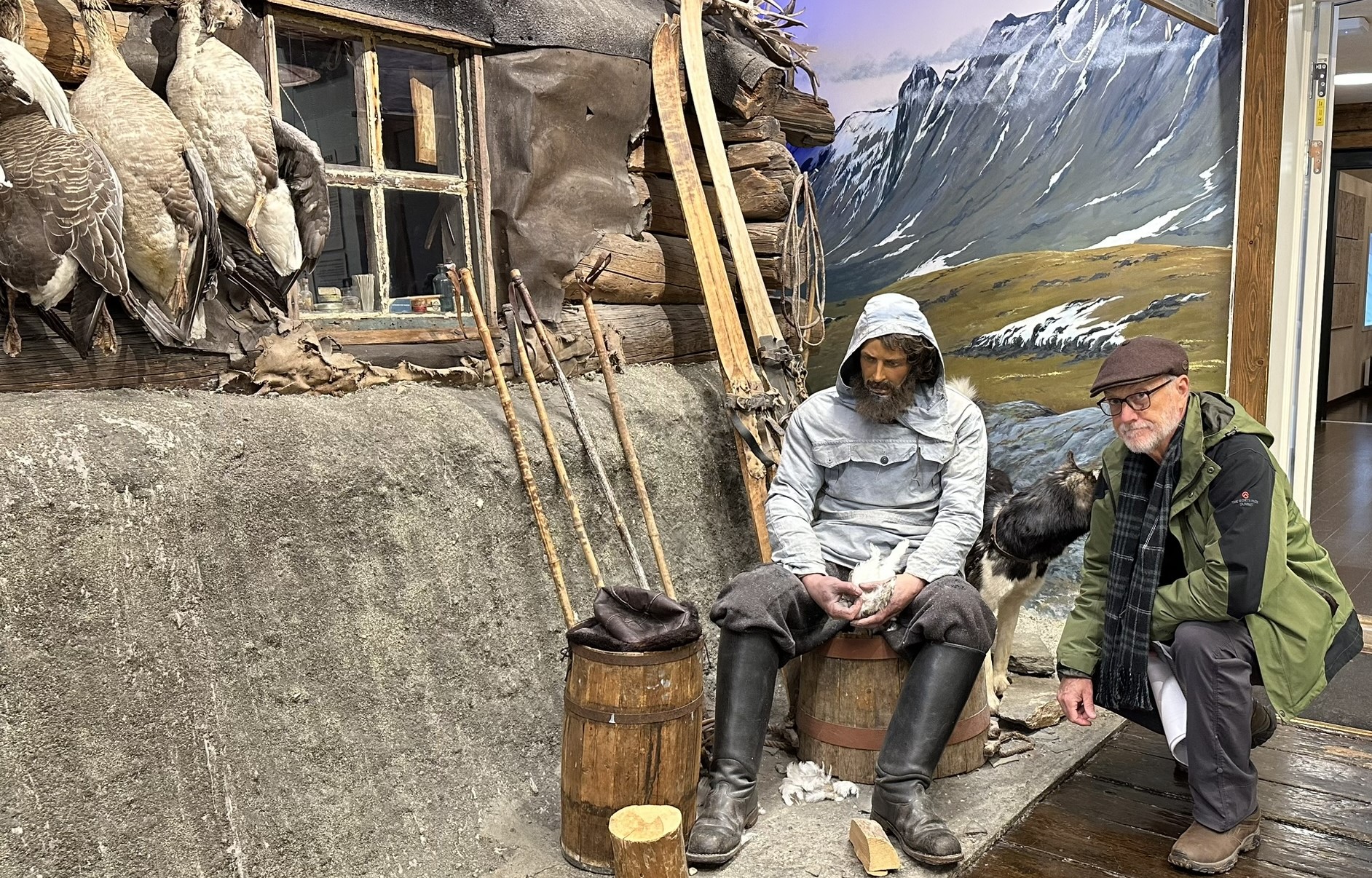
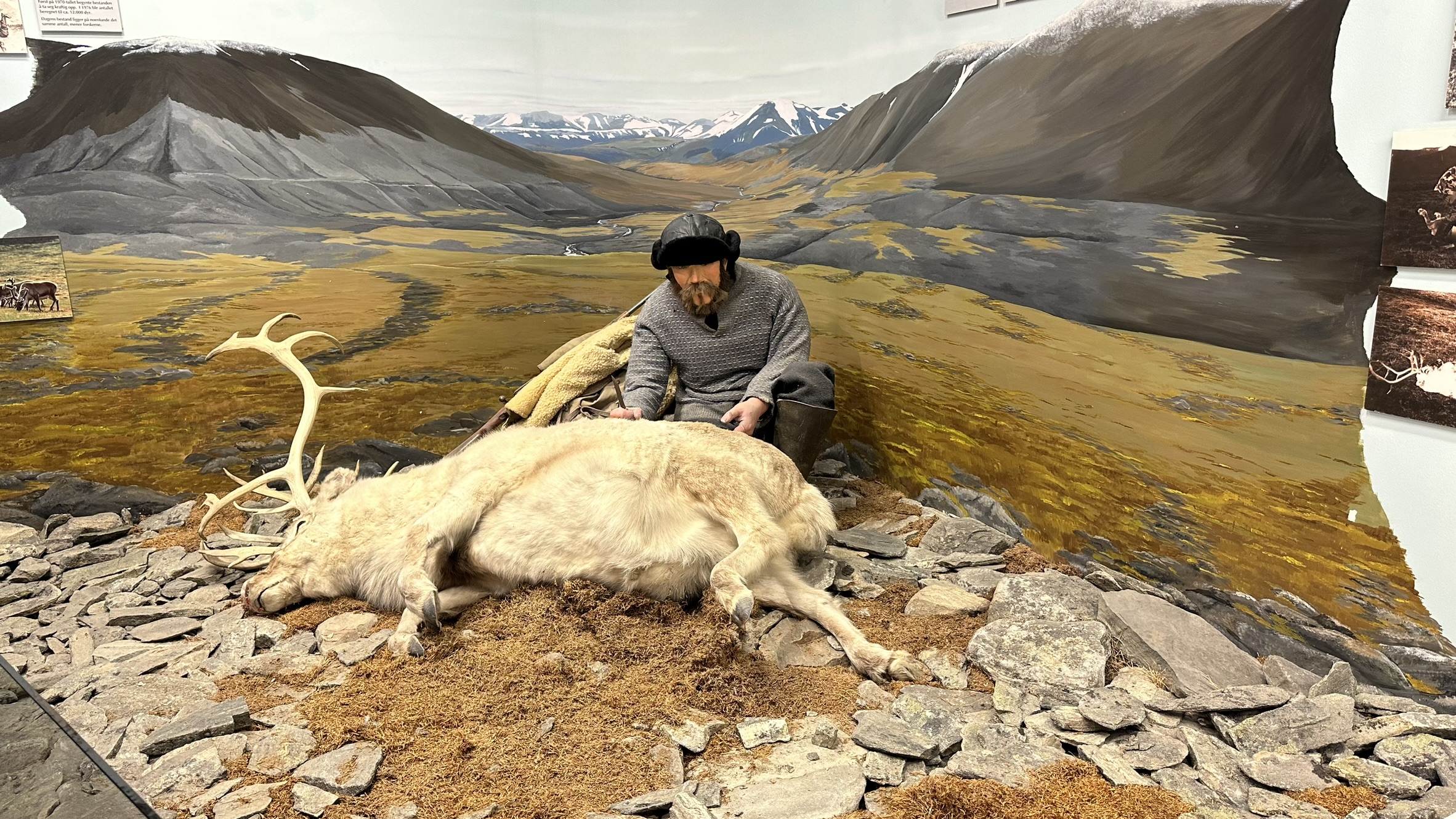
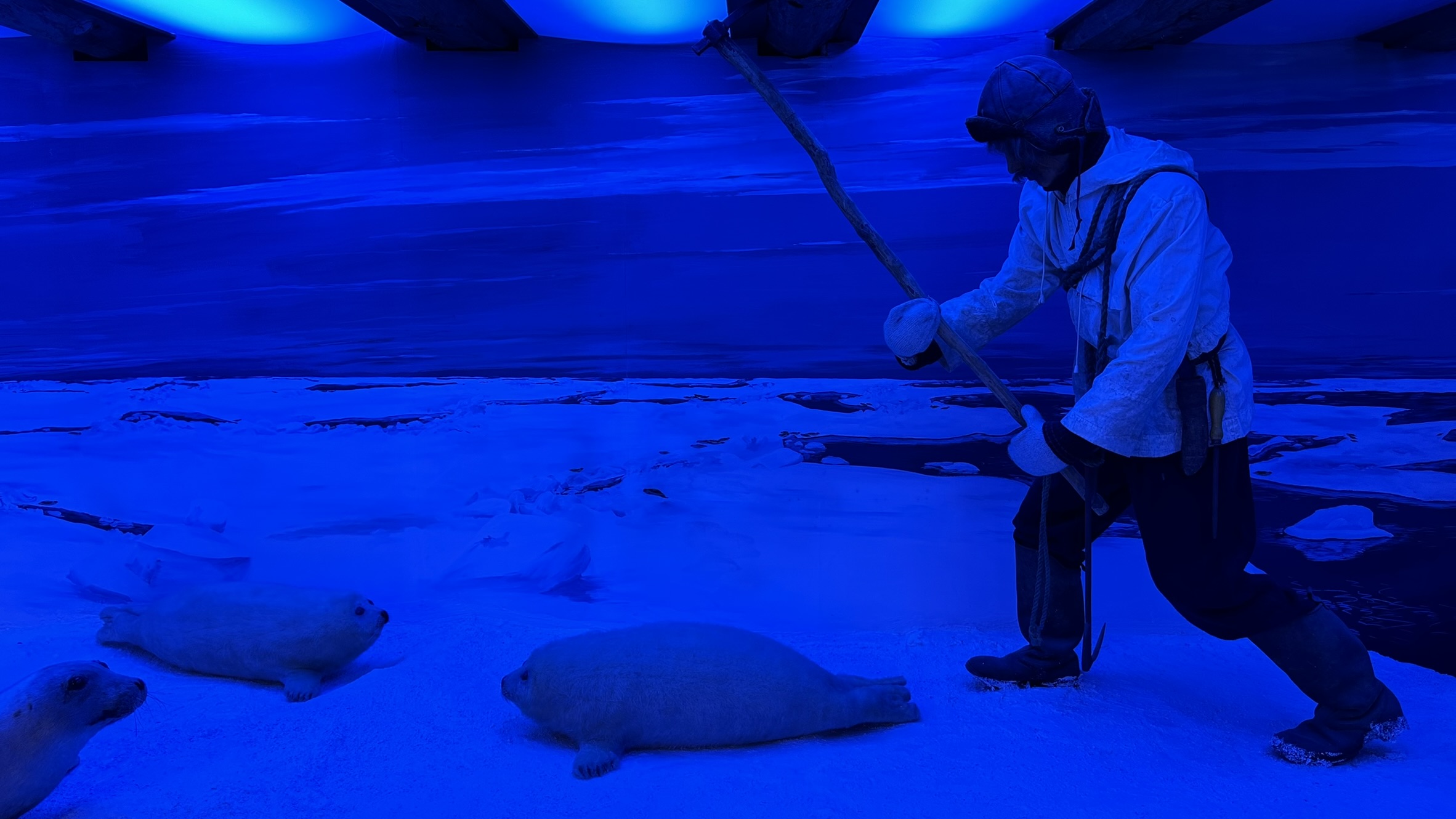
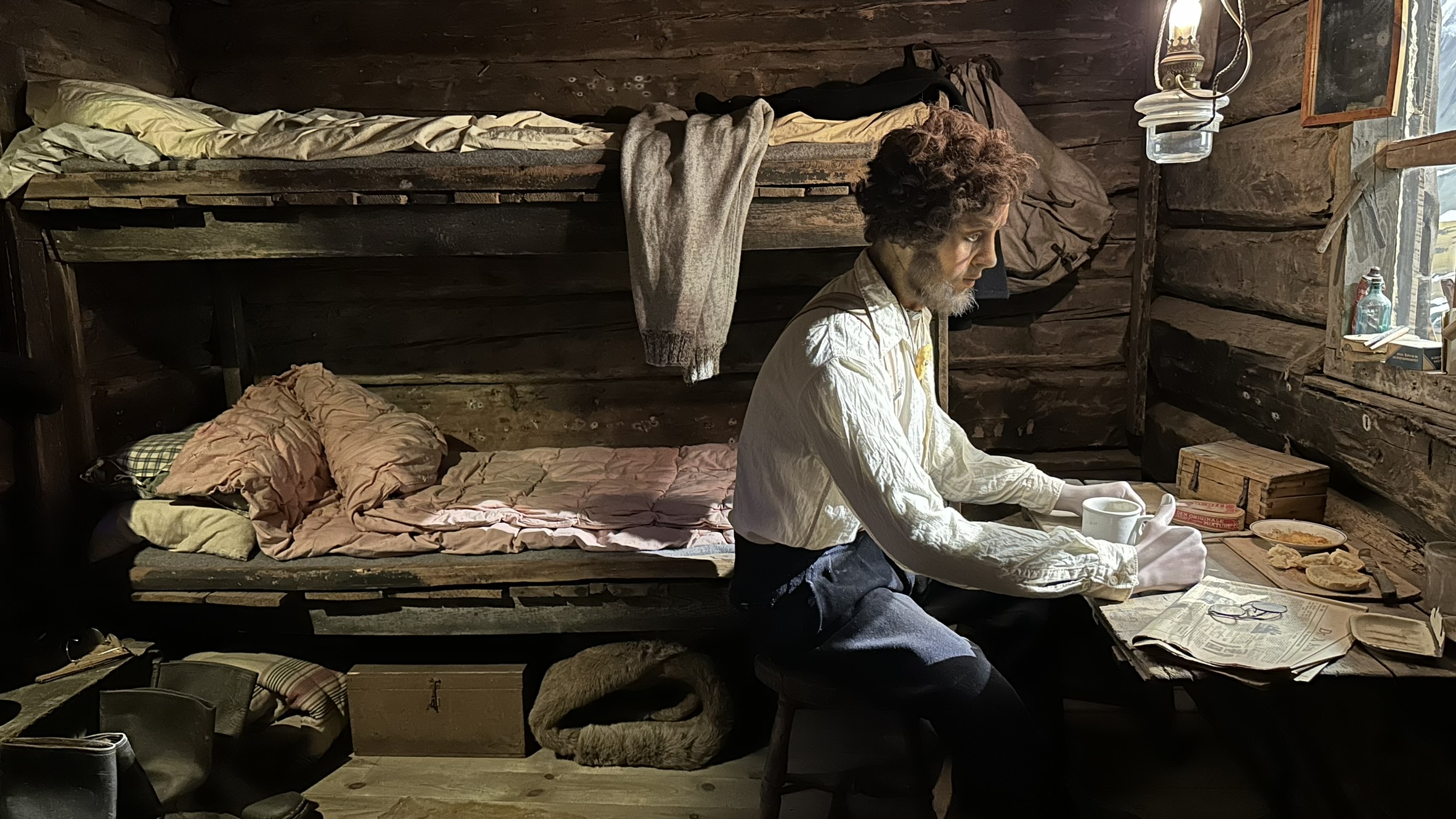
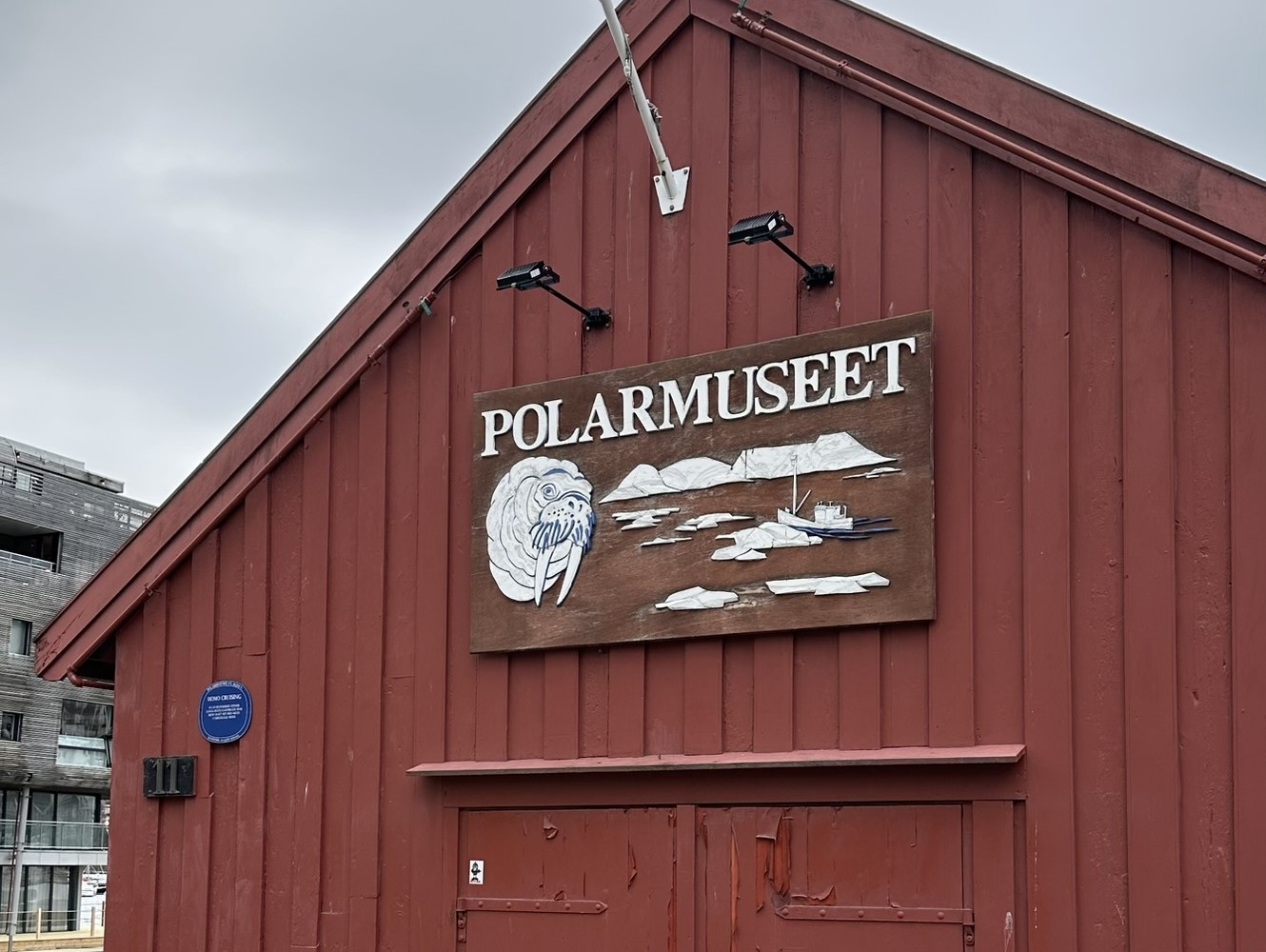
- The Polar Museum sounds a bit kitschy, but it was actually really cool, with equal parts focused on early life in the far north, seal hunting, and early polar exploration by Roald Amundsen and a fellow named Fridtjof Nansen, the first person to traverse Greenland… on cross country skis. My favorite part was the several life-size dioramas depicting the harsh life in the arctic for early settlers.
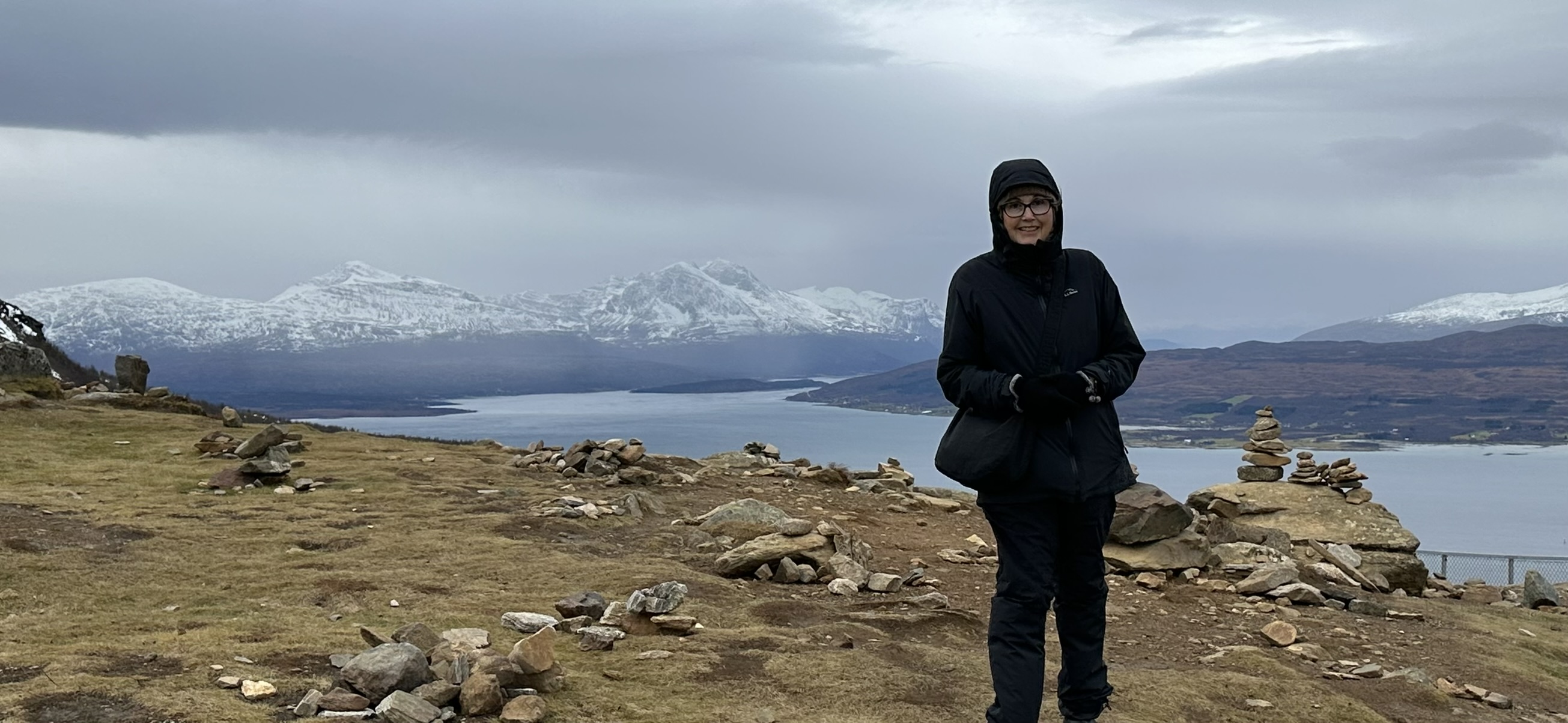
- The Fjellheisen cable car just across the water from Tromsø brings you to Storsteinen, about 1,300 feet above sea level, and fantastic vistas over Tromsø, the surrounding fjords, and snowcapped mountains in the distance. The gondola occasionally stops service for high winds, and while it was both windy and cold at the top, it was an enjoyable ride and well worth it for the views. There are miles of hiking trails up there as well.
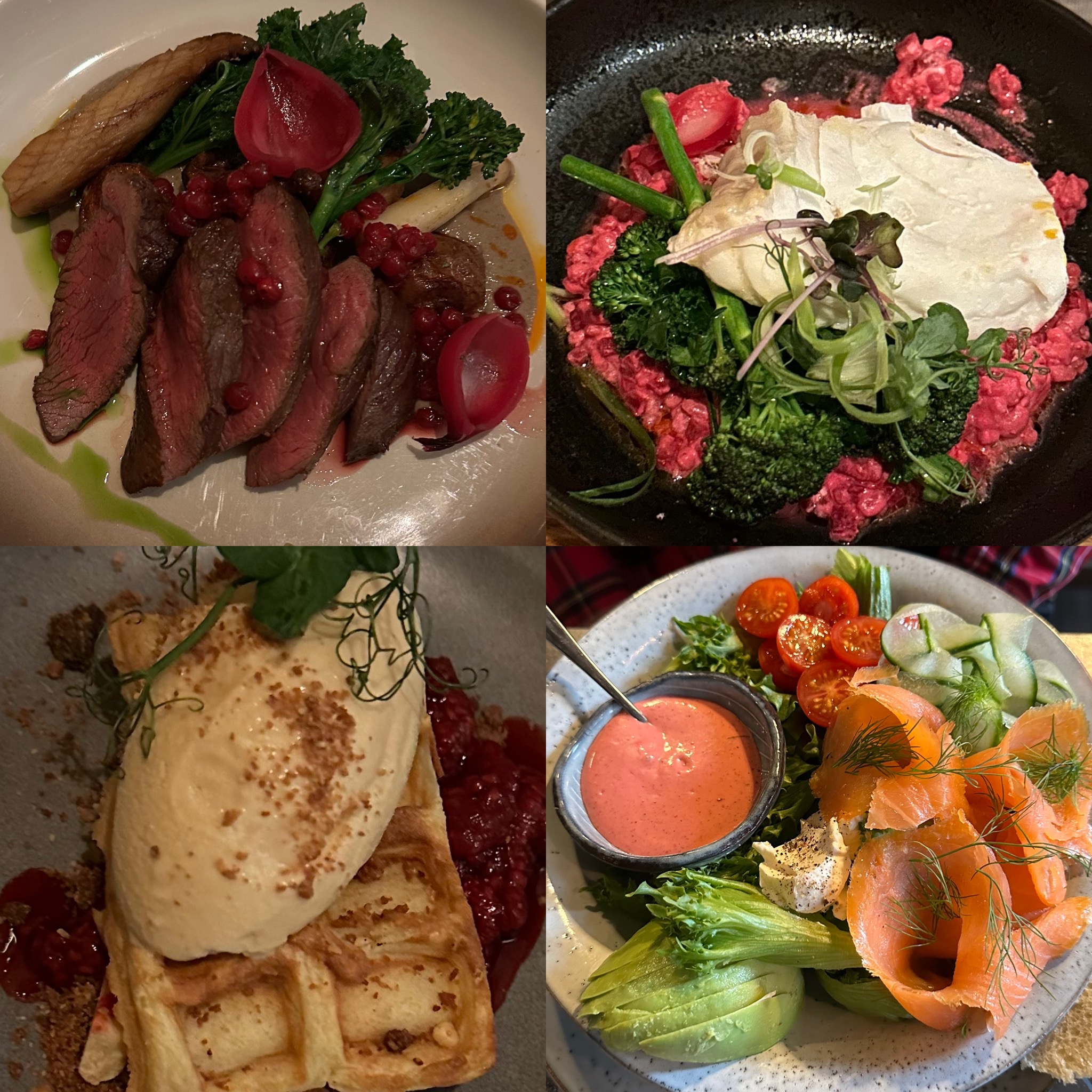
- Good dinner far at Fiskekompaniet (fresh seafood, of course), Emma’s Dream Kitchen, and Bardus Bistro, both of the latter featuring excellent Northern Nordic cuisine.
- When you get thirsty, Ølhallen is the oldest pub in Tromso and has a wide selection of excellent beers, including their own, while the underground Bastard Bar is a true dive with live music on Tuesdays. Bardus, on the other hand, has a nice cocktail bar downstairs that feels like a cross between a fern bar and an old English library with its dark wood walls and bookshelves. Try their famous Arctic Seaweed Cocktail!
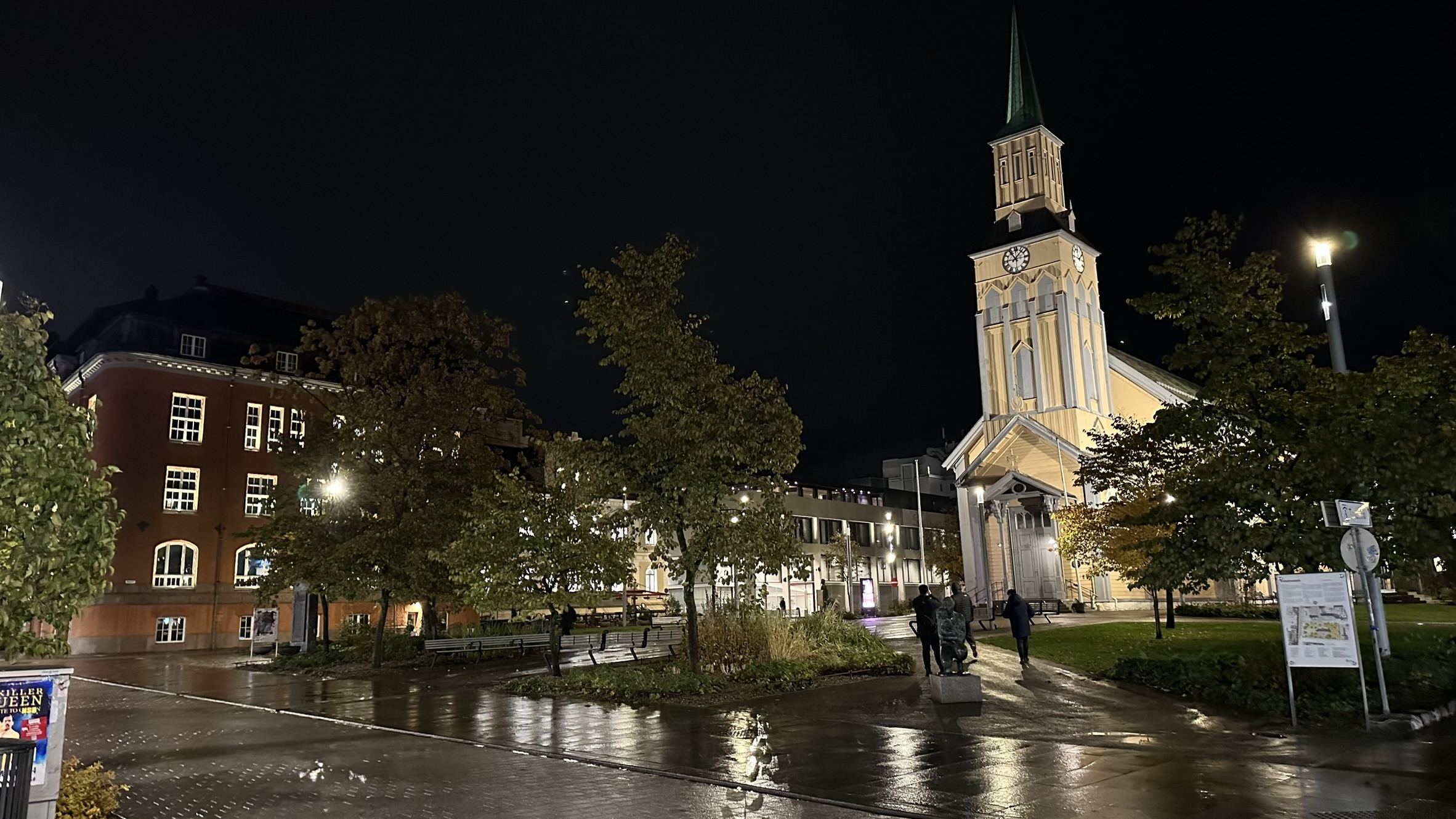
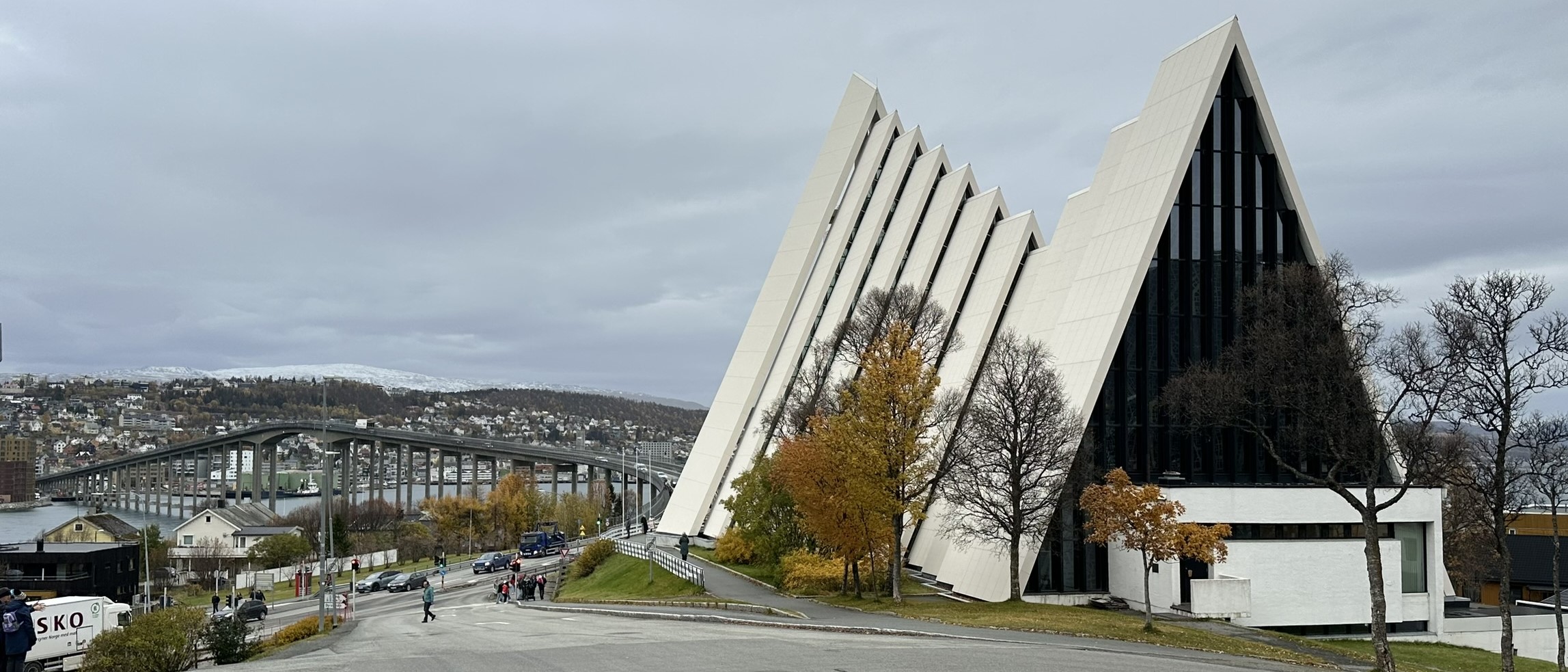
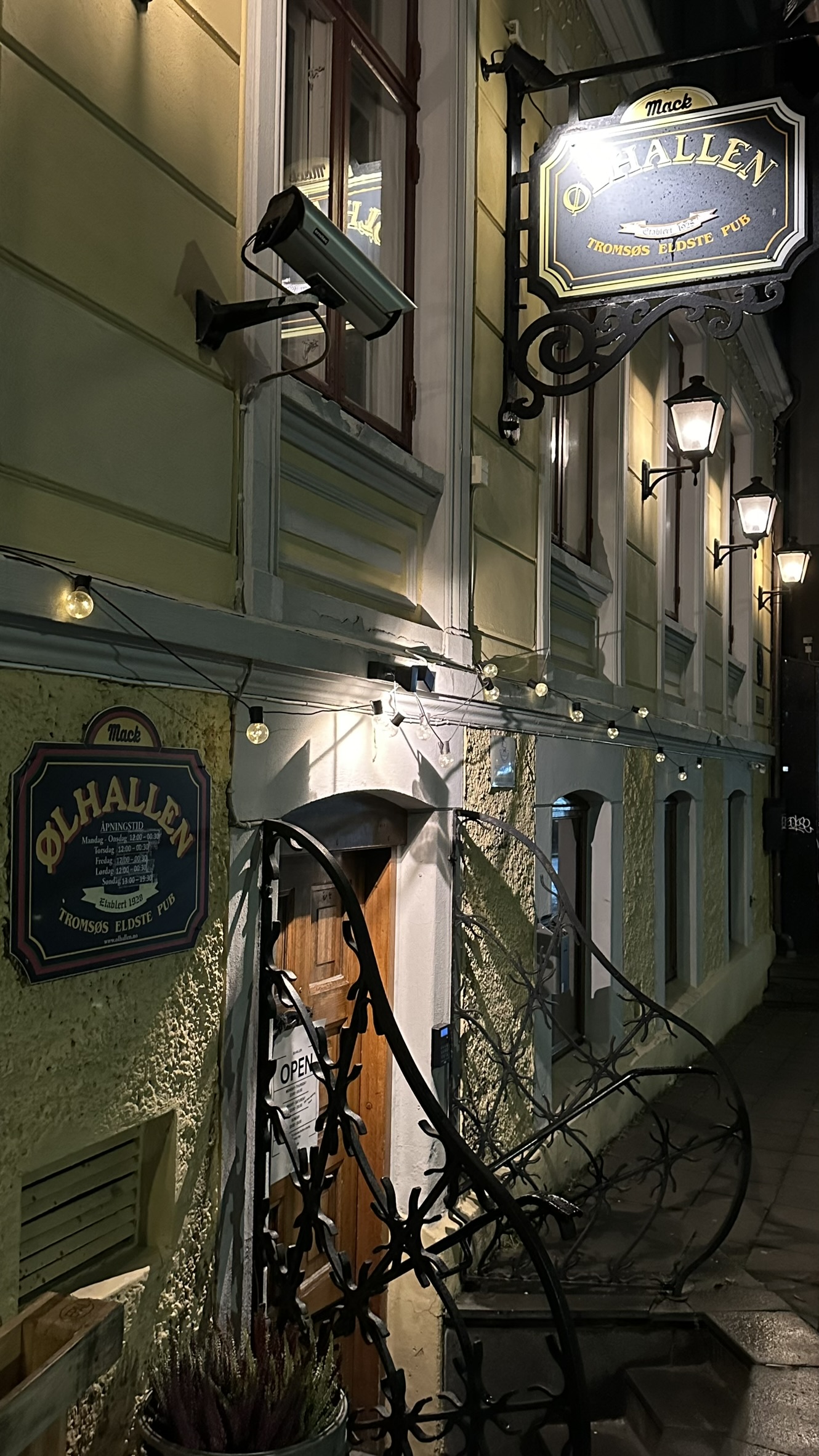
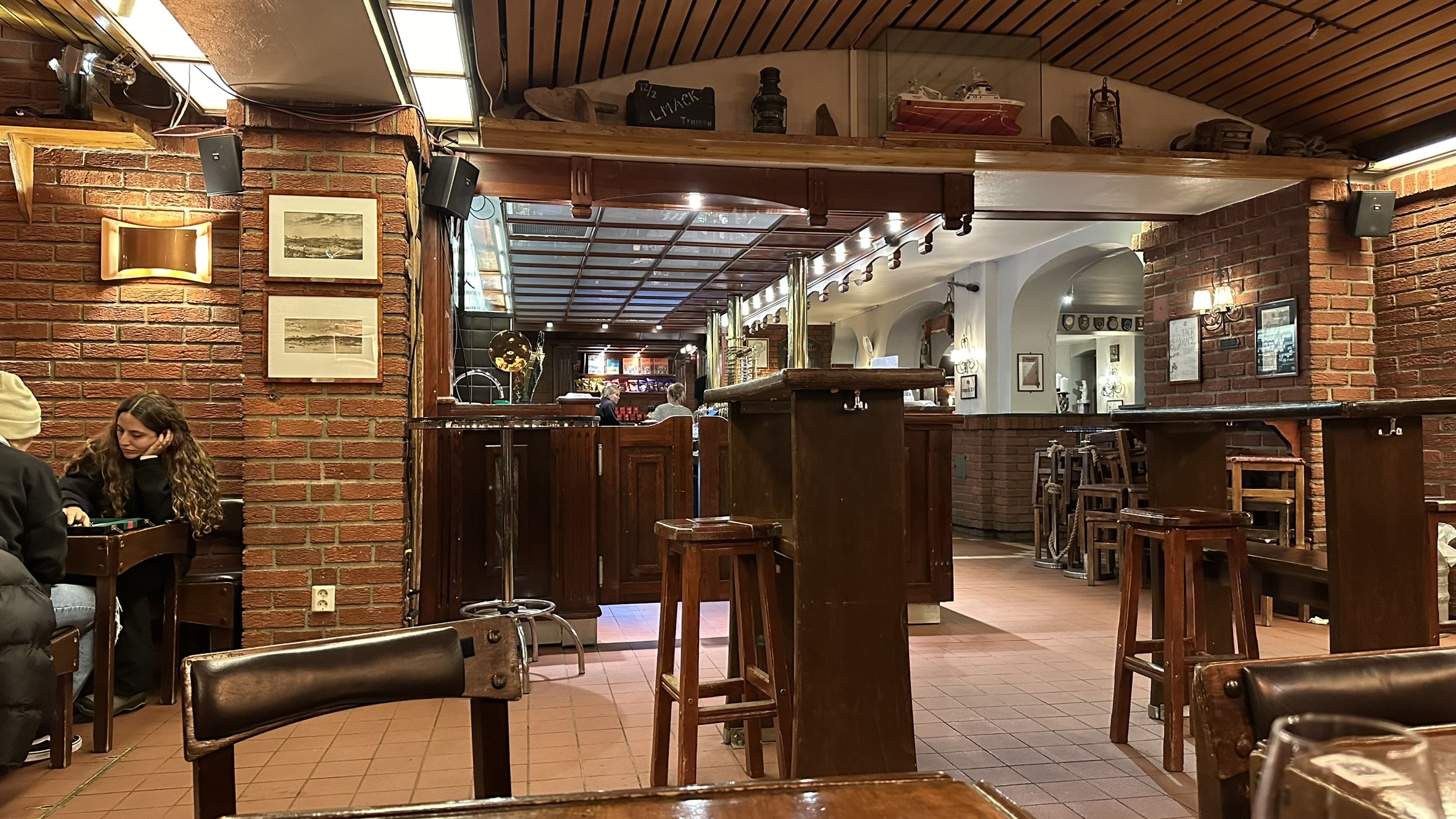
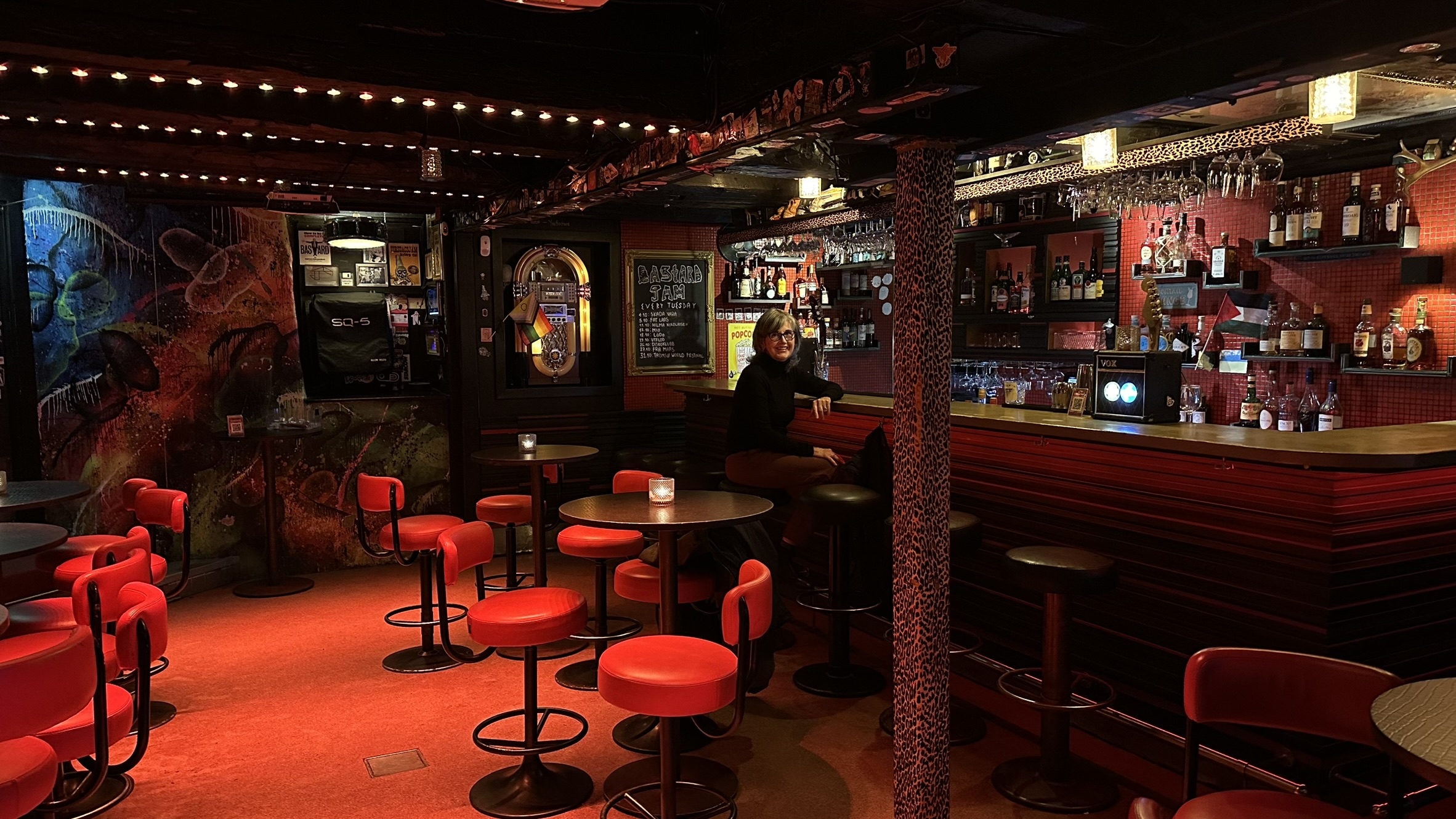
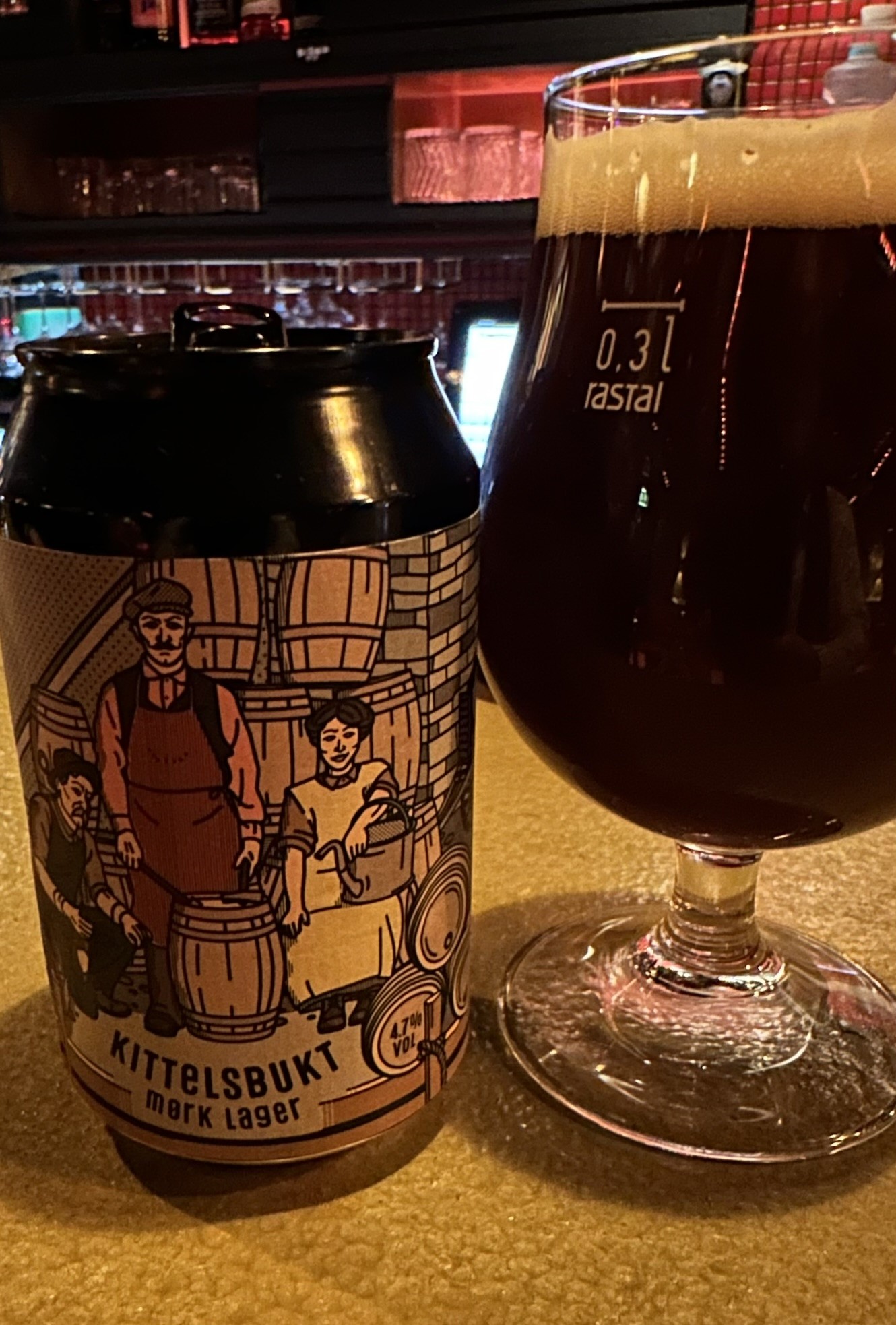
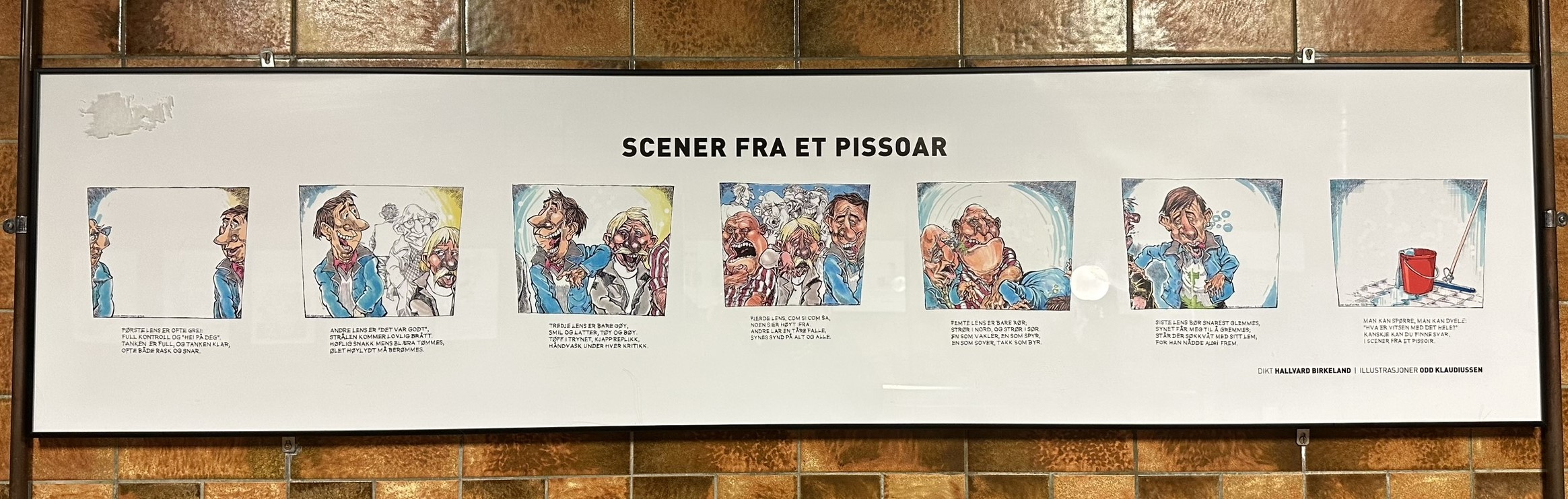
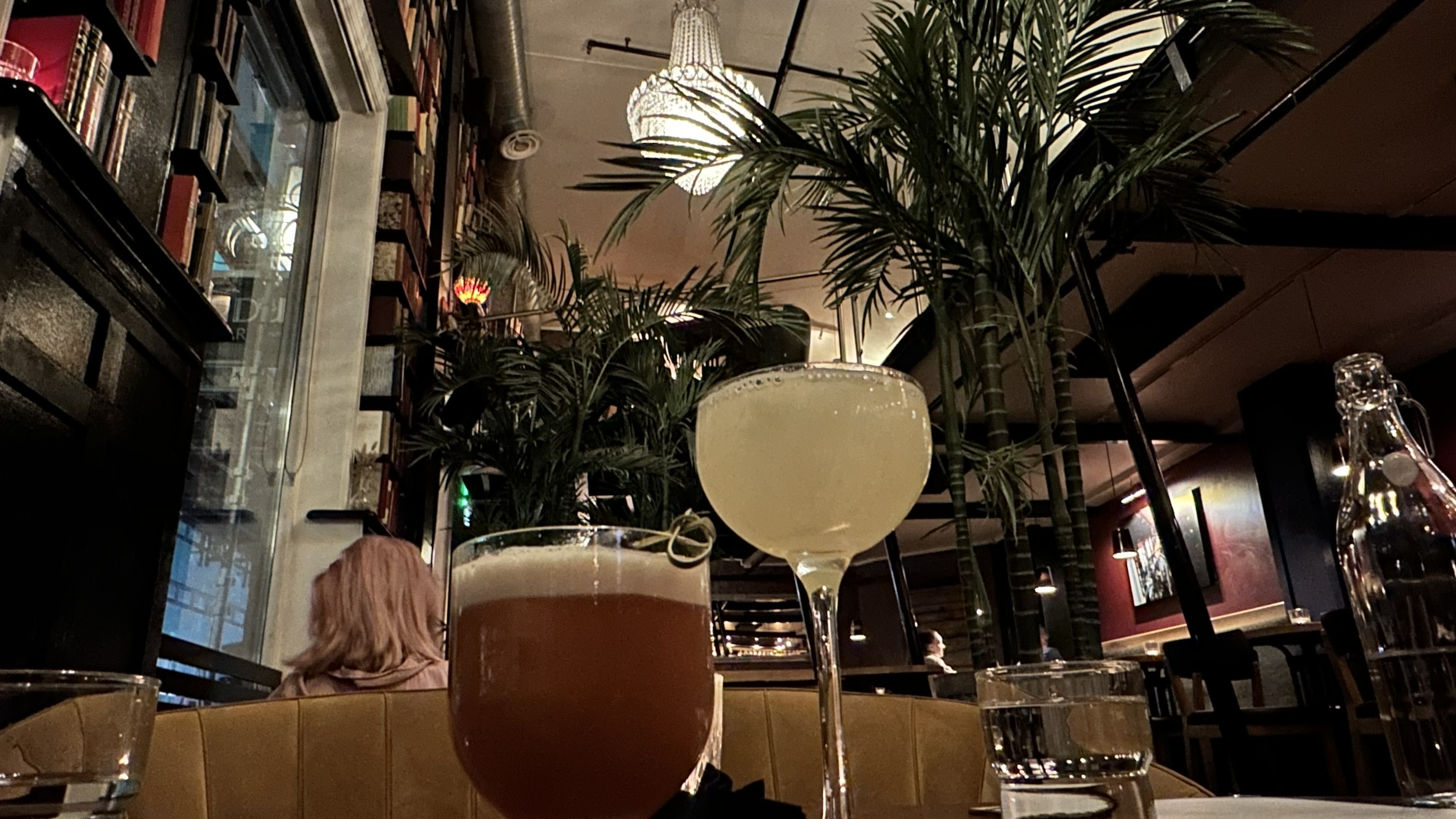
As much fun as we had in cold, rainy Tromsø, two days was plenty… although with more time and decent weather, one might try a whale-watching cruise in the Arctic waters to observe majestic marine wildlife (though not likely a narwal, much to our friend Deb’s dismay), a boat tour of the fjords, or a trip to the Tromsø Wilderness Center for a Sami cultural experience and dog sledding (in season), a 30 minute drive from town.
Lofoten Islands
So, head on down the road we did for our most remote Norwegian destination, the Lofoten Islands.
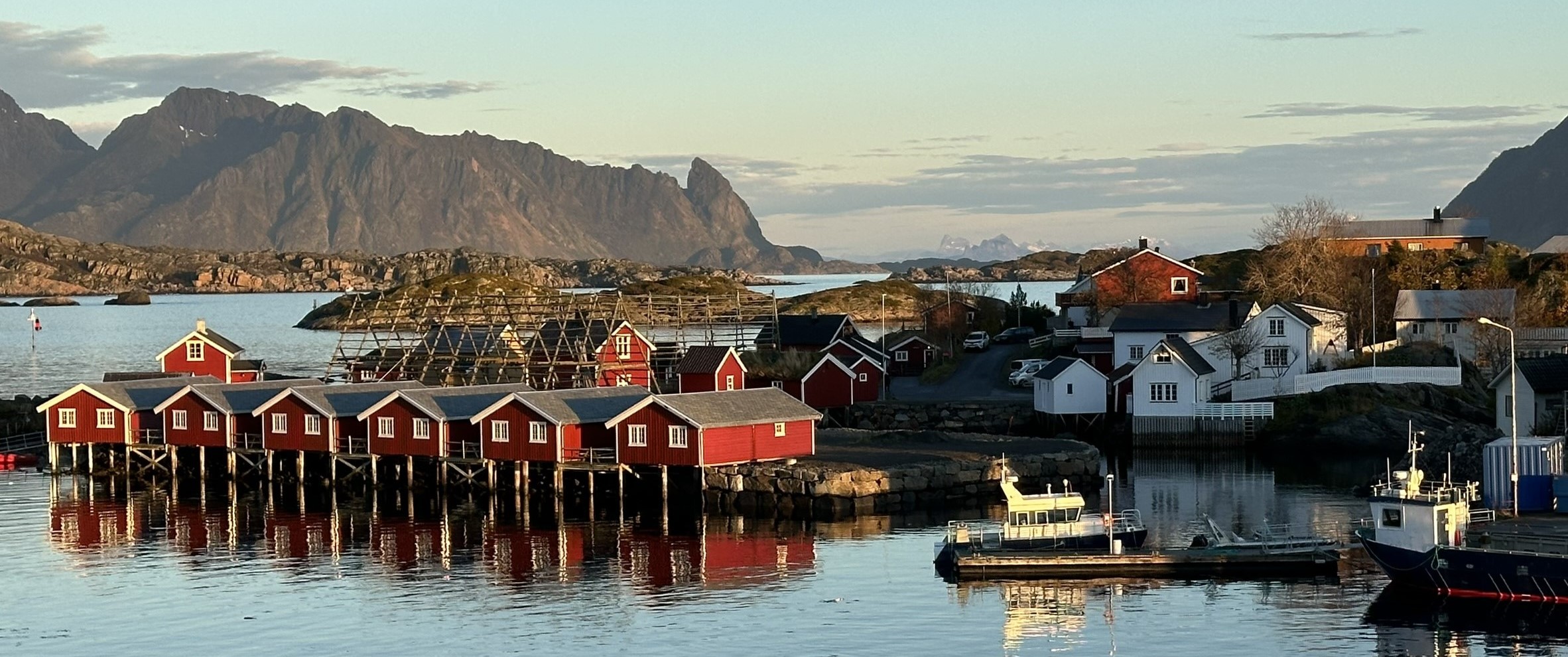
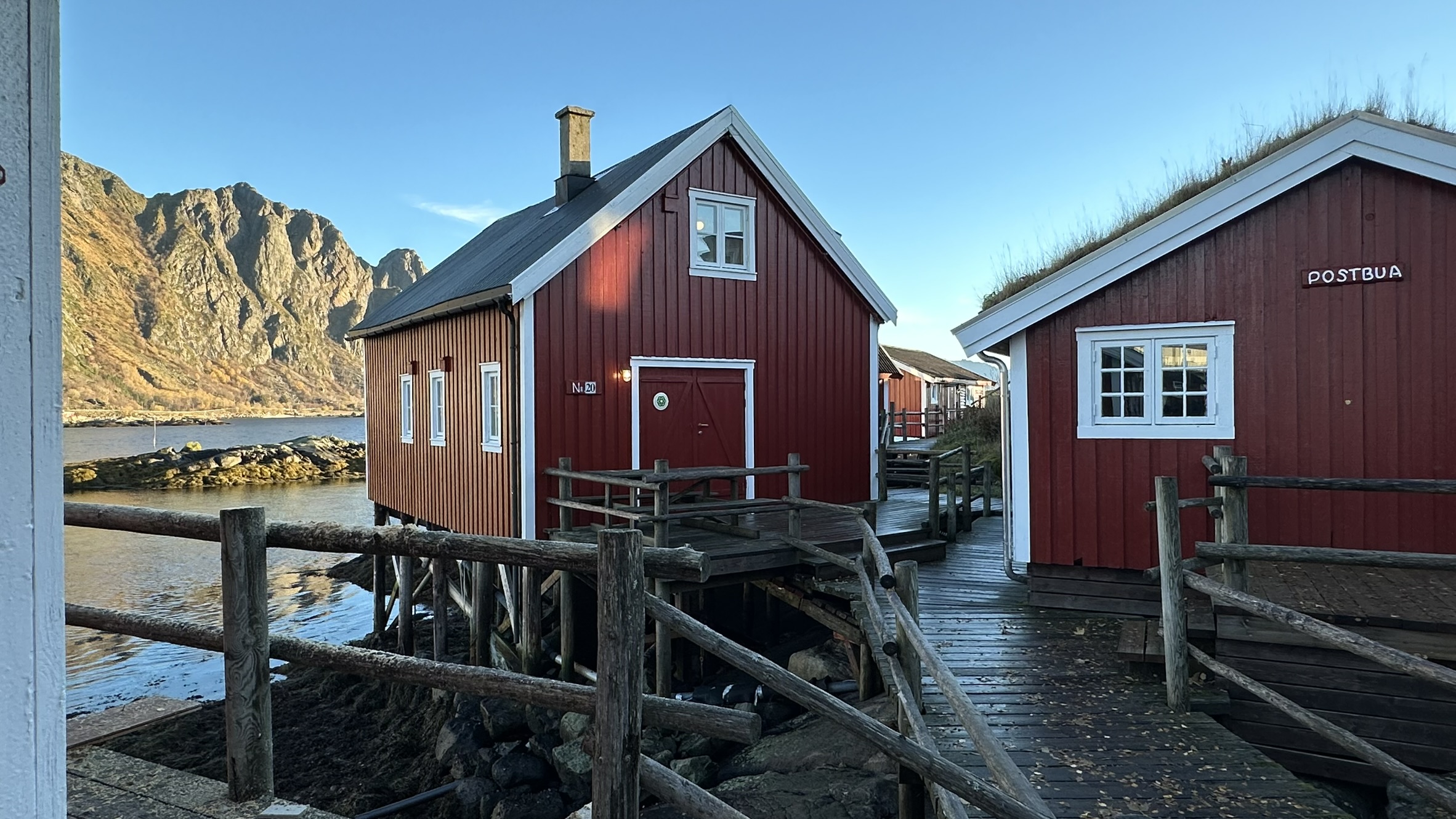
Our first stop was Svolvær, the tiny but industrious capital of the Lofoten Islands. Like everything Lofoten, everything revolves around its long history with the sea, its fishing industry, and the clusters of red fisherman’s cabins, or rorbuer, typically built on stilts over the water. It’s the latter and the unbelievably wild and rugged landscape that has made tourism Lofoten’s top industry in recent years.
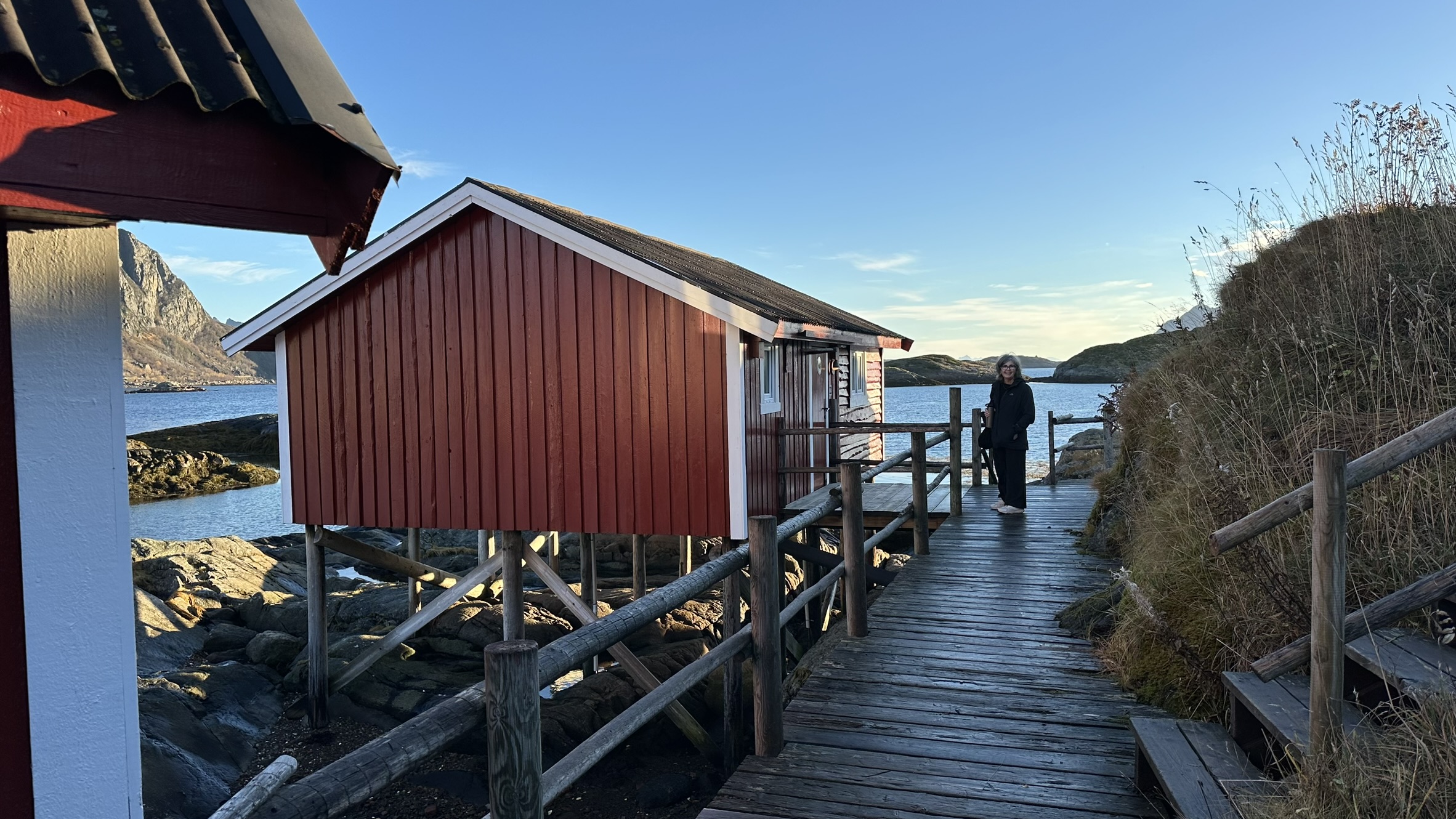
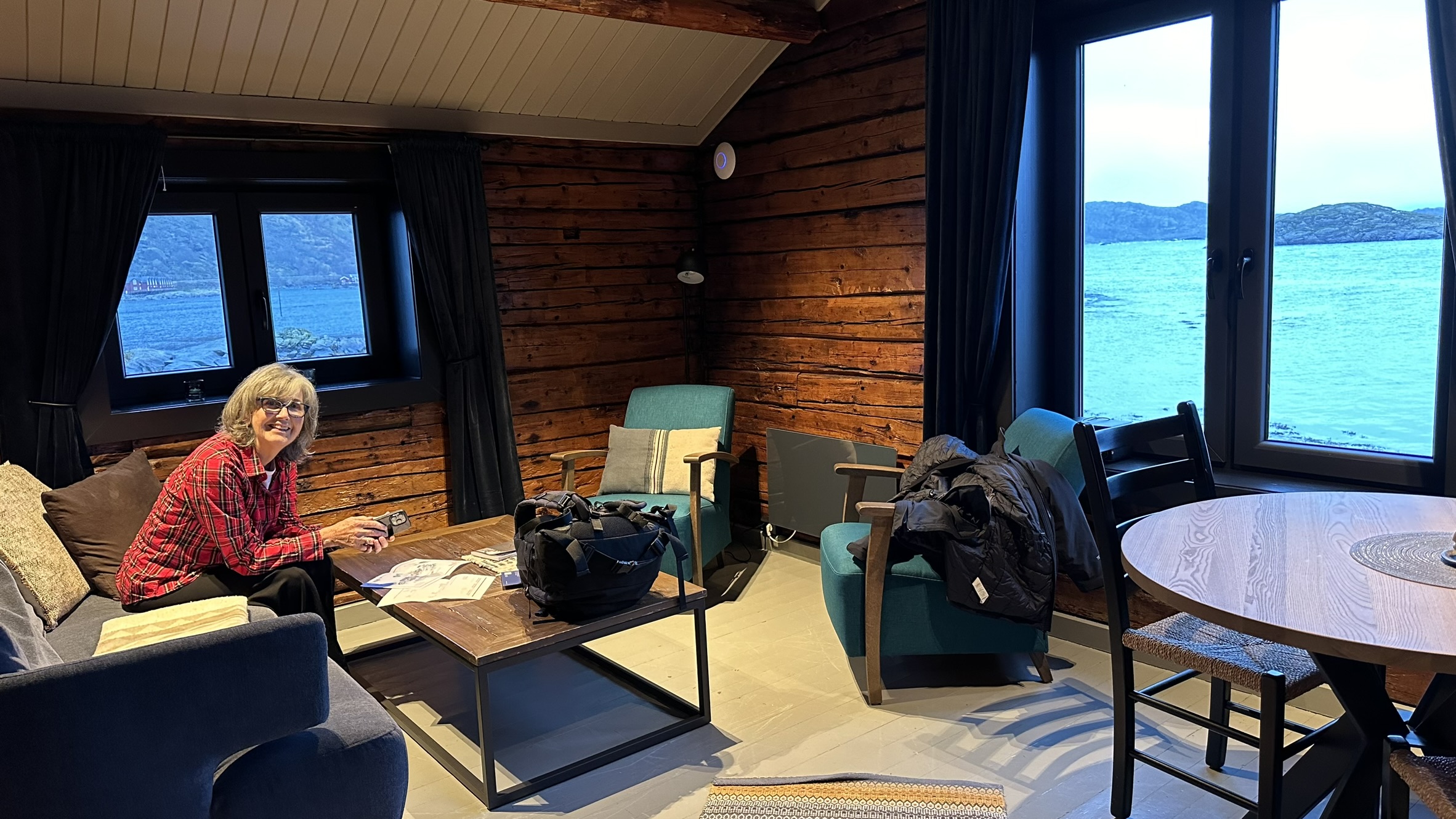
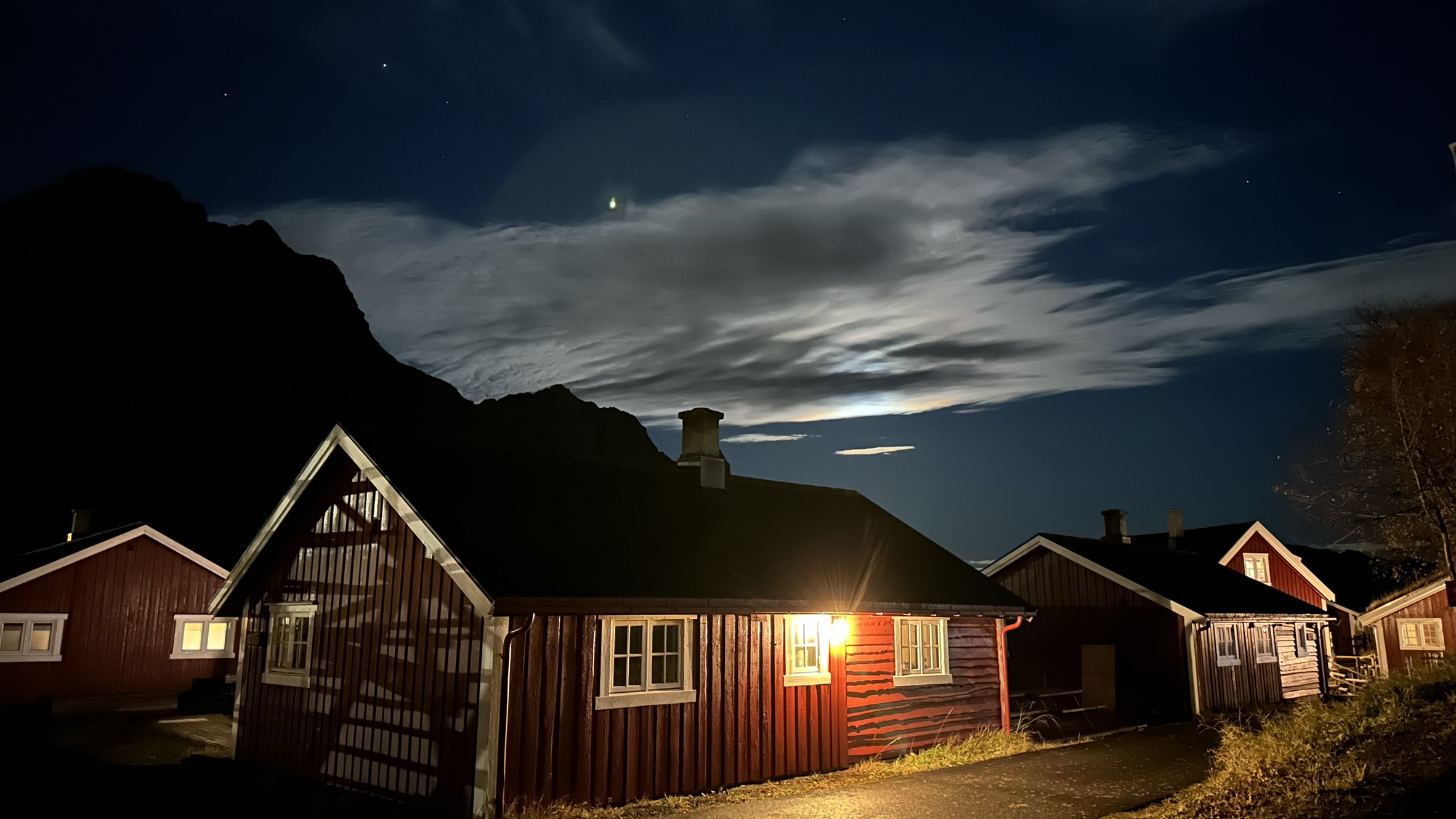
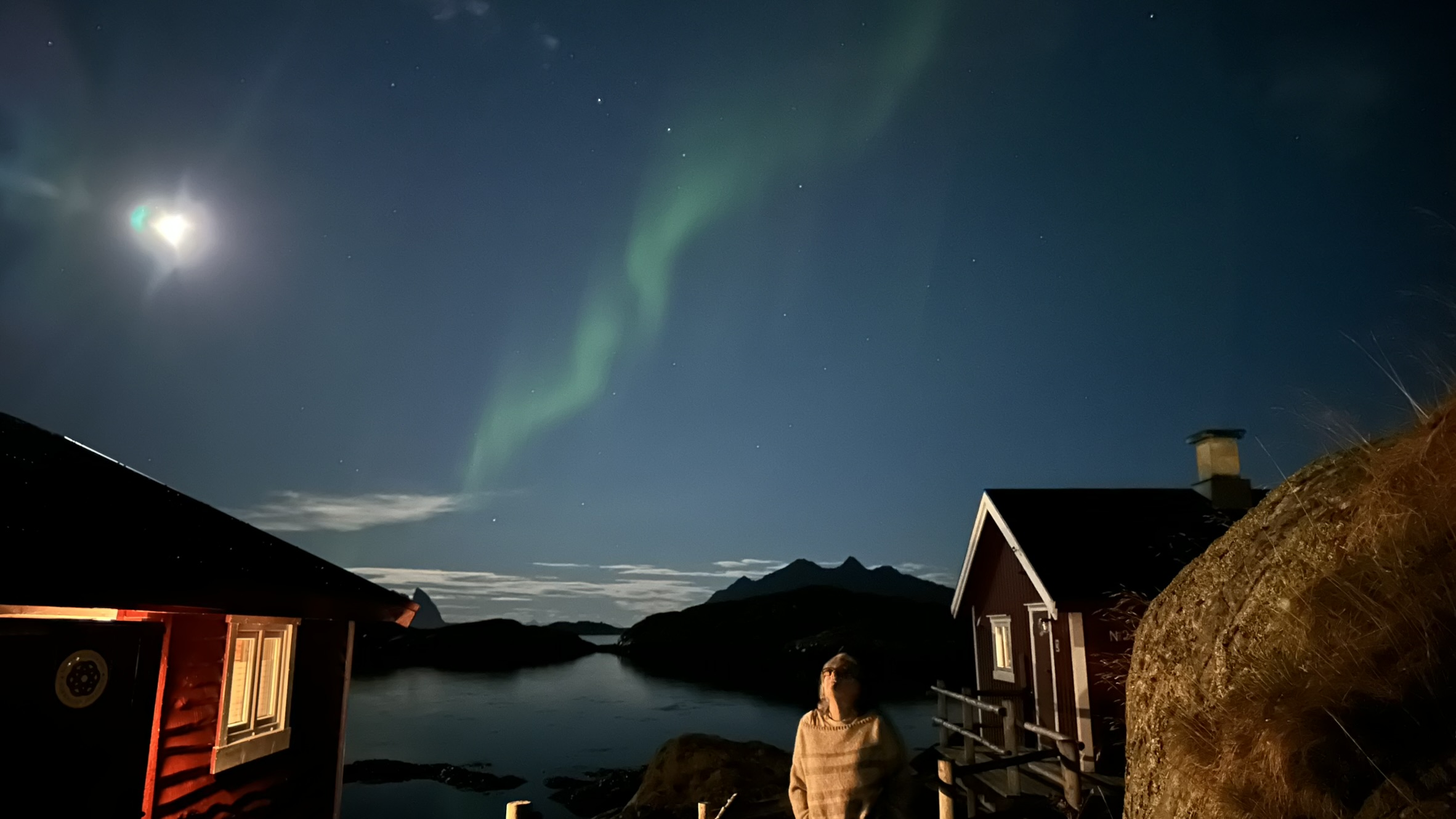
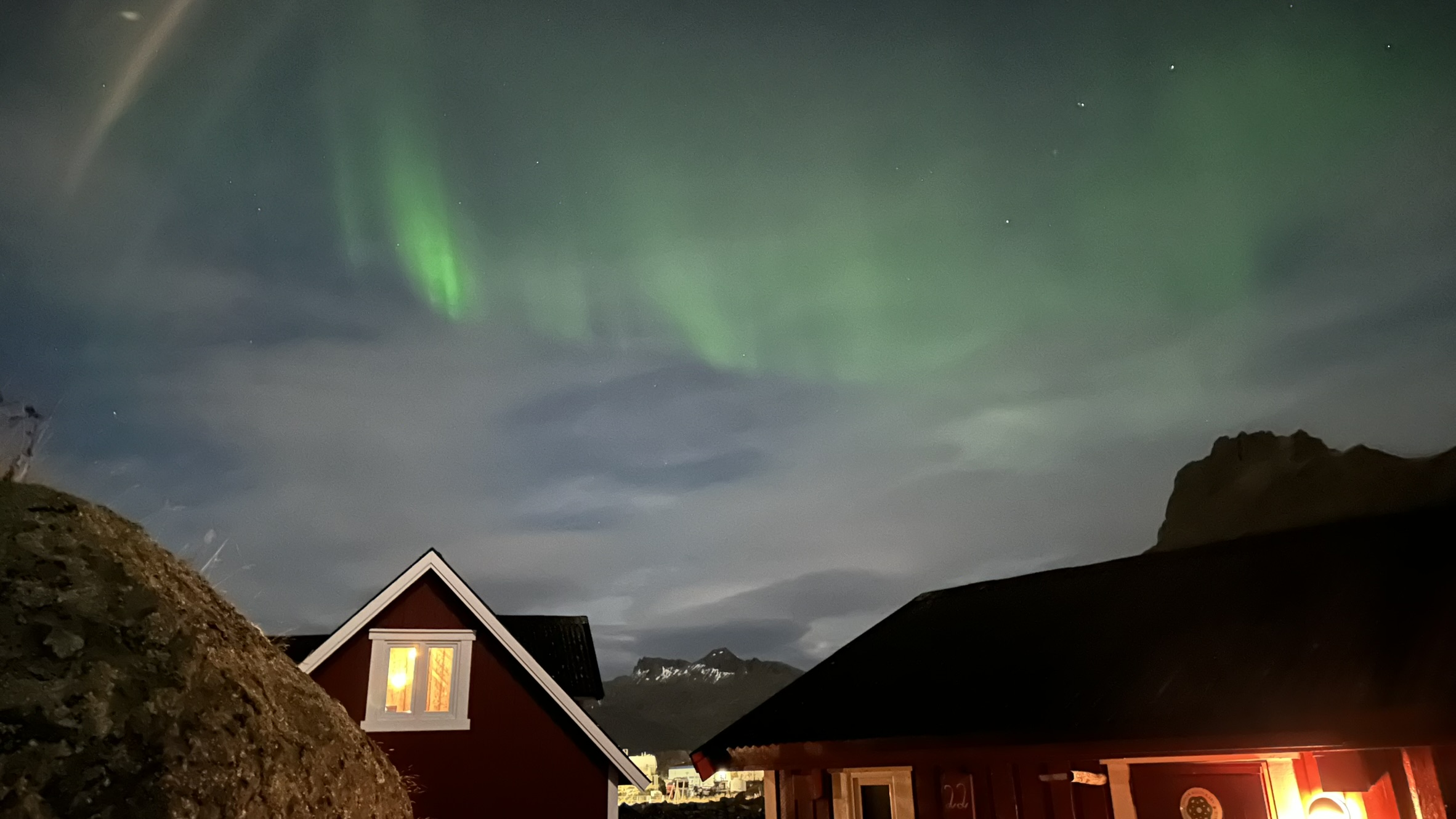
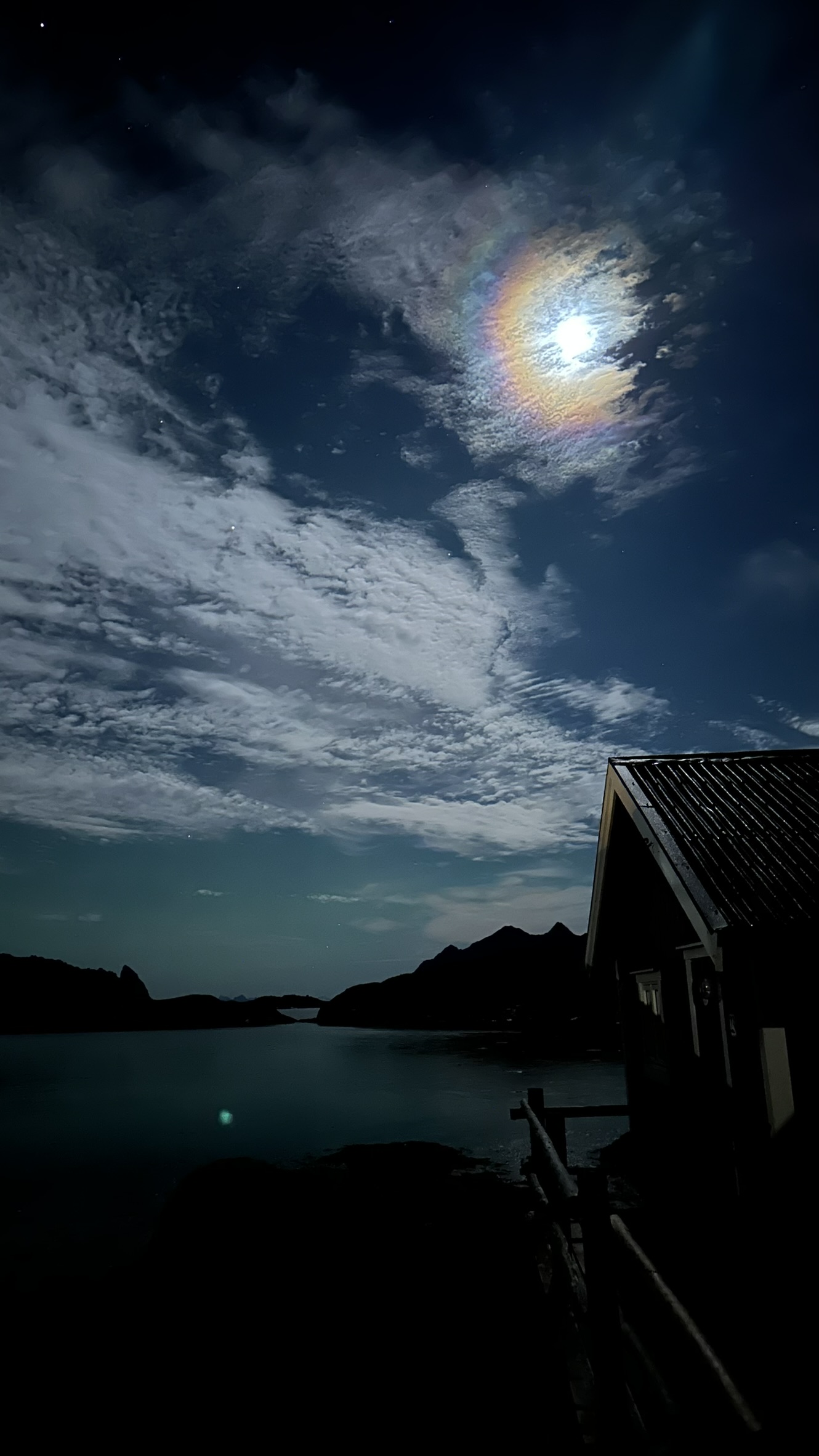
We made our base at Svinoya Rorbuer, a small village of beautifully restored cabins. Our rorbu (#22) was perfectly situated at the end of the pier, where we enjoyed unobstructed views of the sunrise over the Norwegian Sea and jagged mountains rising straight above us. We took advantage of our rorbu’s comfortable living space and kitchen by eating in one night, thanks to a convenient shopping trip at the nearby Alti food center (with wine store next door). It’s also where we enjoyed our best northern lights show, with mesmerizing colors dancing across the skies for almost four hours. Read my review here.


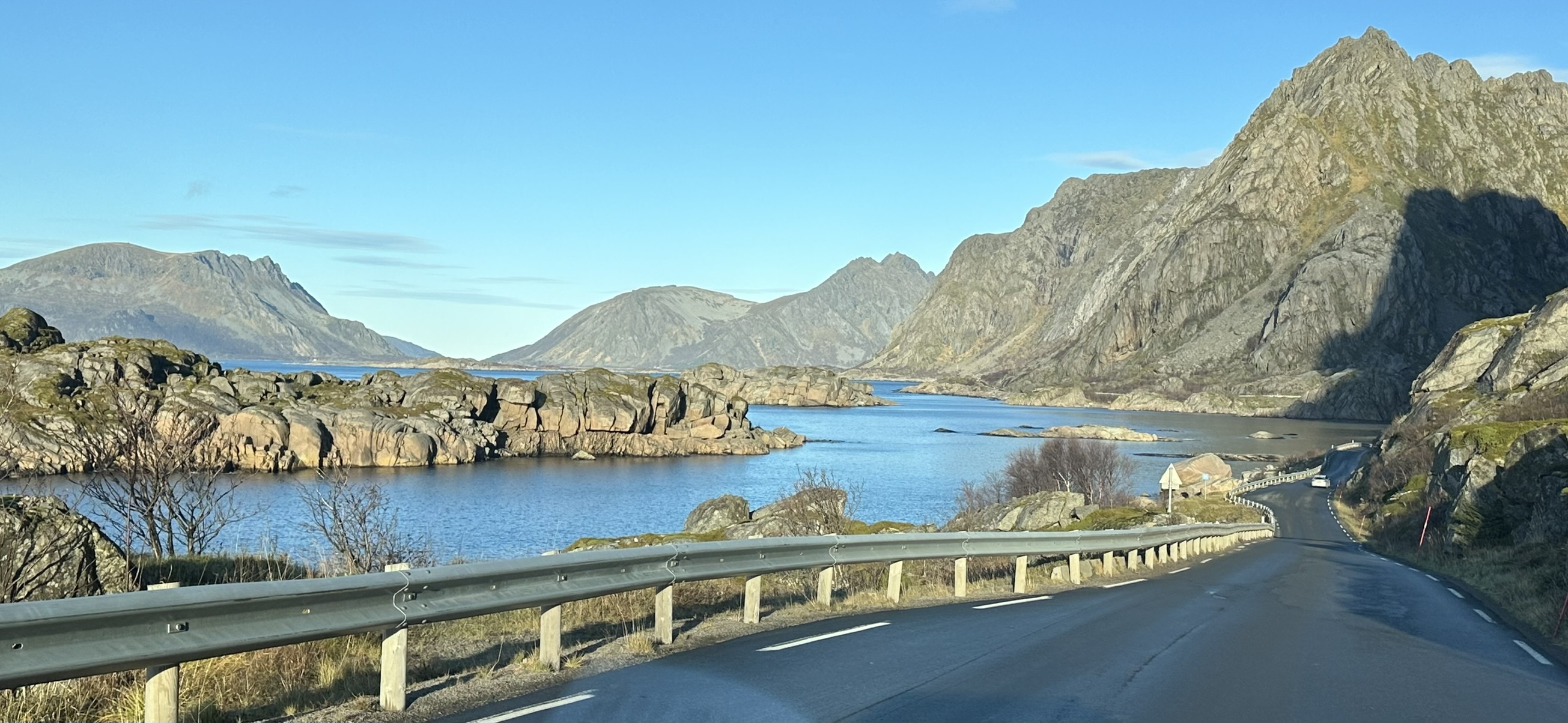
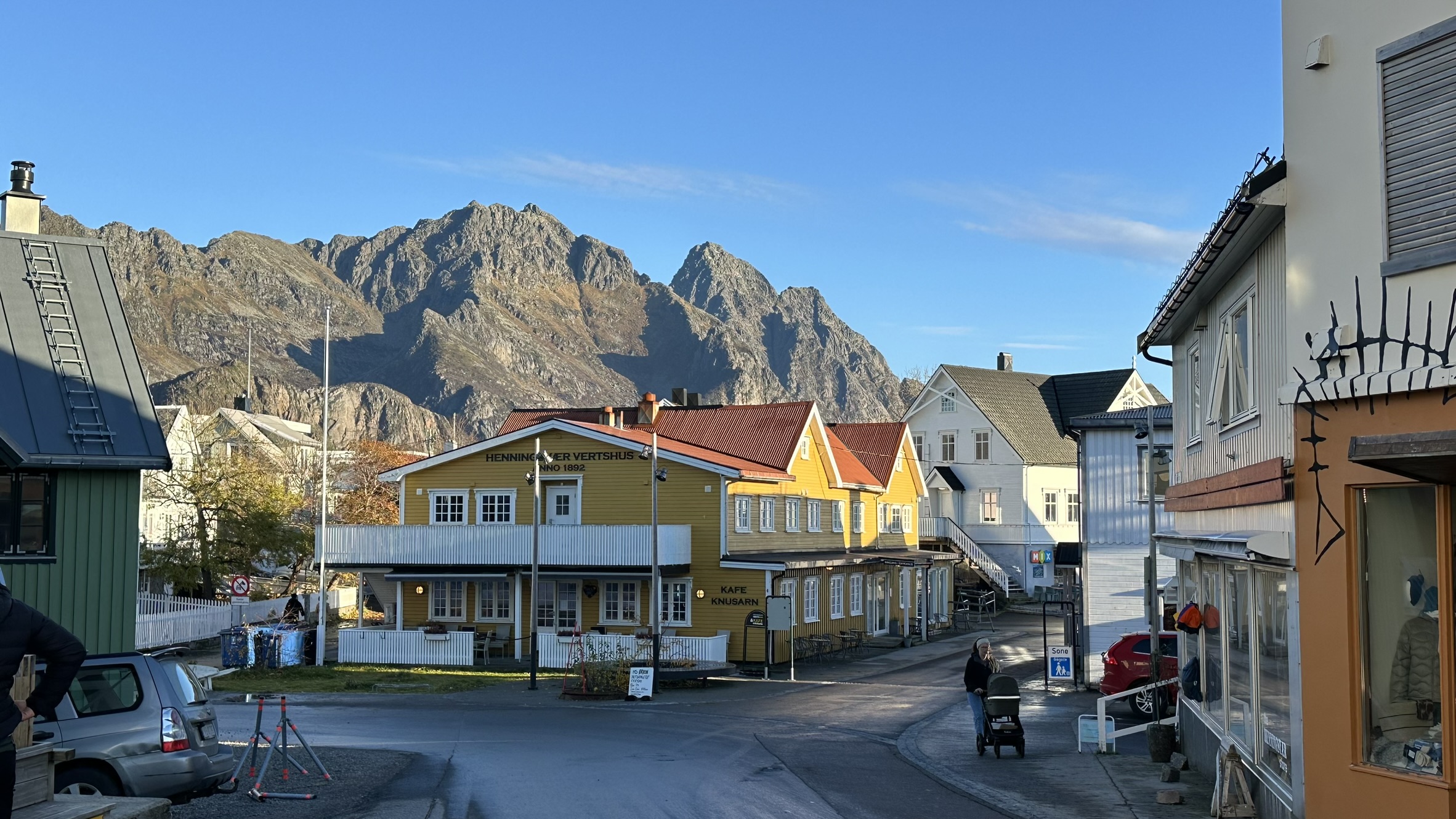
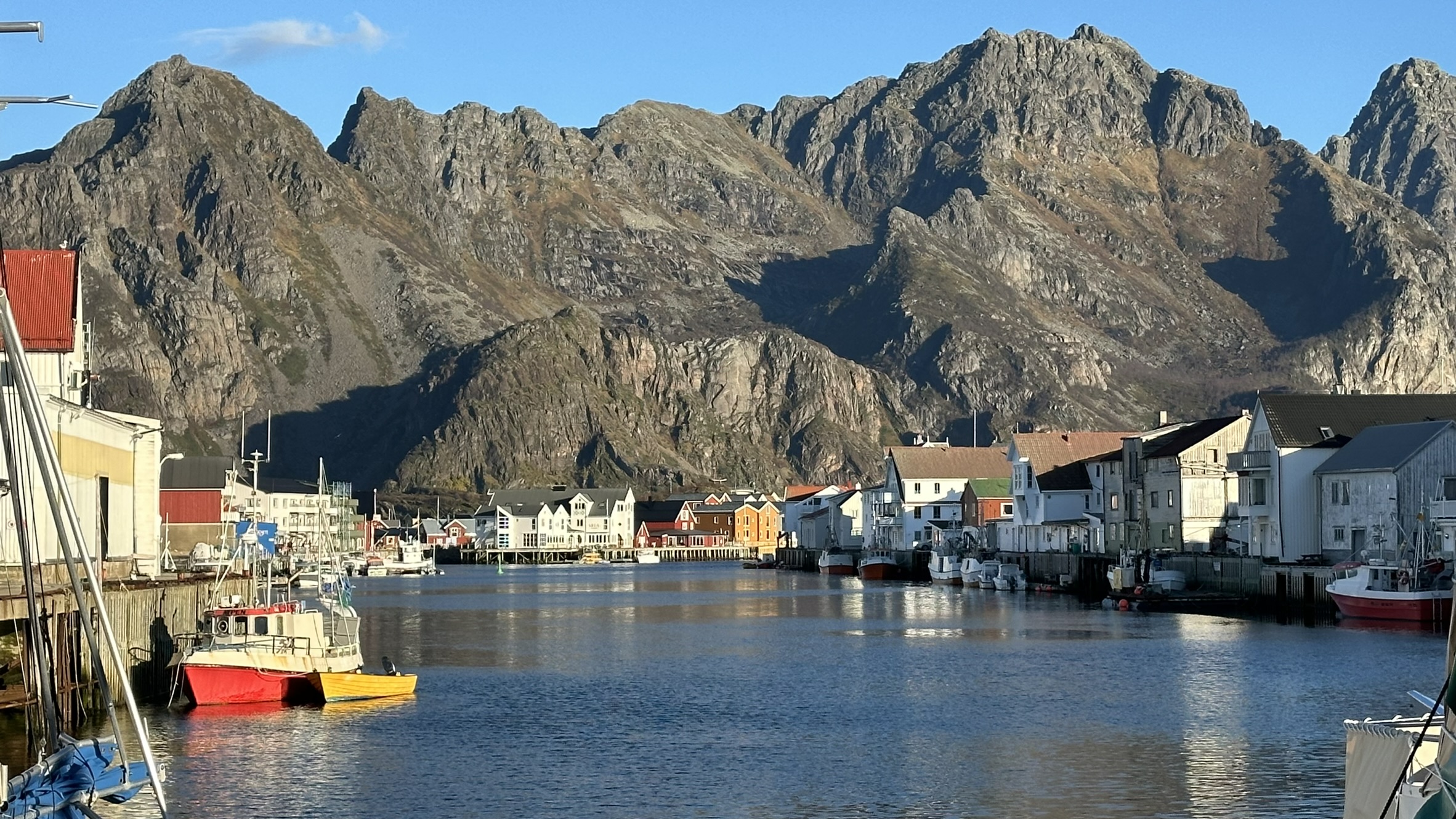
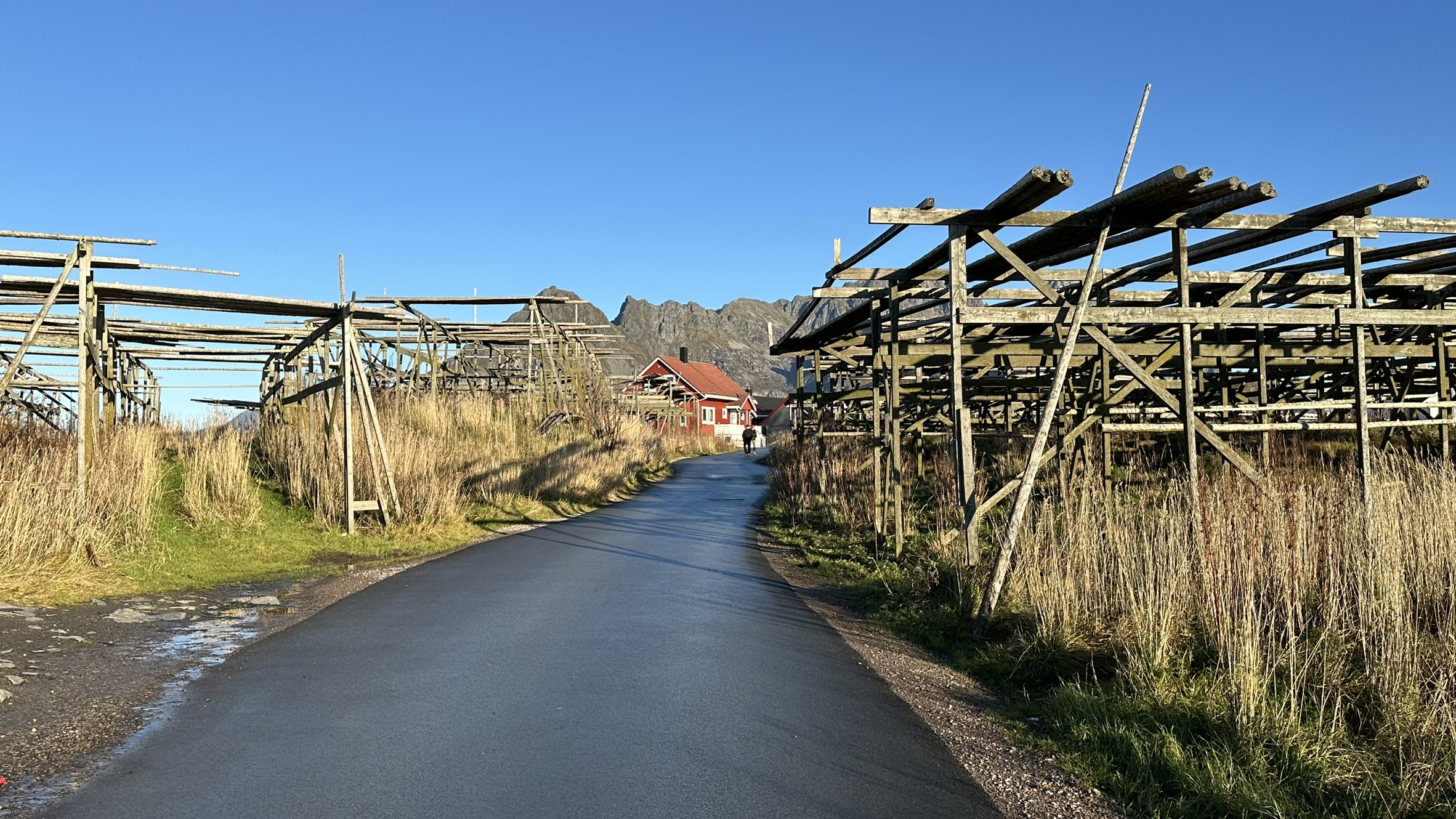
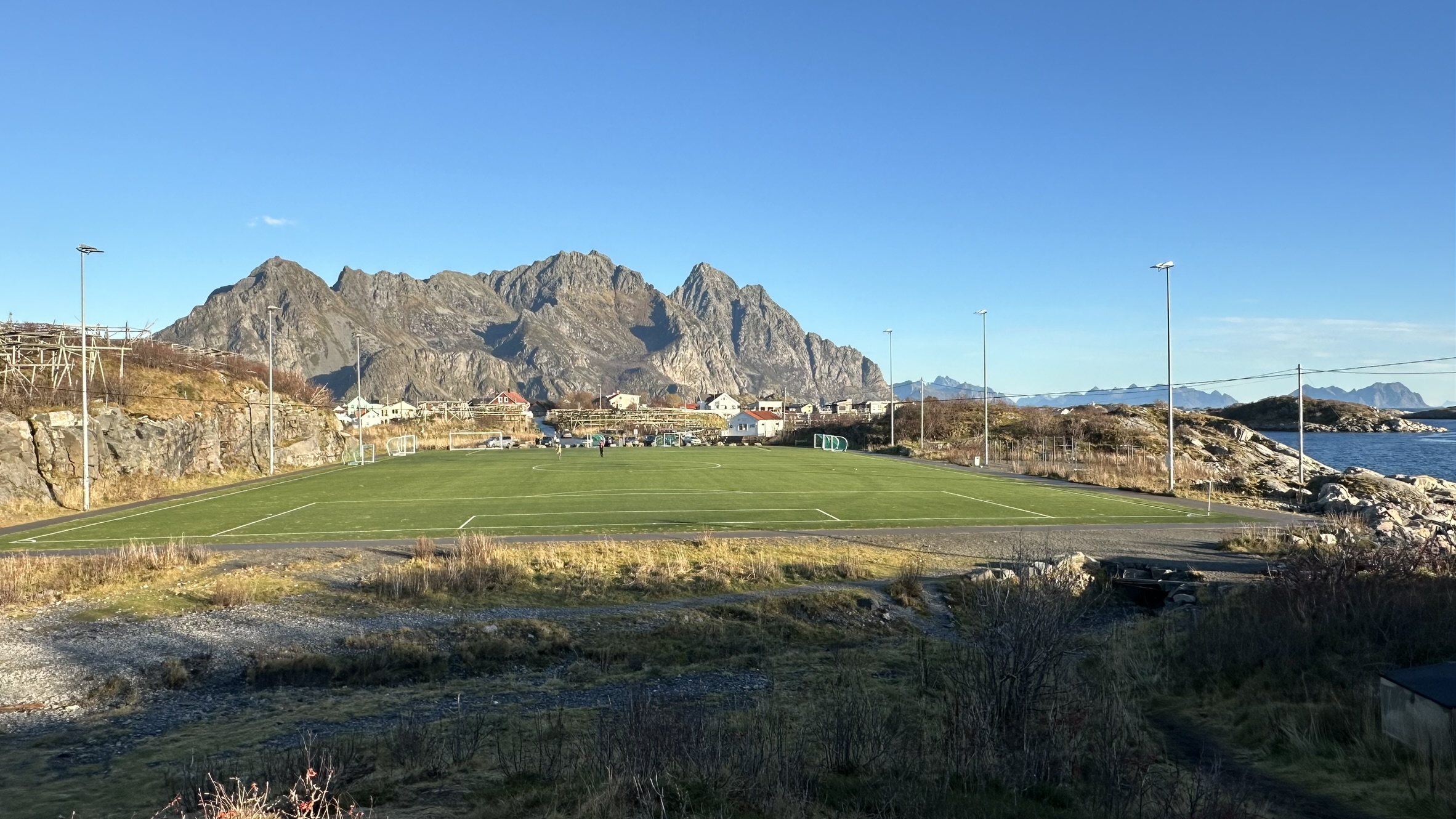
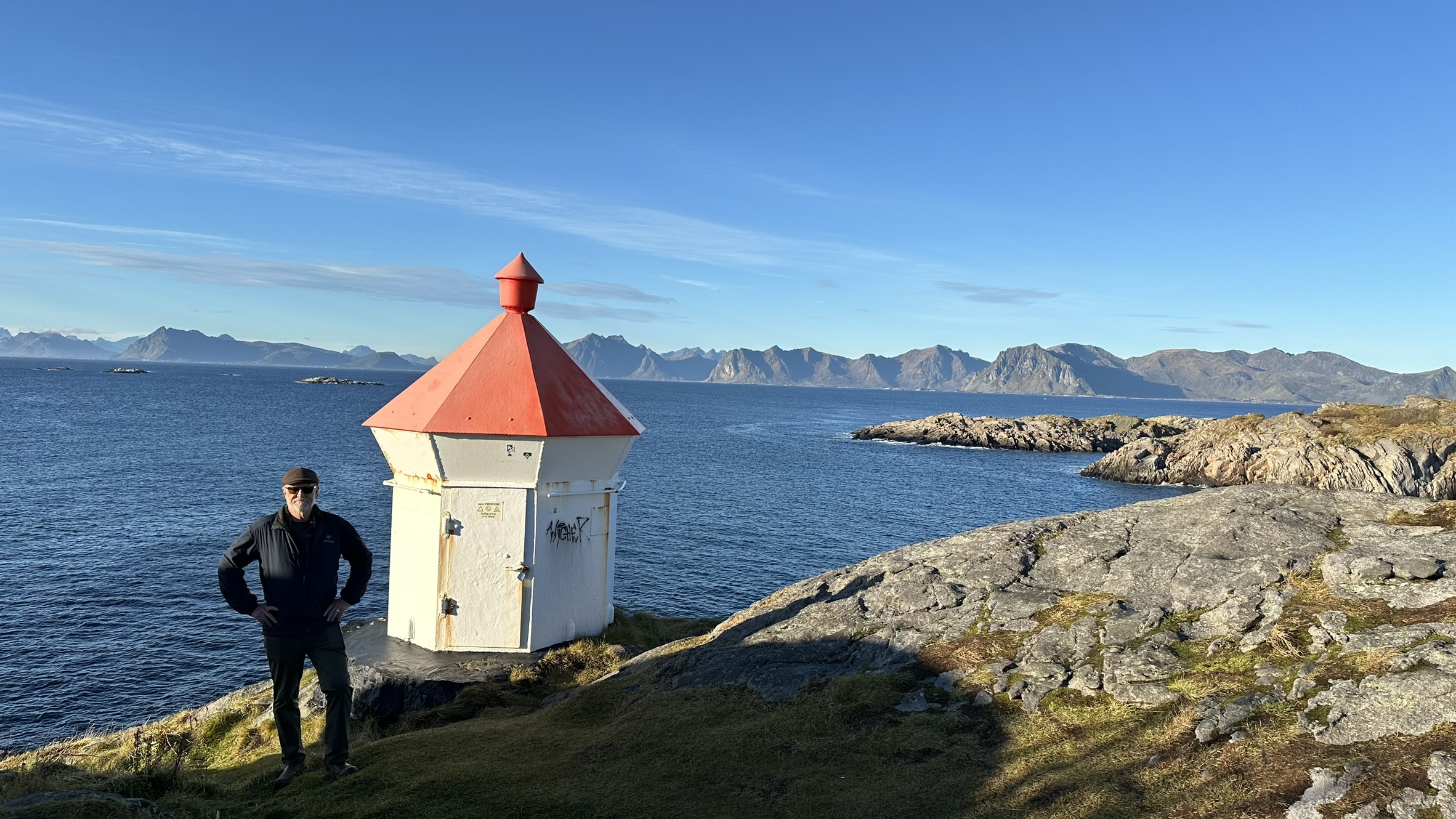
- While many people opt to stay in Henningsvær (the “Venice of Lofoten”), a charming fishing village 30 minutes south of Svolvær known for its scenery and artsy vibe, it makes a perfect day trip from Svolvær as well. A miniature archipelago in itself, he road in and out of Henningsvær is spectacular, seemingly carved out of rock along the water, and more than a little reminiscent of northwest Scotland. Fish drying racks are even more ubiquitous than saunas. They are everywhere. We enjoyed a great traditional Norwegian lunch at Fiskekrogen overlooking the water. Unfortunately, Kaviarfactory, an international venue for contemporary art we hoped to visit was closed.
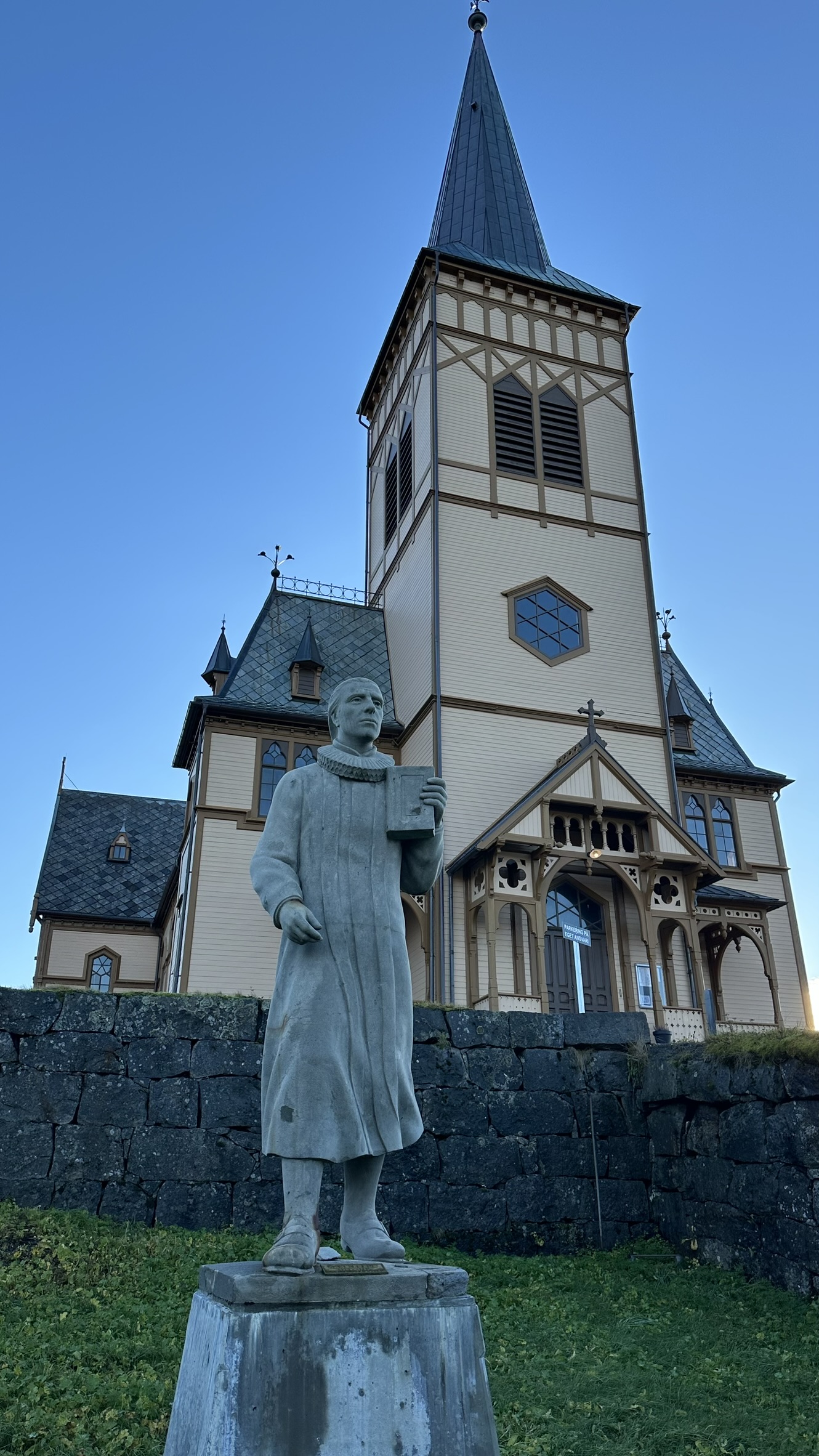
- The small village of Kabelvåg and its Vågan Church (aka Lofoten Cathedral), just a couple miles out of Svolvær, are worthwhile stops on the way to Henningsvær.

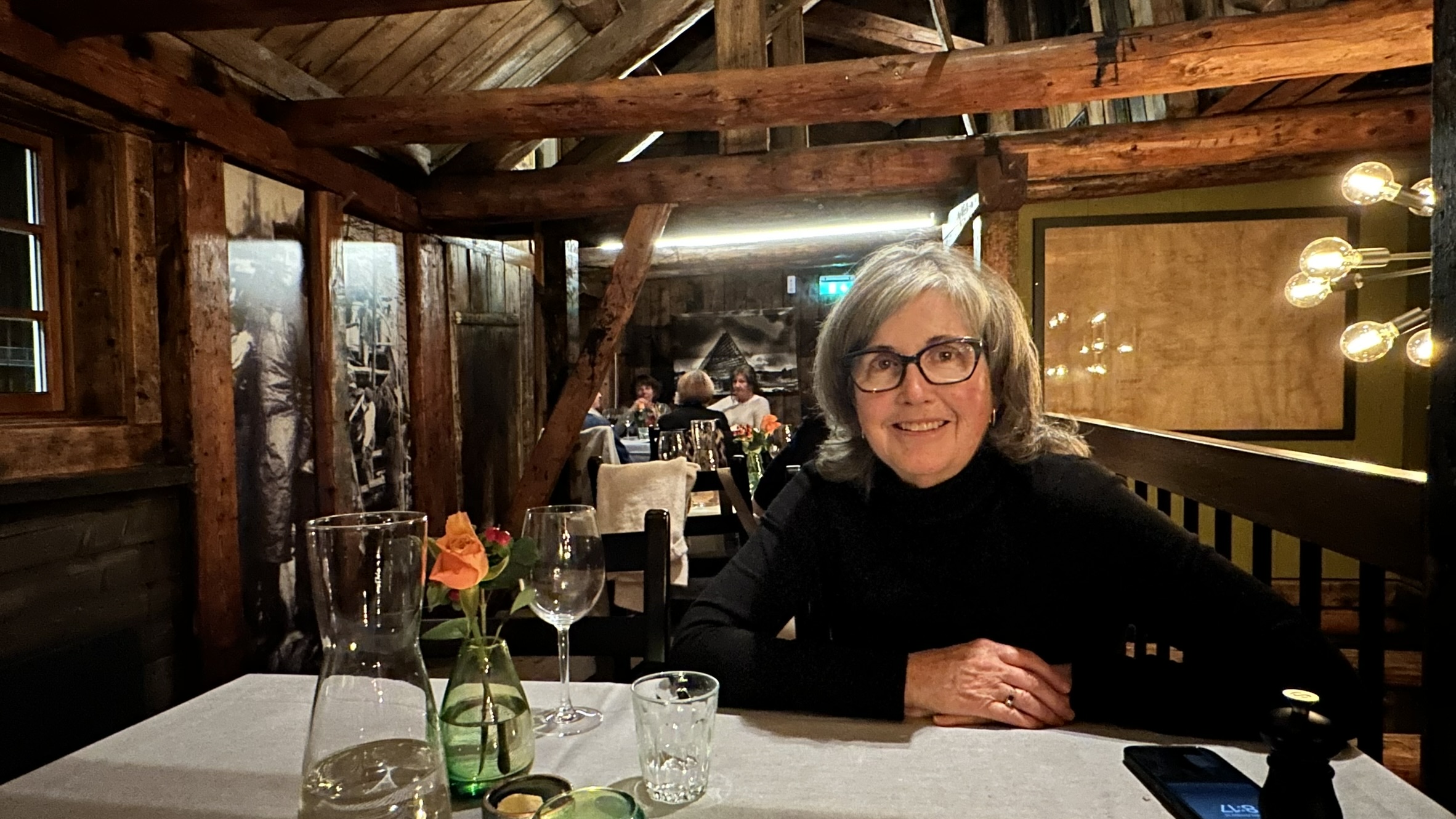
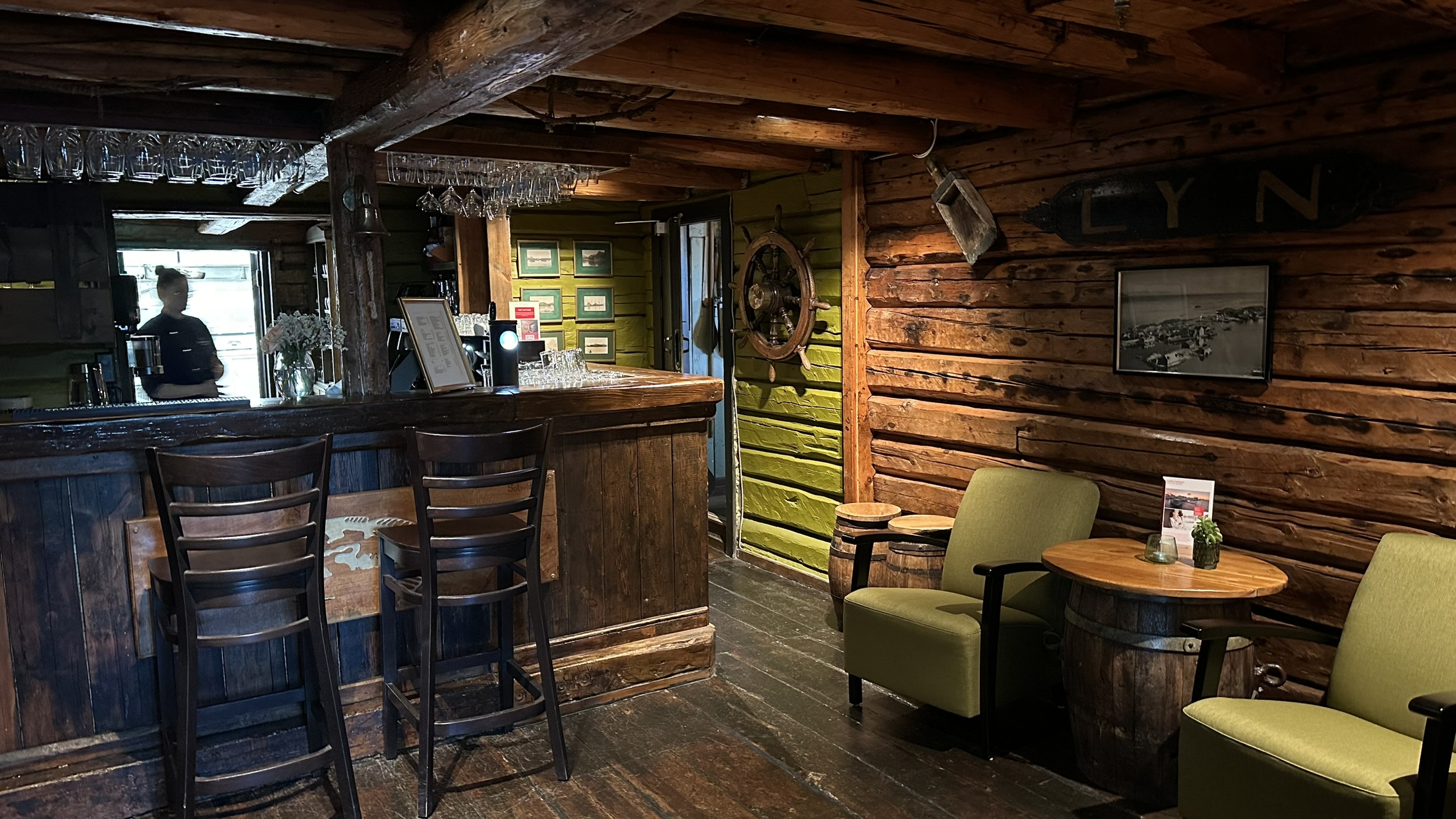
- Dinner at Svinoya Rorbuer’s atmospherically rustic on-site restaurant, Børsen Spiseri, was a real treat. Their specialty, stockfish, was delicious and the dining room a feast for the eyes in itself. A small, inviting bar greets you just inside the entrance. If you’re staying here, dining here is a must.
- When in Norway, the combination sauna and cold plunge into the sea, a brisk 51 degrees, is a must. Svinoya Rorbuer’s floating sauna sits just steps from the reception office and general store.
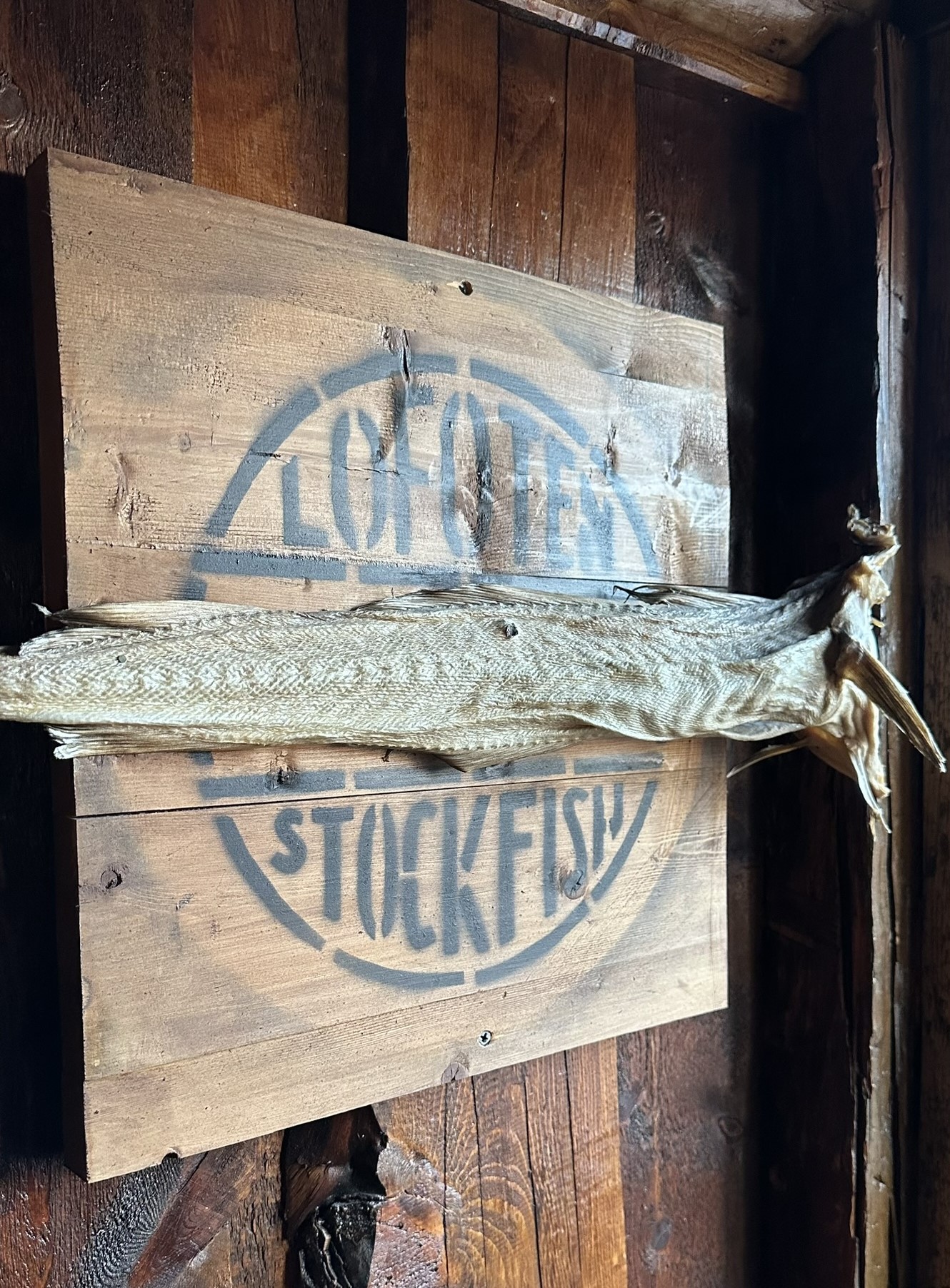
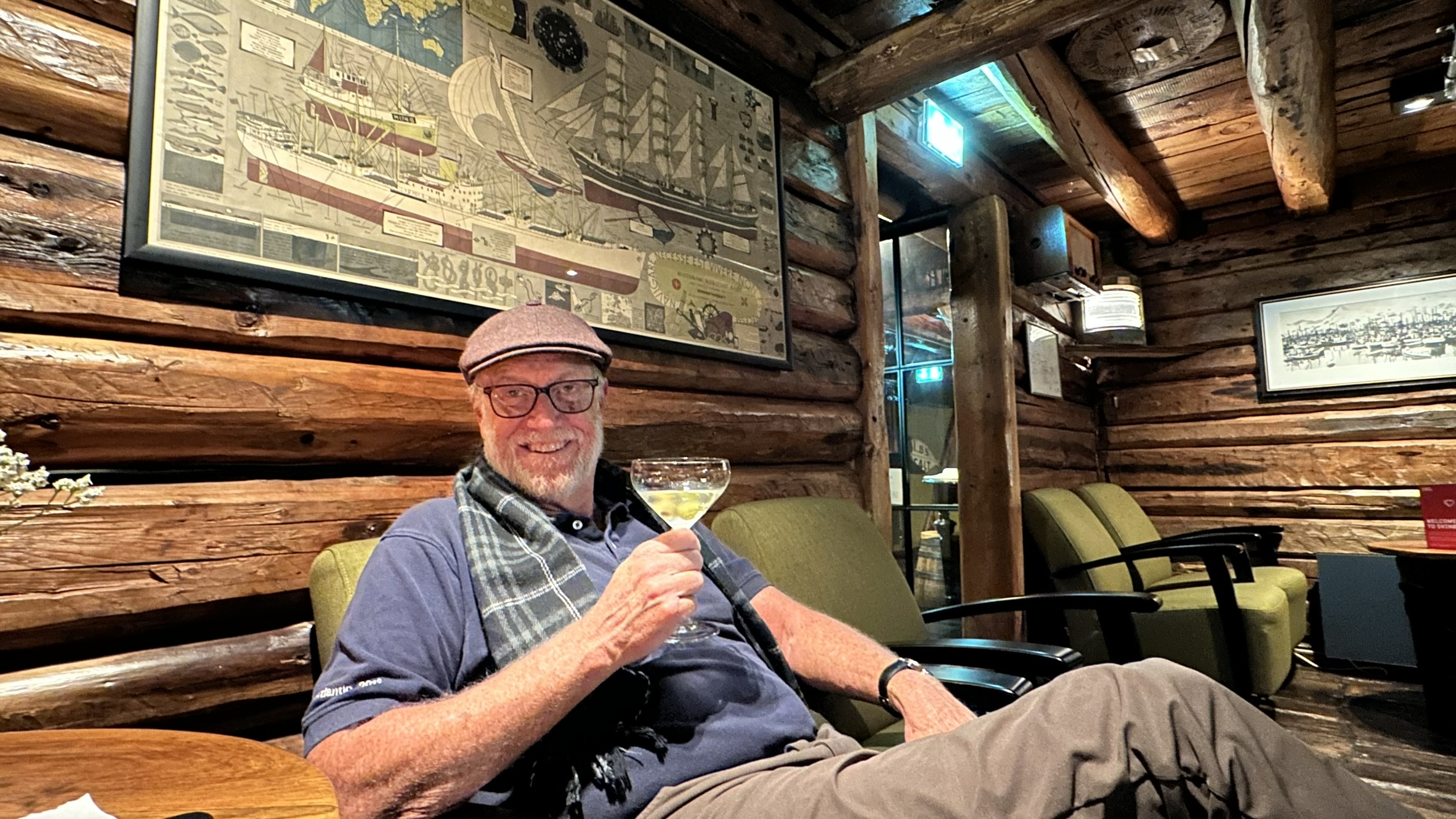
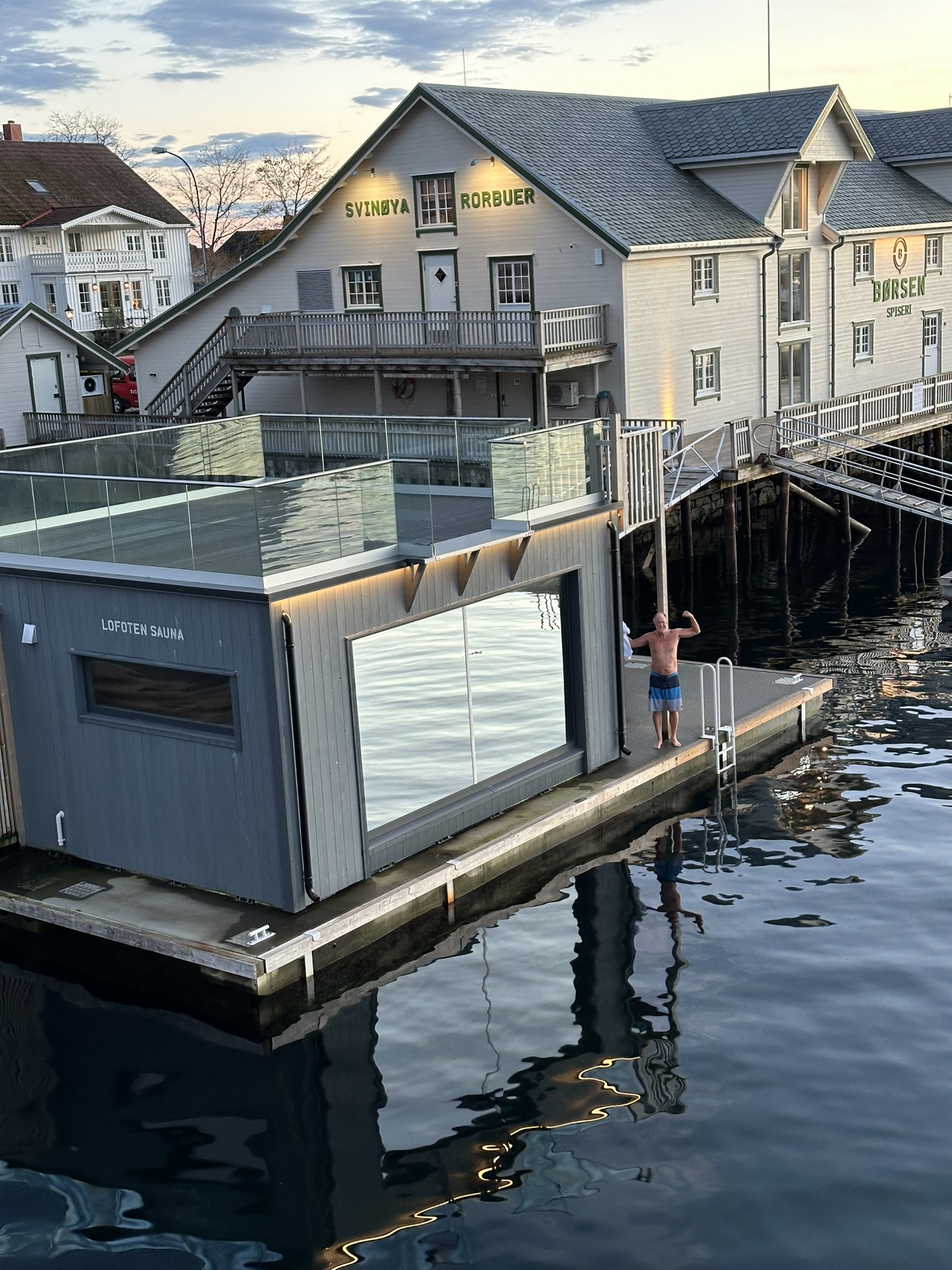
If there were two things I would have loved to do but our timing didn’t allow for, it would be hiking some of the magnificent trails in the area (especially Svolvaergeita, Robrobfossen, or Tjelbergtind) and popping into the Styrhuset Pub for a beer and some live blues. It’s also an amazingly beautiful ski destination in winter.
After two days in Svolvær, we continued our drive south towards the villages of Hamnøy, Reine and Å, the southernmost enclaves in the Lofoten Islands. A spectacular drive, the two-lane road traversing countless bridges and tunnels past mountains, fjords and beaches, it’s about two hours to Hamnøy taking the most direct route without stops, but what’s the rush when there is so much to see and explore! Top stops I recommend along the way include the Lofotr Viking Museum, which resembles an overturned ship from the outside just along the highway, and the fishing villages of Ballstad or Nusfjord. If you have more time, I’ve heard several beaches along the way are quite stunning, and we did see surfers as we drove one such beach.
We chose Nusfjord, a UNESCO World Heritage Site tucked into the mountains at the end of a deep, steep and narrow fjord. The entire village functions like an open-air museum attracting lots of tourists (unfortunately), and they charge a fairly hefty entry fee just to walk around. So, we saved a little money (kinda silly when you think about it), opting instead to scramble up an escarpment overlooking the village to take in the view.

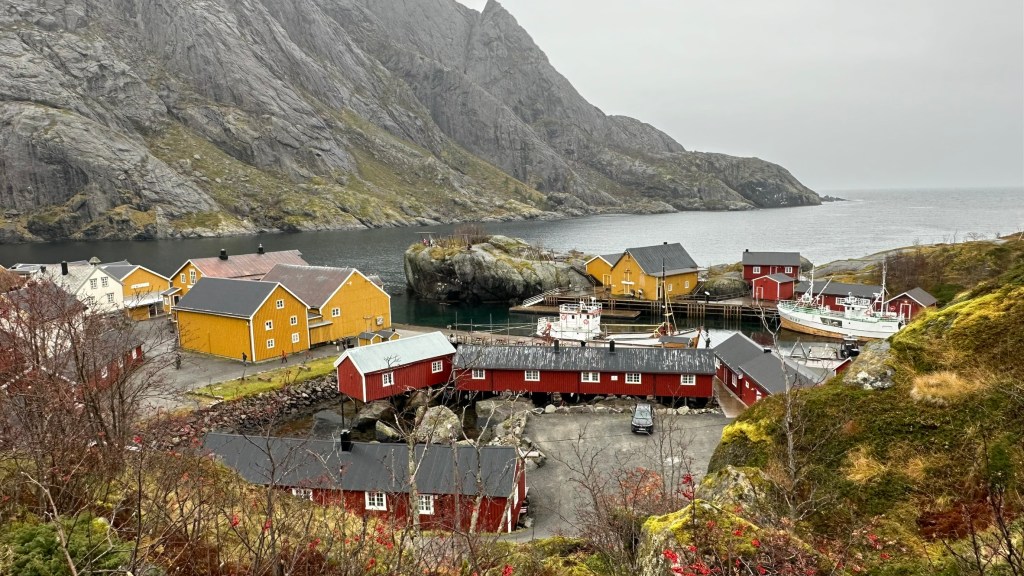
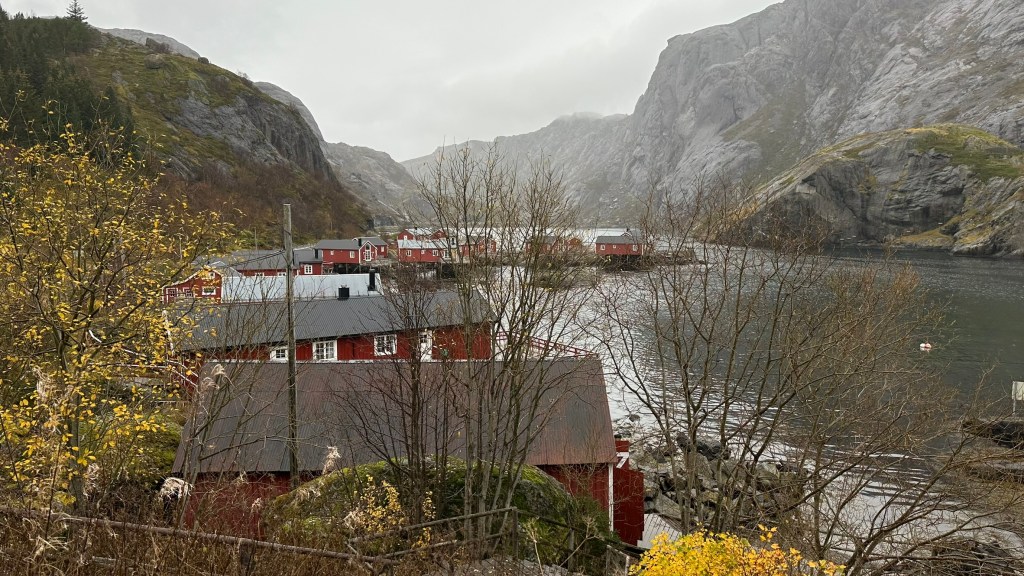
Continuing our drive another 40 minutes south, we reached the fishing village of Hamnøy, tucked on a tiny peninsula where Reinefjord meets the Norwegian Sea alongside its slightly more populous and well-known neighbors Reine and Sakrisøya. Together they are the most photographed region of the Lofoten Islands, and the entire surrounding area is a national park. Any one of the rorbuer in this area would be terrific, but we really liked Reinefjorden Sjøhus because of its smaller size and location. Here’s my review.
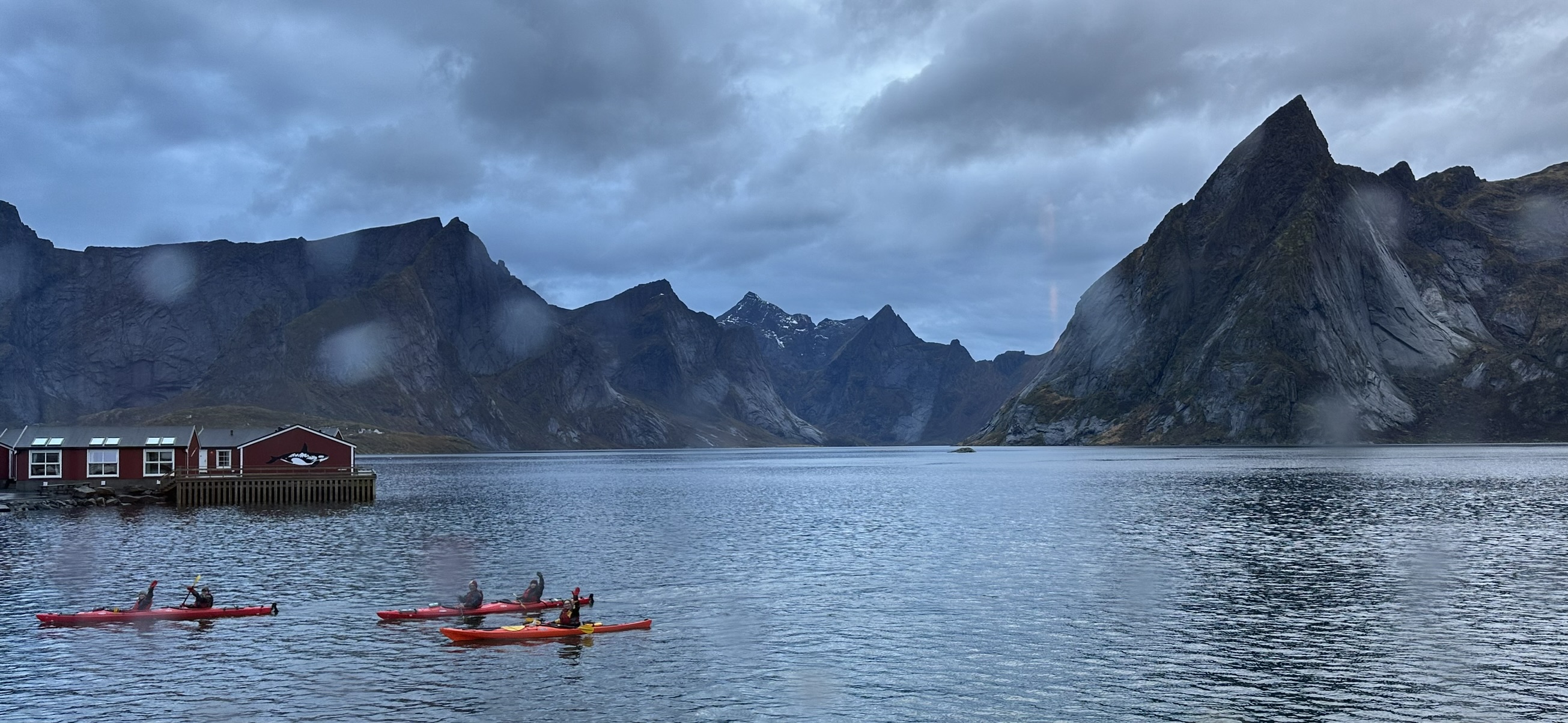
Highlights from our two days here included:
- Anita’s Seafood on the little island of Sakrisøya was terrific. Not only did we have lunch there, but it was our regular morning coffee and pastry stop as well. Their chowder is delicious, and the displays of monkfish heads and dried stockfish piled high were impressive, if not a touch bizarre. Says a lot about the culture, I’d venture.
- Ä, about 10 miles south, is the very southernmost village in the Lofotens. It’s also very picturesque, but by now all these red rorbuer villages do begin to look very similar. We skipped the Norwegian Fishing Village Museum there, choosing instead to walk around the village and see how the locals live.
- One of the coolest things I saw in Ä, right outside the museum, was an incredibly detailed metal sculpture that tells the story of the infamous maelstrom between the southern tip of the Lofoten Islands and the island of Værøy. This maelstrom is said to be the most powerful on earth; seafarers have feared it for centuries and legend tells it is created by a giant octopus to drag ships down for its dinner. It was, in fact, the inspiration for Edgar Allen Poe’s “A Descent into the Maelström”.
- The end of the road past Ä leads through one last tunnel to a wild, open space where you can hike across shallow, rocky marshland to views of the rugged coastline out toward Værøy and the mainland across the Norwegian Sea. During our visit, the area was cloaked in high fog and autumn had turned the grasses and trees all manner of gold, orange, green and brown, quite spectacular.
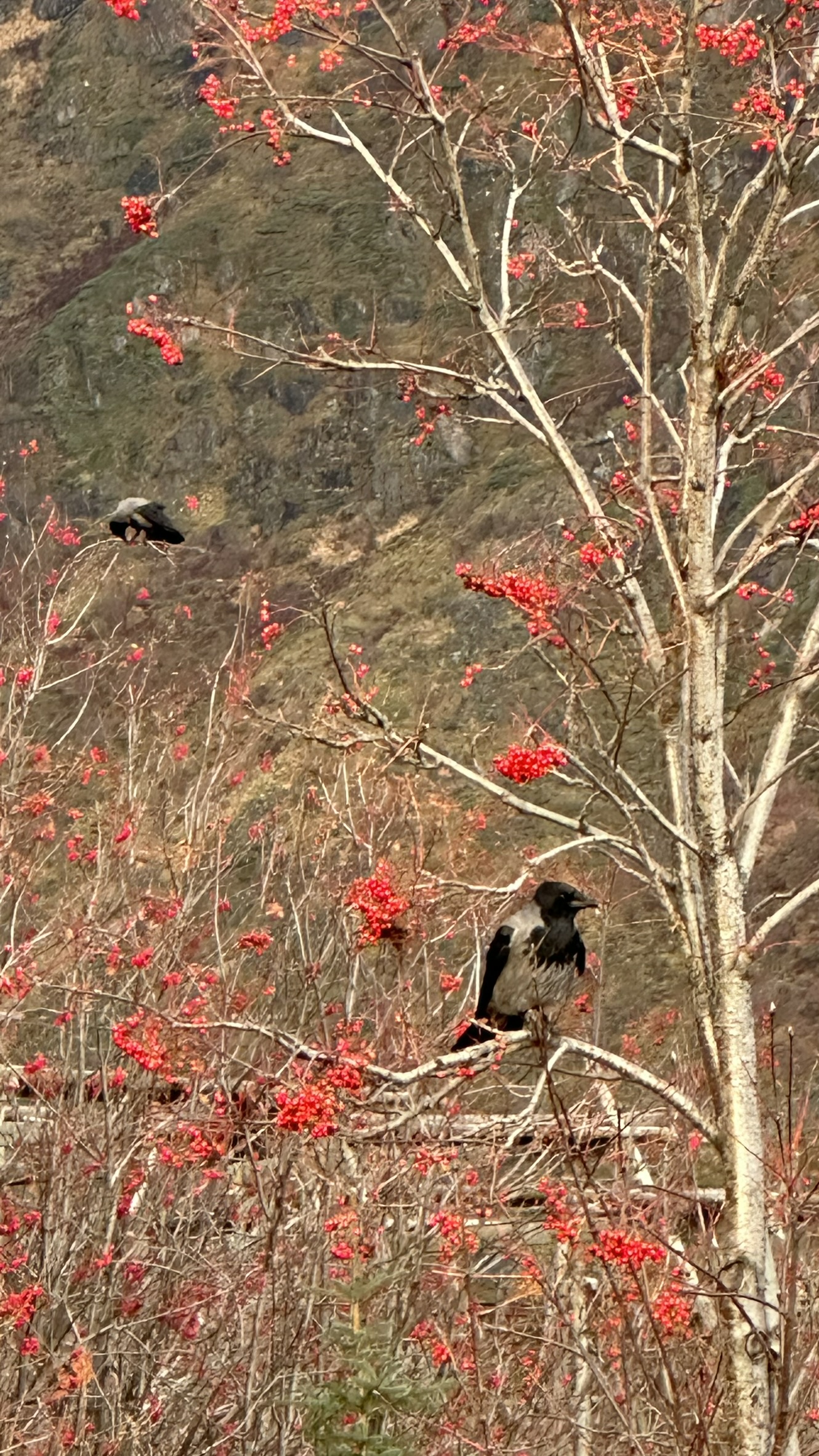
- There are amazing hikes everywhere, with the most famous being Reinebringen for its drop-dead views over Reine and Reinefjorden. The route up is very challenging, and given the cold, wet weather we settled for a nice, easy loop hike around Sørvågvatnet, a small lake with trails that branch further into the mountain wilderness and, much closer, a nice waterfall. Keep an eye out for Pied Flycatchers eating Rowan Berries on trees all around here.
- Dinner at Maren Anna in Sørvågen, between Reine and Ä, was very good. Naturally, seafood is their specialty, though their seasonal menu has other offerings as well. I’ve heard Brygga Restaurant in Å is good, too.
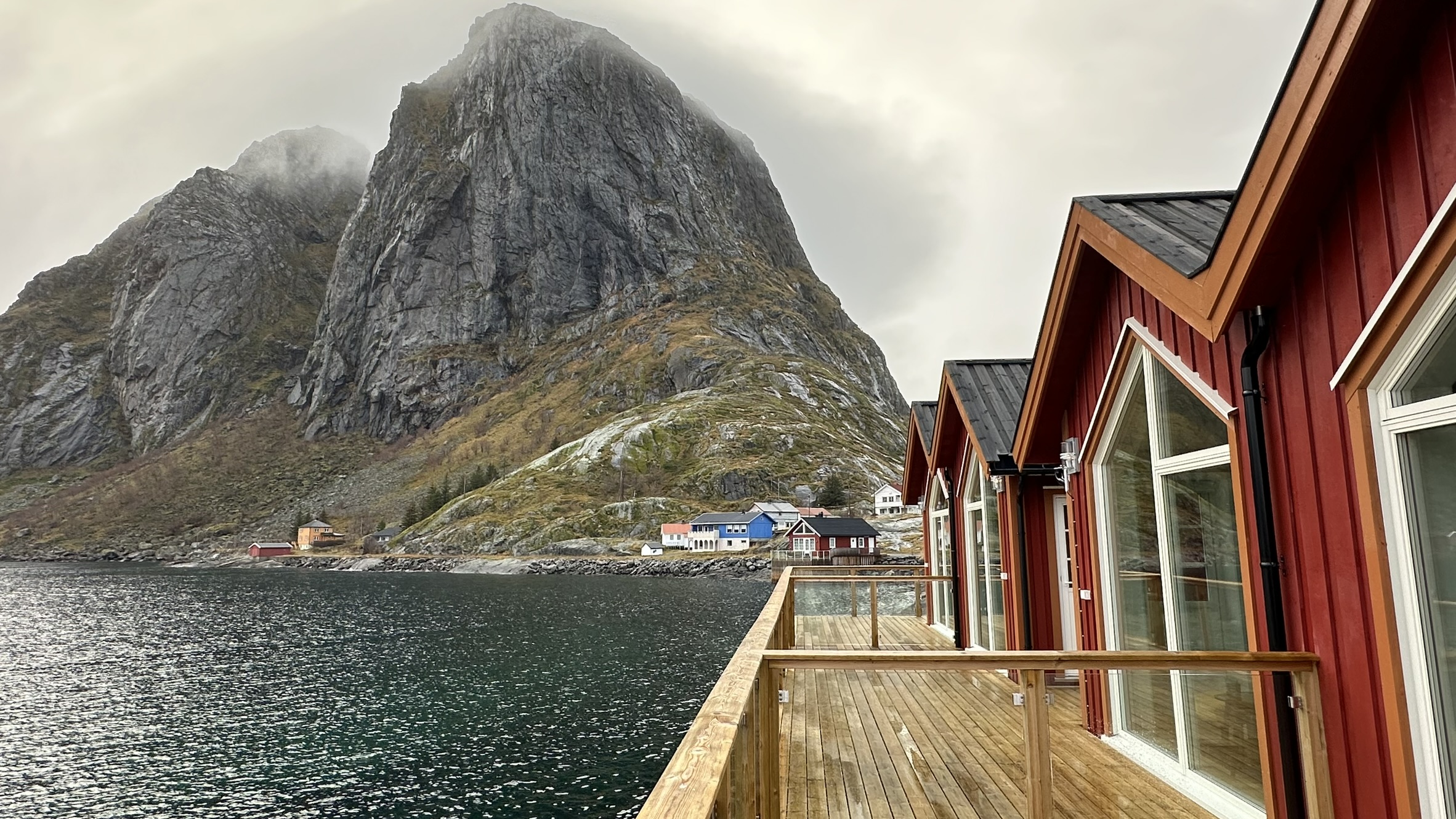
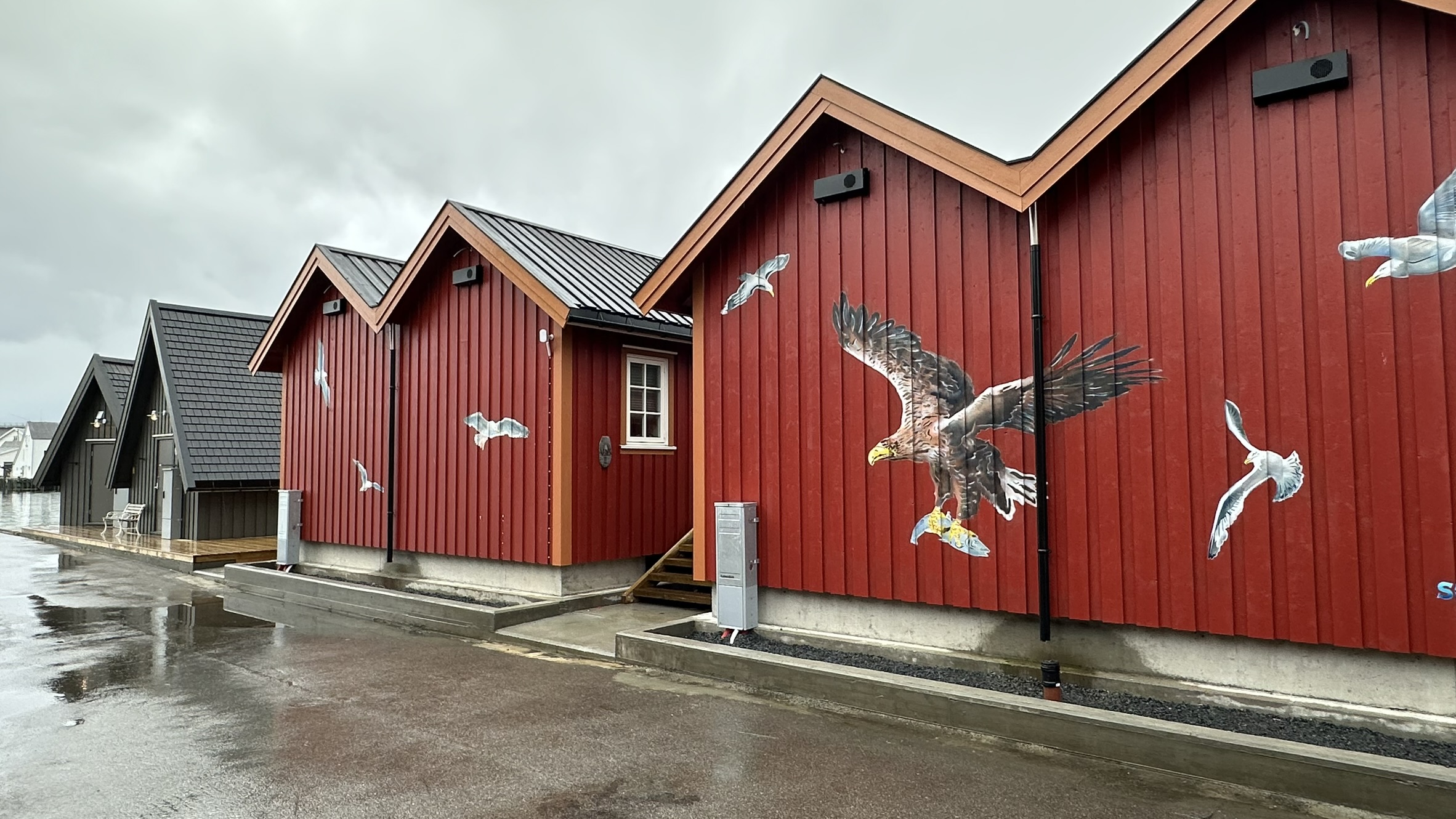
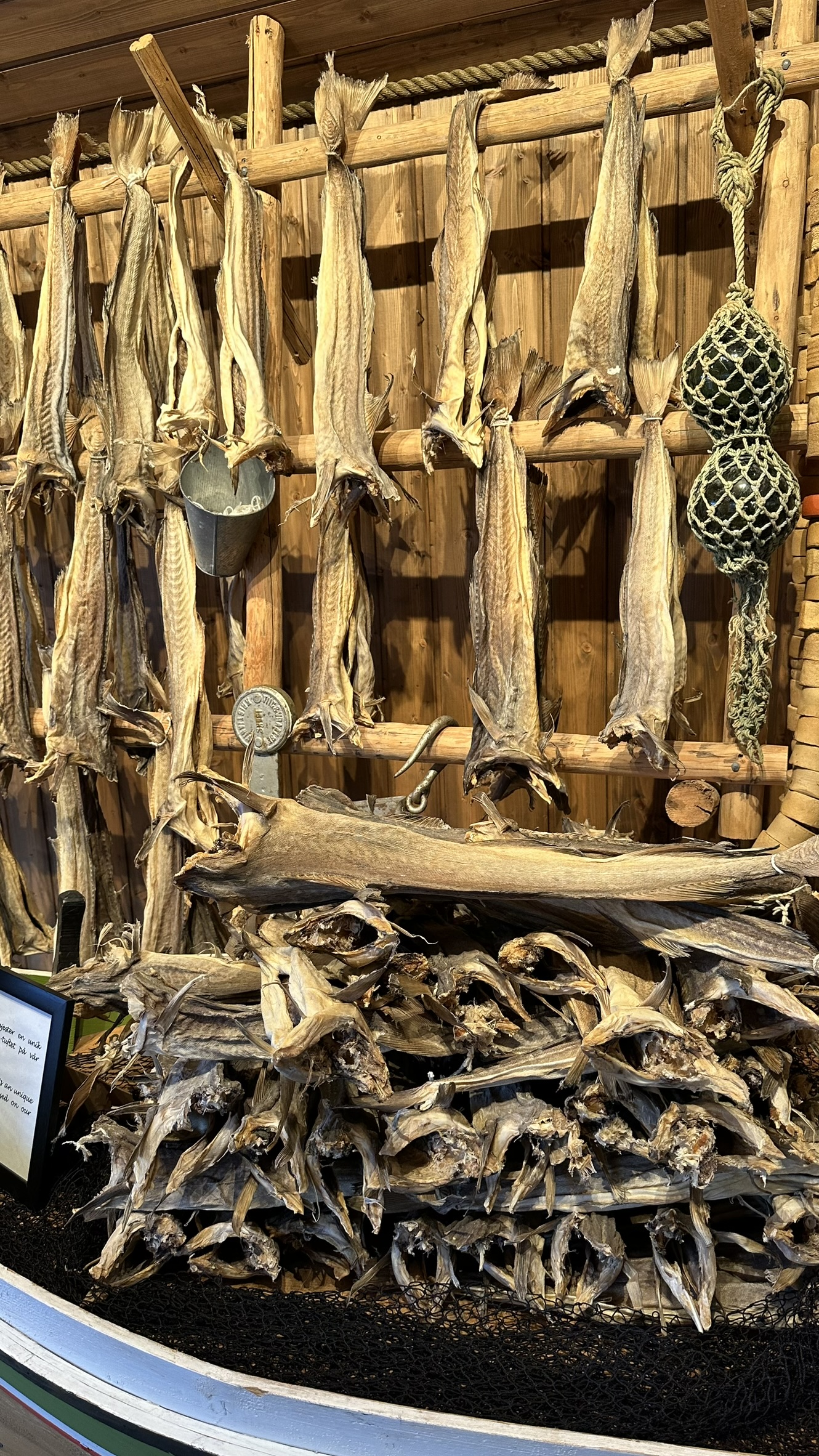
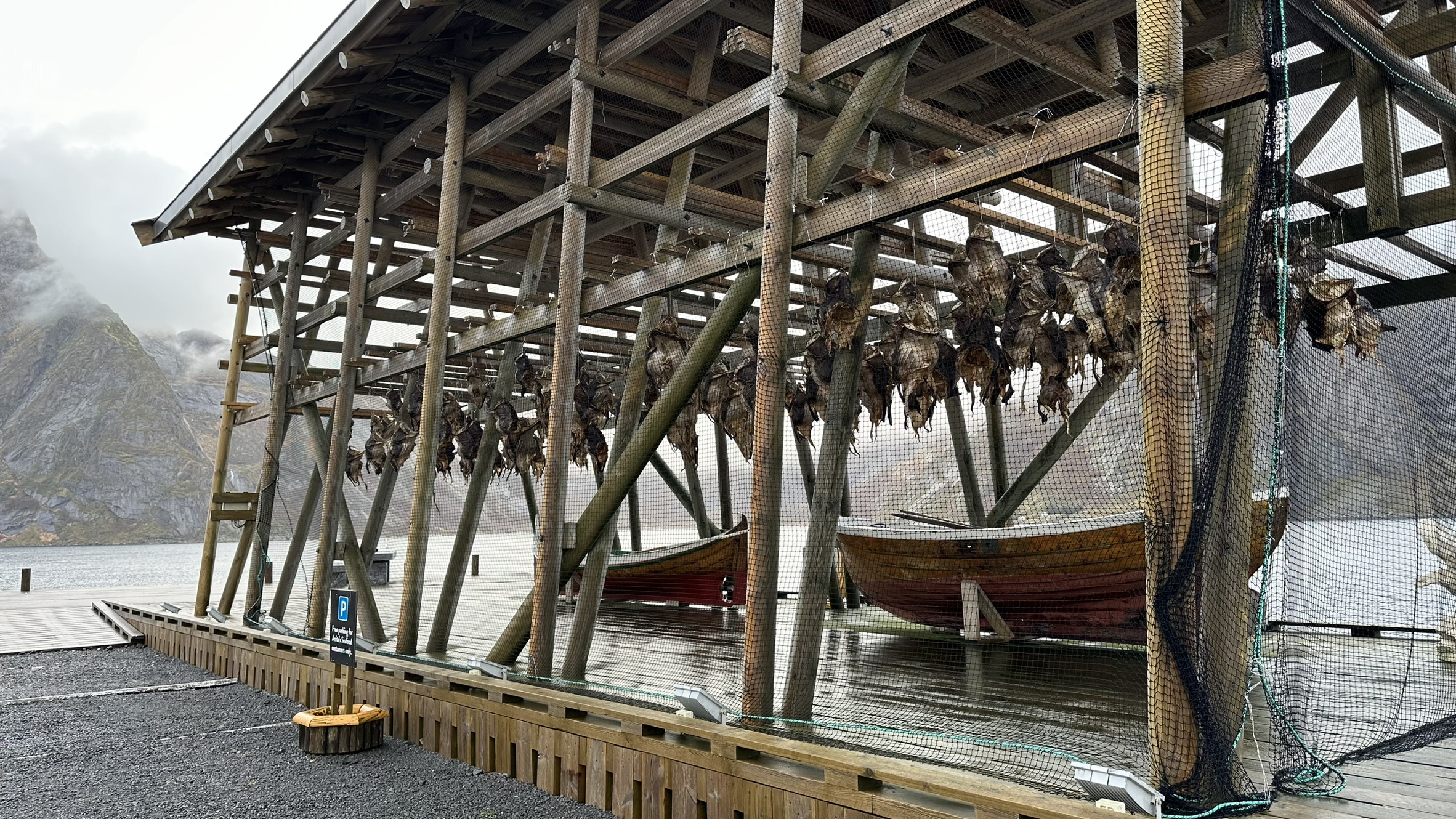
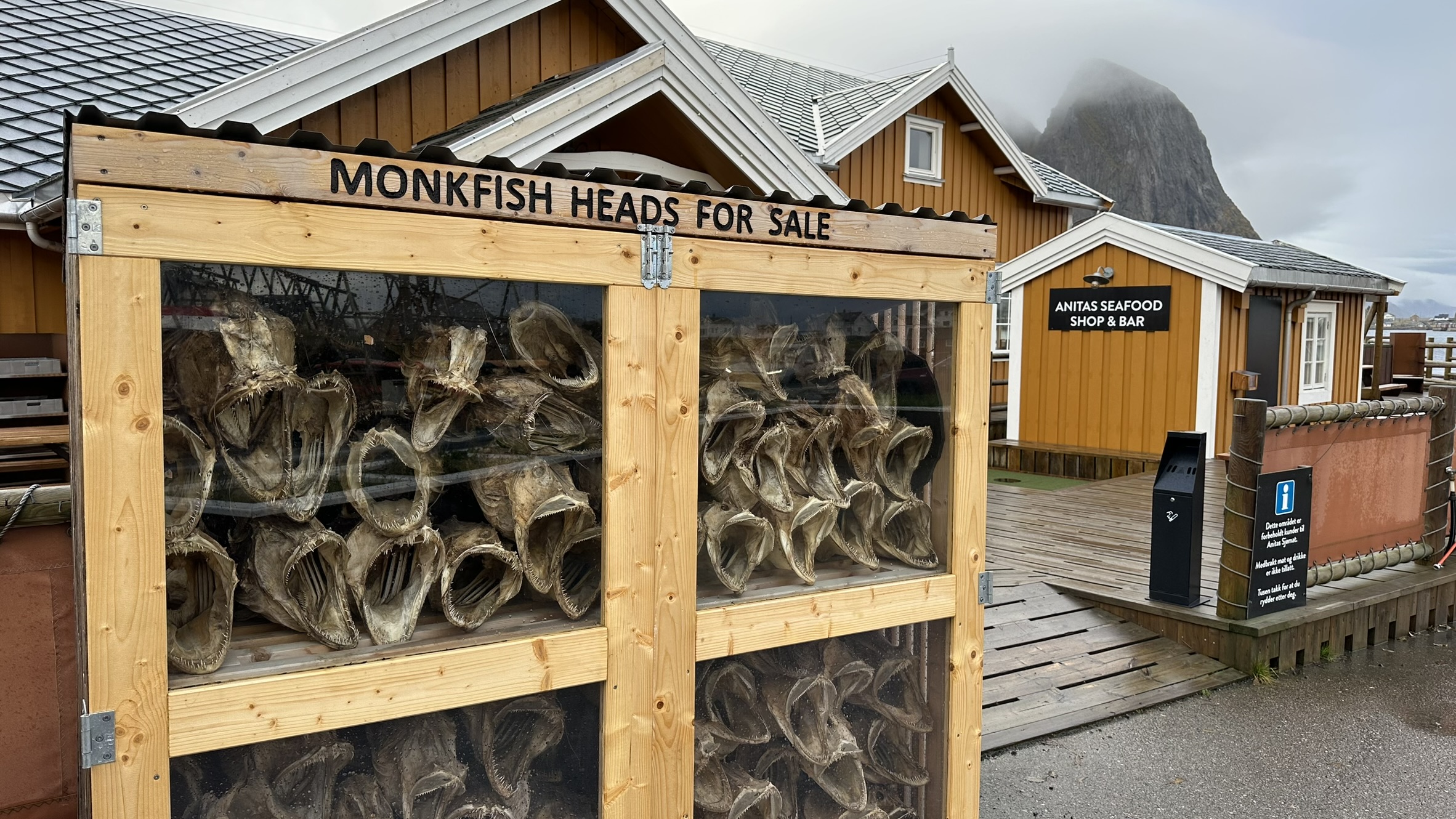
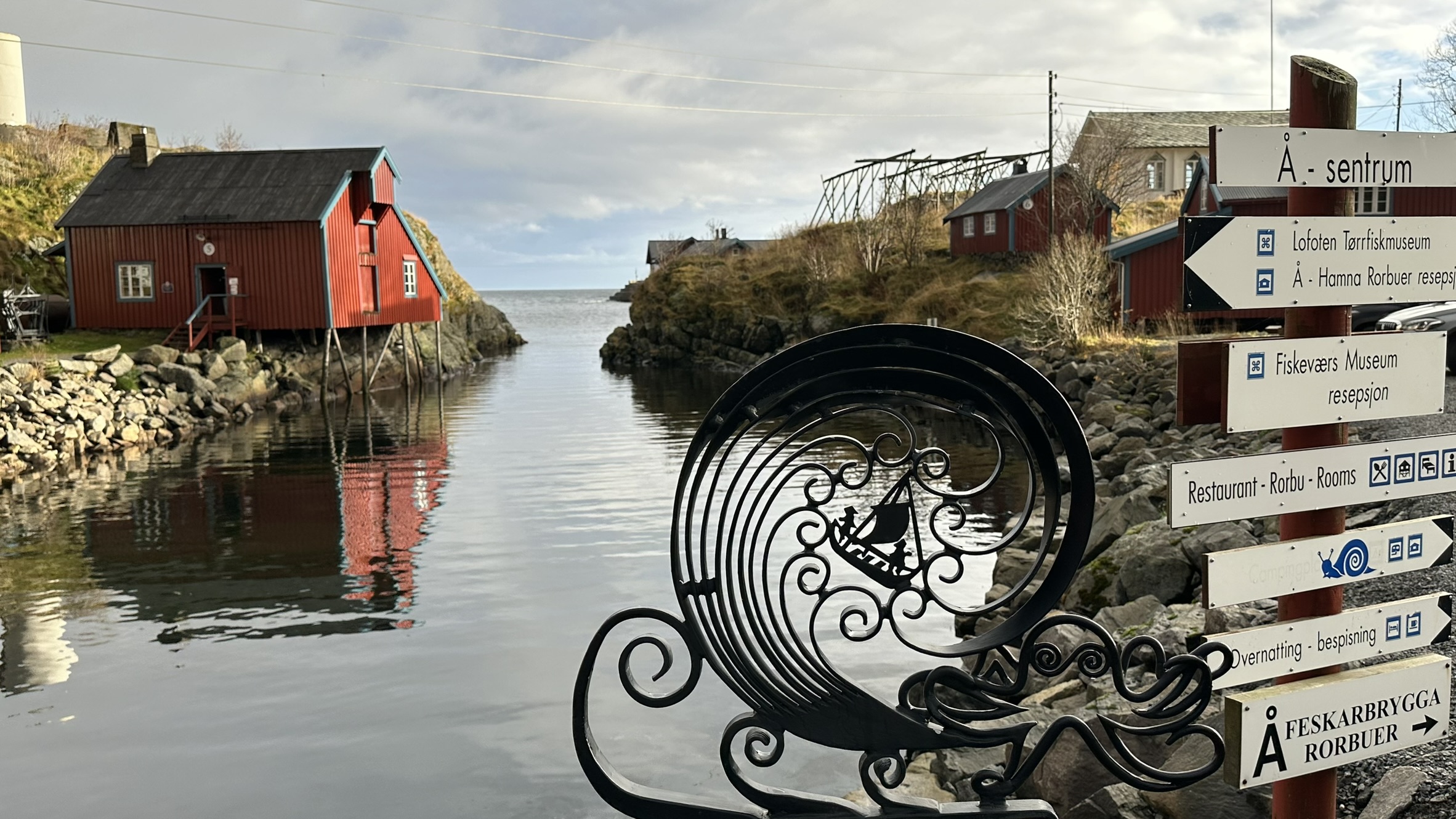
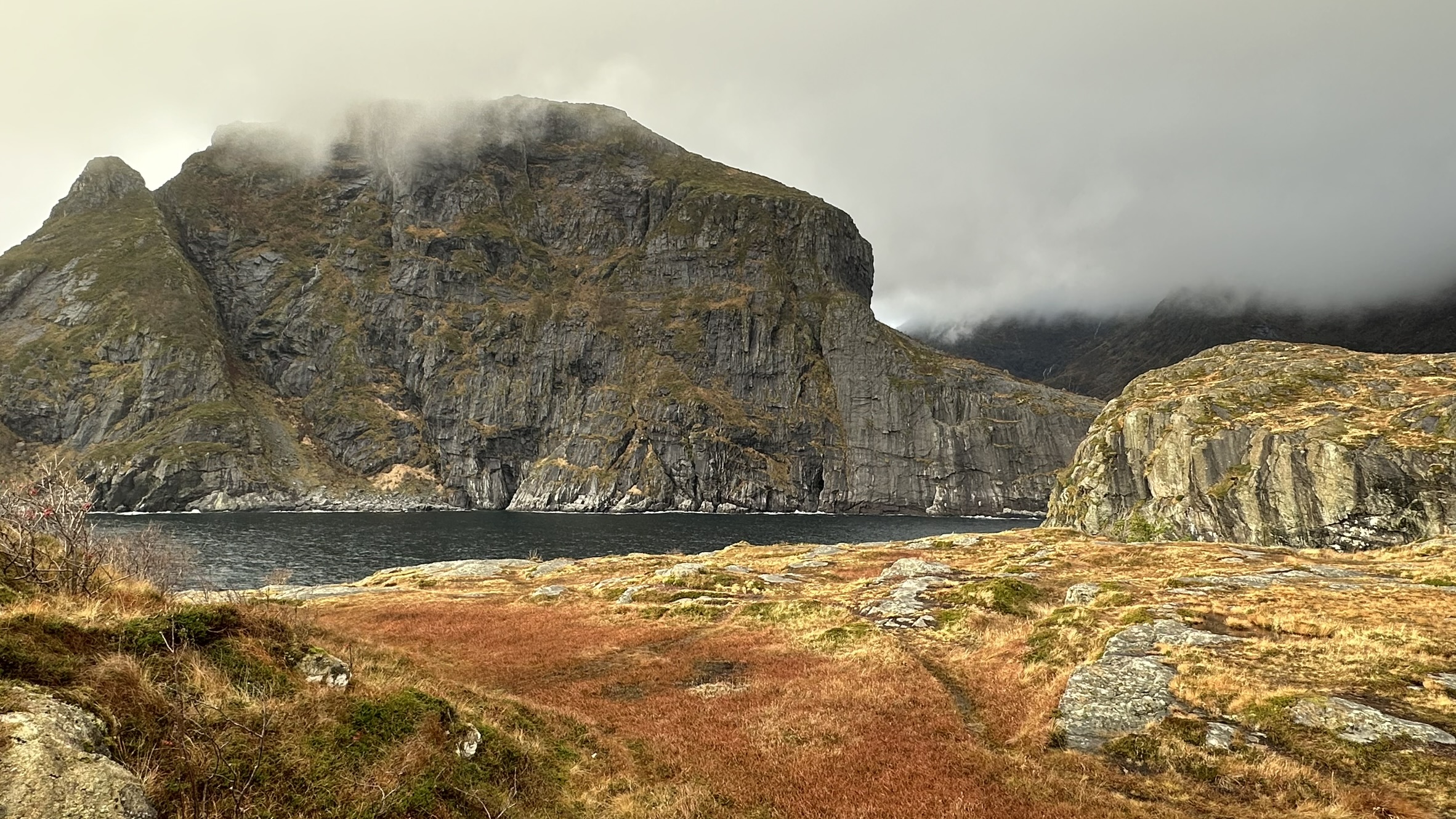
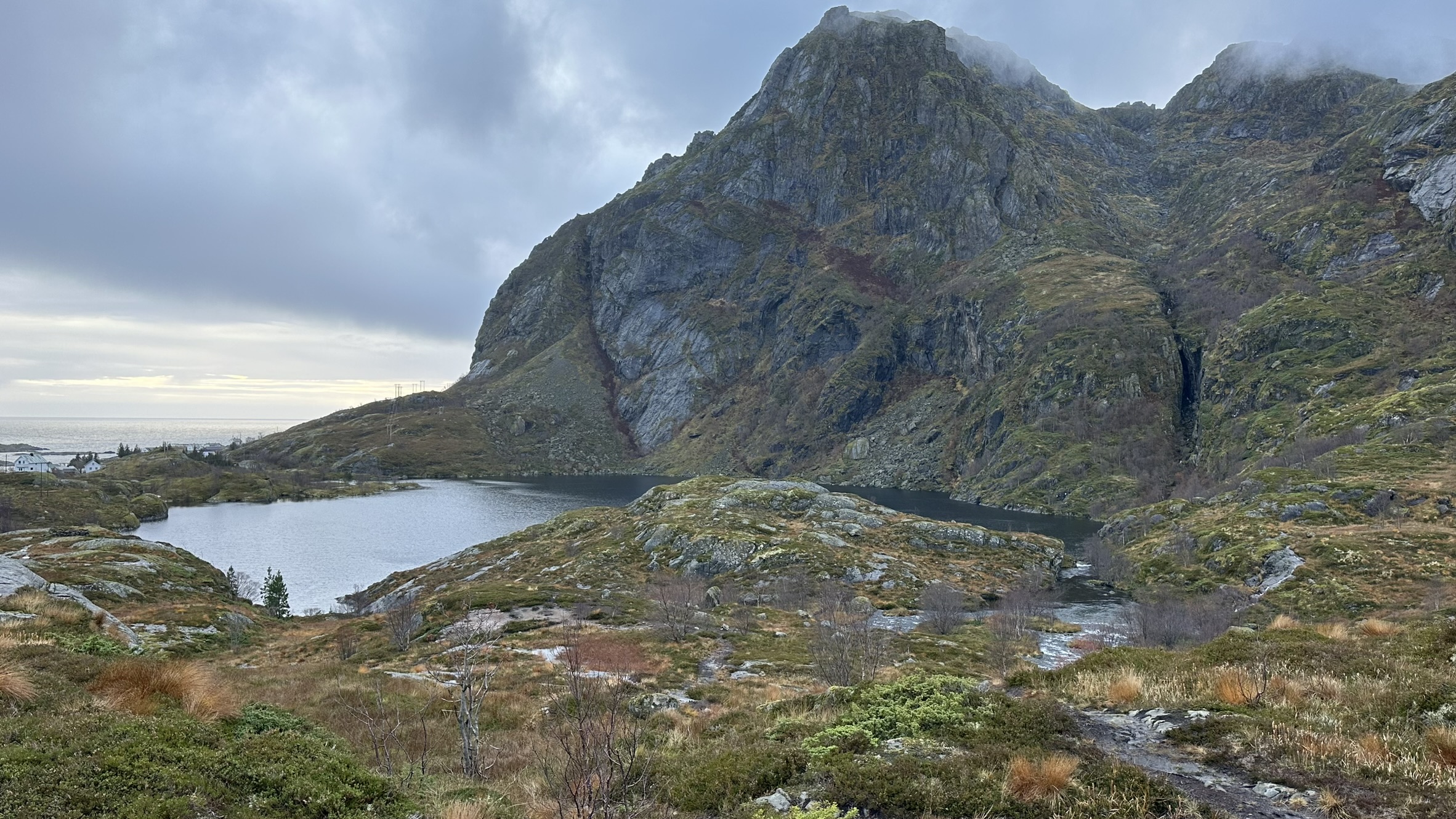
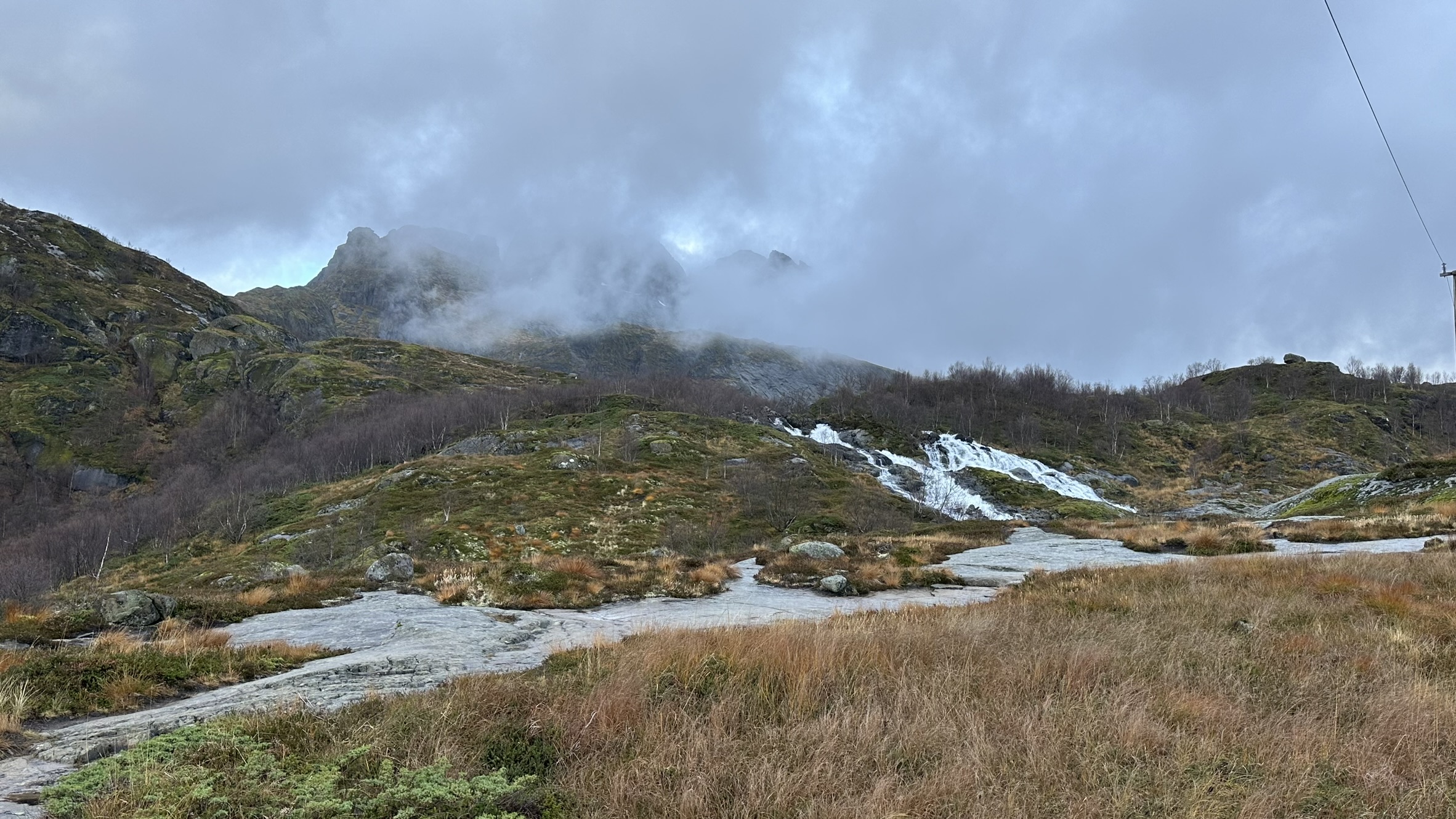

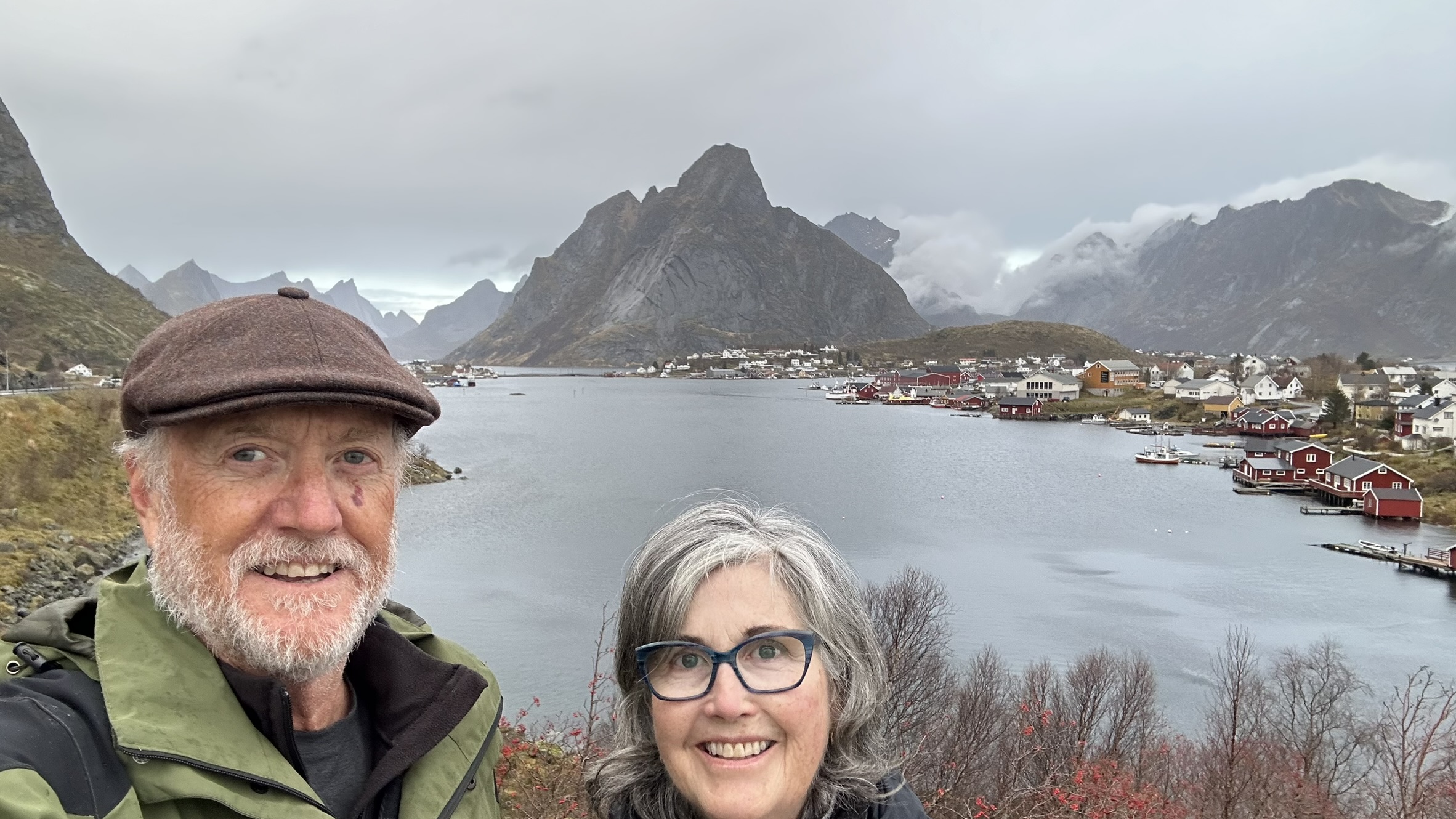
Overall, four days gave us a pretty good taste of Lofoten Islands magic, though it would be easy to spend much more time here, especially in summertime when good weather would make hiking into the mountains or venturing out onto the water more inviting. On reflection, it was easily the most beautiful and dramatic destination we visited in Norway. The best stuff always takes a bit of work, but so worth it.
| Days 27-29 | Lofoten to Oslo via Trondheim | See lodging details below |
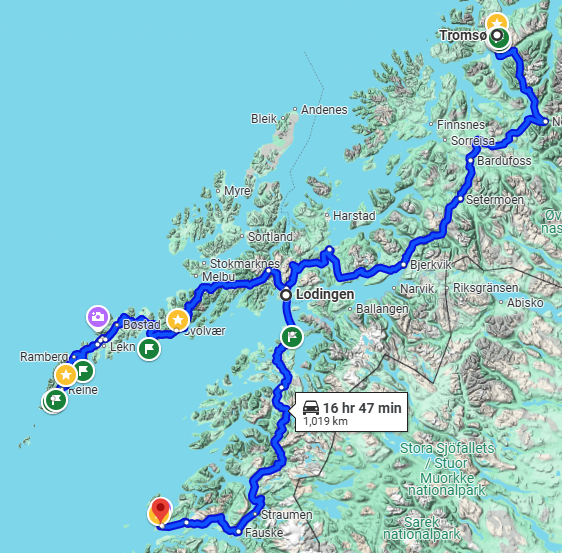
To mix things up a bit, we planned to make the penultimate leg of our Scandinavian/Nordic adventure — the long journey south back to Denmark (about 1,000 miles) — largely by rail. The first bit involved crossing the Norwegian Sea by ferry from Lofoten to Bodø, then a 10-hour train trip from Bodø to Trondheim, where we would chill for a couple days before moving on.
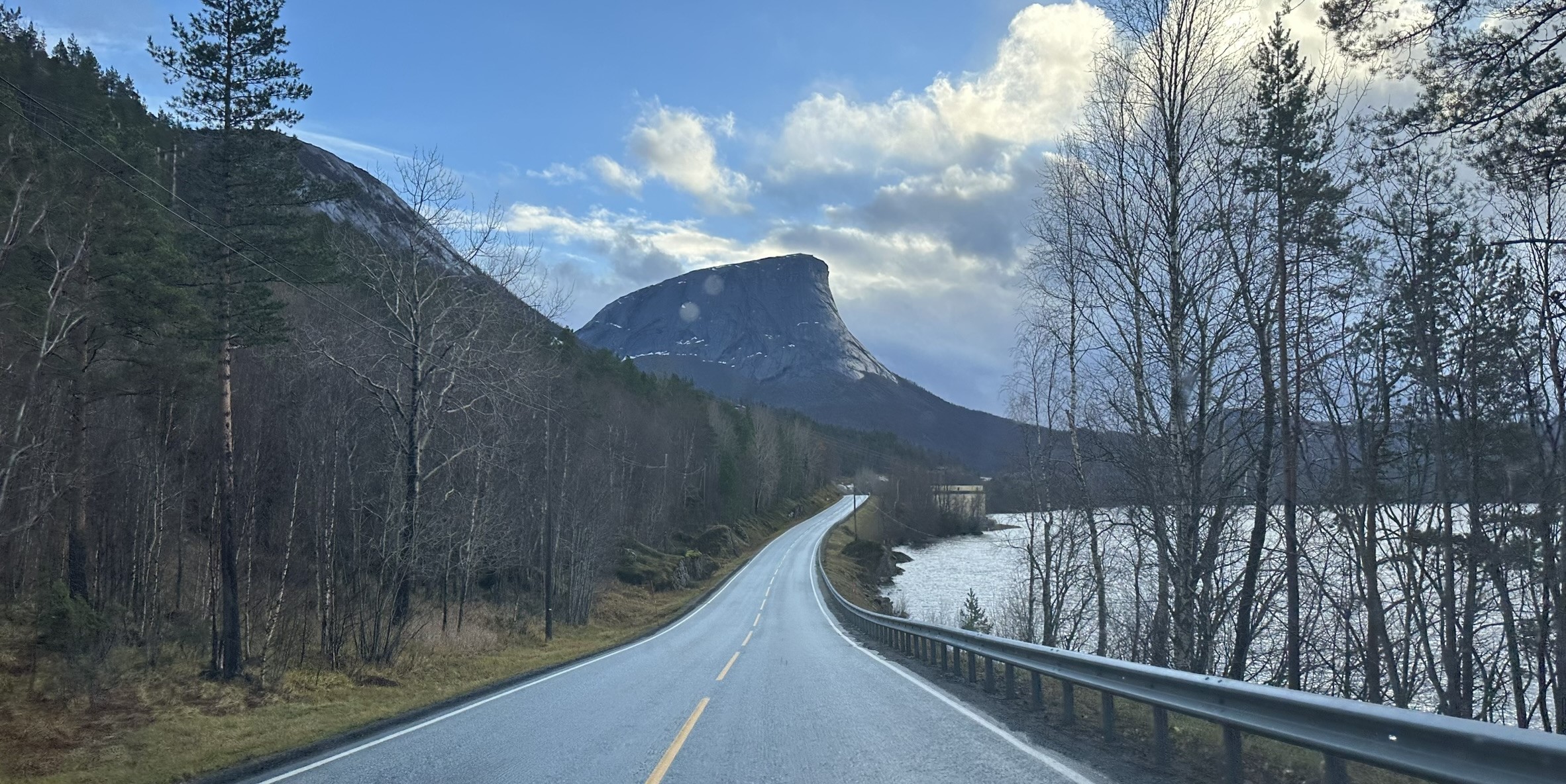
Eisenhower famously said, “No plan survives first contact with the enemy”, and in our case the enemy was weather. Our ferry was cancelled by a huge storm bringing 50mph winds and 4-6 meter seas, though we had already put the kabosh on that once we saw the weather forecast, opting instead to drive 7 hours back up the Lofotens and down the other side of the Norwegian mainland to Bodø. Turns out that was a blessing in disguise, as the drive took us through hours of spectacular scenery, downright Yosemite-like in places, before spending an unplanned night in Bodø and catching the train to Trondheim the next day. While we had only one night in Trondheim, we had fun exploring the town, got in a nice hike, and rewarded ourselves for our “trouble” with our most extravagant dinner of the trip.
| Duration | Destination | Where We Stayed |
|---|---|---|
| 1 day | Bodø, Norway | Quality Hotel Ramsalt |
| 1 day | Trondheim, Norway | Brittania Hotel |
| 1 day | Oslo, Norway | Train sleeping car |
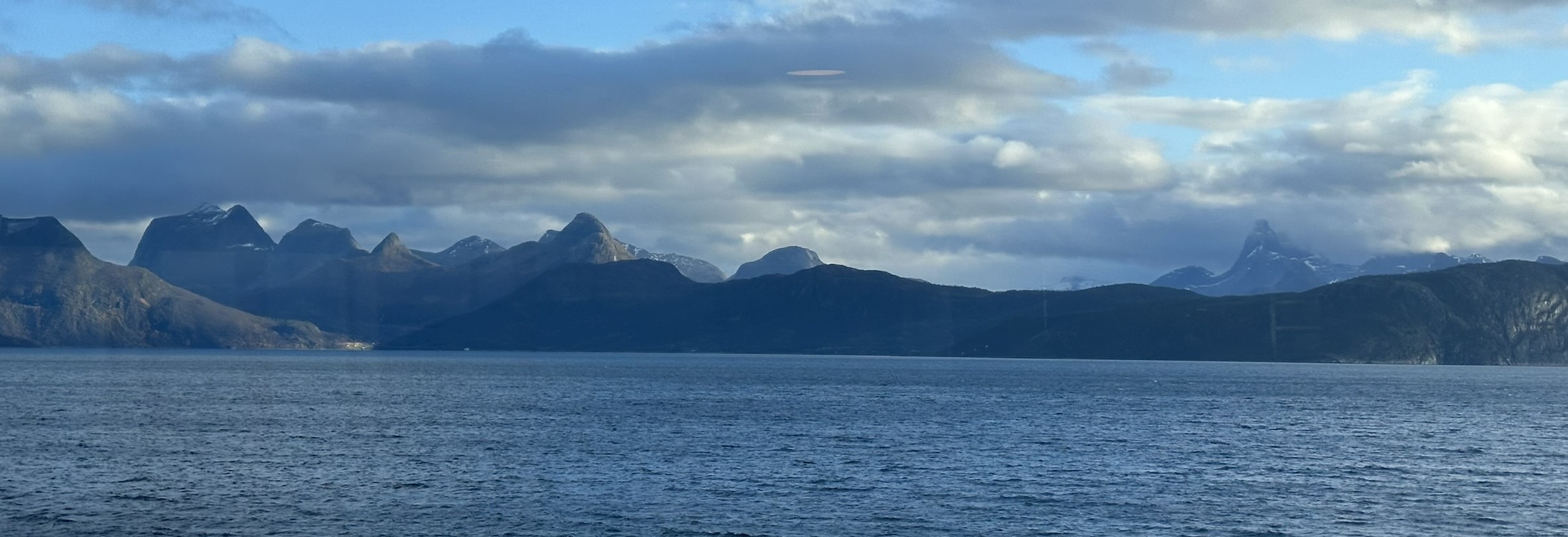
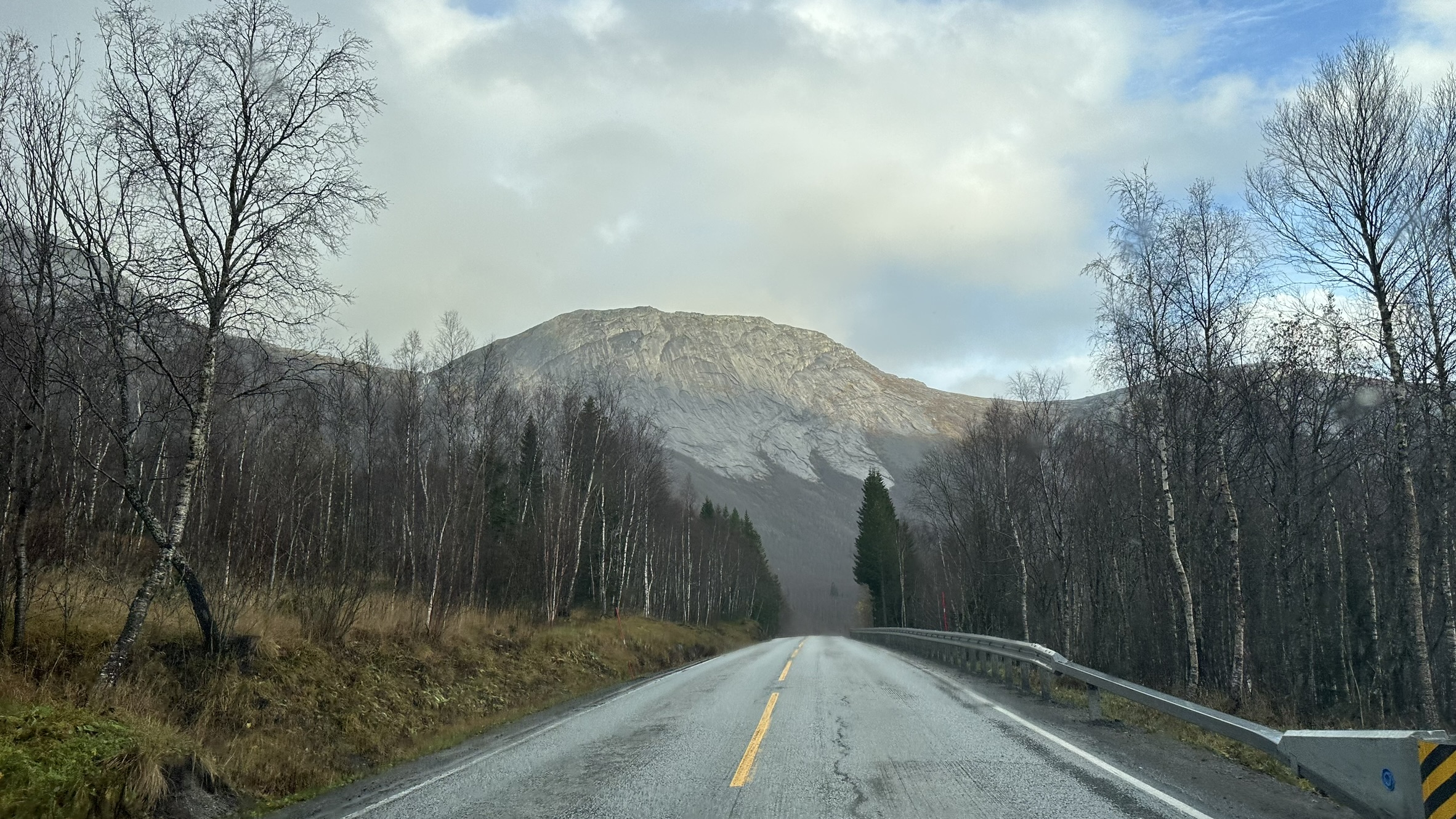
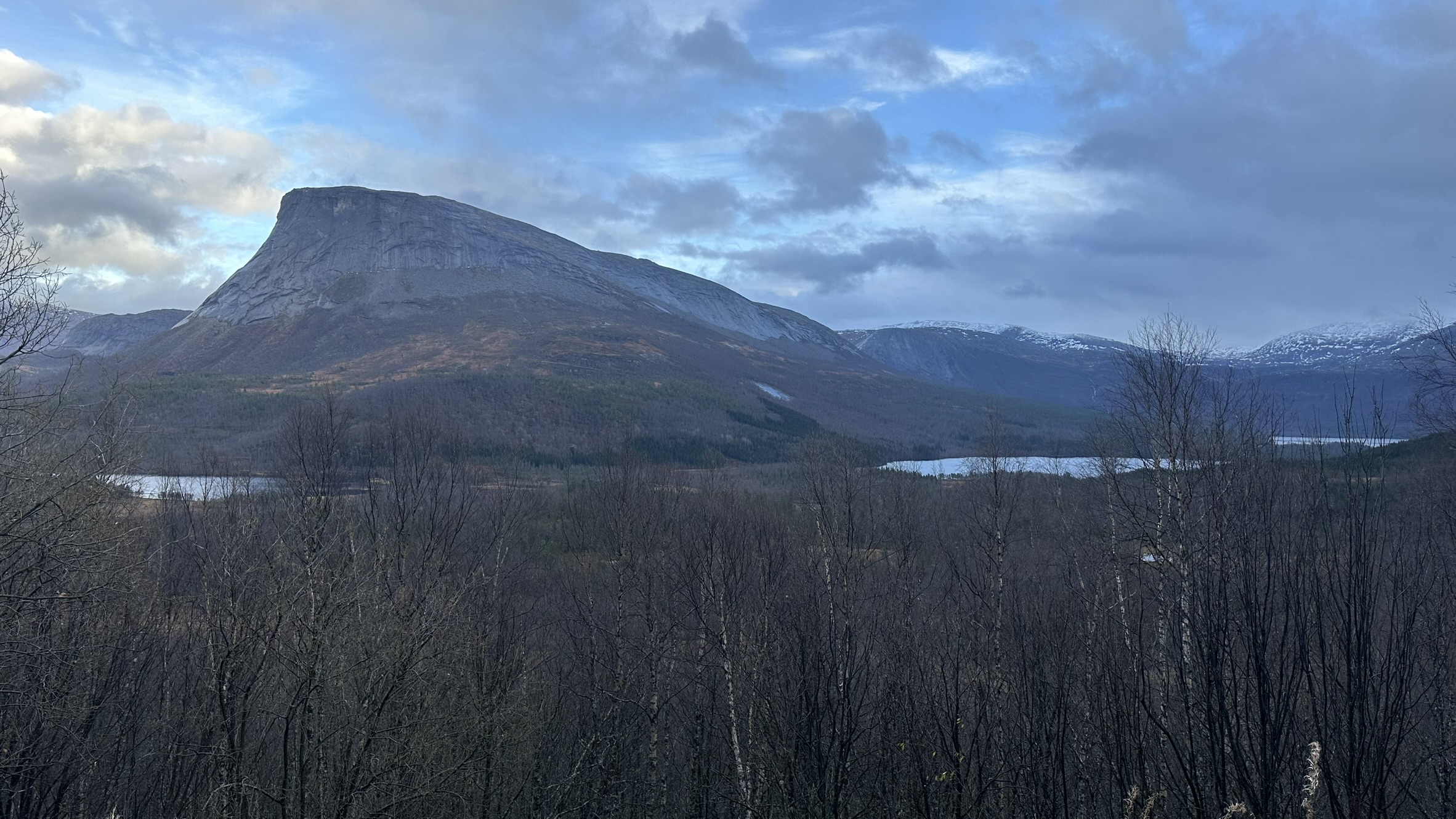
Setting out from Hamnøy bright and early, it’s a 3.5-hour drive back up the Lofoten archipelago to Lodingen. There, a much more manageable one-hour ferry ride across the northern end of the Norwegian Sea — ringed by jagged mountains including Stetinden, a longtime navigational aid for sailors at sea and Norway’s “national mountain” off in the distance — brings you to the town of Bognes. Now back on the mainland, it’s another 3 hours driving to Bodø. The road south follows fjords through untouched forests, lakes and mountains of solid granite. It reminded me a lot of Yosemite high country — a week or two here in the summer would be amazing.
Bodø
We decided to spend the night in Bodø so we could catch the train we had originally planned to take to Trondheim, just a day later. Bodø is not a place I would have put on our travel itinerary on purpose, as there is not much to see — other than a nice sunset through the rain over the Norwegian Sea from our hotel room window. Highlights on this one rainy night:
- Pretty good dinner at txaba, a Norwegian-style tapas bar on the water where you can watch the ferries you didn’t take come in — if they are running.
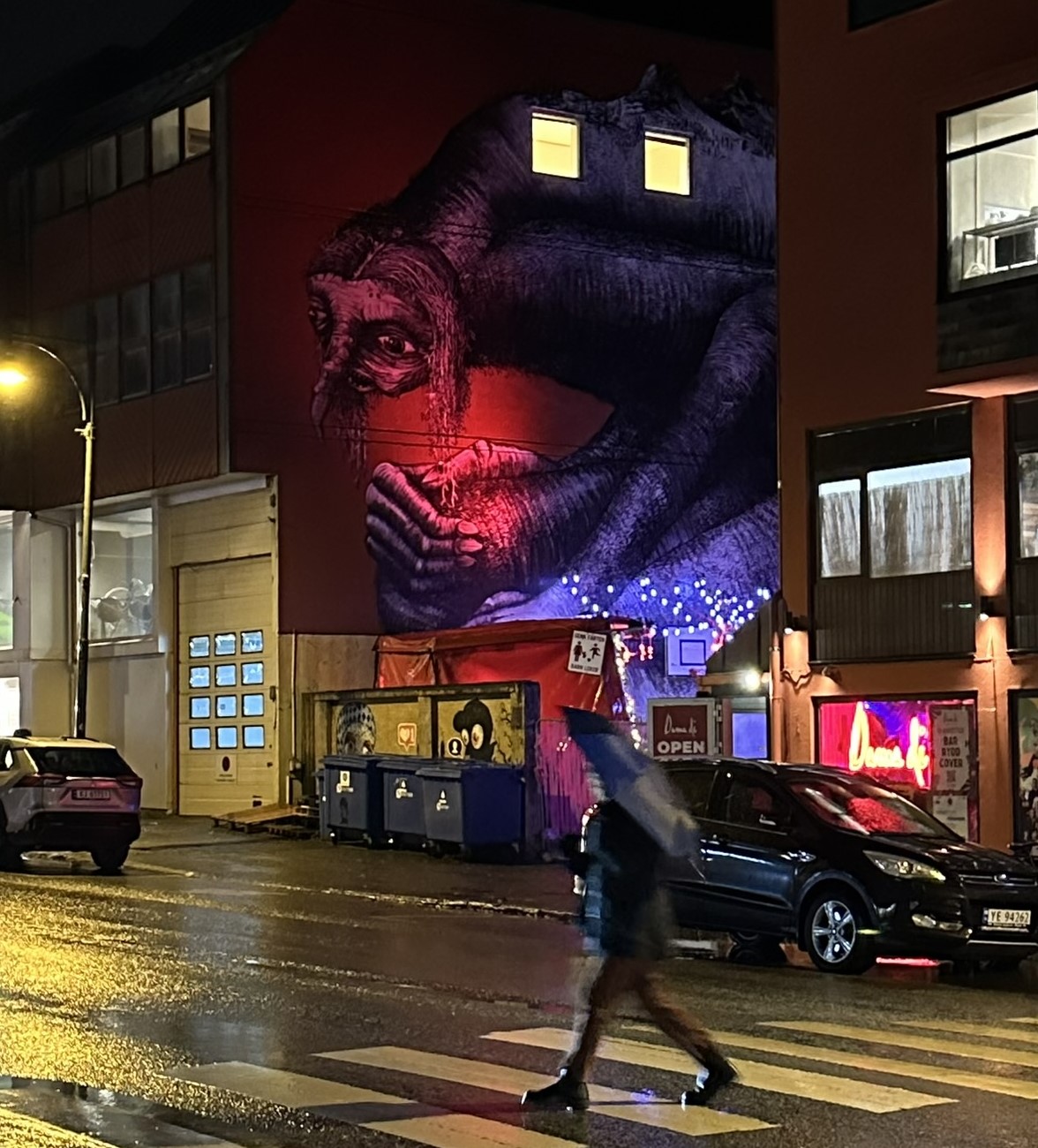
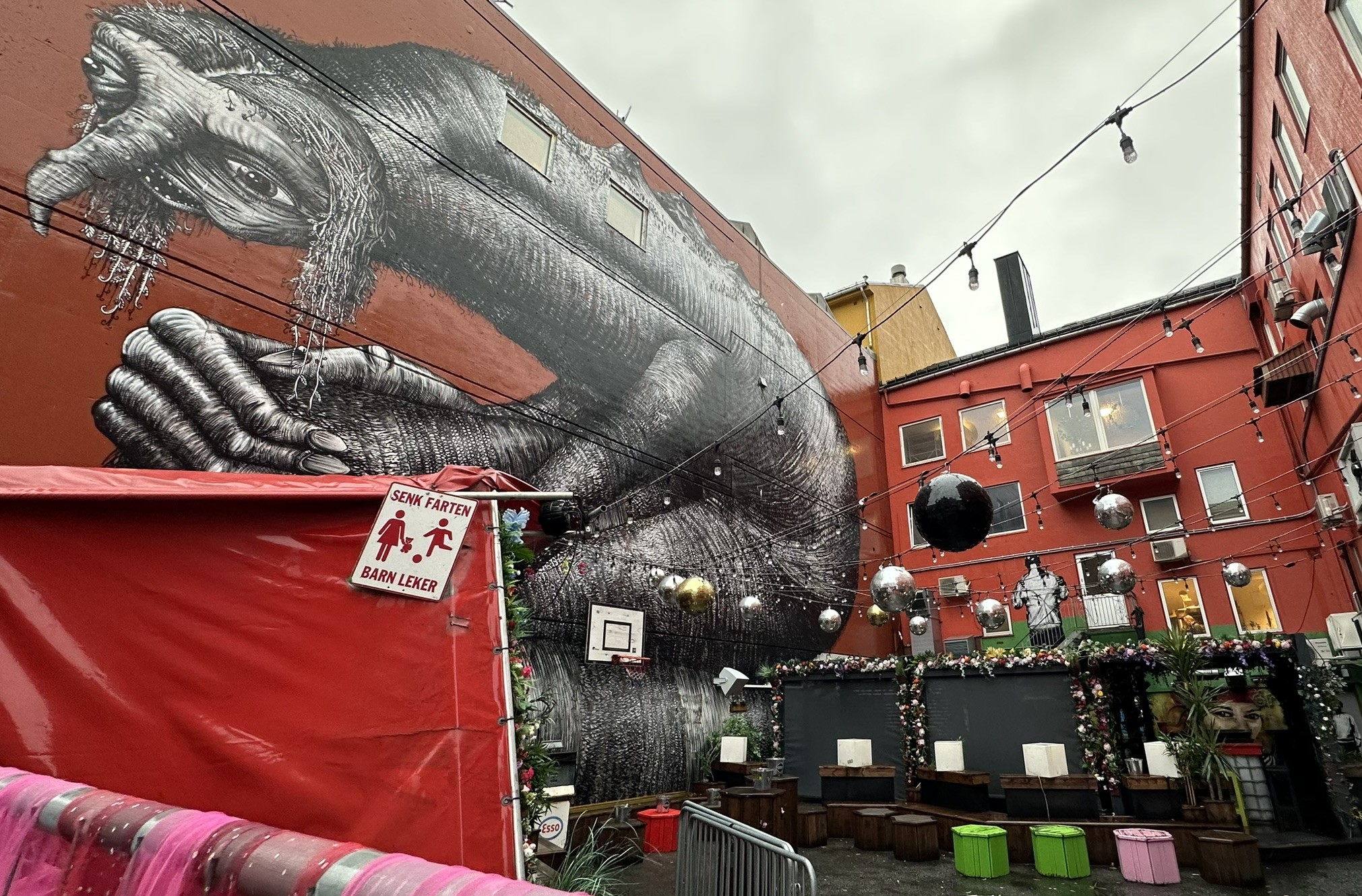
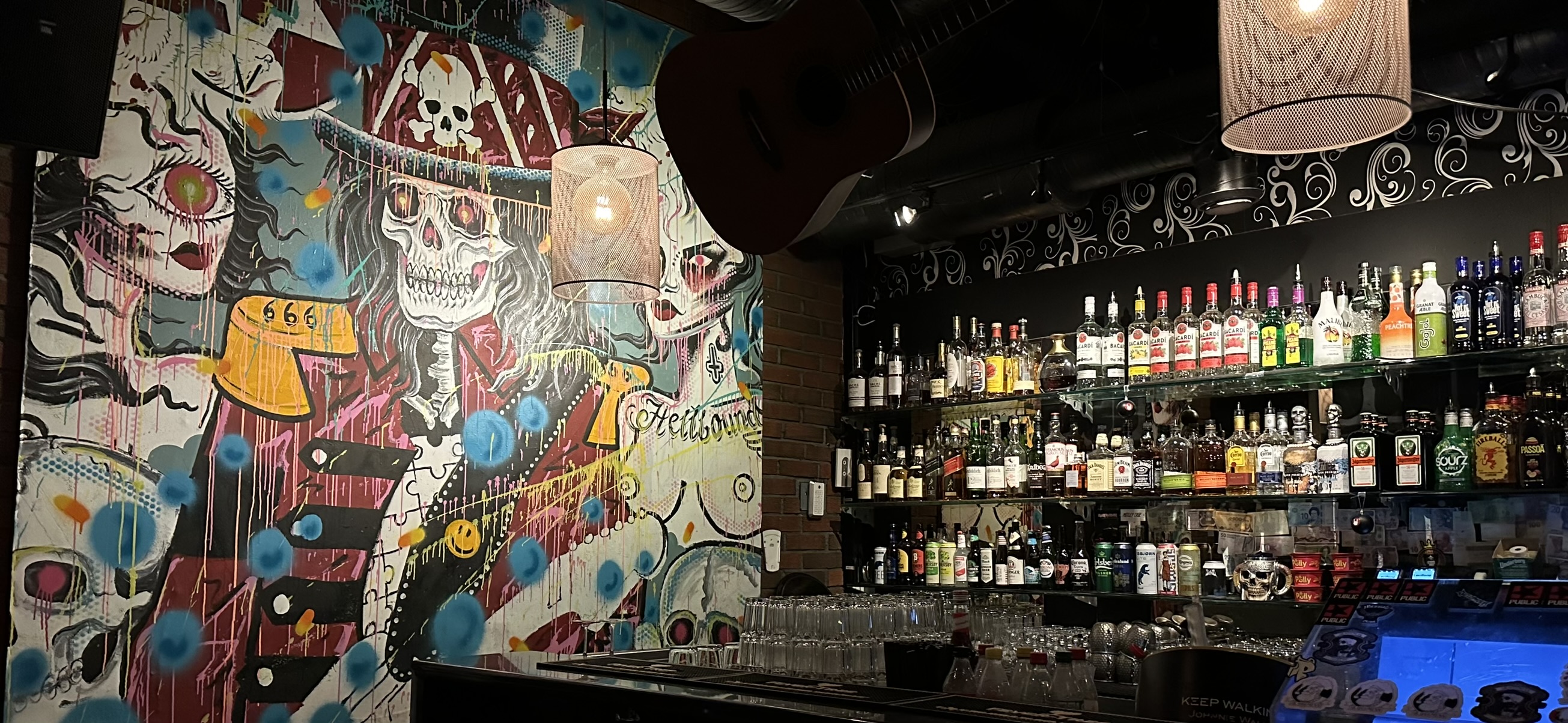
- Two interesting looking dive bars on the main drag near our hotel: Dama Di, which features an outdoor beer garden of sorts that we didn’t try because it was closed (presumably due to the season and the weather), and Public, which we did try because it was open. A proper dive, to be sure.
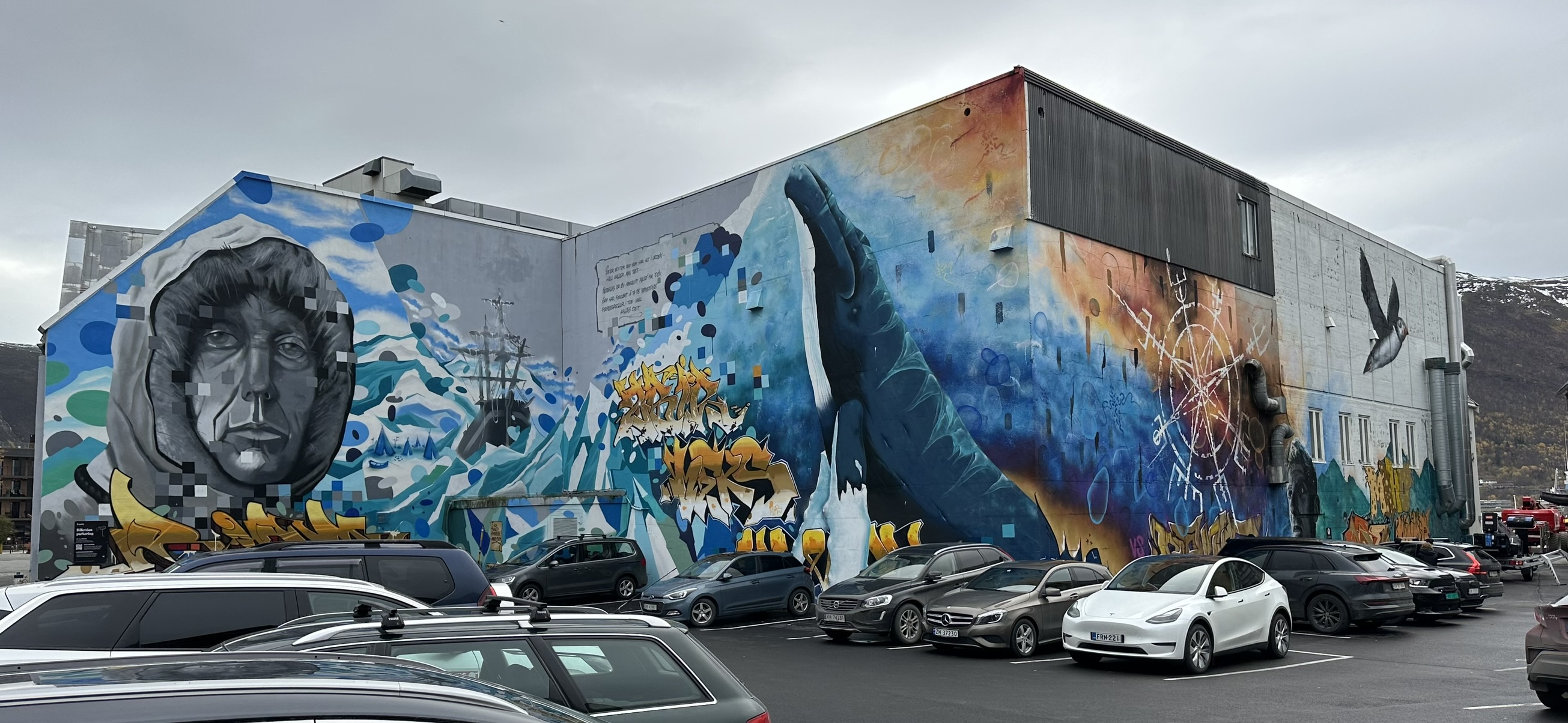
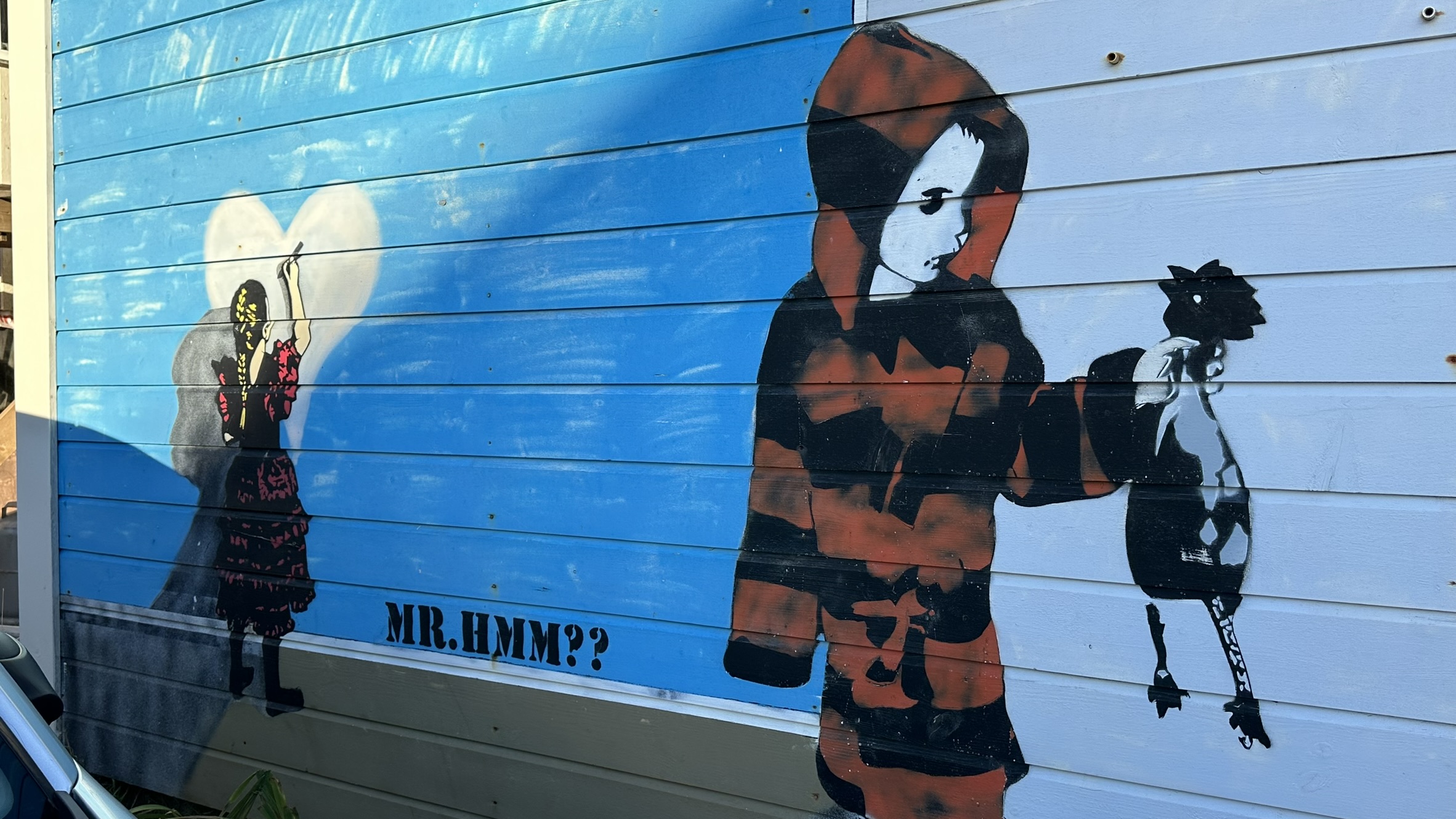
- Creepy street art, where trolls watch over you. Creepy bar art for that matter, too.

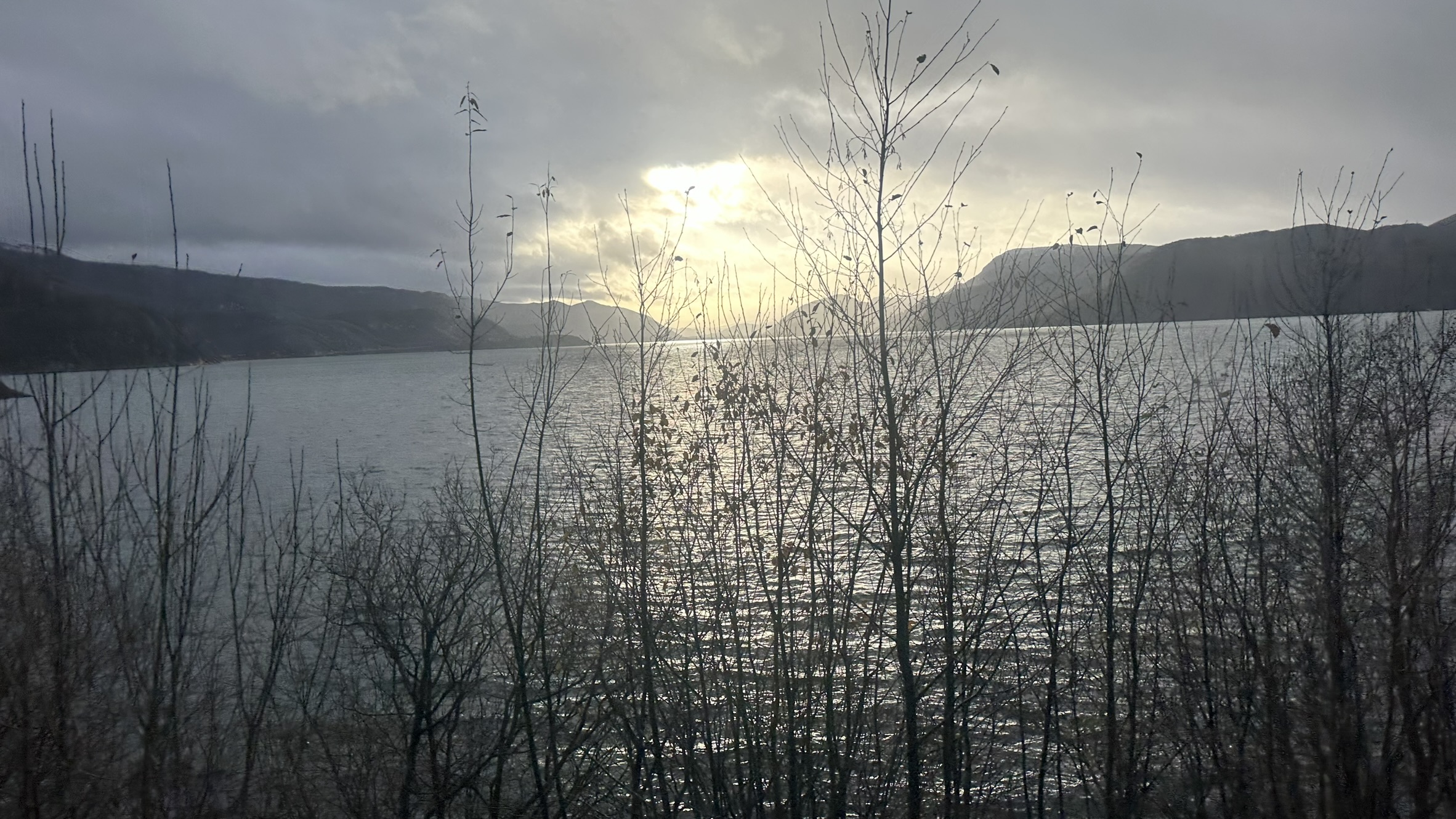
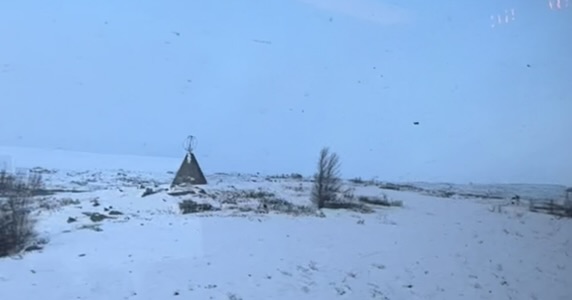
Just as you can’t have too many days in Lofoton, one day is one too many in Bodø so we were happy to jump on the train at noon the next day for the 10-hour journey south to Trondheim. Yes, that’s a long ride, but if you’ve been on the go for a few weeks with a lot of driving the past several days, the long break was welcome. There were some interesting sights out the window as the world passed by — most notably, crossing the Artic Circle in the snow — but otherwise it’s the perfect opportunity to stretch out, relax, read your book, and catch a nap.
Trondheim
Arriving in Trondheim just before 11pm, we headed straight for the Brittania Hotel, reputedly the best in town. I can’t imagine it was anything less, as it had all the comforts one could want including a top-notch cocktail bar, three excellent restaurants, and very friendly and courteous staff. If you’re heading to Trondheim, this is the place to stay. Here’s my full review.
Trondheim is the 3rd most populous city in Norway and a major port town for both commercial shipping and tourism. Founded as a trading post in 997, it was Norway’s capital from the Viking Age to 1217. We had planned two full days here on the recommendation of friends, but now with only one day we had to shrink our activities to just our top few. Highlights:
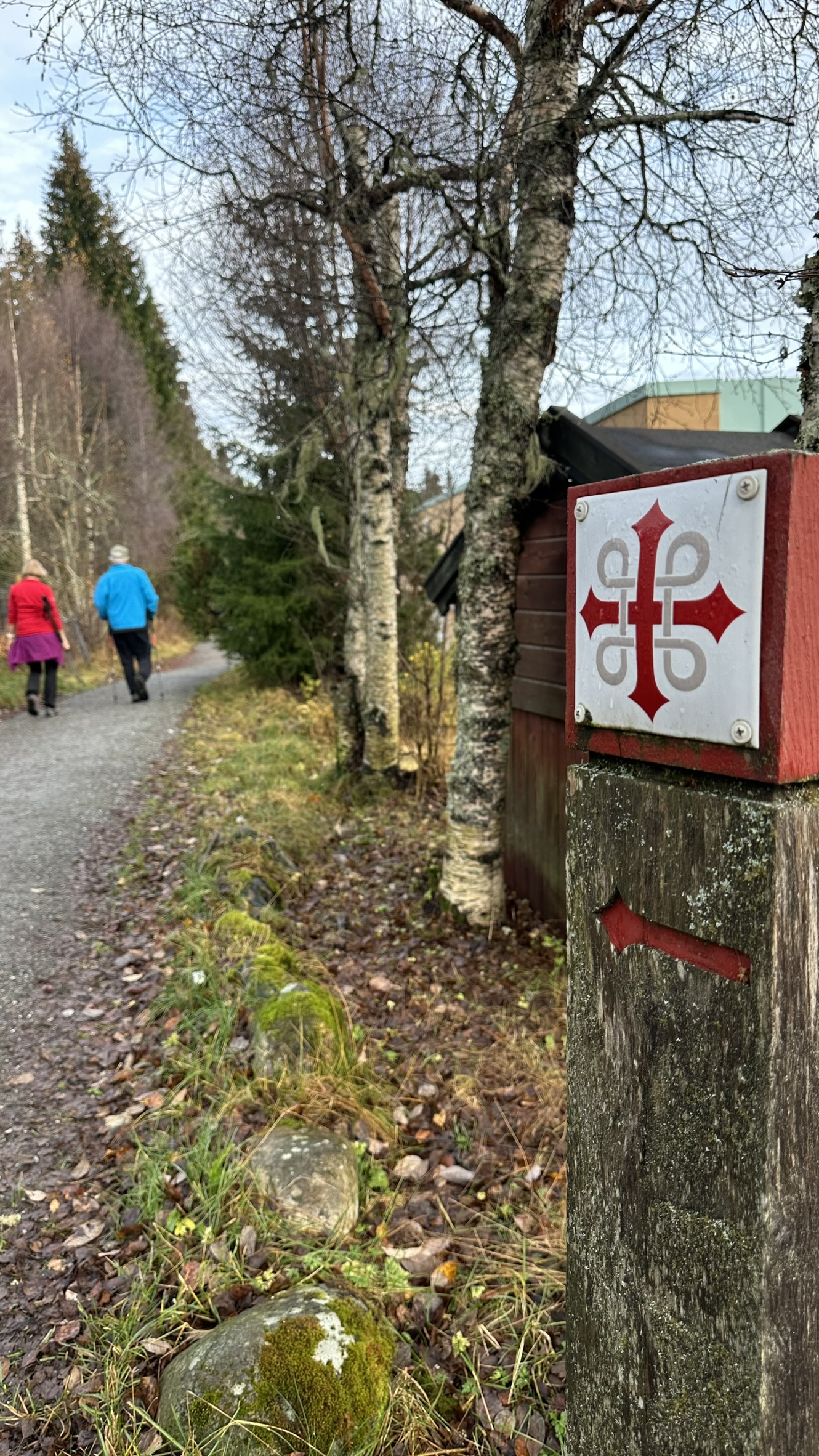
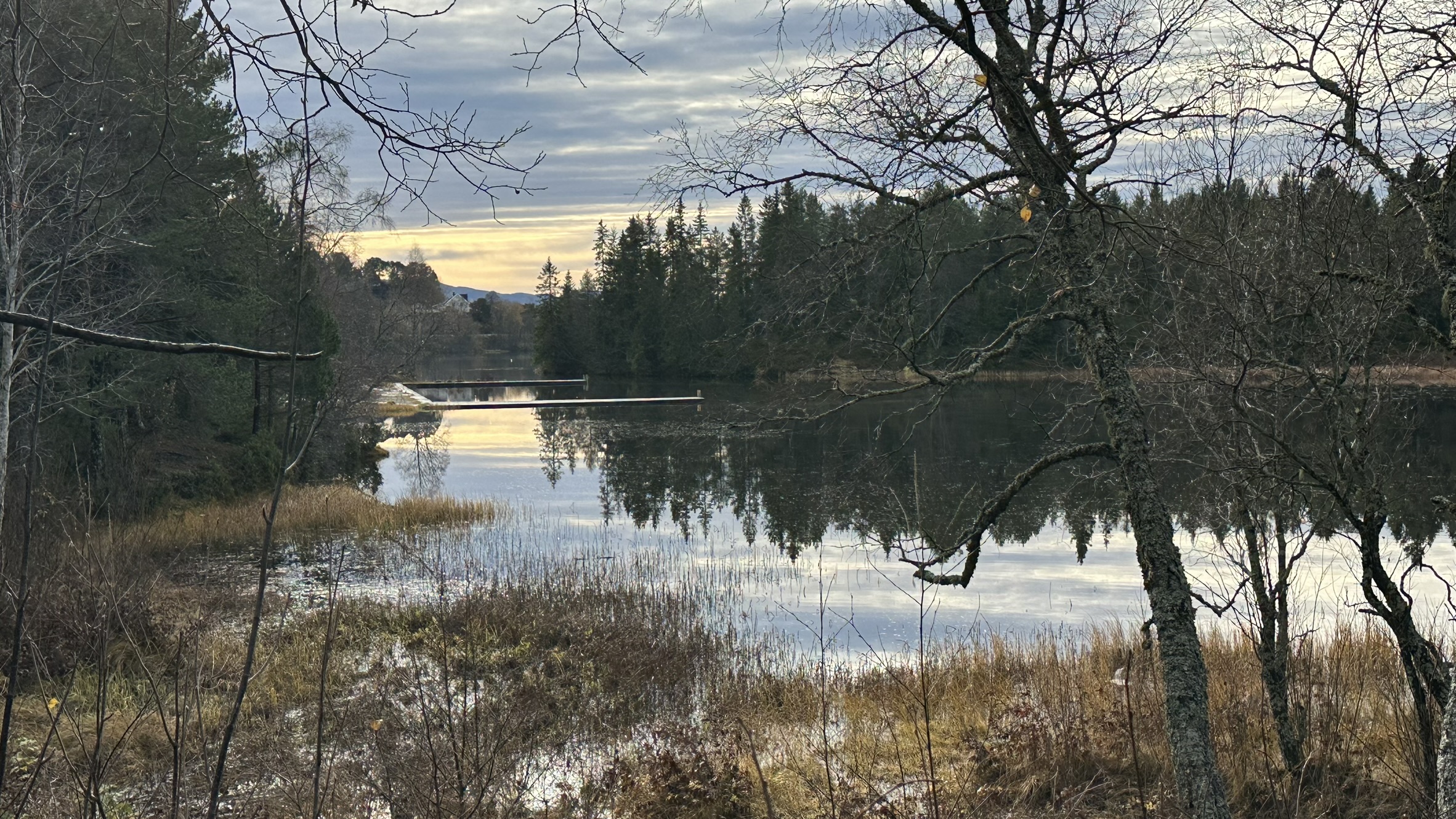
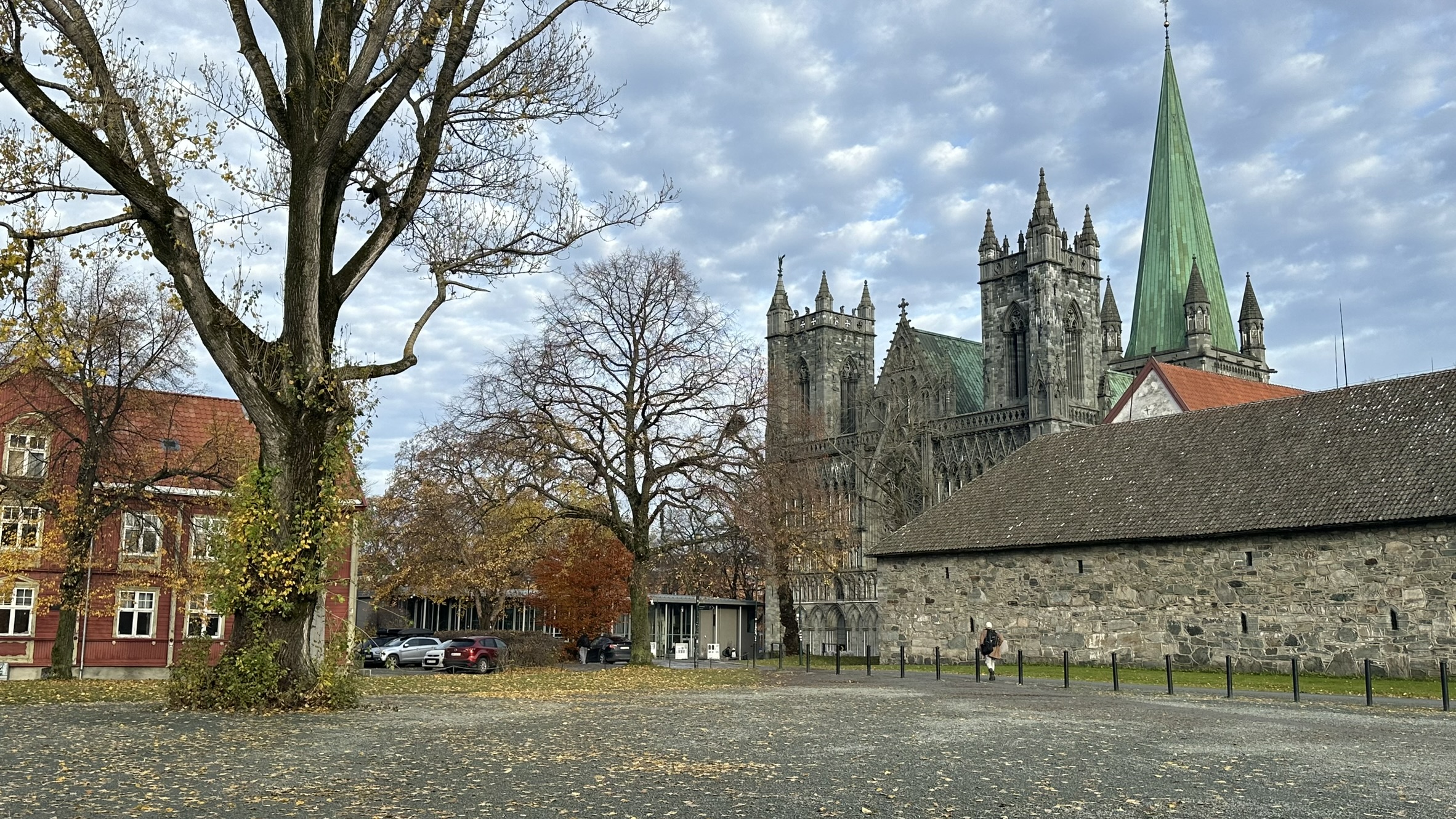
- The Gudbrandsdalsleden, or St Olav’s Way, is to Norway what El Camino is to Spain; the longest and most popular pilgrimage trail in Northern Europe. It traverses 400 miles from Oslo to Trondheim, much of it across rugged, glacial alpine country. We started our day in Trondheim walking the last five miles from Lian to its terminus at Nidaros Cathedral, the largest in Norway.
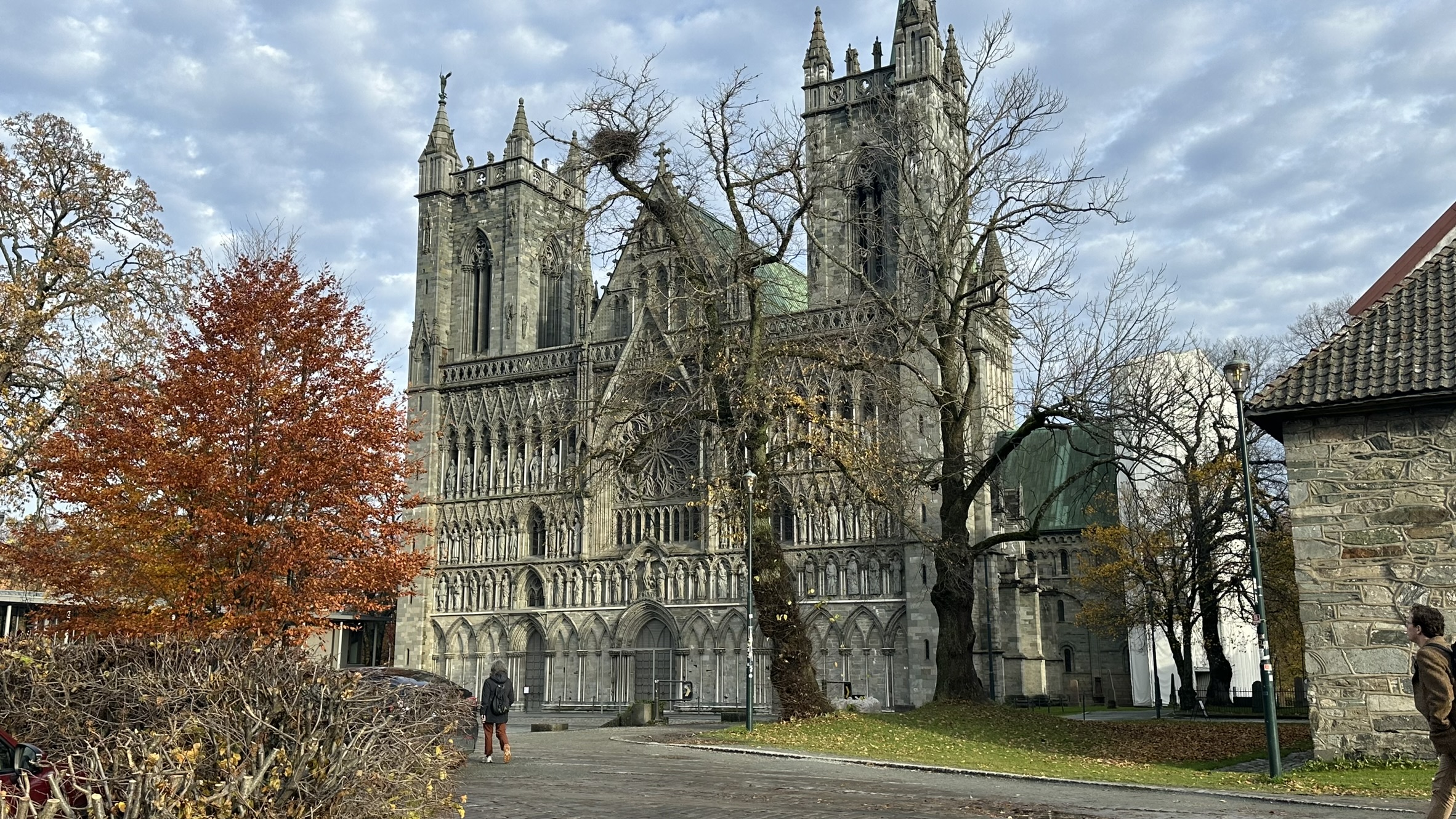
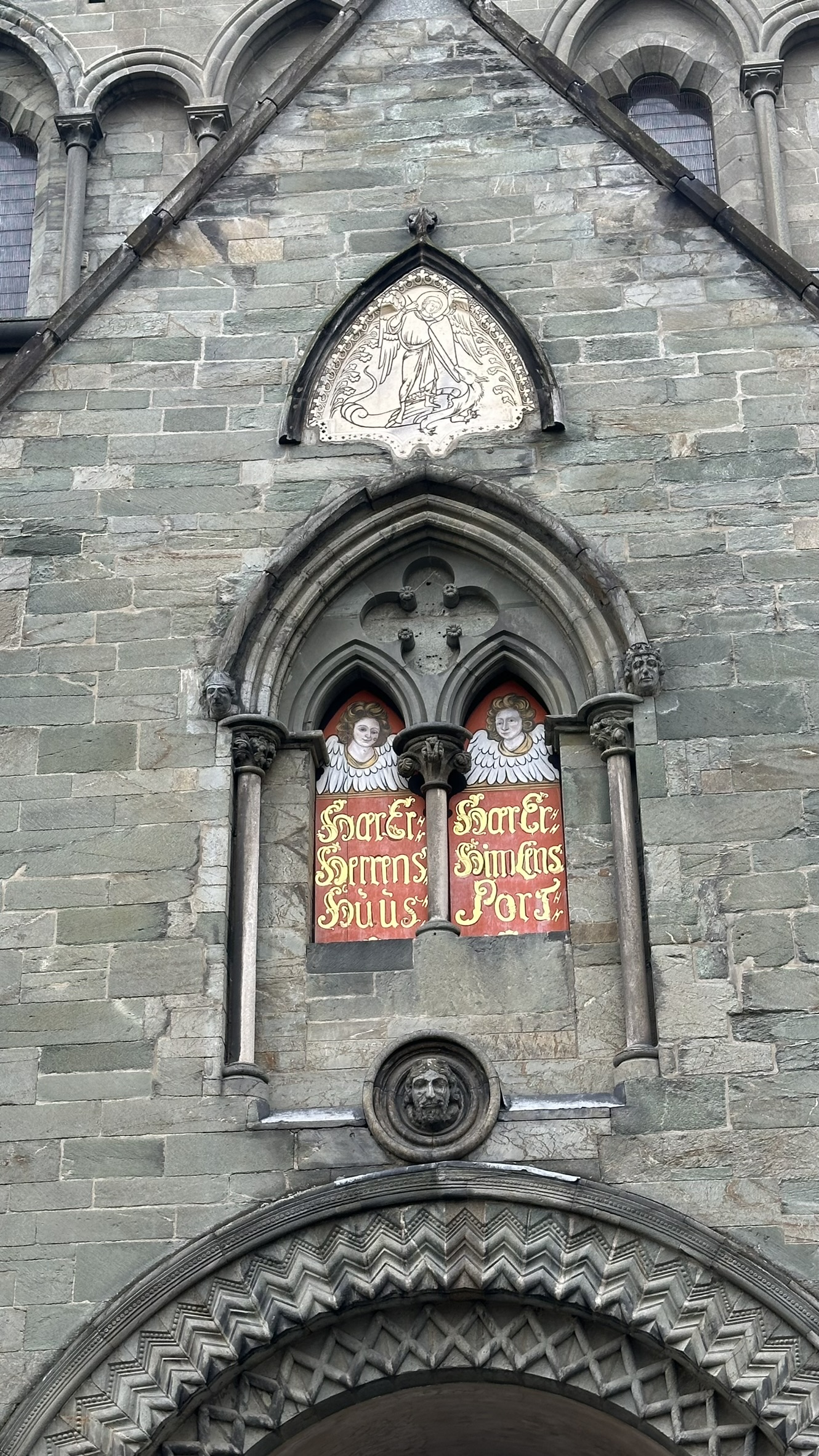
- Nidaros Cathedral was built over the grave of King Olav II, the patron saint of Norway (he replaced the old Viking Norse mythology with Christianity), starting in the year 1070. A gothic masterpiece, its facade is lined with statues of the saints. Unfortunately, it had just closed by the time we arrived, so if you want to get make sure you get the hours right!
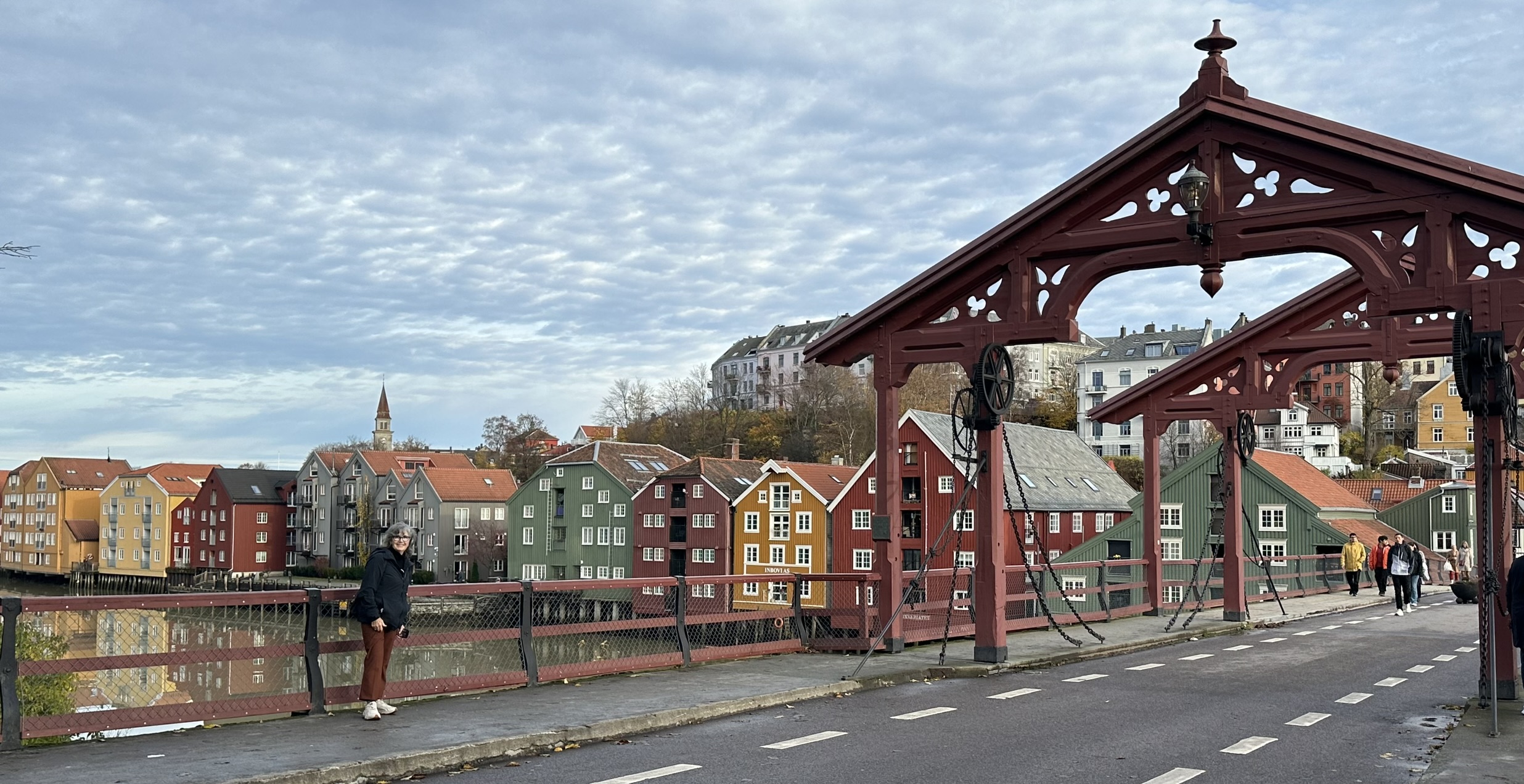
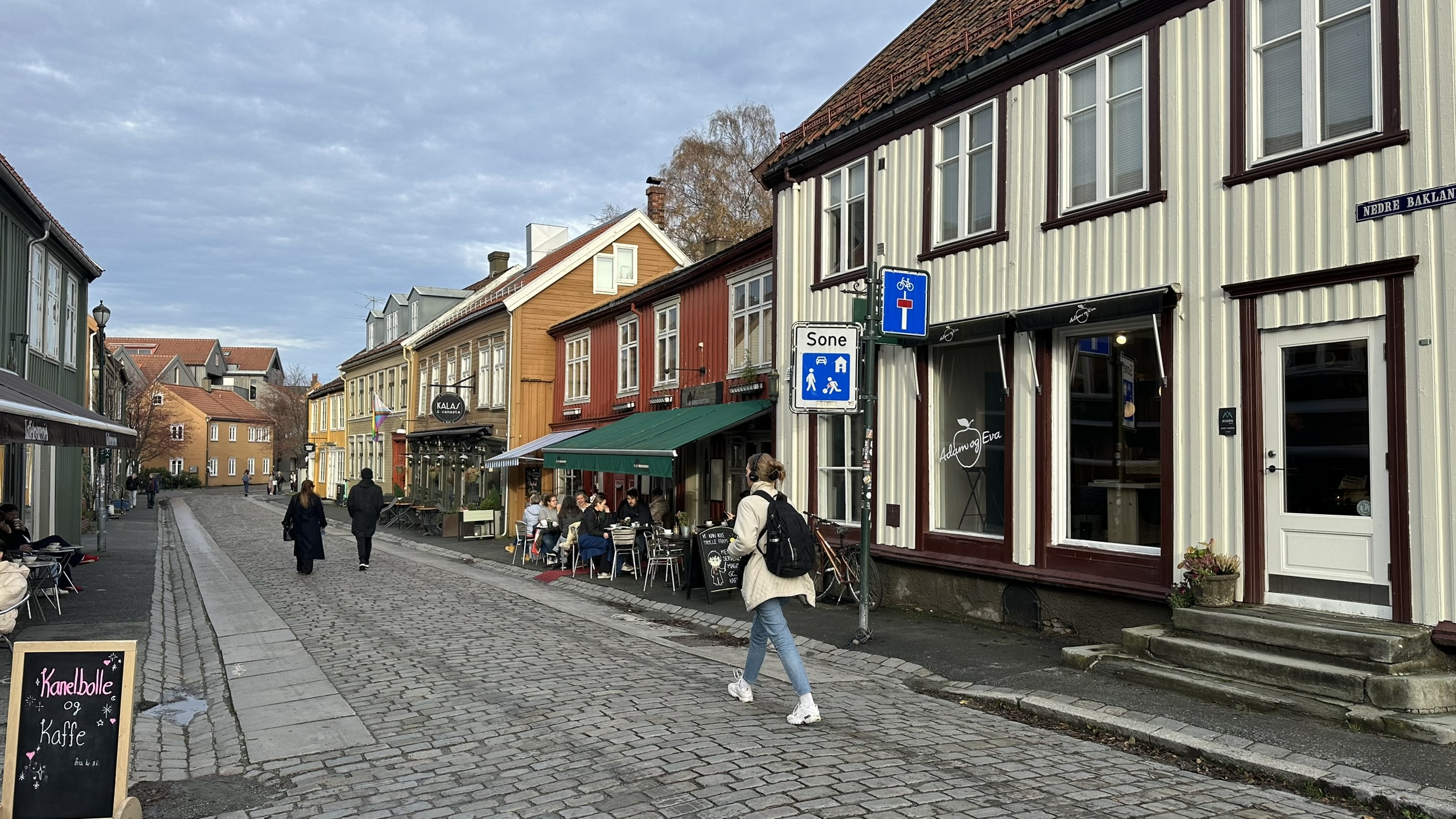
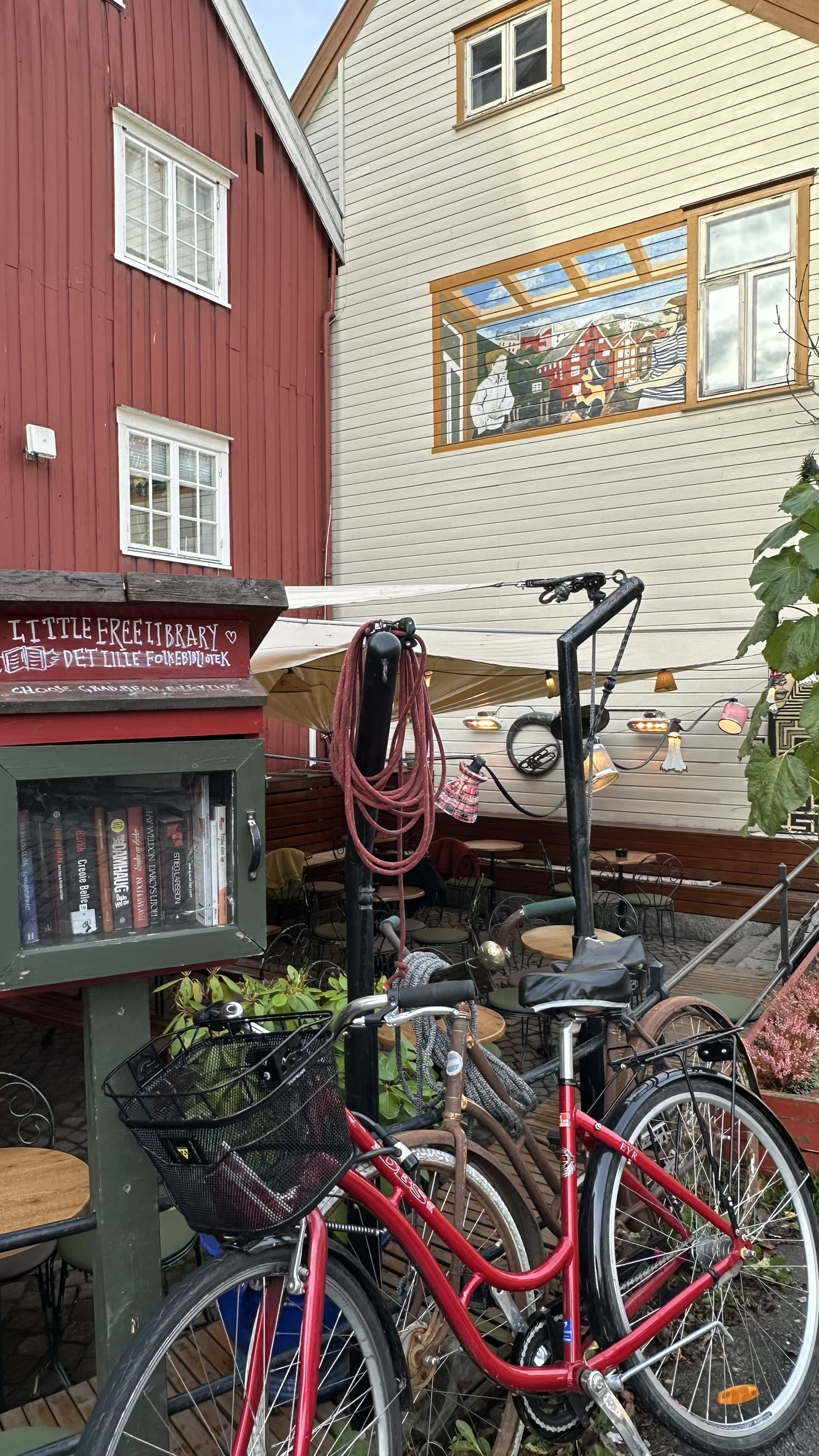
- A short walk from the cathedral is the Old Town Bridge across the Nidelva River to the Bakklandet neighborhood, noted for its cobblestone streets, cafes and vintage shops. Its colorful buildings lining the wharf is reminiscent of Bergen’s Bryggen waterfront.
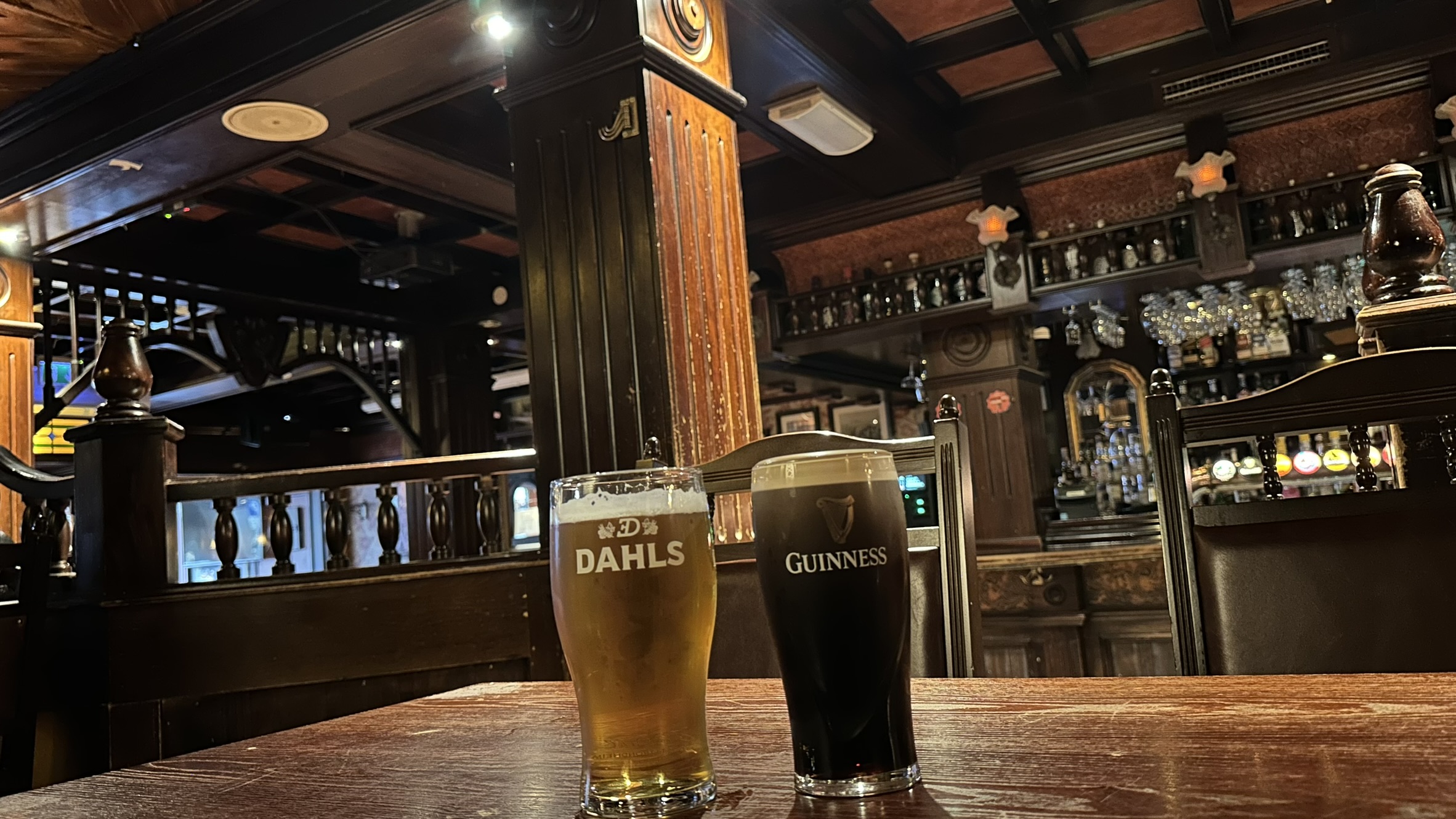
- Lille London is a proper British pub, a nice spot to duck into after a lot of walking as Michelle hit the main shopping streets in downtown Trondheim. Wood beams and walls, creaky chairs, good beer, and a “Winston Churchill room” in the back.
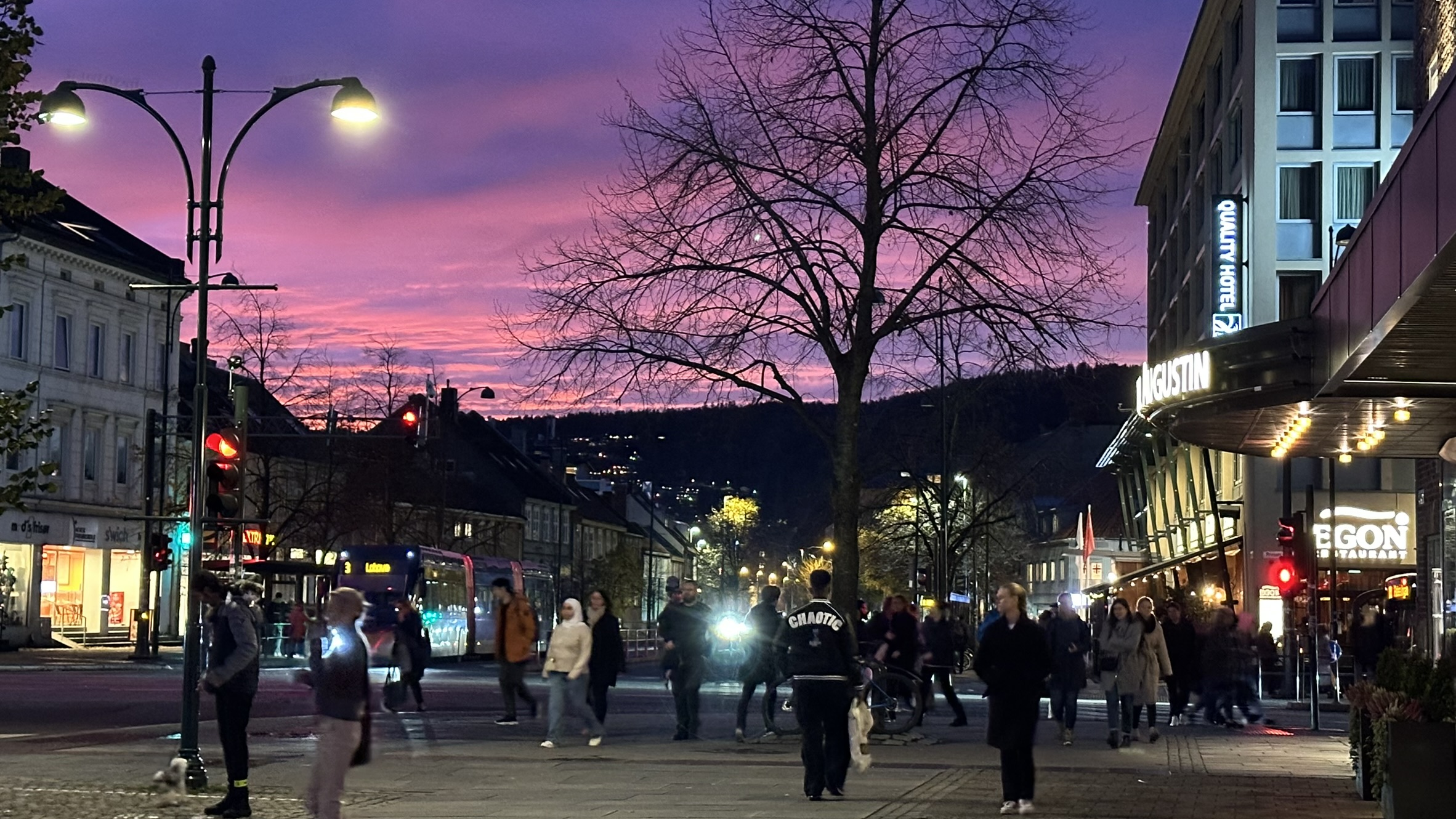
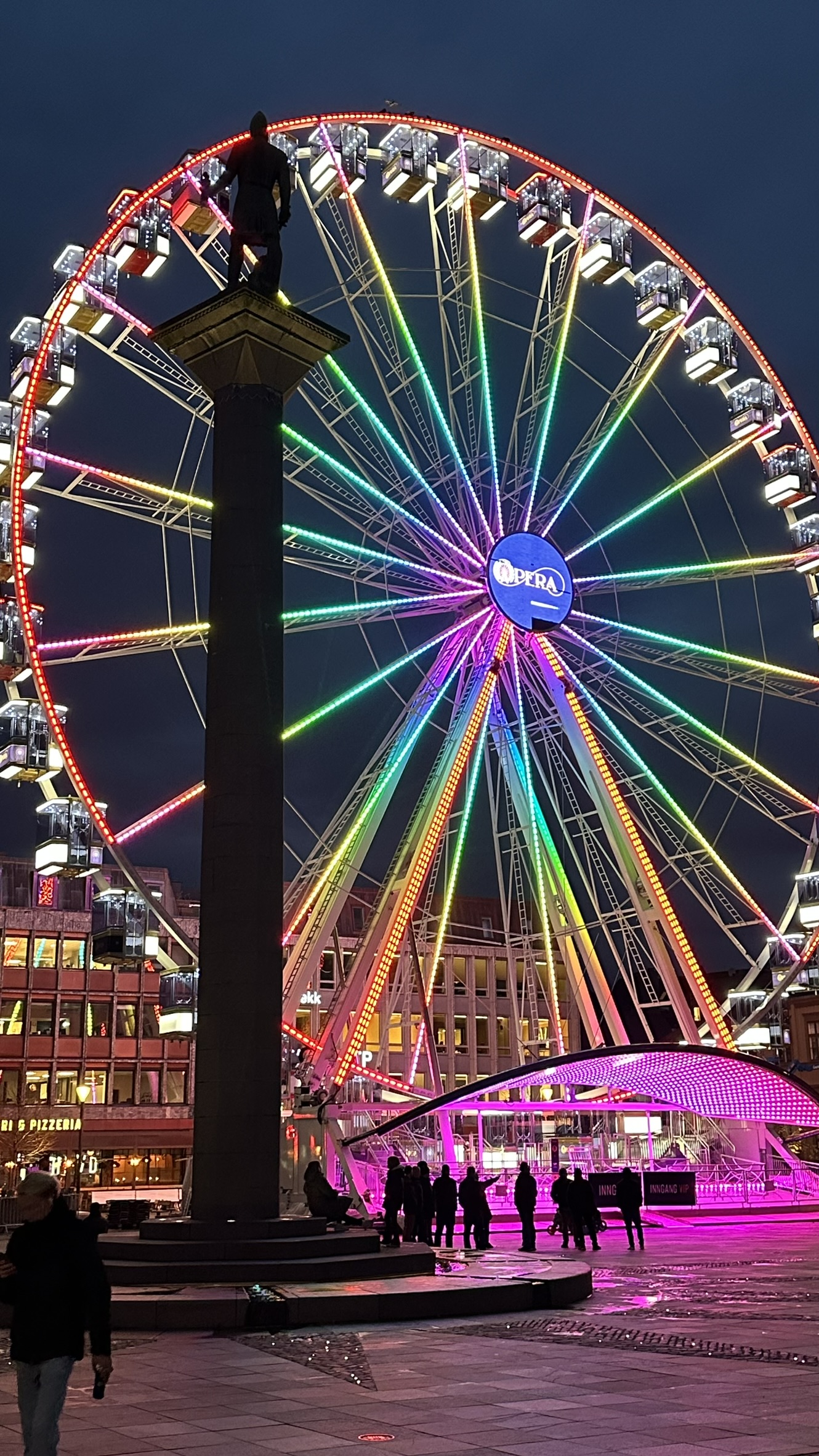
- Central Trondheim is a very walkable town with some interesting architecture, narrow lanes, outdoor markets, and vibrant waterfront. It appeared they were getting ready to set up their Christmas markets, and their famous Ferris wheel was colorfully lit up.
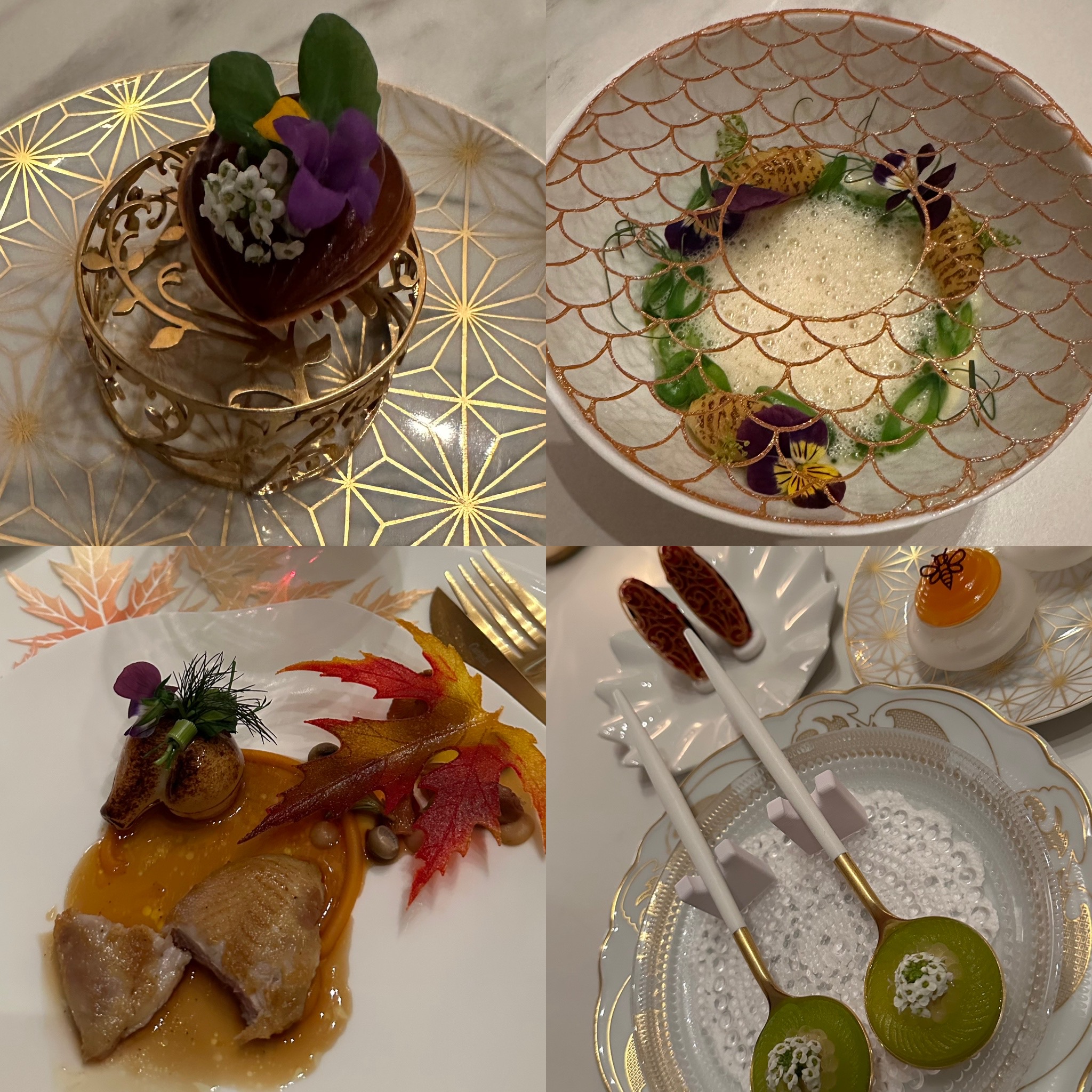
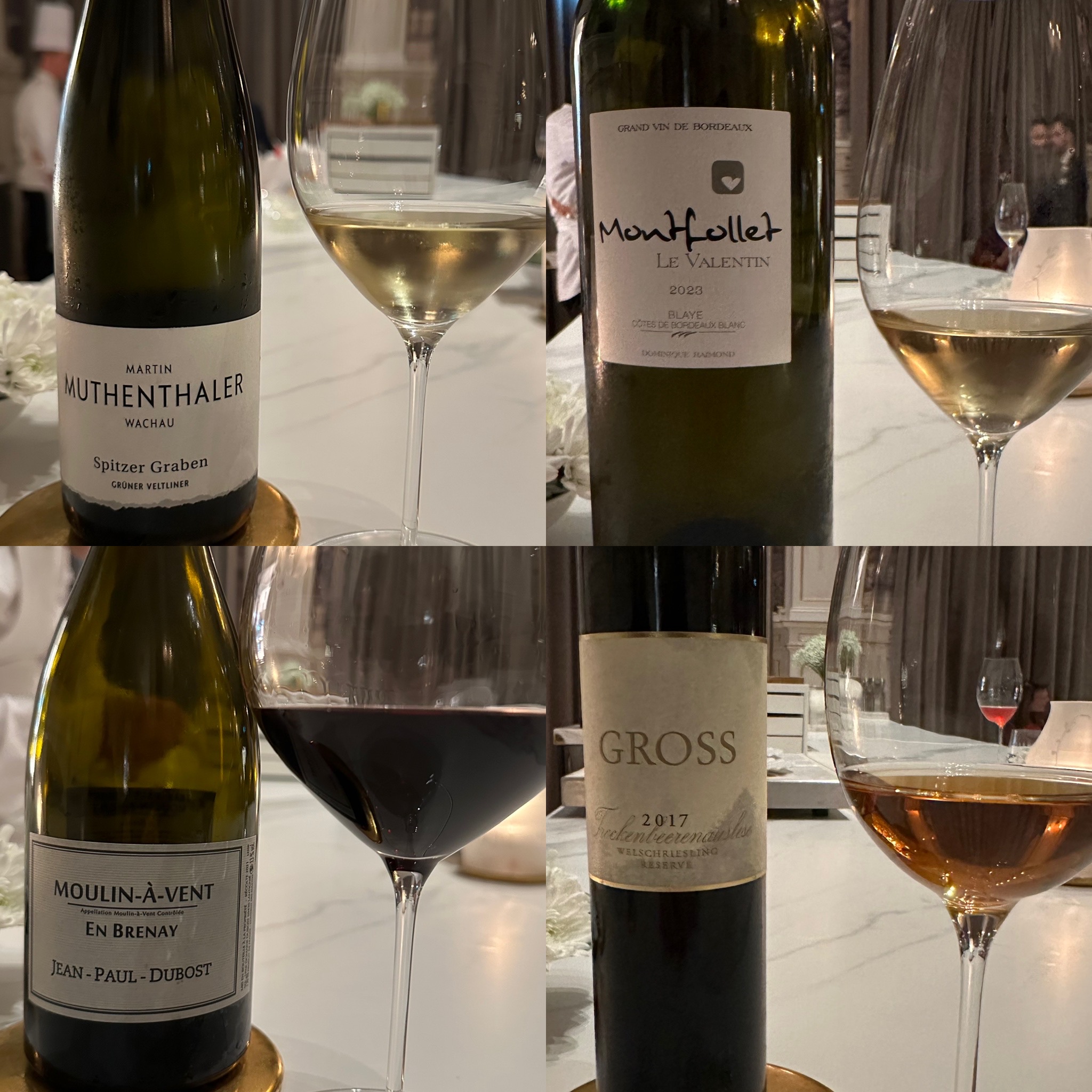
- With only one night in town, we decided on a dinner splurge at Hotel Britannia’s Michelin-starred restaurant, Spielsalen (Hall of Mirrors). And splurge it was! We were seated at the chef’s table where we enjoyed a seven-course meal — small plates, of course — with wine pairing for each course. Decadent yes, expensive yes, worth it? Under the circumstances, yes!
- As we were heading to the train station for an overnight train to Oslo, barely 24 hours after arriving in Trondheim, we decided a nightcap at the hotel’s Brittania Bar seemed reasonable. Another bartender in Oslo had told us it was the best in town. Sure enough, it was a classy place with friendly bartenders, and all their signature cocktails were named for famous patrons of the hotel over the past century. My first ever taste of Aquavit was served as a sort of martini, washed with clarified butter (after being sous vide with Aquavit for three hours, then frozen and strained), with a dash of lingonberry and seaweed oils. Sounds awful but was actually quite yummy!
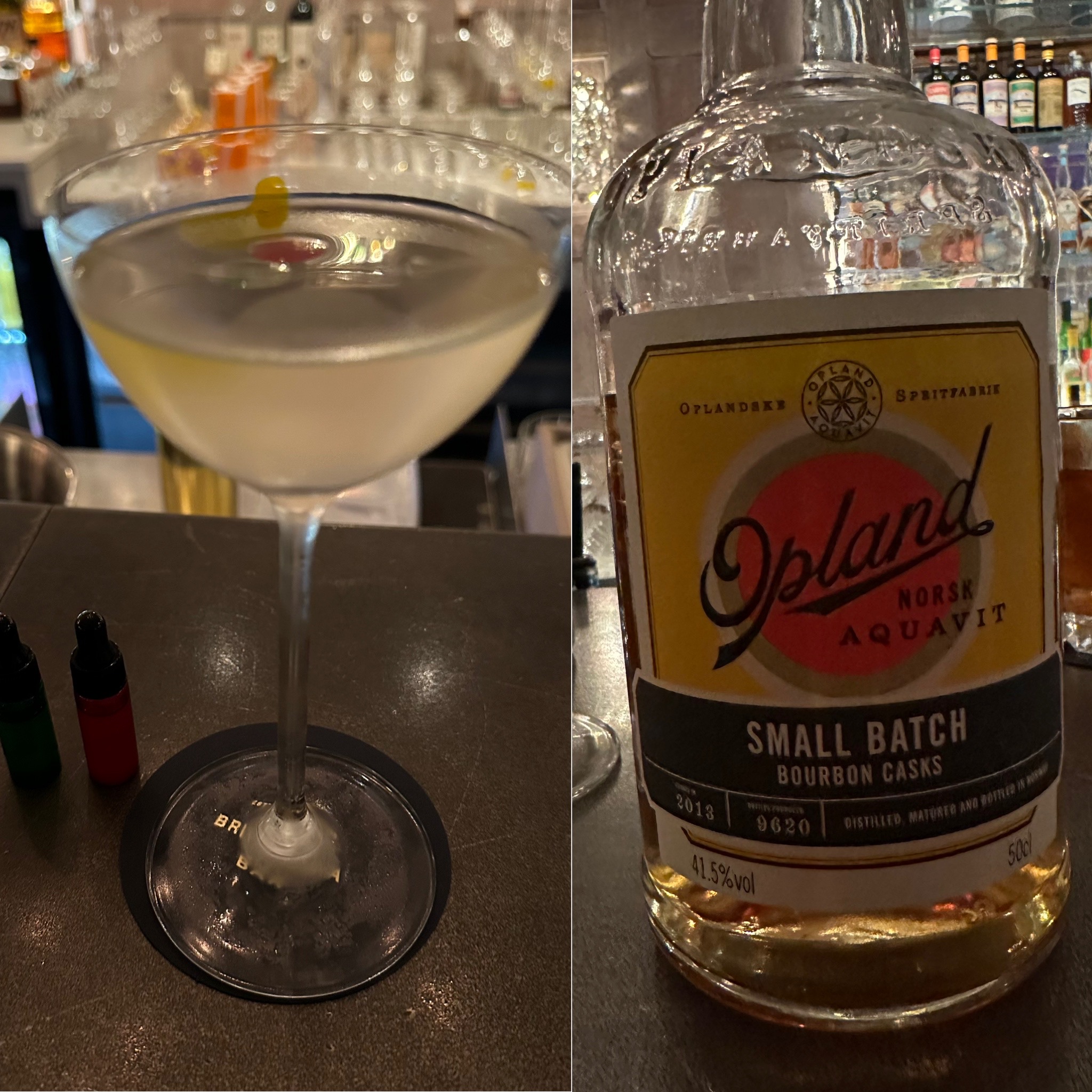
I think Trondheim deserves a good two to three days, but we were in the home stretch of our trip and needed to keep to the rest of our plan. So, we walked 10 minutes to the train station, boarded the overnight F6 train at 11:17pm, headed to our reserved sleeping car, and hit the rack. Seven hours later, we arrived at Oslo airport and caught our flight to Aarhus, Denmark.
| Days 30-31 | Aarhus, Denmark | Villa Provence Hotel |
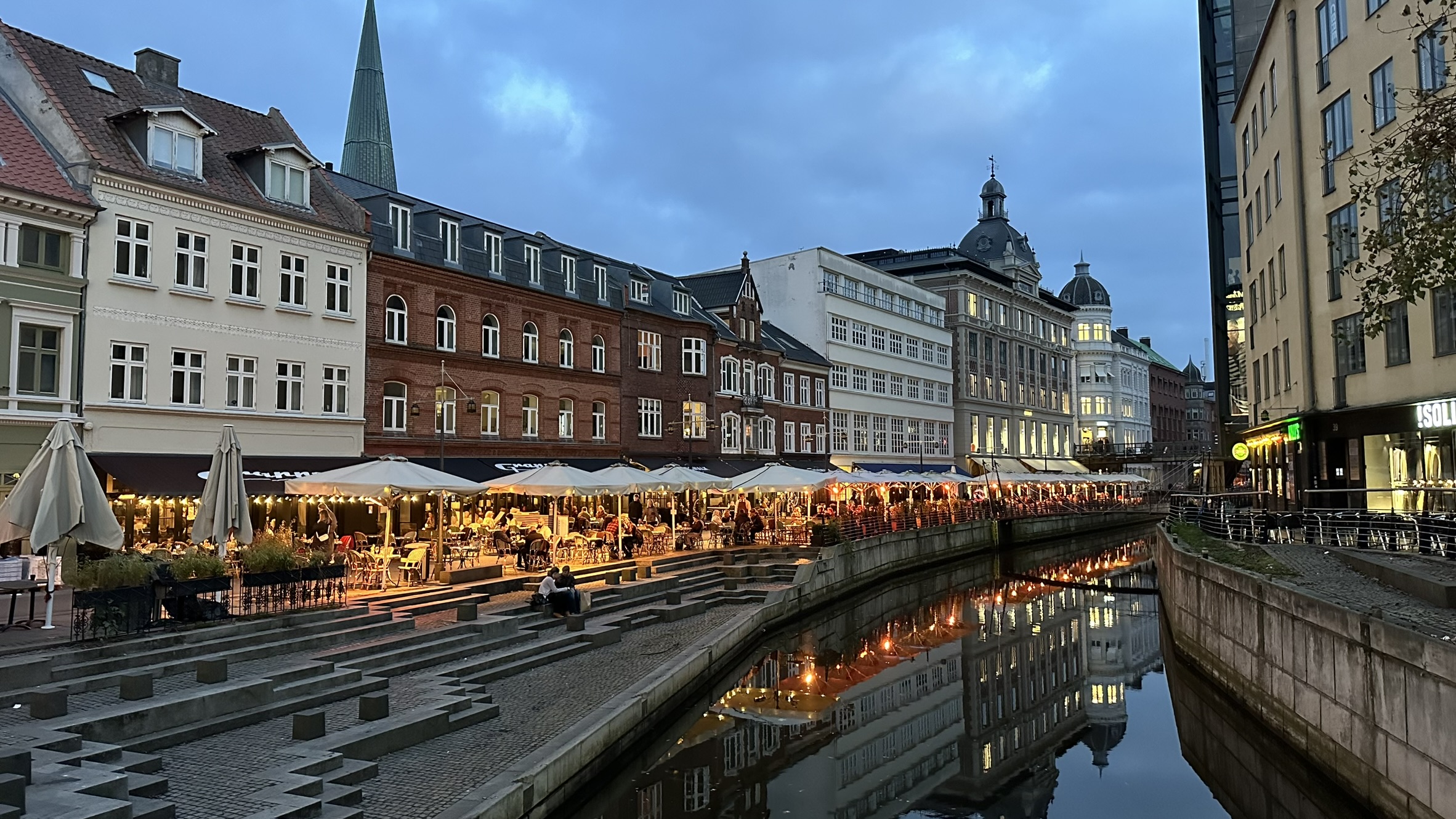
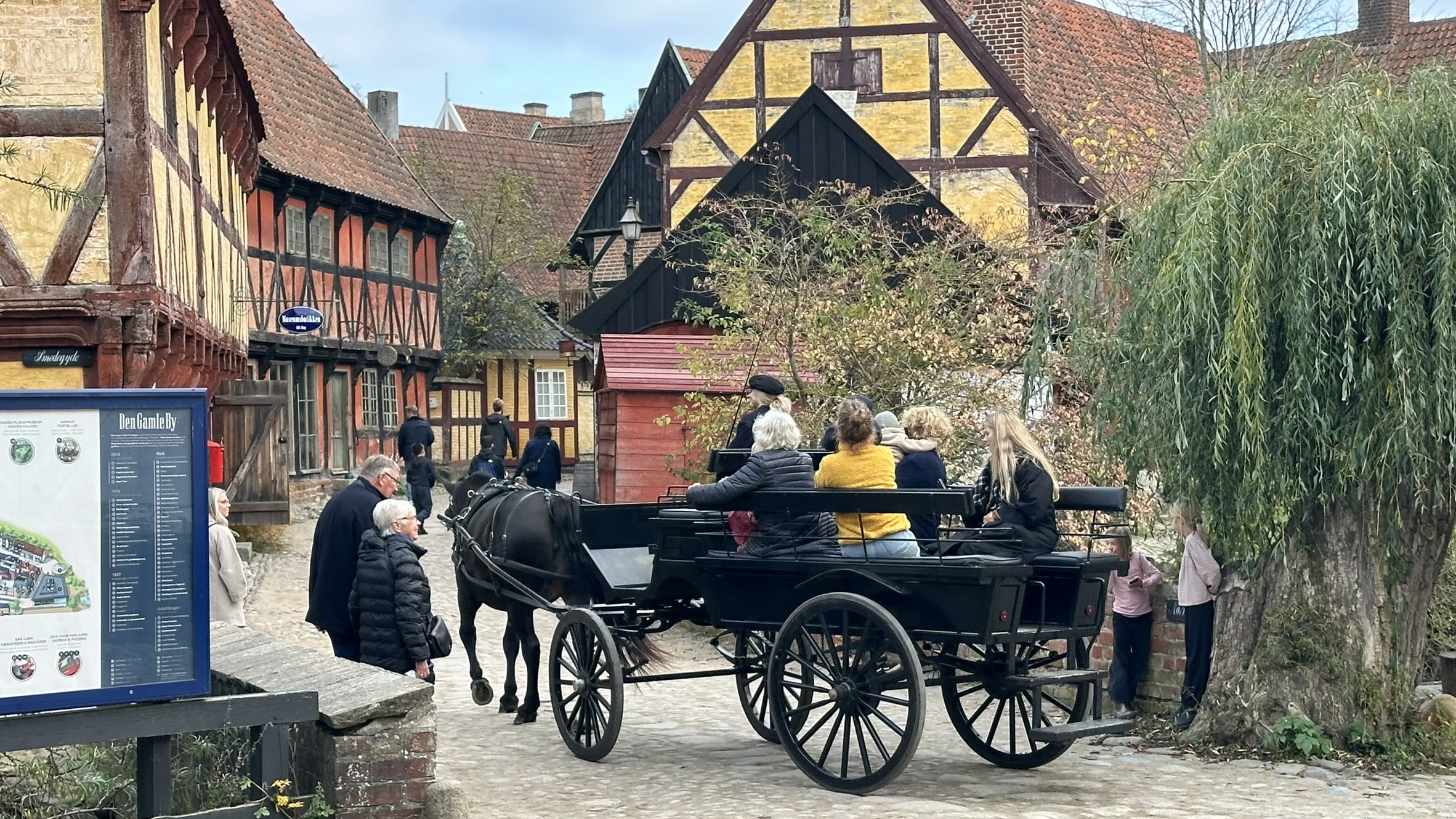
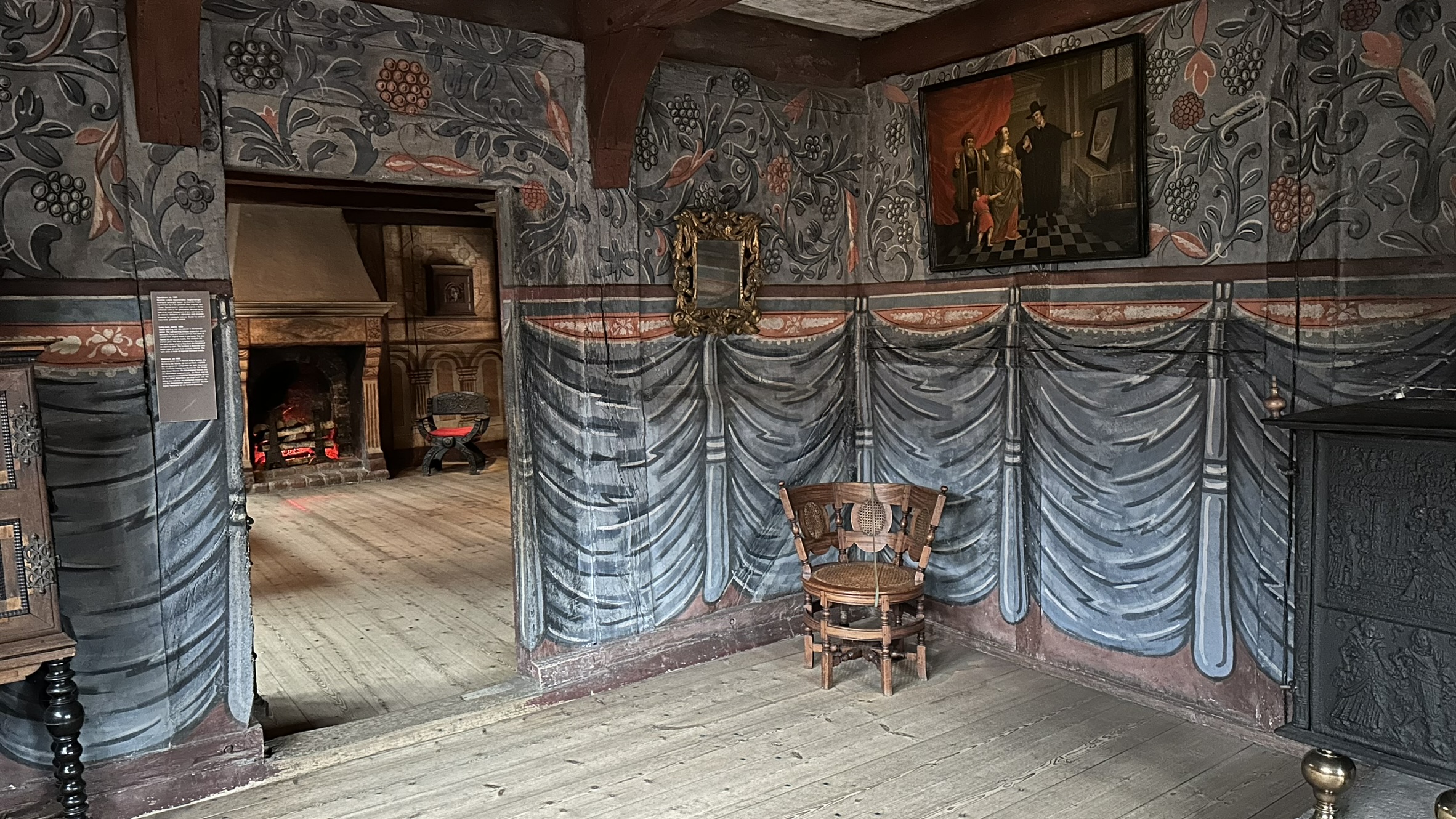
Aarhus is Denmark’s second largest city and a college town, so it felt a bit strange (but still fun) seeing so many people, mostly younger, out on the streets and packing the bars at night after a couple weeks in more remote places. Besides the buzzing night life, we enjoyed strolling the vibrant Latin Quarter, Den Gamle By open air museum filled with old timbered buildings, and the local art scene. If you’ve got a couple days, and we thought that was plenty, these are the highlights we enjoyed:
- Our hotel, the Villa Provence, was a bit off the beaten track but not too far, easy walking distance to everything central you’d want to explore. But as the name suggests, it felt very French in style and design and was a fun departure from typical hotels, even boutiques. Read my review here.
- While we didn’t take a guided walking tour here, we relied on Rick Steve’s self-guided tour and that worked out quite well. Top sights included:
- Aarhus’ riverfront promenade, Åboulevarden, is lined with cafes and restaurants along the river that divides the town in two. Most of these are priced for tourists, but a couple get good ratings on google maps, and it’s a picturesque route to get from point A to point B.
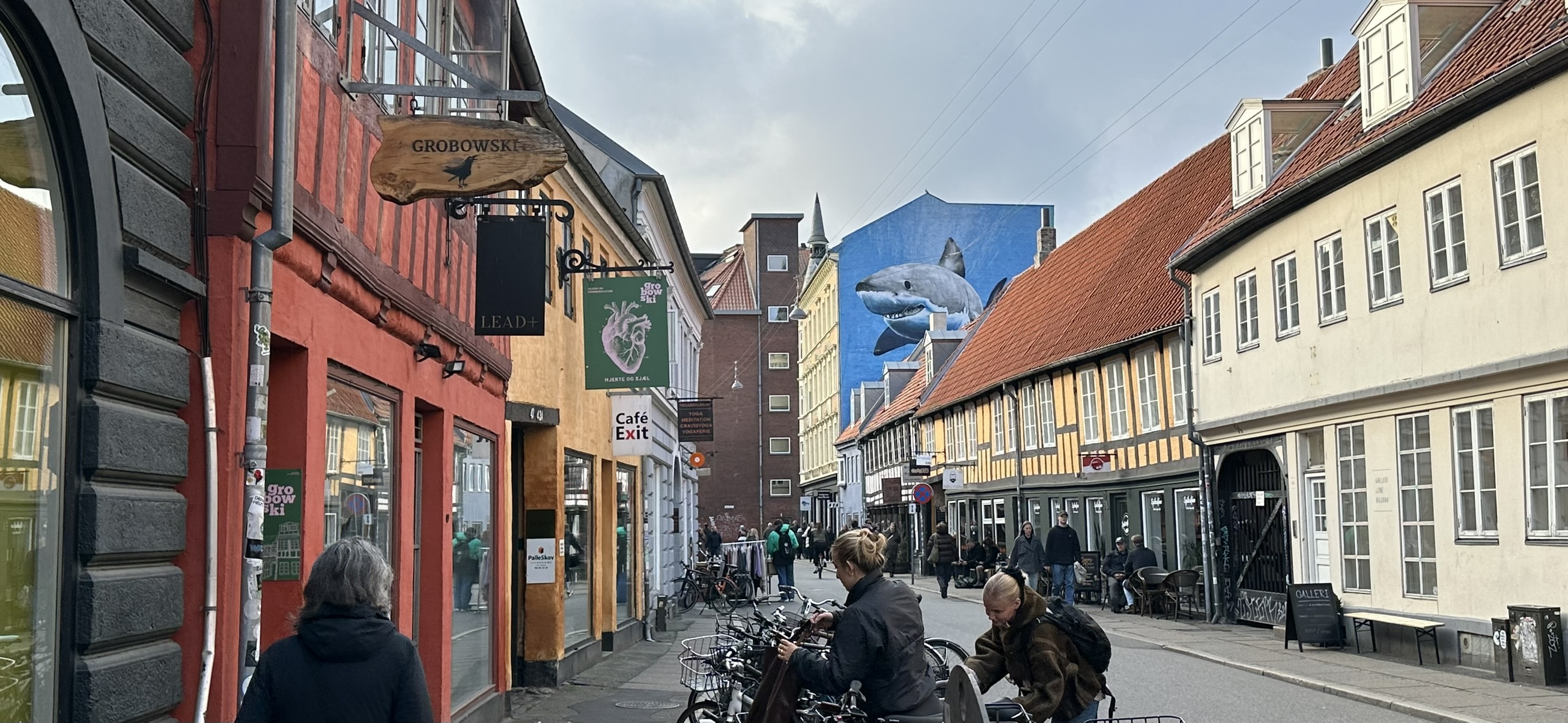
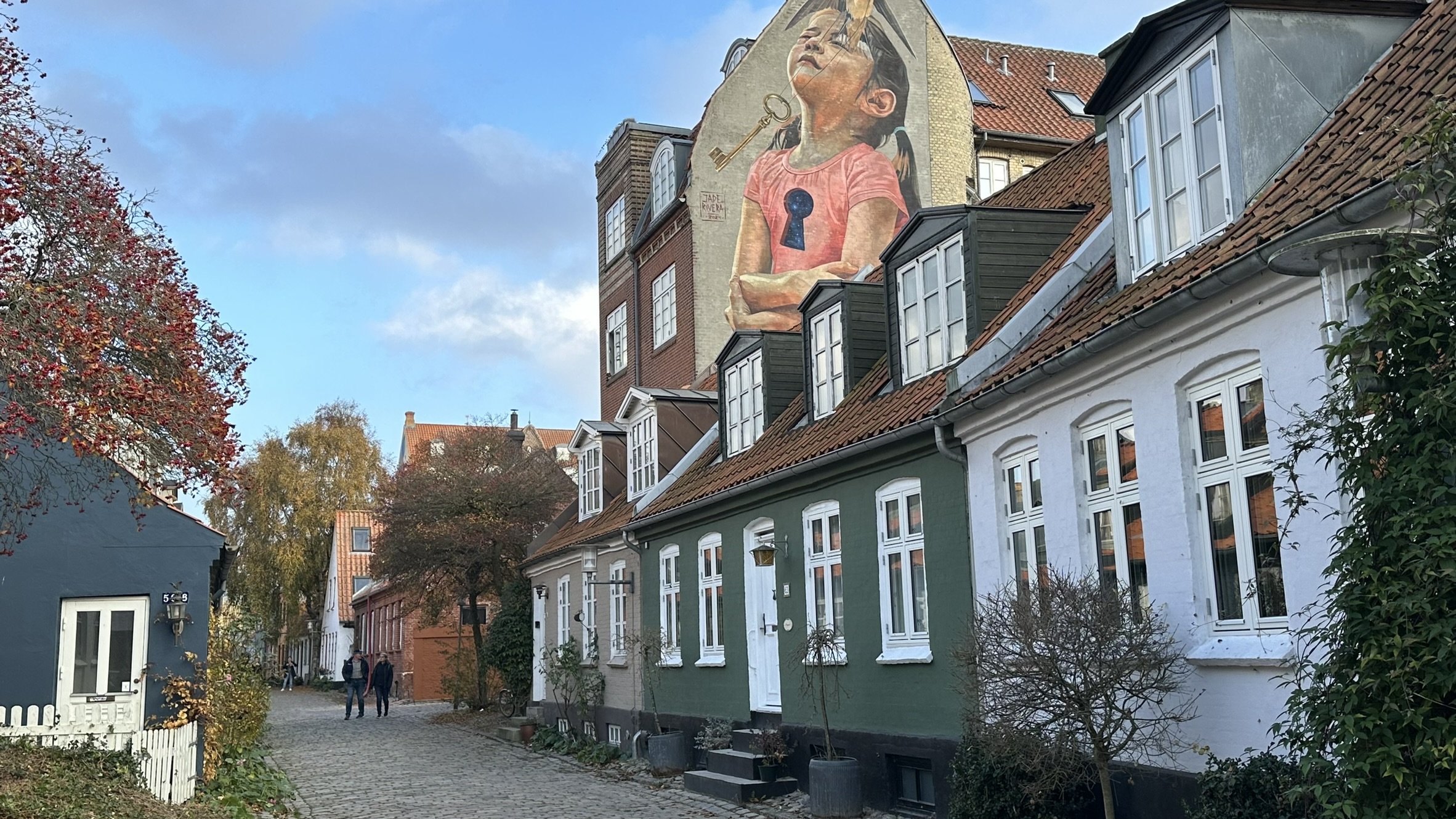
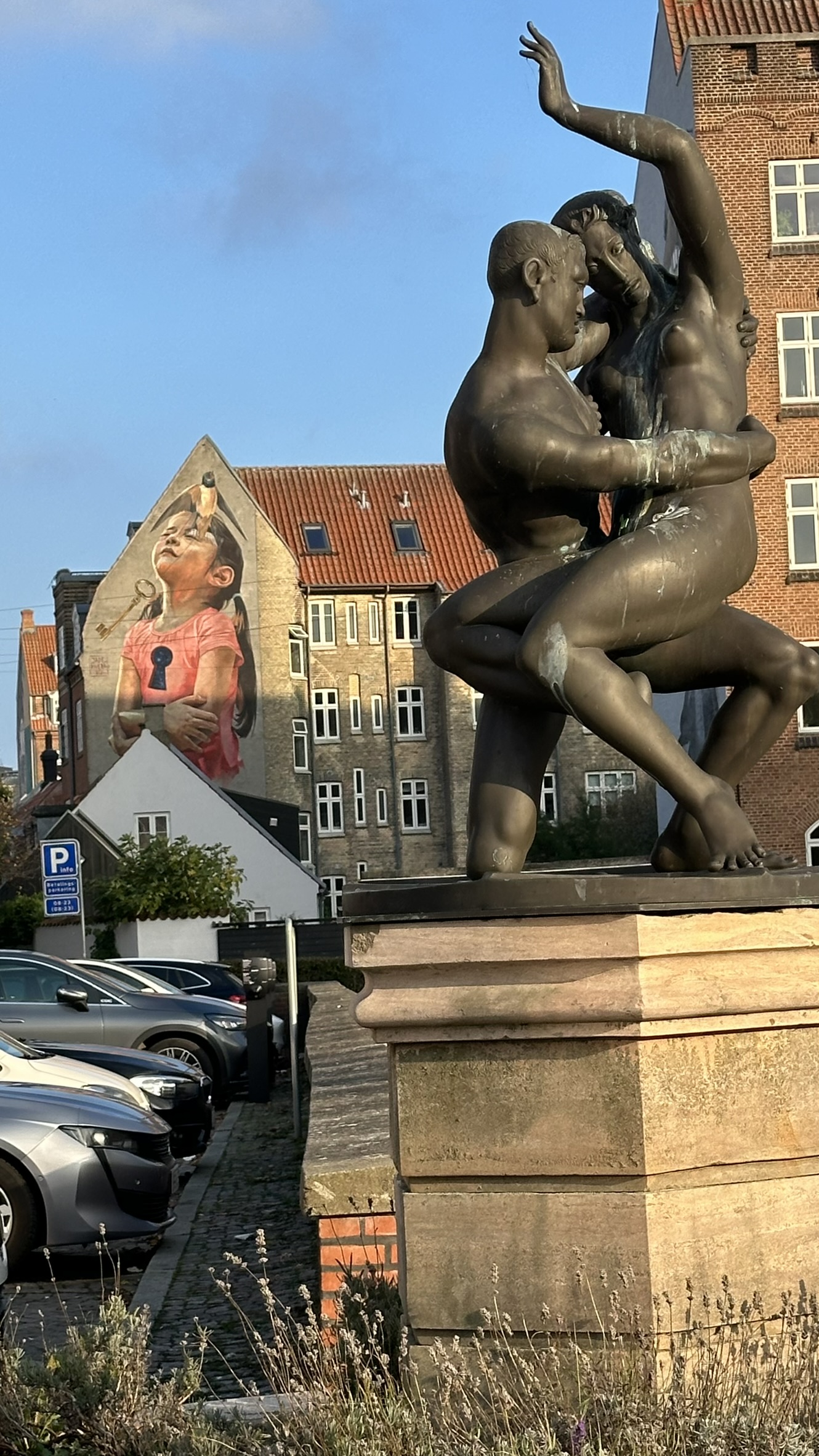
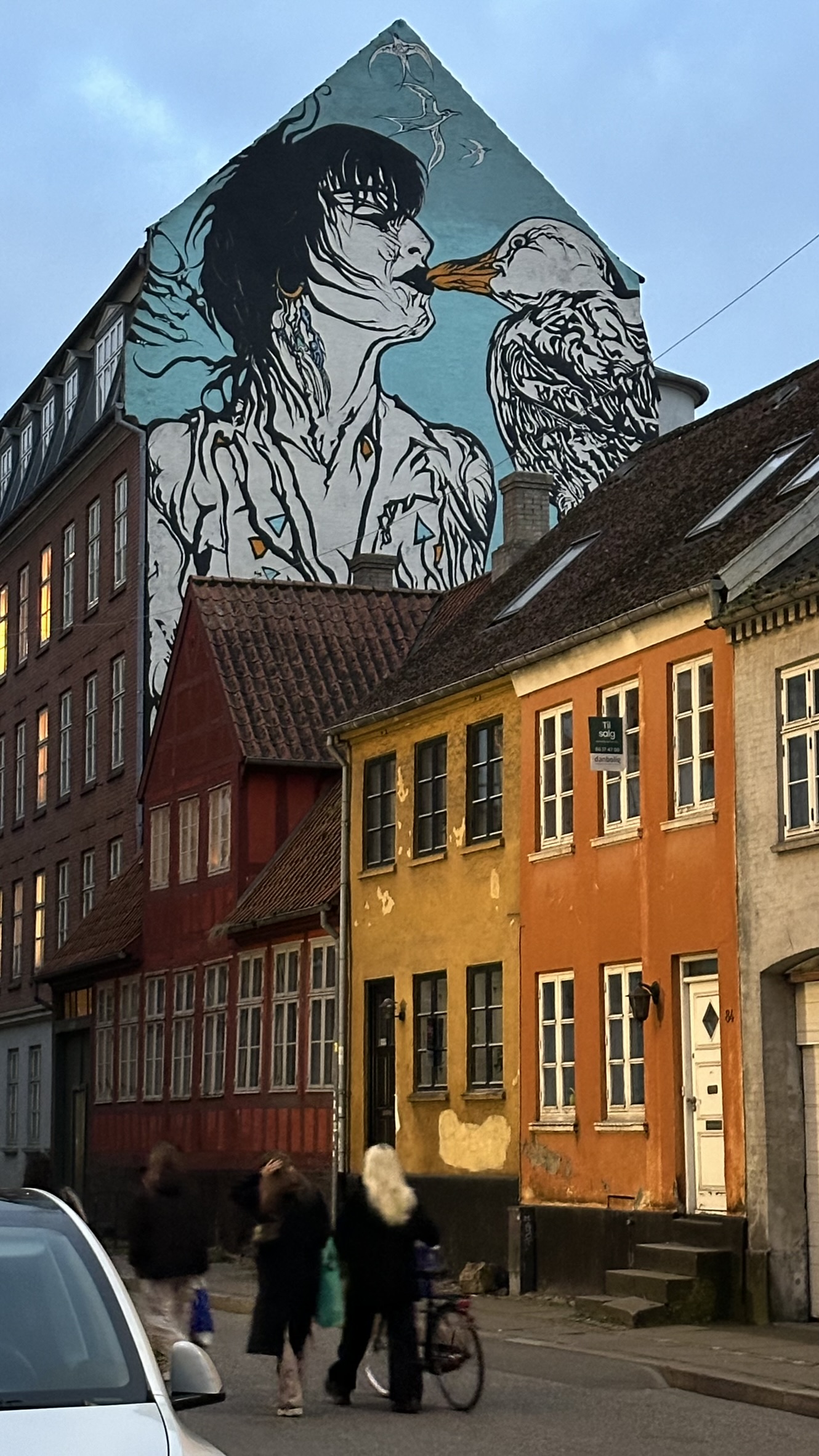
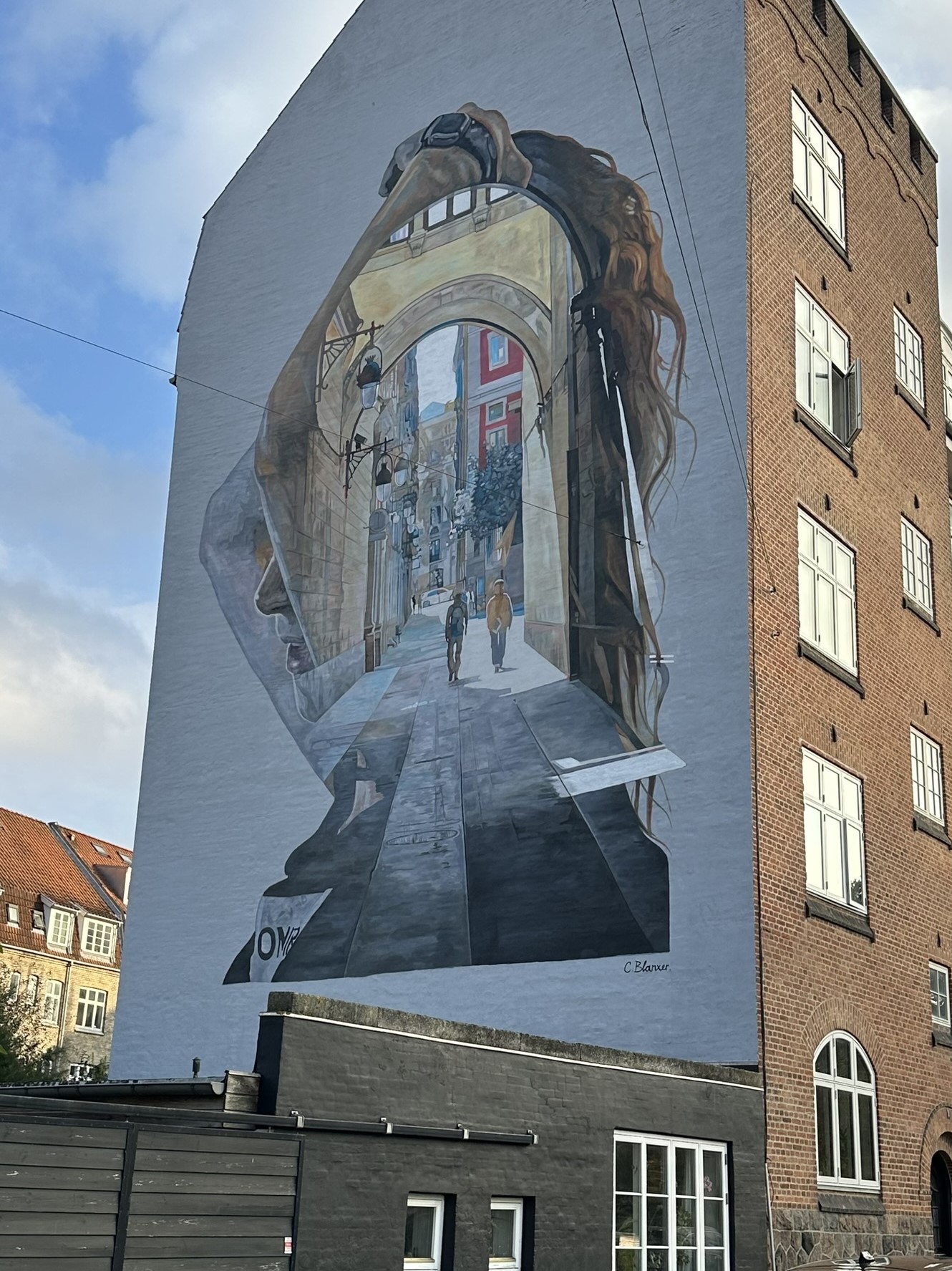
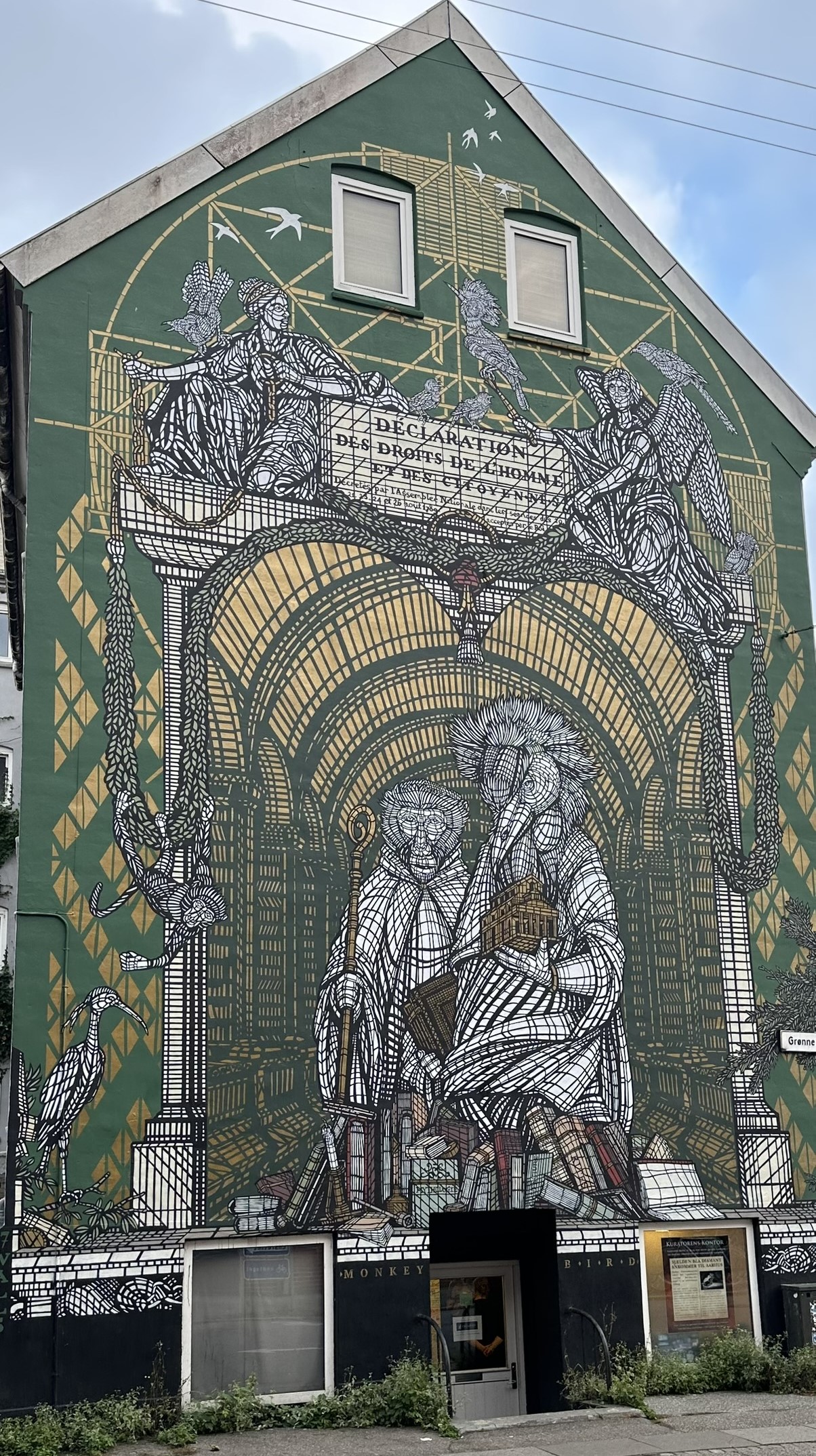
- Lots of color and centuries old timbered buildings throughout the Latin Quarter, probably our favorite neighborhood for strolling and window shopping. In fact, there is great street art all over town, huge murals covering entire buildings. Keep an eye out!
- Møllestein street is known for its cute, colorful houses and flower gardens. While its mostly a residential street, we popped into a cute ceramics shop (#53) to buy a couple souvenirs and discover the local shopkeeper was also a folk musician of some local renown. Great storyteller, too!
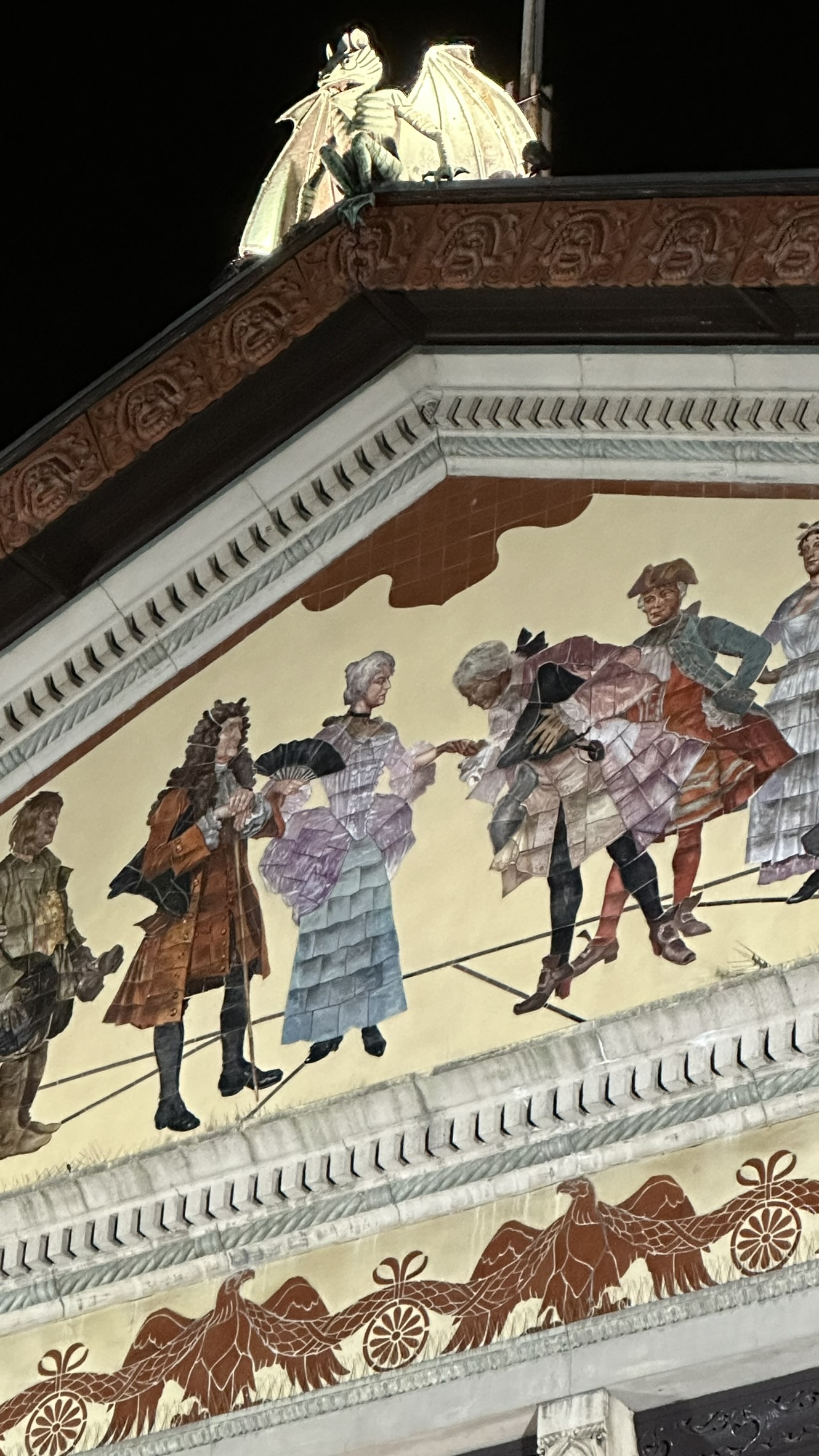
- The Aarhus Theater sits directly across the square from the Aarhus Cathedral. The architect thought it would be funny to put Satan on the roof looking at the cathedral, and so he did.

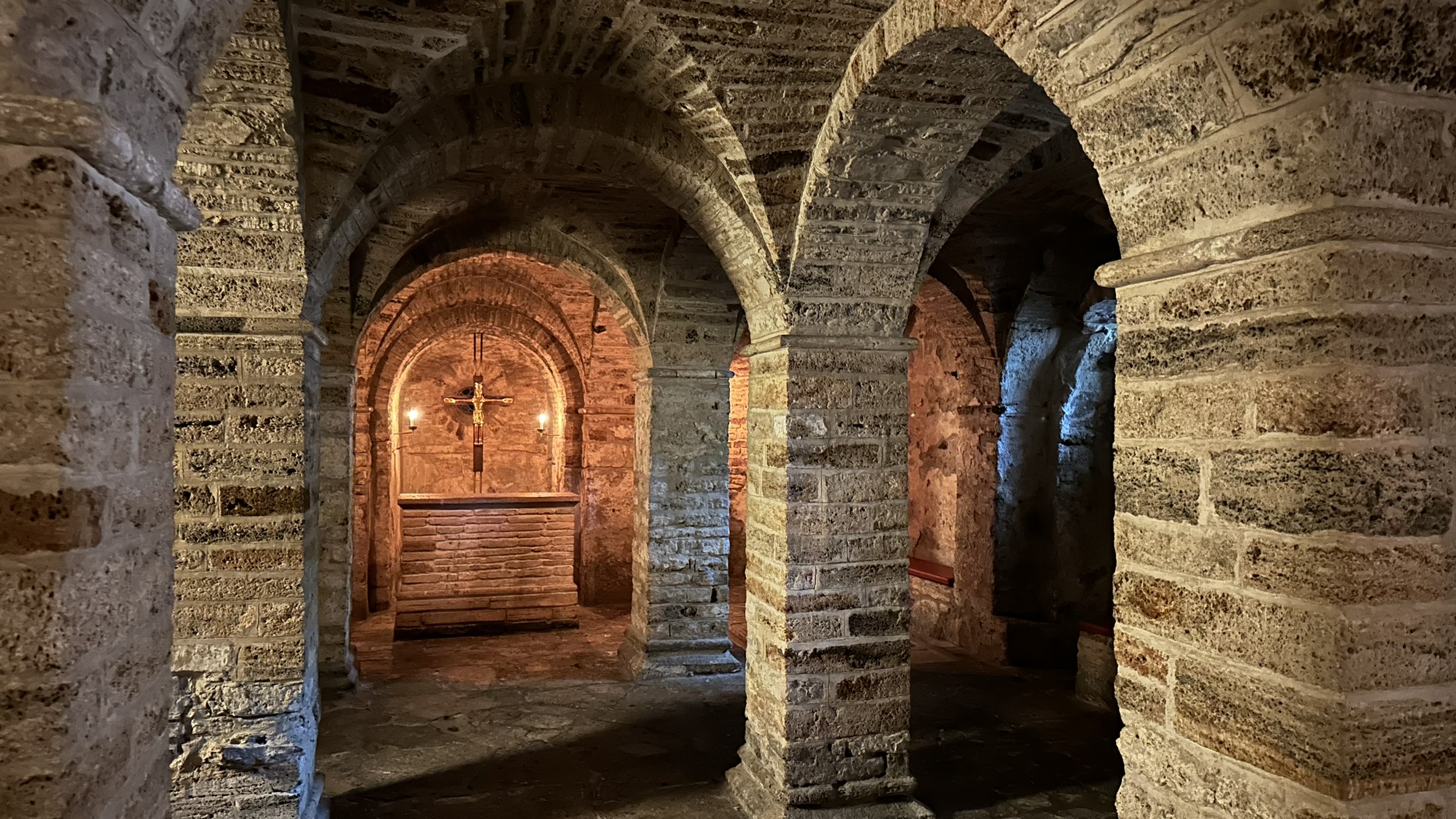
- The Church of Our Lady was built largely between 1250-1500 over the site of an earlier church built in 1060. Only the ancient crypt below remains of the original, and this is what you want to see! The ancient crypt church is the oldest stone church remaining in Scandinavia but was only rediscovered underneath the stone floor of Church of our Lady in 1950! Among other things, it contains a replica of the Åby Crucifix originally found here — the original is in the Danish National Museum in Copenhagen — depicting Jesus in Nordic attire with a distinctly Scandinavian mustache.
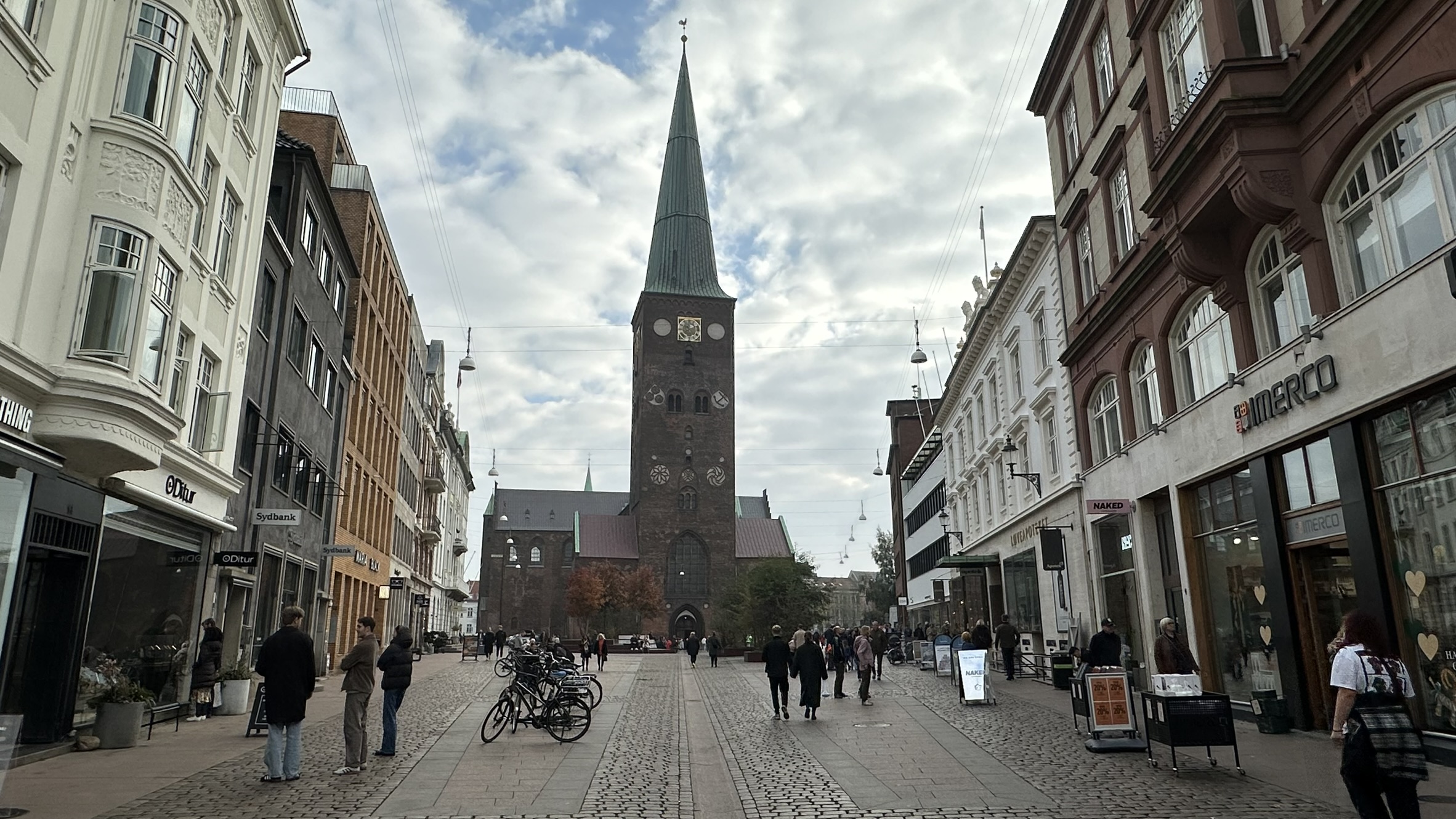
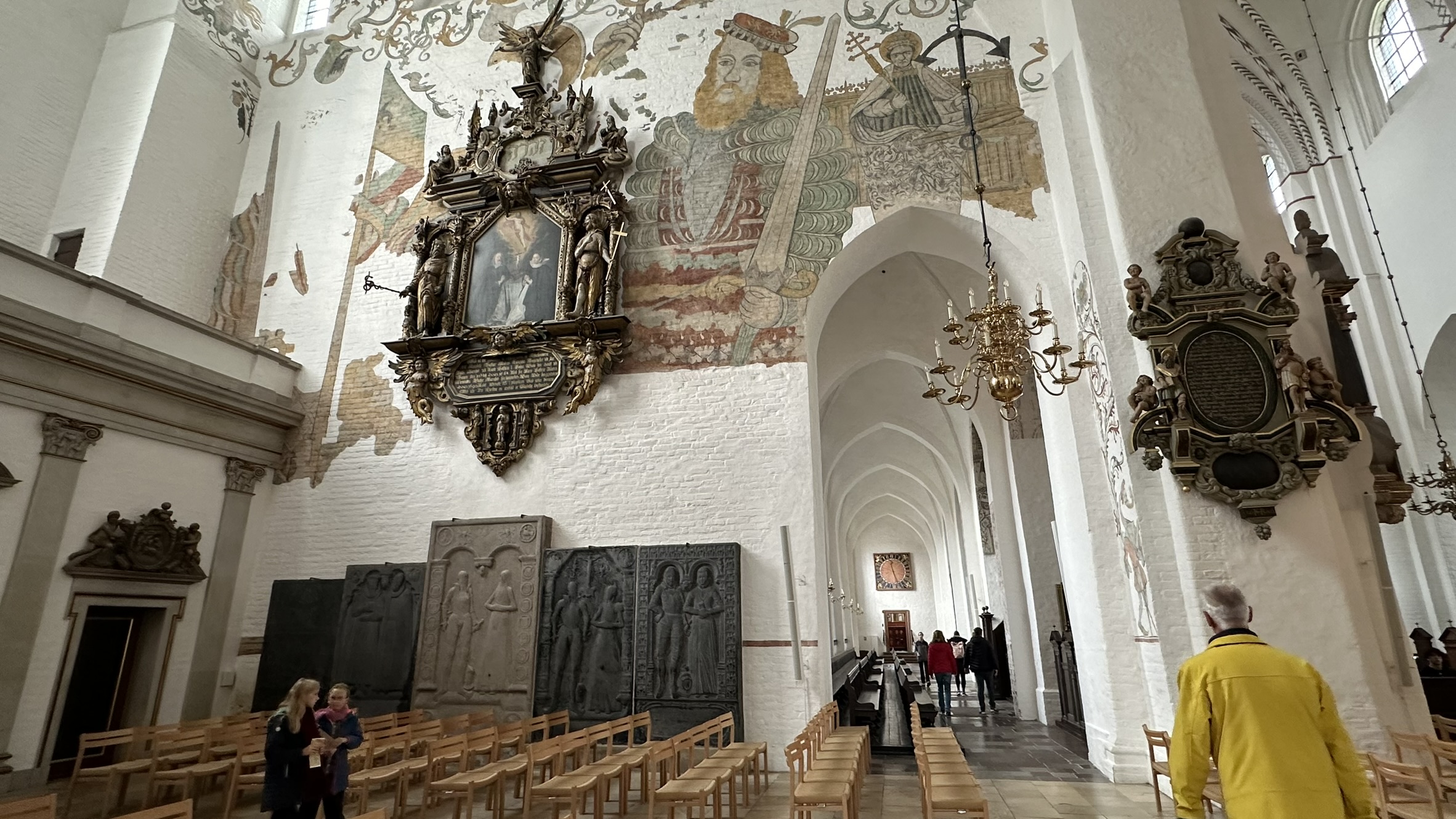
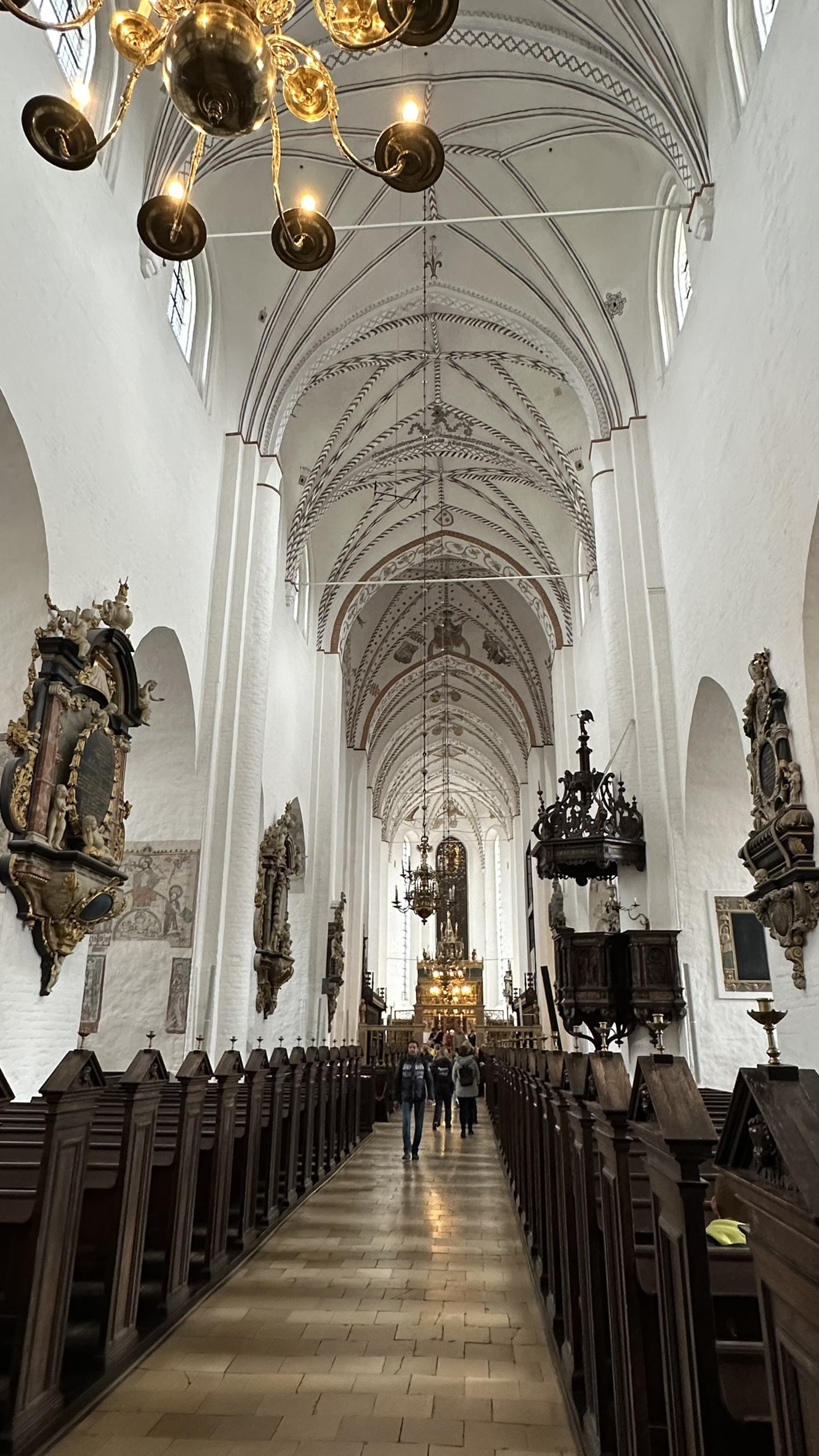
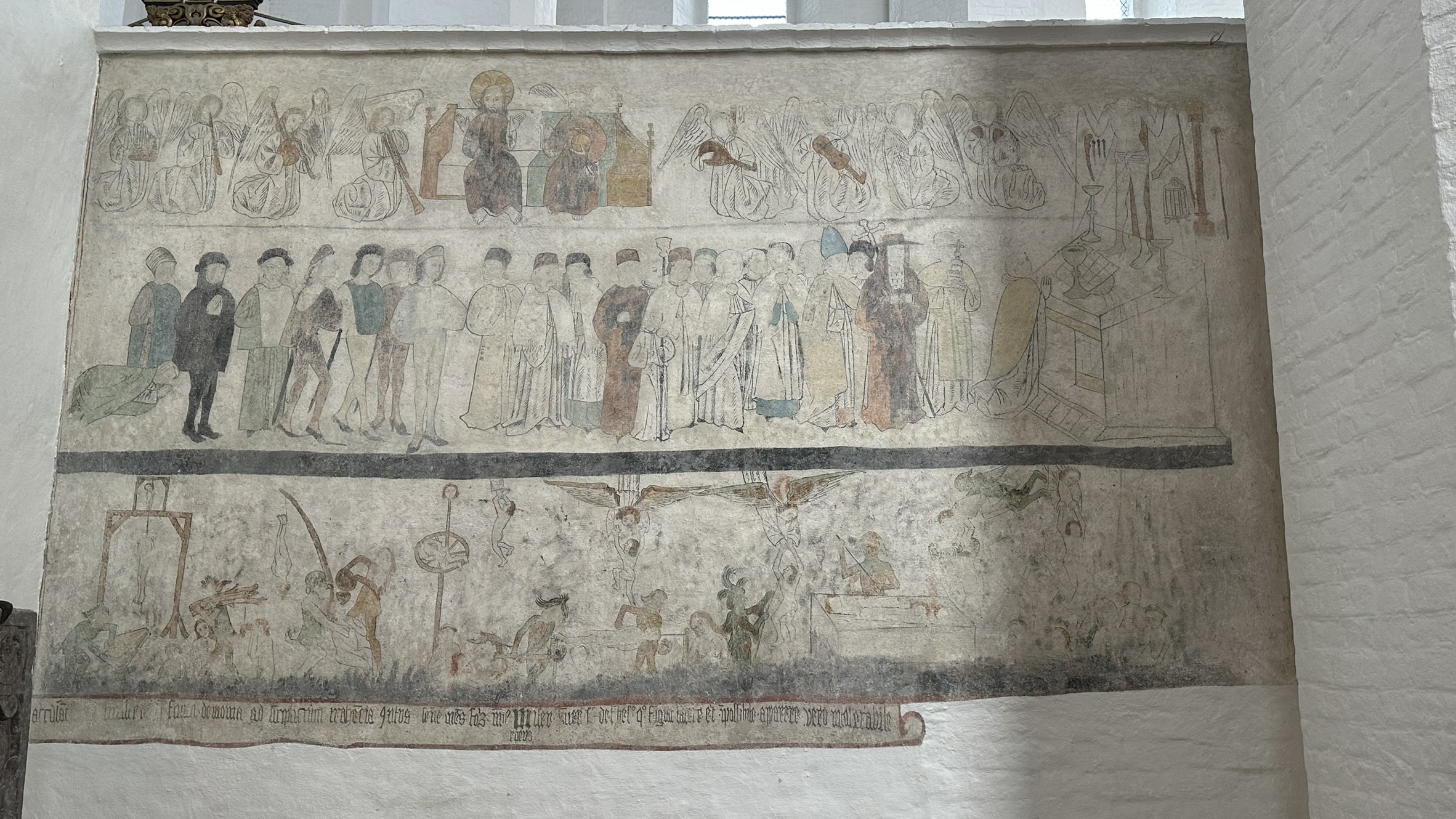
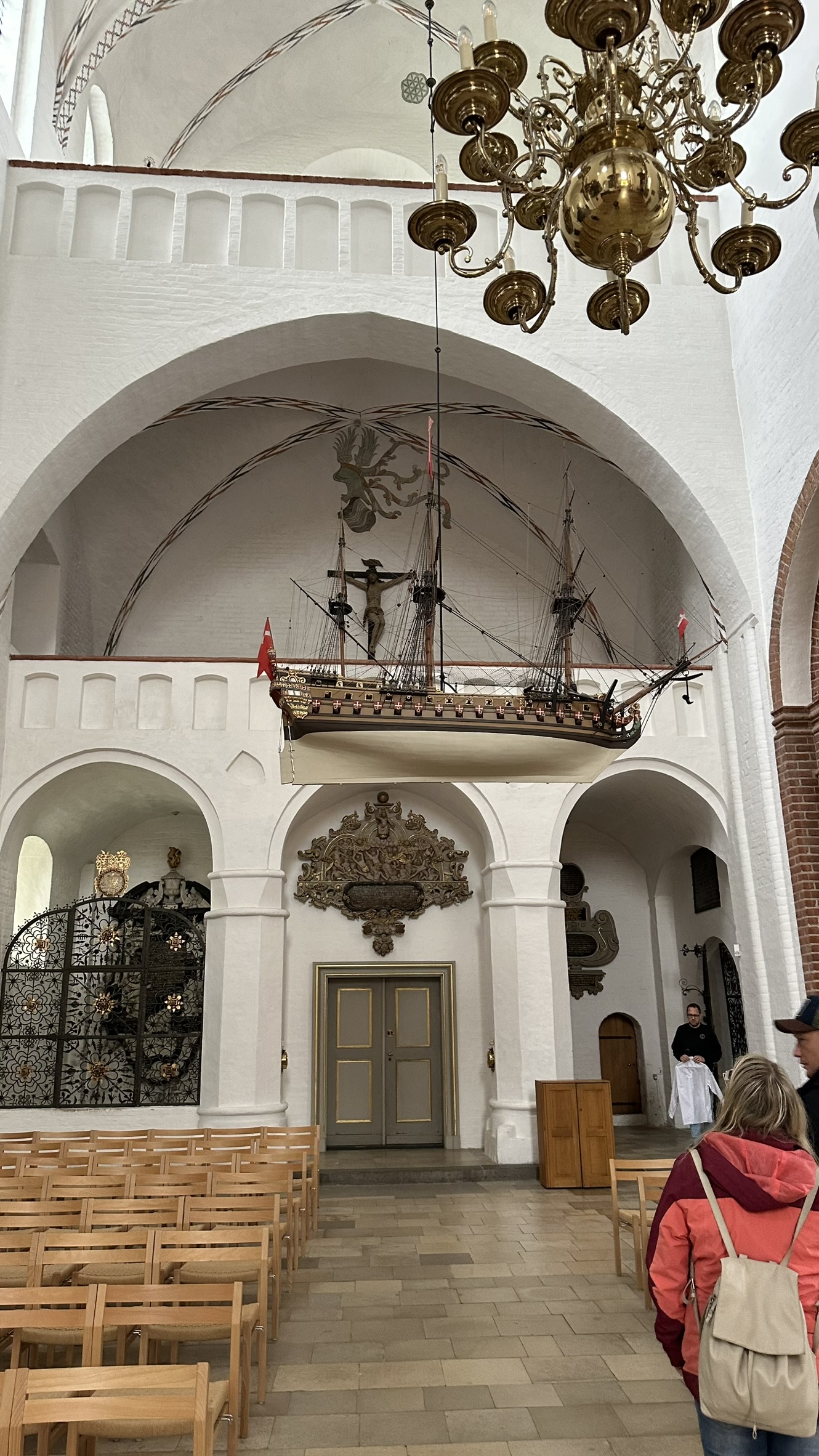
- Aarhus Cathedral, on the other hand, was also originally built in the 12th century but underwent a radical Gothic reconstruction in the 14th century. Interior walls were covered with beautiful frescoes, only a few of which survive to this day.

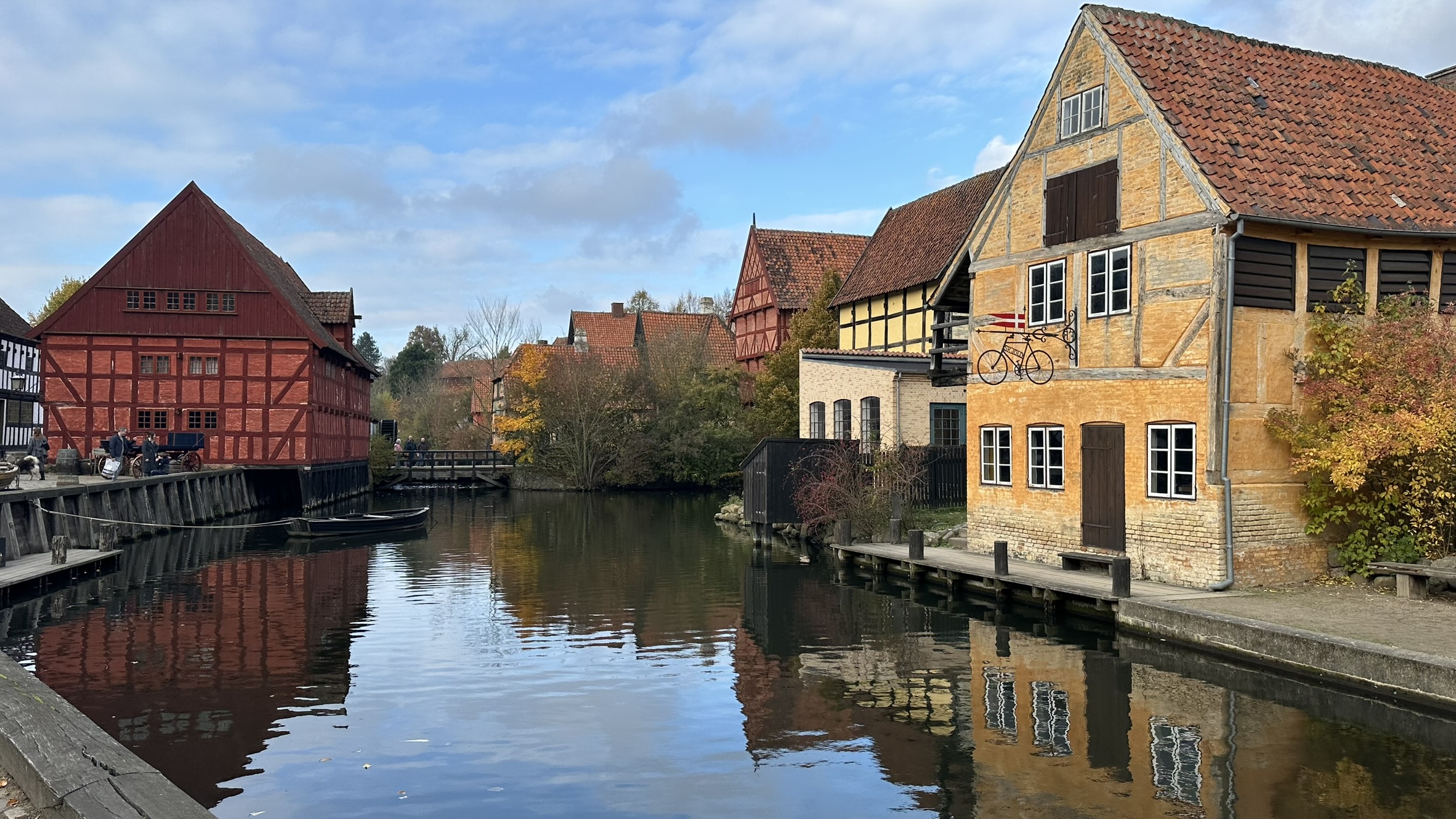
- Den Gamle By is an open-air museum that features four different eras of Aarhus urban life, very different from most Scandinavian stansen that depict long-past rural life. It’s worth a couple hours and the first museum I’d recommend when visiting Aarhus, by far.
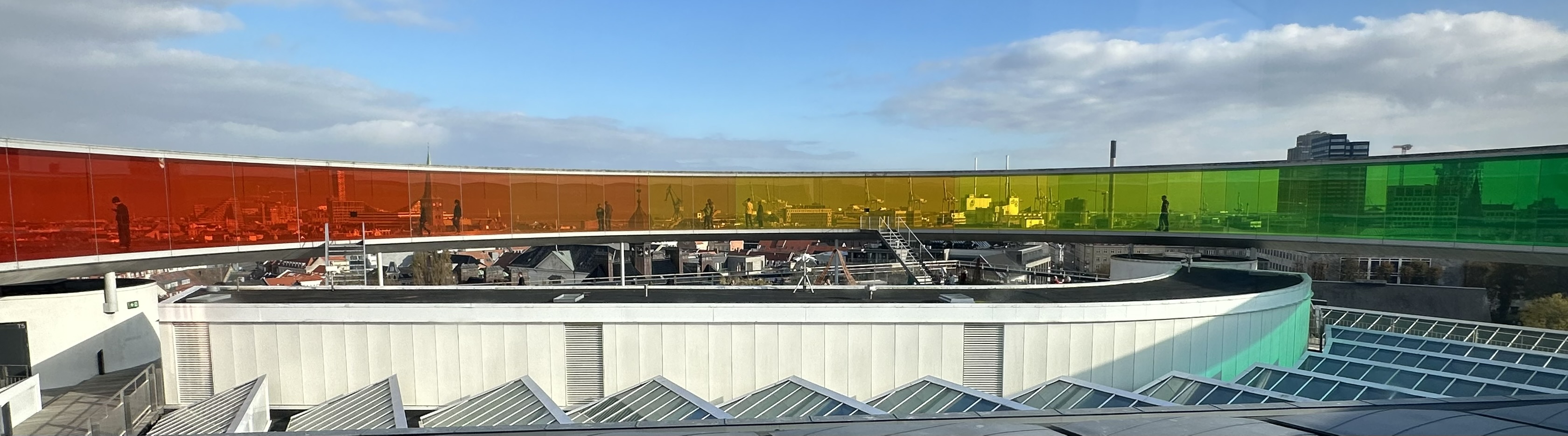
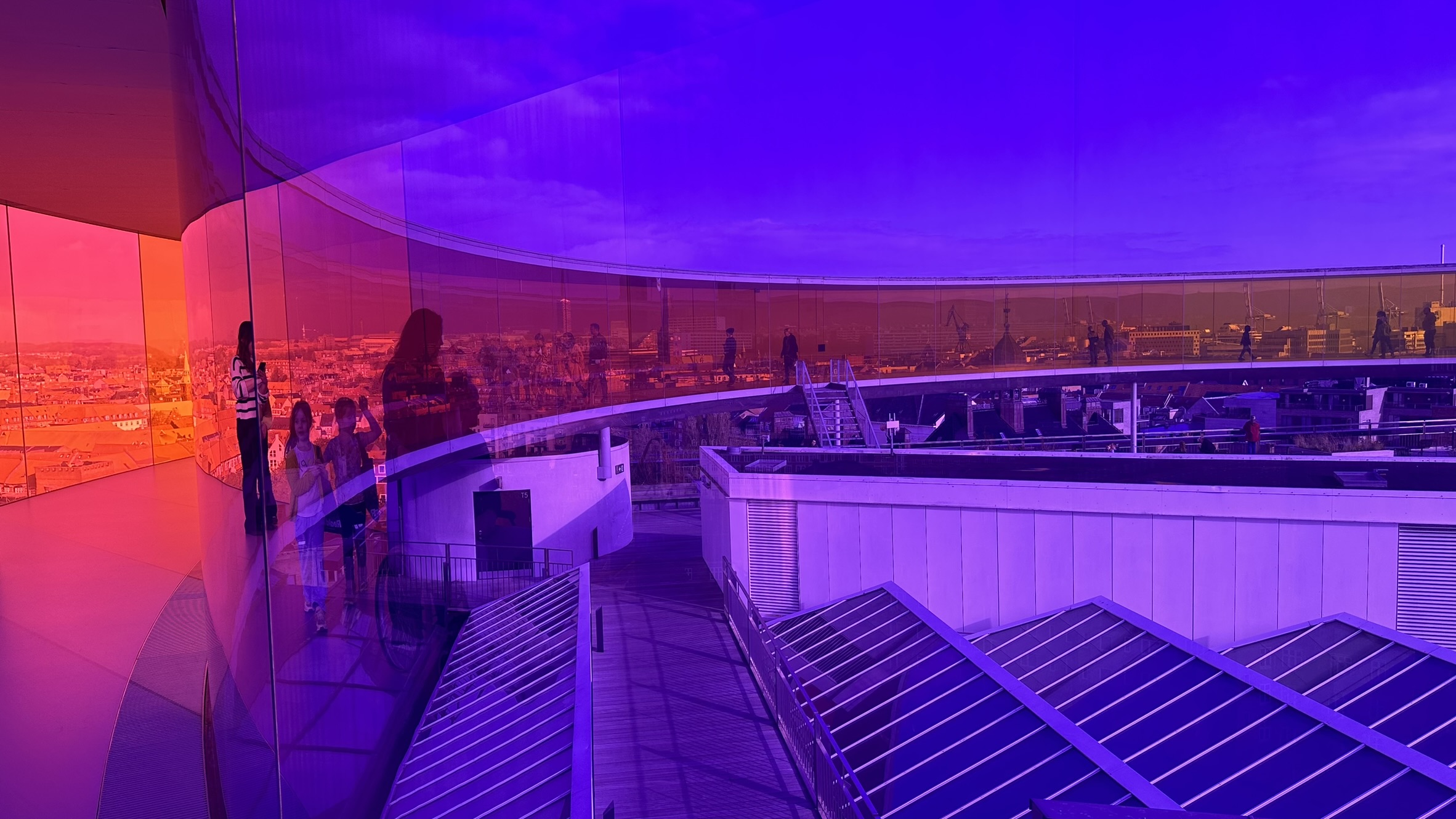
- ARoS contemporary art museum is worth a visit, depending on what’s being shown. We got a very interesting “immersive” art exhibit with several different rooms to explore, some of which were pretty crazy. For many visitors, the main draw is the 360-degree, panoramic rooftop view over the city through a rotating glass window with every color of the rainbow.



- A couple very good dinners at Sota Sushi Bar and Mefisto Restaurant & Gårdhave, an upscale seafood restaurant in the Latin Quarter.
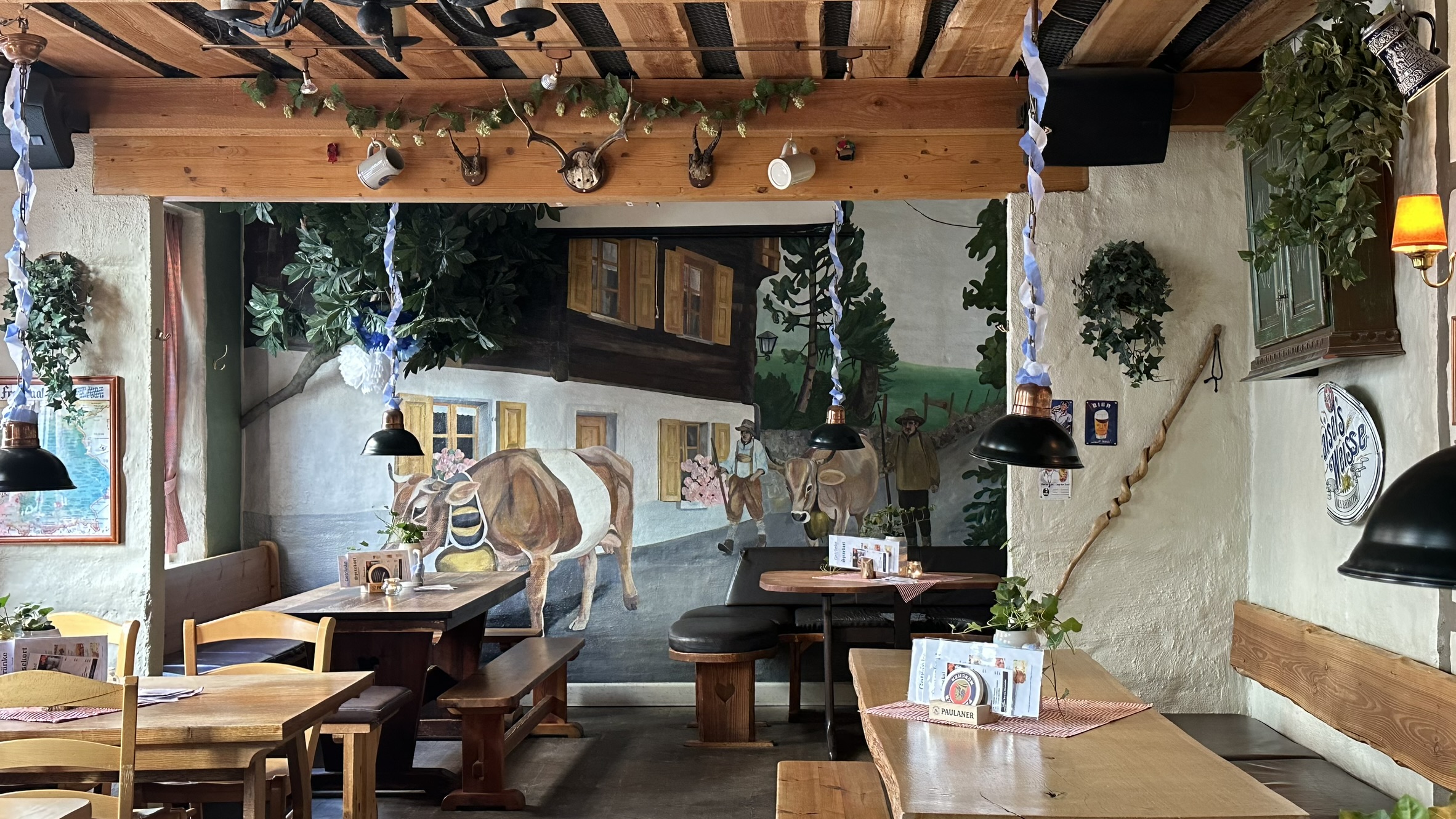
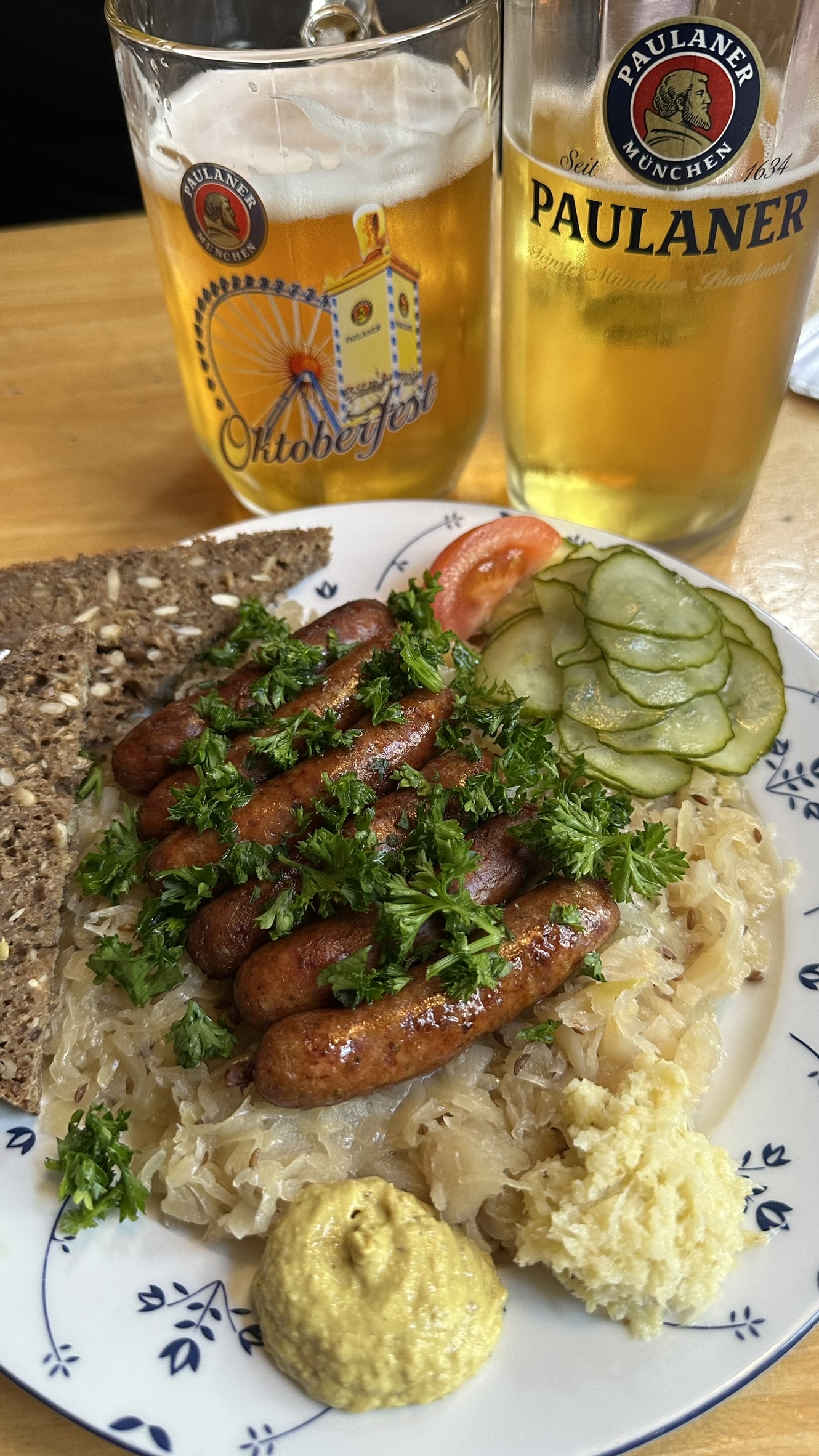
- I had wanted to hit the Sherlock Holmes Pub on Frederiksgade, just south of the river. Unfortunately, it was closed. Fortunately, that led us to Die Kleine Bierstube, an authentic German restaurant just across the street, where enjoyed a nice lunch of sausages, sauerkraut and German bier.
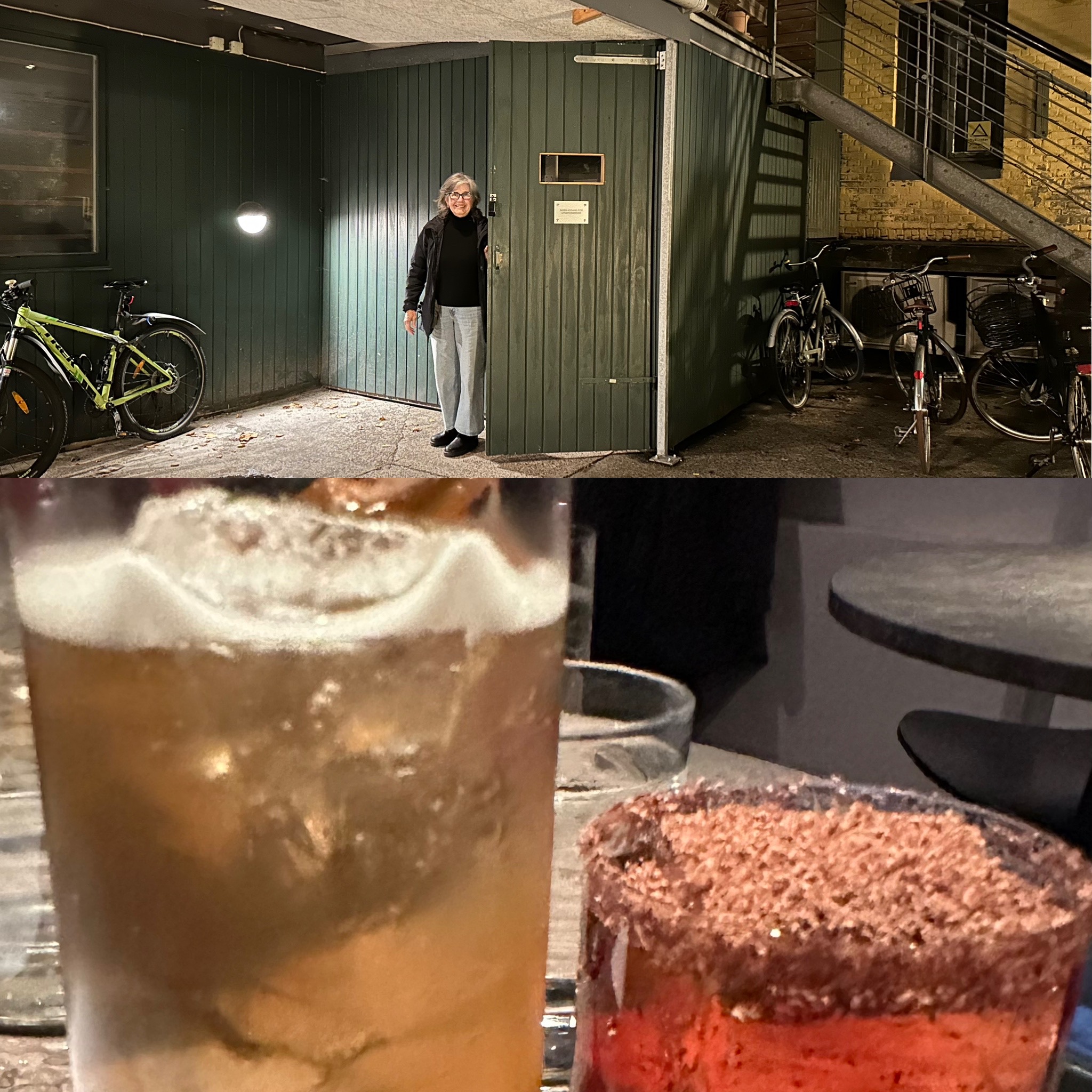
- Just half a block down the street from our hotel is Gedulgt speakeasy, an underground cocktail bar hidden behind a bike shed behind an old house. Not the easiest to find, but fun atmosphere and good cocktails inside.
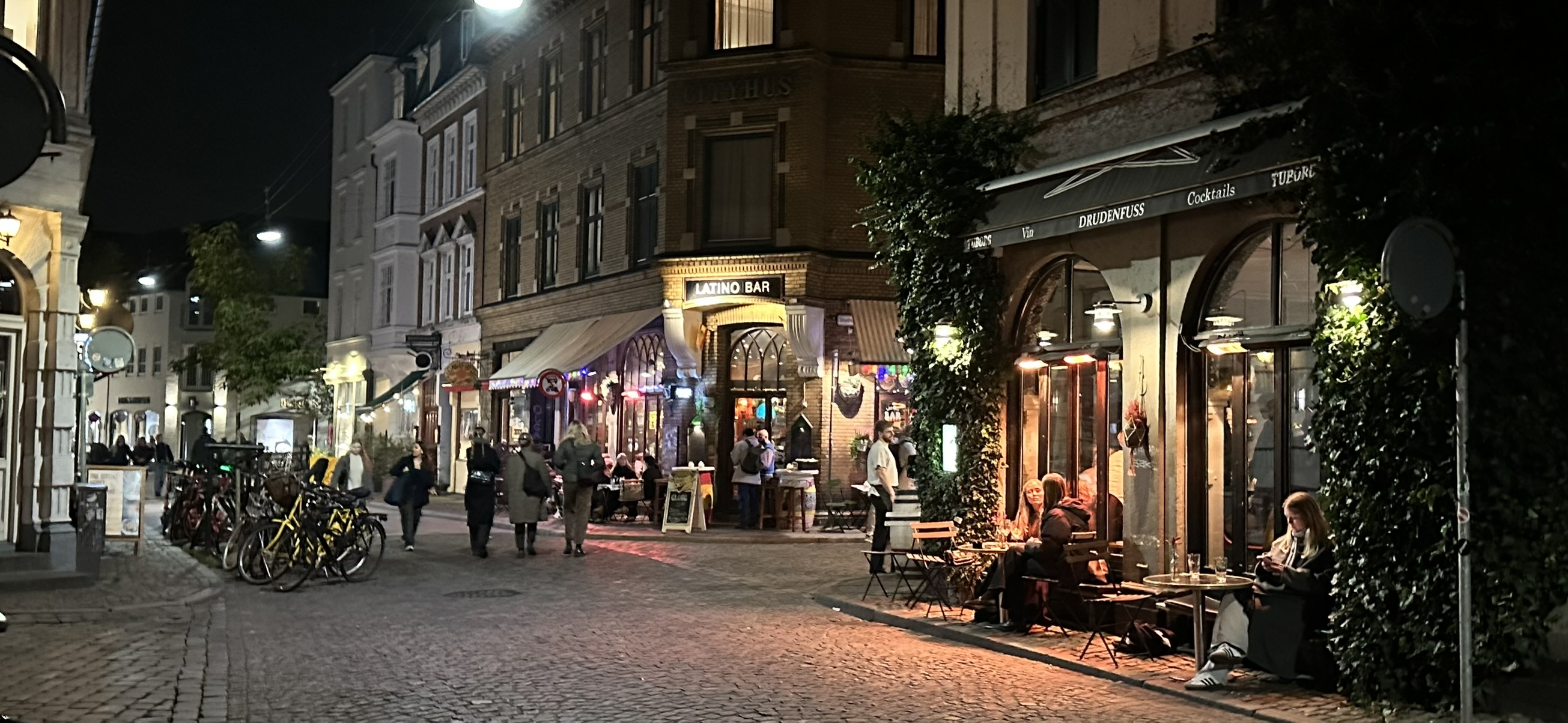
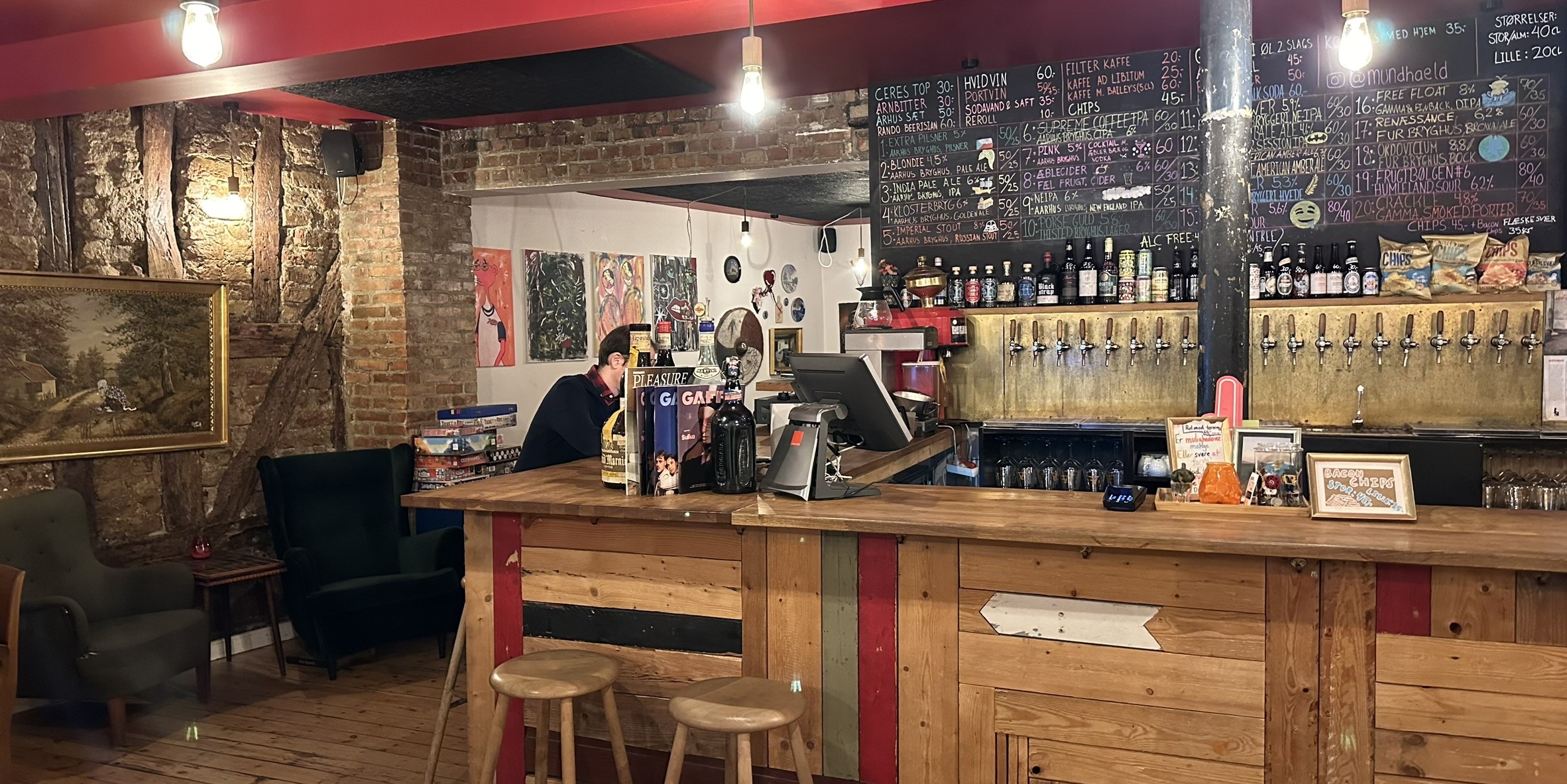
- For more conventional watering holes, I recommend Ris Ras Billiongongong in the Latin Quarter (though there are several nice-looking bars around with indoor and outdoor tables — this town is big on sidewalk drinking) and Mundhaeld, a spacious, relaxing beer joint with couches and lots of interesting artwork.
Random notes and tips:
- English is spoken widely just about everywhere, so that’s one thing you don’t have to worry about.
- Scandinavia is expensive in general. Norway even more so. The good news is cash is generally not needed anywhere except for tips and the rare, rural experience (like Copenhagen’s Christiania); otherwise, pay by tap with your mobile phone is fairly ubiquitous.
- The Eurail Scandinavia Pass is the way to go if you plan on taking more than a couple longer train rides. Priced is based on number of trips within a 30-day period. Use if for the bigger train trips, not the small, inexpensive trains, like getting to/from the airport and town. For us this meant: Stockholm to Oslo (5h); Bergen to Voss (1h); Myrdal to Oslo (5h); Bodø to Trondheim (10h); Trondheim to Oslo (7h); and Aarhus to Copenhagen (2.5h). Some but not all trains require seat reservations in addition to the pass; you can buy this on Vy.com. Rick Steves is a great resource for European rail passes in general.
- Direct non-stop flights on SAS Airlines in and out of Copenhagen are great, and probably easier to get than Stockholm, Oslo or Helsinki. For regional flights, SAS and Norwegian Air can get you just about anywhere, though Wideroe is a fine choice for getting almost anywhere in Scandinavia, especially the smaller towns like Bergen and Ålesund.
- The only place we needed a car was our Lofoten Islands roadtrip. I’ve always had good luck with Sixt throughout Europe, and getting a car in Tromsø and dropping it off in Bodø was a piece of cake.
- If you are interested in learning more about the rorbuer experience in the Lofoten Islands, this blog is an excellent resource.
- With one less week, I would cut out Helsinki and Tallinn (strictly because of location and travel logistics) and the 3-day leg between Lofoten and Oslo via Trondheim, instead opting to fly back to our post-Lofoten destination from Tromsø or Bodø airports.
- With one more week, I would add a day or two to Helsinki and, depending on the season, either a few days further north into Lapland/northern Scandinavia (winter, for ice domes, northern lights and dogsledding) or a couple days in Ærø, Denmark and/or the Stockholm Archipelago islands (summer).


 Once in a while you get shown the light...